Eight Big Ideas to Build a Safe California
A Platform for California’s Next Governor


Claire Simonich
Associate Director, Vera Action
Eric Henderson
Policy Director, Ella Baker Center Action Fund

Claire Simonich
Associate Director, Vera Action
Eric Henderson
Policy Director, Ella Baker Center Action Fund
Introduction
Invest in public infrastructure and local businesses to safeguard our streets and improve quality of life
Tackle gun violence by supporting a comprehensive approach to violence prevention that includes community violence intervention and youth support
Support strong mental health and community stability by investing in treatment, mental health diversion, and alternative crisis response
Implement tools to prioritize accountable and effective law enforcement by federal, state, and local officers alike
Create housing opportunities for everyone by funding more supportive housing, reducing barriers to housing access, and eliminating punitive approaches to homelessness
Strengthen support for survivors of crime
Invest in a public health approach to treat addiction and end the overdose epidemic
Use the range of gubernatorial power—executive orders, clemency, appointments, and supporting legislation—to ensure a fairer, more accountable justice system
As Californians head to the ballot box in 2026 to elect a new governor, the stakes have never felt higher. Over the past year, California has found itself in the crosshairs of a federal government that attacks anyone who gets in the way of its war on immigrants and working people. Thanks to our state’s commitment to protecting all Californians, we have faced massive cuts in federal funding, ICE raids in our neighborhoods, incursions by the National Guard and Marines, and more.
As we lead the nation in resisting these harmful actions, California continues to face challenges of its own. California is the fourth-largest economy in the world, but it is unaffordable and inequitable for too many of our residents, undermining the ability of families to have stable futures. From homelessness and deadly jails to the opioid crisis and gun violence, we cannot allow a weaponized federal government to distract us from continuing to make progress on the issues that matter to everyday Californians. The next governor must work with lawmakers on solutions to these problems that affect us all.

How the governor can help improve public safety:
● Enforce laws
● Prepare and submit the state budget
● Sign or veto legislation
● Propose legislation/ legislative packages
● Call special legislative sessions
● Lobby for legislation
● Propose ballot initiatives
● Grant pardons, reprieves, or commute sentences
● Put a moratorium on the death penalty
● Appoint parole commissioners, agency leaders, and judges
● Use the bully pulpit to shape perception of crime and safety
The next governor’s approach to public safety will be at the forefront of making progress on these issues. California voters place a high priority on safety. Every Californian deserves to be safe in their community, regardless of where they live, how they vote, the color of their skin, or the money in their pockets. California has made immense progress on public safety. Statewide, crime has mostly recovered from pandemic-era spikes, with crime declining across every major category in 2024 and reaching the lowest murder rate in decades. And the prison population is now at its lowest rate in more than 30 years.
But there is still much work to be done. Despite major declines, some categories of crime remain above pre-pandemic levels. Even as law enforcement continues to receive more funding, they are solving fewer crimes, and many cities struggle with painfully slow emergency response times. Meanwhile, the state’s unhoused population has reached record highs, rising 3 percent in 2024 (though still below the national increase of 18 percent). California’s per-capita overdose fatality rate is lower than that of the majority of other states, but still far too high and falling at a slower rate than the national average. And prison spending remains bloated (growing to $17.5 billion in state funds in 2025–2026) despite a shrinking prison population, taking vital money from other programs and departments that deliver safety. The Department of Public Health, for example, received just $5.2 billion.

To truly deliver safety, California’s next governor must fully fund solutions that prevent crime before it happens and make communities safer and more stable, such as affordable housing, good jobs, education opportunities, and better access to health care—rather than focusing funding on outdated, ineffective “law-and-order” approaches. Amid our budget crisis and massive federal funding cuts, we need to focus more than ever on filling these gaps to support the safety and stability of our residents. To meaningfully fund the solutions that work, like mental health and drug treatment, youth programs, and housing, California’s next governor should close at least four more costly and unnecessary state prisons.
Finally, delivering meaningful safety will not be possible without incorporating the perspectives of the people most affected by crime and the criminal justice system. This means listening to and supporting all survivors of crime. It also means continuing to appoint leaders with lived experience and who are closest to the issue.
This platform outlines concrete solutions for safety in eight key areas:
1. Safekeeping our streets and quality of life
2. Tackling gun violence
3. Supporting strong mental health and de-escalating crisis
4. Delivering accountable law enforcement
5. Creating housing opportunities for everyone
6. Strengthening support for crime survivors
7. Ending the overdose epidemic and treating addiction
8. Ensuring a fairer, more accountable justice system
The next governor must deliver safety, justice, and accountability for all Californians. Safety means championing a comprehensive approach of relying on the right tools and responders to prevent crime, respond to crisis, and stop violence. Real accountability means ensuring that everyone who causes harm—from everyday Californians to police and politicians—learns from their mistakes and changes their behavior. And justice means reducing unnecessary arrest and incarceration that cost us heavily without making us safer. With the solutions in this platform, the next governor can deliver all three.


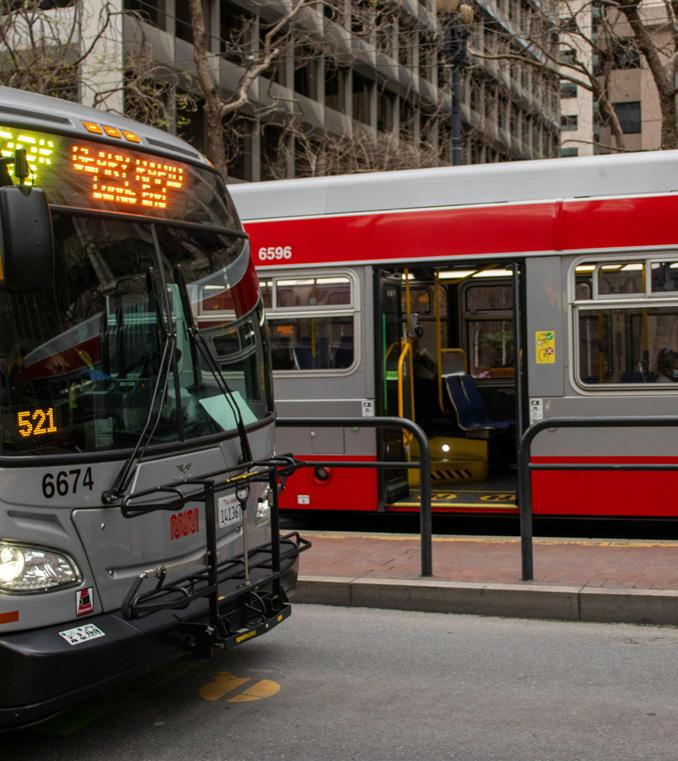
Everyone deserves to feel safe, whether walking home at night or dropping their kids off at school in the morning. Thriving businesses, well-lit streets, and green spaces, don’t just make us feel safer; they are also an investment in public safety: for example, one study in Philadelphia showed that cleaning and greening vacant lots was associated with a 12.3 percent reduction in gun assaults citywide, while a New York City study showed that better lighting reduced serious crime in public housing complexes by 4 percent.
But in the face of strained municipal budgets, cities have taken critical funding away from much-needed infrastructure improvements. For example, in Los Angeles, 1.5 million residents lack easy access to a park or green space, it takes 120 days to fix a broken streetlight, and there is a 10-year waiting list for access ramps. And although public transit usage in major cities like Los Angeles and San Francisco is rising, it still has not recovered since the pandemic, with many people still concerned about safety and unreliable service
A $300M budget would be enough to afford all the following in one year:*
● 250 new public restrooms, with two years of maintenance,
● 10,000 trees planted, with five years of maintenance,
● 100 blocks of light street improvement,
● 30 blocks of medium street improvement,
● 810 blocks of fully redesigned street improvement,
● 1,500 streetlights,
● 500 Wi-Fi and charging stations,
● 200 sanitation workers’ annual salaries,
● 200 metro ambassadors’ annual salaries, and
● 200 mental health outreach workers’ annual salaries.
Meanwhile, the small businesses that keep our streets vibrant and busy are struggling under economic pressures and natural disasters. In 2024, retailers closed more than 2,100 brick-and-mortar locations in California. When businesses on main street are boarded up or pharmacies lock products in plastic cases and rely on self-checkout, neighborhoods suffer with fewer jobs and less foot traffic. To truly protect our communities, the next governor must invest in our public spaces and local businesses.
Good infrastructure does more than make communities beautiful. Investing in the built environment of California’s cities and neighborhoods is an investment in public safety. When residents feel comfortable spending time in the streets at all hours—when the trains run, businesses are open, the streets are well-lit, and lots aren’t vacant—studies show that they are truly safer. When it comes to our built environment, the next governor can make it safer by:
● Investing $300 million annually in green spaces and public infrastructure investments. This should include lighting, tree canopy, public restrooms, free Wi-Fi and phone charging docks, slower or narrowed streets, and pedestrian walkways. Simple fixes, like more green spaces and better lighting, both improve quality of life and reduce crime.
● Investing in public transportation improvements. This $300 million investment should include funding for metro ambassadors, elevator attendants, and housing/mental health outreach workers on buses and trains. A good model is Los Angeles’s metro ambassadors, who meet people in need of help where they are, providing lifesaving overdose reversals and connecting people in distress with mental health care. The data shows their efforts work: they’ve saved more than 300 lives through suicide prevention and providing NARCAN, and riders report feeling safer.
● Ensuring CalTrans funding includes ongoing wellness maintenance for the life of a project. Simply building transit is not enough. People use public transit when it feels safe, clean, and timely. To ensure ongoing ridership on trains and buses, California must build long-term maintenance into its transportation budgets.
* Data for these calculations are on file with Vera, available upon request from the authors.
● Encourage cities to invest in infrastructure by hinging funding on long-term infrastructure plans. Without a long-term vision, developing a unified infrastructure that drives safety is impossible. Los Angeles is the only city among the state’s 10 most populous cities without a Capital Infrastructure Program. Cities of all sizes can benefit from this kind of planning, which includes aligning city departments, improving budgeting, and centering community and workforce needs.
In recent years, much attention has been paid to threats to California businesses like faltering downtowns and pandemic-era increases in retail theft in some counties. While responses have ranged from innovative to counterproductive, the need is paramount.
California’s 4.3 million small businesses are the state’s economic lifeblood, accounting for half of its private sector workforce. Additionally, California’s immigrant population is critical to the state’s economy, with immigrants making up 40.3 percent of all entrepreneurs and owning 880,900 businesses, generating $28.4 billion in business income. Small businesses, and especially immigrant- and minority-owned businesses, help position California as the fourth-largest economy in the world. They also promote foot traffic and thriving downtowns, which can in turn reduce crime. But too often, we turn to punitive solutions like Prop 36 when better solutions are available: for example, targeted youth employment programs have been shown to reduce property crime by 29 percent, while access to drug treatment and higher wages have similar effects. California’s next governor can help truly deliver safety, prosperity, and stability to our small businesses, street vendors, and communities by:
● Supporting policies that help people open small businesses and keep them running long-term. The next governor should allow businesses to work toward property ownership, removing barriers and red tape that slow them down while providing access to tax relief and short-term loans. Specifically, the state should invest $50 million over the next three years in the California Investment and Innovation Program (Cal IIP) and Social Entrepreneurs for Economic Development (SEED) funding programs to support immigrant entrepreneurs. Further, the next governor can support new business and long-term growth by taxing vacant properties and exploring commercial tenant protections.
● Helping small businesses and workers prevent and respond to theft. Law enforcement-centered approaches like Governor Newsom’s Organized Retail Crime Task Force or Prop 36 do not address the underlying drivers of theft and strip funding from the programs that do. Instead, one promising idea is expanding the reasons small businesses can receive micro-grants and loans to include addressing theft prevention and glass repair/vandalism. Another idea is reducing reliance on self-checkouts (which drives retail theft) and adequately staffing and supporting workers, which has helped major retailers successfully limit theft. Finally, to prevent theft before it happens, California should prioritize going after highly sophisticated businesses that profit from third-party sales for stolen goods and pursue legislation that would make it harder for them to sell stolen goods on websites like Amazon and eBay
a comprehensive
includes
While California has made significant strides toward reducing gun violence and has one of the lowest rates of gun violence in the nation, one death is one too many, and Californians deserve to feel safe in their neighborhoods. In 2023, California had 1,427 homicides by gun, and guns were the third leading cause of death among young people. More than half of domestic violence deaths in 2022 involved a gun. Yet many counties across California don’t have violence prevention plans in place.
We can proactively stop shootings before they happen. To reduce gun violence, California’s next governor must get guns off the street, invest in successful models of violence prevention, and support our young people.
Invest in community violence intervention (CVI) programs across the state to prevent gun violence before it happens.
CVI programs reduce shootings by establishing relationships with people at the center of gun violence in our communities. They support people at risk of being victims or perpetrators—or both—of violence. In California and across the country, investments in CVI are helping to drive historic declines in gun violence: for example, Sacramento’s Advance Peace program reduced homicides and nonfatal shootings by 20 percent from January 2018 to December 2019. These programs also save money: for every $1 spent on
Advance Peace, Sacramento saved between $18 and $41 across emergency response, health care, and law enforcement, as well as other parts of the criminal justice system. To support communities devastated by gun violence and advance CVI programs, the next governor should:
● Commit $250 million each year to violence intervention efforts. This should include providing grants through the California Violence Intervention and Prevention Program (CalVIP), which funds both hospital-based and street outreach violence intervention initiatives, as well as critical capacity-building in the CVI field. These funds are even more urgently needed in the face of heavy federal cuts California lags behind states like New York and Massachusetts in per capita investments in CVI, and the next governor must rectify this shortcoming.

● Require all 58 counties to have long-term violence prevention plans. Each county should have a viable CVI program, with an office or agency dedicated to improving coordination and supporting existing efforts across the county. LA County’s Office of Violence Prevention (OVP), situated within the Department of Public Health, offers an excellent model. These efforts should also be integrated into larger public safety efforts, as in Baltimore’s Group Violence Reduction Strategy, which has successfully reduced crime by giving CVI groups a seat at the table alongside law enforcement, community leaders, and health providers to address crime. Effectively addressing gun violence is also key to supporting survivors and reducing domestic violence. See Idea #6 for additional solutions for survivors.
● Improve the process for applying for CalVIP grants. To make funding easier to access and more sustainable, the next governor should require that CalVIP hire a board, outline priorities, and require ongoing—rather than one-time—funding mechanisms. The state should sustain funding for counties that are showing positive results so they can build capacity and expand.
Youth mentorship and employment are among the most proven methods for preventing violence, especially when targeting young people with prior involvement in the criminal justice system. Successful violence prevention plans recognize that engaging youth is critical: the Scaling Community Violence Intervention for a Safer Chicago (SC2) initiative provided 29,000 summer jobs for youth, helping drive a 25 percent decrease in fatal shootings and a 33 percent decline in overall crime. The result is not only short-term crime decreases, but long-term gains in community stability by setting youth on a path to success. The next governor can support our youth by:
● Investing in community-based organizations that provide youth summer job programs by funding the Youth Reinvestment Grant (YRG). These funds go to programs that help keep youth out of the criminal justice system, such as jobs, mentorship, restorative justice, and diversion. The second and final YRG cohort ended in 2023, leaving the state without a reliable mechanism to fund these essential, lifesaving programs.
gun
including the gun manufacturers and mass dealers who profit from flooding our streets with
We cannot change what we do not understand, and we cannot stop gun violence without cutting off the flow of guns. We must study both ongoing violence and violence prevention efforts to make sure our strategies are effective. We should also follow the lead of states like Connecticut and create a task force to hold accountable gun manufacturers and mass dealers who profit from making and selling dangerous guns. The next governor can improve violence prevention efforts by:
● Funding and conducting annual state- and local-level victimization studies. Documenting the harm caused by gun violence will help assess needs and service gaps across the state. Just Safe’s annual “Crime Survivors Speak” survey is an excellent model for this kind of work.
● Creating a task force to investigate and hold gun manufacturers and dealers accountable. California has strong laws to protect its citizens from gun manufacturers, but it needs to invest in enforcing those laws and holding sophisticated actors responsible. We should also consider legislation like Connecticut’s law allowing people to file civil action against irresponsible members of the firearm industry.



Like the rest of the nation, California is in the midst of a mental health crisis, with a significant population in need of help and a major shortage of treatment. Nearly 1.7 million Californians struggle with serious mental illness, including one in five people experiencing homelessness. Many people live in areas with no available treatment, and the people who need it most are often the hardest to reach.
Too often, we approach mental illness with criminal justice responses like police and prisons, which lead to worse outcomes. Effective tools like alternative crisis response and mental health diversion are used infrequently and underfunded, even though they save money and lives. Increasing access to mental health treatment is a consistently popular approach for Californians, especially among crime survivors
Behavioral health care can be a firewall to prevent crime in the first place and break its cycle. To improve the safety, stability, and well-being of California communities, the next governor must commit to a broad range of responses to mental health issues.
Invest in mental health crisis response to send the right first responders to people in crisis.
For too long, we have deployed police as the first and only responder, asking them to intervene in mental health crises and other crisis situations that they are not well-positioned to handle. This can result in avoidable tragedies like the police shootings of Miles Hall, Kyle Hart , Angel Montaño, Yong Yang, and too many others in moments of crisis. Instead of tasking police officers to fill gaps that social workers and mental health providers are better suited (and more eager) to fill, the next governor must build out a robust, comprehensive public safety infrastructure that relies on the right community-based tools and the right responders.
Alternative crisis response, which sends trained mental health responders instead of police to support a crisis, delivers better outcomes. One study found that fewer than 3 percent of 911 calls for service were for situations involving a violent crime, and an average of 19 percent of calls could be answered by unarmed crisis responders. These programs allow police to focus on high-risk incidents while trained crisis response teams deescalate a crisis and address the unmet health and social needs underlying many 911 calls. The next governor can rightsize investment in community-based public safety infrastructure by:
● Investing at least $30 million annually in 988 funding. Last year, California invested $17.5 million as a one-time allocation for the 988 Suicide and Crisis Lifeline to respond to a projected gap in the program’s annual $12.5 million in funding. In some counties, like Los Angeles, 988 not only offers counseling but can also dispatch trained crisis responders. To sustain capacity in the face of growing demand, California should convert this one-time funding allocation into a permanent overall annual appropriation of $30 million.
● Investing $1.57 billion annually to meet the need for alternative crisis response infrastructure and services. The next governor must prioritize effective solutions that provide mental healthcare outside of and before someone encounters the criminal justice system. Existing legislation like the CRISES Act (AB 2054, 2020) can work to build out sustainable and regular funding. Successful programs from around the country, like Oregon’s CAHOOTS and LA’s CIRCLE and unarmed model of crisis response offer proven models to replicate.
health diversion so that people can get the help they need and stay out of jail.
Diversion programs hold people accountable without the traumatic and harmful impact of incarceration. Helping people with services keeps our communities safe. One Los Angeles County diversion program, for example, showed that providing housing, substance use treatment, and mental health services helped 97 percent of participants stay conviction-free. Promising California data indicates that compared to prison, people who receive programs and services such as connections to outpatient behavioral health care and housing services are three times less likely to be rearrested than people in California who receive prison time over treatment.
Investing in care also saves taxpayer dollars. One 2013 study found that diverting just 10 percent of eligible participants would save nearly $5 billion. Further, according to the California Policy Lab, diversion is less costly than the traditional court process.
Finally, research shows diversion can also reduce racial disparities in the criminal justice system. Black Californians are much more likely to be arrested than white Californians and are more likely to receive felony convictions. Yet, studies show that diversion programs have reduced harmful racial disparities.
The next governor can support community stability, accountability, and racial justice by:
● Giving judges options to offer programs and services that work. The governor should work with the legislature to expand options for judges to offer programs and services—like jobs, housing, and connections to behavioral health care—as opposed to solely incarceration or supervision. Options should include pretrial and pre-conviction programs to mitigate the negative impact of collateral consequences, including barriers to housing, employment, and lawful immigration status.
● Recommitting to California’s robust mental health diversion programs that are proven to promote safety. Last year, the state legislature came close to passing multiple rollbacks to critical diversion programs. The next governor must stand for safety and justice by defending these proven programs.
For Californians to get the treatment they need, our state needs more mental health care providers. Eleven million Californians live in a community without enough mental health professionals, with state health officials projecting

a need of roughly 43,000 licensed therapists and 3,000 psychiatrists. But existing providers are struggling with a crisis of burnout. The next governor must meet mental health care needs across the state, by:

● Doubling annual spending on behavioral health care workers. This year, California invested $127 million in behavioral health care workers. State funding for behavioral health care workers covers a broad range of professionals, including case managers, job skills trainers, peer support specialists, licensed mental health care providers, and more. Increasing that funding to $250 million would cover the annual salary of 1,845 peer support specialists, 527 social workers, and 264 psychiatrists.
● Investing in the development and retention of California’s behavioral health workforce. Meeting the needs for mental health treatment will require not just new providers but also keeping the existing ones. California suffers from high turnover and shortages in behavioral health care staff. In 2021, for example, more than 65 percent of counties had difficulty retaining LCSWs, LMFTs, and psychiatrists. California’s next governor should work with the legislature to recruit and maintain the behavioral health care workforce we need.
● Actions could include: removing financial barriers to licensure and certification (scholarships, loan forgiveness, stipends, bonuses), expanding clinical supervision and psychological support for caregivers, and offering better pay, so professionals can afford to live in California and are attracted to communities where their services are urgently needed.1
1 The proposal regarding the behavioral health care workforce applies equally to the need for drug treatment providers. See Idea #6 for more information on this need.
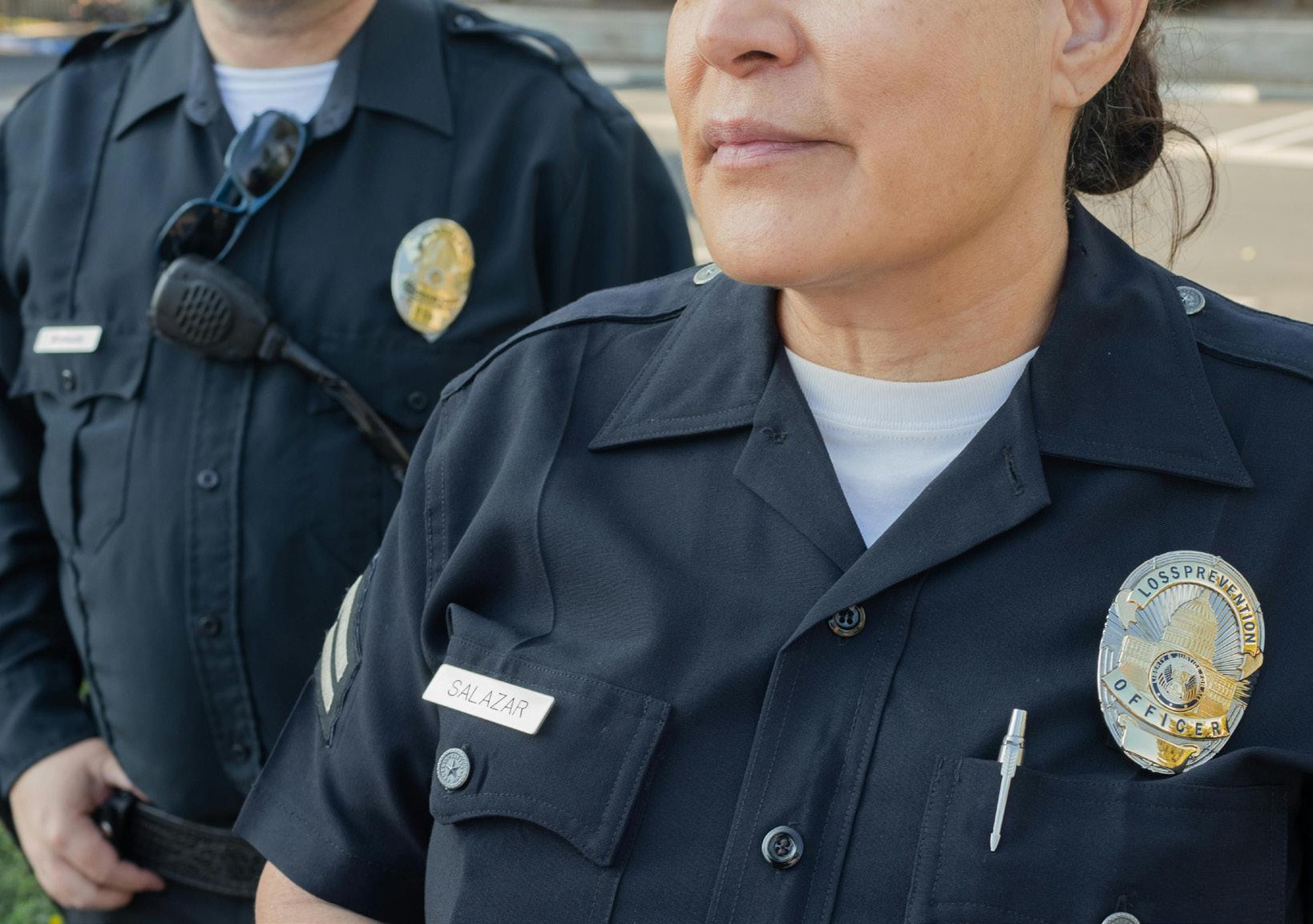
At the state and local levels, California spends more than $25 billion per year on policing, with roughly 600 law enforcement agencies made up of around 80,000 officers. With this scale of an investment, Californians deserve law enforcement that is accountable and focused on the right priorities. The state government has a major role to play in ensuring both our state and local law enforcement agencies are delivering modern, efficient, accountable services across the state. And the state must also ensure that federal law enforcement does not undermine our communities’ trust in government and law enforcement.
Accountability at every level makes us all safer. When communities trust the people who are charged with keeping them safe, they are more likely to report crime. A fair criminal justice system must deliver accountability for everyone— not just for everyday people who cause harm, but also for police, politicians, and even for the criminal justice system itself when it fails to deliver safety and justice. Today, when “out-of-policy” shootings often do not result in discipline for police officers, federal agents racially profile people on our streets, and local police departments are accruing ballooning overtime expenses, accountability is far from sight at any level.
Whether working with local, state, or federal law enforcement, the next governor must ensure that every level of law enforcement remains focused on the right priorities and is accountable to the people and the law.
Ensure modern, effective, and accountable public safety systems across the state, both at the state and local levels.
Across the state, crime is down. Through the first nine months of 2025, violent crime went down 12 percent in California cities compared to the same period in 2024. This should be cause for celebration, but it cannot allow us to stop learning from our successes and failures.
Looking at the state of law enforcement, several key considerations emerge. First, despite police staffing challenges and ballooning overtime budgets, crime continues to decline—suggesting that more police spending alone is not the answer to public safety woes. Second, case clearance rates remain low, and emergency response times are getting worse, meaning that we need to refocus our law enforcement resources. Finally, police are not seamlessly integrated within the larger emerging public safety ecosystem, resulting in avoidable tragedies and inefficiencies. The next governor can address these issues by:
● Helping local governments make investments in technology to modernize emergency call systems. When used correctly, crisis response systems ease the burden on police and provide appropriate responses to people in need of help. However, this is often constrained by staffing and technological issues. The governor should dedicate state funding or grants to help ensure that local 911 and 988 mobile crisis systems are interoperable and uniform, with quick response times, so that calls quickly go to the correct service. This must also be supplemented by new community education, so Californians seeking emergency help know they can call crisis response teams directly when they call 911. One model could be Virginia, which passed legislation to establish a system for 911 call centers to redirect mental health calls to regional crisis services instead of defaulting to police response.
● Creating a state roundtable to study where tasks currently handled by sworn officers can be handled by civilians instead. Cities are suffering budget crises stemming from excessive use of overtime for armed law enforcement officers. Given that a nationwide staffing crisis cannot be solved through financial incentives or by lowering standards, the modern public safety workforce must make use of civilians for jobs that do not require sworn officers. Civilianization is a decades-old concept supported by organizations like the Police Executive Research Forum that incorporates other professionals for tasks ranging from desk work, traffic enforcement, and internal affairs to mental health crisis response (see Idea #3). This can also alleviate strains on local law enforcement, allowing them to focus more on solving and responding to serious crime. The governor should ask experts from a variety of fields—including law enforcement, other EMS services, people impacted by police violence, public health, and civilian crisis response—to craft guidance helping cities and counties most effectively staff their public safety teams. Another emerging solution is setting up city-level departments of community safety to coordinate non-police responses.
In a 2023 Vera Action poll of California voters, voters’ preferred position on law enforcement was “supporting police who put their lives on the line for us every day, and holding those who use excessive force or abuse their power accountable” (35 percent of voters). This policy handily beat out “toughon-crime” alternatives like putting more police officers on the street (10 percent) or increasing police funding alone (9 percent). Voters know police accountability is necessary to achieve effective safety strategies. We need to have an honest conversation about what constitutes accountable, efficient, and effective policing for all Californians—but that debate is too often overtaken by fraught politics. The next governor can hold police accountable across the state by:
●
Strengthening statewide accountability systems and ensuring effective implementation of existing police accountability laws. Many cities and counties have accountability mechanisms for when law enforcement breaks the law, but they are often not sufficiently resourced or their enforcement recommendations are too easily ignored. The next governor can change this by leveraging tools at the state’s disposal, such as ensuring the California DOJ speeds up slow investigations of police shootings and in-custody deaths and allocating more funding so agencies like POST can effectively decertify officers for misconduct. California should also enforce its existing sanctuary law against local law enforcement agencies that violate it by cooperating with federal agents.
●
Allocating funding and authority to local accountability commissions and ensuring oversight bodies have effective power to investigate, enforce, or require implementation of their recommendations. In addition to using state investigative resources, the governor should also pursue measures to strengthen local oversight bodies. These commissions provide a neutral, trusted mechanism for holding police accountable, but they cannot function without sufficient funding, information, and authority. Governor Newsom signed legislation last year granting oversight commissions more access to police personnel files, but the next governor should go further by passing legislation that improves transparency, giving these bodies the same access to evidence and police files as internal affairs investigators, and bolsters their authority. This legislation should also ensure that a police chief’s decision to punish an officer is fast and final, and give these bodies the same access as internal affairs investigators. Finally, the governor should provide grants and funding to these bodies so that they have sufficient professional staff, effective statewide training, mechanisms to implement their recommendations, and investigative resources. Funding should also include incentivizing cities and counties to ensure the recommendations of these oversight bodies are quickly implemented and legally binding, as their disciplinary recommendations are all-too-often avoided.
California has been the proving ground for Trump’s federal incursions across the country. We were the first state to see military deployments and have seen ICE arrests more than double. The state should be proud of how it has resisted this overreach, especially in the courts, where the attorney general has sued the federal government more than 50 times in its first year. The legislature and governor have also played their part with policies like the law banning law enforcement from wearing masks and the online portal to report misconduct by federal agents. But the threat to our state, our communities, and our democracy is only increasing, and the next governor must further safeguard us by:
● Introducing a directive or legislation to further limit collaboration with federal law enforcement or U.S. armed forces. The state should follow the lead of Los Angeles County and San Francisco, which have introduced policies to prohibit the use of county resources and property for immigration enforcement activities and staging. Illinois’s recent bill, the Court Access, Safety, and Participation Act, is a valuable model. California’s next governor should also support legislation that closes loopholes in California’s sanctuary protections to protect thousands of vulnerable Californians.

● Holding federal law enforcement agents accountable when they harm Californians. Banning masks on law enforcement was a good first step. But now we need to enforce that law and other existing laws against federal agents who harm our neighbors. California should investigate and enforce its laws prohibiting assault, battery, and manslaughter when federal agents use unreasonable force against Californians—and there is precedent for doing so. Further, the governor should keep Californians informed about federal operations and shine a light on federal enforcement operations through Freedom of Information Act (FOIA) requests to obtain information, as modeled by Mayor Brandon Johnson’s “Protecting Chicago” executive order. The state can also pass a law like Illinois’s, which allows people to sue immigration agents for violating their constitutional rights.
● Modeling responsible usage of state law enforcement and military. The next governor must resist the urge to use state officers like the California Highway Patrol (CHP) or the National Guard to do run-of-the-mill policing tasks like investigating and patrolling for theft . After the past year, it is clear that filling cities with officers wearing weapons, body armor, and tactical gear intimidates our neighbors and does more to undermine trust than make our cities safe. Instead, the governor should hold the Guard in reserve for unpredictable and true emergencies like natural disasters or food shortages—as Governor Newsom did to address the delay in SNAP benefits during the federal government shutdown. For its part, CHP should focus on addressing soaring roadway deaths by focusing on the major causes of crashes and roadway harm.2
2 See Idea #1 for additional solutions for roadway safety.


As California’s unhoused population reaches record highs, housing and homelessness are once again among the top issues for the next governor. The state and localities should be lauded for some successes: homelessness in California is growing at only one-sixth the rate of the United States, and some places like Los Angeles have started to bring down their unhoused populations. But polls show that nearly eight in 10 Californians are somewhat or very concerned about homelessness. And frustration with a lack of progress has even led to support for cruel, ineffective policies like arresting unhoused people.
Like mental health, homelessness is not inherently a public safety issue. But it has a major impact on community stability and is increasingly central to perceptions of safety: a 2024 election exit poll found that “homeless and public drug use” topped voters’ crime concerns, far above gun violence or street crime. Housing policy is also crucial to issues like the mental health and opioid crises, reentry after incarceration, and supporting survivors of interpersonal violence. Data shows that housing is a key factor in breaking the cycle of crime: for example, one LA County program provided housing to people coming out of jails and found that 96 percent of people stayed housed for a year.
The urgency for action is greater than ever, and the next governor must strive to create a state where everyone has access to stable and affordable housing.
End homelessness by committing to a Housing-First strategy and expanding supportive housing across the state.
A “Housing-First” approach aims to get people into housing without mandating participation in mental health or substance use treatment, in contrast to more traditional “Treatment-First” programs that impose those conditions. Housing First has been incredibly successful, with one systematic review finding that it reduced homelessness by 88 percent compared to Treatment-First approaches. But Housing-First policies are under attack by the federal government despite longtime bipartisan consensus, and their success is limited by the availability of housing.
Permanent supportive housing—which provides supportive social services alongside stable housing—has been proven to reduce incarceration, homeless shelter stays, and emergency hospitalizations. While California has invested heavily in supportive housing, it is still insufficient to meet the vast need.
The next governor can address the interlinked crises of homelessness, substance use, mental health needs, and more by:
● Ending homelessness with a bold investment of $6.27 billion a year for the next 12 years in affordable and permanent supportive housing, in addition to the $1.2 billion in already committed annual funds. This is not an unsolvable problem: it is expensive in the short term, and it will not be easy, but if California can find the will and the funds, we can lead the nation in ending this problem. This funding would provide enough affordable housing, operating subsidies for affordable housing, rental assistance, and supportive services to solve homelessness. Providers and programs should identify housing for all people in need, including older people, people in treatment and recovery, and those coming out of jail.
Absent that level of investment, the next governor can take a series of more incremental, effective actions, such as:
● Identifying and scaling proven programs that have worked to house people across the state. As past state-level efforts have been insufficient, California needs to expand new, alreadysuccessful local ideas. This should include Los Angeles County’s Office of Diversion and Reentry (ODR) Housing, Brilliant Corners’s Flexible Housing Subsidy Pool and Breaking Barriers programs, and permanent supportive housing programs at The People Concern and Downtown Women’s Center
● Ensuring the state remains committed to Housing-First policies by supporting consistent policies and continuing to roundly reject state and federal efforts that would further criminalize unhoused people and take us further from the evidence-based permanent supportive housing we need.

● Investing in emergency housing and command-center style systems to get people into permanent supportive housing as quickly as possible. California should prioritize permanent supportive housing, because without sustainable services, people can’t break the cycle of housing instability. At the same time, the next governor should invest in getting people into those units as quickly as possible. One option is following the model of LA’s emergency command center, a crisis response model that aims to fill vacancies in permanent supportive housing units within 17 days. It is also critical to break down barriers to interim housing—such as substance sobriety or pets—to get people off the street while they wait for permanent supportive housing.
● Devoting $37 million in ongoing funding to establish a permanent supportive housing program for people returning home from prison. The cycle of homelessness and incarceration is vicious: formerly incarcerated people are almost 10 times more likely to become homeless, and in turn, people experiencing homelessness are up to 11 times more likely to be arrested than those who are housed. To break this cycle, this program must incorporate evidence-based case management, reentry, rental assistance, and trauma-informed employment services within the Department of Housing and Community Development.
● Meeting the needs of survivors of intimate partner violence. This is one of our state’s most vulnerable populations with specific needs, and any safety strategy must not leave them behind. The next governor should provide ongoing funding to increase emergency and long-term housing. This program should also include efforts to ensure that homelessness response systems meaningfully incorporate survivors’ voices.
Remove barriers to housing so that anyone can access the housing they need to establish a safe, stable life.
Every Californian deserves a place to call home. And for people rebuilding their lives after arrest or incarceration, a stable home is an essential foundation. Studies show that securing housing is crucial to education, health, and economic mobility. Stable housing has also been linked to decreased crime and improved public safety. However, many people with conviction histories are shut out of the rental market. This also drives the homelessness crisis, as formerly incarcerated people are 10 times more likely to become homeless. The next governor can give people with conviction histories increased access to housing and a chance to thrive by:
● Breaking down barriers like background checks and discriminatory housing policies. The U.S. Department of Housing and Urban Development has declared that conviction history “is not a good predictor of housing success.” Places like New Jersey, Cook County (Illinois), and Washington, DC, have passed fair housing laws that limit landlords’ ability to deny renters based on a criminal conviction. Instead, prospective tenants are judged on qualities that will actually determine if they will be a good tenant, like stable income, ties to the community, and personal references. The state can also provide funding to incentivize landlords to rent to people with criminal records. Finally, the next governor can work with public housing authorities and the state housing finance agency to make tenant selection policies more inclusive for people with conviction histories, for example, by following Maryland’s recent example and shortening the “lookback” period that public housing authorities can consider when evaluating applicants.


An effective, trustworthy criminal justice system must deliver both accountability when people cause harm and support for people who survive violence. And yet the majority of crime survivors receive no support in the aftermath. This issue is more urgent than ever, with the Trump administration cutting support for survivors, including $50 million in U.S. Department of Justice grants that funded California organizations like San Francisco’s Asian Women’s Shelter.
In particular, California faces a significant challenge with high rates of intimate partner violence (IPV) and sexual assault. Each year, approximately 3.3 million men and women in California endure IPV, revealing a critical gap in support systems that can proactively prevent this violence. Alarmingly, 20 percent of the state’s homeless population has experienced domestic violence, with 7.8 percent actively fleeing abusive situations. The next governor must address these issues with targeted programs and resources to ensure safer communities, more trust in the justice system, and a stronger support network for survivors.
In 2024, the number of Californian women who have experienced sexual harassment or assault increased to nearly nine in 10 (88 percent), above
the national average of 82 percent. We will never meaningfully address the stubborn and unacceptably high rates of domestic violence and sexual assault without making investments in stopping violence before it happens.
● Investing at least $15 million in ongoing funding for domestic and sexual violence prevention. Rather than just responding in the aftermath, we can intervene to stop violence before it happens with programs like healthy relationship educational workshops, self-defense classes, and education for men and boys. These programs are essential to stop future incidences of violence and reduce the costs of sexual and domestic violence to survivors and our communities.
Invest in services so that survivors of crime can heal and access justice.
Survivors of crime need a broad range of services to get their lives back, including access to housing, medical and mental health treatment, and economic support. For example, survivors of violence are 3.8 times more likely to have PTSD and 3.6 times more likely to become bankrupt compared to people who have not experienced violence. The next governor can support survivors and community stability by:
● Investing at least $100 million to address federal funding shortfalls. Funding for crime victim services has declined drastically, leaving service providers at risk of devastating cuts and reductions in services for survivors without continued state intervention.
● Safeguarding equal access to victims’ services for immigrant and transgender or nonbinary survivors. As the federal government targets these communities, many cannot access services. For example, many immigrants are afraid to go to doctors’ appointments, and transgender youth face restricted access to medical care. California’s next governor should fill in the gap left by the federal government by prioritizing state funding for survivor organizations that serve these communities.
● Dedicating at least $34 million to establish and grow trauma recovery centers. These centers are critical in helping crime survivors process their trauma, recover, and move forward. There is currently far too little funding available to meet the need in California, even before federal cuts.
● Restoring and supplementing the $49.7 million one-time funding for the flexible cash assistance for survivors. California cut these funds to help address its budget shortfall, a prime example of how survivors often come last. Survivors can use these funds for critical recovery expenses, including housing that may allow them to escape an abusive partner. One survey found that 87 percent of survivors did not receive financial assistance. The
next governor can address this funding gap through the Governor’s Office of Emergency Services (CalOES).
● Investing in programs and services to broaden the social safety net for survivors. Crime survivors may have to rely on critical programs as they recover, and can massively benefit from programs like Paid Family Leave and the California Work Opportunity and Responsibility to Kids (CalWORKs).
● Simplifying systems to support survivors of crime. California should implement commonsense reforms to address language barriers, lack of legal support and fear of engaging with government systems and update the appeals process for victims’ services.
The criminal justice system habitually leaves survivors behind. For example, surveys reveal that fewer than one in 10 survivors say the criminal justice system was very helpful in providing information about recovery and referrals to services, and 96 percent of violent crime survivors say they did not receive victim compensation. Without effective support, many survivors end up criminalized: surveys show that 86 percent of women incarcerated in California have experienced sexual violence and 77 percent experienced partner violence. Sadly, many incarcerated women face further victimization in jails and prisons, including in California. The next governor can help reform the system to support survivors by:
● Give judges pathways to support criminalized survivors. As even red states have recognized, a fair justice system recognizes crime survivors should be protected and held accountable in ways that help them recover. If someone is a survivor of intimate partner violence, sexual assault, or human trafficking—judges should have the option to consider services, not handcuffs.
● Working with the legislature to increase protections for incarcerated survivors of sexual assault. No one should be victimized in prison or jail. California should compensate survivors who face violence and sexual assault in prison, grant access to resentencing after harm, and implement policies and practices in jails and prisons to prevent future incidences of harm.
● Expanding eligibility criteria for victim compensation for all survivors. The next governor should work to update outdated laws that exclude criminalized survivors and increase education about the California Victim Compensation Board (CalVCB) to broaden access.

California is confronting an overdose crisis. In 2023, 11,359 Californians died from drug overdose-related deaths. While we have finally begun to turn the tide on overdose deaths, one death is too many, progress is fragile, and there is so much more work to be done. The CDC reports that overdoses have fallen in California by 20 percent, which is good news, but behind the national average decline of 24 percent and far behind states like Virginia (39.5 percent) and Louisiana (36 percent).
People with substance use disorders or mental health conditions need treatment, not incarceration. The need for treatment funding is especially critical in the wake of federal cuts and Prop 36, which is poised to strip $75 million a year from existing programs like drug treatment. The next governor
must prioritize funding for treatment to increase positive health outcomes and to maintain public safety. This will save money, increase safety, and save lives at the same time.
Make it easier for people to access evidence-backed drug treatments in their community that keep us safer.
Every California county is expected to have shortages in drug treatment providers in the coming years. These barriers to care are all the more challenging for people impacted by the criminal justice system or experiencing housing instability—which is critical, as overdoses in California prisons have doubled and the risk of overdose is as much as 129 times higher for people following jail or prison. Some rural counties, especially in Northern California, desperately need extra help, with overdose death rates in Humboldt County four times higher than Los Angeles County. The public safety benefits of evidence-backed treatment are well-proven. The next governor can save lives across the state by:
● Fully funding treatment and housing; building a treatment workforce including outreach case managers; and removing regulatory barriers to create more entry points to treatment. Specifically, there should be an emphasis on expanding evidencebacked solutions, including medication-assisted treatment (MAT) in emergency rooms, street medicine, low-barrier outreach programs (including telehealth and mobile clinics in rural areas), housing, and contingency management for people with stimulant and alcoholuse disorders. Additionally, we need to build a workforce of outreach case managers to connect patients to existing services, and we need greater urgency from state and local governments to create access to outpatient and inpatient care and housing.3
● Backfilling federal funding cuts to public health. The Substance Abuse and Mental Health Services Administration (SAMHSA) has cut $1.7 billion in block grants for state health departments and roughly $350 million in addiction and overdose prevention funding. If unaddressed, these cuts will jeopardize overdose prevention and recovery and endanger recent progress made through a health-first approach.
● Increasing funding for successful harm reduction programs through both grants and Medi-Cal. Programs that prevent deaths from drug overdose and facilitate treatment entry include the
3 Building and retaining this workforce will be similar to the work required for a sufficient mental health treatment workforce. See Idea #3 for more information and recommendations.

Naloxone (NARCAN) Distribution Project , California Overdose Prevention and Harm Reduction Initiative, and Syringe Service Programs. These are the backbone of the state’s overdose prevention strategy, engaging the most at-risk drug users, preventing illness and fatalities, and shepherding people into treatment and housing.
Criminal convictions for people who use drugs create lasting barriers to vital services that people need to recover, like employment , housing, health care, and public benefits such as food assistance. Moreover, decades of failed punitive approaches to drug use have shown that harsh sentencing and increased criminalization only make outcomes worse for people struggling with addiction. The next governor can reduce harms caused by criminalizing people who use drugs and make these services easier to obtain by:
● Minimizing drug and addiction-related arrests and detention. Criminalizing people increases the risk of overdose, exposes people to trauma that may worsen their addiction, and disrupts families and communities without improving safety. There are much better ways to hold people accountable and deliver safety, including diversion and treatment.
● Ensuring treatment is individualized and available for those who want and need it. We know that effective recovery takes multiple tries, with relapses in between, for most people to successfully complete treatment. Unlike evidence-backed methods like Medically Assisted Treatment (MAT), contingency management, and harm reduction, the evidence for threatening one-size-fits-all jail or prison for people struggling with addiction is mixed at best— and it can reduce the availability of treatment for those who are ready and seeking it.
● Connecting people coming out of jail and prison with behavioral health care. The most effective solution is avoiding arresting and criminalizing people struggling with addiction. But for people in jail or prison, providing connections to behavioral health care like MAT, prescription medication access, and reentry support before and while they are leaving custody can help set folks up for success.
Use the range of gubernatorial power—executive orders, clemency, appointments, and supporting legislation— to ensure a fairer, more accountable justice system.

California’s prison system faces significant challenges, including rising costs of incarceration, which have increased by nearly 50 percent since 2019 to more than $130,000 per person annually. This had led to a corrections budget of $17.5 billion—more than twice what it would cost to end homelessness in the state—with dismal returns in public safety. A large chunk of this cost derives from health care for an aging prison population, with 25 percent of the population over 50. This results from sentence enhancements, which are a huge waste of money, given that older people reoffend at vanishingly low rates
Although California has undertaken efforts like Prop 47 to reduce sentences for low-level offenses, more reforms are needed to reduce excessive sentences and to effectively address the systemic issues within the state’s prison system. The next governor can safely reduce the use of mass incarceration across the state, closing at least four prisons and freeing crucial funds that can be used to deliver safety and prosperity to Californians.
The evidence is clear that long sentences do not deter crime. And while some justify punitive sentences as delivering justice for victims, this, in fact, goes against what many crime survivors want. California is stuck in the “toughon-crime” past, with 70 percent of the prison population (especially people of color) serving sentences with enhancements and over 30 percent serving life sentences. The next governor should safely lower prison populations and bring California into the modern age of safety and justice by:
● Expanding commonsense reforms that enable people to leave incarceration after they have engaged in rehabilitation programs. This includes increasing access to parole, secondlook sentencing, and compassionate or medical release/parole;, reducing the average length of parole/probation; and expanding credit-earning policies for education and rehabilitation (which also incentivize participation in programs that reduce recidivism). No one should be denied access to individual consideration of their safety risk and rehabilitation based solely on factors like offense type, sentence length, or age.
● Declining to support efforts to increase mandatory minimums and sentencing enhancements. Instead, California should trust its judges’ ability to sentence people at their discretion based on what will deliver safety, justice, and accountability in every individual case.
● Creating equitable pathways for release for populations that face barriers to programming, including transgender, nonbinary, and intersex (TNI) individuals, and people with disabilities. Many TNI people and people with disabilities face discrimination in accessing prison jobs, education, and creditearning programs, which adversely affect resentencing proceedings, parole proceedings, clemency petitions, and other postconviction proceedings.

Clemency and parole are the governor’s most powerful tools to directly rectify the injustice of mass incarceration. But California lags behind many states— including deep red states like Alabama and Louisiana—in its application of clemency. Moreover, the state’s parole system ranks among the lowest in the nation in release rates. The next governor can use these systems to safely deliver justice by:
● Continuing the death penalty moratorium and using executive authority to grant clemency in all death penalty cases. As President Trump enables a massive expansion in the use of capital punishment nationwide, California can defy this awful trend. California’s death penalty system is unfair, unjust, wasteful, and unevenly applied to people of color, people with mental disabilities, and people who cannot afford costly legal representation, including innocent people. Support for the death penalty continues to reach new lows each year.
● Reducing excessive sentences through commutations. In the absence of backend sentencing reform legislation, commutations can safely lower the prison population. We do not need long sentences to deliver accountability. Polling shows that 96 percent of people agree: “Accountability is understanding the harm they’ve done, making amends, learning from their mistakes, and changing their behavior.” Commutations should especially focus on people sentenced to life without parole (LWOP) and individuals incarcerated for 20 years
● Expanding the use of pardons. A past conviction can make it difficult for a person to access housing, employment, health care, and more. Most concerning is the imminent threat of deportation due to even a decades-old low-level criminal conviction. By using the pardon power, the next governor can help protect California’s immigrants from the cruelty of the president’s mass deportation agenda and allow more people to establish safe, stable lives after they have served their time.
● Expanding the use of parole. Parole builds safety inside and outside prisons. It disincentivizes misconduct during incarceration, incentivizes participation in programs that reduce recidivism and prepare people for success upon release, and ultimately allows people who pose a minimal safety risk to return home, reunite with their families, and contribute to their broader communities. The next
governor should give the Board of Parole Hearings (BPH) authority to recommend people for commutation and resentencing. BPH should ensure that everyone, including those who committed their crimes at a young age, can be fairly considered. Finally, they should direct BPH and other agencies to work tirelessly to find pathways home for people who have already been found suitable for release.
Stabilize communities and reduce recidivism by ensuring people have the support they need after leaving jail and prison.
After people have served their time, they should be met with opportunities, not barriers. This is not only a moral policy; it is also cost-effective, improving public safety and thus reducing corrections spending. The additional effects of strong reentry programs are extensive, including reduced homelessness and helping address the state’s labor shortage. The next governor can improve reentry and stabilize our communities by:
● Providing ongoing funding to ensure that people returning home from prison have access to jobs, health care, housing, and education. All of these are proven to reduce recidivism and will improve the safety, stability, and prosperity of our communities.
● Funding holistic public defense. Already, 46 other states including red states like Texas and Kansas—fund holistic public defense statewide, in which public defenders’ offices help connect people with the programs and services they need to be successful in the community.
● Increasing California’s yearly statewide investment in immigration legal services. California has long been a leader in welcoming immigrants and supporting immigrant communities, but the current need far outpaces the state’s investment. Roughly 100,923 cases are currently unrepresented in California’s immigration courts. Legal services simply ensure that everyone gets a fair day in court and people with a legal right to stay in the country can remain. With robust and sustained funding, the next governor can safeguard due process, protect families, and strengthen the stability and prosperity of all Californians, regardless of background.
© Vera Action and Ella Baker Center Action Fund 2026. All rights reserved.
Vera Action, launched in 2021, is an independent but aligned 501(c)(4) organization to the Vera Institute of Justice 501(c)(3). At Vera Action, we harness the power of advocacy, lobbying, and political strategy to end mass incarceration, protect immigrants’ rights, restore dignity to people behind bars, and build safe and thriving communities. For more information about this platform, contact Claire Simonich, Associate Director, Vera Action, at csimonich@vera.org.
The Ella Baker Center Action Fund is an independent but aligned 501(c) (4) organization to Ella Baker Center for Human Rights 501(c)(3). At Ella Baker Center Action Fund, like our namesake Ella Baker, we understand that true power lies within the people. Ella Baker Center Action Fund was born out of the vision to further build power amongst those most impacted by systems of punishment and policing. For more information about this platform, contact Jose Bernal, Political Director, Ella Baker Center Action Fund, at jose@ellabakercenteraction.org