

President Michael Scutt Crane & Staples Employment
Vice President
Laura Woolard
Taylor Walton Family
Hon Treasurer /secretary
Judith Gower
Immediate past president
Massimo Trebar Lawtons Criminal
Council Members:
Nicola Smyrl Taylor Walton Employment
Marilyn Bell SA Law Family
Jane -Louise Burrows Fullers Family Law Family
Neil Johnson Burnside Partnership Civil Litigation
(From January 2026 until 31 December 2026)
Alexander McDowall Hertfordshire County Council Local Government
Steven Hamilton
Taylor Walton Probate and Trusts
Claire Sharp Debenhams Ottaway Probate and Trusts
Sylvia Goulding Perrin Myddleton Property & Commercial
Josephine Duchenne
National Council Member for Hertfordshire & Bedfordshire (from 15th October 2021)
Paul Davies
Hamilton Davies Small Firms Division
Keira O’ Connor
Royal College of Nursing Public Inquiries and Regulatory Nursing and Midwifery council
Amanda Thurston University of Hertfordshire
Penny Carey University of Hertfordshire


We are now more than halfway through my presidential year and time seems to be flying faster than ever. I cannot believe that it is now less than six months before I will be handing over to Laura Woollard and I only just feel that I have got my feet under the desk, as it were.
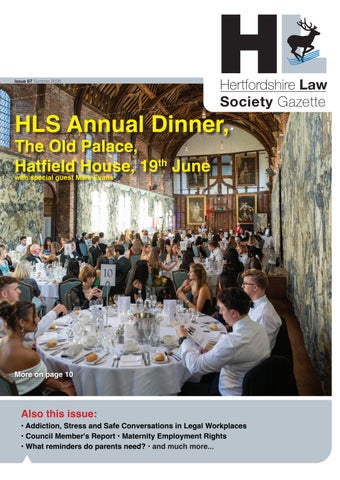
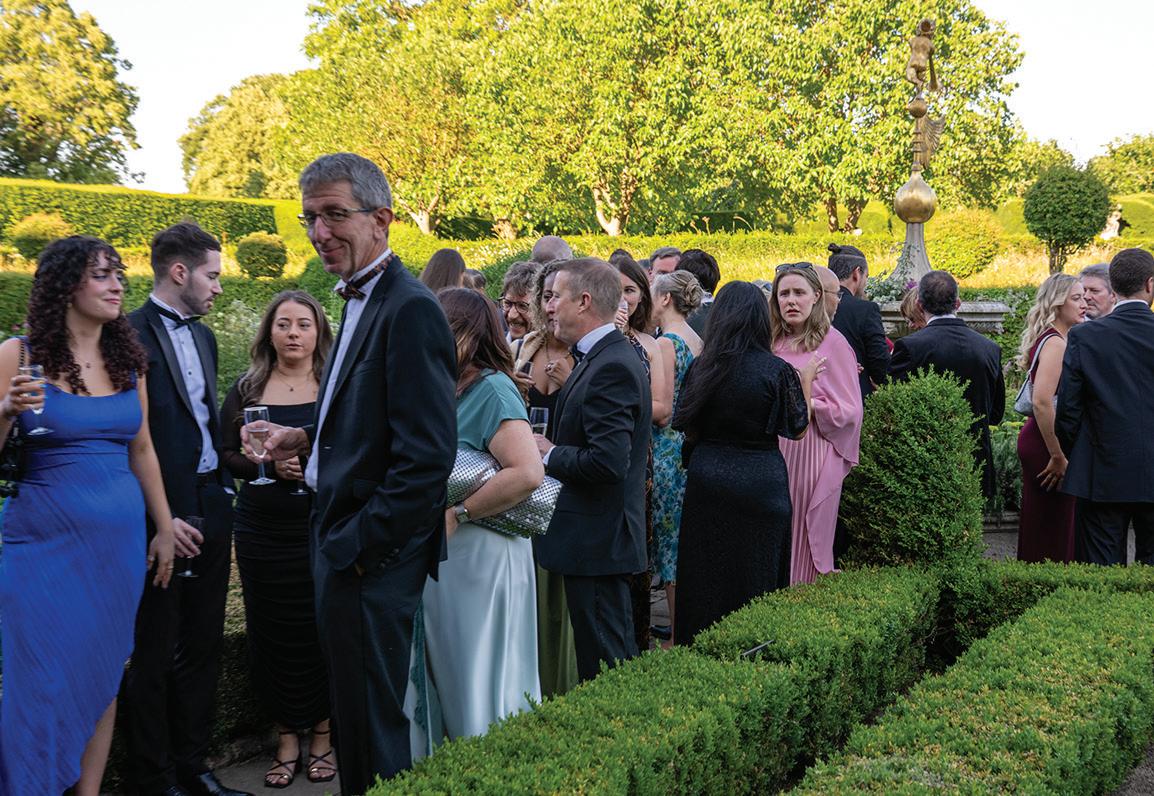
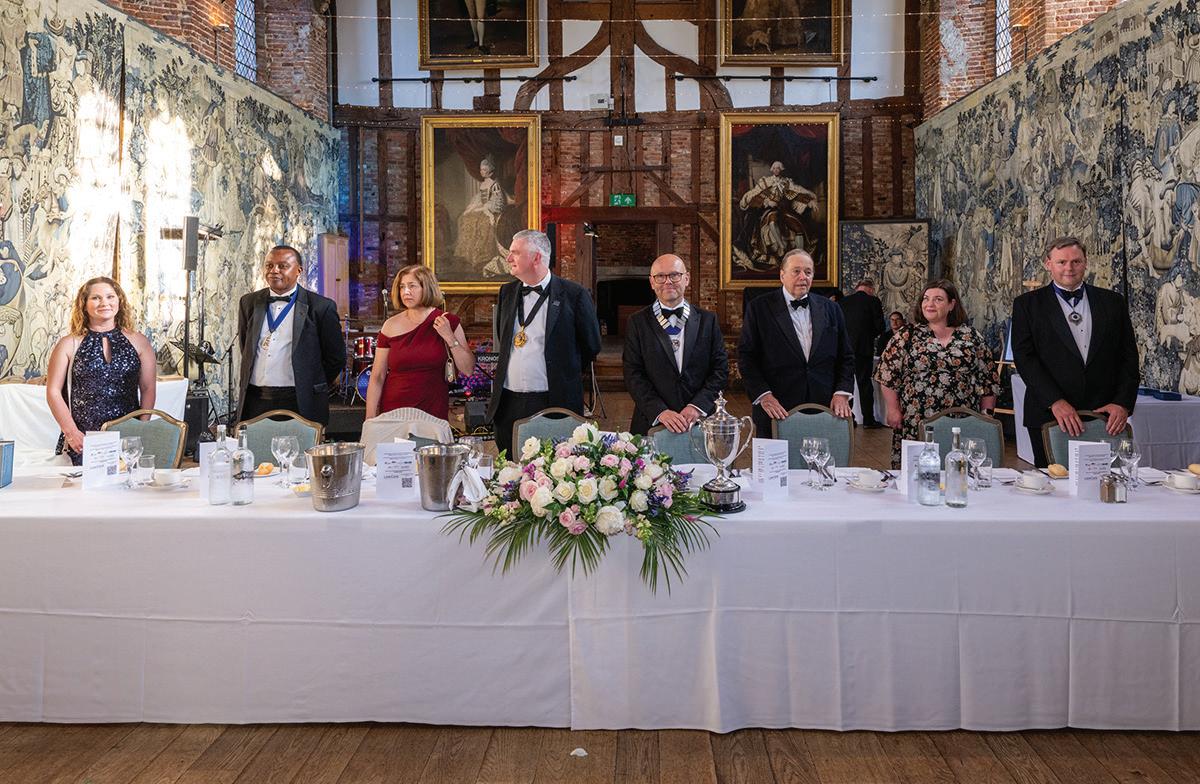
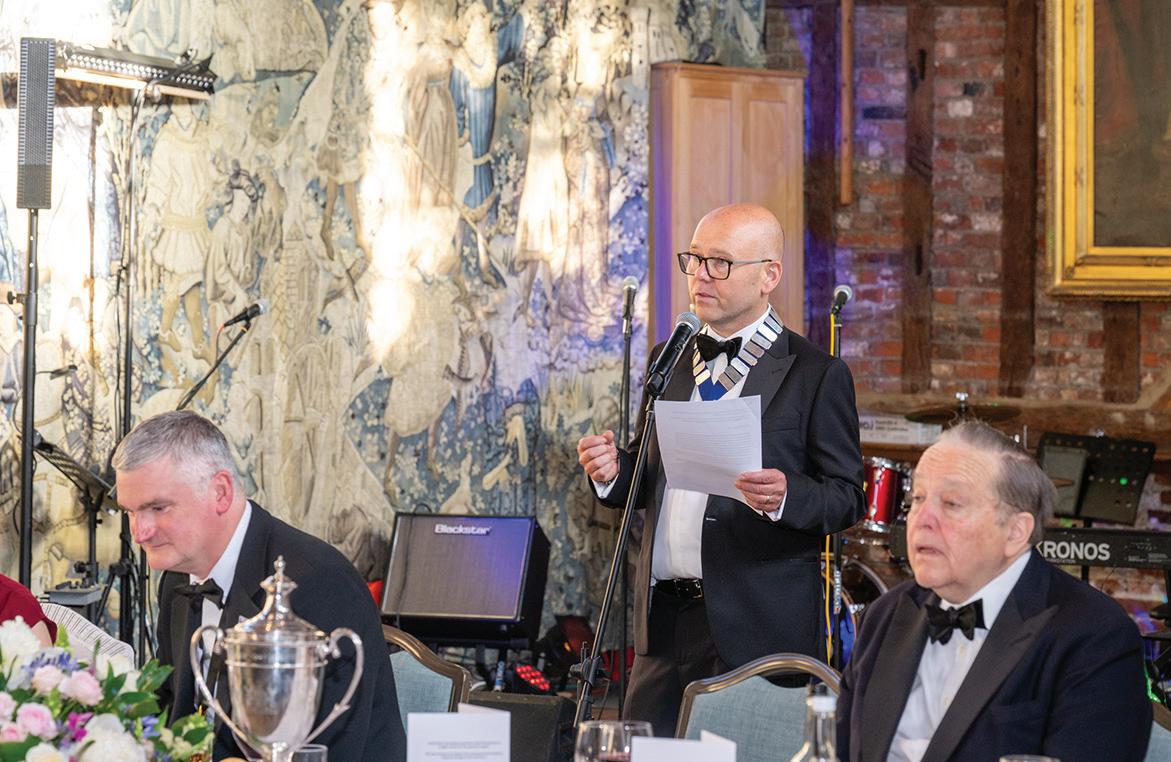
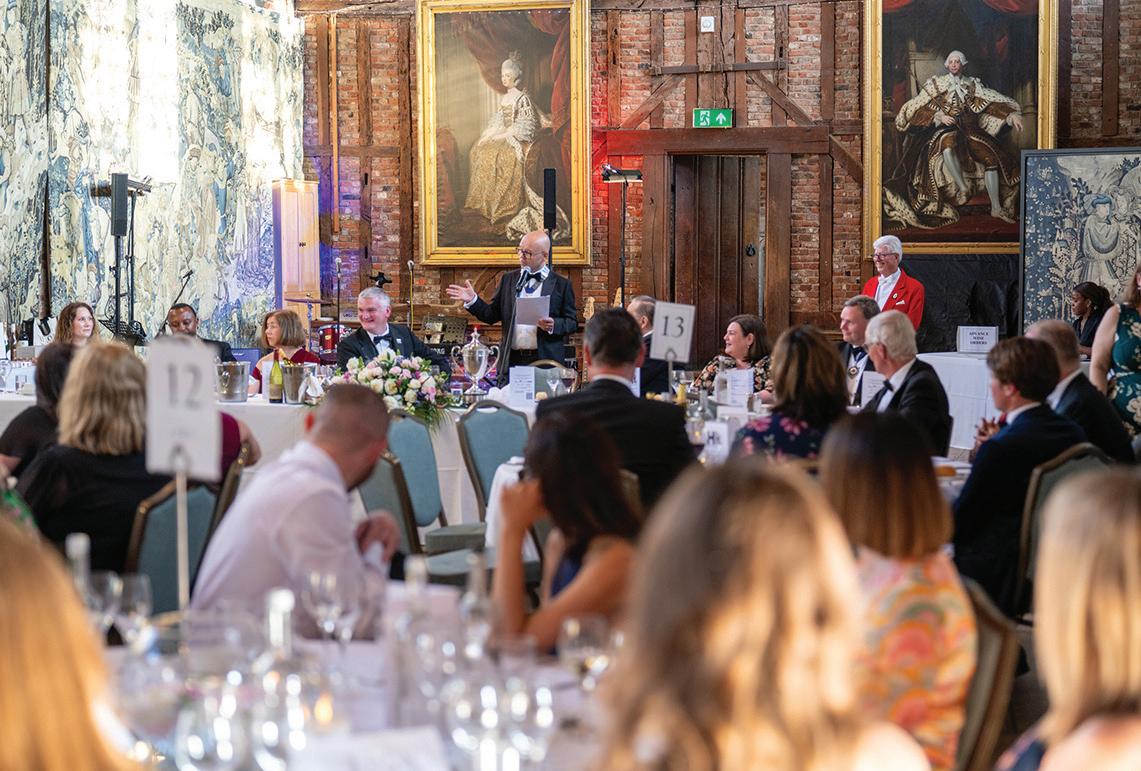
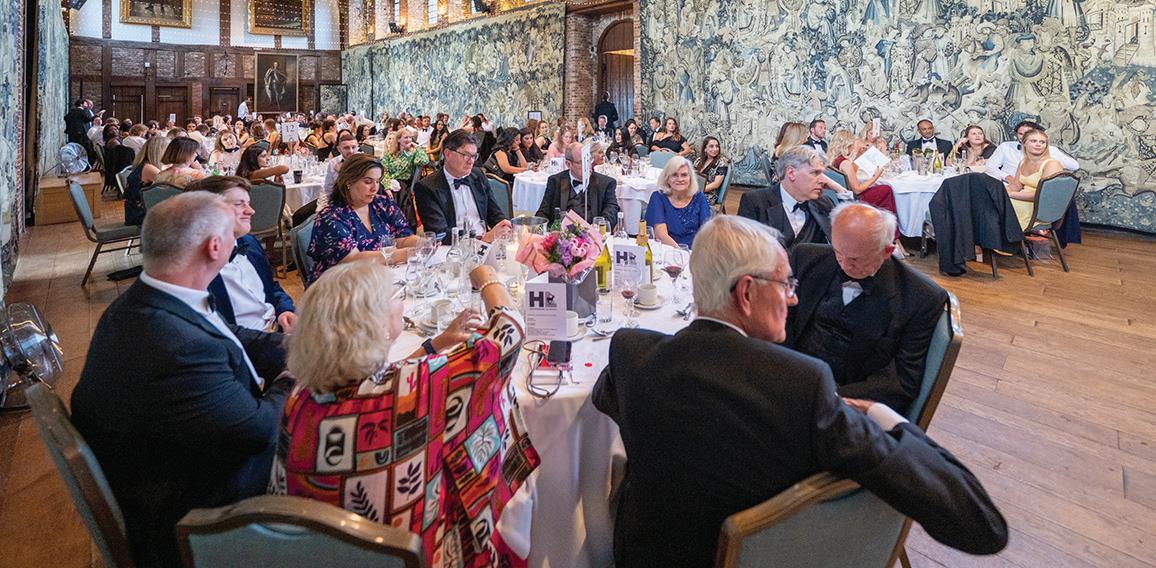
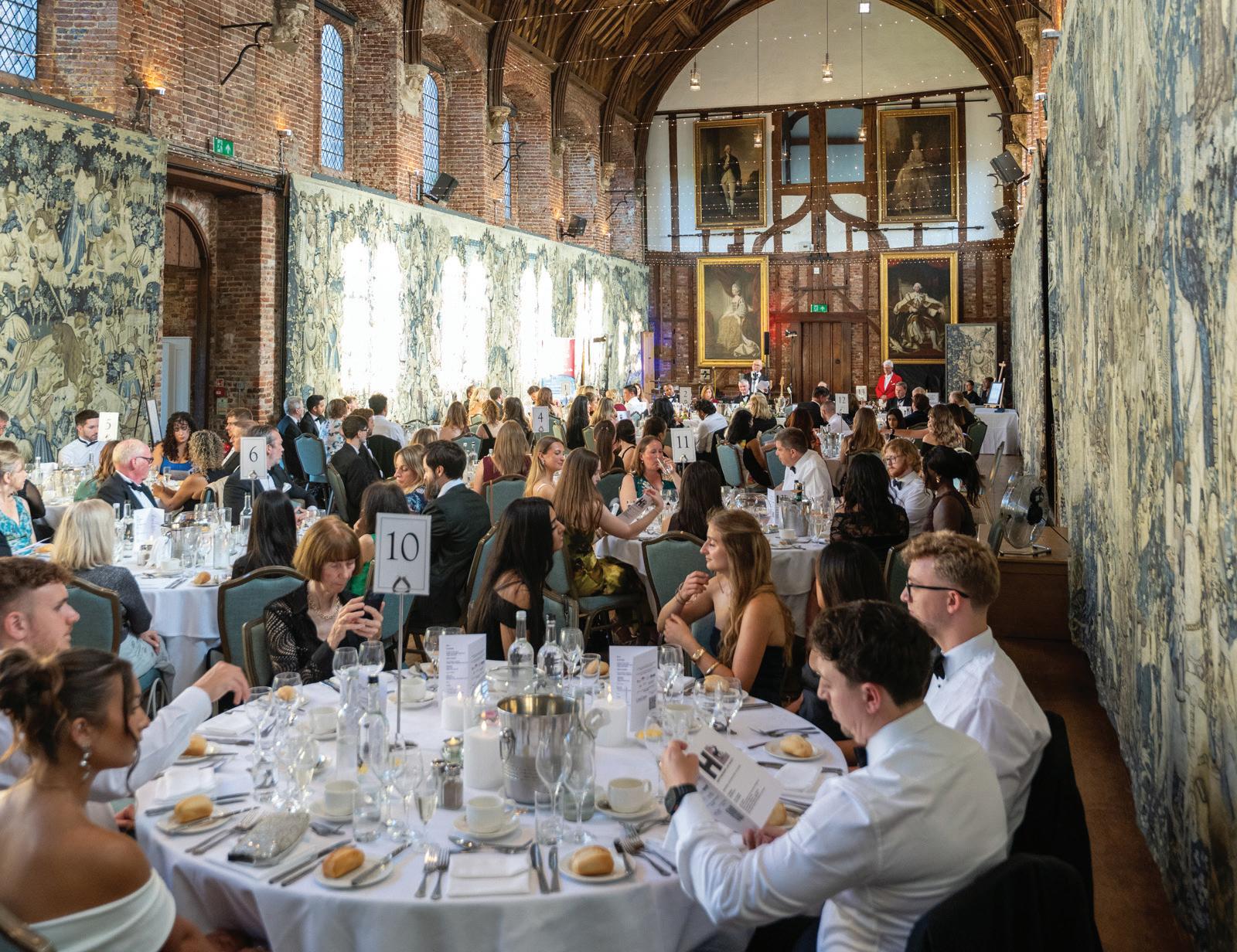
The big event of our year was last month, on 19 June, when I was delighted to be joined by so many of you at the Old Palace in Hatfield House for our annual dinner. I was delighted and honoured that we could have Lord Salisbury there as well as Mark Evans , the president of the Law Society of England and Wales. I thought they both gave very interesting and inspiring speeches and from feedback I have had from those present, many people were really interested in the history of Hatfield House and also much taken by Mark’s words of support for the profession in these difficult times. It was a great event and I would like to thank again our honorary secretary Judith Gower for all the work she put in in arranging it. The event would not have happened without Judith .
Many congratulations as well to all the winners in our awards ceremony. It is wonderful to see them getting the recognition they so richly deserve. Mark Evans commented to me that he was particularly pleased to see our younger members being recognised.
Since I last wrote in this column, I have attended the Bournemouth District Law Society annual dinner and that was a good opportunity to network with practitioners in Hampshire, Dorset and the Isle of Wight and many of the issues that they have are ones that we share. Later this month I will be attending the Isle of Wight annual dinner and I very much look forward to reconnecting with them again.
The next big event for our Society will be on 8th October, when Mark Evans will return to the University of Hertfordshire for two events. The first will be a student focused event in the morning, which will the SQE and the issues facing new entrants to the profession. In the afternoon will be a managing partners session. More details to follow in due course.
Our webinar series has been continuing. In addition to the wellbeing event we had last quarter with Eleanor Harvey , 4 Kings Bench Walk have also given us a webinar on the Renters Rights Act and also the recent case of Rogers v Willis Later this month, they will also be doing a webinar on AI and developments in copyright law and that is something that I am particularly looking forward to.
We are still looking to arrange webinars for later in the year and if anyone has any ideas of topics they would like to see covered, please do get in touch and we will see if we can arrange something.
In the meantime, keep cool in this very hot weather and have a great summer
Michael Scutt
President, Hertfordshire
Law Society


What is going on with the weather? In all my nearly 9 years I have never known it to be so hot. My hooman parents have opened windows and closed curtains! I try to find the coolest places to sleep but it is difficult. I do like it when they have the fan on low as it is a cool breeze. You try wearing a fur coat in this weather!
The other thing that I don’t approve of is them going away and leaving me. I do get Tara and her granddaughter
looking after me but it’s not the same!! They have been to Norfolk and the Isle of Wight. They seem to be having a lot of holidays this year. My mother even went on a girls trip to Italy. I do think calling it a girls trip is wrong as they are all old enough to know better.
Hopefully when I write the next article normal service will return and I complain about the rain!
@princessgigi2019
There are some conversations within the legal profession that are widely understood yet rarely spoken about openly. Issues such as stress-related behaviours, substance use and addiction often sit in that category. Most legal professionals recognise that these challenges exist, but many organisations remain uncertain about how to address them in a way that is appropriate, proportionate and professionally grounded.
In recent years, however, there has been a noticeable shift. Across the UK and Ireland, law firms, law societies, regulators and professional bodies are increasingly engaging with these topics in a more structured and considered way. The conversation is evolving from one centred primarily on awareness towards a broader discussion about workplace culture, sustainable performance, leadership and psychological safety.
A consistent theme has emerged through this work. People often want to support a colleague who may be struggling, but they are not always sure how to begin the conversation. Managers and colleagues may recognise when something is not quite right yet remain uncertain about how to raise concerns in a way that is supportive, respectful and within
professional boundaries. In many cases, the challenge is not a lack of care, but a lack of confidence.
Through our work with organisations including the Law Society of Scotland, LawCare, the Legal Services Board, the Mindful Business Charter, the Faculty of Advocates, Liverpool Law Society and law firms across the UK and Ireland, we are seeing growing recognition that earlier conversations can change outcomes. The focus is gradually moving beyond awareness and towards practical action: creating environments where people feel safe enough to seek support, equipping leaders with confidence to respond appropriately, and ensuring that concerns are addressed before they develop into more significant issues.
This is particularly relevant in a profession where high standards, significant responsibility and demanding workloads are everyday realities. Substance use and addiction do not always present in the ways people expect. They can remain hidden behind long hours, high performance, perfectionism and professional success, which is one reason why stigma remains such a challenge. Many people are willing to seek help, but far fewer feel safe enough to ask for it.

The question is no longer whether these issues exist. Increasingly, the question is how organisations respond before concerns become crises.
As part of Recovery Month this September, Hertfordshire Law Society will host a discussion exploring addiction, substance use, stigma, workplace culture and the role that safe conversations can play in supporting colleagues and creating healthier, more sustainable legal workplaces. The session will be practical, professional and nonjudgemental, focusing on understanding behaviour, recognising when support may be needed and building confidence in responding appropriately.
The legal profession has always adapted to change. One of the most important opportunities facing the profession today is creating environments where people can perform at their best, support one another effectively and build sustainable careers over the long term. We look forward to continuing that conversation with Hertfordshire Law Society and its members during Recovery Month.
Steven McCann Founder and Director, MCG Consulting

The continued development of maternity rights remains a pressing issue within employment law and workplace equality. Evidence suggests that existing protections may be insufficient in practice, with a 2017 Equality and Human Rights Commission report finding that 77% of mothers experienced negative or potentially discriminatory treatment during pregnancy, maternity leave, or after returning to work. This concerning statistic paves the way for the Employment Rights Act 2025 to introduce further legal and institutional reform to ensure effective protection against maternity related discrimination.
The Current Legal Framework:
Pregnancy and maternity are one of nine "protected characteristics" covered by the Equality Act 2010, meaning pregnant women are legally safeguarded against discrimination. The others are age, disability, gender reassignment, marriage and civil partnership, race, religion or belief, sex and sexual orientation.
Under section 18 of the Equality Act 2010, it is unlawful for an employer to discriminate during or after the protected period in relation to pregnancy by treating a woman unfavourably because:
• of the pregnancy s18(2)(a) or
• of an illness she has suffered as a result of her pregnancy during the protected period (section 18(2)(b)).
It is also pregnancy and maternity discrimination for an employer to treat a woman unfavourably because:
• she is on compulsory maternity leave or equivalent compulsory leave (s18(3))
• she is exercising or seeking to exercise, or has exercised or sought to exercise, the right to ordinary or additional maternity leave or a right to equivalent maternity leave (section 18(4)).
The 2018 case of Larkin v Liz Earle Beauty Co Ltd found that the claimant, a pregnant woman, had been both discriminated against on the grounds of pregnancy and maternity and unfairly dismissed, as prior to her maternity leave, her employer had failed to inform her or meaningfully consider her for two other senior job vacancies prior to making her redundant.
She was not offered an interview in connection with either of the two alternative vacancies; she was not given a fair opportunity to apply for vacancies elsewhere within the group and in one case, the company had already recruited to fill her manager’s role, a role for which she could have applied, knowing that redundancies would shortly be made.
This failure to properly consider her for redeployment amounted to unfavourable treatment because of pregnancy and maternity under section 18 Equality Act 2010. Her employer was ordered to pay almost £18,000 (compensation for future loss of earnings amounting to £4,884.92, past loss of earnings amounting to £2,418.28 and an injury to feelings award of £10,000), as but for the unfairness and discrimination, there was more than a 50% chance the claimant would have remained in employment.
This case is a valuable lesson for employers to ensure they apply a fair and transparent redundancy process that is not discriminatory. They must be proactive in informing employees and withholding information could be seen as discrimination.
As no comparator was required, the tribunal did not need to identify a nonpregnant employee treated more favourably, it merely had to determine whether the claimant’s pregnancy influenced the employer’s decisions.
Greater scrutiny will be applied where redundancy appears to be used to avoid maternity protections and any restructuring must therefore be
demonstrably genuine and underpinned by clear business justification rather than linked to pregnancy or maternity status.
The Employment Rights Act 2025 is set to follow this line of enhanced rights and introduce heightened protections against dismissal for pregnant employees and mothers returning from maternity leave within six months. From 2027, it will be unlawful to dismiss a pregnant employee, or one returning from maternity leave within six months of their return, except in limited circumstances (i.e. gross misconduct or illegality).
The Government’s proposal aims to draw a clearer line, creating a defined “protected period” during which dismissal would be prohibited, except for in the circumstances of clearly defined statutory exceptions. These exceptions are currently being considered but are set to contain either a stricter test for the five fair reasons for dismissal (conduct, capability, redundancy, statutory prohibition and some other substantial reason) or narrowing or eliminating some of these reasons during protected period.
For employers, it significantly raises the bar for lawful dismissal and redundancy decisions involving pregnant employees or new mothers. This poses an increased legal risk if situations are mishandled and employers will need to ensure strict compliance with statutory provisions, robust HR procedures and clear, transparent documentation of all decision-making processes to demonstrate that outcomes are based on genuine business reasons rather than maternity status. Whereas, for employees, these changes provide preventative protections and greater job security during a historically vulnerable period, enabling women to be more confident in exercising their maternity rights.
It is evident maternity rights are evolving in order to recognise the importance of protecting working mothers. The positive legislative developments reflect ongoing trends towards more inclusive and equitable rights that are fit for modern working practices and family life.
Amy Davies Paralegal

The last few months have been very busy for The Law Society and more so for President Mark Evans, whose timetable is relentless. He has travelled extensively at home and abroad, had high level meetings with many foreign dignitaries and officials including lately the Oman Ministry of Justice, a visit from the Nigerian Bar Association and an India Business Council Roundtable, to name a few. Nevertheless, solicitor wellbeing is something high on the agenda for Mark - more later.
We had two full Council Meetings in May and July. In May we had a panel discussion on AI – an area which is rapidly developing. The Law Society continues to publish guidance on the purchase and the responsible use of AI.
Sarah Rapson of the SRA visited Council for the second time this year, in July and answered many questions put to her. It is clearly her ambition that the organisation should have the feel of a modern, proportionate regulator, which is trusted and effective.
Representatives from Kaplan also attended the July meeting. A good discussion was had as to the scope of the SQE assessments, its fairness and accessibility. Five years on from inception, the SRA has commissioned a company based in the USA, to provide an independent evaluation of the SQE’s validity, reliability and fairness. The report is expected Spring 2007.
Consultations seems to have multiplied
recently and I mention a few here. There are indeed many important issues affecting the profession and opportunities to get involved.
SRA draft budget. The SRA has set its draft budget for 2026/and has consulted the profession. The Law Society has responded after consulting members on its own requirement of the Practising Certificate fee. Members will note that the SRA asks for significant increases in the compensation fund element, based on turnover. Whilst essentially supporting the SRA’s overriding objectives to protect the public and maintain trust, TLS has insisted that regulation must remain proportionate and evidence-led, highlighting also opportunities to provide targeted fee reductions to vulnerable legal aid firms and therefore support access to justice.
The Civil Justice Council is consulting on reforms to Part III of the Solicitors Act 1974, this is in response to a case in 2022 where the Master of the Rolls considered the distinction between contentious and non-contentious costs to be outdated and requiring review. The consultation probably represents the biggest overhaul in this sphere for over 50 years and affects many practice areas as to the ways in which solicitors charge their clients. It also places greater emphasis on the role of the Legal Ombudsman. I hope many of you have been able to respond before the deadline, midnight on 16 July. For details of the response from TLS, see the website. Consistent with the theme of greater accountability, the SRA and the Legal Ombudsman wish to have closer scrutiny on how firms operate. The SRA has launched another review on client money which closes on 17 August, as part of their continued Consumer Protection review. More controls are in the pipeline. Proposals include mandatory filing of accountants’ reports, and new powers to ensure that all firms notify in advance of a merger or acquisition, or other events they will prescribe from time to time. They are seeking the option to impose fixed penalties for defaulters.
The SRA is also consulting on
strengthening its approach to continuing competence, proposing at least 3 hours of mandatory annual ethical discussions with colleagues, working through ‘ethical dilemmas and scenarios.’
The Legal Ombudsman is consulting on its scheme rules, case fees and transparency. Consultation ends midday 2 September.
The government has published their consultation on a Fairer end to relationships. It seeks to (i) reform financial remedies on divorce, (ii) create a framework for separation of cohabiting couples (iii) reform intestacy for cohabitation. The background it is to give some 3.5 million cohabiting couples greater rights. A good number of advisory committees at TLS are working on the response. The consultation closes on 14 August and I encourage you to respond to this. See link: A fairer end to relationships - GOV.UK: https://www.gov. uk/government/consultations/a-fairer-endto-relationships
Wellbeing and workplace culture remains firmly on the agenda as one of Mark’s presidential themes. We had a focussed discussion on this topic in our July meeting. There is an opportunity for you to contribute further to the discussions and suggest ways to make a practical difference, so as to shape priorities for coming years. An online session will be held on 15 July, 12 – 1pm. Sign up through Get Involved, on TLS website, for which you need your MyLS account. You can also find other areas and opportunities which may be of interest on Get Involved, the volunteer platform for TLS.
I welcome hearing direct from practitioners to ensure your views are represented at TLS. Please contact me by email: josephine@duchennes.com.
Finally, I hope you all have time to take a break over the summer with friends and family and return refreshed.
Josephine Duchenne
Council
Member for Bedfordshire and Hertfordshire
http://www.hertslawsoc.org.uk/
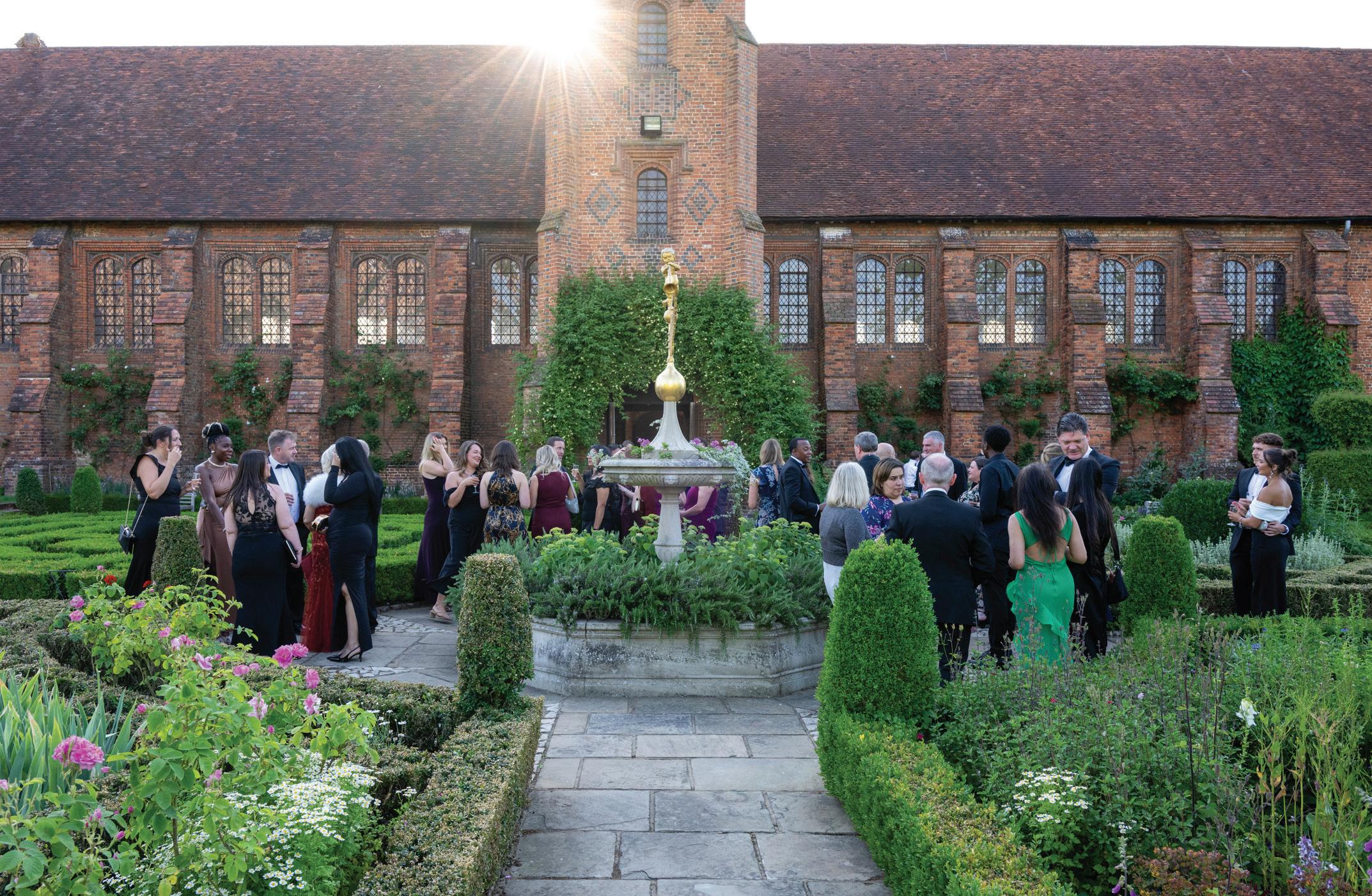

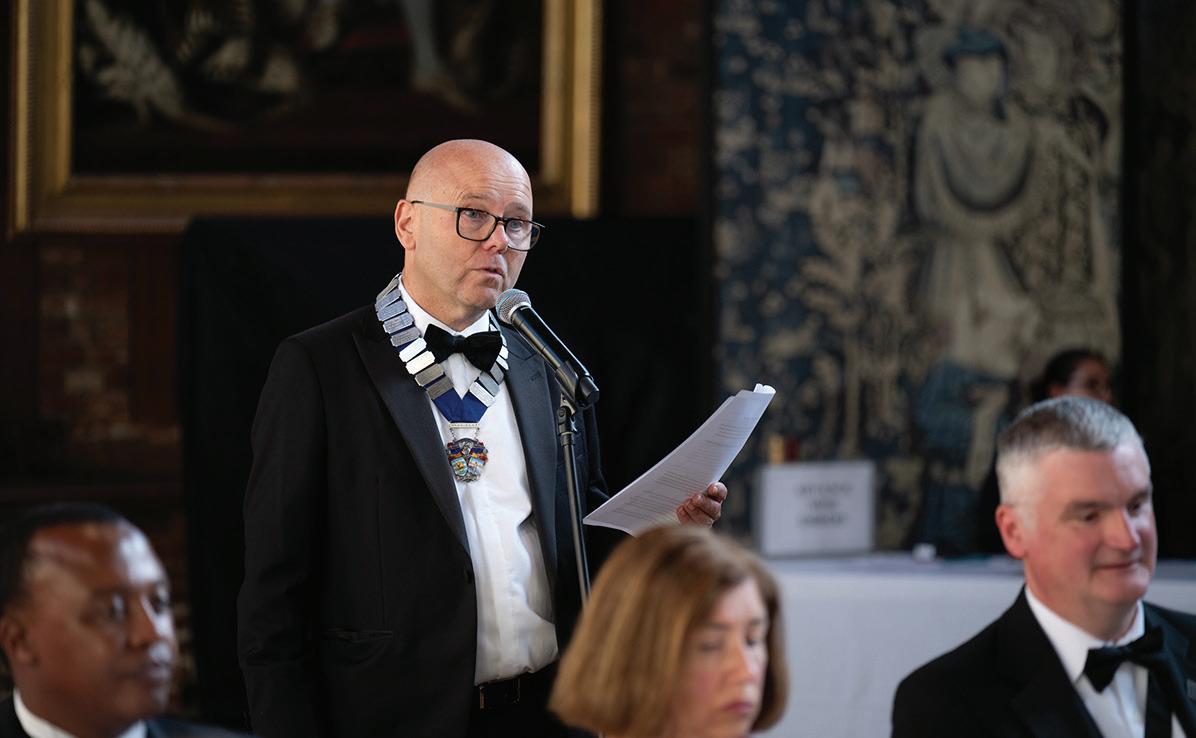
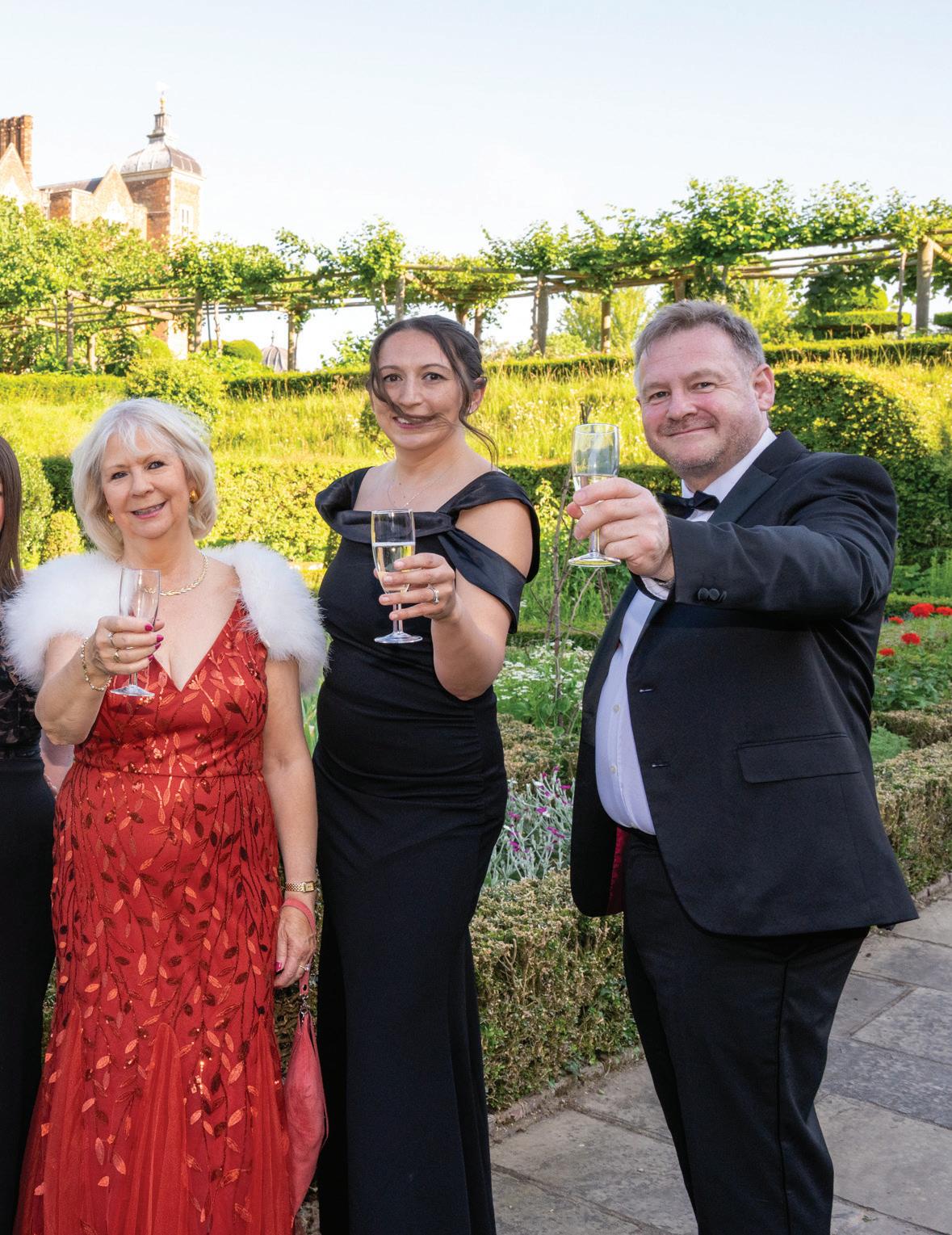
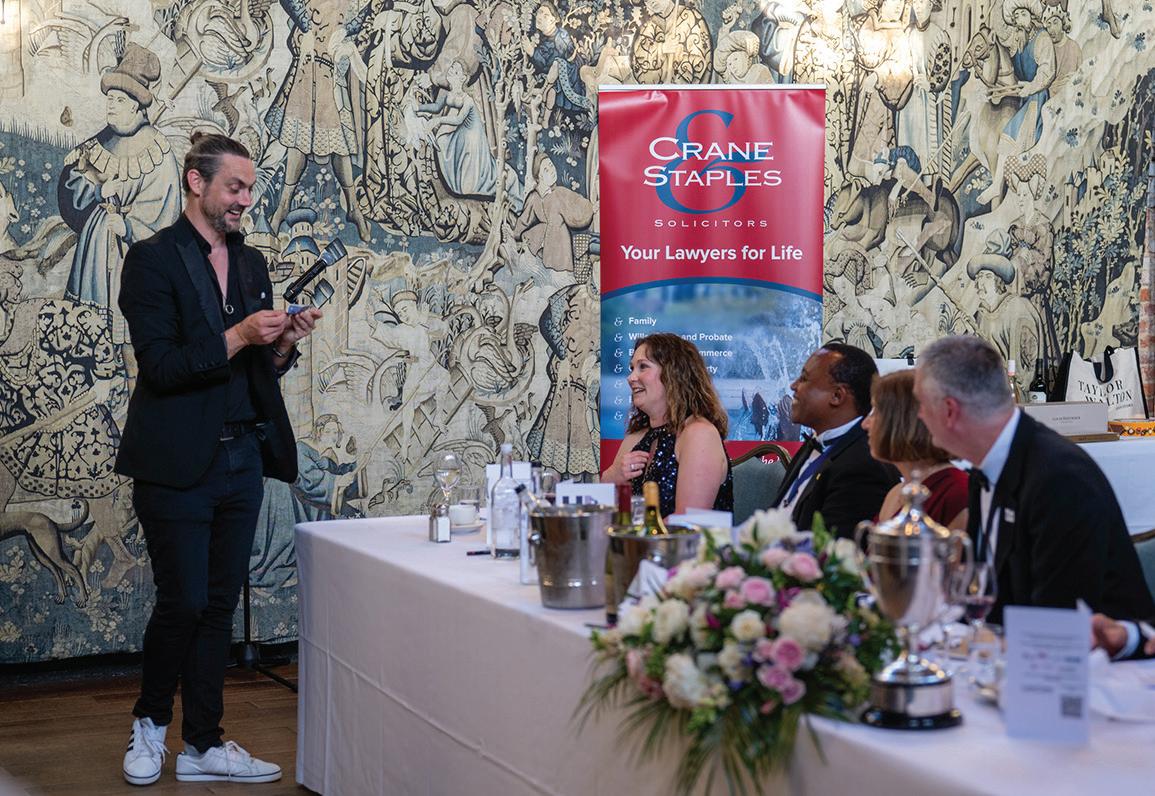
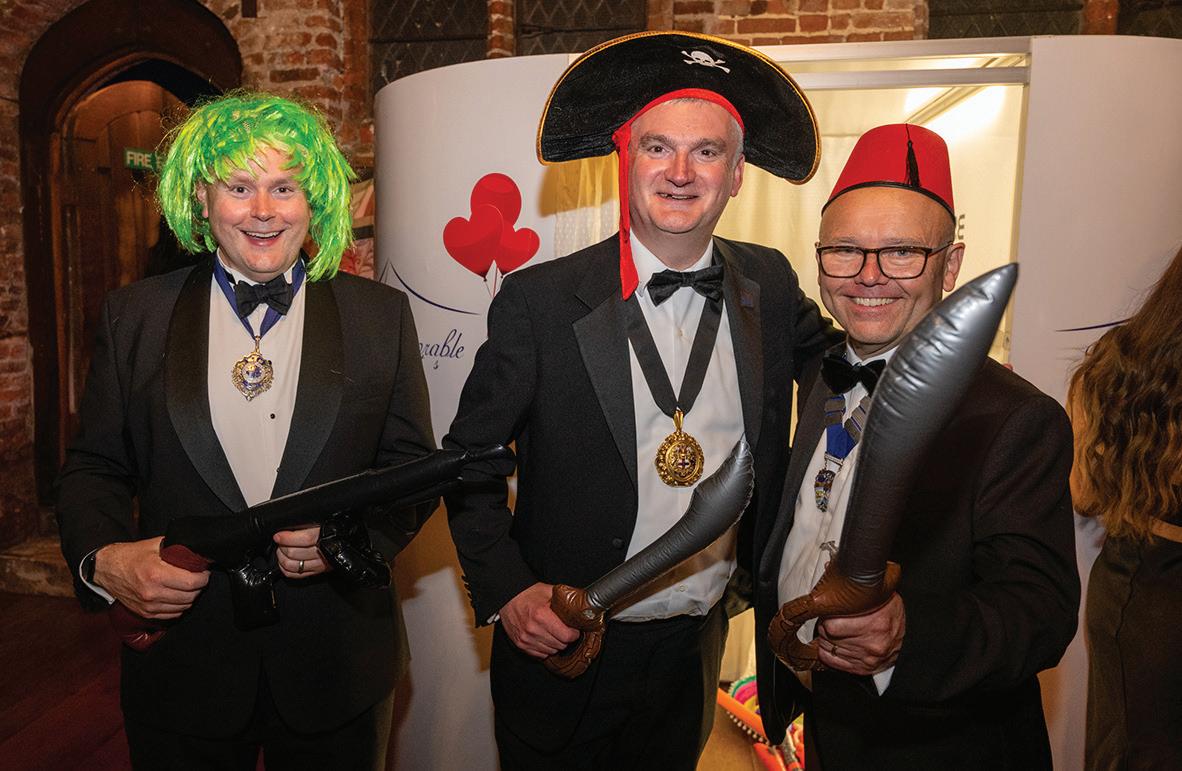
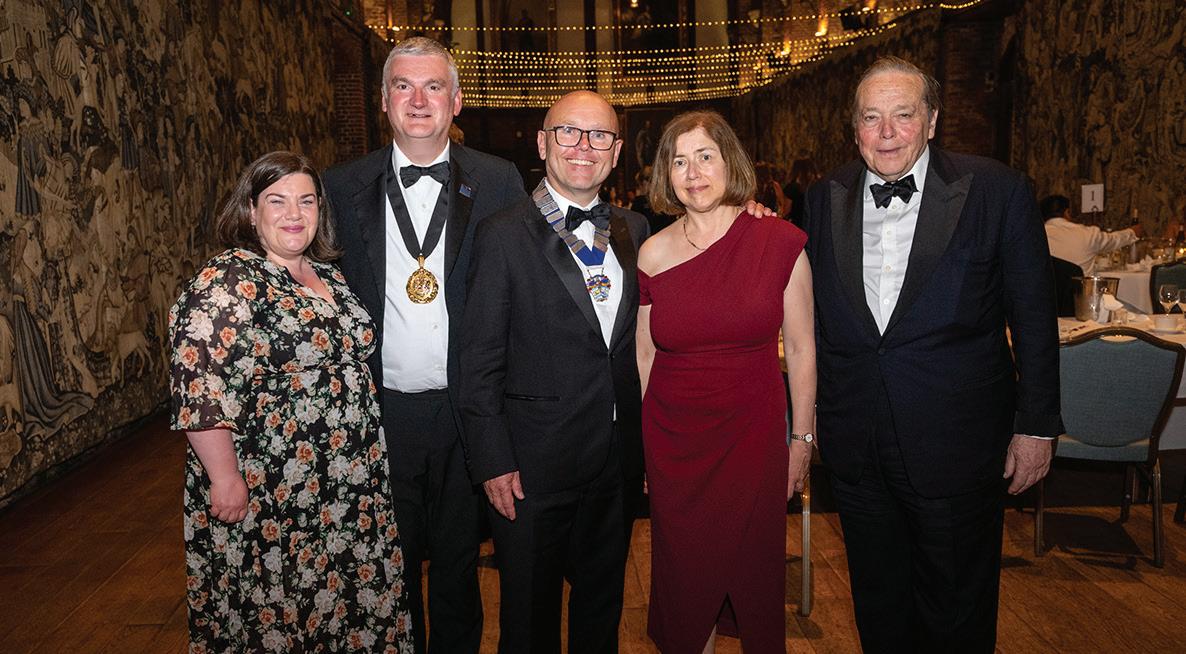
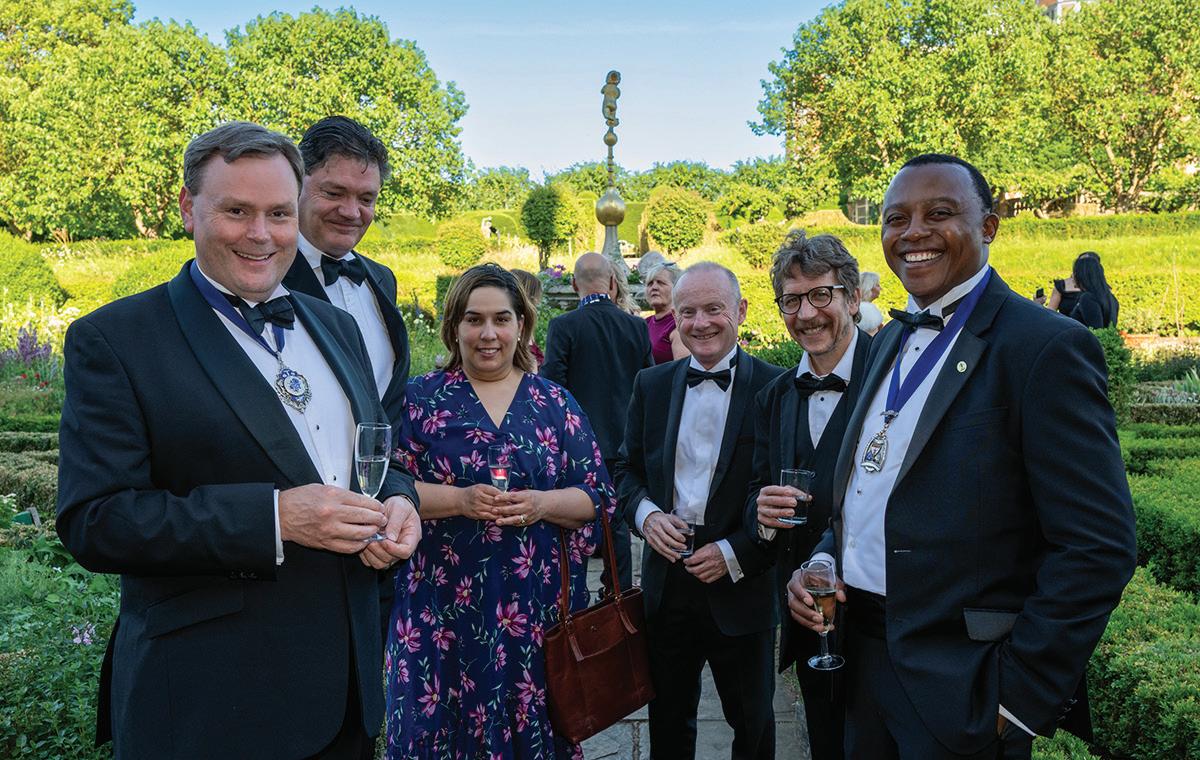
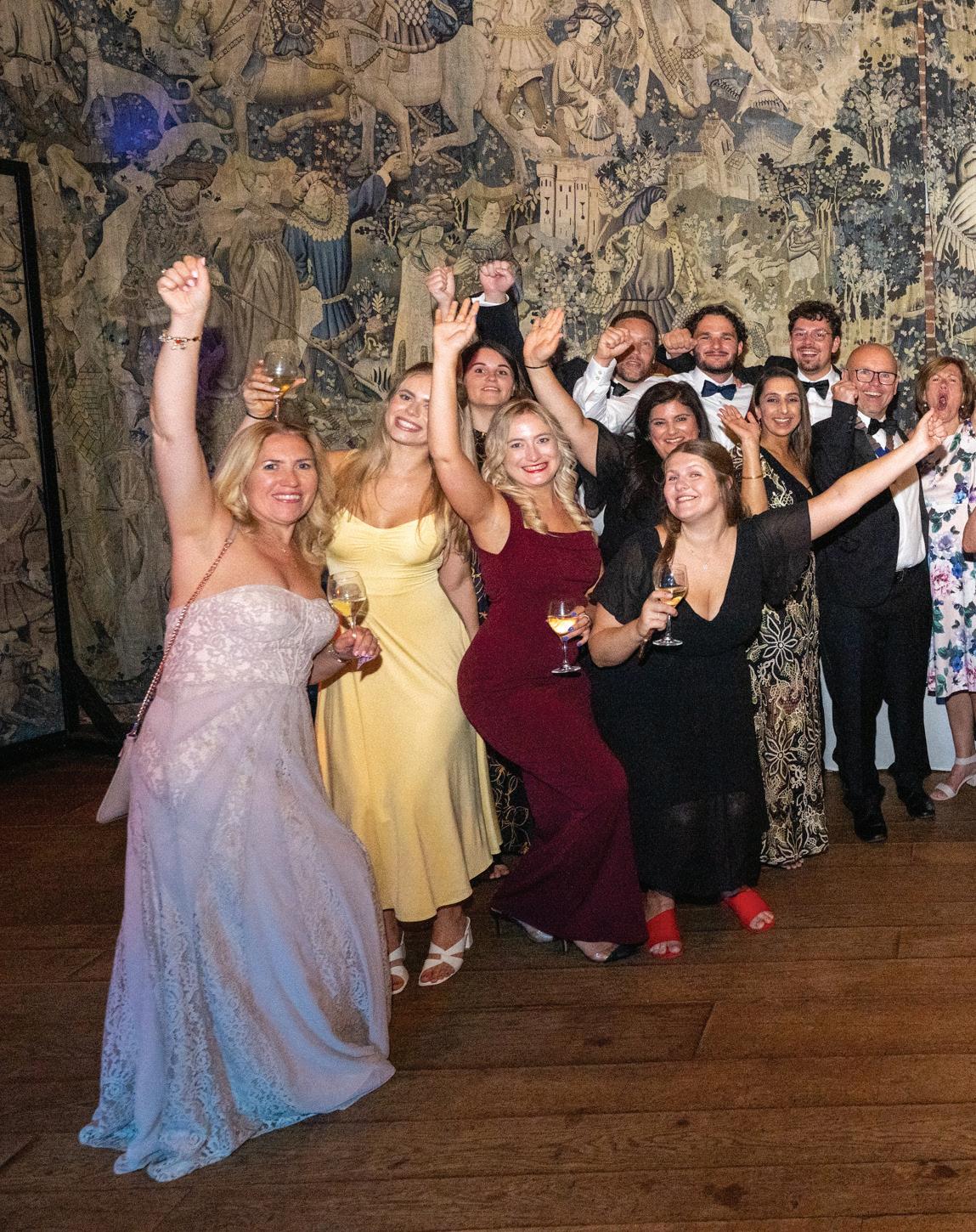
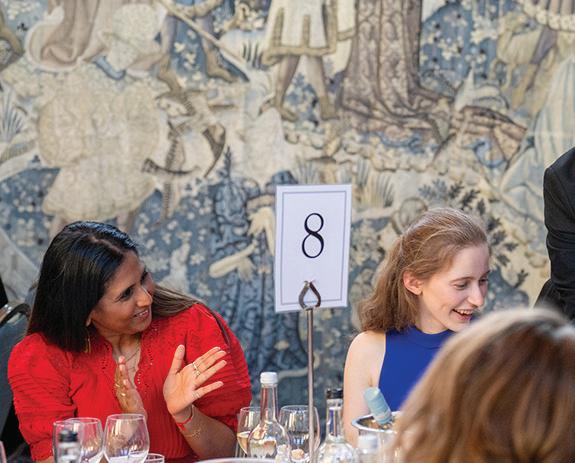
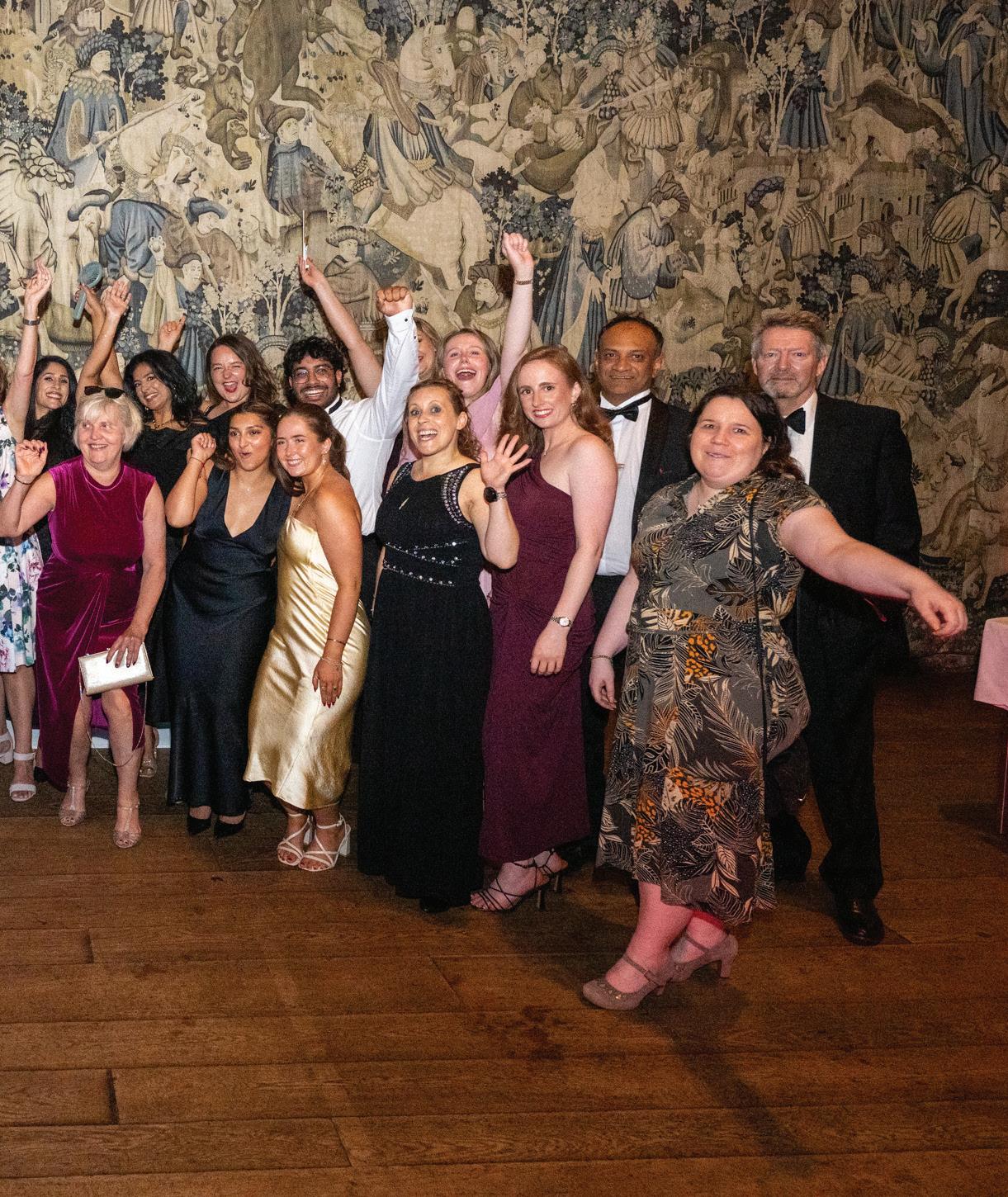
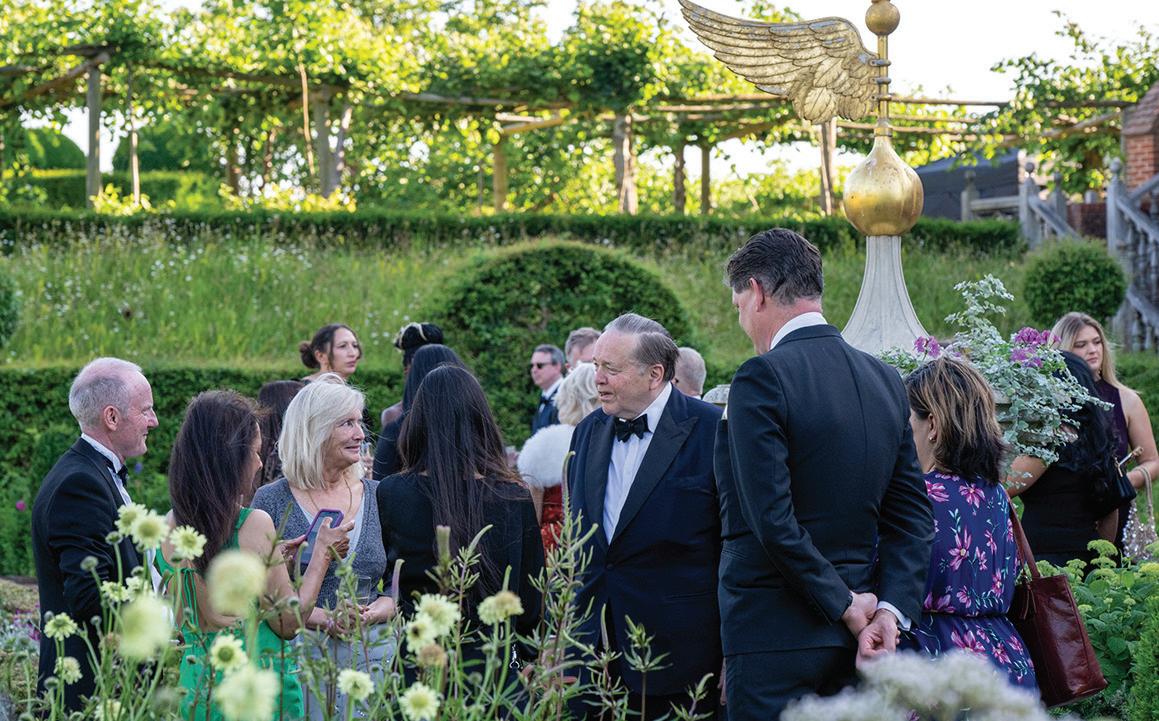
136 guests enjoyed an evening of wonderful food, awards and dancing. Several distinguished guests were present including Mark Evans President of the Law Society and Lord Salisbury. Look out for the date of the 2027 annual dinner.
The Award winners were:
Trainee/paralegal
Junior Lawyer
Solicitor of the year
Law Firm of the Year
Lifetime Achievement Award
Community Engagement (Person)
Community Engagement (Firm)
Lauren Gilbert Lawtons
Megan Latschrauner
Natasha Khakhar
Lawtons
Paul Davies
Laura Calvert
Taylor Walton
Debenhams Ottaway
Crane & Staples
HRJ Foreman Laws






Matters relating to children are perhaps the most emotionally charged areas of law. Often parents are embroiled in their own bubble that the sometimes forget to be child-focused and consider the little minds that they have responsibility for.
Resolution has some great guidance available on dealing with parents which can be used as a guide to discuss within any initial consultations or for a meeting where perhaps they need a little reminder. Some points that professionals may wish to discuss with any parents are: -
• Even where children are not present, they often hear and feel the emotions and feelings of parents. This can cause unhappiness and poor outcomes for them.
• It is important to reassure children that both parents love them and that the separation or disagreements are not their fault.
• Any information given to children should be in a child-focused and age-appropriate manner. They do not need to know everything!
• Children love both parents and it is important not to make them feel that they need to take side or cannot speak with the other parent.
• If it is safe, children benefit from having relationships with both parents and their wider maternal/ paternal family.
• Understand that children will tell parents what they think they wan that parent to hear so they do not hurt them. Recognise this and consider if that is what is happening.
• Allowing children to feel supported in having two loving homes without feeling there is resistance to let them go.
• Parents do need to make decisions for children- but consider what the
child’s view may be and how it will affect them.
• Children will adapt following the separation/disagreement provided they have the right support.
Having the right foundation going into conversations about the children will help parent’s mindsets shift from their own difficulties with the separation to focusing on the children.
As professionals, we still must remember that the recent changes to the presumption of contact. If there are any concerns regarding safeguarding risks which mean that the above conversation points are inappropriate, you should exercise your judgement on ensuring that advice is provided accordingly and parent’s are then signposted to other professionals/services such as making a court application, social services, IDVA’s etc.
Anjani Fatania Associate Director, Fullers Family Law

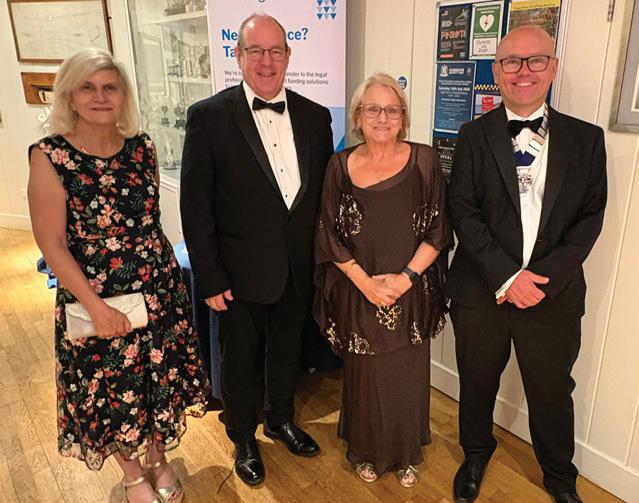
Four Hertfordshire Law Society council members plus their spouses attended the Isle of Wight Law Society Annual Dinner which was held at Bembridge Sailing Club. There was a meeting in the morning before the dinner in the evening. The setting was not quite as historical as our annual dinner but the view was better as we looked out over Bembridge Harbour. The food was excellent and the company superb.
If you have not visited the Isle of Wight we can all recommend it as a place to visit.



Artificial intelligence (AI) tools are becoming increasingly embedded within professional services, with uses that range from automating routine tasks to conducting deeplevel data analysis. But embracing AI isn’t risk-free. A survey of underwriters conducted by the Lloyd’s Market Association (LMA) identifies Professional Indemnity (PI) as the insurance line most likely to experience AI-related losses,* driven by the potential for erroneous or hallucinated outputs.
Against this backdrop, we’ve set out some key areas of risk that professional services firms may wish to keep in mind when developing and implementing AI tools.
Governance and firm-wide policies
As a starting point, all firms should have firm-wide policies in place which cover the responsible use of AI tools, bearing in mind that data inputs might differ depending on the nature and security parameters of the tool. The limitations of AI use should be explained to employees at all levels of the firm, including the potential for bias, generation of inaccurate information, as well as privacy concerns. Procedures, including escalation processes, should be established for the management of adverse incidents relating to the use of AI. Firms may also wish to prepare a guidance note to accompany any firmwide policy. Such guidance can include examples of how the policy applies in practice, and be periodically updated as the relevant technologies develop.
Where a firm is considering developing AI tools in-house, it may wish to document how that development process took place. Key areas to cover might include a description of the tool, its anticipated function, as well as decisions made in relation to testing and evaluation, design oversight, and controls implemented regarding use of the tool. The document might also consider the likelihood of risk events materialising and any potential impacts on the firm.
Ultimately, practitioners need to remember that professional judgement remains crucial and should be exercised when conducting any independent evaluation of AI outputs. The quality of any services provided must not be undermined by undue reliance on technology.
One of the major risks with unchecked AI usage is the potential for compromising confidential client data.
Firms need to consider carefully how data is used when training AI models and framing prompts for AI tools, including how any data inputted could be subsequently disseminated, especially in the case of open-source AI tools. How such data is treated could also have an impact on material which would otherwise be subject to legal professional privilege.
Similar considerations will apply when firms are contemplating purchasing AI tools. Firms should seek to understand exactly what data the tool can collect, where that data is stored, how long it is retained for, and whether customer or client data is used for training models. A vendor should also be able to provide specific details regarding encryption standards, model information, and the use of external data. If a vendor is unable to answer these questions in a clear manner, firms should think carefully before making a purchase.
Considerations in this area frequently overlap with legal obligations concerning privacy, data protection, and intellectual property. It should be remembered that PI exposure is significantly heightened where there is an indication that confidentiality obligations might have been breached.
Client knowledge of AI use
Where a firm’s advice or work product contains inaccurate or hallucinated material as a result of AI use, and the client then relies on that advice, firms may risk being accused of negligence or misleading the client.
From the outset, firms should consider informing prospective clients of any AI tools to be used while work is carried out on their file. Clients may also need to be made aware of the extent of any reliance placed on the tool’s output by the firm. This could take the form of a disclaimer, and may form part of the firm’s letter of engagement.
Many professionals, and especially those in regulated sectors, are required to exercise due care in service delivery, as well as consistently maintaining good levels of professional knowledge and skill. With the rapid adoption of AI across the professional services sector, staying abreast of technological developments may now be considered necessary to ensure that clients continue to receive a competent professional service in 2026.
Firms should therefore review their current training/CPD programmes and consider whether training on AI usage may need to be further embedded. This will ensure that employees remain capable of making informed decisions when using AI tools and that they are up to date on important technological developments, including having a working knowledge of an AI tool’s capabilities and limitations. Additional training on prompt usage and redflag outputs may also be useful.
For more information, contact Nicola Anthony, Risk Manager, Lockton at: nicola. anthony@lockton.com
This article is co-authored by Lockton in collaboration with Kingsley Napley LLP.
*https://lmalloyds.com/lma-survey-mapsunderwriters-views-of-ai-loss-scenariosacross-key-lines/

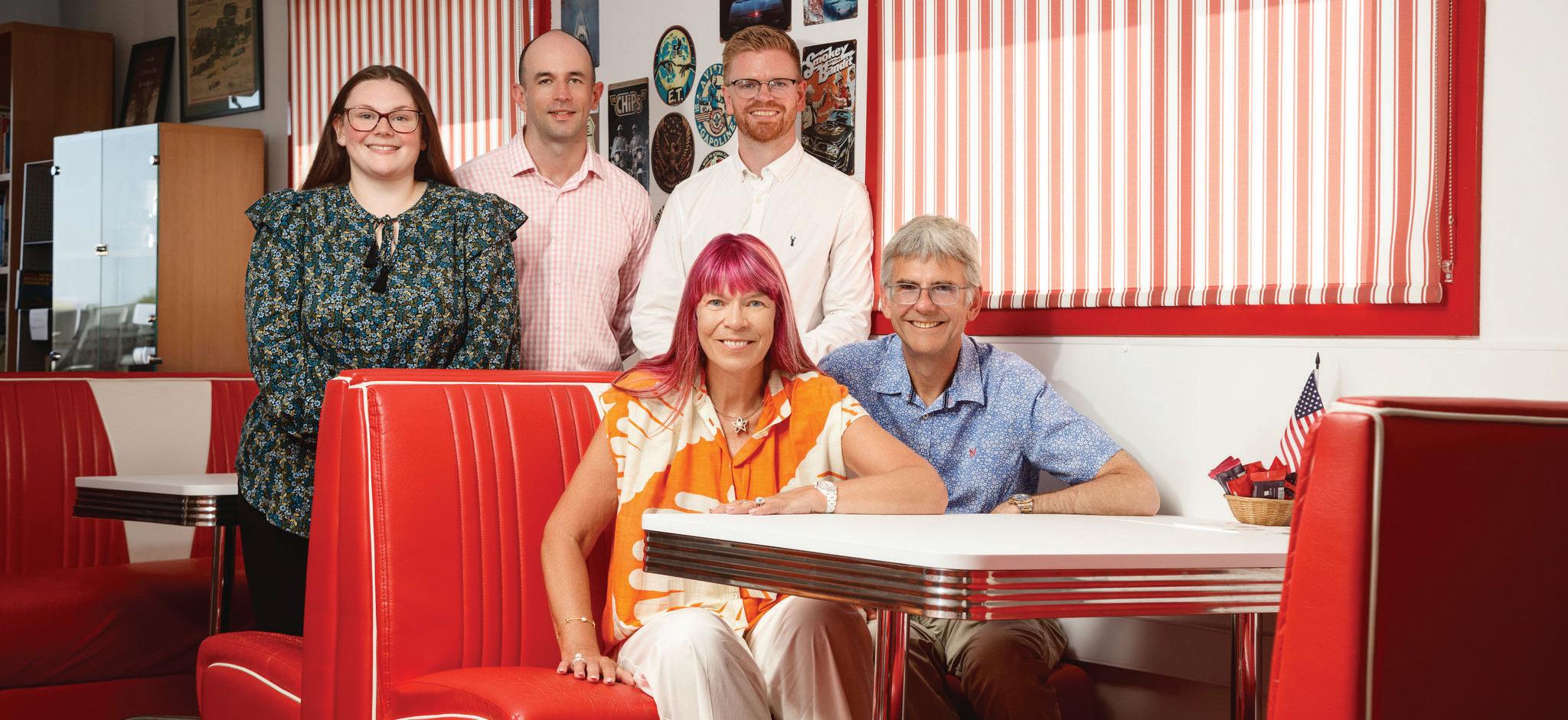
The team at FHM Forensic Accounting valued approximately 70 private companies in 2025. Typically, we are engaged to value businesses to assist in the resolution of financial disputes. Many of our formal valuation reports are prepared for court proceedings such as for divorces, shareholder and employee disputes and loss claims. Fiona regularly gives evidence in court, international arbitration and mediation.
However, we are also engaged to value businesses for commercial purposes such as planning for a business sale or exit, employee share schemes and Employee Ownership Trusts (EOTs), family succession planning and tax reporting/planning.
Let’s look at some specific areas where FHM Forensic stands out from other firms.
Independence
At FHM we are independent. We only provide business valuation and wider forensic accounting services. FHM does not provide accounting, tax compliance or wider advisory services.
We are one of the largest dedicated and independent teams of forensic accountants in East Anglia with five senior team members and the capacity to work on both small and large assignments.
We are regularly instructed directly by business owners who seek an independent view on the value of their business.
Personal service
Our experts, Fiona Hotston Moore and Tom Arnold have built a reputation for providing a personal, tailored and responsive service for every project on which they are
instructed. We aim to provide quotes within two working days of receiving an enquiry. We provide regular progress and cost updates to clients.
The turnaround time for a valuation report depends on the nature of the instruction and timely provision of information. In most cases where information is readily available and queries are resolved quickly, we can report in three weeks.
Logical, understandable and clear reports
We provide valuation reports that are clear, logical and comprehensible. We conduct full financial analysis and in the report we will explain our key assumptions, the source of information and any limitations to our opinion.
Recent feedback has included:
• “Really pleased with your report. I think even a judge will understand it”
• “Thank you ever so much for your help on my case. Your work was absolutely brilliant, and you were a pleasure to deal with. I really felt that you had my corner and that your professionalism came through in your report. I think that your report will no doubt have been the start of turning the defendants’ heads into reality and really made a difference for my case.”
The senior team have considerable experience in undertaking forensic accounting and business valuations within large advisory firms. Fiona has been a senior partner in regional, national and international accountancy firms. However, at FHM Forensic Accounting we work remotely with modest overheads and can provide clients with personal service from the experienced senior team without the

overheads and inefficiencies of a large firm.
Technical expertise backed up with decades of real-life experience
Fiona is a qualified accountant and tax adviser, as well as an accredited business valuer (BVI UK) and expert witness. In a career spanning over three decades, Fiona has gained considerable experience advising clients in many sectors - from small companies to international groups.
Tom is also a qualified accountant with considerable experience advising clients and has worked in industry and in professional practice.
In addition to our experts Tom and Fiona, the dedicated team includes two further qualified and experienced forensic accountants, Kirsty Shuckford and Nick McCarthy.
In addition to valuing private companies, we have the experience to value partnerships, sole traders and LLPs.
The senior team are well-connected in the wider industry and can call on other specialists and further resource as required such as for complex tax, corporate finance and international matters.
Additional support offered to our legal contacts
We are delighted to run webinars for our legal contacts which provide insight into business valuation, interpretation of business accounts and tax. We also provide tax cards and budget updates.
On our website you will find useful articles, our CVs and brochures.
The FHM Minute
We have recently launched the “FHM Minute” on our website. Accessed from the button on the home page, it is a regular “oneminute read” feature answering the typical questions we receive from lawyers. Over time this will become a useful library of knowledge for family and litigation lawyers on business valuation and related topics.
Contact Fiona Hotston Moore for case enquiries: fiona@fhmforensic.co.uk +44 (0)7770 642491 www.fhmforensic.co.uk
• Charitable estates remain near record levels at 44,000 in 2025
• Legacy income forecast to reach £5 billion by 2029
The Legacy Giving Report 2026,1 launched today by Legacy Futures2 and Smee & Ford3 shows that legacy giving continues to provide vital stability for the UK charity sector, with total legacy income reaching an estimated £4.4 billion in 2025.
Despite an expected easing following 2024’s exceptional peak, the legacy market proved more resilient than anticipated. Legacy income remains one of the most dependable sources of charitable funding, accounting for around 30% of fundraised income among the top 1,000 legacy-supported charities, with even higher reliance in some sectors.
The report provides the most comprehensive review of legacy giving for the charity sector, combining Smee & Ford’s probate-based data from the UK’s charity Notification Service, with Legacy Futures’ forecasting and analysis. It offers charities detailed insight into market performance, donor behaviour and future trends. Expert commentary from the Chartered Institute of Fundraising (CIOF), the Institute of Legacy Management (ILM), and Remember a Charity provides further sector-wide perspectives.
More key findings from the report, include:
• Legacy income reached £4.4 billion in 2025, with long-term annual growth rate of 4.3%.
• Charitable estates totalled 44,000, the second highest level on record.
• An estimated 104,000 charitable bequests were made, down 11% on 2024 following the clearing of the probate backlog.
• Average gift values reached £44,000 overall, with residual gifts averaging £98,000 and pecuniary gifts £6,100.
• Health charities remain the largest recipients, accounting for 34% of legacy income.
• South East, South West and London together account for 44% of all legacy giving
• Legacy income is forecast to grow to £5 billion by 2029 and £10 billion by 2046.
The bigger picture
The report highlights that 2024’s record performance was driven in part by HM Courts & Tribunals Service clearing a backlog of probate cases. While some correction was expected in 2025, probate volumes and gift values held up better than forecast, underlining the strength of the market.
However, the report warns of emerging long-term challenges. Fewer people are giving to charity overall, and engagement among younger generations is declining. As legacy gifts often reflect decisions made decades earlier, this trend could pose risks to future income.
At the same time, upcoming policy changes including inheritance tax thresholds and pension reforms are expected to increase estate complexity and may slow the flow of legacy income in the short term.
Who are the legators?
This year’s report places a particular focus on “who are the legators?”, exploring the characteristics, behaviours and motivations of those who choose to leave charitable gifts in their wills, alongside how these are changing over time.
It examines the impact of demographic shifts, with Baby Boomers expected to drive a significant increase in legacy income as they age, alongside the growing trend for will-writing and legacy decisions to happen earlier in life. This builds a clearer picture of how legacy giving is shaped and how charities can better understand and engage future supporters.
Ashley Rowthorn, Executive Director at Legacy Futures and Smee & Ford, said: “This year’s report highlights both stability in the present and uncertainty ahead. Legacy income remains a cornerstone of charity funding, and the outlook is positive in the

medium term, with steady growth forecast over the next decade.
“However, the decisions that will shape legacy income in the 2030s and beyond are being made today. Charities that invest in insight, strengthen supporter connections and adapt to changing behaviours will be best placed to realise the full potential of legacy giving in the years to come.”
Claire Routley, Consultancy Director Legacy Futures, added: “Legacy giving continues to show remarkable resilience, even as charities face wider economic and societal pressures. What stands out in this year’s data is the strength of the underlying market, with income, estate numbers and gift values all holding up well despite an anticipated correction.
“But the report also makes clear that future growth cannot be taken for granted. Charities need to understand who their supporters are, how motivations are evolving, and how to build lasting relationships that translate into long-term support through gifts in wills.”
Adding her thoughts, Lucinda Frostick , Director at Remember A Charity, said: “At a time when charities are facing economic uncertainty and donor behaviours are changing, having access to strong, reliable insight really matters. The Legacy Giving Report 2026 brings together essential data and insights to help charities understand the trends shaping gifts in wills and make confident decisions about their future. We’d encourage charities large and small to dig into the report and use the findings to strengthen their legacy fundraising strategies for the years ahead.”
The Legacy Giving Report 2026 can be downloaded for free here:
1https://144850878.fs1.hubspotusercontent-eu1. net/hubfs/144850878/LTR/The%20Legacy%20 Giving%20Report%202026%20-%20Smee%20 and%20Ford%20and%20Legacy%20Futures.pdf
2 https://www.legacyfutures.com
3 https://smeeandford.com
http://www.hertslawsoc.org.uk/

Remember A Charity Week will return this September with a national awareness campaign, new assets and resources for member charities and partners, and a coordinated activation across the charity and professional adviser sectors.
An awareness week with a long legacy Taking place from 7–13 September 2026, the annual awareness week, will once again bring together charities, professional advisers and partners across the UK. The aim is to spark widespread conversations around charitable legacies and the vital role they play in funding charities' work, encouraging more people to consider leaving a charitable gift in their Will.
This year's advertising campaign builds on Remember A Charity's popular ‘Be Remembered’ theme, which celebrates the unique and quirky things we remember about our loved ones, with the launch of three new adverts to reach and engage new audiences.
The national multi-channel advertising campaign is designed to help normalise legacy conversation, with the new ads continuing to run on digital channels until December 2026. Remember A Charity Week forms a key part of the consortium’s ‘always on’ consumer workstream, keeping legacies front of mind across the year.
Support for charities
To help charities maximise the opportunity, Remember A Charity has developed an extensive suite of customisable campaign resources for members and partners. These assets are designed to help legacy and fundraising teams engage

supporters, colleagues, volunteers and stakeholders in the campaign and extend its reach through their own channels.
The resource pack features over 100 customisable assets, including a wide range of video assets for social, physical assets like posters and bookmarks, internal comms assets and campaign merchandise.
An accompanying PR toolkit includes press release templates, key messages, and guidance for case study collation, showing how both internal and external spokespeople can use their voice to bring the legacy conversation to life.
Crucially, Remember A Charity will also use the week as a platform to activate its professional adviser and partnership network, encouraging estate planners and financial professionals to raise awareness of charitable gifts in Wills with their clients.
A growing sector
Recent research from Remember A Charity's consumer benchmarking study points to continued growth in legacy giving. Overall, 22% of charity supporters aged 40+ say they have included a charitable gift – up from 14% in 2010. A further 35% of supporters who have not yet done so are open to leaving a gift.
Lucinda Frostick , Director at Remember A Charity, said:

"Remember A Charity Week provides a unique opportunity for charities and professional advisers to come together and inspire more people to consider the difference a gift in their Will can make. This year's campaign brings fresh creative content, new resources for members and a fully coordinated approach to help keep legacy giving front of mind.
"Legacy gifts are a vital source of income for charities of all sizes and causes. By working together during Remember A Charity Week, we can encourage more conversations, reach new audiences and help secure future funding for the causes people feel most passionately about."
Charities are being encouraged to take part in the awareness week through a range of activities, from supporter communications and digital engagement to internal awareness initiatives and collaborative partnership activity.
For more information about Remember A Charity Week and opportunities to take part in this year’s campaign visit rememberacharity.org.uk/join





UNMISSABLE INSIGHTS FROM THE EXPERTS AS WE ENTER THE ERA OF AI
A review by Phillip Taylor MBE, Richmond Green Chambers
Each summer, the Expert Witness Institute (EWI) offers its members and inquisitive visitors what is now their well-established online Conference. It brings together expert witnesses, solicitors, barristers and eminent judges who discuss the key issues facing the expert community. It is always an event not to miss, and this year was no exception as we enter the era of Artificial Intelligence (AI).
The Chief Executive, Simon BerneyEdwards opened this year’s Conference remarking on the importance of artificial intelligence to experts. As usual for the regular attenders, the conference this year aimed at a range of issues to cover all levels of expertise, from new experts looking to develop their understanding of key issues, to experienced experts who are looking to develop their practice. The event remains highly instructive for those colleagues who work with or instruct experts.
The Opening Keynote Speech: Vos
The main guest speaker, Sir Geoffrey Vos KG, who has been Master of the Rolls and Head of Civil Justice for England and
Wales since 11 January 2021 addressed the conference as the first of two keynote speakers. “The use of generative AI is a very hot topic” said Vos with his rather teasing ice breaker to the experts – “what piece of career advice will stick with you throughout your career?” The sensible answer should be “(don’t) be too helpful!”
Vos submitted that there should be consultation on AI with a rule on what use of AI has made already plus an identification of what AI tools currently use, and distinctions drawn between different types of proceedings. “Costs and delays are reduced” he said, “but experts must follow the rules” even though they will change.
There was an interesting review of GPT in his detailed speech. The uses made by unrepresented parties were referred to although the generally accepted view is that such use is “not universally a bad thing” because the legal landscape continues to change. Vos expressed the hope that “clients expect lawyers to use AI” because it is cheaper and quicker for them “so let’s dust off the crystal ball” to understand the uses of AI for the future!
Next came the first panel discussion was chaired by Richard Edwards with panellists, Mrs Justice Joanna Smith, Fancourt J, and Samuel Townend KC
After a coffee break, another panel discussion on maintaining credibility and impact was chaired by Josef Cannon KC, with panellists Ram Kumar, Lynne Hannon, Adrian Parsons and Alexander Learmonth KC. The panel discussions are always very helpful for the exchange of views and the continue to work well online (if we know how to use the system to exchange views!)
After lunch, there was a practical session on managing undue pressure and maintaining expert independence, chaired by Peter Mulhern. This session was of particular importance to many attendees. It gives an opportunity to equip experts with ethical frameworks for their work. For many new to the conference the session offered tips on communication techniques and the practical steps needed to manage and document what can sometimes be inappropriate attempts by those instructing experts “to influence their independent, professional opinion” (a problem sometimes more common that experts would like to admit!)
In the afternoon there was a most useful legal and policy update led by Sean Mosby, the EWI Policy Manager. This session is often a highlight for attendees as it brings together recent developments and is often in the morning when we might be a bit fresher. We then had an excellent penultimate session from Beth Rigby (not the tv personality) on the communication of complex evidence. It goes without saying that this year’s conference had a mix of interesting sessions which would appeal to a very wide range of experts, and it included areas new to many as always.
Continues on p.36
Responsible AI adoption, stronger professional standards, and more effective ways of working under increasing pressure remain the direction of the Bar Standard Board’s new Business Plan for the future. So, for many lawyers attending those priorities are already becoming operational realities. We are expected to manage growing complexity, respond faster, and maintain confidence in the quality and defensibility of their work, while adapting to new technologies and evolving expectations. And that is where we receive so much assistance from experts, so a big “thank you” from us.
And, as expert witnesses come under continual scrutiny in the courts, this year’s conference provided essential insight and practical advice to help further develop our knowledge and skills, get instructed, and win repeat business. We heard from senior members of the judiciary, solicitors, and experienced
experts as we reflect on important legal updates and ethical issues when considering what instructing parties are looking for. There was great participation in a range of practical interactive sessions and discussions which will enable us to reflect on our work.
Closing Keynote Speech: Linnell
The EWI were very fortunate to hear from Dr Kay Linnell OBE as the closing speaker wrapping things up at the end of a long online Conference. Kay practices as a forensic accountant and she was the closing speaker. She is a Chartered Accountant, a Chartered Arbitrator amongst many qualifications with an international Forensic Accounting practice. She has given evidence to arbitrations and Courts worldwide in civil, commercial and criminal cases. Kay has acted as advisory accountant to the Justice for Subpostmasters Alliance since 2012, so we received a great deal of sage


and contemporary advice.
From the flavour of this year’s Conference, it will be very interesting to see what emerges in the next twelve months as AI takes a much firmer hold on much of our work as experts and lawyers. The 2027 Conference will be one not to be missed.