


7 - Outgoing President’s AGM
8 - Coleman Cup 2026
9 - Sub Committee Annual Report for the AGM
10 - Obituary: Peter Ashworth
12 - Charity Partner of the Year: Bridge the gap
12 - Law Society Council Member Report

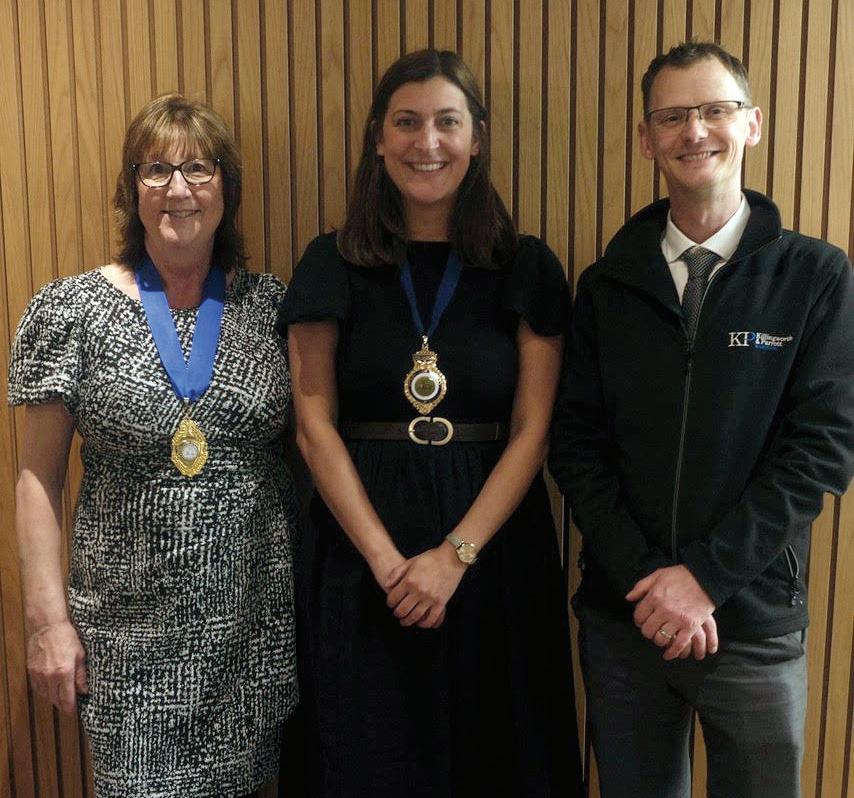
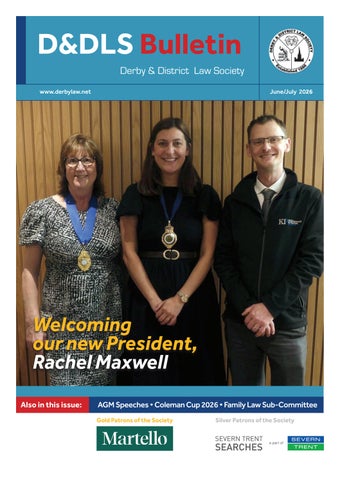
Congratulations to Lucy Tissington on a (very!!) productive year as President of DDLS. At the AGM we welcomed new President, Rachel Maxwell, new VP, Debra Morris and new DVP Stephen Parrott. I look forward to working with you all.
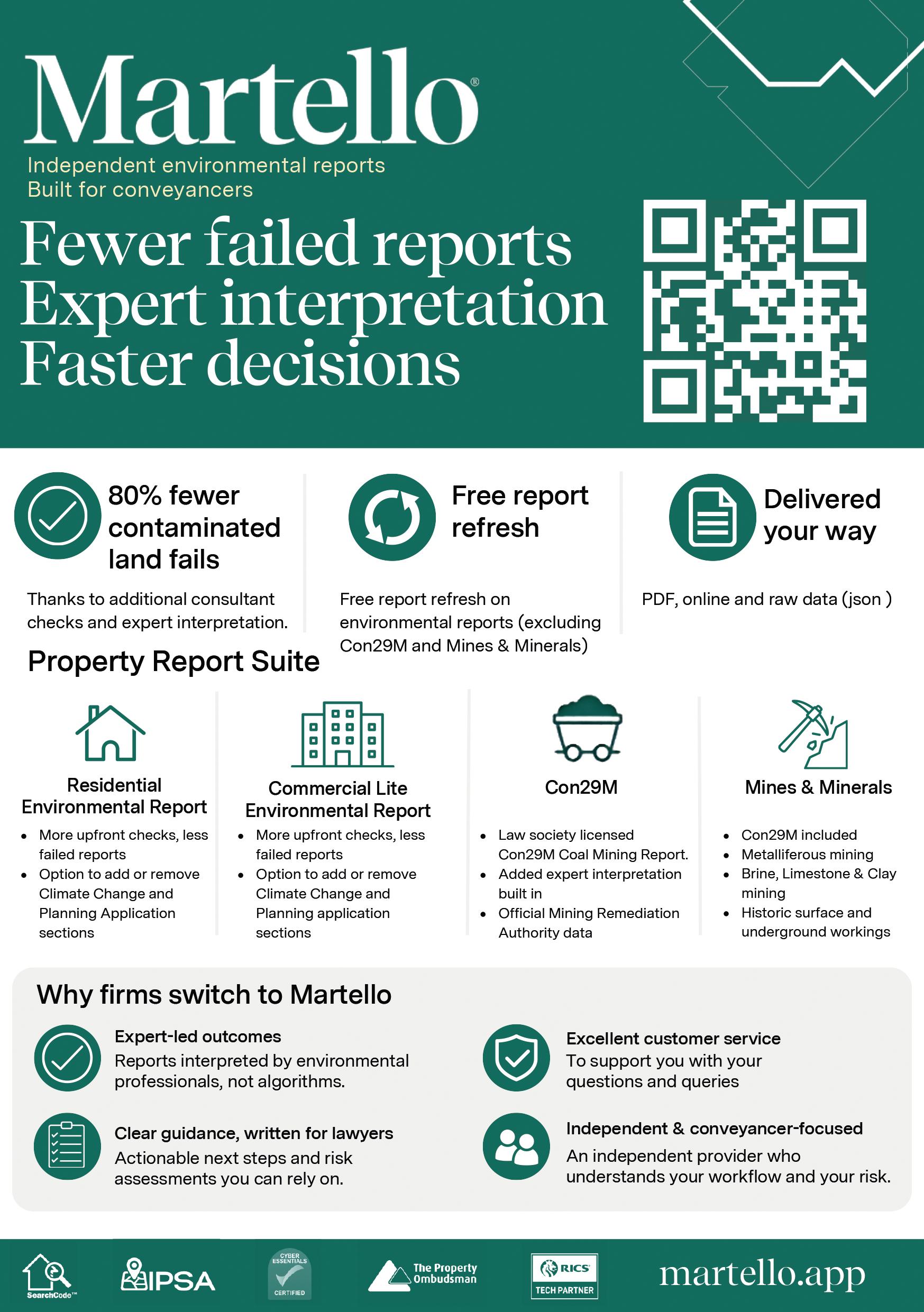
At the AGM we were able to hear from Nikki Webster from Bridge the Gap, who are this year’s President’s “Charity”. Read more about this fabulous organisation on page 12. We also met Hayden Archer and Henry Crosby again from Martello who are this year’s Gold Patron read more about the services they offer on page 13.
The day after the AGM Debra and I headed down to the Law Society in London for two days of networking and learning. Michelle Foster, my Nottinghamshire Law Society counterpart, had organised an afternoon tea networking session for local law society representatives. These events are a perfect chance to exchange ideas and views with other local law societies and always make me realise that for a smaller local law society Derby & District really does punch above its weight. We all went to the theatre to see Mamma Mia in the evening and the following day we attended the Town Hall meeting at Chancery Lane. We were treated to sessions on support for small firms, experiences of the new DVP of the Law Society and a talk from Sarah Rapson, Chief Executive Officer of the SRA,

14 - Firms in Focus
15 - O’Connors Announces Promotion of Three Associates
16 - Situations Vacant
17 - Martin Salt Promoted to Director at KP Solicitors
18 - Legacy Giving Report 2026 reveals resilient £4.4 billion market
20 - Bexley Beaumont races further ahead with arrival of top equine lawyer
22 - Working with Expert Witnesses in Clinical Negligence Claims
26 - Expert Determination – so what’s new?
28 - Book Reviews
30 - Professional services: Key considerations for implementing AI

which got a little heated to say the least!
At the end of May I attended one of my regular get-togethers with Michelle and we were lucky to be joined by Carolyn, former admin at Northants LS. It is important to co-ordinate dates and events with neighbouring law societies and don’t forget we offer a reciprocal arrangement
whereby you can get members rates to Notts LS events and vice versa.
We are re-launching several of our subcommittees, starting with private client on 25th June, but as ever if you are interested in joining the main committee or any of our groups/ events please just e-mail me.
We have a few new events coming up over the next few months. Details will be e-mailed round and on LinkedIn. The best way to get the most out of your membership is to come to meet us so I look forward to seeing you soon.
Take care.
Julia Saunders admin@derbylaw.net 01283 734989

Officers
President*
Rachel Maxwell Rachel.maxwell@smithpartnership. co.uk
Immediate Past President*
Lucy Tissington lucy.tissington@familylawgroup. co.uk
Vice-President*
Debra Morris Affinity Law debra@affinitylaw.co.uk
Deputy Vice-President*
Stephen Parrott stephenp@killingworthandparrott. co.uk
Honorary Secretary*
Fiona Apthorpe Geldards LLP, Derby Fiona.Apthorpe@geldards.com
(* = Ex-Officio)
Public Relations Officer (+) Vacant
Derby Junior Lawyers
Katie Morris katie@affinitylaw.co.uk
Henna Aietan henna.aietan@familylawgroup.co.uk
Amelia Sutcliffe amelia.sutcliffe@ smithpartnership. co.uk
Constituency Council Representative, Derbyshire (+) Shama Gupta shama.gupta@freeths.co.uk
(+) attend Committee by invitation
Other Committee Members
Julie Skill, Elliot Mather LLP Chesterfield julie.skill@elliotmather.co.uk
Felicity Coats felicity.coats@elliotmather.co.uk
Diana Copestake dianaohalloran@aol.com
David Hardy david.hardy1630@gmail.com
Oliver Maxwell
Smith Partnership
Oliver.Maxwell@smithpartnership. co.uk
Martin Salt Martin@killingworthandparrott.co.uk
Claire Twells claire.twells@smithpartnership.co.uk
Sue Jennings sue.jennings@geldards.com
Nosheen Tassaddiq nosheen.tassaddiq@flintbishop. co.uk
Catriona Smedley catriona.smedley@familylawgroup. co.uk
Treasurer*
Ben Lawson Elliot Mather LLP ben.lawson@elliotmather.co.uk
Claire Rudkin Flint Bishop, Derby claire.rudkin@flintbishop.co.uk
Manesha Ruparel MR@AandCo.co.uk
John Ellis John.ellis@smithpartnership.co.uk
Administrator / Bulletin Editor Julia Saunders, Email: admin@derbylaw.net
Sub-Committees (Secretary in italics)
Criminal Litigation Felicity Coats felicity.coats@elliotmather.co.uk
Andrew Oldroyd
Education & Training Sue Jennings, & all Sub-Committee Secretaries
Employment and Business Law Sue Jennings
Tina Attenborough tina@attenboroughlaw.co.uk
Equality, Diversity and Inclusion Manesha Ruparel mr@aandco.co.uk
Tina Attenborough tina@attenboroughlaw.co.uk
Sue Jennings sue.jennings@geldards.com
Family Law FionaApthorpe
David Guthrie dg@aflp.co.uk
Fiona Apthorpe Fiona.Apthorpe@geldards.com
Fiona Lazenby fiona.lazenby@knightsplc.com
Julie Skill Julie.Skill@elliotmather.co.uk
Kelly Mower kellym@eglegal.co.uk
Liz Guyler lizguyler@eglegal.co.uk
Lucy Tissington lucy.tissington@familylawgroup. co.uk
Manesha Ruparel MR@AandCo.co.uk
Melanie Bridgen melanie.bridgen@nelsonslaw.co.uk
Nick Herbert nh@aflp.co.uk
Ruth Jones ruth.jones@smithpartnership.co.uk
Sole Practitioners’ Group (SPG) Tina Attenborough tina@attenboroughlaw.co.uk
It has been a pleasure to watch Lucy’s year as President and to see the way she truly brought the idea of family into this society.
Recently, I was asked the question, why do I get involved with Derby and District Law Society?
It wasn’t until a recent conversation I had with Mark Evans, The President of The Law Society, that I realised why I do.
In that conversation I was sharing how fortunate I was that my husband also works in the legal sector and it meant that we have a mutual understanding of each other’s ambitions, and challenges.
Mark shared that that was his motive behind The Legal Runner – that not every one has someone to share their worries or concerns.
And that made me realise that this society is so important for that very reason – we need to be here to make sure that everyone has the opportunity to seek support from someone with a mutual understanding.
I know that if it wasn’t for the support that I have received from this committee, and our legal community – I certainly would not be here today taking on this role.
Each one of you have played a part in supporting me, encouraging me, and helping me to grow both professionally and personally.
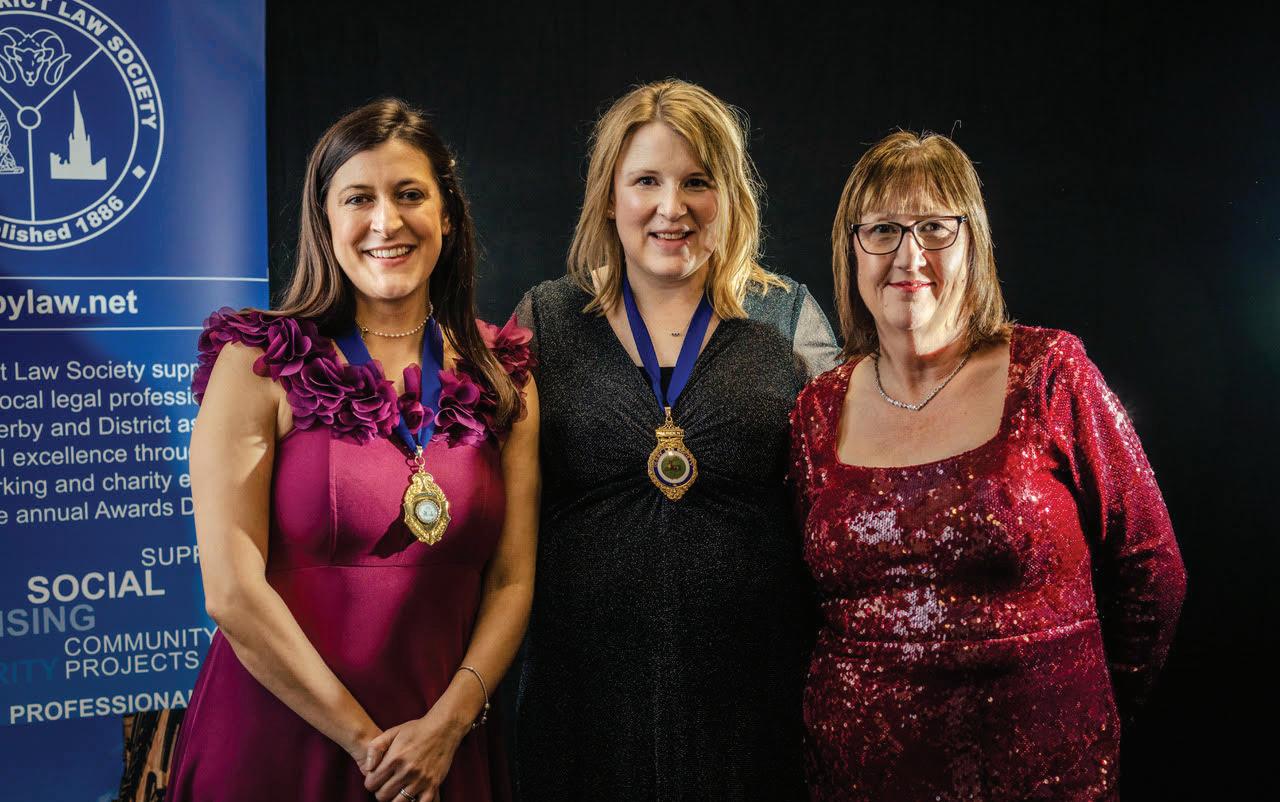
And that’s something really powerful – the ability that we as a society have to support and empower one another.
This society is more than then events that we host.
Through our events we create a community where experience is shared, people are encouraged to grow and that no one feels that they have to face the challenges of this profession alone.
And our society is thriving.
Our calendar is full of a diverse range of events, allowing more and more of our members to get involved at any stage of their career. Our patch extends beyond the city of Derby, and thanks to the changes made to our membership structure we have now seen increased membership in areas like Chesterfield and Burton. It’s important to ensure that we are engaging members who are further afield to ensure they are really benefitting from their membership.
We have strong connections with local businesses that recognise the importance of our society and our legal community. Without the support of local businesses we simply wouldn’t be able to do as much as we do.
And today, I’m pleased to introduce you all to Martello who are our Gold Patrons this year.
Henry and Hayden from Martello are able to join us today and we’ll get the chance to hear
a little bit from them shortly.
The connections with the Derby Junior Lawyers is strong, and the emerging talent we see among them gives us great confidence when it comes to the future of the legal community. I am always inspired by the enthusiasm that Derby Junior Lawyers display.
We also have really strong connections with the local schools – we see school children getting involved with our Debating competition. It’s incredible to see how throughout the heats the confidence of these young children grow. A huge congratulations to Littleover Community School who were the winners this year.
But we shouldn’t stop here and the support that we offer shouldn’t stop within the legal community. And that’s why this year, I’m pleased to announce that we will be supporting Bridge The Gap.
Bridge the Gap is an organisation dedicated to empowering children, young people and families through compassionate mental health support.
Most importantly, Bridge the Gap help develop confidence, and the life skills that will shape opportunities for the future.
Supporting Bridge the Gap this year is not just about raising awareness.
It is about recognising that empowering the next generation begins long before children enter any profession.
It is about giving children and young people the tools, and support they need to believe in themselves and to pursue whatever path they choose.

And I hope that we will be able to support their vital work through some fundraising activities.
I am pleased that Nikki is able to join us today to share more about their work.
An awful lot of hard work goes on behind the scenes and I want to thank Julia for her continued dedication and commitment to our society.
A society is only as strong as its members and so I encourage all the committee and our members wherever they are based to continue to get involved by attending our events, getting involved with the subcommittees and sharing your ideas to allow our society to grow.
Through this society I have been introduced
The Derby Junior Lawyers have had a busy and enjoyable start to the year, with a range of events already taking place, including our Coffee and Catch Up, Darts Event, and joint Padel event with Nottingham Junior Lawyers – and there is still plenty more to come.
We were delighted to host our Spring Social on 22 April 2026 at The Orange Tree, which provided a wonderful opportunity for members to come together in a relaxed setting. It was fantastic to see a mix of new and familiar faces, allowing junior lawyers to network, strengthen connections and enjoy the beginning of warmer weather!
The Spring Social continues to be a key fixture in our calendar, offering members the chance to step away from their day-to-day demands and enjoy an evening of conversation. We would like to thank everyone who attended and those who continue to support DJL events throughout the year.
The event was also a lovely opportunity to wish Amelia and Connor good luck before their journey to London for the marathon! A big congratulations to both!
Wellness Event – 14 May
A huge thank you to everyone who attended our Wellness Event on 14 May 2026 in collaboration with the Derby and District Law Society in aid of HeadwayDerby. Hosted during Mental Health Awareness week, this event formed part of our ongoing commitment to promoting wellbeing within the legal profession, particularly for junior lawyers navigating the early stages of their careers.
to some truly incredible people.
People who have become genuine friends, and people I know I can turn to when things are not going so well.
And so I ask you all to remember that the law is not just about rules or cases — it is about people. As a society we are here to support and empower each other.
It is a great honour to be able to play my small part in shaping our legal community.
I am incredibly excited for the year ahead and everything we can achieve together.
Thank you.
Rachel Maxwell President, 2026-27

It was fantastic to see so many people come together to support such an important cause, and we are incredibly grateful to ARAG Legal Services and Affinity Law Limited for sponsoring the event, and HeadwayDerby for allowing us to utilise their building. Lastly, a particular thank you to our workshop leaders.
We hope everyone enjoyed the event as much as we did!
Legal Walk – 11 June
We are also looking forward to participating in the Legal Walk on 11 June 2026 at 5:30p.m., an event that fundraising for the Access to Justice Foundation. The Legal Walk is a fantastic opportunity for everyone to come together, get active, and engage in brilliant conversation while taking in the surrounding environment!
We hope to see a strong turnout for this event and would encourage members and non-members to take part where possible.

I cannot quite believe that I am now sitting here at the end of my presidential year. It genuinely feels like only yesterday I was taking that phone call, trying to juggle picking up my son from choir and my daughter from dance and being asked if I would take on this role. In many ways, that perfectly sums up the year.
When I was sitting here last year, I spoke about chaos and about busy lives, juggling responsibilities, and somehow thriving in it. I can safely say this year has absolutely lived up to that. It has been busy, sometimes overwhelming, but also incredibly rewarding.
At the start of my presidency, I set out two clear themes, pride in the profession and showing people what we do.
Pride in the Profession
Over the past year, I have seen first-hand just how much there is to be proud of.
From the incredible talent showcased not just within Derby and Derbyshire, but also when judging the Birmingham and Nottingham Law Society Awards, I have been constantly reminded of the high standards we uphold as a profession.
Closer to home, the quality of nominations for our own DDLS awards was exceptional. The judges were genuinely impressed, and rightly so. It was a real celebration of the talent, dedication, and hard work within our local legal community.
I have also been particularly proud of the focus on training and development this year.
The education committee has gone from an idea to a thriving and supportive group, sharing knowledge on the SQE, LPC and future pathways into the profession.
The courses we have run, covering family law, advocacy, and specialist topics have been so well attended and well received.
Alongside thi the junior lawyers continue to impress me every single day. Their energy, professionalism and commitment to the profession give me real confidence for the future.
So yes, I do believe we have achieved this aim. We have recognised excellence, supported one another and continued to uphold the standards that make this profession something to truly be proud of.
This was perhaps the most personal theme for me and the one I was most passionate about. I wanted to open things up. To bring our families, friends and communities into our world.
I am so proud to say we really did that.
The Family and Friends Fun Day was a perfect example. With over 100 attendees, it brought together colleagues and loved ones in a completely different setting. Despite the weather, it was a huge success and showed exactly what I had hoped for.
The Legal Walk was another highlight, bringing together colleagues, friends, family and even the occasional dog all in support of access to justice.
Events like the Bake Off, the quiz, the scavenger hunt, and our more informal coffee catch-ups have helped create a society that feels open, welcoming and connected.
These experiences have shown that what we do does matter and that sharing it makes us stronger as a community.
Supporting Positive Social has been a real privilege this year. Through events such as the Bake Off, the family fun day, the sponsored silence (which was certainly a challenge!), and fundraising at the annual dinner, we have raised an incredible £3,000
More importantly, we have helped raise awareness of an issue that affects so many young people and families.
On a personal note, this year has meant a great deal to me. It has been busy, very busy but it has also been full of moments I will never forget.
Seeing my children and family engage with what I do, working alongside such a supportive and inspiring committee and being part of a profession and a community that genuinely cares. This is what I will take away from this year.
There are so many people I need to thank.
The committee, past presidents, and colleagues who have supported me every step of the way.
Julia , for her organisation, energy and endless support.
Rachel and Debra , for their ideas, positivity and everything they bring and of course, my family, my husband, my children (all three of them now) and my wider family, who support me through the chaos and always keep me grounded and finally Family Law Group, for being such incredible supporters of everything I do.
I am so excited for Rachel’s year. I know she is going to do an amazing job and I wish Debra and Steven luck in their new roles. The year ahead looks so exciting and I will be popping back to see you all at events.
When I was sitting here last year, I said I wanted us to be proud and to share that pride more openly. Looking back now, I truly believe we have done that. Most importantly, we have shown that behind this profession are passionate, dedicated, and very human people.
It has been an absolute honour to serve as your President.
Thank you all.
Lucy Tissington President 2025/26


This year the Coleman Cup took place at Matlock GC. Special thanks to Adam Hollis of CMP Legal for his fantastic organisation for a great day even though we experienced literally four seasons of Derbyshire weather within a few hours. Sadly, the clerics could not attend the match this year, so it was a competition of medics versus lawyers. The result was a hard-fought draw and although the tradition is that the winner from the previous year retains the cup the medics

magnanimously said that we could share the spoils. A great and social afternoon of golf was followed by a fabulous meal.
Well done and thank you to all the lawyers (Jason Skelton, Adam Hollis, David Hardy, Simon Rowley, Dan Cutts, Simon Davers and Jonathan Taaffe and honorary lawyers Graeme Makepeace and Ian Williams) medics and clerics who took part. Particular thanks to my playing partner Jason and very pleased
to say that we won our match 2 and 1 and I even managed to contribute a few points –mind you I do get lots of shots!! Thank you to Matlock Golf Club for hosting.
Thanks to Jonathan Taaffe and Jason Skelton we have already set the date for next year’s Coleman Cup which will take place on Thursday 14th May 2026 at Chesterfield Golf Club. Note your diaries and anyone interested in playing please get in touch.
Sub Committee Members
Fiona Apthorpe (Secretary)
Melanie Bridgen
Liz Guyler
Ruth Jones
Ben Lawson
Fiona Lazenby
Kelly Mower
Manesha Ruparel
Julie Skill
Lucy Tissington
This is the 28th Annual Report for the Derby & District Law Society Family Law Sub Committee which was set up in May 1998.
The Committee is Chaired by Fiona Apthorpe
The Committee’s remit is to identify and monitor all recent developments in family law, to discuss such developments and agree on their implications both for the profession as a whole (e.g. consultation papers) and at a local level as appropriate and report both in writing and verbally to the Standing/Full Committee as appropriate on our findings and to the wider membership by the Bulletin. Also to develop and implement initiatives aimed at keeping members up to date with the implications of such changes, to consider the potential impact of such developments upon the general public and to identify opportunities for initiatives/activities aimed at the general public and to discuss, develop, plan and implement any opportunities for gaining positive and/or educational publicity for the Society generally.
There have been a number of developments in the family law field over the course of the last year, quite apart from ever present listing issues and the impact on access to justice for vulnerable members of society.
The Committee works hard to represent the interests of local family practitioners and to disseminate information to our members.
The Committee represents a wide cross section of family law practitioners and we have representatives specialising in all areas of family law, including childcare and family mediation/collaborative law.
There is a committed core of the Committee who attend regularly. The Committee continues to welcome new members and also particularly those from outside the city and from Chesterfield and Burton.
The Committee aims to meet as and when necessary but a minimum of four times per year.
The Committee is represented on the Local Family Justice Board. These meetings provide a useful forum for discussions on a number of issues of importance to family practitioners and enable the Court to give helpful feedback and guidance on practical issues.
If members would like to raise any issues with these groups then they are obviously welcome to attend the meetings direct or alternatively they can contact Fiona as Secretary or a local member of the Committee who would be happy to raise issues on their behalf.
The Family Committee have an excellent working relationship with the local Courts and issues which we have raised from time to time have been swiftly addressed. The relationship has been facilitated by the local Judges and the Court Managers.
We regularly disseminate information from the Courts via our database (see below) to local members of the profession. The Committee also recently organised a meeting with our local District Judges to discuss issues of mutual interest. This has led to a dialogue over issues such as listing.
The Committee has previously organised very successful meetings with the local judiciary in the past and a further meeting is being planned for this year.
The Committee has a contact database of local family practitioners. This has enabled us to email to all members copies of the Committee minutes promptly and to quickly disseminate and circulate information received from third parties e.g. the Court/ CAFCASS.
If any member of your firm’s family department would like to join the database, please ask them to contact Fiona Apthorpe at fiona.apthorpe@geldards.com
Our former and sadly missed designated Family Judge, HHJ Judge Orrell, was requested by the President of the Family Division of the High Court to recruit members
to form a Local Family Justice Council to serve the users of the Derby care area, which covers Derby, Derbyshire and South East Staffordshire. The inaugural meeting of the LFJC took place on 20th December 2005. Fiona was initially asked to attend as a representative of the Derby & District Law Society and other family practitioners, including Committee members, regularly attend Council meetings. The intention was that the LFJC would be an inter disciplinary body whose essential functions would be to promote inter disciplinary working within the local family justice system, to participate in the mutual exchange of information with the National Family Justice Council, to work to secure improvement in the local family justice system and to promote inter disciplinary development. Meetings were attended by representatives of the Bench, Local Authorities, Solicitors, Counsel, the University of Derby, the Police, the Legal Services Commission, Action for Children, CAFCASS and the Adoption Services.
In due course the Local Family Justice Council evolved into the Local Family Justice Board which was set up to bring together the functions previously carried out by Local Performance Improvement Groups and Local Family Justice Councils. The Board is very active locally in organising meetings, agendas and informative presentations by and for the local profession both for private and public family law cases.
If anyone has any issues which they would like raising on the LFJB they should contact a member of the Committee.
The Committee have facilitated an open exchange of news and dialogue with CAFCASS enabling members of the profession locally to be kept up to date with developments and initiatives. Representatives from Derby CAFCASS have attended Committee meetings in the past and if members have any issues which they would want raising with CAFCASS they should contact Fiona or a member of the Committee.
Over the course of the last year the Committee has dealt with a number of issues and proactively put forward the concerns of its members to various authorities, particular issues this year being listing and court delays generally.
Continues over page...
There have been a number of other issues which have proactively raised during the course of the year including listing problems at the Family Court, difficulties in contacting the court, remote hearings, McKenzie Friends, the new ADR rules and developments in children law.
In the current economic climate many firms are cutting back on training which obviously makes it all the more important to organise local courses of interest to family practitioners where these can be provided by the Society either free or at a modest charge.
The Committee have been active in suggesting and facilitating local courses of
interest to family practitioners which have been well attended and if members have any suggestions for courses they should contact a member of the Committee or our Administrator Julia Saunders so this can be actioned.
The Family Committee have continued to proactively represent members over the last 12 months.
All issues raised by any member are included on our agenda and discussed at regular Committee meetings. These are followed up by formal reports to Full Committee which reports are now copied direct to all members via our database. Summaries or copies of the full minutes
also appear in the Bulletin. We are happy to make representations on behalf of the profession on issues of interest to family practitioners and if anybody has anything that they would wish to raise or indeed if they would like to join the Committee then they should contact either Fiona or another Committee member.
All meetings are currently being held remotely by Teams, otherwise held at Geldards’ Derby Office, at 4.00pm.
Fiona M K Apthorpe Honorary Secretary
Derby and District Law Society 05.05.26
As the D&DLS year draws to a close I am immensely proud of what we have achieved, the support offered to the local profession and the commitment shown by our Committee Members ably led this year by Lucy Tissington with our esteemed and highly regarded Administrator Julia Saunders by her side.
I will not detail our achievements which I am sure that Lucy will reflect on in her outgoing speech but our Society has reviewed openly and honestly the challenges which we face and how these can be overcome and we have made
changes which will hopefully result in a larger and more diverse membership.
We continue to support our Derby Young Lawyer’s Group. The Society’s Bulletin, produced by our Administrator, continues to inform and is full of interesting and useful information.
As Honorary Secretary, I had the pleasure of organising (ok, ok Julia, I know you did all the work yet again but I get to choose the menu!) the biennial Former President’s Dinner last October and we enjoyed meeting old friends.
I very much enjoyed the Annual Dinner this year which was very well attended.
I have (sadly as usual!) nothing of substance to report qua Secretary. In closing, however I should like to thank our highly capable and committed Administrator, Julia Saunders, for all her hard work over the past year.

Fiona M K Apthorpe Honorary Secretary Derby and District Law Society
Peter Ashworth was a highly respected solicitor whose professional life was devoted to public service, the law, and the people of Derby and Derbyshire. Renowned for his fairness, integrity, and calm authority, Peter made a lasting contribution to the legal and civic life of the region through decades of dedicated work.
Trained as a solicitor, Peter went on to serve as HM Coroner for Derby and South Derbyshire, a role in which he was widely recognised for combining rigorous legal judgment with compassion and humanity. In often difficult and sensitive circumstances, he brought clarity, dignity, and balance, ensuring that families were treated with respect while the law was applied with diligence and independence.
Alongside his coroner duties, Peter was a partner and East Midlands Senior Partner with Geldards, one of the East Midlands’ leading law firms, where his expertise and judgment as a Family lawyer were held in high regard by colleagues and the wider legal community. His professional reputation was built not only on knowledge of the law but on his personal qualities: measured, thoughtful, and deeply principled.
Beyond his formal legal work, Peter gave generously of his time to charitable, educational, and community organisations in Derbyshire, serving as a director and trustee across a number of local institutions. His contribution
reflected a strong belief in civic responsibility and the importance of giving back to the community he served throughout his life.
Peter will be remembered as a man of integrity, intellect, and kindness—someone who approached his responsibilities with seriousness and his relationships with warmth. He leaves behind a significant professional legacy and the lasting respect of colleagues, public servants, and families who encountered him through his work.
He will be greatly missed.
David
Williams MBE DL Chairman
For and on behalf of Geldards LLP



Bridge the Gap is delighted to share that it has been selected as the Charity Partner of the Year by Rachel Maxwell, President of the Derbyshire and District Law Society.
Bridge the Gap is a Kings Award for Voluntary
Service community-focused organisation providing vital mental health and wellbeing support to children, young people, and families. Through award-winning early intervention programmes, workshops, and parent support, the organisation helps individuals better understand their emotions, build resilience, and access the help they need at the right time. Its work has a meaningful
impact in reducing distress, strengthening family relationships, and empowering young people to feel safer, more confident, and better equipped to cope with life’s challenges.
This partnership marks a meaningful opportunity to raise awareness of the vital mental health and wellbeing support Bridge the Gap provides to children, young people, and families. Throughout the year, the collaboration will help shine a spotlight on the increasing need for early intervention and accessible support within communities.
Rachel shared her enthusiasm for the partnership, recognising the important work Bridge the Gap does in supporting emotional wellbeing and helping young people feel heard, understood, and supported.
Bridge the Gap is incredibly grateful for this opportunity and looks forward to working closely with the Derbyshire and District Law Society over the coming year to make a positive difference, raise funds, and reach more families in need.
Nikki Webster Bridge the Gap
SRA PC Fee and Compensation Fund
The combined SRA total for the PC Fee and Compensation Fund contribution for an individual is expected to rise from £260 to £360. Have your say on how this money is used by the SRA. The SRA’s consultation on its proposed Business Plan, funding requirement and compensation fund contributions is now open, and closes on 22 June 2026.
Further reading: SRA | SRA seeks feedback on reforms as Business Plan published | Solicitors Regulation Authority
( https://www.sra.org.uk/news/news/press/bp2026/)
SRA confirms proposed increases to practising certificate fee and Compensation Fund | The Law Society
(https://tinyurl.com/ukkjsrrd)
SRA to strengthen continuing competence requirements
The SRA is consulting on potential new rules which will require all solicitors to keep a record of how they are reviewing and addressing their learning and development needs, and is also proposing that all solicitors take part in mandatory ethical discussions on an annual basis. The consultation closes on 15 July 2026.
Further reading: SRA | Strengthening our continuing competence approach | Solicitors Regulation Authority
( https://www.sra.org.uk/sra/consultations/ consultation-listing/continuingcompetence-2026/)
SRA consultations
To subscribe to SRA consultations, select SRA | Consultation alerts | Solicitors Regulation
Authority
( https://www.sra.org.uk/sra/consultations/ consultation-alerts/)
TLS welcomes feedback from you and I would like to hear from you about anything you may wish to share concerning your professional needs. Schedule a 1:1 conversation online by contacting me at https://www.lawsociety.org.uk/about-us/ our-governance/council- constituencies-andcurrent-members/shama-gupta.

Don’t forget to update your personal information on My LS!
Shama Gupta Council Member TLS


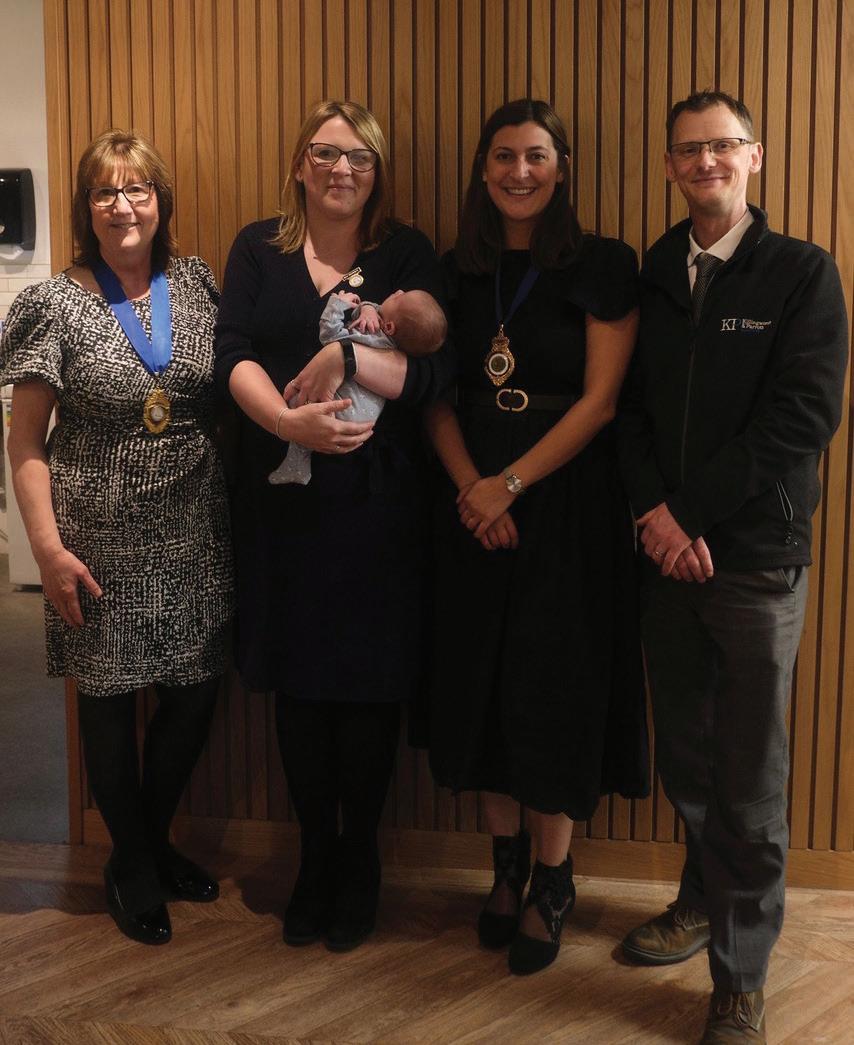
O’Connors are pleased to announce the promotion of Mollie Williams, Michael McKenna, and Megan Crone to Associate, recognising their outstanding contributions to the firm and continued commitment to delivering exceptional client service.
These promotions reflect the firm’s ongoing investment in developing its people and strengthening its legal expertise across key practice areas.
Mollie Williams
Mollie Williams has been an integral part of the firm since joining in 2022, specialising in corporate and commercial law. She has advised clients on a wide range of matters, including management buyouts, sales to employee ownership trusts and mergers and acquisitions of businesses. She is recognised for her attention to detail and pragmatic approach to complex legal issues
Michael McKenna
Michael McKenna has built a strong reputation within the firm across both Corporate and Commercial disciplines. Since joining O’Connors in 2023, he’s played a key role in advising clients on a broad range of corporate and commercial matters, including Mergers, Acquisitions & Disposals, Corporate Advisory and Governance matters, while consistently demonstrating strong technical expertise, commercial awareness, and a practical approach to client service.
Megan Crone
Megan Crone has consistently demonstrated excellence in her work within the firm’s Corporate and Commercial team. She has contributed to many significant matters for some of the firm’s high profile clients including acquisitions, group restructures and commercial contracts and is valued for her collaborative approach and commitment to achieving the best outcomes for clients.
Commenting on the promotions, David Malone, CEO said:
“We are delighted to recognise Mollie, Michael and Megan on their well-deserved promotions. Each has shown exceptional dedication, professionalism, and talent, making a significant impact within the firm, and providing service excellence to our clients.
These promotions mark an important milestone for each individual and reflects O’Connors’ commitment to developing talent and supporting career progression throughout the firm.”
About O’Connors
O’Connors is niche firm advising clients across Corporate, Commercial, Insurance and Regulatory in the legal, sport and financial service sectors.
With offices in Liverpool and London, the firm is known for delivering high-quality legal services and building long-term client relationships.
Contact Joe Holmes 07387 412085 josephholmes@oconnors.law www.oconnors.law


Are you ready to build a rewarding career in residential property law? Whether you’re currently assisting on conveyancing matters and eager to progress, or already working as a Junior Conveyancer, we’d love to hear from you.
Location: Mansfield
Business Hours: Mon-Fri 9.00 am to 5.00 pm
Type: Permanent/Full-time - Office-based Salary: Competitive salary reflective of qualifications and experience + career development
About the Role
You’ll be part of a collaborative legal team, supporting and managing residential property transactions from instruction through to completion. This is a fantastic opportunity to deepen your expertise, grow professionally, and make a real impact in a supportive, forwardthinking environment.
Please note: This role is office-based to ensure you benefit from close mentoring, hands-on training, and team collaboration during your development.
Who We’re Looking For
We welcome applications from individuals who:
• Have experience assisting with residential conveyancing matters from instruction to completion, including working on multiple matters simultaneously while meeting deadlines and maintaining high standards of client care
• Are working towards becoming a Junior Conveyancer or are already in the role
• Are confident communicators with strong organisational skills
• Are proactive, organised and committed to delivering excellent services
• Have a keen eye for detail and a proactive mindset
• Are comfortable using legal case management systems and digital tools
• Works well independently and as part of a team
• Desirable (but not essential):
• Formal training or qualifications in conveyancing (e.g., CLC, LPC, or equivalent)
• Experience handling client communications and drafting legal documents
Why Join Us?
We’re proud to offer a workplace that values every generation and background. Whether you’re early
Are you an experienced Residential Property Solicitor, Legal Executive or Licensed Conveyancer with 5+ years of expertise? Do you crave a supportive environment where your growth is championed? Look no further!
As our firm continues to expand, we are thrilled to offer exceptional career opportunities based in our Chesterfield, Mansfield, Sheffield and Dronfield offices and are seeking dynamic individuals to join our enthusiastic and dedicated team.
Position Details
• Type: Full-time, Permanent
• Location: Chesterfield, Mansfield, Sheffield or Dronfield (central locations)
• Start Date: Immediate (dependent on notice period)
• Hours: Monday to Friday, 9:00 am to 5:00 pm
The Opportunity
Are you feeling stuck, unsupported, or lacking growth in your current role? This is your chance to join an award-winning and reputable law firm that is committed to helping you reach your full potential. A firm whose mission is to make a difference by working consistently in the provision of first-class legal services by:
• Making a meaningful, valuable and significant contribution to our clients
• Supporting and developing our people
• Giving back to local communities
You’ll have the opportunity to lead a small Residential Property team from day one, with the exciting challenge of managing and expanding
this team as we continue to grow. As a forwardthinking firm, we are committed to a continued and considerable investment in technology to streamline and improve our processes and to ensuring unrivalled client experience.
The Ideal Candidate
We’re seeking an experienced Residential Conveyancing Solicitor, Legal Executive, Licensed Conveyancer, or similar professional with at least 5+ years of post-qualification experience. In this role, you will:
• Lead and mentor a thriving Residential Property team.
• Provide technical support to junior team members.
• Manage a diverse caseload of Residential Property transactions.
• Collaborate closely with the Head of Residential Property to drive the department’s growth and success.
• Work autonomously and efficiently in a fastpaced environment, highly organised, with a strong commitment to meeting deadlines.
You’ll need to be proficient with IT case management systems and have the ability to work independently with minimal supervision. A natural leader, you’ll bring a proactive approach to problemsolving, a keen eye for detail, and exceptional communication skills.
• Competitive Salary: Reflective of your qualifications and experience.
• Supportive Environment: We value our employees and provide a collaborative
in your career or looking to take the next step, you’ll benefit from:
• Longstanding and Respected Company - We are an award-winning Law Firm with an excellent reputation and established department.
• Training & mentorship - to support your growth with mentoring and progression opportunities. You will be positively challenged and supported in your professional development where you’ll be given the opportunity to grow and shine.
• Supportive office culture - that encourages learning and collaboration
• Inclusive environment - where your ideas and input are welcomed
• Clear career progression - and regular development reviews
• Modern tools & systems - to help you succeed
• Meaningful work – assisting and helping clients navigate one of life’s biggest decisions.
How to Apply
Ready to take the next step in your career? Apply now by clicking the link: https://www.bannerjones. co.uk/pages/how-to-apply
Closing Date: 16th June 2026
workplace where your contributions are recognized and rewarded.
• Career Growth: As a valued member of our award-winning company, you will be positively challenged, supported in your professional development, and given the opportunity to grow within our successful team where you are truly able to shine, backed by an excellent reputation and established department.
• Equal Opportunity Employer: We are proud to be an equal opportunity employer, committed to creating an inclusive environment for all employees.
Working with us comes with numerous additional benefits, including a good pension plan and a competitive holiday allowance enhanced by a discretionary office closure over Christmas. We provide an annual personal development and training plan to support your growth, and we host an annual staff dinner to celebrate our business successes. Additionally, we hold wellbeing events (including our Summer Social) and participate in social and sporting events with other local businesses throughout the year.
Don’t miss this exceptional opportunity to elevate your career to new heights. Apply now and become a pivotal part of our continued growth and success.
Ready to take the next step in your career? Apply now by clicking this link: https://www.bannerjones. co.uk/pages/how-to-apply
Closing Date: 16th June 2026

KP Solicitors are pleased to announce that Martin Salt has been appointed as a Director in the firm. His appointment coincides with Kim Favill stepping down as a Director to enjoy her well-deserved retirement after 50 years in the profession.
Having qualified in 2007, Martin has dealt with different areas of law over the years including
Conveyancing, Matrimonial and Litigation, but his specialism is in Private Client matters, helping people with their Wills, Powers of Attorney, Trusts and the Administration of Estates.
Martin has worked in firms differing in both size and approach, and he has experience at all levels on the professional ladder from trainee solicitor to Partner. This experience gives him a good understanding of how a successful firm is operated and managed. He is a longstanding committee member of the Derby & District Law Society, having also served as President for two consecutive years between 2019 and 2021.
Martin and Stephen (who established the firm in 2011 under the brand Killingworth & Parrott, Solicitors) have known each other since their school days, both qualifying in the same year before embarking on their respective careers. Their professional paths crossed periodically over the years before Martin joined the firm in August 2025, when it was going through a restructure. Martin quite literally hit the ground running, getting to grips with how the small
family friendly firm was run, bringing fresh ideas to the table to improve the services to our clients and the firm itself.
Martin’s appointment as a Director in the firm is an exciting but logical step forward. He and Stephen share similar values and approach, and a strong, experienced management team is essential for a small firm like ours to survive and thrive.
We take this opportunity to thank Kim Favill for her service both as an employee of the firm and more latterly as a Director. Kim has had an exceptional career having also experienced all levels of the professional ladder. Kim joined the firm in June 2020 as an experienced licenced conveyancer, and she continued to dedicate her wealth of experience to her clients up until April 2025 when she was due to retire. Rather than retiring at that time, Kim was kind enough to become a Director during the firm’s restructure. Stephen is profoundly thankful to Kim for her assistance at that time and hopes that she can now enjoy time at home, or pursuing her interests without the constraints of a somewhat stressful and busy work life.

resilient
• Charitable estates remain near record levels at 44,000 in 2025
• Legacy income forecast to reach £5 billion by 2029
The Legacy Giving Report 2026,1 launched today by Legacy Futures2 and Smee & Ford3 shows that legacy giving continues to provide vital stability for the UK charity sector, with total legacy income reaching an estimated £4.4 billion in 2025.
Despite an expected easing following 2024’s exceptional peak, the legacy market proved more resilient than anticipated. Legacy income remains one of the most dependable sources of charitable funding, accounting for around 30% of fundraised income among the top 1,000 legacysupported charities, with even higher reliance in some sectors.
The report provides the most comprehensive review of legacy giving for the charity sector, combining Smee & Ford’s probate-based data from the UK’s charity Notification Service, with Legacy Futures’ forecasting and analysis. It offers charities detailed insight into market performance, donor behaviour and future trends. Expert commentary from the Chartered Institute of Fundraising (CIOF), the Institute of Legacy Management (ILM), and Remember a Charity provides further sector-wide perspectives.
More key findings from the report, include:
• Legacy income reached £4.4 billion in 2025, with long-term annual growth rate of 4.3%.
• Charitable estates totalled 44,000, the second highest level on record.
• An estimated 104,000 charitable bequests were made, down 11% on 2024 following the clearing of the probate backlog.
• Average gift values reached £44,000 overall, with residual gifts averaging £98,000 and pecuniary gifts £6,100.
• Health charities remain the largest recipients, accounting for 34% of legacy income.
• uth East, South West and London together account for 44% of all legacy giving
• Legacy income is forecast to grow to £5 billion by 2029 and £10 billion by 2046.
The report highlights that 2024’s record performance was driven in part by HM Courts & Tribunals Service clearing a backlog of probate cases. While some correction was expected in 2025, probate volumes and gift values held up better than forecast, underlining the strength of the market.
However, the report warns of emerging long-term challenges. Fewer people are giving to charity overall, and engagement among younger generations is declining. As legacy gifts often reflect decisions made decades earlier, this trend could pose risks to future income.
At the same time, upcoming policy changes including inheritance tax thresholds and pension reforms are expected to increase estate complexity and may slow the flow of legacy income in the short term.
Who are the legators?
This year’s report places a particular focus on “who are the legators?”, exploring the characteristics, behaviours and motivations of those who choose to leave charitable gifts in their wills, alongside how these are changing over time.
It examines the impact of demographic shifts, with Baby Boomers expected to drive a significant increase in legacy income as they age, alongside the growing trend for will-writing and legacy decisions to happen earlier in life. This builds a clearer picture of how legacy giving is shaped and how charities can better understand and engage future supporters.

Ashley Rowthorn, Executive Director at Legacy Futures and Smee & Ford, said:
“This year’s report highlights both stability in the present and uncertainty ahead. Legacy income remains a cornerstone of charity funding, and the outlook is positive in the medium term, with steady growth forecast over the next decade.
“However, the decisions that will shape legacy income in the 2030s and beyond are being made today. Charities that invest in insight, strengthen supporter connections and adapt

to changing behaviours will be best placed to realise the full potential of legacy giving in the years to come.”

Claire Routley, Consultancy Director Legacy Futures, added:
“Legacy giving continues to show remarkable resilience, even as charities face wider economic and societal pressures. What stands out in this year’s data is the strength of the underlying market, with income, estate numbers and gift values all holding up well despite an anticipated correction.
“But the report also makes clear that future growth cannot be taken for granted. Charities need to understand who their supporters are, how motivations are evolving, and how to build lasting relationships that translate into long-term support through gifts in wills.”

Adding her thoughts,
Lucinda Frostick, Director at Remember A Charity, said:
“At a time when charities are facing economic uncertainty and donor behaviours are changing, having access to strong, reliable insight really matters. The Legacy Giving Report 2026 brings together essential data and insights to help charities understand the trends shaping gifts in wills and make confident decisions about their future. We’d encourage charities large and small to dig into the report and use the findings to strengthen their legacy fundraising strategies for the years ahead.”
The Legacy Giving Report 2026 can be downloaded for free here:
1https://144850878.fs1. hubspotusercontent-eu1.net/ hubfs/144850878/LTR/The%20Legacy%20 Giving%20Report%202026%20-%20 Smee%20and%20Ford%20and%20 Legacy%20Futures.pdf
2 https://www.legacyfutures.com 3 https://smeeandford.com


Bexley Beaumont has announced the appointment of one of the UK’s leading experts in equine law.
In addition to developing substantial experience advising national and multinational companies and agricultural partnerships on dispute resolution, business growth and strategy, Rebecca Stojak has become renowned for her work across a broad range of commercial and competitive issues affecting equestrian sport.
Her clients include some of the leading riders, trainers, breeders and owners involved in eventing, dressage and horseracing at home and abroad as well as a number of the foremost animal charities.
Bexley Beaumont co-founder and Chief Executive, Karen Bexley, described how Rebecca’s arrival was evidence of the firm’s ability to attract many of the country’s top specialists in a breadth of different legal disciplines.
“Rebecca is one of only a handful of lawyers called on by the equestrian world’s elite.
“Having her join us is testament to our unique approach and its ability to help even lawyers with established national and international reputations take their careers still further.
“It enables Rebecca to exercise greater control and autonomy over how, where and when she deals with the very distinct nature of her caseload than she might have enjoyed at other, more traditional law firms.”
Ms Stojak has joined Bexley Beaumont after more than a decade with two of the East Midlands’ most familiar legal brands, Geldard’s and Shakespeare Martineau.
A keen and accomplished rider since childhood herself, she advises some of the most successful equestrian competitors, trainers, breeders and owners as well as supplement, equipment and clothing manufacturers and distributors.
Ms Stojak also works with several high-profile animal and horse charities, and is a regular keynote speaker at the UK’s leading equestrian trade events, as well as contributing to publications such as Your Horse and Horse and Hound.
Her appointment demonstrates Bexley Beaumont’s continued momentum as a business and for its specialists operating in a variety of different legal sectors.
Within the last few weeks, it has seen its Real Estate expand to 26 with the arrival of Jo Higham as Partner and Felicia Persis as Associate.
Their Real Estate colleague Bethan Watt was, meanwhile, promoted to Legal Director, while Phil Miles also advanced to Partner in the firm’s Corporate team.
Furthermore, Alice Kinder, a Legal Director and one of Bexley Beaumont’s Employment lawyers, was last week named as one of the UK’s four Diversity Champions at the Women and Diversity in Law Awards in London.
In January, the firm became one of only 38 law firms in England and Wales to be certified as a B-Corporation.
It achieved the prestigious international standard for sustainability and governance after a rigorous two-year assessment, recording one of the highest scores of any qualifying legal practice in England and Wales in the process.





In his March 2026 article,* Thomas Hamilton provides a clear exposition of the expert’s role and best practice in serious injury litigation when acting for claimants. In clinical negligence claims, the role of the medical expert is even more critical, as expert evidence is required on breach of duty, causation, and condition/prognosis. These correspond, respectively, to whether care fell below an acceptable standard, whether that failing caused harm, and the nature and extent of the resulting injury.
Michael KingmanWhile a single expert may sometimes address all issues, it is more common for different experts to deal with discrete elements of the claim. In broad terms, however, Hamilton’s observations remain equally applicable.
This article offers selective comments on the practice and procedure relating to medical evidence, based on the author’s experience,
with the aim of providing practical guidance and, where appropriate, prompting reflection.
The Importance of Clear Instructions
Obtaining a report from a medical expert may appear to be a straightforward process. Typically, the expert is provided with the relevant medical records, supporting factual evidence (often in the form of a witness statement or summary), and a letter of instruction-frequently based on the lawyer’s own precedents.
In practice, expert evidence is often the decisive factor in clinical negligence claims. It is, therefore, essential that both the instructions and the resulting report are approached with care, clarity and a proper understanding of the legal context. Where this does not occur, the quality and usefulness of the expert evidence can be significantly undermined.
A well-drafted letter of instruction is critical. It should clearly define:
• the issues to be addressed;
• the scope of the expert’s opinion; and
• the assumptions on which that opinion is to be based.
Inadequate or overly generic instructions can lead to confusion or misinterpretation. In some cases, experts may disregard aspects of the instructions-particularly where they are unclear or fall outside the expert’s perceived remit. For this reason, experts are entitled to expect clarity and precision from the instructing lawyer at the outset. However, even where instructions are carefully drafted, some experts may still address issues beyond those they have been asked to consider.
If an expert provides an opinion outside their specific field of expertise, this can create significant difficulties in litigation.
By way of example, a general practitioner expert may be instructed to provide an opinion on whether a GP’s care fell below an acceptable standard. A separate consultant may then be instructed to address causation and, where appropriate, further issues relating to hospital treatment.
In one such case, a consultant was asked to provide a causation opinion based on a GP expert’s finding of negligence, while also addressing the issue of hospital care. However, the consultant went further and, in his report, expressed a contrary view on GP negligence. When asked to revise the report to reflect the original instructionsnamely, to proceed on the basis of the GP expert’s opinion-the consultant declined. Such a situation creates significant difficulty for the claimant, both in pursuing the claim and in keeping it within the necessary financial budget.
Two important principles arise:
Firstly, courts generally expect evidence concerning breach of duty to come from an expert in the relevant discipline. A judge is likely to prefer the opinion of an appropriately qualified specialist over that of an expert commenting outside their field.
Secondly, experts are expected to follow the instructions they are given when Continues on p.24...



preparing a report. Where they are unable or unwilling to do so, this should be raised at an early stage-and certainly before a report is prepared.
This is not a matter of compromising independence, but of adhering to the established legal framework within which clinical negligence claims are determined.
There may, of course, be circumstances where a broader, preliminary opinion is appropriate-for example, where no discipline-specific evidence is yet available. Where such a report is required, it should be clearly requested in the letter of instruction and agreed with the expert in advance.
In any event, if an expert has concerns about the evidence put forward by another expert, these can appropriately be raised through discussion with the instructing lawyer.
When
If an expert considers that they cannot comply with the instructions providedwhether due to lack of expertise, insufficient information, unclear instructions, or professional disagreement-it is important that this is communicated promptly.
Early dialogue allows the instructing solicitor to:
• clarify the scope of the report;
• obtain further evidence if required; or
• seek an alternative expert.
Producing a report that does not reflect the agreed instructions can lead to delay, additional cost and, in some cases, the need to obtain further expert evidence.
Clinical negligence cases are often investigated before it is clear whether a viable claim exists. At this stage, the prospects of success may justify further enquiry, but remain uncertain. Many such cases are conducted under conditional fee arrangements, supported by legal expenses insurance to cover disbursements such as expert fees.
Although funding arrangements may mean
that the client is not personally exposed to these costs, there remains a professional obligation on the lawyer to ensure that expenditure is proportionate.
For experts, this has practical implications. Where, after reviewing the records, the conclusion is that there is no breach of duty or no causal link, a concise report is often sufficient. While experts must:
• consider the records carefully; and
• provide a clear explanation of the opinion reached,
a lengthy and highly detailed analysis is not always required, particularly where the issues are straightforward.
In many cases, experts adopt a proportionate approach by providing shorter reports or letters and adjusting their fees accordingly. This assists not only in managing costs, but also in maintaining constructive working relationships between legal representatives, insurers, and experts.
Care is required in relation to the dating of amended reports.
Minor corrections-such as typographical errors or clarifications-may appropriately be made without altering the original date of the report. However, where substantive changes are introduced, the revised report should clearly indicate the date on which it was finalised.
Failure to do so can:
• create confusion;
• reduce transparency; and
• give rise to concerns about the independence of the expert.
Depending on the procedural stage, incorrect dating may also raise issues under the Civil Procedure Rules.
Issues, generally, relating to substantive changes to medical reports merit separate consideration - possibly a subject for a future article.
The use of medical agencies to source and
instruct experts is increasingly common. While agencies can be helpful in identifying appropriate specialists, they may also introduce practical challenges.
One commonly encountered difficulty is the limitation on direct communication between the instructing solicitor and the expert. The ability to speak directly with an expert when necessary is often highly beneficial to case management. Effective conduct of a case may depend on the ability to:
• clarify instructions;
• discuss emerging issues; and
• address queries promptly.
Where communication is restricted, this can lead to inefficiencies or misunderstandings.
For this reason, some practitioners prefer to instruct experts directly where possible. However, regardless of the method of instruction, clear and effective communication remains essential.
The effective use of expert evidence depends on collaboration between legal professionals and medical experts. Each has a distinct role, but both share responsibility for ensuring that the evidence produced is clear, relevant and reliable.
For medical experts, good practice includes:
• adhering closely to the instructions provided;
• remaining within one’s area of expertise;
• raising concerns at an early stage;
• ensuring transparency in reporting and amendments; and
• adopting a proportionate approach to the scope and cost of reports.
Where these principles are followed, expert evidence is more likely to assist the court effectively and, ultimately, to serve the best interests of the injured patient-whether or not the claim ultimately proceeds.
Michael Kingman
https://www.setfords.co.uk/our-people/ profile/michael_kingman/
* https://www.ewi.org.uk/News/workingwith-expert-witnesses-in-serious-injury


I must declare an interest: I am a keen advocate for expert determination (ED). Why? Because I have been doing them since about 1995, because I was in the first group of 5 to be accredited as an ED by The Academy of Expert (the only professional body to award this accolade), because I am now their chief examiner in ED, but more than anything because I have done dozens of EDs and no-one has ever tried to appeal my decisions. When I give a decision the parties achieve finality to their dispute, which is their main aim.
Mind you, it is difficult to appeal an ED’s decision. Many have tried, but they will only succeed on one of three grounds. Let’s look at them.
1. Fraud or collusion
This goes back a long way. In the seminal case of Campbell -v- Edwards [1976] 1 WLR 403 dear old Lord Denning explained that the parties had to agree the expert’s decision because they had contracted to do so. But “If there was fraud or collusion, of course, the situation is entirely different. Fraud or collusion unravels everything.”
Fortunately there have never been any elements of fraud in any of my EDs, so let’s move on.
2. Failure to follow instructions
This is more prevalent. I give two examples.
In Begum –v- Hossain [2015] EWCA Civ717 the expert (fortunately not an accountant) was instructed to value the 50% of shares in a company operating an Indian restaurant, giving a non-speaking decision (that is, without giving reasons). He gave reasons – not clever. Secondly, he was instructed to take into account not only the official financial records, but also the handwritten records of takings (one set of records for the taxman and the other showing the true position? Disgraceful!) In the reasons which he was instructed not to give, he said he found the handwritten records too difficult, so he ignored them.
Clearly he had not done was he had been instructed to do, and his decision was set aside. The parties would have to start again. Not good.
Then with a more technical example we turn to Veba Oil Supply & Trading Gmbh -v- Petrograde Inc [2001] EWCA Civ 1832. This concerned the measurement of the flow of gas in a pipeline across Europe. This had often been measured by a particular brand of flow meter which was now regarded as rather inaccurate, and a new brand was now regularly used. So the expert used the new model.
The court found that the expert was required to use the old model and he had not done so.
Result: finding flawed, start again.
Moral: the parties’ advisers must be very careful in drafting their instructions to the expert, and the expert must be very careful to do as he is told.
3. Manifest error
Things have moved on since Lord Denning’s day. He said that the parties must accept the expert’s decision even if he is wrong, because they have contracted to do so. No longer. There are several cases where it was found that the decision should not be accepted if there was a manifest error.
Drafting advice: as we now see in many DRCs (Dispute Resolution Clauses) the decision of the expert is final except in the case of fraud or manifest error
So what is a manifest error?
Turning first to Amey Birmingham Highways Ltd v Birmingham City Council [2018] EWCA Civ 264, the court found that a manifest error was “…an error which is obvious or easily demonstrable without extensive investigation.” And the Veba case helps us further, where Simon Brown LJ said, obiter, that manifest errors are “…oversights and blunders so obvious and obviously capable of affecting the determination as to admit no difference of opinion.” So there must be oversights and blunders which are very obvious, and which can affect the decision; in other words, which can cause a party to pay more than they should.
So, speaking personally, my view is that the expert must have acted in a particularly stupid way for his/her decision to be overturned.
Let us turn then to two recent cases, which don’t tell us anything new, but which reinforce the decisions already described.
First, WH Holdings Ltd -v- London Stadium LLP [2026] EWCA Civ 153, a case concerning the holding company of the recently-relegated West Ham UFC and the Olympic Park in East London, where they play. The question was whether an additional £3.6 million should be added to the purchase price, and argument surrounded the difference between “and” and “or”. Philips LJ said that if he had been asked to decide that in normal litigation he would not have agreed with the expert’s decision, but that was not the test here. The expert may have reached the wrong decision, but it was not a manifest error so the decision stood.
Now for one which went the other way. In Hamid Nawaz-Khan & Ors -v- UAP Ltd [2026] EWHC 641 (Comm), a share purchase dispute, there were provisions on the liability side of
the balance sheet for “Claims Provision” and “Deferred Fee Income”. These were apparently because payment had been received in advance for certain services. So the cash was already in the bank, but the services had not yet been delivered. The expert treated these as cash deposits, as assets not liabilities. By so doing, he counted the cash twice. As the judge said, he caused the Buyer to pay for fresh air. Impossibly stupid? Read on!
Because that is precisely what happened on one of my cases.
I was approached by a man who had bought a company running an after-school nursery. Parents would prepay the care costs, often a term at a time, and some £100,000 was in the bank. When consulted, I saw immediately that £100,000 was a liability for services which had not yet been provided. The expert struggled with this, had several meetings with my client, and eventually added the £100,000 to the value of the company! As in Hamid, he treated liabilities as assets and caused my client to pay £100,000 for fresh air.
I knew this expert well, so I wrote and asked him to reconsider. He first said it was none of my business, and then that he would not change his opinion. Se we were going to court to have his manifest error overturned.
In the event my client decided to sell his business (this was a branch of a much larger enterprise) and he couldn’t do that with ongoing litigation. So he swallowed the £100,000 – quite unfair.
But none of this quells my enthusiasm for ED with a competent expert. As with litigation, where I have said many times that lawyers must choose their experts carefully, so with expert determination, a fortiori
Biog: Chris Makin has practised as a forensic accountant and expert witness for 30 years, latterly as Head of Litigation Support at a national firm. He has given expert evidence about 100 times. He also performs expert determinations.
Chris is a fellow of the Institute of Chartered Accountants where he has served on the Forensic Committee, and as an ethical counsellor; he is a fellow of the Chartered Management Institute, a fellow of the Academy of Experts where he serves on the Investigations Committee, and a mediator accredited by the Chartered Arbitrators. He practises as a mediator, from his home in West Yorkshire and his rooms at 3 Gray’s Inn Square, London WC1R 5AH, telephone 020 7430 0333. He has mediated 100+ cases so far, on a huge range of subjects, with a settlement rate to date of 80%. For more see his website with videos: www.chrismakin.co.uk chris@chrismakin.co.uk
Email: bill.bailey1@nhs.net
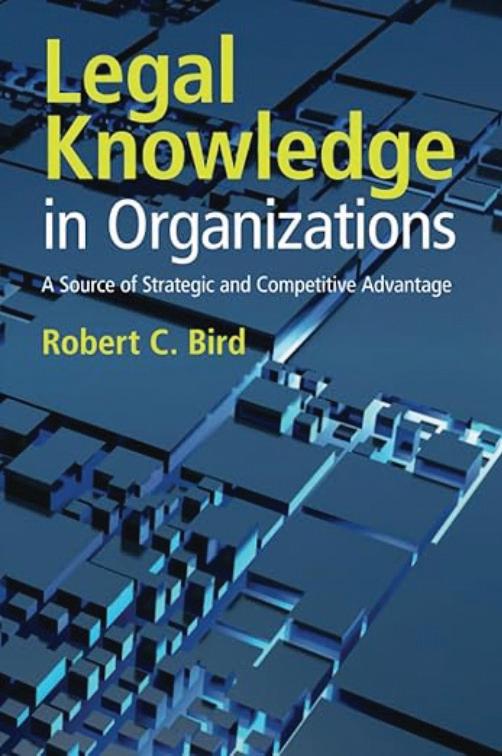
By Robert C. Bird
University of Connecticut
ISBN: 978 1 00959 669 5
Cambridge University Press
www.cambridge.org
NEW - FROM THE CAMBRIDGE UNIVERSITY PRESS
A unique perspective on the vital relationship between business and the law
Does a sophisticated grasp of legal knowledge and astuteness really count in the corporate sphere? Does it raise productivity? Does it boost profit?
The answers to these questions will vary somewhat, depending on the nature of the business and/or a variety of other relevant factors, ranging from the nature of the company’s products and services, its business base, its large markets, its marketing decisions, the quality of its human resources and of course much more, including the state of the economy in which it operates.
But then, another factor inevitably comes into play - quite often ignored by a substantial number of corporate entities. Namely, it is the presence, or absence of legal knowledge — hence the title of this carefully researched and authoritative text by professor of business law, Robert C. Bird, published recently by the Cambridge University Press.
An acknowledged expert in this field, Professor Bird asserts that legal awareness adds value to an organisation in all relevant directions — a view supported by the quality and quantity of his research which supplies convincing evidence of the relevance and accuracy of his conclusions. Legal awareness, he argues, does offer a particular advantage in fiercely competitive business environments.
Nonetheless, in predictable and practical terms, he cites numerous examples of certain businesses and corporate entities (not named) where top management might not entirely agree that legal knowledge or awareness is important. It is not uncommon that some, or all levels of management in certain companies, will likely see no specific disadvantage in evading the law, ignoring the law, or breaking the law outright.
In such cases, however, there is always the possibility and the hope, that change may be encouraged on the advice of all those experienced and qualified legal experts out there, who can advise and hopefully convince — that executives in such organisations should and possibly will, support change whenever necessary, even in cases where there is a persistent tendency to avoid it. And focusing on the phenomenon of ‘avoidance,’ there are varied and detailed suggestions that are offered in this text as to how this can be done.
And further emphasising the topic of avoidance, (i.e. avoiding difficult issues in the hope that they’ll go away) the book identifies certain ‘pathways’ of legal strategy from which to choose, ranging of course, from ‘avoidance’ (of serious issues) to ‘transformation,’ with the insistence that change for the better leads to better business.
For large and small businesses, from startups to huge corporations - - this book offers an unusual and indeed an almost unique perspective of the often symbiotic and certainly vital relationship between business and the law. For all levels of management, especially top management, this book, with its unique insights, will certainly be regarded as an essential purchase.
The date of this publication from CUP is cited as 2025.
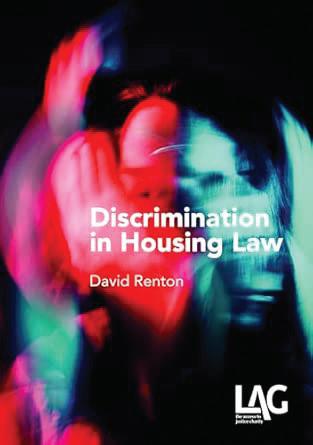
By: David Renton
ISBN 978 1 91364 856 5
LEGAL ACTION GROUP
The access to justice charity www.lag.org.uk
Essential reading for housing practitioners acting for clients faced with repossession
There is very little that strikes more terror in the souls of its victims than the threat of impending homelessness via the judicial processes involved, which culminate in the process of eviction.
There ought to be an erudite and readable le book about it — and there is, thanks to this very useful publication from the Legal Action Group (LAG), the access to justice charity, who are justly famed for producing legal texts accessible not only to lawyers, but to the average concerned reader. David Renton, the author, is a barrister who represents tenants and mortgage holders embroiled in possession hearings.
Published in handy paperback format, the book offers a broad and concise coverage of ‘the use of the principles of equality in housing law’ — and equally of prime importance — the duty of landlords to fulfil their duties under the general categories of fitness and repossession.
As the publishers point out, the book covers the often complex and controversial matters, for example, of council houses let by housing associations, as well as houses held in thrall either to mortgages, or long leases. It should be added that homeowners in mortgage arrears suffer the same anxieties as those who rent — hence the general and urgent need for all practitioners to be duly bound in support of clients who struggle with these and other difficulties in the housing sector.
Practitioners and clients alike coming to grips with these problems will find this book especially helpful. As a concise work of reference, it truly excels. The precise introduction points directly to the subject of the book, namely the Equality Act of 2010 and its related principles — which apply both to business premises and residential properties.
Straightforward to navigate, the book has a detailed table of contents, enabling the reader — lawyer of not — to find the necessary advice they may be looking for, and for those doing further research, the book contains extensive footnotes, plus a detailed and useful index at the back.
Note too, the particular advantage of a 30page section of precedents — including for example, the precedent entitled ‘Case Summary Application to Set Aside Possession Order.’ Also included in this concise text are Tables of Statutes, Statutory Instruments and also a Table of European and International Legislation.
For practitioners and clients alike, this book emerges as a practical and indispensable purchase.
The date of publication of this paperback book is cited as 2024.
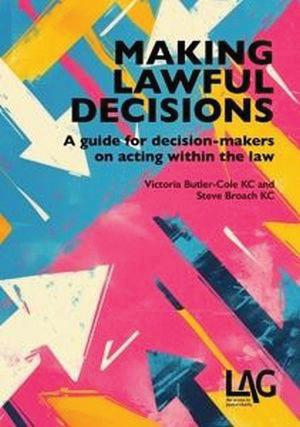
By Victoria Butler-Cole KC and Steve Broach KC
ISBN 978 1 91364 862 6
LEGAL ACTION GROUP
The access to justice charity
www.lag.org.uk
Lawyer or not, a decision maker needs to know the law
If you have found yourself — or your client — in the position of being appointed as a decision-maker over a number of issues in either the public or private sectors, you need this book, recently published by the Legal Action Group (LAG), the access to justice charity, who are justly famed for producing legal texts accessible not only to lawyers, but to the average concerned reader.
Pertinent, applicable and directly accessible to lawyers and non-lawyers alike, this book emerges as an essential guide — no doubt about that — to both the basics and the possible and probable complexities which, more often than not, are likely to emerge in the decisionmaking process.
With depth and clarity, a wide range of issues are discussed, with a focus on the most controversial, including for example, cases pertaining to equality and human rights. The book therefore covers a lot of ground in explaining an extensive and complex subject, with the thoroughness and clarity that makes it accessible to all decision-makers — lawyers and nonlawyers alike.
As the LAG explains, the book’s overall aim is to ensure that “a decision-making process follows a lawful process.” And that includes, appropriately, answers to the problems of those who are aggrieved by a decision and therefore considering a complaint, or a legal challenge.
The first chapter to turn to is the ‘Checklist’ and an invaluable checklist it is. Certainly, it covers such necessities as powers, problems, evidence and much, much more, including what to do if your decision is challenged — a challenge indeed.
Certainly, this compact volume provides a treasure trove of useful resources for further research. Note the almost twenty pages of Tables of Cases plus the Table of Statutes and Statutory Instrumentsand a Table of European and International Instruments. Also note the handy index, the glossary of legal terms and the extensive footnotes — indispensable if more detailed research is required — and it usually is, in so many circumstances.
“A guide for decision makers on acting within the law” is the book’s subtitle and an excellent guide it is. Any lawyer advising clients embroiled in these or similar problems should very quickly acquire a copy.
The date of publication of this paperback book is cited as July 2024.
Artificial intelligence (AI) tools are becoming increasingly embedded within professional services, with uses that range from automating routine tasks to conducting deep-level data analysis. But embracing AI isn’t risk-free. A survey of underwriters conducted by the Lloyd’s Market Association (LMA) identifies Professional Indemnity (PI) as the insurance line most likely to experience AI-related losses, * driven by the potential for erroneous or hallucinated outputs.
Against this backdrop, we’ve set out some key areas of risk that professional services firms may wish to keep in mind when developing and implementing AI tools.
As a starting point, all firms should have firm-wide policies in place which cover the responsible use of AI tools, bearing in mind that data inputs might differ depending on the nature and security parameters of the tool. The limitations of AI use should be explained to employees at all levels of the firm, including the potential for bias, generation of inaccurate information, as well as privacy concerns. Procedures, including escalation processes, should be established for the management of adverse incidents relating to the use of AI. Firms may also wish to prepare a guidance note to accompany any firmwide policy. Such guidance can include examples of how the policy applies in practice, and be periodically updated as the relevant technologies develop.
Where a firm is considering developing AI tools in-house, it may wish to document how that development process took place. Key areas to cover might include a description of the tool, its anticipated function, as well as decisions made in relation to testing and evaluation, design oversight, and controls implemented regarding use of the tool. The document might also consider the likelihood of risk events materialising and any potential impacts on the firm.
Ultimately, practitioners need to remember that professional judgement remains crucial and should be exercised when conducting any independent evaluation of AI outputs. The quality of any services provided must not be undermined by undue reliance on technology.
One of the major risks with unchecked AI usage is the potential for compromising confidential client data.
Firms need to consider carefully how data is used when training AI models and framing prompts for AI tools, including how any data inputted could be subsequently disseminated, especially in the case of open-source AI tools. How such data is treated could also have an impact on material which would otherwise be subject to legal professional privilege.
Similar considerations will apply when firms are contemplating purchasing AI tools. Firms should seek to understand exactly what data the tool can collect, where that data is stored, how long it is retained for, and whether customer or client data is used for training models. A vendor should also be able to provide specific details regarding encryption standards, model information, and the use of external data. If a vendor is unable to answer these questions in a clear manner, firms should think carefully before making a purchase.
Considerations in this area frequently overlap with legal obligations concerning privacy, data protection, and intellectual property. It should be remembered that PI exposure is significantly heightened where there is an indication that confidentiality obligations might have been breached.
Client knowledge of AI use
Where a firm’s advice or work product contains inaccurate or hallucinated material as a result of AI use, and the client then relies on that advice, firms

may risk being accused of negligence or misleading the client.
From the outset, firms should consider informing prospective clients of any AI tools to be used while work is carried out on their file. Clients may also need to be made aware of the extent of any reliance placed on the tool’s output by the firm. This could take the form of a disclaimer, and may form part of the firm’s letter of engagement.
Many professionals, and especially those in regulated sectors, are required to exercise due care in service delivery, as well as consistently maintaining good levels of professional knowledge and skill. With the rapid adoption of AI across the professional services sector, staying abreast of technological developments may now be considered necessary to ensure that clients continue to receive a competent professional service in 2026.
Firms should therefore review their current training/CPD programmes and consider whether training on AI usage may need to be further embedded. This will ensure that employees remain capable of making informed decisions when using AI tools and that they are up to date on important technological developments, including having a working knowledge of an AI tool’s capabilities and limitations. Additional training on prompt usage and redflag outputs may also be useful.
For more information, contact Nicola Anthony, Risk Manager, Lockton at: nicola.anthony@lockton.com
This article is co-authored by Lockton in collaboration with Kingsley Napley LLP.
* https://lmalloyds.com/lma-survey-mapsunderwriters-views-of-ai-loss-scenariosacross-key-lines/