Dutch Courier
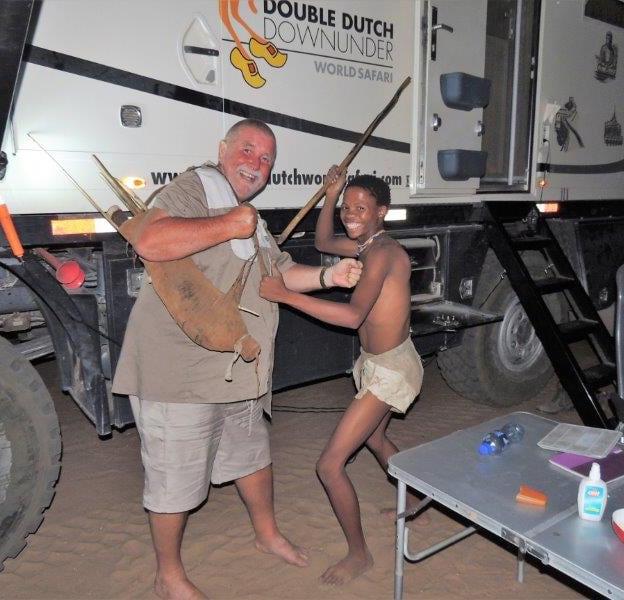


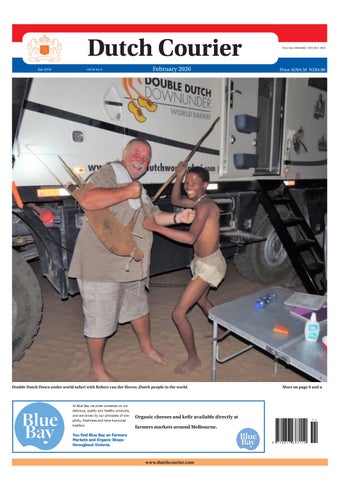
Double Dutch Down under world safari with Robert van der Hoven ,Dutch people in the world
Beste lezer,
Dit is de eerste volledig digitale krant van de Dutch Courier in het 55-jarig bestaan van de krant. Vroeger zouden mensen dit een mijlpaal noemen. Doordat je de Dutch Courier nu op een andere manier leest, worden we ook gedwongen om vooruit te kijken: naar de toekomst van de krant en naar de mogelijkheden van een digitale editie.
Persoonlijk vind ik dat de geprinte krant een bepaalde energie met zich meebrengt — een moment waarop je met een kopje kofe en een stuk appeltaart rustig kunt gaan zitten. Een fjn moment voor jezelf. Sommige mensen deelden dat zelfs met hun familie. Gelukkig hebben we ook de voorgelezen krant op onze website staan, dus misschien is het leuk om die op te zetten tijdens zulke bijzondere momenten.
We hebben er bovendien ineens een adverteerder bij: Misty, een camping in NSW. Een plek waar ik zelf ook graag eens naartoe zou willen, want als echte Nederlander houd ik van kamperen — en natuurlijk van het steunen van mensen die de krant een warm hart toedragen.
Daarnaast gaan we elke twee maanden een Nederlandse bijeenkomst organiseren bij Gardenworld. Daar kun je je planten bewonderen, kennismaken met James Wall, uitleg krijgen over hoe alles werkt met de Dutch Courier, of gewoon je verhaal vertellen. Wie weet lees je dat verhaal later weer terug in de krant. En natuurlijk: ik ben maar één telefoontje van je verwijderd. Wil je een bijeenkomst bij jou in de buurt? Laat het me weten, want misschien kunnen we ergens iets organiseren — al is het bij een Nederlandse club of winkel, want die zijn er gelukkig nog genoeg (hoewel we wel een hele belangrijke winkel gaan verliezen).
Ook in de krant nog een paar korte berichten over de Australia-EU Free Trade Deal. Daarover ongetwijfeld meer in de volgende Dutch Courier.
Carole Overmaat
SUBSCRIPTION CHANGES IN 2026
We want to keep publishing the Dutch Courier, but in a new format.
Tat’s why we are introducing a multi-platform subscription:
• 11 online editions per year, available on our website, out of those 11 edition 5 printed editions per year, mailed directly to you
• Audio recordings of each edition, also available online
T is way, we can continue ofering the Dutch Courier without increasing prices and without extra costs.
We are also exploring funding opportunities and brainstorming creative solutions, such as a short A 4 version you can print yourself. We would also love to hear your ideas!
Change can be challenging, but also positive. Together, we can ensure the Dutch Courier continues to thrive.
Do you have suggestions? Please let us know!
Kind regards, Carole and Ron
Please send your suggestions via email, post or phone us.
email: editor@dutchcourier.com
post: 6a McKay Avenue, Black Rock, VIC 3193 text or phone call: 0437 757 393

Dutch Courier Nieuws – Belangrijke Update
Wat gaan we doen?
We willen de Dutch Courier blijven uitgeven, maar in een nieuwe vorm.
• 11 online edities, beschikbaar via onze website en van deze 11 edities 5 gedrukte edities per jaar, per post naar u verstuurd
• Audio-opnames van elke editie, ook online beschikbaar
Zo kunnen we de krant blijven aanbieden zonder prijsverhoging en zonder extra kosten.
Daarnaast onderzoeken we f nancieringsmogelijkheden en brainstormen we over creatieve oplossingen, zoals een korte
A 4-versie die u zelf kunt printen.
We horen graag uw ideeën!
Veranderingen zijn spannend, maar ook positief. Samen zorgen we ervoor dat de Dutch Courier blijft bestaan.
Heeft u suggesties? Laat het ons weten!
Met vriendelijke groet, Carole en Ron
Editorial: Carole Overmaat 6a Mc Kay Avenue Black Rock Phone: 0437 757 393 editor@dutchcourier.com www.dutchcourier.com © Carole Overmaat 2026
Te Dutch Courier is available by subscription.
Printed 5 times a year by News Pty Ltd
Online via : www.dutchcourier.com
EFT via bank: BSB 033055 ACCT: 376 516
Please put your name and Postcode in the description feld
De ontvangst van Joodse overlevenden die terugkeerden in Nederland na de tweede wereld oorlog (of ze nu uit kampen in het buitenland kwamen, of bevrijd werden in kamp Westerbork) wordt door historici tegenwoordig omschreven als ‘de kille ontvangst’.
In plaats van medeleven of hulp, kregen zij te maken met een pijnlijke combinatie van bureaucratie, onbegrip en zelfs vijandigheid.
Hieronder beschrijf ik de belangrijkste zaken waar zij tegenaan liepen.
1. Dakloosheid en bezette huizen.
Toen Joodse overlevenden terugkeerden naar hun oude adressen, bleken hun huizen vaak bewoond door anderen.
Geen toegang: De nieuwe bewoners wilden vaak niet vertrekken. De Nederlandse overheid had strenge regels voor ‘woonruimteverdeling’ vanwege de woningnood, en
beschermde de zittende huurders, zelfs als het huis oorspronkelijk van een gedeporteerd Joods gezin was. Leeggeroofd: Als ze hun huis al terugkregen, was het vaak volledig kaal. De inboedels waren tijdens de oorlog in beslag genomen (het zogenoemde ‘pulsen’, naar verhuisbedrijf Puls) en naar Duitsland vervoerd of gestolen door buren.
2. De bureaucratische kilheid (Belastingen).
Een van de meest schokkende aspecten van de terugkeer was de houding van de overheid en gemeenten (zoals Amsterdam en Den Haag).
Achterstallige belasting: Joden kregen na de oorlog aanslagen voor erfpacht en straatbelasting over de jaren dat ze in de kampen zaten of ondergedoken waren. De redenering was juridisch: ze waren ‘eigenaar’ gebleven, dus moesten ze betalen.
Boetes: In sommige gevallen
Time out Australia published
Australians could soon be given far easier access to live and work across the European Union, with Brussels foating a two-way mobility scheme as part of renewed eforts to f nalise a long-stalled Australia–EU free trade deal.
Te proposal would allow Australians to move to EU
countries for work without securing a job beforehand, with stays of up to four years and possible settlement pathways.
Te same rights would apply to EU citizens coming to Australia, helping f ll labour shortages in areas like construction and skilled trades.
T is is still under negotiation, but has already been agreed upon in several other countries.
kregen ze zelfs boetes wegens ‘te late betaling’ over de oorlogsjaren.
Kosten in rekening gebracht: Er zijn gevallen bekend waarbij overlevenden zelf moesten betalen voor de administratieve kosten van hun eigen deportatie of onteigening.
3. Onbegrip en sociale uitsluiting.
Er was in het naoorlogse Nederland weinig ruimte voor het speci feke Joodse leed. De focus lag op de wederopbouw.
Concurrentie in leed: Veel niet-Joodse Nederlanders wezen op hun eigen lijden tijdens de Hongerwinter (1944-1945). Als een Joodse overlevende over Auschwitz begon, was de reactie vaak: “Ja, maar wij hebben het hier ook heel zwaar gehad en bloembollen moeten eten.”
Antisemitisme: Het antisemitisme was niet direct weg na de bevrijding. Sommige mensen vonden het vervelend dat
Joden ‘hun plek’ of bezittingen weer kwamen opeisen.
4. Het moeizame rechtsherstel.
Het terugkrijgen van gestolen bezittingen (bedrijven, tegoeden, kunst, huizen) heette het Rechtsherstel.
Bewijslast: De bewijslast lag bij de slachtofers. Zij moesten met bonnetjes of akten bewijzen dat iets van hen was, terwijl die papieren vaak vernietigd waren of kwijtgeraakt tijdens de razzia’s.
Beheerders: Joodse bedrijven waren tijdens de oorlog onder toezicht van ‘Verwalters’ (beheerders) gesteld en vaak leeggeroofd. Na de oorlog was het juridisch een jarenlange strijd om de waarde hiervan vergoed te krijgen.
5. De strijd om de kinderen.
Ongeveer 4 000 Joodse kinderen hadden de oorlog overleefd in de onderduik bij niet-Joodse pleeggezinnen. Na de oorlog ontstond er een
hevige strijd over deze oorlogswezen.
De vraag was: Moesten zij bij hun liefdevolle (vaak christelijke) pleegouders blijven, of terugkeren naar de Joodse gemeenschap om het Joodse volk weer op te bouwen? Dit leidde tot slepende en traumatische rechtszaken, waarbij de wens van het kind of de overgebleven familie vaak botste met de commissie die hierover besliste (de OPK).
Samenvattend :
De overlevenden moesten niet alleen hun trauma’s verwerken, maar ook vechten voor hun basisbestaan in een land dat hen liever leek te vergeten dan te helpen. Pas in de laatste decennia (sinds de jaren ‘90 en 2000) zijn er ofciële excuses gemaakt en is er alsnog compensatie uitgekeerd voor de kille behandeling en het onterechte belastingbeleid.
Harm raadpleegde het Joods archief voor dit artikel.


1st Saturday of the Month Churchill Island 8am - 1pm
2nd Sunday of the Month Williamstown 9am - 2pm Robbertson Reserve (Corner Cole and Hammer Street)
4th Saturday of the Month Bayside 8am - 1pm Trey Bit Reserve, Jetty Road Sandringham
Carla van Dokkum (1943) woonde in Lathum, Gld, op het schiereiland Riverparc. Ze is getrouwd met Onno. Samen hebben ze vijf kinderen en dertien kleinkinderen. Ze schreef Eigenlijk heet ik Tsiwja, een boek over haar turbulente leven. carlavandokkum@gmail.com was de buurvrouw van de vader van Carole Overmaat, de editor van deze krant. In haar maandelijkse bijdrage herschrijft Carla stukjes uit haar boek. Dit is column 74
Eigenlijk heet ik Tsiwja is te koop bij www.bol.com. Ook als luisterboek te verkrijgen en als e-boek te downloaden.

Dichter bij je moeder kun je niet komen
‘Ach lieverd,’ stamel ik als mijn zoon me belt en aankondigt dat we met ons vieren – mijn drie kinderen en ik – naar Israël gaan om daar Hanni te bezoeken. ‘Ach lieverd, ik weet niet hoor, mijn moeder en Hanni waren nog zo jong. Wat weet Hanni nou nog van haar.’ Hansbart snoert me de mond met ‘dichter bij je moeder kun je niet komen.’
Hoewel ik aanvankelijk nog aarzel, voel ik me sterk als ik tenslotte besluit in te gaan op de uitnodiging. Het is 2015, ik ben 72 en ik ben klaar voor de fysieke confrontatie met mijn verleden. We gaan naar Israël om Hanni, de oude hartsvriendin van mijn moeder op te zoeken.
Het weerzin op Schiphol is al een feestje op zich. Drie volwassen kinderen, met fulltimebanen en schoolgaande kinderen die tijd hebben vrijgemaakt om met hun moeder op reis te gaan. Bovendien woont Hansbart in Londen, die zien we sowieso niet zo vaak de laatste tijd. In no time hebben we de sfeer van vroeger te pakken en vliegen de grappen over en weer. Het maakt me intens gelukkig om mijn kinderen zo met elkaar te zien omgaan. Het is meer dan dertig jaar geleden dat we met ons vieren op vakantie zijn gegaan. Want zo voelt het aanvankelijk, we zijn weer even onder elkaar, we gaan op reis, zoals vroeger. Op Schiphol krijgen we te maken met de extra beveiliging voor reizigers die naar Tel Aviv gaan. Ieder van ons vertelt– elk bij een andere
beveiliger – dat Hanni ons reisdoel is en waarom. Dat onze verklaring niet alledaags is, merken we als de rij passagiers achter ons zich begint op te hopen doordat onze strenge ondervragers opeens niet zo streng meer zijn en zichtbaar meeleven met de zwaarte van onze missie.
Eenmaal op plaats van bestemming bezoeken we de bekende historische heilige plekken zoals de oude stad Jeruzalem en de Klaagmuur. We gaan ook naar het Holocaustmuseum. Er is een signi fcant verschil tussen deze reis en die met tante Chel ruim twintig jaar geleden: ik hoef geen toneelstukje op te voeren, ik kan mezelf zijn. Door de ogen van mijn kinderen lukt het me om de gebeurtenissen uit de oorlogsjaren in me op te nemen, ernaar te kijken en ernaar te luisteren. Doordat zij huilen, kan ik huilen. Het onmetelijke verdriet dat overal om me heen is en de niet te bevatten zichtbare ellende grijpen me bij de keel. Het lezen van de namen van mijn ouders – inmiddels digitaal en printbaar – gaat me beter af dan de eerste keer. Uiteindelijk lopen we met de armen om elkaar geslagen het museum uit.
Wordt vervolgd
Nederlandstalig en gezellige
Nederlandse liedjes en muziek
Radio programma’s kunt u beluisteren op maandag van 4-5 en op vrijdag ‘smorgens van 8-9
Wij nodigen u uit om als gast aanwezig te zijn tijdens een uitzending. Bel daarvoor op naar Ina Lewis 98593934
U mag ook opbellen tijdens een van onze uitzendingen tel 94151923
Als U een programma gemist heeft kunt u het toch luisteren via internet (www.3zzz.com.au)
Wij wensen u veel luistergenot
by Hernry van Zanden
Ajax v Feyenoord Dec 14 200th edition of the klassieker
Te klassieker, or the clash between Ajax and Feyenoord, is always an intense match. Both teams came out of the dressing room ready to fght, and the crowd at the Johan Cruijf Arena created an unprecedented atmosphere.
Te f rst half was a battle for control, with both teams creating chances, but it was Fred Grim’s tactical instructions that ultimately gave Ajax the upper hand.
Te turning point of the match came in the 13th minute, when an unmarked Davy Klassen scored a beautiful goal from a long-range shot outside the penalty area. It was a masterful strike that gave the Feyenoord goalkeeper no chance. During the goal celebrations, he received a cut above his eye.
T is goal not only gave Ajax a 1-0 lead but also set the tone for the rest of the match. Feyenoord seemed momentarily of balance, while Ajax exuded con fdence and dominance.
T roughout the match, Klaasen remained a constant threat through his speed, intelligence, and precise passing, which made it almost impossible for Feyenoord to control the game. Many of Ajax’s attacks were set up thanks to him, and he created chances for his teammates by reading the feld and appearing at the right moment in the spaces where he could make a di ference.
After the match, manager Fred Grim signalled out Klaasen. “He showed today what it means to be a true leader on the pitch,” Grim said with visible enthusiasm and emotion. Today he created those moments and led us to victory.”
Over the last few months, Ajax has been a rollercoaster of drama, excitement, and controversy. After sacking John Heitinga, (now assistant coach at Tottenham), installing Fred Grimm as a temporary replacement, Ajax have celebrated unlikely victories over their fercest rivals, Feyenoord and PSV, as well as humiliating defeats. Te latest was against a 6 nil loss to AZ Alkmaar.
NL Radio in OZ:
Melbourne 92.3 FM
3ZZZ
92.3 FM
Monday 4pm-5pm
Friday 8am - 9am
SBS Radio
Wednesday and Saturday 11 am
Adelaide 106 3FM
Canberra 105 5FM
Darwin 100 9FM
Hobart 105 7FM
Melbourne 93 1 FM
Perth 96 9FM
Sydney 97.7FM
Adelaide. – 5EBI 103.1 FM
Tursdays 9 pm to 12 am
Website: www.5ebi.com.au
Email: ebiradio@5ebi.com.au
Ballarat - 99.9 Voice FM
Tursdays 1pm – 3pm
Website: www.voicefm.com.au
Facebook: voicefm
Email: info@voicefm.com.au
Brisbane – Radio 4EB 98.1FM Wij zijn LIVE op 98 1 FM op zaterdag om 16h. Onze GLOBAL programmas zijn vrijdag om 18h en zaterdag om 17h.
Website: www.4eb.org.au
Facebook: Dutch-Group-4EB981FM-in-Brisbane
Email: info@4eb.org.au
Radio Fremantle 107 9 fm
Broadcasting in the Dutch language sunday from 15 30 to 17 00
Te December 2-0 victory over Feyenoord, was controversial because Ajax did not play according to the Ajax script. Adopting an unlikely 4-5-1 formation, Grimm found he had to defend his tactics after the game.
Feyenoord coach Robin van Persie, said that only one team wanted to play football. Grimm replied that there were di ferent ways of playing football. Grimm adjusted his tactics after dominating the match against Excelsior but going down 1-2. “We put a lot of pressure against Excelsior and that didn’t go well. It was open house. I adjusted the plan to that. We went back to the basics.”
Van Persie criticisms did not stop. “I have never seen such a cowardly victory!” He claimed that Ajax could only defend and called the ‘Ajax style of play’ an insult to football. He then complained about the ‘biased’ refereeing. “It’s really unfair.
Proost!
Als je dat woord hoort, dan weet je dat er op z’n minst twee glazen geheven worden, want het is iets wat tussen mensen gebeurt. Het is natuurlijk mogelijk jezelf in de spiegel toe te drinken, maar merendeels horen we het woord “Proost!” in gezelschap. En dat is geen gezelschap van geheelonthouders, omdat deze wens uit het Latijnse “prosit” komt, dat “moge het wel zijn” betekent en alleen gebruikt wordt als er iets alcoholisch in het geheven glas zit.
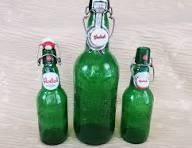
In Noord-Europese landen (en in Australië) is bier erg populair, terwijl in ZuidEuropa meestal wijn op tafel komt. Wat we “sterke drank” noemen, nl drank met een hoog alcoholgehalte, dat zijn wodka en whisky en jenever en gin en cognac en verschei-
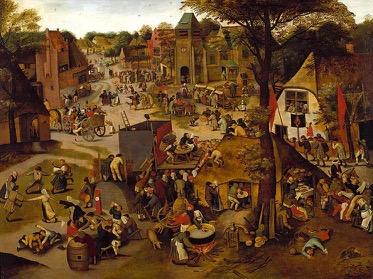
dene likeuren. En dan zijn er ook nog de populaire feestdranken, waaronder champagne de allerfeestelijkste is. Het gebruik van alcohol bij feestelijke gebeurtenissen, bij ofciële gelegenheden en bij feestjes thuis is er bij ons zo ingeburgerd dat mensen die geen alcohol drinken vaak met verbijstering worden aangekeken: “You don’t drink?!” Als je er even bij stil staat, is het eigenlijk interessant dat deze vraag niet over algemeen drinken gaat, want natuurlijk weet de vrager dat iedereen drinkt, al is het alleen maar water. De geheelonthouder weet ook dat hij volkomen begrepen wordt als hij doodeenvoudig zegt: “No, thanks. I don’t drink.” Wij “drinken” echter al eeuwenlang en weten dit van onze vermaarde Middeleeuwse en 17de eeuwse schilders. Zoals dit beeld van een volksfeest van Pieter Breughel de Jongere.
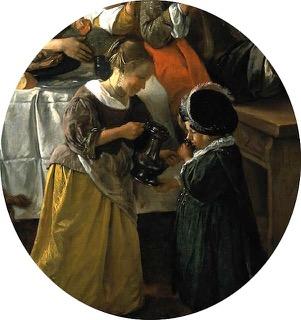
Behalve bier wordt er in Nederland al eeuwenlang de sterke drank met daarin de jeneverbes, die in Frankrijk genièvre genoemd wordt, gedronken en ja, daar komt ons woord jenever vandaan. In ons museum zijn er dan ook Bolskruiken te vinden. In 2018 heb ik daarover een kort verhaaltje geschreven en hier komt het.
De Bolskruik
In bijna elk Nederlands huishouden was hij te vinden. (Misschien nog steeds?) Zelfs bij ons thuis, waar bijna nooit sterke drank gedronken werd, behalve dan een voorzichtig glaasje advocaat, met slagroom, voor mijn moeder op een verjaardagsfeestje of misschien op oudejaarsavond. En toch hadden wij zo’n kruik, nee, zelfs twee, voor mijn broertje en mij. Die kregen we dan ‘s winters, gevuld met heet water en in een oude sok of warme lap gewikkeld, mee naar bed. Heerlijk warm bleef hij, in ieder geval totdat we in slaap vielen, want soms, in het holst van de nacht, voelde ie erg koud aan, maar dan trok je gewoon je warme voeten weer naar boven. En soms, als de kruik het bed uit was gegleden, belandde hij met oorverdovend geraas op de vloer, want er was geen vloerkleed om het lawaai te dempen, alleen zeil.
Toen ik dan ook in een vergadering van het DAHC voorstelde, over één van de Bolskruiken in onze verzameling te schrijven, kwamen meteen dit soort herinneringen bij de mensen los. En als we hem gaan beschrijven voor onze Victorian
Collections website, dan zetten we er stellig bij dat na zijn primaire functie, te weten, gevuld te zijn met jenever, hij talloze voeten en voetjes heeft warm gehouden. Als je zo’n kruik optilt, merk je meteen hoe zwaar hij is, want hij is gemaakt uit stevig aardewerk. Ten eerste breekt zo’n kruik niet zo gauw, of amper, vergeleken met een fes uit glas, maar zo’n dik aardewerken omhulsel houdt de jenever lekker koel. Deze kruik, die vloeistofen heet of koud kan houden, is dus eigenlijk een voorloper van de thermosfes. Ik vind de kruik wel mooier van vormgeving: zo recht met dan die zacht-afgeronde schouders, is hij een schoolvoorbeeld van functionele eenvoud. En hij is ook een stukje levende geschiedenis, want zulk soort kruiken hebben we in Nederland al eeuwen in gebruik. Waarschijnlijk dateert dit soort kruik uit de tijd dat de familie Bols in 1575 in Amsterdam “het Lootsje”, de oudste stokerij in Nederland, opende. Lucas Bols, die in 1652 geboren werd, heeft verscheidene kruiden in zijn gedistilleerde dranken verwerkt en niet alleen kruiden, ook

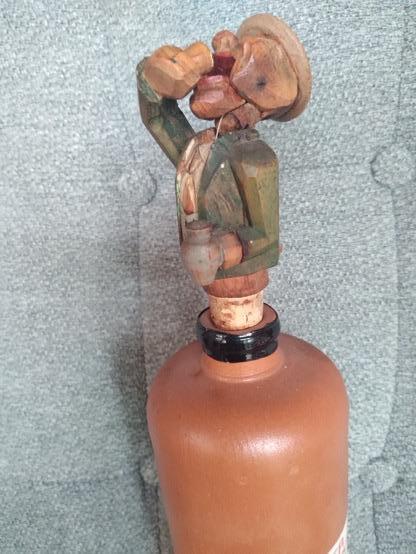
bolskruik bij mij thuis jeneverbessen. En de drank die uit dat experiment tevoorschijn kwam, werd, en wordt nog steeds, in Bolskruiken gegoten.
Op de kruik kun je lezen (in het Engels, want export is export) dat “V.O. genever is four times distilled and matured in wood” en dat “it should be taken with Bitters and water perfectly well iced. As a long drink the addition of Ginger Ale, Tonic or Soda Water is recommended.” Jenever als bestandsdeel van een “long drink”? Dat is voor de Amerikaanse markt. En met tonic water is ie voor de Britse markt, denk ik dan. Voor mij is een beetje water genoeg. Wat advocaat betreft, wordt dat merendeels beschouwd als een damesdrankje, een soort alcoholisch dessert omdat er slagroom bij te pas komt.
more on page 6

Ik geloof dat dit alleen in Nederland gebeurt, want als ik aan mensen hier probeer uit te leggen, hoe heel af en toe mijn moeder en tantes een glaasje advocaat tot zich namen en soms verleid konden worden, nog een tweede glaasje te accepteren, dan is de onmiddellijke reactie: “With cream? Whipped cream!?” Toen ik echter een Nederlandse vriendin gisteren vertelde dat ik over advocaat aan het schrijven was, was haar onmiddellijke reactie: “O ja, dat vond mijn grootmoeder zo lekker! En daar gebruikte ze ’n mooi, sierlijk lepeltje voor.”
Dit merk wordt in onze club hier verkocht om uit dit soort glas te lepelen


Over glazen gesproken, hebben we natuurlijk een fors glas voor bier, hoewel niet zo groot als die Britse pint-glazen die we op de TV zien of zoals een Duitse Stein. Wat Britten en Australiërs van merendeels Britse afkomst niet begrijpen als ze in een Nederlands café om een bier vragen, is de gewoonte van de barman om het zó te schenken dat er een schuimkraag op staat. Dat schuim wordt wel even met een plastic spatel gladgestreken, maar voor de niet-Nederlanders is het een raadsel dat de barman het überhaupt waagt, zijn klanten minder bier onder al dat schuim te geven. Ik ben er echter achter gekomen, waarom deze gewoonte bestaat en citeer nu van het internet: “Functie: De schuim-

Jesse’s strijd
Sinan volgt het spoor van Jesse, een jonge Nederlander aan het oorlogsfront in Oekraïne. Wat drijft iemand om alles op te geven voor een oorlog die niet de zijne is?
Zin in morgen
Een hartverwarmend programma met inspirerende verhalen over zingeving en ‘klein’ geluk.
Zembla
Camping Westeinder wordt ontmanteld, bewoners raken in de knel. Onderzoek toont bedreigingen, con f icten en een gebrek aan overheidsingrijpen voor deze kwetsbare groep in tijden van woningnood.
De Toekomst is Grijs
Hoe kijken we aan tegen ouderen? Mag je lekker uitrusten tijdens je pensioen? Of moet je juist actief blijven en maatschappelijk betrokken.
In de voetsporen van de jaren 80
De jaren 80 beginnen rumoerig; er zijn geen woningen, geen banen en we zijn bang voor de bom. Met Ruud Lubbers aan het roer koersen we af op een andere wereld: van nieuw geld, gra fti en schoudervullingen. Maar ook van de eerste azc’s en potenrammers. De regen is zuur en het EK is zoet. Presentator Philip Freriks ontmoet in zes a feveringen de mensen die getuige waren van dit roerige decennium.
Denkend aan Holland
André van Duin en Janny van der Heijden ontdekken ons mooie Nederland vanaf het water.
Bij ons in de Dierentuin
Bij Ons in de Dierentuin geeft een kijkje achter de schermen in dierentuin Artis. Sinds 1838 leven daar honderden diersoorten in hartje Amsterdam.
Rutger en de uitkeringstrek kers
Rutger Castricum ontmoet verschillende mensen die van een uitkering leven. Deze groep kampt met een slecht imago. Maar hoe is het om een uitkeringstrekker te zijn?
kraag werkt als een deksel dat ervoor zorgt dat het koolzuur minder snel ontsnapt en dat de lucht buiten het bier houdt. Hierdoor wordt oxidatie voorkomen en blijft de smaak beter, wat bijdraagt aan de totale smaakbeleving.”
Kijk, daar is niet tegen in te gaan, vind ik. Over het algemeen drinken Nederlanders bier uit een glas, niet zomaar uit de fes, en dat zouden ze zeker niet doen met zekere soorten vermaard bier dat in België, en historisch voornamelijk door monniken, gebrouwen wordt. Gelukkig is er bij mij in de buurt een slijterij (eigenlijk een vreemd woord, vindt u niet?) waar ze o.a. Trappistenbier en Duveltjes verkopen. En lieve vrienden, die weten dat ik geen Australisch bier drink,
maar die mijn zwak voor een Duveltje kennen, hebben mij het volgende glas gegeven:
Zoals u weet, verdwijnt hier een heel fesje Duvel in Of je nu “Prosit!” in Duitsland, of “Santé!” in België en Frankrijk, “Slàinte Mhath!” in Schotland, of “Here’s to you” in Australië hoort, je weet dat je onder mensen bent die je niet alleen een goede gezondheid toewensen, maar bij wie je je thuis voelt. Dus hef ik nu fguurlijk een glas op saamhorigheid en gezelligheid!
Janna Hilbrink
De Sociëteit
Inclusieve talkshow waarin met open blik de actualiteit op politiek, maatschappelijk en cultureel gebied wordt doorgenomen.
Frans & Mariska, Stellen op de Proef
Frans en Mariska bereiden zich met behulp van bekende stellen voor op een nieuwe fase in hun leven
Anoniem - Seizoen 2
In het tweede seizoen keren geschiedenisleraar Jurre en ofcier van justitie Saar terug in een strijd die gevaarlijker, persoonlijker en onvoorspelbaarder is dan ooit.
Tussen Kunst en Kitsch
Is het kunst of is het kitsch? Frits Sissing en de experts bespreken verrassende kitsch en veelzijdige kunst.
Andere Tijden Special: 100 jaar verkeer
Hoe de onstuimige opmars van de auto in een eeuw tijd het leven en het landschap volkomen veranderde.
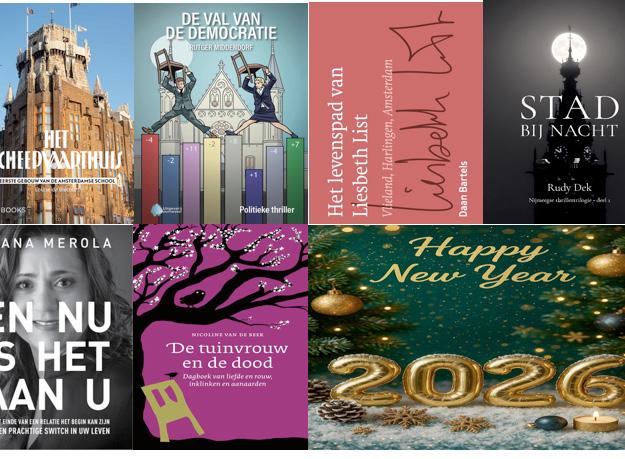
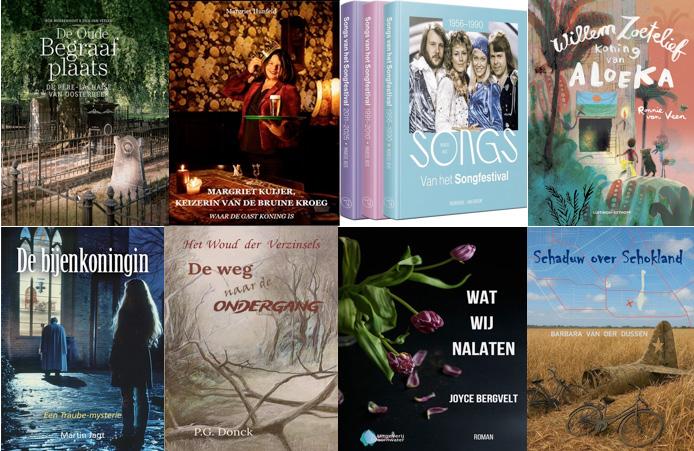
Louise de Blécourt – Het scheepvaarthuis Amsterdam Rutger Middendorf – De val van de democratie. Daan Bartels – Het levenspad van Liesbeth List. Rudy Dek, Triologie deel 1 – Nijmegen, handel bij nacht. Iona Merola – En nu is het aan U. Nicoline van der Beek – De Tuinvrouw en de dood.

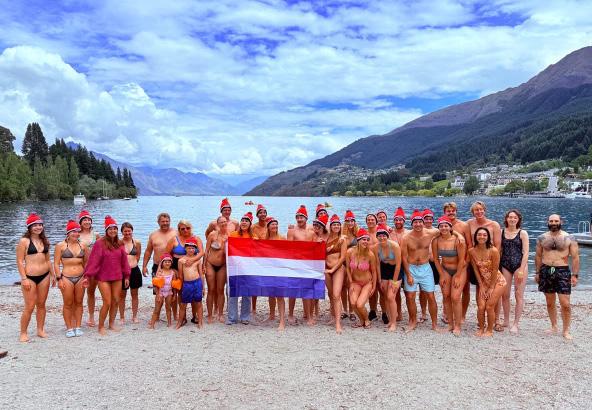
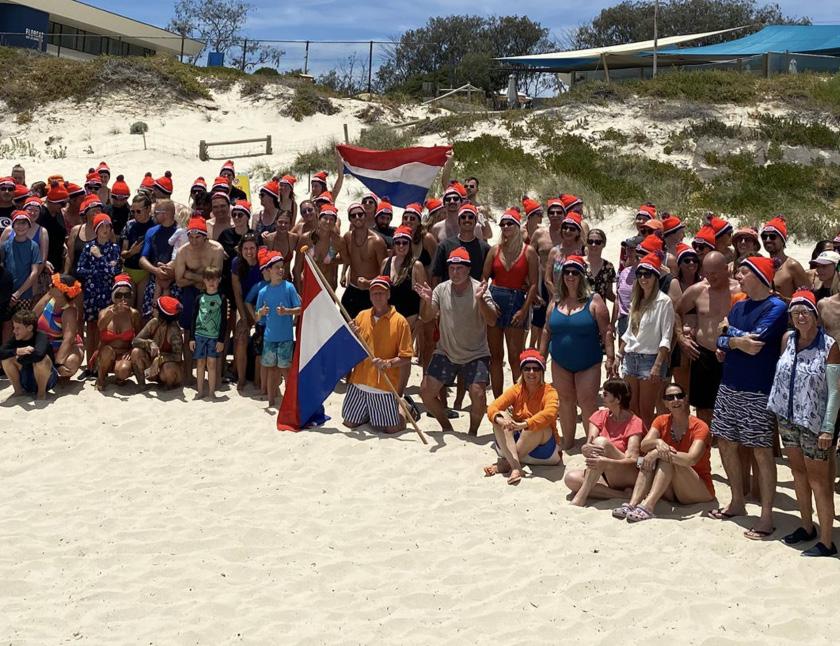
De Unox Nieuwjaarsduik k reeg dit jaar opnieuw een internationaal vervolg in Oceanie, met bijzondere edities in Nieuw-Zeeland en Australië.
In Queenstown - NZ
In Queenstown renden bijna 30 enthousiaste deelnemers het nieuwe jaar in met een frisse duik in het Wakatipumeer. Het was de tweede keer dat de Unox Nieuwjaarsduik hier werd georganiseerd, waarmee de traditie verder wordt uitgebouwd aan de andere kant van de wereld.
PERTH
Daarna volgde Perth (Western Australia), waar ruim 150 deel-
by Henry van Zanden
We really don’t have to continue playing if the referee already wants Ajax to win. He (referee Serdar Gozubuyuk) favours Ajax and constantly puts us under pressure. When he claimed that Ajax did not deserve the victory, Grimm supported the referee and defended his team.
December 2025 games
FC Utrecht 1 -2 PSV. goes to the top of the Eredivisie table, eleven points clear, after their 1-2 victory over FC Utrecht. Despite rumours linking Joey Veerman to Fenerbahce, he still played for PSV in what could be his last game for the club. Utrecht took the lead through Mike van der Hoorn. It wasn’t until the second half that PSV responded through Ricardo Pepi. Ivan Peresic
nemers de Oceaan bij Floreat Beach in gingen. In Perth vond de Unox Nieuwjaarsduik inmiddels voor de vijfde keer op rij plaats. De organisatie werd opnieuw ondersteund door de Life Saving Beach Club, met enthousiaste hulp van de Dutch Club Neerlandia.
Op beide locaties waren de omstandigheden ideaal. Met temperaturen rond de 30 graden was het een zonnige en warme start van het nieuwe jaar.
Volgens Allard Komdeur, eigenaar van reisbureau Australia Expert onderstrepen deze evenementen hoe een typisch Nederlandse traditie ook internationaal mensen samenbrengt, midden in
Beeldmateriaal en credits
De foto’s en video’s uit Queenstown zijn aangeleverd door Anna van Steenbergen. Het beeldmateriaal uit Perth is verzorgd door familie Oord.
SYDNEY
De Nieuwjaarsduik in Sydney ging helaas dit jaar niet door, omdat alle stranden rondom Sydney door de huidige omstandigheden ( Bondi Beach) gesloten waren.
MELBOURNE
In Melbourne was de Dutch Courier op een strand in Black Rock. Met vrienden en vrien-
dinnen, (20 deelnemers)
We liepen samen hand in hand het water in, maar dan
zonder Unox muts. Kom je volgend jaar ook?
headed the winner from a Joey Veerman cross. T is was PSV’s 14th consecutive away win, which is a new record. Jerdy Schouten was sent of late in the half after receiving a second yellow. FC Utrecht is sitting in eighth position.
Feyenoord 1 - 1 Twente. According to Dutch media, Robin van Persie’s job is under pressure after his side dropped more points. T is was after their midweek defeat and cup exit at the hands of Hereenveen. Twenty-eightyear-old Twente forward Sam Lammers, missed chance after chance for Twente to take the lead. Daan Rots scored his 5th goal for Twente in the 19th minute. Twente deserved more with 14 shots on goal and a disallowed goal. Van Persie must have unleashed
on the players as they came out much more improved in the second half, and Goncalo Borges scored 15 minutes from the end. However, the initiative was handed back to Twente after Luciano Valente was sent of
Go Ahead Eagles 1-1 Groningen. Although the Eagles were in front through a Mathis Suray 41st minute goal, Groningen’s excellent form this season continued when they equalised through Tika de Jonge. Groningen is 5th while Go Ahead is in 12th position.
Volendam 0 - 1 Sparta Rotterdam. Sparta won a tight match through a Tobias Lauritsen penalty to advance to 10th position. Tey were the better team, but were
lucky that Volendam’s Robert Muhren’s late shot f red wide. Robert is the nephew of Dutch greats, Gerrie and Arnold Muhren.
Fortuna Sittard 4- 3 AZ Alkmaar. T is was a thrilling match. Justin Lonwijk scored for the hosts after ten minutes from a corner. Irish international Troy Parrot, who scored three against Ajax, equalised for AZ. Tey scored again after Sven Mijnans latched onto a lob into the box, but the lead was short-lived. Kaj Sierhuis equalised before the break. AZ was awarded a penalty after the resumption, but the penalty was saved. T is was the game’s turning point as just minutes later, Sierhuis scored his second. Te match was still very much in the balance. Parrot hit the post in the
70th minute but AZ’s Mees de Wit struck home the rebound to make it 3-3. Fortuna Sittard scored their 4th goal from another corner, headed home by Philip Britijn, with only four minutes remaining. Te drama didn’t end there, as AZ was awarded a penalty for a foul on Parrot. However, VAR overturned the decision to leave Sittard in 11th position and AZ in 7 th.
January 2026
Heerenveen 0-2 Groningen. Groningen won the Frisian derby after an unfortunate own goal by the Hereenveen keeper. Te lead was doubled by T ijmen Blokzijl to keep
More on page 24
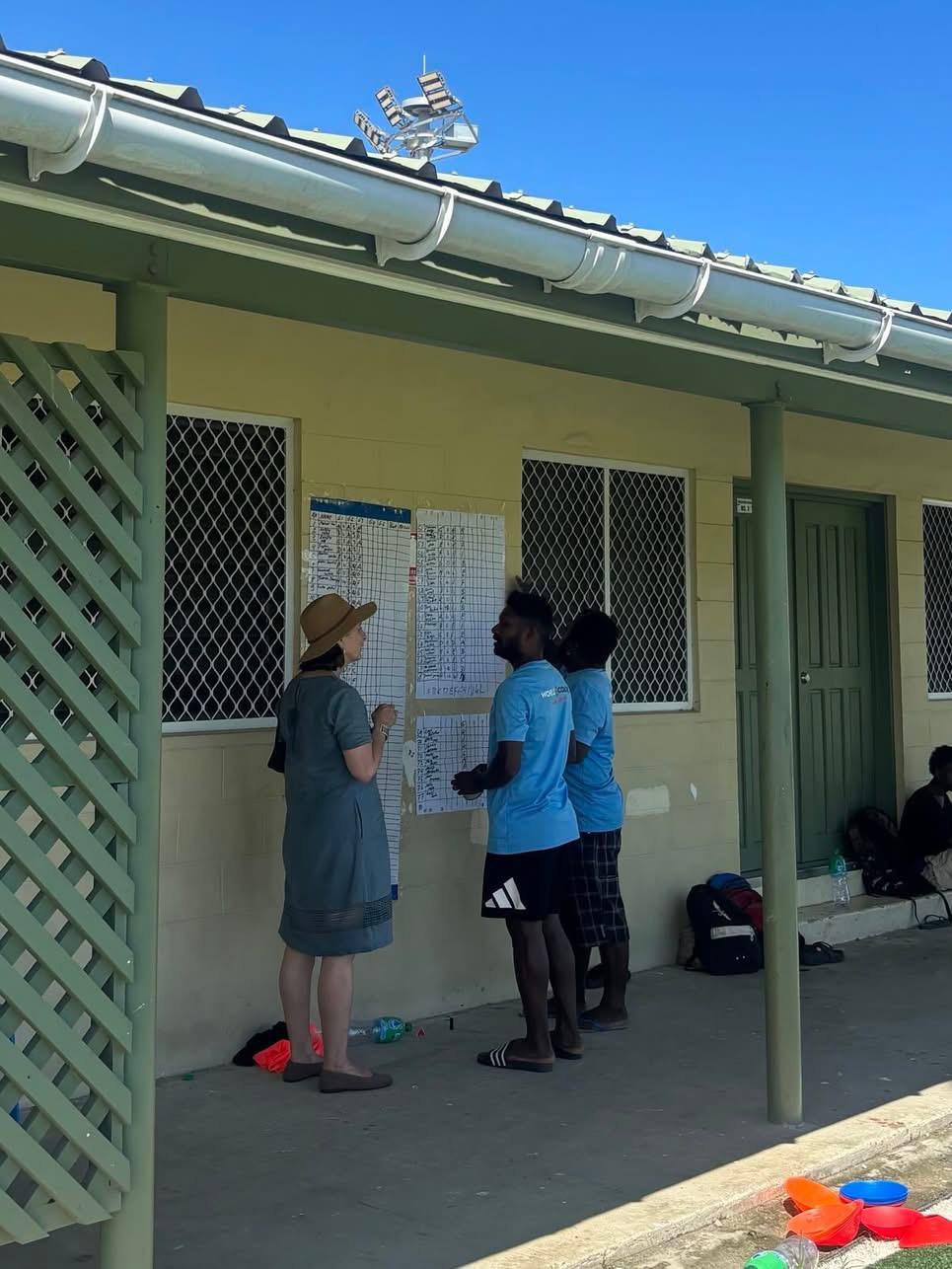
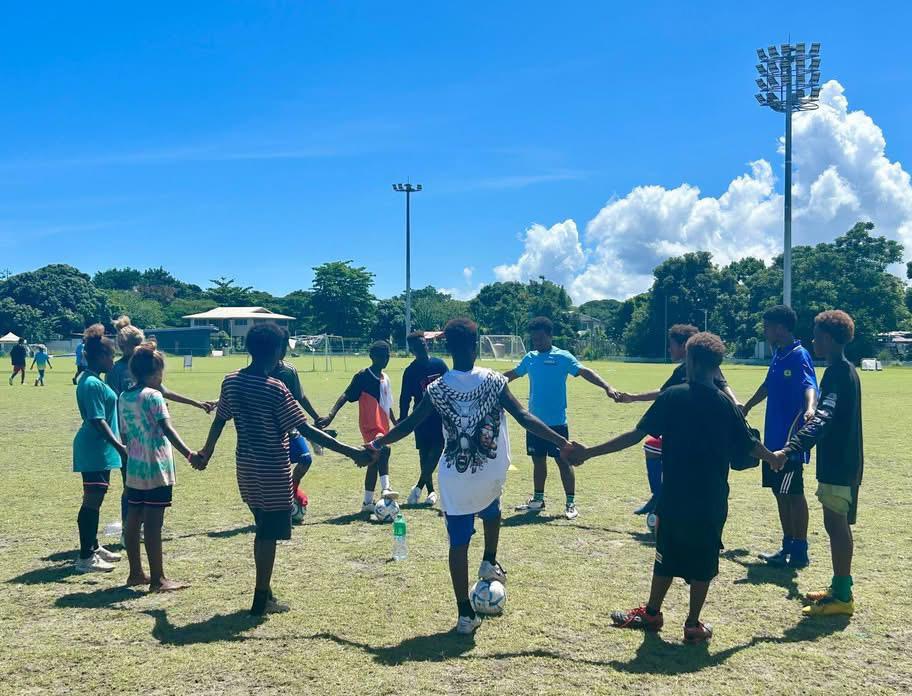
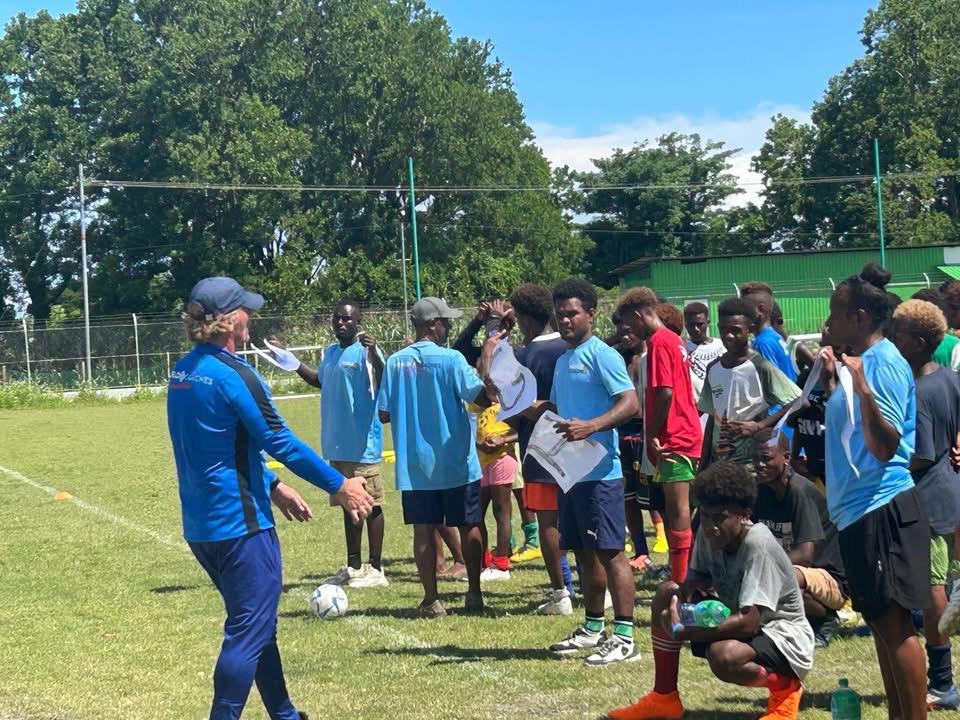
Te Dutch embassy from Australia was present at the opening and closing ceremonies of the Solomon Islands and Vanuatu editions of #KNVBWorldCoaches program
Two groups of coaches have been added to the #WorldCoaches family! By participating in the program the coaches have not only learnt skills to become a better soccer coach but also leaders and role models within their own communities. It was encouraging to see a substantive number of young women being part of the training!
#NLinAUS is very proud to partner with the #knvb in this program and grateful for the collaboration
Robert van den Hoven
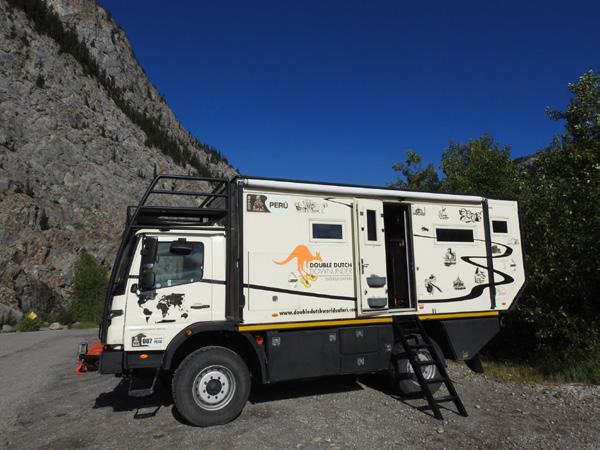
A Dutch-born adventurer who, along with his wife Clary, has spent over 19 years traveling around the world in an expedition vehicle.
He was a Royal Dutch Marine before moving to Australia and starting his travels in 2004
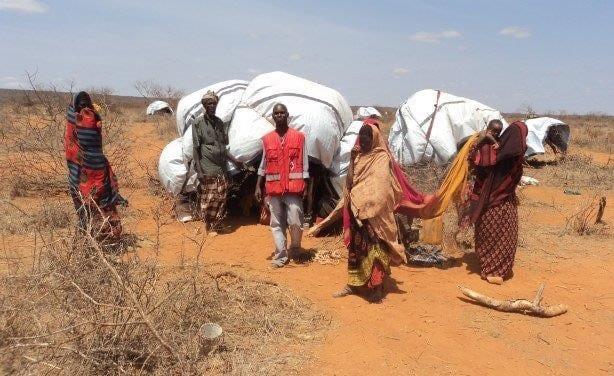
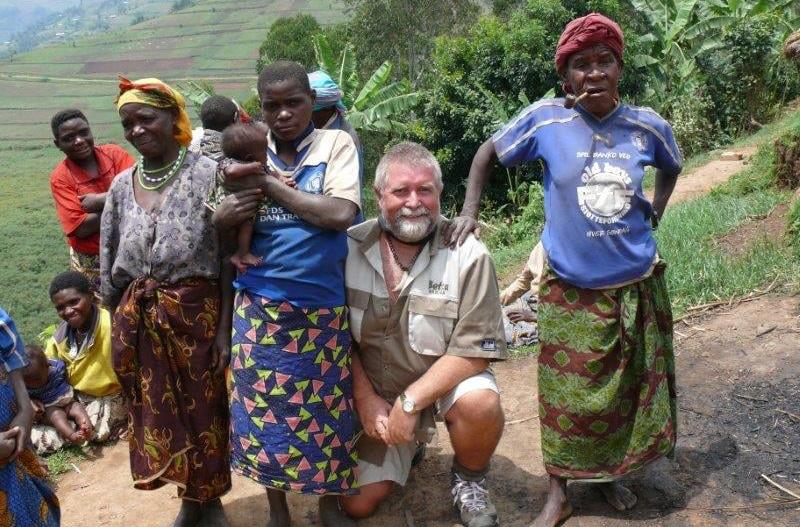
Te Van Den Hovens, who go by the name “Double Dutch World Safari,” have documented their travels across 144 countries and share their experiences at events like the Overland Expo. We just got an report where About Africa and lots of pictures to share.

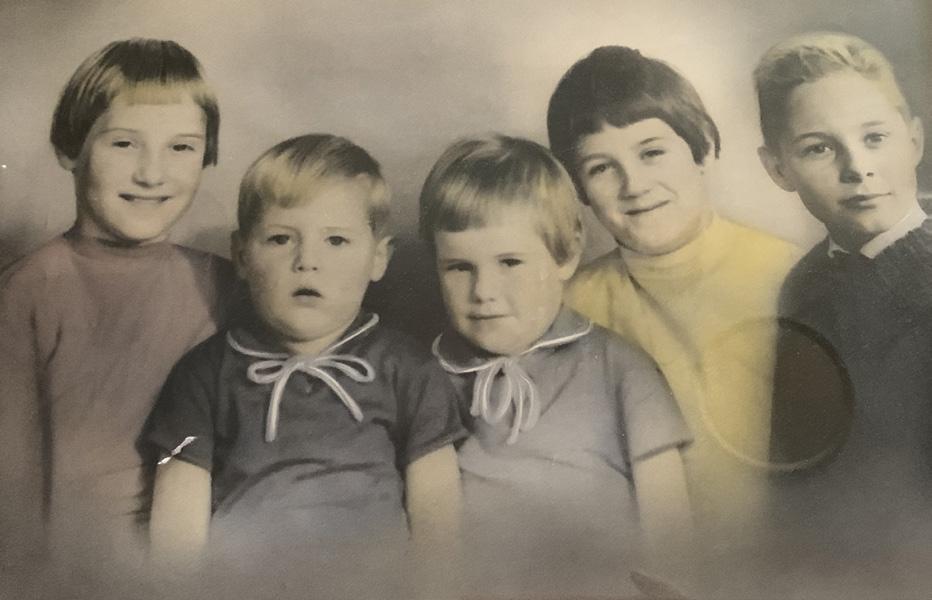
Wilhelmina Maria Johanna L eonie was born in Oisterwijk (the Netherlands) in 1956
Having 2 brothers (Teo & Ben) and 2 sisters (Marty & Anne-Marie).
We moved to Essen in Belgium in 1960 when my Dad, who worked for ‘Van Gend en Loos’, had to cross the border so the company could open an ofce in Belgium.
Growing up in a very catholic community, meant we had to go to church every morning at 7am, otherwise we were not allowed to walk through the school gates. Te nuns would stand there and check each of us of.
After I f nished high school in 1974, I started work for the diamond company Ararat. Te CEOs were Rene Roothooft and Jean Ipekdjian. ALso one of my co-workers was Sabine Stuer, I am still friends with her after 50+ years of knowing each other. T is was in the Hovernierstraat in Antwerpen and this compact diamond area is heavily guarded and includes the world most signi fcant diamonds exchanges, serving both international trade and local jewellery shops.
More on page 19
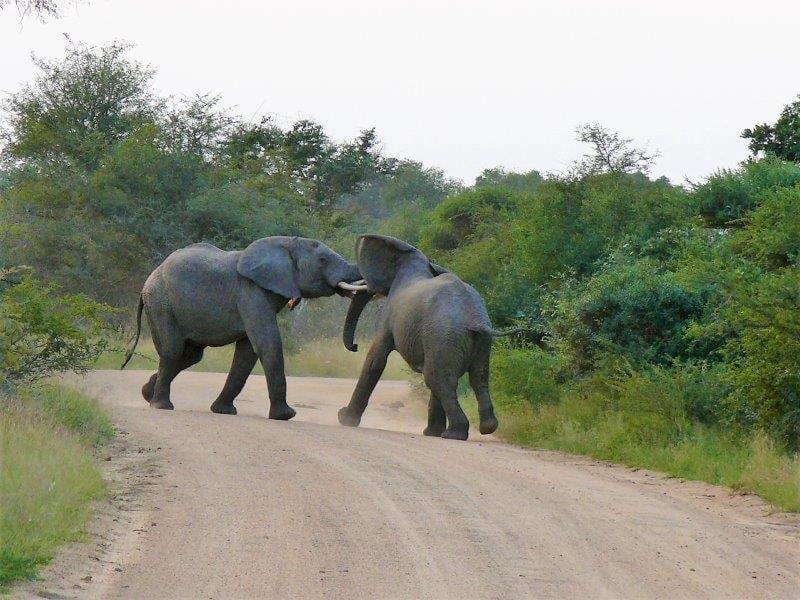
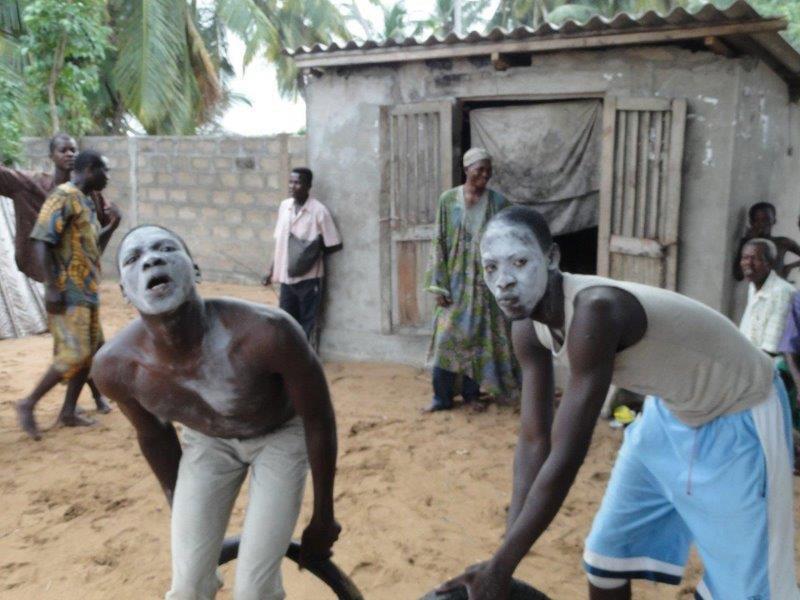
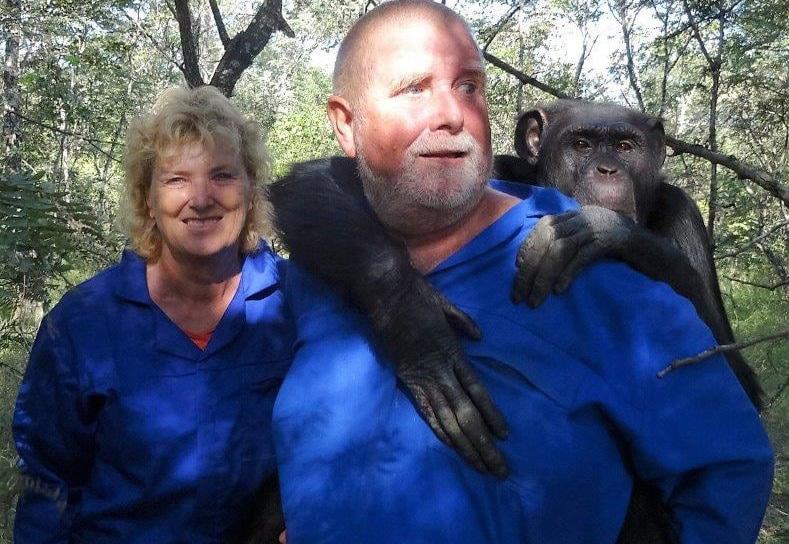
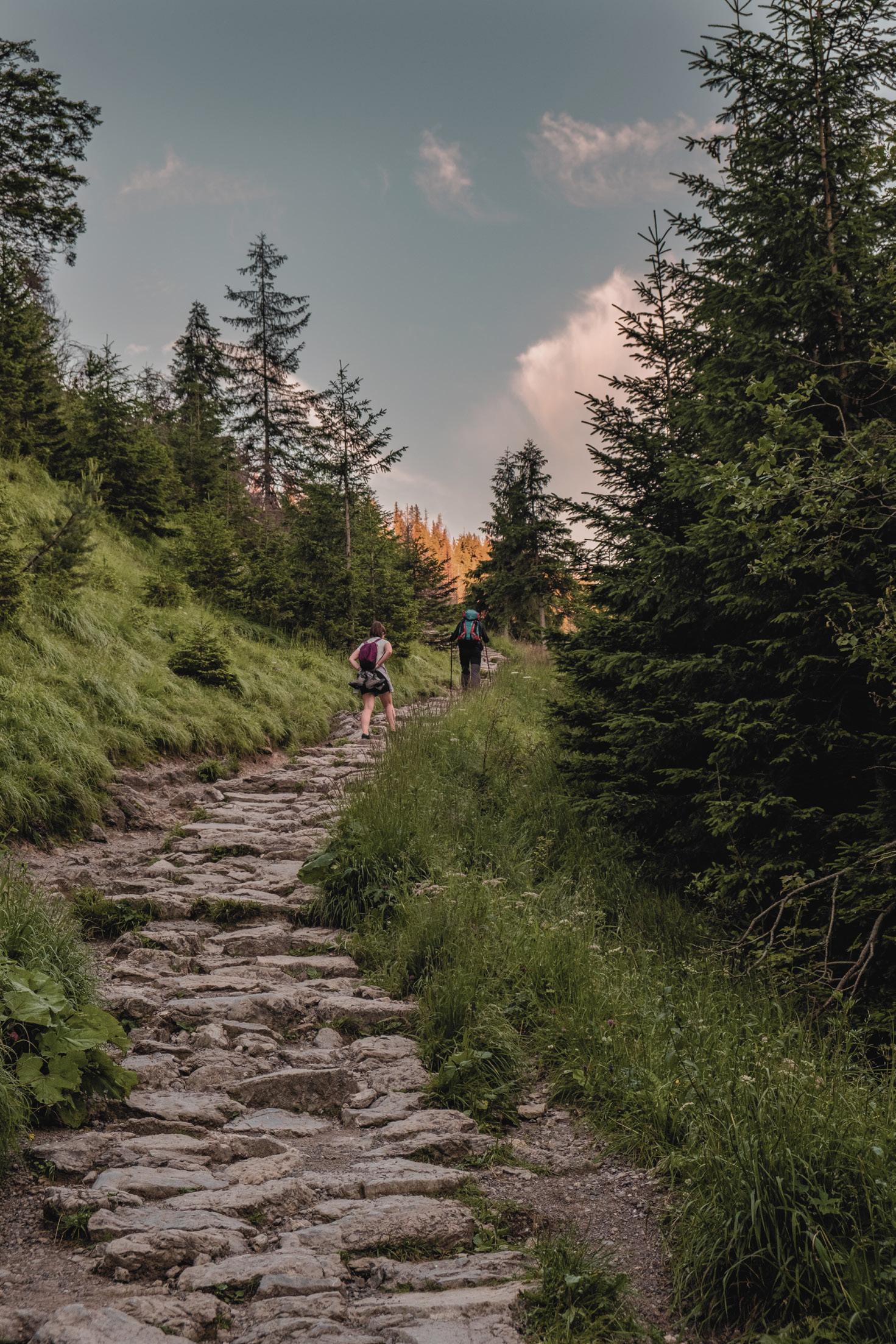
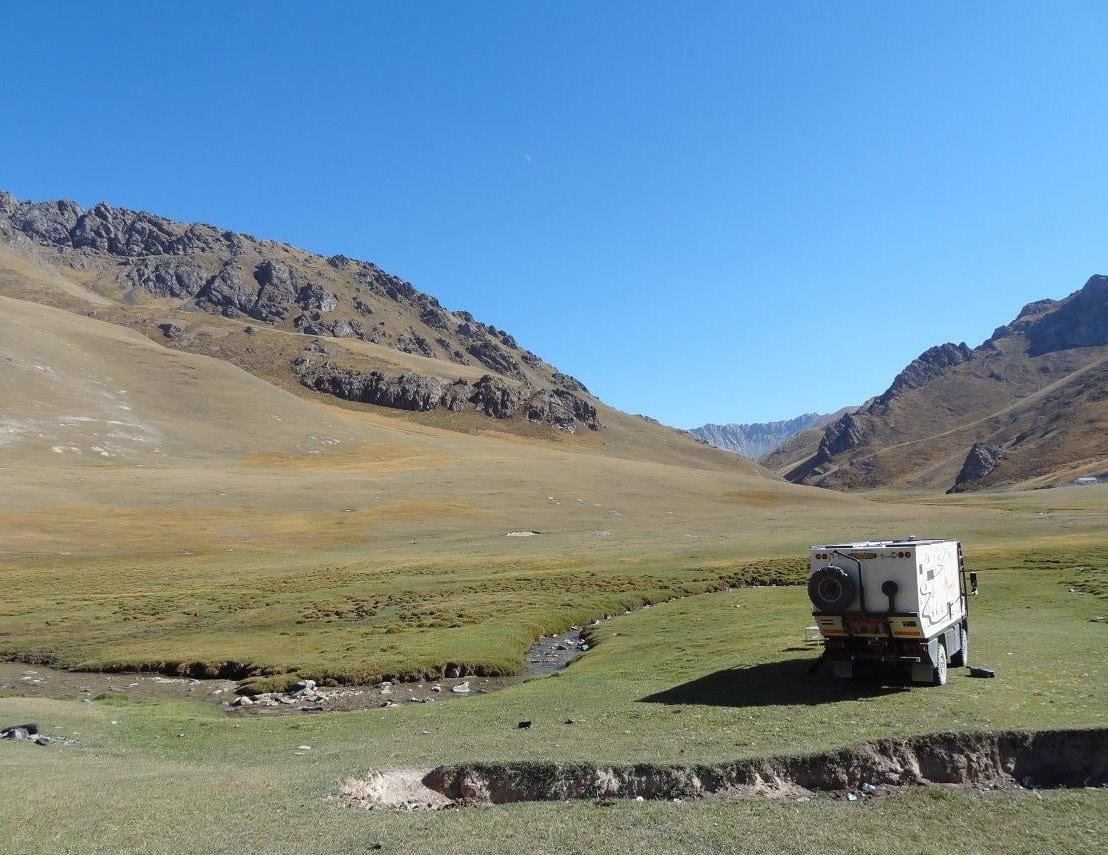
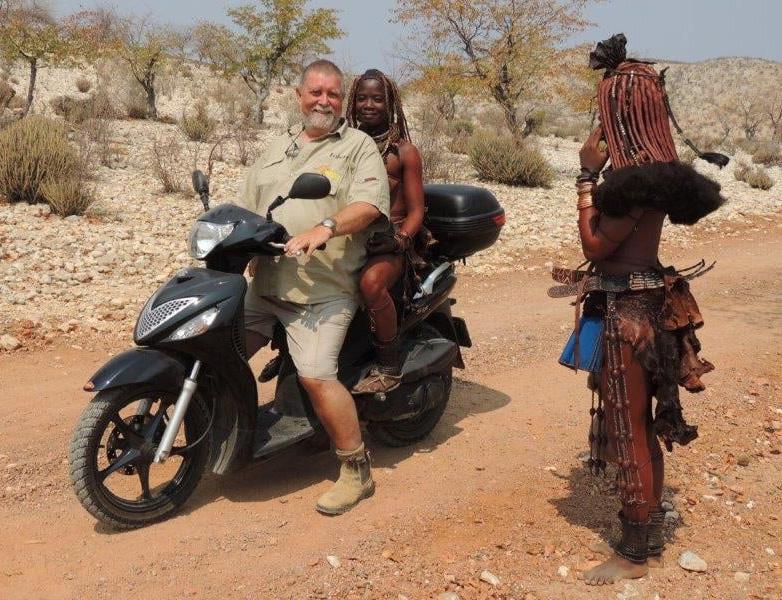
We shared life with the Kalahari Bushmen, stood face to face with chimpanzees and gorillas in Rwanda, Meeting Jane Goodall and the gorillas in Rwanda and Zambia, lived with Pygmy communities in Uganda and Rwanda, joined a Voodoo ceremony in Benin, explored the Dogon region in Mali, the Omo Valley in Ethiopia, and stood before the little known pyramids of Sudan. Wildlife at our camps, remote beaches, ancient cultures, endless landscapes — and everywhere, warmth and humanity.




Om som somaya namaha
Zo begon ik vandaag mijn yogales.
De eerste yogales van het jaar, in het park voor mijn huis. Een plek met veel bomen, vogels en spelende kinderen. En dan wij: mijn yogastudent en ik. Met z’n tweeën op een matje. Want op dit moment maakt het mij niet uit of er één of twintig mensen zijn. Als ik maar één iemand kan helpen. Dat is sowieso mijn motto, in mijn leven en in mijn projecten.
Maar wat betekenen die woorden eigenlijk? Om som somaya namaha.
Het is een mantra. Deze mantra helpt mij te focussen op de woorden en geeft houvast. Door me alleen daarop te richten, hoeven andere gedachten even geen aandacht te krijgen.
Woorden dragen natuurlijk ook energie wanneer je ze uitspreekt. Toen ik opzocht wat deze mantra precies betekent, kwam ik het volgende tegen:
Om – het oergeluid van het universum, eenheid en bewustzijn.
Som – een naam voor de maan,
ook symbool voor nectar, rust en spirituele voeding. Somaya – aan Soma (ter ere van).
Namah – ik buig, ik eer.
Vrije vertaling:
Eer aan de maan, bron van rust, intuïtie en emotionele balans.
Deze mantra wordt gebruikt om:
- emoties te kalmeren
- innerlijke rust en zach theid te versterken
- intuïtie en vrouwelijke energie te verdiepen heling van het hart en het zenuwstelsel te ondersteunen
Probeer deze mantra eens meerdere keren te herhalen.
Je ziet dat hij vooral wordt gebruikt bij onrust, emotionele schommelingen of overprikkeling.
Prima, zo na de drukke dagen, dacht ik zo.
Kijk voor evenementen op www.spiritualsisters.info
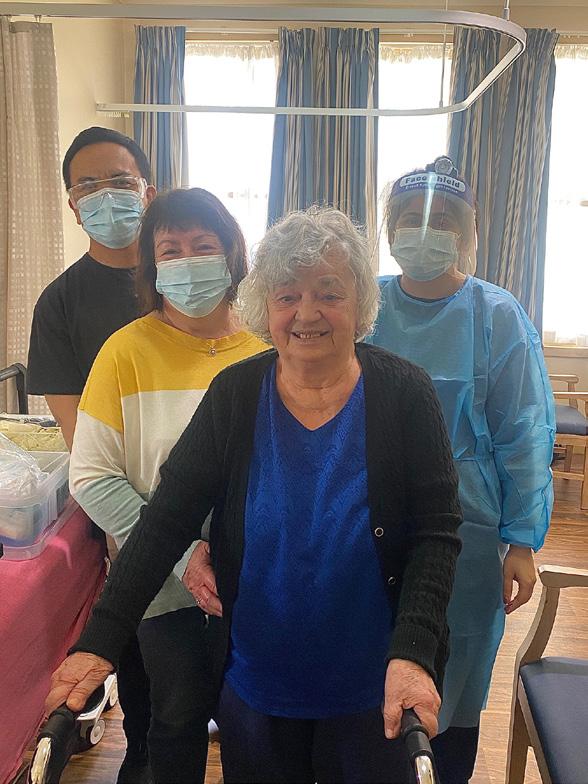
As we grow older, it’s easy to think oral health is less important than other medical concerns. But research shows that a healthy mouth plays a key role in overall health, wellbeing, and quality of life — especially as we move into the golden years.
Oral health isn’t just about teeth. Your mouth is the gateway to your digestive and respiratory systems, and poor oral hygiene can allow harmful bacteria to build up. T is can lead not only to tooth decay and gum disease, but also to wider health issues throughout the body. In Australia, dental problems are common among seniors. Around two in three adults over 65 have gum disease, and
tooth loss is twice as common in people over 75 compared with those aged 65–74. Gum disease can cause pain, infections, and make it harder to eat well.
Poor oral health is also linked to other medical conditions, including heart disease, circulatory problems, diabetes, and respiratory infections. Evidence also suggests that oral health can a fect nutrition, memory, and overall quality of life as we age.
Medications can make oral care trickier. Many commonly prescribed medicines reduce saliva fow, causing dry mouth. Saliva helps wash away food and neutralise acids — without it, the risk of decay and infection rises.
Simple daily care goes a long way: brush twice a day with fuoride toothpaste, clean between teeth, keep dentures clean, and stay hydrated.
Regular dental visits — ideally every six months — catch problems early and help maintain oral health.
For families and carers, supporting oral health protects a loved one’s dignity, comfort, and wellbeing.
For adults in residential aged care who can’t easily visit a clinic, mobile dental services are invaluable. Te Australian
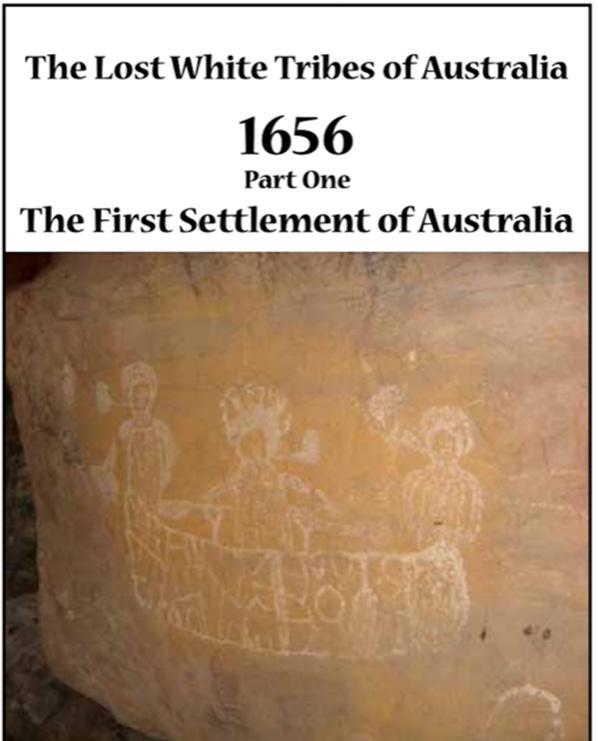
New Year Special for Dutch Courier subscribers only. Purchase two books, receive one free. Choose any $60 book from the following: 1606 Discovery of Australia, 1629 Mutiny on the Batavia 2nd edition large print, The Lost White Tribes of Australia Part 3: 1766 Australia’s First Pandemic.
· Buy any two of the above $60 books and get a free $30 book. The free books include: The Lost White Tribes of Australia Part One; 1629 Mutiny on the Batavia 1st edition small print. Note that there are limited copies of unedited versions of Part 3 not listed on the website, also at $30.
· Write the name of the free book in the notes of your order.
· January orders will receive an express post upgrade. Visit australiadiscovered.com.au or write to henry@australiadiscovered.com.au.
2026 - 420th anniversary of the frst European discovery of Australia
Any purchase of 1606 Discovery of Australia in January and February will receive an upgrade to express post.
Thank you to Luke Jansen, who sent me the following Facebook message, as well as permission to reprint his correspondence.
Luke Jansen wrote: “This is one of the most amazing books I have read about the discovery of Australia, the amazing life of Willem Janszoon in service of his country, and the founding of the Netherlands. An enthralling and masterful read. Every person of Dutch heritage should read this.
Henry Van Zanden replied: Thank you, Luke. It was diffcult to write as I had to translate 16th century Dutch, spend thousands of hours researching, and scour the internet for the very best images that matched either the events or the time period.
Luke Jensen replied, “Henry Van Zanden, well, you did a superb job, and I tell all my Dutch friends about it. Deserving of De Orde van de Nederlandse Leeuw for literature in my opinion.
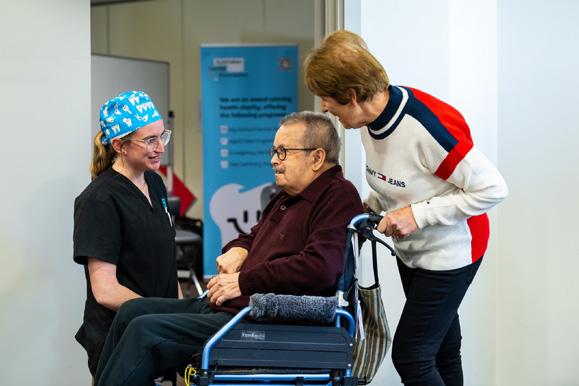
Dental Foundation (ADF) is a registered dental charity that brings dentists directly to residents, providing check-ups, cleaning, f llings, and preventive care. Te Foundation also supports hundreds of schools and partners with community organisations to improve oral health across Australia. For patients with more complex needs, All Ability Dental in Melbourne’s north offers tailored Special Needs Dentistry in a supportive environment, making dental visits as comfortable and accessible as possible.
Looking after oral health at every stage of life helps ensure better health, greater comfort, and a higher quality of life — it’s never too late to start!
Contacts:
For ADF services: Phillippa on 0486 041 946
For All Ability Dental enquiries or bookings: Jaldi on 0416 767 332
Since its foundation in 1983, the Dutch Australian Cultural Centre (DACC) has assumed responsibility for preserving the records of many Dutch migrant clubs, associations and community organisations in Australia, many of which are now defunct. Over the years, these records were transferred to the DACC in the form of boxes of accumulated papers, forming the foundation of what is today an unique archival collection. Tese archives, along with a substantial book collection and a variety of artefacts, are stored in Sydney.
Te development of the DACC archive owes an enormous debt to the volunteer work of Sr. Lia van Haren. With professional archival quali fcations, she undertook the vast task of sorting, cataloguing and documenting thousands of papers. Lia’s work, conducted over more than a decade, resulted in 190 fully catalogued archive boxes that today constitute the core of the DACC Archive.
In 2008, DACC received a Community Heritage Grant from the National Library of Australia to commission a formal Signi fcance Assessment. Te resulting report conf rmed the exceptional cultural value of the collection, noting that: “… the DACC has rare and
unique material not held anywhere else.”
“Te collection also provides scope for fresh research into this area.”
Following this report, and based on further consultation with heritage experts, DACC established a set of collection policies to guide the long-term care of the archive.
In 2019, DACC resolved to investigate what would be required to digitise the archive. T is coincided with the election of a new board and direction with an international research team of 12 academic researchers in the Netherlands and Australia. Recognising the scale of preparation required,
Separate from the DACC, since 2006 the Huygens Institute in Amsterdam - which leads research into Dutch History and Culture - has worked closely with Perth-based academic Dr Nonja Peters, Australia’s foremost expert on DutchAustralian culture and heritage. T is partnership has organised numerous symposia, working groups and exhibitions on Dutch Australian history, all of which have consistently highlighted the importance of preserving these shared histories through systematic digitisation and public accessibility. Building on this cooperation, in the early 2000s the Huygens Institute took custodianship of 55,000 immigration cards that were originally collected by the
Netherlands Embassy and Consulates in Australia and deposited with the DACC.
Over the past two decades these cards have been digitised by the Nationaal Archief in Te Hague and are now in their collections, creating one of the most signi fcant digital collections relating to Dutch migration to Australia. However, these cards have not been made publicly available. Since 2019, the newly restructured DACC has re-established contact with the Huygens Institute, deepening collaboration around digitisation, archival standards and online accessibility. During this period, Dr Peters joined the Board of DACC, strengthening the organisation’s expertise in Dutch Australian migration history and enhancing its strategic links with Dutch archival institutions. Te Huygens Institute is also closely involved in providing support, advice and guidelines for the digitisation of the DACC archives, ensuring alignment with international best practice.
Separately from this DACC archive-focused digitisation collaboration, in conjunction with the Huygens Institute we are exploring opportunities to make the Nationaal Archief’s digitised immigration cards publicly accessible via the DACC website, pending f nal privacy guidance from the Nationaal Archief. T is collaboration provides an impor-

tant model for DACC’s own digitisation ambitions and demonstrates the value of international partnerships. Parallel to these developments, the DACC Digital Team began a detailed investigation into the requirements for a professional digitisation program for our own archive. Discussions were held with archivists, librarians and technical specialists in both Australia and the Netherlands to ensure that DACC’s procedures would meet current archival standards. T is work included establishing policies on f le formats, scanning speci fcations, metadata structures, directory naming conventions and image naming protocols. Te Digital Team is led by a quali fed academic with experience in historical research, ensuring volunteer eforts are supported by professional oversight. DACC selected eHive—used by archives and museums worldwide—as the platform to make our digitised collection available to researchers, students, institutions and the broader public and aggregation sites like Trove (National Library of Australia). Digitised records will also be linked through the DACC website. Signi fcant efort was invested, with expert IT assistance, in developing a full digitisation plan and con fguring the required equipment and IT infrastructure. Tese purchases were made possible through a grant from the Netherlands Embassy. Te training of the digital team has since been
completed.
By late 2025, the project reached the point of practical implementation. Te preparatory phase is complete, scanning trials underway, and a detailed procedures manual is being drafted for volunteers and future team members. DACC commenced actual digitisation with a trial box designed to test work fow complexity, document diversity and labour requirements. T is trial also serves as a demonstration model for prospective supporters in both Australia and the Netherlands.
Box 150, relating to the NSW Dutch Folk Dancing Group, was selected as the test example. Its diversity of formats and content provided a realistic measure of the complexity of the work and the time and resources required. Te materials demonstrate how digitised archival records can be curated into thematic stories that enrich public engagement. Te f ndings from Box 150 conf rm that the DACC archive consists of diverse, fragile and historically signi fcant materials, and that digitisation cannot be achieved without a structured, professionally supported approach and appropriate f nancial resources.
“Tulips in the Capital”
More on page 12
1st Saturday of the Month Churchill Island 8am - 1pm
2nd Sunday of the Month Williamstown 9am - 2pm
Robbertson Reserve (Corner Cole and Hammer Street)
4th Saturday of the Month Bayside 8am - 1pm
Trey Bit Reserve, Jetty Road Sandringham
Also available for catering editor@dutchcourier.com or 04/37757393
Continuation from page 11
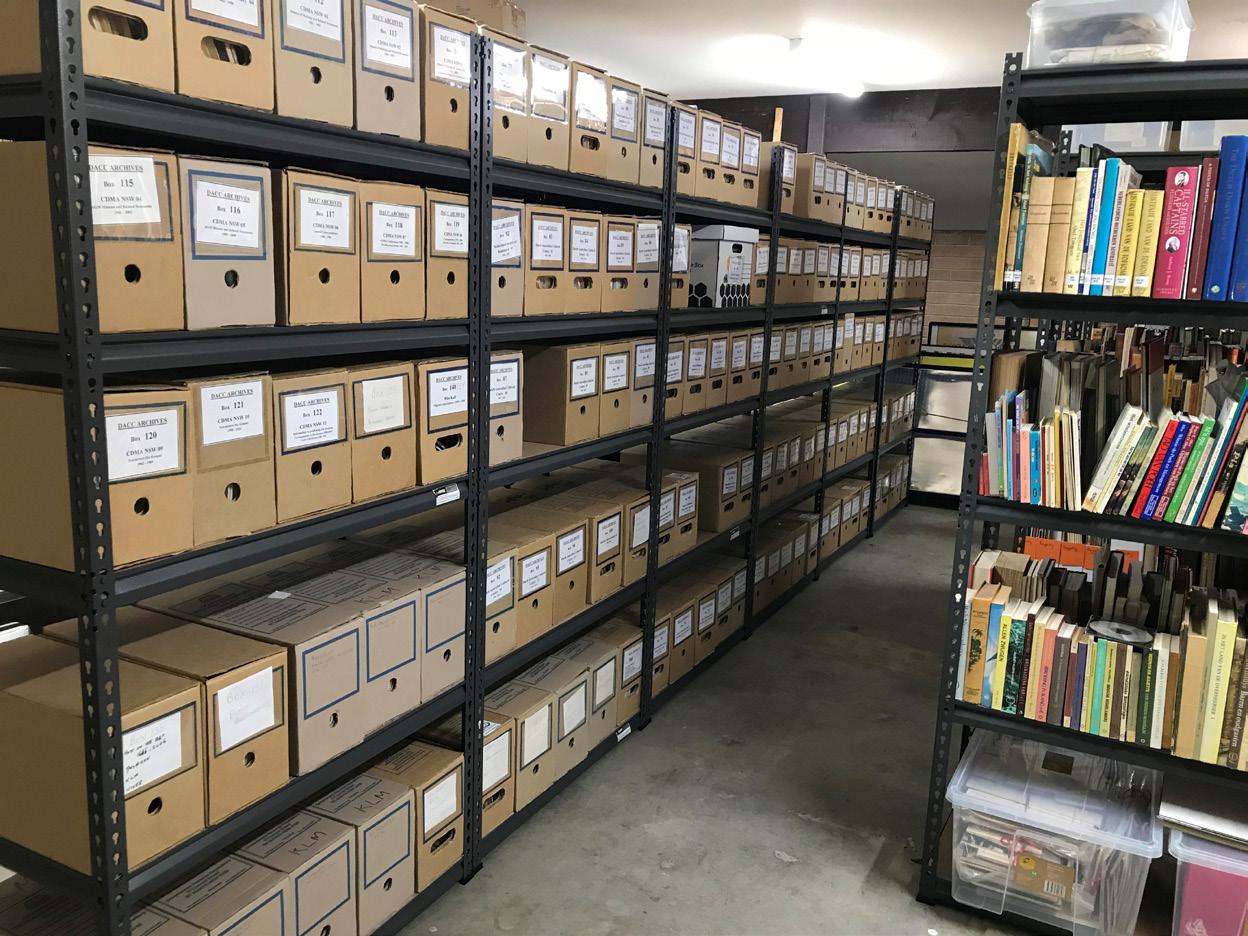
Importantly, the test also provided a clear indication of the amount of time required per item and per document series, giving us a realistic foundation for estimating sta f ng, volunteer capacity and budget requirements for the wider archive.
Digitisation is essential to preservation but is not achievable by volunteers alone. Volunteer work must be supported by a professional framework that includes:
• archival sorting and ap cid:image001.jpg@01 DC7F17
E84F51C0 praisal, including decisions on which materials require item-level digitisation
• clear digitisation standards and work fow
• structured metadata creation at the scanning stage and for eHive cataloguing
• proper physical storage and preservation in Sydney
• quality control and long-term digital preservation planning.
Te test case provides the evidence base needed to justify this framework when engaging partners and potential funders.
Aiming for Variety Within a Migration Archive
Te DACC archive is, at its core, a Migration Archive, refecting the post-war Dutch presence in Australia. At the same time, the digitisation program will seek to highlight a diverse body of materials - social, cultural, maritime, military and business - that illustrate the full breadth of Dutch Australian experience.
T is does not require rigid categorical divisions; rather, it ensures that a representative variety of material becomes visible early in the digitisation process.
Immediate Publication: eHive
and the DACC Website
Digitised material should be made publicly accessible as soon as it is processed. eHive provides global reach, while the DACC website ofers contextual narrative support.
Box 150 demonstrates this approach: linking the digitised NSW Dutch Folk Dance Group materials to the relevant website story creates a coherent digital presentation for both public users and researchers.
Additional Collaboration and Preservation Responsibilities
Beyond our own holdings, we are aware of an extensive, largely unsorted migration archive in Victoria. Discussions are underway to collaborate with those responsible for that archive to support its sorting and, in later stages, contribute to its digitisation. T is represents a major opportunity to strengthen the national preservation of Dutch Australian migration history.
Te DACC is also in contact with holders of three signi fcant private collections in Tasmania, WA and NSW containing important Dutch Australian materials. Discussions have begun to determine the best means of preserving these collections, ensuring their longevity and, where appropriate, integrating their signi fcant primary research materials into the broader DACC digitisation initiative.
Multi-Year Approach
Stage 1: con f rm standards for appraisal, scanning, metadata and work fow
Stage 2: ref ne procedures; source and train volunteers; continue digitisation
De socialmediaban in Australië is nu een feit voor jongeren tot 16 jaar. Ik ben met verschillende jongeren in gesprek gegaan over wat zij hiervan vinden. De meningen zijn, zoals te verwachten, verdeeld. Sommigen vinden het eigenlijk wel goed, terwijl anderen vinden dat de overheid meer had moeten inzetten op educatie. Zij geven aan dat ze juist ook positieve dingen halen uit platforms als TikTok, bijvoorbeeld door recepten te leren om te koken.
Doordat die educatie ontbreekt, omzeilen kinderen de ban nu simpelweg. Daarnaast zijn er jongeren die veel sporten en sowieso weinig op
social media zitten — simpelweg omdat ze daar geen tijd voor hebben.
Zelf vind ik het jammer dat de overheid een kans laat liggen door zo abrupt te stoppen. Daarmee wordt ook de mogelijkheid gemist om jongeren goed te betrekken en met hen in gesprek te gaan. Tegelijkertijd kan abrupt stoppen wel efectief zijn bij verslaving; in zulke gevallen heeft praten soms weinig zin.
Als moeder voelde ik vroeger ook dat ik hulp nodig had op dit gebied. Ik zou destijds blij zijn geweest met praktische tools en ondersteuning. Daarom denk ik wel dat het goed is dat
Stage 3: digitise a sample box from each category e.g. NESWA or Holland Festival or the Benevolent Fund, highlighting the diversity of community activities.
Stage 4: integrate with website pages
Stage 5: obtain support from Dutch and Australian partners and funders for resourcing the digitisation program
Stage 6: digitise remaining materials, including minutes and lower-priority items
Next Steps
Te Board approved the digitisation strategy in December 2025. Work will now proceed in parallel with digitising the DACC’s collection in Sydney and supporting collaboration with the Victorian migration archive and the custodians of signi fcant private collections. Te early analyses will guide resource planning and inform discussions with potential supporters.
Conclusion
Te DACC is now well positioned to transform decades of Dutch Australian heritage into a permanent, accessible and professionally managed digital archive. With a strong technical foundation, international collaboration and a clear, evidence-based strategy, DACC can ensure that our unique Migration Archive—enriched with a variety of culturally and historically signi fcant primary materials—is preserved for future generations and made readily accessible to researchers and the wider community.
Paul
Budde Chairman, DACC
dit onderwerp nu bespreekbaar wordt gemaakt.
Australië is het eerste land waar een socialmediaban is ingevoerd.
De wereld kijkt mee. Ik vind het daarom waardevol dat wij als Nederlanders in het buitenland deel uitmaken van dit gesprek.
Carole Overmaat Shop Online
Willem Alexander and Maxima in Suriname
Last week, I had the enormous honor and pleasure of accompanying Minister Gouke Moes during the visit of King Willem-Alexander and Queen Maxima to Suriname. It was a historic visit and an important occasion to further strengthen the ties between our two countries in the feld of culture and education. Some highlights in the feld of education:
-Te Ministers of Education signed a letter of intent to renew the cooperation in the feld of education.
- Te platform Samenwerking Onderwijsinstellingen Nederland-Suriname (SONS) was launched. www.sons.nu.
- Minister Moes spoke with CEOs of Dutch companies and Ministers from Suriname in a round table about talent development and strengthening the alignment of education and labor market demands.
Other highlights were the ceremony with the native communities and descendants of enslaved people and the announcement of the Dutch Ministry of Foreign A fairs to renew the Makandra Programme to facilitate institutional collaboration and capacity building. One of the objectives of my Ministry was to highlight the eforts of cultural organizations and educational institutes that have been and continue to be a driving force in the collaboration between our countries. Teachers, researchers, students, and artists form the connections between the communities in our countries. With limited means but much efort, they have dedicated themselves to the collaboration. Tey truly make a di ference.
Koosje Spitz
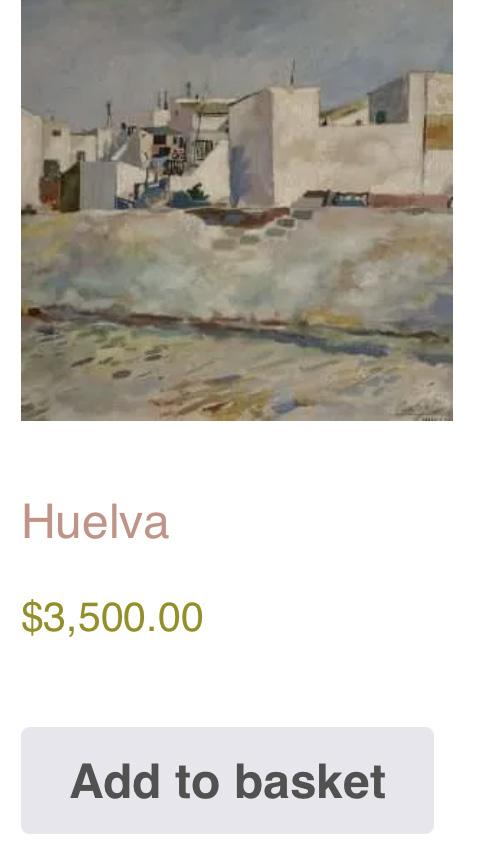
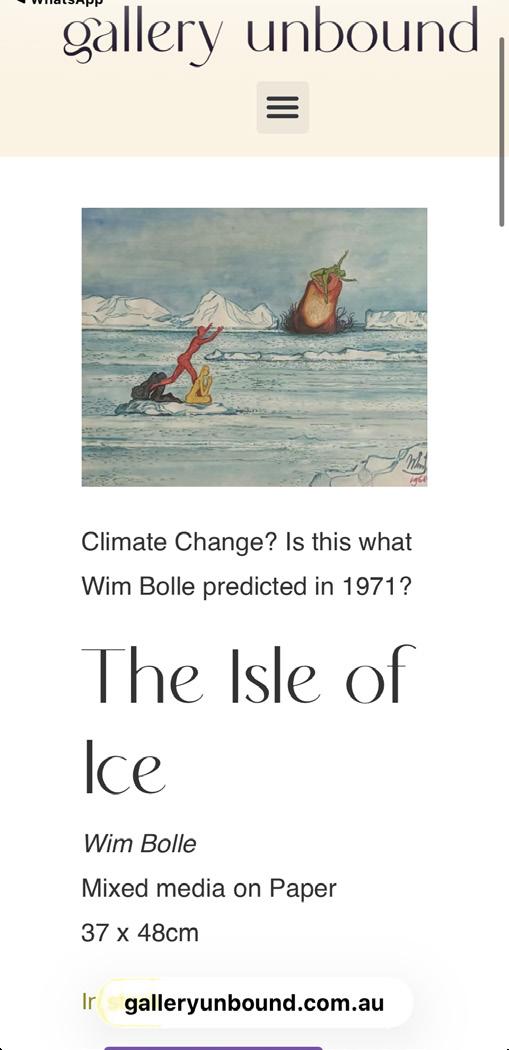
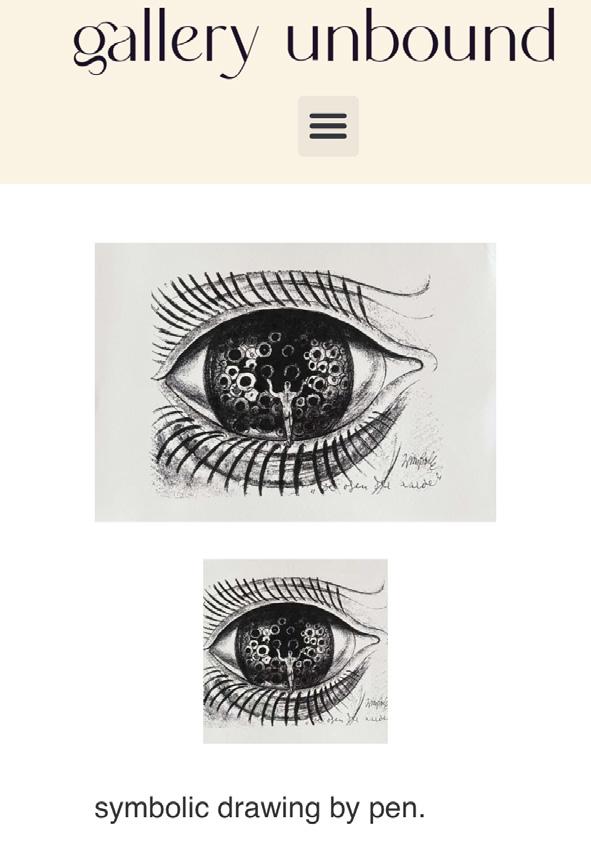
Wim Nicolaas Bolle was a Dutch artist who spent most of his life painting in Amsterdam. During WW2, he tragically lost his partner and unborn child, a profound loss that found its way into some of his work . Yet , his art also has a playful, light hearted side.
In 2012, I was fortunate enough to meet Joost Bakker at his zero-waste restaurant, Silo, in Melbourne. It was one of the f rst restaurants in the world designed without rubbish bins, featuring closed-loop composting and systems that eliminated waste in every part of the operation.
He is now well known for creating projects like this, showing people that sustainability is not just words — he provides real, working examples that prove it is possible.
Tat interview made a strong impression on me at the time. It showed me that a boy from Monbulk can in fuence the world. We only need one person to show us what is possible, and that truly inspired me.
On a personal note, he once believed Australia was a Dutch-speaking country because everyone he knew from there was Dutch. He felt somewhat betrayed when he started school and discovered that this was not the case.
I went on the internet to found some other information.
Joost Bakker is not just a chef, designer, or artist — he is a provocateur with a purpose.
Known internationally for his bold ideas around sustainability, Bakker challenges the way we eat, build, and live, asking one simple but confronting question: what if waste didn’t exist at all?
Joost Bakker has built a career that sits at the intersection of food, art, architecture, and environmental activism. His work is driven by a deep belief that sustainability should not feel like sacri fce, but like abundance. Loud, colourful, experimental, and unapologetic, his projects are designed to spark conversation and inspire change.
Bakker f rst gained widespread attention through his zero-waste food concepts. His pop-up restaurants and hospitality projects operate without bins, proving that it is possible to create highend dining experiences while composting everything, reusing materials, and sourcing locally. In his kitchens, nothing is thrown away — food scraps become compost, packaging is eliminated, and systems are designed so that waste is prevented rather than managed.
But Joost Bakker’s vision goes far beyond food. He is also known for large-scale sustainable living experiments, in-
cluding self-su fcient homes that produce their own energy, grow their own food, and return nutrients back to the earth. Tese projects are not quiet or minimalist; they are deliberately bold, designed to attract attention and challenge mainstream thinking about how we consume resources.
What sets Bakker apart is his refusal to sugarcoat the environmental crisis. He is outspoken, sometimes controversial, and refreshingly honest. Rather than ofering gentle lifestyle tips, he confronts people with the consequences of convenience culture and overconsumption. At the same time, he ofers practical, tangible alternatives — showing that another way of living is not only possible, but deeply ful f lling.
At the heart of Joost Bakker’s work is a belief in responsibility and reconnection: reconnecting with where food comes from, understanding the true cost of waste, and taking personal responsibility for the impact of our choices. He invites people to rethink success, luxury, and comfort through an ecological lens.
To our valued It’s All Dutch To Me customers,
We f rstly would like to thank you all deeply for the support over so many years. Manita, the owner and operator f rst took over Its All Dutch to me in 2008 shortly after making the exciting move with her family from the Netherlands to Australia, since that time we have grown such a beautiful community of people who also sought after the comforting food, souvenirs and reminders of home. Tere have been many ups and downs but we have enjoyed every conversation and every relationship built with our customers. Whilst Manita ran this business herself for majority of the 18 years, we’d also like to thank those who did lend a hand during our peak periods, market stalls, and for Sinterklaas in order to help bring the joy
of Dutch traditions to all families in Australia.
Unfortunately due to circumstances out of our control, it is with great sadness to say that it time for us to close down It’s All Dutch To Me. We have commenced a 30% sale on all items both online and in store and we would greatly appreciate your support as we wrap up trading for the last time. Manita is making the big move back to the Netherlands so even if you’d like to pop in for one last chat we welcome all. Our stores ofcial last day of trading is January 31st, 9am-3pm. We look forward to seeing you all over the next 2 weeks.
Tanks again,
It’s All Dutch To Me
Via their facebook page

Annette Heermans schrijft over haar leven in het basisonderwijs, haar gezin met man Eppoh en 2 grote dochters Wietske en Brechtje, haar katten en alles wat ze verder op haar pad tegenkomt.annetteheermans@ gmail.com.
Soms hoor je een fragment muziek voorbijkomen.
Een fard maar. En je weet zeker dat je dit al 25 jaar niet meer hebt gehoord. Niet meer sinds je niet meer in je ouderlijk huis woont. En je Willem Duys niet meer luisterde op zondag, met Muziekmozaiek.
Ik hoorde een fard. En opeens was ik weer thuis. In de bovenwoning in de binnenstad van Haarlem. Waar de vloerbedekking van een soort geribbelde sisal of jute was gemaakt. Versleten plekken tot de gladde hardbordplaten eronder. Ribbels in de huid van je knieën als je op de grond had zitten spelen.
Schrootjes tegen de muur. Een grote Monstera met touwtjes eraan vastgespijkerd. Een grote mand met boeken en gehaakte kabouters tussen de grote bruine stoelen in.
Op de gef neerde houten tafel die eerst bij mijn grootouders,
stond staat een grote olielamp en een paarse asbak.
De radio staat aan. De radio staat altijd aan.
Nu heb ik altijd een oortje in met muziek. Want ik weet dat ik mij dan beter kan concentreren. Of dat ik me minder erger aan geluid wat anderen maken.
Het was het eerste wat deden als we uit bed kwamen, vroeger thuis; ik had zelfs een klein blauw transistorradiootje onder mijn bed liggen. Onmogelijk om een goed zender te vinden, maar zelfs het kleinste kraakje was al genoeg om euforisch naar te luisteren.
De radio staat op Hilversum 2 En de stem van Willem Duys kabbelt zoetjes op de achtergrond je oor binnen.
Glijdt naar de hippocampus haakt zich vast aan de cortex in je hoofd.
In je herinnering schijnt altijd de zon door de ramen naar binnen en kriebelt je neus. En tegelijkertijd regent het ook, en hoor je het suizen van de auto’s langs de grachten.
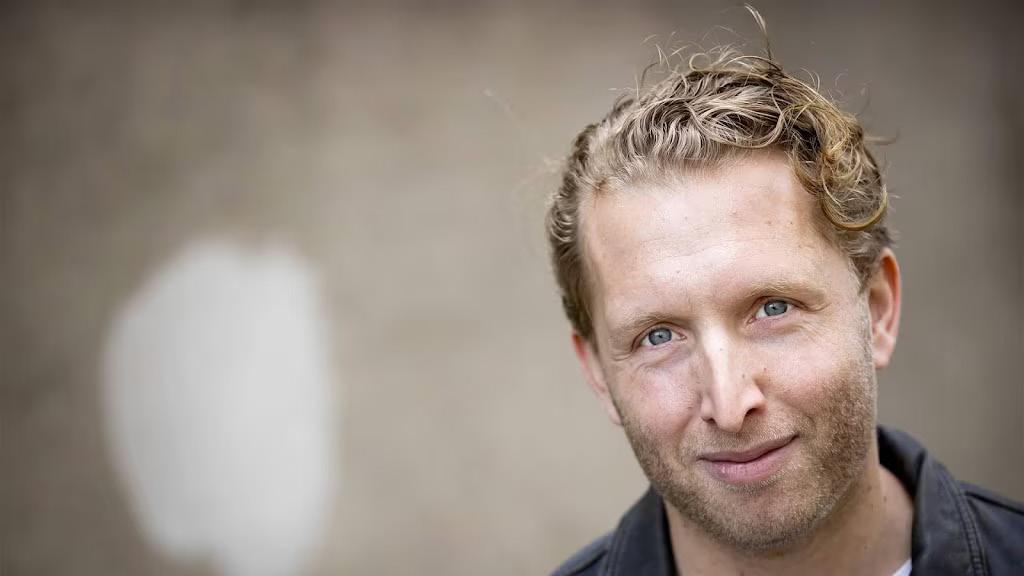
De oudejaarsconferentie, echt ook weer zo’n Nederlands fenomeeen en het moment waarop een cabaretier het politieke jaar weer eens mag f leren.
Dit jaar was dat Peter Pannekoek. Althans: hij kwam op tv. Eerder verscheen op mijn Facebookpagina Jay Francis als dé persoon die de oudejaarsconferentie had moeten doen. Die werd blijkbaar niet
Eindeloos zich uitstrekkende zondagen.
Voor altijddurende jeugd, van eeuwig kind zijn. Van veilig. Van warm. Van dagen die duren, van jaren die slenteren.
Geen voorstelling van groot zijn, van niet meer op die plek, met die mensen. Niet wetend dat de tijd voorbijvliegt wanneer je groot bent.
Nog 12 keer kerst en je bent met pensioen.
Ik hoorde een fard.
En ik word meegevoerd op de muziek. Het is wat f lmmuziek vaker met mij doet. Waardoor de tranen soms stromen, terwijl ik het niet eens doorheb. Ik grabbel altijd in de platenbakken met f lmmuziek. De overweldigende orkesten met muziek in lagen door elkaar heen, zorgen dat mijn hersens tot rust komen. Omdat ik alle instrumenten in mijn hoofd kan isoleren en tegelijkertijd kan volgen, legt het verder ieder denken stil. Componisten als Michael Nyman, Tomas Newman, Hans Zimmer, Ludovico Einaudi.
De muziek van Out of Africa, Les uns et les autres, Hair, Antonia
Van de week zat ik in een
Vlaamse bioscoop te snikken door de muziek in de nieuwe f lm Radioman.
Ik hoorde een hobo, het lievelingsinstrument van mijn moeder.
En ik herkende het, zonder te weten wat het was. Dus ik zocht het op: Gabriel’s Oboe door Ennio Morricone.
Ennio Morricone is een beetje als een guilty pleasure, net zoals de spaghettiwesterns waar ik zijn muziek door leerde kennen; f lmisch mooi, muziek prachtig, maar toch een beetje shabby, een beetje ranzig.
Dit muziekstuk bleek echter vastgehaakt aan mijn lange termijngeheugen.
Ik was opeens weer kind, ik was weer thuis.
Door: Netje
Met een golf van heimwee naar toen, realiserend hoe tijdelijk de tijd eigenlijk is, zette ik Gabriel’s Oboe op mijn Spotify-lijst. Voor de nachten dat ik ga slapen en mijn hoofd niet stil wordt.
Zodat mijn hersenen alle lagen van de muziek volgen en er stilte is ín en dóór de muziek. Wil je ook genieten van f lmisch iconische muziek?
Zoek dan maar eens op, de muziek van de volgende f lms:
Antonia
Te horse whisperer
Out of Africa
Te Piano
Radioman
Les intouchables
Maar zoek ook eens:
Te Cinematic Orchestra: Arrival of the birds
Te Chamber Orchestra: Te secret historie
En de muziek van:
Gabriel Albuquerqüe
Gibran Alcocer
Eric Whitacre
Max Richter
Benjamin Cook
En luister vooral eens naar Gabriel’s Oboe. Daar waar mijn ochtend vandaag mee begon. En ik al tranen had, voordat de dag goed en wel gestart was.
goed genoeg bevonden en is nu te bekijken via Pathé — een Nederlands platform waarvoor je eerst lid moet worden voor 25 euro per maand, om vervolgens óók nog het programma apart te betalen. Net als vroeger bij de videotheek probeert Jay het opnieuw. Op zich vond ik het eigenlijk wel een goed idee. Alleen jammer van die 25 euro per maand.
Dus ging ik toch maar Peter Pannekoek kijken via you tube. Ik had wat vooroordelen. Mijn Facebookpagina schilderde Pannekoek vooral af als links
en voorspelbaar. Maar ik vond Peter Pannekoek scherp en het bleef grappig..
Om het een beetje in context te zetten: de oudejaarsconference was natuurlijk vóórdat Trump de president van Venezuela meenam naar Amerika en 150 vliegtuigen stuurde om dit voor elkaar te krijgen.
In Nederland had iedereen de afgelopen maand een boekje ontvangen over hoe je je mentaal moet voorbereiden op een oorlog. En Rutte — de langstzittende premier van Nederland, nu secretaris-generaal van de NAVO — riep daar ook toe op.
“Ja,” zei Pannekoek, “niemand kent Rutte echt in de wereld. Ze weten niet wat wij weten. Rutte zegt altijd van alles, maar hij is nog nooit iets nagekomen. Of hij is het vergeten.”
Hij nam het boekje door wat zorgde voor hilarische bevindingen.
Pannekoek probeerde een hoopvolle show te maken, maar gaf ook aan dat er niet veel hoopvols meer is gebeurd in de wereld. Toch slaagde hij erin om het programma uiteindelijk wél hoopvol te laten eindigen.
Alhoewel… met het statement dat Nederland het hoogste femicidecijfer van Europa heeft, ga je toch even achter je oren krabben. Nederland kreeg daarmee eigenlijk een les in seksuele voorlichting: dat je je als man moet gedragen alsof je op bezoek bent bij iemand, en dat je als vrouw de man ook best even mag rondleiden.
Zo maakte hij een ernstig onderwerp toch weer licht en ergens zelfs grappig. Peter zei later in een praatprogramma (haha, ook zoiets typisch Nederlands) dat hij het zo fjn vond dat hij zelf kon bepalen of hij kleine dingen groot maakte en grote dingen klein.
Daar herken ik mezelf in. Dat gebeurt met de krant ook.
Hoop is inderdaad iets wat ik graag wil laten doorschemeren in de krant.
Zoals hij zelf ook zei — opnieuw in een tv-programma:
We hebben, zeker aan het begin van het jaar, hoop nodig.
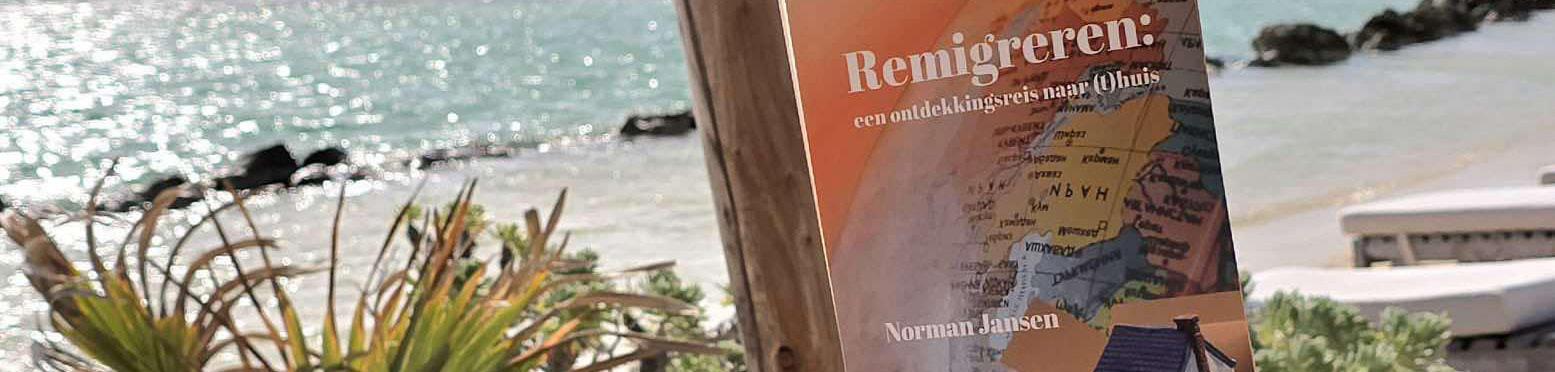
Norman Jansen: Remigratieervaringsdeskundige, auteur, expat, ondernemer, medeoprichter wensambulance Curaçao (FADK), oprichter van: ‘Norman Jansen, thuis in (r)emigreren’.
Het was weer heerlijk, als vanouds. Typisch Nederlandse tradities met oud & nieuw, redelijke nieuwe tradities weliswaar want dertig jaar geleden was dit nog geen terugkerend fenomeen.
Nu is het genormaliseerd, we beschouwen het als typisch Nederlands, zelfs vanuit het buitenland weet men dat dit gebruikelijk is tijdens het oud & nieuw feest in Nederland. Daar mogen we als Nederlandse samenleving best trots op zijn, weer iets
Het contrast tussen Nederland en Australië kon dit keer bijna niet groter.
Meest vrolijke sneeuwplaatjes tegenover helse gevechten tegen vuur. De branden natuurlijk verschrikkelijk. Mensen die hun hele hebben en houwen verloren. Met geen pen te beschrijven. Ook veel dierenleed, maar daar heb ik nog niet zoveel over gelezen. Hier, van achter mijn computer, denk ik plotseling aan de bijen. Hoeveel bijen zijn omgekomen en hoeveel hebben het overleefd? Zal de honing nu veel duurder worden, denk ik meteen praktisch. Over de natuur maak ik mij eigenlijk
waar wij om bekend staan in het buitenland.
Wat zegt u? De bekende oliebollen of appel fappen, met of zonder rozijnen of poedersuiker? Of heeft u het over het gourmetten, Hollandse gezelligheid met z’n allen rond de tafel met een gourmetstel op tafel waarbij iedereen zijn eigen stukje vlees kan bakken? Daar dacht u vast en zeker aan is mijn veronderstelling.
Maar niets is minder waar, ik bedoelde totaal iets anders wat zo langzamerhand een ware traditie is geworden in Nederland: vuurwerkgeweld is z’n ruimste vorm!
Geweld richting hulpverleners, brandweer en ambulancepersoneel kan z’n werk niet meer doen omdat te worden bestookt met vuurwerk. Politie en mobiele eenheid moet er aan te pas komen om deze hulpverleners te ontzetten.
Vuurwerkgeweld naar brievenbussen, auto’s die toevallig ergens geparkeerd staan of zelfs woningen en een Amsterdamse (Vondel-)kerk die in vlammen opgaat. Vuurwerkgeweld door jongeren maar ook jongvolwasse-
nen die met oorlogsmateriaal de buurt onveilig maken, lanceer(buis)inrichtingen waaruit professioneel vuurwerk komt, en dan richting de politie of ambulancepersoneel richten.
Heeft u het gezien op de Nederlandse tv of socialmedia?
Even wat cijfers: een recordbedrag aan vuurwerk: voor € 129 miljoen is er aan vuurwerk gekocht. Er zijn twee doden te betreuren, een 16-jarige jongen en een 38-jarige man komen door vuurwerk om het leven. En er is voor 137 000 kilo (!) illegaal vuurwerk in beslag genomen.
Tientallen jongeren die zich melden bij de SEH, amputaties van ledematen en het oogziekenhuis in Rotterdam die 30% meer patiënten heeft ontvangen waarvan de meeste (85%) nog minderjarig zijn ook.
We mogen er trots op zijn, Nederlanders die een nieuwe traditie in het leven hebben geroepen: vuurwerkgeweld in al z’n vormen.
‘Het is toch een recht!’ Hoor je sommige mensen zeggen op het nieuws. Het hoort erbij, net zoals tradities zoals zwarte piet en het vuurwerk. Bizar
maar helaas waar, we staan niet alleen maar bekend om de molens, bloembollen en tulpen.
Hoe kijkt u hier tegenaan?
Wat denkt u vanaf een afstand over deze veranderingen in Nederland, waarbij grenzen worden opgezocht en deze vormen van geweld normaal lijken te worden?
Je zou toch ook denken dat (voormalige-) Nederlanders die in het buitenland wonen zich meer gaan verzetten tegen deze bijzondere veranderingen, hier meer moeite mee gaan krijgen of zich zelfs gaan afkeren tegen deze veranderende maatschappij in Nederland?
Willen (voormalige-) Nederlanders nog wel terug naar Nederland? Je zou toch haast denken van niet.
Zonder enige wetenschappelijke onderbouwing krijg ik toch de indruk dat zeker het laatste half jaar de interesse in een remigratie naar Nederland alleen maar groter aan het worden is. Wie weet waarom dat zo is mag het zeggen.
Mijn mailbox staat vrijwel dagelijks vol met grote en kleine vragen over een al
dan niet geplande terugkeer naar Nederland, vragen over onderwijs, gezondheidszorg maar ook over huisvesting. Ook vanuit Australië komen er regelmatig vragen die ik met alle plezier probeer te beantwoorden.
En soms stel ik kritische tegenvragen. Even prikkelen om te kijken of de verzoeker wel goed heeft nagedacht of een remigratie wel de juist oplossing is. Of het überhaupt een oplossing is voor bestaande f nanciële of relationele problemen die er op dat moment kennelijk bestaan. Het lijkt soms wel de eenvoudigste oplossing om te remigreren, maar niet altijd het beste op lange termijn. Soms, heel soms zodra ik in gesprek ben met een (voormalige-) Nederlander met interesse in een remigratie, vraag ik of de andere ook negatieve verwachtingen heeft bij de terugkeer naar Nederland. En als die er niet zijn…weet ik al genoeg…. De roze wolk is nog in alle heftigheid aanwezig. Het gras is immers nergens groener……. Ook niet aan de andere kant van de wereld, ook al regent het hier in Nederland veel vaker en is het soms wel erg groen….. maar toch.
niet zo’n zorgen, de natuur overleeft ons allemaal. Ik steek een hart onder de riem voor degenen die hun huis en bestaan weer opnieuw van de grond af moeten opbouwen. Terwijl ik dit schrijf lees ik dat er veel Flying Foxes door rook en vuur zijn overleden. Afschuwelijk om te lezen, unieke beesten en zo een onderdeel van Australië.
Hoe mooi Australië is, had ik juist de laatste weken weer ondervonden tijdens een kleine roadtrip met mijn partner.
Te Blue Mountains draag ik met mij mee als een plek van ongekende schoonheid en rust. Cape Paterson is ook een
schitterende plek met mooie duinen en stranden. We mochten daar op 3 geweldige honden passen. Ik was altijd meer een poezen en aquariumman, maar deze 3 poedels doen mij twijfelen. Nogmaals, wat een geweldige beesten.
Mijn voetbalteam Wartburgia Amsterdam, makkers waar ik een kwart eeuw mee speelde, wilde in de sneeuw gaan spelen. Dat mocht niet van de gemeente. Ze stuurden me in de voetbalapp toch mooie plaatjes. Met veel plezier speel ik inmiddels bij 2 voetbalteams in Australië. Op woensdag met de Yeastie Boys, meestal tegen
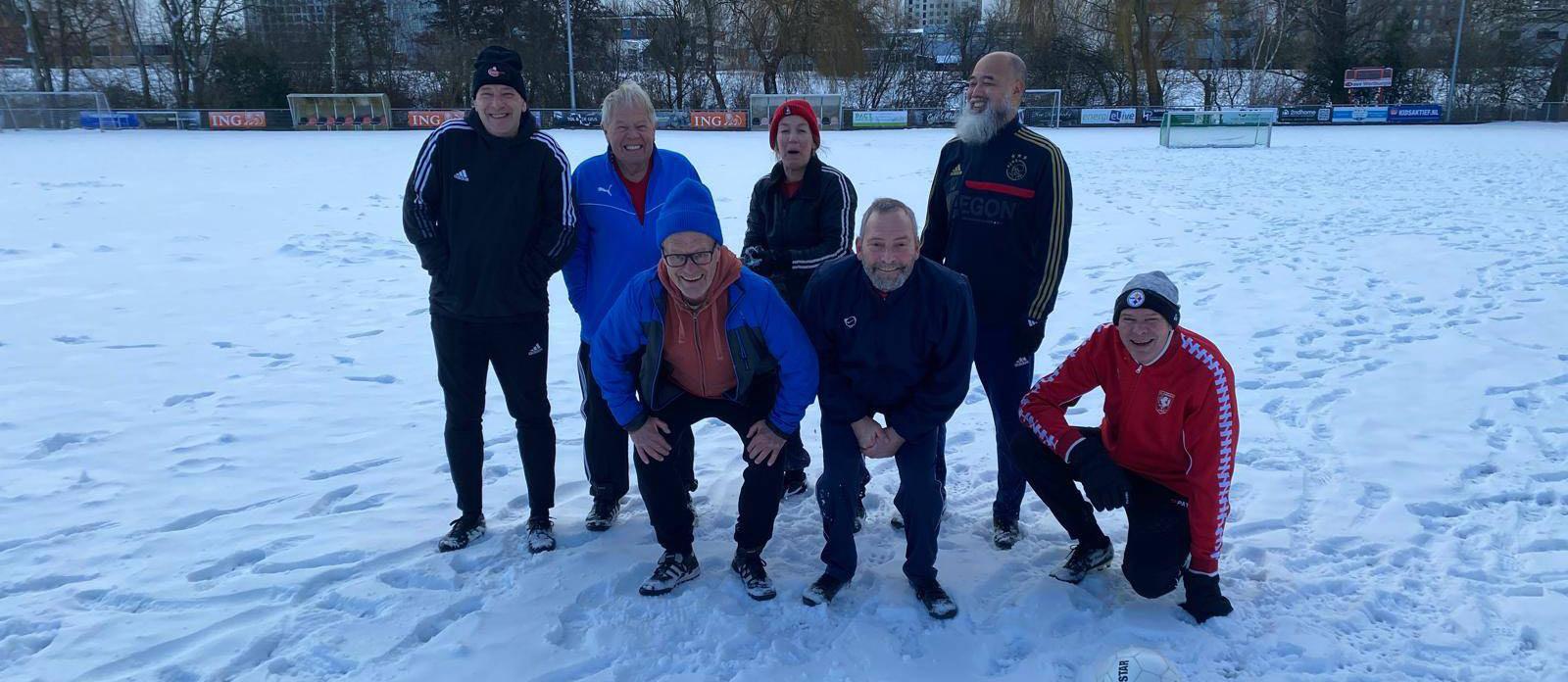
teams met jongens die mijn kleinzoons zouden kunnen zijn. We zijn het seizoen goed begonnen. En op Zondag met Alphington, dat seizoen moet nog beginnen. Over voetbal gesproken. Australië zit in een poule met Amerika. Drie keer raden voor wie ik ben? En als
Australië dan gehakt gemaakt heeft van Amerika hoop ik dat ze loten tegen Nederland. En voor wie ik dan ben, zien we dan wel weer. Laat ik luchtig afsluiten en geen vijanden maken in deze barre tijden. Groet, Jorge.
a wide range of new laws, rules and tax rates will take efect on 1 January in the Netherlands . Here is an overview of the most important changes.
VAT on hotel stays rises
Value added tax (btw) on overnight stays in hotels and holiday parks rises from 9% to 21%
Te tax payable at campsites where people bring their own tent, caravan or camper, remains 9%
Minimum wage and benefts increase
Te government adjusts the minimum wage twice a year. From 1 January it rises from €14 40 to €14 71 gross per hour for everyone aged 21 and over.
Benefts linked to the minimum wage also increase and the state pension (AOW) for single people rises from €1,527 63 to €1,558 15 net per month. Other benefts, including welfare and incapacity beneft rise by the same percentage.
Income tax
Te three tax brackets will change slightly in 2026 Te basic rate, on income up to €38,883, goes down marginally to 35 70% (was 35 82%), the middle rate for income up to €79,137 rises to 37 56% and the top rate remains 49.50%.
Te amount of assets a single person can have in Box 3 asset tax will go up to €58,568 while the threshold for couples will be €117,136
Childcare allowance
Households with a joint income of less than €56,412 will only have to pay 4% of the cost of childcare in a regulated daycare centre, up from €47,403 this year.
Cryptocurrencies
Crypto service providers must now report customers’ crypto holdings, such as bitcoin, to the tax authorities. Under EU rules, tax authorities will also exchange balance and transaction data with each other. Te aim is to make it harder to avoid wealth tax on cryptocurrencies.
Inheritance tax
Heirs now have 20 months, instead of eight, to f le inheritance tax returns. Te government says eight months was often too short for people dealing with bereavement.
More people eligible for housing beneft
Currently housing beneft is only payable to people who live in social housing, that is rental housing which costs less than €933 a month from next year.
However, from 2026, low income households will be able to claim the beneft over the f rst €932 of their rent, as long as they don’t have much in the way of savings. Some 170,000 households are expected to be able to claim.
People can also claim full housing beneft from the age of 21 rather than 23
Property transfer tax cut for investors
Property transfer tax is being cut from 10.4% to 8% for second homes and buy to let properties. Te tax remains 2% for owner occupiers, while f rsttime buyers under the age of 34 continue to pay no transfer tax on cheaper properties.
Rents rise
Rents in the private sector (non-rent controlled) may rise by up to 4.4% in 2026. Midmarket rents – so between €932 93 and €1,228 07 – may rise by up to 6 1%. Social housing rents may go up by a maximum of 4 1%
Landlords can put rents up once a year and this mainly happens in July.
Train travel becomes more expensive
Train fares rise by an average of 6 5%. Earlier forecasts pointed to a larger increase, but the government and NS agreed to spread the full rise over four years.
Fuel excise duty rises
Excise duty rises by 5 6 cents per litre for petrol, 3.6 cents for diesel and 1 3 cents for LPG.
Te increase partly reverses cuts introduced in 2022 after fuel prices surged following Russia’s invasion of Ukraine.
Tra fc f nes increase
Despite criticism from the state debt collection agency, the government is pressing ahead with another increase in traffc f nes, mostly by around €10 for each ofence. T is means driving while holding a mobile phone will cost you €440 while the f ne for wrongful parking goes up to €130
Vehicle taxes
Road tax (MRB), which is based on the weight and fuel type of any vehicle, will go up for electric car users. the current 75% discount on the tax for private
electric vehicles is being cut to 30%, and while the tax for plug in hybrid cars and vans is being abolished completely.
E-cigarettes only in specialist shops
Te new system which is based on everyone having their own pension pot which they will be able to take with them when switching jobs. Pensions will also follow the stock market more closely.

Vapes and e-cigarettes may only be sold in specialist shops.
Energy bills
Grid maintenance charges will rise by around €25 a year. Te tax on gas is rising by 2.7 cents per cubic metre while the tax on electricity drops by 1 2 cents per kilowatt hour, as part of government eforts to encourage people to switch to more sustainable energy sources.
Basic health insurance changes
Several minor changes have been made to basic health insurance, and smokers can now follow a stop-smoking programme up to three times. Premiums will only rise marginally next year.
More items allowed in plastic waste
People may now dispose of coffee capsules, household spray cans and large packaging f lms in plastic waste containers.
Fines for bogus self-employment
Te tax authorities can now f ne employers who hire freelancers for work that should legally count as formal employment.
Te rules, which actually came into force in 2016 but have been ignored until now, state that someone is presumed to be self-employed if they carry f nancial risks, have their own tools and other equipment, have speci fc expertise that the company renting them does not have, and present themselves as a freelancer while working.
Although the rules are due to be enacted from January, a majority of MPs have called on the outgoing cabinet to delay the implementation for several months.
More pension funds switch system
Twenty-four pension funds are moving to the new pension system in 2026, covering more than half of all participants.
Self-employed tax deduction reduced
Te self-employed tax deduction falls from €2,470 to €1,200, continuing a long-term reduction aimed at narrowing the tax gap between employees and freelancers.
Cash payments capped
Retailers may not accept cash payments of €3,000 or more. Te ban does not apply to transactions between private individuals.
Hairless and fold-eared cats banned
Owning young hairless cats and fold-eared cats becomes illegal in 2026. Animals born and chipped before 1 January may stay with their owners but cannot enter shows or competitions.
Netherlands bulb season
Te da fodils are beginning to turn, the hyacinths are out in force and the tulips are starting to burst free – yes, bulb season in the Netherlands is in full swing. Here’s our guide to enjoying the spring fowers in all their glory, and how to get away from the crowds to do so. Our tip: go north.
Keukenhof
Te Keukenhof in Lisse is the classic place in the Netherlands to go and see tulips and it is packed out most of the time. Te displays are stunning, but aim to be there early in the morning or as late as you can to avoid the endless coach parties. Te gardens are open until May 11 and tickets cost €20 for an adult, €9 for children over the age of four.
Nearby Keukenhof castle is a country estate which also has charming gardens – with bulbs in spring – and there’s a nice café for lunch if you can’t face the crowds.
Bollenstreek Te Bollenstreek, or bulb region, around Lisse is traditionally the place to see the multicoloured bulb felds in the spring, but becomes one big tra fc jam on sunny days, particularly at weekends. Walk or cycle to get the best views around De Zilk. You’ll also get a spectacular view on any train between Haarlem and Te Hague.
Worth knowing: few of the blooms in the felds are going to end up in a vase on your sideboard because they are being grown for their bulbs and most of the cut tulips which you buy in shops have been grown in greenhouses. Tat is why as the season progresses, you will see big piles of fower heads next to the felds.
Museum De Zwarte Tulp is in Lisse where much of the bulb action takes place and is housed in an old bollenschuur, the sheds where tulip bulbs were processed and stored.
A fowery procession
Te 78th edition of the Bollenstreek Bloemencorso, or fower parade, takes place on April 12. All sorts of companies and organisations – even the European Space Agency – take part in building spectacu lar
Amsterdam Hortus Botanicus April is tulip month in the Hortus Botanicus in Amsterdam with lots of varieties in stunning displays, including their tiny but beautiful formed forebears from the mountains of Kazachstan.


1 ofschoon 6 engel 12 enig 14 heldere 15 sein 16 groeitinvochtigkli-maat 18 nazaat 19 b elofte 20 land in Azië 22 bijbelse naam 23 lage rivierstand (afk) 24 aangewezen 26 na christus 27 bericht 28 drietal 30 tang 33 niet netjes 35 boot 36 spaanse uitroep 38 wees gegroet 39 sneeuwlat 40 gezant 42 zekere 44 leider 45 meisjesnaam 47 veulen 48 opening 50 voorzet- sel 52 duitse norm 53 speelgoed 54 voorkeur 56 vervaardigt 58 diamand, dubbelkristal 60 gier 61 zilver (afk) 63 weekdag 65 neergeslagen 66 noodsein 68 café 69 regenscherm 70 bijbelse naam 72 handvat 73 bijdehand 74 ooievaar 76 hete noch koude 77 scherp 78 verbinden
1 trouwerij 2 schande 3 slot 4 inmaak 5 maanstand 7 hefnerkaars (afk) 8 ieder 9 spoorstaaf 10 vazen 11 ontworpen 13 sterke drank 16 muze (eng.) 17 vlek 20 hoofduitslag 21 bank in Nederland 24 meubelstuk 25 meisjesnaam 27 lengte cirkel 29 snoodaard 31 ge- deelte van vaarwater 32 verkiezing 34 lidwoord 36 strevend 37 griffelen 39 bevel 40 vlaktemaat 41 voorzetsel 43 eland (eng.) 46 jong dier 49 ieder 51 persoons aanduiding 53 leren zak 54 toe- voeging in salade 55 deel van ge- zicht 56 pens 57 huwen 59 azia- tisch knolgewas 60 oorsprong 62 vrouwelijk oppperwezen 64 mid- dag (eng.) 65 knot (spreektaal) 67 verlossen (eng.) 69 en 71 medisch (afk.) 73 schik, pret 75 Romeinse Rijk (Afk.) 76 muzieknoot






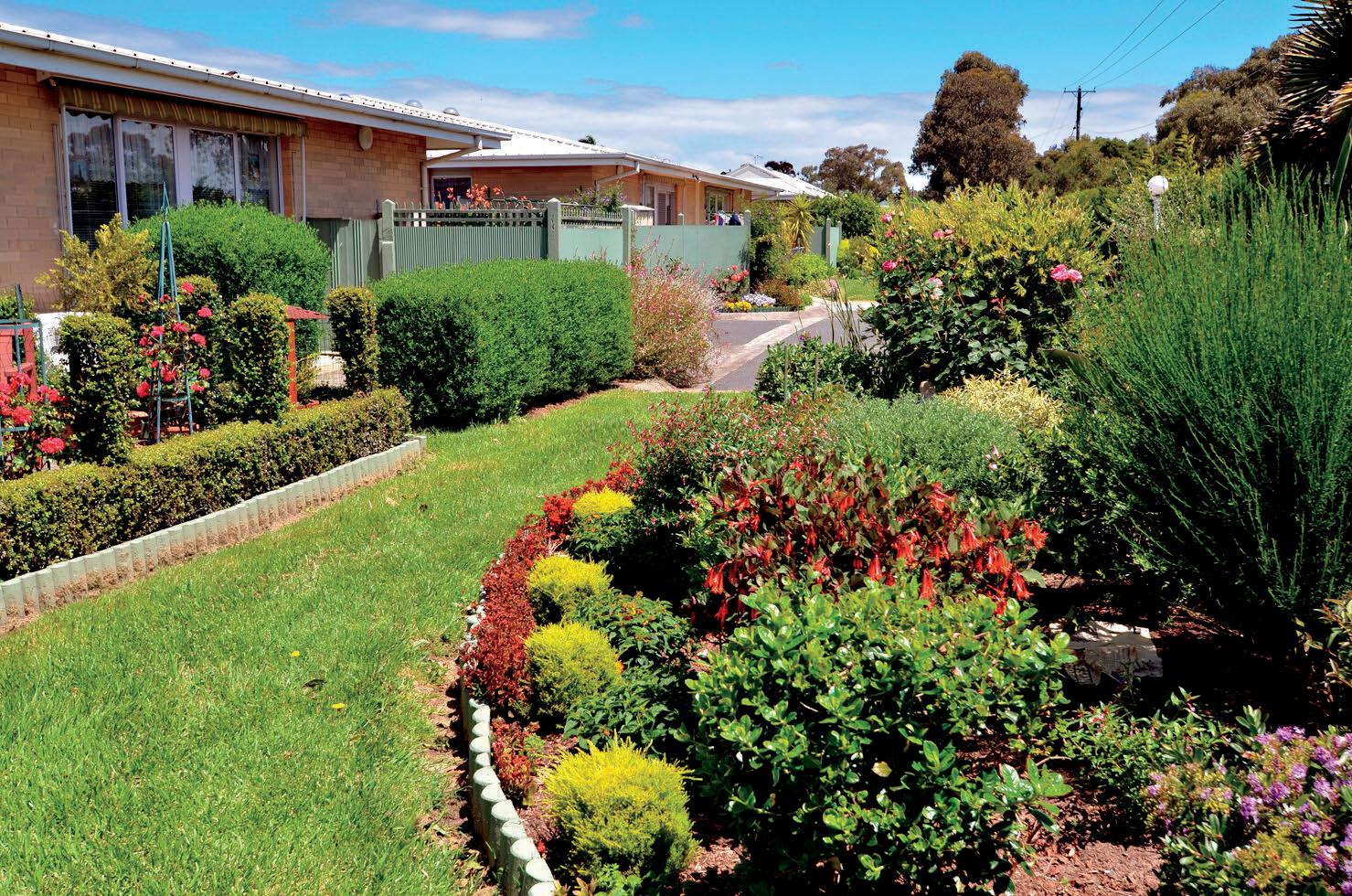
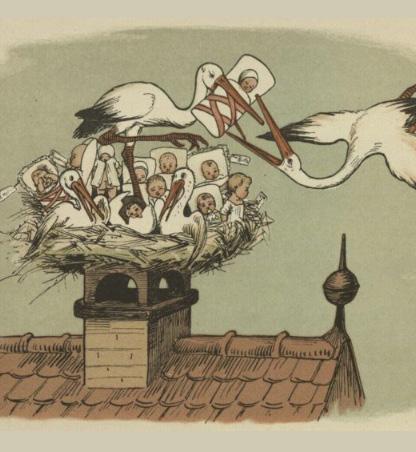
Seksuele voorlichting jaren 50
BY ROVERS
Seksuele voorlichting in de jaren 50? Wij weten nu natuurlijk wel hoe de vork in de steel zit, maar in de jaren 50 dacht men daar toch heel anders over.
Gespreksonderwerp aan tafel?
Of liever gezegd, daar sprak men helemaal niet over. Toen luisterden de mensen nog naar de pastoor en deed men niet aan geboortebeperking! Voorbehoedsmiddel duh, niks daarvan! De kerk stimuleerde zelfs grote gezinnen. Was er al een tijdje geen kindje meer geboren, dan had je kans dat meneer Pastoor een bezoekje kwam brengen en tussen neus en lippen vroeg: “wanneer er weer een volgende kwam?”
Nederlandse katholieke (met name plattelands) gezinnen waren lange tijd de grootste in

West-Europa. Seks alleen binnen het huwelijk
Seks was iets voor binnen het huwelijk. Het meisje moest ‘zichzelf bewaren’ voor haar man. Had ze mazzel, dan vertelde haar moeder iets over de huwelijksdaad. In de meeste gevallen niet. In de jaren 50 was praten over seks echt zo’n taboe. Dat er ook binnen het huwelijk gedwongen seks of verkrachting kon voorkomen, daar werd in die tijd helemaal niet over gesproken. Bij wie moest de vrouw haar verhaal kwijt. Bij de Pastoor? De huwelijksdaad was nu eenmaal ‘je plicht als vrouw’.
En seks voor het huwelijk?
Dat was helemaal een mooie! Had een vrouw seks voor het huwelijk, dan werd ze ‘een gevallen vrouw’ genoemd. ‘Nette meisjes’ deden zoiets

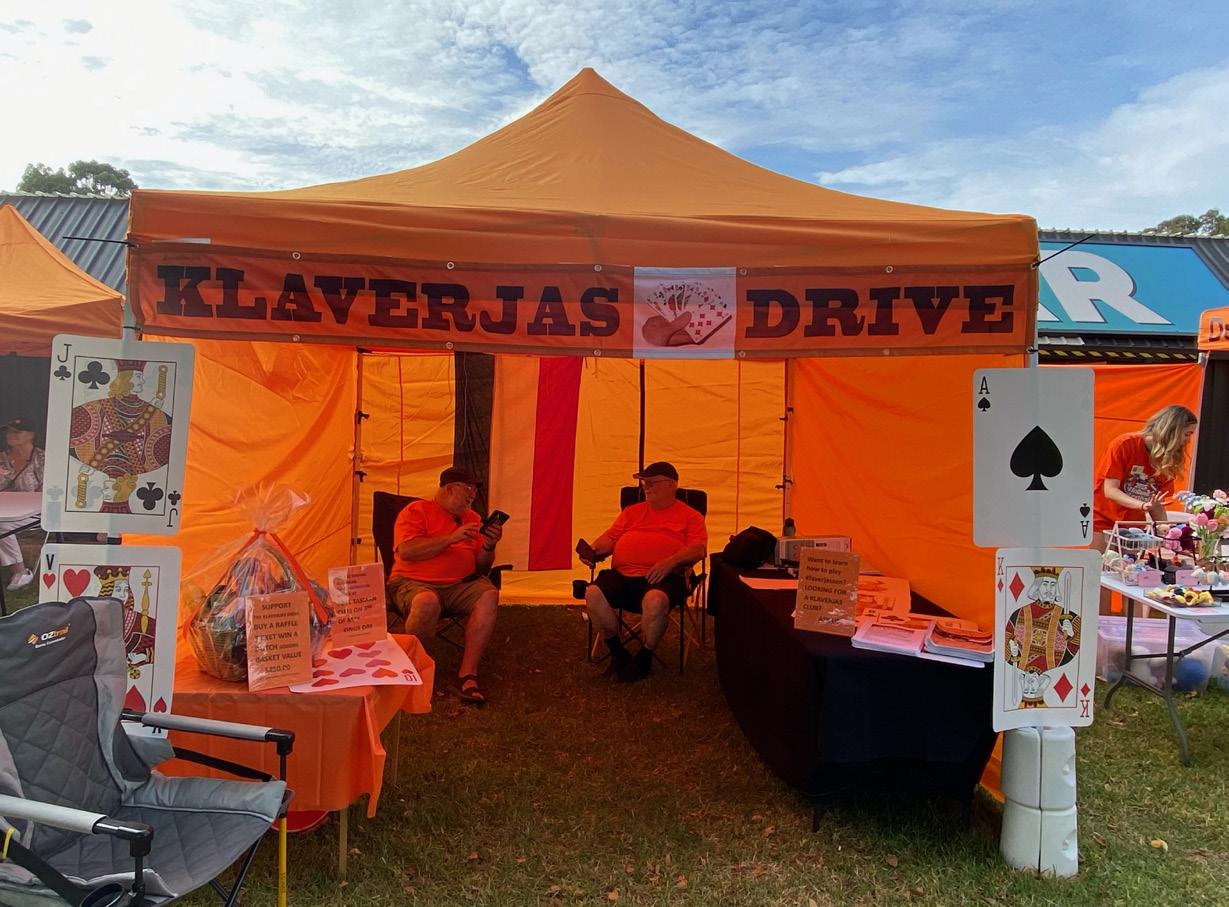
niet. ‘Nette jongens’ misschien wel, maar zeker niet met een ‘net meisje’! Natuurlijk werd de man niets kwalijk genomen. Hij had per slot van rekening de lakens gedeeld met een ‘gevallen vrouw’. Oepsie zwanger? Dan waren de rapen pas echt gaar! Ze moest dan trouwen (een moetje). Was je in die tijd gereformeerd? Oei, oei, dan had je het echt zwaar. Behalve dat het een enorme schande voor de familie was, moest je ook nog eens tijdens de huwelijksvoltrekking, in het openbaar, schuld bekennen.
Vader onbekend
Ging je niet trouwen? Dan had je drie opties: illegale abortus, bij je ouders blijven of naar een huis voor ongehuwde moeders. Er werd in die tijd namelijk gedacht dat ongehuwde moeders hun kind noch geestelijk, noch materieel veel te bieden had. Daarom werd er bij ‘de arme schapen’ op aangedrongen om abortus te plegen of het kind af te staan. Mocht je bij je ouders blijven, dan werd je vaak met de nek aangekeken “daar loopt die gevallen vrouw…”
Abortus in de jaren 50
Ja, daar zeg je wat. Abortus was in die tijd wel zo illegaal. Er waren wel artsen die het
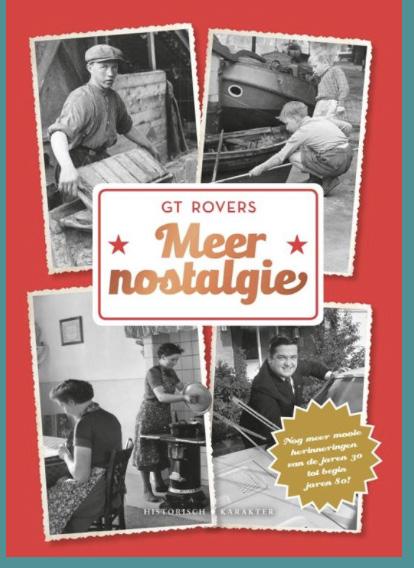
deden, maar dat gebeurde stiekem. Je kunt je voorstellen dat het niet in een ziekenhuis gebeurde, dus de instrumenten waren niet juist, de hygiëne liet te wensen over en wat te denken over de kennis in die tijd. Die was er niet of nauwelijks. Veel vrouwen kregen complicaties, stierven daar uiteindelijk aan of bleven onvruchtbaar na de ingreep. Kijk…had je veel geld, dan was het weer een ander verhaal. Dan kon je naar ‘goede’ artsen, die het stiekem in een ziekenhuis deden. Geschat werd dat er in de jaren 50-70 enkele tienduizenden abortussen per jaar plaatsvonden. In 1984 trad de Nederlandse Abortus Wet in werking: de WAZ (Wet Afbreking Zwangerschap). Abortus mocht alleen verricht worden door een geneeskundige, in een ziekenhuis of kliniek die hiervoor een speciale vergunning had.
Het kindje toch afstaan. Was het meisje thuis niet meer welkom, dan kon ze naar een (katholiek) huis voor ongehuwde moeders. De vrouw mocht er drie maanden voor de bevalling tot drie maanden na de bevalling blijven. In de tussentijd konden ze dan rustig bedenken of ze zelf voor haar kindje ging zorgen of toch ter adoptie zou afstaan. Pas na 1965 werd het ongehuwd moederschap meer geaccepteerd in de samenleving. Nederland was overigens één van de laatste landen binnen Europa die adoptie in 1956 regelde.
Lieve lezers, Ik ben GT Rovers. Een vrouw, een vijftiger en moeder van twee fantastische zonen.
Pseudoniem GT Rovers
Mijn eigen voor- en achternaam (Elzeline Koerselman) zijn niet heel gemakkelijk. Gedoemd tot spellen zeg ik altijd. Daarom gebruik ik net als veel schrijvers dat vroeger deden een pseudoniem.
Boeken
Ik hing als klein meisje altijd al aan de lippen van mijn grootouders wanneer zij vertelden over hun leven vroeger. Naarmate ik ouder werd ontstond de passie om te schrijven over de jaren dertig tot begin jaren negentig. De columns die ik daarover schrijf zijn te lezen in TrosKompas, op mijn website en in mijn boeken: ‘Pure nostalgie’ en ‘Meer nostalgie’ en ‘Nederland bevrijd’. Wat was het een eer om te mogen schrijven over Nederland en Nederlands-Indië ten tijde en na de Tweede Wereldoorlog. Interviews en podcasts Voor mijn website nostalgieTV.nl interview ik mensen (sommige met dementie) die ons meenemen naar hoe het leven er toen uitzag. Deze video’s zijn voorzien van prachtig beeldmateriaal. Daarnaast kun je op zowel gtrovers.nl als nostalgietv.nl luisteren naar podcasts met natuurlijk allemaal verhalen over vroeger.
Veel plezier met het lezen en luisteren naar al die prachtige verhalen over vroeger.
Veel liefs,
GT Rovers
Nederlandstalig en gezellige
Nederlandse liedjes en muziek
Radio programma’s kunt u beluisteren op maandag van 4-5 en op vrijdag ‘smorgens van 8-9
Wij nodigen u uit om als gast aanwezig te zijn tijdens een uitzending. Bel daarvoor op naar Ina Lewis 98593934
U mag ook opbellen tijdens een van onze uitzendingen tel 94151923
Als U een programma gemist heeft kunt u het toch luisteren via internet (www.3zzz.com.au)
Wij wensen u veel luistergenot

At the company, the purchased diamond parcels were sorted by size, color, quality and cutting method. Tese were then traded on the diamond exchange. I remember walking from the ofce to the Exchange with a plastic bag full of diamonds worth millions of Belgian Francs and walking back to the ofce with millions of cash in my plastic bag. And that was so normal then.
A few years later I moved to the accountancy f rm Van Gassen in Ekeren. T is was an accountancy f rm in that area, who bought the f rst computer that was known at the ENIAC. It was an enormous machine that weighed about 30 tons and required around 1500 to 1800 quare feet of space – roughly the size of a room. It required a reinforced foor and specialized building infrastructure to support its weigh and because the heat it produced it needed air conditioning. And that was something we had never heard of on that side of the world. And not long after that we had a computer on our desk with a keyboard and a screen. Life in the ofce business changed a lot in those days.
Ten my life changed. I met Gary Burton in November 1978 in Antwerp at my sister’s place. He worked on ‘pipelay-barges’ in the North Sea, laying pipes from the oil platforms to the harbour. When the barges were in dry-dock in the harbour of Antwerp, he and some colleagues would visit my sister and brotherin-law to watch soccer (voetbal) on TV. I just happened to be there one Wednesday evening.
He was the f rst Ozzie I ever met, and he explained what a BBQ was and that it would cook meat outside. Tat was new to me! Specially in the very cold and snowy evening weather. What a bloody cold evening that was and I couldn’t get over the size of the steaks. Not something we were familiar with or would
ever eat or would ever be able to a ford to eat.
Gary and I got along very well as my English was not too bad, but he had to explain to me ‘where’ Australia was situated on our lovely world, as I had no idea!
Our relationship started very soon after our f rst meeting and I travelled with him to Melbourne in 1979 and another trip in 1980
Gary decided to stop working for the lay-barges company and move back to Melbourne permanently. I started my immigration paperwork in early 1982. It took many months and heaps of paperwork and I had to prove I could understand and speak English and was subjected to tests.
Being born in Oisterwijk, the Netherlands and growing up in Essen, Belgium it was not easy to get that English under control as for me it was my 5th language. Dutch, Flemish, French, German and then English.
Part of my immigration application was that I would have to be married within 30 days of arriving in Australia. I departed Belgium on the 29 09 1982 which was my mother’s 65th birthday. I remember her saying goodbye to me at the airport telling me she was convinced she would never see me again.
I arrived in Melbourne a few days later and on the 31 10 1982 Gary and I were married. It was lovely to live in Melbourne and discovering a whole new way of life, which was so different from the world I grew up in.
I started work for Peter Weiss Fashion. And to this day I am still in touch with my then manager, Betty Crighton. Te biggest thing to adjust to in Australia, was the distances that people travelled to visit places or friends. I remember asking my husband for a trip to an another city and he said: “let’s go to Sydney”. Let’s drive there on the weekend he said… wow… that was an eye opener to drive from one
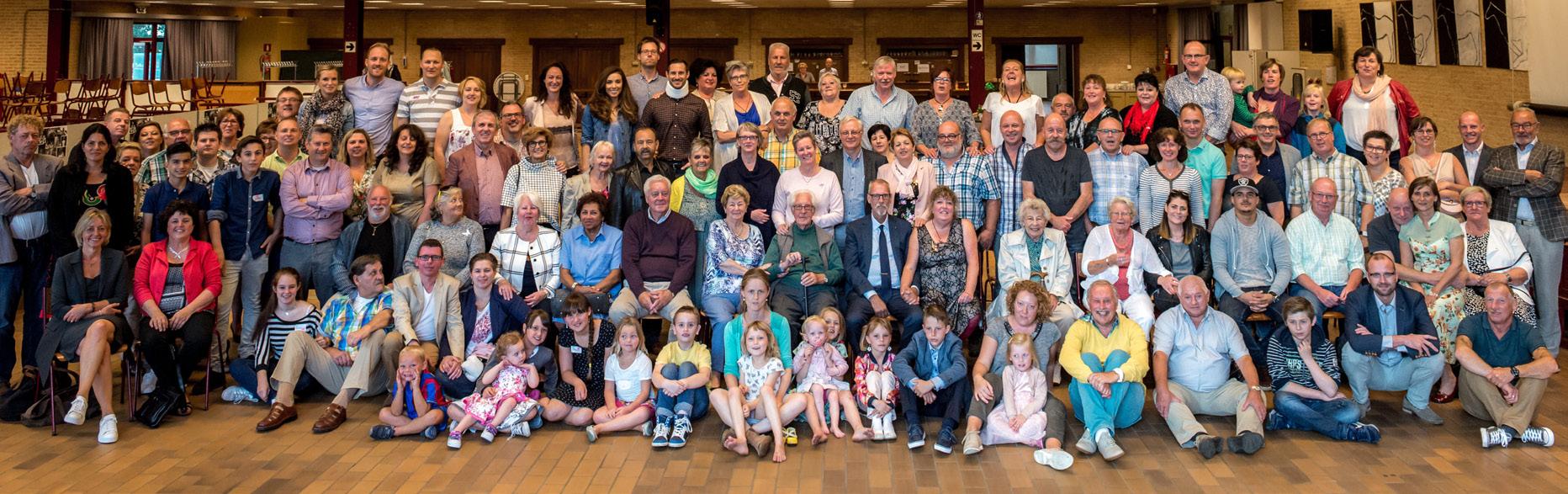
city to another and it took us (then) 2 days to get there. And then we had to get back to Melbourne again.
I learned a lot, living in Australia that f rst year.
Gary started work for ANARE (the Australian Antarctic Division) and was away many months of the year, so our relationship had a few hiccups. Life is so much interesting and challenging than living in Europe. Te world is so much more positive on this side of the world. I decided within 5 minutes of arriving in Australia that I would never want to go back to Europe to live.
Funny things, like going to a family get-together and being asked “to bring a plate”. Which I did! I just didn’t know one was supposed to put/bring food on that plate! Te family had a good laugh about that! And to this day, this story still goes around the family when we catch up and talk about the ‘good old days.
My son, Jef rey, was born in 1986 and by then we lived in Doncaster, Vic.
Gary stopped working for ANARE and we moved to Hayman Island in the Whitsundays. He became the diesel and desalination plant manager. I started working in the ofce and quickly moved to the Post Ofce/Bank and as I was the only employee I became the Post Ofce manager AND Bank manager at the same time! Great stu f for my work resumes!
Jef rey’s school experience was unique as there was only 1 teacher and sometimes only him as the only student!
After a few years on Hayman Island we moved on and decided not to go back to Melbourne as that was far too cold for us after experiencing north Qld. Sydney was also of the list as that city is too busy. SO, we moved to Brisbane where I still live.
Gary started working overseas again and our relationship ended in the year 2000.
I started working for Te
Endeavour Foundation in 1995 as the Lottery Manager for Prize Home Lotteries. For 20 years I bought 8 Prize Homes each year, each worth a million dollar+ and gave away each of those homes to a lottery winner every 6 weeks. And that is another story!
On Friday the 30th of January 2015 my life came to a STOP as I was diagnosed with breast cancer. It changed my life… for the better!
Tat ‘breast-cancer’ diagnosis was the best thing that could have happened to me. I stopped working and started, for the f rst time in my life, thinking about myself! ME! “Ikke, en de rest kan stikke”!
I haven’t had a single boring moment in these last 10+ years. Lots of time to look back on the 21 trips I did back to Belgium/Nederland over all these years in Australia. Te last one was for my Dad’s 99th birthday in 2020. I turned up at his birthday party as a total surprise. No one knew I was coming for a visit. And lucky I did, as Covid then changed the world and stopped our travels. And the magic result of this birthday party was a huge family photo!
I couldn’t attend his 100th birthday as the world was lock-up for Covid. But I did organize 100 birthday cards for him all the way from Australia from all my family and friends.
And I mailed a Dutch Courier to him every month.


And shortly after his 101th birthday, he passed away. And as he donated his body to science there was no funeral and no last trip to Belgium for me. And now I still live in Brisbane close to my son Jef rey & lovely daughter in law, Amy and 2 magic granddaughters, Emily and Scarlett.
My partner, Peter van Lieshout, spoils me rotten and I love being at his Misty Mountain Camping property in Kunghur. It feels like a holiday every day now!
Tat’s life in Ozzy! Bring it on! Wilma Burton
MELBOURNE
Abel Tasman: 60 Rosstown Road, Carnegie
Saturday 31 January
7:00 pm land-down-under
Dutch Borrel FRI 6 FEB
Friday 6 February
6:00 pm Free
7 FEB
Saturday 7 February
7:00 pm Lunch SUN 8 FEB
Sunday 8 February
12:00 pm - 2:00 pm
Pofertjes at the RFM Farmers markets
1st weekend: Saturday: Churchill Island
2 nd weekend in the month: Sunday: Williamstown
4th weekend : Saturday Sandringham Treybit reserve
Tempo Doeloe
Melbourne
Social Lunch at Bintang restaurant at 75 Stud Road in Bayswater. Note Bintang is pay by card only. If there are no hick-ups, we hope to see you there. Don’t forget, if you want to attend, give Elly a call (9511 4392), so she can book a table
NCCA
Netherlands Chamber of Commerce in Australia (Melbourne)
See event report on this page

WARNAMBOOL
summer markets:
bitterballen Pofertjes at the Friday night market in Lake Pertrobe

Dutch Club Brisbane NAQ
Location: 123 Pine Rd, Richlands QLD 4077
Dutch Australian Society in Illawara
Cards on Monday afternoon Billiards on Tuesday, Tursday and Friday Pensioner group SVDO meets every second Wednesday
Neerlandia PERTH
Clubhouse details: Neerlandia is using the Rhein-Donau Clubhouse for all their activities. Address: 110 North Lake Road, Myaree—6154
Feb
Neerlandia Sunday Cards Drive 10:30am
Turs 5,19 Neerlandia Seniors’ Club 10am
Turs 5,12,19,26 Neerlandia Night Cards
7 pm Sat 7,14,21,28 Dutch Singers 10am
Morley Windmills Wed 11,25 Bingo 11am
Fri 27 End of Month Drinks 6pm
Contact: John Zwartkruis 0434 920 252
Email: president@dutchclubwa.com
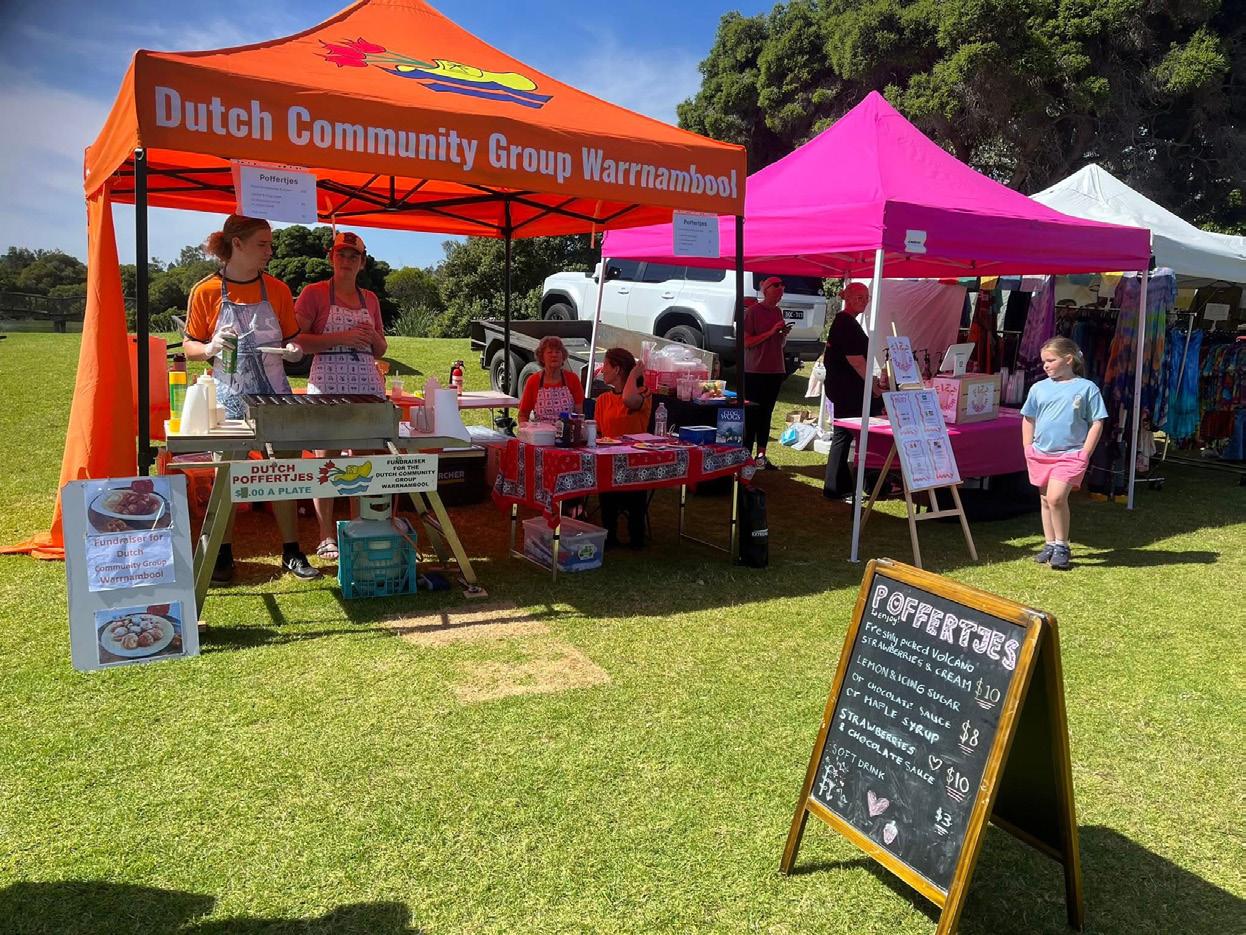
Opening Times:
Tuesday: 9 AM - 2 PM Friday: 9 AM - 2 PM Saturday: 9 AM - 12 PM
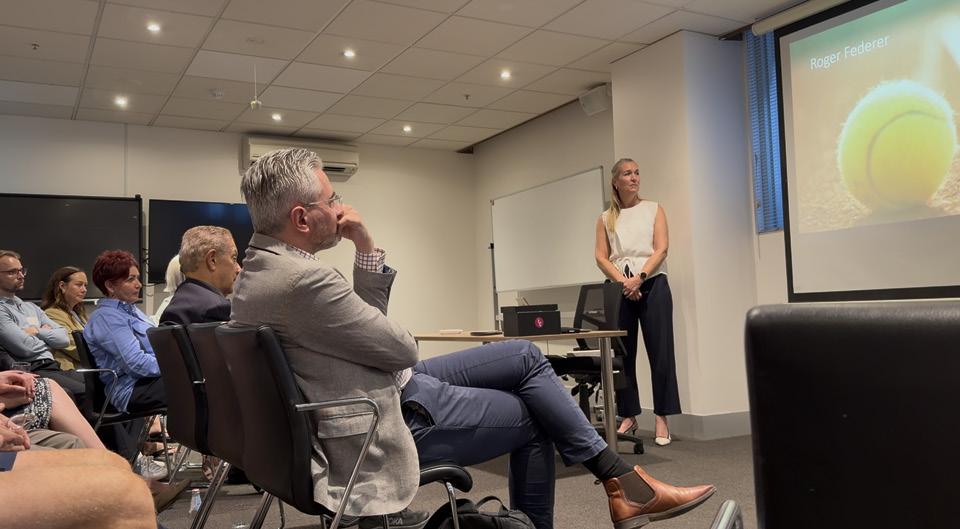
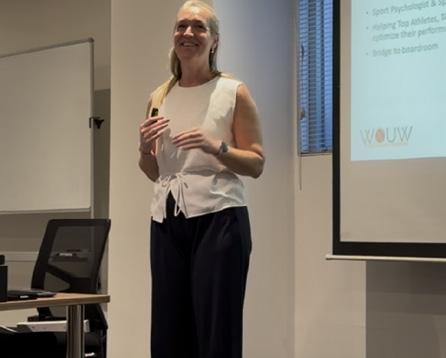
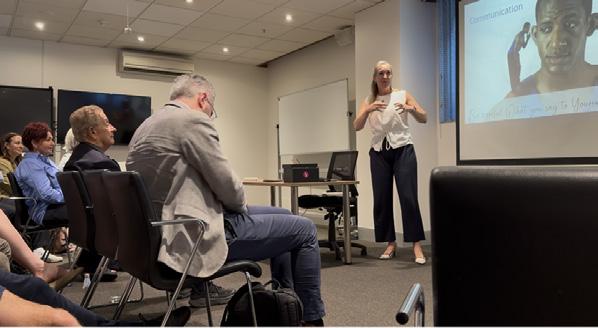
Afke van Wouw, sport psychologist and sport scientist, came and speech about the importance of implementing strategies that Atletes already uses and it can be of beneft for businesses.
Very clever interaction with the public showing lots of di ferent pictures of soccer clubs (Afke worked with them ) from the Netherlands, what made the information very relatable to the mostly Dutch in the room. Afke shared insights using her plan, prepare, perform, pause and process framework and showed the public mindfullness examples.
Carole Overmaat
SYDNEY
Dutch Link
5 February 2026 | Barefoot Bowling Clovelly Bowling Club | 3:00 pm - 6:00 pm
Kick of the year with Dutchlink, with a game of Barefoot Bowling. It’s a fun, laid-back outdoor game, and a great way to connect with the Dutch community in Sydney. We meet at the Clovelly Bowling Club, an absolutely stunning location with beautiful ocean views.
On the business front, we look forward to welcoming Philip Engelberts for the f rst C-suite breakfast of the year on 3 March. In collaboration with the Consulate-General of the Netherlands and the fve Dutch Chambers of Commerce in Australia, we are participating in an exclusive webinar on the Australia–European Union Free Trade Agreement on the 24th of February.
30 April
Hollands Nieuwe
We have exciting news: Our favourite band Hollandse Nieuwe will once again bring Dutch vibes to our Kingsday Celebrations at Bungalow 8 in Darling Harbour. Save the date of Tursday 30 April! And Dutchlink is also expanding to the region. We are partnering with the local Dutch community in Illawarra/Wollongong to host a Kings day community event.

Elke maand bespreken wij in het kort een boek dat is toegevoegd aan het bestand van Nederlandstalige boeken in de Dutch Club “Mies” bibliotheek, 99 Loftus Street, Leederville, Perth, WA.
Deze maand bespreken wij:
Hier kom ik nog op terug Rob van Essen
Winnaar Libris Literatuur Prijs 2024
Een briljant geschreven boek. Vloeiend, mooi taalgebruik, ontspannen en met droge humor. Ik had dan ook na de eerste paar pagina’s zin in het boek.
Eerst las ik geboeid wat na verloop van tijd veranderde in lichte irritatiomdat ik niets van die tijdmachine begreep. De hoofdpersoon is iemand die met een trauma leeft, iets dat mede door zijn toedoen leidde tot de dood van een onschuldige man. Rob, de hoofdpersoon, krijgt 5 kansen om het gedane ongedaan te maken.
Mooi thema? Zeker! Boeiend?
Inderdaad! Maar ik kon niet warm of koud worden van het verhaal.
Het GBJ Hilterman gedeelte, deel 1, las ik met interesse en verwachting maar naarmate ik vorderde in het boek las ik meer zodat ik het boek zo snel mogelijk uit had. Rob irriteerde mij als een persoon die niets afmaakt, zelfs in zijn dagboek staan vaak ervaringen “waar hij nog op terugkomt”, iets dat nooit gebeurt. Hij maakt zijn studie niet af en ondanks zijn
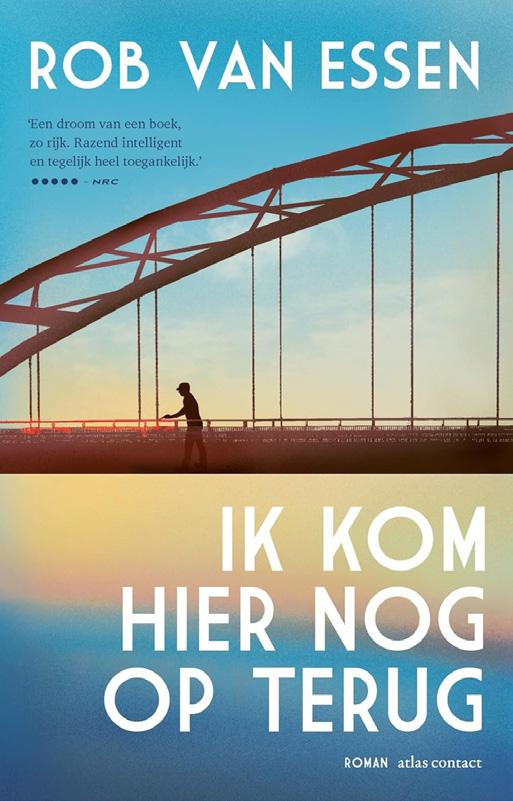
grote intellect (of moet ik zeggen vanwege zijn grote intellect?) vindt hij voldoening in het continue verven van een brug. Als beginnend f losoof vindt Rob het wellicht bevredigend om dag in dag uit en bij voorkeur ongestoord te verven en over “het leven” na te denken? Behalve de onrust bij het lezen van het boek ervoer ik een aanvullende emotie, die van grote opluchting toen ik het boek uit had. Emotie die ontbrak, was het meeleven met de hoofdpersoon of zelfs met Iks - Chris Visser uit Rijssen. Ik vraag me af of ik de essentie van het boek gemist heb. Lovende recensies, mijn zus en zwager vonden het boek prachtig; boek werd bekroond.
En ik blij dat ik het uit had.
Dit gezegd hebbende, ik ga zeker de andere (bekroonde) boeken lezen om te zien of het de schrijver of het thema was dat me niet aansprak.
Lianna
En dit is het leuke van boeken recenseren: je komt in aanraking met een variëteit aan boeken. We vinden het altijd leuk om een recensie van een lezer te lezen. Er staan heel veel boeken in onze “bieb” die (nog) niet gerecenseerd zijn. Een ieder die zin heeft om een boek te lenen, te lezen en voor BoeKhoek te recenseren, is van harte welkom.
Feedback en vragen
Machiel - mvdstelt@gmail. com
Lianna - lianna_parker@bigpond.com
Te Dutch Courier received a press release naming the Australian of the Year Award recipients. We are publishing the senior list because it is truly inspiring.
Heather Reid AM - Football pioneer
Heather Reid has made it possible for thousands of women to play football, both in the Australian Capital Territory and around Australia. Heather was instrumental in establishing the Australian National University Women’s Soccer Club in 1978 and the Australian Capital Territory Women’s Soccer Association a year later. As the f rst female CEO of Capital Football in 2004, she brought together four associations into a single peak body and secured Canberra United’s inclusion in the national W-League, helping to promote the game to a wider audience. Heather, 70, has continued to support and mentor players, coaches and administrators, both locally and internationally. She set up the Heather Reid AM Bursary to help pay the registration fees of players in need of assistance, ensuring that f nancial hardship is not a barrier to participation. Heather’s vision and dedication to inclusion and equality have opened pathways for thousands of women to take part in sport.
Professor Henry Brodaty AODementia treatment pioneer
Professor Henry Brodaty is transforming the diagnosis, care and prevention of dementia - improving countless lives, both in Australia and around the world.
In 1972, Henry’s father was diagnosed with Alzheimer’s disease at just 52 years old. At that time, dementia was poorly understood and often ignored. People living with dementia and carers had little support and no pathway forward. His father’s experience catalysed a lifetime of work that not only revolutionised Henry’s own
feld of psychiatry, but also the lives of people living with dementia and their families.
In 2012, Henry co-founded the Centre for Healthy Brain Ageing and led internationally signi fcant research that enhanced the world’s understanding of risk and prevention. His large Maintain Your Brain trial demonstrated that straightforward, cost-efective, targeted interventions can profoundly delay onset and even prevent dementia.
Henry, 78, is a leader who has reshaped dementia care from every angle as he navigates toward a future where dementia is better treated and prevented.
NORTHERN TERRITORY
Jenny Duggan OAMEnvironmental warrior
For decades, Jenny Duggan has shown extraordinary grassroots leadership as Katherine’s ‘rubbish warrior’, quietly transforming the landscape and community spirit of her town.
Each morning 71-year-old Jenny walks the banks of the Katherine River to remove litter. In collecting hundreds of kilograms of rubbish, she’s put the spotlight on environmental safety.
To reduce the danger of broken glass in public spaces, Jenny advocated for the Katherine Liquor Accord’s move to plastic wine bottles. She’s also a force behind Katherine’s Neighbourhood Watch – all part of her drive to make Katherine safer for everyone. Jenny supports community members experiencing hardship through her volunteer work with the St Vincent de Paul Society. Here Jenny serves on the management committee of Ormonde House, which provides housing for men in need, and on the management committee for Katherine’s Vinnies store.
In her daily, humble, practical service, Jenny exempli fes community care in action.
Cheryl Harris OAMChampion for volunteers
Cheryl Harris has been instrumental in driving volunteer engagement and championing the important work that volunteers perform on the Sunshine Coast.
Cheryl’s passion for helping community began when she was just 20 years old. Her advocacy and strong relationships throughout the Sunshine Coast community has seen volunteering in the region increase signi fcantly. Today, thousands of volunteers actively support the Sunshine Coast community in various roles from charity work to disaster relief. As former CEO at Volunteering Sunshine Coast, Cheryl and her team collaborated with her community networks to initiate the innovative Pathways to Employment program, which helps people seeking paid employment to update their skills and build self-esteem through volunteering.
Cheryl, 76, is the current chair/ president of Healthy Ageing Partnerships, which aims to empower older Australians to make informed decisions about their health through knowledge sharing. Cheryl’s contribution to community service highlights her sel fess dedication to helping others in a manner that is always compassionate, informed and caring.
Note: Tere are two SA Senior Australian of the Year Award f nalists for 2026 Tese are individual nominees, not a joint recognition.
Malcolm BenoyMeteorological researcher
Malcolm ‘Mac’ Benoy has made a signi fcant contribution to climate change research in his role as a volunteer citizen scientist, helping to preserve valuable records and data relating to South Australia’s meteorological history.
More on page 23
door: MARJO GILJAM
Het eten is bijna gaar, ik kijk in een tijdschrift, Teco is op zijn computer bezig en dan gaat het licht uit. Ook de afzuiger boven de gaskookplaat stopt, het is ineens donker en stil. Net wil ik vragen of Teco hier achter zit als ik me realiseer dat buiten ook alles donker is. Een stroomstoring! Als snel wordt duidelijk dat dit serieus is, er zijn 1400 postcodes in Midden- Drenthe getroffen en het einde is nog niet in zicht, rond 20 uur vanavond verwacht men het euvel verholpen te hebben. Wij kunnen ons gelukkig prijzen dat we nog op gas koken, zodoende kunnen we toch ons eten nuttigen, bijgelicht door een tafellichtje op batterijen, kaarsjes en de lampjes van onze telefoons. Na het eten ga ik altijd een stukje fetsen, anders word ik misselijk, en gelukkig is de accu van mijn fets goed opgeladen. Het is vreemd, fetsen door zo’n donker dorp. Bij een paardenbedrijf zie ik dat er een auto met de koplampen in de stal schijnt, mensen weten zich vaak wel te redden. De lichtjes van de windmolens van windpark De Monden zijn nog gewoon aan, en ook het dorp Borger lijkt geen last van de stroomstoring te hebben. Weer thuis vind ik Teco op de bank, hij leest met een hoofdlamp op in J.D. Robb, waar hij
Ik bekijk de vluchtelingen toestanden die in Europa al enige tijd gaande is met enige zorg, maar ook wel verlichting dat het hier in Australie niet zo erg is. Ik voel wel voor de vluchtelingen, maar voel ook voor de landen die deze intocht moeten verwerken. Natuurlijk is deze grote volksverhuizing iets dat de welvaart, de cultuur en de structuur van de samenleving in de West Europese landen verandert. Maar, dat is mijns insziens geen reden voor grote zorgen.
Over de eeuwen zijn er verschillende grote volksverhuizingen geweest. De meest recente was vlak na de 2e Wereldoorlog, toen duizenden vluchtelingen uit Oost Europa in kampen terecht kwamen, en eventueel doorgestuurd werden naar emigratielanden als de VS, Canada en Australie. Maar er bleven ook genoeg in W Europa en de meeste daarvan zijn opgegroeid als ingezetenen van hun nieuwe omgeving.
de laatste tijd aan verslingerd is. Ik pak een deken en installeer me op de bank. Ik moet weggezakt zijn in een lichte sluimer en schrik wakker als alle lichten weer aan gaan en de afzuigkap begint te loeien. We hebben weer stroom!!!
Deze stroomstoring toont aan hoe afhankelijk we zijn van energie, voornamelijk elektriciteit, maar natuurlijk ook gas en benzine. Als de stoomstoring dagenlang had geduurd dan waren alle accu’s van onze telefoons en de fets en alle andere apparatuur leeg. Is de benzine op dan heeft het accu van de auto na een tijdje ook geen stroom meer. In deze onzekere tijden is dat een beangstigende gedachte. Toch wil ik daar niet in mee gaan. Meestal hebben we wél elektriciteit, en zo lang het vrede is, hebben we geen oorlog. Gedachten zijn krachten, als we allemaal gaan zitten denken dat er oorlog zal komen, dan sturen we negatieve energie de wereld in. Als we positief denken, genieten van de mooie dingen om ons heen, dan heeft dat ook invloed op de gehele wereld. De zon zal altijd weer opkomen, ook al zit hij achter een wolkendek. Het gras zal altijd weer gaan groeien. Nog even en we kunnen op zoek naar de eerste sneeuwklokjes.
Met de historische Grote Volksverhuizing in het begin van de middeleeuwen wordt het binnendringen van verschillende stammen in het Romeinse Rijk tussen de 4e en de 6e eeuw aangeduid.
Wat ik op school leerden als de Grote Volksverhuizing vond plaats in de nadagen van het West-Romeinse Rijk en luidde het begin van de middeleeuwen in. Opgejaagd door de oprukkende Hunnen en aangelokt door de rijkdommen van het politiek verzwakte West-Romeinse Rijk trokken vanaf de vierde eeuw meerdere voornamelijk Germaanse stammen (door de Romeinen barbaren genoemd) WestRomeins gebied binnen. In het veel sterkere Oost-Romeinse of Byzantijnse Rijk kregen zij geen vaste voet aan de grond. De invallen in het westelijk deel van het rijk waren meestal niet gewelddadig van karakter. Al in de 3e eeuw hadden de Romeinen verdragen gesloten met Germanen aan de andere kant van de grens. In die verdragen werd bepaald dat Germanen in het rijk mochten wonen als zij zich onderwierpen aan de Romeinse wetten. Hiermee werden deze Germanen ofcieel bondgenoten van de Romeinen. Ze werden gebruikt als bu fer te-
gen andere invallers. Zo kwamen onder meer de Salische Franken in de Kempen het rijk binnen. Ze zouden zich uitbreiden tot aan Doornik. Aanvankelijk werden de niet-Romeinen ingedeeld in aparte hulptroepen, maar later ook in de legioenen. De ingelijfde ‘barbaren’ mochten volgens de met de Romeinen gesloten verdragen dikwijls onder hun eigen aanvoerders dienen, wat de integratie in de Romeinse maatschappij niet ten goede kwam. Door verschillende oorzaken meldden zich bovendien steeds minder ‘autochtone Romeinen’ voor het leger waardoor een toenemende ‘barbarisatie’ van het leger plaatsvond. Doordat de Romeinen steeds afhankelijker werden van de militaire steun van de Germanen kregen de laatsten meer macht. Ofcieren en generaals waren op den duur meestal van Germaanse afkomst. De laatste West-Romeinse keizer werd in 476 door de Germaanse krijgsheer Odoaker, ofcieel een ‘generaal’ in het Romeinse leger, afgezet. De koninkrijken die de Germanen stichtten op de res-
tanten van het West-Romeinse Rijk vormden de basis van de maatschappelijke orde van het middeleeuwse Europa. Hoewel zij de politieke macht in handen namen, dient opgemerkt te worden dat de meeste Germaanse landverhuizers, die zich binnen het vroegere Romeinse Rijk vestigden, binnen enkele generaties in taal en gewoonten geassimileerd waren met de Romeinse bevolking.
De meeste Germaanse stammen waren al tot de Ariaanse variant van het christendom bekeerd voordat ze het Romeinse rijk binnenvielen, maar geleidelijk bekeerden ze zich tot de katholieke variant van hun Romeinse onderdanen. Hierdoor was de overgang van de laat-Romeinse tijd naar de middeleeuwen een geleidelijke. De grote volksverhuizing die nu gaande is, wordt ook geenszins veroorzaakt door een vermeende bevolkingsexplosie, maar door politieke en religieuze con f icten die uitmonden in oorlogen, en derhalve vluchtelingen veroorzaken.
Marianne Pietersen
Who will be named the 2026 senior
Australian of the year - continuation page 21
Over the past two decades, 79-year-old Mac has volunteered with the Bureau of Meteorology in South Australia, where he set up a citizen science group to record and preserve valuable hand-written meteorological records from the 19th century. Under Mac’s astute guidance, the group has digitised over 90,000 synoptic charts and related documents, providing an invaluable research tool for modern-day climatologists. International climate change and meteorological researchers have used the group’s records to reconstruct historical weather patterns in the southern hemisphere, helping to better understand how the global climate is changing. Mac’s professionalism, enthusiasm and insight continue to guide the team of citizen scientists in its work to document and preserve critical weather data.
James Currie - Sound designer. James Currie’s f lmography
reads like a list of South Australia’s most successful f lms over the past 50 years. His work as a sound designer, recordist and mixer includes titles such as Breaker Morant, Te Lighthorsemen, Bad Boy Bubby, Te Tracker, Wolf Creek, Ten Canoes, Red Dog and, most recently, the AACTA award-winning documentary My Name is Gulpilil. James has worked with many of South Australia’s leading directors over his career and has won multiple awards forhis lifetime of work. He has been instrumental in establishing and growing the state’s f lm industry, particularly as an authority on sound design. His use of location sound, most notably in remote Indigenous communities, has helped create a uniquely Australian soundscape in f lm.
James, 79, is generous in sharing his expertise and knowledge with other practitioners, especially students, creating an enduring legacy of excellence in sound design now and into the future.
TASMANIA
Julie Dunbabin - Nutritious eating visionary
Julie Dunbabin, 66, is a pioneer in school nutrition, who is changing the way education departments and schools pre-
pare and deliver school lunches to children. Julie’s vision is for all school children to receive a nutritious, sit-down meal every day, prepared from scratch in a school or central kitchen, using seasonal, local produce.
Today, the School Lunch Program prepares 14,332 school lunches for 6,656 students every week. Te program, which started initially with three schools, is expected to expand to 60 schools in 2026
Te program has clear benefts for children, ensuring they receive a nutritious meal each day and contributing to better social and learning outcomes. Te model of cookfrom-scratch kitchens also supports local producers, creates jobs for kitchen and warehouse sta f, builds community involvement and addresses food security for families.
Julie’s determination to improve children’s diets is transforming how school lunches are delivered in Tasmania, inspiring a healthier food culture and enhancing food literacy.
Bryan Lipmann AM - Elderly homeless advocate
As a young social worker, Bryan Lipmann witnessed f rst-hand the appalling conditions in which many elderly homeless people were forced to live. Realising that existing aged care homes were not the answer, he founded Wintringham to provide a safe space where the elderly poor and homeless could live with dignity and respect.
Today, Wintringham supports 3,000 people with accommodation and home care services. At its core, the organisation retains the same values that Bryan instilled in the beginning – respect for the individual, social equality and the promise of ‘a home until stumps’.
T rough his advocacy, 78-year-old Bryan revolutionised ideas about how to support marginalised elderly people in society by creating safe, long-term homes for thousands of people.
Bryan’s devotion to caring for those who do not ft into mainstream aged care epitomises the di ference that one individual can make by improving the quality of life for others.
Professor Kingsley Dixon AO - World-leading botanist
Professor Kingsley Dixon from Te University of Western Australia is an internationally recognised botanist whose devotion to science has transformed Australian native plant conservation. As Foundation Director of Science at Perth’s Kings Park and Botanic Garden, Kingsley shaped a small research unit into one of the world’s top fve botanic garden-based science centres. One of Kingsley’s most notable achievements is the 1992 discovery of smoke as a cause for Australian plants to germinate after bush f res. Kingsley actively educates schools and communities across Western Australia with his engaging ‘Attenborough’ style. He also works closely with Indigenous people in Broome and the Western Desert to establish native seed programs. Kingsley has spearheaded Western Australia’s status as an international hub for mining en- vironmental science
I regret to inform you my wife Marja Rogers ne Binnendijk passed away on the 25th June 2025, aged 88 yrs.
Marja came to Australia with her parents Neeltje and Johan and sister Selma in 1950 on the De Volendam migrant ship, f nally settling in French’s Forest, a Sydney suburb
Initially Johann couldn’t f nd suitable work and forced Marja, although a very bright student, to leave her selective High School after her Intermediate Certi fcate and f nd work to help support the family.
Marja then fourished in her new country, marrying at 21 in 1958 and by age 29 had four children.
Her then husband died of Cancer in 1981 and in 1982
Marja and I became a couple, although we didn’t get married until 2009, the year Marja was diagnosed with Parkinson’s Disease.
In that same year Marja graduated as an MA in Creative Writing from the University of Technology Sydney with Distinctions.
Marja had written her memoir to the age of 29 after her last child was born and serves as chronicle of survival during WW2 and of fourishing in her adopted country.
Her husband will publish it in the paper soon.
Groningen in 5th position while Heerenveen is in 9th.
Volendam 2 - 1 Utrecht. Volendam scored twice in the f rst half. Although Utrecht pulled one back in the second half, Volendam held on to much-needed points. Tey are in 15th position, while Utrecht is in 10th.
Heracles Almelo 0 - 2 Twente. In the Overijssel derby, Twente went ahead through a Tomas van den Belt, close-range header. Teir second goal was from a penalty after an unfortunate handball. With 30 minutes remaining, Twente was reduced to ten men. Te victory has kept Twente in 6th while Heracles is at the bottom of the Eredivisie.
Feyenoord 3 - 4 Sparta Rotterdam. Although Van Persie dropped Quinten Tomber to the bench, Feyenoord started strongly, with Valente hitting the post. However, it was Sparta who took the lead, with Joshua Kitolano f nding the top corner from a shot from the edge of the box. Te second half sent Feyenoord supporters into a panic after a terrible defensive blunder by Tsuyosho Watanabe allowed Mitchell van Bergen to pounce on the error and score. Van Persie’s son, Shaqueel, was brought on
to salvage a draw. He almost did it with two excellent goals to level the game. However, Kitolano scored his second in stoppage time to seal victory for Sparta and perhaps Van Persie’s coaching term at Feyenoord. It may be premature, as Feyenoord is still in second place, but there is a yawning gap of 16 points to PSV. Sparta is in 7 th.
Fortuna Sittard 1-2 PSV. Although PSV won, it was not a convincing victory. Ivan Peresic gave PSV victory, but the standout goal was Kaj Sierhuis’s thunderbolt from 25 metres that was the game’s highlight.
PEC Zwolle 3 - 1 AZ Alkmaar. Despite their huge 6-0 win over Ajax, AZ’s Eredivisie form has continued to slump in January. Shola Shoretire scored two for Zwolle. AZ’s only goal came directly from a Keepmeiner’s corner. Zwolle is 11th while AZ is in 6th .
Other matches. Excelsior 2 - 2 Telstar. T is is a battle for the relegation zone as Telstar remains in 15th and Excelsior in 16th. NAC Breda 3-4 NEC Nijmegen. NEC won after a stoppage-time goal by Kodai Sano in the 94th minute. NEC is two points behind Ajax in 4th position, while NAC is tied with Excelsior in 16th.
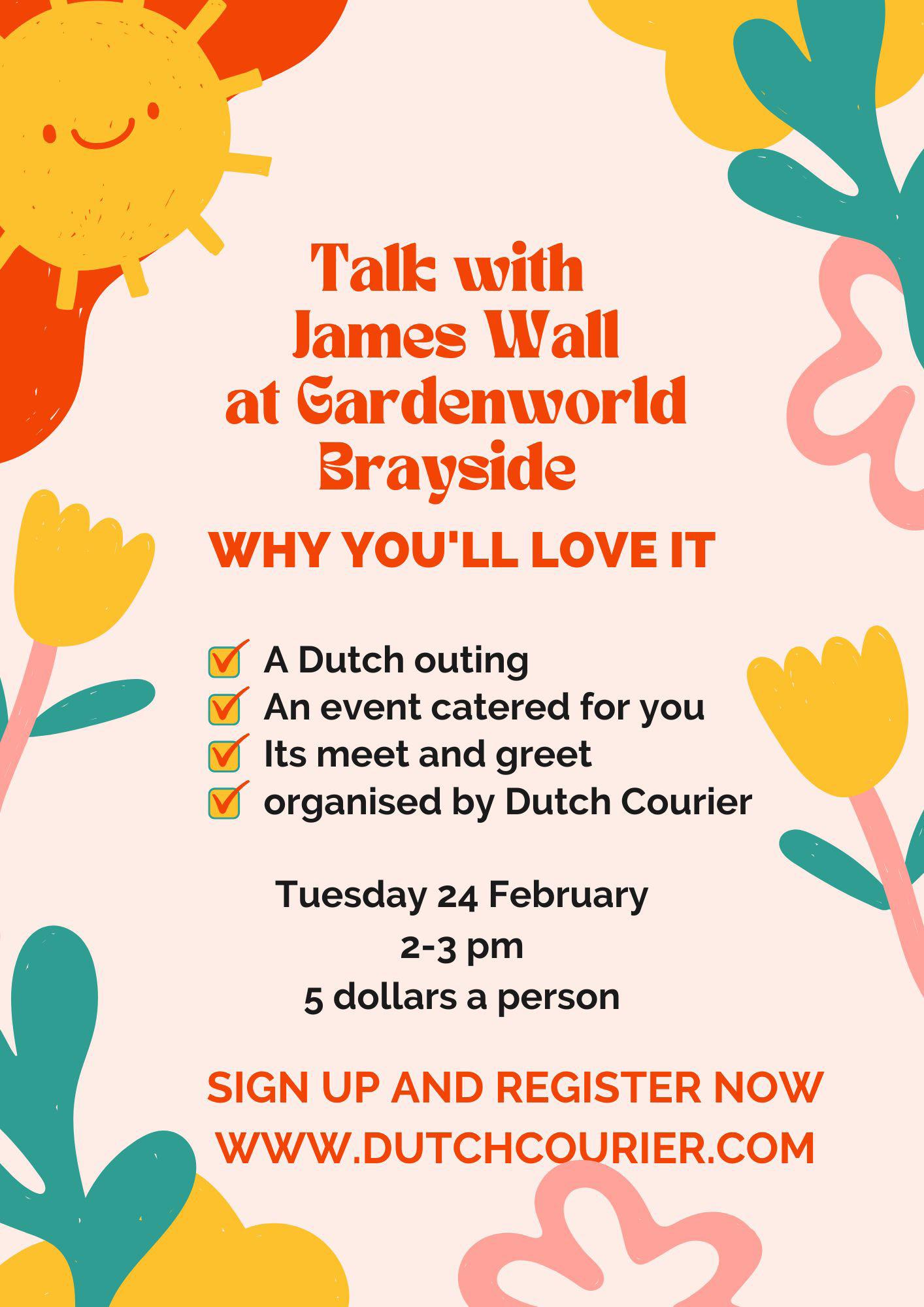
Ajax 2 - 2 Go Ahead Eagles. (18/01/26)
Once again, Davy Klaasen scored a screamer after only 15 minutes. In a well-rehearsed training move, the Ajax keeper, after intercepting a Go Ahead cross, quickly threw the ball in front of an already running Godts. He continued to the box before squaring it to Klaasen.
Godts made a beautiful run into the box, dribbling past defenders along the six-yard box before unleashing a ferce shot from 7 metres that struck the bar. Ajax could not double their score until the 28th minute when Kasper Dolberg found the net after a scramble in the box. Klaasen managed to slip the ball to Dolberg, who slammed it past the keeper from close range. Te good lead-up work was also an obvious training ground manouvre. Ajax is in third place, while the Eagles are in 13th.
Drama at Ajax
Over the last few months, Ajax has been a rollercoaster of drama, excitement, and controversy. After sacking John Heitinga (now assistant coach at Tottenham), installing Fred Grimm as a temporary replacement, Ajax has celebrated unlikely victories over their fercest rivals, Feyenoord and PSV, as well as humiliating defeats. Te latest was against a 6 nil loss to AZ Alkmaar.
Te December 2-0 victory over Feyenoord was controversial because Ajax did not play according to the Ajax script. Adopting an unlikely 4-5-1 formation, Grimm found he had to defend his tactics after the game.
Feyenoord coach Robin van Persie said that only one team wanted to play football. Grimm replied that there were di ferent ways of playing football. Grimm adjusted his tactics after dominating the match against Excelsior but going down 1-2.
“We put a lot of pressure on Excelsior, and that didn’t go well. It was open house. I adjusted the plan to that. We went back to the basics.”
Fred Grim’s words were exceptionally harsh and left little room for interpretation. “T is will be the last time he plays for Ajax,” the coach declared without hesitation. In a club known for its internal disci-
by Henry van Zanden
pline but also for protecting its players, this was a statement of historical proportions. It was not a temporary measure, not a disciplinary suspension or warning. T is was a def nitive breach, a symbolic and practical interpretation of a chapter that, according to Grim, had done Ajax more harm than good.
Tere had long been a feeling within the club that something was amiss. Results fuctuated, the play seemed forced, and the team’s chemistry seemed lacking. If you want to be aware of many tactical problems, the internal problem should be considered. According to multiple sources, one player was a constant factor in the unrest. I ask for the con f icting elements to be used, which may have been sabotaged by the technical sta f present in them.
Fred Grim made it clear that his decision was not taken lightly. On the contrary, the coach admitted that he had tried for weeks to resolve the situation internally. Discussions, warnings, and mediation were to no avail. According to Grim, the player in question continued to add fuel to the f re, resulting in an increasingly toxic atmosphere within the squad. Players began to withdraw, trusted each other less, and completely lost focus on football.
Te defeat against AZ Alkmaar was the breaking point. On the pitch, it was clear that Ajax was no longer a collective. Tey didn’t run for each other, blamed each other for mistakes, and after every goal conceded, the team seemed to drift further apart. Te rivalry degenerated into a humiliation that hurt everyone who cared about Ajax. It turned out that the tensions that had been simmering in the dressing room for a week had fully exploded that evening.
Kasper Dolberg played a crucial role in these revelations. Te Danish striker, known within the squad as calm and professional, felt compelled to intervene, according to insiders. Dolberg reportedly personally requested a meeting with Fred Grim, away from cameras and the media. In that meeting, he meticulously explained what had happened behind closed doors. “If you don’t know what to do, you’ll
just want to take advantage of the team.”
Dolberg described a pattern of behavior that, in his view, was incompatible with Ajax’s guards. While it was no longer a one-of outburst of frustration after a poor match, it was structural behavior that eroded the team’s cohesion. If you want to know what to do with Grim, you’ll realize that you cannot join the coach but must look at the most important player. Te decision that followed was harsh, but according to the coach, inevitable.
Te decision provoked mixed reactions within the squad, but surprisingly, relief prevailed. Players who had previously kept their composure reportedly expressed their internal support for Grim’s intervention. Te fear of being seen as a traitor or troublemaker had fostered a culture of silence.
Te initial reaction among supporters was explosive. Te announcement that a player would never wear the Ajax shirt again sparked heated discussions on social media. Some demanded names and details, while others wondered how this had happened. Many fans expressed their support for Fred Grim and praised his courage for choosing the club’s interests above all else.
Kenneth Taylor (23) has signed a 4 5 year contract with Lazio Roma for a transfer fee of 17 million euros.
Jordi Cruy f, son of Johan Cruy f, has been appointed statutory manager of Ajax. Tat means he will guide the technical direction as well as transfers. His f rst major signing is the son of legend Zlatan Ibramimovich, Maximillian, a 1 83 metre tall Swedish left winger from AC Milan. Although he is on loan, Ajax will have the option to buy the 19-year-old striker.
Dutch international Donyell Malen has transferred from Aston Villa to AS Roma. Ruud van Nistlerooy has joined the Netherlands coaching sta f Erik ten Haag will coach FC Twente.