Inclusive Safety Toolkit

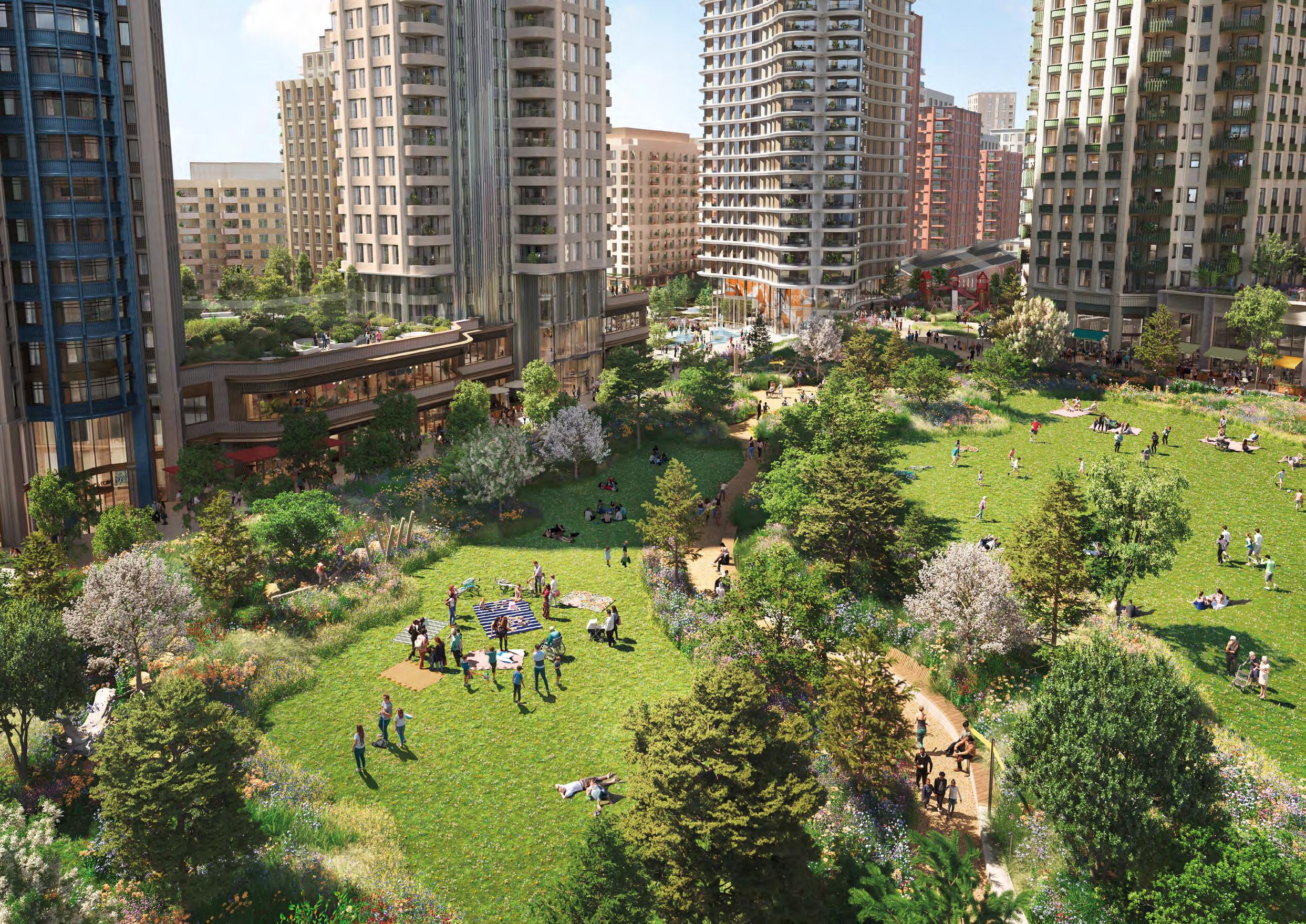
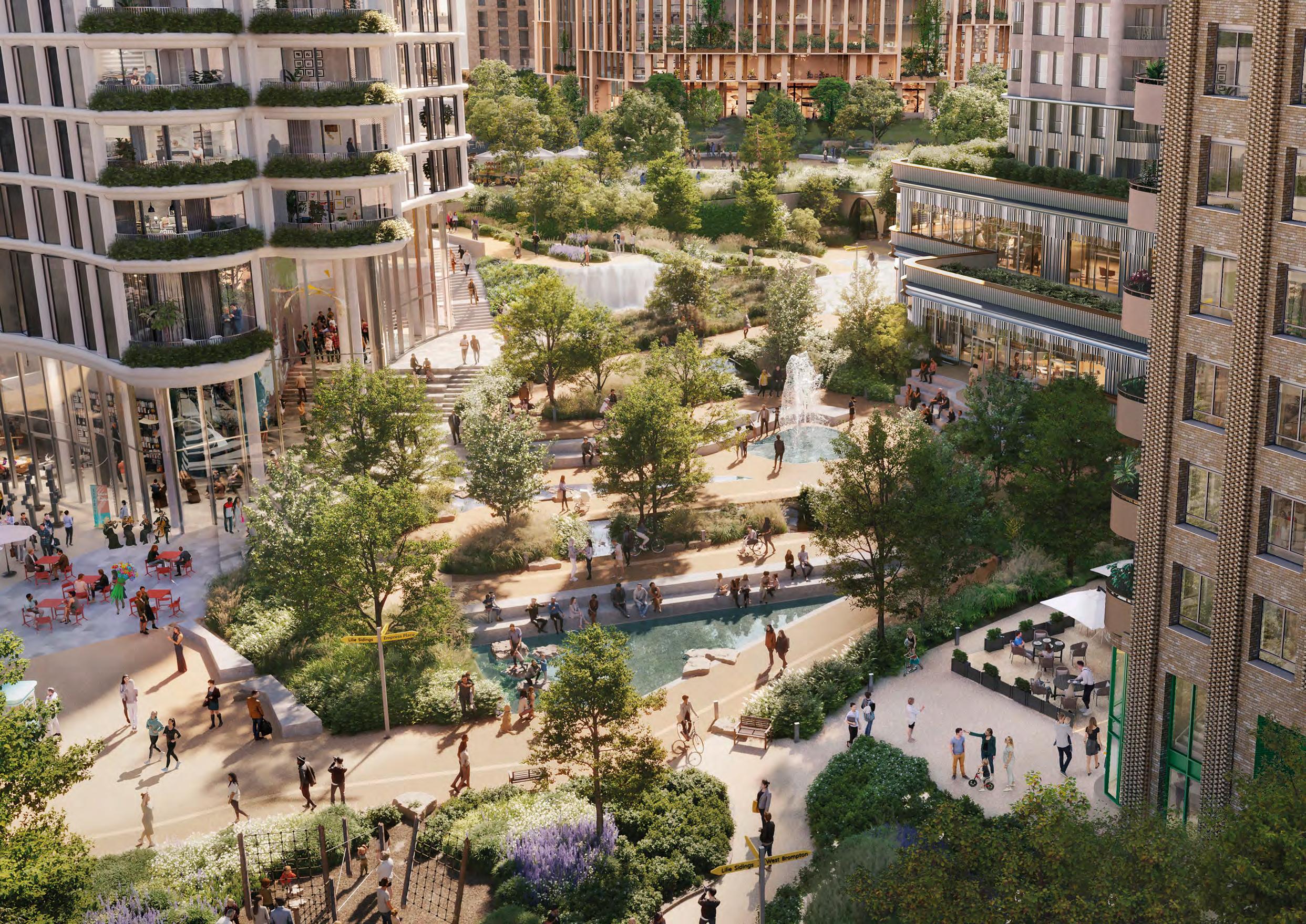
The Earls Court Development Company (ECDC) is bringing forward a 44-acre masterplan on the former Earls Court Exhibition Centre site in Central London. An iconic piece of London's heritage, Earls Court will be transformed into a better piece of city, delivering c. 4,000 homes and 12,000 jobs set within 20 acres of public realm and open space. It will become a new neighbourhood, a global exemplar of sustainable development which creates a blueprint for future generations.
From the outset, we have sought to do things differently; taking a fresh approach to the way in which we consult and collaborate with communities and stakeholders, incorporating co-design and elevating seldom-heard voices through the planning process.
We recognise that the built environment can have significant impact on individuals and communities. It is important therefore that, when designing public spaces, they should respond to genuine lived experiences.
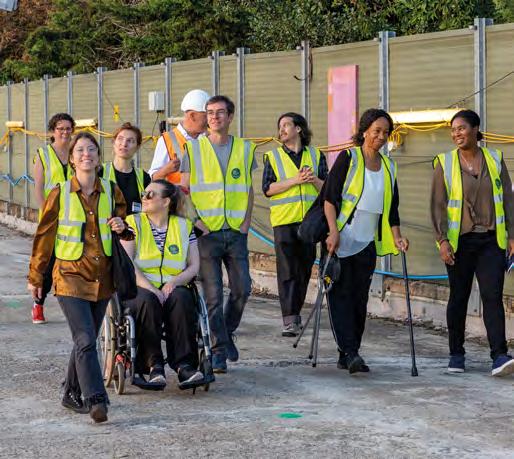
Through ECDC and ZCD Architects' work with the Public Realm Inclusivity Panel (PRIP), bringing together young people, older people, people with disabilities and carers, we have co-designed and adapted our masterplan proposals to ensure equity of access to public spaces throughout the development.
Throughout our four-year consultation programme, safety in the urban environment emerged as a recurring concern across every demographic. In response to this, ECDC commissioned ZCD Architects to develop a detailed review into how positive safety measures can be designed into the public realm. This was then tested with the PRIP to consider the needs and concerns of a range of different groups to ensure inclusivity.
The Inclusive Safety Toolkit is the culmination of this piece of work and will provide ECDC with clear evidence-based guidance to ensure our public realm is safe, welcoming and inclusive to all.
“The PRIP has allowed me to be in someone else’s shoes. I have been really impressed by the young generation, who at the end of the day will inherit the space.”
“We have been able to discuss important and sometimes difficult topics in a way that feels unfiltered and simple.”
“Earls Court is proud to have placed public safety at the heart of our masterplan. We’re determined to ensure our development is inclusive and accessible to all. The toolkit is a way to hold ourselves to that standard – and we hope others in the sector will adopt it too.”
The Earls Court Development Company is committed to creating an inclusive neighbourhood. Presented here is ECDC's new Inclusive Safety Toolkit, one of the outputs of our innovative approach to firmly embedding engagement in design. The toolkit is available to be used by other developments who want to put safety at the heart of their public realm design.
In this document, you will find a practical step-bystep guide on to how to use the toolkit, alongside sample session worksheets on the Earls Court website. Please feel free to adapt these as needed for your specific project or context.
Since 2021, ECDC has gathered feedback through thousands of conversations with local residents at masterplanning workshops, community events, site tours, and sessions with the Public Realm Inclusivity Panel. One of the key themes to emerge from these discussions has been around safety. This motivated ECDC to undertake more focused efforts to consider safety, and to make sure as many people were included in the conversation as possible.
ECDC is committed to continuing this conversation beyond the planning submission and into the phased delivery of the masterplan over the coming decades.
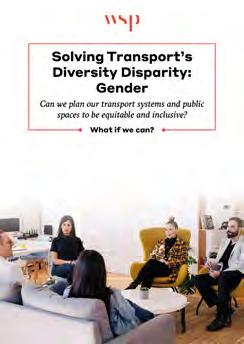
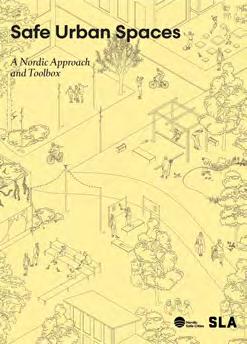
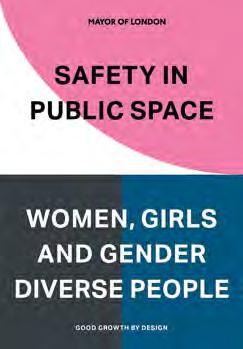
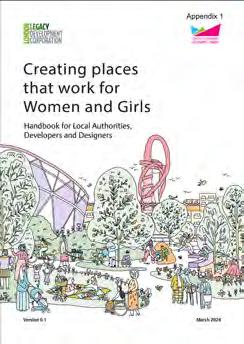
The work in this toolkit builds on best practice. In the UK, there are a number of excellent guidance documents available that focus on the important topic of safety for women and girls. Internationally, guidance from Denmark, Netherlands and the US looks at a variety of other issues, including safer mobility.
This toolkit builds on all the available work, and introduces a broader focus that draws in people with disabilities, younger people, older people and indeed anyone who might have reason to feel vulnerable in public spaces.
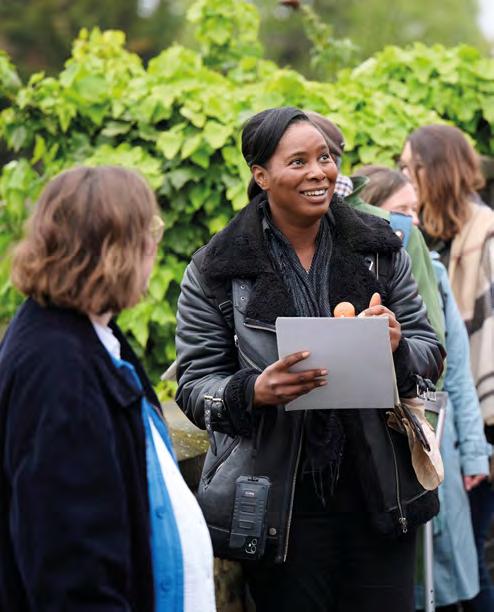
Inclusive safety means creating an environment where everyone, regardless of their background or identity, feels safe and respected, and can contribute their unique perspectives without fear of discrimination or bias.
We believe that this is fundamental to creating a successful place for everyone.
What is the toolkit?
This toolkit is a series of simple steps that anyone can take as the starting point to embedding inclusive safety into all aspects when creating new places, from design to long-term management.
It expands on the traditional approach to Crime Prevention Through Environmental Design (CPTED) by taking both a personal and whole community approach that builds on local lived experience.
What can it be used for?
The toolkit can be used to evaluate existing neighbourhoods and inform the design of new ones. It focuses on the public realm – streets, parks and open spaces, but can also be used to inform building design, estate management, and security.
This toolkit enables you – your project team and local community – to engage with safety by following a shared language and structured approach across all stages of a project: feasibility, brief development, outline design, detailed design, construction, and post completion.
In addition to creating a great place for everyone, our main objective with developing the Inclusive Safety Toolkit has been to agree a set of safety principles with the community that can be applied consistently across our Hybrid Planning Applications.
In doing this, we believe that we are clearly demonstrating our commitment to local people, building trust, and reducing risk.
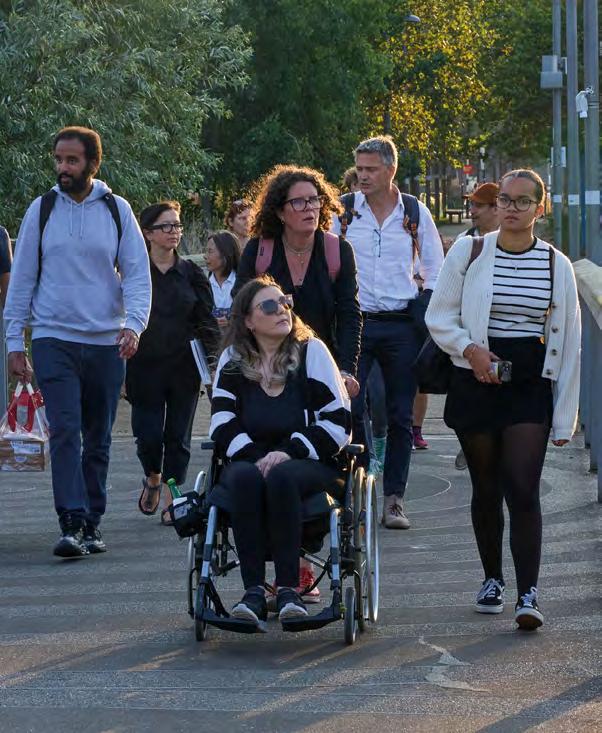
There is a growing body of research highlighting how poorly the built environment meets the needs of many people, particularly women and girls, older adults, and those with different needs. The impact of this affects us all.
The toolkit draws on a number of existing publications exploring inclusive approaches to safety in the built environment:
Why use the toolkit?
Put simply, inclusive safety adds value – social and economic, by making places that are well used by everyone.
This is good for residents, businesses, councils, and landowners.
We've developed this from the perspective of a landowner and developer working with a team of technical consultants, but do believe that the tools and process can be used by anyone; community group, local authority, or design team.
For us, the toolkit has helped us to make decisions on our illustrative masterplan that we think will benefit everyone and set a consistent vision for inclusive safety throughout our Hybrid Planning Application documents.
Who should you involve?
It goes without saying that an Inclusive Safety Toolkit needs to be inclusive but that doesn't just mean the community, it needs to include as many people involved in the project as possible if it's going to make a real difference.
That means including the developers, the architects and designers, the estate management teams, and anyone else that might have a role in designing, making, or looking after the place.
We highly recommend that this process is run as early on in the project as possible. This will give it the best chance of having a positive impact.
Ideally, it will begin during the early design stages, with outputs captured in any planning application. However, as an approach, it can be applied with good effect throughout design and delivery stages, and post-completion.
Regardless of when, findings and actions should always be published.

Alongside discussions about inclusive safety, the PRIP also worked with the design team exploring topics like light levels for public spaces and the experience of navigating the city with visual impairment
Our work with communities in and around Earls Court helped us develop an understanding and approach to safety that is based on four principles and captures all aspects of what helps someone feel safe.
– A sense of belonging: Public space should accommodate different experiences without excluding anyone because of their identity or circumstance. People should feel welcome and comfortable whether it's their first time there or somewhere they visit daily
– Freedom of use: Everyone should be free to use and enjoy spaces without fear of violence, intimidation or harassment. Freedom of use not only includes safety features, such as CCTV and lighting, but also how other people make you feel
– Mobility and usability: Everyone should be able to travel through and use the space safely and comfortably. This is about ease of movement and having things available to make a visit a comfortable experience
– Responsiveness: What happens when there is an issue or a situation. This might be having people on hand to help, the feeling you can intervene, and how places change and adapt over time to changing conditions
“I
thought my opinions wouldn’t be heard. However I have found we are part of the process from the beginning to the end.”
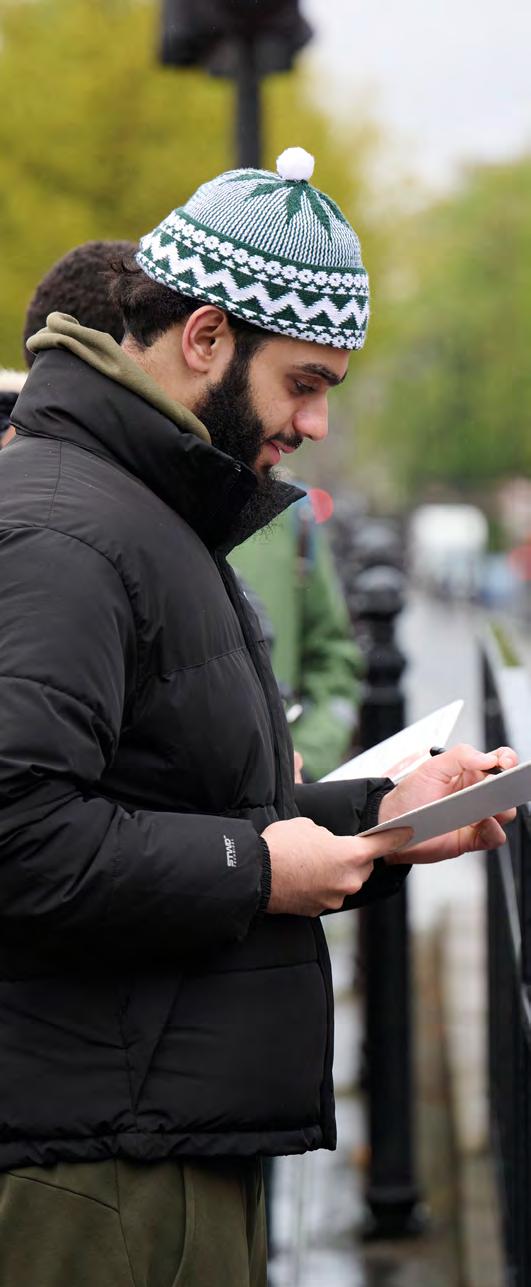
Our approach encourages using positive language to build a practical and constructive vision that is inclusive through bringing people together, talking openly and understanding points of difference.
The Inclusive Safety Toolkit is designed to be used in small group settings, so that people can feel included and listened to. Group sizes should be around 12 to 15 people, supported by a lead facilitator and at least two members of the project team.
An essential part of our approach is the inclusion of the project team (client/developers/landowner) in the process. Taking part in the exercises and being part of the discussion is vital to integrating safety into the long-term process.
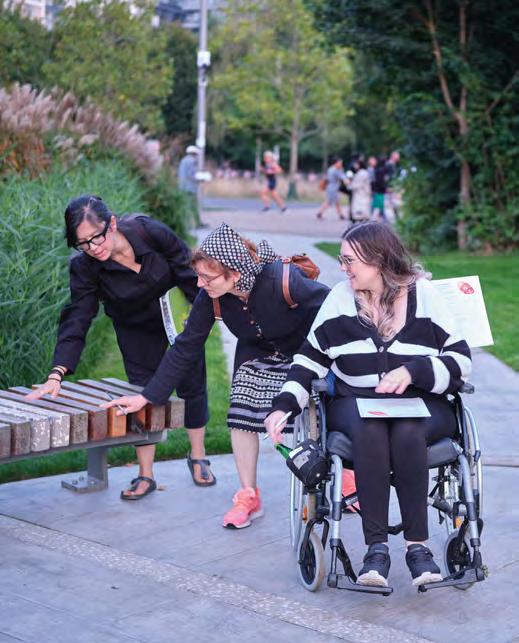
“We took the PRIP to the Queen Elizabeth Olympic Park, King’s
Cross
Central,
and Elephant Park
to understand how safety works in different contexts.”
This first step is an introduction that helps everyone to think more broadly about what safety is. It uses positive language to define outcomes by asking the group to explore what feeling safe should feel and be like for them.
Inclusive Safety Tests offer a way to look at existing streets and spaces using the four safety principles. They are used to introduce different perspectives and support positive group discussions about safety.
Building on steps 1 and 2, the Safety Brief brings together a set of positive ambitions, actions and priorities as place-based statements to inform decision-making at all stages of project development.
It's essential that the work is communicated to those working on the project and the wider community, and published where it can continue to guide decision-making on the project and influence wider change.
HowThe toolkit is based on tried and tested workshop/focus group formats that enable people of all ages and abilities to engage through a series of simple individual and group-based tasks. An essential part of this process is making sure that everyone has the space and support they need to contribute.
your group
Your group should be:
– Diverse to ensure different needs and views are considered. Try to recruit a group that is representative of the local area, paying particular attention to encouraging those that would not typically get involved including young people, older adults, people with disabilities, and ethnic minorities
– Around 15 people. Too large a group will make it harder for everyone to get a chance to speak and might be off-putting to people that are less confident. If you want/get more, then run two or more groups – the more people inputting into the process the better
Recruiting people can be done in many ways – flyer, letter, social media – but you will need to be proactive to get representation from the whole community. Consider speaking to community groups, like youth clubs or old people support groups, to ask them to help publicise or nominate people.
You should also consider compensating people for their time, where appropriate, and/or providing support to remove barriers to participation such as travel or childcare costs.
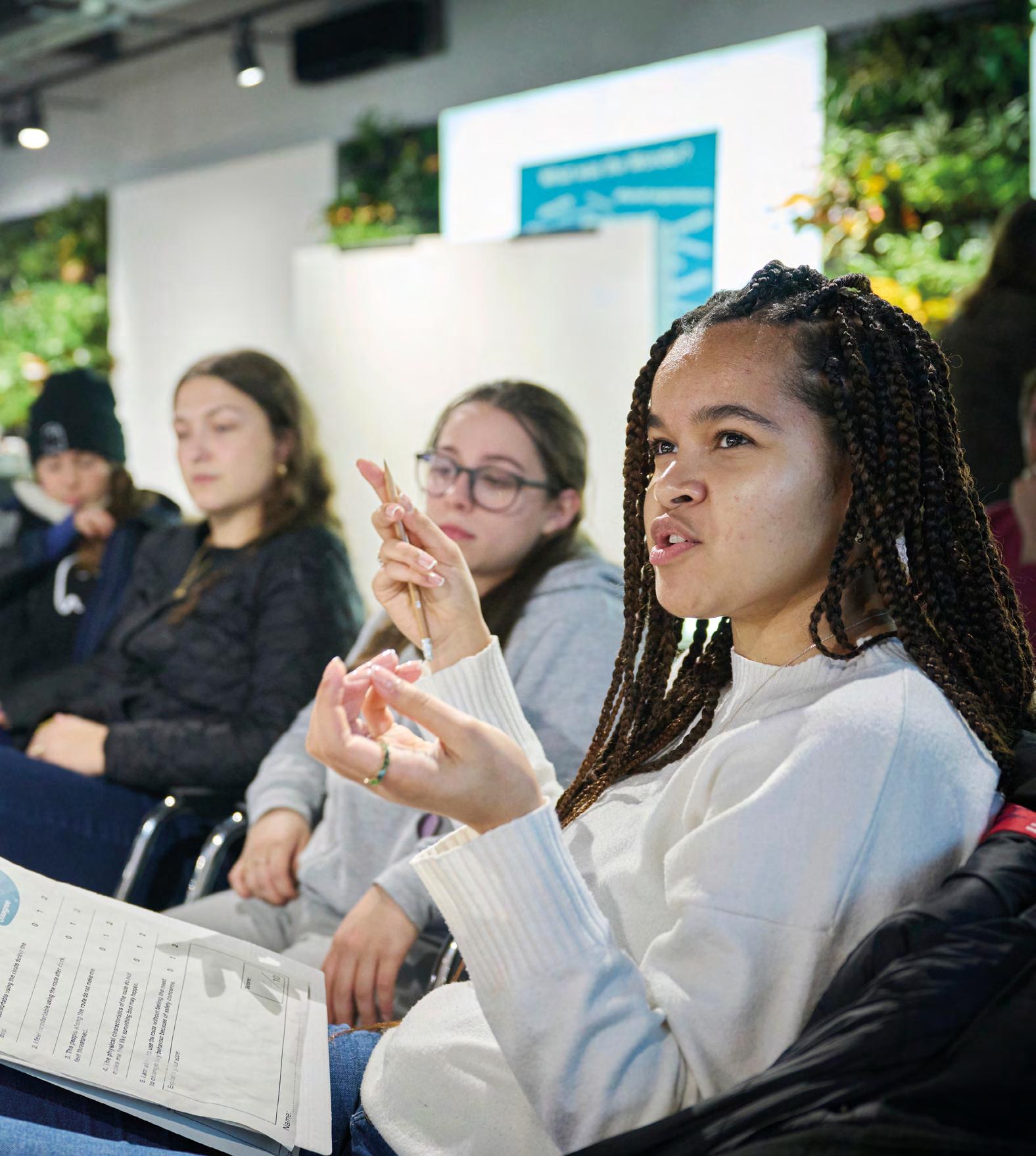
“We pay PRIP members £20/hour for their inputs, highlighting the value of their insights and recommendations helping to make Earls Court an inclusive place.”
Laurence Neal, Design Manager at ECDC
You will need to give people plenty of notice about your workshop event and be flexible with times of day so that people can attend it after school or after work commitments.
A key part of the process is going on a site tour, whether this be your site, a relevant local place, or a good case study. You will need a venue that is convenient to this destination so that you have somewhere to meet before and after to introduce the session and carry out the other tasks.
Think about how long it will take to walk there, especially for people that have mobility problems, and also what you will do in the case of bad weather. You should also take note of sunset and how this might affect the session – you might want it held at dusk or after dark on purpose.
Make sure you have enough team members to support the number of people attending your session. Try to have at least one person per five attendees plus the overall event facilitator. As already mentioned, this team should be made up of representatives of the project team.
Worksheets to support the following activities are available from the Earls Court website.
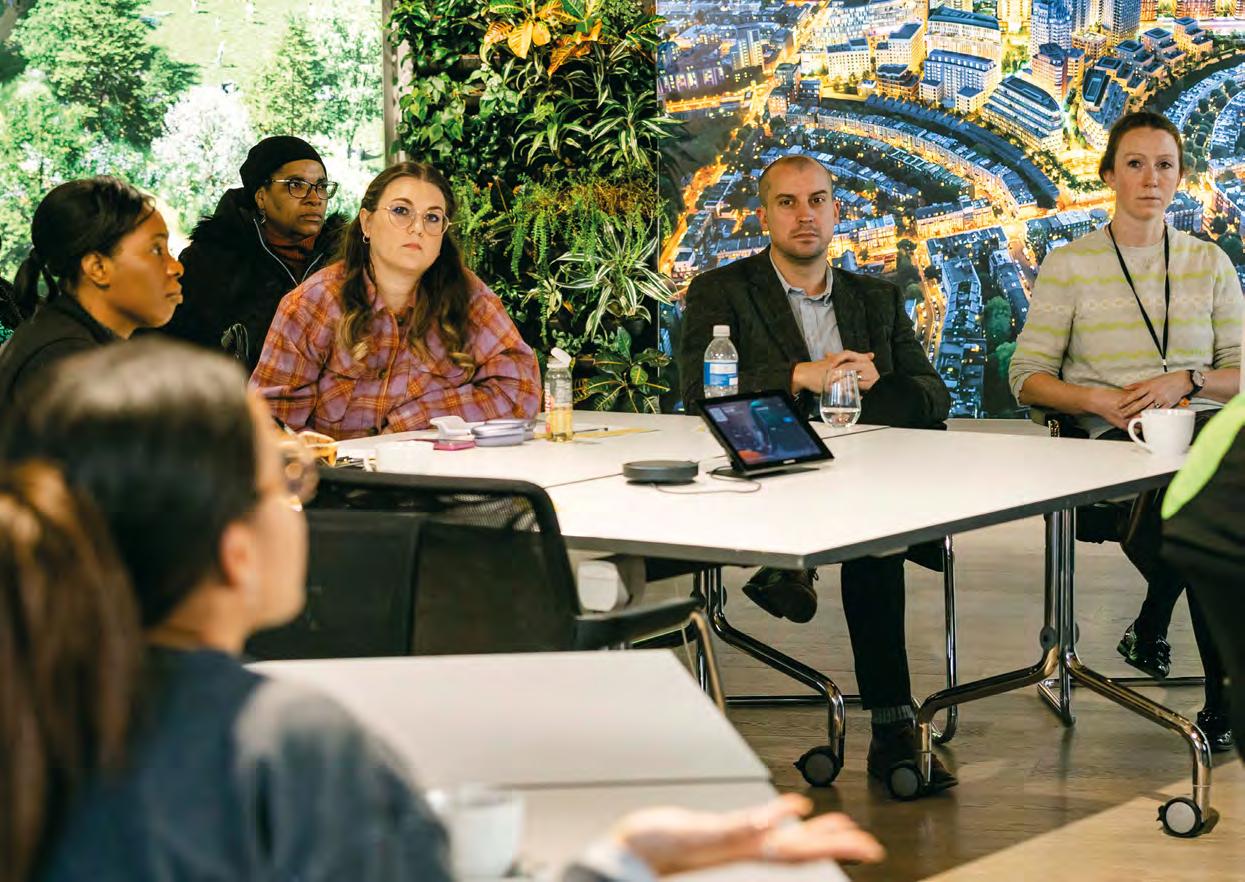
The Safety Definitions activity serves as an icebreaker, allowing people to warm up to the topic and each other. As such, the exercise is best done in pairs or small groups so that people feel comfortable opening up and discussing what safety is to them.
Be clear when you introduce it that this task is about using positive language and hearing lived experience.
Print and cut out the prepared prompts so that each pair has a full set.
Ask each pair to complete the sentence on at least four of the eight cards – they can do all of them if they like.
After 10 minutes, come together as a group and run through each statement asking for a response to each. Briefly talk through the issues and what it means to people as you go. Encourage them to give you examples of when they don't feel safe and why.

“The Earls Court Development Company has been doing great work with the creation of the Inclusive Safety Toolkit with the PRIP (who are a brilliant group of people), engaging local people with a wealth of lived experience to make a significant impact on the quality of the placemaking. The diversity of voices influencing the process is a rich and vital part of city making – an excellent example of what developers can do.”