
MAXIMISE YOUR MEMBERSHIP
EACTS continues to introduce new ways to help you make the most of your membership. By targeting the communications we send, we can help ensure members receive timely and valuable information tailored to your professional goals and career development.
This is why we’ve recently updated our membership categories to help us deliver more personalised content to members from low-income and lower-middle-income countries. For members in this category you can now align your membership with your career pathway, whether as an active member, resident, or trainee, ensuring you receive information and opportunities most relevant to your needs.
JOIN THE EACTS COMMUNITY
Membership rates remain unchanged in 2026/27 so it is a great time to join the EACTS community and take full advantage of the many exclusive benefits that EACTS membership has to offer.
As an EACTS member, you can enjoy:
• Free access to the European Journal of CardioThoracic Surgery
• Free access to the Adult Cardiac Database
• Free access to educational webinars
• Member exclusive rates to EACTS Academy courses, forums & the EACTS Annual Meeting
• Apply for exclusive fellowships, grants & bursaries
• Join task forces & committees to shape surgical standards & practice
MEMBERSHIP RATES REMAIN UNCHANGED IN 2026/27
Tailor your information preferences
THE VALUE OF EACTS MEMBERSHIP
We are committed to investing in our membership offer to deliver the best experience for members. We’re delighted that more members are recognising the value of being part of the EACTS community, with 88% renewing membership, a 10% increase from last year.
Membership applications are also on the rise. In the current application period from 2 July 2025 to date, we have attracted over 900 new applicants. There is still time to apply for membership and benefit from special member rates to attend the 40th EACTS Annual Meeting or take part in the Francis Fontan Fund Fellowship Programme (see pages 18-19 ).
Talk to your colleagues about EACTS Membership 88%
88% membership renewal rate
ADVANCING REAL-WORLD DATA RESEARCH THROUGH PARTNERSHIP
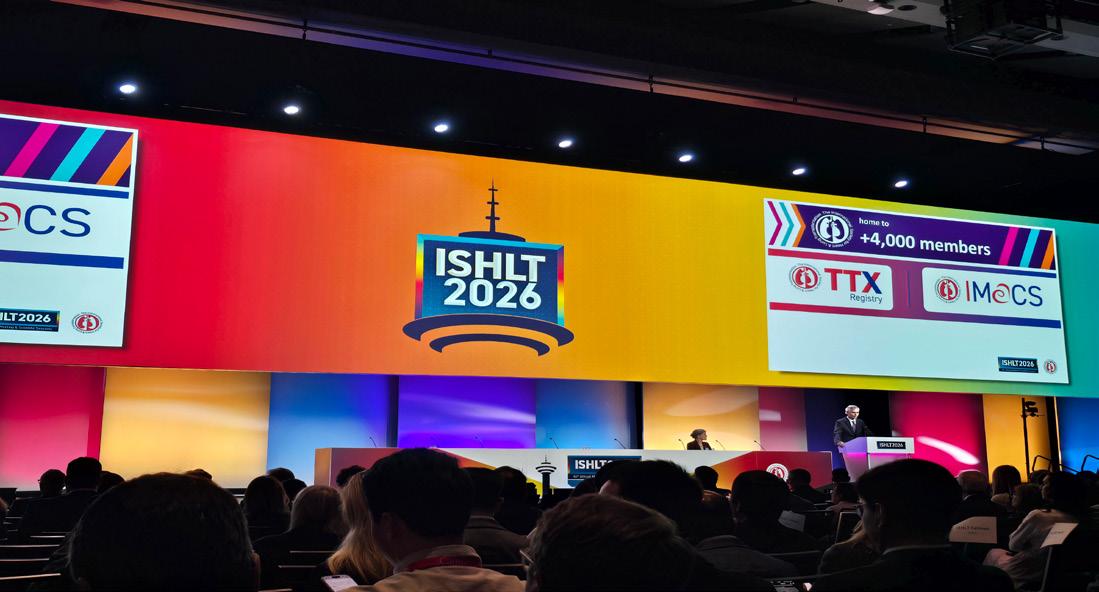
EACTS is partnering with the International Society for Heart and Lung Transplantation (ISHLT), through the IMACS Registry, to advance international research in mechanical circulatory support.
As part of the collaboration, EUROMACS will contribute data to this international effort, supporting the development of high-quality global data to improve patient outcomes and clinical practice in heart failure care.
The International Mechanical Assisted Circulatory Support (IMACS) registry is a global initiative designed to enroll and follow patients who receive durable mechanical circulatory support devices. EACTS recently attended the ISHLT 46th Annual Meeting to explore the latest insights from the registry, including new data and trends. The impact on clinical practice and research as well as ongoing efforts to enhance data collection, analytics and standardisation were also discussed.
Felix Schönrath, EUROMACS Task Force Chair, “We are proud to support this collaboration. EUROMACS is a valuable point of reference enabling research and outcome monitoring with over 10,447 baseline records and 95,293 follow-up records. The more centres that join EUROMACS the richer the data that can support international research, inform clinical practice and improve patient care."
Daniel Goldstein, IMACS Chair, “With the recent relaunch of the IMACS Registry, collaboration with EUROMACS is essential to its ongoing success, in its efforts to best capture worldwide realworld experience of durable MCS technologies, to establish best practices, to allow for benchmarking and to serve as a rich source of academic inquiry.”
Learn more about EUROMACS and register your interest
QUALITY IMPROVEMENT PROGRAMME COMMITTEE
This year we welcomed new members of the Quality Improvement Programme Committee.
The Quality Improvement Programme (QUIP) Committee works with hospitals, national societies and partner organisations to strengthen a Europe-wide culture of data collection in cardiothoracic surgery. Together with respective Task Forces, by overseeing key international registries, including the EUROMACS Registry and the Adult Cardiac Database, the Committee enables benchmarking and drives continuous quality improvement across Europe.
We are pleased to welcome the following new members:
Luca Bertolaccini, Deputy Director of the Division of Thoracic Surgery, European Institute of Oncology IRCCS, Italy
Kevin Lobdell, System Director, Advocate Health’s Sanger Heart & Vascular Institute, USA
Monica Mittal, Senior Cardiothoracic Fellow, St Bartholomew’s Hospital, UK
Anastasios C. Polimenakos, Professor of Surgery and Pediatrics, Medical College of Georgia
Prakash P. Punjabi, Professor, National Heart and Lung Institute, Imperial College London, UK
Medhat Radwan, Head of Adult Cardiac Surgery section, University Hospital Tübingen, Germany
Felix Schönrath, Head of Heart Failure and Transplantation programme, German Heart Centre Charité Berlin, Germany
Thank you to all committee members for their work in driving forward the Quality Improvement Programme.
ACHIEVING AUTONOMY AT A LOCAL LEVEL
We are delighted to announce that we have awarded a FFF Every Heartbeat Matters Grant to four programmes working to improve outcomes for heart patients in underserved regions. The generous funding from the Edwards Lifesciences Foundation will support initiatives to advance education and training in Eritrea, Mozambique and Burundi, helping local teams build capacity to treat patients with structural heart disease and achieve autonomy.
Congratulations to the recipients of this year’s FFF Every Heartbeat Matters Grants:
Manuel Antunes, University of Coimbra, Portugal
Heart Surgery for Children and Young Adults with RHD, Mozambique
Ermanno Bellanti, Bambino Gesù Paediatric Hospital, Italy
From Mission to System: Capacity Building and Training for Local Autonomy in Paediatric Cardiac Surgery at Orotta Hospital, Eritrea
Joachim Photiadis, Deutsches Herzzentrum der Charité, Germany
Hearts for Burundi, Burundi
Mi-Young Cho, Deutsches Herzzentrum der Charité, Germany
Child heart surgery in Asmara, Eritrea
Recipient Ermanno Bellanti discusses how the grant will support his work building capacity and training in paediatric cardiac surgery at Orotta Hospital, Eritrea
What does the FFF Every Heartbeat Matters Grant mean to you?
This Grant represents much more than financial support for a humanitarian mission. It is the recognition of a broader vision that paediatric cardiac surgery should not remain a privilege.
The EACTS grant therefore has both symbolic and practical value. Symbolically, it confirms that a major European scientific society can place global equity at the centre of its mission and practically, it allows us to move beyond the traditional idea of short-term humanitarian missions and to invest in something more durable: training, continuity, local ownership, multidisciplinary development and progressive autonomy.
Why did you apply for a grant?
The grant supports a humanitarian and educational project in paediatric cardiac surgery, helping low-income or resource-limited hospitals in Eritrea develop the capacity to treat children with congenital heart disease locally. The central aim is not simply to operate on children during a visiting mission by an external team, but to create the conditions for local teams to become progressively autonomous. The grant supports a mission with a strong educational and capacity-building component. The programme focuses on several interconnected areas including clinical activity, training, shared decision-making, the
development of local protocols and support for data collection and outcome evaluation, because sustainable programmes must be measurable and accountable. We are also focused on the progressive transfer of responsibility to the local team so that each mission becomes less an external intervention and increasingly a step towards local leadership. For this reason, the objective of my programme is autonomy and supporting the partner to become stronger after the mission than it was before.
How will the grant impact patient outcomes and the local community?
The immediate impact will be on children and families who currently have limited or delayed access to life-saving cardiac surgery.
However, the most important impact is expected at system level. A well-structured outreach programme can strengthen the local hospital, improve referral pathways, increase diagnostic awareness, train professionals and reduce dependence on external missions.
Thank you to the Edwards Lifesciences Foundation for their generous support.
DRIVING PROGRESS THROUGH INNOVATION
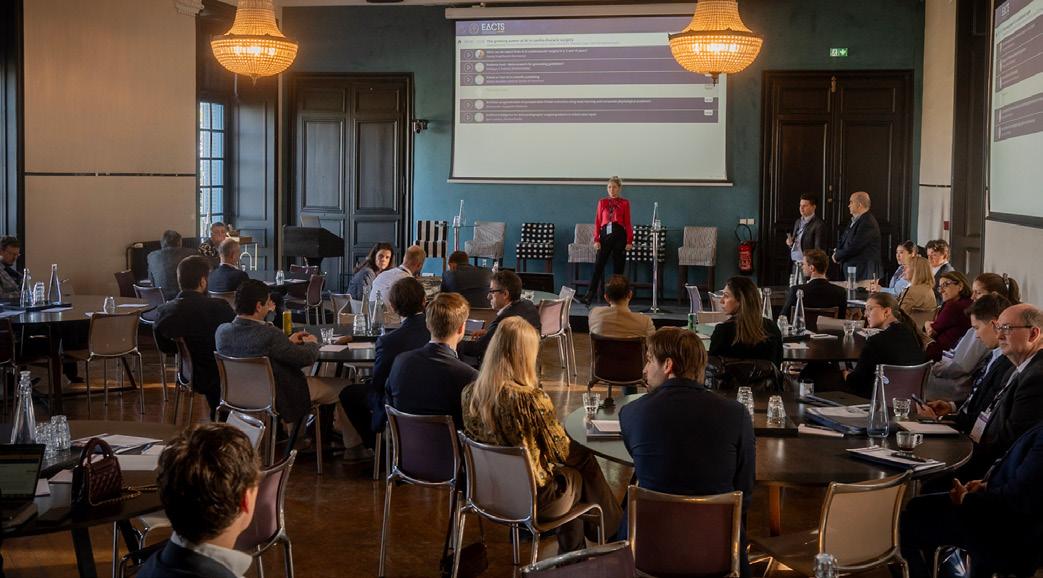
Innovation in cardiothoracic surgery is advancing rapidly, with AI, robotics, simulation and data science reshaping the field. The 4th EACTS Innovation Summit, held in April, brought together leaders from across different disciplines to explore the latest advancements and discuss the practical steps needed to move ideas from conversation to realworld adoption.
EACTS has taken a leading role in driving innovation in cardiothoracic surgery through the Summit and other initiatives such as the Innovation grants. An 18% increase in abstract submissions to the Innovation Summit and a 60% increase in grant applications demonstrate the strength of innovative thinking amongst the cardiothoracic community.
Some of the new developments and emerging concepts presented at the Summit include virtual reality for anxiety and pain management in lung cancer patients and a pivotal clinical trial of a novel 3D-printed bioresorbable airway splint. Insights were also shared on AI in scientific publishing and the importance of IP for disruptive innovation. Vera Zut from Leiden University Medical Center was awarded the Innovation Summit Award 2026 and spoke about her work on a novel expandable auxetic Fontan conduit.
A keynote from the European Space Agency (ESA), “Future of Medicine: From Space Health to Earth Innovation,” delivered by Aditi Sathe, System Engineer – Post Launch Support, ATG Europe, highlighted how innovation in space exploration has driven transformation in medicine, citing examples such as the shock absorbing foam in prosthetics which was initially designed for space shuttle seats.
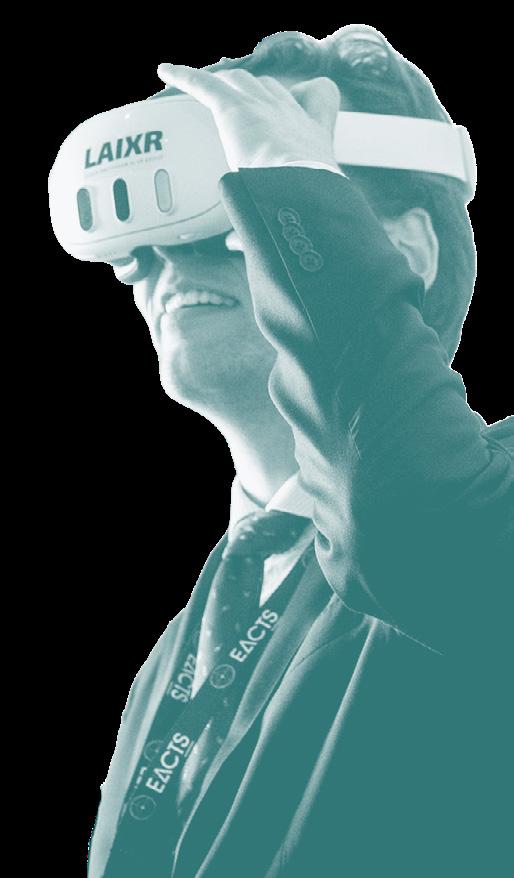
Some of the new developments and emerging concepts presented at the Summit include virtual reality for anxiety and pain management in lung cancer patients
Read the latest EACTS Innovation Summit report
DISRUPTIVE DEVELOPMENTS
The EACTS Innovation Grants support early-stage research and projects in cardiothoracic surgery and aim to inspire the next generation of cardiothoracic surgery advancements. Congratulations to this year's recipients.

Leila Louise Benhassen, Aarhus University Hospital, Denmark
HomEcmo – The Portable Artificial Lung
"The HomEcmo project is an innovative research initiative focused on the development of an ultraportable venovenous extracorporeal membrane oxygenation (VV-ECMO) system designed for safe use at home and outside of the intensive care unit (ICU). The aim is to enhance patient mobility, autonomy, and quality of life by enabling ambulatory rehabilitation at home.
"In contrast to current VV-ECMO platforms, which are generally restricted to ICU settings because of their size, technical complexity, and monitoring requirements, HomEcmo seeks to develop a compact, user-friendly, and portable system that facilitates longterm extracorporeal respiratory support beyond the hospital setting.
Paul Philipp Heinisch, European Paediatric Heart Center, Germany , German Heart Centre, Germany, ARTORG Center, University of Bern, Switzerland
Hybrid Cellulose Valved Valsalva Conduit for Congenital Cardiac Surgery
"Our research focuses on the development of a novel biogenic polymer-based heart valve for implantation in children.
"Unlike the materials currently available, our valve is designed to have the ability to grow with the patient, reduce calcification and improve haemodynamics. Existing valve replacements used in paediatric patients often cannot grow as the child grows, which means that many children require repeated operations.
"Our long-term goal is to develop a heart valve that can integrate into the child’s biological system. By creating a valve that adapts with the patient, we hope to significantly reduce the need for repeated surgeries, especially in small children. Fewer procedures would mean less time spent in hospital and a lower risk of morbidity.
"By reducing the need for prolonged ICU admission, the proposed system has the potential to mitigate the severe physical deconditioning and muscle wasting commonly associated with extended immobilisation. Patients may instead be able to return home, remain close to their families, and actively participate in rehabilitation and physical training programmes, thereby promoting the preservation and recovery of functional capacity and skeletal muscle mass.
"The EACTS Innovation Grant provides a unique opportunity to accelerate the translation of this technology from the experimental phase towards clinical application. The funding will support comprehensive preclinical evaluation in an animal model, generating critical safety and performance data before proceeding to clinical studies in patients."
"The EACTS Innovation Grant is a great honour for our working group, and receiving the grant is a huge motivation for us to accelerate our work in this area."
By creating a valve that adapts with the patient, we hope to significantly reduce the need for repeated surgeries, especially in small children.
INNOVATION GRANTS

Sarah Wollman, Medical University of Vienna, Austria
A Two-Stage Ventricular Assist Device for Paediatric Patients
"I am developing an implantable left ventricular assist device to bridge the critical gap we are facing in paediatric heart failure therapy. The development of such a device is a very distinct challenge, because it needs to be very small in size to fit the paediatric anatomy, and it must deliver relatively high pressures while operating under low-flow conditions.
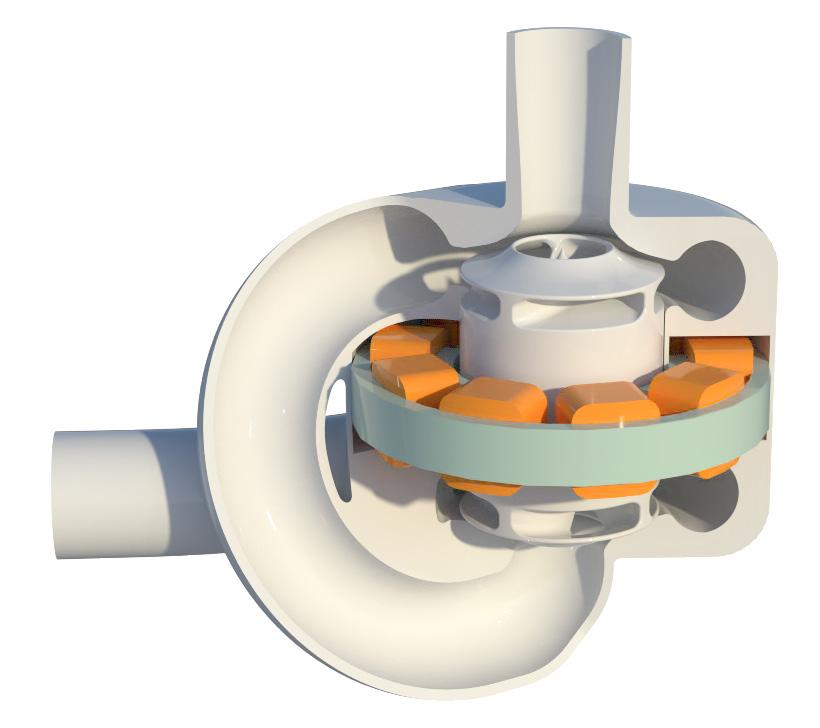
"Most ventricular assist devices are single-stage designs, but we are exploring a two-stage device which has the potential for improved hemocompatibility. An implantable left ventricular assist device would make home discharge for paediatric patients a possibility, which would improve their quality of life.
"The EACTS Innovation Grant is a huge honour and validation for our work so far. It gives us the momentum to move towards preclinical testing.
"Our research so far has shown that the Two-Stage Pump has the potential to improve paediatric heart failure therapy, and this grant allows us to build the next prototype and to validate our numerical results with in vitro and in vivo testing."
TWO-STAGE VENTRICULAR ASSIST DEVICE FOR PAEDIATRIC PATIENTS
An implantable left ventricular assist device would make home discharge for paediatric patients a possibility, which would improve their quality of life.
Register today
The 40th EACTS Annual Meeting is already shaping up to be a record-breaking year for science and research. Over 1,800 general abstracts were submitted, an impressive 25% increase on last year, and reviewers have worked hard to select the very best science from around the world to feature in this year’s exceptional scientific programme. Join us on 7-10 October in Barcelona to Honour our History and Inspire our Future.
Registration gives you access to the three-day scientific programme, the exhibition, EACTS TV and Video-on-Demand.
Registration to the 40th EACTS Annual Meeting includes:
World-class education – Discover the latest surgical techniques, research breakthroughs and clinical updates from leading experts in cardiothoracic surgery.
THREE DAYS OF BREAKTHROUGH SCIENCE AND HIGH-LEVEL DISCUSSION
The comprehensive three-day scientific programme features over 400 abstract, focus and plenary sessions. Take an early look at the preliminary programme
Highlights across the four domains include:
Acquired Cardiac
• Treatment decisions in multivessel disease – Joint session EACTS/EAPCI
• Atrial Secondary MR and TR: Predict, Rethink, Intervene?
• Intraoperative guidance of septal myectomy and mitral valve management for HOCM
• How to weather the storm? Challenging Redo Operations Following Aortic Valve Procedures
• Transcatheter devices: Explanting the unexplantable Thoracic
• Robotic surgery – from segments to transplant
• Nightmare cases in thoracic surgery
• Artificial Intelligence in thoracic surgery
• Sublobar resection for early-stage NSCLC: Translating landmark trials into standard surgical care
Exceptional networking opportunities – Connect with surgeons, industry partners, researchers and decision-makers from across the globe.
Valuable insights – Stay ahead of the curve and learn more about emerging trends, leadership pathways and future collaborative opportunities to support your career progression.
Hands-on training – Develop or refine practical skills under the guidance of experts in their field.
The countdown is now on.
Congenital Heart Disease
• EACTS – AEPC joint session on Fontan Failure
• EACTS – ECHSA session: Surgery for mitral in CHD
• EACTS – EACTAIC joint session: Challenges in monitoring and transfusion management in neonatal cardiac surgery
• EACTS – STS joint session: Management of the aortic root in patients with CHD
• Special session dedicated to J.V. Comas on transposition of the great arteries
• Basic Science and innovation for congenital heart disease
Aortic Disease
• Pros and cons of alternative approaches to aortic arch disease – when sternotomy is just not good enough (ASCVTS@EACTS)
• “Ooops, I did it again!” – how to manage iatrogenic dissection
• Lifetime-management of the organ aorta after index Type A repair – Guidelines and gut feeling (STS@EACTS)
• Managing the left subclavian artery in aortic arch repair – The most important technical question in aortic arch surgery?
• Post-operative management of Type A dissection – The importance of multidisciplinary teams in the treatment of acute dissection
ABSTRACT SUBMISSION
There is still an opportunity to be part of this year’s scientific programme. Abstract submissions are open for the following categories:
Thank you to all our reviewers for the incredibly labour-intensive task of reviewing abstract submissions. And thank you to our Programme Committee for working hard to piece everything together.
EACTS 40TH ANNIVERSARY EVENING
Join us on Friday 9 October for a very special 40th Anniversary Evening as we celebrate four decades of excellence, innovation and collaboration. This memorable occasion will bring together colleagues – past and present – from across the global cardiothoracic community for an evening of dining and entertainment. The celebration will take place at the spectacular Museu Nacional d'Art de Catalunya in Barcelona.
Make sure to secure your place.
This year’s EACTS Annual Meeting promises to be a truly unforgettable event as we celebrate 40 years of the world’s largest gathering of the cardiothoracic surgical community. Register Now
TECHNO-COLLEGE
The EACTS Annual Meeting opens on Wednesday 7 October with TechnoCollege. With its unique format of live surgery and live-in-a-box cases, Techno-College previews the technologies and innovative techniques that will impact daily practice in the future. Two programme streams –cardiovascular and thoracic surgery – are available for a separate fee.
TECHNO-COLLEGE: ADULT CARDIAC STREAM
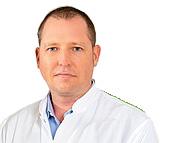
Joerg Kempfert Chair of the New Technology Task Force
The Techno-College adult cardiac stream will once again deliver a full day packed with live surgery, new devices and the latest surgical techniques across three outstanding sessions.
To celebrate the 40th anniversary of EACTS, the programme opens with a special session led by Hugo Vanermen, reflecting on the origins of Techno-College. What began as a small initiative driven by an enthusiastic group focused on emerging technologies has grown into a globally recognised meeting attracting more than a thousand participants every year.
Techno-College has built an outstanding reputation for showcasing live surgery, and this year will be no exception. The adult cardiac programme features several exciting live cases, including:
• A newly developed frozen elephant trunk procedure featuring an integrated stent extension designed to simplify the operation.
• A state-of-the-art off-pump CABG procedure including the use of a brand-new proximal anastomosis device and the use of a novel left atrial appendage clipping device.
• An endoscopic mitral valve procedure highlighting a new valve concept.
The programme will also explore several cutting-edge devices and techniques currently shaping the future of cardiac surgery. Highlights include:
• A new LVAD platform presented in a “live-in-a-box” case from Rotterdam.
• An innovative aortic root enlargement technique.
• Endoscopic aortic root replacement.
• A new expandable heart valve for children.
A new era of robotics
We are entering a new era of robotics in Europe. With the anticipated approval for intracardiac robotic procedures under the EU Medical Device Regulation, robotic cardiac surgery is expected to grow significantly over the coming years, creating major interest and increasing demand for specialised training.
This year’s programme will place a strong focus on the evolving role of robotics in cardiac surgery, featuring the latest generation of robotic technologies from around the world.
Designed for a broad audience
The programme has been carefully designed to cater to a broad audience, with leadership from the EACTS New Technology Task Force.
The Techno-College adult cardiac stream is a busy day packed full with live surgery, new devices and the latest techniques across three fantastic sessions.
TECHNO-COLLEGE: THORACIC STREAM
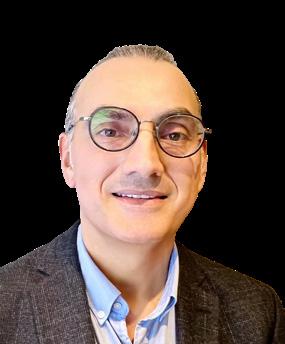
Korkut Bostanci Chair of the Thoracic Disease Domain
The thoracic stream of Techno-College provides a valuable opportunity for surgeons at all stages of their career to learn more about challenging and specialised techniques that are not commonly performed in thoracic surgical practice, such as oesophageal pathology and paediatric chest wall reconstruction.
Robotic
Is thoracoscopic segmentectomy the same as robotic segmentectomy? We will begin Techno-College by exploring one of the questions most frequently asked by thoracic surgeons and compare the two approaches.
In ‘Robot is the Solution’ surgeons from around the world will share their experiences of using robotics to solve challenging, difficult cases. This fascinating session will be particularly useful for surgeons who have just started using robotics in their daily practice.
Chest wall and thoracic trauma
The afternoon sessions start with an exploration of the latest innovations in thoracic trauma, with a particular focus on rib fixation and advances in internal fixation for rib fractures, which is becoming an increasingly popular approach.
Challenging chest wall surgery will feature in an advanced session focused primarily on revision surgery for slipping rib syndrome, an interesting subject which is not often considered by thoracic surgeons. We are pleased to welcome back Adam Hansen from the USA, an expert in this field, who will focus specifically on revision surgery.
The thoracic stream of Techno-College promises a high-quality programme featuring global experts, relevant for thoracic surgeons seeking to expand their knowledge in new and specialised techniques.
Techno-College Innovation
Award
The Techno-College invites surgeons, engineers, innovators, researchers and scientists active in the field of Thoracic and Cardiovascular Surgery to apply for The Techno-College Innovation Award.
We are looking for technological breakthroughs in all areas related to thoracic and cardiovascular research and in particular for new surgical methods or devices
Submissions open until 31 August 2026.
DON’T MISS THESE POPULAR COURSES THIS SEPTEMBER
ADVANCING SKILLS IN ROBOTIC MIDCAB
Robotics Revascularisation Training Course
2-3 September 2026 | Leuven, Belgium
This specialised two-day course offers surgeons an intensive and highly practical introduction to off-pump robotic minimally invasive direct coronary artery bypass (MIDCAB), combining expert-led education with immersive hands-on simulation training.
Now in its fourth year, the course has received outstanding feedback from past participants who agree the programme meets expectations and represents a valuable investment in professional development. One participant commented, “The course was exceptionally well organised. Everything, from the live cases and simulation sessions to the cadaver lab and faculty engagement, was outstanding.”
The Robotics Revascularisation Training course is a level 2 course designed for residents in the final years of training and surgeons at the beginning of independent practice. It prepares
participants for one-to-one training and proctorship, enabling them to start up a programme at their own centre. There is also a valuable opportunity to meet internationally recognised experts in the field and establish professional connections.
The programme delivers a full day dedicated to robotic MIDCAB exposure, followed by an additional day of scientific presentations and simulation-based training. Participants will gain a useful insight into every stage of the procedure, from patient selection and minimally invasive access to offpump stabilisation techniques and coronary anastomosis performance on the beating heart.
By combining advanced scientific discussion, expert mentorship and extensive hands-on experience, this course offers a unique opportunity to explore the future of robotic coronary surgery and gain the practical skills required to start a robotics programme.
What past participants say about the Robotics Revascularisation Course*
said the course met their expectations
said they felt it was a good investment
said they would recommend the course to a friend or colleague
*Of those attendees who completed the
REBUILDING A DESTROYED HEART: THE COMMANDO PROCEDURE
Tirone David, a pioneer of modern cardiac surgery, joins a deep dive into one of the specialty’s most feared and technically demanding operations: the Commando procedure. This episode explores the anatomy, precision, and surgical courage behind extraordinary cases — while offering invaluable lessons on innovation, operative judgement, and the future of complex valve surgery.
Aortic Valve Repair and Ross Operation
10-11 September | Brussels, Belgium
All aspects of the Brussels School approach and techniques on aortic valve reconstructive surgery and Ross operation will be covered in the popular Aortic Valve Repair & Ross Operation Course from 10-11 September.
This level 3 course will give surgeons who are established in independent practice an understanding of the normal anatomy of the aortic valve and its pathomorphology as well as the new possibilities of valve analysis and surgical planning with 3D-CT imaging.
Through interactive lectures, videos and live surgery, an expert faculty will help you explore:
• newly available techniques to optimise immediate surgical results and the long-term durability of AV repair and Ross operation.
• surgical techniques including valve sparing reimplantation, annuloplasty and cusp repair.
• Ross operation and the different options of autograft reinforcement.
A hands-on wetlab session will give participants an opportunity to practice valve-sparing or Ross procedure under the supervision of the course faculty.
View the programme and register
10TH EACTS MECHANICAL CIRCULATORY SUPPORT SUMMIT
Surgical Aspects of Cardiopulmonary Transplantation
17-18 September | Newcastle upon Tyne, UK
Registration is now open for Surgical Aspects in Cardiopulmonary Transplantation. This is a popular course with limited spaces, offering participants the benefit of a high faculty-to-student ratio.
Participants have the opportunity to undertake cardiac and lung transplantation on human cadavers and gain practical experience of left ventricular assist devices implantation, cannulation for ECMO and Impella and ex vivo lung perfusion.
In addition to cadaver labs, this intensive two-day course includes a full programme of lectures and debates designed to advance knowledge in:
• patient selection for heart and lung transplantation, technical aspects of the surgery and clinical outcomes.
• donor organ selection criteria and retrieval.
• the application of short term mechanical circulatory support.
We receive outstanding feedback from those attending each year.
Find out more and register
UPCOMING COURSES 2026
Robotics Revascularisation Training 2-3 September, Leuven, Belgium
Thoracic Webinar 3: Pleural infection: the surgeons’ knife or the physicians’ vial? 9 September, Online
Aortic Valve Repair and Ross Operation 10-11 September, Brussels, Belgium
Fundamentals in Congenital Heart Disease Webinar 4: Single ventricle lesions, heart failure and transplantation 16 September , Online
Surgical Aspects of Cardiopulmonary Transplantation 17-18 September, Newcastle-upon-Tyne
Aortic Webinar 3: Protecting what matters: Cerebral and visceral protection in complex aortic surgery 24 September, Online
Atrial Fibrillation Webinar: The five most common excuses not to treat AF and why they no longer hold up 29 September, Online
Innovation Webinar 1: The Future of Robotic Surgery 20 October, Online
Thoracic Webinar 4: Digitalisation and Artificial Intelligence Task Force 21 October, Online
Giants in Aortic Surgery: How I learnt it, how I did it, and how I taught it 5 November, Online
Innovation Webinar 2: Perioperative Cellular Protection and Single-and Multi-Organ Repair 11 November, Online
PUBLICATIONS
Our world-renowned, high-quality publications are trusted within the cardiothoracic surgical community for advancing knowledge, disseminating best practice and promoting research excellence.
Editor’s Choice
EJCTS
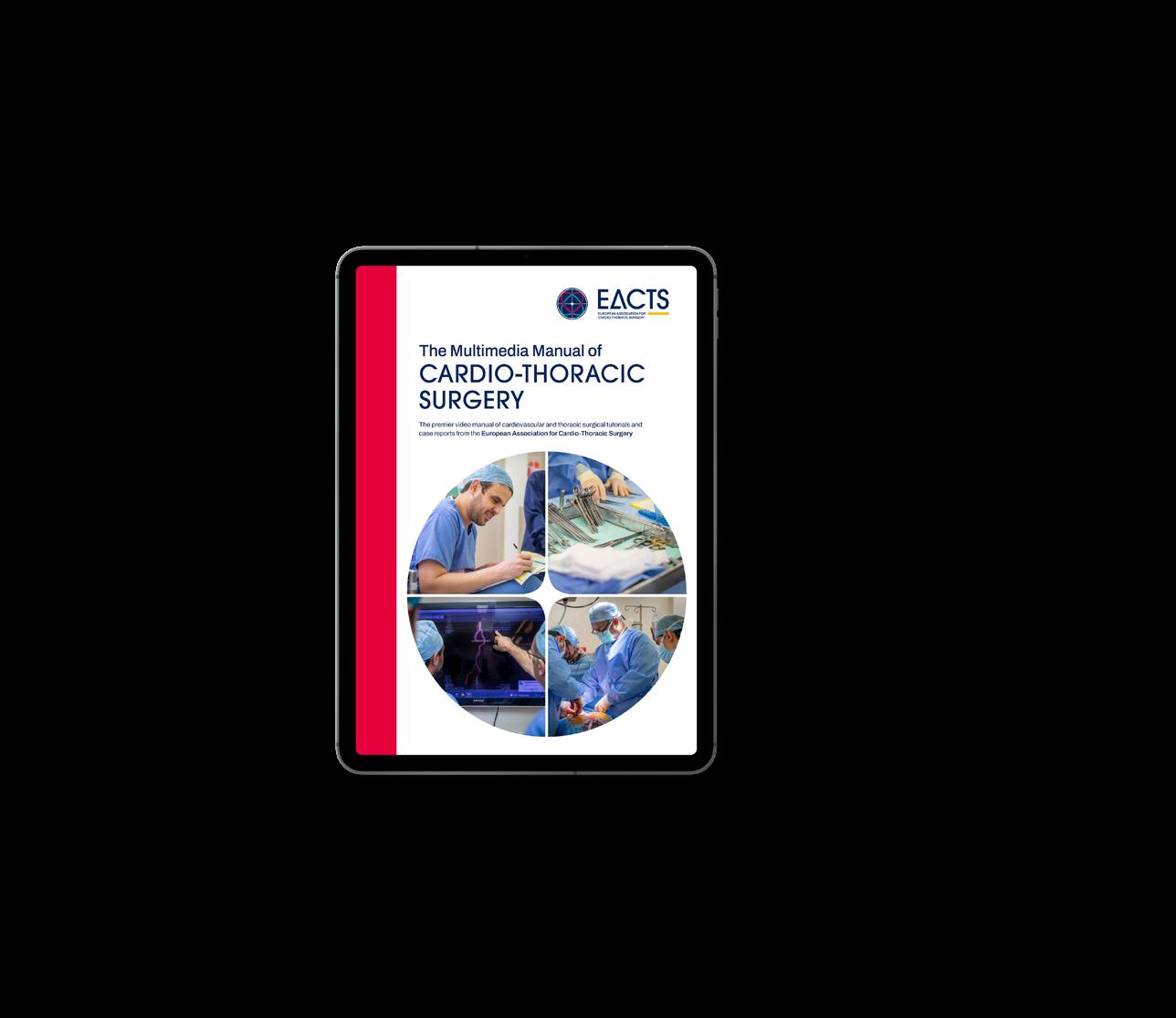
Five-Year Hospital Readmission After Isolated Coronary Artery Bypass Grafting in the United Kingdom
Jeremy Chan, Maria Comanici, Tim Dong et al
ICVTS
Efficacy of Non-Powered Stapler in Lung Volume Reduction Surgery of Severe Lung Emphysema: A Prospective Randomized Single-Blinded Monocentric Study
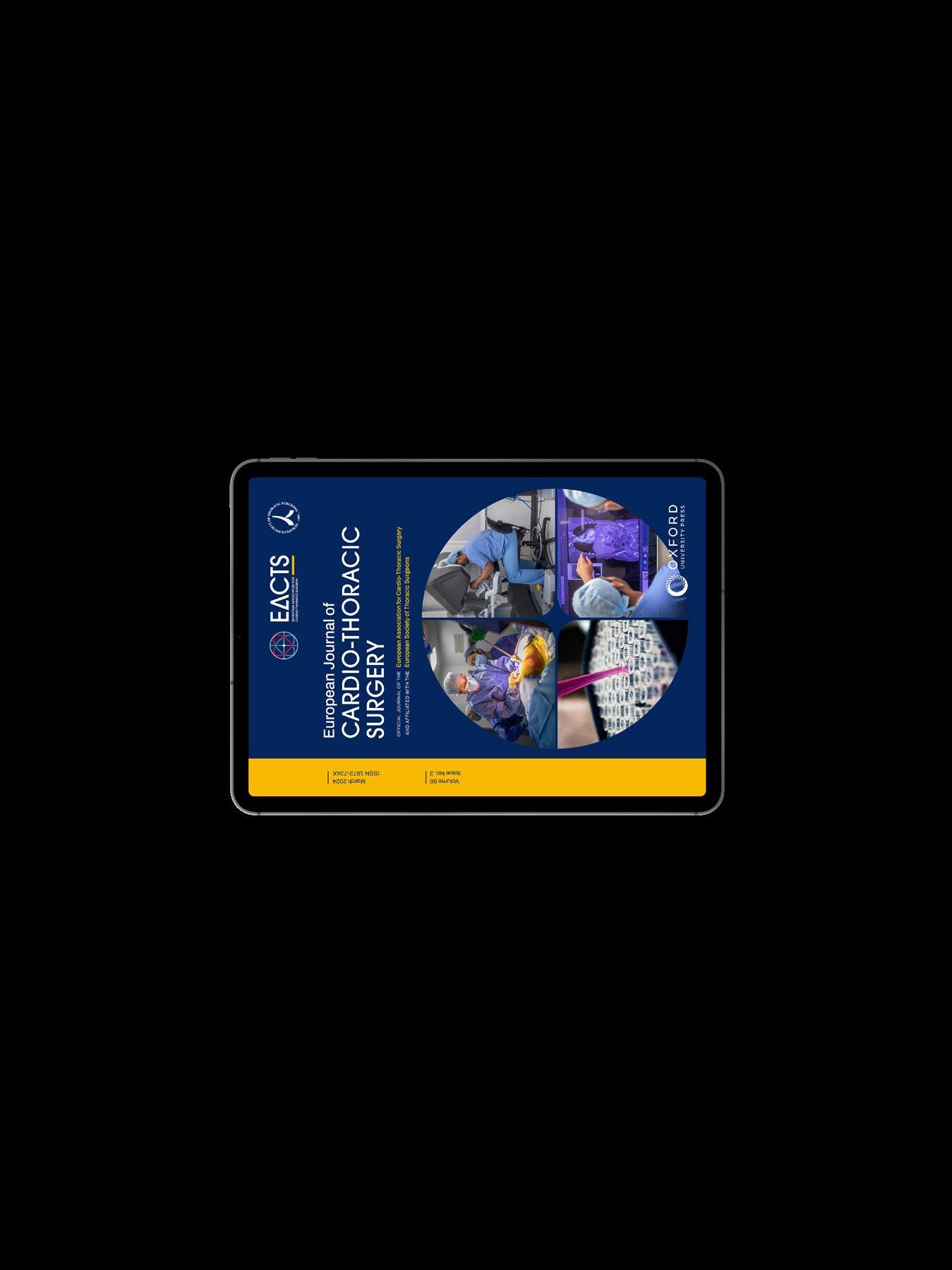
Eric Francis Macharia-Nimietz, Makhmudbek Mallaev, Paulius Gecas et al
Latest articles/ videos
EJCTS
Artificial Pancreas and Continuous Insulin Infusion for Preventing Cardiac Surgical Site Infections
Takeshi Arai, Daichi Takagi, Hiroshi Yamamoto
ICVTS
Effectiveness of surgical sealants in reducing prolonged air leaks after pulmonary resection: A systematic review
Aleena Chinoy, Alan Soo
MMCTS Tutorial
Chest wall resection and reconstruction performed robotically using different techniques
Munir Adamu Bala, Ra’fat Tawalbeh, Haisam Saad et al
New MMCTS features coming this summer!
Interactive quizzes – test your understanding as you watch
Left-handed procedure icons – instantly identify procedures performed by lefthanded surgeons
MMCTS, continually improved to make learning more intuitive.
MMCTS Tutorial
Ventricular septal defect repair after acute myocardial infarction using the double-patch technique without ventriculotomy
Sofia Fontanella, Valentina Mescola, Ignasi Julià Amill et al
MMCTS Case Report
Two variations of Commando – Nicks approach for calcified aortic and mitral valve disease
Amar Gabrielle, Junichi Shimamura, David Spielvogel et al
GUIDELINES WEBINAR
EACTS Expert Consensus Statement on the Ross Procedure in Adult Patients
Join the expert authors as they examine its practical realities – from identifying ideal candidates and navigating complex root pathology, to technical pitfalls, autograft durability, reintervention risk, and the ongoing debate surrounding where the Ross procedure should sit within modern aortic valve practice.
Available now and on demand
WEBINAR
Abstract submission for the 7th EACTS/STS/LACES Latin America Cardiovascular Surgery Conference is now open. Be part of a programme that addresses and explores the latest developments and best practice in coronary artery disease, congenital heart disease, thoracic aortic disease, atrial fibrillation and the surgical management of heart failure.
Your original scientific abstract could be selected for oral and e-Poster sessions. The programme also features a leading international faculty and includes lectures and keynote presentations, technical videos relating to procedural expertise, trial updates, quality outcomes sessions and interactive panel discussions.
Deadline for abstract submission – 14 August 2026.
Submit your abstract
Register today for the EACTS/STS/CSIA CARDIO-THORACIC CONFERENCE – IN AFRICA FOR AFRICA

Registration is now open for the inaugural African Cardio-Thoracic Conference – In Africa for Africa which will take place from 4-6 September in Cape Town, South Africa. Organised by EACTS, the Society of Thoracic Surgeons (STS) and the Cardiac Surgery Intersociety Alliance (CSIA), in association with the Society of Cardiothoracic Surgeons of South Africa (SCTSSA), the Conference brings together leading international and regional clinicians, fellows and registrars to explore contemporary and contextualised clinical approaches, surgical techniques, healthsystem strengthening and perioperative topics of interest in Africa.

The scientific programme is now available featuring three days of plenary sessions, surgical techniques and abstract presentations.
Registration includes free access to simulation ‘how-to’ sessions exploring bailout coronary artery bypass, modified Bentall procedure and aortic root enlargement.
Register Now!
HONOURING OUR PAST
EACTS has held a pivotal role within the cardiothoracic community for 40 years, supporting members to improve outcomes for patients. A history of world-class surgical education and training, disseminating the latest science and best practice, and bringing the community together at the EACTS Annual Meeting.
As part of our 40th anniversary celebrations, we are sharing your memories and reflections. Tell us what EACTS means to you and help us honour our past, embrace our present and help shape the next 40 years of excellence in cardiothoracic surgery.
Post your highlight on social media using #40YearsofEACTS and tag us – your story could be featured in our official anniversary campaign!
Here members of our Council and committees reflect on their EACTS experience
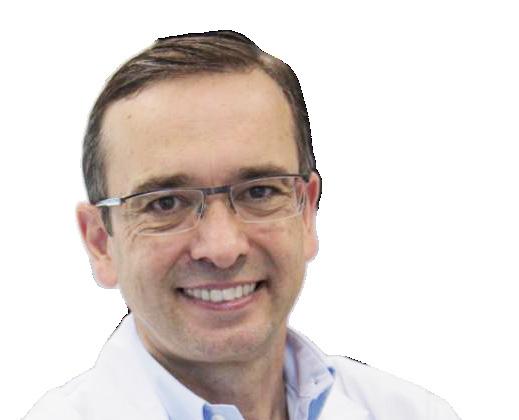
Rafa Sádaba, EACTS President
“I've been part of EACTS for over 20 years, and it fills me with pride and responsibility to lead the Association in this 40th anniversary. Professionally and personally, I have grown with the organisation. I have learned so much and have had great opportunities to meet mentors and leaders in their field. For me, it's been a unique learning experience over the last 20 years.”

Alicja Zientara, Deputy EACTS Academy Director
“Forty years of EACTS is a great anniversary. It is an opportunity to combine the beginning and the future of EACTS and bring together different generations of surgeons.
“When I was a trainee, I was always looking for opportunities to get to know surgeons from other countries and larger centres to learn different opinions about techniques.
“My first EACTS Annual Meeting was in 2012 where I discovered the cardiothoracic surgery world is not only small but very big and we can learn from each other in many ways.”
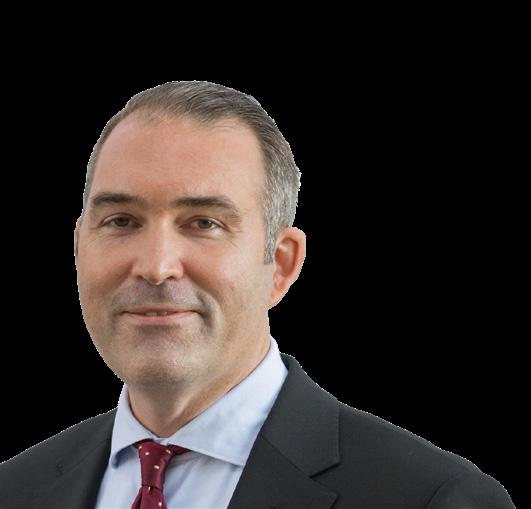
Patrick Myers, Secretary General
"I first became involved with EACTS as a resident, and what struck me most was its unique combination of scientific excellence and inclusivity. It quickly became my EACTS family, bringing together mentors, colleagues and lifelong friends from around the world who share the same passion for improving patient care.
"Looking back, it is a privilege to have grown with the Association and now help ensure it remains just as welcoming and inspiring for the next generation.
"EACTS has always been about passing knowledge from one generation to the next. Our patients may never know the mentors, colleagues and friends who shaped the surgeon caring for them, but they benefit from that shared commitment every day."
EACTS 40 UNDER 40
As we celebrate #40YearsOfEACTS, we seek to recognise 40 inspiring individuals under the age of 40 who demonstrate a commitment to cardiothoracic surgery and our mission to improve patient outcomes.
Make sure to follow us on social media to be the first to find out who has been selected for the official EACTS 40 Under 40!
CAREERDEFINING EXPERIENCES
The Francis Fontan Fund Fellowships offer recognised and respected professional development opportunities to develop surgical skills with career-defining experiences at some of the most prestigious institutions around the world, working with experts in their field.
Available to EACTS members, applications open for congenital, thoracic and collaboration fellowships on 1 July.
Congratulations to the 2026 recipients of these fellowships. Here they describe how the fellowship will impact their professional development and patient care in their home centres.
THORACIC
Thoracic & Minimally Invasive Surgery Fellowship
Robotic Thoracic Surgery
Recipient: Victor Manuel Sanchez Sotelo
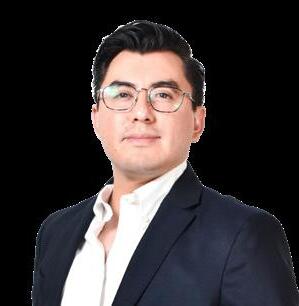
“I am honoured to accept the EACTS Thoracic & Minimally Invasive Surgery Fellowship at Shanghai Chest Hospital. I am excited to train at one of the world's most experienced centres in thoracic surgery, and committed to taking this crucial step towards the development of advanced minimally invasive surgery back in México.”
VATS Fellowship in General Thoracic Surgery
Recipient: Cátia Araújo Silva
Recipient: Joshua Goldblatt
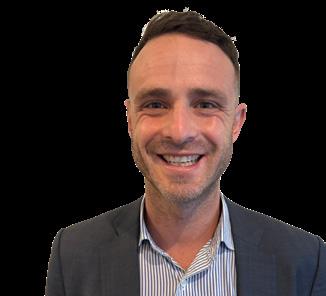
“I am incredibly grateful for the opportunity to spend time with highly skilled and experienced robotic thoracic surgeons. I believe this opportunity will enable myself and our thoracic unit in Perth to continue to develop and provide high level care to the public of Western Australia. I am excited for the fellowship ahead!”
CONGRATULATIONS TO THE 2026 RECIPIENTS OF THESE FELLOWSHIPS.
COLLABORATIONS
TSF & FFF International Travelling Fellowship in partnership with LACES
Recipients:
Eliana Beatriz Yagual Gutiérrez
Gustavo Perez Guerra
Djalal Abdoulaye Haroun
Juan Pablo Retamal Campodonico

“I am grateful for this opportunity, which complements the training I continue to receive from my professors and brings me closer to my goals in cardiovascular surgery.”
Jesus Infante
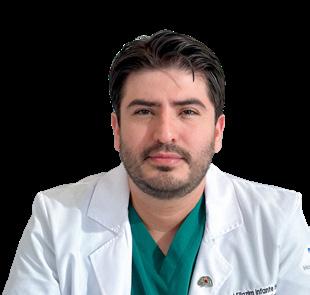
“As cardiac surgeons, we always want to offer our patients top-quality surgery; that being minimally invasive cardiac surgery procedures with the fastest recovery time and early return to patient’s daily activities. With the help of the TSF/FFF International Travelling Fellowship with LACES I will be able to learn about MICS and offer these procedures to patients back in my country.”
Thoracic Surgery Foundation & Francis Fontan Fund International Travelling Fellowship
Recipients: Anze Djordjevic Lauren Taylor
Quality and Outcomes with MSTCVS
Recipient: Abiduddin Arif Mohammed
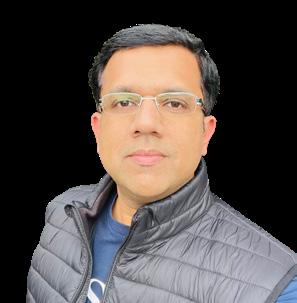
"I am deeply honoured to be selected for the 2025-26 Quality & Outcomes with MSTCVS Fellowship. I look forward to advancing evidence-based cardiac surgery, strengthening quality improvement frameworks, and contributing to better patient outcomes across our global community.”
Pragmatic Clinical Trials Fellowship in partnership with Weill Cornell Medicine
Recipient: Kai Münker
Adult Congenital Heart Disease Fellowship
Applications for the Adult Congenital Heart Disease Fellowship will also open on 1 July. A steadily growing specialisation within the congenital heart surgery practice, this fellowship is in adult congenital heart disease and aortic root surgery including (supported) Ross, VSRR, and PEARS procedure.