
Lawrence Coles III (New York 2010) Pg. 5
The Courageous Leadership of Lucas Leys’ e625 Pg. 7 BREAKTHROUGH
Kyle Rainbolt (St. Louis 2019) Pg. 3

Major Sports Team Chaplains and the Late Eddie Cole (Orlando 2000) Pg. 9

Lawrence Coles III (New York 2010) Pg. 5
The Courageous Leadership of Lucas Leys’ e625 Pg. 7 BREAKTHROUGH
Kyle Rainbolt (St. Louis 2019) Pg. 3
Major Sports Team Chaplains and the Late Eddie Cole (Orlando 2000) Pg. 9
By Gerald Bell, Ron Carter, and Shannon Pothoven
In the eyes of many urban youth leaders, size matters. Be it the number of youths they serve, annual dollars raised, or the square footage where they gather, no one does youth ministry without tracking some quantifying metrics.
At DVULI, we embrace the idea that bigger doesn’t always mean better and smaller isn’t less significant. After all, Christ abandoned 99 sheep to save one. So, it’s possible that one impacted youth can alone improve, if not transform, an entire community.
Boston’s Dudley Street Neighborhood Initiative (DSNI) was once led by an urban youth, John Barros. For years, DVULI featured John at our second national conference as a case study to demonstrate how someone on very few people’s radar could achieve neighborhood-wide sustainable change.
Another such instance is the Young Men’s Educational Network (YMEN) based in Chicago. YMEN (another conference case study) prepares youth for leadership by helping them develop a love of learning and use their talents to serve the community and strengthen their families. Year after year, DVULI participants witnessed firsthand the amazing testimonies of how YMEN was strategically transforming the future of Chicago’s Lawndale community while operating with minimal means. Big or little budget. Large or small crowds. Leveraging whatever you have to work with is tantamount to youth ministry success. At the 2008 DVULI first national
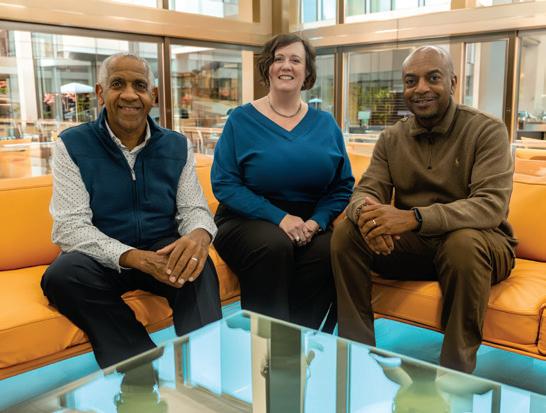
“AT DVULI, WE EMBRACE THE IDEA THAT BIGGER DOESN’T ALWAYS MEAN BETTER AND SMALLER ISN’T LESS SIGNIFICANT. AFTER ALL, CHRIST ABANDONED 99 SHEEP TO SAVE ONE.”
conference, the late Rich DeVos said that success looks different for each person depending on where they are coming from.
From Big Brothers Big Sisters to the Boys and Girls Clubs, we know many name-brand youth-serving programs doing awesome work. Yet, DVULI also knows credible youth ministry can be achieved by even lesser-known programs that, at times, can help take up the slack where larger organizations are not accessible.
It is our honor this year to highlight a few of our DVULI alumni doing mighty work in modest ways. These leaders can attest to God’s faithfulness, as well as the dedication of individuals aligned with the mission of providing youth the support and relationships needed to reach their divine purpose. In our eyes, that’s huge!
Gerald Bell (Kansas City 2003), Editor gerald.bell
Contact DVULI: 200 Monroe Ave. NW | Grand Rapids, MI 49503 | 616-643-4848 | staff@dvuli.org
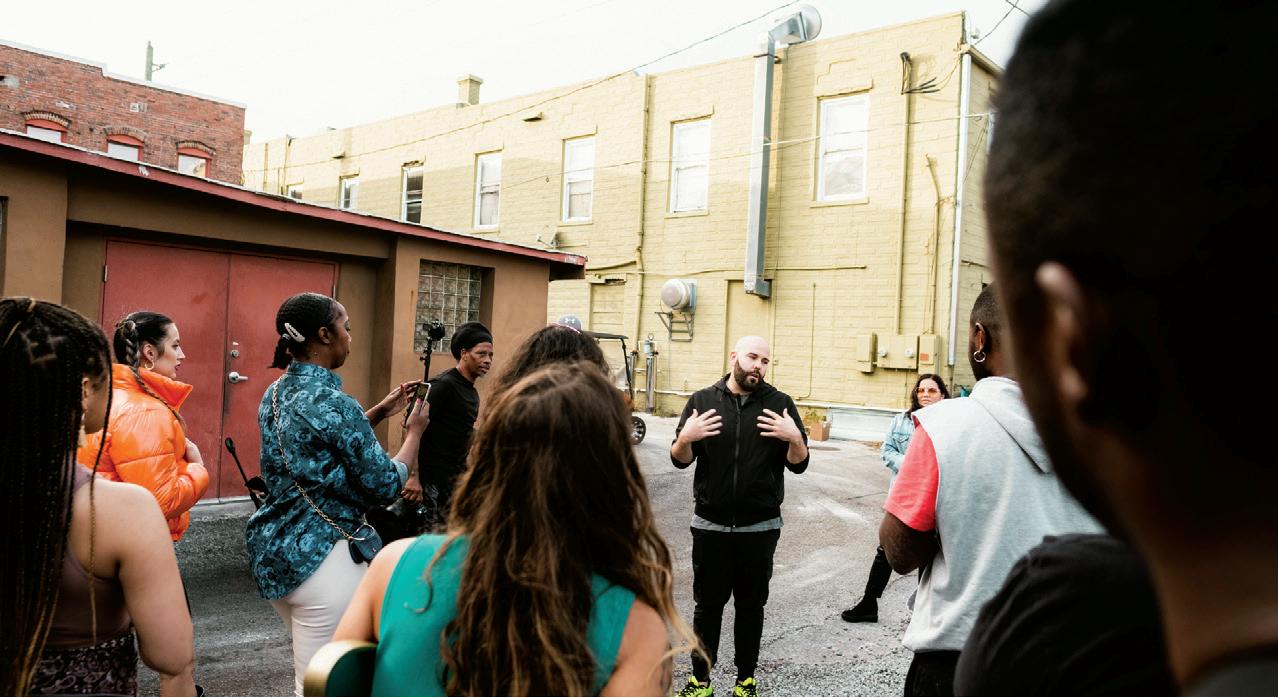


DVULI, CCDA, World Impact, Reframe Youth, and Urban Youth Workers Institute have all joined forces to form the CityCollective.
We are kicking off the collaboration with a FREE webinar series offering tactical frameworks to help you thrive in your calling.
Because urban ministry can demand your attention 24/7, there is a “triple threat” reality facing urban leaders today:
• Burnout
• Secondary trauma
• The exhaustion of running on empty
A HEALTHY LEADER IS THE PREREQUISITE FOR A TRANSFORMED NEIGHBORHOOD.
You are the bridge-builders, the 3 a.m. crisis responders, and the hearts beating for neighborhoods that feel overlooked.
We have developed this four-part series for the purpose of intervention and prevention.
THE FOUR PILLARS OF THE COLLECTIVE:
• Soul Sustainability (DVULI): Prioritize your health before the ministry forces you to.
• Relational Depth (Reframe Youth): Use vulnerability and curiosity to reach skeptical hearts.
• Neighborhood Blueprint (CCDA): Gain a framework for loving your neighborhood that actually sticks.
• Redemptive Impact (World Impact): Reimagine poverty work as a sacred, soul-filling service.
THIS FREE WEBINAR SERIES IS AN INVESTMENT IN YOU. There is no cost, no catch, and no “DIY” hacks—just the combined wisdom of practitioners who understand the tension of the city. Find more information and register by visiting: www.citycollectiveseries.com.

By La Tasha Langerston (St. Louis 2019) Contributor
Leadership in urban ministry often comes with an unspoken expectation: You carry the weight of it all.
The responsibility to keep showing up and producing regardless of what’s happening behind the scenes or within your own heart can start to feel heavy. For Kyle Rainbolt (St. Louis 2019), that weight had become normal.
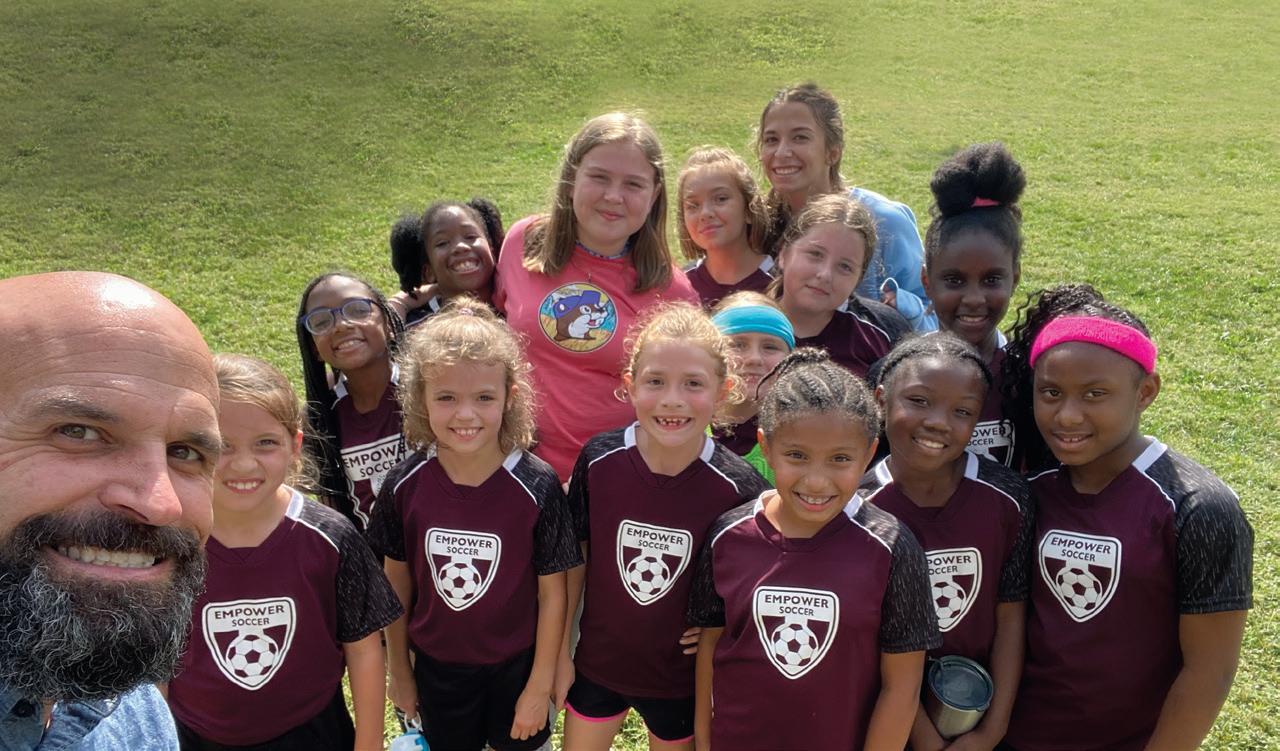
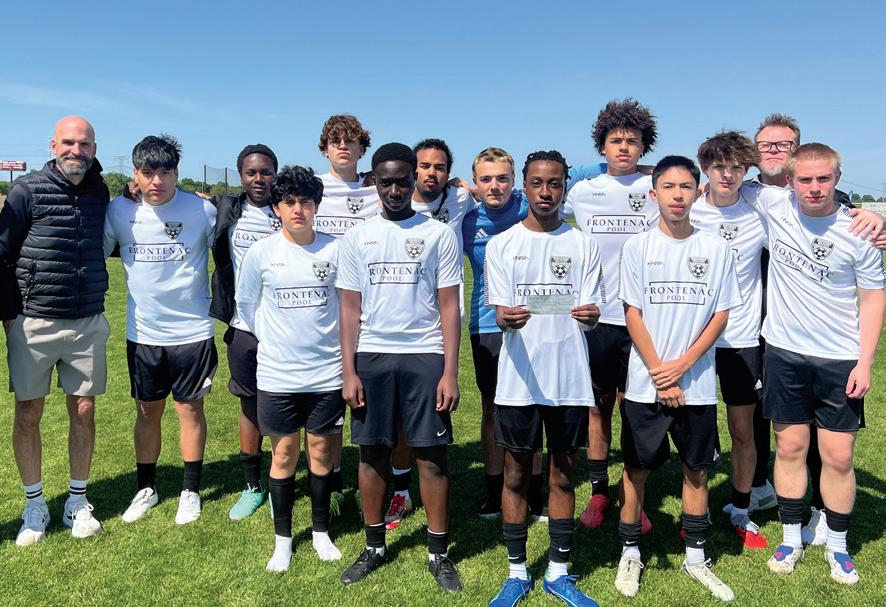
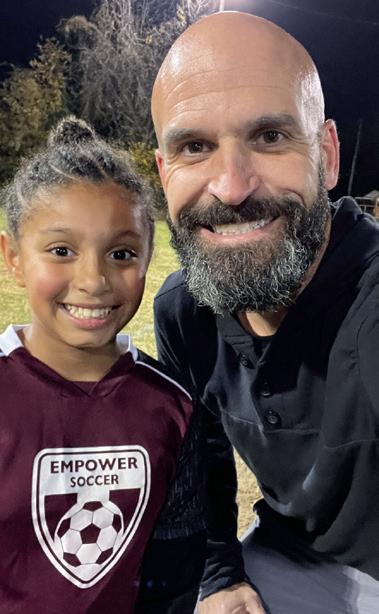
As the founder of Empower North County, he was leading, building, and pouring into others at a steady pace. From the outside, it looked like growth and impact. But internally, the pace and pressure were catching up with him.
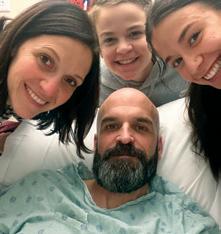
One night in January 2024, he hit his breaking point.
“I was dropping my son off at youth group. Suddenly, I lost all feeling on the right side of my body. I knew instantly something was very wrong,” Kyle recalled. At the hospital, doctors confirmed he had suffered a stroke. At first, it seemed manageable. He could still talk, but within hours, everything changed.
“My voice was basically gone. I knew what things were, but I couldn’t say the words. I couldn’t express how I was feeling,” he said. For a leader whose life centered on communication, the loss was disorienting.
“MY IDENTITY WASN’T IN MY ABILITY TO SPEAK, PREACH, OR PERFORM. I WAS STILL ME EVEN IN THE SILENCE.”
“I felt trapped in my own mind,” described Kyle. “I couldn’t connect with people. To be honest, I felt like a waste in those moments.” And spiritually, the questions came. “I found myself feeling incredibly alone and asking God, ‘Why?’” he said.
The turning point came quietly. “Somewhere in those days, I realized I had a choice to make,” Kyle said. Even without his voice, something became clear. “I hadn’t lost everything,” he added. My identity wasn’t in my ability to speak, preach, or perform. I was still me even in the silence.”
That was the breakthrough.
This changed how he moved forward. Instead of focusing on what he had lost, he began to hold onto what remained. “Progress became enough,” said Kyle, who also saw a shift in his prayers. “Instead of just asking ‘Why?’ I started asking, ‘What now?’”
Before the stroke, Kyle believed in balance, but he lived at full capacity. “Over time, it quietly became unsustainable,” he said. “Everything was shaped around what I could produce for others.”
After the stroke, that system broke.
“I had to ask what kind of leader I actually was when I couldn’t perform the role I had attached so much identity to,” Kyle reflected. That’s where DVULI’s principle of balance became real. And alongside it came interdependence. His family stepped in immediately.
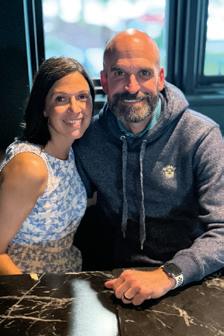
“My wife was constantly there, helping interpret what I was trying to say,” he shared. His church showed up consistently, bringing meals, supporting his family, and staying present.
More than 300 people gave financially so his wife could stay home and care for him.
“That mattered more than I can explain,” rejoiced Kyle. This was interdependence lived out.
Nine months later, Kyle made the hardest decision of his life. He stepped down as lead pastor after 20 years. “If I was going to truly live out balance, I had to make a difficult choice,” he said. It wasn’t the end. It was a reset.
Today, Kyle is rebuilding, but he’s doing it differently. “It’s not about getting back to who I was before,” he explained. “It’s learning who I am now and what kind of leadership is sustainable.”
What was the biggest win? Clarity.
“I don’t take simple things for granted anymore,” he remarked. “There’s a stronger awareness of limits.” And with it, a kind of freedom he hadn’t known before. “My value isn’t tied to performance or output.”
What’s just as striking is what didn’t fall apart. The work continued. Young people were still being poured into. The mission of Empower North County didn’t stall; it stretched. The same community he had spent years investing in began to carry the weight with him.
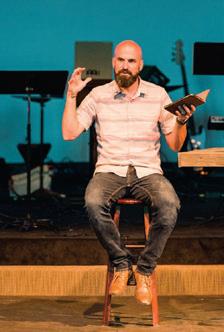
Leaders stepped up. Others leaned in. And what once depended heavily on his presence was now being sustained by a collective commitment to the work. “This experience reminded me that longevity in ministry is not possible without strong personal foundations,” Kyle said.
“I DON’T TAKE SIMPLE THINGS FOR GRANTED ANYMORE. THERE’S A STRONGER AWARENESS OF LIMITS. MY VALUE ISN’T TIED TO PERFORMANCE OR OUTPUT.”
Kyle’s story is a reminder that many leaders don’t realize what they need. You can carry a lot for a long time and still carry the weight the wrong way. And sometimes, it takes everything falling apart to show you what was never sustainable to begin with.
Not every leader will face a moment this dramatic. But every leader will face the question: Is the way I’m leading actually built to last?
Kyle’s answer didn’t come through doing more. It came through loss, silence, and a shift in identity. And in that space, something stronger was built: A leadership that doesn’t depend on constant output but one that can endure.

La Tasha Langerston (St. Louis 2019) is a program director for Urban Born, an author, life coach, and freelance writer.
By Randy Mason (Newark 2021) Contributor
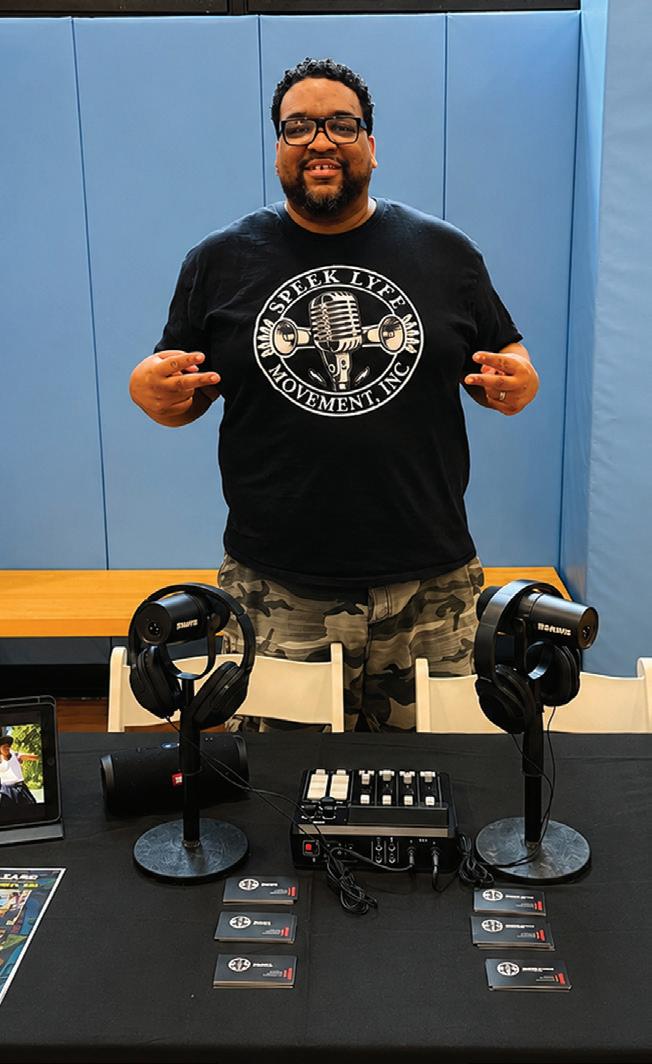
LYFE Movement, Inc.

POSITION: Founder, Executive Director
Tell us about your ministry and how you fulfill its mission.
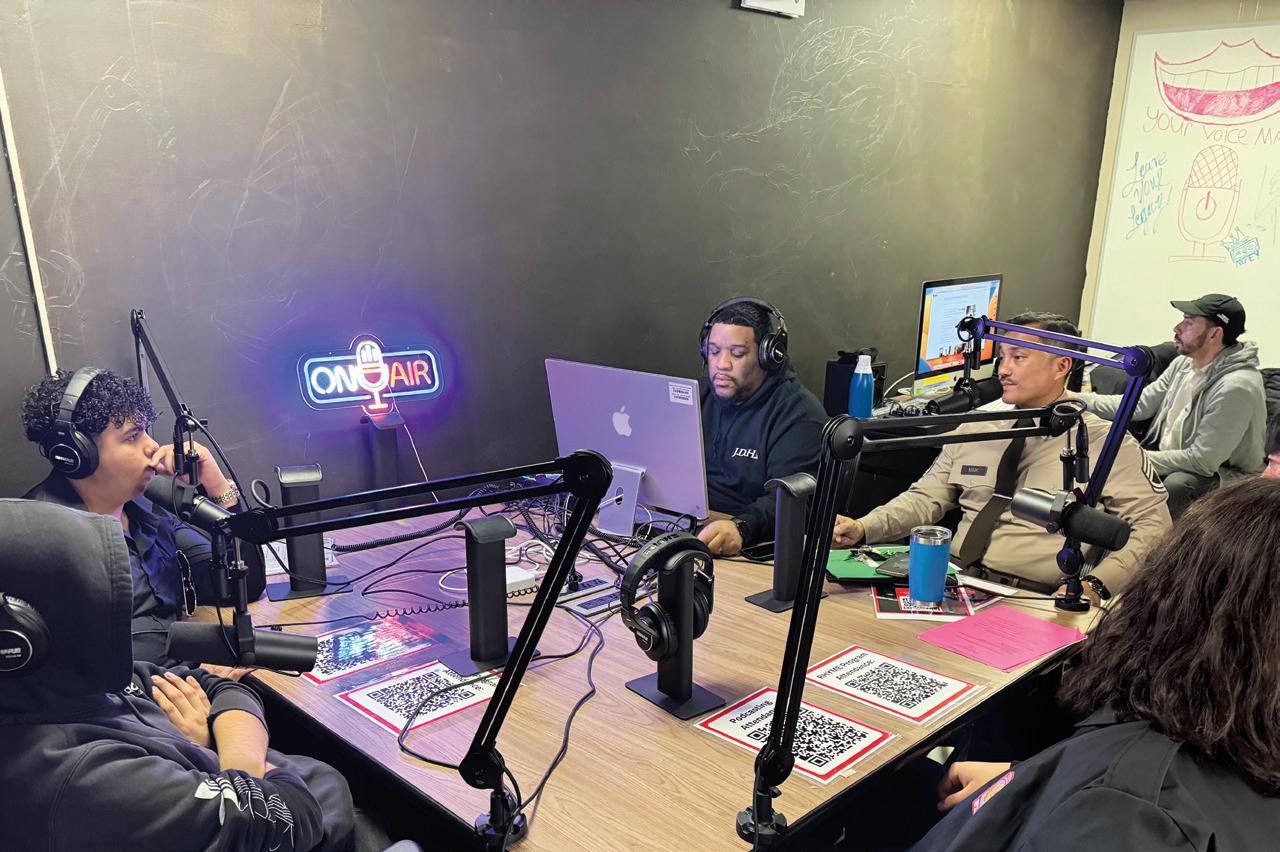
My name is Lawrence Coles III, and I serve as the founder and executive director of SPEEK LYFE Movement, Inc., a nonprofit that engages youth in moral and spiritual development through creative arts, media, sports, and life skills training.
We fulfill this mission by partnering with New York City schools and community organizations to create programs that are engaging and culturally relevant to inner-city youth. Through these programs, we empower students to use their voices to create music, media, and art that reflect their stories and experiences.
Our music program is a key part of this work. Students learn the fundamentals of songwriting, music production, and performance. By the end of the program, they collaborate to create their own original song and music video, allowing them to experience the full creative process and see the power of their voice.
Why do you think God has called you to this work?
I believe God has called me to this work because music and the arts are incredibly powerful influences in today’s culture. Many of the ideas, values, and lifestyles young people adopt are shaped by the music they listen to.
Before starting SPEEK LYFE Movement, I worked at a major record label, and one thing that stood out to me was how often artists promoted messages in their music that they didn’t actually live by in real life. That disconnect stayed with me.
Now, I have the opportunity to go into schools and teach young people how to create authentic, positive, and meaningful music of their own. Helping a young person write and produce a song from scratch is powerful. It gives them a voice and shows them that their story matters.
What do you hope to accomplish while you serve in this capacity?
Some of the young men who were part of our programming as youth are now adults, and I mentor them. They are developing leadership skills and carrying the work forward without needing me there.
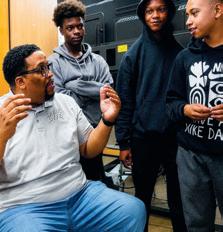
Because I assumed a full-time position at church and am limited in how many schools I can serve on my own, there’s a clear need to strengthen and multiply leadership. Investing in the next generation so the work continues is the legacy I hope to leave.
What challenges has your youth organization had to overcome?
One of the biggest challenges we face is the unpredictability of school budgets and leadership changes. Even when a program has been successful, there’s no guarantee it will continue the following year if funding shifts or administration changes.
For example, we worked with one school for two years, but in the third year, the program was not renewed due to budget constraints and a change in leadership.
However, we’ve learned that when one opportunity closes, God often opens another door somewhere unexpected. While there are financial challenges in this work, we’ve consistently seen God provide new partnerships and opportunities.
What are you most proud of that the ministry has accomplished?
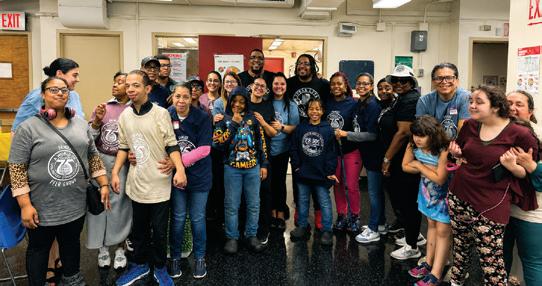
Some of the moments I’m most proud of come from the work we’ve done with District 75, which serves students with special needs across New York City.
Through this partnership, we’ve been able to lead music programs for both students and parents. The parent programs were especially meaningful because many parents dedicate so much of their lives to caring for their children that they rarely get the opportunity to focus on their own creativity.
Watching them write music, express their stories, and begin to dream again was incredibly powerful. Those moments reminded us that creative expression can be healing and life-giving for people of all ages.
What collaborative opportunities are benefiting this work?
One of our most impactful partnerships has been with Thrive Collective, a nonprofit that we have worked with for the past four years.
At one school, we collaborated on a project where students created music for four graduating classes. Along with the music, we helped create a mural on the front wall of the school inspired by the songs the students wrote.
The album was titled “Limitless.” Today, when students walk into the school, they see the word “Limitless” along with the song titles displayed on the wall. Each title carries an inspiring message, reminding students of the creativity and potential within them.
Can you name one learning principle from your DVULI training that is being applied to your work?
One DVULI principle that has been very influential for us is the idea of leveraging the strengths of young people by viewing them as assets rather than just participants.
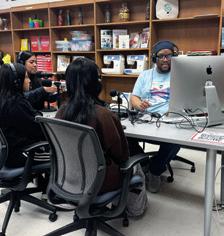
While we lead the classes, we intentionally identify students who show leadership and creativity and invite them to partner with us in the process. Giving them that responsibility creates a sense of ownership and allows the program’s impact to continue even beyond the time we spend in the classroom.
How can your DVULI family be praying for you as you move forward?
Please pray that God sends the right partnerships and the right co-laborers as our work continues to grow.
We are seeing more opportunities to serve schools and communities, but we need the right team members to help carry the vision. We are praying for people who love the Lord, are passionate about serving young people, and are creative enough to connect with the students we work with.
We believe God has positioned us to have a meaningful impact on youth throughout New York City, and we ask for prayer that He continues to guide our steps and send the right people to help move the mission forward.

By Sergio Valerga, National Director, e625
In many Christian spaces, collaboration is seen as a means to an end: “Let’s work together to make this bigger.” But in the kingdom, collaboration is not a tool; it’s an expression of God’s character. The Trinity itself is a perfect community of love and shared purpose. Christian leadership is called to reflect that same design: to walk with others in unity, with purpose and humility.
This biblical text makes it clear that we all need one another—young or old, well spoken or most effective behind the scenes. We all have gifts and resources to contribute to the benefit of all. Therefore, we must lead by modeling, teaching, and equipping.
by making room for the influence of the Holy Spirit and embracing the opportunity to serve side by side with them, rather than imposing their authority.
Paul writes, “On the contrary, those parts of the body that seem to be weaker are indispensable, and the parts that we think are less honorable we treat with special honor. And the parts that are unpresentable are treated with special modesty, while our presentable parts need no special treatment. But God has put the body together, giving greater honor to the parts that lacked it, so that there should be no division in the body, but that its parts should have equal concern for each other” (1 Cor. 12:22–25 NIV).
This biblical text makes it clear that we all need one another—young or old, well spoken or most effective behind the scenes. We all have gifts and resources to contribute to the benefit of all. Therefore, we must lead by modeling, teaching, and equipping.
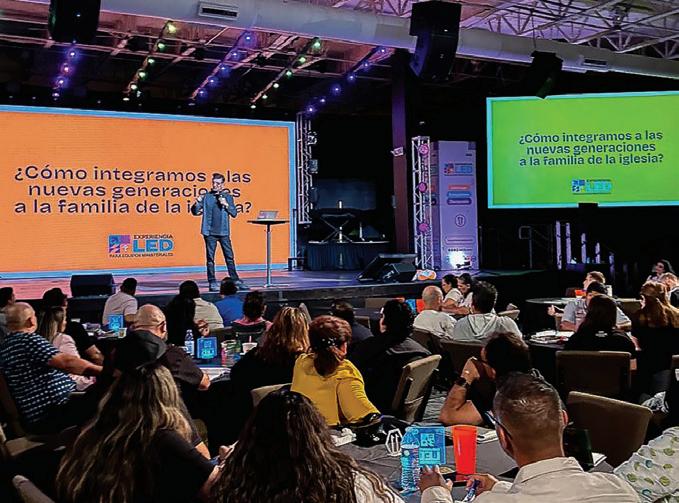
One of the things we need to do is build bridges of trust and care for younger generations seeking to engage and learn from the mature congregants. This type of shared leadership empowers youth while pushing them into the waters of congregational inclusion. In the long term, this leadership model creates an inclusive community of mature adults who embrace the role of helping the younger ones live out their spirituality in Christ. They do this
What if we helped imagine and nurture the space within our influence so life could grow from it, not by imposing something from the outside in, but from the bottom up, just as through dependence on the Holy Spirit.
Collaboration isn’t just about working together; it’s about trusting each other, celebrating our gifts, sharing space, and discerning together. It’s a dance, not a parade. It’s a joint endeavor, not a collection of individual projects.
Paul puts it this way: “So neither the one who plants nor the one who waters is anything, but only God, who makes things grow” (1 Cor. 3:7 NIV).
In the body of Christ, every function matters, but none is autonomous. True transformation occurs when different parts work in harmony, guided by the same Spirit.
leaders who don’t shine alone but who ignite the light of others. Leaders who don’t build personal empires, but who build God’s kingdom together.
Jesus is not the poor man who becomes rich, nor the little man who becomes great. He is the one who has everything and leaves it behind to come and serve. He shows us that the path is downward, that the arrow on the sign on the side of the road points down. He is the one who kneels with the towel ready to dry feet, who humbles Himself to restore our dignity and worth, who gives His life as a ransom for many and invites us to follow Him, to carry His cross and take up His yoke.
There is a profound difference between the ambition for power and the ambition to love and serve. It is the difference between trying to lift ourselves up or trying to lift up our fellow human beings. Leaders with the right heart focus on awakening and empowering the gifts of others, rather than drawing attention to themselves. They invest in others, add value, equip, treat others with dignity, encourage, stimulate, express gratitude, celebrate good deeds, and rejoice in the accomplishments of their disciples.
If we want to lead like Jesus, we need to genuinely walk with others, be accountable, and multiply ourselves in others. Today more than ever, the world needs Christian
For that to happen, we need courageous leaders but also humble collaborators. Of course, collaborating isn’t easy. It involves giving up control, exposing ourselves to differences, and opening ourselves to the possibility of being hurt. But it’s also the best way to build something that doesn’t depend on a single name, that doesn’t die with a single person.
Leaders with the right heart focus on awakening and empowering the gifts of others, rather than drawing attention to themselves. They invest in others, add value, equip, treat others with dignity, encourage, stimulate, express gratitude, celebrate good deeds, and rejoice in the accomplishments of their disciples.
Christian leadership isn’t a race for prominence; it’s a shared pilgrimage. When it’s exercised with humility and collaboration, it reflects to the world a living image of what God is like: a Father who leads by serving, who restores by walking alongside us, and who builds His kingdom through many, not just one.
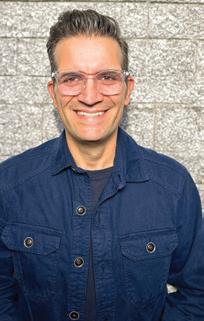
SERGIO VALERGA National Director, e625
A graduate of Christ for the Nations Institute in Dallas, Sergio Valerga is an influential pastor, author, and speaker. His leadership extends to his role as national director of e625. com in the United States, where he spearheads high-impact initiatives for pastors and parents.
On game day in the world of professional sports, team chaplains have a brief window of time to conduct a chapel service for both the home and visiting teams. This is a key moment where biblical principles are shared with teammates who attend. Chapel is intended to help players stay grounded and centered on their faith priorities.
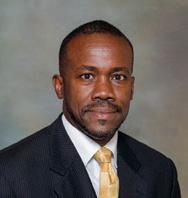

The late Eddie Cole was chaplain for the Orlando Magic NBA team for over two decades. Like every role he held in his life—parent, coach, youth worker, and even mayor—Eddie immersed himself in being a source of spiritual edification to countless NBA players, including aspiring pro athletes, until his final breath last December.
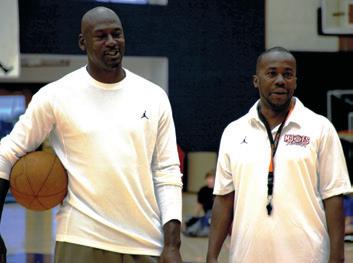
When Eddie was selected to participate in the DeVos Urban Leadership Initiative (DVULI), he was on staff with YoungLife and would later become executive director of Every Kid Outreach, a nonprofit serving youth in Central Florida and surrounding communities.
Eddie’s contagious passion was never questionable in his youth leader position or his team chaplaincy role.
Eddie’s contagious passion was never questionable in his youth leader position or his team chaplaincy role. Seemingly, both jobs came with
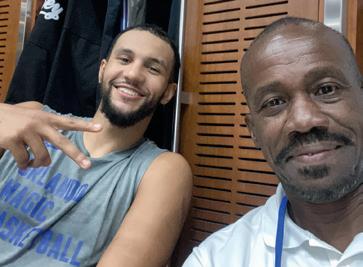
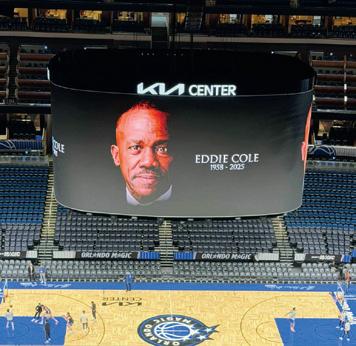
similar tasks, all while meeting a personal sense of fulfillment and calling. Such is the case with nine other DVULI alumni who are well acquainted with being a professional sports team chaplain.
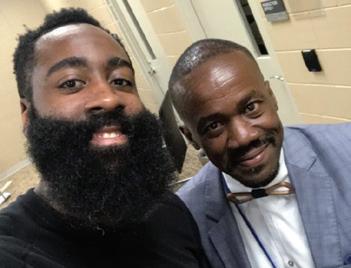
THE CHAPLAINCY ROLE is a unique nonpaid position. Some admit they initially had no interest in the role; others say they turned down the offer when it was made. Yet they were eventually convinced to give it a try and now, looking back, have no regrets.
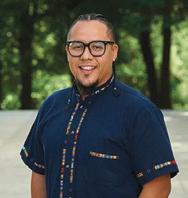
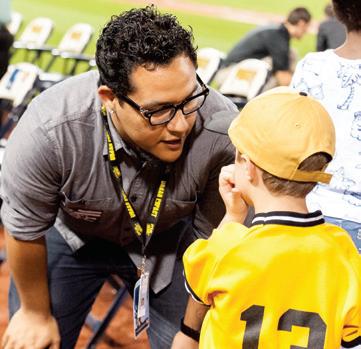
“When I stepped into that locker room in 2013, these guys were hungry for discipleship,” recalls Jesús, who for nine years served as Spanish chaplain for the Pittsburgh Pirates. “I was leading the Spanish service for the home team and the visiting team. I was also leading the English chapel service for the ballpark employees. I did three services on Sunday, and I loved that. There was a lot of relational capital that was really life-giving for me.”
Athletes who look to their chaplain for spiritual fortification eventually build a mutual rapport that easily goes beyond the locker room. It’s not unusual for players to invite their chaplain to officiate their wedding, baptize their children, or entrust them with their personal counseling needs.
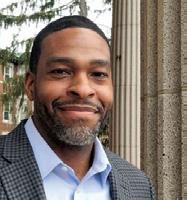
Jua paralleled his chaplaincy work for the New England Patriots to that of leading a congregation. He explained that in the NFL, Sunday is a workday, which prevents players from attending church. So, that’s where Jua steps
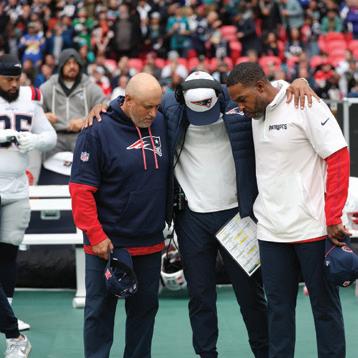
in. “[This is my] opportunity to feed and kind of pour the Word into them,” he noted. “I also connect with their families. I’ve been able to pour into their wives and girlfriends and kids.”
Jua continues, “In the NFL, you have a lot of people. You have the players. You have the injured players and players on the practice squad. You have trainers, doctors, strength coaches, scouts, and meal room people. It’s like a 200-member church. At the same time, you’re trying to reach more guys on the team and empowering them to also reach their teammates.”
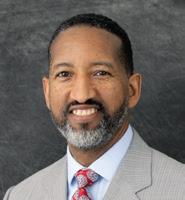
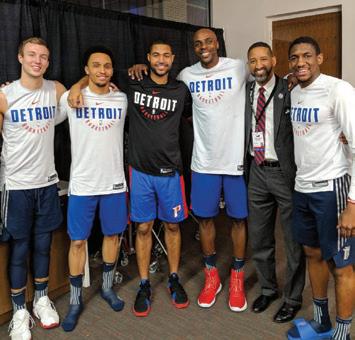
Jonathan has been the chaplain for the Detroit Pistons since 2017. He agrees with Jua about the number of people but adds that he makes himself available to everyone in attendance on game day, including the fans.
“In the first year when I started, God told me to be the chaplain for this whole facility,” said Jonathan. “I got so excited when I looked around. I was like, man, there’s just souls everywhere. So, after I minister to the team, I just float around that whole arena doing wellness checks, loving on people, praying for them, and doing life together.”
Clearly, a chaplain’s work is not without its demands, which requires these alumni to maintain personal disciplines to stay spiritually and emotionally fit.
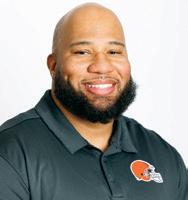
Nobles is doing double duty as chaplain for both the Cleveland Cavaliers NBA team and the NFL’s Cleveland Browns. This load pushes him to exercise DVULI core values such as empowerment, leverage, and interdependence.
“I learn from guys who’ve been doing this a lot longer than me. I have to leverage those opportunities so I can serve as long as God has me in these positions.”
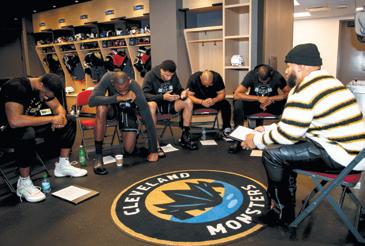
“I am in active discipleship, so I have to be poured into in order to pour into others,” asserts Nobles, who faithfully attends his church’s men’s Bible study. “Both NFL and NBA chaplains have regular meetings where we share best practices with one another. So, I learn from guys who’ve been doing this a lot longer than me. I have to leverage those opportunities so I can serve as long as God has me in these positions.”
Nobles’ quest for sustainability, however long that may be, is another learning tool DVULI participants encounter when writing their capstone breakthrough plans.
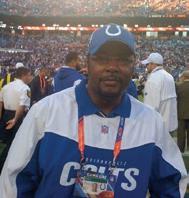
Ken, who spent 21 years as the chaplain for the Indianapolis Colts, is a poster child for going the distance with one team.
Ken describes it as “binding relationships that, for decades, are still going on” even though he’s retired from chaplaincy. “You guys (DVULI) instilled in me to think win-win. I will never go into any relationship without a win-win scenario.” He goes on to reminisce, “All the principles I learned about development from DVULI, they’re still helping me get past the fear of asking and how to put the right people in the right places. So, all those principles came from what I learned at DVULI. I still have all my books, believe it or not!”
The kind of commitment Ken, Nobles, and the others embody is critical to the role of professional sports team chaplain. Most high-paid athletes place a lot of stock in who is coaching them spiritually as much as they do athletically. DVULI celebrates such alumni who apply and model the training values that continue to transform urban ministry leaders at every level and in multiple contexts.
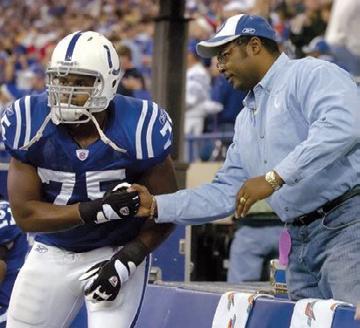
It’s believed the role of chaplain is REACHING URBAN YOUTH through the athletes our young people look up to.
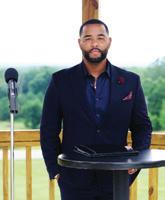
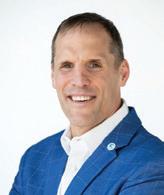
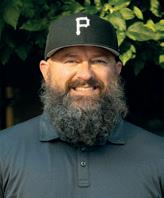
These men also dedicate a significant part of their ministerial calling to showing up on game day and giving all they can to the teams they serve— not present as fans, but as pillars and providers of something that has far deeper meaning than a multimillion-dollar contract or championship trophy.
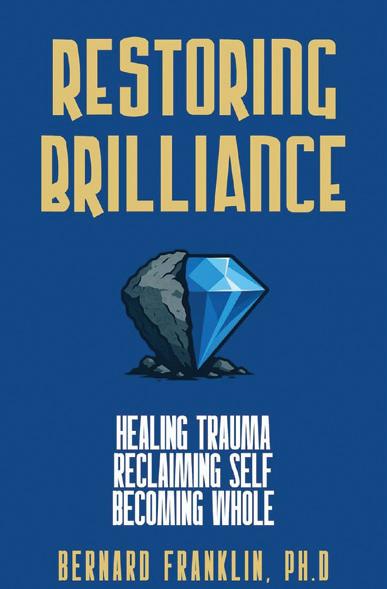
By Bernard Franklin (Kansas City 2001)
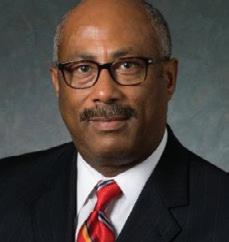
In Restoring Brilliance, Bernard Franklin (Kansas City 2001) shares insights from his personal journey and years of work alongside individuals on the margins of society.
THIS BOOK OFFERS A HOPEFUL, FAITH-CENTERED PATHWAY FOR THOSE SEEKING HEALING FROM TRAUMA and for leaders walking with others through pain toward restoration.
Trauma affects more people than we often realize: our teams, our communities, and sometimes ourselves.
Franklin reminds us that trauma does not erase God-given worth and that healing is both possible and purposeful.
“I’m trying to help people understand that there’s a way out of trauma. No matter how society says you’re no good or disposable, every one of us has an inherent, God-given brilliance. With time, attention, and focus, that brilliance can be restored,” says Bernard.
BERNARD FRANKLIN is a former Kansas City Chiefs chaplain and counselor.
Use this resource to support healing, wholeness, and renewed purpose in the communities you serve

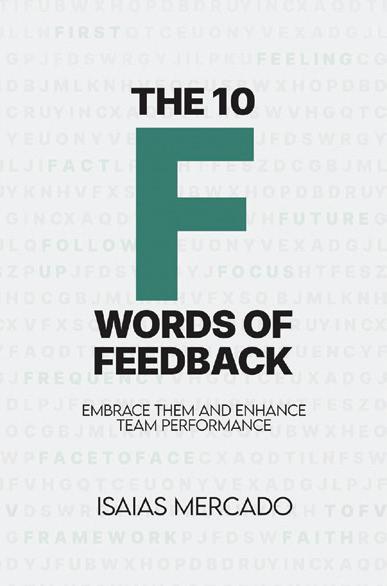
By Isaias Mercado (Chicago 2000)
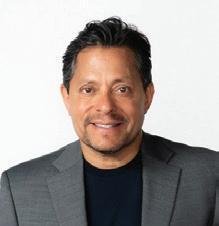
“Most don’t resist feedback; they resist judgment.
EFFECTIVE FEEDBACK DOESN’T DEFINE US; IT REFINES US. IT DOESN’T SHAME; IT SUMMONS. It brings out the best in people.”
- Isaias Mercado
Is giving feedback to your team cold and transactional, or have you walked away from receiving feedback feeling unseen or underappreciated?
Rooted in faith, The 10 F Words of Feedback is a practical leadership tool that helps organizations move feedback from a once-a-year event to a consistent, formative practice. Drawing on more than 25 years of leadership development experience, Isaias Mercado (Chicago 2000) demystifies feedback and reframes it as one of the most powerful drivers of growth, trust, and performance.
This book equips leaders to communicate clearly, act decisively, and build cultures where feedback strengthens people rather than discourages, speaking belief into their God-given skills and potential.
Use it to reinvigorate how your organization develops leaders and teams.

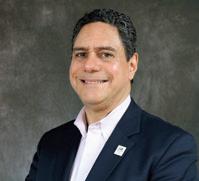
Samuel Acevedo (Boston 2000) was installed as Lead Pastor of Congregation Lion of Judah in Boston in March, also receiving a proclamation from the Boston Mayor’s Office.
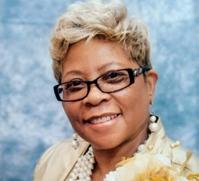
Bertha Edison (Houston 2010) was honored by the opening of the Robert & Bertha Edison Cultural Arts Center in the Houston area.

Marilyn Nguyen (Grand Rapids 2026) earned her Master of Social Work from the University of Michigan.

Donna Barber (Atlanta 2008) published Enough for Today: Forty Reflections for Surviving the Wilderness, a four-part devotional for the weary urban youth worker.
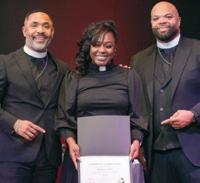
Ebony Fadis (Columbus 2026) was ordained at City of Grace Church in Columbus, Ohio.
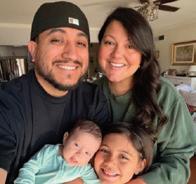
Jenna Bautista-Mata (Phoenix 2017) and her husband, Jacob, welcomed their second child, Benicio Cruz Mata, on March 6, 2026.
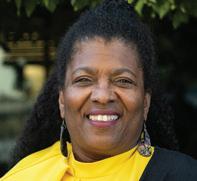
Benita Hopkins (Oakland-SF Bay Area 2015) was honored by the California State Assembly for her outstanding contributions in San Francisco’s fight against human trafficking.
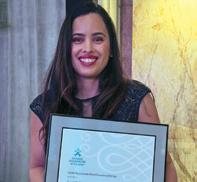
Sugeily Santos (Boston 2016) was awarded 2026 Massachusetts School Counselor of the Year by the American School Counselor Association (ASCA).
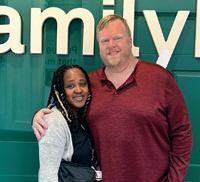
Mark Singleton (Indianapolis 2007) stepped into a new chapter as a missionary with FamilyLife (Cru). Along with his wife, Kendra, they serve families in West Louisville.

Mike Bien-Aime (Miami 2026) was honored by Mayor Angelo Castillo of Pembroke Pines (Florida) for his impactful contribution to the We Love Pembroke Pines initiative supporting local youth.
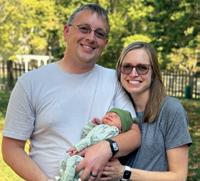
Kristie Krock (Columbus 2026) and her husband, Tim, welcomed their first child, Caleb, on September 11, 2025.
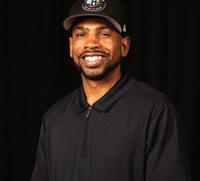
Barrington Smallwood (Washington DC 2022) has released Little Lights Shine Bright, a 4D-animated children’s book meant to empower youth.
Share your personal updates and career benchmarks with us: DVULI.ORG/YOURSTORIES

Desho’nai Burton (San Diego 2023) earned her master’s degree in counseling psychology from California Baptist University.
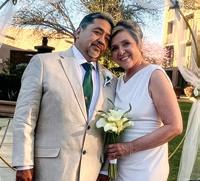
Donald Mehring (Albuquerque 2015) tied the knot to his best friend, Monica Griego Mehring, after nearly 20 years of friendship on March 20, 2026.
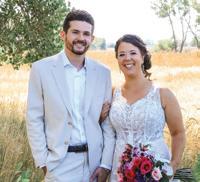
Angela (Maher) Upchurch (Denver 2021) and Johnny Upchurch got married on September 1, 2025.

Follow Us


instagram.com/dvuli/ facebook.com/dvuli/ linkedin.com/company/dvuli/ YouTube.com/dvuli

FEATURING THE FOLLOWING DVULI PRESENTERS IN THEIR RESPECTIVE CITIES:
David Paukovitz • (Chicago 2021)
Ana Jara • (Los Angeles 2010)
Willie Kelley • (Houston 2010)
Kilton Janvier • (Miami 2026)
Mike Gault • (Miami 2018)
Jeff Chupp • (Phoenix 2024)
DVULI ALUMNI GET A 20% discount on Legacy Conference registration.
DON’T MISS OUT! LET’S EQUIP THE NEXT GENERATION OF DISCIPLES.

Contact your DVULI liaison for access to the discount code: www.dvuli.org/ dashboard/dvuli-liaisons

CHICAGO, IL AUG 22, 2026

LOS ANGELES, CA
SEPT 26, 2026
JACKIE


HOUSTON, TX
OCT 17, 2026
JERRY FLOWERS

MIAMI, FL
NOV 21, 2026
PRESTON PERRY



PHOENIX, AZ
DEC 5, 2026
PRESTON PERRY