Understanding Chronic Headaches: When to Consult a Neuro Surgeon

Page 1


Understanding Chronic Headaches: When to Consult a Neuro Surgeon

Identifying Causes, Recognizing Warning Signs, and Accessing Expert Care.

Patient Awareness Guide based on insights regarding specialized care.

Featuring expertise from Dr. Dushyant Verma.

The Global Impact of Chronic Headaches

Widespread Issue: Chronic headaches are among the most common neurological complaints worldwide.

Spectrum of Pain: Severity ranges from manageable discomfort to debilitating pain that interferes with daily life.

The Critical Distinction: While often benign and manageable with lifestyle changes, persistent cases require deeper evaluation. Goal: To rule out underlying structural or neurological causes beyond simple stress or fatigue. Manageable / Benign Requires Evaluation

Understanding the Root Cause: Primary vs. Secondary

Primary Headaches

Includes migraines and tension headaches.

Usually benign with no structural brain issues.

Secondary Headaches

Symptoms arising from underlying conditions (tumors, vascular issues, nerve compression).

The primary reason for seeking advanced neurological opinions.

Objective: A specialist consultation aims to differentiate between these types to ensure safe and effective

Red Flags and Symptoms Needing

Attention

Persistence: Headaches that continue for months despite standard treatment or medication.

Progression: Pain that steadily worsens in intensity or frequency over time.

Neurological Deficits: Accompanied by vision changes, seizures, or limb weakness.

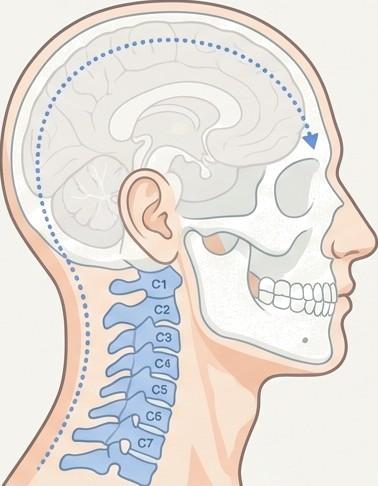
Associated Pain: Episodes occurring simultaneously with neck stiffness or spinal pain.

Decision Indicators for Specialist Consultation

• When to Go: Seek help when standard medical management provides no relief or clarity.

• The Specialist's Role: Experts like Dr. Dushyant Verma evaluate whether the root cause requires intervention.

• The Assessment: Determines if the path forward involves surgical management or conservative neurological care.

• Outcome: Provides an accurate diagnosis to prevent the progression of underlying conditions.

The Role of Advanced Diagnostics and Imaging

Precision Diagnosis: Utilization of MRI and CT scans to visualize internal brain structures clearly.

J

J

Root Cause Analysis: Identifies specific issues like tumors, fluid accumulation, or vascular irregularities.

Guided Treatment: Imaging dictates whether surgery is actually necessary or if non-invasive methods suffice.

Safety: Ensures that all medical decisions are based on accurate anatomical data.

The Cervical Connection: Spine and Nerve

Causes

Not Just the Brain: Cervical spine disorders and posture-related degeneration often manifest as persistent head and neck pain.

Common Culprits: Nerve compression in the neck can send ”referred pain” signals to the head.

Expert Differentiation: Neurosurgeons distinguish between brain-origin pain and spineorigin pain.

Targeted Relief: Identifying spinal issues allows for treatment that resolves the headache by fixing the neck.

Specialized Access in Metropolitan Hubs Delhi

Center of Excellence: Delhi offers premier access to advanced imaging, diagnostic tools, and specialist expertise.

Key Medical Zones: Localities such as Maharani Bagh and Southern Avenue are established hubs for specialized access.

Finding Expertise: Patients often search for specialists (e.g., Dr. Dushyant Verma) in these specific areas for complex cases.

Comprehensive Care: Facilities in these zones are equipped to handle both diagnosis and complex neurosurgical interventions.

Maharani Bagh
Southern Avenue

Expanding Regional Accessibility: Focus on Shillong

Bridging the Gap:

Demand for specialized care is growing beyond metropolitan regions.

Local Access:

Cities like Shillong are seeing increased awareness and access to early neurological diagnosis.

Reducing Delays:

Patients can now access expert guidance (e.g., Dr. Dushyant Verma Shillong) without the immediate need for long-distance travel.

Benefit: Facilitates earlier intervention for conditions that previously required travel to larger

Key Takeaway:

The Value of Timely Action

• Don't Ignore Chronic Pain: Early evaluation prevents condition progression and complications.

• Avoid Over-Medication: Correct diagnosis prevents unnecessary longterm reliance on painkillers.

• Restore Function: Accurate treatment whether surgical or non-surgical improves overall quality of life.

Turn static files into dynamic content formats.

Create a flipbook