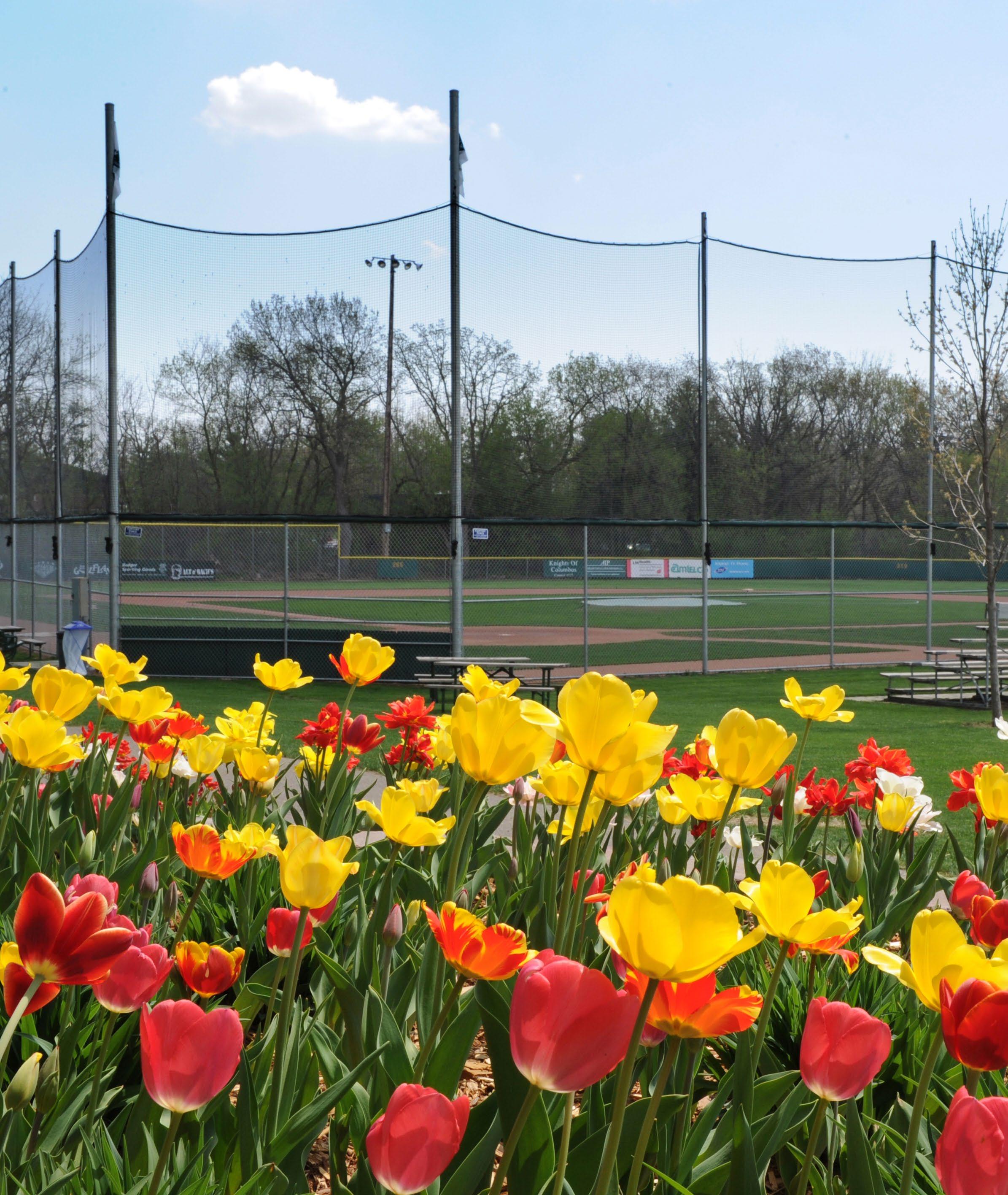


When field upgrades are sidelined, we often hear this reason: “we lack the funds.” Even when money is available, it is often spent on “splashy” improvements — things like dugouts, scoreboards, backstops, batting cages, etc. While those are valuable, a safe, playable, easy-to-maintain ballfield is what truly makes games run smoothly and safely. So, what steps can an organization take to successfully fund capital improvements to their facility?
First things first: all organizations should be run like a business.
This starts with establishing an annual budget. Tracking revenue sources and expenses will serve as your road map for the year. By tracking these monthly, you’ll be able to make critical judgments on what is actually needed to run the program and to maintain your facility. Most importantly, you’ll identify savings that can then be stowed away for future projects.
▶ Key areas to consider with fundraising include: (tap to jump to section)
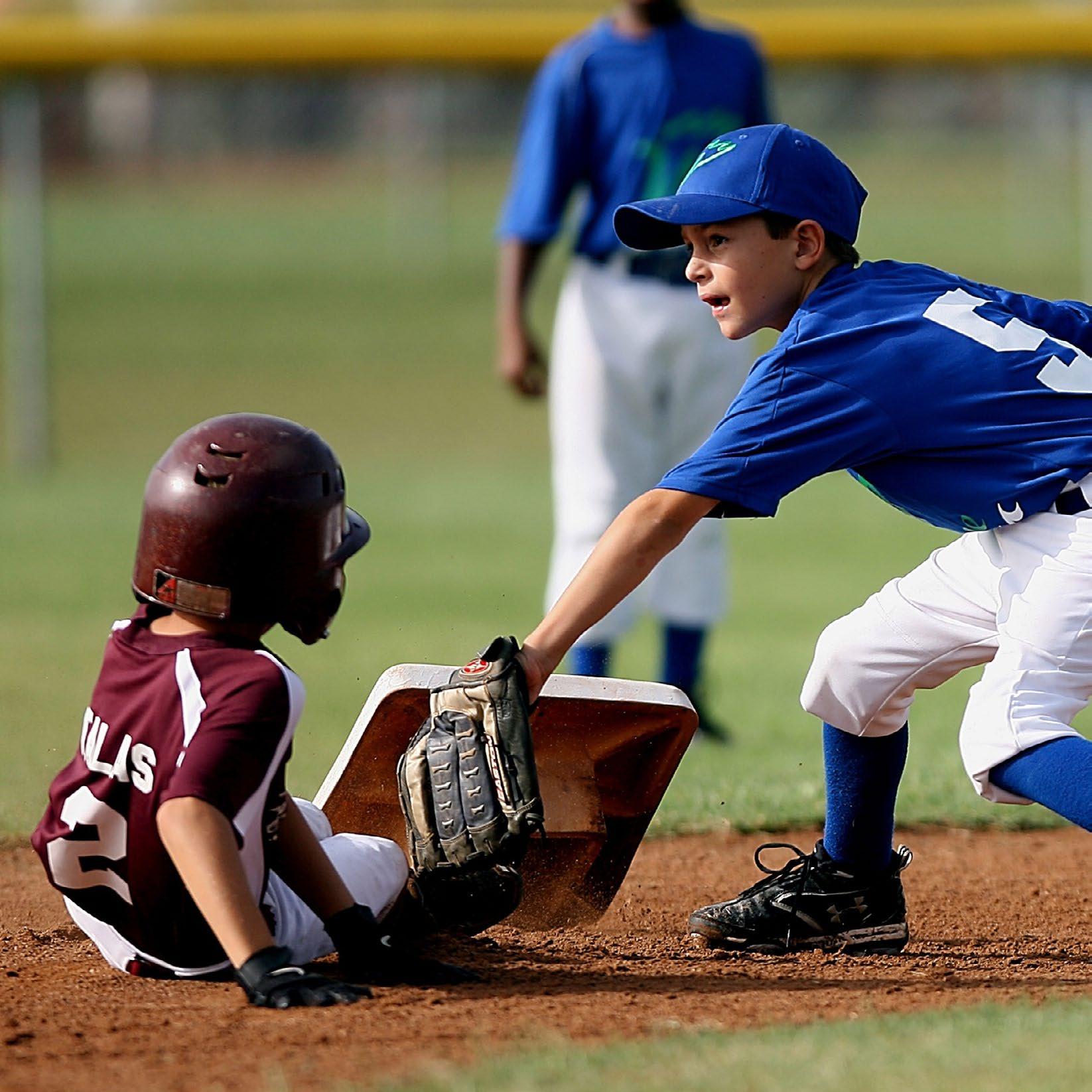
These should cover at least 50% of your operational costs, provided you have other revenue sources to cover remaining expenses. If registration fees are the only way you have to raise money, then these fees will need to cover 100% of your operational costs. We’ve come across many organizations that simply do not charge enough to play and, as a result, come up short of the funds needed for maintenance and facility upgrades. Don’t shortchange yourself. Parents are often willing to pay more if it means their kids will play on nicer fields. Do your best to provide the best program possible. If they see money being put toward consistent maintenance and upgrades to the facility, they won’t complain about increases in registration fees.

Aim for 50% gross margin. Just like at the professional or collegiate ranks, concessions are a key revenue stream for any organization. The key is to not get in a rut selling just popcorn, soda and hot dogs. The more varied and imaginative your offerings, the better your sales will be. Equipment such as a commercial air fryer and a soft serve ice cream machine can really expand your menu and raise interest among fans and players. Rotate your offerings
Raise up to 30% or more of your gross organizational revenue by fine-tuning your concessions operations.
Concessions continued...
so kids and parents don’t get bored with your menu. It’s smart to have a standard menu, but offer special limited-time items as well. If a special item becomes in-demand, you can confidently add it to your standard menu. And, don’t forget to offer catering for ballpark events and end-of-season team parties. You may want to hire a part-time concessions manager — preferably from within your organization — to take on management of the menu, specials and personnel to run the concession stand. If you fine-tune your concessions, it is a realistic goal for them raise up to 30% or more of your gross organizational revenue.
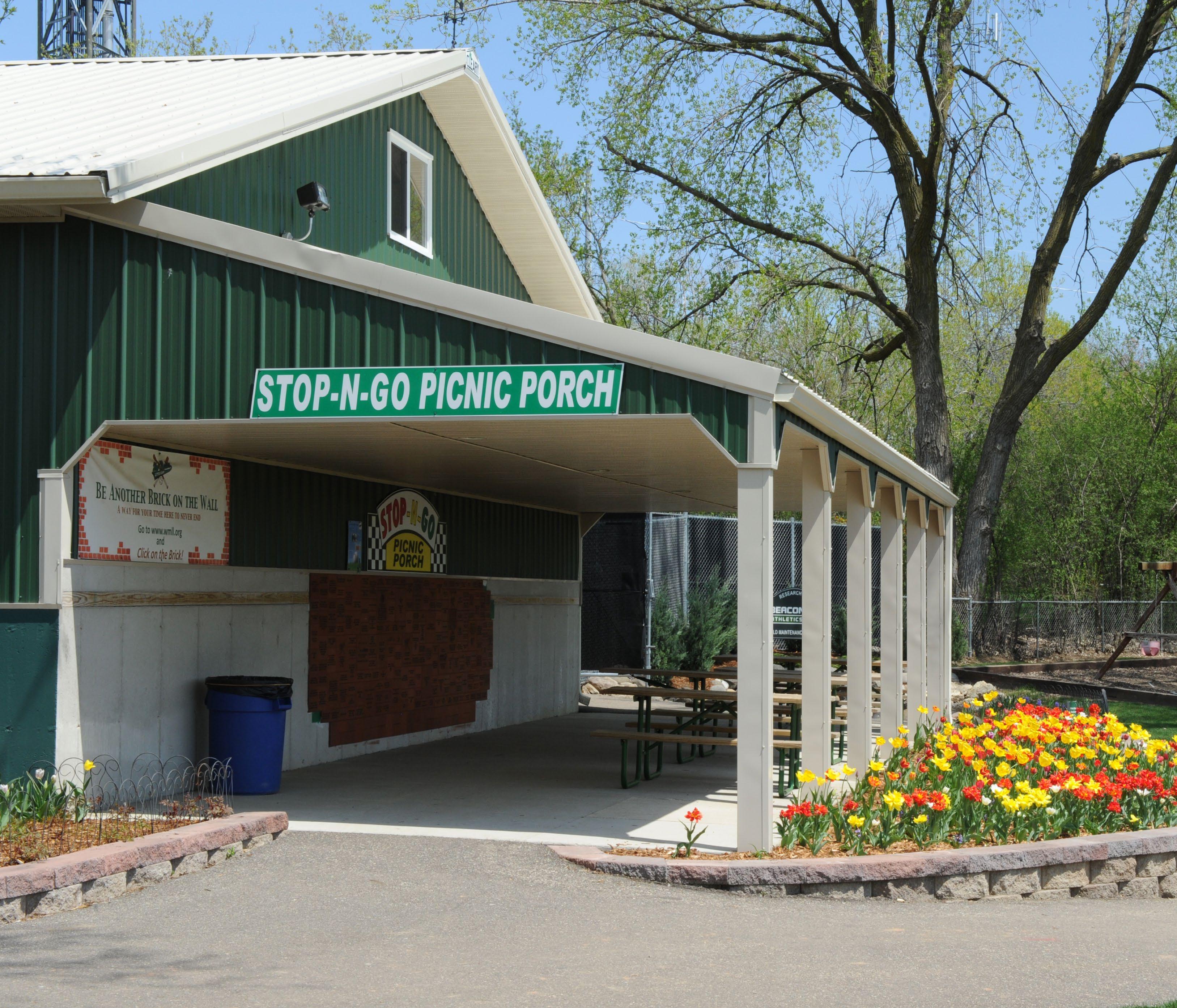
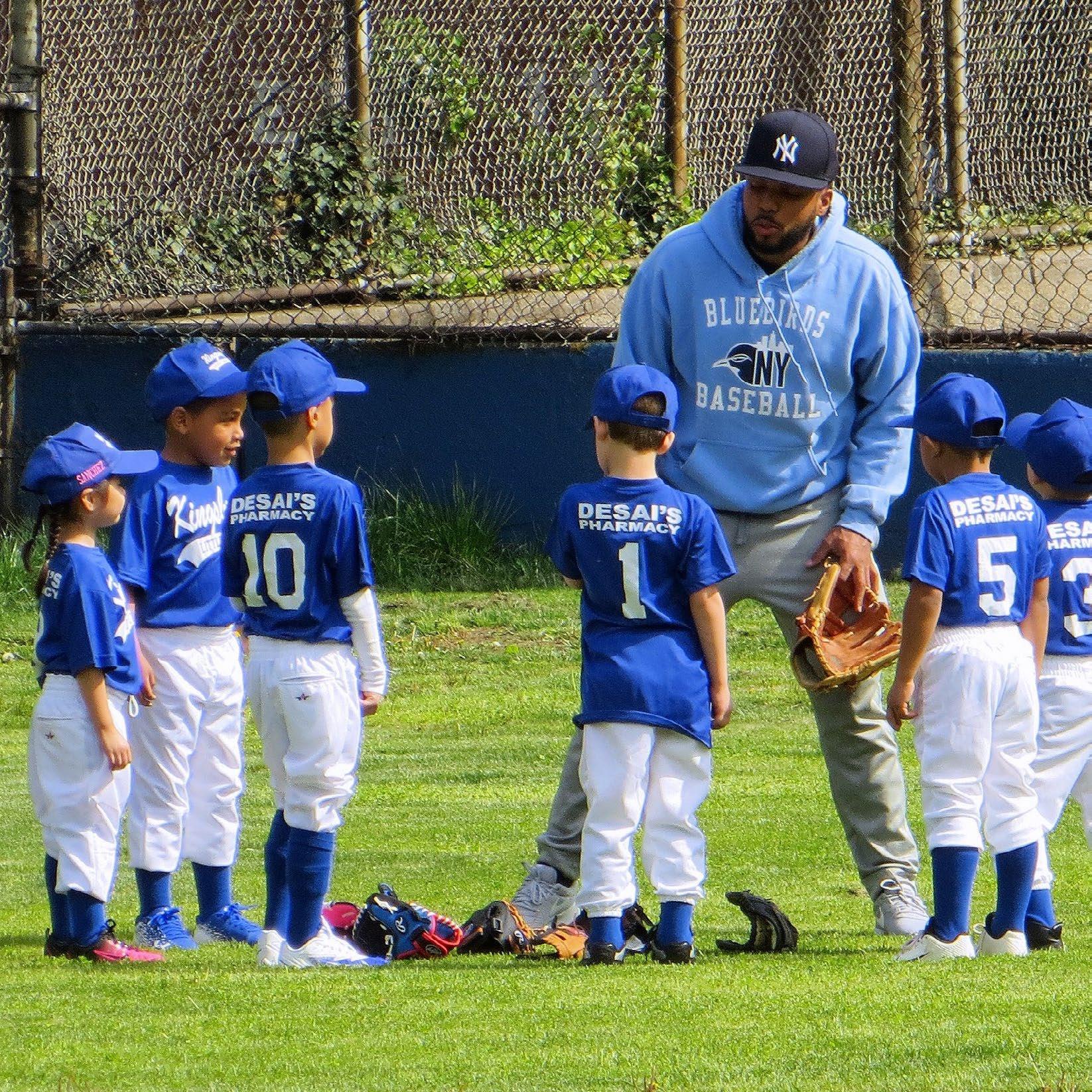
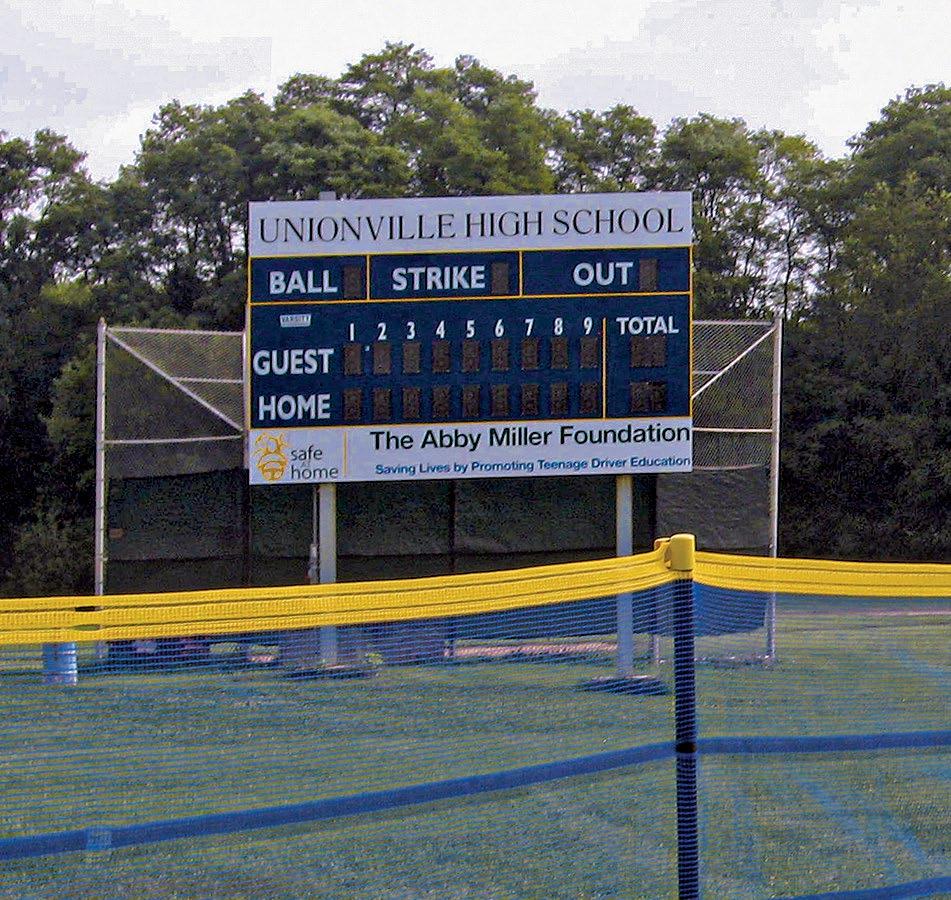
In most cases, the sky is the limit for ideas when it comes to ways you can secure sponsorships. You can have individual team sponsors, outfield & ballpark advertising signage, field complex naming, scoreboard ads, picnic pavilions, play area sponsorships, and more — get creative! In all cases, have a contract for the duration of the sponsorship as well as a payment schedule. For smaller items like team names & uniforms or advertising signs, keep the duration short with three years typically being optimum. Payment can be divided into three annual payments or one payment for all three years offering a 10% discount. The cost for your organization to create signage or uniforms should only be about one-third of the agreed sponsorship
cost, so two-thirds is available for operations or to be saved for future capital purchases. For larger sponsorships, like scoreboards, playgrounds, etc., fees should be paid upfront but the duration should be longer. The cost of sponsorship should cover most, if not all of the item sponsored (75% or more of costs). Since these items will wear with time, the sponsorship should range between 8 to 12 years. By that time, things like scoreboards will typically need to be replaced and the sponsorship renewed. Finally, for high Sponsorships continued...
Optimize your sponsorship contract durations by sponsorship type.
3-YEAR TERM
Team names, uniforms, ballpark signage
8- to 12-YEAR TERM
Scoreboards, playgrounds
15- to 20-YEAR TERM
Naming rights to fields, pavilions, or overall complex
Sponsorships continued...
profile items like naming rights to fields, picnic pavilions, the overall complex, etc., sponsorship should be a 15- to 20-year deal. For these important sponsorships, you’ll want stability so it’s best to solicit businesses or families that truly have a connection and solid history of community commitment. These agreements usually require extensive negotiations regarding the sponsorship amount and the execution of payment — either upfront payment or some kind of a recurring or sliding-rule annual payment schedule for the life of the multi-year contract.

Smaller events bring everyone into the mix and can include things like engraved bricks; bowl-a-thons; golf, fishing, archery or shooting tournaments; car washes, movie nights; hosting baseball or softball tournaments on your fields; renting your fields to travel teams for practices; or staffing concession stands at local college facilities. These events are a great way to give everyone a sense of contributing. Many of these events do not need to take
Take advantage of the offseason and plan events to keep players and families connected and interested in your program.
Fundraising Events continued...
place at your facility, which can be especially attractive during the offseason to keep players and families connected and interested in your program. They can also great recruiting events to attract future families. Your organization’s imagination and drive to raise money are really your only limitations. If your organization plays on municipal ballfields but the city lacks the funds to upgrade, your organization has the power to raise money to help fund those upgrades. But in this scenario, be sure to negotiate with your municipality in advance to ensure they are able to accept donations from your organization to help improve the city’s ballfield facility.

Be sure to reach out to local businesses for donated labor, materials, or monetary gifts. Be prepared for a lot of rejections, but with a concerted effort will come some wins. You may have parents of players who bring talents or resources — either personally or through their employer — that could help you at your facility. Same with your sponsors. Don’t be afraid to ask to find out who may be able to donate money, materials or labor for project at the ballpark. Sometimes their involvement can become even bigger than what you ask for depending upon the relationship of the business with the community.

Little League International offers excellent resources dedicated to grants with a lengthly listing of those available in each state. While their list probably isn’t all of the grants available your area, it’s a great place to begin your search. The grants listed on the site are not explicitly for Little League fields, either. Some will specify age level but in general, many of the grants are open to a range of ballfield types and levels of play for both baseball and softball. Their tips are also extremely valuable, so take a deep dive into the resources on the Little League website at littleleague.org/grant-resources. VIEW LITTLE LEAGUE GRANT LISTINGS
Grants and Foundations continued...
Securing grants can be tricky, so it may be worth hiring a professional to search for grants and foundations that cater to your mission. A professional grant writer will know the best way to tell your story and use an approach that will appeal to the group awarding the grant. In many cases, they also bring connections in the philanthropic community and they may be able to sniff out other sources of grants or donations.
Remember, the more grand the project, the more legwork you’ll need to do to attract donations.
You’ll need to be organized, so be careful not to bite off more than you can chew. Sometimes it’s easier to reach big goals little by little.
If you’re able to divide your upgrades into smaller, easier to manage projects, you can achieve a lot of renovations without becoming overwhelmed or defeated by the scope of the larger goal. Smaller, incremental projects will be easier to justify funding for over a period of time rather than attempting one big, glorious “capital campaign” that often fails to meet its fundraising goals.
Your ultimate goal can be big, but prioritize and break things down so you show tangible progress and improvements and keep the fundraising train rolling.
While major improvements can be attractive and would be something your organization could enthusiastically sell to donors, too often the “pie in the sky” plans eventually sink because of the long, hard climb up the financial goal mountain. Also working against you is the fact that many grant distributions from foundations often come with the caveat that your organization must raise X-amount
of dollars before they will distribute what they have awarded you. If you run out of time and come up short, their promise can be pulled off the table. When things like this happen, your campaign loses steam, your team loses their drive and it becomes even harder to succeed.
When it comes to fundraising, the most important piece may very well be the connection with your membership and the business community. As an organization, your communication skills will be crucial. Don’t underestimate how important it will be to refine your message. Then, be graceful with your asks, be accepting of their responses (favorable or unfavorable), celebrate your wins, learn from your rejections, and adjust your fundraising strategy accordingly.
Remember, you are running this like a business. Provide your membership and the community with excellent product & experience, and securing funds for your operation and upgrades will become easier. Just like a home budget, you should build in an emergency fund so you have 3 to 6 months of operating costs sitting in the bank should something unforeseen happen (fire, devastating weather, etc). Your insurance, assuming you have it (and you should) will often only cover so much.
When you invest in your ballfields and facilities, they will come. Well run organizations that play on fields which become the envy of other communities see an increase in participants. Ball players of all ages want to play at nice facilities with well-maintained ballfields. It has been proven time and time again: with more players comes more
If you invest, they will come. Improved facilities attract families and that means more participants and registration fees.
registration fees and everything becomes possible and more sustainable with your organization on the path to financial stability.
If you are located in a small town with limited resources, don’t think that you can’t have nice things. We have seen many small communities have fantastic facilities, usually cared for by volunteers. In fact, small towns often have better community backing than bigger towns and cities. In those areas, you’re often competing with many other sports and entertainment opportunities. Ballfields are often a place that smaller communities come together on a spring or summer weekend for an evening of family entertainment. That leads to a dedicated interest in maintaining the facility, both by community members and businesses, which can work in your favor.
All of this boils down to the leadership team of your organization. To be effective, you’ll need several people playing various roles:
▪ Generals: Coordinate and lead the army
▪ Dreamers: Spearhead the long-range planning and goal of the facility
▪ Bean Counters: Manage the budget to find savings
▪ Marketing Gurus: Create a professionallooking “brand image”
▪ Circus Barkers: Spread the word throughout the business community to drum up support and sponsorships
▪ Drill Sergeants: Ensure things are getting done at the facility
▪ Mentors: Motivate and coach your team on how to be successful so you reach the ultimate goal (these are people from the list above who are achieving and successful)
This is a lot of information, which we know will be helpful, but you have to start small.
Begin with getting your operational budget in order — nothing can happen without that. Then, put together a long-range wish list to document your organization’s goals for how you’d like your facility to look and operate. Create a list of future field & facility projects and prioritize them. Come up with rough estimates for each project, and reprioritize your list as needed to make sure tangible progress is part of your plan. With your operational budget crystalized to what is needed for running your program, you’re ready to begin setting money aside. That’s when you can ramp up the fundraising and start making your dreams a reality. Stay creative with fundraising, try the various ideas we’ve mentioned in this article. If you do, you find the right balanced approach for raising money that will make it easier and feasible to both run your organization and improve your facility.
Don’t hesitate to reach out to DuraEdge if you have questions on any of these topics.
A
better ballfield is within your grasp.
Good luck!