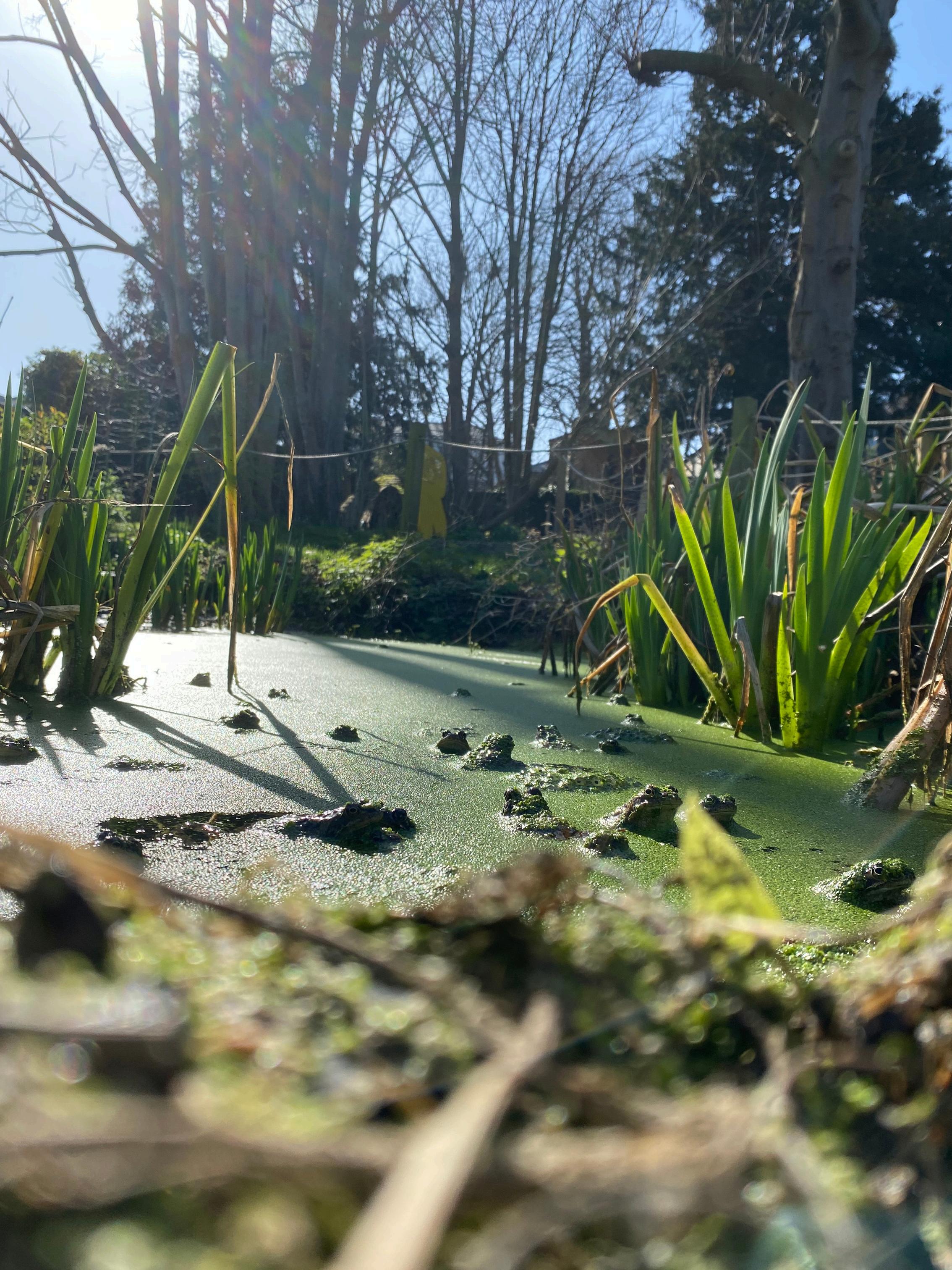

Hello! Welcome to Regenerative RIC magazine, where we tell you the best ways to create a regenerative design in your very own garden!
Imagine stepping into your garden in a space which doesn’t only look beautiful, but helps the environment - supporting wildlife, improving soil health and assembling a sustainable area.
From complete beginners to compost experts, we have the article for everyone. “Why?” you may ask. Our aim at RIC is to share our knowledge with as many people as we can, to help our planet as a whole. People tend to complain about the state of our world, but don't do anything about it.
So whether you're starting small or aiming big, our guide is the best for you.

R e g e n e r a t i v e D e s ig n
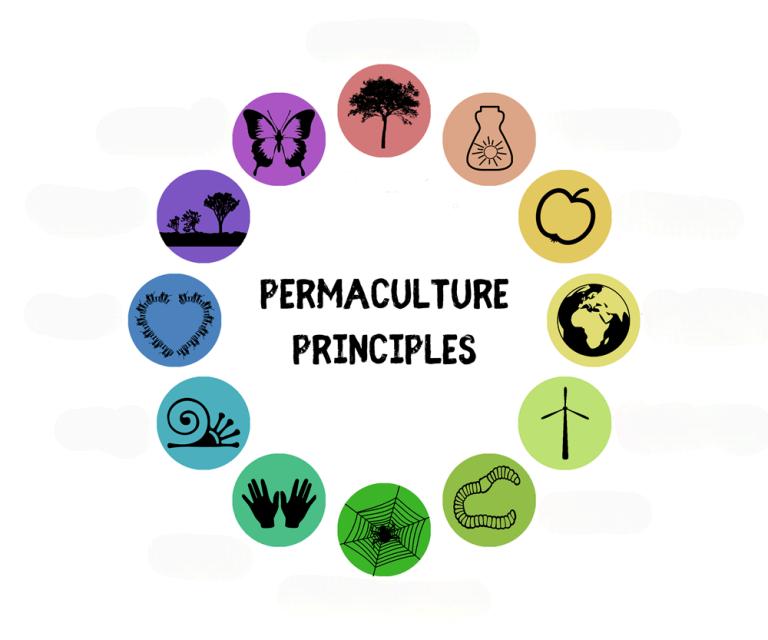
You may ask what a regenerative design is. A regenerative design is a way of designing a space which work with the nature instead of going against it - helping the environment rather than making it worse In a garden this can include: renewable resources, making a compost, maintaining soil health or even eating food grown in your soil. At RIC, we use the ethics, principles and design frameworks of the Permaculture Association.
TO THE EDITOR
We would welcome your letters and we hope you will take some of theses tips and make an impact wider than just inside our school. We would love to see your progress that you've done, you can send us pictures of your lovely work at, emily.larkin@rochester-college.org.uk, we hope these articles helps you.

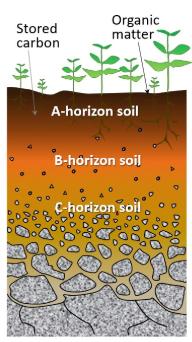
Do you ever wonder how soil came around? After all, the earth used to be made up of water and rocks, That’s where lichens come in. Lichens are a symbiotic relationship (a relationship between multiple organisms living together all providing something for one another) between yeast, fungi and photobionts/algae. Lichens are photosynthesisers and take in CO2 (carbon dioxide) and sunlight, and the glucose (a form of energy that organisms can use) and oxygen. One of the most amazing and interesting things about lichens is that they are a pioneer species (a species that is the first to a rocky/rough landscape). The diagram below represents a process called succession. Succession is when a pioneer species, e.g moss and lichen, come to a rocky landscape and start to use their rhizines (roots that break down rock and wood and keep the lichen sturdy) to break down the rock. This makes enough soil for some small plants to grow. When the lichen dies, the organism mixes into the minerals and makes more soil The soil is enough for bigger plants to grow, breaking down the rock further This process repeats until it turns into a mature forest.
BY MAXWELL
This is extremely important for our garden as we have a lot of lichens taking refuge here at RIC, and making us soil at the moment. This helps our garden because we can have more broken down rock and more organic matter in our soil when the lichen dies.
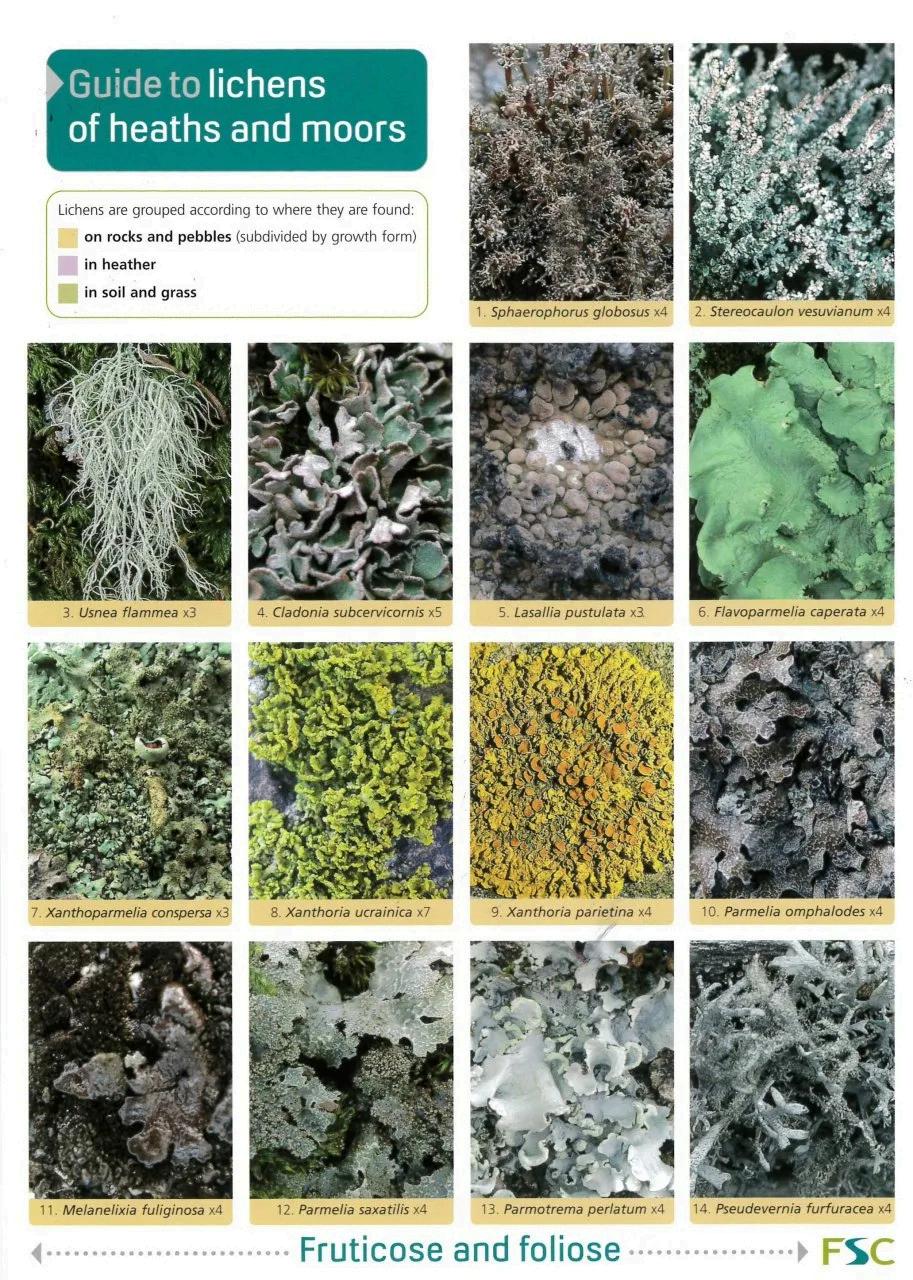
We did a biodiversity audit of the different species of lichen we found growing on rocks, trees and brick walls in the winter, when lichens are more visible when the trees are bare
Why is it best to use natural, not chemical, fertilisers?
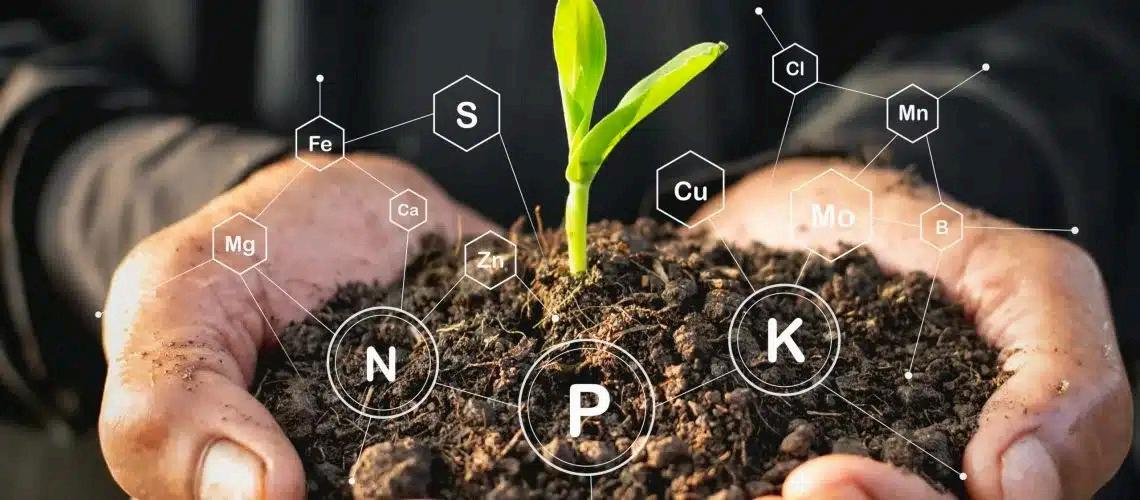
Healthy soil is essential for growing food/plants and protecting the environment. Many gardens use damaging chemicals that harm our environment. Some use fertilisers to help plants grow quickly but these can damage soil and harm wildlife severely and are not good in the long term.
Overfarming is another serious problem that damages soil health. This happens when land is used continuously to grow crops without giving it time to recover making the soil lose important nutrients When you continuously plant crops and harvest them, little nutrient is returned to the ground to replace what has been taken away. Over time the soil becomes less fertile, meaning plants struggle to grow properly. This can cause farmland to gradually produce fewer crops each year, forcing farmers to use even more fertilisers or even abandon the land. Sustainable farming methods such as crop rotation and allowing fields to rest will help by restoring nutrients and keep soil healthy for our future.
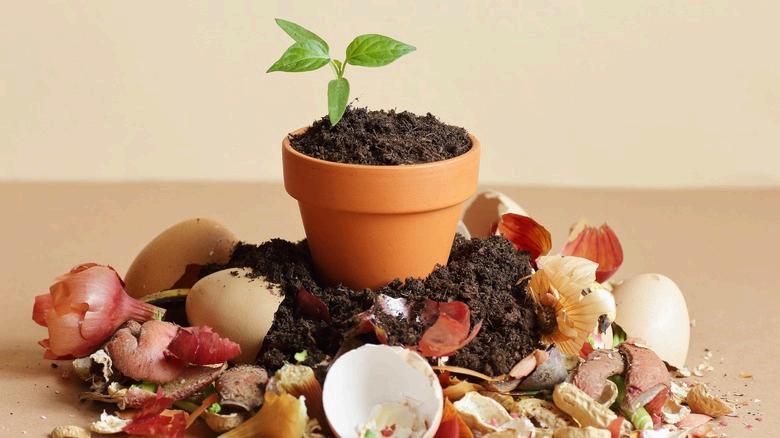
Natural fertilisers (e.g. compost and manure) are safer and more sustainable to feed plants while improving soil health at the same time. They can cost as little £5 to £10 for a 40L–50L bag or you could even make your own from your food and garden waste. In this magazine, we will show you how.
“Sustainable farming methods such as crop rotation and allowing fields to rest will help by restoring nutrients and keep soil healthy for our future.”
BY ZARA DE OLIVEIRA
“When you test your soil, you can understand what type it is and avoid buying plants that would slowly die in the wrong conditions.”
Why should you test your soil?
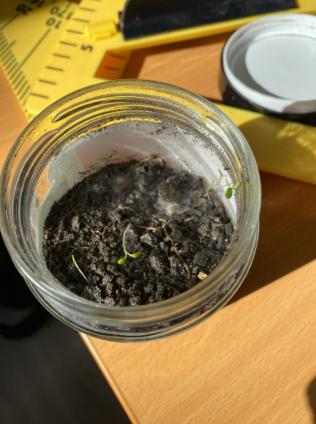
In today's article we will be talking about how to test your soil. Soil testing is very important to help the planet. We need to find what is missing from our soil and try to fix it so that more plants can grow.
You might want to grow a certain type of plant that can only survive in the right conditions such as sandy loam or clay soil and without that soil, it will not get the nutrients it needs and die
Knowing your soil type also helps us to identify which plants can grow well in our soil to avoid buying expensive plants that will then die in the type of soil we have.
It is important to test the soil’s pH and texture.
BY KAI TREVATT & BEN
The reasons why some plants can only survive in certain soils is because of how different types of soil hold water.
Sandy soil provides excellent drainage. Sand particles are larger pieces of ground up rock and the water can drain out faster. Plants that like dry conditions prefer sandy soil because their roots will not drown in water. The water takes nutrients with it, so sandy soil has less nutrients.
What clayey soil does is it holds water and nutrients well. Clay is the smallest size particle of rock and water clings to the particles and holds them together. This means that clayey soil holds water. This also comes with downsides for certain plants like clay soil being easily waterlogged.
Silty soil has medium sized rock particles so will hold the water and nutrients that the plants need. It is a quite fertile soil making it good for crops.
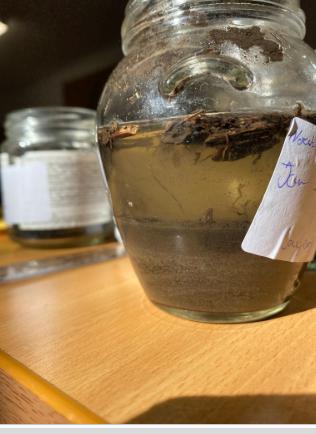
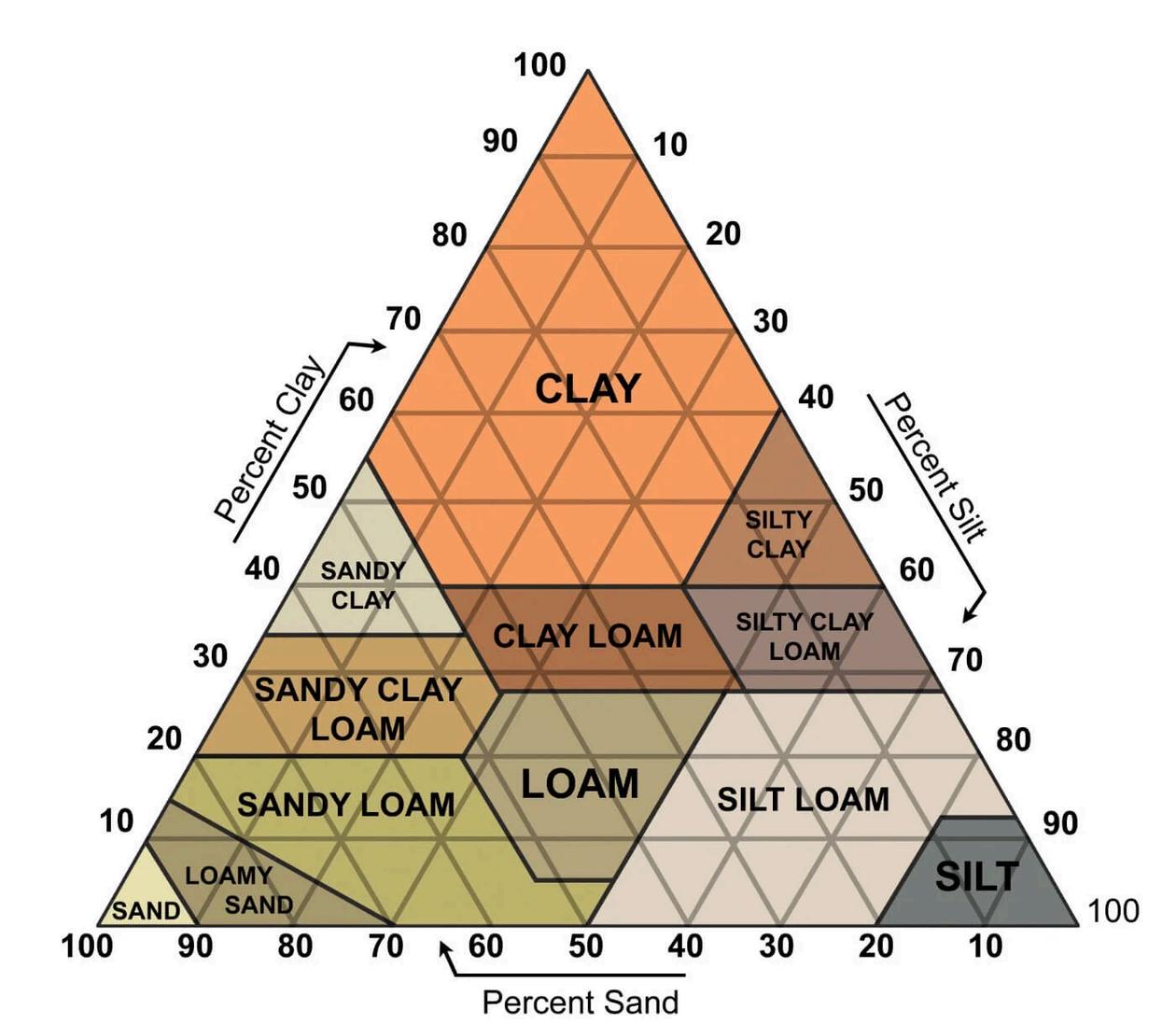
The first soil test is the jar method. This method involves you going outside with a jam jar (any jar with a lid) and digging up your soil and pouring it in the jar but making sure it's not full You should then pour water into the jar and close the lid and make sure it tight, then you have to shake it and leave it for a few days until you can see the layers of clay, silt and sand. Sand sinks fast, silt floats a bit, and clay sticks together. You can then estimate the percentage of clay, silt and sand and use the is in your soil which you can use to find out if your plant can survive in your soil.
BY KAI TREVATT, ISAAC THOMAS & BEN STEVENS
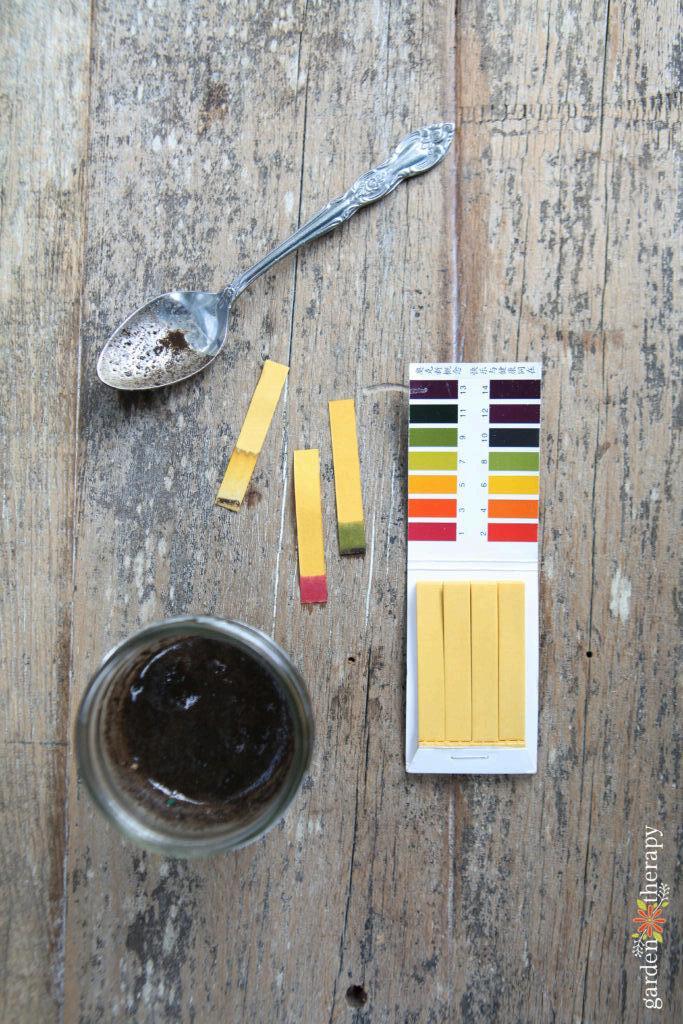
Some plants like acidic soil Others like alkaline soil. We use the pH scale to find out how acidic or alkaline our soil is. The pH scale goes from 0 to 14 with 14 being most alkali and 0 being the most acidic. If it is neutral, it is pH 7.
We used litmus paper to find out the pH of our soil. You can also do this with a pH metre which is quite cheap to buy.
WE TRIED IT!
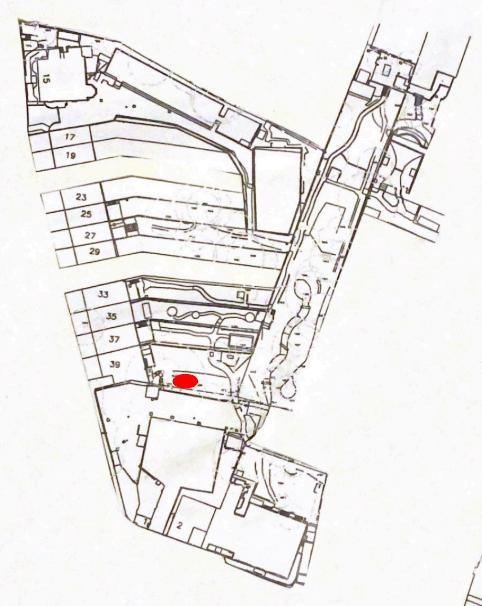
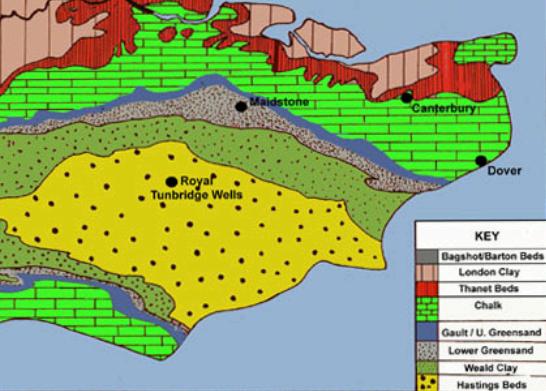

BY TIA SHOKUNBI
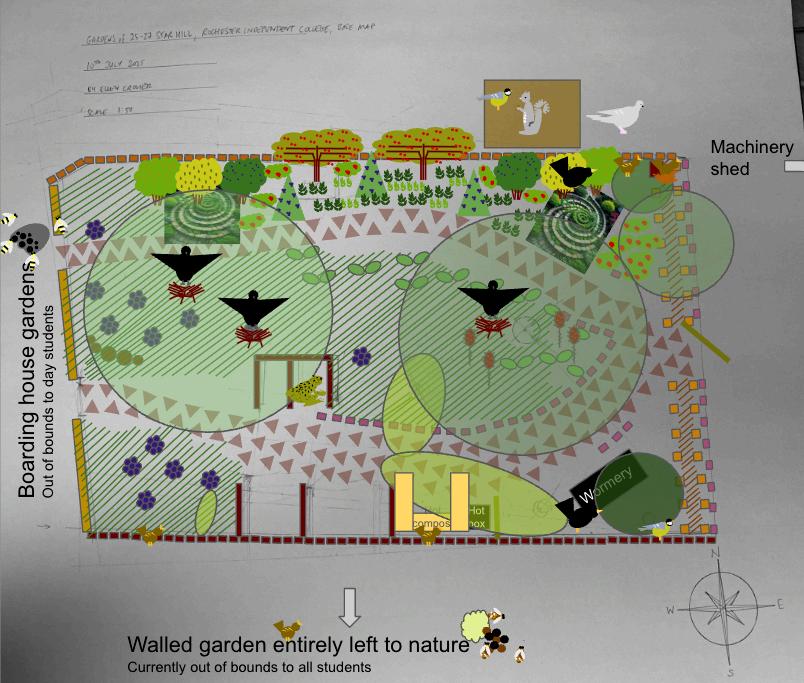
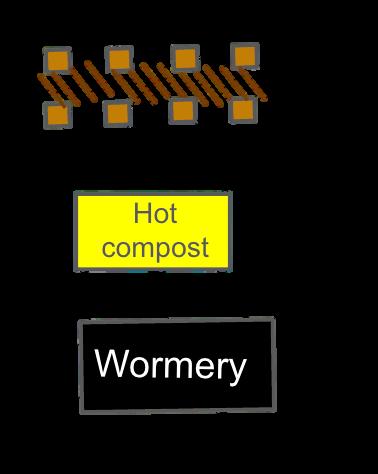
In our College we aim to have zero food waste and garden waste going off site and to regenerate our soil. Our methods are to compost garden waste and hot compost invasive weeds which can take over your garden if you put them in the normal compost. We plan to have a wormery for uncooked plant food waste and plan to have a Ridan hot composter, which is a manual composting system, for cooked food and meat.
What have we done at College?
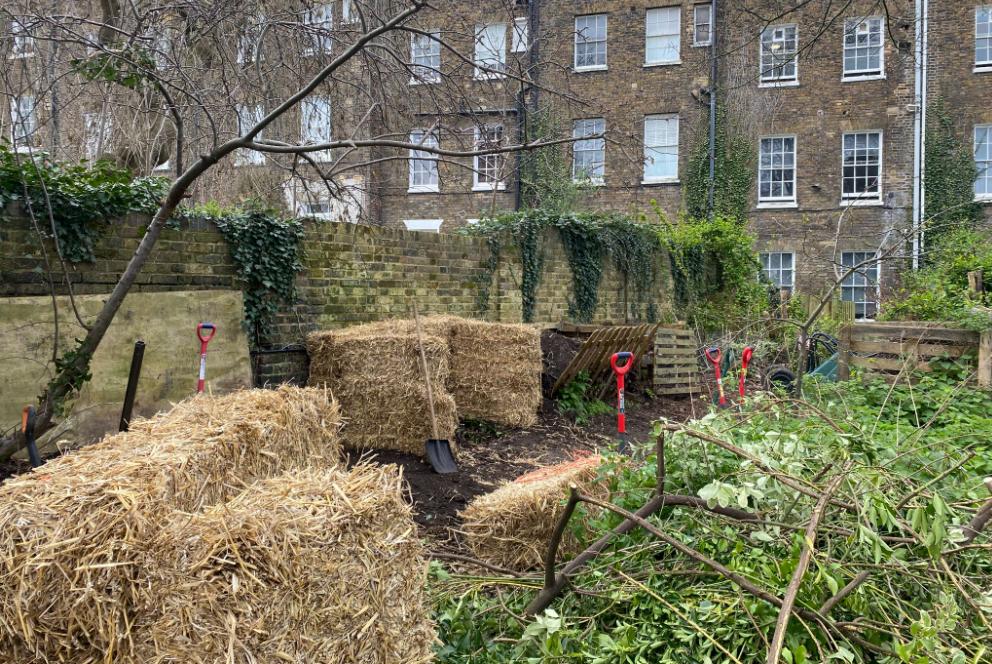
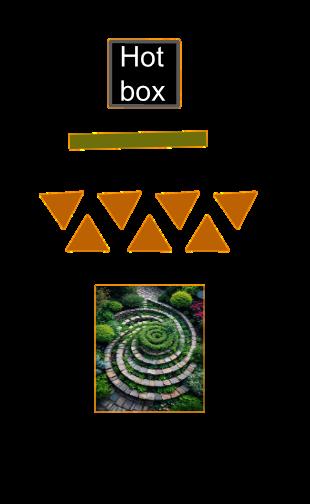
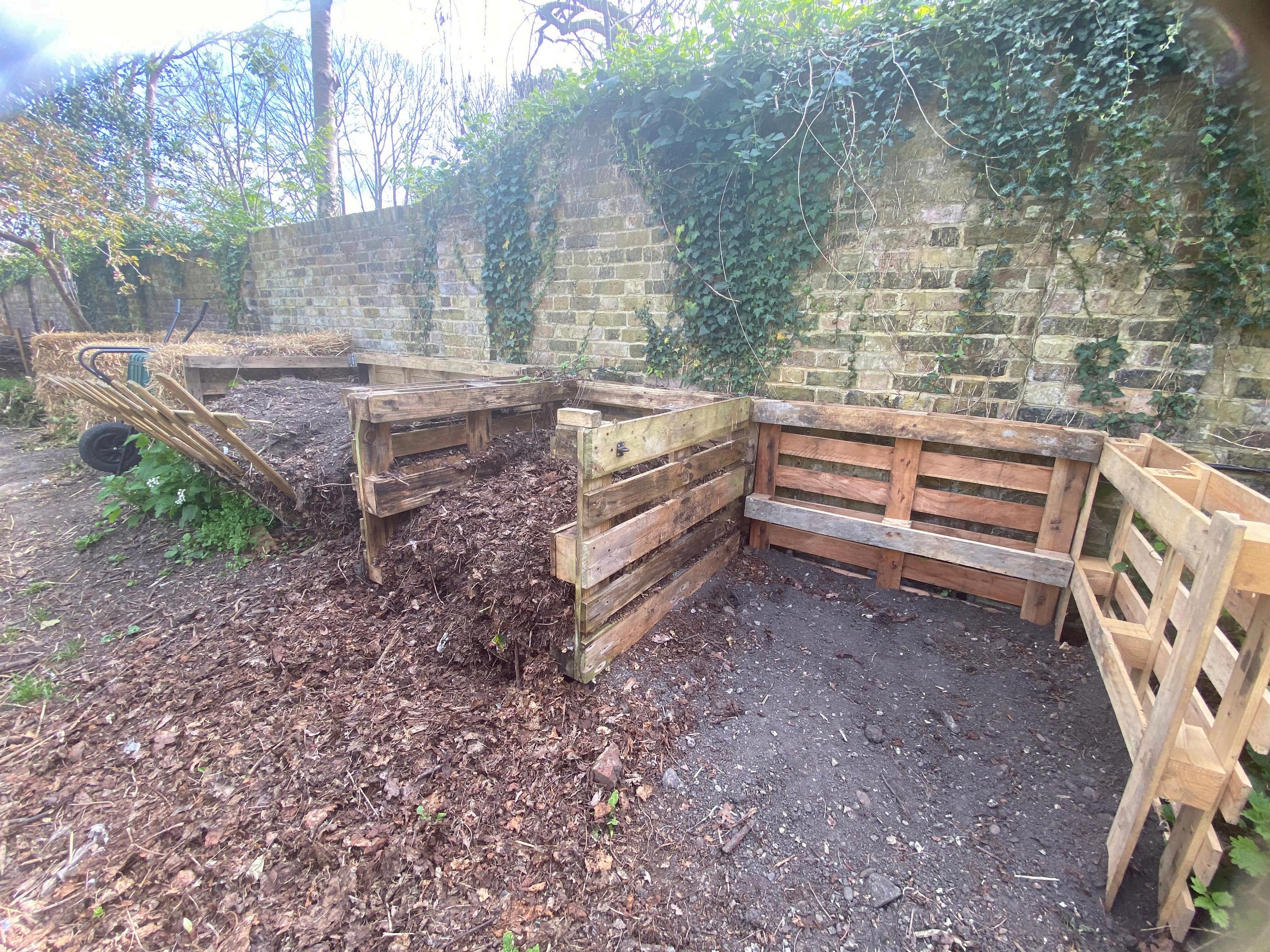
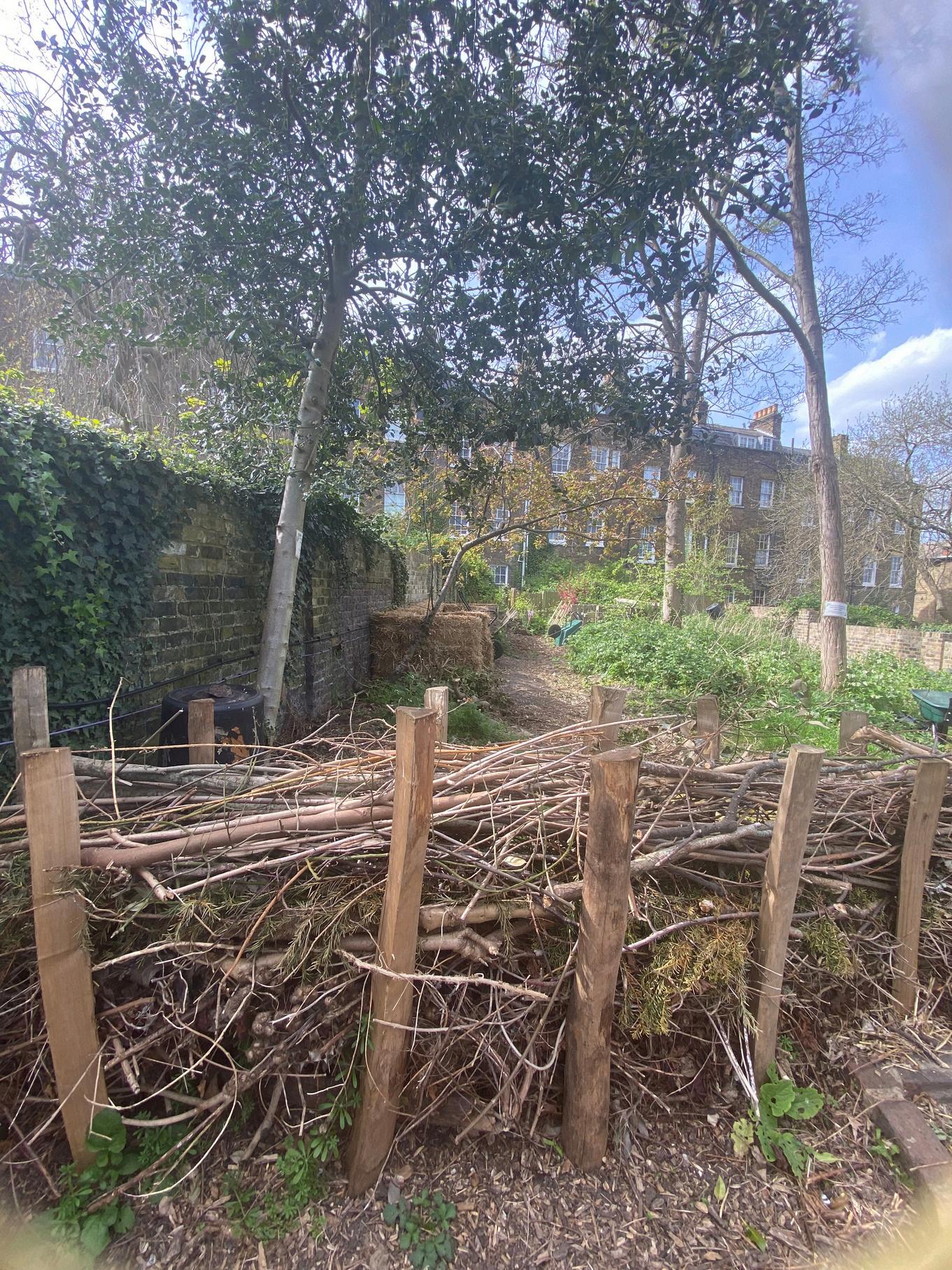
We have done a regenerative design to persuade Alistair so we can improve our soil. So far, we have built compost bays and made one batch of compost that is ready from last year. We have built straw bale hot compost, compost heaps and we have also built four dead hedges.
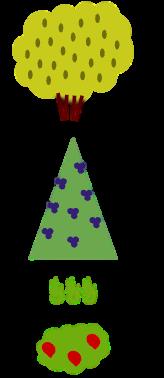
A dead hedge is a barrier made out of stake 50 cm apart. Inside of the dead hedge we put woody material that would take too long to break down in the compost. This provides a habitat for invertebrates, amphibians, birds and small mammals.
By composting you are helping the planetreducing landfill, cutting transport emissions, and preventing methane from waste breaking down in landfill.”
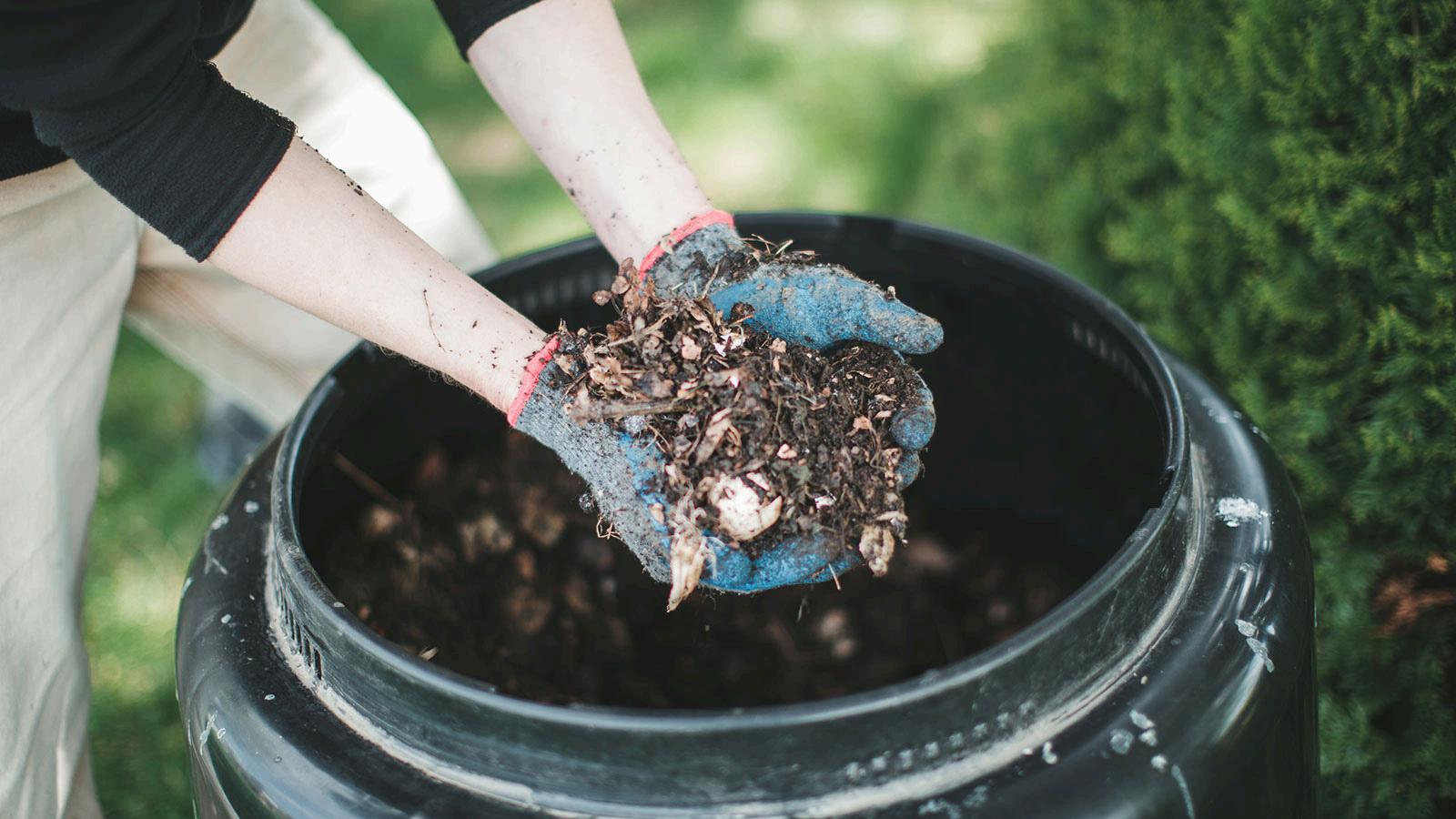
Composting is a great way to recycle waste and improve soil health. Compost is easy to make and doesn't take long to set up. By composting you are also helping the planet by reducing landfill by reducing the carbon dioxide emitted by transport and methane emissions from when waste breaks down anaerobically in landfill.
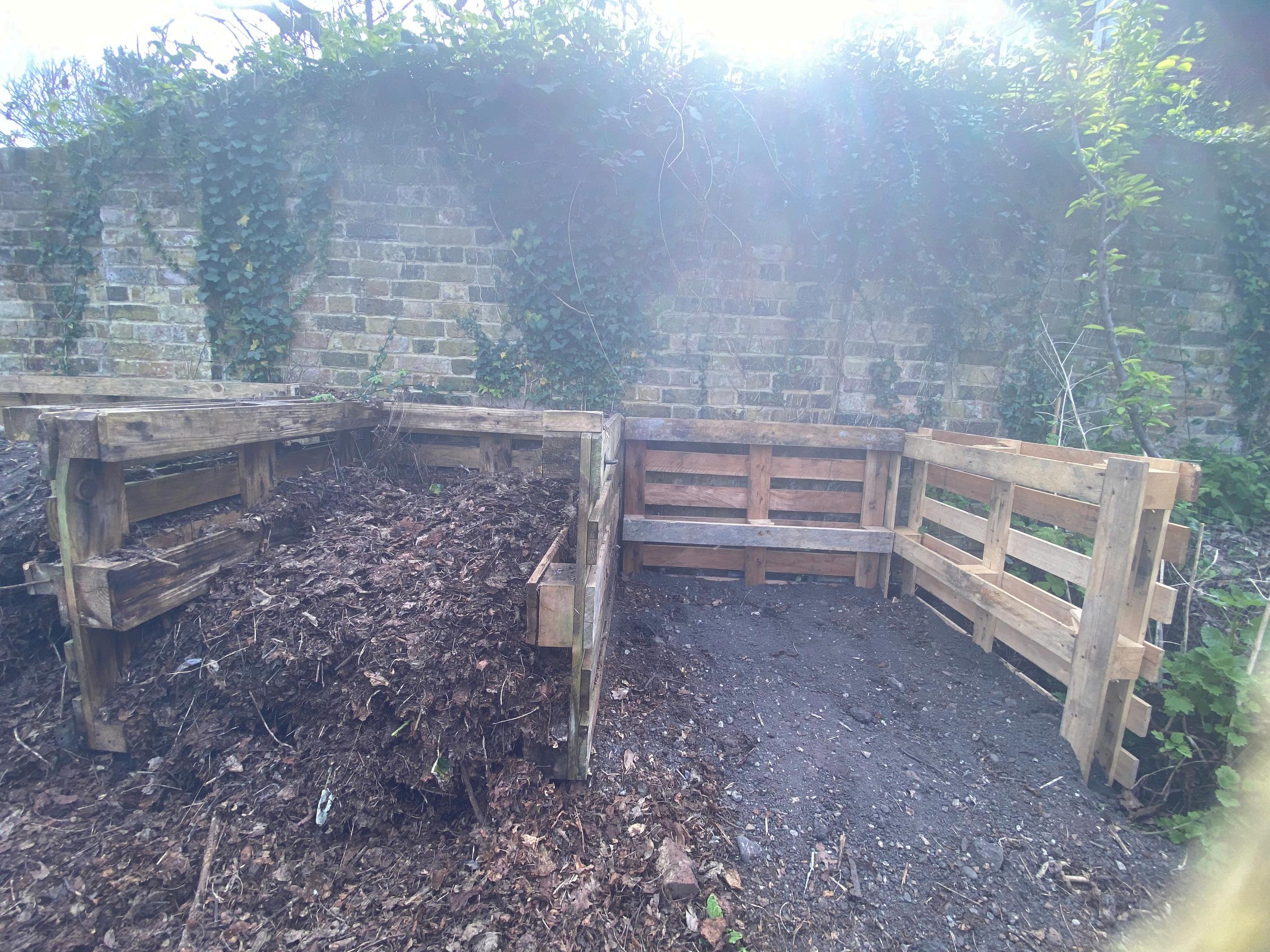
At the College we have designed and built a multiple bay system using old delivery pallets where we have 6 bays on a constant rotation so that when one is being filled up one is being emptied and the rest are going through the decomposition process. However, if you want to make compost at home you will probably only need 1 bay.
When building and using a compost bay it is important to consider the three key ingredients of compost: air, water and organic matter. You can incorporate the three key components into your compost bay design by building gaps for air and drainage for water. Air is needed so that the microorganisms can breathe and the compost can break down.
When building your composter you can make it out of many materials such as planks, old pallets or chicken wire. You will need a drill and screws. You can buy a composter for about £75-£300, but councils also give out free compost bins.
When making compost, we try to stick to a ratio of 25% brown to 75% green organic matter. Brown organic matter is carbon rich waste that includes brown leaves twigs and sticks (most brown things). Green organic matter is nitrogen rich and includes green foliage, leaves and kitchen waste (most waste that isn’t brown).
You also need to think about is moisture. The compost can’t be too wet or too dry for the microorganisms. You can make the compost more moist by adding more wet green waste and can make it dryer by adding more dry brown waste. Turning your compost also allows more air in, making it dryer.
Invasive weeds, fats and meats cannot go into ordinary compost bays and we have many other ways we compost these things which you can hear about in the other articles.
BY EMILE WILLIAMS
Some invasive weeds cannot go into the normal compost as their seeds may survive and take over your garden. Yusuf Hayat and Atticus Bradley have a method to solve this.
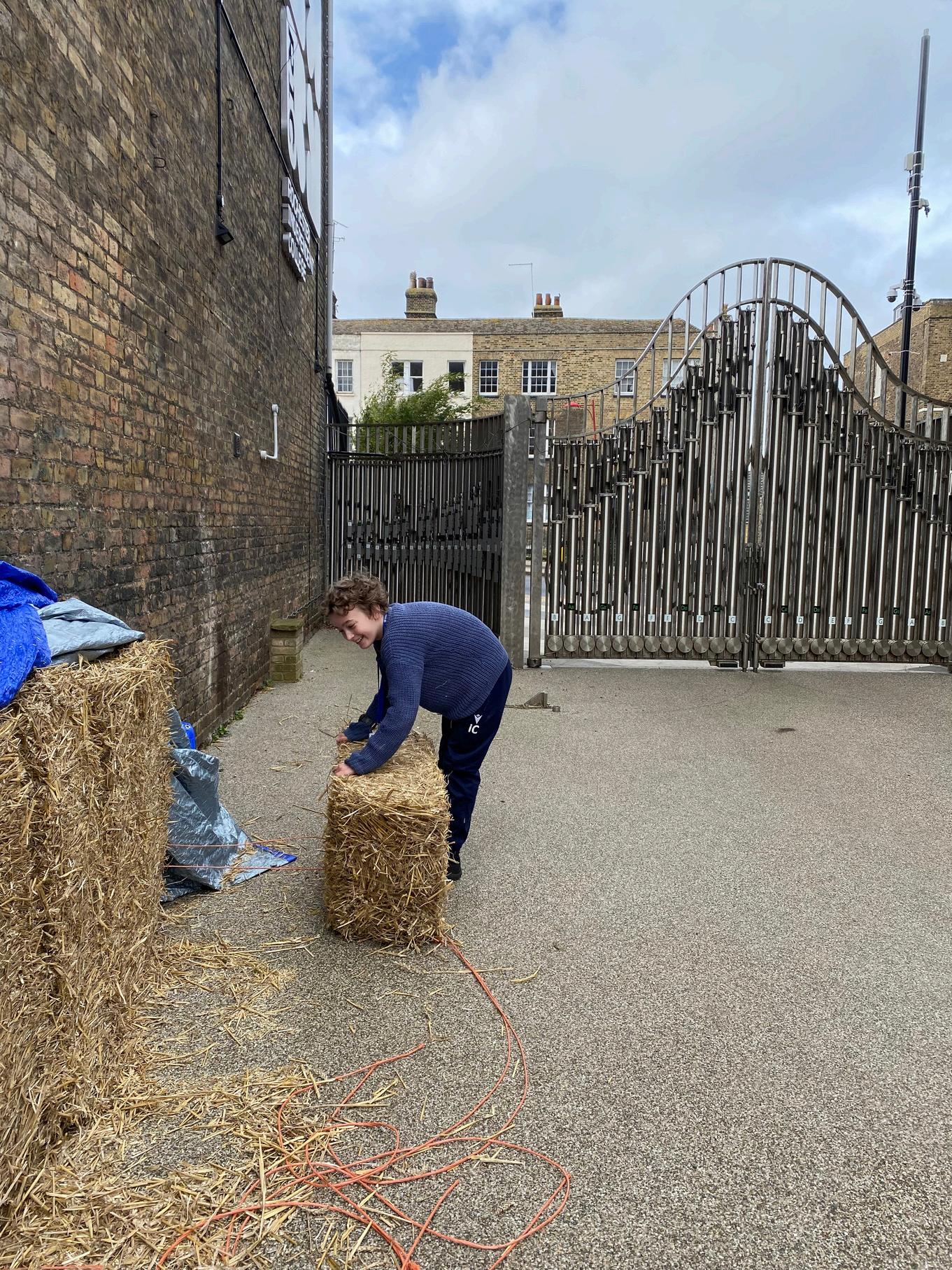
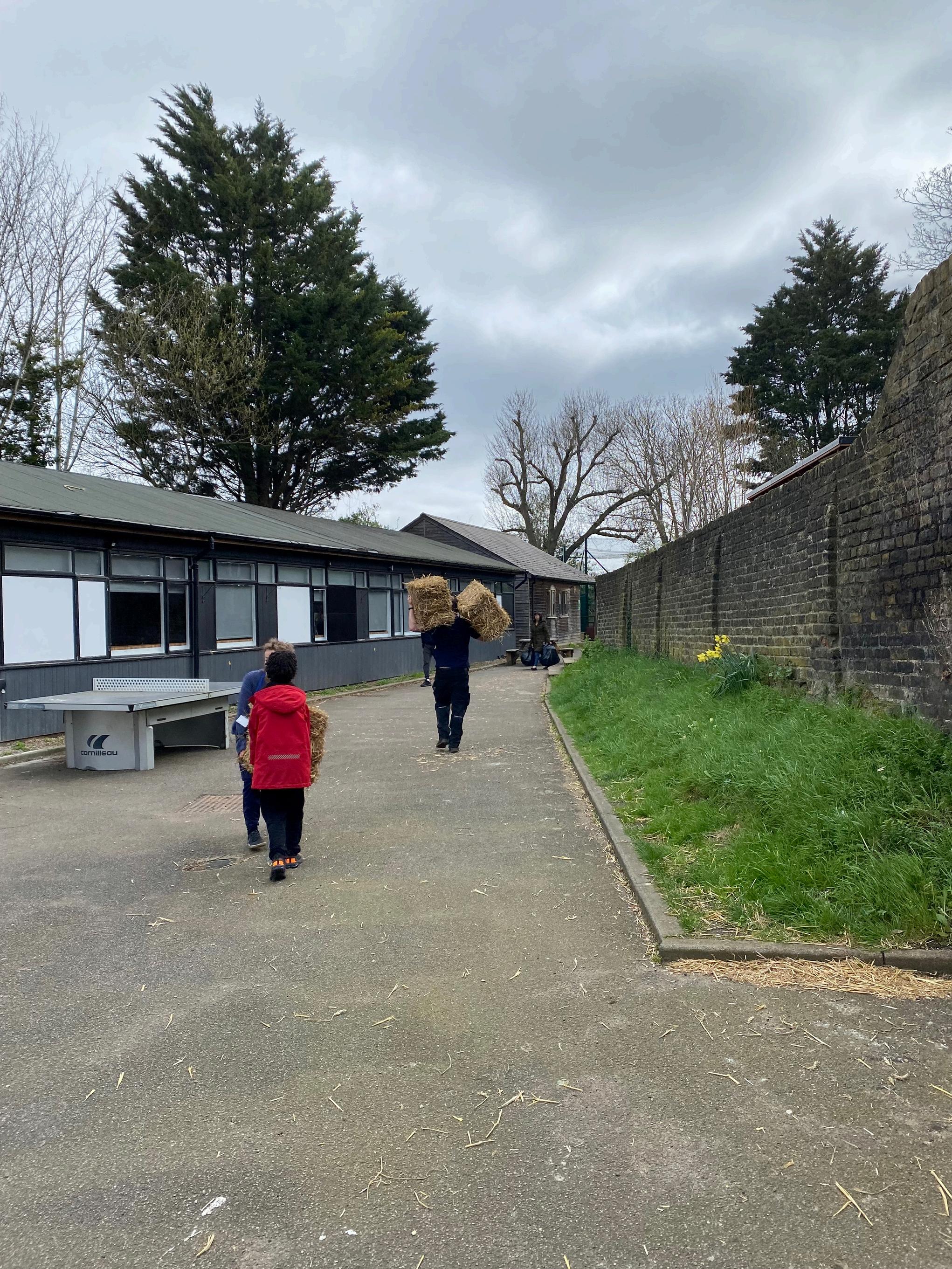
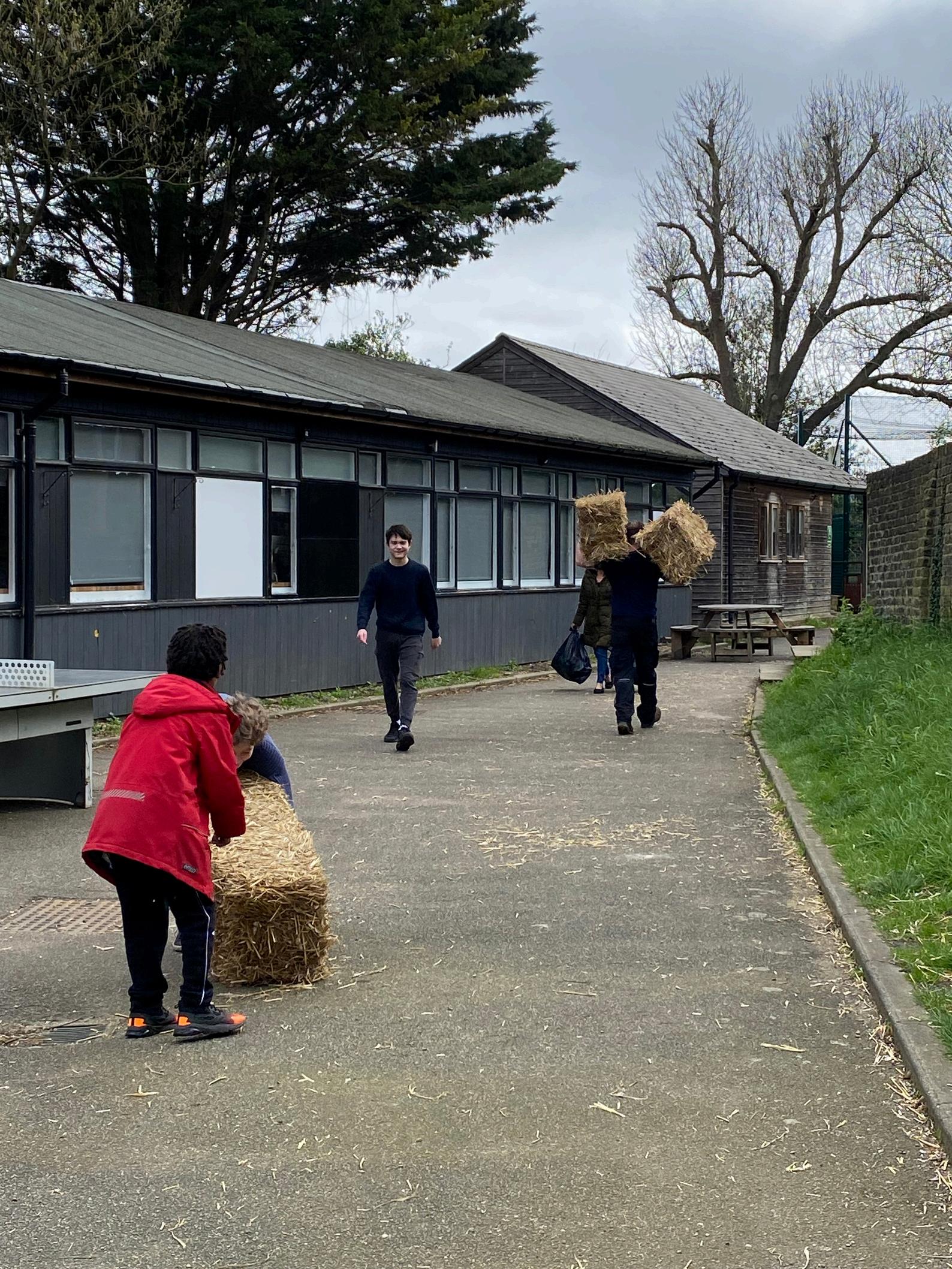
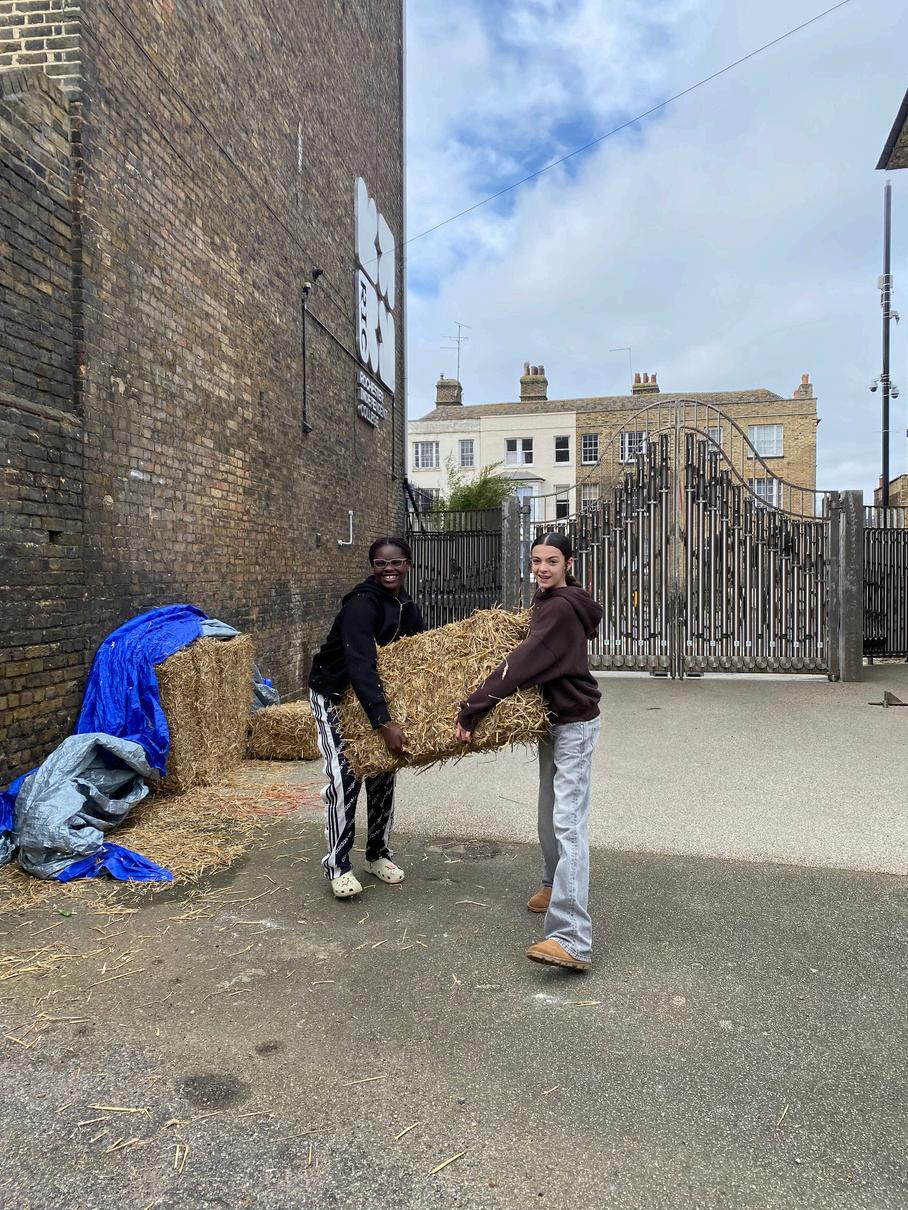
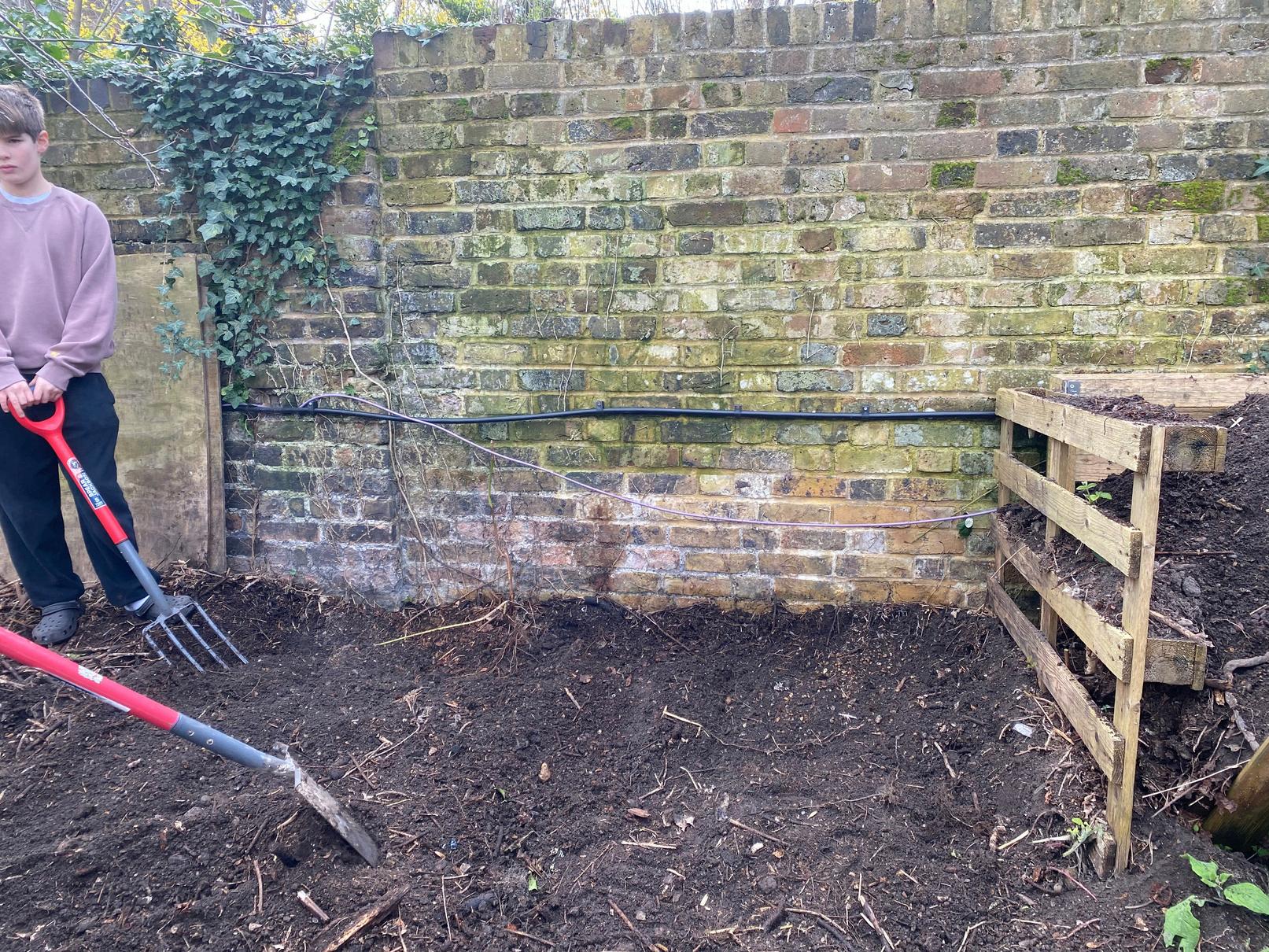
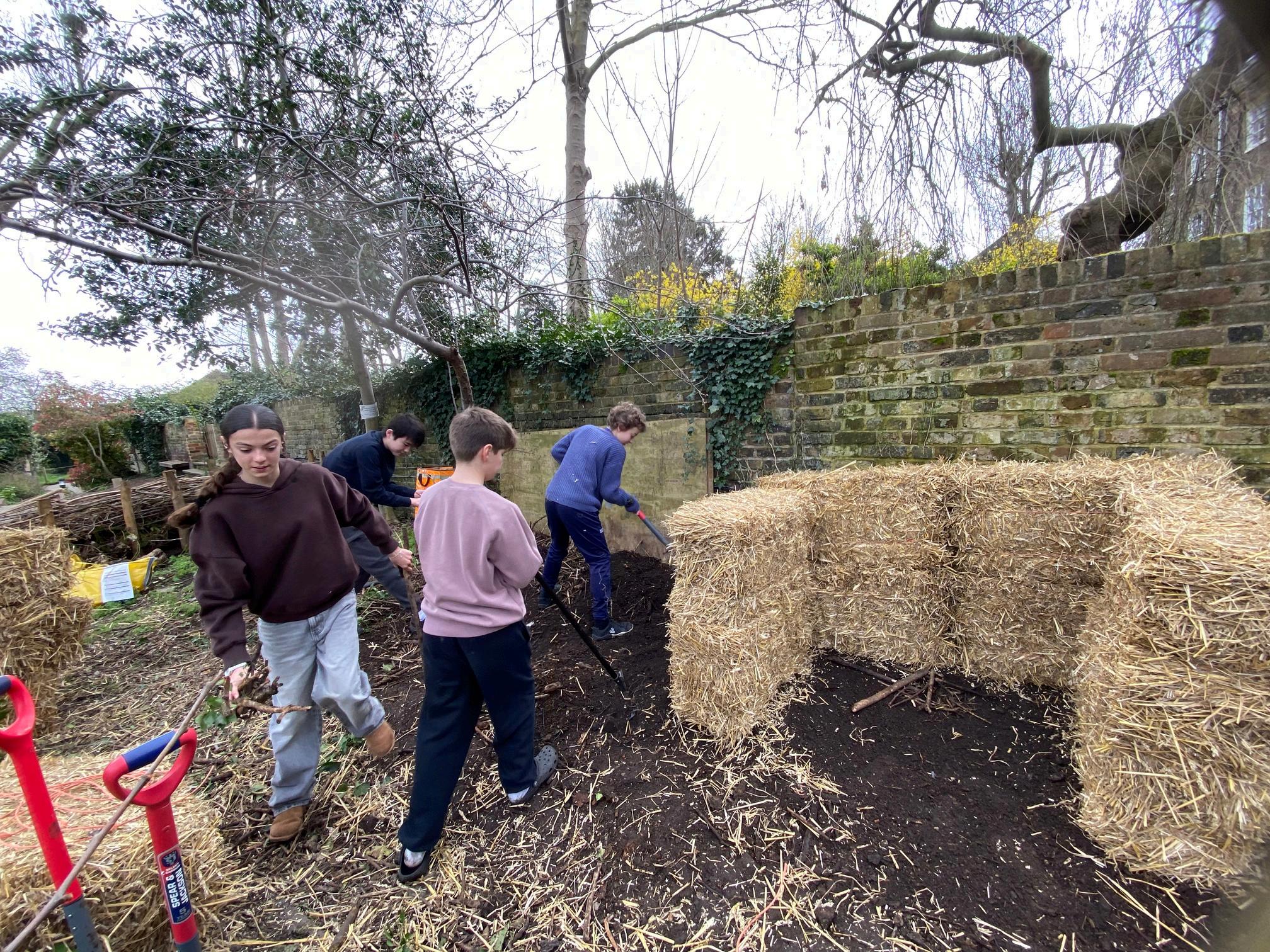
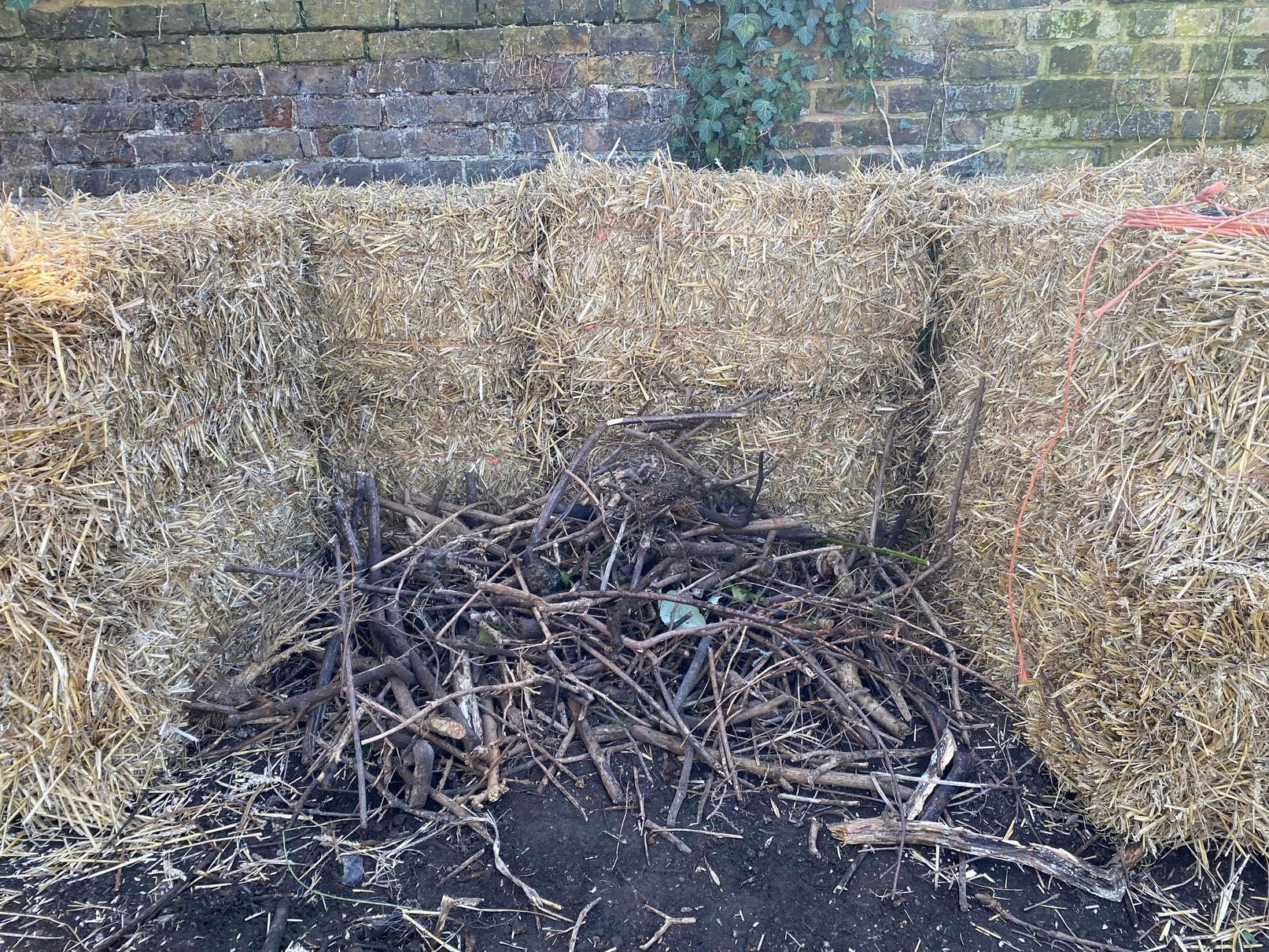
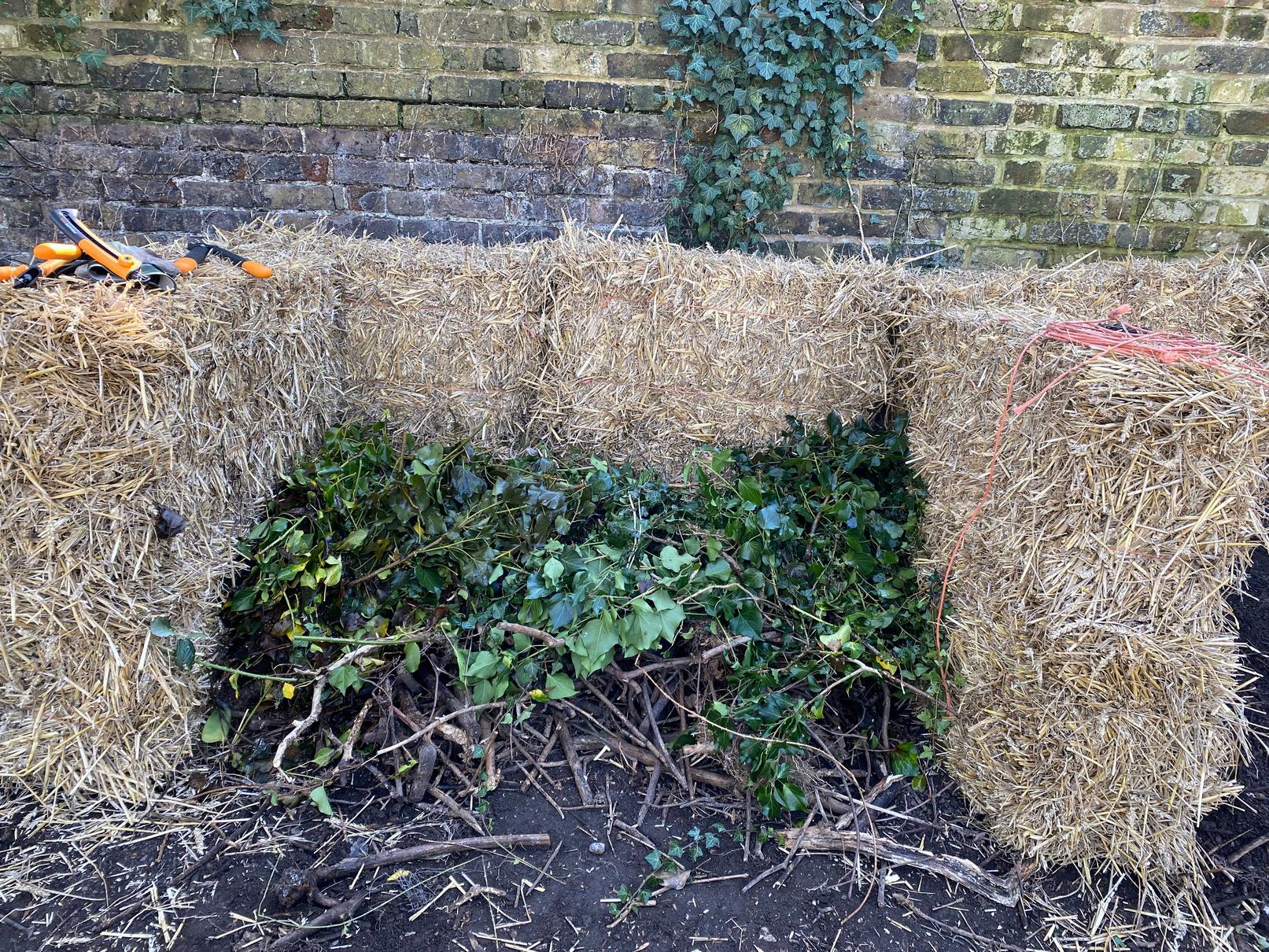
At our school we had a lot of invasive weeds growing in the garden that needed to be removed because they might grow back if they are put into normal compost Because of this we decided to try making a straw bale hot compost system instead of throwing the weeds away. Hot compost gets much warmer than regular compost which helps break down the weeds faster. This means we can recycle the garden waste and turn it into useful compost for improving the soil in our school garden. Straw bale hot composting is a quick way to turn waste into compost using a bale of straw. You add organic matter - in this case, invasive weeds - and keep it damp so microorganisms can break it down As they work the bale gets warm which helps everything rot faster and stops weeds from growing. In time the straw breaks down too and you are left with good compost for the garden.
Hot compost heats up to around 50-70 degrees because straw is a great insulator, making a even warmer. This means it breaks down material way quicker, giving you get compost in a month to 3 months rather than 6 months to a year. The heat comes from tiny microorganisms and the hot temperature burn weed seeds, plant diseases and harmful bacteria such as E. coli, Salmonella, and faecal coliforms.
BY YUSUF HAYAT & ATTICUS BRADLEY
Hot composting requires an insulated bin and a 25:75 percent ratio as a golden percentage of "browns" (carbon) to "greens" (nitrogen). Shred materials keep them as moist and ensure good aeration by turning the pile weekly to maintain temperatures. Finished compost should be produced in 1-3 months. This will give you many benefits such as the pride of saving the planet and getting rid of your greens fast
Here are some we recommend:
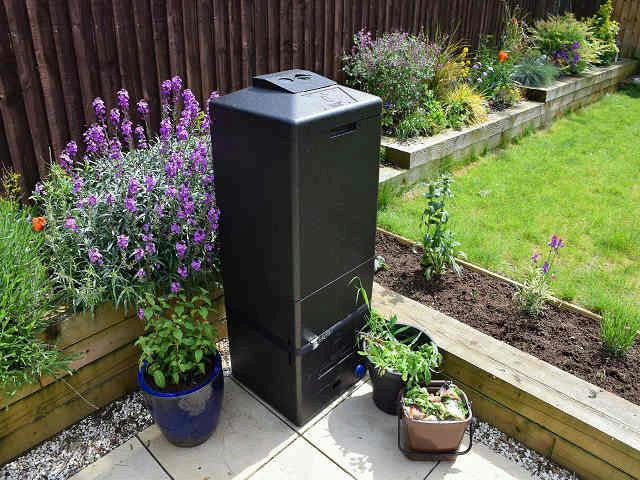
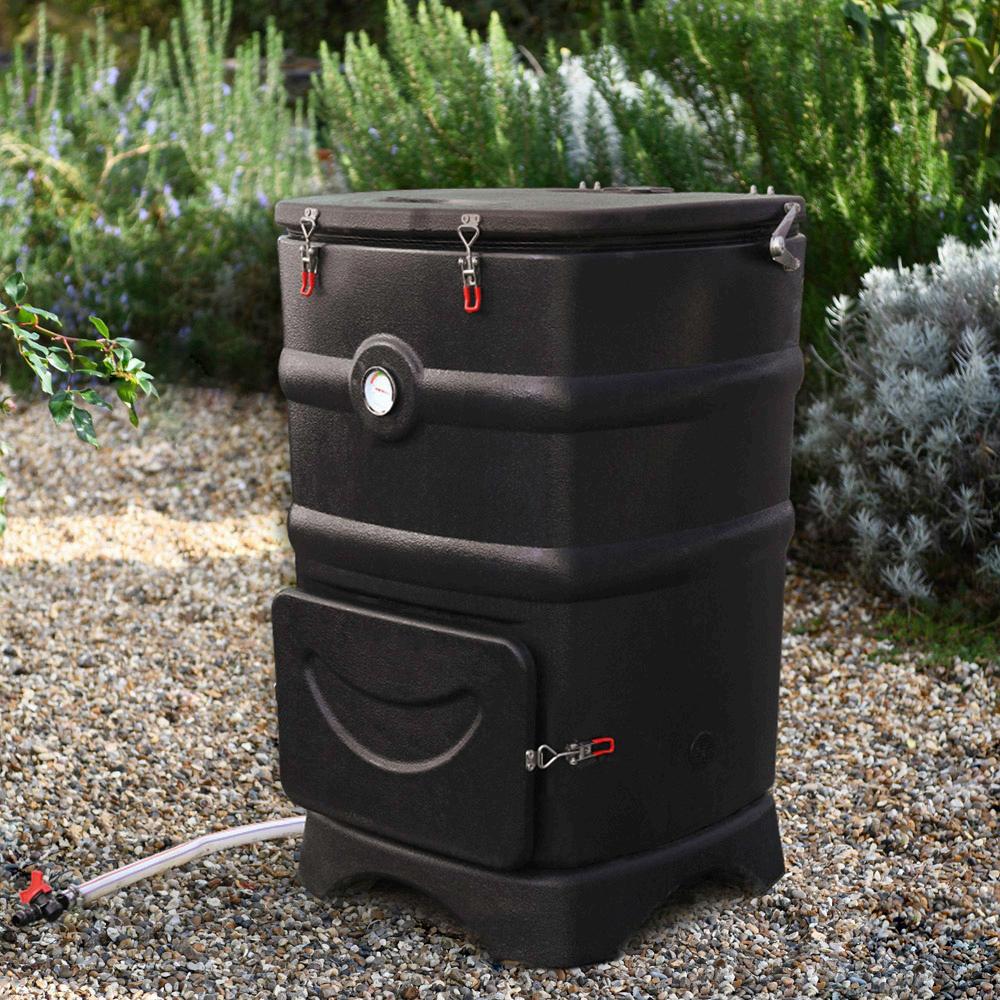
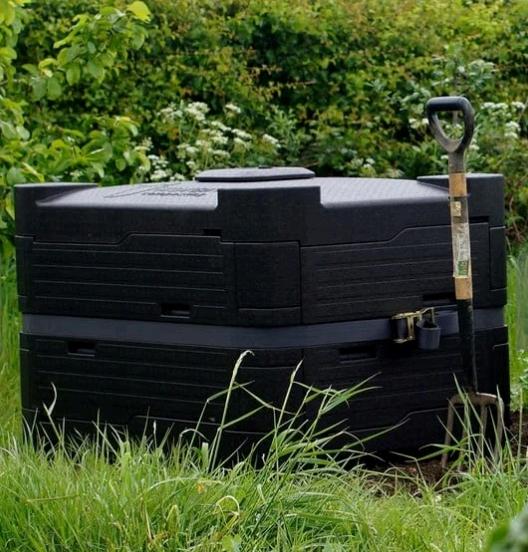
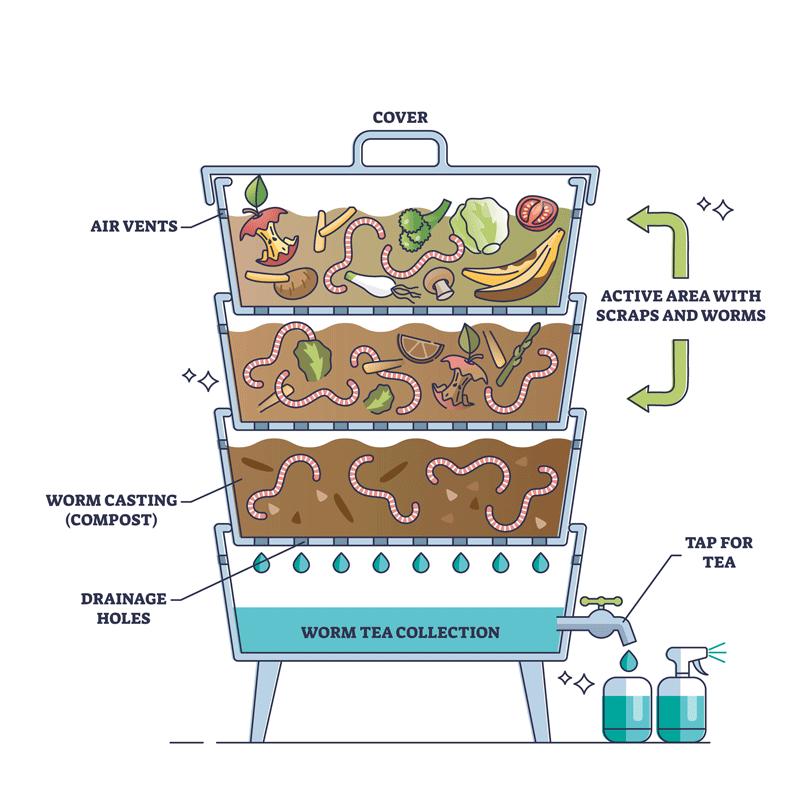
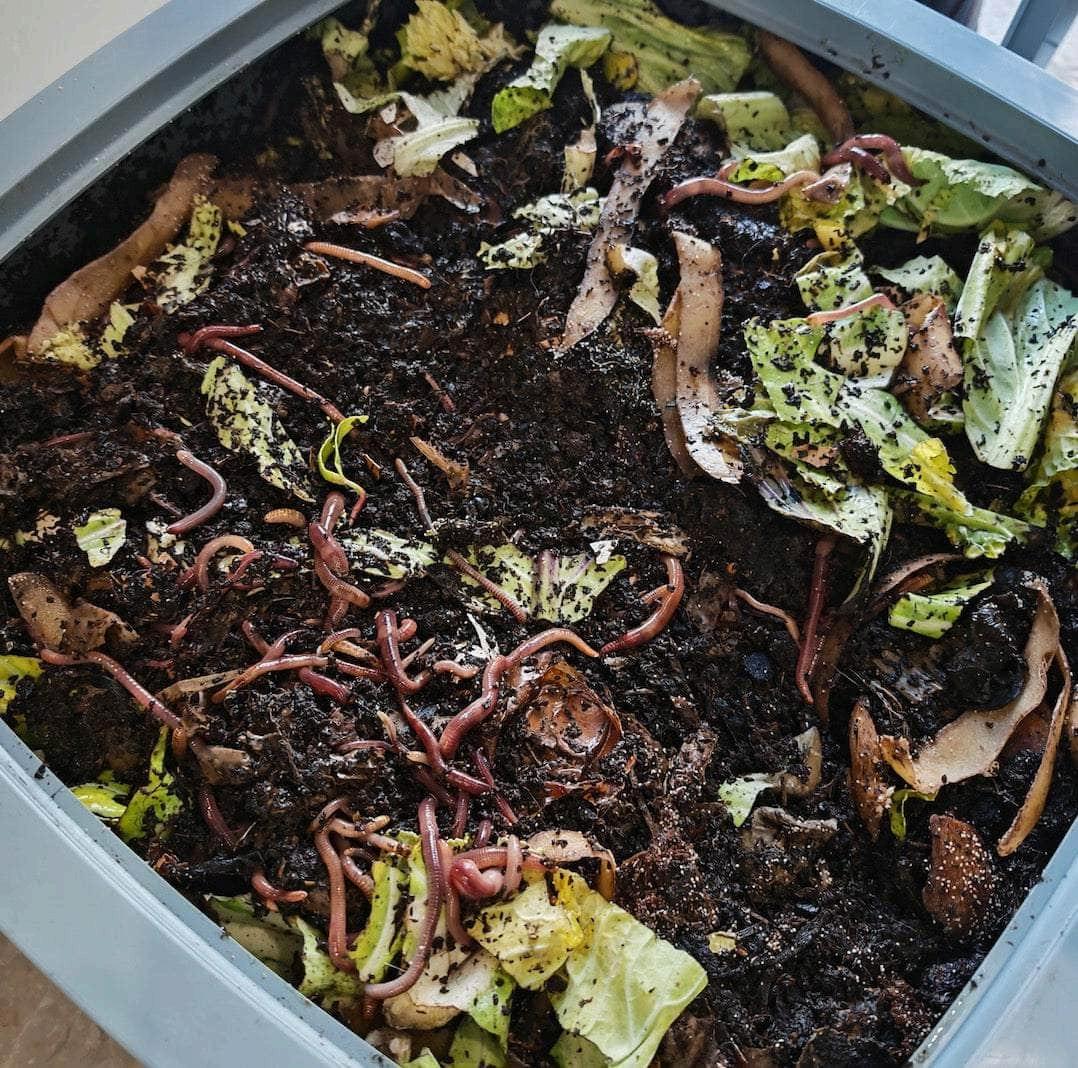
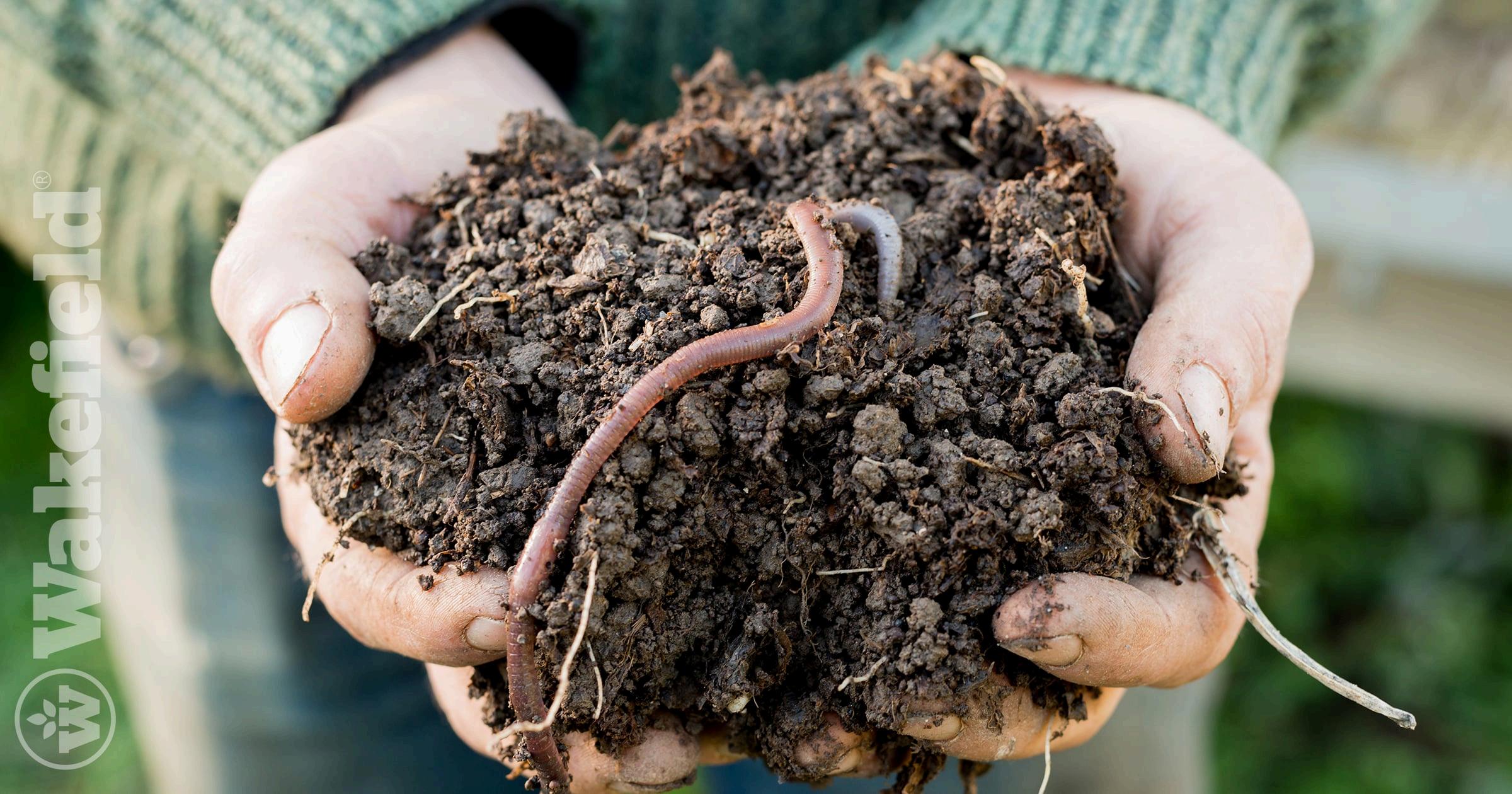
A wormery is a great addition to your home.because they reduce food waste. A wormery can break down and process things like fruit, vegetable scraps and also coffee grounds. Doing this means less waste will be put into a landfill. It is easy to maintain, and even if you have an apartment it is great for small spaces, balconies and even indoor use! Worms can consume half their body weight in food each day, quickly turning your waste into valuable compost called ‘worm castings’. This makes it better than compost because it breaks waste down faster. It doesn’t have a foul odour which is key for home composting.
“If you have a wormery, all of that is avoidable - the waste at home is processed in a cleaner way.”
BY JAYAN TANDY
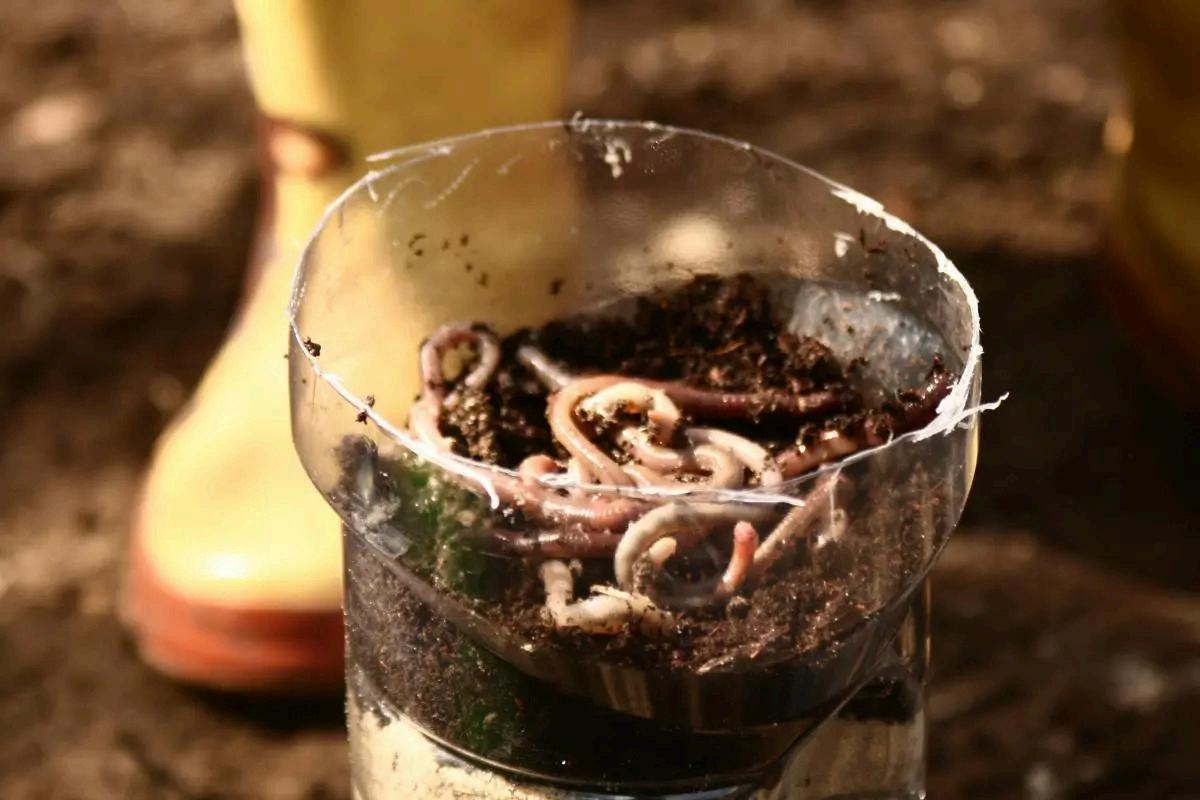
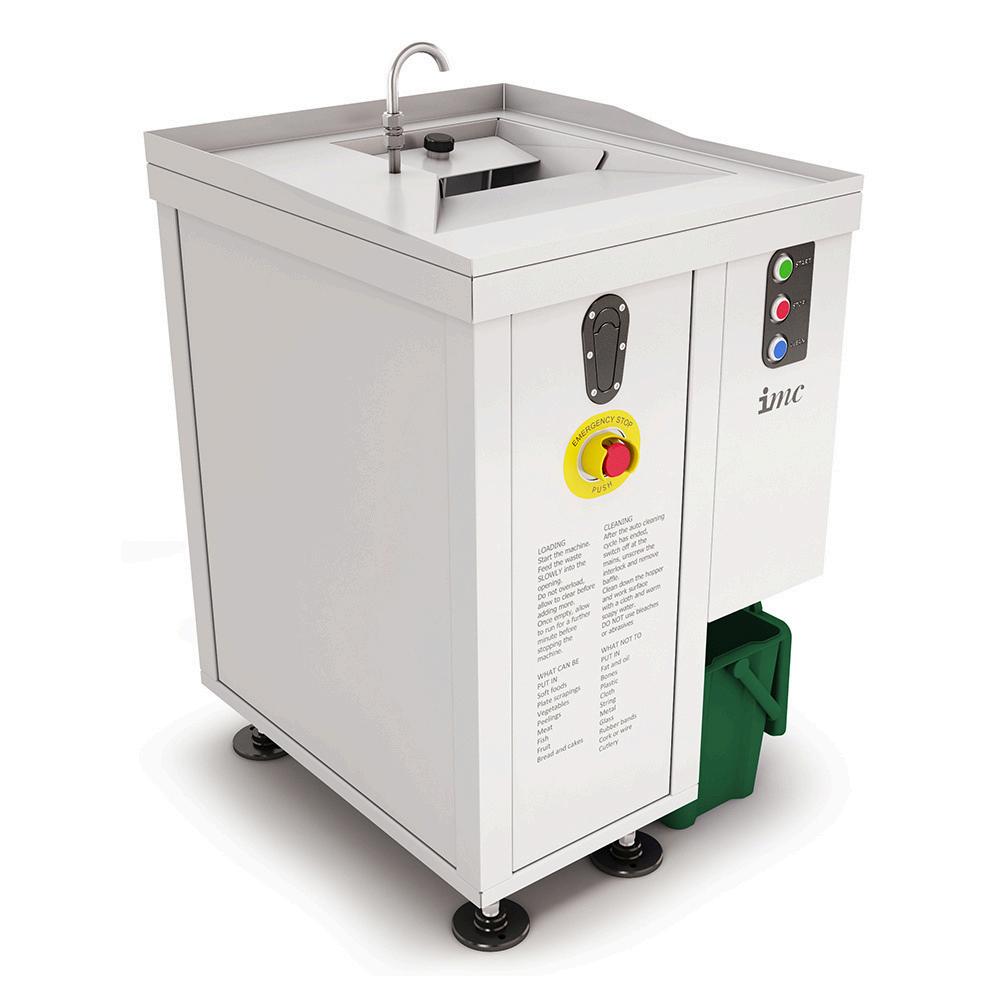
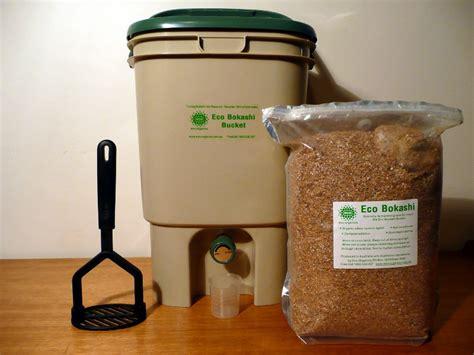
The Bokashi fermentation method helps to biodegrade meat or dairy items which usually can't go in normal compost. It does it in a safe way. You need to have an air tight bucket and you fill it with all the food waste. Then add the Bokashi bran. This is the ground up outer coating of cereal grains that has microbes added. Then press it down to make it airtight and make sure there is not too much air.
Leave for 2 weeks and then you should put it into compost or a wormery.
To tell if you have done it well, check the smell. If it smells rotten then too much air got in and if it smells sweet or sour its good.
Things to remember:
Make sure not to have too much water. Don't put in large bones
This is very good for the planet as it increases how good the soil is and biodiversity. It is also good because it means the food waste doesn't get burned. We should do it at school because it's a safe way of composting meat or dairy.
To do this at home you will need ordinary compost and an air tight bucket and you will also need Bokashi bran. You can buy "Bokashi Bran" or "EM-1 Concentrate" (the liquid to make your own) from garden centres, eco-shops, or online.
We at RIC want to start using this method to process plate waste. This will help us reduce carbon impact through trucks coming to collect food waste and we will also save money because we won't have to pay for trucks.
BY MICHAEL NUKILIN
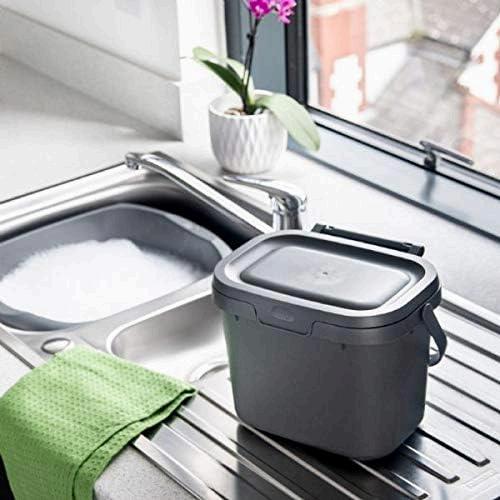
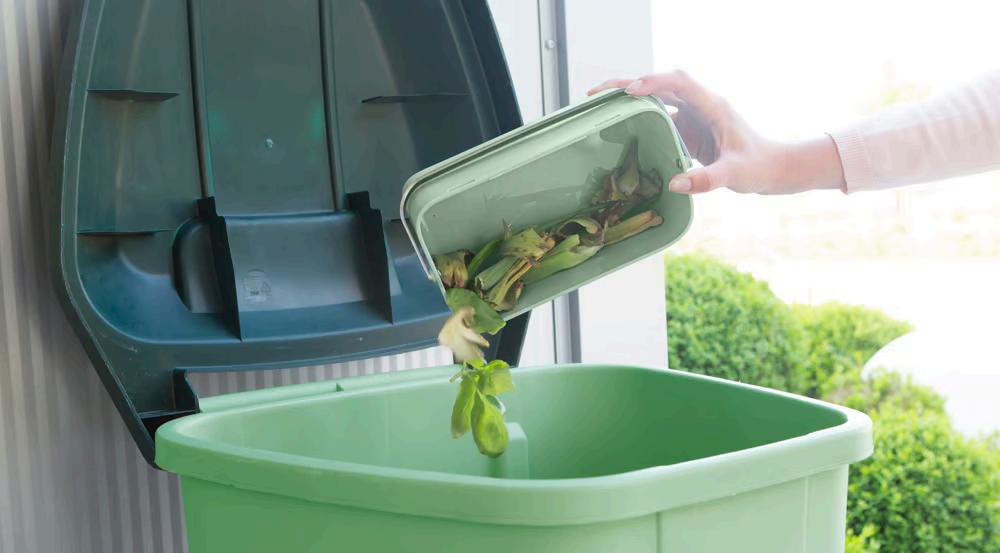
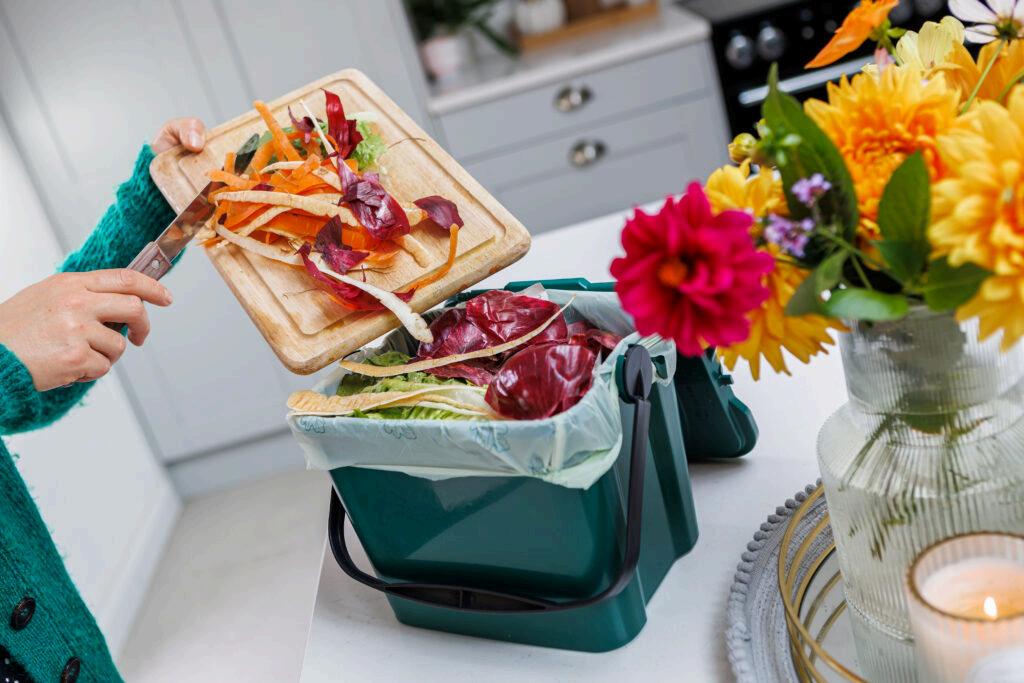
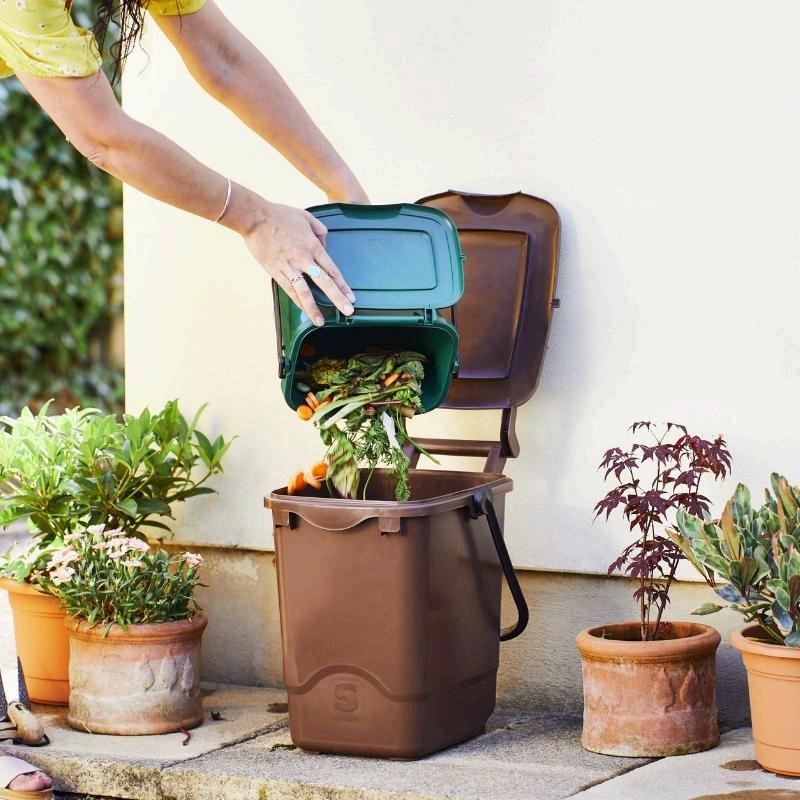
Have you ever wanted to compost at home but didn’t know where to start? One of the easiest ways to begin is by using a kitchen caddy. Kitchen caddies are small bins that you keep in your kitchen to collect food scraps like fruit peels, vegetable cuttings, and leftover food before putting them in your compost or food waste bin. They are usually quite cheap, durable, and very useful for helping reduce waste, which is great for the environment.
The first kitchen caddy option is getting one from your local council. For example, if you sign up for food waste recycling with Kent Council, they will actually give you a kitchen caddy completely free of charge. This is a great option because you don’t need to spend any money, and it encourages people to recycle their food waste properly instead of throwing it in the normal bin. Many councils in the UK offer something similar, so it is always worth checking with your local council first.
Another caddy that is very good for the price is the Addis kitchen compost caddy. It only costs around £4, which makes it one of the cheapest options available. Despite being cheap, it is still a good size and quite sturdy. It would be a great option for someone who lives alone, but it would also work well for a small family. Because it is simple and practical, it’s a really good starter option if you are new to composting at home.
My next option would have to be the Brabantia kitchen caddy This one is more expensive at around £17, but it has a very nice design and looks much more stylish than some cheaper caddies. It is also very durable and has a good capacity, so you can collect more food waste before needing to empty it. This makes it a good choice for families or for people who cook a lot and produce more food scraps in the kitchen
BY
BY HARVEY BASSETT
My final option would be the Easy Eco 5L kitchen compost caddy. This one costs about £13, which is still quite affordable. It has a handy handle, which makes it very easy to carry when you need to take the food waste outside to your compost bin or food waste collection. It also comes in a nice colour and has a simple design, so it can fit into almost any kitchen without looking out of place. Overall, I would probably recommend this one the most because it is reasonably cheap, a good size, and very easy to use.
In conclusion, kitchen caddies are a simple and effective way to start composting at home. They help you collect food waste easily and make it much more likely that you will recycle it instead of throwing it away. Whether you choose a free one from your council or buy a cheap one from a shop, a kitchen caddy is a great step towards reducing waste and helping the environment.
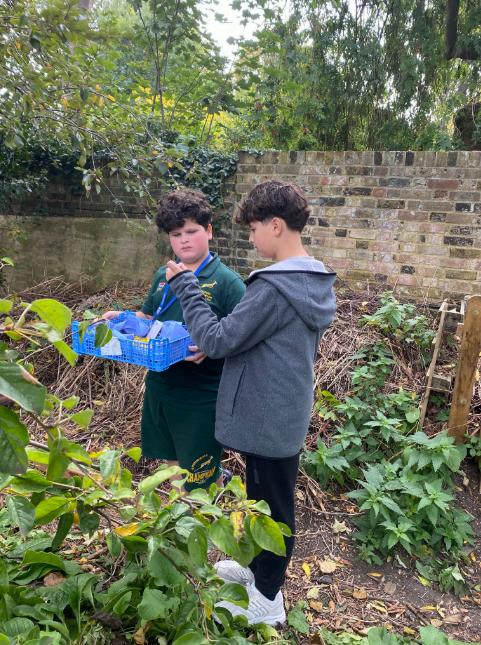
Steps:
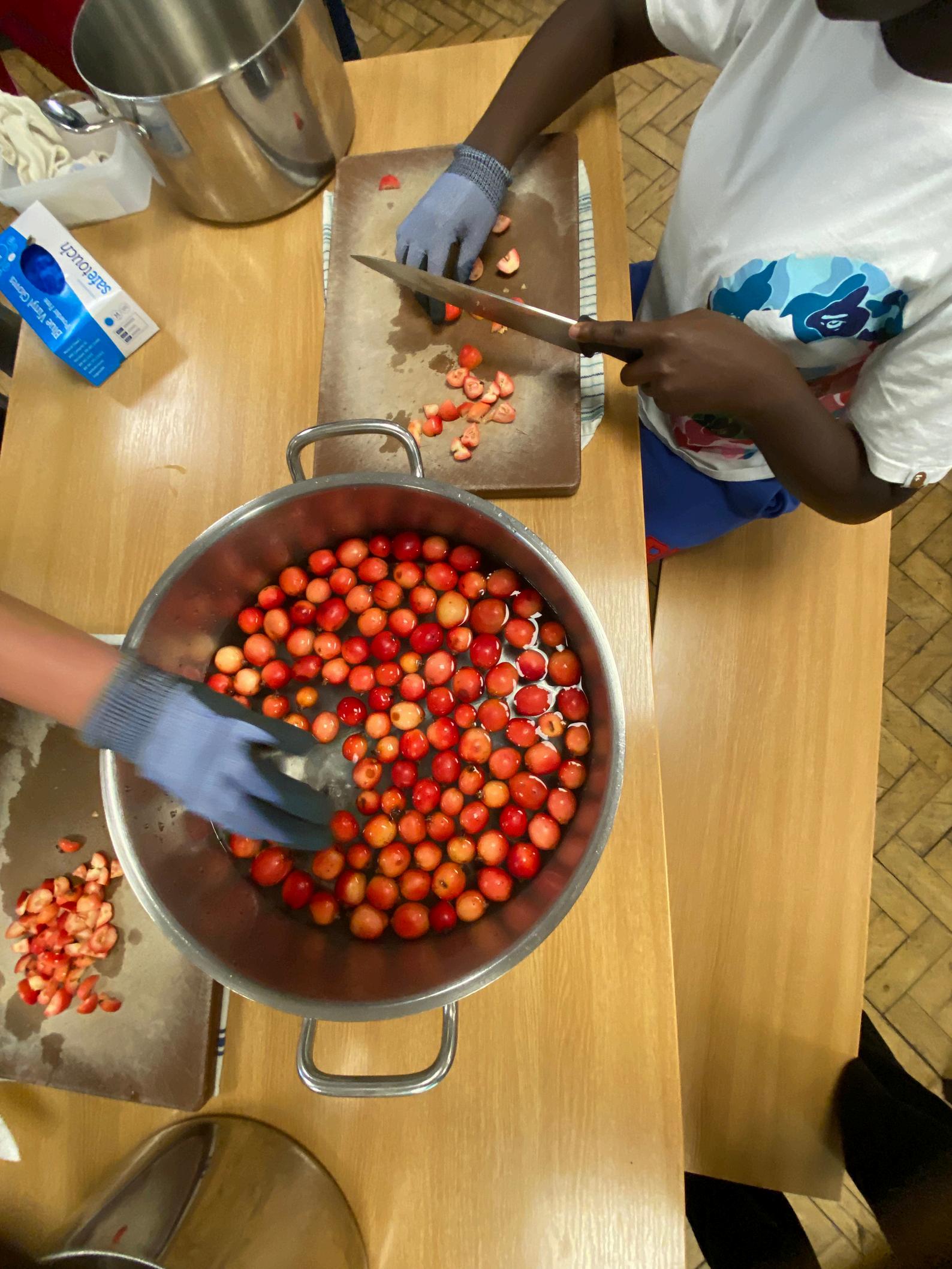
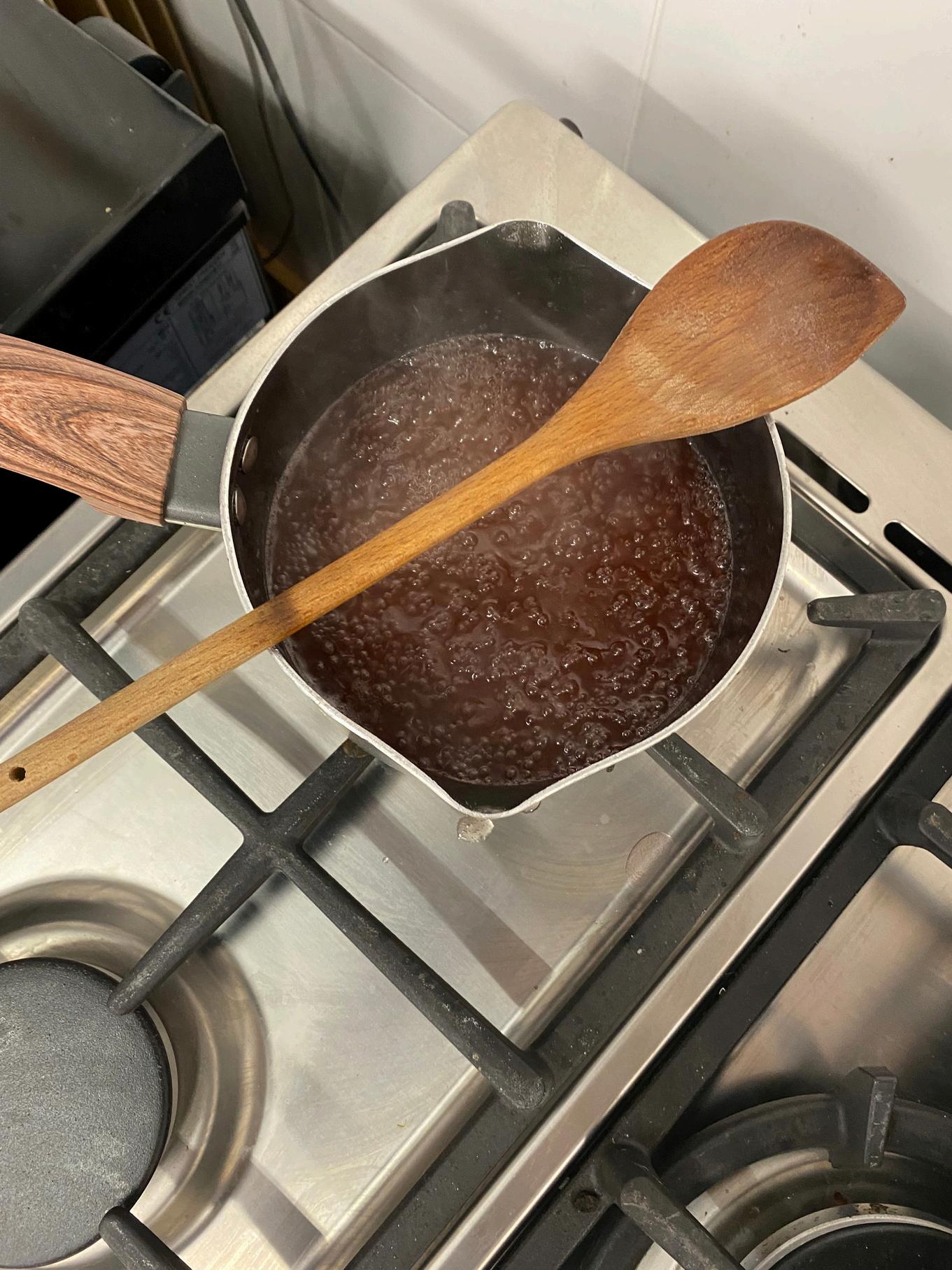
1. Wash the fruit and cut them in half
2. Put them in a pot with water and simmer until soft
3. Strain the mixture through a muslin cloth to get the juice
4 Add sugar to the juice
5. Boil until it thickens into jelly
6. Pour into clean jars and let it cool
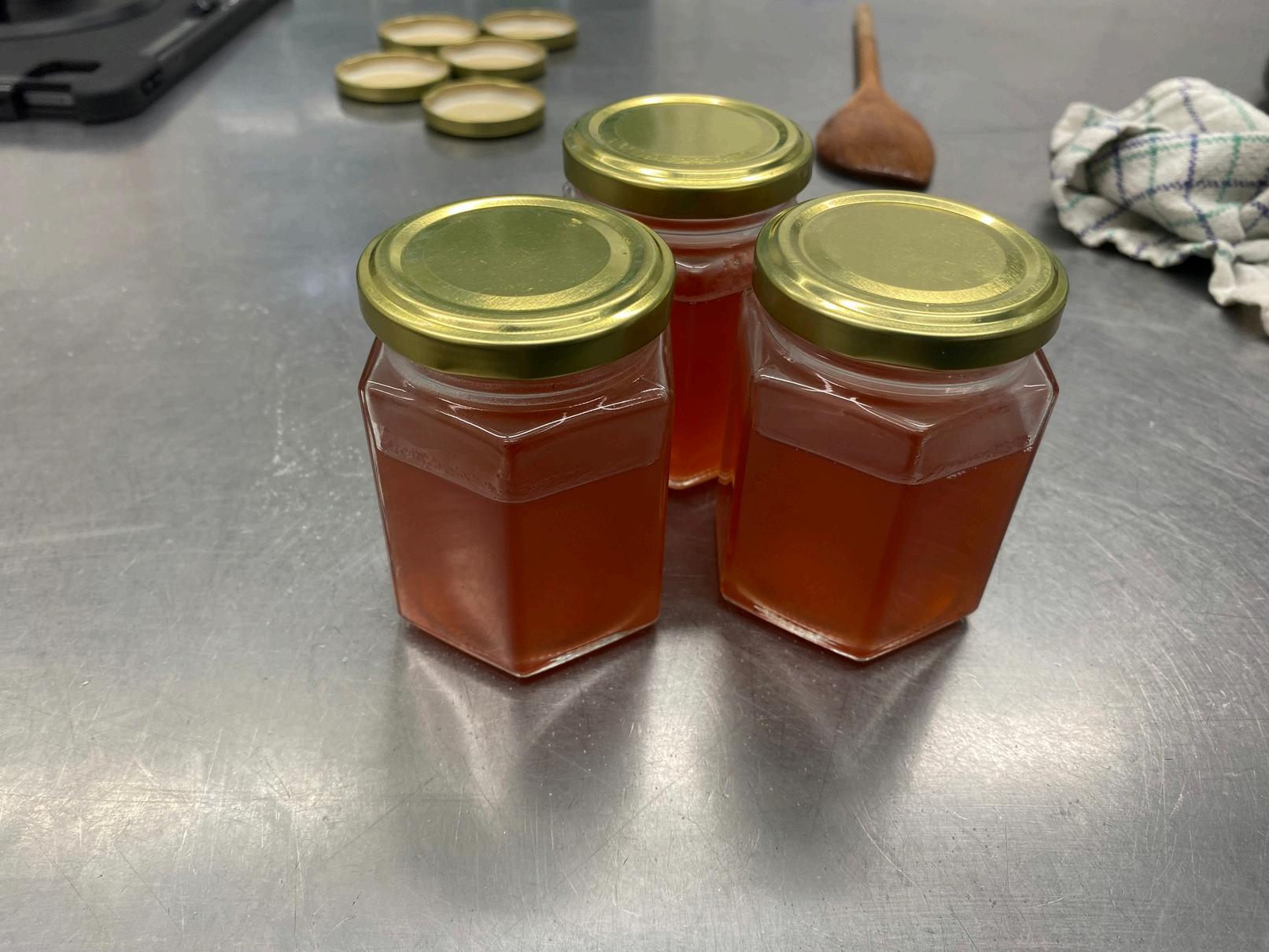
How to make foraged fruit jelly at home
You will need:
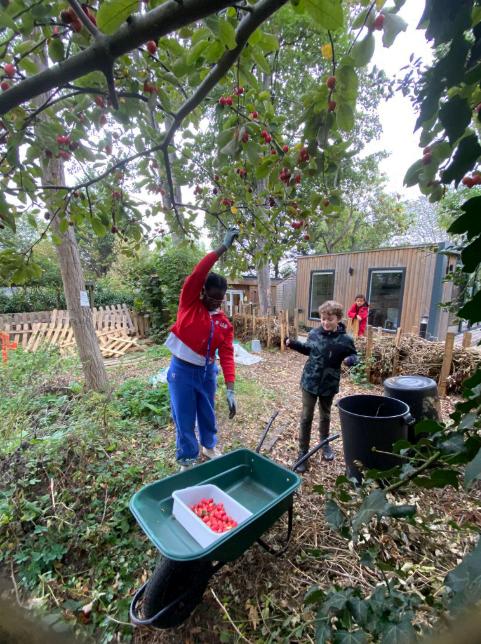
Crab apples or medlar fruit
Sugar
Water
A Pot & seive or muslin cloth
Clean jars
Extra tips
Use old jars instead of buying new ones
Medlars are best used when they are very soft (a process called bletting). You can pick them when they are hard, but then store them in a cold, dry place like a shed. Once bletted, they can be frozen until you want to use them.
Try other fruits if you don’t have crab apples or medlars
Ma environment because:
It reduces food waste by preserving the fruit
It uses local, seasonal fruit (less transport pollution)
It avoids plastic packaging from storebought products
It encourages people to use what they already have
Oscar Kemp discovered a complex scientific connection between soil health and gut health. He researched further and worked with Ellen Crozier to produce this article.
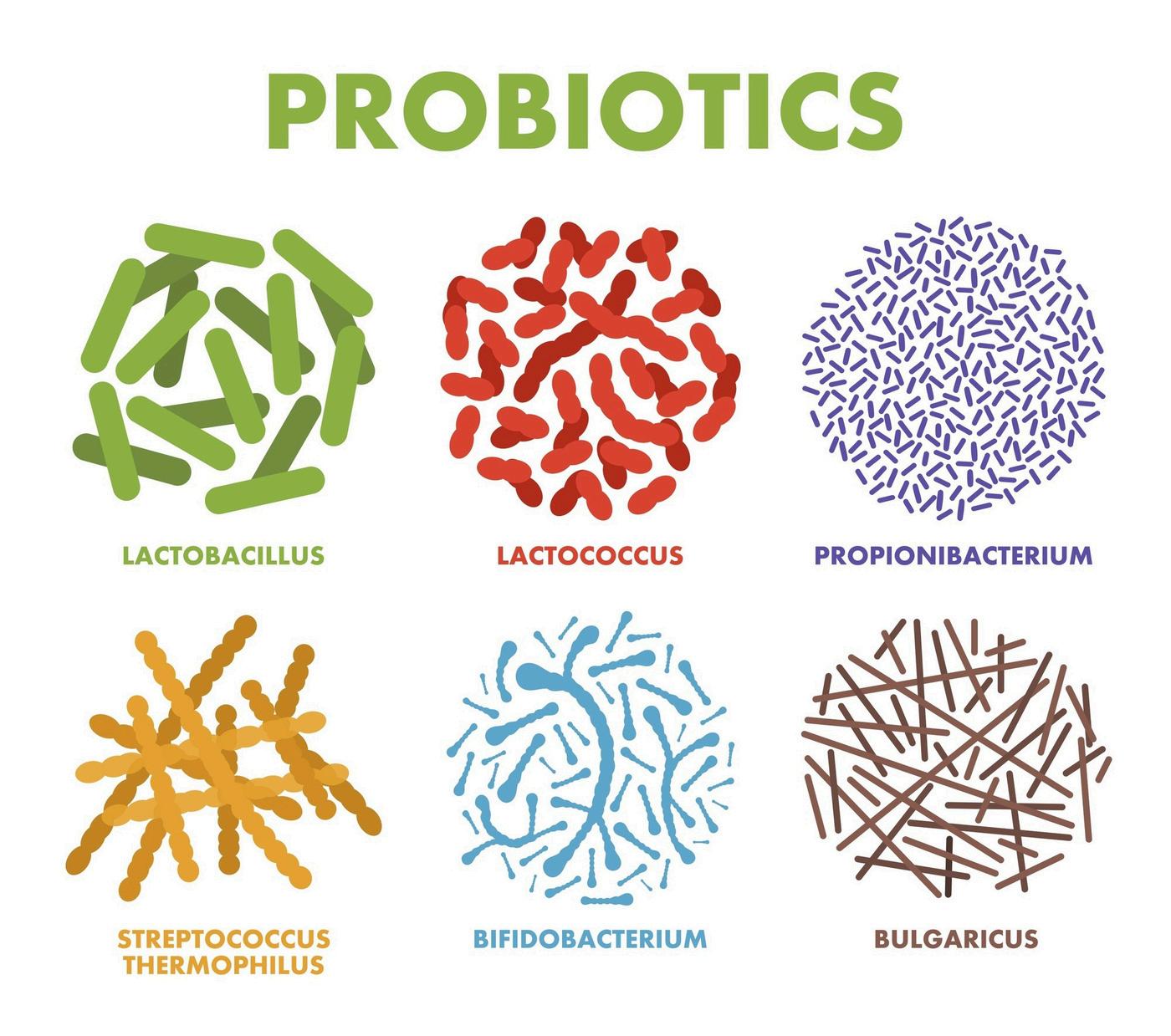
Soil health is very similar gut health. They both rely on microbes that are nearly identical in what they do, for example breaking down organic matter and cycling nutrients. Microbes in the soil and your gut basically have the same job. In your guts, we call these ‘good’ microbes ‘probiotics’. They act as the ‘gardeners’. They break down food into small enough molecules to go through the gut wall and enter your bloodstream, just like microbes in a compost heap break down organic matter so that plants’ roots can absorb the nutrients. Probiotics also keep the ‘weeds’ or bad bacteria away Probiotics in our guts can come directly from the soil on the fruit and vegetables we eat. They can also come from eating fermented food such as kefir, sauerkraut, kimchi or kombucha.
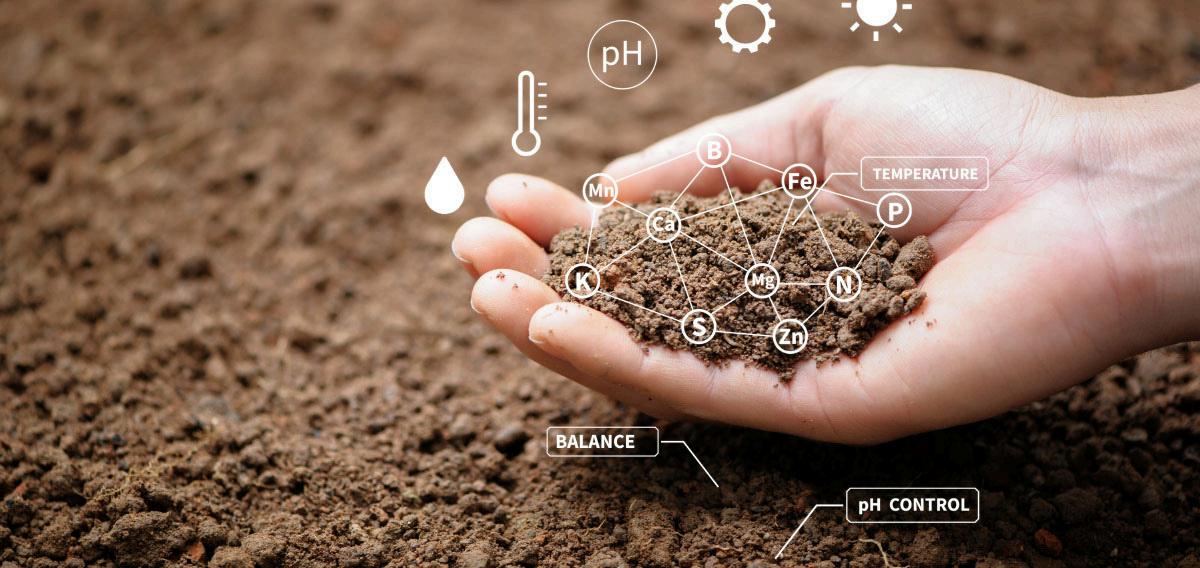

Your guts also need similar ingredients to healthy compost in order to feed the good microbes that help break down your food. We call food that feed our good microbes ‘prebiotics’. They are not alive, but act like the fertiliser to feed the good bacteria. If you don’t feed your ‘gardeners’ - they won’t have enough energy to do their jobs.
In a compost heap, you need the right balance of green and brown organic waste. The green waste is nitrogen rich. It provides quick energy for the microbes, allowing them to grow fast. In the human diet, the ‘greens’ are similar to proteins and sugars in the human diet which provide quick energy for the microbes, enabling them to grow Too much (especially processed sugar) can cause a "slimy" imbalance, just like a compost heap with too much nitrogen.
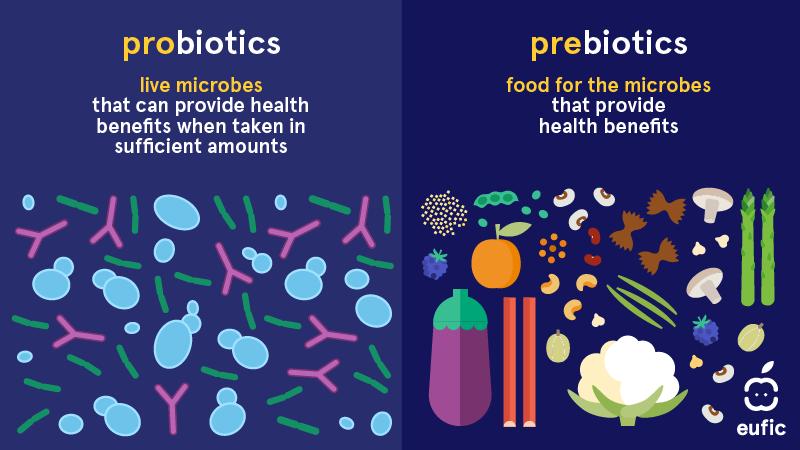
The brown waste in the compost heap, such as dry leaves, is carbon rich. It provides structure for the compost. The equivalent in the human gut is fibre. Fibre is made of cellulose - the part of a plant cell that humans cannot digest. Fibre provides he structure for a healthy gut. You need to have healthy food for your guts to be healthy. The best way to get enough prebiotics is to eat a wide variety of plants that have been grown in a way that helps the soil.
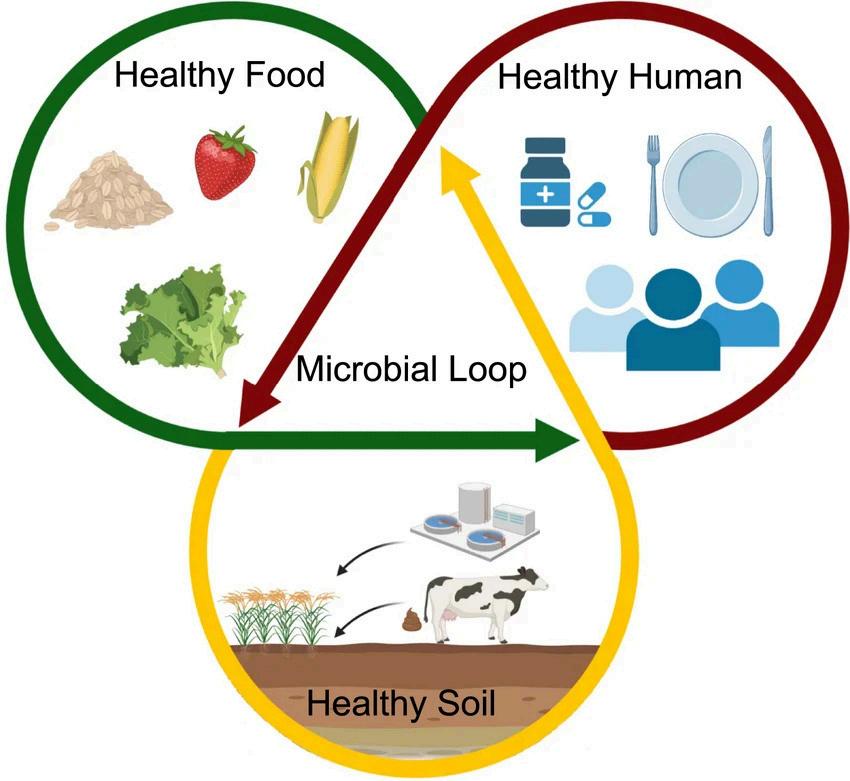
We have learnt that healthy food makes healthy soil and healthy soil makes healthy food. So eat foods grown in healthy soil and compost your food waste to keep the soil healthy.

Why do glass milk bottles help the planet?
What do they help with?
Many countries reduce waste by turning it into useful materials. One common method is composting, where food and plant waste are turned into nutrient-rich compost that helps plants grow better.
Some places also recycle different types of waste, such as organic materials, to improve soil quality and reduce pollution. In addition, farmers use natural methods like regenerative agriculture to keep soil healthy without harmful chemicals. Overall, these methods help reduce waste and make soil more fertile, which is important for the environment and food production.
Some countries are known for their methods to reduce waste and improve soil. For example:
Switzerland: As of 2000, Switzerland stopped burying waste in landfills. It uses a "polluter pays" pay-as-you-throw system. This is an environmental policy holding those who produce pollution responsible for the costs of cleaning up environmental damage. This incentivises reduction and recycling, achieving 100% waste recovery (53% through material recycling/composting, 47% incineration).
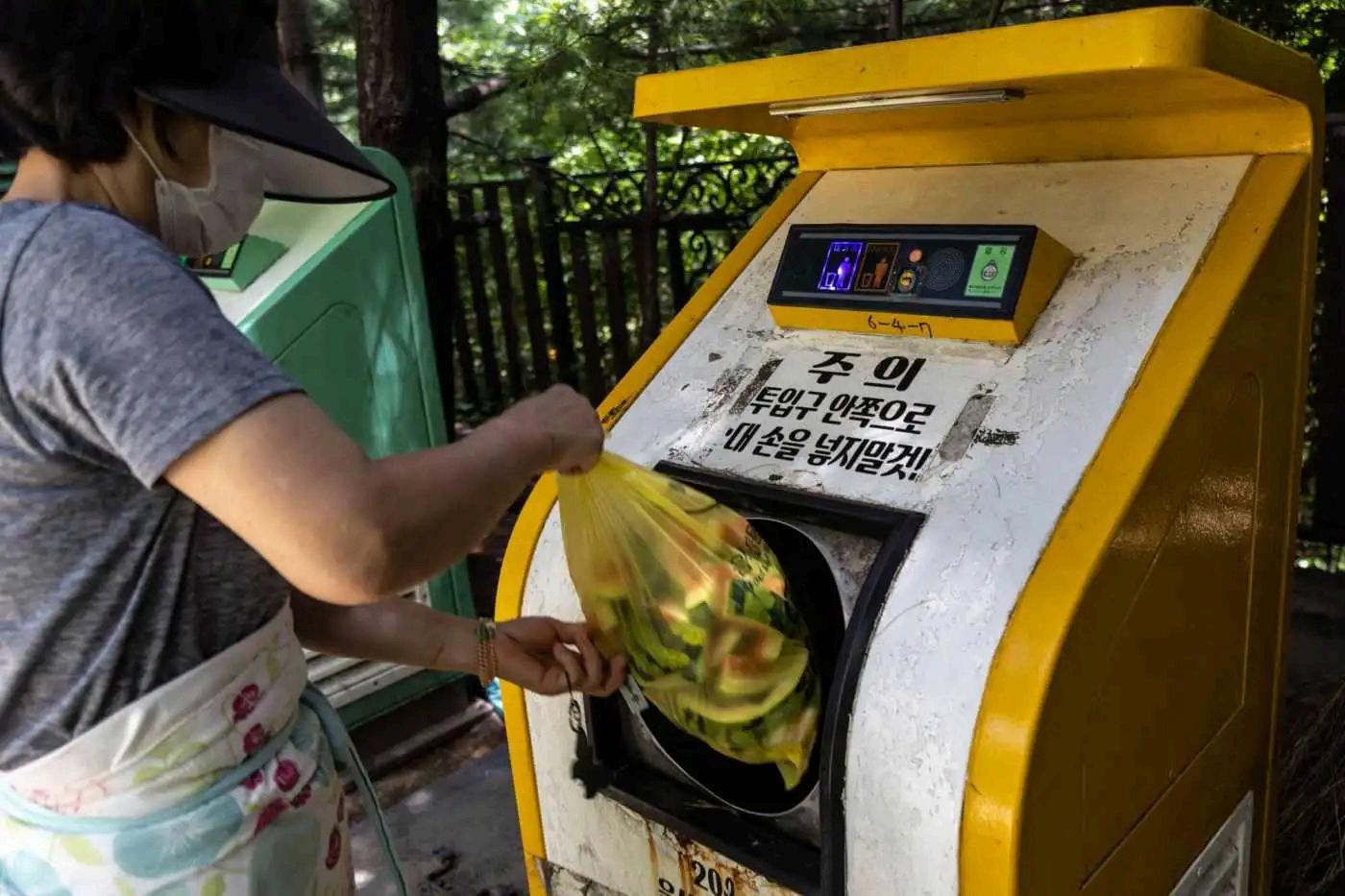
South Korea: Known for its "food waste wizardry," which is a highly efficient, technology-driven waste management system. The country has achieved over 90% recycling of food waste since 2013. It has required the separation of food waste, which is processed into animal feed, fertilizer, or bioenergy.
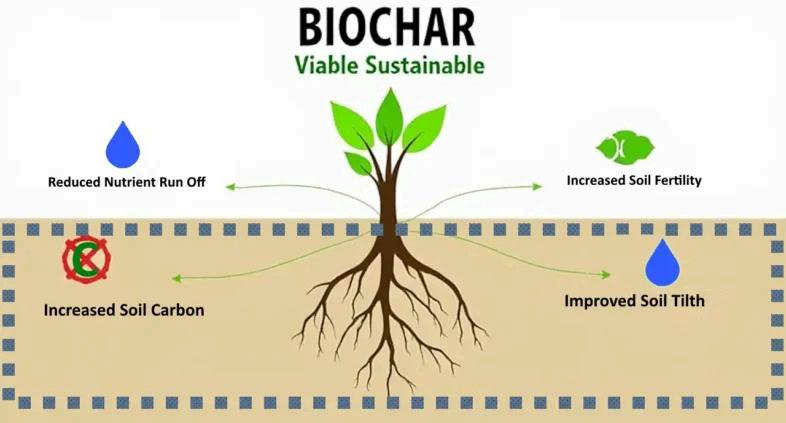
Spain, Greece and France heat organic waste in low-oxygen conditions to produce a phosphorous and potassium rich fertiliser called Biochar. Biochar was used to feed our sick Horse Chestnut tree last summer. It helps retain water and nutrients in the soil. It stores carbon underground, keeping it from going into the atmosphere where it would cause global warming.
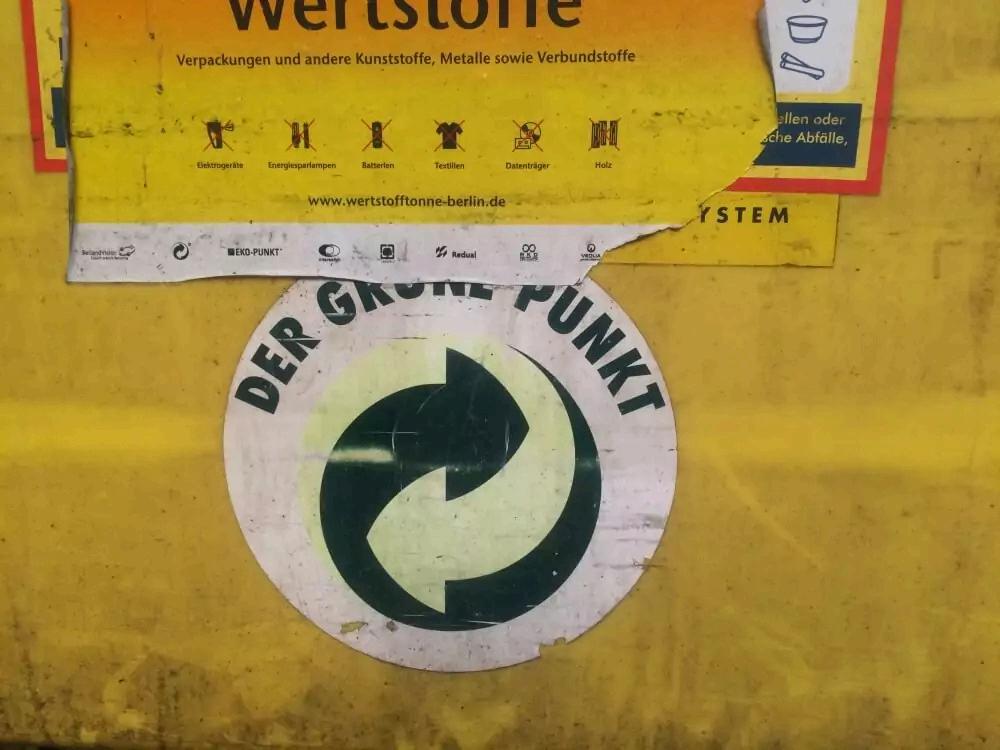
Germany's "Green Dot" System: Producers pay for a license to use a "Green Dot" symbol on packaging, which funds collection and recycling. This incentivises companies to minimise packaging.
Japan: Its Kamikatsu town sorts waste into 45 categories to achieve an 80% recycling rate. If you would like to see what japan does if they dont have gardens go to montycompst.co
Austria Leads in composting, recovering over 33% of its waste this way to create soil improvements.
Democratic Republic of Congo uses bamboo farming on steep hillsides to strengthen soil structure
Norway recycles 97% of there plastic waste which means that there is less plastic in the ocean and on land
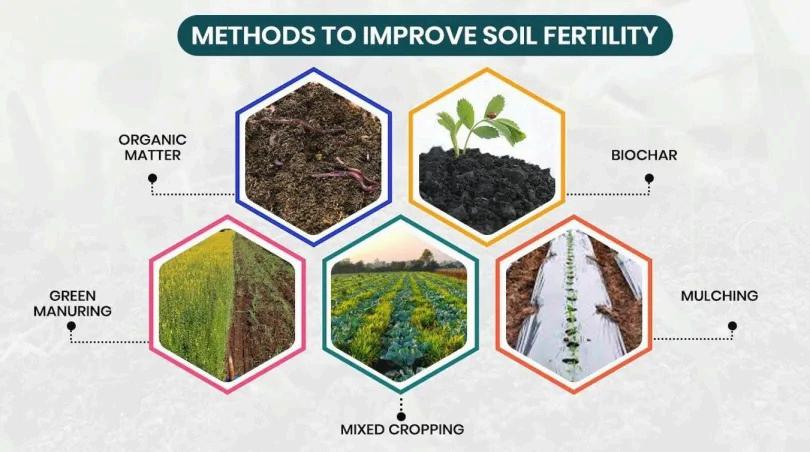
Cover Cropping: prevents erosion and feeds microbes
Scatter seeds onto cleared soil, rake them in, and ensure consistent moisture for germination, typically in late summer or autumn, before killing them in spring
No-Till Farming: no till farming adds fungi
To do no-till farming, leave the soil unplowed, keep plant residue or cover crops on top, and plant seeds directly into the soil using minimal disturbance.
Crop Rotation: Breaks disease cycles, diversifies nutrition
Crop rotation means growing different types of crops in the same field each season to keep the soil healthy and reduce pests and diseases
Livestock Integration:Recycles nutrients, enhances carbon Livestock integration is whereyou mix crops and animals tomake a regenerative design that is self-sustaining
Apply Mulch
Use a 2–3 inch layer of organic mulch (straw, wood chips, bark, or grass clippings) to suppress weeds, conserve moisture, and improve soil health as it decomposes.
Keywords
Germination: the development of a plant from a seed or spore after a period of dormancy.
Self-sustaining: being able to leave it without needing any help
E C O M P O S T P M
T L E L C Y C E R A
A W H R M P E H M C
R Z O F U N G I W E
E M R R V N A D I R
N E L C M L W H X A
E L I C H E N H U T
G T O H N O R K G O
E C S B E S A Y W R R E T S A W D O O F
If you can complete the word search then send it to emily.larkin@rochestercollege.org.uk. You could then win a jar of medlar jelly.
Rearrange the letters to find the sustainability or regenerative design based word.
Example: for TEAR, the answer would be RATE
The unscrambled words should form terms related to sustainability and gardening. Can you find them all?
1. y cornfield 2. gander 3. nib 4. feltier
1. 2. 3. 4.
BY JEDIDIAH MUSHINGE
Thank you for reading our magazine. I hope you learnt something new and you enjoyed reading it. If this magazine has inspired you to help climate change please message emily.larkin@rochester-college.org.uk with any actions you have taken because we would like to understand the impact of this magazine. We will also be sending a survey out with our Summer edition to find out what our readers already do to help the planet. Thank you for your time and see you in the next issue.
BY ETHAN BLEWETT