The Hidden Driver of Alzheimer's Disease: How Tau Protein Causes Neurodegeneration CharvithaT.
CHEMISTRY
How Does Proton NMR Spectroscopy Compare with IR Spectroscopy in DeterminingtheStructureofOrganicMolecules? SeonghoonW. AFentanylVaccinetoNeutraliseDesignerDrugs ZaraK.
MEDICINE
Cancer Immunotherapy SaraY.
Gene Editing Meha P
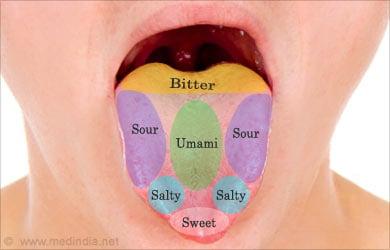
The Role of Genetics in Selective Eaters Nour A.
KEYSTAGE3
Ancient Southern Africans took Genetic Evolution in a New Direction Adyant D.
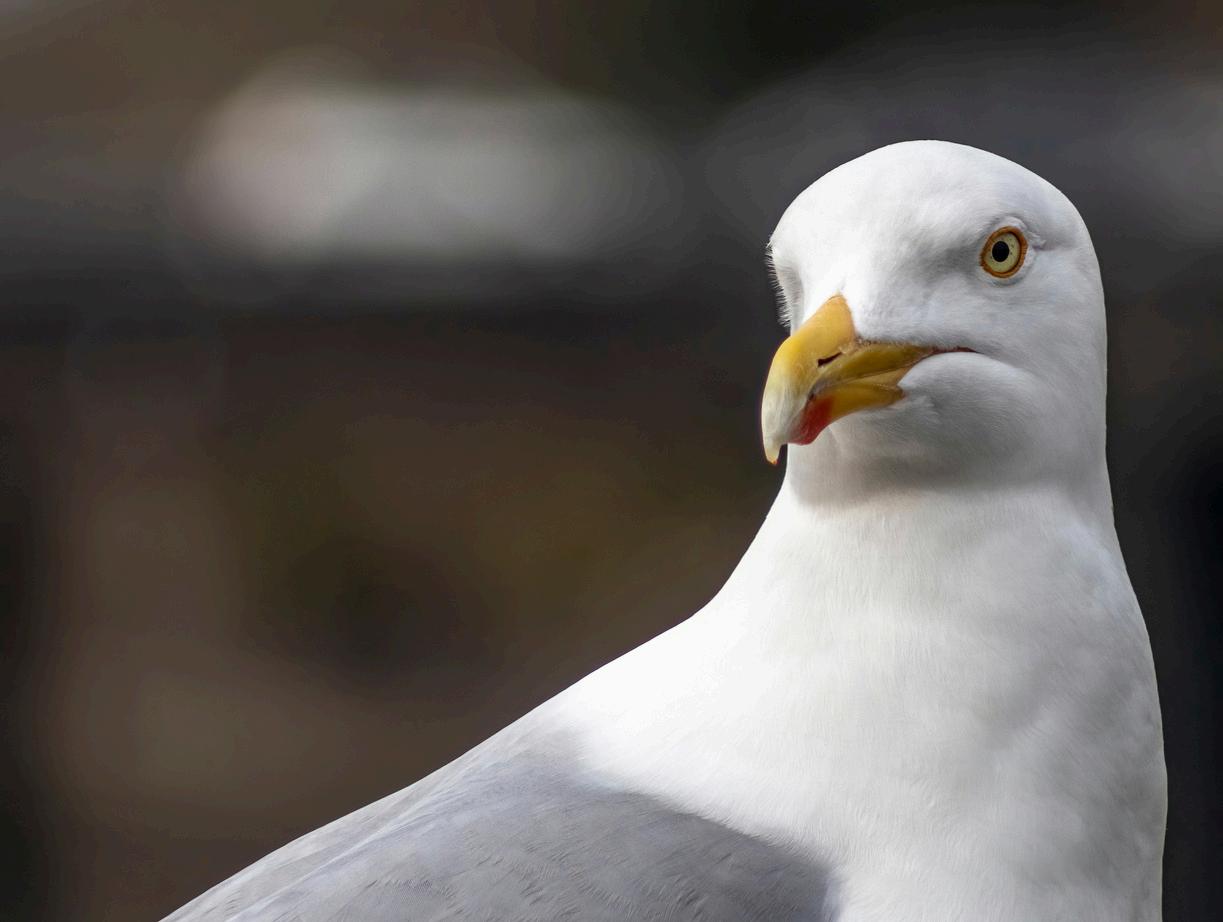
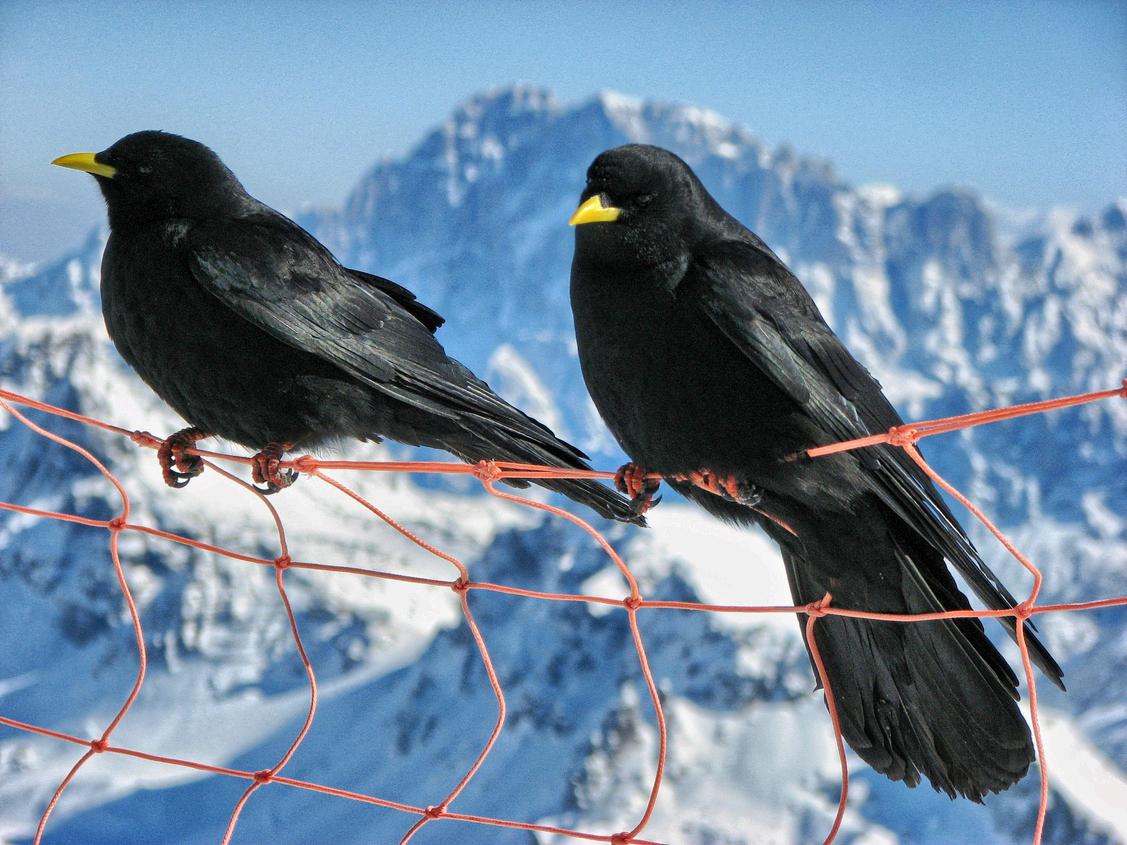
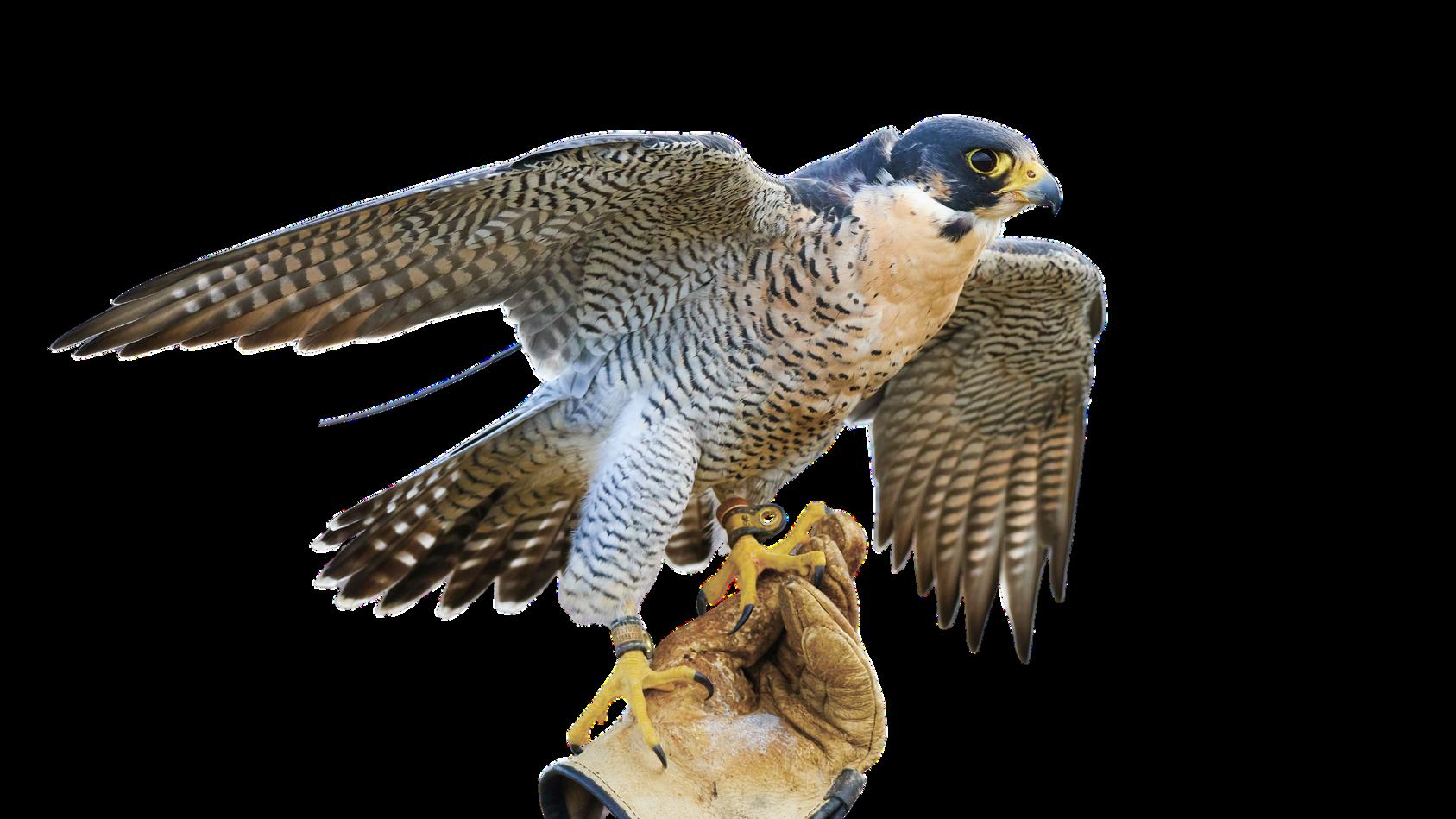
How Bird Wings Are Adapted to Their Environment and Lifestyle and How They Use Them to Fly Adyant D.
A NOTE FROM THE EDITOR
Abird wing can teach an engineer something about flight that no textbook ever could.A scent can unlock a memory you thought you had lost. This year’s volume of DC Quantumisfullofthesecollisionsbetweencuriosityanddiscovery,andwearedelighted tofinallyshareitwithyou
This volume was originally due for publication in Term 2; however, given the ongoing globalevents,wechosetopushthingsbacksoourwritershadthetimetheyneededtodo theirsubjectsjustice.Wethinkthewaitwasworthit.
Inside, you’ll find that this year's volume brings together an eclectic mix of scientific inquiry.This volume carries you from the biochemistry of a runner's high to the genetics behind why some of us are fussier eaters than others. Read together, these articles are a reminderofjusthowbroadandever-evolvingsciencecontinuestobe.
We are also thrilled to introduce two new sections this year Our dedicated KS3 section lowers the word count requirement and opens the door for our younger scientists to put their research out into the world, something we hope grows into a proper tradition in future volumes. Sitting alongside it is our new Medicine section, home to articles that blur the line between ethics and clinical practice, a line that several of this year's writers seemparticularlydrawntocrossing
Thank you to all theYear 7 toYear 12 students who contributed such thought-provoking articles. It was truly a pleasure to read, and we have been humbled by the obvious talent our student body holds. It was genuinely heartening to see a number of contributors return to write a second piece this year, a true testament to the growing enthusiasm for science writing at DC Finally, thank you to Shiza H. for helping create the stunning graphicsthatlaidthefoundationforthisvolume’sfinallayoutanddesign.
With this being the final edition with Ms. O'Dwyer on the team, it feels imperative to extend a massive thank you to her. Her guidance and support throughout the past seven volumes has shaped this magazine in more ways than we can list It is not an exaggeration to say that this volume simply would not exist in its current form without her.Shegiveshertimefreely,herencouragementgenerously,andherbeliefinuswithout condition, and DC Quantum is simply richer for having her behind it. Thank you, Ms O'Dwyer from every editor and contributor, past and present.You are truly a testament towhatagreateducatorstrivestobecome
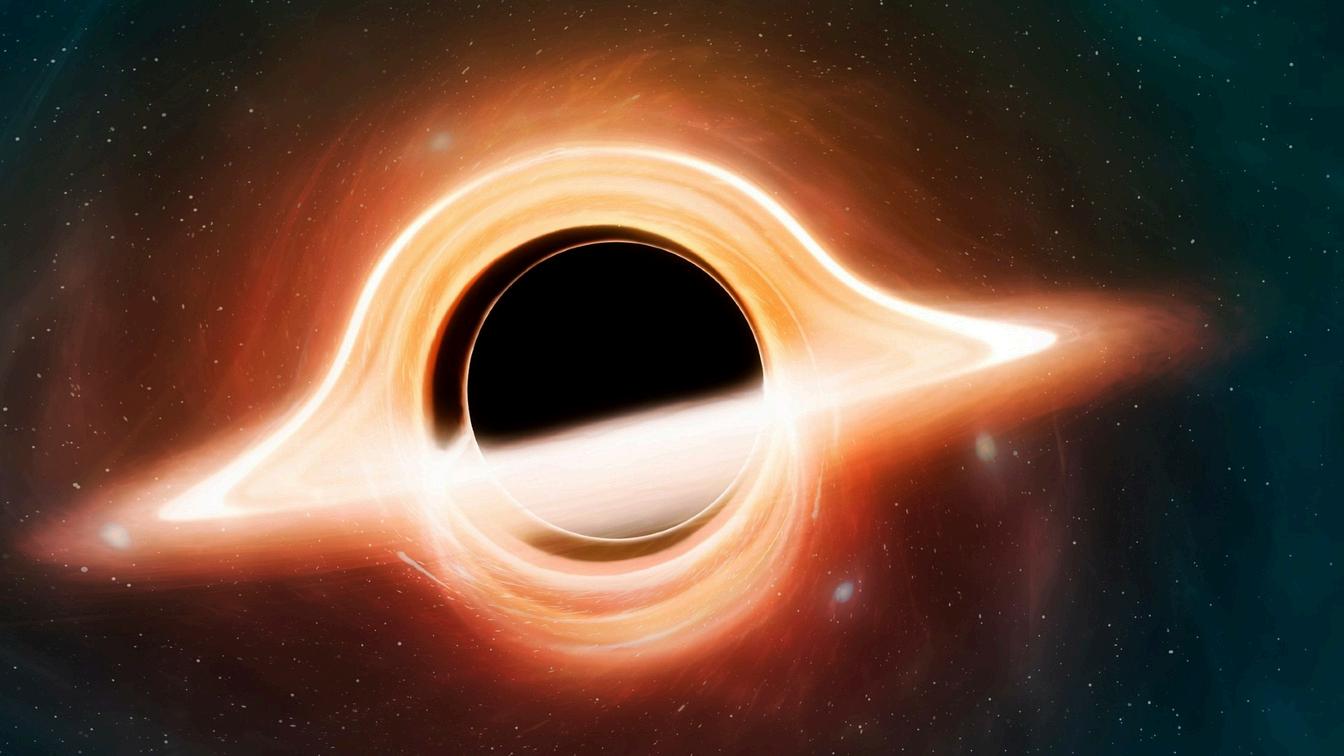
Classically, a black hole is not especially paradoxical The event horizon is a causal boundary Once matter or radiation crosses it, no signal can return to the outside universe From the point of view of a distant observer, the information carried by the infalling matter has become inaccessible. General relativity allows this, because it is not built around the quantum idea that information must always be preserved
Quantum mechanics is different. For a closed system, quantum evolution is expected to be unitary. This means that the full information contained in the initial quantum state is preserved as the system evolves It may become scrambled, spread across many particles, or impossible to recover in practice, but it should not be erased at a fundamental level. In more technical language, an exactly known pure state should not evolve into a genuinely mixed state under the full laws of physics. A mixed state represents statistical uncertainty, as if some information about the system has been lost or ignored
This is why Hawking’s calculation created such a serious problem In the 1970s, Hawking used a semiclassical approximation: the matter fields were treated quantum mechanically, but spacetime itself was still treated as a classical curved background. He found that black holes should emit radiation and slowly lose mass. This radiation, now called Hawking radiation, is approximately thermal That means it is described by a temperature and appears to depend only on the black hole’s mass, charge and angular momentum, rather than on the detailed microscopic state of whatever fell in.
Black holes expose a problem that sits right between the two main pillars of modern physics. General relativity describes gravity and spacetime extremely well on large scales, while quantum mechanics describes particles and fields on very small scales Usually, these theories can be used separately A black hole forces them into the same question: what actually happens to quantum information when gravity becomes extreme?
The paradox becomes sharp if the black hole eventually evaporates completely Imagine a black hole forming from matter in a pure quantum state If Hawking’s calculation is taken literally, the final result is only thermal radiation, described by a mixed density matrix. The initial pure state would have become a mixed state. That would be a failure of unitarity, and therefore a direct conflict with quantum mechanics
This is the black hole information paradox. General relativity seems to let information disappear behind the horizon and then vanish during evaporation Quantum mechanics says that cannot happen
Quantum information theory makes the problem more precise The important quantity is not just the energy of the Hawking radiation, but its entanglement entropy If two systems are entangled, each part can look random when considered on its own, even if the combined system is still in a pure state. Mathematically, when one part of a system is ignored, the remaining part is described by a reduced density matrix Its uncertainty is measured using von Neumann entropy
This matters because early Hawking radiation looking thermal is not enough, by itself, to prove information loss. A subsystem can look thermal because it is entangled with something else The real question is whether the complete radiation state, after the black hole has evaporated, is pure or mixed. If it is mixed, information has genuinely been destroyed. If it is pure, the information must still be present but hidden in correlations between the emitted particles.
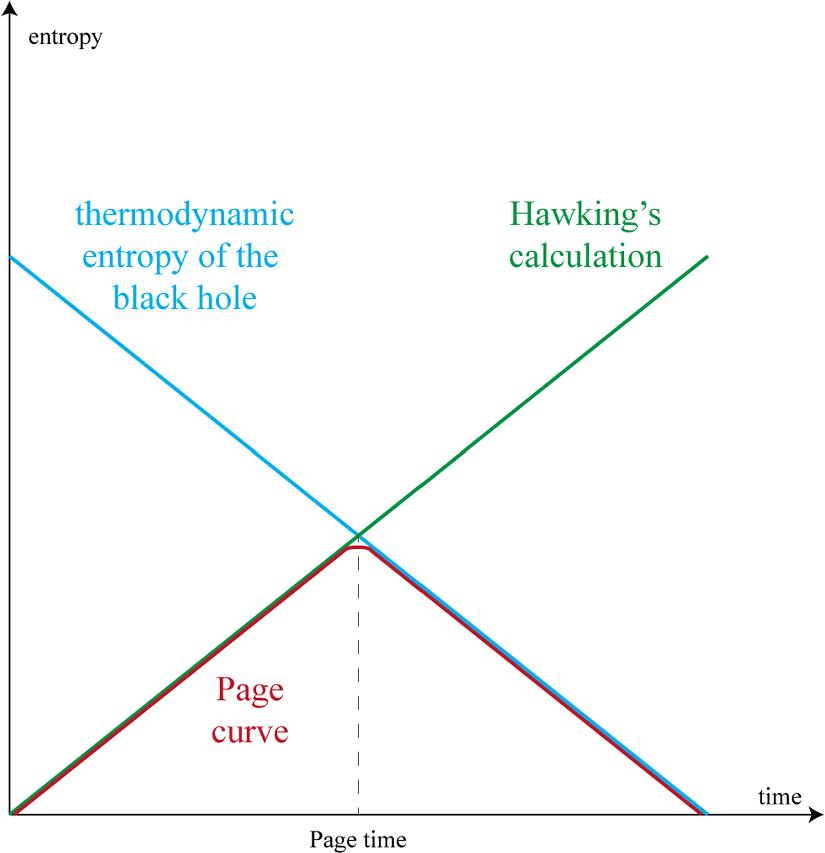
Don Page gave a useful way to think about this If black hole evaporation is unitary, the entropy of the radiation should first increase. Early radiation is entangled with the black hole that remains, so .
the radiation alone looks increasingly mixed. But after roughly half of the black hole’s entropy has been radiated away, later radiation should begin to purify the earlier radiation The radiation entropy should then fall This rise-and-fall behaviour is known as the Page curve.
The Page curve is important because it gives a clear difference between the two possibilities In Hawking’s original information-loss picture, the entropy of the radiation keeps increasing until evaporation is complete. In a unitary picture, the entropy rises only until the Page time, then decreases. Information is not released as an obvious signal. It is encoded in extremely complicated correlations among many Hawking quanta
A separate but related clue comes from black hole thermodynamics. Bekenstein argued that black holes have entropy, and Hawking’s later work fixed the precise formula:
Here (A) is the area of the event horizon, (G) is Newton’s gravitational constant and () is the reduced Planck constant What is unusual is the area dependence For ordinary systems, entropy usually scales with volume, because the microscopic degrees of freedom are spread throughout the object. For a black hole, the entropy scales with the area of the horizon. This suggests that the information content of a gravitational region may be connected to its boundary
That idea leads naturally to the holographic principle. Roughly, it says that the information inside a gravitational region might be encoded on a lower-dimensional boundary, rather than stored independently throughout the volume. The analogy is a hologram: a two-dimensional surface can encode a three-dimensional image. In physics, the most precise example is AdS/CFT correspondence, proposed by Maldacena It relates a gravitational theory in Anti-de Sitter spacetime to a conformal quantum field theory on the boundary Since the boundary theory is an ordinary quantum theory with unitary evolution, the gravitational theory it describes should also preserve information. This strongly suggests that black holes do not destroy information, at least in that theoretical setting.
The more recent progress is that physicists have been able to reproduce the Page curve using gravitational entropy calculations. This involves quantum extremal surfaces and the island formula The basic idea is that the entropy of Hawking radiation cannot always be calculated by looking only at the radiation outside the black hole In quantum gravity, the correct entropy calculation may also include certain regions inside the black hole, called islands.
The quantity being extremised is the generalised entropy: This is probably where Hawking’s original calculation loses information. It assumes a clean separation between interior and exterior degrees of freedom. Quantum gravity may not allow the total Hilbert space to factorise in that simple way Information that appears lost in a local semiclassical description may still be preserved in global quantum correlations
The first term is geometric, while (Sbulk) is the von Neumann entropy of quantum fields in the relevant region. A quantum extremal surface is a surface that makes this generalised entropy stationary, and the dominant contribution determines the entropy
Before the Page time, the usual Hawking result dominates, so the radiation entropy increases. After the Page time, a new contribution involving an island becomes dominant Including this island makes the radiation
entropy decrease, producing the Page curve expected from unitary evaporation
This should not be misunderstood as matter physically escaping from behind the event horizon. The island is not a tunnel out of the black hole. It is a statement about how information is encoded in quantum gravity Part of what semi classically looks like the black hole interior may actually be encoded nonlocally in the Hawking radiation. In other words, the split between “inside the black hole” and “outside radiation” may not be as fundamental as it looks in classical spacetime.
There are still important limits to this Most explicit island calculations are done in simplified models, often involving lower-dimensional gravity or Anti-de Sitter-like settings. Real astrophysical black holes in our universe are harder to analyse. There is also the firewall problem, which argues that three assumptions may not be mutually compatible: unitary evaporation, ordinary effective field theory near the horizon, and a smooth horizon for an observer falling in. Any complete solution has to explain what gives way.
So quantum information theory has not finished the problem in the sense of giving a complete, experimentally verified theory of quantum gravity But it has changed what the problem looks like It has made the Page curve the key test of unitarity, shown why entanglement matters, and provided tools such as holography, quantum extremal surfaces and islands that can reproduce the behaviour expected if information is preserved
The current evidence points towards black holes not destroying information. Instead, they seem to scramble it into highly nonlocal quantum correlations. The information is not gone; it is just no longer visible in the simple semiclassical description The deeper implication is that spacetime itself may not be fundamental It may emerge from quantum information, with black holes revealing this connection more sharply than almost anything else in physics.
References
Bekenstein, J. D. (1973). Black Holes and Entropy. PhysicalReviewD,7(8),2333–2346.
Hawking, S W (1976) Breakdown of Predictability in Gravitational Collapse Physical Review D, 14(10),2460–2473
Page, D. N. (1993). Information in Black Hole Radiation. Physical Review Letters, 71(23), 3743–3746
Susskind, L (1995) The World as a Hologram Journal of Mathematical Physics, 36(11), 6377–6396.
Maldacena, J. M. (1998). The Large N Limit of Superconformal Field Theories and Supergravity Advances in Theoretical and Mathematical Physics, 2,231–252
Almheiri,A., Marolf, D., Polchinski, J. and Sully, J. (2013). Black Holes: Complementarity or Firewalls? JournalofHighEnergyPhysics,2013(2),62.
Penington, G (2020) Entanglement Wedge ReconstructionandtheInformationParadox Journal ofHighEnergyPhysics,2020(9),2.
Almheiri, A., Engelhardt, N., Marolf, D. and Maxfield, H. (2019). The Entropy of Bulk Quantum Fields and the Entanglement Wedge of an Evaporating Black Hole Journal of High Energy Physics,2019(12),63
SaiyetteA.
ALIZEH A.
MPPT IN WIND TURBINES: AN INTRODUCTION TO DYNAMIC SYSTEMS AND AUTOMATIC CONTROL
As renewable energy becomes more and more prominent in today’s world, extracting the maximum power from these renewable energy sources is proving to be one of the greatest challenges that engineers are facing.
In terms of wind energy, where variable wind speeds in a variety of climates means consistent power generation is something to be desired, MPPT (Maximum Power Point Tracking) is used, which allows the power extracted from the wind turbines to be optimised with changes in wind speed.
MPPT stems from a part of electrical engineering called dynamic systems theory and automatic control, and it is essential that we understand this element of power and systems to understand how so many of the control feedback loops that exist around us today work.
Let’s start with the basics: dynamical systems are systems that change over time.
If we consider how we can model things that change over time, it is clear that the way we can model these dynamic systems is through differential equations
Let’s use the example of a wind turbine to see how this works:
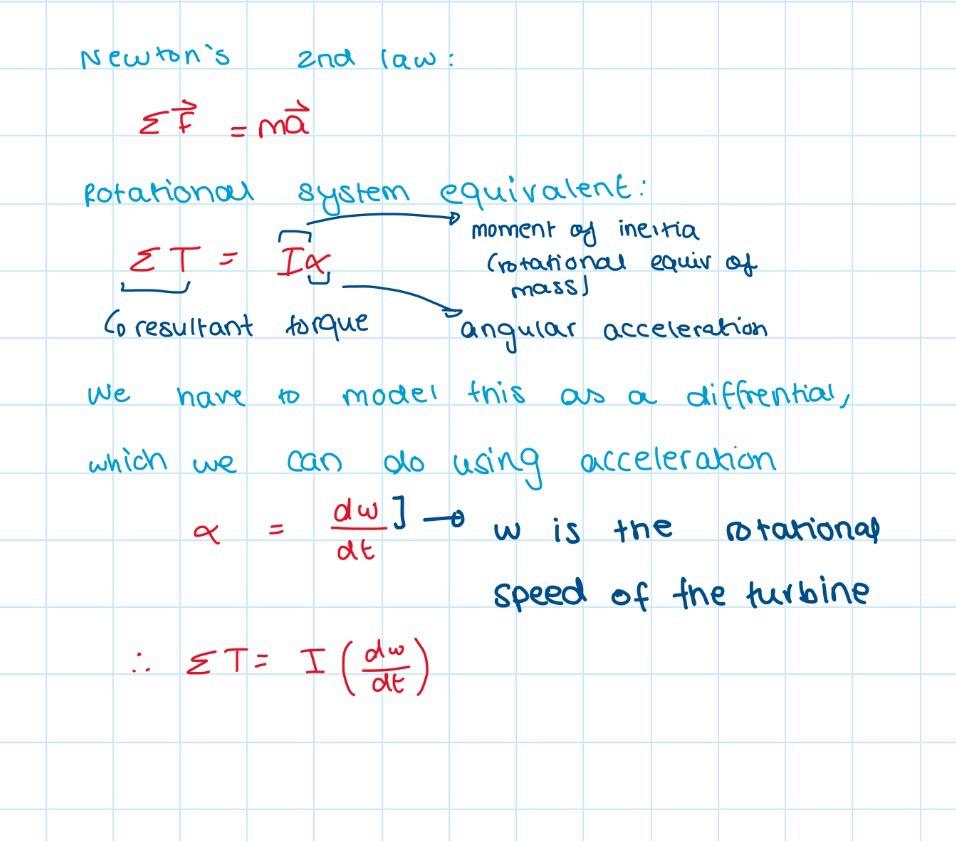
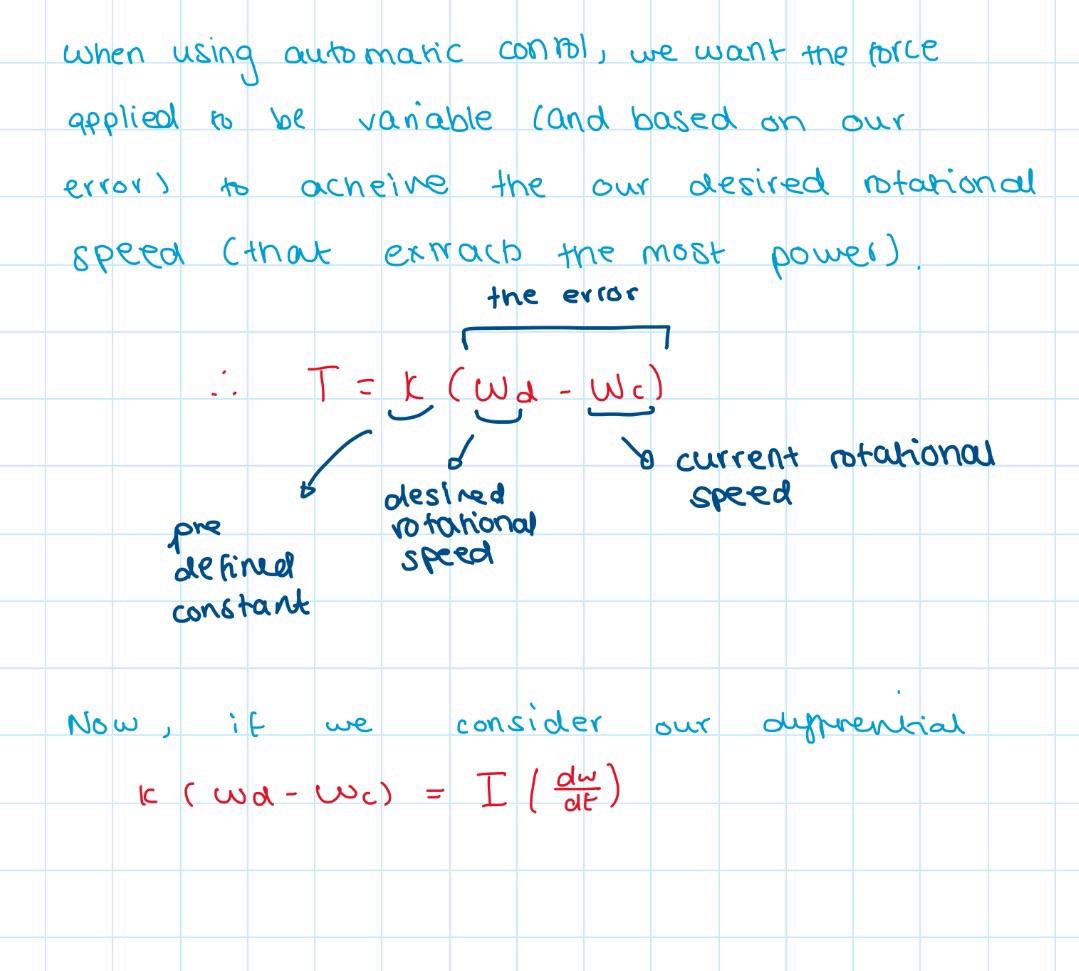
We want to use a differential equation to show that the rotational speed of the blades in a wind turbine (and therefore the power generated) is dependent on the torque applied by the generator
Using a differential equation, we can model the relationship between the torque and rotational speed of the wind turbine
We can do this using Newton’s Second Law; however, in rotational systems, torque is the equivalent of force, and we account for the angular acceleration
From this mathematical manipulation, we can see that, in this scenario, our input (the torque) caused a change in our output (the rotational speed and, therefore, the power generated at time t) This occurred due to our rule, ∑T=Iα
This is essentially what dynamic systems are all about. The wind turbine is a dynamic system because the power generated depends on the rotational speed of the blades, which in turn depends on the torque. Furthermore, all of these variables depend on time.
The system is constantly evolving because wind conditions vary, and the turbine must continuously adapt to operate efficiently and extract the maximum possible energy
Now, how does modelling this system using differential equations enable us to extract the maximum amount of power from the wind, like in MPPT?
This is where control systems, and subsequently automatic control, come into play. For example, a wind turbine should operate at an optimal rotational speed for a given wind speed in order to maximise power output. To ensure this is the case, the automatic control system constantly carries out a feedback loop
rotational speed and thus maximise power output for a given wind speed. We know that making these changes is possible because we modelledtherelationshipbetweentherotational speedof thebladesandthetorqueappliedusing adifferentialequation.
Therefore,wecanseethatthisautomaticcontrol mechanism controls the dynamic system that is thewindturbine
This entire process is known as Maximum Power Point Tracking (MPPT) a control strategy that ensures the wind turbine operates at the point where it produces the maximum possible power, despite changing wind conditions
Using this model, we can see how engineers ensure that the rate of change of rotational speed depends on the error. Therefore, if the turbine is not spinning at the optimal speed, the system adjusts the torque Over time, this allows the system to extract the maximum power, reaching the “maximum power point” Overall, this is due the fact that the power extracted from the wind depends on the wind speed and a coefficient Cp, which is maximised at a specific rotational speed.
Alizeh A.
Finally, let’s see how these two principles, dynamic systems and automatic control, work togethermathematically:
DERIN C.
HOW DOES A SPIRAL STAY STABLE? THE AERODYNAMICS BEHIND AMERICAN FOOTBALL
Tom Brady throws a football with a perfect spiral almost effortlessly. As he releases the ball it cuts through the air for forty or fifty yards and arrives in the wide receiver's grasp with the nose still pointing forward. From a fan's perspective, the ball barely seems to move. No wobble, no tumble, just a clean flight path.
That is surprising when you look at what a football actually is Being longer rather than round and with its mass spread unevenly, the American football is not a very aerodynamic object When thrown without spin, it pitches, rolls, and flips This means drag increases, flight shortens, and accuracy disappears.
Applying a spiral changes everything.
As the ball rolls off the quarterback's fingers, it spins about its long axis at roughly 400-600 revolutions per minute, depending on the thrower and the throw. This creates angular momentum and drastically reduces the effect of forces that try to twist the ball away from that axis Gusts of wind and turbulent airflow do not disappear when the ball is thrown with a spiral They are simply less effective at reorienting it Drag, the force resisting the ball's forward motion through the air, is a separate matter. Spin doesn't reduce drag directly, but a stable ball does end up with less of it.
This resistance to being reoriented is called gyroscopic stability, and it explains why a fast spiral holds its orientation far better than a slow one.
But there is a detail that slow-motion footage reveals
The ball is not perfectly still
Watch a professional spiral frame by frame and the nose traces a tiny circle rather than pointing in exactly the same direction throughout the flight. The motion is small, often only a few degrees, which is why it disappears at full speed. To the human eye, the ball looks completely steady.
That motion is called precession. It happens because the point where air pressure effectively pushes on the ball, its centre of pressure, doesn't sit exactly on top
of the ball's centre of mass once the ball tilts even slightly relative to its flight path That mismatch creates a small torque. When that torque acts on a spinning football, the response is not what intuition expects. A stationary object would simply tip in the direction of the applied force; however, a rapidly spinning object reacts differently: instead of falling toward the disturbance, its spin axis slowly rotates around it, producing a gentle cone-shaped motion
The important point is that this precession is controlled The ball is still being disturbed by the air, but instead of developing into a violent wobble, the disturbance is redirected into a small, repeating motion that remains stable for most of the flight.
Reduce the spin rate and that balance begins to disappear. The stabilising angular momentum weakens, aerodynamic torque gains influence, and the tight circular motion grows larger until the ball starts wobbling. Lose enough spin and the football simply tumbles and a tumbling ball presents a larger, constantly changing crosssection to the oncoming air, which is exactly what drives drag up and shortens the throw
That is why coaches care so much about a clean spiral. It is not only about appearance. A stable football experiences less drag, travels farther, and reaches the receiver with far more predictable flight characteristics.
The crowd sees a ball flying straight toward its target. The quarterback feels the ball leave his fingertips and knows almost instantly whether
the throw was good Beneath that moment sits a collection of aerodynamic forces and rotational mechanics, quietly cancelling each other out The spiral doesn't eliminate the forces acting on the ball It just channels them into a stable spin instead of a chaotic tumble.
References
Dzielski, J. and Blackburn, M., 2022. Aerodynamictorque induced motions of a spinning football and why the ball's longitudinal axis rotates with the linear velocity vector. Dynamics, 2(1)
Rae, WJ and Streit, R J, 2002 Wind-tunnel measurements of the aerodynamic loads on an American football Sports Engineering, 5(3)
Rae, WJ, 2003 Flight dynamics of an American football in a forward pass. Sports Engineering, 6(3)
Watts, R.G. and Moore, G., 2003. The drag force on an American football. American Journal of Physics, 71(8)
Brancazio, P.J., 1985. The physics of kicking a football. The Physics Teacher, 23(7)
Derin C.
AZLAN S.
WHEN PHYSICS MEETS PERCEPTION: THE SCIENCE OF PSYCHOACOUSTICS
Sound is a physical phenomenon a wave propagating through a medium characterised by quantities such as frequency and wavelength And yet the sound we experience, the pitch of a note and the creeping tension of a film score, is something altogether different. It is a construction of the brain, shaped by cognition and memory.
Psychoacoustics is the field that sits at this boundary. It asks: when the physics of a sound wave enters the auditory system, what reality emerges? The answers reveal that the mind is not a passive receiver of information; it is an active interpreter that can conjure pitches that do not physically exist and be fooled in ways that expose the hidden architecture of perception itself
The Physics of Sound
When an object vibrates, it alternately compresses and rarefies the surrounding air, producing pressure fluctuations that travel outward as a wave. The frequency of this wave, measured in Hertz, determines perceived pitch, while amplitude determines loudness. Most real world sounds are not pure single-frequency tones, but complex waveforms.
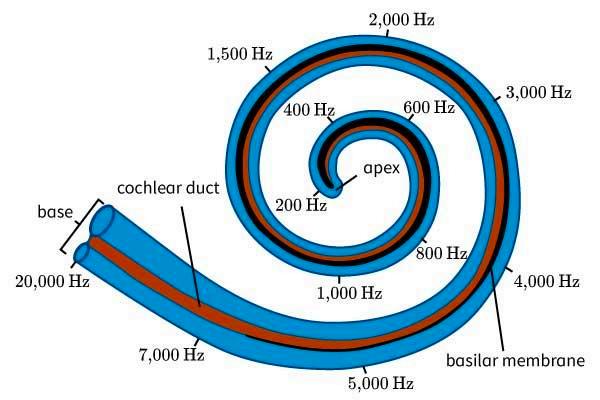
Within the cochlea, different regions resonate in response to different frequencies, a property known as tonotopy In effect, the cochlea decomposes incoming sound into its frequencies before signals are sent to the auditory cortex This is where physics ends and psychology begins.
The Missing Fundamental: Hearing What Isn’t There Consider a tone consisting of harmonics at 200 Hz, 300 Hz, and 400 Hz. The fundamental 100 Hz is entirely absent. The physics is unambiguous as there is no 100 Hz component in the signal. Yet listeners reliably perceive a pitch at 100 Hz. The brain reconstructs the missing fundamental from the pattern of harmonics present, a phenomenon known as virtual pitch
This has practical consequences as small speakers in phones and televisions cannot physically reproduce low bass frequencies yet listeners still perceive them because the auditory cortex reconstructs the fundamental from the harmonics the speakers can produce. Research indicates that this is a cognitive
operation, not a peripheral one; the brain applies a patternmatchingprocessinferringthemostprobable sound source from the harmonic relationships it detects Evolution has tuned us for this because natural sound sources, voices, and animal calls almost always produce harmonic series even when thefundamentalispartiallymaskedbynoise.
ShepardTone:AnInfiniteStaircaseofSound
The Shepard tone, developed by cognitive scientist Roger Shepard in 1964, is an auditory illusion in which a tone appears to rise in pitch endlessly yet neveractuallygetsanyhigher.
Multiple sine waves, each separated by exactly one octave, are superposed and shifted upward together The amplitude of each is shaped by a bell curve envelope centred on the middle of the auditory range; tones near the top fade out as they ascend while new tones emerge quietly at the bottom. The result is a loop; physically, the sound returns to its starting point, but perceptually, it climbs without limit
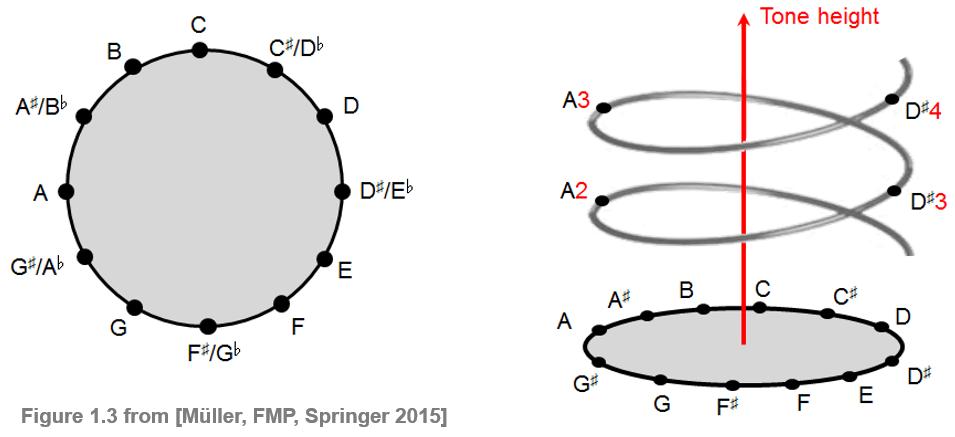
The illusion exploits a distinction the brain draws between pitch class (which note) and pitch height (which octave). The Shepard tone provides clear information about pitch class, but removes reliable octave cues by spreading energy across the entire auditory spectrum simultaneously Deprived of height information, the brain defaults to the directional signal and concludes the pitch is rising indefinitely. Composer Hans Zimmer famously used this effect in Dunkirk (2017) to create a sense of escalating tension that never resolves psychoacoustics weaponised as art
Figure 1: Frequency mapping along the cochlea's basilar membrane
The Cocktail Party Effect: Attention as Signal Processing
Imagine a crowded room where many conversations, music, and background noise compete for attention. The acoustic signal reaching your ears is a chaotic superposition of waves. Yet you can follow a single conversation easily, and if someone across the room mentions your name, you will likely notice it despite not monitoring that channel
This is the cocktail party effect first described by psychologist Colin Cherry in 1953. The brain untangles the chaos by picking up on physical clues. Sounds from different directions reach your two ears at slightly different times, helping you locate where they're coming from Different speakers also have different voice pitches, and instruments sound nothing like voices. Together, these differences allow the brain to pick apart the jumbled mix of sounds and focus on just one.
But attention drives which stream the brain tracks Once focused on a voice, the auditory cortex actively suppresses competing streams However, meaningful signals such as one’s own name can still break through, implying that “ignored” audio is processed below conscious awareness. This has profound implications as we are not simply choosing what to hear but continuously and unconsciously monitoring what we have chosen not to
Conclusion
Every sound you have ever heard has been an invention of your own mind. The bass note your phone speaker cannot produce and the voice you can pick out across a crowded room; none of these are pure physics They are constructions Psychoacoustics sits at the boundary between the wave and the experience, and what it finds there challenges one of our most basic assumptions that hearing is passive. It never was.
References
1 Cherry, E C (1953) ‘Some Experiments on the Recognition of Speech, with One and with Two Ears.’ Journal of the Acoustical Society of America, 25(5), pp. 975–979.
2. Shepard, R.N. (1964). ‘Circularity in Judgements of Relative Pitch.’ Journal of the Acoustical Society of America, 36(12), pp. 2346–2353.
3. Bregman, A.S. (1994). Auditory Scene Analysis: The Perceptual Organization of Sound. Cambridge, MA: MIT Press
4 Moore, B C J (2012) An Introduction to the Psychology of Hearing 6th ed Leiden: Brill
5 Terhardt, E (1974) ‘Pitch, Consonance, and Harmony’ Journal of the Acoustical Society of America, 55(5), pp 1061–1069
6. Broadbent, D.E. (1958). Perception and Communication. London: Pergamon Press.
7. Deutsch, D. (1986). ‘A Musical Paradox.’ Music Perception, 3(3), pp. 275–280.
8. Schilling, A. et al. (2023). ‘Auditory Perception and Phantom Perception in Brains, Minds and Machines.’ Frontiers in Neuroscience, 17, 1293552.
Azlan S.
NAIRA S.
WILL FOUNDATION MODELS REPLACE TRADITIONAL DATA SCIENCE?
Artificial Intelligence has undergone dramatic evolution from a niche area of research into a piece of technology used by millions of people worldwide Since the release of generative AI systems such as Claude and CoPilot, this shift has accelerated, enabling tasks ranging from writing formal emails to analysing large datasets that can be completed in seconds.
Behind these models lies a powerful new type of AI known as foundation models (large-scale models trained on enormous quantities of data which can be adapted to perform a range of tasks). Their unprecedented versatility raises a pressing question for this field: are foundation models simply the latest technological trend, or do they represent the future of data science?
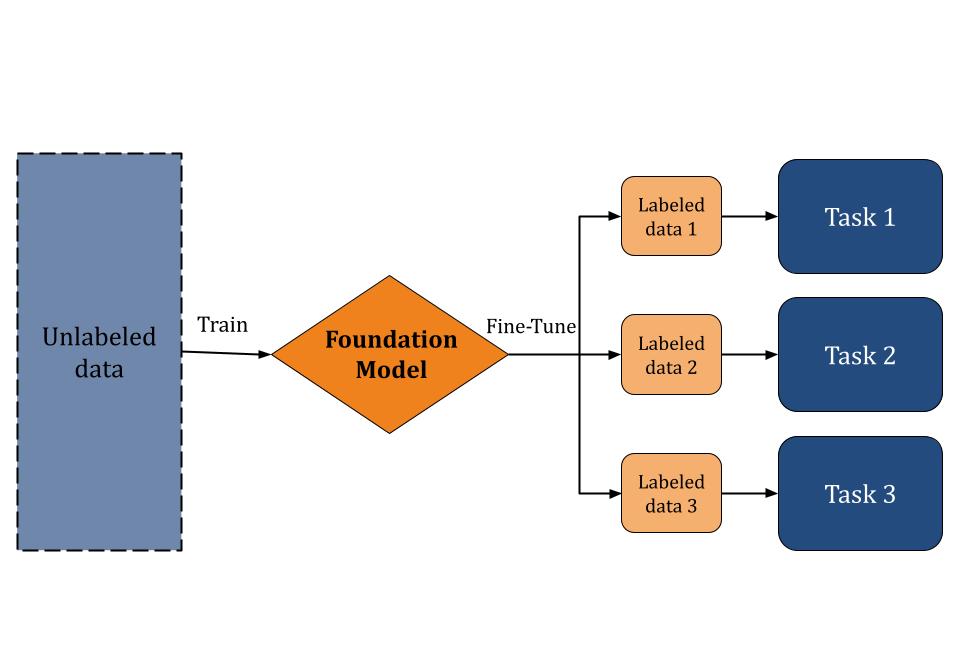
The principle of foundation models shows a fundamental shift into how data is used and processed by data scientists. Unlike traditional models, which are trained on task-specific datasets, foundation models are trained on large-scale general datasets This allows them to learn general patterns in data rather than having to specialise in every single domain. The training process typically involves self-supervised learning, where the model identifies patterns within the data without needing explicit labels for every example.
Once trained, these models can be altered through prompt engineering Fine-tuning adjusts the model using smaller datasets, while prompting guides the model’s behaviour without changing its internal parameters. This flexibility represents a major exit from traditional machine learning processes, where models are usually rebuilt for every new task
Foundation models are reshaping data science by shifting the focus from building models to using and adjusting them. Instead of designing new algorithms from scratch for each task, data scientists can now work with pre-trained models that already contain huge amounts of learned knowledge from large-scale datasets These models can then be guided through prompting to perform specific tasks In practical terms, this changes the process significantly. A task which once required extensive model training can now be completed by interacting with a foundation model using well-structured prompts.
This allows for faster experimentation and reduces technical barriers to entry for many analytical problems. Consequently, the role of a data scientist has begun to evolve: rather than focusing mainly on building models, data scientists have started to act as interpreters and evaluators of AI outputs Therefore, foundation models do not eliminate data science; they instead refine it, enabling a more flexible approach to analysing data.
However, despite their transformative potential, foundation models introduce significant challenges which prevent them from fully replacing traditional data science One major concern is hallucination, where models generate outputs that appear coherent but are factually incorrect or logically flawed. In high-stakes fields such as healthcare or law, these errors can have serious consequences. Additionally, because foundation models learn from large-scale datasets which may reflect societal biases, they risk amplifying those biases in their outputs These limitations underscore a crucial reality: foundation models are powerful but not inherently reliable or neutral. Their outputs must be scrutinised rather than accepted uncritically.
Moreover, foundation models cannot fully replace the domain expertise that traditional data science requires. Understanding the nuances of a dataset, the context of a problem, and the implications of an analytical decision remains a fundamentally human responsibility. While foundation models can generate insights, they cannot determine whether those insights are meaningful, appropriate, or aligned with organisational goals. Data scientists remain essential for ensuring that AI-driven analyses are grounded in reality and used responsibly.
Ultimately, foundation models represent a major milestone in the evolution of data science, but they are unlikely to exclude traditional data science completely. Instead, they are reshaping its main focus from constructing specialised models to harnessing and governing general-purpose systems. While these models offer unprecedented efficiency and capability, they also demand new forms of expertise, especially in critical evaluation, as well as domain knowledge and understanding
The future of data science will depend not on whether humans are replaced, but on how effectively they collaborate with these increasingly capable systems. As foundation models continue to advance, the most valuable skill may no longer be building models from scratch, but understanding how to responsibly apply and challenge the outputs they generate in real-world contexts.
Naira Shaikhally 12SZA
Self-driving cars are quickly becoming a real engineering challenge that the world needs to solve. Every year, around 1.35 million people are killed in road accidents globally, and over 90% of those crashes come down to human error, so things like distraction, fatigue, or slow reaction times The idea behind autonomous vehicles is quite simple, however: replace the human driver with AI systems that do not get tired, do not get distracted, and can react in milliseconds. But actually building this is far more complicated than it sounds.
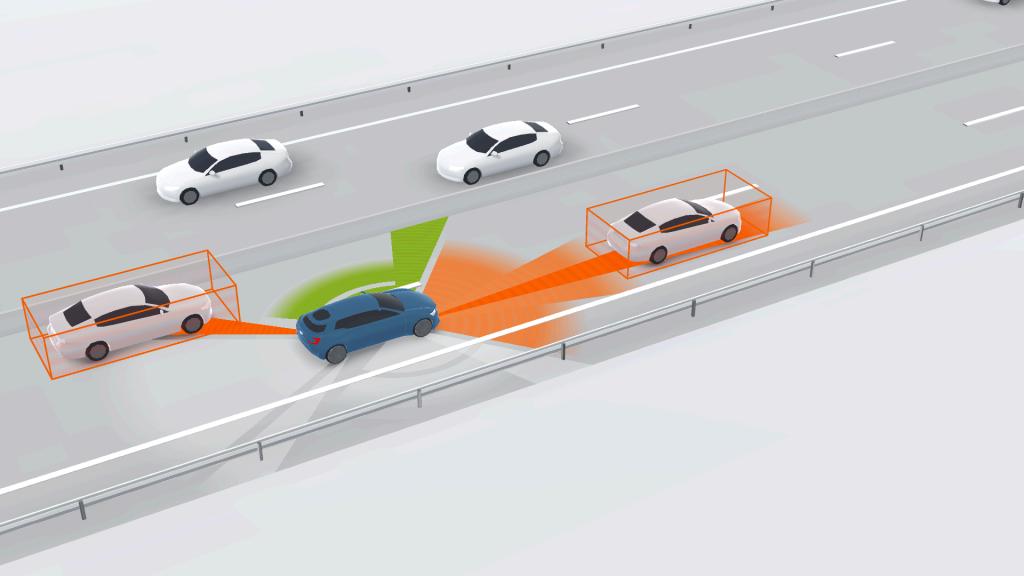
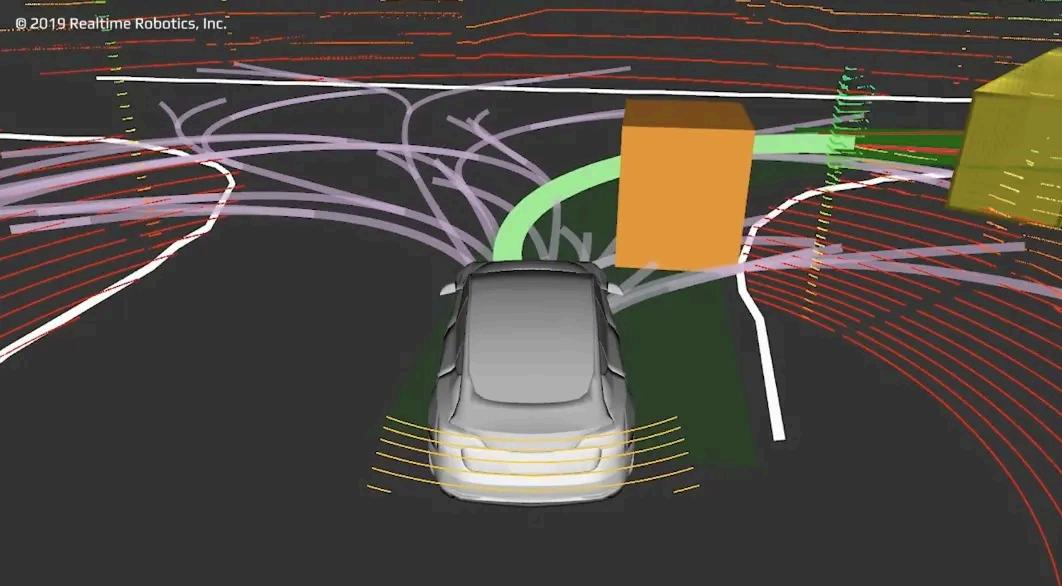
To drive safely, a car first needs to understand what is going on around it. Autonomous vehicles therefore use a mix of sensors such as cameras, radar, LiDAR (which bounces laser pulses off objects to measure distance), and ultrasonic sensors. However, each of these has weaknesses: cameras struggle at night, LiDAR can be thrown off by heavy rain, and radar lacks detail This is why AI sensor fusion is so important; rather than relying on one sensor, the system combines all of them in real time This means that if one gives a poor reading, the others can fill the gap
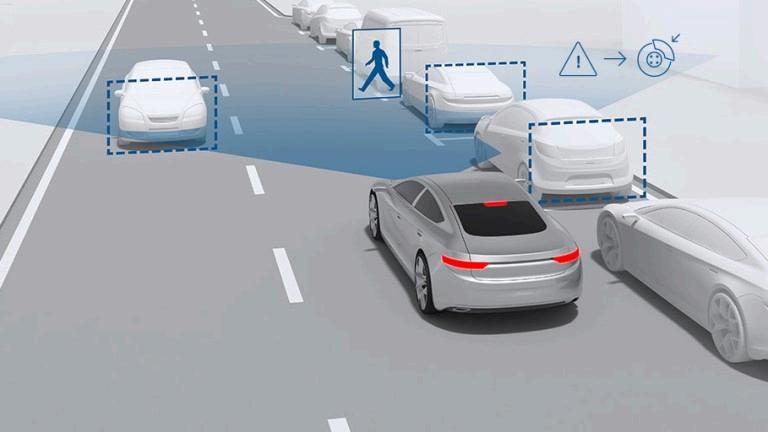
Oncethecarknowswhatisaroundit,itneedstoact fast when something goes wrong. Automatic Emergency Braking (AEB) is one of the most important active safety features in modernAVs The AI constantly calculates how much time the car has beforeitwouldhitsomething(timetocollision),and if that number gets too small, it immediately takes over and applies the brakes with no input from the driver needed. The system can respond in around 100 to 200 milliseconds, which is much faster than the average human reaction time of about 15 seconds Tomakethisworkmechanically,traditional hydraulic brakes are replaced with brake-by-wire systems.
These eliminate the direct link between the brake pedal and the brakes, using electronic sensors and actuators to control braking via electric signals, which then enables faster response times Studies have shown thatAEB can cut rear-end collisions by upto38%.
Furthermore, AV path planning systems use highdefinition maps combined with live sensor data and AI models that have been trained to predict how pedestrians and other drivers are likely to move Deep learning networks process all of this and recalculate the safest route thousands of times every second.
Drive-by-wire systems mean that steering, acceleration, and braking are all handled electronically rather than through direct mechanical linkages This gives the AI full control, but it also means that if the electronics fail, the driver has no backup. This is whyAV systems have to meet strict safety standards. The ISO 26262 standard, which governs functional safety in automotive systems, requires that the most critical components fail less than once in every hundred million hours of operation Anotherissueistheheat,asitisgenerated significantlyby AIsystems,sothermalmanagement systemsneedtobedesignedspecifically.
References
Bojarski, M, Del Testa, D, Dworakowski, D, Firner,B.,Flepp,B.,Goyal,P.andZieba,K.2016. End to end learning for self-driving cars. https://arxivorg/abs/160407316
Green, M. 2000. 'How long does it take to stop?' Methodological analysis of driver perception-brake times. Transportation Human Factors, 2(3), pp.195–216 Available at: https://doiorg/101207/STHF0203 1
Checkoway, S., McCoy, D., Kantor, B., Anderson, D, Shacham, H, Savage, S and Kohno, T 2011 Comprehensive experimental analyses of automotive attack surfaces. https://wwwusenixorg/legacy/events/sec11/tech/ful l papers/Checkoway.pdf
ISO 2018 ISO 26262: Road vehicles Functional safety. 2nd edn. International Organization for Standardization. Available at: https://www.iso.org/standard/68383.html
National Highway Traffic Safety Administration (NHTSA) 2022 Critical reasons for crashes investigated in the National Motor Vehicle Crash Causation Survey. U.S. Department of Transportation. Available at: https://crashstats.nhtsa.dot.gov/Api/Public/ViewPubli cation/812115
SAE International 2021 Taxonomy and definitions for terms related to driving automation systems for on-road motor vehicles (SAE J3016). SAE International. Available at: https://www.sae.org/standards/content/j3016 202104/
World Health Organization (WHO) 2023 Road traffic injuries Available at: https://www.who.int/news-room/factsheets/detail/road-traffic-injuries
Consequently, all the roles of these separate parts come together to form the “emotional brain.” The structures lie along a horseshoeshaped area of the neocortex, separating it from the brainstem and acting as a bridge. Hence, it was given the name limbic from the Latin word for border, limbus.
Why is Scent Unique?
The distinctive ability of odour to trigger emotion stems from the direct connections between the olfactory bulb, the hypothalamus, and the amygdala For all other senses (excluding smell), information is sent to the thalamus to be filtered, and only then are the signals sent to the relevant parts of the brain. However, olfactory signals travel directly from the olfactory bulb to the limbic system. This shortcut bypasses the thalamus, resulting in a faster, instinctual response.
The immediacy of the limbic system is what makes it so critical for survival, in both humans and animals Early humans relied on smell for the fight or flight response, detecting danger, finding food, and reproduction, creating a tightknit web of emotional significance Although auditory and visual stimuli may produce faster reaction times in some contexts, the uninterrupted pathways of smell to memory and emotional control centres make its impact extraordinarily deep and long-lasting.
How Emotion is Linked
Lilianne Mujica-Parodi (director of LCNeuro) led a study investigating whether humans can detect fear or stress from the odour of sweat without consciously realising it A randomly selected group of participants were exposed to two sweat samples: one from people who had exercised on a treadmill, and the other from first-time skydivers. Although the participants thought that there was no difference between the two types of sweat, their brains responded differently. Those who had smelt the ‘fear sweat’ felt scared as they experienced high levels of activation in their amygdala and hypothalamus. The same participants showed no activation in their amygdala when smelling the ‘exercise sweat’
Scent and Memory
Cues are triggers that your brain associates with specific memories There are various types of cues, such as sights or sounds, with smell being the most powerful one Memories that are stimulated by a scent cue are called into evocative memories
This suggests that scent carries emotional information which can only be recognised subconsciously, allowing somebody to mirror another person’s emotional state without exchanging a single word. In turn, this suggests the limbic system’s role in not only providing warnings, but also in social and empathetic interactions. Moreover, in a workspace or group setting, anxiety and stress could spread without anyone realising
Thus, the famous saying, “I can smell your fear,” may be scientifically true!
Odour-evoked Autobiographical Memories
The olfactory bulb, amygdala, and hippocampus are all closely connected, and this link builds the foundation of the phenomenon. Information from the olfactory bulb is sent directly to the amygdala, which then transmits it to the hippocampus for longterm memory integration. This is why it is possible to recall an old, detailed memory instantly after smelling something
When a memory is first formed, the information is encoded Encoding means that every experience you have changes your brain, forming new connections and pathways. For these memories to become longterm, however, they must be consolidated and strengthened. Once a long-term memory is formed, it can be retrieved. The recall of memories is often triggered by cues in the environment that are closely associated with them, and so smell can be a vital part of how a memory is encoded in the brain. As a result, when you smell something that reminds you of a past event, it can prompt a vivid and emotional recollection So much so that there have been various cases of using scent in dementia, Alzheimer's, and PTSD therapies All with shockingly positive results
Conclusion
The limbic system continues to grow in significance as we gain a more thorough understanding of emotion, memory, and smell. Understanding its function enables us to apply it to many areas of life, from social settings to the art of human behaviour. Each day brings new discoveries about how scent can be used to relieve the symptoms of neurocognitive disorders or even advertise a product. With every inhale, the limbic system bridges science and sentiment, transforming simple scents
What is “runners high”? The runner's high is described as a physical state in which an individual experiences a brief, deeply relaxed wave of euphoria, transforming their perspective into an effortless bliss. This psychological shift was traditionally thought to be caused by endorphins, the body’s natural painkiller, which are often produced when laughing, eating, socialising, and running!
However, modern neurobiological studies reveal that this explanation may be flawed. While endorphins do create vital physiological effects in the peripheral nervous system, they are incapable of altering an individual’s mental state during exercise Instead, advanced neuroscientific research shows that runner’s high is driven by a complex mixture of neurochemicals, primarily endocannabinoids (eCBs).
In the late 1970s and 1980s, sports scientists used pharmacological research and measuring of blood-pressure-cuff pain thresholds after running laps to identify a clear connection between endurance exercise and short-term pain relief (analgesia) Because endorphins are endogenous opioids that bind to the same receptors as morphine, scientists hypothesised that these molecules were the direct cause of this post-run euphoria.
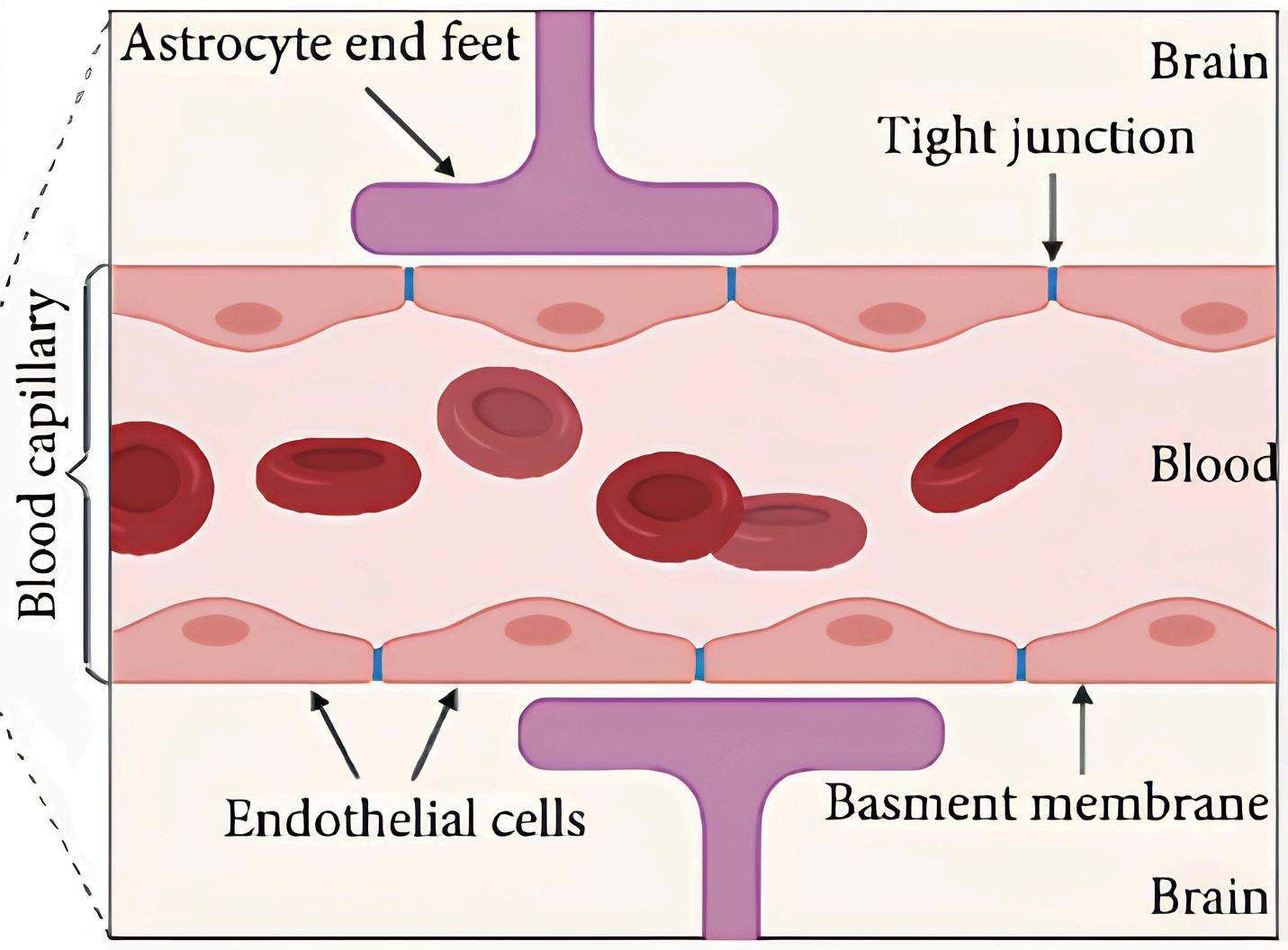
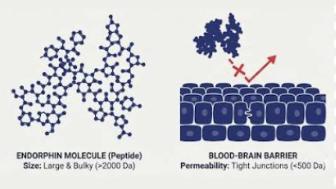
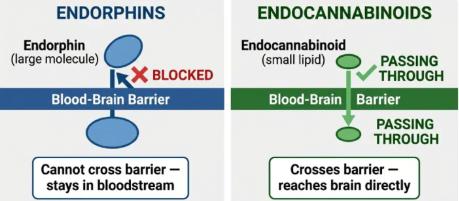
Despite its popularity, the endorphin hypothesis lacked direct biological evidence The primary biological argument against it lies in the structural anatomy of the blood-brain barrier (BBB). The BBB is a semipermeable border of endothelial cells that protects the brain's homeostatic environment from large circulating molecules in the blood. Endorphins are water-soluble peptides that carry a charge; therefore, they cannot passively cross the blood-brain barrier
When running, the adrenal glands pump endorphins into the bloodstream. They travel to muscles and joints, acting as localised painkillers that help reduce the physical ache during exercise
However, in the brain, these endorphins cannot pass through the BBB and therefore cannot trigger any psychological effect
s where researchers administered naloxone, an opioid receptor-blocking drug When athletes were given naloxone, their post-exercise pain tolerance and mood improvements remained largely unchanged As blocking opioid receptors failed to eliminate the psychological benefits of exercise, scientists realised that an entirely separate biochemical pathway had to be responsible.
The Endocannabinoid Hypothesis
The true breakthrough in understanding exerciseinduced euphoria emerged in the 1990s and early
Endorphin Hypothesis and Blood-Brain Barrier
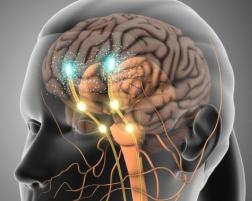
Once inside the brain, endocannabinoids coat the ends of neurons, regulating how chemical signals are transmitted between brain cells. This systemwideactivationcantriggerseveralpowerfulshorttermpsychologicaleffectsof:
Interestingly, recent research suggests that the opioid system's primary role during exercise may not simply be pain relief, but rather cooperating with dopamine to regulate our baseline motivation to move
Conclusion
Anxiolysis:reducedanxiety&emotionalstress
Calmness:adeepsenseoftranquillity
Analgesia: dampening pain signals to override physicalexhaustion
Fromanevolutionarystandpoint,thishomeostatic system likely developed to reward productive physical effort, such as long-distance persistence hunting, by masking fatigue and bringing the body’s nervous system back to a balanced state afterintensephysicalstress
Endurance exercise can transform the feeling of physical strain into mental clarity, serving as a clear, yet complex, demonstration of human neurobiological structure. While the traditional concept of an "endorphin rush" has been proven impossible due to the structural boundaries of the blood-brain barrier, it has revealed a more fascinating reality The nature of endocannabinoids allows them to act as the main driver of exerciseinduced euphoria and calmness
TheTangledMess–ComplexBrain
Modern neuroscience reveals that replacing the endorphinhypothesiswithapureendocannabinoid model is an oversimplification. The reality is a "tangledmess"of interconnectedchemicalsystems duetothebrainbeingextremelycomplex.
Working in a complex system alongside dopaminergic and opioid systems, the endocannabinoid network does not just make running feel easier, it serves as a natural tool that helps the human brain regulate stress, proving to be an evolutionary change that helped us.
References
While blocking opioid receptors with a drug doesn’treducetheoverallpain-relievingbenefitsof aworkout,itdoespreventendocannabinoidlevels from rising This indicates that opioid receptors and endocannabinoid synthesis are biochemically similar,workingtogethertoprotectthebrainfrom stress
Furthermore, the endocannabinoid system is deeply integrated into the brain's dopamine circuitry, the primary reward pathway responsible for motivation. Endocannabinoids regulate dopamine-releasing neurons in a milder way, reinforcingthebrain'sdesireto"doitagain".This helps explain why exercise can become enjoyable andhabit-formingovertime.
“Psychology as the behaviorist views it is a purely objective experimental branch of natural science” (Watson, 1913). John Watson is considered the “Father of Behaviourism”, with his robust views that psychology should strictly only study observable behaviours. Classical behaviourism inherently disregards the internal factor of nature from its domain To establish psychology as an objective, empirical science, Watson and other behaviourists deliberately overlooked unobservable inner states, such as thoughts, emotions, and consciousness, treating the mind as an inaccessible “black box.” While this succeeded in enforcing scientific stringency, it simultaneously disregards a fundamental factor of human behaviour
By reducing complex psychological processes to a simple stimulus-and-response, classical behaviourism completely ignores the intrinsic nature of the mind. It has become often associated with a strong nurturebased account of human development in which behaviour is shaped by an individual’s history of reinforcement and conditioning. This has paved the way for radical behaviourists, such as B.F. Skinner, to touch on this limitation, and then cognitive behaviourists, such as A. Bandura, to explore this further. For this essay, “behavioural psychology”, as referred to in the prompt, will indicate classical behaviourism
While behavioural psychologists reject the influences of unobservable mental processes, the behaviour itself that they are measuring may still provide evidence of innate biological structures Behavioural patterns and constraints on what can be conditioned all suggest that nature leaves detectable traces in observable actions. In this essay, “upbringing” will refer to “the way in which you are treated and educated when young, especially by your parents, especially in relation to the effect that this has on how you behave and make moral decisions” (dictionarycambridge org, n d ), whereas “nature” will refer to “the characteristics a person is born with” (Cambridge Dictionary, 2019). It will be argued that behavioural psychology can reveal more than the effects of upbringing alone, although its emphasis on observable behaviour limits the extent to which nature can be explained
“Behavioural psychology can reveal the effects of our upbringing.” This statement is difficult to dispute, particularly because of the essence and constrictions of behaviourism. By restricting psychology to the study of observable behaviour, behaviourists focused on the effects of environmental experiences on the shaping of individuals through learning
Watson supports the idea of tabula rasa (that individuals are born as a blank slate, and can be conditioned into any form), stating, “Give me a dozen healthy infants, well-formed, and my own specified world to bring them up in and I'll guarantee to take any one at random and train him to become any type of specialist I might select doctor, lawyer, artist, merchant-chief and, yes, even beggar-man and thief ” (Watson, 1963). Although clearly an extreme claim, it captures the behaviourist approach that behaviour is primarily the product of environmental influences rather than inherited predispositions
Watson and Rayner (1920) found that through the classical conditioning of Little Albert, a phobia of a white rat could be induced into the child. Through repeated associations between the rat and a loud noise produced by a steel bar, empirical research was conducted to support Watson’s classical behaviourist view Albert’s consequent phobia illustrates how behavioural psychology can identify a specific environmental stimulus that produces a change in behaviour, and thus, revealing the effects of upbringing. However, it is completely reductionist to conclude that the findings from this study provide evidence for upbringing only It can be argued that Little Albert’s crying response is anything but a behaviour caused by nurture. Despite no prior condition to fear loud noises, his innate response of crying suggests the existence of primal, ‘programmed’ behaviours
Similarly, Skinner’s study of “superstitious” pigeons (Skinner, 1948), demonstrated that pigeons developed repetitive behaviours when food was delivered at fixed intervals, regardless of their actions. Although Skinner argued that behaviours are strengthened or weakened through patterns of reinforcement and punishment, a re-examination of this experiment by Staddon and Simmelhag (1971) reveals that the behaviour of the pigeons was not caused solely by operant conditioning. Skinner’s (1948) procedure was replicated, with recorded findings of six pigeons altering their initial behaviour (that they had associated with food) to pecking actions Although this does not contradict Skinner’s findings, it provides an alternate explanation for why the pigeons repeatedly performed specific behaviours after they were conditioned to believe it led to food.
Instead of the action being viewed as
‘superstitious’ and nurture-based, Staddon and Simmelhag (1971) suggest that the pecking is an internal biological behaviour that was brought on by evolution to further the survival of these animals. This was shown as multiple of the pigeons who had repeated non-pecking behaviours to receive food still resulted in continuous pecking Therefore, this contradicts the given statement, as even behaviourist investigations result in the presentation of innate structures, brought on by a factor other than stimulus-response.
Staddon and Simmelhag’s (1971) results are an example of instinctive drift a term conceptualised and coined by Breland and Breland (1961), which demonstrated how conditioned behaviours in animals “drifted” back toward species-typical responses despite reinforcement schedules. These behaviours were found to be different amongst separate species, such as a racoon delaying its desirable conditioned behaviour of dropping a token in a box by holding onto the coins and rubbing them together in their paws. This mimics its instinctive behaviour of washing and manipulating food in water.
Similarly, instead of dropping large wooden coins into a piggy bank, pigs repeatedly dropped the coins and ploughed them along the floor with their snouts, mirroring a pig's natural instinct to root in the dirt for food. This shows that even when reinforcement temporarily overrides species-specific behaviours, the influence of inherited biological predispositions becomes observable through behaviour These multiple accounts of purely empirical and behaviourist methodologies led to findings implying that genetic predispositions constrain the efficacy of upbringing, only further emphasising the limitations of the statement.
A further challenge to the claim that behavioural psychology can reveal only the effects of upbringing comes from the existence of behavioural universals If certain behaviours emerge consistently across individuals raised in different environments, it is difficult to attribute them solely to learning or reinforcement. Instead, those actions suggest the presence of shared biological predispositions This can be seen in cross-cultural research, which has identified universal behaviours such as infants smiling, the predictable timetable of language acquisition, and the expression of basic emotions despite considerable variation in the upbringings of individuals. The consistency of these behaviours across cultures implies that they are characteristics that are typical to the whole species, and are factors of human nature rather than products of nurture
This was demonstrated in Gibson and Walk's (1960) Visual Cliff experiment, which provided supporting evidence that infants who were too young to have .
learned about depth nevertheless showed hesitation when approaching what appeared to be a drop. This suggests the infants had an innate wariness of heights, which had evolutionary value as avoiding potentially fatal drops would have aided in survival As the infants were too young to learn a fear of heights through experiences, their behaviour can be accounted for by an inherited biological predisposition. Furthermore, the consistency of this response amongst the infants despite differences in their environments suggests that their behaviour is a universal feature of human nature, rather than behavioural idiosyncrasies that arise from different individual upbringings
The display of inherent behaviours can further be examined through adoption and twin studies, through the direct comparison of actions presented through similar nurtures Brendgen et al (2008) found that monozygotic (MZ) twins, who share 100% of DNA, exhibited significantly more similar levels of physical aggression than dizygotic (DZ) twins, who share only around 50% of DNA. As both types of twins are typically raised within the same family environment, the greater similarity in physical aggressive behaviours observed amongst MZ twins cannot be explained by upbringing alone Instead, the findings suggest that genetic inheritance contributes substantially to aggressive behaviours and impulsivity. Although environmental factors continue to shape how and when aggression is expressed, the study demonstrates that the zygosity of twins can reveal the influence of underlying biological influences on their actions Consequently, the observation of behaviour can reveal the influence of nature, challenging the claim that behavioural psychology is restricted to uncovering the effects of nurture alone.
Ultimately, the claim presents a false dichotomy by implying that behavioural psychology can distinguish between upbringing and nature separately. Even within classical and radical behaviourism, the behaviours that are viewed to be learned from upbringing cannot be separated entirely from biological predispositions For example, Watson's conditioning of Little Albert relied on an innate capacity to experience fear, while Skinner's superstitious pigeon experiment was contingent on the pigeons’ internal desire for food. The environment shaped the expression of these behaviours, but nature was the foundation for them to form This was further shown through the existence of universals in infants, suggesting that there is an existence of behaviour that cannot be ‘taught’, and is presented before conditioning can occur in individuals. Therefore, behaviour should be understood not as the .
product of either upbringing or nature, but as the outcome of their continual interaction Behavioural psychologythereforecannotrevealonlytheeffectsof upbringing, because even the behaviours it attributes to learning are constrained and shaped by innate biological factors. Rather than exposing nurture in isolation, behavioural psychology reveals how environmental experiences operate upon an inherited biologicalframework.
References
Breland,K andBreland,M (1961) Themisbehavior of organisms American Psychologist, 16(11), pp681–684 doi:https://doiorg/101037/h0040090
Brendgen, M, Boivin, M, Vitaro, F, Bukowski, W.M., Dionne, G., Tremblay, R.E. and Pérusse, D. (2008). Linkages Between Children’s and Their Friends’ Social and Physical Aggression: Evidence for a Gene–Environment Interaction?Child Development, 79(1), pp.13–29. doi: https://doi.org/10.1111/j.1467-8624.2007.01108.x.
CambridgeDictionary(2019) NATURE|meaningin the Cambridge English Dictionary [online] Cambridgeorg Available at: https://dictionarycambridgeorg/dictionary/english/na ture
dictionarycambridgeorg (nd) UPBRINGING | meaning in the Cambridge English Dictionary [online] Available at: https://dictionary.cambridge.org/dictionary/english/up bringing\
Gibson, E.J. and Walk, R.D. (1960). The ‘Visual Cliff’.Scientific American, 202(4), pp.64–71. doi: https://doi.org/10.1038/scientificamerican0460-64.
Skinner, B. F., 1948. 'Superstition' in the pigeon. Journal of Experimental Psychology, 38(2), pp 168–172
Staddon, JE and Simmelhag, VL (1971) The ‘supersitition’ experiment: A reexamination of its implications for the principles of adaptive behavior..Psychological Review, 78(1), pp.3–43. doi: https://doi.org/10.1037/h0030305.
Watson, J. B. (1913). Psychology as the behaviorist views it. Psychological Review, 20(2), 158–177. Availableat:https://doi.org/10.1037/h0074428
Watson, JB and Rayner, R (1920) ‘Conditioned emotional reactions’, Journal of Experimental Psychology,3(1),pp 1–14
LynnM.
CHARVITHA T.
THE HIDDEN DRIVER OF ALZHEIMER'S DISEASE: HOW TAU PROTEIN CAUSES NEURODEGENERATION
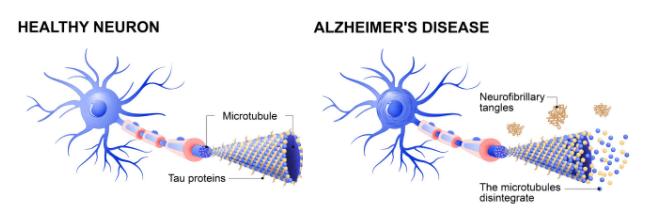
functions like supports that keep these tracks stable, allowing nutrients, proteins, energyproducing organelles, and other essential materials to move efficiently throughout the neuron, particularly along long extensions called axons. By maintaining this transport system, tau supports overallneuronalfunction.
In Alzheimer's disease, tau becomes chemically altered in several ways The most important of these changes is called hyperphosphorylation Phosphorylation is a normal phosphate groups are adde regulate their activity Howev phosphate groups are adde changes, and it can no longer microtubules.Asaresult,them becomes unstable and begin
disrupting the movement of vital materials throughout the neuron
The consequences of this disruption affect the entire cell. Without an efficient transport system, communication between different regions of the neuron becomes impaired, leading to cellular stress and reduced function Importantly, these changes can occur long before neurons die, contributing to the gradual decline in brain function seen during early stages of Alzheimer's disease.
Once tau loses its grip on microtubules, it begins to accumulate inside neurons Initially, these abnormal proteins form small clusters called oligomers Research suggests that oligomers may be particularly harmful because they interfere directly with synapses, the specialised junctions through which neurons communicate. Even small disruptions to synaptic function can affect memory formation, learning, and other cognitive processes
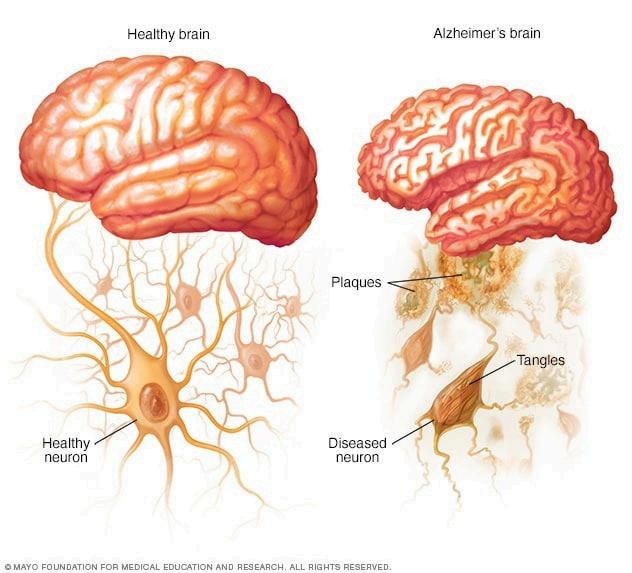
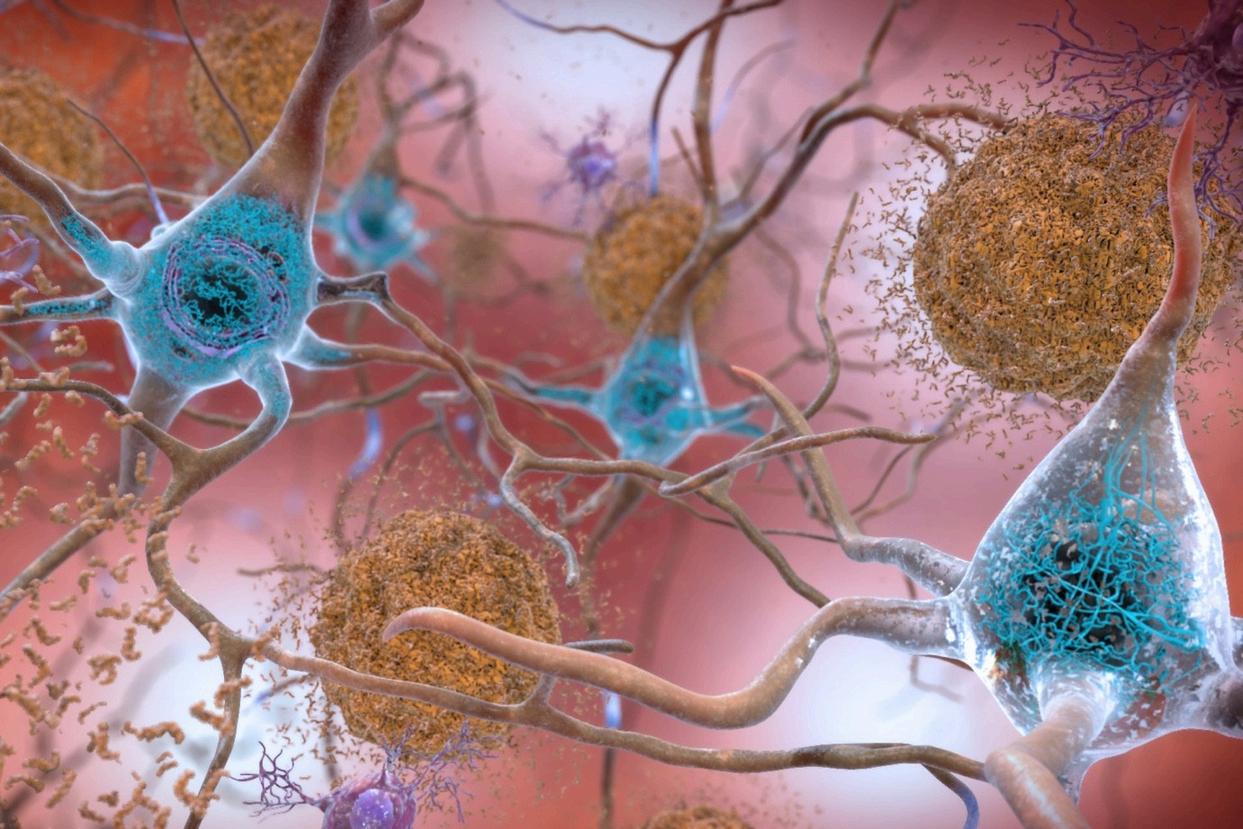
Over time, tau oligomers join together to form larger fibres that eventually develop into neurofibrillary tangles (NFTs), one of the hallmark features of Alzheimer's disease. These tangles build up inside neurons and are strongly associated with cellular dysfunction and death Importantly, the amount and distribution of tau tangles closely match the severity of symptoms seen in patients, suggesting that tau pathology plays a major role in cognitive decline.
Figure
Figure 2: Tau tangles in the brain (n d )
Source: https://news mit edu/2023/how-tau-tangles-formbrain-0714
Tau dysfunction also affects mitochondria, the structures responsible for producing energy inside cells Neurons require large amounts of energy to maintain communication and carry out normal functions When abnormal tau interferes with mitochondrial transport and activity, cells produce less ATP, their main source of energy, while experiencing increased oxidative stress. As a result, neurons become more vulnerable to damage and degeneration
Another important feature of tau pathology is its ability to spread throughout the brain. Scientists have observed that misfolded tau proteins can move between connected neurons in a process often described as "prion-like" spreading. Abnormal tau appears to act as a template, causing healthy tau proteins in neighbouring cells to adopt the same misfolded shape This allows pathology to spread progressively through interconnected brain regions over time.
This progression is reflected in the Braak staging system, which describes how neurofibrillary tangles spread from memory-related regions of the brain to wider cortical areas as Alzheimer's disease advances. Remarkably, this pattern closely mirrors the worsening of cognitive symptoms, providing strong evidence that tau dysfunction plays a central role in disease progression.
Recent research has also highlighted a complex relationship between tau pathology and inflammation in the brain. Abnormal tau activates microglia and astrocytes, immune cells that normally help protect nervous tissue. While this response is initially beneficial, prolonged activation can become harmful Chronic inflammation causes additional damage to neurons, creating a cycle in which inflammation and tau pathology reinforce one another.
Perhaps the strongest evidence for the importance of tau comes from its relationship with cognitive
ZARA K.
A
FENTANYL
VACCINE TO NEUTRALISE DESIGNER DRUGS
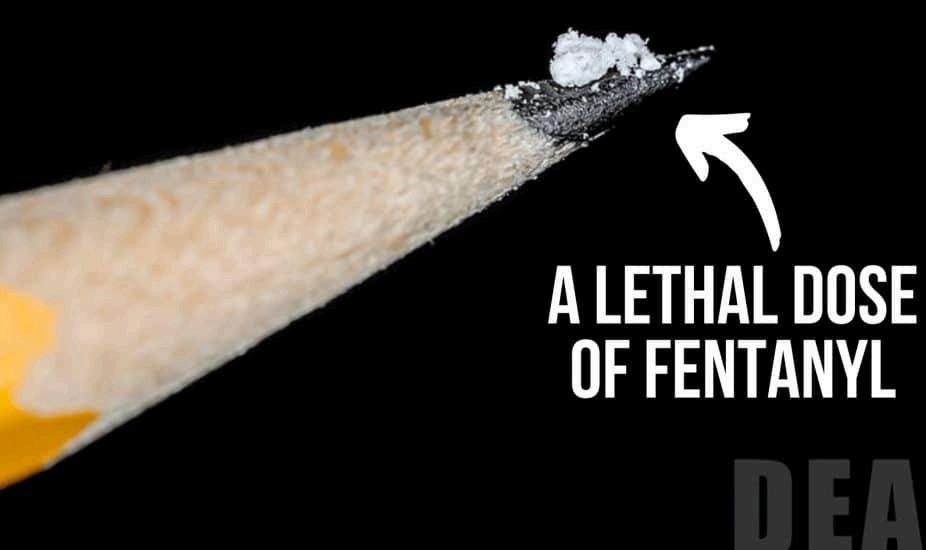
A dose of fentanyl as small as 2 milligrams, roughly the size of a few grains of sand, can be enough to cause a fatal overdose. Despite this paltry amount, this synthetic opioid has become the leading cause of overdose deaths in the United States, with deaths involving fentanyl increasing from 27,542 in 2017 to a peak of 73,944 in 2022 before declining slightly in 2023 Their extreme potency means that such tiny amounts can suppress the brain’s respiratory centres and cause such lethal effects within minutes.
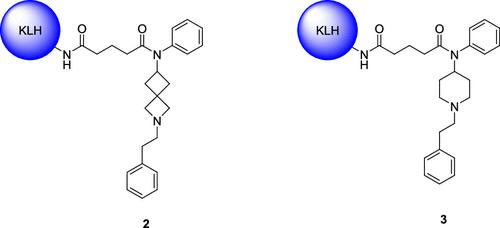
The crisis is compounded by the emergence of fentanyl analogues, chemically modified versions of the drug designed to increase potency or evade regulation and detection (seen in Figure 2 below). As illicit laboratories continue to produce new variants, conventional countermeasures struggle to keep pace In 2023, fentanyl remained the most common drug involved in overdose deaths, ahead of methamphetamine and cocaine, while newer substances such as xylazine and bromazepam also began appearing with increasing frequency.
Current overdose treatments such as naloxone have saved thousands of lives However, these interventions are reactive rather than preventative. They can only reverse an overdose after it has begun and must be administered rapidly to be effective. As a result, researchers have begun exploring a fundamentally different strategy: preventing fentanyl from reaching the brain in the first place
A team at the Scripps Research Institute has recently reported an experimental vaccine designed to do exactly that. Rather than targeting a single opioid molecule, the vaccine trains the immune system to recognise fentanyl and a broad range of related designer drugs before they can cross the blood-brain barrier. If successful in humans, this approach could transform overdose prevention from emergency response to proactive protection.
Unlike viruses and bacteria, fentanyl is too small to trigger an immune response on its own. Molecules of this type are known as haptens, and they must be chemically attached to a larger carrier protein before the immune system can recognise them and produce antibodies This requirement has created a major obstacle for fentanyl vaccine development. Most previous vaccine candidates used fentanyl itself, or a structurally similar molecule, as the hapten. While this successfully generated anti-fentanyl antibodies, it also meant that the immune response became highly specific to the exact molecular structure used in the vaccine.
This specificity is problematic because fentanyl analogues often differ by only minor chemical modifications Small changes to functional
groups, side chains, or ring structures can create new compounds with similar pharmacological effects but different molecular architectures
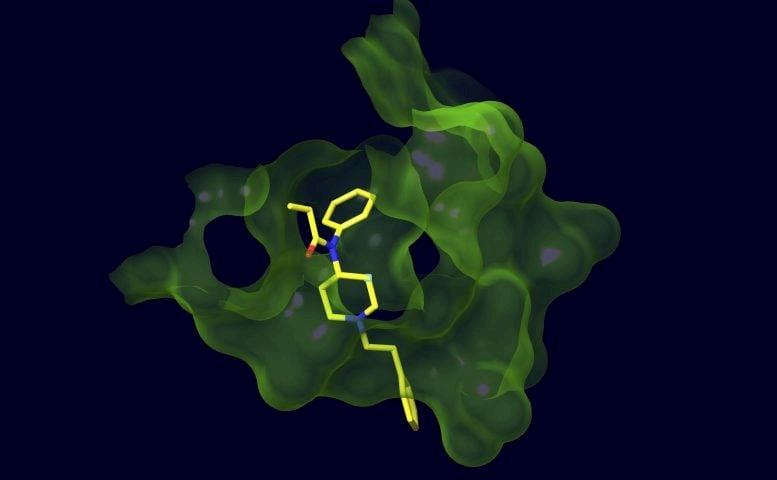
Antibodies trained to recognise one analogue may therefore bind poorly to another. To overcome this limitation, researchers at Scripps Research adopted an unconventional strategy. Rather than designing a vaccine around a fentanyl-like molecule, they used a structurally distinct compound that retained key three-dimensional and physicochemical characteristics shared across the fentanyl family.
The results challenged conventional assumptions about immune recognition. Instead of recognising a single molecular scaffold, the antibodies learned to identify a broader structural signature common to multiple fentanyl-class compounds As a result, they successfully bound fentanyl alongside several dangerous analogues, including carfentanil, acetylfentanyl, and furanylfentanyl.
As Kim Janda, senior author of the study, explained: "We don't have to keep playing catchup with every new synthetic designer drug that emerges… By training the immune system to recognise the entire fentanyl class ( not just individual structures ) we can stay ahead of illicit drug traffickers."
Once administered, the vaccine stimulates the production of circulating antibodies that bind fentanyl molecules in the bloodstream. By forming antibody-drug complexes, fentanyl is prevented from crossing the blood-brain barrier and reaching the central nervous system. This mechanism differs fundamentally from naloxone, which acts after fentanyl has already reached opioid receptors. Instead, the vaccine aims to intercept the drug before it can exert its effects.
In mouse studies, vaccinated animals maintained near-normal respiration following fentanyl ,
SEONGHOON W.
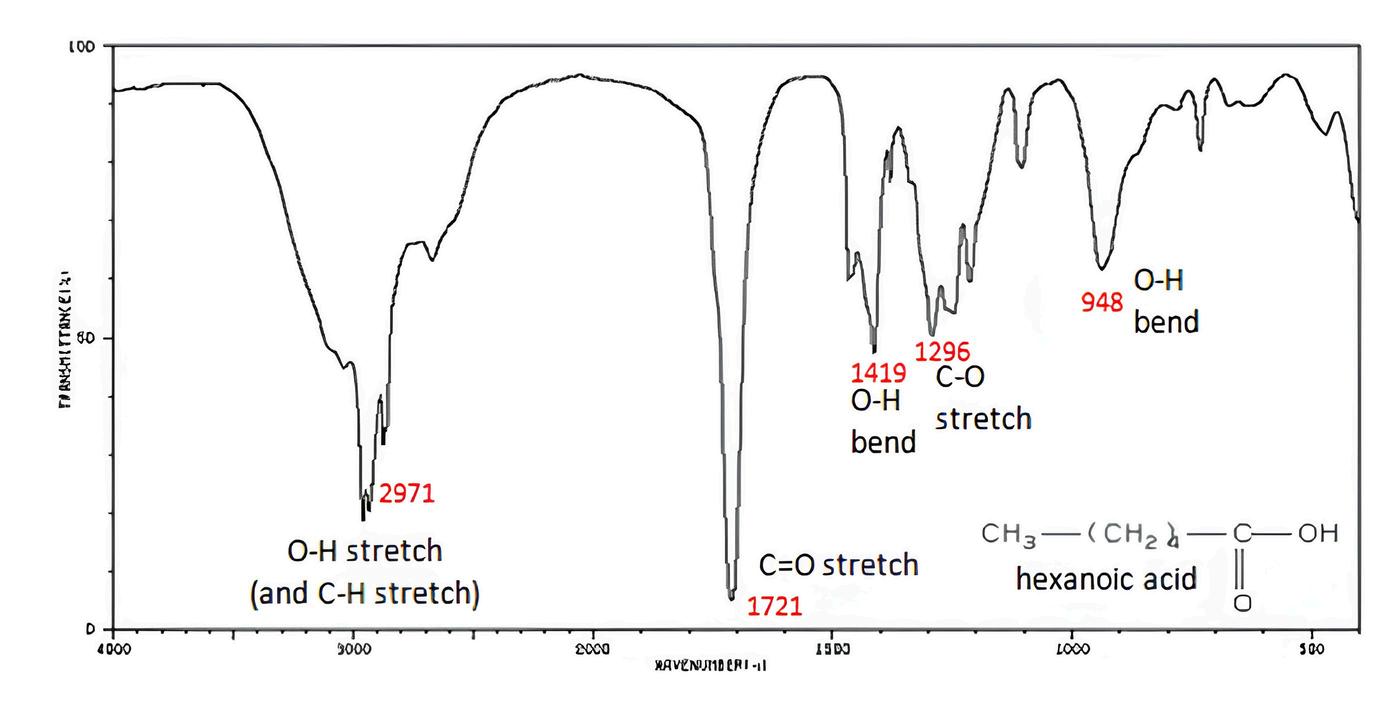
However, despite its usefulness, IR spectroscopy has significant limitations While it can indicate which functional groups are present, it provides little information about how atoms are connected within the molecule This means that it is often insufficient for determining a complete molecular structure Research published in Chemical Science highlights that although IR spectra contain detailed vibrational information, much of the spectrum particularly the so-called “fingerprint region” cannot easily be interpreted to construct a full structure . Therefore, IR spectroscopy is often used as a preliminary tool rather than a definitive method of structural analysis.
HOW DOES PROTON NMR SPECTROSCOPY COMPARE WITH INFRARED SPECTROSCOPY IN DETERMINING THE STRUCTURE OF ORGANIC MOLECULES?
In contrast, proton NMR spectroscopy provides far more detailed information about molecular structure NMR works by placing nuclei in a magnetic field and measuring how they absorb radiofrequency radiation The resulting spectra reveal information about the chemical environment of hydrogen atoms, including their electronic surroundings and interactions with neighbouring atoms. This allows chemists to determine how many different hydrogen environments exist, how many hydrogens are in each environment and how they are connected within the molecule
The strength of NMR lies in its ability to provide atom-specific information. Chemical shifts reflect the electronic environment surrounding each hydrogen atom, while splitting patterns reveal the number of neighbouring hydrogens According to educational and research sources, NMR is widely regarded as the most powerful technique for determining the structure of small organic molecules due to the depth of structural information it provides This makes it significantly more informative than IR spectroscopy when it comes to identifying the full structure of a compound
Recent research in spectroscopy has increasingly focused on combining techniques and using computational methods to improve the accuracy of molecular structure determination A 2025 study published in Chemical Science investigated how proton NMR and IR spectroscopy can be used together to distinguish between very similar organic molecules, particularly isomers. The researchers developed an automated structure verification (ASV) method that compares experimental spectra with predicted data, using both NMR chemical shifts and IR absorption patterns Their results showed that while each technique individually provides useful information, they often struggle to fully resolve complex structures on their own. However, when combined, the accuracy improved significantly: at a 95% confidence level, the number of unresolved molecular structures dropped from 70% (when using a single technique) to as low as 15-30% when both were used together. This demonstrates that NMR and IR contain complementary information NMR provides detailed insight into the molecular framework, while IR identifies functional groups and that integrating both datasets leads to more reliable conclusions
This finding was even more important because it reflects how spectroscopy is used in real-world chemistry. Rather than relying on a single technique, chemists often use multiple methods together to confirm molecular structures For example in pharmaceutical research, compounds are frequently analysed using a combination of IR, NMR, and mass spectrometry to ensure accurate identification. Studies on drug molecules such as ketorolac have shown that combining spectroscopic techniques allows for more precise determination of molecular geometry and reactivity
Despite its advantages, NMR spectroscopy also has limitations. It is generally more expensive and requires more complex equipment than IR spectroscopy which includes strong superconducting magnets Additionally interpreting NMR spectra can be challenging, particularly for large or complex molecules This means that while NMR provides more detailed information, it is not always the most practical or accessible method in all situations.
IR spectroscopy on the other hand, is relatively quick, cost-effective, and easy to perform It requires smaller sample sizes and can produce results rapidly, making it useful for routine analysis and initial screening. Furthermore, IR spectroscopy is particularly effective for detecting specific functional groups and monitoring chemical reactions, as changes in functional groups can be easily observed through shifts in absorption peaks
In conclusion, proton NMR and infrared spectroscopy are both essential tools in organic chemistry, but they differ significantly in their capabilities IR spectroscopy provides rapid and useful information about functional groups but lacks the ability to determine full molecular structures. In contrast, NMR spectroscopy offers detailed insights into molecular connectivity and structure but is more complex and resourceintensive. Evidence from recent research demonstrates that the most effective approach is to use both techniques together, as this combination allows chemists to overcome the limitations of each individual method. Therefore, rather than viewing NMR and IR as competing techniques, they should be considered complementary tools that, when used together, provide a more complete understanding of molecular structure
Seonghoon W.
Introduction
SARA Y. CANCER IMMUNOTHERAPY
Cancer Immunotherapy is a type of treatment that involves the modification of the immune system to eliminate cancer cells. Whilst it has proven successful in cancers such as acute Lymphoblastic Leukemia and Hodgkin Lymphoma, not all solid tumours have been responsive to these treatments. This is mainly due to a cold tumour microenvironment which is a result of limited T-cell infiltration and antigen representation. Moreover, their altered metabolic functions affect T-cell activity, reducing the effectiveness of immunotherapy
Methodology
This article was written via the use of the search engine PubMed. The articles were chosen using the keywords “immunotherapy”, “metabolic reprogramming”, and “glutamine ” The search was limited to articles published from 2010 onwards Both pre-clinical and clinical trials were included to help evaluate the results and findings.
Abstract
There are many different ways that metabolic reprogramming of cancer cells influences immune cells Nutrient competition is a key factor. The modification of the metabolic function of tumour cells increases their dependence on glycolysis (Warburg Effect), promoting their proliferation via PPP (Pentose Phosphate Pathway) for lipid and nucleic acid biosynthesis Their overconsumption of glucose and amino acids, such as glutamine and serine, consequently deprives T-cells in the tumour microenvironment (TME) from nutrients required for their proliferation.
The release of metabolites can also suppress Tcell activity Lactic acid produced in glycolysis is accumulated and released via monocarboxylate transporters which causes the TME to become acidic, metabolically inhibiting NK cells. Furthermore, the loss of fumarate hydratase in tumour cells leads to fumarate (a TCA intermediate) accumulating, consequently reducing the activity of ZAP40 This inhibits the function of CD8+ T cells The metabolite kynurenine formed via the breakdown of tryptophan (by IDO1) suppresses immune cell activity as a result of binding to Ahr on T-cells, promoting immunosuppressive Tregs. Lastly, lactic acid produced in glycolysis is converted to pyruvate via LDH which inhibits the function of PHD2
PMID: 32324593; PMCID: PMC7324212.
Shurin MR, Umansky V. Cross-talk between HIF and PD-1/PD-L1 pathways in carcinogenesis and therapy. J Clin Invest. 2022 May 2;132(9):e159473. doi: 10.1172/JCI159473.
PMID: 35499071; PMCID: PMC9057611.
Beatty GL, O'Dwyer PJ, Clark J, Shi JG, Bowman KJ,ScherlePA,NewtonRC,SchaubR,MaleskiJ, Leopold L, Gajewski TF First-in-Human Phase I Study of the Oral Inhibitor of Indoleamine 2,3Dioxygenase-1 Epacadostat (INCB024360) in Patients with Advanced Solid Malignancies. Clin Cancer Res. 2017 Jul 1;23(13):3269-3276. doi: 101158/1078-0432CCR-16-2272 Epub 2017 Jan 4 PMID:28053021;PMCID:PMC5496788
Leone RD, Zhao L, Englert JM, Sun IM, Oh MH, Sun IH, Arwood ML, Bettencourt IA, Patel CH, Wen J, Tam A, Blosser RL, Prchalova E, Alt J, Rais R, Slusher BS, Powell JD. Glutamine blockade induces divergent metabolic programs to overcome tumor immune evasion Science 2019 Nov 22;366(6468):1013-1021 doi: 10.1126/science.aav2588. Epub 2019 Nov 7. PMID:31699883;PMCID:PMC7023461.
SaraY.
MEHA P.
GENE EDITING: COULD IT BE EDITING HUMANITY ITSELF?
Casgevy utilises a far more controlled version of CRISPR/Cas9 technology; however, it creates a double-strand break at the on-target site, introducing a slight risk that it could be repaired incorrectly by the non-homologous end joining (Coller, 2019). This may induce structural variants (Hunt, Samson, Rand, and Sheppard, H.M. 2023), which could lead to mosaicism (Campbell, Shaw, Stankiewicz, and Lupski, 2015), or provoke loss of heterozygosity, which predisposes to tumorigenesis (Regan, Medhi, White, Jiang, Jia, Deng, and Jasin, 2024), possibly leading to the formation of a malignant tumours (Lele, 2023). In this way, gene editing is truly revolutionary in healthcare but may also have many unintended
However, it may conflict with the ethical principle of non-maleficence, as it could harm future generations by reducing the gene pool and leading to unknown negative repercussions further down the line. A possible example of this is when He Jiankui replaced both copies of the CCR5 gene in the embryos of his daughters using CRISPR to make them immune to HIV (Greely, 2019).
in particular, can prevent enetic variants commonly ous illness (Coller, 2019), solution compared to lifecould eradicate inherited ngton’s from family lines, d at a large scale, wider populations (Heggie, 2018)
It was later discovered that with both copies of the CCR5 gene disabled, such individuals were “20% less likely to live up to the age of 76 years”, possibly because they became more susceptible to other diseases such as influenza and West Nile virus (Ruwitch, 2023). This raises bioethical concerns, as future generations cannot consent to the edits, and concerns become more intense if the goal is to enhance human capabilities.
People already enhance their physical features through cosmetic surgery and their mental ability through college education. This begs the question: is genetic enhancement the next step? There are several disadvantages to genetic enhancement, as it may stigmatise disability by promoting genetic determinism, which can cause feelings of insecurity and social isolation, especially if gene drives are used This isolation could also extend to inequality as the wealthy are more likely to access the technology (Coller, 2019). It may be perceived that those who are genetically enhanced also have an unfair advantage if, for example, they increase muscle mass to increase strength, which could cause imbalances if used within the military
Despite its drawbacks, gene editing has great potential to create positive change in healthcare when used ethically, as the benefits could outweigh the risks and all sorts of diseases could be permanently eradicated
Heggie, J (2018) 'Should we edit the human germline?',NationalGeographic.
Hunt, J.M.T., Samson, C.A., Rand, A.D. and Sheppard, H.M. (2023) ‘Unintended CRISPRCas9 editing outcomes: a review of the detection and prevalence of structural variants generated by gene-editing in human cells’, National Library of Medicine.
Lele, J. (2023) ‘Tumorigenesis: A multifaceted process and genetic changes’, Journal of Probiotics &Health,11
National Academies of Sciences, Engineering, and Medicine (2017) Human genome editing: Science, ethics, and governance. Washington, DC: The NationalAcademiesPress.
Regan, SB, Medhi, D, White, TB, Jiang, Y-Z, Jia, S, Deng, Q and Jasin, M (2024) ‘Megabasescale loss of heterozygosity provoked by CRISPRCas9DNAdouble-strandbreaks’,bioRxiv.
Ruwitch, J. (2023) 'His baby gene editing shocked ethicists.Nowhe'sinthelabagain',NPR.
US Food and Drug Administration (2023) ‘FDA approves first gene therapies to treat patients with sicklecelldisease’
MehaP.
NOUR A.
WHAT ROLE DOES GENETICS PLAY IN SELECTIVE EATERS?
What is selective eating? Selective eaters are individuals who avoid certain foods due to their taste, texture, or even colour This sensory discomfort leads to them adopting a limited diet, which is often passed off as a childhood phase or sometimes carried into their adulthood Both of which are normal and common, affecting 8-50% of children. Whilst genetics is linked to how taste is perceived, a large part of behavioral eating is also due to external factors. Hence, to what extent is fussy eating developed by innate factors as opposed to environmental influences?
Papillae are taste receptors located on the surfaces of our tongues, of which there are four distinguished types, each specialised for their own function. The density of these receptors determines taste sensitivity, with the greatest number of papillae amounting to more intense taste perception. For example, more fu if ill l li k i g b
Humans are born with the greatest number of fungiform, and as we grow older, they decrease in quantity. This explains why vegetables and coffee are often rejected by children as ‘too bitter.’ Additionally, the shape of these receptors enables them to interact with temperature. Some are activated by heat, leading to the enhancement of particular flavours, including sweetness. There are multiple aspects of taste buds that affect taste perception (e.g. density, shape, texture), of which are all coded by genetics.
Genetic variation can be inherited or a result of random mutations; while all individuals are unique, identical twins share the highest level of genetic similarity.
Scientists can compare identical twins to fraternal twins to determine whether their habits are more genetically or environmentally influenced Since identical twins share 100% of their genes, their meticulous eating habits will be more similar if DNA is more important. However, if the environment plays a larger role, then the fraternal twins will be more similar due to them being in the same environment. ACAMH conducted this longitudinal study by tracking 4804 twins born in 2007 and collecting data at different points of their lives.
They found that genetics accounted for 60% of the differences in selective eating during infancy, and this percentage increased up to 80% in adolescence This indicates that the greater similarity of identical twins was a result of their genetic makeup. Additionally, research from the NIH has uncovered that there is a specific taste receptor gene (TAS2R38, CA6) responsible for bitterness perception. Individuals who have plenty of these genes are known as “super tasters,” as the taste of bitterness is significantly magnified, in turn causing food aversion.
In the twin study, parents were instructed to not interfere with their offspring's food choices as much as possible, but it is exceedingly difficult to monitor each family’s involvement Environment will always be a remarkable factor and cannot be quantified into concrete data like genetics can
Focusing on children first, researchers revealed that infants require 8-15 exposures to a particular
food alongside parent modelling before they are willingtotryit Hence,achild’sreluctancetoeatfood may be on account of a rushed feeding or high stress situation. Several mindfulness tactics as well as consistent eating routines have proved to be phenomenally successful. Conversely, food can be completely restricted rather than encouraged Key factors include economic restraints, accessibility, cultural preferences, weather, or religion Most of theseelementsareundeniablyintegratedintoourdaily lives, and institutions often take advantage of this. Restaurants may create seasonal menus, or grocery stores may intentionally place a preferred item for you topurchaseateyelevel
An individual could even be influenced by numerous factors simultaneously. For example, someone who has not eaten all day (hunger level), a tight budget (personal income), and is late to an important event (time) might opt for a fast-food drive-through over a time-consuming but healthier home-cooked meal In summary, despite genetics’ strong influence, the environment’spivotalroleusuallygoesunnoticed
Whyisthissubjectmatterworthwhile?Understanding genetics’ role in selective eating challenges the assumption that it is purely disobedience. Some children are simply more sensitive to certain tastes, and this information enables us to adjust our approaches New and more effective strategies have grown in popularity, ranging from more gradual exposure to “adventure play” eating. In terms of adults, knowing that their behaviour is biological may help to expand their diet and avoid nutritional deficiencies
Despiteevidenceshowingthatgeneticfactorsplaya large role, all data comes with limitations For example, the twin study was only conducted on British children, so the results may not apply to adults and children in other countries. Another drawback is that twin experiments assume that the subjectsareinthesameenvironment,whichmaynot always be true This reflects how these statistics cannot ensure every condition; accordingly, environmental influences could be more variable thanthestudyassumes.
In conclusion, genetics is a crucial aspect of selectiveeating,moresothanenvironmentalfactors It is the genetic predisposition for taste perception that is strongly associated with long-term fussiness and food neophobia. Nevertheless, the environment shapes one’s perspective of food, especially in the early stages of life, and so genetics is not the sole determinant. Research is continuing to advance, and there may be more definitive methods of evaluating the environment’s contribution; however, until then, genetics appears to be the more significant factor in selective eating, leading to a better understanding of itsunderlyingcauses.
NourA.
ADYANT D.
ANCIENT SOUTHERN AFRICANS TOOK GENETIC EVOLUTION IN A NEW DIRECTION
A new article written by Uppsala University in Sweden has recently discovered the monumental differences between modern-day and ancient human genetics. Even between individuals, their genetic diversity was extremely varied, allowing for easier adaptations, which was useful in an environment bent on killing them They contained specific alleles that differed from the ones we have today, namely those related to skin pigmentation and kidney function.
Due to the arid South African climate and constant exposure to the sun, their pigmentation darkened, reducing the impact of heat and sunlight on their skin This is because a darker skin colour contains more melanin, which absorbs a greater amount of ultraviolet radiation and some visible light, reducing the amount of harmful thermal and photic energy reaching the skin and thereby helping to protect the health of the dermis. Another thing the team at Uppsala University discovered was that their kidneys were especially adapted to increase water retention and slow the loss of moisture, significantly improving their chances of survival.
Finally, they discovered that their genomes varied immensely compared to those of their modern counterparts, displaying far greater genetic variation than is seen in modern populations. This allowed quicker adaptation to environmental stimuli and increased their chances of survival. This was extremely important as they lived in an ever-changing world where the odds were often against them.
In conclusion, Homo sapiens that lived in South Africa possessed many adaptations to the climate in which they lived, such as darker skin pigmentation to protect them from the sun and improved kidney water retention that allowed for longer periods of time without water and greater endurance. However, the most influential adaptation was likely their genetic diversity as it allowed them to adapt to their environment more easily, helped ensure a future for humanity, and was a major reason why they evolved from precursors to modern humans.
Sources
Science News
Uppsala University
Adyant D.
ADYANT D.
HOW BIRD WINGS ARE ADAPTED TO THEIR ENVIRONMENT AND LIFESTYLE AND HOW THEY USE THEM TO FLY.
Avian species are among the most adaptable in taxonomy, spreading across seven continents and inhabiting every major biome These animals are famed throughout time, from their precursors, the dinosaurs, to their modern-day diversity. However, what really separates birds from other classes is their ability to fly. Despite some insects also being able to achieve this feat, birds are renowned worldwide for their unparalleled versatility in the sky.
However, despite their mastery of the cerulean expanse, they have evolved many different attributes that assist them in overcoming both prolonged and temporary environmental stimuli, varying across species, each of which has a distinct lifestyle. Today, we will explore some of these advantages, including how they help and where they occur. These observations of bird flight styles and wing designs based on location have been gathered through naturalistic observation in Europe
Paris: Rock Doves
These birds are incredibly adaptable and are found throughout major cities, despite the relatively recent emergence of large urban environments when considering how long species have been evolving Their wings, originally adapted for woodlands, are now well suited to the new city life, with closely packed buildings resembling giant trees Their robust and wide wings allow for a higher degree of agility despite a loss in speed, with the increased surface area enabling quick stops and starts. They use their wings in a shoveling method with occasional gliding, making full use of their wings' wide surface area.
Paris: Herring Gulls
One of the greatest adaptations of this bird is its ability to flap with only half of its wings, allowing it to glide and create thrust with minimal effort and great results The wings themselves are perfectly adapted for this lifestyle with their wings being thin and tapered to a point, reducing air resistance and improving aerodynamic control As this bird’s natural habitat is the sea and it occasionally flies long distances, this adaptation to increase thrust and reduce energy usage is one of the most ingenious ways nature has formed this creature, allowing it to navigate biomes with ease.
Common Buzzard: Foothills of the French Alps
This buzzard is well adapted to its mountainous home, with its wing d and flying style suited for catching thermals and hunting prey. Its aerodynamics are adapted for gliding, with a large surface area to c thermals with minimal energy while reducing drag Additionally, the win this bird have distinguishable primary feathers, allowing greater aerial con especially during gliding, due to its maneuverability and large surface are
Mallard: Lake Como
The Mallard’s wings are surprisingly streamlined, and for good reason. Like most ducks, they find their food underwater, a medium where the particle bonds are stronger than those in air and therefore create more resistance, which is why they need to have such hydrodynamic wings. However, their flying style is far more frantic than their graceful gliding swimming style, consisting of frequent flapping, an instinct likely derived from their semi-aquatic nature
Coot – Lake Como
The coot has a similar flying style to the pigeon despite a different habitat, with the main difference between their flying styles being their behavioral traits and, in extension, their abilities in water. The coot’s inland water and coastal habitats do not usually demand high-speed chases, either as prey or predator. It prioritises quick take-offs from water and short bursts of agility to move from place to place on the lake Additionally, its tail, which can expand to increase drag, perfectly assists its agile lifestyle
Cormorants, Grebes, Shags, and Mergansers
Cormorants, Shags, Grebes, and Mergansers have broadly similar flying styles, with streamlined, pivot joint wings with small primary feathers perfectly built for high-speed flight and gliding, as well as streamlined diving Their thin wings allow minimal drag in air and reduced resistance in water. However, their flight behaviour in air is where they slightly differ: shags, being more coastal birds than mergansers and grebes, fly higher than hose two species and slightly higher than cormorants, leading to slightly wider wings to catch thermals or air streams easier than their more aquatic counterparts. Their pivot joint at the end of the wing, like a seagull, allows easier gliding and wimming for all species
Magpies and Alpine Choughs
Alpine choughs and magpies are both part of the corvid family, containing strikingly similar wing designs, but what really separates them is their flight style, which is influenced by their tails. Magpies, with their long tails, flap continuously to stay aloft, with their corvid wings lifting some of that burden on longer flights. Choughs, however, use momentum to glide after a couple of flaps, showing that even the same wing design does not necessarily result in the same flying style, especially depending on their lifestyle
Peregrine Falcon
The Peregrine Falcon is one of the most athletic and aerodynamic birds that has ever existed, perfectly adapted to its high-speed ts wings are narrowed to a point, higher speeds to be achieved, with s that allow controlled contraction ment, creating a much more efficient an aerial lifestyle than normal With rimary feathers and narrower wings, as a clear reason why it is the fastest stence.