
Unlocking the potential for CO₂ storage
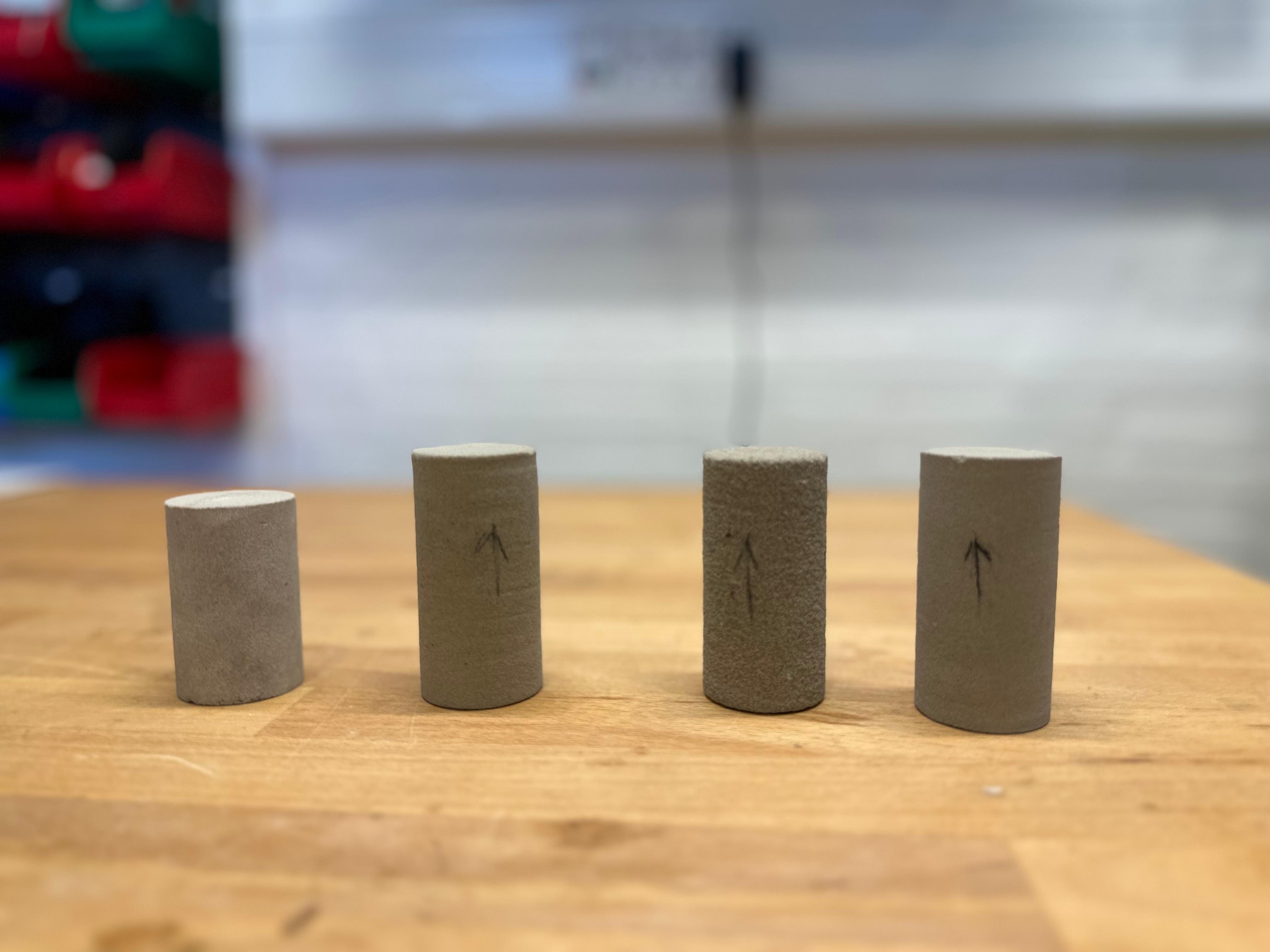
The DTU Offshore laboratories can support the evaluation of the storage complex with input data based on cores collected from exploration wells.
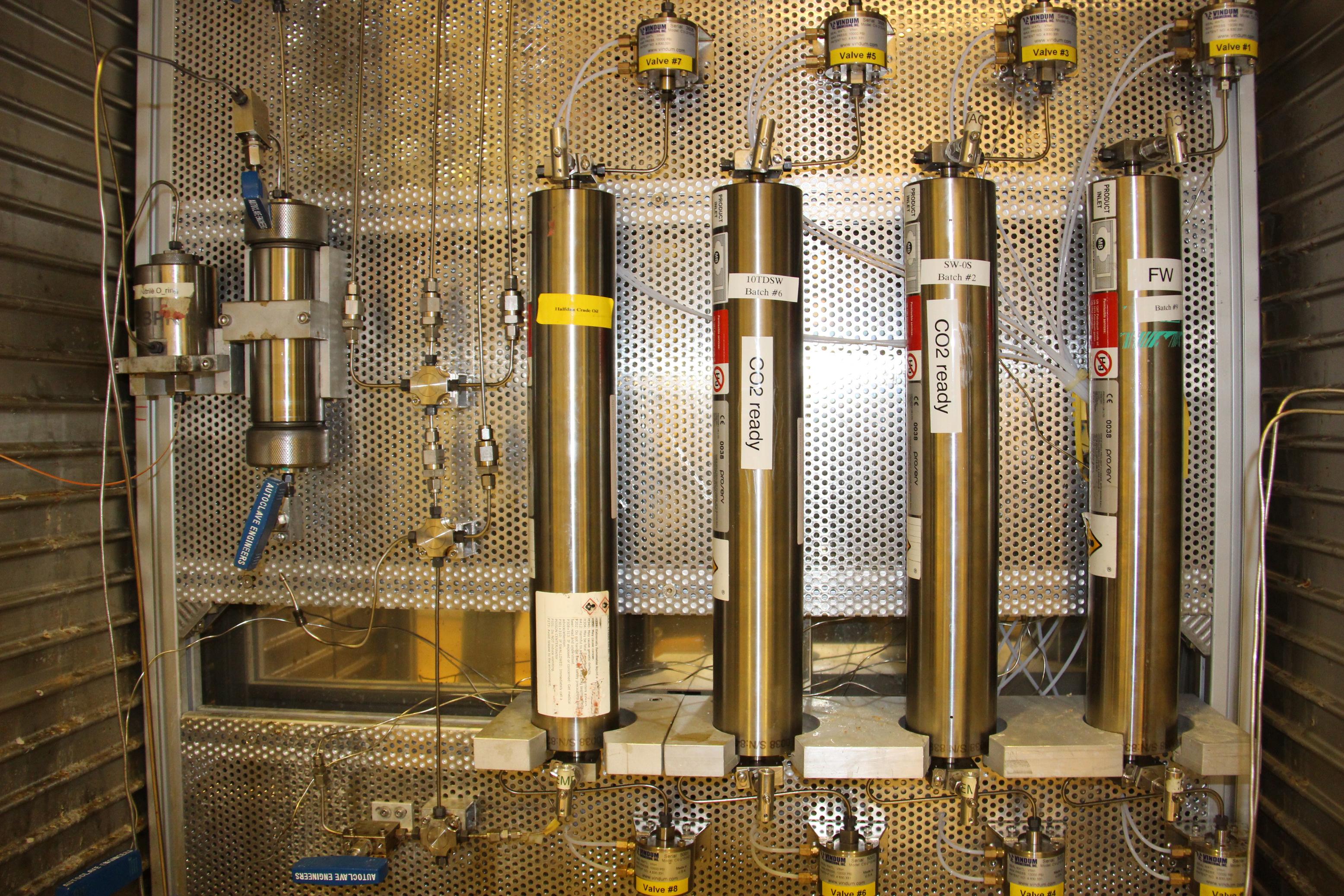
Evaluating a CO₂ storage site involves multiple lab experiments to assess its capacity, integrity, and long-term performance. These experiments generally focus on the properties of the storage reservoir, caprock, and the interaction of CO₂ with these materials.

Core material preparation
Registration and storage
Whole core CT imaging
Mineralogy analyses
XRD/XRF
Thin section analyses
Clay content
Registration and storage
Ionic composition
Fluid analyses
Density and viscosity
Room conditions
HPHT conditions
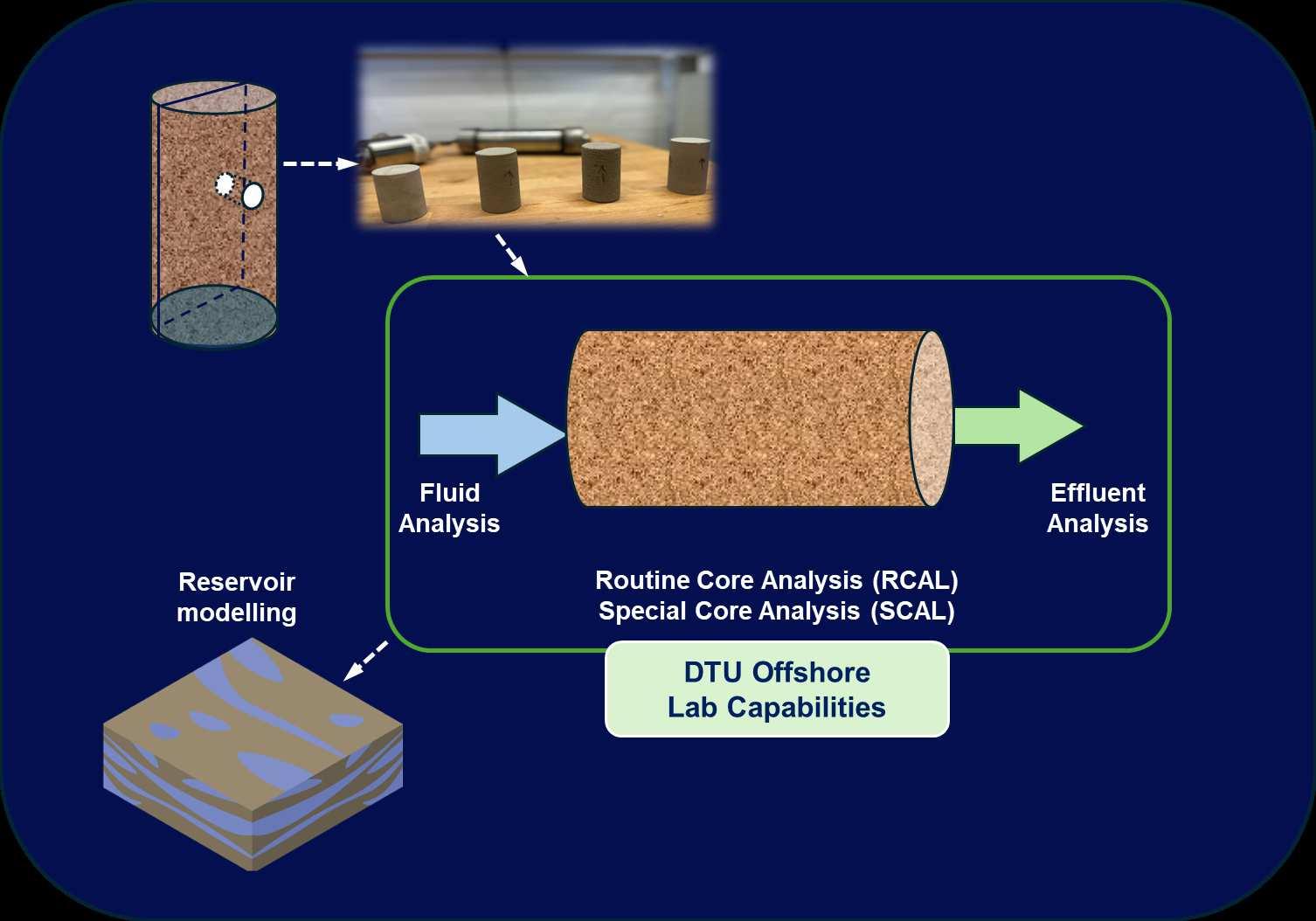
Routine Core Analyses
CT scanning of core plugs
Gas porosity
Pore volume
Grain density
Klinkenberg permeability
Liquid permeability
Surface characterization
SEM/EDX analyses
Specific surface area (BET)
Interfacial tension (IFT)
CO₂ solubility

CO₂ storage
Geochemical behaviour
Mineral dissolution/ precipitation
Effect of impurities
Geomechanical behaviour
Triaxial/uniaxial test
Acoustic measurement
Flow behaviour
Routine core flooding incl. CT
scan
Resistivity measurements
HPHT microfluidics
Capillary entry pressure
Gas hydrate in porous media
Special Core Analyses
Relative permeability
Steady state/ Unsteady state
Capillary pressure
Centrifuge
Porous plate
Pore size distribution (MICP)
Wettability
Imbibition
Contact angle
NMR
Electrical and Mechanical properties
Storage Capacity
Formation response to injection pressure (geomechanics)
Formation response to fluid changes (geochemistry)
Long-term performance