Sustainable technology for people
DTU is a vibrant elite technical university, recognized for its high level of international research and its sought-after graduates. Through collaboration, our staff and students reach out to the world and work across disciplines to create value, welfare, and growth by developing technologies that work in a globalized world, transcending social and cultural differences.
At DTU, we believe in technology as a means for necessary change, and we see the UN’s 17 Sustainable Development Goals as a platform for the University’s activities.
Great ideas change the world, and we are driven by the desire to develop sustainable technologies that create jobs and new opportunities. At DTU, researchers and students collaborate with industry and government to create innovative solutions at the intersections of engineering and creativity, theory and practice, and university and society.
DTU has a vision for a better world, and we invite the world to join us in realizing that vision.
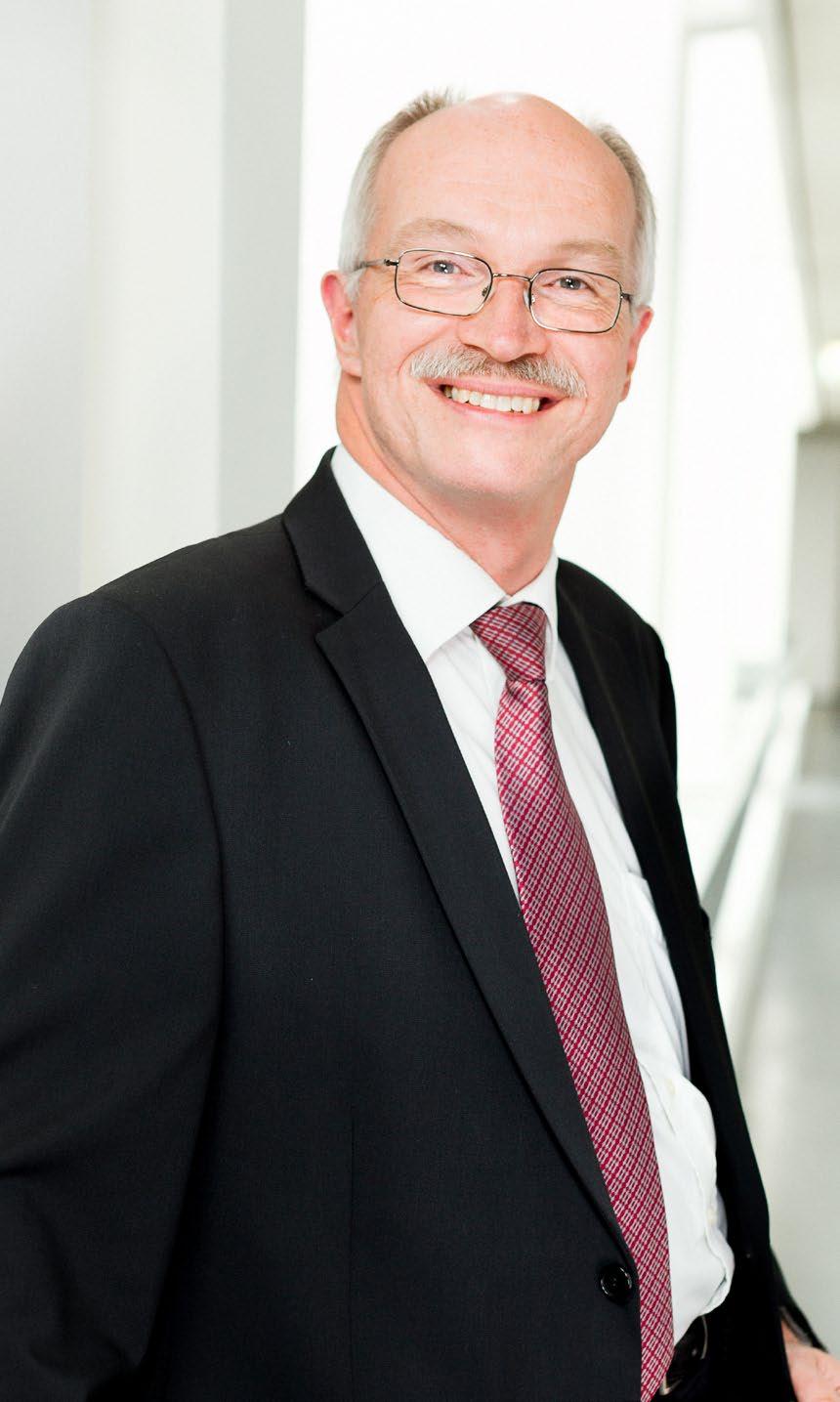
“DTU is about technology for people. DTU is about change for a better world.”

Anders O. Bjarklev President
Research
Research underpins all our work. Technology is created through the synergy of research, education, innovation, and scientific advice and by innovative researchers who work at the cutting edge in global partnerships.
DTU’s research centres on the natural and the technical sciences, and is driven by the needs of society—pushing the boundaries of the possible, discovering and driving change. Focus areas include several societally relevant engineering disciplines, including digitalization, sustainable energy technologies, and life science.
A key to addressing the 17 UN Sustainable Development Goals is collaboration across all fields. Consequently, research at DTU is often cross-disciplinary. We collaborate extensively with leading academic, private, and public partners to transfer innovations and discoveries to the public.
DTU Health Tech
In 2018, DTU has brought together 300 researchers within biopharma, medtech, and digital health from across the University to form DTU Health Tech—a new interdisciplinary department that combines the fields of physics, chemistry, biology,
mathematics, and computer science. Department staff already collaborate closely with industry, hospitals, and health care providers to find new ways of innovating the technologies of the future. The new department will intensify this work and create world-class health technology research, education, and innovation.
DTU Health Tech will act as point of access to health technology at DTU and be a strong platform for DTU’s regional, national, and international collaboration with hospitals, industry, and universities. healthtech.dtu.dk.
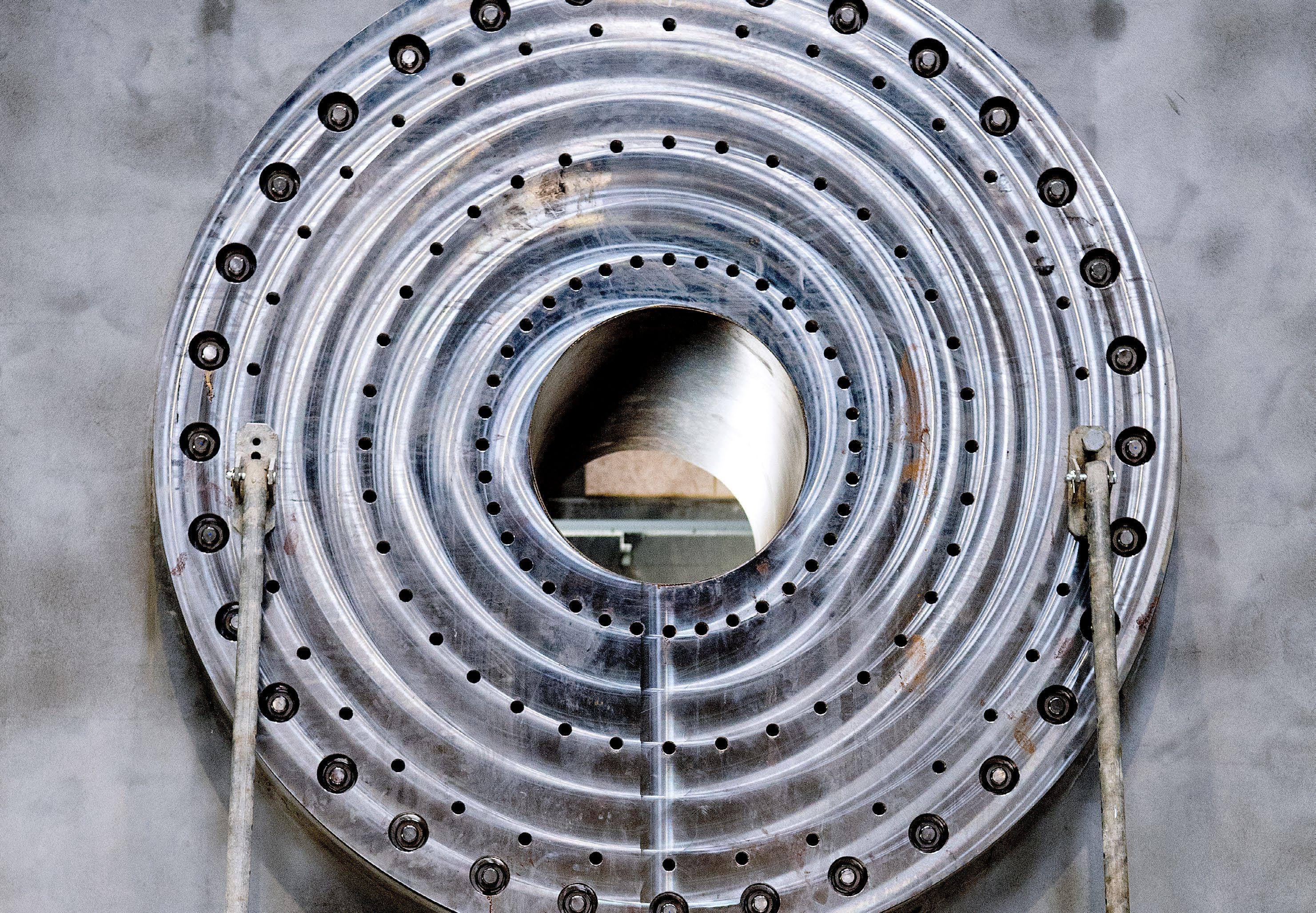
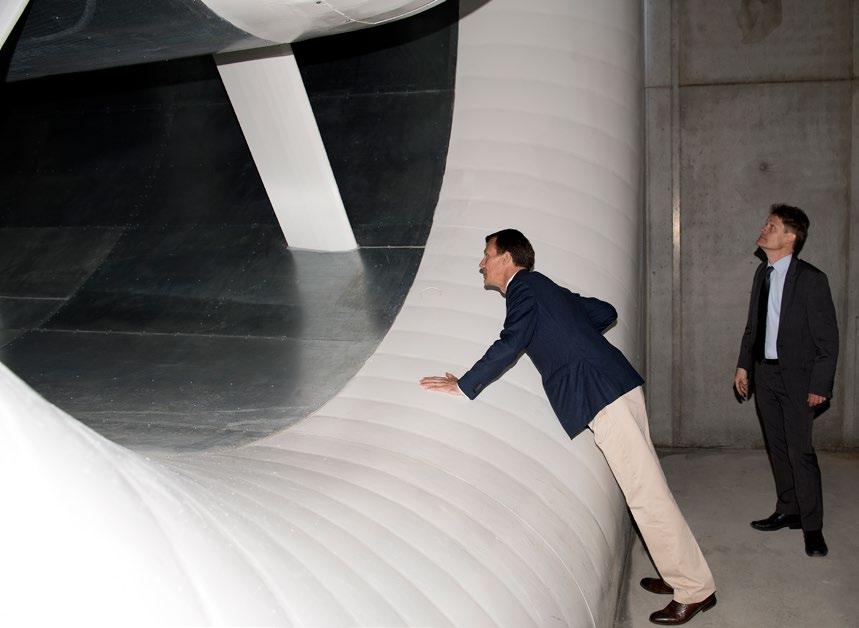
With a diameter of 4.7 metres, the Poul La Cour Wind Tunnel is one of the largest university-owned wind tunnels in the world. It can deliver wind speeds corresponding to three times hurricane speed, and is so quiet that it can be used to measure the noise caused by the wind. The tunnel was inaugurated by HRH Prince Joachim on 10 April 2018.
dtu.dk/plct
Health Tech dtu.dk/profile2
National Wind Tunnel
Research in figures
*Normalized citation impact: Citation impact (citations per publication) normalized for subject (Web of Science Category), year, and document type. A value of one represents performance at par with the world average. DTU’s citation impact is thus 62% above the world average.
6,008
publications in 2018
International co-publication
69%
Top 10
international co-publication countries
• USA
• UK
• Germany
• China
• Sweden
• Italy
• France
• Spain
• The Netherlands
1.62
normalized citation impact* publications in Top 10%
18.9%
• Norway of publications by DTU researchers are co-published with researchers from abroad
EU initiatives and funding
Researchers from DTU Energy and DTU Physics have received a FET Open grant from the EU under the Horizon 2020 programme to pioneer research in biocompatible actuating materials that can be used for intelligent devices for use in the human body.
Following the Graphene Flagship and the Human Brain Flagship, EU launched its third EUR 1 billion large-scale research and innovation initiative in October, the Quantum Flagship. DTU participates in two of the four EU projects on quantum communication due to our world-leading research facilities as well as expertise within several areas of quantum technology.
DTU is one of the main architects behind EIT Urban Mobility—a new European innovation community. A consortium of 48 European core partners has been given the assignment of gathering and coordinating European initiatives aimed at creating the sustainable transport solutions and urban communities of tomorrow. The network’s Northern European activities are to be managed from a hub in the Copenhagen area.
The prestigious ERC Starting Grants are given to promising early-career scientists by the European Research Council. In 2018, two young DTU researchers—Associate Professor Clara Velte and Assistant Professor Hugh Simons—were each given EUR 1.5 million for a period of five years.
Professor Dorte Juul Jensen from DTU
Mechanical Engineering received the ERC Advanced Grant of EUR 2.5 million for research into the structure and properties of metals and alloys. The grant is given to established, leading principal investigators with significant scientific breakthroughs on their CV.
ERC Starting Grants
ERC Advanced Grant
Niels Bohr International Gold Medal 2018
Since its creation in 1955, the Niels Bohr Medal has been awarded to a number of prominent researchers, the majority of whom have been Nobel laureates.
On 7 October 2018, HM Queen Margrethe of Denmark presented the twelfth recipient of the medal: Professor Jens Kehlet Nørskov.
Professor Nørskov has recently returned from Stanford University to head up the new Catalysis Theory Center at DTU.
His vision is to develop a completely new energy technology whereby solar or wind energy, water, and CO2 can be converted into fuels and chemicals with the help of the right catalysts.
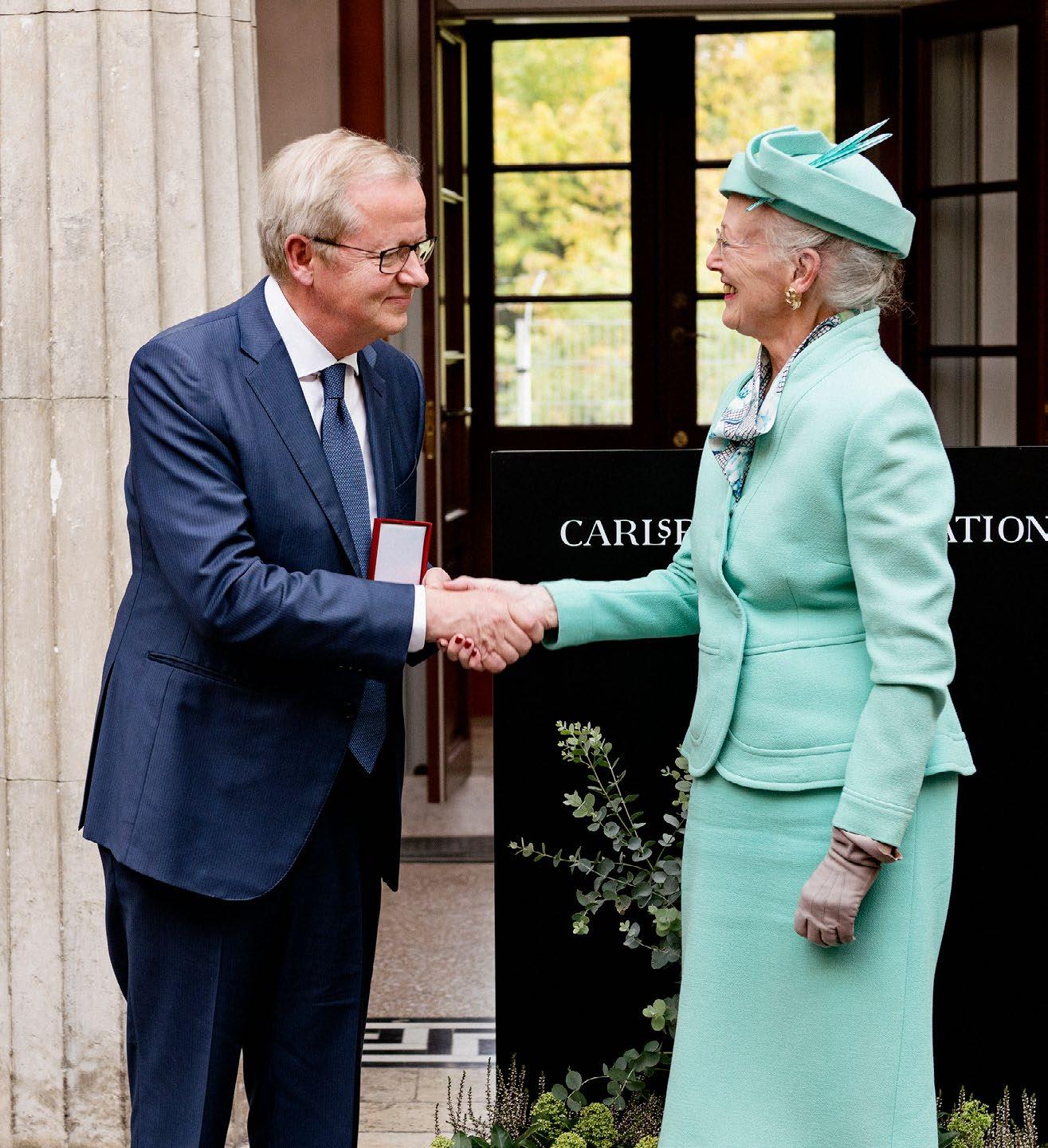
The Niels Bohr International Gold Medal is awarded by the Danish Society of Engineers (IDA) in cooperation with the Royal Danish Academy of Sciences, the Carlsberg Foundation, and the University of Copenhagen.
Watch video
Jens Kehlet Nørskov dtu.dk/profile4
Exceptional research facilities
• The most powerful group of electron microscopes in the world at DTU Nanolab. nanolab.dtu.dk/english
• National centre for micro- and nanofabrication (DTU Nanolab) with 1,350 m2 cleanroom facilities. nanolab.dtu.dk/english
• World-class experimental platform for technology development, testing, demonstration, and training within electric power and energy. dtu.dk/powerlab
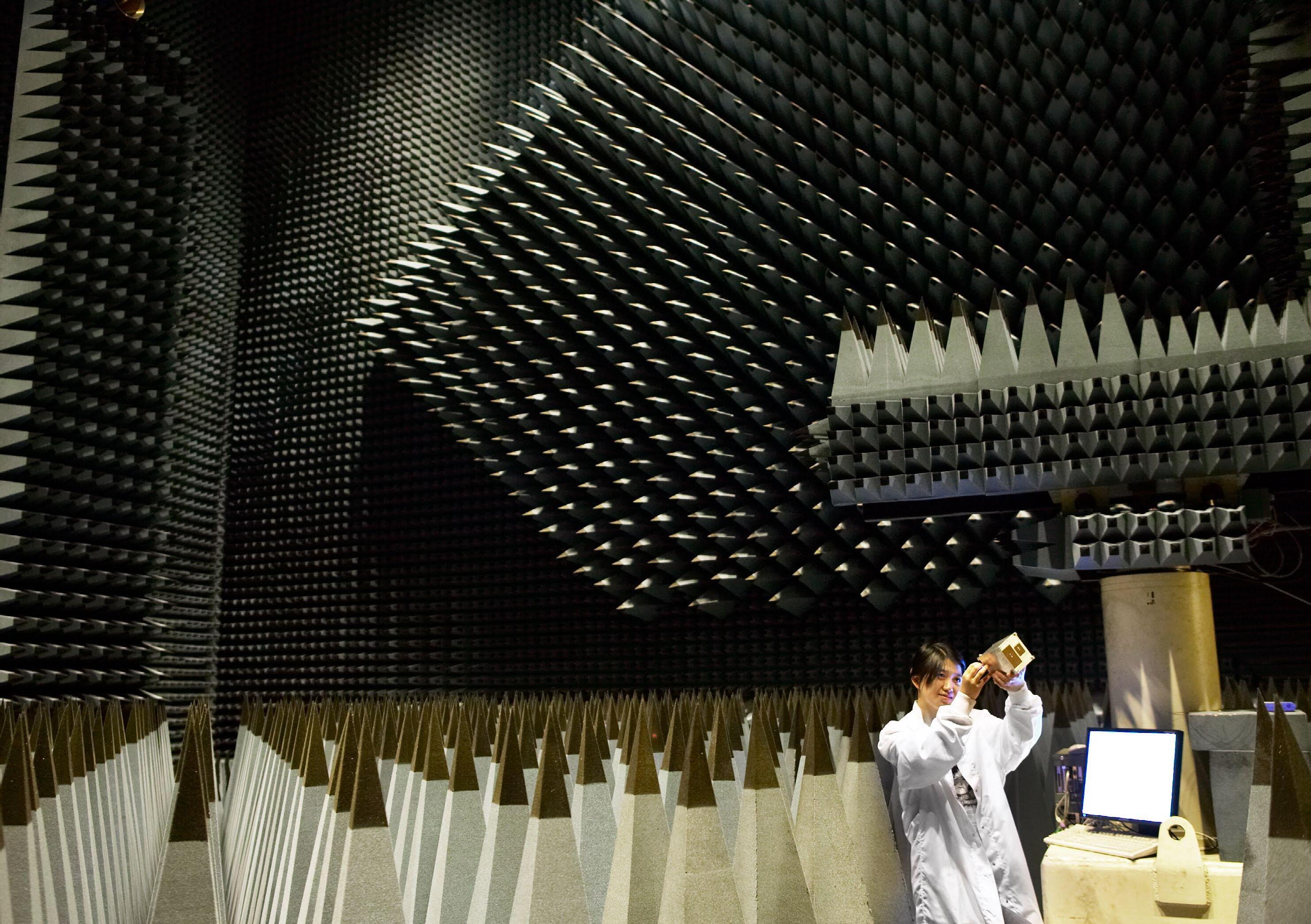
• Some of the world’s most sophisticated laboratory facilities within audiovisual research. act.elektro.dtu.dk
• A world-class chemical engineering pilot plant. dtu.dk/pilot-plant
• Cutting-edge NMR research facilities. dtu.dk/NMR-centre
• ESS, the European Spallation Source in Lund, Sweden will be the largest and most advanced neutron scattering facility in the world when it is completed. DTU is responsible for a number of areas, including developing some of the highly specialized instruments that need to be constructed for the neutron source. europeanspallationsource.se
• Large-scale facilities for advanced structural and material testing on Lyngby and Risø campuses. casmat.dtu.dk
• Facilities for wind energy research include one of the biggest and most advanced wind tunnels in the world: the Poul la Cour Wind Tunnel on Risø Campus, as well as two test centres on the west coast of Jutland: Høvsøre and Østerild, where it is possible to test wind turbines up to 330 metres high. dtu.dk/plct, dtu.dk/hovsore, and dtu.dk/osterild
Supercomputers
• Computerome is used for biotechnological and personal medicine research. DTU is currently upgrading its supercomputers, and Computerome II will have 49,000 CPU cores and store 20 petabytes of data. computerome.dtu.dk
• Wind Energy supercomputer with 16,768 interconnected CPU core processors, used for research in wind energy.
• Niflheim Linux cluster supercomputer of 16,480 CPU cores. dtu.dk/niflheim
Watch videos
Test Centre Østerild
dtu.dk/profile5
Wind Tunnel
dtu.dk/profile3
DTU Nanolab (formerly DTU Danchip) dtu.dk/profile6
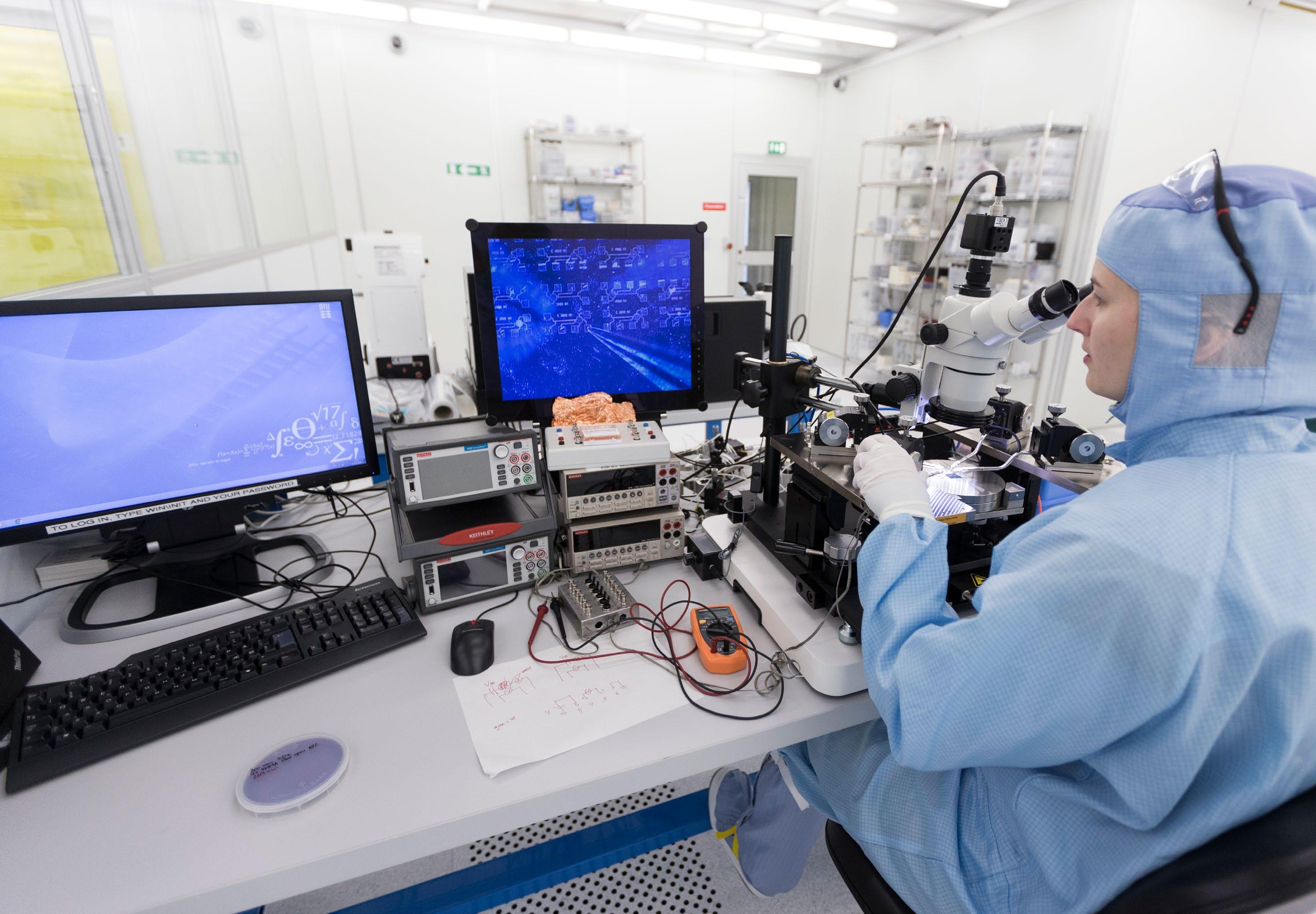
DTU Nanolab is the national centre for nano fabrication and characterization.
The centre operates and maintains state-ofthe-art processing equipment within 1,350 m2 cleanroom facilities, provides a versatile microand nanofabrication platform able to shape a wide range of materials with structures down below 20 nanometres, as well as advanced process equipment for lithography, etching, thermal processing, thin film deposition, wafer cleaning, advanced packaging, and characterization. nanolab.dtu.dk/english
DTU Nanolab
Test Centre Østerild
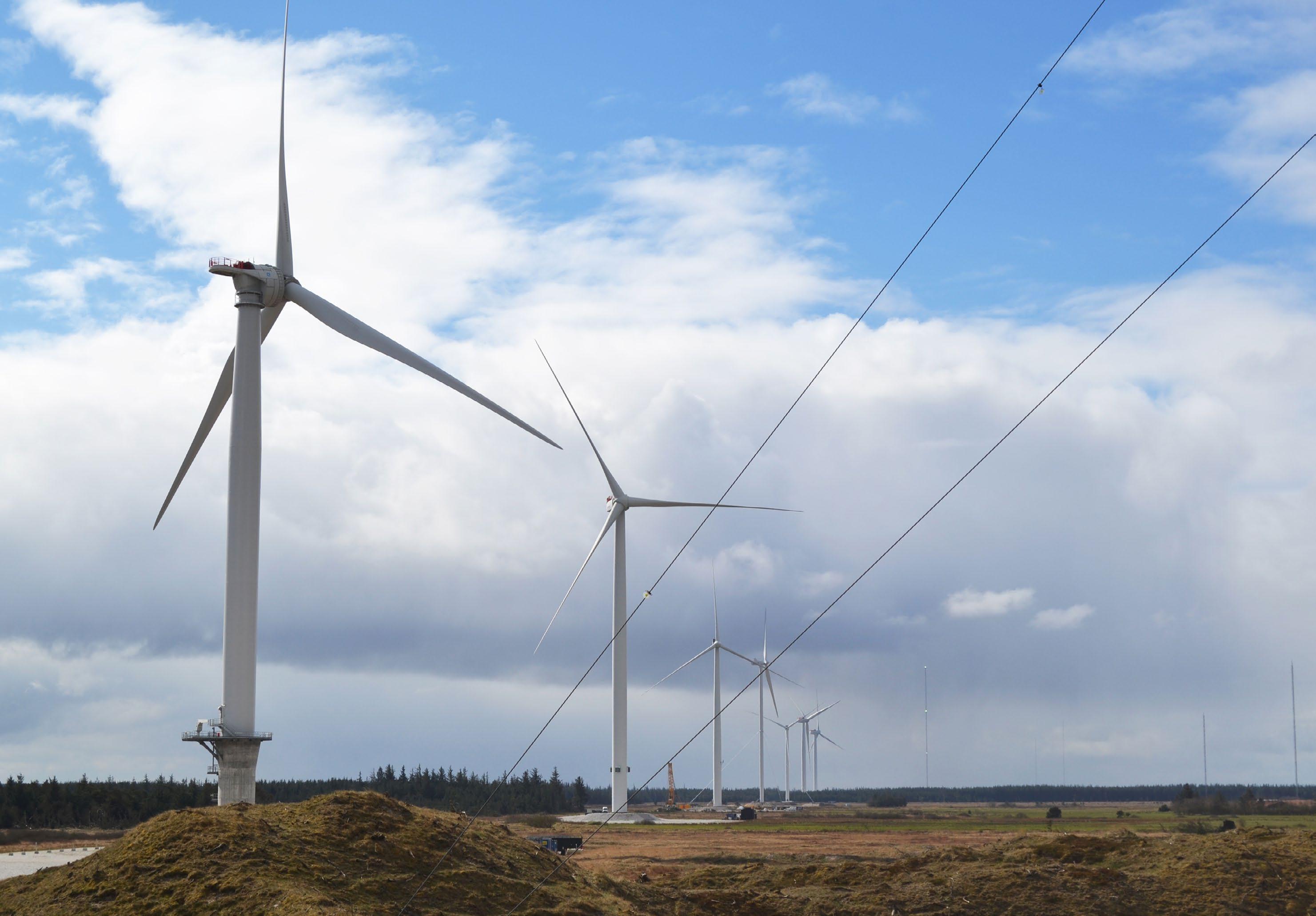
Close to the North Sea, the terrain and wind conditions at Østerild in West Jutland make it the ideal test site for offshore wind turbines.
Test Centre Østerild is currently home to nine of the world’s largest wind turbines, and it is possible to test turbines up to 330 metres high. dtu.dk/osterild
Leiden Ranking
Citation Impact Indicator (top 10% publications) All sciences
Leiden Ranking
Collaborative Publications with Industry Indicator
Nordic Region**
Reuters Top 100 World’s Most Innovative Universities
Global University Employability Ranking
QS World University Rankings
* As per 23 April 2019
** The Nordic region consists of Denmark, Sweden, Norway, Finland, and Iceland
Education
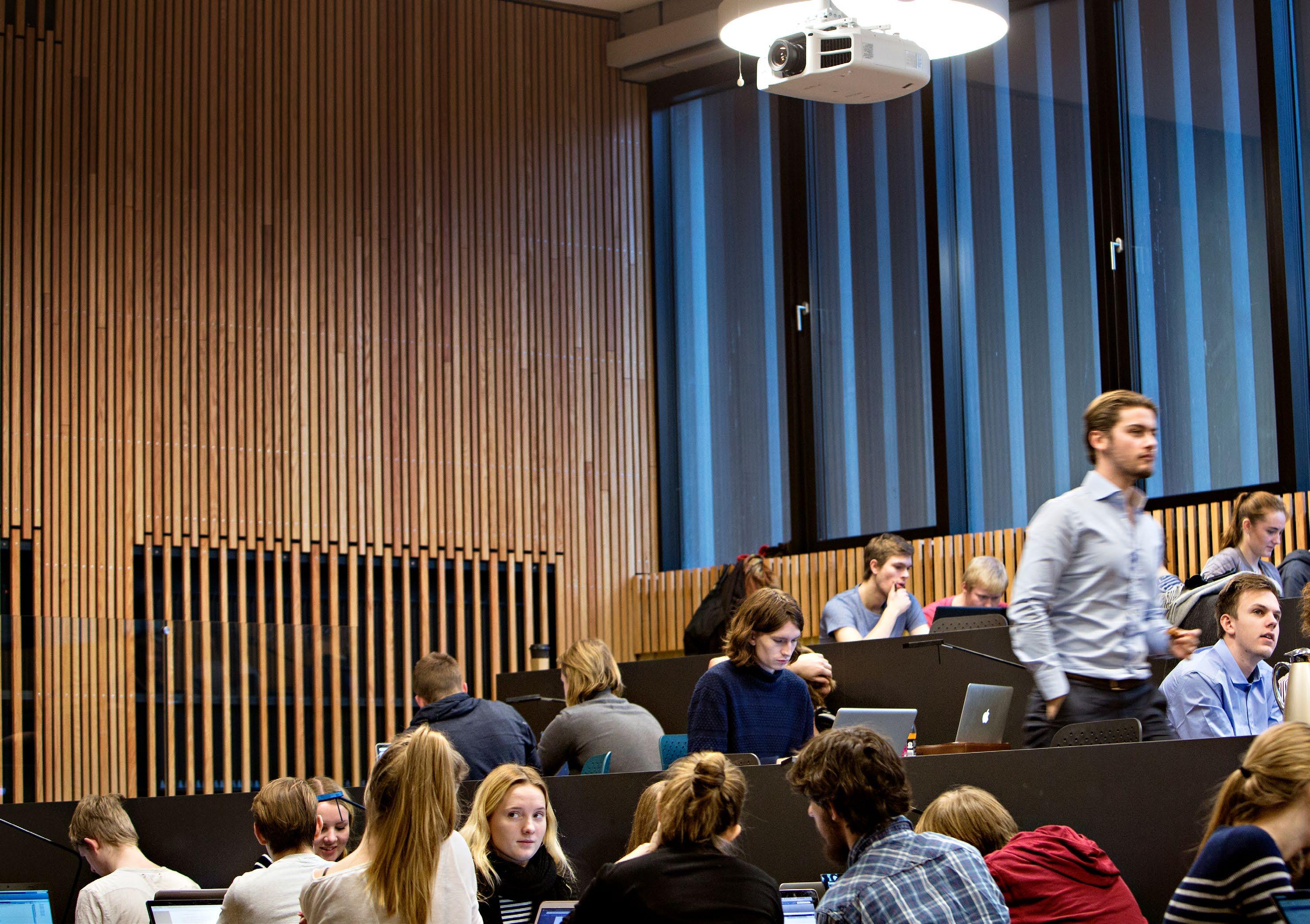
At DTU, students can study a wide range of subjects within science and engineering. They gain theoretical knowledge and creative skills in the areas of sustainability and entrepreneurship, and heighten their awareness and sense of responsibility toward society. Our researchers are our educators, our innovators are our mentors, and our scientific advice provides meaning and relevance for our educational programmes.
Master of Science in Engineering (MSc Eng)
MSc Eng programmes at DTU are 2-year researchbased programmes at the highest technological level.
In these programmes, students acquire the qualifications and skills necessary to analyse, synthesize, and evaluate theory and experiments relating to complex engineering systems, problems, and solutions. The language of instruction is English. Honours tracks are available for all MSc Eng programmes.
BEng and BSc Eng (English subtitles)
dtu.dk/profile7
BSc in General Engineering
dtu.dk/profile8
Bachelor of Engineering (BEng)
BEng programmes at DTU are 3.5-year industry and application-oriented engineering programmes based on the CDIO concept: ‘Conceive, Design, Implement, and Operate’. The language of instruction is primarily Danish, but students learn both Danish and English specialist languages, and some courses are provided in English.
Bachelor of Science in Engineering (BSc Eng)
BSc Eng programmes at DTU are 3-year researchbased undergraduate engineering programmes that qualify students for further studies at the master’s level with students working in both Danish and English. DTU also offers an international BSc programme in General Engineering, taught exclusively in English.
Continuing education and master’s programmes DTU offers part-time specialized and executive continuing education programmes, ranging from free online courses (Coursera) to single-course programmes, eight part-time Diploma programmes, several part-time master’s programmes, and an Executive MBA.
PhD
PhD students conduct scientific research projects of the highest international standard. DTU also offers industrial PhD programmes where students are employed by a company and simultaneously enrolled at the University.
Watch videos
DTU has state-of-the-art study and research facilities.
Education in figures 2018
17
20
31
19
Becoming an engineer
DTU educates the next generation of thinkers, innovators, and doers. We educate problem-solvers who can lead the way and tackle the most important global challenges as described by the 17 UN Sustainable Development Goals.
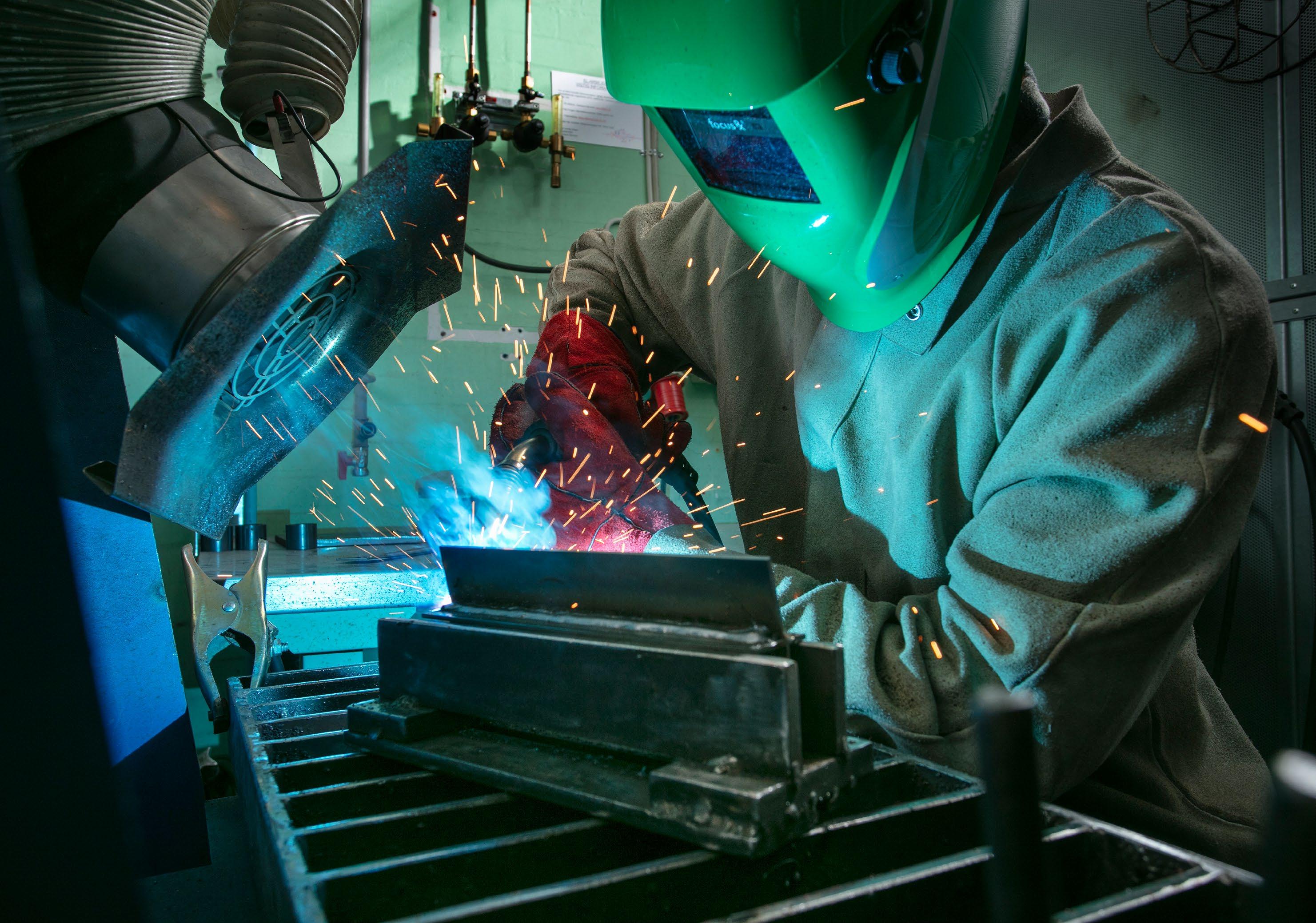
All our study programmes are interdisciplinary and designed to promote sustainability, innovation, and the entrepreneurial spirit. Students get handson access to world-class facilities and engage in project-based assignments with industry partners where they can apply their theoretical knowledge to solving real-life problems.
Academic learning
Based on cutting-edge scientific knowledge, all teaching, supervision, and course development is carried out by educators who are actively involved in research and innovation.
We teach using methods that reflect the way we work, with innovative and critical thinking, collaboration and engagement forming our graduates. Students develop their analytical skills through independent study, group work, active participation in discussions, and close collaboration with fellow students and accessible professors.
Amazing study environment
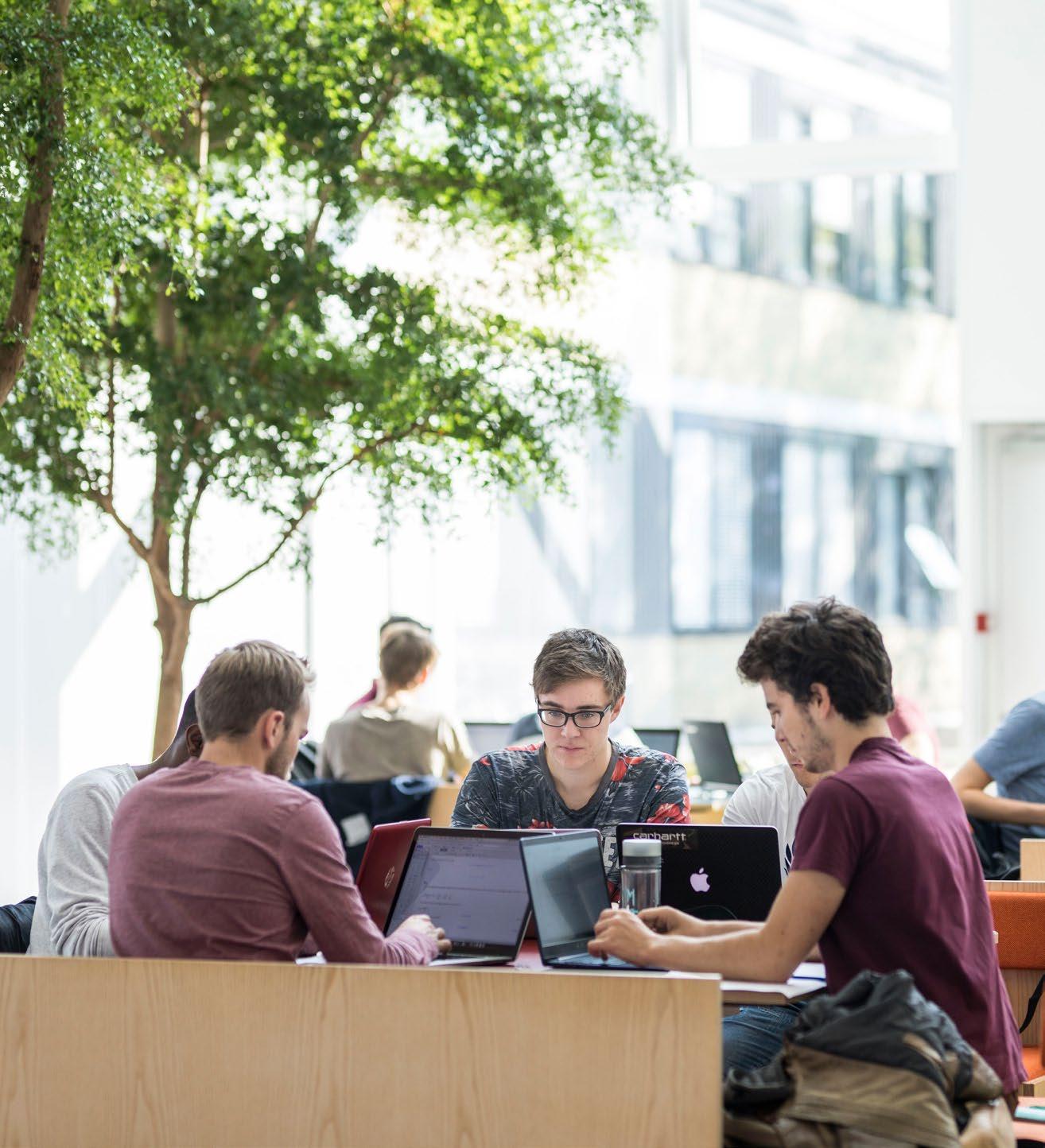
The study environment is vibrant and international, and most students stay after lectures to network, work on their own projects, or take part in one of the many extracurricular activities. A recent survey found that 97 per cent of all DTU students enjoy the atmosphere at the University.
Student projects
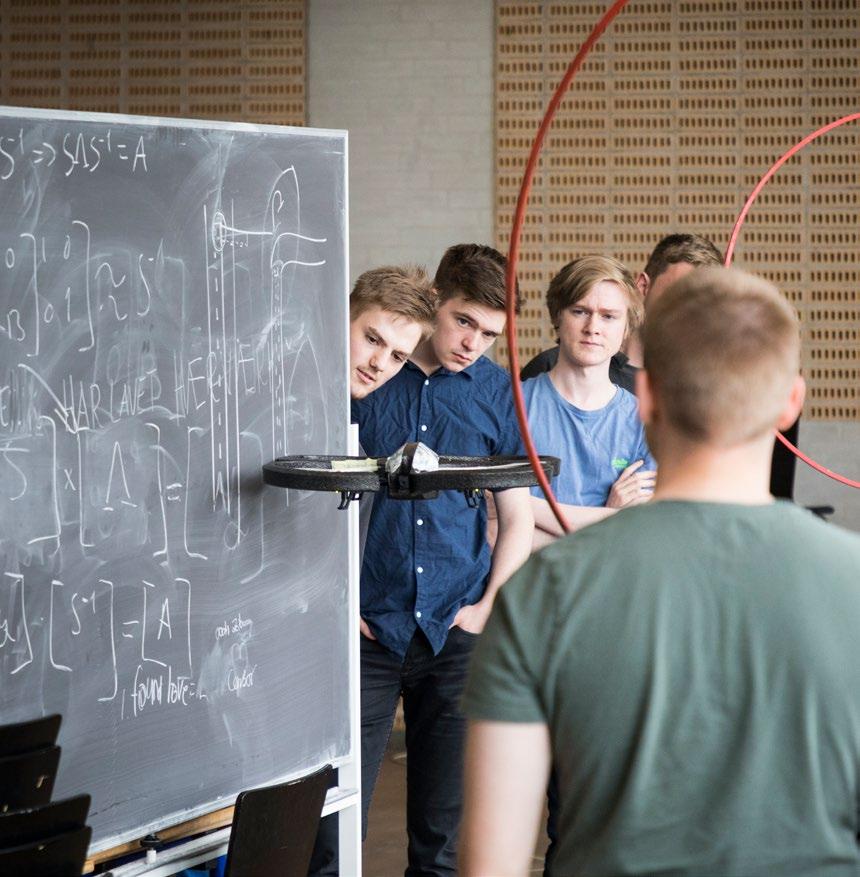
Extracurricular activities give students the opportunity to participate in projects such as Denmark’s famous Roskilde music festival (roskilde.dtu.dk), DTU’s annual student conference Green Challenge (groendyst.dtu.dk), or one of our seven Blue Dot projects (dtu.dk/bluedot):
• DTU Roadrunners
• DTU Ecotrophelia
• DTU RoboCup
• DTU Biobuilders
• DTU SensUs
• DTU DanSTAR
• DTU EVenture
Watch videos
Become an engineer at DTU dtu.dk/profile11
Amazing study environment dtu.dk/profile12
Studying at DTU dtu.dk/profile13
75% of our PhDs have a job before they are finished
Employability Student satisfaction
85% of MSc graduates are employed within six months
2/3 of our BEng graduates secure a job less than two months after their final exam
97% of students enjoy being at DTU
Scientific advice
DTU offers scientific advice to public sector authorities, industries, and international institutions. It is one of DTU’s core activities and contributes significantly to knowledge transfer and informed decision-making in society.
National scientific advice
DTU currently holds strategic partnerships with Danish authorities in food safety, chemicals, aquatic resources, veterinary health, waste management, geodetics, traffic infrastructure, and radioactivity.
With a combined turnover of more than EUR 107 million (nationally and internationally), DTU is one of the main providers of scientific advice in Denmark. Our advisory services include complex problem solving, risk characterization for informed standard setting, development of surveillance systems for ongoing risk assessments, and diagnostic capacity for contingency planning and crisis resolution.
Scientific advice from universities (a unique Danish model) is beneficial to society because it provides synergy between university research and applied research as well as an in-depth understanding of sector-specific challenges, acquired through extensive collaborations with our strategic partners.
International scientific advice
DTU’s consultancy tasks entail partnerships with international collaborators. In addition to participating in research partnerships and researcher-exchange programmes, DTU supplies research-based consultancy to a wide range of international organizations such as the European Commission, ESA, EFSA, WHO, OIE, OECD, FAO, and UNEP.
DTU is dedicated to actively contributing to the UN’s Sustainable Development Goals and is increasingly engaged in ‘techvelopment’ projects—i.e. projects that seek to further social advancement in developing and newly industrialized countries through technology.
Industry and sector development
DTU also cooperates with trade organizations, business clusters, companies, and authorities to address technological needs and opportunities in different sectors. We apply an interdisciplinary and holistic approach to industry and sector development, combining knowledge across departments, academic fields, and value chains. Our ongoing development projects revolve around the digitalization of health technology, water technology, and smart energy systems, as well as the bioeconomy and circular construction.
1/5 of staff at DTU work with scientific advice
EU Reference Laboratories
DTU has been appointed EU Reference Laboratory for
• pesticides in cereals and feeding stuff (EURL-CF)
• processing contaminants in food (EURL-PC)
• metals and nitrogenous compounds in feed and food (EURL-MN)
• fish and crustacean diseases
• antimicrobial resistance
Cooperation with Japan and Russia
In 2018, DTU and the Food Safety Commission of Japan signed a memorandum of understanding to strengthen the scientific cooperation between food safety experts in the two countries. Likewise, DTU and the Russian State Centre for Quality and Standardization of Veterinary Drugs and Feed signed a memorandum on cooperation in risk assessment.
Innovation
DTU has an entrepreneurial spirit, harnessing the energy and enthusiasm of our students, staff, and the people we work with. Ideas are unleashed and carried into society and industry where they make a difference.
DTU Entrepreneurship
DTU is technology for people and DTU Entrepreneurship is a new, interdisciplinary research entity whose purpose is to increase the development, study, and culture of entrepreneurship.
DTU Skylab
DTU Skylab is a hub for innovation where students and researchers experiment with, modify, and test their ideas and products. In 2018, DTU Skylab generated 157 pre-start-up projects and more than 500 prototypes were constructed.
In 2018, DTU Skylab opened a new food lab—an innovative environment that bridges new technology and food and strengthens collaboration between students, researchers, and companies.
Start-ups
DTU establishes scalable and sustainable start-ups spanning the entire value chain from knowledge creation and patent applications to business development and investment. In 2018, 87 start-ups were launched by students (52) and researchers (35), based on knowledge from DTU. Start-up activities are supported by training programmes, funding, competencies, team formation, mentoring, and incubation.
Knowledge exchange with industry
DTU offers its partners, both SMEs and large corporations, the latest technology and innovation in a university setting of learning, science, and entrepreneurship—mainly through collaborative research projects. A report from the Confederation of Danish Industry from 2018 cements DTU’s leadership by revealing that among Danish universities, DTU has the largest number of cooperation agreements with industry.
46
In 2018 the University had active collaborative research projects with the private business sector and specific research assignments for companies inventions commercialized
87 new start-ups
1,460
dtu.dk/profile14
DTU Entrepreneurship dtu.dk/profile15
Tech Summit 2018 dtu.dk/profile16
at DTU Skylab dtu.dk/profile18
Watch videos
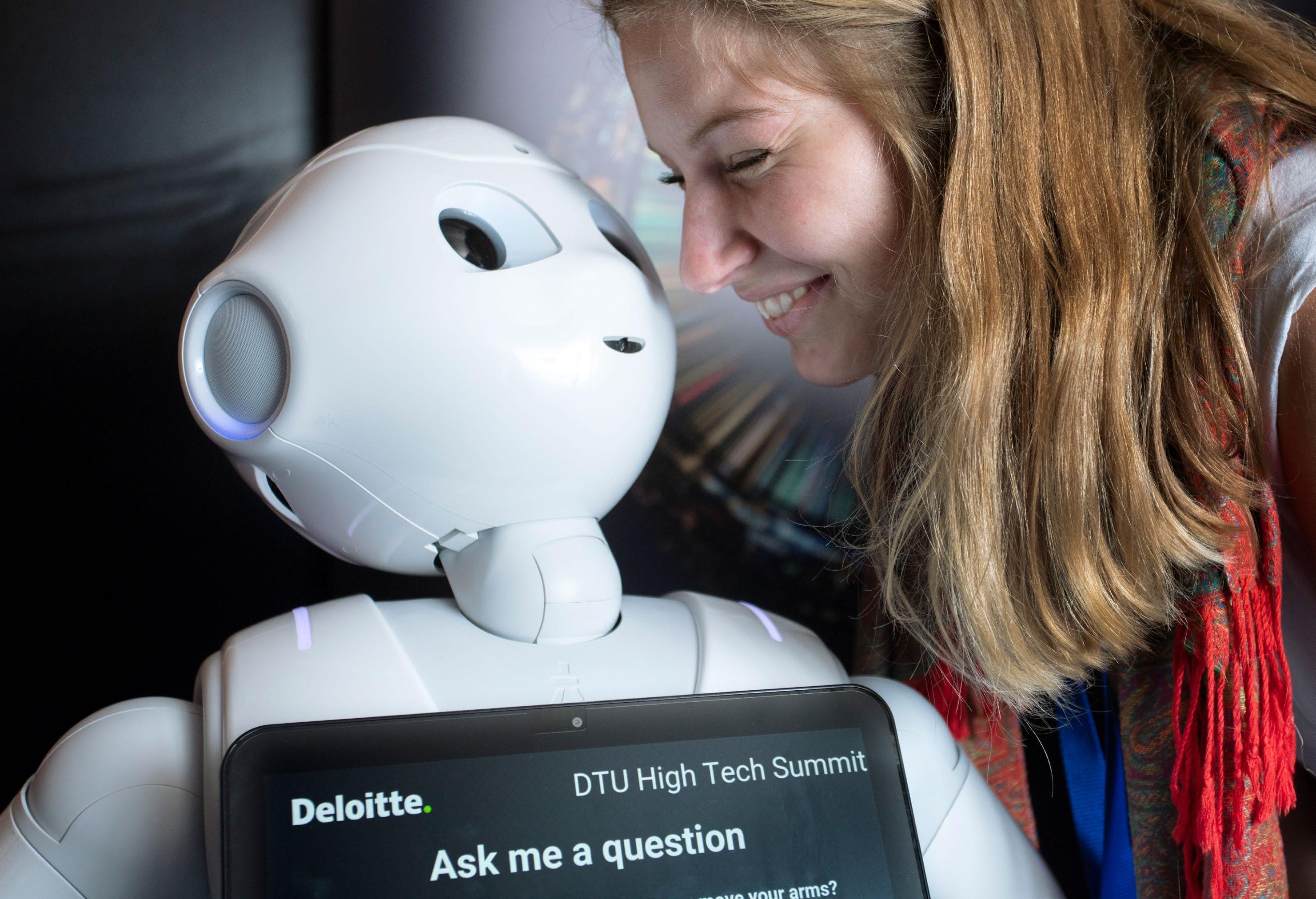
DTU held its second High Tech Summit in 2018, focusing on digital transformation and Industry 4.0. More than 5,700 guests attended.
Ahead of the international P4G Summit in Copenhagen, 105 young talents from Denmark, Ethiopia, Kenya, and South Korea— representing 8 universities, 14 early-stage tech start-ups and 15 sustainability organizations—influenced and networked with heads of states, ministers, and CEOs at DTU in a bid to accelerate public-private partnerships for green growth and the global goals. p4g.dk
DTU Science Park houses more than 280 companies in the biotech, cleantech, medico, and IT sectors and offers facilities for all phases of company growth. dtusciencepark.com
DTU won four out of the five categories in the Nordic start-up competition Venture Cup. The overall winner was the DTU team— Invena Flow Supervisor—who developed a flow monitoring system for IV infusion therapy. venturecup.dk
Companies based on inventions from DTU perform almost twice as well as other spinouts and start-ups in Denmark. 94 per cent of companies based on IP rights from DTU are still in business after five years. This is the finding of a report from the Danish Central Business Register for the period 2000-2017.
High Tech Summit
DTU students win start-up competition
Sustainable start-ups
P4G Next Generation
Denmark’s largest science park
Global outreach
Technology is created by innovative researchers who work at the cutting edge through global partnerships. At DTU, we identify the best match between researchers, fields, and projects. We collaborate with other elite technical universities throughout the world, and we are active partners in strong, international alliances.
Alliances and strategic partnerships
DTU’s network of alliances and strategic partnerships spans across research, education, scientific advice, and innovation. Together we promote synergy, quality, impact, and visibility. We open up the global job market and attract international resources and talent, and we build on in-depth collaboration and a mutual match in excellence and values.
In 2018, the EuroTech Universities expanded the alliance by welcoming two new universities: École Polytechnique and Technion. DTU also strengthened its network in Asia and Australia with even tighter bonds to Nanyang Technical University, Korea Advanced Institute of Science and Technology, and The University of Queensland.
An international education
Students from approximately 100 countries come to DTU each year, but we also encourage all our students to spend a semester or two abroad. An exchange period helps students grow—both academically and personally—and creates networks that will prove invaluable in a future career. Our students have the chance to work and study with the best research universities in the world.
We invite students from all over the world to study at our University and offer 31 MSc Eng programmes in English. We also offer international master’s programmes where students can study at two universities.
exchange partners international MSc Eng programmes

The EuroTech Universities Alliance
École Polytechnique (France), Technion (Israel), EPFL (Switzerland), TU Eindhoven (the Netherlands), TU München (Germany), and DTU (Denmark)
Strategic alliance between six leading technical universities, committed to finding technical solutions to major societal challenges through cutting-edge research, education, and innovation. The alliance engages in EU policy making through its joint office in Brussels.
Korea Advanced Institute of Science and Technology
A strategic partnership with the leading technical university in Korea, KAIST. Based on strong synergies in research, education, and innovation as well as a shared focus on green growth and sustainable development.
Nanyang Technological University
The partnership with Nanyang Technological University in Singapore covers activities within education, research, and innovation with a focus on smart cities.
Nordic Five Tech
Aalto (Finland), NTNU (Norway), Chalmers and KTH (Sweden), and DTU (Denmark)
Strategic alliance of five leading technical universities in the Nordic countries. The alliance creates an extended campus for students and staff to conduct research and follow joint educational programmes.
Exchange students
981 international exchange students came to DTU in 2018, and 750 DTU students went abroad.
Our current top ten global exchange partners (in terms of volume):
• Nanyang Technological University, Singapore
• University of Wisconsin-Madison, USA
• Norwegian University of Science and Technology, Norway
Sino-Danish Center
The Sino-Danish Center for Education and Research is a partnership between the eight Danish universities, the Graduate University of the Chinese Academy of Sciences, and the Chinese Academy of Sciences.
University of Queensland
A strategic partnership with The University of Queensland with the ambition to cover activities within education, research, and innovation.
• University of British Columbia, Canada
• Technische Universität München, Germany
• Monash University, Australia
• Korea Advanced Institute of Science and Technology, South Korea
• Hong Kong University of Science and Technology, Hong Kong
• University of Queensland, Australia
• Rensselaer Polytechnic Institute, USA
Organization
DTU is an independent and self-governed university administered by a Board of Governors and under the leadership of the university President and Executive Board.
The main tasks of the University are situated in departments, in research centres, and in affiliated companies.
Support functions
Campus Service
Finance and Accounting
Human Resources
Innovation and Sector Services
IT Service
Research and Relations
Study Programmes and Student Affairs
Board of Governors
President
and Executive Board
Departments
Executive board Affiliated companies
Bioneer Ltd.
DFM Ltd.
Dianova Ltd.
PreSeed Ventures Ltd.
DTU Science Park Ltd.
Centre for Oil and Gas—DTU
The Danish Hydrocarbon Research and Technology Centre
DTU Learn for Life Centre for Lifelong Learning
DTU Biosustain
The Novo Nordisk Foundation Center for Biosustainability
DTU Nanolab National Centre for Nano Fabrication and Characterization
DTU Diplom
Centre for Bachelor of Engineering Studies
DTU Nutech Center for Nuclear Technologies
Centres
DTU Entrepreneurship Centre for Technology Entrepreneurship
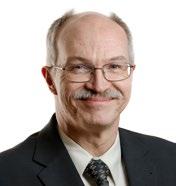
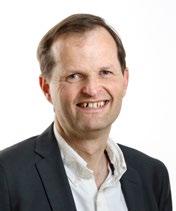
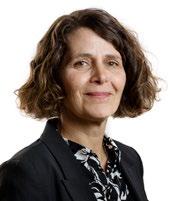
President Anders O. Bjarklev
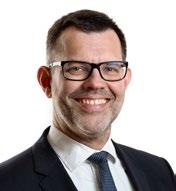
Provost, CAO
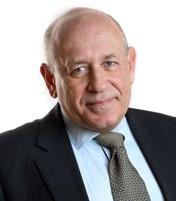
Executive Vice President Rasmus Larsen
University Director
Executive Vice President
Claus Nielsen
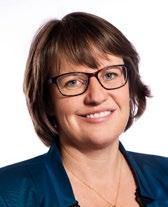
Dean of Research
Senior Vice President
Katrine Krogh Andersen
Dean of Graduate Studies and International Affairs
Senior Vice President
Philip John Binning
Innovation and Entrepreneurship
Senior Vice President Marianne Thellersen
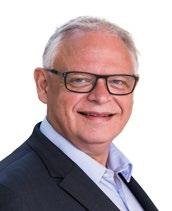
Acting Dean of Undergraduate Studies and Student Affairs
Lars D. Christoffersen
Finances
Human resources
total staff, full-time equivalent (FTE)c
2,184
researchers and educators, full-time equivalent (FTE)
1,246
PhD fellows employed at DTU, full-time equivalent (FTE)
2,623
in support functions, full-time equivalent (FTE)
per cent of faculty are below 50 years of age
per cent have an international background faculty per cent have an international background
per cent have an international background
6,053 38 34 98 58 62 47 706 10 per cent are women per cent have an international background nationalities
Campuses
DTU has research and test facilities in all parts of Denmark, including four campuses.
DTU Lyngby Campus
DTU’s main campus is located 15 km north of Copenhagen. The campus covers a 106-hectare site, and is landscaped with wooded areas, sports fields, inner courtyards, and gardens.
DTU Ballerup Campus
DTU Ballerup Campus is located approximately 10 km west of Copenhagen, and is home to many of our BEng students.
DTU Risø Campus
DTU Risø Campus is located 40 km west of Copenhagen and is the site of much of DTU’s ground-breaking research in energy technologies.
DTU Sisimiut Campus
DTU’s campus in Greenland is home to both research as well as BEng and MSc Eng students who follow our arctic study lines.