
FACTS & FIGURES 2022
President’s introduction
Our mission
Research
Rankings
Research facilities
Education
Innovation and entrepreneurship
Scientific advice
Equal opportunities
Sustainability
International relations
Organization
Finances
Human resources
Campuses and locations Published: May 2022. Managing editor: Miriam Meister. Facts and figures: This report is based on DTU’s Annual Report 2021. Rankings as per 11 May 2022. Photos: Bax Lindhardt, The European Space Agency, Jeppe Michael
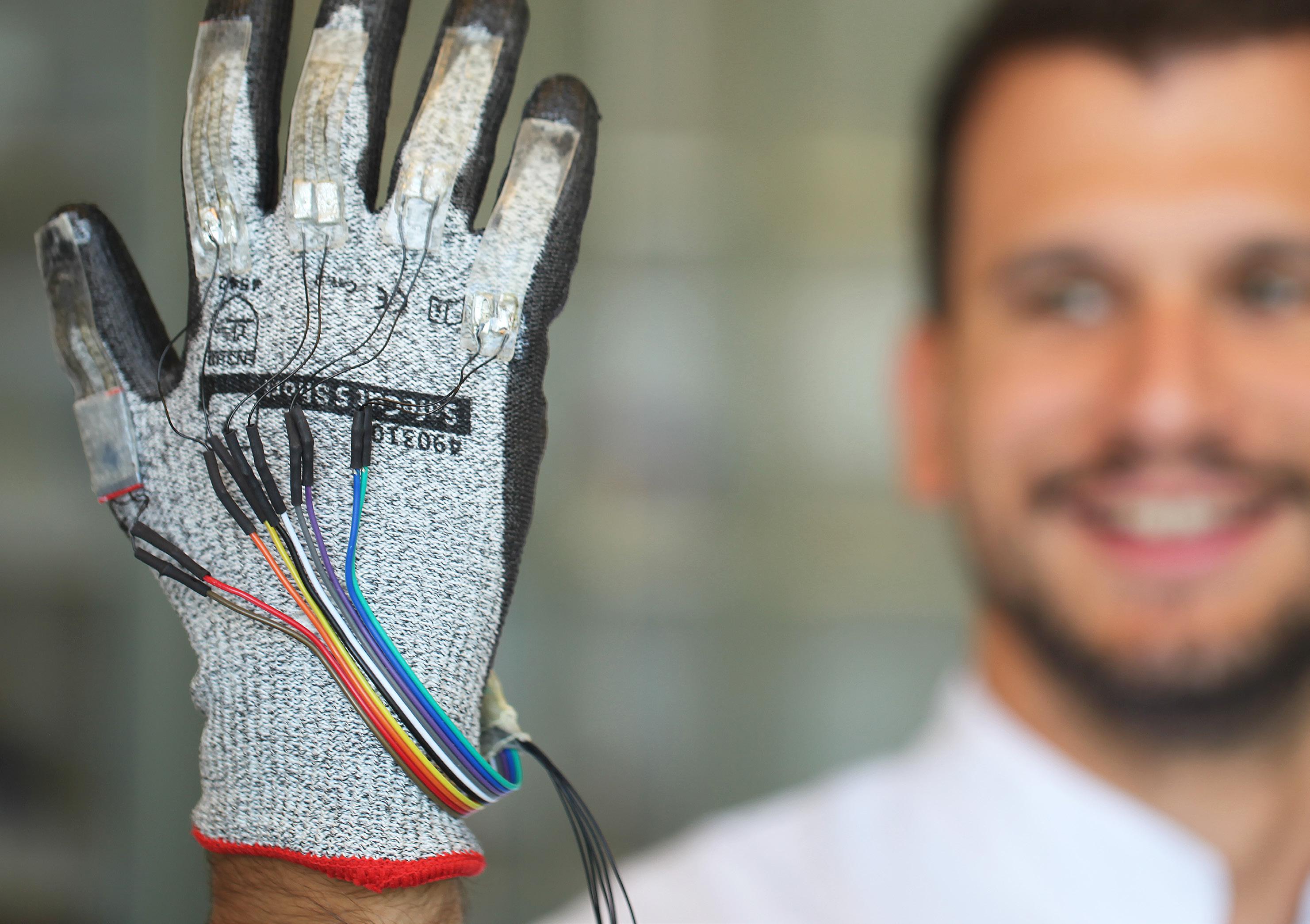
Cover: Efstathios Alex Voinas is studying towards a master’s degree in Human-Centered Artificial Intelligence. During his studies, he has worked on developing a rehabilitation glove that allows users to regain hand strength and mobility while playing a computer game. The gloves’ sensors are based on CareGum, a novel, eco-friendly material developed at DTU. (Photo: Jesper Scheel).

Jensen, Kaare Smith, Mikal Schlosser, Katrine Marie Kragh, OpenHouse and Unsplash. Production: We Love People
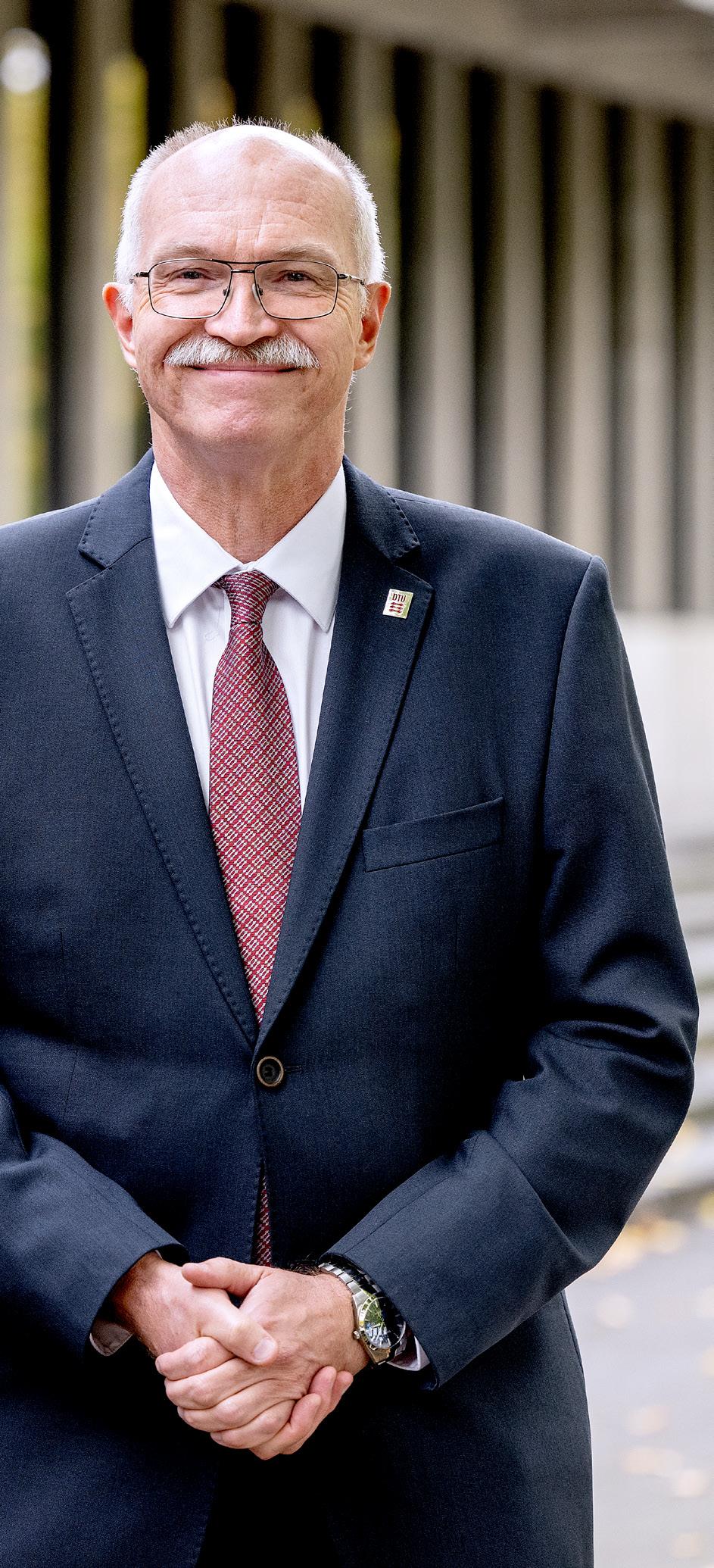
“DTU stays the course because we need technology for people more than ever.”
At DTU we pride ourselves on our high level of international research and our sought-after graduates. Our students and staff form collaborations across disciplines, borders, and industries to create a sustainable future by developing technology for people and by providing decision-makers and businesses with sound scientific advice.
Finding ourselves in the middle of a lengthy, global pandemic yet another year has shown beyond doubt the importance of sound science and made it ever more evident that the world indeed needs innovative problem-solvers: People who can find solutions to the crises that lurk on the horizon— including most pressingly people who can help us through the green transition in response to the threats posed by climate change.
The past couple of years have also highlighted the need to be able to adapt quickly in a sea of constant change—a challenge that both students and staff at DTU have risen to meet. And because of their commitment, life at DTU has for the most part continued as planned.
All scheduled teaching activities and exams went ahead, either online or at campus as COVIDrestrictions allowed, and our staff continued carrying out important research, starting start-ups, winning awards and providing scientific advice.
In fact, in many ways, the past year was an outstanding year for DTU.
As we see light at the end of the tunnel of the COVID pandemic, DTU will stay the course set out in our ambitious strategy: We will continue to strive to develop Europe’s best engineering study programmes, to develop technologies that promote sustainable change, and to utilize the opportunities offered by digitalization. In doing so, we create technology for people and educate the engineers of the future.

Anders O. Bjarklev, President
We develop and create value through the technical and natural sciences for the benefit of society
The future is shaped by people who develop solutions to the challenges facing the world. In response to the global climate challenge and accelerating depletion of Earth’s resources, DTU strives for a sustainable future by developing technology for people.
Such innovative technologies will also help to achieve well-being, good health, and education, as described by the UN’s 17 Sustainable Development Goals.
At DTU, we believe we can create a better world through collaboration and partnerships, and by working with people from different academic backgrounds to develop and deploy value-added technology.
Our collaborations with various research partners— from institutions to universities across the globe— benefit people, societies, and the world. We employ digitalization to drive research breakthroughs and innovation at the intersection between academic disciplines and the data-driven technologies of the future.
DTU was founded in 1829 on the initiative of Hans Christian Ørsted with a clear mission to develop and create value using science and engineering for the benefit of society. DTU continues to grow in pursuance of Ørsted’s original mission. DTU students and staff collaborate, research, share knowledge, and find new solutions to global problems.
We have a vision for a better world and invite the world to join us in realizing that vision.

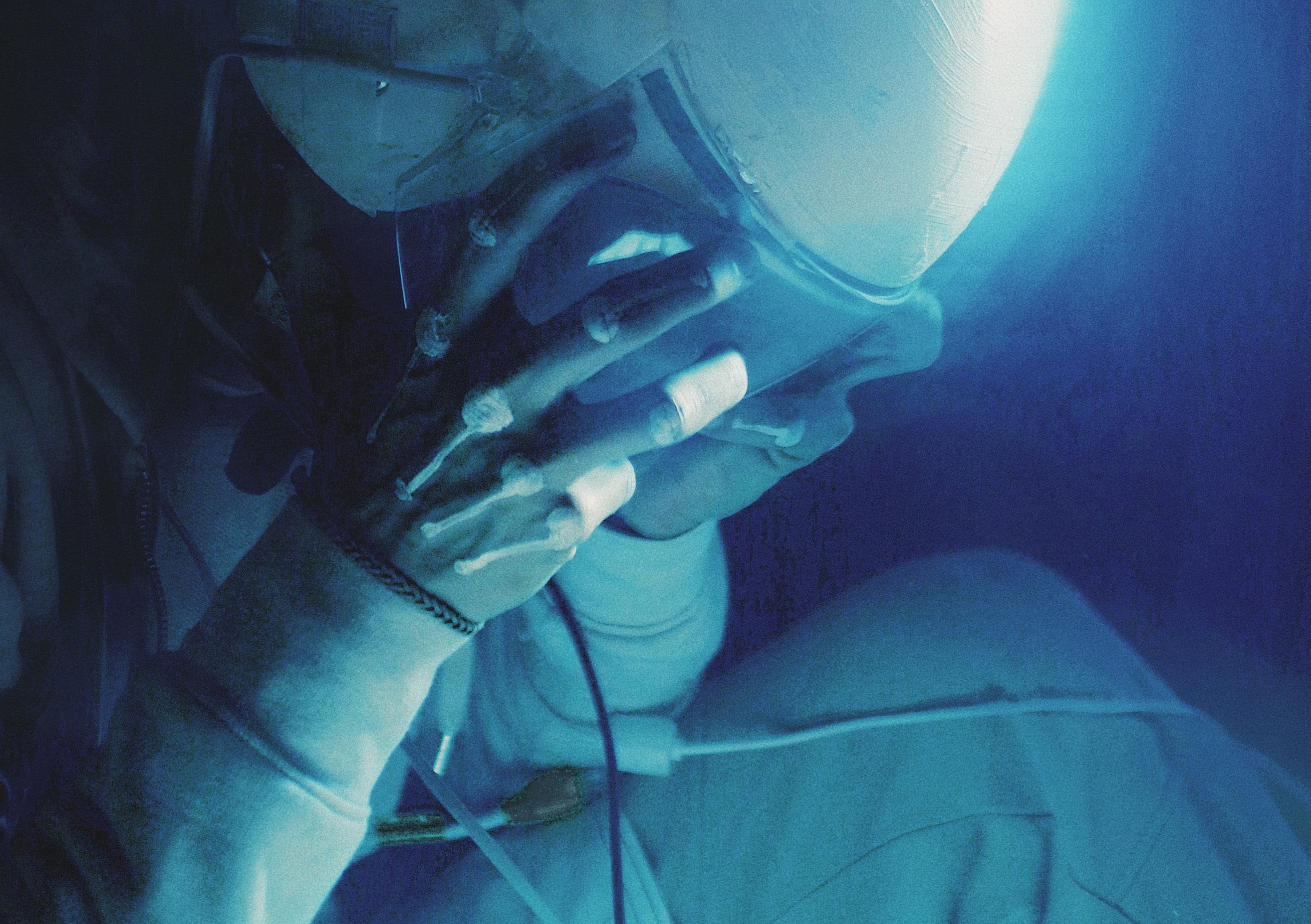
DTU develops technology for the benefit of people, societies, and the world.
Cutting-edge research projects and selected grants
Research is the basis of all our work. We develop new technology through research, education, innovation, and scientific advice. Our innovative researchers work across disciplines on cutting-edge projects with partners globally.
Research at DTU works with the technical and the natural sciences to provide society with solutions. We strive to push the boundaries of what is possible, making new discoveries and driving change. Focus areas include a large spectrum of science and engineering disciplines, such as digitalization, energy technologies for a sustainable future, and life science and biotechnology, which are all highly relevant for society.
A key to sustainable development for people, societies, and the planet is collaboration across all fields. Consequently, research at DTU is often interdisciplinary. We collaborate extensively with leading academic, private, and public partners on innovations and discoveries—new technology for people.
Involved in research everywhere
DTU’s collaborates across the globe and conducts research from the depths of the sea and into space. After travelling 500 million kilometres, a spacecraft carrying the Mars vehicle Perseverance landed on the red plant in 2021. Perseverance carries camera equipment from DTU that captures images of the surface of Mars in order to identify possible signs of previous life on the planet.
In 2021, DTU also secured the funding needed to build Arctic research vessel Dana V through EUR 6.7 million donations from the A.P. Moller and Chastine Mc-Kinney Moller Foundation and A/S D/S Orient’s Foundation.
Selected grants in 2021
In 2021, DTU researchers received four prestigious grants from the European Research Council. Professor John Woodley, DTU Chemical
Engineering, received an Advanced Research Grant of EUR 2.4 million for research to improve our understanding of enzyme stability. Three ERC Starting Grants were also received.
And nationally, the Novo Nordisk Foundation awarded five DTU researchers grants of EUR 1.2-1.9 million. One of these is Associate Professor Johan Ulrik Lind, DTU Health Technology, who is working to establish a new 3D-printing method that will enable soft electronics to be printed and integrated into human tissue.
Four young DTU researchers received grants from the Carlsberg Foundation, including Associate Professor Lærke Højgaard Christiansen, DTU Engineering Technology, who will explore how diversity in teams and organizations working within technology influences their ability to create social innovation.
The Lundbeck Foundation awarded DTU two researchers an LF Ascending Investigator grant to boost their careers.
Furthermore, the Independent Research Fund Denmark awarded Sapere Aude grants of approximately EUR 0.8 million to five DTU researchers, and Elite Research Travel Grants to four talented PhD students at DTU.
Also in 2021, Villum Fonden distributed five Villum Young Investigator grants to young and talented DTU researchers so they can pursue their ideas and establish their own research groups. Two DTU professors were named Villum Investigators and received grants of EUR 4 million, and Professor Ib Chorkendorff received the EUR 0.7 million Villum Kann Rasmussen Annual Award—the largest personal award for science in Denmark.
5,436 publications in 2021 1.54 normalized citation impact*
74% of publications by DTU researchers are co-published with researchers from institutions outside of Denmark
18% publications in the top 10% most cited
Watch videos
Center of Excellence: VISION
dtu.dk/2022profile1
Center of Excellence: NanoPhoton
dtu.dk/2022profile2
Sustainable change research
dtu.dk/2022profile3
What is power-to-x? dtu.dk/2022profile4
World University Research Rankings
Leiden Ranking
Citation impact indicator
(top 10% publications)
All sciences
Leiden Ranking
Collaborative Publications with Industry Indicator
QS World University Ranking
as of 11 May 2022.
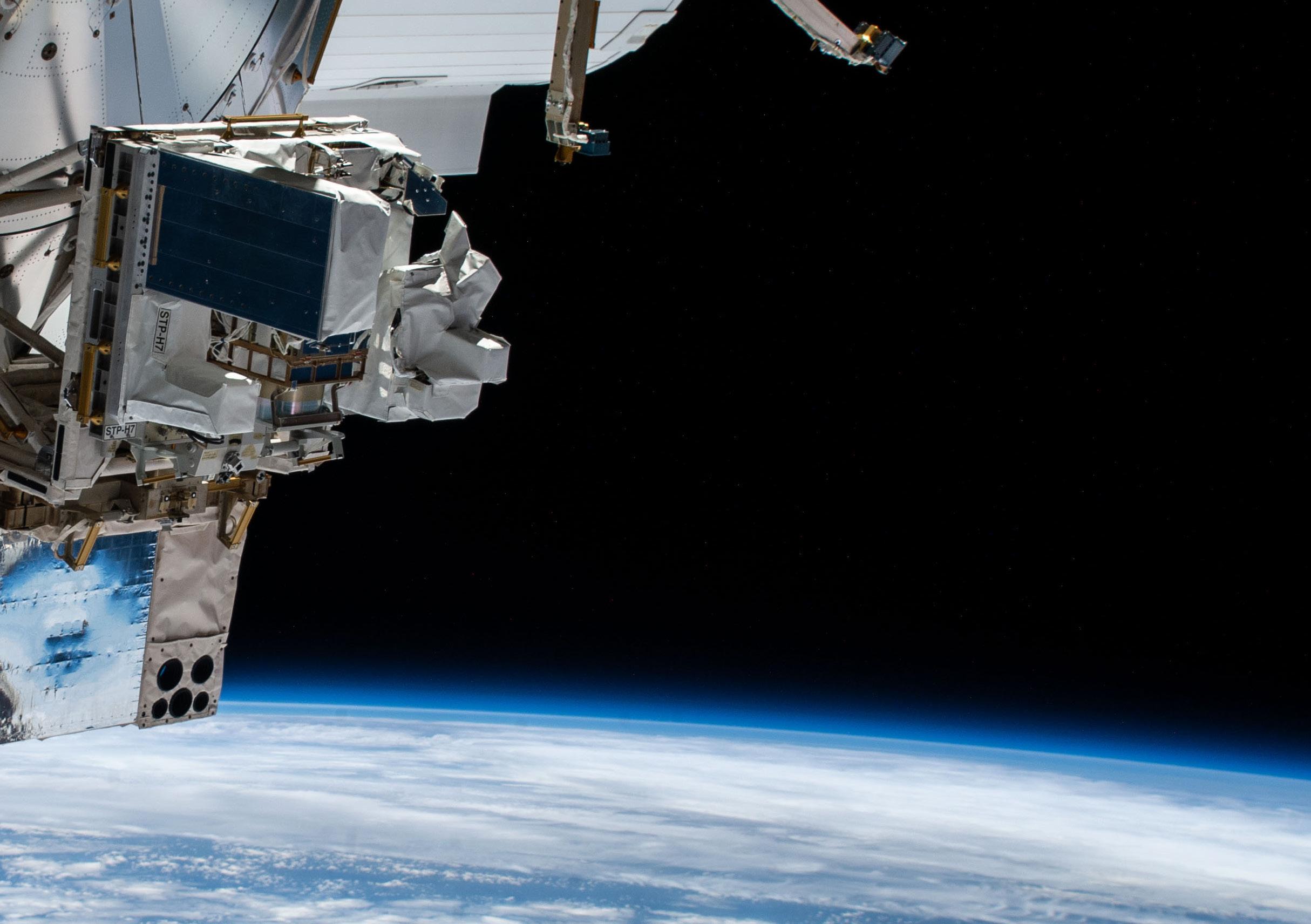
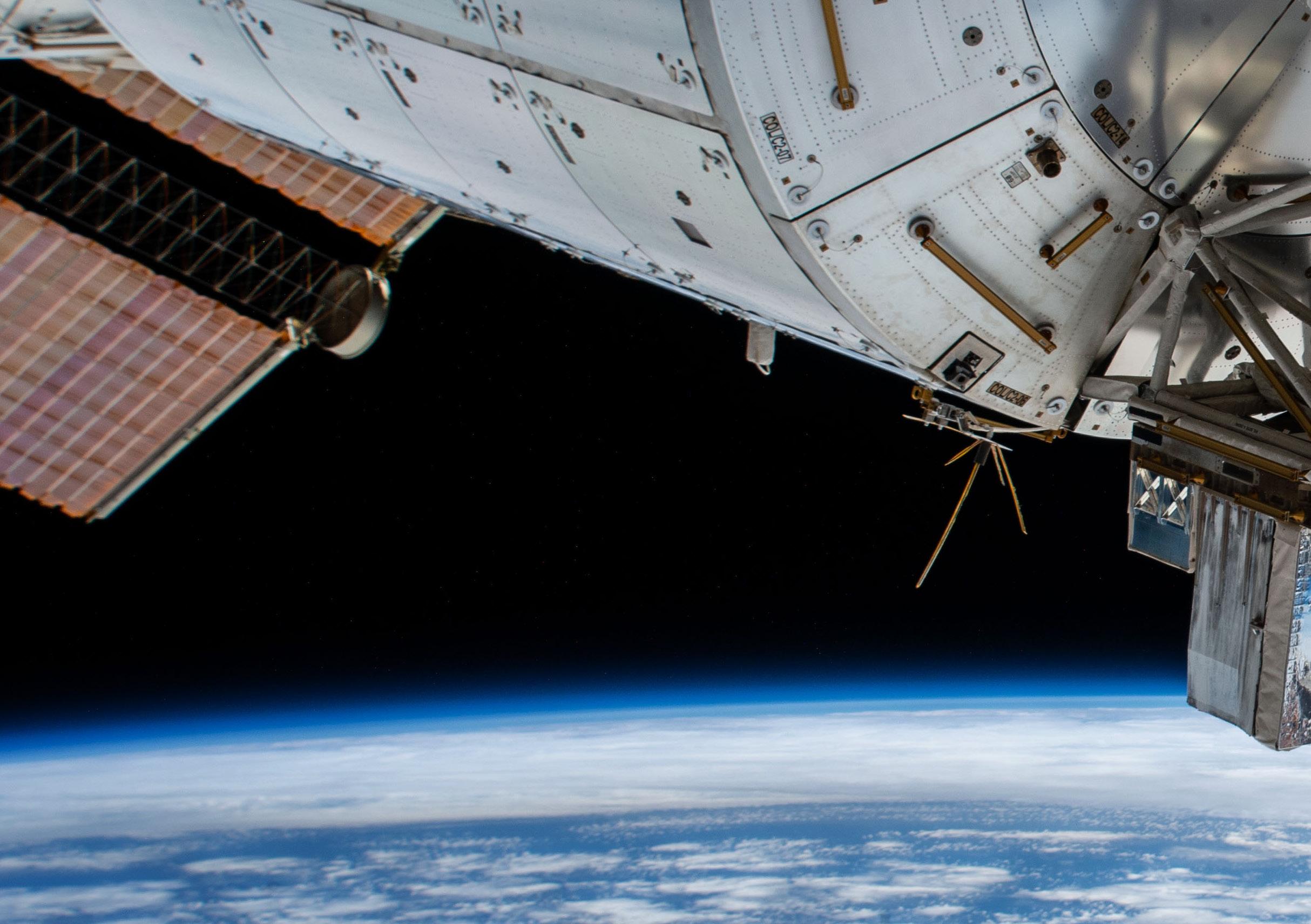
DTU’S SPACE ADVENTURE CONTINUES
Due to exceptional research results, the Danish space observatory ASIM has been extended until 2025 instead of being dismantled as originally planned. DTU is scientifically responsible for ASIM, which was mounted on the International Space Station, ISS, in 2018. From here it provides information on how thunderstorms affect the stratosphere and climate—insights that can help reduce uncertainties in climate models and provide better predictions of our future climate.
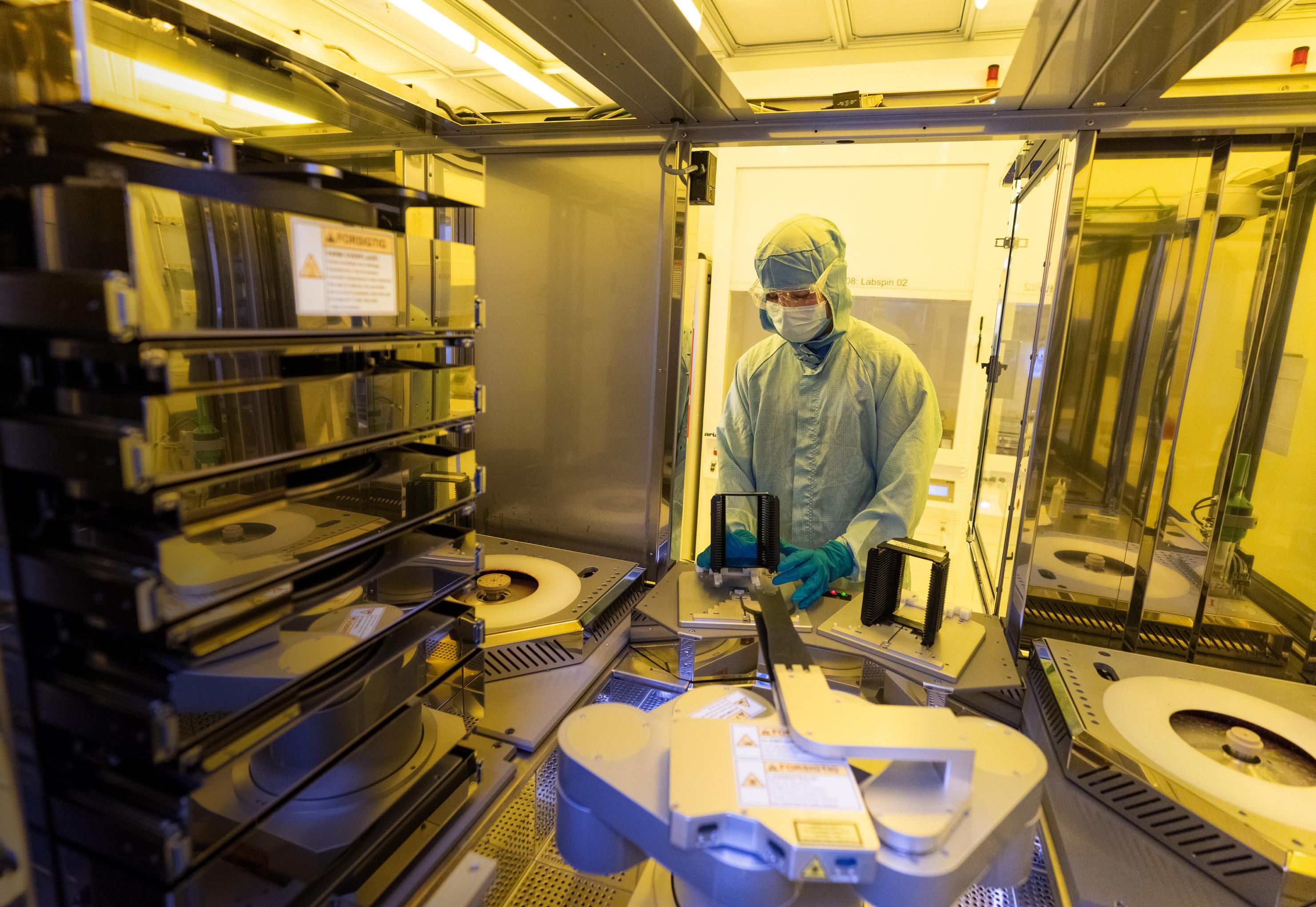
CHIP PRODUCTION TO UNDERPIN THE DIGITAL TRANSFORMATION
DTU Nanolab boasts one of northern Europe’s most advanced cleanroom facilities for research and production of some of the many microchips needed for the green and digital transition.
RESEARCH FACILITIES
World-class research infrastructure
DTU has several world-class research facilities, some of which are available for other organizations and industry to use. The facilities include:
DTU Nanolab houses a 1,350 m 2 cleanroom used for micro- and nanofabrication and features the most powerful group of electron microscopes in the world. dtu.dk/nanolab
Some of the world’s most sophisticated laboratory facilities within audio-visual research. dtu.dk/acoustic-technology
An experimental platform for technology development, testing, demonstrating and training in the areas of electric power and energy. dtu.dk/powerlab
The NMR Centre has state-of-the-art equipment that can provide information about the molecular structure of both liquid and solid materials. dtu.dk/NMRcentre
A 750 m 2 oyster hatchery that supports research into and development of sustainable ways to produce oysters as well as other shellfish and seaweed. dtu.dk/oyster-hatchery
An echo-free chamber where DTU—as the external reference laboratory to the European Space Agency (ESA)—calibrates and measures satellite antenna systems, e.g., for monitoring Earth’s climate and weather. dtu.dk/dtu-esa-facility
The 3D Imaging Centre (3DIM), a science hub for neutron and X-ray imaging, which includes DANFIX, the Danish National X-Ray Imaging Facility. The 3DIM is closely linked to the large international X-ray and neutron research facilities being built at MAX IV and ESS in Lund, Sweden. dtu.dk/imaging
Facilities for wind energy research. One of the world’s largest and most advanced university wind tunnels is located at DTU Risø Campus, and the Høvsøre and Østerild test centres on the west coast of Jutland can test wind turbines as tall as 330 metres.
dtu.dk/plct
dtu.dk/hovsore
dtu.dk/osterild
A chemical and biochemical engineering pilot plant for taking concepts and ideas that have been developed in a laboratory and testing them under real life conditions on a larger scale. dtu.dk/pilot-plant
Supercomputers
Denmark’s National Life Science Supercomputing Center, Computerome II, is used for biotechnological and biomedical/personal medicine research. It has 49,000 CPUs and can store 20 petabytes of data. The system is GDPR compliant and is ISAE3000 approved. dtu.dk/computerome
Sophia, a high-performance computer cluster, used primarily for research in wind energy and mechanical engineering. dtu.dk/sophia
The Niflheim Linux cluster supercomputer of more than 24,560 CPU cores that is specially designed for materials and energy research. dtu.dk/niflheim
Watch videos
Research-infrastructure at DTU
dtu.dk/2022profile5
Wind energy research facilities
dtu.dk/2022profile6
DTU Nanolab
dtu.dk/2022profile7
EDUCATION: STUDY PROGRAMMES
Interdisciplinary exploration
DTU’s study programmes are interdisciplinary and centered on the technical and natural sciences. Our students work closely with industry to apply their theoretical knowledge with hands-on access to world-class facilities to solve real-life problems. 2021 saw an overall increase in the enrolment in DTU’s study programmes. Female students account for 32% of all enrolled students. This is on par with 2020 when the highest proportion of female students to date was recorded.
Bachelor of Engineering (BEng)
BEng programmes at DTU are 3.5-year industry and application-oriented engineering programmes based on the CDIO concept: Conceive, Design, Implement, and Operate. The language of instruction is primarily Danish, but students learn both Danish and English engineering terminology.
Bachelor of Science in Engineering (BSc Eng)
BSc Eng programmes at DTU are 3-year researchbased undergraduate engineering programmes that
qualify students for further studies at the master’s level. Students work in both Danish and English. DTU also offers an international BSc programme in General Engineering, which is taught exclusively in English.
Master of Science in Engineering (MSc Eng)
MSc Eng programmes at DTU are 2-year researchbased programmes operating at the highest technological level. In these programmes, students acquire the qualifications and skills necessary to analyze, synthesize, and evaluate theory and experiments relating to complex engineering systems, problems and solutions. The language of instruction is English. Honours tracks are available for all MSc Eng programmes.
PhD
PhD students conduct scientific research projects of the highest international standard. DTU also offers industrial PhD programmes where students are employed by a company while also being enrolled at the University.
Lifelong learning
DTU offers a range of executive and specialized continuing education programmes, ranging from executive programmes, part-time diplomas, and master’s programmes, to flexible education, open online courses, and single-course programmes.
DTU Learn for Life coordinates these programmes to meet the growing need for lifelong learning in society.
32% women enrolled Gender balance:
114 countries
EDUCATION: STUDY LIFE
Applying knowledge to solve real-life problems
All DTU’s study programmes are interdisciplinary and designed to promote sustainability, innovation, and an entrepreneurial spirit. Students have handson access to world-class facilities and receive an innovative education with industry partners where they can apply their theoretical knowledge to solve real-life problems.
Academic learning
Based on cutting-edge scientific knowledge, all teaching, supervision, and course development is carried out by educators who are actively involved in research and innovation. We teach using methods that reflect the way we work—innovation, critical thinking, collaboration, and engagement—all of
which shapes our graduates. Students develop analytical skills through independent study, group work, active participation in discussions, and close collaboration with fellow students and professors.
Amazing study environment
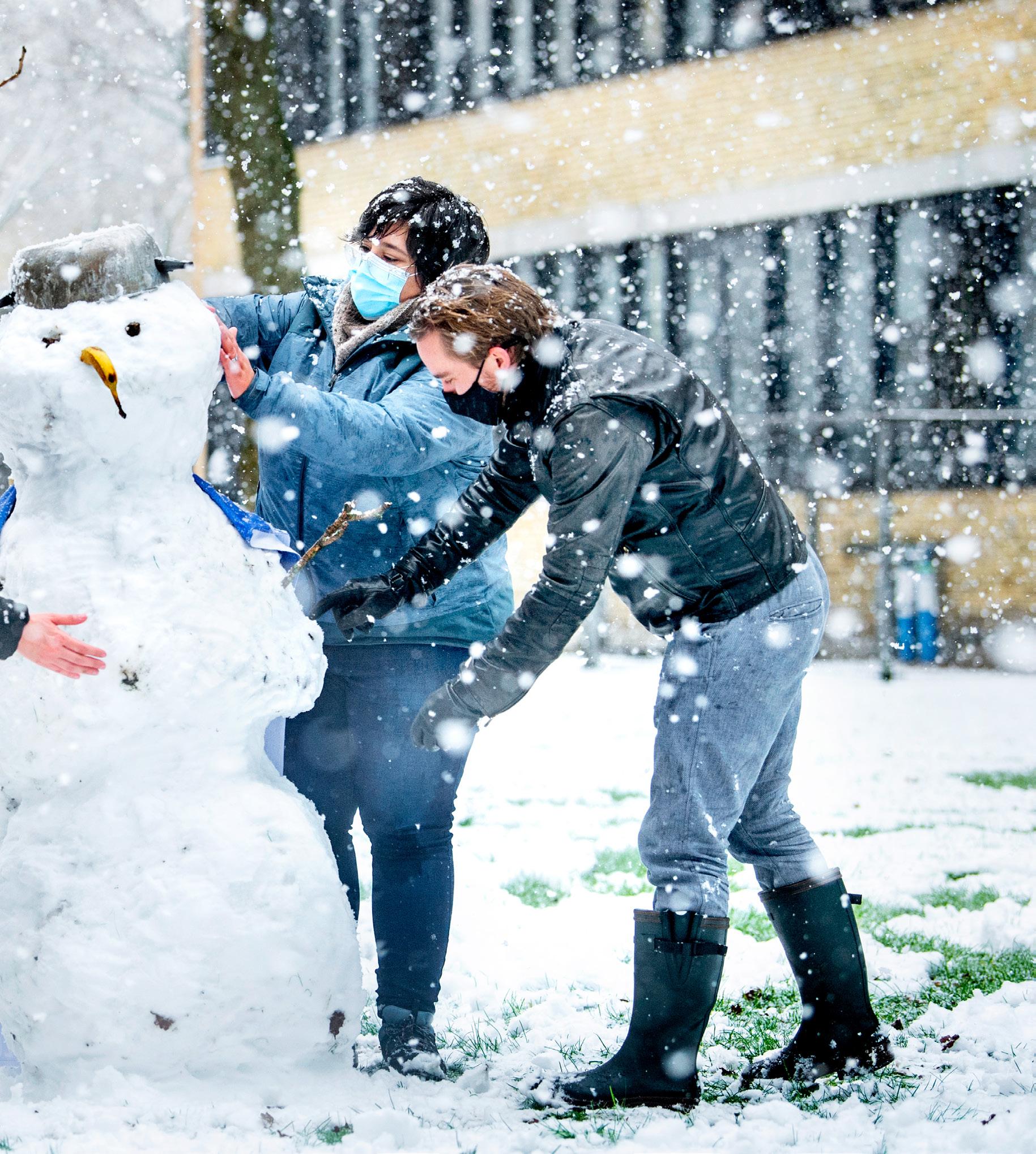
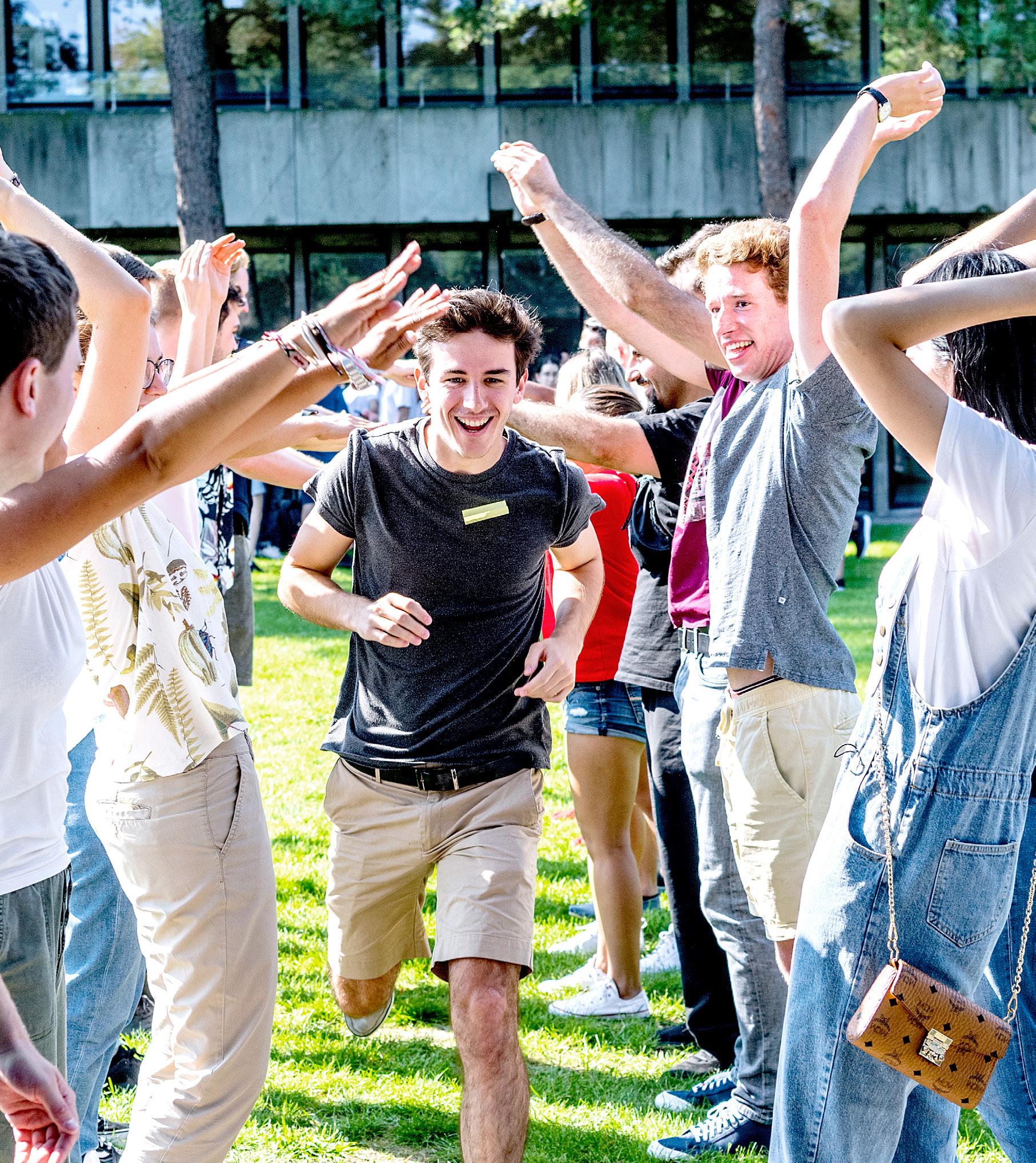
The study environment is vibrant and international, and most students stay after lectures to network, work on their own projects, or take part in one of our many extracurricular activities.

Extraordinary student projects
DTU’s nine Blue Dot Projects give our students the opportunity to participate in projects such as Denmark’s famous Roskilde music festival (roskilde.dtu.dk), and DTU’s annual student conference Green Challenge (groendyst.dtu.dk). The Blue Dot Projects are innovative, student-driven, and often multidisciplinary (dtu.dk/bluedot):
DTU Biobuilders
DTU DanSTAR
DTU Ecotrophelia
DTU EVenture
DTU Roadrunners
DTU RoboCup
DTU SensUs
DTU Solar Decathlon
DTU Wind Racers
INNOVATION AND ENTREPRENEURSHIP
Bringing ideas and inventions into the world
DTU has one of the most well-developed ecosystems for innovation and entrepreneurship among technical universities in Europe. This ecosystem brings new ideas and inventions from the classrooms and research laboratories into the real world.
Student innovation
One of our most significant contributions to society is the innovative and entrepreneurial mindset of our students, which they carry with them when they find employment. Innovation and entrepreneurship are integrated into our study programmes, mandatory courses and electives. Through projects, events, internships and student jobs, our students gain experience and establish contacts with the business community.
Business collaboration
DTU has long-running, in-depth experience working with companies and organizations. This includes strategic research collaborations, continuing education, student projects and conferences. The business community enjoys working with DTU because of our collaborative and innovative approach.
We collaborate across academic disciplines to find innovative solutions to the challenges facing society. In 2021, DTU had 1,173 collaborative research projects with different companies (896 co-financed research projects and 277 commissioned research projects).
The DTU Industrial Partnerships programme was launched in 2021 featuring strategic, interdisciplinary partnerships where companies collaborate with DTU researchers and students. By the end of the year, DTU had formed 23 partnerships with companies such as Novo Nordisk, KGMP and Alfa Laval.
Start-ups
Our students and employees continue to create start-ups that translate innovative ideas into solutions that benefit society. In 2021, 74 new start-ups were established. Of these, 54 were established by students and 20 by employees.
Since 2000, staff and students at DTU have founded 773 start-ups of which 66% are still operating. In 2021, the three largest companies provided jobs for 775 people.
Commercialization
At DTU we foster a culture of innovation, where our researchers are encouraged to think about business development from the start of a research project, which increases the likelihood that the research is turned into technology for people. Thanks to this approach, a significant number of inventions are brought to market.
In 2021, DTU researchers notified 81 new inventions and 14 software notifications expected to create commercial value. 38 new sales, license, and option agreements were signed for 46 inventions, bringing DTU’s portfolio of active contracts on the utilization of intellectual property rights to 222. The income from these agreements exceeded the expenditures on IPR protection.
DTU Skylab—an innovation hub
DTU Skylab is DTU’s innovation hub—a 5,000 m 2 facility where students, start-ups, and researchers collaborate across disciplines with businesses and organizations on innovative ideas. Activities and services include business acceleration and funding for deep tech start-ups, advanced prototyping facilities, inspiring events, sprints, and hackathons.
In 2021, 309 start-ups received coaching—30% of them online—and DTU launched an Innovation in Engineering course, which will be a mandatory course for all master’s students from 2022.
Inclusion through innovation DTU believes in technology leaving no one behind. Therefore, in 2021 DTU Skylab introduced a boot camp for young entrepreneurs with disabilities, where they work on solutions to problems that people with their disabilities experience. The young entrepreneurs are encouraged to work with inclusive product design to come up with products that anyone can use.
Watch videos
Technology Leaving no one Behind dtu.dk/2022profile8
Student Start-up of the Year 2021 dtu.dk/2022profile9
See article
Glycom—a successful DTU spin-out dtu.dk/2022profile10
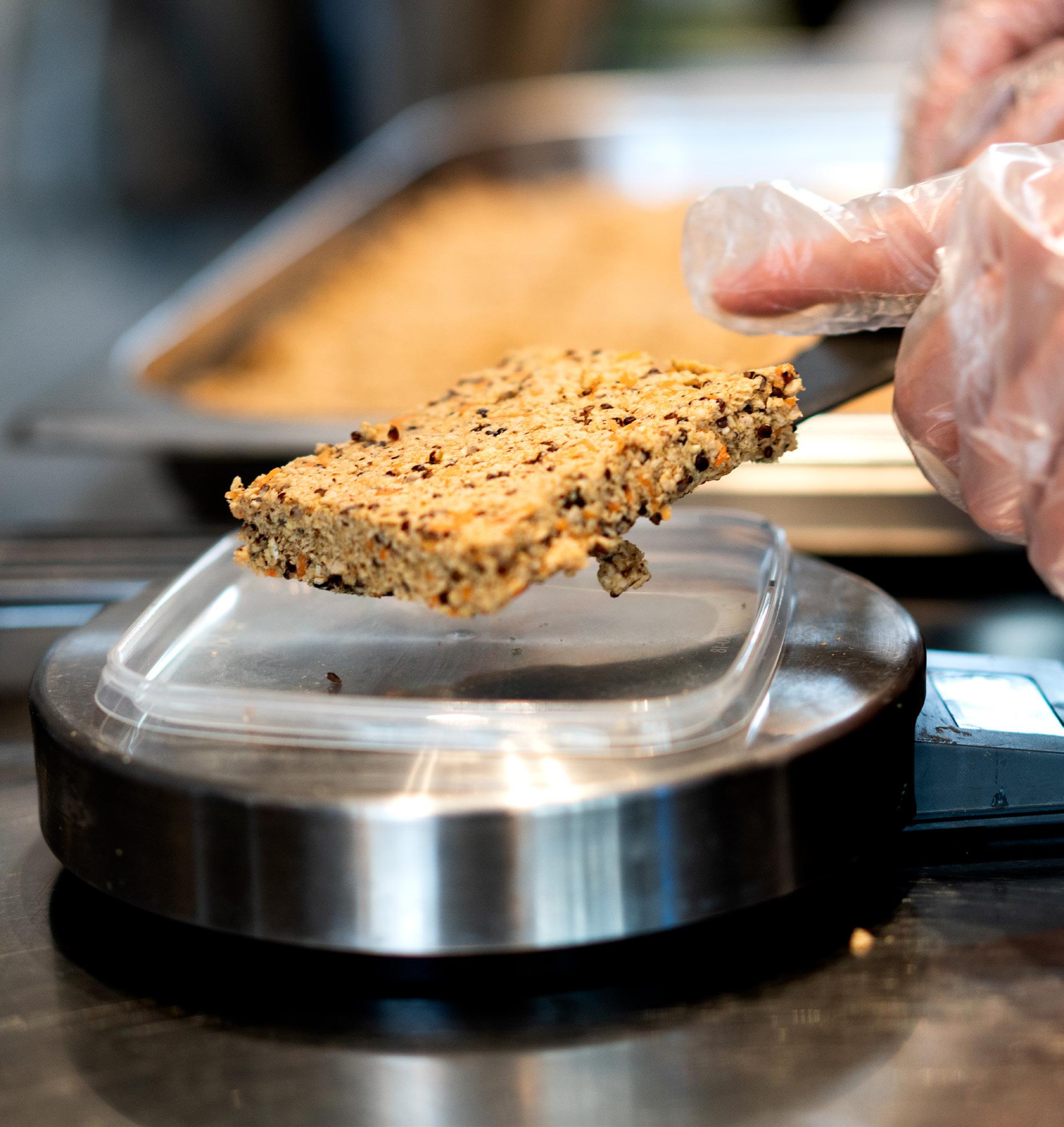
In 2021, a trio of students from DTU and the University of Copenhagen secured first place in the innovation competition DTU Skylab Ignite and won the Gold Prize at the European food innovation competition, Ecotrophelia, with their alternative to meat and tofu. They are the first-ever Danish team to win top honours at Ecotrophelia Europe. The trio has now founded a DTU start-up called Tempty Foods, which sells innovative, environmentally friendly products. Producing a kilo of their product results in 3-40 times less CO 2 emissions than producing meat products like minced beef and pork.
A unique Danish model for the benefit of society
DTU offers scientific advice to public sector authorities, industries, and international institutions. These activities are vital in ensuring that science underpins decision-making in society.
National
scientific advice
DTU currently has strategic partnerships with Danish authorities on food safety, chemicals, aquatic resources, diagnostics, waste management, geodesy, traffic infrastructure, and radioactivity.
Our advisory services include complex problem solving, risk characterization for informed standard setting, development of surveillance systems for ongoing risk assessments, and diagnostic capacity for contingency planning and crisis resolution.
Scientific advice from universities, a unique Danish model, is beneficial to society because it provides synergy between university research and applied research, as well as an in-depth understanding
of sector-specific challenges, acquired through extensive collaborations with our strategic partners.
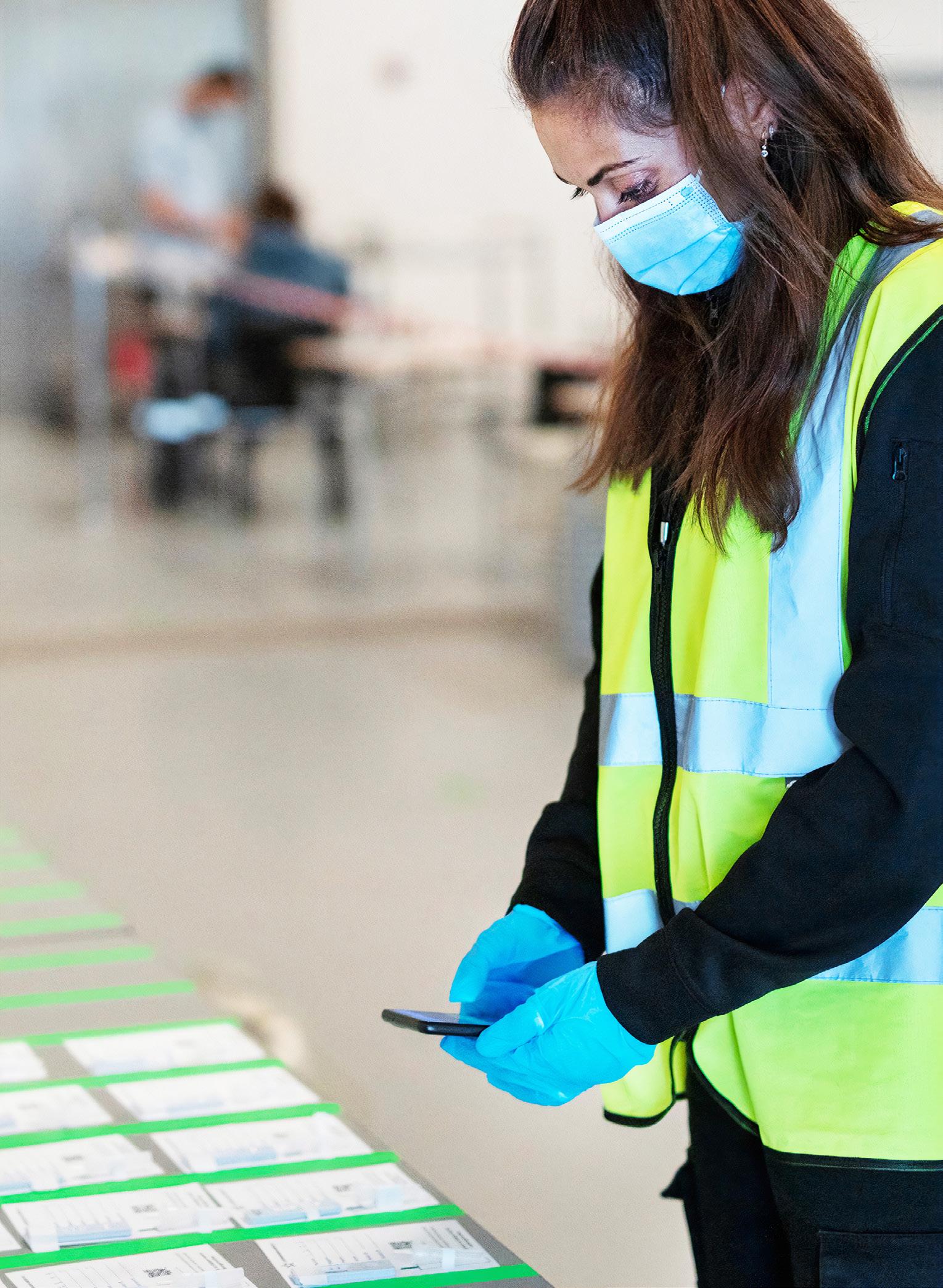
In 2021, DTU continued to play a vital role in detecting, containing, and predicting COVID-19. Over the course of the year, DTU analyzed more than 520,000 COVID-19 test samples. Furthermore, our researchers were part of the Ministry of Health expert group that conducted modeling of the spread of infection, the strain on hospitals, and Danes’ behavior.
Also in 2021, the Danish authorities launched new official dietary guidelines that provide Danes a diet that is not only healthy but also climate friendly. The guidelines are based on scientific advice prepared by DTU.
DTU has also completed two sector development projects. One charts a path to a climate-friendly shipping industry by identifying opportunities for
research and innovation in the area of green fuels. The other points to ways to accelerate the use of circular construction, which will help ensure a more sustainable use of the Earth’s resources.
New Arctic research vessel
DTU is building Denmark’s new ocean-going research vessel Dana V. In 2021, DTU secured the remaining necessary funding through donations from both the A.P. Møller and Chastine Mc-Kinney Møller Foundation and A/S D/S Orient’s Foundation. The multidisciplinary research vessel will replace Dana IV, which has been in operation for more than 40 years.
Dana V will provide Danish marine research environments with a world-class vessel that can support e.g., oceanographic, climate, and arctic research and lead to our understanding of lifecycles and biodiversity in the oceans. Classified for ice navigation and powered by green technology, the new vessel will also support fishery research and
monitoring as well as innovation and education within maritime technologies
International scientific advice
In addition to DTU’s national advisory activities, the University provides scientific advice to international authorities and organizations.
For instance, DTU has contracts as the EU reference laboratory in fields such as fish disease, processing contaminants in food, and antimicrobial resistance.
In 2021, DTU continued to play a vital role in detecting, containing, and predicting COVID-19 – e.g., by conducting modeling of the spread of infection, hospital case load, and Danes’ behavior.
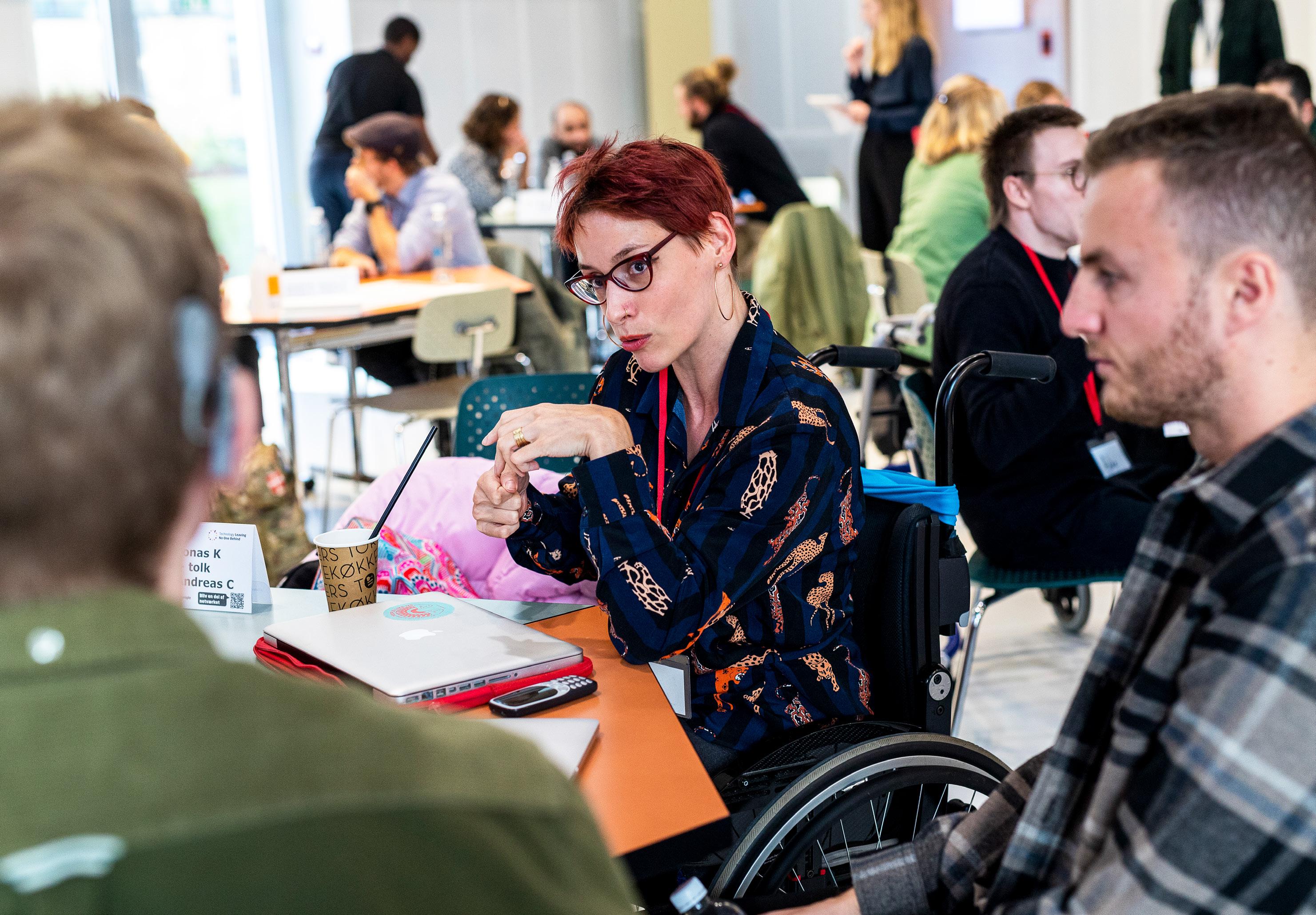
Entrepreneurs with disabilities and DTU students develop new technology at an innovation bootcamp in DTU Skylab. The project is part of DTU’s efforts to make inclusion and accessibility a natural part of the development of new technology solutions.
Leaving no one behind
At DTU we are committed to embracing and promoting diversity in order to achieve our ambition of creating technology that can make the world a better, more sustainable, fair, and inclusive place. Having a diverse pool of staff and students helps ensure that we are aware of our blind spots when people come together to solve problems and develop solutions.
We have committed ourselves to working constructively and proactively to ensure more diversity. Among other things, we have worked to recruit more female teaching assistants and students in the IT field, which is particularly challenged in terms of gender balance.
Our aspirations are set out in a plan for diversity, equity and inclusion at the university, which will guide our ongoing work on creating equal opportunities for all, regardless of gender, ethnicity, age, sexual orientation, cultural background, education, disabilities, and other differences
For instance, we train our managers and HR professionals to counter unconscious bias when hiring new employees. And future students with
physical or mental disabilities will have access to flexible teaching options at DTU.
Clearing hurdles posed by disabilities
At DTU we also work on long-term initiatives to promote diversity outside our university. One such initiative is the three-year project Technology Leaving No One Behind, which was created in collaboration with the Danish Association of the Physically Disabled and Bevica Fonden.
The project is focused on making inclusion and accessibility a natural part of the development of new technological solutions. One component of this project is an innovation boot camp where young entrepreneurs with disabilities team up with DTU students and develop ideas for universal solutions that can benefit all people.
They have e.g., come up with a vibrating bed sheet for people with impaired hearing, who aren’t woken by the sound of an ordinary alarm clock and therefore face obstacles relating to getting up and arriving at work or school on time. Such a solution can also be used by those who unwittingly turn off their alarm clock in the morning and oversleep.
Working across geographical boundaries
Through the Technology Leaving No One Behind project, DTU also aims to develop technologies that can provide solutions to challenges faced by developing countries—such as lack of access to potable water.
This is done through the annual Next Generation initiative, which is run out of DTU Skylab. Through this initiative, DTU students get to work with other young talents from leading universities and earlystage start-ups from around the world to address different issues and bring about sustainable change.
The 2021 topic was Next Generation Water Action, where the participants were charged with developing ideas that can be implemented easily and affordably to provide clean water for people in developing countries.
Working towards a sustainable future
DTU strives to ensure that its research and inventions continue to excel internationally by bringing technology into play as a crucial driving force for sustainable change throughout society.
As part of this work, DTU has established a crosscutting centre for research and development in systemic and quantitative sustainability. The DTU Centre for Absolute Sustainability aims to provide DTU with a solid and knowledge based approach to sustainability.
Sustainability has also become an integral part of how DTU educates the engineers of tomorrow. We have e.g., incorporated sustainability into study plans and competency profiles for all undergraduate and graduate degree programmes within the university. And we have introduced a sustainability charter for engineers, which all our engineering students are encouraged to adopt.
When adopting the sustainability charter, students commit to e.g., working with sustainability from an environmental, economic, and social perspective and collaborating across disciplines to develop solutions to the challenges the world is facing.
Building sustainably
DTU’s campus is used as a Living Lab for the development of sustainable solutions in new buildings, energy supply, operation, and waste sorting. DTU has increased its focus on sustainable procurement, maintenance and end-of-life handling of products used for building and operations.
Building materials such as cement weigh heavily in the sustainability accounts. All new buildings at DTU must therefore be constructed according to the sustainability standard DNGB Gold, which not only lays down several requirements relating to the green aspects of sustainability, e.g., durability of materials and the service life of buildings, but also sets high standards in terms of making buildings places where everyone feels welcome and can thrive.
Greener ways to heat DTU
Until a couple of years ago, DTU’s main campus was mainly heated using a gas-fired boiler. Efforts to bring down DTU’s CO 2 -emissions have included a switch to heating that comes from Vestforbrændingen, where household waste is used as fuel for energy production.
The efforts to heat campus in a more environmentally friendly way have reduced CO 2 emissions from heating by more than 50 per cent.
Work is continuing to design and establish a heat pump solution that transfers surplus heat from DTU’s internal cooling systems to the heating system. The project serves as a ‘living lab’ in collaboration with Danfoss—a Danish multinational company that manufactures products used for cooling and heating solutions, and which is highly committed to driving sustainability. Students get the opportunity to use data from the lab for projects and in their classes.
Supporting biodiversity
DTU has a campus where wildflowers, insects, butterflies, birds and amphibians can grow and thrive. Small things like holding off on mowing the lawns in the spring make a big difference by encouraging wildflowers to grow for longer, which provides food and shelter.
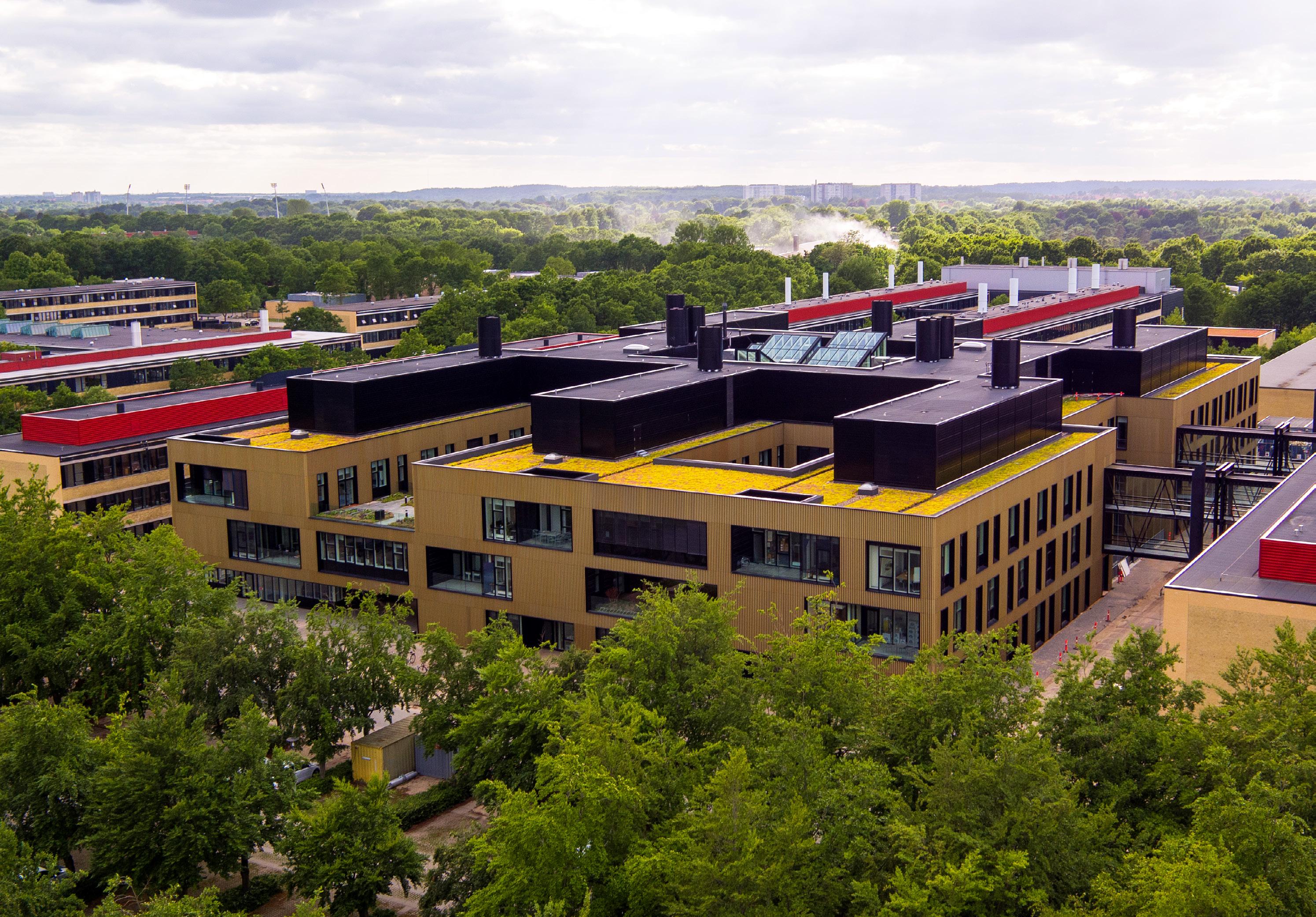
DTU’s move to composite heat from waste electric heating and gas has reduced CO 2 emissions by more than 50%.
Global outreach
Technology is created by innovative researchers who work through global partnerships. At DTU, we identify the best match between researchers, fields, and projects. We collaborate with other elite technical universities throughout the world, and we are active partners in strong, international alliances.
Alliances and strategic partnerships
DTU’s network of alliances and strategic partnerships spans across research, education, scientific advice, and innovation. Together we promote synergy, quality, impact, and visibility. In 2021, the EuroTech Universities Alliance celebrated its 10th anniversary and launched a new vision that focuses on sustainability, education and a technologically sovereign and resilient Europe.
DTU also looks to the global job market to attract international resources and talent, and we build on in-depth collaboration and a mutual match in excellence and values.
An international education
Students from approximately 100 countries come to study at DTU every year, and we also encourage all our students to spend a semester or two abroad. An exchange period helps students grow—both academically and personally—and creates networks that will prove invaluable in a future career. Our students have the chance to work and study with the best research universities in the world. We invite students from all over the globe to study at our University and offer 33 MSc Eng programmes in English. We also offer joint international master’s programmes where students can study at two universities.
Exchange students
The COVID pandemic limited students’ opportunities for going on exchange in 2021. Nevertheless, 431 international exchange students came to study at DTU, and 314 DTU students went abroad. This was less than half the normal exchange numbers and was concentrated in Europe.
Top ten global exchange partners in 2021*:
Technische Universität München, Germany
Norges teknisk-naturvitenskapelige universitet, Norway
École Polytechnique Fédérale de Lausanne, Switzerland
Instituto Tecnológico y de Estudios Superiores de Monterrey, Mexico
Eidgenössische Technische Hochschule Zürich, Switzerland
Politecnico di Milano, Italy
Universidad Politécnica de Valencia, Spain
Institut National des Sciences Appliquées de Lyon, France
Universidad Politécnica de Cataluña, Spain
Universidade de Lisboa - Instituto Superior Técnico, Portugal
*in terms of volume
28 joint international programmes
Strategic alliance of five leading technical universities in the Nordic countries. By utilizing shared and complementary strengths within education, research and innovation, the alliance creates an extended campus for students and staff to conduct research, share knowledge, and follow joint educational programmes. 120 exchange partners
431 international exchange students came to DTU in 2021
314
DTU students went abroad in 2021
The EuroTech Universities Alliance
École Polytechnique (France), Technion (Israel), EPFL (Switzerland), TU Eindhoven (the Netherlands), TU München (Germany), and DTU (Denmark)
Strategic alliance between six leading technical universities, committed to finding technical solutions to major societal challenges through cutting-edge research, education, and innovation. The alliance engages in EU intelligence and advocacy towards the European Commission through its joint office in Brussels. EuroTech collaborates with the extended EuroTeq Alliance, which includes Taltech (Estonia) and CTU (the Czech Republic).
University of Queensland
DTU has a strategic partnership with The University of Queensland which covers the entire value chain from research to education, innovation and student entrepreneurship.
Tec de Monterrey
DTU and Tec de Monterrey collaborate across research, education, and innovation to create inventions and solve concrete problems. Tec de Monterrey is one of DTU’s main student exchange partners.

Korea Advanced Institute of Science and Technology
A strategic partnership with the leading technical university in Korea, KAIST. Based on strong synergies in research, education, and innovation as well as a shared focus on green growth and sustainable development.
Nordic Five Tech
Aalto (Finland), NTNU (Norway), Chalmers and KTH (Sweden), and DTU (Denmark)
Nanyang Technological University
The partnership with Nanyang Technological University in Singapore covers activities within education, research, and smart cities. Nanyang Technological University is one of the highest ranked universities in Asia.
Sino-Danish Center
The Sino-Danish Center for Education and Research is a partnership between the eight Danish universities, the Graduate University of the Chinese Academy of Sciences, and the Chinese Academy of Sciences.
Organization
DTU is an independent and self-governed university administered by a Board of Governors and under the leadership of the University President and the Executive Board.
The main tasks are carried out by departments, research centres and affiliated companies.
Support functions
Campus Service
Communications and Media
Finance and Accounting
Human Resources IT Service
Policy and Relations
Research, Advice and Innovation
Study Programmes and Student Affairs
Departments
Boards and councils
Academic Council
Employer Panel
Board of Representatives
Advisory boards
Education committees
Executive Board
PreSeed
DTU
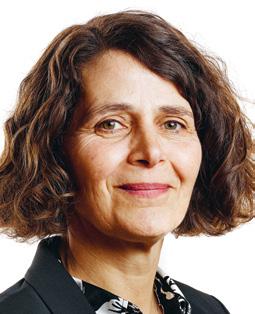
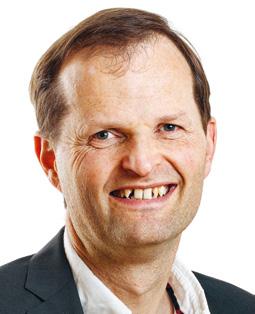
Rasmus
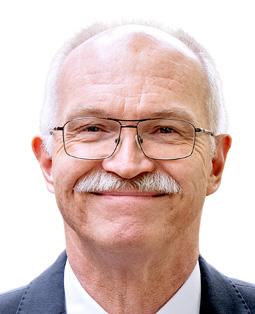
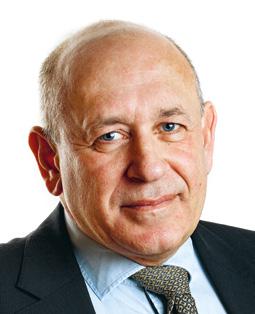
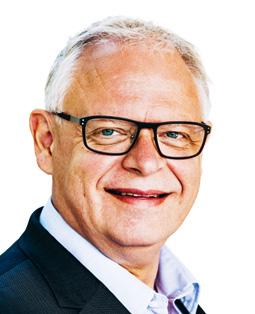
Philip
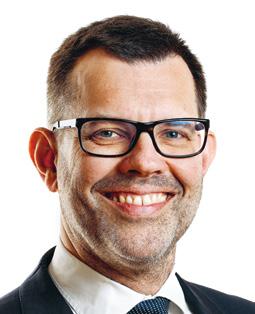
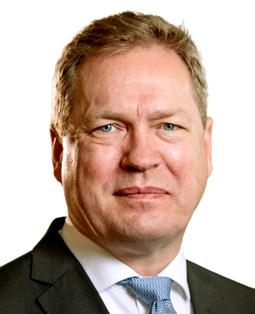
Anders O. Bjarklev President
Lars D. Christoffersen
Carsten Orth Gaarn-Larsen
Human resources
5,824
Total staff full time equivalent (FTE)
38% are woman
36% have an international background
2,236 Researchers and educator full time equivalent (FTE) 53% have an international background
91 nationalities
1,527 PhD fellows 59% have an international background
2,522 in support functions full time equivalent (FTE)
12% have an international background
54% of faculty are below 50 years of age
37,370 Members in DTU’s alumni network
51% of all alumni have joined the alumni network
Campuses
DTU has research and test facilities in all parts of Denmark, and in Greenland, including four campuses.
DTU Lyngby Campus
DTU’s main campus is located 15 km north of Copenhagen. The campus covers a 106-hectare site, and is landscaped with wooded areas, sports fields, inner courtyards, and gardens.
DTU Ballerup Campus
DTU Ballerup Campus is located approximately 10 km west of Copenhagen and is home to many of our BEng students.
DTU Risø Campus
DTU Risø Campus is located 40 km west of Copenhagen and is the site of much of DTU’s groundbreaking research in wind energy technologies.
Arctic DTU Sisimiut—Ilinniarfeqarfik Sisimiut
DTU’s campus in Greenland is home to research as well as BEng and MSc Eng students who follow our arctic educational programmes.
Locations
Research facilities
Test facilities
Collaborations
Campuses
Femern (Rødby)
Fredericia
Kalundborg
Anker Engelunds Vej 101 2800 Kgs. Lyngby
Denmark dtu.dk