
FACTS & FIGURES 2021
President’s introduction
Our mission
Research
Rankings
Research facilities
Education
Innovation and entrepreneurship
Scientific advice
International relations
Organization
Finances
Human resources
Campuses and locations

Jaime Cardenal Palomar, T. Kaare Smith, Marie Victoria Nedergaard, Unsplash.
Camilla Nyborg
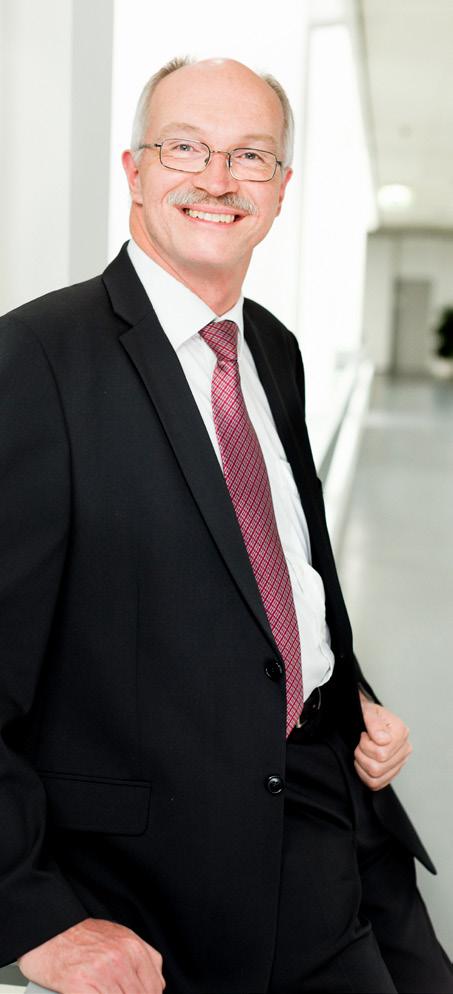
“ DTU is about technology for people. DTU is about change for a better world.”
DTU is an elite technical university, recognized for its high level of international research and its sought-after graduates. Through collaboration, our staff and students reach out to the world and work across disciplines to create value and growth by developing technologies that work in a globalized world, transcending social and cultural differences.
We develop value-creating technology for people, exploiting synergies between research, education, innovation, and scientific advice in close collaboration with the outside world.
With our ambitious strategy, Technology for People , we aim to develop Europe’s best engineering study programmes, to promote technologies for sustainable change, and we take the lead in realizing the potential of digitalization.
The global COVID-19 pandemic made 2020 a markedly different year for DTU. Both students and staff took a digital quantum leap within both teaching and teleworking, and contributed to society’s handling of the crisis. DTU researchers have been part of the mathematical modelling expert group at the Danish public health authorities providing analyses for the Prime Minister’s Office and the Ministry of Health, and has established a test laboratory for COVID-19, analysing clinical samples from Danish hospitals. We continue to play a crucial role in Danish society, delivering on our promise to develop and deploy technology for people.

Anders O. Bjarklev, President
We develop and create value through the technical and natural sciences for the benefit of society
The future is shaped by people who develop solutions to the challenges facing the world. Innovative technologies are needed to achieve well-being, good health, and education, as described by the UN’s 17 Sustainable Development Goals.
At DTU, we believe we can create a better world through collaboration and unexpected partnerships, and work with people from different academic backgrounds to develop and deploy technology for good.
Our collaborations with various research partners, from institutions to universities across the globe, benefit people, societies, and the world.
DTU builds technology for people. We have a vision for a better world, and invite the world to join us in realizing that vision.
Hans Christian Ørsted founded DTU in 1829 with a clear mission to develop and create value using science and engineering to benefit society. Despite steady growth since then, DTU has always pursued Ørsted’s original mission. DTU students and staff collaborate, research, share knowledge, and find new solutions to global problems.

DTU develops technology for the benefit of people, societies, and the world.
Cutting-edge research projects and selected grants
Research underpins all our work. We develop new technology in the union of research, education, innovation, and scientific advice. Our innovative researchers work on cutting-edge projects with our partners globally.
DTU’s research centres on the technical and the natural sciences and is driven by the needs of society—pushing the boundaries of what is possible, and discovering and driving change. Focus areas include various science and engineering disciplines, such as digitalization, energy technologies for a sustainable future, and life science and biotechnology—all highly relevant for society.
A key to addressing the 17 UN Sustainable Development Goals is collaboration across all fields. Consequently, research at DTU is often cross-disciplinary. We collaborate extensively with leading academic, private, and public partners on innovations and discoveries—new technology for people.
Ranked two in the world
In 2020, DTU achieved the best ranking position ever when World University Research Rankings placed DTU as the second best university in the world and number one in Europe. The ranking evaluate universities on the impact and excellence of research, and the university’s ability to collaborate internationally with companies—and across disciplines.
Selected grants in 2020
In 2020, DTU researchers received five prestigious grants from The European Research Council (ERC). ERC awarded an Advanced Grant to Professor Henning Friis Poulsen, DTU Physics, to develop a model that can predict how the strength of metals is affected during use. The research can have a major impact on the development of new metal components with obvious applications in the automotive, aerospace, and energy industries Furthermore, the ERC awarded three researchers a Consolidator Grant, and one researcher was awarded a Starting Grant. The funds will be
used for research in artificial intelligence in the electricity grid, quantum structures, and multifunctional blood cells.
And nationally, Independent Research Fund Denmark awarded Professor Sine Reker Hadrup, DTU Health Tech, the Elite Research Prize 2020 for her research that teaches the body’s immune system how to fight cancer. The fund also awarded six researchers Sapere Aude grants of approximately EUR 0.8 million. Three young researchers were awarded Elite Research Travel Grants.
Furthermore, Independent Research Fund Denmark awarded DTU researchers a total of EUR 13 million to 17 projects which will help create new original ideas and research breakthroughs in climate, nature, and the environment— and thus contribute to the green transition. One of the projects, led by Professor Cathrine Frandsen, DTU Physics, will develop new methods for storing energy from renewable sources in chemicals and fuels.
Also in 2020, Villum Fonden distributed a total of seven Villum Young Investigator grants of each
approximately EUR 1 million to young and talented DTU researchers to pursue their ideas and establish their own research groups at the University.
The Novo Nordisk Foundation’s NERD (New Exploratory Research and Discovery) programme awarded three researchers grants of EUR 1.6-1.7 million. One of these were Associate Professor Emil Boye Kromann, DTU Health Tech, for his research in optical microscopy, which can lead to imaging of rapid processes in complex biological samples—e.g. organ-on-a-chip systems.
As part of celebrating the 200th anniversary of Hans Christian Ørsted’s discovery of electromagnetism in 1820, the H.C. Ørsted Researcher Award was granted to Professor Olav Breinbjerg, DTU Electrical Engineering, for his pioneering research in antenna technology based on Ørsted’s discovery.
5,278 publications in 2020 1.54 normalized citation impact*
73% of publications by DTU researchers are co-published with international researchers
18% publications in the top 10%
Watch videos
Grant for antivenom research
dtu.dk/profile1
Sustainable change research
dtu.dk/profile2
Bacteria produce plastic dtu.dk/profile3
*Normalized citation impact: Citation impact (citations per publication) normalized for subject (Web of Science Category), year, and document type. A value of one represents performance on par with the world average. DTU’s citation impact is thus 54% above the world average.
World University Research Rankings
Leiden Ranking
Citation impact indicator
(top 10% publications)
All sciences
Leiden Ranking
Collaborative Publications with Industry Indicator
QS World University Ranking
* as of 8 June 2021.
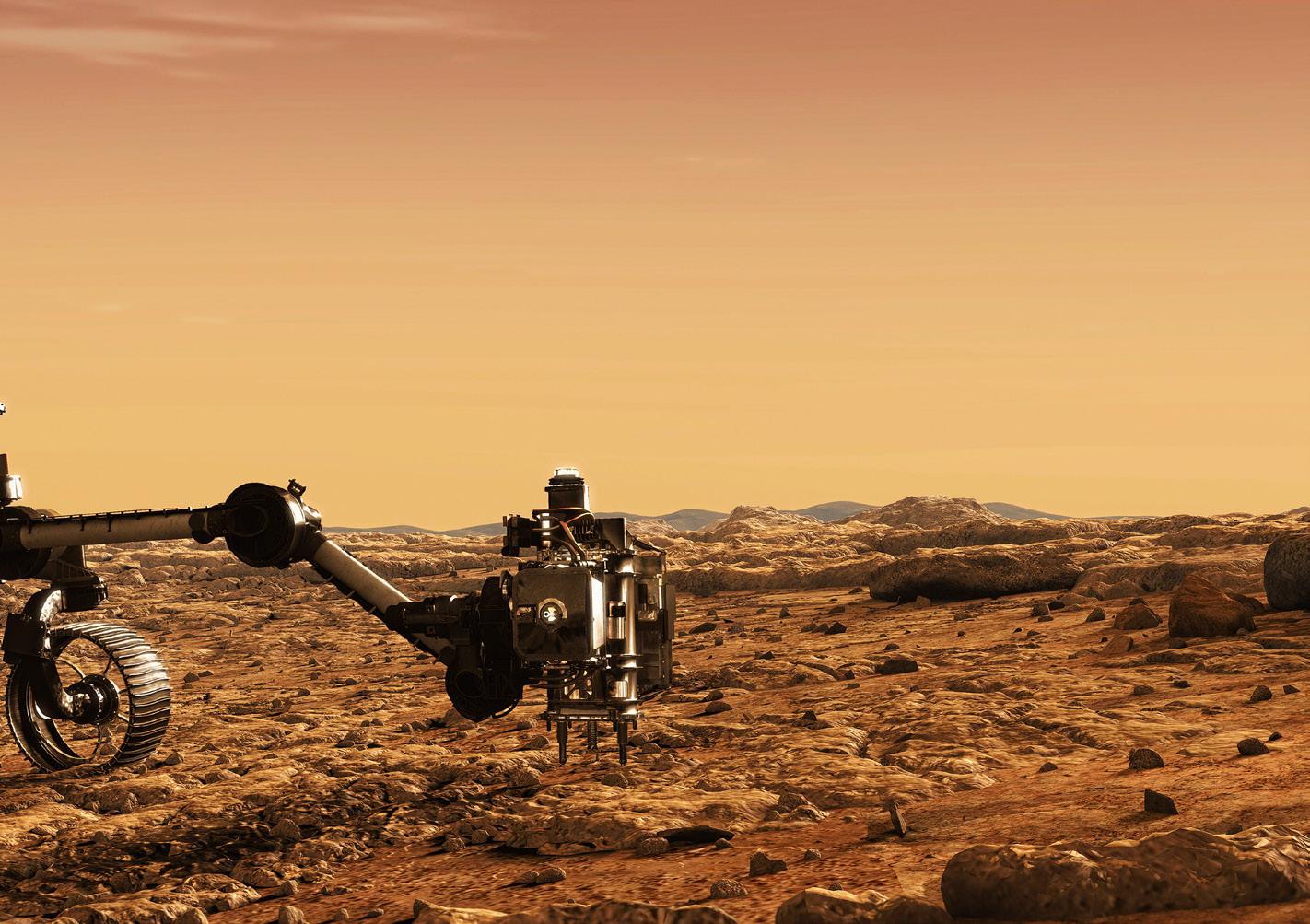
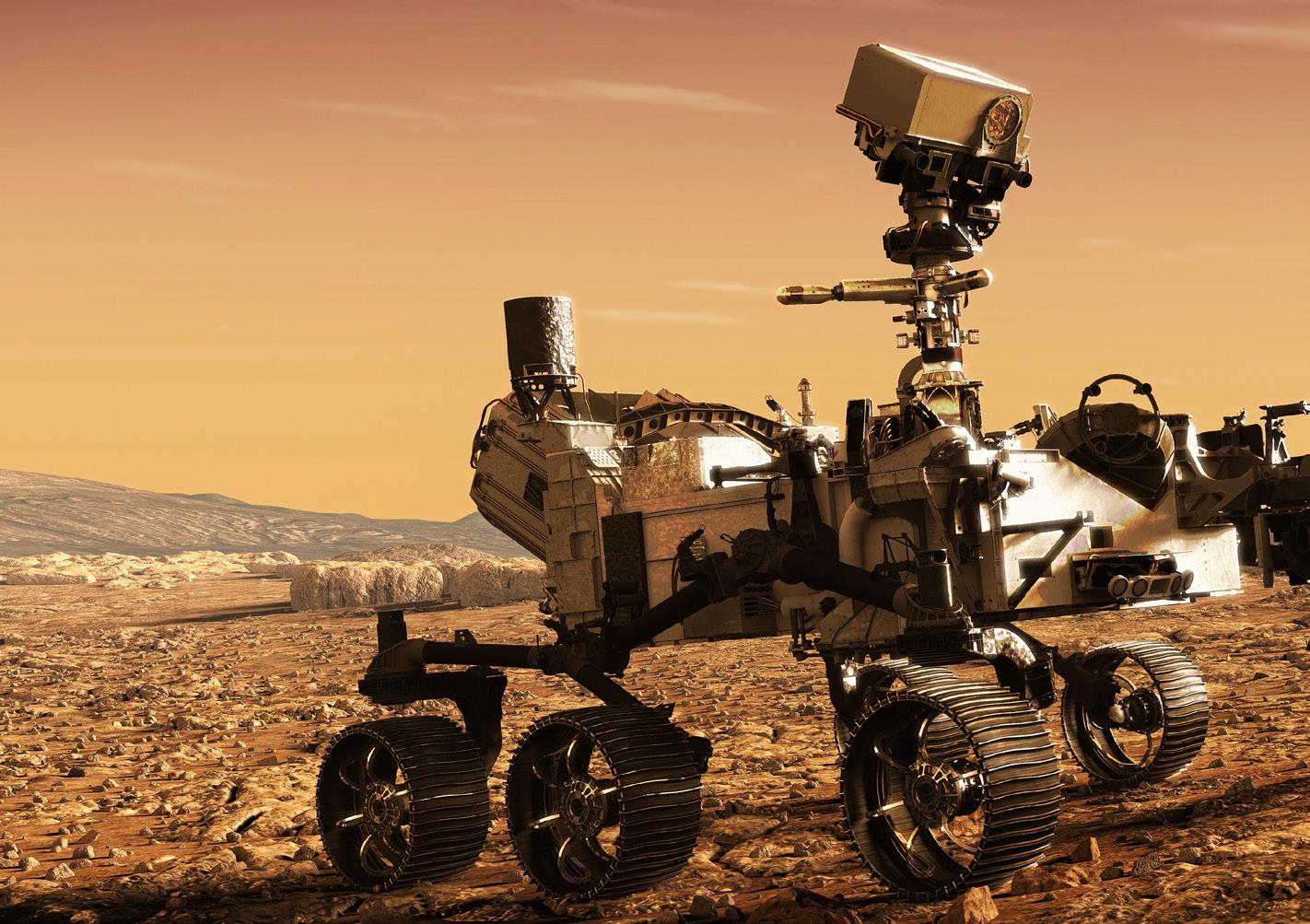
MISSION TO MARS
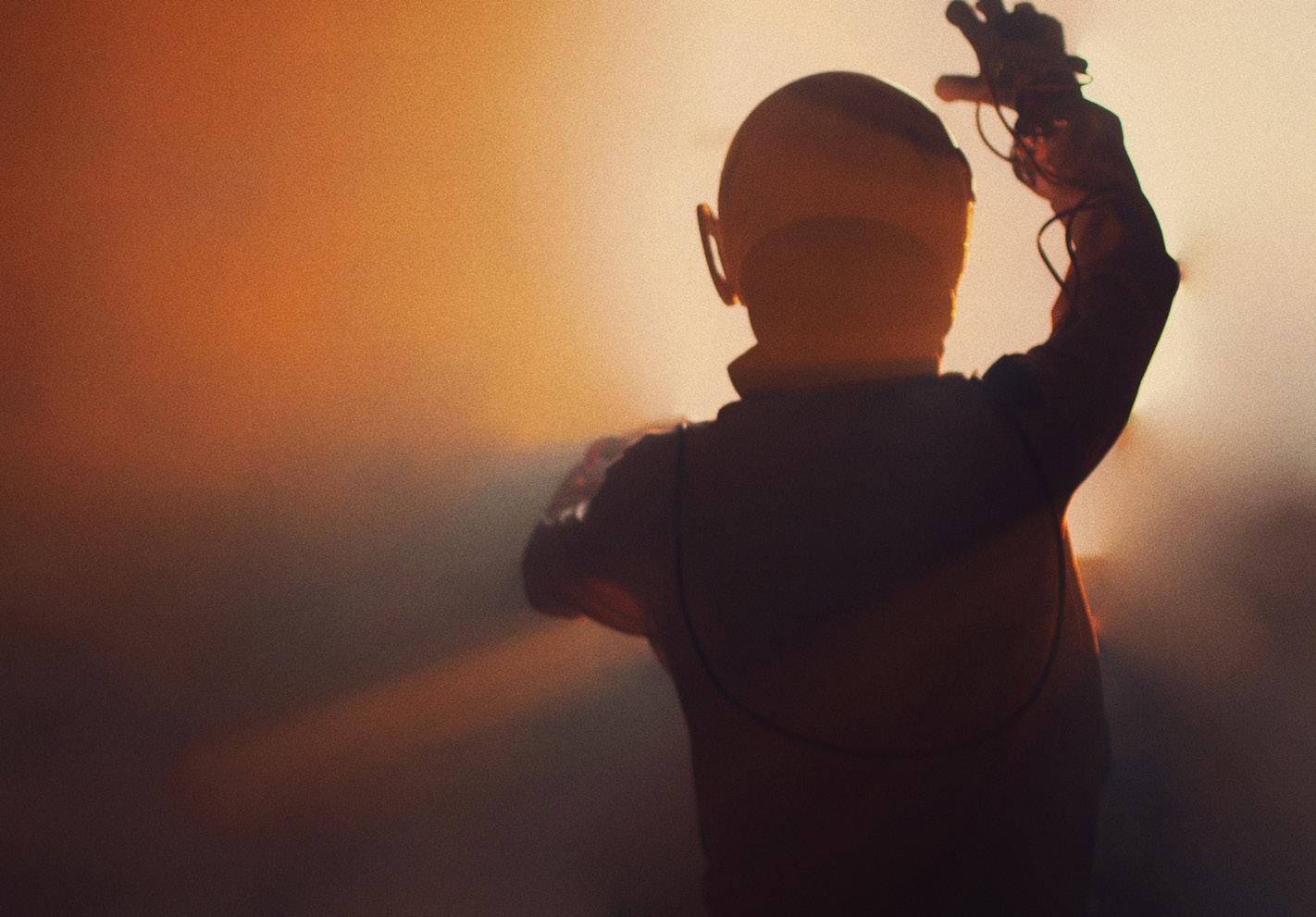
In February 2021 NASA’s spacecraft with the Mars vehicle Perseverance on board landed successfully on the red planet. Researchers from DTU Space have developed the advanced camera system for the Perseverance instrument PIXL. In the coming years, the vehicle will look for past signs of life on Mars. The camera system is a result of many years’ close collaboration between NASA and DTU.
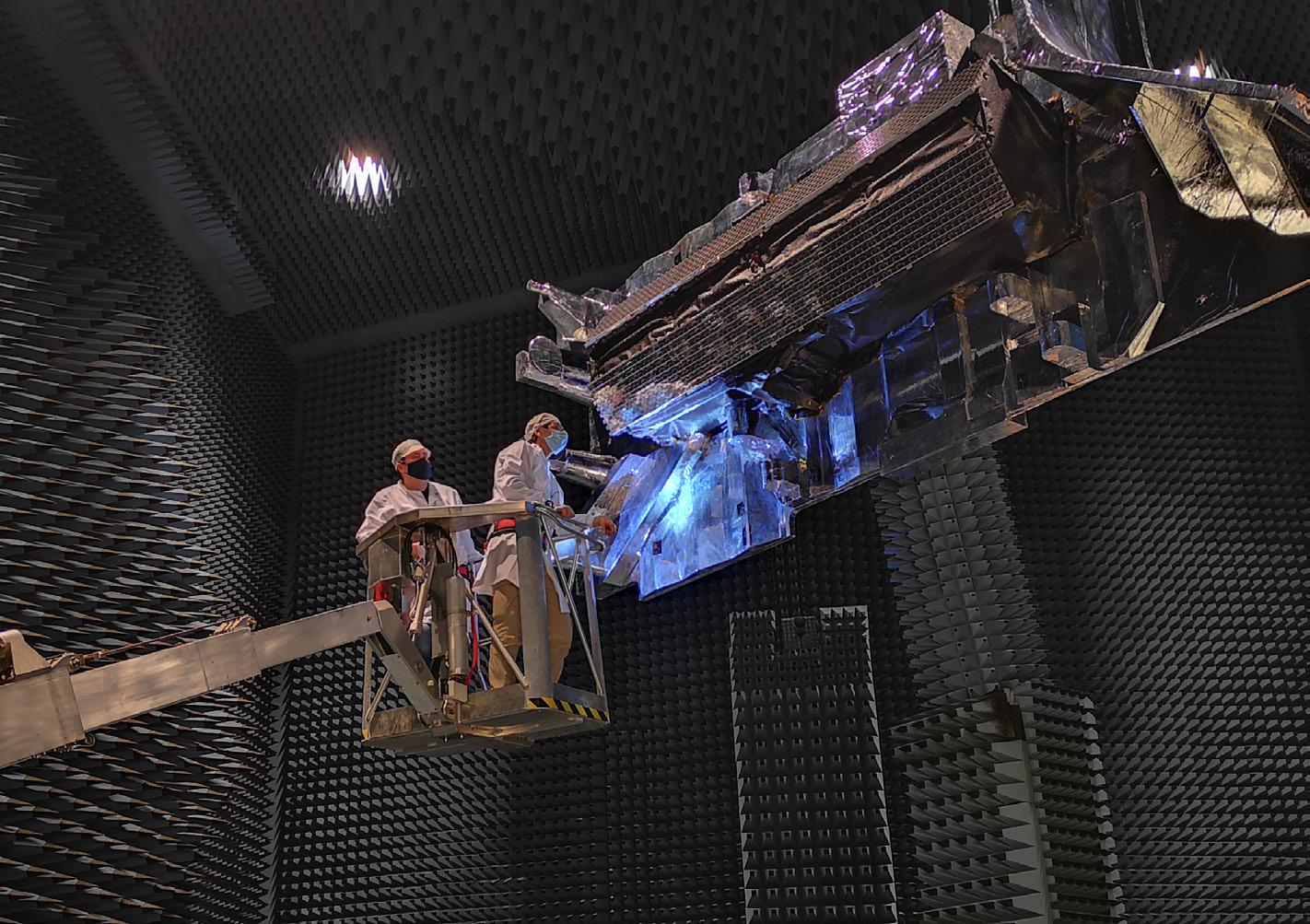
ANTENNAS FOR CLIMATE MONITORING
In DTU’s large radio anechoic chamber, antennas are tested for ESA’s and EUMETSAT’s satellite programme for monitoring Earth’s climate and weather.
RESEARCH FACILITIES
World-class research infrastructure
DTU has a number of world-class research facilities and contributes with instrumentation and data processing to several European facilities. Below is a selection of our facilities:
The most powerful group of electron microscopes in the world at DTU Nanolab. nanolab.dtu.dk/english
Micro- and nanofabrication facilities at DTU Nanolab with 1,350 m 2 cleanroom facilities. nanolab.dtu.dk/english
Some of the world’s most sophisticated laboratory facilities within audio-visual research. act.elektro.dtu.dk
Experimental platform for technology development, testing, demonstration, and training within electric power and energy. dtu.dk/powerlab
A radio anechoic laboratory where DTU operates the DTU-ESA Spherical Near-Field Antenna Test Facility as an ESA external reference laboratory for high-accuracy calibration and measurement of satellite antennas. ems.elektro.dtu.dk/research/dtu_esa_facility
The 3D Imaging Centre (3DIM) which includes DANFIX, the Danish National X-Ray Imaging Facility. The 3DIM is closely linked to the large international X-ray and neutron research facilities being built at MAX IV and ESS in Lund, Sweden. imaging.dtu.dk
Cutting-edge NMR research facilities. dtu.dk/NMR-centre
Large-scale facilities for advanced structural and material testing on DTU Lyngby and DTU Risø campuses. casmat.dtu.dk
Facilities for wind energy research include one of the biggest and most advanced wind tunnels in the world at DTU Risø Campus, as well as two test centres on the west coast of Jutland: Høvsøre and Østerild, where it is possible to test wind turbines up to 330 metres high.
dtu.dk/plct
dtu.dk/hovsore
dtu.dk/osterild
A chemical engineering pilot plant. dtu.dk/pilot-plant
Supercomputers
Computerome is used for biotechnological and personal medicine research. DTU is currently upgrading its supercomputers, and Computerome II will have 49,000 CPU cores and store 20 petabytes of data.computerome.dtu.dk
Sofia, a high-performance computer cluster, is used for research in wind energy and mechanical engineering.
The Niflheim Linux cluster supercomputer of 16,480 CPU cores is specially designed for materials and energy. research. dtu.dk/niflheim
Watch videos
Research-infrastructure at DTU
dtu.dk/profile4
Test Centre Østerild dtu.dk/profile5
Wind Tunnel dtu.dk/profile6
DTU Nanolab dtu.dk/profile7
EDUCATION: STUDY PROGRAMMES
Cross-disciplinary exploration
DTU’s Study Programmes are cross-disciplinary, and centered on the technical and natural sciences. Our students engage in project-based assignments where they can apply their theoretical knowledge with hands-on access to world-class facilities to solve real-life problems. 2020 saw an increase in the enrolment in DTU’s Study Programmes, with female students making up 32 per cent. That is the highest proportion to date.
Bachelor of Engineering (BEng)
BEng programmes at DTU are 3.5-year industry and application-oriented engineering programmes based on the CDIO concept: ‘Conceive, Design, Implement, and Operate’. The language of instruction is primarily Danish, but students learn both Danish and English engineering terminology.
Bachelor of Science in Engineering (BSc Eng)
BSc Eng programmes at DTU are 3-year researchbased undergraduate engineering programmes that qualify students for further studies at the master’s level. Students work in both Danish and English. DTU also offers an international BSc programme in General Engineering, taught exclusively in English.
Master of Science in Engineering (MSc Eng)
MSc Eng programmes at DTU are 2-year researchbased programmes operating at the highest technological level. In these programmes, students acquire the qualifications and skills necessary to analyse, synthesize, and evaluate theory and experiments relating to complex engineering systems, problems, and solutions. The language of instruction is English. Honours tracks are available for all MSc Eng programmes.
PhD
PhD students conduct scientific research projects of the highest international standard. DTU also offers industrial PhD programmes where students are employed by a company and simultaneously enrolled at the University.
Lifelong learning
DTU offers a wide range of executive and specialized continuing education programmes, ranging from Executive MBA, part-time Diploma, and Master’s pro grammes, to flexible education, open online courses, and single-course programmes. DTU Learn for Life coordinates these programmes to meet the growing need for lifelong learning in society.
Watch videos
BEng ang BSc Eng Programmes (English subtitles) dtu.dk/profile9
BSc Eng in General Engineering dtu.dk/profile10
MSc Eng Programmes dtu.dk/profile11
Get your master’s at DTU dtu.dk/profile12
PhD students at DTU dtu.dk/profile13
EDUCATION: STUDY LIFE
Applying knowledge to solve real-life problems
All DTU’s Study Programmes are interdisciplinary and designed to promote sustainability, innovation, and entrepreneurial spirit. Students get hands-on access to world-class facilities and engage in project-based assignments with industry partners where they can apply their theoretical knowledge to solve real-life problems.
Academic learning
Based on cutting-edge scientific knowledge, all teaching, supervision, and course development are carried out by educators who are actively involved in research and innovation. We teach using methods that reflect the way we work—innovation, critical thinking, collaboration, and engagement—all which shape our graduates. Students develop analytical skills through independent study, group work, active participation in discussions, and close collaboration with fellow students and professors.
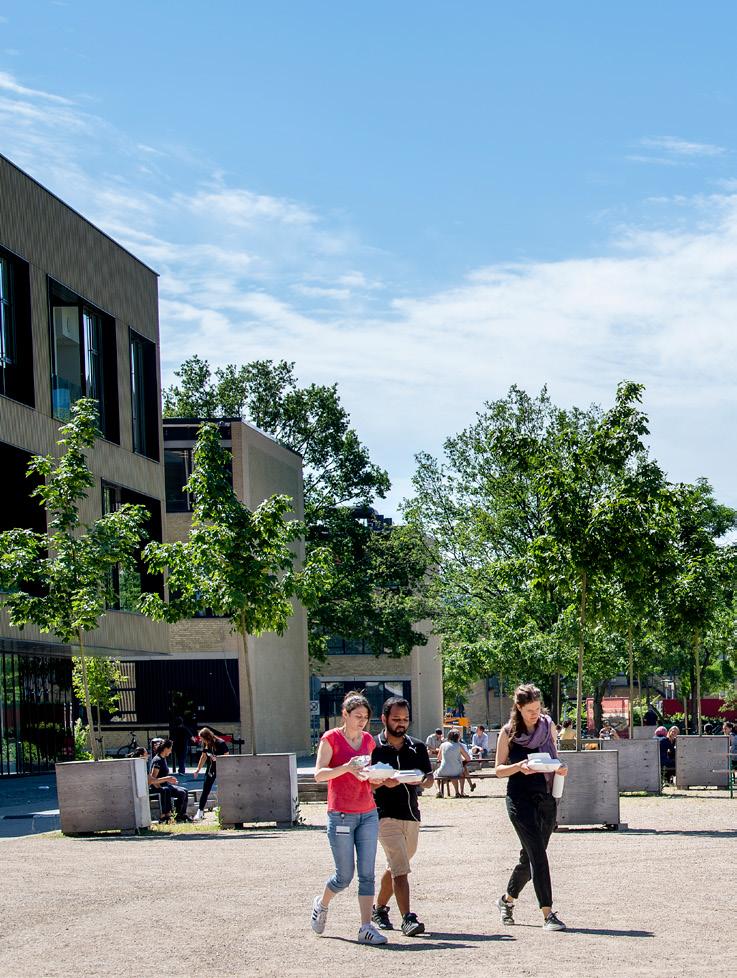
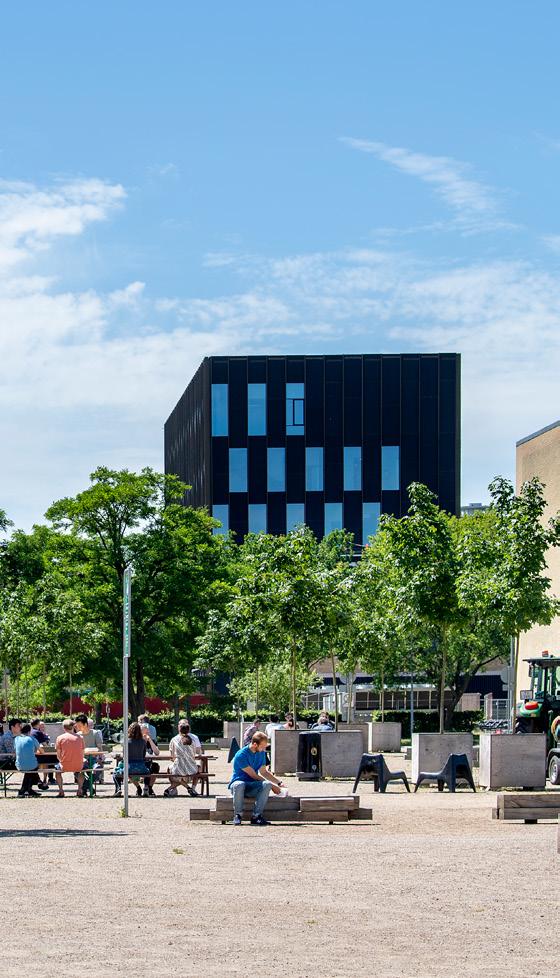
Amazing study environment
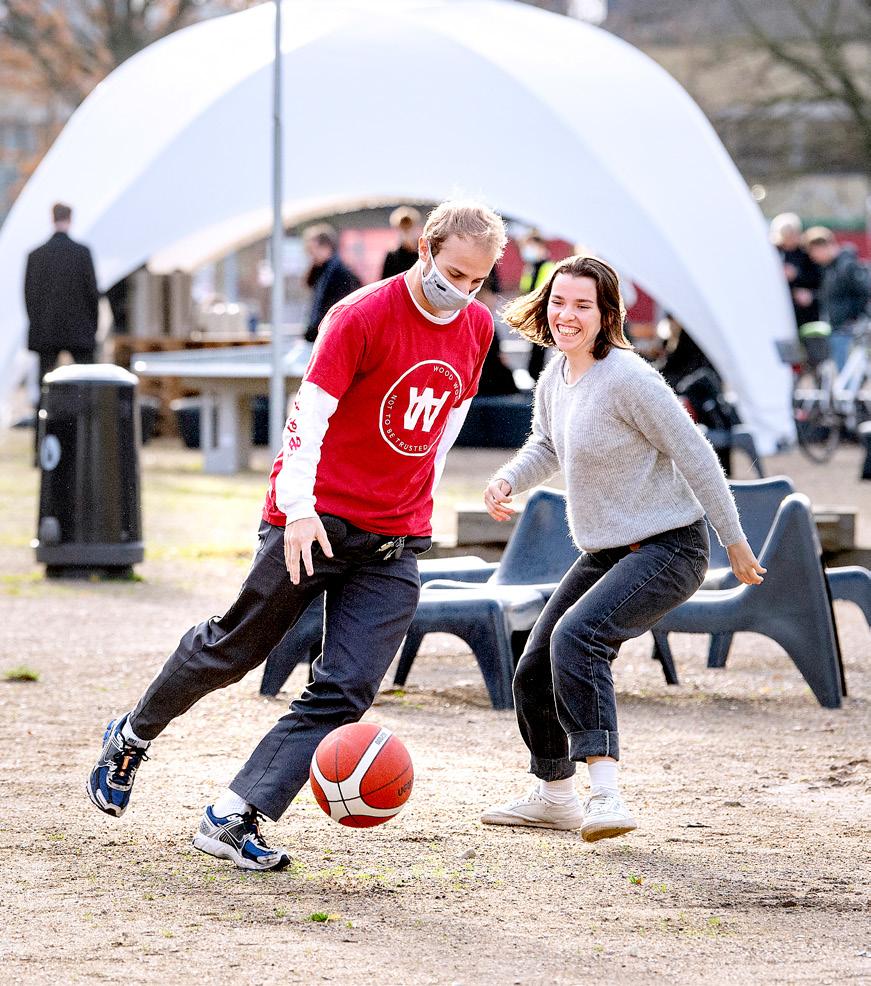
The study environment is vibrant and international, and most students stay after lectures to network, work on their own projects, or take part in one of our many extracurricular activities.
Watch videos
Become an engineer at DTU
dtu.dk/profile14
Amazing study environment
dtu.dk/profile15
Studying at DTU
dtu.dk/profile16
Roskilde Festival – powered by DTU Students
dtu.dk/profile17
Extraordinary student projects
A range of different activities give our students the opportunity to participate in projects such as Denmark’s famous Roskilde music festival (roskilde.dtu.dk), DTU’s annual student conference Green Challenge (groendyst.dtu.dk), or one of our nine Blue Dot Projects. Blue Dot Projects are innovative, student-driven, and often multidisciplinary ( blue-dot.dtu.dk):
DTU Biobuilders
DTU DanSTAR
DTU Ecotrophelia
DTU Eventure
DTU Roadrunners
DTU RoboCup
DTU SensUs
DTU Solar Decathlon
DTU Wind Racers
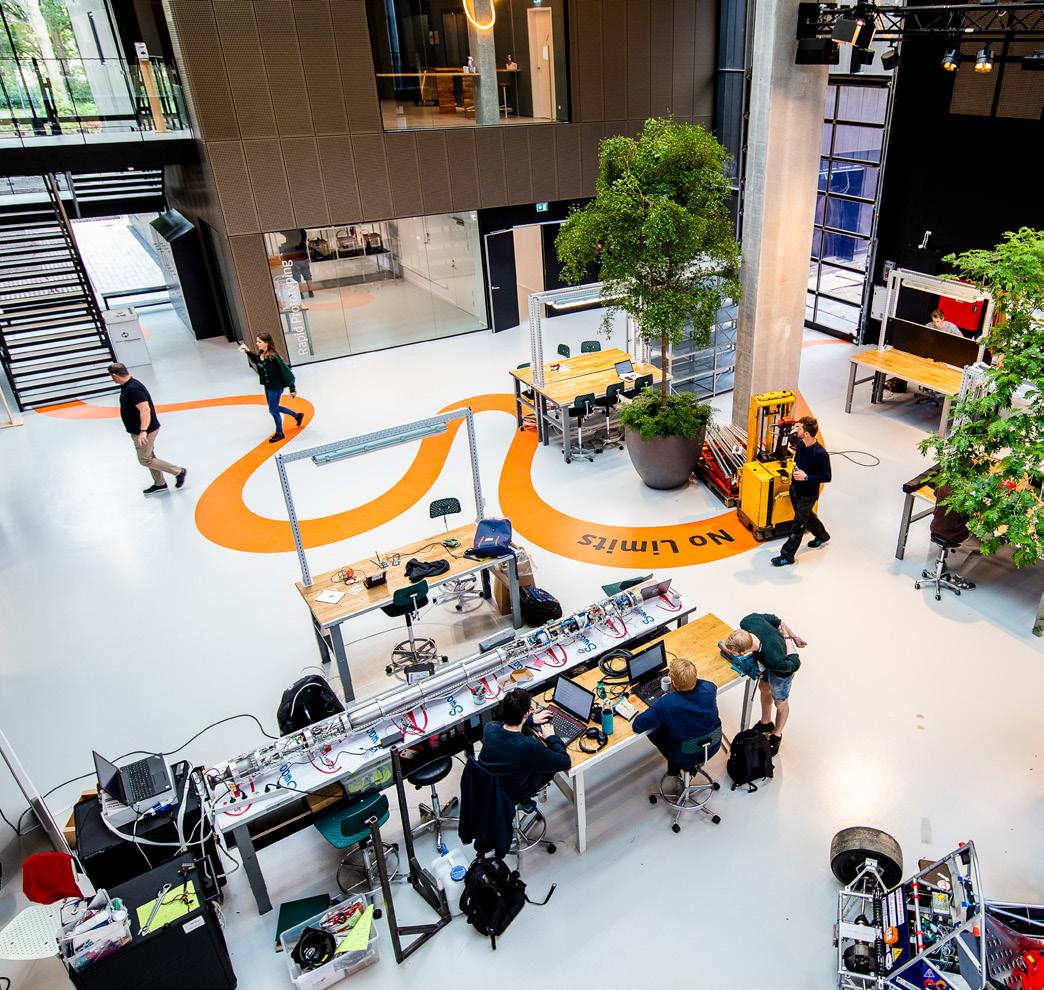
In 2020, DTU’s innovation hub, DTU Skylab, was expanded to 5,000 m², and now includes a development hall for project maturation and prototypes, laboratories, a 3D print lab, and workshops. DTU Skylab’s building is sustainability certified with DGNB Gold and DGNB Diamond certification for architectural quality. Moving forward, DTU Skylab will be able to accommodate even more students, researchers, and companies, making it is possible to work across disciplines to create new innovation processes.
Watch videos
Technology Leaving no one Behind dtu.dk/profile18
Student Start-up of the Year 2020 dtu.dk/profile19
See article
Glycom—a successful DTU spin-out dtu.dk/profile21
Bringing ideas and inventions into the world
DTU has one of the most well-developed ecosystems for innovation and entrepreneurship among technical universities in Europe. This ecosystem brings new ideas and inventions from the classrooms and research laboratories into the real world.
Student innovation
One of our most significant contributions to society is the innovative and entrepreneurial mindset of our students. A mindset they bring with them when they are employed in companies and organizations. Innovation and entrepreneurship are integrated into our Study Programmes, mandatory courses, and electives. Through projects, events, internships, and student jobs, our students gain experience and contacts within the business community.
Business collaboration
DTU has long-term, in-depth experience working with companies and organizations. Its wide range of collaborations include strategic research collaborations, continuing education, student projects, and conferences. We offer collaboration and partnership opportunities for the business community, who prefer DTU’s collaborative and innovative approach. We collaborate across academic
disciplines to build innovative solutions to societal challenges. In 2020, DTU had 1,794 collaborative research projects with companies.
Start-ups
In 2020, our students and employees continued creating start-ups that translate innovative ideas into solutions that benefit society. In 2020, 55 new start-ups were established—47 were student startups, 8 were established by employees.
Commercialization
In 2020, DTU researchers provided 120 new inventions expected to create commercial value. 52 sales, license, and option agreements were concluded on 62 inventions—the highest number recorded at DTU in a single year. DTU has a portfolio of 196 active contracts on the utilization of intellectual property rights. For the first time in the history of the University, the income from these agreements exceeds the expenditures on IPR protection.
DTU Skylab—an innovation hub
DTU Skylab is DTU’s innovation hub. Here, the innovative culture of DTU comes alive through
a vibrant community of students, start-ups, and researchers collaborating across disciplines with businesses and organizations. Activities and services include business acceleration and funding for deep tech start-ups, advanced prototyping facilities, inspiring events, sprints, and hackathons.
2020 saw the opening of a 2,800 m² expansion of DTU Skylab’s facilities, which now totals more than 5,000 m². The facilities include labs, workshops, project rooms, co-working space, a start-up incubator, two auditoriums, and a prominent Developer Hall. This expansion was made possible by a generous donation from the A.P. Moller Foundation.
In 2020, 137 start-ups and pre-start-ups received coaching and support through DTU Skylab, more than 300 prototypes were built, and 70 events— many of them virtual—were held. One of them was part of ‘Technology leaving no one behind’—an initiative focusing on inclusion and accessibility in educational and entrepreneurial activities.
A unique Danish model for the benefit of society
DTU offers scientific advice to public sector authorities, industries, and international institutions. The activities contribute significantly to knowledge transfer and informed decision-making in society.
National scientific advice
DTU currently has strategic partnerships with Danish authorities on food safety, chemicals, aquatic resources, diagnostics, waste management, geodetics, traffic infrastructure, and radioactivity.
Our advisory services include complex problem solving, risk characterization for informed standard setting, development of surveillance systems for ongoing risk assessments, and diagnostic capacity for contingency planning and crisis resolution. Scientific advice from universities, a unique Danish model, is beneficial to society because it provides synergy between university research and applied research, as well as an in-depth understanding of sector-specific challenges, acquired through extensive collaborations with our strategic partners.
During the 2020 COVID-19 pandemic, DTU has played a vital role in infection detection, containment, and prediction. DTU’s in-depth experience with
PCR diagnostics and automation made it possible to accommodate society’s urgent need for test capacity, and quickly build a system with the capacity to handle 10,000 daily COVID-19 samples.
Through the research project HOPE, researchers, using behavioural data, investigated how the population responds to COVID-19 restrictions. This research helps authorities understand the link between crisis management, the population’s behaviour, and the prevalence of infection in society.
Additionally, DTU researchers have been involved in developing mathematics and codes in a model that can predict developments in COVID-19. As part of Statens Serum Institut’s expert group, DTU contributes to the development of a new mathematical model that calculates how the coronavirus epidemic will develop. This model forms the basis for Statens Serum Institut, the Danish Government, and the Danish Parliament recommendations.
New Arctic research vessel
In 2020, the Danish government granted DTU EUR 23 million for part-financing of a new ocean-going
research vessel to replace the current research ship. The new research ship will serve the longterm needs of the Danish research communities for multidisciplinary research on vessel capacity at sea and in the Arctic and will contribute to the understanding of the climate and consequences of climate change.
International scientific advice
In addition to DTU’s national advisory activities, the University provides scientific advice to international authorities and organizations.
The UNEP DTU Partnership provides advice on the transition towards lower carbon development paths, and supports integration of climate resilience in national development through in-depth research, policy analysis, and capacity building activities.
DTU is designated as a special EU reference laboratory in five different areas—including the fields of fish diseases and antimicrobial resistance.
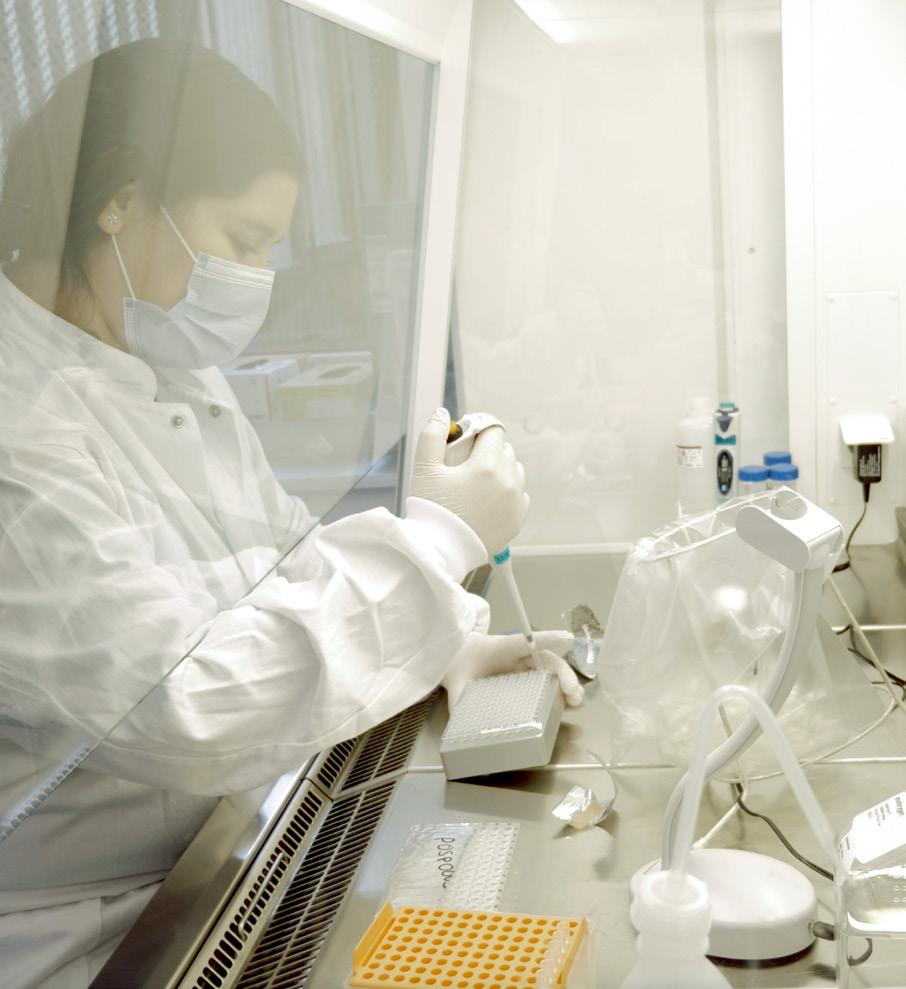
At the beginning of the COVID-19 pandemic, DTU’s Center for Diagnostics very quickly reorganized and expanded its laboratory capacity so the University could meet society’s urgent need for testing.
Global outreach
Technology is created by innovative researchers who work through global partnerships. At DTU, we identify the best match between researchers, fields, and projects. We collaborate with other elite technical universities throughout the world, and we are active partners in strong, international alliances.
Alliances and strategic partnerships
DTU’s network of alliances and strategic partnerships spans across research, education, scientific advice, and innovation. Together we promote synergy, quality, impact, and visibility. We open up the global job market and attract international resources and talent, and we build on in-depth collaboration and a mutual match in excellence and values.
An international education
Students from approximately 100 countries come to DTU each year, and we also encourage all our students to spend a semester or two abroad.
An exchange period helps students grow—both academically and personally—and creates networks that will prove invaluable in a future career. Our students have the chance to work and study with the best research universities in the world. We invite students from all over the world to study at our University, and offer 32 MSc Eng programmes in English. We also offer joint international master’s programmes where students can study at two universities.
Exchange students
878 international exchange students came to DTU in 2020, and 830 DTU students went abroad.
Top ten global exchange partners (in terms of volume):
Nanyang Technological University, Singapore
Instituto Tecnológico y de Estudios Superiores de Monterrey, Mexico
Technische Universität München, Germany
École Polytechnique Fédérale de Lausanne, Switzerland
University of British Columbia, Canada
Monash University, Australia
Norwegian University of Science and Technology, Norway
University of Maryland, USA
Hong Kong University of Science and Technology
Technische Universiteit Delft, The Netherlands
28 joint international programmes
Strategic alliance between six leading technical universities, committed to finding technical solutions to major societal challenges through cutting-edge research, education, and innovation. The alliance engages in EU intelligence and advocacy towards the European Commission through its joint office in Brussels. 120 exchange partners
878 international exchange students came to DTU in 2020
830
DTU students went abroad in 2020

The EuroTech Universities Alliance
École Polytechnique (France), Technion (Israel), EPFL (Switzerland), TU Eindhoven (the Netherlands), TU München (Germany), and DTU (Denmark)
Nordic Five Tech
Aalto (Finland), NTNU (Norway), Chalmers and KTH (Sweden), and DTU (Denmark)
Strategic alliance of five leading technical universities in the Nordic countries. By utilizing shared and complementary strengths within education, research and innovation, the alliance creates an extended campus for students and staff to conduct research, share knowledge, and follow joint educational programmes.
Korea Advanced Institute of Science and Technology
A strategic partner ship with the leading technical university in Korea, KAIST. Based on strong synergies in research, education, and innovation as well as a shared focus on green growth and sustainable development.
Nanyang Technological University
The partnership with Nanyang Technological University in Singapore covers activities within education, research, and innovation with a focus on smart cities. Nanyang Technological University is one of the highest ranked universities in Asia.

Sino-Danish Center
The Sino-Danish Center for Education and Research is a partnership between the eight Danish universities, the Graduate University of the Chinese Academy of Sciences, and the Chinese Academy of Sciences.
University of Queensland
DTU has a strategic partnership with The University of Queensland which covers the entire value chain from research to education, innovation and student entrepreneurship.

Organization
DTU is an independent and self-governed university administered by a Board of Governors and under the leadership of the University President and the Executive Board.
The main tasks of the University are situated in departments, in research centres, and in affiliated companies.
Departments
Support functions
Campus Service
Communications and Media
Finance and Accounting
Human Resources
IT Service
Policy and Relations
Research, Advice and Innovation
Study Programmes and Student Affairs
Boards and councils
Academic Council
Employer Panel
Board of Representatives
Advisory boards
Education committees
Affiliated companies
Bioneer Ltd.
DFM Ltd.
PreSeed Ltd.
DTU Science Park Ltd.
Centre for Oil and Gas —DTU
The Danish Hydrocarbon Research and Technology Centre
DTU Learn for life
Centre for Lifelong Learning
DTU Biosustain
The Novo Nordisk Foundation Center for Biosustainability
Centres
DTU Entrepreneurship Centre for Technology Entrepreneurship
Executive Board

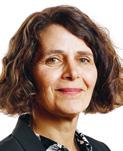
DTU Nanolab National Centre for Nano Fabrication and Characterization
DTU Skylab Innovation Hub
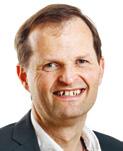
Rasmus Larsen Provost Executive Vice President
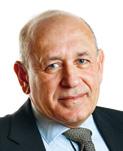
Marianne Thellersen Senior Vice President Innovation and Entrepreneurship
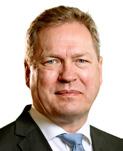
Philip John Binning Dean of Graduate Studies and International Affairs Senior Vice President
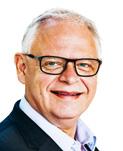
Claus Nielsen University Director Executive Vice President
Orth
Senior Vice President
Dean of Undergraduate Studies and Student Affairs Senior Vice President
Anders O. Bjarklev President
Lars D. Christoffersen
Carsten
Gaarn-Larsen
Human resources
5,854
Total staff full time equivalent (FTE)
38% are woman
34% have an international background
2,251 Researchers and educator full time equivalent (FTE) 51% have an international background
95 nationalities
1,453 PhD fellows 58% have an international background
2,587 in supoort functions full time equivalent (FTE)
11% have an international background
58% of faculty are below 50 years of age
35,668 Members in DTU’s alumni network
51% of all alumni have joined the alumni network
Campuses
DTU has research and test facilities in all parts of Denmark, and in Greenland, including four campuses.
DTU Lyngby Campus
DTU’s main campus is located 15 km north of Copenhagen. The campus covers a 106-hectare site, and is landscaped with wooded areas, sports fields, inner courtyards, and gardens.
DTU Ballerup Campus
DTU Ballerup Campus is located approximately 10 km west of Copenhagen, and is home to many of our BEng students.
DTU Risø Campus
DTU Risø Campus is located 40 km west of Copenhagen and is the site of much of DTU’s groundbreaking research in wind energy technologies.
Arctic DTU Sisimiut—Ilinniarfeqarfik Sisimiut
DTU’s campus in Greenland is home to research as well as BEng and MSc Eng students who follow our arctic educational programmes.
Campuses
Research facilities
Test facilities
Collaborations
Fredericia
Anker Engelunds Vej 101 2800 Kgs. Lyngby
Denmark dtu.dk