ABOUT DTLA ALLIANCE
Founded in 1998, the DTLA Alliance has been a catalyst in Downtown Los Angeles’ transformation into a vibrant 24/7 mixed-use destination for over 25 years. A coalition of more than 2,000 property owners in the Downtown Center, the DTLA Alliance is committed to enhancing the quality of life in Downtown LA.
The mission of the Economic Development team is to ensure that DTLA remains the premier choice for office, residential, hospitality, retail, and cultural investment. We provide services to support and promote investment and development in DTLA, including:
• Market & Research Reports
• Tours & Events
• Development Consulting
• Requests for Information
• Press & Media Inquiries
Whether you need information on construction and development, insights on the DTLA market, finding a location for your business, or you just want to learn more about Downtown’s market sectors and dynamics, we are your best source for information about DTLA
To learn more about the Downtown LA and the DTLA Alliance, visit DowntownLA.com
DOWNTOWN CENTER
DEFINITION OF DOWNTOWN LA
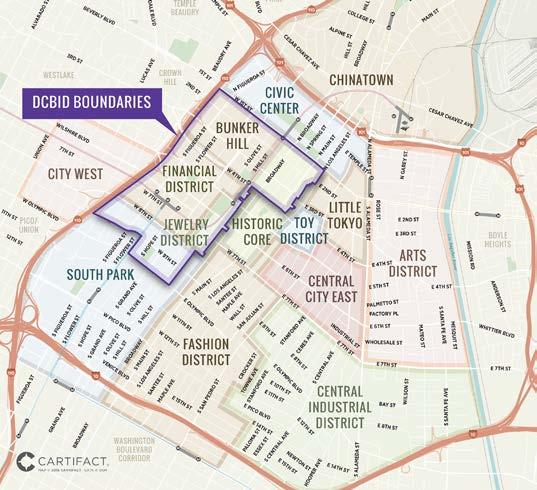
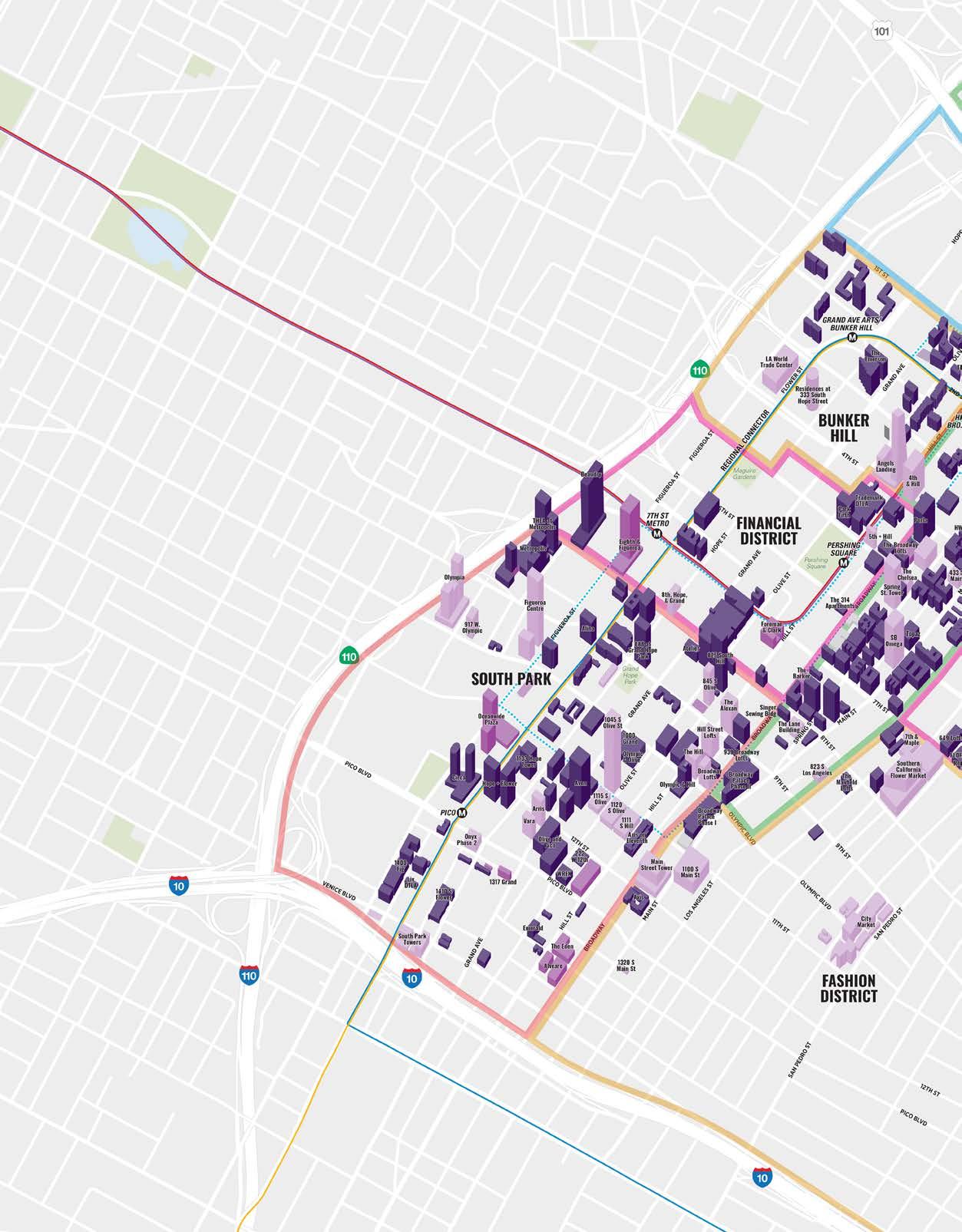
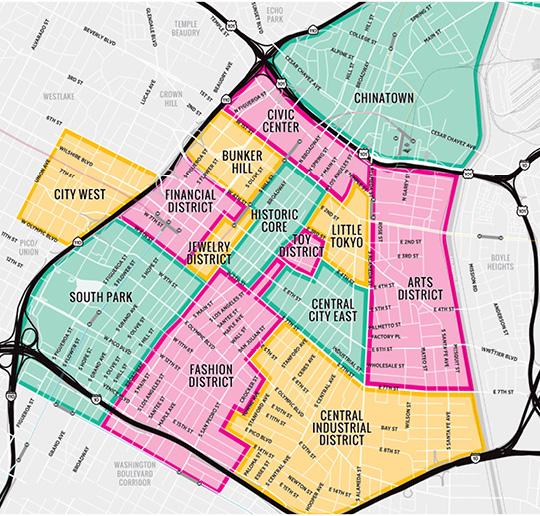
The DTLA Alliance defines Downtown Los Angeles as the area bounded by the 110, 101 and 10 freeways and the LA River, plus Chinatown, City West, and Exposition Park. The projects contained in this report are within a portion of Downtown Los Angeles, shown on the map to the left.
EXECUTIVE SUMMARY
Since the beginning of its renaissance in 1999, Downtown Los Angeles has been one of the fastest growing residential markets in the country and has established itself as a premiere urban destination. This report provides a comprehensive examination of the current residential market in DTLA and a detailed assessment of opportunities for its ongoing development.
The Downtown LA market comprises a total of almost 60,000 residential units, of which almost 37,000 are market rate rentals, almost 8,000 are condos, and almost 15,000 are affordable housing. Almost all the market-rate rentals and condos have been produced since 1999. Despite such rapid growth, demand has never slackened, with occupancy rates for mature properties staying consistently at or above 90%.
Looking to the future, the recently approved update to the Downtown Community Plan (aka: DTLA 2040) supports even greater residential expansion, accommodating up to 100,000 additional housing units, which would increase the population to almost 250,000.
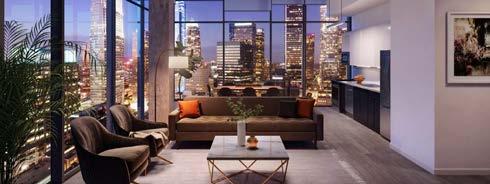
DTLA’s residential stock falls into three basic categories, built during successive and increasingly ambitious waves of development. Over the first 8 years of Downtown’s Renaissance, 87% of new inventory came from adaptive reuse of older commercial buildings. This was followed by a period dominated by new construction of mid-rise properties up to 8 stories. More recently, the focus has been on high-rise projects of 30+ stories.
A defining aspect of the DTLA market is its collection of distinct neighborhoods, each with their own character and mix of attributes and amenities. Understanding the unique qualities of these neighborhoods and their appeal to various segments of the market is critical to assessing the development potential of each. And while the DTLA 2040 plan supports overall growth, it also attempts to reinforce this diversity of neighborhoods.
No evaluation of the Downtown residential market would be complete without an examination of the residential population itself. DTLA’s demographics provide a vivid portrait of those who gravitate to living in this kind of dynamic urban environment. In this respect, Downtowners are younger than the broader LA region, with the share of residents 18-34 being 41%, and highly educated, with 67% of them having post-secondary schooling.
Like all residential markets, Downtown Los Angeles is a complex combination of people and places, past and present, community and culture. In DTLA, that mix encompasses a wide range of building types, neighborhoods, and demographics, alongside the largest concentration of jobs and office space in the Southern California region, one of the most prominent collections of cultural institutions in the nation, worldclass sports and entertainment venues, and a critically acclaimed dining and nightlife scene. That unique amalgam of assets and advantages makes it a very appealing place to live and thus a highly attractive place to develop.
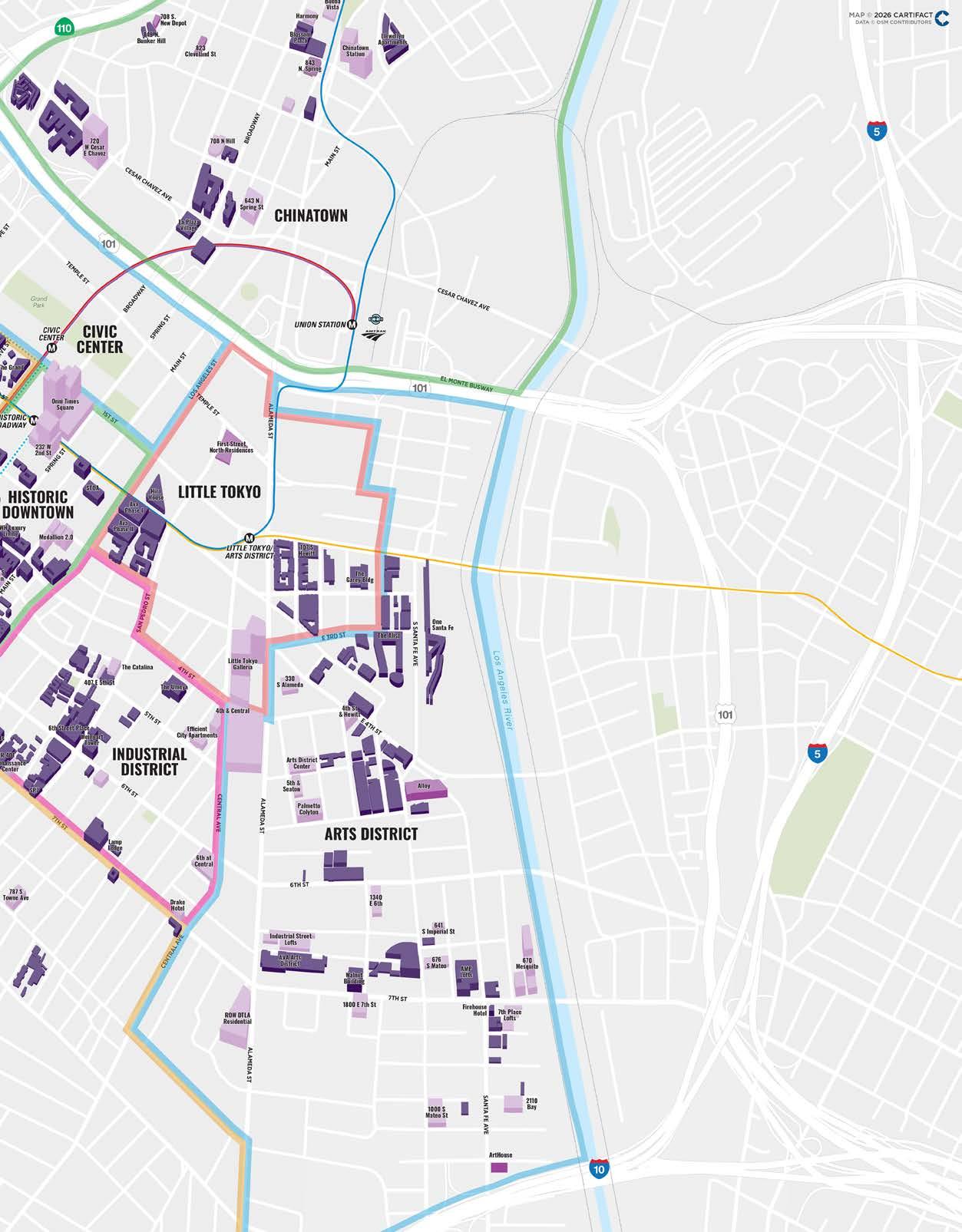
Residential Development
n Existing
n Under Construction/Renovation
n Proposed
As of 3/31/2026
CURRENT RESIDENTIAL MARKET
As one of the fastest growing residential markets in the country, the supply of new inventory has reliably been met with increasing demand. As was the case in most markets, the COVID-19 pandemic saw a short-lived drop in occupancy rates that have since rebounded strongly and are now consistently at or over 90%, even as more new inventory is delivered.
INVENTORY
3/31/26
QUARTERLY STAT TRACKING
The residential market rebounded strongly after a short-term decline during the pandemic, with rent and occupancy returning to pre-pandemic levels. Although occupancy dipped in 2023 due to delivery of over
it has remained over 90% ever since.
FEATURED PROJECTS
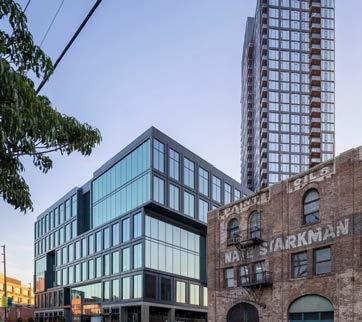
ALLOY
Developer: Carmel Partners
Alloy is the first high-rise development in the Arts District and features 475 apartments and over 100K SF of office space.
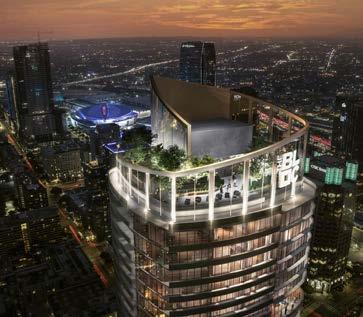
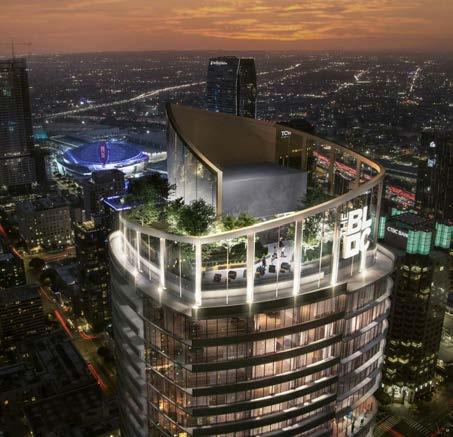
THE BLOC
Developer: National Real Estate Advisors
Design: Handel Architects
41-story tower will sit atop the existing 12-story parking garage and create up to 466 apartments.
RECENT OPENINGS
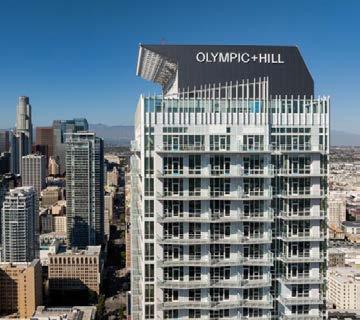
OLYMPIC & HILL
Developer: Onni Group
At over 760 feet, Onni Group’s Olympic & Hill is the city’s tallest residential highrise, featuring 700 apartments and 15K SF of retail space.
IN THE PIPELINE
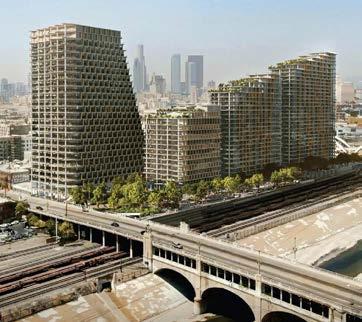
670 MESQUIT
Developer: V.E. Equities
Design: Bjarke Ingels
This Arts District project will add 894 residential units, over 600K SF of commercial space, and a 271-room hotel.
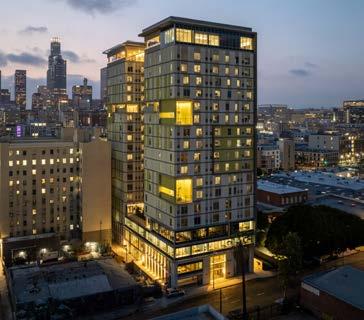
WEINGART TOWER 1A
Developer: Weingart Center Foundation
At 19 stories and 278 units, the Weingart Tower 1A is one of the largest permanent supportive housing projects in DTLA.
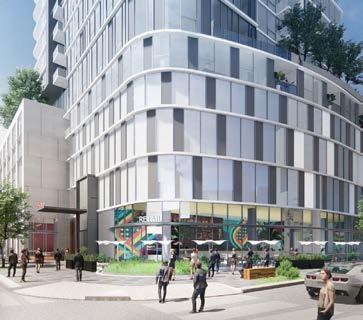
1105 S. OLIVE
Developer: Mack Urban
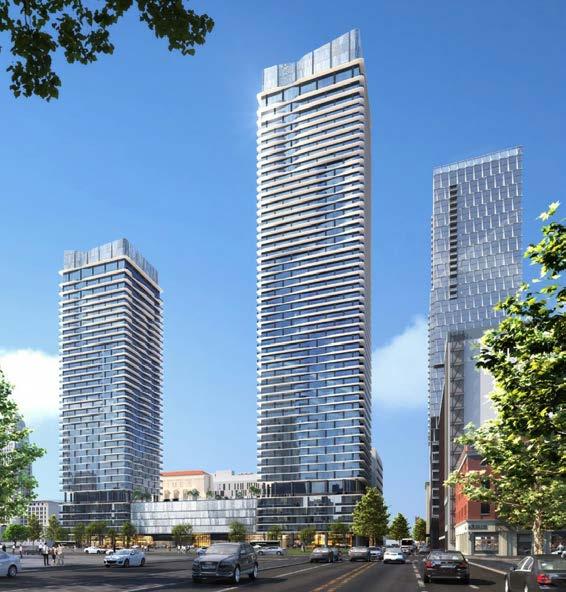
Replacing a surface parking lot, this 536-unit tower would be the 5th DTLA residential tower to top 50 stories.
FUTURE OF THE RESIDENTIAL MARKET
DTLA 2040
The new Downtown Community Plan that was formally adopted by the LA City Council in December 2024 provides a blueprint for the next phase of residential growth. It not only increases Downtown’s overall capacity for new residential development, it includes several key provisions that will encourage increased density by providing incentives and eliminating requirements.
KEY FEATURES OF NEW COMMUNITY PLAN
• Increase the portion of Downtown where housing can be built by-right from 33% to 60%
• Updated zoning and land use designations are more tailored to current uses
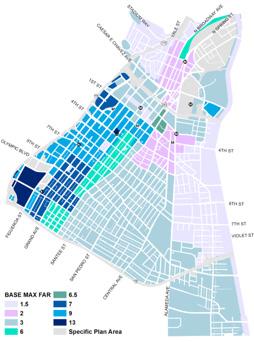
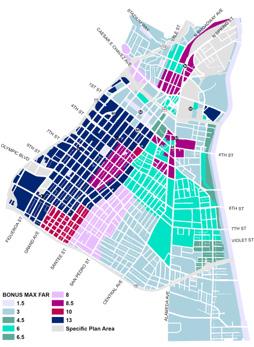
• 3-level Community Benefits Program provides density bonuses for including affordable housing, open space/community facilities, and contributing to a community benefits fund
• Elimination of parking requirements, allowing developer to assess their needs
• Expansion of adaptive reuse to include any building that is more than 25 years old
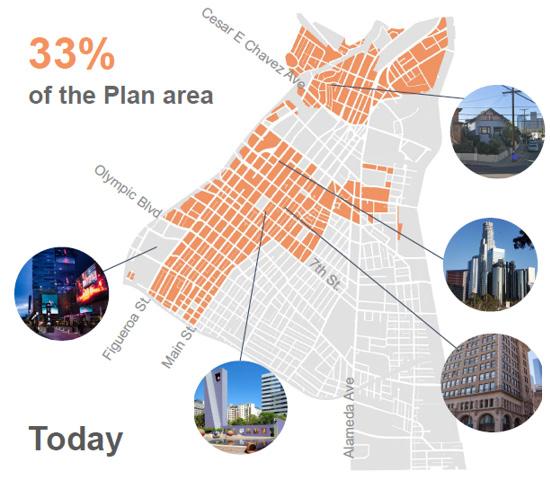
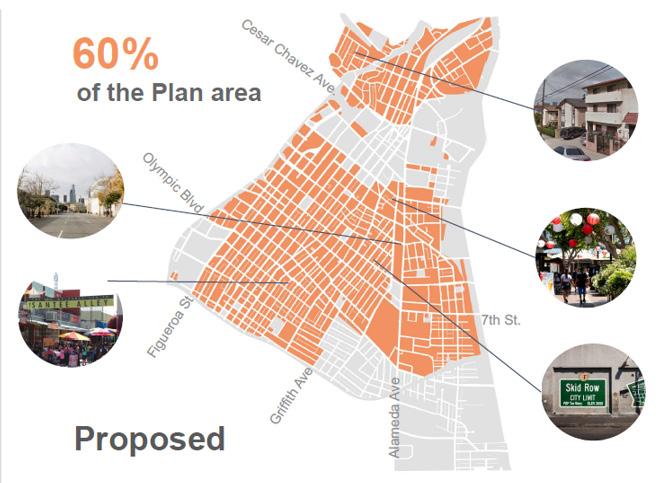
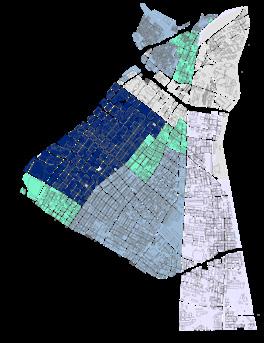
In addition to redefining the future growth potential of DTLA’s residential community, DTLA 2040 also includes updated land-use designations to align the zoning code with Downtown’s contemporary uses. Where the region was previously divided mostly into commercial and industrial zones, the new map includes seven different designations, each broadly corresponding to Downtown’s neighborhoods.
NEW LAND USES
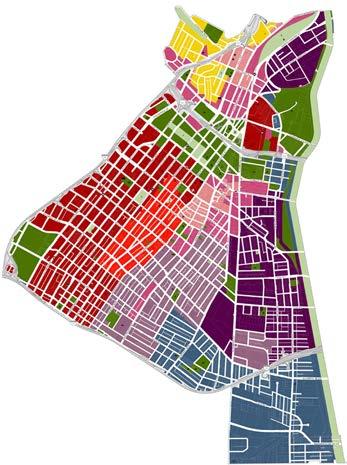
n Transit Core
n Traditional Core
n Community Center
n Hybrid Industrial
n Markets
n Village
n Open Space
n Public Facilities
n Public Facilities - Freeways
n Medium Neighborhood Residential n Production
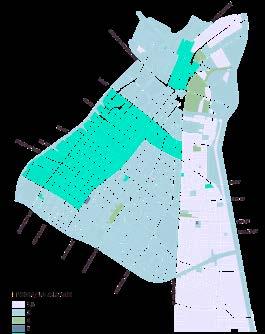
INCREASED FLOOR AREA RATIO (FAR)
DTLA RESIDENTIAL EVOLUTION
From 1999 to 2008, the Downtown LA Renaissance was led by adaptive reuse of historic office buildings comprising almost 90% of new residential inventory. After a pause following the 2008 financial crisis, residential development shifted to new construction of mid-rise apartments up to 8 stories. Finally, from 2018 to today, development has again shifted to high-rise projects of 30+ stories. Unsurprisingly, given the larger scope of these projects, the overall number of new units delivered has grown substantially – only pausing in response to global events.
ADAPTING & REUSING (1999-2008):
5,000+ new units delivered 87% adaptive reuse
FROM THE GROUND UP (2009-2017):
7,000+ new units delivered 77% mid-rise new construction
REACH FOR THE SKY (2018-present):
10,000+ new units delivered
70% high-rise construction


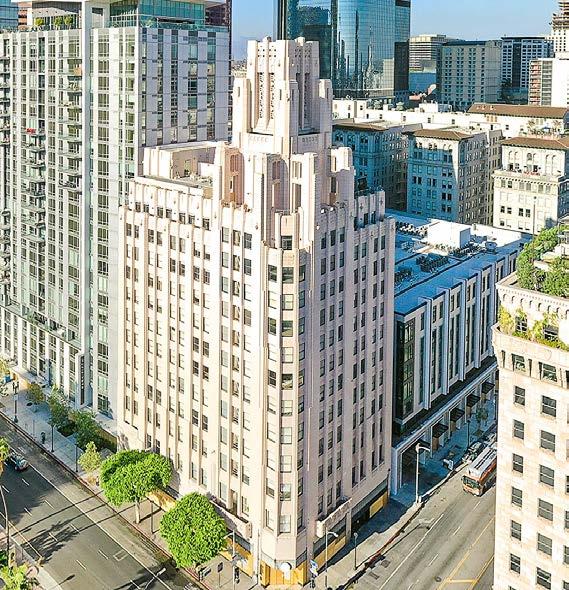
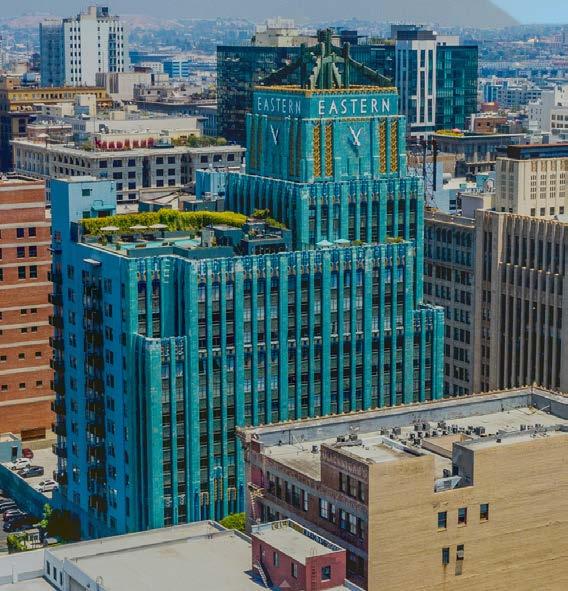
PHASE I: ADAPTING & REUSING
Passage of the Adaptive Reuse Ordinance in 1999 spurred the first wave of new residential development, consisting almost exclusively of conversions of historic office buildings, many dating back to the 1920s. The unique charm and character of these properties is their biggest draw, while on-site amenities will vary from property to property.
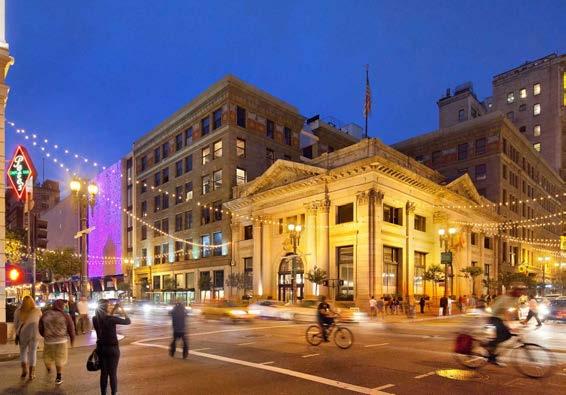
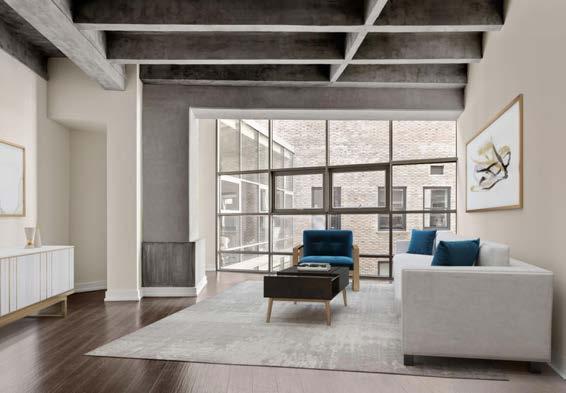
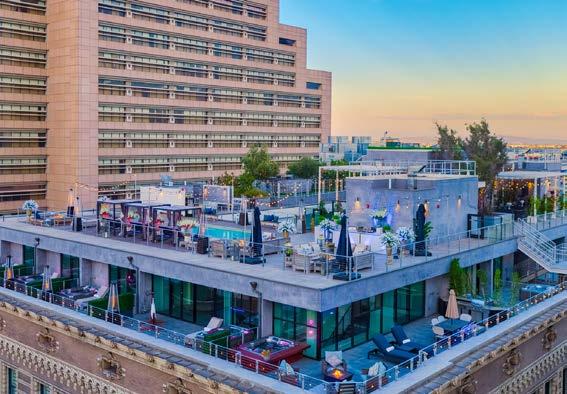
Old Bank District
The Roosevelt
HWH Luxury Living
Eastern Columbia
Title Guarantee Building
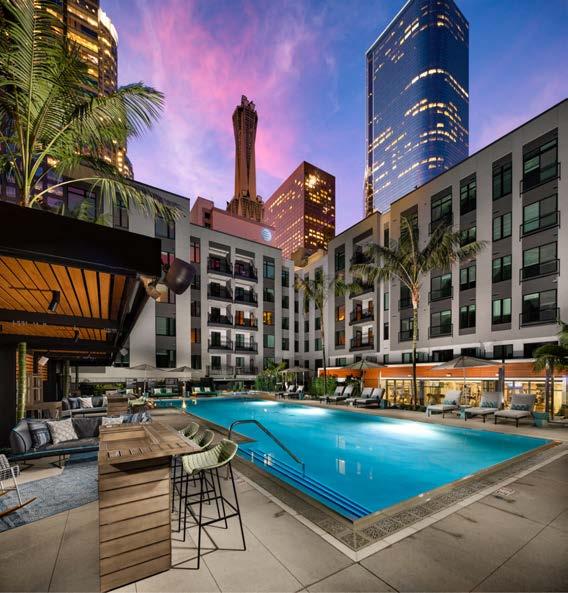
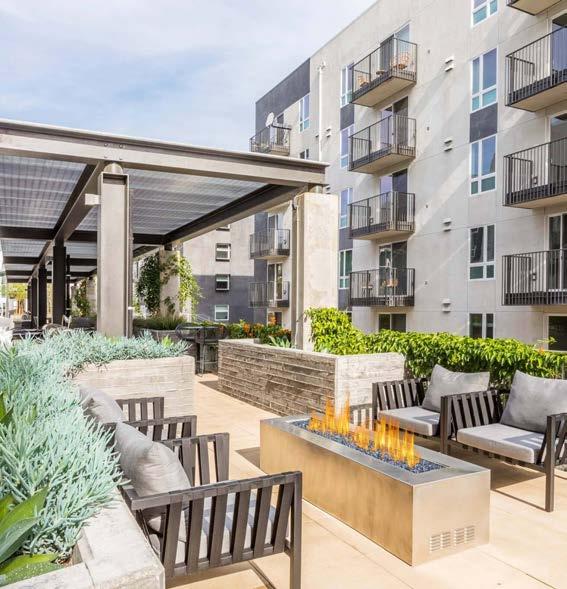
PHASE II: FROM THE GROUND UP
Following the financial crisis of 2008, developers returned to DTLA with increased confidence, resulting in the first wave of new residential construction, primarily in the form of mid-rise apartments of up to 8 stories, which is the limit on wood-framed construction. As of 2026, this type of product represents approximately 1/3 of the inventory of market-rate units.
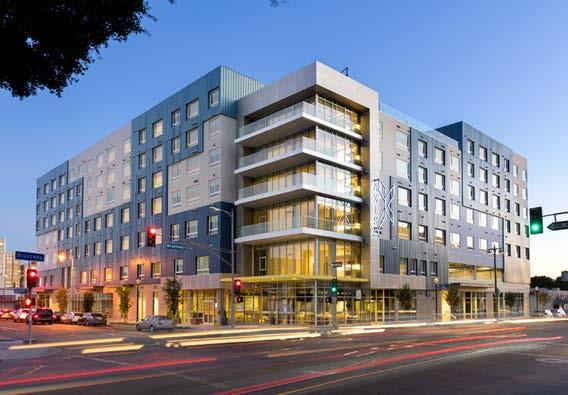
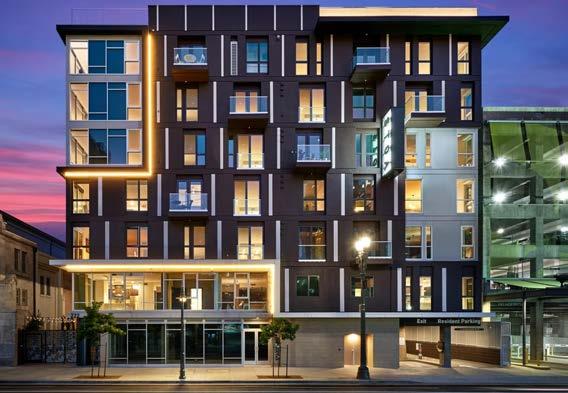
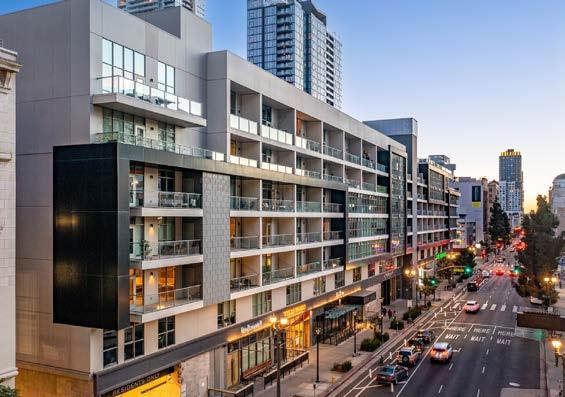
Trademark
AXIS
STOA
Eighth & Grand
The Aliso
PHASE III: REACH FOR THE SKY
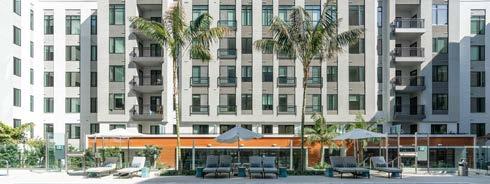
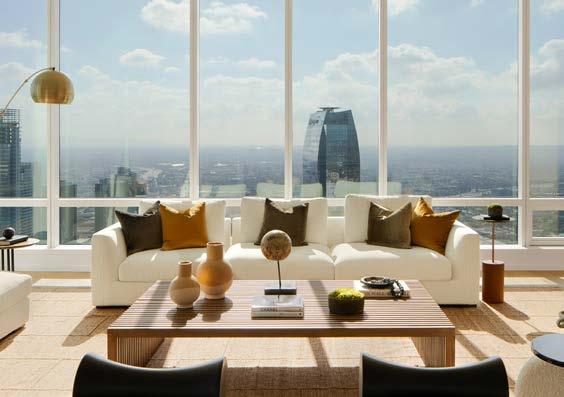
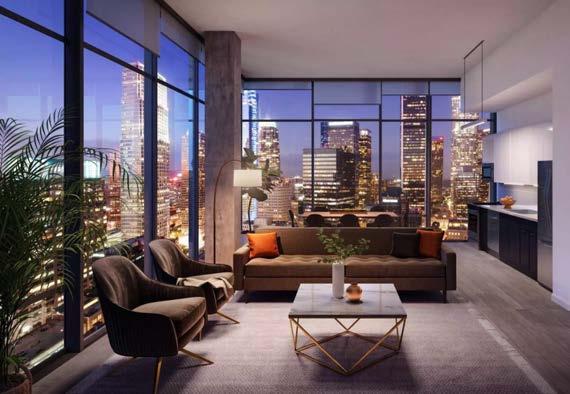
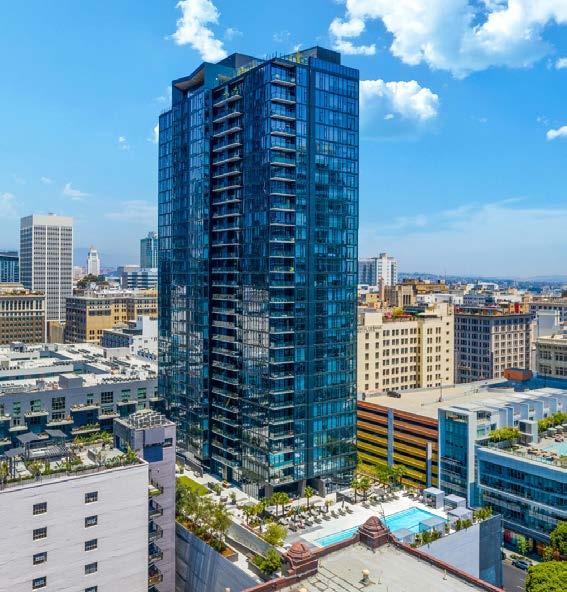
As confidence in the DTLA residential market continued to grow, so too did the scale of residential projects, with the bulk of new deliveries since 2018 being in high-rise properties, including four that stand over 50 stories, and six that contain over 500 units. These properties all tend to be on the higher end of the spectrum in terms of design, amenities, and rental rates.
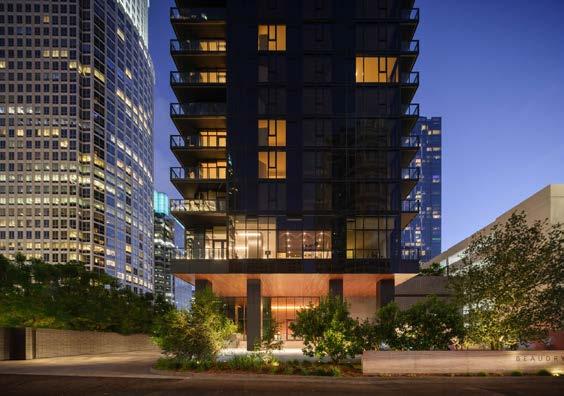
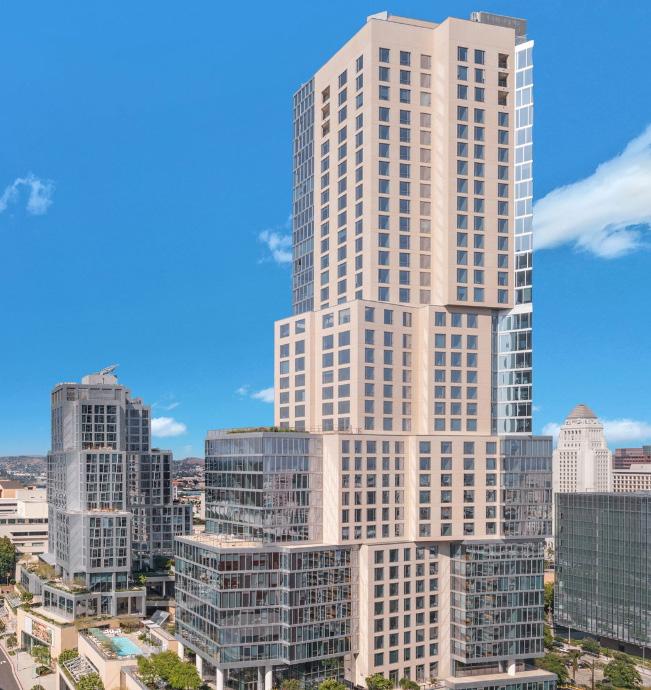
The Grand by Gehry
Beaudry
THEA
Atelier
888 at Grand Hope Park
CONDOS
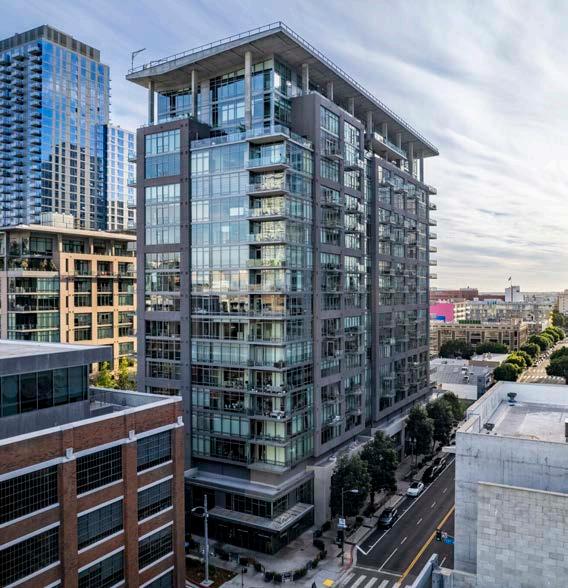
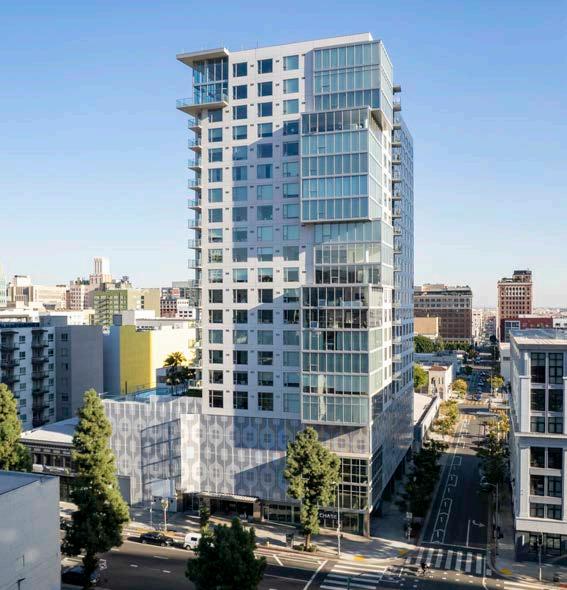
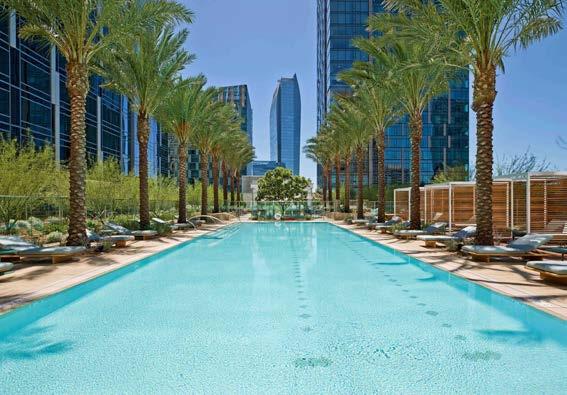
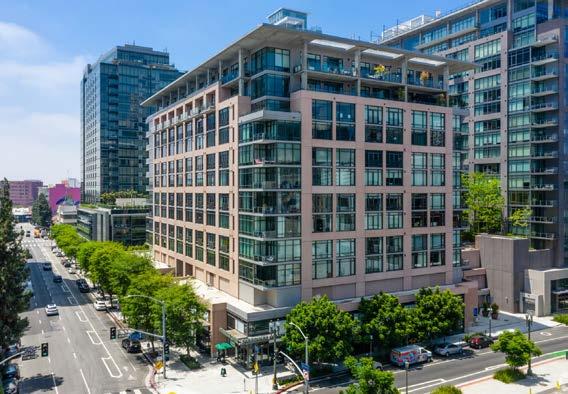
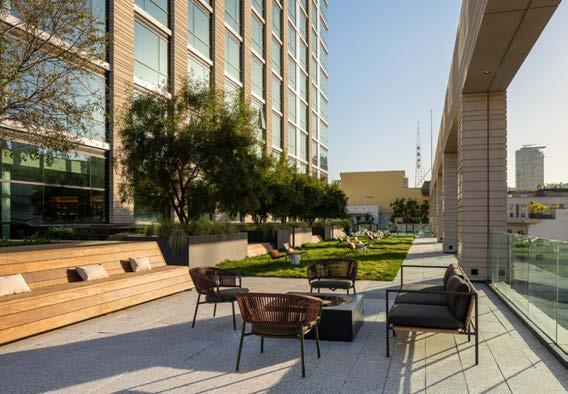
Representing only about 14% of total inventory, condo units are still a significant component of the DTLA market, providing an ownership option for long-term residents. Almost 1/3 of Downtown condos were delivered from 2005 to 2008. In the aftermath of the housing market collapse, while apartment construction boomed, the next new condos were not delivered until 2017.
LUMA
Metropolis
Elleven South
TEN50
Perla on Broadway
AFFORDABLE HOUSING
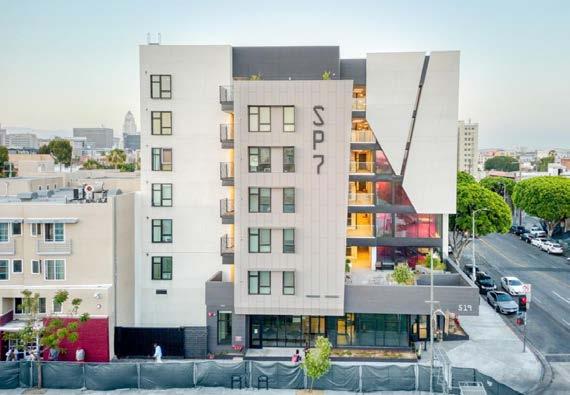
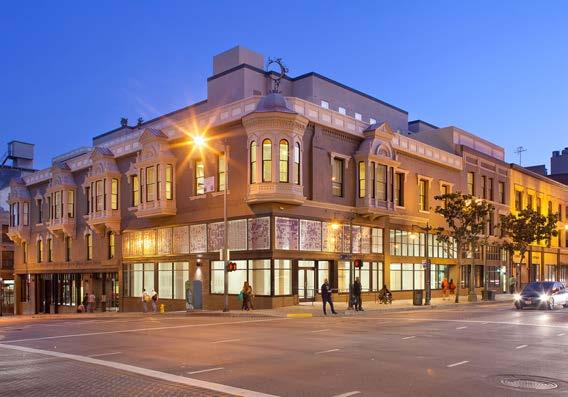
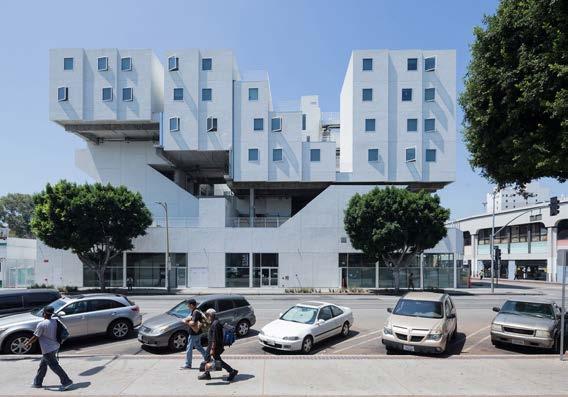
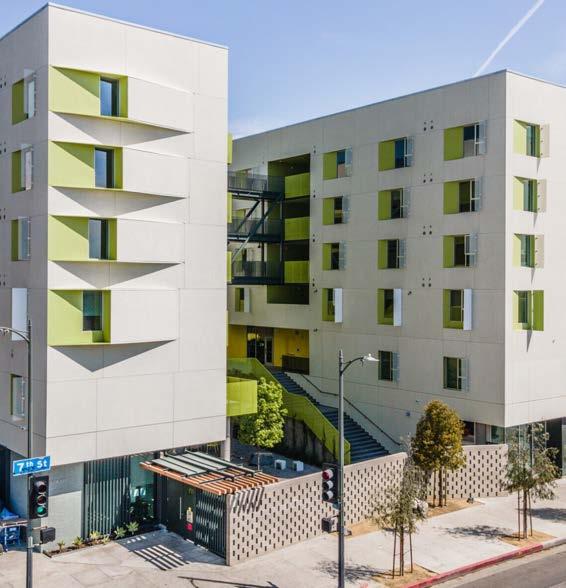
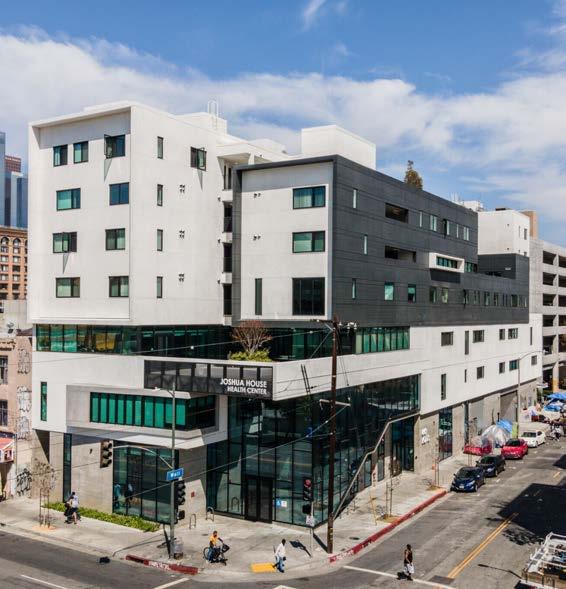
Downtown LA has been the leader in providing much-needed affordable housing options to help address the region’s housing crisis and homelessness. Despite representing only around 1% of the land in the LA region, roughly 10% of its affordable housing can be found in DTLA – most of it located in the Industrial District.
SP7
New Pershing Apartments
FLOR 401
Star Apartments
649 Lofts
NEIGHBORHOODS
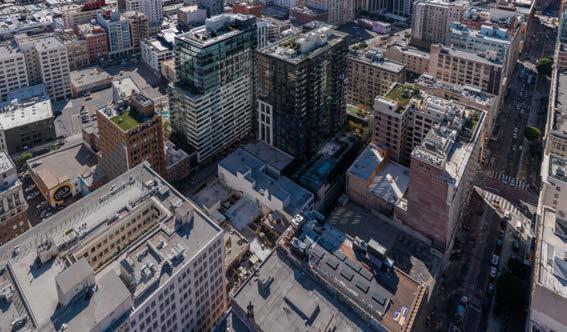
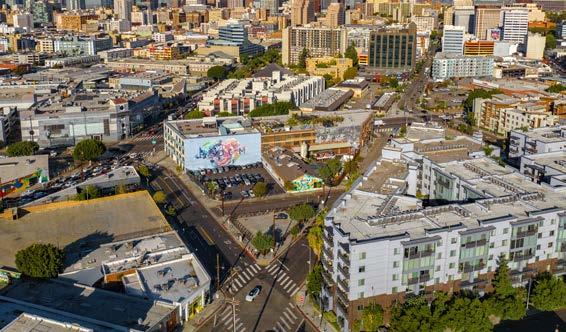
Downtown is comprised of many unique neighborhoods that have grown alongside each other, while retaining their distinctive characters. Different communities with distinct features appeal to different segments of the market. This is reflected in the various types of residential projects that are developed in each neighborhood and how they integrate themselves into the fabric of the community.
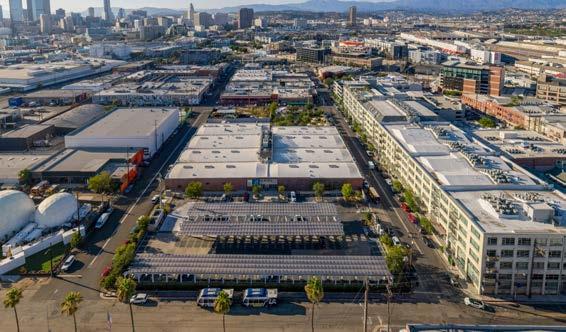
Financial District
Historic Downtown Chinatown
Bunker Hill
South Park
Arts District
Fashion District
Little Tokyo
FINANCIAL DISTRICT
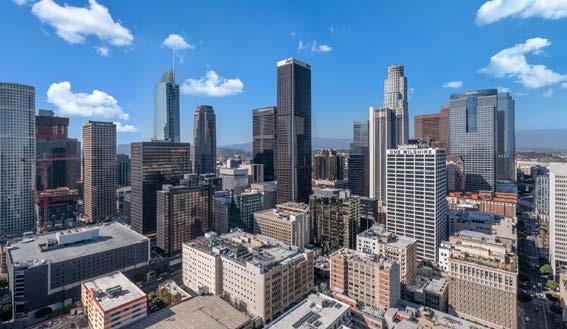
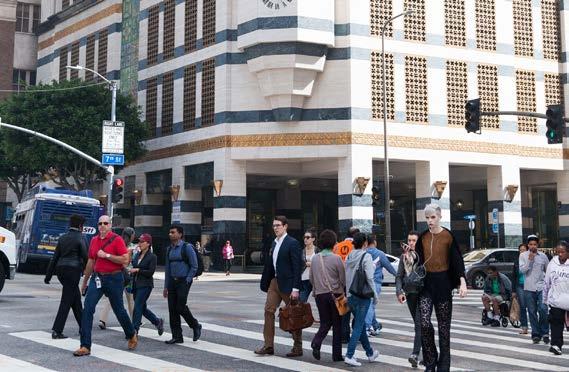
Dense, diverse, and dynamic, the Financial District is the heart of DTLA. Sitting at the center of the region’s Metro rail system, and possessing an unparalleled selection of restaurants, it is the epitome of convenience. Rental and condo properties have added a residential community that keeps the neighborhood buzzing through the day and into the evening.
6 , 384 MARKET
EXISTING INVENTORY
991 CONDO 493 AFFORDABLE
2 ,198
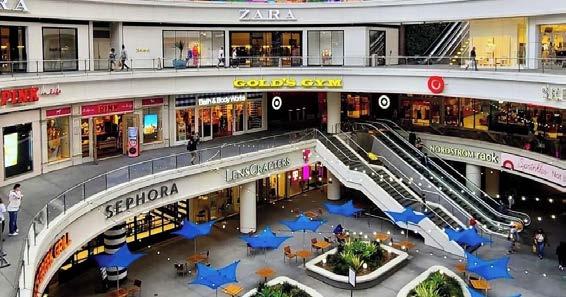
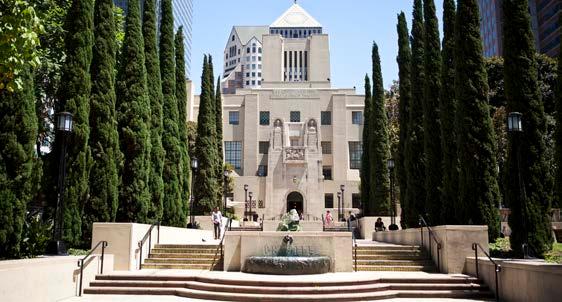
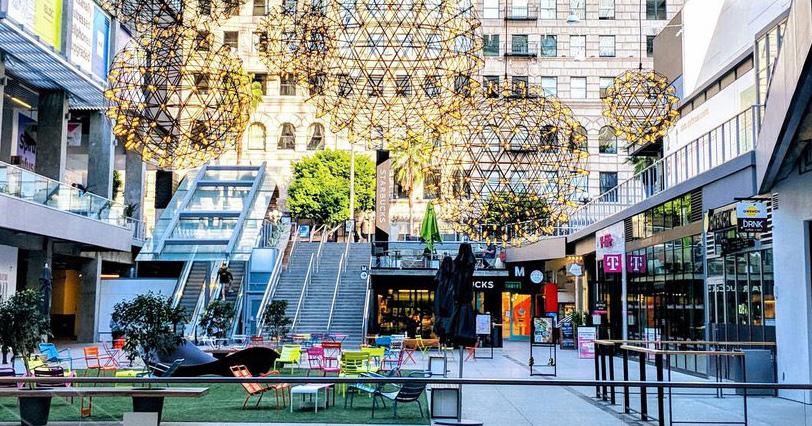
Home to Metro’s busiest station with over 15 million annual boardings.
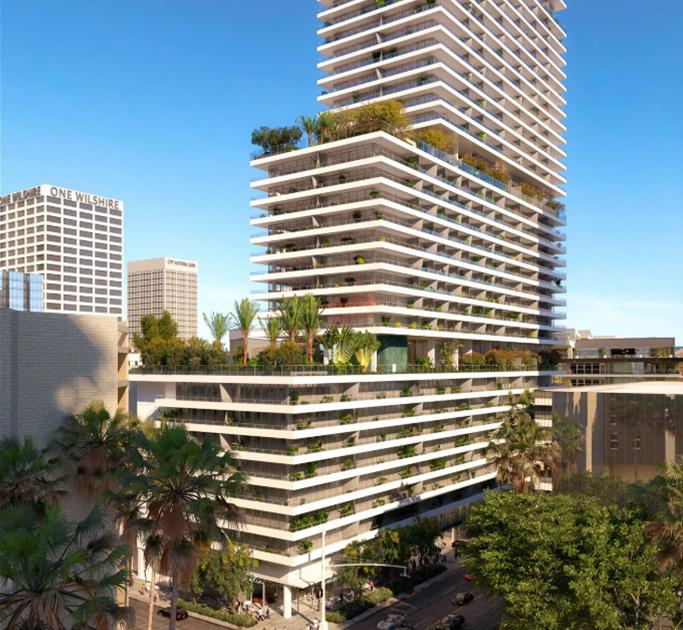
FIGat7th
The BLOC
7th Street
Future Development: Park Central
LA Central Library
PIPELINE
SOUTH PARK
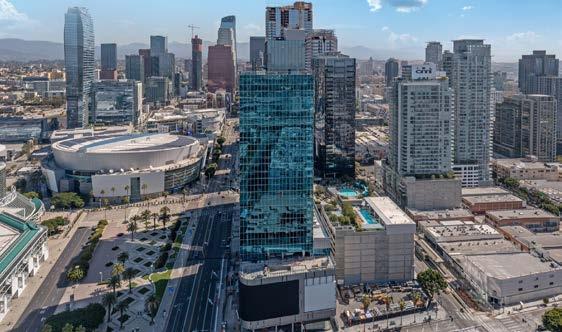
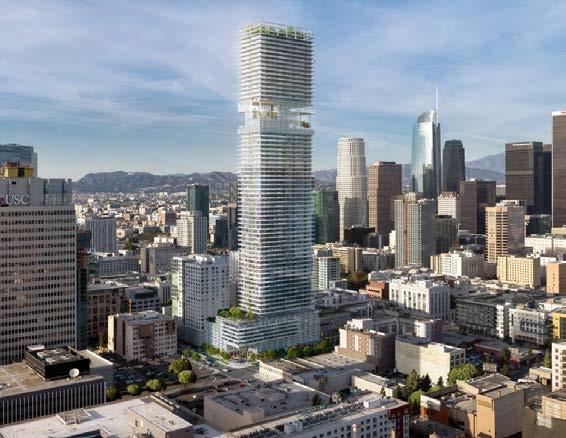
South Park is the premier sports and event destination of Southern California, with Crypto.com Arena, the L.A. LIVE entertainment complex, and the L.A. Convention Center attracting more than two million visitors annually. The area has also experienced massive population growth, becoming its own full-fledged residential community.
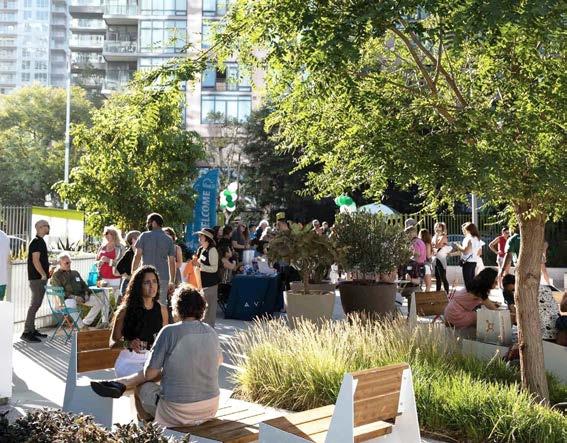
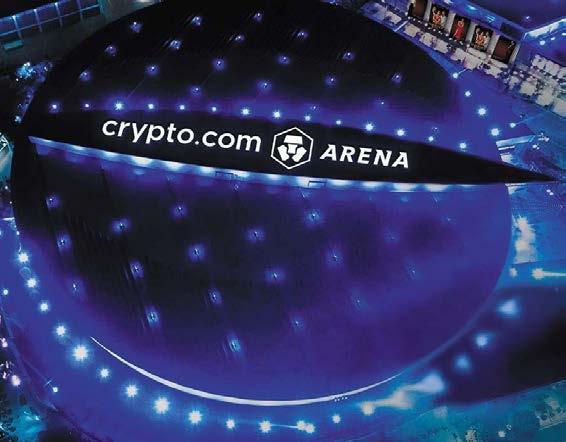
Over 60% of all high-rise units are in South Park.
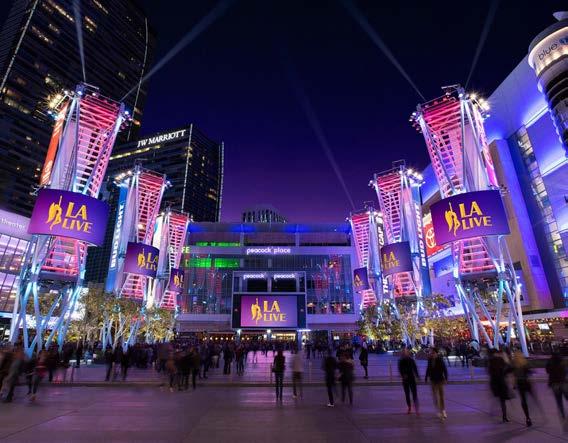
L.A. LIVE
PIPELINE
HISTORIC DOWNTOWN
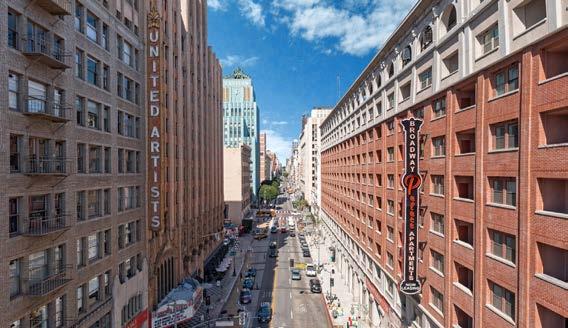
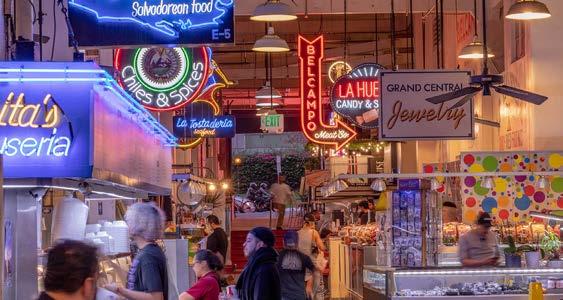
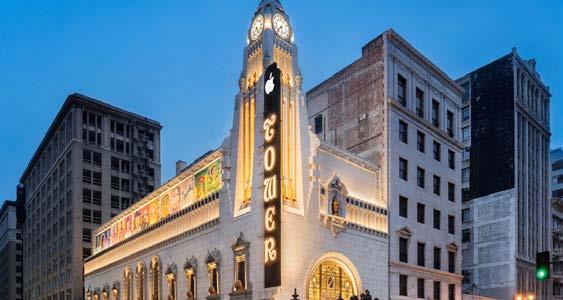
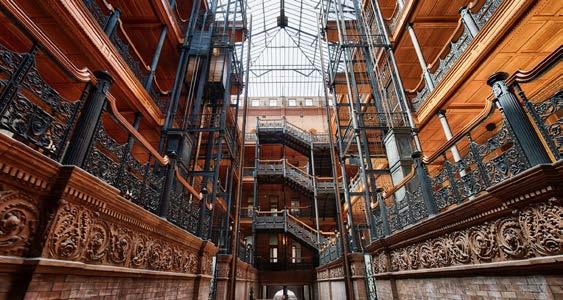
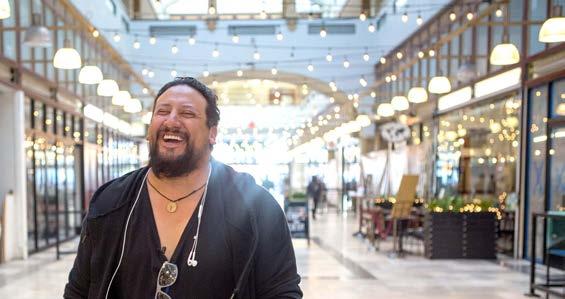
With its classic buildings adapted for office and residential use, this area boasts many of the things that originally put LA on the world stage – ornate movie palaces, showcase architecture, and the bustling Broadway corridor. It’s also where visitors can experience DTLA’s contemporary reputation as a one-of-a-kind food, arts, and shopping destination.
3 ,961 MARKET
EXISTING INVENTORY
1, 711 CONDO
3 , 604 AFFORDABLE EXISTING
4 ,175
Home to over 40% of all DTLA adaptive reuse units.
Apple Tower Theatre
Grand Central Market
Spring Arcade
Future Development: Onni Times Square
The Bradbury
PIPELINE
ARTS DISTRICT
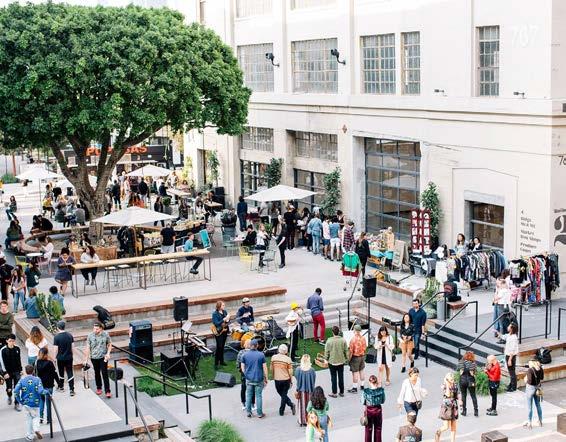
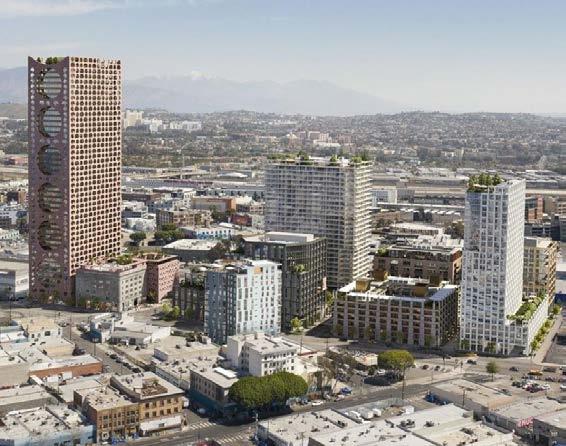
Situated on the eastside of DTLA, adjacent to the LA River and railyards, the Arts District is famously home to galleries and cultural spaces, live/work lofts, and unique restaurants and retail in converted warehouses and former factories. It’s also become a haven of innovative space for technology, media, and other creative companies. The neighborhood’s buzz can be felt day and night and has made it one of the hottest real estate markets in the country.
2 , 828 MARKET
EXISTING INVENTORY
1, 068 CONDO
253 AFFORDABLE EXISTING
6 ,100
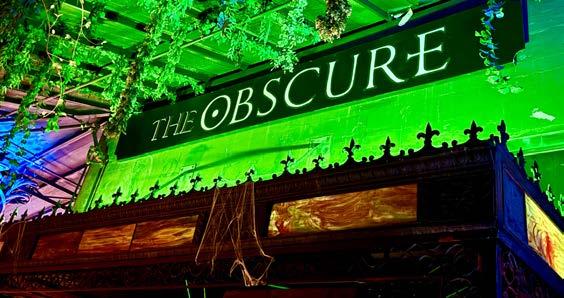
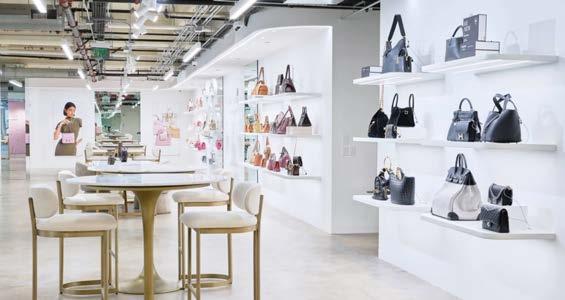
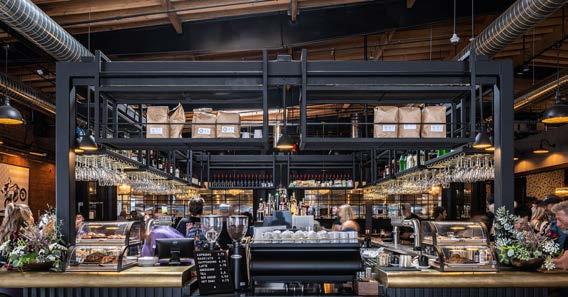
Two mega-projects currently in the pipeline would add over 2,500 units between them.
Fashionphile
Bike Shed Moto Co
The Obscure
ROW DTLA
Future Development: Fourth & Central
PIPELINE
CHINATOWN
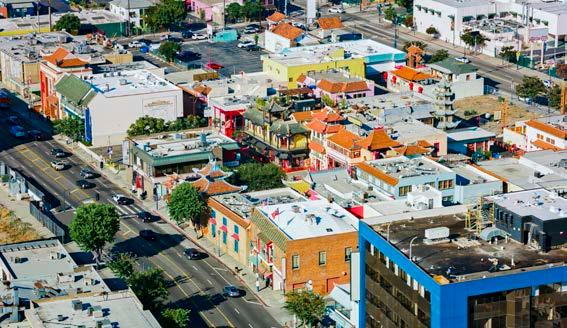
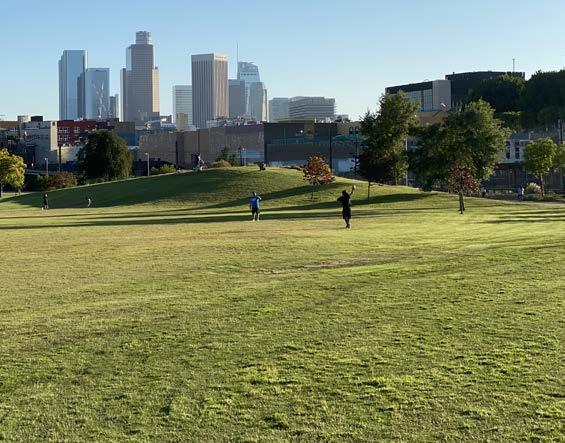
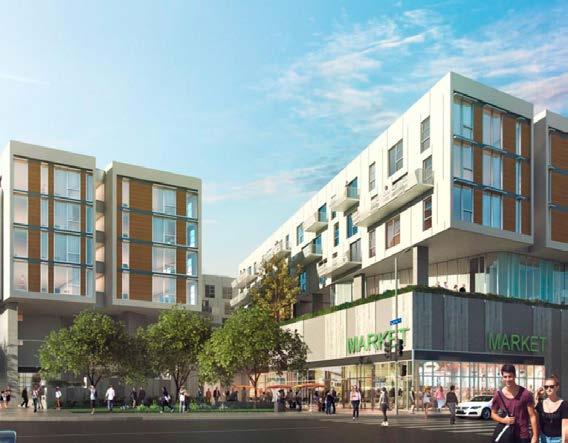
Despite substantial demographic change, this area has managed to remain a destination for authentic regional Chinese culture and cuisine. More recently, it has attracted exciting new culinary and nightlife ventures. With several new residential developments in the works, the area is poised for significant growth in the coming years.
4 , 547 MARKET
EXISTING INVENTORY
0 CONDO 1, 092 AFFORDABLE EXISTING
3 , 581
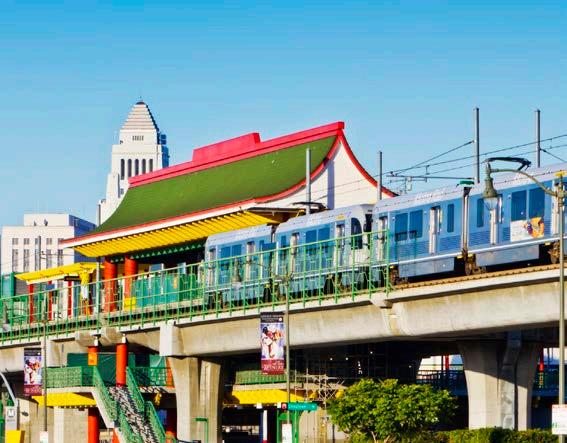
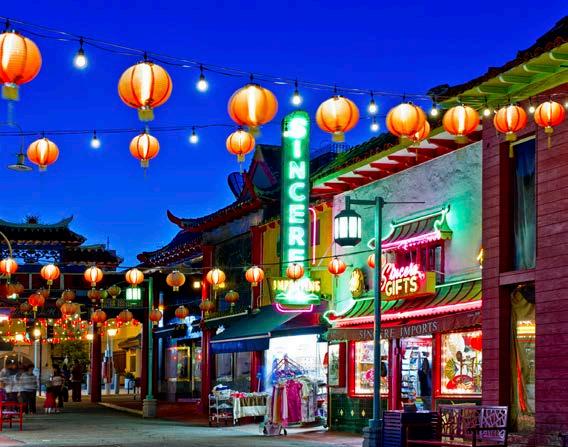
One of the hottest areas for new residential with development focused across from LA State Historic Park.
Chinatown Central Plaza
Future Development: College Station
LA State Historic Park
Chinatown Metro Station
PIPELINE
FASHION DISTRICT
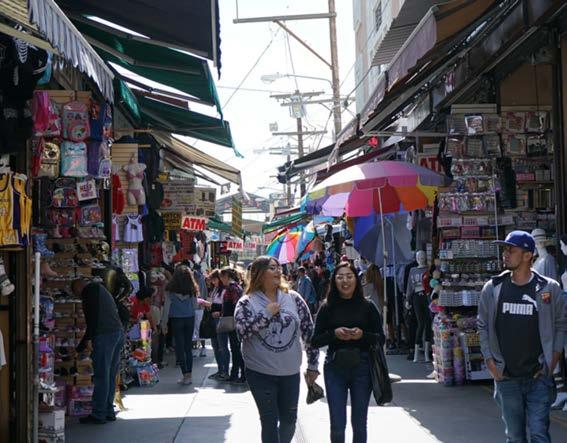
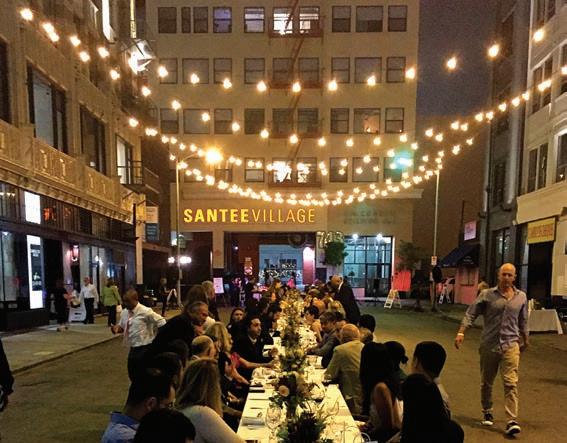
Once known exclusively as Downtown’s wholesale quarter, the Fashion District now counts more than 1,000 retail stores in its 100 blocks, selling everything from fabrics to flowers, and of course, fashion. Crowds come to peruse the deals at Santee Alley or take advantage of frequent “Sample Sale” events. It is home to an increasing number of residents and will be one of the fastest growing neighborhoods in DTLA.
2 , 026 MARKET
EXISTING INVENTORY
280 CONDO 97 AFFORDABLE EXISTING
2 , 628
Projects in the pipeline would more than double existing inventory.
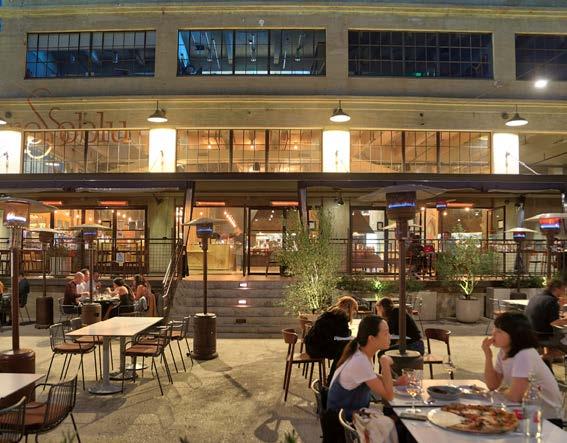
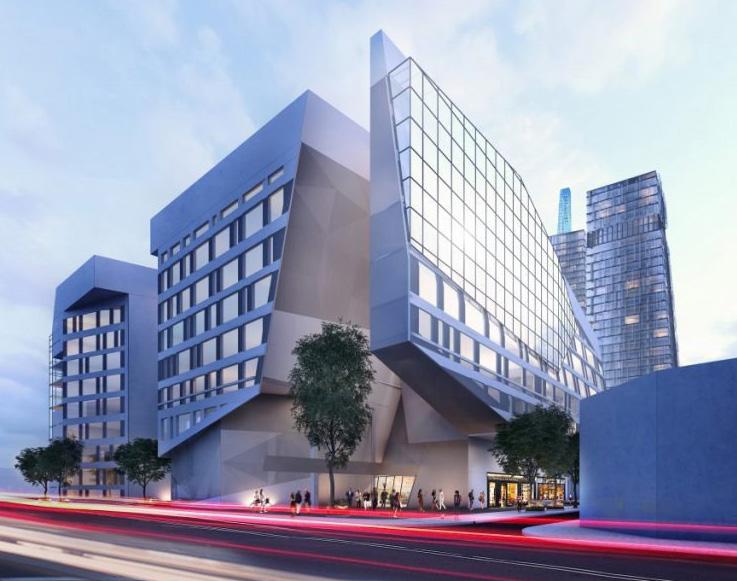
Santee Alley
Santee Village
Future Development: City Market of Los Angeles
City Market South
PIPELINE
BUNKER HILL
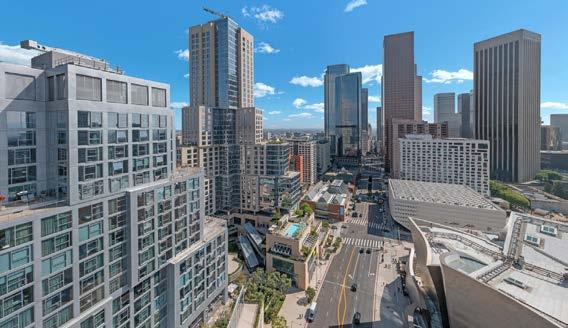
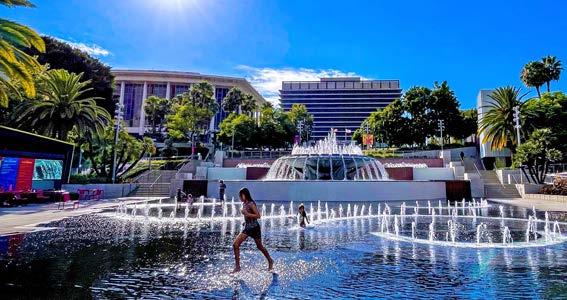
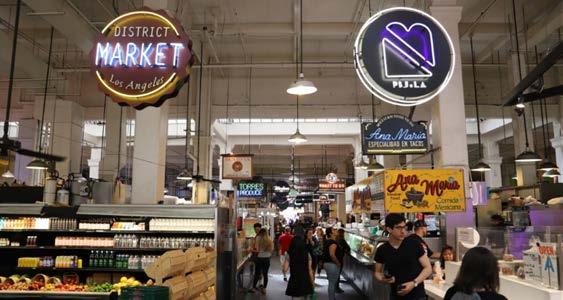
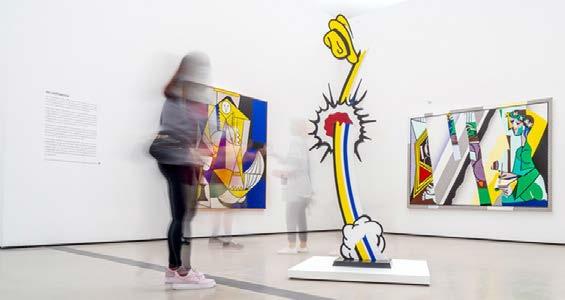
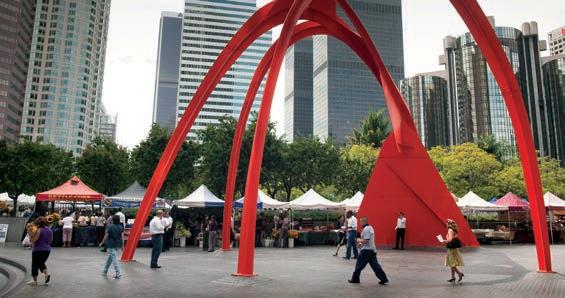
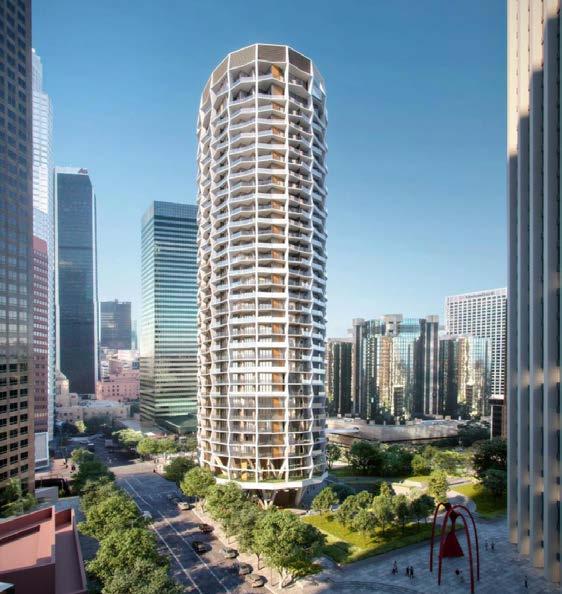
A mix of soaring skyscrapers, internationally known cultural institutions, and world-class architecture, Bunker Hill is also home to an increasing concentration of desirable residential properties. While bustling with office workers on weekdays, the success of The Broad, Disney Concert Hall, and adjacent culinary destinations has ushered in a new population, altering perceptions, and activating the area on evenings and weekends.
2 , 646 MARKET
EXISTING INVENTORY
1, 368
1, 354 AFFORDABLE EXISTING
530 CONDO
Regional Connector Metro station opened in 2023 providing easy rail access for the first time.
Grand Central Market
The Broad Grand Park
Bank of America Plaza
Future Development: 333 Hope
PIPELINE
LITTLE TOKYO
Not surprisingly, Little Tokyo boasts some of Downtown’s finest sushi and noodle restaurants while also embracing an increasingly diverse demographic. By day, the compact, pedestrian, and family-friendly district primarily serves a convenience function, while evenings draw a more youthful, energetic crowd.
909 MARKET
EXISTING INVENTORY
940 AFFORDABLE EXISTING
708 CONDO
1, 222
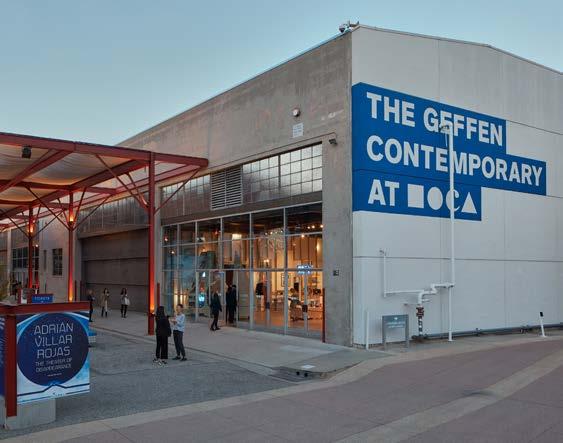
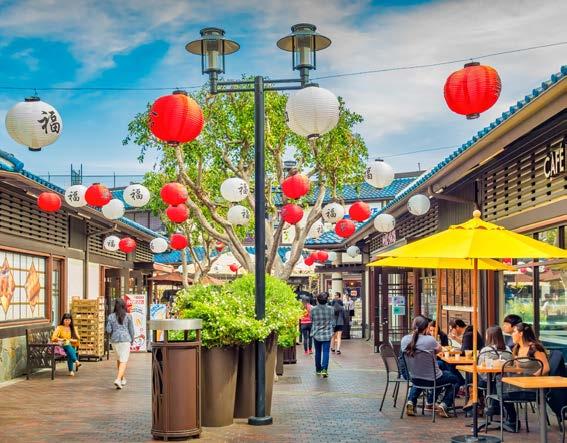
Established in 1905, it is one of the oldest neighborhoods in Los Angeles.
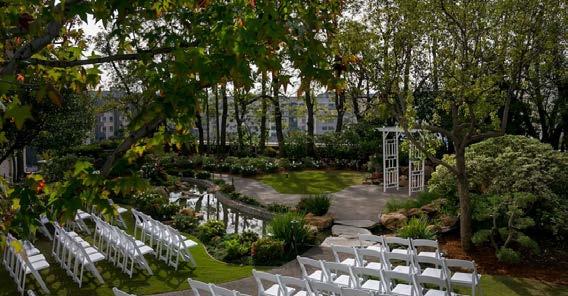
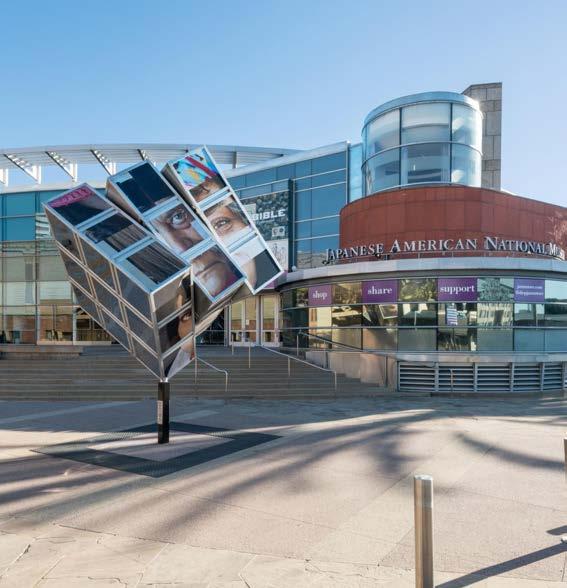
Japanese Village Plaza
Kyoto Garden Japanese American National Museum
The Geffen Contemporary at MOCA
PIPELINE
PROFILE OF DTLA RESIDENTS
DTLA is the “first choice” for Angelenos who want an active urban lifestyle. As such, Downtowners are much more likely to use alternative modes of transportation and tend to work closer to where they live. Because the DTLA housing market is predominantly rental and its demographics skew towards young and single, it is also more transitory than the rest of the region. At the same time, it attracts a significant share of long-term residents, as demonstrated by our survey.
POPULATION
44%
$101,000
RACE
67% Residents with Postsecondary Education
EDUCATIONAL ATTAINMENT
DTLA residents are significantly younger and more ethnically diverse than the city and region as a whole and have a slightly higher rate of postsecondary education. The residential population has grown by over 40% overall from 2010 to 2025, with growth concentrated primarily in South Park, the Historic Core, and the Arts District, where new residential development has been most heavily concentrated.
88% of DTLA Residents are renters
Sources: DTLA Alliance, CoStar
WALK, BIKE, AND TRANSIT SCORES
Source: Walk Score (2023)
93
Downtown Average Walkability Score
38
Median age of DTLA Residents
PROFILE OF DTLA RESIDENTS
COMMUTING PATTERNS
Source: American Community Survey 5-Year Estimates (2020-2024)
Experian Mosaic is a consumer segmentation system that classifies U.S. households into detailed lifestyle and demographic groups for marketing, planning, and audience analysis. DTLA’s largest resident segment is Young City Solos, which represents 36% of the residential market. Compared with Experian Mosaic’s national benchmark, Young City Solos index at 1,369 in DTLA, making them nearly 14 times more prevalent than in the U.S. overall.
CONSUMER SEGMENTS
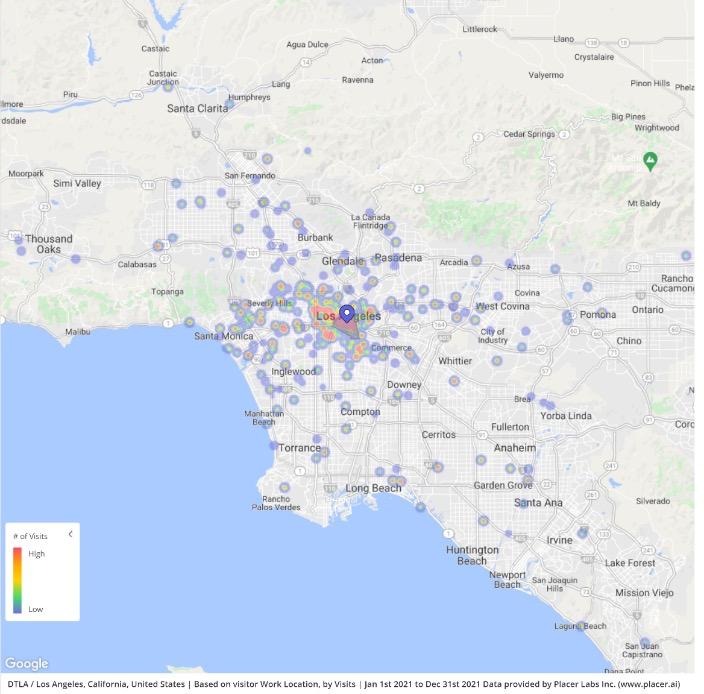
MOST POPULAR DESTINATIONS
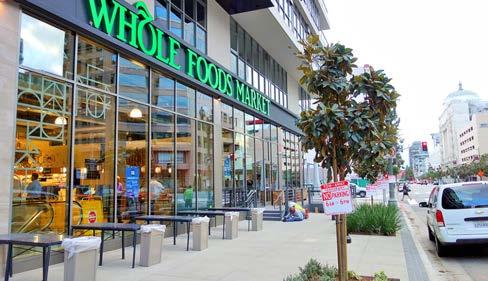
YOUNG CITY SOLOS
36% of DTLA Households vs. 4% of US Households
SINGLES & STARTERS
26% of DTLA Households vs. 18% of US Households
“Younger and middle aged singles living active and energetic lifestyles in metropolitan areas.”
Key Features
• Singles
• Downtown commuters
• Apartment dwellers
• Active lifestyles
• Career-driven
“Young singles starting out and some starter families living a city lifestyle”
Key Features
• Rental housing
• Single adults
• Foodies
• Digitally savvy
• Politically disengaged
Source: Experian Mosaic, Placer.ai
Source: Placer.ai
NEWSLETTERS

R THIS WEEK IN DTLA
Stay plugged in on everything new and exciting in DTLA, from restaurant openings and up-coming events to arts & culture programs and family activities.
R DTLA BUSINESS NEWS + INSIGHTS & THE DTLA STORY
Get the latest on the Downtown market, including business news and trends, detailed data, and compelling content from our industry-leading research and reports.
R THE 9- to -5ish
Make the most of your workday in Downtown LA with a monthly guide to discovering new favorites, after-work hotspots, free lunchtime events and more, curated for the Downtown 9-to-5 crowd.
R COMMUNITY ALERTS
Get alerts on local street closures, construction projects, major events, or other activity that might impact you as a Downtown residents, worker, visitor, or business.
R DTLA ROUNDTABLE
Connect with Downtown’s vibrant community of small businesses and professionals in marketing, promotion, and events, and tap into trends, opportunities, and partnerships.