




2 0 2 5



2 0 2 5
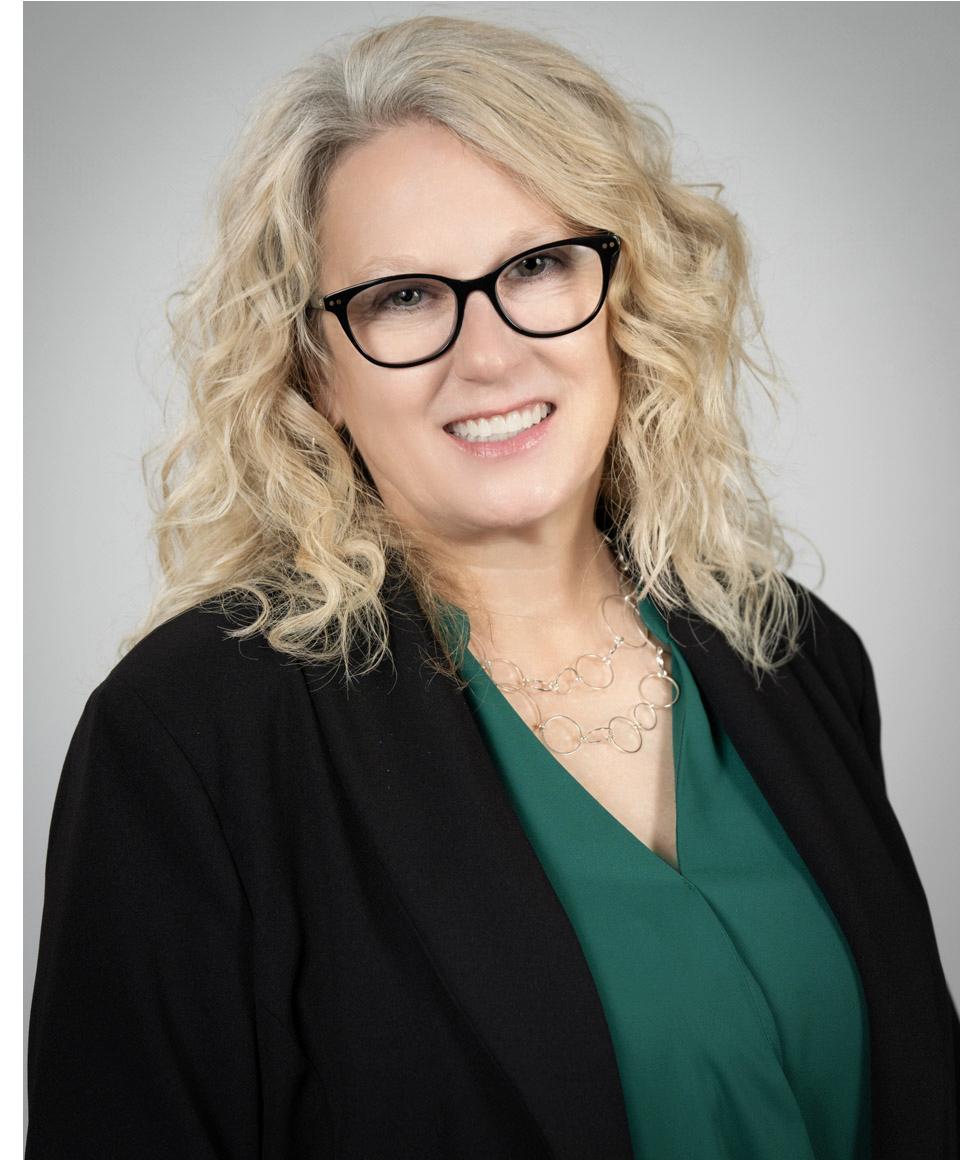
by Kathy Morgan, Director, Adult Protective Services
Adult Protective Services (APS) in Washington State investigates reports of abuse, neglect, and exploitation of vulnerable adults, and offers protective services to support the wellbeing and safety of individuals.
I am excited to share Washington’s Adult Protective Services Annual Report for 2025, detailing our accomplishments and goals for the upcoming year. This report highlights the work we do every day serving vulnerable adults.
Our staff conduct investigations and support connecting people to services. Services offered by APS are voluntary and people have a right to refuse or stop services at any time. Our focus is always person first, respecting individual rights, choices, and independence while working to support safety and mitigate risk.
Collaboration and community partnerships are essential. APS cannot do this work in a silo, it takes partnering with communities and service providers, law enforcement, and other state agencies to support people experiencing abuse or neglect.
In 2026, we are focused on strengthening our workforce through recruitment and retention efforts, enhancing staff training, creating policies that focus on those we serve and using data to improve outcomes. Looking ahead, APS is also preparing to implement first ever federal requirements.
We invite you to review this report and learn more about APS’s work. Protecting adults at risk is a shared responsibility, and your support helps make our communities safer.
If you suspect abuse or neglect of someone call 1-877-734-6277 or go online at dshs.wa.gov/altsa/ reportadultabuse to make a report.
Thank you for your continued partnership.






Serve vulnerable adults who are experiencing abuse, neglect, self-neglect, abandonment, and exploitation. We value client self-determination and the professional expertise of our APS colleagues, while working to prevent and end harm by:
• Conducting objective, timely, and thorough investigations;
• Assisting vulnerable adults to access appropriate services in accordance with statute, rules, policy, and client consent;
• Networking and coordinating with others to serve vulnerable adults; and
• Educating vulnerable adults and the community about abuse, neglect, self-neglect, abandonment, financial exploitation, and protective services.
APS relies on the public to report instances of suspected abuse, neglect, and exploitation so that appropriate actions are taken to address these critical concerns. This can be done online, in person, by phone, or through fax.
When a concern is reported, an APS intake specialist will gather important details to assess APS jurisdiction or purview.
During an investigation, APS engages through interviews with individuals, collects pertinent documents, conducts observations, and collaborates with law enforcement and other relevant organizations, as necessary.
APS collaborates with local organizations and community partners to provide essential services and support. This approach enables APS to effectively respond to and address cases involving vulnerable adults, ensuring their safety and well-being.

APS received reports regarding a client who was bed bound and unable to get around their home. In addition to the immobility issues the individual was experiencing health concerns, however wanted to remain in their home. They were eligible to receive long-term care services but due to the conditions of their home, were not able to obtain caregivers.
While the client was not responding to in-person attempts from APS, the investigator was able to connect with the individual by phone who agreed to meet in person the following day.
When the investigator made contact with the client, they discovered the hazardous living conditions. The client allowed the investigator to work with their primary physician for a rehab placement, coordinate with the landlord and case manager to install a walk-in shower, and clean the home to get caregiving services in place.
With diligence, collaboration, and persistent effort, the investigator safeguarded the client and ensured protective services were delivered effectively.



*HQ allegations have been rolled up to regions based on alleged victim zip code and APS office location zip code.

A vulnerable adult’s situation shifted the moment APS and first responders worked together to ensure their safety and stability.
APS worked closely with law enforcement and emergency medical services (EMS) on a self-neglect case. The client was struggling with various concerns related to their inability to care for themselves, drug and alcohol dependency, repeated refusal of care, and homelessness as the individual was evicted from their apartment.
When the investigator found the individual sleeping in front of a grocery store, they immediately contacted EMS and remained with the client until EMS arrived. The client was admitted to the hospital to receive necessary care and finally agreed to explore alternative housing options.
Thanks to the investigator’s determination and swift action, the client was safely located and removed from harm, transforming what could have remained an unsafe situation into a positive outcome.
The State of Washington, under RCW 74.34.020 , defines a “vulnerable adult” by law as a person who is:
• 60 years of age or older who has the functional, mental, or physical inability to care for himself or herself; or
• Subject to a guardianship or conservatorship under RCW 11.130; or
• Who has a developmental disability as defined under RCW 71A.10.020; or
• Admitted to any facility; or
• Receiving services from home health, hospice, or home care agencies licensed or required to be licensed under RCW 70.127; or
• Receiving services from an individual provider; or
• Who self-directs his or her own care and receives services from a personal aide under RCW 74.39

• Referral to Medicaid Services
• Domestic Violence Service Coordination
• Legal Assistance Referral
• Mental Health Contact / Referral for Services
• Payee Management and Supports
• Transportation Services Referral
• Veteran Services Referral
• Guardianship or Conservatorship
• Protection Order
Additional services and education provided, as well as community education and outreach.

An investigation involved a client who was financially exploited by several individuals unlawfully occupying their property. The client’s home was found to be in terrible conditions due to the unauthorized residents who took advantage of the client while bed bound. The APS investigator worked with law enforcement to assist the client with filing multiple vulnerable adult protection orders (VAPO). Once the VAPOs were secured, all the individuals were removed from the property.
The investigator continued to work with the client to ensure the needed protective services were in place.
Through close collaboration with law enforcement, the client was finally able to shift their focus back to healing and personal care. With a renewed sense of security, they shared their excitement about celebrating the return of their home; a powerful reminder of resilience and hope after hardship.

AP Relationship to AV
Caregiver
All alleged perpetrators are identified by only one type of relationship to the alleged victim.
*“Other” includes relationships identified as attorney, case manager, co-worker, DSHS employee, financial institution, law enforcement, legal services, neighbor, reporter, social worker, or witness.
87% of alleged perpetrators (AP) were not identified at time of intake. However, most APs were identified over the course of the investigations.
According to the National Adult Protective Services Association (NAPSA), alleged perpetrators for financial exploitation tend to be opportunists that prey upon a vulnerable adult. Financial exploitation is the most commonly reported type of vulnerable adult mistreatment and alleged perpetrators are often someone the individual feels they can trust (family member, caregiver, friend, etc.)

Focused recruitment and retention efforts stabilized the workforce and reduced vacancy rates, allowing APS to respond to reports in our communities.
Established standard operating procedures to promote consistency and provide clear direction that strengthen our ability to support our mission.
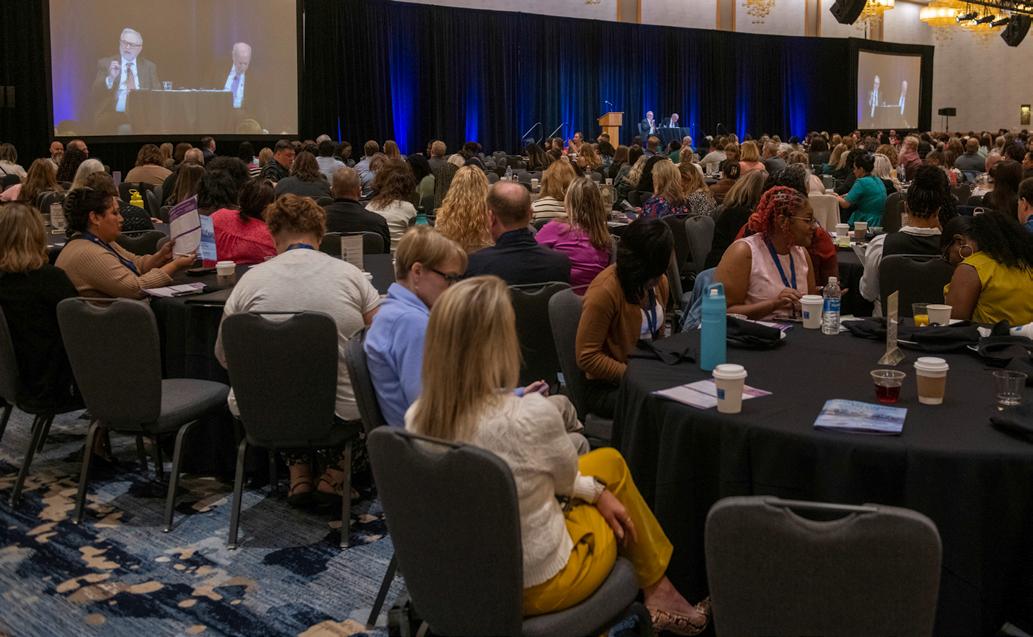
Served as the host state for the National Adult Protective Services Conference, welcoming over 950 professionals dedicated to strengthening person- centered practices and improving outcomes for vulnerable adults nationwide.
Enhanced reporting through data dashboards and staff training, strengthening APS’s ability to analyze information and make informed decisions for system improvements.

Continue to address the growing number of reports and meet strategic objectives for timely initial response and case closure.
Phased implementation of first-ever Administration for Community Living APS federal rule requirements, achieving full alignment by June 2028.
Continued efforts to standardize APS policies, practices, procedures and training promoting consistency across the division to support improved outcomes for vulnerable adults.
Legislative preparation for 2027 to include draft proposals and engagement with staff, community partners, legislators, and other contributors to support informed decision making that prioritizes the needs of vulnerable adults in our communities.
Home & Community Based Services (HCBS) Rule Implementation of Critical Incidents and Grievance System collaboration across Home and Community Living Administration (HCLA), resulting in a more accessible reporting process and stronger safeguards for vulnerable adults.