DR. ZAHI ABOU CHACRA
HOW A DEVIATED SEPTUM CAN IMPACT YOUR QUALITY OF LIFE
The function of the nose is an essential part of living a healthy and stress-free life. If you’re having trouble breathing or sleeping, the cause could very well be related to your nasal function - and, in many cases, the cause is a deviated septum.
Deviated septums are common and in many cases go undiagnosed or untreated. According to Stanford Medicine, it’s estimated that up to 80% of people worldwide have nasal septums that are off centre. In my practice as an ENT, as well as a facial plastic and reconstructive surgeon, I help treat patients with mild to severe cases to improve their symptoms
DR. ZAHI ABOU CHACRA
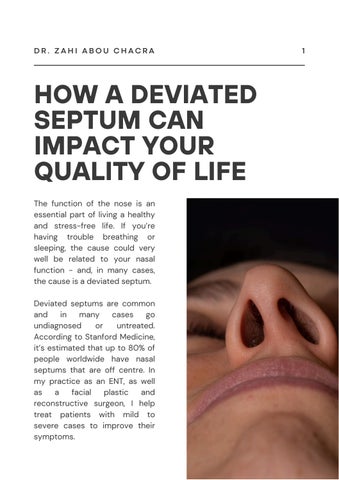
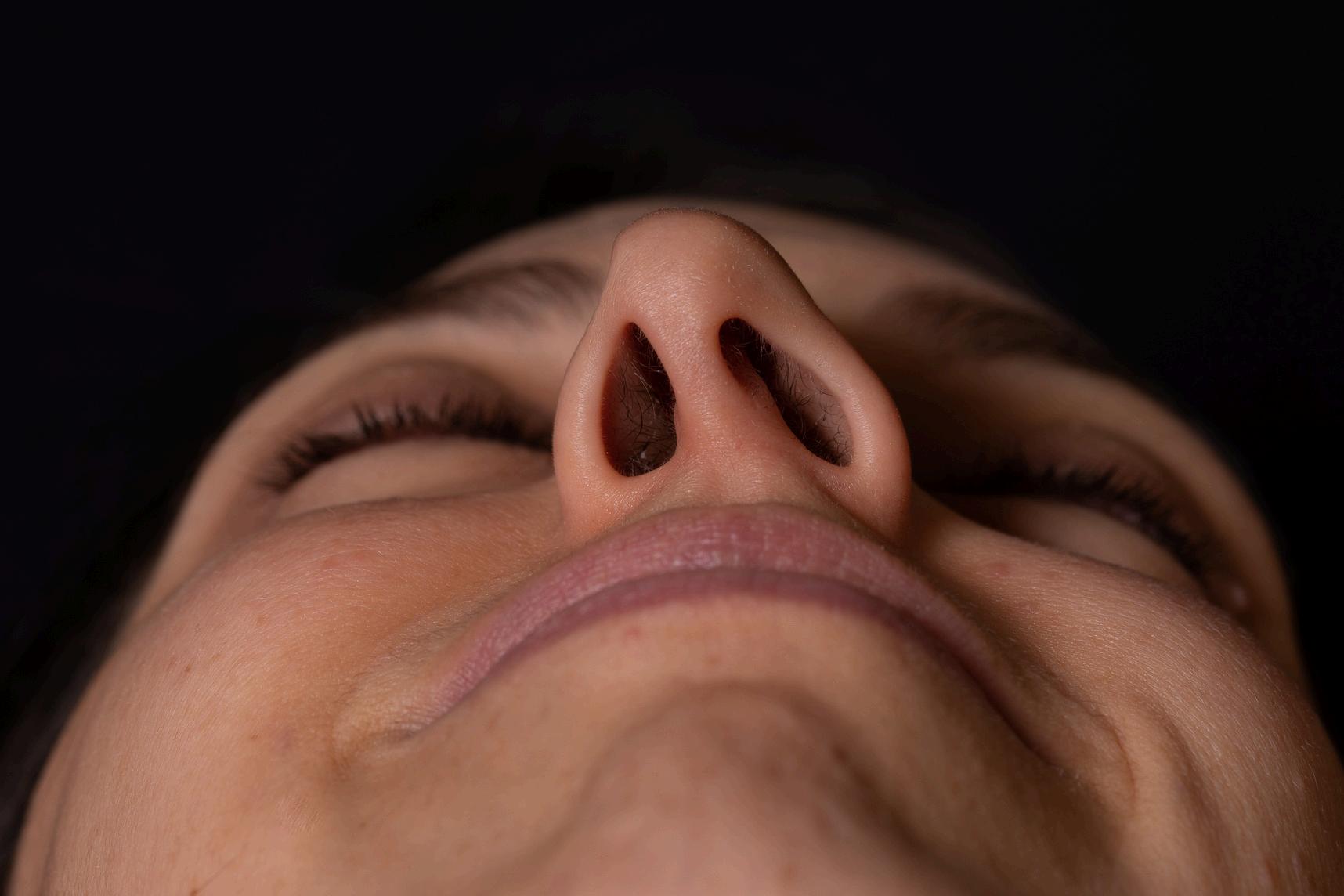
The septum is a wall of thin cartilage and bone that divides the nose into two separate chambers. This forms the inner structure of the nose, and in an ideal case the septum separates the right and left nostril with a straight line down the middle of the nose. A deviated septum occurs when the wall of cartilage is displaced away from the midline. In many cases the nasal septum is off center, causing one nasal passage to be smaller than the other. A deviated septum may be present at birth or may occur during an injury to the face causing the nasal septum to move out of position.
Many people can live with the condition untreated and may never even realize that they have a deviation. There are many complications and symptoms that can affect quality of day-to-day life One of the biggest complications is how a deviated septum can affect a person’s breathing. Because the shape and size of each nasal passage is different, this can affect a patient's ability to breathe normally through their nose. It also causes more
2
concern for nasal passage obstruction of one or both nostrils. This is especially a concern when sleeping. It is common for people who have deviations to not be able to breathe on one side while laying in a horizontal position. With possible obstructions, the ability

DR. ZAHI ABOU CHACRA 3
sprays and decongestants are effective options to help manage discomfort and irritation. If medications and lifestyle changes do not improve symptoms, it’s time to talk to a medical professional about surgical options.
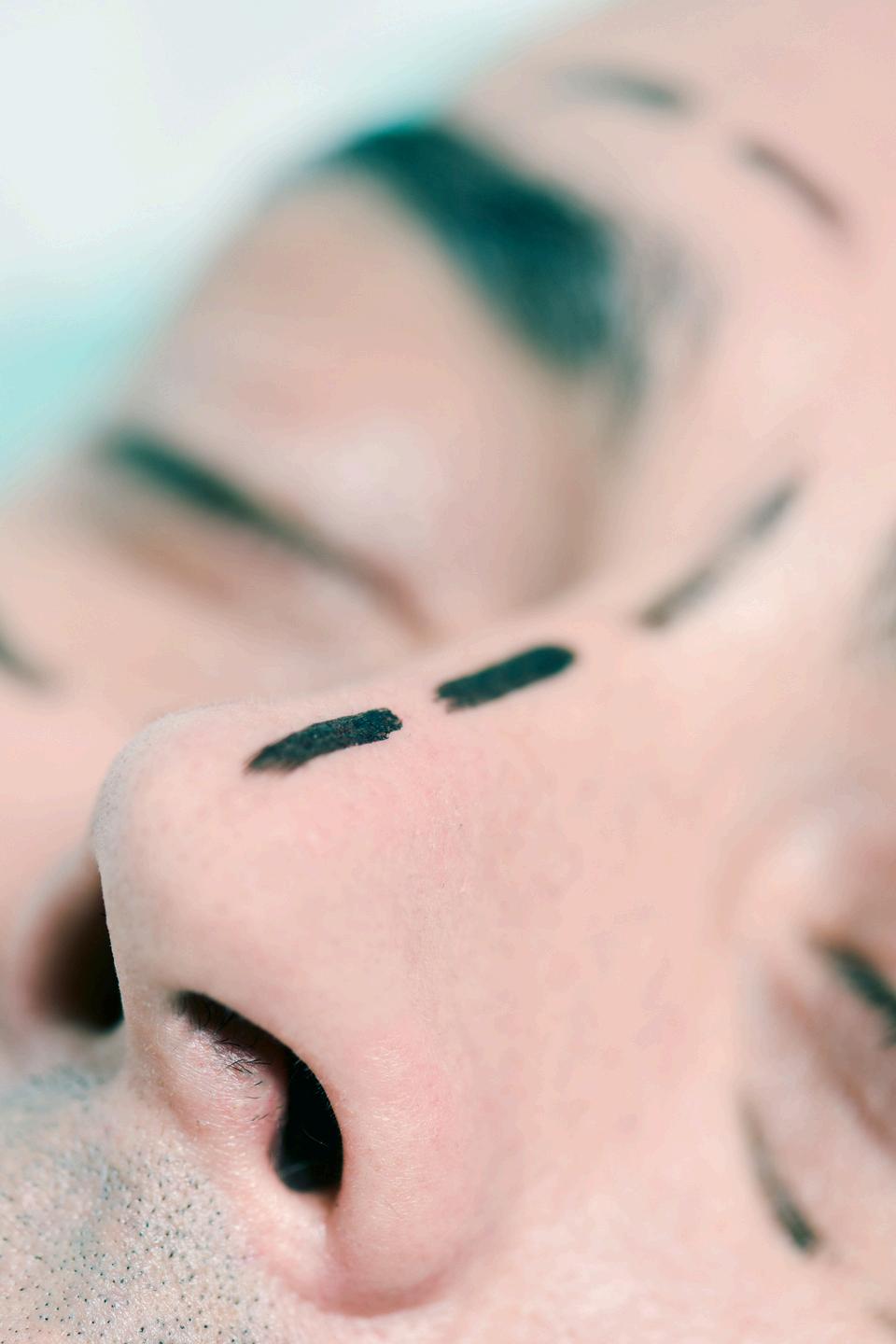
Septoplasty or septorhinoplasty is recommended when patients can benefit from a surgical option to correct their deviated septum Septoplasty is a procedure that straightens the nasal septum by moving or replacing cartilage and/or bone.
for sinus drainage is also a concern and those suffering from deviations can be prone to sinus infections. Pressure, nosebleeds, dry mouth, postnasal drip, facial pain and snoring are other common symptoms that can occur.
There are a myriad of treatments available depending on each individual case. For those who suffer mild symptoms, over the counter medications including nasal sprays, antihistamines, steroid
Whether you require surgery or not, speaking with your healthcare provider can help you find the best treatment options for a deviated septum. While some of the symptoms can seem like only a minor inconvenience, having to deal with multiple complications over a lifetime can take a toll on your lifestyle and comfort. It is the job of otolaryngologists to work with patients to set up treatment plans that will give them the best quality of life and wellbeing as it relates to this aspect of your health.