


Table of Content
• Introduction
• Act Quickly
• Assess the Damage
• Sanitize and Disinfect
• Dry Completely
• Consider Professional Restoration
• Monitor for Signs of Mold and Damage
• Evaluate Restoration vs. Replacement
• Conclusion
Introduction
When flooding strikes, one of the most significant casualties is often your carpets. Whether it's from a burst pipe, heavy rainfall, or natural disaster, flooded carpets can be a nightmare to deal with. The damage they sustain can range from discoloration and odor to mold growth and structural compromise. However, with the right approach and expert tips, you can effectively assess and address carpet damage caused by flooding. Let's delve into some key strategies to salvage your carpets and restore your home to its former glory.

Act Quickly
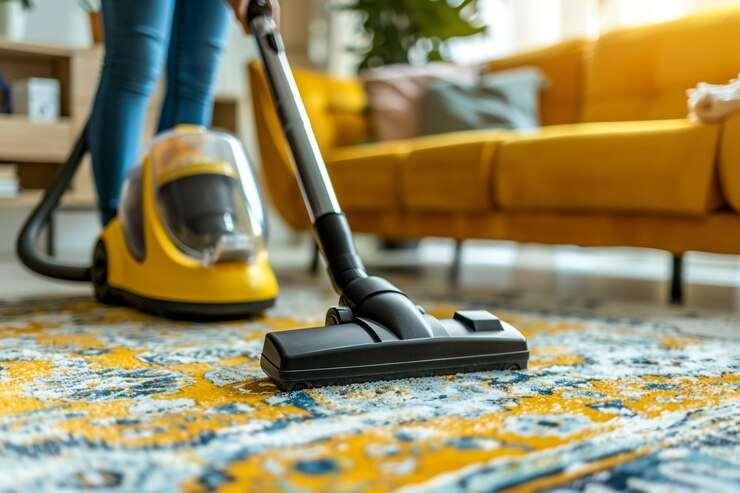
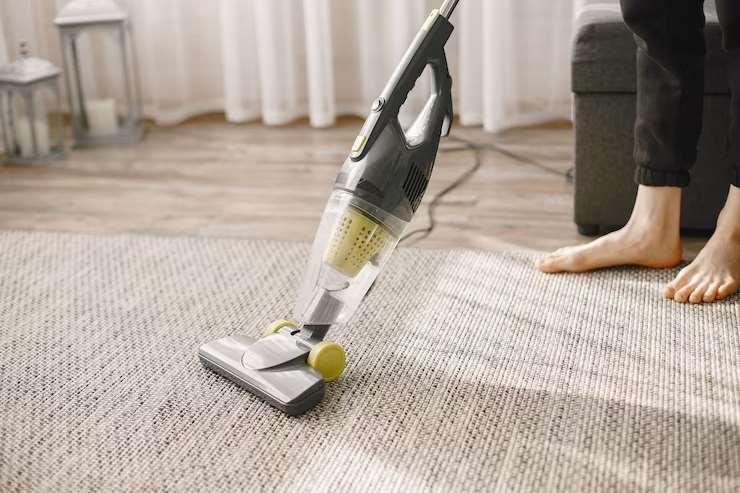
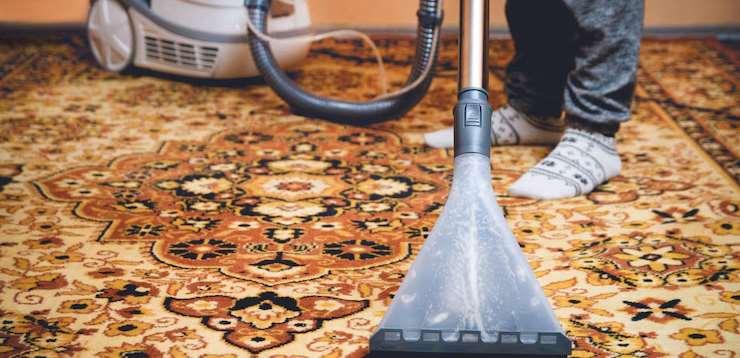
Time is of the essence when dealing with flooded carpets. The longer water sits, the greater the damage it can cause. Mold can start growing within 24-48 hours, and bacteria can multiply rapidly. As soon as it's safe to do so, begin the extraction process to remove water from the carpet and underlying padding. Use a wet/dry vacuum or enlist the help of professionals equipped with industrial-grade equipment for thorough water removal.
Assess the Damage
Once the water has been extracted, assess the extent of the damage to your carpets. Look for signs of discoloration, mold growth, and foul odors. Check the carpet padding and subflooring for saturation and structural integrity. Depending on the severity of the damage, you may need to decide whether to attempt restoration or opt for replacement.
Sanitize and Disinfect
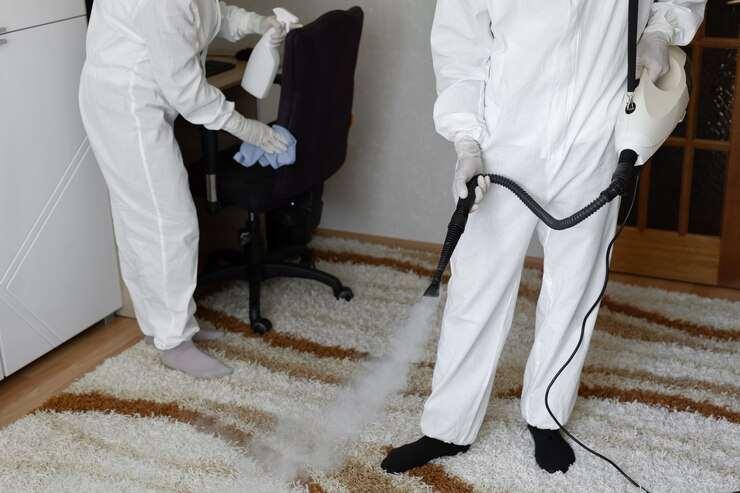
Floodwater often carries contaminants and bacteria, posing health risks to you and your family. Before attempting any restoration efforts, it's crucial to sanitize and disinfect the affected area thoroughly. Use a mixture of water and a disinfectant solution to clean the carpet fibers, padding, and subflooring. This step helps eliminate harmful pathogens and prevents mold growth.
Dry Completel
Proper drying is paramount to prevent mold and mildew from taking hold. Increase ventilation in the flooded area by opening windows, using fans, and running dehumidifiers. If weather permits, you can also move the carpets outside to dry in the sunlight. Ensure that both the carpet and padding are completely dry before considering any restoration treatments.



Consider Professional Restoration
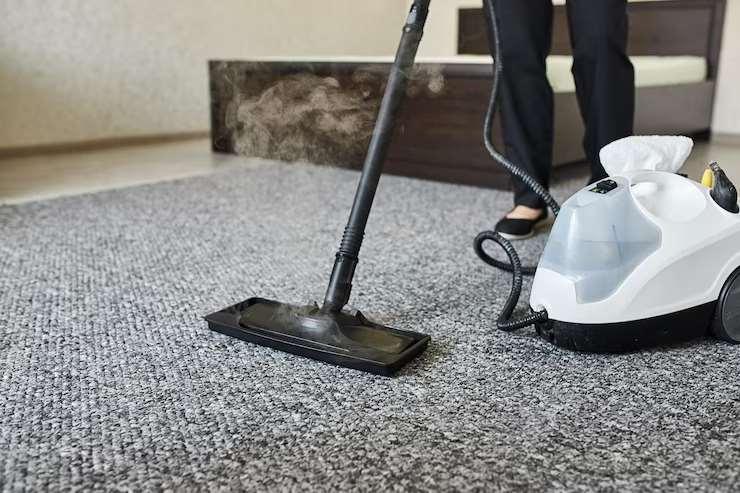
In many cases, addressing carpet damage caused by flooding requires professional expertise. Restoration professionals have the knowledge, experience, and specialized equipment to effectively assess, clean, and restore flooded carpets. They can also conduct thorough moisture testing to ensure all affected areas are adequately dried, reducing the risk of future problems.