Effective Water Extraction Techniques for Homeowners dryforcecorp.com
Table of Content
• Introduction
• The Importance of Immediate Action
• Wet/Dry Vacuum
• Basement Flooding Mitigation
• Carpet Extractors
• Professional Water Extraction Services' Role
• Dehumidifiers for Moisture Control
• Enhancing Drying with Fans and Air Movers
• Quick Water Absorption with Absorbent Materials
• Preventing Future Water Damage
• Conclusion
Introduction
• Water damage is a homeowner's nightmare, often leading to significant repair costs and potential health hazards if not addressed promptly.
• Whether caused by a burst pipe, heavy rainfall, or an overflowing appliance, quick and efficient water extraction is essential to mitigate the damage. Understanding the right techniques and tools can make all the difference in protecting your home.
• Here are some effective water extraction techniques that every homeowner should know.
The Importance of Immediate Action
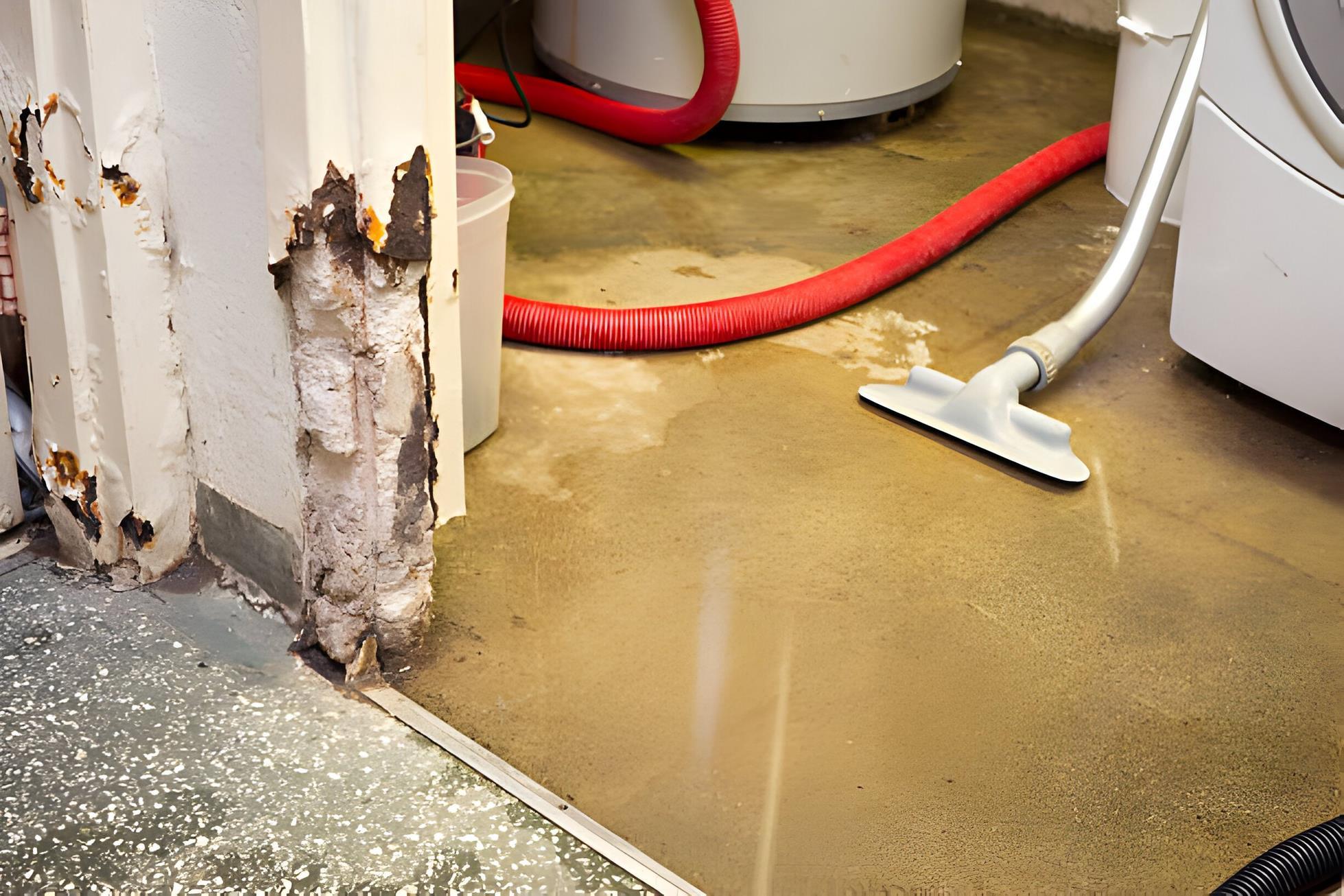
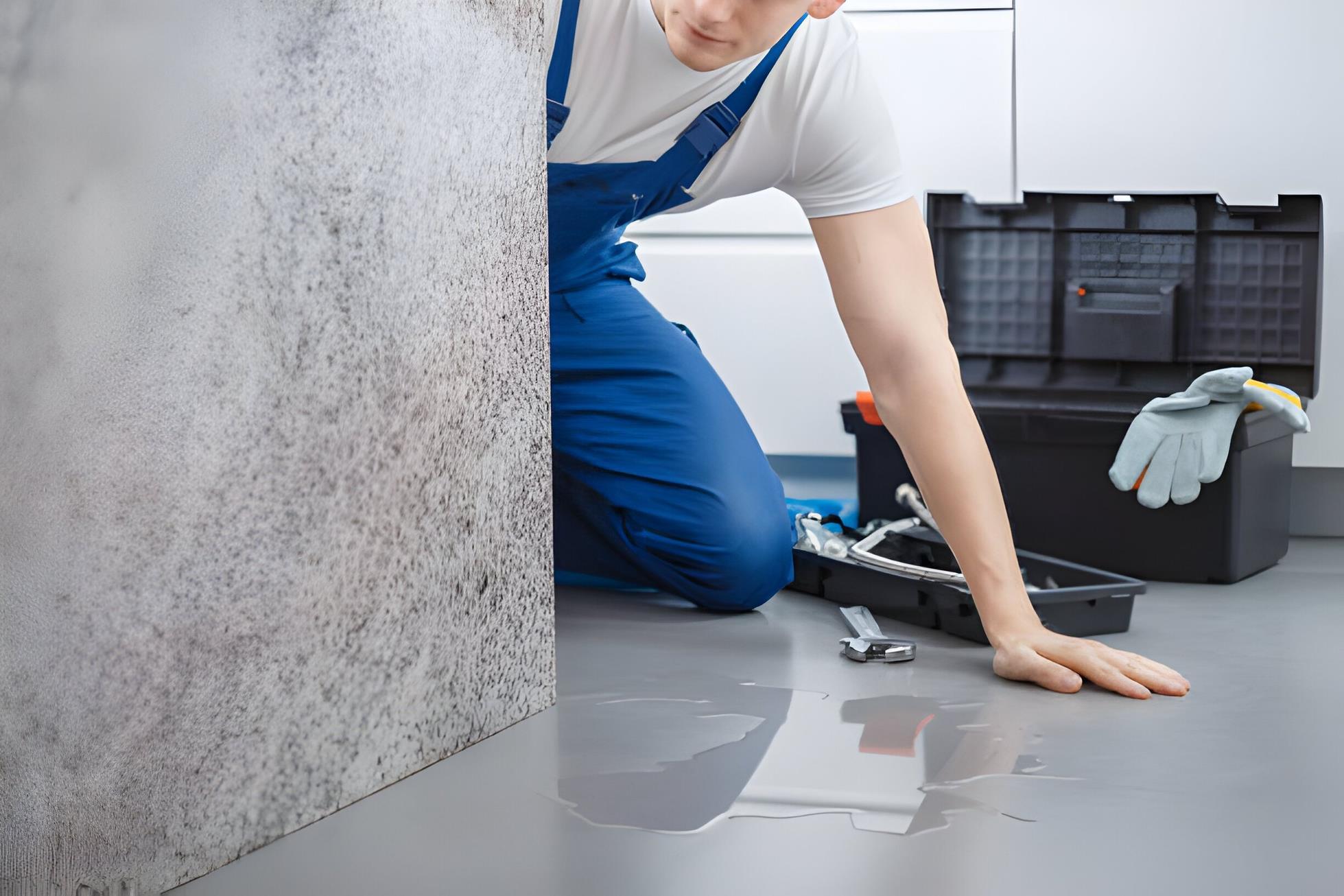
• When water infiltrates your home, immediate action is crucial. Delaying water extraction can lead to severe structural damage, mold growth, and deterioration of personal belongings.
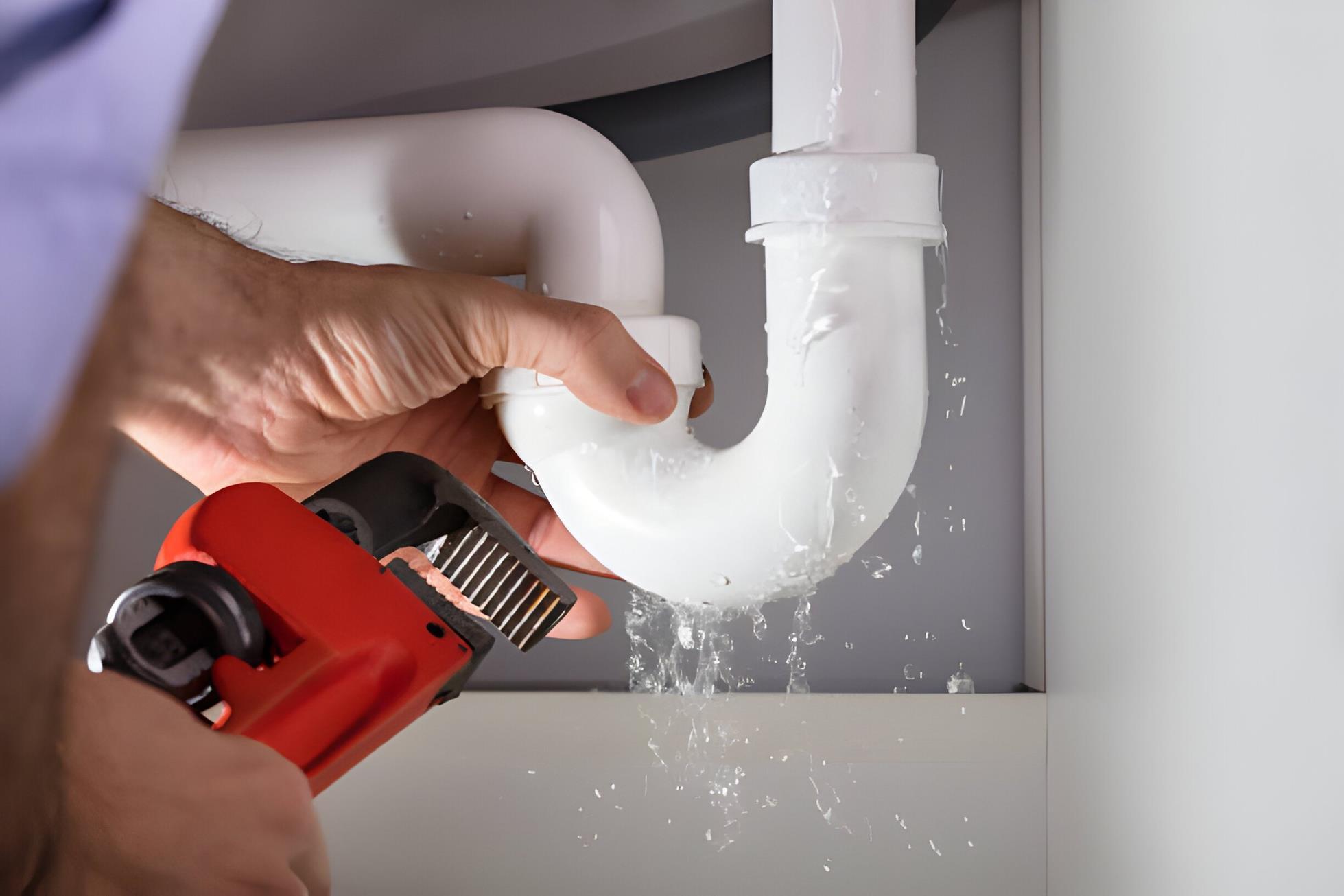
• The first step in effective water extraction is to assess the situation and determine the source of the water.
• Once identified, stop the water at its source to prevent further damage.
• This may involve shutting off the main water supply or addressing any leaks.
Wet/Dry Vacuum
• A wet/dry vacuum is one of the most useful tools for homeowners dealing with minor to moderate water damage.
• Designed to handle both liquids and dry debris, this tool can efficiently extract water from floors, carpets, and upholstery.
• To use a wet/dry vacuum, ensure the area is safe from electrical hazards, attach the appropriate nozzle, and slowly move the vacuum over the waterlogged area. Regularly empty the tank to maintain optimal suction.
• While highly effective for small-scale water extraction, its capacity limitations make it less suitable for extensive flooding.
Basement Flooding Mitigation
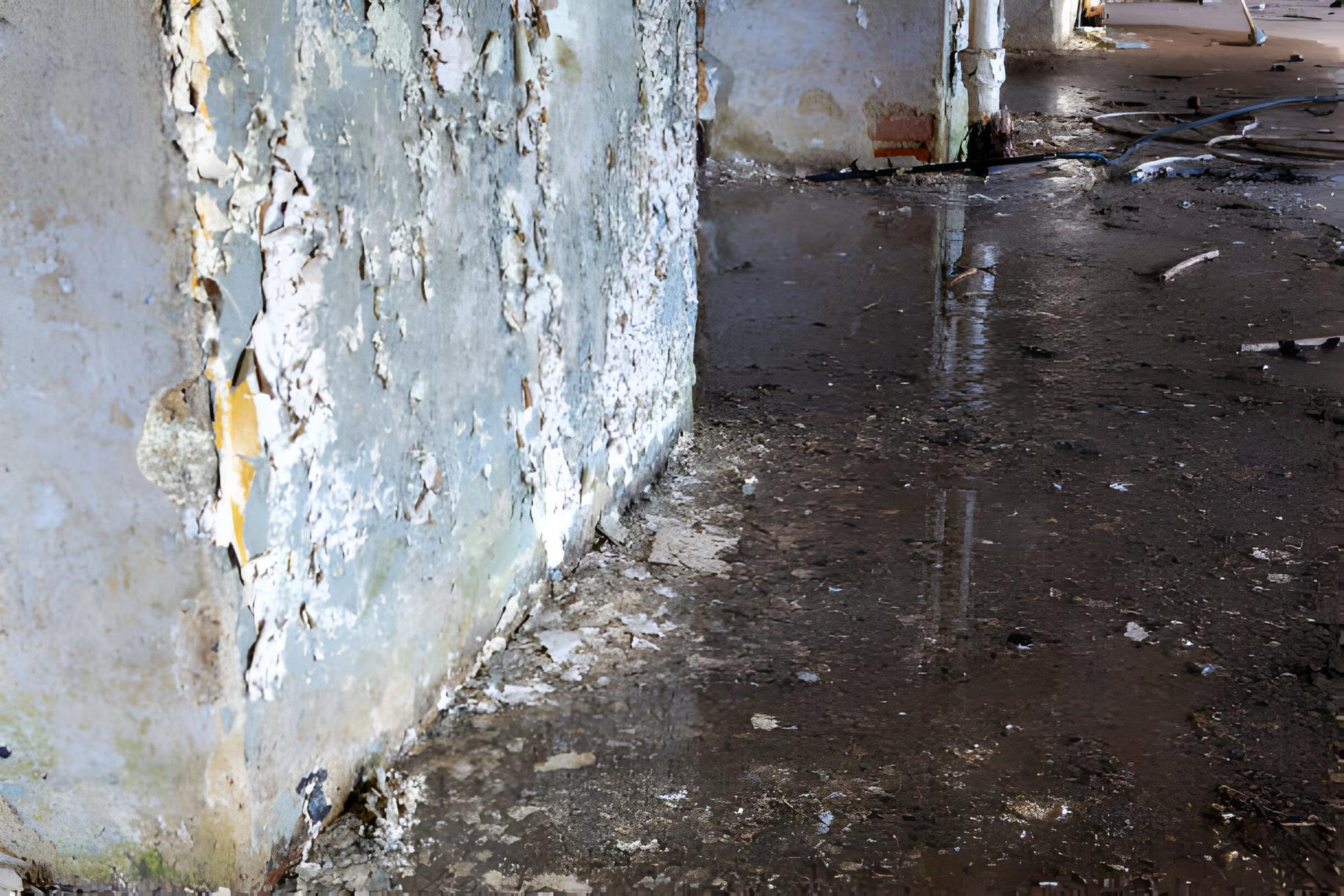
• Basement flooding is a common issue during heavy rains or due to groundwater seepage. A sump pump can be an invaluable tool in such scenarios. Installed in a sump basin in the lowest part of the basement, the sump pump automatically activates when water levels rise, pumping out excess water through a discharge pipe away from your home.
• This proactive measure not only helps in immediate water extraction but also serves as a preventative tool to keep basements dry.
Carpet Extractors
• Carpets and rugs are particularly damage and can harbor mold and bacteria dried.
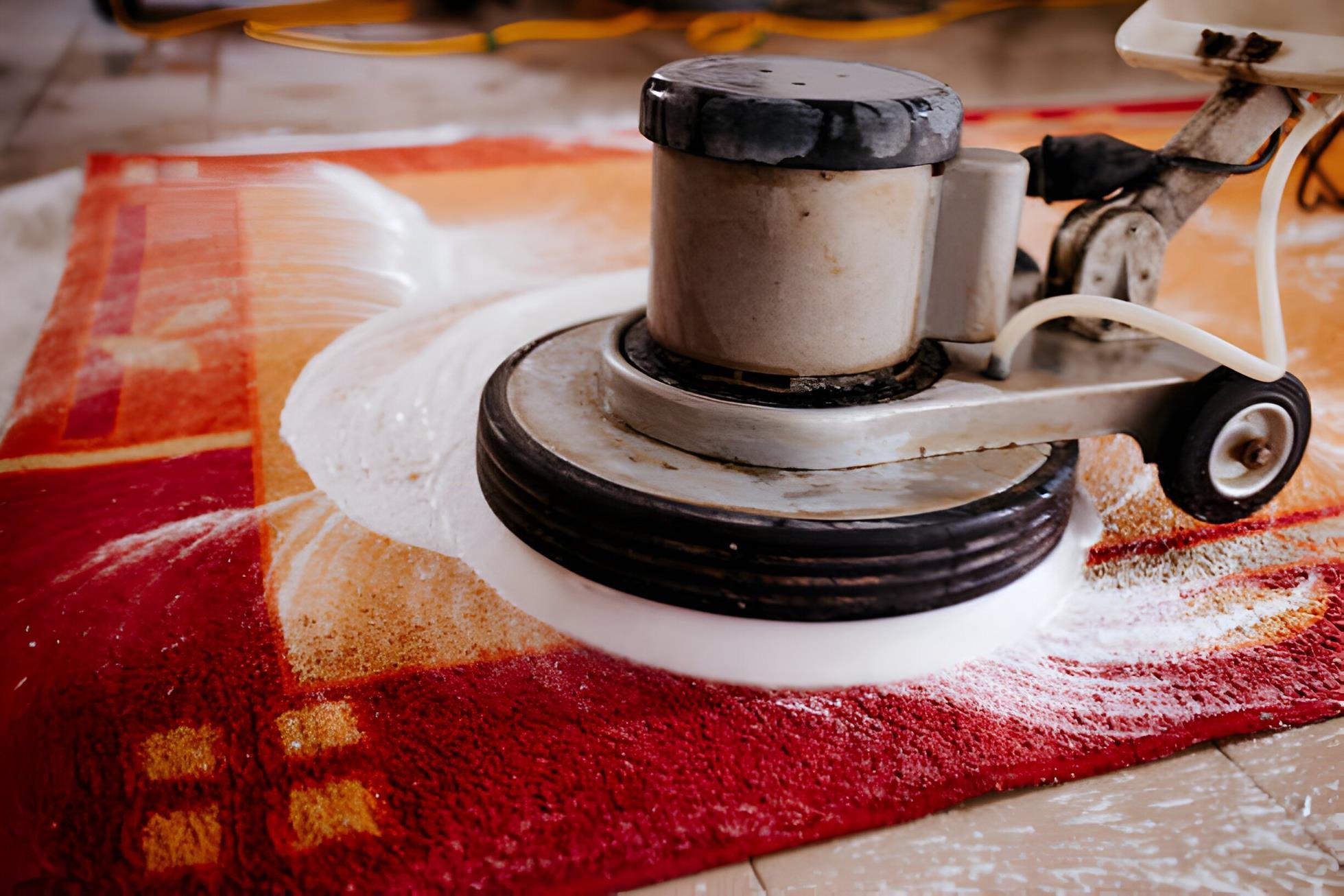
• Carpet extractors, also known as carpet specifically designed to remove water from carpets and upholstery.
• To use a carpet extractor, first, remove from the affected area. Then, run the extractor carpet, allowing it to inject a cleaning up the water and dirt.
• Proper ventilation is crucial to facilitate post-extraction.
Professional Water Extraction Services' Role
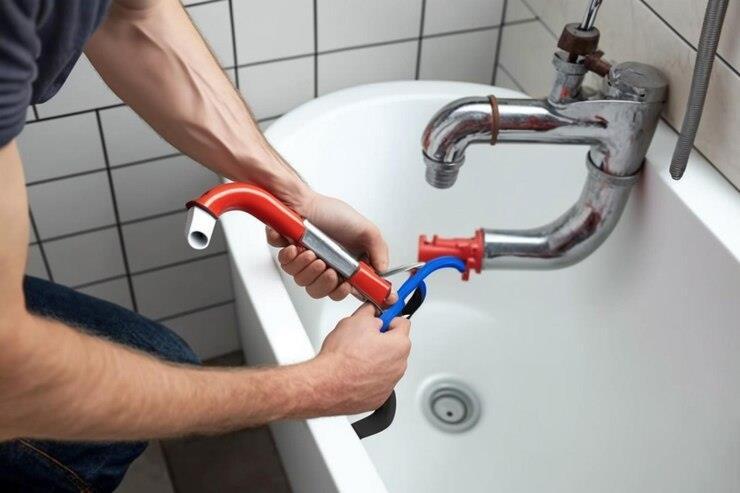
• In cases of extensive water damage, professional water extraction services are often the most reliable option.
• Water damage restoration experts have access to industrialgrade equipment and possess the expertise to handle severe situations efficiently.
• Professionals not only extract water but also provide comprehensive services, including drying, cleaning, and restoring affected areas.
• Hiring professionals can be costly, but their thorough approach and quick response can save significant time and prevent further damage.
Dehumidifiers for Moisture Control
• After initial water extraction, it's vital to address any residual moisture to prevent mold growth and maintain air quality.
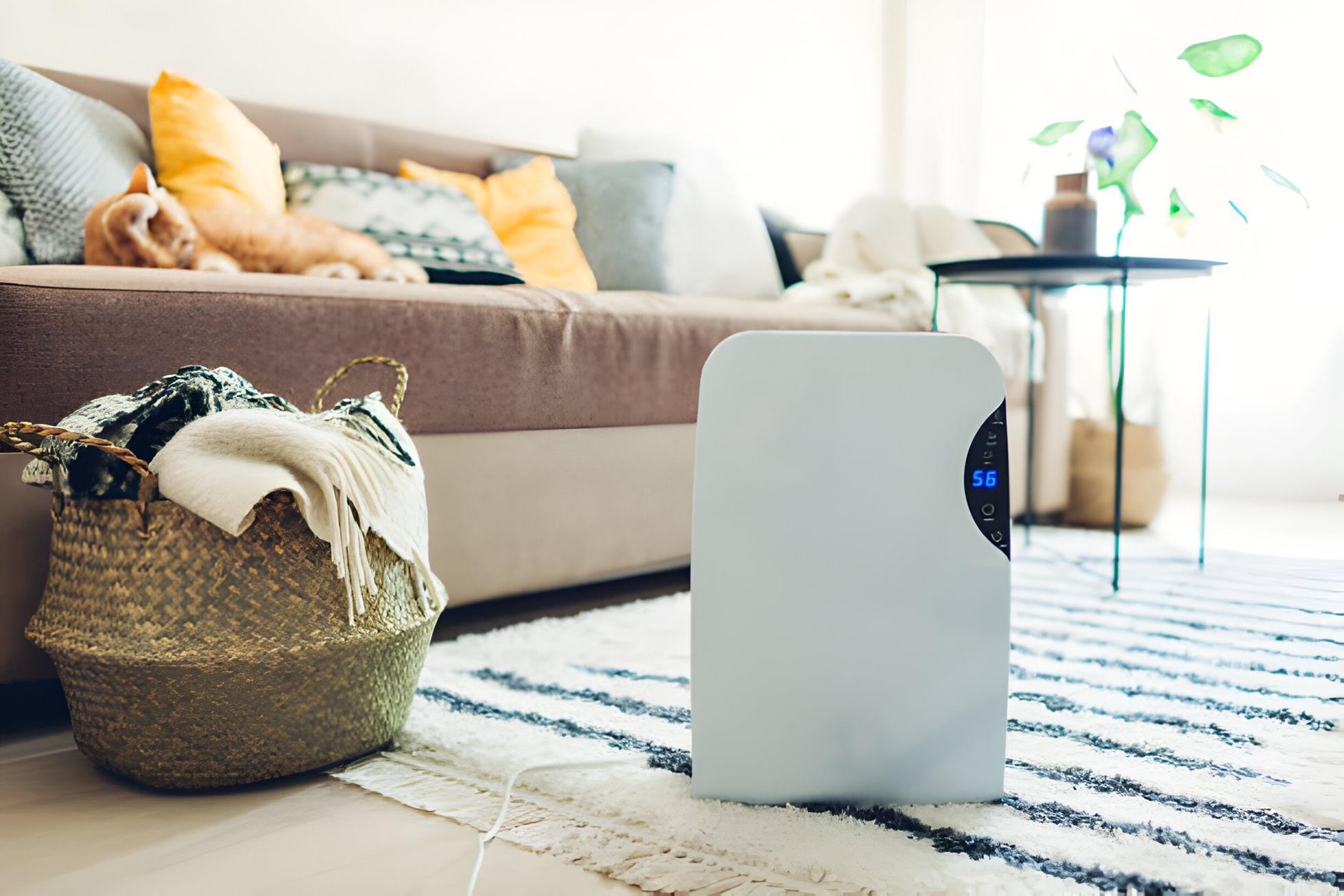
• Dehumidifiers are excellent for this purpose, as they remove moisture from the air, speeding up the drying process.
• Place the dehumidifier in the center of the affected area and set the desired humidity level, typically between 30-50%.
• Continuous operation and regular emptying of the water collection reservoir are necessary until the area is completely dry.
Enhancing Drying with Fans and Air Movers
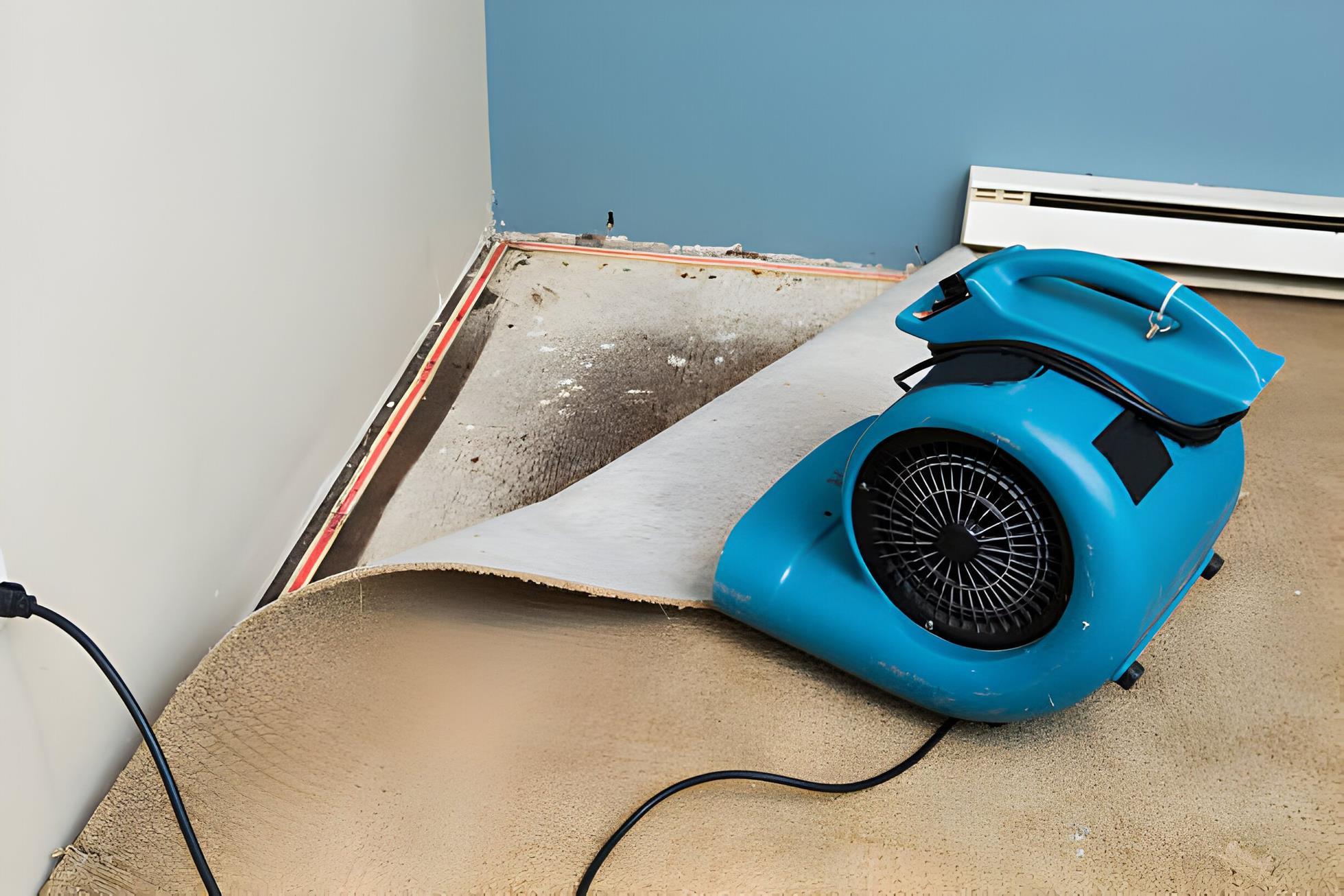
• In addition to dehumidifiers, significantly expedite the throughout the affected space
• High-velocity fans and air for large areas, promoting drying time. Position fans strategically across wet surfaces.
• While this method is highly conjunction with other drying results.
Quick Water Absorption with Absorbent Materials
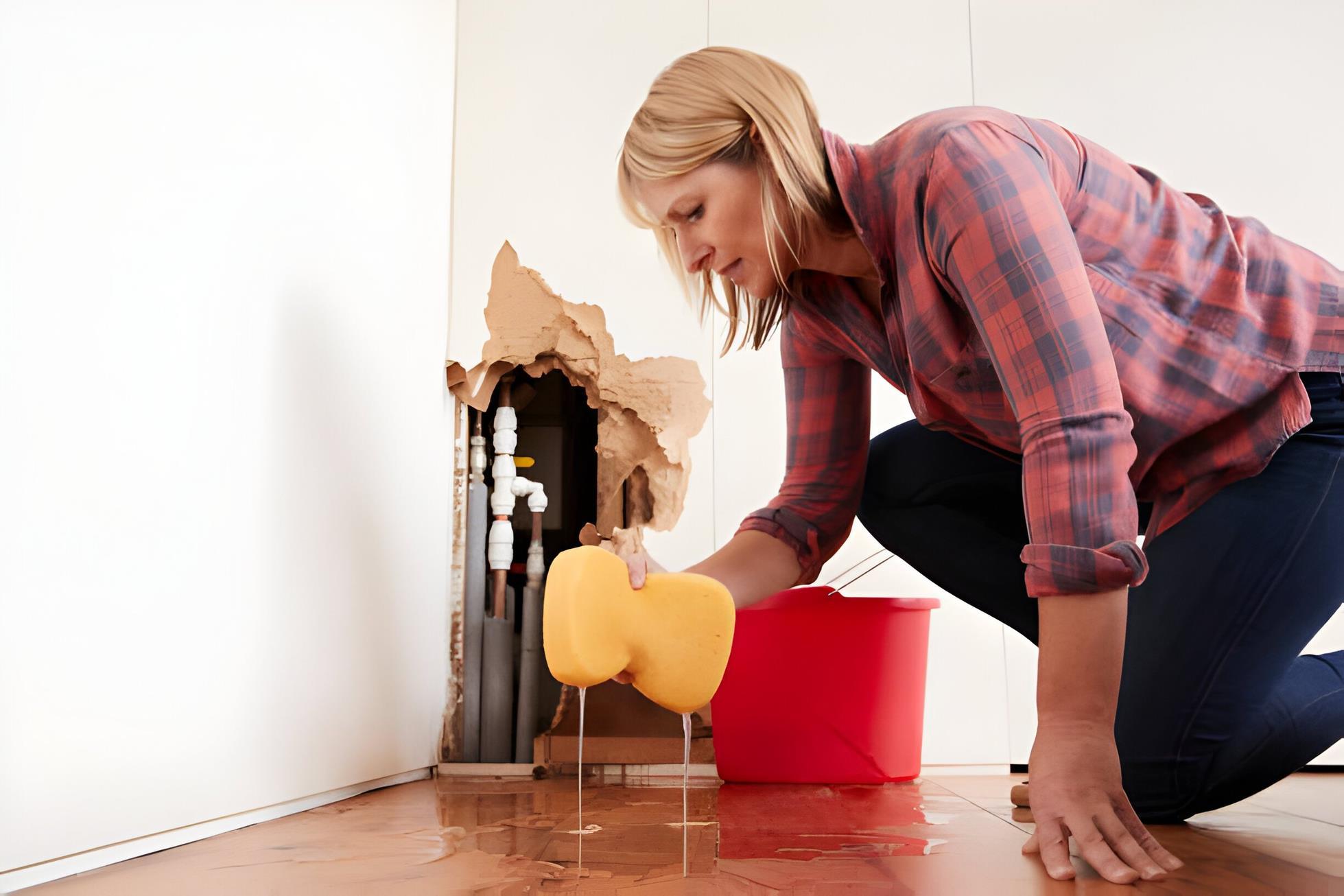
• For minor spills and localized water intrusion, absorbent materials such as towels, mops, and sponges can be very effective.
• These materials can quickly soak up water, preventing it from seeping into floors and walls. While this method is more labor-intensive, it is an immediate response option that can minimize damage before deploying more advanced tools.
• After absorption, ensure the area is properly dried to avoid residual moisture issues.
Preventing Future Water Damage
• While knowing how to extract water preventative measures can help avoid altogether.
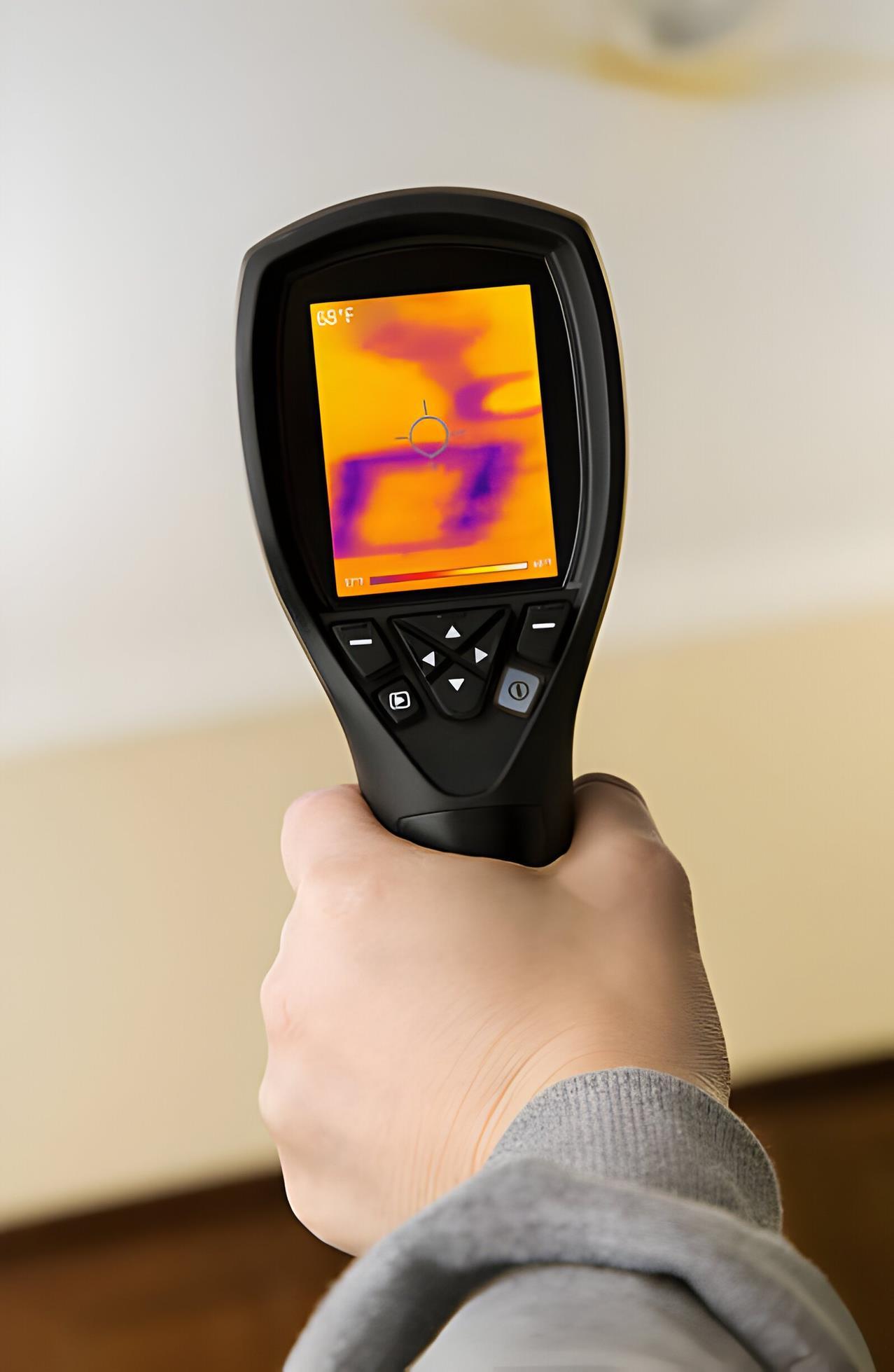
• Regularly inspect and maintain plumbing proper drainage around your home, and water detection devices in vulnerable areas
• Sump pumps with battery backups and gutter maintenance can also play a preventing water intrusion.
• By taking these proactive steps, homeowners the risk of water damage and be better it if it occurs.
Thank You!Thank You! dryforcecorp.com