


Built








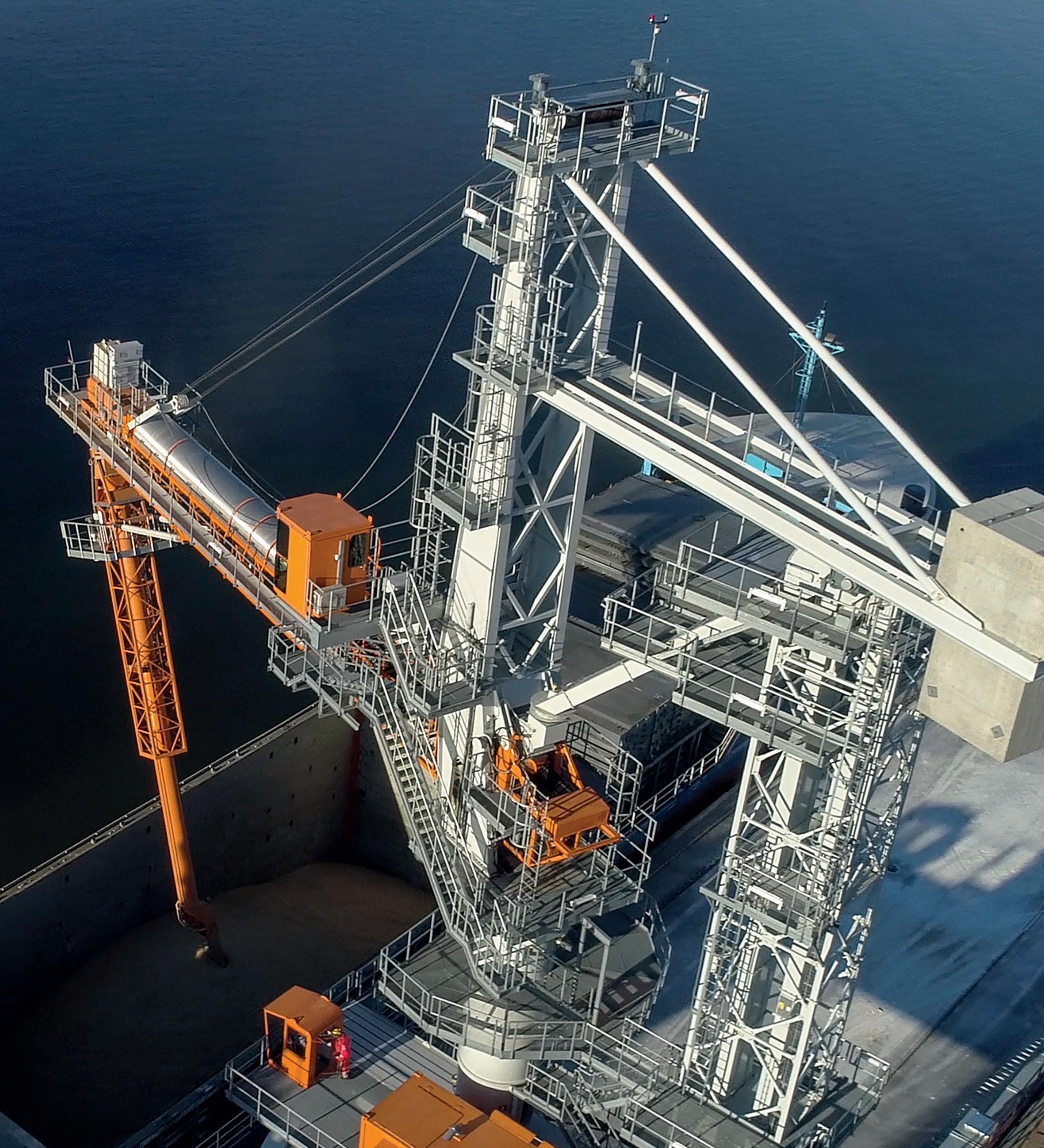
High-performance stockyards require equipment tha
KOCH Solutions provides engineered stackers, recl
Supporting long-term performance: for demanding bulk material environments
• High-capacity stacking and reclaiming
• Systems engineered for continuous operation
• Lifecycle-oriented service concepts
• Long-term asset value focus


for high-capacity bulk material opera aimers and conveying systems designed

t delivers reliable output day after day. tions.









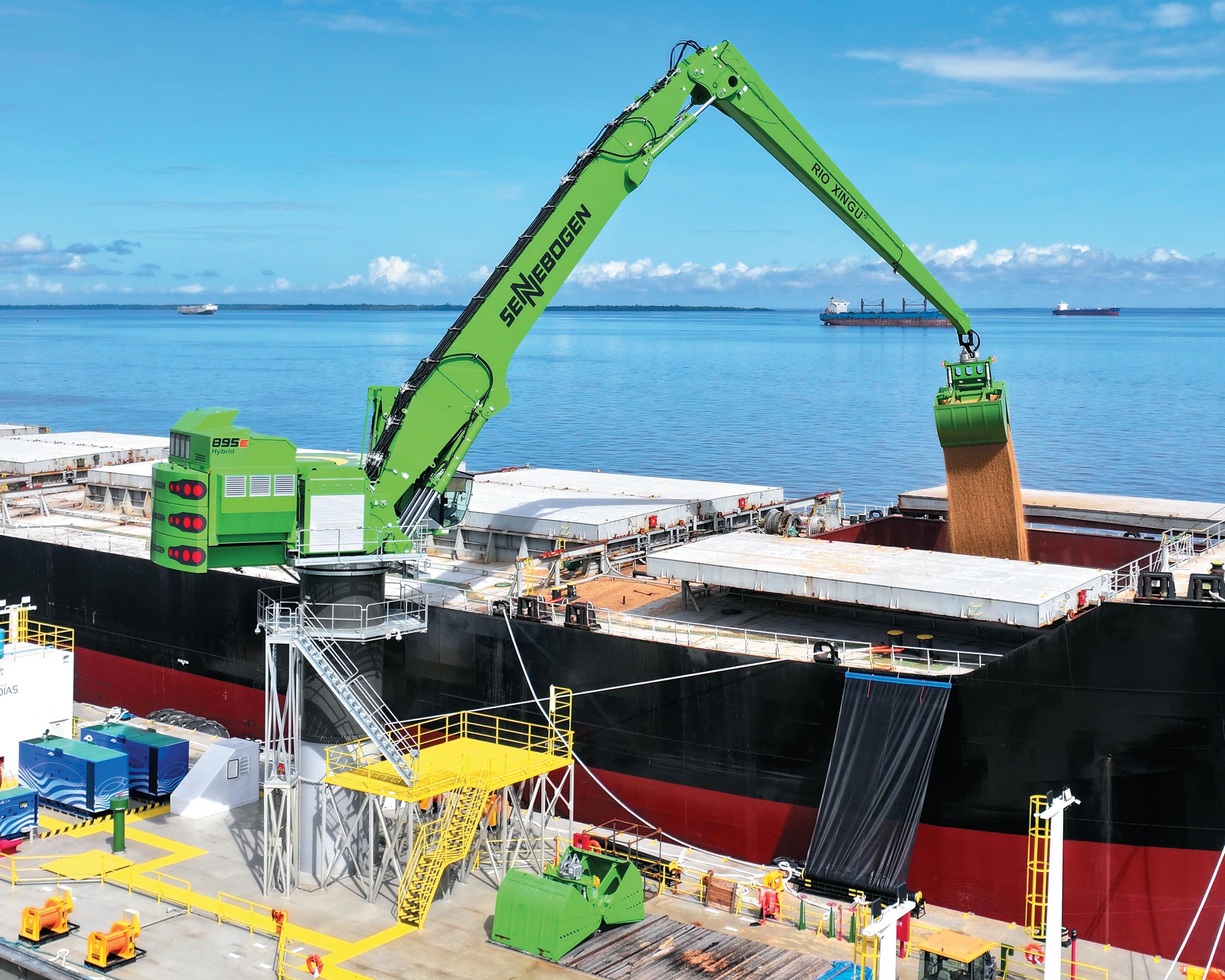
SENNEBOGEN Maschinenfabrik GmbH
Sennebogenstraße 10
D-94315 Straubing, Germany
T: +49 9421 540-0
E: info@sennebogen.com
W: www.sennebogen.com
PUBLISHERS
Jason Chinnock jason@dc-int.com
Andrew Hucker-Brown andrew@dc-int.com
EDITORIAL
Louise Dodds-Ely Editor louise@dc-int.com
Jay Venter Deputy Editor editorial@dc-int.com
Samantha Smith Directories directories@dc-int.com
Bernice van Wyk Office Manager accounts@dc-int.com
SALES
Matthew Currin Senior Sales sales2@dc-int.com Executive
Zack Venter Advertisement Sales sales@dc-int.com Executive
CORRESPONDENTS
India Kunal Bose Europe Barry Cross UK Maria Cappuccio UK Michael King UK Richard Scott
ADMINISTRATIVE OFFICE
Business Publishing International Corporate Park, 11 Sinembe Crescent La Lucia Ridge, South Africa, 4051
Tel: +27 31 583 4360
Fax: +27 31 566 4502
Email: info@dc-int.com
Twitter: twitter.com/drycargomag
HEAD OFFICE
Trade Publishing International Limited Clover House, 24 Drury Road, Colchester, Essex CO2 7UX, UK
Tel: +44 (0)1206 562552
Email: info@dc-int.com
Website: www.drycargomag.com
Twitter: twitter.com/drycargomag
ISSN 1466-3643
Insta: www.instagram.com/drycargointernational
Trade Publishing International Ltd does not guarantee the information contained in Dry Cargo International, nor does it accept responsibility for errors or omissions or their consequences. Opinions expressed herein are not necessarily those of Trade Publishing International Ltd


Predictions of commodity import demand over the period ahead have become more tenuous as a result of recent events. Calculations for global seaborne dry bulk trade growth in 2026 as a whole point to extended weakness after last year’s minimal rise.
The latest (mid-April) forecasts for the world economy published by the International Monetary Fund suggest a 0.3 percentage points slowing in gross domestic product growth to 3.1% in 2026, after 3.4% last year. But the outcome, and calculations for individual dry bulk importing countries, will be shaped by the widespread effects of unpredictable changes in energy supplies and prices, and how consumers and businesses react.
Some estimates still indicate a continued decline in world seaborne coal trade this year. Several powerful influences are sustaining longer-term downwards pressure on coal usage and import demand. Yet the huge disruptions to international energy supplies emerging in the past couple of months tentatively imply a possibility of a somewhat firmer result than previously foreseen.
Asian countries’ seaborne imports of coal (steam and coking grades) totalled about 1,180mt (million tonnes) last year, almost nine-tenths of the global volume. Steam coal was the largest part of Asian imports, comprising about 80%. Table 1 shows the largest steam coal buyers. In 2026 some of these, and several smaller
importing countries, may rely more on coal amid restricted volumes of other energy supplies, providing support for seaborne movements.
Tentative calculations for global iron ore trade during the current year remain positive although growth prospects seem limited. China’s imports, about three-quarters of the total, may be well supported but there are doubts about whether the relatively strong trend is sustainable over the remainder of the year. Other importers could also see maintained volumes.
In China the steel consumption and production background is still subdued. Crude steel production in the first quarter of 2026 was 247.6mt, a 5% reduction compared with last year’s same period, according to World Steel Association data.
Another sign implying a negative impact is the high level of iron ore stocks at Chinese ports, estimated at almost 180mt when the first quarter ended. These influences could restrain any further growth in iron ore buying.
Prospects for world trade in wheat plus corn and other coarse grains point to an enlarged total in the current 2025/26 trade year ending third quarter 2026. Looking further ahead expectations are less predictable, awaiting further clarification of grain output in northern hemisphere summer harvests in
importing countries which will influence purchases from foreign suppliers.
Updated estimates published last month by the US Department of Agriculture show world wheat and coarse grains trade expanding by 26mt or 6% in 2025/26, reaching 455mt. These volumes are mostly seaborne. Contributing a large part of this upturn after weakness in the previous period, Asia’s regional imports could see an increase of 18mt (15%) to 137mt. A sizeable boost from an almost 10mt rise in China’s requirements, to about 33mt is expected to be the main driver.
Within the minor bulks segment, the ‘agricultural bulks’ sub-category consists of various oilseeds and meals, rice, sugar and other items, totalling around 280mt in 2025. An upwards trend seen in recent years may be maintained in 2026, based on indications emerging.
Vessels in the Capesize group of the world bulk carrier fleet form about twofifths of the total. This group includes, for statistical purposes, all bulk carriers of 100,000 deadweight tonnes and over. As shown by table 2, growth of 1% was recorded last year, raising capacity to 407m dwt at year-end. In 2026 newbuilding deliveries are set to increase sharply and, assuming scrapping remains low, stronger fleet growth probably will result.
Clarksons (historical
by Richard Scott,
&
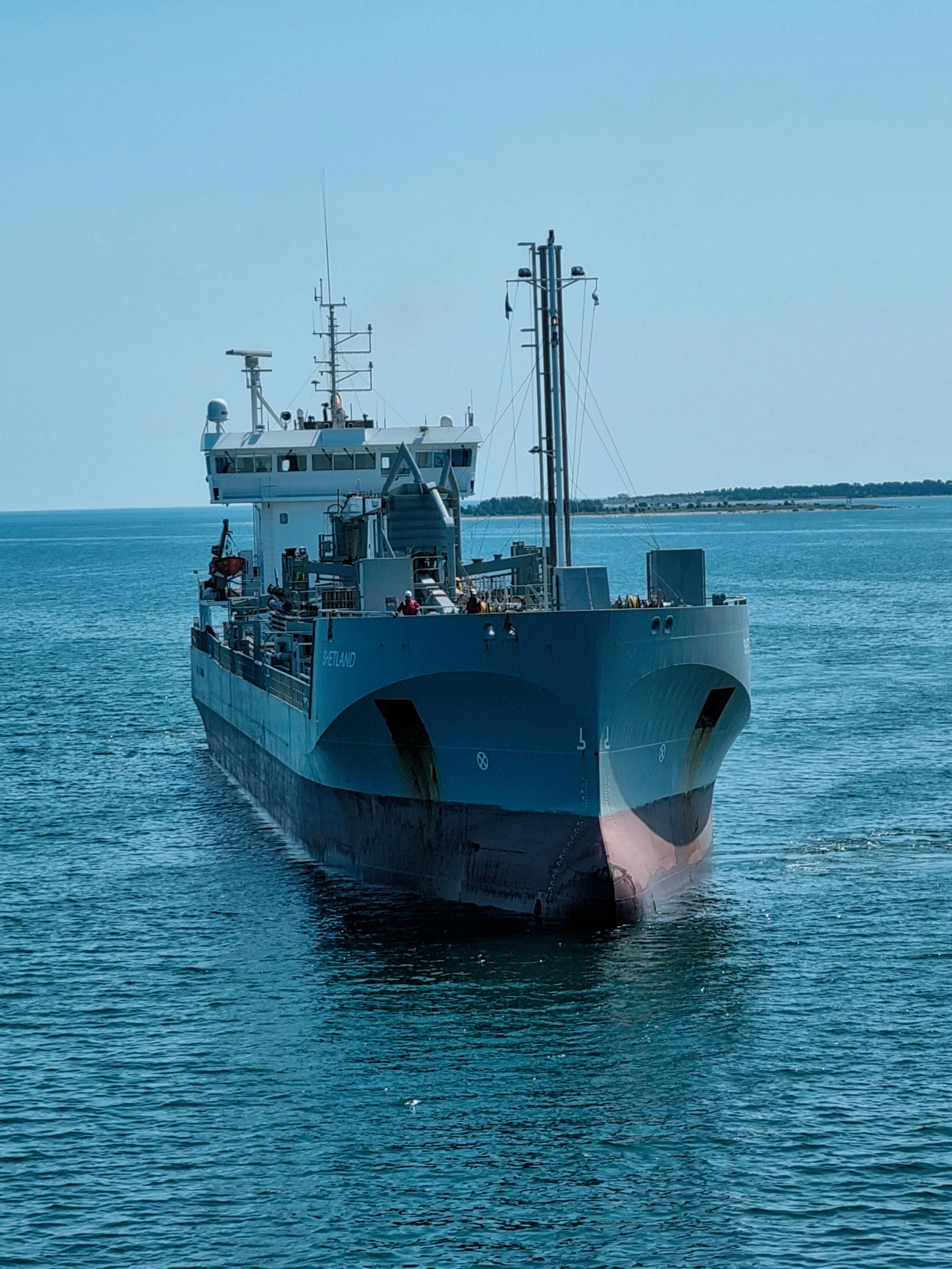
Erik Thun’s 2019-built cement carrier
Shetland is built for sustainable, efficient shipping. It is configured to allow a dust free operation of powder cargoes regardless of weather conditions and without any need for shore-based assistance.
Not so much due to the tariff war, seaborne trade in clinker and cement last year was impacted more by disturbances in domestic supply and demand. Of the total trade flows of 230mt, the share of seaborne trade was around 170mt (million tonnes).
Global cement demand for the current year once again presents a kaleidoscopic picture of healthy rates of growth in uses of the binding agent in the Middle East, Africa and India but a fairly long unbroken period
of demand compression in China. Europe, though not in its best economic health, is to see moderate demand recovery for cement, propelled by new house starts and infrastructure renovation. The World Cement Association (WCA) has forecast cement demand stability in the US, which incidentally has conceded the rank of the world’s third-largest producer of the material to Vietnam.
Being the world’s by far the largest producer and consumer of cement, the comprehensive global picture of the
demand outlook for 2026 will emerge only when China is factored in. The general consensus among China watchers is, cement demand in the country will fall for six consecutive years in 2026 in the absence of any perk up in house starts and continued slow investment in infrastructure. Hugely burdened with overcapacity, China is likely to finish this year using 1.6bn tonnes of cement, a fall of roughly 5% on the 2025 demand of 1.69bn tonnes. SunSirs, the leading provider of Chinese commodity data analysis, says



global cement demand, including China will be down 0.2% this year. But excluding China, the world will see a fairly reasonable growth.
As with demand so also with output, global cement volumes declined by an estimated 1.5% in 2025 but was up 3.3% when China is excluded. Last year, the world production was 3.865bn tonnes. Chinese production was approximately 1.69 billion tonnes. On a downward trajectory since 2014 when production peaked at approximately 2.48bn tonnes, the Chinese industry is grappling with overcapacity, intense competition among producers leading to prices leaving low margins.
Even while economic reality surrounding mainly housing sector depression is leading to production fall, the Chinese 2025 cement output was nearly four times that of India’s 470mt, showing what a behemoth of a cement industry the world’s secondlargest economy owns. India houses the world’s second-largest cement industry with capacity close to 700mt. In contrast to the situation obtaining in China, the Indian cement industry is growing capacity at a smart clip. The rating agency ICRA says in a report that India’s cement capacity is to expand by 42mt to 44mt during 2026–27 financial year. This will come on top of capacity addition of nearly 45mt in the previous year.
The housebuilding boom and leap in infrastructure creation that caused rapid expansion in Chinese cement capacity in the past are now underpinning capacity growth in India. Despite Beijing staying firm to bring cement capacity in alignment with local demand so that unhealthy competition among producers is avoided, the task remains gigantic, not the least due to political resistance to plant closure at the local level. Data emerging from China often lacks authenticity. Research house Global Cement notwithstanding with its ear to the ground in China, therefore, says the country’s present cement capacity could be anything between 2.5bn tonnes and 3.5bn tonnes.
Whatever the actual capacity, the industry suffers the pain of low capacity utilization of 50% to 53% in an environment of producers remaining locked in competition to sell? Price discounting is common. In capacity management, the focus should be more on the core intermediate product clinker from which cement is made after its grinding and mixing with gypsum, fly ash or slag.
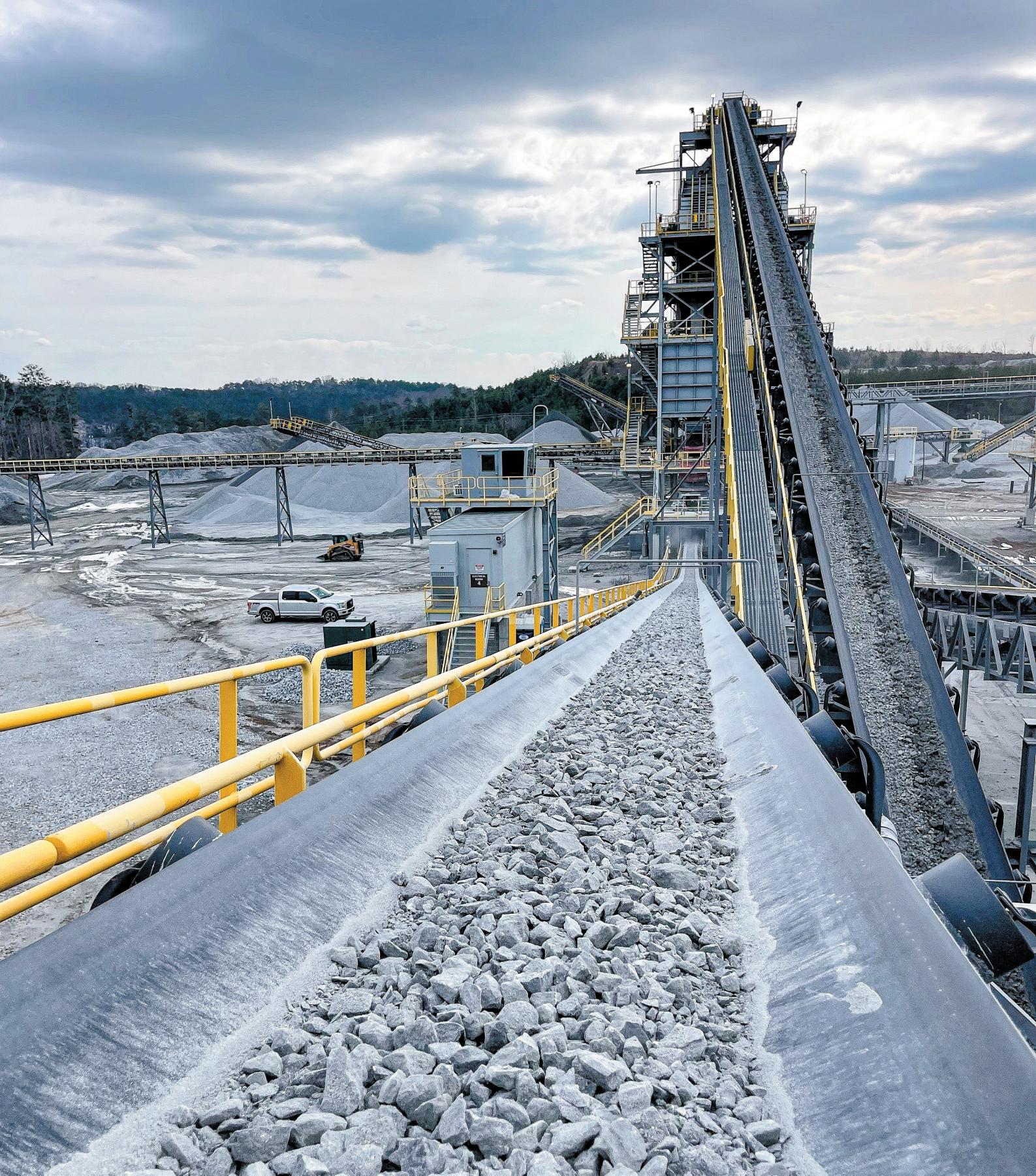
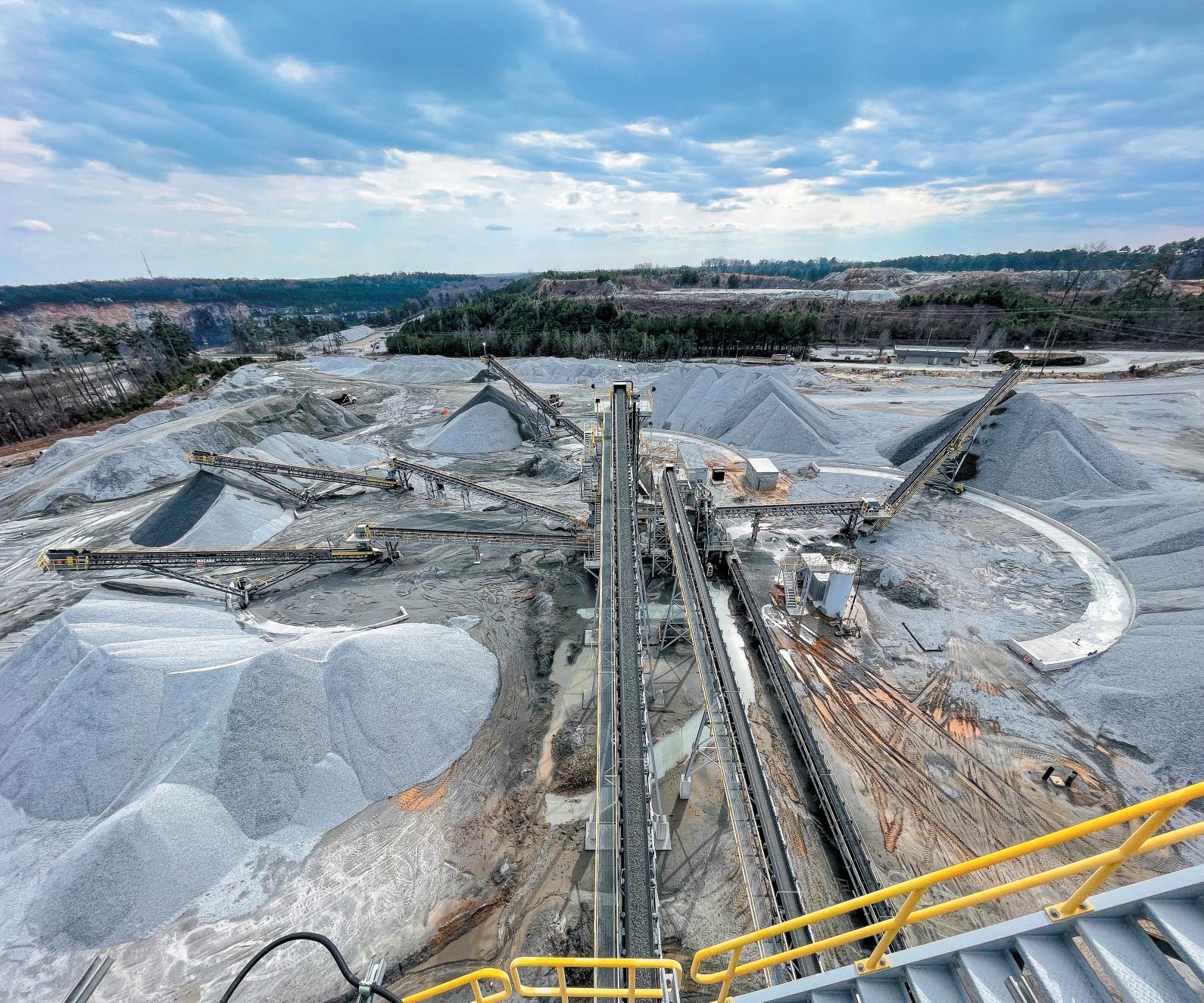
ASGCO “Complete Conveyor Solutions” offers great expertise in handling cement and clinker.
Moreover, from the point of toxic environmental footprint that the cement sector makes, the real culprit is clinker, for 80% of the sector’s air pollution occurs when the intermediate product is made. China’s clinker production capacity was up from 447mt in 2005 to around 2bn tonnes now, with production lines constructed since 2000 accounting for over 90% of prevailing capacity. In contrast, the Indian industry remains on a high-capacity growth phase staying ahead of demand rises. Like China India too is concerned about growing volumes of pollution of the rapidly expanding cement industry. The good thing that has happened with the Indian industry is that nearly the entire cement capacity is now based on dry process technology. This is highly energy efficient in drying the raw mix.
Looking at globally, the cement industry’s CO2 emissions were approximately 1.47bn tonnes in 2024, amounting to double the level found at the turn of the century. Encouragingly, cement related emissions had declined since their peak level at around 1.7bn tonnes in 2021. Helped by improved operational efficiency and production fall in China, last year saw the global cement industry recording a 7% decline in CO2 emissions. A major technological breakthrough happened in 2025 with Heidelberg Materials commis-
sioning an industrial scale carbon capture facility at Brevik in Norway. The facility has capacity to capture annually an estimated 400,000 tonnes of CO2
An Indian cement industry official says, producers across the world have a 2050 net zero roadmap, but to make this achievable, the industry and government cooperation is needed. Across the world, most prominently in Europe and also in China and India, cement makers are not only leaning towards the use of alternatives to fossil fuels but they are also constantly at work to reduce the clinker-to-cement ratio. Both the moves will lead to lowering of emissions. The mission will get a leg up with governments financially supporting adoption of low-carbon technologies.
Consider the case of India where the industry is already generating 538MW through the waste heat recovery system (WHRS). This is, however, around half the industry’s potential to generate power by WHRS. At the micro level, Aditya Birla group Ultratech Cement, the world’s largest (excluding China) with capacity of 200mt, will fully replace the fossil fuel-based energy with green energy (renewables plus WHRS) by 2050, as part of the RE100 commitment (a global initiative of corporate giants.) To carry conviction, the company has stopped making further investment in building thermal power capacity.
WCA president Wei Rushan has
pointed out with a tinge of regret that cement producing nations’ “policies and momentum related to climate change and carbon regulations” have not only started diverging but in some instances “come into conflict.” For example, while Europe remains firm in its commitment to use carbon capture and storage (CCS) in cement mills, the momentum behind CCS in the US is slackening, thanks to the Trump Administration axing public subsidies that are key to installing CCS facilities, says Rushan. Sounding a note of caution for exporters and importers of clinker and cement, Rushan says under the Carbon Border Adjustment (CBAM), they will be under pressure to decarbonize “supply chains in emerging markets in order to maintain their long-term access to developed markets.”
World trade in general was in tumult last year, thanks principally to the US introducing a series of highly punishing tariffs targeting one country after another which naturally invited retribution by affected countries. Thankfully, as Rushan points out, the tariff war didn’t cause any major changes to “seaborne cement and clinker trading routes or supply sourcing in 2025.” Whatever changes happened in trade flows were more due to geopolitical disturbances and “domestic supply and demand dynamics.” Global import and export trade flows of clinker and cement totalled around 230mt last year in which the share of seaborne trade was in the range of 150mt to 170mt.
In spite of falling production, cement supply in China has continued to exceed demand. This along with falling prices has created compulsion for producers to sell growing quantities of cement and clinker in foreign countries at better prices than available locally. Exports surged 118% in 2025 to 11.71mt, thanks to the industry’s proactive sales strategy, competitive pricing and overseas demand for Chinese products. The principal export destinations for Chinese cement and clinker are southeast Asia, central Asia (Kyrgyzstan and Uzbekistan in particular) and some African countries. What comes to the aid of Chinese exports are the infrastructure projects funded under the Belt and Road Initiative (BRI) in a number of countries.
Export expansion certainly brought some relief to the Chinese industry. But cement groups beleaguered by massive capacity lying idle and under pressure from the government to do away with ageing,
energy guzzling plants discovered that the only route of growth in the circumstances is to build cement profile abroad. Since the industry wanderlust falls in line with President Xi’s pet BRI programme, the industry is getting all support in building capacity in Africa and central and southeast Asia. The countries where the Chinese industry has a footfall are all members of BRI and under that umbrella they are engaged in implementing infrastructure projects, some of which are massive.
A report says, China has in operation more than 50 cement mills in over 20 countries in multiple continents — Africa, Asia and South America. The signing of an agreement late last year between China and Mozambique to build two cement
factories in Mozambican provinces of Nampula and Cabo Delgado is one more instance of Beijing being aggressive in seizing investment opportunities in Africa. The two factories along with a jetty will involve an investment of $333m to be shared by two countries, but at what proportion is not disclosed. Chinese groups have remained engaged in expanding its asset base in Africa by both building greenfield mills and acquiring up to 100% equity of operating companies.
A few years ago, when Switzerlandbased Holcim made a decision to withdraw from non-core markets in order to focus on high value products and sustainable building solutions, its African assets came for disinvestment. As it would happen, Huaxin Cement of China acquired a significant portion of Holcim African assets,


























including 83.81% in Nigeria based Lafarge Africa PLC (since July 2015 Lafarge is part of Holcim through a merger.) Huaxin also bought 75% of Lafarge Zambia and entire equity in Lafarge Cement Malawi. Last year saw Huaxin completing the acquisition of 100% equity of Brazil’s Embu Sa Engenharia E Comercio. Besides Huaxin, the other major Chinese cement groups present abroad with manufacturing units are: China National Building Material (CNBM), West China Cement and Anuhi Conch Cement.
One thing common among the Chinese Cement Majors is their commitment to seize investment opportunities, particularly in Africa. An ideal condition for Chinese cement groups to rapidly capture space in Africa was created by divestment of African operations by the European industry. Besides turning their focus on sustainable building solutions, European groups, under cost pressure and prospects of growing imports need resources to build defences as also for decarbonization and digitalization. A good portion of the resources came from disinvestment in Asia and Africa. Interestingly, Indian groups though armed with strong balance sheets have so far not forayed in Africa either for exports or acquisition of cement assets.
Only recently, Sinoma Cement, a subsidiary of CNBM in partnership with China-Africa Development Fund completed the acquisition of Tunisia’s major cement company Societe Ciments De JBEL. In the meantime, West China Cement is pursuing acquisition of CILU Cement in Democratic Republic of Congo. China was early to realize that in view of its large capacities from steel to aluminium to cement, it is well placed to build the machinery sector in the downstream to first gradually reduce its dependence on imports from Western countries and then emerge as an exporter and an EPC (engineering, procurement and construction) contractor. For example, Simona International Engineering was the general contractor for West China Cement’s 4.5m tonne Lemi National Cement that was recently commissioned in Ethiopia.
It’s an open goal kind situation for the Chinese cement industry in Africa where Beijing through BRI is to help it earn political goodwill as it creates many economic opportunities. Implementation of infrastructure projects is creating enormous demand for raw materials, including cement. In some African countries, local cement supplies are limited
making opportunities for Chinese groups to invest in new cement mills. At the same time, there are instances of Chinese acquisitions of African cement companies followed by modernization and capacity expansion.
In both cases, machinery and equipment come from Chinese manufacturers and EPC is done by Chinese contractors. Huaxin Cement always on the prowl to seize opportunities in any African country acquired South African and Mozambique assets of InterCement Participacoes SA in 2023 and since then added value to the business through modernization. The company is also in control of Chilanga Cement in Zambia and Portland Cement Malawi. Expectedly a good amount of Chinese cement capacity is in the pipeline in some African countries, including Tanzania and Uganda with nearly all planning, engineering and machinery contracts going to Chinese companies.
Unlike China, only a few Indian cement groups have manufacturing operations abroad and their investment so far is largely in the Middle East and to some extent in Sri Lanka. UltraTech Cement, which is the world’s largest cement group outside China with capacity of 205.5mt owns cement business in the UAE, Bahrain, Bangladesh and Sri Lanka. The combined capacity of all foreign operations of UltraTech is 5.4mt. A few years ago, UltraTech acquired majority ownership in Duqm Cement in Oman, thereby securing limestone mining leases. This is to take care of long-term requirements of its manufacturing operations in the Middle East and east
ASGCO “Complete Conveyor Solutions” offers great expertise in handling cement and clinker.
Africa. The ongoing growth phase will lift UltraTech’s domestic capacity to 240mt by 2028. Even though the company has not made any announcements about building new capacity abroad either through acquisition or greenfield ventures, analysts believe UltraTech, sitting on piles of reserves, will also remain on hunt for growth opportunities away from home.
The other Indian group with a significant production profile in the Middle East is Shree Cement with combined domestic and overseas capacity of 66.8mt to be expanded to 80mt by 2030. In early 2018, Shree Cement bought UAE based Union Cement Company at an enterprise value of $305.24m. Owners of Shree Cement, the Calcutta based Bangur family remains firm in the belief that cement business in the UAE will remain profitable as it will offer growth opportunities. Union Cement has clinker capacity of 3.3mt and cement capacity 4mt. The plant being located close to Saqr Port, it has the logistical and cost advantage of exporting cement to the Gulf, the Middle East and east Africa. Yet another large Indian cement group JK Cement is to build a clinker cum cement unit at Fujairah, part of the UAE, involving an investment of up to $400m in partnership with the Fujairah government.
Will not the future Chinese and Indian investment in the region get clouded by the fallout of the war between Iran and the US–Israel? Indian cement officials say, energy alone constituting 35% to 40% of the total cost of cement production, sharp














Theultimatecoombination atio in port oper om or uncompr f The ultimate co n ety ised saf





































rises in the prices of oil, petroleum products and petcoke have hit the industry hard.
At the same time, once the war is over and peace reigns, reconstruction work in war affected countries will start at full throttle creating major demand rises for cement and steel. That will give a boost to the industry in the Middle East and Africa, benefiting China and India. Unlike China, India is not under pressure to export cement in big volumes, as demand in the local market growing at around 9% annually absorbs rising supply. Even so, India exports moderate volumes of clinker and cement to Bangladesh, Sri Lanka, Nepal, Bhutan and Maldives.
Some countries, including Vietnam, Turkey and Indonesia, have built capacity well in excess of their internal requirements creating surpluses for exports. Take Vietnam, where the industry took a leap in modernization and capacity expansion starting 1990s coinciding with Hanoi embracing market economy and stays at the top of exporting countries’ table. The country with total supply capacity of 125mt exported 37mt in 2025 when domestic sales were up 13% yearover-year to 75mt. The demand boost came from “robust public investment and acceleration of major infrastructure projects,” says S&P Global. In order to boost exports in a growing competitive environment, Hanoi halved clinker export tax to 5% in May 2025 to remain in place through 2026. As a result, exports were up 28% year-on-year, generating revenues in excess of $1.36bn.
Over the years, Vietnam has found the Philippines as a steady substantial export destination. In Bangladesh, Vietnam has found a major outlet for clinker which is ground there to make cement. As Malaysia and Singapore are good buyers of Vietnamese cement, the communist country has found a good outlet for Portland cement in the US. What, however, is a cause of concern for exporters is the US doubling import duty to 20% on Vietnamese cement with effect from August 2025. The Vietnamese cement industry already is having overcapacity and Hanoi does not want it to further grow to avoid a situation of unhealthy competition among producers.
Cement being a delicensed industry in Vietnam, the government can’t stop new capacity creation. What it has done instead is to put stiff environmental clearance norms and environmental impact
assessments for new units. Furthermore, stringent emission norms will apply to clinkering plants, being the principal point of CO2 emissions in the cement chain. Incidentally, though local companies have a dominant presence in the industry, it also has received substantial investment from Japan and Thailand.
Turkey, which with capacity of around 150mt owns the world’s third largest cement industry did remarkably well in terms of production and domestic and export sales. Coming on the back of a difficult 2024 season, the industry basked on all-time high cement production of 93.7mt in 2025, up 10.5% on the previous year. Clinker production at 82.7mt advanced 6.7%. Industry fortunes improved from domestic cement demand surge helped by extraordinarily high investment in infrastructure projects. Even while export faced many challenges, including the EU’s CBAM, lack of demand from once the big buyer Israel, growing competition from Algeria, Egypt and Vietnam in some key markets, Turkey was able to ship higher quantities of clinker and cement last year compared with 2024.
Turkish Cement president Ender Sahin told Platts the industry could overcome all the challenges because quality conscious buyers would not look anywhere else for cement. Strong logistics, including quick turnaround of ships at ports work to the advantage of exporters. Clinker exports advanced to 7.2mt in 2025 from 4mt a year earlier. “Clinker has emerged as a standout success for Turkish cement in 2025, with
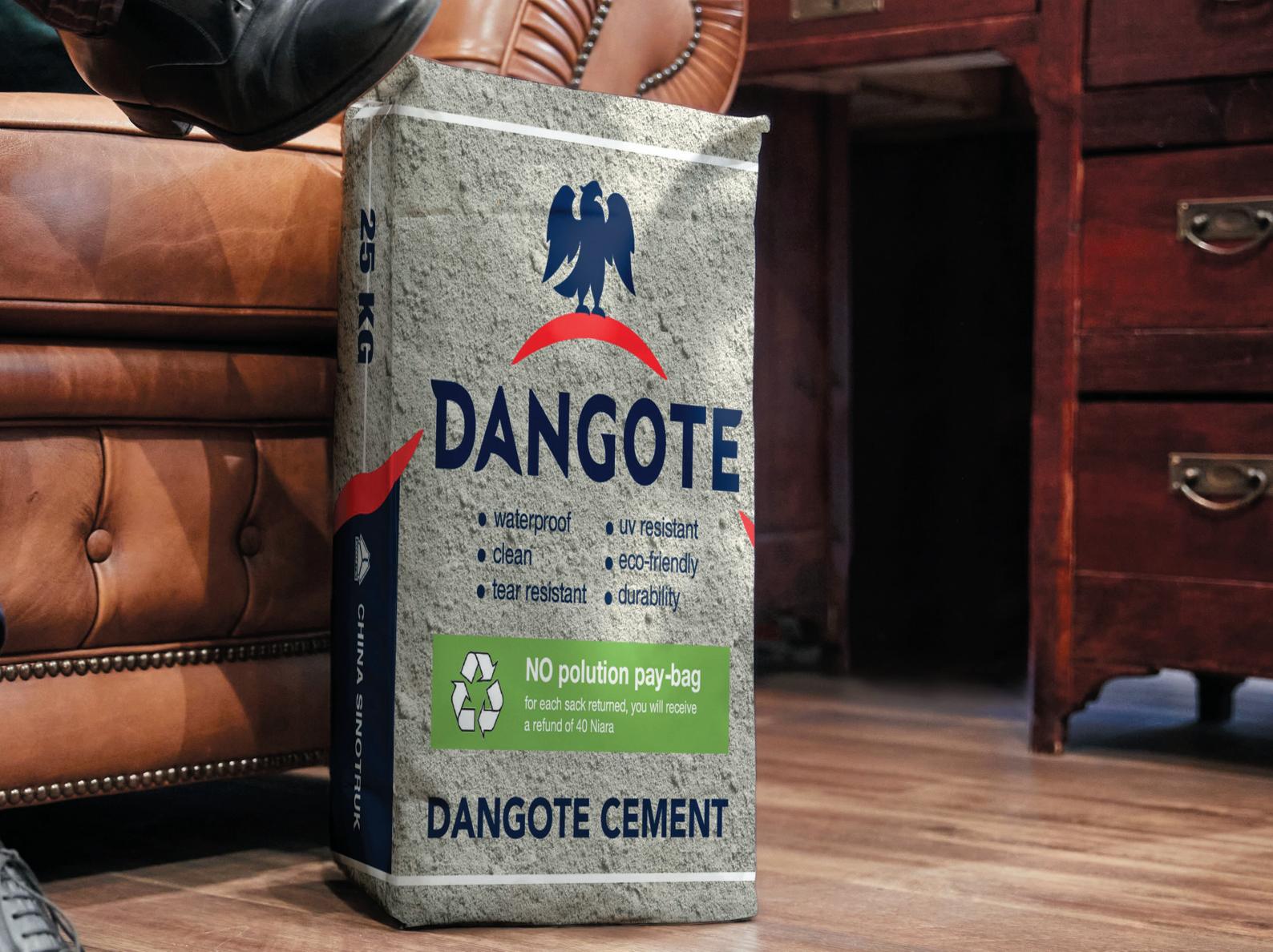
Haver & Boecker has supplied customized cement bags to Dangote Cement Plc, a Nigerian multinational cement manufacturer headquartered in Lagos.
prices outpacing those of our competitors. Many companies are already fully booked for 2026,” said Sahin. Cement exports rose to 16.2mt from 15.6mt during this period.
Intensive airstrikes by the US and Israel during the war proved to be disastrous for all industries in Iran from oil to steel to cement with recovery at any time soon ruled out. The war has done serious damage to infrastructure, created supply chain bottlenecks, disrupted power supply and caused shortages of raw materials for the cement industry from limestone to petcoke. In normal times, however, cement happens to be a leading industry of Iran, which is endowed with high grades of limestone reserves of 17bn tonnes. Armed with clinker capacity of 86mt and cement capacity of 90mt distributed over 77 odd mills, the industry is left with considerable surpluses for export after fully meeting domestic demand.
Because of war related disturbances, Iranian production and export figures for 2025 are not available. But in 2024, the industry delivered production of nearly 70mt of cement and 71.027mt of clinker. A difficult year for construction activities, domestic cement deliveries shrank 3.8% to 64.047mt. Exports of clinker and cement showed divergent trends. While overseas shipments of clinker were down 25.5% year-on-year to 6.623mt, cement export sales surged 20.9% to 6.032mt.
In every respect from production to exports, the current year is proving to be exceptionally difficult for the cement industry. Not only have airstrikes damaged a number of cement factories, but the producers are not able to execute exports because of the blockade of the Strait of Hormuz. DCi








Ship to ship (STS) transfers are an established part of dry bulk operations, and they are growing. As new trading areas and cargo flows emerge, STS operations are expanding into regions where port infrastructure or draft limitations make direct berth access impossible. However, the sector has been doing this without a dedicated standard.
In tanker shipping, STS activity is underpinned by established industry guidance. Dry bulk has had no equivalent framework, despite the added complexity arising from different cargoes, equipment and operating conditions.
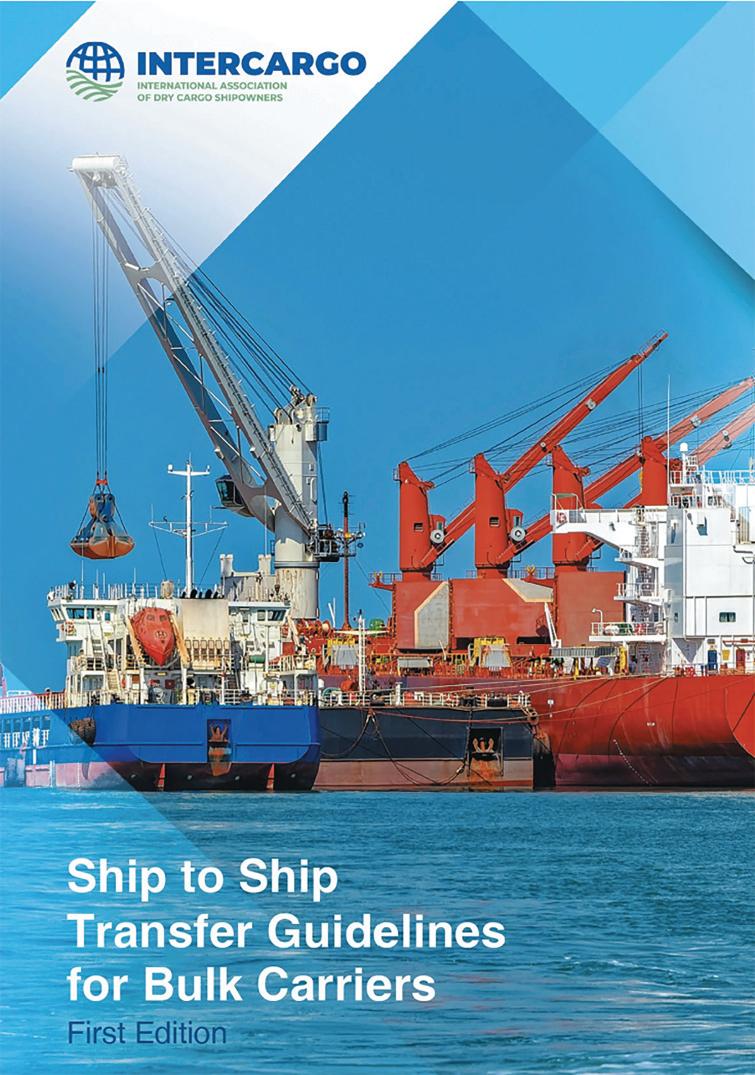
INTERCARGO has now published the Ship to Ship Transfer Guidelines for Bulk Carriers, setting out the first dedicated standard for these activities in the dry bulk sector.
STS transfers allow cargo operations in locations where ports cannot accommodate the vessel size, required draft or cargo volumes, particularly in regions where infrastructure is limited. However, such operations also introduce additional challenges, including increased operational interfaces, greater personnel involvement and less margin for error when operating conditions change.
The new guidelines are built around the practical realities of conducting STS operations at sea. They address planning, risk assessment, manoeuvring, fendering, cargo handling and emergency response procedures, with practical checklists and operational responsibilities. Together, they bring a consistent framework to operations that until now have had none.
John Xylas, Chair of INTERCARGO said: “Ship to ship transfers in dry bulk are already happening across the industry, and they are increasing. However, a published standard for dry bulk shipping wasn’t available for consistent application and safe
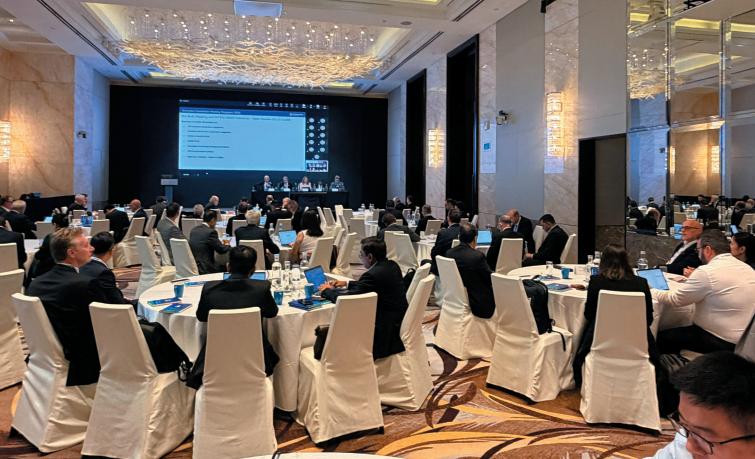
operations.
“As STS becomes more widely used, we expect to see greater alignment across operators, charterers, insurers and regulators, so that a more consistent approach becomes the norm for dry bulk operations.”
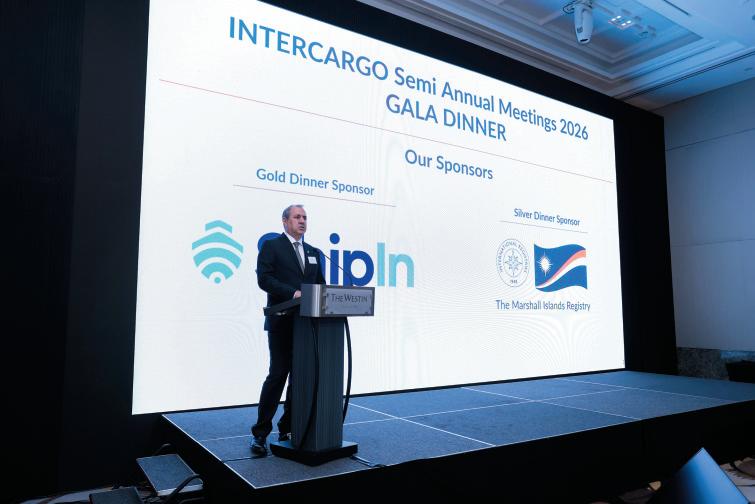
The guidelines were presented at INTERCARGO's Executive and Technical Committees, semi-annual meetings in Singapore, where shipowners, operators and technical specialists from the sector convened to progress the Association's agenda on safety, security, environmental stewardship, sustainability, decarbonization, operational standards including DryBMS, vetting issues, regional port state control requirements, and the human element in dry bulk shipping.
The STS publication was developed through the collective operational experience and technical input of
shipowners, operators, marine and technical specialists throughout the sector, reflecting both operational experience and the realities crews face on the water.
The intention is straightforward: to introduce more clarity, consistency and standardization to how STS transfers are carried out in dry bulk shipping and reduce the operational inconsistency that exists today. As STS activity continues across both traditional and emerging trades, the next step will be wider alignment across the maritime industry. Adoption by operators, charterers, insurers and regulators will shape how quickly these practices are applied in reality, and how quickly a more consistent approach becomes established across dry bulk STS operations worldwide.
INTERCARGO’s Ship to Ship Transfer Guidelines for Bulk Carriers is available from Witherbys.
NORDEN announced in May 2026 that it has expanded its fleet with the purchase of four dry cargo Handysize vessels.
The four acquired vessels were built in 2024 and are scheduled for delivery during Q2 2026. The open-hatch and box hold capabilities make them particularly suited for specialized cargoes, supporting NORDEN’s ability to serve customers with more flexible and tailored solutions.
The addition builds on NORDEN’s operated fleet of around 450 vessels and supports the company’s strategy of selectively strengthening its fleet in segments with strong customer demand and attractive long-term fundamentals.
The Handysize segment benefits from an ageing global fleet and a limited orderbook, reinforcing demand for modern, fuel-efficient vessels.
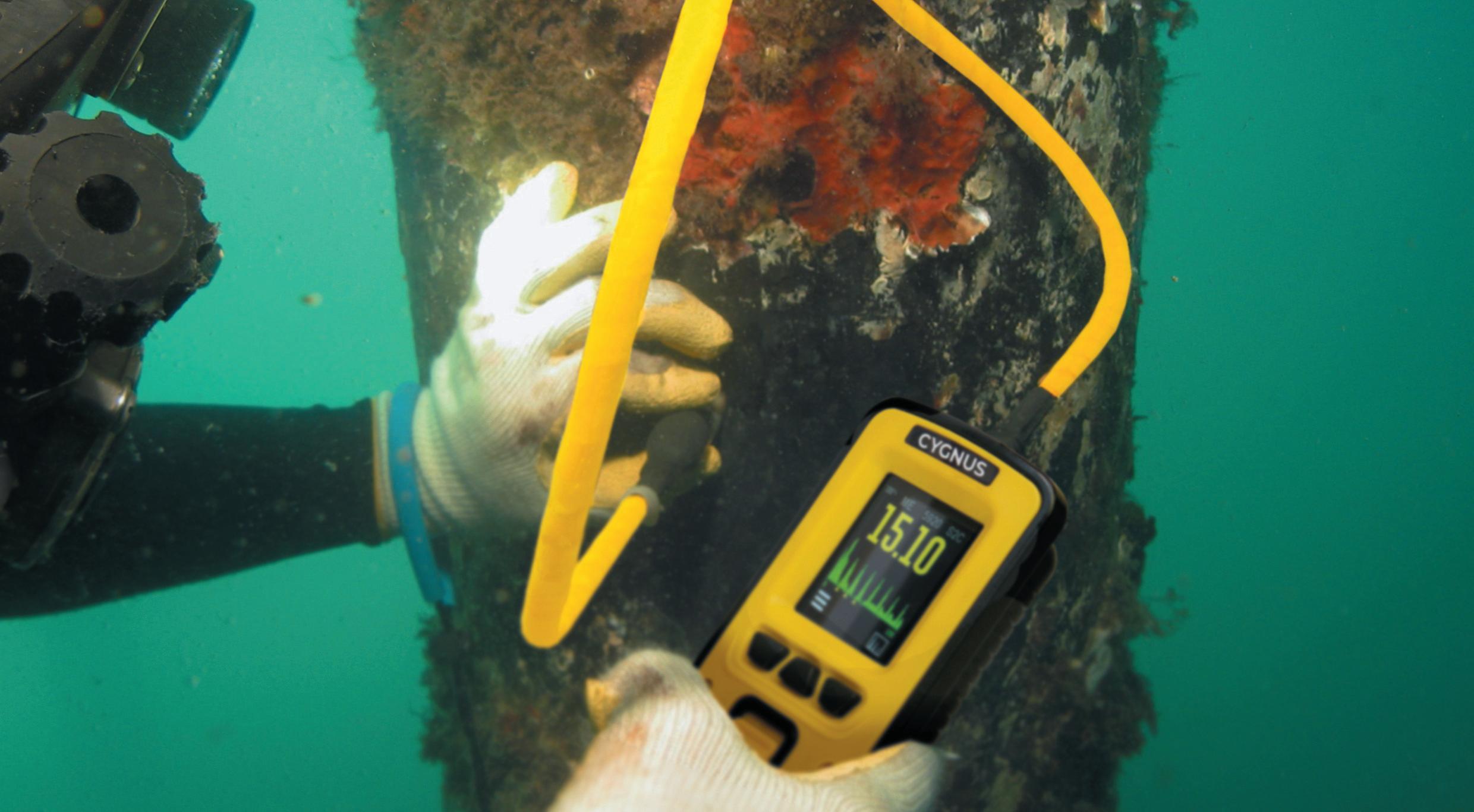
For commercial diving teams under pressure to deliver accurate UT data quickly and safely, the Cygnus Underwater Diver Held Gauge sets a new benchmark. Built specifically for subsea and inland corrosion surveying, it delivers fast, accurate thickness measurements — even through coatings and heavy corrosion, while drastically reducing the operational burdens typically placed on divers.
FASTER MEASUREMENTS — SHORTER , SAFER DIVES
Every second underwater carries cost and risk. The Cygnus Underwater’s easy-touse, quick-to-verify, accurate measurement capability — even in harsh conditions, combined with its Multiple-Echo mode for automatically error-checked, reliable readings through coatings, means divers spend less time: removing coatings; v repeating scans; v stabilizing the probe; and v fighting currents or turbulence. v
This results in shorter bottom times and reduced exposure, especially vital in highrisk inland environments like dams, sluices, and flowing water zones.
ENGINEERED FOR LOW VISIBILITY — SO YOU DON’T LOSE TIME SEARCHING FOR READOUTS
Poor visibility shouldn’t compromise an inspection. This instrument’s large, highly visible, clear colour display ensures divers can read measurements even in murky, lowlight conditions.
Paired with simple three quick function
keys and an intuitive menu, divers can work confidently with minimal visual confirmation required.
The result? Faster measurements in fewer attempts, even when visibility is poor.
UNMATCHED DATA RELIABILITY — STABILIZED, VERIFIED, AUTOMATICALLY LOGGED
When the pressure, movement, and acoustic chaos of underwater environments can distort readings, Cygnus delivers clarity.
Key innovations include:
Measurement Stability Indicator (MSI) v to confirm when results are reliable; Auto-Set Gain to optimize probe v performance instantly under variable conditions; and
live A-scans and topside repeating for v visual confidence in challenging acoustics.
Combined with Multiple-Echo validation — the gold standard — these features deliver industry-leading measurement consistency, even when the diver cannot remain perfectly still.
AUTOMATIC , TIME-STAMPED LOGGING — NO ERRORS, NO LOST DATA , NO REPEAT DIVES
Documentation failures are one of the biggest causes of costly re-dives. Cygnus eliminates this risk. Its comprehensive linear and grid automatic data logging, paired with a Real Time Clock (RTC) for automatic timestamping of every reading, ensures complete data traceability. No verbal relaying. No transcription
errors. No gaps.
What’s more, the auto-log function facilitates accurate and efficient data capture. That means fewer missed points and fewer return dives, saving time, cost, and risk.
DESIGNED TO REDUCE DIVER WORKLOAD —
SIMPLE , INTUITIVE , ONE-HAND FRIENDLY
Commercial divers already juggle buoyancy, communication, entanglement hazards, and tight spaces.
The Cygnus Underwater reduces the load with: one-hand operation; v quick function simplicity; and v four easy navigate screens. v Less cognitive load = fewer mistakes + faster, smoother inspections.
BUILT FOR CONFINED, TURBULENT, AND HARSH ENVIRONMENTS
With its rugged, shock-proof, double O-ring sealed housing, the Cygnus Underwater thrives where divers have the least space and stability, including turbulent flows, low-clearance areas under piers, and confined lock chambers.
WHY CYGNUS UNDERWATER WILL TRANSFORM UNDERWATER INSPECTIONS
Instant reading measurements. Ultra simple operation. Verified accuracy through coatings.
Automatic logging. Rugged subsea durability. Rock-solid reliability.
The Cygnus Underwater Diver Held Gauge does more than take readings — it shortens dives, improves safety, enhances data quality, and cuts operational costs.
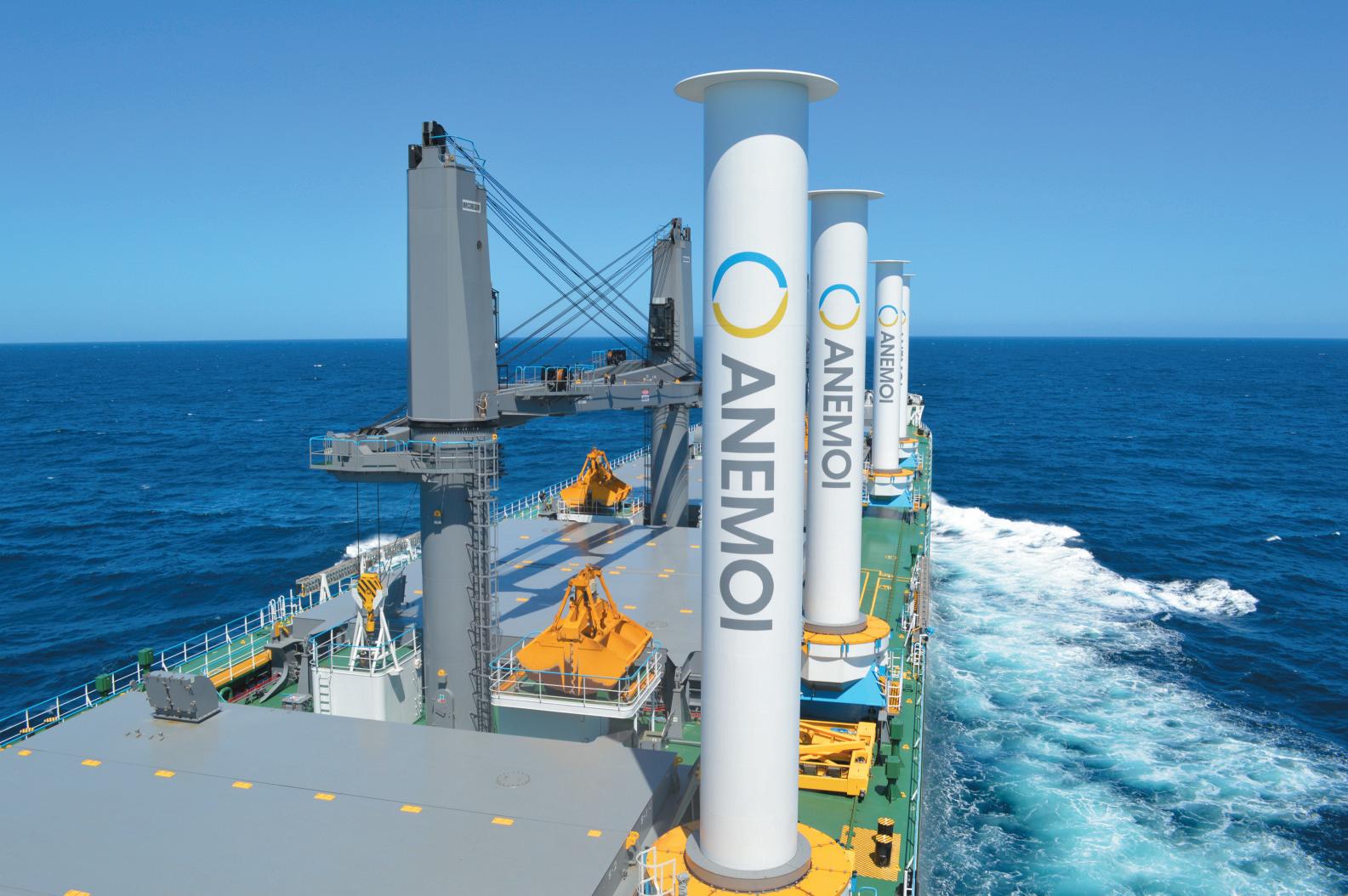
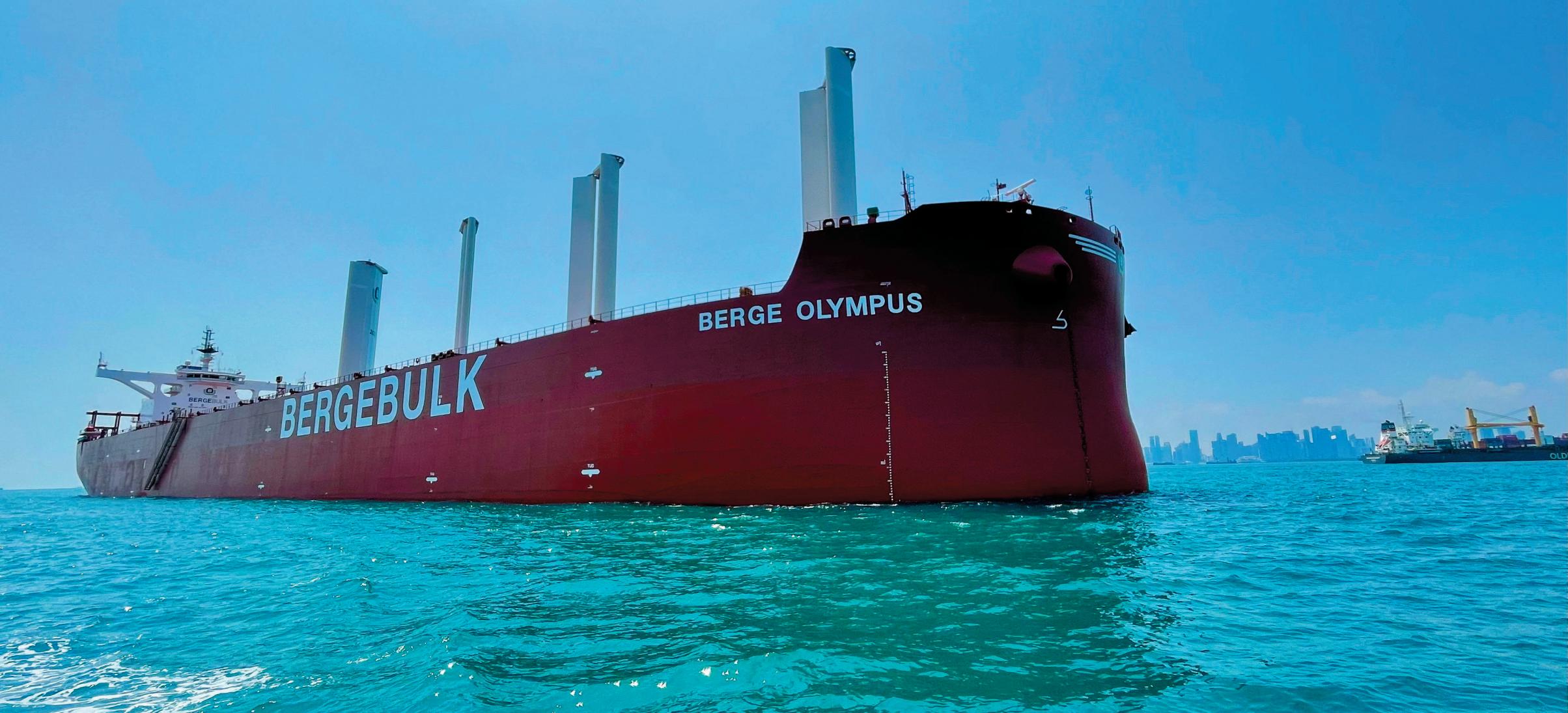
The latest installations of wind propulsion technology on large commercial vessels have pushed the global fleet of cargo ships capable of harnessing wind energy beyond the 100-vessel milestone, representing over five million tonnes of deadweight (dwt) cargo carrying capacity.
The passing of this milestone marks a significant turning point in the uptake of wind propulsion in the commercial fleet. What was once widely viewed as a niche or historical form of ocean transport is now emerging as one of the fastest-growing practical decarbonization solutions across multiple segments of the shipping industry.
These ships are fitted with over 230 individual wind propulsion systems, and collectively they are now saving over 100,000 tonnes of CO2 per year. The number of wind-powered ships is further boosted by 12 large cargo ships that are ‘wind-ready’ with infrastructure already installed on deck if, or when, full installation of a wind propulsion device is required, but these don’t feature in this headline number.
Additionally, a fleet of dozens of smaller cargo ships, under 400GT are also utilizing wind power, as are a number of traditionally rigged cruise ships and these are also not included in this tally.
After several years of renewed investment in technologies designed to capture the power of the wind at sea, deployment in the sector is accelerating, with the number of vessels roughly doubling year-on-year. The speed of the early market expansion underlines how quickly the technology is moving into the mainstream.
In May 2022, 21 large commercial vessels were using wind propulsion technologies, representing approximately
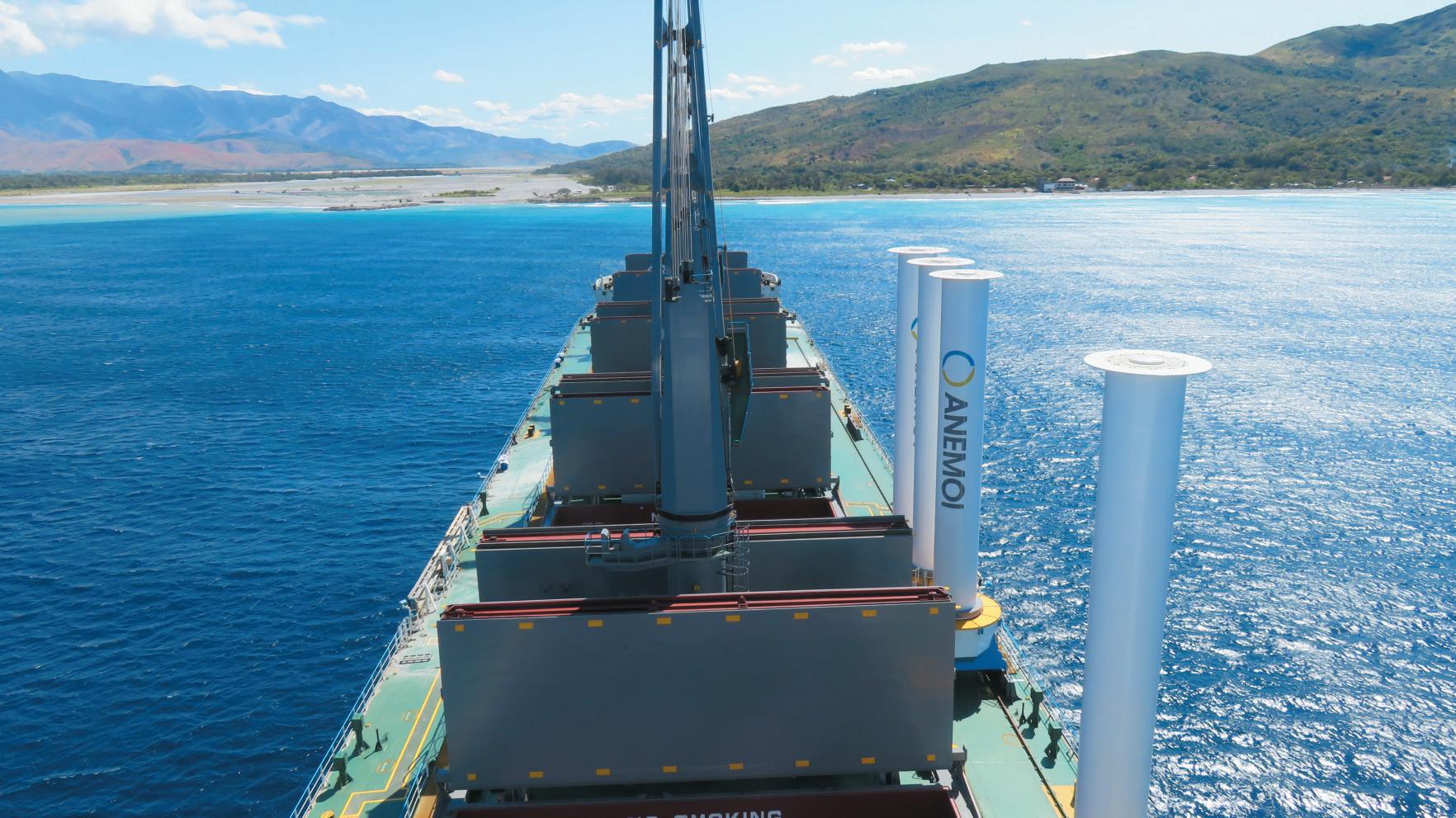
one million dwt of cargo carrying capacity. Just four years later, that figure has increased almost fivefold. Included in that number are six primary wind ships, ranging from 80m to 220m in length, predominantly operating on wind. That number is also expected to grow substantially.
Several wind propulsion solutions are available to ship owners, including suction sails, rigid and semi-rigid wing sails, rotor sails, traction kites, and traditional soft sail systems.
Currently, the tanker and bulker sectors lead the field in the number of ships with wind propulsion systems installed. At the time of writing, 37 tankers and 24 bulk carriers were equipped with the technology, plus 24 RoRo and RoPax vessels combined and 19 general cargo ships.
As the sole industry association representing wind-assist and primary wind propulsion technology developers and
institutions supporting the adoption of wind energy in shipping, the International Windship Association (IWSA) welcomes this growing momentum in installations.
Gavin Allwright, Secretary General of the IWSA, says, “This surge of installations has been driven by a sustained rise in fullscale testing, independent verification and commercial validation of systems over the past five years, giving shipowners growing confidence in the operational and financial case for adoption. However, we can go further and faster on these installations, with everyone focused on the scaling towards the 1,000 ships and beyond.”
Allwright continues, “With all of the current uncertainty surrounding the IMO global decarbonization framework and geopolitical upheaval, we still see a relatively healthy pipeline of retrofit and newbuild orders and construction underway. We estimate that the number of wind propulsion installed ships will once again double in the next 12 months, amounting to around 200 large commercial vessels in total by this time next year.”
Further projections from past EU-commissioned research and the UK Clean Maritime Plan have estimated a penetration rate of up to 15% of the fleet using wind by the early 2030s and 40–45% by the 2050s. If the shipping industry and regulators decide to set an ambitious course towards zero emissions, these projections could even prove to be conservative.
Allwright concludes, “Reaching the 100-ship, 200+ systems installed milestone represents an
important market marker for wind propulsion technology. At this point, we can expect a sustained reduction in returnon-investment timeframes, particularly if fuel prices remain high, as manufacturing scales up and installation experience grows. It is increasingly clear why wind is such an attractive option for shipowners: it offers positive financial returns, increased energy security, measurable decarbonization gains and technology pathways that can support compliance with tightening emissions regulation today.”
With wind propulsion technologies proven to deliver 5–20% of a ship’s propulsive energy as a retrofitted windassist installation, or far higher power levels from optimized and fully integrated newbuild deployments, wind power is a valuable renewable energy pathway, exclusively available to the shipping industry.
With fuel costs remaining volatile, regulatory pressure mounting and shipowners under increasing pressure to cut emissions without waiting for future alternative fuel availability, wind energy is rapidly establishing itself as a mainstream component of the global shipping industry’s decarbonization transition.
The International Windship Association (IWSA) is a not-for-profit, membership association that facilitates and promotes wind propulsion for commercial shipping. It brings together all required parties to shape industry and policies to support the development of a wind-ship sector.



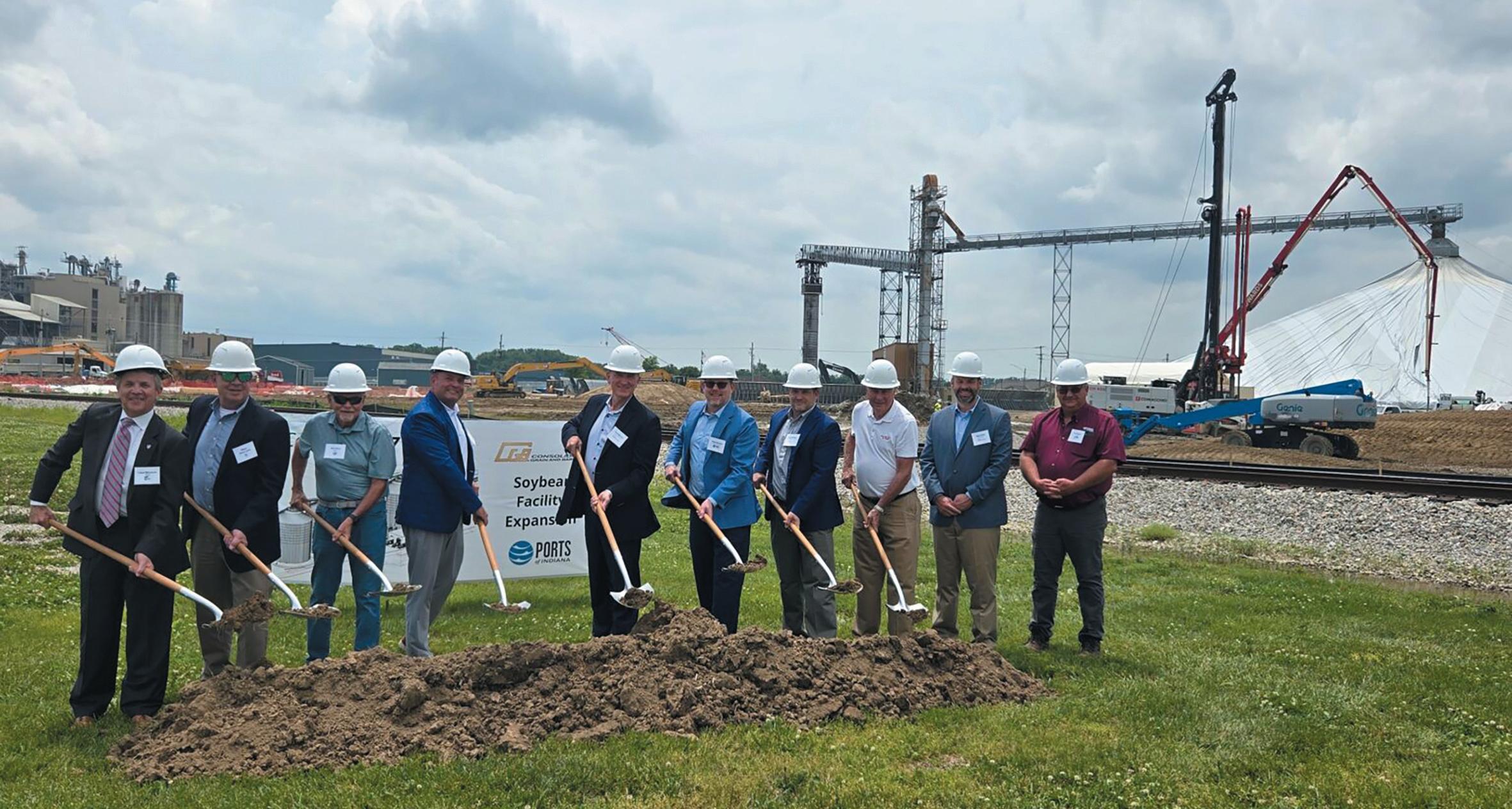
On May 19th 2026, State and local officials celebrated the groundbreaking of Consolidated Grain and Barge Co.’s (CGB) $47 million expansion at Ports of IndianaMount Vernon, the largest investment at Indiana’s largest port in more than 20 years. Consolidated Grain and Barge Co. is a wholly owned subsidiary of CGB Enterprises, Inc.
The project is designed to triple grain handling capacity of CGB’s soybean processing operations at the Ohio River port. CGB currently processes approximately 50 million bushels of soybeans annually at Mount Vernon, producing soybean oil, meal, and soy hulls that are shipped to livestock producers and food companies around the world.
The expansion includes new grain storage and truck unloading facilities, as well as a conveyor system that transfers grain between multiple sites at the port. The project will increase the facility’s storage volume by 4.25 million bushels and boost truck unloading capacity by 200 percent. Construction is expected to be completed in 2027.
“CGB has been a long-standing leader in Indiana agriculture, and this investment at Ports of Indiana-Mount Vernon strengthens two of our greatest assets — world-class infrastructure and a leading agriculture economy,” said Indiana
Governor Mike Braun. “Expanding CGB’s port facilities helps Hoosier farmers move crops more efficiently to global markets, supports rural communities, and reinforces Indiana’s leadership in agriculture and trade.”
CGB’s soybean volume at Mount Vernon has increased more than 60% over the past decade, driving the need for expanded capacity and improved truck flow. The new unloading system will allow entire truckloads to discharge without repositioning, reducing congestion on port roads, shortening turnaround times, and lowering transportation costs for local farmers.
“We strongly value our relationship with the state of Indiana, Ports of Indiana and the Mount Vernon community, and this investment centres on serving our farmers and the local community,” said CGB Enterprises, Inc. Executive Vice President Tom Malecha. “By improving traffic flow and reducing wait times, CGB is making soybean delivery at Mount Vernon more efficient while positioning the facility for the future. This port is an ideal location for growing our business and continuing to expand the value we bring to the agricultural, energy and food sectors.”
CGB also manages grain merchandising as well as ethanol and DDG transload facilities at the port. Founded in 1969, CGB operates more than 110 grain facilities across the Midwest and beyond with integrated barge, rail, and truck
transportation capabilities.
“CGB is a world-class company that has been a tremendous partner at our Ohio River ports for nearly three decades,” said Ports of Indiana CEO Jody Peacock. “This investment demonstrates CGB’s strong commitment to Indiana agriculture, our port, and future growth opportunities that support local farmers. It also highlights the strategic competitive advantages Indiana’s ports create through robust barge and rail connections in the heart of one of the nation’s most productive agricultural regions.”
Indiana is one of the nation’s leading soybean-producing states, and the Mount Vernon port serves as a major gateway for agricultural exports. The port handles approximately five million tonnes of cargo annually, including grain, soy products, ethanol, fertilizer, steel, and project cargo. The 1,200-acre port has connections to five Class I railroads and is part of the nation’s busiest inland port district.
Consolidated Grain and Barge Co., a wholly owned subsidiary of CGB Enterprises, Inc., is a diversified agribusiness providing barge, rail, and truck access to support domestic and export markets. In addition to over 110 grain facilities, the company has significant operations in logistics and transportation, soybean processing, and other related businesses.






logisstical i
custome our for solutio


elivering y d Safel . s rs r ons class worldwi k r o w pp e a We W . u yo th i
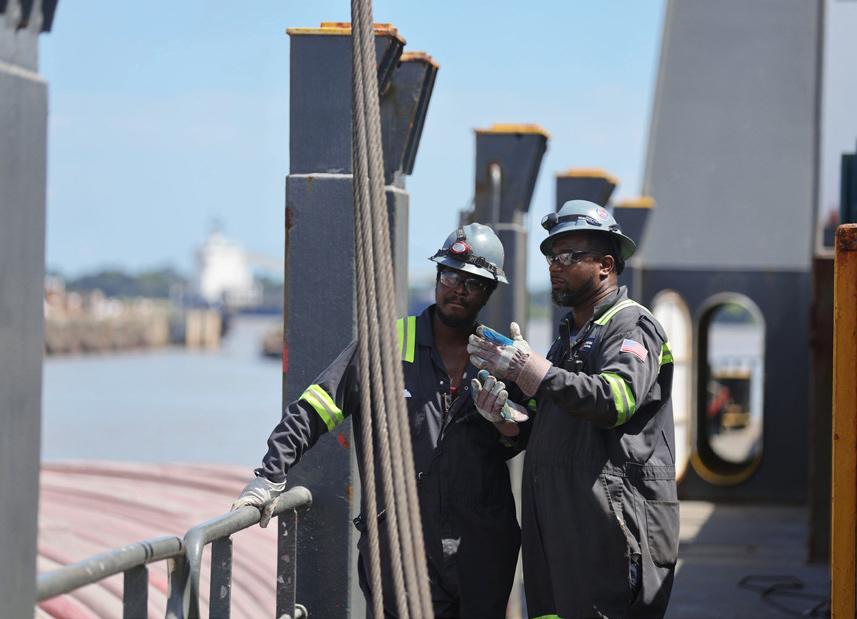




Argentinian rail operator Belgrano Cargas y Logística (BcyL/TAC) has acquired a series of new bulk grain hoppers for use with shipments generated by the agroindustrial cooperative Unión Agrícola de Avellaneda (UAA). The 45 hoppers, which were imported via the port of Buenos Aires, can each hold up to 55 tonnes of grain, and will be used on the narrow gauge lines of the Belgrano railway. They were built in China by CMEC.
In what is effectively a public-private partnership scheme, the UAA has received advance freight payments totalling $5,715,000, which allowed BCyL/TAC to purchase this latest batch of wagons from China.
The UAA has rail-connected grain storage facilities in Argentina in the provinces of Salta, Chaco, Santiago del Estero and Santa Fe, with the majority of output shipped via maritime ports.
According to the Buenos Aires Grain Exchange, this year’s harvest will produce 147.9mt (million tonnes) of grain, up 13% on the previous harvest. Revenue from exports is therefore forecast to rise by 7.3%, generating $36 billion in foreign exchange.
For its part, the Rosario Stock Exchange has projected a record production of 160 million tonnes of grain, a rise of 21.2mt over the previous year. Barry Cross
In the first three months of 2026, the Chilean Port of San Antonio reported traffic amounting to 5,816,977 tonnes, which was an increase of just below 1% compared to the same period of last year, when it handled 5.774 million tonnes. The port says trading conditions currently have to be viewed as “challenging” given a backdrop of international disruption in the maritime business.
However, dry bulk traffic performed surprisingly well, up 6% to 1,061,658 tonnes. In comparison, container throughput was virtually unchanged and most other traffic segments reported either low levels of growth or none at all.
According to managing director of Puerto San Antonio, Fernando Gajardo, “The performance we have observed during this first quarter reflects Puerto San Antonio’s ability to adapt to a challenging international environment. Nevertheless, we have managed to maintain stable and positive throughput levels similar to those recorded in 2025, which demonstrates the strength of our operations and the commitment of all stakeholders in the port system to ensuring the continuity and efficiency of the logistics chain.” Barry Cross
In Spain, Torralba Seaport is seeking a new concession area in the Port of Carboneras, which is administered by Almería Port Authority. Its aim is to build and operate a
new 70,124m2 dry bulk terminal there. Of this, 46,272m2 would correspond to landside operations and 23,852m2 adjacent water area.
The Port Authority of Almería has now initiated a competitive tendering process, with other bidders having one month to submit competing interests. Barry Cross
In Brazil, ADL Mineração has begun shipments of monazite, a rare phosphate mineral, to Canada. This is being moved by container from a storage facility at São Francisco do Itabapoana, in Rio de Janeiro state. The initial consignment consisted of 16 tonnes, and was despatched from the Port of Santos (SP).
This is not the first time monazite has been exported by Brazil to Canada. However, the last shipment took place in 2019, involving federal government linked entity Indústrias Nucleares do Brasil (INB).
ADLM anticipates exporting 500–1,000 tonnes of the mineral to
various Canadian, US and Chinese buyers by the end of 2026. Within two years, this is expected to rise to 3,000 tonnes. The mineral is a primary source of rare earth elements such as Cerium, Lanthanum, and Neodymium.
The ore is being sent to the Saskatchewan Research Council (SRC), which operates a state-of-the-art rare earth processing facility designed to separate these minerals into high-purity metals.
To stress the importance of this initial sale, ADL Mineração’s managing director, Adelina Lee, points out that the resumption of production and, above all,
the export of monazite represents a historic milestone for the Brazilian mining sector. She adds that the export by a private company rather than a federal entity reflects progress in the regulatory environment and the maturity of the sector, which has enabled well-structured private sector companies to meet the regulatory, technical, environmental and safety requirements necessary to undertake this type of operation.
Monazite is particularly valued for its high concentration of ‘magnet metals’, which are essential for the production of electric vehicle motors and wind turbines. Barry Cross
In India, at the west coast Port of Deendayal, the 26,541dwt Handysize vessel DD Voyager delivered a consignment of 25,000 tonnes of bulk fertilizer imported by Narmada Biochem on April 30. Before arriving at Kandla, the vessel made stops at Port Klang (Malaysia) and Xiamen (China), on the busy trans-Asian trade route.
Discharge was undertaken by advanced bulk handling systems to considerably boost turnaround times. At the same time, operations were continually monitored to ensure compliance with environmental and occupational safety standards.
This forms part of a larger trend towards high-efficiency bulk handling at India’s premier ports, with Deendayal Port now able to handle large volumes of fertiliser, especially Ammonium Sulphate Phosphate (ASP), which is a key nutrient for agricultural productivity, making it a major player in India’s agri-input distribution network. The large consignment carried by the DD Voyager is significant because this volume is enough to treat hundreds of thousands of acres of farmland, and importing it in bulk significantly lowers the
per-tonne cost for farmers compared to smaller, bagged shipments.
This shipment comes at a time of massive expansion for NBCL. In recent times, the company has seen a nearly 60% growth in operations. It is currently building a major DAP and SSP manufacturing plant in Bharuch, Gujarat, with operations expected to start in early 2027. Its move towards importing large bulk consignments is securing raw materials to maintain its market share across 16+
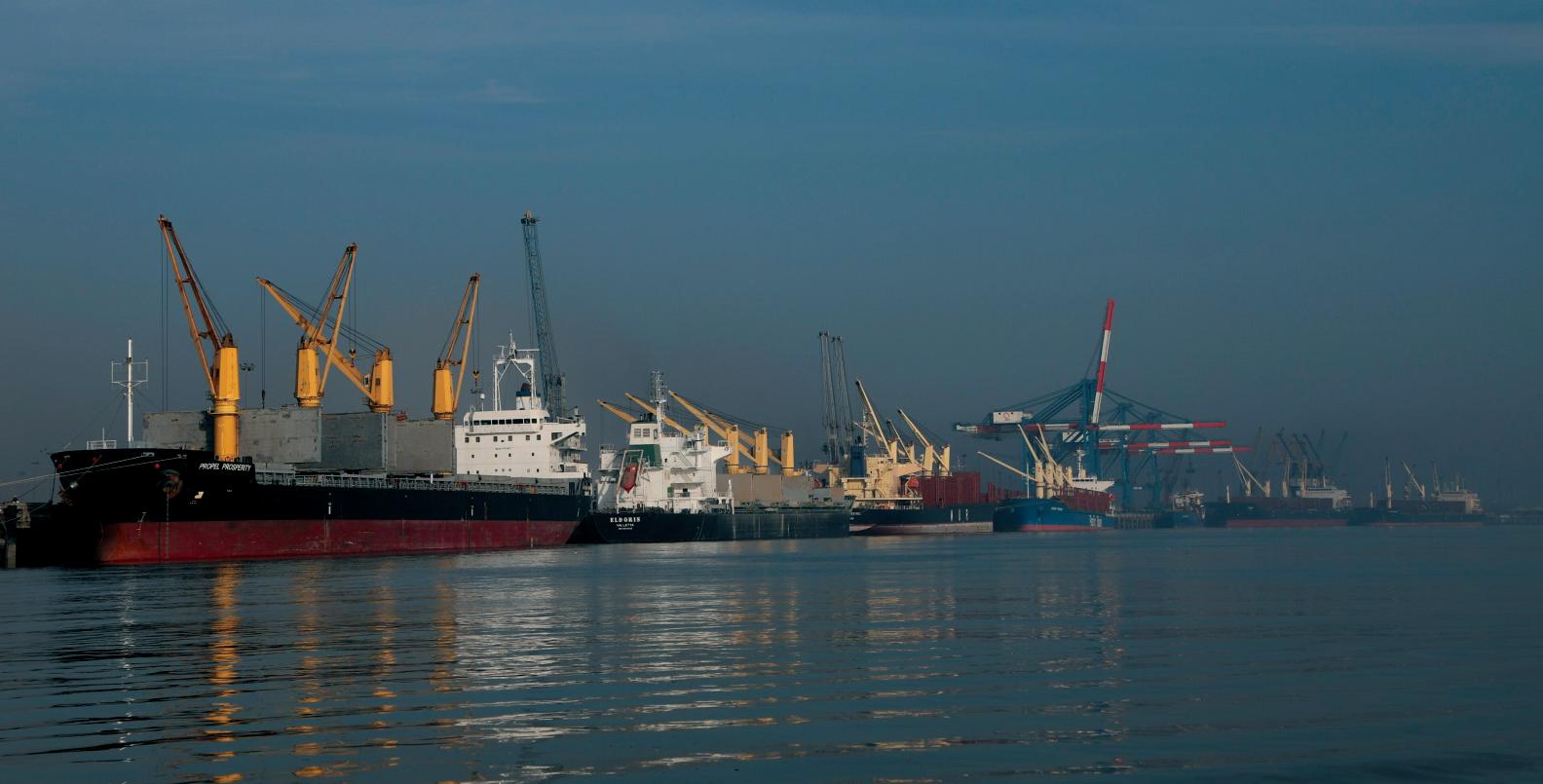
Port of Deendayal (photo: Deendayal Port Authority, Kandla (GODL-India).
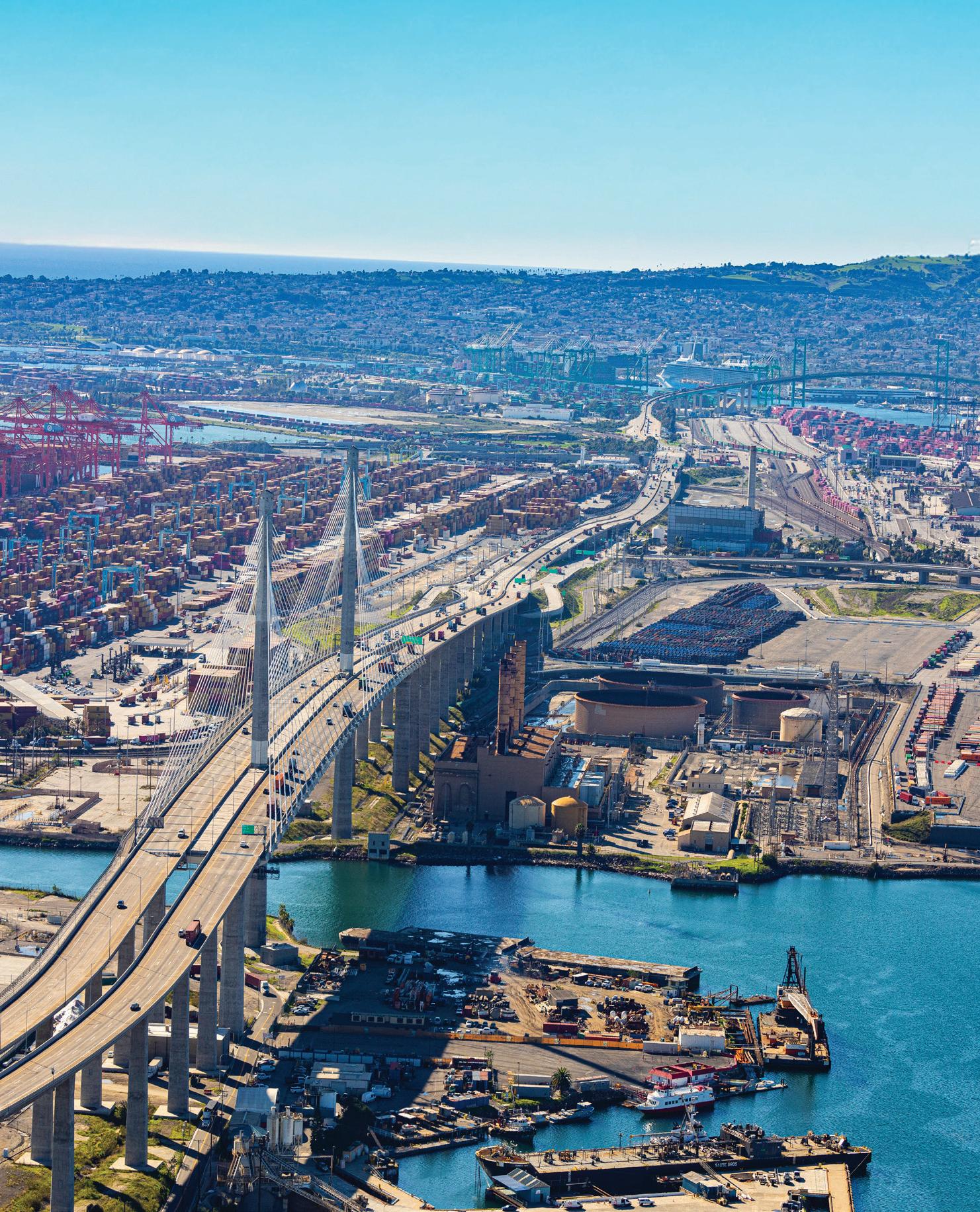
The Port of Long Beach. Always open. Always moving.
Long Beach International Gateway Bridge is fully operational – always ready to serve ALL of the San Pedro Bay.
Indian states while its new domestic production facilities are under construction.
Deendayal (Kandla) Port recently emerged as India’s top cargo handler for the 2025–2026 fiscal year, moving over 160 million metric tonnes. In bulk handling, the port uses mechanized hoppers and conveyor systems for fertilizer to ensure the ASP doesn’t get contaminated or degraded by moisture during the discharge process. Barry Cross
REMA TIP TOP PRESENTS THE NEW SPRAY SYSTEM FOR FAST, FLEXIBLE , AND SUSTAINABLE REPAIRS
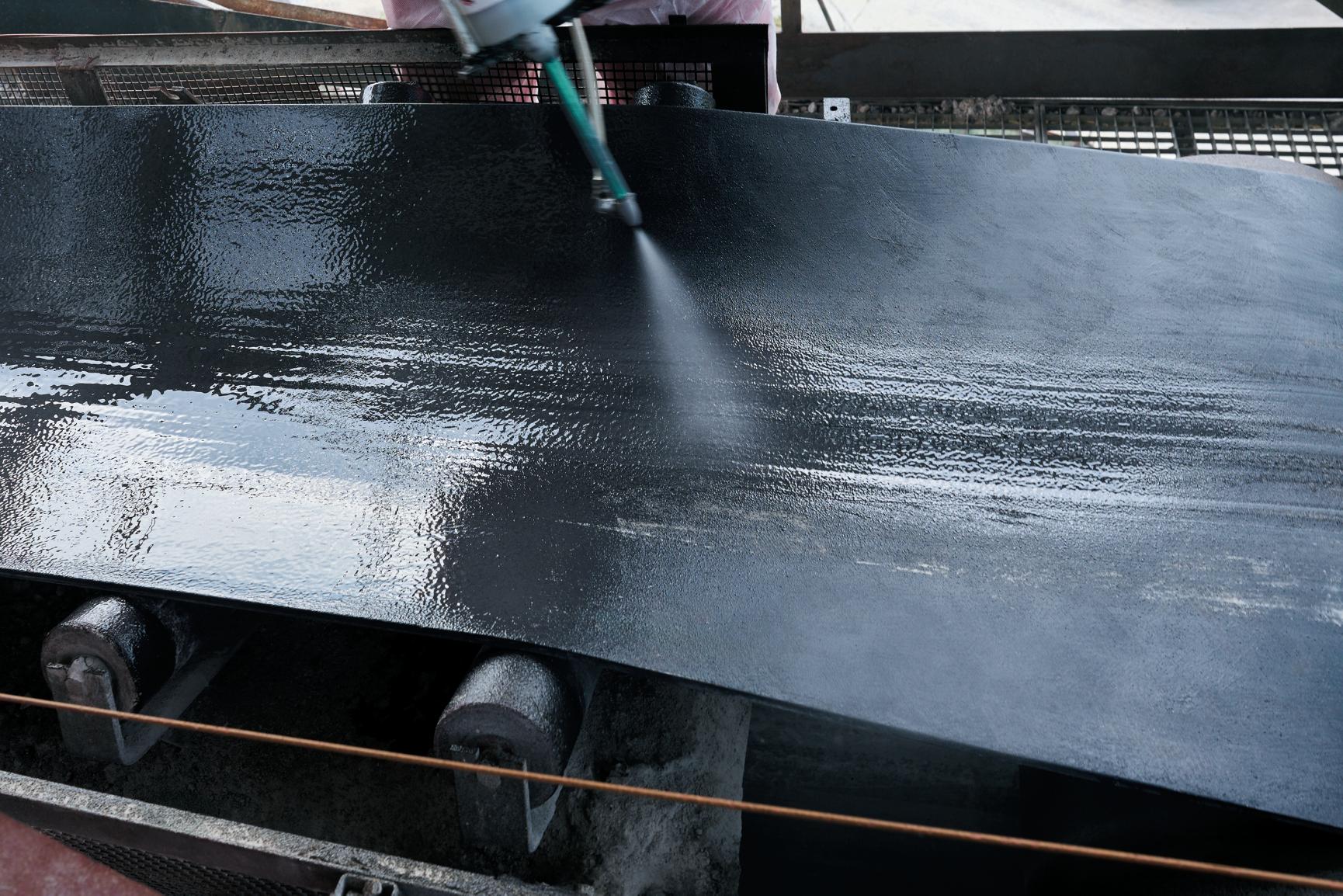
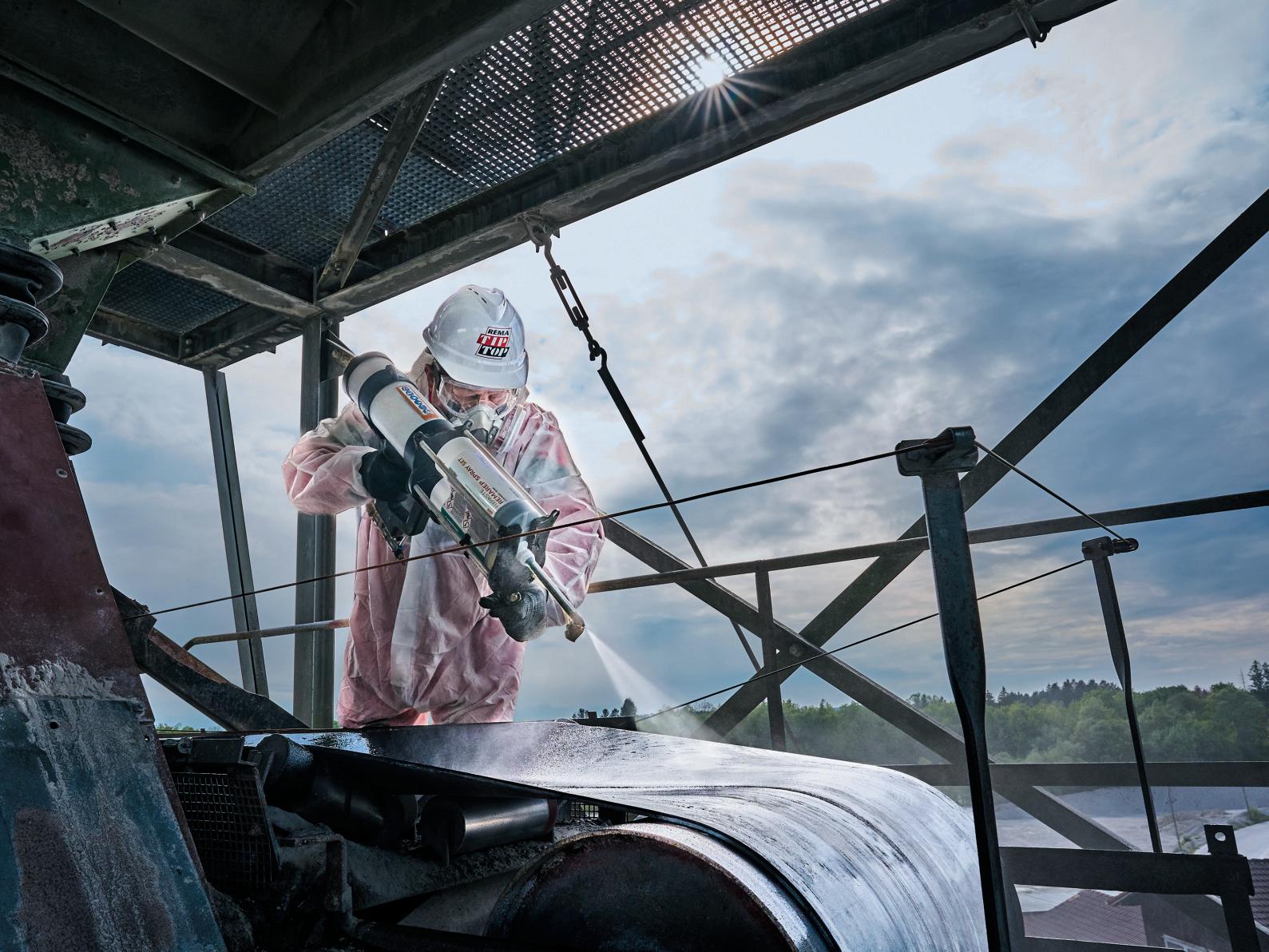
Heavily worn conveyor belt cover plates usually lead to an inevitable belt change, bringing production to a halt and incurring high costs. With REMAREP Spray, REMA TIP TOP introduces an innovative system that quickly and easily repairs large areas of worn cover plates without the need to change belts with heavy equipment. This enables sustainable repairs that minimize downtime and reduce budget strain. The PUR-based coating system is easy to spray on and increases the resistance of wearprone areas.
The product is ideal for large-scale renewal of worn conveyor belt cover plates and PU, PVC, and elastomer components. Thanks to REMA TIP TOP’s innovative system solution, all that is needed is a pneumatic cartridge gun, cartridges, and a small, trained service team. After cleaning, roughening, and applying an adhesion promoter (SC4000 or NRX-MOD), the two-component, solvent-free polyurea coating system is applied in even layers. The coating cures quickly, remains flexible, and enhances the original surface properties. The sprayed-on coating seals the surface, increasing resistance to UV radiation, oils, and diesel fuels.
time, the system can be used again very quickly without removing the conveyor belt.”
“When unplanned downtime occurs, every minute counts because each minute equals lost revenue,” says Steven Tropp, Product Manager at REMA TIP TOP. “REMAREP SPRAY provides an immediate, uncomplicated solution when major damage occurs due to wear on conveyor belt cover plates. Thanks to its fast curing
REMAREP Spray seamlessly complements the portfolio of maintenance technologies, underlining REMA TIP TOP’s mission to promote sustainability in bulk material operations, mining, heavy industry, and port facilities. Previously, the REMAREP ULTRA 10 casting application could reliably restore defective conveyor belts, but it was designed for smaller damaged areas. REMAREP SPRAY is a further development that selectively coats larger worn belt surfaces and effectively protects areas at risk of wear.
Coating with REMAREP SPRAY significantly extends the conveyor belt’s life cycle and closes gaps in time-critical
processes. As long as the belt does not need to be completely replaced, REMAREP SPRAY enables multiple repeatable, economical repairs.
REMA TIP TOP provides customers with comprehensive service and support. Upon request, the technical team can assist with the initial application, train customer personnel, and ensure predictable maintenance costs and consistent product availability through regular deliveries of replacement cartridges.
REMA TIP TOP sees great potential in the future for further optimized, environmentally friendly systems with reduced VOC content or water-based systems. The company also sees potential in new fields of application where a perfect protective coating is required.
REMA TIP TOP is a globally operating system provider of services and products in the field of conveying and treatment technology as well as tire repair. The company has a global service network and offers a wide range of rubber products, linings and coatings for both the industrial and automotive sectors. Over almost a hundred years, the company has built up unique expertise in materials development and industrial services and is active in the sectors REMA Conveying, REMA Surface Protection and REMA Motion. At the end of the 2024 financial year,
REMA TIP TOP generated sales of about more than €1.5 billion. Worldwide the company has 10,000 employees and has more than 200 subsidiaries and associated companies.






25 YEARS, LEADING MATERIAL HANDLING




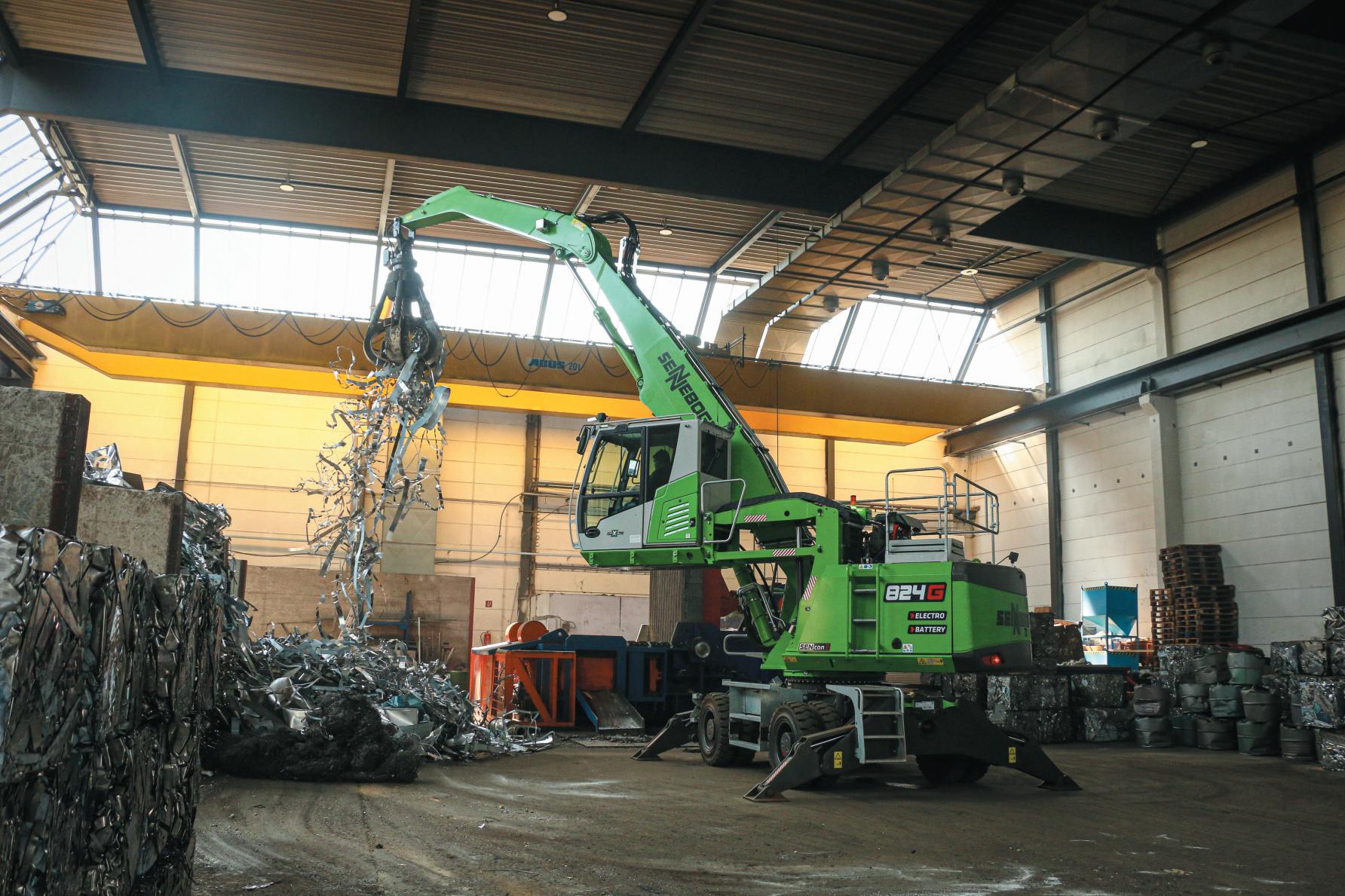
From small to large: SENNEBOGEN offers four battery-powered recycling machines with operating weights ranging from 17 to 31 tonnes.
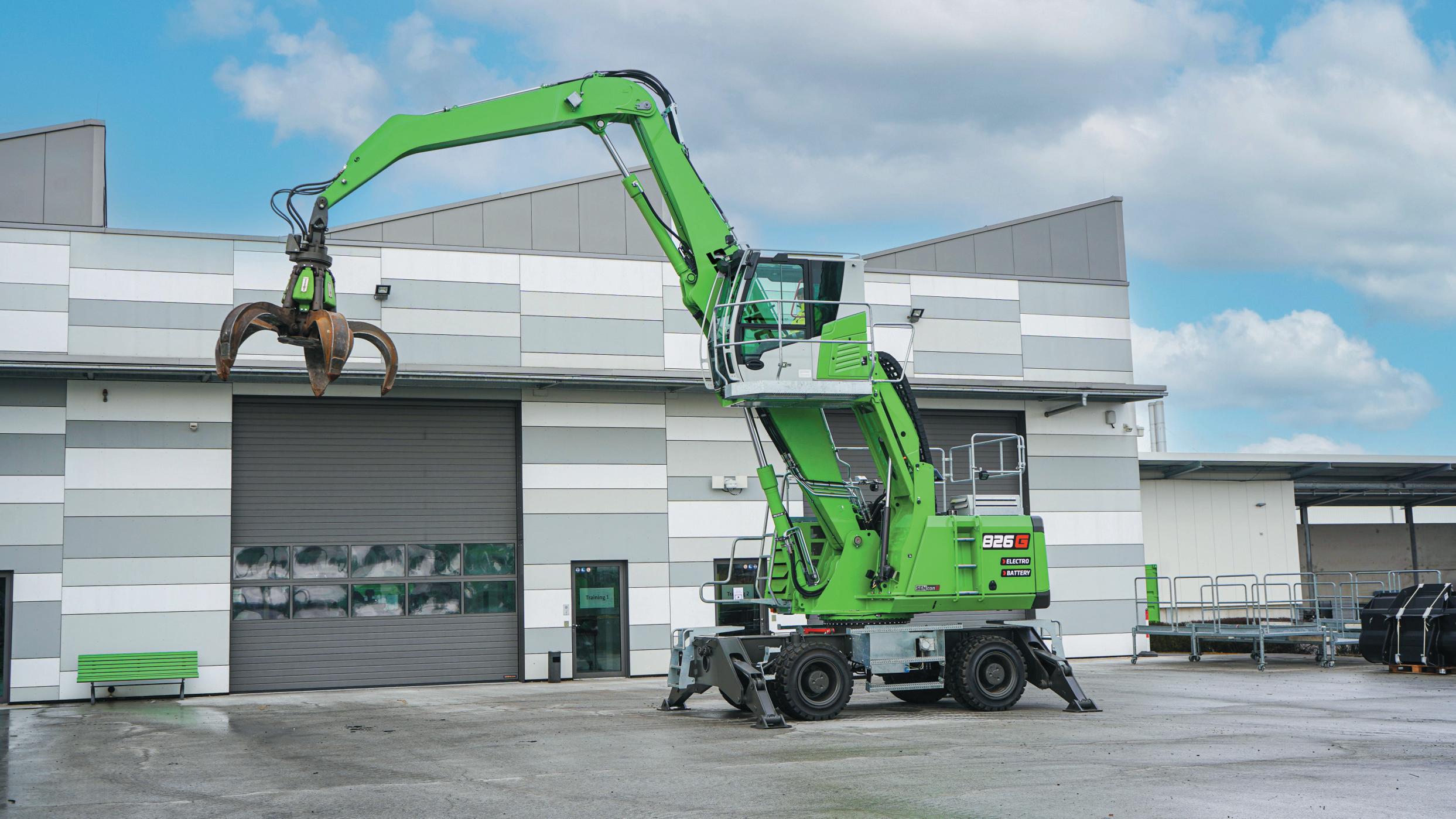
SENNEBOGEN has been manufacturing electric-powered material handlers for over 30 years — primarily wire-connected until now. With the new G-Series models, the German manufacturer has recently begun offering an entire line of recycling machines as battery-powered solutions as well. Particularly practical: these models offer great flexibility, both in terms of the machines’ battery capacity and in operation via Dual Power Management.
The key operating features of SENNEBOGEN’s battery-powered
material handlers at a glance are:
Thanks to their modular battery v design, the machines can be operated with one, two, three or four battery packs as desired, thereby achieving the battery capacity and runtime specified by the operator — up to seven hours of operation without recharging. The machines can be recharged v flexibly during operation as needed, since the charging point is located on the undercarriage; this means that the onboard chargers can recharge the
SENNEBOGEN’s battery-powered material handlers are exceptionally flexible, both in terms of battery capacity and thanks to their dual-power management system.
batteries even while the machine is in operation, using an industry-standard 125 A CEE plug with a charging power of up to 88kW.
This range of SENNEBOGEN material handlers for the recycling industry remains unique on the market to this day, both in terms of offering a complete product line and in terms of variable battery capacity and flexible recharging during operation. These unique features make it possible to meet a wide range of operator needs, whether the machine is used in different locations or for varying durations. Thanks to the dualpower management system, the machines operate without any time or location restrictions and can be easily charged using a standard industrial plug. Even if a customer wishes to adjust their machine’s battery capacity after a certain period due to changed operating parameters, the flexible battery configuration allows for retrofitting with additional battery packs. This safeguards the operator’s investment, even if the operational situation changes. Furthermore, each machine saves approximately 60 tonnes of CO2 per year during operation –depending on the number of operating hours.
Conveyor technology in Western Australia: ScrapeTec and Kinder join forces for cleaner, safer, more profitable belt operations
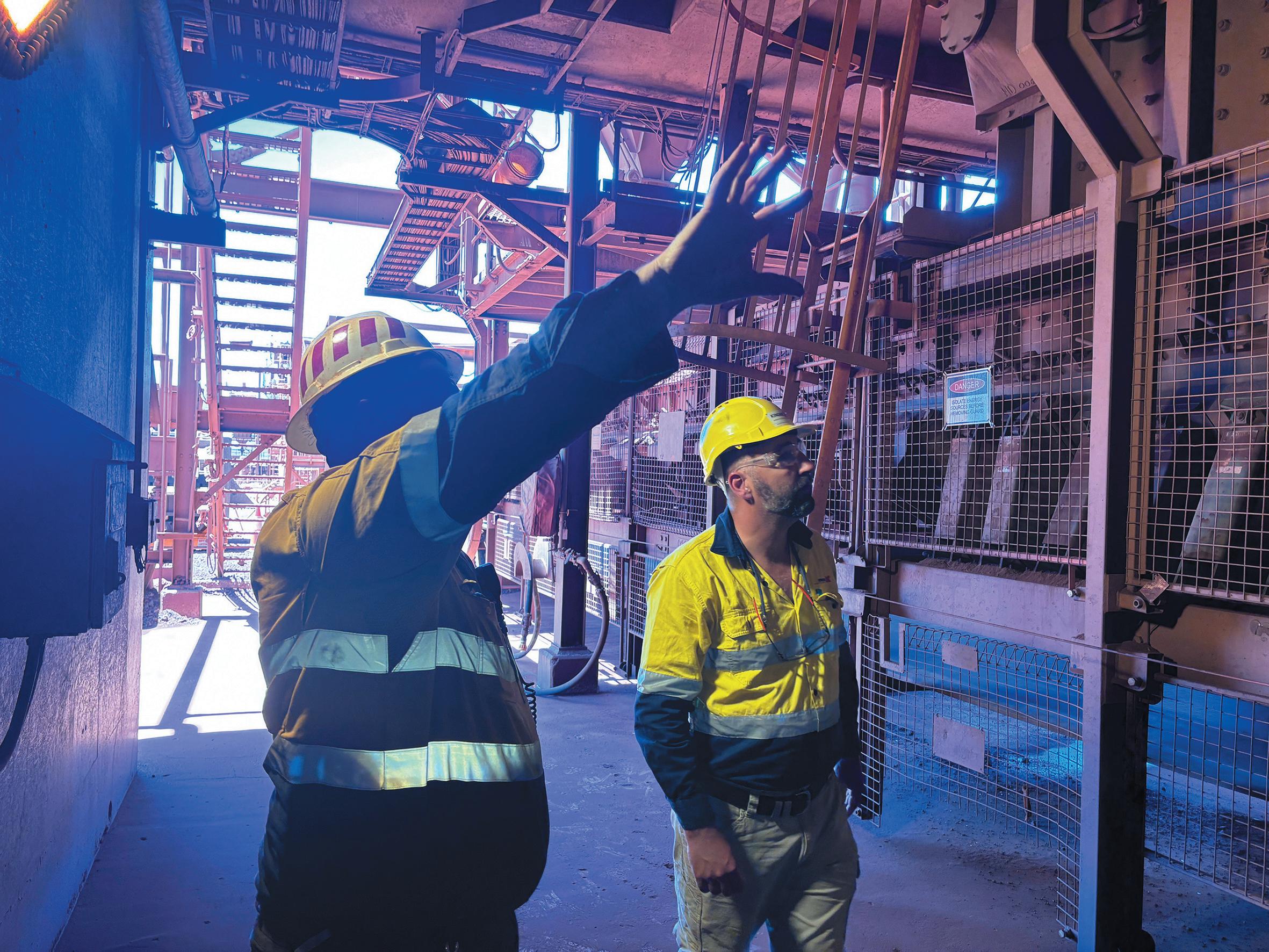
Western Australia represents industrial scale like few other regions. In the iron ore districts of the Pilbara, as well as in gold and lithium operations and port and handling facilities, conveyor systems run around the clock — across kilometre-long routes, in harsh climatic conditions, and at very high throughputs. At this magnitude, conveyor performance is no longer only about productivity; it is increasingly about compliance, safety, and the industry’s social licence to operate.
Operator requirements have shifted noticeably in recent years. In addition to availability and tonnage, occupational safety, environmental regulations, dust management, emissions reduction, and sustainable plant operation have moved to the centre of attention. This is precisely where a new distribution partnership
targets the Australian market for sealing systems and dust control in conveying: ScrapeTec in Germany and the KINDER Group in Australia.
Under the partnership, KINDER assumes distribution of ScrapeTec sealing systems and technologies in the Australian market. In practice, this brings a specialised European portfolio into Western Australia’s major mining and conveying regions through an established local provider — with a clear intent: to help operators measurably improve efficiency, reduce emissions, and minimize maintenance.
The starting point is typical for modern mining ecosystems: operators need
solutions that are robust, scalable, and seamlessly integrated into local operations and maintenance processes. ScrapeTec contributes deep technology expertise focused on conveyor sealing and materialflow optimisation. KINDER contributes market knowledge, proximity to sites, service capability, and direct access to operators, EPCs, and maintenance organizations.
This division of roles is more than a sales model — it is an operational enablement approach. ScrapeTec delivers patented core technology; KINDER ensures that design, implementation, spare parts availability, and operational adoption work in an Australian context. For operators, this reduces common risks when introducing new solutions: long supply chains, limited local support,















essionProf b b b ompanies in more than nal c hhhihli ff
V

ooking f L foorincreasedreliability and an extended lifespan? Let us know, b


orldwide w
ountries w 110 c d bili ork with becauseourgrabso erstegengrabs e Ve gen grabs, cause our grabs o best productivity. Combining our ext the feedback from our loyal custome materials and unloading situations. W
offerthemthehighestrelia er them the highest relia tensive knowledge and exp ers results in optimized gra We call this ‘Grab Intelligen productivity, lower mainte because together we can m

bilityand y and perience with bs f foorallbulk nce’.
enance costs and ove mountains.












differing standards, and unclear accountability. With KINDER as the distribution partner, ScrapeTec products in Australia are not merely “imported”; they are embedded into the market’s existing value creation.
In Western Australia, conveyors are not just transport equipment; they are critical production arteries. Any uncontrolled material escape along the route — whether via spillage, carryback, or dust emissions — has direct economic and safety consequences:
Occupational safety: material build- v up creates slip and trip hazards, complicates inspections, increases combustible load, and leads to additional manual cleaning in potentially hazardous areas.
Environmental and dust v compliance: dust emissions are increasingly monitored. Uncontrolled dust is not only an environmental and community issue; it is also an operational burden, affecting sensors, bearings, drives, and electrical components.
Asset availability and cost: spillage v and carryback are classic drivers of
unplanned downtime, increased wear, additional water/cleaning demand, and material loss.
Sustainability: less dust, less cleaning, v lower material losses, and optimized energy and maintenance profiles support more sustainable operations — an aspect gaining weight in ESG reporting and permitting frameworks. Against this background, sealing systems and dust-management solutions are not ‘peripheral’; they are key levers for performance and compliance.
KINDER EXPANDS ITS PORTFOLIO WITH SCRAPETEC — INCLUDING PATENTED AIRSCRAPE TECHNOLOGY
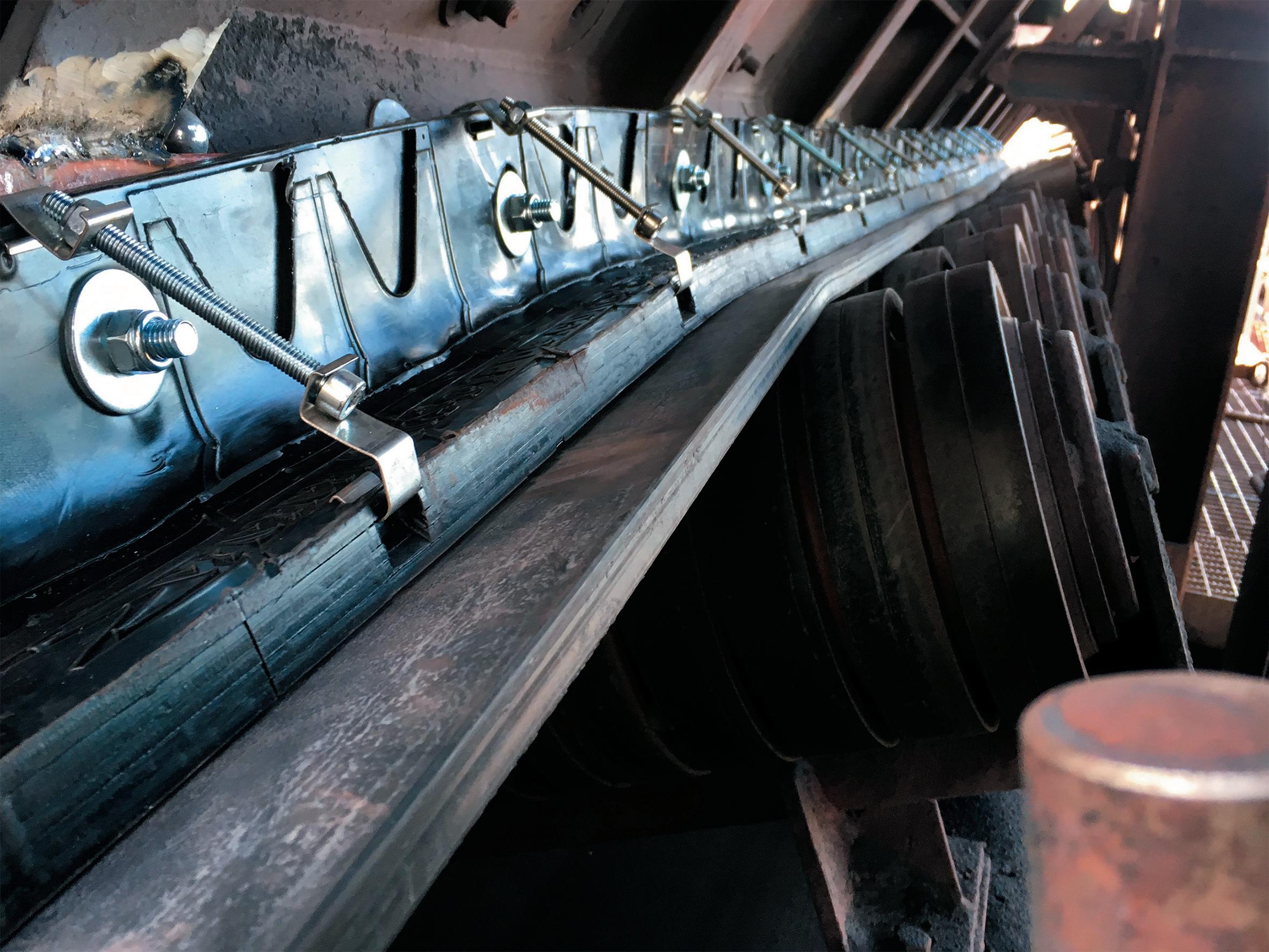
A key element of the partnership is the expansion of KINDER’s portfolio with ScrapeTec solutions, including the patented AirScrape technology. AirScrape is designed to minimize material escape and dust generation at critical transfer points — where conveyor systems most often ‘leak’ in practice: chutes, transfer stations, and loading points with turbulent airflow and fine materials.
Technically, transfer points are driven not only by mechanics but also by aerodynamics. With high belt speed and falling bulk material, air turbulence can carry fine dust into the surrounding environment and separate particles from
the material stream. Solutions that address these flow and sealing challenges often do more in the field than conventional belt scraping alone — they intervene earlier in the process, at the source of dust generation.
For Western Australia mine operators, this creates a decisive advantage: dust management is treated not as downstream cleanup, but as preventive process stabilisation. The impact is twofold: fewer external emissions and less internal secondary wear.
DEPLOYED IN THE LARGEST MINES: CONVEYORS AS HIGH-PERFORMANCE INFRASTRUCTURE
The largest mines in Western Australia operate conveyor lines designed for maximum throughput. Belt widths, speeds, and transfer points are optimized for bulk transport — often 24/7, with minimal maintenance windows. In this environment, solutions must combine three properties:
1. Robustness against abrasion, varying particle sizes, moisture, and temperature extremes.
2. Scalability for large belt widths and diverse transfer scenarios.
3. Maintainability: quick access, low adjustment sensitivity, and clear inspection logic.
KINDER’s distribution and service capability is essential here: technology alone is not decisive — implementation into shutdown planning, spares management, and safety procedures is. In Western Australia, where distances are vast and time windows are tight, locally anchored support becomes a genuine operational argument.
The business case for sealing systems and dust-control technologies is increasingly data-driven. Operators no longer ask, “Does it work?” but “How fast does it pay back — and how stable is the benefit over time?” Typical value areas include:
1) Efficiency gains and higher availability
Reduced spillage and carryback lower cleaning and repair effort. Less build-up means fewer unplanned stops, less emergency maintenance, and more stable conveying performance. In highthroughput plants, even small availability improvements can be economically significant.
2) Emissions reduction and improved compliance
Less dust at transfer points not only supports environmental and safety goals but also reduces follow-on costs: fewer dust deposits on sensors, less contamination in drive areas, lower load on extraction systems, and fewer cleaning interventions in high-risk zones.
3) Maintenance minimization and longer component life
Material escape acts as a cost multiplier: it stresses idlers, structures, covers, and electrical infrastructure. Reducing dust and spillage decreases wear across the entire conveyor route — lowering OPEX not just locally, but system-wide.
4) Sustainable operation
Sustainability is tangible here: less material loss, lower water and energy demand for cleaning, fewer spare parts, and fewer site trips and interventions. In remote operations, every avoided additional task supports both efficiency and emissions performance.
Safety strategies in conveying consistently aim to reduce manual work around running equipment and minimize exposure in hazardous areas. Dust and spillage issues, however, often force extra walkdowns, cleaning, and inspections — exactly the activities modern safety concepts want to reduce.
Sealing systems and technologies such as AirScrape contribute indirectly but decisively: less escape means less cleaning demand. Less dust means lower exposure in areas otherwise regularly affected by fine particles. A ‘cleaner’ asset condition also improves the visibility of leaks, cracks, and anomalies — supporting inspection and preventive maintenance.
In short: dust and material control is safety engineering.
SOURCE
Another driver in Western Australia is the rapid digitalisation of conveyor operations. Operators invest in condition monitoring, asset health, predictive maintenance, and central control rooms. In that context, solutions are valued not only for mechanical performance, but also for how they fit into digital operating models:
Planned maintenance instead of reactive cleanup: stable v control of material escape enables standardized, data-based maintenance cycles.
Better data quality: dust and contamination impair sensors v and vision systems; reducing emissions improves the reliability
of monitoring and diagnostic data.
Standardization across sites: major operators want to scale v best-practice solutions across multiple assets. A partnership that combines technology with local execution supports rollouts.
ScrapeTec and KINDER therefore position themselves not only as product suppliers, but as enablers of more modern operating models: fewer disruptions, better predictability, and greater transparency.
OPERATIONS
Mining and materials handling in Western Australia face a dual performance pressure: maximum productivity alongside rising demands for safety, environmental compliance, and sustainability. In this reality, solutions are needed that address root causes — especially at the critical conveyor points where dust and material escape originate.
The distribution partnership between ScrapeTec (Germany) and KINDER (Australia) targets exactly this. KINDER distributes ScrapeTec sealing systems in the Australian market and expands its portfolio with the patented AirScrape technology. Operators benefit from a strong technology offering delivered through a locally established partner — supporting fit-for-market design, implementation, and service.
For large plants, the result is clear: higher efficiency, reduced emissions, minimized maintenance, and conveyor systems that align better with digital and sustainable operating strategies. In a market where “clean operations” have become hard currency, this is not a nice-to-have — it is a decisive competitive factor.













































Liebherr-MCCtec GmbH has recently been awarded the Platinum medal for the first time by the international sustainability rating agency EcoVadis. This places the company in the top 1% of over 150,000 companies assessed worldwide.
Compared to the previous year, the overall score showed significant improvement. This enabled the company to progress from a Gold to a Platinum medal, the highest accolade. “Receiving the EcoVadis Platinum medal is a strong endorsement of our ongoing efforts to embed sustainability into all our business processes,” says Tatjana Grissemann-Peter, Corporate Responsibility Manager at LiebherrMCCtec GmbH. “The fact that we were able to improve from Gold to Platinum within a year shows that our strategic measures are having an impact.”
EcoVadis assesses companies in the areas of the environment, labour and human rights, ethics and sustainable procurement. The Liebherr group of companies has further improved its sustainability performance across all categories.
Last year, the company implemented numerous measures: Liebherr-MCCtec defined new strategic targets for waste and water management to increase resource efficiency. At the same time, the environmental and energy management system is being continuously developed, with the aim of certifying all sites to ISO 50001 and ISO 14001 by 2030.
Progress was also made in the area of labour and human rights: all manufacturing sites received Matrix certification to ISO 45001. In addition, the company strengthened its information security through ISO 27001 certification and expanded training on the Code of Conduct.
Important steps were also taken in sustainable procurement: CSR audits of suppliers were expanded, new sustainability criteria were integrated into a supplier assessment tool, and a tool for analysing weak spots and risks in the supply chain was introduced. Another milestone was the publication of the Liebherr Group’s first integrated business and sustainability report for the 2024 financial year.
Liebherr-MCCtec GmbH, based in Nenzing (Austria), is one of eleven divisions within the Liebherr Group. It co-ordinates all
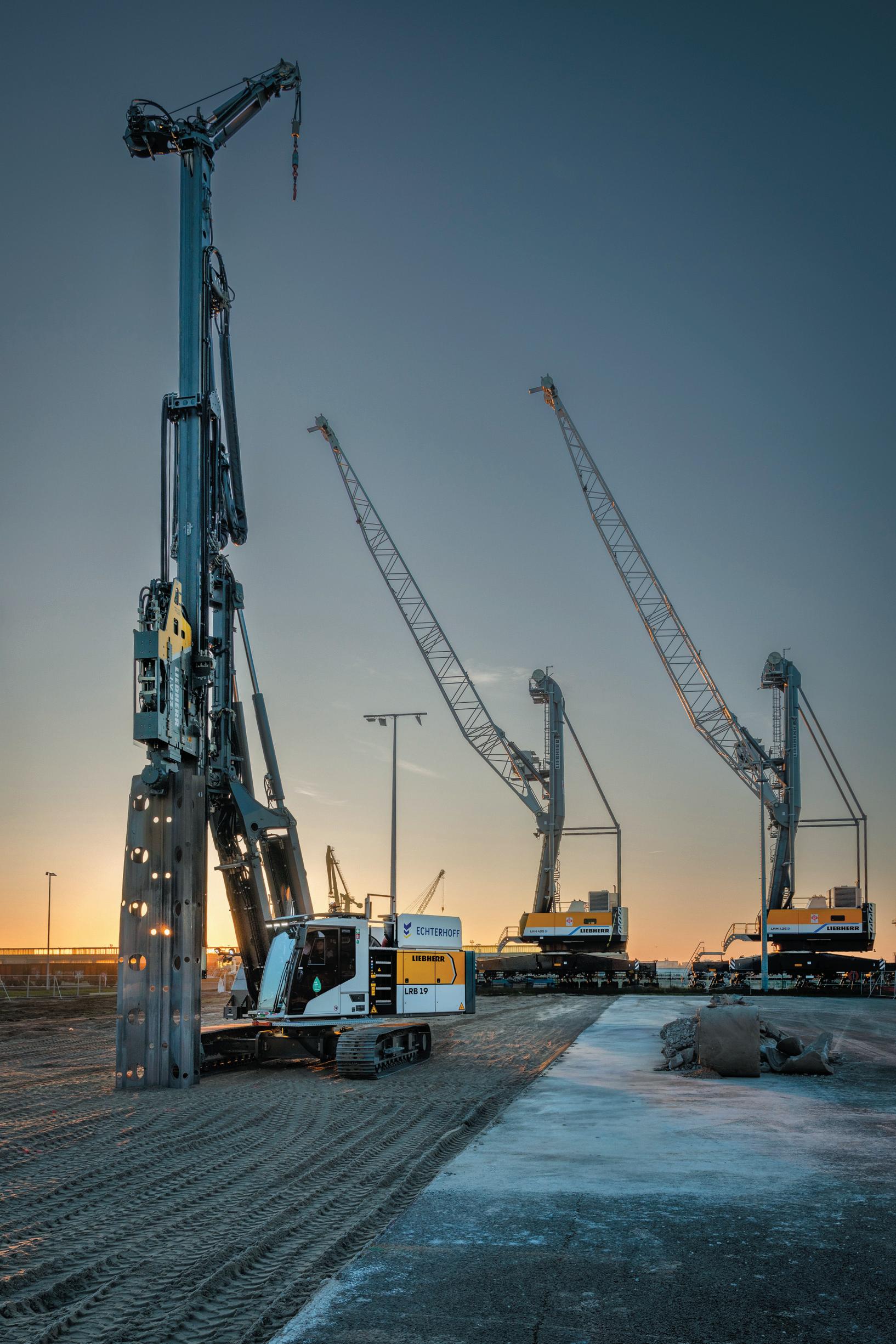
business activities relating to crawler cranes and duty cycle crawler cranes, as well as piling and drilling rigs within the construction machinery sector. In addition, it offers a wide range of maritime cranes, which are manufactured in Rostock, Killarney and Sunderland.
Across its network of plants, LiebherrMCCtec GmbH employs more than 6,000 people worldwide and has four European production sites in Nenzing (Austria), Rostock (Germany), Killarney (Ireland) and Sunderland (UK). Furthermore, the company operates more than 50 sales and service branches spread across the globe.
The Liebherr Group is a family-run
When developing drive systems, Liebherr focuses on technological openness and the best possible combination of efficiency and sustainability.
technology company with a broadly diversified product range. The company is one of the world’s largest manufacturers of construction machinery. However, it also offers high-quality, customer-focused products and services in many other sectors.
Today, the Group comprises over 150 companies across all continents. In 2025, it employed more than 55,000 staff and generated a consolidated total turnover of over €14 billion Liebherr was founded in 1949 in Kirchdorf an der Iller in southern Germany.
Since then, its employees have pursued the goal of impressing their customers with sophisticated solutions and contributing to technological progress.









ve sustainability in th o The need to impr
The global industry must cut carbon em



e shipping industry is acceler




Cutcarbon



ating.
otect marine biodiversity issions, pr
velop a vateandde to continuously inno xperience charting u With a century of e age the use of data for smarte andlever



otect biodiversity and cu designed to pr

ve clea sustainability ambitions and achie



oductsandsolutions dvanced pr wn waters, Jotun is committed nkno r decision making.
Protect emissions



t carbon emissions to support global
ations es cleaner oper Acleanhullensur
ner oper

s.
ations for all industry players.

Preserve biodiversity


fuel

Doing business sustainably means finding a responsible balance between environmental, social and governance goals and managing all available resources to generate long-term value.
In the last hundred years, Bedeschi’s major target has been creating value for customers and stakeholders carefully selecting its value chain partners to fit with its vision of sustainable and modern manufacturing, operating in three main areas: innovative engineering, pollution control and power consumption.
All these environmental protection aspects integrated with human resources, health, safety, training, gender equality, cyber-security and governance have been incorporated into a strategic plan formalized in the company’s sustainability report, which has been published yearly since 2021. Respect for the environment and its safeguarding are the fundamentals of Bedeschi long-term vision. Bedeschi puts these principles into practice every day because its daily mission is to do its best to grow sustainably.
For Bedeschi, it is crucial to make a positive contribution to the preservation of the environment. Therefore, the company promotes the development of interventions and initiatives in two general directions: on one hand, the improvement of eco-design and energy efficiency of industrial products, and on the other hand, the reduction of environmental impacts associated with the operation of those plants. Bedeschi is focused on pollution reduction, R&D investments, realization of modern and eco-friendly equipment and the implementation of the best practices to make the difference!
In recent years, there have been increasing regulatory requirements for emission reduction and pollution control. For Bedeschi, product innovation extends beyond mere regulatory compliance. It reflects a proactive commitment to environmental responsibility and long-term sustainability.
One of the best examples of the company’s innovative engineering is the turn-key sulphur handling system it has manufactured and are currently commissioning, which includes a radial shiploader, a mobile and rotating shiploader, a portal reclaimer, and several kilometers of conveyor belts. These machines have been equipped with integrated dust reduction, containment and
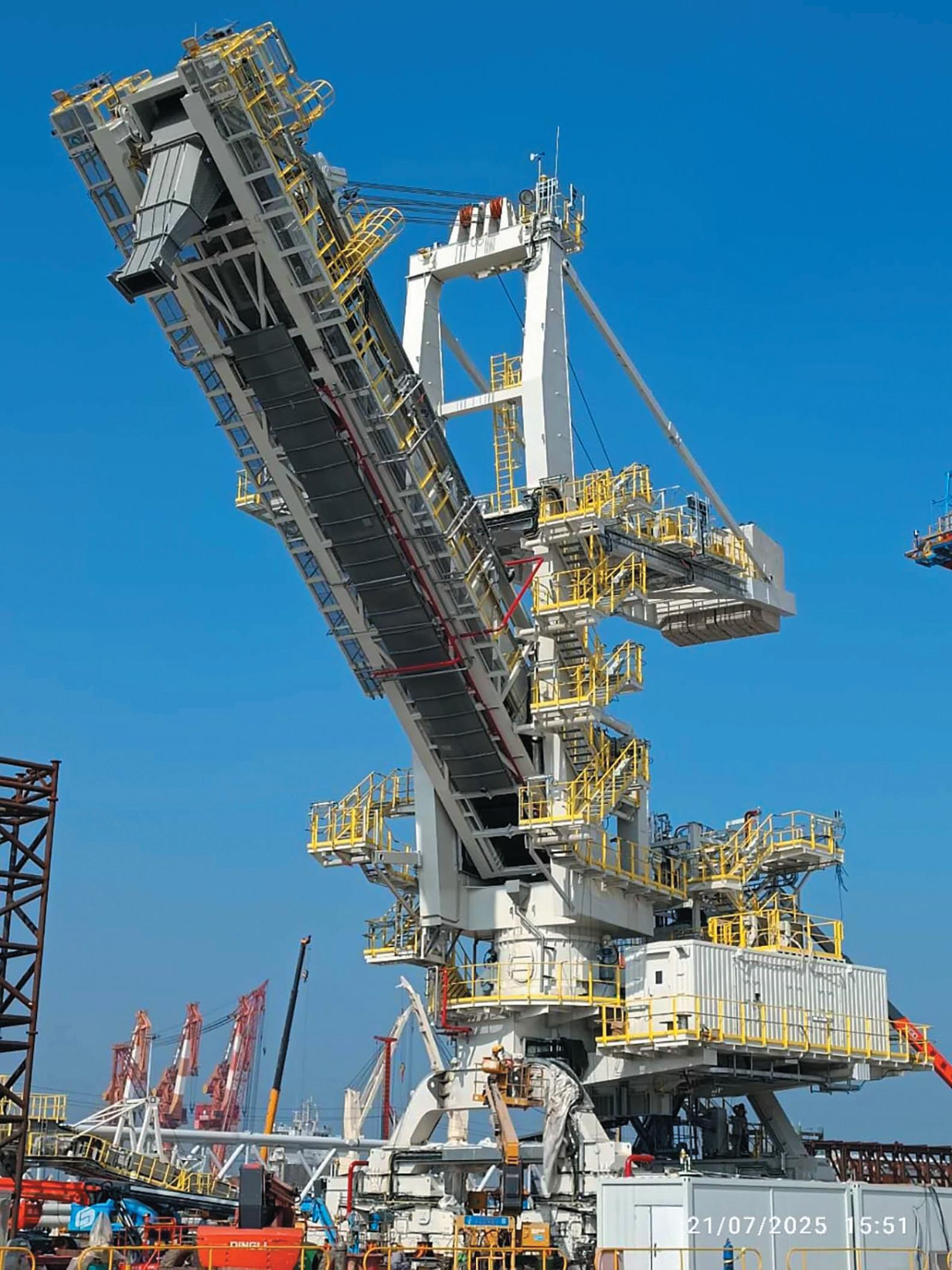
recovery systems, which enable the automatic cleaning and removal of accumulated dust particles with minimum human intervention. Such systems allow for continuous operation and significant reduction of both idle time and corrosion risk. On top of that, they also mitigate the effects of sulphur’s aggressiveness in marine environment.
To further enhance the equipment’s overall efficiency and sustainable features, components such as low friction bearings have been utilized, and all transfer points have been engineered to reduce material degradation and dust generation due to impact zones.
Along with shiploaders, Bedeschi focuses on other types of closed loop transport machinery for bulk material handling, such as pipe conveyors. Pipe conveyors are specifically designed to limit dust dispersion during the transport of bulk materials, both
in ports and on land. Thanks to their flexible structure, they can be adapted to complex terrain, reducing the need for invasive construction such as transfer towers and preserving natural and urban environments. The adoption of these advanced systems often eliminates the need for additional dust collection systems, contributing to more efficient and responsible resource management. This approach is part of Bedeschi’s broader goal of designing systems that minimize environmental impact, particularly in sensitive areas such as those near residential areas and tourist areas.
In light of this, Bedeschi has been the supplier of several plant solutions. A late example is the supply of a pipe conveyor, for the full renovation project of the Lehigh Mitchell cement plant — part of the Heidelberg Materials Group located in Indiana, USA. The project is part of Heidelberg Materials’ broader global commitment to reducing CO2 emissions.
























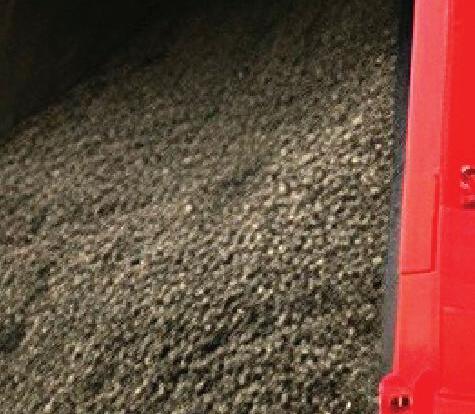
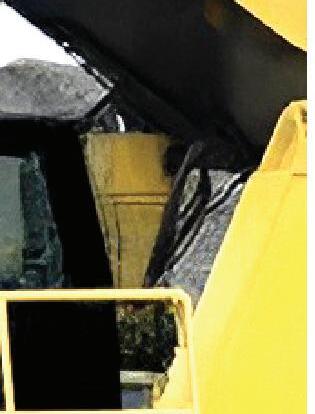


































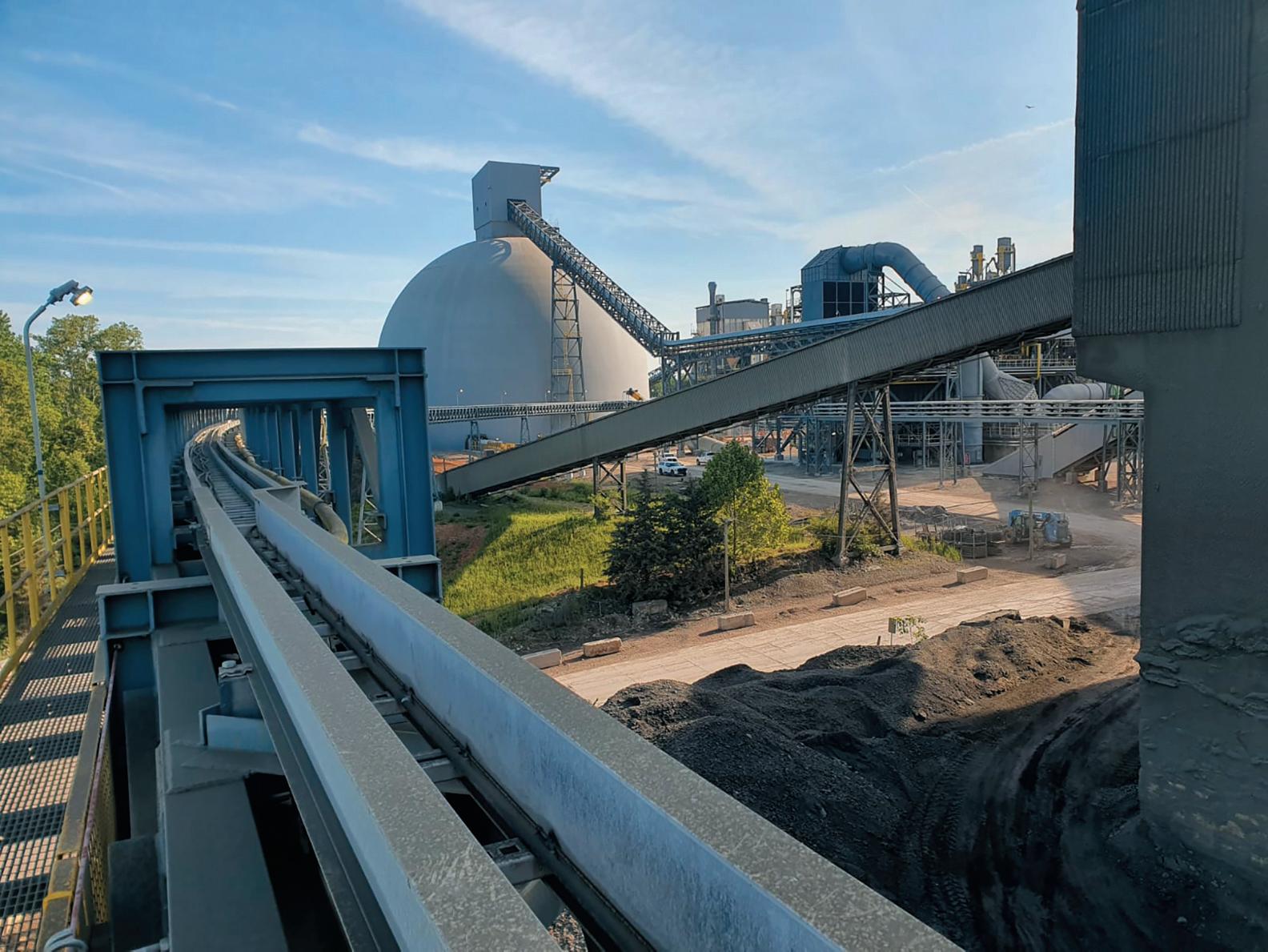
Bedeschi’s solution makes a significant contribution to the plant’s sustainability objectives by enabling safe, efficient material transport while effectively preventing dust dispersion. In addition to that, the new plant achieves a much higher production capacity that is four times the capacity of the previous facility.
Among the most effective solutions
developed by Bedeschi for containing airborne dust emissions is the Eco-Hopper, an innovative system specifically designed to reduce the environmental impact of bulk material handling operations. Equipped with advanced technologies, the Eco-Hopper combines controlled-flow nozzles, integrated filters, and a dry-mist nebulization system that uses microdroplets of water to intercept and neutralize dust particles before they
disperse into the environment. The design also includes dust suppression elements, localized suction, and cascade nozzles, ensuring effective treatment of even the most volatile materials. Bedeschi Eco-Hoppers utilize environmentally friendly oils and greases as well, which, in combination with the energy recovery system, make the equipment even safer and more efficient.
Bedeschi has manufactured and delivered numerous Eco-Hoppers in many plants around the world.
Adopting the principles of circular economy and aiming to extend products lifespan, Bedeschi has instituted a separate division consisting of a dedicated team for the revamping of existing machinery, both its own and those produced by other manufacturers.
Revamping projects are carried out following Best Available Technologies (BAT) criteria, with the upgrade options relating to increase in plant’s capacity, throughput, and overall performance. This service not only ensures the longevity of plants but also reduces costs and the environmental impact associated with the production of new plants.
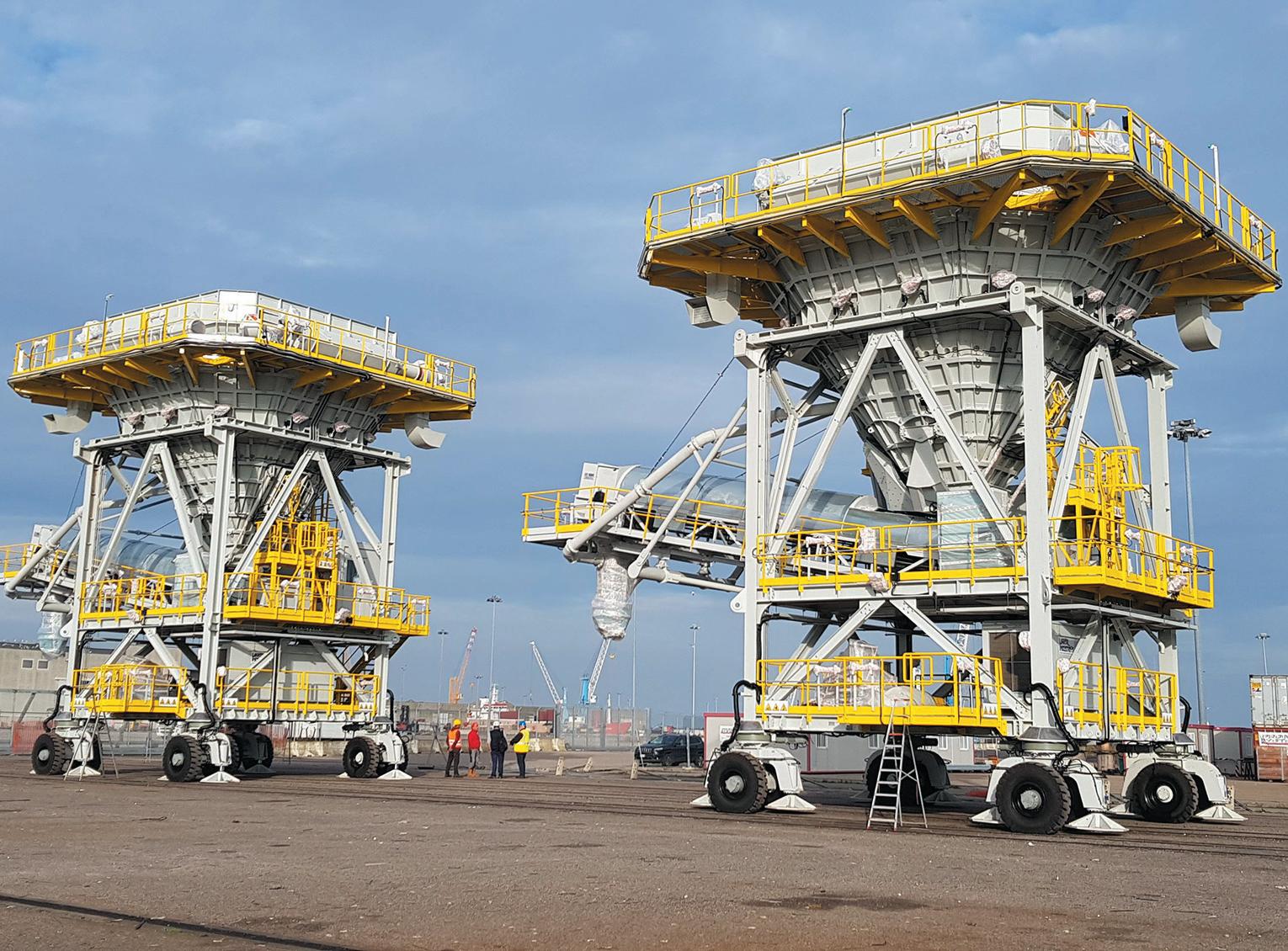


































e r Mo r e v

i er t Ma W s h Fuc


s s a Cl - ld r Wo


s dler n a H l a
e er w.t w w
o c s Di s fuch / x.com











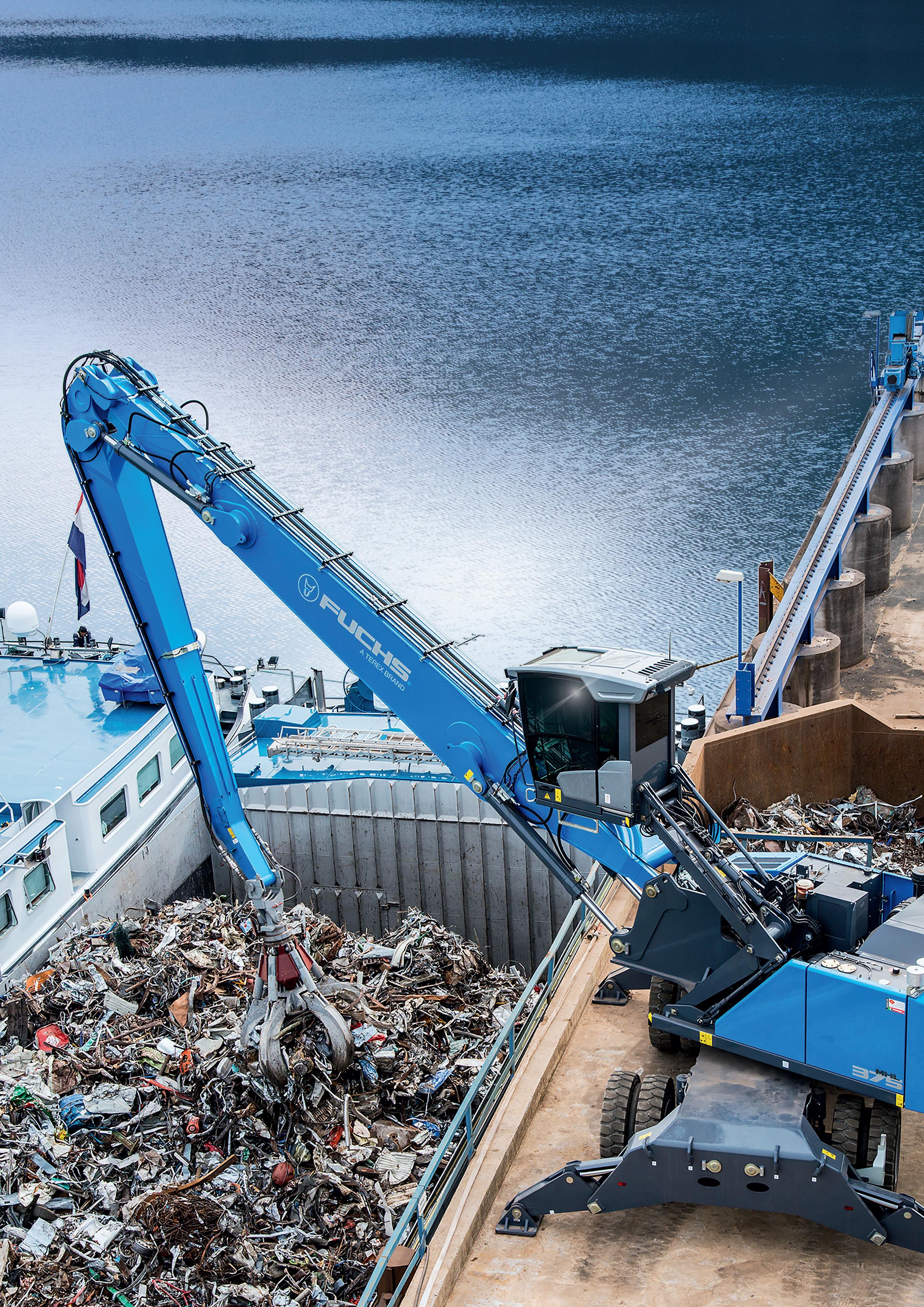


In recycling environments, efficient dry bulk materials handling plays an important role in turning recovered construction waste into reusable products. Kinder Australia outlines how a liner upgrade at a Victorian recycling facility improved material flow, reduced maintenance and supported more efficient processing of recycled bulk materials.
By Kinder Australia
Across modern recycling operations, environmentally responsible performance depends on more than the act of recovering waste. It also depends on how effectively dry bulk materials can be handled, transferred and processed through the plant. When abrasive and sticky materials create blockages, excessive wear and repeated maintenance intervention, plant efficiency suffers and the recycling process becomes harder to sustain productively.
Kinder Australia has been supplying solutions for bulk materials handling since 1985. The company works with operators across industries including mining, quarrying, cement, ports, power generation and recycling, helping improve the performance of conveyors, chutes and associated process equipment. Its product range includes belt cleaners, skirting systems, anti-wear liners and flow promotion solutions designed to reduce downtime, improve reliability and better manage difficult dry bulk materials.
A recent recycling application in Victoria provides a strong example of how targeted engineering improvements can support environmentally focused bulk handling operations.
The recycling facility processes recovered building materials including brick, concrete, asphalt, glass and mixed waste, transforming them into reusable products such as road base, aggregate and sand. These recycled outputs are then returned to productive use, supporting more circular construction and infrastructure outcomes.
One of the final stages in the site’s process involved blending aggregate in a pugmill. In this application, water was added to an already abrasive material mix, creating a sticky and demanding environment. Material began hanging up on the pugmill walls, floor and adjoining chutes, resulting in regular blockages, repeated hosing out and, at times, manual removal of hardened build-up after plant isolation.
For the customer, this was not simply a wear issue. It was a productivity issue, a maintenance issue and an operational
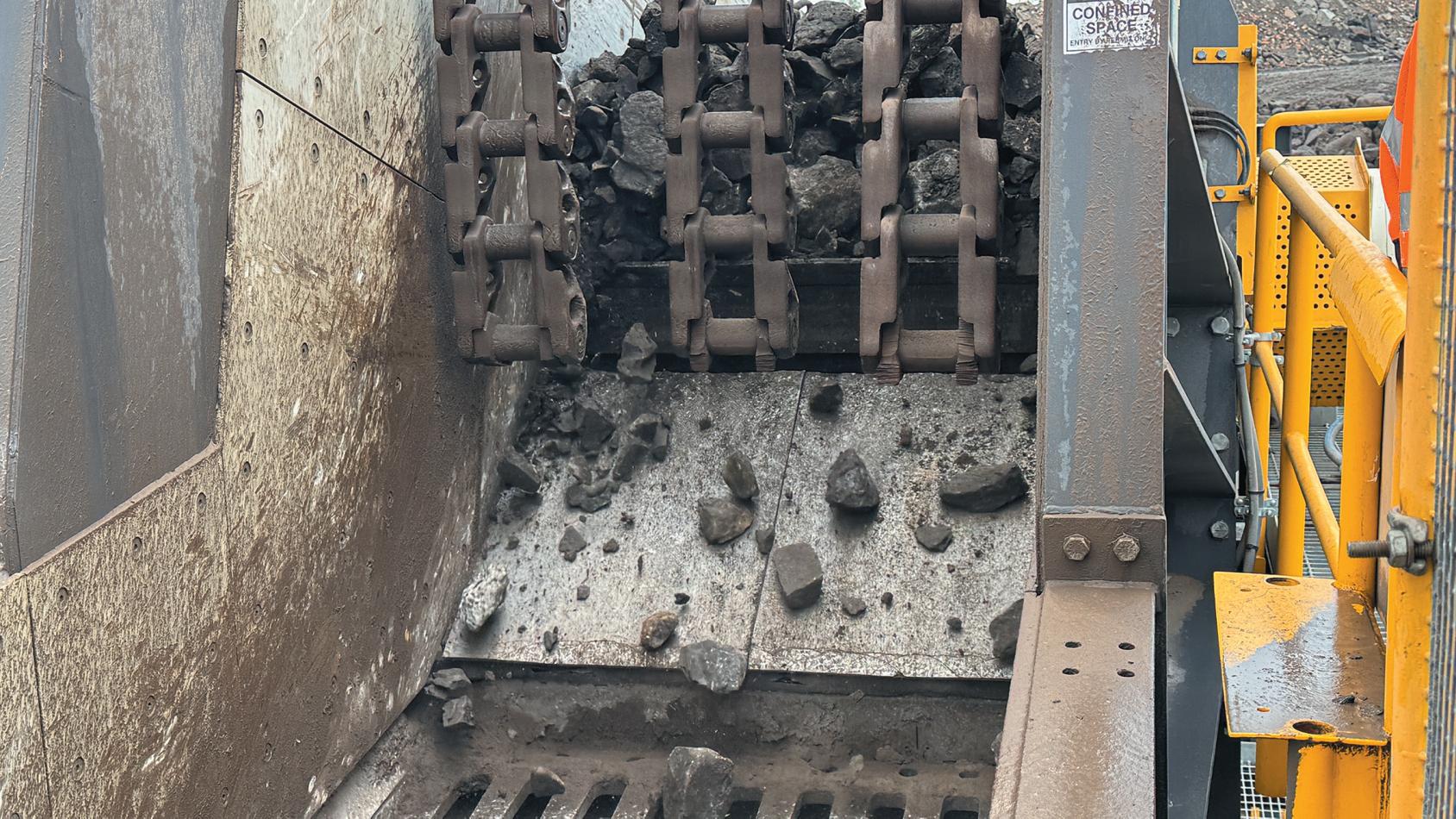
reliability issue. The site needed a liner solution that could withstand severe abrasion while also reducing material adhesion and the flow interruptions that were affecting output.
Before working with Kinder, the operator had trialled a UHMWPE liner solution. While that delivered some reduction in build-up, its wear life was too short for the severity of the application, with the material wearing out after only a few months. Frequent replacement was particularly undesirable because the pugmill was a confined and awkward area to access.
Kinder recommended its K-Floshield® Polished High Chrome Liner for the application. The product combines a polished chromium carbide overlay with a mild steel backing plate, delivering a dual benefit: strong wear resistance together with a smoother surface that reduces friction and helps discourage material hang-up.
The outcome was immediate. According to Kinder’s case study, the material hang-up issue was resolved immediately, cleaning time was reduced and productivity efficiencies were achieved. After three months of operation and 123,609 tonnes of 20mm minus crushed concrete, brick and cement-treated concrete, reported wear on the liner was almost negligible.
The long-term performance was equally significant. Following the success of the original installation, the customer proceeded with a full pugmill upgrade using K-Floshield®, and the product was also trialled at a pan feeder handling sand, mud, clay, bricks and rocks. Kinder’s later review reported that the liner had withstood
more than 350,000 tonnes of recycled material with virtually no sign of wear and tear.
From an environmental bulk handling perspective, these outcomes matter. Recycling plants rely on consistent flow through key transfer and process points to convert waste material into useful secondary products. When equipment upgrades reduce build-up, minimize shutdowns and extend wear life, they help improve the overall efficiency of the recycling process.
Longer liner life can also reduce replacement frequency and maintenance demand, which is an important practical advantage in heavy-duty recycling applications.
This is one of the ways Kinder Australia stays competitive in the market: by focusing on practical, site-specific solutions that respond to real operating conditions. Rather than offering a one-size-fits-all approach, Kinder works with customers to solve persistent materials handling problems in a way that supports plant performance, maintenance outcomes and
operational efficiency.
For operators involved in environmentally focused dry bulk handling, the message is clear. Better sustainability outcomes are often supported by better equipment performance. In recycling environments especially, where abrasive and sticky materials frequently occur together, effective materials handling infrastructure is essential to keeping recovered materials moving productively through the plant.
As the recycling sector continues to grow, so too will the need for robust, lowmaintenance handling solutions that can support reliable throughput. Smarter materials handling is not separate from sustainable performance. In many cases, it is what makes it possible.
Kinder Australia is a specialist supplier of engineered solutions for bulk materials handling, helping operators improve productivity, reduce downtime and manage difficult materials across a wide range of heavy industries.
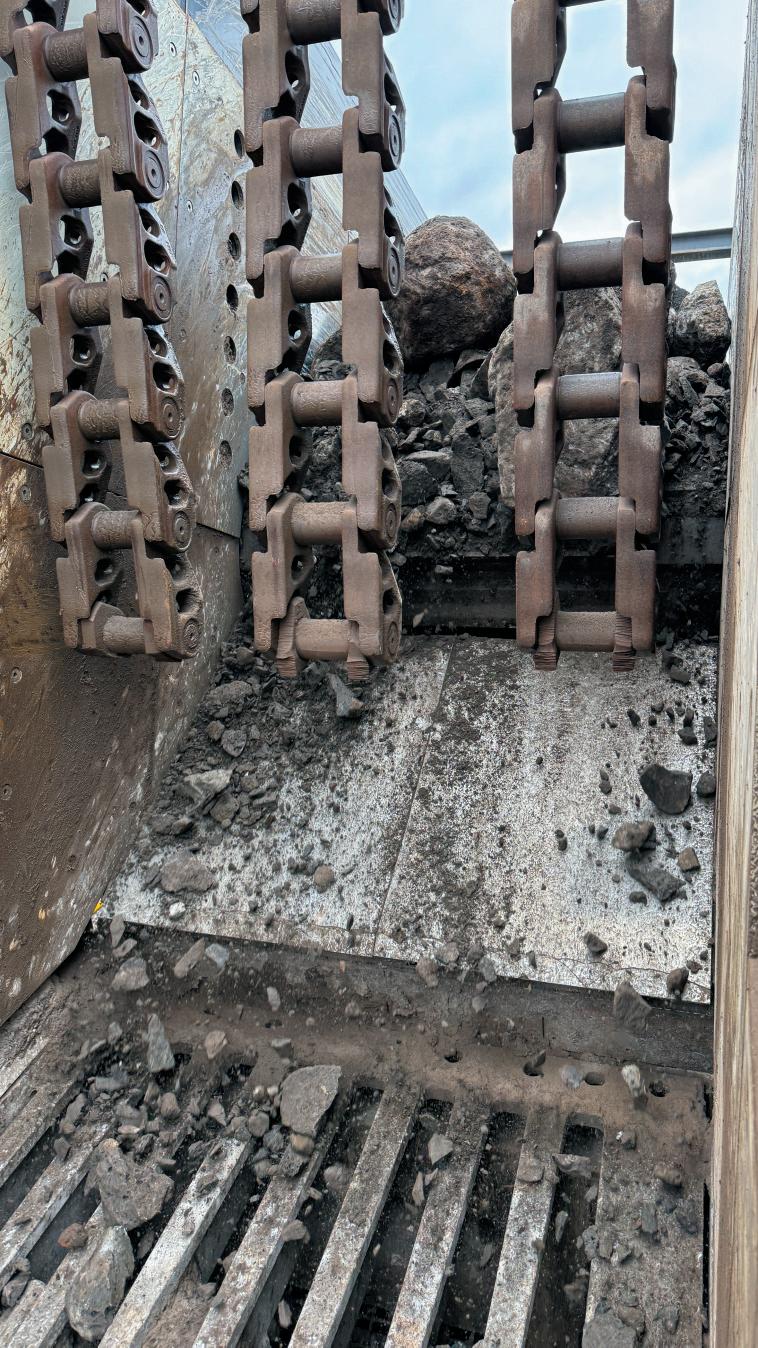
Recycled building materials processed at a Victorian recycling facility are converted into reusable products such as road base, aggregate and sand.
A reachstacker in China, fitted with BWM’s dust suppression system.

Loading operations, whether using a grab, ship loader, or tippler, inherently generate dust as they impart energy to the materials being transferred. This dust can pose environmental and operational challenges, affecting both efficiency and compliance. Blue Water Misting (BWM) addresses these concerns with an innovative dust suppression system. This mist encapsulates airborne particles, significantly reducing dust emissions during the loading process. The company’s solution not only enhances operational safety and efficiency, but also ensures compliance with environmental regulations.
“We are seeing a new trend in fitting dry fog dust suppression to mobile
equipment,” says James Davenport, Manager at Blue Water Misting.
A recent example is a reach stacker in China, fitted with such a dry fog dust suppression system. The customer was interested in suppressing dust at the source. The advantages of this method is that it is automated and integrated, stopping dust in process. “Costs are slightly higher,” explains Davenport, “but no setup is required other than refilling the tank every 24 hours. This was our first installation on a reach stacker, but we have been making similar systems for 15 years.”
Davenport added that this system uses less water than one would think: “With dry fog it uses very little water, around 20 litres per hour in this application.”
Another recent example was on a
crane handling shredded scrap. It can be operated by a push button or on a timer, controlled by the grab open/close command on the crane.
“Compared to alternative systems such as mobile fog cannons, fixed misting lines, or water truck spraying,” says Davenport, “the overall costeffectiveness of crane based dust suppression, when considering equipment cost, water usage, labour requirements, and operational efficiency, results in more CapEx, less OpEx.” The main benefit of this system is that once it is installed on the crane the only input from a human is to fill the tank once per day.
The benefit to the end-user of having this integrated to the operation is that it would allow return on capital in a few months versus cannons etc.
With the trailer concept, four times the amount of timber can be transported in a single trip.
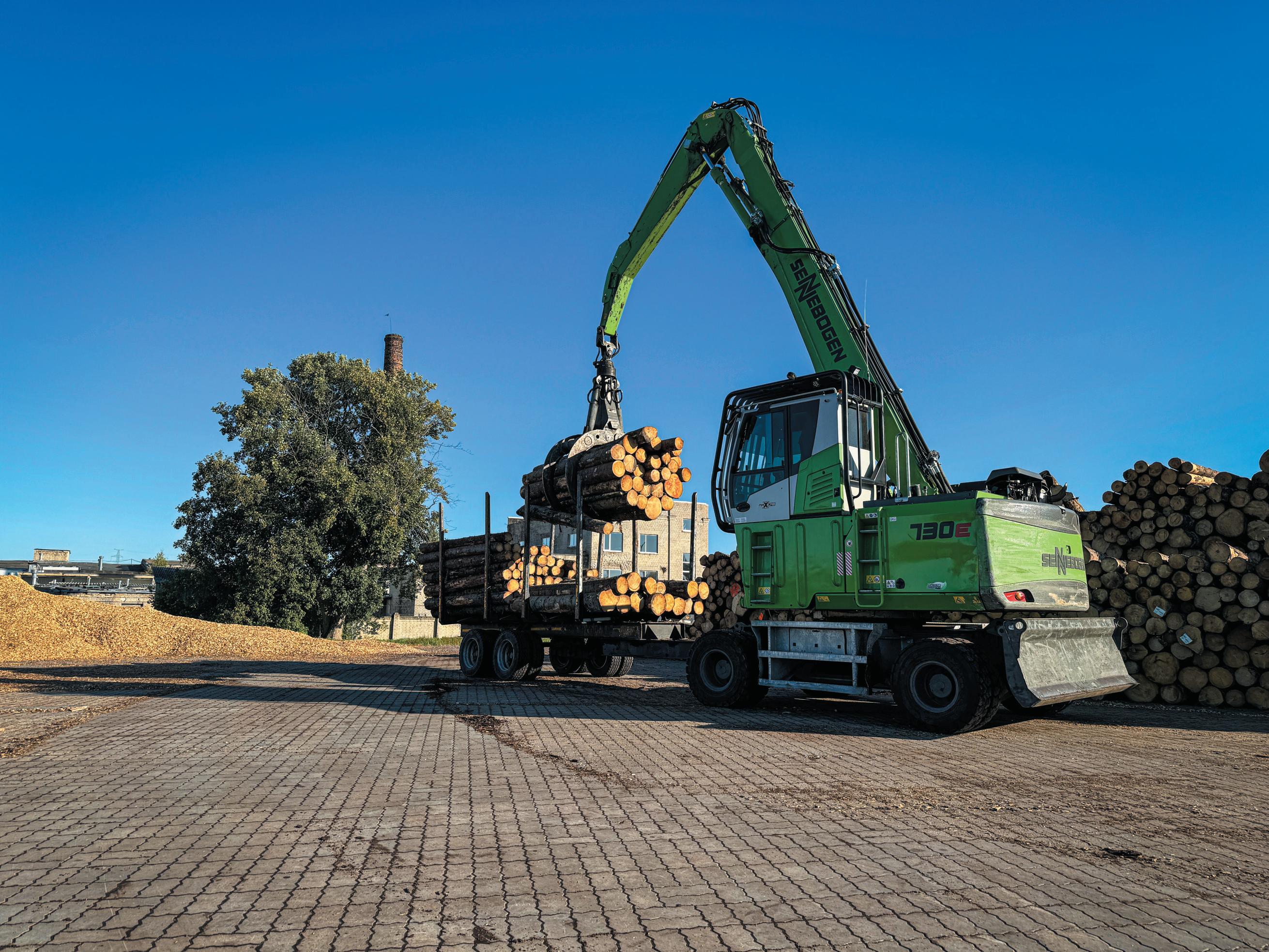
The internationally active woodprocessing company SIA Krauzers is optimizing material flow in its newly constructed sawmill with two SENNEBOGEN 730 E Pick & Carry machines. In addition to a classic 730 E used for in-plant logistics, the company operates a second machine with a trailer – ideal for longer travel distances between the roundwood yard and the sorting line.
MODERN SAWMILL SETS NEW STANDARDS IN TIMBER LOGISTICS
SIA Krauzers, headquartered in Talsi (Latvia), has more than 25 years of experience in forestry, roundwood
handling and wood processing. With a strong export orientation — 100 % of its products are shipped to destinations including the UK, USA, Canada, India, and the United Arab Emirates — the company continuously invests in modern technology.
After commissioning a new sorting line in 2020, the next strategic step followed in 2025: a modern sawmill with two roundwood yards.
SIA KRAUZERS INCREASES SAWMILL EFFICIENCY WITH SENNEBOGEN PICK & CARRY
The idea to invest in the SENNEBOGEN 730 E series emerged after a delegation
trip to German-speaking countries. During visits to several sawmills in Germany and Austria, the Pick & Carry concept immediately impressed.
“The manoeuvrability, the flexible applications, and above all the stability when transporting heavy loads convinced us right away. With Pick & Carry, we can use our storage areas far more efficiently,” explains Andis Araks, Managing Director of SIA Krauzers.
TWO SENNEBOGEN 730 E MACHINES – PERFECTLY MATCHED TO DIFFERENT APPLICATIONS
At the first roundwood yard, Krauzers uses

Thanks to a 360-degree continuously rotating upper carriage, the 730 E can drive forward out of narrow aisles without the need for complex manoeuvring.
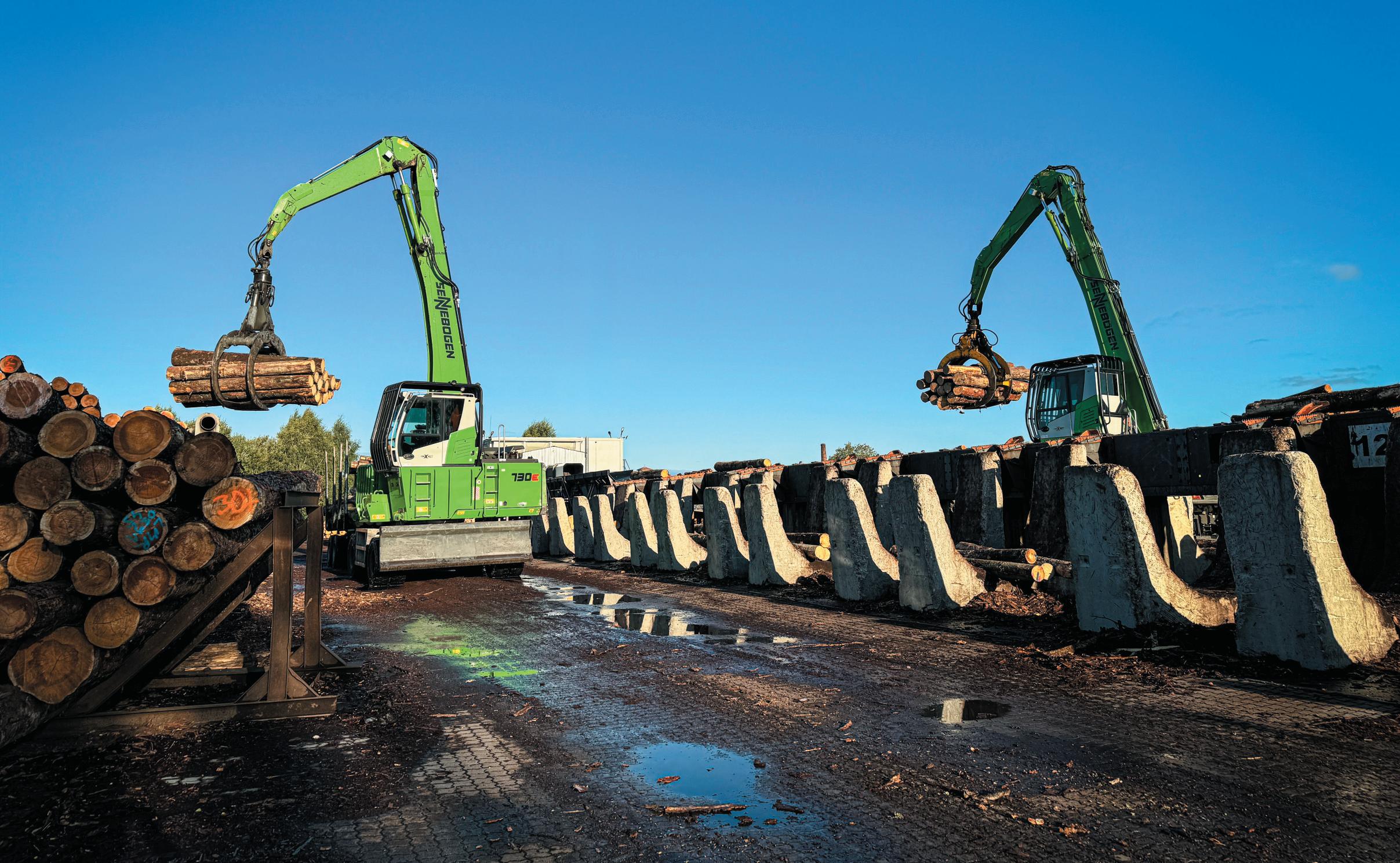
a SENNEBOGEN 730 E without a trailer. The machine handles sorting, repositioning, and feeding the line directly on site. The elevating cab provides optimal visibility and enables efficient operation even in confined areas.
For the second roundwood yard, the company chose a SENNEBOGEN 730 E
Higher handling performance in roundwood operations.
Reduced travel cycles thanks to greater transport capacity. Flexible and safe machine operation even in restricted plant areas.
Optimal use of space in storage, logistics and sorting areas.
Pick & Carry machine with a specially dimensioned trailer. This allows the team to manage longer distances of 300 to 600 metres per trip particularly efficiently. The trailer transports more wood per cycle than a conventional wheel loader while providing better traction, greater stability, and fewer travel cycles.
With this approach, SIA Krauzers relies on a future-proof logistics solution for its sawmill.
The combination of high efficiency, flexibility, and robust ‘Made in Germany’ technology makes a significant contribution to the company’s sustainable and economically sound development.
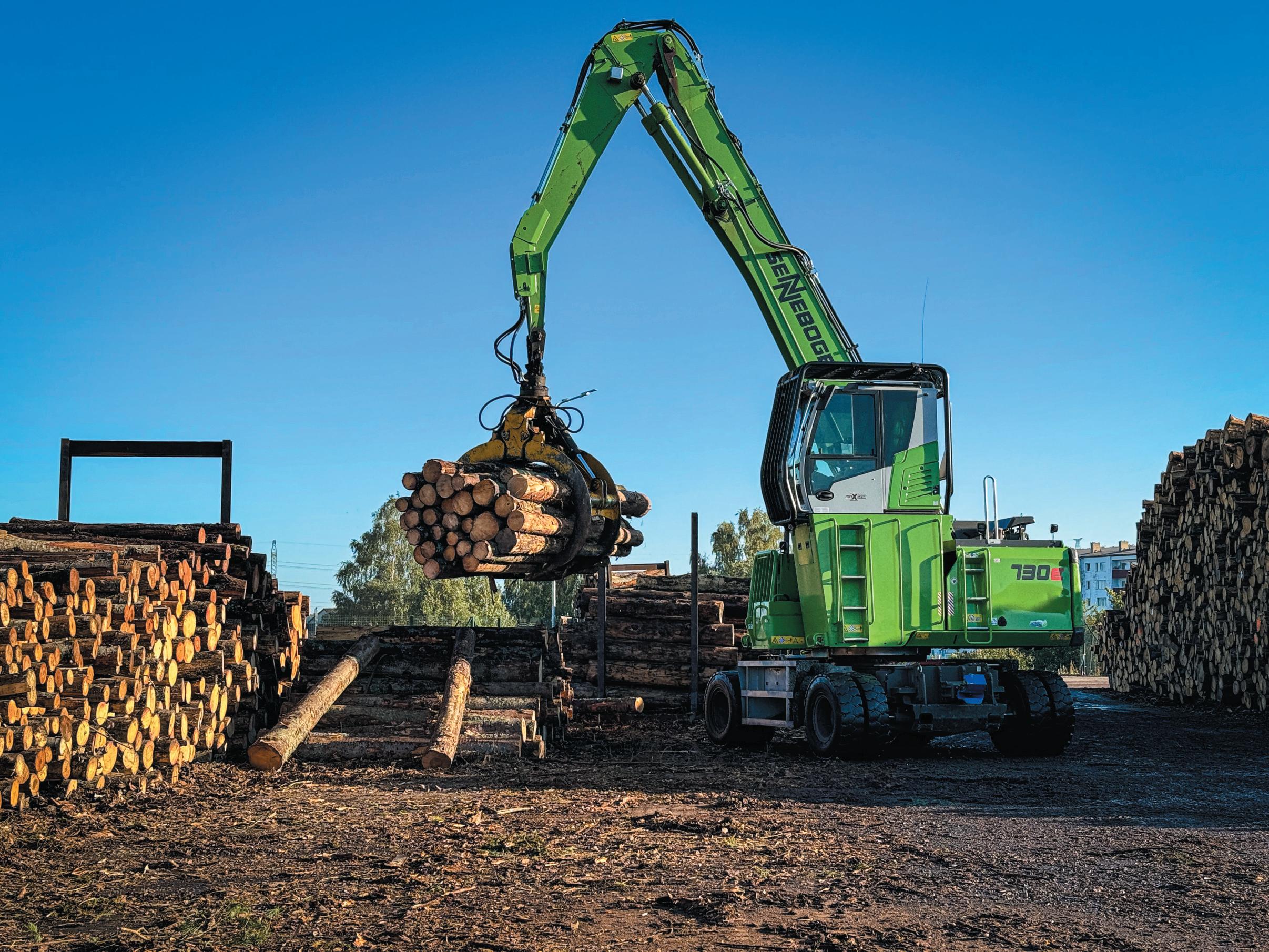
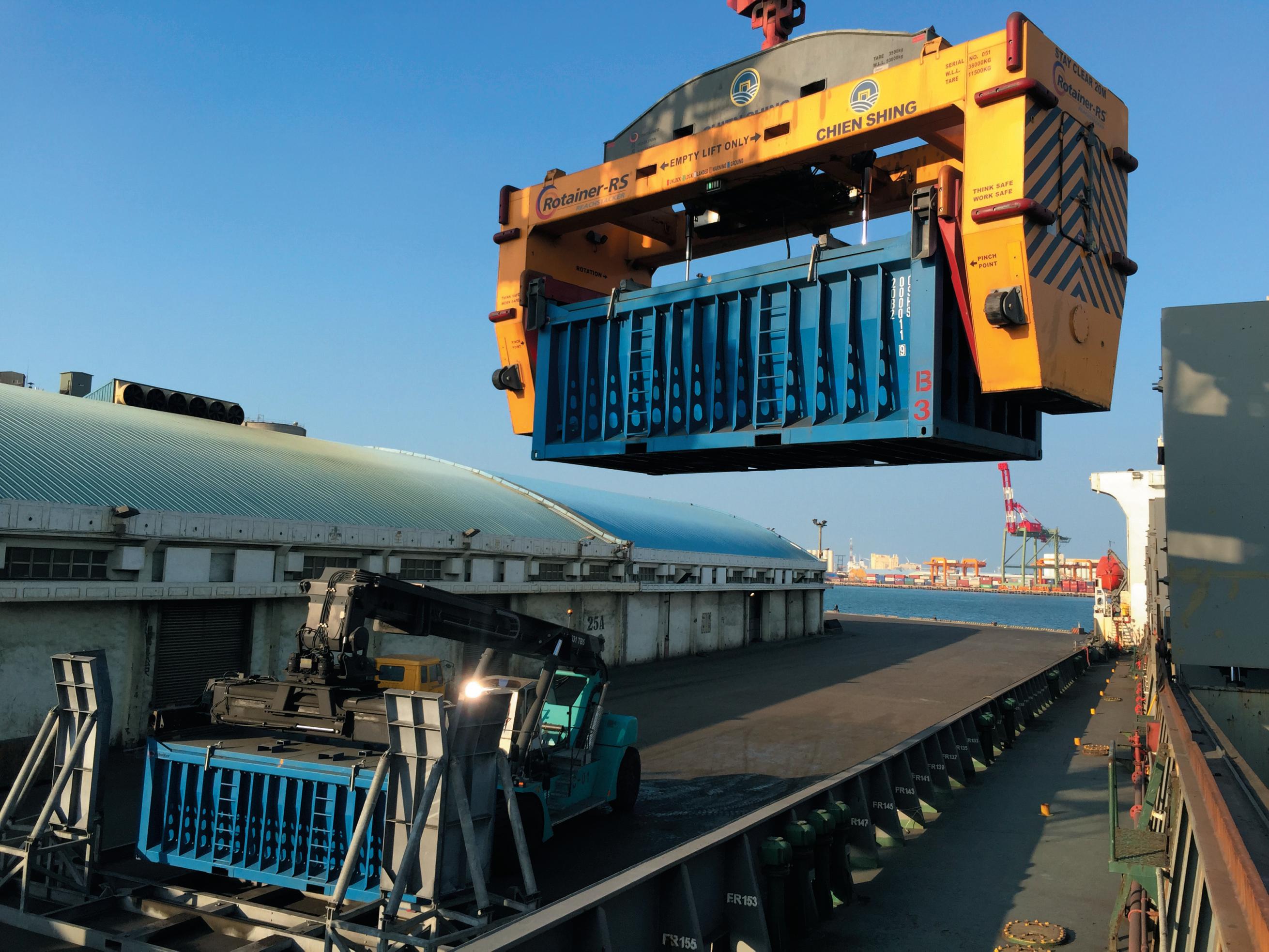
In 2013, the containerized bulk handling (CBH) Industry experienced a significant transformation with the introduction of the first Rotainer R.S. from Container Rotation Systems (CRS). This unit was purpose-designed to be multifunctional and compatible with various equipment, including reachstackers, ship-to-shore cranes, mobile harbour cranes, iso 20ft pick points, and ships cranes. It marked the debut of a 3-in-1 container rotator.
To address the demands of diverse applications, the CRS engineering team developed an innovative, mechanically simple and patented the rotating mechanism. This unique design utilizes traditional hydraulic cylinders and a crank arm arrangement to convert linear movement into rotational movement, allowing for a 180° rotation.
The engineering principle behind this design aimed to replicate the operational performance of traditional frontend loaders (FELs). The 180° rotation was specified to adhere to standard safety protocols, ensuring that the load is
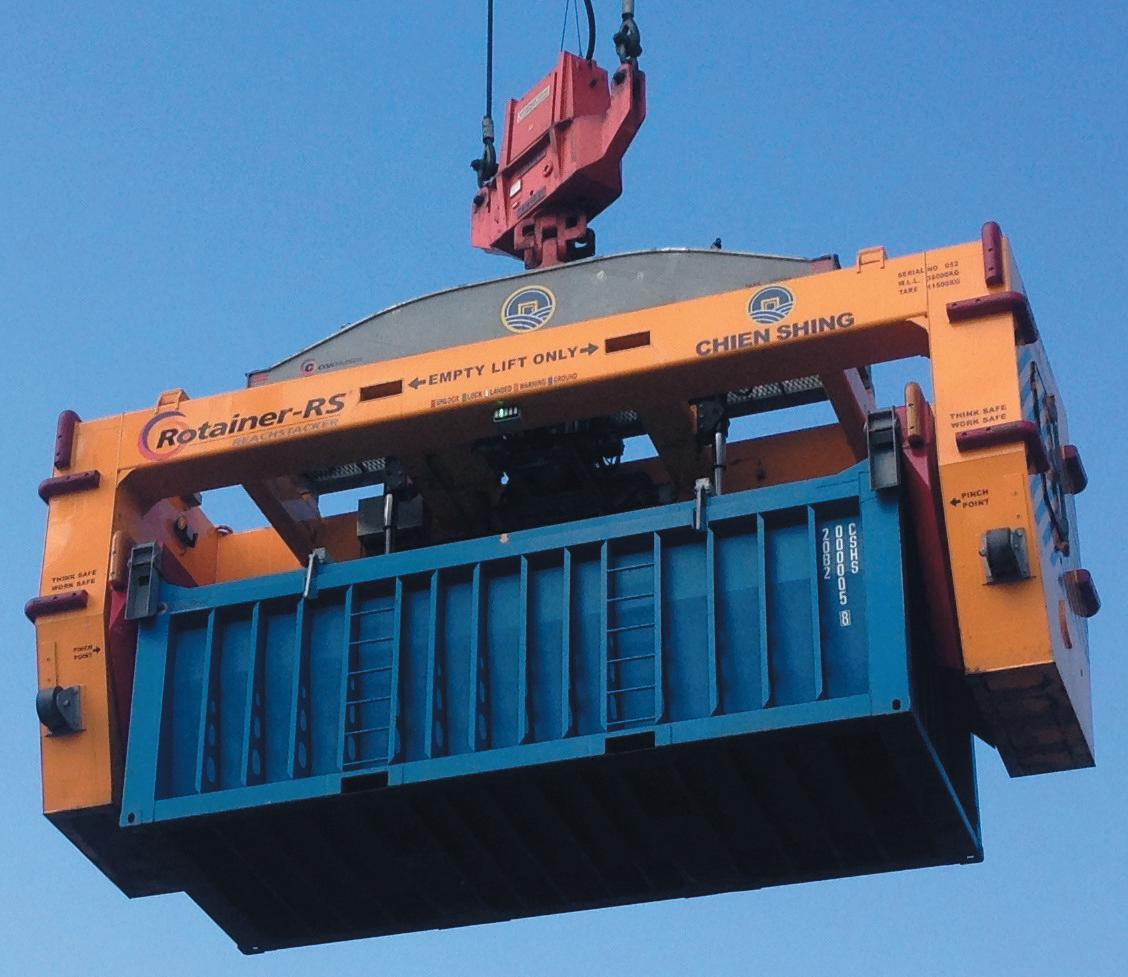
always tipped away from the operator’s cabin during reachstacker operations. This unique drive system prevents the possibility of dumping the load back onto the base unit towards the operator’s cabin therefore maintaining the strictest safety protocol of any reachstacker container rotator.
The innovative rotating mechanism employs two hydraulic drive cylinders: one main and one slave per side. The main cylinders extension supports 100% of the load up to around the 120° point with the second-stage ‘slave cylinder’ completing the dump to empty cycle for 100% discharge, therefore making this design widely accepted by the CBH community.
Due to the system’s reliability, simplicity and low maintenance advantages, in 2018 CRS decided to add this drive system into its Rotainer® Eurospec 38, its innovative, fully sealed, single beam frame systems. Then, in 2000, CRS included it as an optional drive system in its Rotainer® Eurospec MH 42.
Moving forwards, CRS now maintains three drive system in its Rotainer® product portfolio with either 180° or 360° rotation to meet exacting customer needs.
A fine example of the performance of these units is Chien Shing, Taiwan, which handles and blends concentrates predominately from Latin America. By year end, Chien Shing, Taiwa will have increased its fleet of Rotainer® R.S.s to five units which in turn, will it the largest operator of CRS Rotainers® globally. This is a cooperative position of which CRS and Chien Shing are very proud. Furthermore, this operation will see the introduction of a Sennebogen 9300E to work with these additional Rotainer® R.S. units.
Australian company Container Rotation Systems (CRS) is renowned for its
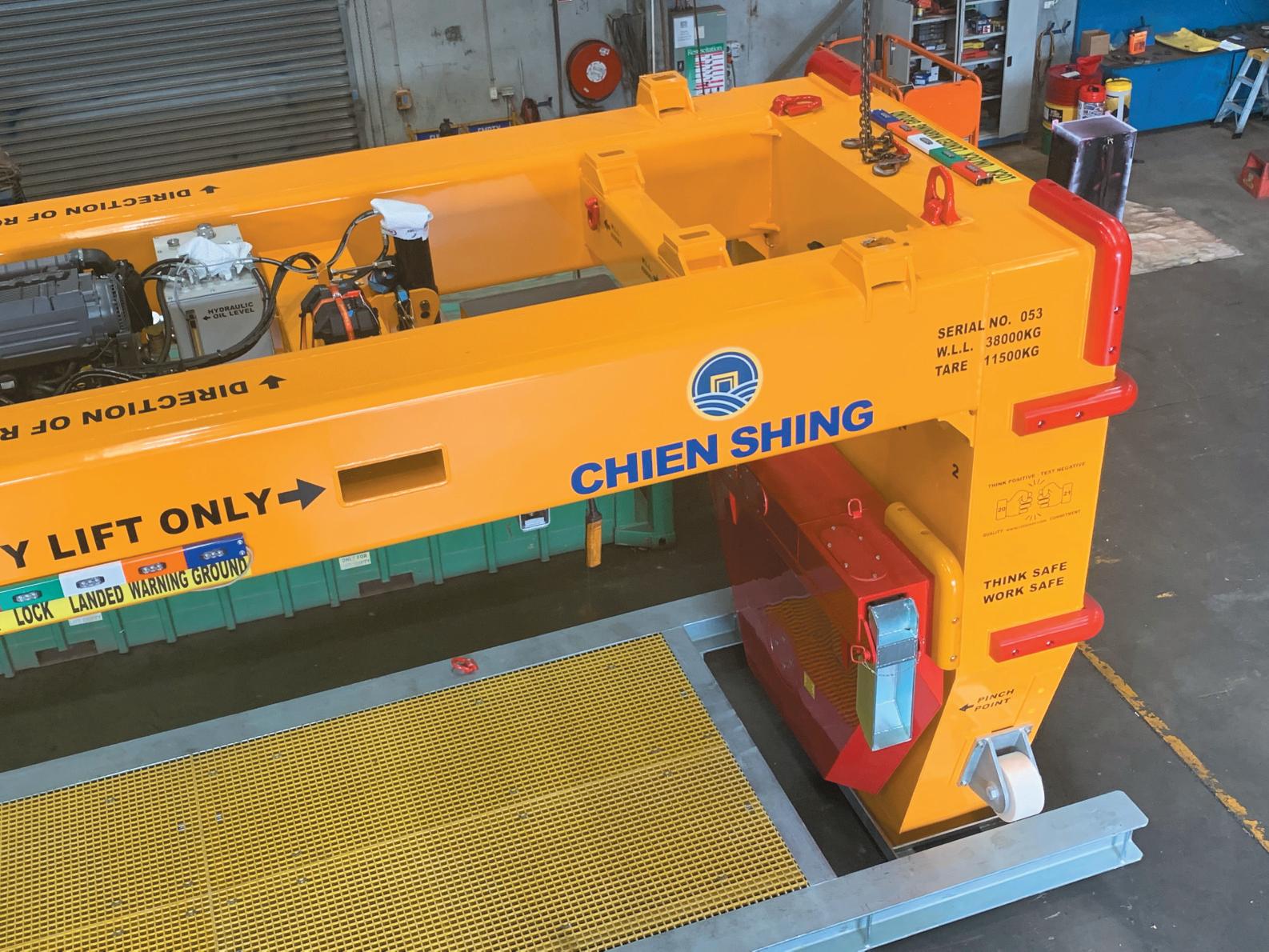
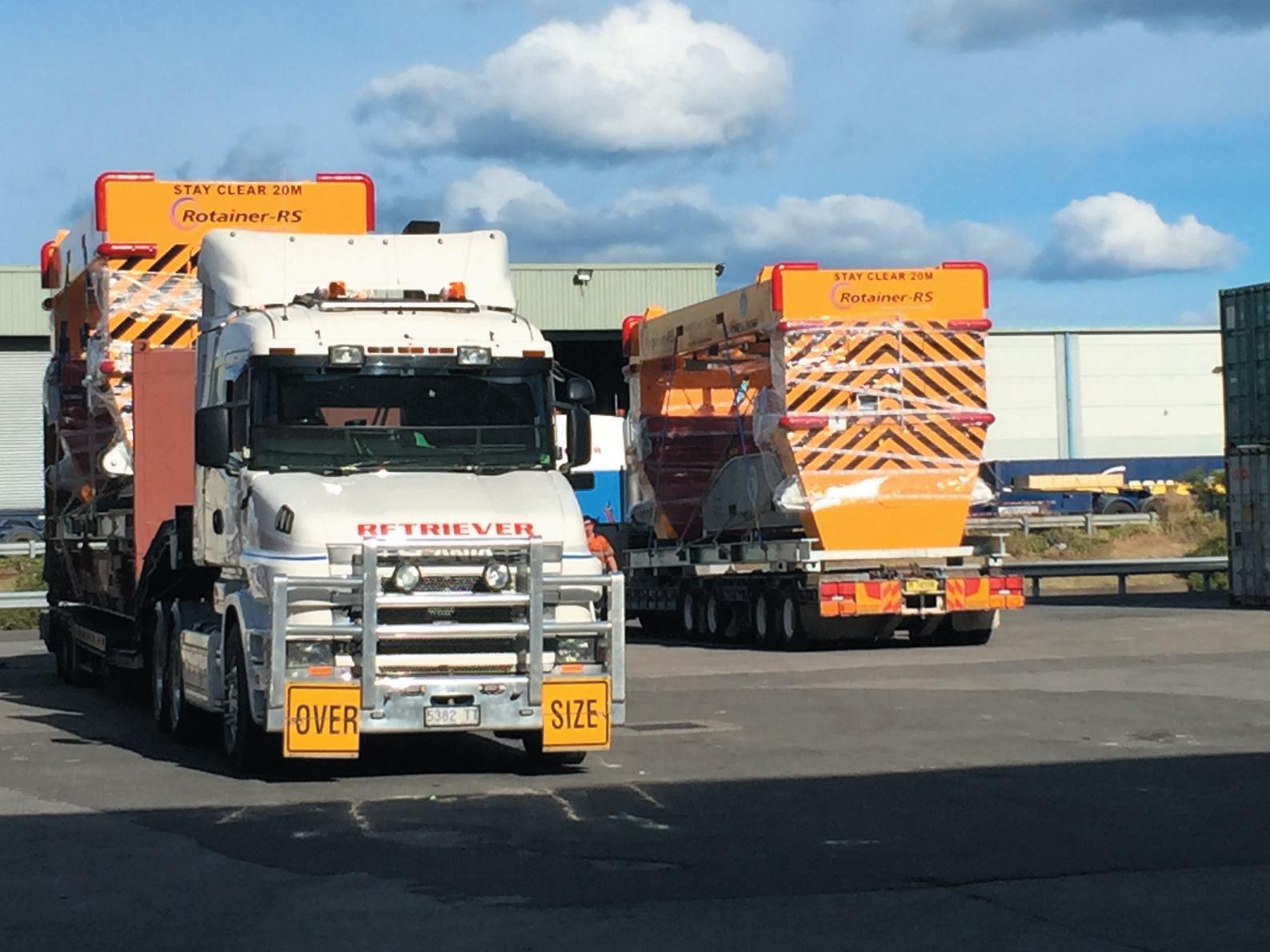
container-emptying system, which offers an efficient solution to the problem of unloading bulk from containers.
This is a concept that is gaining in popularity worldwide, and is in use internationally handling cargoes of vastly different properties, from alumina to coal.
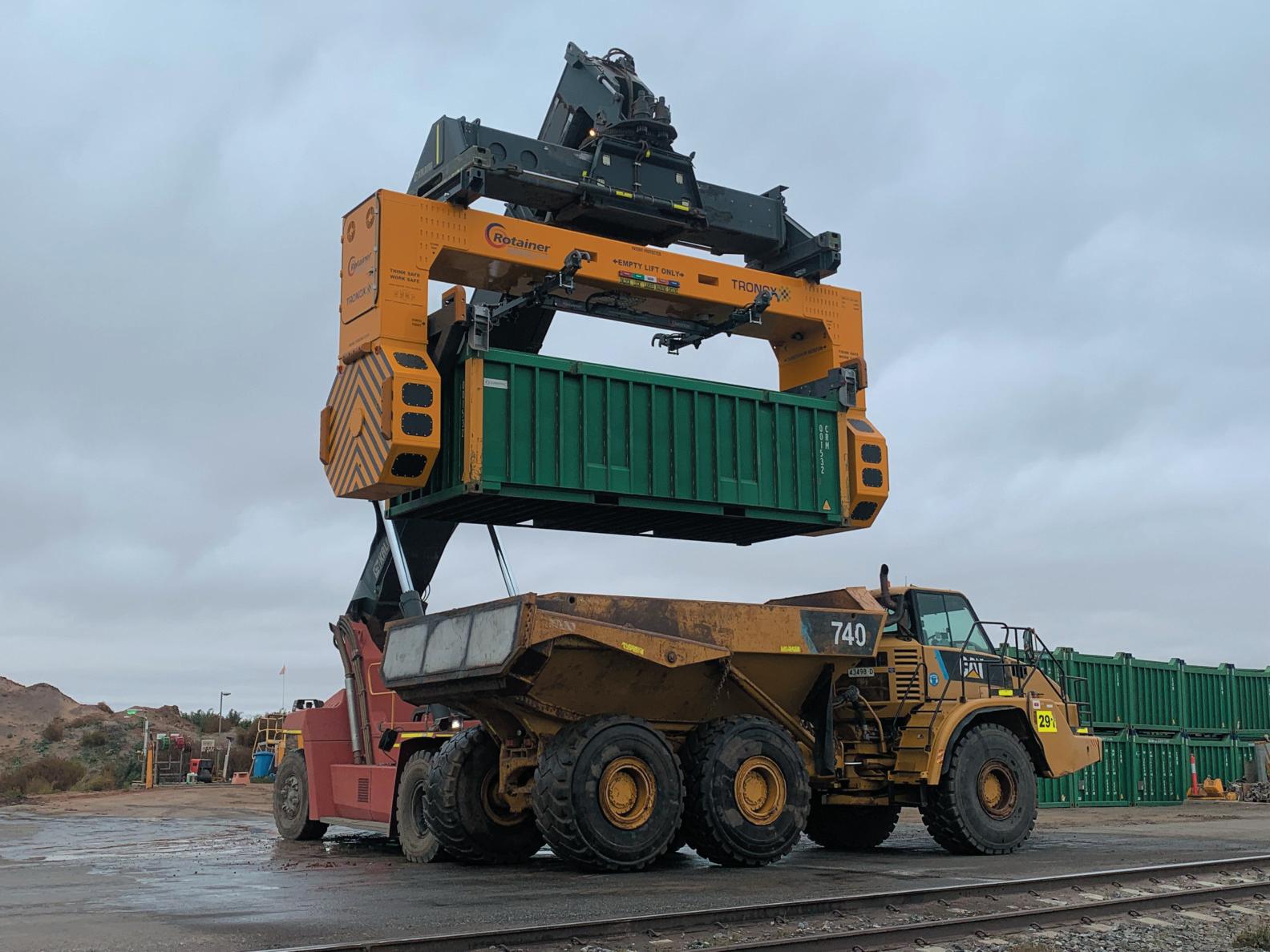
The company remains very active, with its concept becoming ever better known.
Part of CRS’s remarkable success is due to its Multilid technology — an innovative lid-lifting system that has transformed the CBH industry. The system was introduced as the Multilid®-1, a container-lid handling mechanism, which made CBH operations faster and more efficient. Recently, CRS has officially introduced the Multilid®-2 to the market. This fully adjustable lid lifting apparatus is designed to accommodate any type of open top container lids currently in global circulation, in line with CRS’s ‘Any Lid — Any Time — Any Container’ campaign. This innovative, patent-pending, system allows for both transverse and longitudinal adjustments, enabling the handling of any container and lock system within Rotainers®. It is already in operation with Qube Ports, Port Kembla, Australia where, in February this year, the very first ship was loaded with three different variations in containers using this innovative technology. DCi
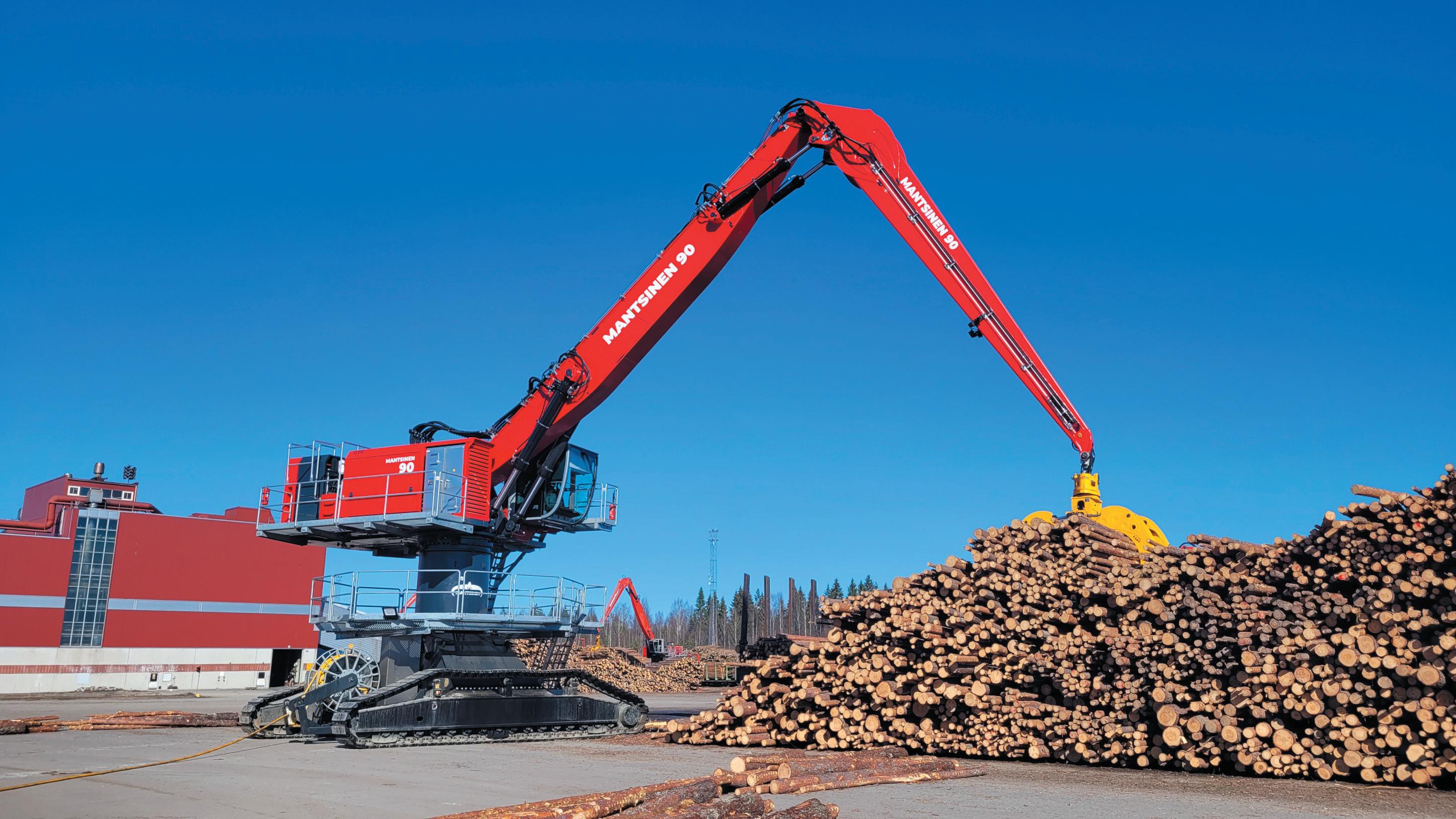
In late March, Mantsinen Group Ltd Oy announced the launch of the new Mantsinen 90, a redesigned material handling machine that combines significantly increased lifting capacity with the future-proof GEN3 control system. Built on decades of experience in heavyduty material handling, the Mantsinen 90 is designed for ports, terminals, and industrial environments where performance, safety, and uptime are critical.
The new Mantsinen 90 delivers up to 40% more lifting capacity compared to previous generations, thanks to a stronger structure and larger hydraulic cylinders. The redesign preserves the proven strengths of earlier Mantsinen machines while introducing
smarter solutions that enhance durability and operational efficiency in demanding conditions.
Designed for modern material handling environments, the Mantsinen 90 is available with both diesel and electric power options with a reach of up to 28 metres. A renewed machine layout with service walkways, modular construction, and improved access points simplifies maintenance, enhances safety, and maximizes uptime where availability matters most.
Machine type: material handling machine
Weight: 100–120 tonnes
Reach: 28 metres
Capacity: 800tph
Power unit: diesel and electric
Control system: new MANTSINEN GEN3
Operating environments: ports and terminals
“The market response to the new Mantsinen 90 has been positive, with the first machines already sold and successfully introduced into operation. This confirms the demand for a next-generation material handling solution that combines high lifting capacity with modern control technology,” says Patrik Starck, Sales Director at Mantsinen Group.
Sustainability has been an integral part of the Mantsinen 90 design. Energy-efficient hydraulic solutions, electric power options,
and a long service life support lower environmental impact throughout the machine’s lifecycle.
At the heart of the new Mantsinen 90 is the GEN3 control system, developed to improve operator comfort, usability, and connectivity while meeting the future-proof safety requirements. The system has been developed in collaboration with Epec Oy, a provider of advanced control systems and software solutions for mobile machinery.
“GEN3 is not just a new control system — it is a platform designed to support the future of material handling. We have built it to meet upcoming safety requirements while enabling digital services and automation that will define the next generation of machines,” says Simo Huovinen, Product Management Director at Mantsinen Group.
With the new control system, Mantsinen continues its long-standing role as a frontrunner in material handling technology introducing solutions that later become industry benchmarks. The completely renewed control platform is designed to support future safety standards, digital services, and automation, setting the direction for the next generation of material handling machines.
“GEN3 is the result of joint development between Mantsinen and Epec.
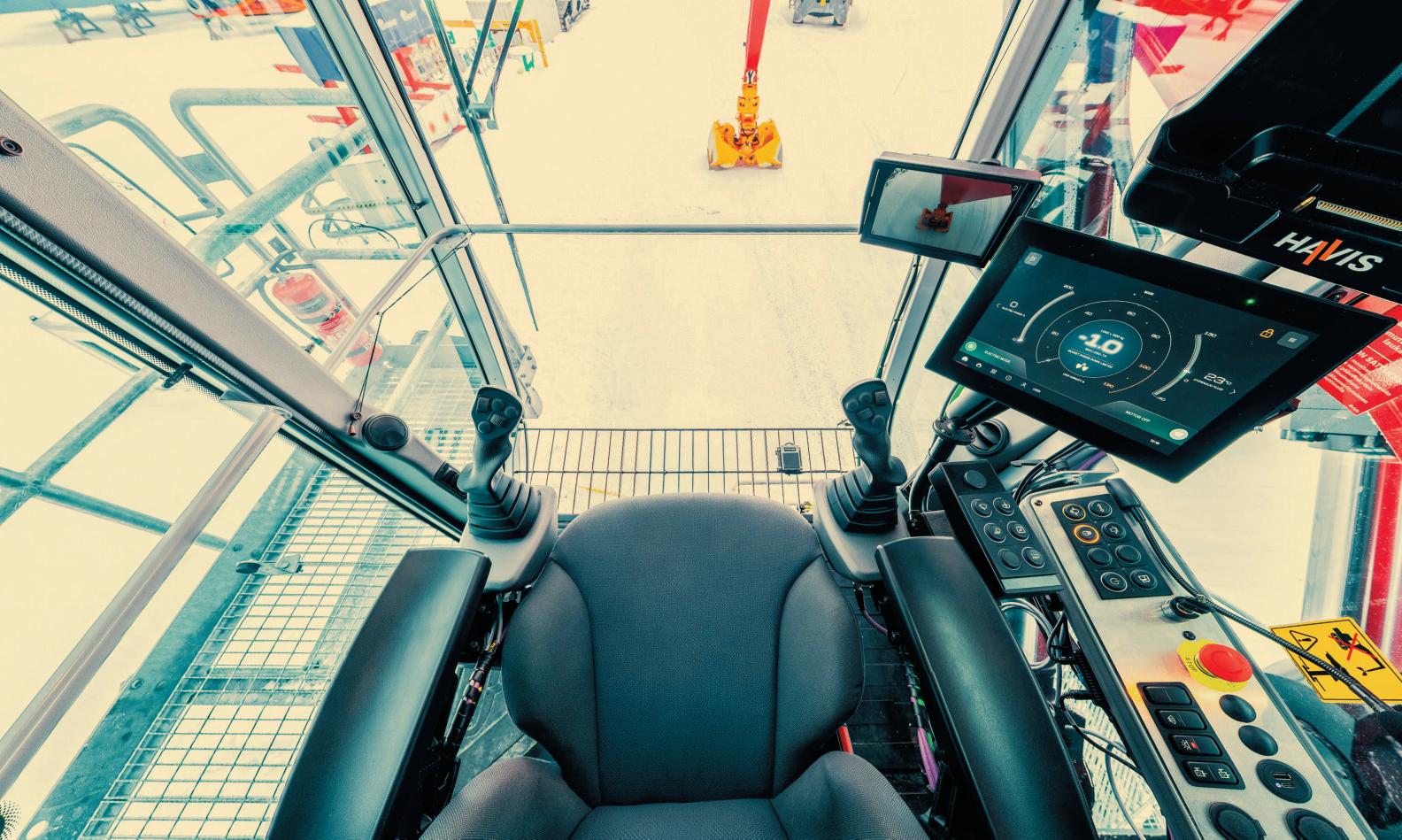
By combining deep control system expertise and longstanding machine experience from both companies, we created a modular architecture designed for reliable operation and long-term development,” says Jussi Rintamäki, Product Manager at Epec Oy.
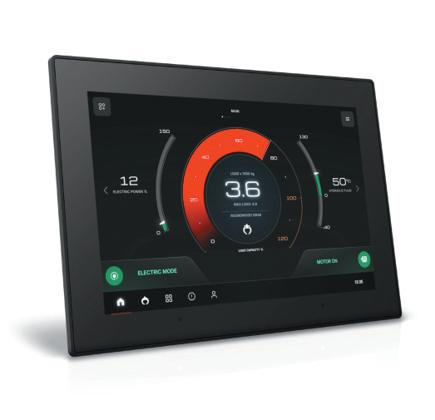
Mantsinen Group Ltd Oy Mantsinen is a Finnish family-owned company specializing in heavy-duty material handling solutions
for ports, terminals and industrial applications. With over 60 years of experience, Mantsinen designs and manufactures tailor-made material handling machines and attachments known for their durability, performance and long service life.
Mantsinen machines are designed based on real operational experience and close cooperation with customers, ensuring efficient, safe and reliable handling operations in demanding environments. Headquartered in Ylämylly, Finland, Mantsinen operates globally through its dealer and partner network.
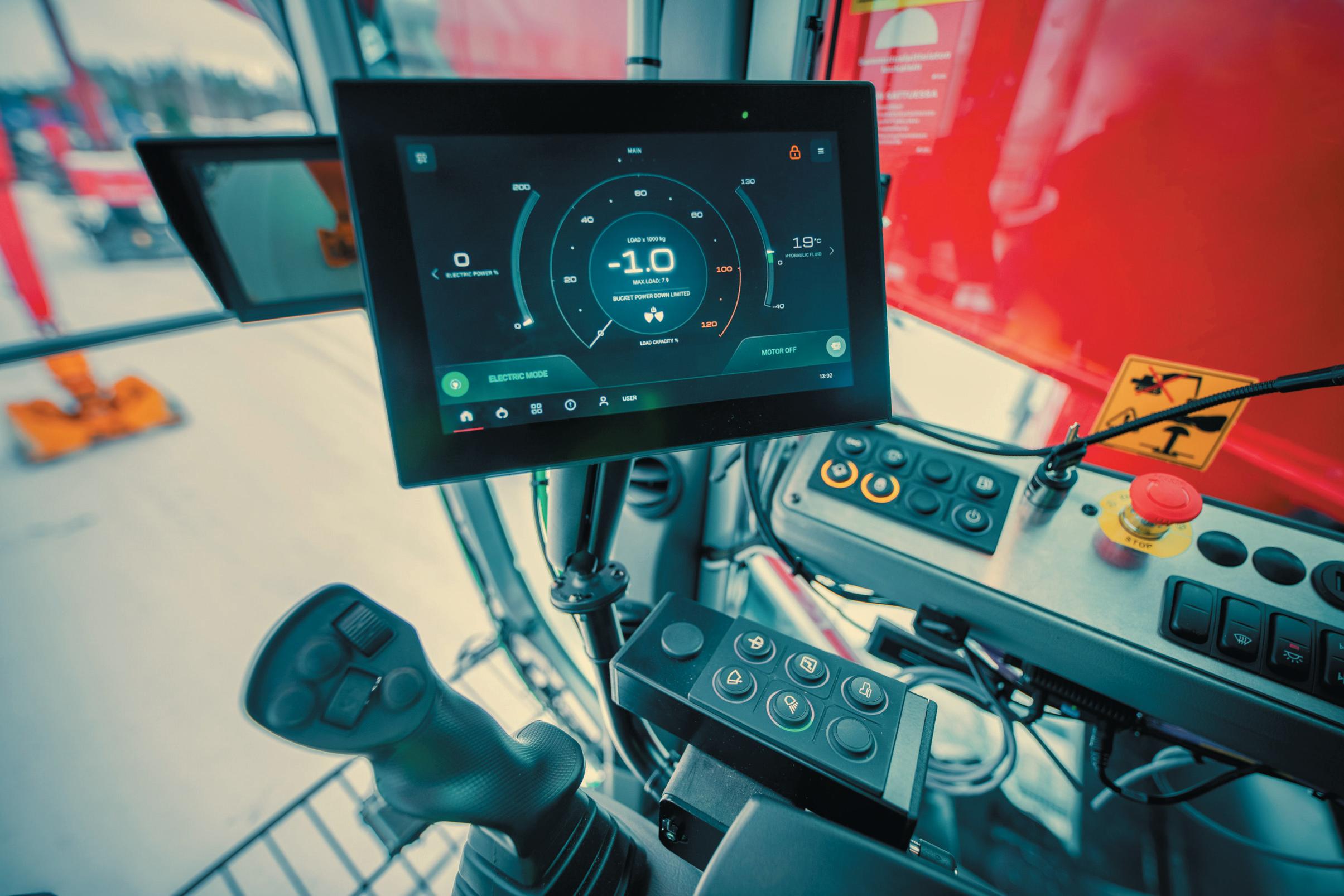








































































PPG recently announced the launch of PPG InsightsNav, an analytics platform designed to help shipowners and operators analyse and optimize seastock coatings purchasing data for improved operational and strategic planning.
Marine operators often rely on fragmented or limited historical data, making long-term planning and cost control difficult. The PPG InsightsNav tool addresses this gap by presenting seastock coatings information in a standardized, user-friendly format that can be updated as new data becomes available. It also highlights opportunities to optimize purchasing, such as more informed port selection and strategic order consolidation, which helps save significant costs.
“Think of the PPG InsightsNav platform like a budgeting app for marine operators,” said Steven Wolfendale, PPG global product owner, digital and AI, Protective and Marine Coatings. “It allows ship owners and operators to analyse their own data independently and forecast their future needs. Providing clear insight into costs helps them make more informed spending decisions, which help save money on their seastock coatings.”
Marine teams from procurement to technical management can use the platform. Key benefits include:
Enhanced spend transparency, with a v comprehensive view of seastock expenditures across a fleet for better
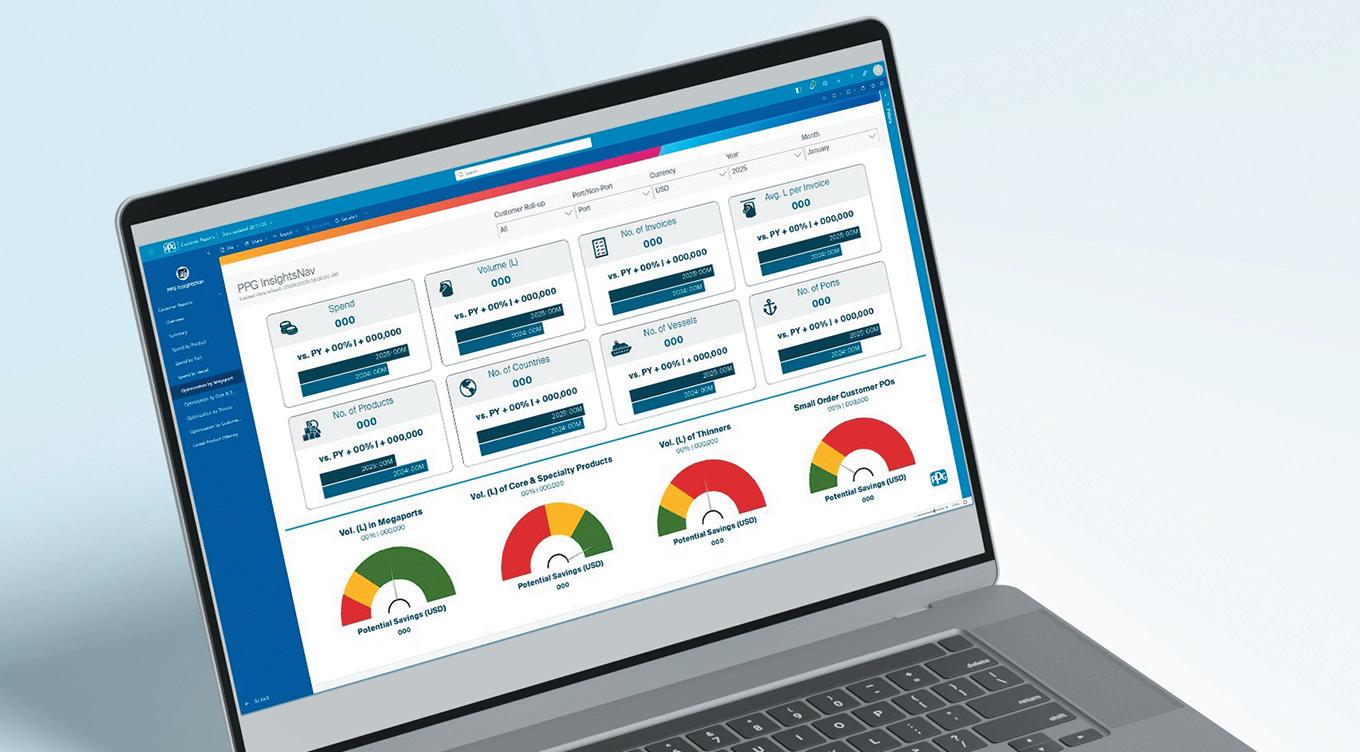
financial oversight.
Improved forecasting and budgeting, v using predictive insights built on historical trends.
Identification of cost savings by finding v inefficiencies and helping optimize procurement and maintenance strategies.
Real-time, interactive dashboards that v update as data evolves.
Global accessibility via a secure v platform available to PPG marine customers worldwide.
“The PPG InsightsNav platform gives customers clear access to their own data,” said Ewout Bosman, PPG seastock segment director, Protective and Marine Coatings.
“By combining spend visibility with actionable insights, we’re helping shipowners and operators make more
PPG InsightsNav, an analytics platform.
informed decisions that support both operational efficiency and long-term cost management.”
PPG: WE PROTECT AND BEAUTIFY THE WORLD®
At PPG, the company works every day to develop and deliver the paints, coatings and specialty products that its customers have trusted for more than 140 years.
Through dedication and creativity, it solves its customers’ biggest challenges, collaborating closely to find the right path forward.
With headquarters in Pittsburgh, PPG markets and sells in more than 50 countries and reported net sales of $15.9 billion in 2025. PPG serves customers in construction, consumer products, industrial and transportation markets and aftermarkets.
When was the last time you really checked your vessel? Ageing fleets, rising risk and why bulk shipping must rethink maintenance
In February 2026, an engine room fire broke out on a bulk carrier, leading to the death of two crew members. Earlier, the same vessel also reported several deficiencies during inspection, including in the fire safety category*1
The vessel at the time of the incident was 16 years old, writes Adam Dennett, CEO, SpecTec.
Shipping has a well-documented ageing fleet crisis, but bulk carriers are perhaps the most exposed. Today, the average age of a dry bulk vessel stands at 14.7 years and ship owners are holding on to their vessels for longer. Q1 2026 data from Maritime Strategies International reported low fleet growth rates, with just 7.2m dwt of new Capesize tonnage delivered in
2025, equivalent to 1.9% of the fleet*2
Part of the issue is structural. Owners have been reluctant to retire their vessels due to profitable trading opportunities, such as using older vessels on less demanding trades, as well as uncertainty over environmental regulations and a lack of clarity on future fuels and decarbonization strategies. In fact, vessel scrapping fell to the lowest rates in the last two decades, and the average age of ships scrapped last year was 30*3.
An older fleet profile presents several challenges. RightShip reported that dry bulk carriers are ten times more likely to be detained by port state control than other ship classes due to lower safety standards. Due to the heavy nature of
their cargo and often long voyages, dry bulk carriers are particularly susceptible to corrosion and metal fatigue, especially on the side of a vessel, and with a loss of shell plating. RightShip also highlighted that dry bulk carriers experience the highest incident ratio, including more fatalities. The older the fleet, the higher the risks.
The safety implications of this trend are not something we should take lightly. Many incidents involve ships over 25 years old and are often to do with machinery damage or failure, which stems from preventable causes such as improper lubrication, undetected wear, or missed inspections.
I also think it's worth being direct about what's actually at stake. A large proportion
of maritime incidents occur during planned maintenance work. On older vessels, where systems are more prone to failure, this is more frequent and inherently more dangerous for crew conducting the maintenance. It’s time for something to change.
Traditionally, maintenance strategies in shipping have been reactive or time-based. Components are repaired after failure or serviced at fixed intervals, regardless of their actual condition. While this approach may have worked for a younger fleet, it is increasingly at odds with the realities of ageing vessels.
An Asset Lifecycle Management (ALM) approach enables operators to transition from reactive maintenance to predictive planning informed by KPIs such as OEE (Overall Equipment Effectiveness) and MTBF (Mean Time Between Failure) benchmarks. These insights help identify developing issues early, while automated workflows can streamline spare-parts management and procurement. The result is reduced downtime and costs, stronger compliance, and greater operational transparency to schedule interventions and anticipate issues before they occur. These are all critical gains in an era where every hour and every dollar count.
Artificial Intelligence, backed by standardized data, can also support proactive risk mitigation, FMEA (Failure
Modes and Effects Analysis) and predictive maintenance algorithms. Procurement systems can automatically initiate replacement orders; inventory platforms can track usage trends and optimize stock levels. Benchmarking across fleets and regions becomes possible when systems speak the same language, and that's where operators start identifying patterns and thinking of solutions, not just spotting problems. None of this needs bespoke infrastructure it needs clean, standardized data and the willingness to use it.
Digital maintenance platforms can play a critical role in automating workflows, standardizing procedures and providing clear audit trails. This makes sure that maintenance tasks are carried out consistently, safely and on time. Integration with procurement and inventory systems also delivers the right parts at the right time, reducing the need for improvisation under pressure. And when crews spend less time on paperwork, they focus more on the work that directly improves safety and performance.
The ageing of the global bulker fleet is not a short-term issue or quick-fix; it is a structural reality that will shape the industry for years to come. Newbuild orders may eventually rebalance fleet demographics, but in the near term, operators need to work with the assets they have.
The new LowHarmonics encoder technology of sensor expert Baumer is another proof of its innovative strength. This revolutionary method of signal processing merges the precision of optical sensing with the durability and costefficiency of magnetic systems. The first LowHarmonics product, incremental EB260 magnetic ring encoder, scores high with both users and experts and has been awarded ‘Product of the Year 2026’. In the sensor category, the readers of the trade magazine Computer & Automation (Pelemedia) voted the compact encoder into second place.
LOWHARMONICS OPENS UP NEW OPPORTUNITIES IN DRIVE TECHNOLOGY AND FACTORY AUTOMATION
What are the benefits of LowHarmonics signal processing with auto-calibration that
In my opinion, this needs a shift in mindset. Maintenance should be seen as a strategic, proactive function that is central to operational resilience, safety and commercial performance.
We know the industry has always adapted to change, and this moment is no different. But as fleets age and risks increase, the margin for error is narrowing. Operators that invest in data-driven maintenance and smarter asset management today will be better positioned to protect their crews, safeguard their assets and remain competitive in an increasingly complex operating environment.
*1 Seatrade Maritime, https://www.seatrade-maritime.com/ accidents/two-dead-in-fire-on-bulk-carriermandy/
*2 Splash 24/7, https://splash247.com/will-it-be-onwardsand-upwards-for-the-dry-bulk-market-in2026/
*3 The Loadstar, https://theloadstar.com/scrapping-at-20year-low-owners-cling-to-ageingtonnage/

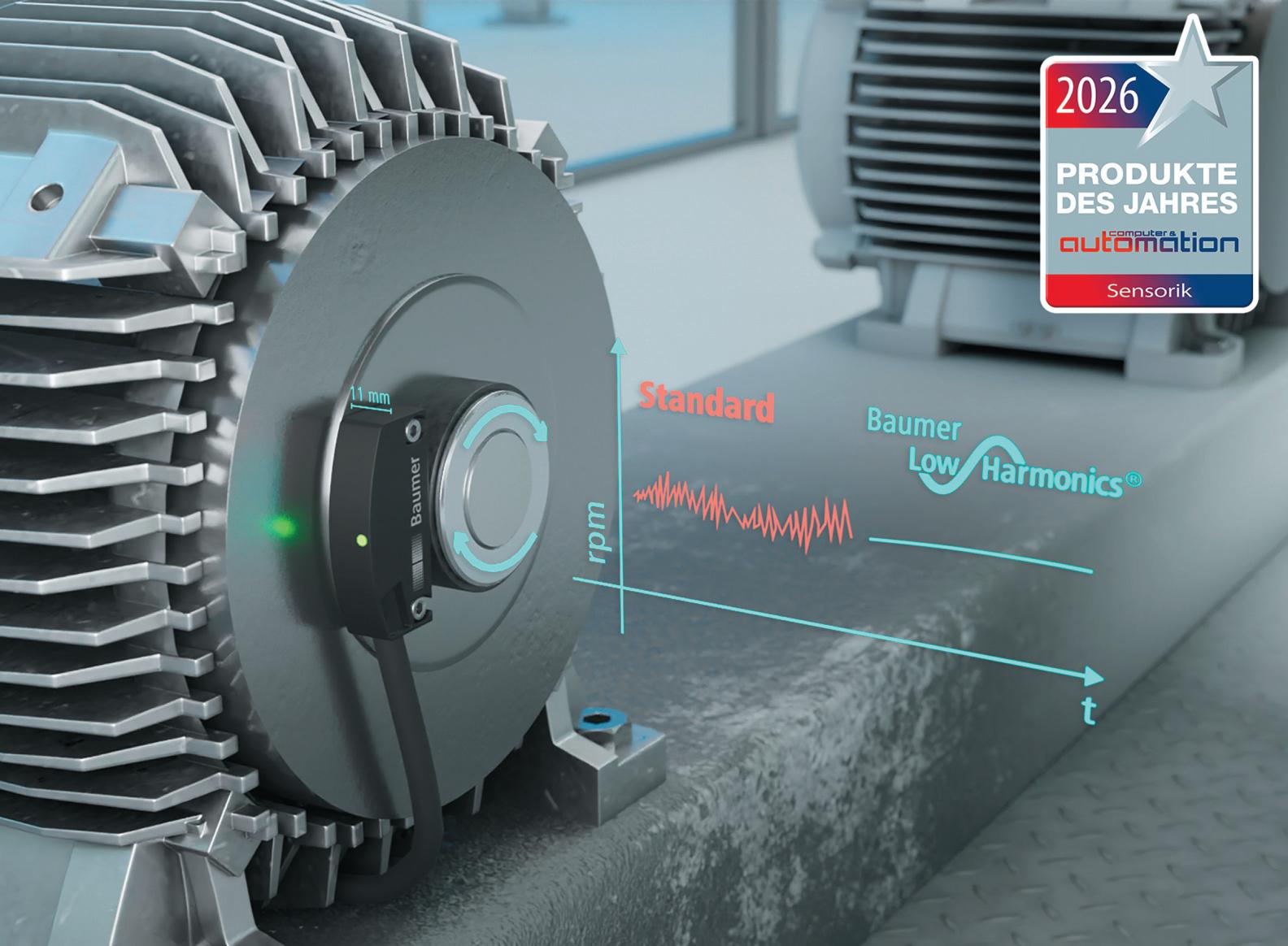
convinced the Computer & Automation readership?
This sophisticated Baumer technology eliminates signal errors caused by installation, temperature, ageing or mechanical factors and hence ensures maximum precision. Interesting to know about smart condition monitoring: the integrated Airgap Monitor continuously detects the distance to the magnetic rotor and reports even the slightest non-
compliance due to damaged machine mechanics to the higher-level system.
Thanks to only 11mm installation depth and flexible diameter options, EB260 fits even the tightest spots and thanks to multiple parameterization options integrates conveniently into existing automation environments. The encoder operates on non-contact sensing and hence is free from wear, immune to shocks and shaft currents. It therefore ensures
maximum reliability in drive technology and factory automation. LowHarmonics is unique in the way of merging high precision, maximum cost efficiency and superior reliability.
The Product of the Year 2026, innovative encoder EB260 and the EB260F variant add another product family of pioneering technology to the broad Baumer encoder portfolio for smart automation.
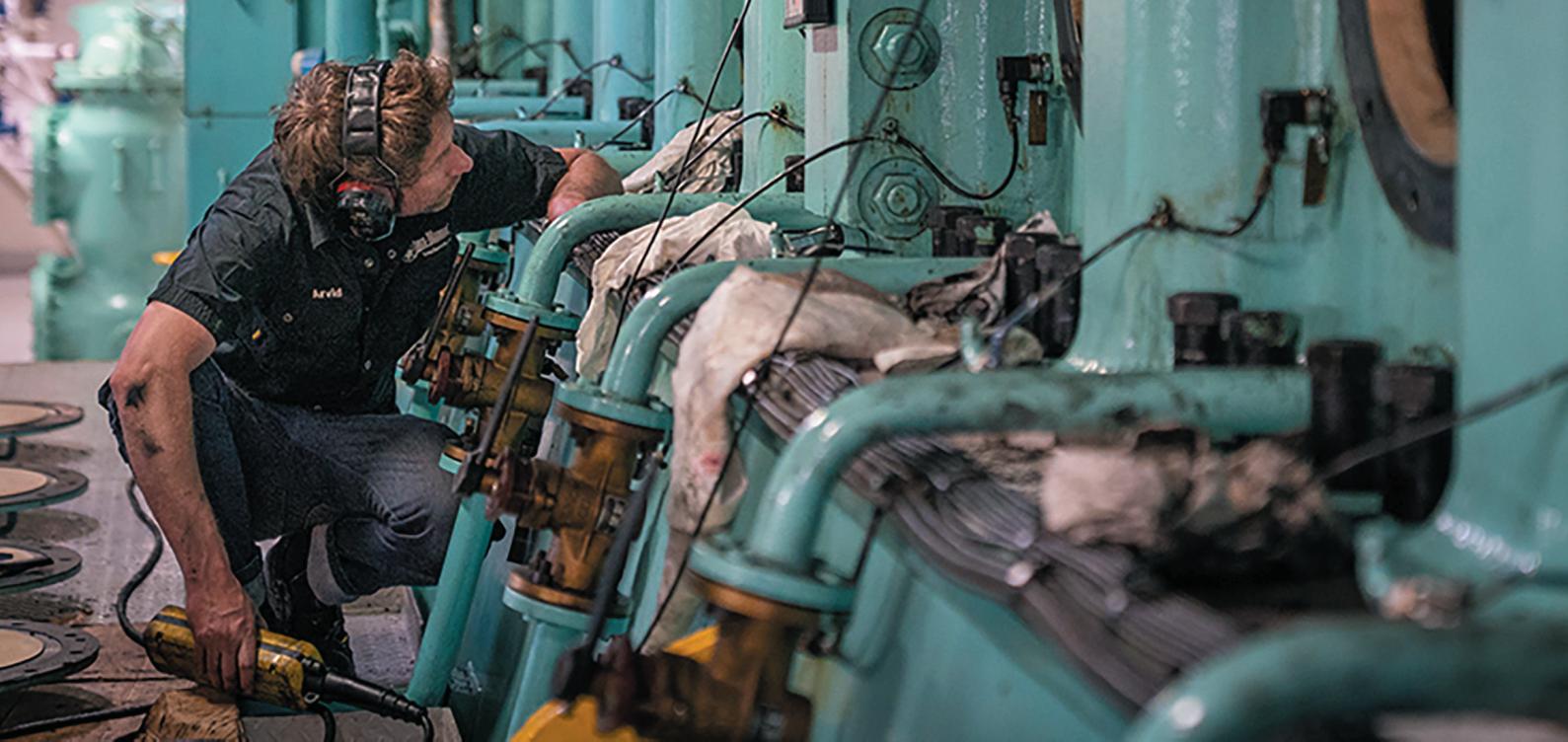
Chris-Marine AB announced in April 2026 the introduction of Engine Insights, a new digital solution designed to convert cylinder condition measurements into automatic, instant, standardized reports for faster and more informed maintenance decisions.
Engine Insights enables service technicians to upload measurement data directly from onboard tools such as LDM (Liner Diameter Measurement), LCC, CTM and Replica Test and generate structured reports within minutes. While manual reporting today typically requires four to six hours of expert work, Engine Insights reduces this process to just a couple of minutes. These reports provide a clear basis for evaluating cylinder condition and planning maintenance actions.
At the same time, the platform gives fleet managers an accessible overview of vessel condition, supporting more efficient maintenance planning and extended component lifetime.
“Engine Insights simplifies a critical step in engine maintenance — automatically turning measurement data into something immediately usable for decision-making, while dramatically reducing the time required to produce reliable reports,” says Leif Abildgaard, Chief Commercial Officer. Engine Insights is designed to work seamlessly with measurement data from
Chris-Marine tools, extending their value while enabling a structured and standardized approach to cylinder condition reporting.
KEY BENEFITS INCLUDE automated generation of standardized v
reports;
reduction of reporting time from v hours to minutes; improved maintenance planning; v increased component lifetime; and v insights that support more efficient v lubricant oil usage.
Engine Insights is now being introduced to the market and is available with a free trial offering included.
With this launch, Chris-Marine continues to expand its portfolio beyond physical equipment — combining precision tools with digital solutions to support reliable and cost-efficient engine performance.
Engine Insights is available globally. Access is provided upon request via Chris-Marine’s website.
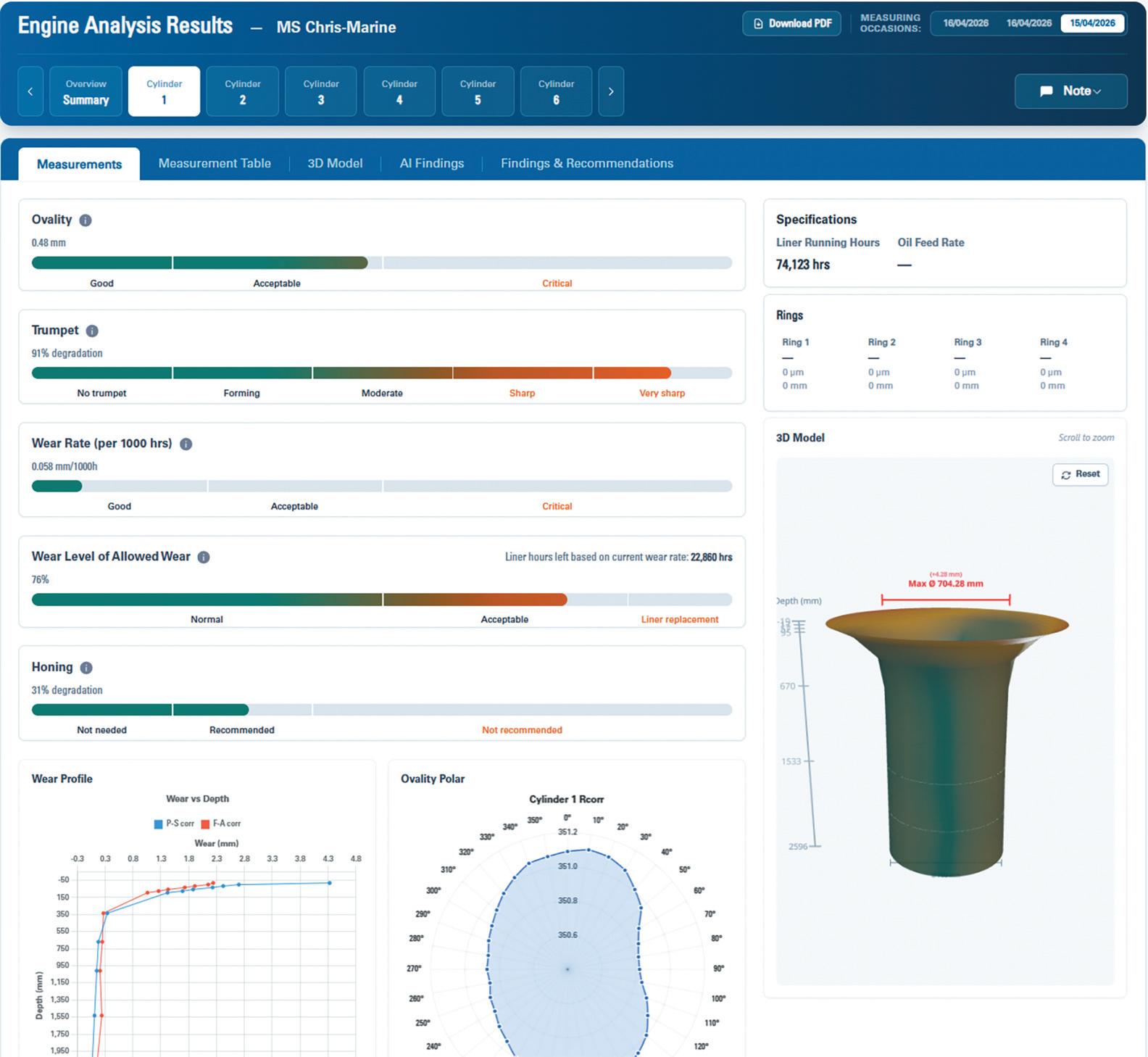
RIKON IS DEMONSTRATING IMPRESSIVE DYNAMICS
This delivery is the latest in a series of portal crane shipments to Turkey in recent months. Following the recent successful completion of the Isdemir Port project for OYAK Group — one of Turkey’s largest and most influential industrial conglomerates — the company has moved without pause to a new stage of co-operation.
Commissioning of two new portal cranes for one of Turkey's top 100 industrial enterprises has been completed in the Port of Riga. The cranes will be delivered fully assembled by a heavy-lift vessel, just as was done previously for the OYAK project.
The team's dedication deserves special mention: despite one of the coldest winters Latvia has seen in the last two decades, RIKON specialists conducted assembly operations at the Port of Riga during winter without interruption to guarantee adherence to schedules and high assembly quality under challenging weather conditions.
The new equipment is destined for a specialized terminal — a strategic hub that handles up to 14.5 million tonnes of cargo annually. The terminal serves as a vital gateway for the region, accommodating vessels with a deadweight of up to 110,000dwt.
TECHNICAL SPECIFICATIONS OF THE DELIVERY
The two RPS-1100 model cranes are highperformance units weighing 430 tonnes each.
ENGINEERED FOR LONGEVITY — THE CLASSIC PORTAL DESIGN
A key technical highlight of these RPS-1100 cranes is their lattice-style portal design, echoing the legendary engineering traditions.
This specific portal architecture is highly favoured by port operators for its extreme durability and is engineered for a service life of up to 40 years of intensive operation.
EASY AND COST-EFFECTIVE MAINTENANCE
The portal's design allows for the replacement of the slewing bearing arrangement in just a matter of days. By utilizing high-quality standard bearings available on the open market — rather
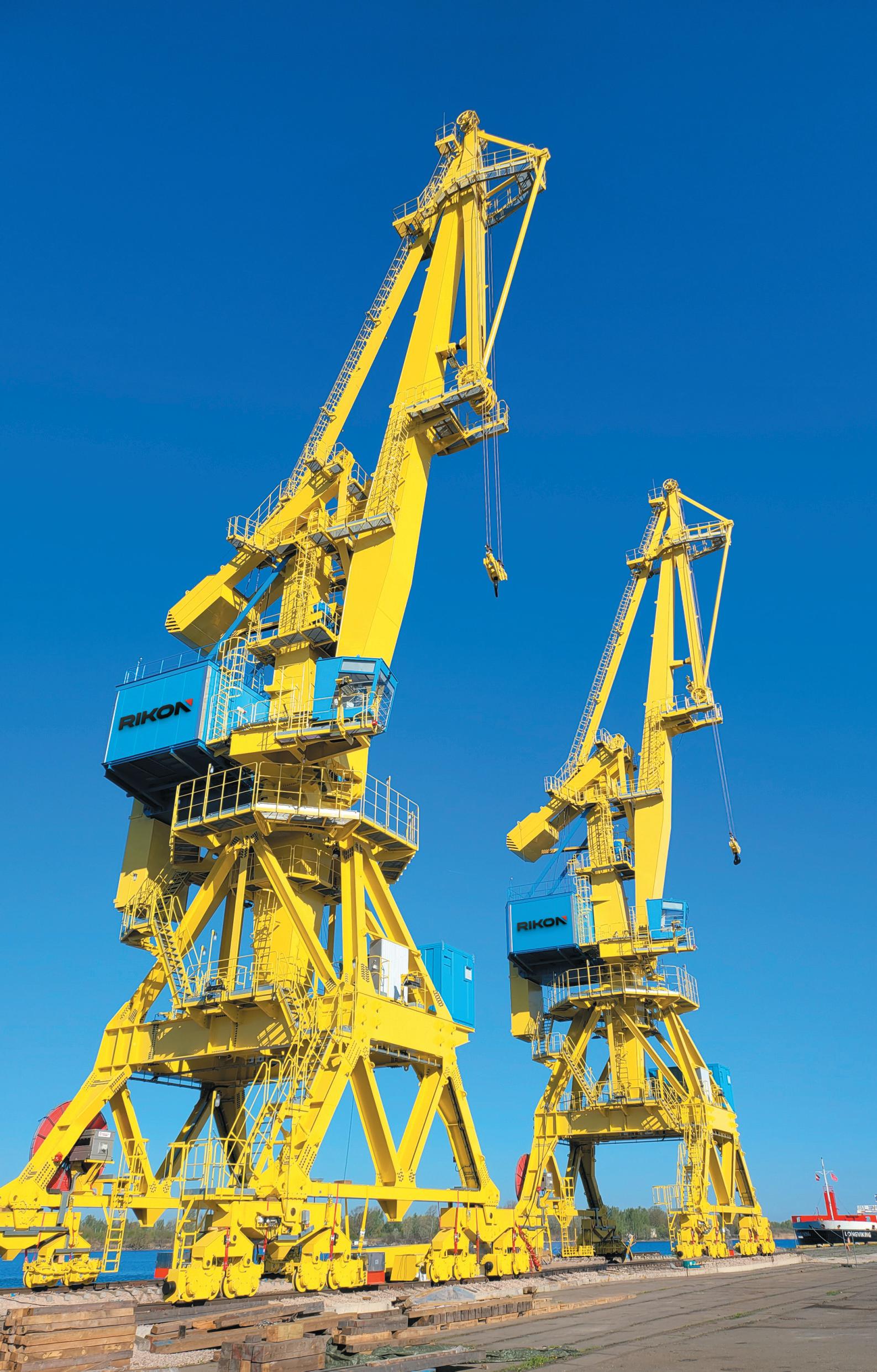
than custom-made, prohibitively expensive large-scale slewing bearings — RIKON ensures extremely low maintenance costs and eliminates long lead times for spare parts.
Versatility: efficient operation in both hook mode and grab mode, up to 50 tonnes;
Durability: the design is adapted to the customer’s climate, withstanding wind gusts up to 43m/s and operating in temperatures ranging from –10°C to +50°C.
Successive deliveries to market leaders confirm RIKON’s status as a reliable strategic partner for Turkey’s port industry.
The key advantage remains RIKON’s signature logistical method: the cranes are transported from Riga aboard a heavy-lift vessel in a fully assembled and ready-tooperate state.
This spares the client from lengthy onsite assembly and allows the equipment to be integrated into the port’s operational cycle almost instantly.
RIKON has been engineering and manufacturing portal cranes since 1991. The company designs fully electric, custom-built solutions for ports and terminals worldwide — from the Baltic to the Mediterranean and beyond.
The latest addition to the extensive, awardwinning range of BAUMER sensors is the NexSonic UF300, an ultra-compact 18mm flat ultrasonic sensor with a 3-metre sensing range and ideally suited to intralogistics applications. The development of this innovative sensor is another example of BAUMER’s technological leadership in sensing expertise with another best-in-class product.
In addition to an impressive sensing range of three metres, other key features include the shortest blind range of just 50mm, an unrivalled short response time up to 56ms whilst a requirement of only 18mm installation depth enables maximum design freedom. This minimal installation depth will be extremely helpful in sensing applications where space is restricted.
The NexSonic technology is designed to maximize ultrasonic sensor performance and is based on an ultrasonic processor (ASIC) developed and patented by Baumer. In NexSonic ultrasonic sensors the piezo electric element with ASIC connects directly to the sensor membrane. The result is a shorter signal path and improved electromagnetic compatibility, while the compact evaluation electronics boost signal processing time and reliability. Additional benefits of NexSonic technology are the adaptive sonic cone which is ideally suited to detecting objects through narrow openings along with smart filter functions, which can suppress interfering objects.
BAUMER’s new NexSonic ultrasonic sensor. If you’re reading this.... ...then so, very probably, are your customers!

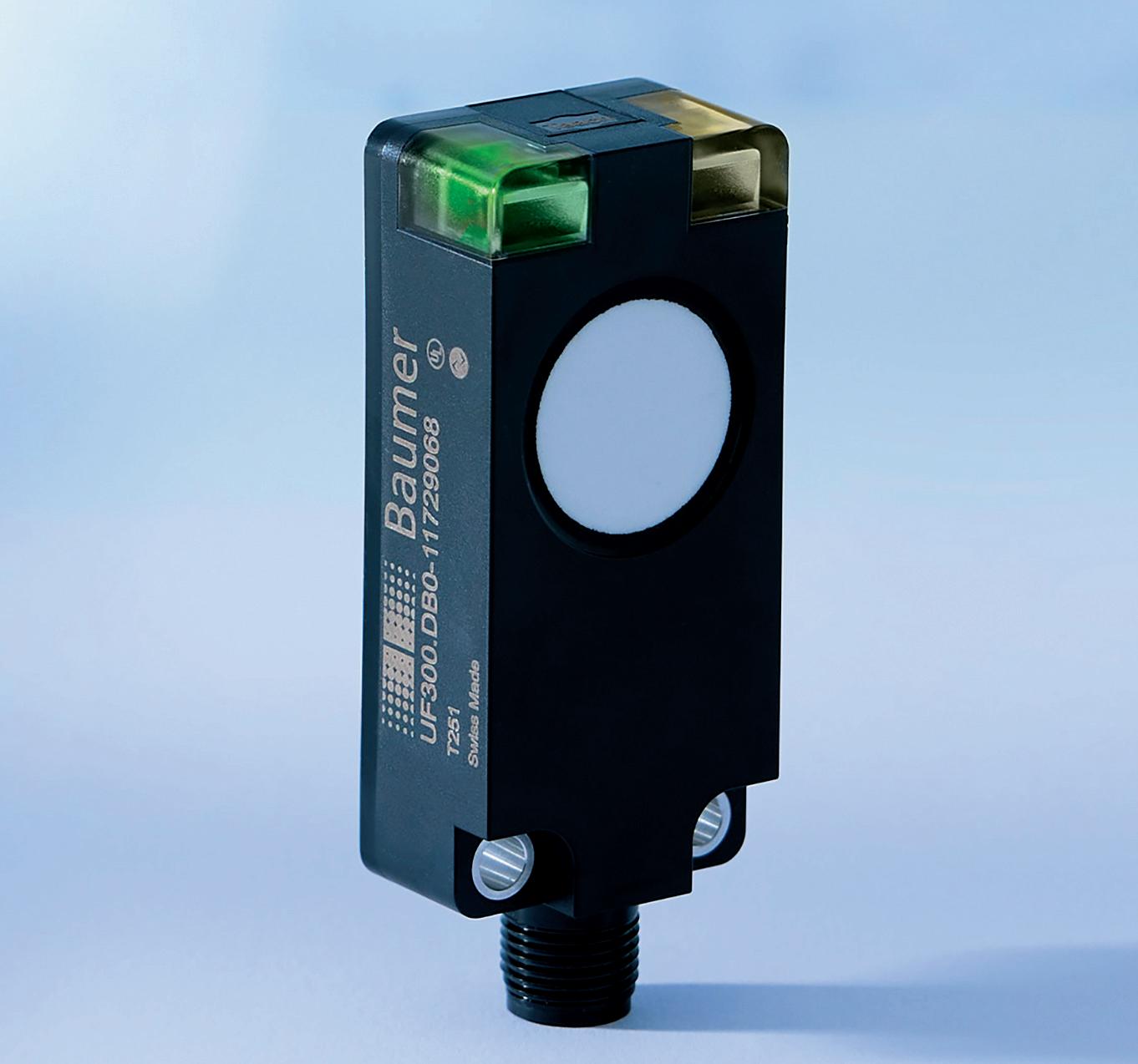
UF300 with NexSonic technology is available in both measuring and switching options and should prove to be extremely versatile as a sensor which reduces the number of product variants typically required in production and warehousing applications.
The introduction of this new ultrasonic sensor expands Baumer’s sensor range to an impressive six options comprising, the
UF200, UF300, U300, U500, UR12 and UR18 all available in different designs and sizes. Thanks to the unique features of the new UF300 sensor makes it ideally suited to sensing applications including pallet detection, particularly on long fork arms, for monitoring pallet stacks and gates in cold storage facilities, as well other sensing applications in the packaging and electronics industries.
To find out how you can benefit from advertising in the world’s only monthly dry bulk publication contact Andrew Hucker-Brown on Tel: +27 31 583 4360 Email: info@dc-int.com
The height adjustable cab of the FUCHS material handlers from the new G series presents special challenges for cable routing. Hydraulics, electrics, lubrication, heating and air conditioning have to be safely routed from the main machine to the cab also while the cab is moving. FUCHS selected the KC0900 cable carrier with RS stays from the Vario line from TSUBAKI KABELSCHLEPP for this task.
FUCHS have been developing special solutions for material handling for over 135 years from the recycling and scrap industry to port logistics and the timber industry. The new G series, specifically the MHL340 G and MHL350 G, was selected to implement a new technical solution for cable routing on the height adjustable cab, among other things. The objective was to achieve reliable guiding and easy installation of all cables and hoses from the main machine to the cab.
“The task was to design the routing of the hydraulics, electrical, lubrication, heating and air conditioning systems in such a way that everything is protected and easily accessible while looking neat and tidy,” explains Martin Bosler, Head of Application Centre and Product Management at FUCHS.
“A particular focus was placed on easy and time saving installation and a clear cost advantage over the previous design. In addition to all this, the solution had to work for not just one model, but across several model series,” he adds.
TSUBAKI KABELSCHLEPP resolved this task with the KC0900 with RS stays from the Vario-Line, which is used in the machine models MHL340 G and MHL350 G in different widths and lengths. The hybrid cable carrier is supplemented with a strain relief comb from the UNIFLEX Advanced 1665 series. The code RS comes from the German term for ‘narrow frame stays’.
The aluminium stays are available in a 1mm grid and can be installed without screws. Different divider systems can be used to precisely adapt the inner distribution to the variety of cables and hoses between the cab and the working unit.
The service points remain accessible, which facilitates working on the system.
For its new G series, FUCHS uses the Vario-Line from TSUBAKI KABELSCHLEPP to protect cables and hoses. The selection process focused on easy and time saving installation, a clear cost advantage over the existing design and adaptability to future models.
Image: Terex
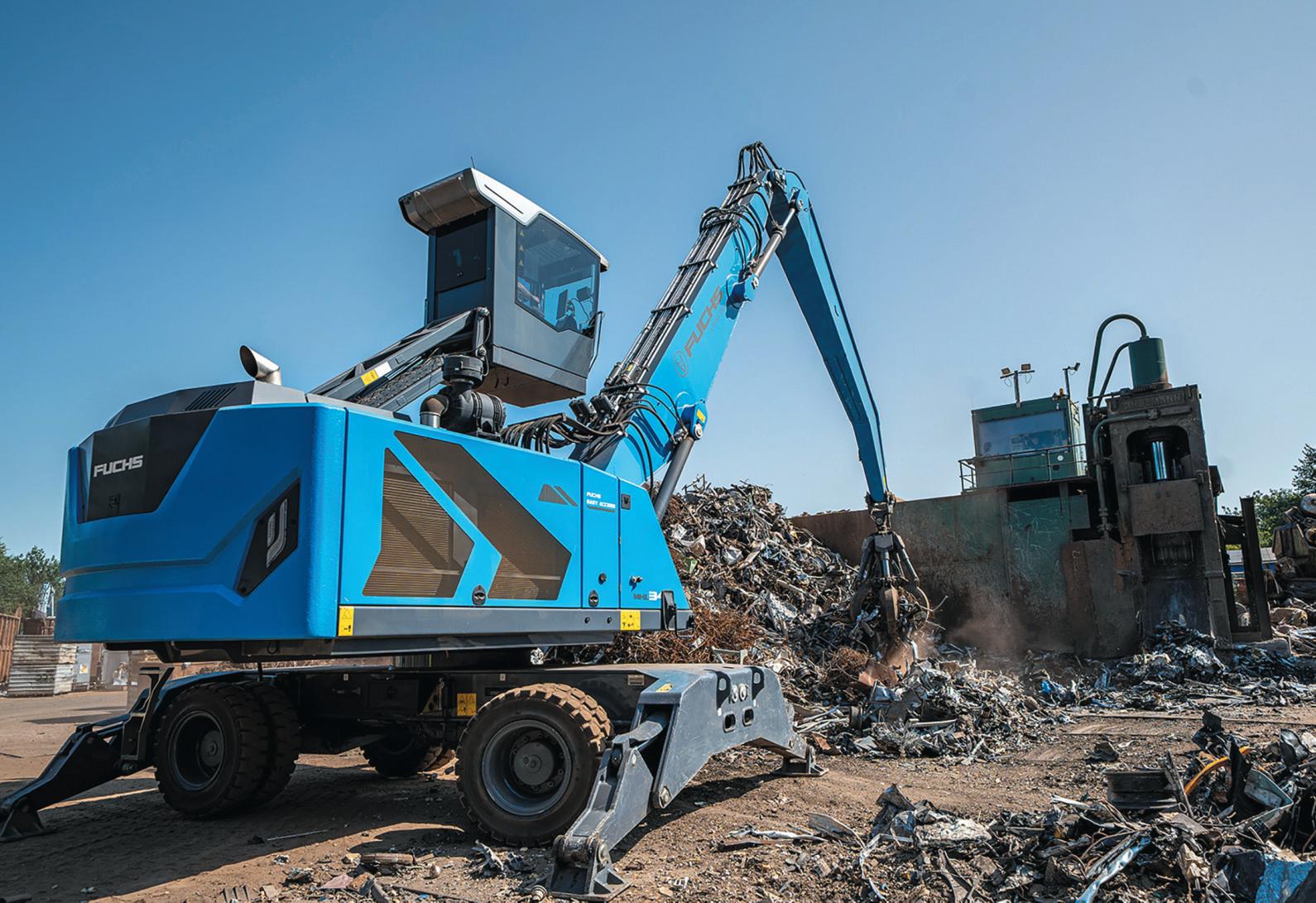
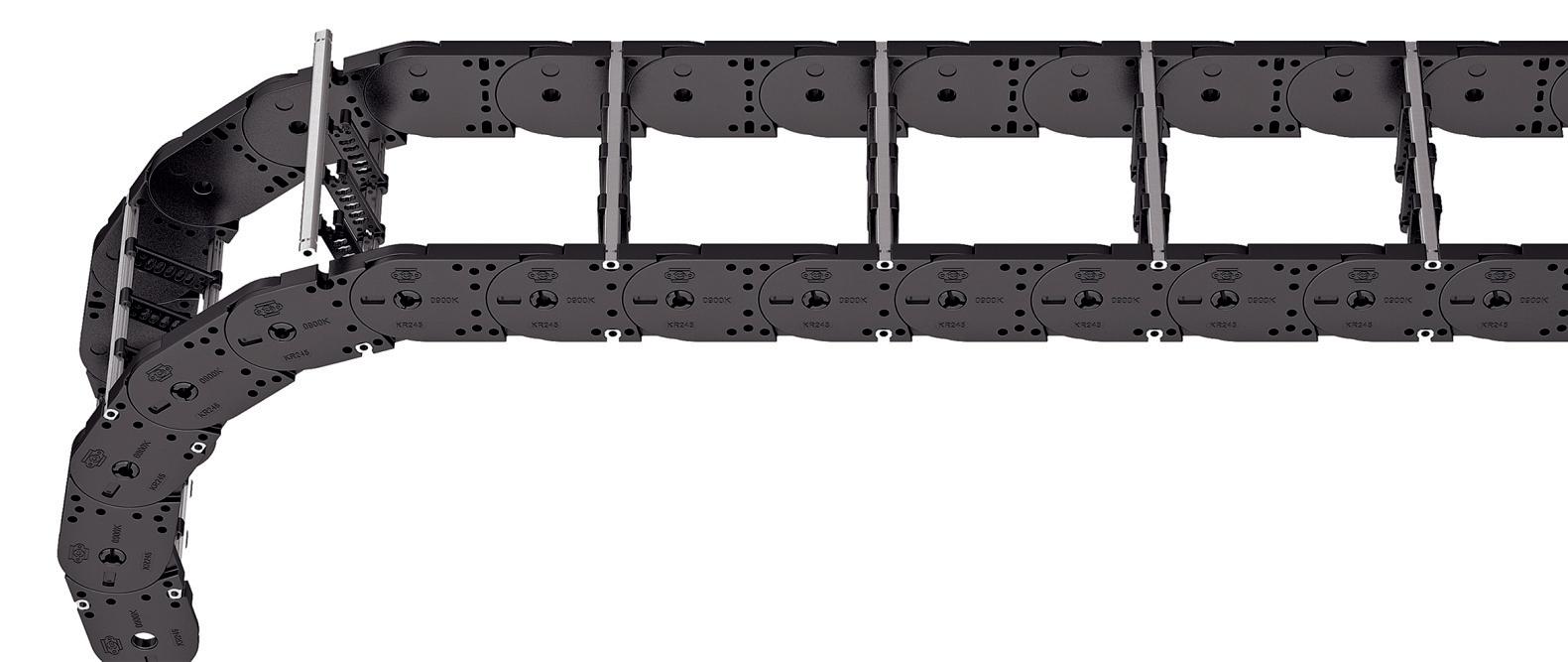
The KC0900 hybrid carrier with RS stays in different widths and lengths is used in the MHL340 G and MHL350 G machine models, supplemented with a strain relief comb from the UNIFLEX Advanced (UA) 1665 series.
Image: TSUBAKI KABELSCHLEPP
For this application, the cable carrier does not move,but rather serves as a rigid cable and hose management system that not only contributes to a long service life of the components, but also presents a neat and tidy overall appearance.
The combination of sturdy design, great flexibility and easy installation convinced the customer. In addition to this, the KC0900 offers a platform that can also be used in future FUCHS models with only minor adaptations. “We wanted an economical and reliable solution that also reduces the installation effort,” says Bosler. “With the KC0900, we have achieved exactly that.”
With the development of the first steel cable carrier in 1954, TSUBAKI KABELSCHLEPP laid the foundation for modern cable carrier systems. Since then, the company has been consistently driving the further development of this technology. The portfolio was already
expanded in the 1960s to include conveyor and guideway protection systems for industrial applications.
Today, around 380 employees at the Wenden-Gerlingen and Hünsborn sites develop and manufacture technical solutions for customers all around the world. The products are used in machine tool manufacturing, robotics, medical technology, shore power systems and astronautics, among many others. A special focus is placed on high strength cable carrier solutions for dynamic and rough application conditions, for example in offshore plants or the heavy industry. Under the name TOTALTRAX®, TSUBAKI KABELSCHLEPP also offers harnessed cable carriers.
TSUBAKI KABELSCHLEPP has an international footing with more than 50 foreign agencies and subsidiaries. The company has been part of the Japanese TSUBAKI KABELSCHLEPP Group since 2010, combining the flexibility of a traditional German medium sized company with the strength of a globally active group of companies.
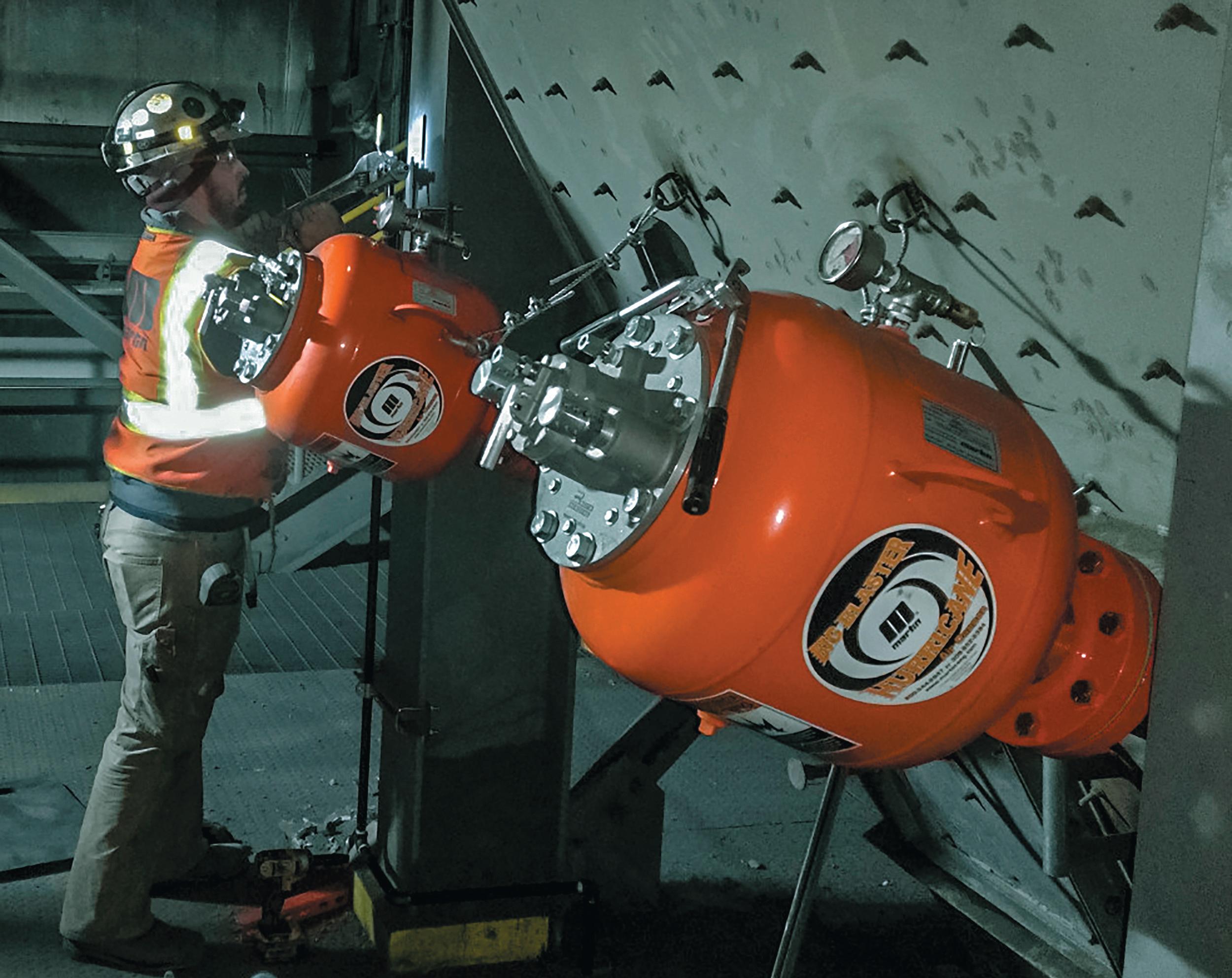
Modern air cannon designs offer easier and safer access for maintenance and service (all pictures © 2026 Martin Engineering).
Perhaps someday, humanity will devise the perfect industrial silo and hopper, writes Mike Moody/Business Development Manager — Air Cannons/Martin Engineering. The ideal design is a massive storage bin that allows zero buildup and never clogs, regardless of the material, how long the cargo is stored, or the weather conditions. Hopefully, that design is not far in the future, but for now, silos and hoppers will clog, cause downtime, and pose a potential safety issue.
Clogging issues associated with silo and hopper management have inspired safety-
minded companies to seek efficient and economical solutions. After facing excessive clogging in its hoppers, Tilcon Connecticut Inc., a producer of building materials like crushed stone, hot mix asphalt, and ready-mix concrete in the Northeastern region of the United States, is one of those companies.
Operating several silos and hoppers for storage and controlled product flow in its North Branford Quarry, Tilcon works with a wide array of material consistencies that have unique flow properties. However, operators were having buildup and clogging
Louise Dodds-Ely
challenges with the silos and hoppers handling basalt.
Buildup and clogging of the light and powdery crushed fines resulted in excessive unscheduled downtime and production stoppages. These occurrences can seriously impact product fulfillment and customer relationships and pose safety concerns.
“Usually, clogging and flow issues were resolved by personnel certified in confined space entry using tools and equipment we installed to safely support the task,” said Alex Gere, Superintendent for Tilcon.
“However, greater production demands by customers have increased the clogging occurrences, so for safety reasons, we sought an automated solution and approached Martin Engineering about their air cannons.”
Headquartered in New Britain, Connecticut, Tilcon operates four quarries and three sand/gravel pits in the state. In business since the late 1890s, the company has provided materials for essential infrastructure in the region, from airport runways to major thoroughfares.
The production of hot mix asphalt and ready-mix concrete requires basalt in the mix to support the structure and life of the finished product. A fine-grained volcanic igneous rock, basalt fibres can be added to concrete to improve its strength, reduce cracking, and speed up the maturing process[1]. With a higher density than limestone, it has a lower thermal conductivity which further promotes the longevity of the final product, particularly in harsh environments with a wide temperature range like the Northeastern US[2].
Tilcon’s two basalt silos were placed side by side, each 40 feet long, 15 feet wide, and 20 feet deep, with a total of 500 tonnes of capacity. Fed by conveyors, the bins discharge into haul trucks and rail cars.
Generally, clogs occur at the bottom of the vessel, where the pyramidal slope consolidates material and discharges at a narrow spout. A dedicated two-person crew maintains the bins on a two-shift cycle for cleanup and flow management. Under optimum operating conditions, the crew clears the bins weekly for about four hours. In moist or humid conditions, operators experience several clogs throughout the shift, which cut production time by up to
The long narrowing slope of the discharge chute would quickly build up and clog.
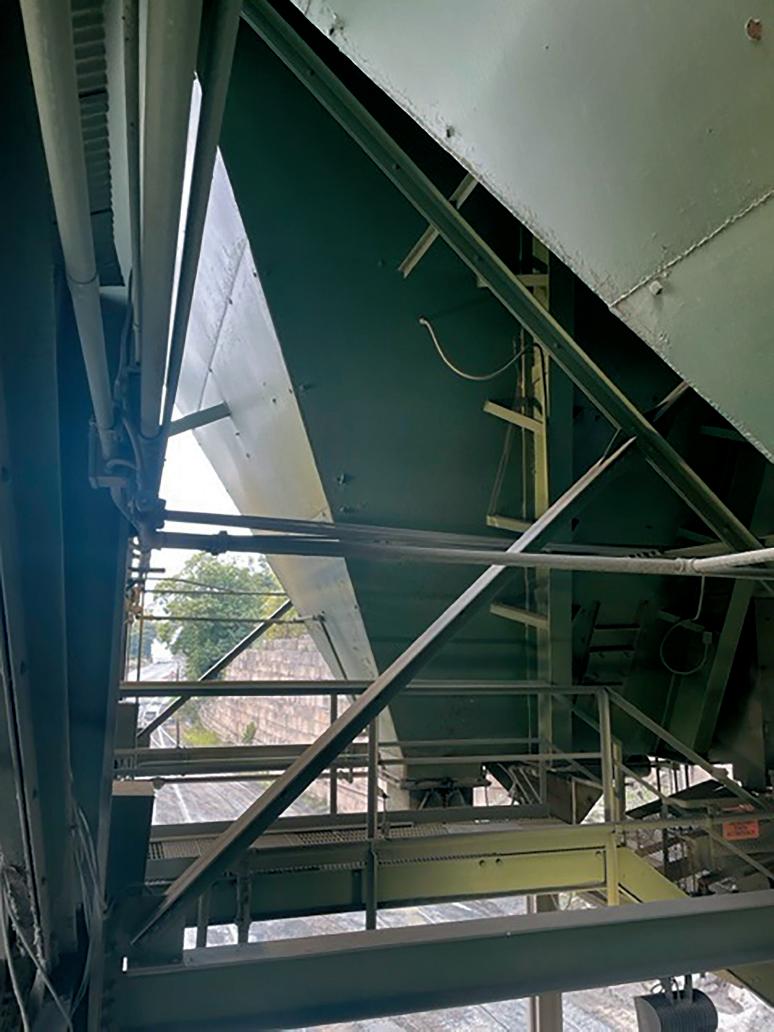
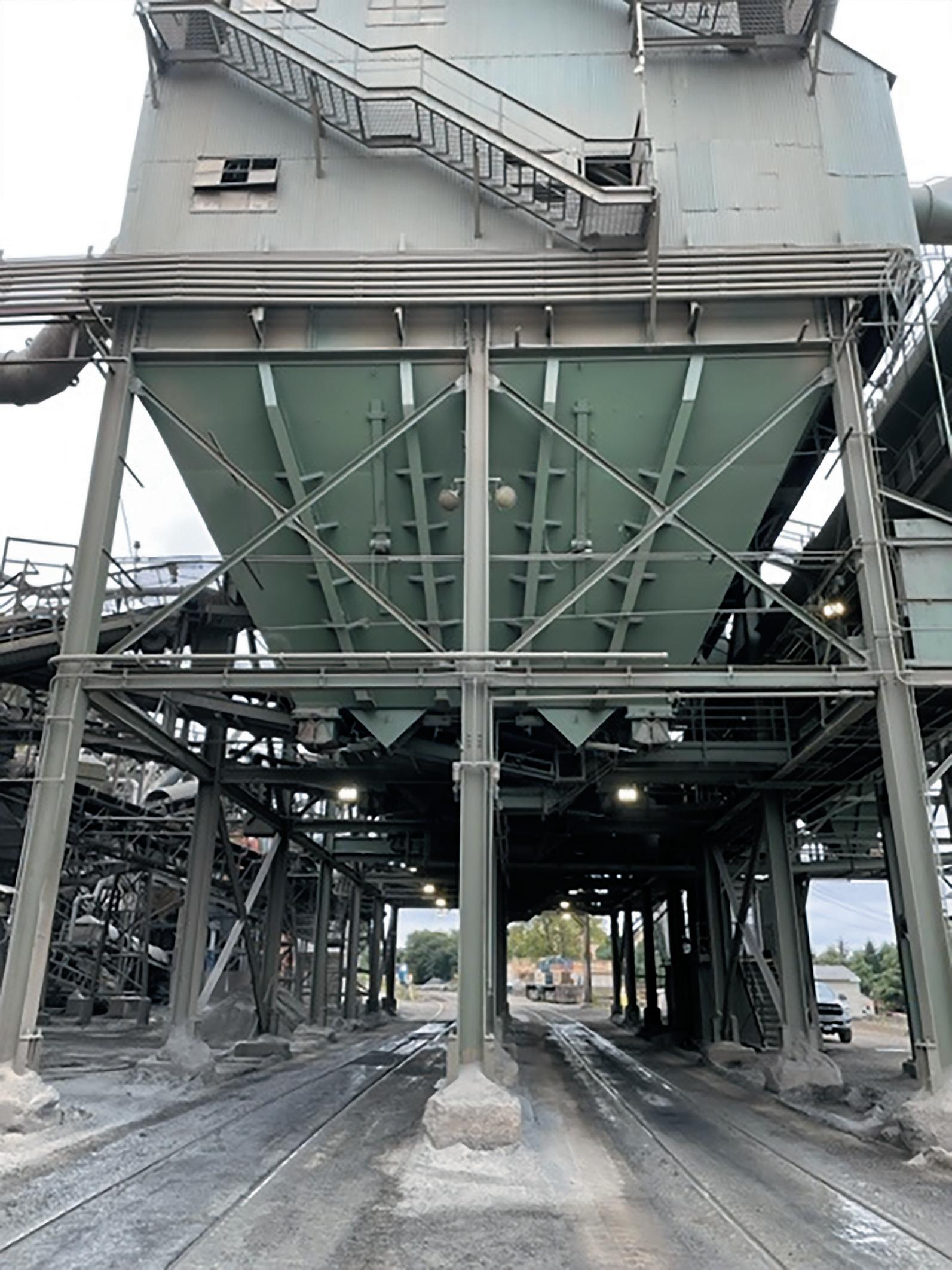
five hours per day. These conditions vary season by season.
The process of crushing rock into aggregates will result in the creation of fines known as screenings, which can be used in the production of manufactured
sand. This fine material can clump together due to various conditions, such as moisture, and lead to a mud-like build-up.
Any material that builds up on the walls of a hopper or silo reduces the processing capacity of the operation and adds extra weight to the structure. Although the structure is built to handle the volume, a
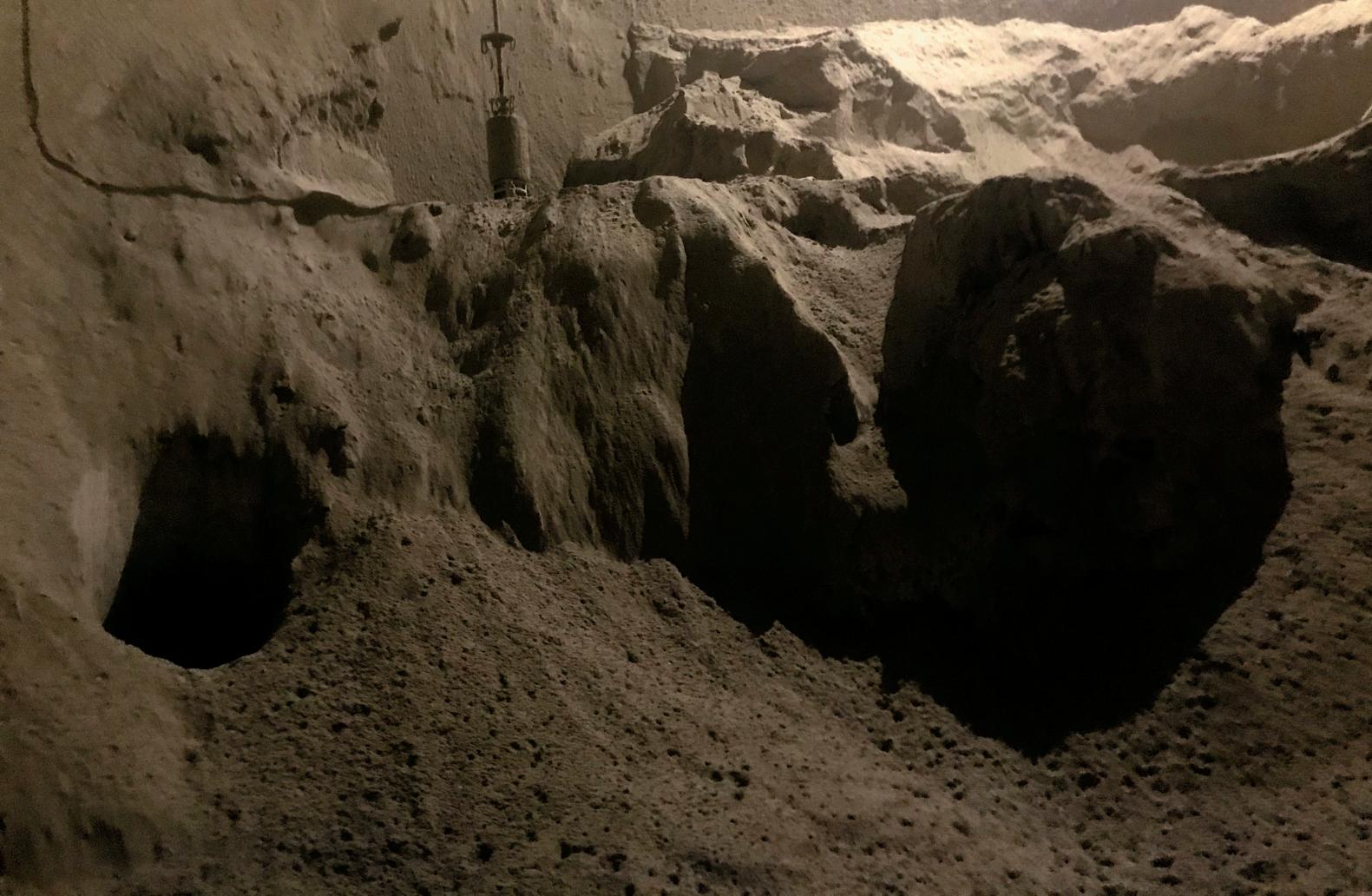
Clogging would quickly build up to a spilling point, so workers need to enter the vessel to clear it.
consistent weight with high moisture could buckle and erode the walls and cause the silo/hopper to settle unevenly, reducing the life of the structure. When material is transferred through a metal bin, several factors can cause build-up and clogging.
Humidity and moisture: some hydrophobic raw materials such as coal and shale may be less prone to caking from moisture, but powdery substances like basalt, fly ash, etc. are highly susceptible to adhering to moist surfaces and building upon itself. In some designs, bin structures only state the maximum dry weight and density instead of moist weight and density since dry volume is a relative constant. This unknown differential can affect the structure and function of the silo/hopper.
Magnetic properties: some raw materials have magnetic properties, and basalt can be attracted to metallic surfaces in the right conditions. Testing basalt’s magnetic properties has shown that “the low-frequency results indicate that basalt samples have relatively high dielectric constant.”[3] The more significant the increase in dielectric constant, the stronger the magnetic field.
Surface grain: the construction of the silo can impact buildup. If the metal grain of the bin walls is perpendicular to the material flow, fine and light particles like basalt can cling to the sides, and once that surface layer is set, buildup quickly follows.
Static: the contact between the rollers and the belt can produce static when conveying dry powdered material without a static-resistant belt. This energy is transferred to the cargo and causes the light powdery substance to cling to the sides and build upon itself surprisingly fast. The static can be exacerbated by the ionic activity of weather and atmospheric conditions.[4]
Tilcon managers tried several methods to mitigate buildup in the hopper and alleviate clogging. The first method involved the maintenance crew monitoring and resolving the clog through a manual declogging procedure.
To clear the clog, both assigned staff members who were trained and certified in confined space entry were fitted with a harness attached to an emergency retrieval system. One would enter the vessel and clear the clog and buildup using a spade shovel supported by the other employee to ensure immediate response to any issues, then they would switch places at certain intervals. Previously, this was adequate to get the material flowing for the rest of the
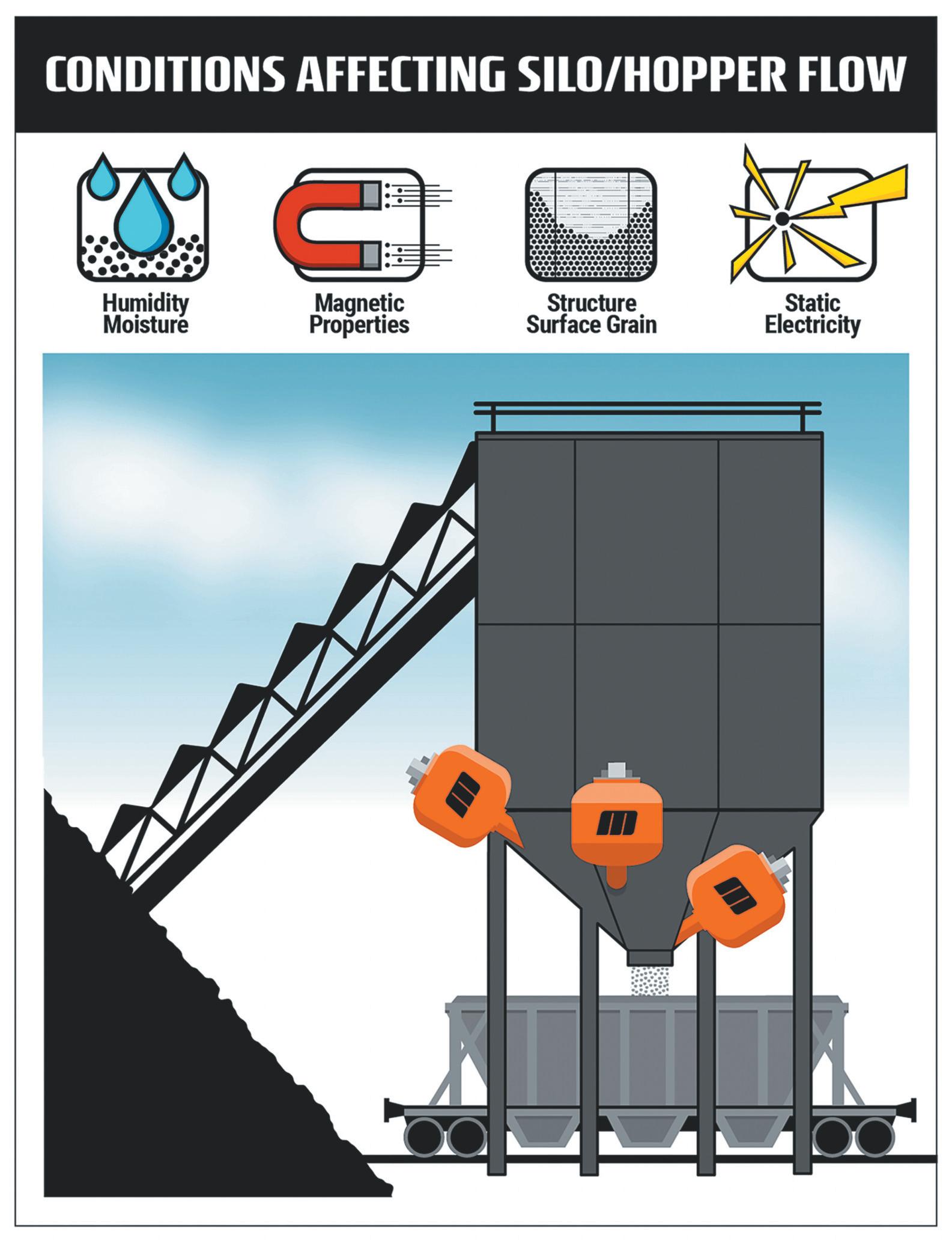
Air cannon placements depend on where, why, and how the silo clog commonly occurs and then are fired in sequence to promote flow.
shift, but with greater production and changes in the climate, the prevalence of clogging increased, which seriously impacted production.
When personnel enter a vessel, the two major safety issues associated with clogs are the detachment of material from the sides, which can bury the maintenance worker, and a sudden release down the spout, which can pull the worker with the discharge, entrapping them. In these instances, the pressure can be intense and require immediate emergency retrieval.
Seeking solutions that would eliminate confined space entry, operators first put large industrial vibrators on the hopper. These would agitate surfaces and shake free buildup. Unfortunately, they were inadequate for the job. Maintenance found they could not deliver enough power to clear the clog adequately and sometimes helped compact the material further.
Operators then attempted to line the chute with a low-friction liner. Chute supports inside the bin proved to be incredibly challenging for proper placement
and maintenance. The lining would require periodic adjustment or cleaning, exposing the team to the same confined space entry risks as normal cleaning.
Staying with the slick liner concept, operators installed an inflatable liner system. When buildup is detected, the liners inflate using compressed air, dislodging it and sending it to the centre of the bin. Although the technology reduced the frequency of cleaning, operators report that it was not highly effective and still posed hazards and risks similar to those of the liner system.
Martin Engineering has a long relationship with Tilcon, providing conveyor belt cleaners and tensioning systems. Plant operators approached Territory Manager Nabeel Suleiman to discuss implementing an automated solution using Martin’s bulk material flow solutions.
“Their goal was to install a permanent solution to improve safety and reduce downtime,” said Suleiman. “I examined the
problem and their procedures and immediately agreed with managers that an automated solution was warranted. Due to moisture levels and how the material was clinging, operators and I concluded that air cannons would be a better solution to dislodging material and directing material flow.”
Air cannons are pressurized tanks connected to a central compressed air system. When triggered, they deliver a powerful blast of air toward an area specified by the direction and design of the nozzle. This blast is intense enough to dislodge thick surface buildup and break apart compacted material.
In the past, operators were reluctant to use air cannons because of the onerous impact on compressed air systems. Historically, air cannons have been large, heavy tanks with valves connected to a nozzle that was welded inside the container. Considered a wear part, valves used to involve tank removal to fix or replace, sometimes requiring cranes or large machinery.
Modern air cannon designs have vastly improved the units’ efficiency, size, and installation footprint. Tanks are now light enough for individual handling and generally require little to no maintenance. They are
mounted on the assembly by one end with a rear-facing valve, allowing easy removal and maintenance of the wear part without removing the tank.
For the testing phase, Martin Territory Manager Nabeel Suleiman partnered with an internal support team to strategically recommend and identify the placement of two 70-litre Martin® Hurricane Air Cannons with fan jet nozzles on the hopper and to be completed during a scheduled outage or downtime. Operators opted for the wide fan nozzle to be installed directly on the sloped bottom of the discharge, where clogging often occurs. The powerful surge of air is spread across the face of the chute, freeing buildup and promoting clear and consistent material flow.
“After installation, the cannon’s effectiveness was immediately evident as a substantial amount of material was rapidly discharged from the bins into our haul truck with just a few quick blasts,” said Gere. “Observing the performance, we knew we’d finally found our solution.”
With ongoing testing, operators discovered several air cannons could be sustainably used without substantially
impacting the compressed air system. Six more air cannons on the sides of the two bins have eliminated the need for manual cleaning. Several solenoids control the cannons placed a safe distance away from the bins and can be manually operated.
After several months of testing and observation, operators found the solution freed up two maintenance people for an entire shift. This has allowed them to allocate 16 additional hours per week to other facility maintenance/safety tasks, translating to a total of 64 monthly manhours dedicated to greater efficiency.
According to managers, with no material buildup on the walls, the bins have a greater capacity for storing additional material, which enhances logistics by accommodating more finished product for transport. Most importantly, staff no longer need to enter the vessel to clear clogs, drastically improving workplace safety.
“This one-time investment eliminated our cost significantly on materials and labour for cleaning the bins while ensuring our personnel’s safety,” Gere explained. “The innovation represents a remarkable return on investment, significantly enhances team morale, and is a major victory in
finding solutions to keep our team safe each and every day.”
[1] Ibrahim, Asi ; Faisal, Shalabi, et al. Use of basalt in asphalt concrete mixes. Construction and Building Materials, Volume 23, Issue 1, January 2009, Pages 498-506.
[2] Al-Baijat, Hamadallah Mohammad . The Use of Basalt Aggregates in Concrete Mixes in Jordan. Jordan Journal of Civil Engineering, Volume 2, No. 1, 2008, Pages 63-70.
[3] Ahmad, M.S.; Zihlif, A.M. Some magnetic and electrical properties of basalt rocks. Materials Letters, Volume 10, Issues 4–5, November 1990, Pages 207-214
[4] Schwindt, N.; von Pidoll U.; et al. Measurement of electrostatic charging during pneumatic conveying of powders.
Journal of Loss Prevention in the Process Industries, Volume 49, Part B, September 2017, Pages 461-471
Martin Engineering is a global expert in bulk materials handling solutions. For over 80 years, Martin has designed, manufactured
Tilcon’s air cannons are strategically placed for optimum effect when fired in a sequence.

Air cannons are placed in choke points, often indicated by hammer scars from previous attempts to loosen material.
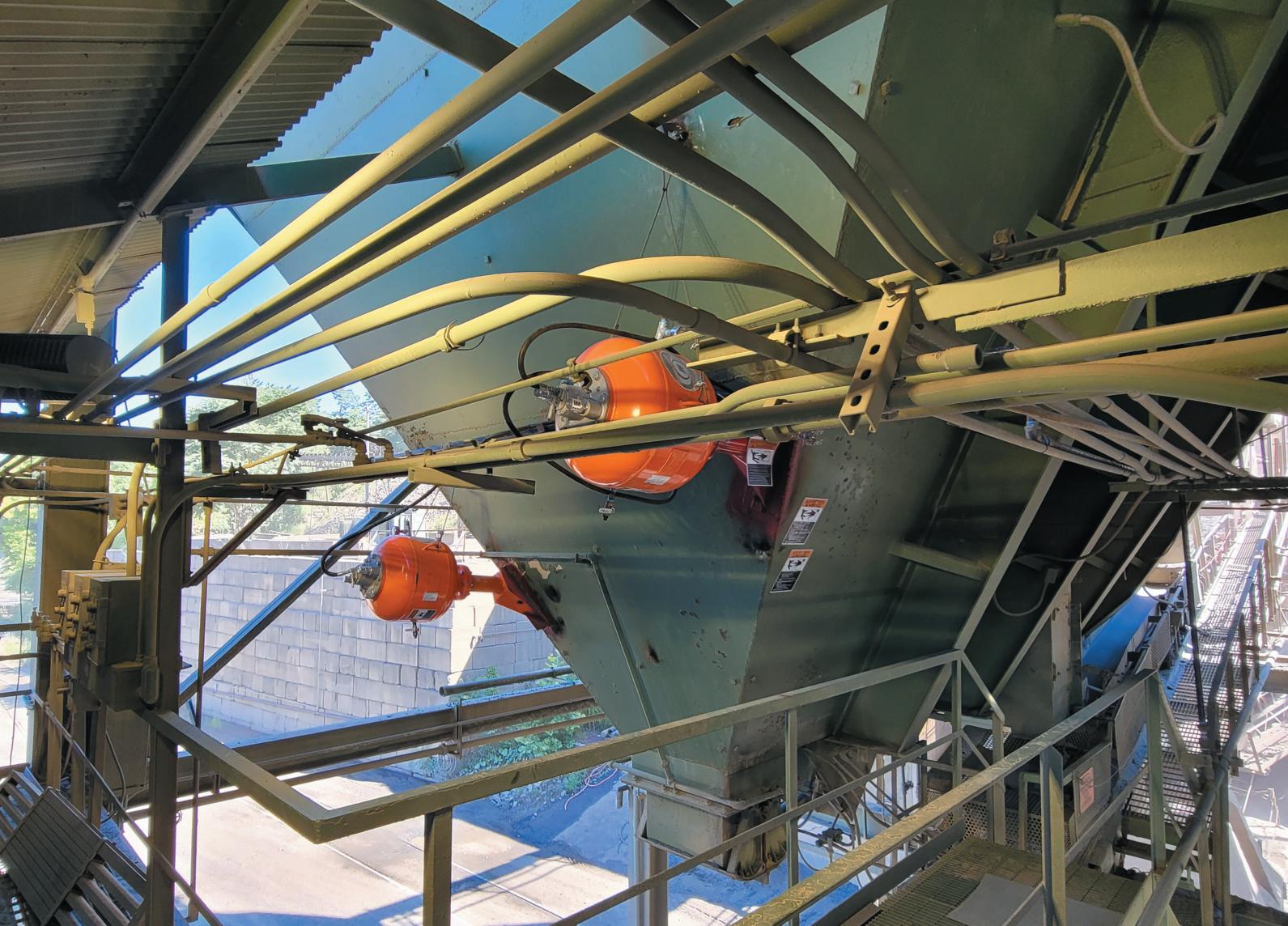
and installed innovative products that make the world’s foundation industries cleaner, safer, and more productive.
Based in the USA, the privately owned company has drawn on its unrivalled experience and expertise to help operations improve safety, enhance material flow, reduce spillage and dust, and minimize downtime. With factory-owned facilities in 20 countries, on-the-ground presence in another 40, and a worldwide

service partner network, Martin has built an enviable reputation for high performance products delivered with exceptional technical service and support. The company’s comprehensive Foundations™ textbooks, learning resources, and training programs are the global standard for the efficient and effective design, operation, and maintenance of bulk materials handling equipment.
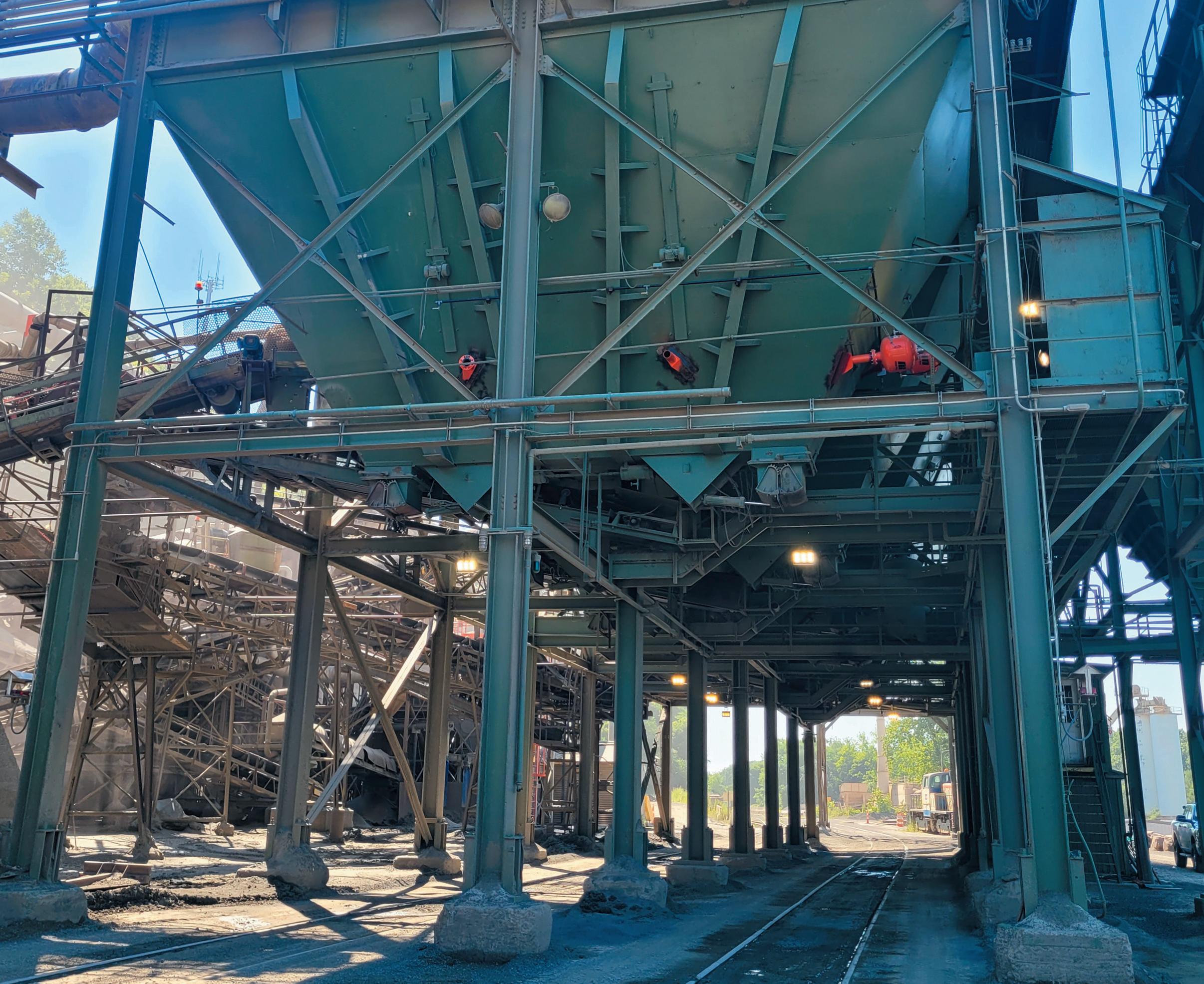
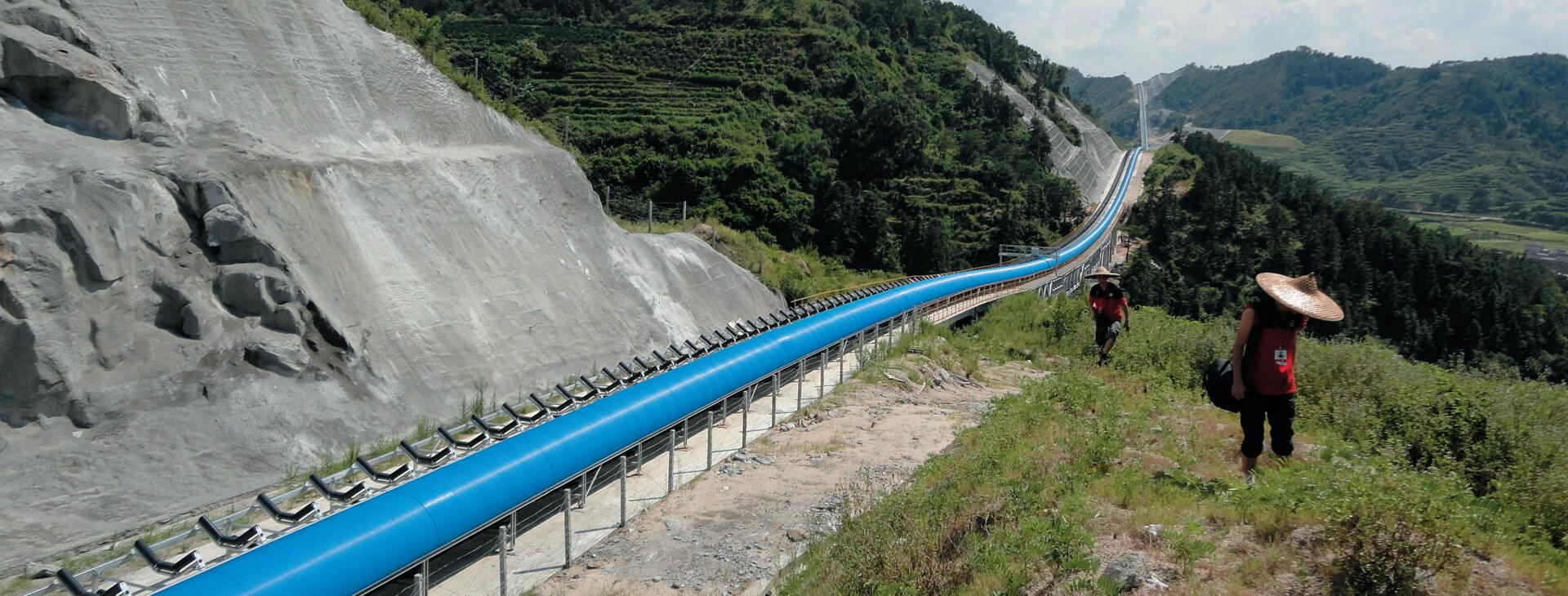
Rulmeca has always been a forerunner designer and producer of bulk material handling components, with expertise in developing conveyor belt drives for aggregate production. Its comprehensive product range includes rollers, transoms pulleys, motorized pulleys, covers, cleaners, and a wide variety of accessories for conveyor systems.
These solutions are designed to meet the evolving needs of industries such as construction, cement production, and aggregates processing, where efficiency, durability and reliability are essential. As urban populations continue to grow, the demand for infrastructure and building materials is increasing, making aggregate production a key sector in supporting modern construction.
In this context, conveyor systems play a crucial role in ensuring the continuous and efficient transport of bulk materials such as sand, gravel, limestone and crushed stone. Rulmeca solutions are built to deliver high performance even in the most demanding environments, helping operators maximize productivity and minimize downtime.
Belt conveyors are widely used in cement plants and aggregate production facilities as a standard solution for transporting large volumes of bulk materials. From quarry extraction to crushing and final distribution, conveyor systems must operate under continuous load and challenging environmental conditions.
Reliable conveyor components are critical to maintaining system performance and reducing wear caused by abrasive materials. Effective dust control is also an
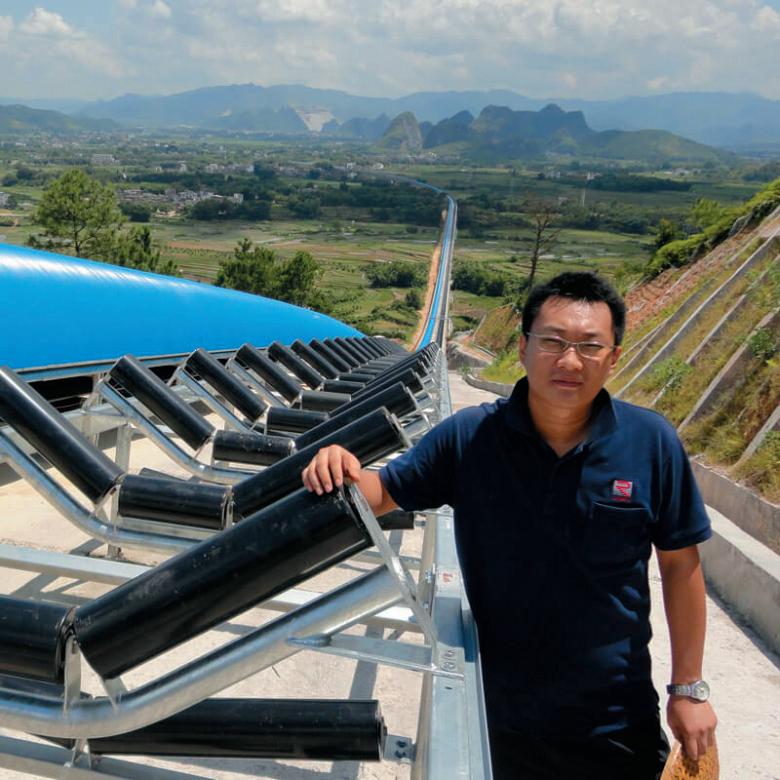
important factor in ensuring safe and uninterrupted operation.
Rulmeca bulk material handling components support every stage of the process, from raw material extraction in quarries to processing and transport to cement plants. Its solutions help ensure consistent operation across conveyor systems in demanding industrial environments. Each component is engineered to deliver long service life and stable performance, with selection based on capacity, material type, operating conditions, and system speed. For operators in the aggregates and construction sectors, robust conveyor systems are a key factor in maintaining efficient and continuous material flow.
In July 2010, Rulmeca Tianjin Co. Ltd completed the delivery of rollers for the second phase of a major project of China Resources Cement (Huarun Group) in Fengkai, China — the longest belt conveyors ever built in Asia, an impressive
In July 2010, Rulmeca Tianjin Co. Ltd completed the delivery of rollers for China Resources Cement’s 80km conveyor, the largest ever built in Asia.
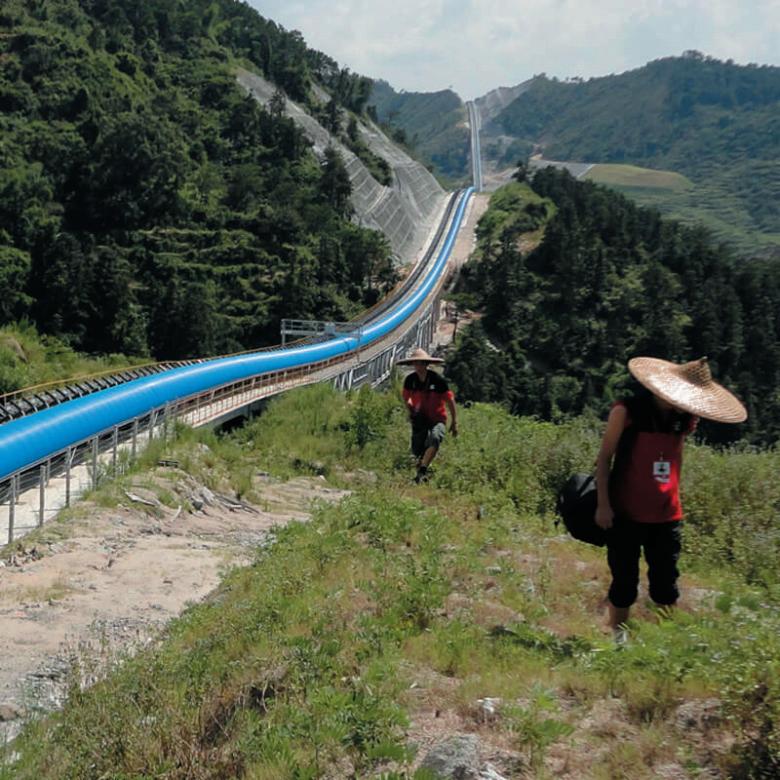
80km (see photos, above).
Rulmeca Tianjin received the order at the beginning of 2009 for more than 180,000 rollers for two 40km belt conveyors lines which provide the link to transport limestone from the quarry to the cement plant in Fengkai, China. The two lines of parallel, long-distance, curve belt conveyors feed limestone to one of the biggest cement plants in the world, at a rate of 30,000 tonnes/day. Every line is composed of three curved overland conveyors (11, 12 and 17km) powered by a total of 19 groups of 750kW, with a belt speed of 5m/s. The curved conveyors were designed to cross over 25 mountains as well as roads and rivers.
Conveyors details: belt speed: 5m/s v tension: 3 150N/mm v belt width: 1,400mm v thickness: 24mm v
OVER 60 YEARS SUPPORTING CEMENT TERMINALS AND OTHER BULK FACILITIES
Cement plants, shipping terminals, mines and a variety of other bulk materials
handling facilities have incorporated Rulmeca motorized pulleys into plant upgrades for more than 60 years.
In 2016, Rulmeca shipped more than 11,000 motorized pulleys to destinations on every continent. Below are details on how the Buzzi Unicem USA Pryor, Oklahoma cement plant modified a ‘dual drive’ motorized pulley system on its reclaim tunnel conveyor to optimize the continuous online analysis of material chemistry in the raw mix proportioning area.
Buzzi Unicem USA upgraded its 550ft-long tunnel reclaim conveyor in 2009 to solve operational problems. These problems included production delays (due to inadequate power to start the conveyor under full load), severe belt bounce during ‘empty belt’ start-up, and occasional tunnel flooding due to a high water table and heavy rains.
The reclaim tunnel conveyor moves high calcium limestone from the covered bulk storage area to the ball mills while
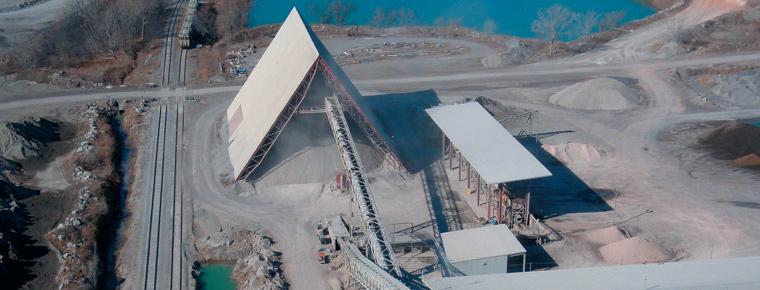
When it needed to upgrade a reclaim tunnel conveyor, Buzzi Unicem USA selected Rulmeca motorized pulleys in a dual drive configuration.
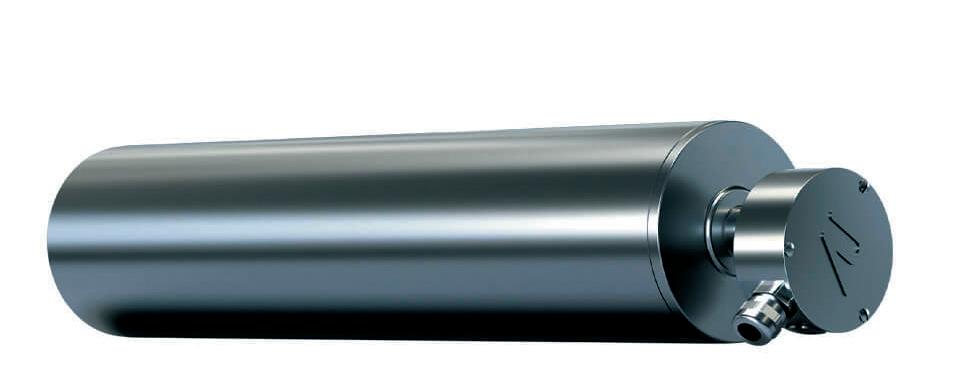
additional ingredients were also added to the mills.
Buzzi Unicem USA selected Rulmeca motorized pulleys in a dual drive configuration for the tunnel reclaim conveyor upgrade primarily because they had good experience with smaller Rulmeca motorized pulleys elsewhere at the plant. The product’s hermetic seal was particularly important to plant personnel because they were concerned about high calcium limestone abrasiveness and

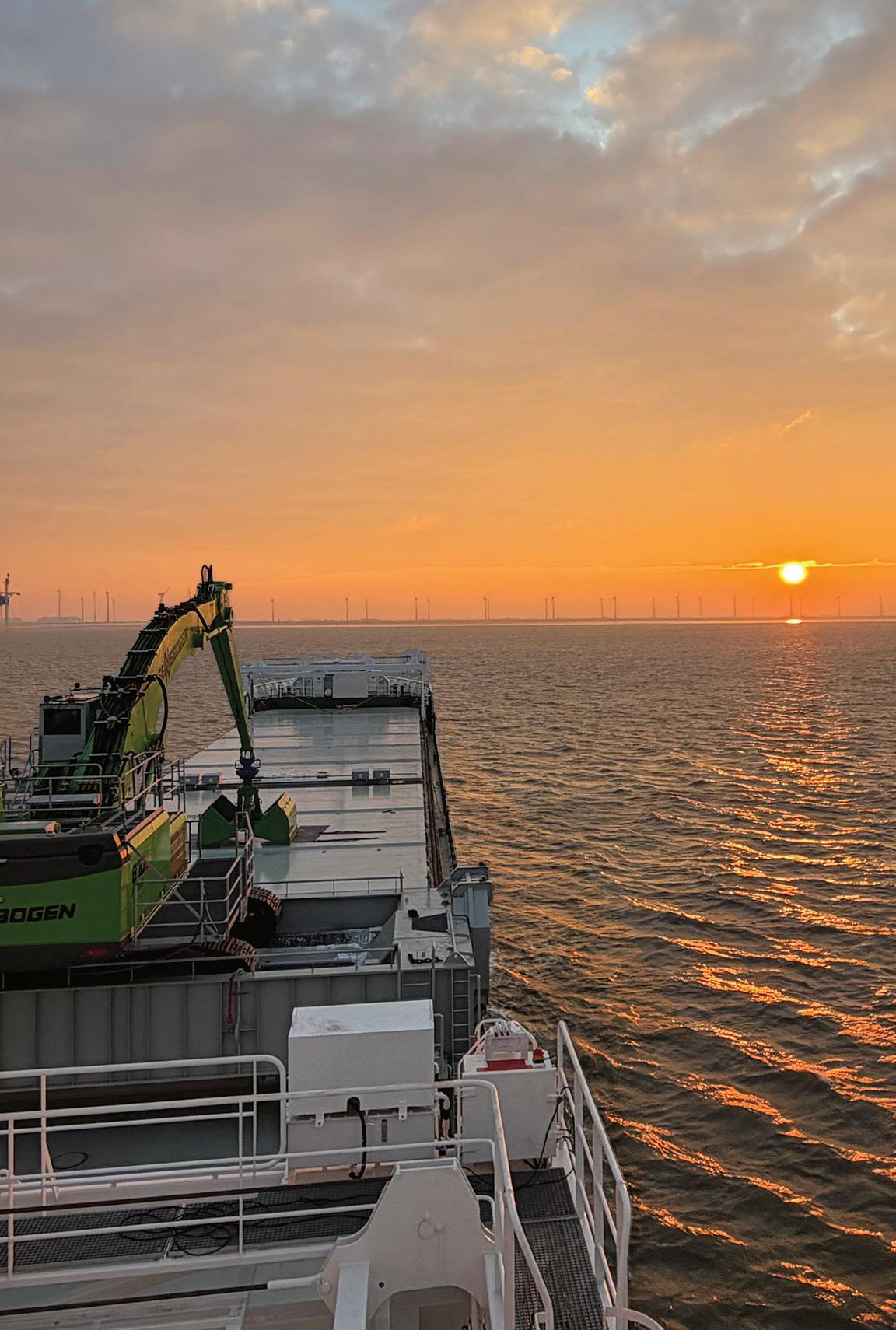
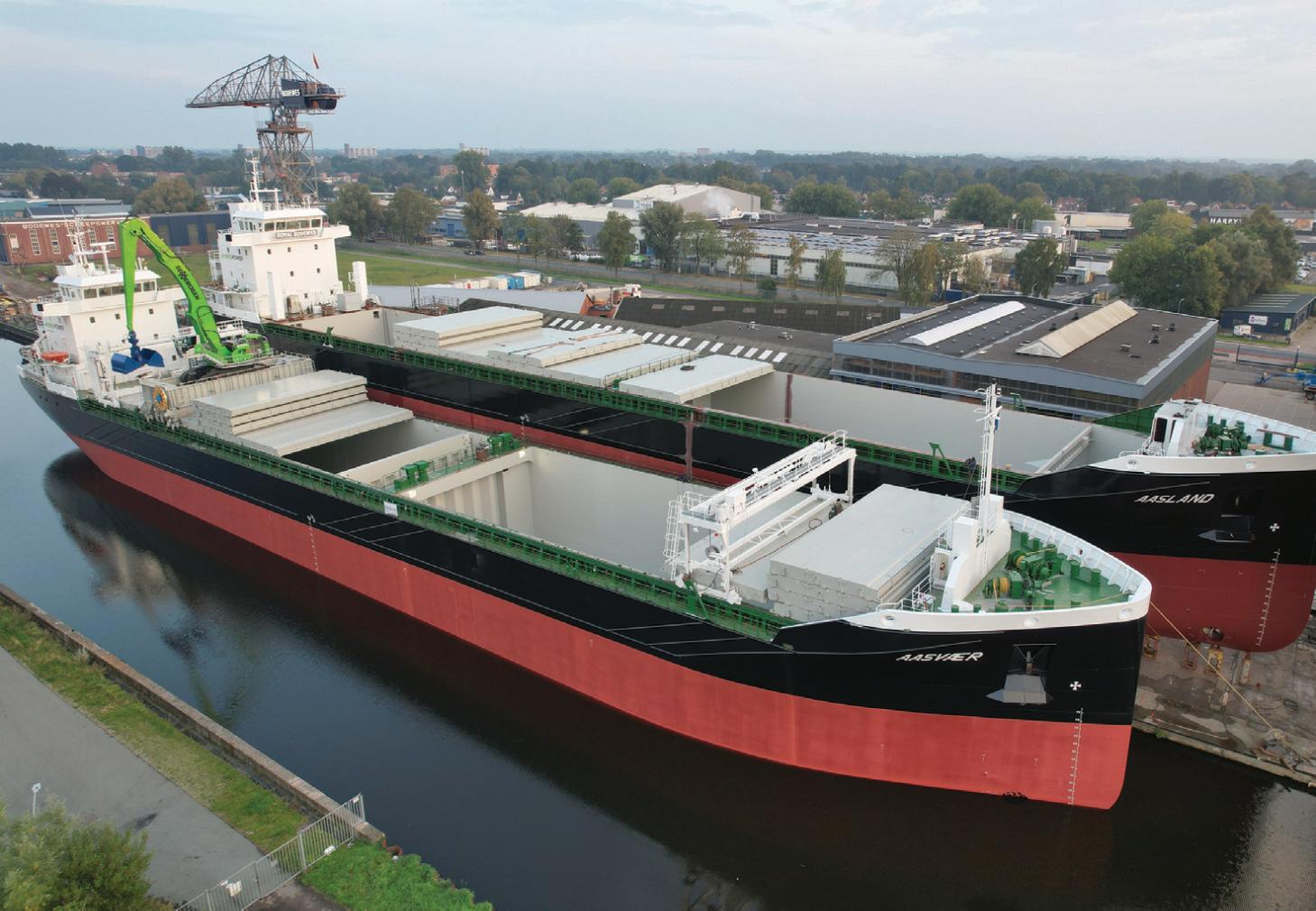
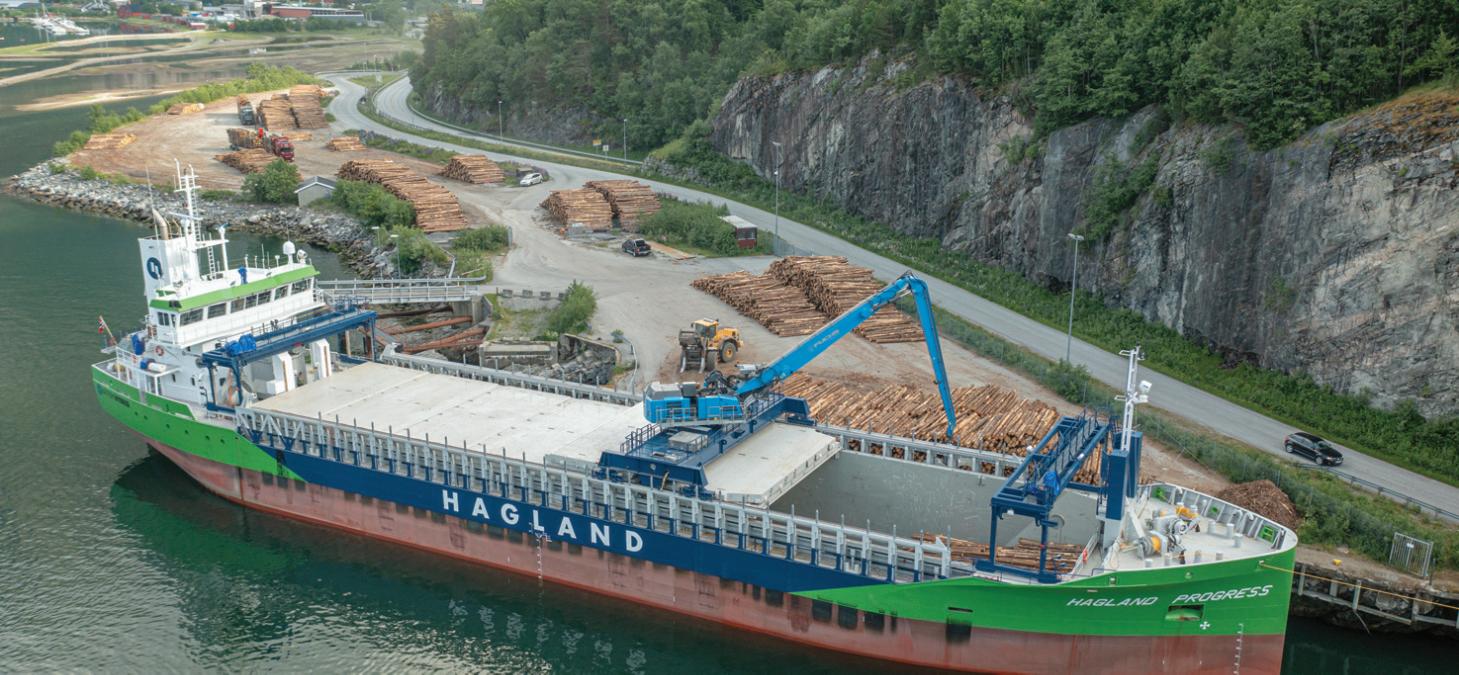

occasional tunnel flooding.
Rulmeca motorized pulleys increase system reliability, lower maintenance expense, improve personnel safety, save space, and reduce power consumption because they enclose all drive components within an oil-filled and hermetically sealed pulley shell.
Since each motorized pulley encloses its motor and gearbox within a pulley shell, it eliminates redundant parts. Therefore, motorized pulleys are lighter than exposed drive systems because exposed systems require motors and gearboxes to be protected within separate cast iron or steel enclosures. Furthermore, the internal drivetrain acts like a deep beam, resisting deflection in a light weight package and eliminating the need for a heavy ‘through shaft’.
Buzzi Unicem USA’s original reclaim tunnel drive consisted of a 75hp motor coupled to a pedestal-mounted gear reducer which was coupled to a live-shaft lagged drive pulley with external pillow block bearings. Starting the empty conveyor from the head pulley caused severe belt bounce (up to four feet) in the conveyor concave curve area at the tunnel exit due to high tension in the belt’s carrying strand.
Two 50hp model 630H motorized pulleys were installed in the head and tail positions. Only one shift was needed to install the two motorized pulleys thanks to the pulleys’ light weight and ease of alignment. Time-consuming drive component alignment was unnecessary because all drive components are internal and pre-aligned.
With a start-up torque of 200%, the twin 50hp drive system eliminated the problem of inadequate power at start up. Since the two drives provided a total of 360° of belt wrap instead of 180°, the slack side tension requirement was reduced. Therefore, energizing the head and tail drives simultaneously eliminated belt bounce when starting an empty belt. Additionally, the dual drive system dramatically extended belt life.
Originally concerned that the tail pulley drive would be inundated during occasional tunnel flooding conditions, plant personnel reported that the motorized pulley has performed well for more than seven years in spite of repeated tunnel flooding. This proves that the hermetic seal has stood the test of time.
A flux vector VFD drives each motorized pulley. They were originally programmed to drive the conveyor at 60Hz. At that time, the reclaim conveyor,
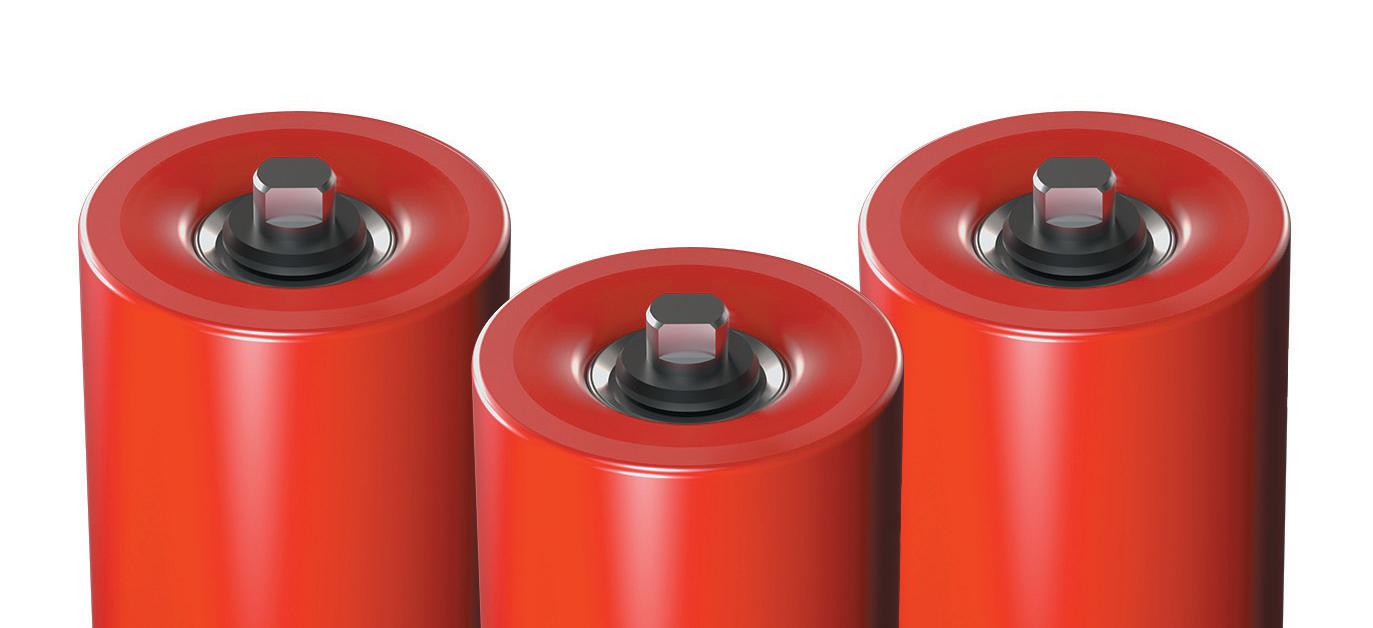
fed by six belt feeders, moved ‘high calcium’ hard rock and a mixture of other ingredients at 500tph at a nominal belt speed of 384fpm during 10% of the available production time.
Three years after the installation of the new reclaim tunnel conveyor drives, Buzzi Unicem USA revised the process to include the installation of an online cross belt x-ray analyser and a raw material handling system that included six bins and associated weigh feeders, enabling the plant to improve product quality.
Materials including low calcium rock, bottom ash, bauxite, and iron ore were transferred from six hoppers and combined with high calcium limestone from the bulk storage shed on the reclaim tunnel conveyor and analysed by an online cross belt x-ray analyser. The analyser sends a signal to a PLC to adjust feed rates for all materials as needed to achieve the desired chemistry.
The two objectives necessary for this revision were: (1) to increase the period of time during which material was transferred from the raw storage area to ball mills and (2) increase the material bed depth to improve the performance of the X-ray analyser.
Since a control algorithm adjusts the feed rate to the hoppers every five minutes, Buzzi Unicem USA decided to decrease the reclaim tunnel conveyor flow rate and increase the time during which the conveyor was working. Flow rate decreased from 500–600tph (tonnes per hour) to 75–200tph and operating time was increased from 10% to 80% of available production time. Average flow rate is currently 80tph. In other words, rather than moving 500 tonnes in less than one hour while the X-ray analyser made nine chemistry adjustments, the plant now moves 500 tonnes in approximately six hours, enabling the X-ray to make more than 75 adjustments. By decreasing belt speed from 384fpm to 244fpm, material
bed depth is increased 38% at 150tph and 29% at 80tph.
In addition to the general decrease in reclaim tunnel throughput, the raw material PLC was programmed to adjust throughput from 75tph to 200tph, as needed. The reclaim tunnel belt speed as well as the speed of each of the six hopper feeder belts are controlled by the PLC as guided by the “decisions” of the online cross belt x-ray analyser.
Since the reclaim tunnel conveyor is fed by six belt feeders and the conveyor is driven by two VFDs, the changes in flow rate and belt speed were simple. The feed rate from the six feeders was reduced while the power supply frequency to the two motorized pulleys was reduced from 60Hz to 38.1Hz (reducing the reclaim tunnel belt speed from 384fpm to 244fpm.)
During a February 2016 visit, the two 50hp motorized pulleys moved raw material mix at 244fpm. The motorized pulleys motors were drawing 28.5 amps at the head and 36.3 amps at the tail, respectively, while moving 149tph. Since full load amps of each motor is 57 amps, the drive system has more than enough installed power.
The Buzzi Unicem USA experience is typical. Many international major bulk materials handling facilities have taken advantage of the versatility of Rulmeca motorized pulleys, revising how they are employed, as necessary, to adapt to changing plant operating conditions. The growing use of VFDs has made ac squirrel cage induction motors more flexible while offering higher levels of control and protection.
The Oman Cement Company (OCC) SAOG, Muscat, Oman, had to upgrade the performance of its 30-year-old conveyor, which transports hot cement powder from
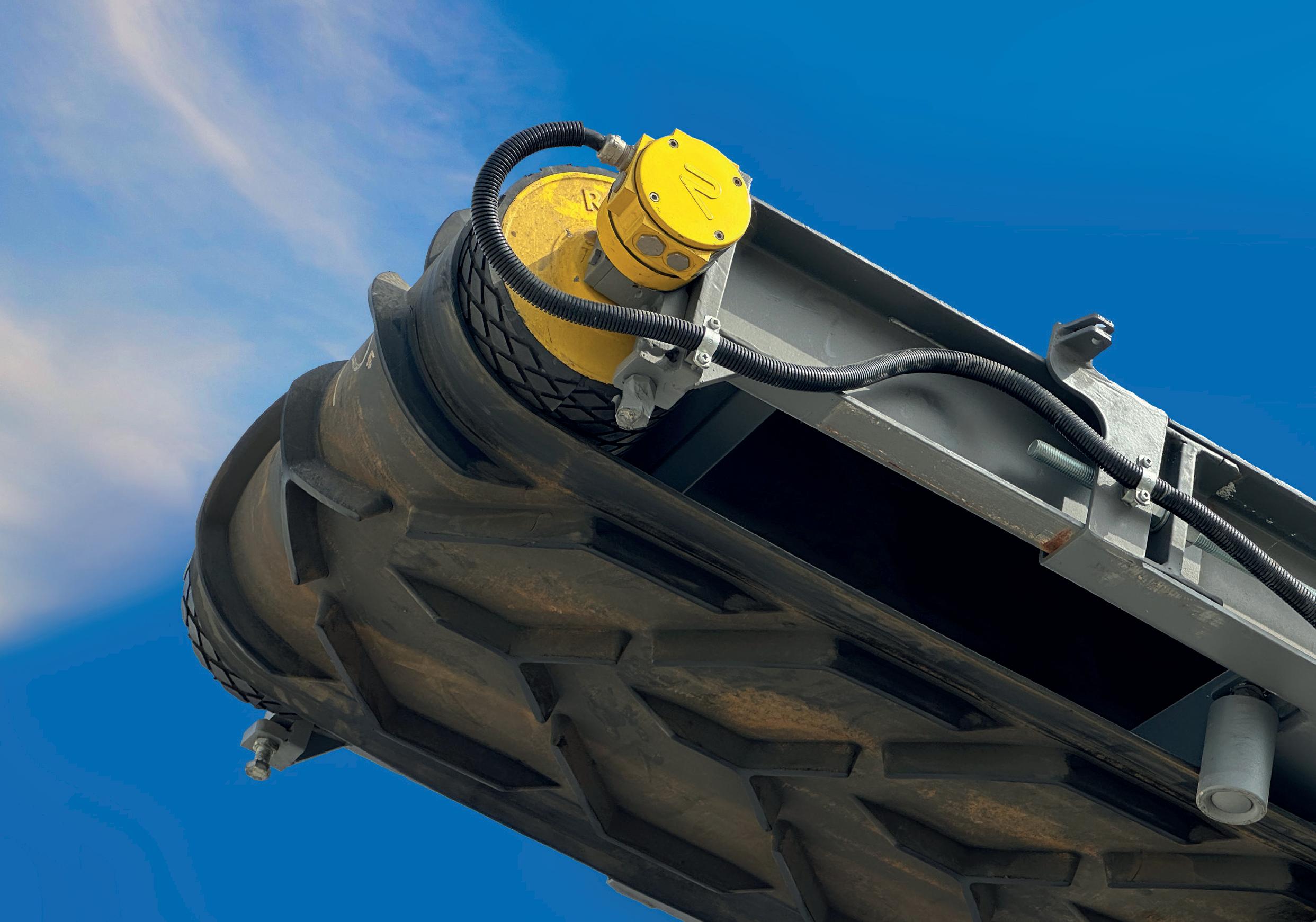
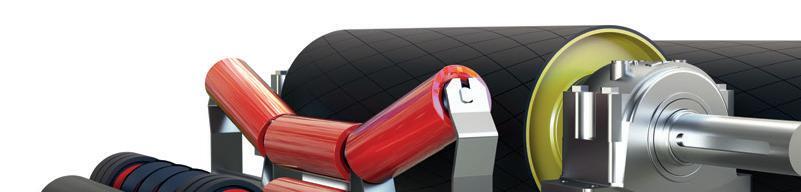

The Oman Cement Company had to upgrade its 30-year-old conveyor and increase capacity from 150tph to 250tph. The implementation of this 66% increase was enabled with the use of highperformance rollers from Rulmeca.
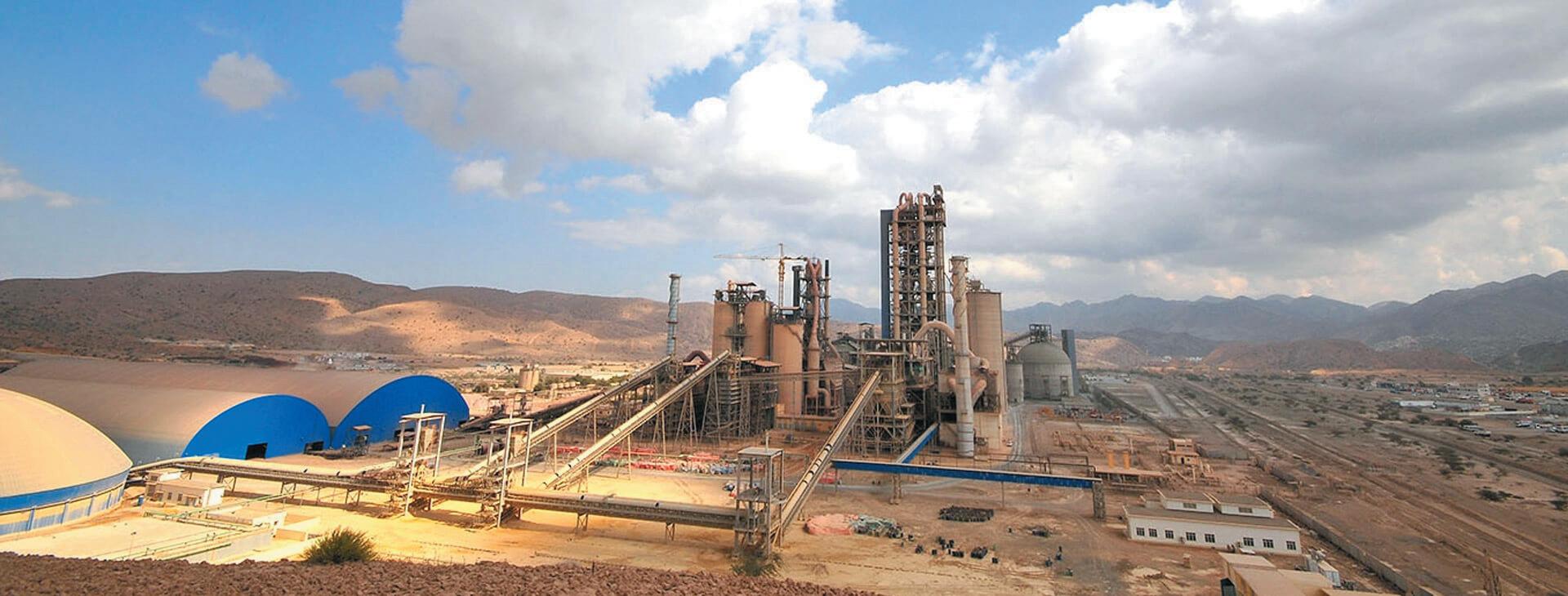
the cement mill to the silo, from 150tph to 250tph.
The implementation of this 66% increase in capacity via a retrofit of the existing conveyor (with a horizontal length of 255 m and a vertical stroke of almost 44m) was enabled with the use of highperformance rollers from Rulmeca. The challenge was to increase throughput via a retrofit at minimum investment cost.
For such large conveyors such as OCC’s Rulmeca provided a very wide variety of components which are precisely matched to the particular conveying task. In detail the following components from Rulmeca’s bulk material transportation belt roller range in the design of the OCC conveyor were used. PSV1 series rollers (20F, 108N, 323) with a pitch of 1.3m are used on the carrying side.
PSV2 series rollers (25F, 108N, 958) v with a 3m pitch are used on the return side. Both product series are specially designed for heavy-duty continuous operation under high workloads and are characterized by smooth running and minimal maintenance requirements. The rollers of the PSV2 series are designed for higher loads. For better damping of the belt at the v loading point, so-called loading rollers (PSV1,20F,63/108NA,323) have also been fitted. These shock-absorbing rollers are fitted with rings designed to absorb the impulse generated by the impact of the material on the belt.
On the return side, tape guide rollers v of model SG080-30-800-958 are now positioned at three strategic locations. They serve to correct possible belt skew in the return direction and are characterised by the fact that they can centre themselves.
On the carrying side, self-centralizing v troughing sets with a braking effect
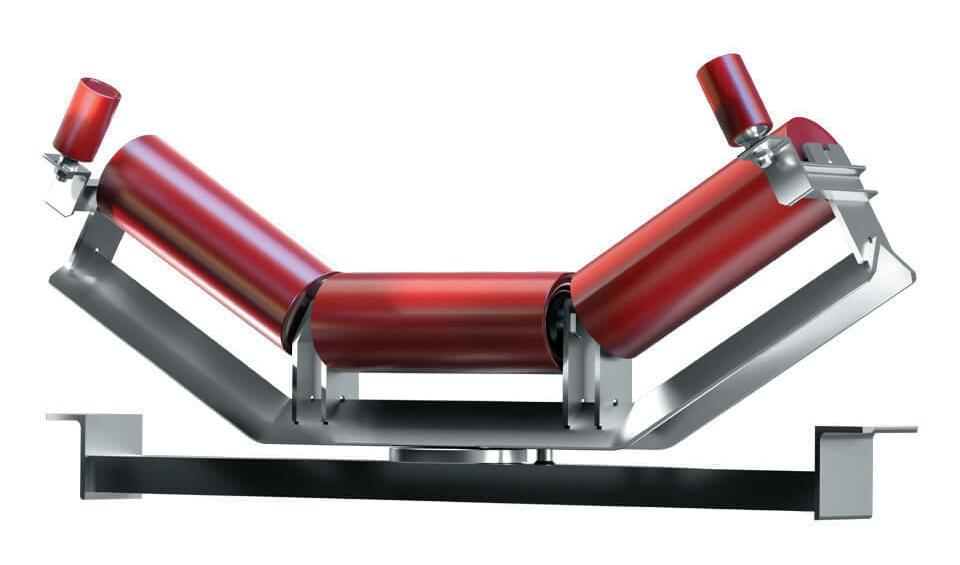
(P3SF/70 F14 108 H155) were also applied every 25m: in the event that the belt is misaligned, the selfcentralizing rotation of the troughing sets guides the belt back to the centre. In addition to these moving parts, Synergy International FZE has also used Rulmeca conveyor roller accessories, thus ensuring the provision of virtually all components from a single source:
A3P1 series transoms (5A-F14- 108 v H155 Z) are used for smooth belt transition from 10 to 20 and from 30–35° of trough angle.
SPT series supports (1478 H70 Z) are v used on the return side.
A primary cleaner (HM-800) and a v secondary cleaner (P-800) achieve almost 100% cleaning efficiency at the conveyor’s head. A plough cleaner (VLP-800) is also used for rear cleaning. Rulmeca also provided corresponding CAD data for its entire range. This allowed the OEM Synergy International FZE to provide OCC with a complete package in which all components in use were comprehensively coordinated with each other.
Rulmeca’s high-performance idlers are crucial for reliable long-term operation of such large conveyors with increased throughput. Compared to simple rollers of inferior quality, they run much more smoothly, and this reduces thermal stress. In addition, they also contribute significantly to lowering overall ownership costs. This is because they have a much longer service life than simple lower-quality rollers, and they also ensure the high reliability of the entire system due to their lower failure rate. These quality products are manufactured from precision-turned components. Especially hardened steels and other alloys ensure that the conveyor belt rollers function optimally over a long period of time and under the toughest conditions.
Various protective measures for the bearings and minimal concentricity tolerances are paramount for the longevity of the bulk material conveyor rollers. Rulmeca achieves maximum precision by balancing each individual roller. It is understandable that this has its price. This investment in quality is all the more worthwhile given the higher speed and greater length of the belt.
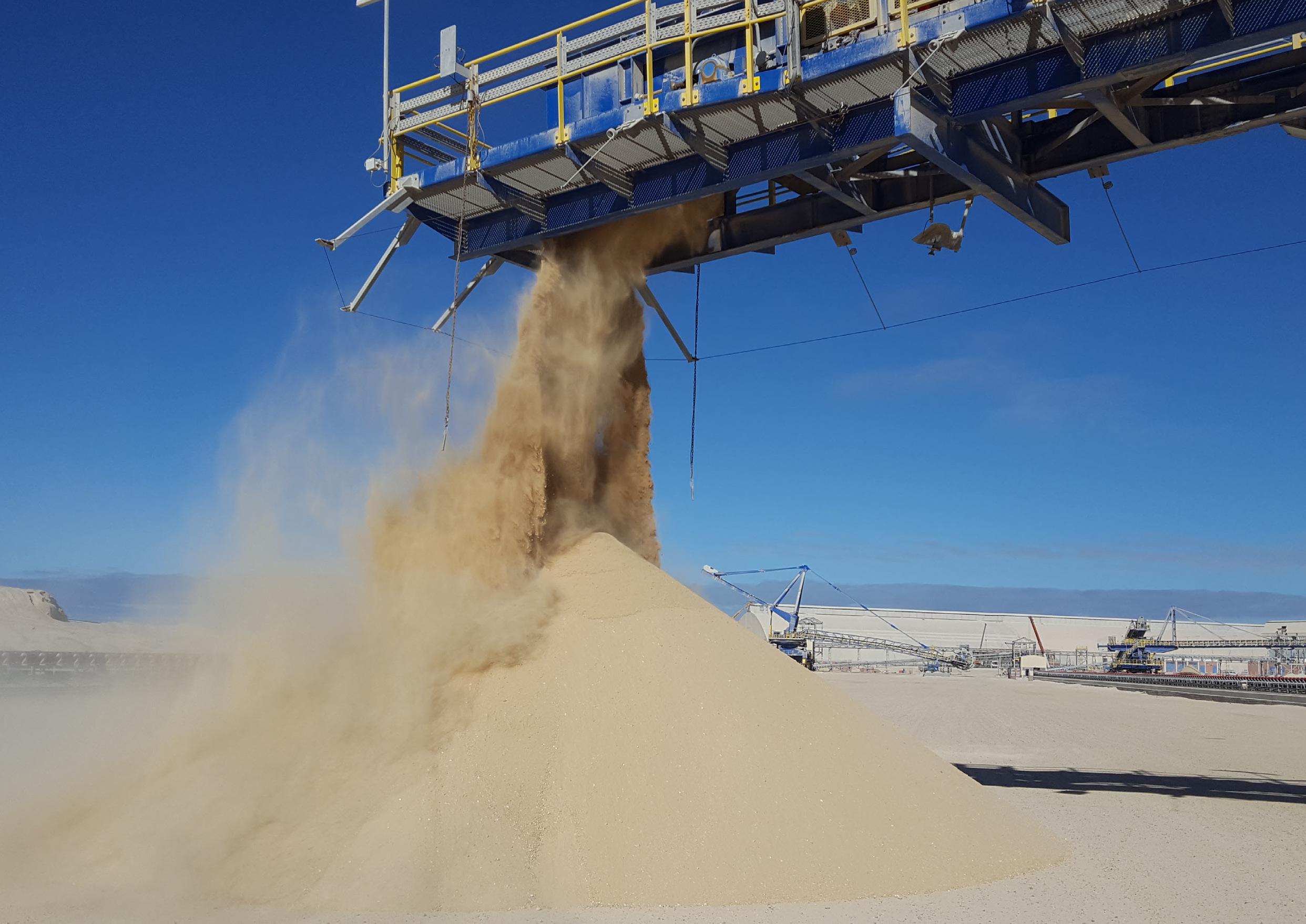
High-performance stockyards require equipment tha
KOCH Solutions provides engineered stackers, recl
Supporting long-term performance: for demanding bulk material environments
• High-capacity stacking and reclaiming
• Systems engineered for continuous operation
• Lifecycle-oriented service concepts
• Long-term asset value focus
for high-capacity bulk material opera aimers and conveying systems designed
t delivers reliable output day after day. tions.
Dust control at loading stations is emerging as a critical focus for cement and limestone producers, as tighter environmental regulations and rising production volumes put pressure on plant operations.
At many facilities, loading points for trucks, railcars and vessels are now seen as key control areas, directly influencing emissions, material loss and worker safety. Industry operators are increasingly seeking solutions that go beyond throughput capacity, prioritising equipment that can withstand abrasive materials while maintaining uptime and reducing airborne dust.
For over 75 years, Cimbria has designed bulk handling systems for demanding industries. Its Moduflex loading chute range is among the most widely used worldwide, with over 19,000 systems in more than 50 countries.
This extensive experience gives Cimbria deep insight into plant conditions, common wear points, and service needs, ensuring both design reliability and ready access to spare parts.
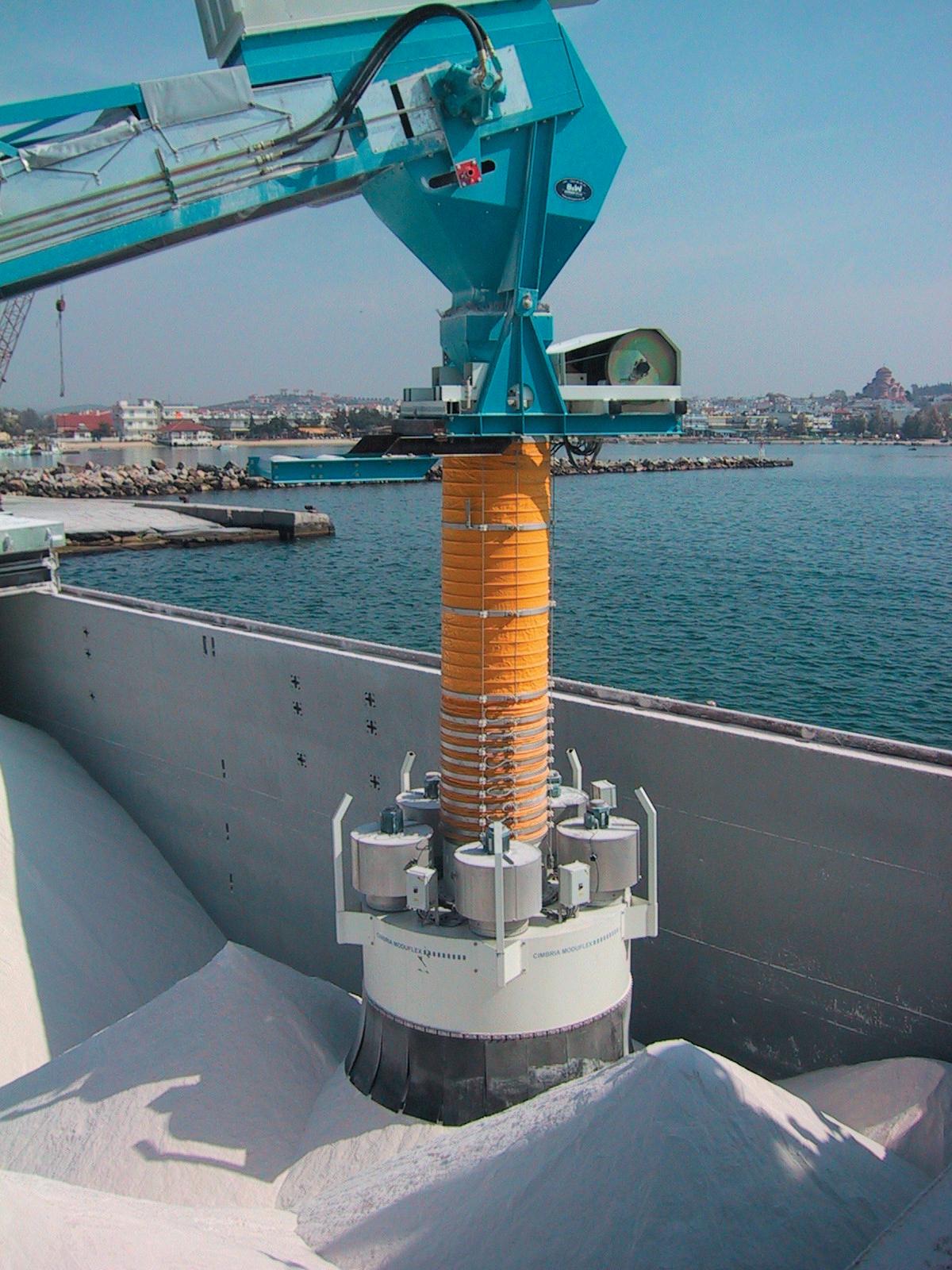
A key feature of the Moduflex system is its integrated dust control technology. Filtration modules combined with a reverse-jet cleaning system create negative pressure within the chute, separating material from displaced air. Captured dust is then returned to the product stream, reducing visible emissions and limiting material loss.
This approach aligns with a broader industry shift toward measurable sustainability performance, where reducing dust emissions is both an environmental and economic priority.
DESIGNED FOR HARSH CEMENT CONDITIONS
The system is also engineered for the harsh conditions typical of cement plants. Components such as wear-resistant inlets, reinforced outlet cones and durable outer sleeves are designed to handle high temperatures, abrasive clinker and continuous loading cycles.
In addition, the modular construction allows operators to replace individual sections rather than entire units, helping to minimize downtime during maintenance.
With capacities of up to 3,500 m³/h and the ability to operate over drop lengths exceeding 30 metres, Cimbria positions its Moduflex loading chute as a solution for high-volume operations seeking to balance efficiency with stricter emission controls. In large-scale cement and limestone facilities, maintaining consistent flow rates at high capacity is critical to overall plant productivity. At the same time, uncontrolled material discharge at these volumes can significantly increase dust generation, particularly during free-fall loading.
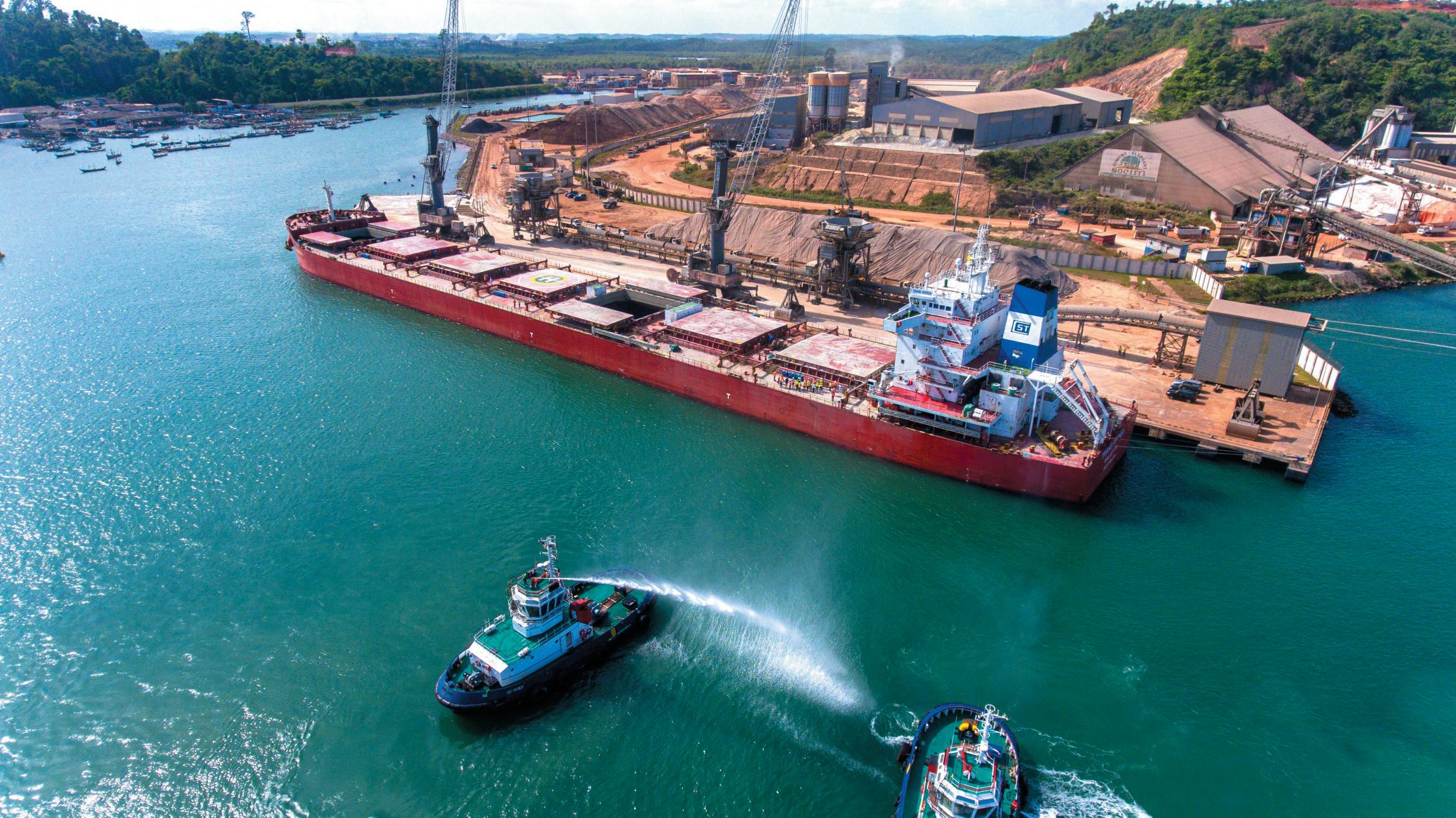
Since commencing terminal operations in 2022, TIPSP has steadily established itself as a key player in port logistics dedicated to the cement industry in West Africa. Following the start of handling of cementitious cargo in 2023, the terminal has developed strong expertise in the handling, storage, and transfer of raw materials essential for cement production, supporting both domestic industries and regional trade flows.
At the beginning of its operations, TIPSP primarily focused on clinker handling, recording volumes of 0.21mt (million metric tonnes) in 2023. As industrial demand and regional trade activities expanded, the terminal experienced rapid growth in cementitious cargo volumes
while gradually diversifying the range of materials handled. TIPSP’s capacity to handle Panamax-size vessels at its berth is providing a significant competitive advantage by enabling more cost-effective shipping freight solutions and reducing overall logistics costs for its customers.
In 2024, TIPSP handled a total of 0.86mt of cementitious products, representing an increase of more than 304% compared to the previous year. The cargo mix included 0.69mt of clinker, 0.023mt of gypsum, 0.08mt of limestone, and 0.06mt of slag. This significant growth reflected the terminal’s expanding operational capabilities and its increasing importance within the regional cement supply chain.
The upward momentum continued in
2025, when the terminal handled 1.73mt of cementitious products, marking a further increase of approximately 101% over 2024 volumes. Clinker remained the dominant commodity, reaching 1.60mt, while gypsum volumes increased to 0.06mt. During the same period, limestone handling totalled 0.03mt and slag volumes reached 0.04mt. Compared with 2023, the terminal’s overall cargo throughput increased more than sevenfold, highlighting the remarkable pace of TIPSP’s development.
The strong growth trend has continued into 2026. Between January and 12 May, the terminal had already handled 0.95mt of clinker, along with 0.04mt of gypsum and 0.03mt of limestone. At this stage of the year, clinker volumes alone already account

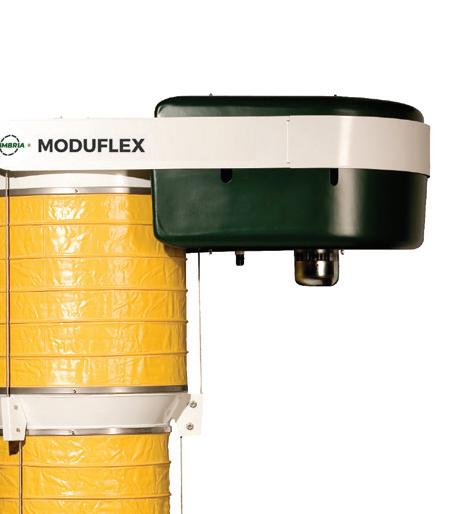

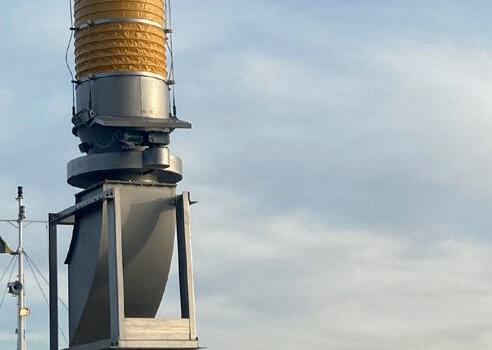
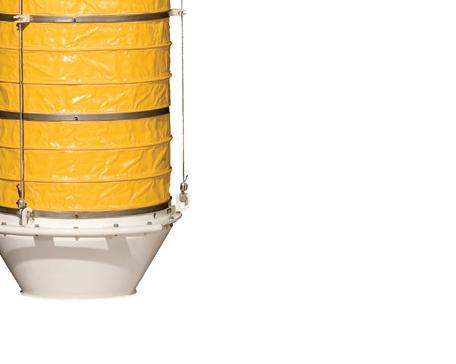

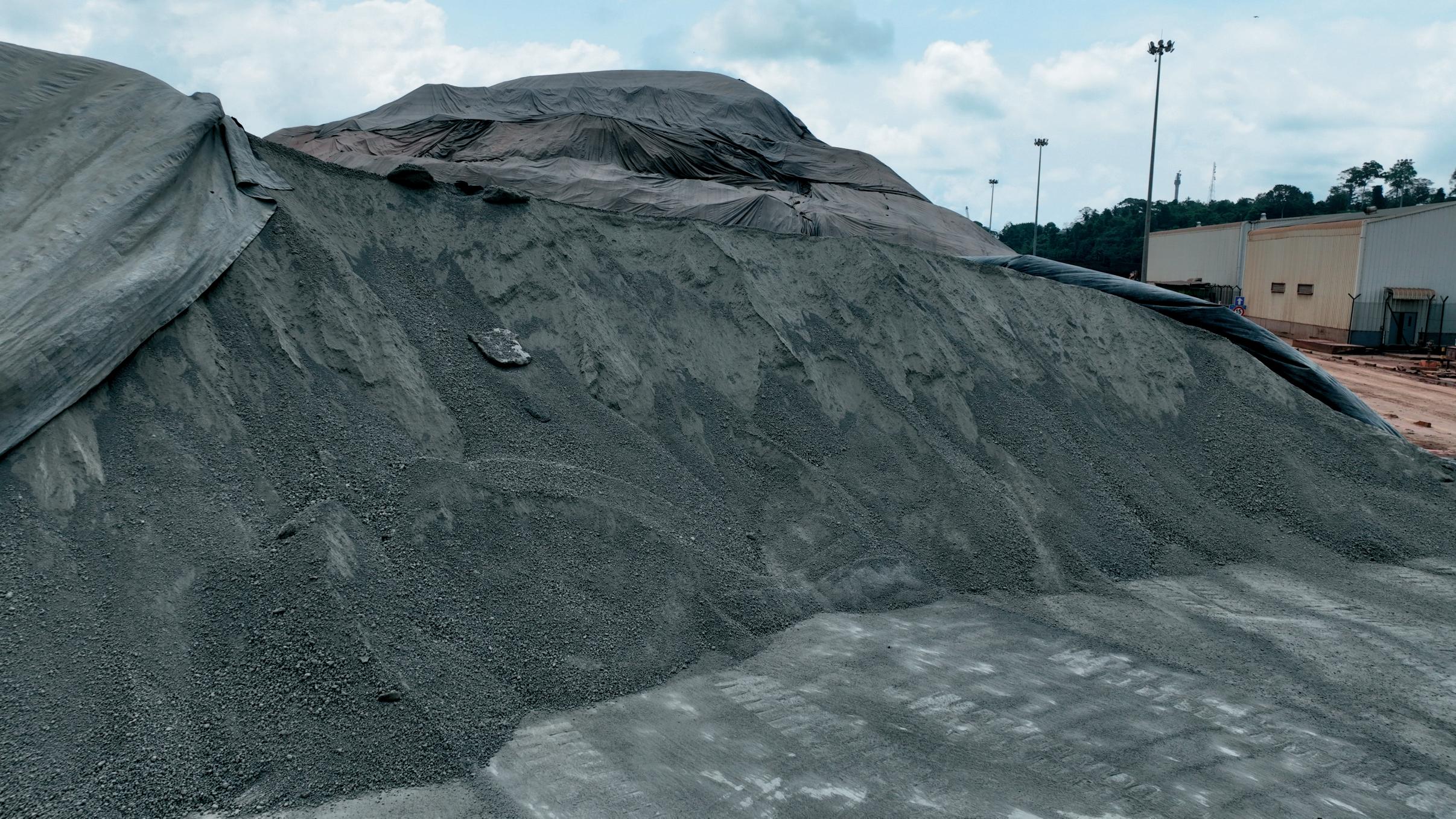
for nearly 60% of the total clinker handled during the whole of 2025, underlining the sustained operational momentum at the facility.
To support this rapid expansion, TIPSP has continuously strengthened its operational infrastructure. The terminal currently operates dedicated bulk-handling systems, including two modern port hoppers designed to optimize vessel discharge operations, reduce cargo losses, and minimize dust emissions during transfer activities.
As part of its ongoing expansion strategy, TIPSP is also developing a conveyor system to connect nearby cement companies. The project is expected to significantly improve vessel discharge rates while reducing truck movements within the port area, thereby lowering carbon emissions and minimizing dust pollution during cargo handling operations.
According to TIPSP management, these
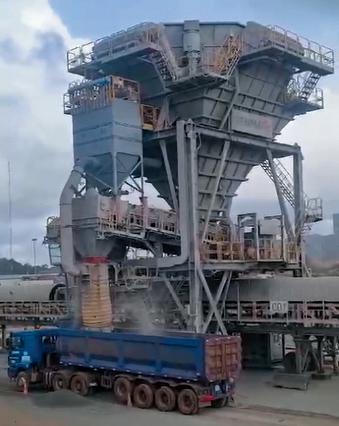
operational improvements have significantly enhanced cargo flow management, increased productivity, and improved vessel turnaround efficiency, while also ensuring safer and more environmentally controlled operations.
infrastructure and operational systems, TIPSP now efficiently manages the reception, storage, and dispatch of cement raw materials destined for both local industries and regional export markets. The terminal plays an increasingly strategic role in supporting supply chain continuity and facilitating regional cement trade, including cargo movements serving landlocked countries within the sub-region.
As construction demand continues to rise across West Africa, TIPSP remains committed to further strengthening its logistics capabilities and operational performance to support long-term industrial and economic development in the region.
Looking ahead, the company aims to continue positioning the Port of San Pedro as a competitive and efficient logistics hub for cement raw materials and bulk cargo operations in West Africa.
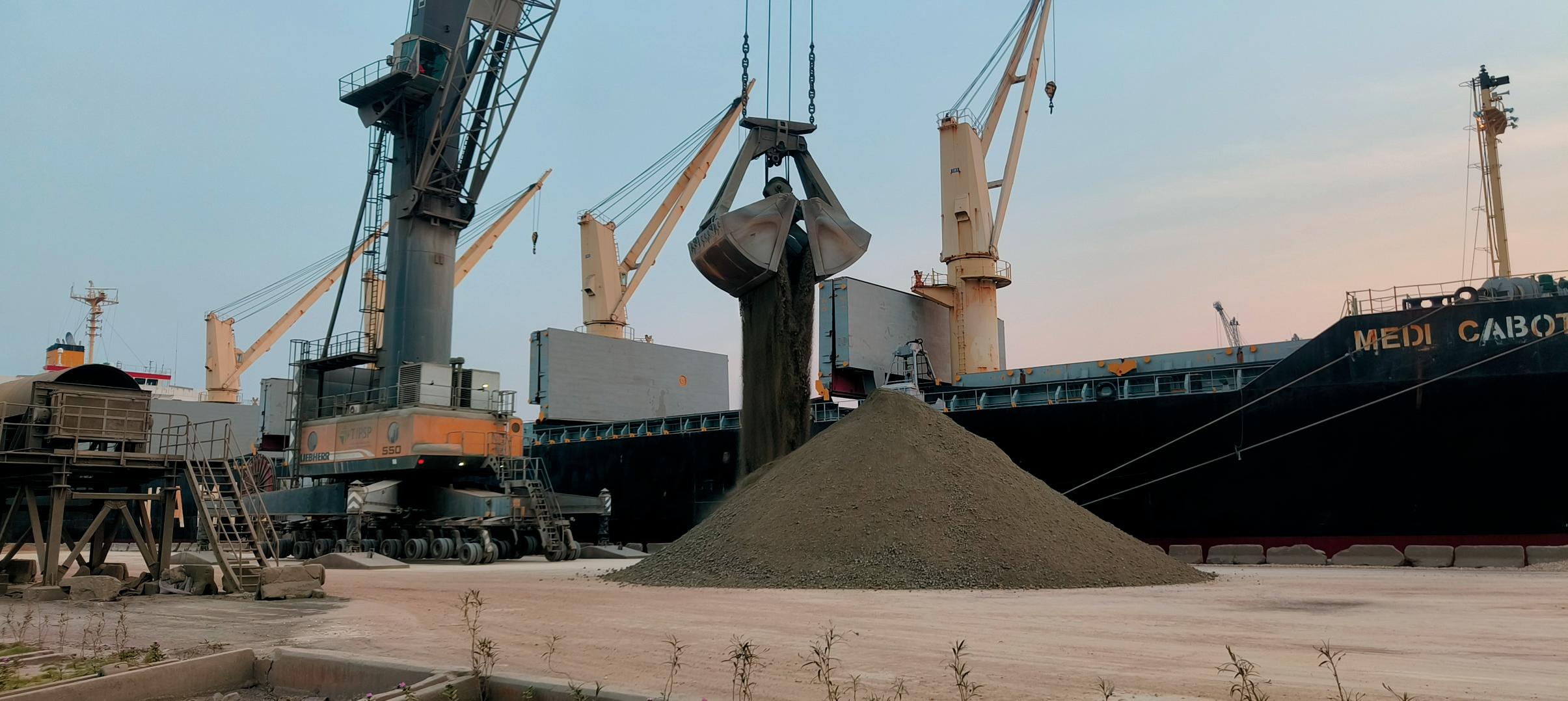
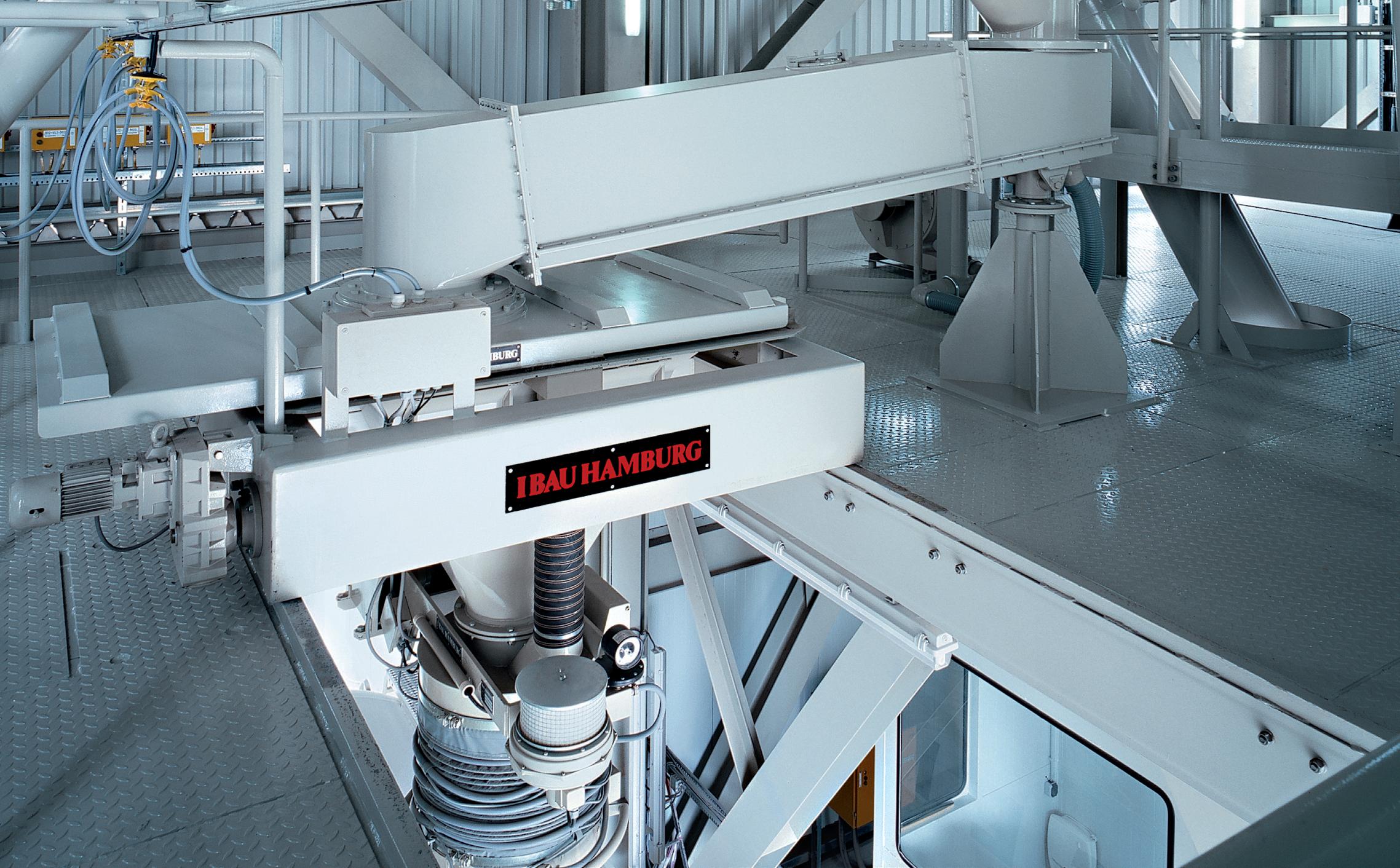
IBAU HAMBURG manufactures loading systems that offer maximum flexibility, and are available in travelling ranges of up to 12 metres. This allows them to be perfectly adapted to the specific requirements of any plant layout. Customers can choose between the following versions
Simplex Loader; v Chute Loader; and v Mobile Loader v — optionally equipped with a cross-
travel unit, ensuring an optimal fit for every application.
IBAU HAMBURG’s loading systems enable fast loading at low noise level while significantly reducing wear and damage to the equipment. They are suitable for truck or railcar loading of bulk materials such as cement, fly ash, limestone or alumina.
Combined with the Open Hatch Cover Detection System and the Automatic Hatch Cover, the loaders
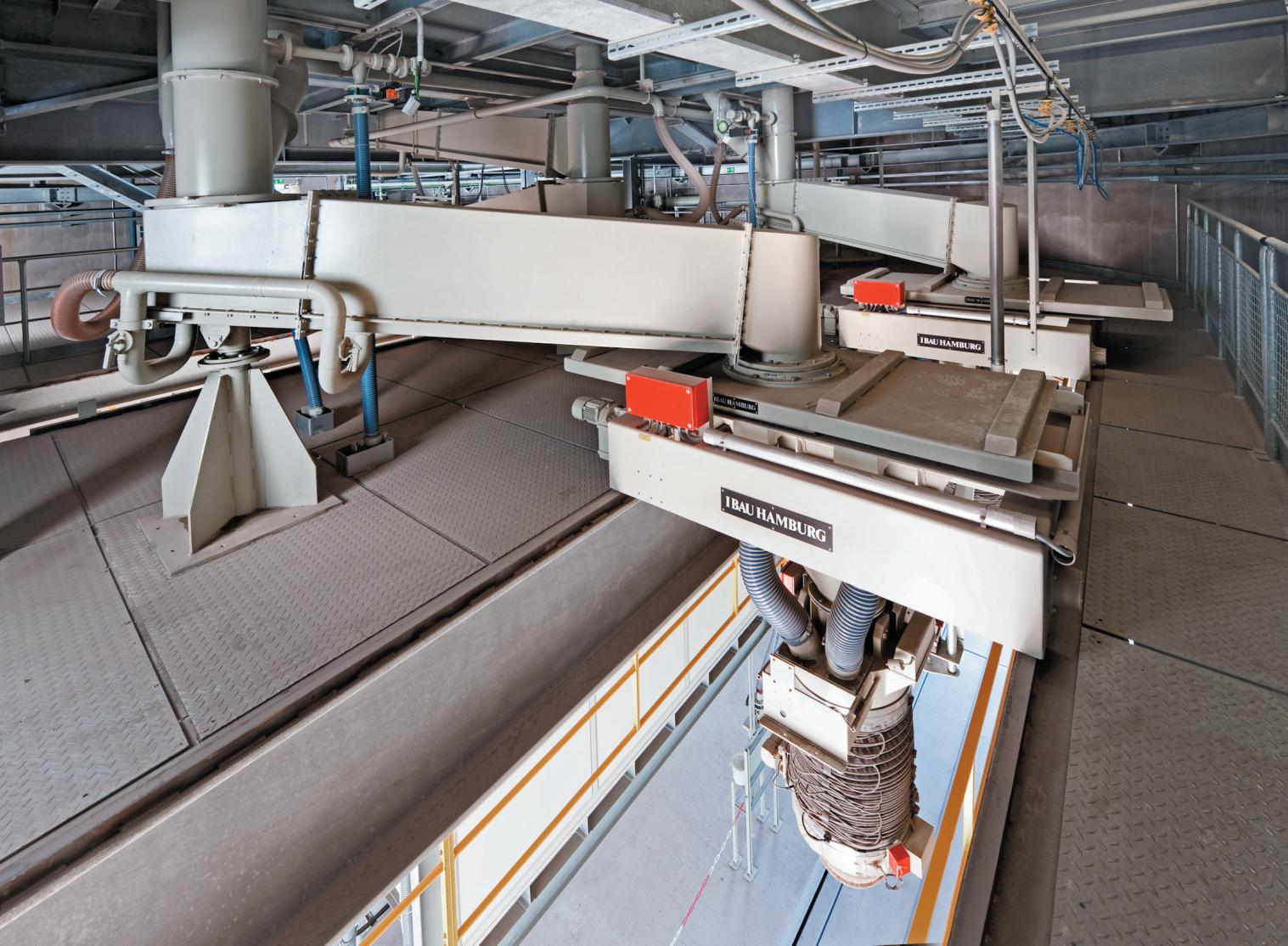
reduce the risk of accidents, as drivers do not have to climb up the trailer roof to open the hatch cover manually.
The systems feature precise, automatic chute positioning with adjustable height, ensuring a consistent loading process.
The IBAU HAMBURG Loading Chute ensures tight sealing of the filling cone and the cross-section after the filling process, preventing material loss and supporting an efficient operation.
IBAU HAMBURG offers extensive expertise in logistics solutions for import and export terminals, providing engineering for efficient bulk handling, storage and transfer systems.
As a major entity in the cement market, the company offers: terminals; v cement silos (including silo v conversions, raw meal silos, multicompartment silos; mixing systems; v EPC contracting; v components and spare parts; and v lifecycle services and plant v upgrades.
From high-capacity stockyard equipment to innovative flotation solutions, TAKRAF Group is enabling cement producers to enhance operational efficiency while addressing critical environmental challenges.
As global cement producers navigate tightening margins, rising energy costs and increasingly stringent environmental requirements, operational efficiency has become a defining competitive differentiator. Against this backdrop, TAKRAF Group continues to play a pivotal role in helping cement manufacturers optimize material flow, reduce operating costs and measurably improve sustainability performance through advanced bulk handling and processing solutions.
Material handling remains a cornerstone of TAKRAF Group’s engagement with the cement industry, with the company’s portfolio of stackers, reclaimers, unloading systems and yard conveyors seeing sustained demand. In 2025 alone, TAKRAF secured contracts from Indian cement producers for ten limestone handling stackers, both luffing and slewing versions, with capacities ranging from 600tph (tonnes per hour) to 2,600tph. These contract awards build on a strong reference base and follow the supply of 24 stackers to cement operations in India and the United Arab Emirates during 2023 and 2024.
Several of the projects illustrate the scale and complexity of TAKRAF’s cement work. In a contract for a greenfield cement plant, the scope included six stacker/ reclaimers designed to support highcapacity, continuous production. Another integrated plant project combined a bridge reclaimer and two side scraper reclaimers with three luffing stackers.
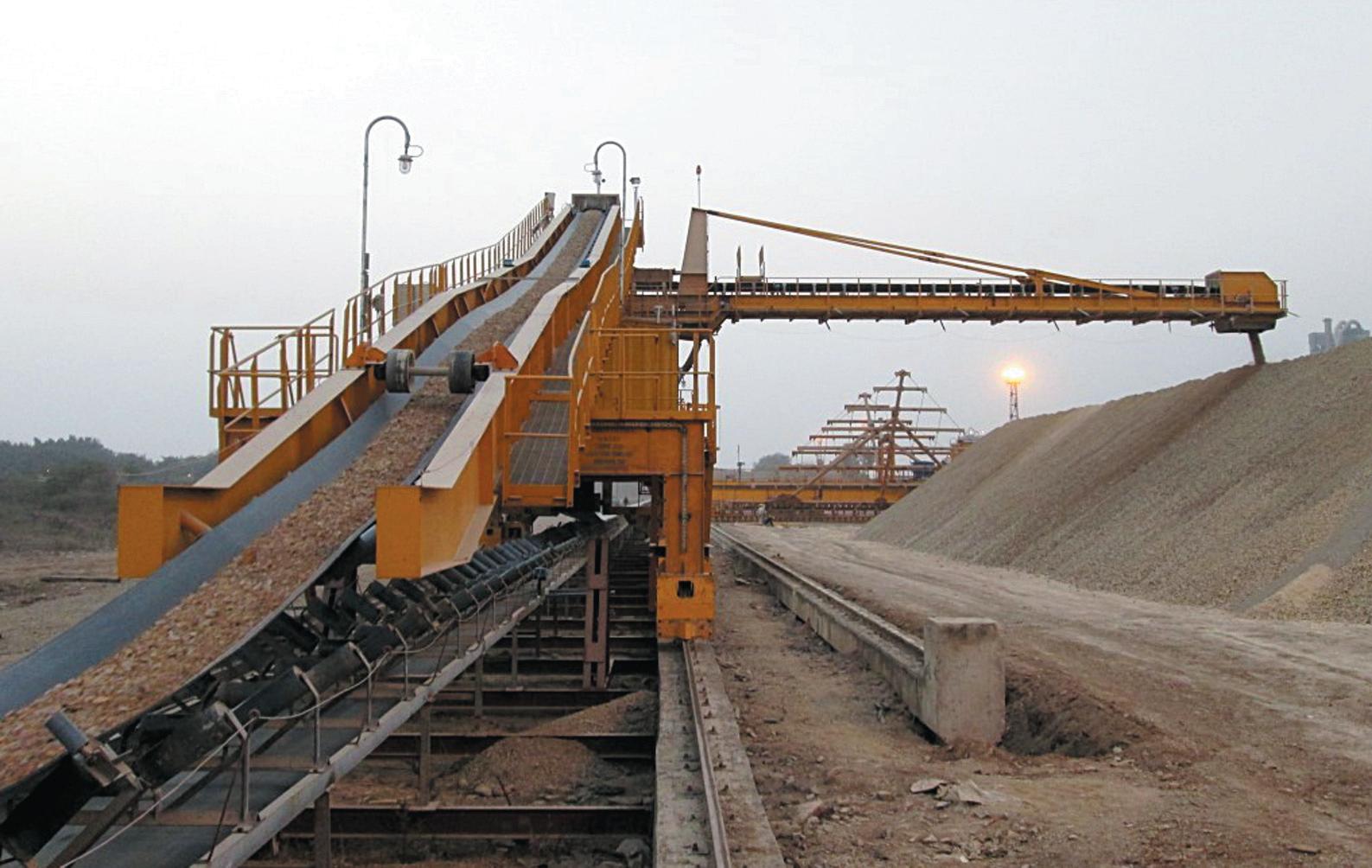
Earlier contracts in the Indian subcontinent demonstrate the long-term engagement that the Group has with many of its clients. These included one brownfield expansion and two greenfield developments for a repeat customer. The brownfield project centred on a luffing stacker and bridge reclaimer for limestone handling, while the greenfield sites incorporated wagon unloading systems for gypsum, slewing stackers and side scraper reclaimers. In a separate contract, India’s largest producer of slag and speciality cement selected TAKRAF India to supply a bridge reclaimer for limestone handling at one of its flagship plants.
Beyond Asia, TAKRAF Group has delivered clinker handling solutions in southern Africa. In a recent project, in South Africa, the Group commissioned a fully automatic truck offloading system at a cement plant. The company was responsible for the design, supply, fabrication, delivery and construction of the clinker offloading system. The equipment scope included a tipping building, tipping hopper, a 150tph belt feeder equipped with
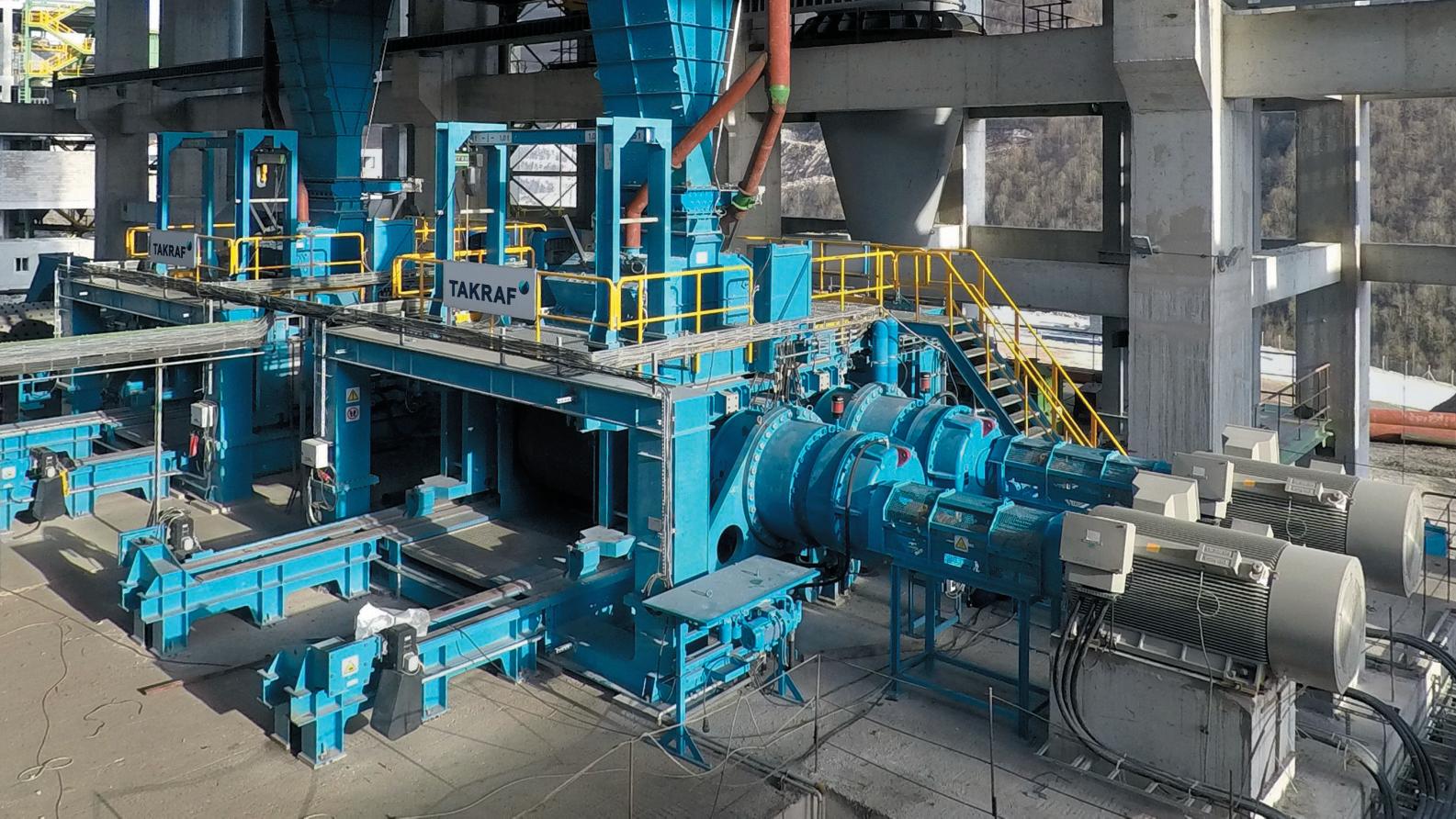
TAKRAF Luffing Stacker handling cement in India.
a self-cleaning magnet and a chevron belt conveyor feeding into the existing plant. Given the extremely dusty operating conditions, effective dust control was a key focus. Dust extraction systems were installed at every transfer point, while the tipping building is fitted with quick-closing doors to contain dust for removal by the extraction system.
Two earlier material handling contracts in South Africa covered load-out station technology for clinker dispatch by rail and road from silo storage, as well as material handling for the rail unloading side at a clinker storage facility in another part of the country.
While its material handling equipment has historically driven the bulk of its cement sector activity, other technologies in the Group’s portfolio are attracting growing interest.
Sizer technology, for example, comprised an important part of a contract for a major client of more than 20 years. The comprehensive material handling system incorporated luffing stackers, a bridge reclaimer, side scraper reclaimers, a wagon tippler, an apron feeder, a sizer and various conveyors.
Similarly, another long-term Indian customer specified TAKRAF Sizer units as part of two separate orders covering stacking, reclaiming and yard conveying systems.
Comminution solutions have also been featured in cement projects. TAKRAF supplied two High-Pressure Grinding Rolls (HPGRs) to a cement plant in Turkey, with the machines engineered to prioritize maintainability and reduced downtime. Key design features included integrated
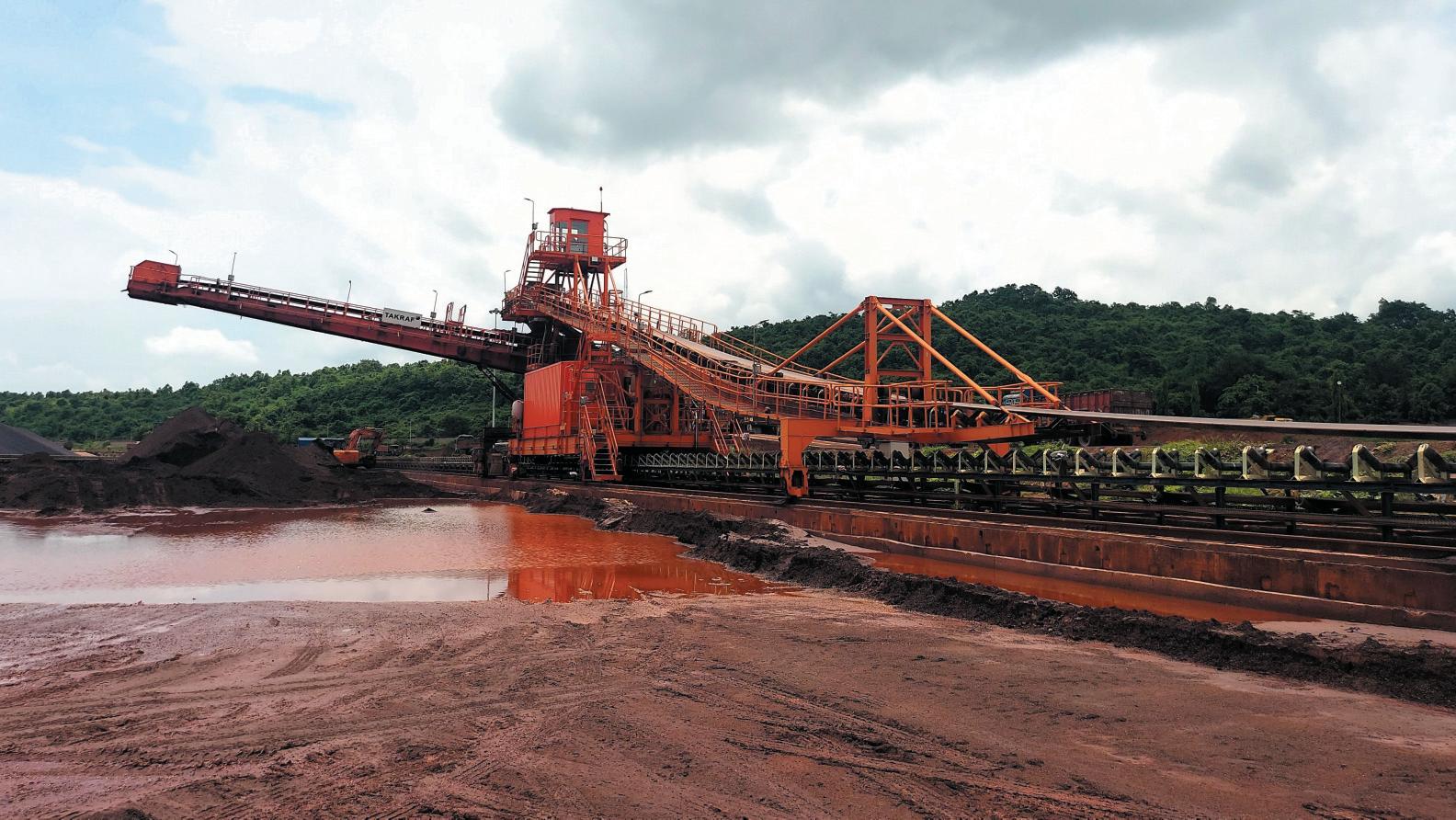
maintenance tools, simplified wear part replacement and a load-optimized frame structure, ensuring stable operation under fluctuating process loads. The grinding circuit combined the HPGR with a ball mill to reduce energy consumption significantly.
In one of its most notable recent cement projects, the Group developed a process solution centred on the newgeneration DELKOR BQR Flotation Cell equipped with the MAXGen mechanism. The solution included two banks of DELKOR BQR flotation cells for single stage roughing flotation, supported by
reagent preparation and dosing systems, two high-rate thickeners and two horizontal belt filters. The system recovers between 85% and 90% of process water for immediate reuse, dramatically reducing freshwater demand. At the same time, limestone losses to tailings are minimized, and the filtered tailings cake is sufficiently dry for use as mine backfill.
This solution has extended both mine life and tailings storage capacity, while delivering tangible water stewardship benefits, outcomes that are increasingly critical for cement producers operating in
water-stressed regions.
As the cement industry continues its transition toward lower emissions, reduced resource intensity and higher operational resilience, TAKRAF Group’s ability to integrate advanced mechanical equipment with process-driven solutions positions the Group well as a strategic partner for producers seeking to future-proof their operations.
TAKRAF Group, through its established and well-known brands, TAKRAF and DELKOR, provides innovative technological solutions to the mining and associated industries. It leverages its experience, acquired over three centuries, to provide equipment, systems and services that best satisfy its clients’ mining, comminution, material handling, liquid/solid separation and beneficiation requirements. Owners and operators around the world trust TAKRAF’s engineered solutions to lower the total cost of ownership and reduce environmental impact by improving efficiency with safe and reliable equipment. For sustainable solutions backed by expert service you can rely on TAKRAF Group.
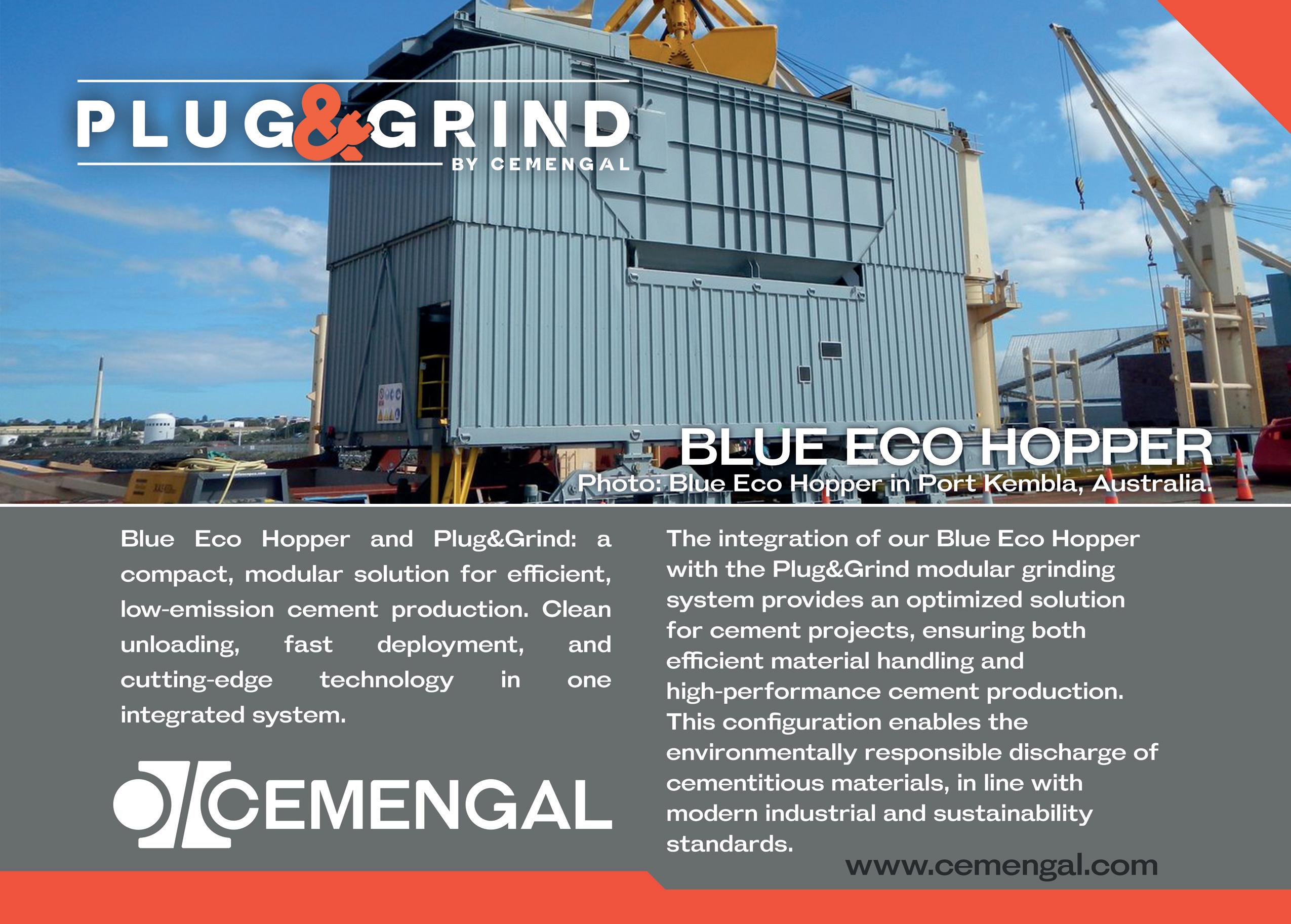
Choosing the right bucket elevator can improve productivity, reduce maintenance, and contribute to profitability. But what criteria should you use to specify the best bucket elevator for your application? Claus Weyhofen investigates.
Bucket elevators are essential for the vertical transport of a wide range of bulk materials, from powders like raw meal and cement to coarse materials like clinker. Using a belt or chain mechanism, these high capacity, heavy duty machines rely on a combination of centrifugal and gravimetric forces to eject the bulk material out of each bucket when it reaches the desired height.
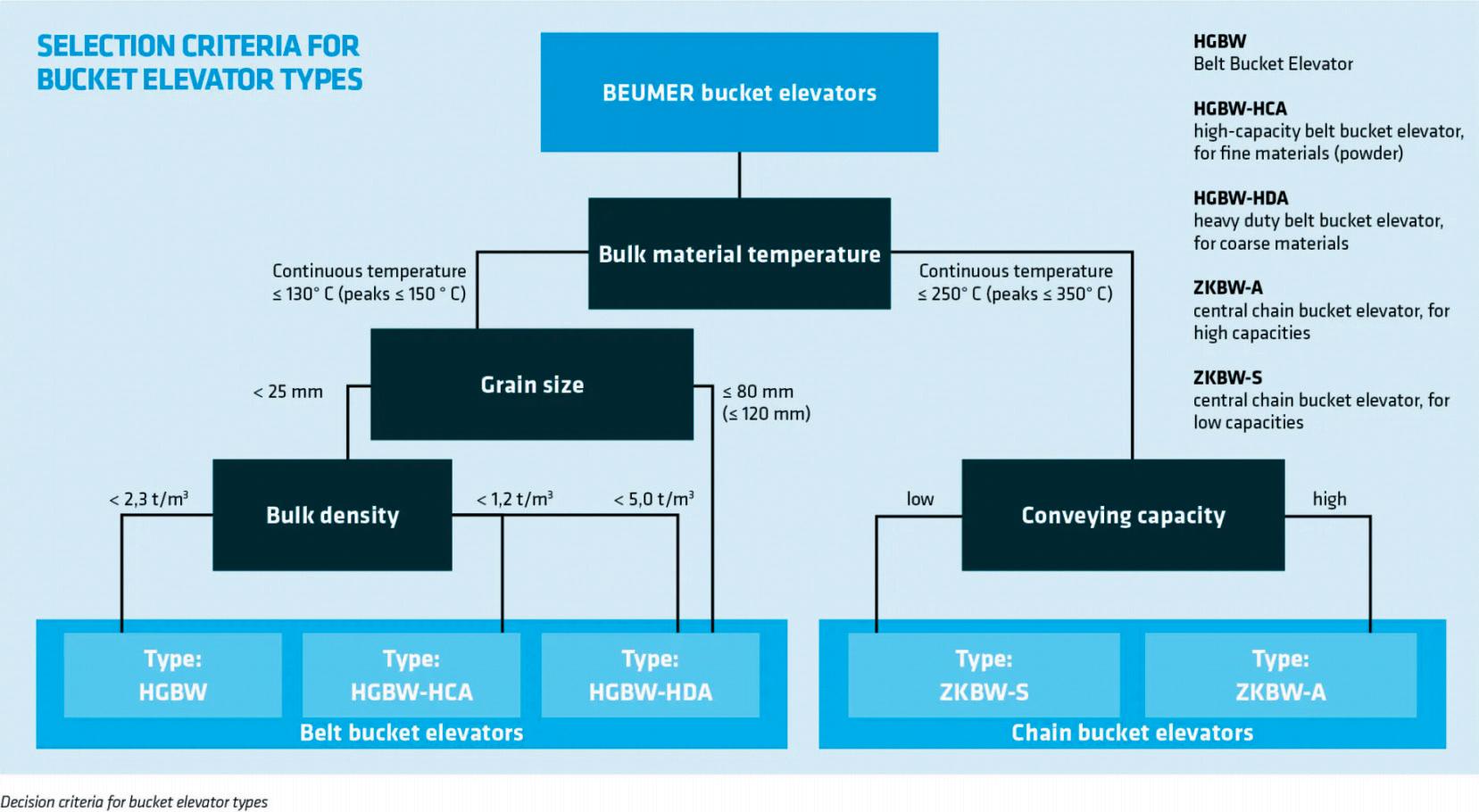
Belt and chain bucket elevators use different transmission mechanisms. Each has its own advantages and disadvantages. In this article, we’ll dive a bit deeper into the differences between a belt bucket elevator and a chain bucket elevator so that you can better decide which one is the right choice for you.
A belt bucket elevator uses an endless belt with a pulley, from which the buckets are suspended. The belt comprises a series of steel cords, which take the load, encased in rubber plates to protect the steel from environmental impacts. Centre distances of up to 250m are possible, with conveying capacities in excess of 3,000m3/h to a height of 200m. This technology typically exhibits low wear, and higher conveying capacities, making it a cost-effective choice in terms of both CAPEX and OPEX. Belt bucket elevators are also relatively smaller than a chain belt equivalent, which saves on steelwork and so reduces environmental impacts.
A chain bucket elevator uses an endless chain with a non-toothed sprocket and the
buckets are attached by means of vibrationabsorbing angular bucket holders to the chain.
Centre distances of 70m or more are achievable, with conveying capacities of up to 1,900m3/h to heights of around 70m. Chain bucket elevators really come to the fore in transporting hot, abrasive, or granular bulk material, such as limestone, slag, and refuse derived fuel (RDF). However, chain bucket elevators are generally more expensive to purchase and to maintain and have a shorter lifespan under the same strain when compared to belt bucket elevators.
Ultimately, the selection of belt or chain bucket elevator comes down to three simple criteria: temperature, grain size, and material density.
Temperature is the single most important factor in choosing between a belt or a chain bucket elevator. Belt elevators can operate happily for more than ten years in lower temperature environments (<130°C). They can even cope with temporary exposure to higher temperature peaks. However, rubber deteriorates when subjected to
high temperatures over long periods. If it gets too hot, the rubber on a belt bucket elevator will become hard, shiny and form cracks in its surface, an effect known as elephant skin.
Ultimately, it will flake and crack, exposing the inner steel cords to moisture that leads to corrosion.
Chain bucket elevators, by contrast, will operate effectively without deterioration in 250°C heat and can withstand peaks of up to 350°C. So, for extreme temperatures — when the bulk materials reach temperatures above 130°C — you should always opt for a chain bucket elevator.
If conditions mean you opt for a belt bucket elevator, grain size is the second consideration when. This factor will determine whether you should opt for a standard or heavy-duty model. Typically, grains of up to 25mm can be handled with a standard belt bucket elevator. Grain sizes between 80–120mm require a heavy-duty version.
One further operating parameter to consider in belt bucket elevator
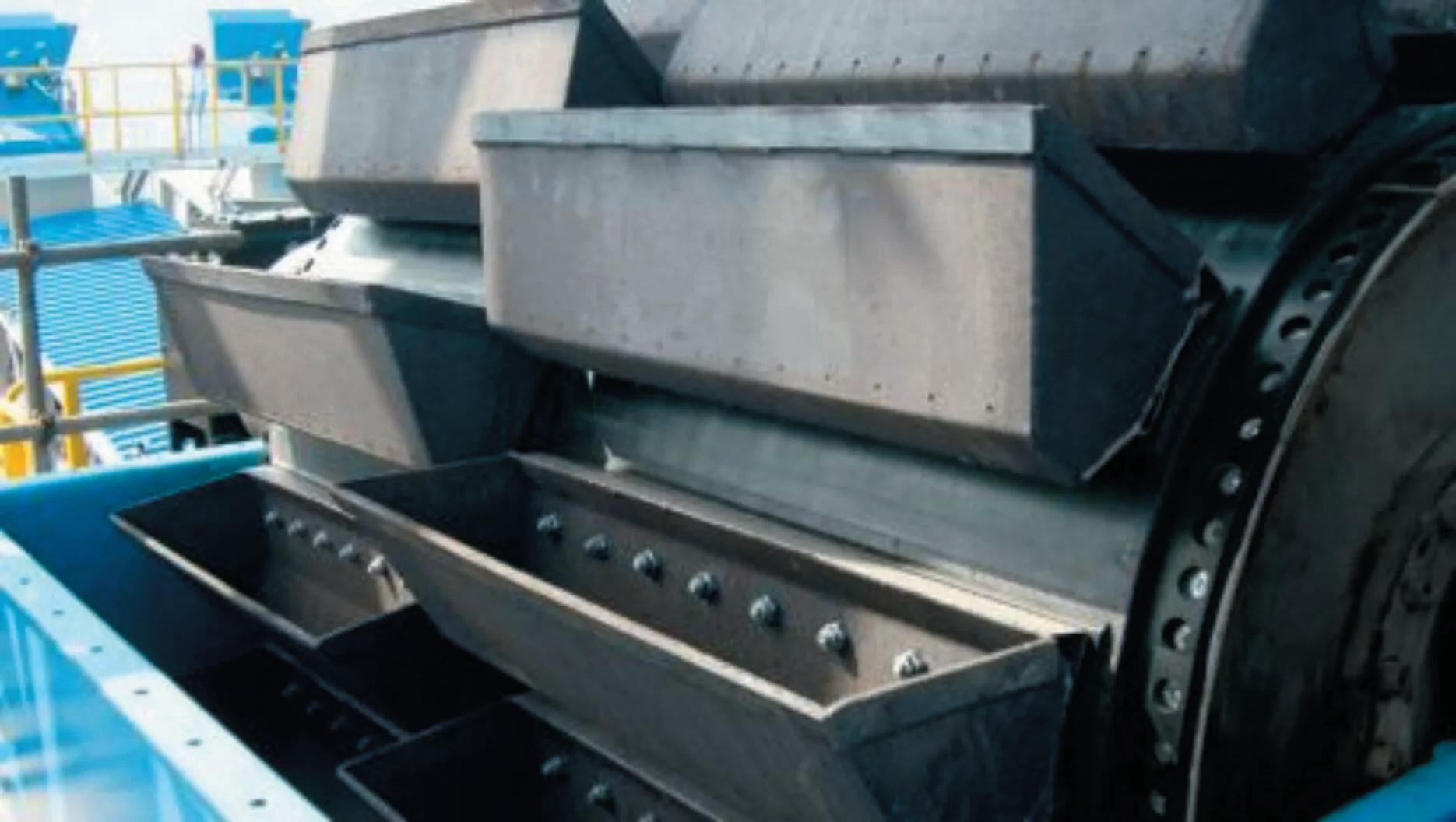
specification is the bulk density. For applications of less than 2.3t/m3, standard belt elevators are perfectly adequate. Applications up to 1.2t/m³ density are likely to require a high capacity belt bucket elevator.
By applying these three simple criteria, cement manufacturers can determine whether a belt or a chain bucket elevator is the best solution, and then further refine the type of belt bucket elevator they need.
Working with their preferred supplier, they can further refine parameters such as the bucket width and depth, corrosion resistance and any necessary explosion proofing to ensure their chosen technology will deliver optimum return on investment.
ASGCO Manufacturing is a renowned provider of comprehensive bulk material handling solutions, offering a wide range of products and services to optimize conveyor systems. With a history dating back to 1971, ASGCO has established itself as an industry expert known for innovation, reliability, and a customercentric approach.
ASGCO’s offerings encompass various aspects of conveyor systems, including components, engineering and design, belt services, safety training, and advanced technologies. ASGCO’s commitment to safety is evident through their comprehensive training programs, promoting a culture of workplace safety and providing employees with the knowledge to identify hazards and follow best practices.
ASGCO’s engineered chute and load zone projects are aimed at optimizing material flow, reducing wear and spillage, improving safety, and enhancing overall system performance. Chutes play a vital role in material transfer, facilitating the efficient flow of materials from one point to another in conveyor systems. This is particularly critical when handling dusty, abrasive materials such as cement clinker. In addition to the environmental safety concerns stemming from the MSHAregulated silica dust, clinker’s inherent round shape creates a slip-and-fall hazard when it spills onto the ground. The dust can be better controlled with the addition of dust curtains and ‘stilling box’ expansion lids, in combination with verifying that the load zone is the appropriate length for the
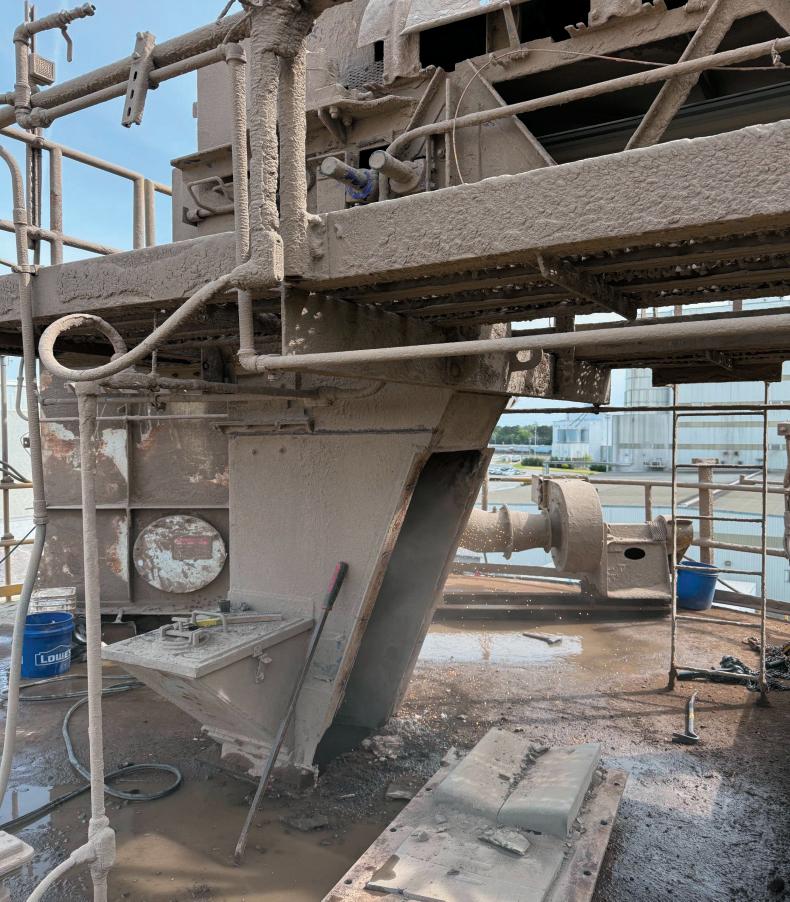
dust to settle onto the burden. ASGCO offers a full line of load zone support products, including Impact Cradle Beds and Slide-N-Roll Beds, to reduce belt deflection and provide a positive sealing surface for the skirting rubber.
Skirt walls with a variety of replaceable internal wear liners and external skirting provide a maintenance-friendly way to keep the system running safely and efficiently.
ASGCO also offers a series of cleaners that focus on minimizing spillage and material loss during the conveying process. The Skalper® series of primary belt cleaners distinguishes itself from the competition through the patented use of a torsion spring to effectively remove carryback material from the belt, reducing cleanup efforts and preventing material accumulation, which can lead to premature belt and bearing wear. This not only improves operational efficiency, but also ensures a safer and cleaner work environment.
ASGCO has established a strong presence in the bulk material handling industry and caters to a diverse range of customers across various sectors. ASGCO serves a broad customer base that includes: Cement manufacturers: ASGCO v serves cement manufacturing companies that produce cement products used in construction, infrastructure, and various other industries. Conveyor systems play a crucial role in the transportation of raw materials, such as limestone and clay, as well as the movement of finished cement products within the
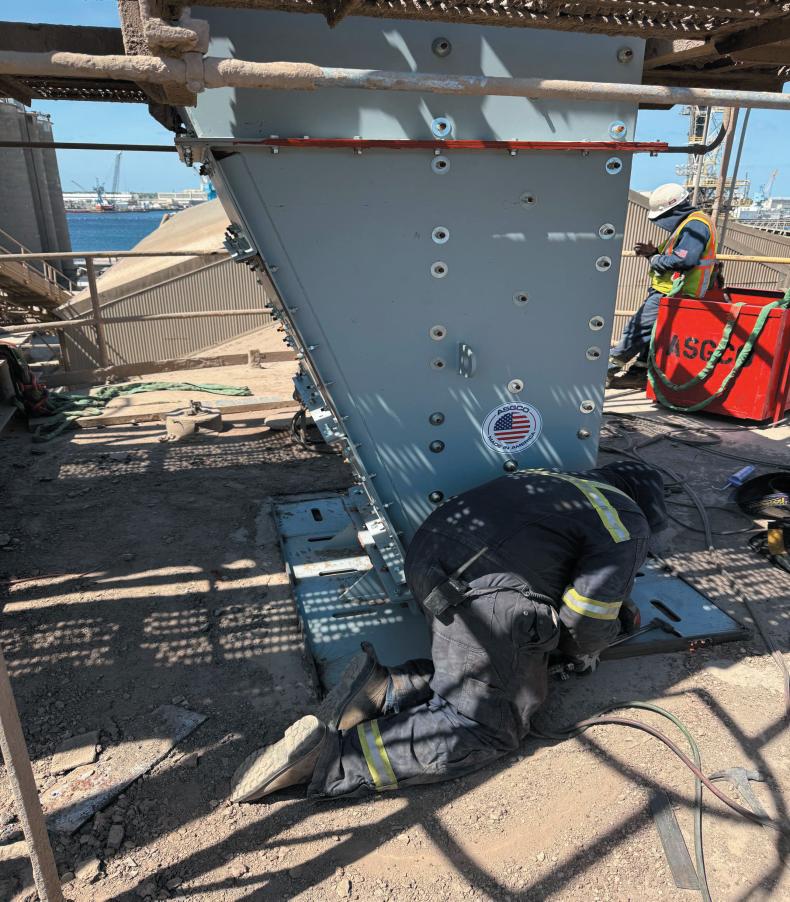
manufacturing facilities.
Aggregate and construction v materials producers: ASGCO’s engineered conveyor projects are utilized by companies involved in the production of aggregates, such as sand, gravel, crushed stone, and concrete. These materials are essential in construction projects, including infrastructure development, road construction, and building construction.
Power generation plants: ASGCO v provides conveyor solutions to power generation plants, including coal-fired power plants, natural gas power plants, and renewable energy facilities. Conveyor systems are integral to the transportation of coal, biomass, ash, and other materials used in power generation processes.
Mining companies: ASGCO provides v engineered conveyor solutions to mining companies engaged in the extraction of minerals such as coal, iron ore, copper, gold, and more. These companies rely on efficient conveyor systems to transport materials from mining sites to processing plants or shipping terminals.
Manufacturing and industrial v facilities: ASGCO’s engineered conveyor projects cater to a wide range of manufacturing and industrial sectors, including automotive, steel, chemical, food processing, pharmaceuticals, and more. These industries rely on efficient material handling systems to transport raw materials, components, and finished products within their facilities.
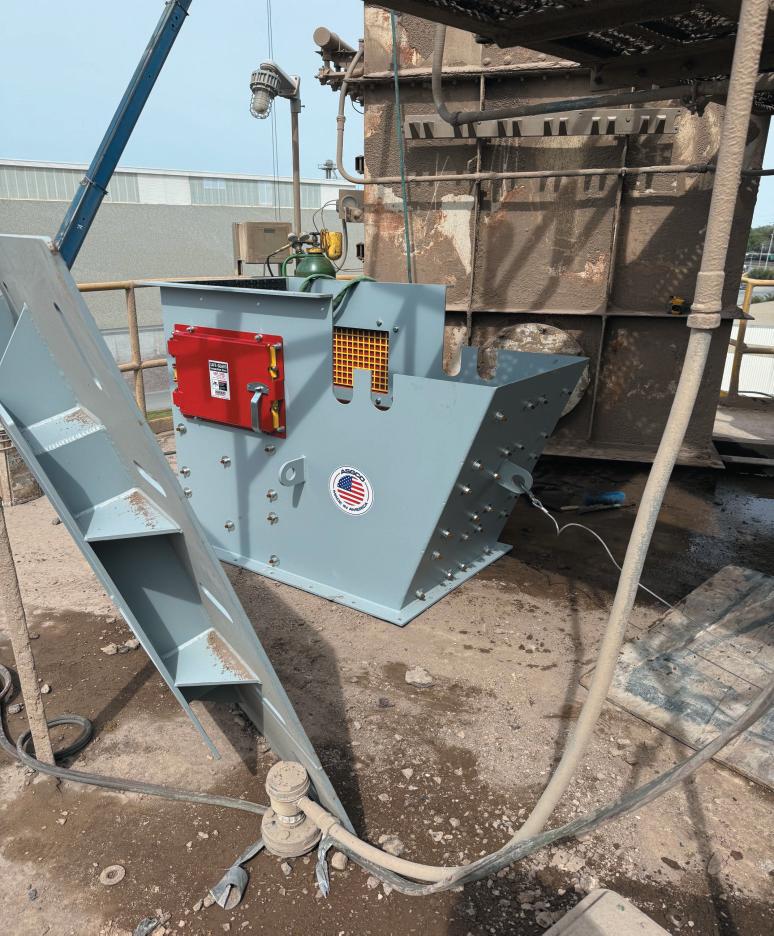










































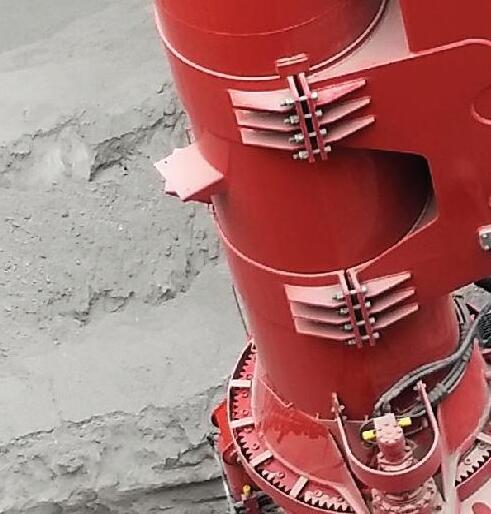
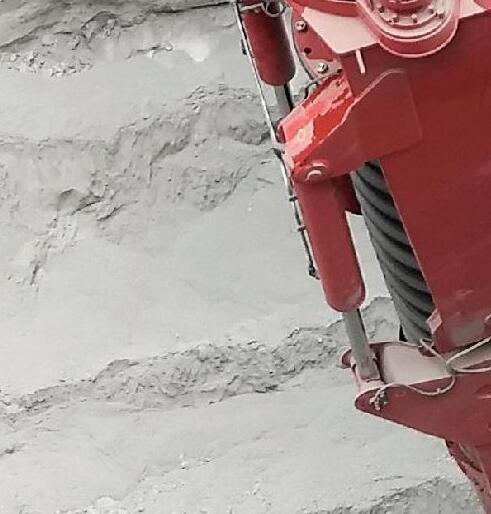
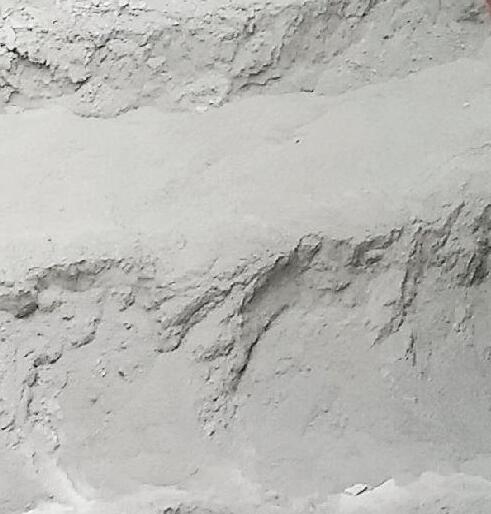


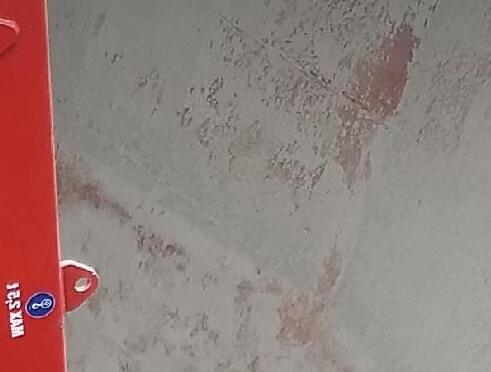
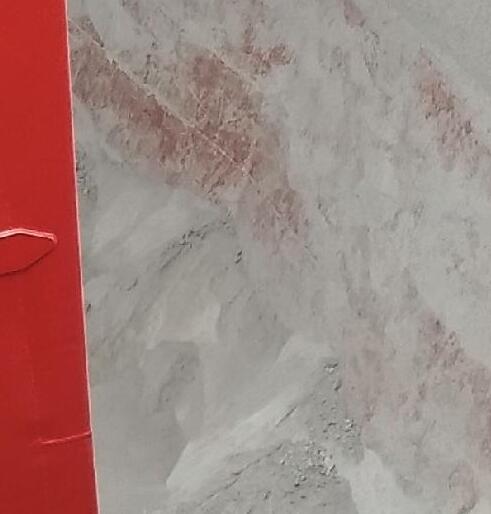
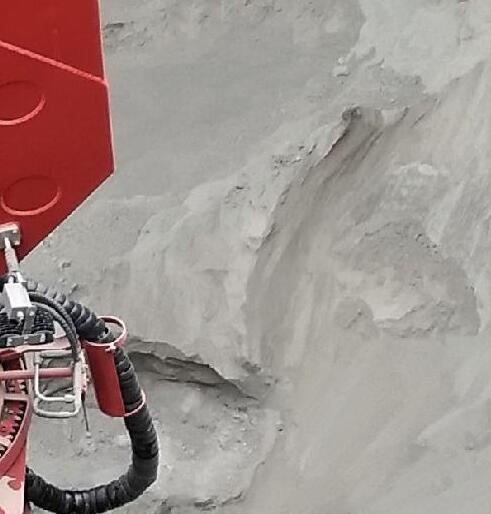


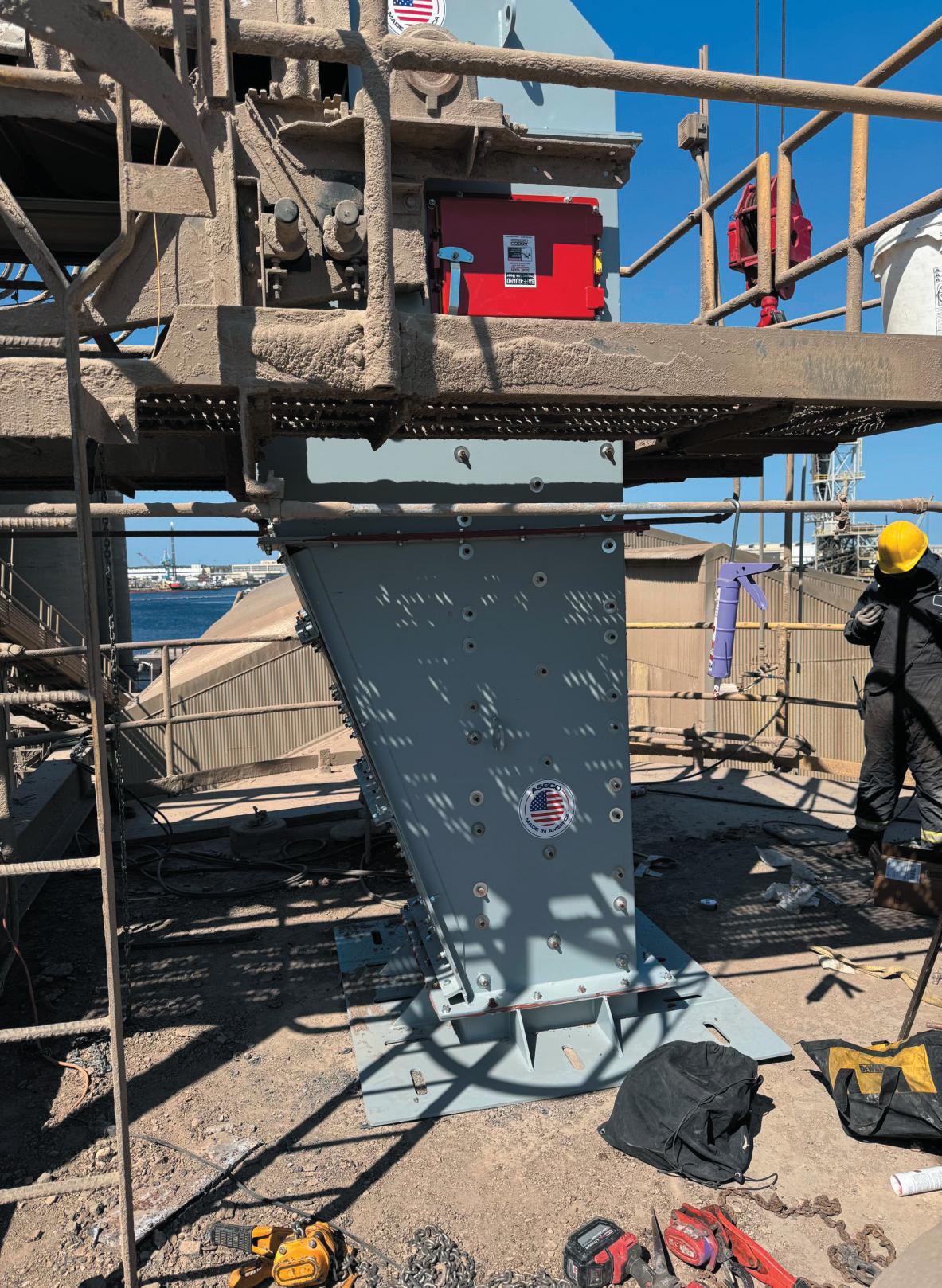
ASGCO utilizes 3D Point Cloud Scanning to gather accurate and comprehensive data about conveyor systems and their surrounding areas. By capturing hundreds of millions of data points, it creates a highly
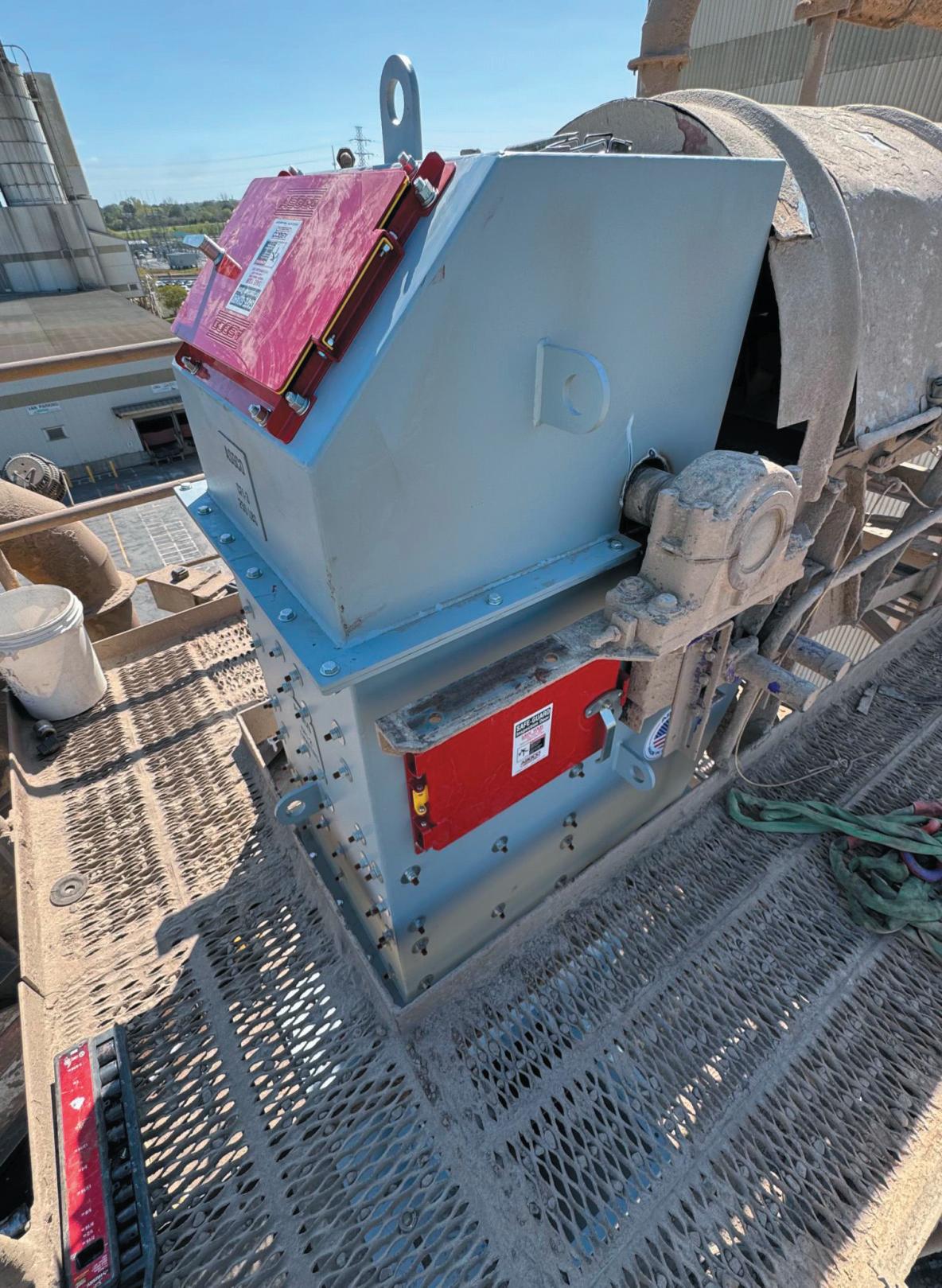
detailed digital representation of the physical space, including conveyor structures, equipment, and surrounding infrastructure. ASGCO’s approach to engineered chute projects involves a thorough analysis of the specific material characteristics, flow rates, impact forces,
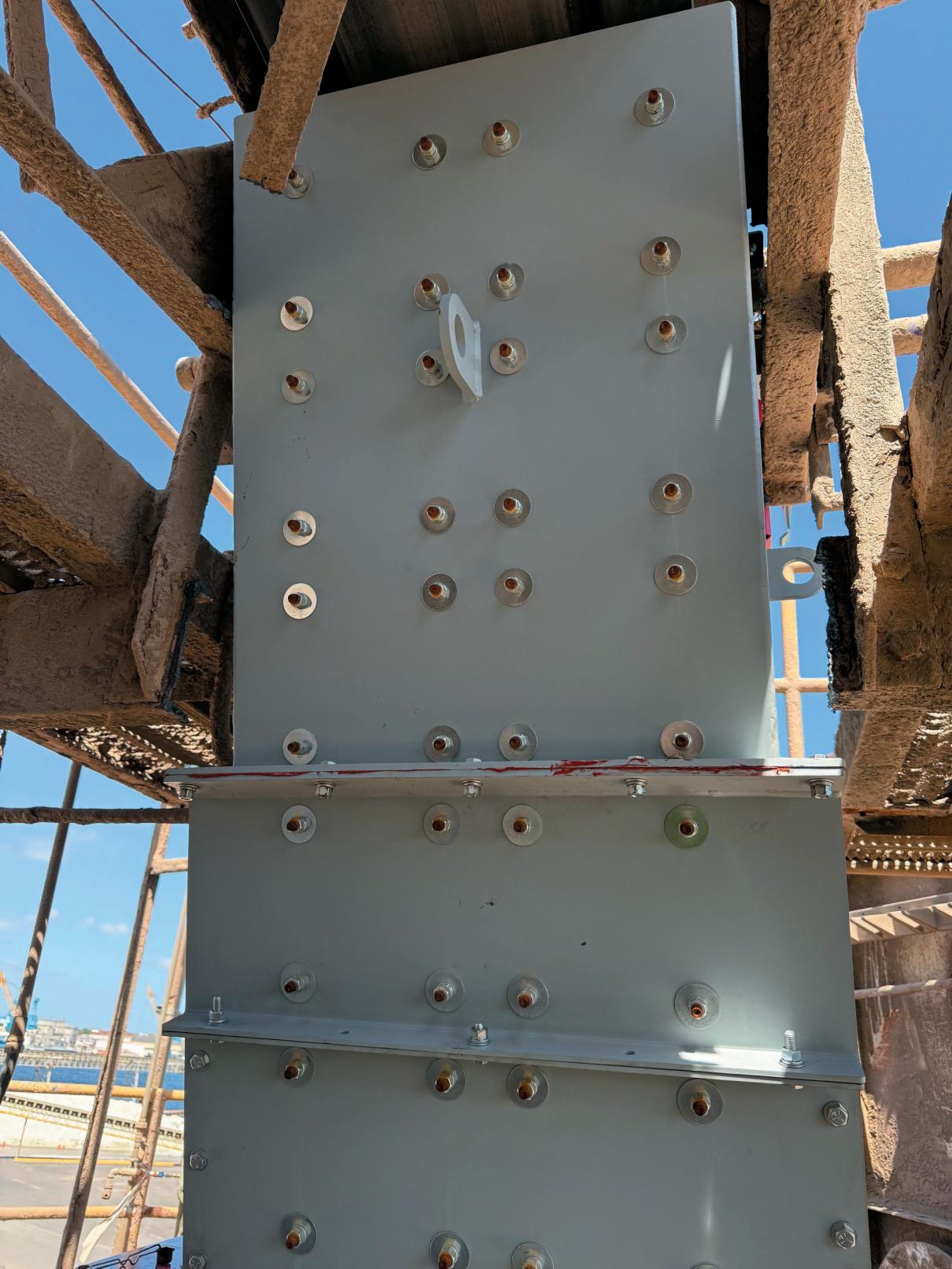
and other factors unique to each application. This data is used to develop customized chute and load zone designs that effectively address the challenges and requirements of the customer’s operation, promoting production and safety while reducing maintenance and downtime.
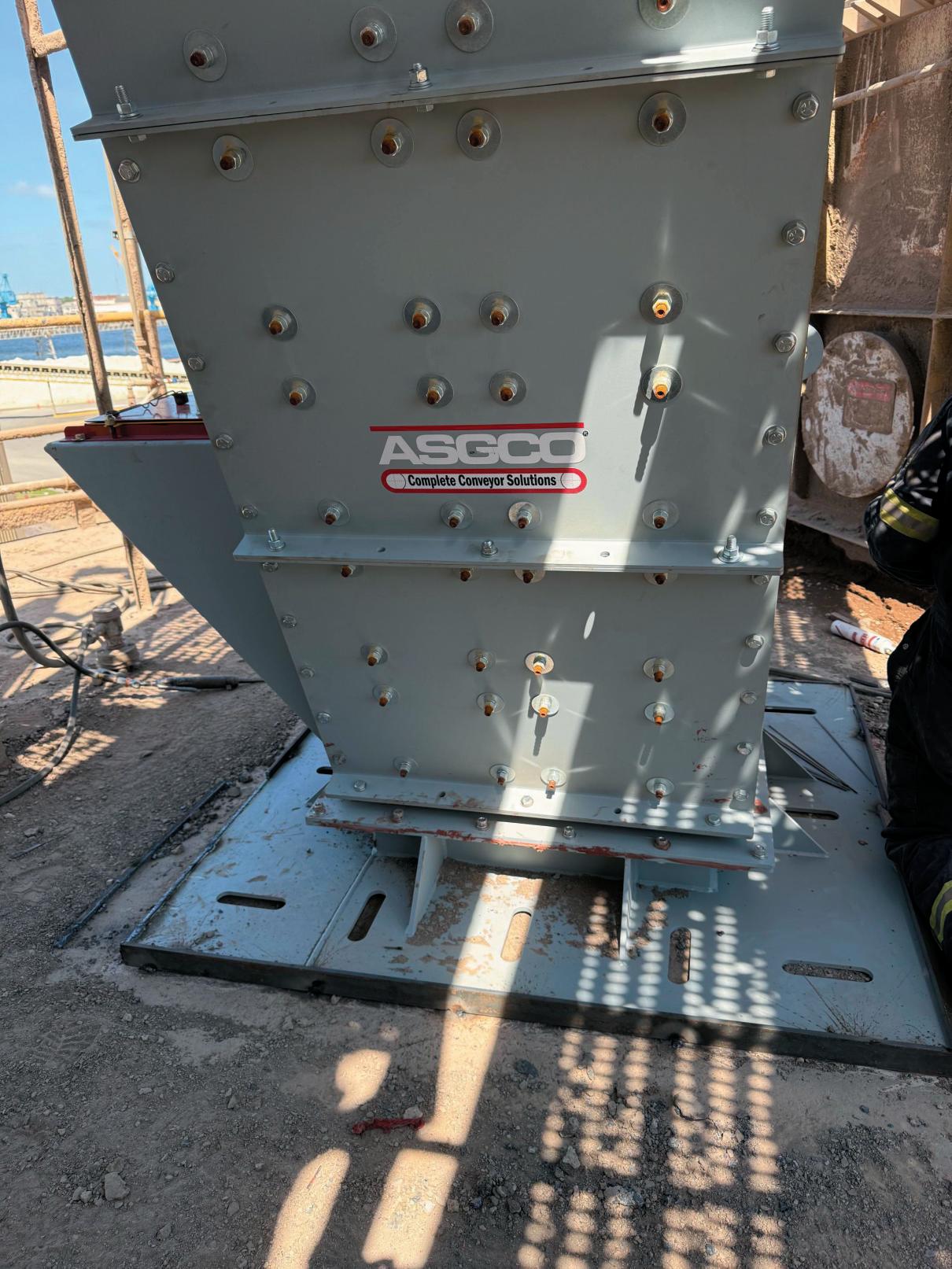
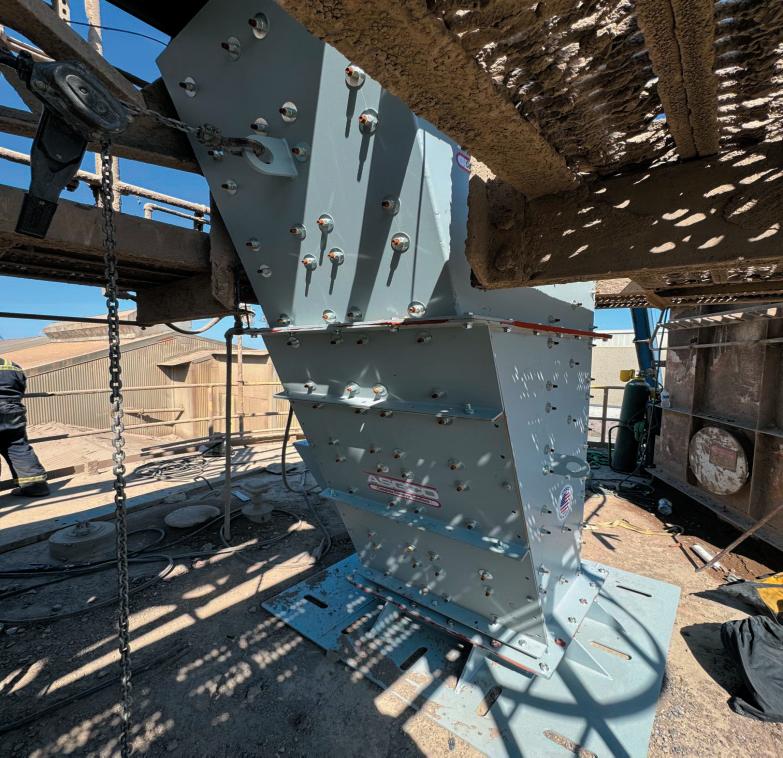
At a large cement plant in the Mid-Atlantic, a material spillage issue at the top of a clinker silo had gradually escalated into a major operational challenge. The existing chute system had significantly deteriorated over time, with repeated patchwork repairs leaving it unrepairable and constantly leaking product. The dribble chute was extended as an afterthought and was still ineffective at capturing all material discharged from the belt cleaners. As a result, fugitive material frequently built up and escaped the system, leading to excessive spillage, poor housekeeping conditions, and increased maintenance demands. Compounding the issue, the chute’s inspection doors were cumbersome to operate, limiting safe and efficient access for maintenance personnel and contributing to prolonged service times.
To resolve these issues, engineers from ASGCO conducted a 3D Point Cloud Scan of the chute system and identified key design inefficiencies that were driving material loss and
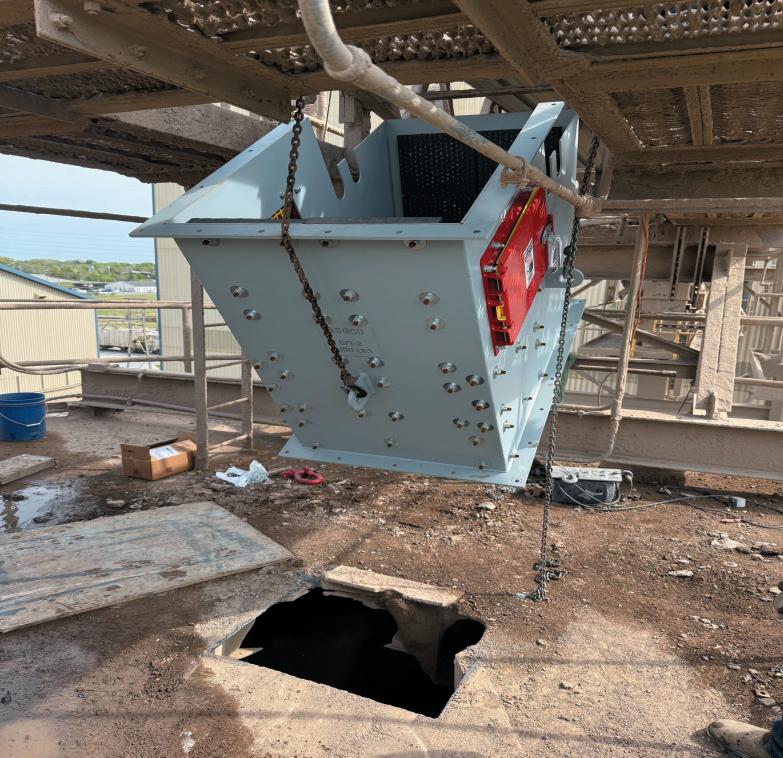
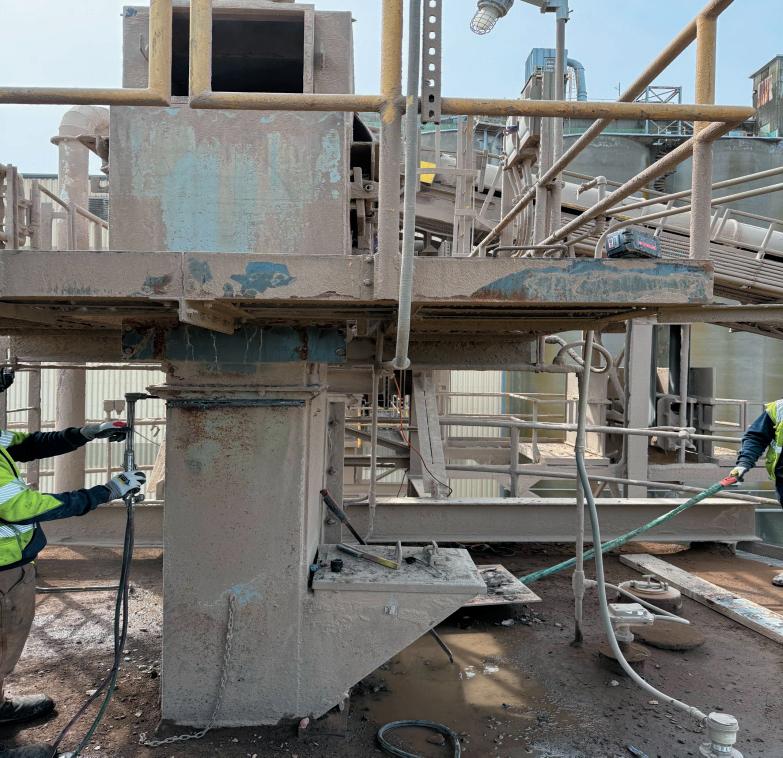
maintenance challenges. Based on their findings, a complete chute redesign was implemented to address the root causes of the problem. The new design further extends the entire chute to fully encapsulate the belt cleaners, eliminating the need for a dribble chute extension.
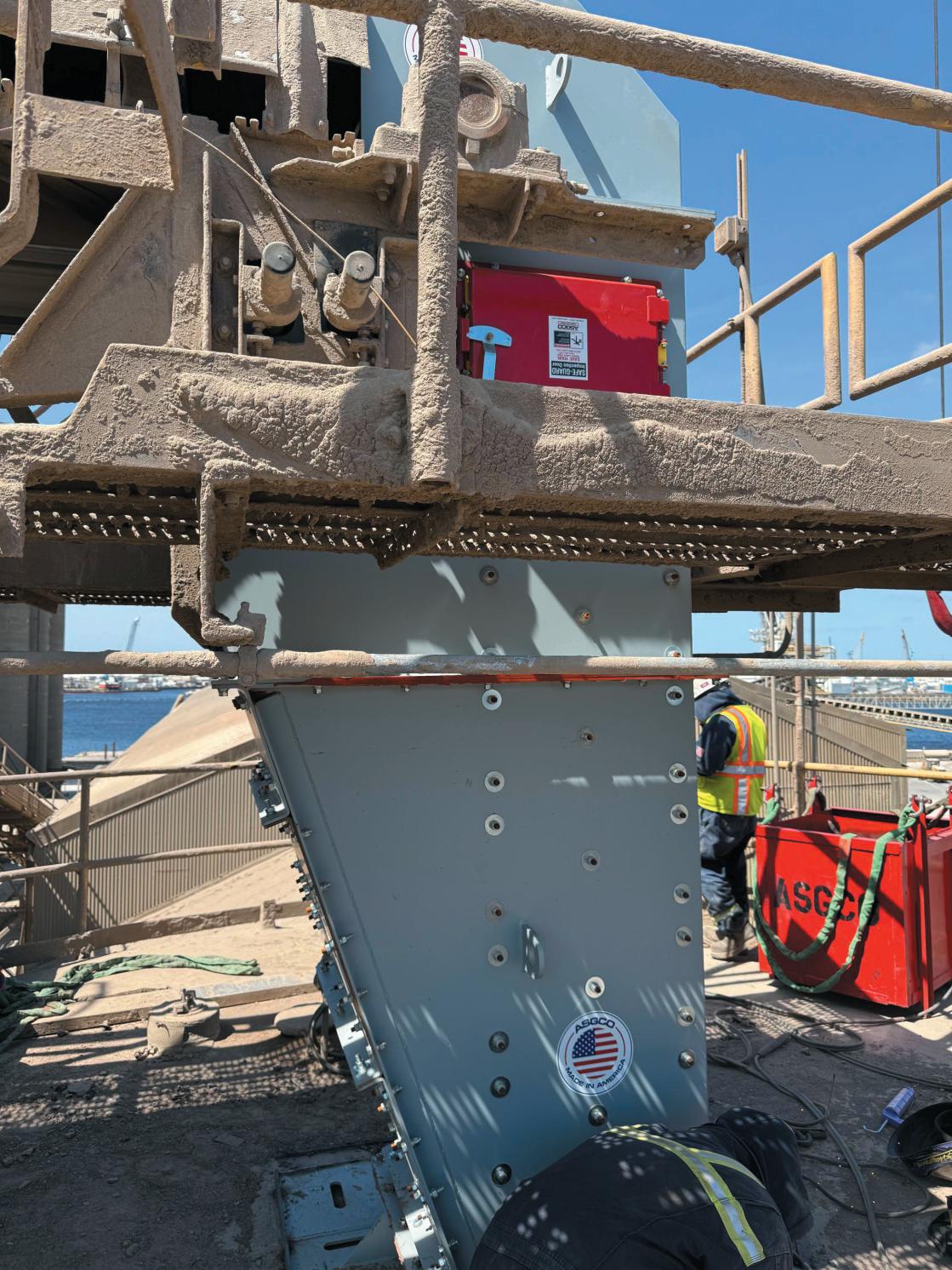
This approach eliminates the escape points that previously caused spillage, while maintaining a better slope angle to eliminate buildup and plugging. In addition, the redesigned system incorporates four strategically positioned inspection doors, significantly improving access for routine inspections and maintenance tasks. These enhancements allow the maintenance team to work more safely and efficiently, reducing the time and effort required for servicing.
Following installation, the results were immediate and impactful. The conveyor system now operates much more cleanly and efficiently, with the product properly contained and directed as intended. Spillage has been effectively eliminated, leading to improved housekeeping conditions throughout the area. Maintenance access has also been greatly enhanced, simplifying routine service procedures. Overall, the plant has experienced noticeable gains in operational efficiency and safety at this critical transfer point, transforming a previously problematic system into a reliable and well-functioning asset.







MÄRKER ZEMENT GMBH RELIES ON COMPREHENSIVE AFR HANDLING SYSTEM BY BEUMER GROUP
With the goal of reaching carbon neutrality by 2045, Märker Zement GmbH decided to build a new supply line for alternative fuels at its cement plant in Harburg, Germany. By introducing an increased biogenic proportion in the fuel mix for the combustion process, the new kiln 8 contributes to saving energy, lowering the consumption of non-renewable fossil fuels considerably, and reducing CO2 emissions.
In its search for an alternative fuels handling system for this new supply line, Märker Zement turned to BEUMER Group to provide a solution that covers everything from reception and unloading of the trucks to the storing, conveying, and feeding process of solid AFR materials.
EXTENSIVE ALTERNATIVE FUELS HANDLING SYSTEM : STREAMLINED SOLUTION FROM A SINGLE SOURCE
This extensive project comprises almost 40 components, with the majority produced by BEUMER Group, including all steel structures, the transfer tower, and the intermediate storage building. BEUMER Group was responsible for the design, delivery, mechanical and electrical installation, and commissioning of the entire system.
The new storage hall for preparing the alternative fuels for processing was equipped with a fully automatic overhead crane and three extraction bins with screw
conveyors for material distribution. A belt conveyor transports the material from the storage hall to the transfer tower, where oversized pieces and ferromagnetic particles are separated from the material. To protect the environment, dedusting filters have been implemented at every material transfer point.
A 700-metre-long pipe conveyor ensures that the alternative fuel is transported safely to the interim storage with a continuous feeding capacity of 40tph (tonnes per hour). With its flexible tubular shape, the pipe conveyor overcomes challenging terrain while protecting the transported material from the elements and protecting the environment from contamination and spillage, making it the perfect choice for this AFR handling system, as the installation is right next to a road and part of it had to be constructed across train tracks.
SUPPLY LINE MANAGES TWO
The alternative fuel handling system for Märker Zement includes an interim storage with sophisticated material distribution. The line handles two different qualities of residue-derived fuel (RDF), which differ in their material grain size and calorific value: coarse material (KBS) for the calciner and fine material (Fesbo) for the main burner. The interim storage building is therefore equipped with two silos on the first floor: one with 400m3 storage capacity for the
Single-source solution
700-metre-long pipe conveyor
One line handling two types of RFD
Sophisticated material distribution
Back-up line for fast truck unloading directly into silos
Precise material feeding of AFR into the calciner
Bucket elevators for the vertical transport of AFR material with capacities of up to 15tph and 40tph
coarse material and one with 135m3 capacity for the fine material. This provides Märker Zement with the possibility to create an interim reserve of material while another material type is conveyed between storage hall and interim storage. Using sophisticated material distribution, the system allows the use of just one pipe conveyor for all material transport between the storage hall and interim storage.
More importantly, the interim storage also includes a gravimetric screw weigh feeding system for alternative fuels of the BG OptiFeed construction series. With a buffer capacity of 15m3, it feeds the RDFs in a controlled manner with a capacity of 3tph to the pneumatic transport system leading to the calciner.In parallel to this pneumatic transport, the KBS material from the big silo is transported to the calciner via a belt conveyor and belt bucket elevator with a capacity of 15tph.
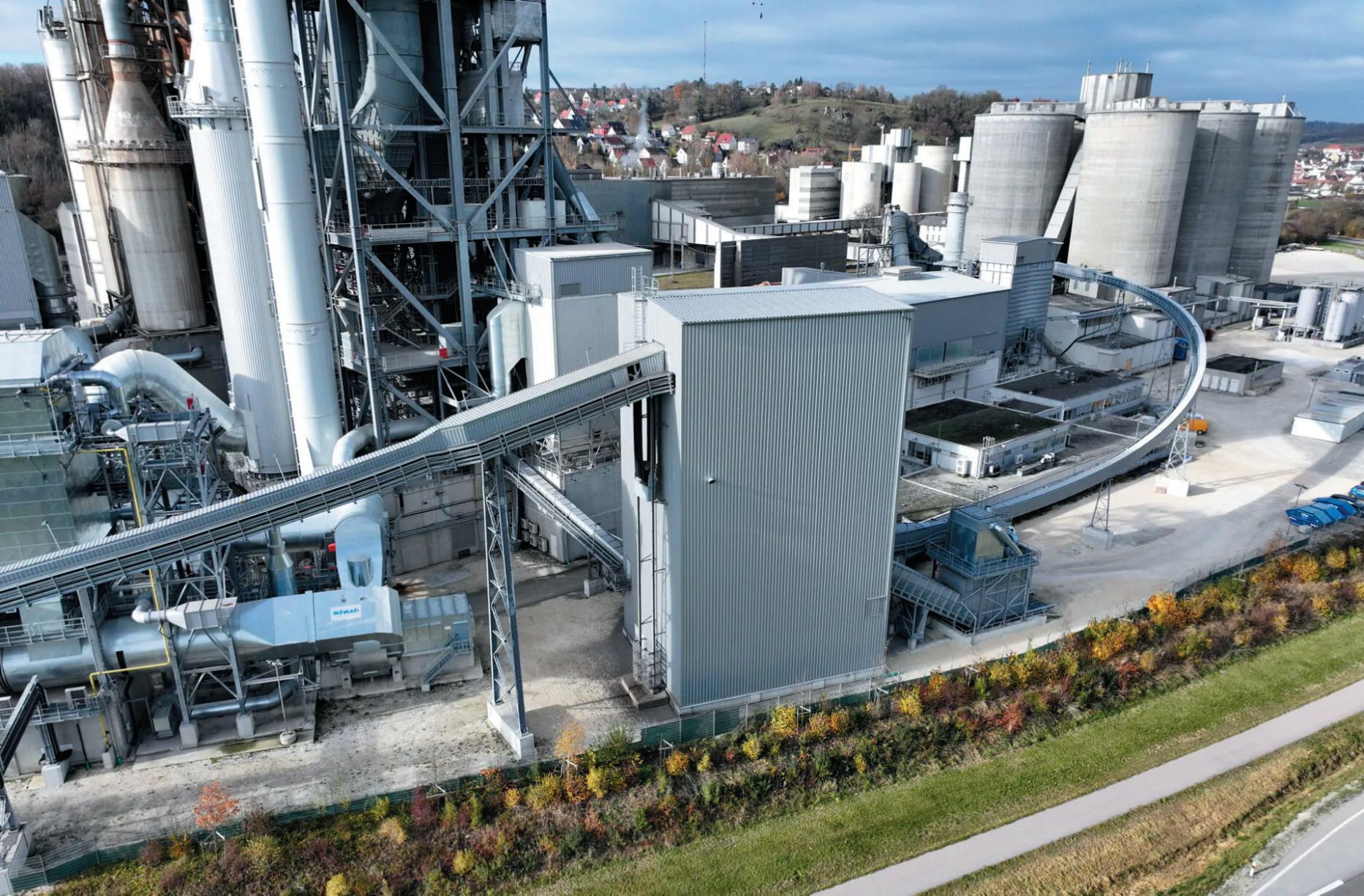
In addition, the system includes the unloading station BG OptiBulk as a supporting line for direct silo infeed. From the interim storage, the Fesbo material can also be transported via a second 150-metre-long pipe conveyor to an existing storage hall for the main burner at a capacity of 20tph.
As the movement towards lower greenhouse gas emissions and reduced use of nonrenewable fossil fuels gathers pace, alternative fuels are key for decarbonization in the cement industry.
A significant increase in the thermal substitution rate (TSR) has led to direct CO2 energyrelated emission savings, concludes Märker Zement.
The handling and storage of cement and clinker remain at the heart of efficient and sustainable operations in the construction materials industry. From quarry to silo, every stage requires reliable equipment capable of managing abrasive materials, ensuring continuous flow, and minimizing environmental impact. Drawing on decades of experience, WAMGROUP has developed a comprehensive approach that combines robust mechanical handling systems with advanced dust control technologies, delivering integrated equipment solutions to satisfy the needs of modern cement plants.
At the core of cement and clinker logistics lies mechanical conveying. Despite ongoing technological evolution, the backbone of most installations continues to rely on proven equipment such as screw conveyors and bucket elevators. These systems are specifically engineered to handle high-capacity flows of dense and abrasive materials under demanding operating conditions.
Bucket elevators, for instance, play a critical role in vertical transport, particularly in moving clinker from kilns to storage silos or cement to distribution points. Their design ensures high throughput and reliability, even in continuous operation environments. Similarly, screw conveyors are widely used for the controlled transfer of cement, lime and fine powders, offering flexibility in plant layout and precise dosing capabilities. Chain conveyors, on the other hand, are
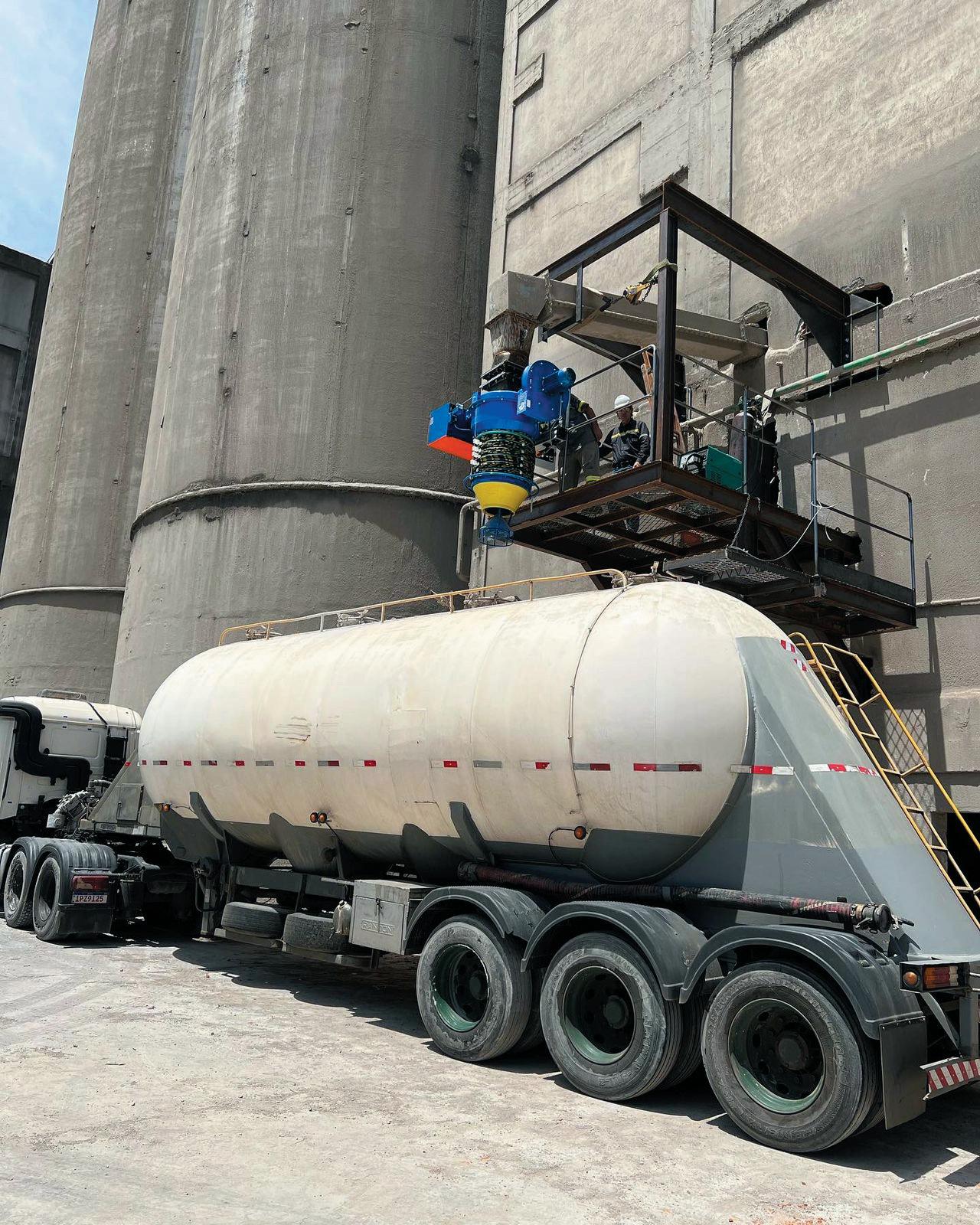
particularly suited for horizontal or slightly inclined transport over medium distances, especially when dealing with hot or coarse materials such as clinker.
only one part of the equation. Storage and environmental management are equally crucial, particularly in light of increasingly
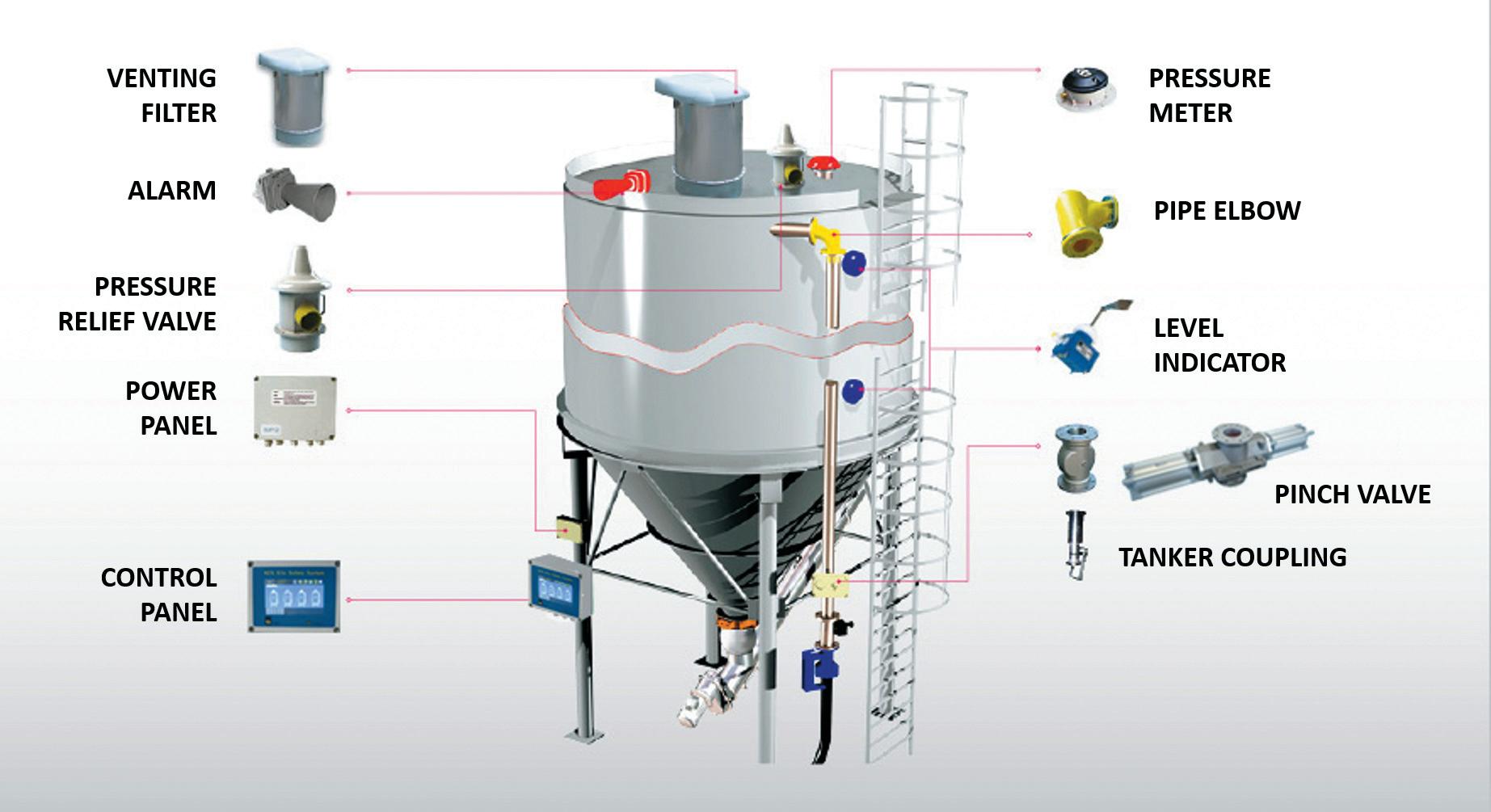
stringent regulations on dust emissions. Cement and clinker, by their nature, generate significant amounts of dust during transport, loading and storage processes. Without adequate dust control systems, this can lead to product loss, safety concerns and environmental compliance issues.
To address these challenges, modern plants are increasingly adopting integrated dust control solutions. Technologies such as high-efficiency silo venting filters ensure that air displaced during filling operations is properly cleaned before being released into the atmosphere. Advanced filtration systems, like spot filters directly installed on chain conveyors based on PolyTUBE technology, offer maximum filtration performance with minimum energy consumption to achieve high separation efficiency while reducing maintenance requirements. This translates into lower operating costs and improved plant uptime.
In addition to filtration, dust conditioning systems play a key role in managing fine particles collected during production. By agglomerating dust into manageable material, these systems facilitate its safe handling and reintegration into the production cycle. This not only improves order and safety within the plant but also contributes to a more sustainable use of resources by reducing waste.
Another critical phase in cement logistics is bulk loading. Whether loading cement into tankers or transferring clinker to downstream processes, ensuring a dustfree operation is essential. Loading bellows manufacturing by TOREX, a WAMGROUP’s company, provide an effective solution by allowing controlled, enclosed transfer of material, significantly reducing emissions and preventing product dispersion. This results in cleaner working environments and more efficient material use.
The harsh conditions typical of cement and clinker handling — high temperatures, abrasive materials and continuous operation — also demand equipment designed for durability. Heavy-duty versions of conveyors and elevators are often equipped with wear-resistant linings, reinforced structures and sealed housings to withstand such environments. These features extend equipment lifespan and reduce maintenance frequency, contributing to overall operational efficiency.
Beyond individual components, the real value for plant operators lies in system integration. Rather than viewing conveyors, filters and loading systems as separate units, leading suppliers now focus on delivering complete, coordinated
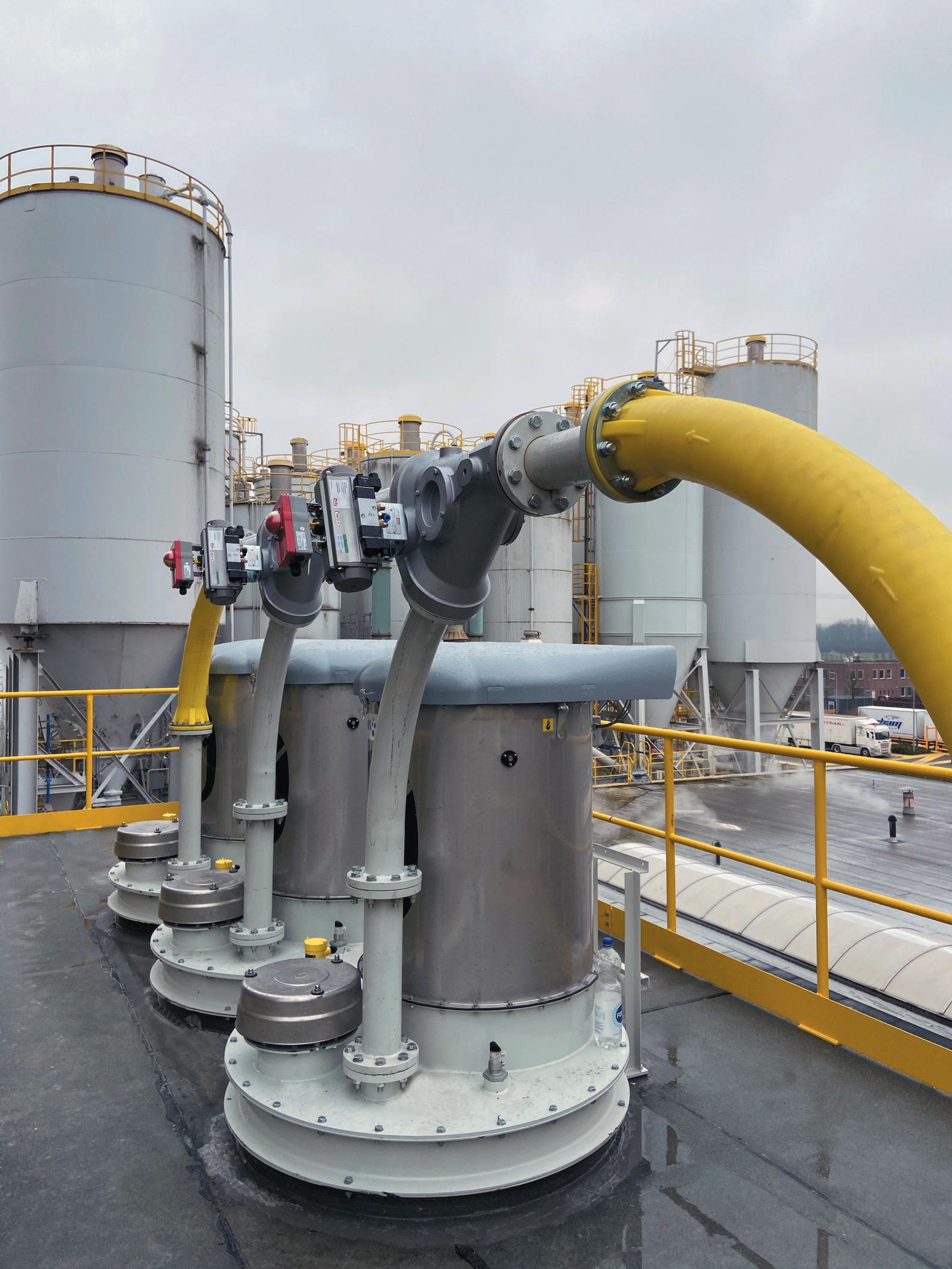
solutions. This integrated approach ensures that material flows smoothly from one stage to the next, reducing bottlenecks and minimizing downtime.
Automation and digitalization are further enhancing this integration. Modern handling systems can be equipped with sensors and control technologies that monitor performance, detect anomalies and optimize operation in real time. This not only improves reliability but also supports predictive maintenance strategies, allowing operators to address potential issues before they lead to costly interruptions.
Sustainability is another key driver shaping the evolution of cement and clinker handling solutions. Energy-efficient drives, optimized equipment design and reduced dust emissions all contribute to lowering the environmental footprint of production processes. Moreover, as the industry increasingly incorporates alternative and recycled materials, bulk material handling equipment must adapt to manage a wider range of material characteristics without compromising performance.
WAMGROUP’s experience across cement plants, lime kilns and aggregate facilities worldwide demonstrates the
importance of versatility and reliability in this sector. From large-scale industrial installations to smaller processing units, the ability to deliver consistent performance under varying conditions is essential. Equipment used for clinker transport, cement storage and bulk loading must not only meet technical requirements but also align with broader operational and environmental goals.
Looking ahead, continuous innovation will remain essential. Developments in filtration technology, improvements in heavy-duty equipment design and advances in automation will further enhance the efficiency and sustainability of cement and clinker handling systems. The objective is clear: to support an industry that is under increasing pressure to optimize performance while reducing its environmental impact.
In this context, the integration of robust mechanical equipment with advanced dust control and smart technologies represents a proven path forward. By addressing both operational efficiency and environmental responsibility, modern handling and storage solutions are helping cement producers meet the challenges of today — and prepare for those of tomorrow.
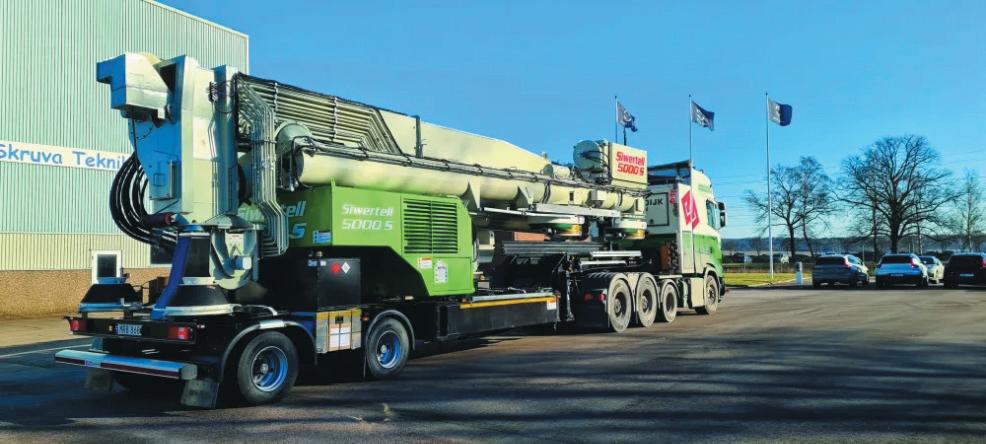
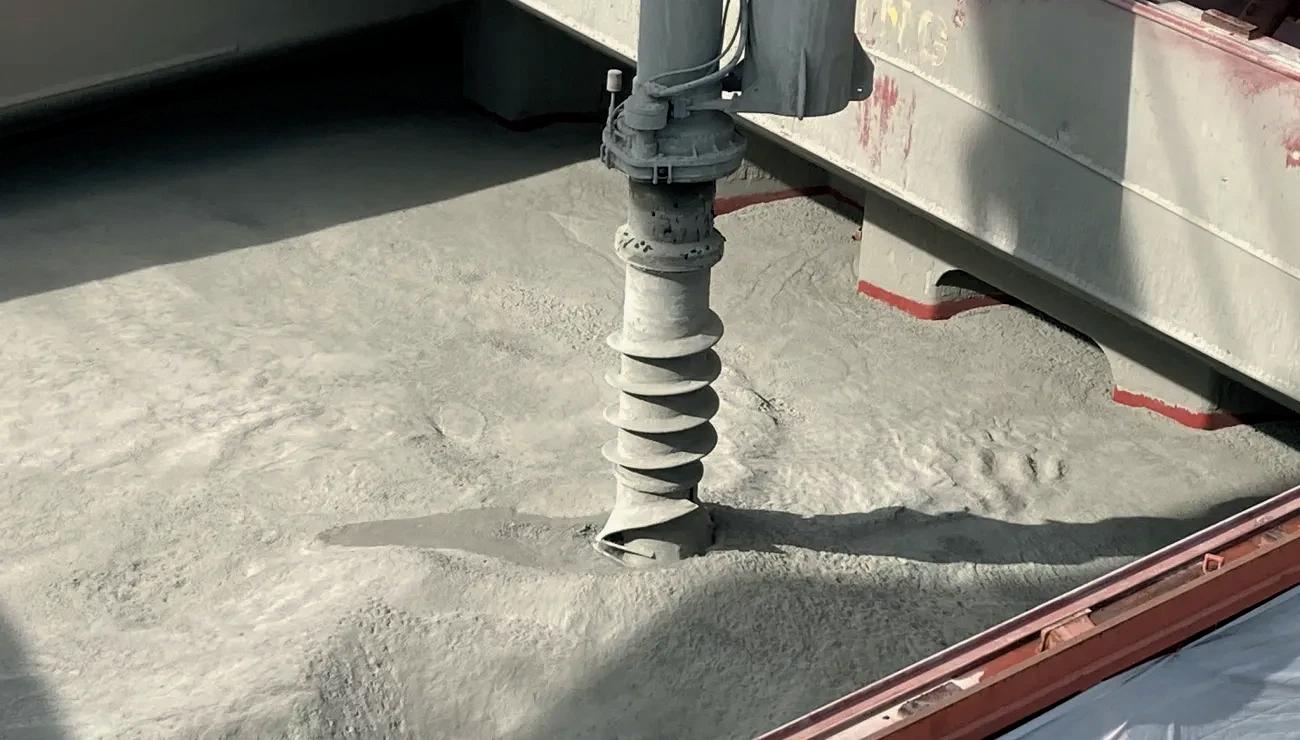
Cement handling at ports and terminals demands precise control of material flow, emissions, and operational reliability. The abrasive and dusty nature of cement places high demands on equipment design, material containment, and long-term durability.
Bruks Siwertell provides continuous cement handling systems engineered to deliver stable operation, reduced emissions, and predictable lifecycle performance.
Cement is one of the most challenging dry bulk materials to handle efficiently. Without fully enclosed and controlled systems, terminals risk elevated dust emissions, excessive wear, spillage, and unplanned downtime.
Common challenges in cement handling include: dust generation during unloading and v conveying; accelerated wear caused by abrasive v material properties; cleanup activities affecting availability v and safety; nd increased risk of environmental non- v compliance.
To manage these challenges, cement terminals require handling systems specifically designed for fine, abrasive materials and continuous operation.
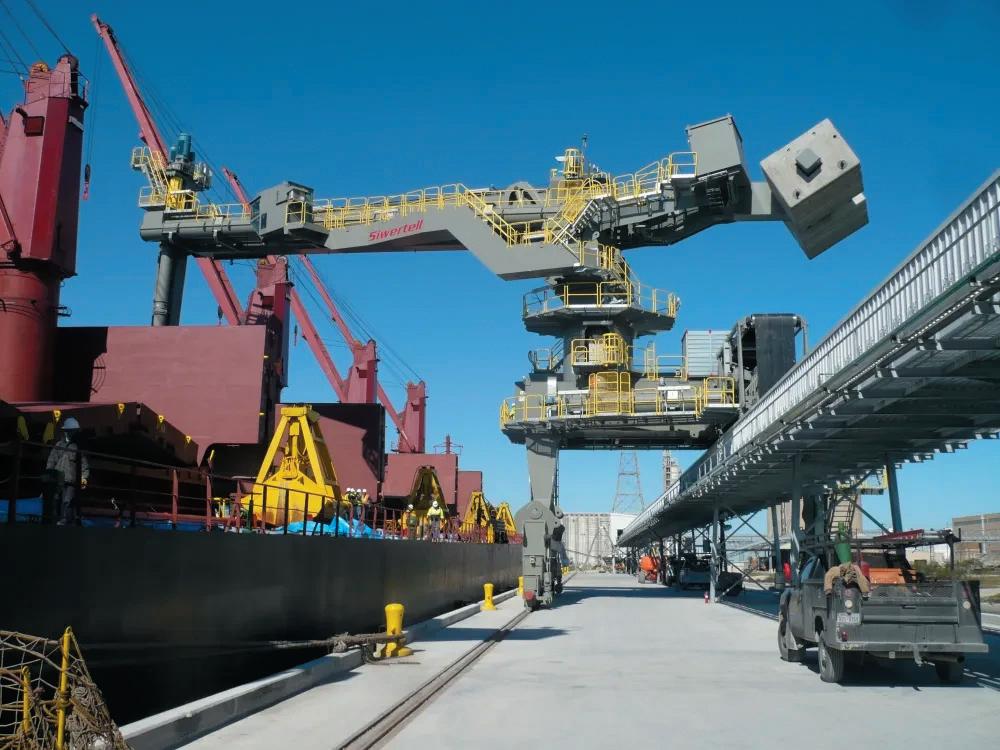
Continuous cement handling systems ensure an enclosed, steady material flow from vessel to storage. By maintaining full control of the cement throughout unloading and conveying, emissions and spillage are minimized at the source.
Key advantages of continuous cement handling include: dust-free or low-emission operation; v reduced material loss and cleanup v requirements; predictable throughput and system v availability; and
improved working environment and v safety.
Controlled material flow is fundamental to achieving reliable and compliant cement terminal operations.
Cement ship-unloaders operate under high utilization rates and must handle varying material characteristics without compromising performance.
Continuous screw-type ship-unloaders are well suited for fine cement materials, providing controlled discharge and
consistent capacity.
Operational advantages include: fully enclosed unloading process; v stable performance across different v cement qualities; reduced wear and maintenance v demands; and increased berth productivity. v For terminals handling cement on a daily basis, unloader reliability has a direct impact on overall terminal efficiency and cost control.
Environmental regulations and safety expectations for cement terminals continue to increase globally. Visible dust emissions and uncontrolled material handling are no longer acceptable.
Modern cement handling systems must: minimize emissions at the source; v reduce manual intervention and v cleanup; support compliance with v
environmental and safety standards; and deliver repeatable, predictable v performance.
Enclosed continuous handling systems enable terminals to meet regulatory requirements while maintaining high operational efficiency.
The true cost of a cement handling system is defined over its entire operational lifecycle. Initial capital expenditure represents only part of the total investment. Maintenance requirements, wear rates, energy efficiency, and system availability determine long-term value. Continuous cement handling systems support: lower maintenance frequency; v reduced wear on critical components; v fewer operational disruptions; and v predictable long-term operating costs. v For terminal owners and operators,
lifecycle performance and reliability are decisive factors.
Selecting cement handling equipment is a long-term commitment. Proven technology, documented references, and experienced engineering support reduce both project and operational risk. Bruks Siwertell has delivered cement handling solutions for ports and terminals worldwide, supporting reliable operation across a wide range of terminal layouts, capacities, and material characteristics.
Each cement terminal presents unique challenges related to layout, throughput, material properties, and environmental conditions.
Bruks Siwertell offers a complete range of ship-unloaders — rail-mounted, stationary, port-mobile, and road-mobile — configured to meet specific terminal requirements.
Bruks Siwertell has secured an order from R & Z Innovations Sh.pk for a Siwertell 10 000 S NGv2 road-mobile shipunloader. The unit will be installed at the MBM Port terminal in Porto Romano, Durres, Albania.
The operator’s Siwertell 10 000 S road-mobile shipunloader features a double bellows discharge system and integrated dust filters. It offers a continuous rated capacity of 300 tonnes per hour for handling cement, and can discharge vessels up to 10,000dwt.
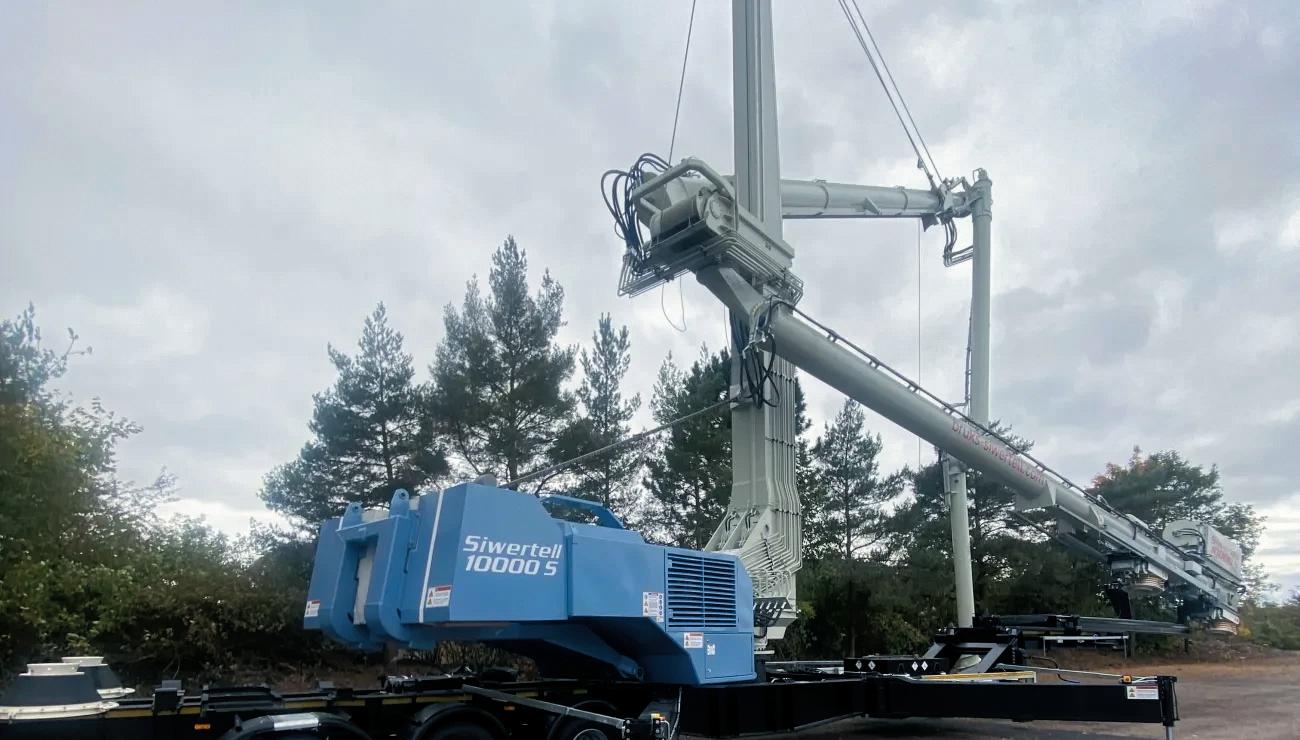
According to the customer, the selected model is particularly well suited to its operating procedure and projected cargo volumes. Following a market assessment, the company chose Bruks Siwertell as supplier, considering it the most capable provider of this type of equipment.
The Siwertell 10 000 S NGv2 is specifically designed to ensure efficient and environmentally responsible cement handling. Its fully enclosed screw conveyor system enables dust-free, spill-free operations, safeguarding product quality while protecting the surrounding environment.
Continuous unloading capacity supports rapid vessel turnaround, while the road-mobile design offers high operational flexibility with minimal infrastructure requirements, delivering a cost-effective solution for bulk cement imports.
This installation marks a regional milestone. R & Z Innovations will become the first operator in Albania to run the latest upgraded Siwertell 10 000 S NGv2. The order represents an important step forward in modern, efficient and sustainable bulk handling operations in the country.
Cement is among the most demanding products to store and handle in the bulk materials industry. Moisture sensitivity, dust emissions, and the sheer complexity of distribution all conspire to make storage a serious engineering challenge. For more than 50 years, Idaho-based Dome Technology, LLC has been meeting that challenge head-on, establishing itself as the global authority on seamless, reinforcedconcrete dome storage with more than 700 projects completed across 30-plus countries.
With a portfolio spanning cement, clinker, fly ash, coal, fertilizer, and other bulk commodities, the company’s scope extends well beyond the dome itself. Dome Technology delivers fully turnkey solutions, encompassing foundations and ring beams, reclaim tunnels, conveyor and materialhandling installation, structural steel, and electrical and mechanical systems, an approach that has become a key differentiator in a competitive market.
At the heart of Dome Technology’s offering is the seamless, steel-reinforced concrete DomeSilo, built using a proprietary airform construction method. Unlike conventional flat-storage structures or steel-framed warehouses, the dome has no interior trusses, no seams, and no access points through which moisture can penetrate. The result is a storage environment that is fully waterproof, thermally insulated, and dustproof, critical properties for a product as unforgiving as cement.
The structural geometry of the dome is equally significant. Its double curvature distributes loads across the entire surface, enabling the dome to bear enormous weight at the apex, making it ideal for multilevel headhouses and complex conveyor systems. For heavy products like clinker, this allows a single dome to reliably store materials that would overwhelm more conventional structures.
For cement storage specifically, the dome offers clear advantages over the alternatives. Compared to flat storage, domes allow product to be stacked far deeper on a much smaller footprint. Compared to a conventional cylindrical silo of similar diameter and height, the dome stores considerably more material, because the curved walls can contain product right up to the apex rather than stopping at a flat roof. The insulated shell prevents condensation from forming on interior walls, a common concern for cement,
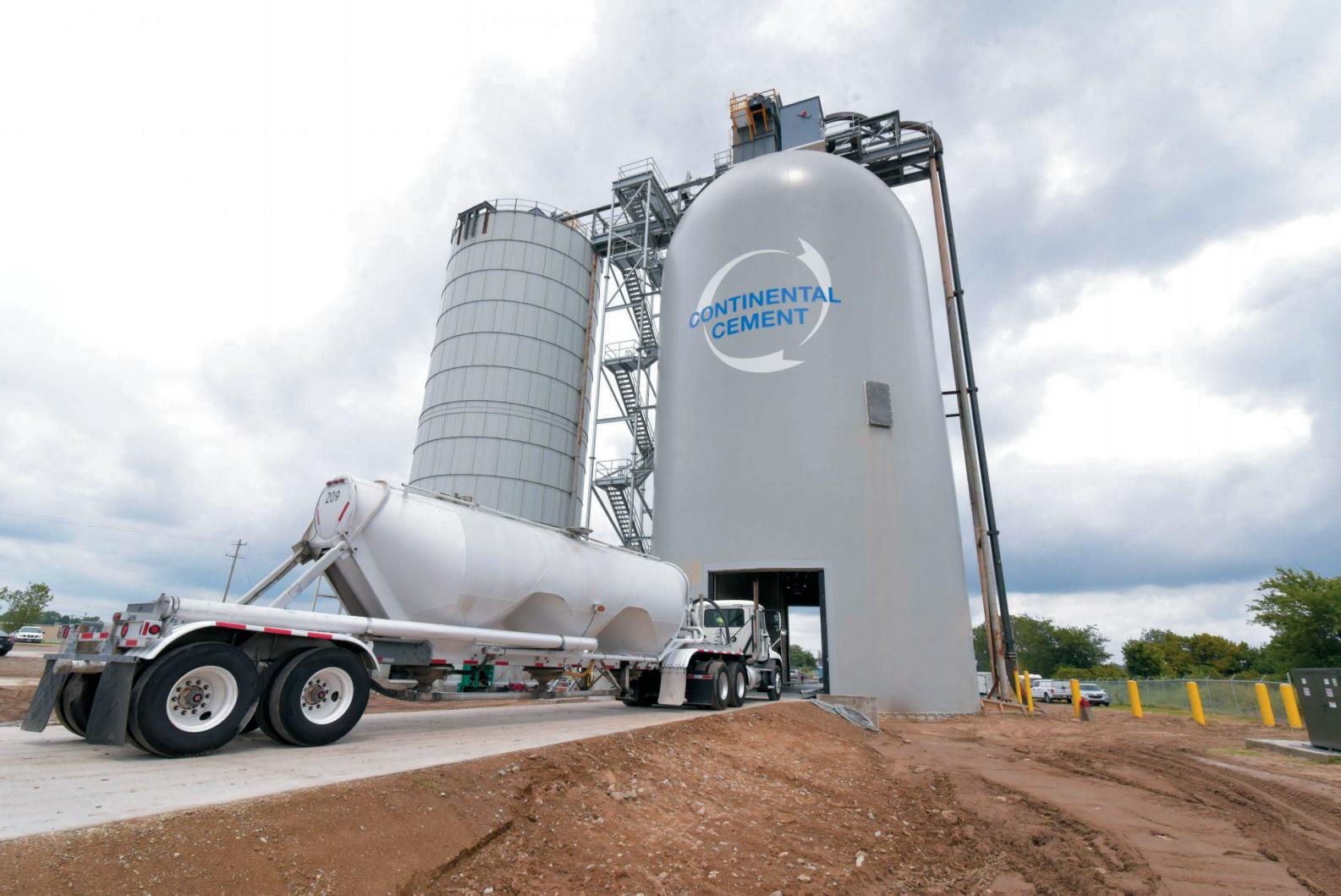
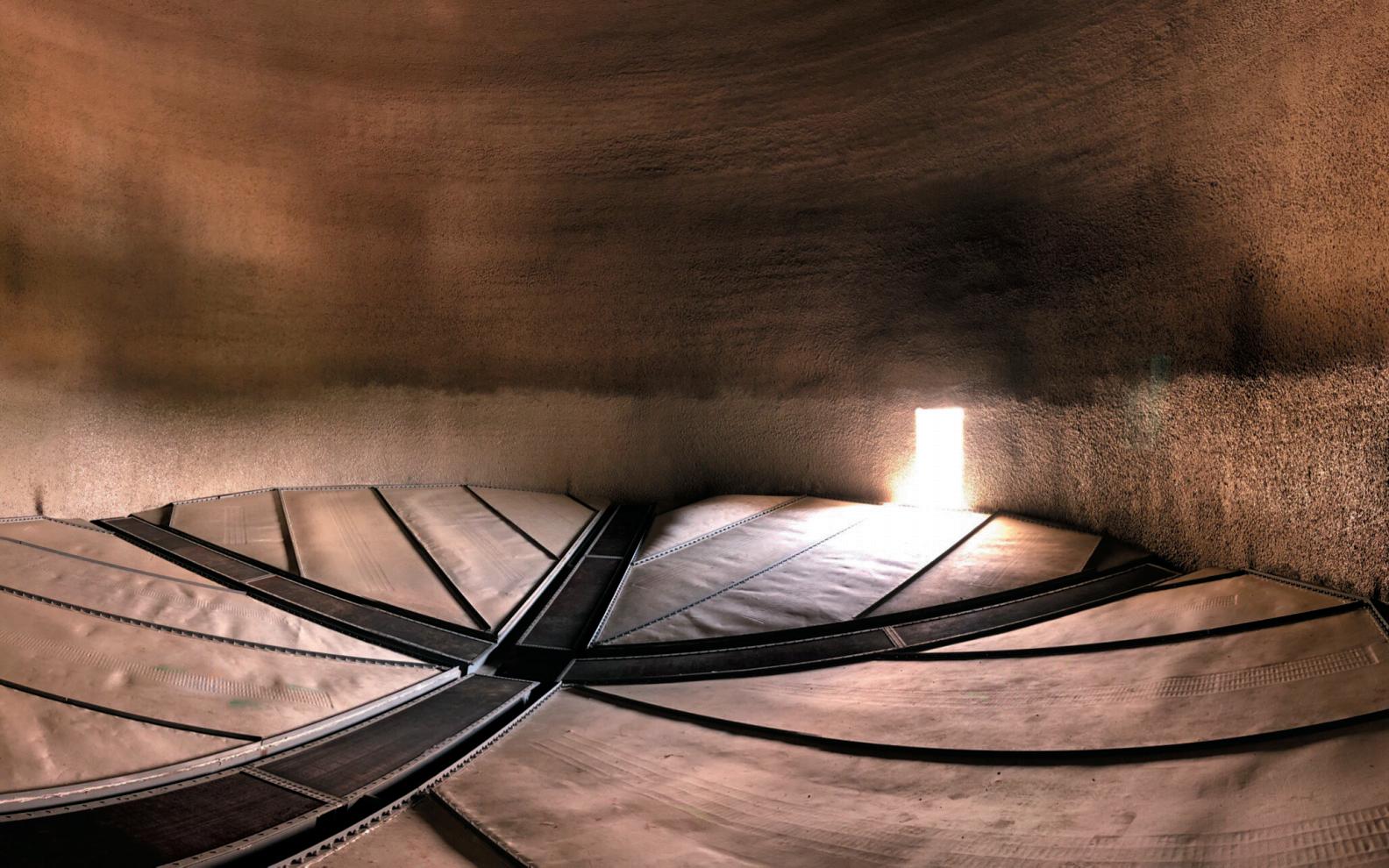
which can clump or set if exposed to moisture while the seamless construction eliminates the dust escape routes inherent in bolted or panel-built structures.
While large-scale bulk storage DomeSilo’s have long been Dome Technology’s signature, its Drive-Thru DomeSilo represents a fundamental rethinking of the drive-through storage concept as it has been practised for decades using boltedsteel tanks and precast concrete silos.
The Drive-Thru DomeSilo is a tall, narrow dome, typically ranging from 1,500 to 15,000 metric tonnes of capacity, designed to receive product from a conveyor or pipeline and discharge it directly into road tankers or rail wagons via a truck spout. The system incorporates a fully aerated floor for 100% live reclaim, and all associated structural, mechanical, electrical, and control systems as a complete turnkey package. The dome’s seamless concrete construction makes it
inherently more durable and moistureresistant than a bolted-steel alternative, while its geometry allows it to store more product in a given footprint than a conventional cylindrical silo.
A single Drive-Thru facility eliminates the need for multiple mechanical systems and operators. As Dome Technology CEO Bradley Bateman has noted, there is in principle no upper limit on the storage capacity to which the Drive-Thru concept can be applied.
One of Dome Technology’s Drive-Thru DomeSilo projects in commercial cement service is located on the banks of the Mississippi River in Memphis, Tennessee, at a terminal operated by Continental Cement Company, a Summit Materials company, and it is a project that showcases everything the technology can offer.
Continental Cement commissioned the structure as part of a comprehensive upgrade to a recently acquired waterfront
terminal. The project, completed in the summer of 2018, transformed a dormant facility into a state-of-the-art cement distribution hub. Dome Technology served as general contractor throughout, overseeing not just the Drive-Thru dome itself but also upgrades to an existing bolted-steel silo, a new barge unloader and all associated dock works.
The Drive-Thru DomeSilo at Memphis 30.5 metres tall and 15.2 metres in diameter, providing 4,500 metric tonnes of cement storage. It is supplied by barge from Continental Cement’s production facilities, with the barge unloader capable of receiving product at 350tph (metric tonnes per hour). The dome loads out at 320tph and, crucially, it can receive and dispatch simultaneously, meaning the terminal can replenish its inventory and serve truck customers at the same time. Area supervisor Dustin Whited identified this as one of the project’s most significant operational benefits.
The existing 3,000-tonne conventional silo was re-aerated as part of the same project to increase its truck-loading rate, and the barge unloader was engineered to direct product into either storage vessel as required. The in-line lump crusher on the
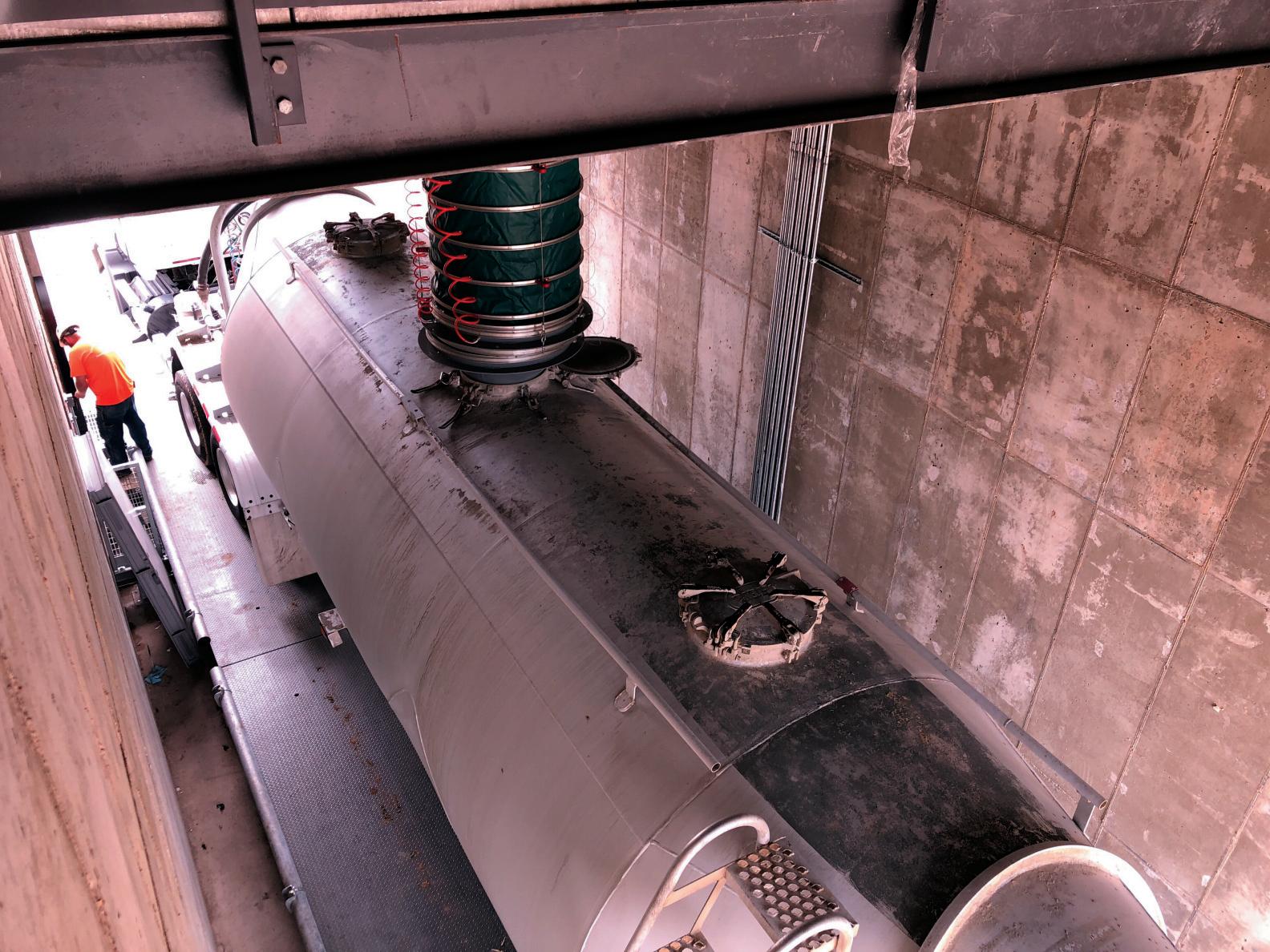
loadout ensures that any product that has clumped during transit is conditioned before reaching the customer’s truck.
The results have been transformative. Continental Cement has used the Memphis terminal to establish itself as the regional market leader in cement distribution, a position built on the system’s speed, reliability, and operational simplicity. The system is also, as Whited noted, "basically dust free, which is important to our customers and to our community." In a riverfront urban setting, that matters.
The Memphis project reflects the broader strengths that have sustained Dome Technology for five decades: deep engineering expertise, a genuinely turnkey scope, and a commitment to solving each client’s specific challenges rather than applying a one-size-fits-all solution. With the global cement industry under continued pressure to improve efficiency, reduce emissions, and streamline distribution, the Drive-Thru DomeSilo offers a compelling answer.
Sandwich Belt high angle conveyors have proven to be versatile, reliable systems for the continuous elevation or lowering of bulk materials at steep angles, up to 90°. These innovative conveyors are used across a wide range of industries to handle materials such as coal, copper ore, gypsum, slag, clinker, wood chips, municipal sludge, and refuse-derived fuel (RDF). With throughput capacities from 0.27 to 4,000 tons per hour and elevation heights between 3.66 and 175 meters, the Dos Santos Sandwich Belt high angle conveyor has become a proven solution for the demanding requirements of cement manufacturing and other bulk-handling operations.
In one of its latest installations at a cement processing plant, Dos Santos International (DSI) commissioned a hybrid Sandwich Belt high angle conveyor. The goal was to provide an alternative fuel source for cement production using recycled tyre chips. The challenge lay in elevating the material 133 feet (40.5 metres) up the face of a building while ensuring safe and unobstructed passage for vehicles below.
DSI created a compact yet robust conveyor capable of vertically transporting tyre chips by designing a combination Sandwich Belt high angle conveyor with both a Snake and GPS (Gently Pressed
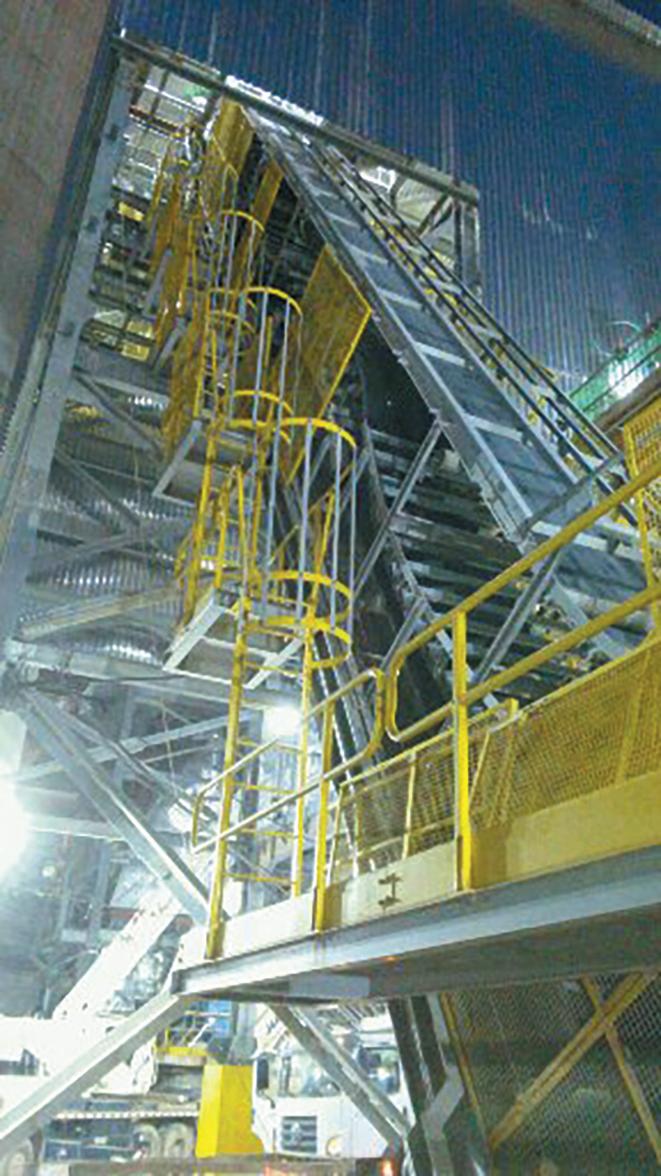
Sandwich) arrangement to attain the required specifications. The Snake system hugs the conveyed material using only radial pressure induced by the inherent belt tension along an engineered curving profile. The GPS system is used along straight portions of a sandwich profile. Instead of alternating convex curves, hugging pressure is applied by fully equalized pressing rolls on a spring-loaded frame.
This system is an integral part to transport and recycle used and rejected tyres for fuel in cement manufacturing. Traditionally, whole tyres were fed into kilns via hook elevators, but research shows that burning chipped tyres produces a cleaner, more efficient combustion process. The new DSI hybrid Sandwich Belt conveyor thus offers an optimized, sustainable method for delivering tyre chips to the kiln.
BRAZILIAN CEMENT PLANT: COMPACT AND SUSTAINABLE DESIGN
The continued versatility of the Sandwich Belt design is further demonstrated at a cement factory in Pitimbu, Paraíba, Brazil, where DSI partnered with Zanella Engenharia e Indústria de Máquinas of Curitiba, Paraná.
The plant’s layout was developed to minimize environmental impact, requiring a compact footprint. A challenge easily met with the DSI system, the conveyor elevates 720 tonnes per hour of limestone, iron ore, sand, and clay at a 60° incline, efficiently feeding the raw material preparation process.
The Paraíba installation also marked a milestone in the evolution of DSI technology — it became the first to incorporate the DSI Edge Brush system. This innovative feature was developed to address materials that tend to migrate toward the belt edges. The Edge Brush
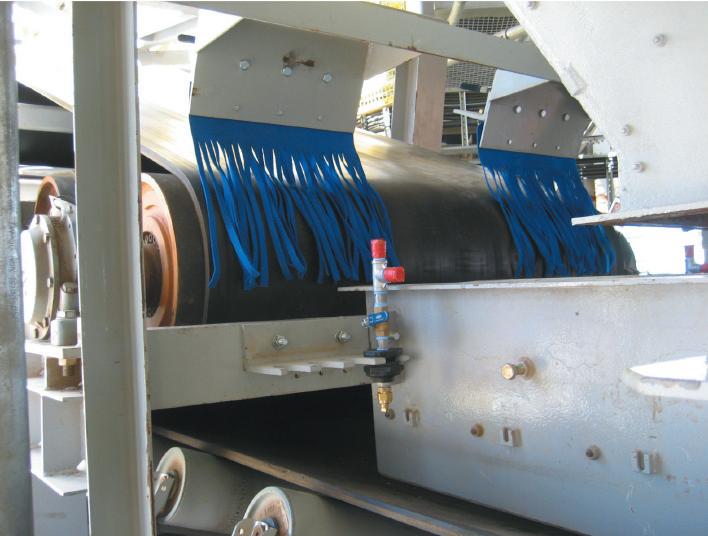
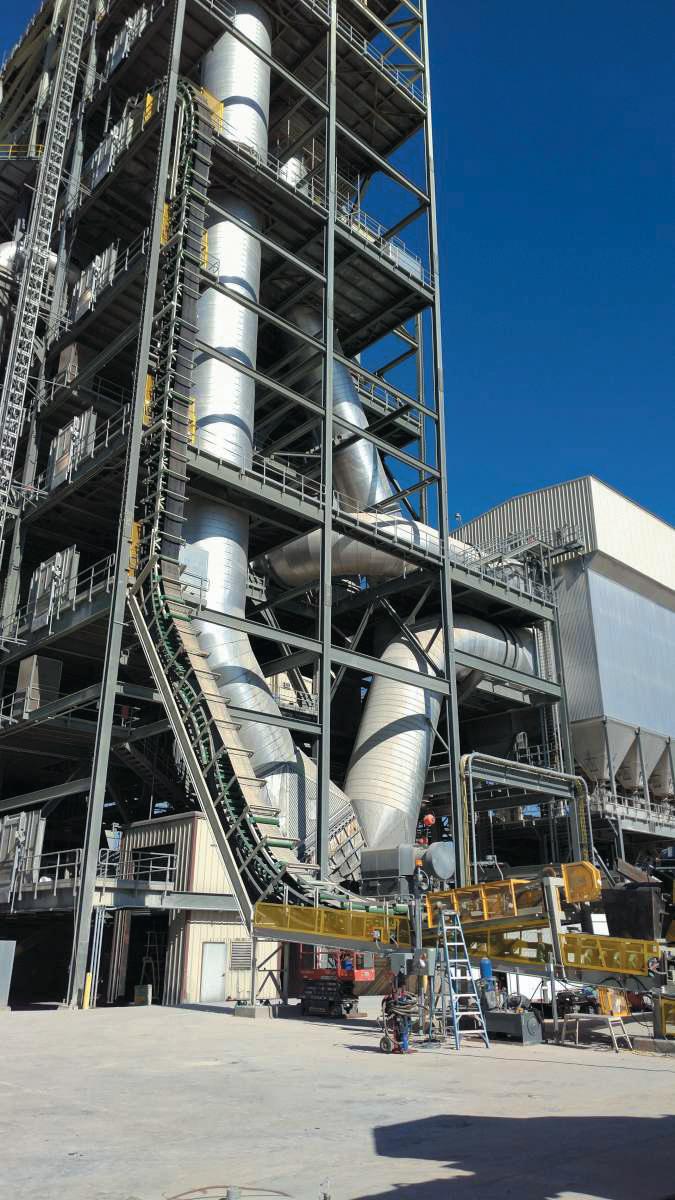
applies a precisely controlled mist of water along the belt edges to stabilize the load and prevent side migration.
The system continuously monitors material flow rate and belt speed using advanced sensors, automatically adjusting water application for optimal performance. When the conveyor is idle, the Edge Brush remains completely dry, conserving both water and energy.
The Paraíba conveyor also features an extended loading zone fed by five belt feeders and chutes, a cross-belt magnet to remove tramp iron, and a material analyser to ensure the correct feed composition. Once in full operation, the plant will produce 3,000 tonnes of clinker per day and 1.5 million tons of cement annually.
Long before founding DSI, J.A. Dos Santos engineered numerous cement plant installations that demonstrated the Sandwich Belt conveyor’s unique strengths in handling raw materials efficiently and reliably.
The first system for cement raw materials was installed in an underground gypsum mine, where it vertically elevated crushed gypsum rock from the mine’s crusher to the surface. The conveyor discharged directly onto a plant conveyor feeding
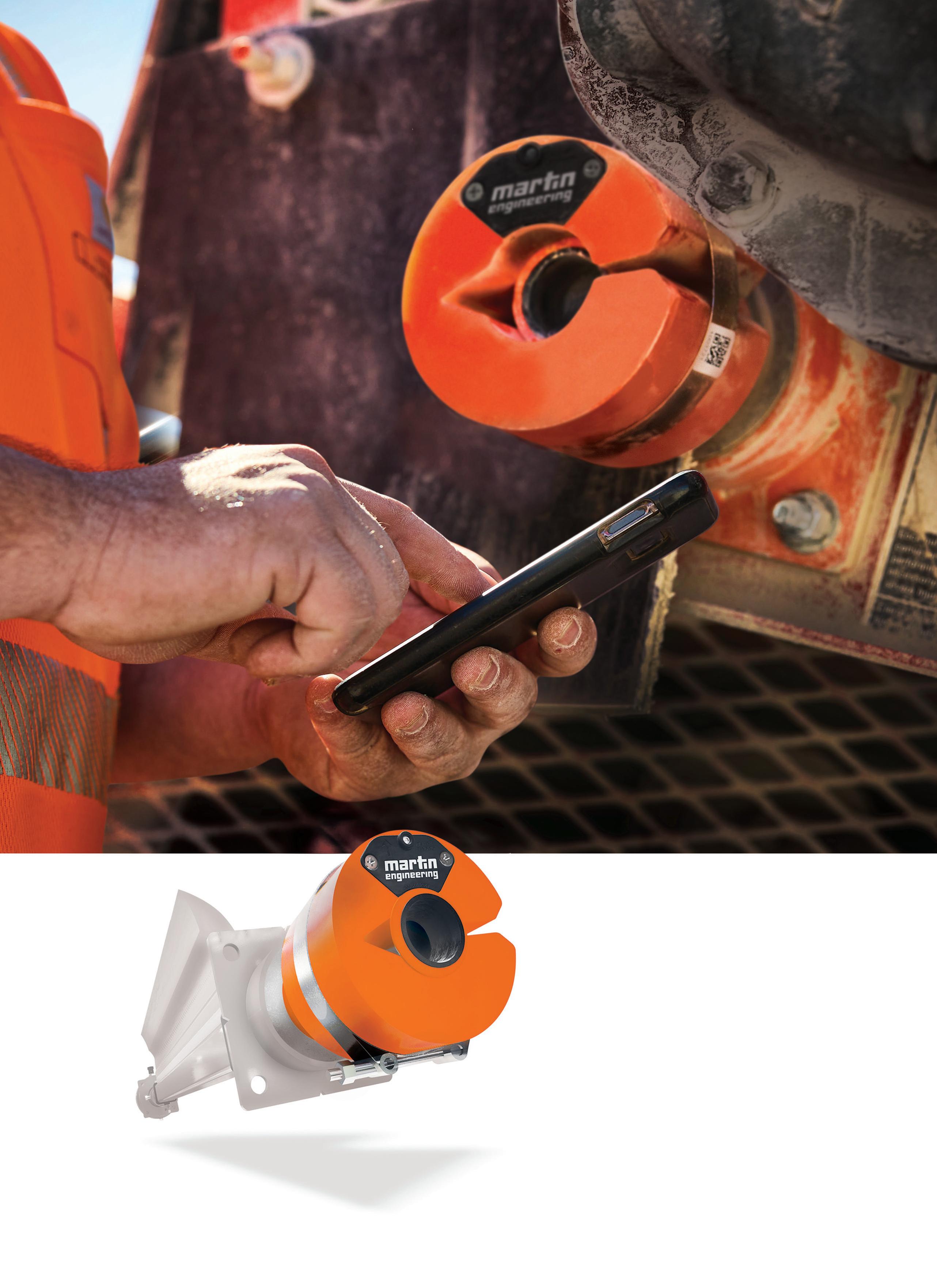
ands-on belt cleaner inspections, particularly in hard-to-reach locations, can often expose workers to hazardous conditions and cost valuable production time.
Martin® N2® Position Indicators track blade tension, wear patterns, and critical mainframe rotation — all in order to minimize inspections and worker exposure.
multiple N2 position indicators pair with the Martin®Cellularable details via our proprietary Smart Device
either outdoor storage or the processing facility. This vertical arrangement replaced a horizontal conveyor and bucket elevator, simplifying the transport system and eliminating a high-maintenance transfer point.
Another landmark project took place at Steel Cement Company in Melbourne, Australia. There, the Sandwich Belt conveyor formed part of an automated port-based manufacturing operation. Raw materials, steel mill slag and gypsum were imported by ship, stored in open stockpiles, and then metered onto the conveyor at multiple loading points. The blended materials were elevated directly to the grinding mill for reduction to fine cement. Because steel mill slag is already a clinker, no firing was required, significantly reducing both energy consumption and cost.
In the southeastern United States, a Sandwich Belt conveyor transported limestone, gypsum, sand, and iron ore to storage bunkers that fed the kiln. The most interesting aspect of this system is the long approach with multiple feed points, where blending of the products (limestone, gypsum and sand etc.) is achieved by a crane-mounted clam shell which stocks the
material above the apron feeders to the Sandwich Belt conveyor. This 90° vertical system replaced a conventional horizontal conveyor and bucket elevator, eliminating a transfer point and greatly reducing operational and maintenance expenses.
In Mexico, the technology was used for hot material handling, replacing multiple conventional conveyors and pan elevators. The Sandwich Belt system handled a wide range of materials — from hot, powdery clinker to gritty pozzolanic sand and coarse gypsum rock — providing continuous, transfer-free material flow that enhanced both reliability and process efficiency.
From the latest hybrid tyre-chip conveyor to the early gypsum and slag-handling systems, Sandwich Belt high angle conveyors have consistently demonstrated their ability to redefine efficiency, reliability, and environmental responsibility in cement manufacturing.
By eliminating transfer points, reducing spillage, and enabling compact plant layouts, DSI’s systems improve operational performance while contributing to smaller physical and carbon footprints.
Dos Santos International remains dedicated to advancing high angle conveying technology, continuing a tradition of engineering excellence that supports
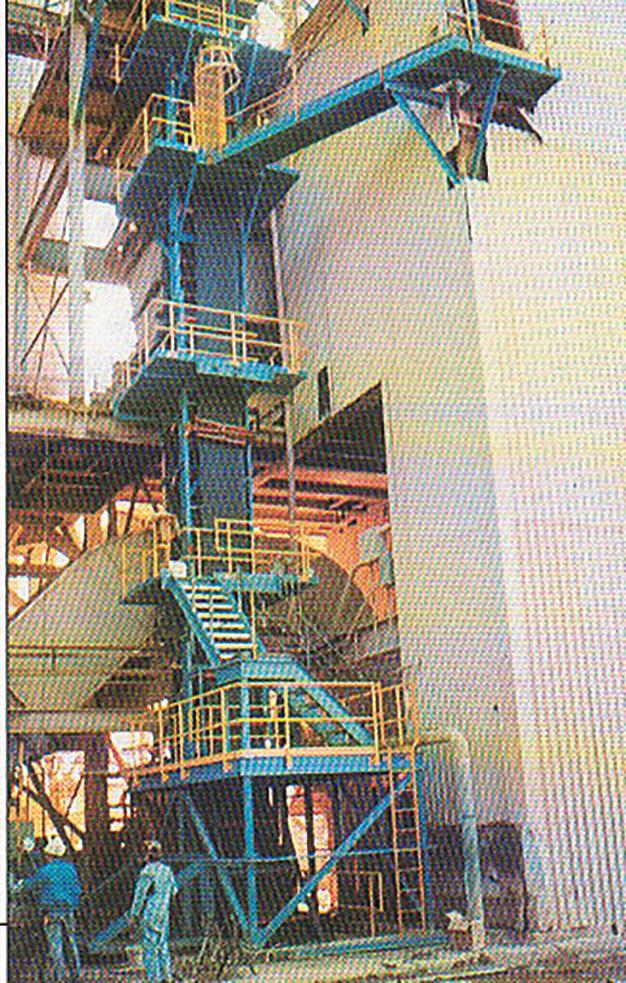
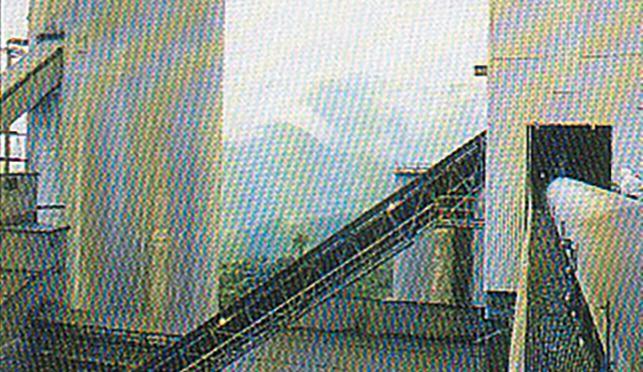
both industrial productivity and environmental sustainability.
Dos Santos International is the world’s foremost authority on sandwich belt high angle conveyors. The company was founded and is currently led by the inventor of the system, Joseph Dos Santos. DSI is known for its extensive worldwide experience in sales, engineering, and construction of bulk materials handling systems and equipment. This has included major contributions that have expanded the range of bulk handling and transport solutions. Most notably advances in sandwich belt high angle conveyors have led to their worldwide utilization. The expertise of DSI spans a wide range of materials handling systems and equipment including high angle conveyors, high powered, high capacity, high lift slope conveyors and long overland conveyors utilizing the very latest technology. Thank you

...for proving us right. Advertising really does work.
To find out how you can benefit from advertising in the world’s only monthly dry bulk publication contact Andrew Hucker-Brown on Tel: +27 31 583 4360
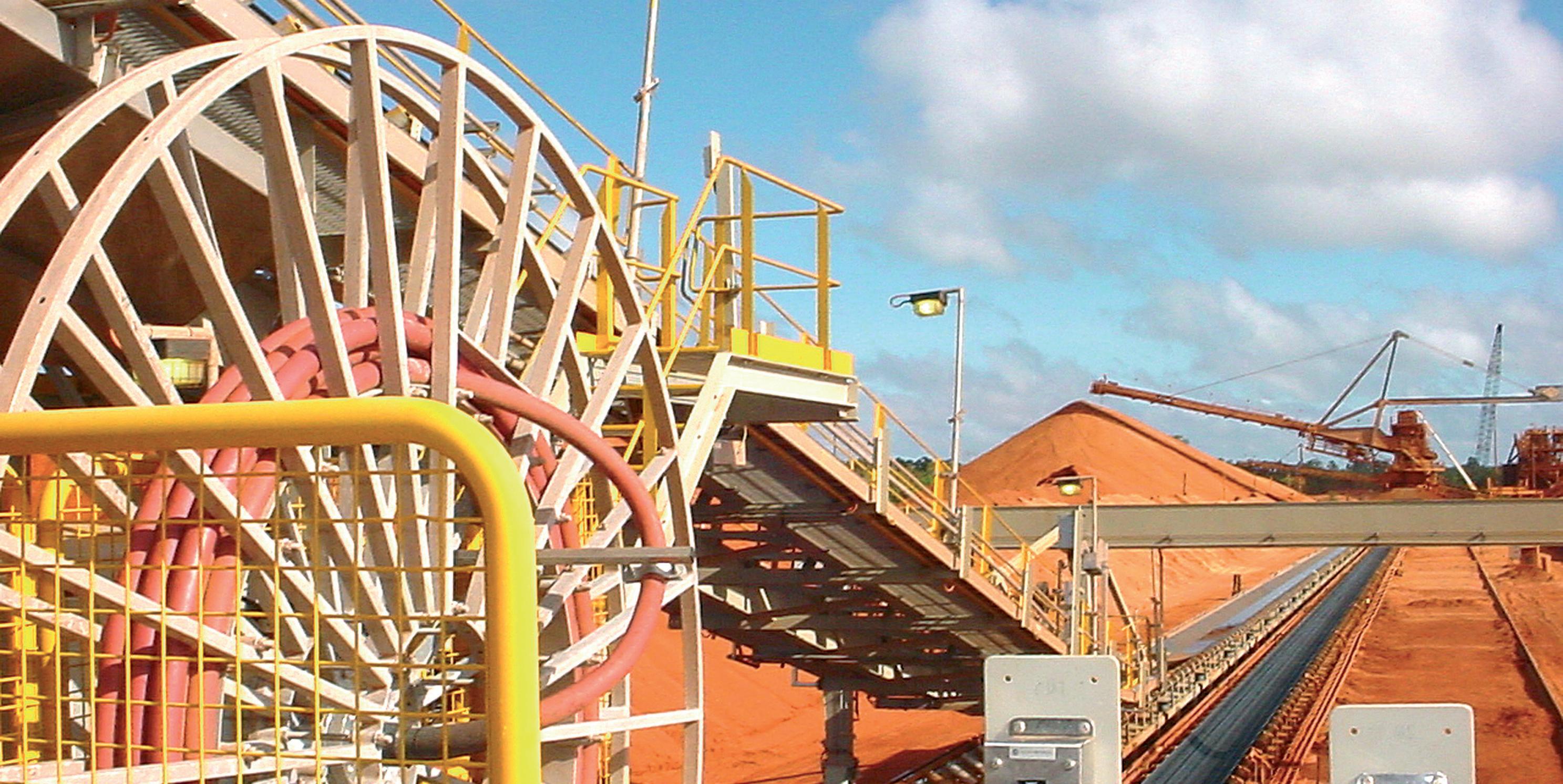


Motor Driven Reels
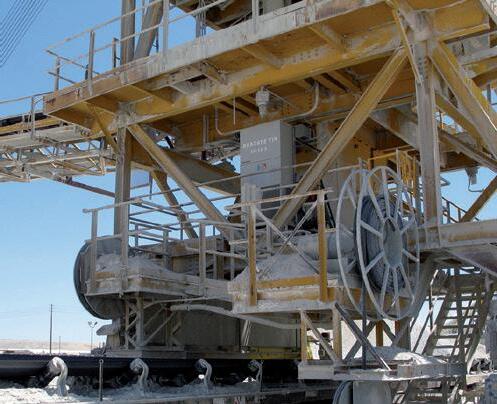
• Monospiral and Level-Wind configurations
• Rugged and dependable magnetic coupler for dusty environments

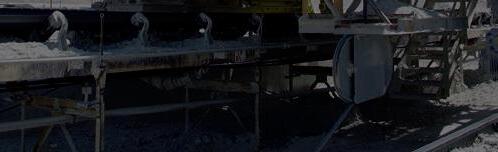
Cable Festoon
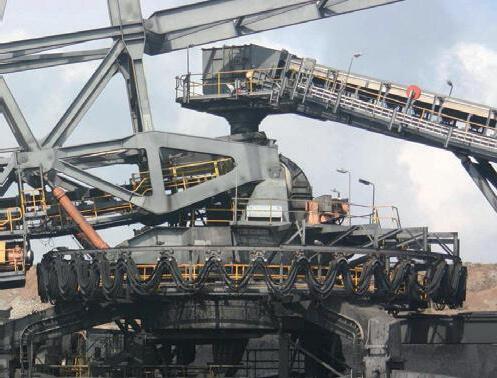
• Corrosion-resistant, long-life rollers; precision sealed bearings
• Systems customized for the application
• Preassembled option, for easy installation


Slip Rings
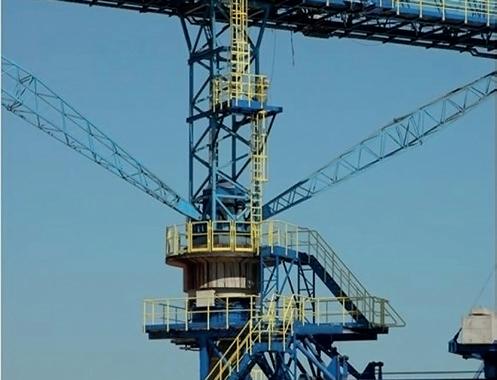
• Allow infinite rotation

• Combined power, control and media (water, air, oil, vacuum, other)
• Available with ATEX and SIL 3 certification
Conductix-Wampfler has one critical mission: To keep your bulk material handling operations running 24 / 7 / 365. You need proven, worryfree energy solutions - and Conductix-Wampfler has them. Our systems provide reliable electric power and water to stacker/reclaimers, barge and ship loaders/unloaders, bulk conveyors, tripper systems, and gantry cranes. Conductix-Wampfler systems are rugged, low maintenance, and timetested in tough, dusty environments. All products are backed by the largest sales and service network worldwide!
www.conductix.com
Since 1919, the company GAMBAROTTA GSCHWENDT has been developing and manufacturing loads of bucket elevators for lifting a wide range of bulk solid materials, including cement and related commodities.
Thanks to its continuous research and development effort and to the quality of its equipment, addressed to their maximum reliability, GAMBAROTTA GSCHWENDT maintains a good position among the leading manufacturers of this sector.
These double-chain bucket elevators can be considered one of the most modern lines of heavy-duty elevators, providing the highest flow rate of 2,000m3/h and more.
The large-sized buckets are one of their main features, with a capacity up to 290 litres each on the largest elevators.
Mechanical chains have pin and bush, also designed for very high breaking loads (up to 4,000kN).
Thanks to the continuous buckets, these GAMBAROTTA GSCHWENDT bucket elevators have great flexibility, allowing both slow and high speeds. They are perfect when a low speed is required (less than 0.7m/s), as in the case of lifting granular fertilizer material or for lifting medium-sized materials (50–100mm). Nevertheless high speed is possible too (>1.5m/s) in order to minimize the size — and therefore the cost — of the bucket elevator required.
When speeds lower than 0.8–0.9m/s are required, the material discharge, although external to the trajectory of the buckets, occurs due to the combined effect of centrifugal force and gravity, with the material flowing on the back of the preceding bucket, thanks to the continuous bucket system. Therefore, when the material is being discharged, the back of each bucket acts ‘as a slide’ for that part of the material that is forced to follow a less effective expulsion trajectory due to insufficient centrifugal force. This allows an easy discharge through the outlet chute.
When lifting granular fertilizer, low speed is used to minimize the crushing of the granules and the level of powdering, which is essential to guarantee a good product quality.
Low speed also allows the buckets to load (partly with dredging) and lift materials with larger grain sizes, up to 80–120mm.
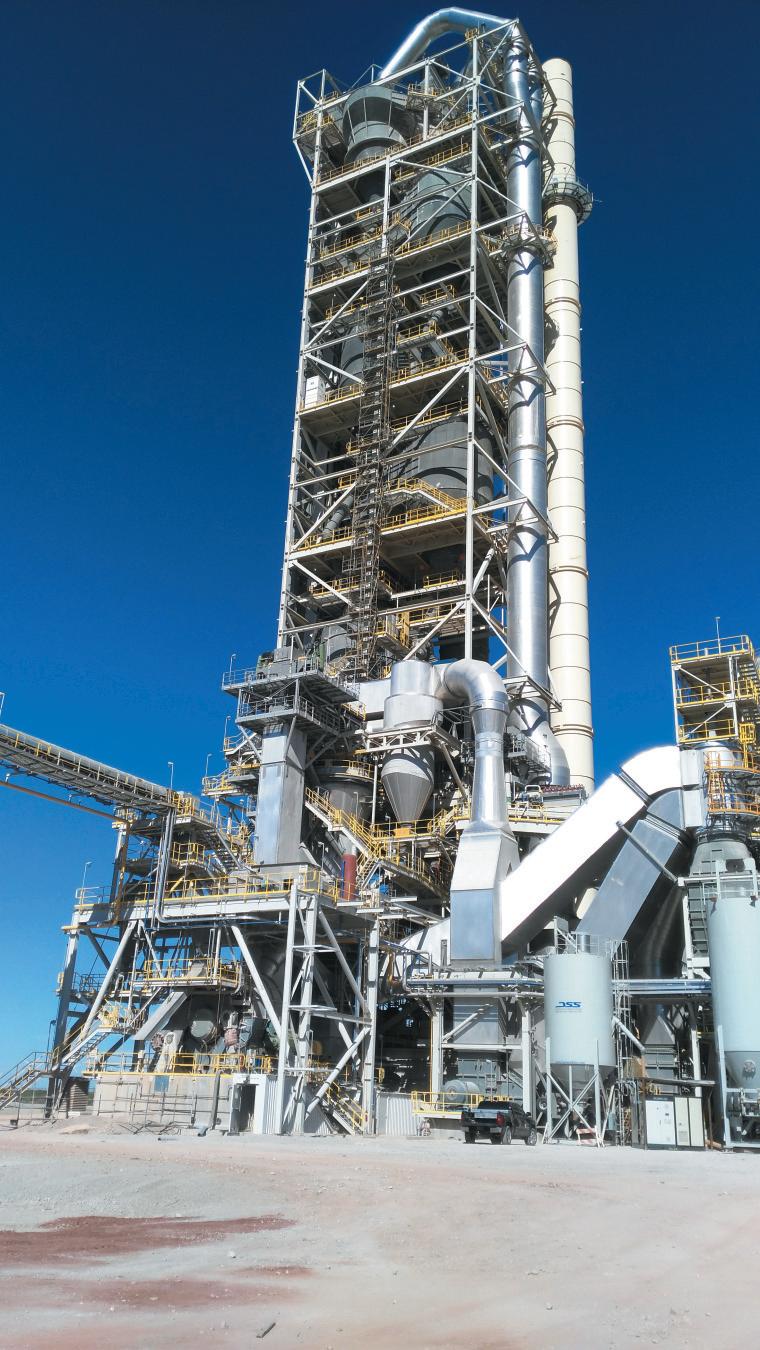
When speeds exceeding 1m/s are v allowed (the most frequent case) — usually up to 1.5–1.6m/s — it is allowed the highest flow rate of material to be lifted. In this case the material is usually discharged centrifugally.
A hydraulic tensioning system is frequently used for tensioning the chains, thus allowing for high loads (if necessary) as well as easy and uniform adjustment of the chains.
The larger GAMBAROTTA GSCHWENDT bucket elevators are equipped with double drive unit (see pictures 2 & 3).
In the cement industry, this type of GAMBAROTTA GSCHWENDT super-capacity bucket elevator is used to lift a wide range of bulk materials such as clinker, raw

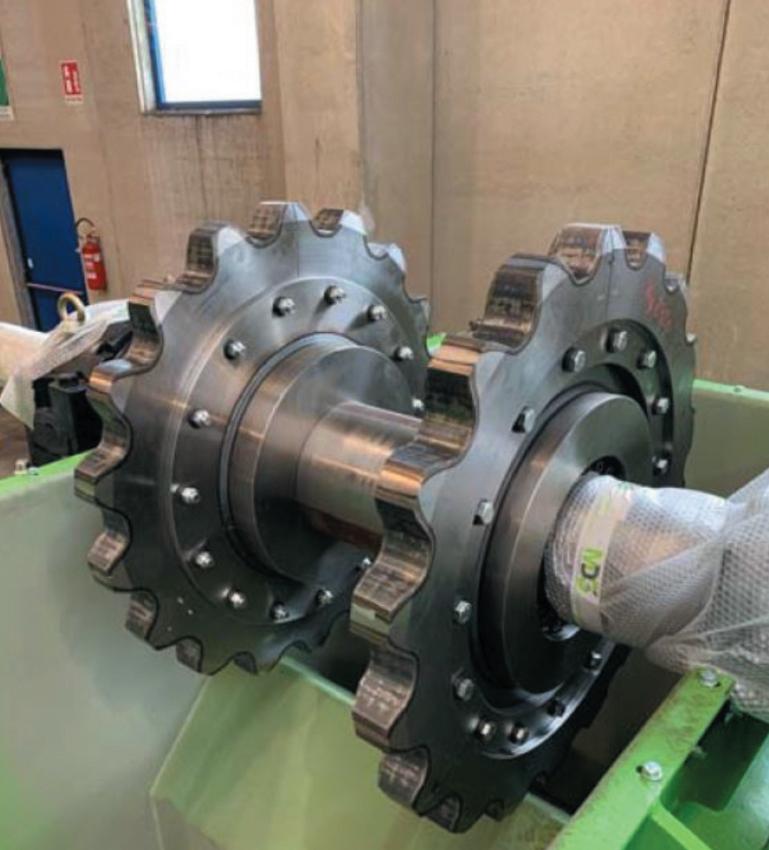
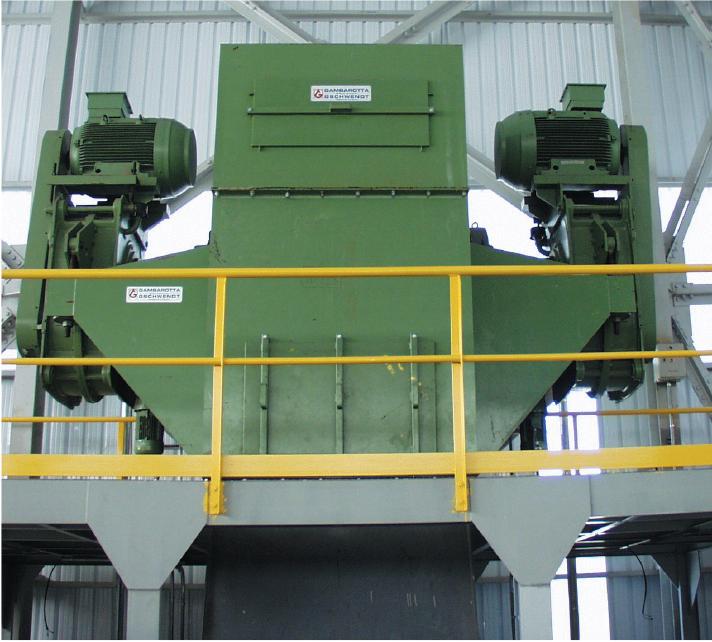


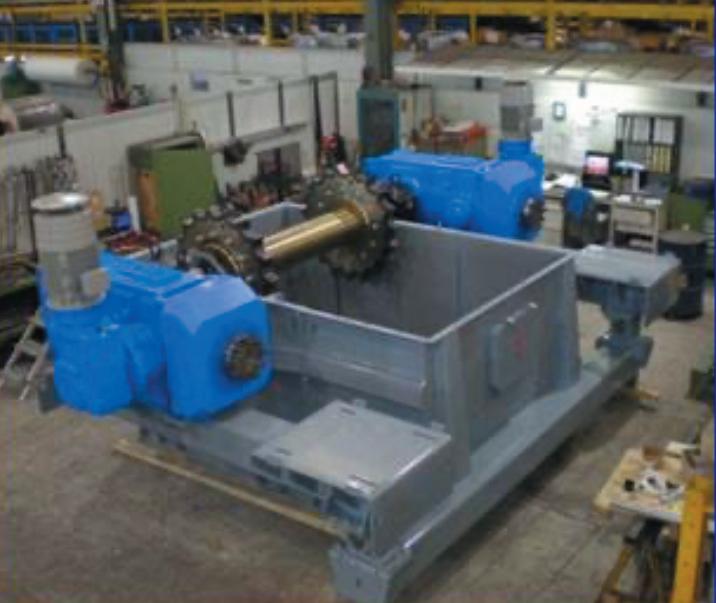
meal, raw mix, limestone, cement, coal, to name a few.
Recently GAMBAROTTA GSCHWENDT was awarded an order from DYPNF, South Korea, for the supply of a super-capacity bucket elevator, the length of which is 50.6m.
This GAMBAROTTA GSCHWENDT elevator lifts petroleum coke (100mm max) at a speed of 1.3 m/s and thanks to its two lateral bushed chains, which have a breaking load of 1,500kN each, is the best GAMBAROTTA GSCHWENDT solutions to serve this purpose.
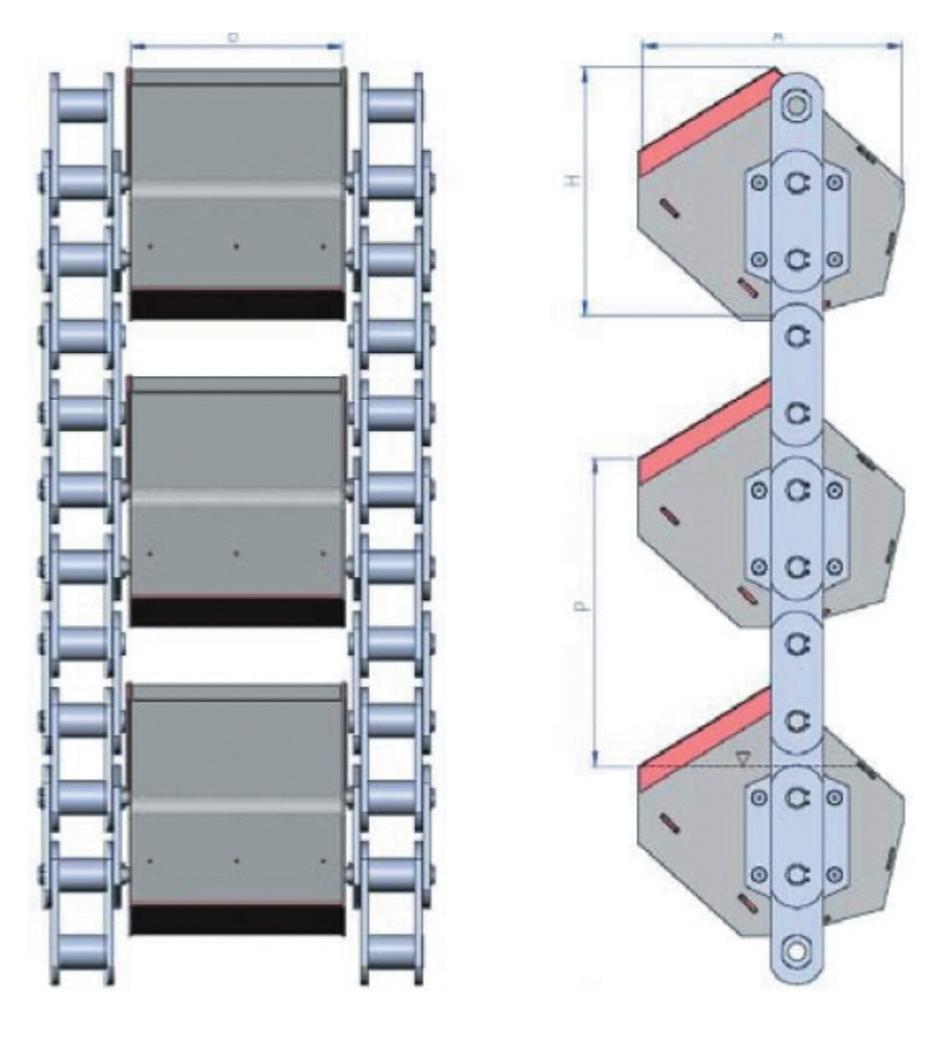
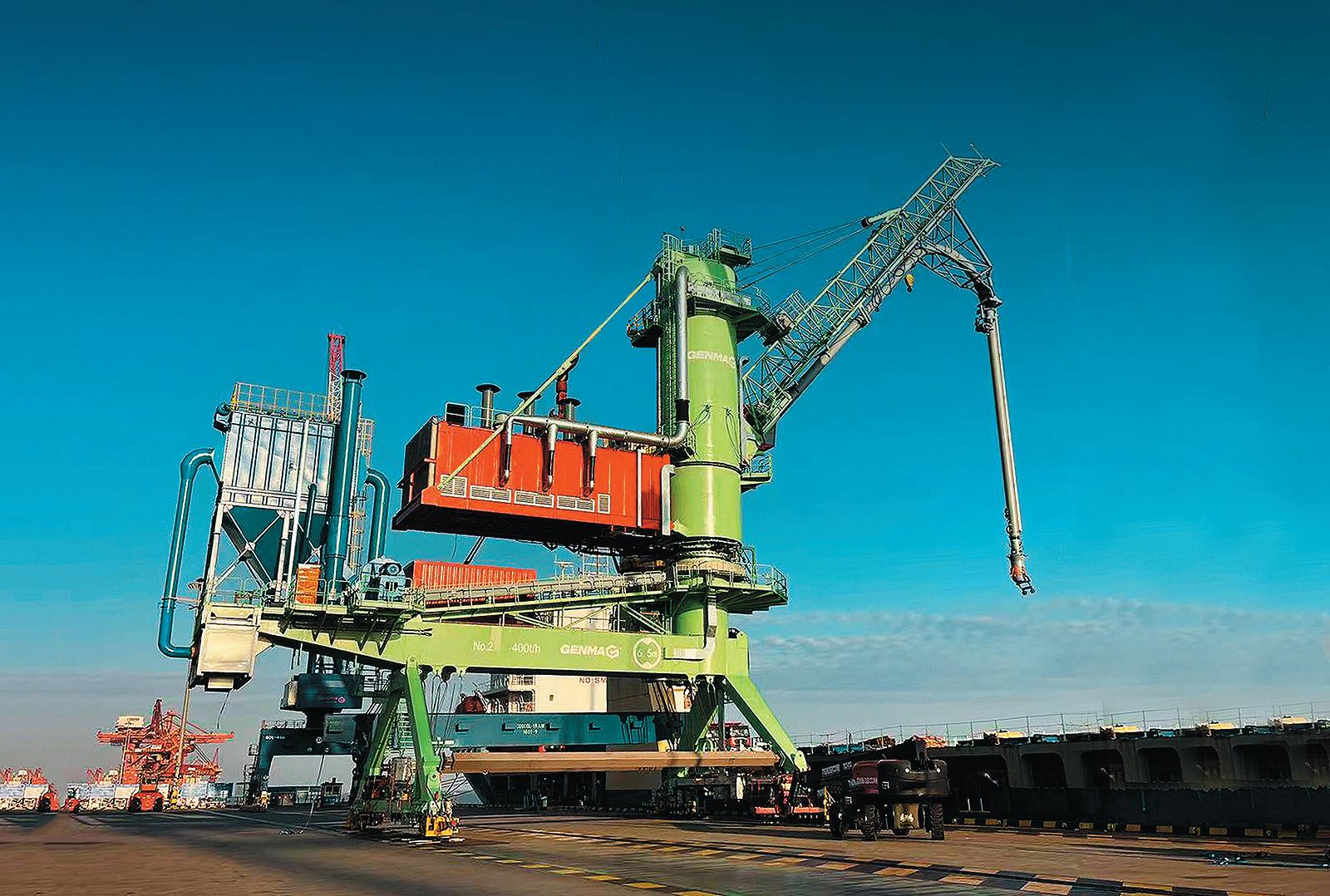
GENMA’s Air Source system delivers breakthroughs in unloading efficiency and stability
PORT’S ‘SUPREME VACUUM’ JUST GOT AN UPGRADE
Imagine this: thousands of tonnes of grain, cement, fertilizer, or alumina, cleared from a cargo ship not by noisy forklifts or manual labour, but swiftly and cleanly by a ‘super vacuum cleaner’. That’s essentially what a pneumatic ship unloader is — a powerhouse on the docks. But today, we’re not just talking about its suction power. We’re diving into what allows it to keep sucking, efficiently and reliably, day in and day out. The secret lies in its core — the Air Source System.
PART 1: THE OLD HEART: ALL EFFORT, OVERHEATING TOO OFTEN
Traditional air source systems often rely on a “motor + belt” drive mechanism.
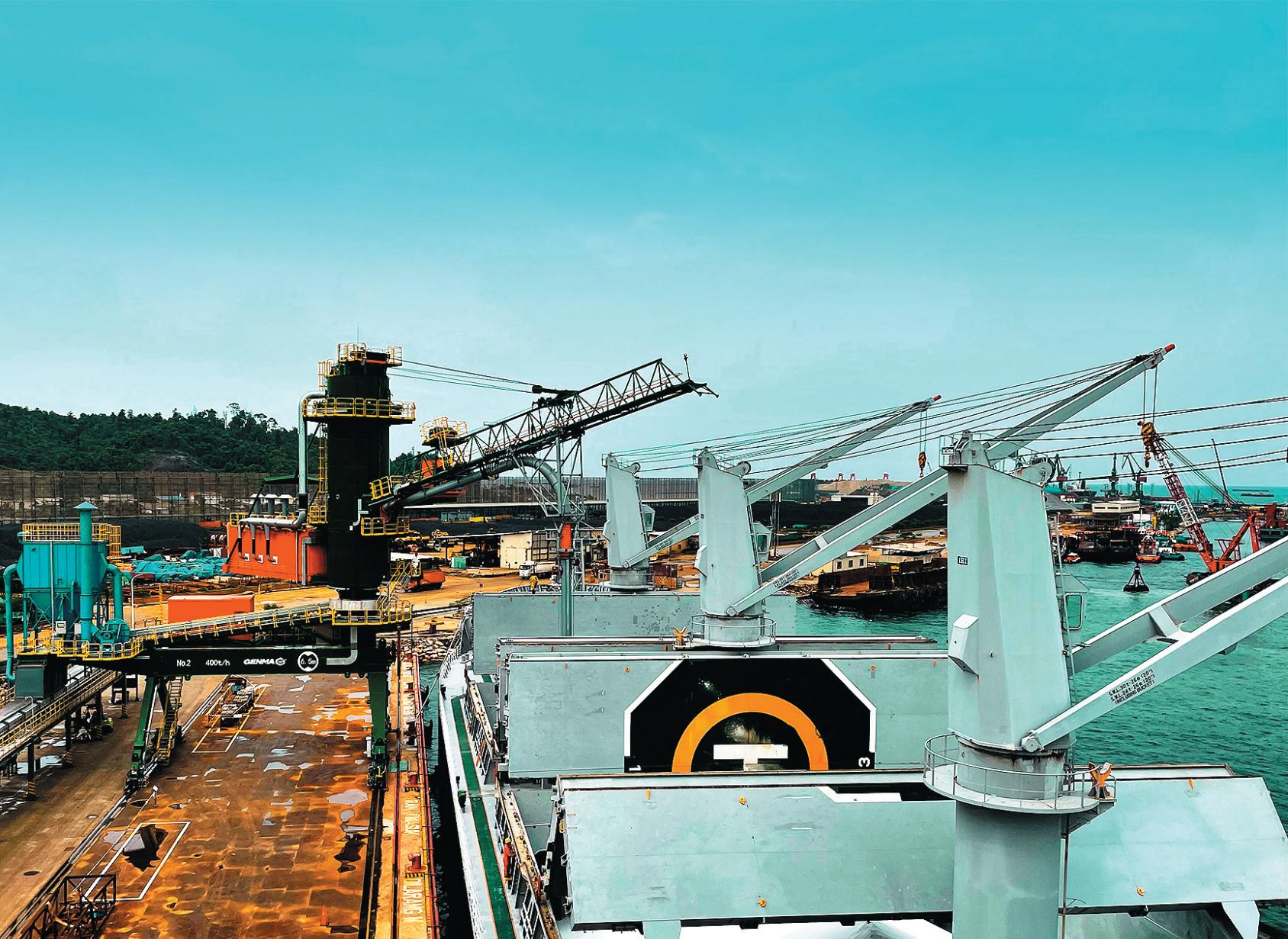
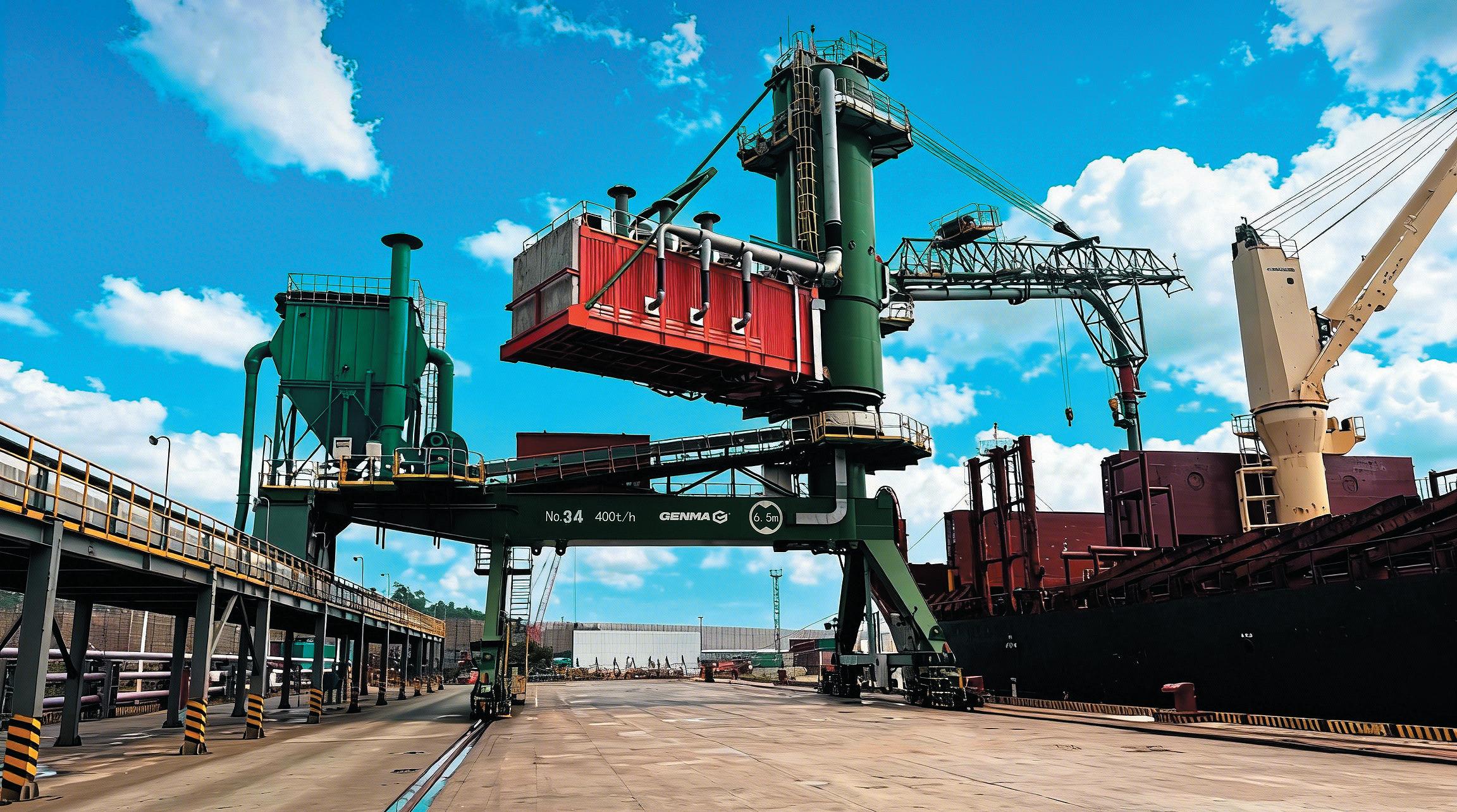
Think of it like riding an old bicycle: you pedal hard, but the chain slips, and not all your effort reaches the wheels.
For the unloader, this meant:
✘ Wasted power: the belt itself absorbed a significant part of the motor’s energy, leaving less actual “suck” for the job.
✘ High maintenance: belts had to withstand high temperatures and speeds, making them finicky and a hassle to replace.
✘ Loud and prone to overheating: multiple units working close together were like a crowd sprinting in a small room — noisy and overheating, which led to efficiency drops.
In short: it worked, but it was inefficient and unreliable.
GENMA engineered a new core for this industrial vacuum.
It is the High-speed Constant Torque
Asynchronous Motor System (sounds technical, but the concept is brilliantly simple).
Here’s what makes it superior:
✔ Zero power waste: through GENMA’s redesigned, revolutionary drive solution, the power transmission pathway has been optimized. It achieves near-lossless conversion of energy into formidable suction power, significantly enhancing overall energy efficiency.
✔ Compact and cool: the new system is significantly sleeker. This allows for better spacing between units (think ‘social distancing for machines’), preventing heat buildup and ‘heat fatigue’.
✔ Built-in climate control: the unloader
even reroutes cool air from the electrical room directly to the motor’s cooling intake. Imagine working hard while enjoying a steady stream of AC — that’s the luxury that GENMA has built in.
Numbers don’t lie. This system has already efficiently unloaded 560,000 tonnes of material at an Indonesian port — equivalent to clearing about five 100,000dwt bulk carriers — without a single breakdown.
The temperature control is particularly impressive. What does this mean?
✔ This heart is not only powerful but exceptionally stable. Like a marathon runner maintaining a steady pace, its vital signs never spike.
✔ Lower electricity bills: less wasted power means direct cost savings.
✔ Quieter operation: reduced noise pollution for a better port environment.
✔ Enhanced durability: less heat and wear extend the machine’s lifespan and slash maintenance needs.
✔ Peak performance: consistent suction and unparalleled reliability translate to faster unloading speeds and greater throughput.
In port operations, time is money, and reliability is everything. GENMA focuses on its clients’ core needs. It bypasses flashy gimmicks to perfect the fundamental technology — making the ‘heart’ of the unloader more powerful, more resilient, and utterly dependable.
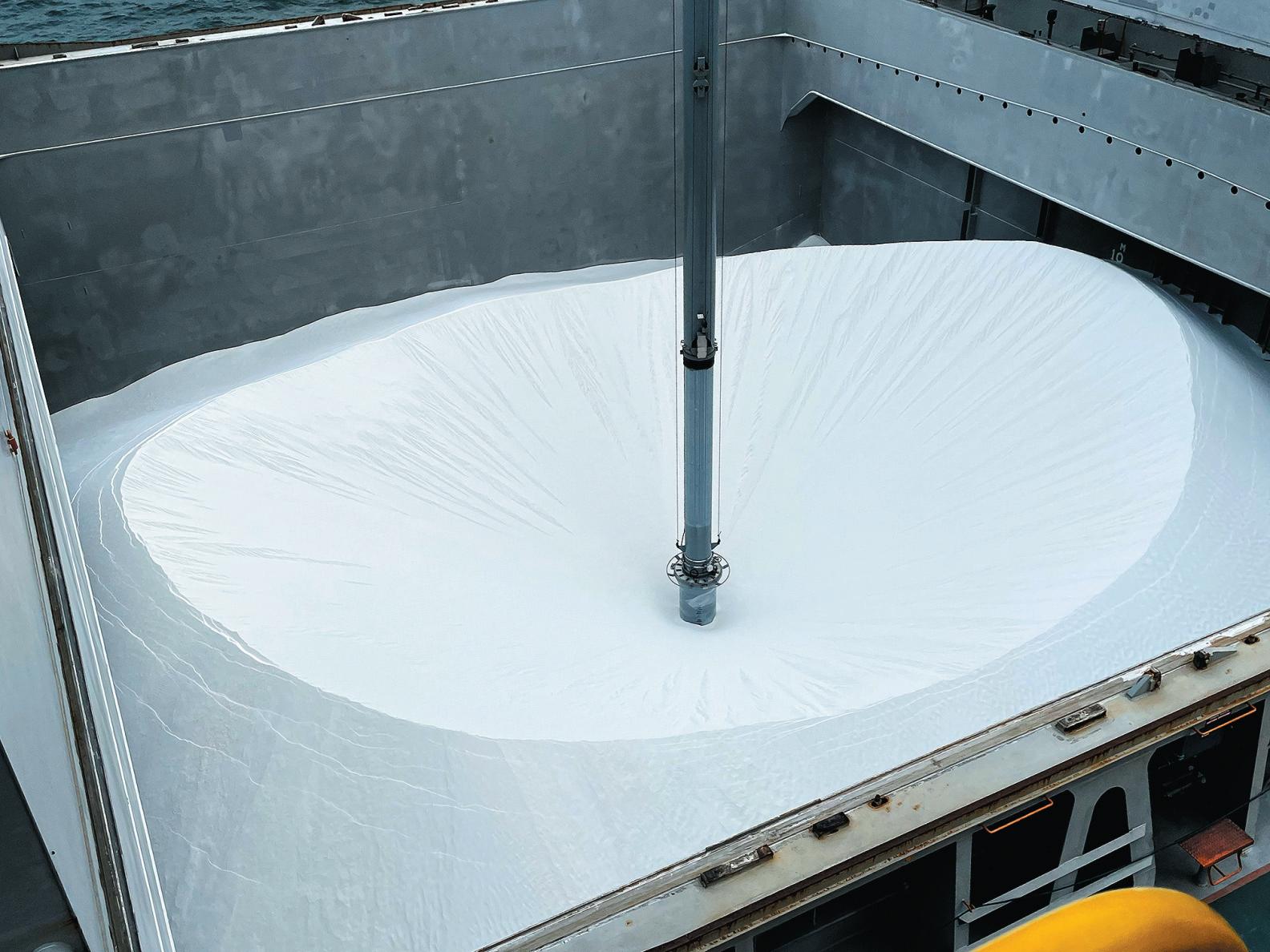
Pneumatic unloaders have been proven to be a reliable solution for unloading lowdensity materials from grain to fertilizers to alumina. Especially in the non-food sector, terminals are frequently located in harsh environments, which creates additional challenges and limits the availability of skilled operators.
With the exception of fewer than 20 grab ship-unloaders — which were exclusively automated by iSAM — all shipunloaders worldwide, whether pneumatic, grab or continuous bucket chain, still need to be manned by an operator, and only basic teach-in procedures are available to support manual operation.
To allow truly autonomous operation, an automation system must not only be capable of controlling the pneumatic suction process, but also have a real-time 3D view of the vessel, the material distribution inside the hatch and all ship movements caused by tides, waves from other vessels and the unloading process itself (trim tanks, weight distribution etc.).
iSAM utilized its existing and well-proven autonomous control system for grab shipunloaders (GSUs) and combined it with its 3D model used for shiploaders. From a geometric standpoint, a shiploader and pneumatic unloader are very similar, which is why this approach significantly reduced development costs and time to market.
All these systems require a combination of the latest 3D LiDAR technology originating in self-driving cars, highly accurate RTK GPS systems for machine positioning, and internally developed leading-edge control technology including sophisticated filtering algorithms allowing the use of LiDAR in reduced visibility conditions.
One of the key components of the systems is the 3D ship model, which is based on a high resolution (128 lines) realtime laser scanner, and mounted on a tightly synchronized turntable. This enables a complete hemispherical view even when right above the vessel in high air draught situations.
By combining data from multiple scanners, the ship model not only ensures a safe operation close to hatch covers and deck cranes, but also measures the material distribution inside the hatch, thus enabling an efficient unloading process all the way down to the bottom of the hatch.
While the 3D scanner is the ‘eyes’ of the
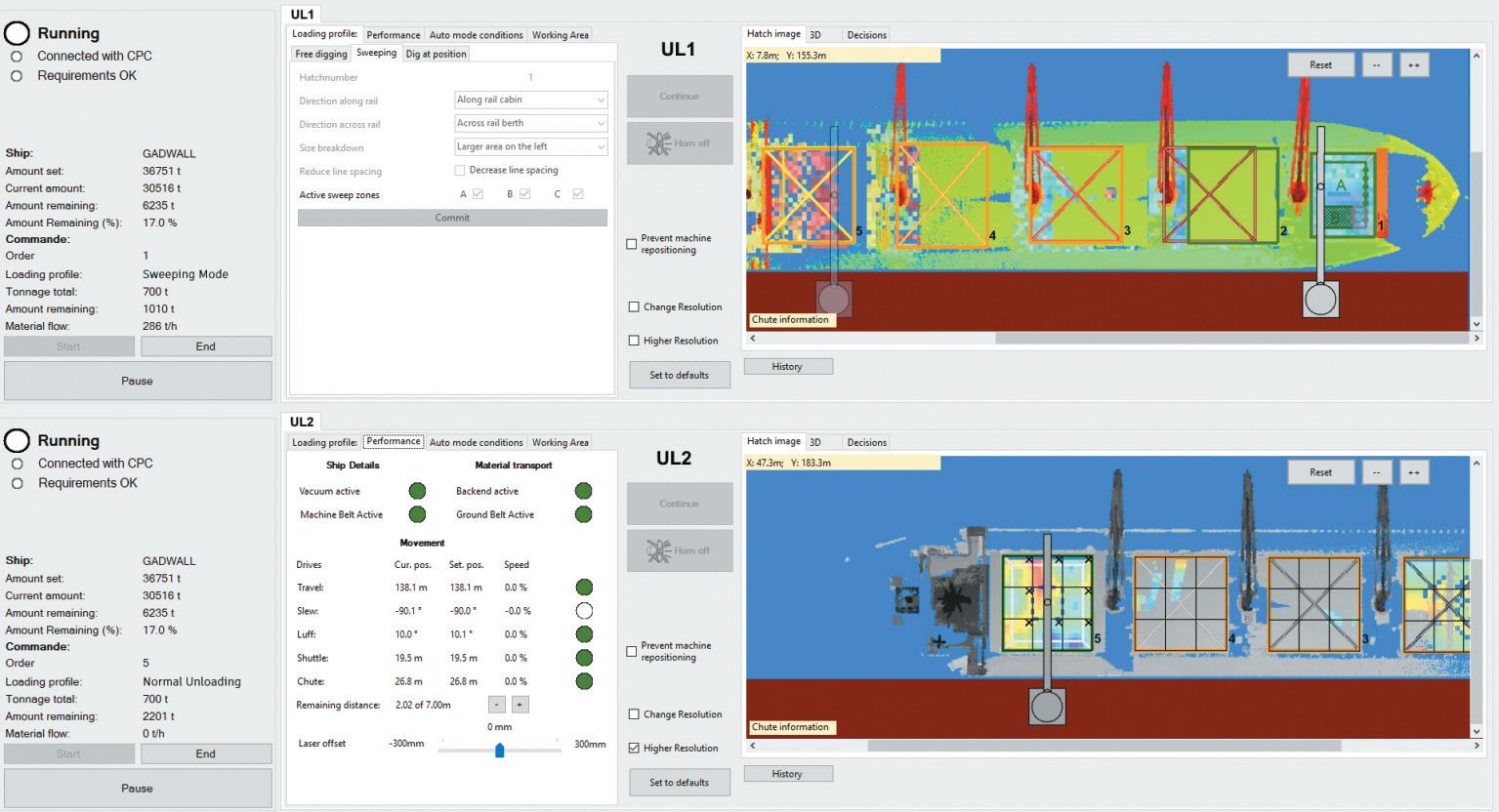
HMI (human–machine interface) for supervision of two autonomous pneumatic unloaders from Central Control Room, bulk carrier and product as ‘seen’ by the system.
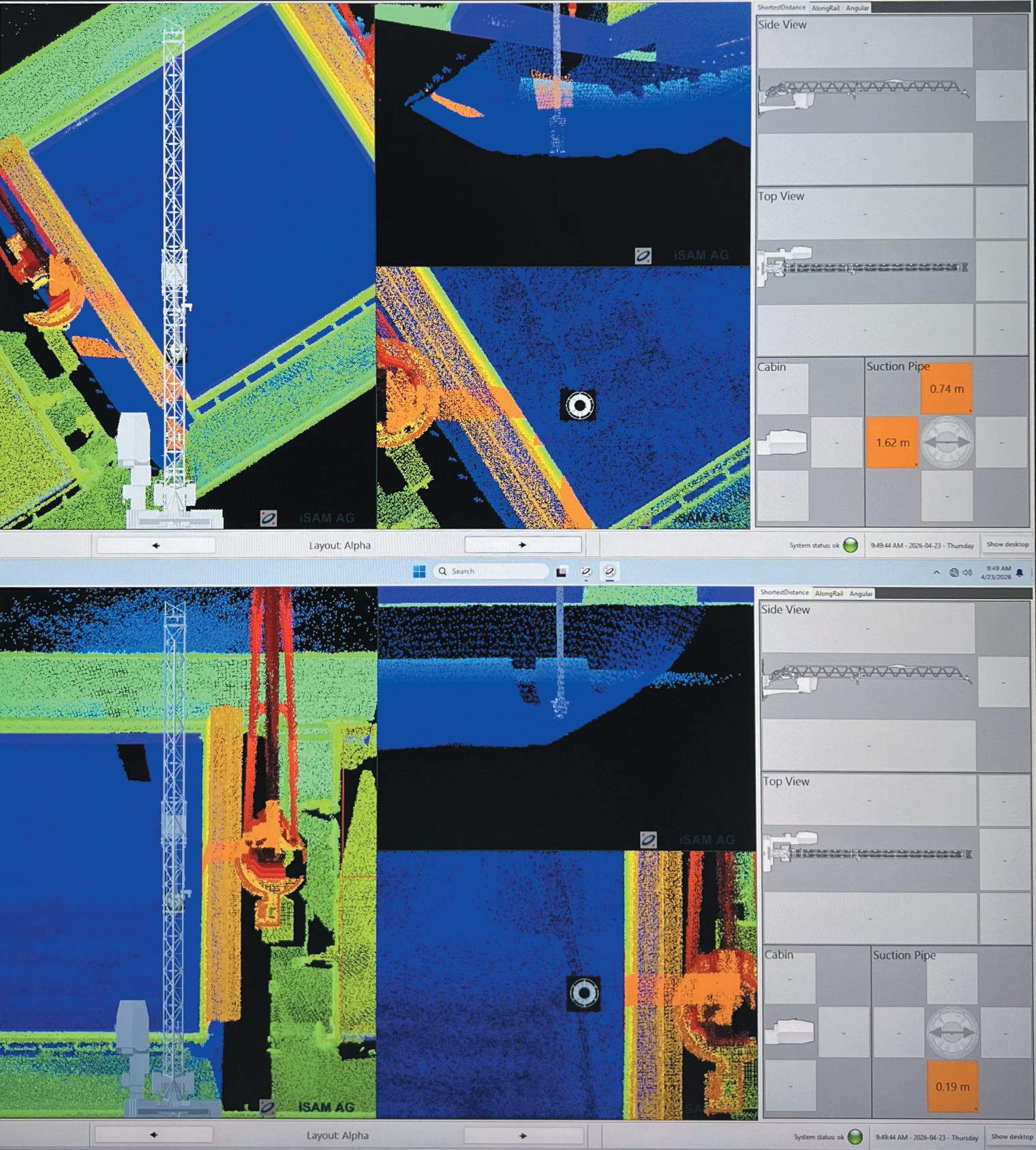
3D ship model view of two unloaders operating autonomously.
automation system, iSAM’s leading-edge control technology connected with the PLC is the ‘brain’. The optimal unloading strategy is automatically determined on the basis of the known material properties and the current sensor data of the machine environment, thereby minimizing machine movements and optimizing continuous unloading performance.
The first two systems were transferred
into full operational use in February 2026 after an extensive trial period in all weather conditions. The technology is available for commercial delivery as of now.
HIGHLIGHTS
real autonomous operation, not a v remote control; autonomous control all the way down v the bottom of the hatch including
‘directed digging’ and ‘floor-sweeping’, effectively minimizing the time required for front-end loaders in the hatch; very uniform and steady unloading v performance, which minimizes the idle times of the equipment; driverless operation even very close v to the hatch coaming, under virtually any weather conditions; operation of all equipment from a v central control station, i.e. minimum stress for the supervisory operator thanks to a maximum degree of automation (easily up to 6 cranes by one operator); possibility of manual intervention from v the central control station by remote control; and lower wear and tear because v mechanical performance limits are always respected in autonomous mode
iSAM AG, Gesellschaft fuer angewandte Kybernetik, located in Muelheim an der Ruhr, Germany, develops and implements automation solutions that enable industry, commerce and service suppliers to
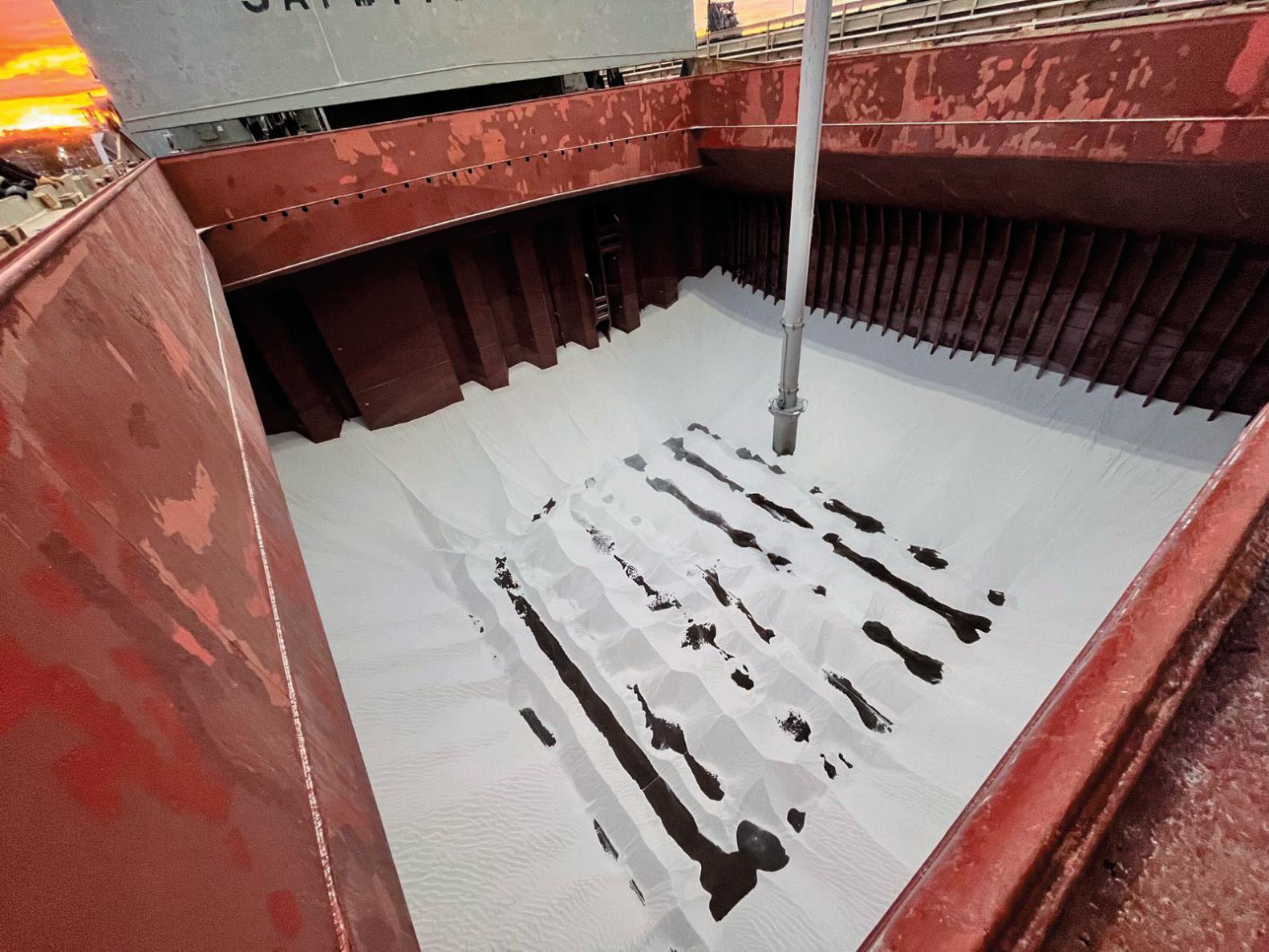
increase their performance.
iSAM’s team includes specialists from the engineering, computer science and physics sectors as well as business economics, focusing on increasing customer value. The company’s customers can be found all over the world and in almost every industry, such as mining, coal
Pneumatic ship-unloader in autonomous operation (‘floorsweeping’ after discharging to bottom of cargo hold).
handling, transport and logistics, steel and metal manufacturing and processing, tube welding and pipeline construction, mechanical engineering and plant building, electronics and aerospace.
The company is a subsidiary of HHLA AG, the main operator of the Port of Hamburg.
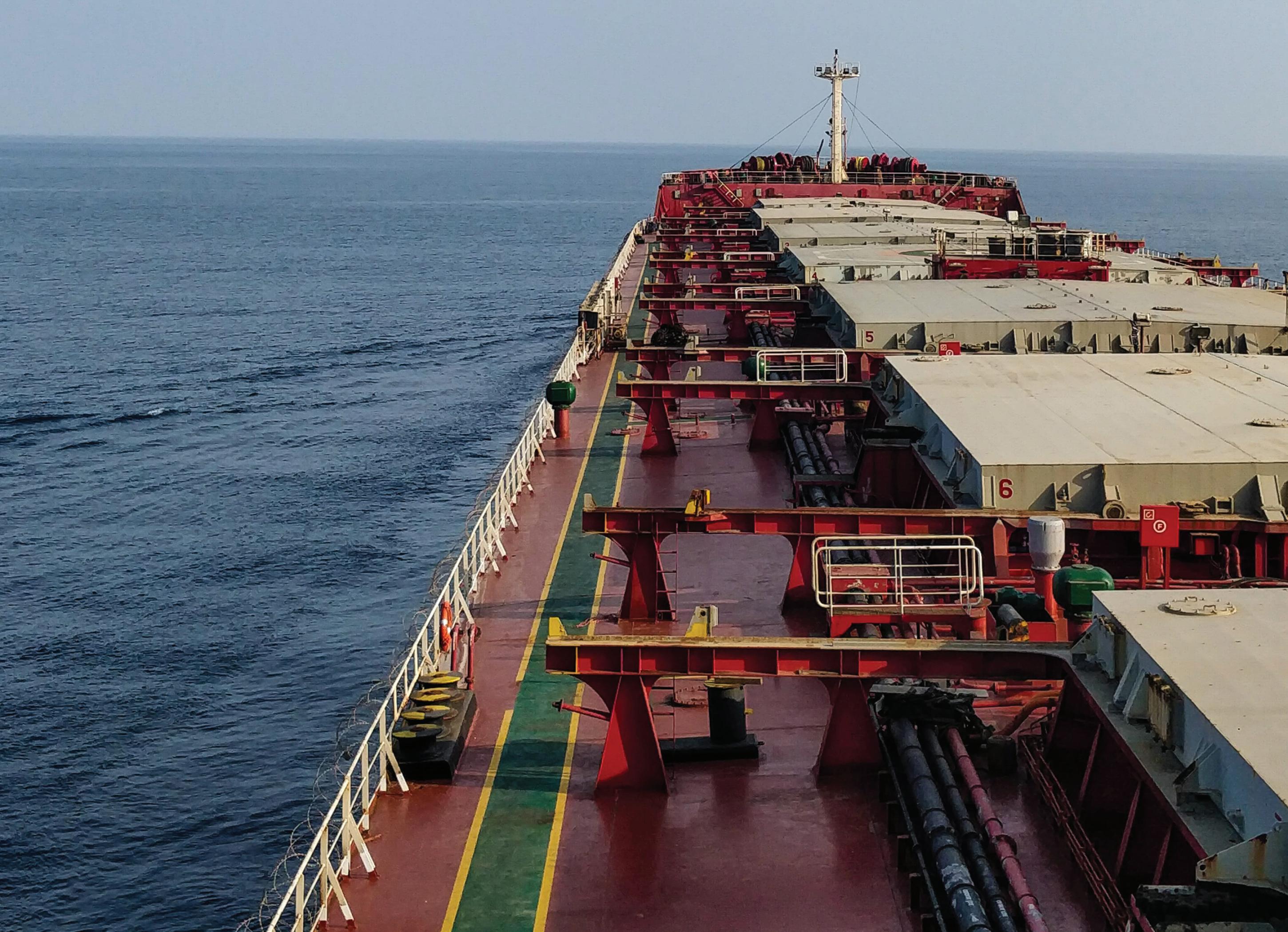
To find out how you can benefit from advertising in the world’s only monthly dry bulk publication contact Andrew Hucker-Brown on:
T: +27 31 583 4360
E: info@dc-int.com
W: www.drycargomag.com
transforming efficiency at modern ports, terminals and bulk facilities
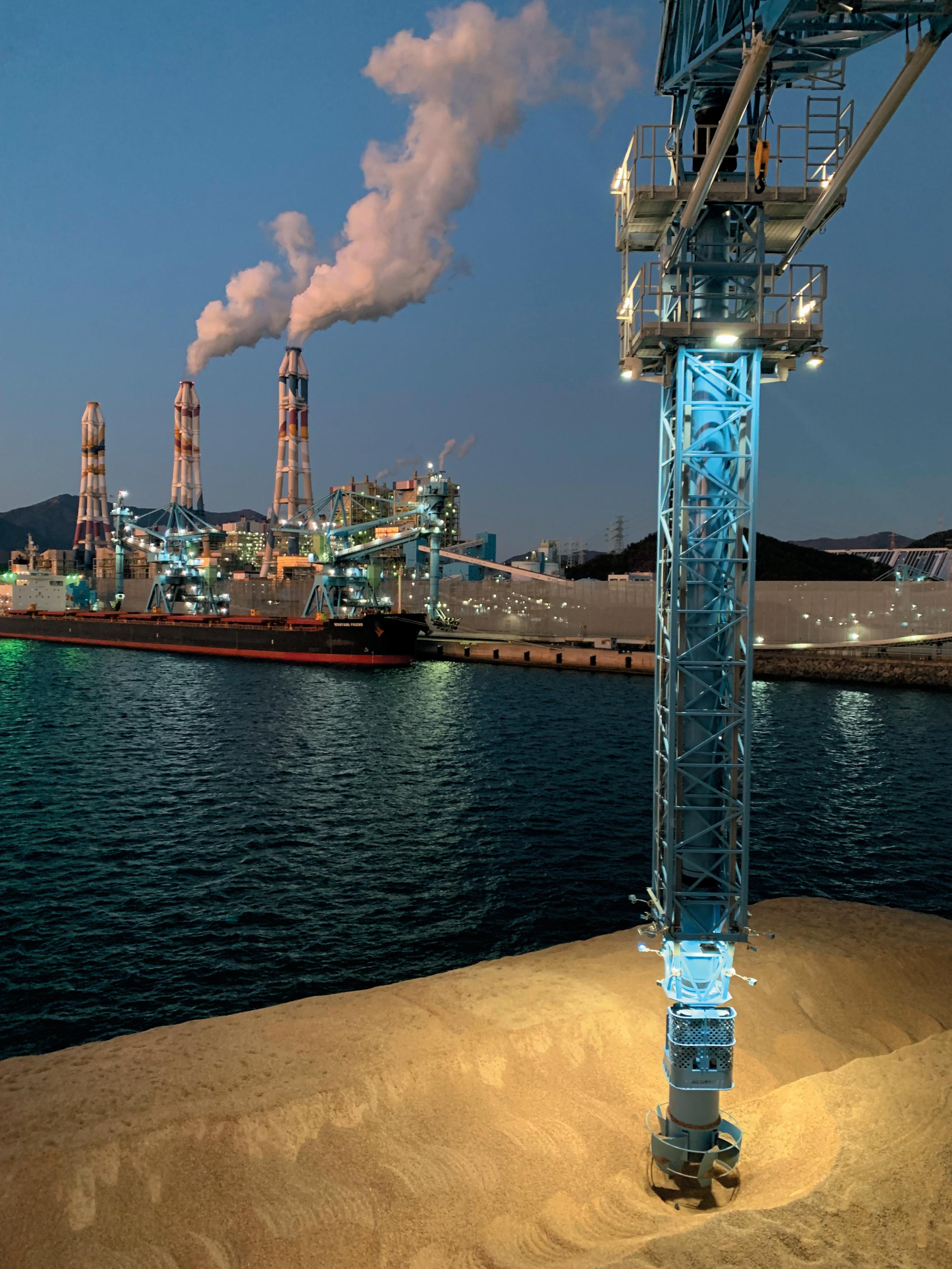
Louise Dodds-Ely
NEW- GENERATION FLEXIPORT F1000
SHIP UNLOADER FROM NEUERO INDUSTRIETECHNIK FOR THE KOREAN BIOMASS POWER MARKET
The drive to decarbonize power
generation has turned biomass, especially wood pellets, into a global commodity. The performance bottleneck is no longer combustion but logistics: how the cargo leaves the ship decides whether a biomass
plant runs at nameplate or below.
NEUERO has been a pioneer of continuous pneumatic biomass unloading for more than two decades. The world’s first unit of this kind, the Flexiport F600,
was supplied to Essent’s Amer co-firing plant in 2004.
Since then, NEUERO Flexiport unloaders have been chosen by leading utilities and biomass terminals including Amerplant/RWE, E.ON, and most recently the Goseong Green Power project in the Republic of Korea.
The Flexiport F1000 commissioned at Goseong is the new generation of NEUERO pneumatic ship-unloaders for biomass.
It discharges wood pellets from seagoing vessels at a continuous capacity exceeding 1,067m³/h, equivalent to 800tph (tonnes per hour) based on a bulk density of 750kg/m³, from sea-going vessels. The kickin/kick-out boom function covers the full hatch, and the machine travels on rails so several holds are emptied without re-mooring.
The F1000, with its rotating feeder and kick-in/kick-out function, keeps the proven NEUERO architecture — fully enclosed pneumatic conveying with a belt-type rotary airlock and a NEUERO automatic reverse-flow filter — and adds refinements developed over 20 years of biomass experience: a low-velocity intake nozzle that protects pellets from breakage, an ATEX-compliant blower set with frequency-inverter air control, and an automatic greasing and belt-tension package that takes routine maintenance off
Capacity
Material
Ship size
Unloading motions
Feeder
Airlock
Filter
Blower
Control
ATEX
the operator’s desk.
1,067m³/h (equivalent to 800tph based on a bulk density of 750 kg/m³
Wood pellets, also meals & grain
Up to 10,000dwt or larger vessel
Horizontal: slewing & luffing
Vertical: kick-in/out, telescopic
Travelling on rails while unloading
Mechanical-pneumatic rotary feeder
Belt-Type Rotary Ailock
NEUERO automatic reverse-air scavenging
Turbo-Direct-drive, VFD controlled
PLC + SCADA, fibre-optic
Compliant
Wood pellets are unforgiving. Mechanical unloaders shear them into fines, raising dust load and lowering calorific value. The F1000 conveys pellets in a soft, fully enclosed air stream from hold to silo, so breakage is minimized and dust emissions stay well below port limits. The VFD controlled Turbo-Blower aggregates can run at 50 % capacity with proportional power reduction either at reduced speed or switching-off of set of aggregates, useful for hold clean-up, reducing the power consumption and reducing wear very and gentle to pellets.
At Goseong, the F1000 is integrated into the plant’s SCADA system over a fibre-optic bus, with a medium-voltage
motorised cable drum carrying both power and communications. Capacity, power consumption and product mix are monitored from the central control room; the operator trims the air-to-product ratio from the touch panel as cargo composition changes hold by hold, exactly what a modern biomass plant needs to keep its boilers fed and its emissions targets in reach.
NEUERO Industrietechnik GmbH (Melle, Germany) brings more than 110 years of experience in manufacturing pneumatic ship-unloaders and mechanical shiploaders. Its Flexiport and Multiport ship-unloaders, 250tph to 1,200tph — serve biomass, grain, alumina and feed-meal terminals worldwide.
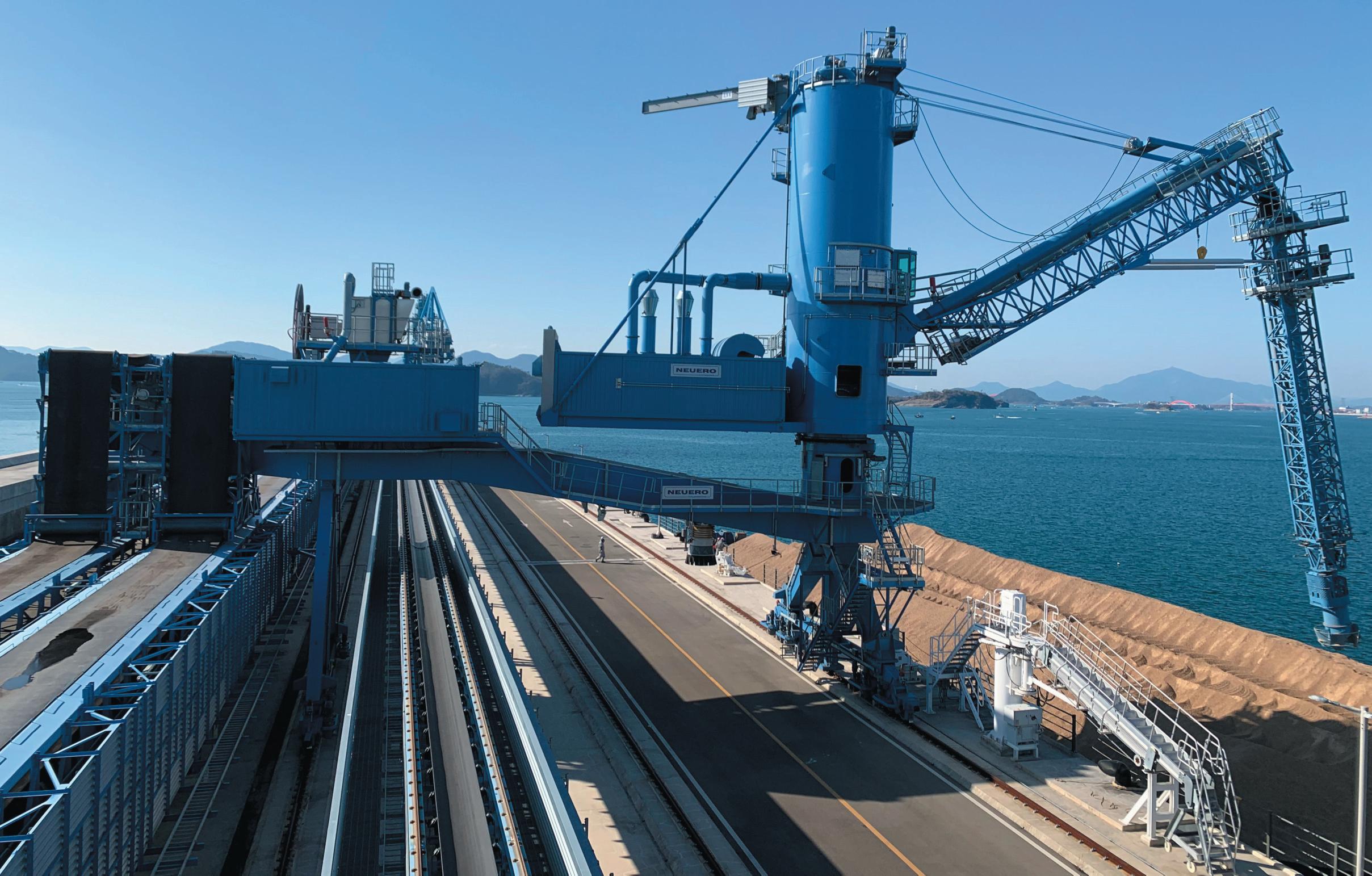























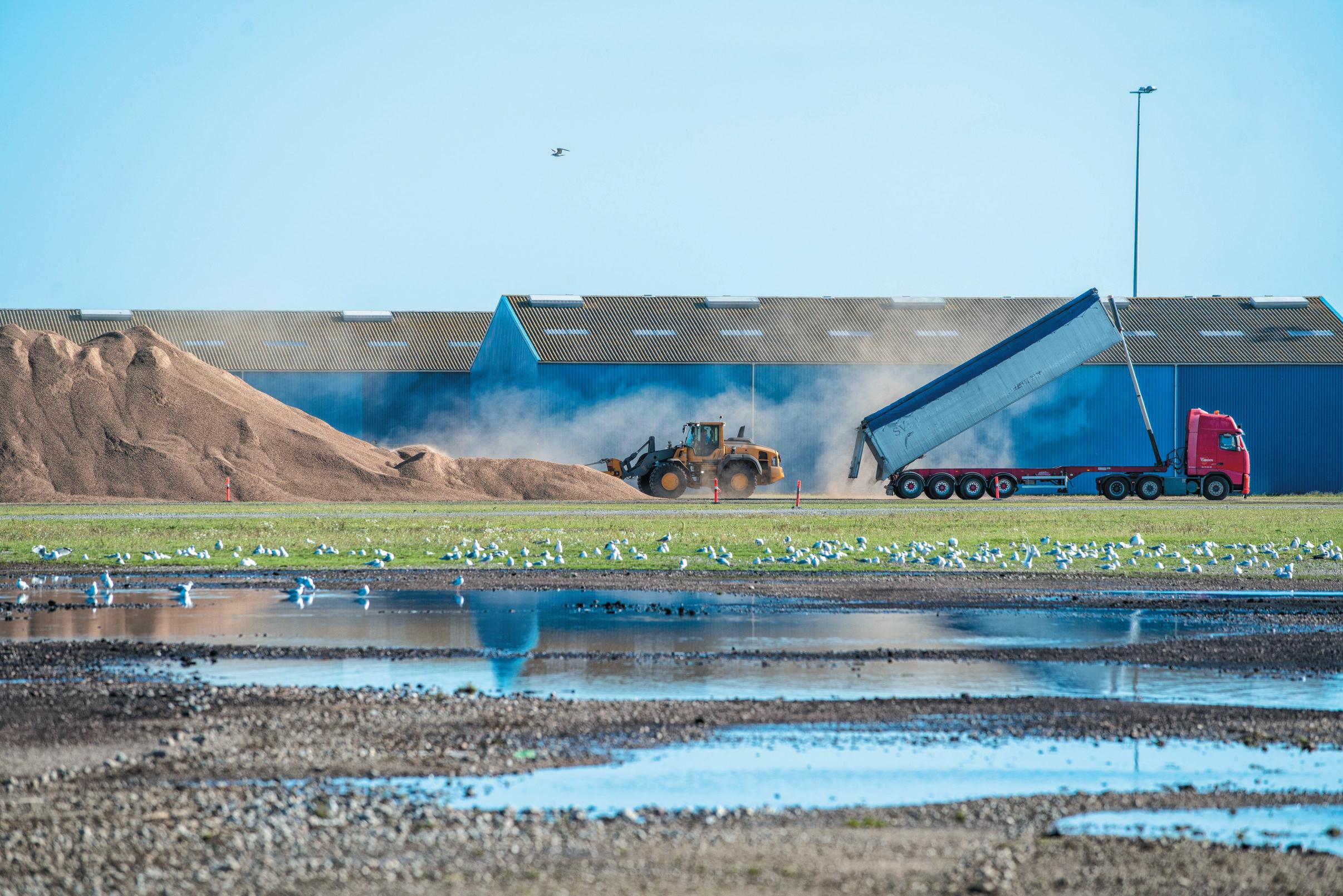
The growing demand for sustainable fuel sources has placed biomass firmly in the spotlight. In Denmark, Grenaa Port has steadily expanded its position within this segment, building on more than a decade of experience to develop a modern, largescale biomass hub.
“Biomass has always been part of our DNA. But over the past years, it has moved from being more project-based to becoming one of the cornerstones of our bulk business,” says the port’s Chief Commercial Officer, Theis Gisselbæk at Port of Grenaa. Located on the east coast of Jutland in Denmark, Grenaa Port is a well-established bulk hub, traditionally known for handling large volumes of dry cargo and serving industrial clients across the Nordic region.
Today, Grenaa handles significant volumes of biomass, primarily wood pellets and wood chips acting as a hub for redistribution across Scandinavia and the Baltic region. At the same time, the port is observing increasing interest from adjacent sectors, including the biogas industry.
Historically, biomass volumes at Port of Grenaa were handled on a more ad hoc, project basis. That has now changed. The
port has reached what the CCO describes as ‘a good level’ of activity, with stable flows and long-term relationships with a relatively small group of large customers.
This shift has enabled Port of Grenaa to optimize its operations and invest in infrastructure tailored specifically to biomass. Over recent years, the port has made significant investments in storage facilities, handling equipment and logistics solutions, improving both efficiency and reliability.
“These investments allow us to handle larger volumes more efficiently. At the same time, we maintain the flexibility required in a market that is still evolving,” says Gisselbæk.
A key element in Port of Grenaa’s strategy is the expansion of its storage capacity. The port has recently completed a new warehouse dedicated to biomass and is currently constructing two additional facilities. These will form part of a broader hub concept, where cargo is not only imported but also redistributed.
“The new warehouses will support our role as a hub for biomass in Scandinavia and the Baltic region. We see increasing demand for transshipment solutions —
cargo coming in by sea, being stored and then redistributed to individual plants, either by vessel or other modes,” says Gisselbæk.
Looking ahead, Port of Grenaa is already planning further expansion, with up to six additional bulk halls designed and approved for biomass handling. These facilities will comply with environmental and safety requirements, which are becoming increasingly important as the range of biomass products diversifies.
While wood pellets and wood chips remain dominant, the biomass market is evolving. New feedstocks such as sunflower husk pellets and cashew nut shells are entering the supply chain, driven by both availability and price dynamics.
“These new products may require different handling procedures and, in some cases, additional environmental approvals. We take this into account when designing and building our warehouses, ensuring that we are prepared for future cargo types,” Gisselbæk says.
This proactive approach allows Port of Grenaa to remain competitive and adaptable in a market where regulatory frameworks and customer requirements are constantly developing.
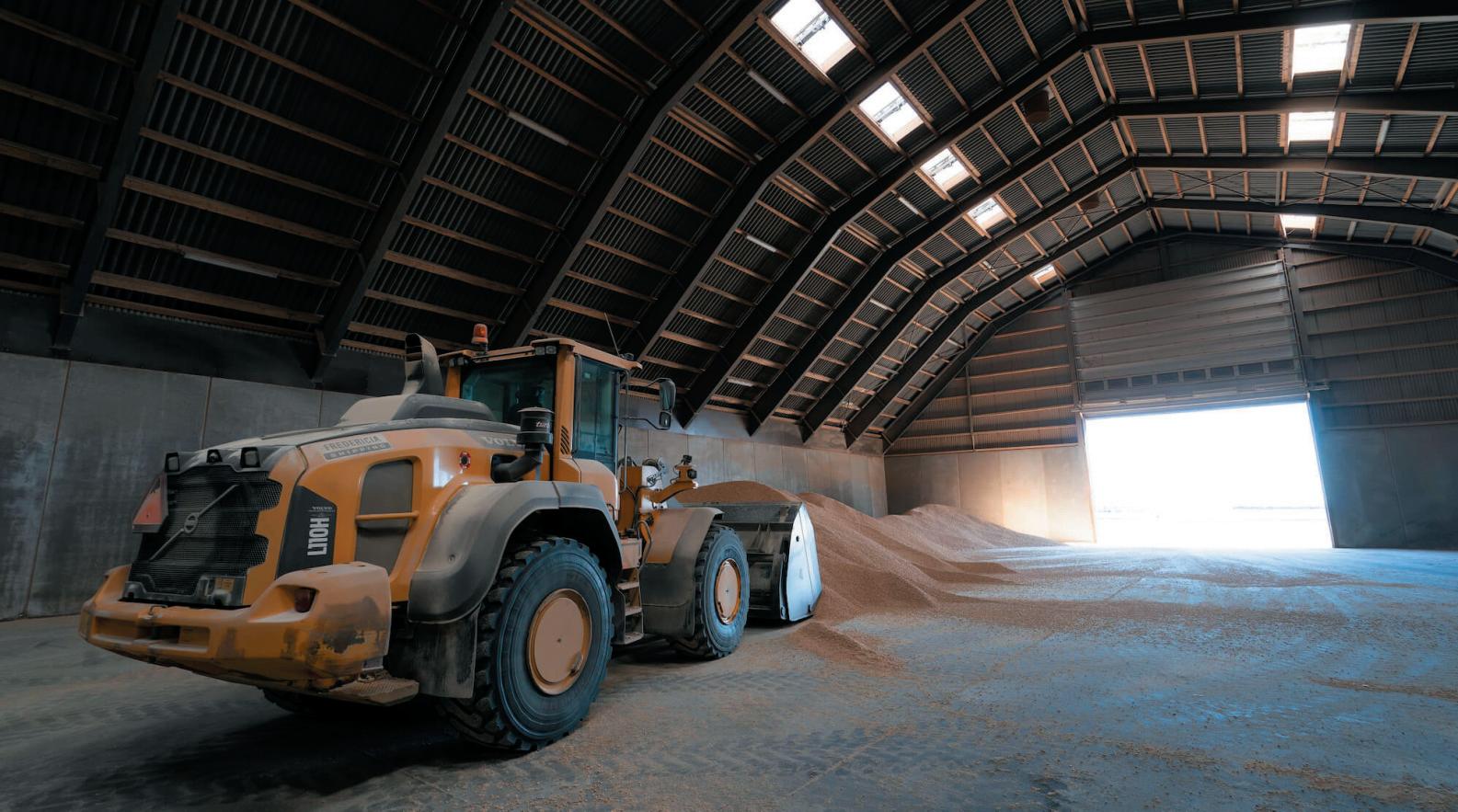
Grenaa Port’s expansion into biomass is firmly rooted in its long-standing expertise in dry bulk handling. The port has traditionally handled substantial volumes of various bulk commodities and has developed strong competencies in cargo handling, storage and logistics.
Modern equipment, efficient hinterland connections and a focus on operational excellence provide the foundation for its current activities. These capabilities are directly transferable to biomass and other energy-related cargoes, which often share similar logistical requirements.
“As a port, we are seeing overall growth


in bulk volumes, and biomass is an increasing share of that. Our experience allows us to scale up efficiently while maintaining a high level of service,” Gisselbæk explains.
The development of biomass handling is also part of a broader strategic direction. As the energy sector continues to evolve, ports like Grenaa are positioning themselves to handle a wider range of renewable and low-emission fuels.
In addition to biomass, the port is already active in new energy segments such as methanol, which is expected to play a
significant role in the maritime sector towards 2030. By combining traditional bulk expertise with new infrastructure, Port of Grenaa aims to support both shipping and land-based industries in their transition.
“We see ourselves as a regional hub for energy products. Biomass is a key part of that today, and it will continue to be so, even as new fuels emerge”.
With continued investments, expanding capacity and a clear strategic focus, Port of Grenaa is strengthening its role in the biomass supply chain. The combination of experience, infrastructure and adaptability positions the port to meet increasing demand — not only in Denmark but across the wider Nordic and Baltic region.
As the global push for sustainable energy accelerates, ports capable of handling, storing and redistributing biomass efficiently will remain essential. Grenaa’s development illustrates how established bulk hubs can evolve to meet new energy realities while building on their core strengths.
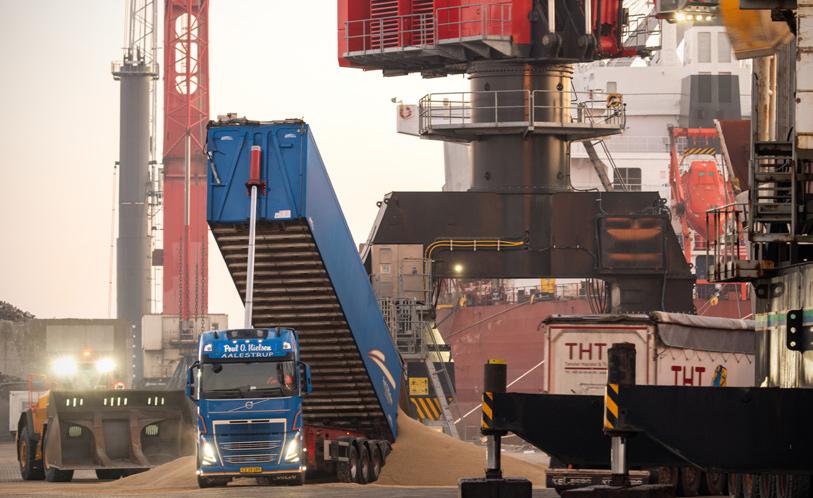






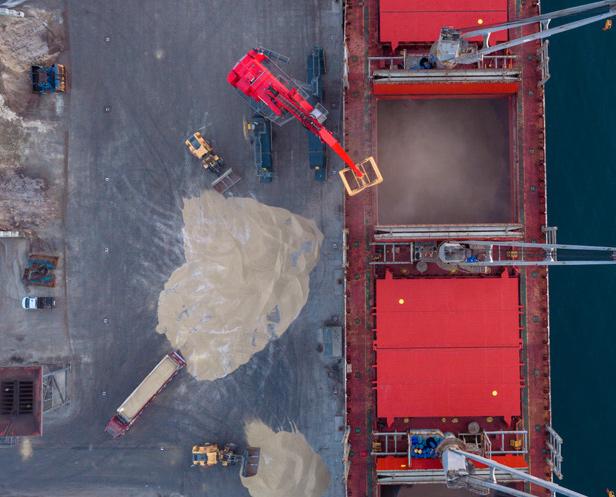











































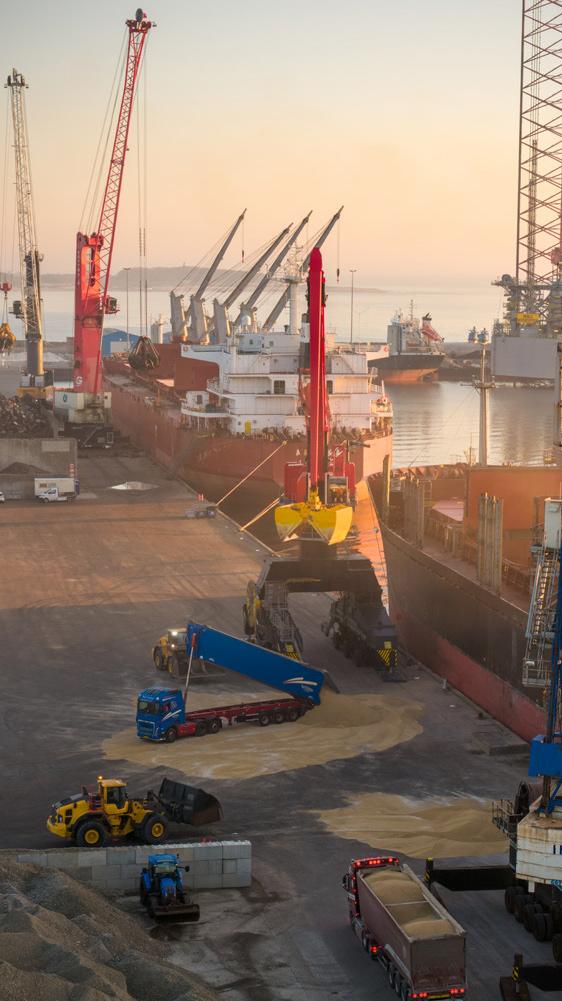
HES Gdynia Bulk Terminal is one of the largest dry bulk terminals in Poland, located in the Port of Gdynia in Northern Europe on the Baltic Sea; this makes it a strategic worldwide logistic link for agriculture commodities, energy resources and other dry bulk markets. It is the ideal facility to handle biomass cargoes.
Beyond standard handling operations for the variety of dry bulk products, including grains, feedstuffs, minerals, fertilisers, biomass, coke and coals, HES Gdynia Bulk Terminal offers both open and covered storage solutions, along with the warehouses equipped with advanced and cutting-edge automation technology.
At this facility, the terminal also provides direct berth loading and discharge services for liquid bulk products, such as a wide range of fuels, biofuels and petrochemicals, onto or from trucks and railcars with optional heating or nitrogen supply.
HES Gdynia Bulk Terminal takes a proactive approach to managing workplace safety and health at its premises, incorporating practices improvements into day-to-day operations, and it is alert to the potential environmental impact of its activities and on the local community, implementing special measures to reduce them.
The seamless connections by sea, rail, and road, along with constantly enhancing efficiency of handling operations and storage capabilities allows HES Gdynia Bulk Terminal to deliver the expected quality of its services to its bulk trading partners, as well as to tackle the logistic dynamics within bulk supply chains.
Knowledge, dedication, decades of experience and HES Gdynia Bulk Terminal’s ever-growing innovation capacity makes it a competent and sustainable logistic partner to rely on, now and in the future.
HES GDYNIA BULK TERMINAL FACILITIES
open storage capacity: 83,500m2; v covered storage capacity: 352,000m3; v access by: vessel; barge; rail; and truck; v and maximum draught: 14.2m. v
DRY BULK PRODUCTS AND SERVICES
Dry bulk products handled at HES Gdynia Bulk Terminal include biomass; agricultural commodities; minerals; fertilizers; aggregates; iron ore; cokes; metallurgical coal; and steam coal.
Services available at the terminal include
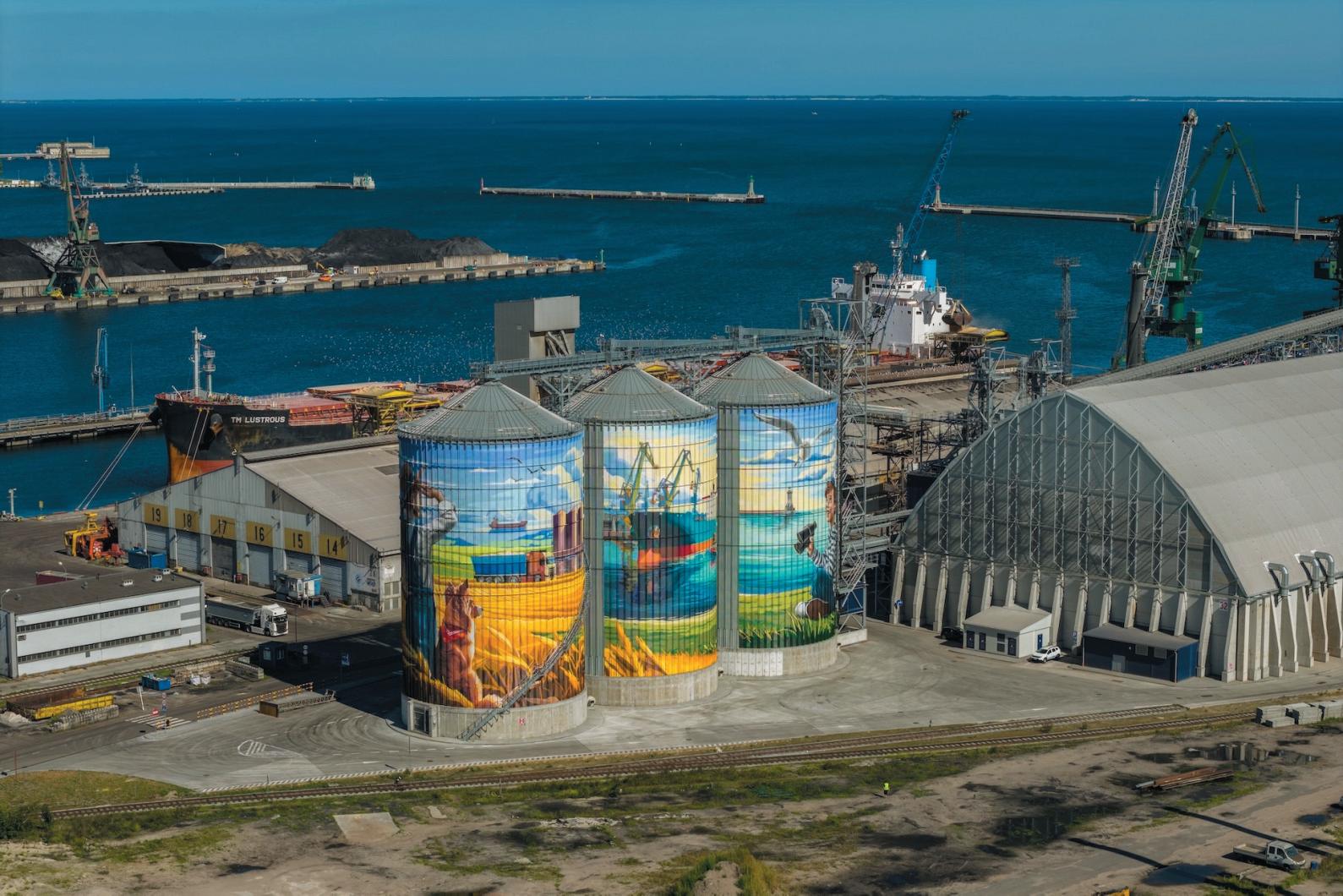
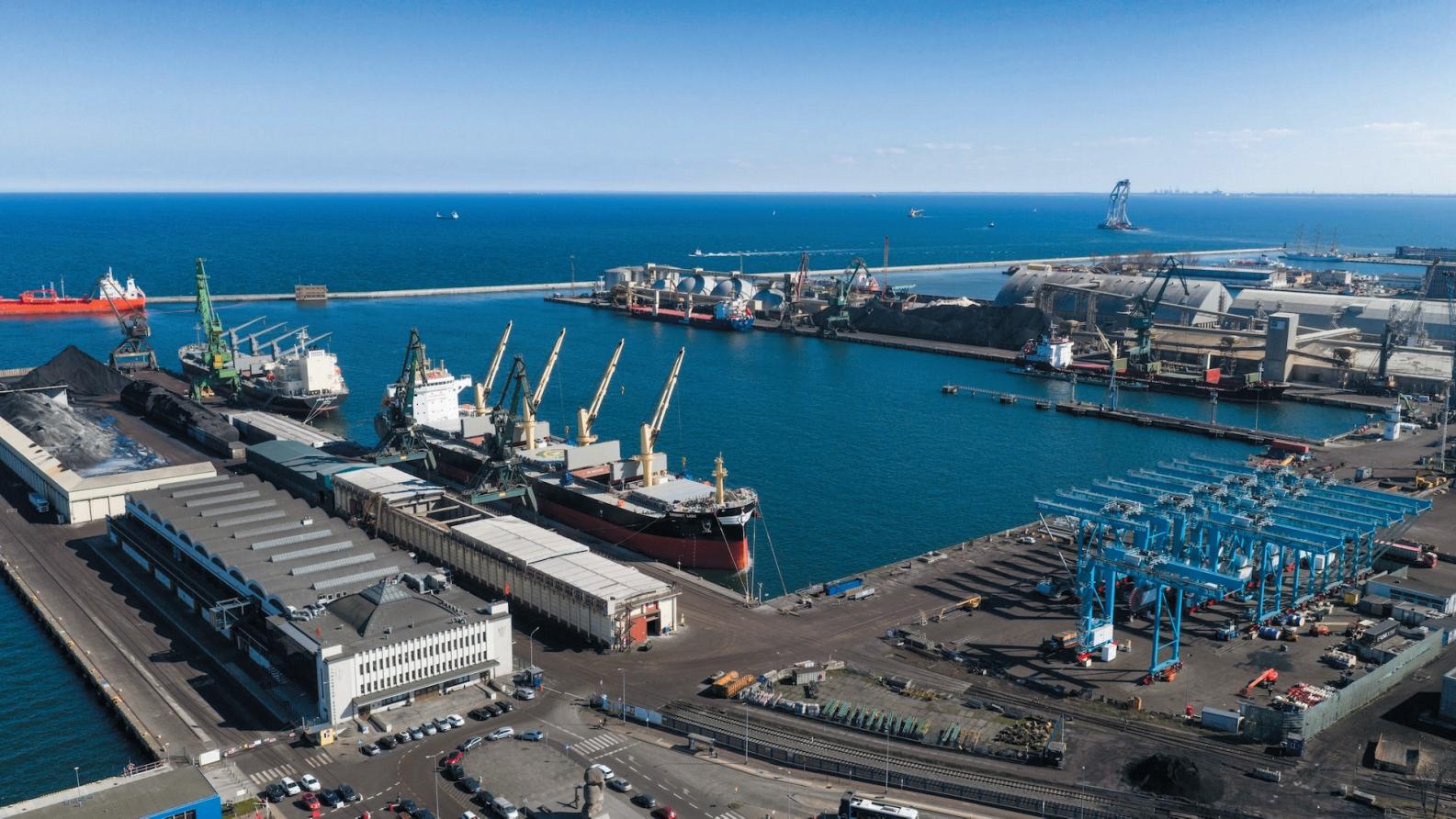
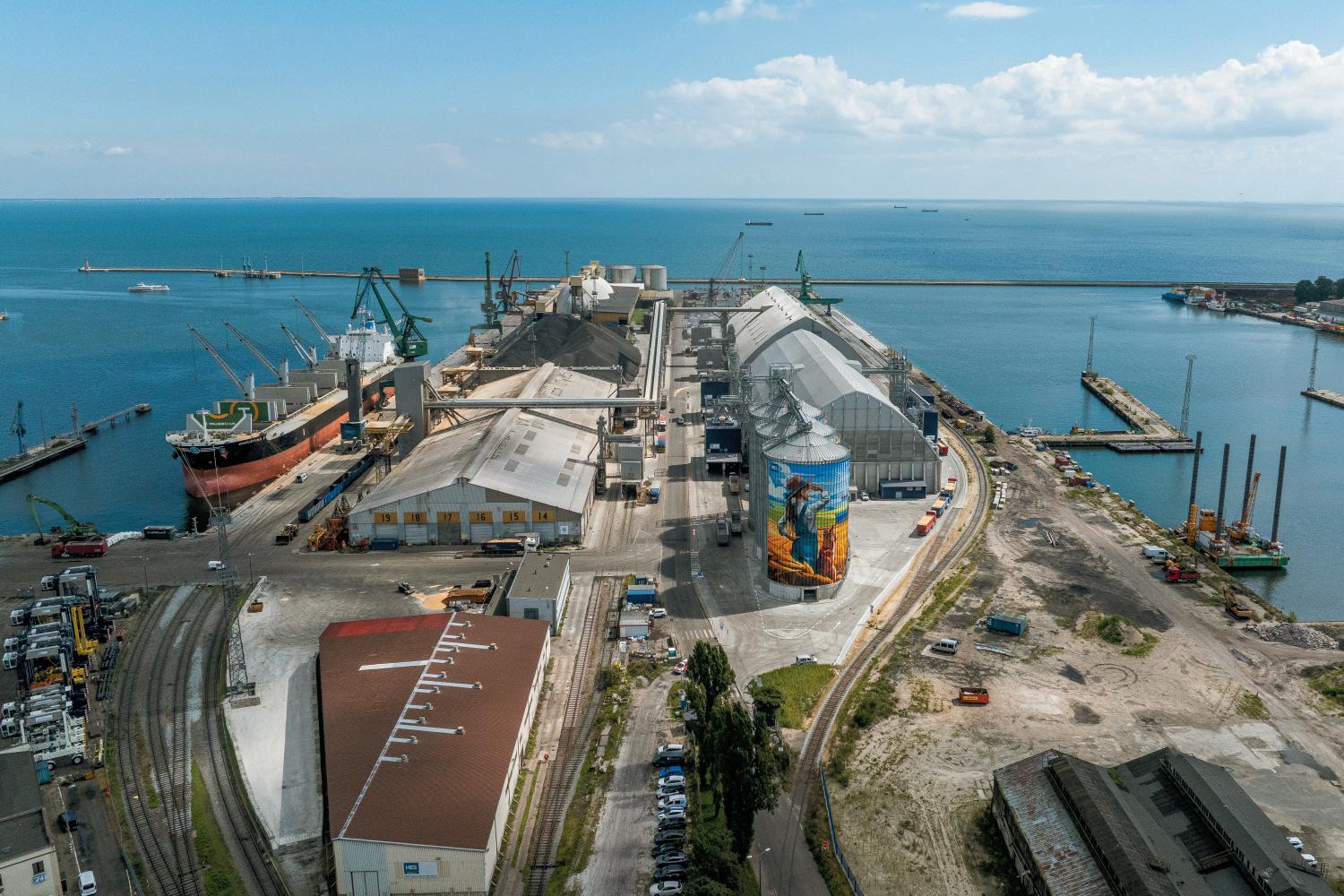
handling; warehouse storage; open yard storage; and weighing.
HES Gdynia Bulk Terminal has a modern and diversified fleet of grab hook cranes, hoppers, wheel loaders, rolling equipment, rail and truck weighbridges, and import warehouse automation technology.
Liquid bulk products handled at HES Gdynia Bulk Terminal include biodiesel; renewable fuels (including HVO); diesel oil; petrochemicals; and chemicals (3,6,8,9 classes IMDG Code).Bruks’ Expertise in Biomass Handling and Storage
Biomass is becoming a more visible dry bulk flow. Wood pellets now play a bigger role in power generation, heating and the biobased industry. This shift is clearly visible in the port of Rotterdam. It is a practical and scalable step toward a more sustainable energy system.
The port of Rotterdam is one of Europe’s largest seaports and a key hub for energy and raw materials. Its location provides direct access to major industrial regions in Northwest Europe.
Energy has always been central to Rotterdam’s role. Today, that role is changing and so is the mix of energy products that flow through the port area. Existing flows are decreasing, while new energy carriers enter the system. Rotterdam’s long-term ambition is to become a climate neutral and circular port by 2050, while staying competitive as a logistics hub. Biomass perfectly fits into this transition phase.
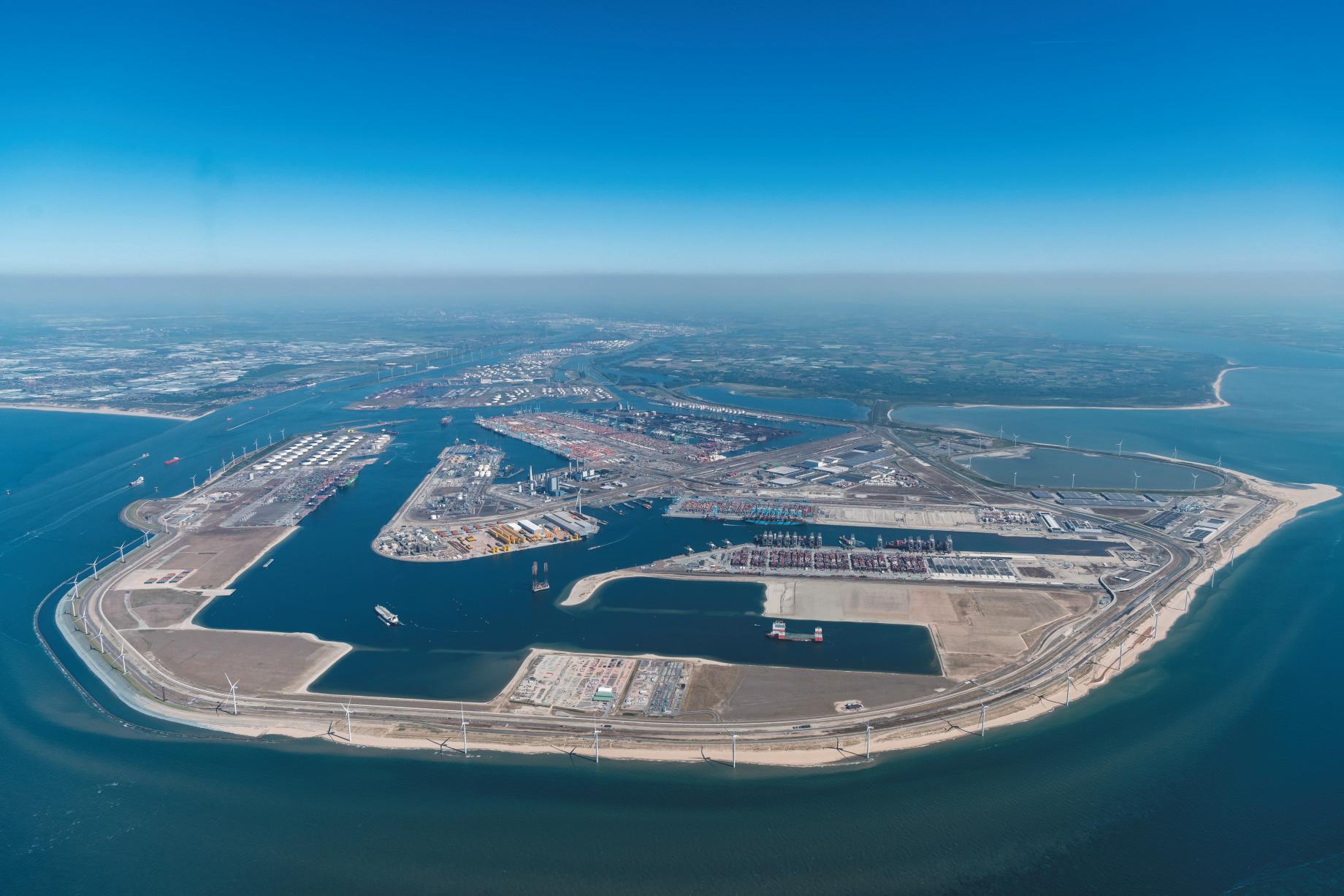
mainly imported from North America and Northern Europe.
Rotterdam’s biomass flows are handled by a network of specialized dry bulk terminals, including:
Biomass has become a visible and reliable dry bulk flow in Rotterdam. Large volumes of wood pellets and wood chips enter the port every year, mainly for power generation, district heating, and industrial use.
What sets Rotterdam apart is its combination of deep-sea access, a strong hinterland network and the ability to scale up volumes when demand increases. Several factors support this position, including deep-water access, experienced dry bulk terminals and strong hinterland connections.
“Biomass is a logical next step for many dry bulk terminals in Rotterdam. The infrastructure is already there. It’s about adapting it to new cargo flows and supporting the energy transition,” says Valerie Visser – Business manager Dry bulk at the Port of Rotterdam Authority.
While total dry bulk throughput has declined due to lower coal volumes, biomass flows have remained relatively stable. Wood pellets are the main product,
HES Bulk Terminal Maasdelta; v Marcor Stevedoring; and v Zeehavenbedrijf Dordrecht. v Today, they are adapting to new cargo types with investments in covered storage, dust control and safe handling. Existing bulk infrastructure is being reused and upgraded, offering a realistic and costeffective transition for terminal operators.
Biomass is currently used in the Rotterdam port area through co firing at Uniper’s coal fired power plant at the Maasvlakte. Beyond the port area, biomass imported via the port of Rotterdam also supplies power plants elsewhere in the Netherlands, including the Amer power plant in Geertruidenberg, which now operates fully on sustainable biomass.
Coal-fired power plants are scheduled to close by 2030 but still play a role in providing stable electricity supply. Increasing biomass use could help maintain this role in a more sustainable way. Biomass use helps reduce fossil CO2 emissions while maintaining system stability.
At present, biomass use remains limited to co-firing, but its future role depends on technological development and regulatory frameworks. For power producers,
biomass offers a transitional pathway to reduce emissions from existing assets while the broader energy system continues to evolve.
Looking beyond its role in power generation, biomass could evolve into a broader component of the energy and industrial system. In addition to electricity and heat production, biomass can increasingly be used as a sustainable feedstock for industry, including biofuels, sustainable aviation fuel (SAF) and biobased chemicals. Through these applications, biomass contributes to the development of circular carbon value chains, in which biogenic carbon progressively replaces fossil carbon in fuels, chemicals and materials.
Driven by growing demand from both the energy sector and industry, biomass could therefore play a larger role in the future. The pace of this development will depend on technological progress, the availability of sustainable biomass and regulatory frameworks.
Despite policy discussions, biomass is increasingly viewed as a strategic flow supporting emissions reduction and energy security. Biomass shows how the port of Rotterdam is reshaping its dry bulk portfolio. The port combines scale, experience and infrastructure with a clear forward view. Not by moving away from dry bulk, but by adapting it to a changing energy landscape.
It usually starts the same way: a hopper that worked fine on paper begins to choke in operation. A biomass plant ramps up throughput, moisture creeps into the material, and suddenly operators are staring at a plugged chute, a starving conveyor, or worse — a confined space entry permit.
If you ask around, someone will suggest adding a vibrator. It’s a logical first instinct. Vibrators have long been the default solution for bulk flow problems. But in biomass applications — particularly with wood fines, chips, and fibrous recycled materials — that instinct can be wrong.
In many cases, vibration doesn’t solve the problem. It can make it worse.
Biomass is not a uniform bulk solid. It is irregular, compressible, often fibrous, and highly sensitive to moisture. Unlike freeflowing materials such as dry sand or rock, biomass tends to: interlock due to particle shape; v absorb moisture and swell; v form stable bridges and arches; v compress into dense, spring-like v masses; and stick to walls and form buildup layers. v Wood fines are especially problematic.They behave somewhere between a powder and a fibrous mat. When compacted, they resist movement not just through friction, but through mechanical entanglement. This distinction matters. Because the mechanism causing the blockage determines the solution.
Industrial vibrators work by transmitting energy through a hopper wall into the material, reducing internal friction and encouraging gravity-driven flow. This is highly effective for: aggregates; v cement; v fertilizer ; and v fine powders with cohesive behaviour. v But biomass doesn’t fail due to simple cohesion. It fails due to structure. When vibration is applied to fibrous or interlocking materials like wood fines: the material can compact further, v tightening the bridge; energy dissipates without breaking v structural bonds; and
fibres may ‘bounce’ rather than v separate.
Operators often report that adding a vibrator results in temporary improvement followed by more severe plugging.
From a bulk solids perspective, the issue is clear: vibration reduces friction — but biomass problems are often driven by mechanical interlocking and adhesion, not friction alone.
Where vibration provides continuous energy, air blasters (or air cannons) deliver discrete, high-energy pulses. This difference is critical.
Air blasters work by releasing a sudden burst of compressed air into the hopper or chute, creating: a shockwave that breaks structural v bridges; localized disruption of compacted v zones; detachment of material from bin v walls; and reintroduction of flow paths. v
For biomass, this ‘impact-style’ energy is far more effective than continuous vibration.
Instead of trying to loosen the entire mass, air blasters target the failure point directly.
This is particularly effective for: wood fines in storage bins; v biomass fuel hoppers feeding boilers; v recycling streams with shredded v organics; and chutes with persistent buildup. v In these applications, properly sized and positioned air blasters can restore flow without mechanical intrusion or manual intervention.
Despite their effectiveness, air blasters are sometimes underutilized in biomass applications. Common concerns include: ‘Vibrators are simpler’: simpler to v install, perhaps — but not always effective. A non-performing solution is not a simple one.
‘They’ll damage the hopper’: when v engineered correctly, air blasters apply
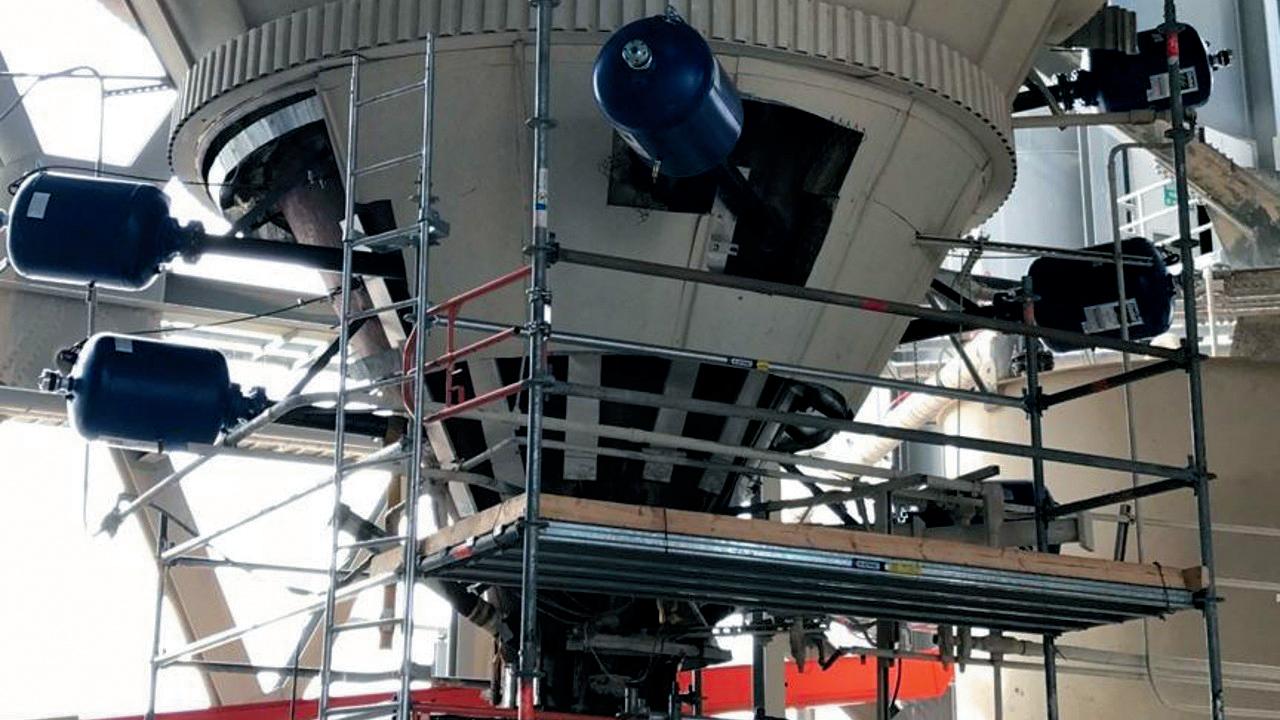
Biomass drying in the sun (photo: GIZ Bush Control and Biomass Utilisation Project). Air blasters can be a better fit for biomass.
force to the material — not the structure. Mounting and discharge design are critical. Attention does need to be given to possible over pressurization of any enclosed hopper.
‘They require too much v maintenance’: in reality, well-designed systems are robust and often reduce maintenance by eliminating manual clearing. Global Manufacturing Air Blaster valves have been tested to last for 50,000 firings (roughly one year average), but many have lasted much longer. Their valve replacement is easy and keeps life-cycle maintenance costs low.
The bigger challenge is often educational. Understanding why a material is not flowing is the first step toward selecting the correct solution.
Across the biomass sector — and in adjacent industries like recycling — operators are increasingly shifting toward air-based flow solutions.
In one common scenario, a biomass facility handling wood fines experienced repeated bridging above a screw feeder. A vibrator had been installed, but performance was inconsistent especially when bridging occurred above the slopedportion of the hopper . Over time, the fines compacted more tightly, requiring frequent manual clearing.
After replacing the vibrator with strategically placed air blasters: bridging events dropped significantly; v manual cleanouts were nearly v eliminated; feed consistency improved; and v downtime decreased. v
Similar outcomes have been observed in recycling operations handling shredded materials, where material variability and moisture make flow unpredictable.
Companies like Global Manufacturing, Inc. have supported numerous such transitions, helping operators evaluate when vibration is appropriate—and when it is not.
It’s important to avoid oversimplification. This is not a binary choice between vibrators and air blasters.
In many systems, both technologies have a role.
A practical framework:
Use vibrators for: v
o bulk solids, fine powders and aggregates
often categorized
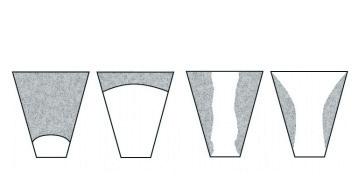
o cohesive but non-fibrous materials
o maintaining steady flow
Use air blasters for: v
o fibrous or interlocking materials
o severe buildup/bridging
o cleaning material from hopper walls
In some biomass systems, operators deploy:
Vibrators on feeder transitions v
Air blasters at hopper walls or arching v zones
The key is matching the energy delivery method to the material failure mechanism.
For engineers and operators evaluating flow issues in biomass systems, several principles stand out:
Diagnose the failure mode: is the v material cohesive, or is it interlocking?
Is moisture a factor? Observe and note what type of blockage and the blockage location.
Avoid defaulting to vibration: v vibrators are effective tools—but not universal solutions. Evaluate whether friction reduction alone will solve the issue.




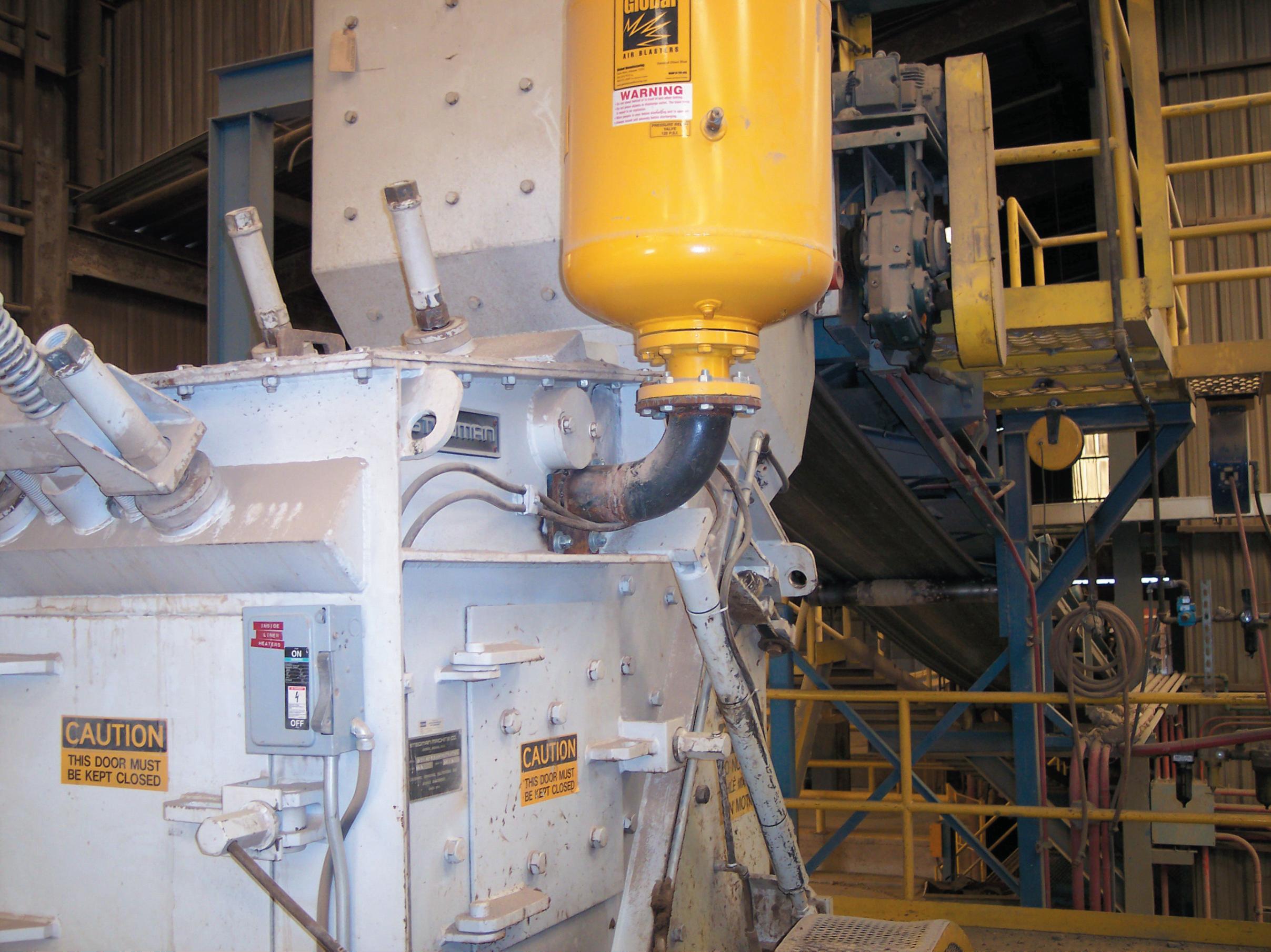
Consider air blasters early: especially v for wood fines, chips, and recycled organics, air blasters should be part of the initial design conversation—not a retrofit after repeated failures.
Focus on placement and timing: air v blasters are only as effective as their positioning. Target known problem zones — typically above discharge points or along hopper walls.
Integrate with system design: flow v aids work best when combined with proper hopper geometry, feeder
systems. They can be easily automated to fire when flow is reduced by integrating with flow sensors.
Ask for assistance: Global v Manufacturing, Inc. has the ability to provide you with both vibrators and air blasters for all your bulk solid flow needs. They are always able to assist!
As biomass continues to grow as a renewable energy source, handling systems
continuously and efficiently. Variability in feedstock—different wood types, moisture levels, and particle sizes—only adds complexity.
In this environment, flow reliability is not a secondary concern. It is a primary driver of uptime, safety, and profitability.
Flow aids like vibrators and air blasters are not just accessories. They are control mechanisms — tools that allow operators to manage material behaviour in real time.
The key is using the right tool for the job.
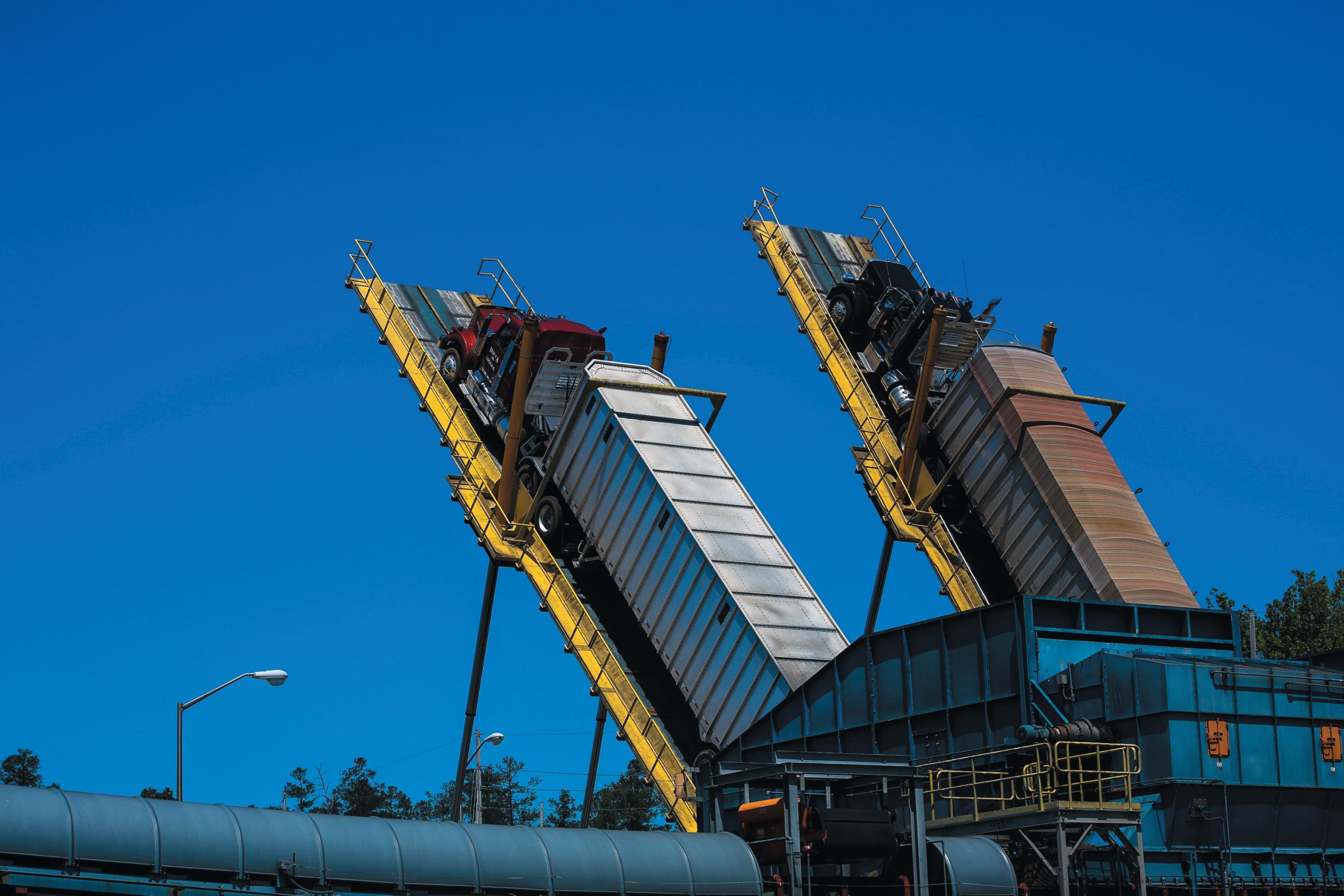
Rethinking biomass and waste handling: how Sandwich Belt high angle conveyors are showing the way
As the world shifts towards renewable energy and sustainable waste management, industries face a growing challenge: how to store, handle, and transport biomass and municipal waste efficiently, safely, and with minimal environmental impact.
Dos Santos International (DSI) has been at the forefront of solving these challenges with its Sandwich Belt high angle conveyors — an innovation that combines engineering precision with environmental stewardship.
Sandwich Belt high angle conveyors are more than just conveyors. They’re versatile solutions capable of elevating or lowering materials at angles up to 90°. The secret lies in the ‘sandwich’ principle: sandwiching materials between two belts with a gentle, yet firm hugging pressure, ensuring smooth, continuous flow without spillage, dust, or degradation.
For biomass, such as wood chips, refusederived fuel (RDF), or pulp mill residues, this design preserves material integrity while allowing high-capacity transport in compact spaces. But Sandwich Belt high angle conveyors aren’t just for biomass. Their design makes them ideal for handling municipal sludge, composting materials, and even household garbage destined for energy recovery.
Municipal sludge management and composting highlight Sandwich Belt conveyors’ unique capabilities. In Cape May County, New Jersey, Sandwich Belt
conveyors elevated dewatered sludge and sawdust mixtures into in-vessel composting reactors. The result was nutrient-rich, odorless, pathogen-free compost used by golf courses, nurseries, and for roadside restoration projects.
Similarly, facilities in Guelph, Ontario, and Binghamton, New York, used Sandwich Belt conveyors to efficiently process city sludge in compact, high-capacity systems.
Meanwhile, waste-to-energy initiatives are transforming how we view garbage. At Palm Beach Resources in Florida, Sandwich Belt conveyors replaced cumbersome, maintenance-intensive pocket belt systems, reliably feeding RDF to boilers for electricity production. The conveyors’ smooth surface belts simplify cleaning and reduce downtime, turning what was once a disposal problem into a sustainable power solution.
DSI Sandwich Belt conveyors don’t just move materials, they optimize operations. By conforming to the natural landscape, eliminating unnecessary transfer points, and reducing truck haulage, they minimize emissions, noise, and land disruption. Compact layouts conserve space, while regenerative systems even capture energy from downhill material transport.
From composting municipal sludge to conveying biomass for fuel, and from transporting shredded tyres for alternative energy to RDF handling, Sandwich Belt high angle conveyors provide a reliable and environmentally-conscious solution for modern material handling challenges.
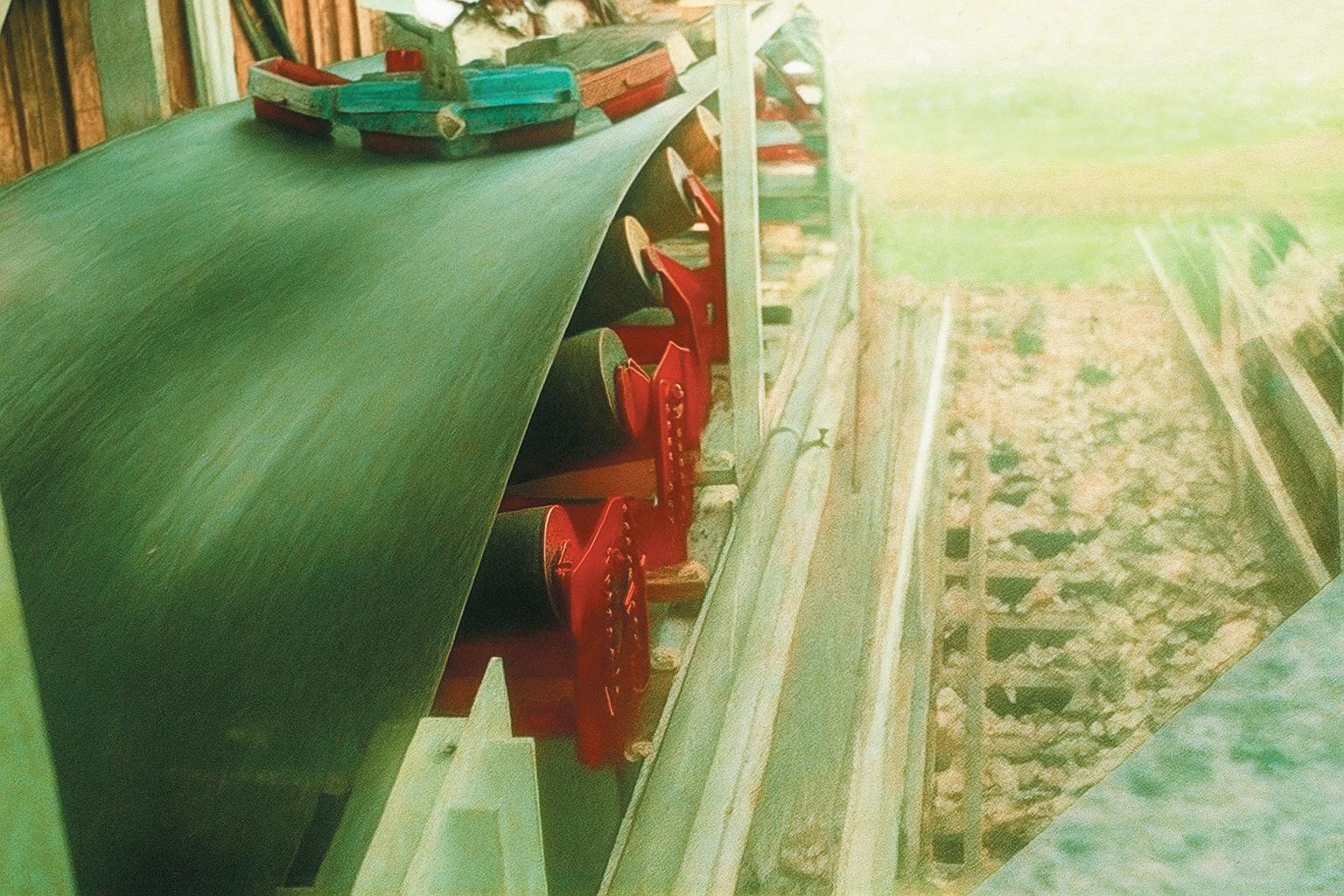
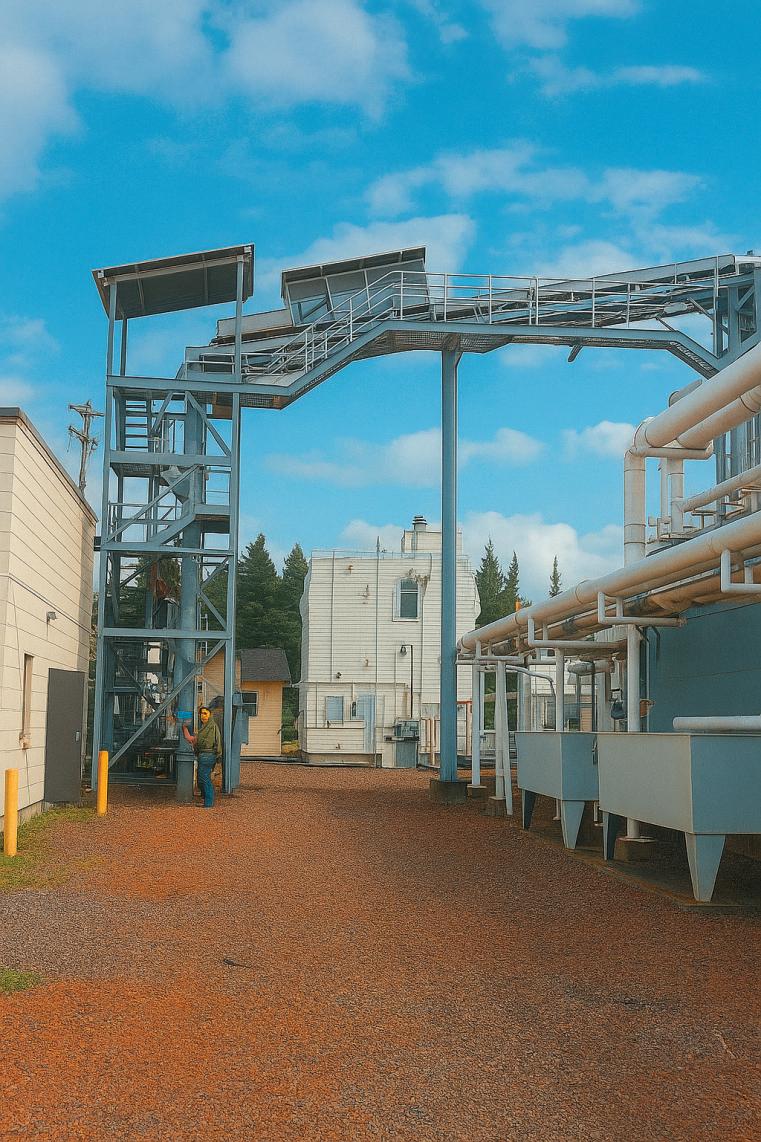
As industries seek sustainable methods for biomass and municipal waste management, DSI’s Sandwich Belt conveyor technology proves that innovation and environmental responsibility can go hand in hand. By combining high-capacity performance, minimal environmental footprint, and versatility across a range of materials, these conveyors are setting the standard for the future of waste and biomass handling.
Whether you’re managing municipal sludge, creating compost, or producing renewable energy from waste, Dos Santos International offers a proven solution that transforms operational challenges into opportunities for sustainability.
Dos Santos International is the world’s foremost authority on Sandwich Belt high angle conveyors. The company was founded and is currently led by the inventor of the system, Joseph Dos Santos. DSI is known for its extensive worldwide experience in sales, engineering, and construction of bulk materials handling systems and equipment. This has included major contributions that have expanded the range of bulk handling and transport solutions. Most notably advances in sandwich belt high angle conveyors have led to their worldwide utilization. The expertise of DSI spans a wide range of materials handling systems and equipment including high angle conveyors, high powered, high capacity, high lift slope conveyors and long overland conveyors utilizing the very latest technology.
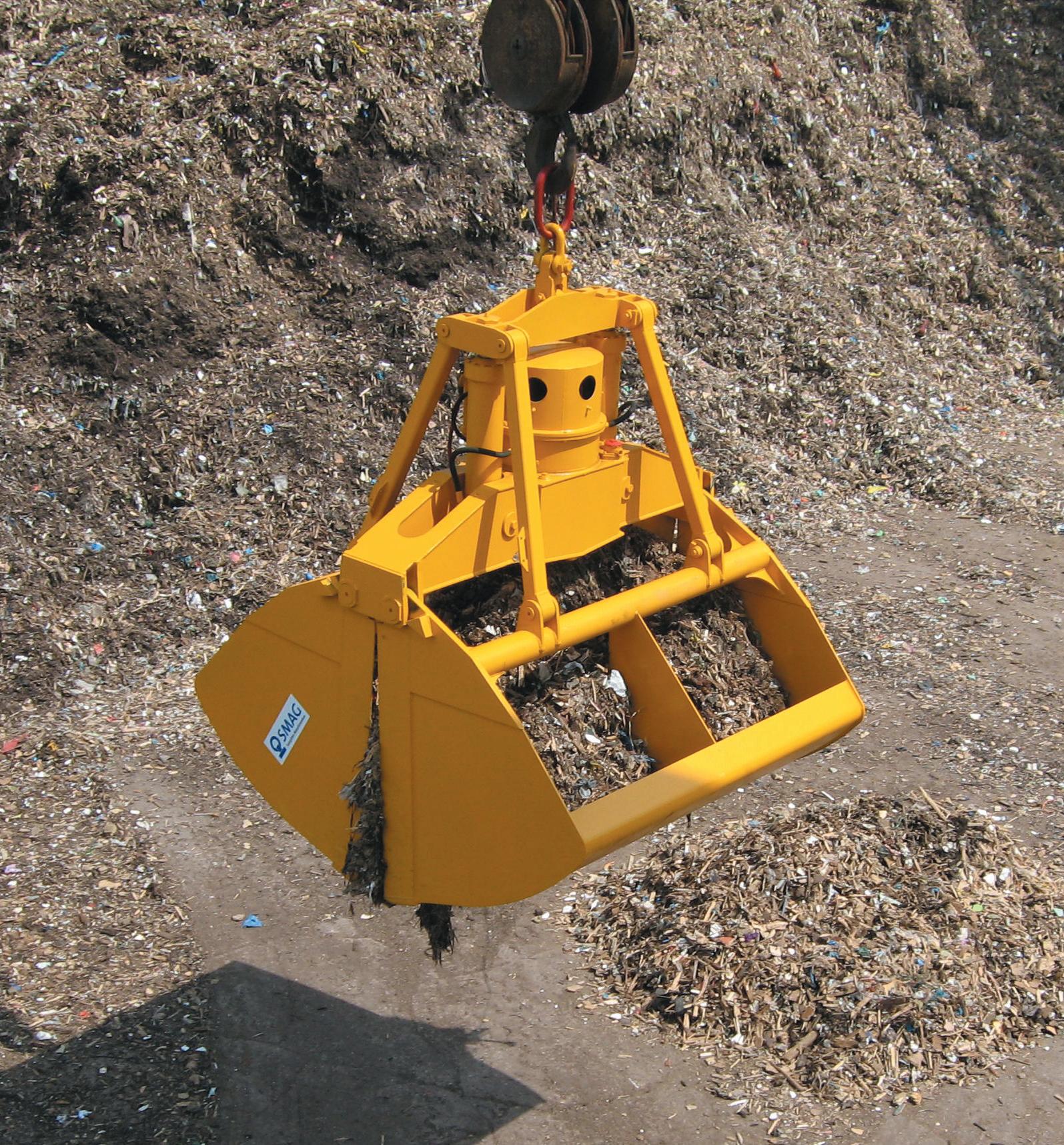
The global demand for biomass as a renewable energy source continues to grow rapidly. Biomass already accounts for a significant share of global energy production, and its role is expected to increase further as countries strive to reduce carbon emissions and secure sustainable energy supplies. This development is driving increasing volumes of biomass materials through ports, terminals and waste-to-energy (WtE) plants. However, handling biomass remains a complex and demanding task. Unlike many conventional bulk materials, biomass varies significantly in structure,
density, moisture content and flow behaviour. Materials such as wood chips, pellets, bark, agricultural residues or organic waste all require different handling approaches.
Efficient material handling is critical for plant performance. In waste-to-energy facilities in particular, throughput, reliability and continuous operation are key success factors. Any inefficiency in material handling directly impacts plant availability and operating costs.
In addition, operational challenges such
as material bridging in bunkers, varying moisture content and fluctuating particle sizes further complicate efficient handling. These factors can significantly influence the filling degree of the grab and ultimately the overall system performance.
Traditionally, grab design has been based on engineering experience and applicationspecific adjustments. Parameters such as shell shape, number of shells, closing force and grab volume are adapted to the expected material characteristics. While this approach has proven successful over decades, it also has its limitations when dealing with increasingly complex and
variable material streams.
MOVING BEYOND TRADITIONAL DESIGN APPROACHES
To address these challenges, PEINER SMAG Lifting
Technologies is taking the next step in the evolution of grab design by integrating data-driven methods into the development process.
By combining operational data from installed equipment with advanced simulation models, the company is working on optimizing grab geometries for specific applications. The focus lies particularly on the design of the grab shells — their shape, size and configuration — which have a decisive impact on filling behaviour, penetration and material retention.
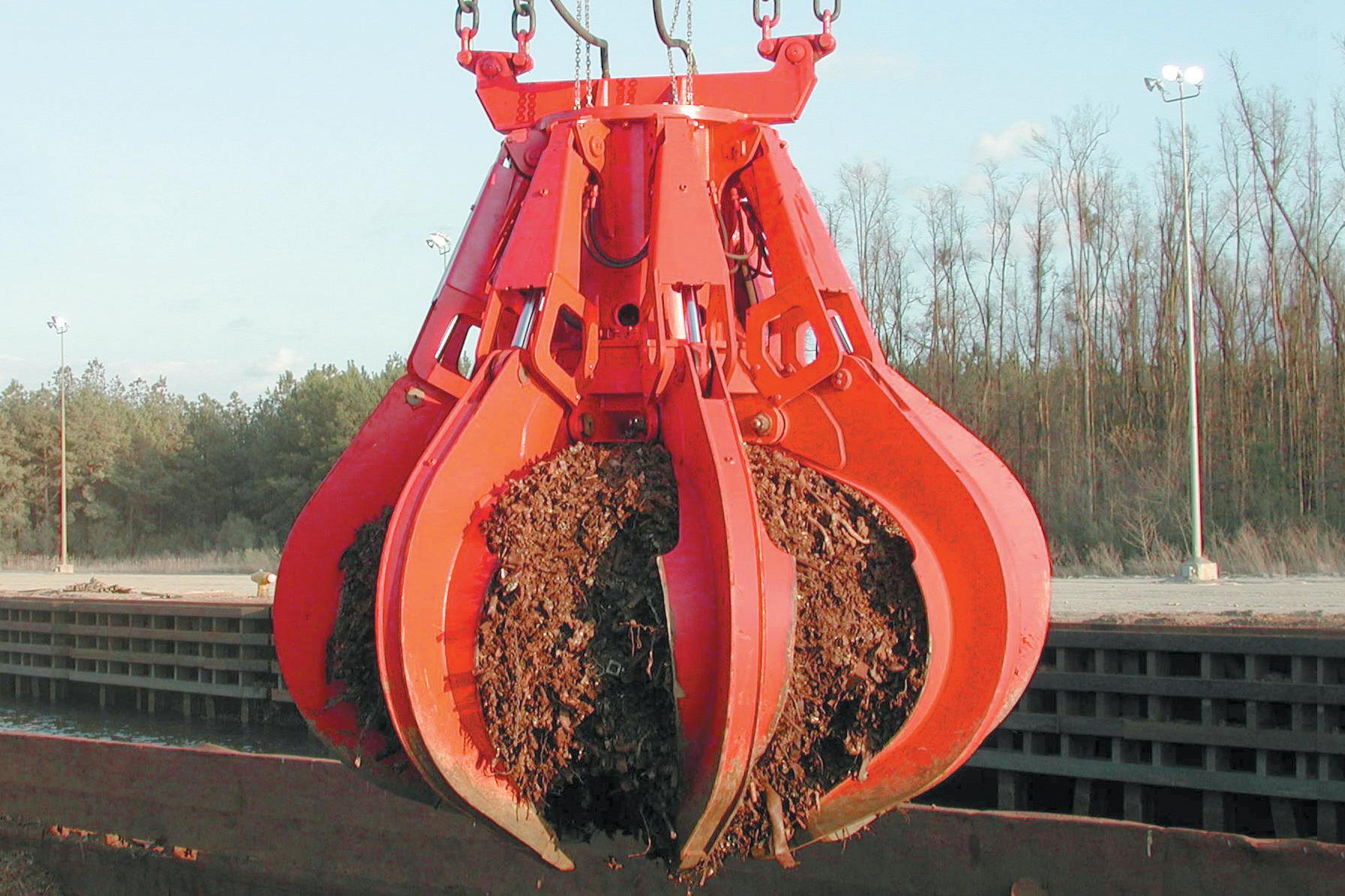
material uptake and reduce losses during operation.
Artificial intelligence and data analytics are used to evaluate how different biomass materials behave during the grabbing process. Based on this, optimized shell designs can be derived that improve
In a typical waste-to-energy application, operators are confronted with highly variable waste streams, ranging from light and bulky materials to dense and
compacted fractions. This variability often leads to inconsistent filling levels, increased cycle times and higher mechanical stress on the equipment.
By analysing operational data and simulating different grab configurations, optimized shell geometries can be developed that significantly improve


















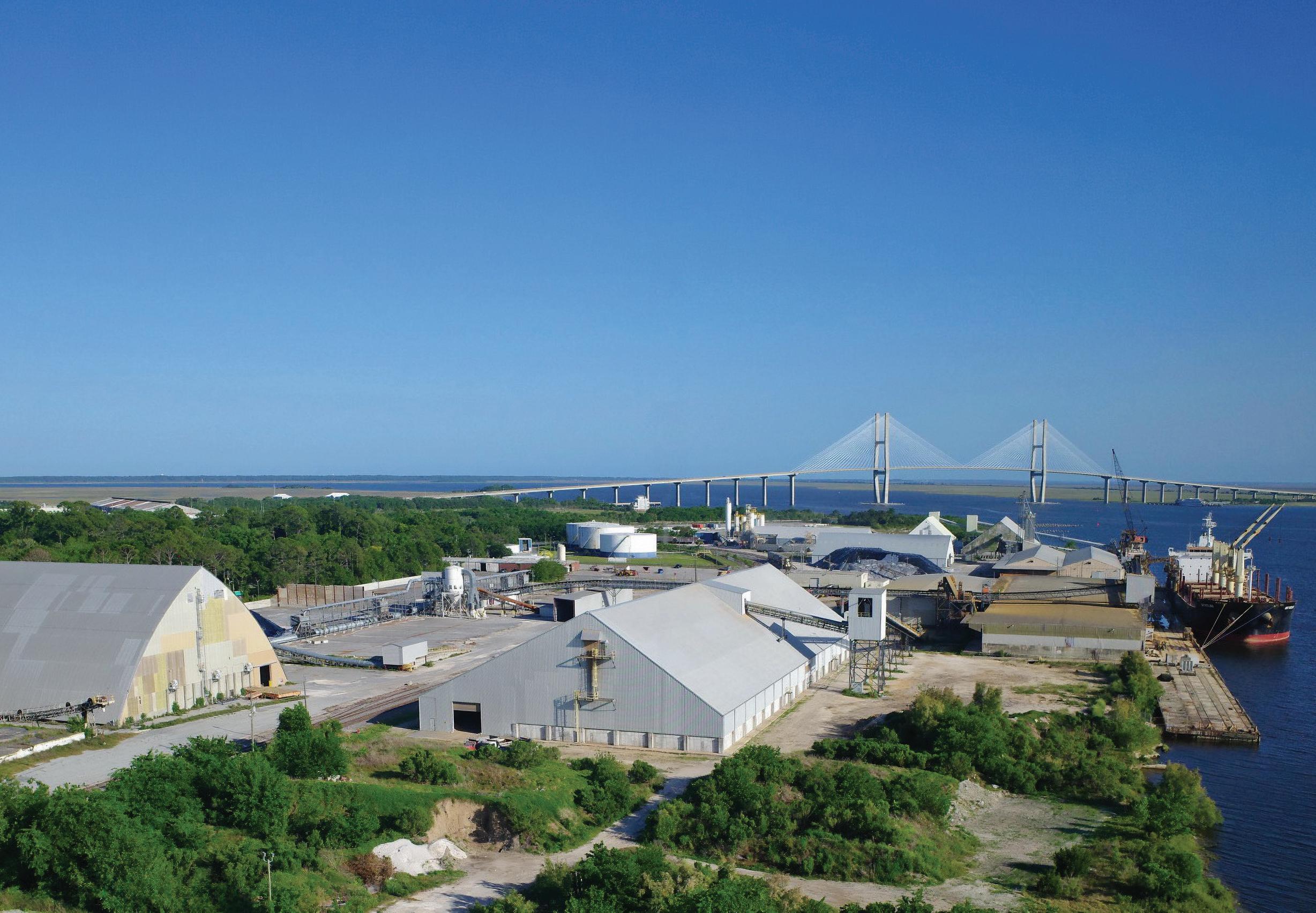






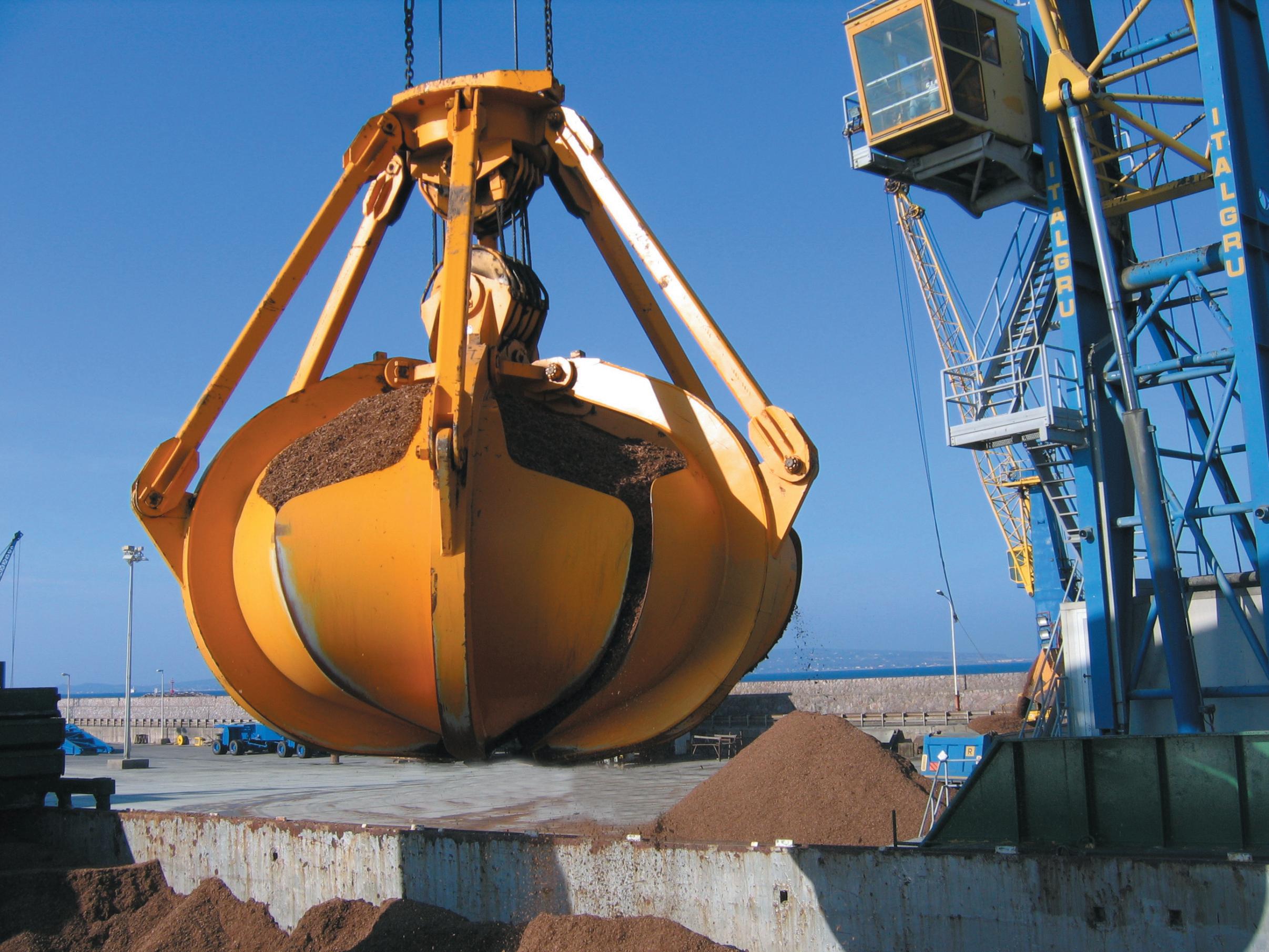
penetration and filling behaviour. Early results from such approaches indicate noticeable improvements in throughput and process stability, particularly in continuous multi-shift operation.
In addition to simulation-based approaches, PEINER SMAG has recently implemented a design optimization in its hydraulic timber grab (HHG) product range, demonstrating how data-driven engineering can translate into practical improvements.
In cooperation with an OEM partner, a new tong geometry — internally referred to as the ‘heart-shaped grab design’ — has been developed to improve the handling of timber and biomass materials. The optimized geometry enhances material grip and stability during operation, particularly when handling irregular or loosely packed materials.
The first units featuring this new design have already been delivered and are in operation. Initial feedback indicates improved material retention and more stable handling behaviour, supporting efficient and reliable operation in demanding environments.
TANGIBLE
This data-driven approach enables a more
precise adaptation of grabs to real operating conditions. The result is a measurable improvement in performance: higher throughput due to improved v filling efficiency; reduced cycle times through v optimized material penetration; lower wear thanks to more balanced v load distribution; and increased process stability, especially in v continuous operation.
For operators of biomass terminals and waste-to-energy plants, these improvements translate directly into higher plant efficiency and reduced operating costs.
Alongside these developments, PEINER SMAG continues to rely on its proven portfolio of grab technologies for biomass handling.
Motor-driven orange peel grabs are widely used in waste-to-energy plants, where they ensure reliable and continuous material feeding. Their robust design, individually driven shell segments and high closing forces enable efficient handling of heterogeneous waste streams.
For bulk materials such as wood chips or pellets, clamshell and multi-rope grabs
provide reliable performance and high throughput. In maritime applications, radiocontrolled single-rope grabs allow flexible biomass handling using existing crane infrastructure without additional modifications.
These established solutions form the foundation upon which new data-driven optimization approaches are built.
The increasing complexity of biomass supply chains requires new approaches in material handling. Data-driven design and the integration of digital technologies will play a key role in improving efficiency and reliability in the future.
By combining decades of engineering experience with modern data analytics and artificial intelligence, PEINER SMAG continues to enhance the performance of its equipment and support customers in meeting the growing demands of the biomass industry.
With its global installed base and longstanding expertise in bulk material handling, the company is well positioned to further develop intelligent, application-specific solutions that deliver measurable value in real-world operations.
For decades, Bruks has been a trusted global supplier of advanced equipment and integrated systems for biomass handling, processing, and storage, supporting customers across the bioenergy, bioproducts, pulp and paper, and industrial manufacturing sectors. Drawing on deep engineering expertise and extensive operating experience, Bruks designs systems that address the unique challenges of biomass materials — variability in size, moisture, and flow characteristics — while delivering high reliability, safety, and longterm performance.
Bruks’ biomass expertise spans the entire material flow, from raw material receipt through storage, reclaim, and delivery to downstream processes. The company’s solutions are built around a systemsengineering approach, ensuring that each component works in harmony to maintain consistent throughput and minimize operational risk.
Key biomass handling and storage capabilities include: receiving systems for truck, rail, and in- v plant transfer of wood chips, forest residues, waste wood, and other biomass fuel sources; robust conveying systems, including v enclosed belt and screw conveyors, designed to minimize dust emissions, material degradation, and downtime; bulk storage solutions, ranging from v open and covered piles to enclosed silos and domes, engineered for highcapacity, safe, long-term biomass storage; reclaim systems such as stackers, v reclaimers, and live-bottom solutions that ensure consistent fuel flow while preventing bridging, ratholing, and segregation; and Automation and controls that provide v operators with real-time visibility into inventory, material flow, and system performance
These capabilities are supported by Bruks’ extensive experience designing systems for high-moisture, low-bulk-density, and heterogeneous biomass fuels, enabling customers to operate reliably even with challenging feedstocks.
Biomass storage presents distinct safety and operational risks, including dust generation, spontaneous heating, and
uneven reclaim behaviour. Bruks addresses these risks through engineered storage geometries, controlled reclaim strategies, and integrated safety features, helping customers improve uptime while protecting personnel and assets.
By carefully balancing pile geometry, storage residence time, reclaim method, and conveying speeds, Bruks systems are designed to preserve fuel quality, reduce fines generation, and support consistent downstream processing — whether feeding boilers, gasifiers, dryers, or pellet mills.
Beyond equipment supply, Bruks provides full project support, including front-end engineering, system design, equipment integration, installation support, commissioning, and aftermarket services. This turnkey capability allows customers to rely on a single, accountable partner for complex biomass handling projects, reducing interfaces and improving project certainty.
Bruks’ engineering teams work closely with plant owners, EPCs, and technology providers to align material handling and storage systems with overall plant performance objectives, optimizing layout, capacity, and long-term operating costs.
A recent example of Bruks’ biomass handling and storage expertise is the Steel Dynamics (SDI) biocarbon project in Columbus, Mississippi — one of the most significant and innovative applications of biomass in heavy industry to date.
Steel Dynamics, in partnership with Aymium, is developing a large-scale biocarbon production facility designed to replace fossil-based carbon inputs in electric arc furnace steelmaking. The project represents a major step toward industrial decarbonization, with the facility expected to significantly reduce Scope 1 greenhouse gas emissions associated with steel production.
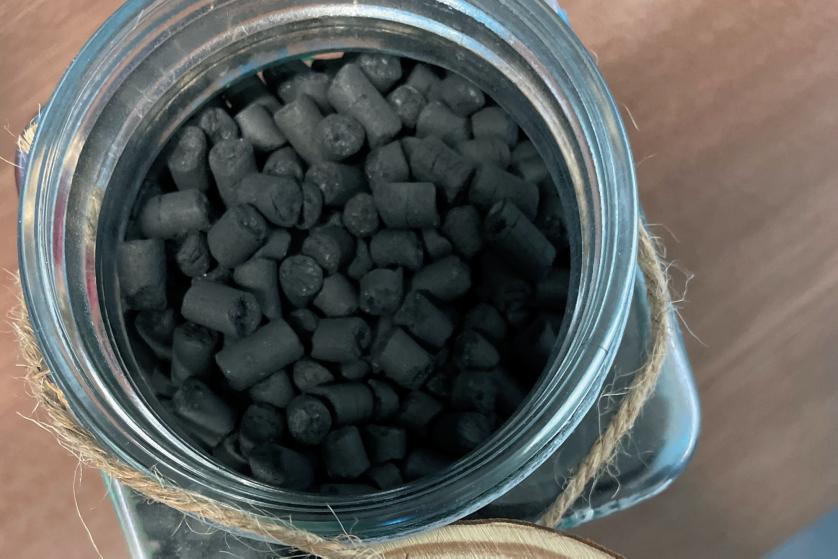
Bruks was selected to design and supply critical biomass-handling, conveying, storage, and reclamation systems to support the production of biocarbon pellets. The scope of supply reflects Bruks’ strength as a one-stop provider of complex biomass logistics, incorporating both woodprocessing and bulk-handling expertise.
The Bruks supplied systems enable the facility to:
receive and handle large volumes of v woody biomass feedstock, including whole logs and residual materials; store biomass safely and efficiently, v ensuring a steady, reliable feed to downstream size reduction and thermal processing stages; reclaim and convey material v consistently, supporting stable plant operation and high annual throughput; and engineering considerations included v variable feedstock characteristics, high operating hours, and the need for reliable, predictable material flow to support continuous biocarbon production.
The Steel Dynamics project illustrates Bruks’ ability to scale biomass handling and storage systems for industrial, high-demand applications beyond traditional power generation. The system design emphasizes durability, maintainability, and operational resilience — essential attributes for a facility integrated directly into steel production supply chains.
By enabling the reliable transformation of biomass into a renewable carbon source, Bruks’ systems play a central role in helping Steel Dynamics achieve its sustainability objectives while maintaining the performance standards required in modern steelmaking.
As industries increasingly turn to biomass to reduce carbon intensity and improve resource efficiency, Bruks continues to support this transition with proven technology, deep expertise, and a systemlevel mindset. From conventional bioenergy installations to pioneering projects like Steel Dynamics’ biocarbon facility, Bruks remains at the forefront of biomass handling and storage solutions that deliver both environmental and operational value.
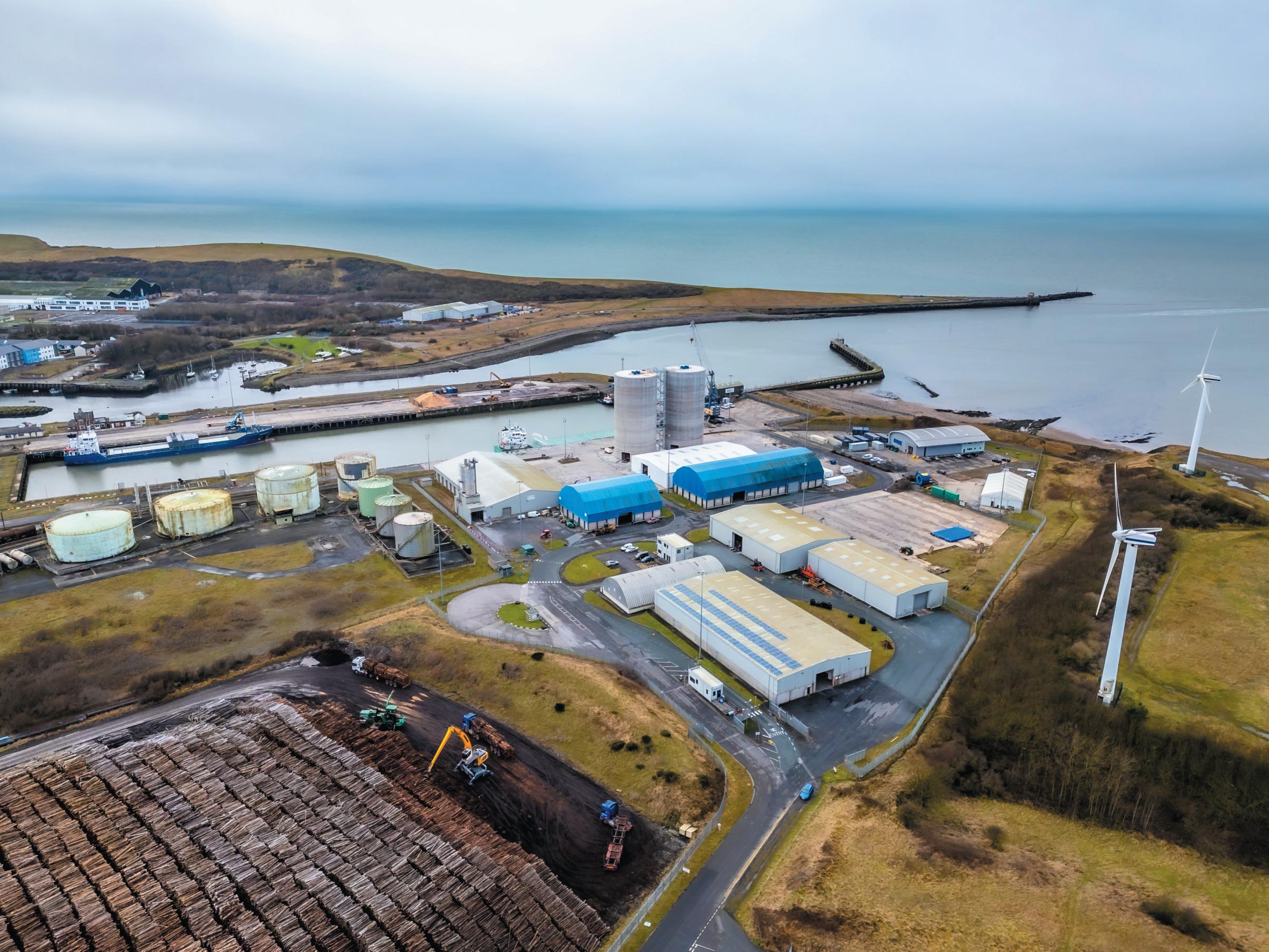
The Port of Workington in the UK is a historic harbour located on the west coast of Cumbria, at the mouth of the River Derwent along the Solway Firth. Its development was closely tied to the region’s rich natural resources, particularly coal and iron ore, which drove its expansion during the 18th and 19th
centuries into a key port supporting Britains industrial growth. Over time, the harbour was improved with docks and transport links to handle larger volumes of trade, exporting raw materials and manufactured goods while importing essential supplies. Although the decline of heavy industry in the late 20th century
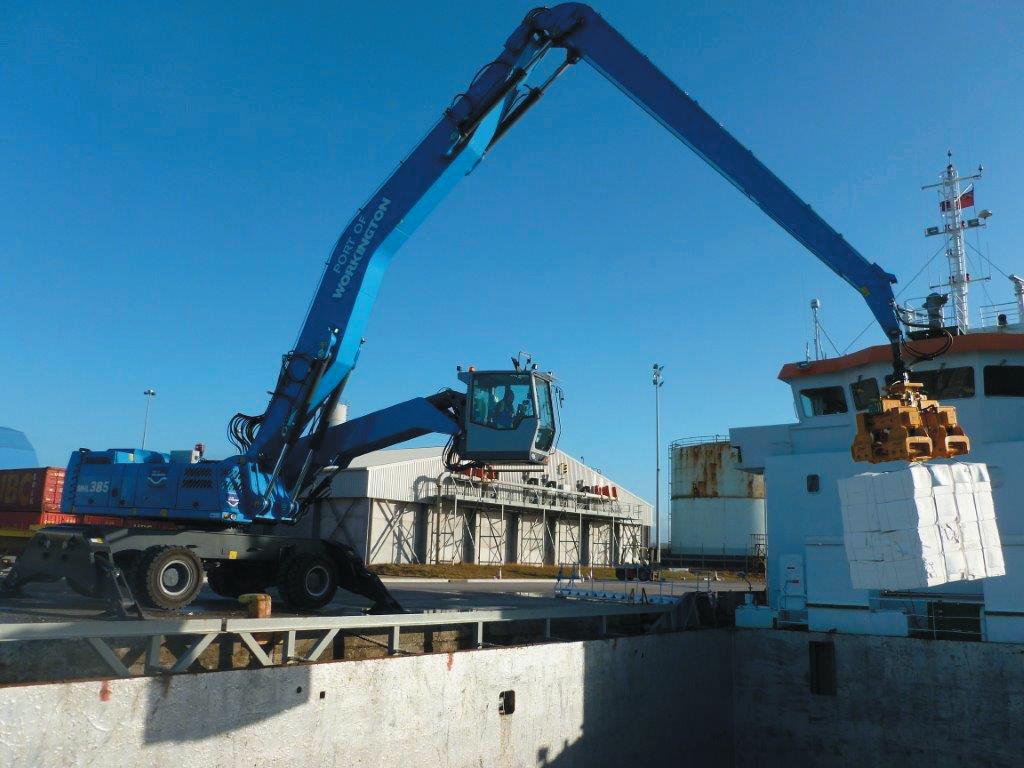
reduced its original role, the port has adapted by focusing on modern cargo handling, logistics, and regional trade, remaining an important economic asset for the surrounding area.
The port handles up to 500,000 tonnes of cargo a year with expertise in the dry bulk, liquid bulk, energy, project cargo, break bulk (forest products) and container sectors and offers a first-class port handling service. High quality warehousing is also
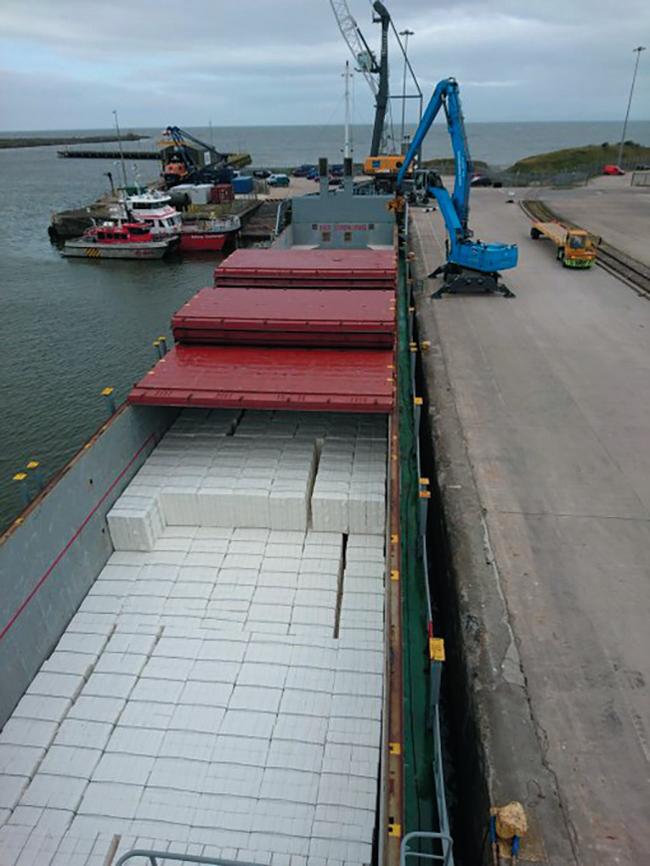
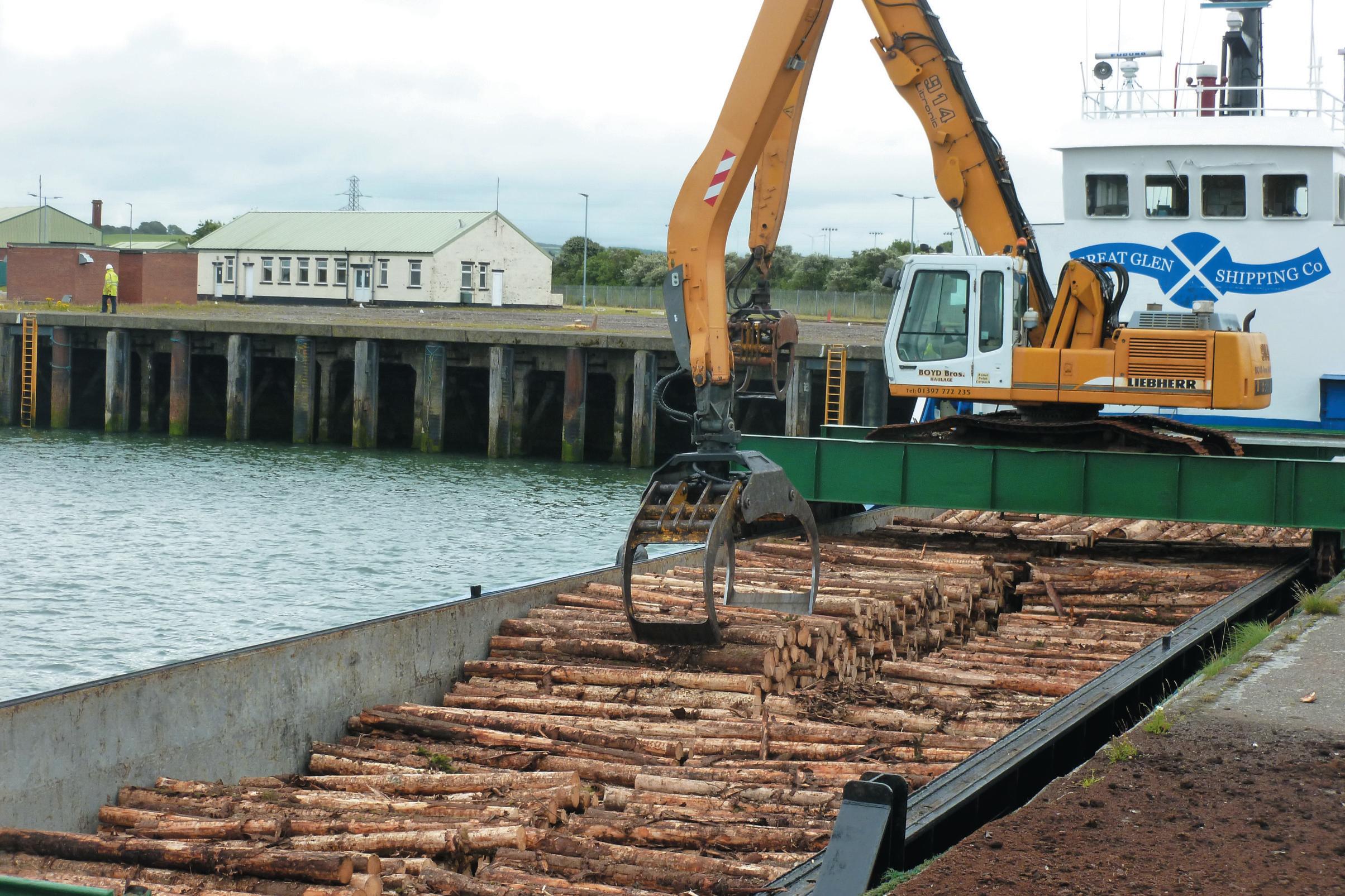
provided for shipping and non-shipping related use. With the port’s location being on the Cumbrian coast this allows for transport links by not only sea, but rail or road also.
Workington’s local paper mill is one of the ports main forest products customers. An integrated pulp and paperboard mill which specializes in the production of modern paperboard packaging. It utilizes the Port of Workington to import its raw materials such as wood pulp where it is handled from ship and stored for delivery to the factory.
The port is used by the paper mill to store significant quantities of logs by sea and rail for onward delivery to the factory. This helps support the mills biomass boiler which is powered 100% on bio-energy and makes the Workington mill carbon neutral.
The Port of Workington plays an important role in supporting local haulage contractors by acting as a key entry and handling point for raw materials used in biomass production. This helps with the steady and efficient flow of biomass from ship to energy production as the haulage contractor collects logs and materials from
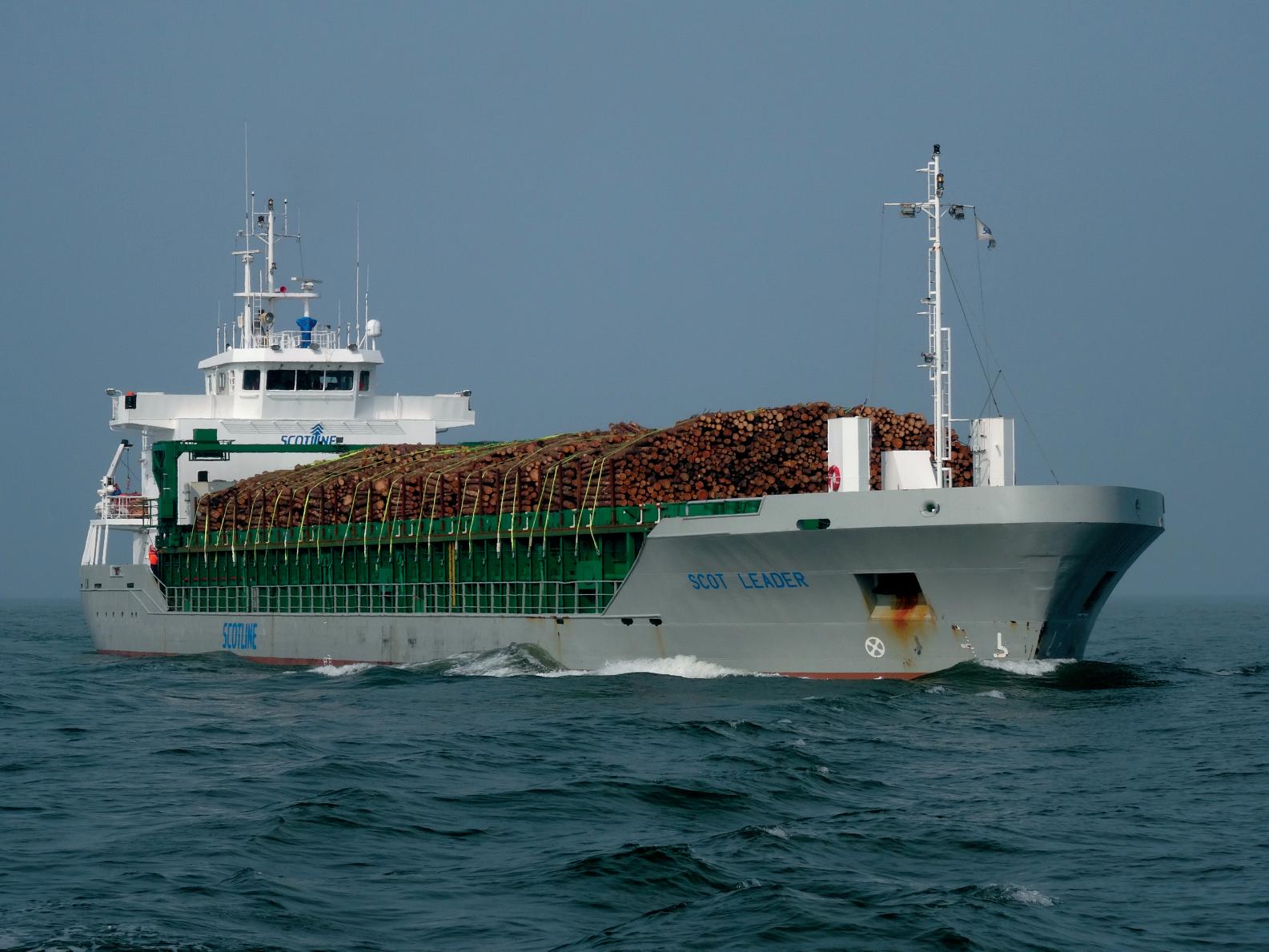
the port delivering them to processing sites or power plants. At the same time, the company also processes green waste and timber into biomass fuel using shredding and chipping equipment, helping supply the renewable energy sector. The port also supports biomass use more widely by handling forest products that feed local energy systems, such as biomass powered facilities, making the whole operation part of a sustainable energy supply chain.
Workington has built an excellent reputation for quick turnaround of a wide range of bulk cargoes including aggregates, cement, gypsum, biomass, and agribulks. Shipments of up to 8,000 metric tonnes can be accommodated at any one time, with discharge rates of over 500 metric tonnes per hour to open quay storage or direct to lorry through store. Dry bulks can be loaded direct to road or rail or via the open storage areas adjacent to the port’s internal rail sidings.
Biomass operations at the Port of Workington demonstrate the ports role in supporting the transition to cleaner energy. By handling and distributing materials such as timber, the port supports local businesses and contributes to employment within the region. In addition, these activities help to reduce reliance on fossil fuels. As demand for sustainable energy continues to increase, the port is expected to remain an important part of the renewable energy supply chain. DCi
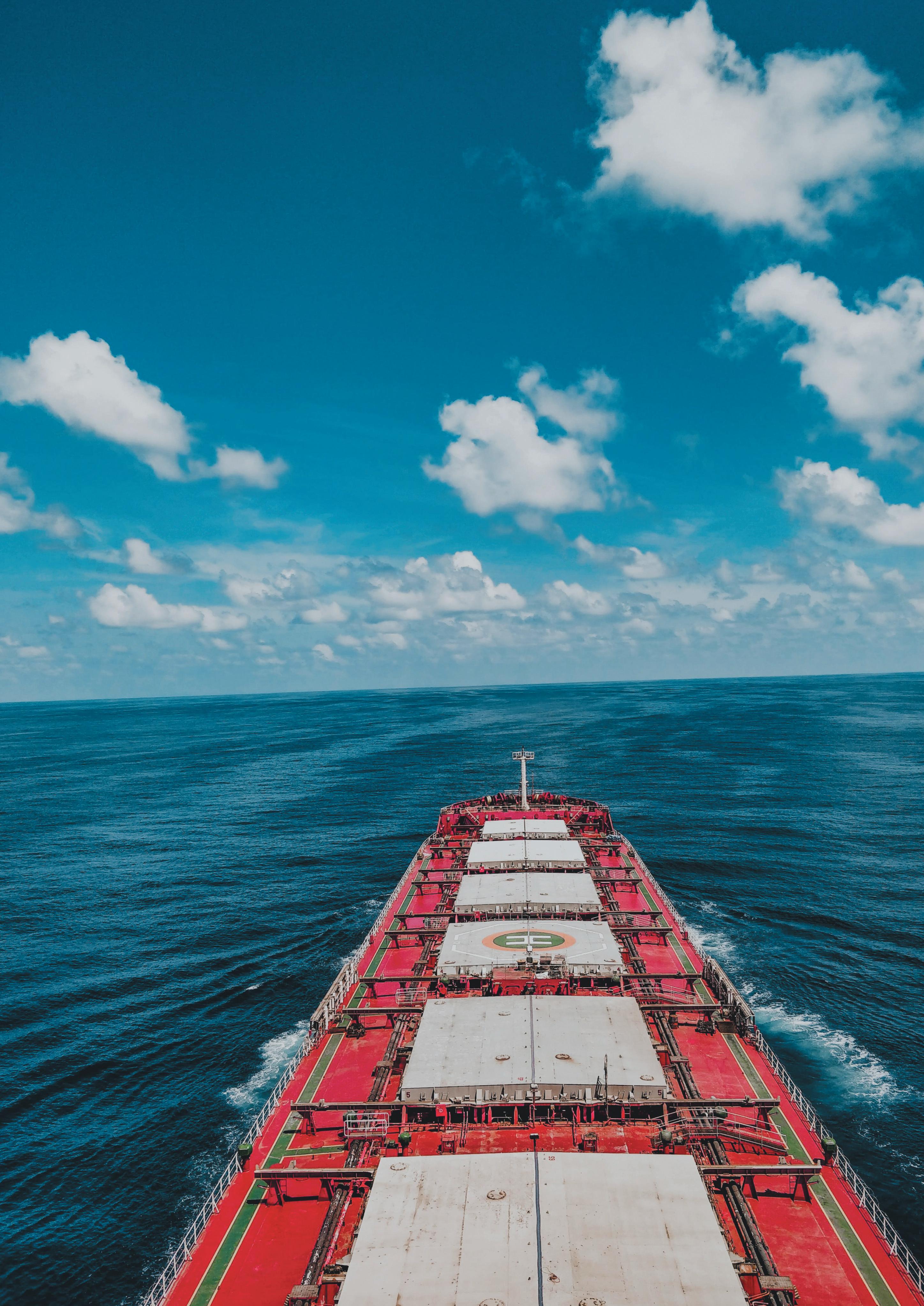
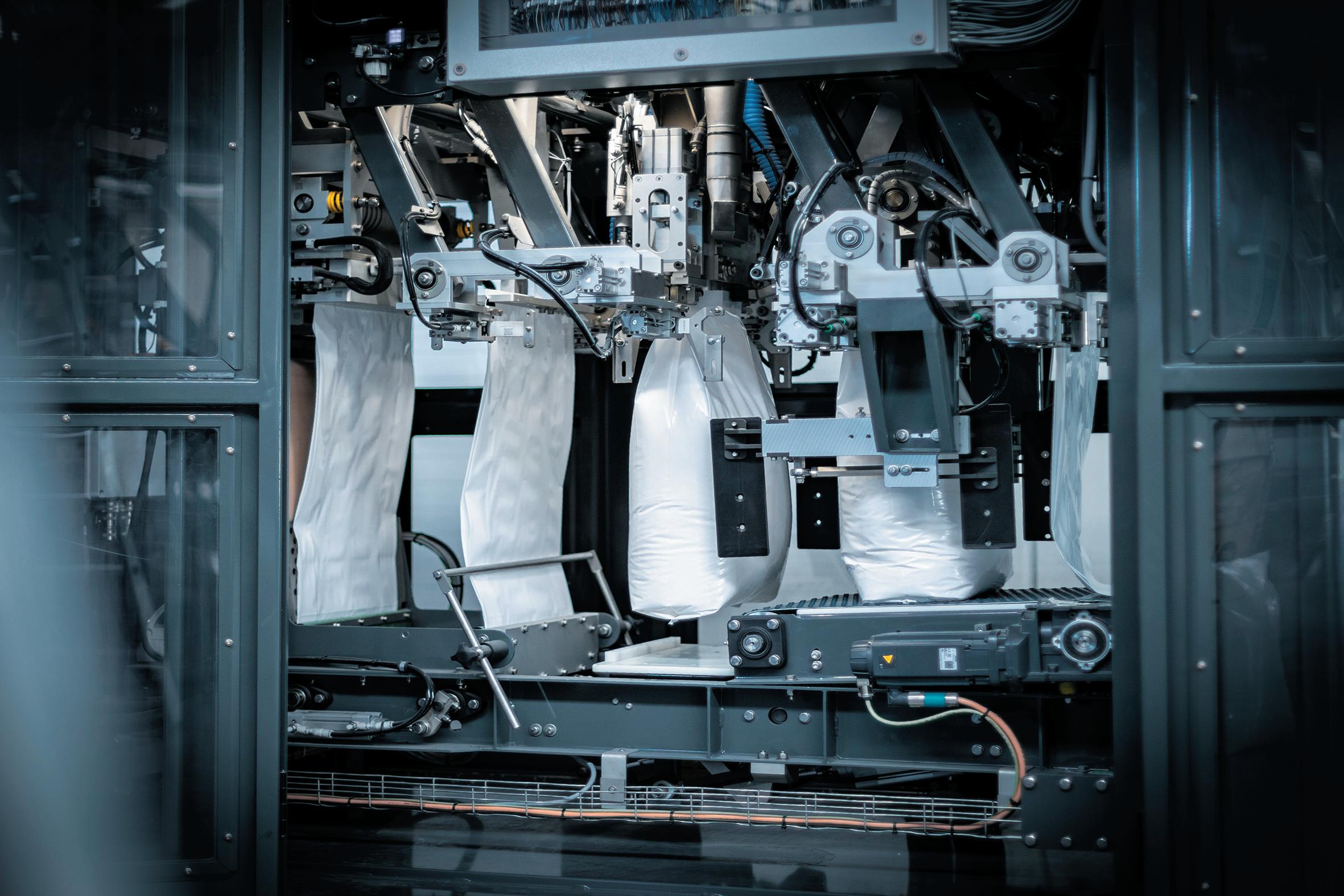
STATEC BINDER INTRODUCES A NEW ERA IN HIGH-SPEED BAGGING AND PALLETIZING
For decades, Austrian packaging specialist STATEC BINDER has been recognized as a reliable partner for highly efficient bagging and palletizing systems for free-flowing bulk materials.
Headquartered in Gleisdorf, Austria, the company develops and manufactures complete packaging solutions that are used worldwide in industries ranging from petrochemicals and fertilizers to food, minerals and building materials.
The company’s portfolio includes fully automatic open-mouth bagging machines, form-fill-seal (FFS) systems, palletizers, big bag filling stations, weighing technology and bag closing systems. Designed and manufactured in Austria, STATEC BINDER equipment is engineered for demanding industrial environments where high output, reliability and long-term operational efficiency are essential.
A key focus for STATEC BINDER in recent years has been the increasing demand for higher productivity and automation in the petrochemical sector. Producers are under growing pressure to maximize throughput while maintaining product quality, transport stability and energy efficiency. This market development has accelerated the demand for integrated high-speed solutions that combine bagging
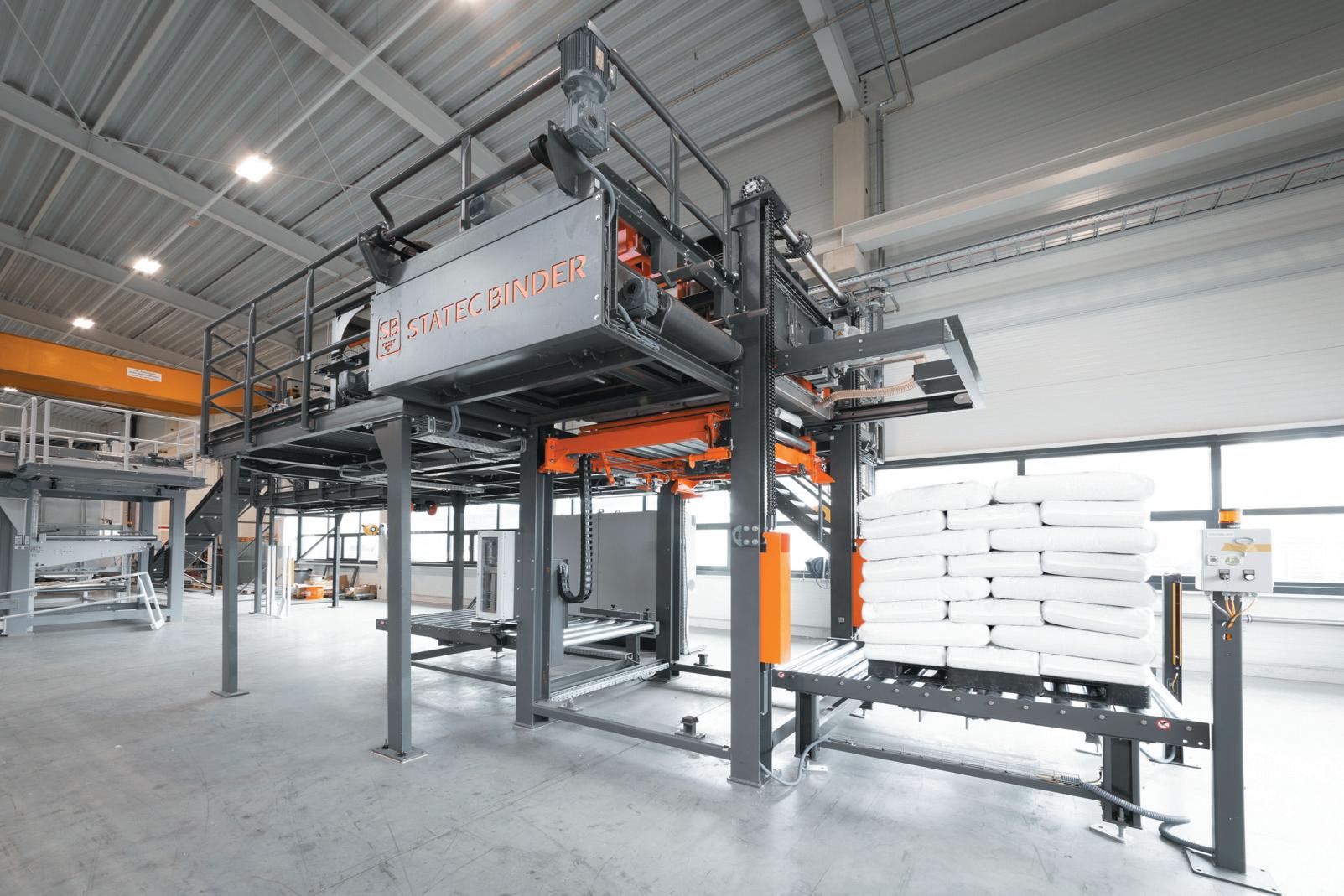
and palletizing into one seamless process.
To address these requirements, STATEC BINDER developed the new STRATOSLINE product line — an innovative generation of high-speed packaging and palletizing technology specifically designed for the petrochemical industry and comparable high-output applications.
At the heart of this new line is the STRATOSPAC high-speed FFS bagging machine together with the newly developed STRATOSPAL palletizing system. The combination allows manufacturers to achieve exceptionally
high throughput rates while ensuring precise bag handling and stable pallet formation.
While high-speed bagging technology has continued to evolve over recent years, palletizing often remained the limiting factor in overall line performance. STATEC BINDER therefore focused its latest development efforts on creating a completely new palletizing concept capable of matching the performance of modern high-speed bagging systems.
The result is STRATOSPAL — a patented high-speed palletizer featuring a unique conveying technology that enables
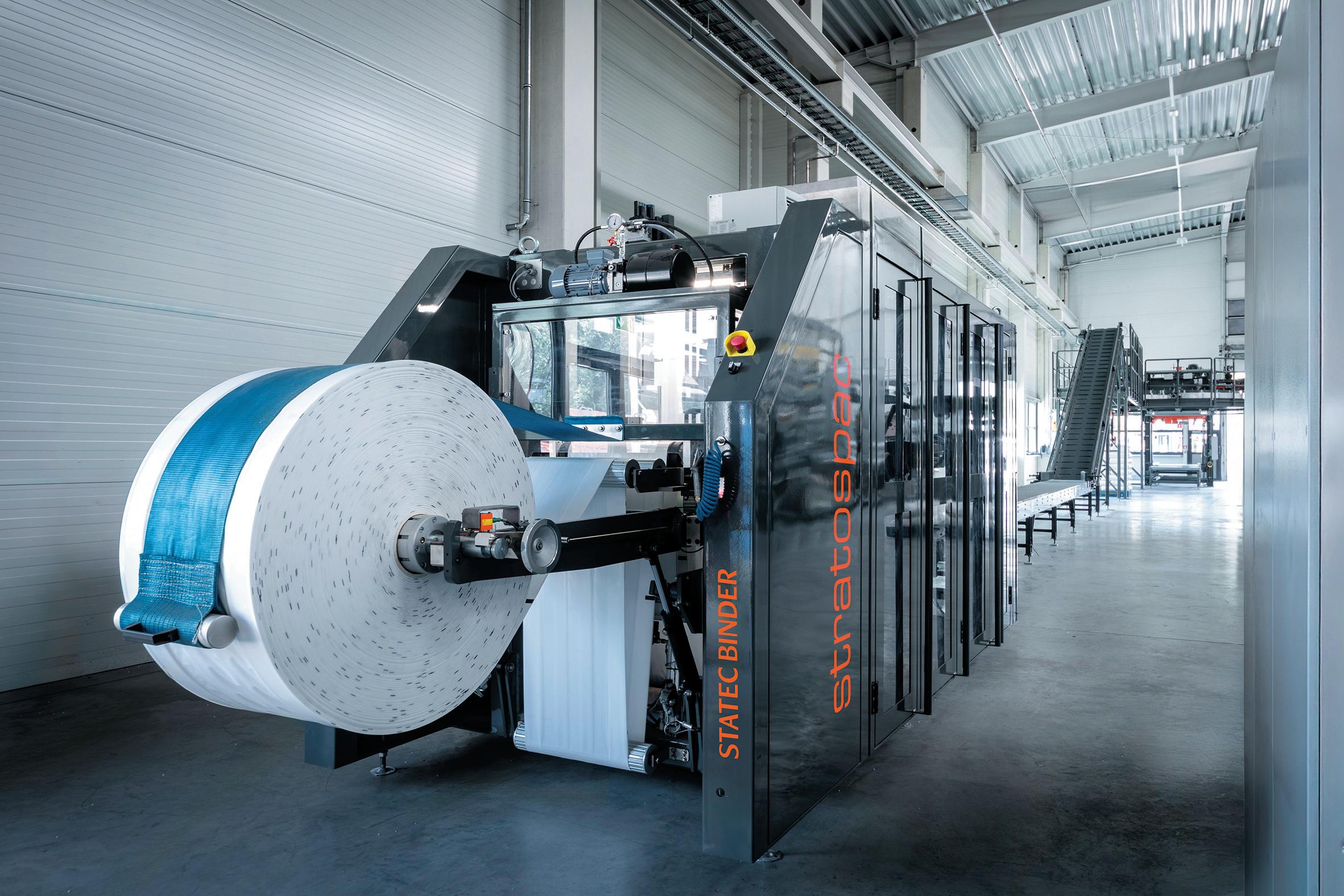
several bags to be palletized simultaneously.
Unlike conventional palletizing systems, STRATOSPAL was developed around an entirely new material flow concept. Intelligent conveyor technology and optimized transport routes significantly reduce handling times and improve the overall efficiency of the palletizing process. The system can process up to 3,000 bags per hour, making it one of the highestperformance palletizing solutions currently available for the petrochemical industry.
One of the most remarkable features of STRATOSPAL is its innovative conveyor technology.
The system allows bag infeed from two sides or via dual conveyor lines, enabling highly dynamic product handling and optimized material flow within the palletizing process. This approach not only increases throughput capacity but also improves flexibility for increasing production requirements.
Another major advantage is the quality of pallet formation. Stable and precisely aligned pallet layers are critical for the safe transport and storage of petrochemical products and other bulk materials.
STRATOSPAL ensures exact layer positioning and consistently high pallet quality, even at extremely high operating speeds. The system supports palletizing configurations of up to 14 layers and is optimized for common industrial bag dimensions.
Energy efficiency was also a central aspect during development. Modern production facilities increasingly require
not only high performance but also lower operational costs and reduced energy consumption. STRATOSPAL was therefore designed with optimized power and compressed air consumption.
Beyond performance itself, STATEC BINDER sees flexibility and long-term partnership as important competitive advantages. Every production environment has its own specific requirements, particularly in industries handling different product characteristics, bag types and throughput demands. For this reason, the company focuses on customized system integration and close co-operation with customers throughout the entire project lifecycle — from engineering and commissioning to after-sales support and modernization projects.
The launch of STRATOSLINE and
STRATOSPAL marks another important milestone in STATEC BINDER’s technological development. By combining high-speed bagging with a completely new palletizing approach, the company aims to redefine productivity standards in industrial packaging.
As global industries continue to demand greater automation, efficiency and reliability, innovative systems such as STRATOSPAL demonstrate how advanced conveying and palletizing technologies can become key drivers for future production performance.
For bulk material producers seeking higher throughput without compromising pallet quality or operational efficiency, STATEC BINDER’s latest innovation may well represent the next step toward fully optimized end-of-line packaging processes.
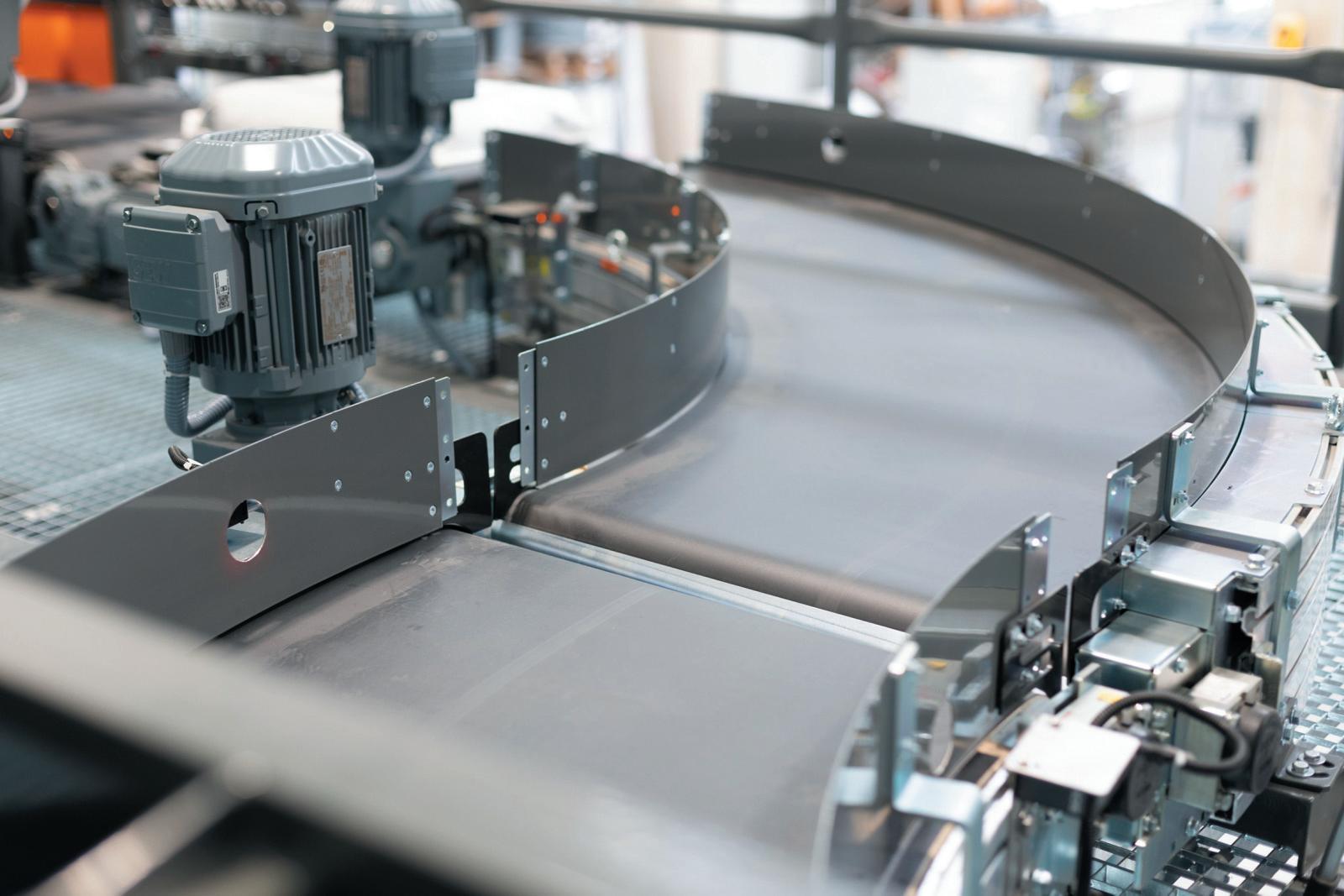

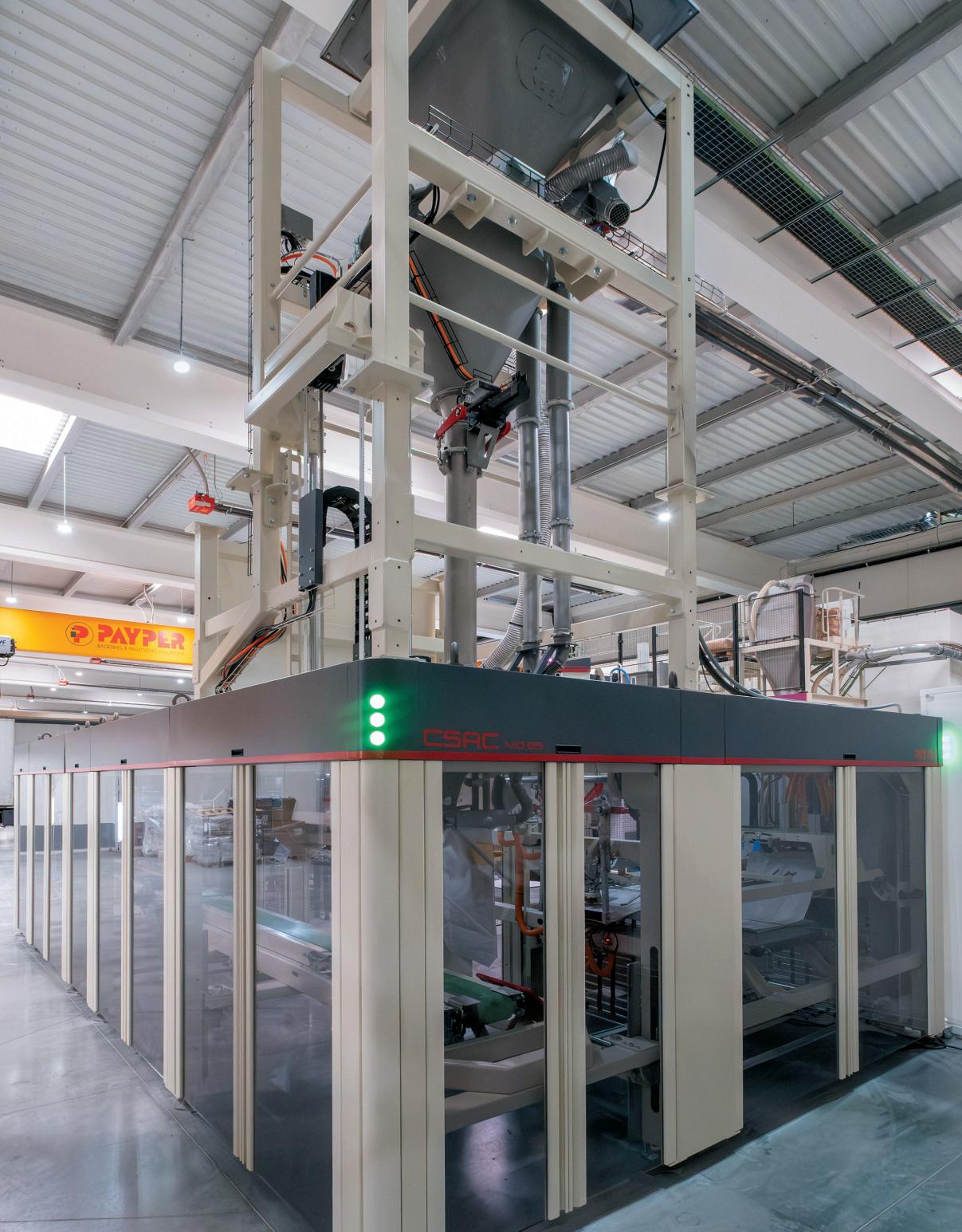
At the recent interpack trade show (May 7–13, Düsseldorf), PAYPER showcased its bottom-up filling system at its booth, a solution specifically designed to optimize the bagging of fine powdered products.
The technology, which has already been introduced in specialized technical forums, expands the company’s portfolio of dosing solutions and addresses one of the most common challenges in industrial bagging: dust generation and the unstable behaviour of certain products during filling.
A COMMON CHALLENGE IN BAGGING POWDERED PRODUCTS
In bagging processes involving products with very fine particle sizes, it is common for air entrapment and dust generation to occur during bag filling. These situations can lead to the dispersion of airborne particles, increased vacuuming requirements, or product loss.
The bottom-up filling approach modifies traditional filling dynamics to reduce the product drop height during the dosing process. This principle improves process control and minimizes dust generation, especially for materials prone to fluidization or sensitive to aeration.
A PROCESS- ORIENTED SOLUTION
Thanks to this configuration, the system is
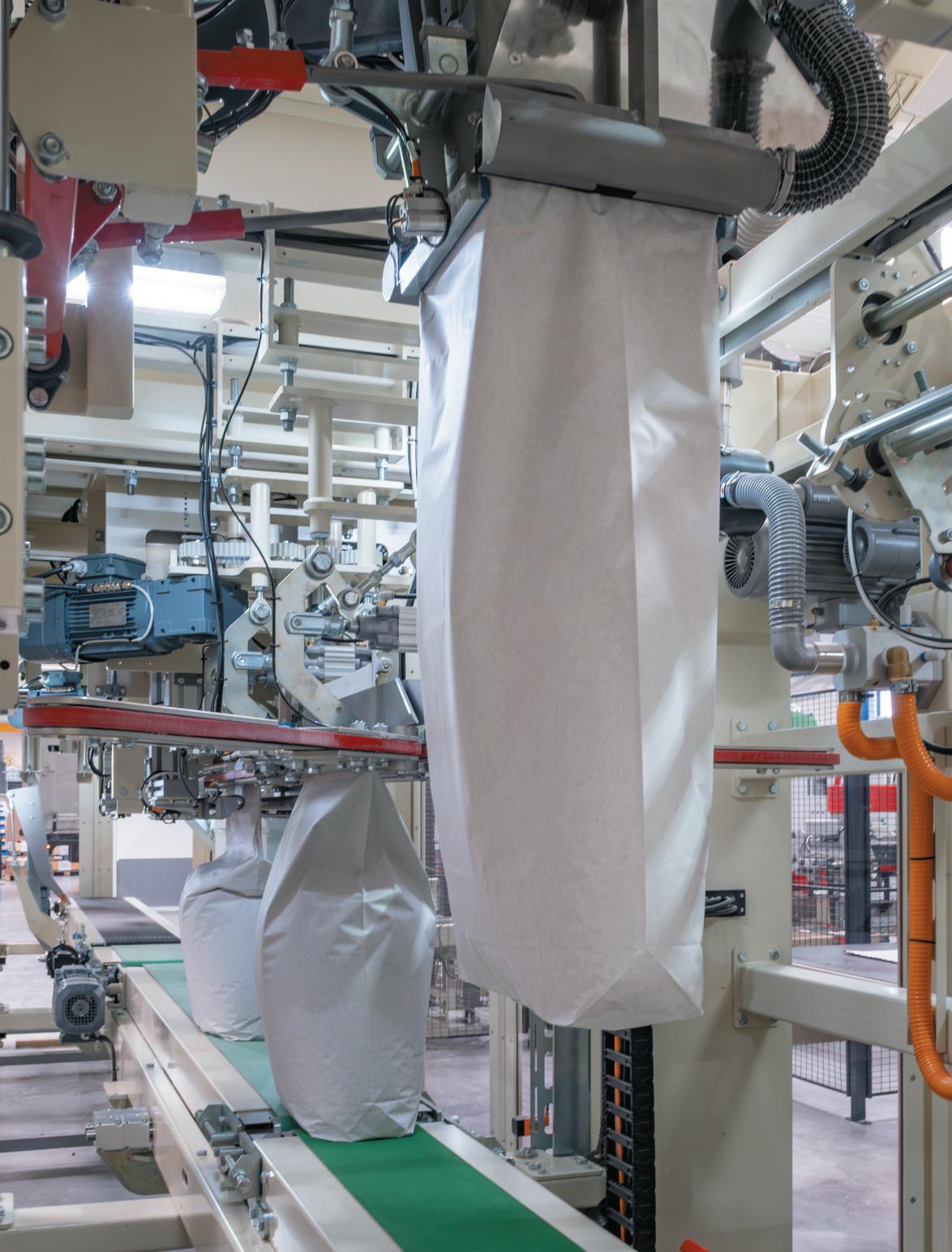
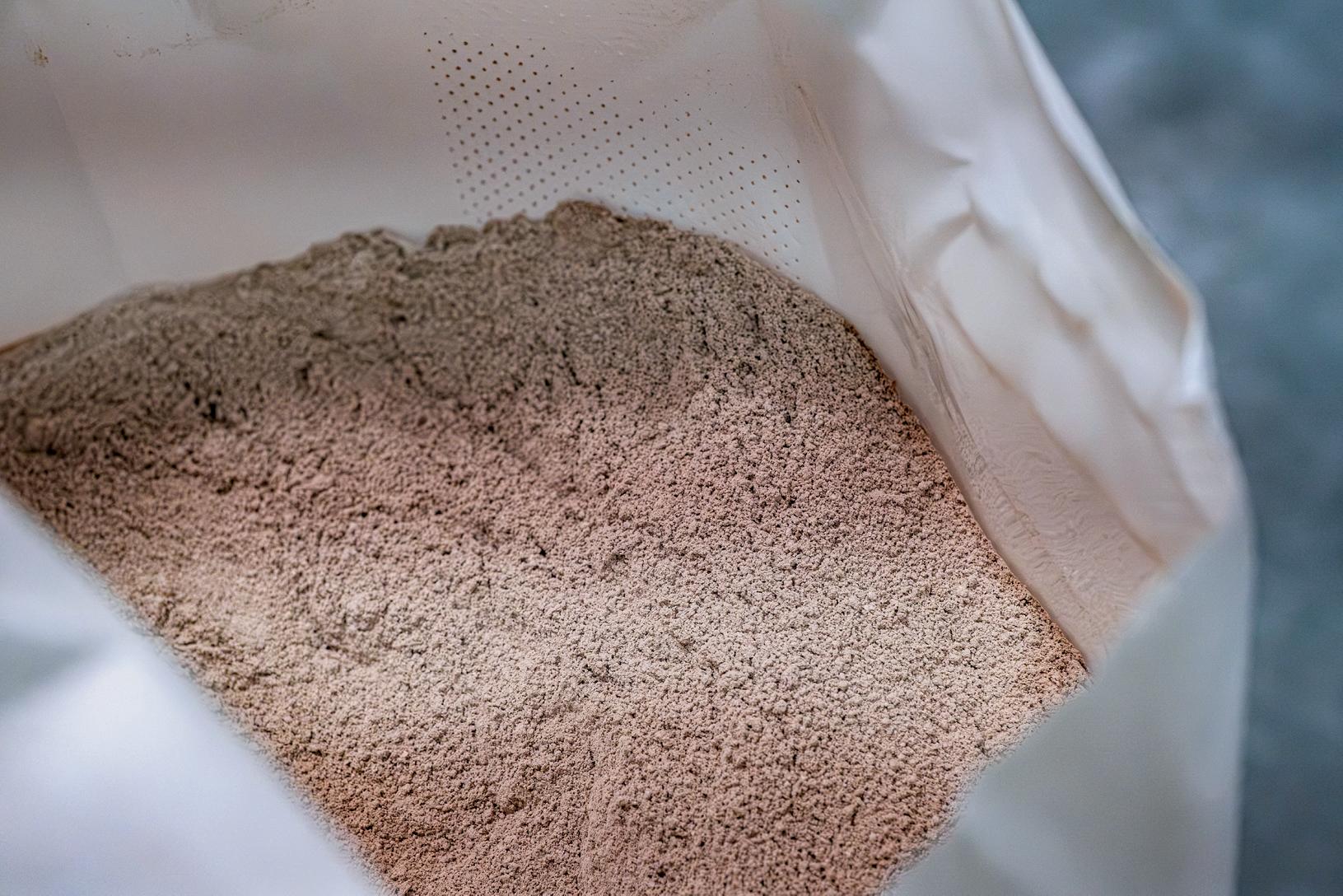
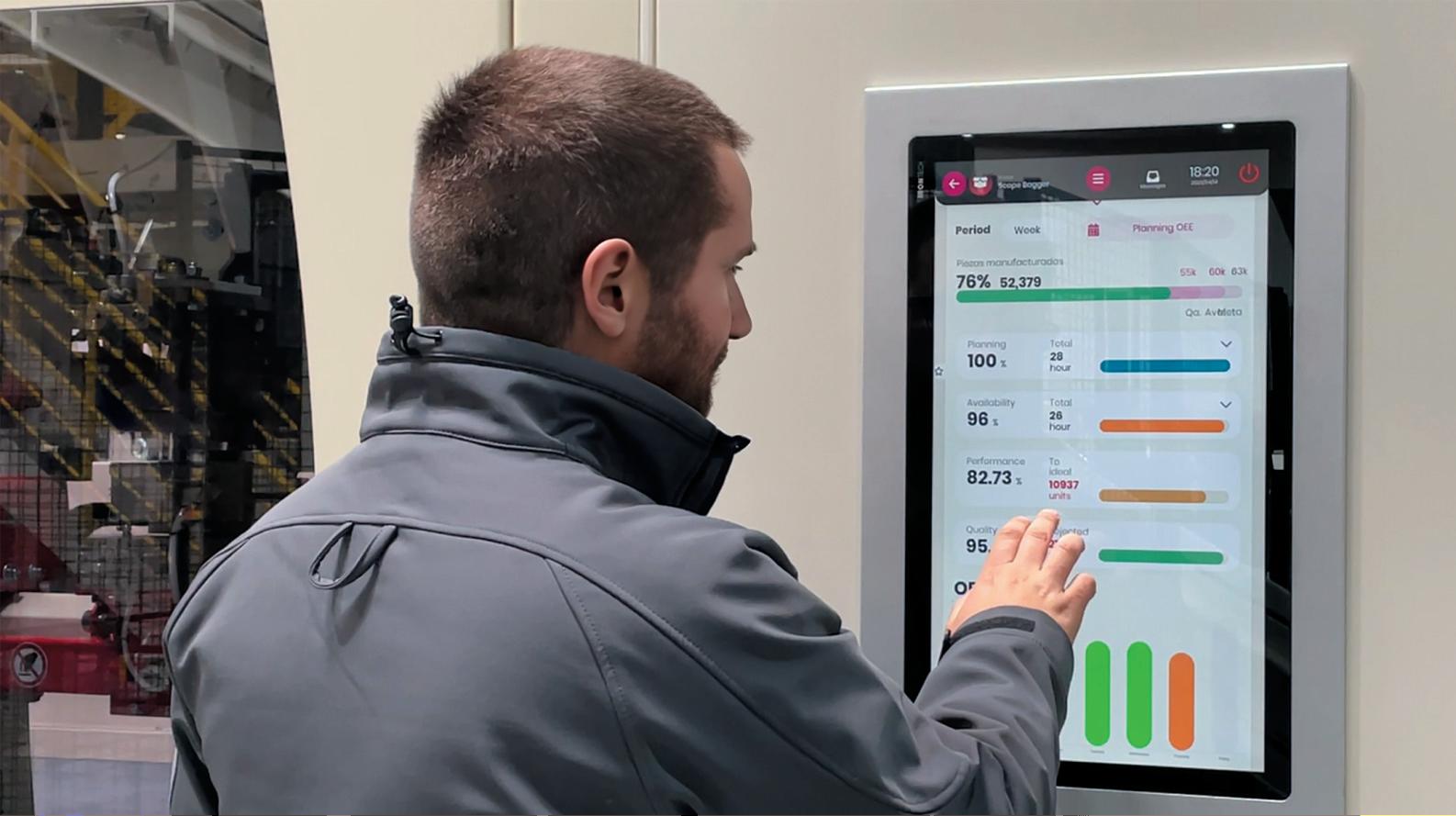
particularly well-suited for applications in which controlling the product’s behaviour during filling is a key factor.
This approach reduces dust generation during bagging and improves product stability inside the bag, helping to optimize working conditions and facility cleanliness. In addition, the system features a new chassis design that facilitates cleaning and maintenance tasks, improving accessibility and plant operations.
TECHNOLOGY, INTEGRATION, AND EXPERIENCE : A PROVEN SOLUTION
In addition to this new solution, PAYPER is coming to Interpack 2026 with a proven technological offering, built on its expertise in industrial weighing — where it has established itself as a leader thanks to innovations such as its MSX weighing controller — and in the digitization of bagging lines with its all-in-one digital solution, Pulsar.
These capabilities are part of the company’s specialization in the design and manufacture of complete bagging lines, a comprehensive approach that allows it to offer solutions tailored to each customer and is one of its key competitive advantages in the market.
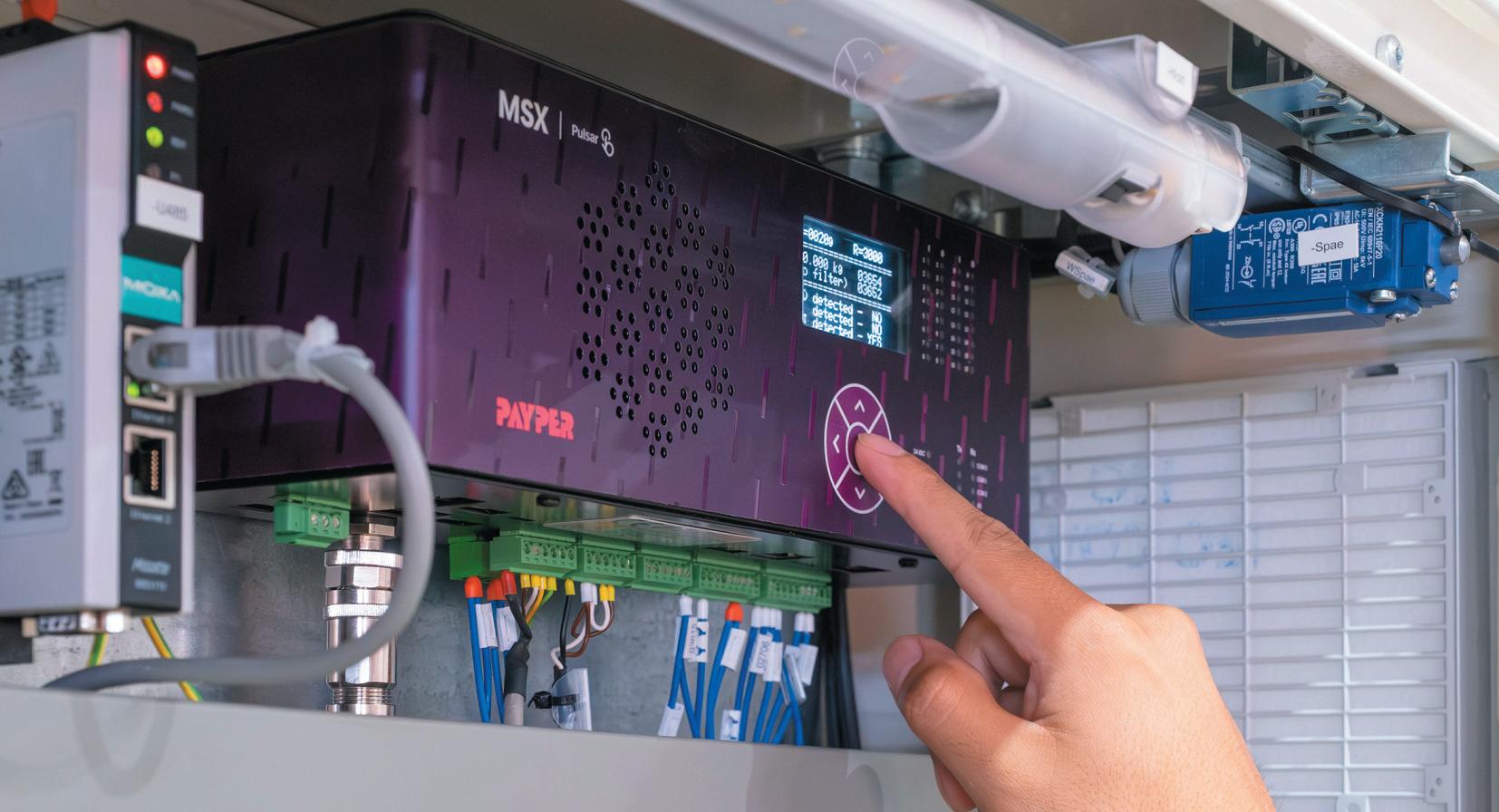
This strategy is supported by the expansion of its headquarters in Bell-lloc d’Urgell, where PAYPER is constructing a new 8,800m2 industrial facility. This €6 million investment will bring the total production space at its headquarters to over 18,000m2, strengthening its capacity to take on larger-scale projects and meet growing international demand.
Founded in 1973 and headquartered near Barcelona, PAYPER designs and
manufactures state-of-the-art bagging lines for bulk solids. With more than 5,000 projects completed in over 80 countries, the company has extensive experience in sectors such as the agri-food, chemical, and animal feed industries, among others. Its global team, made up of more than 200 professionals, provides support throughout the entire product lifecycle. In addition, PAYPER has a strong international presence with eight subsidiaries and an extensive network of agents, ensuring responsive and efficient service worldwide.
A packaging that weighs just two kilograms but can hold up to two tonnes? That’s what big bags made of polypropylene or PET tape fabric are all about. At interpack, Starlinger demonstrated live how much this widely used bulk packaging can take.
Manufacturers and transporters of dry bulk goods know it: they are a lightweight plastic packaging you can rely on. Big bags, technically known as FIBCs (Flexible Intermediate Bulk Containers), can carry up to 1,000 times their own weight — an unbeatable product-to-packaging weight ratio.
To illustrate this, Starlinger showcased an FIBC testing rig at its booth at this year’s interpack, where big bags provided by Starlinger customers undergo a load test. In the so-called top-lift test, the fully filled big bags are lifted by their carrying loops and subjected to additional pressure from above. The test measures the load at which its fabric or seams eventually give way and tear. According to the European dangerous goods regulation (ADR), a single-use big bag must be able to withstand five times its rated load when suspended freely (called the ‘Safe Working Load’ [SWL]) in order to be used in logistics. Even stricter criteria
apply for reusable big bags and when very high safety standards are required.
VERSATILE , SUSTAINABLE , AND CRISISPROOF
But plastic tape fabric isn’t just a major player in big bags: it is also used for smallervolume packaging, such as sacks for rice, flour, cement, or chemical powders, ensuring the safe transport and storage of sensitive bulk goods. While many of these woven bags are closed by sewing, Starlinger also offers technologies for manufacturing bags with welded bag bottoms. This prevents product loss, stops moisture and contaminants from entering, and also simplifies production.
“The AD*STAR block bottom bags and PP*STAR pinch bottom bags which we have developed work like their paper or plastic film alternatives, but require no adhesive and are more robust and durable,” explained Harald Neumüller, CSO of Starlinger. “The major advantage of plastic tape fabric is its extremely low packaging weight combined with high tear strength and resistance to moisture. Low weight means less raw material usage — with high raw material prices, as we are currently experiencing, woven packaging has the
lowest manufacturing costs while offering the best protection for the contents,” said Neumüller. In addition, high proportions of recycled material — for compliance with the EU Packaging and Packaging Waste Regulation (PPWR) — or CaCO3 can be added during production, which further reduces production costs. With specially designed machine types, such as the ad*starKON SE bag conversion line or the viscoSHEET SE PET sheet line, Starlinger offers packaging manufacturers costoptimized machine models that guarantee maximum efficiency, minimal waste, and top quality at advantageous investment costs.
A SUSTAINABLE AND COST-EFFECTIVE ALTERNATIVE TO PAPER BULK PACKAGING
Based on years of market observation, Starlinger has continuously refined the AD*STAR block bottom bag and its production technology, most recently presenting the AD*STAR *prime bag at K 2025. It offers bag manufacturers great variety and flexibility: AD*STAR *prime bags can be produced in sizes ranging from 5 to 118 litres with high proportions of recycled polypropylene and are customizable to provide the right packaging for the respective product and application.
“AD*STAR bags can be equipped with the same properties and features as other block bottom bags currently available on the market, yet they offer better protection and are more sustainable and cost-effective to manufacture,” explained David Grabenweger, AD*STAR Product Manager at Starlinger. “Compared to paper bags, they have a lower carbon footprint, a significantly lower breakage rate, and provide better protection against water and moisture. Our new AD*STAR *prime bag in particular can be equipped with all the features available on the market and represents — as cement packaging, for example — a viable alternative to paper.”
AND ATTRACTIVE : PINCH BOTTOM BAGS MADE OF PP FABRIC
Starlinger’s PP*STAR pinch bottom bags are also made from polypropylene tape fabric — in this case, laminated with a BOPP film printed on the reverse side. Unlike in the previous PP*STAR production process, the pinch bottom of the bag is not glued but welded on Starlinger’s new pinch bottom bag conversion line. “For the development of the welding unit on our pp*starKON pinch bottom bag conversion line we drew on the experience from our AD*STAR bag production technology,” explained Claudia Hagn, PP*STAR Product Manager at Starlinger. “This eliminates the need for adhesives to close the pinch bottom, turning the PP*STAR bag into an easy-torecycle mono-material packaging solution that is not only attractive but also extremely robust and durable despite its low weight.” In addition, welding simplifies the production process and expands the potential fields of application for the bags.
PROVEN RECYCLING TECHNOLOGIES FOR PLASTICS
In addition to machines for woven plastic packaging production and PET sheet lines, Starlinger has been building systems for recycling and refining post-industrial and post-consumer plastic waste for more than 30 years. Designed with the expertise gained from decades of global experience, they guarantee energy-saving, efficient production and high-quality regranulates — including food-contact quality. National and international authorities such as the U.S. FDA and the EFSA in Europe have approved the recycling processes on Starlinger’s recoSTAR PET art systems (for PET), viscoZERO systems (for PET, polyolefins, and PS), and the recoSTAR dynamic systems (for HDPE bottle-tobottle and HDPE/PP cap-to-cap recycling)
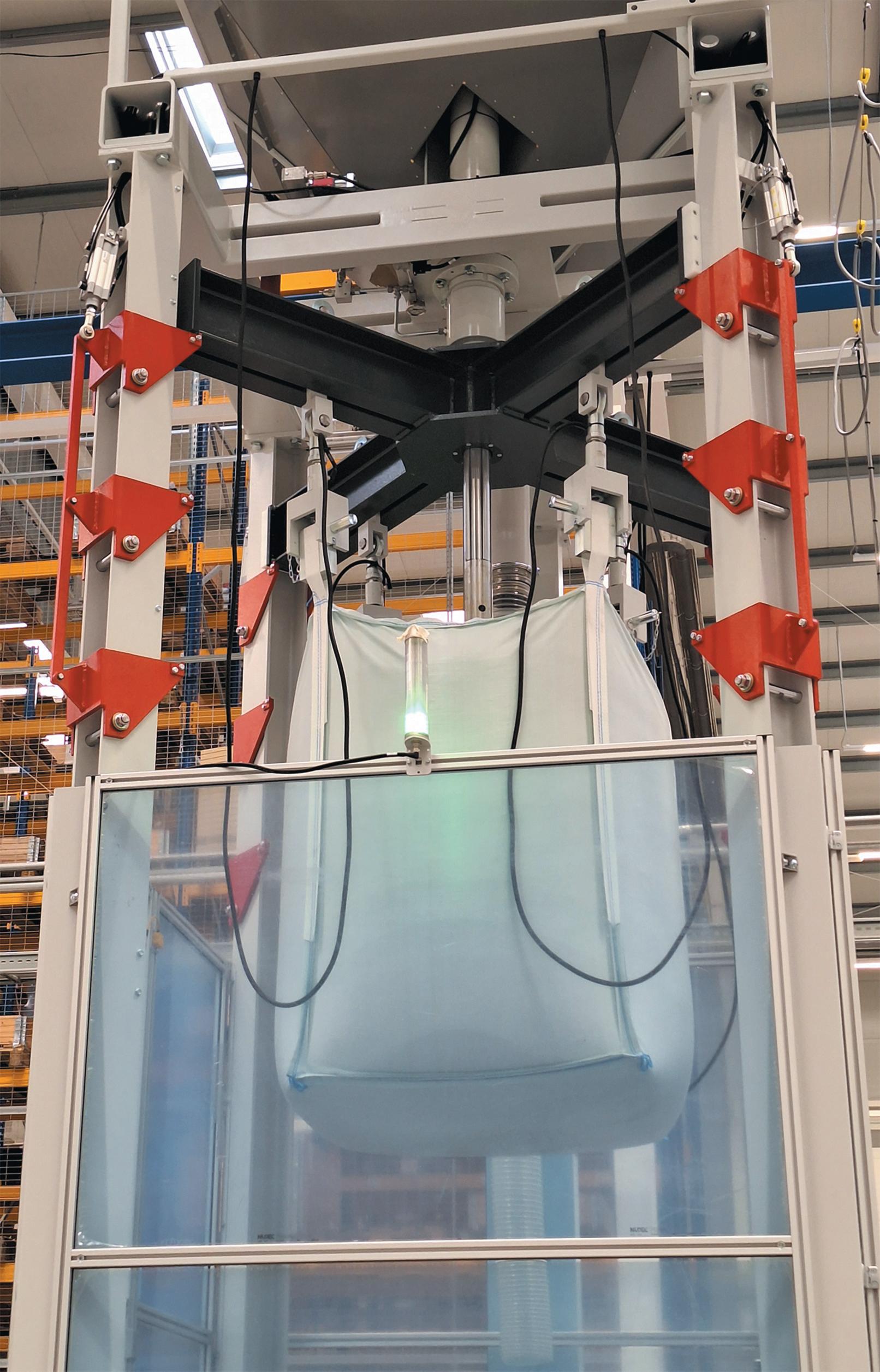
Big Bag during top-lift test: To ensure safe use as bulk packaging, big bags must be able to hold at least five times their rated load — for a rated load of 1 tonne, this means a test weight of 5 tonnes. The big bags themselves weigh only 2–3kg. © Starlinger
for food-grade applications, and multinational brand owners fill their beverages in bottles made from 100% rPET, produced on Starlinger systems. For heavily contaminated post-consumer plastic packaging made of PP, PE, PA, PLA, or
Cost-effective and sustainable packaging for sensitive dry bulk goods: PP*STAR pinch-bottom bags from Starlinger offer a safe and attractive packaging solution for animal feed, food, or fertilizer. © Starlinger
PS, Starlinger also offers proven processing solutions that produce recycled plastics which meet the highest market standards worldwide.
“We want to enable closed-loop systems for plastic packaging that pay off for manufacturers,” Neumüller concluded.
“Our aim is to make the woven plastic packaging produced on our machines easy to recycle after use so it can be turned into new woven packaging. And not only that should stay in the loop, but also other used plastic packaging. Starlinger bag production and PET sheet lines process recycled material, while our plastics recycling systems ensure that plastic waste from the industry and consumer sectors remains in the loop and does not end up in the nature or in landfills. For a tomorrow worth living in, so that our children can grow up in a healthy environment.”
























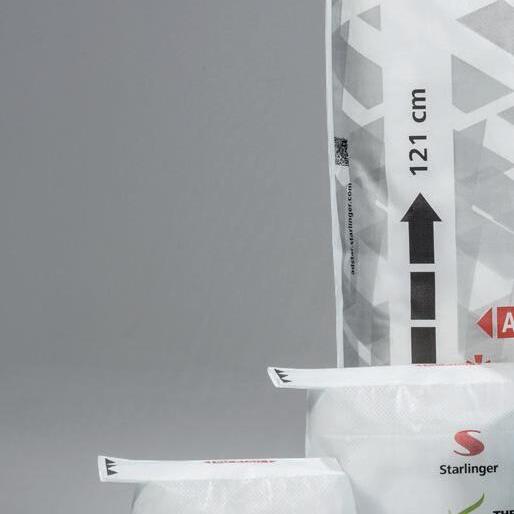










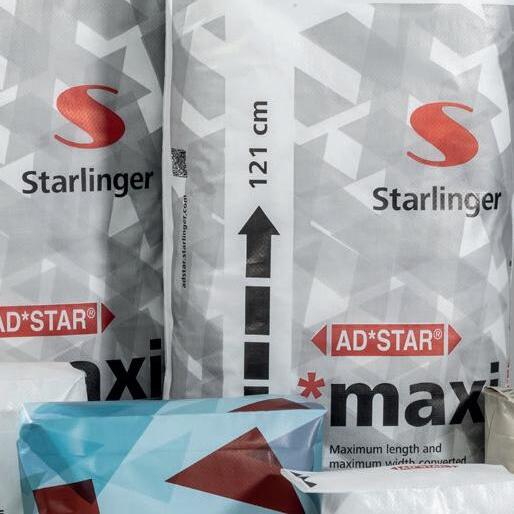




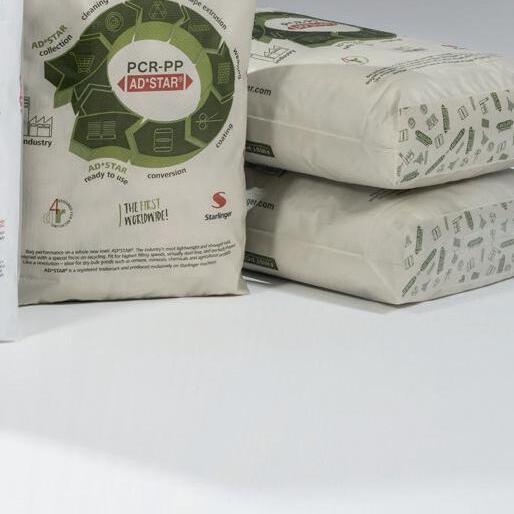











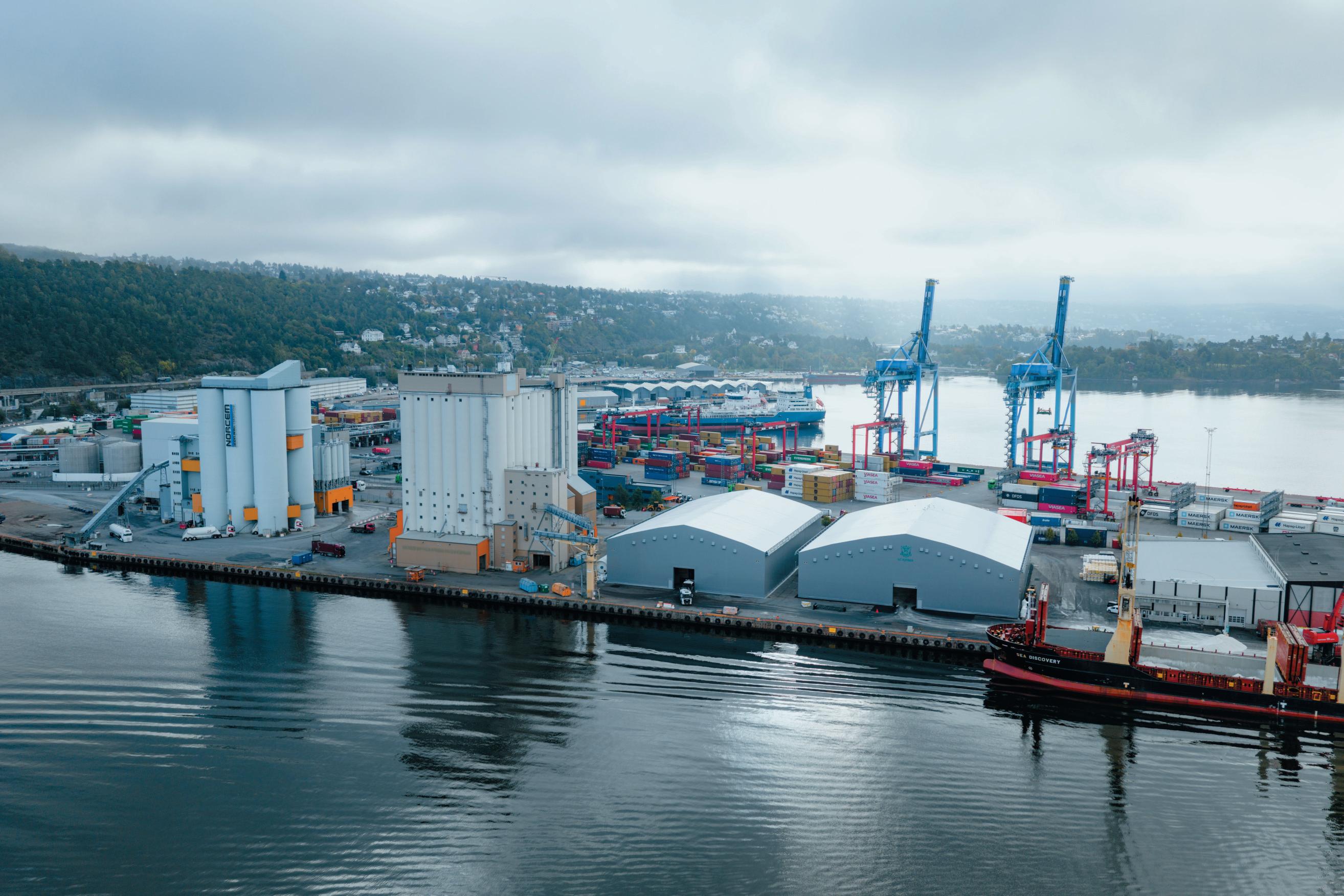
Bulk products accounts for approximately two-thirds of the cargo volumes handled in the Port of Oslo in Norway. In 2025 that amounted to 3.35mt (million tonnes), of which 1.84mt were dry bulk and 1.51mt were liquid bulk.
The Port of Oslo currently handles liquid fossil fuels (petrol, diesel, biofuels/additives, Jet A1), but expects declining volumes of road-transport fuels as battery-electric vehicles become dominant. Future zero-emission fuels like hydrogen, ammonia, and methanol will create new safety and space challenges in already crowded port areas, so the port is coordinating regionally with other ports and shipping lines to manage this transition. Jet A1 demand for aviation is less certain, since alternatives are less
mature and may use similar infrastructure.
In parallel, a new CO2 export quay at Kneppeskjær, part of the Longship project and owned by Hafslund Celsio, will enable captured CO2 from waste incineration to be liquefied and stored under the seabed off western Norway. This single project will handle about 0.35mt of CO2, with multiple regional projects likely to exceed 1.5mt by 2040. CO2 handling may eventually surpass today’s fossil fuel volumes in the port. Unlike fossil fuels, carbon capture volumes are supply-driven, which will create new types of markets and supply chains from a port and shipping perspective.
For dry bulk the development might even be more interesting. Of the dry bulk handled at the Port of Oslo, 75–80% is
construction minerals such as aggregates for asphalt and concrete production, cement, waste minerals for deposit, recycled construction aggregates. Approximately 75–80% is domestic rather short sea transport of cement and construction aggregates that has alternative and competing road-based supply chains. Over 60 % of the concrete supplied for the Oslo market is supplied from two concrete factories in the port, which are also supplied by cement suppliers in the port. Both cement producers and concrete producers are dedicated to both retain and develop their competitive advantages by use of port and sea transport, and they are dedicated to offering the construction industry close to ‘zero emission’ cement and concrete,
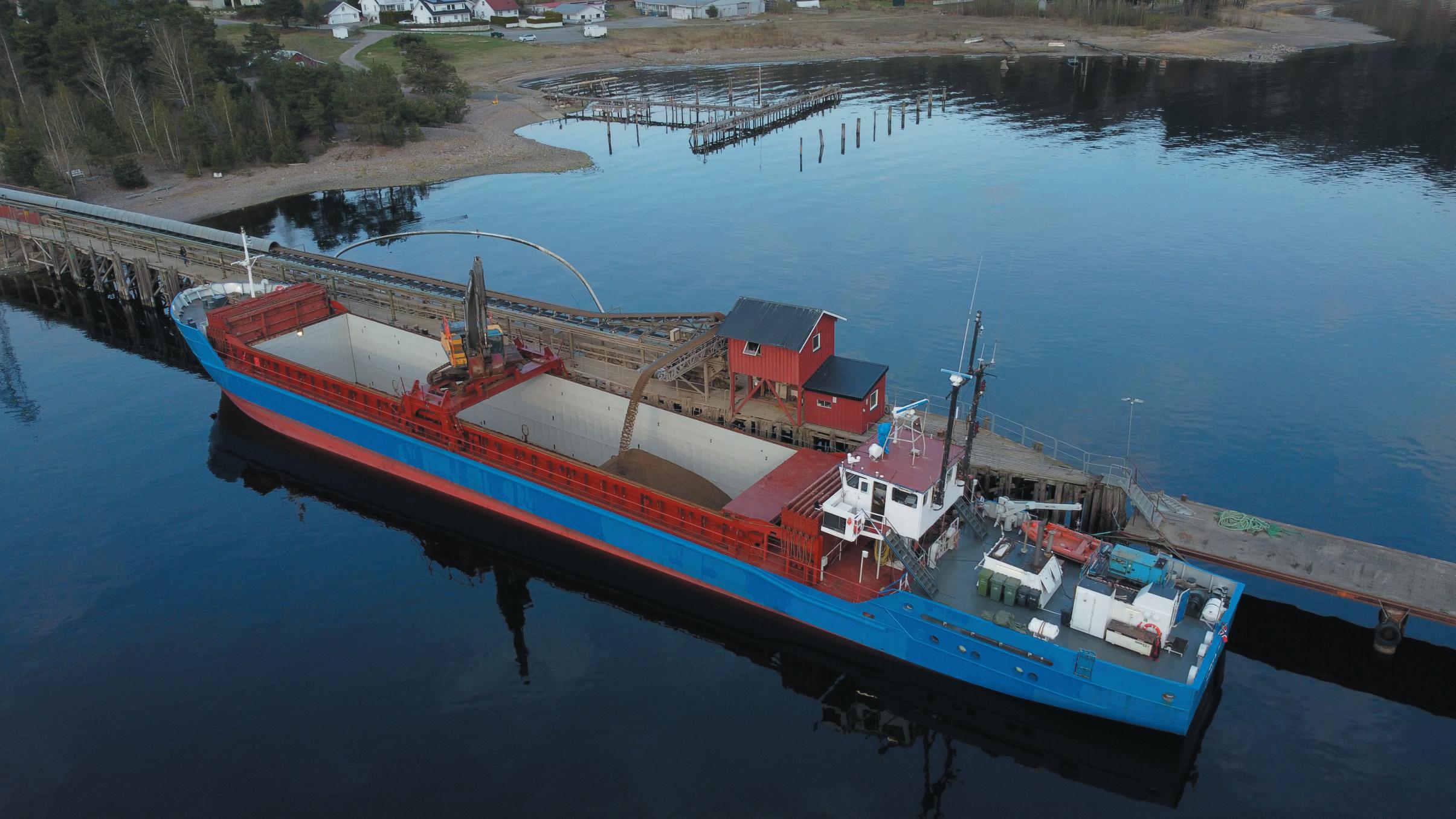
partly by carbon capture of emissions from cement production, partly by replacing calc as a raw material for cement and concrete, and partly by investing in zero emission port handling and transportation.
One particular initiative is the retrofit of Canoline to battery propulsion. The vessel was built in 1988 with an adjustable hut, is 69 metres long and has a deadweight capacity of 1,083 tonnes. The current owner, Salten Shipping AS — a small family owned shipowner, operating the vessel on contract for supplier-buyer of aggregates within the Oslofjord — decided to retrofit this old vessel to battery propulsion. There was some public support for the concept, but the company has put in a lot of its own capital, and is at present finishing the retrofit in Poland. The vessel is planned to be back in operation in Q3 2026 as perhaps the first fully battery electric commercial aggregate carrier ever.
Other parts of the dry bulk segment in the Port of Oslo are also gearing towards zero emission vessels, both cement carriers and general dry bulk carriers.
The aggregate market in Oslo is likely to enter into a period of transition and growth as handling of surplus aggregates from construction projects are to be recycled. Even if some recycled surplus aggregates from local construction is reused locally, it totally depends on a market extension in order to balance markets for secondary products. Many construction supply chains — from quarries, construction companies, waste companies and deposits — are realigning and reshuffling supply chains to make a
circular economy for construction aggregates. The Port of Oslo is committed to support and facilitate this development to further strengthen ports and shipping in construction supply chains, partly by facilitating individual initiatives and needs, but also develop far stronger industrial
capacities to underpin this as the main supply chain of the circular economy in construction.
The Port of Oslo’s vision for the future is just that, to become the world’s most effective and environmentally friendly city port.
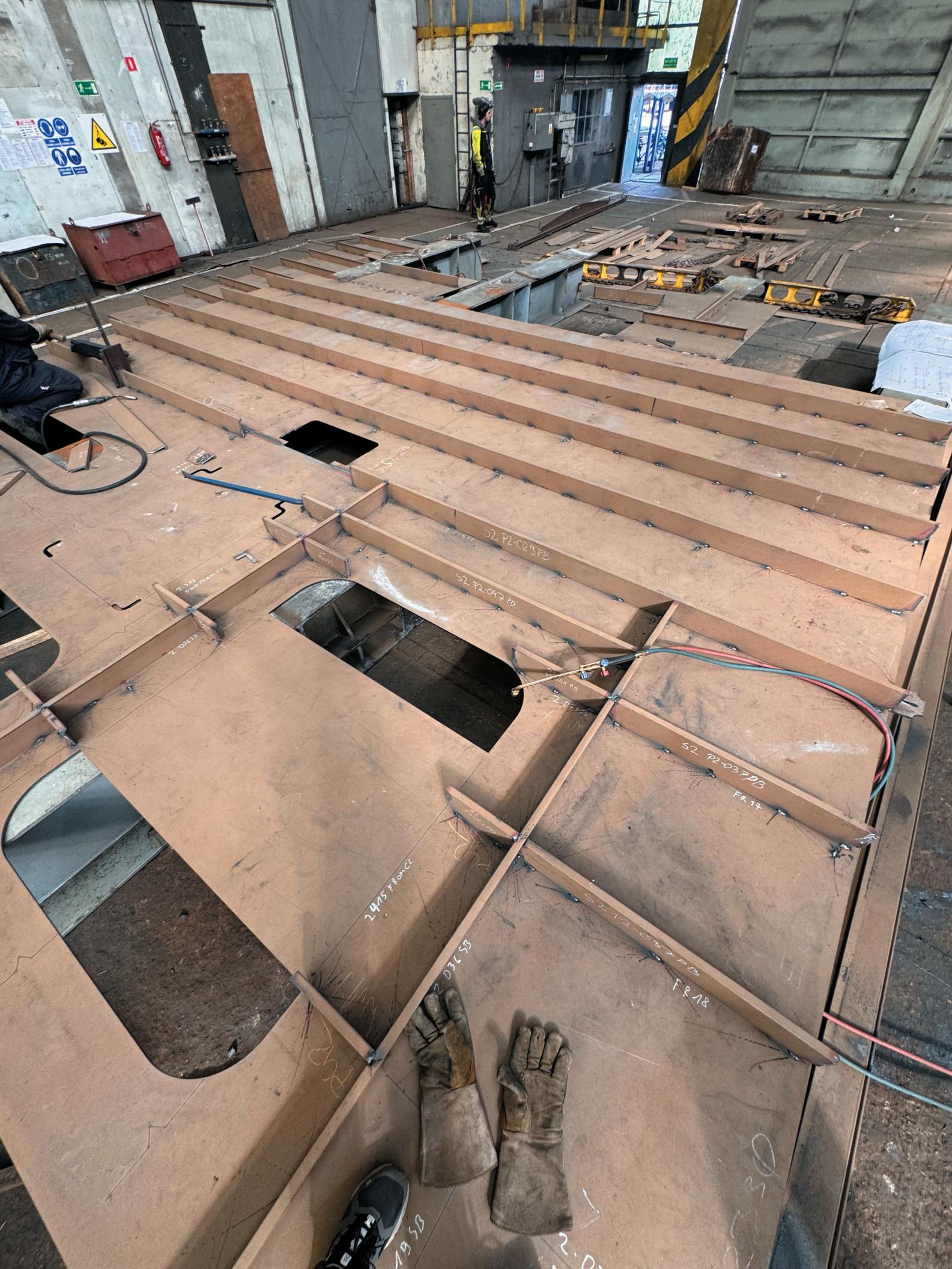
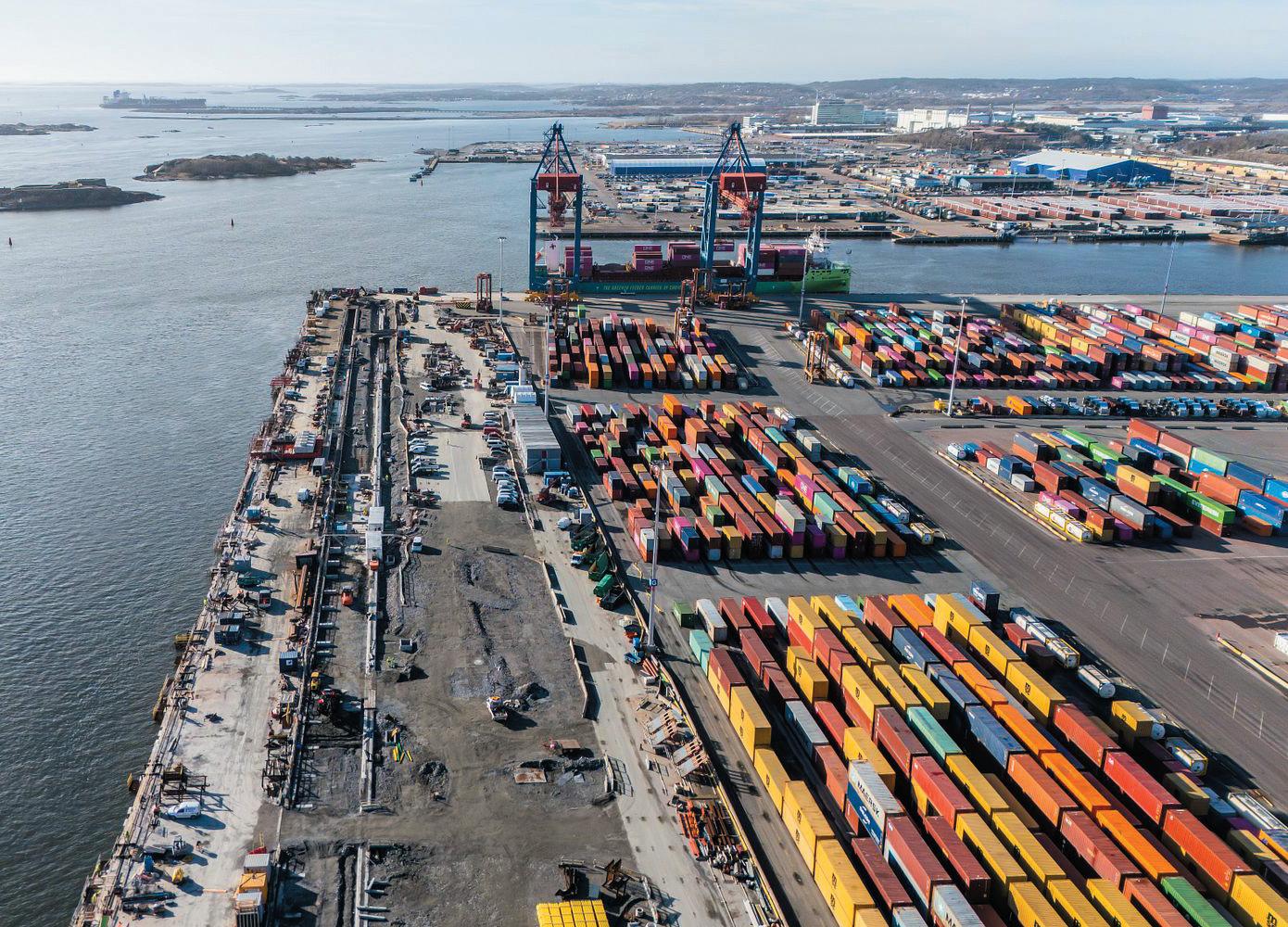
The Port of Gothenburg has signed a contract with Boskalis Sweden AB for blasting and dredging works as part of Skandia Gateway, a major infrastructure project aimed at increasing capacity for larger vessels. The contract is valued at approximately SEK202 million (around €18 million).
The works form part of the port’s contribution to the wider Skandia Gateway project, which will deepen the fairway into the Port of Gothenburg from the current vessel draught of 13.5 metres to a maximum 17.5 metres. This will enable more, larger and deeper-draught vessels to call at Scandinavia’s largest port.
Boskalis was selected following a tender process involving five interested contractors.
“It is a highly competent contractor with solid experience in projects of a similar nature,” says Jan Andersson, Project Manager for Skandia Gateway at the Port of Gothenburg.
Since spring 2024, the Port of Gothenburg has carried out extensive quay
reinforcement works at the port’s container terminal. These upgrades are a prerequisite for the upcoming dredging and blasting works. “This is one of the final major milestones in the port’s part of the project, and we remain on schedule and within the previously communicated budget,” says Andersson.
Preparations for the project organization will now begin, with construction works scheduled to take place during the next dredging season, from October 2026 to March 2027.
Once the port’s works are completed, the Swedish Maritime Administration will assume responsibility for dredging the fairway outside the port area, from the port basin and out towards the port entrance. These works are planned to begin in autumn 2027.
Skandia Gateway is a strategic project designed to secure Sweden’s direct access to the world. As vessel sizes continue to grow, the current fairway depth already limits the ability of large vessels to call at
the Port of Gothenburg fully loaded.
The Port of Gothenburg is the largest port in Scandinavia and the only port in Sweden capable of handling the world’s largest ocean-going vessels today.
The Skandia Gateway project is a collaboration between the Swedish Maritime Administration, the Swedish Transport Administration and the Port of Gothenburg.
The Port of Gothenburg is the largest port in Scandinavia, handling around 20% of Swedish trade and more than half of all container traffic. As a full-service port it connects business to key markets around the world 24/7/365.
The port is committed to safe, efficient and sustainable shipping. Handling energy products, vehicles, ro-ro units, containerized cargo, it plays an important role in supporting streamlined shipping operations and long-term growth in global trade. With over 30 daily rail shuttles, the port also offers direct, reliable and climateneutral connections for intermodal transport across Sweden and Norway.
As supply chains across Europe continue to adapt to new market conditions, ports are playing an increasingly strategic role in ensuring stability, flexibility and efficiency in bulk logistics. In Denmark, Grenaa Port is strengthening its position within dry bulk handling through new long-term partnerships, expanded infrastructure and a growing focus on hub-based logistics solutions.
Located on the east coast of Jutland, Port of Grenaa has long been recognized as a reliable bulk hub, serving industrial clients across the Nordic region. Today, the port is building on this foundation to meet changing customer demands and evolving supply chain dynamics.
One of the most significant recent developments is Grenaa Port’s strengthened collaboration with the global building materials company Knauf. After several years of co-operation, the port has now been selected as Knauf’s Northern European hub for natural gypsum.
The long-term partnership formally commenced in January this year and marks a shift from project-based cooperation to a permanent logistics setup.
“This is a strong validation of our capabilities. We are now an integrated part of their supply chain, supporting both procurement and production,” says CCO Theis Gisselbæk says.
Under the agreement, Grenaa provides a full-service logistics solution, including vessel discharge, storage, cargo handling, and coordination between suppliers and end users. Gypsum is shipped from the Mediterranean region to Grenaa, from where it is stored and redistributed to Knauf’s production facilities in Scandinavia and the Baltic region.
The partnership highlights a broader trend in industrial logistics, where companies are increasingly looking to establish regional hubs closer to consumption points.
“There is a growing focus on having a buffer capacity closer to production. By using a hub like Grenaa, customers can maintain safety stocks and ensure more predictable operations in an uncertain market”.
This shift reflects a wider change in supply
chain strategies. While ‘just-in-time’ models have dominated for decades, many industries are now prioritizing resilience and flexibility.
“We see that customers want to hold more inventory than before. It’s about reducing vulnerability — whether to price
fluctuations, disruptions or availability of raw materials,” says Gisselbæk.
For ports, this development translates into increased demand for storage capacity, particularly covered by storage that meets modern environmental and industrial standards. Grenaa is responding with a significant expansion of its warehouse infrastructure.
To support continued growth in dry bulk volumes, Port of Grenaa has launched an extensive warehouse expansion programme.
One new warehouse is currently under construction, while contracts have been signed for two additional facilities scheduled for completion in 2026. Together, these three new warehouses
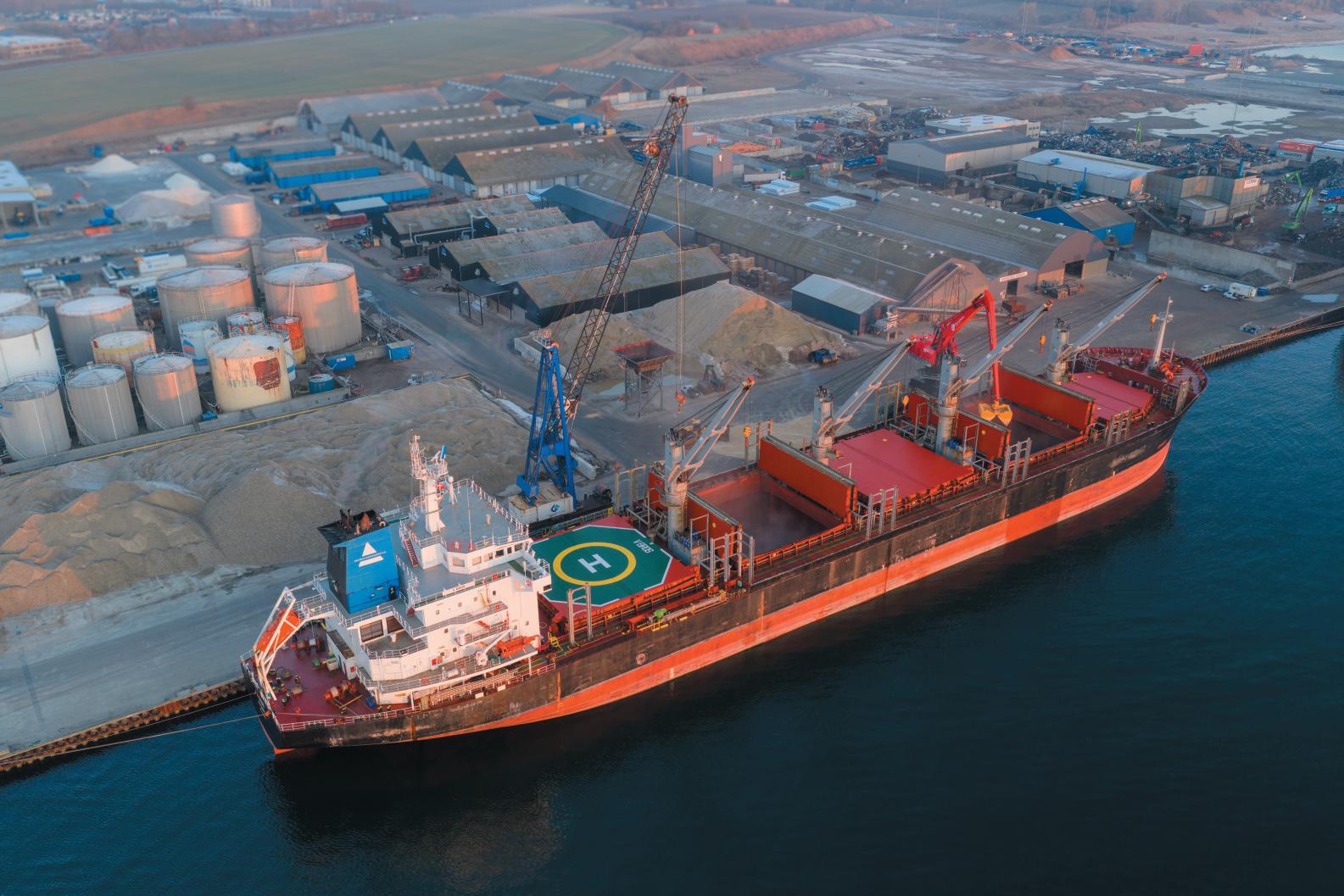
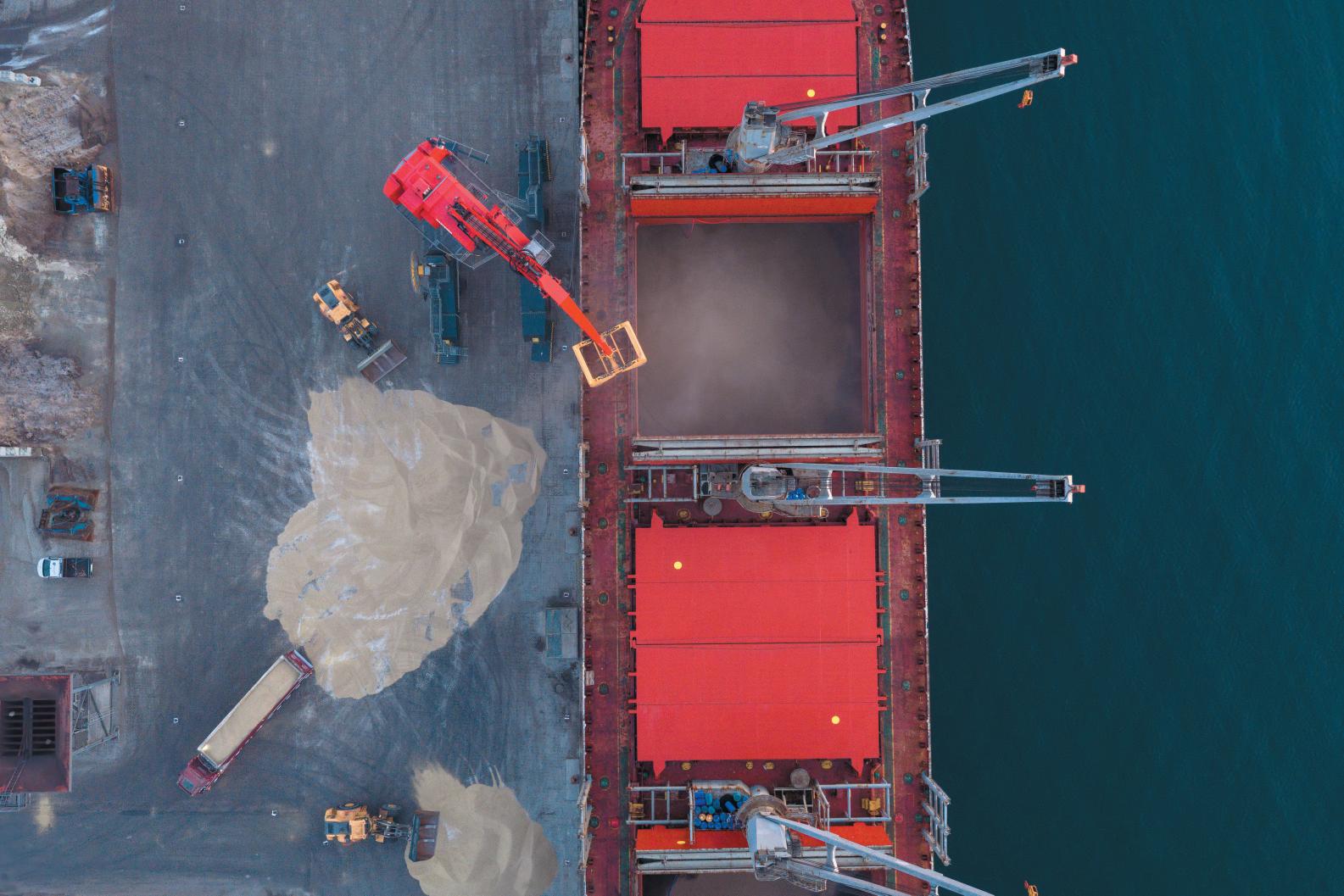
form the first phase of a broader development plan.
Looking further ahead, the port is planning a 60,000m² extension area in an adjacent business park, with the potential to develop between six and eight largescale warehouses between 2026 and 2028.
This expansion is driven by several factors, including stricter environmental requirements, increased focus on contingency stockpiling, and higher standards for industrial cargo handling.
While gypsum is a key focus area, Port of Grenaa handles a wide range of dry bulk commodities and serves diverse customer segments, including construction, energy and industrial processing industries.
A notable trend is the growing importance of recycled materials and alternative raw materials within the construction sector.
“We see strong market potential in recycled products of many kinds. At the same time, there is increasing uncertainty around access to traditional raw materials,” Gisselbæk explains.
This combination is reshaping logistics patterns. Materials that were previously sourced locally are now being transported over longer distances, as supply becomes more constrained and geographically dispersed.
“What didn’t make sense from a transport perspective before can now be viable. You simply must source materials from further away,” remarks Gisselbæk.
Grenaa’s location and infrastructure
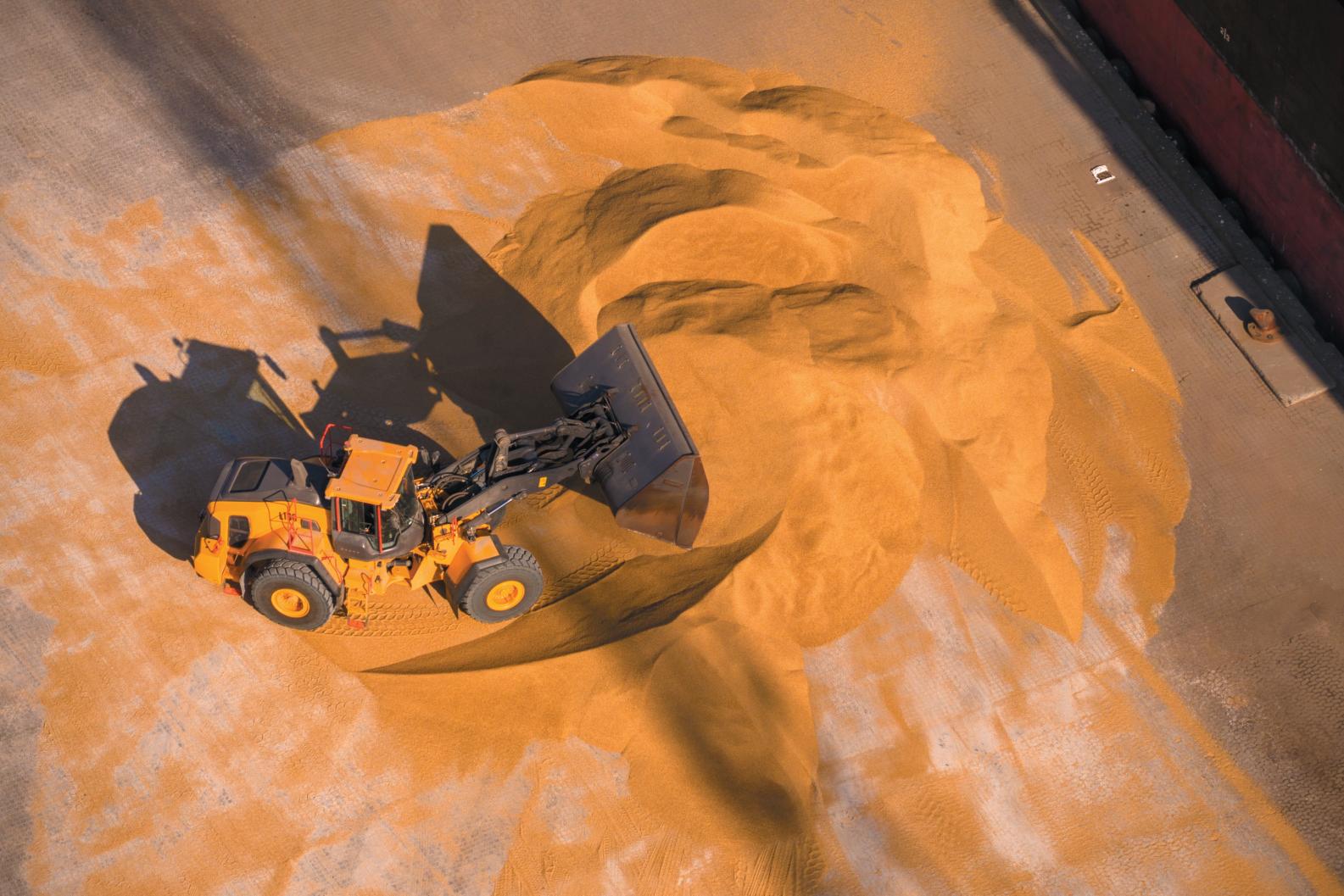
position it well to support this development. In addition to its port operations, the surrounding area includes access to natural resources such as sand, gravel and stone, further strengthening its role in the regional supply chain.
At the same time, the Nordic port sector is undergoing a degree of consolidation. According to Port of Grenaa, there is a clear trend towards centralization, where larger ports are increasingly selected as hubs for new investments and logistics solutions.
“We see that cargo flows are concentrating in fewer, but larger and more capable ports. This is where investments are being made, and where customers are looking for long-term partnerships,” says Gisselbæk.
In this context, Grenaa’s strategy is to position itself as a flexible and efficient hub that can support complex logistics setups
across multiple industries.
With strong partnerships such as Knauf, expanding infrastructure and a clear focus on supply chain resilience, Port of Grenaa is reinforcing its role in the evolving bulk market. The combination of handling capabilities, storage capacity and integrated logistics services allows the port to meet the changing needs of its customers — whether in construction materials, energy products or recycled resources.
As supply chains continue to shift away from purely cost-driven models towards greater security and flexibility, ports like Grenaa are set to play an increasingly important role.
“Our ambition is to be a reliable partner in our customers’ supply chains. That means offering not just handling, but complete logistics solutions that create value across the entire flow,” concludes Gisselbæk.
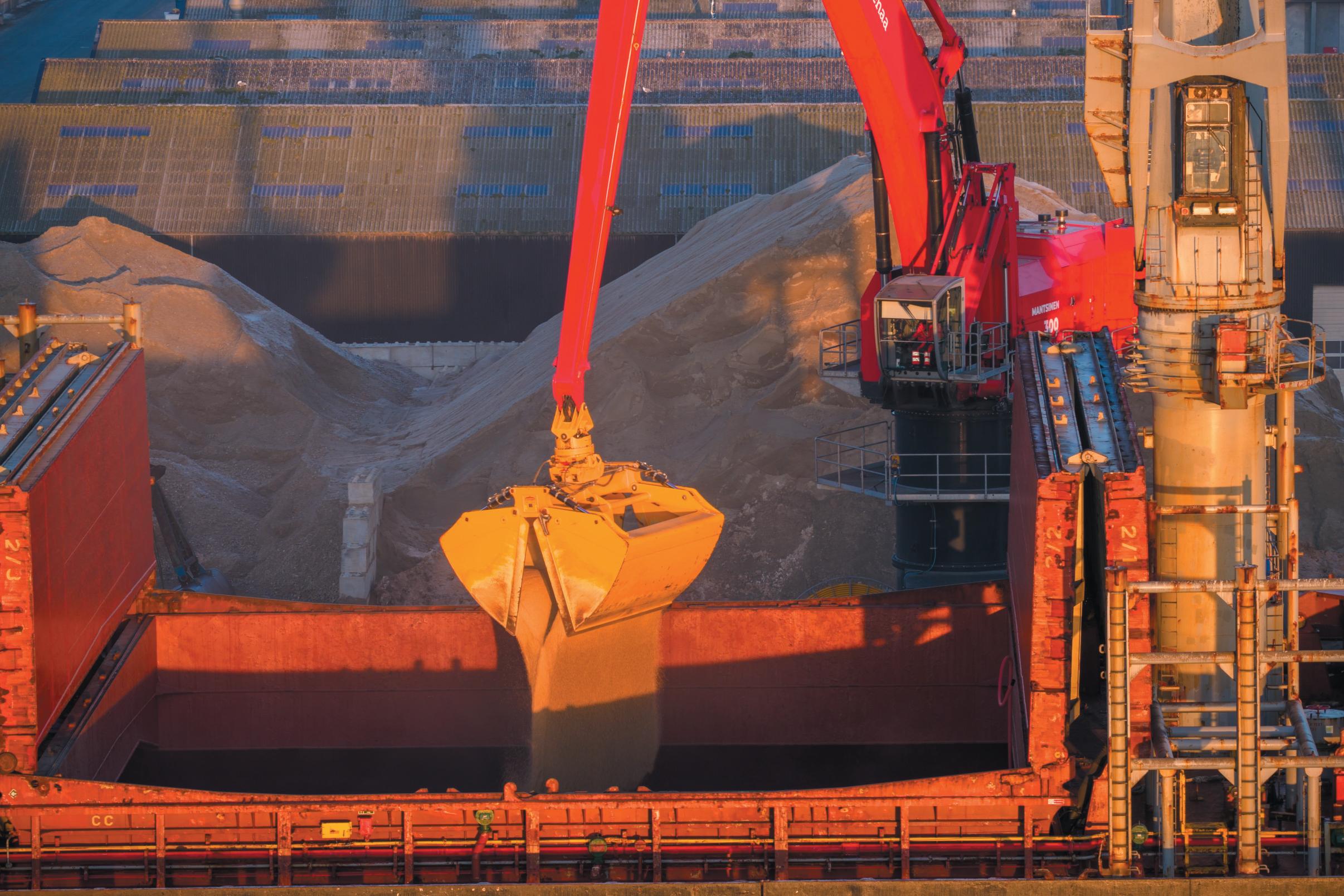
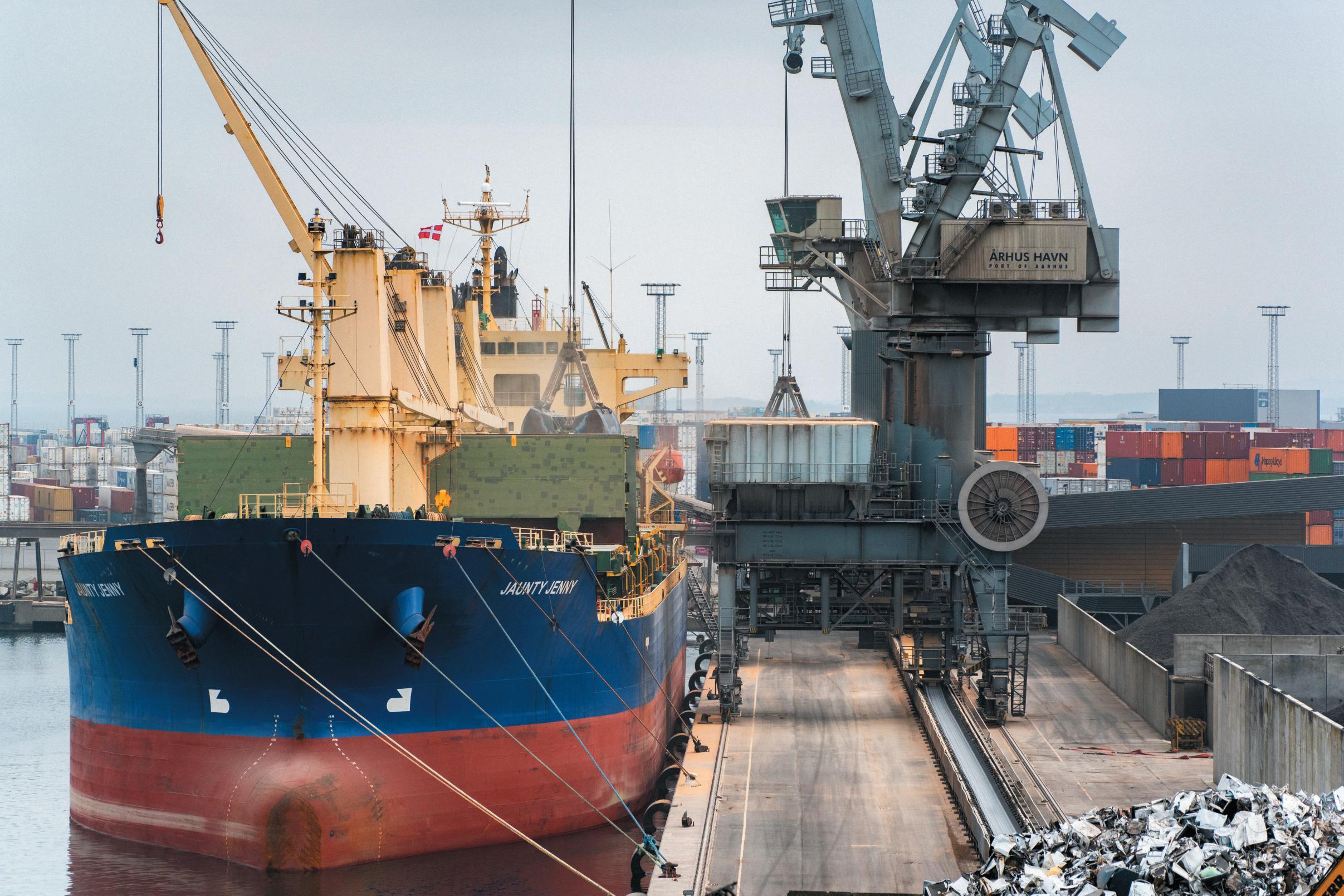
With nearly 3mt (million tonnes) of dry bulk handled annually, the Port of Aarhus is an important gateway for agricultural imports. Efficient terminals, growing capacity and strong customer partnerships make the port a vital hub for Danish foreign trade.
The Port of Aarhus is the largest commercial port in Denmark. Last year, more than 11mt of cargo were handled there, and around 2.9mt were dry bulk.
The majority of the dry bulk cargo is closely linked to the agricultural sector. Of the 2.9mt handled in 2025, approximately 2.2mt were agricultural-related products. These include feed ingredients and other raw materials essential to Denmark’s strong agri-food industry. The remaining dry bulk cargo mainly consists of construction materials, road salt and other minor commodities.
Dry bulk at the Port of Aarhus is mostly import-based. Its largest dry bulk customers are AAK, Danish Agro and DLG. The port holds the most efficient import terminals in Denmark, and these companies all operate on them. This emphasizes the importance of the port in Danish foreign trade.
In addition, the Port of Aarhus serves as an important link between Denmark and the Baltic region. With regular shipping connections and strong logistics
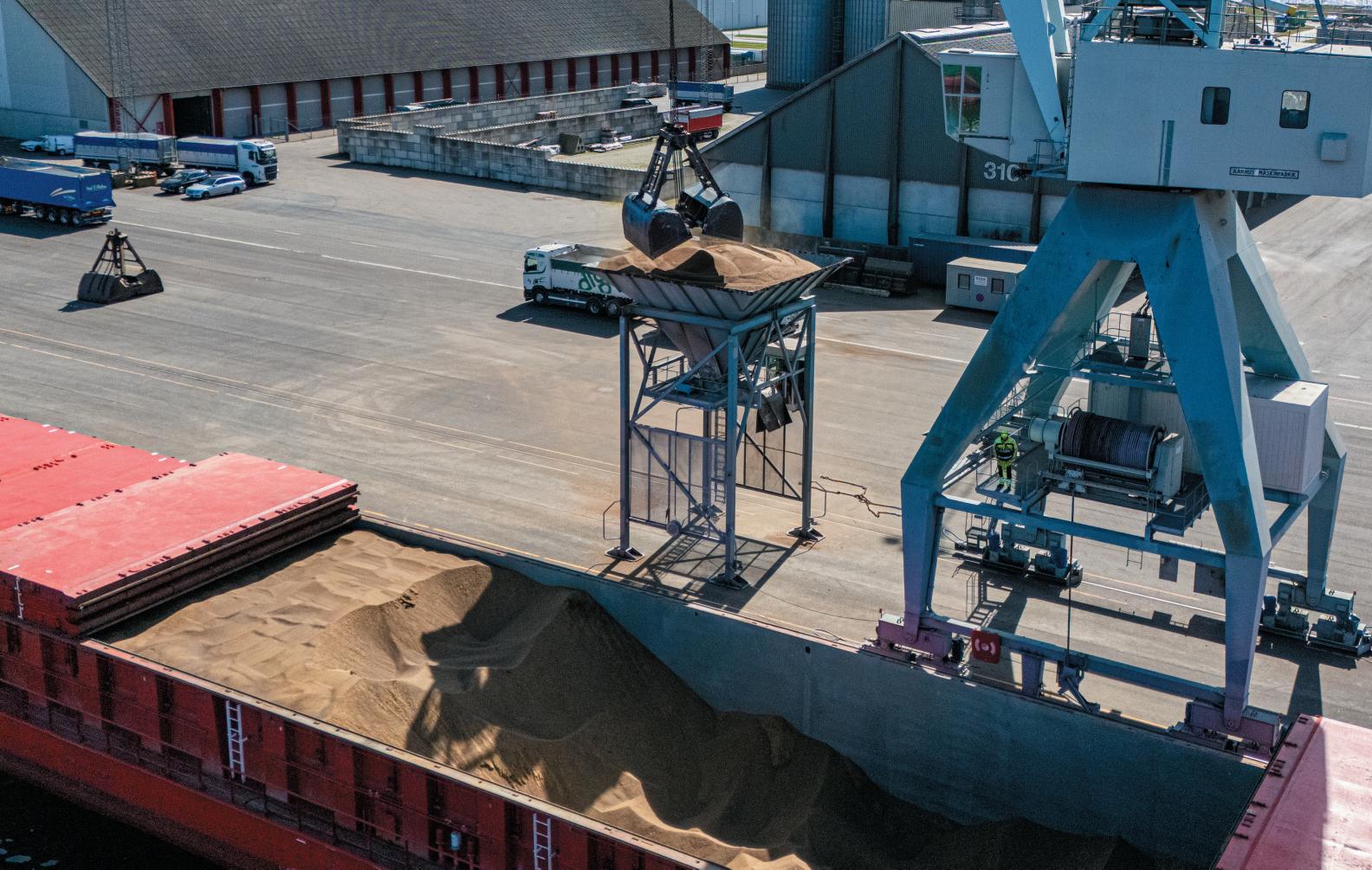
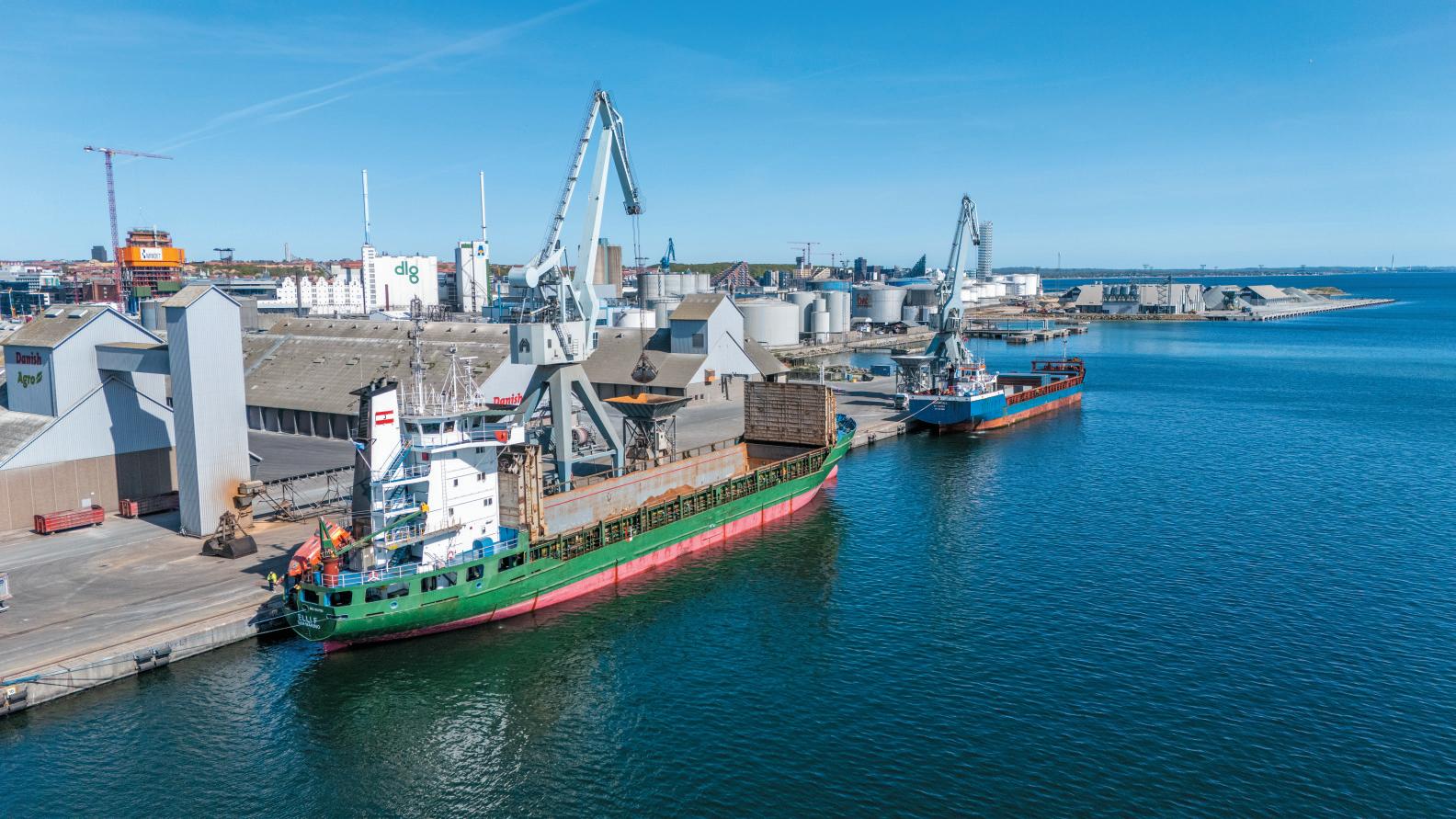
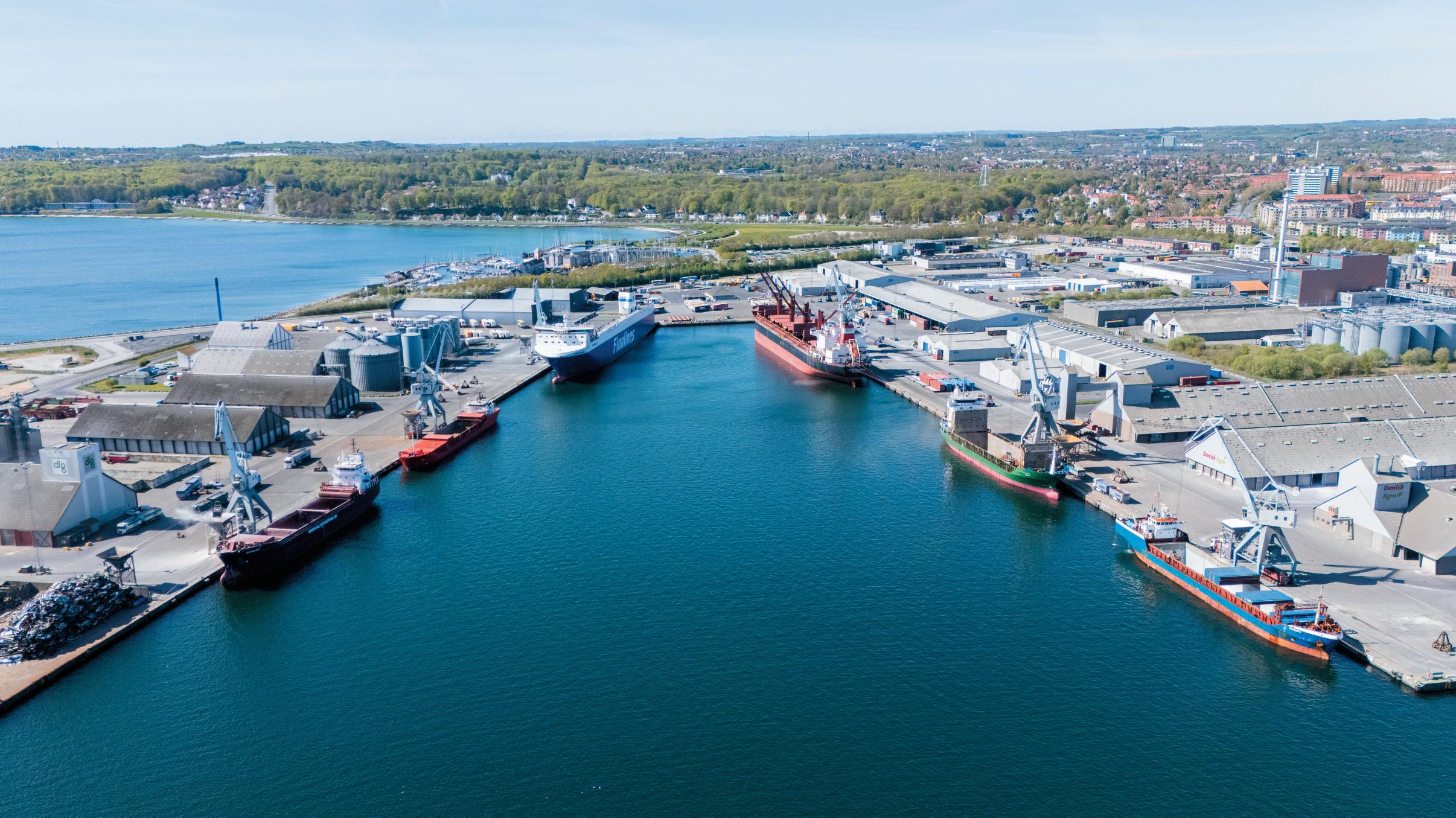
infrastructure, the port functions as a natural gateway for bulk flows between Scandinavia and the Baltic countries, supporting regional trade and supply security.
Over the past decade, warehouse capacity for solid bulk has increased significantly and it is still growing. This continuous investment ensures flexibility for customers and strengthens our ability to handle fluctuating volumes, seasonal peaks, and larger vessel sizes.
Dry bulk at the Port of Aarhus is characterized by long-term customer relationships, essential commodities, and continuous infrastructure investment. Denmark has a long history as one of the world’s leading pork export countries,
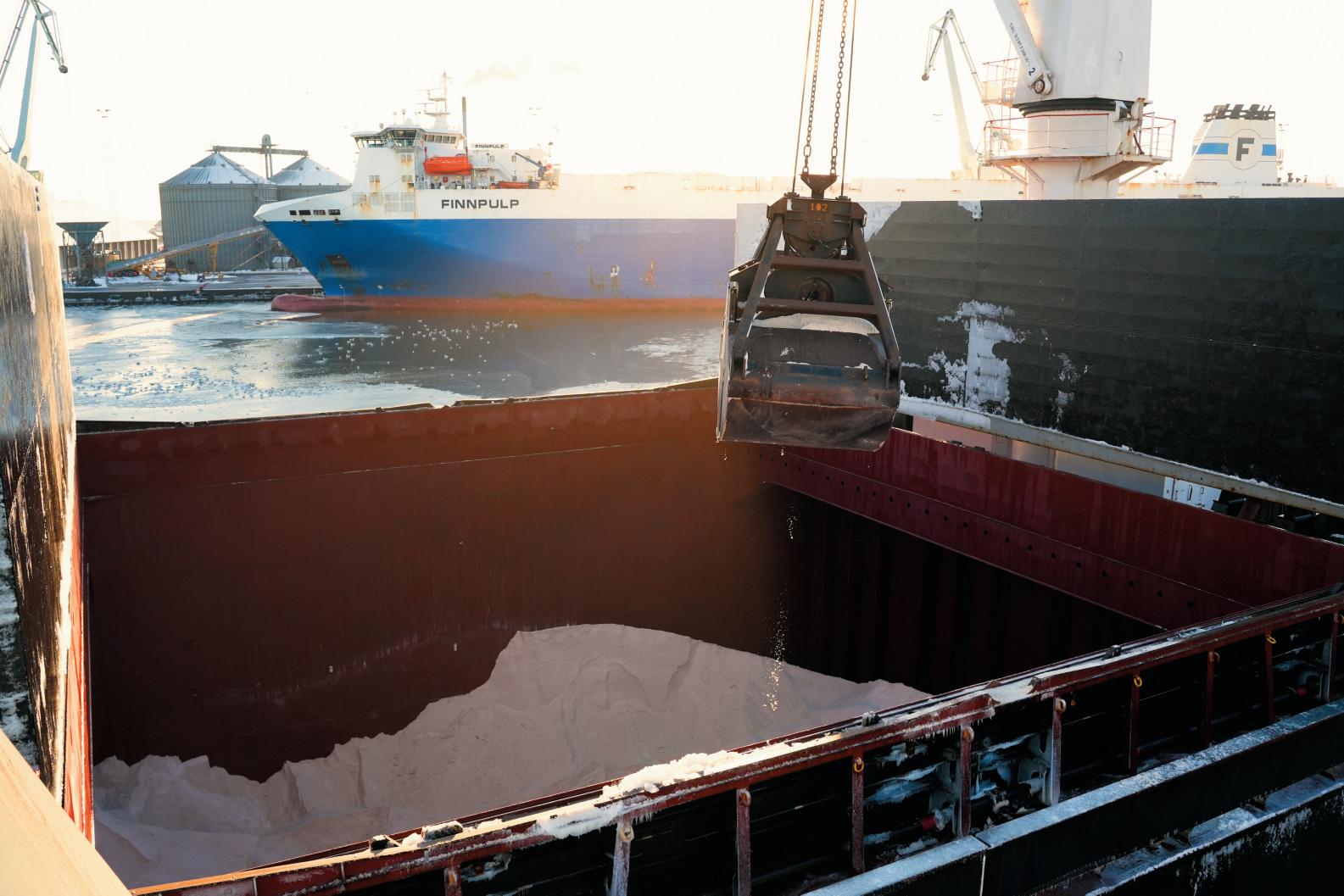
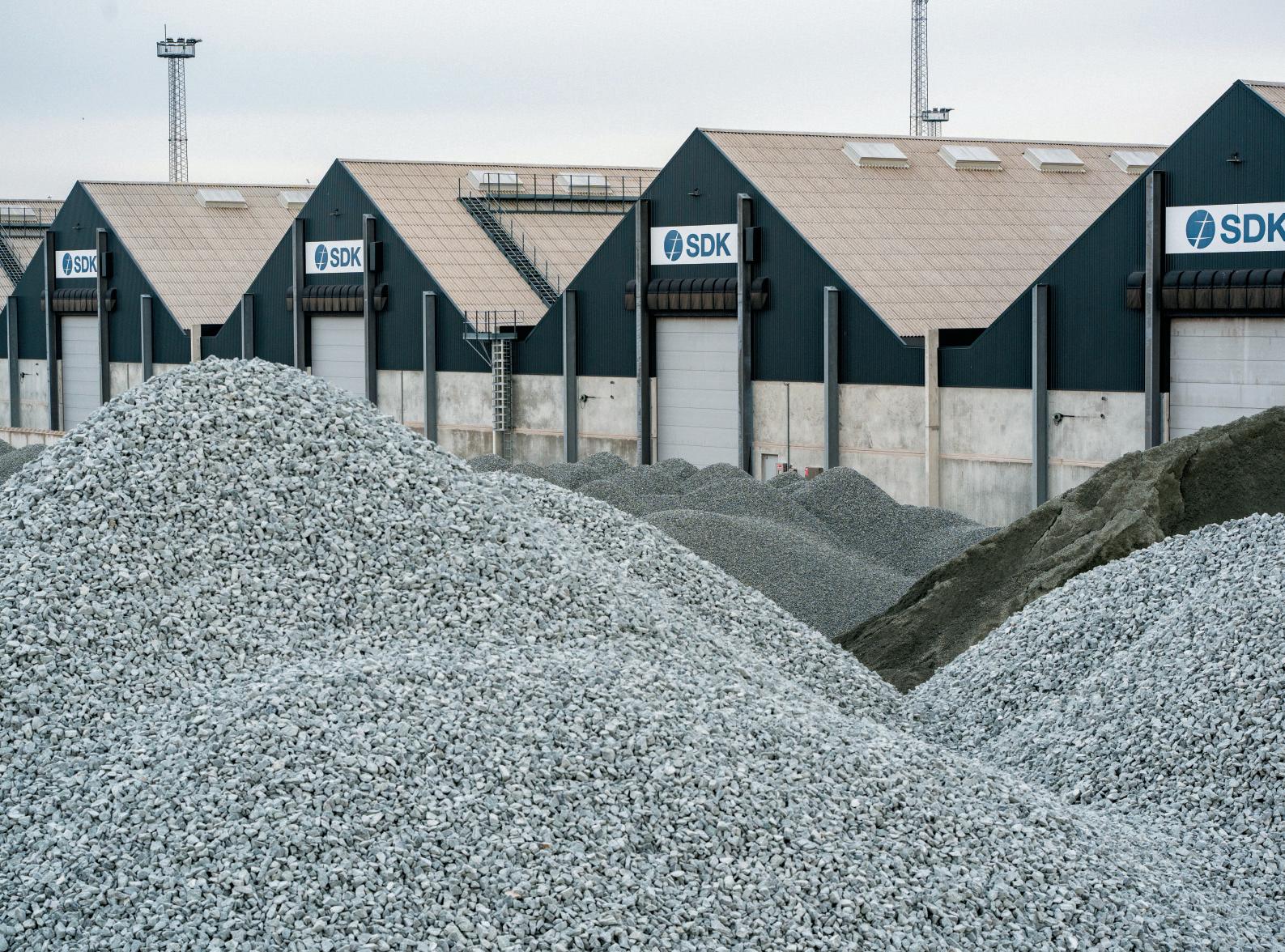
supplying markets across the world. The dry bulk capacity of the Port of Aarhus, where large amounts of animal feed are imported, plays a key role in sustaining Denmark’s globally competitive pork industry
The dry bulk operators at the Port of Aarhus combine experience, scale and operational efficiency. This ensures stable supply chains for Danish industry and agriculture, while providing international suppliers with reliable access to the Scandinavian market.
Although container shipping often attracts the most public attention, dry bulk remains one of the most stable and strategically important business areas at the Port of Aarhus, forming a vital link between global raw material flows and Danish production, exports and supply chain security.
Kristiansund and Nordmøre Port IKS (KNH) is an inter-municipal co-operation between the ports of Nordmøre and Trøndelag. The company is owned by the municipalities of Kristiansund, Sunndal, Aure, Heim, Averøy, Surnadal, Smøla, Gjemnes, and Tingvoll. It operates its core business in its own premises on the Nordmørsterminalen in Kristiansund. It has eight permanent employees who work for the effective and profitable harbour operations.
The company's purpose is to ensure the rational harbour operations and ensure all tasks and duties are carried out in accordance with the Harbour and Fairways Act regulations, as well as the company's articles of association. It achieves this through the promotion of maritime transport as an ideal mode of transport, and supervises the traffic in the port district. It also manages port properties and facilities in a financially and environmentally sound way.
KNH is one of the country's largest port districts. It operates dozens of public and private docks in its nine owner municipalities. It is a significant transportation hub in central Norway.
As well as harbour operations, KNH also takes part in commercial activities such as the rental of the property and the sale of various services.
The main terminals at KNH are: goods v Hydro v Vestbase v Holla v Veidekke Industrier v
THROUGHPUT
In 2025, a wide range of dry bulk was handled at the KNH sites, for both domestic and international use.
In 2025, dry bulk products handled by the companies operating at KNH include: alumina in bulk (oxide); anode mass (petroleum coke and coke); barite; bentonite; silage; fishmeal; wheat and rapeseed; limestone; cornmeal; sand, gravel and aggregates; cement; and soymeal.
Tonnages handled were:
Unloading: 973,698 tonnes (32/68% v domestic/international).
Loading: 296,596 tonnes (95/5% v domestic/international).
Total: 1,270,294 tonnes v BREAKBULK (TIMBER) THROUGHPUT
Volumes of timber handled in 2025 were:
Unloading: 17,210 tonnes (85/15% v domestic/international).
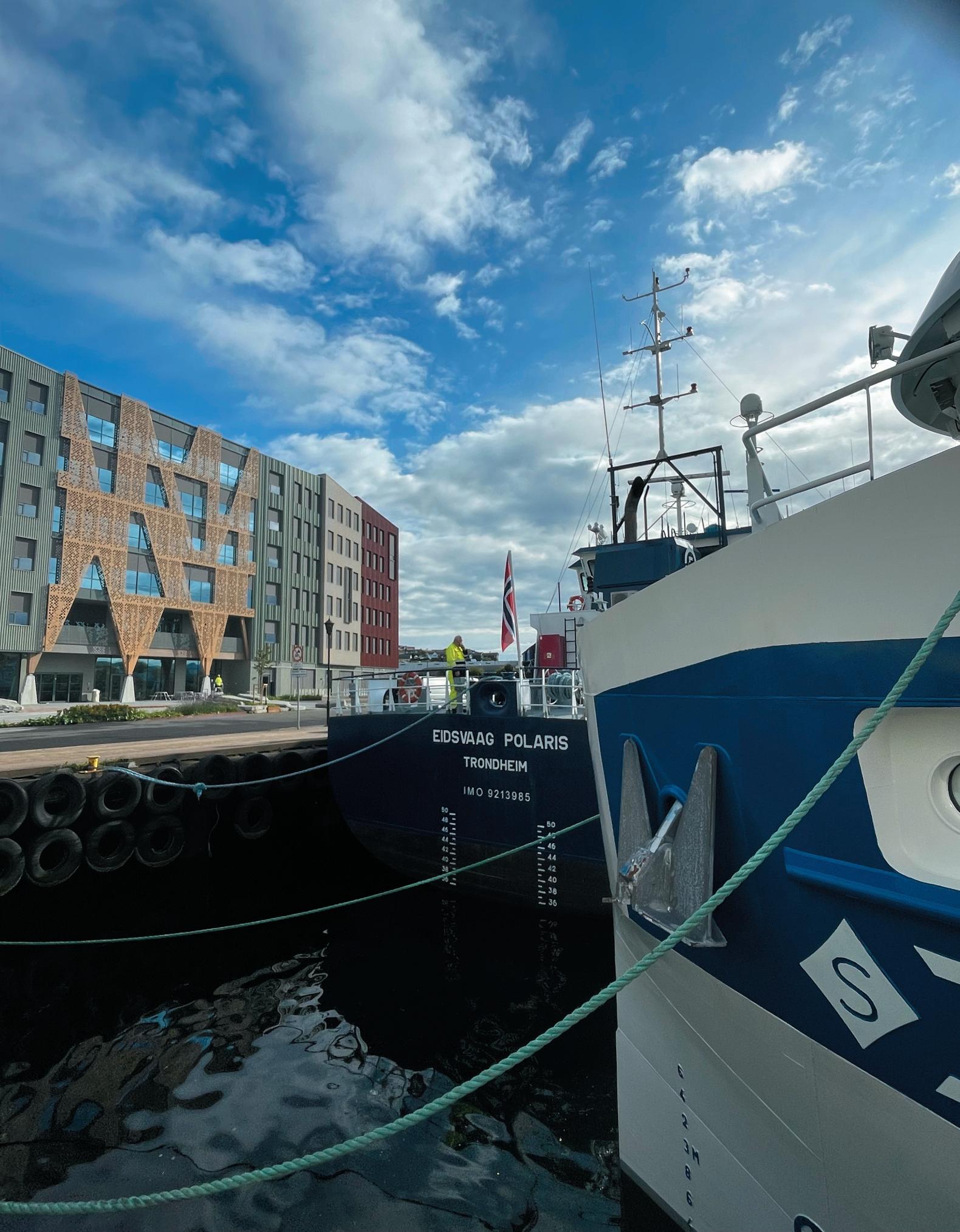
Loading: 85,466 tonnes (25/75% v domestic/international).
Total: 102,656 tonnes. v
KNH’s customer base has remained largely stable over the past year, with some smaller players that load/unload gravel/ sand/asphalt.
The largest operators and agents at KNH are:
Inchcape Shipping Services (formerly v Grieg); Skretting; v Per T Lykke; v Hydro Sunndal; v Veidekke Industri; and v Sea Tank Shipping. v There is a good number of operators in the sand/asphalt/gravel sector, though none is larger than Veidekke Industrier.
KNH STRATEGIC OBJECTIVES
KNH as a transportation hub: KNH aims to be an important, sustainable and
innovative hub for transport between sea and land;
KNH as harbour operator: KNH offers cost-effective, environmentally friendly, safe and efficient operation of the docks and property;
KNH as partner: KNH strives to be an attractive partner for businesses, users, trade associations and municipalities. It has a good reputation and is known for good service;
KNH as a business developer: KNH works continuously to strengthen its capital base to enable investments in the development of the company, services and projects in the owning municipalities.
KEY 2025 HIGHLIGHTS AT KNH
Working environment: positive v results from employee surveys and ongoing HSE work, including risk assessments and safety rounds. Waste and reuse: total waste v increased, largely from vessels (about 85% of waste). Sorting rates improved
slightly; non vessel waste has >50% sorting, but overall sorting is 38% due to vessel waste. A significant share of waste is wood, metal, ropes, and lines. Energy: continued transition to more v efficient lighting; energy use fell by 13%, partly weather related.
Transport: vehicle fleet is being v electrified, leaving only one diesel work vehicle and more than halving fuel use vs. 2024.
Pollution and shore power: new v shore power/charging facility at Vikan harbor began operation; total shore power delivery was 1.19 GWh, slightly down from 2024. The workboat Havnebris is now the largest single CO2 source alongside building heating.
Climate accounts: total CO2 v emissions (excluding biogenic CO2) dropped to 43,777 tonnes from 70,731 tonnes, mainly because
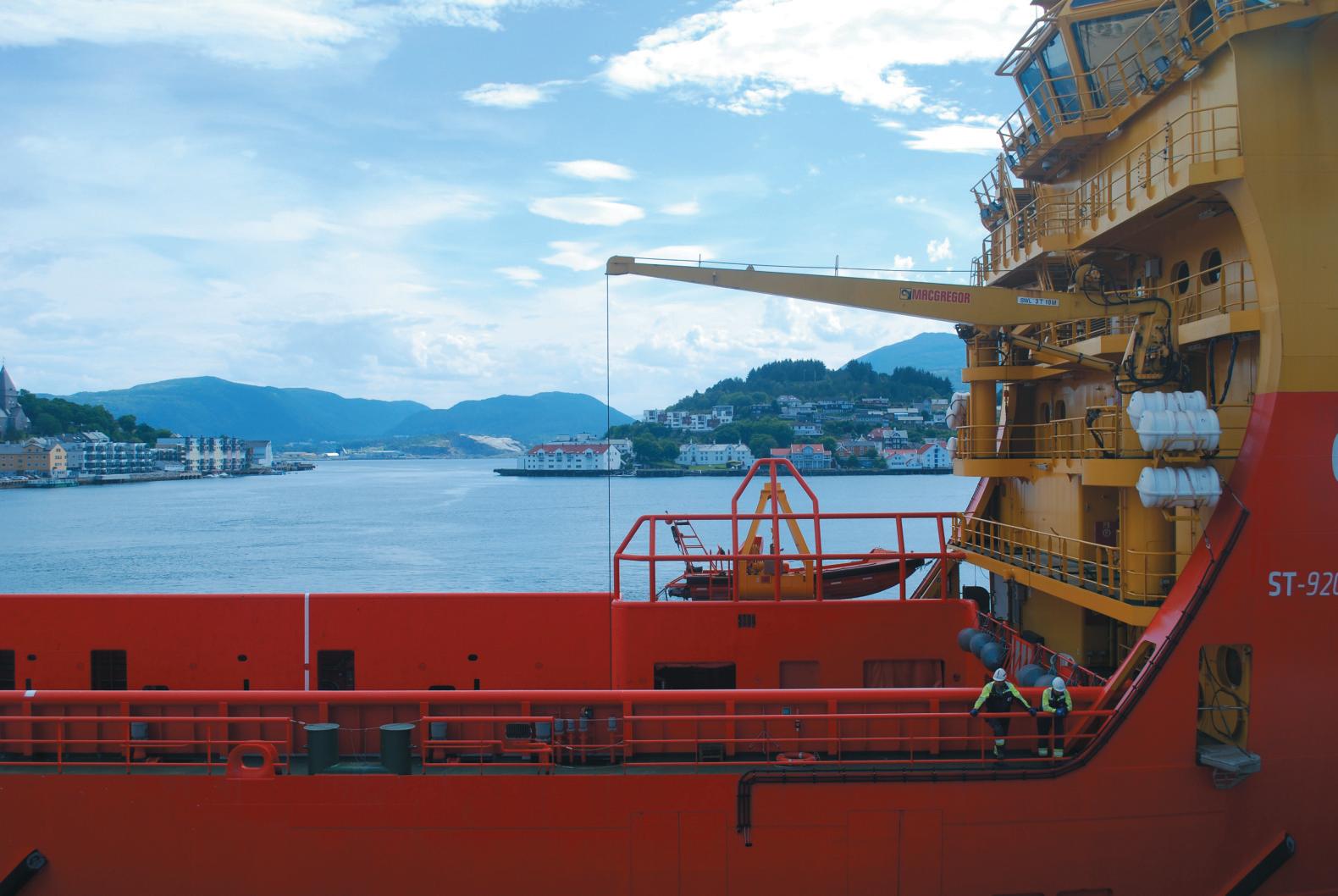
workboat usage was unusually high in 2024.
UN Global Compact: since 2023, v KNH has participated in the UN
Global Compact, committing to its ten principles on human rights, labour, environment, and anti corruption and reporting annually via the CoP system.
The Port of Naantali is one of Finland’s key multipurpose ports, with dry and liquid bulk cargoes forming a substantial part of its total throughput alongside RoRo and ferry traffic. The port serves a wide industrial hinterland in south-western Finland and plays a significant role in Baltic Sea bulk trades.
CARGO THROUGHPUT AND CARGO MIX
Dry bulk handling at Naantali focuses on major and minor bulks serving energy production, processing industries and agribusiness. Typical cargoes include wood chips, grain, cement, fertilizers, animal feed raw materials, salt and soda, as well as other powder-type and industrial bulk materials. Selected recycling and secondary raw materials are also handled at the port.
Naantali is particularly recognized for its ability to manage powder-type dry bulks that require controlled handling conditions.
Dry bulk cargoes: wood chips, grain, cement, fertilizers, animal feed raw materials, salt, soda, industrial powders, selected recycling materials
Maximum quay depth: up to 15.3m
Typical vessel size: up to Panamax-class bulk carriers
Storage facilities: open yards, covered warehouses, silos
Specialization: powder-type dry bulks, value-added logistics (packing / repacking)
Operations: year-round, two port areas (Kantasatama, Luonnonmaa)
The port operates in two locations, Kantasatama and Luonnonmaa, offering a combination of dedicated bulk and multipurpose berths. Fairway and quay depths reach up to 15.3 metres, allowing the regular handling of Panamax-size bulk carriers, while grain berths typically offer depths of around 13 metres.
These depths, combined with relatively favourable winter conditions, support year-
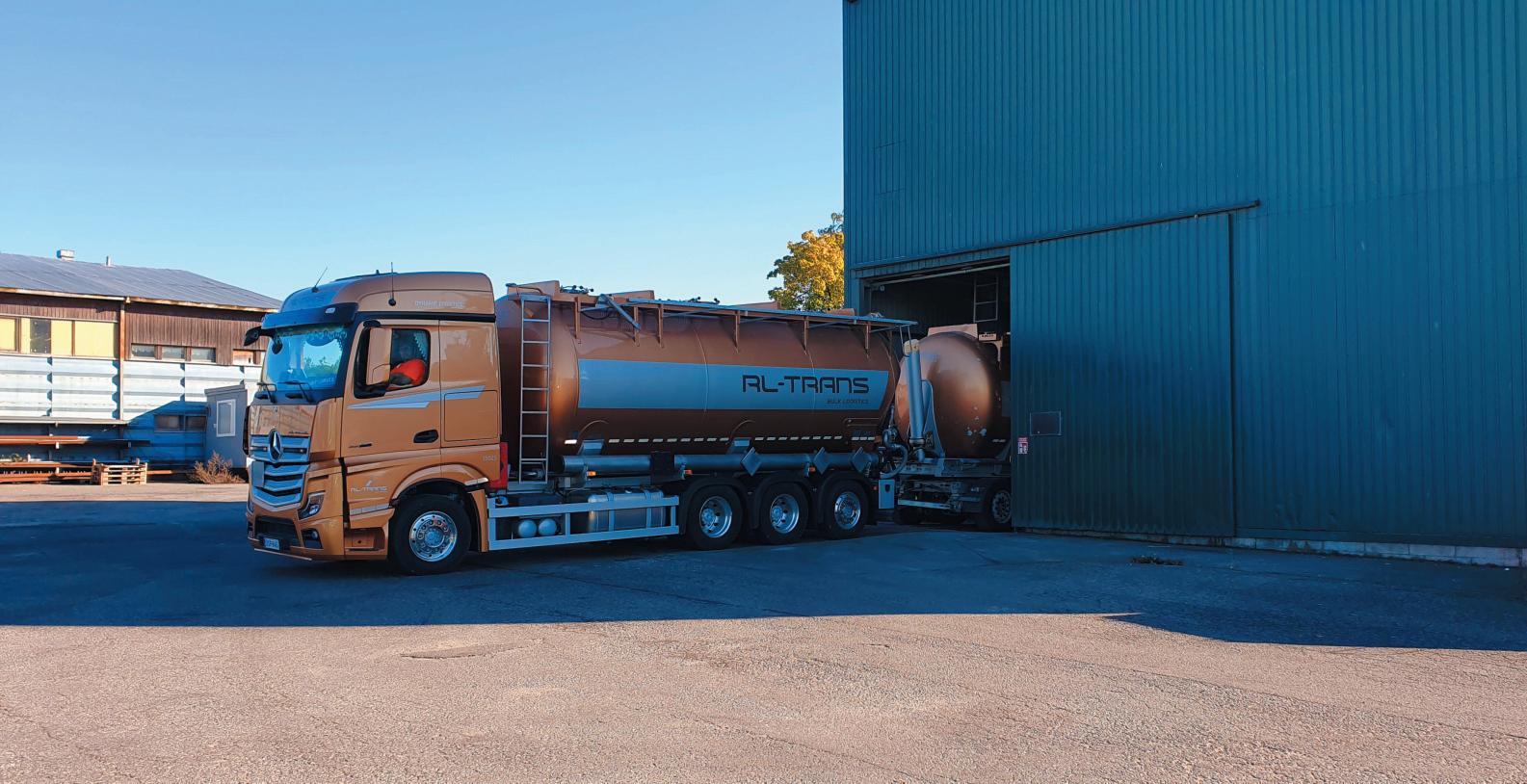
round bulk operations and allow the port to serve both regional and international shipping lines calling Finland.
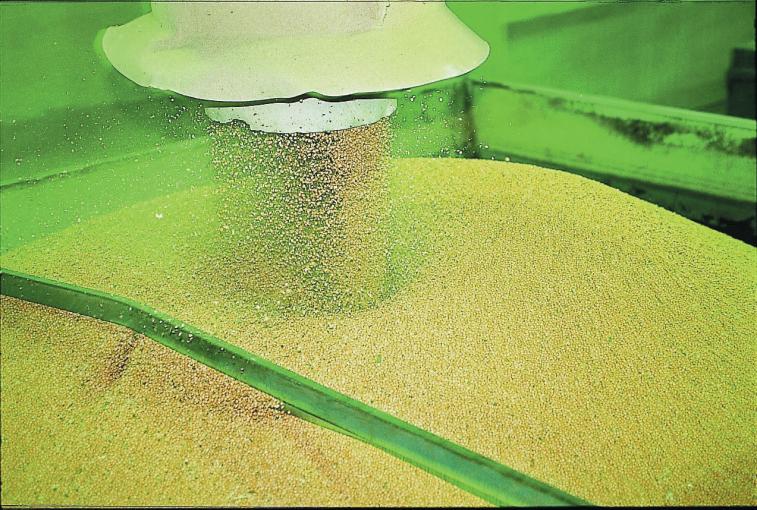
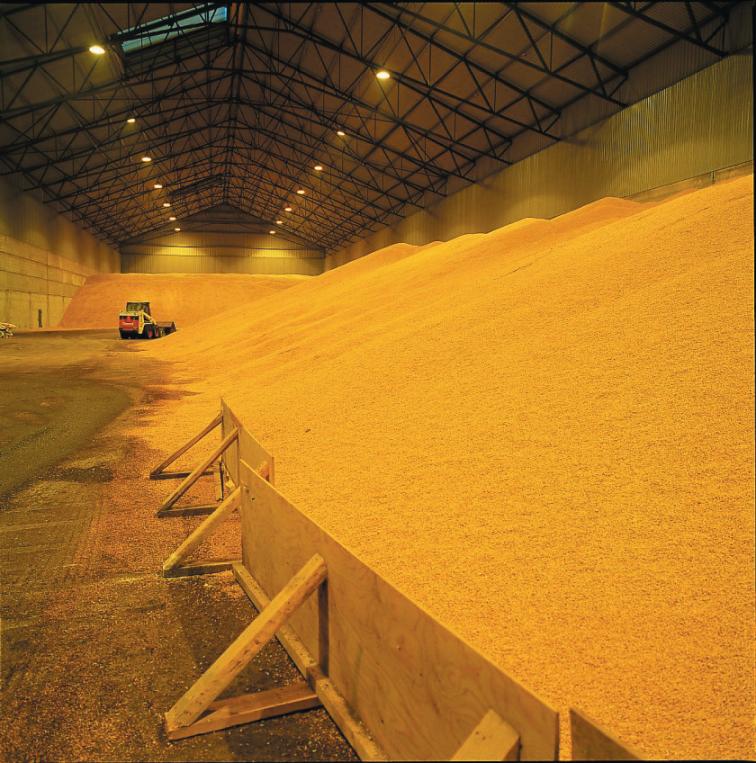
Dry bulk cargoes at Naantali are supported by a combination of open storage yards, covered warehouses and silos located close to quays. Storage infrastructure is designed to provide flexibility for different cargo flows, volumes and handling requirements.
Handling operations utilize mobile cranes, bulk-specific loading and unloading systems, pneumatic grain elevators and associated conveying solutions, enabling efficient vessel turnaround and cargo transfer between sea and hinterland transport modes.
Bulk cargo handling at the Port of Naantali is carried out in close cooperation with established terminal operators and logistics service providers active in the port area. These companies provide stevedoring, warehousing and a range of value-added logistics services tailored to industrial customers.
The port serves a broad customer base across the energy, manufacturing, processing and agri-feed sectors, with longstanding customer relationships forming an important part of its bulk traffic profile.
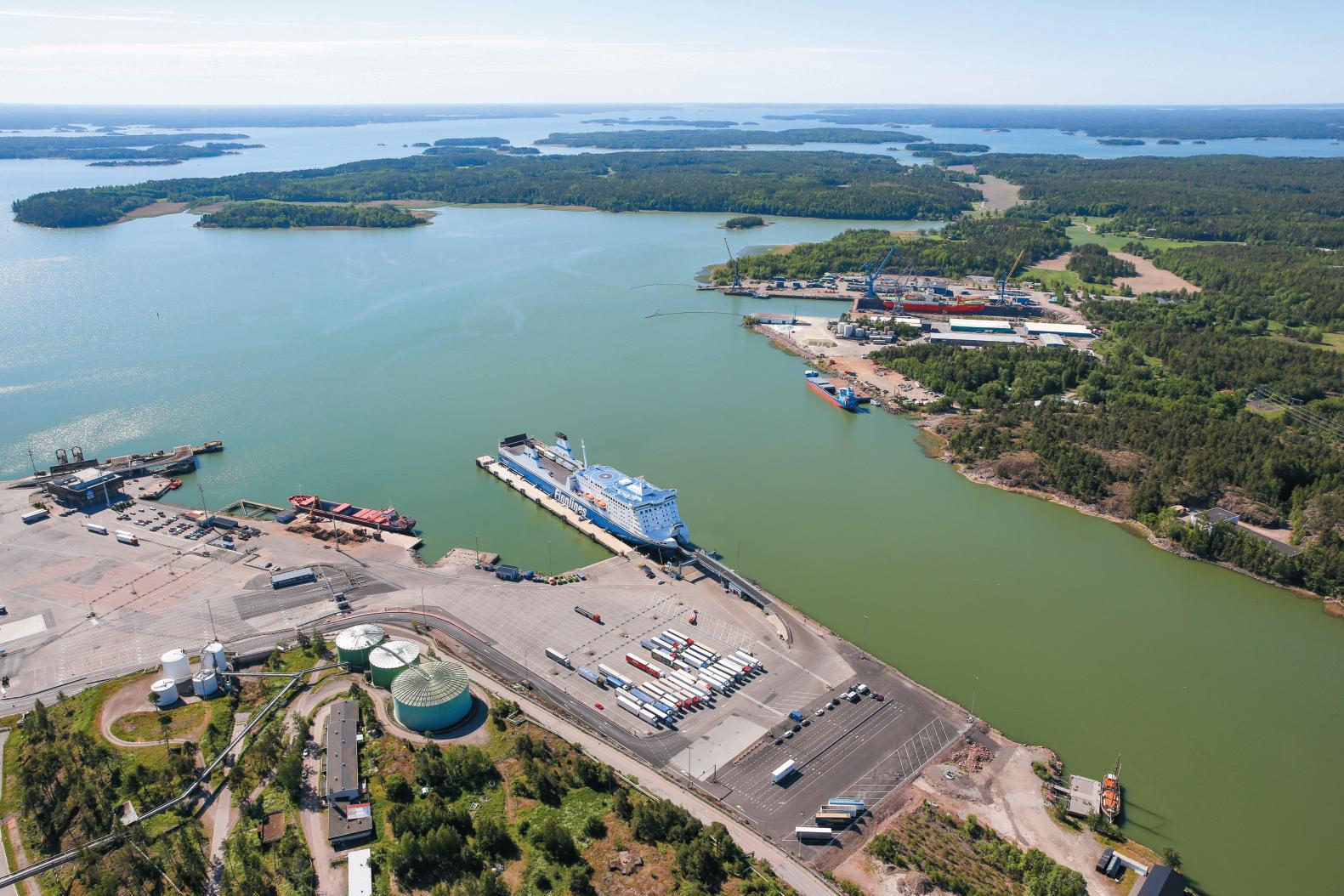
Shipping activity includes both contractbased bulk trades and spot cargoes transported by Baltic and Northern European operators.
Rather than large-scale infrastructure projects, recent developments at the Port of Naantali have focused on operational efficiency, safety and the optimization of existing facilities in cooperation with port operators and customers. This includes refining storage layouts, cargo flows and
handling practices to meet evolving customer requirements.
The Port of Naantali remains focused on maintaining its role as a reliable dry bulk platform serving Nordic and Northern European supply chains.
Established infrastructure, deep-water access and long-standing expertise in bulk handling enable the port to adapt to changes in cargo structures, sustainability requirements and industrial demand over the long term.
Port of Arendal in Norway is a municipal enterprise, fully owned by Arendal municipality.
The port’s major clients include: GC Rieber Salt; Mesta AS; Franzefoss Minerals; and Bergene Holm AS.
Today, the port primarily handles dry bulk cargo such as gravel, de-icing salt, magnesium oxide (MgO), wood chips, logs, dolomite, and lime. In addition, the port is preparing to expand its operations to include container handling through Lo-Lo operations, as well as rolling cargo and passengers at a new RoPax terminal.
One of the port’s customers has developed a new stone product (granite) with significant export potential. In response, the port is considering introducing a new logistics solution using rotainers, which may also be applied to other bulk products.
Further development of bulk handling at the Port of Arendal will be guided by
industrial activity at Eyde Material Park. Norway's green industrial park — Eyde Material Park
Most bulk handling operations are carried out by the port itself. Exceptions include:
Products requiring specialized v equipment (e.g. forest products, granite); and products sensitive to contamination v (e.g. magnesium oxide, dolomite), which cannot be unloaded directly onto the quay.
For these products, customers provide their own handling solutions, such as trailers, conveyor systems, and geared vessels.
The port has a bulk handling capacity of approximately 1,000–1,200 tonnes per hour when both cranes are in operation.
EQUIPMENT AND ACQUISITIONS
The port currently operates the following equipment for bulk handling and has no immediate plans for further acquisitions.
Harbour cranes:
Liebherr LHM 550 Litronic: Maximum v lifting capacity 154 tonnes (short radius), 28.4 tonnes at maximum outreach
Gottwald HMK 260E: Maximum lifting v capacity 104 tonnes (short radius), 30 tonnes at maximum outreach Wheel loaders: Volvo L220H; v Volvo L180H; and v Volvo L110H. v
At Sandvikodden tank facility, the port handles liquid bulk, currently HVO (Hydrotreated Vegetable Oil).
LOGISTICS PROVIDERS AND SHIPPING COMPANIES
There are no logistics providers directly linked to the port. Shipping companies are typically contracted by the cargo owners.
BACKGROUND AND DEVELOPMENT
The Port of Arendal has a long maritime tradition rooted in Arendal’s development
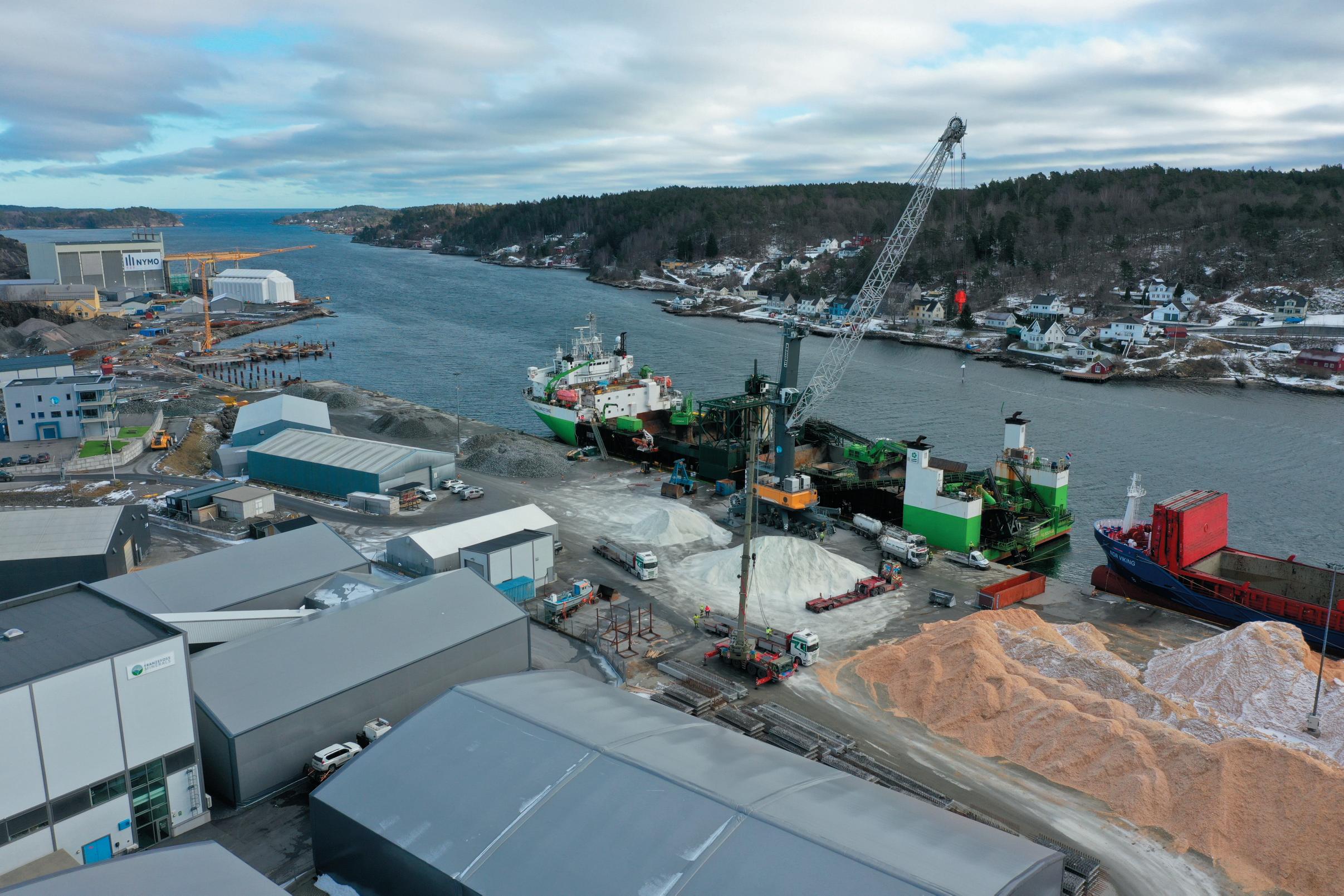
as one of Norway’s key shipping cities.
Arendal became an important port as early as the 17th century, driven primarily by timber exports and shipbuilding. During the 19th century, the city developed into one of Norway’s leading maritime centres. By the 1880s, Arendal was among the country’s most significant shipping hubs.
In 1984, ownership of the port was transferred to the municipality and the port was reorganized as a commercially operated entity.
A key milestone in the port’s modern development was the relocation of core port activities from the city centre to
Eydehavn in 2008.
Cargo volumes have increased from approximately 148,000 tonnes in 2008 to an average of 830,000 tonnes annually (2020–2025), representing an increase of approximately 460%.
The port is an important infrastructure for value creation across Agder, supporting employment, industrial activity, and regional business development.
The port manages several facilities,
including:
Eydehavn cargo and traffic terminal; v Sandvikodden tank facility; v Cruise terminal at Batterikaien; v Fish reception facility in Barbu; v Ferry and community quays; and v Marinas, including Arendal Marina v
EYDEHAVN TERMINAL
The terminal includes deep-water quays and can handle vessels up to Panamax size. It handles general cargo, Ro-Ro, containers, and dry bulk. The port is ice-free yearround with minimal tidal variation and sheltered conditions.
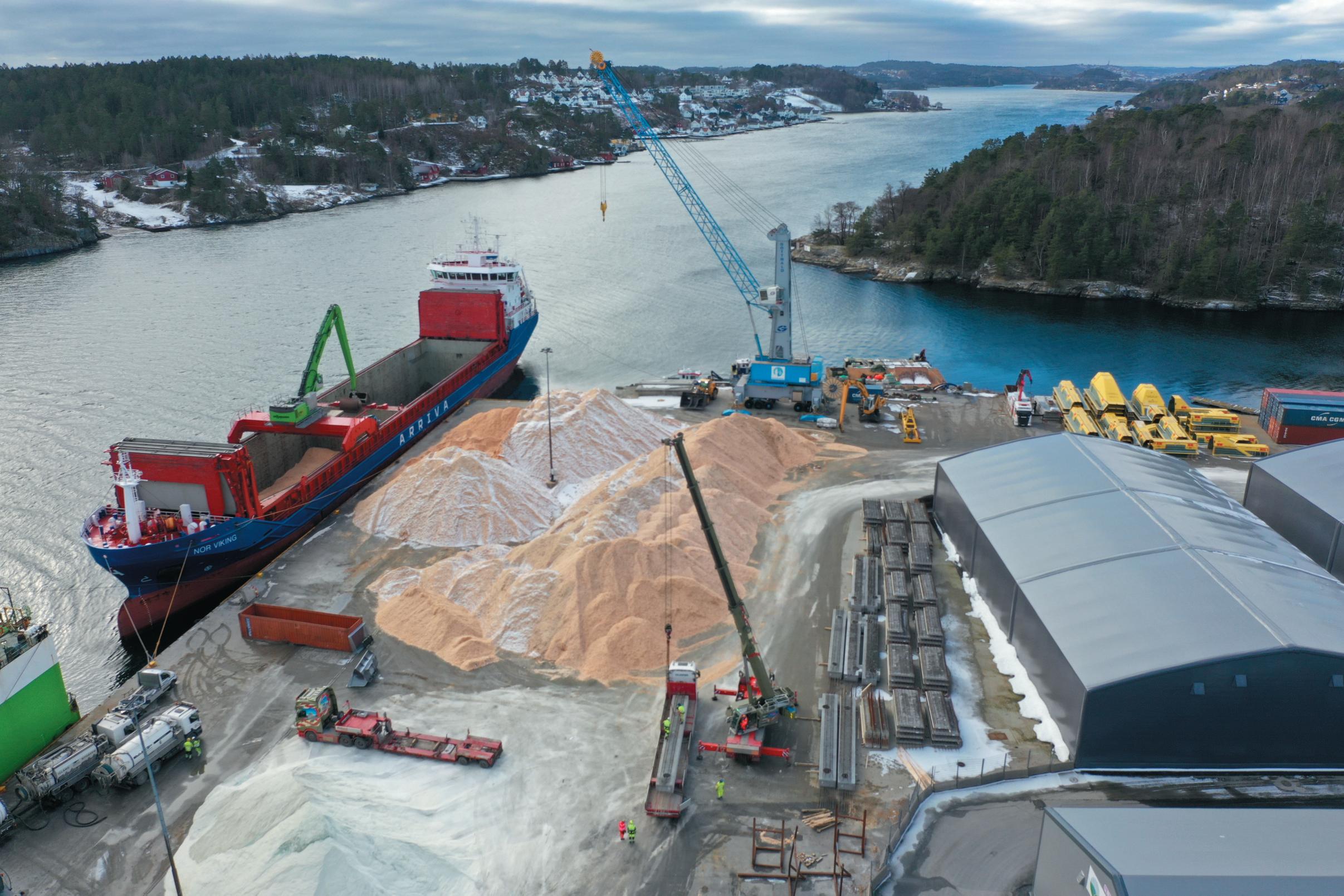
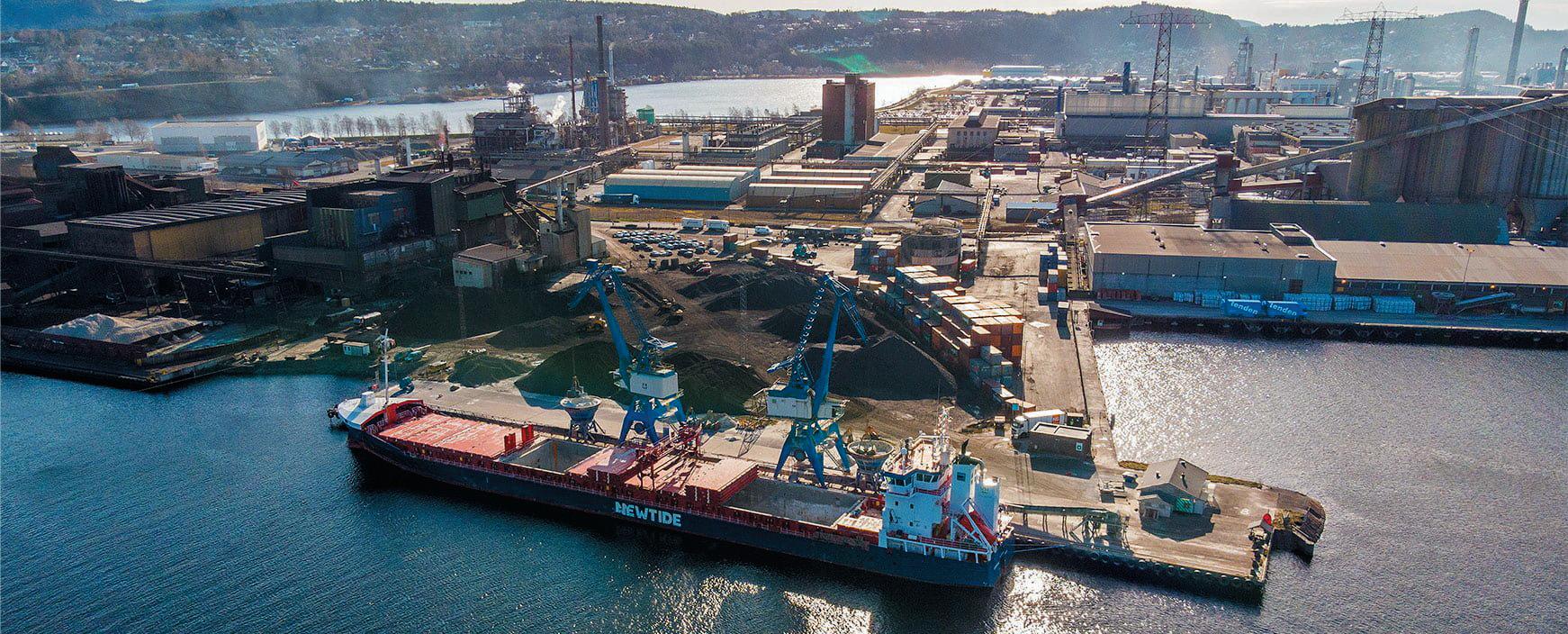
Port of Grenland offers resilience and predictability in a changing global landscape. With deepwater terminals, multimodal connections and robust infrastructure, it provides the flexibility and capacity required by modern industry.
Located in southern Norway, the port is closely integrated with some of the Nordics’ most advanced industrial clusters — offering not just access, but real proximity to energy, competence and innovation.
For cargo owners and carriers seeking a stable, efficient gateway to the Nordic region, Port of Grenland delivers continuity, competitive operations and long-term reliability. It is built for industry, and is ready for the future.
The Grenland area is one of Norway’s most important industrial port regions, with significant volumes of dry and liquid bulk linked to large-scale process industry. The port serves companies such as Yara, INEOS, Eramet and Heidelberg Materials, and handles a broad range of commodities including minerals, chemicals, fertilizers and raw materials for industrial production.
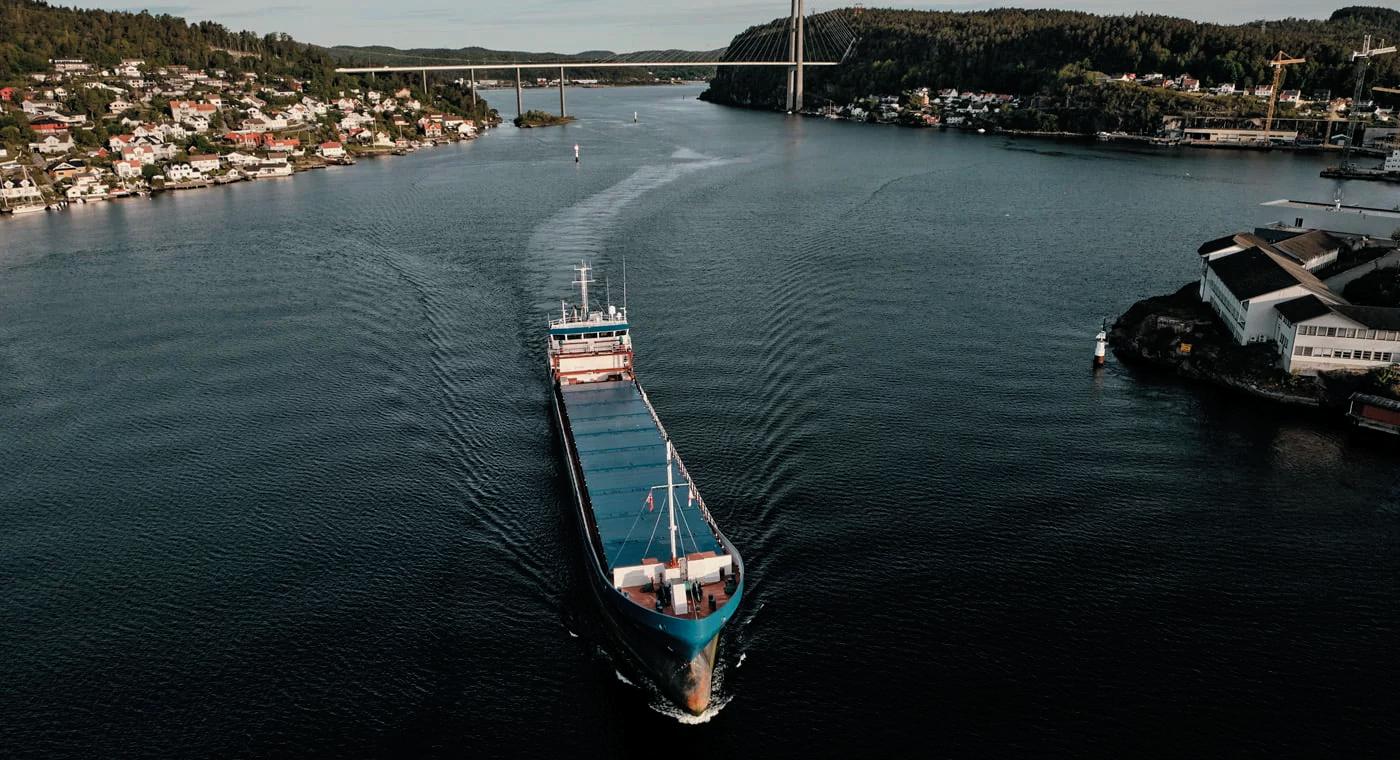
The Port of Grenland area handles approximately 12–13 million tonnes of cargo annually, with bulk cargo representing a substantial share. Operations are closely integrated with nearby industry, ensuring efficient and predictable logistics flows.
Port of Grenland offers deep-water quays, short distances to key industrial sites, and well-established logistics solutions for bulk cargo. Some of its terminals are operated in close
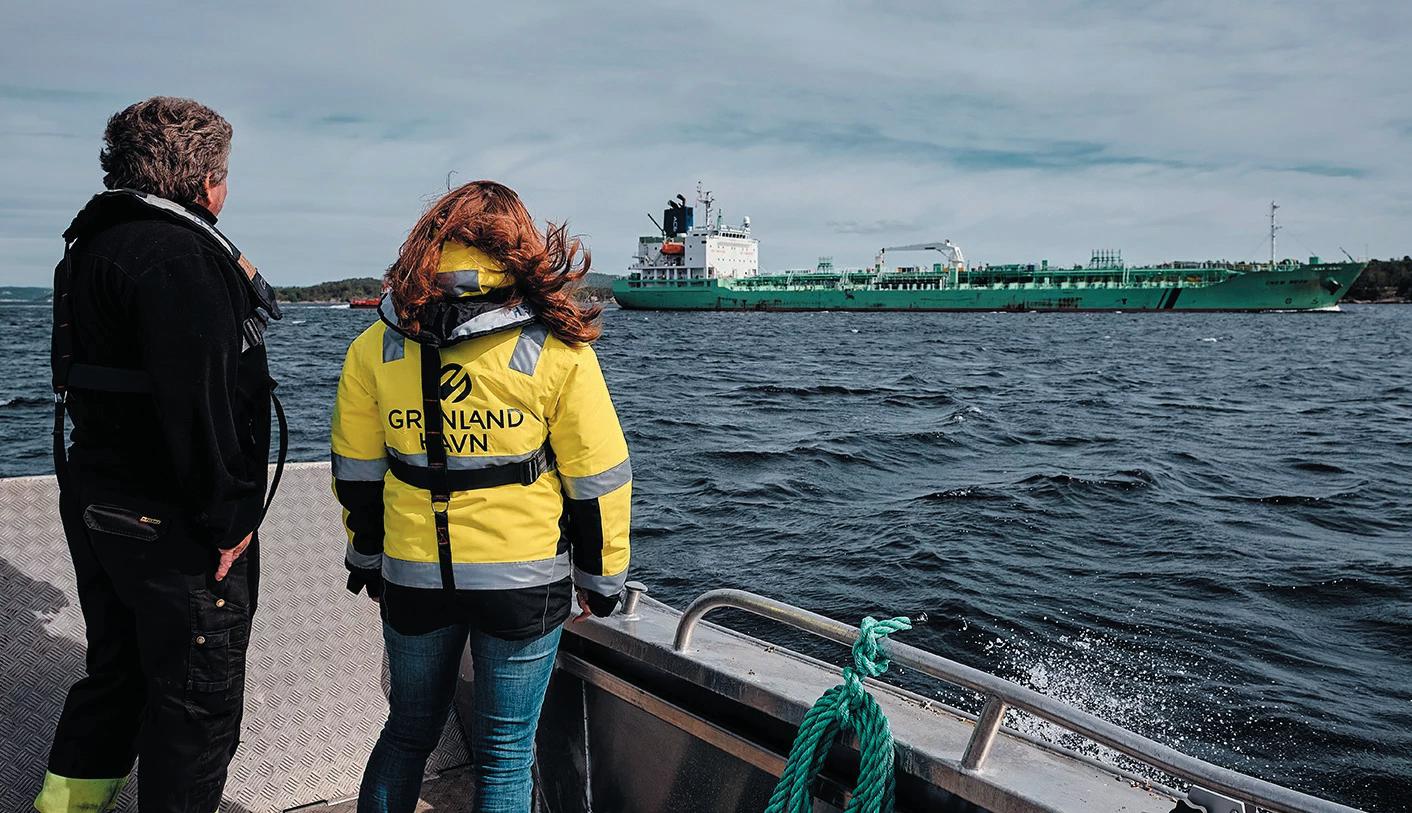
cooperation with industrial stakeholders and logistics providers, enabling tailored handling solutions.
Port of Grenland is currently undergoing a significant transformation, including the development of the new Frier Vest Port Terminal. While primarily designed for container traffic, the expansion strengthens the overall logistics capacity in the region and supports continued growth in industrial cargo flows, including bulk.
The port also plays a central role in carbon capture and storage (CCS) logistics. At its terminal in Brevik, CO2 from Heidelberg Materials is being shipped to the Northern Lights project, representing one of the first full-scale CCS value chains in operation. This project highlights the port’s role in enabling new industrial value chains linked to bulk and energy transition.
Grenland is positioning itself as a key hub for sustainable industry and logistics in Northern Europe. This includes facilitating new energy carriers as well as supporting increased volumes of industrial cargo.
Across Europe, aggregates quietly underpin the entire built environment. Each citizen consumes roughly one kilogram of aggregates per hour, making them — after air and water — the most used raw material in the world. In total, this translates into around three billion tonnes of aggregates circulating across Europe annually, of which approximately half consists of sand and gravel.
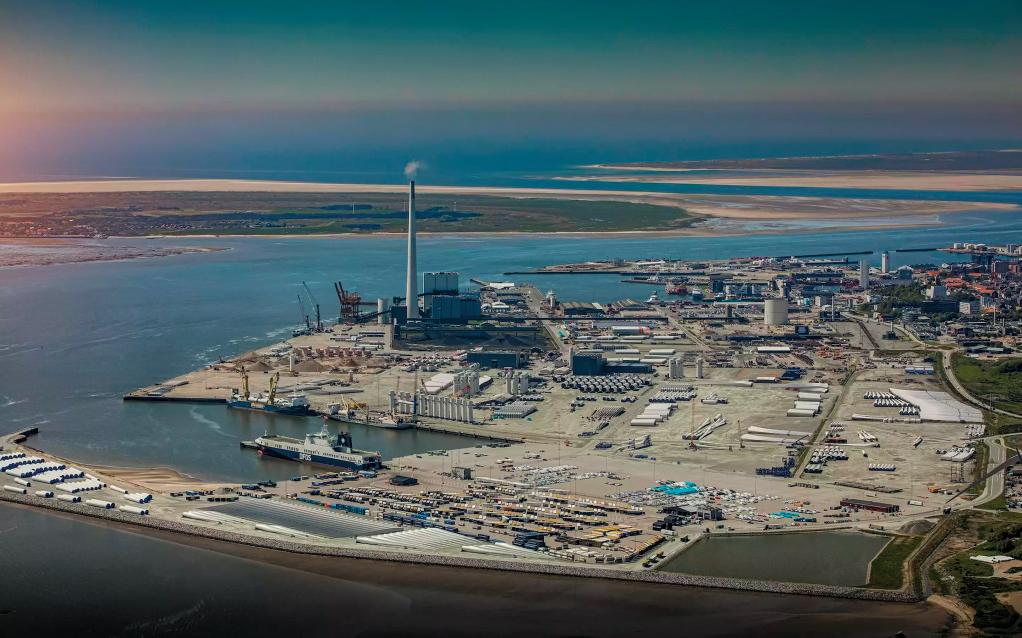
A growing share of these materials is sourced from the sea. In European waters, particularly in the North Sea, hundreds of millions of tonnes of marine sand and sediment are dredged each year, supporting construction, coastal protection, and large-scale infrastructure projects. As demand increases, this vast material flow is driving the need for new logistics solutions, including the development of dedicated marine aggregates terminals.
Port Esbjerg is positioning itself at the forefront of this transformation. Its newly established marine aggregates terminal, owned and operated by NCC, covers nearly ten hectares and is designed to receive, process, and refine sand dredged from the North Sea.
Through advanced screening technologies, the terminal transforms raw marine material into construction-grade aggregates, ready for use in concrete, infrastructure, and coastal protection projects.
This is more than a logistical facility. It reflects a fundamental shift in how ports operate: from handling cargo to processing raw v materials; from cost-driven dredging operations v to value creation; from infrastructure nodes to v integrated industrial hubs; Demand for such facilities is expected to grow rapidly, driven by: the expansion of offshore wind farms; v increasing investment in coastal v protection and climate adaptation; and continued construction and urban v development across Europe.
At the same time, the scale of marine sand extraction raises important environmental concerns. The UN Environment
Programme’s Marine Sand Watch highlights that dredging can impact: marine biodiversity; v water turbidity and sediment v dynamics; nutrient flows in ecosystems; and v underwater noise affecting marine life. v These risks underscore the need for careful management and responsible extraction, particularly in sensitive coastal environments.
Port Esbjerg is located at the edge of the Wadden Sea, a UNESCO World Heritage Site stretching across Denmark, Germany, and the Netherlands. This vast intertidal ecosystem is: the world’s largest unbroken system v of mudflats and sandbanks; home to more than 10,000 v species; and critical habitat for millions of v migratory birds and marine species
At the same time, the Wadden Sea is highly dynamic. Natural sediment transport continuously moves large volumes of material, with up to one million cubic metres of sediment deposited annually into the port’s basins and the 21-kilometre-long access channel. Maintaining navigable waters therefore requires continuous dredging.
Traditionally, dredged material has been treated as waste — disposed of offshore at significant cost and environmental impact. Port Esbjerg is actively redefining this approach.
The port has implemented advanced sediment management practices, including: bypassing and up-passing systems, v redirecting sediment to coastal areas affected by erosion; supporting coastal restoration and v resilience projects; and reducing reliance on offshore dumping. However, not all material can be reused
within these systems. This is where the marine aggregates terminal, operated by NCC, and planned future processing facilities play a key role, enabling further utilization of dredged material as a resource.
The implications are significant. What was once a necessary operational burden is now emerging as a strategic opportunity.
By treating dredged sand as a valuable resource, Port Esbjerg can: transform a multi million-euro annual v cost centre into a value-generating activity; enable a scalable circular materials v business; strengthen its ESG (Environmental, v Social, and Governance) profile and regulatory alignment; and support key growth sectors, including: v o offshore wind; o coastal protection; and o infrastructure development. In doing so, the port aligns operational necessity with long-term strategy capturing value from a material flow that is both unavoidable and increasingly in demand.
Port Esbjerg’s approach reflects a broader shift in the role of ports in the green transition. Ports are evolving from transport nodes into multi-functional energy and materials hubs, integrating logistics, industry, and environmental management. In this context, the marine aggregates terminal is more than infrastructure, it is a proof of concept: that large-scale dredging can move from being a cost and environmental challenge to becoming a cornerstone of a circular, lowcarbon materials economy.
As Europe accelerates offshore energy development, climate adaptation, and infrastructure investment, demand for sand will continue to rise. The challenge is not simply to extract more resources but to use what already exists more intelligently.
Port Esbjerg demonstrates how this can be achieved by embedding circularity into port operations, unlocking value from dredged materials, and reinforcing its position as a key hub in Europe’s green transition.
NEUERO produces the most reliable and high-quality bulk ship loaders worldwide. Environmentally friendly with less dust, less noise and more efficiency | neuero.de/en