
THE MARK AND KATHIE MILLER GENOMICS FUND
Dear Mark and Kathie,
As we complete our second year of partnership in bringing life-changing diagnostic options to patients and their families, we wish to take a moment to reflect on the progress of our shared mission and acknowledge your role—not only as philanthropic allies but also as curious and active partners who ask insightful questions and challenge our researchers to consider their next lines of scientific inquiry.
Neo/ReSeq
Initially, NeoSeq was a research-driven whole-genome sequencing (WGS) initiative focused on critically ill infants in the NICU. The success of this early work laid the foundation for clinical WGS at the U and ARUP Laboratories—bringing rapid, life-changing diagnostic options to the newborns who need them most. Building on that momentum, the team developed a structured system for reanalysis of clinical WGS results and created an undiagnosed disease pathway called the Utah Neo/ReSeq Program, incorporating advanced technologies such as long-read sequencing and RNA sequencing.
Today, Neo/ReSeq collaborates closely with partner institutions to share data, expertise, and best practices, strengthening both the reach and the scalability of genomic medicine. With the help of additional grant funding, the team has also developed powerful analytical tools and workflows that sharpen variant interpretation and shorten the time to diagnosis. The program was pleased to host its first Genomics Summer Research for Magnificents (GSRM) internship student in 2025, reflecting a commitment to building the future workforce by creating hands-on research opportunities, offering mentorship, and opening pathways into careers in pediatric genomic science and medicine.
Penelope Undiagnosed and Rare Diseases Program
Undiagnosed diseases are some of the most daunting challenges in medicine. Families often spend years—if not decades—searching for answers to the mysterious illnesses affecting their children. Responding to this challenge, the Penelope Undiagnosed and Rare Diseases Program was established in 2015. A team of experienced clinicians, molecular geneticists, and data scientists carefully studies a child’s clinical records and prior testing to identify diagnostic gaps and opportunities to prepare a diagnostic plan tailored to each situation.
The Penelope Program is now recognized as a Diagnostic Center of Excellence (DCoE) within the Undiagnosed Diseases Network (UDN), part of a national network of leading centers dedicated to providing comprehensive diagnostic evaluations and advanced care for individuals with undiagnosed conditions. This designation enhances the program’s ability to increase access and reduce disparities in support of evaluation and diagnostic testing for children, regardless of their family’s financial means, health insurance, or barriers to care.
The most significant evidence of the powerful impact of your support comes from the parents of the children we care for. Recently, a participating parent shared the following:
“I have always felt that finding answers for [our child] was bigger than just us, and now I feel like it is really amazing to give greater purpose to it all. What a gift! […] This has truly been a key piece in healing, feeling empowered to raise my [child], and moving forward with a firm belief that [my child’s] life has immense purpose and will impact many. I never would’ve guessed when you called, inviting us to participate, that it would do all these things for our family.”
Neo/ReSeq and the Penelope Program are committed to ending the diagnostic odyssey for families. Unquestionably, this work would not be happening with such speed and precision without your dedication. For this, we, the patients, and their families are eternally grateful.
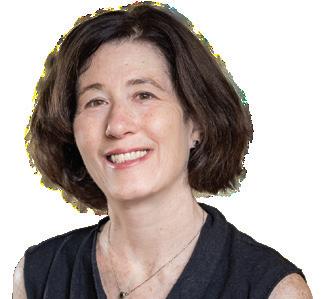
Rachel Hess, MD, MS
System Chief Research Officer, University of Utah Health
Associate Vice President for Research, Health Sciences
Professor of Population Health Sciences and Internal Medicine
H. A. and Edna Benning
Presidential Endowed Chair
Co-Director, Utah Clinical and Translational Science Institute
University of Utah
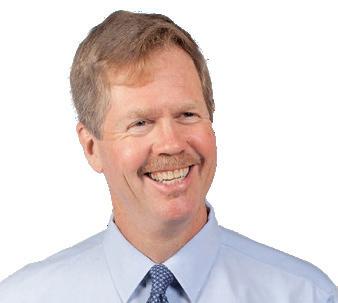
Lynn Jorde, PhD
Co-Director, Center for Genomic Medicine
Mark and Kathie Miller
Presidential Endowed Chair in the Department of Human Genetics
Executive Director, Human Genome Project
Professor and Chair, Department of Human Genetics

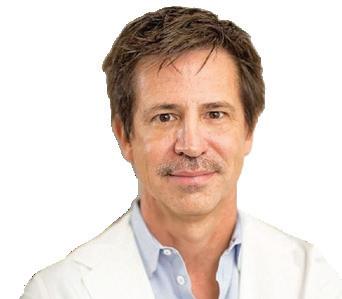
Martin TristaniFirouzi, MD
Co-Director, Center for Genomic Medicine
H. A. and Edna Benning
Presidential Endowed Chair
Professor, Department of Pediatrics, Division of Cardiology
Physician Spotlight:
SABRINA MALONE JENKINS, MD
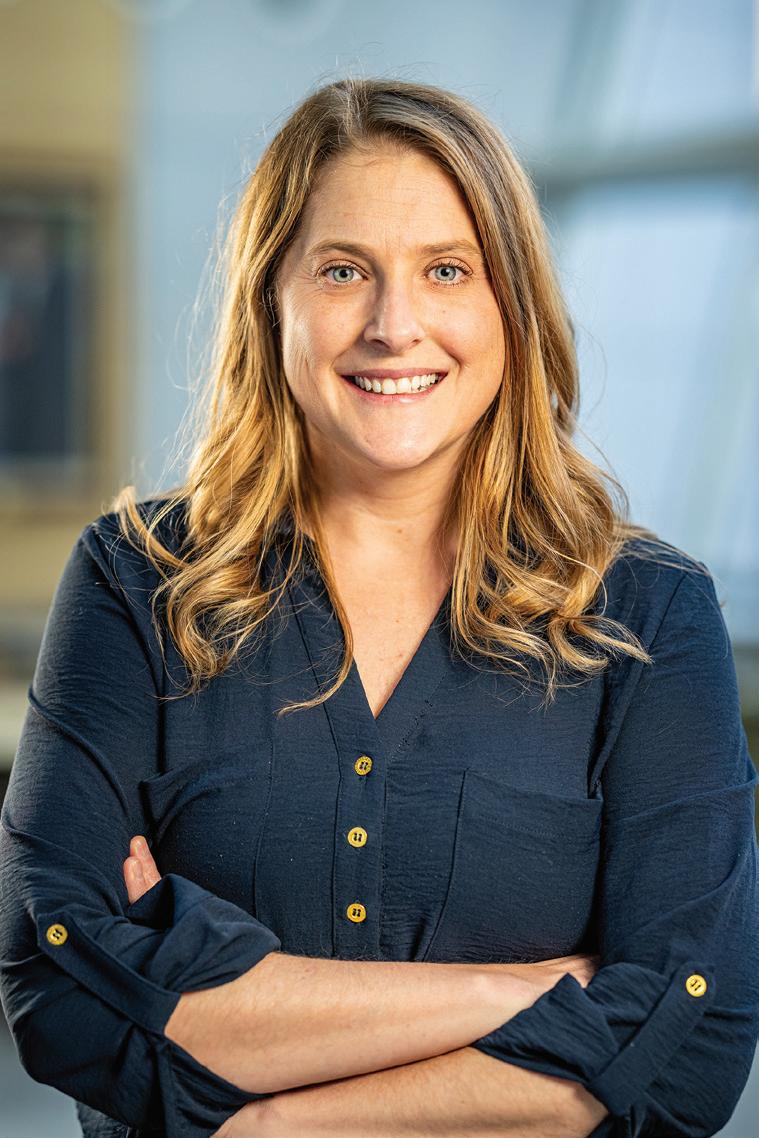
"The impact our work has on families would not be possible without the generous support of Mark and Kathie Miller. For many families, the medical search for answers reaches a point where no more tests or explanations are available; our project steps in at that moment. By bringing advanced research technologies into realworld care, we open new doors to understanding, provide answers where there were none, and offer long-awaited diagnostic closure. Because of this support, hope does not stop when standard care ends— it continues forward, stronger and full of possibility."
For Sabrina Malone Jenkins, MD, the path to neonatology has always been a personal one. Her older brother, Dirik Malone, passed away when he was six months old, at a time when genetic testing was not yet available to offer her family answers. This devastating loss shaped her life’s purpose, and for more than a decade, Dr. Malone Jenkins has dedicated her career to helping parents, like her own, understand why their infant is so sick.
“I’ve known from an early age that I wanted to be a doctor and take care of kids,” she says. “My goal is to find answers for families sooner rather than later and spare them from the long and painful odyssey of testing and unanswered questions.”
After earning a medical degree from Ross University School of Medicine, Dr. Malone Jenkins completed her residency in pediatrics at the University of Nebraska Medical Center and her fellowship in neonatal-perinatal medicine at University of Utah Health, where she currently serves as associate professor of pediatrics in the Division of Neonatology.
In January 2020, Dr. Malone Jenkins launched the Utah NeoSeq Project, a multidisciplinary team of pediatric specialists, neonatal physicians, and bioinformatic genomics scientists who utilize rapid whole-genome sequencing (WGS) to identify gene variants suspected of causing disease. Since its inception, the project team has delivered a diagnosis to 26 out of 65 participants within an average of five days. In partnership with ARUP Laboratories, the Utah NeoSeq Project also developed a clinical WGS test to serve the needs of all infants being treated in the University of Utah NICU.
As genetic science and technology evolve, Dr. Malone Jenkins and her team revisit unsolved cases in search of new clues. In 2022, they officially launched the Neo/ReSeq program. To date, the program has enrolled 78 cases, providing diagnoses for an additional 14% of participants.
“Our team is unwaveringly committed to finding answers for our patients and their families,” she says. “We understand how deeply closure matters, and we want every family to know that we will not stop—we are relentlessly pursuing a diagnosis, every single day.” n
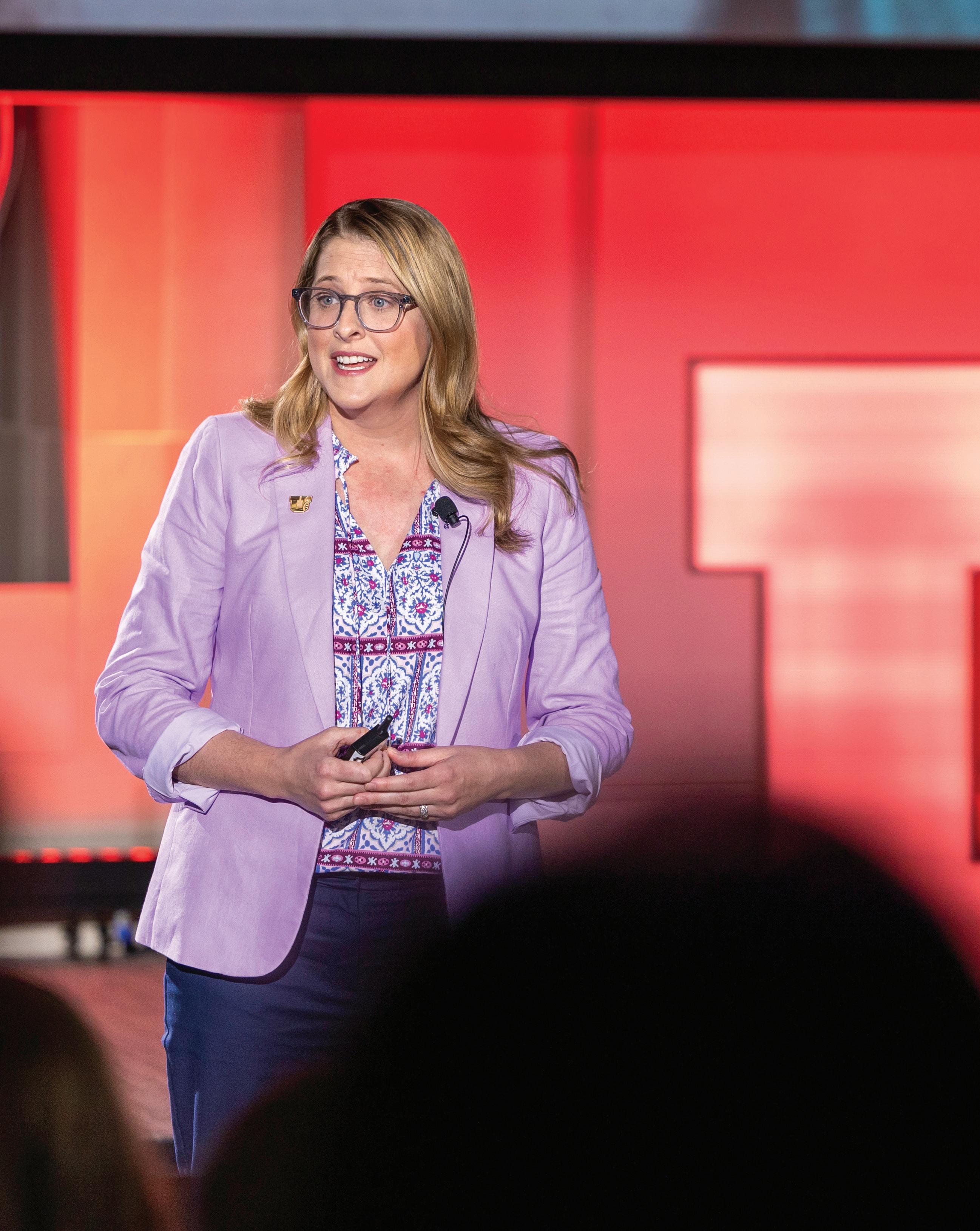
“We understand how deeply closure matters, and we want every family to know that we will not stop—we are relentlessly pursuing a diagnosis, every single day.”
PROGRAM OVERVIEWS
Miller Fund Expenditures To-Date
Neo/ReSeq Project: $716,203.81
Penelope Program: $437,890.00
Total: $1,154,093.81
PROGRAM REACH

NEO/RESEQ PROJECT
PENELOPE UNDIAGNOSED AND RARE DISEASES PROGRAM
BOTH
UTAH (BY COUNTY)
Beaver
Box Elder*
Cache
Davis
Duchesne
Iron
Salt Lake San Pete Summit Utah Wasatch Washington Weber
REACH BEYOND UTAH
Tucson, AZ*
Steamboat Springs, CO
Gooding, ID*
Idaho Falls, ID
Malta, ID*
Nampa, ID
Rexburg, ID
*New in 2025
Twin Falls, ID
Bozeman, MT
Sidney, MT
Las Vegas, NV
Mesquite, NV
Prosper, TX
Evanston, WY

NEO/RESEQ PROJECT CHANGEMAKERS
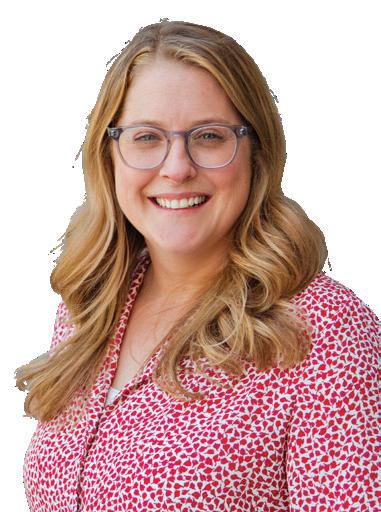
Sabrina Malone Jenkins, MD
Dr. Malone Jenkins is a physician-scientist and associate professor of pediatrics in the Division of Neonatology, the director of Rapid Genomics at Primary Children’s Hospital, and the principal investigator of the Utah Neo/ReSeq Project, all while caring for critically ill infants in the Primary Children’s Medical Center, University Hospital, and Intermountain Medical Center NICUs. To ensure genomic testing is accessible to all, she is leading the implementation of rapid whole-genome sequencing in Level III NICUs throughout Utah. As the principal investigator for Neo/ReSeq, she plays a crucial role in advancing genetic diagnosis and patient care.
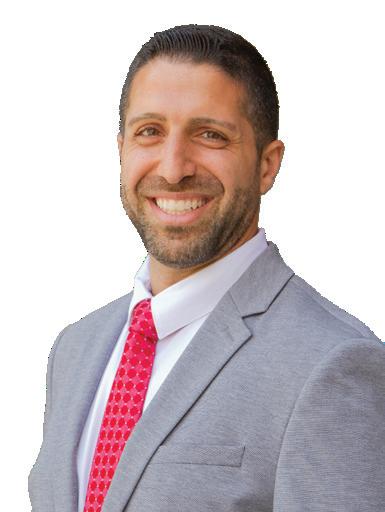
Brian Shayota, MD, MPH
Dr. Shayota is an assistant professor of pediatrics and medical genetics at University Hospital and Primary Children’s Hospital. He is also the director of metabolic services, director of telegenetics consultation services (offered to Level III NICUs throughout Utah), and director of the ReSeq Clinic. His career has focused on caring for patients with rare inborn errors of metabolism and discovering new/rare genetic conditions. He is particularly interested in identifying new therapeutic approaches to rare genetic disorders.
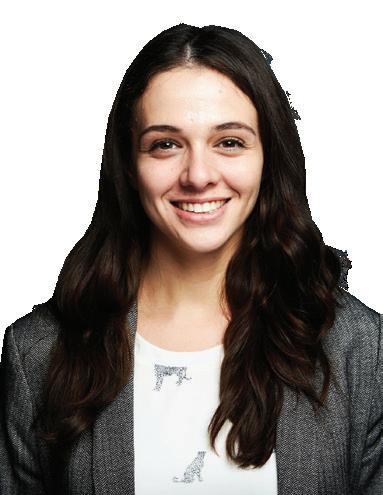
Melanie Emmerson, MS, CGC
Melanie is a licensed and certified genetic counselor in the Department of Cardiology at Primary Children’s Hospital with five years of professional experience in genetic counseling practice. She graduated from the University of Utah Genetic Counseling Program in 2020 and began her career in the Adult Cardiovascular Department at Intermountain Health before transitioning to her current role. She primarily provides genetic counseling services for individuals with inherited or potentially inherited heart conditions. More recently, she began working part-time for the ReSeq research program. In addition to her clinical work, Melanie is actively involved with the genetic counseling graduate program as a co-director for the GC Seminar II and III courses, supervisor for fieldwork rotations, and a member of the curriculum committee.
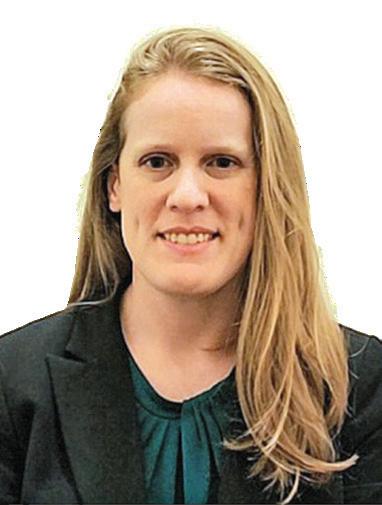
Julie Porter, MD, PhD
Dr. Porter is a pediatric genomics and gene therapy fellow at the U and the Primary Children’s Hospital Center for Personalized Medicine. With a background in metabolic genetics, her clinical and research interests focus on diagnosing and treating rare genetic disorders. Dr. Porter is actively involved in multiple clinical trials, including those exploring emerging gene therapy approaches. As part of her fellowship, she joined the ReSeq program to deepen her work in identifying complex genetic diagnoses that require advanced molecular and analytical techniques. She is passionate about guiding patients and families through the diagnostic journey and working toward meaningful, personalized solutions.
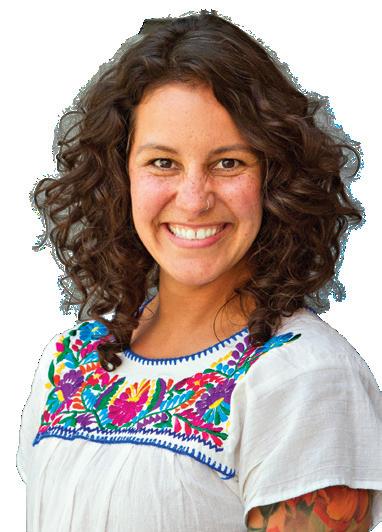
Chelsea Solorzano, BSN, RN
Chelsea is a registered nurse and research nurse coordinator in the Department of Pediatrics at the University of Utah. In her role as lead coordinator for the Neo/ReSeq Project, she is responsible for running day-today operations, which includes enrolling and communicating with families, scouring medical records for useful information, connecting research analysts with the clinical team, participating in financial planning, and following up on all current and past cases. Her passion is building connections with families, and she is grateful to have that opportunity every day.
In 2025, the Neo/ReSeq team devoted 943 hours to the unceasing pursuit of answers—and the restoration of hope.
Rooted in Partnership inviting and enrolling patients
Built through Human Connection in-person examinations and family discussions
Informed by Curiosity reviewing, researching, and updating patient records
Powered by Innovation analysis and reanalysis of genomic data
Guided by Expert Insight & Analysis interdisciplinary team evaluations and recommendations
Cases are routinely reviewed by a multidisciplinary team that includes:
Neonatologists
Geneticists
Genetic Counselors
Molecular Geneticists
Data Analysts
Subspecialists
NEO/RESEQ FY25 RESOURCE ALLOCATIONS
CTRC DNA/RNA isolation (20 cases)
Huntsman Cancer Institute RNA sequencing (10 cases)
Free long-read sequencing (patients <1 year)
Long-read sequencing (patients >1 year and parents)
RNA storage
& SEQUENCING
$2,970.81
$11,200.00
LONG-READ SEQUENCING
$20,000.00
$43,072.50
$3,000.00
SUBTOTAL $60,243.31 $20,000.00
Utah Center for Genetic Discovery services
Quinlan lab
$155,248.08
$31,078.28
Agreement with Children’s Mercy Hospital in Kansas City (CMKC) for 50 free long-read sequencings
$73,512.00 Center for Personalized Medicine
SUBTOTAL $186,326.36 $73,512.00
Study coordinator and lead research nurse coordinator
Physician lead (pediatric neonatology)
Lead geneticist and genetic counselor
$57,058.02
$24,827.83
$14,305.26
$80,735.89
SUBTOTAL $137,793.91 $39,133.09 TOTAL 384,363.58 $132,645.09
Sabrina Malone Jenkins, MD, K08 grant support
Sabrina Malone Jenkins, MD, K08 grant support
PENELOPE PROGRAM CHANGEMAKERS
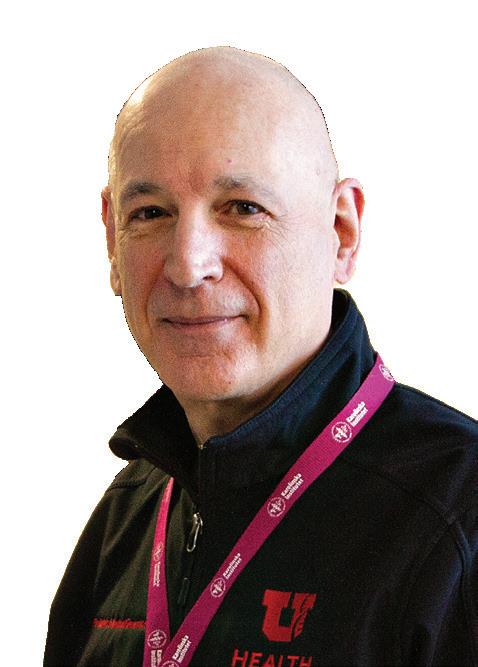
Lorenzo Botto, MD
Dr. Botto is a professor of pediatrics at the University of Utah Spencer Fox Eccles School of Medicine. He trained in pediatrics, pediatric cardiology, and medical genetics in Europe and the United States. He is also a medical epidemiologist who trained and practiced at the US Centers for Disease Control and Prevention (Epidemic Intelligence Service, Preventive Medicine Program) for over a decade. Dr. Botto directs the Penelope Undiagnosed Disease Program, meeting families and overseeing the team activities, and is the principal investigator for the Intermountain West site of the Undiagnosed Disease Network.
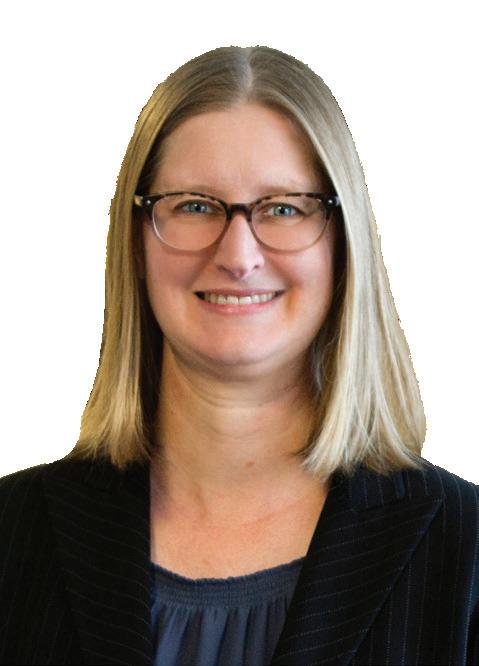
Erin Baldwin, MS, LCGC
Erin Baldwin is a certified and licensed genetic counselor in the Department of Pediatrics at the University of Utah. She has a background in clinical and research genetic counseling in pediatric, adult, and laboratory medicine. Erin is a study coordinator for the Penelope Undiagnosed Program and the NIH-sponsored Undiagnosed Disease Network, working with patients with complex, undiagnosed genetic conditions. In this role, Erin is the first point of contact for patients with undiagnosed conditions. She gathers essential medical information, coordinates testing, communicates research updates, and provides genetic information and support to patients, families, and providers.
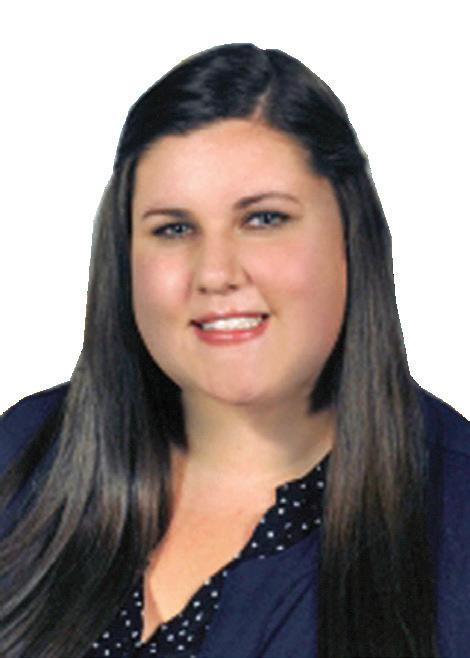
Dr. Andrews is a pediatric nurse practitioner board-certified by the Pediatric Nursing Certification Board. She has a bachelor’s degree in health sciences with a concentration in disease prevention and health promotion. She completed a bachelor’s and master’s degree in nursing from California State University, Long Beach, and recently completed her doctorate in nursing practice from the University of Utah. She is experienced in a wide range of inborn errors of metabolism and is particularly engaged in the concept of transitioning to self-care. She works to include children in the management of their chronic condition from an early age. She is also a study coordinator for the Penelope Undiagnosed Disease Program and the NIH-sponsored Undiagnosed Disease Network. In this role, she is a major point of contact for patients with undiagnosed conditions. She gathers essential medical information, coordinates testing, communicates research updates, and provides genetic information and support to patients, families, and providers.
Ashley Andrews, DNP, MSN, CPNP
PENELOPE PROGRAM HIGHLIGHTS
Families enrolled in the Penelope Program join a collaborative uniquely equipped to pursue the answers they’ve been tirelessly seeking.
Unleashing Possibility
The Penelope Program has a singular goal: transforming diagnostic uncertainty into breakthroughs driven by compassion, innovation, and clinical excellence. In doing so, we unlock better care, novel therapies, and connections with others facing similar circumstances.
ACCESS THAT CHANGES EVERYTHING
Penelope Program Changemakers o er a care team committed to facilitating and expanding families’ access to experts, specialists, and technology that previously felt out of reach.
UNLOCKING THE GENOME’S SECRETS
Using advanced diagnostic tools, some of which are not yet clinically available, genomic experts mine prior genetic testing and deploy novel sequencing methods to probe the depths of complex genomes.
COLLABORATION IN A DYNAMIC ENVIRONMENT
An interdisciplinary team pools its knowledge, carefully studies a child’s clinical records and prior testing to identify diagnostic gaps and opportunities, and prepares diagnostic and clinical plans tailored to each child.
A NETWORK WITHOUT BORDERS
From shared research initiatives to strategic memberships, our local and national connections amplify impact, expand access, and accelerate answers for every family.
SPECIALISTS
• Genetics
• Cardiology
• Neurology
• Gastroenterology
• Immunology
• Rheumatology
• Endocrinology
• Hematology
• Pediatrics
• Molecular Genetics
• Molecular & Cellular Biology
• Bioinformatics
• Genetic Counseling
MEDICAL AND GRADUATE STUDENT GROUPS
• Genomics Summer Research for Magnificents (GSRM) Interns, Department of Pediatrics
• Native American Summer Research Internship (NARI), Department of Pediatrics
• Graduate Program in Genetic Counseling
• Clinical and Laboratory Genetics Fellows
CONNECTIONS
• National Organization for Rare Disorders (NORD) Center of Excellence
• Undiagnosed Diseases Network (UDN)
• ARUP Laboratories
• Utah Center for Genomic Discovery at U of U Health
• Center for Personalized Medicine at Intermountain Health
• International Undiagnosed Hackathon
“They inspire a lot of hope for us but also keep us grounded along the way. They’re so supportive. They understand how difficult it is to have something wrong with your child and that you just want answers; I love that they’re just as invested in finding answers [as we are].”
—Penelope Program Parent
RESEARCH IMPACT
PUBLICATIONS
The Utah NeoSeq Team. (2025). The Utah NeoSeq Project: A collaborative multidisciplinary program to facilitate genomic diagnostics in the Neonatal Intensive Care Unit. npj Genomic Medicine.
Wen, T., et al. (2025, March 3). Identification of two novel non-coding variants in Diamond-Blackfan anemia syndrome patients by whole genome sequencing. Blood Advances.
Taliercio, V., Undiagnosed Diseases Network, et al. (2025, May 3). Worth the effort: Lessons for discovery and care from an unusual case of Gorlin syndrome. American Journal of Medical Genetics, Part A.
Porter, J., et al. Rapid genome sequencing identifies treatable conditions in non-critically ill hospitalized children. Genetics in Medicine. Under revision.
Levy, R., et al. Examining parental perceptions surrounding rapid whole-genome sequencing: A research and clinical population comparative study. Re-submission.
PLANNED PAPERS
Shayota, B., et al. The Utah ReSeq Project: A longitudinal clinical research program for children with non-diagnostic rWGS.
Jhuraney, A., et al. Expanding the ADAMTS6 lossof-function syndrome: Congenital diaphragmatic hernia, renal, and respiratory anomalies. A collaboration with the University of Washington.
Boyden, S., The Utah NeoSeq Team. HAND2 Paper.
Emmerson, M., The Utah ReSeq Team. KAT6A Paper.
POSTERS & ABSTRACTS
Malone Jenkins, S., et al. (2025, October 17). The Utah ReSeq Project: A Longitudinal Clinical Research Program for Children with Non-Diagnostic rWGS. American Society of Human Genetics Annual Meeting. Boston, MA.
Mendoza, J., et al. (2025, July 31). Uncovering missed diagnoses: The critical role of whole-genome sequencing research reanalysis in rare disease. University of Utah Undergraduate Research Symposium. Salt Lake City, UT.
Mendoza, J., et al. (2025, September 26). Uncovering missed diagnoses: The critical role of whole-genome sequencing research reanalysis in rare disease. Annual Biomedical Research Conference for Minoritized Scientists. San Antonio, TX.
Jhuraney, A., et al. Expanding the ADAMTS6 loss-offunction syndrome: Congenital diaphragmatic hernia, renal, and respiratory anomalies. A collaboration with the University of Washington. Submitted to the Annual Clinical Genetics Meeting, March 2026. Baltimore, MD.
Olson, M., et al. (2025). The value of cytogenetics in the age of genome sequencing. Platform presentation, American College of Medical Genetics and Genomics Meeting, Los Angeles, CA.
Verheijen, J., et al. (2025). Premature termination codon variants in CHD1 and SF3B2 in a complex pedigree with phenotypic variability. American College of Medical Genetics and Genomics Meeting, Los Angeles, CA.
Zhang, C., et al. (2025). Novel de novo KAT6A variant in a pediatric patient with multisystem involvement. Abstract, 2025, American College of Medical Genetics and Genomics Meeting, Los Angeles, CA.
Lewis, R.G., Undiagnosed Diseases Network, et al. (2025). RNA sequencing resolves splicing variants in complex genetic disorders. American College of Medical Genetics and Genomics Meeting, Los Angeles, CA.
O’Shea, J.M., et al. (2025). Investigating the diagnostic yield of long-read sequencing in a selected cohort of families with undiagnosed disease. American College of Medical Genetics and Genomics Meeting, Los Angeles, CA.
WEB/MAGAZINE ARTICLES
Friesen, S. October 27, 2025. The search for Cal’s diagnosis: How U of U Health genetics gave a family answers. U of U Health Newsroom.
GRANT WORK
Tristani-Firouzi, M., & Estabrooks, P. CTSA RC2 program at University of Utah: A translational platform for rapid genomic medicine.
Malone Jenkins, S. Addressing the research-practice gap in the implementation of rapid whole-genome sequencing in the NICU.
Center for Genomic Medicine
30 South 2000 East, Room 260
Salt Lake City, Utah 84112
uofuhealth.utah.edu/center-genomic-medicine