
Understanding Cataracts: Causes, Symptoms, and Treatment Options
Introduction:
Cataracts are a common eye condition that can impact people of all ages, causing vision impairment and affecting daily life Dr Surbhi Kapadia, a prominent Ophthalmologist and Oculoplasty Specialist in Vadodara, brings her expertise to shed light on this prevalent eye condition. With her extensive experience and commitment to patient care, Dr. Kapadia provides valuable insights into cataracts, their causes, symptoms, and treatment options
What are Cataracts?
A cataract is a clouding of the eye's natural lens, which is typically clear and plays a crucial role in focusing light onto the retina As a cataract develops, the lens becomes progressively cloudy, leading to blurred or decreased vision
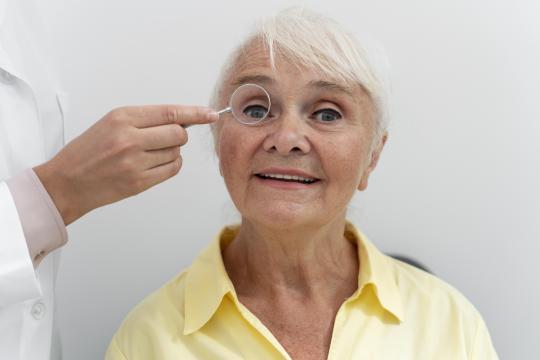
Causes of Cataracts:
Age: The most common cause of cataracts is aging. As we grow older, the proteins within the lens can clump together and cloud its clarity
UV Radiation: Prolonged exposure to ultraviolet (UV) radiation from the sun may contribute to cataract formation
Trauma: Eye injuries can lead to cataract development, either immediately or over time
Medical Conditions: Diabetes and certain medical conditions like hypertension can increase the risk of cataracts.
Medications: Long-term use of certain medications, particularly corticosteroids, can accelerate cataract growth.
Genetics: Family history can also play a role in cataract development.
Symptoms of Cataracts:
Blurry Vision: Gradual blurring of vision is a hallmark symptom, similar to looking through a foggy window
Difficulty Seeing at Night: Cataracts can cause problems with night vision, making it challenging to see in low-light conditions
Sensitivity to Light: Increased sensitivity to light or glare, particularly from headlights or sunlight, is common
Frequent Prescription Changes: The need for frequent changes in eyeglass or contact lens prescriptions may indicate cataract progression
Double Vision: In some cases, cataracts can cause double vision in one eye
Treatment Options for Cataracts:
Eyeglasses/Contact Lenses: In the early stages, vision correction through eyeglasses or contact lenses can help manage cataract-related vision changes.
Surgery: Cataract surgery is the most effective treatment for advanced cataracts During the surgery, the cloudy lens is removed and replaced with an artificial intraocular lens (IOL) This procedure is safe, minimally invasive, and usually performed on an outpatient basis.
Dr Surbhi Kapadia's Expertise: Dr Surbhi Kapadia's extensive experience in ophthalmology and oculoplasty makes her a leading expert in cataract surgery Her commitment to achieving excellent results ensures that patients receive top-notch care for their cataract-related needs.
Prevention: While cataracts are a natural part of aging, protecting your eyes from UV radiation through sunglasses and maintaining overall eye health can help delay their development.
Conclusion:
Cataracts are a prevalent eye condition that can impact vision and quality of life With Dr Surbhi Kapadia's expertise and dedication to patient care, individuals in Vadodara have access to world-class eye care services. Whether through early interventions like eyeglasses or advanced treatments like cataract surgery, Dr Kapadia's commitment to excellence ensures the best possible outcomes for her patients' eye health