
The Rise of iPhone Contactless Payments in Singapore: Transforming the Future of Digital Transactions
Introduction to Contactless Payments on iPhone
In recent years, digital payments have rapidly evolved, reshaping how consumers and businesses interact. Among the most impactful innovations is the ability to make contactless payments using smartphones The iPhone, in particular, has played a central role in mainstream adoption, offering a seamless, secure, and fast payment experience.
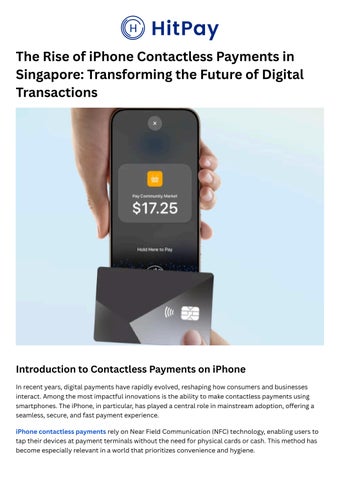
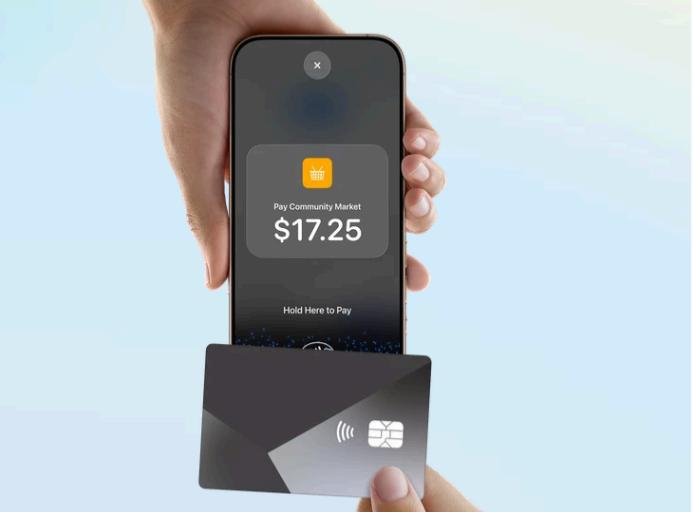
iPhone contactless payments rely on Near Field Communication (NFC) technology, enabling users to tap their devices at payment terminals without the need for physical cards or cash This method has become especially relevant in a world that prioritizes convenience and hygiene.
As mobile-first behavior continues to grow, businesses are increasingly adapting to support digital wallets and tap-to-pay experiences The iPhone ecosystem supports a range of payment options, making it a powerful tool for both consumers and merchants looking to streamline transactions.
How iPhone Contactless Payments Work
At the core of iPhone contactless payments is Apple’s secure ecosystem, which ensures that transactions are both fast and protected Users store their card details in a digital wallet, and when making a purchase, the iPhone communicates securely with the payment terminal.
Each transaction is authenticated using biometric verification such as Face ID or Touch ID. Instead of transmitting actual card details, the system uses tokenization, replacing sensitive information with encrypted codes. This reduces the risk of fraud and data breaches.
From a merchant perspective, accepting iPhone payments requires compatible NFC-enabled devices or modern point-of-sale systems As infrastructure improves globally, more businesses are adopting contactless technology to meet customer expectations.
Benefits for Consumers and Businesses
The adoption of iPhone contactless payments brings clear advantages for both users and businesses
For consumers, the benefits include:
Faster checkout experiences
Enhanced security through biometric authentication
Reduced need to carry physical wallets
Easy tracking of transactions
For businesses, the advantages are equally compelling:
Improved customer satisfaction
Reduced transaction times
Lower reliance on cash handling
Better integration with digital systems
Additionally, businesses expanding into international payments APAC markets are finding contactless technology particularly valuable The Asia-Pacific region is one of the fastest-growing digital payment ecosystems, and mobile-first solutions are driving this transformation
The Role of Payment Automation
As digital payments evolve, automation is becoming a key factor in improving efficiency. Payment automation allows businesses to streamline processes such as invoicing, reconciliation, and transaction tracking.
When combined with iPhone contactless payments, automation creates a powerful system that reduces manual effort and minimizes errors Businesses can automatically record transactions, update financial data, and generate reports in real time.
This level of efficiency is especially beneficial for small and medium-sized enterprises that need scalable solutions without complex infrastructure Automated payment systems also help improve cash flow management, ensuring that businesses stay financially organized.
Security and Trust in Mobile Payments
Security remains a top priority in the digital payment landscape. iPhone contactless payments are designed with multiple layers of protection to ensure user trust
Key security features include:
Tokenization of card data
Biometric authentication
Device-level encryption
Real-time fraud monitoring
These features make contactless payments one of the safest transaction methods available today Users can confidently make payments without exposing sensitive financial information.
For businesses, offering secure payment options builds credibility and encourages repeat customers. As digital transactions become the norm, trust plays a critical role in long-term success
Growing Ecosystem and Merchant Adoption
The ecosystem surrounding iPhone contactless payments continues to expand More merchants are adopting compatible payment systems, enabling wider acceptance across retail, hospitality, and service industries
Solutions like HitPay are helping businesses integrate modern payment methods with ease These platforms provide tools that allow merchants to accept contactless payments, manage transactions, and scale operations efficiently
In addition, services such as hitpay payments are contributing to the broader shift toward digital-first commerce. By simplifying payment acceptance, businesses can focus more on growth and customer experience rather than operational complexity
As adoption increases, contactless payments are becoming a standard expectation rather than a luxury feature.
Conclusion
iPhone contactless payments have transformed the way transactions are conducted, offering speed, security, and convenience in a single solution. As consumer preferences shift toward digital experiences, businesses must adapt to remain competitive.
The integration of mobile payments with automation and secure infrastructure highlights the future of commerce. From local transactions to global expansion, contactless technology is enabling a more connected and efficient financial ecosystem.
For businesses exploring modern payment solutions, platforms like hitPay can serve as a useful reference point when evaluating options Their role in simplifying digital payments reflects the broader industry trend toward seamless and scalable financial tools.
Ultimately, the rise of iPhone contactless payments signals a long-term shift in how the world pays, paving the way for a smarter and more efficient digital economy