
Why Do Dogs Eat Soil?
Understanding causes, health risks, and proven solutions to protect your dog's wellbeing



Understanding causes, health risks, and proven solutions to protect your dog's wellbeing
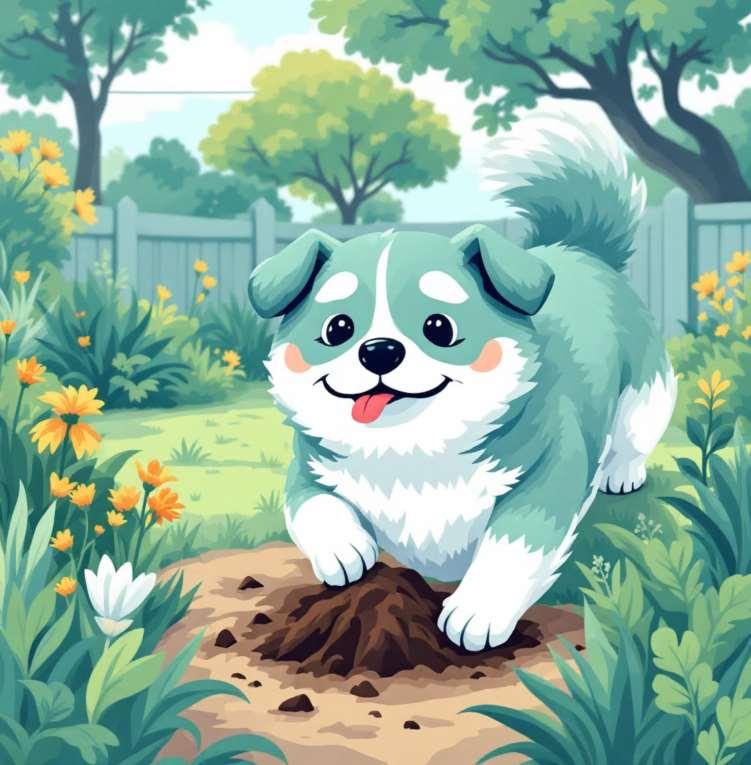
You take your dog outside to play, and suddenly they're digging into the ground and eating soil. It might seem harmless at first, but this behavior often signals something deeper. Soil eating is surprisingly common among dogs, yet it's not something to ignore. Understanding why helps you address the root cause and protect their long-term health.

Nutritional Deficiencies
Dogs may instinctively consume dirt when lacking essential minerals like iron, zinc, or key vitamins their body needs.

Dogs lacking sufficient exercise or mental enrichment may dig and eat soil simply to entertain themselves.

Some dogs explore the world through taste what starts as curiosity can develop into a persistent habit.

Many dogs eat soil to soothe stomach upset, acidity, or nausea caused by digestive issues or parasites.

Stress & Anxiety
Loud noises, moving homes, or separation anxiety can trigger repetitive behaviors like soil eating.

Disorder
In certain cases, soil eating is part of pica, a medical condition causing cravings for non-food items requiring veterinary care.

Occasional licking of mud may not always be harmful, but frequent or intense soil eating poses serious health risks:
Digestive Issues
Stomach upset, vomiting, diarrhea, and intestinal blockage from stones or debris
Parasites & Infections
Worms, bacterial infections, and fungal diseases transmitted through contaminated soil
Toxic Exposure
Pesticides, fertilizers, and harmful chemicals commonly found in treated soil and gardens
Dental Damage
Tooth wear and injury from chewing hard, compacted soil or rocks

Contact your vet if your dog:
• Eats soil daily or compulsively
• Vomits or has diarrhea afterward
• Shows constipation or low appetite
• Has low energy or pale gums
• Craves other non-food items like plastic, paper, or wood
These signs could indicate nutritional deficiencies, digestive disorders, or pica requiring professional attention.
Feed a Balanced, Nutrient-Rich Diet
Support Gut Health
Ensure proper protein, vitamins, minerals, and digestible fiber to address nutritional deficiencies driving the behavior.
Digestive imbalance is a major trigger. Improving digestion with probiotics and quality food significantly reduces soil-eating tendencies.
Increase Physical & Mental Stimulation
Reduce Stress & Anxiety
Create safe spaces, establish routines, play soothing music, and give interactive attention to help anxious dogs.
Supervise Outdoor Play
Redirect your dog when they approach soil. Commands like "Leave it" and "Come" are especially helpful.
Provide playtime, puzzle toys, snuffle mats, tug-of-war, outdoor walks, and socialization to release energy.
Rule Out Parasites
Regular deworming and stool checks keep parasitic causes under control and protect overall health.
Provide Chew Alternatives
Satisfy boredom with safe chew toys, bones, and engaging alternatives to replace the soil-eating habit.
Keep dogs away from gardens with fertilizers, pesticides, or harmful chemicals that pose toxic risks.
Use mulch, ground cover, or barriers in your yard to minimize access to loose dirt and digging temptations.
Create designated areas with grass, gravel, or sand where digging is allowed without turning into soil eating.
Remember: Behavior changes take time consistency and patience matter most.
Why do dogs eat dirt or mud?
The most common reasons include nutritional deficiency, gut discomfort, boredom, anxiety, natural instinct, or medical conditions like pica.
Is soil eating harmful to my dog?
Yes, repeated soil eating can cause infections, parasites, stomach upset, toxic exposure, or intestinal blockages requiring veterinary care.
Will my dog stop eating soil on their own?
Not always. Addressing diet, digestion, enrichment, and stress through consistent care is the best long-term solution.
Can puppies eat soil too?
Yes puppies explore everything with their mouths. However, if the habit continues beyond curiosity, it needs attention and intervention.
What should I do first?
Start by improving nutrition and digestion, then increase mental engagement, physical activity, and outdoor supervision consistently.
Soil eating is a visible behavior, but the real cause is usually internal nutritional imbalance, digestive discomfort, boredom, or emotional triggers.
With the right care, attention, and dietary support, most dogs overcome this habit quickly and safely.
Understanding the root cause not only stops soil eating but also ensures better longterm health and happiness for your beloved companion.