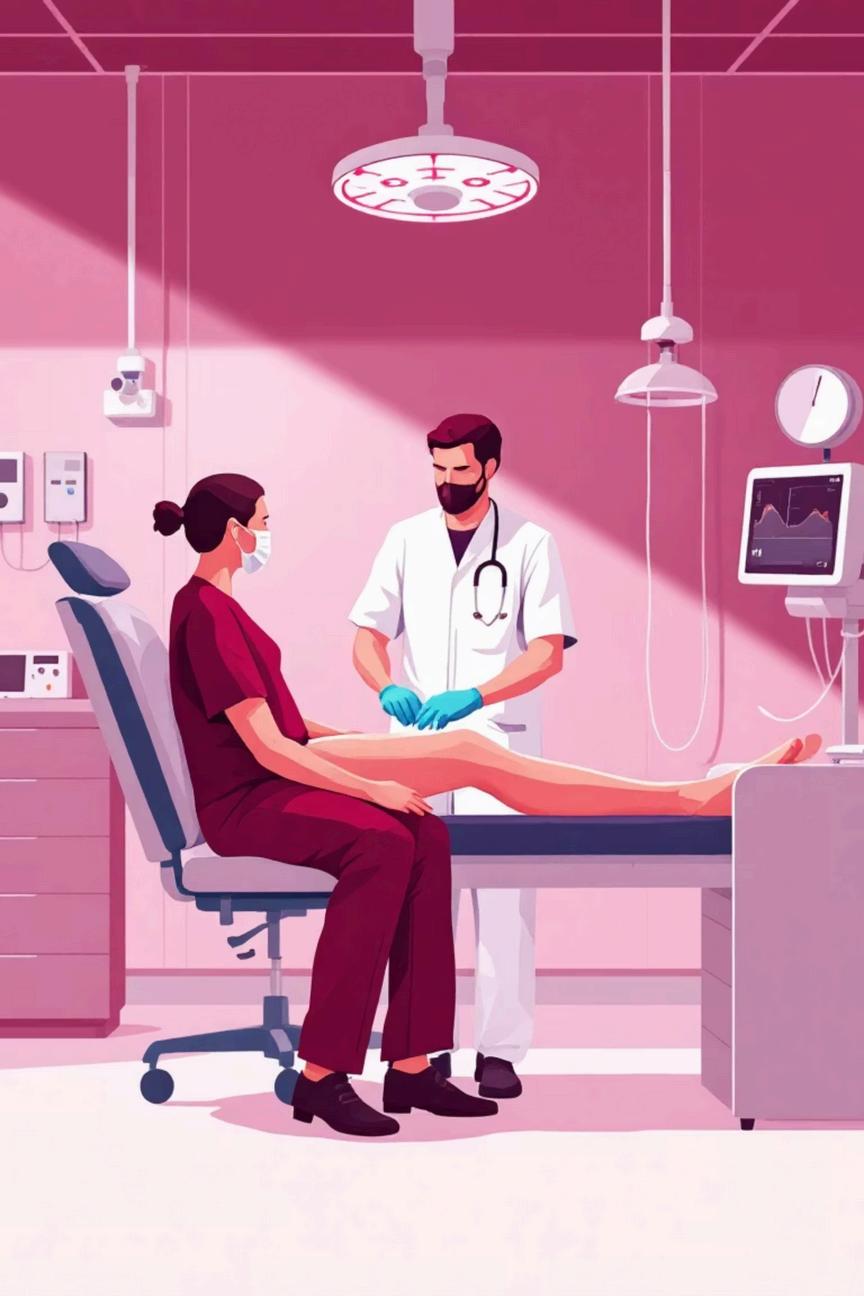

ACL Ligament Reconstruction Surgery in Delhi offers advanced treatment for knee instability and sports injuries. Dr. Nikhil Verma, a trusted orthopedic specialist, provides expert care using modern surgical techniques to help patients regain strength, mobility, and confidence.
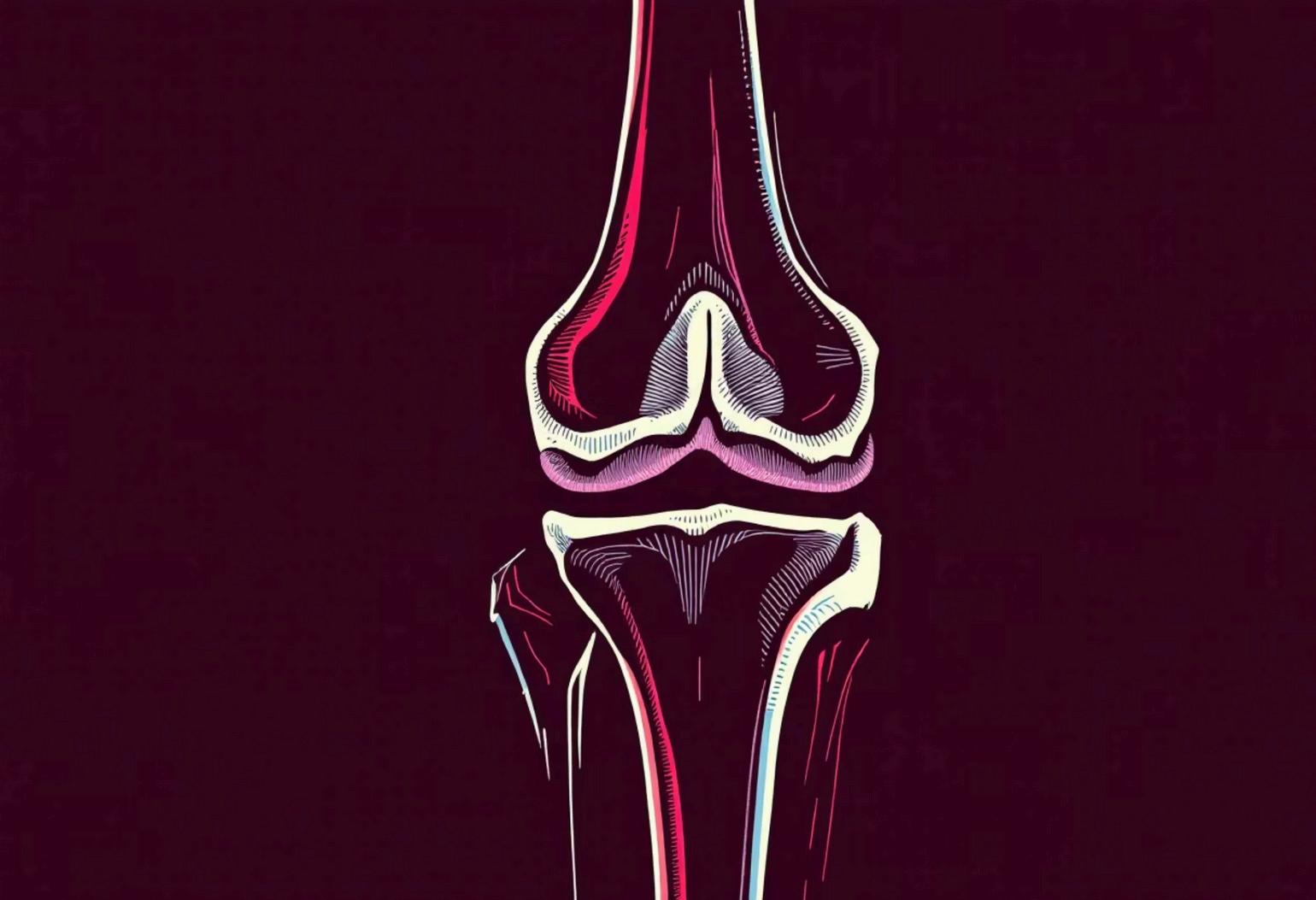
The Anterior Cruciate Ligament (ACL) is a crucial stabiliser in the knee joint, connecting the thigh bone (femur) to the shin bone (tibia). This vital structure prevents excessive forward movement of the tibia and controls rotational stability.
ACL injuries cause significant pain, swelling, and instability, severely limiting daily activities such as walking, running, climbing stairs, and participating in sports. Without proper function, the knee feels unreliable and can give way unexpectedly.

Over 10 years of dedicated practice with more than 500 successful ACL reconstructions performed. Trusted by athletes and active individuals across Delhi.

Elite Training Fellowship-trained in Arthroscopy, Sports Medicine & Joint Replacement in South Korea, bringing international expertise to Delhi.
Consultant at Sant Parmanand Hospital, Delhi, specialising in minimally invasive arthroscopic procedures with state-of-the-art technology.
Contact Sports
Football, basketball, and skiing involve sudden stops, pivoting, and directional changes that stress the ACL beyond its limits.
Trauma Abrupt knee extension, twisting motions, or landing awkwardly from jumps can tear the ligament without direct impact.
Audible popping sound at moment of injury
Rapid swelling within hours
Severe pain and tenderness
Difficulty bearing weight on affected leg
Feeling of knee instability or "giving way"
Reduced range of motion

Mild ACL injuries or partial tears may respond to physical therapy, targeted exercises, bracing, and pain management strategies.
Complete tears or persistent instability typically require ACL reconstruction surgery to restore knee function and prevent further damage.
Early surgical intervention improves long-term knee stability, prevents secondary injuries, and maximises return to sports and active life.

Selecting the appropriate graft type is crucial for surgical success and recovery. Dr. Verma will discuss the best option based on your age, activity level, and personal goals.
Autograft
Source: Patient's own tissue (hamstring, patellar, or quadriceps tendon)
Advantages
Significantly lower infection risk
Superior graft integration with bone
Proven success in athletes
No risk of disease transmission Considerations
Slightly longer surgical time
Donor site pain initially
Potential weakness at harvest site
Source: Donor tissue from a cadaver, carefully screened and processed
Advantages
Shorter operative time
Reduced post-operative pain
No donor site complications
Ideal for revision surgeries Considerations
Slightly higher graft failure rate
Longer biological integration time
Small disease transmission risk
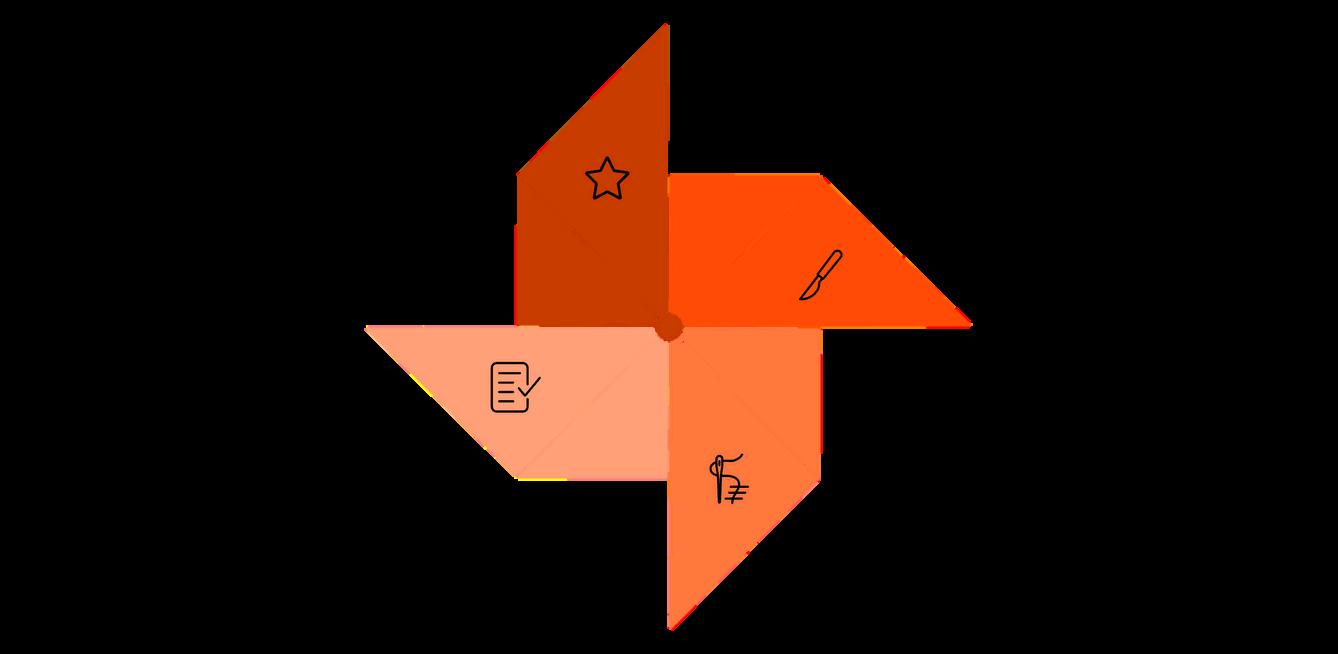
Arthroscopic Exam
Remove Damaged ACL
The procedure utilises advanced arthroscopic technology, requiring only small incisions (typically 3-4mm) through which a tiny camera and specialised instruments are inserted.
Place & Fix Graft
Final Assessment
Dr. Verma's expertise in arthroscopic techniques ensures minimal tissue disruption, reduced scarring, and faster recovery times.
The damaged ACL is carefully removed and replaced with the selected graft. The new ligament is secured using bioabsorbable screws or fixation devices positioned precisely within bone tunnels.
If bone fragments are involved from the injury, these are expertly reattached. The entire surgery is performed under expert anaesthetic care, ensuring patient comfort and safety throughout.

1 Days 1-14
Knee brace and crutches used; weight-bearing as tolerated with brace locked. Ice and elevation control swelling. Pain managed with prescribed medications.
2 Weeks 2-6
Begin physical therapy focusing on range of motion and quadriceps activation. Gradual increase in weight-bearing and mobility exercises.
3 Months 3-6
Progressive strengthening programme. Balance and proprioception training introduced. Sport-specific exercises begin under supervision.
4 Months 6-9
Return to sports with guided rehabilitation. Full strength and stability restored. Maintenance programme established for long-term success.
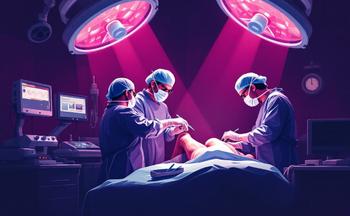
Utilising the most advanced arthroscopic techniques and staying current with the latest international research and surgical innovations.

Every treatment approach is tailored to your unique lifestyle, athletic goals, occupation, and personal circumstances for optimal outcomes.

Consistently restoring athletes and active individuals to full function, with many patients returning to competitive sports and demanding physical activities.

Combining state-of-the-art facilities with compassionate patient care, ensuring comfort and confidence throughout your recovery journey.