
Training Future Heart Specialists Through Case-Based Learning in Interventional Cardiology
By Dr. Jaime Caballero
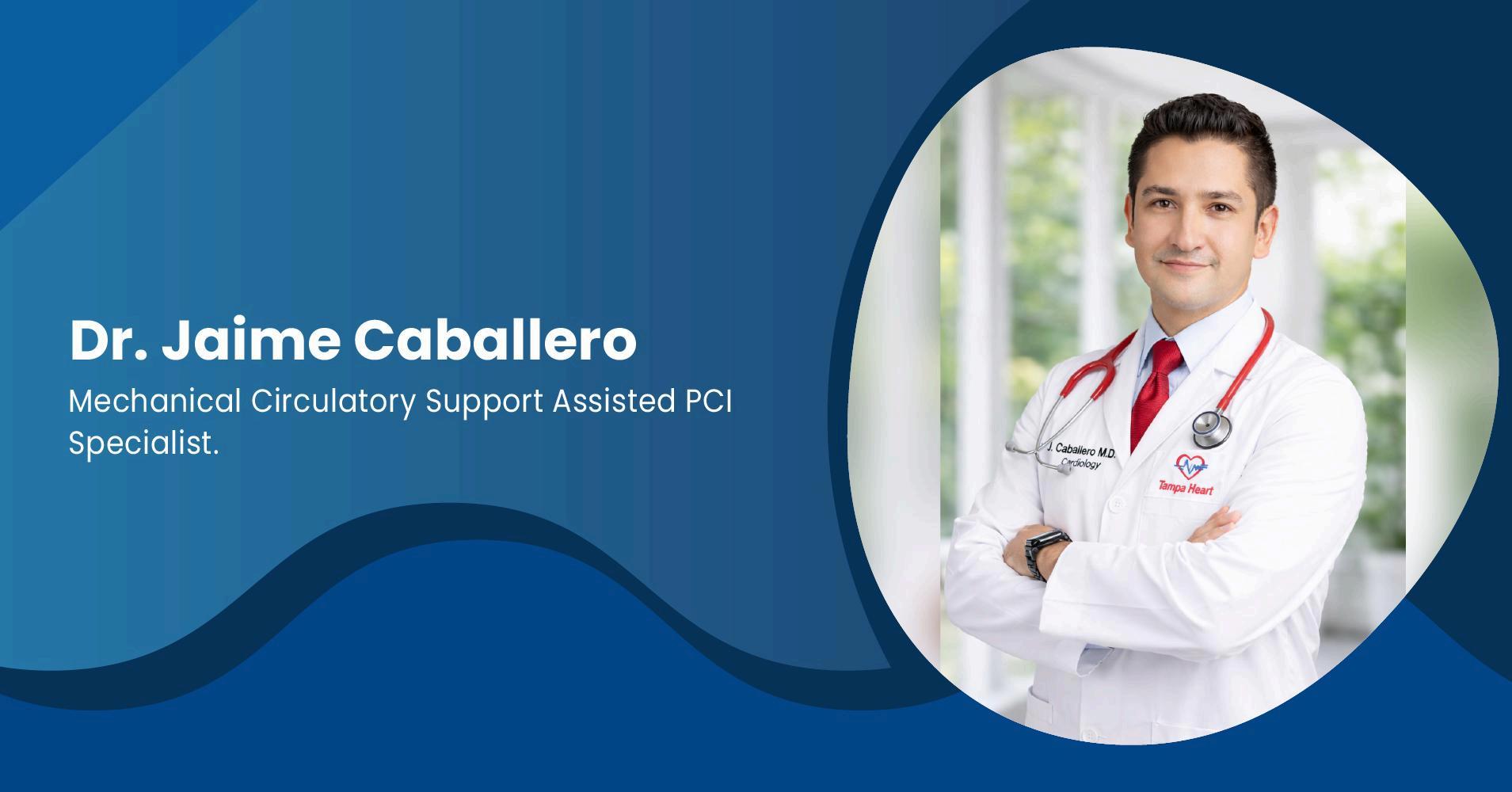
As explained by Dr. Jaime Caballero, modern medicine demands more than memorized knowledge It requires clear thinking, fast judgment, and strong clinical skills This is especially true in heart care One of the most effective ways to prepare young doctors is case-based learning in interventional cardiology. This method helps trainees learn from real patient cases and understand how experts make decisions in complex cases
Interventional cardiology deals with treating heart conditions using minimally invasive procedures Doctors use small tubes, wires, and imaging tools to open blocked arteries or repair damage. These procedures can save lives, but they also require precision and careful planning. Because of this, training must be practical and deeply focused on real-world experience Case-based learning in interventional cardiology provides that foundation
Instead of only studying theory, trainees explore real patient cases They review medical histories, symptoms, diagnostic scans, and treatment outcomes. Then they discuss how the case was handled. This process helps them understand why certain choices were made and what other options may have existed It also helps them see how small details can change the entire treatment plan.
One strong advantage of case-based learning in interventional cardiology is improved decision-making Heart patients often need quick action There is no time to guess By studying real cases, trainees learn how to think under pressure. They practice choosing the best treatment based on limited time and information. This builds confidence and prepares them for real emergencies
Another key benefit is better clinical awareness Every patient is different Age, health history, and risk factors all play a role in treatment decisions Through case-based learning in interventional cardiology, doctors learn to notice these differences. They understand that a treatment that works for one patient may not work for another This helps them provide safer and more personalized care
Communication is also strengthened through this training method In real hospital settings, cardiologists work closely with teams. They talk with nurses, technicians, and other specialists. Case discussions encourage open conversation and shared learning Trainees learn how to explain their ideas clearly and listen to others This teamwork is important for successful procedures.
Medical education continues to evolve, and hands-on learning is becoming increasingly important. Case-based learning in interventional cardiology connects classroom knowledge with real hospital practice It helps young doctors build skills that cannot be learned solely from textbooks
This method prepares stronger, more confident heart specialists It improves patient care, supports better teamwork, and builds safer decision-making. As heart disease remains a major global health issue, training through real cases ensures that the next generation of cardiologists is ready for every challenge they may face