The Pearl Miller Carpel Endowed Fund was created through an estate commitment and will ensure financial resources to showcase the brilliant work created by our students each year. Join us in fostering the next generation of creatives by making your gift today! To make a gift supporting student exhibitions, visit giving.drexel.edu/carpel.
Scan or click here to give.
May 28 - June 13
ARCHITECTURE
DANCE
DESIGN
DIGITAL MEDIA SHOWCASE
FASHION
INDUSTRY & MERCHANDISING
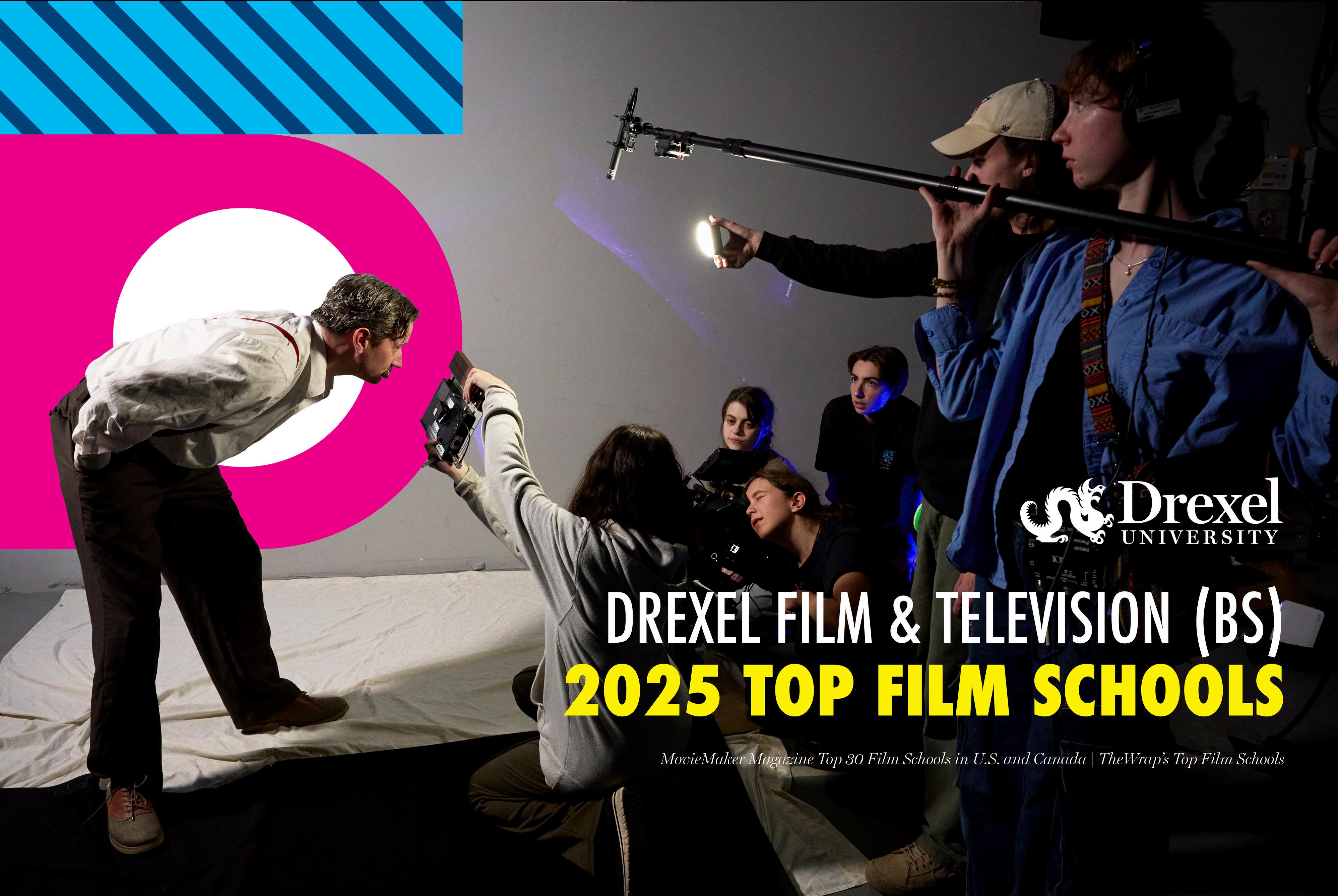
FILM & TELEVISION
GRAPHIC DESIGN
INTERIOR DESIGN
LAWN JAWN
PHOTOGRAPHY
PRODUCT DESIGN
SCREENWRITING & PLAYWRITING
THE GARBAGE GALA
THE DREXEL FASHION SHOW
URBAN STRATEGY
Fall 2025 Highlights
Events and visiting scholars that lit up our halls this quarter.
Breaking the Cycle: Drexel
Students Tackle Menstrual Stigma with VR Project
Immersive media for social change in A Voice from the Hut.
Westphal Winners
Larry Magid: The Live Music Imprint of a City
A conversation across generations with one of Philly’s biggest music legends.
Everyone Deserves
Creativity: A Conversation with Harry Yeff
Artist-in-residence and innovative thought leader Harry Yeff defines “new creative intelligence”
Spotlight on Westphal
Highlighting programs, faculty, staff, students, and alumni who made us proud in 2025. 5 14 10 17 6 21
Students from our Fashion Design, Fashion Industry & Merchandising, and Architecture programs bring home prestigious awards.
FALL 2025 HIGHLIGHTS
The fall quarter kicked off an exciting academic year with a slate of programs and events that affirm Westphal’s research, creativity, scholarship and commitment to advancing a culture of belonging. Here are a few (of many) Fall 2025 highlights:
DREXEL CLIMATE ACTIVATION
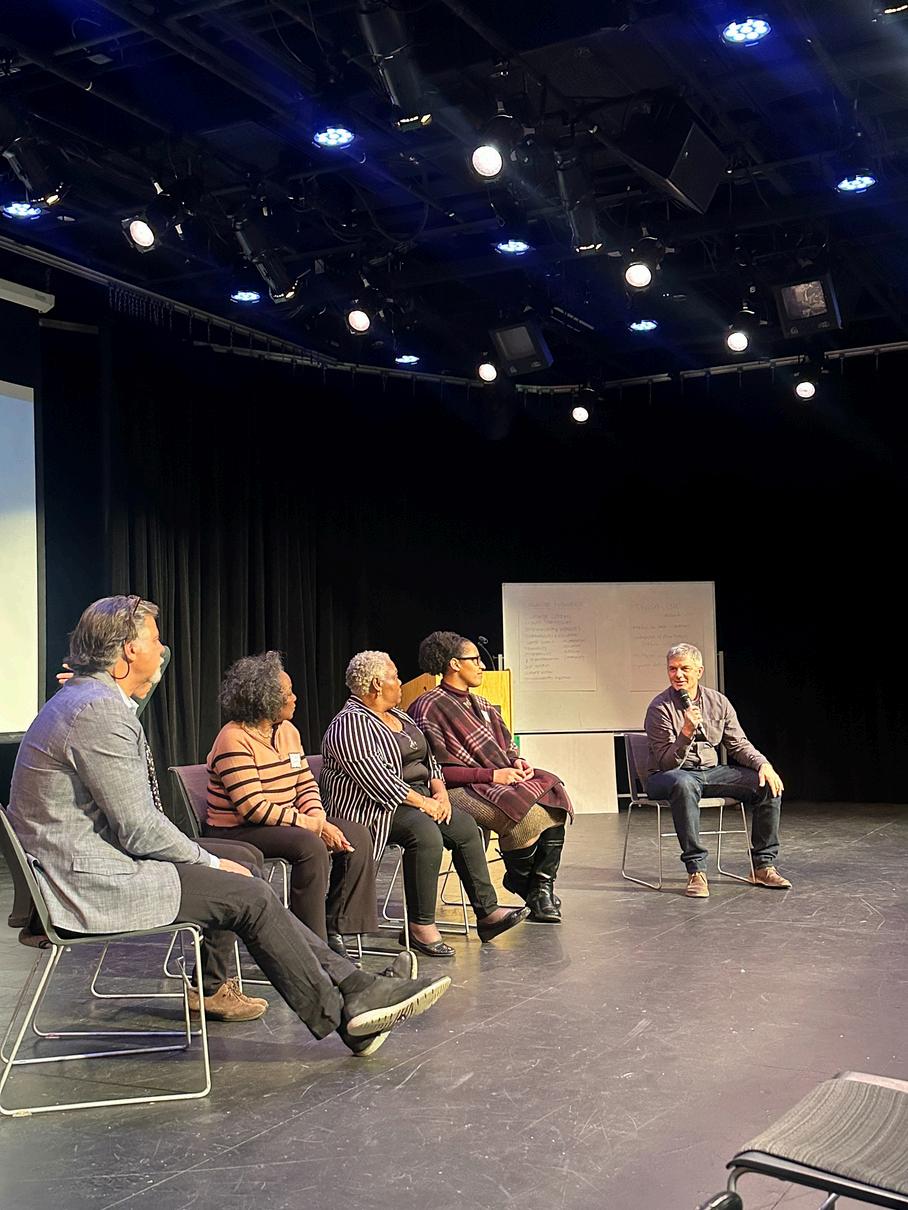
Hosted by Ben Kalina, assistant professor of Film & Television, this interdisciplinary event consisted of workshops, film screenings, and community discussions built to turn climate anxiety into action. Students, faculty and staff from across the Universityalong with Philadelphia leaders and community members - built capacity to contribute to environmental and climate solutions.
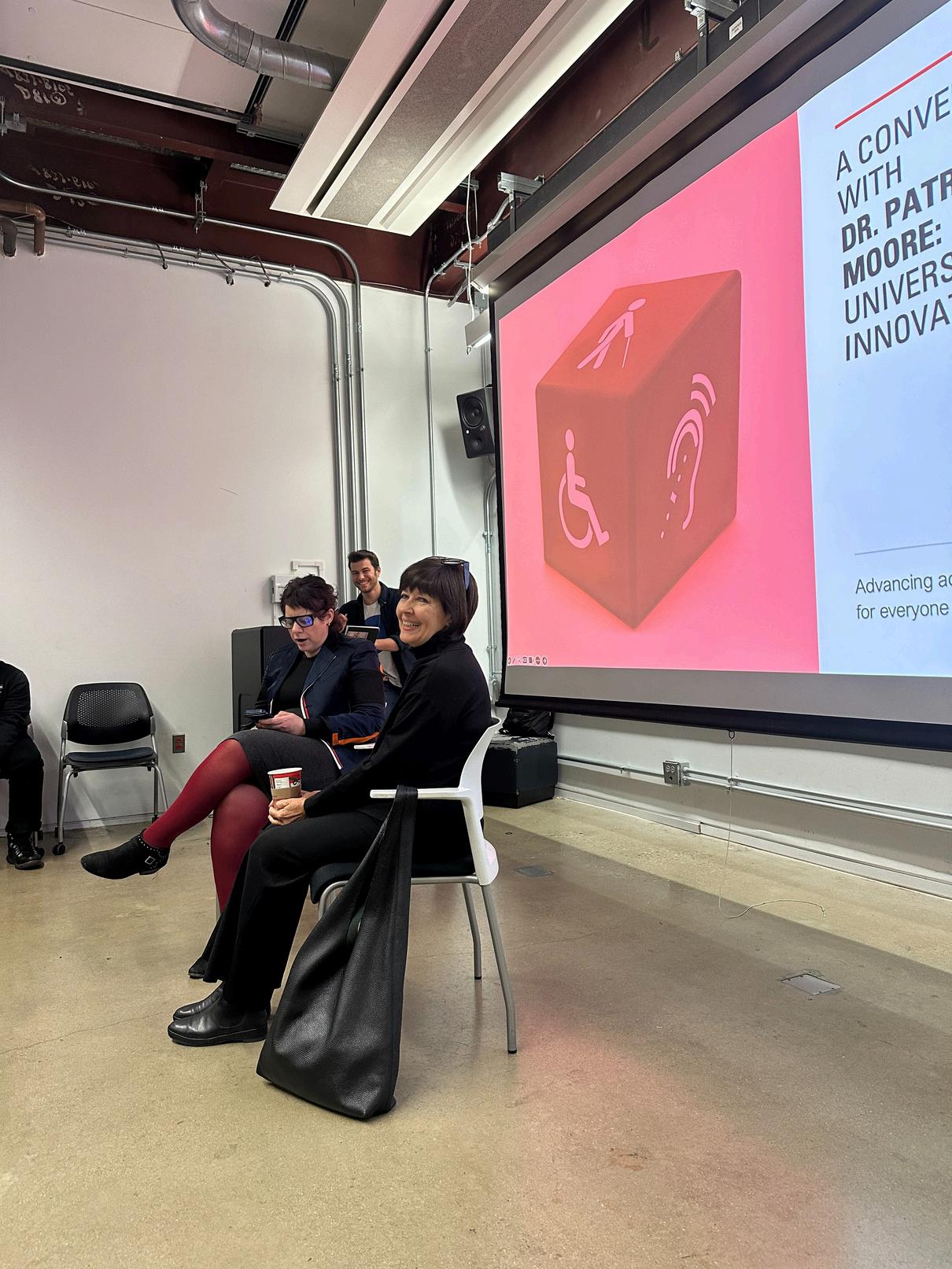
A CONVERSATION WITH DR. PATTIE MOORE
The legendary Dr. Patricia “Pattie” Moore, a founder of Universal Design, visited campus to meet with students and share wisdom from her career in design. With contributions to the Americans with Disabilities Act, design for OXO Good Grips, and countless other products under her belt, Moore’s experimental approach has revolutionized design for aging and every body.
DRAGONS PAY IT FORWARD
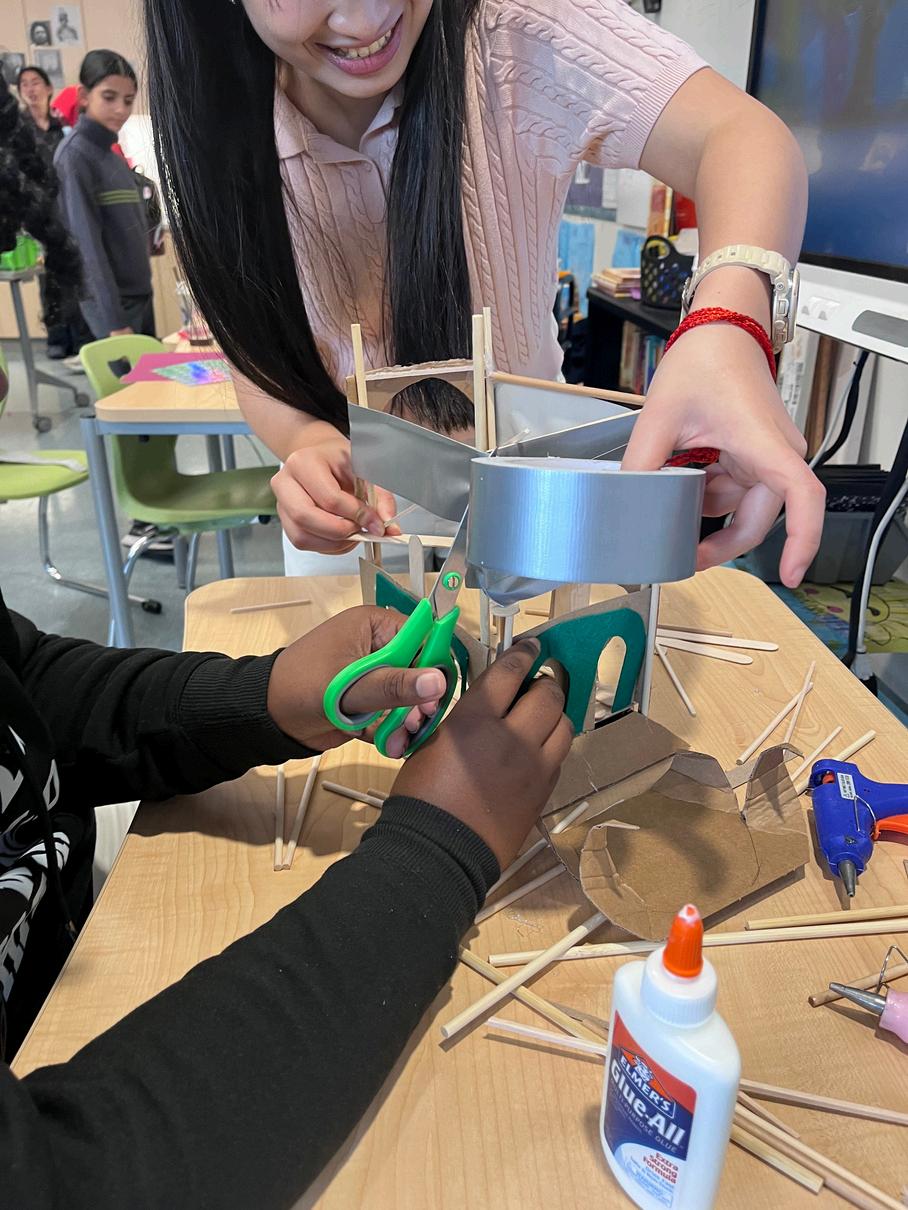
Westphal BRIDGE Scholars hosted workshops with Science Leadership Academy Middle School this year. The Teaching Arts Initiative empowers students from across Westphal’s academic programs to share their craft with the next generation.
ANNUAL ARFAA LECTURE SERIES
Our annual Arfaa Lecture Series kicked off this fall, welcoming design historian Bruce Laverty, founding director of the Philadelphia Architects and Buildings Project and the Greater Philadelphia GeoHistory Network. Laverty examined the integral role of Philadelphia’s builders, engineers and architects in historical celebration - all with an eye toward the 2026 Semiquincentennial. The next Arfaa Lecture will feature Sian Roberts, exploring civic infrastructure and the design of diplomatic facilities.
COLLECTIONS & EXHIBITIONS
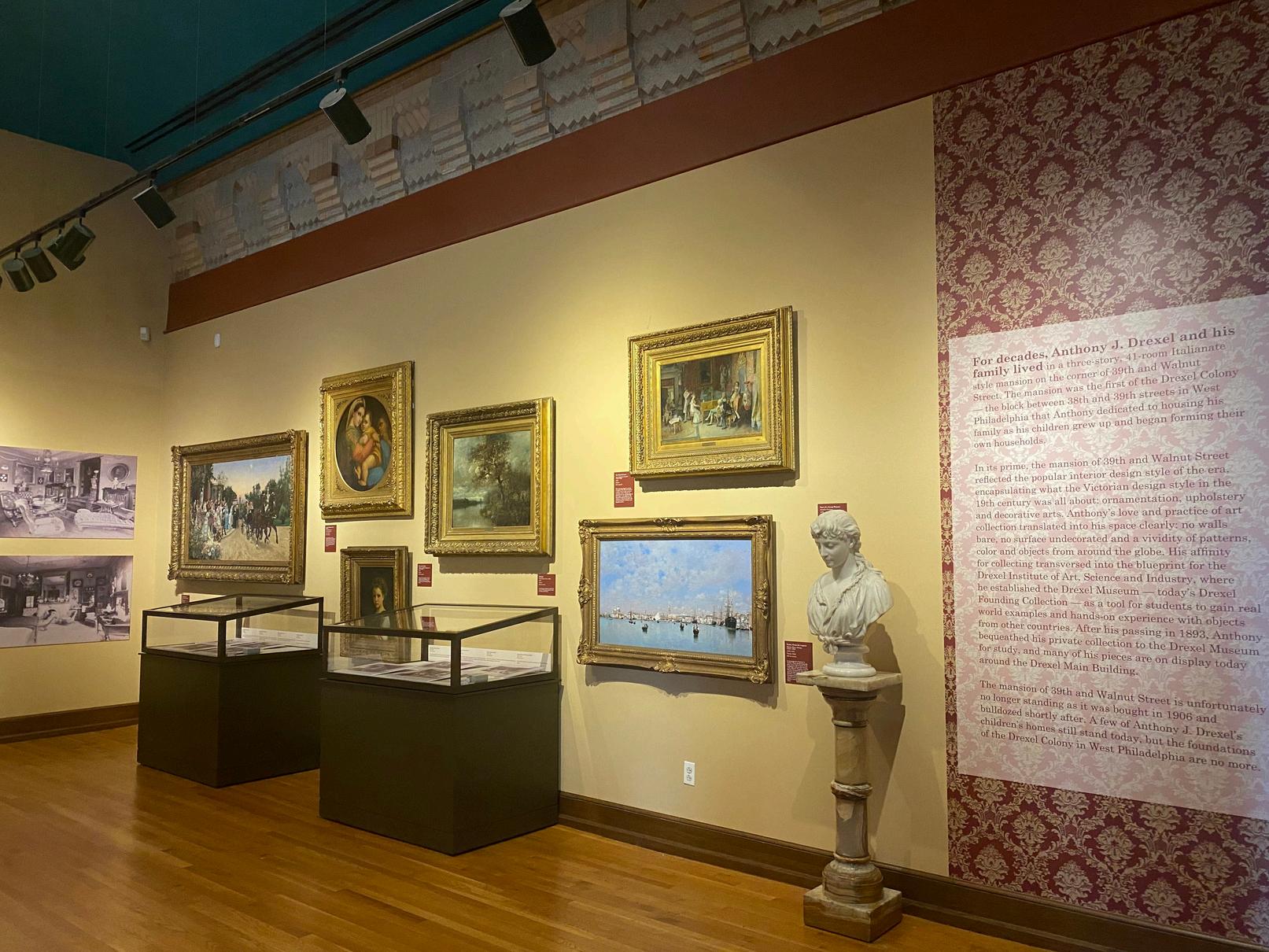
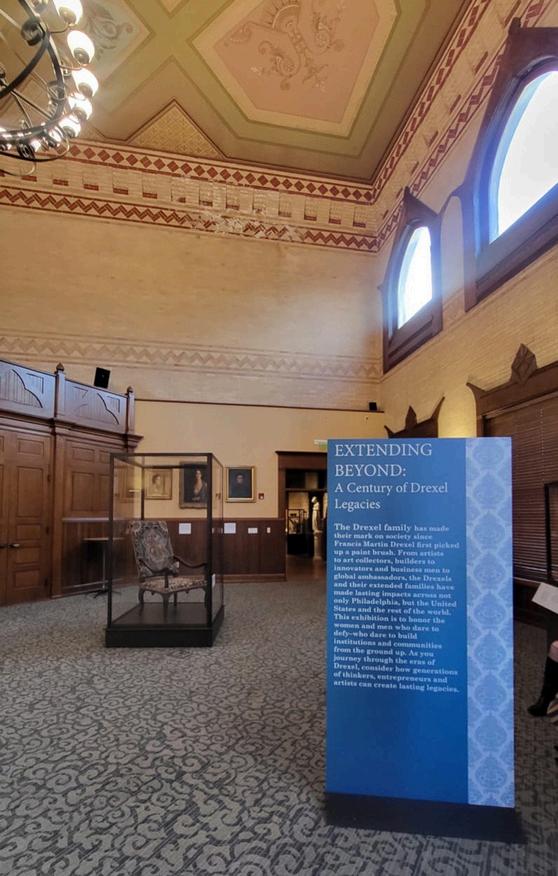
The Leonard Pearlstein Gallery hosted a pair of exhibitions this fall. Digital Twin, a group show curated by Micah Lockman-Fine, a Westphal graduate student, featured the work of 10 artists from the Westphal community. Their pieces explore the creation of digital twins — a digital design tool that creates a virtual translation of live human behavior — asking how these approximated, designed replicas affect humans’ bodies and lives. Heavy Merge, a multimedia installation by sculptor Carolyn Healy and audio-video artist John Phillips, examines the wonders of consciousness and the human brain. Meanwhile, Westphal student Gina Monohan (Arts Administration) curated the exhibition Extending Beyond: A Century of Drexel Legacies for the Drexel Founding Collection.
BREAKING THE CYCLE: DREXEL STUDENTS CHALLENGE MENSTRUAL TABOOS WITH VR STORYTELLING
byLaurelHostakJones
Most of us with female bodies can remember when we got our first period We remember how old we were, the first person we told, how it made us feel anxious? Excited? Embarrassed?
There is a word that is rarely spoken aloud in period product advertisements, informational pamphlets, or health classes, but which nonetheless hovers quietly behind most discourse on menstruation: shame Even in 2025, as mission-driven companies and nonprofits aim to reframe the conversation around periods, it’s still a taboo subject in most circles, clouded by secrecy and stigma. This shame has deep roots, and cultures across the world have handed menstrual taboos – and rites of passage – down the generations.
Prashanna Subedi (Film & Television ’25) recalls growing up in Kathmandu, Nepal, and witnessing how girls and women in his life were treated differently when they bled: they might be restricted from entering the kitchen, from preparing food, or handling the family’s water
“At the time it felt almost normal, because no one ever questions it,” he says
“Though it’s less severe than what happens in chhaupadi ”
Chhaupadi is an ancient practice in Nepal that sends menstruating women and girls to live temporarily in small huts, based on cultural beliefs that they are impure when they bleed
Over the years, it has led to instances of severe physical and emotional harm, including exposure to harsh weather, lack of proper sanitation, snake and wildlife attack, smoke inhalation, and even cases of assault. Though chhaupadi was outlawed by the Supreme Court of Nepal in 2005, the deeply rooted tradition persists, especially in rural and remote regions of Western Nepal.
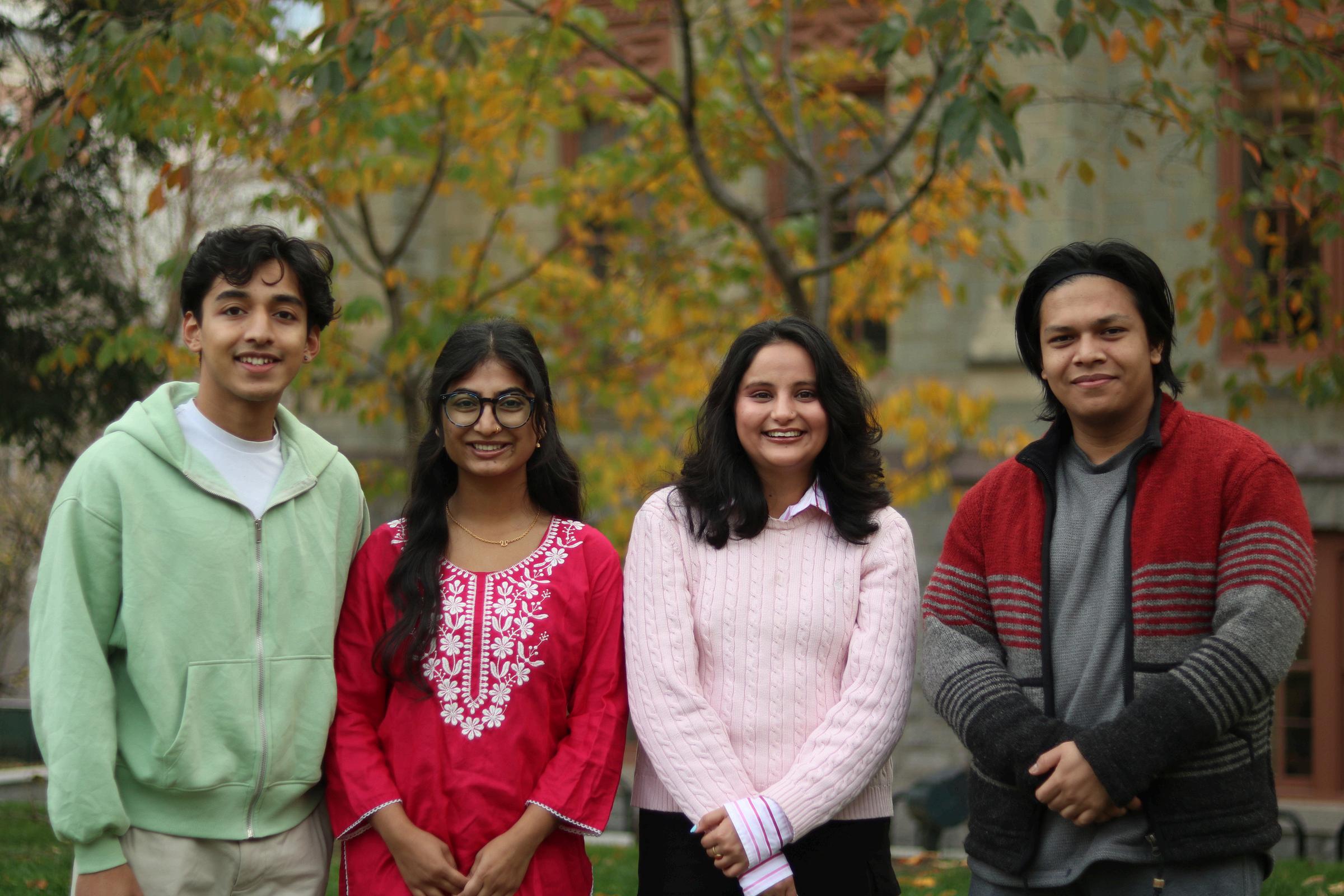
With fellow Nepali student Prasin Shrestha (Game Design & Production ’25) and an interdisciplinary team, Subedi is producing A Voice from the Hut: a virtual reality hybrid documentary that aims to raise awareness about the practice of chhaupadi in Nepal, highlighting the physical and psychological consequences to those affected For Subedi and Shrestha, A Voice from the Hut is both a personal journey and a responsibility to amplify stories from their community
Immersive Media for Social Change
A Voice from the Hut is an animated virtual reality hybrid documentary featuring fictional and non-fictional elements. Set in a rural village of far western Nepal, the story is a first-person VR experience, in which the viewer embodies Priya, a 13-year-old village girl who dreams of becoming a singer
Two days before she is set to participate in a prestigious singing contest, she gets her first period Her father is the head priest of the village – meaning everyone looks up to him to uphold traditions – so he sends her to the hut Here, the viewer will hear Priya’s inner voices, doubts, and internal conflicts as she navigates the chhaupadi practice
“If we were going to make an impact and tell a story that really puts the user into the shoes of our character,” says Shrestha, “VR felt like the best possibility. It’s also a way to showcase our skills in an industry that’s still developing – and represent our country in a way that hasn’t been done before ”
Choosing an experimental medium came with its challenges – as did the choice of subject matter The students extensively researched immersive and interactive storytelling for virtual reality, connecting with professionals in the field and testing different technologies
Subedi and Shrestha expanded their team, bringing in students from across Drexel to lend their expertise: Medhavi Pandit (Economics and Data Science) as narrator, Kris Sell (Film & Television) as sound designer and foley artist, Utsav Chaudhary (Computer Science) as VR consultant, Matthew Lacy (Screenwriting & Playriting) as concept artist, and Tín Tạ (Graphic Design) as concept artist
To develop the story with authenticity and sensitivity, Subedi and Shrestha traveled to Western Nepal for a rigorous fieldwork assignment In partnership with the Nepal office of Days for Girls, an international NGO dedicated to eliminating menstrual stigma and improving girls’ health outcomes, they visited four schools in four different villages, each more remote than the last
The NGO representatives warned them that because of the legal ban on chhaupadi, most villagers were unlikely to speak openly about the practice in their communities. While interviewing students for the documentary aspects of the film, however, they found that many girls were willing to share their perspective.
One encounter stands out among the rest: at a school visit, the documentary team was met with an enthusiastic welcome ceremony The school’s headmaster, they recall, was excited and ready for change
During interviews at the same school, an eighthgrade girl invited Subedi, Shrestha, and their NGO partners to visit her home in the village When asked if she had a chhaupadi hut, she initially offered to take the team to see the hut her family shared with four or five other household. At some point during the ten-minute walk to the hut, however, the girl became uncomfortable, worrying that her grandfather would be angry if he found out what she was doing
“We said ‘we won’t go to the hut,’” Subedi recalls, “‘We’ll just say hi to your grandfather and leave ’” When they returned to the house, the girl’s grandfather was the headmaster from the school – the same man who had, earlier that day, seemed so enthusiastic about leaving the tradition of chhaupadi behind
“We saw how deeply engrained this practice is,” Subedi says, “and how difficult it is to bring change when the community leaders themselves are having a hard time letting go.”
Shrestha and Subedi are conscious that there is considerable nuance to the subject matter of their project The roots of chhaupadi are firmly entrenched in the culture, and the people of Nepal have widely varying perceptions of the practice The team’s firsthand observations of their own families in Kathmandu – and the people of the villages they visited – added depth and complexity to the script The instance with the headmaster, especially, brought dimension to the perspectives of characters surrounding the film’s protagonist, Priya.
“When we initially wrote the script, we ended up villainizing the parents a bit too much for forcing Priya into the hut,” says Shrestha, “but we realized there’s no point in villainizing them. They’re part of this environment ”
“It just didn’t feel authentic as we went,” Subedi elaborates “We wanted to humanize them The mom loves her child She spent her whole life in that society, and she was probably rebellious too, when this first happened to her. The dad still symbolizes the patriarchy of the society, but we don’t want to villainize him either.”
The team recognizes that change doesn’t always happen with one individual – often, it requires community effort, education, and collective action
Impact in the Classroom and Beyond
A Voice from the Hut has, in the words of its creators, two audiences: first, the Western audience, where VR is most accessible, and the film has the best chance at reaching the most people They want to show a Nepali story to the Western world, see how it’s received, and inspire interest in its further development.
The next step is to localize the film into the Nepali language, specifically the regional dialects of rural villages, for deployment as an educational tool.
“There are a lot of awareness campaigns against chhaupadi,” says Subedi, “but oftentimes it’s a traditional pamphlet or training session We would add VR to this existing awareness campaign Especially for boys, allowing them to experience firsthand what their female classmates experience, we think that really has the potential for change ”
A Voice from the Hut is already making waves in the world, garnering international press and viral status on TikTok. Meanwhile, the team continues to fundraise on GoFundMe to support investments in experimental technologies and consultation with VR experts. You can learn more about the project and explore 3D samples on their website
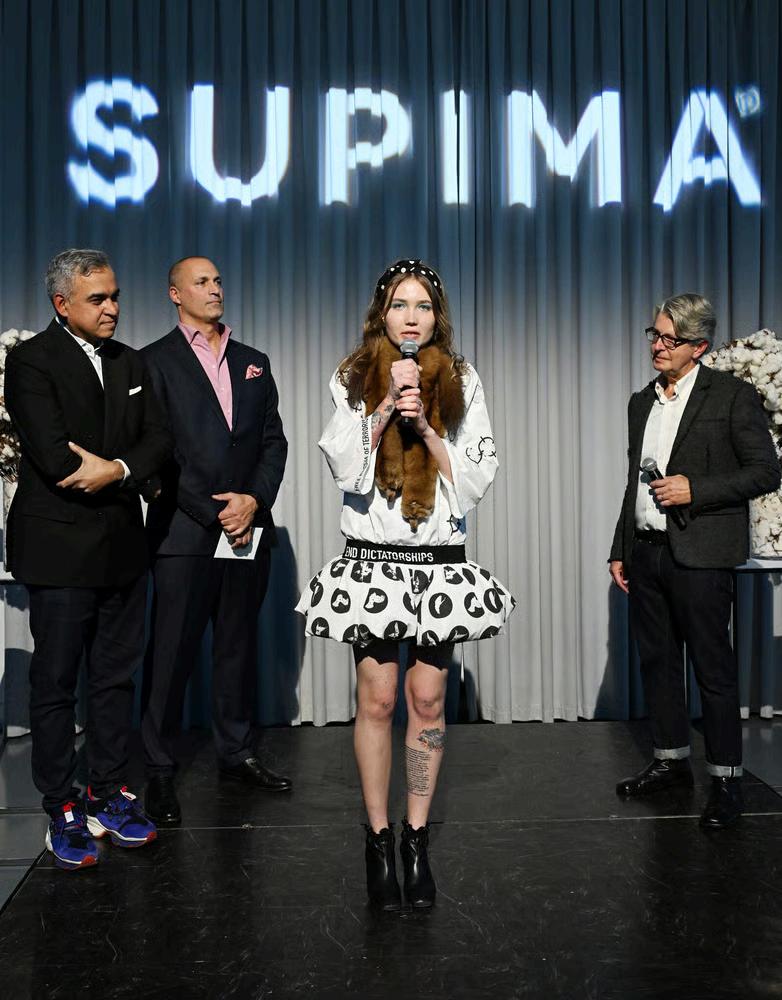
Varvara “Bobby” Diakonenkova, a student in the Fashion Design program, has been named the winner of the 2025 Supima Design Competition, one of the most respected showcases for emerging designers. Announced at the first-ever Supima Design Lab event in New York City, Diakonenkova’s eveningwear collection - crafted entirely from premium American-grown Pima cotton - captivated judges with its technical mastery, originality, and thoughtful narrative approach
In her collection, Diakonenkova drew inspiration from fine art and her personal and cultural memory From her Siberian heritage to contemporary design, every silhouette tells a story of survival, strength, and enduring artistry
Diakonenkova’s win continues Drexel’s reputation for cultivating forward-thinking designers who push the boundaries of material and meaning Her collection, which explored themes of identity and resilience through intricate manipulation of Supima cotton, earned her a $10,000 prize and significant visibility within the fashion industry. It also serves as an inspiring example for future Drexel designers, reinforcing the program’s commitment to innovation, excellence, and bold creative expression
Diakonenkova joins past winners from Drexel Carla Pierini (‘23), Amanda Forastieri (’20), and Gina Guo (‘19)
DREXEL SENIORS NAMED TOP FINALISTS FOR 2026 NRF FOUNDATION NEXT GENERATION SCHOLARSHIP
Drexel University is proud to announce that two seniors in its Fashion Industry & Merchandising (FIM) program, Madison-Jade Bishop and Emme Serafino, have been named among the top five national finalists for the 2026 NRF Foundation Next Generation Scholarship, one of the most prestigious undergraduate awards in the retail and fashion industry
The Next Generation Scholarship is the NRF Foundation’s premier program for students pursuing careers in retail Finalists are selected through a highly competitive, multi-stage process that includes a summer case study in partnership with Crate & Barrel, multiple interviews with retail professionals and NRF representatives, and evaluation of each student’s leadership potential and vision for the future of the industry
As national finalists, Bishop and Serafino have earned distinguished recognition for their creativity, industry insight, and leadership promise. Each finalist receives a $10,000 tuition scholarship and remains in consideration for the Foundation's top award a $25,000 tuition scholarship, which will be announced on stage at the NRF Foundation Honors Gala in New York City on January 11, 2026. All five finalists will be honored at the event as exceptional emerging leaders shaping the future of retail.
Congratulations to Madison-Jade and Emme on this extraordinary achievement!
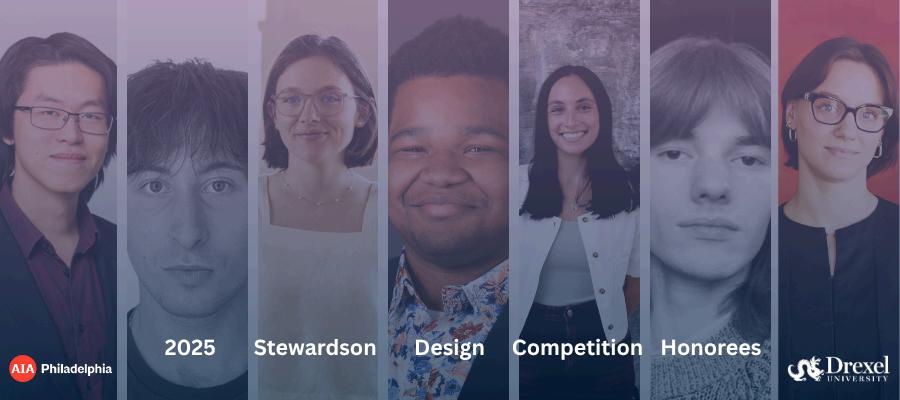
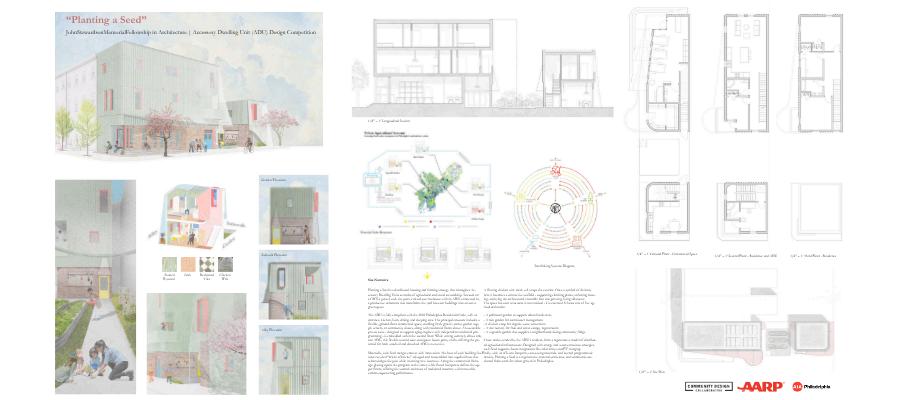
Drexel University Architecture students and alumni have been recognized among the top innovators in the 2025 John Stewardson Memorial Fellowship in Architecture Design Competition, a statewide challenge that has inspired generations of young architects for more than a century Organized in partnership with AIA Philadelphia and the Community Design Collaborative, this year’s competition was part of the citywide initiative Finding Philadelphia’s Missing Middle Housing Participants were asked to reimagine how Accessory Dwelling Units (ADUs) could expand affordable housing, strengthen communities, and support sustainable development Of the seven projects honored statewide including five winners and two honorable mentions three were led by Drexel students and recent alumni, showcasing the University’s outsized impact on the future of the profession
DREXEL’S AWARD-WINNING PROJECTS
“Planting a Seed” Winner
Adeniyi Onanuga (‘25), Alexander Puerto (‘25), and Colin Cooper (Student)
This project proposed a mixed-use ADU concept that integrates shared green commons and climate-adaptive infrastructure By addressing both social and ecological needs, it creates a model for aging-in-place and sustainable community building
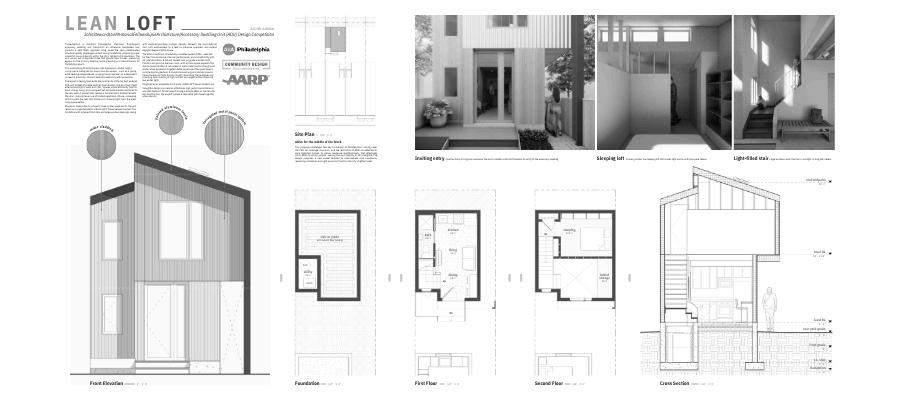
“Lean Loft” Winner
Rachel Sasson (‘24)
Designed for narrow urban backyards, this compact ADU uses modular construction and high-performance materials to create flexible, light-filled living spaces Its approach demonstrates how thoughtful design can thrive within tight site constraints
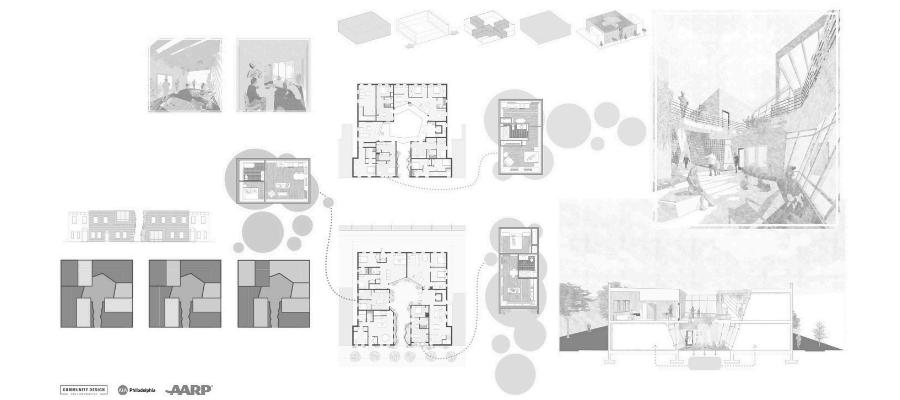
“We’re Halfway There” Honorable Mention
David Liu (‘23), Julia Zephyr Martin (‘23), and Naomi Noack (Student)
This team proposed an adaptable housing model that balances affordability with community integration, highlighting new pathways for inclusive urban living Together, these projects reflect Drexel’s commitment to architectural education that blends technical skill, creative innovation, and social responsibility
“Planting a Seed”
ABOUT THE STEWARDSON COMPETITION
Founded in 1896 following the tragic death of architect John Stewardson, the competition has long celebrated young designers and their contributions to architectural discourse Stewardson’s peers established the fellowship to support architectural study abroad, and the competition has since become one of Pennsylvania’s most respected forums for emerging architects Eligibility this year extended to students nearing completion of a professional degree at accredited programs in Pennsylvania, as well as alumni who graduated since 2020 In a move to increase inclusivity, entry fees were waived, and both individual and team submissions were welcomed
The 2025 challenge focused on Accessory Dwelling Units (ADUs) secondary residential units on the same lot as a primary home While ADUs are often small, they hold significant potential for increasing density, affordability, and flexibility in urban housing
We re Halfway There
The competition required participants to reconcile multiple goals at once:
Promote Equity: Ensuring access for aging residents, multigenerational families, and low- to moderateincome households
Advance Sustainability: Through climate-conscious materials and resilient design strategies
Strengthen Community: Designing solutions that blend seamlessly into existing neighborhoods
“Lean Loft”
“The Stewardson Competition is one of the most respected platforms for emerging architects in Pennsylvania. I’m excited to see Drexel students and alumni so strongly represented among this year’s winners,” said Ulrike Altenmüller-Lewis, Head of the Department of Architecture, Design & Urbanism "Their projects highlight what makes our program unique: a commitment to design that is both imaginative and socially responsive These awards affirm the incredible talent and dedication of our students and the impact they are ready to make in the profession and in communities.”
Andrew Phillips, Program Director for Architecture, echoed that pride: “As a past participant and awardee of this venerable competition, our students' success is especially meaningful They demonstrate our program's commitment to tackling real-world challenges - affordability, equity, community, and sustainability - with serious rigor, creativity, and beauty Our students practice what they speak ”
LARRY MAGID
TheLiveMusic ImprintofaCity
A CONVERSATION ACROSS GENERATIONS
Live performance is one of the most fleeting forms of art: a few hours of shared sound, sweat, and electricity that dissipates the moment the lights come up And yet those nights those rooms shape how entire generations understand music
Few people have shaped what live music feels like in Philadelphia more than Larry Magid.
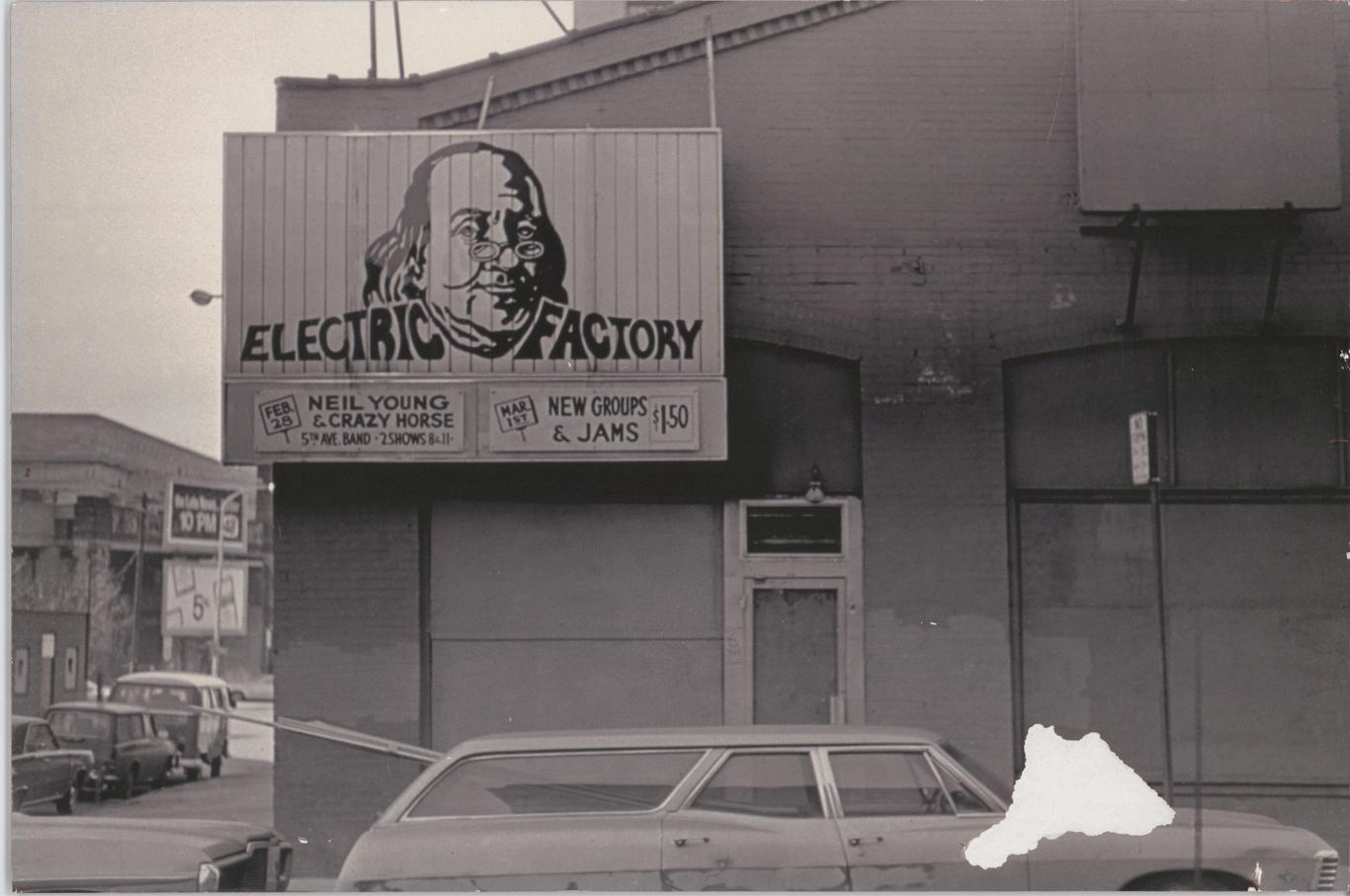
For many of our Music Industry program (MIP) students emerging artists, producers, engineers, concert professionals and entrepreneurs Magid’s name is wrapped up in the mythology of Philadelphia music. As co-founder of the Electric Factory, the iconic underground venue that opened in 1968, Magid helped usher artists like Bruce Springsteen, Janis Joplin, Jimi Hendrix, Cream, The Who, and countless others into the city’s cultural bloodstream.
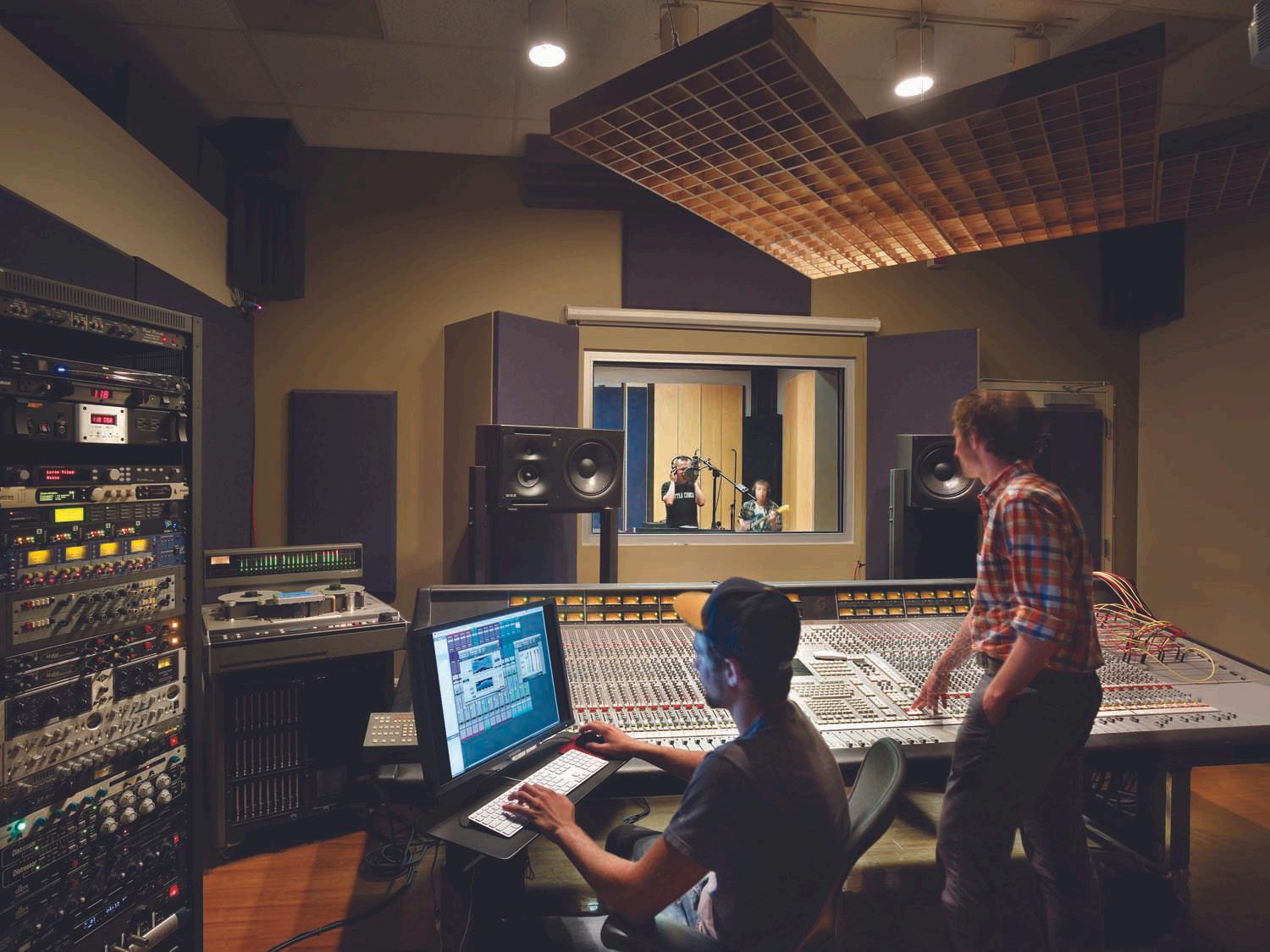
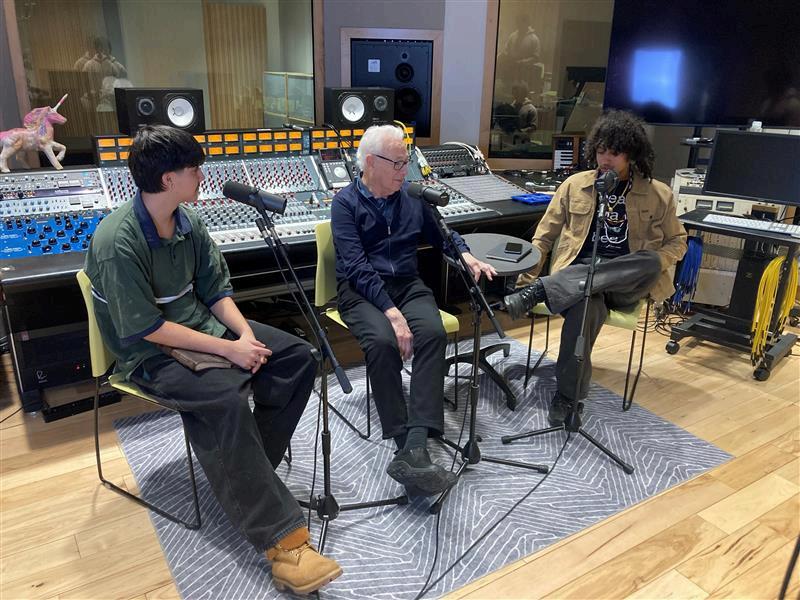
Music Industry (MIP) students Xander Blake and Derek Uceta interviewing Larry Magid in MIP's Studio One
Transcending the single venue, Electric Factory Concerts quickly became the premiere concert producer on the East Coast EFC co-produced the global Live Aid concert in 1985, cementing Magid’s legacy as one of the most influential concert promoters in the world. This journey was widely celebrated by the Drexel Founding Collection’s 2023 exhibition:Electrified: 50 Years of Electric Factory.
Larry Magid has spent more than five decades shaping what live music looks like, feels like, and means in Philadelphia But when he walked into Drexel’s Music Studio classroom to meet with students this year, it wasn’t as a legend It was as a mentor
A Conversation Across Generations
When MIP students Derek Uceta and Xander Blake sat down to interview Larry Magid, they expected stories Maybe a few industry secrets What surprised them most was how open, grounded, and candid he was
“He spoke with the casual confidence of someone who has lived many lives,” Uceta reflected, “but still remembers what it means to hustle. It felt like touching the live wire of music history.”
Across the conversation, Magid traced a career shaped by curiosity and persistence: discovering R&B radio as a kid, sneaking into radio stations as a teenager, booking fraternity bands while attending Temple University, moving to New York City to work as an agent, and returning home to help build The Electric Factory just as counterculture music was exploding
Magid talked about the early days of the Electric Factory a building covered in DayGlo murals; $3 tickets; two shows a night; crowds lining up 22nd Street; the Janis Joplin or Hendrix concert that felt like it could crack the walls open
He talked about the police raids, the curfew laws, the year-and-a-half legal battle that the Electric Factory fought and won on First Amendment grounds If they had lost and been forced to close the venue, Magid told students, “the music business might not look like it does today.”
This wasn’t just a historical conversation. It was a reminder that young people are the drivers behind nearly every music scene and cultural movement – then and now
The Book That Holds a City’s Sound Magid recently released the second edition of The Philadelphia Music Book: Sounds of a City a visually rich, 300-plus page love letter to the music scenes that shaped Philadelphia It chronicles jazz, gospel, soul, R&B, rock, punk, club music, hip-hop, EDM; it maps the venues, radio personalities, promoters, and cultural movements that gave each era its pulse Contributors include Drexel’s own Brent White and James McKinney, themselves living legends in Philadelphia music
For Drexel, the book resonates deeply with the Sigma Sound Studios Collection a cornerstone of the Drexel Audio Archivesand home to more than 7,000 tapes documenting the emergence of the “Sound of Philadelphia." Students in Drexel’s Music Industry program actively study, preserve, catalog, and contextualize this material
If Sigma gives students access to theraw audio DNAof the city, Magid’s book provides the context the neighborhoods, the artists, the scenes, the people behind the music (Drexel MIP has received several copies of the book for its curriculum, thanks to Magid)
Together, the Archives and the book contribute to a powerful educational ecosystem one rooted in history but oriented toward future creators
What Matters Most
When asked what he wants his legacy to be, Magid waved the idea away Magid is content in knowing that he embodied his love of music through his work, exposed people to art they wouldn’t have otherwise found, and worked hard enough to support his family.
“At some point nobody’s going to know or care who I was,” he said. “And that’s fine. My legacy is being here. It’s giving people like you a chance to find your place ”
His advice to students was simple:
“Keep doing what makes you happy If you want your dreams to come true, you have to have the courage to pursue them ”
For Xander Blake, Derek Uceta and the future industry professionals listening from behind the cameras, that message was more than encouragement it was a blueprint
For Magid, Why Drexel
Magid has spent years working with universities, but he reflected on the uniqueness of Drexel’s approach to experiential education.
“I love Drexel. I love the [Music Industry] program. This is where the next generation of people in the music business comes from.”
He talked about how the industry has changed and how programs like Drexel MIP offer something he never had: structure, mentorship, and a community of makers
“When I started, there were no teachers You just worked,” he said “Here, you get value You learn how to market, produce, promote It gives you a step up You better be smart in any business if you want to get ahead,” he told students “Programs like this make you more viable ”
At Drexel, that viability is built through intensive hands-on learning: a student-run record labels, concert production, audio preservation, research in our archives, and real-world work experiences across the industry Magid’s visit reminded students that the path from passion to profession is rarely linear but always possible when fueled by curiosity, integrity, and a willingness to work hard.
A Story Still Being Written
The Philadelphia Music Book captures this city’s vibrant music history just as Drexel’s archives preserve the sound of that past Even as the cultural landscape of the city shifts, and the music industry adapts to new voices, trends, and technologies, that context shapes the forward-thinking curriculum of the Music Industry program Standing on the shoulders of giants, like Larry Magid, Drexel students can dream wildly into the future of the creative industries
The full conversation is available to watch on YouTube and it anchors this story about legacy, education, preservation, and the future of Philadelphia’s creative music culture
“Everyone Deserves Creativity”:
A Conversation with Mandell Artist-in-Residence HarryYeff
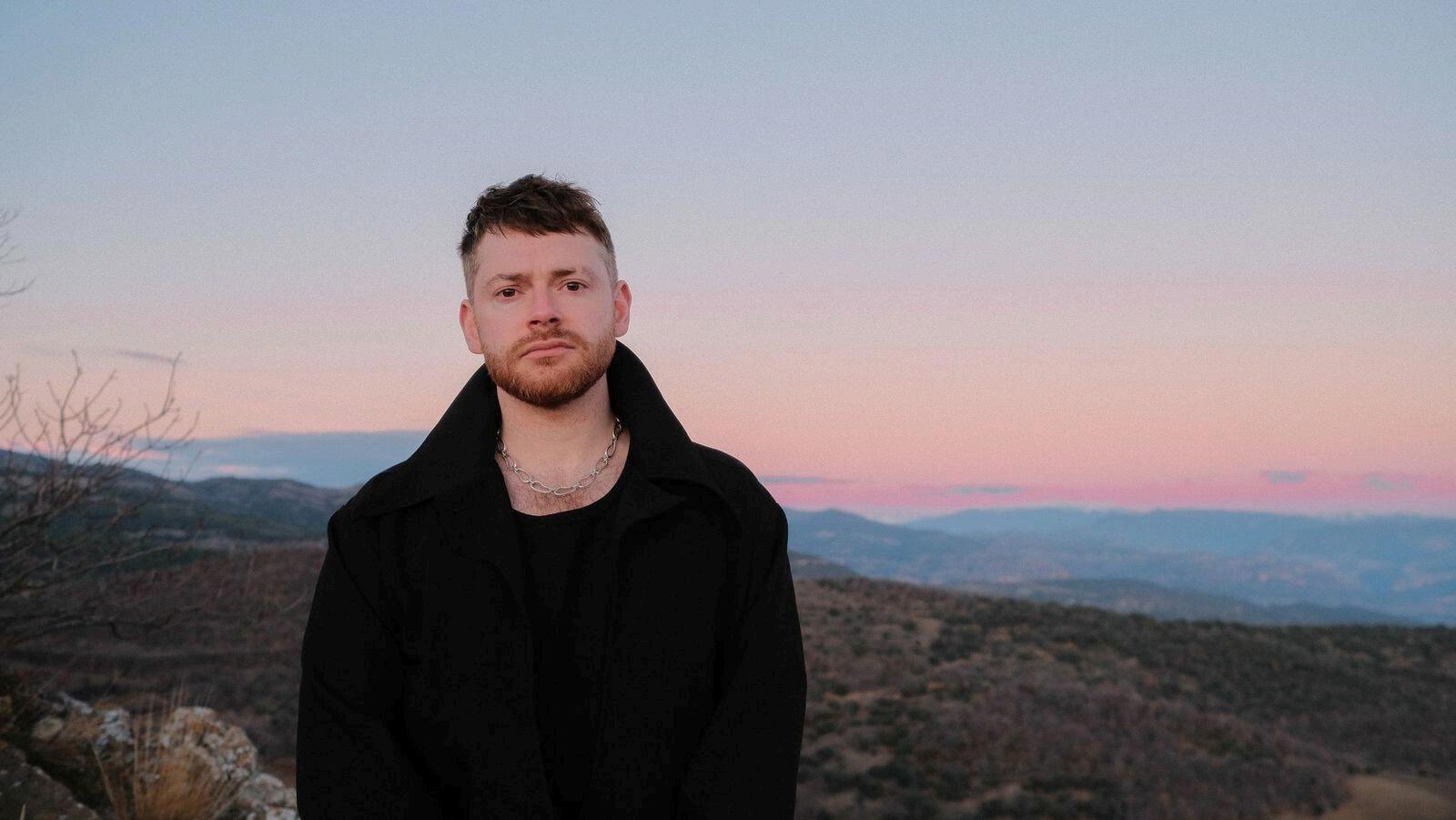
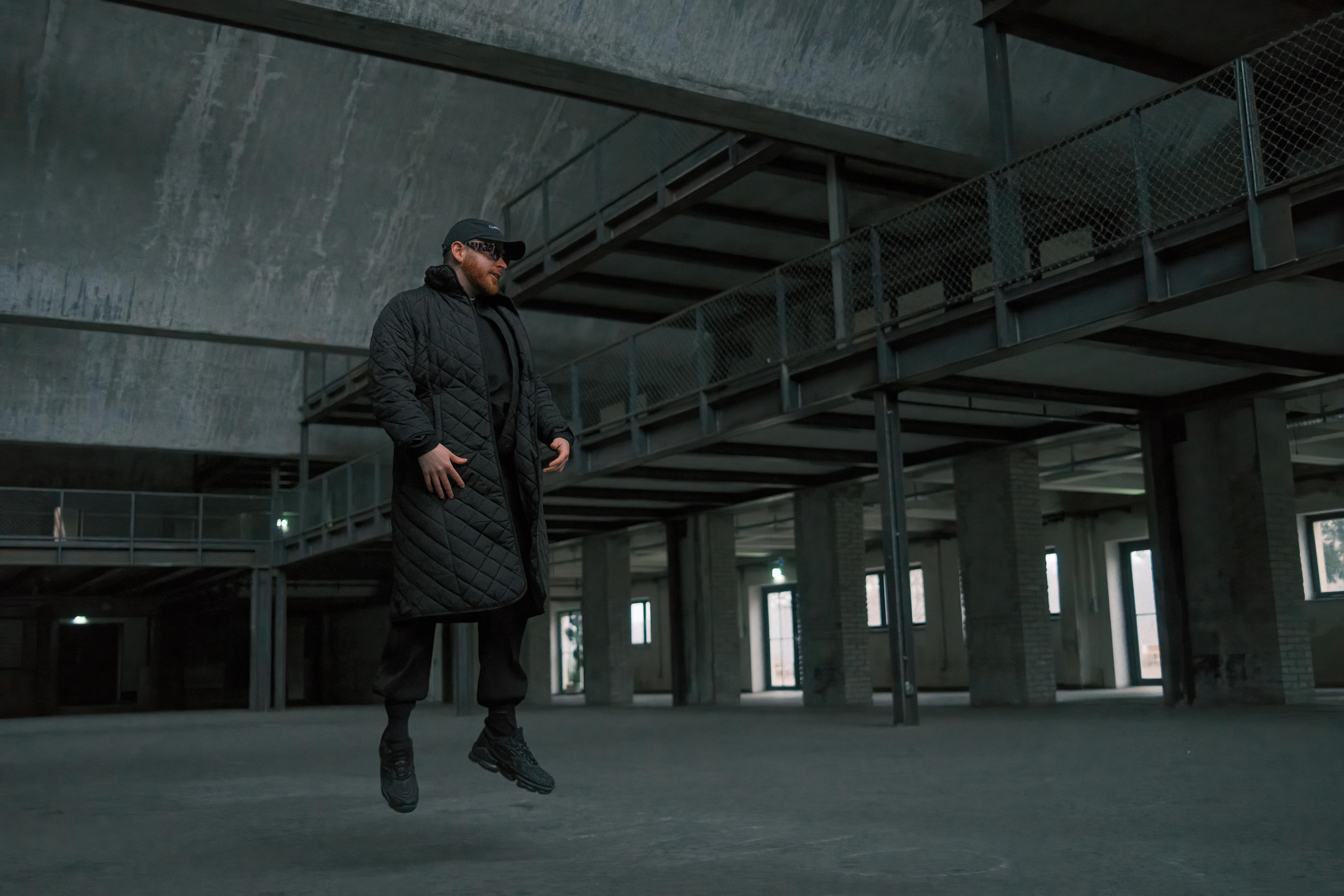
Harry Yeff (aka Reeps100) is a London-born, neuro-divergent artist and technologist specializing in voice, artificial intelligence, and tech-based performance art Yeff's work pushes the boundaries of human expression and expands the creative horizon, while laying a foundation for future-forward, human-centered collaboration in an increasingly digital world
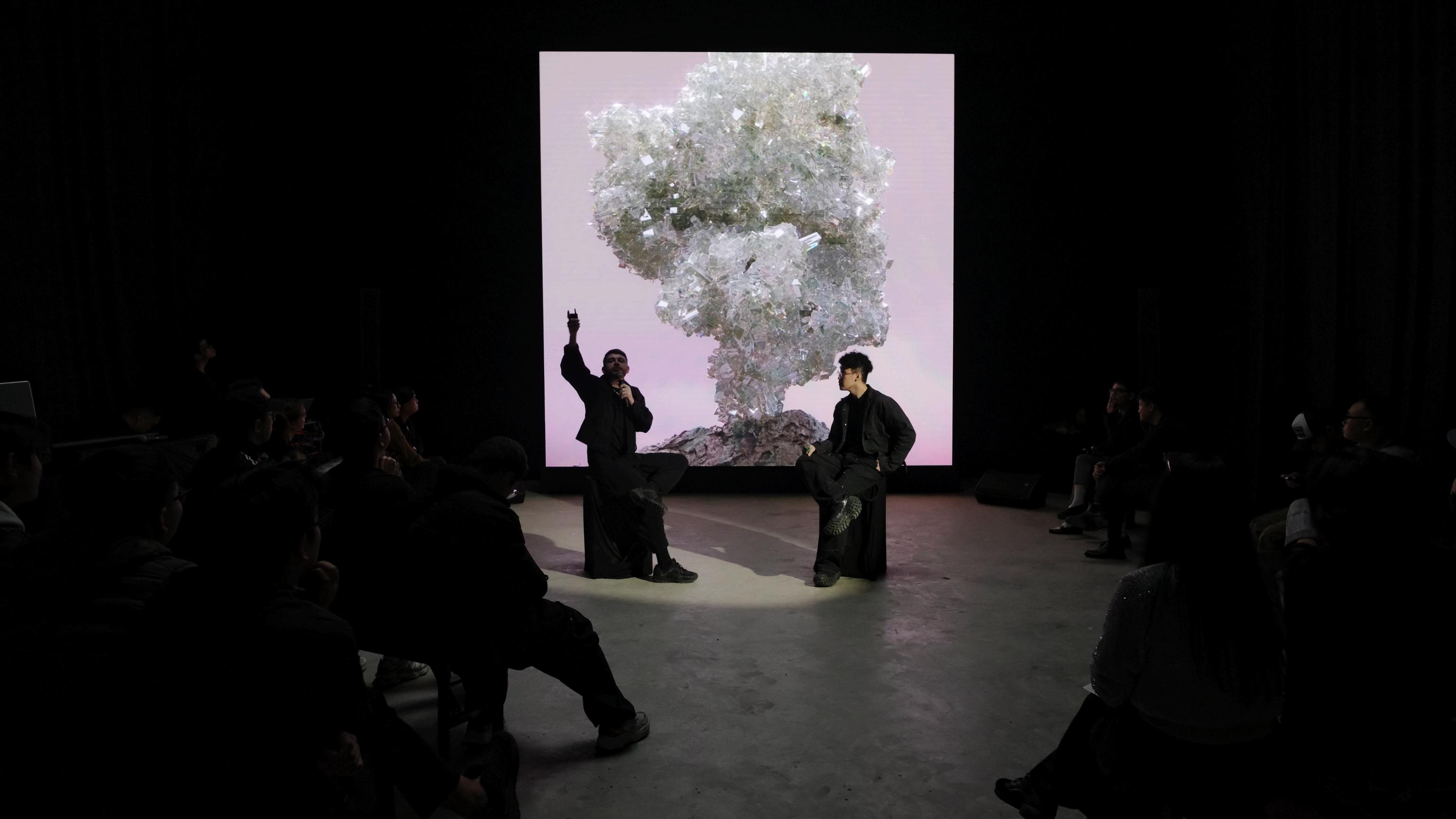
As part of the 2025 Mandell Presents season, Yeff visited Drexel to deliver an interactive lecture and performance, titled New Creative Intelligence In this talk, Yeff explored the evolving partnership between humans and machines, offering strategic insights into how artists and technologists can co-create and leverage AI to enrich creative processes. Yeff sat down with Laurel Hostak Jones from Drexel Westphal to discuss his work and the new horizons creative professionals face. The conversation has been edited for clarity.
Laurel: What does “new creative intelligence” mean to you?
Harry: A lot of my work sits in two places almost like a superposition When we think about human–machine partnerships, there’s often an assumption that we lose some part of human discipline I’ve been a voice practitioner for 15 years, interested in the entire range of human voice globally How does that very human practice learn from, compete with, and collaborate with new technologies?
There’s something called emergent intelligence when you collaborate with people or systems, what is your definition of something new? What is that mutation in the creative process? That’s the aim: to think about what you can only achieve through those partnerships and collaborations That’s one definition of new creative intelligence
Laurel: Are you familiar with the work of James Bridle? Their book Ways of Being frames AI as an opportunity to look at non-human, non-anthropocentric forms of intelligence
Harry: That’s interesting I think people miss that the current expression of AI is just the face of an underlying universal force Intelligence isn’t something humans or machines own it exists in nature and the universe Human, artificial, and natural intelligence all draw from the same well of potential, which is infinite
VoiceGems,HarryYeffandTrungBao.
When you remember that, you step away from immediate concerns and realize you’re tapping into something vast and powerful Human beings don’t own intelligence it’s broader than our lived experience That perspective reminds us of larger themes and potentials beyond current processes
Laurel: I was interested in your work with the Thwaites Glacier Project Can you tell me about how that project came to be, and what you hoped to accomplish with it?
Harry: I’ve been designing voices for a long time I’m fascinated by the information in voice beyond words the tones, pacing, identity, and spirit. New advancements allow us to design voices and apply stories and narratives.
I partnered with Eleven Labs, which has a powerful engine for creating storytellers and scholars One emergent quality beyond human ability is what we call articulatory intelligence the ability to summarize, detect sentiment, and see patterns across data beyond human level.
So I started a project to give nature a voice. We created a scholarly agent representing Thwaites Glacier, one of the largest ice masses in Antarctica. It can tell stories based on data like meltwater changes over 100 years, guide meditations, and adapt language for different audiences from technical to poetic This combination of scholarship and creativity has huge potential for education and understanding
Laurel: You’ve described the voice as our most precious tool a bridge to innovation How might creative disciplines use voice to make space for different kinds of minds and stories?
Harry: Any technology or medium that explores the human voice roots the work in a humancentered practice I started as a performer, then became interested in the world’s voices the lineage of storytelling, voice in ritual, and its role in our lives. People often avoid thinking about their own voice.
Voice is infinitely complex yet limited a puzzle I’ve fallen deeply in love with. I encourage creatives to explore voice in their practice. It doesn’t have to be music or performance voice is so much more
Laurel: That leads into another question about cultural histories and ancient uses of voice chant, singing, ritual What’s your approach?
Harry: When I moved beyond spectacle, I wanted to build archives of voice My collaborator Trung Bao and I founded the Voice Gem System a generative particle system that turns donated voices into digital gemstones Each gem represents a voice using strict rules
We now have over 300 voices, including figures like Ai Weiwei and Jane Goodall, as well as endangered species and dying languages It’s a new method of preservation a higher purpose that started with my interest but grew into a collaborative archive.
Laurel: What role do you think artists and creatives should play in shaping the ethics of emerging technology?
Harry: Artists have always lived at the intersection of creativity and innovation Creativity is about exploring new possibilities Certain artists will always push boundaries, and when that mixes with technology, they create indicators of future possibilities
Artists aren’t decorative they make knowledge experiential, communicate differently, and help society understand technology Often, cuttingedge tech enters society through art whether through misuse or stunning work Science fiction predicted many real possibilities Creativity isn’t a side add-on it’s central to understanding the world
Laurel: What does it mean to be an artist-inresearch?
Harry: Art in research can take many forms direct contribution, partnerships, or creating experiences around ideas. You might design demos, spectacles, or representations that bring new perspectives
In recent years, I’ve partnered with institutions and companies to explore the limits of technologies authentically It’s a space between creative direction, research, and artistic practice You need flexibility and the ability to listen to partners’ goals
Laurel: What’s something you’re working on now that excites you most?
Harry: The potential for storytelling voices is far beyond what society sees While much AI use is noise, there’s a 20% that could be an infinite resource for education and ideas.
Coming from a working-class background, I know what lack of access feels like. Tools like spell check changed my life as a dyslexic person AI can support people who lack access to knowledge and education
I’m designing voices that can tell stories, guide meditations, and unpack complex ideas in articulate and poetic ways Knowledge isn’t universally distributed even with the internet AI can help spread ideas and strategies in sensitive, creative ways
Laurel: Finally: what should students in creative fields be thinking about now?
Harry: Two things:
1 Explore consent in AI tools Understand ethical frameworks don’t think “AI good/AI bad,” because it isn’t that simple. 2.Stay up to date with tools. They’ll disrupt workflows and markets. Single individuals will soon execute projects that once took 10 people.
My final message: Everyone deserves creativity. William Morris believed everyone deserved beautiful things in their homes I believe everyone deserves creativity whether as a hobby or a profession The changes ahead bring infinite possibilities I hope people take advantage of them
Q&A WITH
PAMELA YAU
PROGRAM DIRECTOR, ARTS ADMINISTRATION
APROGRAMWITH50YEARS OFHISTORY
For more than half a century, Drexel’s Arts Administration (AADM) program has prepared arts leaders through a uniquely practical, communityconnected approach. Today, the program continues to evolve while staying true to its core strength: experiential learning that prepares students for careers in the arts and cultural sector.
I would like to shine a light on two current students, who since beginning the program have been able to secure full-time jobs in the field. IsabellaBubash, former graduate assistant (GA) for the Arts & Entertainment Enterprise department, is now the Venue Sales Manager at the Barnes Foundation CeceHill, former GA for Drexel's Performing Arts department is now the General Manager for the Pig Iron Theatre Company here in Philadelphia
Most of the students that do join the program are coming back to graduate school after working for a couple of years. Many working professionals choose to pursue this program because of its flexibility and the fact that even the on-campus classes take place in the evening (starting at 6PM/6:30PM) The program has a strong reputation, especially in the Philadelphia area, and many applicants are referred to the program by their colleagues that have completed the program
With the most recent curriculum revision, the Arts Administration program developed and adopted a new course, Community CulturalEngagement, created by Professor Andrew Zitcer. It will be the first course of its kind in the program, and it will directly engage with community arts organizations and community members, who will hopefully be able to take the course side-byside with current students
Students have also engaged with the community through Drexel University's Lenfest Center for Cultural Partnerships
FacultyShoutouts
Laura-Edythe S Coleman, PhD, associate professor of Arts Administration, published her latest book, Curatorial Voice: The Gatekeeping of Culture, Routledge 2025
Michael Wagner, PhD, professor of Digital Media, published 12 peer-reviewed academic articles on AI in education, including 10 conference papers and two journal articles in the Zeitschrift für Medienpädagogik and the Athens Journal of Humanities & Arts.
Rashidah Abdul Salam, adjunct professor of Art & Art History, was commissioned by the Mural Arts Program of Philadelphia and Temple University to create a mural for the Temple University College of Public Health’s newly renovated Paley Hall
Linda Kim, PhD, associate professor of Art & Art History, received a Huntington Library Research Grant and became an Edward A Mayers Fellow at the Huntington Library in Fall 2025 Kim researches the papers of Chinese American modern painter Tyrus Wong and his circle of Asian American artists in Southern California for a book titled Unassimilable Modernities: Chinese and Japanese American Artists during WWII.
Alphonso McClendon, associate professor of Design, had an essay, “Like Gods: Jazz Musicians, Agents of Freedom and Cool Style”, published in the Costume Institute’s 2025 exhibition catalog, Superfine: Tailoring Black Style, by The Metropolitan Museum of Art
Mural in Temple’s Paley Hall by Rashidah Salam; photos by Betsy Manning
Faculty Spotlight: Michelle McHugh 2025 David S. Raizman Memorial Award Recipient
In memory of former Interim Dean and Emeritus Professor David Raizman, family and friends established the DavidS Raizman EndowedMemorialAward David's energy and leadership impacted hundreds of colleagues, and this Award will be given in his name in perpetuity. The Award recognizes a current faculty member who exemplifies distinguished service, teaching, and leadership in accordance with the values of the Antoinette Westphal College of Media Arts & Design
The 2025 recipient of the Raizman Award is MichelleMcHugh, associate teaching professor and program director of the Paul F. Harron Graduate Program in Television & Media Management In addition to her teaching and leadership within the program, Michelle has served on the Faculty Caucus and was recently appointed Interim Associate Dean for Academic Affairs
One of Michelle’s nominators for the Raizman award stated: “Michelle’s willingness to serve in these critical roles demonstrates her commitment to advancing the interests of faculty, staff, and students alike She is widely respected for her tireless advocacy, collaborative spirit, and transparent approach to leadership ”
Michelle's commitment to nurturing emerging talents is exemplified through her role at Drexel University's DNews, where she guides students to excellence Under her mentorship, several students garnered nominations for student production awards by the Mid-Atlantic NATAS Chapter, with a notable recognition in 2019 for a DNews piece on the College of Arts & Science's Story Medicine program with Children's Hospital of Philadelphia (CHOP).
Another nominator wrote, “Michelle’s ability to thoughtfully navigate complex challenges, build consensus, and champion the advancement of all members of our community sets her apart as an outstanding leader and educator Her dedication to service, teaching, and mentorship exemplifies the highest standards of our profession ”
A colleague added, “She models empathy and intellectual curiosity, meeting students where they are while challenging them to grow into thoughtful professionals ” And finally, “Professor McHugh embodies the Drexel ideal: an educator grounded in real-world experience, a leader who uplifts her community, and a relentless advocate for student growth and success And she does it all with the genuine spirit of generosity and kindness that David embodied ”
The David S Raizman Endowed Memorial Award is granted annually each spring to a deserving faculty member nominated and selected by Westphal colleagues and the Dean. Because of many generous supporters, this Award will ensure David’s legacy lives on at Drexel. Past recipients include Nick Anselmo, Mark Brack, Clare Sauro, and Debra Ruben
If you would like to make a gift in David’s memory, we invite you to visit giving.drexel.edu/Raizman or direct a check to Drexel University, PO Box 8215, Philadelphia, PA 19101-9684
Student&AlumniShoutouts
Architecture alum Cory Henry was named a recipient of the 2025–2026 Rome Prize, administered by the American Academy in Rome (AAR)
Erin Truesdell (BS Game Design & Production ’19) and Frank Lee, PhD, professor of Digital Media, are among 10 recipients of the Young Futures “Here Comes the Fun” funding challenge in partnership with the Joan Ganz Cooney Center at Sesame Workshop, with support from Niantic. This challenge will uplift and scale solutions that design, build, and facilitate play that meets pre-teens and teens where they are to enhance wellbeing outcomes across digital experiences
Bee Knight (Arts Administration ‘16) was featured in an interview with the Philadelphia Gay News, discussing her journey and role as director of communications at the Leeway Foundation
Three undergraduate student researchers in the Antoinette Westphal College of Media Arts & Design were selected as finalists in the Pennoni Honors College’s Quick Pitch Contest, part of the STAR Scholars program The students are: Trace Cassidy, Music Industry (mentored by Brendan Monahan, studio facilities manager, Arts & Entertainment Enterprise); winner Chi Nguyen, Product Design (mentored by Mike Glaser, associate professor, Design); Hani Pham, Animation & Visual Effects (mentored by Glen Muschio, associate professor, Digital Media).
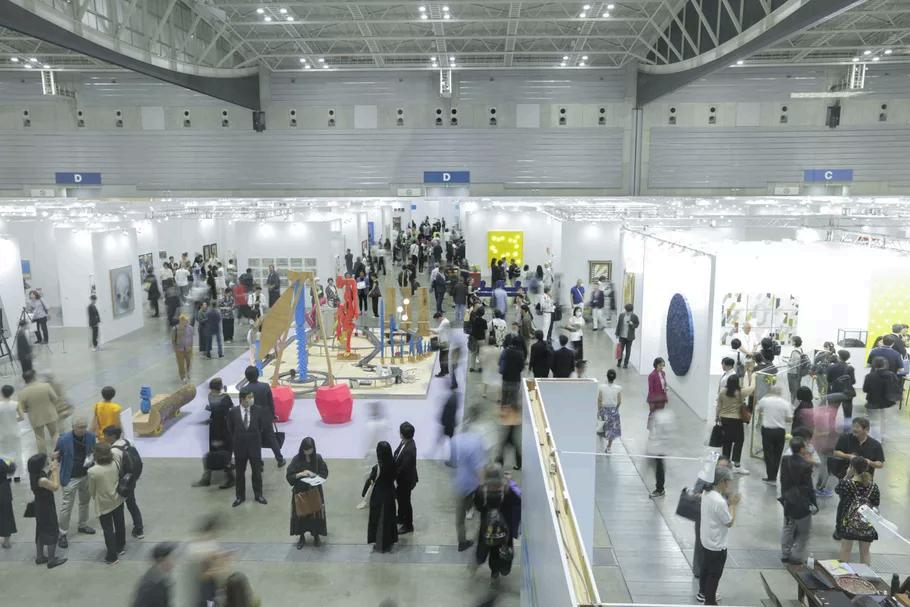
In September, the artwork “Bluebird” by Arefeh Ahmadi, PhD Digital Media, was displayed on digital billboards during The Armory Show 2025. The installation appeared across high-visibility sites in New York and New Jersey The artwork was later showcased on digital billboards in Tokyo during Tokyo Gendai 2025, reaching audiences across major districts during the fair The fair featured sixty-six galleries from across 16–17 countries