What is Corporate Interior Design? A Complete Guide
In today’s fast-evolving business world, office spaces are no longer just places where people sit and work; they have become strategic environments that influence productivity, creativity, collaboration, and even brand identity. This is where corporate interior design plays a powerful role
From startups to multinational companies, organisations are now investing heavily in thoughtfully designed work environments that support both employees and business goals But what exactly does it mean? How is it different from a traditional office setup? And why does it matter so much today?
In this complete guide, we will break down everything you need to know about corporate workspace planning, its importance, key elements, trends, and how it transforms modern businesses in real, measurable ways
What is Corporate Interior Design?
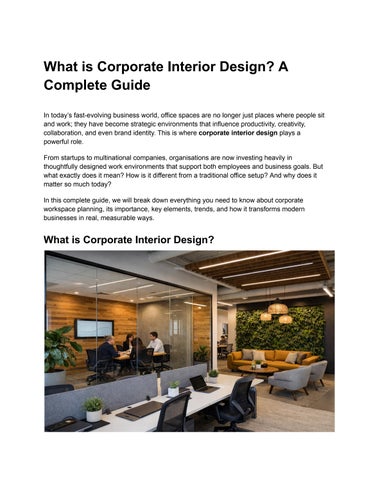
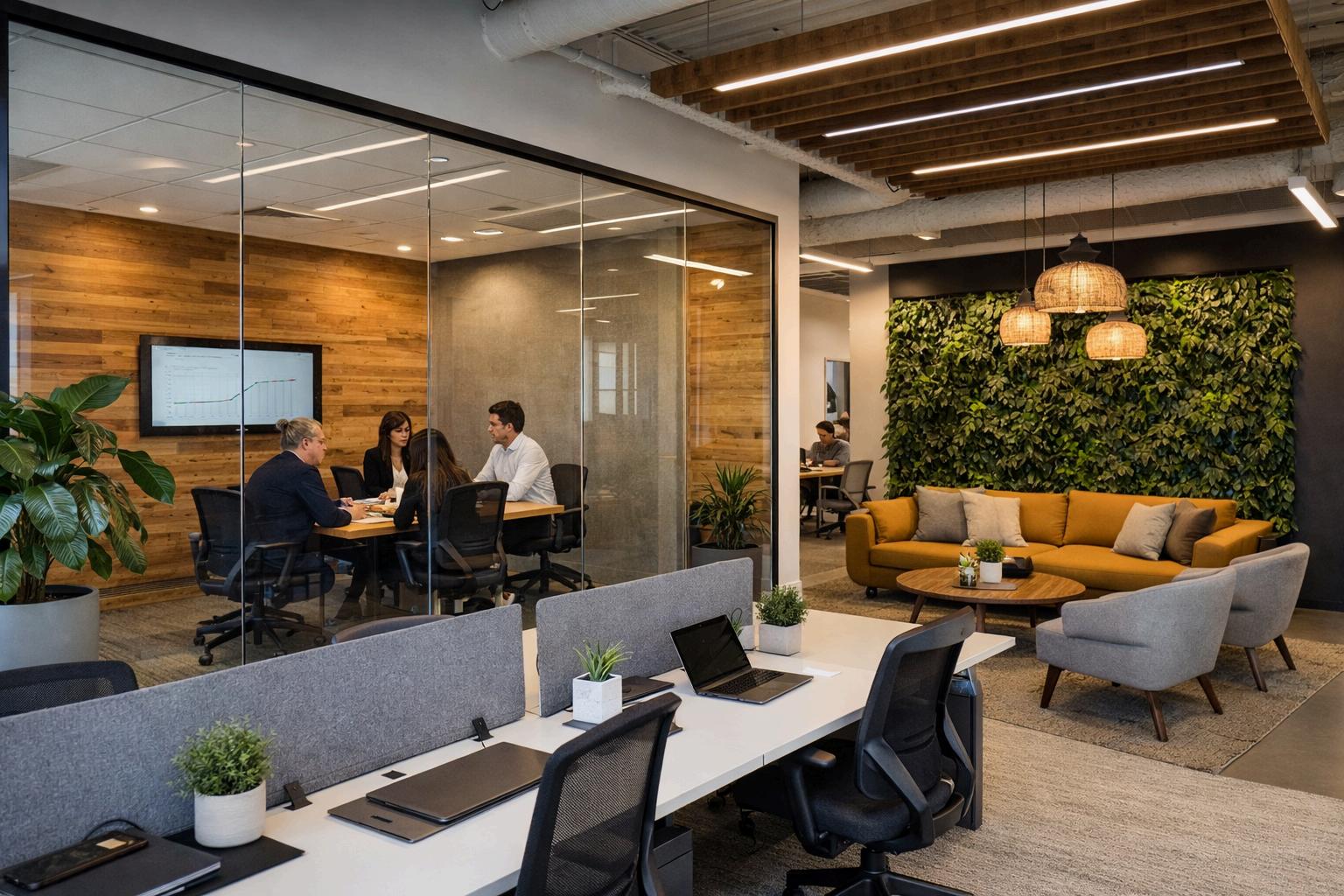
At its core, corporate interior design refers to the strategic planning, designing, and organising of interior spaces within corporate environments such as offices, headquarters, and business establishments
It goes far beyond aesthetics. It is about creating a balanced environment where functionality meets creativity Every element, lighting, layout, furniture, colour palette, acoustics, and spatial arrangement, is designed with intention
Unlike traditional decoration, corporate interior design focuses on:
● Enhancing employee productivity
● Improving workflow efficiency
● Strengthening brand identity
● Supporting collaboration and communication
In simple terms, it is the science and art of designing workplaces that help businesses perform better
Modern businesses now understand that a well-planned office is not a luxury; it is a necessity A poorly designed workspace can reduce efficiency, while a thoughtfully designed one can significantly improve morale and output.
For example, companies like Dreamspace have demonstrated how thoughtful corporate interior design can transform ordinary workplaces into highly functional and visually engaging environments that directly support business growth
Importance of Corporate Interior Design in Modern Businesses
The importance of workplace environments has grown dramatically in the last decade Companies are now realising that employees spend a major portion of their lives at work, and the environment directly impacts their mindset.
A strong corporate interior design strategy contributes to:
1. Employee Productivity
A well-structured office reduces distractions, improves focus, and creates a smooth workflow Employees feel more comfortable and motivated in a thoughtfully designed space
2. Brand Identity
Your office reflects your company’s personality Whether it's minimal, creative, or premium, the design communicates your brand values to clients and visitors instantly.
3. Collaboration and Communication
Modern office layouts encourage teamwork through open spaces, breakout zones, and collaborative areas.
4. Employee Well-being
Natural lighting, ergonomic furniture, and proper ventilation reduce stress and improve physical comfort
Today, companies are also shifting toward more flexible environments, where employees can choose how and where they work, making design even more critical.
Key Elements of Effective Office Interior Design
A successful office interior design is built on several important components that work together to create a functional and inspiring workspace
1. Space Planning
Efficient layout planning ensures that every square foot is used effectively It defines movement flow, department zoning, and accessibility
2. Lighting Design
Natural and artificial lighting play a huge role in productivity and mood Poor lighting can cause fatigue, while well-planned lighting enhances focus.
3. Furniture and Ergonomics
Comfortable chairs, adjustable desks, and functional furniture reduce physical strain and improve long-term health
4. Colour Psychology
Colours influence emotions For example:
● Blue promotes focus
● Green reduces stress
● Yellow encourages creativity
5. Technology Integration
Modern offices include smart systems like automated lighting, digital meeting rooms, and integrated communication tools
6. Acoustics
Sound management is essential in open offices to reduce noise distractions and maintain concentration.
Each of these elements contributes to a balanced and efficient workplace environment
Corporate Interior Design vs Commercial Interior Design
While the terms are often used interchangeably, there is a clear difference between them.
Commercial interior design refers to the design of all types of business spaces, including retail stores, restaurants, hotels, showrooms, and offices.
On the other hand, corporate interior design is specifically focused on office environments and professional workplaces.
Key Differences:
● Scope: Commercial design is broader; corporate design is office-specific
● Purpose: Commercial spaces focus on customer experience, while corporate spaces focus on employee efficiency
● Layout Style: Commercial spaces are often customer-facing, and corporate spaces are workflow-driven
Understanding this difference is important for businesses when selecting the right design approach for their needs.
Role of Workplace Design in Employee Productivity
A well-planned workplace design has a direct impact on how employees feel and perform
Modern businesses are moving away from rigid layouts and adopting flexible, people-centric designs
How Workplace Design Influences Productivity:
1. Open vs Private Spaces
Open spaces encourage collaboration, while private zones allow focused work.
2. Collaboration Areas
Meeting rooms, breakout zones, and informal seating encourage idea sharing.
Easy movement, comfortable seating, and accessible amenities reduce stress
4 Psychological Impact
A visually appealing workspace improves mood and motivation
Studies consistently show that employees working in well-designed environments are more engaged and productive compared to those in poorly planned offices.
Modern Trends in Corporate Interior Design
The world of office design is constantly evolving. Businesses are now adopting innovative approaches to stay ahead and create more efficient and engaging environments. A forward-thinking office interior design company plays a key role in bringing these modern concepts into real-world workspaces by blending functionality with aesthetics.
Some key trends include:
1. Smart Offices
Integration of AI, automation, and IoT-based systems for lighting, security, and communication is transforming how offices operate These intelligent systems improve efficiency and create seamless working environments.
2. Hybrid Workspaces
Flexible layouts that support both in-office and remote work models are becoming the new standard Companies are designing adaptable spaces that can quickly shift based on team requirements
3. Biophilic Design
Use of plants, natural materials, and greenery helps improve employee well-being and reduces stress levels. This nature-inspired approach enhances creativity and focus.
4. Minimalist Design
Clean, clutter-free spaces enhance concentration and reduce visual distractions, allowing employees to focus better on core tasks
5. Sustainable Workspaces
Eco-friendly materials, energy-efficient lighting, and responsible resource usage are now essential components of modern office planning.
These trends show how modern workplaces are evolving into more human-centred environments.
For businesses looking to implement these advanced concepts, working with an experienced office interior design company like Dreamspace can make a significant difference With expertise in creating functional and future-ready workplaces, Dreamspace helps transform ordinary offices into intelligent and inspiring environments
Benefits of Professional Corporate Interior Design Services
Investing in professional design services is no longer optional for growing businesses; it is a strategic decision.
A well-executed corporate interior design delivers:
1. Better Space Utilisation
Every area is optimised for maximum efficiency and purpose
2. Improved Employee Satisfaction
A well-designed environment boosts morale and reduces turnover.
3. Strong Brand Image
Your office becomes a reflection of professionalism and credibility.
4. Long-Term Cost Efficiency
Good planning reduces maintenance costs and improves scalability.
5. Higher Productivity
A structured environment naturally improves workflow and performance.
Businesses that invest in design often see long-term improvements in performance and employee engagement
Conclusion
In conclusion, corporate interior design is much more than decorating an office; it is about creating a purposeful environment that supports business success
From improving productivity to strengthening brand identity, the right design strategy can completely transform how a company operates and grows
Whether it is a startup or an established enterprise, investing in thoughtful workspace planning ensures long-term benefits for both employees and the organisation
A well-designed office is not just a physical space; it is a powerful business tool.
For businesses looking to transform their workspace with expert guidance, Dreamspace offers professional solutions in corporate interior design, helping brands create efficient, modern, and inspiring work environments tailored for long-term growth
FAQs
1. What is corporate interior design?
It is the planning and designing of office and business interiors to improve productivity, functionality, and brand identity while ensuring a comfortable working environment
2. How is corporate interior design different from office interior design?
While both are closely related, office interior design focuses on functional workspace layouts, whereas corporate interior design also includes branding, culture, and strategic planning
3. Why is corporate interior design important for businesses?
It improves employee productivity, enhances brand image, supports collaboration, and creates a healthier and more efficient work environment.
4. What are the key elements of workplace design?
A good workplace design includes space planning, lighting, ergonomic furniture, acoustics, and technology integration to ensure smooth workflow and comfort.
5. How does interior design impact employee productivity?
A well-planned environment reduces stress, improves focus, encourages collaboration, and boosts overall job satisfaction, leading to higher productivity