
StandardSafetyPerformanceSpecificationfor SoftContainedPlayEquipment1
ThisstandardisissuedunderthefixeddesignationF1918;thenumberimmediatelyfollowingthedesignationindicatestheyearof originaladoptionor,inthecaseofrevision,theyearoflastrevision.Anumberinparenthesesindicatestheyearoflastreapproval.A superscriptepsilon(´)indicatesaneditorialchangesincethelastrevisionorreapproval.
1.Scope
1.1Thissafetyperformancespecificationprovidessafety andperformancestandardsforsoftcontainedplayequipment. Itspurposeistoreducethepotentialforlife-threateningand debilitatinginjuries.
1.2Therangeofusersencompassedbythissafetyperformancespecificationisthe5th percentile2yearoldtothe95th percentile12yearold.
1.3Publicplaygroundequipment,homeplayground equipment,sportsequipment,amusementrides,fitnessequipmentnotpartoftheplaysystem,water-relatedattractionsand devices,andtoysandjuvenileproductsarenotincludedinthis specification.
1.4Thisspecificationdoesnotaddressaccessibility,except asitpertainstosafetyissuesnotcoveredinTheAmericans WithDisabilitiesActAccessibilityGuidelines(ADAAG).2
1.5Thissafetyperformancespecificationincludesthefollowingsections:
izationestablishedintheDecisiononPrinciplesforthe DevelopmentofInternationalStandards,GuidesandRecommendationsissuedbytheWorldTradeOrganizationTechnical BarrierstoTrade(TBT)Committee.
2.ReferencedDocuments
2.1 ASTMStandards:3 E648 TestMethodforCriticalRadiantFluxofFloorCoveringSystemsUsingaRadiantHeatEnergySource F1077 GuideforSelectionofCommitteeF16Fastener Specifications (Withdrawn2014)4 F1292 SpecificationforImpactAttenuationofSurfacing MaterialsWithintheUseZoneofPlaygroundEquipment F1487 ConsumerSafetyPerformanceSpecificationforPlaygroundEquipmentforPublicUse
2.2 Federal Standards:5 16CFRPart1303 BanofLead-ContainingPaintandCertain ConsumerProductsBearingLead-ContainingPaint 16CFR1500 HazardousSubstancesActRegulations,includingSections:
1500.48TechnicalRequirementsfordeterminingaSharp PointinToysandotherArticlesIntendedforUseby ChildrenUnder8YearsofAge.
1.6 Thisinternationalstandardwasdevelopedinaccordancewithinternationallyrecognizedprinciplesonstandard-
1 ThissafetyperformancespecificationisunderthejurisdictionofASTM Committee F15 onConsumerProductsandisthedirectresponsibilityofSubcommittee F15.36 onSoft-ContainedPlaySystems.
Currentedition approvedAug.1,2021.PublishedSeptember2021.Originally approvedin1998.Lastpreviouseditionapprovedin2017asF1918–12(2017). DOI:10.1520/F1918-21.
2 Moreinformationonfederalrequirementsforplayequipmentaccessibilitymay beobtainedfromtheOfficeofTechnicalandInformationServices,Architectural andTransportationBarriersComplianceBoard,1331FStreet,NW,Suite1000, Washington,DC20004-1111oratwww.access-board.gov/play/finalrule.htm.
1500.49TechnicalRequirementsforDeterminingaSharp MetalorGlassEdgeinToysandOtherArticlesIntended forUsebyChildrenUnder8YearsofAge. 16CFRSection1501 MethodforIdentifyingToysandOther ArticlesIntendedforUsebyChildrenUnder3Yearsof AgeWhichPresentChoking,AspirationorIngestion HazardsBecauseofSmallParts AmericansWithDisabilitiesAct, PublicLaw101–336: 28CFR35TitleII,SubtitleA 28CFR36TitleIII,AppendixA 36CFRPart1191 AmericanswithDisabilitiesActAccessibilityGuidelines(ADAAG)
3 ForreferencedASTMstandards,visittheASTMwebsite,www.astm.org,or contactASTMCustomerServiceatservice@astm.org.For AnnualBookofASTM Standards volumeinformation,refertothestandard’sDocumentSummarypageon theASTMwebsite.
4 Thelastapprovedversionofthishistoricalstandardisreferencedon www.astm.org.
5 CodeofFederalRegulations,availablefromU.S.GovernmentPrintingOffice, Washington,DC20402.
2.3 OtherStandards:
ULStandard94 Test forFlammabilityofPlasticMaterials forParts,Devices,andAppliances
ULStandard1975 FireTestsforFoamedPlasticsUsedfor DecorativePurposes
NFPA101 LifeSafetyCode
NFPA701 StandardMethodsofFireTestsforFlamePropagationofTextilesandFilms
NationalElectricalCode(NEC) CaliforniaTechnicalBulletin117
3.Terminology
3.1 Definitions:
3.1.1 accessible, adj—relatingtoapartorportionofthe playsystemthatis(1)capableofbeingcontactedbyanybody part,or(2)availabletoandusablebypersonswithdisabilities.
3.1.2 airfilleddevice,n—aplayactivitywhichallowsthe usertobounceuponaninflatedstructurewithinsoftcontained playequipment.
3.1.3 alternativemeansofhandsupport,n—nettingorother materialthatfollowsthepathofaccessoregress,that,when grasped,providesbalanceandsupportinmaintainingaspecific bodyposture.
3.1.4 ballpool,n—anycontainedareawithlooseballsfor thepurposeofplayortransition.
3.1.5 barrier,protective,n—anenclosingdevicethatis intendedtopreventbothinadvertentanddeliberateattemptsto passthroughthedevice.
3.1.6 climber,n—anycomponentwiththepurposeofascendingordescendingtransition.
3.1.7 completelyboundednon-rigidopening,n—anyopeninginSCPEthatistotallyenclosedbyflexibleboundaries whichcandeformordeflectduringnormaluse(forexample, theopeningsinaflexiblenetorlatticeofwebbing).
3.1.8 completelyboundedopening,n—anyopeningin SCPEthatistotallyenclosedbyboundariesonallsidessothat theperimeteroftheopeningiscontinuous.
3.1.9 component,n—apartofaplaysystem,anyportion thereofthatgeneratesspecificactivityanddoesnotstand alone.
3.1.10 containmentwall,n—verticalpartoftheSCPE, usuallymadeupofnetting,meshorpaneling,whichservesto enclosetheSCPE.
3.1.11 designatedplaysurface,n—anyelevatedsurfacefor standing,walking,sittingorclimbing;orflatsurfacelarger than2in.(50mm)wideby2in.(50mm)longhavinglessthan a30°anglefromhorizontal.
3.1.12 emergencyaccess/egresspathway,n—aclearand unencumberedpathwhichleadsdirectlyintooroutoftheplay equipmentinacontinuousmanner.
3.1.13 entanglement,n—aconditioninwhichtheuser’s clothingorsomethingaroundtheuser’sneckbecomescaught orentwinedonacomponentofplaygroundequipment.
3.1.14 fabric,mesh,n—awovenfabricwithapermeable networkmadefrominterlacingthreadsormonofilamentfibers.
3.1.15 fabric,solid,n—acoatedorlaminatedclosedweave fabric.
3.1.16 fallheight,n—theverticaldistancebetweenadesignatedplaysurfaceandtheprotectivesurfacingbeneathit.
3.1.17 flexiblecomponent,n—anypartoftheSCPEthat temporarilychangesitsshapewheninuse;examplesinclude thetirenet,thecargonet,andthelogbridge.
3.1.18 netting,n—anopenworkfabricmadeofthreads, cords,ormonofilamentfiberswovenorknottedtogetherat regularintervals.
3.1.19 net,webbing,n—alatticeofwebbingsewnorotherwiseaffixedtogetheratoverlappingconjunctions.
3.1.20 partiallyboundedopening,n—anyopeninginSCPE thatisnottotallyenclosedbyboundariesonallsidessothatthe perimeteroftheopeningisdiscontinuous.
3.1.21 platform,n—aflatsurface,intendedformorethan oneusertostandupon,anduponwhichtheusercanmove freely.
3.1.22 playarea,n—adesignatedspaceintendedforchildren’splay.
3.1.23 playopportunity,n—anypieceofequipmentintendedtogeneratespecificrecreationaland/orlearningactivity.
3.1.24 preventivemaintenance,n—a planned programof inspectionsandmaintenanceintendedtokeepequipment functioningproperlyandtoforestallequipmentfailures.
3.1.25 projection,n—aconditionwhich,duetoitsphysical nature,mustbetestedtorequirementsofthisstandardto determinewhetheritisaprotrusionoranentanglementhazard orboth.
3.1.26 protectivesurfacing,n—surfacingmaterial(s)tobe usedwithintheusezoneofSCPE.
3.1.27 protrusion,n—aprojectionwhich,whentestedin accordancewithrequirementsofthisstandard,isfoundtobea hazardhavingthepotentialtocauseseriousbodilyinjurytoa userwhoimpactsit.
3.1.28 slideexitregion,n—thelowerendofaslideintended toslowtheuserbeforeexiting.
3.1.29 slideusezone,n—theareaimmediatelyadjacentto accessiblepartsoftheslidethatisdesignatedforcirculation andonthesurfaceofwhichauserwouldlandwhenfalling fromorexitingtheslide.
3.1.30 softcontainedplay,equipment(SCPE),n—aplay structuremadeupofoneormorecomponentswheretheuser entersafullyenclosedplayenvironmentthatutilizespliable material(s)(forexample,plastic,netting,orfabric).
3.1.31 stair,n—devicehavingaslopeof50°orlessfroma horizontalplaneandconsistingofaseriesofstepsthatcanbe usedforascendinganddescending.
3.1.32 step,n—horizontalflatcrosspieceofaladderorofa stairusedprimarilyasafootsupport.
3.1.33 upperbodyequipment,n—equipmentintendedtobe graspedbytheuser’shandsandmaneuvereduponusingonly thehandsandarms.
3.1.34 webbing,n—awovennarrowgaugeflatfabric.
3.1.35 zone,non-use,n—lockedorsecuredareaaroundor underneaththeplaysystemwhereunauthorizedaccessisnot allowed.
3.1.36 zone,use,n—theareaimmediatelyadjacenttoall externalareasoftheSCPEthatisdesignatedforcirculation andonthesurfaceofwhichauserwouldlandwhenfalling fromorexitingtheequipment.
4.GeneralRequirements
4.1Playgroundequipmentrepresentedascomplyingwith thisconsumersafetyperformancespecificationshallmeetall applicablerequirementsspecifiedherein.Anyonerepresenting compliancewiththisspecificationshallkeepsuchessential recordsasarenecessarytodocumentanyclaimthatthe requirementswithinthisspecificationhavebeenmet.
4.2SCPEshouldbedesignedtoallownaturalaircirculation andlinesofvisibilitybetweenusersandpersonssupervising.
5.MaterialsandManufacture
5.1 GeneralRequirements—Softcontainedplayequipment shallbemanufacturedandconstructedonlyofmaterialsthat haveademonstrateddurabilityintheplaygroundorsimilar setting.Anynewmaterialsshallbedocumentedortestedfor durabilitybythesoftcontainedplayequipmentmanufacturer.
5.1.1Regardlessofthematerialorthetreatmentprocess used,themanufacturershallnotutilizematerialsknowntobe hazardous(forexample,lead,arsenic,creosote).Allpaintsor similarfinishesshallcomplywith16CFRPart1303.
5.2Allfastenersusedtoconstructsoftcontainedplay equipmentshallbemanufacturedinaccordancewithGuide F1077 andshallmeettherequirementsofSection 6
5.2.1 All fasteners,connecting,andcoveringdevicesshall beinherentlycorrosionresistantorbeprovidedwithacorrosionresistantcoating.
5.2.2Wheninstalledinaccordancewiththemanufacturer’s instructions,fasteners,connecting,andcoveringdevicesshall notloosenorberemovablewithouttheuseoftools.Lock washers,self-lockingnuts,orotherlockingmeansshallbe providedforallfastenerstosecurethemfromunintentional loosening.Hardwareinmovingjointsshallalsobesecured againstunintentionalloosening.
5.2.3Connectingdevicesandhooksshallbesubjecttothe requirementsofSection 6.
6. Performance Requirements
6.1Theserequirementsapplytotheplayequipmentanddo notapplytononusezones.
6.2 HeadandNeckEntrapment—Softcontainedplayequipmentshallbedesignedandconstructedorassembledsothat anyaccessibleopeningshallmeetthefollowingperformance requirementstoreducetheriskofheadorneckentrapmentby eitheraheadfirstorfeetfirstentryintotheopening.Openings betweenthebottomedgeoftheequipmentandthesurface directlybeneathit(thatis,thegroundorfloor)areexemptfrom thisrequirement.
6.2.1 AccessibleOpenings—Acompletelyboundedrigid openingisaccessiblewhenitispossibletoinsertthetorsotest probe(see Fig.A1.1)intotheopeningtoadepthof4.0in.(100 mm) or more.
6.2.1.1 TestProcedureforCompletelyBoundedRigid Openings—Alignthetorsoprobe(see Fig.A1.1)sothatthe plane of itsbaseisparalleltotheplaneoftheopening.Rotate theprobetoitsmostadverseorientation(thatis,majoraxisof thebaseoftheprobeparalleltothemajoraxisoftheopening) andattempttoinsertitintheopening.Ifitispossibletoinsert thetorsoprobeintotheopeningtoadepthof4.0in.(100mm) ormore,placetheheadprobe(see Fig.A1.2)intheopening withthe planeofthebaseoftheprobeparalleltotheplaneof theopening.Anopeningpassesthistestif(1)theopeningdoes notadmitthetorsoprobewhenitisrotatedtoanyorientation aboutitsownaxis,or(2)theopeningadmitsthetorsoprobe andalsoadmitstheheadprobe.Anopeningfailsthetestifthe openingadmitsthetorsoprobebutdoesnotadmitthehead probe.
6.2.2 NonrigidCompletelyBoundedOpenings—Anonrigid openingsuchasmaybefoundinbutnotlimitedtoflexible nets,tarps,andplasticenclosuresisconsideredaccessibleifa torsoprobewillpenetratetheopeningtoadepthof4.0in.(100 mm)ormorewhentestedinaccordancewiththetestprocedure outlinedin 6.2.2.1 (see Figs.A1.1andA1.2 forprobedimensions).
6.2.2.1 Test ProcedureforCompletelyNon-rigidBounded Openings—Alignthetorsoprobe(see Fig.A1.1)sothatthe plane of itsbaseisparalleltotheplaneoftheopening.Rotate theprobetoitsmostadverseorientation(thatis,majoraxisof thebaseoftheprobeparalleltothemajoraccessofthe opening).Applyaforce50lbf(220N)totheprobetoattempt topassitthroughtheopening.Ifthebaseoftheprobepasses throughtheopening,placethelargeheadprobeintheopening, taperedendfirst,withtheplaneofitsbaseparalleltotheplane oftheopening.Applyaforceof50lbf(220N)totheprobeto attempttopassitthroughtheopening.Anonrigidopening passesthetestif:(1)theopeningdoesnotallowthetorsoprobe tobeinsertedsodeepthattheopeningadmitsthebaseofthe probewhenitisrotatedtoanyorientationaboutitsownaxis, or(2)theopeningallowsfullpassageofthetorsoprobeand alsoallowsthelargeheadprobetopasscompletelythrough.A nonrigidopeningfailsthetestiftheopeningallowsfull passageofthetorsoprobebutdoesnotadmitthelargehead probe.
6.2.3 AngularPortionsofOpenings—Anglesformedbythe surfacesofanopening(thatis,adjacentsurfacesorsurfaces thatintersectwhenprojectedwithadistancebetweensurfaces greaterthan9.0in.(230mm))shouldbeatleast55°unlessone oftheconditionsdefinedin 6.2.3.1 exists.
6.2.3.1 Exemptions to 6.2.3:
(1) Inverted AngleofVCondition—ThoseV’swhichare inverted.AVisconsideredinvertediftheloweradjacentleg formingtheVishorizontalorslopesdownwardfromtheapex (see Fig.A1.3).
(2)Filled ApexCondition—Vangleslessthan55°where theapexoftheangleisfilledtothepointthatwillnotallowthe headprobe(see Fig.A1.3)tocontactbothsurfacesoftheangle
simultaneouslywhentheprobeisrotatedtoanyorientation aboutitsownaxis(see Fig.A1.3).
6.3 SharpPoints andEdges—Thereshallbenoaccessible sharppointsoredges,onsoftcontainedplayequipment.
6.3.1 SharpPointsandSharpEdges—Allpointsandedges onsoftcontainedplayequipmentshallbetestedforsharpness inaccordancewiththefederaltechnicalrequirementsin16 CFR1500referencedin 2.2.
6.3.2The exposedopenendsofalltubingnotrestingonthe ground,orotherwisecovered,shallbeprovidedwithcapsor plugsthatcannotberemovedwithouttheuseoftools.
6.3.3Suspendedmembers,suchasringsonupperbody equipmentandswingseats,shallhaveaminimumradiusof 0.25in.(6mm)oncornersandedges.Thisrequirementdoes notapplytoswingbeltseats,straps,ropes,chains,connectors, andotherflexiblecomponents.
6.3.4Acut-offboltendprojectingbeyondthefaceofthenut shallbefreeofburrs,sharppoints,andsharpedges.
6.4 Protrusions—Thereshallbenoprotrusionsontheaccessibleportionsofsoftcontainedplayequipment.Four protrusiontestgauges(shownin Fig.A1.4 and Fig.A1.5)are required to determinewhetherprojectionsareprotrusions. Theiruseisdescribedinthissection.
6.4.1 AccessibleProjections—Aprojectionisnotaccessible andisnotaprotrusionwhenitisrecessedorlocatedinsucha mannerthatdoesnotallowanyoftheprotrusiongaugestobe placedoverit.Anyoftheconditionsdescribedintheremainder ofthissectionconstitutesaprotrusionhazard.
6.4.2 DeterminingWhetheraProjectionisaProtrusion— Successivelyplaceeachofthreegauges(see Fig.A1.4)over eachaccessible projection(see Figs.A1.6andA1.7).Determinewhether theprojectionextendsbeyondthefaceofany gauge.Theprojectionfailsthetestandisaprotrusionifit extendsbeyondthefaceofanyofthethreegauges.
6.4.3 SuspendedMemberProtrusions—Testforthisconditionwiththesuspendedmemberinallpositionsofitsintended travel.Placethesuspendedmemberprotrusiongauge(see Fig. A1.5),orientedvertically,overanyprojectionaccessibleatany point throughout thepathoftravel.Anyprojectiononthefront orrearsurfaceofsuspendedmembersofswingassemblies whichextendsbeyondthefaceofthetestgauge(see Fig.A1.5) isa protrusion.
6.5 Entanglement—Thereshallbenoaccessibleentanglementhazardsonsoftcontainedplayequipment.Threetest gauges,afeelergauge,andthemeanstoaccuratelymeasurea 0.12in.(3mm)extensionarerequiredtodeterminewhether entanglementhazardsexist.Anyoftheconditionsdescribedin thissectionconstitutesanentanglementhazard.
6.5.1 Slides—Slides,especiallyintheirentranceareas,togetherwiththeirmeansofattachment,poseagreaterriskof entanglementthanotherplaycomponents.Therefore,the followingrequirementsapplytoslidesintheareasshownin Fig.A1.8.
6.5.1.1 A projectionthatmeetsbothofthefollowingconditionsisanentanglementhazard:(1)Theprojectionallows oneofthethreeprotrusiongauges(see Fig.A1.4)topassover
itand contacttheinitialsurface,and(2)theprojectionextends perpendicular(65°)fromtheinitialsurfacemorethan0.12in. (3mm).
6.5.1.2Slidesshallbeconstructedinsuchamannerasto provideasmoothcontinuousslidingsurface(rollerslides exempted),withnogapsorspacesthatmightcreatean entanglementhazardsuchasbutnotlimitedtothespace createdbetweensidewallswhentwosingleslidesarecombined tocreateadoublewideslideorthepointwhereahoodattaches tothesidewallsofaslide.
6.5.2 ProjectionsfromaHorizontalPlane—Aprojection thatmeetsallofthefollowingthreeconditionsisanentanglementhazard.
6.5.2.1Theprojectionfitswithinanyofthethreeprotrusion gauges(see Fig.A1.4).
6.5.2.2 It projectsupwardsfromahorizontalplane(see Fig. A1.9 (1)through(6)and Fig.A1.10).
6.5.2.3 The projectionextendsgreaterthan0.12in.(3mm) perpendicular(65°)totheplaneoftheinitialsurface(see Fig. A1.9 (1)through(6)and Fig.A1.10).
6.5.3 Exposed Bolt EndProjections—Anyaccessiblebolt endprojectingbeyondthefaceofthenutmorethantwofull threadsisanentanglementhazard.Aboltendisinaccessible andnotanentanglementhazardwhenitisnotpossibleforany ofthethreeprotrusiongauges(see Fig.A1.4)topassoveritor if the boltendisrecessedandthe3.5in.(89mm)OD protrusiongauge(see Fig.A1.4)cannotbemadetocontactthe boltend whentheoutsidecurveofthegaugeisplacedflat againsttherecessedarea(see Fig.A1.11).
6.5.4 Projections ThatIncreaseinSize—Anyprojectionthat fitswithinanyofthethreeprotrusiontestgauges(see Fig. A1.4)andincreasesinsizeordiameterfromtheinitialsurface to the outerend(see Fig.A1.9 (7))isanentanglementhazard.
6.5.5 ConnectingDevices—Connectingdevicessuchasbut notlimitedto,S-hooks,pelicanhooks,andC-hooks,when properlyclosed,arenotentanglementhazards.Theseconnectorsareconsideredclosedwhenthereisnogaporspacegreater than0.04in.(1mm)whenmeasuredwithafeelergauge(see Fig.A1.12 (1)).
6.5.5.1 S-hook connectorsaresubjecttotheadditional requirementsin1through3below,sincefailuretomeetanyof thecorrespondingrequirementswillresultinanentanglement hazard.
(1) NoportionoftheclosedendofanS-hooklowerloop shallprojectbeyondtheverticalboundaryestablishedbythe upperloop(see Fig.A1.12 (2)).
(2) An S-hook upperloopthatcompletelyoverlapsthe connectorbodyshallnotextendpasttheconnectorbody(see Fig.A1.12 (3)).AnS-hookupperloopshallalsobepermitted toalign withorpartiallyoverlapwiththeconnectorbody.
(3) AnS-hooklowerloopshallalignwiththeconnector bodyandnotoverlapitinanyway(see Fig.A1.12 (4)).
6.5.6Windowsinslidesmustbecompletelycoveredwitha transparentmaterial.Windowsandtheirmeansofattachment mustmeettherequirementsof 6.4
6.6 Crush and ShearPoints—Thereshallbenocrush,or shearpointscausedbyjuncturesoftwocomponentsmoving relativetooneanother,oratanopeningpresentatthejunction
ofastationarysupportandarigidsupportingmemberfora swingingelement(forexample,pendulumseesawandglide rides)whiletheswingingelementsarewithintheirnormal swingingangles.Acrushorshearpointisanypointthat entrapsatoneormorepositionsat0.625in.(16mm)diameter rod.
6.6.1Toreducethelikelihoodofunintentionalcontactwith acrushorshearpoint,anopeningshallcomplywitheither 6.6.1.1 or 6.6.1.2
6.6.1.1 An openingwithaminordimensionoflessthan1in. (25mm)isacceptableifafingerprobe(asillustratedin Fig. A1.13),wheninsertedpointfirstintoanopening,cannotbe madeto touchanycrushorshearpoint.Theprobeshallbe appliedinallpossiblearticulatedpositionswithanapplicable forcenottoexceed1lbf(4N).
6.6.1.2Anopeninginanenclosurewithaminordimension of1in.(25mm)ormore,shallrequirethatthecrushorshear pointbelocatedatadistanceasspecifiedin Table1 fromthe planeof theopening.
NOTE 1—Anenclosureinthiscasecoversacrushorshearpoint.
6.6.1.3Exemptionsto 6.6: (1) Chainand itsmethodofattachment,and (2) Theattachmentofheavydutycoilspringstothebody andbaseofrockingequipment.
(3) Theareabetweensmalllightweightmovingparts necessaryasanintegralpartoftheplayactivity(forexample, abacusbeads,bellclappers,telephonereceivers)providedthat thisareaisnotconsideredacrushorshearpoint.
6.7Rope,cable,orchainshallbefixedatbothendsandnot becapableofbeingloopedbackonitself,creatinganinside loopperimetergreaterthan5in.
7.RequirementsforAccess/Egress
7.1 RungLadders,Stepladders,Stairways,andRamps (DoesNotAddressWheelchairUse):
7.1.1Stepsandrungsshallbeevenlyspacedwithina toleranceof 60.25in.(66.4mm)andhorizontalwithina toleranceof 62°.
7.1.2Stepsandrungsshallnottrapwater(thatis,no standingwater)andshouldnotencouragetheaccumulationof debris.
7.1.3See Table2 foraccessslope,tread,rung,orramp width, tread depth,ladderrungdiameter,andverticalrise.
7.1.4 Handrails:
TABLE1MinimumAcceptableDistancefromanOpeningtoa CrushorShearPoint
MinimumDimensionofOpening,A in.(mm)B MinimumDistancefromOpening toPart,in.(mm)
1.0(25)6.5(165) 1.25(32)7.5(190) 1.5(38)12.5(320) 1.875(48)15.5(395) 2.125(54)17.5(445)
Morethan2.125(54)and lessthan6.0(150) 30.0(760)
A See 6.6.1.2
B Between1and2.5in.(25and64mm)interpolationisusedtodeterminevalues specifiedinthetable.
7.1.4.1Continuoushandrailsoralternativemeansofhand supportshallbeprovidedonbothsidesofstairways(see 7.2.1.3 forspiralstairways)andstepladdersthathavemore than one tread.
7.1.4.2Stairwaysorstepladderswhichconsistofonlyone treadshallhavehandrailsoralternativemeansofhandsupport onbothsides.
7.1.4.3Handrailsorothermeansofhandsupportshallbe availableforuseatthebeginningofthefirststep.
7.1.4.4Handrailsshallbebetween0.95and1.55in.(24and 39mm)indiameterormaximumcrosssection.
7.1.4.5Handrailsoralternativemeansofhandsupport height(theverticaldistancebetweenthetopfrontedgeofa stepor,ifusedonaramp,thetopoftherampsurface,andthe topsurfaceofthehandrailaboveit)shallbebetween22and38 in.(560and970mm).
7.2 OtherMeansofAccess:
7.2.1 SpiralStairways:
7.2.1.1Spiralstairwaysshallmeetthegeneralrequirements forspacing,orientation,drainage,treadwidth,andverticalrise specifiedforstairwayaccessin 7.1.1 through 7.1.3.
7.2.1.2 The depthoftheouteredgeofthetreadonspiral stairwaysshallbe7.0in.(178mm)orgreateronequipmentfor children2through5years,and8.0in.(203mm)orgreateron equipmentforchildren5through12years.Thesedepth requirementsapplytospiralstairwayswithbothopenorclosed risers.
7.2.1.3Spiralstairwaysshallmeettherequirementsspecifiedforhandrailsin 7.1.4.However,whenthedesignofthe stairway does notpermithandrailsonbothsidesofthe stairway,acontinuoushandrailoralternativemeansofhand supportshallbeprovidedalongtheoutsideperimeterofthe steps.
7.2.2 FlexibleComponents:
7.2.2.1Flexiblecomponentsusedasaccesstoothercomponentsofequipmentshallbesecurelyconnectedatbothends. Whenoneendisconnectedtotheground,theanchoring devicesshallbebeneaththebaseoftheminimumrequired depthoftheprotectivesurfacingmaterial.
7.2.2.2Connectionsbetweenflexiblecomponentsusedas accesstoothercomponentsofequipmentshallbesecurely fixed.
7.2.2.3Flexiblecomponentsusedasaccesstoothercomponentsofequipmentforuseby2through5yearoldsshall readilyallowuserstobringbothfeettothesamelevelbefore ascendingtothenextlevel.
7.3 TransitionfromAccesstoPlatform:
7.3.1Onstairwaysandstepladders,thereshallbeacontinuationofhandrailsfromtheaccesstotheplatform.
7.3.2Onaccessesthatdonothavesidehandrailsoralternativemeansofhandsupportsuchasrungladdersorflexible components,thereshallbealternativehand-grippingsupportto facilitatethetransitiontotheplatform.
7.3.3Forrungladders,flexiblecomponents,andarch climbers,thesteppingsurfaceusedforfinalaccessshallnotbe abovethedesignatedplaysurfaceitserves.
TABLE2RungLadders,Stepladders,Stairways,andRamps(AccessSlope,Tread,Rung,andRampWidth,TreadDepth, RungDiameter,andVerticalRise,byAgeofIntendedUser)
TypeofAccess
RungLadders:A
Slope
TotalladderwidthB
75to90°
AgeofIntendedUser,years 2through55through122through12
$12in.(300mm)
Verticalrise(topofrungtotopofrung) #12in.C (300mm)
75to90°
$16in.(410mm)
75to90°
$16in.(410mm)
#12in.C (300mm) #12in.C (300mm)
Rungdiameter0.95to1.55in.(24to39mm)0.95to1.55in.(24to39mm)0.95to1.55in.(24to39mm)
Stepladders: Slope50to75°50to75°50to75°
Treadwidth:
Singlefileaccess12to21in.(300to530mm)
$16in.(410mm)
16to21in.(410to530mm)
Two-abreastaccess A $36in.(910mm) A
Treaddepth:
Openriser
Closedriser
$7.0in.(178mm)
$7.0in.(178mm)
$3.0in.(76mm)
$6.0in.(152mm)
$7.0in.(178mm)
$7.0in.(178mm)
Verticalrise(topofsteptotopofstep) #9.0in.C (229mm) #12.0in.C (305mm) #9.0in.C (229mm)
Stairways: Slope<50°<50°<50°
Treadwidth:
Singlefileaccess
$12in.(300mm)
$16in.(410mm) $16in.(410mm)
Two-abreastaccess $30in.(760mm) $36in.(910mm) $36in.(910mm)
Treaddepth:
Openriser
$7.0in.(178mm)
$8.0in.(203mm) $8.0in.(203mm)
$7.0in.(178mm) $8.0in.(203mm) $8.0in.(203mm)
Verticalrise(topofsteptotopofstep) #9.0in.C (229mm)
Ramps(doesnotaddresswheelchairuse)
Slope(vertical/horizontal)
Width:
1:8
12.0in.C (305mm) #9.0in.C (229mm)
1:8
1:8
$12.0in.(300mm) $16.0in.(410mm) $16.0in.(410mm) Two-abreastaccess $30.0in.(760mm) $36.0in.(910mm) $36.0in.(910mm)
A Notrecommendedassoleaccessforpreschoolers.
B Excludingsidesupports.
C Entrapmentprovisionsapply.
7.4 Platforms,Landings,Walkways,Ramps,andSimilar TransitionalPlaySurfaces:
7.4.1Platformsurfacesshallbehorizontalwithinatoleranceof 62°.
7.4.2Platforms,landings,walkways,ramps,andsimilar transitionalplaysurfacesshallnottrapwaterandshouldnot encourageaccumulationofdebris.
7.5 Access/EgressAccessibility:
7.5.1Whenanaccessibleentrancefordisabledusersis provided,ameansofegressshallalsobeprovided.
7.5.2Allaccessibleentriesshallprovidewheelchairparking spacesmeetingtherequirementsofADAAG.
7.5.3Allwheelchairparkingspacesshouldbeclearof obstructions,andnotoverlapotheraccessandegressuse zones.
8.Equipment
8.1 GeneralEquipmentRequirements:
8.1.1ForpartsoftheSCPEwhichserveasabarrier betweenaccessibleandnon-accessibleareasoftheSCPE,the verticaldistancebetweenthelowestpartoftheSCPEandthe surfacebeneath(thatis,theground,floorandresilientsurfacing)shallnotexceed4.0in.
8.1.2Usersshallnotbeabletoexitfromthecontained equipmentexceptatdesignatedaccessandegresspoints.All accessibleopeningsinthecontainedplayequipmentotherthan specifiedaccess/egresspointsshallnotadmitthetorsoprobeas specifiedinthetestprocedureforcompletelyboundedrigid
openings(6.2.1.1)andasspecifiedinthetestprocedurefor completelybounded nonrigidopenings(6.2.2.1).
8.1.3Differencesinheightbetweentwoconsecutivedesignatedplaysurfacesshallnotexceed24in.(610mm)unlessthe lowerdesignatedplaysurfaceismadetoconformtoSpecification F1292 forimpactattenuation.
8.1.4 Differencesinheightbetweentwoconsecutivedesignatedplaysurfacesshallnotexceed24in.(610mm)in locationswhereitispossibletoenterthelowerdesignatedplay surfacefromapassageblindtoauserontheupperdesignated playsurface.
8.1.5Anyflexiblematerialordeviceinasoftcontainedplay systemthatisabletobestretchedbyaforceof50lbf(220N) appliedwiththetorsoprobe(asidentifiedinSection 6)shall not contact anyhardobject.Flexibleportionsofthesoft containedplayequipmentshallnotbeplacedadjacentto potentialimpacthazardssuchasglasswindowsorfurniture.
8.1.6 ExternalPartsofSCPE:
8.1.6.1 AccessibleExternalContainmentWalls: (1) AccessibleexternalcontainmentwallsoftheSCPEwill haveaminimumheightof84in.,whenmeasuredfromthe surfacedirectlyadjacenttothebaseoftheSCPE.(See Fig. A1.14.)Iftheheightoftheceilingprecludesthis,thecontainment wall oftheSCPEshallextendtoaheightsuchthatthetop oftheexternalportionoftheSCPEis3.0in.orlessfromthe ceiling.Ifthereisanelevatedsurfacewhichhasthepotential toallowstanding,walking,crawling,sitting,orclimbing,ora flatsurfacelargerthan2in.wideby2in.longhavinglessthan
a30°anglefromhorizontal(forexample,slideexit,window ledge)thatislocatedatadistanceof28in.orlessfromthe containmentwalloftheSCPE,andataheightof84in.orless abovegroundlevel,theminimumheightofthecontainment wallshallbe84in.abovethehighestportionofthiselevated surfaceand84in.aboveahorizontallineextending36in.from eachedgeofhighestportionofthereferencedelevatedsurface (see Fig.A1.14).Iftheheightoftheceilingprecludesthis,the containment wall oftheSCPEshallextendtoaheightsuchthat thetopoftheexternalportionoftheSCPEis3.0in.orless fromtheceiling.
(2) Thereshallbenoopeningsinthecontainmentwall 84in.orlessabovethebottomofthecontainmentwallthat admitthe0.50-in.diametertestprobe(see Fig.A1.15)toa depth greater than0.75in.
(3) Thereshallbenoprojectionsfromthecontainmentwall 84in.orlessabovethebottomofthecontainmentwalland greaterthan0.50in.inwidth(asmeasuredalongthetopofthe projection)ordiameterthatextendmorethan0.75in.fromthe containmentwall.
NOTE 2—Anyprojectionsfromthecontainmentwallmustalsomeetthe requirementsof 6.4 onprotrusionsand 6.5 onentanglement.
(4) Openingsbetweenagate(forexample,toutilityareas) andtheenclosurewhichsurroundsthegateinexternalcontainmentwallsareexemptfrom 8.1.6.1(2) with thefollowing conditions: (a) the bottomoftheopeningatthebaseofthegate is6in.orlessabovethegroundorfloor,and (b) thereareno openingsdirectlyabovehinges,latches,orotherhorizontal surfacesthatadmit0.50-in.diametertestprobetoadepth greaterthan0.75in.
(5) Activitypanelsthatarepartoforaffixedtoexternal containmentwallsandwhichareextendedforauserto maintaingroundcontactduringplayareexemptfrom 8.1.6.1(2) and 8.1.6.1(3) if therearenoopeningsinor projections fromthecontainmentwall48in.orlessabovethe topoftheactivitypanel.
8.1.6.2 OverheadFramework:
(1) Overheadhorizontalpipesthatarewithin96in.ofthe underlyingsurfacesandhavingdiametersoflessthan5in. shallhavenomorethan270°ofthepipeexposed;orshallhave averticalbarrierpanelthatextendsfromthetopofthe horizontalpipetoaminimumheightof96in.abovethe underlyingsurface.
(2) I-beamsupportstructureswithin96in.oftheunderlyingsurfaceshallhavenodesignatedplaysurfacesandno openingsthatwouldallowausertograspasectionofthebeam forsupport.
8.1.7 PipeCovering:
8.1.7.1 VerticalPipeCovering:
(1) Whenfabricmeshisusedasameansofcontainment, paddedorpliablecoveringshallbeusedonallexposedvertical pipesatentranceandexitareasandinallaccessibleareas where270°ormoreofthepipeisexposed.(See Fig.A1.16.)
(2) If other materials(forexample,metalorplasticmesh, solidpanels)areusedasameansofcontainment,verticalpipe isnotrequiredtobecovered.
8.1.7.2 HorizontalPipeCovering:
(1) Allaccessiblehorizontalpipelocatedwithin60in.of anydesignatedplaysurfaceandhaving270°ormoreofthe pipeaccessibleshallhaveapaddedorpliablecover.(See Fig. A1.17.)
(2) Within anyentrance/exit,sliderunout,orstepup/down area,anyaccessibleoverheadhorizontalpipelocatedwithin60 in.oftheedgeofadesignatedplaysurface(forexample, leadingedgeofaplatform,changeofelevationortheendofa slideexit)andhaving180°ormoreofthepipeaccessibleshall haveapaddedorpliablecover.(See Fig.A1.18.)
NOTE 3—Theareadirectlyabovetheenclosedportionofaslideexit doesnotrequirepadding.
8.2 ClimbersandUpperBodyEquipment:
8.2.1Hardrungsthatareusedforhandgripshallbe between0.95in.and1.55in.(24mmand39mm)indiameter.
8.2.2Paddedrungsthatareusedforhandgripshallbe between0.95in.and1.55in.(24mmand39mm)indiameter whenfullycompressed.
8.2.3Paddedrungsthatareusedforhandgripshallbeno largerthan1.55in.(39mm)indiameterwhennotcompressed.
8.2.4Allrungsusedforhandgrip,andanypaddingusedon them,shallnotspin,rotate,orrollwhileinuse.
8.2.5Thecentertocenterdistancebetweenrungsonupper bodyequipmentwithfixedhandholdsshallbenogreaterthan 15in.(380mm).
8.2.6Thehorizontaldistancefromtheleadingedgeofthe takeofforlandingstructureorboth,outtothecenterlineofthe firsthandholdofupperbodyequipmentshallbenogreaterthan 10in.(250mm).Inaddition,wherethetakeofforlandingpoint isprovidedbymeansofrungs,thehorizontaldistancetothe firsthandholdshallbeatleast8in.butnogreaterthan10in.
8.2.7Allhandgripdevicesonupperbodyequipmentshall bebetween0.95in.(24mm)and1.55in.(39mm)indiameter.
8.2.8Climbersorchutesusedasaccessshallprovidea meansofhandsupportforusewhileclimbing.
8.3 SlidingPoles:
8.3.1SlidingpolesarenotrecommendedinSCPE.
8.4 BalanceBeams:
8.4.1Thetopsurfaceofbalancebeamsshallbenogreater than12in.(300mm)abovetheunderlyingsurface.
8.4.2Supportstructuresforbalancebeamsshallnotposea trippinghazard.
8.5 Slides:
8.5.1Attheentrancetoopenbedwayslidesthereshallbea meanstochanneltheuserintoasittingposition(forexample, ahoodortube).
8.5.2Anychangeintheslopeofaslideshallnotallowa usertolosecontactwiththeslidingsurface.
8.5.3 ForStraightSlidesOnly—Theheighttolengthratioof theslidingsurfaceshallnotexceed0.577(30°)asmeasuredin Fig.A1.19.
8.5.4 No spanoftheslidingsurfaceshallhaveaslopethat exceeds50°.
8.5.5Theslidechuteinsidewidthshallbe12in.(300mm) orgreaterfor2through5-year-olds,or16in.(410mm)or greaterfor5through12-year-olds.
8.5.6Slideswithflat,openchutesshallhavesidewallswith aheight4in.(100mm)orgreater,thatextendalongbothsides ofthechutefortheentirelengthoftheslidingsurface.
8.5.7Straightslidesshallbepermittedtohaveachutewith acircular,semicircular,orcurvedcrosssection,providedthat theheightsofbothsidesare4in.(100mm)(y)whenmeasured atrightanglesaboveahorizontalline(x)thatis12in.(300 mm)longwhenintendedfor2through5-year-oldsor16in. (400mm)longwhenintendedfor5through12-year-olds(see Fig.A1.20).
8.5.8 All slideswithacurvedpathoftravelshallminimize thelikelihoodoflateraldischarge(forexample,spiralslides andotherslidesthatchangeinhorizontaldirection;slideswith awide,shallowchute;andsoforth).
8.5.9Theinternaldiameteroftubeslidesshallbe23in. (580mm)orgreater.
8.5.10 RollerSlidesShallMeettheFollowingCriteria:
8.5.10.1Thereshallbenocrush,shear,entrapment, entanglement,orcatchpointsbetweenthejuncturescausedby twoormorecomponentsofarollerslide.
8.5.10.2Acrush,shear,entrapment,entanglement,orcatch pointisanypointthatwilladmita0.19in.(5mm)diameter neoprenetestrodatoneormorepositions,eitherbetween rollersoradjacentstationarysegments.
8.5.10.3Theneoprenetestrodshallhaveahardnessreading between50and60asdeterminedbyaTypeAdurometerin accordancewithTestMethodD2240.
8.5.11 SlideExitRegionsShallMeettheFollowingCriteria:
8.5.11.1Forslideswithanelevationofnogreaterthan48 in.(1.2m),theheightoftheslideexitregionshallbenogreater than11in.(280mm)abovetheprotectivesurfacing.Forslides withanelevationgreaterthan48in.(1.2m),theheightofthe slideexitregionshallbebetween7and15in.(180and380 mm)abovetheprotectivesurfacing(see Fig.A1.21).
8.5.11.2 Theslopeoftheslideexitregionshallbebetween 0and–4°asmeasuredfromahorizontalplane(see Fig. A1.22).
8.5.11.3 Slidesshallhaveaslideexitregionlengthof11in. (280mm)orgreater(see Fig.A1.22)
8.5.11.4 Theradiusofcurvatureoftheslidingsurfaceinthe exitregionshallbe30in.(760mm)orgreater(see Fig.A1.22).
8.5.11.5 Slideexitregionedgesshallberoundedorcurved.
8.5.12Slideusezonesshallmeettherequirementsof 9.3
8.6 Air Filled Devices:
8.6.1Airfilleddevicesshallmeetthestructuralintegrity criteriaasspecifiedinSection 10,withoutthedesignatedplay surface of thedevicecontactingahardsubstrateorfloorwhen fullyloaded.
8.6.2Airfilleddevicesuponwhichusersareintendedto walkorcrawlshallbesecuredtominimizelateralmovement duringuse.
8.6.3Blowersandelectricalcordsshallbekeptoutofreach ofthepubliclocatedinanon-usezone.
8.6.4Electricalcordsshallnotpassundertheairfilled deviceandshallnotinterferewithitsoperation.
8.6.5Theairfilleddeviceshallbefullyinflatedbeforeusers areallowedinsideduringuse.
8.7 Upholstery:
8.7.1Hardware,staples,orfasteningdevicesusedinthe constructionofpaddingorupholsteredconstructions(assemblagesoffabrics,foams,andsubstrates)orboth,shallnothave hiddensharppointsorhazardswhenthesurfaceofthepador upholsteredconstructionisfullycompressedbyauser.
8.8 BallPools:
8.8.1Thereshallbenodesignatedplaysurfacesinball poolsotherthantheflooroftheballpoolitself,exceptat designatedaccess/egresspoints.
8.9 LogRolls:
8.9.1Logrollsarenotrecommendedforchildrenunder5 yearsofage.
8.9.2Thehighestpointofthetopsurfaceoftherollershall benogreaterthan18in.(460mm)abovetheunderlying surface.
8.9.3Rigidhand-grippingcomponent(s)shallbeprovided, andshallaidinmountinganddismountingtheroll,and maintainingbalancewhileinuse.Thehandgrippingcomponent(s)shallmeetthesamedimensionalrequirementsasstated forrungsin 8.2.1–8.2.4
8.10 Track Rides:
8.10.1Trackridesarenotrecommendedforchildrenunder 5yearsofage.
8.10.2Thelowestportionofthehand-grippingcomponent shallbeaminimumof64in.(1630mm)abovethesurfacing. Themaximumheightofthehand-grippingcomponentsshall notexceed78in.(1980mm).Thehand-grippingcomponent shallcomplywithSections 8.2.1 through 8.2.4.
8.10.3 The verticaldistancebetweentheoverheadhand grippingcomponentandthesurfaceshallbeuniformthroughoutthelengthoftheride.
8.10.4Trackridesshouldbedesignedtopreventthestructuralelementsfromobstructingtheuserinthelandingarea.
8.10.5Anunobstructedclearancezoneshallbemaintained throughoutthelengthoftravelofthehand-grippingcomponent.
8.10.6Thecentertocenterdistancebetweenadjacenttracks shouldbeatleast48in.(1220mm).
8.10.7Whentherollingportionsofthehand-gripping componentareenclosedwithinthetrackbeam,thetrack assemblyisexemptedfromthecrushandshearrequirements.
9.AreasOutsideSoftContainedPlayEquipment
9.1Areasimmediatelyadjacenttoallaccessiblepartsofthe SCPEshallhaveusezoneswhicharefreeofobstaclesand coveredwithresilientsurfacing.Thedimensions,configuration andfallheightsortheseusezonesaredefinedin 9.2–9.5.
9.2 Entrances and Exits(ExceptSlides):
9.2.1Usezonesadjacenttoallentrancesandexitstothe SCPE(exceptslides,whichareaddressedin 9.3)shallbefree of obstacles andcoveredwithresilientsurfacingmeetingthe requirementsof 9.2.4 foraminimumdistanceofatleast60in. (1.5m) fromallportionsoftheentranceandexitwhichare outsideofthecontainedareaoftheequipment.
9.2.2Usezonesforentrancesandexitsshallbepermittedto overlapandentrancesandexitsmayshareusezones(for example,entrancesandexitsmaybelocatedineachothersuse zone).
9.2.3Usezonesforentrancesandexitsshallbepermittedto containabarrierifsuchabarrierisparalleltotheedgeofthe entranceorexit,andifthebarrieriscontinuousandpliableor padded,orboth(see Fig.A1.23).
9.2.4 Protective surfacinginusezonesdefinedaboveshall meetSpecification F1292 forthehighestdesignatedplay surface outside ofthecontainedareaoftheequipment.
9.2.5Entrancesandexits(exceptslides)whichterminate withintheSCPEareexemptfromtheserequirements.
9.3 SlideUseZones:
9.3.1Aslideusezonefreeofallequipmentandobstructions shallbemaintainedaroundand3in.(76mm)underall accessiblepartsoftheslide.Theslideusezoneshallbe coveredwithimpactattenuatingsurfacingthatmeetsthe requirementsofSpecification F1292 forthehighestdesignated play surface oftheaccessiblepartsoftheslideorfor1ft(300 mm)height,whicheverisgreater.
9.3.2 OpenSlides:
9.3.2.1Slidesthatdonothaveacompletelyboundedcross section(openslides)mustmeettheusezonerequirementsof ConsumerSafetyPerformanceSpecification F1487,Section 9.6.
9.3.3 Enclosed Slides:
9.3.3.1 Slideswithacompletelyboundedcrosssection, exceptattheslideexitregion,areenclosedslides.
(1) Theslideusezoneforenclosedslidesshallextendat least60in.(1.5m)fromallportionsoftheaccessiblepartsof theslide,exceptdirectlyinfrontoftheslideexit(see Fig. A1.24).
(2) This slide usezoneshallbepermittedtocontaina barrierwhichisparalleltotheedgeoftheslide,ifthebarrier iscontinuousandpliableand/orpadded(see Fig.A1.25).The portionof thebarrierthatisbeyondtheslideusezoneas definedin 9.3.3.2(1)neednotbepliableand/orpadded(see Fig. A1.26),exceptasrequiredby 8.1.7
9.3.3.2The slideusezonedirectlyinfrontoftheslideexit shallbeasfollows:
(1) Ifthelengthofthesliderunout(measuredfromthe5° transitionpointtotheendoftheslideexit)isgreaterthanor equalto36in.(910mm),thentheslideexitusezoneinfront oftheslideexitshallextendatleast60in.(1.5m)fromtheend oftheslide(see Fig.A1.27).
(2) If the lengthofthesliderunout(measuredfromthe5 degreetransitionpointtotheendoftheslideexit)islessthan 36in.(910mm),thentheslideexitusezoneinfrontofthe slideexitshallextendatleast72in.(1.8m)fromtheendofthe slide(see Fig.A1.27).
9.3.4Play activities(forexample,balls,activitypanels, climbingdevices)andtransferstationparkingplacesshallnot bepresentintheslideexitusezone.
9.3.5Slideusezonesshallbepermittedtooverlapwith otherplayequipment(includingslide)usezonesifthehighest designatedplaysurfacesofbothcomponentsare30in.orless
abovethetopoftheprotectivesurfacing.Slideusezones directlyinfrontofslideexitsshallnotoverlap(see Fig.A1.28).
9.4
Other Play ComponentsUseZones:
9.4.1Playcomponentswithadesignatedplaysurface,other thanslidesandentrancesandexits,whichareoutsidethe containedareabutattachedtotheSCPE,shallhaveausezone whichextends60in.(1.5m)fromallpartsofthecomponent thatisoutsidetheSCPE.Theusezoneshallbecoveredwith impactattenuatingsurfacingthatmeetsSpecification F1292 for thehighest designatedplaysurfaceoftheplaycomponent.
9.4.2Usezonesofplaycomponentswithadesignatedplay surface,otherthanslidesandentrancesandexits,whichare outsidethecontainedareabutattachedtotheSCPE,shallbe permittedtooverlapwithotherplaycomponentusezones (includingslideandentranceandexitusezones)ifthehighest designatedplaysurfacesofbothplaycomponentsare30in. (760mm)orlessabovethetopoftheprotectivesurfacing.
9.4.3Shoebinsarenotconsideredplaycomponentsanddo notrequireprotectivesurfacing.Shoebinsshouldbeplacedin anareawhichdiscouragesclimbing.
9.5 EnclosureMaterials:
9.5.1ExternalportionsoftheSCPEwhichserveonlyto enclosetheequipmentandcontainnodesignatedplaysurfaces areexemptfromusezonerequirements.
10.StructuralIntegrity
10.1Thestructuralintegritytestsareintendedtobeconductedbymanufacturersonequipmentatatestsiteandarenot intendedtobeperformedonequipmentinstalledonthe playgroundoraspartofaroutinemaintenanceprogram.This sectionisbasedontheuseofperformancetestsforstructural integrity.
10.1.1Asanalternatetothetestswhichfollow,itis acceptablethatalicensedarchitectoralicensedprofessional engineercertifythroughdesigncalculationswithaccompanyingseal,theintegrityoftheequipmentifitweresubjectedto thetestloads.
10.2 LoadingTestCriteria
10.2.1Afterconductingthetestsinthissection,thereshall benovisiblecrackorbreakageofanycomponentandnoform ofpermanentdeformationofanycomponentwiththepotential toadverselyaffectthestructuralintegrityorsafeuseofthe equipment.
10.3 StrengthofTrackandTrolleyRideAssembliesand Structures:
10.3.1Trackrideassembly(track,trolley,connectors,suspendingmembers,andhandle)shallbeinstalledinaccordance withthemanufacturer’sinstallationinstructions.Thetestload shallbeattachedtothehandleofthetrolleyassemblyusinga loadingstraporstrapshavingthedimensionsshownin Fig. A1.29.
10.3.1.1 For trackrideintendedforusebyasingleperson, theloaddistributiondeviceshallbecenteredonthehandle assemblywiththetrolleyassemblycenteredonthetrack length,andaverticaldownwardforceof605lbshallbe applied.Theforceshallbeappliedgraduallyandmaintained for5min.
10.3.1.2Fortrackrideassembliesdesignatedforuseby morethanoneperson,aloaddistributiondeviceshallbeplaced ateachdesignateduserpositionandsubjectedtothetest requirementsof 10.3.1.1 simultaneously.
10.4 Componentsand StructuresSubjecttoVerticalLoads:
10.4.1Determinethenumberofsimultaneoususers, n,ofa componentorstructureasspecifiedinthissection.If n isnot awholenumber,roundtothenextlargestwholenumber.Place n loaddistributiondevicesonthecomponentorstructureina mannerthatsimulatestheanticipatedloaddistribution.Simultaneouslyloadeachloaddistributiondevicewithadownward verticalforce, F,givenbythefollowingequation: F 5 ~ 250! S 1 1 1 n D
where: F =force/loaddistributiondevice, 250=userweight,lb,and S 1 1 1 n D =dynamicfactor.
Theforceshallbeappliedgraduallyandmaintainedfora periodof5min.
10.4.2 IndividualSurface
10.4.2.1Thissectionappliestocomponentssuchas platforms,crawltubes,junctionboxesandstairtreads.Determinethecomponentprojectedsurfacearea, A.Forarectangularhorizontalplatform, A =(length)×(width).Forotherthan horizontalsurfaces, A =theprojectionofthecomponentuse areaontoahorizontalplane.Thecomponentuseareaisthe maximumcomponentextentswhicharenormallycontacted duringuse.Usethisvalueof A in Eq2 or Eq3 anddetermine the number ofusers, n,(roundtothenextlargestwhole number).Usethisvalueof n in Eq1 todeterminethe magnitudeof eachforcetobeapplied.
For A,ft2 :
A,m 2 :
10.4.2.2 SlideBeds—Determinethenumberofusers, n,as follows: n = L/36,where L equalsthelengthoftheslidebed (see Fig.A1.21)ininches,or n = L/910,where L equals the lengthoftheslidebedinmillimeters.(Roundtothenearest wholenumber.)Place n loaddistributiondevicesequally spacedontheslidebed.Loadeachdistributiondevicewitha downwardverticalforcegivenbytheequationin 10.4.1.The forceshall beappliedgraduallyandthenmaintainedfora periodof5min.Aftertheloadforeachloadingdevicehasbeen calculatedbytheequation,multiplytheloadbythenumberof userstoobtainanticipatedload.
10.5 ProtectiveBarriers(IncludingNetting):
10.5.1 BarriersSubjecttoHorizontalLoads:
10.5.1.1 DistributedHorizontalLoadTest—Applyahorizontalforce, F,inadirectionperpendiculartothebarrierand awayfromtheenclosedstructure.Applytheforceataheight
of36in.(910mm)abovethestandingsurfaceandevenly distributedovertheentirewidthofthebarrier.Forbarriersthat arelessthan36in.(910mm)high,applytheforce12in.(300 mm)belowthetop.Thetestforceisgivenasfollows: F ~ lbf! 5 120W (4)
where W =thehorizontalwidthofthebarrier,ft.
10.5.2 BarriersSubjecttoVerticalLoads:
10.5.2.1 DistributedVerticalLoadTest—Applyaforce, F, inadirectiondownwardandinlinewiththebarrier.Applythe force12in.(300mm)fromthetopandevenlydistributedover theentirewidthofthebarrier.Thetestforceisgivenas follows:
where W =thehorizontalwidthofthebarrier,ft.
10.5.2.2No-climbnettingorothernon-climbablebarriers areexemptedfromthisrequirement.
11.Maintenance
11.1Thissectionestablishesmaintenanceandcleaning proceduresforsoftcontainedplayequipment(SCPE).
11.2 Maintenance/Hygiene:
11.2.1Thedesignerormanufacturerofeachplaysystem shallprovidetotheoriginalowner/operator,maintenance/ hygieneinstructions.
11.2.1.1Themanufacturer’smaintenanceinstructionsshall includerecommendationsfornon-flammable,non-toxiccleaningandsanitizingsolutionsknowntobecompatiblewith materialsusedintheconstructionoftheplayequipment.
11.3 Manufacturer’sMaintenanceInstructions:
11.3.1Manufacturer’smaintenanceinstructionsshallincludebutnotbelimitedtothefollowing:
11.3.1.1Descriptionofrecommendedassemblyanddisassemblytechniquesandproceduresasdeemednecessarybythe manufacturertoaccomplishrepairsandmaintenance.
11.3.1.2Partsandcomponentsshallbedescribedandnumberedfororderingpurposes.
11.3.1.3Recommendedlubricationproceduresandfrequenciesforthesoftcontainedplayequipmentifapplicable.
11.3.1.4Descriptionoftherecommendedinspectionand maintenanceproceduresincludingfrequency.
11.3.1.5Descriptionofrecommendedwearlimitswhere deemednecessarybythemanufacturer.
11.3.1.6Recommendationsforreplacementfasteners, torquerequirements,andappropriateprecautionaryinformationregardingtheuseoffastenersthathavebeenloosenedor retorqued.
11.4 Manufacturer’sOperationInstructionstoOwner/ Operator:
11.4.1Themanufacturer’soperationinstructionsshallincludebutnotbelimitedtothefollowing:
11.4.1.1Descriptionofthedesignated,intendeduseofthe softcontainedplayequipmentincludingthefunctionand operationofitsmajorcomponents.
11.4.1.2Descriptionoftherecommendedcapacityineither weightornumberofpersonswhereapplicable.
11.4.1.3Thelocationoftheemergencyevacuationpoints andequipmentneededtoassistinevacuations(forexample, laddersandstepstools)andrecommendedevacuationprocedure.
11.4.1.4Recommendationsforuserestrictionsrelatingto environmentalconditionswhereapplicable.Itispossiblethat environmentalconditionssuchasextremetemperatures,high winds,orrainmayrestrictuseofsomeequipment.
11.5 Owner/Operator’sTrainingResponsibilities—Based onthemanufacturer’srecommendations,theowner/operator shalltrainemployeesperformingtheregularlyscheduled maintenanceofthesoft,containedplayequipment.This trainingshallinclude,butnotbelimitedto,thefollowing:
11.5.1Trainingonspecifictasksandresponsibilities, 11.5.2Inspectionprocedures, 11.5.3Maintenanceprocedures, 11.5.4Cleaningandsanitationprocedures,and 11.5.5Emergencyevacuationprocedures.
11.6 ProtectiveSurfacingandUseZoneMaintenance:
11.6.1Theowner/operatorshallmaintaintheprotective surfacingwithintheusezoneofsoftcontainedplayequipment inaccordancewithspecificationscontainedinSpecification F1292,appropriateforthefallheightofeachcomponent subject to fallzonesurfacingrequirements.
11.6.1.1Theowner/operatorshallmaintainthesurfacing withinandaroundtheusezones,entrancesandexitsoftheplay structure,freefromextraneousmaterialsthatcouldcause injury,infectionordisease,aswellasdebris,clothingand footwear.
11.7 Owner/Operator’sNotificationResponsibilities:
11.7.1Theowner/operatorofsoft,containedplayequipmentshallpromptlynotifythemanufacturerofanyincident, failure,ormalfunctionwhich,intheirjudgement,seriously affectsthecontinuedproperoperationofthesoft,contained playequipment.
11.8 AccesstoInaccessibleAreas:
11.8.1Theowner/operatorshallensurethatallgatesleading toinaccessibleareasarelockedatalltimes.
11.9 Signage:
11.9.1Theowner/operatorshallensurethatsignageis properlydisplayedshowingappropriateagesfortheSCPEand theneedforadequatesupervisionofchildrenusingtheSCPE.
12.FireSafety
12.1 Introduction:
12.1.1Thefiresafetyrequirementsofthissectionapplyto softcontainedplayequipmentinanindoorsetting.
12.2 SmokeDetection:
12.2.1Thebuildingshallbeprotectedbyanapproved, automaticsmokedetectionsysteminaccordancewithNFPA 101(LifeSafetyCode).Actuationofanysmokedetection systemdeviceshallsoundanaudiblealarmataconstantly attendedlocationonthepremises.
12.3 ExitSignageinthePlayArea:
12.3.1Itistheresponsibilityoftheowner/operatorthatexit signsandchevronarrowsshallbepermanentlyaffixed,plainly
visibleandilluminateduponexitingtheequipment.Eachexit signandchevronarrowshallbepointingtowardanexitfrom thebuilding.Theexitsignsandchevronarrowsshallbesized inaccordancewiththeANSIX535.4specificationandilluminatedinaccordancewithNFPA101LifeSafetyCode.
12.4 EmergencyLighting:
12.4.1Itistheresponsibilityoftheowner/operatorthateach access/egresspointoftheSCPEshallbeilluminatedby emergencylightinginaccordancewithNFPA101LifeSafety Code.Access/egresstononusezonesisexempt.
12.5 MaterialSpecifications:
12.5.1 RigidMaterials—Materialusedforrigidcomponents (forexample,tubes,window,panels,junctionboxes,pipes, slides,decks,etc.)shallbetestedtoUL94,TestforFlammabilityofPlasticMaterialsforParts,Devices,andAppliances. ResultsshallbeHB(horizontalburn)classification.
12.5.2 FoamPadding(ExcludingPipeFoam)—Materials usedforfoampadding(excludingpipefoam)shallmeetthe requirementsofCaliforniaTechnicalBulletin117,SectionA, Requirements,TestProcedureandApparatusforTestingthe FlameRetardanceofResilientFillingMaterialsUsedin UpholsteredFurniture.Foampaddingshallbecoveredbya fabric,coating,orfilmthatmeetsthespecificationsofNFPA 701,FlameResistantTextilesandFilms.
12.5.3 FoamPaddingUsedforPipes—Materialsusedfor pipefoamshallmeettherequirementsofUL1975,FireTests forFoamedPlasticsUsedforDecorativePurposes.An8ft lengthofthematerialusedaspipefoamshallbetested.The peakheatreleaserateshallnotexceed100kW.
12.5.4 BallPoolBalls—Ballpoolballsshallmeetthe requirementsofUL1975,FireTestsforFoamedPlasticsUsed forDecorativePurposes.Theminimumspecimentestsize shallbe36by36in.(910by910mm)byanaverageof22in. (560mm)deep,andtheballsmustbeheldinaboxmadeof chickenwiremesh.Thepeakheatreleaserateshallnotexceed 100kW.
12.5.5 KnittedandWovenFabrics—Knittedandwoven fabrics,whethercoatedoruncoated(suchasnetting,webbing, andfabrics,etc.)shallmeetthespecificationsofNFPA701 StandardMethodsofFireTestforFlameResistantTextilesand Films.ThefabricshallbetestedbyMethodNo.1ifitweighs 21oz/yd2 (700g/m2)orunder,andbyMethodNo.2ifit weighsover21oz/yd2 (700g/m2).
12.6 ElectricalDevices:
12.6.1Allelectricaldevicesshallmeetapplicablelocal codes.
12.6.2 FieldAssembledElectricalDevices— Fieldassembledelectricaldevicesoraccessories(forexample, lighting,soundgeneration,videodevices,etc.)shallbeassembledfromULlistedorequivalentcomponentsinaccordancewiththeNationalElectricalCodes(NEC).
12.6.3 FactoryAssembledElectricalDevices—Factoryassembledelectricaldevicesoraccessories(forexample, lighting,soundgeneration,videodevices,etc.)shallbeUL listedorequivalent.
12.6.4 ElectricSupply—Allelectricsuppliesmustbepositionedoutsideoftheaccessibleareaandnotbewithinreach.
12.7 ProtectiveSurfacing—Protectivesurfacingusedinsoft containedplayequipmentshallberatedClassIIaccordingto TestMethod E648.
13.Evacuation
13.1 Evacuation Route—Theshortestadjustedexitpath length(calculatedasthesumofhorizontalandverticaltravel distancesthroughtheSCPEminushalfthelengthofanyslides inthispath)fromanypointwithintheSCPEtothenearestexit oremergencyaccess/egresspathwayshallbenomorethan40 ft(12m).
13.2 EmergencyAccess/EgressPathway:
13.2.1Anemergencyaccess/egresspathwayisaclearand unencumberedpathwhichleadsdirectlyintooroutoftheplay equipmentinacontinuousmanner.
13.2.2Anemergencyaccess/egresspathwayshallhavea crosssectionofnotlessthan39in.(990mm)inwidth,height, ordiameter.
13.3 DeadEnds:
13.3.1Deadendsinwhichthenarrowestcrosssectionis equaltoorgreaterthan39in.(990mm)shallhaveamaximum lengthof240in.(6.1m),measuredalongthecenterline,from thepassageentrypointtotheterminationofthedeadend.(See Fig.A1.30.)
13.3.2 Dead Ends withCrossSectionsLessThan39in.(990 mm):
13.3.2.1 CrossSectionalDimensions:
(1) Notubulardeadendshallhaveacrosssectionofless than23in.(See Fig.A1.31.)
(2) Rectangulardead endsshallhaveaminimumhorizontalcrosssectionof23in.andaminimumverticalcrosssection of40in.,exceptbetweenverticalpipecolumns,wherethe horizontalcrosssectionmaybereducedto20in.forarunning distanceofnotmorethan4in.(See Fig.A1.32 and Fig.A1.33.)
13.3.2.2 Dead End Lengths:
(1) Deadendswithnocrosssectionequaltoorgreaterthan 39in.(thatis,withnoturnarounds)shallhaveamaximum lengthof72in.,measuredalongthecenterline,fromthe passageentrypointtotheterminationofthedeadend.(See Fig.A1.34.)
(2) Deadends withaturnaroundattheterminationofthe deadendshallhaveamaximumlengthof120in.,measured alongthecenterline,fromthepassageentrypointtothe terminationofthedeadend.Aturnaroundisanareawith minimumdimensionsof39by39by39in.oraspherewitha minimumdiameterof39in.(See Fig.A1.35.)
(3) Deadends withmultipleturnaroundsshallhavemaximumpathlengths,measuredalongthecenterline,fromthe passageentrypointtotheterminationsofthedeadend,ofnot morethan120in.(See Fig.A1.36.)
14.Accessibility
14.1 SoftcontainedplayequipmentshallcomplywithThe AmericanswithDisabilitiesActAccessibilityGuidelines (ADAAG)forBuildingsandFacilities;PlayAreas.2
15.Keywords
15.1entanglement;entrapment;firesafety;hazard;maintenance;protrusion;slides;softcontainedplayequipment
(MandatoryInformation)
A1.FIGURES
A1.1 Figs.A1.1-A1.36 arereferencedthroughoutthissafety performancespecification.
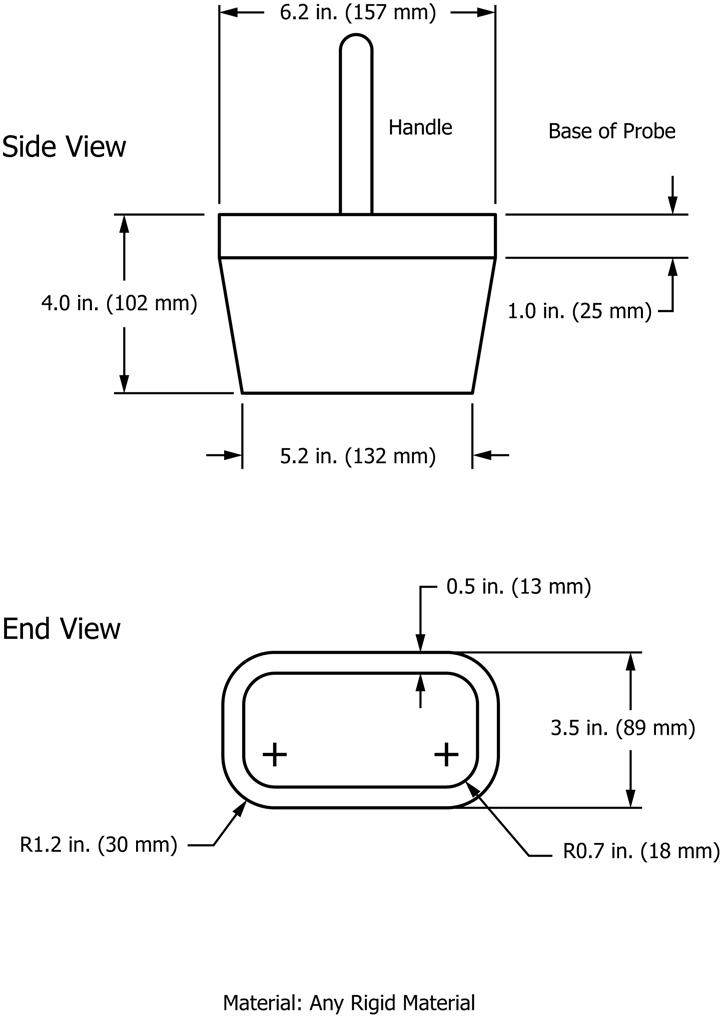
NOTE 1—Material:Anyrigidmaterial. FIG.A1.1TorsoProbe
ReferenceSections 6.2.1, 6.2.1.1, 6.2.2, 6.2.2.1
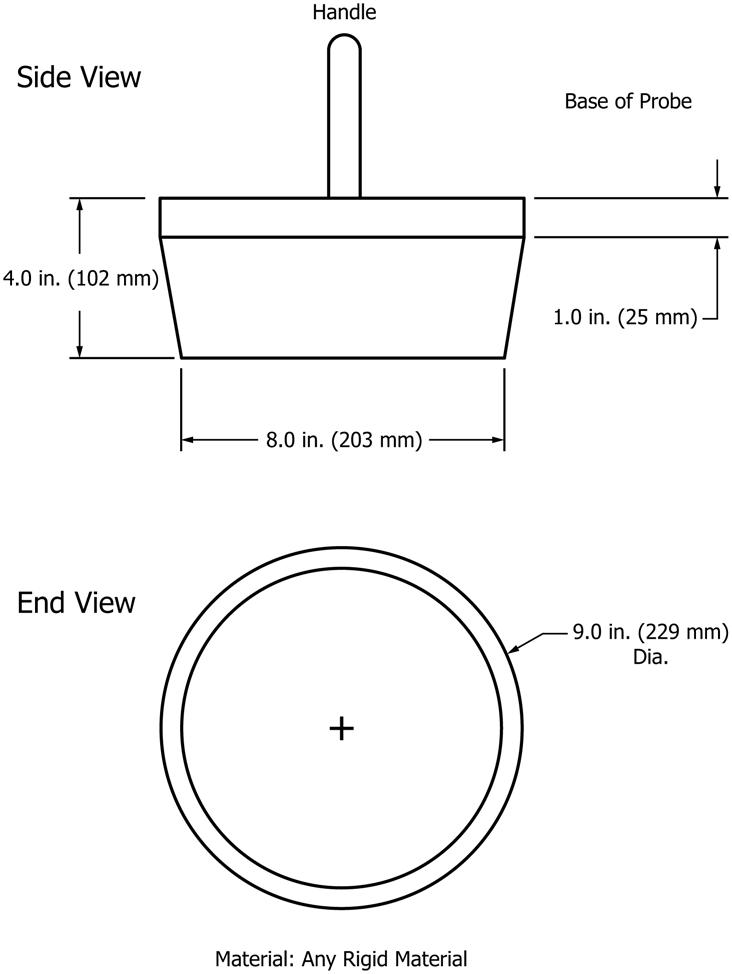
NOTE 1—Material:Anyrigidmaterial. FIG.A1.2HeadProbe
ReferenceSections 6.2.1.1, 6.2.2, 6.2.3.1
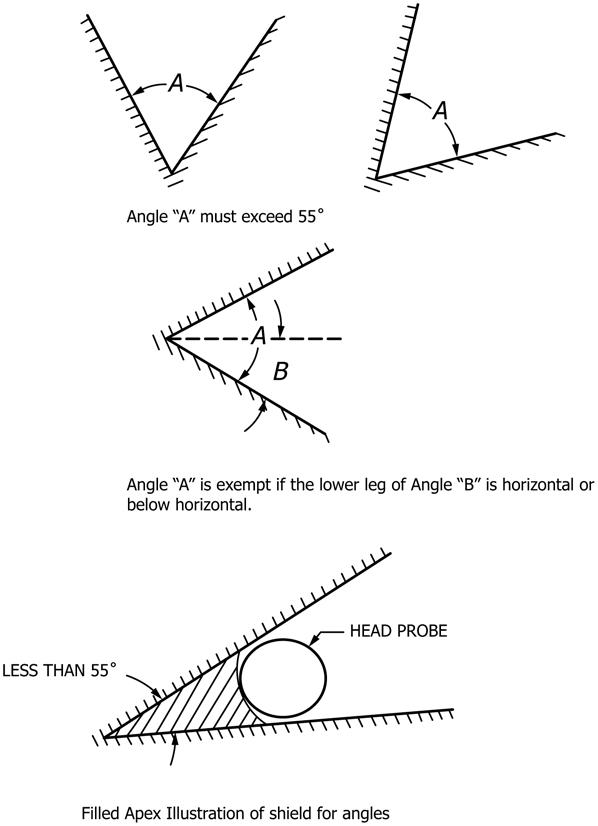
FIG.A1.3RecommendationsforAngles ReferenceSection 6.2.3.1
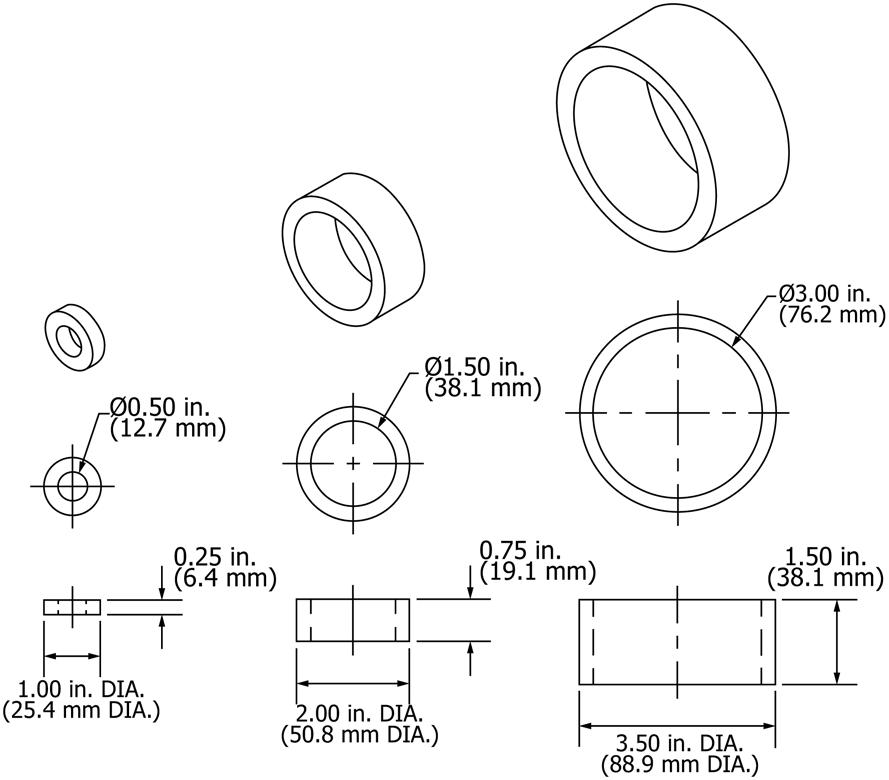
ReferenceSections 6.4, 6.4.2, 6.5.1.1, 6.5.2.1, 6.5.3, 6.5.4
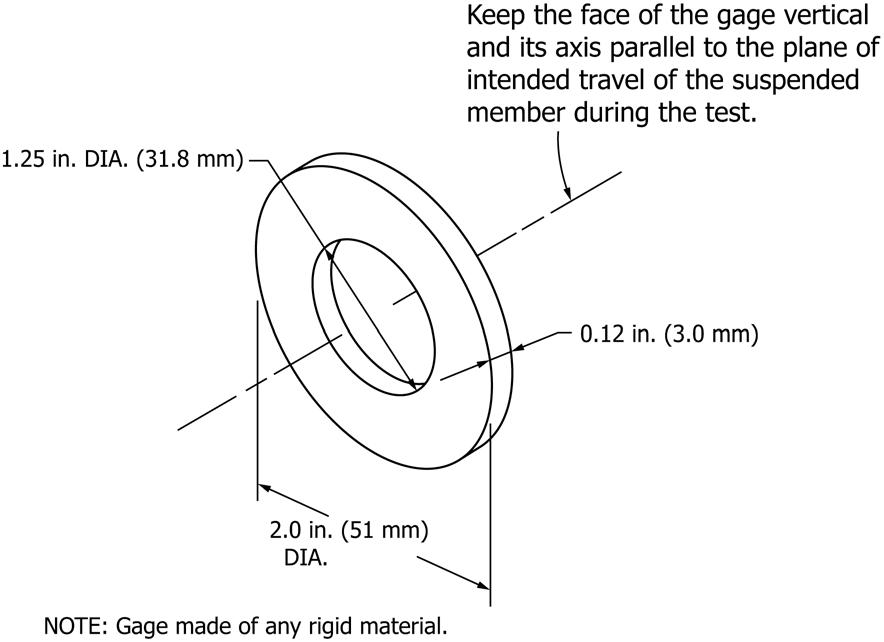
FIG.A1.5ProtrusionTestGaugeforSuspendedMembers ReferenceSections 6.4, 6.4.3
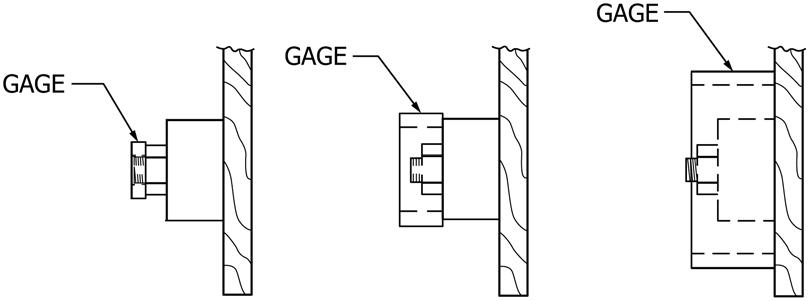
FIG.A1.6CompoundProtrusionTest
ReferenceSection 6.4.2
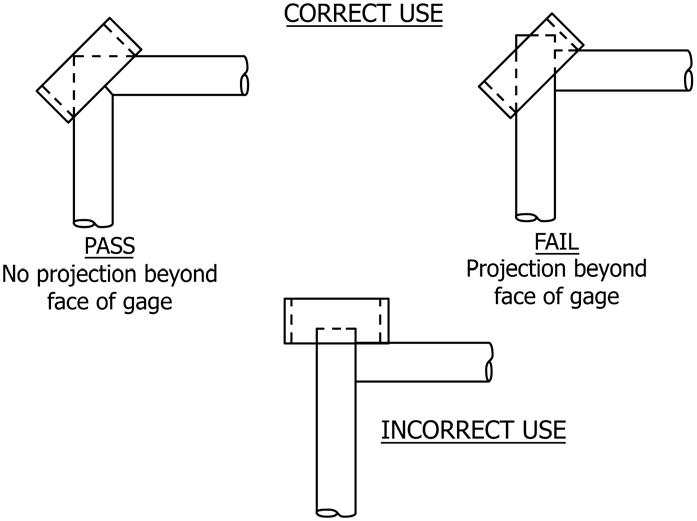
ReferenceSection 6.4.2
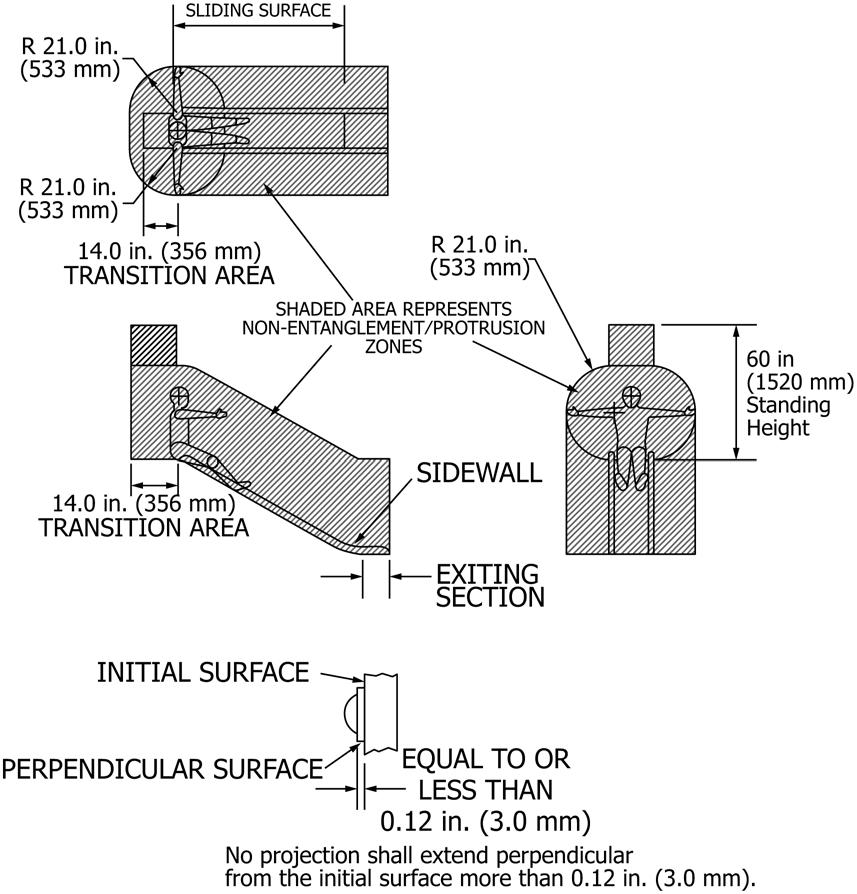
FIG.A1.8AreaSubjecttotheRequirementsofSection 6.5.1
ReferenceSection 6.5.1
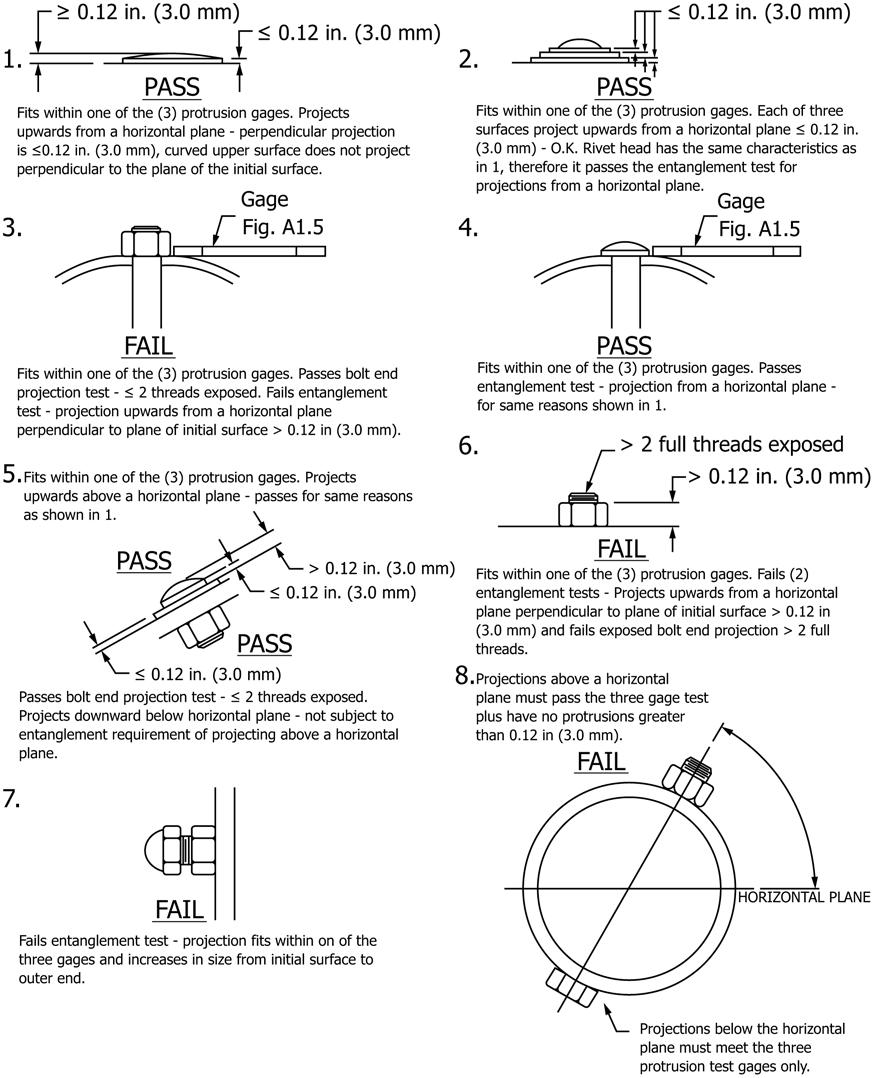
FIG.A1.9EntanglementTestRequirementExamples
ReferenceSection 6.5.2.2, 6.5.2.3, 6.5.4
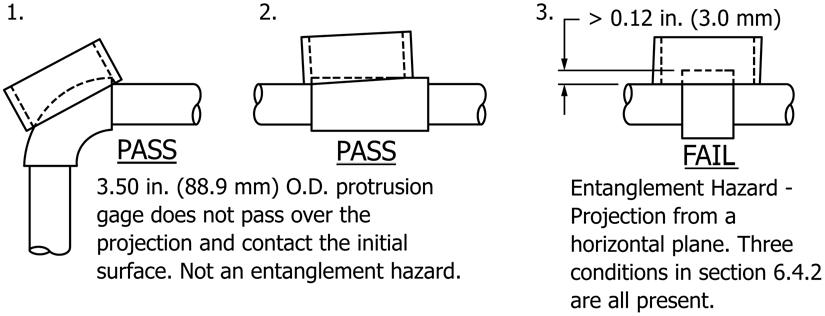
FIG.A1.10EntanglementTestRequirementExamples
ReferenceSection 6.5.2.2, 6.5.2.3
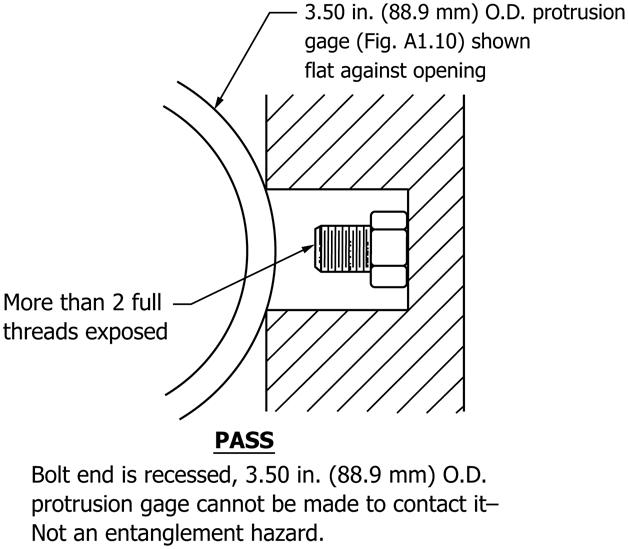
FIG.A1.11EntanglementTestRequirementExamples
ReferenceSection 6.5.3
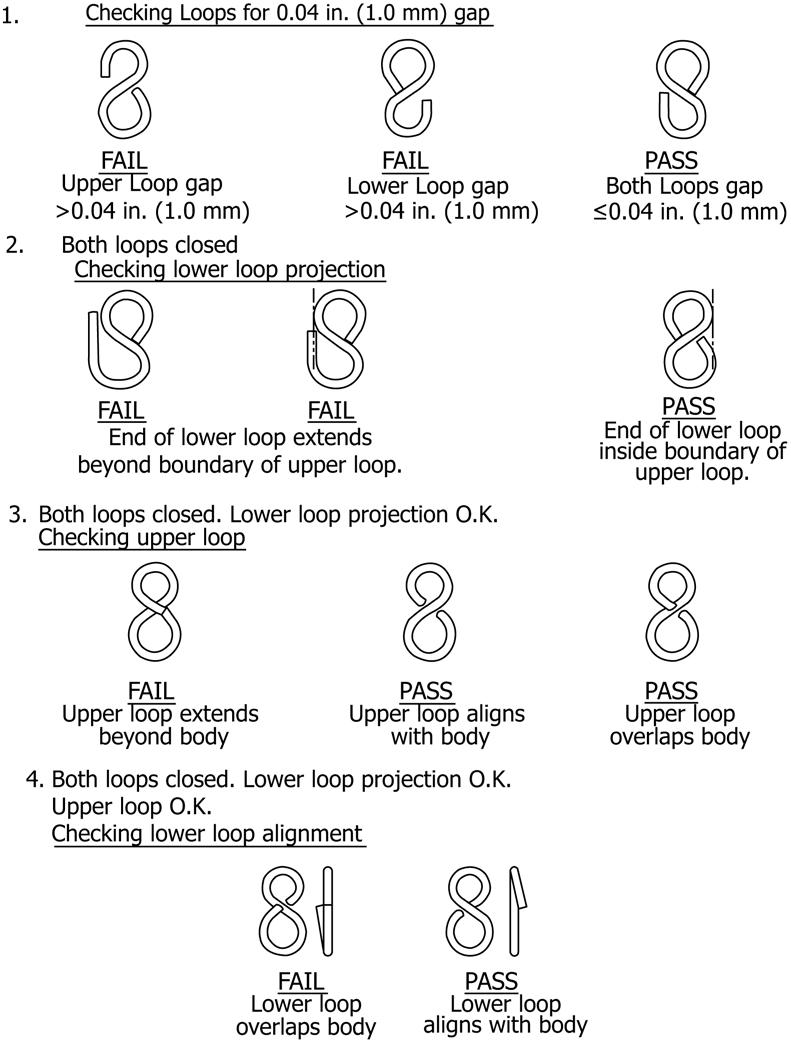
FIG.A1.12RequirementsforFasteningDevices
ReferenceSections 6.5.5, 6.5.5.1
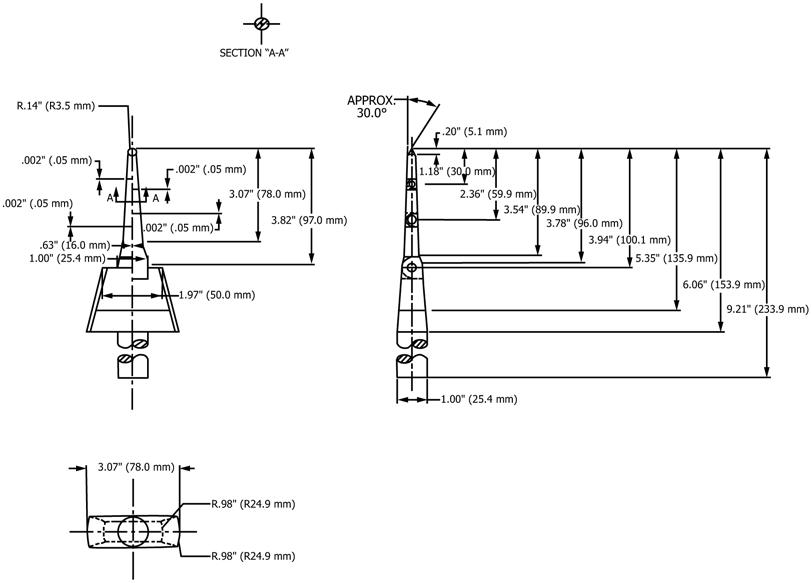
ReferenceSection 6.6.1.1
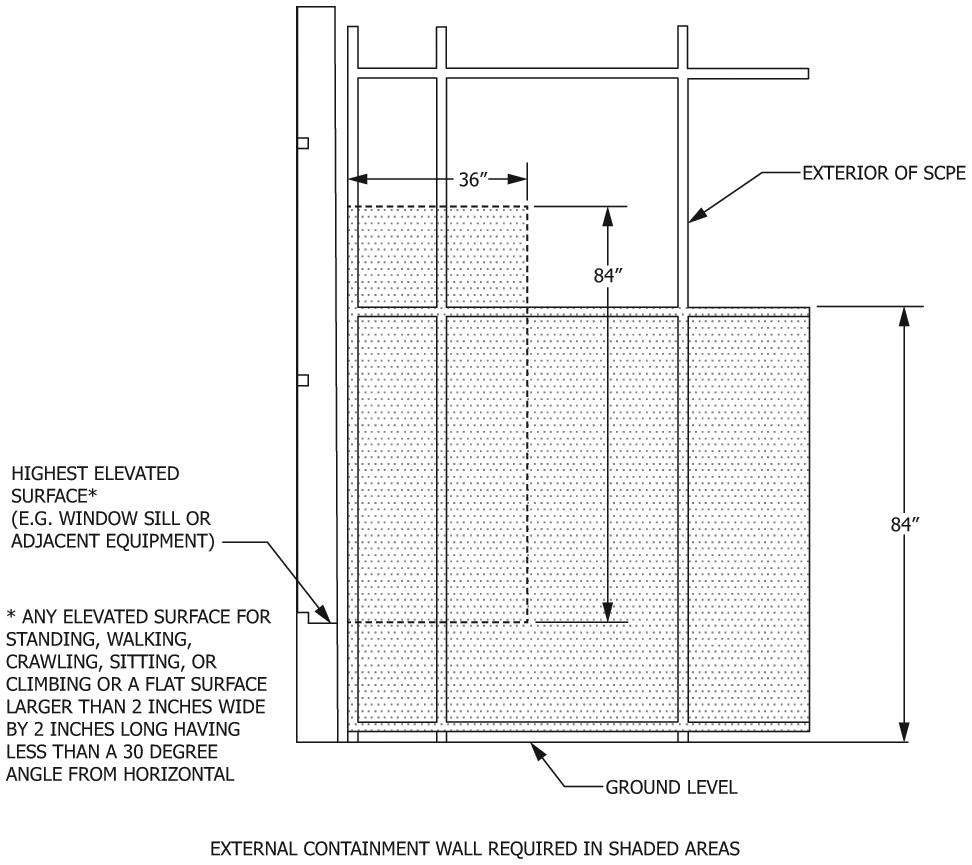
FIG.A1.14AccessibleExternalPortionoftheSCPE ReferenceSection 8.1.6.1 (1)
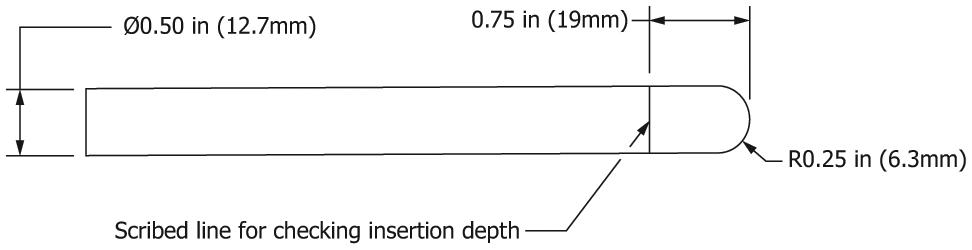
FIG.A1.150.50-in.DiameterTestProbe ReferenceSection 8.1.6.1 (2)
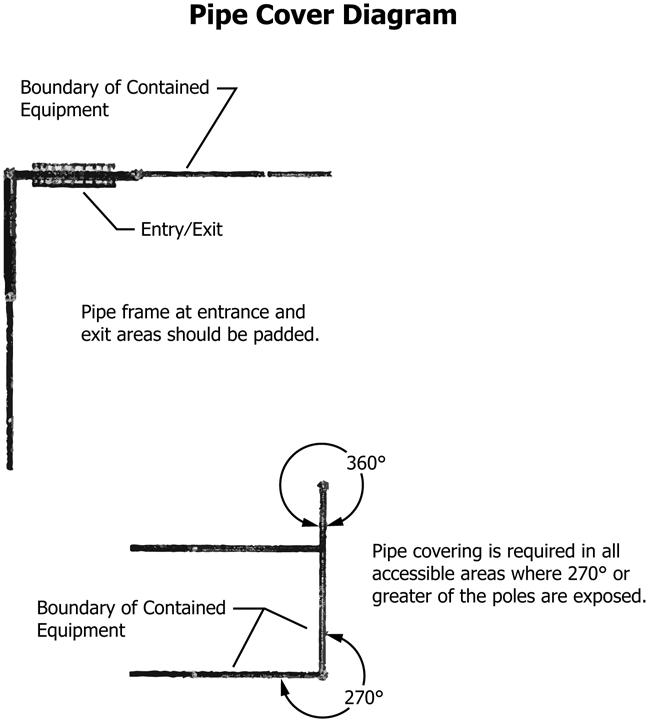
ReferenceSection 8.1.7.1
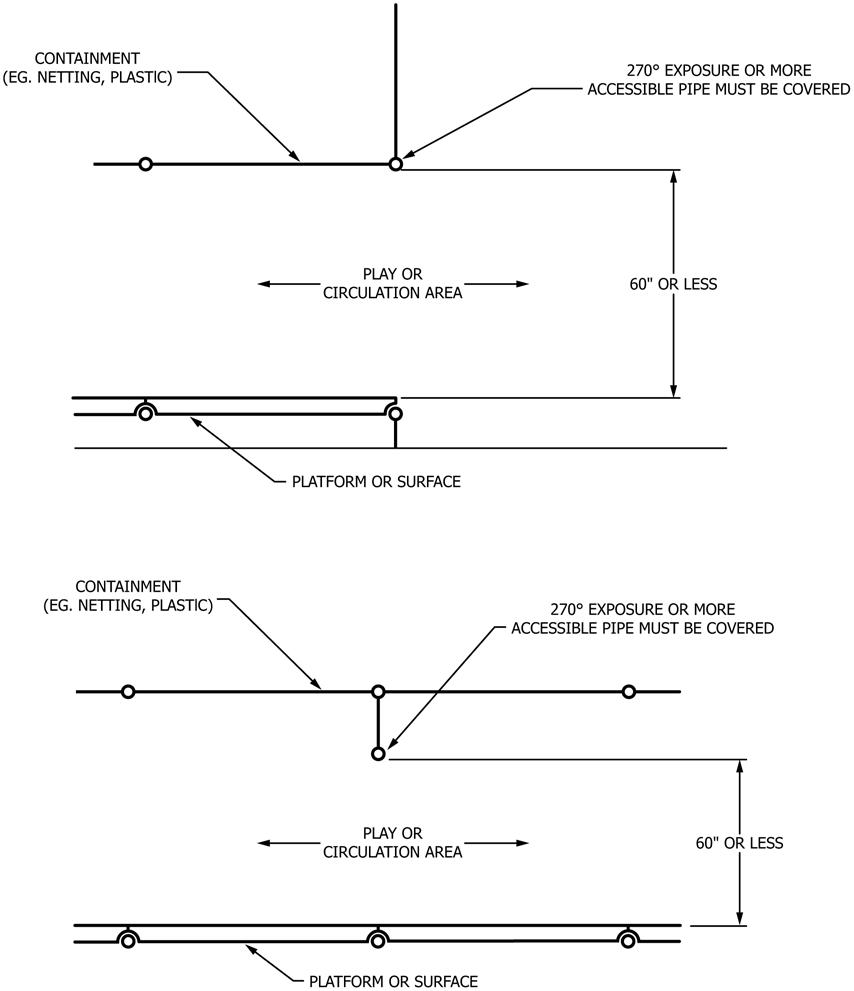
ReferenceSection 8.1.7.2 (1)
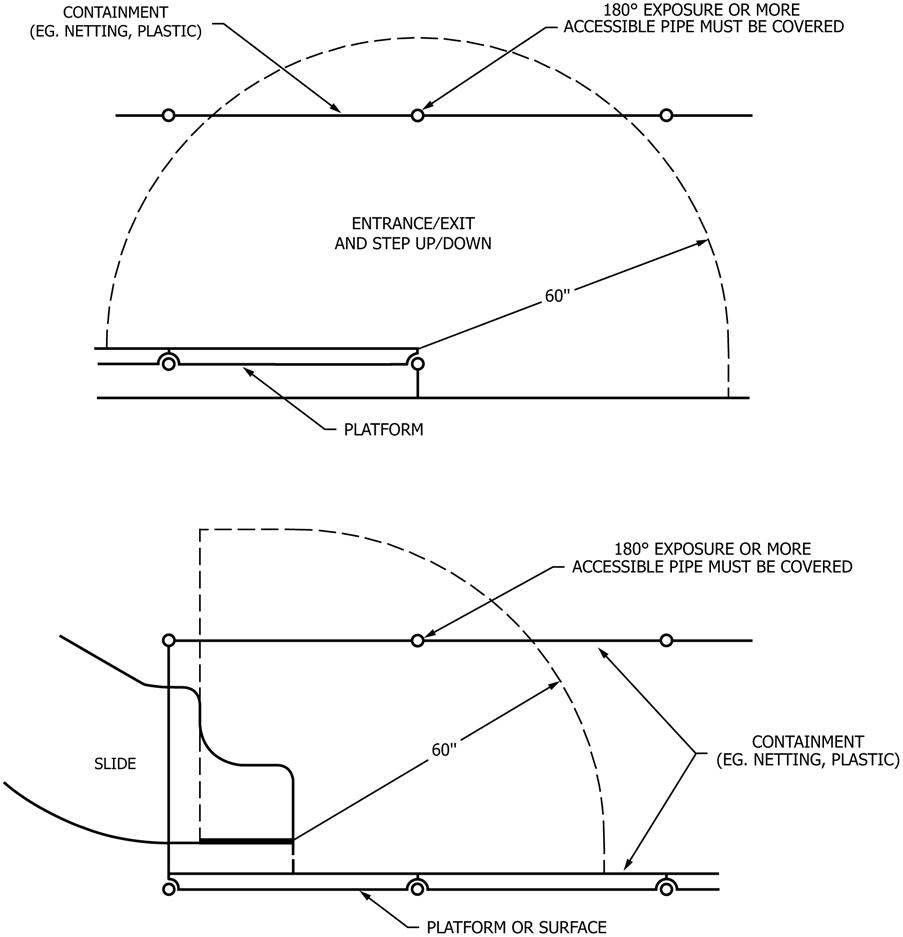
FIG.A1.18ElevationView
ReferenceSection 8.1.7.2 (2)
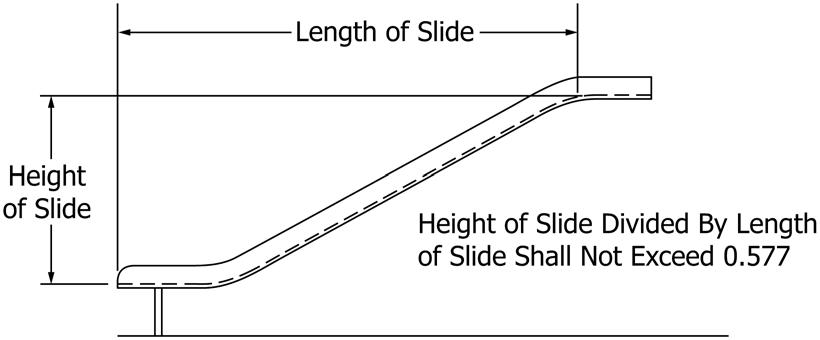
FIG.A1.19Height/LengthRationofSlidingSurfaces
ReferenceSection 8.5.3
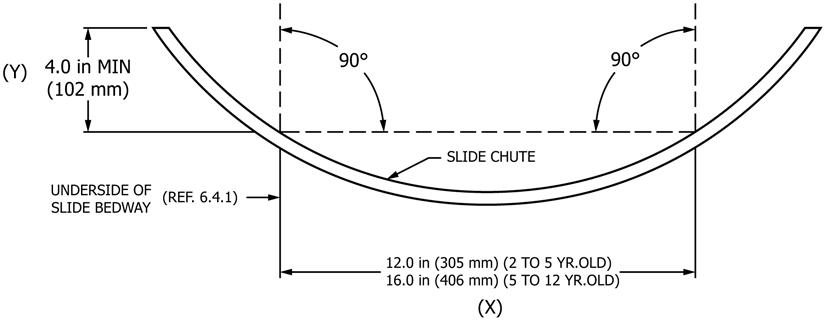
FIG.A1.20FormulaforMinimumVerticalSidewallHeight ReferenceSection 8.5.7
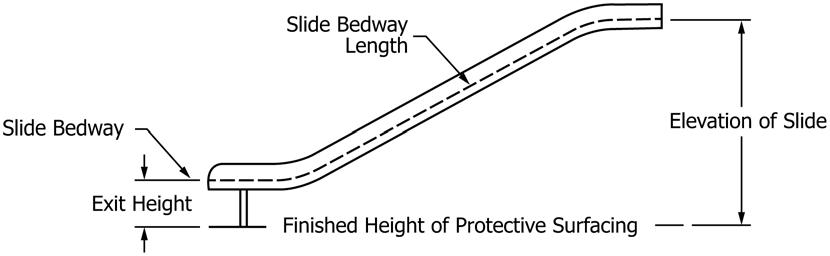
NOTE 1—Ifelevationis>48in.(1220mm)exitheightshallbebetween7in.(180mm)and15in.(380mm).Ifelevationis ≤48in.(1220mm)exit heightshallbe11in.(280mm)maximum.ReferenceSection 8.5.11.1
NOTE 2—Slidebedwaylength,forstructuralintegritypurposesonly,isdenotedbythedashedline.ReferenceSection 10.4.2.2 FIG.A1.21HeightofSlideExitRegionandSlideBedwayLength ReferenceSection 8.5.11.1
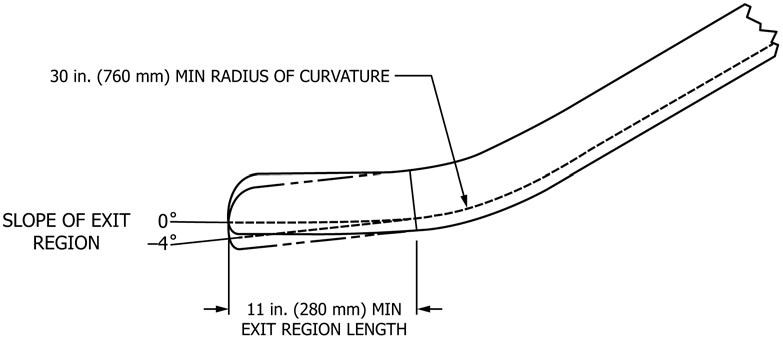
FIG.A1.22SlideExitRequirements Sections 8.5.11.2, 8.5.11.3, 8.5.11.4
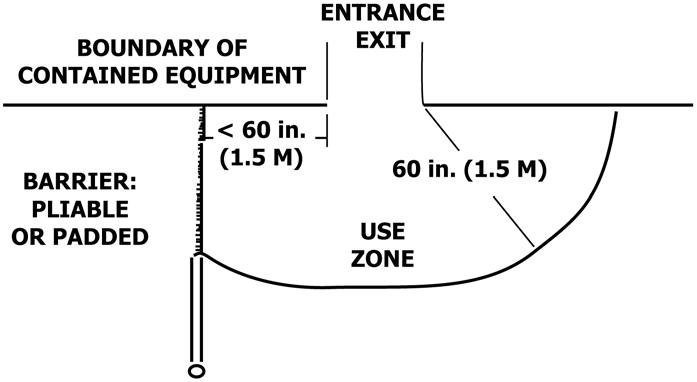
FIG.A1.23UseZone
ReferenceSection 9.2.3
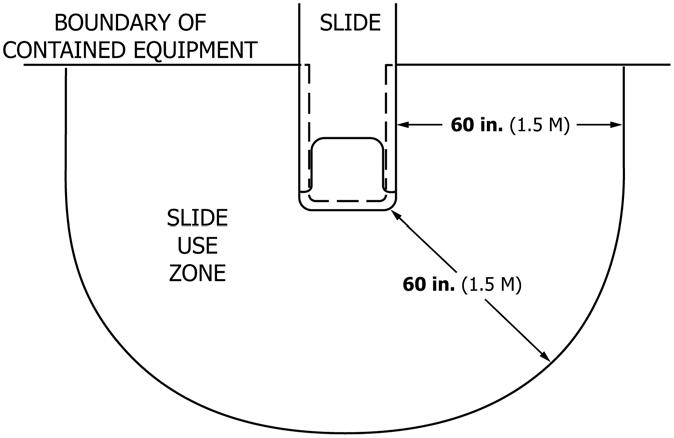
FIG.A1.24EnclosedSlideUseZone
ReferenceSection 9.3.3.1 (1)
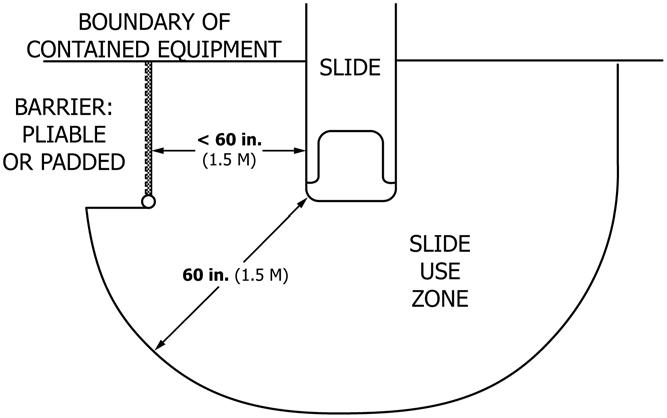
FIG.A1.25EnclosedSlideUseZone
ReferenceSection 9.3.3.1 (2)
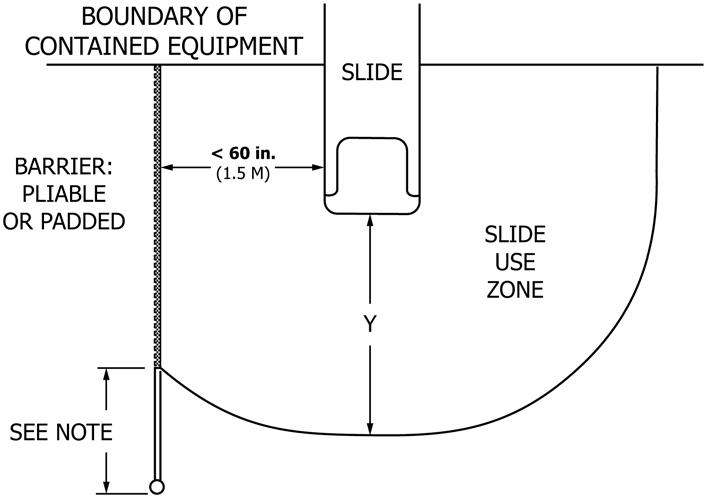
NOTE 1—Neednotbepliableorpaddedexceptasrequiredby 8.1.7
FIG.A1.26EnclosedSlideUseZone
ReferenceSection 9.3.3.1 (2)
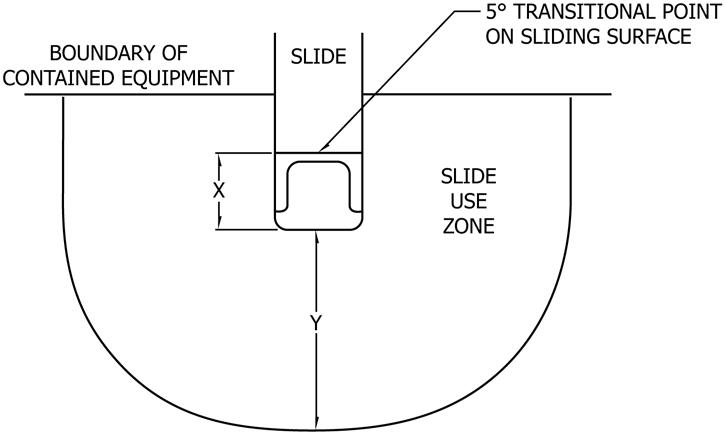
NOTE 1—Ifx ≥ 36in.,theny ≥ 60in.Ifx<36 in.,theny ≥ 72in.
FIG.A1.27EnclosedSlideUseZone ReferenceSections 9.3.3.2 (1), 9.3.3.2 (2)
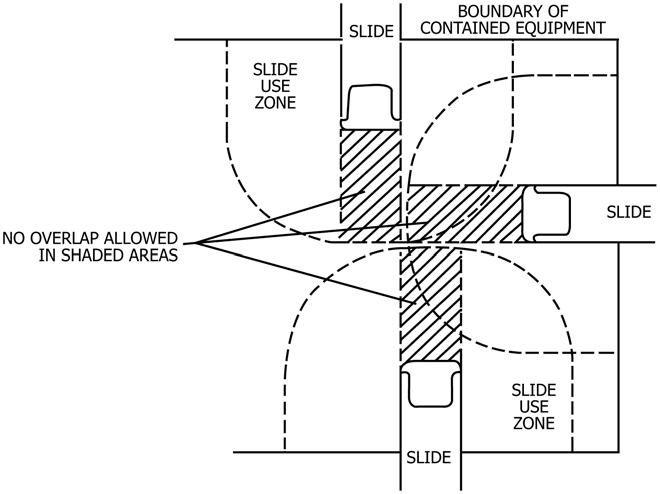
FIG.A1.28EnclosedSlideUseZone ReferenceSection 9.3.5
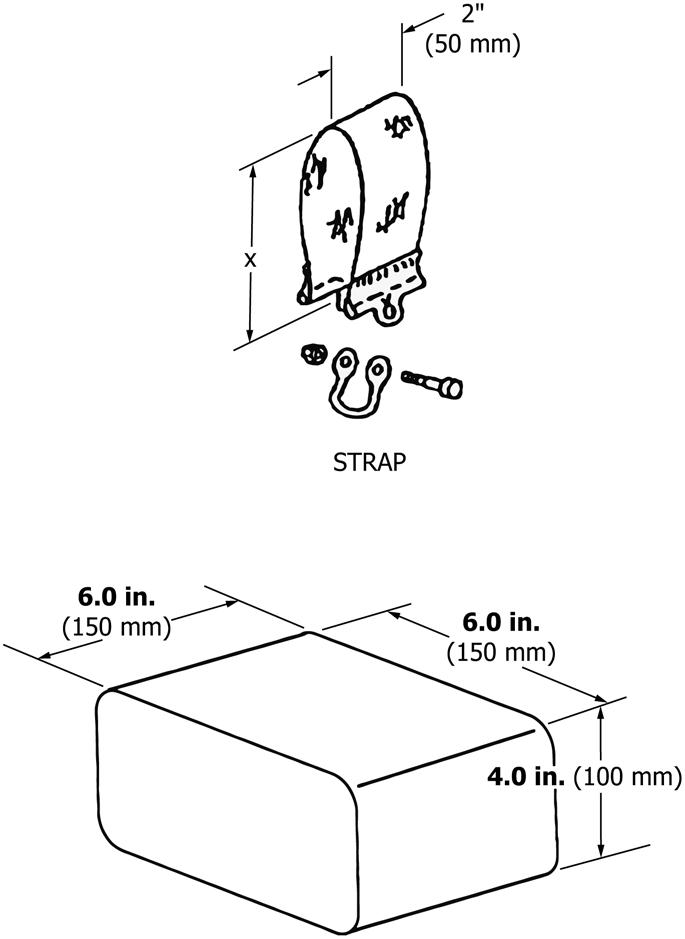
ReferenceSection 10.3.1
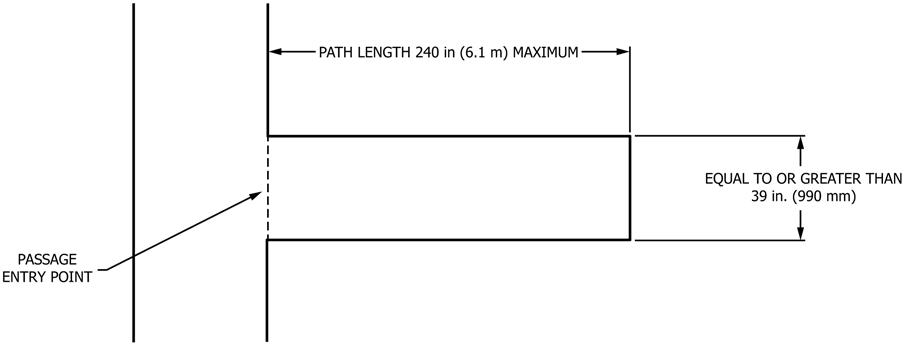
FIG.A1.30DeadEndCrossSectionEqualtoorGreaterThan39in.(990mm)
ReferenceSection 13.3.1
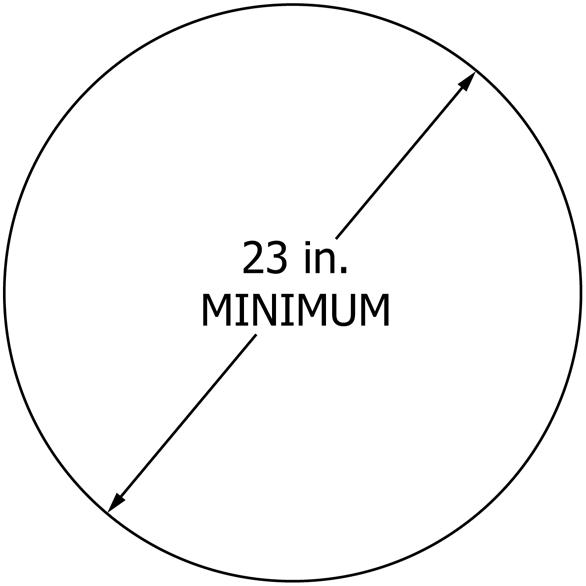
FIG.A1.31TubularDeadEndCrossSectionElevationView
ReferenceSection 13.3.2.1(1)
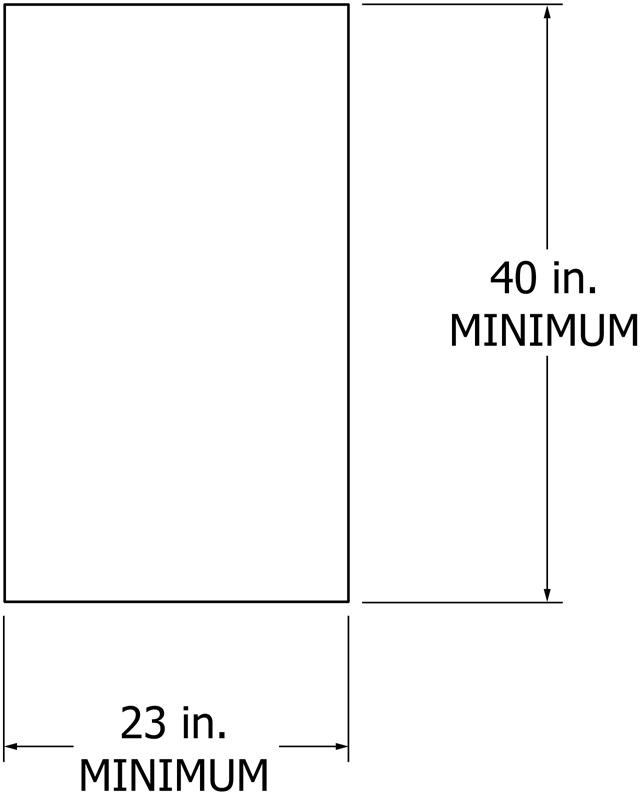
FIG.A1.32RectangularDeadEndCrossSectionElevationView
ReferenceSection 13.3.2.1(2)
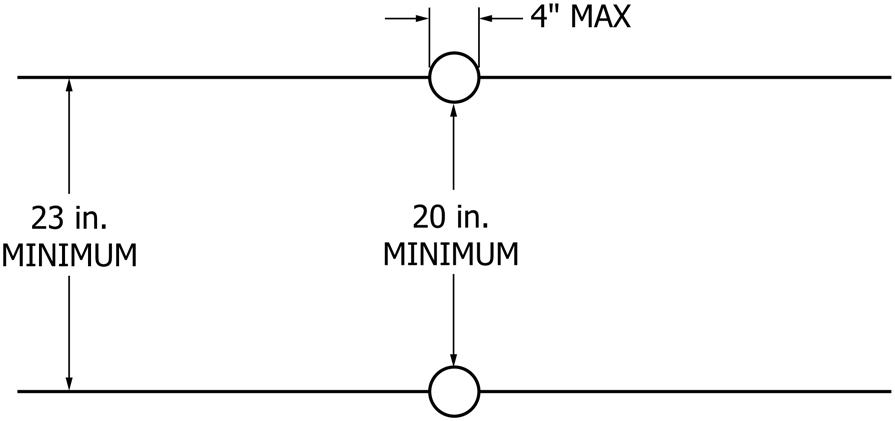
FIG.A1.33RectangularDeadEndWithVerticalSupportColumnsOverheadView ReferenceSection 13.3.2.1(2)
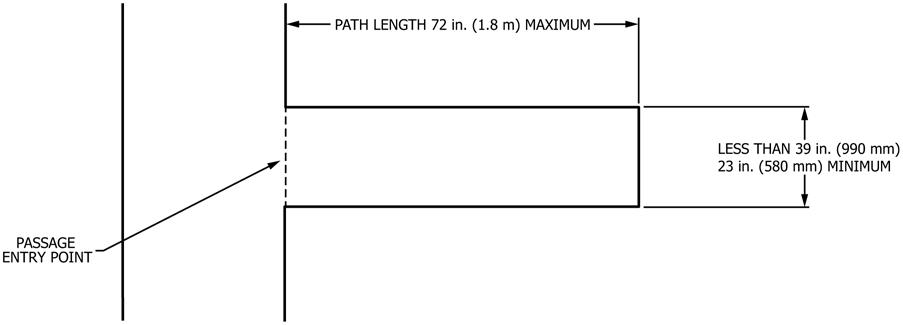
FIG.A1.34DeadEndsWithLessThan39in.(990mm)CrossSectionWithoutTurnaroundOverheadView
ReferenceSection 13.3.2.2 (1)
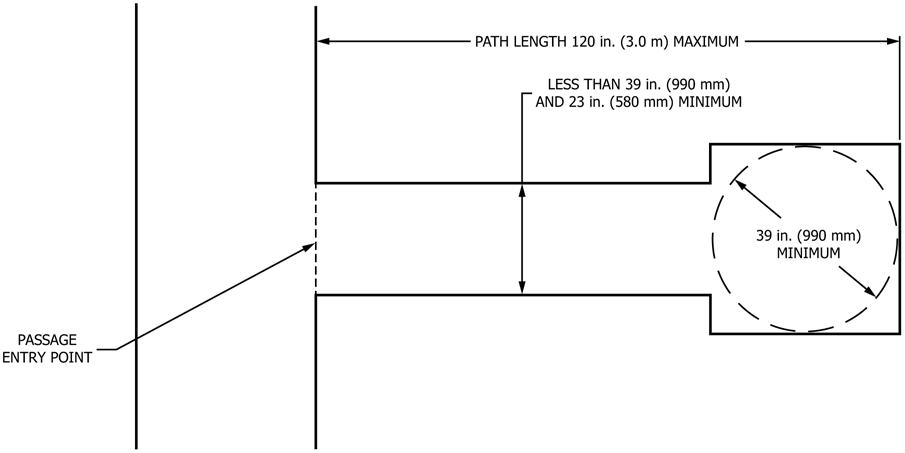
FIG.A1.35DeadEndsWithLessThan39in.(990mm)CrossSectionWithTurnaroundOverheadView
ReferenceSection 13.3.2.2 (2)
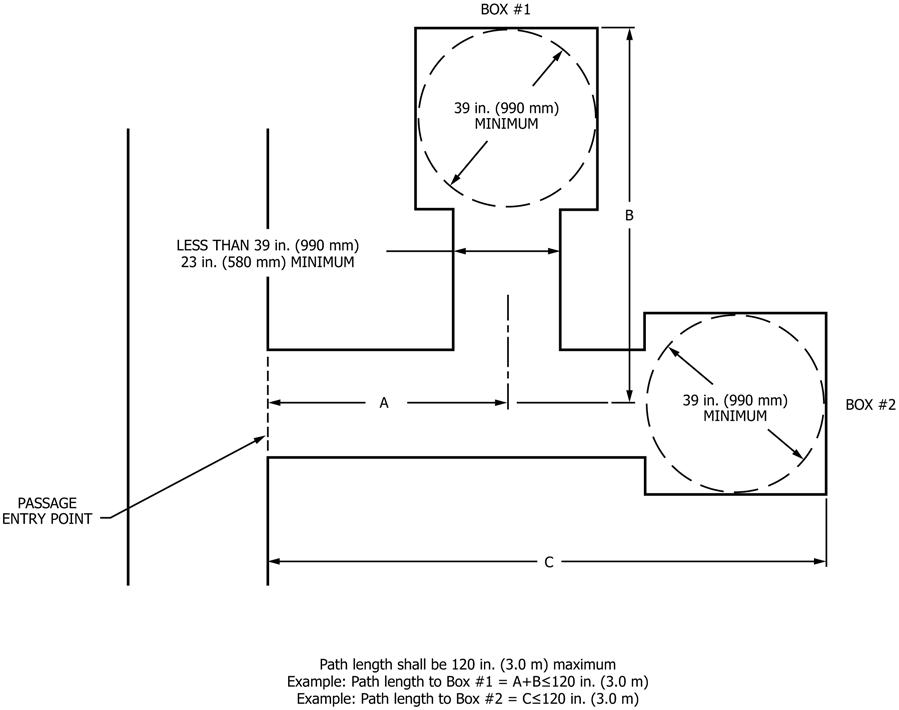
FIG.A1.36DeadEndswithLessThan39in.(990mm)CrossSectionwithMultipleTurnarounds ReferenceSection 13.3.2.2(3)
ASTMInternationaltakesnopositionrespectingthevalidityofanypatentrightsassertedinconnectionwithanyitemmentioned inthisstandard.Usersofthisstandardareexpresslyadvisedthatdeterminationofthevalidityofanysuchpatentrights,andtherisk ofinfringementofsuchrights,areentirelytheirownresponsibility.
Thisstandardissubjecttorevisionatanytimebytheresponsibletechnicalcommitteeandmustbereviewedeveryfiveyearsand ifnotrevised,eitherreapprovedorwithdrawn.Yourcommentsareinvitedeitherforrevisionofthisstandardorforadditionalstandards andshouldbeaddressedtoASTMInternationalHeadquarters.Yourcommentswillreceivecarefulconsiderationatameetingofthe responsibletechnicalcommittee,whichyoumayattend.Ifyoufeelthatyourcommentshavenotreceivedafairhearingyoushould makeyourviewsknowntotheASTMCommitteeonStandards,attheaddressshownbelow.
ThisstandardiscopyrightedbyASTMInternational,100BarrHarborDrive,POBoxC700,WestConshohocken,PA19428-2959, UnitedStates.Individualreprints(singleormultiplecopies)ofthisstandardmaybeobtainedbycontactingASTMattheabove addressorat610-832-9585(phone),610-832-9555(fax),orservice@astm.org(e-mail);orthroughtheASTMwebsite (www.astm.org).PermissionrightstophotocopythestandardmayalsobesecuredfromtheCopyrightClearanceCenter,222 RosewoodDrive,Danvers,MA01923,Tel:(978)646-2600;http://www.copyright.com/