
With over 30 courses ranging from mushroom cultivation, berry, fruit, and maple production, to business management and capital acquisition
Enroll today!
smallfarms cornell edu


With over 30 courses ranging from mushroom cultivation, berry, fruit, and maple production, to business management and capital acquisition
Enroll today!
smallfarms cornell edu
Crafting rituals bringing you back to yourself

It is very easy to get overwhelmed by everything that is happening in today’s world, and discouragement is an ailment that we can’t blame anyone for having
AI, war, climate change, inflation, I’m sure I don’t have to go through the whole list in order to illustrate how much powerlessness these things can make us feel
Luckily, discouragement and despair have a little array of antidotes we can use to lessen the symptoms
One of the biggest is to lean on community Whether that’s spending more time with loved ones, engaging in communal action with others, or volunteering
Another example of what this can look like is supporting local businesses and small farms like Burr Hall Farm, and funneling power and funding back into our communities, the people that need it most, and away from those utilizing our precious resources to destroy and harm
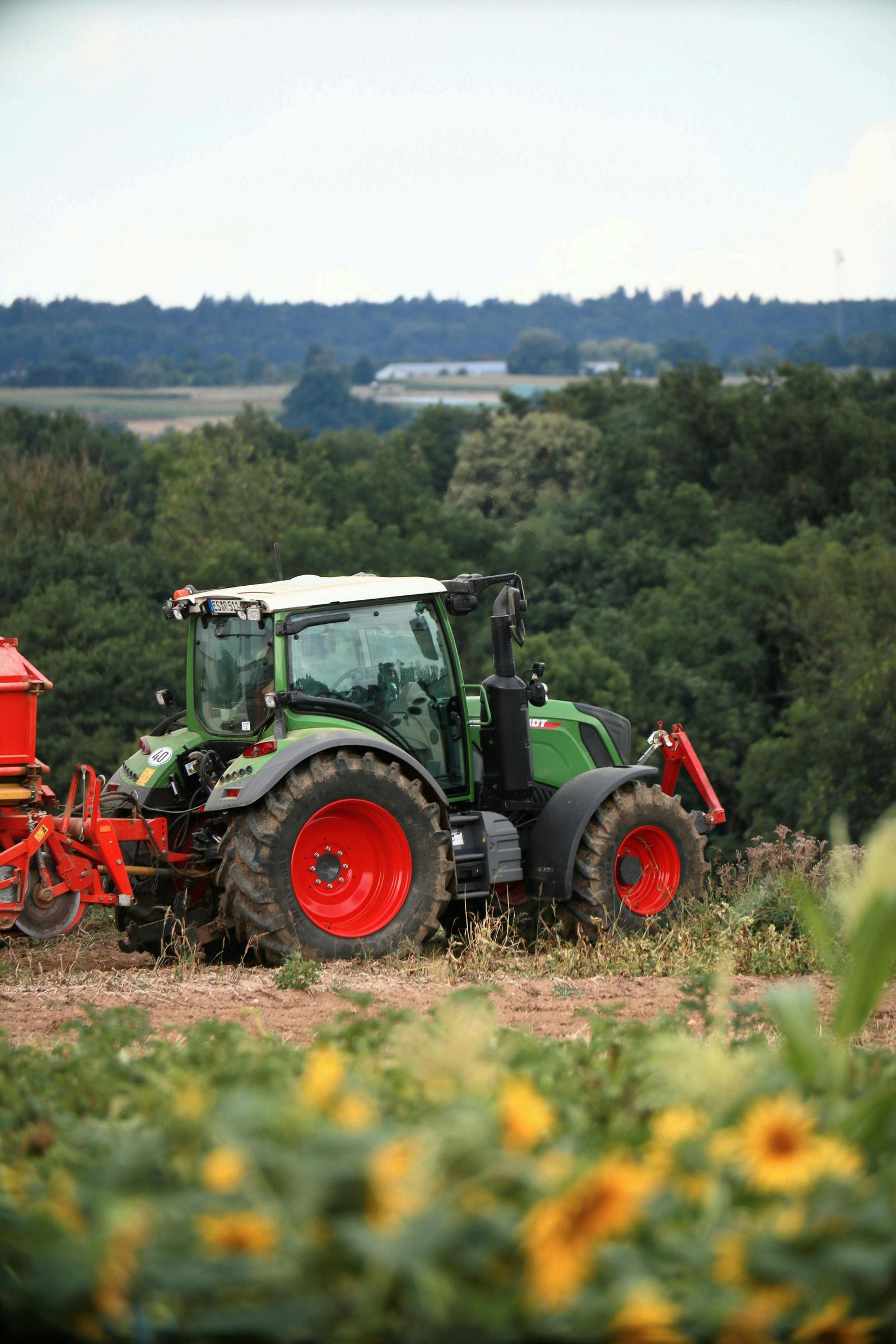
Please enjoy this issue, dedicated to farming and our farmers, those that feed, nurture, and sustain us, and the increased emphasis on regenerative agriculture
Regenerative just might be my favorite word
The very basic definition is to give more than we take To contribute not just the equivalent of what we extract, but to give more To take something dead, dying, or depleted and make it more vibrant than before
Regenerative agriculture is a model in which, instead of depleting our soil through monocropping, pesticides, herbicides and other chemicals we nurture replenish and revitalize it by mimicking environments where these crops grow naturally, in tandem with others, and by engaging natural farming practices
The result? More nutritious, healthy, and tasty produce, and actually maximizing production volume compared to mono-cropping (the planting and harvesting of a single crop at a time – think: corn or wheat fields)

Publisher Michael Ennis
Regenerative agriculture is something Burr Hall Farm cares about deeply, and a practice we aim integrate, exploring ways to do so every day
As a start-up we have the opportunity and the privilege to start right from the beginning
Thank you, as always, for being here and being a part of our story
Until next month!
With love, light, and gratitude,



Eleonora Fogg EDITOR-IN-CHIEF eleonora@svvl
net
Editor-In-Chief
Eleonora Fogg

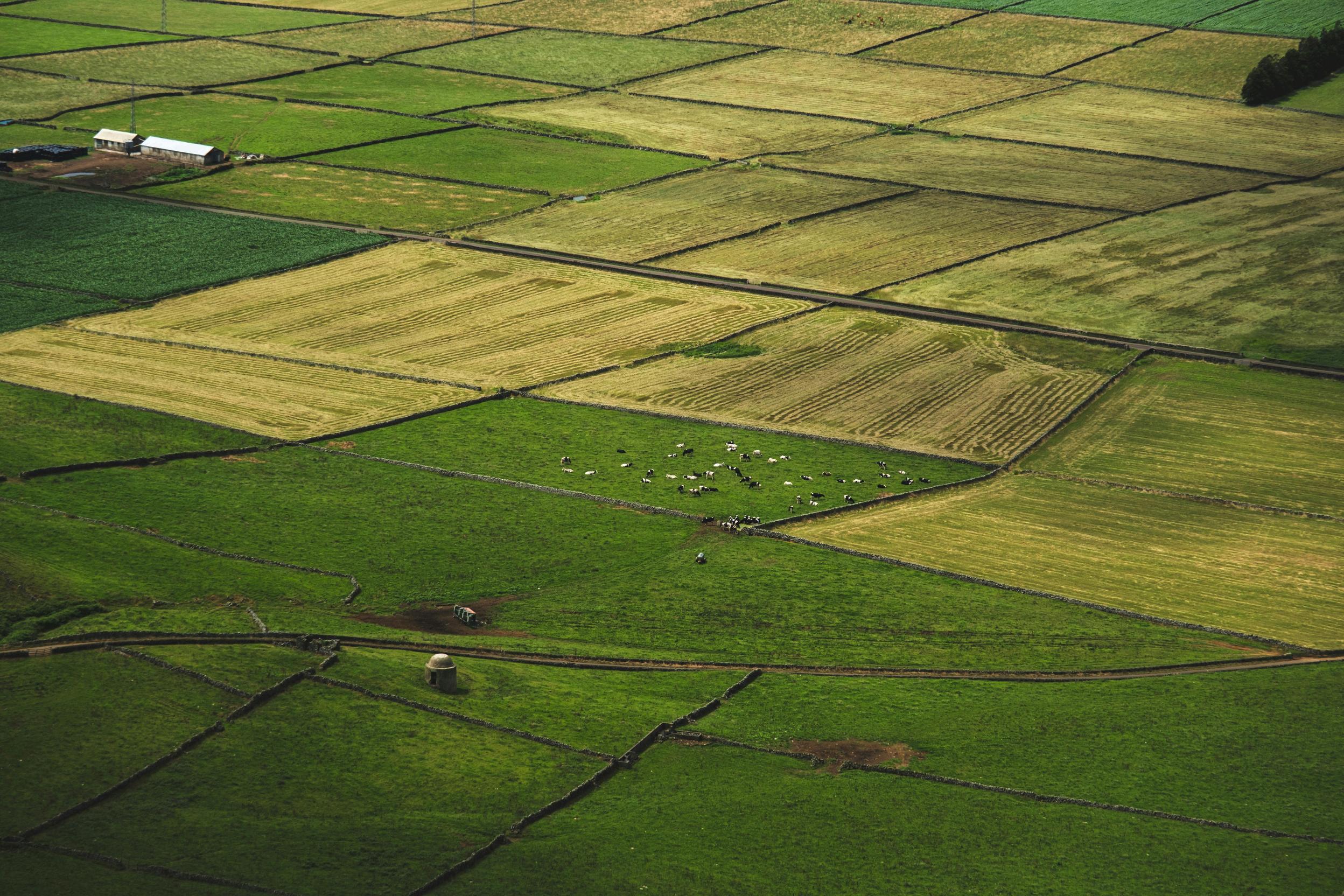
Regenerative farming isn’t just another trend in agriculture; it’s the future of it
It’s happening in the rolling hills of North Dakota, where farmers transform degraded land into thriving pastures without synthetic fertilizers It’s happening in the Amazon rainforest where agroforestry systems mimic the ecosystem's natural diversity And it’s happening in the labs of organizations like the Rodale Institute, where decades of research prove that healthy soil can feed the world and heal the planet
We are rediscovering the knowledge of Indigenous peoples, integrating it with modern science, and creating farming systems that work with nature, not against it The result? Soils that store carbon instead of releasing it, farms that thrive in droughts and floods, and nutrient-dense, delicious food that nourishes both people and the planet
Imagine a farm where the soil is alive not just dirt, but a bustling metropolis of fungi, bacteria, earthworms, and billions of unseen organisms This is the foundation of regenerative farming Unlike conventional agriculture, which often treats soil as a medium to hold plants in place, regenerative farming sees soil as a living ecosystem that must be nurtured, not exploited
At its heart, regenerative farming is about restoration It’s a set of practices designed to:
Rebuild soil health by increasing organic matter and fostering biodiversity
Sequester carbon in the soil, pulling it out of the atmosphere and locking it away where it belongs
Restore water cycles so that rain soaks into the ground instead of running off, carrying soil and pollutants with it
Support biodiversity by creating habitats for pollinators, birds, and beneficial insects
A farm isn’t just a factory for food; it’s a partner in the ecosystem, and its health is intertwined with the health of the land, the water and the communities that depend on it
1 Minimize Soil Disturbance In conventional farming, tilling the soil is as routine as planting seeds But tilling destroys the delicate networks of fungi and microbes that live in the soil It exposes organic matter to the air, causing it to break down and release carbon dioxide It disrupts earthworms and other soil dwellers leaving the land vulnerable to erosion and compaction
Regenerative farmers avoid tilling whenever possible Instead they use no-till drills to plant seeds directly into undisturbed soil adopt low-till methods that disturb the soil as little as possible, and let worms and fungi aerate the soil naturally This results in soil that holds together like a sponge soaking up water during storms and releasing it slowly during droughts
2 Keep the Soil Covered Bare soil is like a city street in summer hot, hard, and lifeless When soil is exposed to the sun and wind, it dries out, erodes, and loses its ability to support life That’s why regenerative farmers never leave the soil bare
To prevent this, farmers cover the soil with cover crops like clover, rye, or vetch, which grow between main crops to protect the soil, suppress weeds, and feed the microbes below; mulch, whether from crop residues, straw, or even wood chips, which insulates the soil, retains moisture, and slowly decomposes into organic matter; and living roots year-round, ensuring that the soil is always teeming with life creating a thriving underground world where plants and microbes work together to build fertility
3 Increase Biodiversity A monoculture field of corn or soybeans is like a desert for most wildlife It offers food for a handful of species but leaves the rest struggling to survive Regenerative farming flips this script by embracing diversity
Farmers achieve this through:
Crop rotation: Planting different crops in sequence to break pest cycles and improve soil health
Polycultures: Growing multiple crops together, like beans, corn, and squash in the traditional “Three Sisters” method, which mimics natural ecosystems
Agroforestry: Integrating trees and shrubs into farmland to provide habitat, improve soil structure, and diversify income streams
The more diverse a farm, the more resilient it becomes Pests have a harder time spreading, diseases can’t take hold as easily, and the soil stays healthy year after year
The benefits of regenerative farming extend far beyond the farm gate They touch every part of our world from the air we breathe to the water we drink, and even the stability of our climate
For the Soil When soil is rich in organic matter, it holds more water, reducing the need for irrigation and making farms more resilient to drought; it filters pollutants, keeping rivers and lakes clean; and stores carbon, pulling it out of the atmosphere and locking it away where it can’t contribute to climate change
In fact, some studies suggest that regenerative practices can sequester enough carbon to offset a significant portion of global emissions, if adopted widely
For Farmers Transitioning to regenerative farming isn’t just good for the planet, it’s good for the bottom line Farmers who adopt these practices often see:
Lower input costs, as they rely less on synthetic fertilizers and pesticides
Higher yields over time as soil health improves and resilience to climate challenges increases
New revenue streams, such as selling carbon credits or accessing premium markets for regeneratively grown food
Gabe Brown, a farmer in North Dakota, turned his family’s struggling operation into a thriving business by adopting regenerative practices Today, his soil is so healthy that he can grow crops without synthetic fertilizers, and his profits reflect it
For Communities When farms reduce their use of chemicals, nearby communities benefit from cleaner air and water, as fewer pollutants are released into the environment; more nutritious food, as regeneratively grown crops often have higher levels of vitamins and antioxidants; and stronger local economies, as regenerative farms create jobs and support rural communities
In places like Brazil s Amazon, regenerative agroforestry systems are giving Indigenous communities the tools to protect their land while earning a sustainable income proving that conservation and livelihoods can go hand in hand
For the Planet Perhaps the most compelling reason to embrace regenerative farming is its potential to reverse some of the damage we ’ ve done to the planet By sequestering carbon in the soil, we can slow the pace of climate change; by restoring biodiversity we can bring back pollinators birds and other wildlife that are critical to healthy ecosystems; and by protecting water cycles, we can ensure that future generations have access to clean, reliable water
Regenerative farming won’t solve every problem overnight, but it’s a critical piece of the puzzle An incredible avenue to heal the land feed the world and fight climate change at the same time
The good news? The movement is growing From small family farms to large-scale operations farmers are proving that another way is possible Consumers are demanding better food Businesses are investing in sustainable supply chains Policymakers are starting to listen But the transition won’t happen by accident It will take all of us farmers, businesses, leaders, and eaters working together to build a food system that nourishes the planet as much as it nourishes us


Mother’s Day is on its way! Do you have any plans to surprise and honor the mother(s) in your life? Look no further for Chef Yann always has something amazing you can give as a gift, so keep an eye out for seasonal goodies for all those very special mamas out there
Markets, cafes, restaurants, oh my! Burr Hall Farm is excited to engage with its community, whether that’s continuing to participate in local markets and festivals, collaborating with cafes and shops, or partnering with restaurants An online store and a physical farm store are also in the works, featuring honey, bee products, lavender goodies, and tea!
How many horror movies do you watch a week? A month? A year? What draws you to them? What do you wish more horror movies had? Horror is Drax’s temporary genre, and we want to make sure it's as captivating and enjoyable (and scary) as possible! Tell us what you like!
Is May the season of marathons? In either case make sure you are training stretching resting and recovering properly marathon runner or not Wellness+ Studio offers a bespoke menu of ways to take care of your body, including liquid IVs, acupuncture, massage, stretching sessions, yoga, and personal training Take the time to take care of yourself, or give the gift of wellness this Mother’s Day with a treatment certificate at the studio!
Event Highlight: New Hope
Please join NYC’s small local animal shelter for their 6 annual life-saving gala on April 29, 2026, at The Lighthouse in New York City Second Chance Rescue will honor Ralph Macchio, Rob and Marisol Thomas, and Dr Tom Walker, who will receive the Angel & Hero Award for their dedication to animal welfare
Comedian Anthony Rodia will host the evening, with special guest Georgina Bloomberg and entertainment by DJ GEO ROC Guests will enjoy the excitement of bidding in both our live and silent auctions The night will conclude with dancing as the community comes together in support of animals in need
You can learn more and become a sponsor by visiting their website Here’s to saving lives for furry friends in need!


Serving the StuyTown, New York community with freshly baked French delights for the pleasure of families and those seeking to enjoy a taste of the French heritage and “savoir-faire”
www bread-story com
Ingredients:
3 cups self-rising flour
3 TB sugar
⅓ cup Burr Hall Farm’s honey
1 12 oz bottle of beer

Directions:
1 Preheat the oven to 350 degrees Fahrenheit Grease an 8×4-inch loaf pan with butter or oil.
2.In a large bowl, combine the flour and sugar. Add the honey and beer. Stir until moist.
3.Transfer the dough into the prepared loaf pan. Bake for 45 to 50 minutes. To test for doneness, insert a toothpick into the center of the bread. If it comes out clean, it's done.
4 Cool the bread in the pan for 10 minutes. Transfer to a wire rack and let cool completely.
5 Slice and enjoy! :)

Premium quality products since 1914