Physics in Schools_ Building a Foundation for Scientific Thinking
Physics in Schools: Building a Foundation for Scientific Thinking
The Role of Physics in Modern Education
Physics is a core subject in education that helps students understand the natural world and the laws that govern it Teaching physics in schools develops logical reasoning, problem-solving skills, and curiosity about how things work. From the motion of planets to the mechanics of a bicycle, physics is present in everyday life By introducing it early in school, students build a foundation not just for academic success but also for understanding technology and innovation in society.
How Physics Encourages Critical Thinking
When students learn physics in schools, they learn to analyze data, draw conclusions, and apply scientific principles to real-life situations Physics teaches them to ask “why” and “how” questions, encouraging deeper thought and exploration. It moves beyond memorization by requiring interpretation of formulas, understanding of systems, and the ability to predict outcomes, which are valuable skills in every academic field and future career
Connecting Physics to Daily Life
Making science relatable is key to keeping students engaged Lessons about light, sound, energy, and motion help students connect physics in schools to things they see every day like smartphones, electricity, or sports. When students realize that physics is behind much of modern life, they become more motivated to learn Teachers often include real-world experiments or discussions around topics like commercial energy to keep learning relevant and practical.
Challenges in Teaching School Physics
Despite its importance, many schools face challenges in teaching physics effectively Some lack equipment, while others struggle with outdated curricula or limited teaching time. Furthermore, students sometimes see physics as too difficult or abstract Improving physics in schools requires investment in teacher training, updated materials, and new methods that make learning fun and accessible, especially through hands-on experiments and interactive lessons.
Hands-On Learning and Experimentation
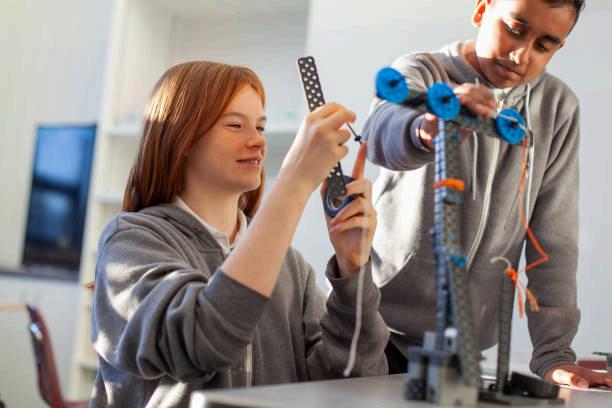
Practical experiments are essential for making physics exciting. When students perform experiments like testing gravity, building circuits, or measuring sound they understand the subject better Physics in schools should always include opportunities for students to ask questions, test ideas, and learn by doing. This method strengthens their understanding of theories and helps them build confidence in using scientific tools
The Importance of Skilled Physics Teachers
A knowledgeable and passionate teacher makes a big difference Teachers who are trained in the subject and comfortable with the latest techniques can turn complex topics into understandable lessons Effective physics in schools begins with strong teacher support, including access to training, new teaching resources, and collaboration with science organizations. DPG, for example, provides workshops and tools to help educators deliver quality physics education
Encouraging Equal Access and Diversity in Physics
Every student, regardless of background, should have the opportunity to enjoy and succeed in physics Making physics in schools more inclusive means supporting underrepresented groups and addressing barriers such as gender stereotypes or lack of support at home Encouraging diversity not only broadens participation but also brings fresh ideas and perspectives to the science community as a whole
Incorporating Technology Into Physics Education
Technology enhances how students learn and interact with physics Interactive simulations, virtual labs, and online platforms allow learners to experiment with concepts beyond the classroom Many modern programs that support physics in schools now include apps or virtual tools that simulate experiments or help visualize forces, waves, and motion, making abstract concepts easier to understand.
Integrating Environmental Topics and Energy Awareness
Topics like climate change and sustainable energy are deeply rooted in physics. By incorporating lessons on solar power, wind energy, and commercial energy usage, students see how physics relates to global issues This connection helps students think critically about the future and understand how science can help solve some of the world’s biggest challenges. Such topics also make lessons more engaging and meaningful
Encouraging Scientific Careers Through Early Exposure
Early exposure to physics can inspire students to pursue careers in science, technology, engineering, or math (STEM) Schools that emphasize physics in schools as more than just a subject but as a pathway to future opportunities help open doors for students Competitions, science fairs, guest lectures, and field trips to research centers can spark lifelong interest in scientific discovery
Support from Scientific Organizations
Organizations like the Deutsche Physikalische Gesellschaft (DPG) support physics education through outreach programs, school visits, and teacher training These initiatives provide valuable resources that improve physics in schools and help teachers stay updated with current developments in the field. Collaborations between schools and science organizations can lead to better learning experiences and greater student enthusiasm