ORIGINS
April 2026
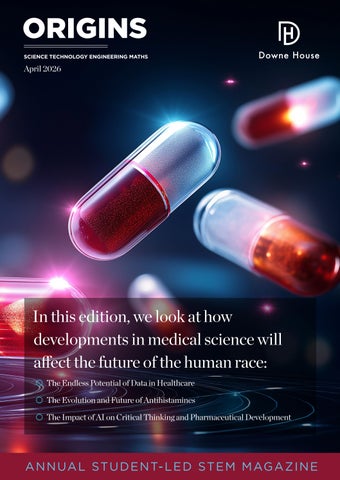
April 2026
As the STEM Seniors, we are delighted to introduce the Fifth Edition of Origins.
From exploring AI’s impact, to introducing complex biological concepts, revealing the origins of emotions, and evaluating the potential of data in healthcare, the variety of themes researched by students at Downe House is incredible. This is a testament to the students’ hard work and our thriving STEM community.
In Origins, you can find essays written by a range of year groups, accessible to any interested reader regardless of prior knowledge. As well as research essays, you will also find fun puzzles and quizzes to challenge yourself during some downtime.
Engagement with STEM so far this year has been brilliant. STEM Society has expanded to include new groups, including Coding Club and Engineering Society. The range of activities we organise aims to represent all facets of STEM, and these are also showcased through the diversity of topics in our magazine.
We hope you enjoy reading Origins!
From Yuchen (Lisa), Ivie and Liberty

AVIAN INFLUENZA: A CAUSE FOR CONCERN?
Rosie Ilott (LVI)
Joline
POTENTIAL OF DATA
Sophie Chow (LVI)
Rebecca Ang (UVI)
NANOTECHNOLOGY: UNLOCKING BIG POSSIBILITIES AT THE SMALLEST SCALE
Ivie Avwenagha (UVI)
ABSOLUTE ZERO TO THE STARS
Abi Bowden (LVI)
PHYSICS OF THE STRING FIGURE (CURLEW)
Angel Dai with Emma Davies (UVI)
TIME TRAVEL FUNDAMENTALLY POSSIBLE?
Pippa Drysdale (LVI)
THREE BODY PROBLEM
Emily Meng (UV)
IT ETHICAL TO FORCE INDIVIDUALS TO BE VACCINATED FOR THE GREATER GOOD?
Sophie Lambourne (UVI)
WE FEEL FEAR AND HAPPINESS
Kayla Vela (UVI)
Margaret
Tiffany Cheong (UVI)
Since the 1960s, birth control has been increasingly used for a variety of reasons. For the purposes of this essay, birth control is defined as any medicine, device, or method used to prevent pregnancy. The most well-known method, the pill, has been widely praised as a revolutionary medical advancement that gave women greater control over their bodies and lives by allowing them to plan when to have children. The pill was researched to be more reliable and convenient than other contraceptive methods, such as condoms or diaphragms. However, this progress comes with a significant cost.
As a chemical contraceptive, the pill primarily contains hormones such as progesterone, oestrogen, or a combination of both. At lower levels, oestrogen stimulates the production of follicle stimulating hormone, which enables egg production. Taking the pill increases oestrogen levels, which inhibits follicle stimulating hormone. Without the release of an egg, pregnancy cannot occur. This method has been shown to be around 99 percent effective. However, interfering with natural hormone production results in a wide range of side effects.
Other female contraceptive options include diaphragms, intrauterine devices, and implantable rods. The diaphragm is a shallow silicone cup inserted into the vagina to prevent pregnancy. With perfect use, it is between 92 and 96 percent effective, although in practice its effectiveness is closer to 83 percent. Intrauterine devices, often copper coils, work by thinning the lining of the womb, reducing the likelihood of implantation. They are not suitable for everyone, as copper allergies or uterine shape can cause them to be expelled. Implantable rods release hormones gradually, similar to the pill, and provide a reliable long term option.
Hormonal contraceptives are associated with side effects including headaches, mood swings, and nausea. There are also long-term risks such as blood clots and an increased risk of breast or cervical cancer, which may take years to return to normal after stopping the pill. These long-term implications are often overlooked due to shortterm benefits, such as the absence of regular periods and a reduced risk of pregnancy. The United States Food and Drug Administration warning insert for the pill exceeds 6,000 words. Compared with most other medications, this highlights the unusually heavy biological burden placed on women in exchange for reproductive autonomy.
Pioneers such as Marie Stopes and Margaret Sanger highlighted the importance of women gaining control over their bodies in the early twentieth century. This represented a significant milestone in the women’s rights movement. Today, women have more than ten contraceptive methods available, while men have only two options: condoms and vasectomy. Neither option is hormonal, long acting, and reversible.
Women also carry the majority of the financial and health related costs. Male contraceptives such as condoms are generally inexpensive and widely available, whereas female methods are often costly and require medical appointments or prescriptions. Although female contraceptives were developed to support bodily autonomy, the lack of male options may reflect enduring patriarchal attitudes. Women are fertile for approximately 30 years, while men can father children later in life, making male contraception a logical focus for further research. Effective male hormonal contraceptives remain limited. Clinical trials have been delayed or abandoned due to side effects such as mood changes, acne, or weight gain, despite these being side effects that women are commonly expected to tolerate. Pharmaceutical companies have been hesitant to invest, citing concerns about male willingness and assumed lack of interest. However, surveys indicate that many men would consider using a male contraceptive pill, with willingness comparable to that of women.
More recently, Adamgel, a non-hormonal male contraceptive, has been developed. This hydrogel is injected into the vas deferens, where it blocks sperm that then naturally degrade. It is temporary, reversible, and effective for at least two years. However, its commercial availability remains uncertain. Until male contraceptives are developed, widely accepted, and easily accessible, the biological inequality of birth control will persist.
The inequality surrounding birth control extends beyond biology and influences social expectations. Women are often expected to endure health risks, financial costs, and emotional responsibility for fertility management. This reinforces traditional gender roles rooted in patriarchal structures.
Contraception is frequently praised as a cornerstone of female empowerment, yet the imbalance remains evident. Men have limited, low-risk options, while research into alternatives is slowed by concerns over male side effects. This double standard prioritises male comfort over female wellbeing.
Awareness of this inequality remains limited outside academic or feminist discussions. Public discourse often celebrates access to contraception without addressing hidden costs or gender disparities in development, marketing, and usage. Recognising this imbalance should encourage increased research into safe and effective contraceptives for both sexes, improve affordability and access, and challenge the assumption that reproductive responsibility rests with women alone.
In conclusion, while birth control has granted women greater autonomy, this progress has come with an unequal burden. Greater societal support, innovation in male contraception, and shared responsibility are essential to achieving genuine equality. Until then, the biological inequality of birth control remains a clear example of gender imbalance in modern healthcare.
Sophie Chow (LVI)

Chronic diseases such as cancer, diabetes, and heart conditions are the leading causes of death and disability in the United Kingdom, placing increasing pressure on the National Health Service and a profound burden on individuals. Traditionally, healthcare has followed a one-size-fits-all approach, with treatments prescribed based on average population responses. This can result in a costly process of trial and error, with patients experiencing ineffective treatments or harmful side effects before finding the correct therapy. For example, oncology patients with similar tumours may receive the same chemotherapy yet respond very differently, and heart attack patients prescribed identical blood-thinning medication may also show varied outcomes. This variation occurs because treatments often fail to address the specific genetic factors driving disease. Precision medicine seeks to overcome this by tailoring prevention and treatment to each individual’s genetic makeup while also considering environmental and lifestyle influences.
The completion of the Human Genome Project in 2003 identified all genes within the human genome, highlighting its remarkable complexity. This achievement laid the foundation for genomic testing and pharmacogenomics, which examine genetic variation to improve individual treatment outcomes.
Pharmacogenomics, the study of how genes influence drug response, is central to precision medicine. Genes code for enzymes responsible for drug metabolism, and genetic variation can slow drug breakdown, cause harmful accumulation, or prevent activation of medication, rendering treatment ineffective. Precision oncology applies this understanding by analysing two genomes: the inherited genome of the patient, which affects drug metabolism, and the acquired genome of the tumour, which drives abnormal cell growth. This approach allows clinicians to select targeted therapies and optimise dosage, increasing effectiveness while reducing adverse side effects. Genetic testing also enables disease prediction and prevention. By assessing genetic risk alongside epigenetic changes and lifestyle factors, clinicians can identify susceptibility to conditions such as Alzheimer’s disease or coronary heart disease long before symptoms develop. Early intervention improves quality of life and reduces long-term healthcare costs.

Precision medicine has transformed cancer treatment. Historically, cancers were classified and treated according to their organ of origin, such as lung or breast cancer. Advances in genomic sequencing now allow identification of the specific mutations responsible for uncontrolled cell growth. Chronic myeloid leukaemia once had a median survival of only four months when treated with conventional chemotherapy. Today, approximately ninety percent of cases involve a fusion gene known as BCR ABL1, which produces excessive tyrosine kinase. Targeted drugs such as imatinib and dasatinib inhibit this protein, turning the disease into a manageable condition with remission rates exceeding ninety percent. Treatment is now guided by molecular cause rather than tumour location.
Precision medicine has also improved outcomes in cardiovascular disease. Approximately one in 250 people in the United Kingdom has familial hypercholesterolaemia, a monogenic autosomal dominant condition that causes high cholesterol and significantly increases the risk of early heart disease. Genetic testing allows early diagnosis, enabling more intensive statin treatment and cascade testing of relatives, improving both clinical outcomes and cost effectiveness.
In psychiatry, precision medicine is beginning to reshape treatment for depression. Traditional prescribing methods are often inefficient, with only thirty percent of patients responding to their first medication. Precision psychiatry integrates genetic data, neuroimaging, and biomarkers to identify biological subtypes of depression, such as inflammatory or autoimmune-related conditions. This allows targeted treatment, including immunotherapy in specific cases, resulting in improved outcomes compared with standard approaches.
Despite its potential, precision medicine faces practical, financial, and ethical challenges. Genomic technologies require significant investment, raising concerns about widening health inequalities. Successful implementation also depends on a skilled workforce trained in genomics and bioinformatics. National initiatives such as the United Kingdom 100,000 Genomes Project aim to address these challenges by integrating genomic medicine into routine care, particularly for rare diseases and cancer.
The use of genetic data raises important ethical concerns. Risks include data privacy breaches and genetic discrimination, particularly in low and middle income countries. Indigenous populations have historically been underrepresented or exploited in genomic research, as seen in the Human Genome Diversity Project, which failed to adequately address social and ethical considerations. Ethical precision medicine requires community engagement, cultural sensitivity, and transparent access to research benefits.
The future of precision medicine is promising. Advances in artificial intelligence and real-time genomic analysis are expanding opportunities for personalised treatment, even for rare conditions. The key challenge remains ensuring equitable access so that scientific progress benefits all populations. Integrating genomic medicine into mainstream healthcare is essential for maximising its potential and building a healthier future for everyone.
Sasha Cork (LVI)
Artificial Intelligence (AI) is reshaping society, influencing the way individuals think, learn, and make decisions, while transforming the pharmaceutical industry. Within this technology lies a paradox: although generative AI can revolutionise drug development, it may also reduce our capacity for critical thinking.
Overuse of AI poses concerns regarding cognitive atrophy, memory reliance, and susceptibility to manipulation. Yet, despite these risks, AI has had an undeniable impact on pharmaceutical innovation, unlocking possibilities in healthcare once unimaginable. This essay explores AI’s dual impact: its potential to diminish critical thinking and its contributions to drug discovery.
Critical thinking involves the ability to think clearly, evaluate consequences, and use reasoning and logic. The HCTA test, used in a survey of 600 participants across demographics, found that frequent AI users displayed lower independence, relied more on technology for problem-solving, and had a reduced ability to critically evaluate information. Younger participants showed higher usage, highlighting AI’s growing popularity among vulnerable groups. Heavy reliance on AI therefore risks diminishing critical thinking skills.
AI is omnipresent in marketing and daily life, conditioning users to crave convenience and reducing the need to analyse or problem-solve. In high-stakes fields like law and forensic science, overreliance can have severe consequences. For example, in the Porscha Woodruff case, reliance on AI facial recognition led to a wrongful arrest. AI can be useful but cannot replace human judgement.
Generative AI also affects memory. Sparrow, Lui, and Wegner (2011) described the ‘Google Effect’, showing that easy access to information reduces internal memory retention, a phenomenon known as transactive memory. Cognitive offloading, where people delegate thinking to external sources, diminishes engagement and may increase the risk of neurodegenerative diseases such as Alzheimer’s. Reduced critical thinking and cognitive stimulation can impair long-term neural health. Historical evidence supports this: Romanian orphans between 1966 and 1989, deprived of sensory stimulation, had dramatically reduced neural activity and low IQs, demonstrating the brain’s sensitivity to environmental input.
AI can also create intellectual complacency, posing risks to democracy and human rights. Algorithms reinforce echo chambers, limiting exposure to diverse viewpoints and increasing confirmation bias. AI could be exploited by authoritarian regimes to subtly manipulate public opinion. Additionally, AI-generated content is often inaccurate. Research at Oxford found that over 50% of AI summaries contained significant factual errors, and the phenomenon of ‘model collapse’ pollutes training data, distorting reality over time.
Despite these risks, AI can enhance critical thinking. Tools like ChatGPT can facilitate active recall and Socratic reasoning, prompting students to justify their answers and reflect on information. AI can also automate repetitive tasks, reducing mental burden and fostering creativity and problem-solving.
In pharmaceuticals, generative AI has accelerated drug discovery, potentially saving millions of lives. Traditionally, drug development is costly and slow, with average costs up to $2.6 billion and timeframes of 10–15 years. AI can analyse molecular structures, optimise compounds, and run preclinical testing efficiently. Generative AI frameworks, such as GANs and VAEs, can process vast datasets, accelerating innovation.
Causal AI identifies biological mechanisms of disease, guiding drug targeting and discovery. For instance, BenevolentAI repurposed an arthritis drug to treat COVID-19, demonstrating AI’s role in bridging laboratory research and clinical outcomes. AlphaFold, developed by DeepMind, predicts protein structures rapidly, allowing targeted drug design for previously incurable diseases. AI can also predict patient responses to chemotherapy, reducing side effects and enabling personalised treatment. It can explore rare diseases neglected by traditional pharmaceutical companies, promoting medical equity.
However, AI in pharmaceuticals has limitations. Outputs depend on the quality of input data, which may be incomplete or biased. Success also requires asking the right questions. Furthermore, access to AI-driven innovation may be limited to wealthier countries, raising concerns about global medical inequality.
In conclusion, AI presents a paradox. Excessive reliance risks reducing mental capabilities, critical thinking, and cognitive reserve, potentially accelerating neurodegeneration. Yet, the same technology drives breakthroughs in pharmaceutical research, improving healthcare and extending scientific knowledge. Effective and ethical AI use requires education to foster critical thinking, investment in high-quality data, and safeguards to ensure equity. The future of AI is determined by how we integrate it into our minds and medicine, with the potential to transform both.
Rosie Ilott (LVI)

This essay examines Avian Influenza, its biology, strain diversity, spread, and potential human impact. The UK government currently considers the risk from HPAI H5N1 “very low”; however, virologists and epidemiologists warn that future strains may pose greater risks. To date, around 950 human H5N1 cases have been reported across 23 countries, with a mortality rate near 49%. WHO figures vary slightly, reporting 880 cases and 460 deaths, a 52% mortality rate.

Influenza viruses are classified into four types: A, B, C, and D. Types A, B, and C infect humans, with A and B causing seasonal epidemics, including H1N1 and H3N2. Type D infects only pigs and cattle.
Influenza A viruses (IAVs) have a broad host range; when adapted to birds, they are termed Avian Influenza Viruses (AIVs). IAVs have caused five pandemics in the 20th and 21st centuries, including the 1918 Spanish flu (H1N1), the 1968 Hong Kong flu (H3N2), and the 2009 swine flu (H1N1).
AIVs belong to the Orthomyxoviridae family and have a segmented, single-stranded RNA genome. Two surface proteins, Hemagglutinin (HA) and Neuraminidase (NA), define subtypes: 16 HA subtypes (H1–H16) and 9 NA subtypes (N1–N9), producing 144 possible combinations. HA enables binding to host cells, while NA allows virus release from infected cells. Genetic reassortment occurs when a host cell is infected by multiple influenza viruses, producing progeny with mixed gene segments. Inter-subtype reassortment, or antigenic shift, occurs when viruses from different species combine, creating a strain with a novel HA or HA/ NA combination that may trigger pandemics. Antigenic drift involves gradual mutation, whereas antigenic shift produces sudden, drastic changes.
AIVs are classified as highly pathogenic (HPAI) or low pathogenic (LPAI). HPAIs have multiple amino acids at HA cleavage sites, allowing activation by various host enzymes, enabling systemic infection. LPAIs have simpler cleavage sites, limiting infection to certain tissues. HA proteins bind sialic acid receptors: avian strains like H5N1 prefer α2,3-linked sialic acids (abundant in birds’ intestines), while human influenza targets α2,6-linked receptors
in the upper respiratory tract. This explains why H5N1 causes severe lower respiratory illness in humans and is poorly transmitted between people. Mutations in HA could increase binding to α2,6-linked receptors, raising human-to-human transmission risk.
Avian influenza spreads via direct contact with infected birds, droppings, bedding, or during poultry processing. Live bird markets are particularly high-risk. UK prevention measures include hygiene protocols, fully cooking meat, avoiding live markets, reporting suspected infections, and registering domestic birds with DEFRA. Human H5N1 symptoms include fever, headache, muscle aches, cough, chest pain, and conjunctivitis. There is no specific cure; antivirals like oseltamivir and zanamivir may be prescribed.
The summer 2021 H5N1 outbreak devastated UK wild birds, believed to originate from Asian poultry operations (1996). By 2025, 78 UK bird species had tested positive. Seabird populations suffered heavily, including 2,500 great skuas in Scotland and thousands of gannets. Barnacle goose populations declined significantly in Svalbard and Greenland. HPAI symptoms in birds include swollen heads, closed eyes, unresponsiveness, respiratory distress, and bleeding; LPAIs cause more limited infections. HPAIs in poultry often cause death within 36–48 hours, impacting multiple organs, whereas LPAIs remain more contained.
Avian influenza also affects agriculture. Layer birds experience reduced egg production and infertility, impacting food supply and farmers’ incomes. Between 2022 and early 2025, over 3 million UK

birds were culled; in 2025, 30 million US laying hens were lost across nine states. Farmers face long hours, stress, and high mental health risks, with farming accounting for a disproportionate number of suicides relative to population size. New spillovers into cattle pose additional risks to agriculture.
Human health remains a concern due to H5N1’s high mortality (~50%), comparable to Ebola. While rabies has a 99% fatality rate, COVID-19’s global impact (7.1 million deaths) occurred despite a lower fatality rate (~2–3%) due to high transmissibility. H5N1’s ability to undergo genetic reassortment raises concern that it could eventually spread efficiently between humans. In the US, 70 confirmed cases have resulted in two hospitalisations and one death; no human-to-human transmission has been observed.
H5N1 vaccines exist in the US (4.8 million doses) but are not publicly available due to limited cases and the absence of human-to-human transmission. Experts recommend vaccination for high-risk groups like farmers and veterinarians. Bird vaccines exist but are restricted in the UK and EU, except under special conditions for zoo birds. Control measures focus on culling, guidance for prevention, and monitoring systems.
The risks from H5N1 and other HPAIs stem from AIVs’ capacity for genetic reassortment and antigenic shift. While human cases remain rare, the virus significantly impacts food production, ecosystems, and the wellbeing of those in agriculture. Rapid viral mutation leaves open the possibility of human-to-human transmission and potential pandemics with high mortality. Government monitoring, awareness campaigns, and outbreak management remain critical.
Bird flu is spread through close contact with an infected bird (dead or alive), contact with droppings or bedding and killing and preparing infected poultry. Due to this, live bird markets are a hotspot for avian influenza. To prevent the spread of bird flu to humans and the possibility of a pandemic, governments have issued guidance which includes washing hands often after handling raw poultry, using different utensils for meat, cooking meat fully, not going to live markets and a ban on
bringing birds back into the country. In the UK it has also been made illegal to not report bird flu in poultry or captive birds if it is suspected. In addition, since 2024, all domestic birds must be registered with DEFRA to allow for monitoring. Symptoms of avian influenza in humans include a high temperature, fever, headache, aching muscles, a cough, stomach and chest pain, bleeding from the nose and gums, conjunctivitis and more. Symptoms take 3-5 days to show, and it is strongly recommended that those who think they may have contracted bird flu visit their GP as soon as possible. There is not currently a specific cure for avian influenza, so patients may be given antivirals such as oseltamivir (Tamiflu) or zanamivir (Relenza).
In summer 2021, there was a catastrophic outbreak of a strand of HPAI, H5N1, which has continued to devastate the UK’s wild bird population ever since. This strain is believed to have originated from intensive poultry operations in Asia in 1996. As of now, 78 UK bird species have tested positive (of 641 species, 12% have tested positive). In the summer of 2022, UK seabirds were hit hard and 2,500 great skuas were lost in Scotland as well as thousands of gannets. In winter 2021/2022, one third of Svalbard’s breeding population of barnacle geese died, a total of 13,200 birds. In winter 2022/2023, 5,000 Greenland Barnacle Geese died on Islay as well as hundreds of ducks, geese and swans. Symptoms of Avian Influenza are different in birds than in humans, with the classic symptoms including a swollen head, closed and watery eyes, being unresponsive, respiratory distress and bleeding on the shanks of their legs and under the skin of their necks. However, some species, such as ducks and geese, seem to show no symptoms, making it much harder to identify if they are infected and thus to reduce the spread from them.
Another impact of bird flu in layer birds, such as Rhode Island red hens, has been a reduction in egg production and more cases of infertility. This has led to numbers dwindling further and the reduction in egg production has caused stress on food production and farmers’ incomes. A BBC article (12.02.25) stated that “Almost 1.8 million farmed and captive birds have been culled in the past three months because of the spread

of avian flu across the UK”. In the three years leading up to early 2025, the UK culled over 3 million birds, whilst in 2025, 30 million US laying hens were wiped out across nine states. Gary Ford of the BBC said there was “a lot of worry and some concern amongst poultry farmers and, in some respects, panic”, emphasising the impact the recent outbreak of bird flu is having on farmers. It is clear that this pressure is unsustainable and is adding to the preexisting mental health crisis amongst UK farmers. Farming online said that “9 in 10 farmers say mental health is the ‘biggest hidden problem’ facing the industry today”. In the UK, farmers work around 60 hours per week but the average full-time worker works 36.4 hours. 44% of farmers aged 41 to 60 work over 81 hours per week. In 2019, farmers accounted for 2.2% of suicides, even though only 1.4% of the UK’s population is employed in agriculture. Furthermore, in February, officials detected two new spillovers of avian influenza into cattle and if this progressed not only would poultry farming be impacted severely, but so would cattle.
In addition to the impact avian influenza has on farmers, there is, of course, its risk to human health with its shockingly high mortality rate of around 50%. For context, rabies, which is generally crowned the most deadly virus, has a fatality rate of 99%. The WHO states the fatality rate of Ebola is around 50%, similar to the H5N1 strain of avian influenza. COVID-19 led to a worldwide pandemic and an estimated 7.1million deaths despite the fatality rate being significantly lower than H5N1’s at 2-3%. The reason COVID-19 led to such a large-scale outbreak was due to how contagious it was, meaning that H5N1’s ability to easily undergo genetic reassortment may mean there is a risk that it could become equally contagious.
Though many sources have slightly varying information, the general consensus is that H5N1 has a fatality rate of 49%, however in the US the mortality rate has been significantly lower. Despite the USA’s large population, there have only been 70 confirmed cases of H5N1 in the USA compared to 950 globally. Of these 70 cases, there have been two hospitalisations and only one death. The mortality rate may
be lower due to the cases being less severe, however out of the cases that led to hospitalisation, the mortality rate is still extremely high. In the US, there has not been any human-tohuman transmission of H5N1, but due to how fast flu viruses are able to adapt, there is growing concern that it could be possible.
There are currently vaccines for humans for H5N1 that have been approved by the US government, and they currently hold 4.8 million doses. However, none are available to the public as the government is hesitant to release the new vaccine due to the few cases and absence of human-to-human transmission. This is understandable due to the risk that new vaccines pose, especially to communities that are more at risk such as the elderly. However, experts suggest that the vaccine should be available to farmers, vets and others at risk of catching H5N1. There is also a vaccine for birds that is being used in some parts of the world but the use of it is restricted in areas such as the UK and the EU, the only exception in the UK being under special conditions for zoo birds. Instead, other measures are being taken such as culling groups of poultry where cases are found, the government providing advice on how to prevent the spread of bird flu and implementing testing and monitoring systems.
It is evident that the risk associated with H5N1 and other HPAIs derives from AIVs’ ability to undergo genetic reassortment and antigenic shift due to their biological structures. Due to this, I believe that although HPAIs have not yet posed a significant risk to human health, there are many other impacts that we must take into account, such as the impact on food production and supply, on those working in agriculture and related industries and on our fragile ecosystems, particularly those where birds are a keystone species. Whilst we have not yet seen any cases, we can see from its ability to mutate rapidly that the risk of human-to-human transmission remains possible, and could lead to a global pandemic with potentially far higher mortality rates than we saw during the COVID pandemic. Governments are wise to take precautions, raise awareness, and to monitor outbreaks closely.
MIGHT
Joline Lam (UVI)

Synthetic biology is a multidisciplinary field combining biology, engineering, and computer science to engineer artificial biological mechanisms or redesign existing systems. Its applications include precision therapies, advanced drug production, enhanced crop resilience, improved food security, and sustainable farming.
While still emerging, synthetic biology offers transformative potential to address chronic disease, food scarcity, and climate change, improving global quality of life and environmental sustainability. However, it also raises ethical concerns, including genetic manipulation, environmental risks, and regulatory challenges (Bauer and Bogner, 2020).
Synthetic biology can revolutionise medicine by enabling personalised therapies tailored to an individual’s genetic makeup, overcoming the limitations of traditional treatments affected by genetic, environmental, and lifestyle factors. Genome editing is a key component, with CRISPR-Cas9 as the most prominent tool. CRISPR uses a guide RNA to direct the Cas9 enzyme to specific DNA sequences, allowing targeted gene insertion or deletion (Medline Plus, 2022). This enables potential cures for genetic disorders such as sickle cell anaemia (FDA, 2023), cystic fibrosis (Lomunova et al., 2023), and Duchenne muscular dystrophy (Hotta, 2015). Clinical trials using CRISPR-edited T cells also show promise in future cancer therapies (Rafii et al., 2022), demonstrating gene therapy’s potential to repair DNA and maintain genome stability (Nambiar et al., 2022).
Synthetic biology also accelerates vaccine development. Engineered microorganisms can produce

viral proteins, enabling rapid and cost-effective vaccine creation. This approach has been exemplified by mRNA COVID-19 vaccines and may extend to diseases like HIV (Wang, 2018) and malaria (Zavala, 1985) (Pollard and Bijker, 2020).
In pharmaceuticals, synthetic biology allows the engineering of bacteria to produce complex drugs such as insulin (Riggs, 2020) and hormones, reducing costs and improving accessibility. Emerging concepts like “mirror life” propose using left-handed enantiomers of proteins and bacteria to create new therapeutics (Adamala et al., 2024; Marshall, 2025). Overall, synthetic biology could democratise access to life-saving treatments globally.
Synthetic biology offers transformative solutions for agriculture, addressing food scarcity, climate change, and pest resistance. With the global population projected to reach 9.7 billion by 2050 (UN, no date), sustainable and efficient food production is critical. Genetically modified (GM) crops can resist pests, tolerate environmental stress, or improve nutritional content by transferring biosynthetic pathways across species (Barnum, Endelman and Shih, 2021). Examples include Golden Rice, enriched with vitamin A (Tang et al., 2009), and Rainbow Papaya, resistant to the ringspot virus (FDA, 2024).
Rising demand for plant-based diets has also spurred innovations such as lab-grown meat and plant-based alternatives. Tissue engineering allows animal stem cells to produce meat identical to traditional products without animal farming, reducing environmental impact and improving animal welfare (George, no date). Synthetic biology can also design plant-based foods that mimic animal products (Voigt, 2020), supporting ethical and sustainable consumption.
Synthetic biology can further enhance sustainability through biofertilisers and biopesticides. Engineered microorganisms can fix nitrogen, degrade pollutants, or target specific pests (Ferreyra-Suarez et al., 2024; Wang et al., 2022), reducing reliance on chemical inputs, promoting healthy ecosystems, and improving food safety.
Despite these benefits, synthetic biology raises ethical concerns. Gene editing may have unintended consequences, such as off-target mutations (Guo et al., 2023) or the potential for “designer babies” (Pang, 2016; Stern, 2014). In agriculture, GM crops may cause gene flow to wild relatives (Song et al., 2021), loss of biodiversity (Carpenter, 2011), and resistant pests. Large-scale production of synthetic foods could disrupt economies reliant on traditional farming. Mirror life also poses unknown ecological risks (Makin, 2024).
From a deontological perspective, altering genetic constitutions may violate principles of autonomy and informed consent (Lucassen, 1996; Foht, 2016). Conversely, utilitarian reasoning supports germline editing if the benefits, such as reduced suffering and improved health, outweigh the risks (Murray, 1985). Thus, legislation, public engagement, and education are essential to ensure synthetic biology is developed safely, ethically, and equitably, adhering to principles of beneficence, non-maleficence, and justice.
Synthetic biology has the potential to revolutionise medicine and agriculture over the next century. It could transform healthcare through personalised therapies and accelerate vaccine and drug development, while reshaping agriculture through GM crops, lab-grown meat, and sustainable biofertilisers. Ethical, environmental, and societal implications must be addressed to ensure benefits are maximised and risks mitigated. With careful governance, research, and public engagement, synthetic biology may offer solutions to the most pressing global challenges, creating a healthier and more sustainable future.

1
How much will a 12° angle measure when looked at under a microscope that magnifies 8 times?
4
You have a glass of water with an ice cube floating in it. When the ice cube melts, will the water level increase, decrease or remain the same?
2
Four years ago, Meg put a nail on a tree in order to mark her height. If the tree grows 10 inches per year, and currently the nail is 5 inches lower than Meg, how much has Meg grown over these four years?
5
NASA was considering sending canaries into space to study them under zero gravity. The project was scrapped when someone realized that in spite of having sufficient water supplies, they could die of dehydration within a few hours. Why?
3
A man was going to bleach his socks because they got muddy the day before. As he was pouring the bleach into the washing machine, he spilled some on the floor. He got some cleaning fluid and mopped it up with a rag. Minutes later he was dead. What killed him?
6
You wake up on a frozen lake in an isolated region, 100 meters away from the shore. The surface of the lake is frictionless, and no grip of any kind can be attained over it. You find just your mobile phone in your pocket, but when you take it out to call for help, you realise there is no reception.
If there is no wind force to help you escape, what are you going to do to avoid freezing to death?
Gauri Langhae (UV)

What is the way forward if antimicrobial resistance causes all bacteria and viruses to become resistant to antibiotics and antivirals? How likely is this?

Antimicrobial resistance (AMR) is one of the greatest threats to global health. Resistant strains of bacteria and viruses make infections harder to treat, even simple ones. In 2019, bacterial resistance alone caused an estimated 1.27 million deaths and contributed to 4.95 million more (Tenover and McGowan, 2008; Murray et al., 2022). These figures highlight the urgent need for global action to prevent a potential post-antibiotic era. This essay explores AMR, its causes, potential consequences, and strategies to combat it.
AMR is the ability of pathogens to withstand drugs that were previously effective, including antibiotics and antivirals (Ahmed et al., 2024).
Antibiotics typically kill bacteria by disrupting cell walls, inhibiting protein production, or preventing reproduction. Viruses, which cannot be destroyed directly, are targeted by antivirals that block replication, often by preventing viral entry into host cells (Antiviral Drugs: What They Are and How They Work, 2025). When these drugs fail, pathogens survive, multiply, and spread.
Resistance arises through mutations that alter key bacterial or viral proteins. Drugs act like keys fitting specific locks; if the lock changes shape, the drug becomes ineffective. High mutation rates, rapid replication cycles, and environmental stressors such as heat, chemicals, or ionising radiation increase the likelihood of these changes (Cuevas et al., 2015).
Human behaviour also accelerates resistance. Misuse of drugs, such as stopping treatment early or using antibiotics for viral infections, leaves resistant pathogens behind while killing susceptible microbes (Martinez and Baquero, 2000). During COVID-19, studies showed that 87.8 percent of patients received antibiotics, even though 28 percent of all antibiotic use was deemed unnecessary (WHO reports widespread overuse of antibiotics in patients hospitalised with COVID-19, 2024). Such misuse fuels AMR worldwide.
Complete pan resistance, meaning resistance to all antibiotics and antivirals, is unlikely to emerge suddenly. Instead, resistance is more likely to appear in pockets, as seen with critical priority pathogens like multidrug-resistant Klebsiella and Mycobacterium tuberculosis.
AMR is already accelerating. Deaths from carbapenem resistant Gram negative bacteria rose from 619,000 in 1990 to 1.03 million in 2021 (Zha et al., 2025). Common resistant microbes include MRSA, which affects patients with weakened immune systems, and HIV, which can develop antiviral resistance over long treatment periods (Chao, 2023; Antiviral Resistance, 2022).
If unchecked, pan resistance could trigger a post antibiotic era, where even minor infections become fatal. Surgeries, organ transplants, and cancer therapies would become highly risky, and common infections could lead to sepsis. Globally, AMR currently causes 700,000 deaths per year, projected to rise to 10 million by 2050 without intervention (O’Neill, 2016; Boin, Ekengren and Rhinard, 2021).
Preventing AMR requires a two-pronged approach: attacking pathogens with new treatments and defending against the spread of resistance.
Attacking Strategies
Developing new drugs remains crucial. Some bacteria and viruses are already resistant to multiple treatments, highlighting the urgency.
Bacteriophages are viruses that selectively kill bacteria without harming human cells. Phage therapy can be personalised, and studies have shown success where antibiotics failed, such as treating a 15-year-old patient with Mycobacterium abscessus (Dedrick et al., 2019). Wider approval and research could make this a viable alternative.
AI drug design accelerates discovery. Machine learning analyses relationships between drug molecules and biological targets, predicting safety and efficacy rapidly. MIT researchers used AI to identify halicin, a new antibiotic effective against multiple resistant bacteria, including M. tuberculosis (Ferreira and Carneiro, 2025).
Other promising strategies include gene editing, photodynamic therapy, and novel antimicrobial compounds. However, innovation is currently insufficient, even when new drugs are authorised (World Health Organisation, 2024).
Defence Strategies
Preventing AMR also requires limiting unnecessary drug use and reducing the emergence of resistance. Key measures include:
Antimicrobial stewardship: Educating patients and doctors to ensure correct prescriptions, dosage, and treatment completion (Yau et al., 2021).
Infection control: Hospitals can isolate patients, sterilise equipment, and improve sanitation (WHO, 2022).
Reducing agricultural use: Limiting antimicrobials in livestock and aquaculture prevents environmental reservoirs of resistance.
Vaccination, hygiene, and clean water: Reducing infections decreases the need for antimicrobials.
International cooperation: Coordinated strategies, surveillance, and global action plans prevent crossborder spread of resistance (Valerga and Trombetta, 2022).
Challenges include global inequality, weak infrastructure in low-income countries, and political and social barriers to implementing these measures. Achieving effective defence requires sustained effort and international commitment.
While complete AMR across all pathogens is unlikely in the immediate future, current trends show we are accelerating towards it. A postantibiotic era would render even minor infections deadly, reversing decades of medical progress.
Combating AMR requires both scientific innovation, including developing new drugs, bacteriophages, and AI-designed therapies, and preventative strategies such as stewardship, hygiene, and global cooperation. Without urgent intervention, humanity risks returning to the pre-antibiotic era, where infections that are now trivial could again become fatal.
7 The rate of change of velocity (12)
8 A statistical measure of spread around the mean (8,9)
12 The minimum energy needed to remove an electron (10,6)
13 The bending of waves when passing an obstacle or gap (11)
15 Process where a solid changes directly into gas (11)
17 Random motion of particles suspended in a fluid (8,6).
20 The region around a charged particle where force is exerted (8,5)
21 A reaction that releases energy to the surroundings (10)
22 A triangle with all sides equal (11)
25 The structure in plants where photosynthesis occurs (11)
30 The longest side of a right-angled triangle (10)
DOWN
1 A closed path followed by electric current (7)
2 Relating to the number of protons in an atom’s nucleus (6)
3 A function whose graph is a straight line (6)
4 A vector quantity with magnitude and direction (5)
5 The sum of the value divided by the number of values (4)
6 The splitting of a heavy atomic nucleus (7)
7 The branch of computing involving intelligent machines (10,12)
9 The organelle containing genetic material in eukaryotic cells (7)
10 A self-replicating molecule carrying genetic information (3)
11 Force per unit area (8)
14 The mathematical study of change (8)
16 A number written in the form a + bi (7)
18 The tendency of an object to resist change in motion (7)
19 A measure of disorder in a system (7)
23 The SI unit of electric resistance (3)
24 A programming structure that repeats instructions (4)
26 The value a function approaches as input changes (5)
27 A chemical reaction involving electron transfer (5)
28 The energy transferred when work is done over time (5)
29 The first covalent bond formed between two atoms by sharing one pair of electrons (5)
31 The gradient of a distance-time graph represents this (5)
Margaret Tam (LVI)
As someone who relies on antihistamines to cope with allergies, I have experienced first-hand how they have transformed the treatment of allergic conditions and contributed to public health. Since their initial development by Bovet in 1937, antihistamines have continually evolved, driven by a quest for improved efficacy, safety, and patient experience. With the global market expected to reach an estimated US$61 billion by 2033, antihistamines remain a cornerstone of modern pharmacotherapy. This essay explores their historical development, the limitations of early generations, current applications and regulatory frameworks, and prospects for future advancements.
The discovery of histamine by Dale and Barger in December 1910 laid the foundation for antihistamine research. By June 1919, they clarified histamine’s role in allergies, linking it to numerous medical conditions and opening avenues for therapeutic intervention.
In July 1943, Diphenhydramine was synthesised by the Rieveschl Laboratory as the first synthetic antihistamine, and it received FDA approval in March 1946. This established both a therapeutic framework and regulatory precedent for subsequent antihistamine development.
LIMITATIONS OF FIRSTGENERATION ANTIHISTAMINES & PATHWAYS AHEAD
First-generation antihistamines, including Diphenhydramine and Chlorpheniramine, were effective in alleviating allergic symptoms but presented significant drawbacks. Their lack of receptor selectivity caused interactions with other systems, producing side effects such as dry mouth, blurred vision, lightheadedness, sedation, and cognitive impairment. Crossing the blood-brain barrier led to drowsiness and, in some cases, dependence or misuse. These medications often required multiple daily doses, further compounding side effects.
Pharmaceutical research responded by developing second-generation antihistamines. Terfenadine, introduced in April 1981, was designed to limit blood-brain barrier penetration through selective receptor binding, reducing sedation and improving adherence. However, post-market surveillance proved crucial: Terfenadine was withdrawn in December 1997 due to life-threatening cardiac arrhythmias, highlighting the importance of ongoing safety monitoring.
Third-generation antihistamines, including Loratadine (FDA approval 1993), Fexofenadine (1996), and Bilastine (2010), leveraged computational drug design to improve receptor specificity, reduce off-target effects, and enhance safety and efficacy. Patent expirations, such as Loratadine in 2002, enabled generics, improving accessibility and affordability.
Beyond seasonal and perennial allergies, antihistamines are approved for treating conditions such as chronic urticaria (hives, October 2014). Alternatives like allergen immunotherapy offer long-term relief by gradually promoting immune tolerance but carry risks, including skin irritation and rare anaphylaxis.
First-generation antihistamines, such as Benadryl, continue to raise concerns due to potential links with dementia. Their use in the short term remains safe and affordable, but the availability of safer alternatives makes their continued over-the-counter sale a topic of debate, particularly among vulnerable populations like the elderly.
Regulatory oversight varies globally. The World Allergy Organisation (WAO) provides international guidelines on antihistamine use, while regional agencies, such as the UK’s Medicines and Healthcare Products Regulatory Agency (MHRA), govern safety and accessibility. In the UK, antihistamines are classified as:
•General Sales List (GSL): Available without prescription (e.g., Loratadine, Cetirizine).
•Pharmacy-only (P): Sold with pharmacist oversight (e.g., Chlorphenamine).
•Prescription Only Medicines (POM): Require a prescription.
The MHRA also monitors adverse reactions via its Yellow Card Scheme, helping detect safety issues and inform policy, as seen with Terfenadine.

The next generation of antihistamines is expected to be more selective, safer, and less sedating, even with multiple doses. However, development faces challenges, including incomplete understanding of the histaminergic system (particularly H3 and H4 receptors) and the role of nonhistamine mediators, such as cytokines and leukotrienes, in allergic reactions.
Artificial Intelligence (AI) offers promising solutions. By analysing genomic, clinical, and pharmacological data, AI can identify new drug targets, predict interactions, and optimise drug properties to minimise side effects. AI may also repurpose existing compounds and accelerate drug development timelines. By integrating AI with advanced drug design, the next generation of antihistamines could achieve unprecedented specificity and safety.
The evolution of antihistamines reflects continuous scientific and engineering progress, from the first-generation agents to highly selective modern drugs. Concerns about the long-term use of older antihistamines, particularly in relation to dementia, underscore the need for ongoing research and regulatory vigilance. Looking forward, fourth-generation antihistamines, combined with AI-driven drug discovery, promise safer, more effective therapies. The story of antihistamines exemplifies how scientific innovation continually improves the lives of millions worldwide.
Sophie Chow (LVI)
Ever since the advent of technology, Artificial Intelligence (AI) and data have increasingly permeated our lives, with AI algorithms and software becoming integral to our daily routines. Beyond observing the world around us, these technologies now allow us to understand unprecedented details about what is happening inside our own bodies.
In 2003, the Human Genome Project (HGP) was completed after a decade-long effort, successfully sequencing the entire human genome for the first time. Analysing such a complex genome required cutting-edge technologies, with bioinformatics playing a central role. Bioinformatics combines computer science and statistics to interpret, analyse, and manage large volumes of biological data, allowing scientists to assemble billions of DNA fragments into a complete genome sequence.
Beyond genome sequencing, bioinformatics has been pivotal in advancing medicine. During the COVID-19 pandemic, for example, it enabled researchers to handle massive amounts of genomic data that would have been impossible through traditional methods. After sequencing the first SARS-CoV-2 genome, bioinformatic tools such as sequence alignment and phylogenetic analysis allowed scientists to determine that COVID-19 was caused by a coronavirus and likely originated in bats.
Looking forward, bioinformatics holds the potential to revolutionise healthcare further, particularly in the realm of precision medicine. The COVID-19 vaccines were developed using a “one-size-fits-all” approach, which, although effective, produced varying side effects, and some individuals developed conditions like long COVID. These limitations stem from the fact that treatments do not account for individual genetic differences. By understanding each person’s unique genotype and considering their environment and lifestyle, we could develop treatments tailored to individuals or even prevent diseases earlier, transforming the way we diagnose and treat conditions.
Bioinformatics is particularly powerful in cancer treatment. Historically, cancer was treated as a single disease until the late 1970s, when research revealed it to be highly heterogeneous. The discovery of oncogenes, mutations that drive cancer development, has demonstrated that different cancers, and even subtypes within the same cancer, respond differently to treatment. Understanding the specific genetic mutations of each cancer allows clinicians to identify the most effective therapies. Another example is recent gene therapy for haemophilia, in which patients received engineered viruses carrying instructions for the missing clotting factor, enabling their livers to produce the essential protein and effectively managing the disorder.
The future of bioinformatics and AI in health care is immense. As data grows exponentially in real-time, these technologies can make personalised medicine a reality, allowing tailored drugs and treatments for even the rarest diseases, and improving diagnostic accuracy and preventive care. Challenges remain, particularly regarding the effective utilisation and global sharing of these vast datasets to maximise benefits for humanity. Precision medicine will also require significant investment, and ensuring equitable access will be essential so that treatments benefit all patients, not only those who can afford them.
Rebecca Ang (UVI)


Decarbonisation is the reduction or elimination of carbon dioxide emissions into the atmosphere. Common strategies include wind turbines, solar farms, hydroelectric power, and geothermal plants. Among these, biogas stands out as a highly effective and sustainable method.
Methane is a major contributor to greenhouse gas emissions, accounting for approximately thirty per cent of the global temperature rise between 1800 and 1900. Produced from the decomposition of organic matter in landfills, methane has a global warming potential 86 times greater than carbon dioxide over 20 years. With the global population increasing, methane emissions are projected to rise by seventy per cent by 2050, making effective mitigation essential.
Biogas recovery offers a practical solution by converting methane into biomethane, a fully renewable energy source. Methane derived from decomposing organic matter such as food scraps, manure, damaged crops, and sewage sludge is purified into biomethane and injected into gas networks to supply homes and businesses. A valuable byproduct, digestate, is nutrient-rich and contains nitrogen, phosphates, and potassium, which can be used to improve crop growth.
Cooling and dehumidification: The raw biogas is cooled and dehumidified. The extracted heat can be reused for other purposes.
Contaminant removal: Active carbon filters remove impurities from the gas, which is then compressed to the required pressure for purification.
Purification: In a three-stage membrane system, gases are separated into methane-rich and carbon dioxiderich streams. The methane-rich gas is purified to achieve the desired concentration, while the carbon dioxiderich gas is liquefied for industrial uses such as food freezing and chilling. Permeate from stages two and three is recycled, achieving a methane recovery rate exceeding 99 per cent.
Injection into gas networks: Tetrahydrothiophene is added to give the gas a detectable odour for safety. The purified biomethane is then supplied to the gas grid for domestic and commercial use.
By converting methane emissions into usable energy, biomethane makes a significant contribution to climate change mitigation. Recognising its benefits, the European Commission has included biomethane in its RePowerEU plan, highlighting its role in building a sustainable energy future.

Nanotechnology is at the forefront of modern science and engineering, impacting medicine, electronics, chemistry, and materials science. By exploring materials at the nanoscale, around one billionth of a metre, scientists can exploit properties that differ dramatically from larger-scale materials, enabling innovations in everyday life, from sports equipment to water purification systems.
At the nanoscale, materials behave differently due to their high surface area to volume ratio. This accounts for altered magnetism, thermal conductivity, quantum behaviour, and even colour. For example, bulk gold is yellow, but gold nanoparticles can appear red or purple. Scientists manipulate these properties using either topdown methods, breaking larger materials into nanoparticles, or bottom-up methods, building materials atom by atom, depending on the intended application.
In medicine, nanotechnology enables targeted drug delivery through nanocarriers, tiny polymer capsules that protect and release drugs in controlled ways. Nano herbal medicine improves the durability of plant extracts by shielding them from heat, light, and oxygen. Nanoparticles also offer breakthroughs in treating neurological diseases, as they can cross the brain’s natural barriers. This allows for lower drug dosages with fewer side effects, improving treatments for conditions such as Parkinson’s, Alzheimer’s, and brain cancer.
In electronics, nanotechnology addresses the limits of silicon-based transistors. As the number of transistors doubles approximately every two years, silicon approaches its physical limits. Carbon nanotube nano transistors offer a solution, being smaller, faster, more energy efficient, and highly stable. Experts predict they could operate five times faster than silicon devices while using five times less energy.
Nanotechnology also provides solutions to environmental challenges. Inorganic, carbon- based, and polymeric nanomaterials can remove pollutants due to their unique surface chemistry. Metal and metal oxide nanoparticles can remove heavy metals and organic contaminants from water, while graphene and carbon nanotubes filter harmful gases such as ammonia and sulphur oxides from air. Amphiphilic polyurethane nanoparticles in soil trap pollutants effectively, combining water-friendly surfaces for mobility and oil-friendly cores for pollutant capture.
Materials science has similarly benefited. Carbon nanotubes, valued for their strength and lightness, have enhanced sports equipment such as tennis rackets, offering durability, power, and vibration absorption. Self-healing concrete, incorporating nano capsules filled with healing agents, can repair cracks when water penetrates, reducing costs and carbon dioxide emissions. By adjusting the healing agents, concrete with additional properties, such as fire resistance, can be developed.
Despite these advantages, nanotechnology poses risks. Nanoparticles often display toxicological properties different from bulk materials, and their distribution in the body can be unpredictable. Toxicity studies use cells in culture, aquatic organisms, and rodents, but differing models make comparisons difficult. Generally, nanoparticles are more toxic than their bulk equivalents. Some, like asbestos, have caused mesothelioma, and prolonged exposure to carbon nanotubes can lead to inflammation and fibrosis.
Environmental risks are also significant. Nanoparticles can bioaccumulate, disrupting ecosystems. For instance, silver nanoparticles in wound dressings kill harmful bacteria but also affect beneficial microbes. Similarly, microplastics demonstrate the broader environmental impacts of nanoscale materials, highlighting the need for careful regulation.
In conclusion, nanotechnology transforms medicine, electronics, environmental science, and materials science through its unique nanoscale properties. Its benefits are wide ranging, from targeted drug delivery and advanced electronic components to environmental remediation and stronger, selfrepairing materials. However, toxicity and ecological impacts must be carefully managed. With rigorous research and regulation, nanotechnology has the potential to drive safe, groundbreaking innovations for decades to come.
Abi Bowden (LVI)

To reach the stars, we first have to get very, very cold. Advances in space exploration push science and engineering into extremes, including extremely low temperatures. Cryogenics, the science of producing and applying artificial cold at very low temperatures, including the liquefaction of permanent gases, unlocks unique chemical and physical properties in rocket propellants such as hydrogen, oxygen, and helium, enabling sufficient efficiency to break free from Earth’s gravity.
Cryogenics is essential for fuel storage by making propellants lighter. Gases such as hydrogen are over 850 times less dense at room temperature than as a liquid. Cooling these gases into liquids drastically increases the fuel volume that fits in a tank, allowing more energy per litre and fewer, lighter tanks. While pressurised gases are possible, they require large, heavy tanks, making orbital spaceflight, where a spacecraft completes at least one orbit, impractical. Reducing structural mass for fuel allows more cargo and enables deeper missions.
Cryogenic propellants also deliver a much higher specific impulse, a measure of thrust per unit of propellant mass, than other fuels. Rocket propulsion works by combusting fuel, converting chemical energy into heat, which expands gases and generates high velocity exhaust. Higher energy content produces greater thrust, meaning cryogenic fuels need less mass to generate the same propulsion. Historically, cryogenic engines are more efficient. For example, to produce one tonne of thrust, India’s Vikas engine requires 3.4 kilograms per second of propellant, whereas a cryogenic engine needs only 1.85 kilograms per second. Higher specific impulse means more bang per litre, which is essential for space travel.
Typically operating below minus 150 degrees Celsius, cryogenics approaches absolute zero, minus 273.15 degrees Celsius or zero Kelvin, the point where all classical particle motion stops. Absolute zero itself is unattainable according to thermodynamic laws. Yet approaching it is desirable since many remarkable physical and chemical phenomena emerge at these extreme temperatures. Absolute zero is the theoretical limit at which atoms stop moving entirely. In reality, the closer we get, the exponentially harder it becomes to cool matter further. Complex setups may require months to achieve a nano Kelvin reduction. This is a result of the third law of thermodynamics, developed by German chemist Walther Nernst between 1906 and 1912, which states that it is impossible by any procedure to reduce the temperature of a system to absolute zero in a finite number of steps. Atoms always retain some minimal energy.
Significant achievements include the 2015 experiment at MIT in which scientists cooled a cloud of sodium potassium molecules to 500 nano Kelvin, over a million times cooler than interstellar space. However, reaching absolute zero would not be practical for fuels. If all molecular motion ceased, liquid hydrogen and oxygen would be frozen and inert, unable to combust and provide energy.
Cryogenic fuels have powered some of the most iconic missions in space exploration. The Saturn V rocket, which carried astronauts to the Moon, relied on liquid hydrogen and oxygen in its second and third stages. The Space Shuttle also used cryogenic hydrogen and oxygen to fuel the main engines. Today, SpaceX’s Starship continues the use of cryogenic fuel with a methane and oxygen system.
Despite their advantages, cryogenic fuels present significant challenges. They must be stored at extremely low temperatures, and even small heat absorption causes them to boil off. Storing these fuels requires advanced insulation and constant monitoring to ensure safety and efficiency. Tanks must be designed to prevent heat transfer from the environment. Modern cryogenic tanks typically use multilayer insulation consisting of alternating reflective and insulating layers to reduce heat transfer through radiation. They are also often enclosed in vacuum jackets to minimise conduction and convection. Together, these methods maintain propellants at cryogenic temperatures for as long as possible.
Even with insulation, heat gradually seeps in, causing some fuel to evaporate. To manage this, tanks are equipped with venting systems that release excess gas in a controlled manner, preventing dangerous pressure buildup.

On Earth, boil off is manageable, but in space, it can waste valuable fuel needed for long duration missions, threatening their success.
Recent innovations focus on cryogenic fluid management. Active cooling systems, advanced tank materials, and zero boil off storage using small refrigeration units can maintain cryogenic temperatures indefinitely. Such systems are essential for missions to the Moon, Mars, and beyond, where fuel must be stored for months or years before use.
Future space exploration will also involve alternative cryogenic fuels. Methane has a higher boiling point than hydrogen, reducing boil off and simplifying storage. Methane can also be produced on other planetary bodies such as Mars, providing a pathway for refuelling spacecraft for return missions. Advanced insulation materials, ultra-lightweight designs, and active zero boil off systems will increase mission flexibility and reliability. Reusable storage designs will reduce costs and improve operational flexibility, especially for permanent lunar bases or Mars missions.
Cryogenics is far more than a pursuit of absolute zero. It is the backbone of modern space exploration. By enabling the liquefaction and efficient storage of fuels such as hydrogen, oxygen, and methane, cryogenics allows rockets to carry greater energy with less structural weight, achieving higher thrust and longer missions. From the Saturn V to SpaceX’s Starship, past missions demonstrate that space exploration successes are inseparable from the ability to manage extreme cold. Without cryogenics, the chemical energy required to propel spacecraft beyond Earth’s orbit would be unattainable. In short, cryogenics is not just about cold; it is the enabler of our journey to the stars.
Angel Dai and Emma Davies (UVI)

Barbara Hepworth is one of the most influential British artists of the 20th century, known for her work in abstract sculpture. She created abstract forms often inspired by people, nature, and her surroundings in Cornwall. Stringed Figure (Curlew) by Hepworth was created in her St Ives studio in 1956–57.
This sculpture evokes the shape and grace of the curlew, a coastal bird known for its long, downwardcurved bill. The overall form suggests the abstracted wing of a curlew – slender, curved, and poised.
Stringed Figure (Curlew) marks a significant period in Hepworth’s oeuvre when she began experimenting with copper and brass sheeting. The brass forms are cold-rolled into parabolic, aerodynamic curves and arranged in a sweeping motion, joined by a network of fishermen’s strings. The warm golden tone of brass emphasises structural fluidity, while the crisscross of cotton strings creates rhythm and order.
The new materials allowed greater freedom than bronze or wood, giving Hepworth the ability to exaggerate curves. The juxtaposition of industrial brass and organic cotton strings creates contrast, highlighting her modernist approach. The sculpture’s asymmetrical and dynamic form suggests upward motion, like a bird mid-glide. The curved arcs and stretched strings imply motion as if part of a moving structure. Despite being static, the design evokes airflow and tension – elements of flight. The strings create straight lines that form visual tension and direction, resembling flight feathers or aeronautical diagrams.

Although made of heavy metal, the strings balance motion and stability while emphasising lightness and elevation. Negative space allows viewers to see through the sculpture, interacting with the surrounding environment and light, creating a sense of weightlessness. The composition draws the eye upward and outward, like wings extending in the air.
Hepworth’s Stringed Figure (Curlew) is not engineered for aerodynamic lift like an aircraft airfoil. However, it incorporates curved, wing-like elements similar to the Eurasian curlew. The brass emulates the downstroke of a bird’s wing, while the strings mimic the upstroke, creating a sculptural metaphor for airflow without being functional.
In conclusion, Hepworth was deeply influenced by nature. Stringed Figure (Curlew) reflects her interest in capturing motion and organic forms through abstraction. The sculpture combines both physics and art, suggesting flight and aerodynamic principles without being functional, creating a visual metaphor for motion and balance.
Pippa Drysdale (LVI)

Time travel has fascinated people for decades, from films like Back to the Future, Terminator, and Interstellar, to TV series such as Doctor Who and Quantum Leap. In these stories, time travel is defined as moving through time into the past or future. Many narratives invoke ideas such as wormholes, but is time travel feasible according to current physics?
Philosopher David Lewis defined time travel as occurring when “the difference between its departure and arrival times as measured in the surrounding world does not equal the duration of the journey undergone by the object” (Hunter, n.d.). This definition allows us to examine whether circumstances could constitute actual time travel. Understanding time itself is also essential.
Classical Newtonian physics treats time as absolute, linear, and unalterable, progressing identically for all observers. This perception is influenced by natural cycles such as Earth’s rotation and human circadian rhythms. Linear time allows measurement in consistent increments worldwide, underpinning global communication
and technological development (Hardy, 2024). While useful in everyday life, modern physics has revolutionised this view. Einstein’s theory of special relativity combines space and time into a four-dimensional continuum: spacetime.
A key principle of special relativity is that the speed of light is constant for all observers, regardless of their motion relative to the light source. This leads to time dilation. Consider a clock where a photon bounces between two mirrors. One clock remains on Earth while another is on a moving spaceship. From Earth, the photon in the moving clock traces a diagonal path because the spaceship moves while the photon travels. Since the speed of light is constant, time must pass more slowly
on the moving spaceship. For the observer aboard, the photon travels in a straight line, showing that they themselves experience the same slowed passage of time.
Time dilation can therefore be considered a form of time travel into the future. The equation for time dilation is:
t’=t1−v2c2t’ = \frac{t}{\sqrt{1 – \ frac{v^2}{c^2}}}t’=1−c2v2 t where t’t’t’ is the dilated time, ttt the proper time, vvv the velocity, and ccc the speed of light. Sergei Krikalev, who spent 803 days aboard the Mir Space Station, effectively time travelled 0.02 seconds into the future relative to observers on Earth, due to the station’s speed of 7,600 metres per second.
Even at NASA’s Parker Solar Probe, the fastest human-made object at 1,764,600 metres per second, Krikalev would have travelled only twenty minutes into the future. To experience significant time dilation, spacecraft must approach a substantial fraction of the speed of light, far beyond current capabilities.
Philosophical perspectives also affect the possibility of time travel. Presentism holds that only the present exists, implying the past and future are inaccessible. This conflicts with special relativity and practical time

travel. Eternalism, in contrast, posits that past, present, and future all exist equally. Under this view, all points in spacetime are destinations, allowing for time travel and accommodating time dilation effects where observers experience different “nows.”
General relativity expands these possibilities. Einstein demonstrated that mass warps space-time, and extreme curvature around massive objects such as black holes could, in theory, connect to other black holes through Einstein-Rosen bridges or wormholes. Such structures could provide shortcuts across vast distances and potentially connect different times, assuming eternalism. Travelling through a wormhole could take minutes, while years pass in the surrounding universe, effectively enabling time travel. Practical challenges remain. Wormholes are predicted to be inherently unstable and would collapse almost instantly. To stabilise them, physicists propose using exotic matter with negative mass, which would repel gravitational forces and hold the structure open (Khan, 2023).
Negative mass has been produced in laboratories under specific conditions, such as rubidium atoms cooled just below absolute zero in a superfluid state (BBC, 2017). Yet creating and applying this matter at the scale required for wormholes is far beyond
current capabilities, and transporting or generating it in space adds further complexity.
In conclusion, time travel is fundamentally possible within the framework of known physics, but practical implementation is extremely limited. Time dilation allows travel into one’s own future, but current spacecraft cannot achieve the necessary velocities. Wormholes remain theoretical, and stabilising them would require exotic matter that we cannot yet deploy in space. If these technological barriers are overcome, time travel could open new horizons, potentially allowing exploration of the universe’s origins and the fundamental nature of time itself.
Author: Emily Meng (UV)

“A good question is one that is easy to understand but hard to solve.” – David Hilbert. One of the most famous questions in mechanical physics is the Three-Body Problem, first raised by Isaac Newton. It asks: given the initial positions and velocities of three nearby celestial objects with similar mass, which exert forces on each other, can we calculate their subsequent orbits using Newton’s laws of motion and gravitation? This problem has applications across astrophysics, from satellite positioning to the foundations of chaos theory. This essay examines the contributions of Newton, Euler, Lagrange, and Poincaré and how their work advanced mathematics. Modern approaches have found over 135 thousand periodic solutions, yet a unified solution remains elusive.
The n-body problem in physics generalises this idea to any number of objects interacting through gravity. The gravitational force between two objects is given by:
F = G(m₁m₂)/R²
Newton’s second law tells us that force is directly proportional to acceleration, meaning changes in velocity alter the positions of objects and therefore their mutual distances. Predicting motion in this loop for n objects is the n-body problem. It explains, for example, the orbital positions of planets in the solar system.
Newton introduced the three-body problem in 1687 in his Principia Mathematica, attempting to solve the stability of a system like the Earth, Sun, and Moon. To tackle the two-body problem, he developed calculus, showing that planetary orbits are ellipses. These are analytical solutions, expressed exactly using algebraic methods and known functions, unlike numerical solutions, which approximate values. For instance, y = 2π is analytical, whereas y ≈ 6.28 is numerical. Most solutions of the three-body problem are numerical, with only special cases yielding analytical results.
Newton later worried about the solar system’s stability, believing it should be unstable. He attempted to calculate when collapse might occur, but passed away before resolving the problem.
In the 1750s, Swiss mathematician Leonhard Euler identified three points where the gravitational influence of two massive orbiting bodies on a smaller object balances, so the net force is zero. Joseph-Louis Lagrange later discovered two more points, now known as Lagrange Points. Placing satellites at these points, such as the James Webb Space Telescope at the Earth-Sun L2 point, minimises fuel use, provides stable positioning, and optimises observation and communication. While influential, this approach simplifies the problem by neglecting the mass of the third object.
In 1887, the King of Sweden, Oscar II, initiated a mathematical contest on the n-body problem. French mathematician Henri Poincaré submitted a 270-page thesis and won. He discovered that the three-body problem has no close-form solution. Tiny changes in initial conditions can lead to enormous differences in outcomes.
Phase space offers a framework to understand this. Each variable of the system forms an axis, with a point representing a possible state. For a person walking, axes might represent position and momentum; the path traced describes their motion over time. In the three-body problem, each object has six variables—three positions and three momenta—resulting in an eighteen-dimensional phase space. Finding a point in this space would provide a close-form solution, but this is impossible without sufficient conserved quantities.
Conserved quantities, like energy or momentum, restrict the system’s possible states, creating curves in phase space. Linear and angular momentum provide six quantities, and total mechanical energy provides one more, reducing the phase space to eleven dimensions. Yet the system remains nonintegrable, meaning no analytical solution exists.
The three-body problem is highly sensitive to initial conditions, a property that inspired chaos theory. A small difference in measurement can dramatically alter long-term behaviour, illustrated by the butterfly effect: a butterfly flapping its wings in one place could influence distant weather systems. The solar system itself is chaotic. French astronomer Jacques Laskar demonstrated that slight changes in Mercury’s position could lead to very different outcomes, including potential collisions with the Sun or Venus. Why the solar system remains apparently stable is still an open question.
The Three-Body Problem remains one of the most fascinating challenges in physics. The search for solutions has driven developments in calculus, numerical methods, and chaos theory. It has provided practical applications in satellite placement, astrophysics, and orbital mechanics. Even now, over a century after Poincaré, it continues to inspire research and reshape our understanding of dynamical systems. While a complete analytical solution may be unattainable, the insights gained from studying the problem remain profoundly influential.
Sophie Lambourne (UVI)
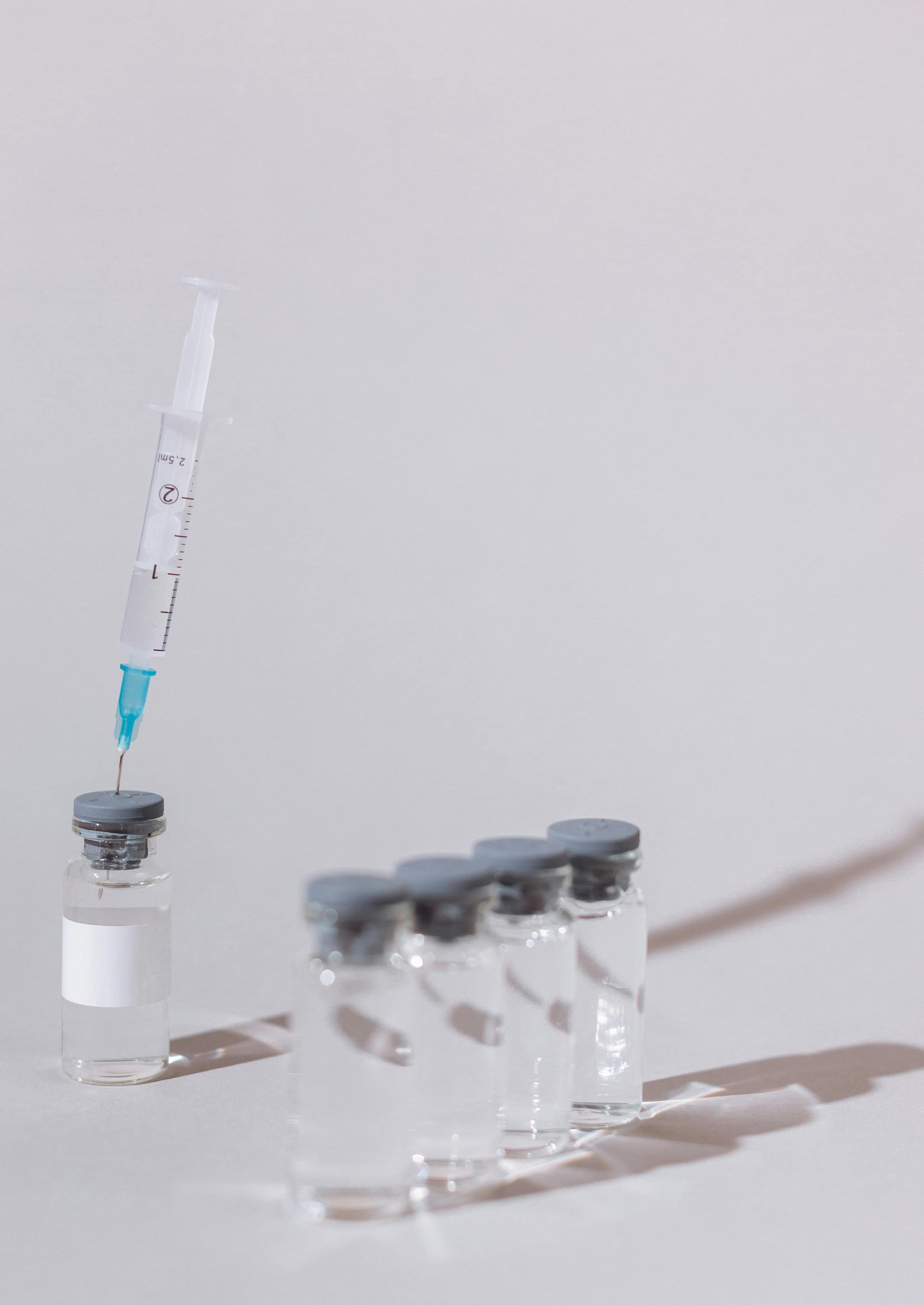
Is it ethical to force individuals to be vaccinated for the greater good, or does this violate personal autonomy and bodily rights?
The intersection between individual liberty and public health is a tension that society has long struggled to navigate. Throughout history, the question of human preservation versus the execution of free will has arisen repeatedly, particularly during outbreaks of infectious disease. Central to this debate is the concept of the greater good, which itself is ambiguous. It
generally refers to actions that benefit the majority rather than a single individual or small group. However, it remains unclear how many people must benefit for an action to be considered ethically justified. Surveys suggest that around 70 percent of people believe vaccines serve the greater good and should be used to prevent disease outbreaks.
One key argument in favour of mandatory vaccination is the need to achieve herd immunity while protecting vulnerable individuals. Health care workers are often cited as a group for whom mandatory vaccination may be ethically justified. Voluntary uptake of influenza vaccines among health care workers remains relatively low, despite their close contact with vulnerable patients. Caregivers have a professional duty to avoid causing harm, particularly when there is a clear and favourable balance between the benefits and risks of vaccination. Vaccinating health care workers not only protects patients but also individuals who cannot be vaccinated due to age, medical conditions, or weakened immune systems. This argument prioritises social responsibility and collective wellbeing over individual preference.
The concept of herd immunity is closely linked to the basic reproduction number, known as R0. This value represents the average number of people one infected person will transmit a disease to in a population with no prior immunity. For example, measles has an R0 between 12 and 18, making it highly contagious. To prevent sustained transmission, approximately 95 percent of the population must be vaccinated. In contrast, seasonal influenza has a much lower R0 of around 1.3, meaning fewer vaccinations are required to limit spread. Vaccination reduces R0 by decreasing the number of susceptible individuals, thereby protecting both those who are vaccinated and those who are not. This makes vaccines an essential public health tool.
Recent measles outbreaks highlight the consequences of declining vaccination rates. During the 2019 and 2025 outbreaks in the United States, the majority of the 2196 reported cases occurred among unvaccinated individuals. In response to the 2019 outbreak, California introduced stricter vaccination laws, allowing only medical exemptions. The state was also given the authority to review and revoke exemptions in schools with vaccination rates below 95 percent. These measures were designed to protect herd immunity and prevent further outbreaks.
The ethical justification for such policies often relies on the principle of the greater good, which is closely associated with utilitarianism. This ethical framework prioritises actions that maximise overall benefit or minimise harm. In public health, decisions are often made by governments or health authorities on behalf of the population. A clear historical example is the eradication of smallpox. Through widespread mandatory vaccination, a disease responsible for an estimated 300 to 500 million deaths worldwide was eliminated, protecting future generations from harm.
However, a major counterargument centres on bodily autonomy, the principle that individuals have the right to control their own bodies. Medical ethics strongly emphasises informed consent, allowing patients to make voluntary decisions about their care, including the right to refuse treatment. Bodily autonomy is also protected under international human rights frameworks, such as the Universal Declaration of Human Rights. Critics of mandatory vaccination argue that forcing individuals to receive medical interventions undermines personal freedom and dignity, even when public health benefits are significant.
Trust between the public and government plays a crucial role in the success of vaccination programmes. Governments have a responsibility to ensure the safety, effectiveness, and accessibility of vaccines, but must also act transparently and fairly. When this balance is not maintained, public trust can decline, leading to reduced voluntary uptake and increased vaccine hesitancy. The H1N1 influenza vaccine in 2009 demonstrated this issue, as concerns about rapid development and pharmaceutical influence increased public scepticism. Similar patterns emerged during the COVID-19 vaccine rollout, where misinformation spread rapidly through social media, contributing to mistrust in scientists and governments. Studies have shown that exposure to online misinformation significantly reduces willingness to vaccinate.
Misinformation has long posed a challenge to vaccination efforts. One
of the most damaging examples was the false claim that the MMR vaccine causes autism, originating from a now discredited study by Andrew Wakefield in 1998. Although the study was later retracted due to ethical violations and fraudulent data, it caused lasting damage to public confidence in vaccines. Declining MMR uptake led to outbreaks of preventable diseases, demonstrating how misinformation can undermine public health and erode trust.
Historical examples further illustrate the tension between public health measures and individual liberty. During the Spanish flu pandemic, mask mandates and quarantine measures faced public resistance. In contrast, the polio vaccination campaigns of the 1950s gained widespread acceptance through transparency and public engagement. Jonas Salk openly discussed vaccine trials, building trust and encouraging participation. Celebrity influence has also shaped public health behaviour, such as Elvis Presley publicly receiving the polio vaccine. Conversely, the case of Mary Mallon, known as Typhoid Mary, highlights ethical challenges surrounding enforced public health measures. As an asymptomatic carrier, she was forcibly quarantined for much of her life, raising concerns about individual rights versus collective safety.
In conclusion, mandatory vaccination presents a complex ethical dilemma involving public health benefits and individual bodily autonomy. Vaccines play a vital role in protecting populations, particularly the most vulnerable, and in reducing the spread of infectious disease. However, enforcing vaccination risks undermining personal freedoms and public trust. The most ethical approach balances collective welfare with respect for individual rights, supported by transparency, education, and efforts to counter misinformation. As public health challenges continue to evolve, ethical frameworks must remain adaptable to ensure both equity and effectiveness.
Kayla Vela (UVI)

As humans, we depend on our emotions and some emotions are linked to our fear and happiness. But the question arises: how can biopsychology help us to understand emotions?
THE ROLE OF THE AMYGDALA IN PROCESSING FEAR SIGNALS
The amygdala plays a significant role as a centre of emotion in the brain, especially fear. It constantly analyses sensory information, attaches emotional significance (e.g., valence or intensity) and generates behavioural and physiological actions, including the fight-or-flight response, by connecting to other parts of the brain. It also allows implicit learning and memory through synaptic plasticity. The earlier theories of emotions, such as the JamesLange theory, argued that emotions could be attributed to physiological change, caused by environmental stimuli (Šimić et

al., 2021). To illustrate, fear happens upon the reaction of the body to a threat (e.g., tension of the muscles), followed by the interpretation of such a reaction as an emotion by the brain. This theory emphasises the significance of the autonomic nervous system and proves that bodily conditions influence emotional experience, as in the calm it induces by relaxing muscles via muscle-relaxing anxiolytics. The amygdala plays a crucial role in processing fear and negative stimuli, but understanding emotional regulation more broadly requires studying neurochemical structures underlying positive effects and reward.
Two important neurotransmitters in happiness and mood regulation include dopamine and serotonin. Dopamine has an association with reward, motivation, and pleasure, while serotonin balances emotions and mood (Baixauli, 2017). When someone experiences physical attraction, there is often an increase of dopamine, serotonin, and oxytocin levels, helping to improve emotional bonding and pain mitigation. The procedure temporarily suppresses activity in the amygdala, which is in charge of fear and unpleasant feelings. However, aggression may also be caused by an imbalance in serotonin and dopamine levels, particularly in the prefrontal cortex. Dopamine always tends to promote positive mood, aids in the enhancement of planning and motivation, whereas serotonin tends to control negative emotions. Further, the insight and arousal of such chemicals can promote well-being, emotional resilience, and interpersonal peace. In addition to neurotransmitters, comprehending the regulatory role of brain regions in emotions, they also provide a fundamental understanding of the treatment of mood disorders such as phobias and depression.
The biopsychology of emotions is important in understanding phobias as well as depression. There are areas of the brain where the amygdala and medial prefrontal cortex (MPFC) are involved in emotion regulation that can counter hyperresponsiveness and eliminate negative experiences. The imbalance of this circuit correlates with such emotional disorders as anxiety and depression. The emotions of people may be affected by stress, whereas resilience can be demonstrated. The association between exposure to stress and mental health is mediated by emotional control, especially in the escape of maladaptive response strategies. Psychological well-being may be facilitated by interventions such as mindfulness and emotion-focused therapy.
In contrast, the interaction between the amygdala and MPFC in emotion regulation is not understood yet (Compare et al., 2014). The amygdala is involved in the processing of emotions and stress responses, and it is directly associated with the development of depression. Stress and depression have the potential to structurally and functionally remodel the amygdala, thereby making the victims prone to mood disorders. Further, there is atypical activity in the amygdala during depression, characterised by increased response to fears and decreased sensitivity to positive stimuli. In contrast, stress also causes amygdala hypertrophy, which improves emotional reactivity and fear behaviours (Goldstein-Piekarski et al., 2016).
6. Throw your phone as hard as you can. Thanks to Newton’s third law of motion and the frictionless lake, you will start sliding away.
5. Unlike humans, birds need gravity in order to swallow. Thus, in space they wouldn’t be able to drink and will die of dehydration.
4. It will remain the same. The amount of water that the ice cube displaces is equal to its mass. Since the mass does not change and the density of water is equal to 1, the extra water after melting will be the same amount as the displaced water before that.
3. When the ammonia (NH3), found in cleaning fluids, is mixed with bleach (a dilute solution of sodium hypochlorite, NaOCl), a deadly gas (monochloramine, NH2Cl) is produced that can kill a person instantly.
2. Five inches. Trees grow at their tops.
1. The angle will measure the same, 12°.

References for the essays in this edition of Origin can be found by scanning this QR code: