Money on the Move: A Simple Guide to Help Make the Most of Your Money
Your money matters, and so do you!
At Dow Credit Union, we believe that when you’re empowered to make confident decisions with your money, your life— and your community— gets stronger.
As a not-for-profit, member-owned credit union, we exist to serve people, not shareholders. That means better rates, fewer fees, and financial guidance that puts you first.
This guide is one small way we’re here to help. Whether you’re opening your first account, building credit, or planning for the future, we want to make your experience simple, supportive and real.
Let’s get started—together.
Michael Goad President and CEO, Dow
Credit Union
Budgeting Basics
Find
a Tool That Helps
Use a budgeting app or notebook to track every dollar.
What Is a Budget?
A budget is a plan for how you’ll spend and save your money. It helps you stay in control of your finances and reach your goals—whether it’s buying a new phone, saving for college, or just having money for fun.
Know Your Income
List All the Ways Your Household Earns Money and add them together to find your monthly income. This could include:
• Hourly or Salaried Jobs (part-time or full-time)
• Tips and Commissions (e.g., servers, salespeople)
• Student Stipends or Fellowships
• Government Benefits (e.g., unemployment, disability, Social Security)
Track Your Expenses by listing everything you spend money on. Common categories include:
• Food and Snacks
• Gas or Transportation
• Subscriptions (Spotify, Netflix)
• Clothes
• Fun (movies, games)
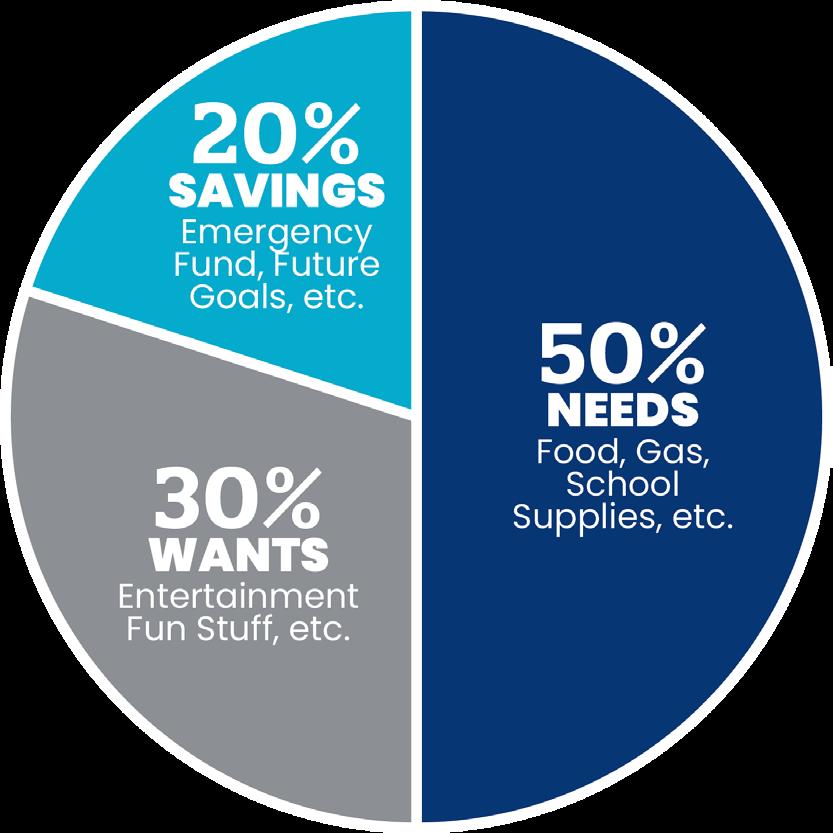
Work Towards the 50/30/20 Rule — a simple way to divide your money:
Example (Monthly Household Income of $5,000)
• $2,500 for needs
• $1,500 for wants
• $1,000 for savings
Budgeting Basics
Budgeting Tips
• Pay Yourself First Put money into savings before spending.
• Set Goals Saving for something? Write it down and track progress.
• Review Monthly Adjust your budget as your income or expenses change.
Budget Tool
There are many free online tools, but you can use this tool as a place to start.
STEP 1: Income Fill in your income sources
STEP 2: Savings Record any money you plan to save
STEP 3: Expenses List your regular expenses (e.g., rent, groceries, subscriptions, loan payments)
STEP 4: Summary Do the math to see if you have a solid plan, or if you need to make adjustments like reducing expenses or finding ways to grow your income. You want to make sure you don’t end up with a negative number.
Interest Adds Up
Small amounts can turn into big savings over time thanks to compounding interest.
Checking Accounts
A checking account is designed for everyday spending. It’s where your money goes when you get paid, and it’s what you use to pay for things like food, gas, or subscriptions. You can access your money easily using a debit card, checks, or online banking. Checking accounts offer unlimited transactions, making them perfect for managing your daily expenses.
Savings Accounts
A savings account is meant for storing money you don’t plan to spend right away. It’s a great place to build an emergency fund or save for a goal like a new phone or vacation. Savings accounts usually earn interest over time, helping your money grow.
FEATURE CHECKING SAVINGS
Common Purposes Everyday Spending, Paying Bills Saving Money, Future Goals
1. APY = Annual Percentage Yield. Rates subject to change. Preferred Checking earns the Preferred Rate on balances up to $20,000 when monthly qualifications are met; otherwise, and on balances over $20,000, the Classic Rate of 0.25% APY applies. See Credit Union for details. Rates subject to change. 2. Dividends on Classic Checking and Prime Share Savings are prospective and therefore not guaranteed. The prospective dividends are declared by Dow Credit Union’s Board. Some limitations apply. Rates subject to change. 3. Advertised 3.51% APY valid on Simple High Yield account balances $150,000+. Rates subject to change.
Checking & Savings
How to Manage Your Accounts
Track Your Balance Use your credit union or bank’s mobile app or website to check your balance regularly. Keep a record of what you spend to avoid overdrafts.
Set Up Alerts Get notifications for low balances, deposits, or large purchases.
Avoid Fees
• Overdraft fees (spending more than you have)
• ATM fees (using out-of-network machines)
• Monthly maintenance fees (if you don’t meet balance requirements)
Use Direct Deposit Have your paycheck or
What Is an Emergency Fund?
An emergency fund is money saved specifically for unexpected expenses, like:
• Car repairs
• Medical bills
• Job loss
BONUS TIP: Create a safety net by working towards saving 3–6 months of expenses.
Why It’s Important
• Avoids Debt You won’t need to rely on credit cards or loans.
• Reduces Stress You’re financially prepared for surprises.
• Builds Good Habits Saving regularly builds discipline and confidence.
Why Use a Separate Savings Account for Emergency Funds?
Avoids Accidental Spending Helps avoid the temptation to dip into it for non-emergencies.
Easier to Track You’ll always know exactly how much you have set aside for emergencies.
Earns Interest A high-yield savings account is a great option—it earns more interest than a regular savings account while still giving you quick access to your money.
Quick Access Unlike investments or CDs, a savings account lets you withdraw money quickly when you need it most.
Credit Score 101
What Is a Credit Score?
Think of your credit score like a grade for how well you manage money you borrow. Just like a teacher gives you a grade based on your homework, tests, and participation, lenders give you a credit score based on how you handle credit.
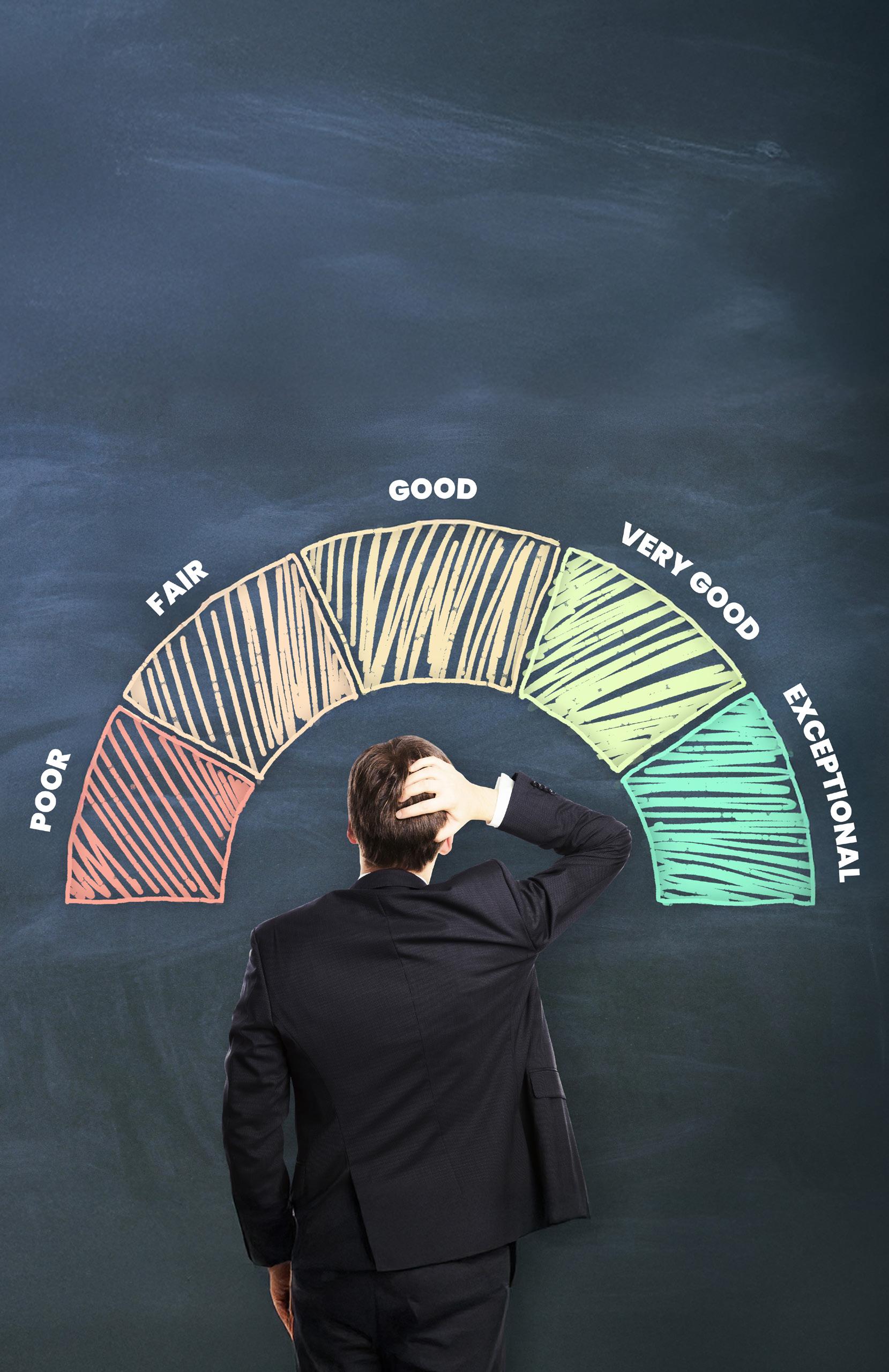
Your score is calculated using your credit history—this includes how much debt you have, whether you pay your bills on time, and how long you’ve had credit accounts. The score usually ranges from 300 to 850. A higher score means you’re seen as more trustworthy when it comes to borrowing money.
Why It’s Important
Your credit score can affect more than just getting a loan. It can impact your everyday life in ways you might not expect.
Want to Buy a Car? You’ll probably need a loan—and your credit score helps decide if you get approved and your interest rate.
Looking to Rent an Apartment? Landlords often check credit scores to see if you’re likely to pay rent on time.
Applying for a Job? Some employers check credit.
Where To Find Checking Your Credit
A soft inquiry will not hurt your credit score.
Credit Score 101
Where to Find Your Credit Score
You don’t have to guess your credit score—it’s easy to check it for free.
Apps and Websites like Credit Karma or NerdWallet offer free access to your score.
Credit Bureaus like Equifax, Experian, and TransUnion provide full credit reports. In the U.S., you can get one free report per year from each bureau at AnnualCreditReport.com.
Looking to Improve Your Credit Score?
Improving your credit score is like building a good reputation—it takes time and good habits. Here are some smart moves:
Pay Your Bills on Time This is the #1 factor in your score. Even one late payment can hurt.
Keep Your Credit Card Balances Low Try to use less than 30% of your credit limit. If your limit is $1,000, aim to keep your balance under $300.
Don’t Open Too Many New Accounts at Once Each application can cause a small dip in your score.
Keep Old Accounts Open The longer your credit history, the better. Don’t close your first credit card unless you have to.
Check Your Credit Report for Mistakes Errors happen. If you see something wrong, report it to the credit bureau.
BONUS TIP: Set up automatic payments or reminders so you never miss a due date.
Build Your Future With Credit
Your credit score is more than just a number—it’s a tool that can help you reach your goals. Whether you want to buy a car, rent your first apartment, or just be smart with money, understanding your credit score gives you a head start.
800-850 Exceptional Very Low Risk to Lenders; Best Loan Terms and Rates
Higher Risk; May Face Higher Interest Rates and Limited Options 300-579 Poor Very High Risk; May Struggle to Get Approved for Credit
Loans & Borrowing
Loan Basics
A loan is money you borrow from a credit union, bank, or lender that you agree to pay back over time— usually with interest. Loans can help you pay for big things like a car, college, or emergencies, but they come with responsibilities.
Types of Common Loans:
• Student Loans Help pay for schooling
• Auto Loans Used to buy a car
• Personal Loans Can be used for almost anything (medical bills, travel, etc.)
• Credit Cards A form of revolving loan with a credit limit
• Mortgage Used to purchase real estate— usually a home.
LOAN TERM
MEANING
Principal Amount of Money You Borrow
Interest
Annual Percentage Rate (APR)
Extra Money You Pay the Lender to Borrow
Interest Rate Plus Fees
Term How Long You Have to Repay the Loan
Monthly Payment The Amount You Owe Each Month
Credit Score Number That Shows How Trustworthy You Are With Money
Loans & Borrowing
What Lenders Look At
• Credit Score and Credit History
• Income and Job Stability
• Debt-to-Income Ratio (how much you owe vs. how much you earn)
• Collateral (for secured loans like car loans)
Tips for Researching a Loan
Before You Apply:
1. Know How Much You Need Don’t borrow more than necessary.
2. Check your Credit Score A higher score = better interest rates.
3. Compare Lenders Look at interest rates, fees, and terms.
4. Understand the Total Cost Not just the monthly payment, but the full amount you’ll repay.
After You Get the Loan
• Make Payments on Time Late payments hurt your credit score and may add fees.
• Pay More than the Minimum if You Can This reduces interest over time.
• Keep Track of Your Balance Know how much you still owe.
• Avoid Taking on Too Many Loans Too much debt can add up quickly and be overwhelming if an unplanned expense happens.
• Ask For Help if You Need It If you experience financial hardship or are having difficulty making payments, please reach out to your credit union or bank as soon as possible.
Borrow Smart, Plan Ahead
Taking out a loan is a big financial decision, and understanding how it works can help you avoid costly mistakes. By learning the basics—like interest rates, credit scores, and repayment terms—you’ll be better prepared to borrow only what you need and manage it responsibly.
Whether it’s for school, a car, or an emergency, smart borrowing can help you reach your goals without overwhelming your future. Always ask questions, read the fine print, and make sure the loan fits your budget before you sign. The more you know now, the more confident and in control you’ll be later.
Ready to Apply for a Loan?
Whether you’re buying a car, fixing up your home, or consolidating debt, Dow Credit Union is here to help you take the first step with confidence. Our loan application process is simple, secure, and designed to fit your lifestyle. With competitive rates, flexible terms, and personalized support every step of the way, getting started has never been easier. Apply today and move forward with a financial partner you can trust.
At Dow Credit Union, our 83,000+ members are also owners who share in our success. Last year, we returned over $18 million to our members, reinforcing our commitment to their financial well-being.
Becoming a member also means becoming a multiplier for good. We proudly support the communities we serve through volunteerism and partnerships with non-profits dedicated to helping those who need it most.