



Hello and welcome to another edition of the DGB Digital Magazine
You’re reading this against a very different backdrop from just a couple of weeks ago. At the time the articles in this edition were published online, the war in the Middle East had not yet started. In fact, some were beginning to hope that perhaps 2026 might start to see the business landscape turn a corner.
What a difference a week makes. We’re looking at a return to higher energy costs and, once again, higher living costs in the medium term.
Nevertheless, we must remain focused on the task at hand and the things we can control. Keep our messaging to homeowners consistent and clear.
Away from conflict, there was M&A activity once again, this time in the glass sector. Plus immediate change in the boardroom at Eurocell.
We hope you enjoy this month’s edition!
Team DGB

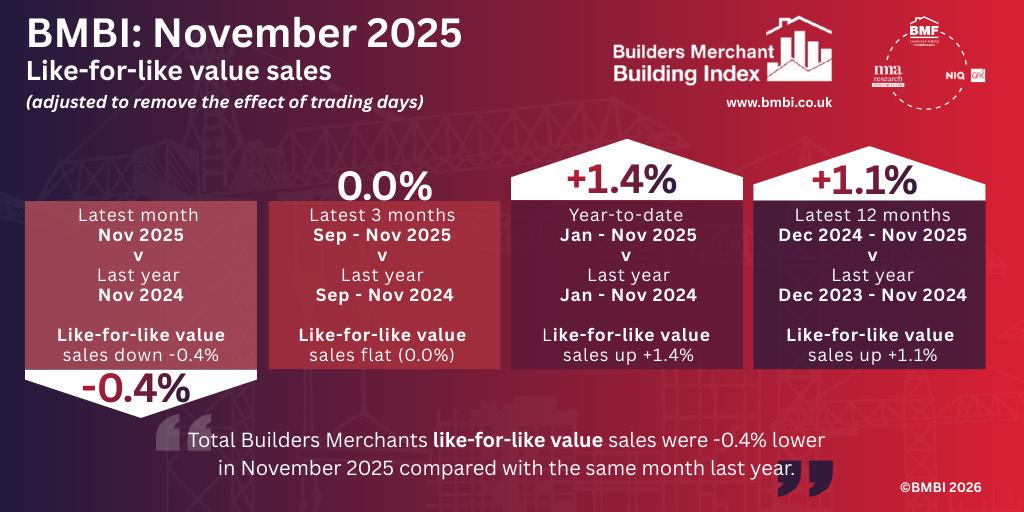
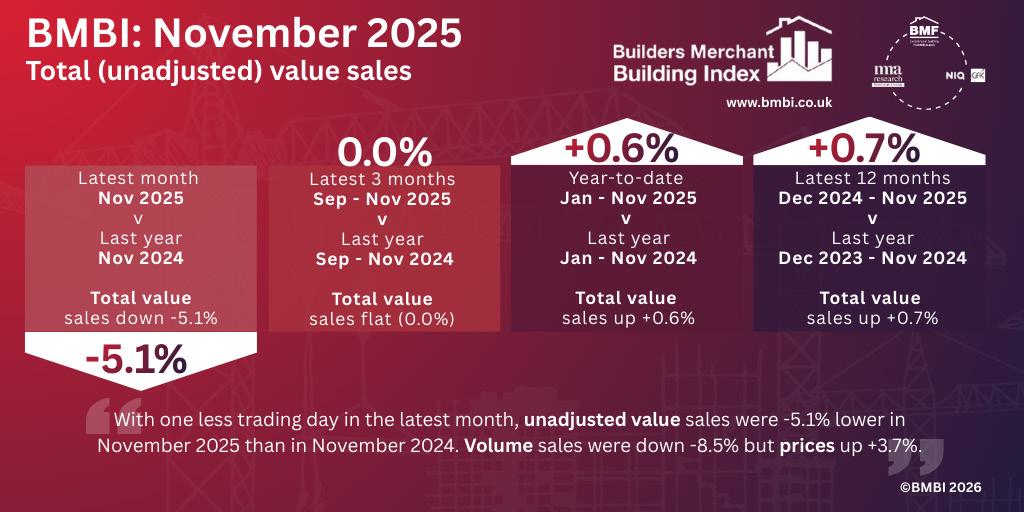
The latest Builders Merchant Building Index (BMBI) report, published in February, shows builders’ merchants’ like-for-like total value sales in November 2025 were -0.4% lower than the same month in 2024. With one less trading day in November 2025, unadjusted value sales were -5.1% down year-on-year, while volume sales were down -8.5% and prices up +3.7%.
By value, unadjusted for trading day differences, five of the twelve categories sold more in terms of value compared to November 2024. Renewables & Water Saving (+5.1%) and Workwear & Safetywear (+4.0%) were the best performing categories. Of the two largest categories, Timber & Joinery Products (-2.4%) sold less but fared better than Total Builders Merchants, while Heavy Building Materials was the weakest category
overall (-8.4%).
Month-on-month, November’s like-for-like value sales were down -2.0%, which takes into account three fewer trading days in the most recent month. The unadjusted value of sales was -14.8% lower. Volume sales fell -19.3%, and prices climbed +5.7%. All categories sold less, Workwear & Safetywear (-0.2%) and Kitchens & Bathrooms (-3.8%) fell less than the others. Of the three biggest categories, Timber & Joinery Products (-13.5%) performed better than Total Builders Merchants, Heavy Building Materials (-16.8%) declined more, and the seasonal category Landscaping (-25.2%) was weakest.
In the 12 months from December 2024 to November 2025, like-for-like value sales were up
+1.1% compared to the previous 12-month period (December 2023 – November 2024). Without the adjustment for one less trading day in the most recent 12 months, total value sales were +0.7% higher. Volumes increased +1.9% and prices came down -1.2%. By value, nine categories sold more with Renewables & Water Saving (+4.3%), the frontrunner. Timber & Joinery Products (+1.1%) and Heavy Building Materials (+0.1%) grew more slowly. Decorating (-2.8%) was the weakest.
With two fewer trading days, like-for-like value sales for the year-to-date (January to November) were +1.4% higher than the first eleven months of 2024. Unadjusted, total value sales year-to-date were up +0.6%.
Mike Rigby, Managing Director of MRA Research, which produces the BMBI report, says: “While it takes years for governments to commission major projects, and many more years for them to be implemented, on occasion a government can have an almost immediate impact on the economy and our daily lives. At the start of the COVID-19 pandemic, for example, the Government virtually stopped the economy when it told everyone to go home immediately and stay there.
“During November, in the chaotic run-up to the budget, the Government did it again. It created so much uncertainty and unease that many consumers and businesses stopped or paused their spending on larger items and projects until they could see what the Chancellor announced.
“In the event the news was mixed, but the damage was done to November’s figures. “Consumers’ confidence dropped two points in November to -19, according to the GfK Consumer Confidence Index. But then the country appeared to give a huge sigh of relief as the budget wasn’t as bad as they’d feared. All five measures of confidence were up in December compared to November, and the overall index recovered two points to -17. The major purchase index was up four points to -11 from -15 in November, which is a very positive indicator of future spending on RMI and larger home projects.
“But overall confidence at -17 is the same as in December 2024, so the year as a whole has not progressed, and the country is still waiting for the better times it voted for to materialise.”
Set up and run by MRA Research, the BMBI – a brand of the Builders Merchants Federation – is a monthly index of builders’ merchant sales, and the most reliable, up-to-date measure of Repair, Maintenance, and Improvement (RMI) activity in the UK. The index is based on actual sales from GfK’s Builders’ Merchant Point of Sale Tracking Data, which captures value sales out to builders from generalist builders’ merchants, accounting for 88% of total sales from builders’ merchants throughout Great Britain. An in-depth review, which includes commentary by sector experts, is provided each quarter.
November’s BMBI report is available to download at www.bmbi.co.uk.
According to a new report by MRA Building Market Reports (MRA Reports), future growth in the general builders’ merchant market is expected to be slow and gradual between 2026 and 2030. MRA forecasts value growth of 11% over the period. Since 2019, the market has seen growth of 18% in value terms, though volume sales have declined.
The new report quantifies the general builders’ merchants’ market, excluding plumbing & heating merchants and other specialist segments within building products distribution. It provides a granular review of the market, combining findings from a series of quarterly surveys tracking builders’ merchants’ sales expectations and confidence with in-depth research and data analysis.
Over the past three years, economic and geopolitical uncertainty, along with a change of government and price volatility, have led to subdued levels of construction and housebuilding activity. This, in turn, has led to a difficult trading climate for builders’ merchants, though the recent decline in market size and prices can be partly attributed to an adjustment from unsustainable
levels during the post-COVID lockdown period. In terms of supply structure, the leading groups in the general builders’ merchants’ market are Stark Group, Travis Perkins, MKM, Huws Gray, Kingfisher and Grafton Group. Together, the six largest players, within our definition, are estimated to account for just over 50% in terms of revenue. The market has become more competitive since 2022/23, particularly for lightside products. The growth of online specialists, online marketplaces and fixed price operators with large branch networks do present a threat to general builders’ merchants.
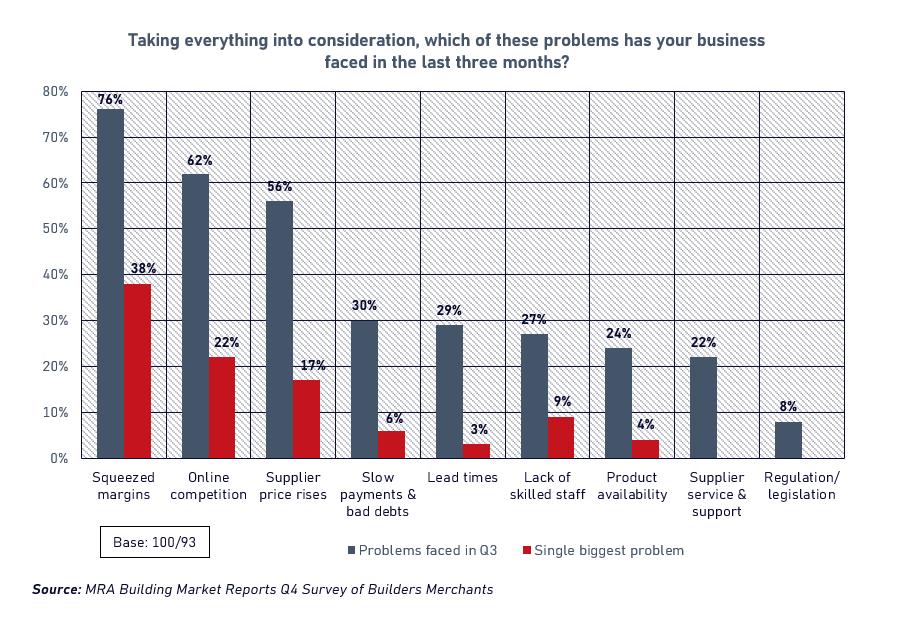
The report reveals that many merchants are struggling financially. A detailed analysis of profitability among general builders’ merchant businesses shows that overall, average profit margins fell sharply during 2023 and 2024, with almost a quarter of businesses reporting a loss in 2024. Larger groups and National operators performed particularly badly, and this could lead to further changes to the market structure during 2026.
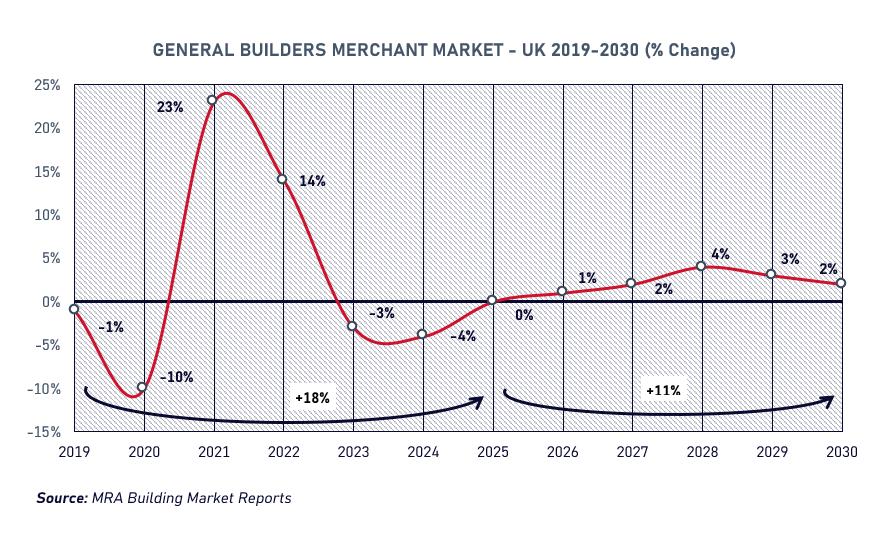
Forecasts for the market though, are relatively optimistic. Unless another major disruptive global event occurs, MRA expects construction activity, general confidence levels and merchants’ sales to pick up towards the second half of 2026/ early 2027. There is a significant latent demand in many sectors, such as housing, offices and infrastructure, with many projects waiting to go ahead. Merchants will need to stay focused on what their customers want from them, rather than what customers are buying in other channels, while improving their resilience in the event of future supply chain disruption.
Primary research forms an important part of the research process. Results from MRA’s most recent survey of general builders’ merchants showed that merchants’ confidence in the market remains weak. When asked, only 21% of merchants were more confident in the market than at the same time the previous year, and the most common reason cited for increased confidence was the belief that conditions ‘cannot get any worse’ and that the wider economy will have to improve. Reasons for being less confident included ongoing economic uncertainty, government policy, subdued demand and competitive pressures.
Anna Eriksson of MRA Reports comments: “The builders’ merchant supply chain is complex and
highly fragmented. Market sizes, growth rates and trends look very different depending on how the market is defined and measured. We identified a need for an independently researched, more granular review of each of the channels and product sectors within the building products distribution market.
“This report focuses specifically on the general builders’ merchant segment and is underpinned by robust primary research as well as rigorous desk research and data analysis. Our quarterly Builders’ Merchants Pulse Survey includes open questions and delivers real depth and insight into market conditions and sentiment, providing an up-to-date view of the state of the market and its challenges.
MRA Reports was set up last year by two leading researchers in building market intelligence, Anna Eriksson and Mike Rigby, to provide companies in the building materials supply chain, advisors and investors with a better understanding of the rapidly changing structure and dynamics of building product supply chains.
The full report is now available to purchase. To find out more or to subscribe to our newsletter or to quarterly updates, please visit www.mra-reports. co.uk or send an email to anna@mra-reports. co.uk.

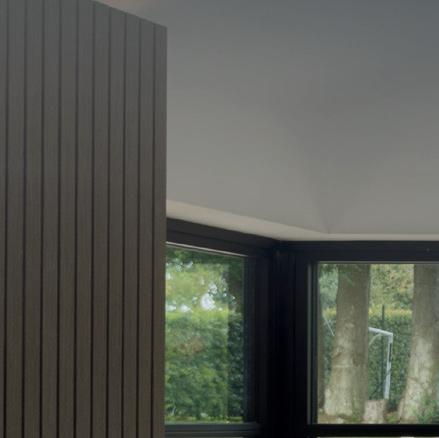
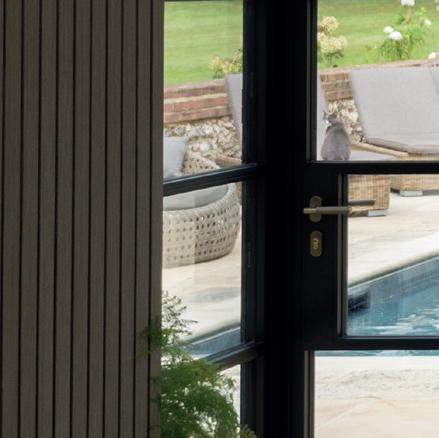

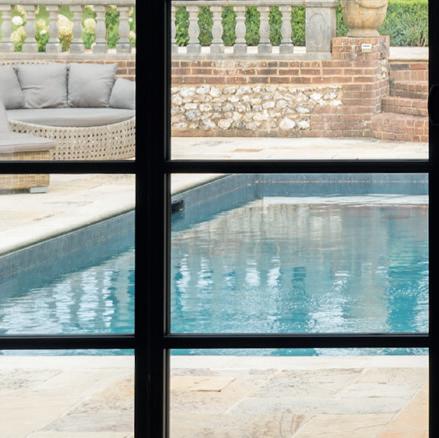
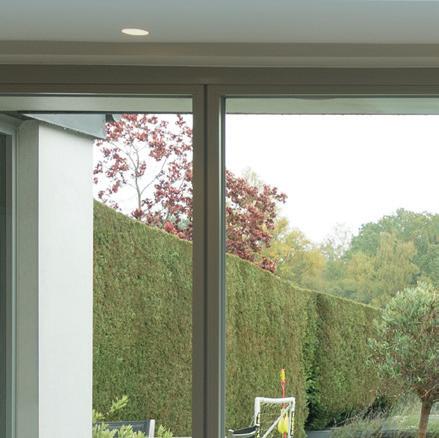
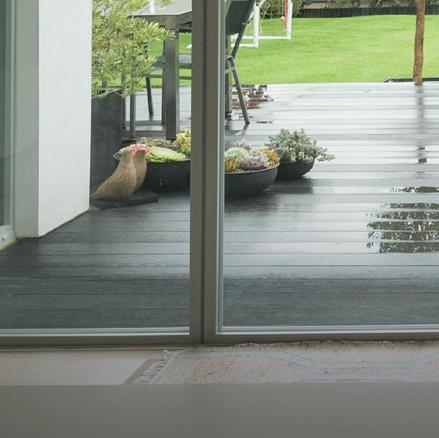

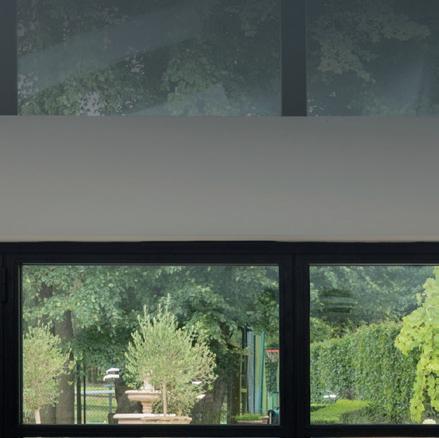
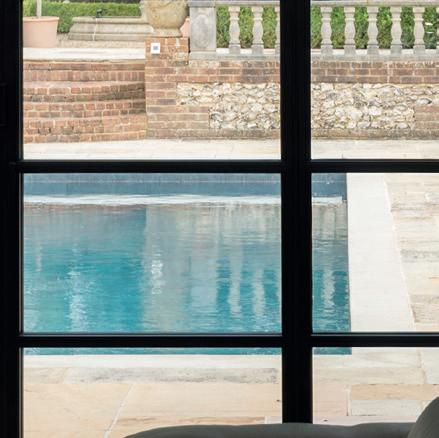
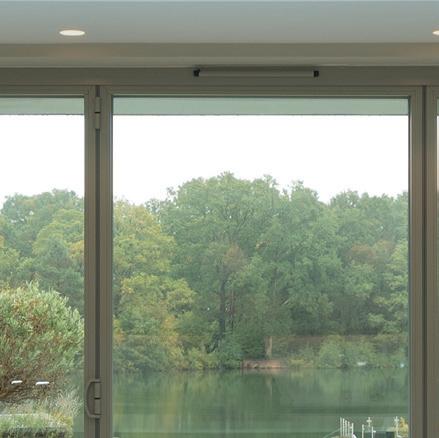

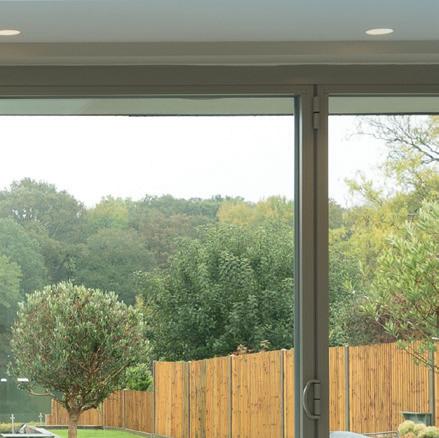
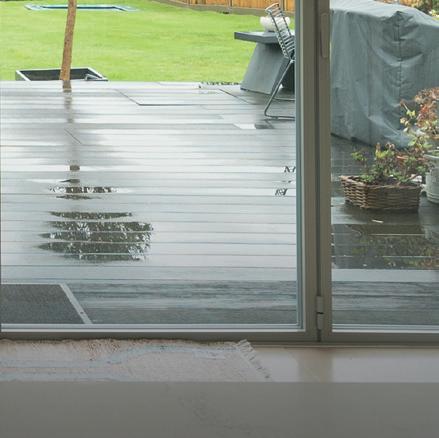



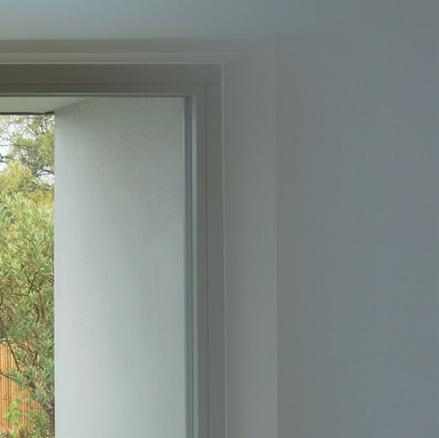






The next generation of door is here. The new Origin OB-36+ system is available in 2 di erent collections. The Soho aesthetic is perfect for replicating a sought-a er steel-look design, whilst the Contemporary style o ers an elegant way to maximise light levels in a home. Both systems are 2025 Future Homes compliant for thermal e ciency and feature sightlines of just 36mm.
Don’t get le behind. Stand out from the competition and futureproof your business by opening an account with Origin today. Call 0808 192 0042 or visit origin-global.com/partner-with-origin

The PROSPECTManager data portal provides access to a family of prospecting databases spanning building materials, building, home improvement and construction markets.
PROSPECTManager was created to make it easier for businesses to plan and grow.
Plan (geographically) where to grow Find hard-to-reach customer audiences
Identify more of the right sort of customers - who have the money to buy
Ratings by



@prospectmanager prospectmanager.co.uk
MRA Building Market Reports (MRA Reports) was set up last year by two leading researchers in building market intelligence, Anna Eriksson and Mike Rigby. The new agency aims to provide companies in the building materials supply chain, advisors and investors with a better understanding of the rapidly changing structure and dynamics of building product markets.
Anna Eriksson gained an extensive knowledge and understanding of building product markets during ten years at a well-known building market reports agency. She also spent three years with MRA in research before working independently. Mike Rigby, MD of MRA Research, her partner in MRA Reports, set up and runs the BMBI (Builders Merchant Building Index), which is used widely in and outside the industry as a reliable measure of activity. Insightful explanations of trends and issues are delivered by leading building product brands, the BMBI Experts. It also features in the Government’s Monthly Construction Update.
Mike Rigby of MRA Reports explains: “Before we researched the builders’ merchants’ market, we were struck, as others are, by the very big differences in market sizes quoted by different companies and organisations. That directly affects the value you attribute to an investment, acquisition or market share. The building materials supply chain is extremely complicated, and we think that’s part of the reason for the differences in market sizes being quoted. It’s fragmented, and the supply chain varies from product to product.
“In addition, the size and value of the market depend on how you define it and at what level you measure. There are big and obvious differences between manufacturers’ selling prices, merchants’ sales to builders, and builders’ sales to their customers. It’s further complicated by buying groups and by how much passes through builders’ merchants in the overall supply chain. That varies by market, and the assumptions you make and how you define and calculate the market are all important.
“If you are planning to invest millions in additional capacity, in entering a market, or acquiring or merging businesses, you want to be sure of the

factual foundations, and what is coming down the track and likely to change. Too often, when they’re implemented, strategies fail to deliver, business models only half-work, and investments and acquisitions come unstuck. In rapidly changing, complicated market,s the industry needs a better ‘satnav’ for supply chain decision making. Anna and I set out to provide that unique supply chain perspective,” says Rigby. “We believe the industry needs better building market intelligence with a supply chain focus to reduce the risks in strategic planning, commercial due diligence and in steering a business to profitable growth.”
MRA Reports is focused on desk research, market sizing projects, competitor reviews, commercial due diligence for mergers & acquisitions and off-the-shelf market reports as well as in-depth bespoke projects. All reports are produced by experienced researchers, with an indepth knowledge of the construction industry and the building products supply chain.
The first full report, ‘The General Builders’ Merchants Market – UK 2025-2030’ is available to purchase. To find out more or to subscribe to the MRA Reports newsletter or to quarterly report updates, visit www.mra-reports.co.uk or email Anna Eriksson at anna@mra-reports.co.uk
UK building materials data specialist
PROSPECTManager received an unexpected, high-profile visitor last month (just after midday on 28 January) – from the White House no less!
While President Donald J. Trump may not have personally knocked on the front door of the office, a member of his entourage did indeed visit the PROSPECTManager. co.uk data portal. The portal hosts a family of prospecting databases spanning UK building materials, specification, building, and home improvement markets.
After verifying that the visitor was indeed from that White House, and no other, the PROSPECTManager team indulged in some head scratching and light-hearted banter as to what might have caught his, or their, attention.
“Maybe The Don mistook the website’s strapline – ‘Find new customers here’ for ‘Find new voters here’? Or possibly, he was looking for a proven, high-end builder? Or a fabricator or installer of windows and doors? Given the historic East Wing of the White House has recently been demolished to make way for a glitzy new super-extension, who knows?!” speculated Scott Dodgson, Commercial Director at PROSPECTManager.
Scott added: “If so, he’d visited the right website – Builder+ImproverBASE and WindowBASE databases enable us to target those audiences; along with specifiers, architects (SpecifierBASE) and builders’ merchants (StockistBASE).”
It remains unclear whether the visit was simply a case of ‘fat fingers’, or global web traffic landing in an unexpected place.

“It’s not every day you see the White House appear in your website analytics”, Scott went on to say. “We await the enquiry email to find out more!”
PROSPECTManager data is employed widely across the building materials sector to support precisely targeted sales and marketing campaigns, helping companies acquire new customers driving their growth.
If you’d like to chat through how PROSPECTManager could support your sales and marketing activity, email Scott Dodgson, Commercial Director at scott@mra-data.co.uk or connect on LinkedIn to find out more.
Following a successful rebrand, premium timber window and door manufacturer Glyngary Joinery has reported significant business growth, closing 2025 almost double its 2024 size, with a 95 percent year-on-year increase in top-line revenue. The results underline the company’s strengthening position within the timber window and door fabrication sector.
The Cheshire-based manufacturer attributes this growth to a steady stream of new trade customers – particularly installers and trade counters – alongside increased demand from existing partners. Central to this momentum is the company’s ongoing mission to re-educate the sector on the benefits of targeting the premium end of the market and selling high-performance timber products.
“Accoya, a scientifically modified pine, has completely transformed timber’s proposition in the UK fenestration market,” explains Joe Trueman, Director of Glyngary Joinery. “Accoya is our standard offering. It comes with a 25year warranty and a 70-year life expectancy. It’s thermally efficient, achieving full window U-values of 1.2 with standard double glazing and as low as 0.68 with triple glazing. At the end of its long lifespan, it’s also fully biodegradable and recyclable.
“Despite the industry’s best efforts, much of the old uPVC that is still removed ends up in landfill. Because of this – and the clear performance advantages of Accoya – we’re seeing timber make a strong comeback in the UK market.
“Over the last 18 months, we’ve invested heavily in our brand, marketing assets, software and manufacturing machinery. This has enabled us to scale confidently and sustainably, almost doubling in size within a very short period of time. Operating from our 40,000 sq ft manufacturing facility in Cheshire, we also have significant capacity to support continued growth over the

next five years.”
Quote intake in January and February reached record levels, reflecting growing confidence among Glyngary’s trade customers. As more installers recognise the value of targeting the premium market – rather than competing in a race to the bottom on price – they are seeing stronger, more profitable returns.
Glyngary delivers nationwide and, unlike most timber window manufacturers in the UK, does not install. By staying focused purely on manufacturing, the company is able to dedicate 100 percent of its energy to supporting its trade partners’ growth, rather than competing with them.
In November 2025, Glyngary made further significant investments in production capacity, ensuring the business is well-positioned to build on its recent 95 percent growth.
For more information, contact sales@glyngary. co.uk.

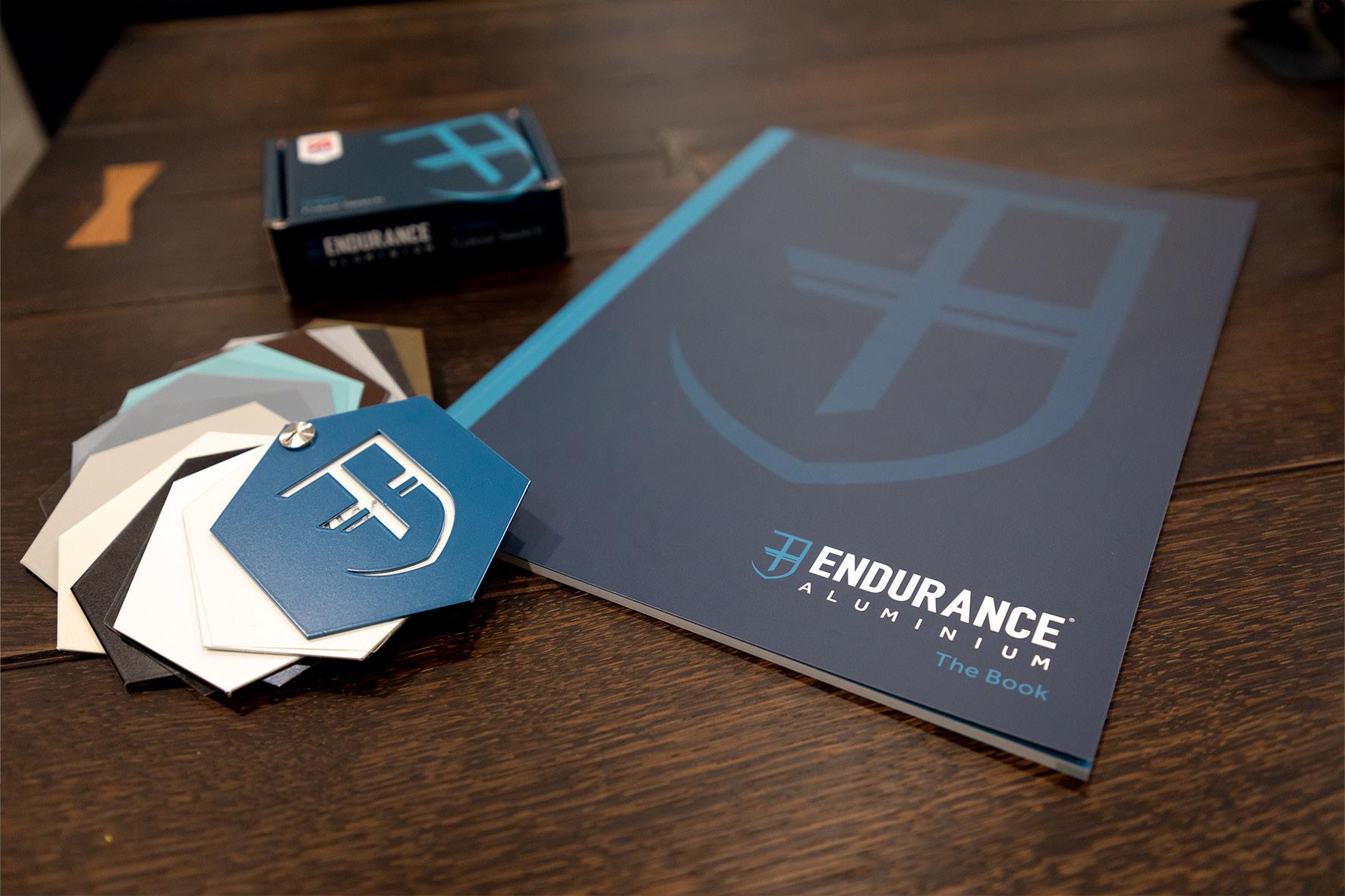
Endurance® Aluminium is highlighting its ability to offer fenestration solutions that combine exceptional durability with impressive long-term colour stability.
To ensure homeowners can enjoy many years of lasting enjoyment from Endurance products, all of the fabricator’s windows, doors and internal screens are powder coated to the stringent standards demanded by QUALICOAT Seaside Class.
Russell Hensman, group marketing manager at Endurance, comments: “At Endurance® Aluminium, we pride ourselves on the enormous design freedom we offer homeowners.
“This includes products in a choice of nine colours as standard, as well as any RAL colour on request. This ability to choose any RAL colour is particularly valuable on heritage-style renovations where precise tones are often needed to match the look of a period property.
operations and products to undergo rigorous, independent inspections and testing.
Seaside Class builds on the already high levels of quality demanded by QUALICOAT’s standard classification.
It entails businesses taking extra steps to ensure their coated products can withstand the particularly corrosive environments found within 5km of the coast. To demonstrate their competence in taking these extra steps, businesses must also gain an additional QUALICOAT license.
Specifically, Seaside Class entails creating a deeper etch on the surface of the aluminium product, which provides a better key for the subsequent powder coating.
“We can also offer dual colour options where one colour features on the exterior of a product and another, second colour appears on the inside. This makes it easier to accommodate different looks, such as a traditional external appearance alongside a modern-looking interior.”
He continues: “Naturally, we want customers to derive maximum satisfaction and enjoyment from this colour flexibility and QUALICOAT Seaside Class helps to deliver that.”
Formed in 1986 and with its headquarters in Zurich, Switzerland, QUALICOAT is the world’s leading, independent quality assurance organisation for liquid and powder coatings on aluminium.
It was established by several separate national associations that were looking to create standardised quality levels able to provide immediate reassurance to those specifying coated aluminium products for architectural applications.
To become a QUALICOAT member and licensed applicator, businesses must demonstrate they employ numerous best practice systems and methodologies. They must also allow their

This, in turn, gives the powder coating increased resilience and the ability to provide even greater levels of

protection.
It also ensures the powder coating more effectively retains its original colour and resists fading or discolouration over time and under environmental stressors like UV exposure, temperature extremes and weathering.
Russell Hensman adds: “As a new and exciting choice in an established market, Endurance® Aluminium has sought to create differentiation for our business from day one.
“Aiming for the utmost levels of quality is an important part of this, and we are committed to maintaining the highest standards in every area. Offering Seaside class products with their enhanced durability and colour performance reflects this commitment.
“It allows our installer partners to offer their customers products which are a cut – and a coat – above.”
BDC Aluminium is a proud member of Made in Britain. The mark reflects their focus on UK manufacturing, transparency in supply chains and their commitment to delivering long-term value for the construction industry.
Based in Witham, Essex, BDC is a UK-based aluminium systems supplier, with a proven track record of delivering quality products and expertise since 2008.
Made in Britain membership verifies that all manufacturing takes place within Great Britain and supports best practice across production, quality control and sourcing. It’s a quality mark that demonstrates transparency and traceability at a time when sustainable manufacturing is more important than ever.
Keeping all manufacturing close to home allows BDC to maintain greater control over quality, lead times and technical performance across their entire product base. This helps trade professionals reduce risk at the specification stage and throughout the project. Developers, contractors and specifiers value suppliers they can trust to deliver consistently across quality, lead times and performance.”
Working with Made in Britain suppliers also
supports wider objectives, including strengthening the UK manufacturing industry and promoting long-term support from domestic supply chains. As a Made in Britain member, BDC Aluminium joins a growing network of manufacturers dedicated to delivering quality and committed to upholding important standards, as well as supporting sustainable growth across the sector.
Made in Britain is a trusted trademark that BDC Aluminium can proudly represent across its marketing materials and list among its business credentials. This enhanced visibility and recognition are clear markers of sustainable practice and product quality for customers seeking a trade partner they can trust.
Commenting on the membership, Scott Foster, Group Marketing Director at BDC, said: “Our Made in Britain membership is something we value greatly. It recognises our commitment to UK-based manufacturing and reinforces the standards we are proud to uphold.
“For installers, we appreciate the value of a reliable supply chain and believe our Made in Britain status is a clear demonstration of the consistency and quality we provide to our customers.”

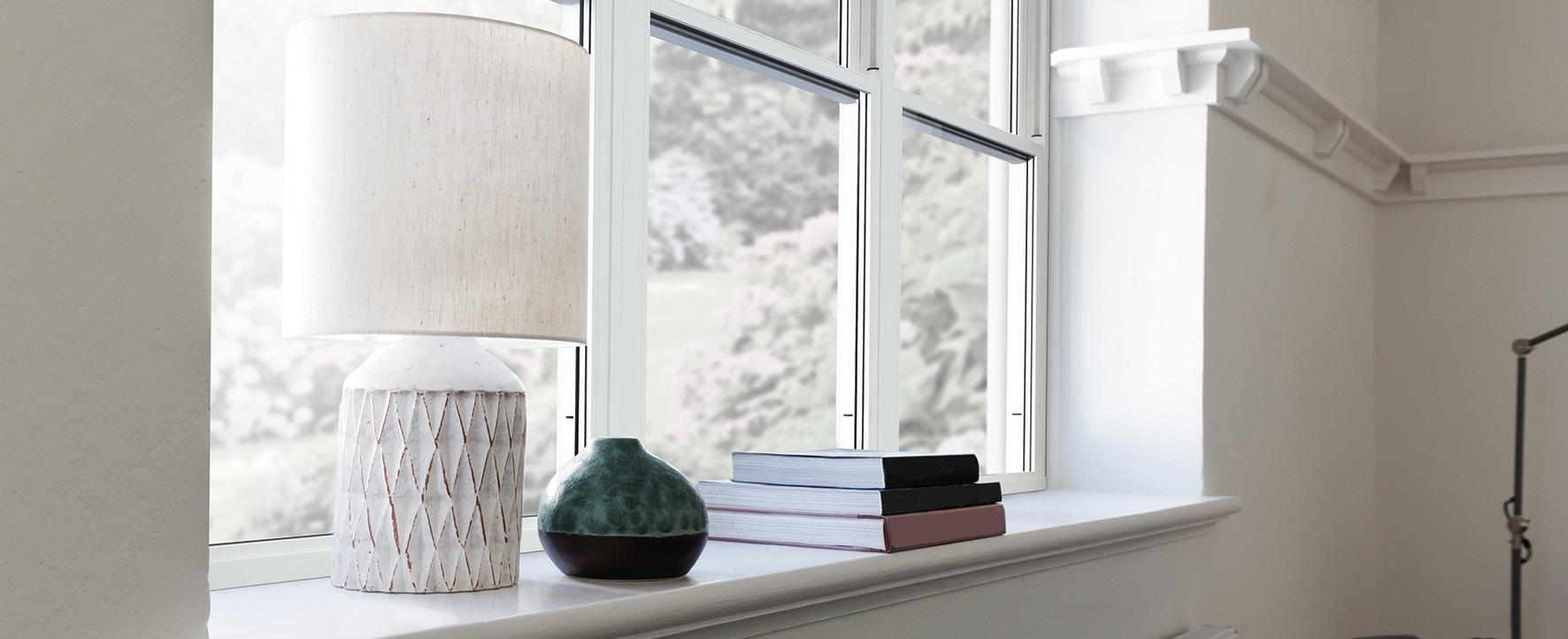
Endurance® Aluminium has bolstered its already comprehensive product offering.
With immediate effect, the fabricator’s commitment to offering well-engineered, attractively designed fenestration solutions can now be enjoyed across a new range of sash windows.
The new windows have been introduced as a direct result of Endurance’s commitment to continued product development and join a portfolio that includes not only windows but also doors and internal screens.
Russell Hensman, group marketing manager at Endurance, comments: “Historically, homeowners looking for aluminium sash windows haven’t been spoilt for choice.
“This particular type of aluminium product hasn’t tended to be widely available, and we’ve taken the decision to introduce our new range to help our installer partners maximise the opportunities presented by this gap in the market.
“In addition, the launch of the new range reflects our desire to provide homeowners with enormous design freedom and a wide choice of fenestration solutions to suit any individual taste or property style.”
Endurance’s new sash windows combine a heritage appearance with all the benefits offered by modern materials, design innovations and manufacturing techniques.
As well as the look of traditional timber but without any of timber’s associated maintenance requirements, the new Endurance sash windows deliver impressive levels of security and are certified to PAS 24 standards.
They also offer good thermal performance and deliver a U-value that meets the requirements of Approved Document Part L for new build projects.
From an aesthetic perspective, Endurance’s new windows benefit from slim frames and can be supplied in an almost infinite range of colours.
Gloss white, jet black, and anthracite grey frames are all available as standard, with other RAL colours available on request.
In addition, to complement the period styling of the new windows, homeowners have the option to add decorative horns and mullions for a truly authentic look.
Russell adds: “Endurance Aluminium continues to launch new products and service initiatives as part of our belief in offering our installer partners a complete package.
“We want to give them all the tools and support they need to succeed and to reap the benefits of the growing popularity of aluminium fenestration solutions. Doing so also allows us to build the mutually profitable partnerships that have become a trademark of all the Endurance group brands.”
Major acquisition news in the glass sector, as Euroview AG announced via a post on LinkedIn that they have been acquired by ESG Group, creating a major new entity. Below is the post they released:
ESG Group Completes Strategic Acquisition of Euroview, Creating UK’s Largest Glass Group
ESG Group Ltd is delighted to announce the successful acquisition of the business and operations of Euroview Architectural Glass Ltd, forming the UK’s largest and most comprehensive glass group. This strategic milestone unites two highly respected UK manufacturers and significantly broadens the Group’s capability and capacity across high-performance glass products.
The combined organisation brings together over 50 years of collective industry expertise, strengthening its position as the first choice for premium glass solutions in the UK and supporting projects of any scale across commercial, architectural, and specialist glazing sectors.
A powerful combination of expertise and product breadth ESG Group is already recognised as the UK’s leading glass processor, specialising in toughened, laminated, toughened laminate, ballistic, acoustic, decorative, switchable, and other advanced processed glass products — serving sectors from commercial interiors to major infrastructure.
Euroview AG enhances this offering with its long-established expertise in high-performance insulated glass units (IGUs), including bespoke double, triple and large-format units. Its capabilities include solar control, low-E coated glass, structural and fire-rated IGUs, and nationwide delivery supported by specialist logistics teams.
Together, the combined Group now offers:
• Full range of processed glass solutions, from architectural, commercial interiors products to more specialist ballistic, secure and technical products
• Commercial high-performance and oversized insulated glass manufactured in the UK
•


Significant service enhancement, faster delivery and expanded technical support for projects across the entire UK
• Increased operational capacity across two sites with production facilities covering c150,000 sq ft
“We’re incredibly proud to welcome Euroview into the ESG Group,” said Scott Sinden, Group CEO for ESG. “This acquisition accelerates our strategic growth and delivers a complete commercial glass solution for our customers, encompassing the building envelope through to interior glazing —high-performance insulated glass units, balustrades and processed interior glass. It’s a major milestone, and a first of this scale for the UK glass industry.”
Stronger value for customers and partners
The combined group will maintain and expand operations from existing facilities, retaining both ESG and Euroview’s well-regarded manufacturing bases in Witham, Essex while investing in capability, innovation, and customer service excellence.
Inwido AB (publ) today published its full-year and fourth quarter 2025 financial results, highlighting a return to organic growth, solid profitability and continued strategic expansion through acquisitions.
Net sales reached SEK 9,002 million, a 2 per cent increase from SEK 8,838 million in 2024, with organic growth of +4 per cent.

Operating EBITA totalled SEK 941 million (down slightly from SEK 953 million in 2024), delivering an operating EBITA margin of 10.5 per cent (10.8 per cent in 2024).
EBIT amounted to SEK 832 million versus SEK 850 million last year, with an EBIT margin of 9.2 per cent.
Earnings per share were SEK 8.87, down from SEK 9.29 in 2024, reflecting modest profitability pressure.
Return on operating capital was 12.4 per cent (12.7 per cent in 2024).
compared with SEK 3.17 in the prior year period. Strategic Developments and Acquisitions
2025 saw Inwido actively pursue its acquisitiondriven expansion strategy:
Three strategic acquisitions were signed in Q4 — Fast Frame and Victorian House Window Group in the UK and AJM Group in Slovenia — broadening the company’s footprint and product reach.
Acquisitions completed throughout the year contributed to structural growth and positioned Inwido for accelerated scale and market diversification.
Net debt increased to SEK 2,117 million, equivalent to 1.7x operating EBITDA (1.4x excluding IFRS 16), compared to 1.0x a year earlier, reflecting higher leverage following recent acquisitions.
The Board of Directors has proposed a dividend of SEK 5.50 per share, unchanged from 2024, signalling confidence in the company’s financial position.
In the final quarter of the year:
Net sales rose slightly to SEK 2,440 million, up 1 per cent year-on-year, with 3 per cent organic growth.
Management noted that although macroeconomic headwinds persisted in parts of Western Europe
challenging backdrop by maintaining delivery performance and preserving margin discipline. Organic growth resumed after previous periods of contraction, driven by resilient demand in key segments and markets.
The increase in net debt primarily reflects financing of strategic acquisitions, underscoring the company’s commitment to expansion even as it balances capital allocation and financial flexibility.
Inwido reaffirmed its longer-term ambition toward achieving SEK 20 billion in net sales by 2030, leveraging a combination of organic development, targeted acquisitions, and operational efficiencies.
Operating EBITA held steady at SEK 298 million, maintaining a margin of 12.2 per cent.
Earnings per share for Q4 were SEK 2.87,
growth trajectories, integration of acquired businesses, and sustained market leadership in energy-efficient window and door solutions across Europe.
In a post on LinkedIn earlier this evening, it was announced that Evoframes, a VEKA fabricator, is to be placed into administration with the loss of 65 jobs.
Although the year may seem to have gotten off to a steadier start than in the last couple of years, there have been a number of administrations in our sector, but based in the facades niche rather than the residential fabricator niche. This, sadly, resumes the pattern of fabricators that have unfortunately struggled to navigate the still-difficult trading conditions.
Evoframes administration
This was the statement made today by Lewis Taylor, MD at Evoframes:
I’m very sorry to share that ERV Group Ltd (EVOFRAMES) is unfortunately going into administration.
Regrettably, our parent company made the difficult decision to refocus on the core areas of the business rather than continue with this part of the wider group.
My greatest sadness is for the 65 members of staff who have lost their jobs as a result. They are an incredibly talented, hardworking group of people, and I genuinely wish each and every one of them the very best of luck and success in their future careers.
I’m also deeply sorry for the impact this will have on our suppliers. Despite every effort being made to minimise the effect, I know this will still be difficult news for many.
To our customers, I want to offer my sincere apologies. Many of you placed your trust in EVOFRAMES, and despite the team’s best efforts right up until the end, we were unable to deliver the outcome you rightly expected. I know this news will be incredibly disappointing, and I am genuinely sorry for the disruption and frustration this will cause.
I stepped into the role of Managing Director in September, during an already challenging period for the business. While there was a clear desire to stabilise operations and work toward a sustainable future, the timeframe ultimately proved too limited to effect the level of change required.
EVOFRAMES has faced significant challenges since its acquisition by the R&V Group, and I would like to sincerely thank them for the support and assistance they have provided to both myself and the wider team over the years.
As I write this, I will be actively exploring my next opportunity within the industry, particularly at Director level, or within Production Management and Operational Management roles.
Finally, if anyone is looking to recruit some truly exceptional people from EVOFRAMES, please don’t hesitate to reach out. I would be more than happy to make introductions.
Thank you to everyone who has supported EVOFRAMES over the years — it has genuinely meant a great deal.
I know we are all hoping for a much better year than the one previous, and even I have begun to feel as though there could be a bit more positivity within the industry. Some have told me that business seems marginally brisker than this time last year.
However, this will serve as a reminder that perhaps we are yet to turn the corner properly, and weakness within the sector remains.
This time two years ago, Evoframes was sold to Rooms & Views in a pre-pack administration deal, which at the time saved 76 jobs. You can read more about that here.
I am sure all of us will hope that all employees of Evoframes will rapidly find new employment and a brand new chapter in their careers.

Compagnie de Saint-Gobain has published its audited full-year results for the 2025 financial year, reporting modest sales growth in local currencies, stable operating margins, and solid cash flow generation as the Group continues its strategic transformation.
Sales for 2025 amounted to €46.5 billion, broadly stable on a reported basis and up 2.1 % in local currencies year-on-year.
Operating income grew 3.8 % in local currencies, reflecting disciplined cost and pricing execution across key markets.
The operating margin held stable at 11.4 %, indicating resilience in operational performance amid a mixed macroeconomic environment.
EBITDA reached approximately €7.20 billion, registering a 3.4 % increase in local currency terms, with the EBITDA margin sustained at 15.5 %.
The European region returned to sales growth in the second half of the year, expanding 1.1 % in local currencies and supporting a stable regional operating margin.
North America saw weaker volume trends, with overall activity down like-for-like, though pricing and cost control measures contributed to margin stability.
Asia-Pacific and emerging markets delivered robust growth, expanding by 12.6 % in local currencies, driven by strong momentum in India and successful integration of key acquisitions.
Portfolio rotation and acquisitions remained key drivers of profile optimisation, with approximately €1.2 billion in sales renewed through scope changes in 2025. Notable growth-oriented acquisitions in construction chemicals contributed to 15.9 % organic growth in this segment in local currency terms.
Free cash flow remained strong at €3.75 billion, reflecting robust working capital management with a conversion ratio of 58 % relative to EBITDA.
Capital expenditure totalled €2.05 billion, comparable to the prior year, with continued investment in growth capacity and new production lines.
Net debt at year-end 2025 stood at approximately €10.4 billion, with the net debt to EBITDA ratio stable at 1.4x.
Shareholder return remained attractive, with a dividend recommended at €2.30 per share (up 4.5 %) and €402 million allocated to net share buybacks in the year.
The Group’s published outlook anticipates maintaining an EBITDA margin of above 15.0 % in 2026, while noting that short-term performance may be impacted by extreme weather conditions in certain regions.
Compared with recent financial years, the 2025 results demonstrate continued margin resilience and consistent cash generation despite a softer volume backdrop in certain mature markets. Sales remained broadly stable on a reported basis, while local-currency growth and operating income progression indicate incremental improvement in underlying performance. EBITDA margin remained above 15%, sustaining the elevated profitability levels achieved in the post-pandemic recovery period. Free cash flow generation and a net debt to EBITDA ratio of 1.4x confirm balance sheet stability in line with prior years, while the increased dividend and ongoing share buybacks reflect continuity in capital allocation policy. Overall, the 2025 financial year shows operational stability and disciplined financial management relative to preceding periods, with growth increasingly supported by emerging markets and portfolio optimisation.
Read the full press release here.

Being at home means letting go and feeling completely comfortable all around. One material that enhances this feeling even more is wood. Hardly any other material creates such an immediate sense of natural cosiness. This is why the Conti® woodec decors are inspired by it. The oak wood decor in Scandinavian style impresses with its great naturalness and light colours. With their deep embossing and very matte tactility, the surfaces also feel like real wood. The perfect partner for the exterior surface is Conti® mattex – a matte-sandy surface that significantly upgrades building elements and exactly matches the appearance of powder-coated aluminium.
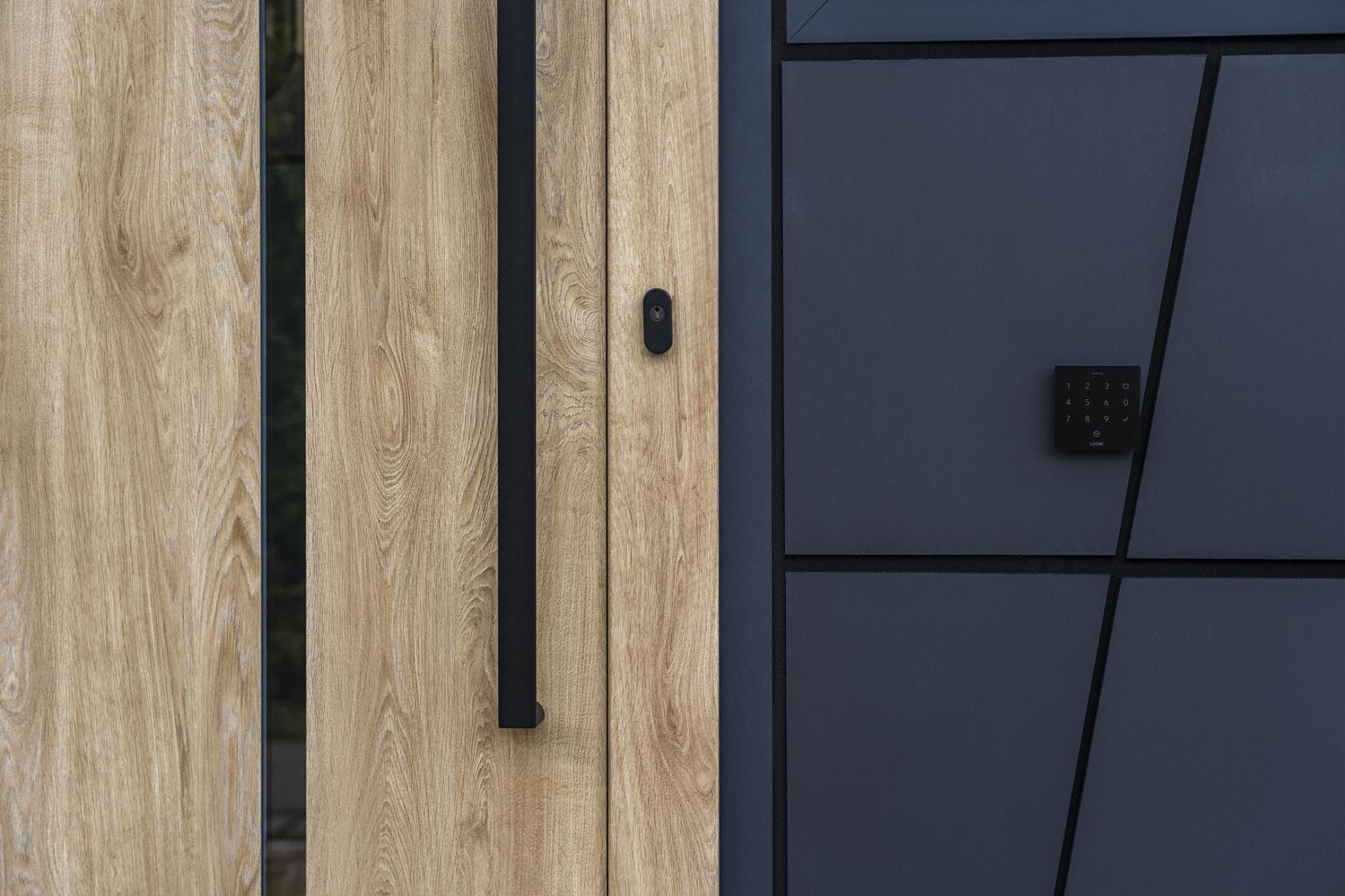

The combination of lively wood look and velvety, powder-coated aluminium is currently very much in demand among architects and builders. How harmoniously the two surfaces complement each other is demonstrated by the “ContiHome”. The entire exterior – i.e. windows, façade and entrance door – of Continental’s tiny house is designed with Conti® woodec and Conti® mattex. But the two surfaces don’t just convince with their appearance and feel – they also set functional standards: the window profile coatings are low-maintenance and easy to clean, and they easily withstand years of extreme weathering. Among other things, the coolcolours technology plays an important role here. With special pigments, it ensures that especially dark surfaces reflect the heat-generating nearinfrared radiation from the sun. This keeps the windows cool and dimensionally stable.

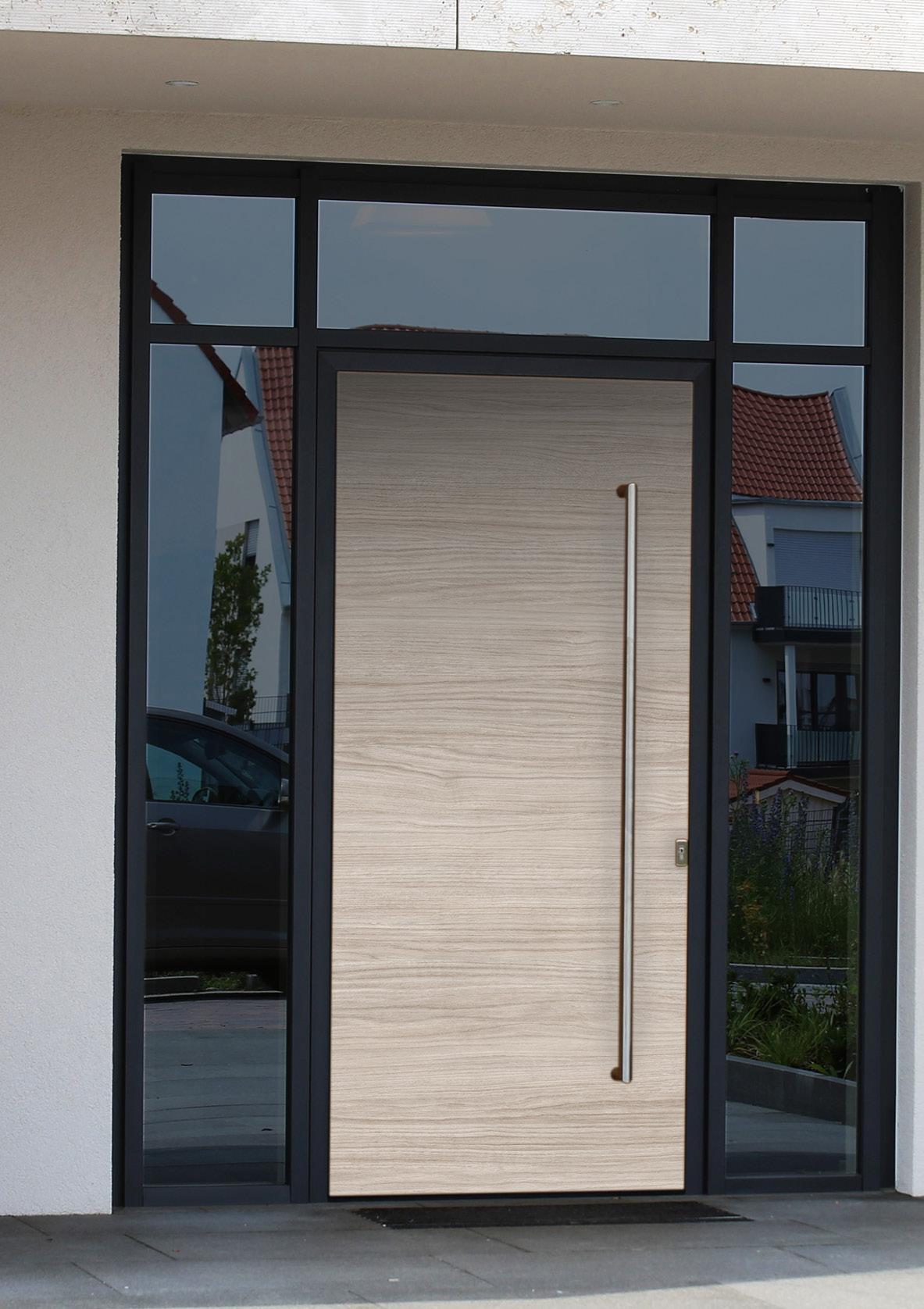
From March 24 to 27, 2026, Continental Exterior Films will showcase a wide range of exciting product innovations for windows, façades, and doors on approx. 200 m² at Fensterbau Frontale. With this year’s trade-fair motto “More Options. More Style. More Home.”, Continental deliberately places the spotlight on style and will showcase at Fensterbau Frontale the impressive range of possibilities by different designs. After all, Exterior products are true all-rounders: they not only impress on windows, but are equally suitable for doors, gates, and façades.
Façades in particular are a key focus at booth 202 in Hall 5, where three different façade designs will be on display. One standout highlight being a backlit façade variant.
At Fensterbau Frontale, Continental will showcase an expanded color palette for windows, doors, garage doors and facades. For example, additional options for natural, earthy tones.
But it’s not just exciting façade innovations awaiting visitors. New colours for building elements such as window frames and doors can also be discovered. Both Conti® mattex – a
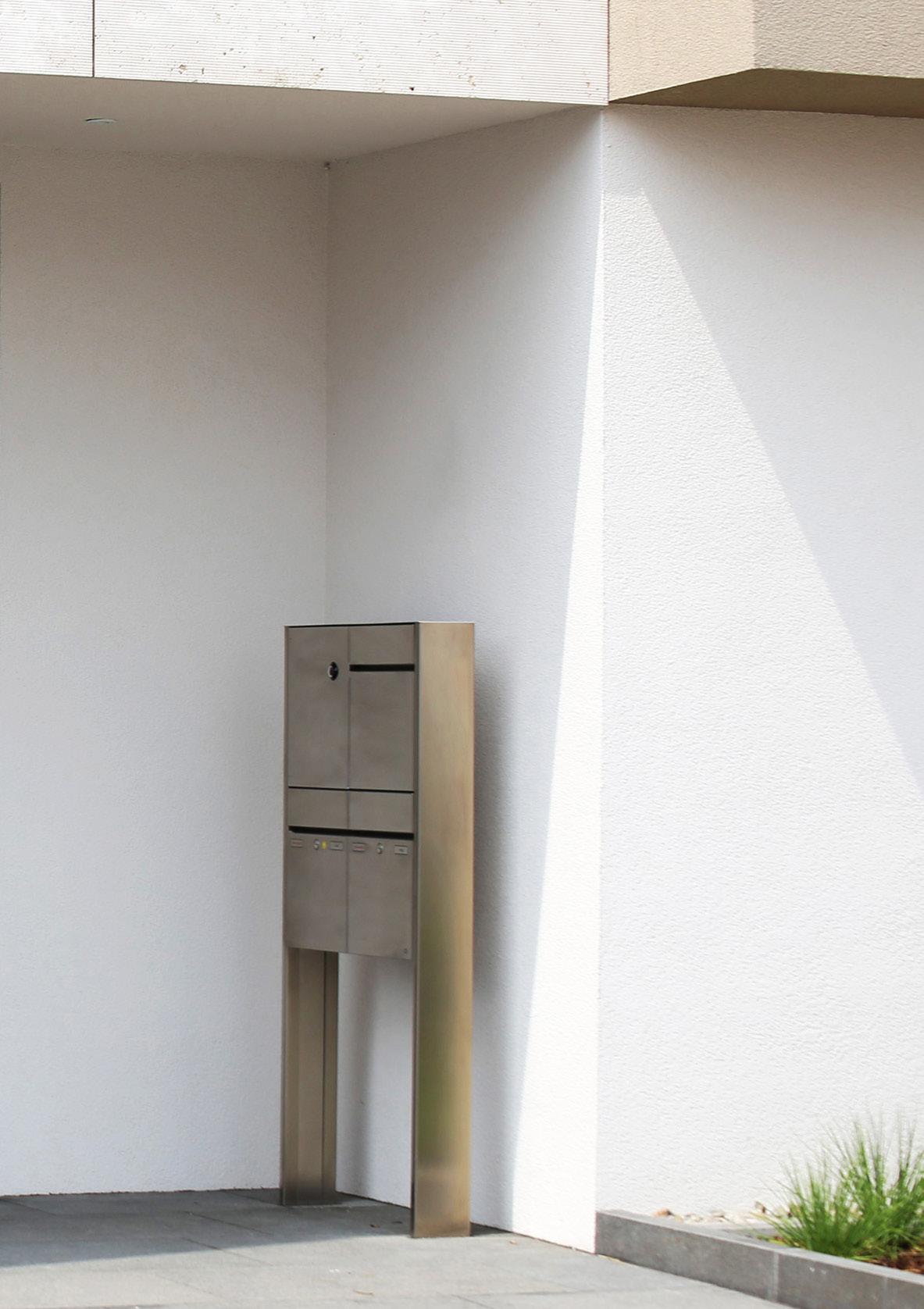
surface comparable to powder-coated aluminium – and Conti® woodec –authentic real-wood-look decors – now offer even greater design freedom. Current trends include matte surfaces as well as natural, earthy colour tones, which create a harmonious overall appearance. After all, a sense of comfort does not begin only once the front door closes; it also extends to the exterior space, encompassing windows, doors, and façades.
How Exterior products create a feeling of comfort and that special sense of home can be experienced first-hand by trade-fair visitors directly at the booth – not only through the exhibits themselves, but also in the hospitality area, which offers a retreat for personal conversations.
Another highlight, celebrating its premiere at Fensterbau Frontale, is the presentation of a special printing process. This technology enables Continental to produce large-format wood-look surfaces for doors in a horizontal grain direction. The result: doors now appear completely natural even without a joint, as if made from a single piece of wood.

Endurance® Doors has increased the already impressive level of design freedom it offers door installers and discerning homeowners.
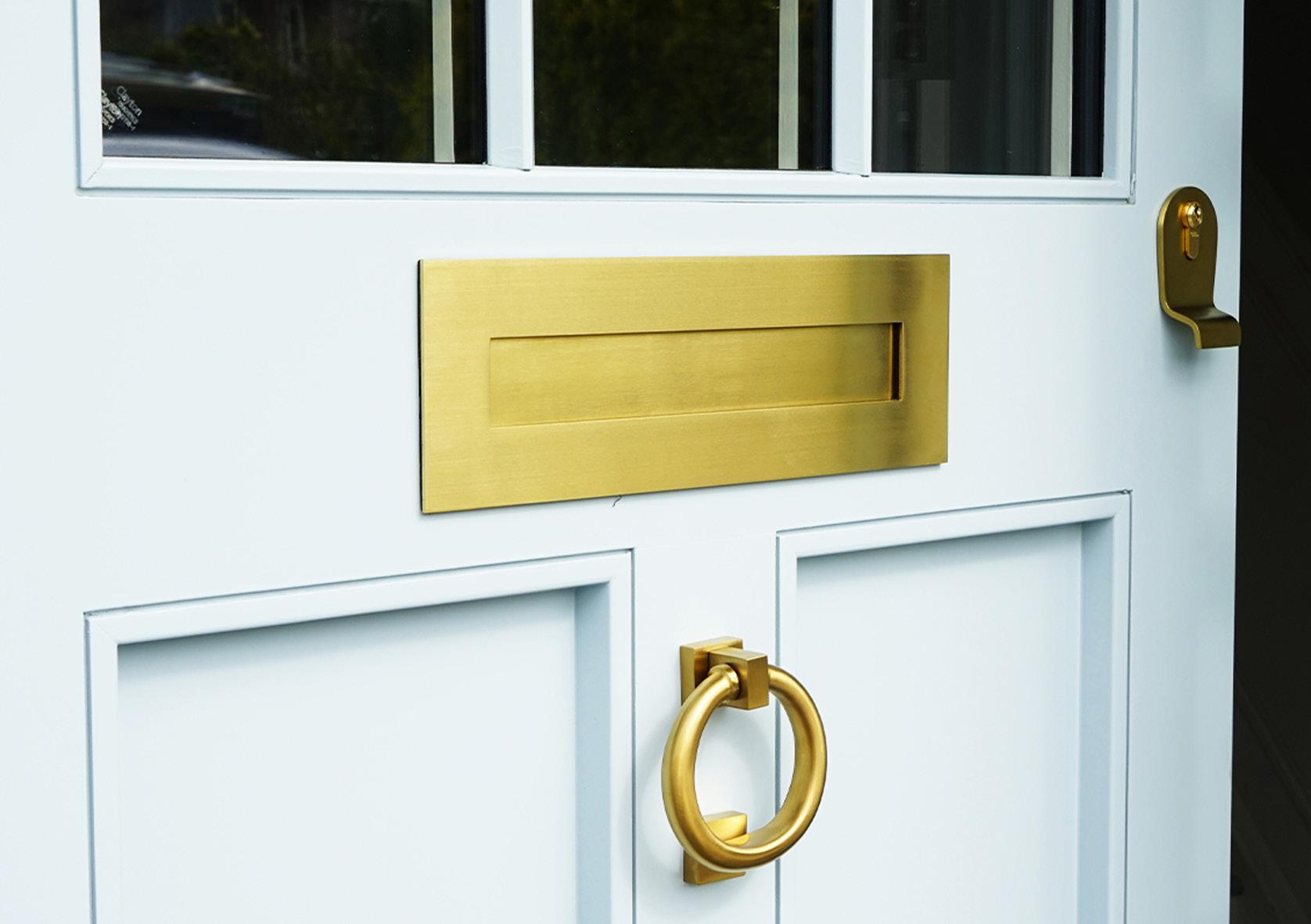
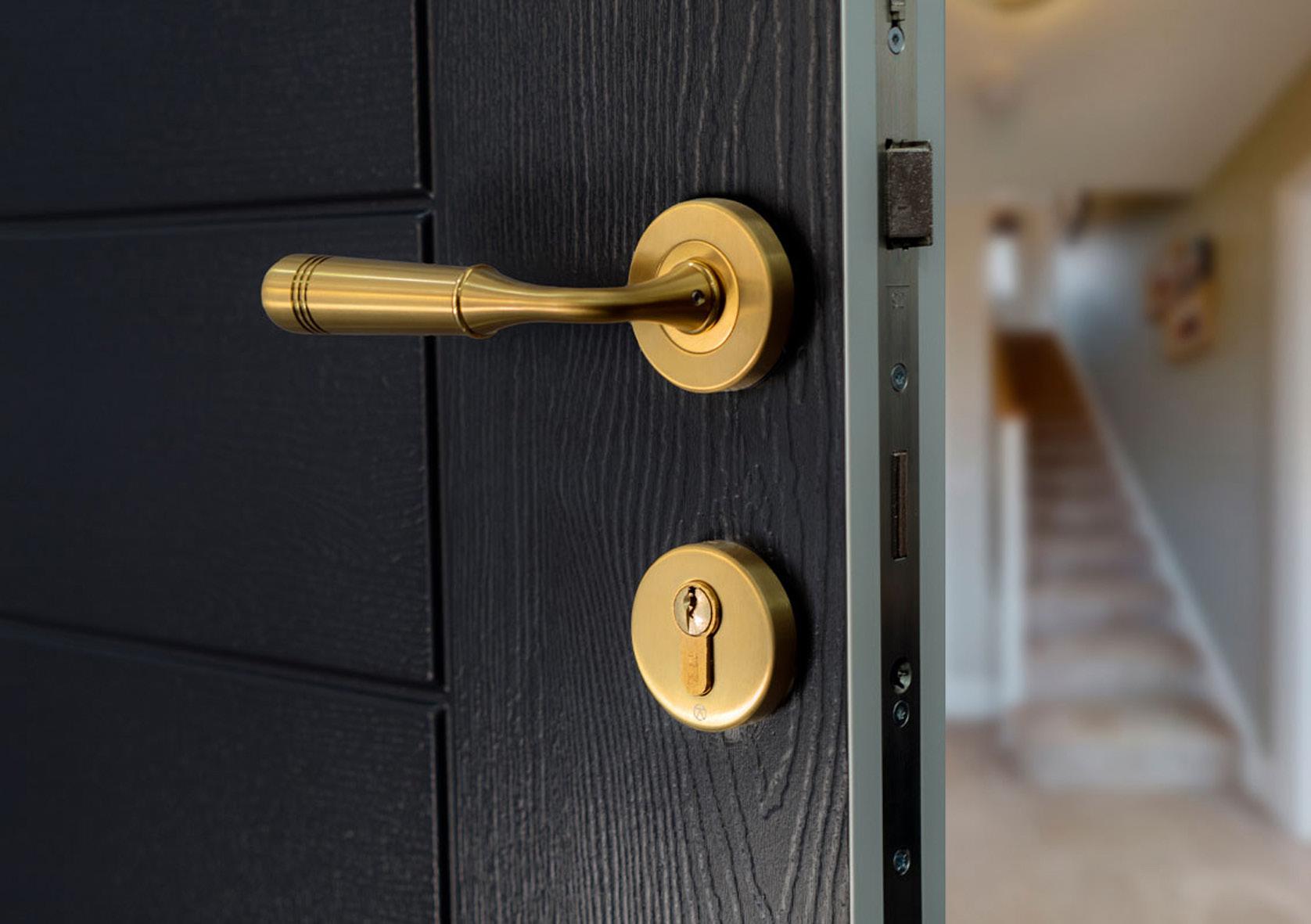
As a direct result of its proactive approach to new product development, the manufacturer of high-end composite doors is now offering door hardware in a sophisticated and on-trend satin brass finish.
The new finish becomes part of Endurance’s premium range of hardware, which includes handles, knockers, letter plates, knobs, pulls
and escutcheons, all made from stainless steel for the ultimate in durability, weather resistance and lasting appeal.
Other finishes within the premium range currently include matte black and a natural stainless steel colour.
Russell Hensman, group marketing manager at Endurance, comments: “At Endurance® Doors, we are committed to offering our installer partners all the tools they need to maximise sales.
“Not only does this take the form of extensive support in areas such as marketing and training, but it also involves the provision of products that address ever-evolving market demands.
“The use of satin brass as an accent colour is very much en vogue. With its muted, slightly matt appearance, satin brass can bring a sense of warmth and sophistication to any space.
“It is also highly versatile. It works equally well whether the desired look is something contemporary or more traditional.”
The new satin brass hardware from Endurance adds to an already impressive array of design choices available to customers.
This includes over 85 different styles of door grouped into four main collections – Classic, Country, Urban and Avantal, with the latter
being the manufacturer’s ultra-modern, smooth-skinned range.
Homeowners can further customise these styles by choosing their new door in one of over 19 separate colours.
They also have the option of 19 different types of glazing and a wide range of hardware in multiple colours and finishes.
Concluding, Russell adds: “The consumers who buy our doors aren’t just doing so out of necessity. They’re also looking to make an investment by choosing a product that will enhance their home and their lifestyle.
“Given this significance, we want to ensure they are able to create a door that’s uniquely tailored to their property and individual tastes.
“By continuing to expand the design options we offer, we are perfectly placed to ensure this ultimate level of customer delight.”
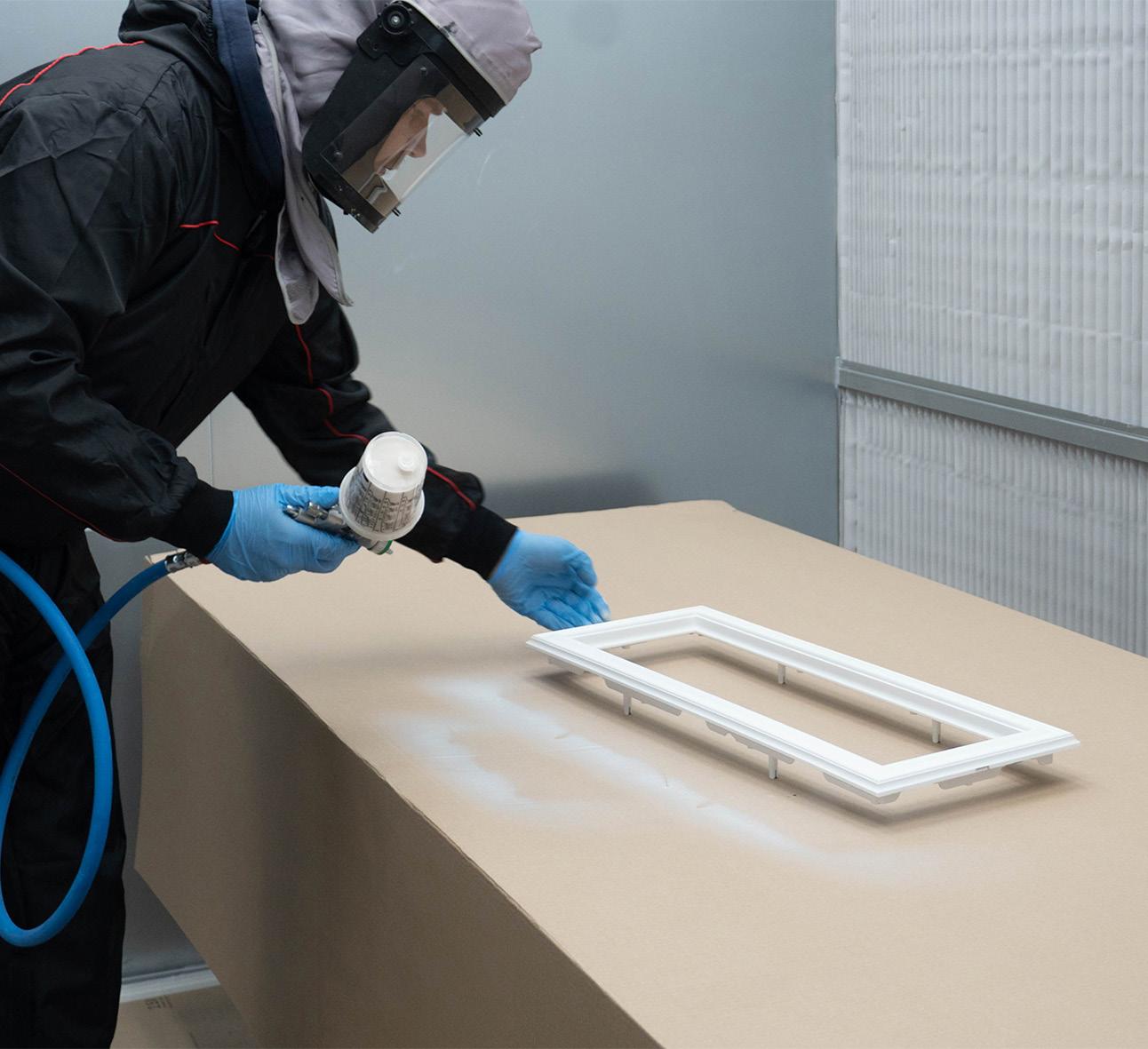
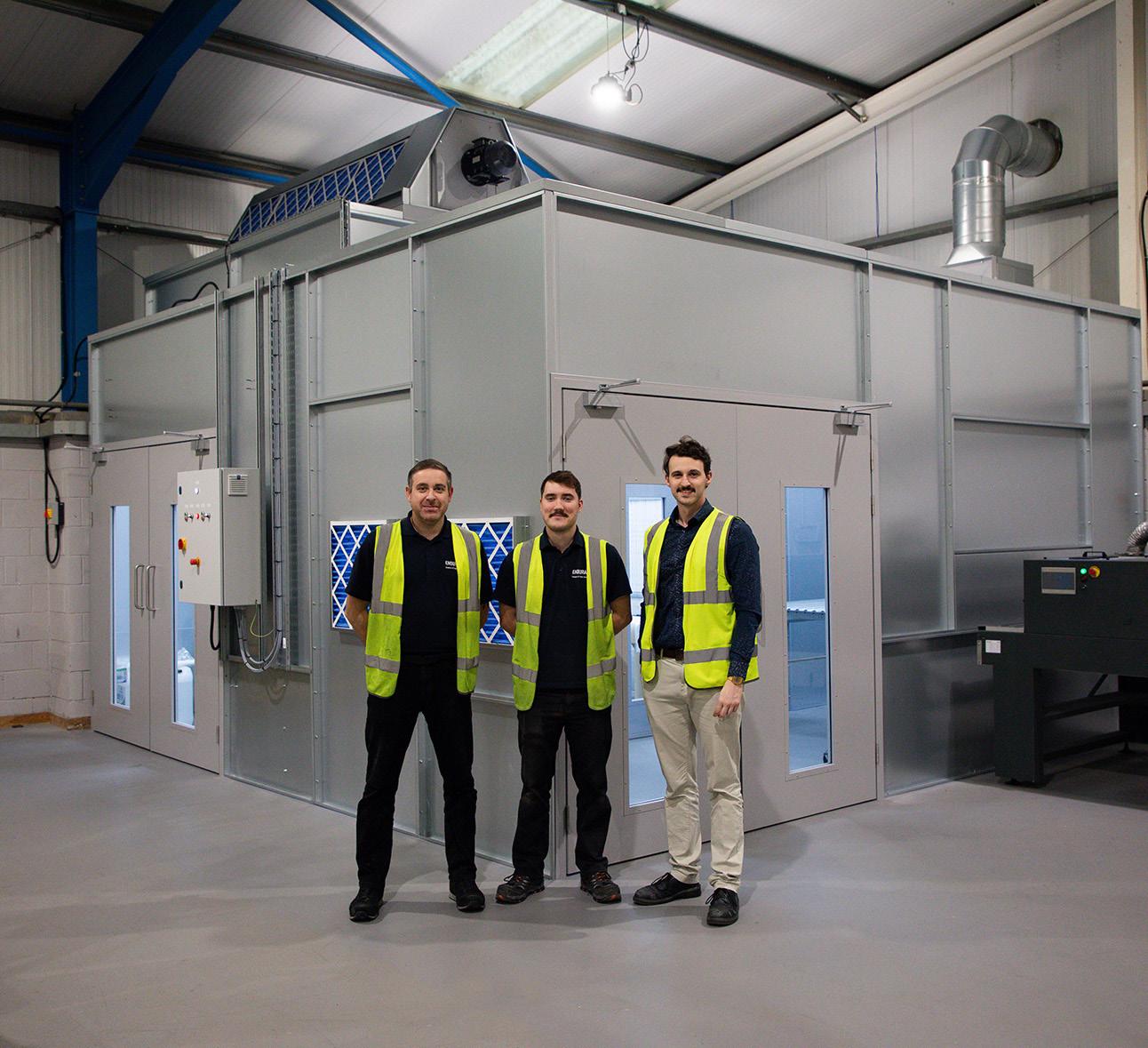
Endurance® Doors has made a further investment in enhancing its production operations. Following the opening in September 2025 of a remodelled door assembly line – which draws on best practice techniques from a range of sectors, including the automotive and aerospace industries – the business has now commissioned a new and state-of-the-art product painting facility
Garry Brewin, managing director at Endurance® Doors, says: “Having invested over £1/4 million into our updated assembly line, which now delivers even greater levels of efficiency and order accuracy, we wanted to ensure the same exceptional standards were maintained across other areas of the production process.
“The latest investment in our new paint shop contributes to that. It maximises both health and safety for our team and product quality for our installer partners and their customers.”
Located at Endurance’s factory in Brigg, the new paint facility features spraying equipment and ventilation and safety systems, including specialist PPE, that enable the manufacturer to use 2k paint in compliance with all relevant guidance and legislation, such as ATEX, REACH and the regulations set out by HSE (Health & Safety Executive).
The new facility and the specific type of 2k paint now being employed by Endurance enable the manufacturer to produce doors with an even more durable painted finish and to achieve a superior colour match between door skins, glazing cassettes and door frames.
The new facility also benefits from its own dedicated drying oven. This enables Endurance to paint and dry door components in under an hour.
Garry adds: “Endurance® Doors has a highly active programme of inward investment and we continue to reinvest a significant proportion of our profits back into our business, enhancing its capabilities, its efficiency and its use of cutting-edge technology.
“Not only does this contribute to our competitiveness and continued success, but it also ensures our customers always benefit from products of the very highest quality and that embrace the latest technological advances.”


In a surprise move today, Eurocell announced that CEO Darren Waters has stepped down from the company with immediate effect. He has been replaced by Will Truman, who was previously CFO Designate. This shake-up of the senior leadership is earlier than planned.
This was the press release published by Eurocell earlier today:
Eurocell plc, the leading UK manufacturer and distributor of door and window products to the trade, today announces that Darren Waters will step down as Chief Executive Officer (CEO) with immediate effect. The Board believes that to achieve our strategic objectives in this critical year it is in the best interests of the Company to have surety of leadership and a seamless handover, therefore the Board has appointed Will Truman as CEO commencing immediately.
Will Truman vacates his role as CFO Designate. Michael Scott has agreed to postpone his retirement and continue as CFO, whilst the Board commences a full and rigorous recruitment process to identify a permanent CFO for the business.
Derek Mapp, Chair, commented: “On behalf of myself and the Board, I would like to thank Darren for his leadership over the last 3 years, which included the acquisition of Alunet and the expansion and growth of window and door sales through the branches. He has contributed significantly to the culture change we are undertaking in the business. We wish him well in his future endeavours.”
You can read the original article here. No reasons or explanations were given for his sudden departure.
Eurocell’s share price fell nearly 7% today on the news.

If you’ve ever looked at a Georgian terrace and wondered why some windows are bricked up, you’re seeing the long shadow of one of Britain’s most infamous property levies: the Window Tax. For over 150 years, this curious form of taxation influenced architecture, household economicsand, some argue, our language too.
In this article, we’ll explore:
• What the Window Tax was
• Why it was introduced
• How tax bands changed over time
• Its social and architectural impact
• The connection (or lack thereof) to the phrase “daylight robbery”
Between 1696 and 1851, British households were taxed not only on property value but also on the number of windows in a home. At a time before income tax, lawmakers needed a way to assess wealth without prying into bank accounts. Windows were visible from the street and, crucially, correlated with a house’s size and affluence.
So the logic went: more windows = greater wealth = higher tax.
There were three main drivers behind the tax:
• Revenue for war and administration - Britain was engaged in prolonged military conflicts during the late 17th and early 18th centuries, especially against France.
• Simplicity of assessment - Windows were easy for tax collectors to count from outside properties.
• Proxy for wealth - In the absence of reliable income data, physical features stood in for economic status.
The Window Tax didn’t remain static. It evolved in response to fiscal needs, political pressure, and popular protest. Below are demonstration tax bands from key periods showing how rates grew more complex.
Component Tax Basis Notes House Tax Per Dwelling Flat rate to begin
Window Tax Count of Simple windows incremental levy
This setup established the principle but was modest in scale.
Windows in Property Annual Tax
0-10 No additional tax
11-20 Moderate tax
21+ Higher tax
As the tax matured, bands emerged to differentiate between modest and substantial homes.
Tax Band Windows Count Annual Tax (illustrative)
A Up to 10 Base amount B 11-20
x2 C 21-30
D 31+
x3
x4
Note: Specific rates varied with inflation, parliamentary budgets, and wartime needs. The important point is the tiered structure, which increasingly penalised larger homes.
Windows Tax Band Effect
0-7 Exempt Minimal light, no tax
8-14
15-21
22+
Low Band Small levy
Mid Band Noticeable tax increase
High Band Significant tax burden

By the 1800s, tax bands had sharpened, and bricking up windows became a common costsaving strategy.
The Window Tax had effects far beyond the Treasury’s ledgers:
• Bricked-Up Windows
Homeowners literally blocked up windows to drop into a lower tax band. Today, these feature prominently in Georgian and early Victorian façades.
• Poor Ventilation and Light
Fewer windows meant less daylight and reduced airflow - conditions that, according to contemporary critics, worsened health outcomes, especially in working-class housing.
• Design Innovation
Some architects began to conceal windows or cluster them in ways that minimised tax liability while maximising light - an early example of design shaped by public policy.
A popular story holds that the phrase “daylight robbery” comes from the Window Tax - that it was literally robbery of daylight. It makes a great anecdote for window sellers and installers, but
the linguistic evidence doesn’t support it.
Most recorded usages of daylight robbery emerged after the Window Tax was repealed in 1851. The phrase appears to have evolved metaphorically to mean an outrageously unfair or extortionate charge rather than a literal tax on sunlight.
So while the Window Tax robbed homes of light, it almost certainly did not give us the phrase in English.
By the mid-19th century, critics from medical reformers to economists lambasted the Window Tax as:
• Inefficient
• Regressive (it hit the poor hardest)
• Detrimental to health
In 1851, it was finally repealed, replaced by taxes thought to be less damaging to living conditions.
For readers passionate about windows and home comfort, the Window Tax story is a reminder:
• Natural light is not just aesthetic - it’s historically been a marker of wealth, health and wellbeing.
• Policy can shape design in dramatic ways.
• Our obsession with windows has deep cultural roots.
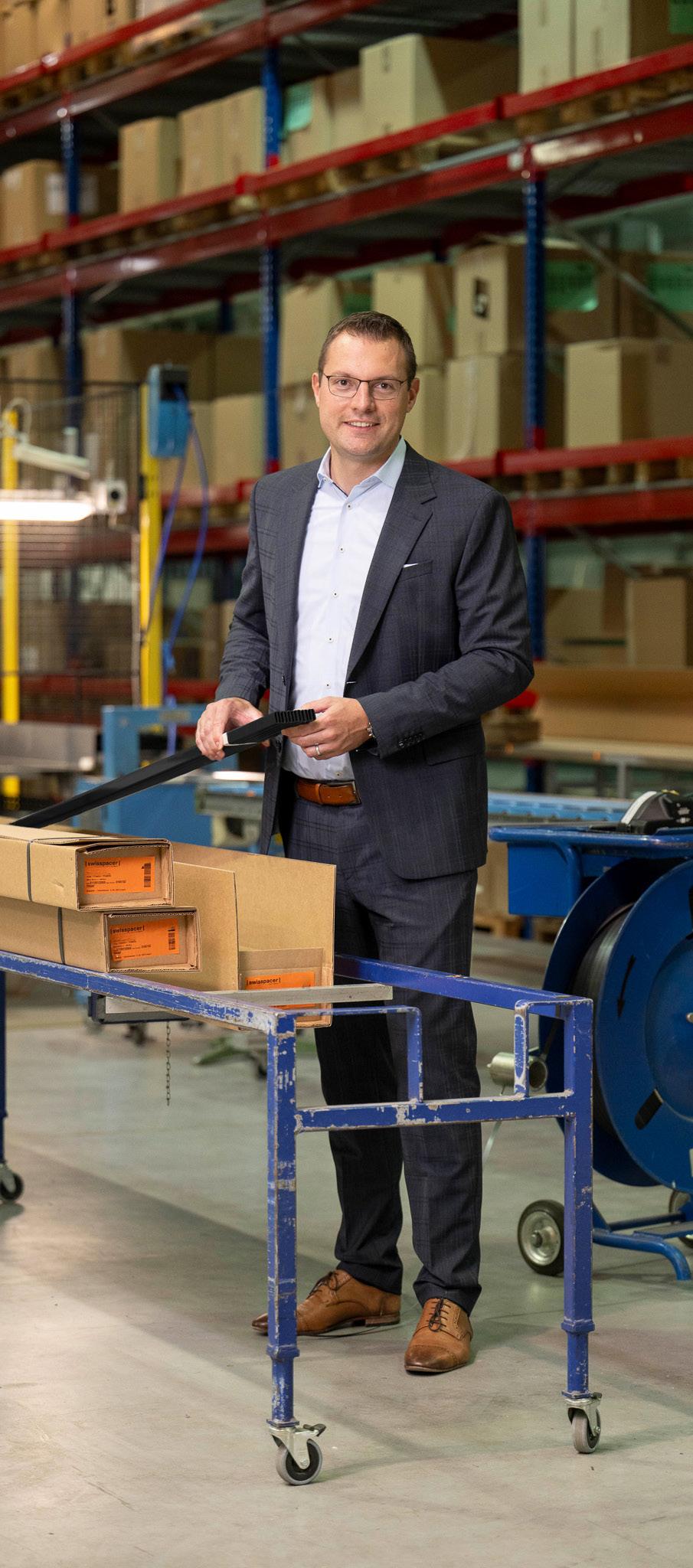
The new Swisspacer Ultimate | Nyxé sets a strong statement for design and sustainability within the Swisspacer portfolio.
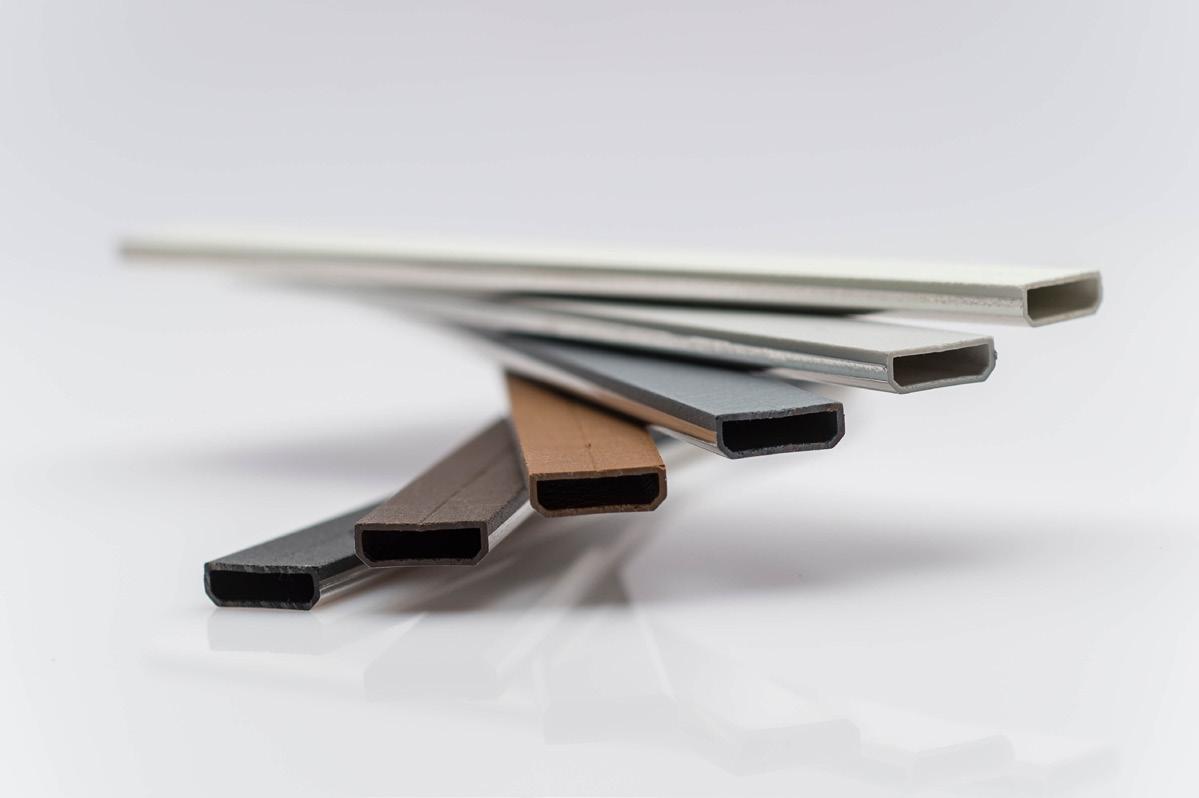
Starting September 2025, the Swiss manufacturer introduces Swisspacer Ultimate | Nyxé, a new variant of its premium spacer bar Swisspacer Ultimate. The product allows for a striking, all-black design while incorporating 33% recycled content. At the same time, Swisspacer Ultimate | Nyxé delivers the proven top performance of Swisspacer Ultimate. It represents another key element in the company’s sustainability strategy.
“With Swisspacer Ultimate | Nyxé, we demonstrate how functionality, aesthetics, and sustainability can be combined in a single component,” says Matthias Bach, CEO.
“At the same time, this new product joins the portfolio of Saint-Gobain’s sustainable solutions, such as ORAÉ® glass. Looking ahead, we will develop a joint Environmental Product Declaration (EPD) for Swisspacer Ultimate | Nyxé together with ORAÉ®, making all relevant data even more accessible for architects and planners.”
According to the United Nations Environment Programme (UNEP), the construction sector is responsible for 37 to 39% of global CO2 emissions. This often-quoted figure highlights the fact that every single component can have a tangible impact on the overall footprint of a building.
This awareness also drives Swisspacer:
“The growing demand for more sustainable products is a clear driver of innovation for us,” explains Marie Guin, responsible for R&D at Swisspacer. “It was therefore a logical step to integrate recycled material into the production of our spacer bars. Achieving a recycling content of 33%—without compromising performance—was a real challenge. We are proud that we succeeded in reaching the same performance level as our premium spacer bar.”
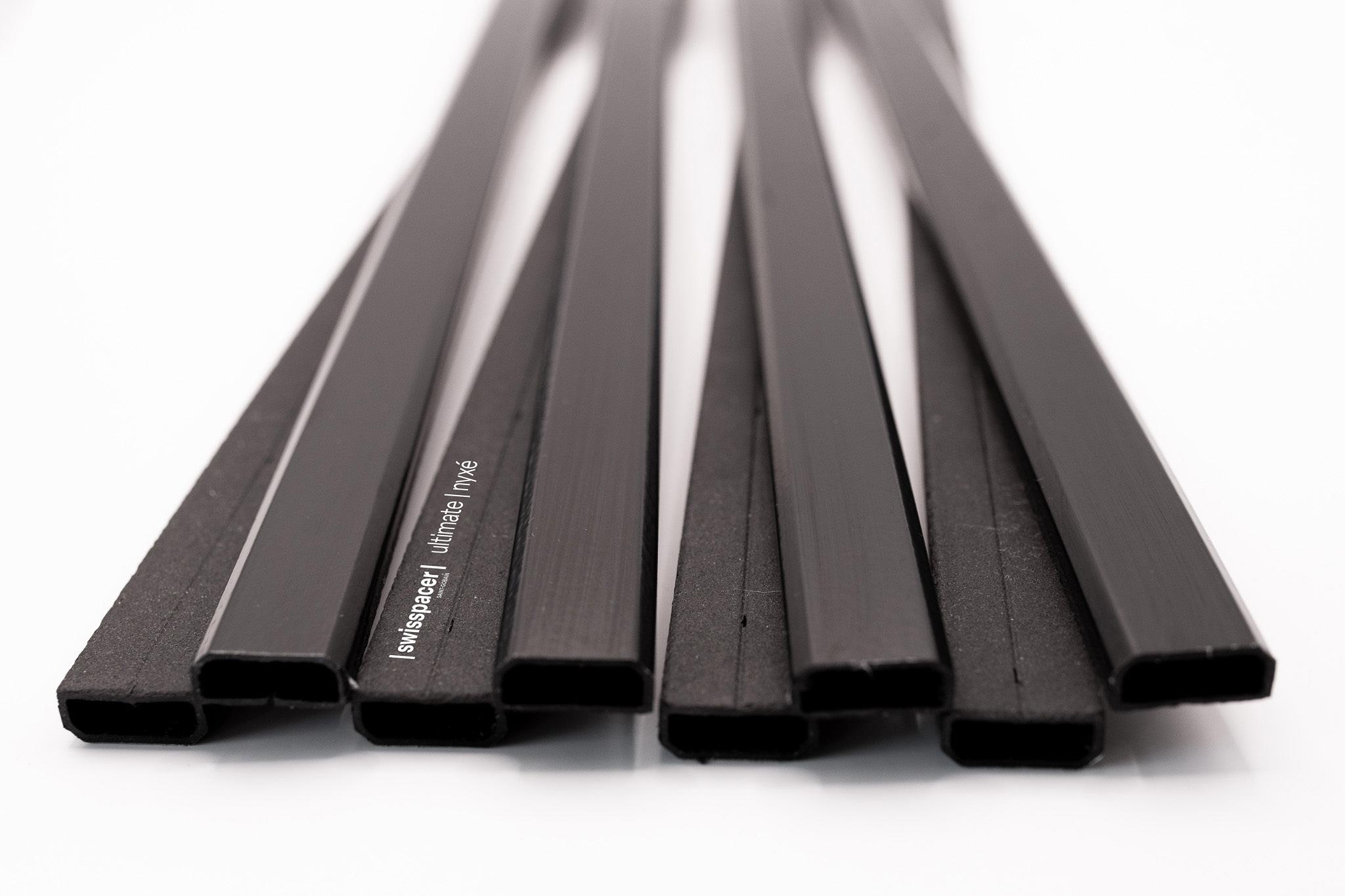
The name Nyxé refers to the Greek goddess of the night, “Nyx.” With its deep black foil, Swisspacer Ultimate | Nyxé supports a contemporary architectural approach: clean, dark lines as a striking contrast in modern window and façade designs.
For architects and planners, Swisspacer Ultimate | Nyxé is the detail that enhances window design. Processors, windows, and façade manufacturers can rely on its proven high reliability, benefit from its elegant appearance, and at the same time make a strong statement on sustainability.
A key foundation for Swisspacer’s circular economy strategy was laid in the summer with the launch of the Re:cycling Service. Thanks to targeted development work, this service enables customers to return production offcuts with ease—seamlessly integrated into existing logistics processes. This reduces the CO₂ footprint on the customer side, saves disposal costs, and conserves valuable resources. “Our partners benefit twice: from a service that integrates sustainability into everyday production and from an elegant product with a reduced CO2
footprint,” explains Sales & Marketing Director Sarah Sattler.
Swisspacer regularly publishes Environmental Product Declarations (EPDs) in accordance with ISO 14025 and EN 15804, as well as FDES (Fiches de Déclaration Environnementale et Sanitaire) according to the French standard. These provide verified data on CO₂ emissions and form a key element for certifications such as DGNB, LEED, or BREEAM. “We deliberately focus on verified transparency,” emphasises Matthias Bach. “Because only those who reliably disclose details create the foundation for sustainable building—where every single component counts.”
Already today, the life cycle analysis (LCA) of Swisspacer Ultimate | Nyxé shows that it will likely achieve a reduction of around 20% in CO2 footprint compared to Swisspacer Ultimate. External verification for the publication of the EPD is currently underway.
Swisspacer Ultimate | Nyxé demonstrates what warm edge can be today: uncompromisingly elegant all-black design for contemporary architectural trends, reliable Swisspacer Ultimatelevel performance, and a clear contribution to resource conservation.
Lavater school complex in Zurich combines energy-efficient refurbishment, architectural heritage and new usage concepts.
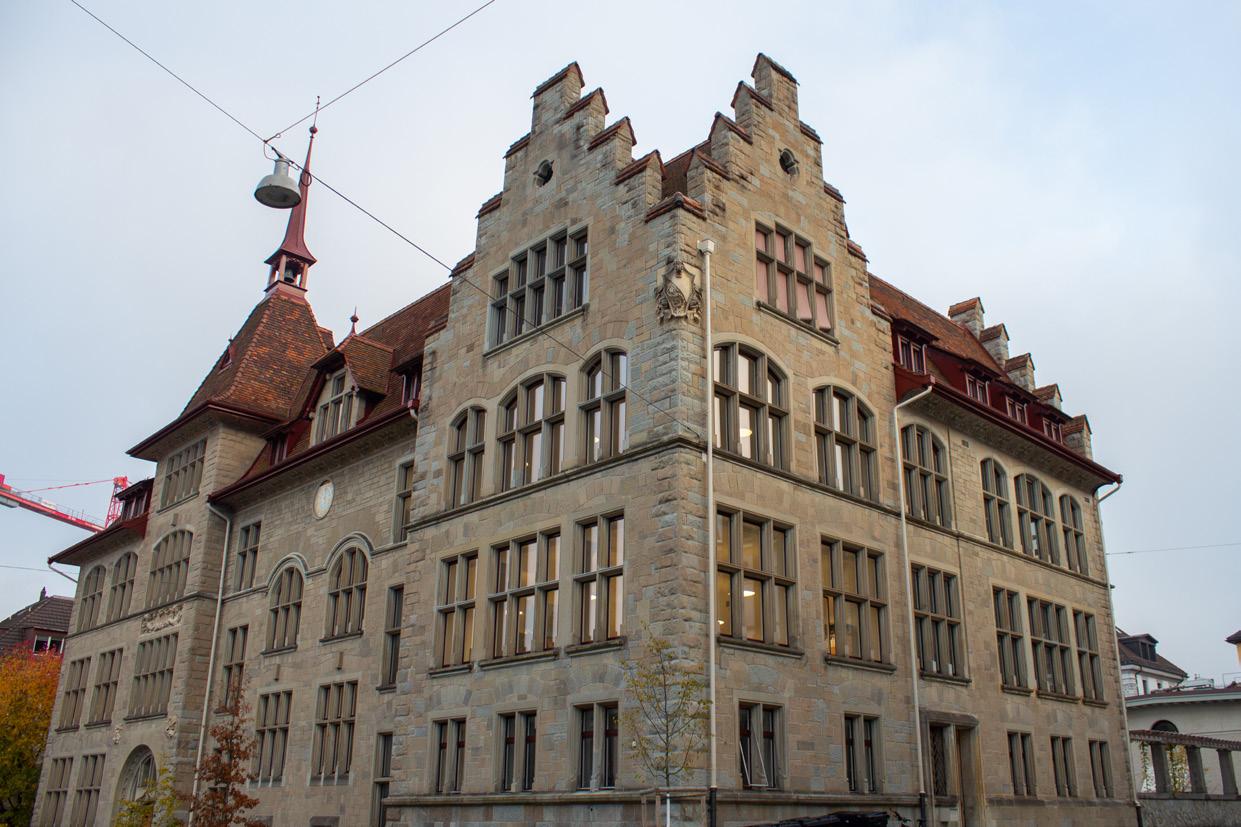
Through the refurbishment and extension of the Lavater school complex, an important testimony to Zurich’s school architecture has been preserved and updated for future generations. The building ensemble from 1896/97, designed by city architect Gustav Gull in the style of the Swiss National Museum in Zurich, is an excellent example of the sensitive interplay between historic fabric and modern technology. Particular attention was paid to the refurbishment of the historic windows, which were carefully restored in line with heritage requirements by Holzmanufaktur SWISS AG, partner company of Holzmanufaktur Rottweil, specialists in historic timber window restoration – now featuring modern insulating glazing and the highperformance warm edge spacer bar Swisspacer Ultimate in the glazing edge.
The heritage-listed Lavater school complex in Zurich is a historical witness to the change in school building design at the end of the 19th century. In close consultation with the city’s monument preservation authorities, the building complex underwent a careful transformation into a modern all-day school and was structurally and energetically refurbished.
In addition to improving the energy efficiency of the building envelope, the renovation concept by the Zurich-based architecture office Neff Neumann Architekten pursued the functional and design-oriented further development of the complex. The school was designed for contemporary-day school operations with twelve secondary classes. The former single sports hall was transformed into the “Forum Lavater” – a light-filled dining and multipurpose building –while beneath the schoolyard, a new underground
double sports hall was constructed, which is also available for club sports outside school hours.
In the historic main building, accessibility, room acoustics and lighting were specifically improved without abandoning the original room structure. The restoration of the architectural qualities from the time of construction played a central role in this. The spatial structure of the classrooms was retained in principle. However, the central zone, which dominates the space with access and sanitary facilities, was given a different design – for example, with ceramic wall surfaces reminiscent of historical elements. Thanks to floor-to-ceiling glazing with wooden frames, the corridor zones and group rooms now receive plenty of light and allow for flexible use – always in keeping with Gustav Gull’s clear spatial logic.
The planning also took up the architectural structure of the existing building in the outdoor area. The playground is spatially enclosed by the two historic school buildings and a tree-lined perimeter wall. Three new concrete roofs of varying heights provide a restrained counterpoint to the striking arcade with the school entrance and the asymmetrically placed risalit. The design of the outdoor facilities follows an ecological model with heat-reducing measures, structures that promote biodiversity and an opening of the school grounds to the local community. The concept by Neff Neumann Architekten was awarded first prize in the City of Zurich’s selective planning competition in 2017 – a tribute to the architectural precision in dealing with the existing building and its further development.
The school buildings are now powered entirely
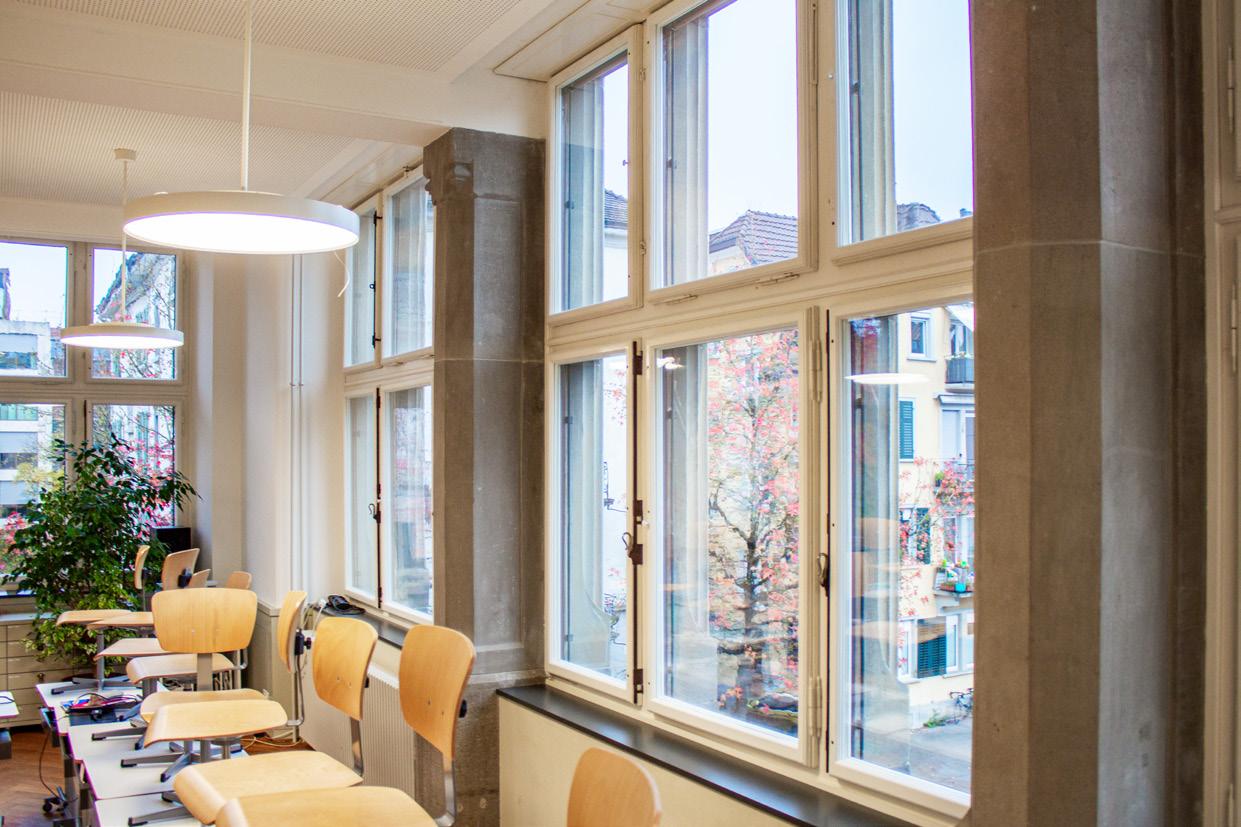
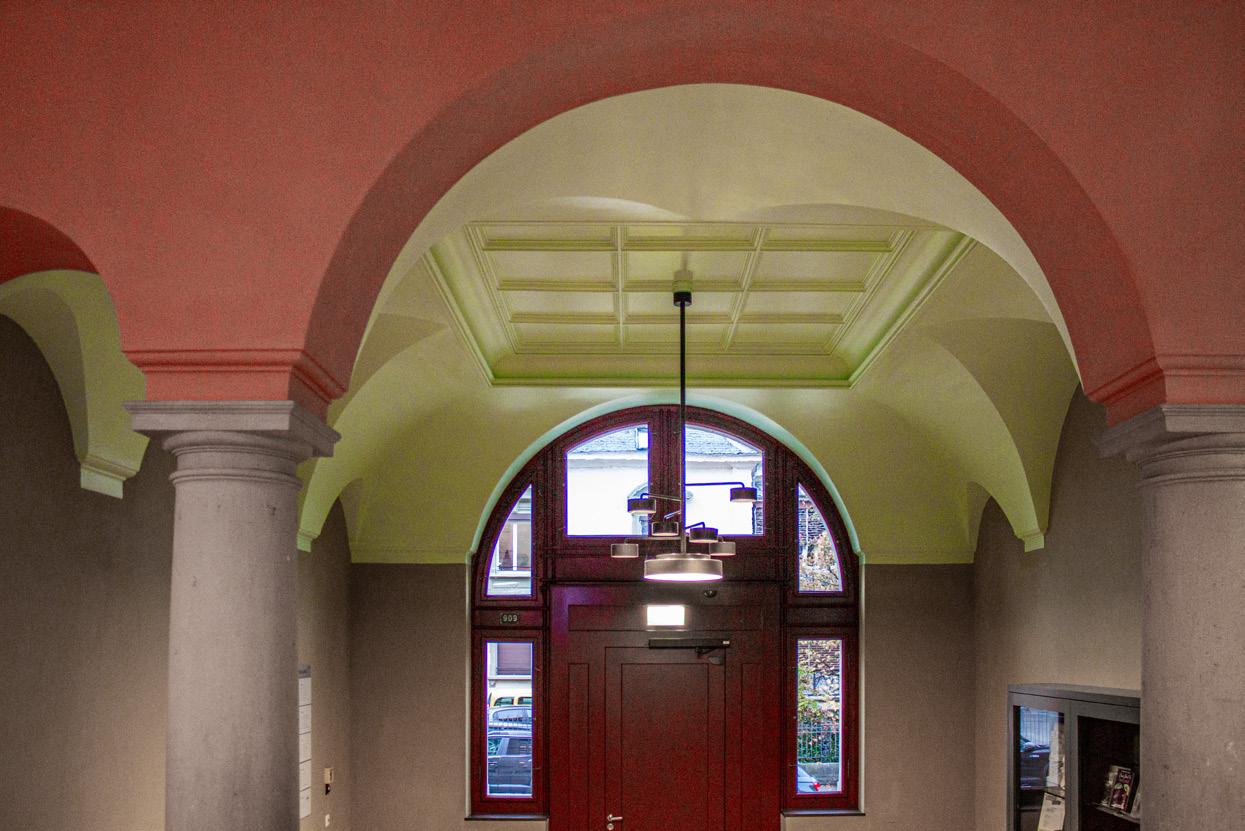
by renewable sources: a photovoltaic system on the flat roof and a geothermal heat pump cover the entire energy requirement. To improve indoor air quality and temperature, the historic ventilation system in the classrooms was reactivated. Ventilation is provided mechanically in the original ventilation ducts. The high energy efficiency is evident not only in the supply technology, but also in numerous structural details. In particular, the renovation of the windows in line with conservation guidelines is a prime example of the sensitive handling of historical substance and modern technology.
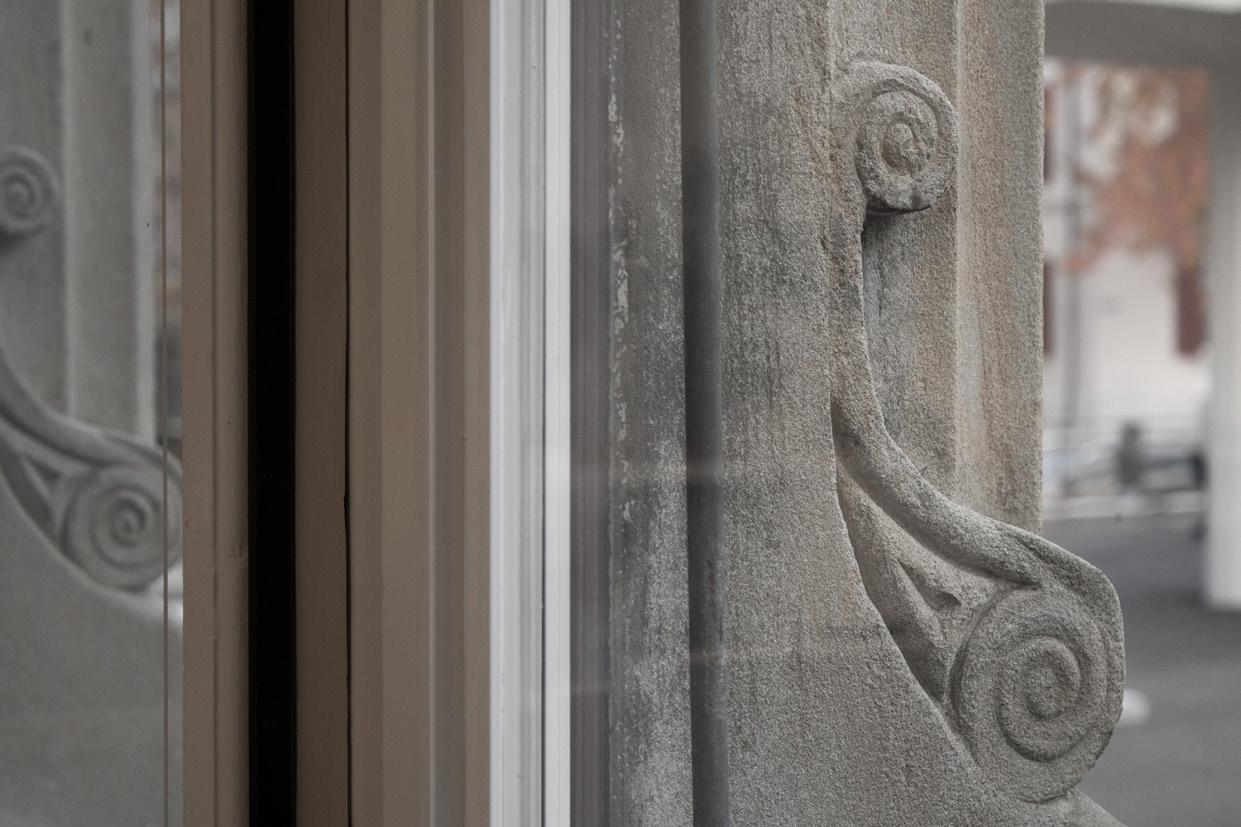
During the restoration of the historic sandstone façade, the original windows were carefully renovated and fitted with new insulating glazing. Automatically controlled fabric awnings provide heat protection in summer. The implementation of the window solutions is a prime example of how energy performance can be combined with historic preservation requirements. The original composite windows were largely retained in their original design, but were technically upgraded. While the historic interior glass could be preserved, modern insulating glazing with Planiclear and ECLAZ ONE coatings was used on the exterior. The high standards for careful installation in the historic building required complex logistics for the installation – including the use of a crane and special transport boxes for the upper windows.
The insulating glass unit achieves a Ug value of 1.4 W/m²K – a balanced value from both a technical and economic point of view. In combination with the Swisspacer Ultimate in the glazing edge, this results in a particularly energy-efficient overall construction. “For a project like Lavater, which is subject to both heritage conservation and energy efficiency requirements, it was important for us to choose a spacer bar that could deliver both technological performance and design restraint. Swisspacer Ultimate impressed us with its excellent Psi-values, its matte, understated appearance and its discreet technical perforation,” explains Dirk Obser, project manager at Holzmanufaktur Rottweil. Even the smallest component fits into an overall concept that combines monument protection, sustainability and everyday practicality in a remarkable way.
Together with Saint-Gobain Glass India, the warm edge spacer manufacturer offers solutions from a single source
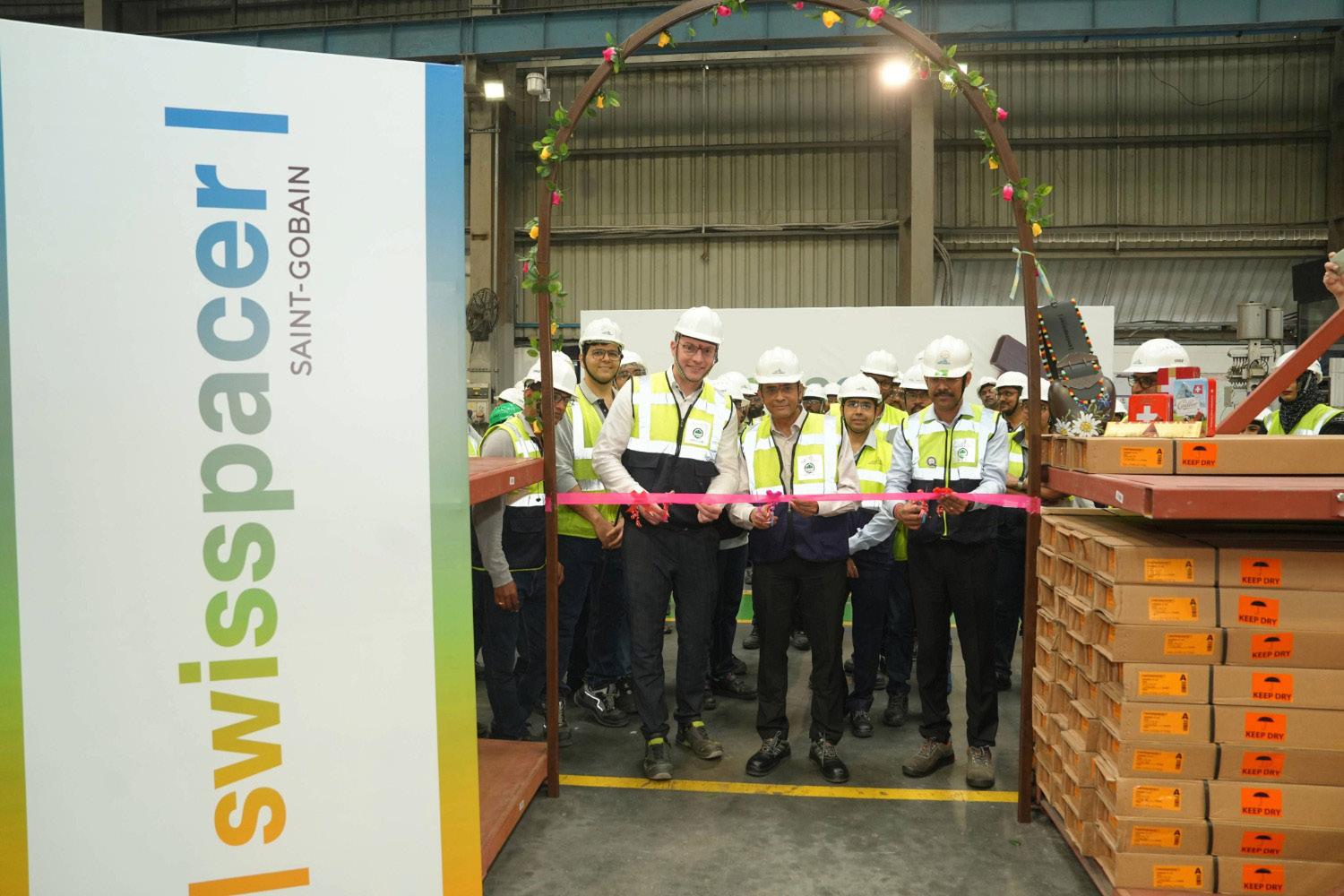
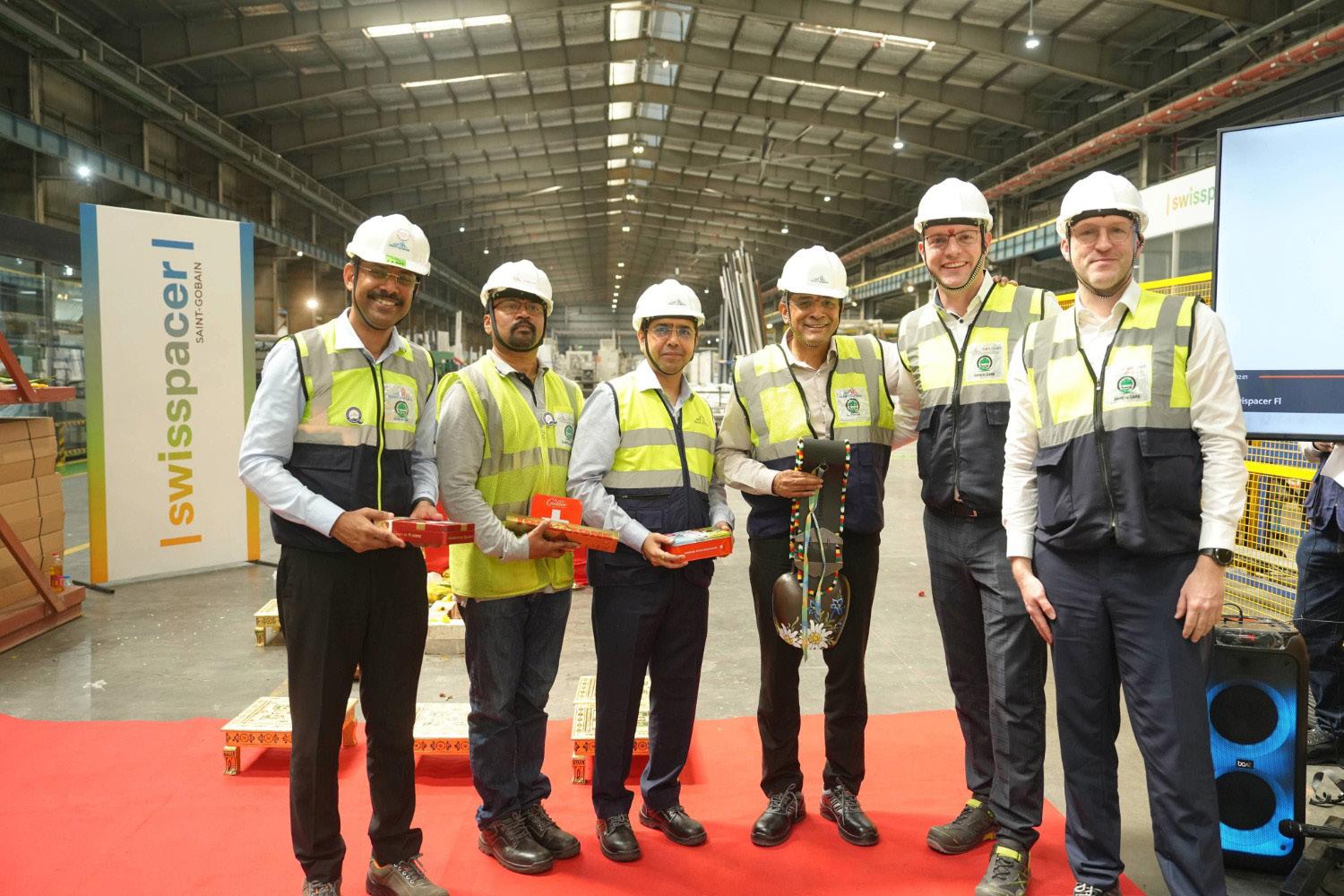
Since December 2025, Swisspacer warmedge spacer bars have also been produced in India. Together with Saint-Gobain Glass India, the Swiss manufacturer is strengthening its international presence and creating a regional base to supply the Indian market and other Asian countries directly from the region.
For more than 25 years, Swisspacer has been supplying customers worldwide with warm-edge spacer bars for insulating glass units. The new location is an important component of the global growth strategy of the Swiss company based in Lengwil: production in India builds on the strong presence of the Saint-Gobain Group in the country and brings Swisspacer, as part of this network, closer to one of the most dynamic markets in the world.
The Indian market has very specific conditions: unlike many European markets, the different climate zones require different window and façade concepts. At the same time, there is a growing awareness of energy efficiency and comfort in residential and non-residential buildings.
Since 2024, Swisspacer has been working closely with Saint-Gobain Glass India. The partnership enables local production in India, creating clear benefits for both customers and the environment. Manufacturing on-site shortens transport routes from Europe, improves delivery times, and helps reduce transport-related emissions.
“For the European markets, the role of the existing locations remains unchanged. The location in India expands the production network to include an additional region: this enables


Swisspacer to meet demand in Asia close to the market, while the European plants can continue to supply their respective regions and focus on local requirements and growth there,” says Matthias Bach, CEO of Swisspacer.
A key step on the road to local production was to gain a precise understanding of Swisspacer’s performance under Indian conditions. In a performance project, the Indian team investigated how Swisspacer spacer bars perform under climatic conditions in India and in combination with standard window constructions. The positive results form a solid basis for technical discussions with planners, fabricators and investors and demonstrate the added value of the warm edge in the Indian market.
At the new location, Swisspacer relies on proven technologies and processes that have already been established at other production sites. This facilitates the ramp-up of production, ensures consistent product quality and guarantees efficiency in manufacturing.
The plant in India is the result of a concerted project within the Saint-Gobain Group. Swisspacer contributes its many years of experience in the development and production of warm edge spacer bars, while Saint-Gobain Glass India brings comprehensive market knowledge, established customer relationships and proximity to local processors.
At the inauguration, Sreedhar N., Senior Vice
President and CEO of Saint-Gobain Asia-Pacific & India Region, described the location as a strategic expansion of the regional presence: “This collaboration reinforces our commitment to delivering solutions tailored to the Indian market. By combining global expertise with strong local execution, we are advancing our Lead & Grow strategy while enriching our sustainable solutions offer.”
The result is a comprehensive offering: glass, spacer bars and services from a single source – Saint-Gobain. For window manufacturers, façade builders and planners, this means clearly defined interfaces, coordinated systems and a partner network that stretches from Europe to Asia.
With increasing urbanisation and rising temperatures, the thermal quality of building envelopes is also becoming a focus in India. High-performance insulating glass units with warm edges can make a decisive contribution to saving cooling and heating energy and noticeably increasing comfort in buildings.
Production in India is therefore more than just an additional location: it supports the goal of creating building envelopes in Asia with higher energy efficiency and better adaptability to climatic stresses and is in line with the SaintGobain Group’s sustainability ambitions. For architects, planners and fabricators in Europe, this step also makes it clear that Swisspacer has a global presence and works close to the market: with solutions that are tailored to local requirements and help to reduce the energy consumption of buildings.
Certass is marking 20 years as a governmentlicensed Competent Person Scheme, celebrating two decades of supporting installers to selfcertify Building Regulations compliance and deliver high standards in domestic window and door replacement work.
Licensed in 2006, Certass has grown into one of the most recognised and influential certification bodies in the sector, standing for technical credibility, installer competence and public trust.
Over the past twenty years, Certass has not only provided a compliance framework for installers, but has also helped build what is now glazing’s largest installer community and the most relevant glazing trade association in government discussions on standards and competence.
Jon Vanstone, Chair of Certass, said:
“Certass has always been about helping good installers demonstrate that they do things properly. As expectations around competence, evidence and accountability continue to rise, the role of trusted schemes has never been more important. Our focus is on keeping compliance practical, defensible, and genuinely supportive of the SME installer community.”
The anniversary comes at a pivotal moment for the home improvement sector, where consumer confidence and regulatory scrutiny are higher than ever.
Through its consumer-facing platform, Certified Competent, Certass has built the glazing industry’s largest verified homeowner feedback system. To date, more than 127,000 homeowners have submitted reviews following certificate download, with 97% saying they would recommend their Certass installer. High nine scores across workmanship, reliability and customer service reflect the quality of work being delivered daily by Certass members.
Certass has also played a leading role in shaping the future of competence regulation in glazing. As government and regulators move toward stronger frameworks for assurance and accountability, Certass has been at the forefront of ensuring new expectations remain practical, proportionate and grounded in real installer practice.
As the scheme enters its third decade, Certass will continue investing in clearer technical resources, enhanced member support through its Members Area, and further initiatives designed to strengthen installer reputation and consumer trust.
Certass will be marking the anniversary throughout 2026 with member recognition programmes and a renewed focus on championing installers as the driving force behind higher standards in UK home improvement.


T a c k l i n g g e n u i n e , t h o u g h t p r o v o k i n g
U K g l a z i n g i n d u s t r y i s s u e s o n a d a i l y
a n d i n d e p e n d e n t b a s i s


S e t t o b e r e a d b y o v e r a q u a r t e r o f a m i l l i o n p e o p l e , c r e a t i n g o v e r
3 5 0 , 0 0 0 p a g e v i e w s
( e s t i m a t e d 2 0 2 6 s t a t s )
LATEST NEWS FIRST
R e a d t h e m o s t i m p o r t a n t b r e a k i n g
n e w s , f e a t u r e s , o p i n i o n a n d P R l o n g
b e f o r e y o u ' l l s e e t h e m i n p r i n t