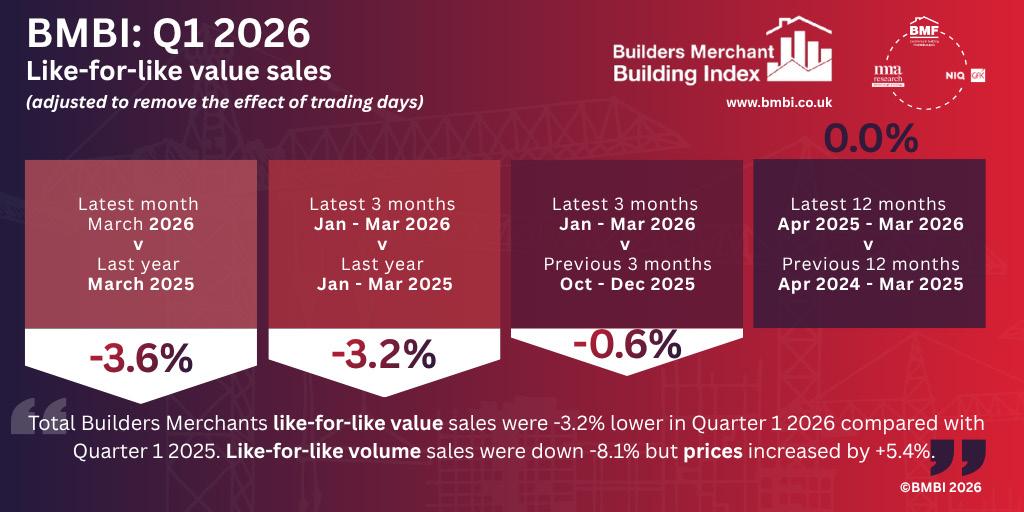
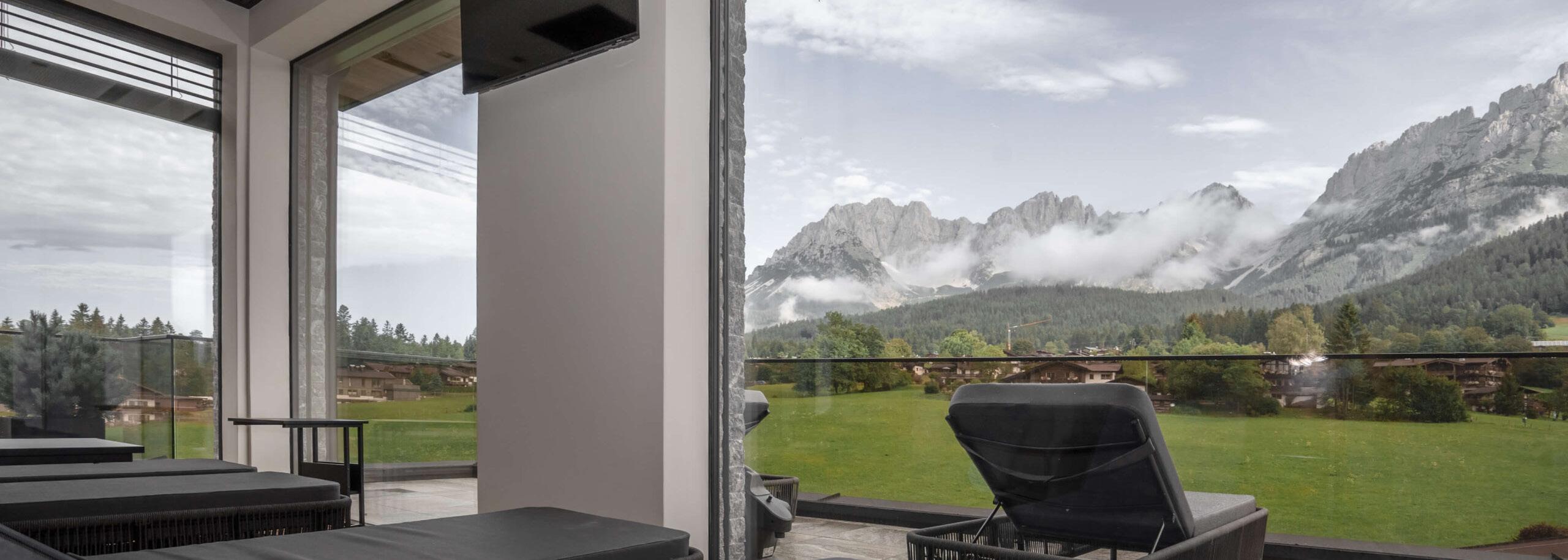
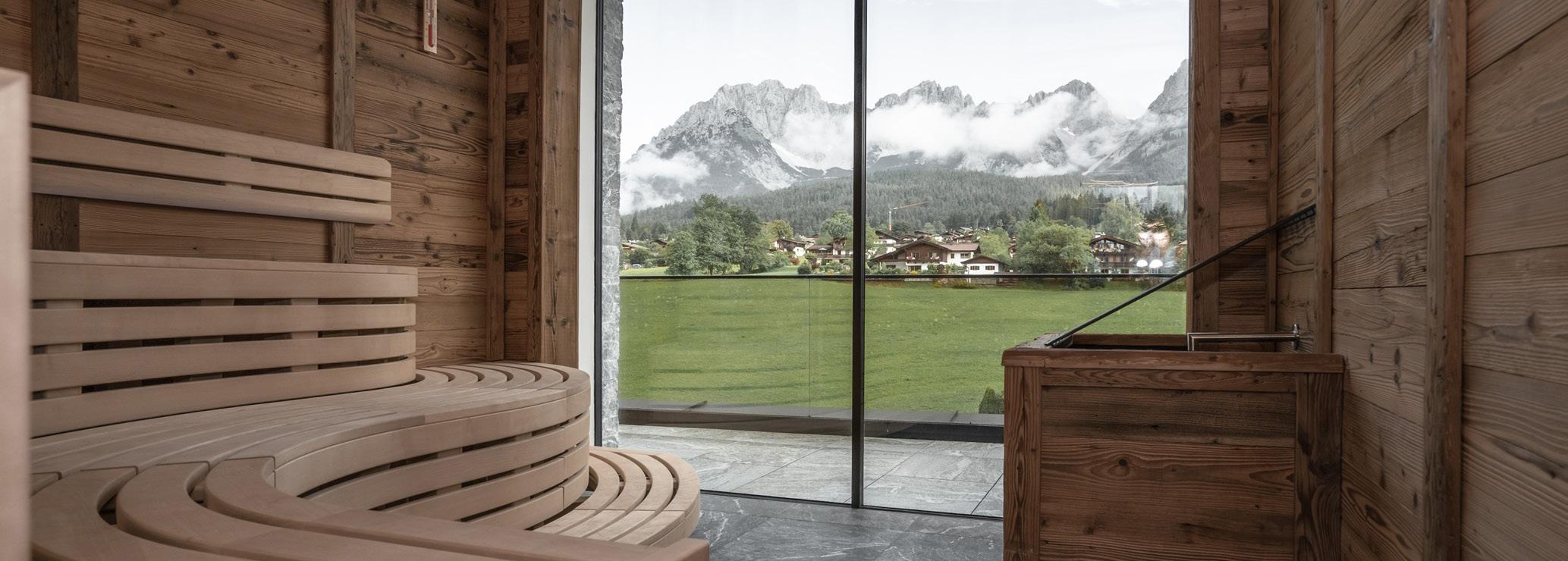
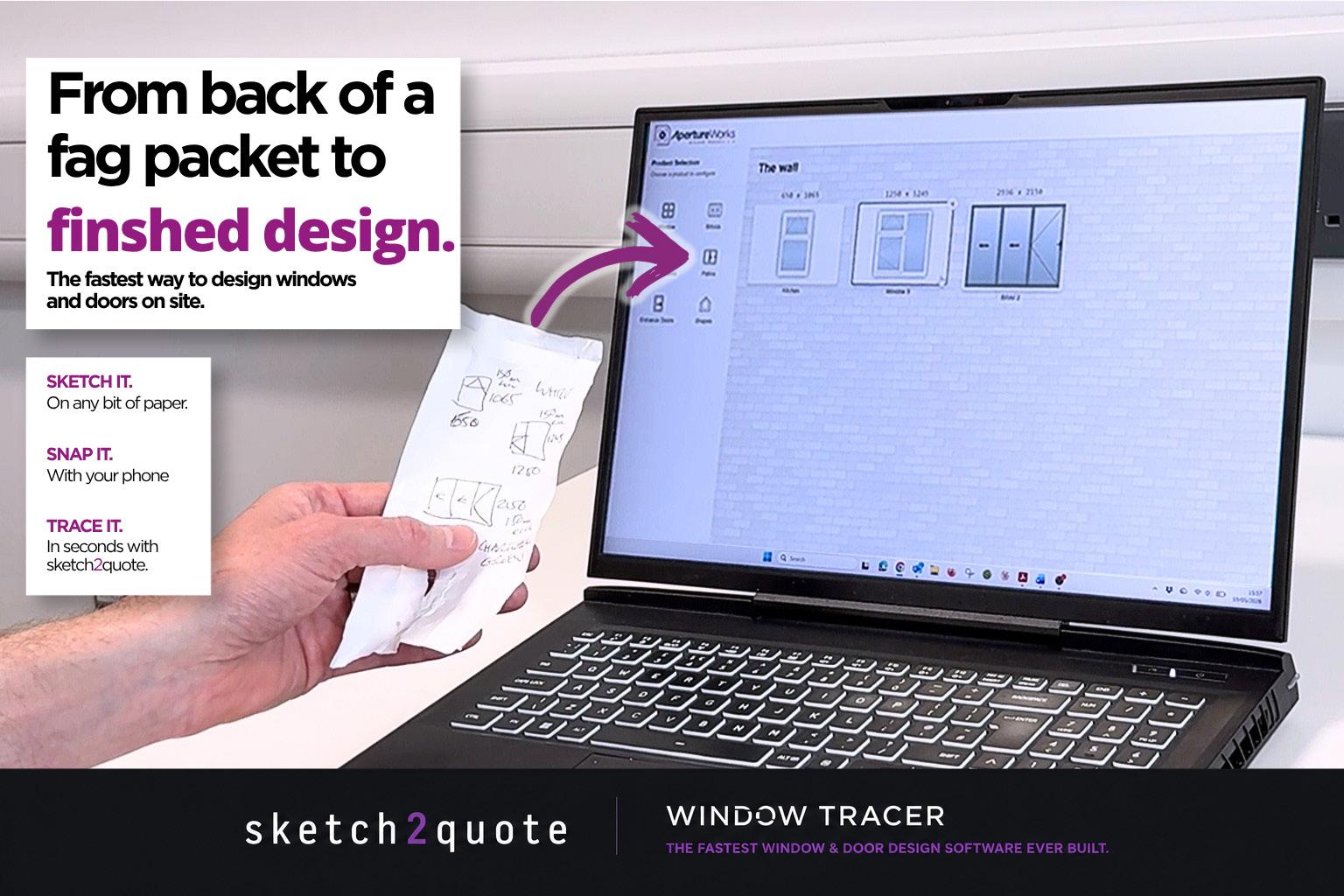
4 ‘Forever Home’ Renovations Drive Demand For Premium Aluminium 6 Origin Responds To Market Demand By Launching The All-New Tilt And Turn Window 10 Eurocell’s Q1 Performance Signals Resilience In A Fragile Fenestration Market 12 Inwido Acquires Croatia-Based Marlex 14 Plastic Energy Limited Enters Administration Amid Recycling Market Pressures 16 Saint-Gobain Q1 2026 Results Show Resilience Amid Global Construction Weakness 18 Titon Announces Acquisition Of G-Pack Manufacturing Limited 20 Ardmore Construction Group Enters Administration 22 Endurance® Doors Highlights The Power Of True Installer Partnerships 24 Endurance® Doors Invests In Marketing Team To Drive Premium Brand Growth
26 Construction’s Mental Health Crisis: How Welfare Units Can Support On-Site Mental Wellbeing 28 More Price Increases May Come 30 Playing Fair
Recession Predicted In Construction Sector
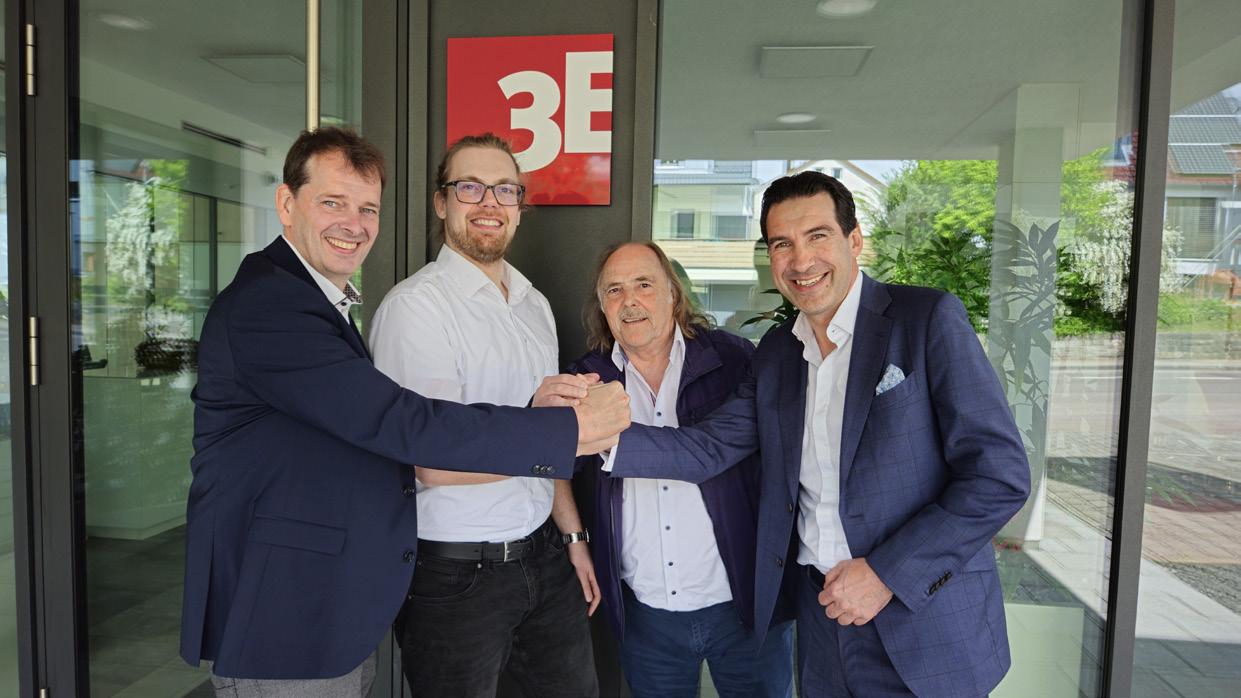
UK Construction Slump Deepens As Housing Activity Falters And Confidence Evaporates 38 Merchants Q1 Volume Sales Down -8.1% Year-On-Year As Iran War Hits Pause 40 Positive Outlook For The Evolving UK Decking Market 42 Building Our Skills Announces Major Partnership With NOCN Group 44 Transparent Elegance At The “Kaiserjuwel” 46 Window Tracer: The Fastest Window And Door Design Software Ever Built 48 Forterro Expands Software For Small Industrial And Mid-Market Manufacturers With 3E 50 Certass Shares Key Compliance Insights Following Discussions With OPSS
EDITORS COMMENT
Hello and welcome to another edition of the DGB Digital magazine.
It has been rather a mixed bag these last few weeks. On the mergers and acquisitions front, there has been a continued steady stream of deals, especially in the fabricator and ancillary spaces. Whilst at the same time, we have seen the demise of yet another major construction company, Ardmore, which is going to have ramifications across the construction sector, including our own.
A glimmer of something more positive may be on the horizon. The conflict in the Middle East appears to be reaching a calmer phase. Of course, with Donald Trump in charge, no one quite knows exactly how this all plays out. Plans never actually seem like plans. But we might be able to perhaps hope that waterways and production facilities are going to return to a semblance of normal, which will ease commodity prices. Something I know our sector will very much welcome.
We’re at the halfway point in the year, and I’m not sure how best to assess where we’re at. Do we say it could have been worse? It certainly could have been. There has been a noticeable slowing in the number of fenestration companies going under. Could we say it could be better? Yes, of course we can. We were all hoping demand would hold up better and the domestic economy would be in a better place. You can thank our politics for that. So we’re in some form of holding position, waiting for signals of something better.
We hope you enjoy this edition of the DGG Digital magazine!
Team DGB
‘FOREVER HOME’ RENOVATIONS DRIVE DEMAND FOR PREMIUM ALUMINIUM
Economic uncertainty has changed the way many homeowners now approach major spending decisions. Rather than upsizing or relocating, increasing numbers are choosing to improve the homes they already have, investing in spaces designed to meet their long-term needs and lifestyles.
While the ‘move or improve’ debate is nothing new, the concept of the ‘forever home’ is becoming increasingly influential with homeowners placing greater emphasis on quality, durability and timeless design choices that will continue to add value and enjoyment for years to come.
For the fenestration sector, this shift is creating a growing demand for premium products and materials, particularly aluminium systems, as consumers look beyond short-term costs and focus more heavily on long-term performance and aesthetics.
As Scott Foster, group marketing director at Endurance® Aluminium, explains, homeowners are becoming far more considered in their purchasing decisions as they pursue the perfect ‘forever home’.
“People are thinking much more carefully about where they invest their money,” says Scott.
“For many homeowners, moving house is either financially unattractive or simply not the right solution anymore, so instead they’re investing in improving the property they already love.
“When customers take that long-term approach, priorities naturally begin to shift. Rather than looking purely at the upfront
costs, they start focusing on quality, durability, appearance and how products will perform over many years. These days, creating a space that is ‘Instagrammable’ is increasingly becoming part of the checklist too.”
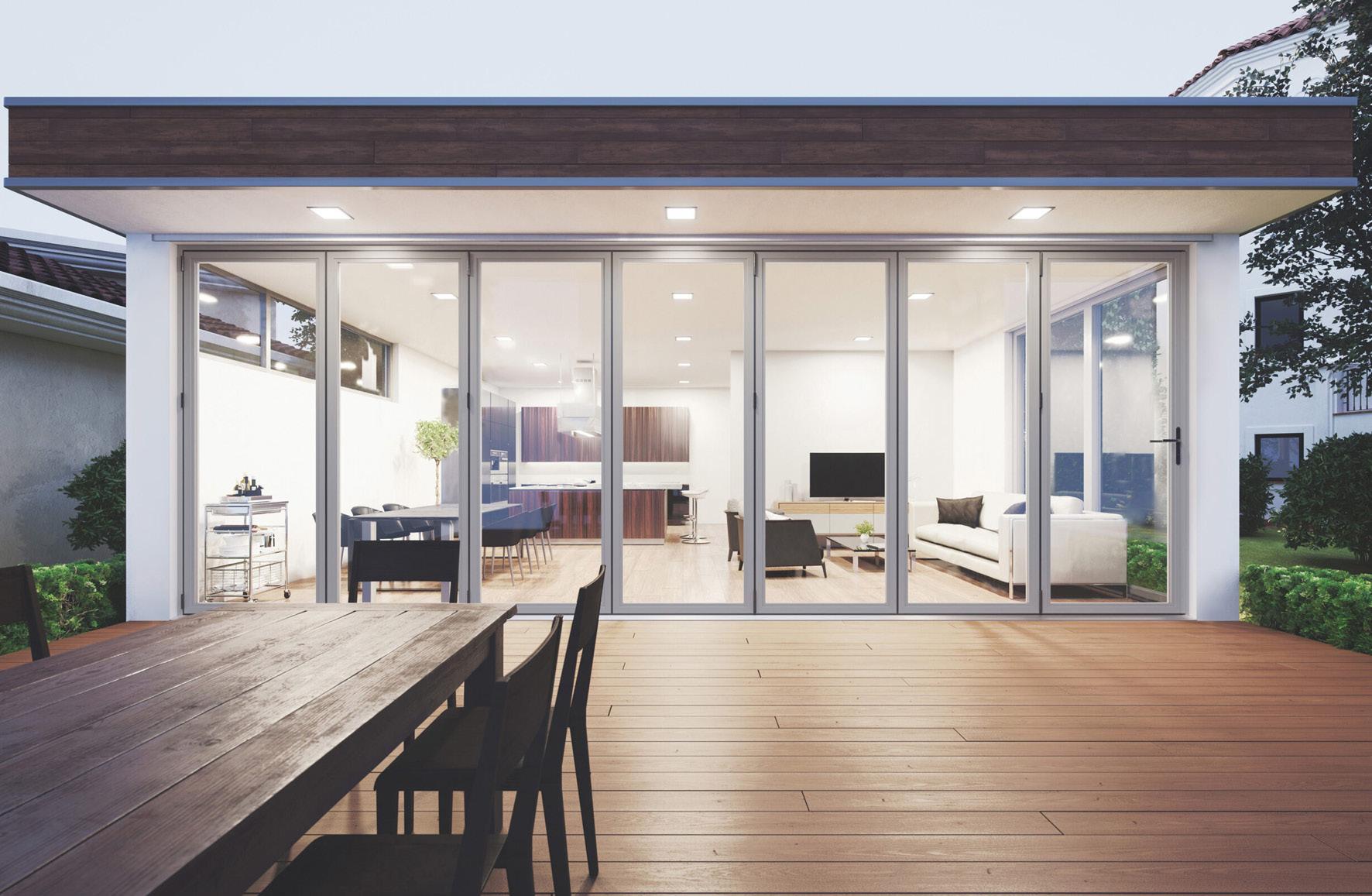
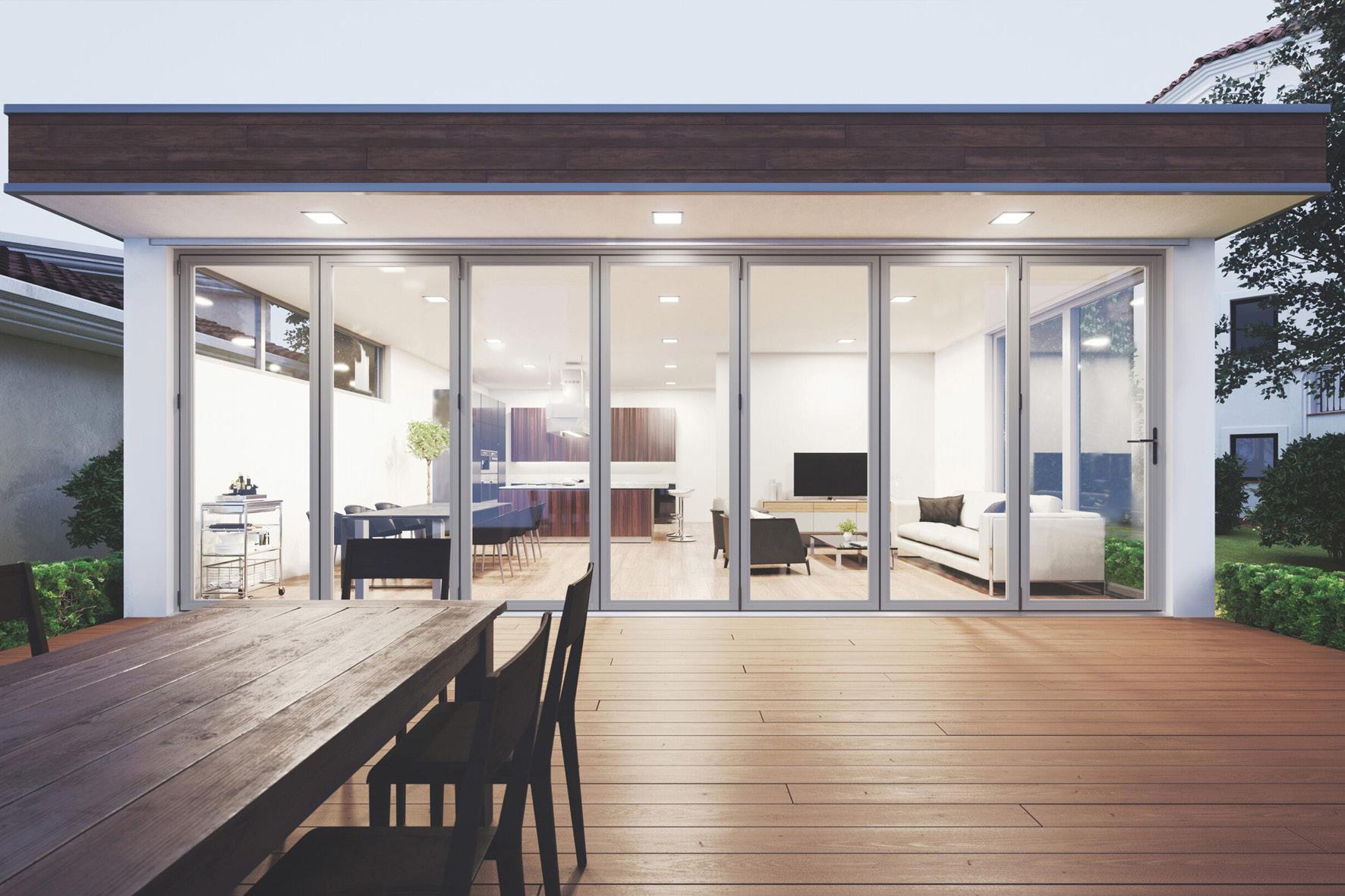
This changing mindset is particularly evident in the growing popularity of aluminium glazing systems. Once viewed primarily as a commercial product, aluminium has become increasingly desirable to homeowners thanks to its slim sightlines, contemporary appearance and long-term resilience.
Modern homeowners are also increasingly design-conscious with glazing playing a major role in the overall look and feel of a property. Large expanses of glass, minimal frames and clean architectural lines continue to grow in popularity across renovation and extension projects, particularly as homeowners seek to create brighter, lighter living spaces.
“Where once windows and doors were seen as functional, they are now a key part of the overall aesthetic vision for many homeowners. Aluminium is increasingly viewed as a premium solution because it delivers on both performance and aesthetics, offering strength, durability and low maintenance alongside the sleek, modern appearance many customers are looking for,” Scott continues.
“Homeowners want products that look exceptional but also stand the test of time, and aluminium gives them that combination.” Energy efficiency also remains a major driver behind renovation activity, particularly as homeowners continue to face rising energy costs and increasing awareness around
sustainability. Premium glazing systems can play a significant role in improving energy efficiency and comfort, making them an increasingly important part of renovation plans.
Importantly, the shift towards premium home improvement products is also creating new opportunities for installers.
As consumers become more willing to invest in quality, conversations are moving away from purely price-led selling and towards long-term value. Installers who can confidently demonstrate the benefits of premium systems, including durability, aesthetics, efficiency and lifecycle performance, are often better positioned to secure higher value projects.
“The most successful installers are increasingly those who can sell on value rather than simply competing on price,” says Scott.
“Homeowners undertaking major renovations are typically making emotional as well as financial investments into their homes, so they want reassurance they’re choosing products that genuinely deliver.
“That creates significant opportunities for
installers who understand premium products and can clearly communicate the long-term benefits to customers.”
The trend also reflects wider changes within the home improvement market, where consumer expectations continue to evolve. Homeowners now carry out extensive online research before making purchasing decisions and are increasingly influenced by quality, reputation and overall customer experience rather than headline pricing alone.
For manufacturers and installers alike, this means premium positioning, product quality and service standards are becoming increasingly important competitive differentiators.
While economic uncertainty may have slowed some areas of discretionary spending, the ‘forever home’ trend demonstrates that homeowners are still prepared to invest when they see genuine long-term value. For the glazing industry, and particularly for premium aluminium systems, that shift is helping to reshape both consumer expectations and future market opportunities.
ORIGIN RESPONDS TO MARKET DEMAND BY LAUNCHING THE ALLNEW TILT AND TURN WINDOW
A Tilt and Turn Window has been one of the most requested additions to the Origin range, and we’re thrilled to announce its arrival.
With precision engineering, an exceptional design, and true innovation, this is not a bolt-on or makeshift system – it’s an all-new premium solution that’s been designed to help you win more projects where quality, performance, and aesthetics are paramount.
A Timely Launch
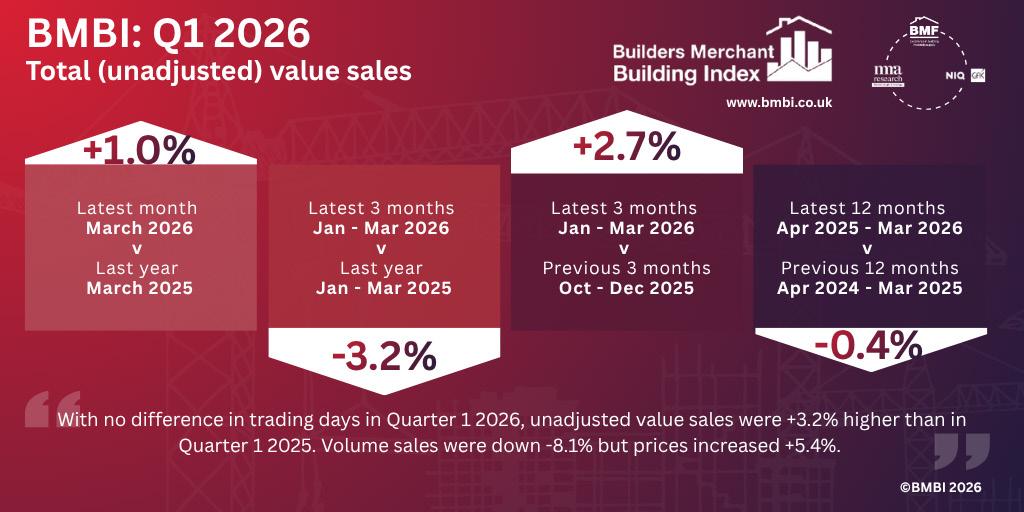
Homeowners today are increasingly design-led and performance-focused. They expect products to elevate their homes aesthetically, offer lifestyle value, optimise thermal efficiency, and keep their property secure. This new window allows you to meet these demands head-on and respond with confidence.
With an extensive design, testing, and refining process, this product therefore represents a significant milestone in demonstrating the company’s ongoing commitment to championing its partners’ growth ambitions whilst exceeding the evolving expectations of modern homeowners.
This launch is more than the introduction of a new product – it signals a defining moment in Origin’s evolution.
A High Performance Solution for Modern Living
The Tilt and Turn Window offers exceptional flexibility, allowing homeowners to control the ventilation levels in their home according to their own personal preferences.
Tilt and Turn may be familiar as a category – but in its execution, it is unmistakably Origin. Designed with a flush casement for a seamless and elegant finish, the system can enhance and elevate the aesthetic of any property.
Furthermore, it also delivers on a performance front. With a U-Value as low as 0.83W/m2K, it delivers impressive thermal efficiency, ensuring year-round comfort. Additionally, with safety and security in mind, the window is PAS 24 certified, giving homeowners ultimate peace of mind.
Complete Customisation
Like all Origin products, the Tilt and Turn Window is completely bespoke, manufactured and finished to the client’s precise requirements in our Buckinghamshire-based facility. In addition to being able to be made in window and door-sized apertures, it is available in over 150 RAL colours, allowing customers to tailor designs to their exact specifications and uses.
What This Means for Partners Commercially
The Tilt and Turn Window offers partners a powerful new solution to elevate their offering and meet higher customer expectations.
Designed and built for desirability, this new system enables partners to:
· Elevate their `showroom presentation
· Strengthen design-led sales conversations
· Expand their customer base by being able to order a wider selection of products
· Unlock new growth opportunities by exceeding client expectations and better aligning with customers who prioritise quality over price
A Commitment to Excellence Now and In The Future
The launch of the Tilt and Turn Window underscores Origin’s direction: continued investment in innovation, expansion of its product offering, and an unwavering focus on quality.
On top of unrivalled design, performance and customisation possibilities, it comes with an industry-leading guarantee of up to 20 years and delivers genuine lifestyle value for homeowners and tangible business benefits for partners.
Neil Ginger, Origin’s CEO, comments:
“This wasn’t about bringing a product to market quickly; it was about bringing the right product to market – one that truly supports our partners’ growth and reflects our commitment to premium design and engineering.”
Origin is excited to introduce this new system and looks forward to seeing how partners utilise it to create exceptional spaces and drive future growth.
EUROCELL’S Q1 PERFORMANCE SIGNALS RESILIENCE IN A FRAGILE FENESTRATION MARKET
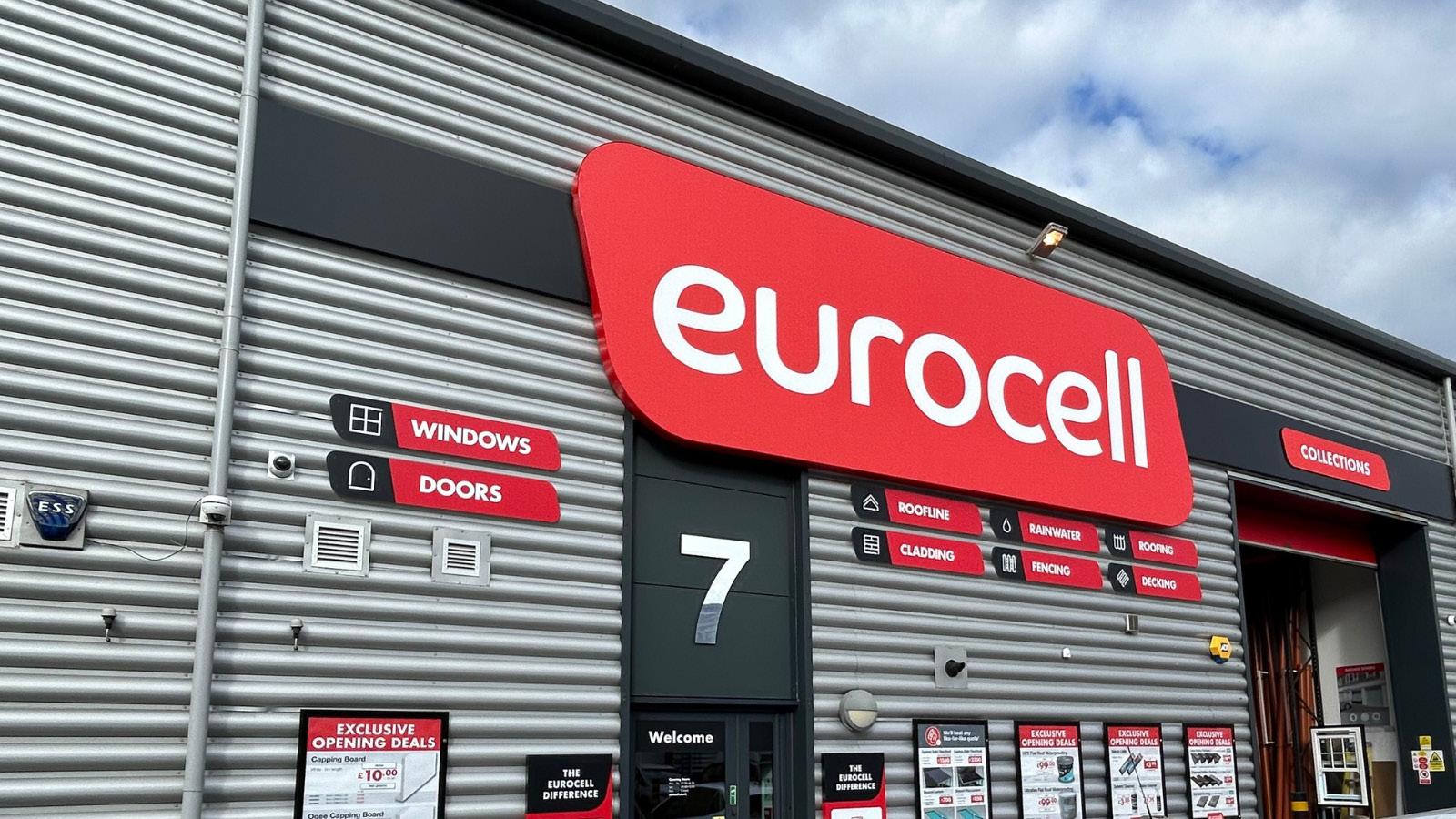
Eurocell’s first-quarter trading update highlighted a business continuing to outperform a subdued UK fenestration backdrop, with operational discipline and strategic diversification helping to offset ongoing weakness in core repair, maintenance and improvement (RMI) demand. The company reported that trading conditions across its end markets remained mixed, reflecting the broader uncertainty still affecting UK construction activity. While there were early indications of stabilisation in new-build housing, the RMI market — historically a key demand driver for PVC-U window, door and roofline products — remained soft. Eurocell noted that homeowners continued to defer discretionary spending, a trend that has persisted across much of the UK home improvement sector since elevated interest rates and inflationary pressures began constraining consumer confidence.
Against that backdrop, Eurocell’s update suggested a relatively resilient operational performance. The group reiterated that it continues to focus on cost reduction initiatives, efficiency improvements and pricing discipline to protect margins in a lowvolume environment. These measures appear increasingly central to the company’s strategy as volume-led growth across the fenestration sector remains difficult to achieve.
The broader economic context is important in assessing the significance of the Q1 figures. UK fenestration companies are operating in a market shaped by three competing forces: subdued consumer confidence, modest signs of recovery in residential construction,
and persistent input-cost pressure. Although inflation has moderated from peak levels, financing costs remain comparatively high, limiting housing transactions and reducing homeowner appetite for larger discretionary renovation projects. Eurocell’s comments around sluggish RMI activity align with wider industry conditions seen across building products and merchanting businesses over the past year.
At the same time, the company appears to be benefiting from strategic diversification efforts undertaken over the past 18 months. The acquisition of aluminium systems business Alunet has become increasingly significant to Eurocell’s growth profile, helping offset weaker organic demand in traditional PVC-U categories. In previous results, management highlighted that Alunet had delivered strong market share gains and was a key contributor to profit growth despite weaker underlying volumes.
This diversification matters because the UK fenestration market is undergoing a gradual structural shift. Demand is increasingly influenced by energy efficiency regulation, premiumisation and changing consumer preferences, particularly toward aluminium systems in certain residential segments. Eurocell’s expansion beyond its traditional PVC-U base potentially reduces its exposure to cyclical weakness in mainstream replacement activity while broadening its addressable market.
The company’s emphasis on cash flow and shareholder returns also remains notable. Eurocell confirmed continued progress on its
share buyback programme, which followed a larger £15 million repurchase programme completed substantially during 2024. The continuation of buybacks during a softer trading environment signals management confidence in balance sheet strength and medium-term cash generation capacity.
Investor reaction to the Q1 update appeared relatively measured rather than dramatic. Eurocell shares have traded around the 100p–107p range in recent sessions, suggesting the market had already largely priced in the challenging trading environment. The absence of a severe negative reaction may indicate that investors were encouraged by the company’s cost-control measures, resilient profitability and continued capital return strategy despite weak underlying demand.
However, the valuation backdrop still reflects caution toward the wider construction and home improvement sector. Building products companies with significant UK housing exposure continue to trade under pressure due
to uncertainty over the pace of any recovery in transaction volumes and consumer-led renovation spending. For Eurocell, the key question over the coming quarters is whether improving trends in new-build housing can begin to compensate for continued weakness in the RMI market.
Overall, Eurocell’s Q1 update reinforced the picture of a company navigating a difficult market more effectively than many peers, but still constrained by macroeconomic conditions largely outside its control. Operational efficiency, disciplined capital allocation and product diversification are currently compensating for weak end-market demand. The next phase of performance will likely depend less on internal restructuring and more on whether the UK housing and home improvement cycle begins to recover meaningfully during the second half of the year.
Read the full Q1 readout here: https:// eurocell.flint-platform.com/regulatorynews/86438
INWIDO ACQUIRES CROATIA-BASED MARLEX
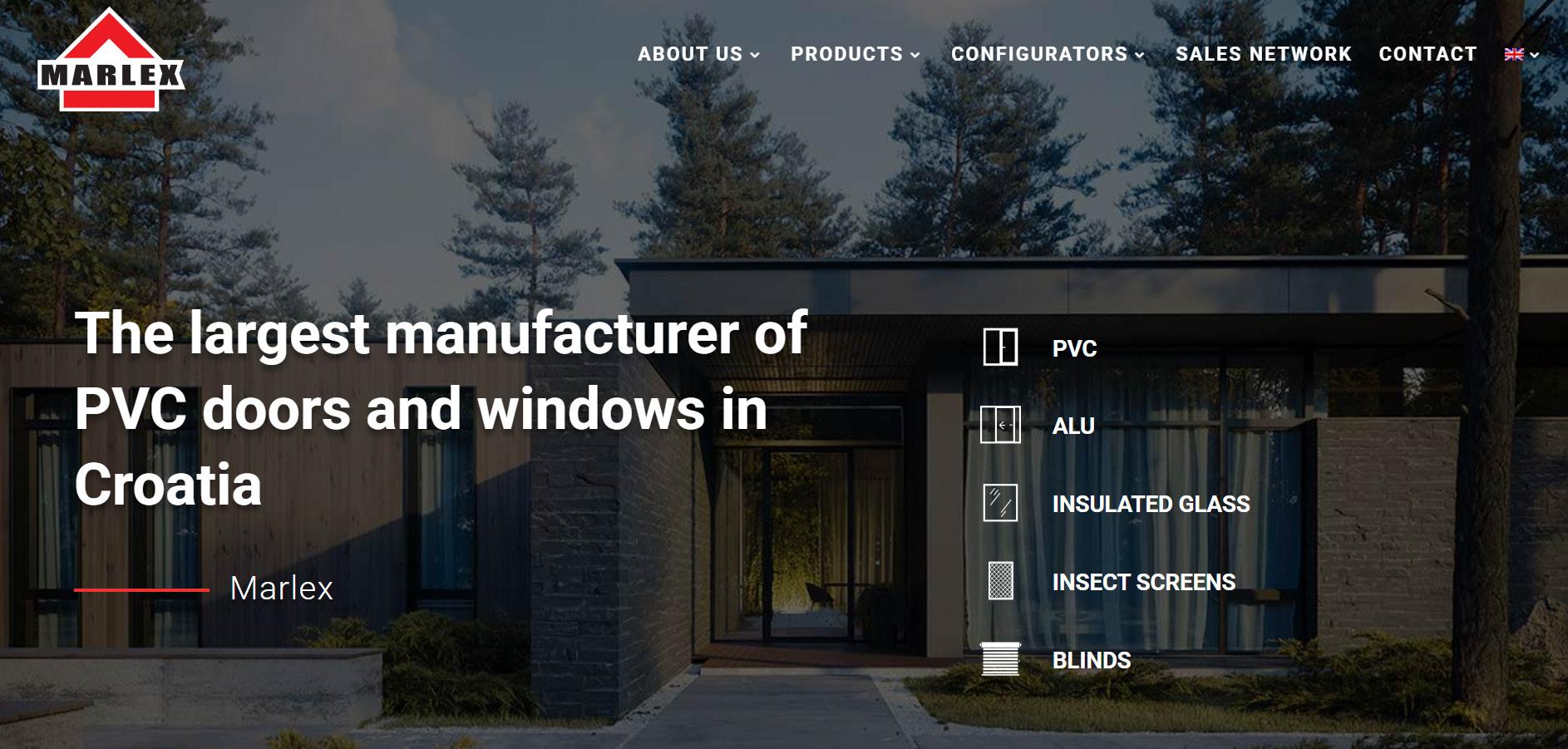
Inwido has signed an agreement to acquire a majority stake in Marlex d.o.o., a leading manufacturer of PVC and aluminum windows and doors in Croatia. The acquisition marks Inwido’s entry into the Croatian market and further strengthens the Group’s European footprint.
Marlex is widely regarded as the market leader in PVC windows in Croatia. The company is located in Varaždin, with approximately 270 employees and an annual revenue of around EUR 33 million. Profitability is above Inwido’s average. Marlex was founded in 2003 and has built a strong brand, a broad product offering, and a well-established distribution network across the country. The company has a strong customer base and multiple sales channels reaching consumers, commercial customers, and engaging in project-based business. Besides its wide product range, Marlex also produces insulated glass units in-house, giving a high degree of vertical integration and control over quality and delivery.
“Entering Croatia is an important strategic step for Inwido. Marlex is a well-run company with a leading market position, high-quality products, and an experienced management team. The company fits very well with our strategy of
growing through profitable companies with strong local brands, and it provides a solid platform for further expansion in Southeastern Europe,” says Fredrik Meuller, President and CEO of Inwido.
“Partnering with Inwido is a natural next step for Marlex. We share a long-term perspective, a strong focus on quality, and a commitment to our customers and employees. Becoming part of a leading European group creates new opportunities for development, while allowing us to continue building our business under the Marlex brand,” says Marijan Rauš, founder of Marlex.
In a first step, Inwido acquires 70 percent of the shares in Marlex from the founder at an EBITDA multiple of 5.1x based on the financial year 2025 (6.3x EBITA), with a call/put option for the remaining 30 percent in 2028. Marlex will continue to operate under its existing brand and management and become part of Inwido’s Business Area East. The acquisition is expected to close in June 2026.
Read original press release here: https://www. inwido.com/pressreleases/inwido-enters-thecroatian-market-through-the-acquisition-ofmarlex-movfp31d-2b7a0
PLASTIC ENERGY LIMITED ENTERS ADMINISTRATION AMID RECYCLING MARKET PRESSURES
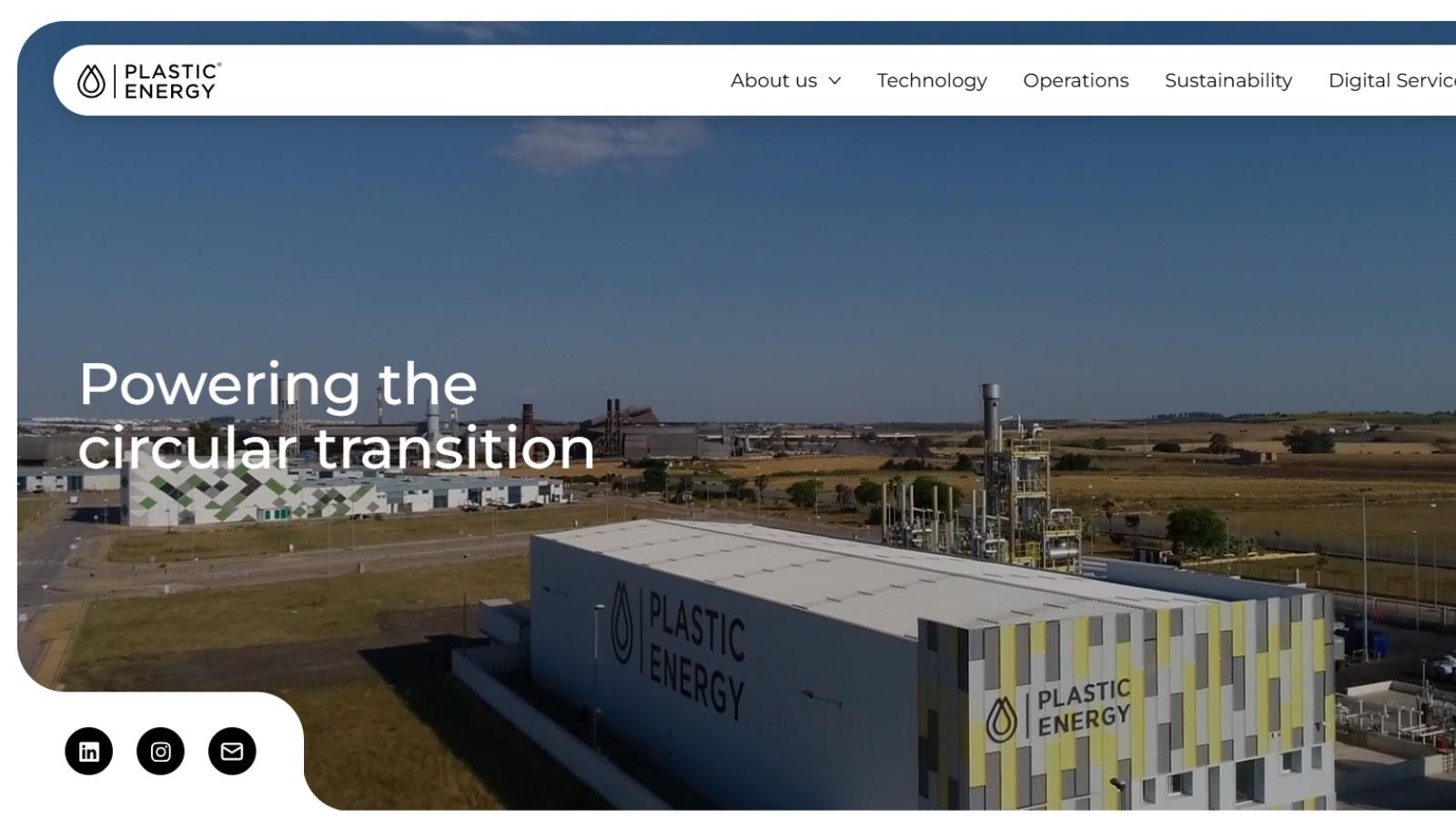
The administration of UK-based advanced recycling business Plastic Energy Limited marks another significant setback for the European plastics recycling sector, highlighting the financial pressures facing chemical recycling operators despite growing political and industrial support for circular economy technologies.
According to filings at Companies House, Plastic Energy Limited formally entered administration on 27 April 2026, with restructuring specialists Geoffrey Rowley and Patrick Donnan of FRP Advisory appointed as joint administrators. The company’s registered office was simultaneously transferred to FRP Advisory’s London offices.
The move follows what administrators described as liquidity challenges and an inability to achieve a sustainable turnaround plan. Industry publication LetsRecycle reported that the business had suffered from broader weakness in European recycling markets, despite developing what had been regarded as leading chemical recycling technology.
A High-Profile Chemical Recycling Business
Plastic Energy was established to commercialise advanced recycling processes capable of converting hard-to-recycle plastic waste into hydrocarbon feedstocks suitable for new plastic production. The company positioned itself within the rapidly expanding “chemical recycling” sector, which has attracted major investment from petrochemical producers and packaging companies seeking recycled content solutions. The company operated within an international structure, with UK entities focused on corporate and technology activities while operational recycling plants were based in Spain. According to reports surrounding the administration, the Spanish operating business — Plastic Energy
S.L.U. — has not entered insolvency proceedings and continues trading normally.
That distinction is significant because it suggests the administration primarily affects the UK holding and financing structure rather than the operational recycling infrastructure itself. It also indicates that administrators may seek a sale of intellectual property, ownership interests or wider group assets while preserving operating facilities.
Administration Reflects Wider Market Conditions
Plastic Energy’s collapse comes during a difficult period for the European plastics recycling market. Both mechanical and chemical recyclers have faced declining margins due to lower virgin polymer prices, high energy costs and inconsistent regulatory frameworks across Europe.
Chemical recycling businesses in particular have struggled to transition from demonstration-scale technology into consistently profitable industrial operations. Many operators have relied heavily on external investment while attempting to scale technologies that remain capital intensive.
Companies House filings show that Plastic Energy had continued corporate activity into 2025, including the registration and satisfaction of charges and the filing of full accounts for the year ending December 2024. However, the subsequent appointment of administrators indicates financing pressures escalated rapidly during 2026.
The emergence of a separate entity, Plastic Energy Group Ltd, incorporated in May 2025, may also attract industry attention as restructuring efforts progress. While there is currently no public indication regarding its operational role, the timing reflects ongoing corporate changes within the wider business structure before administration proceedings commenced.
The Challenge Facing Chemical Recycling
The administration also raises broader questions about the commercial viability of advanced recycling technologies in current market conditions.
Chemical recycling has been promoted as a solution for mixed or contaminated plastics unsuitable for traditional mechanical recycling. Major consumer brands and packaging manufacturers have supported the technology because it can theoretically produce recycledcontent plastics suitable for food-grade applications.
However, critics have argued that the economics remain challenging, particularly when oil prices are low, and virgin plastics become cheaper to manufacture. Operators also face high capital expenditure requirements, long development timelines, and ongoing debates around environmental performance standards.
Plastic Energy had been one of Europe’s more established players in the sector, making its administration particularly notable. The company had previously announced partnerships and supply agreements involving major industrial groups, positioning itself as a significant participant in Europe’s advanced recycling ambitions.
What Happens Next
Under UK insolvency law, administration is designed to protect a company from creditor action while administrators assess whether the business can be rescued, sold or restructured. Public notices confirm that FRP Advisory intends to continue trading elements of the business while seeking buyers.
The preservation of operational facilities in Spain may improve prospects for a transaction involving parts of the wider business. Buyers could potentially acquire technology assets, operational infrastructure or intellectual property separately from the insolvent UK entities.
For the wider recycling industry, the administration reinforces concerns that regulatory ambition alone may not be sufficient to sustain emerging recycling technologies without stronger market economics and long-term policy certainty.
As governments across Europe continue to increase recycled-content targets and tighten packaging regulations, the outcome of Plastic Energy’s administration may become an important test case for investor confidence in the chemical recycling sector.
SAINT-GOBAIN Q1 2026 RESULTS SHOW RESILIENCE AMID GLOBAL CONSTRUCTION WEAKNESS
French construction materials giant Saint-Gobain delivered a mixed but relatively resilient firstquarter performance for 2026, with regional divergence and disciplined pricing helping offset weaker construction demand in key markets.
The company reported first-quarter sales of €11.1 billion, representing a 2.3% decline on a like-forlike basis. While the headline figures reflected ongoing pressure across global construction markets, the results were slightly better than expected and reinforced the group’s focus on protecting margins rather than chasing volume growth.
For the wider building products and glazing sectors, the results provide another indication of how uneven the global construction recovery remains in 2026.
Europe Remains More Stable Than Expected
One of the more notable aspects of the quarter was the relative resilience of the European business.
Saint-Gobain said Europe was “nearly stable” despite difficult trading conditions and extreme weather disruption during January and February. The performance suggests that renovation and energy-efficiency work continue to provide a level of support for construction product manufacturers, even while new-build activity remains subdued.
This aligns with broader trends seen across European construction markets over the past two years. High interest rates, inflationary pressures and weak consumer confidence have reduced residential new-build activity, but refurbishment demand has held up more effectively — particularly in sectors linked to insulation, energy performance, and sustainable building upgrades.
For companies operating in glazing and fenestration, this remains an important distinction. Demand connected to retrofit and energy efficiency appears significantly more resilient than demand linked purely to speculative new housing developments.
Saint-Gobain has been increasingly positioning
itself around this trend through its “light and sustainable construction” strategy, focusing on higher-value building solutions rather than commodity materials.
Asia-Pacific Emerges as the Key Growth Engine
The strongest regional performance came from Asia-Pacific, where sales increased 9% in local currencies and 7% on a like-for-like basis.
India was identified as a major contributor, with the company reporting continued double-digit growth and market share gains. China also showed improving trends compared with the slowdown experienced during earlier periods.
The strength of the region reflects a wider shift taking place within global construction materials groups. Mature European markets are increasingly delivering low-growth conditions, while Asia-Pacific continues to offer stronger long-term expansion opportunities through urbanisation, infrastructure investment and industrial development.
Saint-Gobain’s ongoing investment strategy reflects this shift. During the quarter, the company opened 11 new production lines and plants, with 10 located in high-growth countries.
That strategy is particularly relevant given the prolonged weakness still affecting several Western construction markets.
North America Continues to Struggle
In contrast, the Americas remained the weakest region in the group’s portfolio.
Saint-Gobain cited weather disruption and continued weakness in new construction activity, with North American volumes down around 7% during the quarter.
The challenges facing the US and Canadian construction sectors are closely linked to higher borrowing costs and reduced housing affordability. Elevated interest rates have continued to suppress residential construction starts, while developers remain cautious amid uncertain economic conditions.
This trend has affected much of the wider building products sector, particularly businesses with significant exposure to new residential construction.
However, Saint-Gobain’s diversified geographic structure and product portfolio have helped soften the impact compared with companies more heavily dependent on single markets.
Pricing Discipline Continues to Protect Margins
Despite weaker volumes, one of the key messages from the results was the company’s continued emphasis on pricing discipline and profitability.
Saint-Gobain confirmed it expects a “slightly positive price-cost spread” during 2026 and announced additional price increases in response to renewed inflationary pressures in energy and raw materials.
This is an important point for the wider construction supply chain.
Over the last three years, major building materials manufacturers have increasingly prioritised margin preservation rather than volume-led growth. Saint-Gobain’s latest results suggest that strategy remains firmly in place.
The company also maintained its full-year guidance, forecasting an EBITDA margin above 15% despite what it described as a “contrasted macroeconomic environment and uncertain geopolitical landscape.”
Maintaining guidance in the current environment may be viewed positively by investors, particularly given the continued uncertainty surrounding construction demand across Europe and North America.
Construction Chemicals Continue to Outperform
Another significant theme from the quarter was the continued strength of construction chemicals. Saint-Gobain highlighted 4.3% growth in the
segment following acquisitions, including FOSROC and Cemix.
The performance reflects a broader industry shift toward higher-margin specialist products and technical solutions. Construction chemicals typically offer stronger profitability and are less exposed to pure construction cycles than more traditional building materials categories.
This strategic direction has become increasingly common among major international construction groups seeking to improve margins and reduce exposure to cyclical downturns.
Outlook: Recovery Still Uneven
Overall, Saint-Gobain’s first-quarter results reinforce the idea that the global construction market remains highly fragmented in 2026.
Asia-Pacific continues to deliver growth, Europe is proving more resilient than feared, while North America remains under pressure from weak housing activity and higher financing costs.
For the glazing and wider building products sectors, the results also underline several continuing industry themes:
ongoing strength in renovation and energyefficiency work,
continued pricing pressure across supply chains, weak residential new-build demand in several Western markets, and increasing focus on higher-margin specialist products.
While the company’s sales declined overall, the relatively modest scale of the fall — combined with maintained profitability guidance — suggests Saint-Gobain is navigating current market conditions more effectively than many businesses exposed to the global construction slowdown.
See full press release here: https://www.saintgobain.com/sites/saint-gobain.com/files/media/ document/CP_CA_T1_2026_VA.pdf
TITON ANNOUNCES ACQUISITION OF G-PACK MANUFACTURING LIMITED
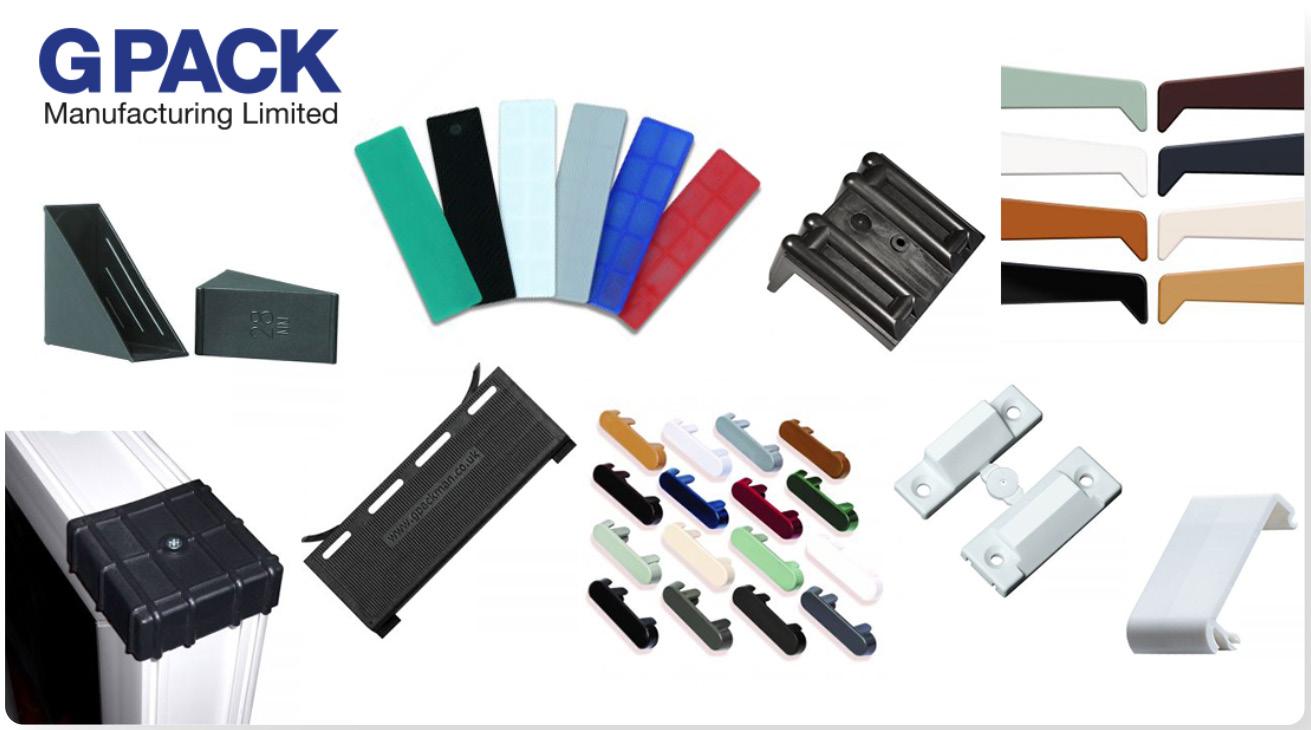
Titon has announced the acquisition of G-Pack Manufacturing Limited, a UK supplier of injection moulded plastic components used in the installation of windows and doors.
G-Pack supplies a range of installation accessories, including bridge packers, flat packers, sill end caps and frame corner protectors. Its products are designed to work with major UK window system profiles and are used by fabricators across the UK.
Strengthening Titon’s Window and Door Hardware offer
The acquisition adds a complementary product range to Titon’s existing Window and Door Hardware portfolio.
For customers, this means access to a broader range of products from Titon.
G-Pack’s installation accessories sit naturally alongside Titon’s existing hardware range, supporting customers who need practical, reliable components for window and door manufacture and installation.
G-Pack also brings an adjacent customer base and well-established product knowledge. Titon will work carefully through the integration to maintain continuity for customers while identifying opportunities to improve service, availability and product support.
Greater manufacturing control over time
G-Pack’s products are currently manufactured through a third-party partner. As part of the
integration, Titon plans to bring this production into its Haverhill facility.
This is expected to give Titon greater control over production, quality and future product development. It will also make better use of Titon’s existing injection moulding capability, supporting the Group’s strategy to invest in complementary products and build on its UK manufacturing base.
Continuity for customers
G-Pack will initially operate as a standalone subsidiary of Titon. Existing customer contacts, ordering arrangements and supply processes will remain unchanged unless customers are advised otherwise.
Steve Barnes, the current owner of G-Pack, will join Titon on a fixed-term contract to support the integration and help ensure a smooth transition.
Tom Carpenter, Chief Executive Officer of Titon, commented: “The acquisition of G-Pack is a positive step for Titon and supports the delivery of our Titon 2028 strategy. G-Pack’s products sit naturally alongside our existing Window and Door Hardware range and give customers access to a broader product offer.
“Over time, we expect to bring G-Pack’s currently outsourced production into our Haverhill facility. This will give us greater control over manufacturing and support the better use of our existing injection moulding capability.”
Read original press release here: https://www. titon.com/titon-news/titon-announces-acquisitionof-g-pack-manufacturing-limited
ARDMORE CONSTRUCTION GROUP ENTERS ADMINISTRATION
The administration of Ardmore Construction Group marks one of the most significant contractor failures to affect the UK construction sector in recent years. The London-based contractor, which has delivered major residential, hotel and commercial developments across the capital, entered administration on 11 June 2026 after mounting concerns over historic building safety liabilities severely impacted its ability to win new work and maintain cash flow.
The collapse has created uncertainty across a number of live projects and raised concerns among subcontractors, suppliers and developers regarding outstanding payments, project continuity and future liability exposure. For the fenestration and façade sector, the administration could have implications extending far beyond the projects directly affected.
What Happened?
Court filings show that Ardmore Construction Group moved to appoint administrators in June 2026. Industry reports indicate that work was halted on major London developments after concerns emerged over missed payments to staff and subcontractors. Several live sites were shut down while clients assessed options for project continuation.
The immediate trigger appears to be the growing financial burden associated with historic residential developments and fire safety remediation claims. Since the Grenfell Tower disaster, developers have increasingly pursued contractors for contributions towards remediation costs, creating substantial liabilities across the construction sector. Recent court rulings have also widened the circumstances in which associated companies can be held responsible for those liabilities.
Ardmore’s Financial Position
The company’s most recently published accounts, covering the year ended 30 September 2024, revealed a difficult financial position.
Ardmore Construction Group reported:
• Turnover of £343.8 million.
• A pre-tax loss of £42.6 million. Ongoing financial pressure linked to legacy construction projects and historic claims.
The company attributed part of its financial difficulties to losses arising from a small number of legacy projects and the impact of a significant adjudication award connected to historic construction work.
While Ardmore had indicated earlier in 2026 that trading performance had improved and that it expected a return to profitability, the continued pressure of historic liabilities appears to have undermined confidence among clients and lenders.
The Building Safety Liability Issue
A central factor behind the administration is the growing impact of post-Grenfell building safety litigation.
In a landmark case involving Crest Nicholson, the courts confirmed that associated Ardmore companies could be held jointly liable for historic building safety claims. The ruling related to defects at the Admiralty Quarter development in Portsmouth and involved an adjudication award of approximately £14.9 million.
The decision has been viewed by many within the construction industry as a significant development because it potentially broadens the scope of liability beyond the original contracting entity. For contractors carrying substantial legacy residential exposure, the ruling may have far-reaching consequences.
Live Projects Affected
At the time of the administration, Ardmore was reported to be working on nine active developments across London. These included residential, commercial and hotel schemes, with projects located in areas such as King’s Cross, Earls Court, Hackney Wick, Piccadilly and Chancery Lane.
Among the largest projects affected is Tribeca, a major mixed-use development in King’s Cross. Developers and clients are now expected to seek replacement contractors to complete affected schemes.
For clients, the immediate consequences are likely to include:
• Programme delays while replacement contractors are appointed.
• Additional costs associated with project mobilization and completion.
• Contractual reviews and supply chain reassessment.
• Potential disputes relating to work completed before administration.
• Impact on the Construction Supply Chain
The effects of a major contractor’s insolvency are often felt most acutely by specialist subcontractors and suppliers.
Many businesses within the construction supply chain operate on relatively tight margins and may have significant sums tied up in work completed but not yet paid for. Where a main contractor enters administration, outstanding applications, retentions and variations can become difficult to recover.
The immediate concerns for suppliers and subcontractors include:
• Outstanding invoice payments.
• Retention recovery.
• Delays in certifying completed work.
• Additional legal and administrative costs.
• Potential cash-flow pressures.
Although administrators have not yet published a detailed statement of creditor liabilities relating to the 2026 administration, many firms throughout the supply chain are now assessing their exposure and reviewing contractual positions.
What Does This Mean for the Fenestration Sector?
For the fenestration industry, the administration may have several important consequences.
Exposure to Outstanding Payments
Specialist glazing, curtain walling and façade contractors are frequently engaged on large projects during critical phases of construction. Any businesses supplying products or installation services to Ardmore projects will now be reviewing their outstanding payment positions and contractual protections.
Where significant balances remain unpaid, cashflow pressures could emerge quickly, particularly for smaller specialist contractors.
Delayed Glazing and Façade Packages
Projects that have been paused may result in delays to scheduled deliveries of windows, curtain walling, rainscreen systems and associated façade products.
warehouse capacity.
Fabricators may be required to hold completed products pending clarification of project ownership and contractual arrangements. This can create disruption to production schedules and
Potential Impact on Landmark Facades
Industry reports indicate that the administration affects several construction businesses within the Ardmore structure, including Landmark Facades. If confirmed, this could have direct implications for façade procurement, specialist subcontracting arrangements and ongoing façade installation programmes across affected projects.
Increased Focus on Compliance
The circumstances surrounding Ardmore’s collapse reinforce the growing importance of compliance, traceability and record-keeping throughout the building envelope sector.
Manufacturers, fabricators and installers are increasingly expected to maintain comprehensive documentation relating to product performance, fire testing, specification changes and installation procedures. The ability to demonstrate compliance years after project completion is becoming a critical risk-management requirement.
What Happens Next?
Administrators will now begin assessing the financial position of the affected companies, reviewing creditor claims and determining whether any projects can continue under alternative arrangements. Developers will be seeking replacement contractors while suppliers and subcontractors establish the extent of their exposure.
At the time of writing, administrators have not published a verified figure for total debts, creditor liabilities or the number of employees affected by the administration. Those details are expected to emerge as the administration process progresses.
Conclusion
Ardmore’s administration is significant not only because of the size of the contractor involved, but because of the issues that appear to have driven its collapse. The combination of historic building safety liabilities, adverse legal judgments and pressure on future work pipelines demonstrates the continuing impact of post-Grenfell remediation obligations on the UK construction industry.
For the fenestration sector, the immediate concerns are project continuity, payment security and supply chain stability. Longer term, the collapse is likely to reinforce the importance of financial due diligence, robust contractual protections and comprehensive compliance documentation throughout the façade and glazing supply chain.
ENDURANCE® DOORS HIGHLIGHTS THE POWER OF TRUE INSTALLER PARTNERSHIPS
Endurance® Doors is reinforcing the importance of strong supplier relationships in today’s competitive market as more installers prioritise long-term value over short-term price gains. With margins under pressure and customer expectations continuing to rise, installers are increasingly looking beyond products alone, choosing partners instead that also support their business with premium quality, service excellence, and opportunities for growth through marketing and more.
As James Hayes, Customer Experience Manager at Endurance® Doors, explains: “Success today is built on confidence, and installers need to have confidence in the product, the service, and the partner behind it. Busy retail companies need to know they can rely on their supplier day in, day out, because ultimately, their reputation depends on it.”
For many installers, this shift reflects the growing impact of consistency and reliability on overall business performance. High-quality products that contribute to right-first-time installations reduce costly callbacks and improve efficiency, while dependable service supports smoother project delivery and stronger customer satisfactiovn.
The role of the fabricator is evolving beyond product quality, though. Installers are increasingly seeking partners who contribute to their wider business success through marketing support, technical expertise, and a collaborative approach to growth.
At Endurance® Doors, this philosophy is central to the way the business operates, with a strong focus on working closely with its installer network to support long-term success.
“We genuinely see our relationships with our installers as partnerships,” continues James. “It’s about working together to succeed in a competitive market. When our customers grow, we grow with them.”
This approach is reflected across Endurance® Doors’ wider offering, including access to marketing tools, digital support, and ongoing assistance through its Technical and Customer Service Experience (CX) teams, who are there
to ensure that installers benefit from a consistent and reliable service at every stage of the journey. For Endurance® Doors installer partner, Choice Windows, this collaborative relationship has been key to their ongoing success.
Explaining, Lee Kaminski of Choice Windows, said: “We’ve been working with Endurance Doors for around seven years now, and they’re the only composite door manufacturer we use. The product quality is superior, which means we rarely have issues that lead to customer callbacks. That level of reliability is crucial for the success of our business.
“The level of support we’ve had has been excellent. They supported us when we built our showroom, providing doors, hardware, and marketing materials, which was a huge help. They also work closely with us on things like case studies and content creation, including sending a content photographer/videographer recently when we won Installer of the Month. It really does feel like a partnership, and that’s a big part of why we continue to work with them.”
Ultimately, the message is clear: in today’s market, installers who invest in strong supplier partnerships are better positioned to deliver consistent results, build customer trust, and drive sustainable growth.
As James concludes: “The most successful installers aren’t working alone, they’re in partnerships where support, growth, and opportunities are all part of the deal.”
ENDURANCE® DOORS INVESTS IN MARKETING TEAM TO DRIVE PREMIUM BRAND GROWTH
Endurance® Doors is strengthening its marketing function with a series of hires as part of a wider strategic investment to elevate its position as a leading premium brand in the fenestration sector.
Commenting on the recent appointments and the strategy behind them, Scott Foster, Endurance® Group marketing director, said: “As a business, we’ve been very clear about where we want to go. We’re building an aspirational brand that resonates directly with homeowners, and that requires a different level of investment in how we present ourselves and communicate our message.
“This isn’t just about increasing output within the marketing team; it’s about raising the standard of everything we do and ensuring that the Endurance® Doors’ brand is recognised, trusted and sought after in the consumer space.”
The recent expansion has seen Ross Tilley appointed as creative lead and Jordan Buffey as content photographer and videographer. Further digital, content, and brand-focused appointments are planned for the coming months.
Ross will take ownership of Endurance’s overall creative direction, helping to ensure a refined and consistent brand identity across all marketing channels. From design and video through to written content, he will help to drive a look and feel that reflects the high-end positioning of the Endurance® Doors’ product range.
Ross said, “I’m thrilled to have joined
Endurance® Doors at such an exciting time. I’m looking forward to playing a role in shaping such a premium brand and how it’s perceived by both homeowners and installers.”
As a content photographer and videographer, Jordan will play a key part in bringing the Endurance brand to life through high-quality visual content.
He will be responsible for producing assets that support marketing activity across print, digital, and social platforms. He will collaborate closely with installer partners to showcase products in real-world settings and to ensure a strong emotional connection with homeowners.
Jordan comments: “I’m excited by the opportunity to make a real impact at Endurance® Doors. There’s a huge scope to create content that really appeals to homeowners while supporting installers with high-quality assets they can use to boost their own marketing efforts.”
Concluding, Scott adds: “Our aim at Endurance® Doors is to continue shaping the most recognised, credible and desired brand in our sector from a homeowner perspective. This means investing in the right people, the right skills, and the right structure to support that ambition.
“By enhancing our marketing team, we’re creating the foundation for long-term brand growth, something that ultimately benefits both Endurance® Doors and our installer partners.”
The next generation of door is here. The new Origin OB-36+ system is available in 2 di erent collections. The Soho aesthetic is perfect for replicating a sought-a er steel-look design, whilst the Contemporary style o ers an elegant way to maximise light levels in a home. Both systems are 2025 Future Homes compliant for thermal e ciency and feature sightlines of just 36mm.
Don’t get le behind. Stand out from the competition and futureproof your business by opening an account with Origin today. Call 0808 192 0042 or visit origin-global.com/partner-with-origin
CONSTRUCTION’S MENTAL HEALTH CRISIS: HOW WELFARE UNITS CAN SUPPORT ON-SITE MENTAL WELLBEING
Many roles within construction are known to be physically demanding, but it is the toll on workers’ mental well-being that is increasingly drawing attention. Long hours, tight deadlines, and a transient workforce create conditions where stress, anxiety, and depression can quietly take hold. In addition to that, a culture has developed where admitting to struggling is often seen as a weakness, so opening up conversations around mental health can be difficult.
Findings from the Chartered Institute of Building (CIOB) report, Understanding Mental Health in the Built Environment, found that 94% of construction workers experienced stress over the preceding year, 83% experienced anxiety, and 60% experienced depression.
“The physical environment on a construction site has a direct impact on how workers feel,” says Andrew Thompson, CEO at Cleveland Containers, part of Cleveland Group.
“When workers have nowhere to go to decompress, to take a proper break, or to simply sit quietly for a moment, the pressure just continues to build.”
Here, the experts at Cleveland Containers, a leading supplier of shipping containers, take a look at how welfare units can positively impact the mental health of on-site construction workers. The Welfare Unit as a Mental Health Tool
Construction sites, by their nature, offer limited opportunities for workers to step away from pressure. Welfare units provide a dedicated, enclosed space where individuals can take a break from the noise, the physical demands, and the pace of site life. That separation, however brief, can make a meaningful difference to how someone manages stress across a working day.
For workers where isolation is a more persistent challenge, the availability of a comfortable, wellequipped space serves an additional purpose. It signals that their welfare has been considered, which matters more than employers might expect.
“Welfare units give workers somewhere to breathe,” says Thompson. “It sounds simple, but having a private, comfortable space available sends a message to workers that they are valued.
That feeling of being seen matters enormously when you are working in a high-pressure environment.”
Creating Spaces that Support Mental Fitness
Beyond their basic function, welfare units can be developed into genuine hubs for mental health support. Embedding mental health resources directly into welfare spaces, whether that is posters signposting confidential helplines, information on support services, or simply making it easy for workers to access help privately, removes several barriers at once. No manager to approach, no awkward conversation to initiate.
The discreet nature of welfare spaces matters in a sector where asking for help can still feel uncomfortable. Providing access to support within a familiar, private setting makes it far more likely that workers will use it.
Regular breaks within welfare units also reduce the physical and emotional fatigue that lies at the root of many mental health difficulties on-site.
“Making sure workers genuinely use their break time, and that they have a decent space to do it in, is one of the most practical steps a site manager can take,” adds Thompson. “It costs very little and the return in terms of focus and morale is significant.”
Welfare Provision as Part of a Broader Industry Commitment
Welfare units alone will not resolve the mental health crisis in construction, but they are a tangible and accessible starting point. Alongside manager training, open conversations, and the embedding of mental health into site safety briefings, they form part of the wider cultural shift the industry needs.
For businesses operating across construction, investing in quality welfare provision sends a clear signal to workers, to clients, and to the wider industry that wellbeing is taken seriously.
“We talk a lot about safety culture in construction,” said Thompson. “Welfare facilities are part of that culture. They are not a luxury. They are a practical investment in the people doing the work.”
Find new customers here
The PROSPECTManager data portal provides access to a family of prospecting databases spanning building materials, building, home improvement and construction markets.
PROSPECTManager was created to make it easier for businesses to plan and grow.
Plan (geographically) where to grow Find hard-to-reach customer audiences
Identify more of the right sort of customers - who have the money to buy
Ratings by
@prospectmanager prospectmanager.co.uk
MORE PRICE INCREASES MAY COME
The industry has likely seen and completed most of this first wave of price increase brought on by the war in Iran.
Since the start of the conflict, we have seen oil, petrochemicals, and other commodities like aluminium rise sharply since the start of the conflict. We are all now seeing that at the pumps in the form of much higher diesel and petrol prices.
Even though the bombs have largely stopped, the naval blockades in the Strait of Hormuz are exacerbating an already fraught situation. It means that we’re likely to see continued price increases later on in the year.
Oil still rising
Oil prices dictate many things, including material prices in our own sector. PVCu is a derivative of oil, and aluminium billet also comes from the same region. Right now, there is a ceasefire between the US, Israel, and Iran. However, with no diplomatic breakthrough in sight, the chances of a return to bombing look increasingly likely. Should that happen, regional security will take another heavy blow, and we can expect commodity prices to spike even higher.
Running parallel to that risk is the continuing blockade of the Strait of Hormuz. Iran has imposed tariffs on the few ships that are allowed to pass, and the US Navy is sending ships back that try to navigate that waterway. In short, there is very little getting in and out despite the pausing of the bombing. As a result, we have seen oil prices continue to rise, which at the time of writing stand at $108 a barrel for Brent crude. It did rise to as much as $125 before profit-taking saw it pull back slightly.
As a result, we are going to see continuing energy prices increase for at least the medium term. Petrol, diesel, and gas prices can all be expected to rise in the coming months unless there is a sudden breakthrough in the Middle East. Right now, that does not seem likely.
The price of energy affects everything. So even if the cost of PVC resin and aluminium billet were to remain where it is right now, the cost of energy to run systems companies and fabrication businesses will still rise. Companies throughout the supply chain should prepare themselves for further increases from their own suppliers towards the back end of Summer.
Push for urgency
As a sector, rather than wait and hope for things to get better, we need to be proactive and look at ways to continue generating business in what is becoming a rapidly difficult market.
For installers, being open and honest with homeowners is actually going to work in your favour. Just as they did in COVID, consumers are aware of rising costs across the board due to the war in Iran. At the time of COVID, consumers were well aware of supply chain disruptions across the board and rising energy costs all at the same time. It meant there was a certain degree of haste on the part of homeowners to get projects in motion.
The same thing can be applied here. If installers know price increases are coming down the line in just a few weeks time, it does allow them to convey to homeowners that investments made in their properties now will actually be cheaper than in a few weeks time, and that it is better to press the button now than to wait things out, where things could be even more expensive towards the back end of the year.
The industry ought also to continue to refocus towards the high-end of the market. Whilst low and middle-income demographics are unfortunately going to be once again squeezed by rising energy, food and other costs, one demographic is going to largely remain unscathed by this, and that is the top 20% of earners in the UK.
I once read that the top 20% of earners in this country fund 80% of all renovation and private building work. And when you have the money to spend on building your own home, you’re going to opt for high-end products like aluminium sliders and bi-folds, lanterns, pivot doors, sash windows, flush windows, timber doors for grand entrances and so on. Installers, if they haven’t done so already, should be looking at these product niches to bring in new and better profit margins. The opportunities are there, I can vouch for that myself. It just requires some time, energy and forward planning, and if executed well, it can win lots of profitable new business.
So whilst we must prepare for prices to continue to rise later this year, we must also remain focused on the opportunities that are out there.
PLAYING FAIR
Geopolitical instability is feeding cost pressure into the window and door supply chain, as rising energy prices, transport disruption and raw material volatility create fresh challenges for manufacturers, fabricators and installers. We report.
The CPA Spring 2026 Forecast predicts total construction output is forecast to fall by 2.5% this year, with private housing output down 7.0%.
At the same time, the home improvement market is also under pressure, with private housing repair, maintenance and improvement forecast to fall by 8.0% this year as homeowners remain cautious about discretionary spend.
The CPA highlights UK GDP growth of just 0.5% in 2026, CPI inflation averaging 3.5%, real household disposable income falling 2.0%, and Bank of England base rates rising to 4.25% by the end of the year.
“It’s not comfortable reading”, says Darren
Woodcock, General Manager, Deceuninck, “and we need to be honest about that.
“It’s increasing costs for every single manufacturer in the UK, while impacting consumer confidence with a knock-on effect on the housing market, new build and home improvement.
“It requires a dose of realism – and we’re adjusting for it. Controlling costs where we can, supporting our customers in doing the same and helping them to convert and maximise margin on each and every opportunity that comes their way.
“It’s important to remember that even in a slower market, there is an opportunity to grow market share if you approach things in the right way.”
Consumer confidence is low. GfK’s Consumer Confidence Index fell four points to -25 in April, while expectations for the wider economy over the next 12 months dropped to -43, the lowest level since February 2023. Fuel costs, the
prospect of higher energy bills and wider global instability are clearly feeding into household caution.
“On the one hand, costs are rising. On the other hand, consumers are becoming more price sensitive. Our customers need more flexibility from us because their customers need it from them”, Darren adds.
Single-length foils – free up cash!
He points to flexibility in Deceuninck’s colour offer. This includes its ability to supply foiled profiles in single lengths with no minimum order requirement.
“It gives fabricators far greater flexibility than a conventional model, particularly when they need to match a specific colour on a one-off job, complete a remedial order, or fulfil a lowervolume heritage job without committing cash to unnecessary stock”, he says.
“It improves cashflow, reduces risk on slowermoving colours and makes it easier to say yes to more specialist enquiries”, Darren continues.
“It also supports a higher-value sales strategy, because our customers can offer a broader and more design-led foiled range without carrying the commercial burden of stocking every finish in volume.”
A commitment to ‘play fair’
Darren points out that it’s not the first time in recent history that the industry has faced a challenge, highlighting disruption to the supply chain during COVID.
Now as then, Deceuninck has opted to move forward with a surcharge rather than a price increase. “We went with a surcharge in March. Not a price increase”, he explains. “That’s an important differentiation.
“A price increase is permanent. A surcharge is a temporary measure, designed to help us manage exceptional input-cost shocks and protect the long-term stability and sustainability of our business and our customers’ businesses.
“We appreciate it doesn’t make it a necessarily less bitter pill to swallow. We don’t like increases. Our customers don’t like increases, but it is fair. We won’t profiteer from this.
“The future is clearly difficult to call, but as evidenced during COVID, we moved forward with fairness, and we’ll do that again now.
“We need the surcharge to ensure that our business model is sustainable in the face of rising costs. Every systems company in the UK, in Europe, globally, is facing exactly the same pressures.
“Anyone who is saying anything else is simply not recognising the reality of raw material and energy increases.”
Transparency backed by investment
Deceuninck’s ability to limit the scale of the surcharge is supported by long-term strategic investment in its UK operation. That includes the installation of 2,500 solar panels at its manufacturing facility in Calne, generating 895,762 kWh of clean energy per year and reducing CO2 emissions by 498,507kg annually.
A further six-figure investment at the start of this year also saw Deceuninck add two new chillers to its operation, delivering a 50% reduction in energy usage.
Continuing opportunity
Darren points out that while higher energy prices tend to make consumers more cautious overall, they also make the energy efficiency message more relevant.
“People remember how quickly energy costs increased in recent years”, he says. “When prices begin to move again, it tends to focus minds on the long-term efficiency of their homes.”
Deceuninck is supporting home improvement specialists in delivering this message through practical sales tools, including its Energy Calculator, which demonstrates how replacing older windows can reduce household energy consumption and heating costs.
“We all need to be measured. When things are less certain (in fact, it feels a long time since anything has been certain), homeowners may be tempted to delay major purchases, take longer to decide and scrutinise value more closely”, Darren says.
“That doesn’t, however, mean the market disappears. It means the case for investment has to be clearer, more tangible and better evidenced. “We’ll continue to support our customers in doing that and giving them the confidence to move forward through transparent and honest pricing.”
For more information, call 01249 816 969, email deceuninck.ltd@deceuninck.com or visit www. deceuninck.co.uk
RECESSION PREDICTED IN CONSTRUCTION SECTOR
This week, the Construction Products Association released a concerning report on the prospects for the construction sector, of which the fenestration industry forms, and it doesn’t make for good reading. With the conflict in the Middle East ongoing and continued economic stagnation, there are predictions for a fairly significant recession in the overall construction sector. See below.
Conflict in the Middle East and its potential impacts on the UK economy and construction industry are expected to hit construction activity over the next 12-18 months. It appears increasingly likely that the second half of this year will see both a drop in construction demand and sharp cost increases, especially in the two largest sectors, private housing and private housing repair, maintenance, and improvement (RM&I). Construction output is now expected to fall by 2.5% in 2026, and although output is still expected to rise by 1.2% in 2027, the risks remain heavily on the downside. This is a sharp, unprecedented downward revision to the CPA’s forecasts since the Winter forecasts, driven by the potential impact of global events.
Private housing is the largest construction sector. After persistent rain affected activity in January and February, March and April saw stronger activity with house builders eager to build out to meet demand for homebuyers who had mortgages approved before the recent increase in mortgage rates since the conflict. This is likely to be the case until July and the key concern is what happens to demand as these higher rates are factored into purchasing decisions, especially as affordability in areas of the country with higher house prices was already a key constraint for house builders. In addition, house builders will have to contend with sharp cost increases that will exacerbate site viability issues, which were already a major problem for house builders in lower-priced parts of the country. Overall, private housing output is forecast to fall by 7.0% in 2026, from an already low level, and remain flat in 2027.
Private housing repair, maintenance, and improvement (RM&I) is the second-largest construction sector, covering small projects across the 28 million existing stock of homes across Great Britain. Activity was already
subdued in 2025, due to the high degree of uncertainty over who would bear the brunt of tax rises in the government’s Autumn Budget, and many homeowners chose to focus on saving rather than discretionary spending on home improvement projects. Homeowners are also expected to adopt a ‘wait-and-see’ approach over the next 12-18 months as they see household bills and the cost of home improvement projects both rise. This fall in demand may be partially offset by homeowners investing in energy security and energy efficiency, especially among those currently using oil-based heating, and by government-funded programmes such as the Warm Homes Plan, which includes significant long-term investment in areas such as solar PV and heat pumps. However, even here, the sector will also be adversely affected by the government ending other energy-efficiency programmes such as ECO4 and ECO+ with no replacements. Overall, private housing rm&i output is forecast to fall by 8.0% in 2026 and remain flat in 2027.
There is still expected to be significant growth in infrastructure, the third-largest construction sector, given longer-term existing contracts, pipelines of activity, and funding in place for future projects. This is particularly the case in energy generation and distribution work, as well as in the water sub-sector. In rail, work continues on existing HS2 contracts, but there is rising concern about new contracts after these finish, due to the government’s delayed HS2 cost-saving ‘reset’. Furthermore, road investment remains subdued and is expected to fall further due to capital expenditure cuts in the delayed new Road Investment Strategy five-year spending plan. Overall, infrastructure output is forecast to rise by 3.2% in 2026 and 3.4% in 2027.
Commenting on the Spring Forecasts, CPA Head of Construction Research, Rebecca Larkin, said: “At the start of this year, there was a degree of cautious optimism over the outlook for construction activity in 2026 and 2027 across most sectors. However, this has been replaced by stark concerns over global factors and oil and industrial energy cost rises, leading to a spike in inflation. The direct impact on construction will be double-digit construction product price inflation, especially in oil-based products and
energy-intensive products, where UK industrial energy prices can account for up to one-third of total costs for manufacturers. Indirectly, however, increases in inflation across the economy will also hit confidence and spending or investment from potential homebuyers, homeowners, businesses, clients, and investors. As a result, the largest construction impacts over the next 12-18 months are likely to be on private housing and private housing RM&I.
Public and regulated sectors are expected to be less affected by rising costs due to strong pipelines of activity in some areas, such as energy and water infrastructure. In addition, infrastructure clients may be more understanding of sudden cost rise issues. However, if not, these sectors may also suffer from project viability issues and contractors’ unwillingness to sign up to large projects in an uncertain cost environment, given the increasing risk.
Risks to the forecasts are heavily skewed to the downside, given the uncertainty over the extent of cost rises and their impacts on confidence, spending and investment. However, there are potential upside risks if the government
provides stimulus for house building and home improvement. In addition, the government may help construction by reducing its extensive list of cost burdens on the industry, which are set to increase further near-term given the government’s new 50% import tariff on steel products in July, its Building Safety Levy in October, and its Future Homes and Building Standards from March 2027.
Clearly, as with all current economic forecasts, the CPA’s latest forecasts depend heavily on how long the global disruption and high oil and energy prices stemming from the Middle East conflict last, which remains highly uncertain. Even if the disruption were to end today, a degree of damage has already been done, given the adverse effects of spikes in oil, industrial energy, and product manufacturing costs. The CPA assumes four months of disruption, with lagged impacts over the next 12-18 months that culminate in an overall decline in construction activity.”
See original press release here: https://www. constructionproducts.org.uk/news-media-events/ news/2026/may/cpa-releases-spring-forecast/
UK CONSTRUCTION SLUMP DEEPENS AS HOUSING ACTIVITY
FALTERS AND CONFIDENCE
EVAPORATES
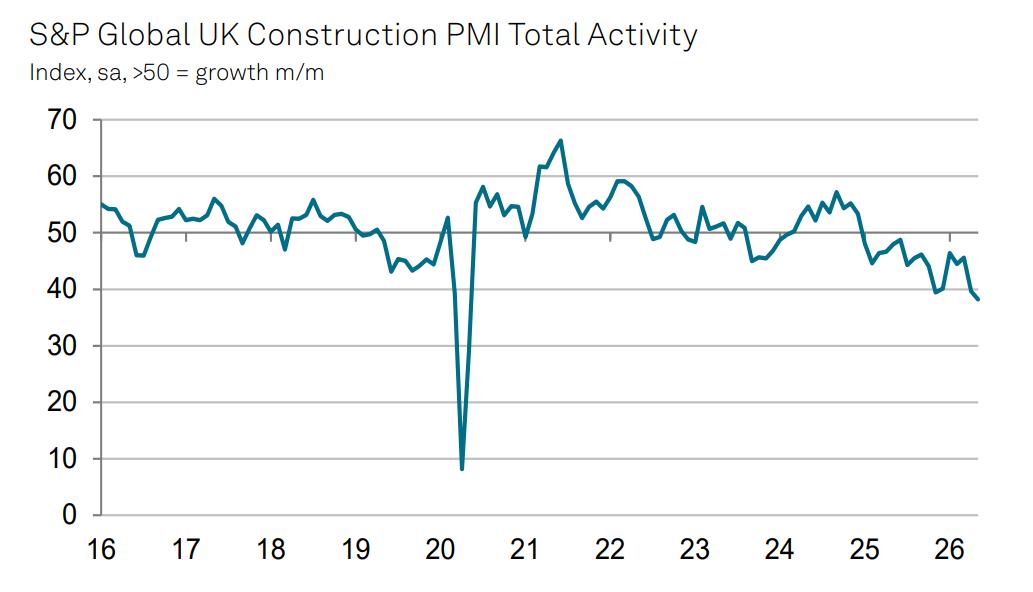
The latest S&P Global UK Construction PMI paints an increasingly bleak picture for the UK construction sector, with output levels falling to their weakest point in six years and housebuilding once again acting as a major drag on overall activity. The data confirms what many across the wider supply chain — including the fenestration sector — have been experiencing for months: delayed projects, weak order books, squeezed margins and growing uncertainty about the pace of recovery.
The headline construction PMI remained deep in contraction territory during the latest reporting period, with civil engineering and residential construction suffering particularly steep declines. Housebuilding activity was among the weakest-performing categories, highlighting the ongoing fragility of the UK housing market and the lack of momentum behind new residential development. For the UK glazing and fenestration sector, this matters enormously. Residential construction remains one of the most important drivers of demand for windows, doors, curtain walling and associated building envelope products. When housing output contracts at this scale, the slowdown inevitably cascades through fabricators, installers, systems companies and the broader supply chain.
A Perfect Storm Of Construction Headwinds
The latest PMI data is not the result of a single isolated issue. Instead, it reflects a combination of economic, political and structural pressures that have steadily intensified over the past 18 months.
High borrowing costs continue to weigh heavily on developers and homebuyers alike. Although interest rates have eased slightly from peak levels, financing costs remain materially higher than the ultra-low-rate environment that fuelled previous housebuilding growth. Developers are still facing subdued buyer demand, slower reservation rates and tighter lending conditions.
At the same time, construction firms continue to battle elevated operating costs. Energy, transport and raw material inflation remain problematic, with geopolitical instability adding fresh pressure to already fragile supply chains. Recent reports linked rising fuel and logistics costs directly to worsening conditions across UK construction and manufacturing.
Labour shortages also remain a significant constraint. The industry continues to struggle with an ageing workforce, skills shortages and reduced labour mobility following Brexit. Even where demand exists, many contractors are still unable to scale output efficiently or competitively.
Overlaying all of this is a broader confidence problem. Developers and investors remain cautious about committing to large-scale projects amid uncertain economic growth, fragile consumer confidence and ongoing questions around government policy delivery. The PMI survey highlighted weak pipelines of new work and subdued business optimism across the sector.
What This Means For The Fenestration Sector
For the fenestration industry, the latest downturn reinforces the reality that the sector is now heavily reliant on replacement and retrofit activity rather than buoyant new-build demand.
New housing starts have slowed significantly, meaning fewer opportunities for volume supply into residential developments. This is
particularly challenging for companies with heavy exposure to national housebuilders and large residential frameworks.
Commercial construction has also weakened, although not as sharply as residential work. That means commercial glazing specialists are not entirely insulated from the downturn either.
The immediate impact for fenestration businesses is likely to include:
• Increased pricing pressure as competition for fewer projects intensifies
• Longer sales cycles and delayed project approvals
• Greater focus on operational efficiency and cost control
• More consolidation across the supply chain
• Increased dependence on retrofit, refurbishment and energy-efficiency work
There are already signs that many businesses are pivoting toward refurbishment-led demand, particularly as homeowners prioritise improving energy performance over moving house altogether. This trend may provide some insulation for parts of the glazing sector, especially businesses operating within energyefficient replacement products and retrofit solutions.
However, retrofit alone is unlikely to fully offset the decline in large-scale new-build demand if housing activity continues to weaken.
The 1.5 Million Homes Target Looks Increasingly Unrealistic
The latest construction figures also raise serious questions about the UK government’s ability to achieve its highly ambitious target of delivering 1.5 million new homes during the current parliament.
To hit that figure, the UK would need to sustain annual delivery rates at levels significantly above current output. Yet the PMI data suggests the industry is moving in the opposite direction entirely.
Residential construction has now been one of the weakest-performing segments for a prolonged period, with output repeatedly contracting month after month.
The scale of the challenge goes beyond planning reform alone. Even if planning
approvals accelerate, the industry still faces major constraints around:
• Development viability
• Labour availability
• Infrastructure capacity
• Financing costs
• Build cost inflation
• Supply chain resilience
Many developers are also intentionally slowing build-out rates in response to softer demand and affordability pressures in the housing market. There is little incentive to flood the market with new supply when buyer confidence remains fragile, and mortgage affordability continues to suppress transaction volumes.
The government has repeatedly positioned planning reform as the primary mechanism for unlocking housing growth, but the latest PMI data demonstrates that the obstacles are far broader and more systemic.
Without stronger economic growth, improved buyer confidence and materially lower financing costs, construction output is unlikely to recover quickly enough to put the 1.5 million homes target back on track.
Signs Of Stabilisation Remain Limited
Perhaps most concerning in the latest PMI release is the continued weakness in sentiment across the sector. Construction businesses are not simply reporting declining workloads; they are also expressing limited
confidence about near-term recovery prospects.
Employment levels across construction have also continued to fall as firms attempt to manage weaker demand and protect margins. That creates an additional long-term risk for the sector, as workforce losses during downturns often create even greater capacity problems during eventual recoveries.
For the glazing and fenestration sector, the near-term environment is therefore likely to remain highly competitive and operationally challenging.
Businesses with strong exposure to social housing retrofit, energy-efficiency upgrades, public sector refurbishment and specialist commercial work may prove more resilient than those heavily dependent on speculative residential development.
At the same time, the longer-term structural drivers behind fenestration demand — decarbonisation, thermal efficiency improvements, Future Homes Standard requirements and ageing housing stock — remain intact.
The problem is that these drivers are currently being overwhelmed by a construction sector facing one of its most difficult trading environments since the pandemic era.
Unless confidence returns quickly and housing activity stabilises, the latest PMI figures may prove to be less of a temporary slowdown and more of a warning sign that the UK construction market is entering a much longer period of subdued activity.
The next generation of door is here. The new Origin OB-36+ system is available in 2 di erent collections. The Soho aesthetic is perfect for replicating a sought-a er steel-look design, whilst the Contemporary style o ers an elegant way to maximise light levels in a home. Both systems are 2025 Future Homes compliant for thermal e ciency and feature sightlines of just 36mm.
Don’t get le behind. Stand out from the competition and futureproof your business by opening an account with Origin today. Call 0808 192 0042 or visit origin-global.com/partner-with-origin
MERCHANTS Q1 VOLUME SALES DOWN -8.1% YEAR-ON-YEAR AS IRAN WAR HITS PAUSE
The latest Builders Merchant Building Index (BMBI) report reveals builders’ merchants’ likefor-like value sales for Q1 2026, adjusted to remove the impact of trading days, were -3.2% lower than Q1 2025. Like-for-like volume sales were down -8.1%, with prices increasing +5.4%. With no difference in trading days, unadjusted Q1 total value sales were also down -3.2% year-on-year. By value, seven of the twelve categories sold more with Renewables & Water Saving (+14.3%) performing best. Of the two biggest categories, Timber & Joinery Products (+0.9%) performed better than Total Builders Merchants, but Heavy Building Materials fell by -6.7%.
March 2026 like-for-like value sales were -3.6% lower than March 2025. Like-for-like volume sales dropped -7.8% while prices increased +4.6%. With one additional trading day in March 2026, unadjusted total value sales were up
+1.0% year-on-year. Unadjusted volumes were -3.4% lower, and prices were +4.6% higher.
Ten categories sold more by unadjusted value, with Renewables & Water Saving (+14.5%) the standout category, followed by Workwear & Safetywear (+14.0%) and Services (+7.4%). Timber & Joinery Products (+4.2%) outperformed Total Builders Merchants, but Heavy Building Materials was down -1.7%.
In the 12 months April 2025 to March 2026, likefor-like value sales were flat (0.0%) compared to the previous 12-months (April 2024 to March 2025). Like-for-like volume sales were down -1.0%, but prices increased +1.0%. With one less trading day in the most recent 12-month period, unadjusted value sales were down -0.4% with volumes down -1.4% and prices up +1.0%. By value, nine of the twelve categories sold more, led by Renewables & Water Saving (+8.5%). Timber &
Joinery Products grew +2.1%; however, Heavy Building Materials declined -2.4% and was the weakest category overall.
Mike Rigby, MD of MRA Research, who produced this report, says: “Every year of the 2020s seems to come with seriously unwelcome surprises, and 2026 is no exception. The Iran war has massively impacted business and consumer confidence, and the Q1 merchant sales figures reflect that.
“Research by PwC revealed that 90% of consumers were worried about the cost of living, and almost 80% planned to cut back on spending over the next quarter. Barclays, too, found customers trimming out non-essential spending over the first three months of the year. These findings are confirmed in the authoritative April GfK Consumer Confidence Index, which shows a sharp fall in the overall index, down -4 points to -25; the lowest level since February 2023. Consumer expectations for the General Economic Situation over the next 12 months fell -6 to -43, six points worse than last year. Their expectations for Personal Financial Situation over the next 12 months dropped -5 points, at -4 it’s one point lower than this time last year. Consumers are saving more (+5 over last month, and two points higher than this time last year), but there was no change to the Major Purchase Index, suggesting no worsening in larger home improvement project spending.
“Cost of fuel and food increases are concerning
many people, but there are still pockets of optimism. The Bank of England reported a slight increase in mortgage approvals to 63,500 in Q1 2026, which will be music to developers’ ears. But any significant recovery will be limited by higher mortgage costs, lower affordability, and heightened uncertainty fuelled by geopolitical volatility and a lack of direction in Government. “With the job of Prime Minister in play, and a regional and local government shakeup following the May elections, businesses and consumers are in for a few wait-and-see months. We’re almost halfway through the year, but we’re a long way from knowing how 2026 will pan out for Merchants. There are too many balls in the air to tell!”
Set up and run by MRA Research, the BMBI – a brand of the Builders Merchants Federation – is a monthly index of builders’ merchant sales, and the most reliable, up-to-date proxy for Repair, Maintenance, and Improvement (RMI) activity in the UK. The index is based on actual sales from NiQ GfK’s Builders’ Merchant Point of Sale Tracking Data, which captures value sales out to builders from generalist builders’ merchants, accounting for 88% of total sales from builders’ merchants throughout Great Britain. An in-depth review, which includes commentary by sector experts, is produced each quarter.
The Q1 2026 BMBI report is available to download at www.bmbi.co.uk.
POSITIVE OUTLOOK FOR THE EVOLVING UK DECKING MARKET
A new report by MRA Building Market Reports estimates the value of the UK market for decking materials at £174m in 2025, at Manufacturers’ Selling Prices (MSP).
This is a substantial increase compared to its pre-pandemic level. Following an inevitable spike in demand in the early stages of the pandemic, when lockdowns, outdoor socialising and good weather caused homeowners to spend more time in their gardens, volume sales have been broadly flat.
Decking is a relatively mature market, and prior to 2019 had seen an influx of Wood Plastic Composite (WPC) decking products from European and East Asian suppliers, leading to very high levels of competition.
Positive factors driving market growth include an ongoing interest in ‘outdoor living’ and use of living space, new garden trends, weather and social media trends, as well as a shift to higher quality and higher value products across all market sectors.
One reason for this trend is that the once highly fragmented and commoditised decking market is starting to evolve. UK distributors, merchants and retailers have formed closer relationships
with fewer suppliers. There are now few WPC specialists. Instead, most suppliers of timber and PVC-U decking also offer a branded or ownlabel WPC product alongside their own decking ranges. Brand awareness, which was previously very low, is increasing.
Despite this, the supply structure remains complex. An increasing share of sales is online or via click-and-collect, and online marketplaces, largely promoted via social media, are influential in the DIY and small builder segment. The share of WPC decking continues to grow,
but there is also strong interest in modified wood decking, which is more durable but retains the sustainability credentials and aesthetic of wood. The Building Safety Act has also boosted demand for decking made from non-combustible, highervalue materials, such as aluminium, on balconies and roof terraces, since combustible materials can no longer be used on buildings higher than 11m.
Consumer interest in sustainably sourced products and eco-friendly materials is also growing, with ‘plastic’ seen as less desirable, despite some PVC-U and composite decking ranges using 100% recycled materials.
Mike Rigby, Director of MRA Reports, comments: “Our forecasts indicate a slight decline in value in 2026, reflecting lower volume sales and RMI activity, but higher material prices for timber decking as well as for PVC-U and aluminium. Forecasting is difficult at any time, and it’s particularly so at present. Consumer confidence is low, but we are experiencing a hotter-thanaverage spring season with people spending more time in the garden, and decking boards are more pleasant and attractive than a concrete patio when the weather is hot. This is a market with good long-term prospects.
“In normal economic circumstances, consumers have shown an increasing willingness to spend more on high-quality garden products or upgrading to higher-end, reduced-maintenance materials. But some segments are price-sensitive, and if the Middle East war goes on for much longer, oil price increases, shipping problems and shortages could affect price differentials in the short term, and the materials mix.”
The comprehensive 67-page report covers an insightful market review including product mix and trends, key market drivers, leading firms, a complicated supply chain and 5-year forecasts which look beyond a difficult year to more sustainable opportunities.”
MRA Reports was set up last year by two leading researchers in building market intelligence and commercial due diligence, Anna Eriksson and Mike Rigby, to provide companies in the building materials supply chain, advisors and investors with a better understanding of the rapidly changing structure and dynamics of building product supply chains.
The UK Decking Market: Product Focus 20262030 report is available to purchase now at www. mra-reports.co.uk.
BUILDING OUR SKILLS ANNOUNCES MAJOR PARTNERSHIP WITH NOCN GROUP
Building Our Skills has announced a major partnership with NOCN Group to support the delivery of a full range of qualifications for the Fenestration, Glass and Glazing industry. The qualifications will cover Window and Door Installation, Surveying, Fabrication, Curtain Walling, Glazing, and a wide range of other glass-related occupations.
NOCN Group is one of the biggest Awarding Organisations in the UK for constructionrelated skills and is a registered charity. They have been operating for over 35 years and are an Ofqual top 15 provider of vocational qualifications. This partnership embodies shared values and a culture in which the delivery of skills training and personal development comes first.
Within the partnership, NOCN Group has full ownership, authorship, and intellectual property rights across all products, materials, systems, and associated documentation. It has full regulatory accountability for all matters.
Speaking for Building Our Skills, Director Chris Globe said, “We are absolutely delighted to be working in partnership with NOCN Group on these industry-relevant qualifications. It is the natural next step for us as we develop our role in the industry.
Not only will we be continuing to encourage people to join our industry, but now we will be able to support them on a lifelong journey of learning, compliance, and vocational achievement that will help them to enhance their skills and their careers, and to contribute more to the industry as a result. We all know that the higher the skill level of our industry workforce, the better the industry will be.
I also want to say how delighted we are by the response from the major players in the industry to our plans. They have committed to working alongside ourselves and NOCN Group on an ongoing programme of product development to
ensure that not only does the industry have the qualifications it needs to meet its needs now, but also to ensure that there will always be new products in the pipeline designed to meet future needs.”
Speaking for NOCN Group, Laura Randall, Head of Business Development, said, ‘as one of the biggest construction Awarding Organisations in the UK with over 500 construction qualifications, it makes complete sense for us to additionally offer the fullest range of qualifications for the Fenestration, Glass and Glazing industry, a sector whose products are integral to all build projects.
Our partnership with Building Our Skills is the perfect platform to enable us to do this. Their connections in the industry and the support they already have are really exciting for us to see, and we expect great things from the work we are doing together and are fully committed to it. If you are interested in finding out more information about Building Our Skills and this range of qualifications, please email sayhello@ buildingourskills.co.uk Building Our Skills website can be found at www.buildingourskills. co.uk
TRANSPARENT ELEGANCE AT THE “KAISERJUWEL”
At the “Kaiserjuwel” all-suite hotel in Going, Tyrol, alpine architecture, expansive glass surfaces, and high energy-performance standards come together. The new building expands the Seiwald resort ensemble with 22 suites, two penthouse suites, and a sky wellness area featuring an infinity sky pool. The South Tyrolean company Vitralux was responsible for the exterior glazing. With frameless glazing, slim profiles and barrier-free transitions, the VITRALIGHT system creates seamless connections between the interior and the surrounding mountain landscape – both in the suites and in the spa area.
Performance down to the last detail
The project also excels in terms of energy performance: triple safety insulating glass with a Ug-value of 0.6 W/m²K enables Uw-values below 0.8 W/ m²K in combination with VITRALIGHT. The Swisspacer Ultimate warm edge spacer bar used reduces heat loss at the glazing edge and prevents condensation – a key advantage, particularly in the wellness area.
Sustainability also played a central role: the aluminium profiles used consist of at least 75% recycled aluminium. In this way, the project combines transparent architecture with comfort, energy efficiency, and responsible material use.
WINDOW TRACER: THE FASTEST WINDOW AND DOOR DESIGN SOFTWARE EVER BUILT
Aperture Works launches Window Tracer in June, a design tool built around how installers actually work on site.
Aperture Works, the Hertfordshire SaaS company behind CIS Invoice and TakeOffPDF, launches Window Tracer this June. The company says it is the fastest and most complete window and door design software in the trade.
Window Tracer is built for the surveyor on site, not the designer at a desk. Founder Paul Edwards spent more than 20 years in fenestration before starting Aperture Works, and says the team scrapped two earlier ideas before landing on the right one.
“We thought about a 3D window designer. Then a tablet app to draw on. Then we watched what actually happens on a survey. Every fitter I know has sketched a job on the back of a fag packet, an old receipt, the corner of a quote pad. It’s not lazy. It’s fast. It works. So, we built Window Tracer to respect that.”
Window Tracer is the simplest and fastest way to design a window or door. Layer in sketch2quote,
and a surveyor can sketch an opening on any bit of paper, snap it with their phone, and have it converted into a working Window Tracer design in seconds.
Edwards calls sketch2quote the Netflix moment for fenestration. The Uber moment for surveys. He argues the trade’s design tools have for decades served fabricators, leaving the small window companies and one-man installers at the front line with software that doesn’t match how they work.
Window Tracer is one of six products in the Aperture Works suite, positioned as the operating system for window and door installers. Spicy Designer, a white-label door configurator that lets installers offer homeowners a branded online designer without being tied to a single fabricator, also launches in June. Hub CRM is the connective tissue across the suite and is already in beta with installers. Leads, an automated postal outreach tool driven by planning application data, follows later in the year. Both join CIS Invoice and TakeOffPDF, already live. The waitlist is open now at windowtracer.com.
FORTERRO EXPANDS SOFTWARE FOR SMALL INDUSTRIAL AND MID-MARKET MANUFACTURERS WITH 3E
Forterro, a leading European provider of industrial software solutions, today announced its intent to acquire 3E, a well-established software provider for manufacturers of windows and doors. The acquisition expands Forterro’s capabilities for small industrial and specialist manufacturers across the European mid-market and further strengthens a category it has been actively building through recent acquisitions, including Orgadata, BM Group, and Klaes. The deal is expected to close in Q2.
Strategic rationale
3E adds strong expertise in ERP, machine interfaces, and production planning for PVC and timber manufacturers, complementing Forterro’s existing software portfolio for specialised and industrial manufacturers. Together, the businesses will be even better placed to support customers across materials, including timber, PVC, and aluminium, as well as different stages of growth and operational complexity, while leveraging cloud and AI-enabled capabilities.
“3E is a strong strategic fit for Forterro. This acquisition strengthens our offering for specialised and industrial manufacturers, expands our support for mid-market manufacturers, and reinforces our position as a long-term partner to the industrial champions driving the European economy. Just as importantly, 3E chose Forterro because of our clear AI strategy and the value it can deliver for their customers. They chose us on behalf of their customers, and we are excited about what we can build together from here,” said Bernd Hillbrands, Managing Director, Windows & Doors Line of Business, Forterro, and former CEO of Orgadata, which was acquired by Forterro in February 2025.
Forward plan
Following completion, 3E will become part of Forterro’s solutions set for specialised and industrial manufacturers, led by Bernd Hillbrands. His leadership of this expanding category reflects Forterro’s model of enabling founders to thrive within the group while helping shape its long-
term direction. 3E customers will benefit from continued product innovation and investment, particularly in AI, while also gaining access to Forterro’s broader portfolio of solutions designed to help industrial businesses improve efficiency and support growth. Forterro also plans to enable 3E to connect to its cloud and AI-based platform over time.
About Forterro
Founded in 2012, Forterro has grown to become a category leader in industrial software – with strongholds in Europe’s top production economies, as well as regional service hubs and development centres around the world. From more than 40 office locations, its 2,800+ employees provide and support software for more than 25,000 industrial businesses. Its products are deeply rooted in the demands of their local geography, and each is designed to strengthen and accelerate customers’ ability to operate efficiently and compete effectively.
About 3E
Founded in 1993, 3E is a family-owned software company based in Oberkochen, Germany, with more than 30 years of experience in developing and implementing industry-specific software solutions. The company supports customers in the windows and doors industry primarily driven by their core product 3E-Look as well as ECM solutions from ELO. Today, 3E employs more than 80 people across three locations and operates primarily in Germany and Europe.
Find new customers here
The PROSPECTManager data portal provides access to a family of prospecting databases spanning building materials, building, home improvement and construction markets.
PROSPECTManager was created to make it easier for businesses to plan and grow.
Plan (geographically) where to grow Find hard-to-reach customer audiences
Identify more of the right sort of customers - who have the money to buy
Ratings by
@prospectmanager prospectmanager.co.uk
CERTASS SHARES KEY COMPLIANCE INSIGHTS FOLLOWING DISCUSSIONS WITH OPSS
Recent discussions between Certass, OPSS and product information specialists Buccaneer Solutions highlight the growing importance of documentation, traceability and evidencing compliance across the fenestration sector.
Certass is encouraging installers, fabricators and suppliers to take a closer look at how they evidence compliance following recent discussions with the Office for Product Safety and Standards (OPSS) and product information specialists Buccaneer Solutions. The conversations explored common themes emerging across product compliance enforcement, including documentation, conformity marking, traceability and the ability of businesses to demonstrate compliance
when challenged.
While the focus of OPSS activity spans multiple construction product sectors, the discussions highlighted lessons that are increasingly relevant to the fenestration industry as regulatory expectations continue to evolve.
One of the strongest messages to emerge was that compliance is no longer simply about having the right product. Businesses must also be able to demonstrate that products meet the relevant requirements through clear documentation, accurate records and robust evidence.
In many cases investigated by OPSS, concerns did not necessarily arise because
products were proven to be unsafe or noncompliant. Instead, problems emerged because businesses were unable to provide the documentation, labelling and conformity marking required by law, undermining confidence that products met the relevant standards.
As regulatory scrutiny increases, the ability to evidence compliance is becoming just as important as compliance itself.
For installers, this has implications beyond product selection. Documentation is increasingly becoming a critical part of the installation process, from demonstrating competence and recording customer decisions through to maintaining evidence of product performance and specification.
The discussions also reinforced the growing importance of supply chain due diligence. Installers are often the final link in the chain, but they remain responsible for understanding the products they are fitting and ensuring appropriate documentation is available. This includes checking that products are correctly labelled, supported by relevant declarations and backed by the information needed to demonstrate compliance if questioned by regulators, clients or building control bodies.
The timing is particularly significant as the industry prepares for further regulatory change.
The Building Safety Act continues to drive greater accountability across construction, while proposals for a Single Construction Regulator are expected to create a more joined-up approach to oversight of products, buildings and professional competence.
At the same time, the Future Homes Standard and evolving energy efficiency requirements are expected to place greater emphasis on product performance, specification and documented evidence of compliance.
For many businesses, this represents a
shift away from assumptions and towards demonstrable evidence.
Jon Vanstone, Chair of Certass and Chair of the Industry Competence Committee, said:
“The key message from our discussions was straightforward. Compliance is no longer something businesses can simply assume. Increasingly, organisations need to be able to demonstrate it.
“Across construction, we are seeing a move towards greater accountability, stronger documentation and clearer evidence trails. Whether it is product information, conformity marking, installation records or customer decisions, the ability to evidence compliance is becoming increasingly important.
“Businesses that can evidence compliance have nothing to fear and much to gain.”
Certass believes the message is particularly important for SME installers operating in a challenging market.
As homeowners become increasingly priceconscious, installers are often placed under pressure to reduce costs, alter specifications or justify recommendations. Maintaining clear records of advice given, products specified and decisions made helps protect both the customer and the installer while demonstrating professionalism throughout the customer journey.
The organisation says the wider direction of travel is becoming clear: competence, documentation, traceability and accountability are no longer separate issues. Together, they form the foundation of modern compliance.
Certass will continue engaging with regulators, government bodies and industry stakeholders to ensure members remain informed about emerging requirements and have access to practical guidance that helps them navigate an increasingly evidence-led compliance landscape.
QUALITY CONTENT
T a c k l i n g g e n u i n e , t h o u g h t p r o v o k i n g
U K g l a z i n g i n d u s t r y i s s u e s o n a d a i l y
a n d i n d e p e n d e n t b a s i s
FAR REACHING
S e t t o b e r e a d b y o v e r a q u a r t e r o f a m i l l i o n p e o p l e , c r e a t i n g o v e r
3 5 0 , 0 0 0 p a g e v i e w s
( e s t i m a t e d 2 0 2 6 s t a t s )
LATEST NEWS FIRST
R e a d t h e m o s t i m p o r t a n t b r e a k i n g
n e w s , f e a t u r e s , o p i n i o n a n d P R l o n g
b e f o r e y o u ' l l s e e t h e m i n p r i n t