4 BDC Aluminium Launches TwoWeek Lead Time On Alitherm 400 Windows
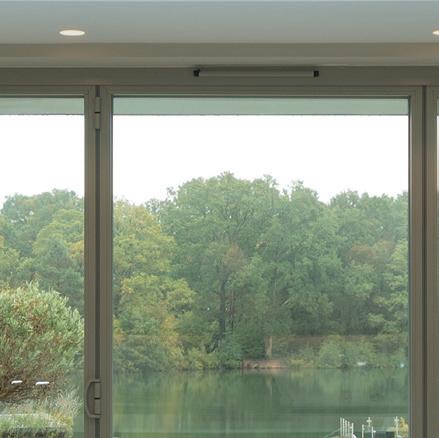
6 Indoor-Outdoor Living Remains A Driving Force In Home Renovation Trends
8 Deceuninck Takeover Bid Launched As Gramo BV Exceeds 30% Ownership Threshold 10 Dual Seal Glass Enters Administration After 31 Years In Business 11 Gramo BV Formally Launches Mandatory Takeover Bid For Deceuninck
12 Inwido Q2 2026: Record Profitability Despite Challenging Market Conditions
14 Saint-Gobain Glass UK & Ireland Manufactures Lower-Carbon Flat Glass As Standard
16 April Merchant Sales Drift Down As Volumes Fall -3.5% Year-On-Year
18 Flat Builders’ Merchant Value Sales In May, But Volumes Fell -5.8% Year-OnYear
20 Supplier Price Increases Hit Merchants Hard
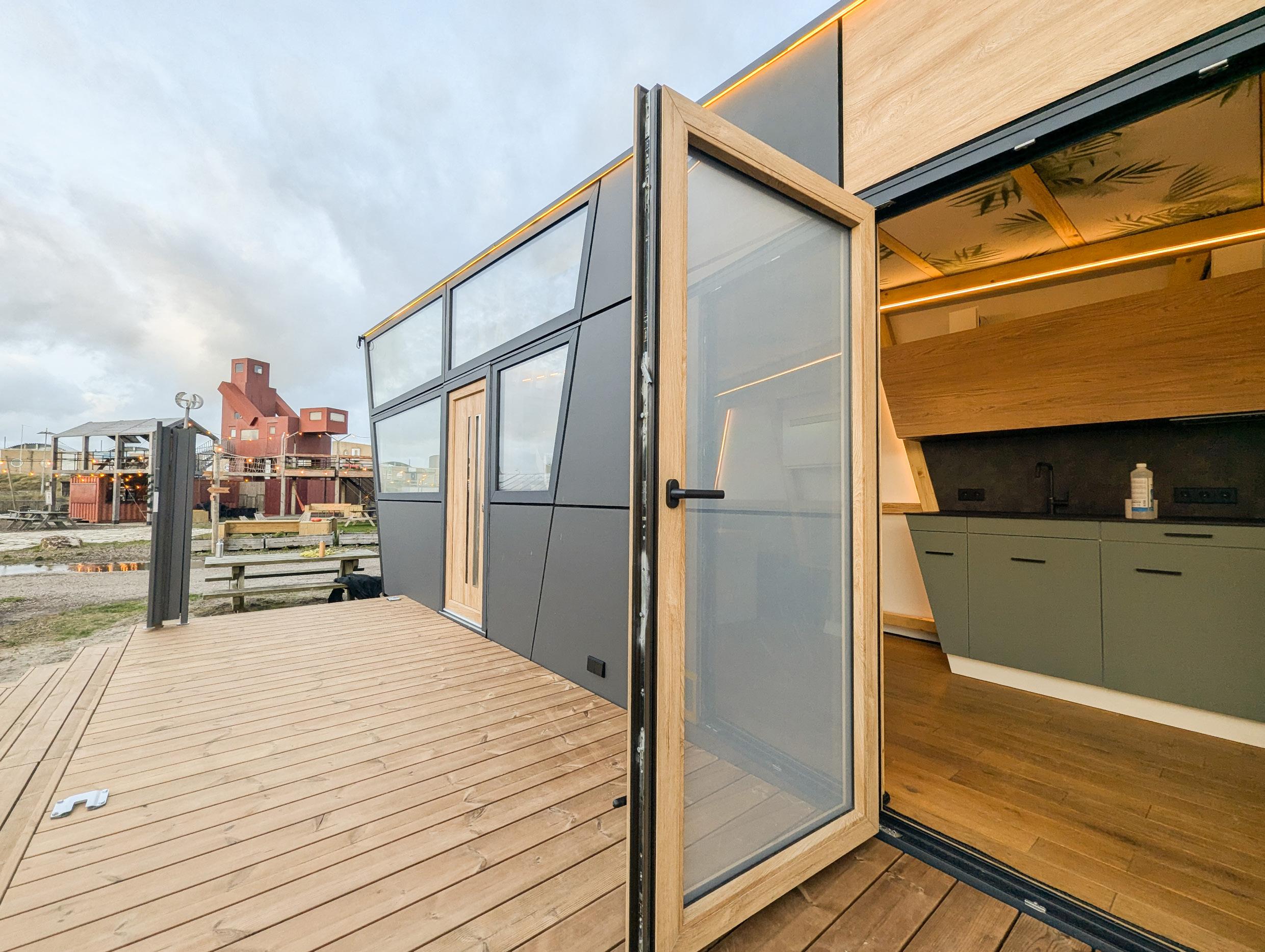
22 Well thought out down to the smallest detail: TechTinyHouse relies on Swisspacer
26 AI-Proof Jobs? Millions Eye Up The Trades As AI Jobs Cull Sparks Career Panic
28 Making Tax Digital: Two Weeks To The 7 August Deadline 30 Beating The Heat With Integral Blinds
Endurance® Doors Inspires Future Female Talent
Endurance® Opens The Door To Greater Partner Engagement 36 CR Smith Creates 150 New Jobs As Business Expands To Deliver Social Housing Projects Across Scotland
38 Guest Post: Chairman’s Update From National Federation Of Glaziers
40 Industry Integrity Is About To Be Tested
42 UK Construction PMI: What The Latest Figures Mean For Construction And The Fenestration Sector
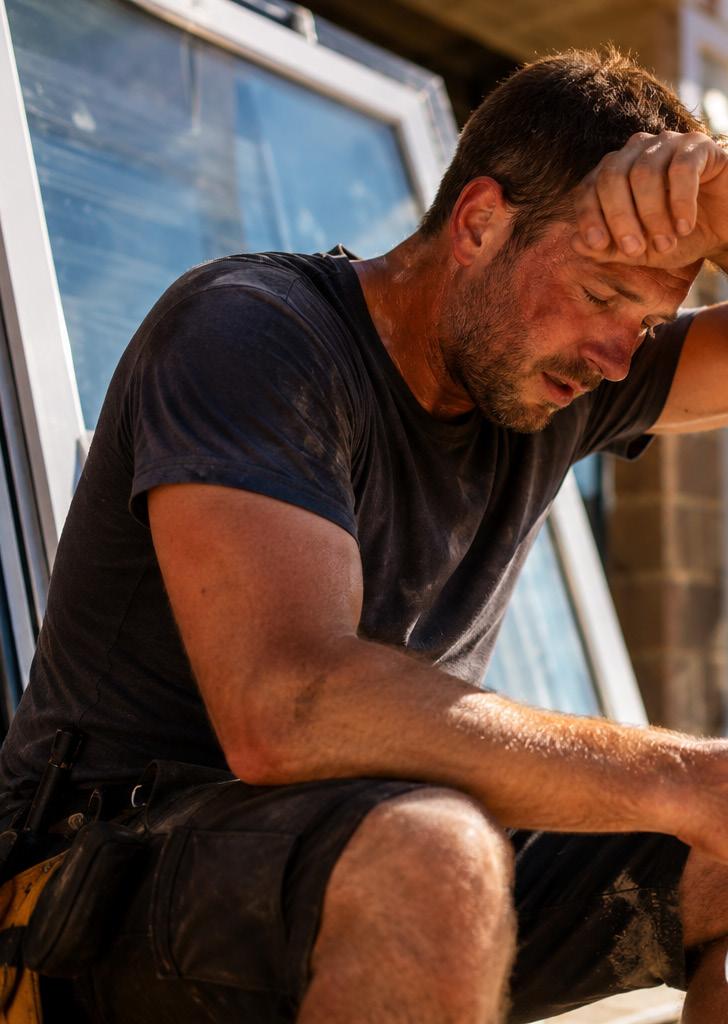
44 Working Through A 40°C Heatwave: A Practical Guide For Fenestration Installers
EDITORS COMMENT
Welcome to another edition of the DGB Digital magazine!
We are now firmly in the malaise of the school summer holidays. Except this time we’re coming off what seems to be an extended quiet period thanks to the combined efforts of the World Cup, domestic politics, global conflict and a heatwave. Not ideal timing, that is for sure. Many installers will be hoping that although we are in peak holiday season, there will be enough work out there to hit the last bit of the year with some momentum.
Elsewhere in the industry, we saw a takeover bid launched for Deceuninck after a key shareholder passed a critical threshold. We also saw the demise of a major IGU supplier, further demonstrating that there is weakness in the sector still
September isn’t that far away. This is usually the month that sees a marked increase in business activity. Everyone in our supply chain will be hoping for a strong resurgence when it rolls around.
We hope you enjoy this edition of the DGB Digital magazine!
Team DGB
BDC ALUMINIUM LAUNCHES TWOWEEK LEAD TIME ON ALITHERM 400 WINDOWS
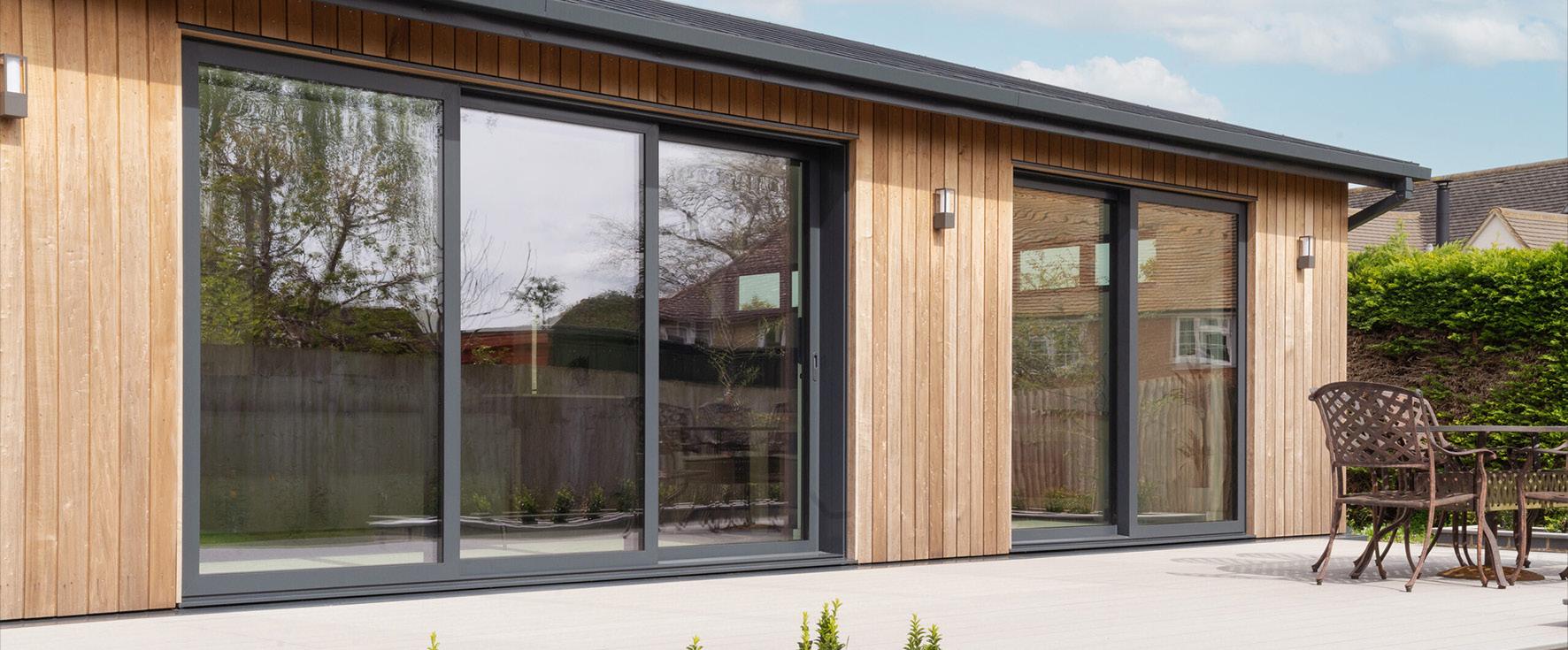
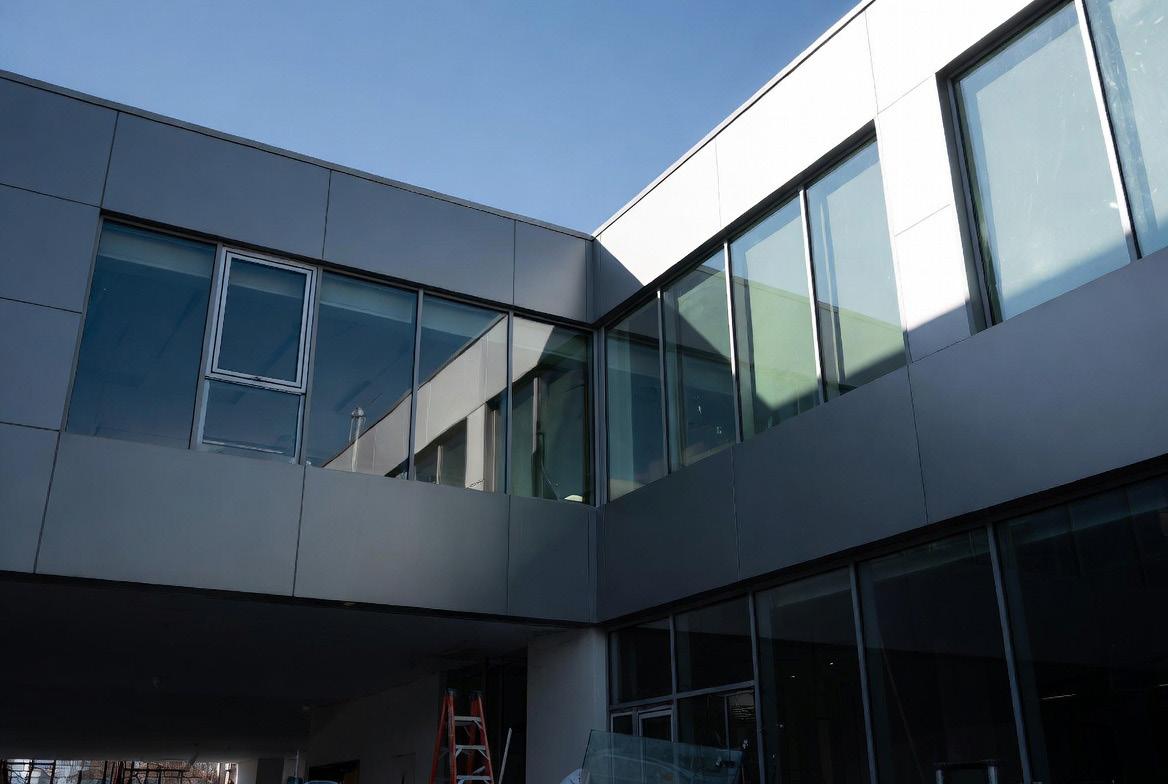
BDC Aluminium is helping installers keep projects on track with a two-week lead time offer on Smart Alitherm 400 windows in the popular black, white and anthracite grey colour options.
The fast turnaround service has been introduced to support installers and contractors facing increasingly demanding project schedules, helping to minimise delays without compromising on product quality or performance.
Suited to both residential and light commercial applications, the Smart Alitherm 400 window system is widely specified for refurbishment projects and new build developments. It combines strong thermal performance, security credentials and fabrication efficiencies, making it a reliable choice for modern construction projects.
Installers looking to specify a fully matching aluminium glazing solution can also pair the window system with the Alitherm 400 door, which shares the same contemporary aesthetics and thermal performance, giving installers a cohesive look across an entire project.
Alitherm 400 was designed with installers in mind. Smart’s co-extruded glazing gasket is supplied ready for easy fitting, helping to streamline fabrication and save valuable time on site,
improving overall project efficiency.
As a specialist aluminium fabricator, BDC Aluminium supplies bespoke aluminium windows and doors to trade customers across the UK.
Operating from its manufacturing facilities in Essex, the company combines advanced fabrication capabilities with expert customer service to support installers from quotation through to delivery.
Scott Foster, Marketing Director at BDC Aluminium, comments: “Reliable lead times remain one of the most important factors for installers when planning projects. By offering a two-week lead time on our Smart Alitherm 400 windows in our most popular colours, we’re helping customers keep installations on track and respond more effectively to project demands.
“Alongside fast turnaround times, customers continue to benefit from the high levels of quality, performance and service they expect from BDC Aluminium. Our focus is on making life easier for installers by delivering dependable products exactly when they’re needed.”
BDC Aluminium’s two-week lead time offer is available on Smart Alitherm 400 windows in black, white and anthracite grey.
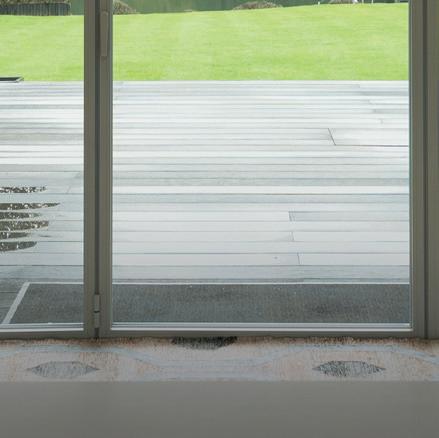
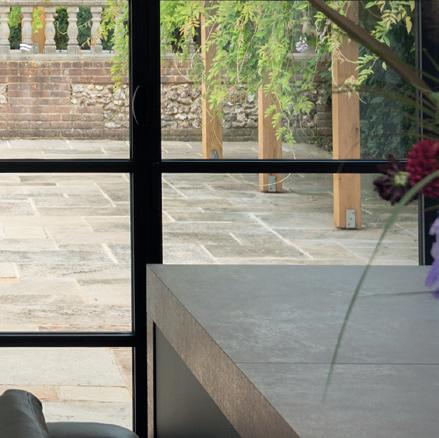
INDOOR-OUTDOOR LIVING REMAINS A DRIVING FORCE IN HOME RENOVATION TRENDS
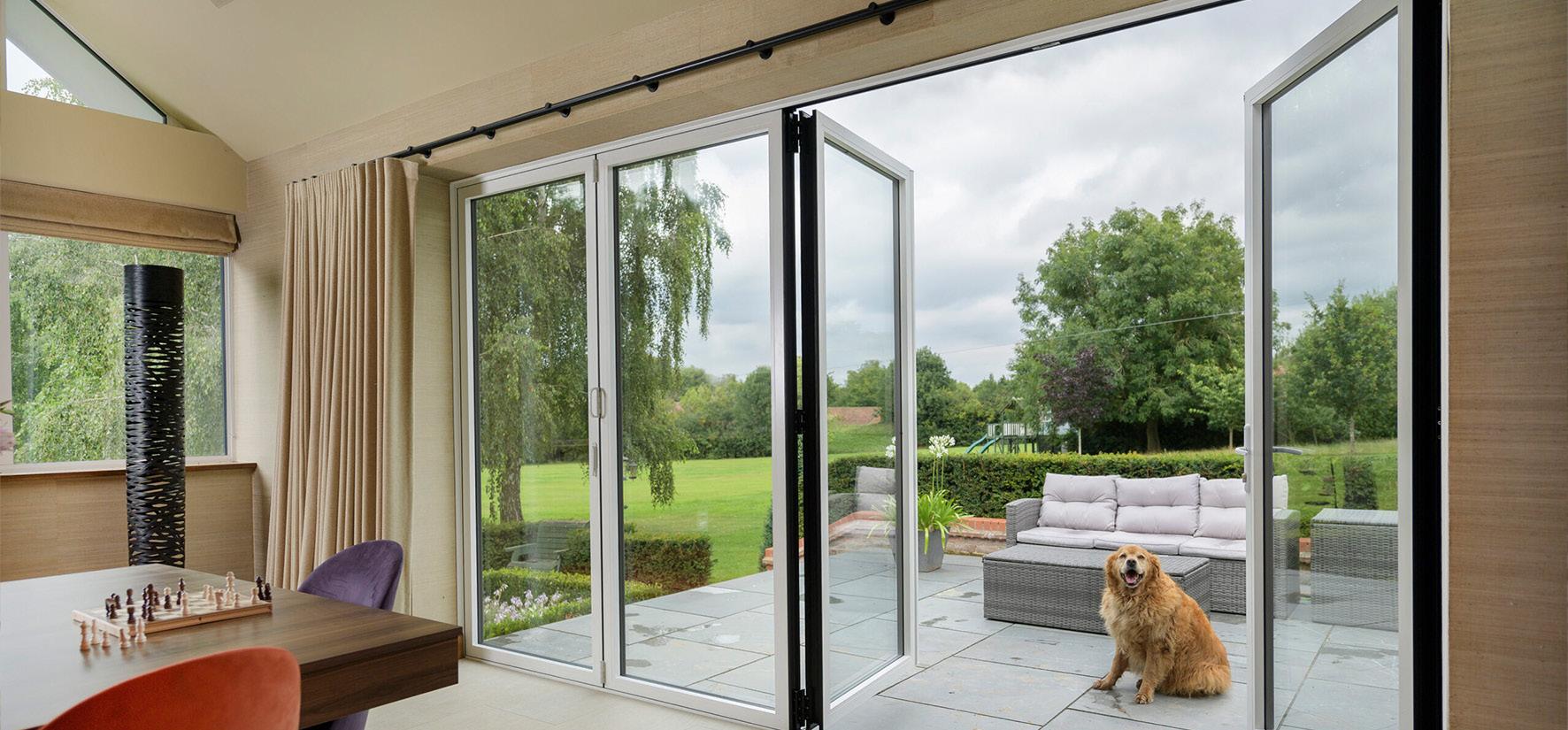
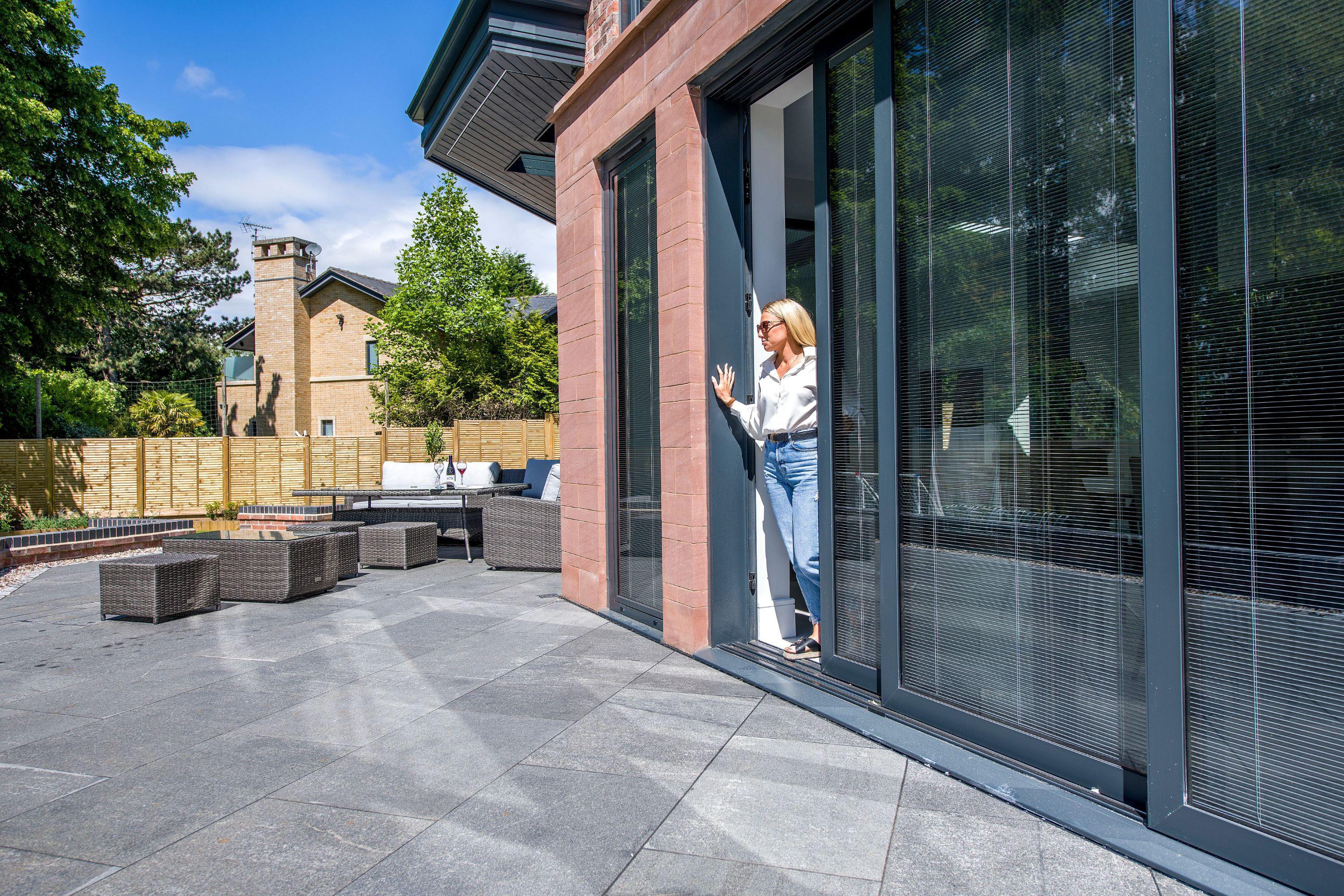
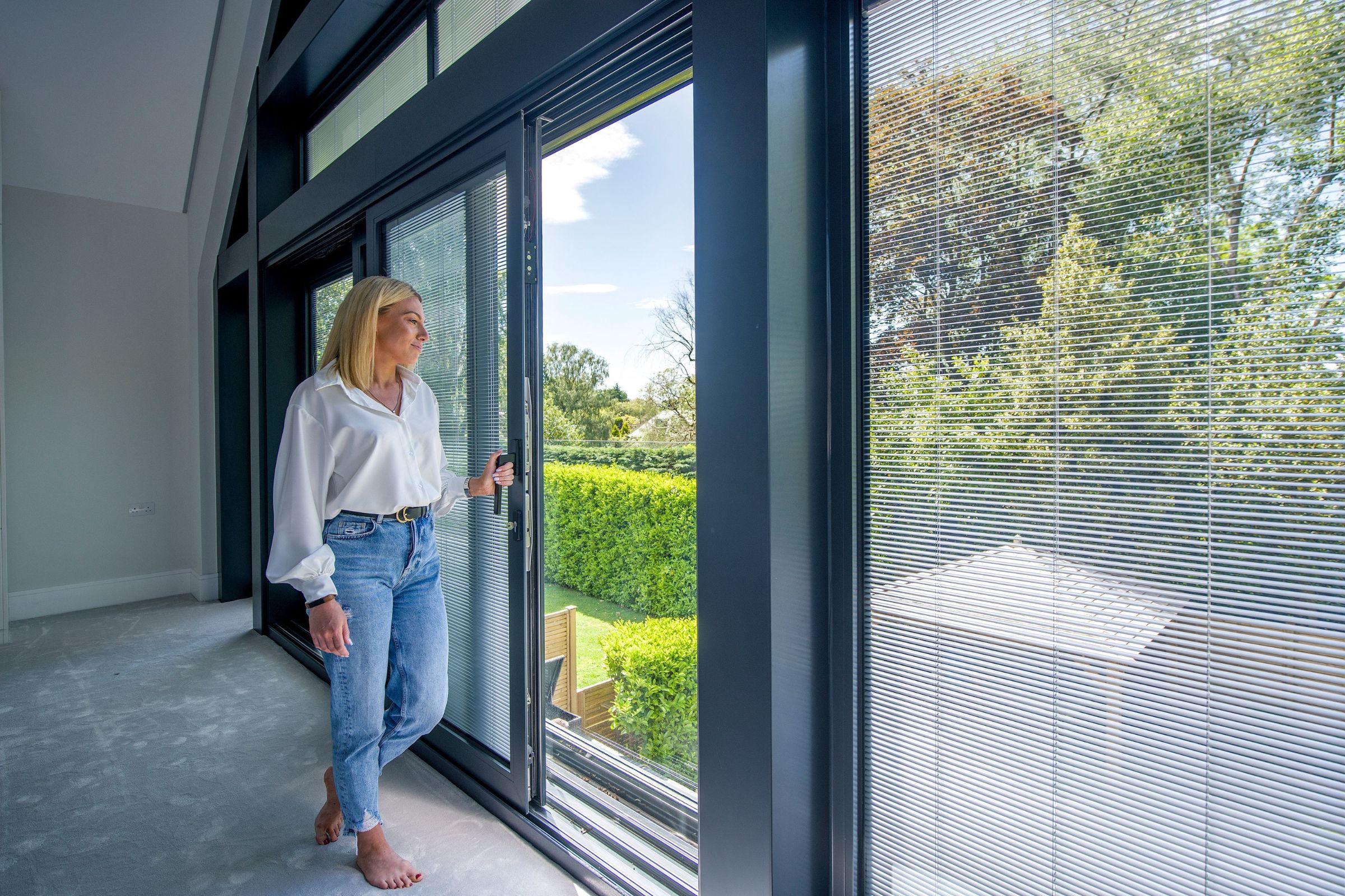
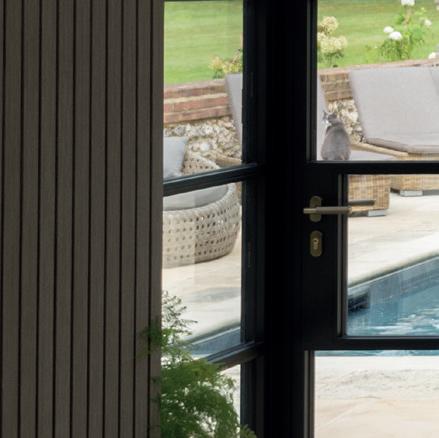
While fashions come and go, some trends have real staying power. One of the most significant in-home improvements has been the continued desire to create a stronger connection between the home and garden, with indoor-outdoor living remaining a major influence on renovation decisions for homeowners throughout 2026.
From open-plan extensions and garden rooms to expansive glazing and larger openings, homeowners continue to prioritise spaces that feel brighter, more flexible and better suited to modern lifestyles. For installers, this presents a valuable opportunity to meet the growing demand for premium glazing solutions that help blur the boundaries between inside and out.
Scott Foster, Group Marketing Director at Endurance® Aluminium, believes the trend is no longer simply about aesthetics.
“Homeowners are increasingly looking for spaces that work harder for them,” he explains. “The way people use their homes has evolved significantly over the last few years. Whether it’s entertaining friends, spending more time with family, working
and outdoor space is often a major part of that. People want homes that feel open, light and adaptable, and glazing plays a crucial role in delivering that experience.”
The popularity of open-plan living continues to underpin much of this demand. Homeowners undertaking extensions are increasingly opting for layouts that combine kitchens, dining areas and living spaces into a single multifunctional environment. Large expanses of glazing then become the natural link between these internal spaces and the outdoors.
As a result, garden-facing elevations are often becoming a focal point of renovation projects, with homeowners willing to invest in premium products that maximise natural light and improve views of the garden.
“One of the biggest changes we’ve seen is the growing expectation around glazing,” says Scott. “Where once a standard set of patio doors may have been considered sufficient, many homeowners are now looking for much larger opening systems that create a genuine sense of
from home or simply making better use of the space they already have, flexibility has become a key driver behind renovation projects.
“Creating a stronger connection with the garden
openness and bring in huge amounts of natural light. Homeowners used to see their doors as functional access products, whereas now they are a key feature of modern living spaces that play an important role in the overall aesthetic.
“Homeowners want uninterrupted sightlines, wider openings and products that help create a seamless transition between inside and outside spaces. The garden is increasingly viewed as an extension of the home itself, and much more consideration is given to garden design and the route into it than in years gone by.”
This shift has helped drive continued interest in aluminium systems. The inherent strength of aluminium allows for large glazed areas while maintaining structural performance, making it an attractive option for homeowners looking to achieve a contemporary aesthetic without compromising on practicality.
For installers, the ongoing popularity of indooroutdoor living presents opportunities across multiple areas of the market. While extensions remain a key driver, demand is not limited solely to major building projects.
Many homeowners are choosing to upgrade existing glazing as part of wider renovation programmes, replacing older doors and windows with larger, more contemporary systems that improve both appearance and functionality.
“Not every project involves an extension,” Scott explains. “We’re seeing homeowners focus on upgrading key areas of their property to create a greater sense of space and improve the way they interact with their garden.
“In many cases, replacing an older set of doors with a more modern aluminium system can transform how a room and the garden beyond feel and function. These kinds of projects can offer excellent opportunities for installers to demonstrate the value that premium glazing solutions can bring.”
Despite ongoing economic pressures, lifestyle-
led renovation remains a significant factor in purchasing decisions. Homeowners may be more selective about where they invest, but many continue to prioritise improvements that enhance daily living and add long-term value to their property. Rather than moving house, many are choosing to adapt and improve their existing homes to better suit changing needs and lifestyles.
“Homeowners are approaching renovation projects with a long-term mindset,” says Scott. “They’re looking at how their homes can serve them for years to come and that means investing in products that deliver lasting benefits.
“Creating versatile living spaces that can be enjoyed throughout the year continues to be a priority. Whether that’s through an extension, a refurbishment or a glazing upgrade, the desire to create a stronger connection between the home and the outdoors shows no sign of disappearing.”
For installers, understanding the motivations behind these projects is key. While product performance, security and energy efficiency remain important considerations, many homeowners are ultimately driven by lifestyle aspirations, often from social media.
By focusing on how premium glazing solutions can help create brighter, more flexible and more enjoyable living environments, installers can position themselves to take advantage of a trend that continues to shape the renovation market.
As indoor-outdoor living evolves into an established way of living, demand for larger opening systems, premium aluminium glazing and garden-focused home improvements looks set to remain a defining feature of the home improvement sector throughout 2026 and beyond.
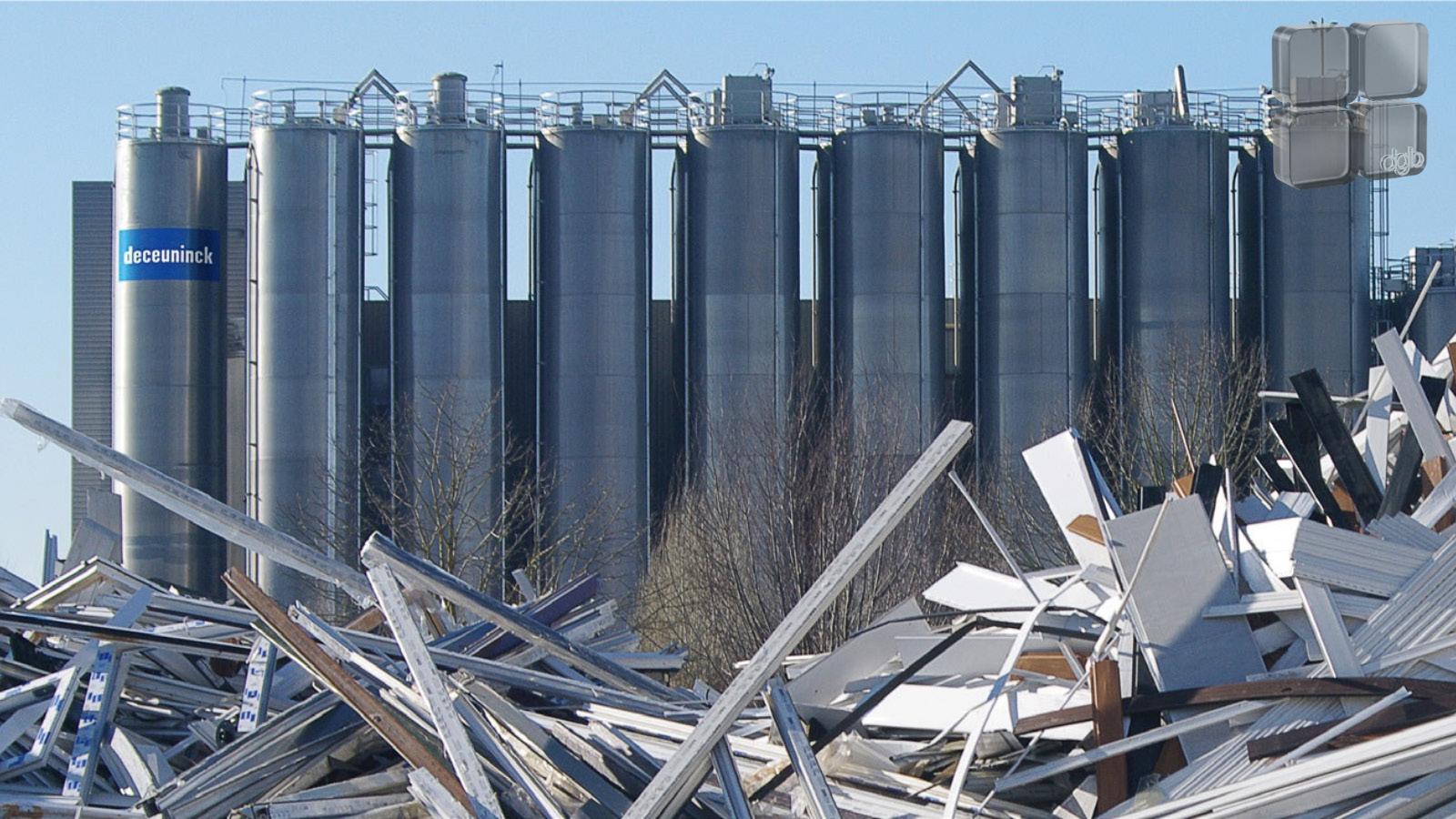
Belgian PVC systems manufacturer Deceuninck is the subject of a mandatory public cash takeover bid after Gramo BV increased its shareholding beyond the 30% threshold required under Belgian takeover legislation.
Gramo BV, the investment vehicle controlled by Francis Van Eeckhout, formally launched its mandatory offer on 15 July following regulatory approval of the bid documentation. The offer is for all outstanding voting securities in Deceuninck that are not already owned by Gramo or its affiliated persons.
The mandatory bid was triggered after the exercise of 1,050,000 warrants on 11 June 2026, increasing Gramo’s holding from 29.99% to 30.52% of Deceuninck’s issued share capital. Under Belgian takeover rules, crossing the 30% ownership threshold obliges the shareholder to make an offer for the remaining shares.
The cash offer has been set at €2.11 per share and applies to approximately 96.99 million shares representing 69.48% of Deceuninck’s share capital that are not already held by Gramo and its affiliated persons. The offer also covers outstanding warrants, with their valuation to be detailed in the approved prospectus.
According to the offer documentation, the bid
is unconditional. Gramo has also stated that it does not intend to voluntarily reopen the offer or subsequently launch a simplified squeeze-out procedure following completion of the transaction. Deceuninck first acknowledged the impending mandatory offer on 9 June after confirming that the warrant exercise would take Gramo’s shareholding above the statutory threshold. At that time, the company said its board of directors would prepare a formal response memorandum once it had received the bidder’s prospectus, in accordance with Belgian takeover regulations. The offer is being conducted under the supervision of Belgium’s Financial Services and Markets Authority (FSMA), which published the formal notification of the bid after receiving Gramo’s intention to launch the mandatory offer.
Deceuninck, headquartered in Hooglede, Belgium, is one of Europe’s largest PVC window and door systems manufacturers, supplying profile systems across Europe, North America, Turkey, and emerging markets.
Read the Deceuninck press release here: www.deceuninck.com/wp-content/ uploads/2026/07/Gramo-BV-press-releaselaunch-bid-ENG.pdf
TRIPLE GLAZING
MINUS THE DRAMA
Explore more possibilities that are coming your way, talk to one of our local experts: claytonglass.co.uk/triple28
To register your interest, scan the QR code:
DUAL SEAL GLASS ENTERS ADMINISTRATION AFTER 31 YEARS IN BUSINESS
Huddersfield-based glass processor Dual Seal Glass Ltd has entered administration, bringing to an end more than three decades of trading under the company.
A notice published in The Gazette confirms that Sean Williams and Phil Deyes of Leonard Curtis were appointed as Joint Administrators on 29 June 2026, with the company now listed at Companies House as In Administration.
Founded in 1995, Dual Seal Glass established itself as one of the UK’s bestknown processors of high-performance insulated glass units (IGUs), vision glass and insulated spandrel panels for the commercial construction market. Operating from its manufacturing facility in Huddersfield, the company supplied specialist glazing products to contractors and façade specialists across the UK.
The administration follows four years after the business was acquired by pan-European glass processing group Vandaglas. The transaction completed in February 2022, when Munichbased investment group AEQUITA purchased the company before integrating it into the Vandaglas network, marking the group’s first acquisition in the UK. The business continued to trade under the Dual Seal Glass name following the acquisition.
2023 accounts showed turnover growth but a significant trading loss
The company’s latest available statutory accounts, covering the year ended 31 December 2023, paint a mixed financial picture.
While revenue increased during the year,
profitability deteriorated sharply.
The accounts show:
• Turnover in 2023 was £16.29 million
• The business recorded an operating loss of £1.25 million in 2023
• Loss before taxation amounted to £1.27 million.
• A well-known name in commercial glazing Dual Seal Glass built a strong reputation within the commercial glazing sector over more than 30 years, manufacturing insulated glass units and specialist glazing products for commercial developments throughout the UK.
The acquisition by Vandaglas in 2022 formed part of a wider strategy to establish a pan-European network of specialist glass processors, giving the group a manufacturing presence in the UK alongside operations across mainland Europe. At the time of the acquisition, the company was described as one of the UK’s leading independent glass processors and continued operating from its long-established Huddersfield headquarters.
Administration formally recorded
The Gazette notice records the appointment of the Joint Administrators on 29 June 2026, with Companies House now reflecting the company’s status as being in administration. No further details regarding the administration process have been disclosed within the statutory notice.
GRAMO BV FORMALLY LAUNCHES MANDATORY TAKEOVER BID FOR DECEUNINCK
Gramo BV has formally launched its mandatory public cash takeover bid for Deceuninck NV after receiving approval from the Belgian Financial Services and Markets Authority (FSMA) for the offer prospectus.
The launch marks the next stage in the takeover process after Deceuninck confirmed in June that it had been informed of Gramo BV’s intention to make a mandatory offer, following the investor exceeding the 30% ownership threshold under Belgian takeover regulations.
The mandatory bid was triggered after Gramo exercised 1,050,000 warrants on 11 June 2026, increasing its holding in Deceuninck from 29.99% to 30.52% of the company’s issued share capital. Under Belgian takeover law, shareholders crossing the 30% threshold are required to launch an offer for all remaining voting securities they do not already own.
According to the approved prospectus, the initial acceptance period opens on 16 July 2026 and closes on 30 July 2026 at 4:00pm CET. During this period, shareholders may tender their shares in accordance with the terms set out in the offer documentation.
The offer price has been set at €2.11 per
Deceuninck share, payable in cash. The results of the initial acceptance period are expected to be announced on or around 6 August 2026, with settlement for shares tendered during the first acceptance period anticipated no later than 20 August 2026.
Gramo has also confirmed that it does not intend to seek the delisting of Deceuninck from Euronext Brussels following completion of the mandatory offer. The bidder has further stated that it does not currently intend to voluntarily reopen the offer or initiate a simplified squeeze-out procedure after the initial acceptance period.
Deceuninck has published the bidder’s announcement on its own investor relations website as part of its regulatory disclosure obligations. The company has not announced any change to its operations or strategy in connection with the launch of the mandatory offer.
The launch of the offer represents the formal execution of the mandatory takeover process first disclosed by Deceuninck in June, with shareholders now able to decide whether to tender their shares during the acceptance period.
Inwido delivers stronger earnings and organic growth in the second quarter.
Inwido reported a strong second quarter for 2026, combining higher revenue, improved profitability and growing order intake despite continued uncertainty across several of its core European markets. The Group benefited from modest organic growth, contributions from recent acquisitions and continued operational efficiencies, resulting in record second-quarter operating earnings.
Financial highlights
Net sales increased 16.3 percent year-onyear to SEK 2,721 million, compared with SEK 2,339 million in the corresponding quarter of 2025. Organic growth accounted for 4 percent of the increase, while acquisitions continued to contribute meaningfully to total revenue growth.
Operating EBITA rose to SEK 314 million from SEK 264 million a year earlier, representing the highest second-quarter operating EBITA in the company’s history. The operating EBITA margin improved slightly to 11.5 percent from 11.3 percent, indicating that profitability was maintained despite inflationary pressure on raw materials and logistics.
EBIT increased to SEK 289 million, up from SEK 237 million, while the EBIT margin strengthened to 10.6 percent from 10.2 percent. Earnings per share also improved, rising to SEK 3.40 from SEK 2.69 in the previous year.
Organic order intake increased by 23 percent during the quarter, supported primarily by a major project contract in Scotland worth GBP 50 million. This contributed to an order backlog of SEK 3,290 million at the end of June, an increase of approximately 16 percent compared with the previous year.
Operational performance
The second quarter demonstrated improving operational momentum across much of Inwido’s portfolio. Factory utilisation increased in several markets, supporting manufacturing efficiency and helping offset higher input costs for aluminium,
glass, PVC, energy and transportation.
The company maintained pricing discipline rather than competing aggressively on price, allowing margins to improve while preserving profitability. This strategy appears to have been supported by ongoing efficiency measures and cost controls, particularly within the e-Commerce business area, where profitability continued to improve.
Consumer demand also showed early signs of recovery. Organic order intake in the consumer segment increased by 3 percent, suggesting gradually improving activity in renovation markets after a prolonged period of weaker demand.
Regional performance remained mixed
Market conditions continued to vary considerably across Inwido’s geographic footprint.
Scandinavia showed signs of recovery, particularly in Sweden and Denmark, supported by improving housing market activity and stronger consumer sentiment. Norway also recorded positive development, although from relatively low levels.
The UK market remained challenging overall, but project activity strengthened significantly following the large Scottish public housing contract. Ireland continued to perform steadily, while Finland remained one of the weaker markets due to ongoing pricing pressure.
Several Central and Eastern European markets, including Poland, Slovenia, and Croatia, also delivered positive growth, providing additional geographic diversification to the Group’s performance.
Acquisitions continue to support growth
Acquisitions remained an important component of Inwido’s growth strategy during the quarter.
The Group completed two acquisitions: Sovereign Group in England and Marlex in Croatia, bringing the total number of acquisitions completed over the previous seven months to six.
Sovereign contributed to second-quarter earnings following its integration, while Marlex will begin contributing to financial results from the third
quarter onward. Although acquisitions increased leverage, the company’s debt levels remain within its targeted capital structure, with net debt corresponding to 2.1 times operating EBITDA excluding IFRS 16.
First-half performance
For the first six months of 2026, net sales increased 11 percent to SEK 4,804 million, while operating EBITA reached SEK 404 million compared with SEK 375 million during the same period in 2025.
Operating EBITA margin declined slightly to 8.4 percent from 8.6 percent, reflecting seasonal effects and acquisition-related impacts despite improved absolute earnings.
EBIT increased to SEK 360 million, while earnings per share rose to SEK 3.58 from SEK 3.34.
Return on operating capital declined to 11.8 percent from 13.4 percent, largely reflecting the increased capital employed following the company’s active acquisition programme.
Analysis
Inwido’s second-quarter performance demonstrates a business that continues to execute effectively despite a market that remains uneven across Europe.
The combination of organic revenue growth, improving order intake, and expanding margins
suggests that operational improvements are beginning to translate into stronger financial performance. Notably, profitability improved even as material costs remained elevated, indicating successful pricing strategies and effective cost management.
The sharp increase in order intake and the larger order backlog provide improved revenue visibility for the coming quarters, although a significant portion of this growth was driven by one exceptionally large project contract. Continued improvement in consumer demand will therefore be important if momentum is to become more broadly based.
Acquisitions continue to be a key driver of overall growth and market expansion. While higher debt has accompanied this strategy, leverage remains at levels that appear manageable given the company’s earnings generation and cash flow.
Overall, the quarter reflects a company strengthening its market position through disciplined pricing, operational efficiency and strategic acquisitions, while remaining exposed to macroeconomic uncertainty, inflationary pressures and uneven construction markets across Europe. The improving order book and gradual recovery in several regional markets nevertheless provide a more favourable outlook than was evident earlier in the year.
Read the full report here: storage.mfn.se/5b74e8a2-b90e-49c1-80baf2bde062bcca/q2-2026-en-report.pdf
SAINT-GOBAIN GLASS UK & IRELAND MANUFACTURES LOWER-CARBON FLAT GLASS AS STANDARD
Saint-Gobain Glass UK & Ireland has taken a significant step forward in lower-carbon flat glass production. At its Eggborough plant, near Goole, PLANICLEAR® now achieves 7.22 kgCO°e/m² for 4 mm glass.
Standard production, not a limited campaign
The new Environmental Product Declaration (EPD) reflects Saint-Gobain Glass UK & Ireland’s regular day-to-day production. It is not based on a trial or short-term campaign. PLANICLEAR® is manufactured and delivered this way as standard, every day. The new declaration shows a reduction of more than 34% compared with the previous EPD. This strengthens PLANICLEAR® as a practical choice for lowering embodied carbon while maintaining the same quality, availability, and performance.
Driven by a clear decarbonisation roadmap
This progress is driven by Saint-Gobain Glass UK’s decarbonisation roadmap and its Glass Forever circular economy approach to flat glass recycling. Together, they focus on three key areas: increasing circularity, reducing reliance on virgin raw materials, and improving renewable energy use and process efficiency. Producing around 13 miles of flat glass daily, the Eggborough site is embedding lower-carbon
manufacturing at scale. By reducing the footprint of its core product, Saint-Gobain Glass is making lower-carbon specifications simpler for the construction and retrofit markets. The EPD is third-party verified and positions PLANICLEAR® among the lowest embodied carbon standard float glass products manufactured in the UK. It provides robust data for planning, Environmental, Social, and Governance (ESG) reporting, and procurement decisions, helping customers move with confidence and avoid the risk of greenwashing. Critically, this applies to standard PLANICLEAR®, supporting lower embodied carbon at sealed unit level with no added cost and no change to product performance.
New EPDs available now and more to follow
New EPDs are now available for all PLANICLEAR® thicknesses and Sapphire Blue. UK coated and laminated products will also benefit from this lower embodied carbon substrate, with supporting EPDs expected to be validated in the second half of 2026. EPDs are available at www.saint-gobain-glass.co.uk or at environdec.com
For more information about Saint-Gobain Glass, visit www.saint-gobain-glass.co.uk
Twitter: @SG_GlassExperts
LinkedIn: @saint-gobain-glass-uk
APRIL MERCHANT SALES DRIFT
DOWN AS VOLUMES FALL -3.5% YEAR-ON-YEAR
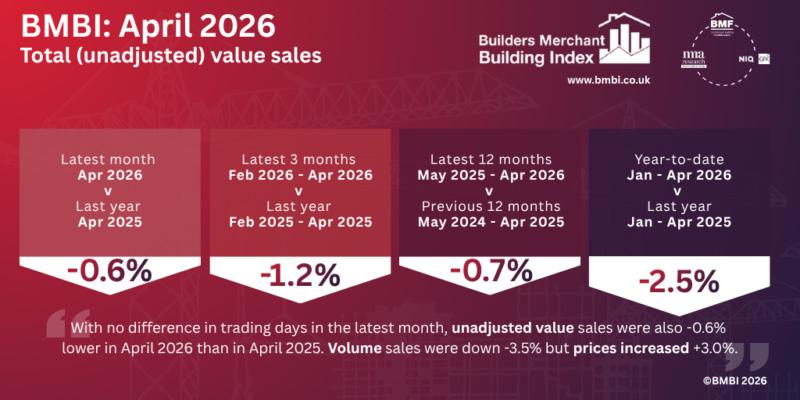
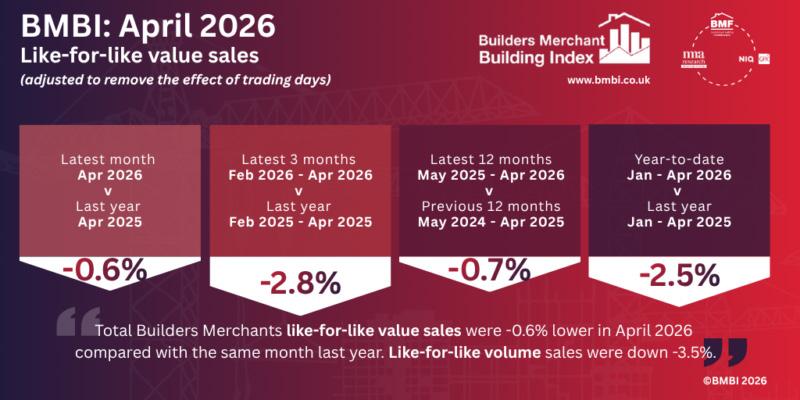
The latest Builders Merchant Building Index (BMBI) report, published in June, shows April’s total like-for-like value sales (adjusted to remove the effect of trading days) were -0.6% lower than the same month in 2025. Like-forlike volume sales were down -3.5% with prices up +3.0%.
With no difference in trading days, total unadjusted value sales were also -0.6% lower, with volumes down -3.5%. By value, just three of the twelve categories sold more: Services (+7.0%), Timber & Joinery (+1.6%), and Miscellaneous (+0.2%). Renewables & Water Saving (-6.6%), Workwear & Safetywear (-4.6%), and Heavy Building Materials (-1.9%) saw the largest declines.
In the three months February to April 2026, likefor-like value sales were -2.8% lower compared to the same three months in 2025. Like-for-like volume sales were down -7.1% with prices increasing +4.7%. With one extra trading day in the most recent three-month period, unadjusted value sales were down -1.2%, with volumes down -5.6% and prices up +4.7%. By value,
eight categories sold more, led by Renewables & Water Saving (+8.9%). Of the two largest categories, Timber & Joinery Products (+2.1%) performed better than Total Builders Merchants, while Heavy Building Materials (-3.8%) was the weakest category.
In the 12 months May 2025 to April 2026, likefor-like value sales were down -0.7% compared to the previous 12-month period (May 2024 to April 2025). With no difference in trading days, unadjusted volume sales fell -2.0% while prices increased +1.3%. By value, eight categories sold more, led again by Renewables & Water Saving (+7.8%). Of the two largest categories, Timber and Joinery Products grew more slowly (+2.2%), while Heavy Building Materials (-2.9%) was the weakest category.
In the year to date (January to April 2026), like-for-like value sales were -2.5% lower than the first four months of 2025, but like-for-like volume sales were down -6.9% and prices were up +4.7%. There was no difference in trading days. By unadjusted value, seven categories sold more, with Renewables & Water Saving
(+8.8%) growing more than the others.
Mike Rigby, Managing Director of MRA Research, which produces the BMBI report, says: “So far, 2026 has been a series of surprises, mostly unwelcome. Now, as we reach the midpoint of the year, what we want is what we were led to expect: positive signs of consistent growth. But this may be some way off. On the negative side of the ledger, new home registrations were down -6% in Q1 as rising costs and falling demand created poor market conditions for developers, with eight out of 12 regions seeing a decline.
“Real estate companies (estate agents, landowners and estate management companies) are going bust at the fastest rate seen in the last 10 years as the UK’s property market takes a battering. Since the start of the year, 762 property-related businesses have become insolvent in the UK. That’s more than 60 per cent up on last year as the Iran war stifles consumer confidence and adds to building costs.
“And there’s no mitigating the turmoil and uncertainty at the heart of Government.
“But on the sunny side of the ledger, the USIranian war, and maybe even the Middle East war, seems to be coming to an end. It’s an unpopular war even in the US, so now he has a face-saving exit. President Trump will be keen to move on. Assuming Israeli Prime Minister Netanyahu doesn’t torpedo the peace, oil and gas prices will drop, the inflation spike will be
short-lived, and the prospects for growth will rise. True, it will take months for ships to get to where they should be and for stocks to be rebuilt, and years to repair or rebuild some infrastructure, but this appears to be a very positive turning point.
“The latest GfK Consumer Confidence Index suggests things are starting to improve too. The May index was two points up to -23, with the mood lifting for personal finances and the economic outlook. However, the Major Purchase Index, indicative of intended spend on repair, maintenance, and improvement (RMI), was down -2 points to -20, and the Savings Index dropped a remarkable -10 points. People are feeling the pinch and using savings to prop up day-to-day spending.”
Set up and run by MRA Research, the BMBI – a brand of the Builders Merchants Federation – is a monthly index of builders’ merchant sales, and the most reliable, up-to-date measure of Repair, Maintenance, and Improvement (RMI) activity in the UK. The index is based on actual sales from NiQ GfK’s Builders’ Merchant Point of Sale Tracking Data, which captures value sales out to builders from generalist builders’ merchants, accounting for 88% of total sales from builders’ merchants throughout Great Britain. An in-depth review, which includes commentary by sector experts, is provided each quarter.
April’s BMBI report is available to download at www.bmbi.co.uk.
FLAT BUILDERS’ MERCHANT VALUE SALES IN MAY, BUT VOLUMES FELL
-5.8% YEAR-ON-YEAR
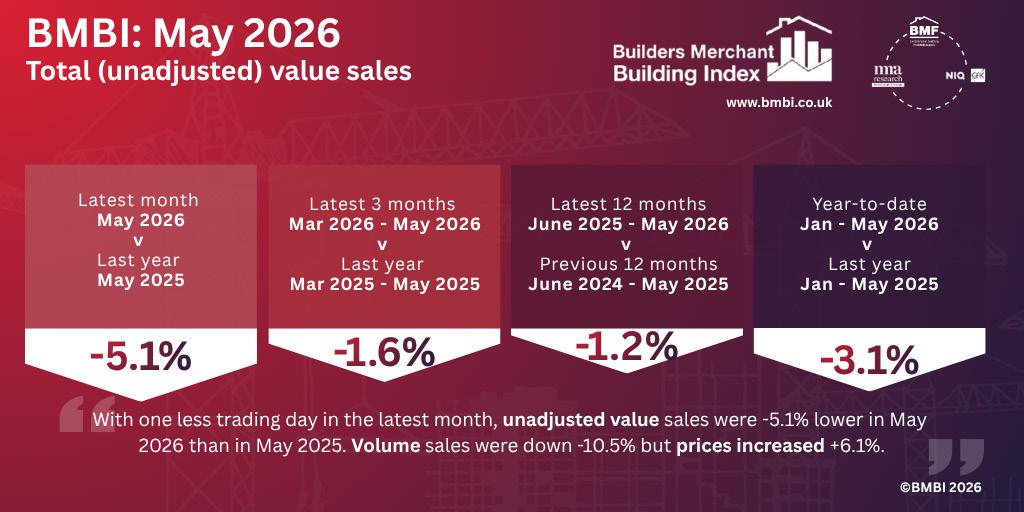
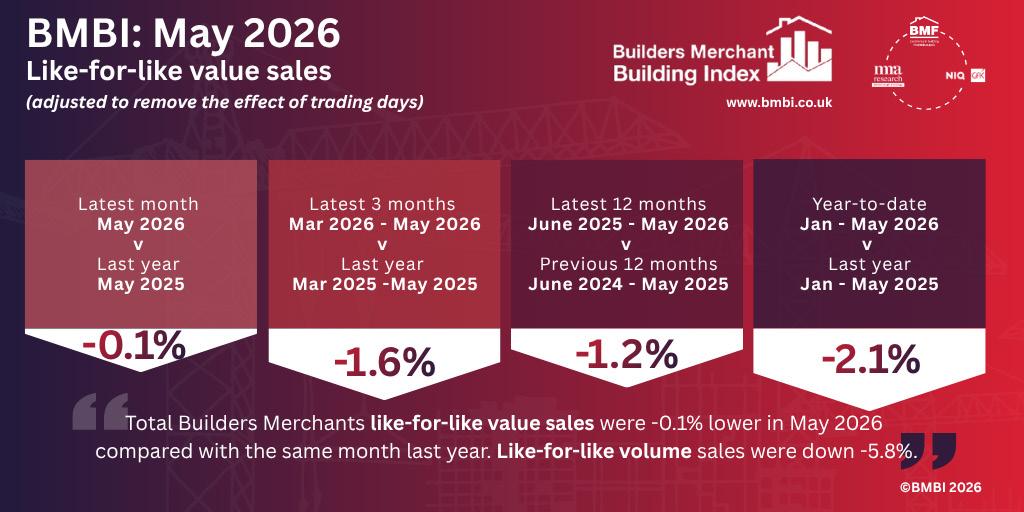
The latest Builders Merchant Building Index (BMBI) report, published in July, shows May 2026’s total like-for-like value sales (adjusted to remove the effect of trading days) were essentially flat, -0.1% lower than May 2025. But like-for-like volume sales were down -5.8% year-on-year.
With one less trading day in May 2026, yearon-year unadjusted value sales were -5.1% lower. Volumes were down -10.5% while prices increased +6.1%. By value, only two of the twelve categories sold more: Workwear & Safetywear (+7.5%) and Services (+3.3%). Of the 10 categories selling less, Renewables & Water Saving (-10.7%), Decorating (-6.8%), Ironmongery (-6.7%) and Heavy Building Materials (-6.4%) recorded the largest decreases.
In the three months March to May 2026, likefor-like value sales were -1.6% lower than the same three months in 2025. Like-for-like volume sales were down -5.9% but prices increased +4.5%. With no difference in trading days, unadjusted value sales were also -1.6% lower, with volumes down -5.9% and prices
up +4.5%. By value, five categories sold more, with Workwear & Safetywear (+5.8%) and Services (+5.8%) increasing the most. Of the two largest categories, Timber & Joinery Products (+0.2%) did better than Total Builders Merchants, while Heavy Building Materials (-3.3%) was the weakest category.
In the 12 months from June 2025 to May 2026, like-for-like value sales were down -1.2% compared to the previous 12-month period (June 2024 to May 2025). With no difference in trading days, unadjusted value sales were also -1.2% lower, while volumes declined -3.2% and prices edged up +2.1%. By value, seven categories sold more, with Renewables & Water
Saving (+10.4%) out in front. Of the two largest categories, Timber and Joinery Products grew +1.4% while Heavy Building Materials fell -3.4%.
In the year to date (January to May 2026), like-for-like value sales were -2.1% lower than the first five months of 2025. Like-for-like volume sales were down -6.8% and prices were up +5.0%. With one less trading day
in the most recent year, unadjusted value sales were down -3.1%. Volumes fell -7.7% and prices increased +5.0%. By value, only three categories sold more, with Renewables & Water Saving (+9.6%) growing the most. Timber & Joinery Products (-0.2%) declined less than Total Builders Merchants, but Heavy Building Materials was down -5.6%, and the weakest category.
Mike Rigby, Managing Director of MRA Research, which produces the BMBI report, says: “Builders’ Merchants’ sales are in the Doldrums: value sales are flat, prices up, volume down year on year while the Government sorts itself out.
“The parallels with the Doldrums, a real place, are uncanny. It’s a low-pressure area near the Equator where the prevailing breeze can disappear, making it extremely difficult to navigate. It has a reputation for stranding ships for weeks on end, causing them to run out of supplies. It’s not just about stagnant calm winds. Weather patterns can also be erratic, moving quickly to violent thunder and electric storms.
“However, with Andy Burnham as Prime Minister, could this be the reset the industry needs – a fresh opportunity to get Britain building again?
“The new PM is saying, without fleshing out
the detail, what the building industry wants to hear: a commitment to growth in every postcode; devolved powers over housing, infrastructure and regeneration projects; the biggest council house building programme since the post-war period. But we’ve been here before. Ex PM Starmer promised to build 1.5 million homes in five years, but that was pie in the sky. The major problems which have dogged that ambitious build programme have gone unresolved. We will have to wait for the ‘King of the North’ to get his feet under the table in Downing Street, to see whether he can translate his Manchesterism ideology onto the national stage.”
Set up and run by MRA Research, the BMBI – a brand of the Builders Merchants Federation – is a monthly index of builders’ merchant sales, and the most reliable, up-todate measure of Repair, Maintenance, and Improvement (RMI) activity in the UK. The index is based on actual sales from NiQ GfK’s Builders’ Merchant Point of Sale Tracking Data, which captures value sales out to builders from generalist builders’ merchants, accounting for 88% of total sales from builders’ merchants throughout Great Britain. An indepth review, which includes commentary by sector experts, is provided each quarter.
May’s BMBI report is available to download at www.bmbi.co.uk.
SUPPLIER PRICE INCREASES HIT MERCHANTS HARD
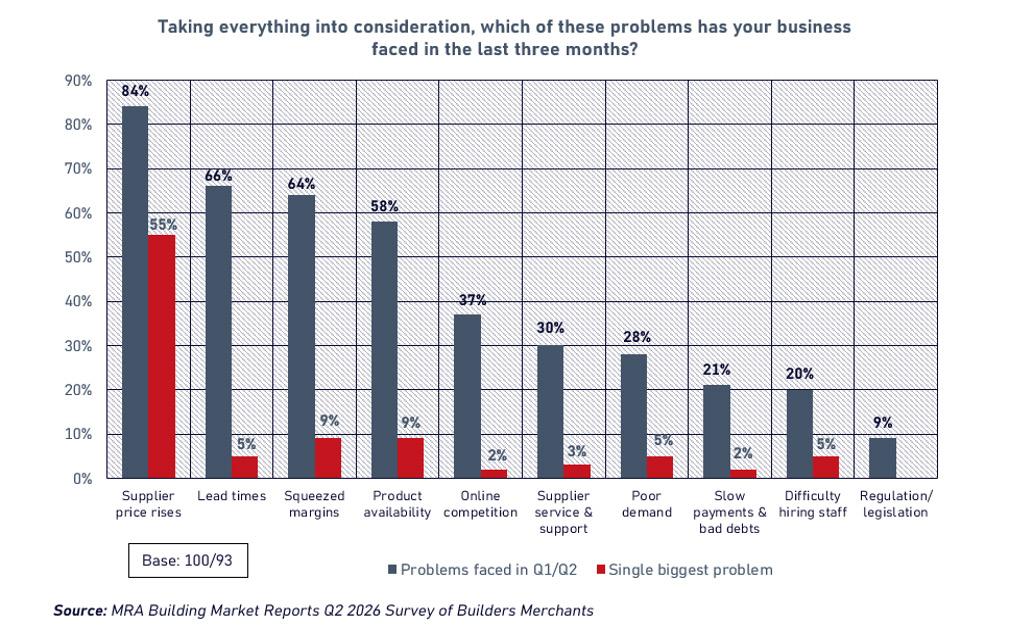
MRA Building Market Reports (MRA Reports) latest update on the general builders’ merchant market, which includes a quarterly Pulse survey of builders’ merchant confidence, sales expectations and issues, shows that merchants’ single biggest problem in Q2 2026 – by some margin – was supplier price rises, mentioned by 55% of respondents.
Supplier price rises were seen as a problem by as many as 84% of merchants in Q2 2026, while 64% found squeezed margins to be an issue as merchants struggle to pass on price rises to their customers. It has also increased competitive pressures, including competition from DIY retail and online channels, as customers switch to lower-cost products.
Availability is becoming a problem for some products: 66% of merchant branches had struggled with lead times, while 58% had found product availability a problem. Over a quarter of respondents also saw online competition (37%), supplier service & support (30%), and poor demand (28%) as problems.
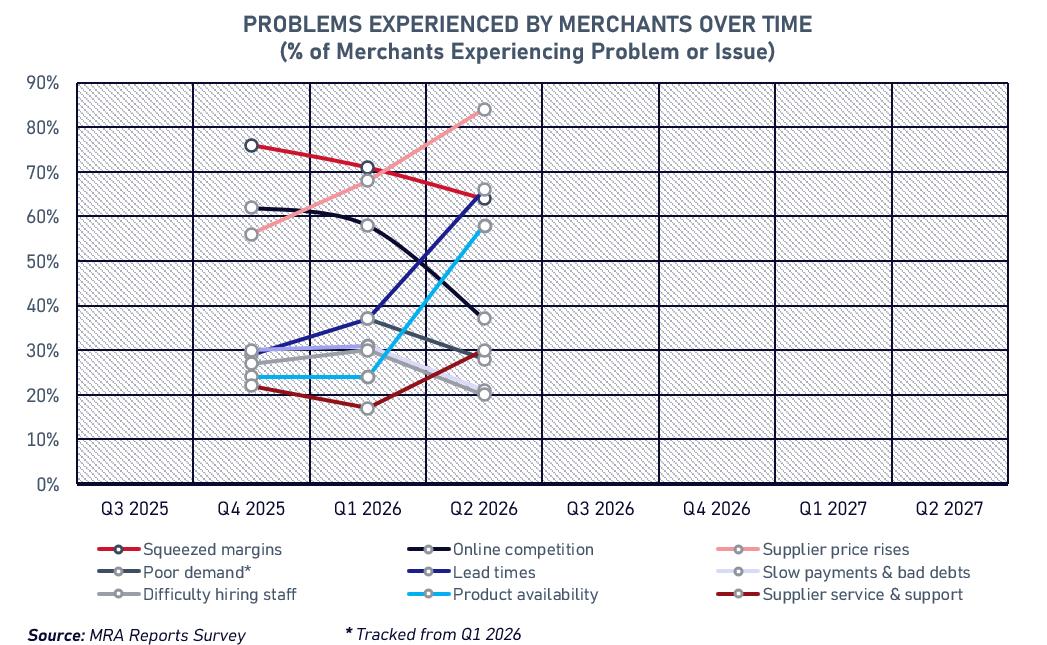
MRA Reports track problems & issues that affect merchants’ trading over time. In Q2 2026, more merchants mentioned that supplier price rises were affecting them negatively than in the previous two quarters.
The economic situation and fuel and energy costs were high on the list of challenges for the building materials sector. Merchants’ responses have moved from issues like skills shortages, regulation and the weather to more acute concerns such as staying competitive, which can mean having to absorb material price increases or fuel surcharges.
It is telling that Survival and Product & Service Quality were introduced as key challenges for the industry for the first time in the Q2 survey. Some merchants report that the quality of some materials, such as timber, has been variable.
MRA received a large number of unprompted comments from merchants on the topic.
“I’d say it’s the rising cost. Tradesmen like to be locked in on prices, and there’s now fluctuation two to three times a month, and some of them are up by 30%, it’s really hard to justify. It’s killing the trade in the sense that even if we are only more expensive than other merchants for a 30-day period, then that customer will still go elsewhere.”
“Everything is on price at the moment; everyone is looking to get 50p off here and there, shopping around on the internet and not necessarily going for best quality just to save money.”
“Supplier price increases are costing builders. You’re adding 15% onto their jobs, and they’re not going to get work.”
“The problem we’ve got as merchants is that prices are going up, but customers don’t want to hear it. In a market where we are trying to get a small piece of the pie, which is now a very small pie, it’s every man for themselves. I’ve been in the merchant industry about 18 years, and it’s awful; we’re on bareminimum staff and are struggling to give customers better service.”
“Issues with supply. For example, we do a lot of landscaping here. At the moment, there is a real lack of stuff from India, and it’s not going to get any better.”
“Fuel surcharges. We are getting a £100 fuel surcharge each time we have delivery of sand, and the customer doesn’t want to hear about it.”
“At the moment I’d actually say the biggest challenge is just survival, survival of the business, that’s the main thing, and also rising costs such as insurance rises, tax rises and business rate rises.”
Speaking by telephone each quarter, each Pulse survey is a nationally representative sample of 100 branch directors and managers of UK builders’ merchants. MRA Reports’ Pulse surveys track merchants’ views of sales, sales expectations, confidence in the market, and in their own business and, in their own words, the problems they face. The overall report includes a market update and a revised 2026-2030 market forecast.
The UK Builders’ Merchants Q2 Update: Pulse & Forecasts report is available at www.mra-reports. co.uk as a one-off purchase or as an annual subscription. Alongside a market review, updated forecasts and survey results, the report contains candid comments and insights from merchant branch managers, providing valuable depth and perspective on today’s merchant market.
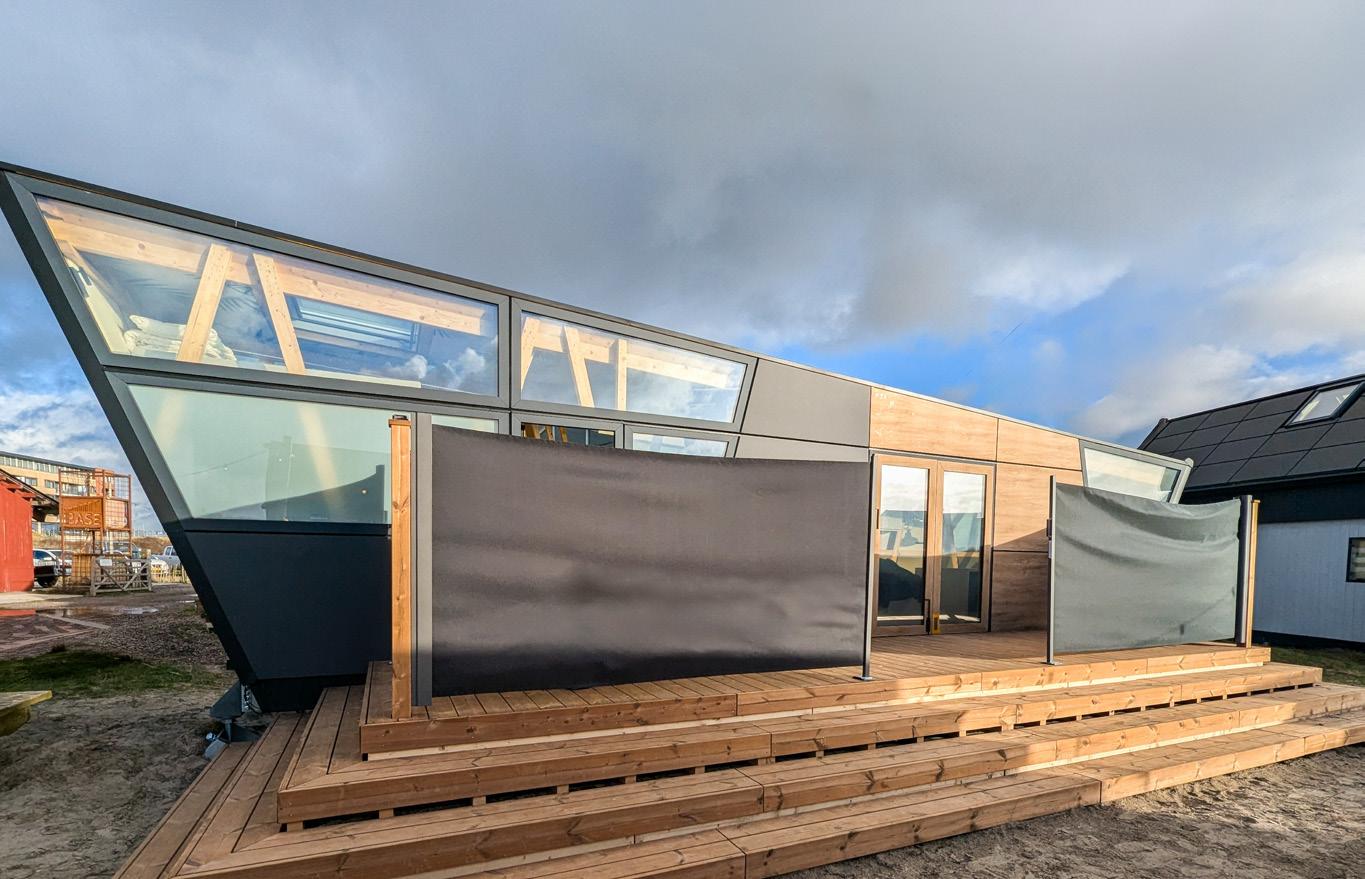
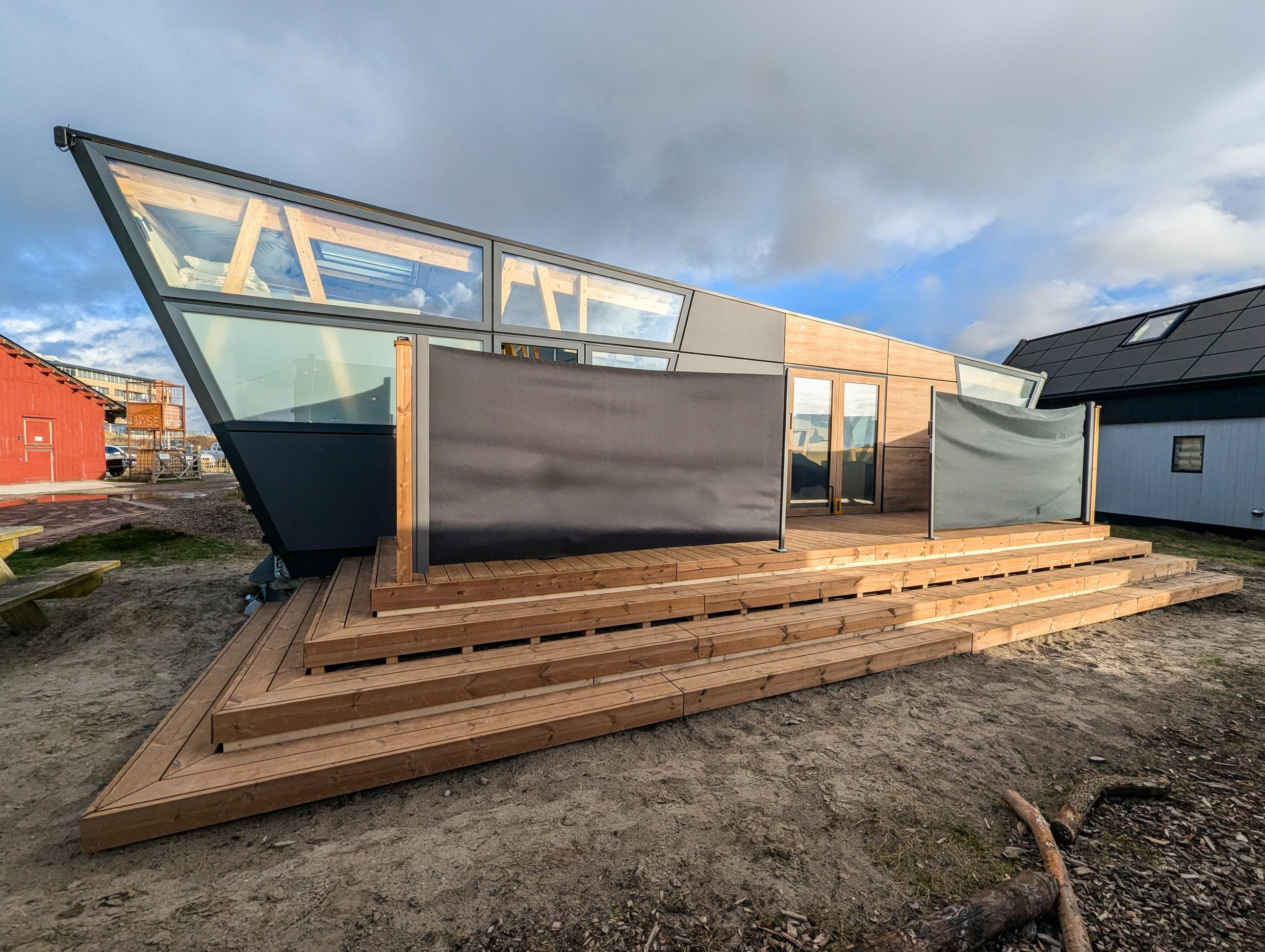
WELL THOUGHT OUT DOWN TO THE SMALLEST DETAIL: TECHTINYHOUSE RELIES ON SWISSPACER
Safety and quality at any altitude with Swisspacer Air
When innovative engineering, environmental responsibility and uncompromising quality standards come together, the result is solutions that set new standards: the collaboration between TechTinyHouse and Swisspacer is an exemplary project that shows how well-thought-out product selection and technical precision can lead to real added value for customers – thanks to Swisspacer Air, even in places where extreme conditions prevail.
The best of buildings and caravans combined
TechTinyHouse was founded in 2015 by Brendan Thome and his wife – out of a desire to develop a tiny house that is not only mobile but also meets the technical, structural and energy standards of a fully-fledged building. What began as a personal construction project quickly evolved into a pioneering company: at a time when there were hardly any suppliers on the market,
TechTinyHouse pursued an approach that consistently rethought mobile architecture. “To this day, most tiny houses are built more like caravans than buildings in terms of quality. Even back then, our aim was to do things differently,” explains Brendan Thome, CEO of TechTinyHouse.
TechTinyHouse’s tiny houses are used in a wide variety of contexts: public clients use them as showrooms, presentation rooms or temporary meeting places, for example at universities. Commercial customers use them for rentals, trade fair appearances or mobile brand worlds. Private builders use them as fully-fledged living space.
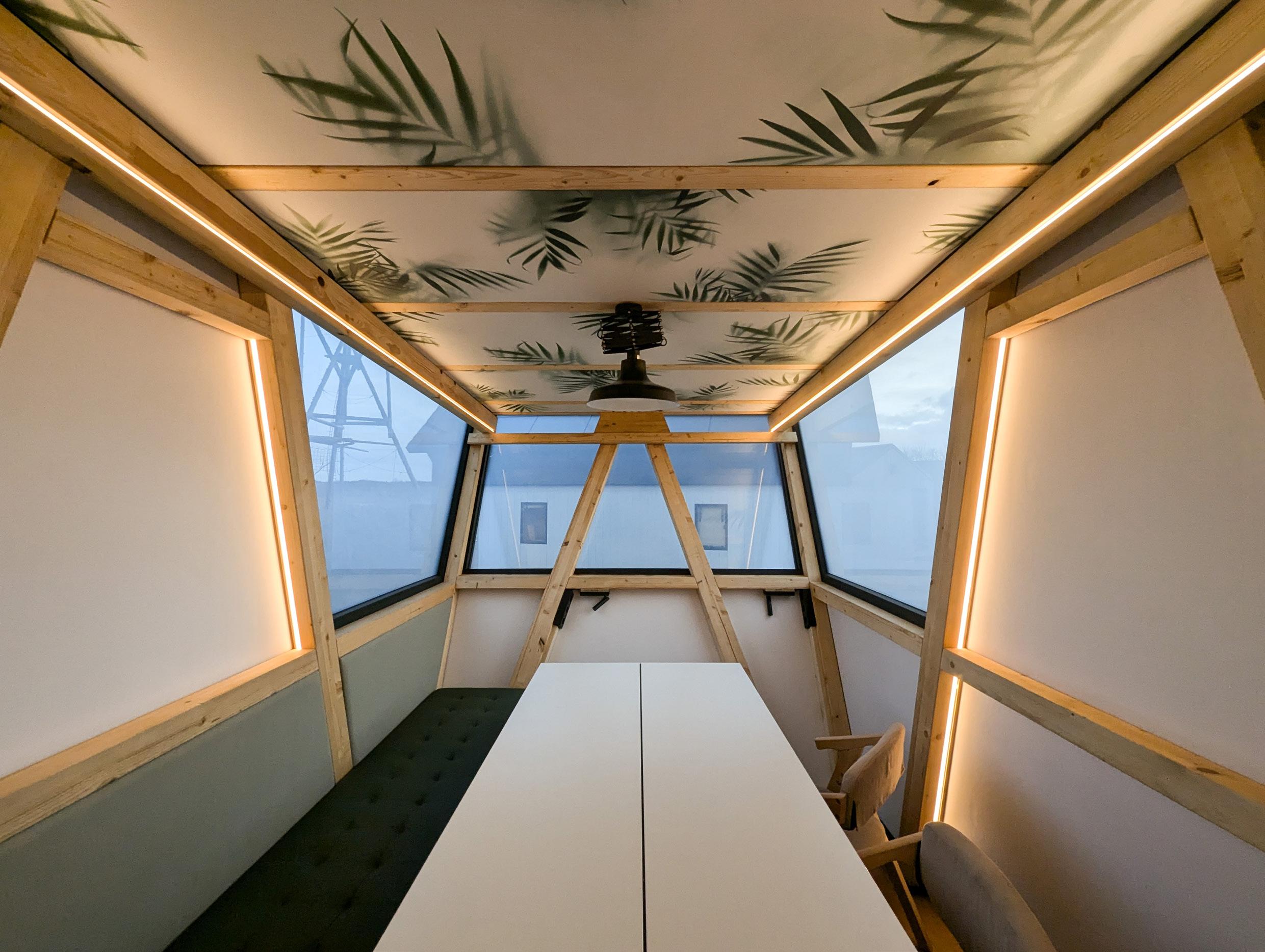
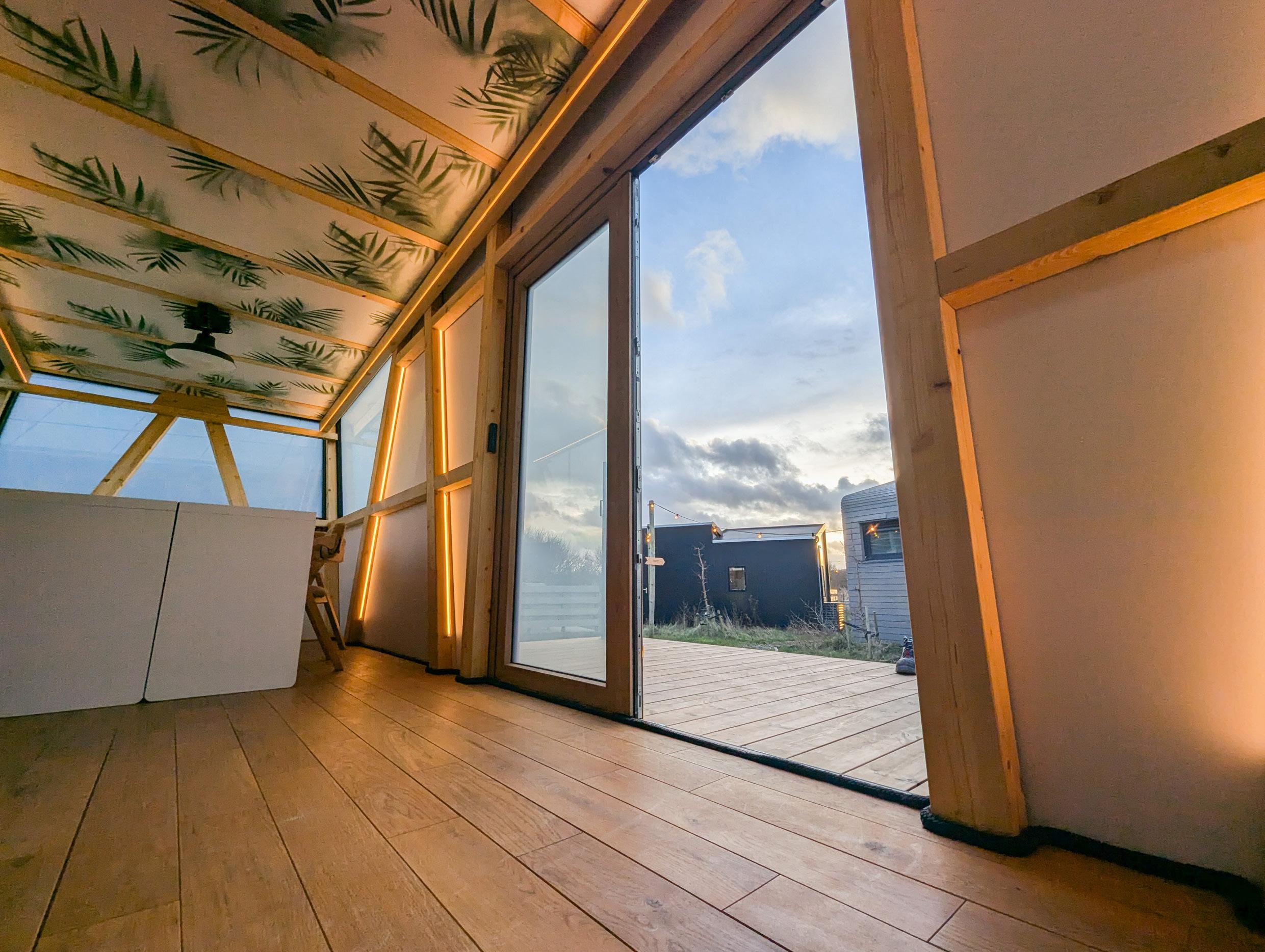
A key unique selling point is the diagonal support structure, which does not require any traditional wall constructions. This innovative design not only allows for exceptional stability with minimal weight, but also generous glass surfaces that would be virtually impossible to achieve in conventional tiny houses. In theory, entire houses could be completely glazed – without any structural disadvantages.
Everything from a single source
Instead of standardised solutions, TechTinyHouse relies on in-house designs, high vertical integration and maximum control over all trades – from the supporting structure and shell to the building envelope, electrical installations, plumbing and smart home solutions.
Thome explains: “The high level of vertical integration – we do everything ourselves except welding – enables us to consistently control quality, sustainability and technical precision ourselves. When we have everything in our own hands, we can specifically use the best products – without compromises and without coordination loops.” TechTinyHouse follows a clear principle when selecting all components: every detail must be technically and functionally convincing. This applies in particular to the glazing, which is subject to particular stresses due to its mobile use.
Conscious product choice: Swisspacer as a quality component
Swisspacer warm edge spacer bars are therefore used to ensure optimum thermal performance, high durability and excellent energy efficiency. Depending on whether weight reduction, thermal insulation or colour neutrality are the main priorities, a wide variety of glass structures and coatings are used for different projects. In the future, TechTinyHouse even plans to take over the window construction itself and source the insulating glass units from the Saint-Gobain Glassolutions Insulating Glass Centre in Augustdorf – exclusively with Swisspacer components. But it is not only Swisspacer spacer bars that are the best choice for CEO Brendan Thome: “Swisspacer Air has also completely won us over: we have customers who drive our tiny houses to the sea in summer and to the mountains in winter. Transporting them across different altitudes naturally poses a risk in terms of pressure equalisation. With Swisspacer Air, we have now found a way to take our quality promise to our customers to an entirely new level,” Thome continues. The innovative valve ensures pressure equalisation in the cavity between the panes – especially in mobile buildings that are frequently relocated, where pressure differences typically occur more often. A concrete example is a project for a customer who implements holiday and hotel concepts at over 50 locations across Europe. The tiny houses are moved seasonally between different climate zones and altitudes – from coastal regions to mountain passes to ferry transfers. Swisspacer Air ensures that pressure differences are reliably compensated, tension in the insulating glass unit is avoided and the visual and functional quality of the glazing is permanently maintained.
For TechTinyHouse, Swisspacer Air has long been more than just an optional add-on solution. In future, the system will be used as standard in all projects as a preventive quality component –even if the customer does not explicitly request it.
Sustainability as a system, not as an add-on
In addition to high standards of functionality and quality, the two companies also share a sustainable mindset that is deeply rooted in their corporate values. For both Swisspacer and TechTinyHouse, sustainability is not a marketing argument, but a constructive principle. “For us, technical does not mean artificial,” emphasises Thome. “Our wall construction consists mainly of cork, a renewable, compostable natural material that has also been tested by the Fraunhofer Institute for its specific application in terms of building physics. This is complemented using other natural materials and durable components such as wood, linoleum and wool felt. The company’s mission remains clearly defined to this day: to consistently combine technology and nature.”
At Swisspacer, this includes a holistic view of sustainable construction: energy efficiency, use of materials, performance and quality contribute to a long service life. One example is Swisspacer
Ultimate | Nyxé – a variant with recycled content that combines design and performance. “If buildings are to become more climate-friendly, the carbon footprint of each element counts – especially for components that remain in use for decades,” says Matthias Bach, CEO of Swisspacer.
The collaboration between TechTinyHouse and Swisspacer impressively demonstrates how important shared values are for long-term project success: both companies are united by engineering thinking, quality awareness, ecological responsibility and the will to redefine established standards.
AI-PROOF JOBS? MILLIONS EYE UP THE TRADES AS AI JOBS CULL SPARKS CAREER PANIC
Brand New Survey Finds 3.9 Million Workers Say AI Has Already Cost Them Their Job, Or Will Soon
Fix Radio Launches Corporate To Carpentry 2026
Data As Britain’s Workforce Reassesses Survival In The AI Jobs Market
4.5 million people would consider moving into construction and the trades because they see the sector as less exposed to AI job losses
3.9 million workers say they have already lost or expect to lose a job because of AI
4.5 million people would consider moving into construction and the trades because they believe the sector is less exposed to AI job losses
16% say they would move into construction and the trades because they believe the sector is less exposed to AI job losses
AI job loss concern rises to 29% among 18 to 24-year-olds and 20% among 25 to 34-year-olds
Millions of workers are now looking to Britain’s skilled trades as a potential escape route from the AI jobs crunch, as new research from Fix Radio, the UK’s fastest-growing national radio station for tradespeople reaching nearly a million weekly listeners, reveals the scale of public anxiety over automation, career security and the future of work.
The new Corporate To Carpentry 2026 study finds 4.5 million people would consider moving into construction and the trades because they believe the sector is less exposed to AI job losses. AIlinked restructuring rips through major employers, with British American Tobacco announcing plans to cut 9,000 jobs globally as part of a transformation programme involving advanced AI solutions, and so workers everywhere are rejudging how they evaluate career risk.
A shocking 3.9 million people say they have already lost or expect to lose a job because of AI, with younger workers appearing most exposed to the new uncertainty. Nearly three in ten 18-to 24-year-olds, 29%, say AI has already affected their job or could soon do so, alongside one in five 25 to 34-year-olds. Roles that once appeared safe and upwardly mobile are being redrawn by automation, while practical trades are gaining
a new status as careers built around human judgement, physical presence and skills that cannot simply be replaced by software.
One in six workers, 16%, now say they would move into construction and the trades because they believe the sector is less exposed to AI
taking their job. Among younger workers, the figure rises sharply, with 25% of 18-to 24-yearolds and 24% of 25 to 34-year-olds saying they would consider moving into the trades because of AI job risk.
Interestingly, in the North East, a third of workers, 33%, say they would consider moving into construction and the trades because of AI job fears, while the figure reaches 26% in the West Midlands. The finding cuts directly into the political argument Andy Burnham has been making around regional skills and the opportunities to help young people find clearer routes into good work.
Louis Timpany, founder and CEO of Fix Radio, highlights a consequent issue: “AI is changing the way people think about job security, and construction has a clear role to play because the trades are built on practical skill, judgement and experience that cannot easily be automated. But getting more people interested in the trades is only the first step. The skills deficit is one of the biggest challenges facing construction, and solving it means helping people transition into the workforce properly. A good apprenticeship is not just a qualification. It is a working relationship.”
MAKING TAX DIGITAL: TWO WEEKS TO THE 7 AUGUST DEADLINE
Subbies who haven’t started can still be filed and finished in under an hour.
More than 864,000 sole traders and landlords have until 7 August 2026 to send HMRC their first quarterly update under Making Tax Digital (MTD) for Income Tax. Among them are hundreds of thousands of construction subcontractors: the fitters, plasterers, sparkies, brickies and groundworkers paid under the Construction Industry Scheme (CIS).
Plenty of them have not started. With two weeks to go, the job is a lot smaller than the noise around it.
With invoices and expenses to hand, a subbie can get the whole quarter into CIS Invoice and submitted in under an hour. Most will do it quicker.
The first thing to know is what the update is not.
It is not a tax return
It is a short summary of income and expenses for 6 April to 5 July, sent straight to HMRC through recognised software. No forms, no accountant’s waiting room, no shoebox of receipts. Some report on calendar quarters instead, 1 April to 30 June. Either way, the deadline is 7 August.
“We hear the same thing on every site. The wife does my invoices at the weekend. That worked when it was once a year. It doesn’t work when HMRC wants a summary every three months.
Do the invoice on the phone when you come off site, and the quarterly update builds itself. She gets her Saturdays back, and you get a proper set of records.”
Paul Edwards, founder, Aperture Works
CIS Invoice, recognised by HMRC as compatible software, was built for the trade and MTD tax scheme. There is no chart of accounts, no bank reconciliation and no bookkeeping language to learn. A subbie who has never touched accounting software can send a compliant invoice within minutes of downloading it.
The workflow is the one they already use. Pick the days worked, set a day rate, price or hourly rate, and the app handles the CIS deduction, 20%for registered subcontractors, and puts it plainly on the PDF the contractor gets. Come quarter end, the app has already totalled every invoice and every expense. Submitting to HMRC is a case of checking the numbers and pressing one button.
Submitting costs nothing. The MTD submission is free on both tiers. Records stay on the user’s own phone and nothing passes through Aperture Works servers.
Many subbies are handing the problem to an accountant or a bookkeeper. That is a fair choice, but it is not a shortcut. The accountant still cannot file anything without the underlying records, and most are taking the client on for the year rather than fixing a single quarter.
What HMRC has said about penalties
HMRC has confirmed that NO penalty points will be issued for late quarterly updates during the first year of MTD for Income Tax. Penalties still apply for late Self-Assessment returns and late payments.
From year two, a points-based system starts.
One point per missed quarterly deadline, and a £200 fixed penalty once four points build up. Points expire after a period of compliance.
So, there is no fine for a late first update. But the quarterly update does not replace the annual tax return, which is still due by 31 January.
Full HMRC release: gov.uk/government/news/deadlineapproaches-for-first-making-tax-digitalquarterly-update
“There’s a lot of worry about this and most of it is premature. There’s no fine this year. What has actually changed is that the records have to exist from now on. And nobody is going to learn an accounts package in a fortnight. The big packages are built for businesses with a bookkeeper. This one is built for a fitter with a phone and a day rate.”
Paul Edwards, founder, Aperture Works
Not signed up yet?
Anyone with combined qualifying income over £50,000 from self-employment and property who has not yet signed up can still do so on GOV.UK: gov.uk/guidance/sign-up-for-makingtax-digital-for-income-tax
CIS Invoice links straight to the sign-up page from inside the app, then walks users through connecting to HMRC with their Government Gateway login and National Insurance number.
The 7 August deadline is only the start
MTD extends to those earning more than £30,000 from April 2027, and more than £20,000 from April 2028. That pulls in a far larger share of the UK’s self-employed construction workforce.
If you can send an invoice, you can send a quarterly update.
CIS Invoice is free to download. Search “CIS Invoice” on the App Store or Google Play. Or follow the link from our website cis-invoice.co.uk/
BEATING THE HEAT WITH INTEGRAL BLINDS
As the UK’s increasingly regular summer heatwaves begin, now is a great time for window and door installers to provide homeowners with a solution that will help keep their homes cool in the form of integral blinds.
According to Morley Glass, the UK’s largest manufacturer of bespoke ScreenLine® integral blinds, an IGU complete with an integral blind and solar control glass can reduce heat transmission to such an extent that the temperature difference between outside and inside is cut by up to 9° Celsius. This level of heat reduction is maintained over the lifespan of the company’s Uni-Blinds® units, giving homeowners a long-term solution for reducing overheating risk as climate change impacts and summer temperatures gradually rise.
All Uni-Blinds® integral blind systems offer heat reflection, with certain colours and types being particularly effective. The blind’s functionality can be paired with the advanced solar control glass option that Morley Glass offers for maximum protection in strong sunshine. This glass has a microscopically thin coating applied to the inner face of the glass to reduce solar gain whilst also preventing heat loss at colder times of the year.
As integral blinds are permanently sealed within the IGU, they cannot become damaged or attract dirt or dust, which affects the longevity and visual appearance of traditional blinds, curtains and external solar shading systems such as external shutters, brise soleil and awnings.
Ian Short, Managing Director of Morley Glass, said: “June 2026 has seen a large part of Britain and Europe affected by another intense heatwave, which understandably means more and more homeowners are turning their attention to how to keep their homes cool. This is quite a reversal in traditional thinking for many UK consumers who have up to recently been heavily focused on the opposite – insulating our homes to keep warm – especially as we’ve seen energy prices spike.
“As the window and door industry is well versed in selling the benefits of heat retention and the promise of warmer homes in deepest winter, offering solutions for reducing solar gain and preventing overheating for a large part of the year can seem like a contradiction. However, cooling is going to be a bigger part of consumer purchasing decisions in future, and integral blinds offer installers a valuable market opportunity to provide a product that ticks both boxes.”
While ScreenLine® integral blinds are best known as a solution to provide privacy, one of the main reasons for their development by Pellini S.p.A. back in the 1990s was to offer an alternative to damage-prone external shutters, which are widely used in houses and apartments across mainland Europe.
In addition, such is the effectiveness of ScreenLine® integral blinds at keeping homes cool during strong sunshine that they also negate the need for power-consuming air conditioning systems. These are increasingly being considered for use in domestic properties with potential consequences for the UK’s carbon reduction targets, raising concerns amongst policymakers.
Find out more about Uni-Blinds® integral blinds and the benefits of solar control glass at www.morleyglass.co.uk.
ENDURANCE® DOORS INSPIRES FUTURE FEMALE TALENT
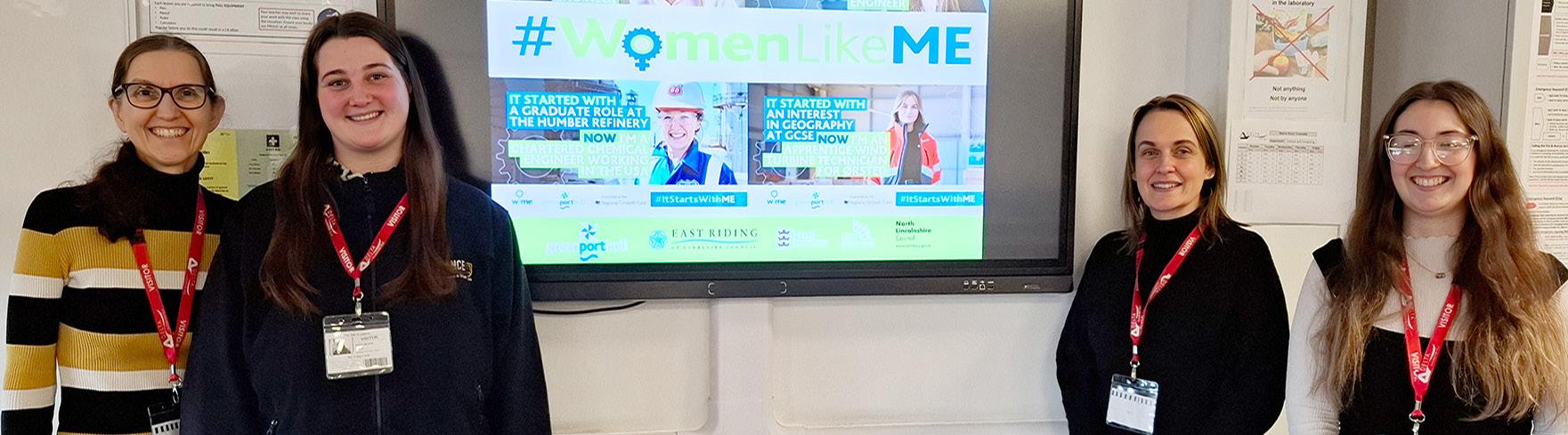
Endurance® Doors has demonstrated its commitment to nurturing future talent by supporting the WiME Raising Aspirations Programme in partnership with Women into Manufacturing and Engineering (WiME) and The Vale Academy.
The initiative is designed to encourage more young women to consider careers in STEM (Science, Technology, Engineering, and Mathematics), showcase the breadth of opportunities available within modern manufacturing and engineering, and provide practical insight into modern industry, helping to bridge the gap between classroom learning and real-world careers. Confidence-building is another key aim of the programme.
The programme reflects Endurance® Doors’ wider focus on investing in local communities, developing the workforce of tomorrow and helping to promote greater diversity across the manufacturing sector.
Students were inspired by female industry professionals, including Endurance® team members, Emma Sloan and Jessie Meakin, who led a series of workshops designed to help participants identify their strengths, develop confidence and think about their future ambitions.
Other speakers included Sarah Cook from Wood and Lisa Carter from Munich Re, who shared their own career journeys and experiences and highlighted the value of determination, resilience and self-belief.
The second phase of the programme included a visit to the Endurance® Doors manufacturing facility, where students were given a guided tour of the extrusion department by Ryan Clarkson. The visit offered valuable first-hand insight into
a modern manufacturing environment, allowing students to observe production processes, ask questions and gain a deeper understanding of the diverse range of roles available across the sector, including engineering, manufacturing, operations, quality, logistics and business functions.
Russell Hensman, Brand Engagement Manager at Endurance® Doors, said: “As one of the UK’s leading composite door manufacturers, we are passionate about supporting the next generation and helping young people understand the exciting opportunities available within modern manufacturing and engineering. Programmes such as WiME play a vital role in raising aspirations, building confidence and challenging perceptions about careers in STEM, and we are proud to champion and be a part of the initiative.”
“It was fantastic to see the enthusiasm and engagement from the students throughout the programme. By opening our doors and sharing real-world experiences, we hope we have helped inspire some of the future talent that our industry will rely on for years to come.”
Manufacturing and engineering continue to face a significant gender imbalance, with women remaining underrepresented across many technical and leadership roles. Initiatives such as the WiME Raising Aspirations Programme help address this challenge by increasing awareness of career opportunities and encouraging more young women to consider STEM-related pathways.
By supporting programmes such as WiME, Endurance® Doors is helping to invest in future skills and local talent development, strengthening links with local education providers, and contributing towards building a more diverse and inclusive workforce for the future.
The next generation of door is here. The new Origin OB-36+ system is available in 2 di erent collections. The Soho aesthetic is perfect for replicating a sought-a er steel-look design, whilst the Contemporary style o ers an elegant way to maximise light levels in a home. Both systems are 2025 Future Homes compliant for thermal e ciency and feature sightlines of just 36mm.
Don’t get le behind. Stand out from the competition and futureproof your business by opening an account with Origin today. Call 0808 192 0042 or visit origin-global.com/partner-with-origin
ENDURANCE® OPENS THE DOOR TO GREATER PARTNER ENGAGEMENT
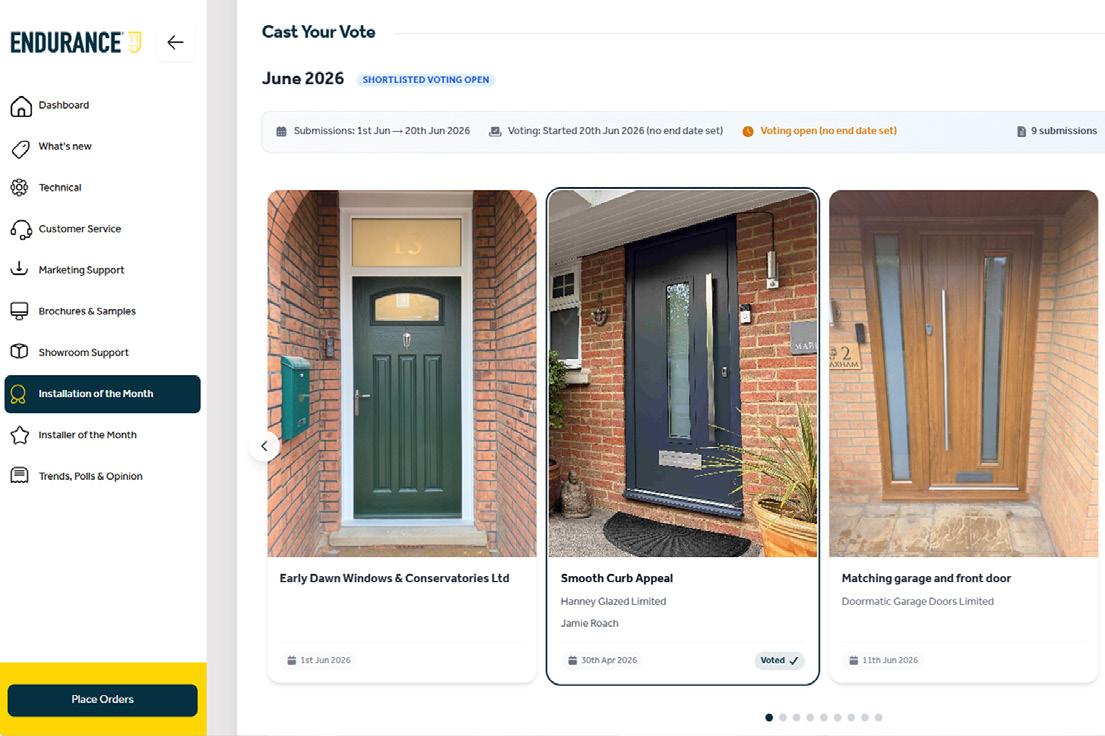
Endurance® Doors has unveiled its new Installer Hub, an interactive online platform designed to provide installer partners with easier access to the bespoke tools, resources and support they need to grow their businesses.
Representing a significant investment in the installer experience, the Endurance® Installer Hub moves beyond a traditional information portal to create a single destination where partners can access bespoke content and a wide range of business support and sales tools relevant to their individual requirements.
Through secure user logins, each installer will benefit from a personalised experience based on their status and product ranges, ensuring they receive tailored business updates, product news and communications specific to their account.
The platform also provides access to a comprehensive library of templated marketing and sales assets, enabling installers to simply download and use to promote their businesses more effectively and support customer engagement at a local level.
To help drive sales conversations and streamline the quotation process, installers will also be able to access branded product configurators through the Hub, a professional tool to showcase products and support customer decision-making.
Scott Foster, Group Marketing Director at Endurance® Doors, said: “Our installer partners are at the heart of everything we do, so it’s important that we continue to invest in initiatives that make working with Endurance® easier, more engaging and ultimately, more rewarding.
“The Installer Hub has been developed to provide a much richer experience for our partners. It goes far beyond simply housing technical documents or marketing materials. It creates an interactive platform where installers can access tailored marketing and product content, utilise sales tools, stay informed about the latest developments and engage more closely with the Endurance® brand.”
The Hub has also become the home of Endurance®’s popular Installation of the Month initiative, allowing installers to submit projects directly through the platform and participate in voting, helping to increase engagement across the installer network.
Looking ahead, Endurance® plans to integrate its online door designer and ordering system into the Hub, creating a truly comprehensive platform that provides installers with a single destination for all aspects of their partnership with the business.
As installation companies continue to face pressure to improve efficiencies, maintain customer service standards, and differentiate themselves in an increasingly competitive market, manufacturers have an important role to play in providing meaningful business support.
Scott added: “Ultimately, the Installer Hub is about strengthening collaboration between Endurance® and our installers. By improving communication, increasing engagement and giving our partners easier access to the tools and resources they need, we’re helping them operate more efficiently, enhance the customer experience and unlock new opportunities for growth.”
The Endurance® Installer Hub is now live and available to installer partners across the Endurance® network.
Find new customers here
The PROSPECTManager data portal provides access to a family of prospecting databases spanning building materials, building, home improvement and construction markets.
PROSPECTManager was created to make it easier for businesses to plan and grow.
Plan (geographically) where to grow Find hard-to-reach customer audiences
Identify more of the right sort of customers - who have the money to buy
Ratings by
@prospectmanager prospectmanager.co.uk
CR SMITH CREATES 150 NEW JOBS AS BUSINESS EXPANDS TO DELIVER SOCIAL HOUSING
PROJECTS ACROSS SCOTLAND
Fife-based home improvements firm expands into Scotland’s social housing sector following sustained growth in demand
Investment creates 150 new jobs as CR Smith delivers major programmes for councils and housing associations
Company positions itself as a long-term partner in modernising Scotland’s social housing stock
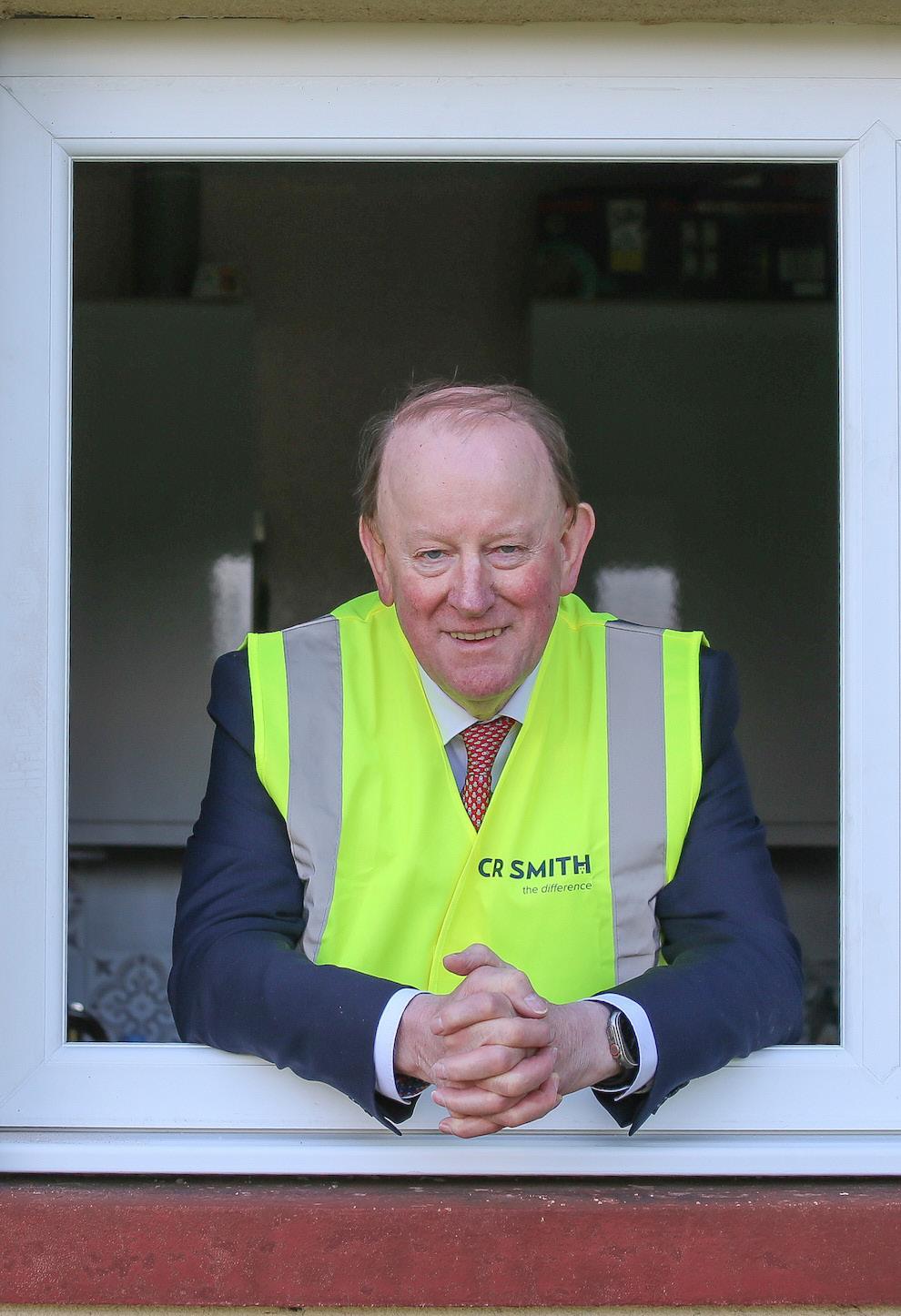
One of Scotland’s most established and recognised home improvement brands, CR Smith, has reinforced its commitment to Scotland’s social housing sector following a sustained growth in orders from local authorities and housing associations over the past four years.
The Fife-based company, widely recognised for its long-standing reputation for supplying high-quality windows and doors to private homeowners, has successfully broadened its focus to include public sector projects. Building on its established trade and commercial operations, CR Smith has taken a strategic and carefully phased approach to entering the social housing market.
Leveraging its extensive industry expertise and high standards in both operational delivery and customer service, the company has significantly scaled up its capabilities. This expansion has led to the creation of 150 new roles across the business, strengthening its capacity to meet the complex and evolving demands of the sector.
CR Smith is now delivering replacement window programmes for a wide range of public sector clients. These include Fife Council, the City of Edinburgh Council, East Lothian Council, West Lothian Council, and Dundee City Council, in addition to partnerships with more than a dozen housing associations.
Earlier this year, the company sponsored the CIH Scotland Housing Festival at the SEC to highlight the importance of advanced window design, precision manufacturing and efficient onsite delivery in helping the sector meet increasing expectations around quality, sustainability and
professional standards.
With continued investment in people, processes and innovation, CR Smith is positioning itself as a key delivery partner in Scotland’s ongoing drive to improve and modernise its social housing stock.
CR Smith has been a prominent name in Scottish homes for more than five decades, developing a reputation built on product quality, skilled installation teams and consistently high service standards.
The company says what truly differentiates it is its focus on people and service. CR Smith emphasises that the experience its customers receive is central to everything it does. It is this principle that has guided its approach to all markets and all householders over those 50 years.
CR Smith believes everybody from private homeowners to social tenants, and housing
associations to house builders, deserves clarity, care and respect, and delivering that consistently is fundamental to the brand.
CR Smith has also shown that its collaborative approach supports long-term value for Housing Associations and Local Authorities. This includes providing greater certainty in planning and budgeting, helping social landlords manage programmes with confidence. Moreover, its design and manufacturing expertise ensure quality, performance, and durability, exceeding expectations, pushing up standards, and reducing ongoing maintenance costs.
In addition, CR Smith says that working side by side with Local Authorities and Housing Associations creates opportunities to enhance community benefits, aligning with landlords on shared social value objectives such as local employment, skills development and community investment. The company believes this approach brings certainty, consistency and innovation, supports the sharing of best practice, and ultimately leads to improved outcomes for tenants and communities.
The firm believes these values, combined with its established technical capability and serviceled culture, will underpin its position as a major,
long-term partner to the public sector, matching its long-held position as a market leader in the private sector.
Gerard Eadie CBE, Chairman of CR Smith, said: “It has been a carefully considered journey to ensure that we bring the same exceptional standards we are well known for in the private sector to the social housing sector. We have invested heavily to ensure that we can deliver the quality, scale, and reliability Councils and Housing Associations require. It is important to us to exceed expectations, and we do this by focusing on the details – doing things right – while upholding the values of customer service that have defined our brand for more than 50 years.”
Danny McArthur, Director of Commercial at CR Smith, said: “Our focus has been to bring the full strength of CR Smith into social housing – our people, our products and our service culture. Central to that is the customer experience, ensuring every householder receives professional care and respect. Equally important are the working relationships we build with our clients. Our growing client list shows the demand for a supplier committed to both.”
For more information on CR Smith, visit crsmith.co.uk.
GUEST POST: CHAIRMAN’S UPDATE FROM NATIONAL FEDERATION OF GLAZIERS
The pace of change affecting glazing businesses shows no sign of slowing. Whether it is a new regulation, rising employment costs, or an increasingly difficult trading environment, it has never been more important for our industry to have a strong, independent voice representing the interests of specialist glazing companies.
Regulation Without Evidence
One of our greatest concerns remains the relentless increase in regulation imposed upon our sector. Good regulation should be based upon sound evidence, clear scientific reasoning, and demonstrable benefits. Too often, however, our industry is presented with requirements that appear to lack a robust scientific foundation, while placing additional costs and administrative burdens on businesses that are already operating within tight margins.
As a Federation, we will continue to challenge proposals where the evidence is weak and ensure that the practical experience of glazing professionals is heard during consultations. Regulation should be balanced and should improve outcomes—not simply create additional bureaucracy.
Tackling Late Payment
Late payment continues to be one of the most damaging issues facing small businesses throughout the construction supply chain. Cash flow is the lifeblood of every glazing company, and when larger organisations delay payment, it is smaller firms that bear the financial burden.
We have been pressing the Government to take stronger action against persistent late payers, particularly those seeking public sector work. We are pleased to report that progress has been made in this area, with greater emphasis being placed on payment performance when awarding Government
contracts. While there is still more to do, this represents an important step in the right direction.
Supporting Businesses Through Rising Costs
The recent increase in the Employment Allowance to £10,500 per year will provide welcome support for many employers, helping to offset some of the increases in National Insurance costs.
However, significant challenges remain.
We continue to lobby on behalf of members regarding the impact of business rates, where many glazing businesses continue to face disproportionate costs. Finding ways to reduce this burden remains one of our priorities.
Employment Rights Bill
The proposed Employment Rights Bill also remains firmly on our agenda. While protecting employees is an important objective, it is equally important that legislation recognises the realities faced by smaller employers.
We appreciate that many of our members simply do not have the resources available to larger organisations to absorb additional regulatory and financial obligations.
We are therefore working to try to ensure that the Government considers proportionate measures which protect small employers from the most onerous unintended consequences of the legislation.
A Challenging Market Ahead
There is no disguising the fact that the construction sector faces significant headwinds. As economic conditions tighten and property prices are widely expected to soften later this year, competition is likely to intensify further.
Many of our members have spent decades building respected, financially responsible businesses.
Unfortunately, responsible businesses often find themselves competing against companies willing to submit uneconomic quotations simply to win work. Too often, the inevitable result is business failure, leaving employees, subcontractors, and suppliers unpaid, while the individuals behind the company reappear under a new trading name.
This cycle damages confidence throughout the industry and unfairly penalises those businesses that operate responsibly. We believe stronger measures are needed to discourage this behaviour and promote a level playing field for reputable contractors.
Your Federation
The National Federation of Glaziers exists to represent established, professional glazing businesses. We will continue to challenge poor policy where necessary, engage constructively with Government, and ensure that the voice of our industry is heard.
Your support gives us the strength to continue that work. We encourage members to share their experiences and views with us, particularly on the increasing regulatory burden, as real-world evidence from businesses remains one of the strongest tools we have when influencing decision-makers.
Together, we will continue to work towards a fairer, stronger, and more sustainable future for the glazing industry.
Website: www.nfoglon.org.uk
Email: nfoguk@yahoo.com
INDUSTRY INTEGRITY IS ABOUT TO BE TESTED
Oil prices are approaching levels last seen before the Iran war started. This was the main driver of price increases across our sector over the last few months. But it looks like some semblance of stability is returning to the Middle East right about now. Of course, nothing can ever be certain in that part of the world, and even at the time of writing, planned peace talks have been postponed in Switzerland. Still, with oil prices down around $40 from their highs at the peak of the conflict, there is welcome breathing room on the horizon when it comes to costs. The prospect of lower prices must then bring forward a conversation about our own sector’s prices.
True to word
It’s not just oil prices; PVC resin prices are now back at pre-war levels. These two commodities have been the main drivers of the price increases in our sector over the last few months.
As suppliers began to inform their customers of price increases, many promised that they would stay responsive to market movements. Many of these increases were described as “temporary surcharges”.
What will be crucial now is that suppliers at the very top of the supply chain, in our case, systems companies and the suppliers who supply them, begin to roll back these surcharges once lower commodity prices have begun to trickle through. Now most supply contracts are 3-6 months ahead, so in theory we should be starting to see lower prices begin to flow to fabricators and then installers towards the end of the summer and early autumn.
I would urge all companies at the head of our supply chain to be true to your word. Ensure the temporary surcharges are just that, temporary. During COVID, many of the price increases were described as the same. Except they stuck, even when things became more settled, and prices withdrew somewhat. I don’t believe that was ever reflected in retail pricing.
This time has to be different. Our industry is already in a very tough place, and if there is some help that can be administered on the pricing side of things, then this should be done.
If these “temporary” price increases become fixed, even against a backdrop of falling resin prices and oil prices, then it would cause great damage to the integrity and trust in parts of the supply chain.
A chance to rebuild confidence
The next few months will provide a real test of how responsive our supply chain is to changing market conditions. Everyone understands that when costs rise sharply, prices have to follow. Fabricators, installers, and ultimately homeowners have accepted that reality over the last few years.
But the principle has to work both ways. If commodity costs are falling and the pressures that drove emergency surcharges are easing, then customers will rightly expect to see some of those reductions reflected further down the chain.
This is about more than pricing. It is about confidence. Our sector functions best when there is trust between systems companies, fabricators, installers, and consumers. Businesses can plan more effectively when they believe pricing decisions are being driven by genuine market conditions rather than simply becoming the new normal.
No one is suggesting prices will return to where they were before the inflationary shocks of recent years. Energy, labour, and regulatory costs remain significant challenges. However, where genuine cost relief exists, it should be passed on wherever possible.
The companies that demonstrate transparency and consistency now will strengthen relationships across the supply chain. In a market that remains highly competitive and where demand is still under pressure, that trust could prove just as valuable as any short-term margin gain.
UK CONSTRUCTION PMI: WHAT THE LATEST FIGURES MEAN FOR CONSTRUCTION AND THE FENESTRATION SECTOR
The latest S&P Global UK Construction PMI data for June shows that the construction sector remains under significant pressure, despite a slight improvement from the previous month. The headline Construction PMI increased to 38.4 from 38.2 in May, remaining well below the 50.0 threshold that separates expansion from contraction. While the pace of decline eased marginally, the data indicates that construction activity continues to contract across all major sectors.
Housebuilding remains the weakest area
For the fenestration industry, the most notable aspect of the latest release is the continued deterioration in residential construction.
House building registered an activity index of 35.9, representing the sharpest decline recorded so far this year. Survey respondents attributed weaker activity to subdued housing demand, elevated borrowing costs, and continued caution from developers. These conditions have resulted in fewer new projects entering the construction pipeline and slower progress on existing developments.
For window, door, and glazing manufacturers that supply the new-build housing market, this suggests demand is likely to remain under pressure in the short term. With fewer housing starts and slower build programmes, order books linked directly to residential development are expected to remain subdued.
Commercial construction shows relative resilience
Although commercial construction continued to decline during June, it remained the strongestperforming segment within the survey. This relative resilience is significant because commercial developments often generate demand for higher-value façade systems, curtain walling, aluminium glazing systems and specialist architectural products. While activity remains below growth levels, a slower rate of contraction may indicate that commercial construction is stabilising more quickly than residential work.
For companies operating in the commercial fenestration market, this suggests conditions remain challenging but may be less severe than those affecting housebuilding.
Civil engineering recorded its steepest contraction since the early stages of the pandemic, reflecting delays to infrastructure projects and fewer public sector tender opportunities. Although civil engineering does not directly drive window and door demand to the same extent as residential or commercial construction, prolonged weakness affects confidence throughout the wider construction supply chain.
Reduced infrastructure spending can influence contractor workloads, investment decisions
and employment across construction, creating a more cautious operating environment for manufacturers supplying multiple sectors.
New orders remain in decline
One of the more encouraging aspects of the latest survey is that the decline in new business eased compared with previous months.
Although new orders continued to fall, the rate of decline was the slowest for three months. Some firms reported recent contract awards and tentative improvements in enquiry levels. However, overall demand remains weak, with clients continuing to delay investment decisions amid economic uncertainty and higher financing costs.
For the fenestration sector, this indicates that while activity remains subdued, the pace of deterioration may be slowing. Businesses heavily exposed to new-build markets will be watching future PMI releases closely for evidence that enquiries are beginning to convert into sustained project activity.
Cost pressures begin to moderate
The survey also points to a moderation in input cost inflation. Although material costs continue to rise, the pace of inflation has eased from the elevated levels seen in previous months. Supply chain performance also improved, with vendor delivery times lengthening only marginally.
For manufacturers and installers, slower cost inflation could help improve pricing stability and support margin management, particularly where competitive market conditions have limited the ability to pass on higher costs to customers.
Employment continues to weaken
Construction firms continued to reduce staffing levels during June as lower workloads and weaker order books prompted further costsaving measures. Ongoing reductions in employment reflect expectations that activity is unlikely to recover quickly.
Labour market weakness has broader implications for the supply chain. Reduced recruitment and lower subcontractor demand typically accompany weaker construction output and can delay investment decisions throughout manufacturing and distribution. Business confidence improves cautiously
Despite current market conditions, the survey found that business optimism improved to its highest level for several months. Respondents cited expectations of improving market conditions, new contract awards, and hopes of stronger activity over the coming year. However, confidence remains below long-term averages, reflecting the continued uncertainty surrounding interest rates, housing demand and business investment.
What this means for the fenestration sector
The June PMI suggests that trading conditions for much of the UK fenestration sector are likely to remain challenging over the coming months, particularly for businesses with significant exposure to residential new-build housing.
Commercial markets continue to offer comparatively greater resilience, while easing cost inflation may provide some operational relief. However, continued contraction in overall construction activity, falling employment and subdued project pipelines indicate that demand across much of the sector is unlikely to recover rapidly.
The slight improvement in the headline PMI and slower decline in new orders may represent early signs that the rate of contraction is beginning to ease rather than signalling an immediate return to growth. Future PMI releases will therefore be important indicators of whether stabilisation develops into a broader recovery for construction and, by extension, the UK fenestration industry.
Discover the data here: www.pmi.spglobal.com/Public/Home/ PressRelease/ 54011bdef342414c814371c370a46b5d
WORKING THROUGH A 40°C HEATWAVE: A PRACTICAL GUIDE FOR FENESTRATION INSTALLERS
The UK is preparing for what could be one of the hottest June periods on record, with some forecasts suggesting temperatures could approach 40°C in parts of the country. For fenestration installers, it presents more than just an uncomfortable day on site. It creates genuine health and safety risks that can affect concentration, decision-making, productivity and, in extreme cases, become life-threatening.
Whether you’re fitting windows on a southfacing elevation, carrying sealed units, working from access equipment or spending hours in direct sunlight, the combination of heat, physical exertion and UV exposure can quickly take its toll. Here’s what installers need to know to stay safe this week.
Why Fenestration Installers Are Particularly Vulnerable
Window and door installation is physically demanding work. Installers often spend long periods:
• Working outdoors in direct sunlight
• Lifting heavy glazed units
• Wearing PPE and workwear that restricts cooling
• Working from ladders, scaffolding or access equipment
• Travelling between sites in vehicles that can become extremely hot
The HSE warns that heat stress occurs when the body’s ability to regulate its internal temperature starts to fail. High temperatures, humidity, physical exertion and restrictive clothing can all contribute.
The danger is not simply discomfort. Heat can reduce concentration, slow reaction times and increase the likelihood of mistakes and accidents.
Dehydration: The Hidden Productivity Killer
By the time you feel thirsty, you’re already becoming dehydrated.
When working in hot conditions, your body loses water rapidly through sweating. If that fluid isn’t replaced, performance drops quickly. Common signs of dehydration include:
• Headaches
• Dry mouth
• Fatigue
• Dizziness
• Reduced concentration
• Muscle cramps
• Dark-coloured urine
The HSE specifically advises employers to provide cool drinking water and encourage workers to drink frequently in small amounts throughout the day.
Practical Advice
• Start hydrating before arriving on site.
• Keep a large water bottle in the van.
• Drink regularly rather than waiting until you’re thirsty.
• Increase water intake when lifting heavy frames or glass.
• Avoid relying solely on energy drinks, which can contribute to dehydration.
• A useful rule of thumb: if you’re not stopping to refill your water bottle during a 40°C day, you’re probably not drinking enough.
Know the Difference Between Heat Exhaustion and Heat Stroke
Many tradespeople use the terms interchangeably, but they’re very different.
Heat Exhaustion
Symptoms include:
• Excessive sweating
• Dizziness
• Weakness
• Nausea
• Headaches
• Muscle cramps
• Rapid heartbeat
Heat exhaustion is serious but usually reversible if treated quickly.
Heat Stroke
Heat stroke is a medical emergency. Symptoms include:
• Confusion
• Loss of coordination
• Fainting
• Seizures
• Very high body temperature
• Hot skin that may stop sweating
If someone is showing signs of heat stroke:
• Move them to a cool area immediately.
• Remove excess clothing.
• Cool them with water, wet towels or fans.
• Call emergency services. Heat stroke can be fatal if not treated quickly.
Sunscreen: Most People Don’t Use It Correctly
Many installers apply sunscreen once in the morning and assume they’re protected for the day.
Unfortunately, that’s not how sunscreen works. HSE guidance recommends using a sunscreen of at least SPF50 on exposed skin.
To get the stated protection:
• Apply before starting work.
• Cover all exposed areas, including ears and neck.
• Reapply every two hours.
• Reapply more frequently if sweating heavily.
• Don’t forget hands and forearms.
Remember that UV exposure is cumulative. Even if you don’t burn, years of working outdoors significantly increase the risk of skin cancer. Outdoor workers can receive substantially more UV exposure than indoor workers over time.
Covering Up Can Actually Keep You Cooler
It sounds counterintuitive, but exposing more skin isn’t always the best solution. The HSE recommends:
• Lightweight long-sleeved clothing
• Brimmed hats where practical
• Neck protection
• UV-blocking sunglasses
• Seeking shade whenever possible
• Modern moisture-wicking workwear often keeps workers cooler than bare skin exposed directly to intense sunlight.
Rethink Your Working Day
During extreme heat, the smartest installers will adapt their schedules.
Consider:
• Starting earlier in the morning
• Completing heavy lifting before midday
• Taking additional breaks
• Using shaded areas for lunch
• Rotating physically demanding tasks among team members
• Avoiding prolonged work in direct afternoon sun
HSE guidance recommends limiting exposure, adjusting work patterns and increasing rest breaks during hot conditions.
If a frame installation can wait until 7am rather than 2pm, it probably should.
Don’t Forget the Van
A van parked in direct sunlight can become dangerously hot. Before setting off:
• Ventilate the cab.
• Carry additional drinking water.
• Store sunscreen somewhere accessible.
• Use reflective windscreen covers where possible.
• Check that adhesives, sealants and other products have not exceeded their recommended storage temperatures.
Many installers focus on the jobsite but overlook the heat exposure that occurs between jobs.
Look Out for Each Other
One of the biggest risks during heatwaves is that workers often fail to recognise symptoms in themselves.
It’s usually easier to spot heat stress in a colleague.
Watch for:
• Unusual fatigue
• Confusion
• Irritability
• Excessive sweating
• Loss of concentration
• Poor decision-making
• If someone isn’t acting normally, don’t ignore it.
• The culture of “just getting on with it” has no place when temperatures approach 40°C.
Final Thoughts
There is currently no legal maximum working temperature in the UK, but employers and site managers still have a duty to manage heatrelated risks and protect workers.
For fenestration installers, the risks this week are real. Heavy lifting, direct sun exposure, working at height, and long hours outdoors create a perfect storm for dehydration, heat exhaustion and UVrelated health issues.
A few simple measures—drinking water regularly, using SPF50 sunscreen correctly, taking more frequent breaks and recognising the warning signs of heat stress—could make the difference between a productive week and a trip to A&E.
The glass can wait. Your health can’t.
QUALITY CONTENT
T a c k l i n g g e n u i n e , t h o u g h t p r o v o k i n g
U K g l a z i n g i n d u s t r y i s s u e s o n a d a i l y
a n d i n d e p e n d e n t b a s i s
FAR REACHING
S e t t o b e r e a d b y o v e r a q u a r t e r o f a m i l l i o n p e o p l e , c r e a t i n g o v e r
3 5 0 , 0 0 0 p a g e v i e w s
( e s t i m a t e d 2 0 2 6 s t a t s )
LATEST NEWS FIRST
R e a d t h e m o s t i m p o r t a n t b r e a k i n g
n e w s , f e a t u r e s , o p i n i o n a n d P R l o n g
b e f o r e y o u ' l l s e e t h e m i n p r i n t