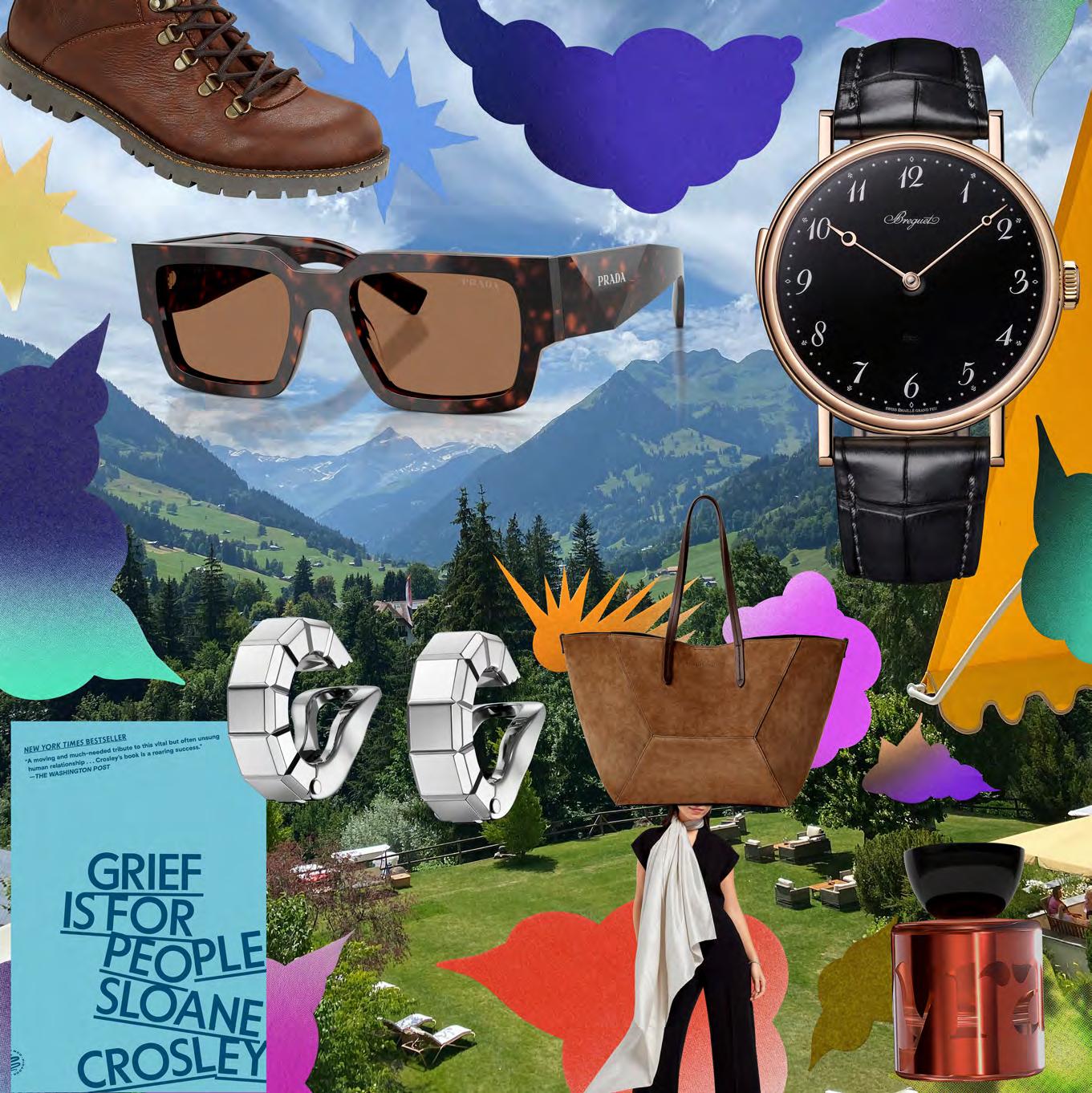
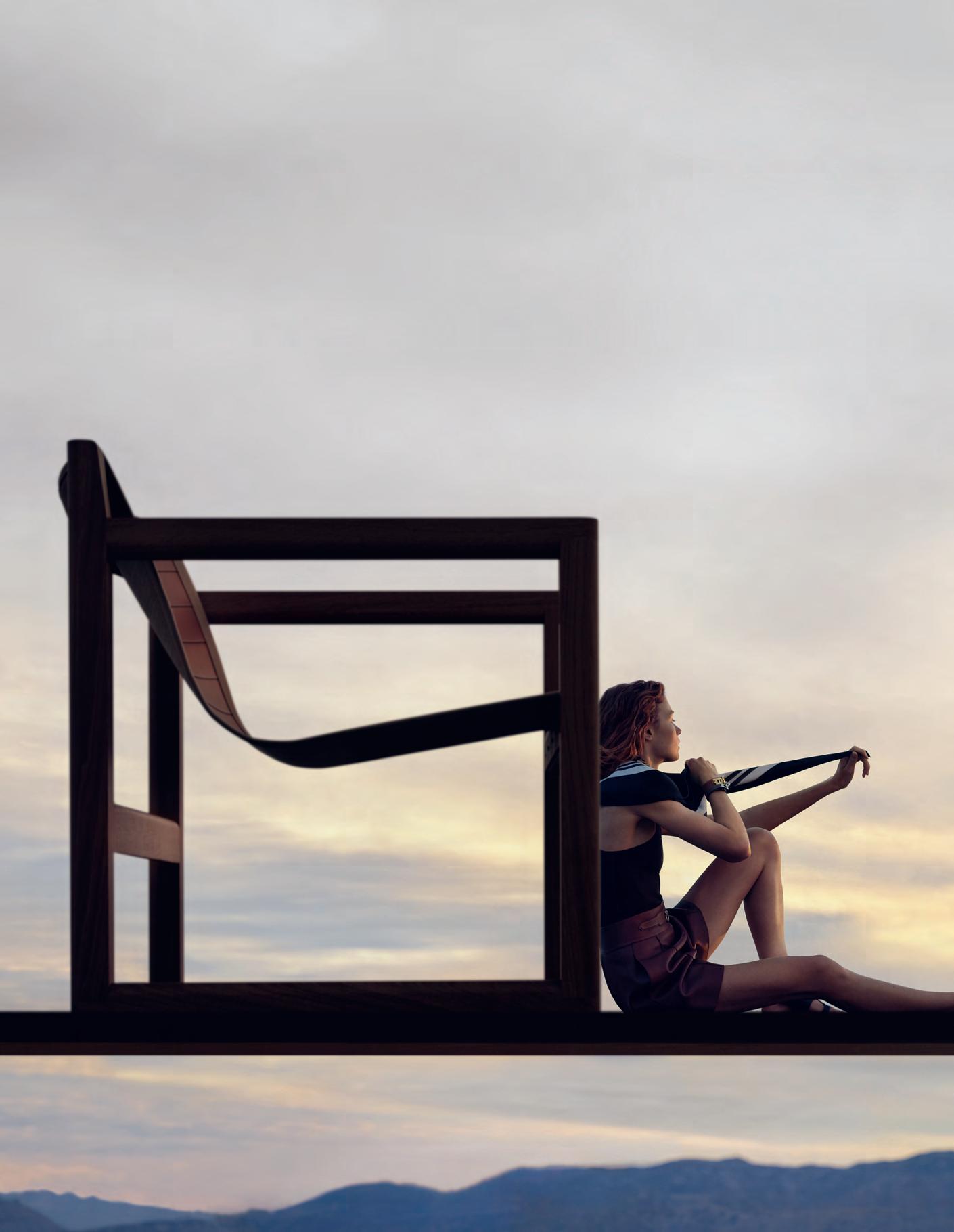
The first wristwatch incorporating a minute repeater, a perpetual calendar and the outsize date.
A minute repeater and a perpetual calendar – that is music to the ears of many watch aficionados. But as if that were not enough: in the new MINUTE REPEATER PERPETUAL, our watchmakers have equipped both complications with additional
sophisticated functions. These include the typical Lange outsizedate, the pusher for jointly advancing the calendar indications, the patented hammer blocker and the pause elimination when the repeater sequence is activated. This striking composition
Sounds like A. Lange & Söhne.
provides unambiguous readings of all displays, paired with a crisp, reverberant sound. The artisanal fi nish of the timepiece is also peerless. In an elaborate procedure, the black enamel dial is crafted in our manufacture. Moreover, the blackpol-
ish of the gong hammers and the engraving of the lunar disc involve many hours of manual work. With this exceptional symbiosis of technical fi nesse and artisanal skill, we have once more given precision watchmaking a new impetus. Never stand still.
Discover our collection online or visit one of our boutiques all over the world.
cd: ROBB AARON GORDON
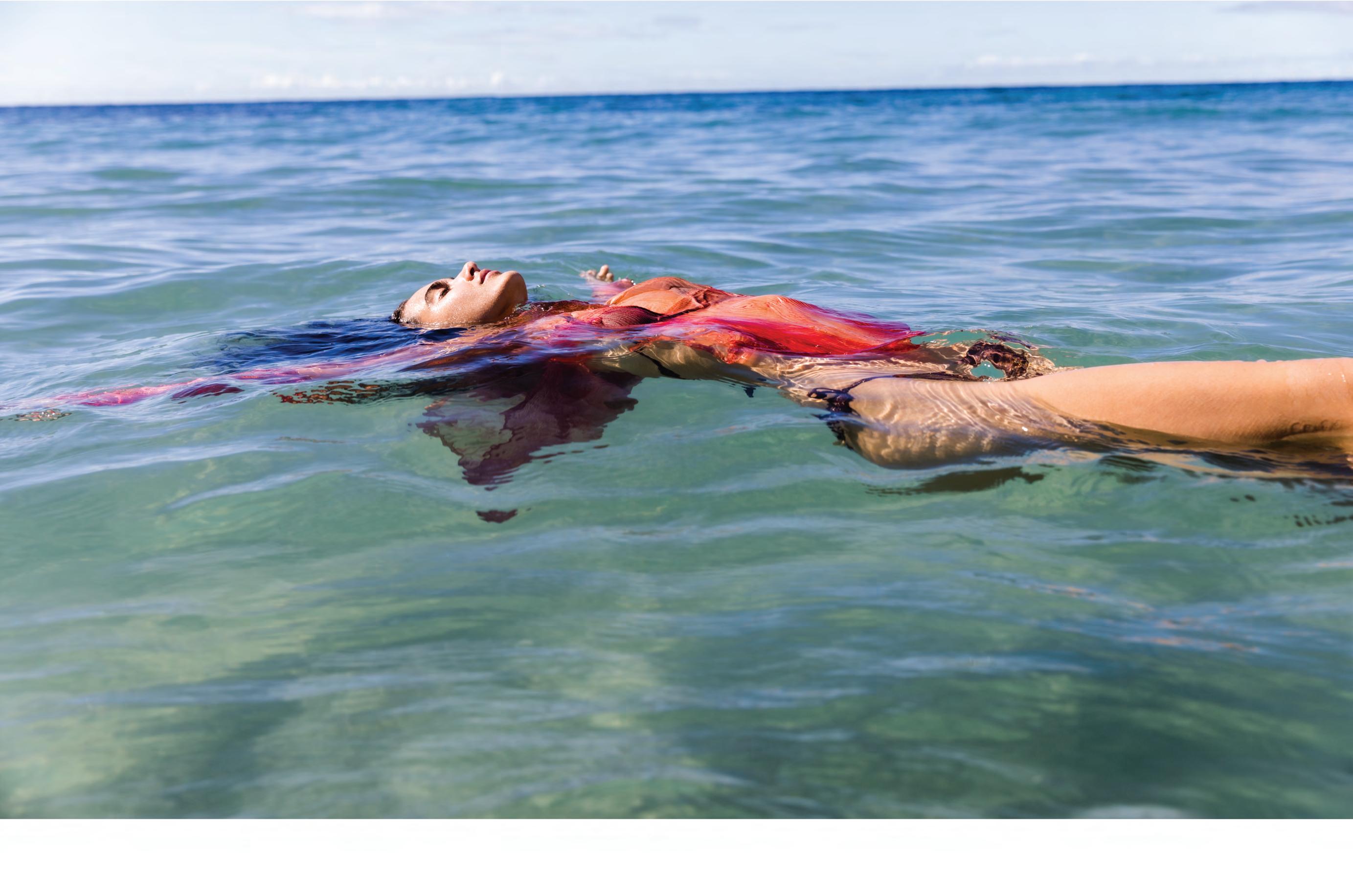
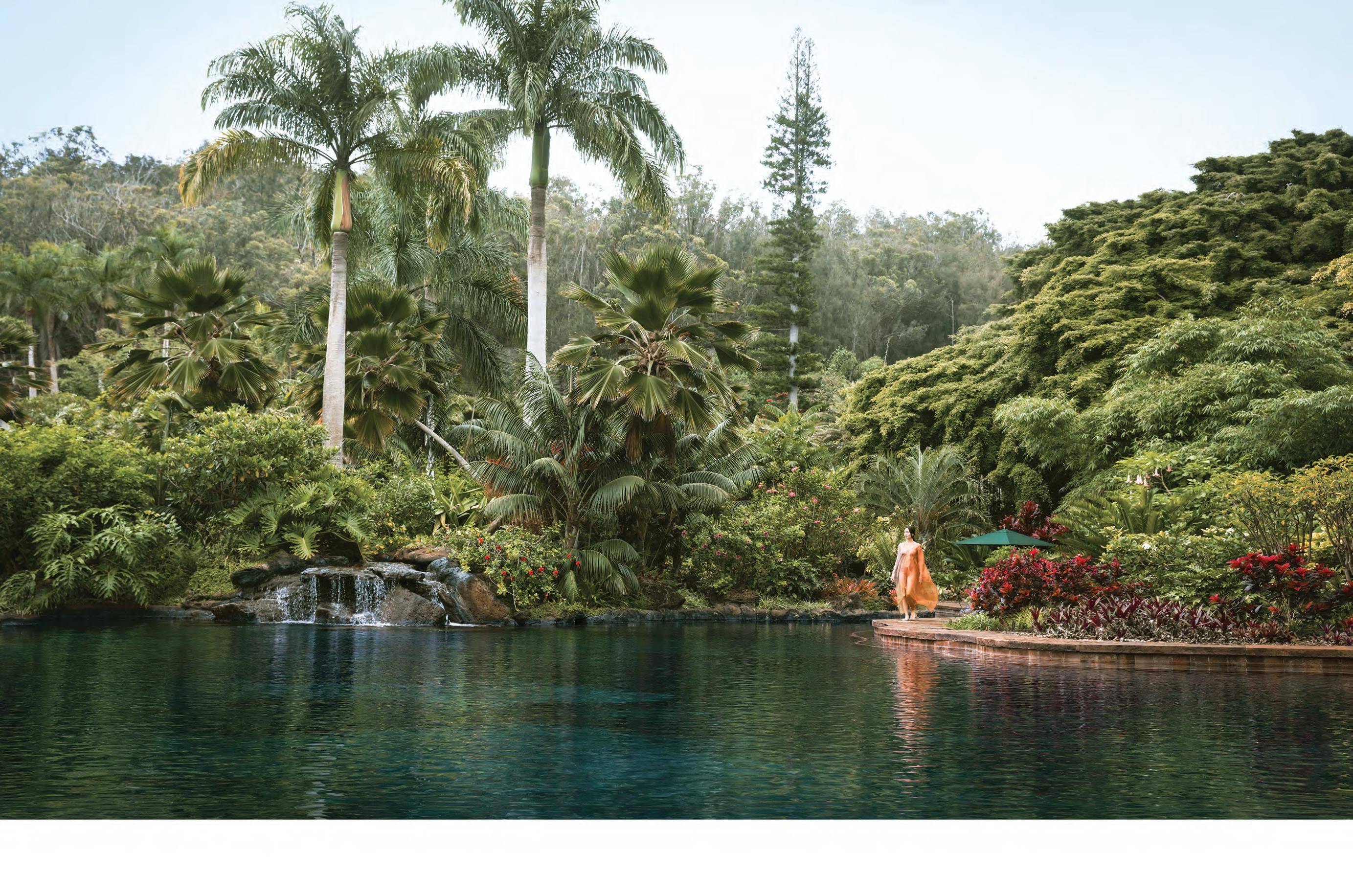
- Renew your senses at Hulopo e Bay
cd: ROBB AARON GORDON
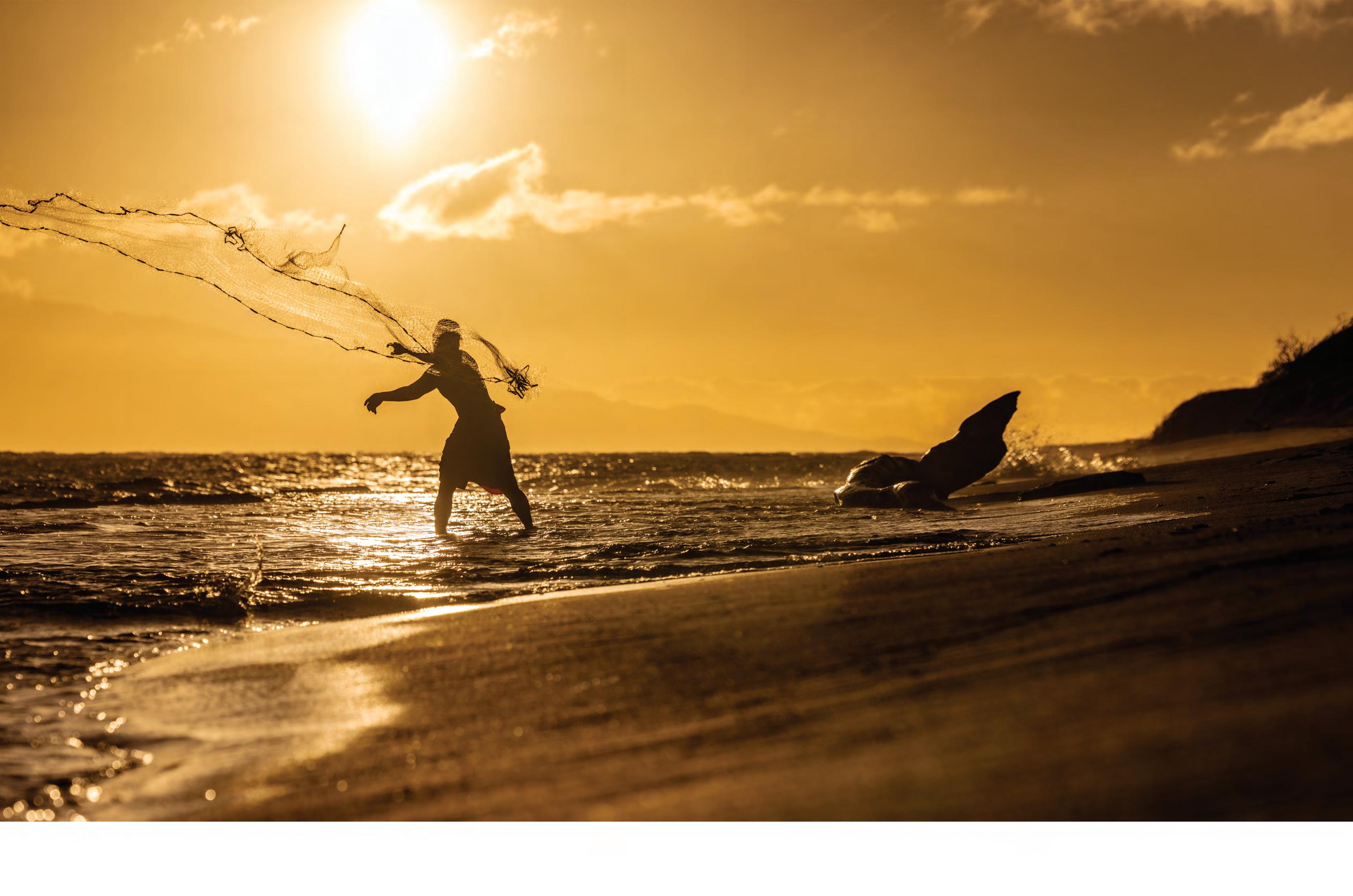
cd: ROBB AARON GORDON
- Enhance your wellbeing upcountry at Koele
Start something powerful
NOBODY DOES IT BETTER
Step into an all-inclusive ultra luxury experience that is Unrivaled at Sea™. Explore more than 550 destinations around the world while enjoying the unrivaled space, elegance, and comfort of The World’s Most Luxurious Fleet ®. We’ll tend to every detail of your journey from start to finish, so you can be pampered by the warm, Heartfelt Hospitality™ delivered by our incredible crew who not only care for you, but about you. Nobody Does It Better than Regent Seven Seas Cruises
Limited to 2,000 numbered pieces, the Jack Ryde 100 Year Anniversary Limited Edition 2000T features blue saddle leather corner guards and matching leather lifting handles, embroidered signature, married with rich bronze accents and distinct signature plate celebrating Jack’s legacy. Discover more at hastens.com or visit your nearest Hästens store.
Artisans
On a Globe, Any Point Can Be the Center
My stepfather’s law practice regularly requires him to work with lawyers in other countries. At dinner recently, he shared a key learning: One can never assume how things will be done; what might seem entirely intuitive in one place can be totally different in another.
This is one of the great lessons we gain from interacting with cultures outside of our own. Far from home, we get a sense of the vastness and diversity of this planet. We see that our way of doing things is not the right way. It is not even the way. It is just one of many ways.
Travel gives us so much. If we’re lucky, one gift is humility: The world gets bigger; we get smaller.
Humility shares a root with “humiliation,” but it means something quite different. The definition I like comes from the Cambridge English Dictionary: an attitude that you have no special importance that makes you better than others. Humility is about being right sized, remaining teachable. It is about knowing how much you don’t know.
As is often the case these days, I woke up today to headlines filled with doom, division, and outright animus. After reading the news, I sat down to write this, and found myself wondering how, in this world, I should talk about the merit of the stories we are telling here.
Our publication is not political, but it is values-driven. And although it may sound old-fashioned, we don’t see those values as being particularly political. They are, rather, human, including: curiosity and decency, which allow us to forge connections with others, even (or especially) those different from us; respect for the many ways of being that can exist; admiration for the thoughtful work people do; determination to seek out pockets of beauty in the world, because they always exist; consciousness of the impact, both positive and negative, our choices can have; and humility, of course — the humility to remain open to all that we have yet to learn.
Reflecting on travel, Anthony Bourdain said, “The journey changes you; it should change you. It leaves marks on your memory, on your consciousness, on your heart, and on your body. You take something with you. Hopefully, you leave something good behind.”
As you would on any good trip, we hope you will take something with you as you read through these pages: how big the world is and how little of it any of us can know, how many centers it has, how many stories there are to hear if we just listen.
–Skye Parrott, editor-in-chief
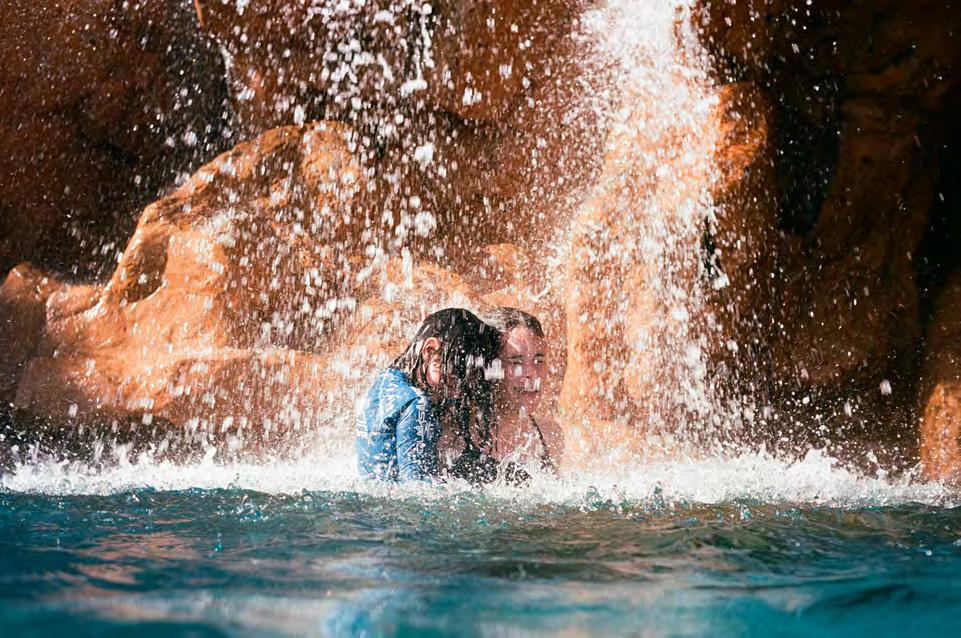
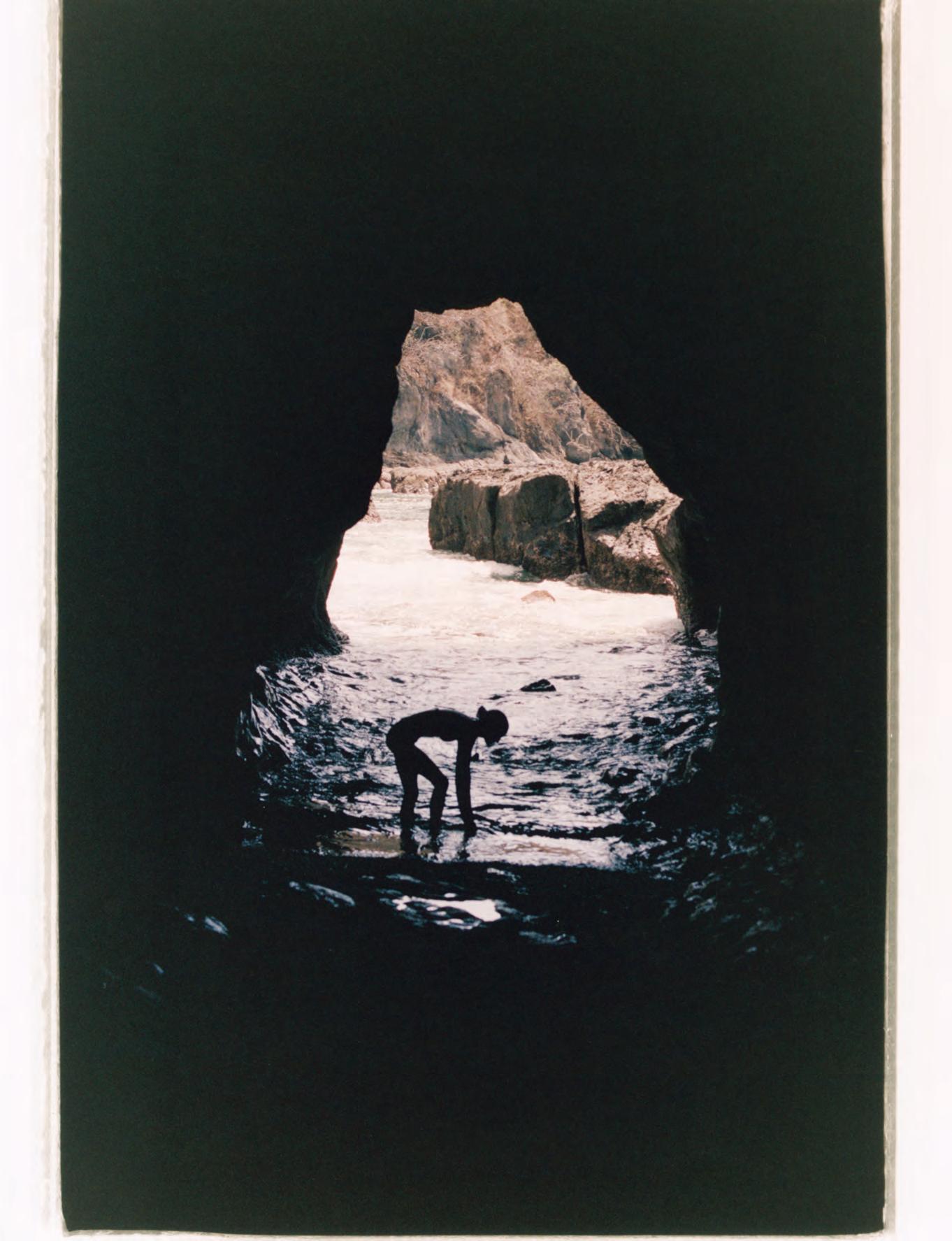
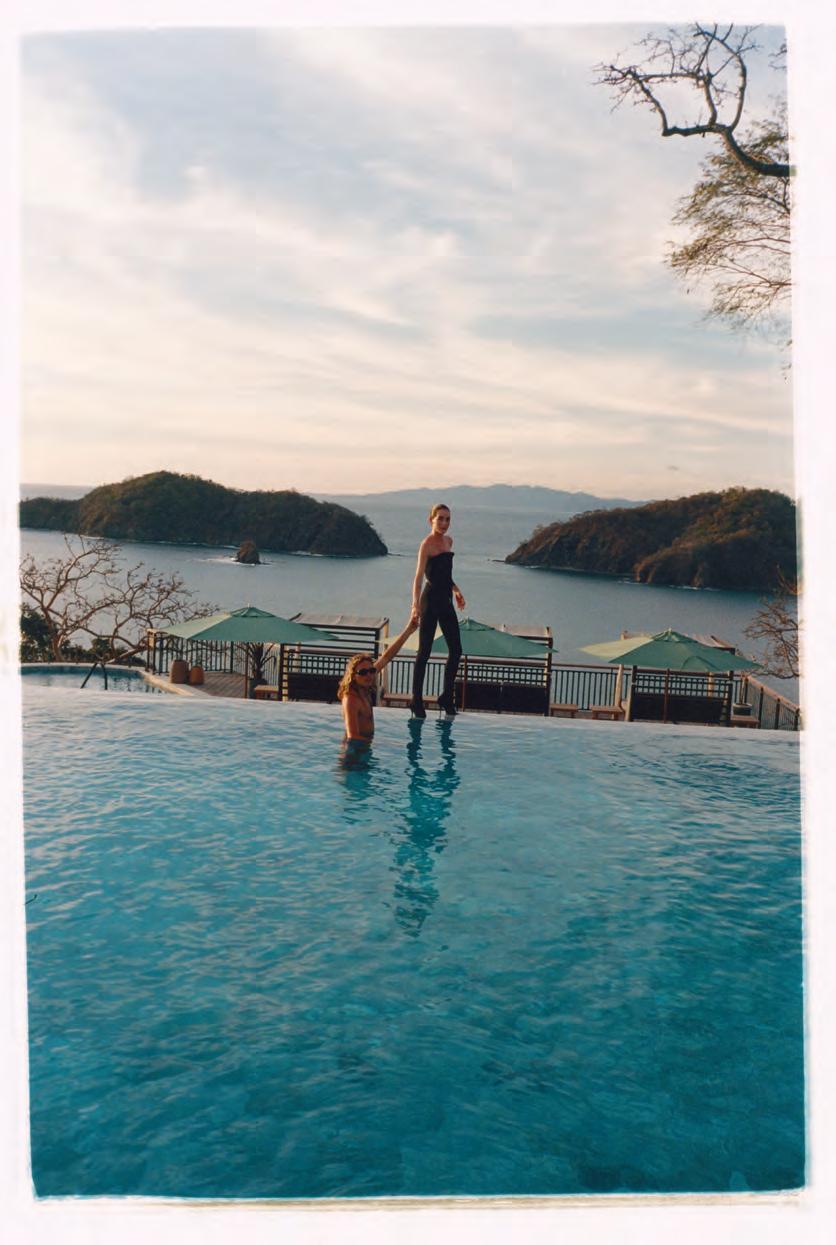
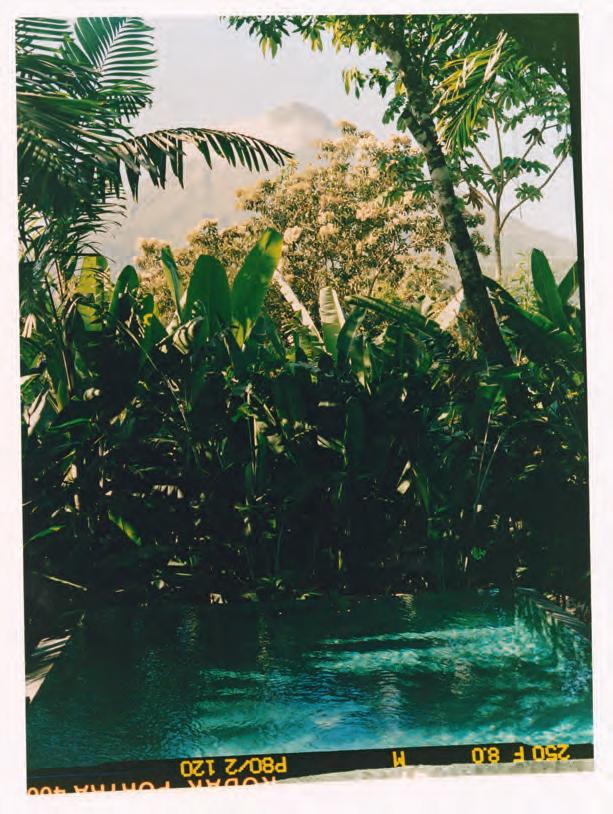
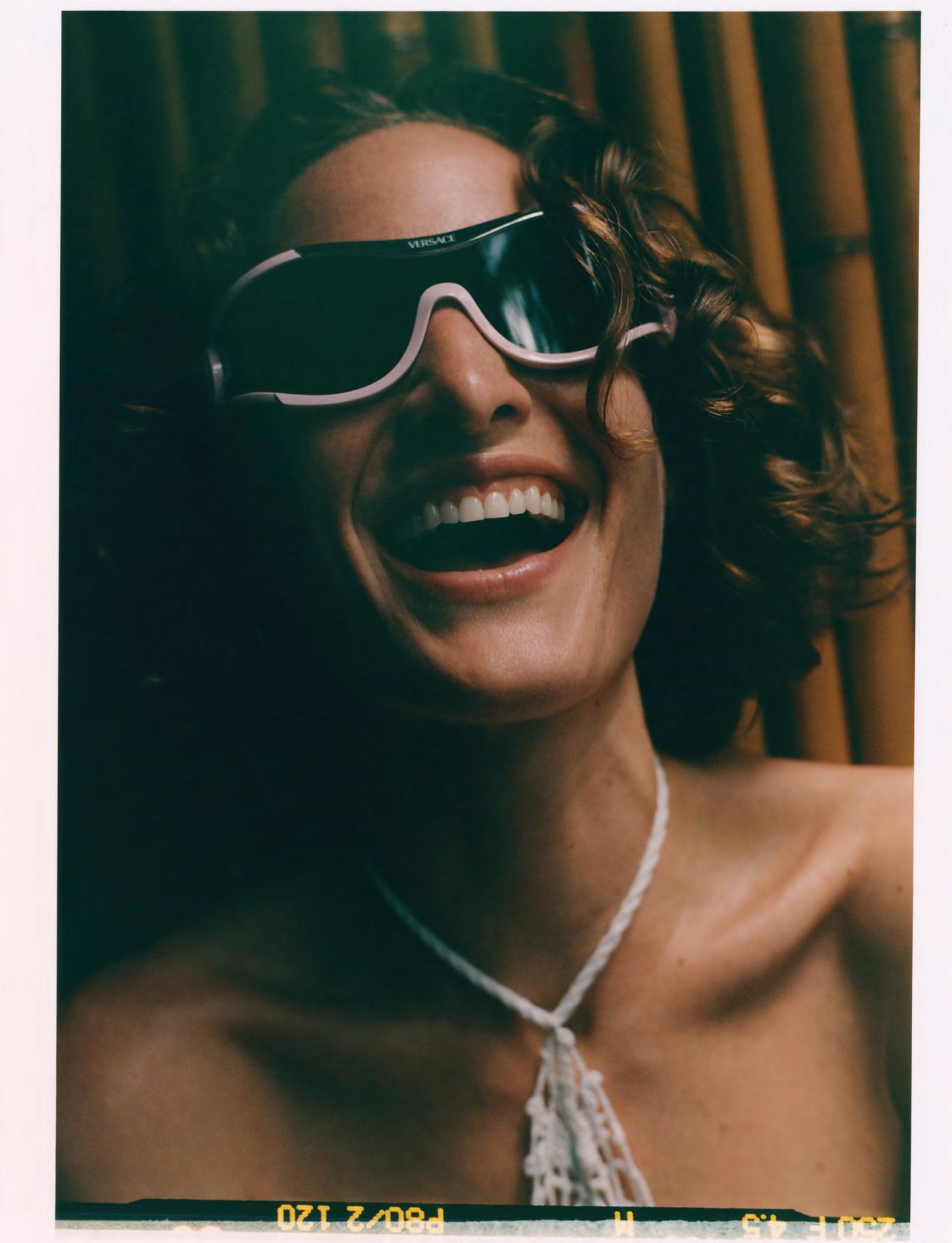
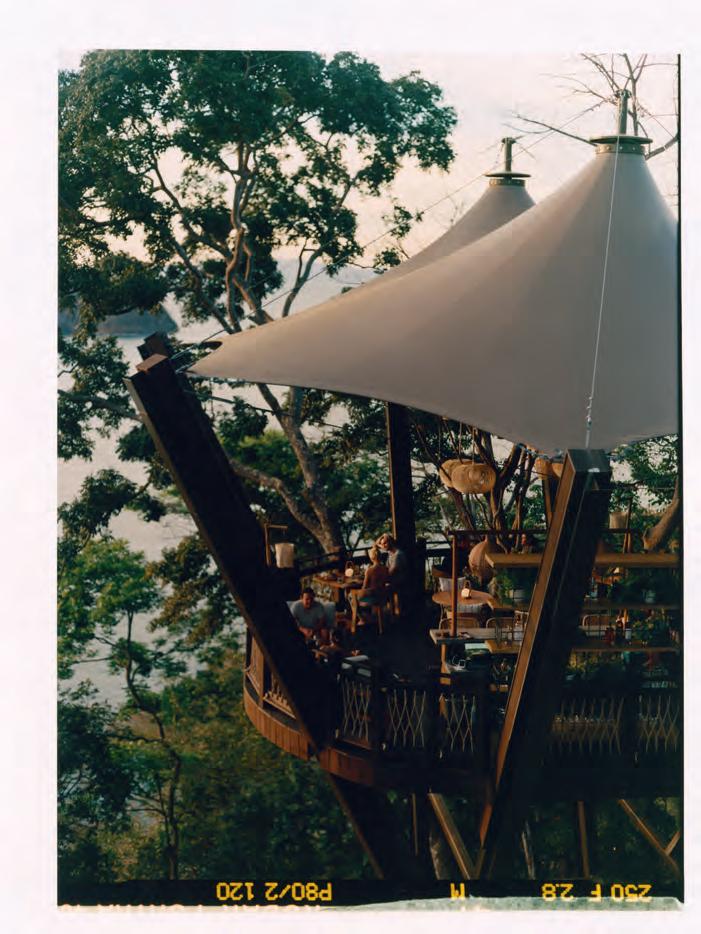
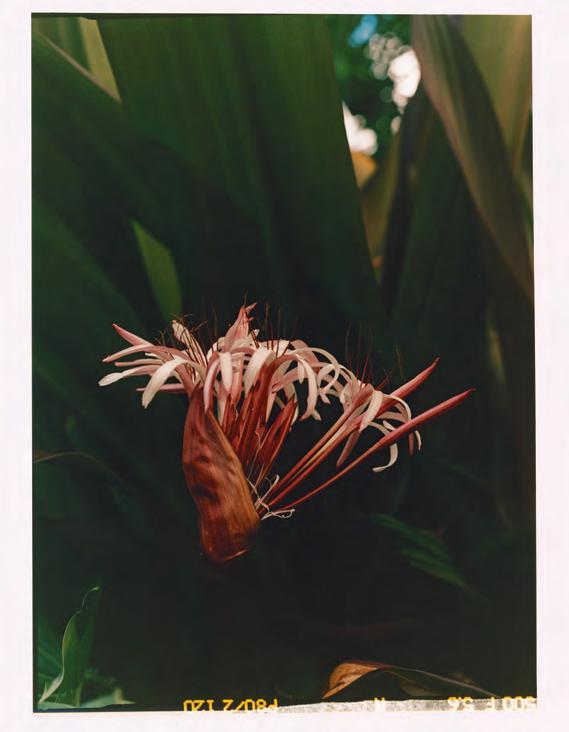
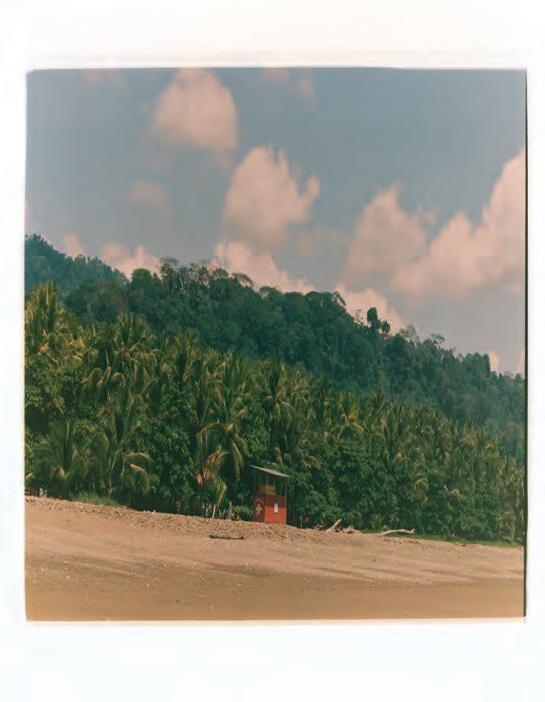
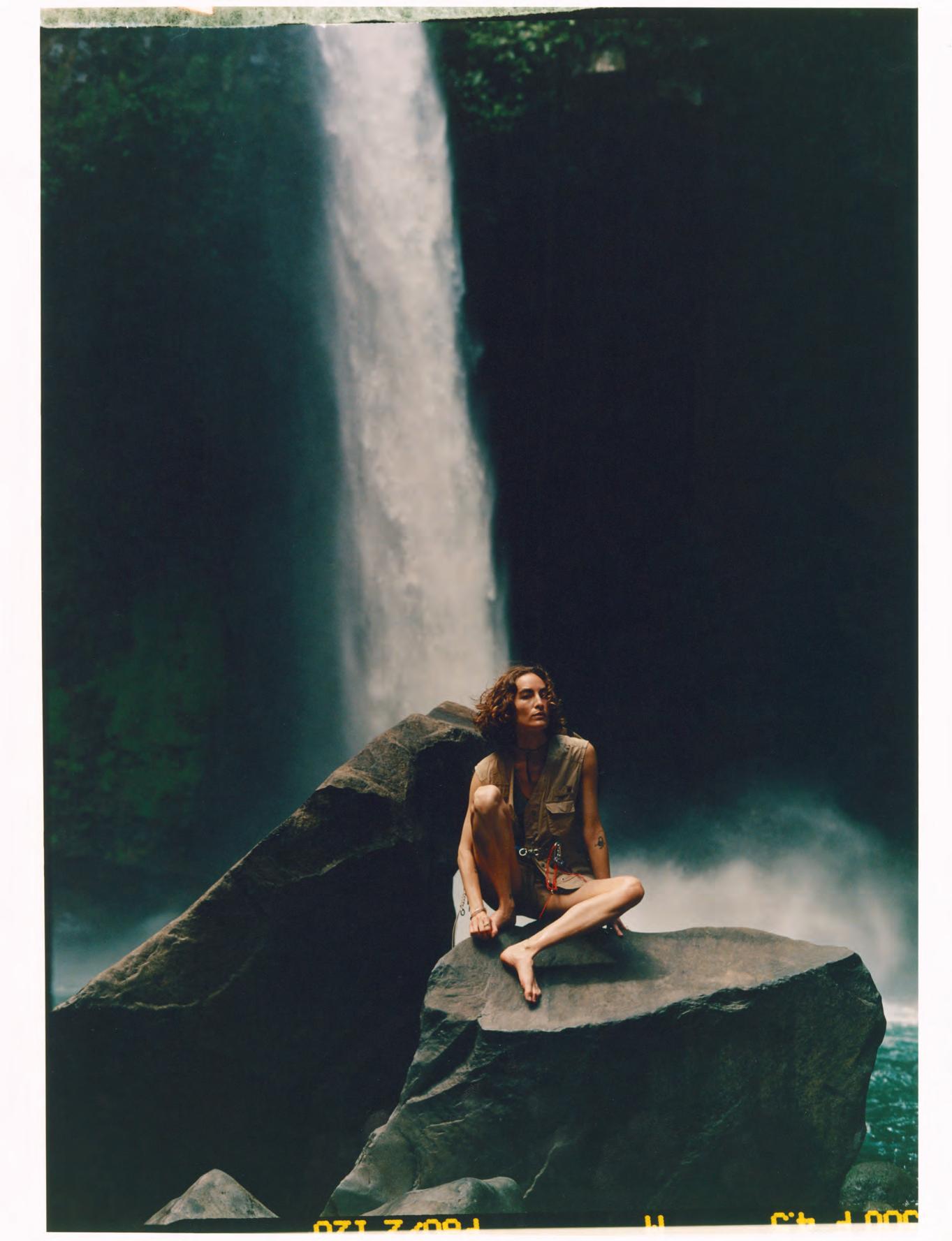
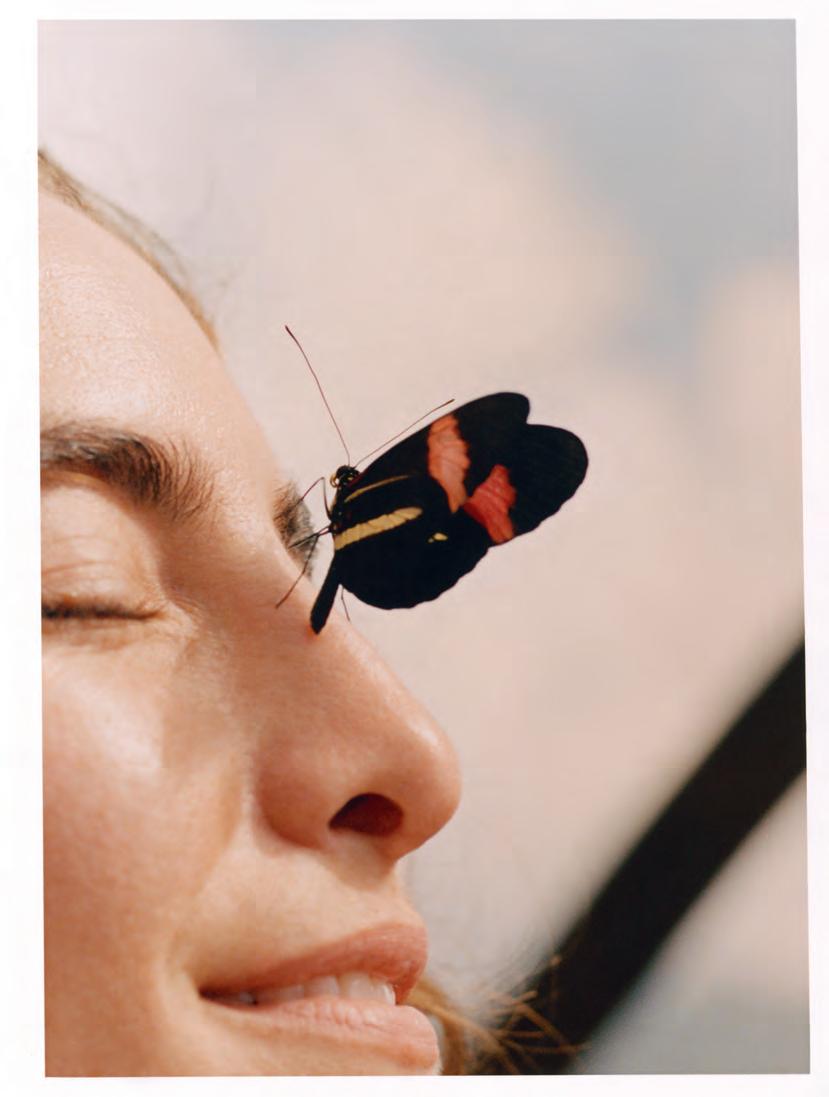
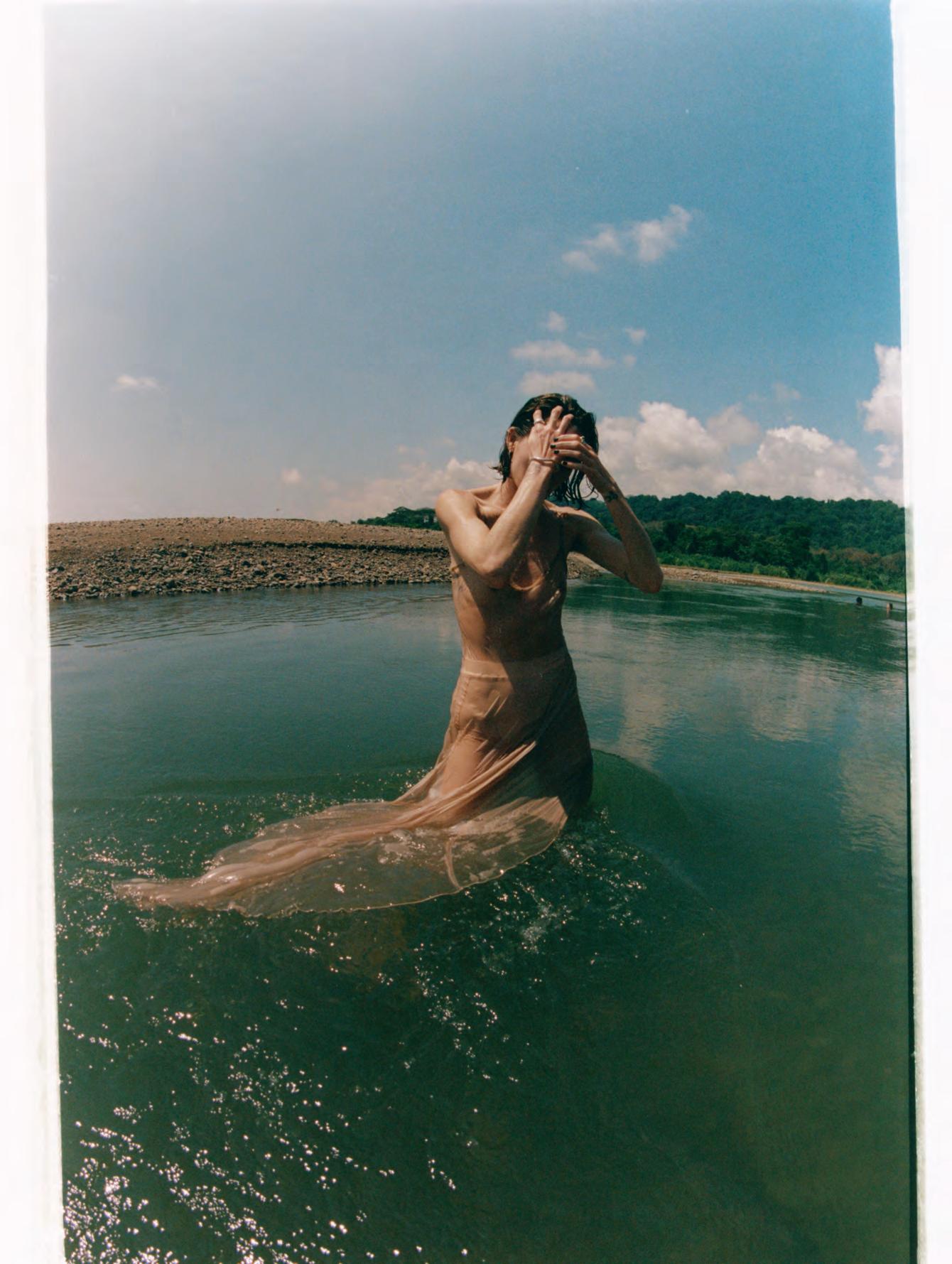
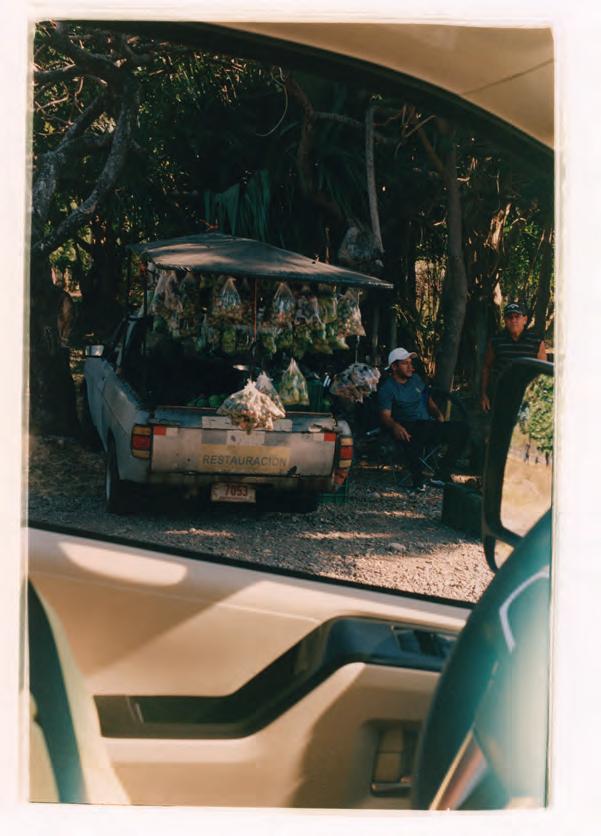
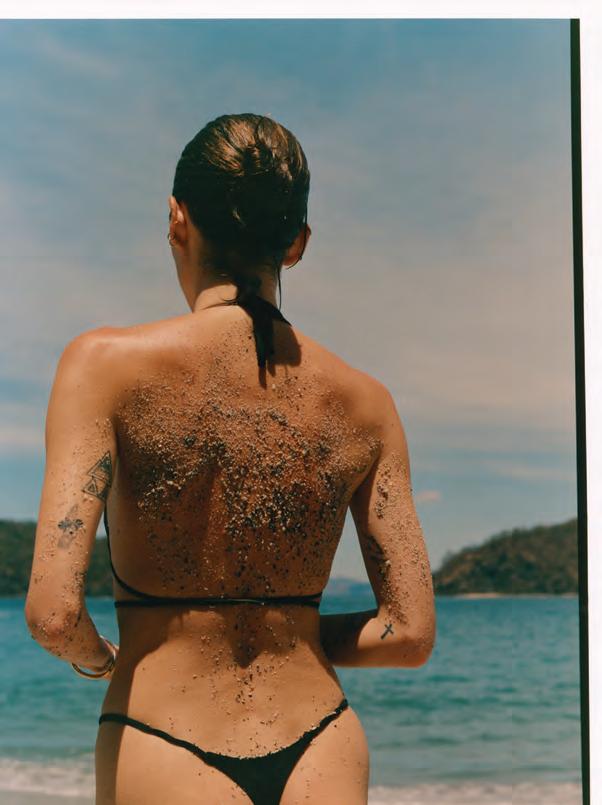
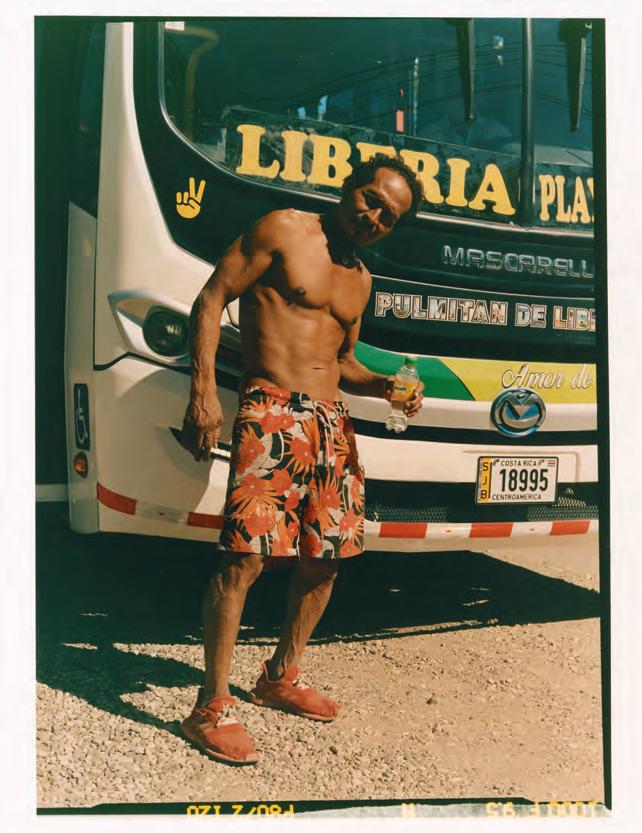
Wild Joy: Dive into Costa Rica, where butterflies alight and waterfalls roar, rainforests reign and the ocean gleams, where secrets and treasures are as boundless as the country’s beauty.
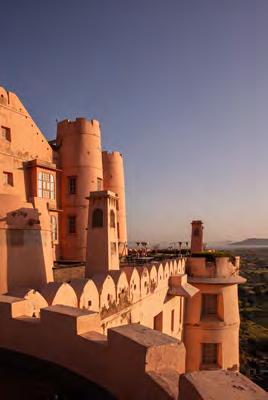
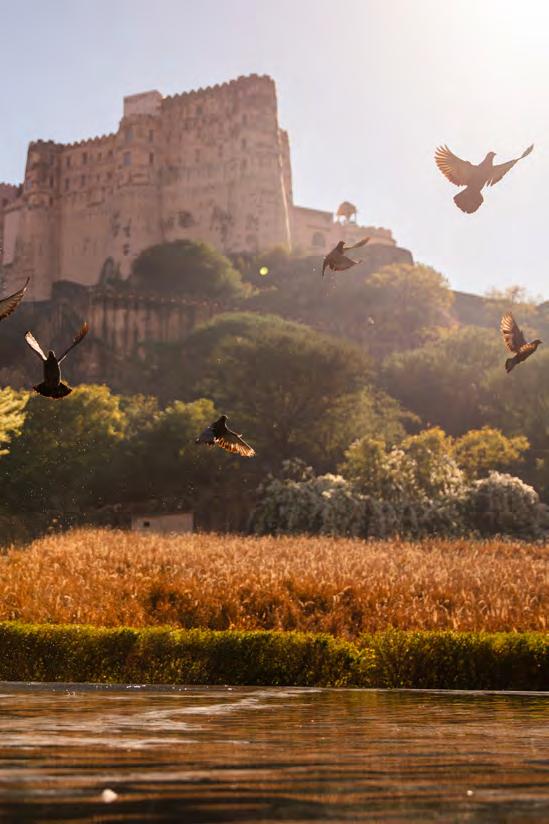
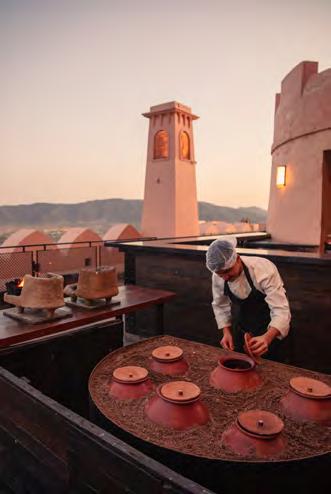
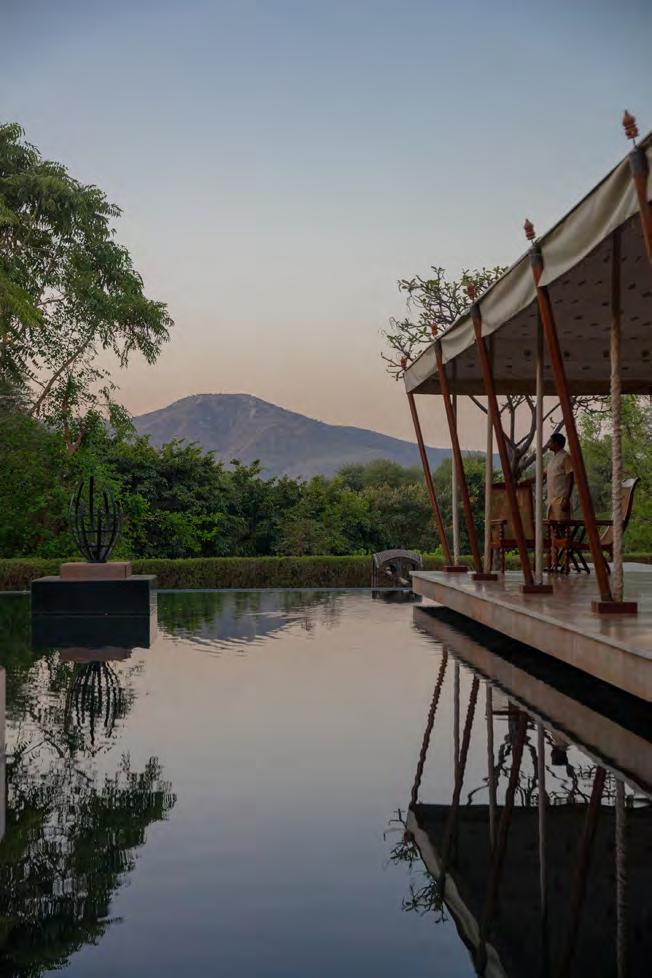
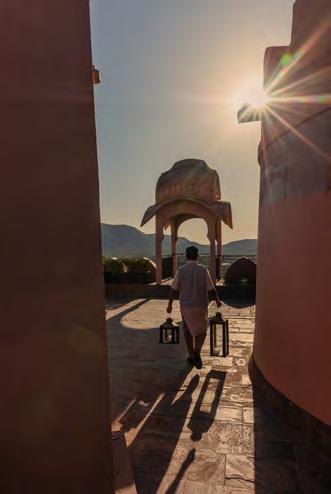
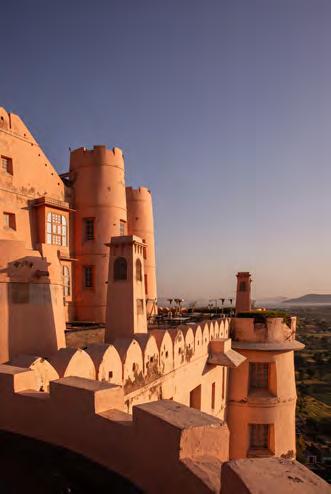
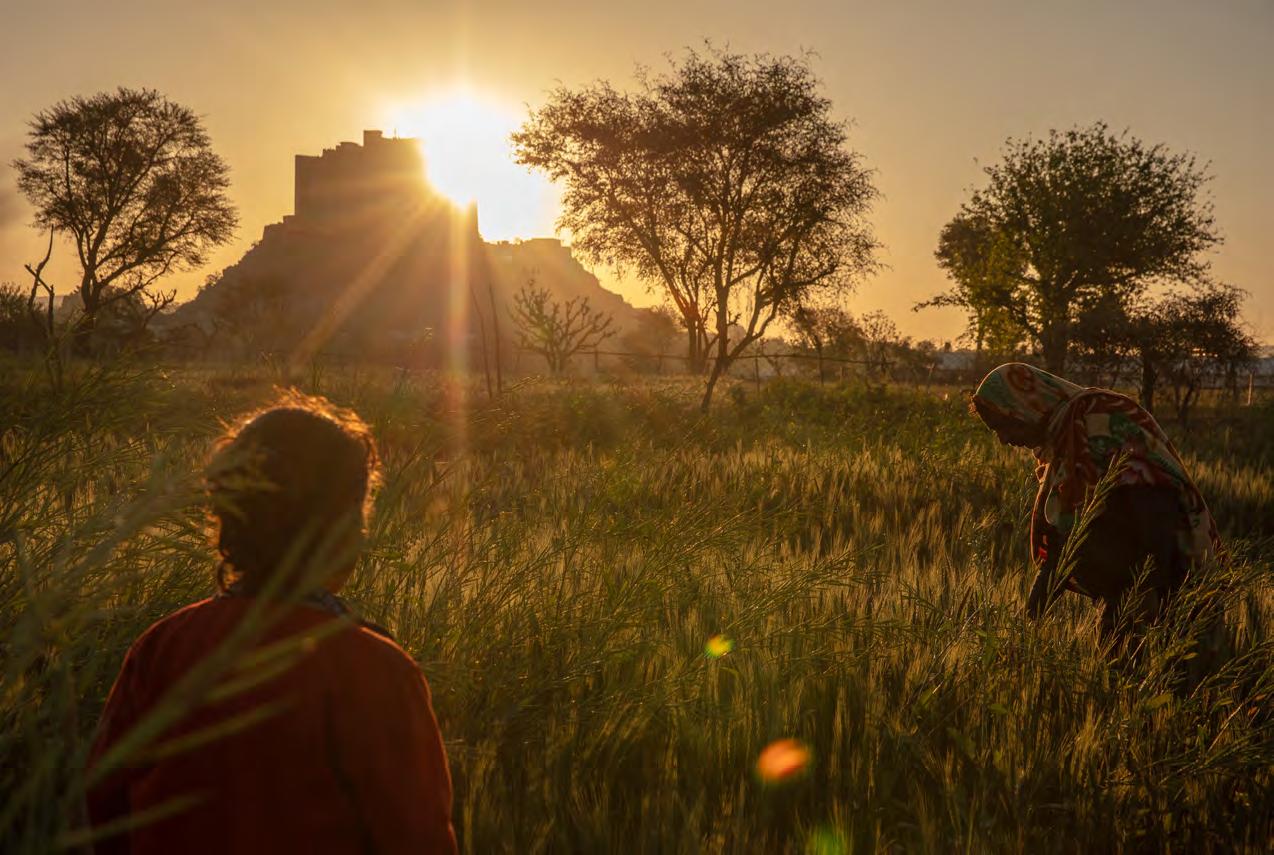
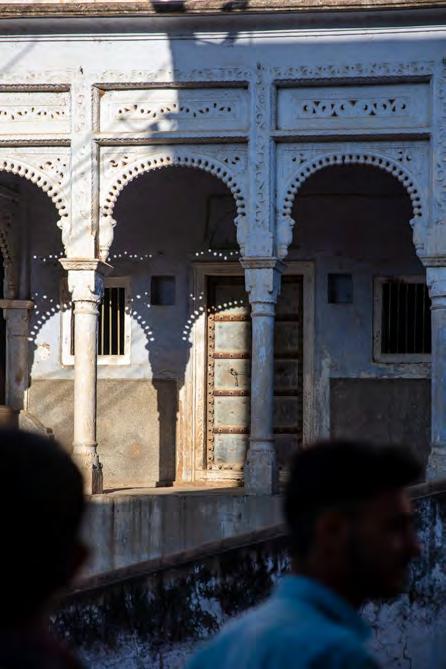
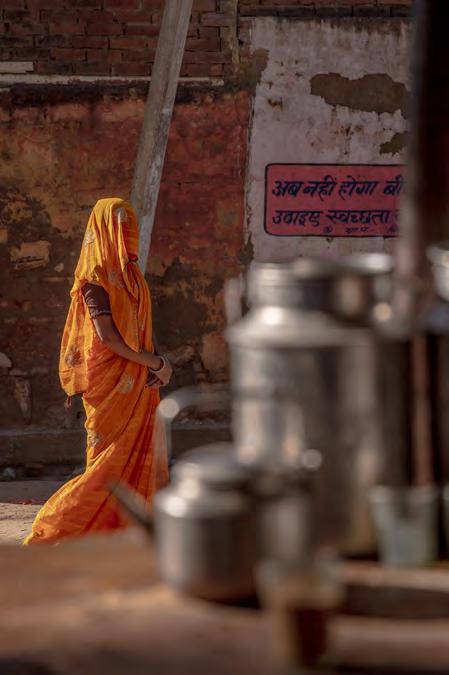
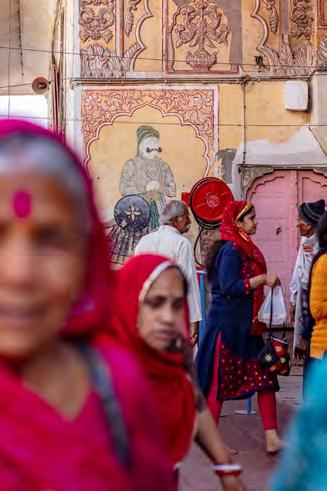
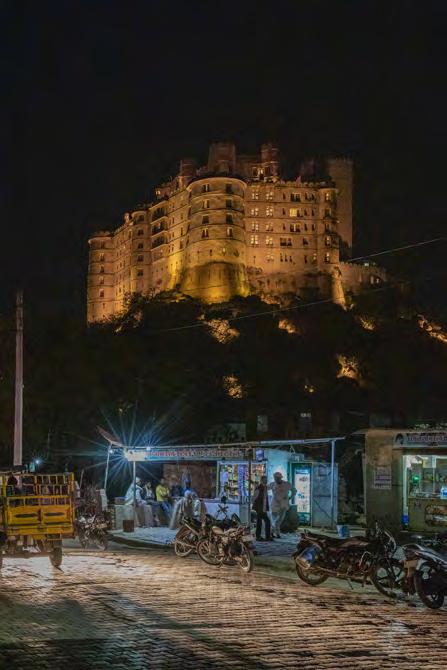
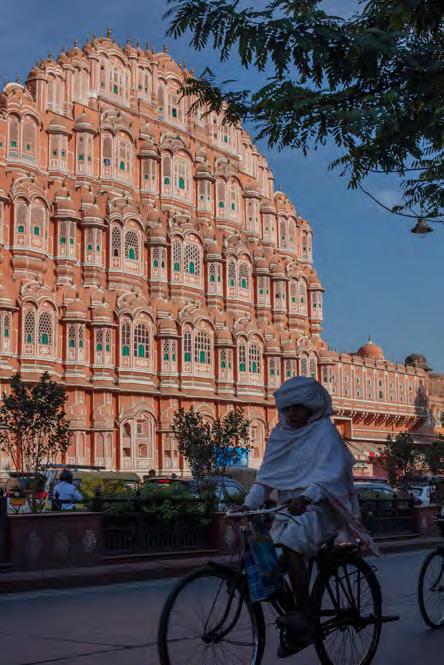
Behind the Sunrise: A multifaceted trip to an ancient fort in India places Rajasthan’s unique offerings in a universal frame.
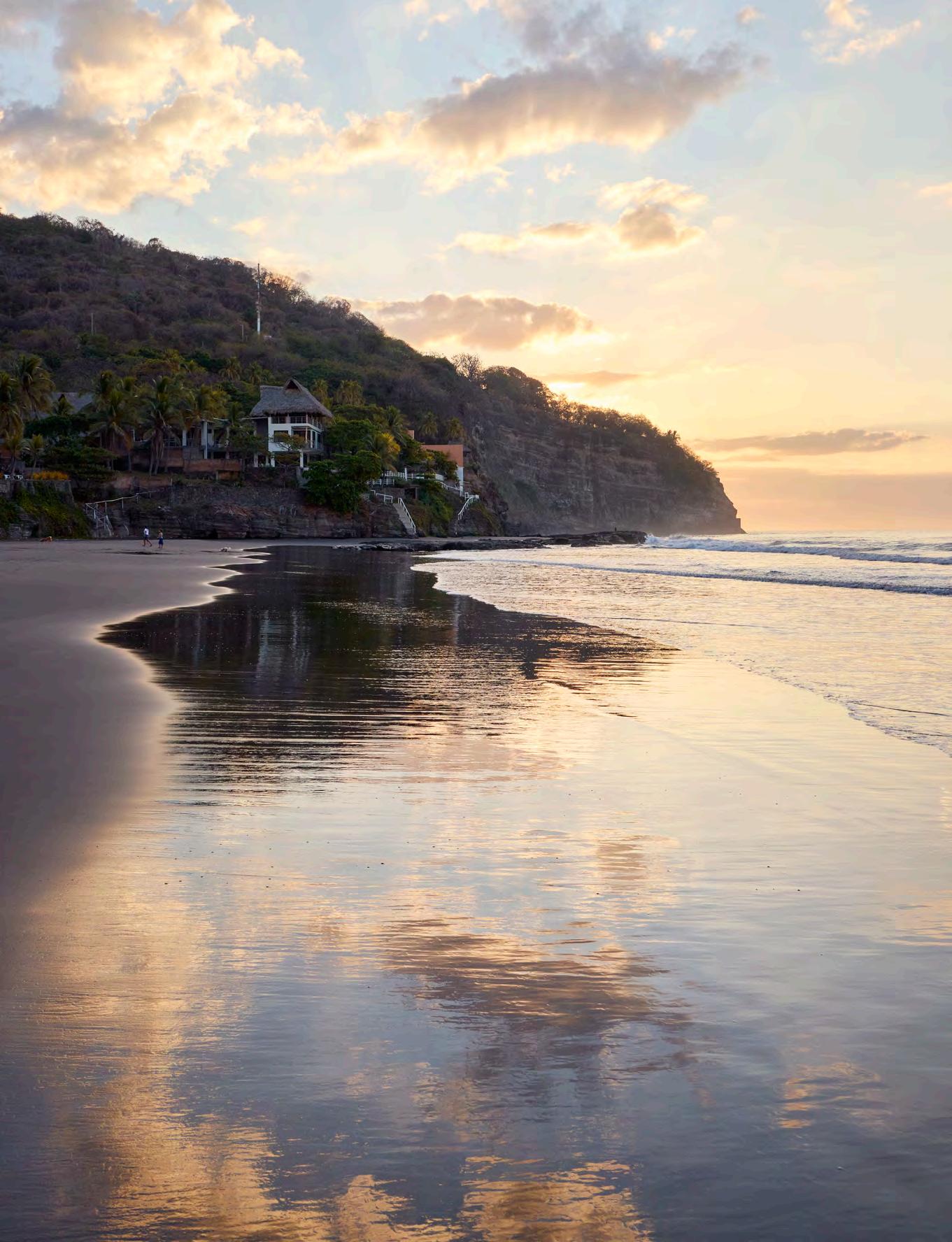
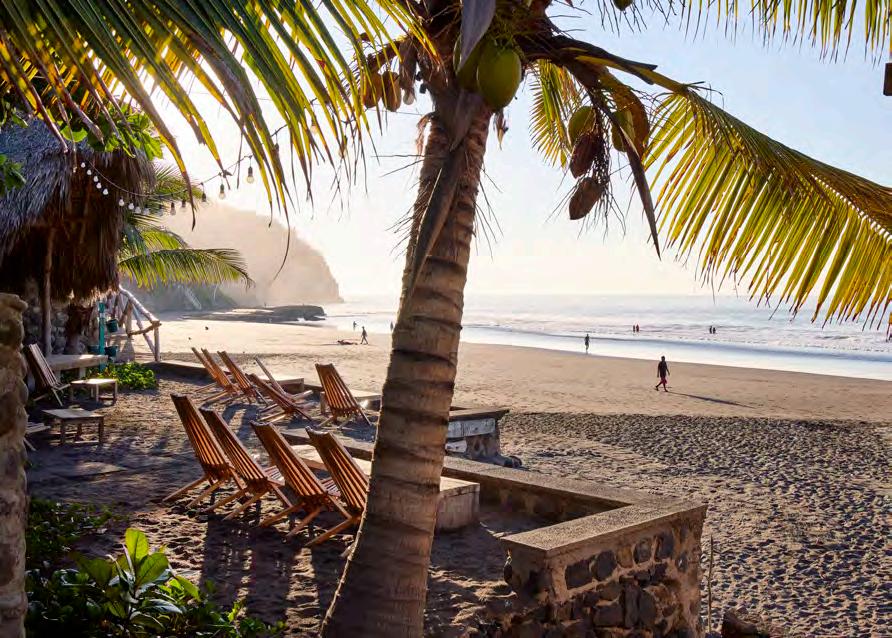
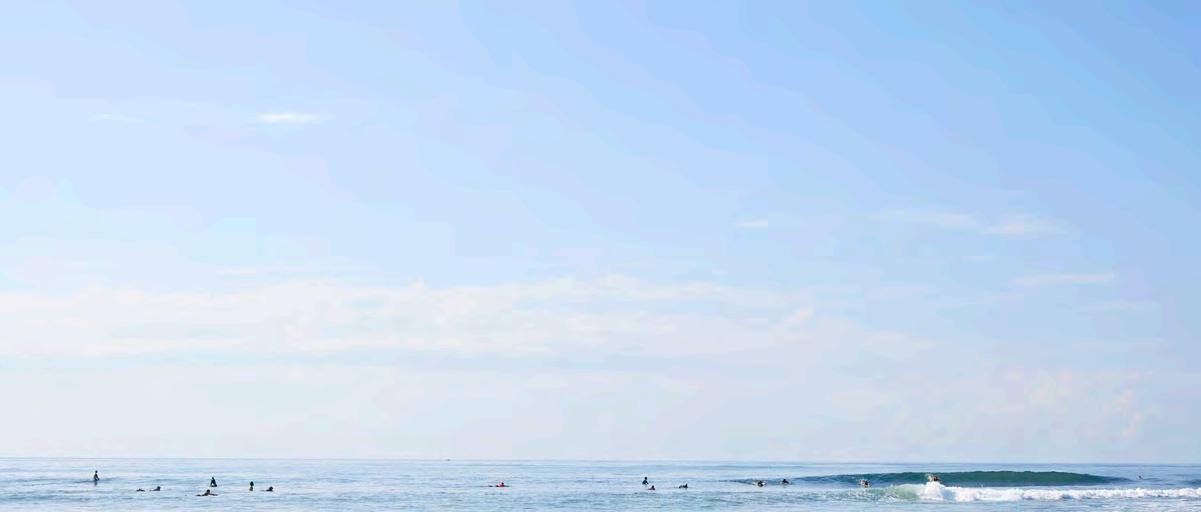
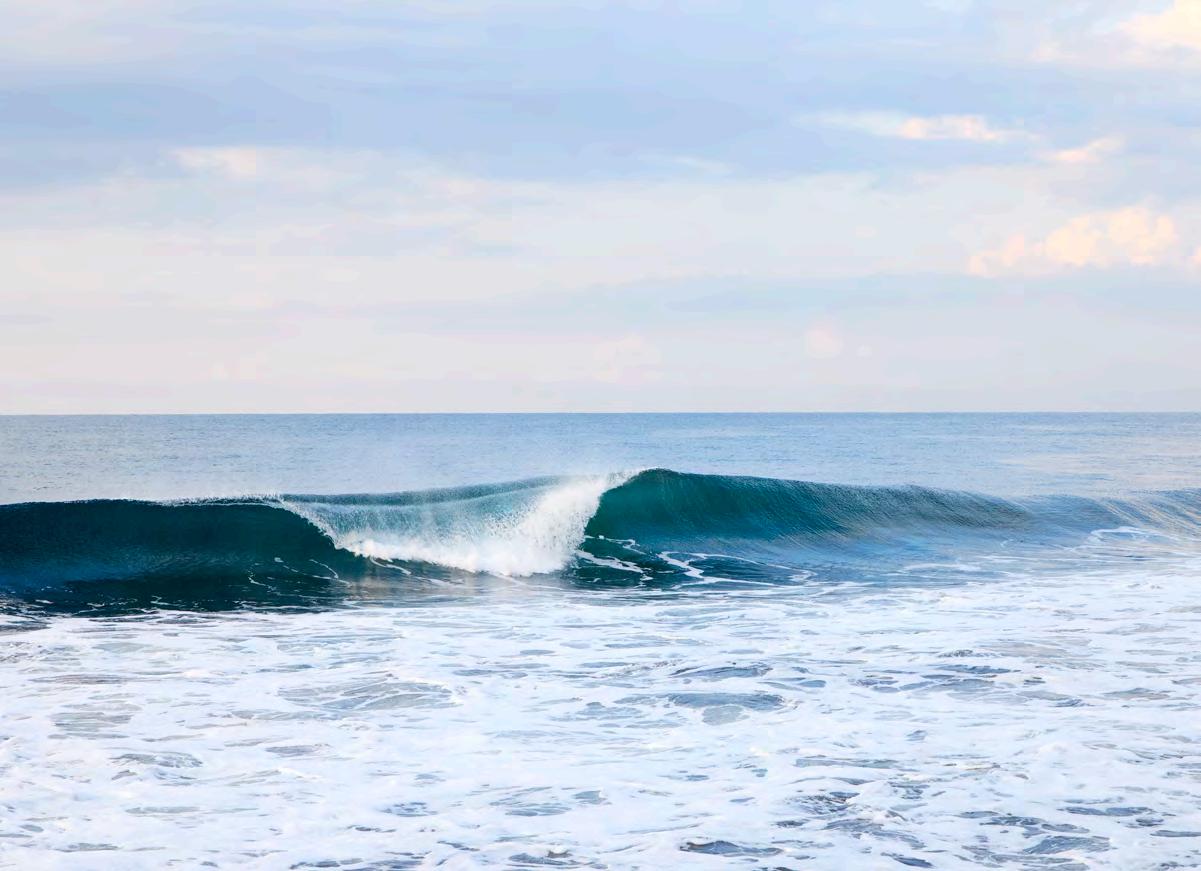
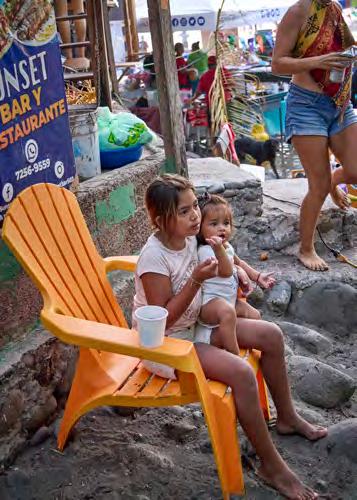
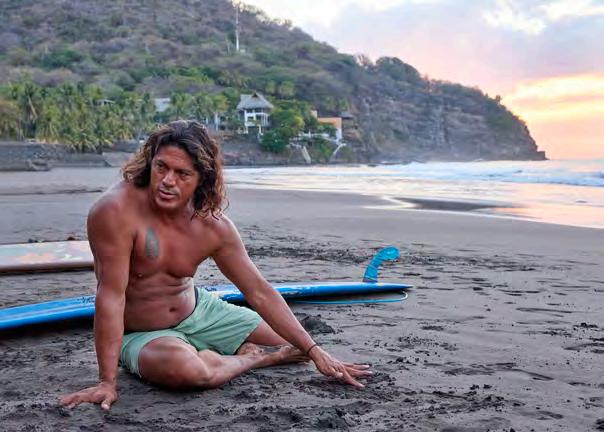
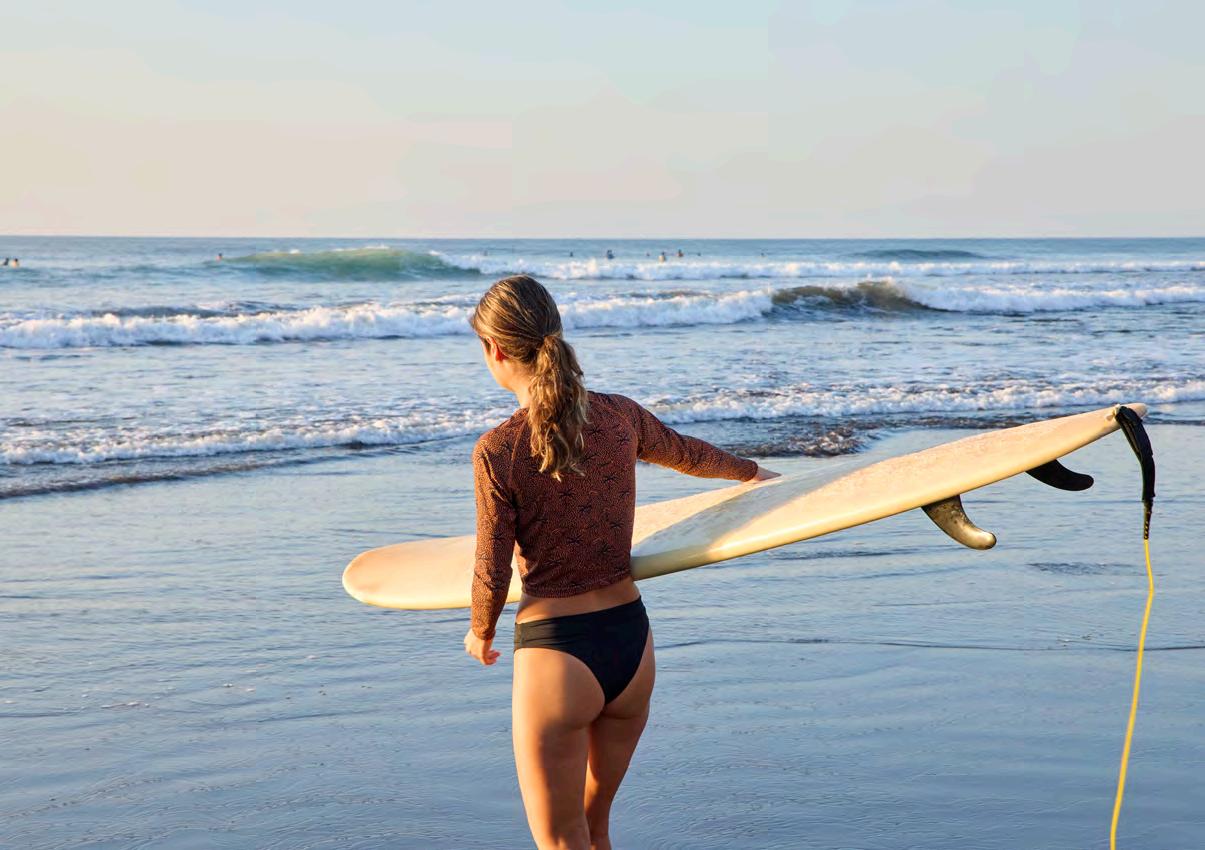
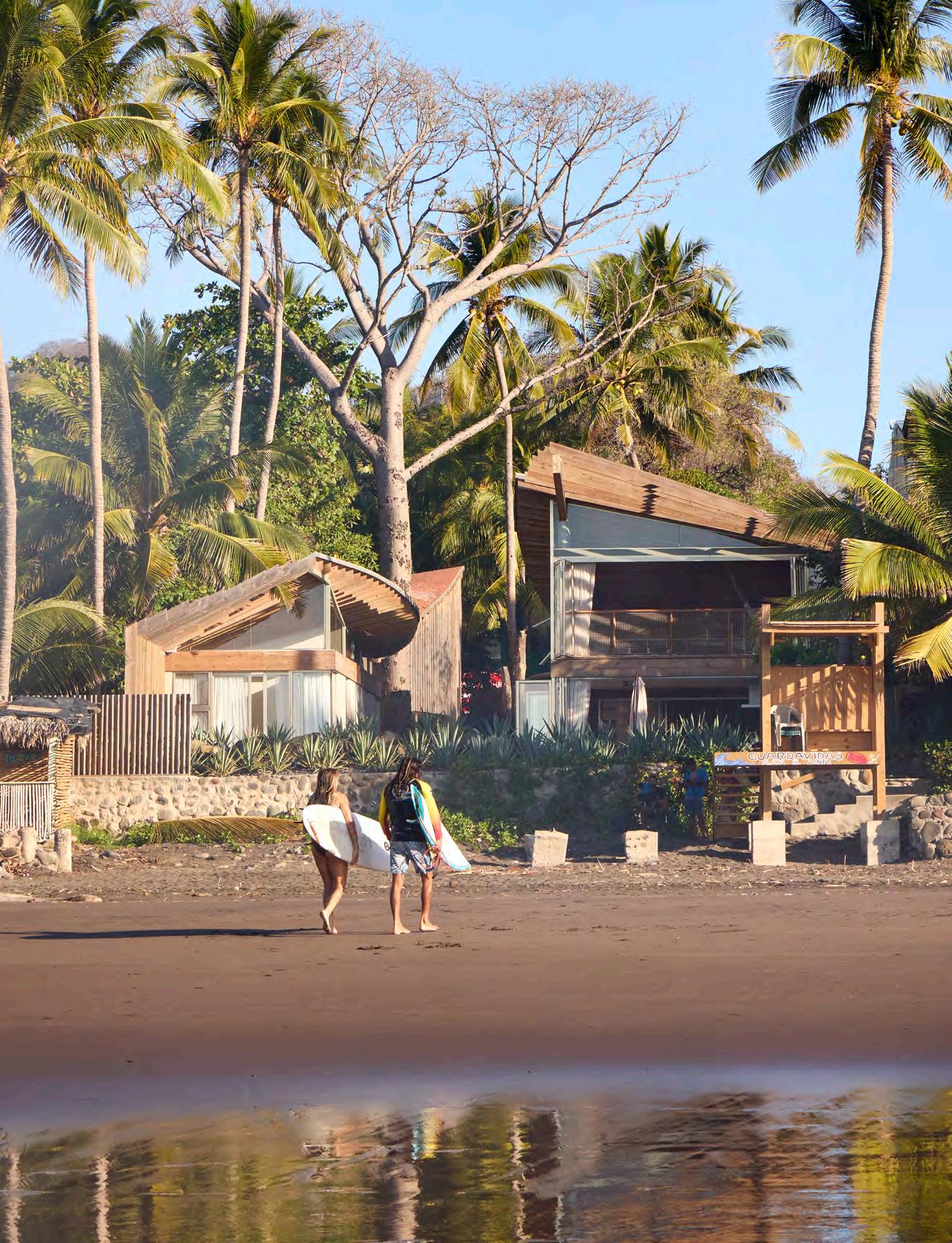
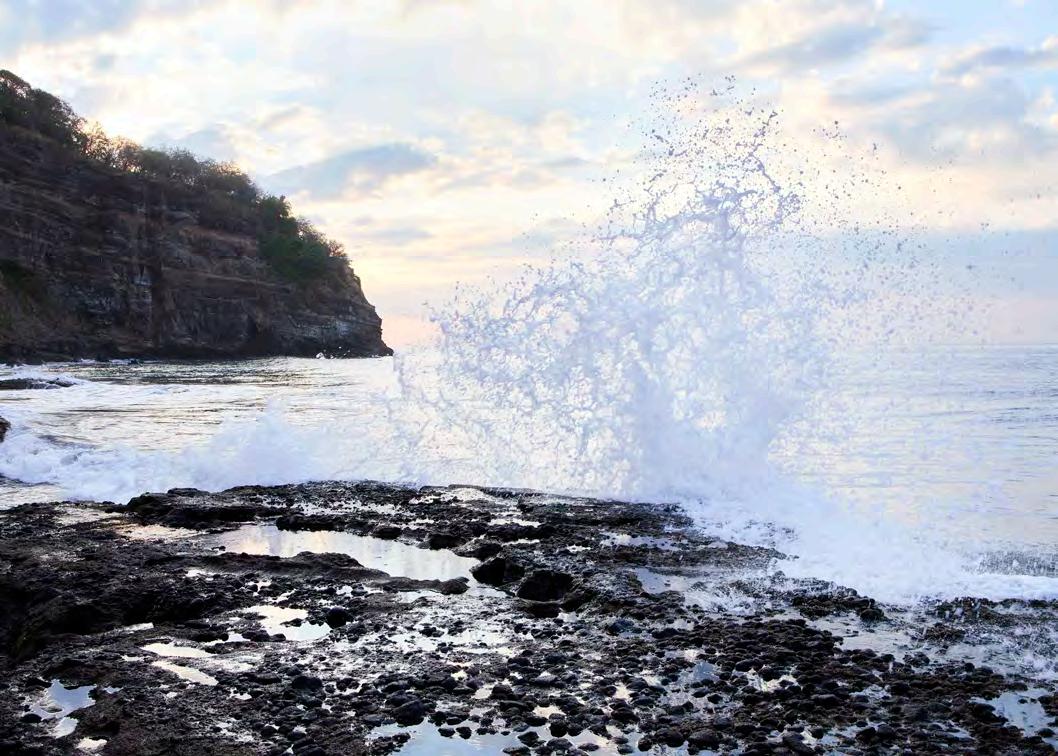
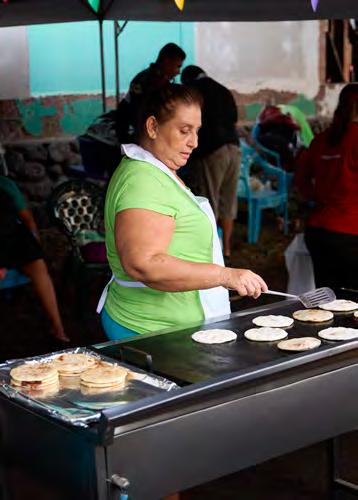
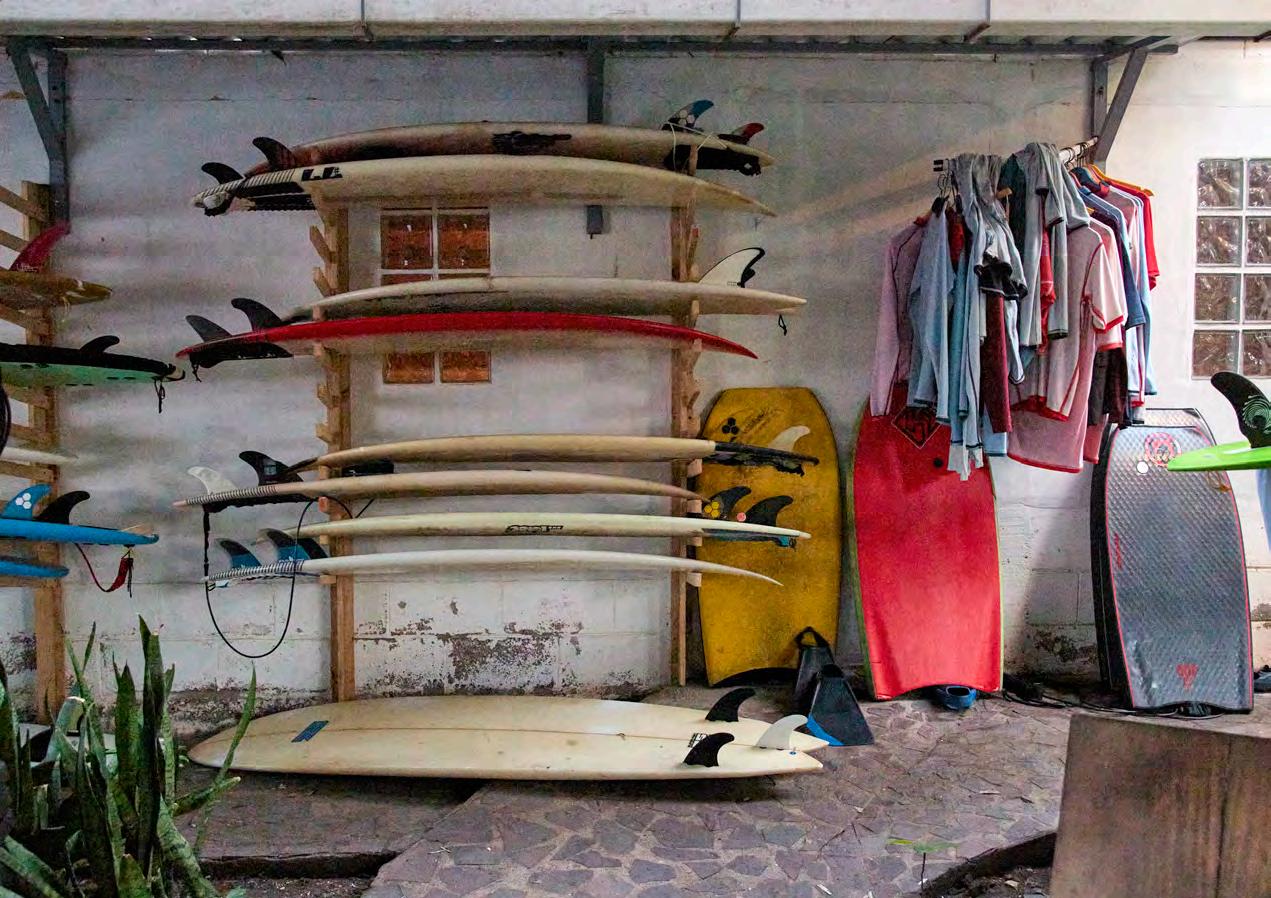
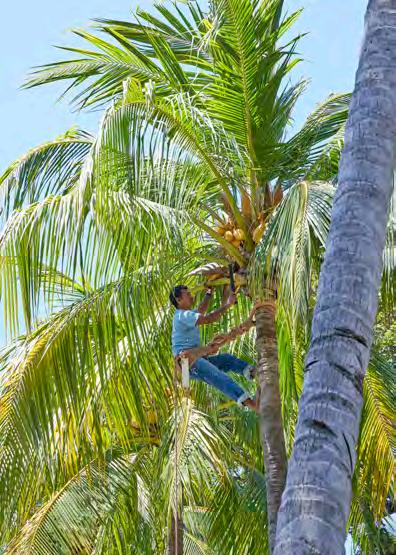
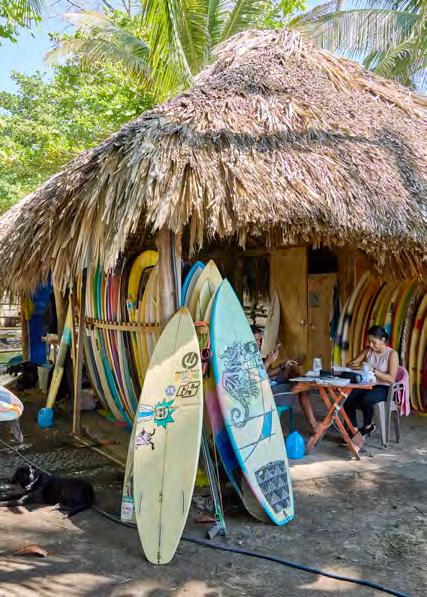
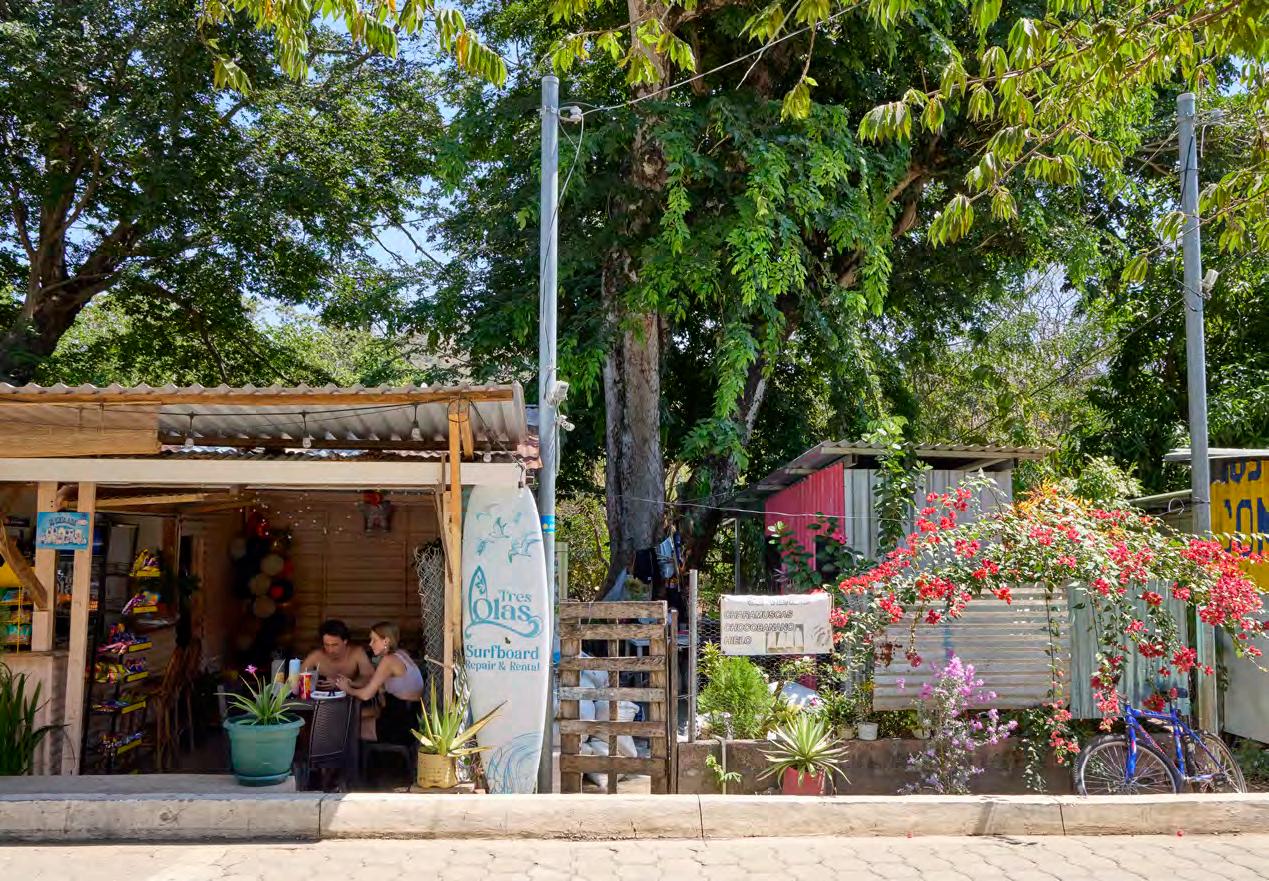
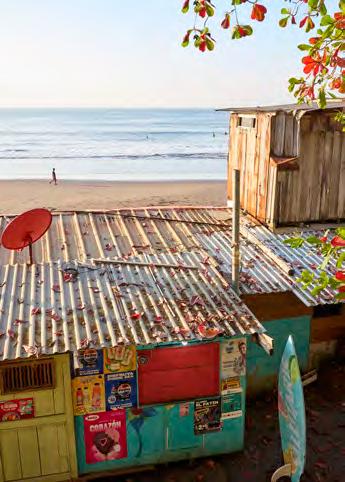
A Rising Tide: As El Salvador emerges as a global vacation destination, the town of El Zonte shines thanks to its signature mix of supreme surf and local charm.
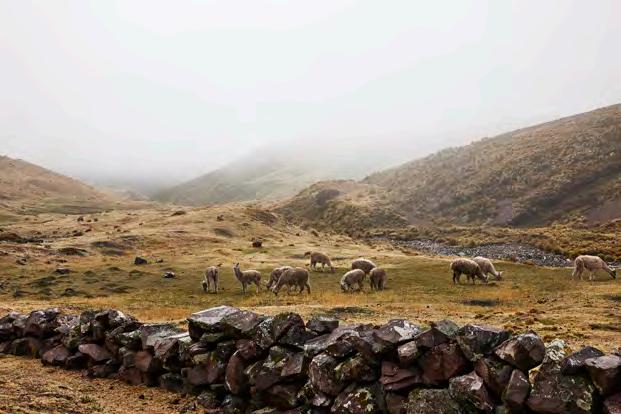
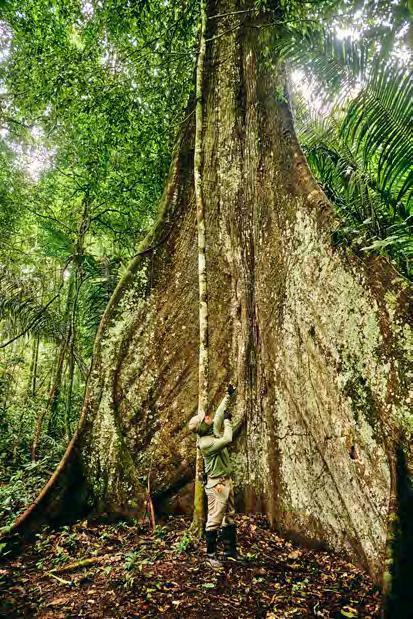
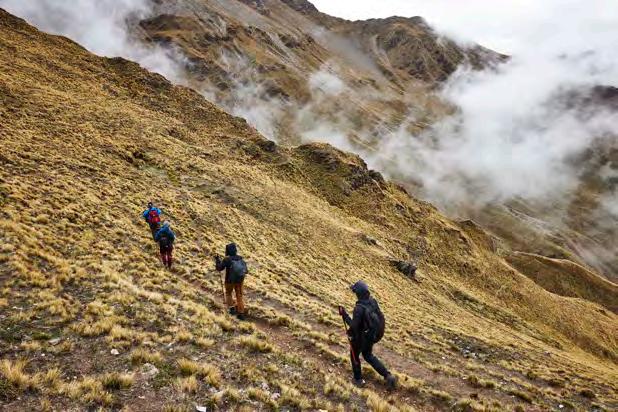
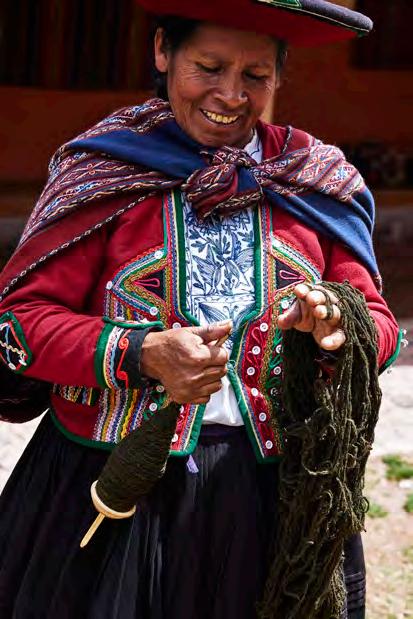
Perspective Shift: From the Andes to the Amazon, Peru’s varied landscapes and traditions offer vastly different outlooks — and lessons.
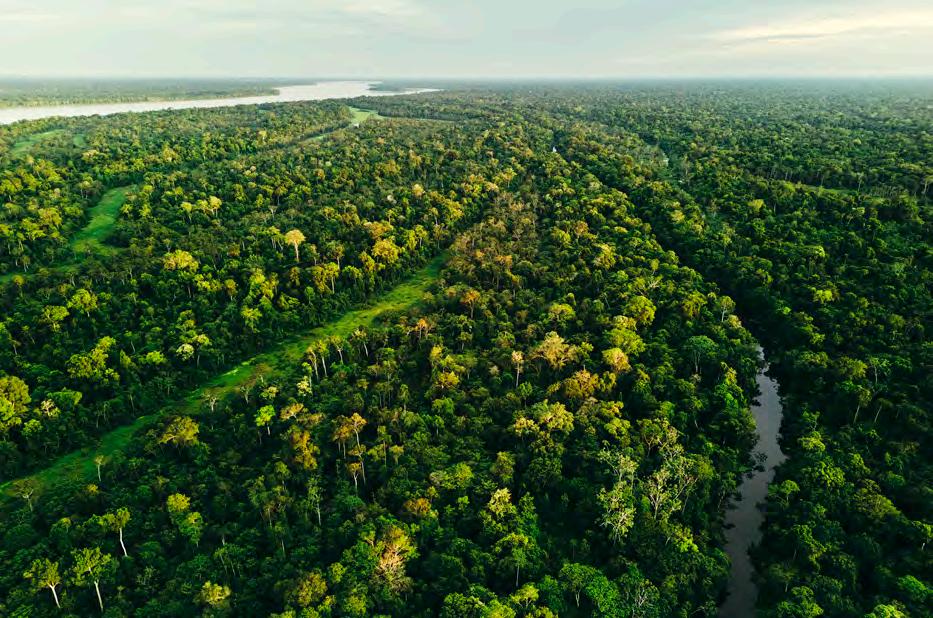
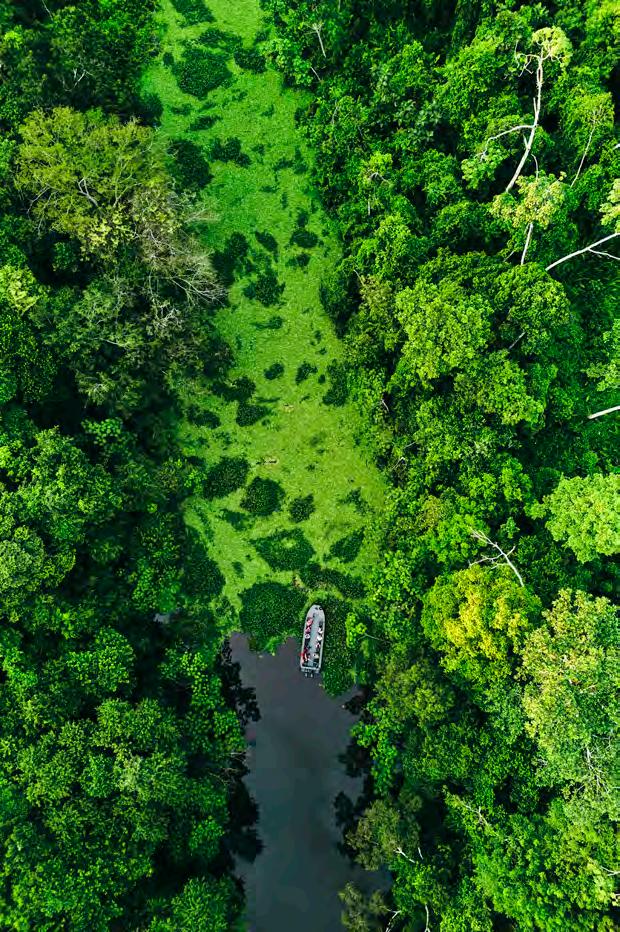
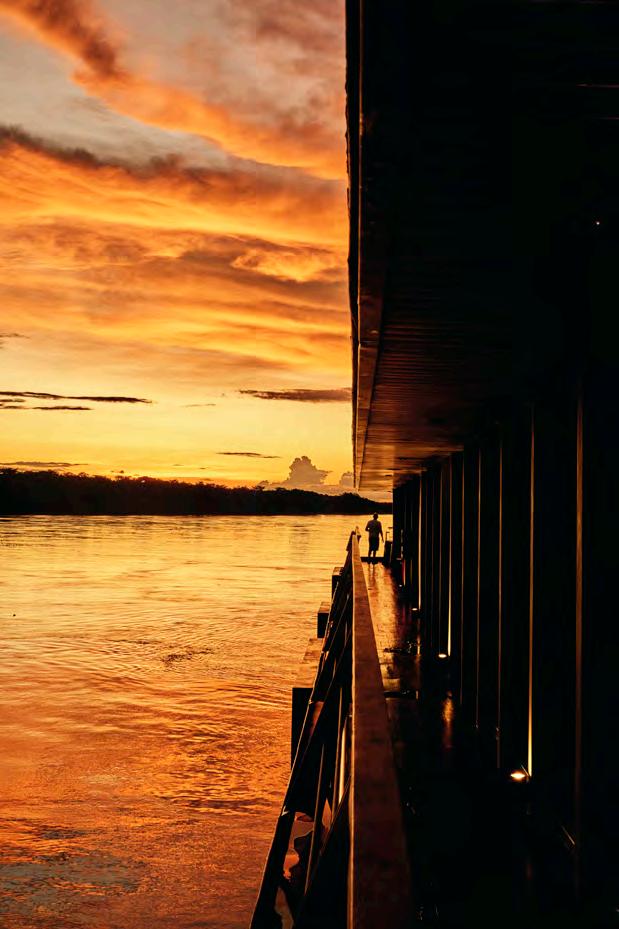
River Wild: A spellbinding cruise through Peru’s notoriously inaccessible Amazon River basin reveals the untamable power of the vital region.
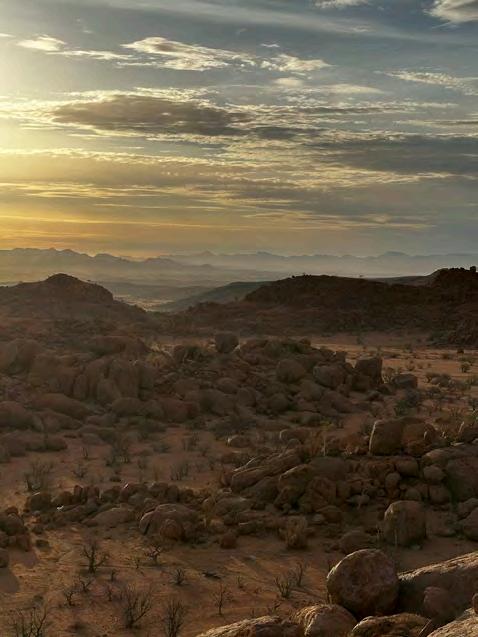
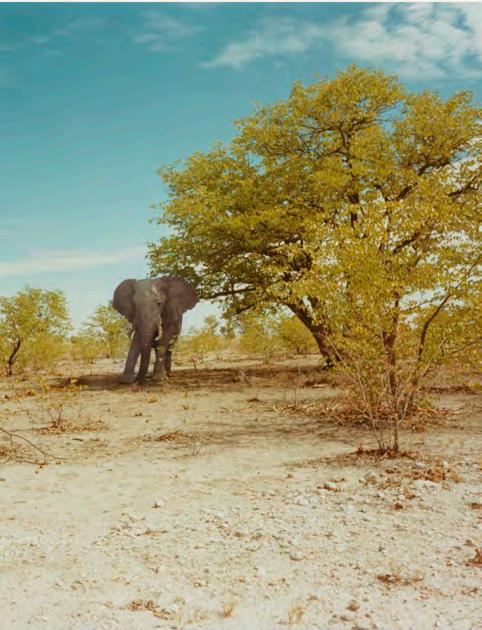
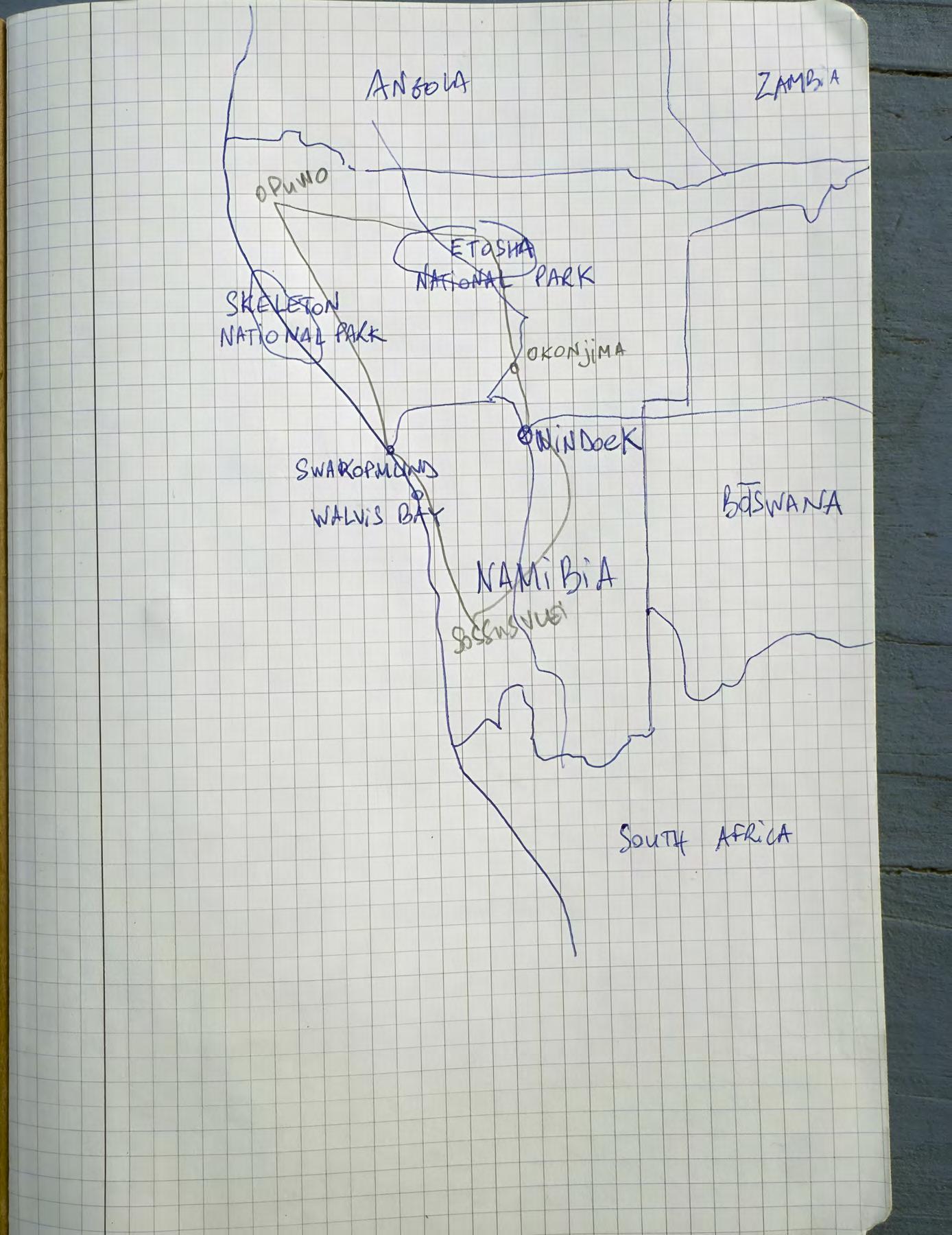
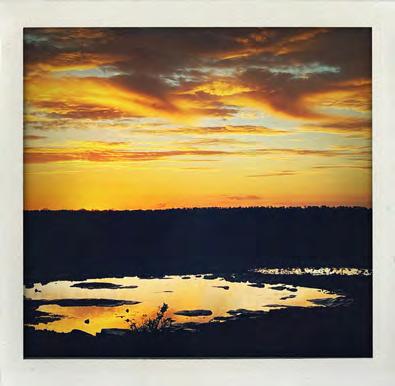
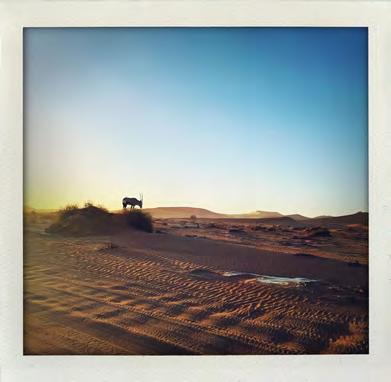
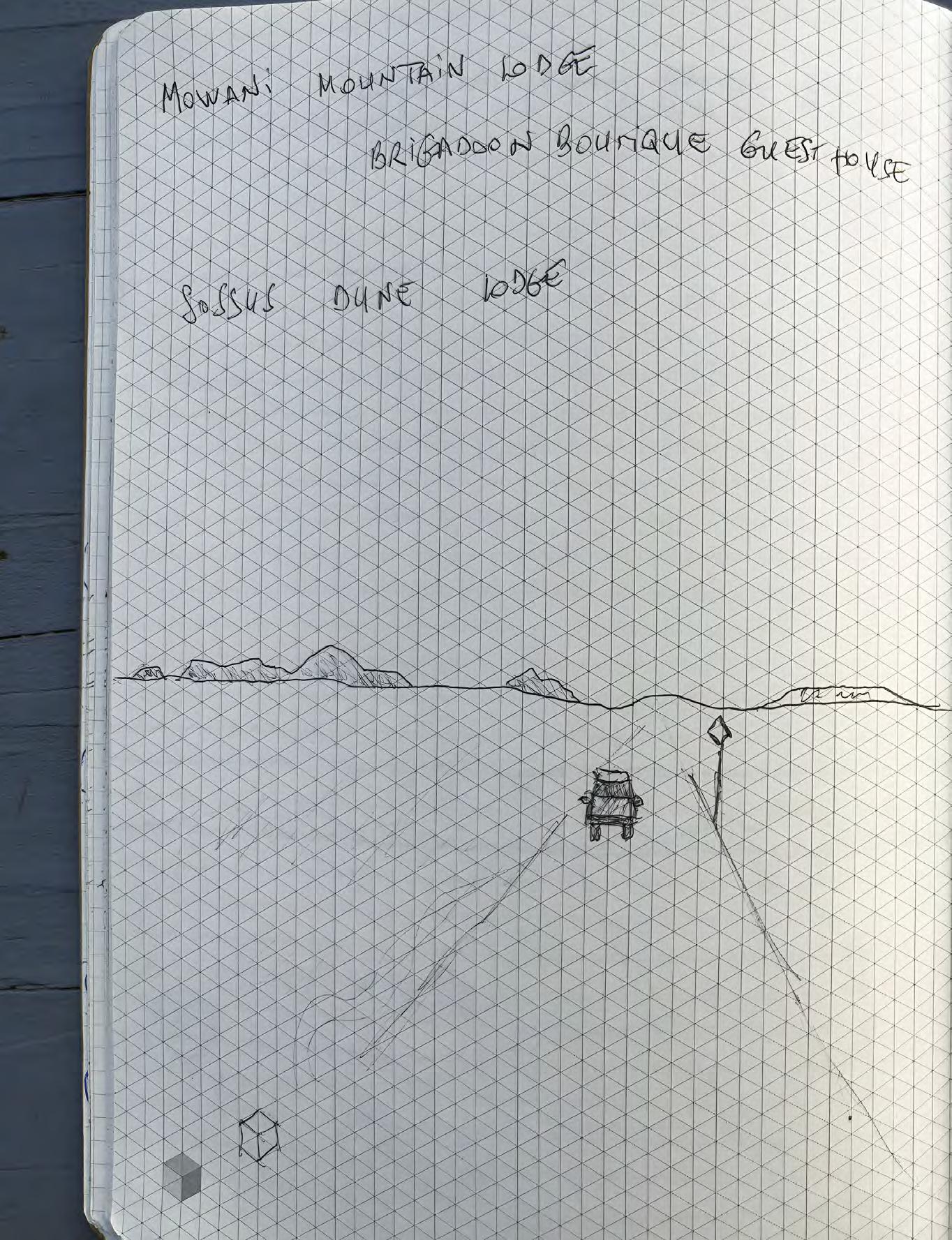
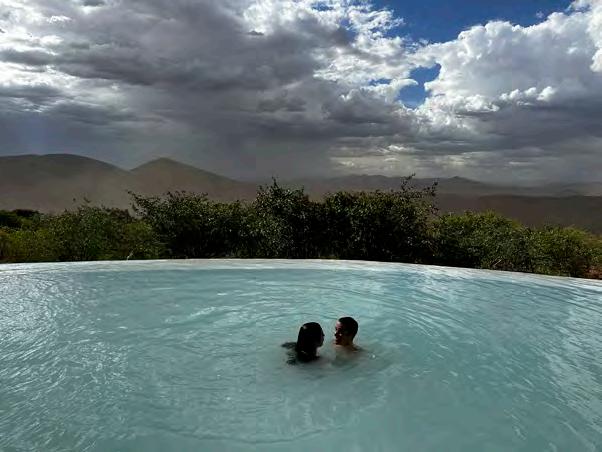
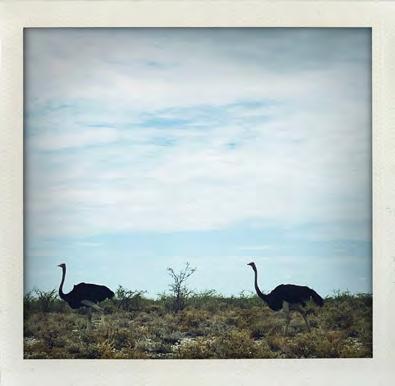
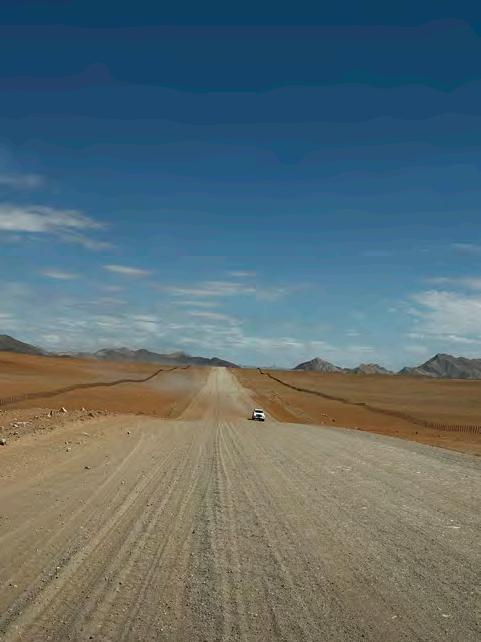
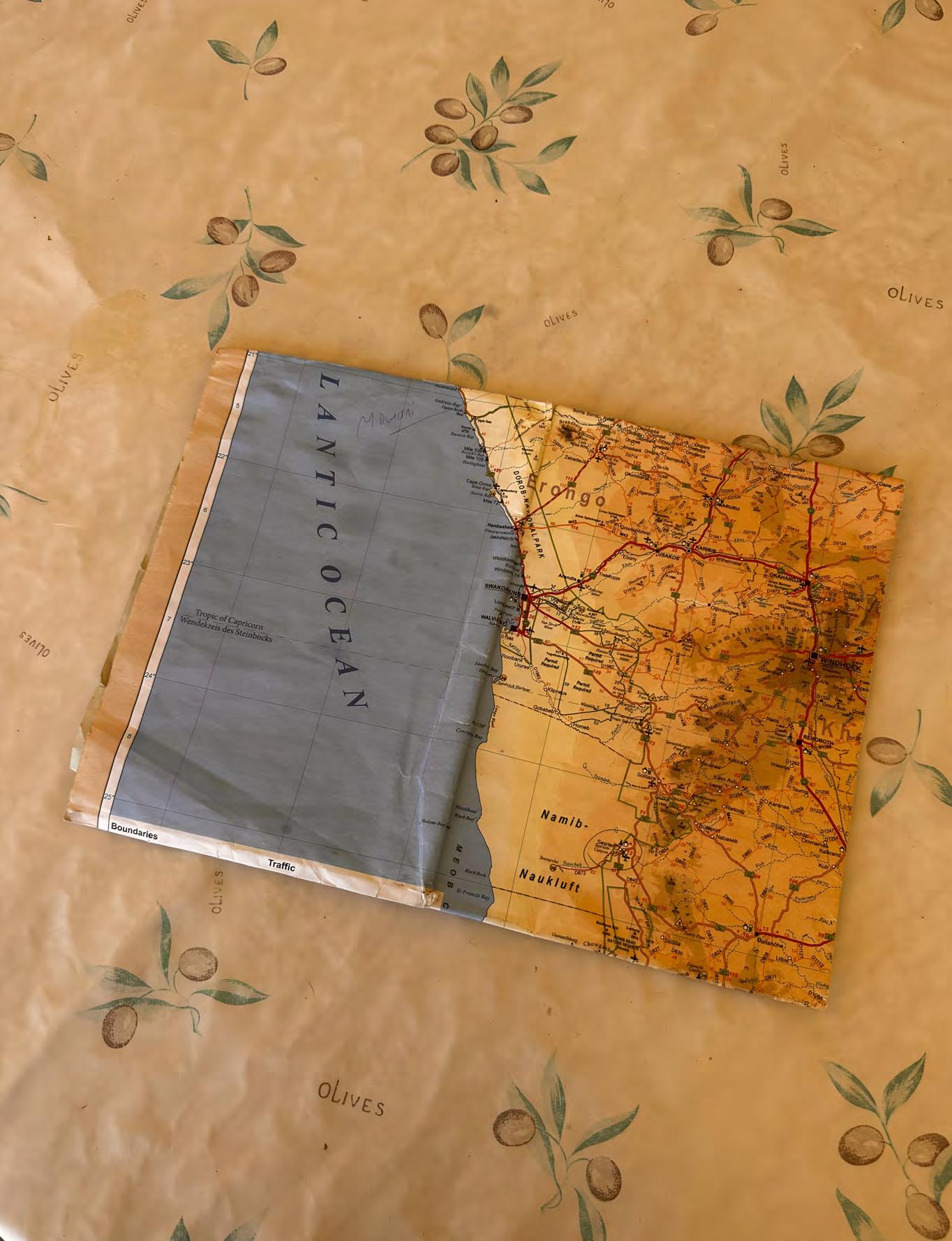
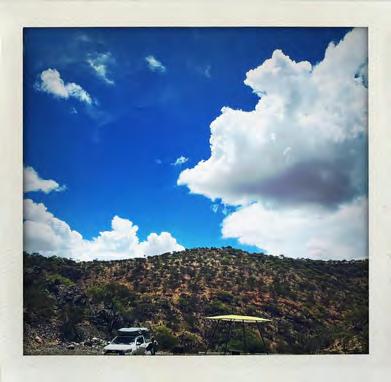
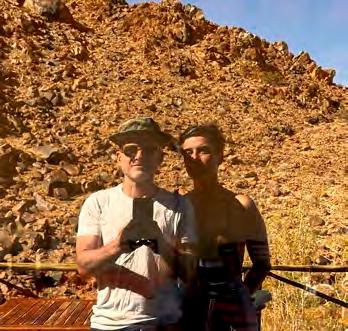
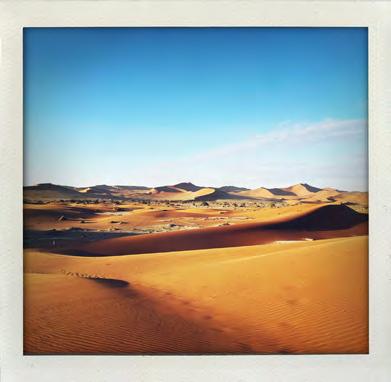
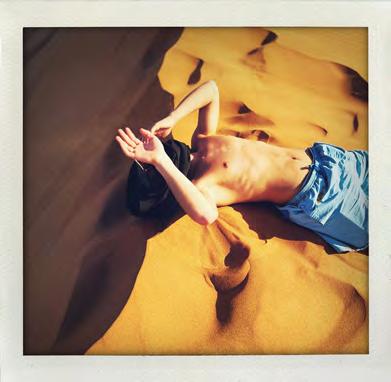
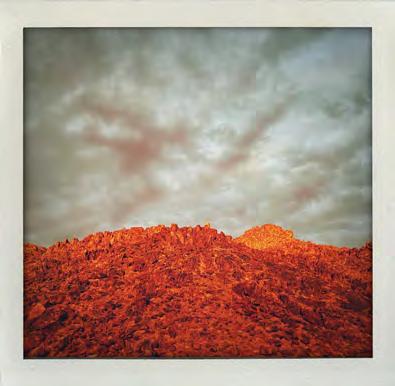
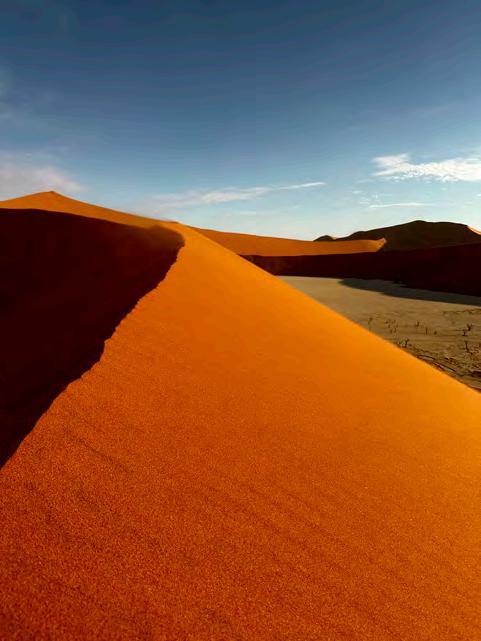
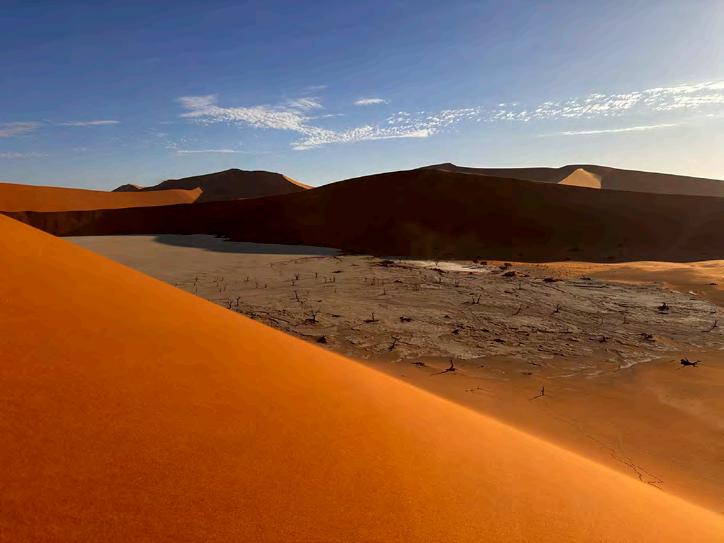
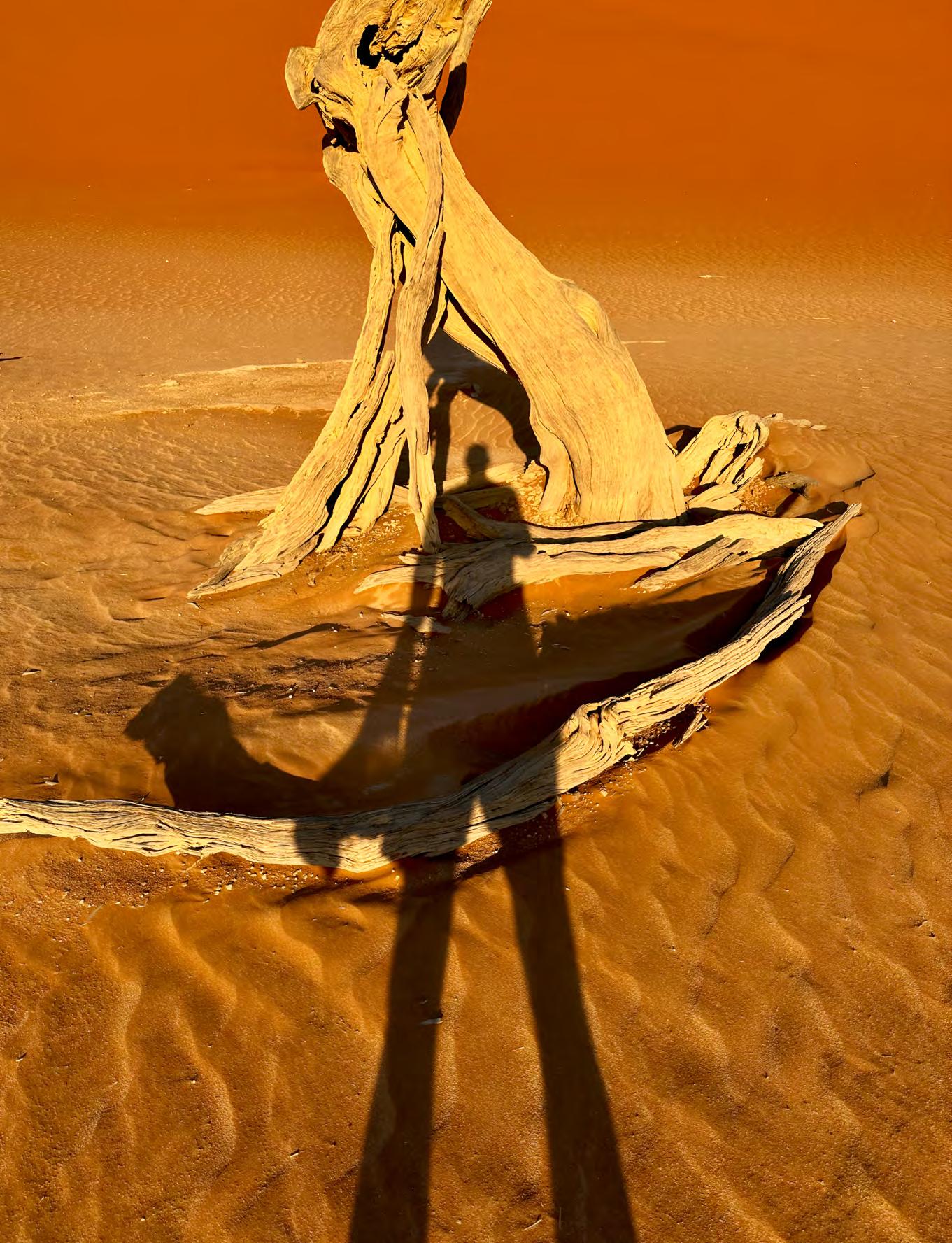
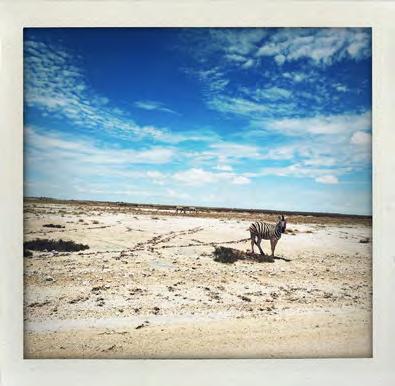
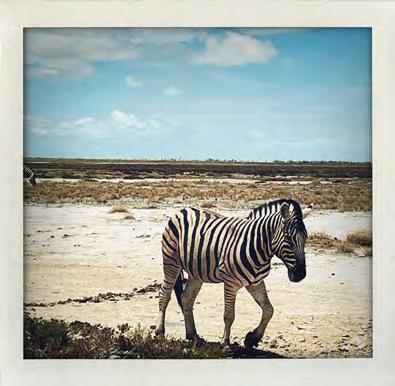
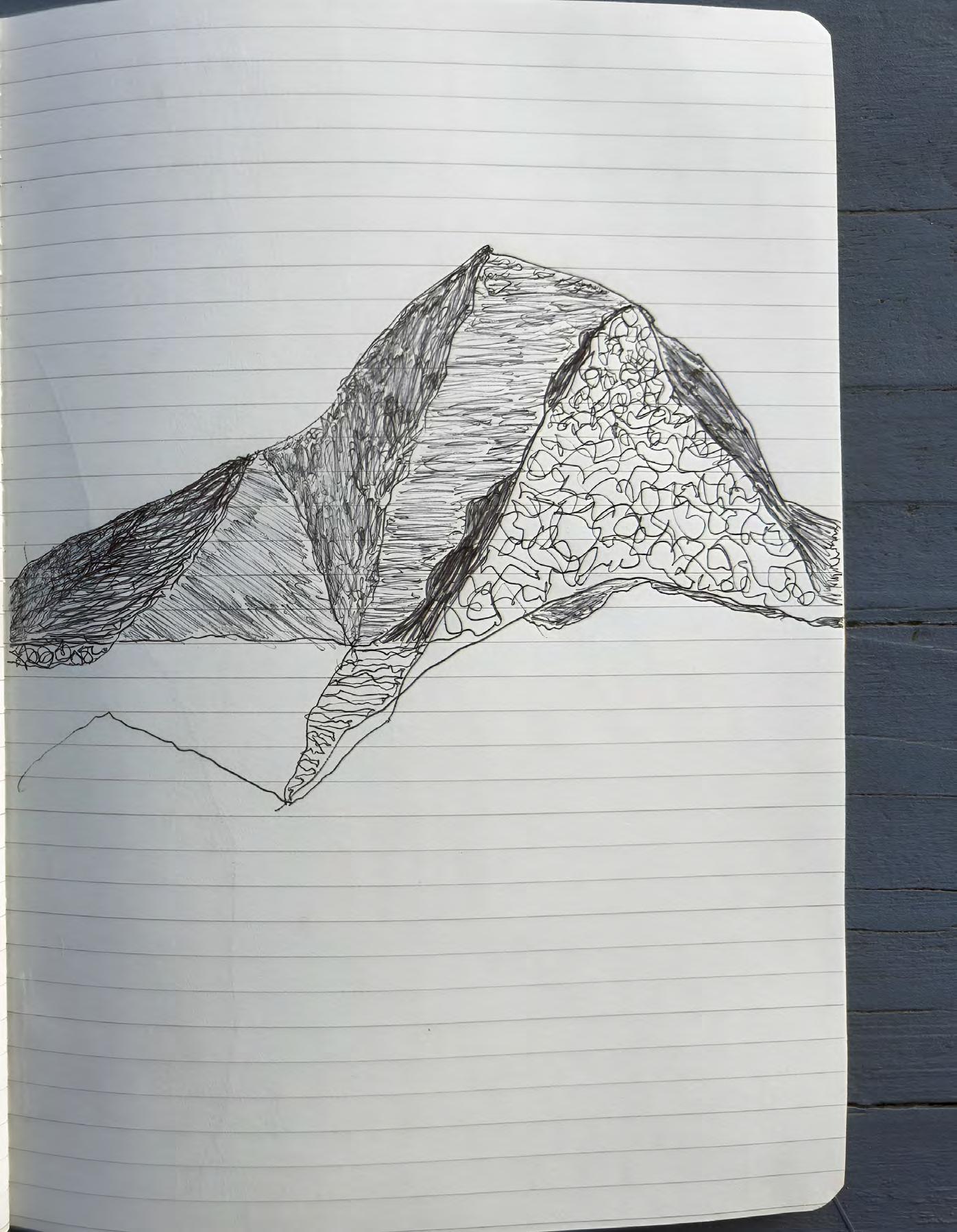
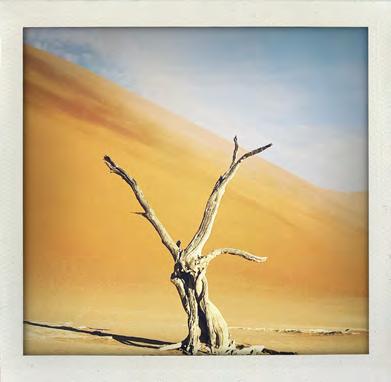
Off the Road: Christopher Anderson and Marion Durand tour Namibia in a 4x4, with their kids Pia and Atlas in tow — each capturing their trip through their own lens.
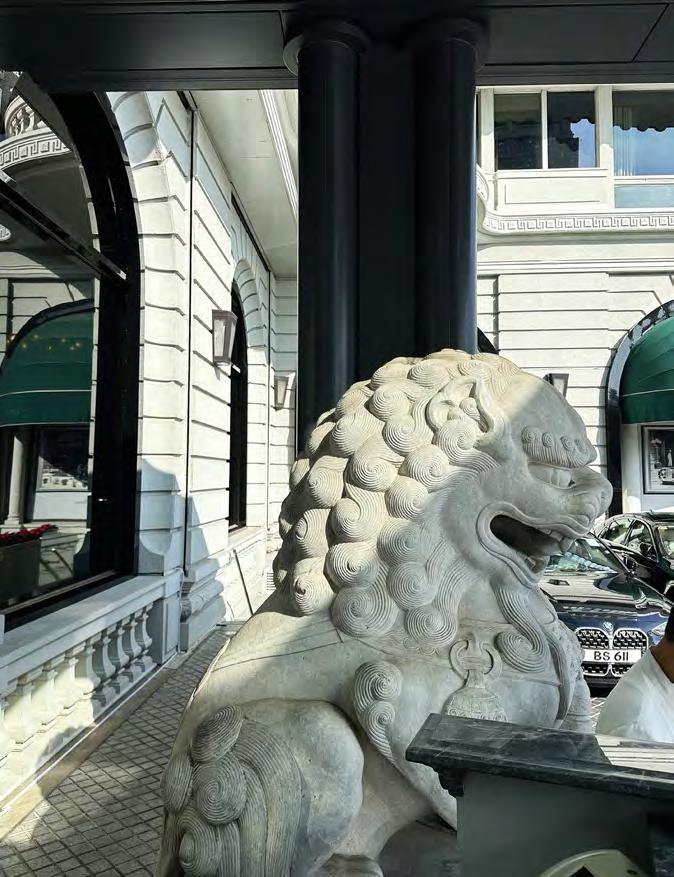
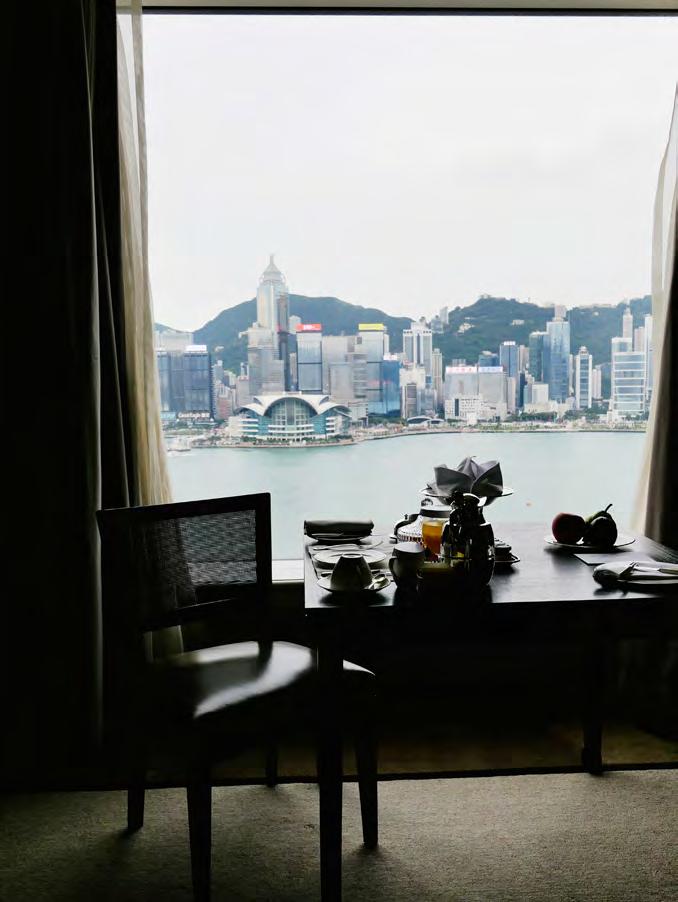
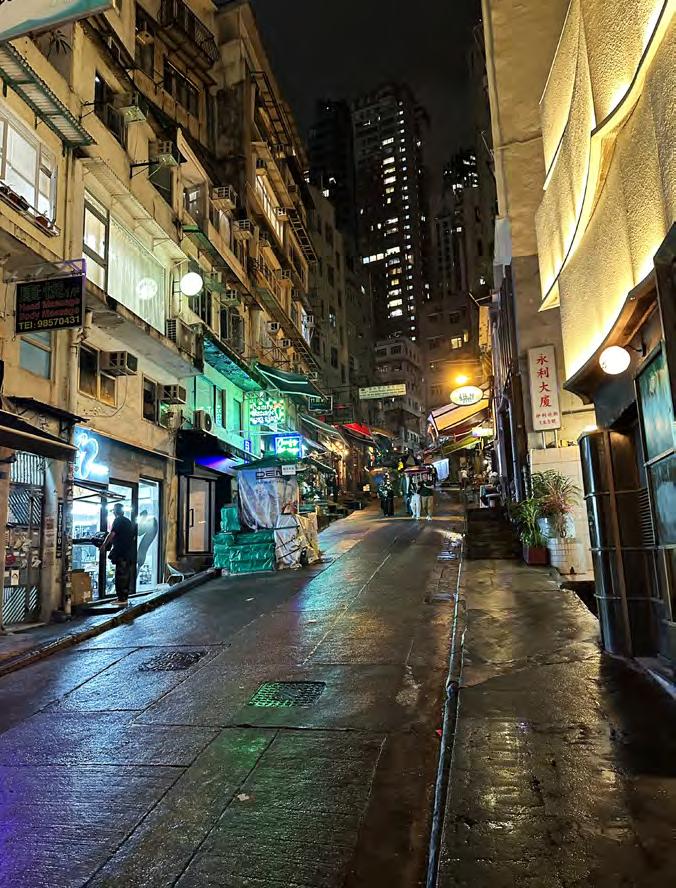
City Electric: Long a global crossroads, Hong Kong is in the midst of a cultural renaissance.
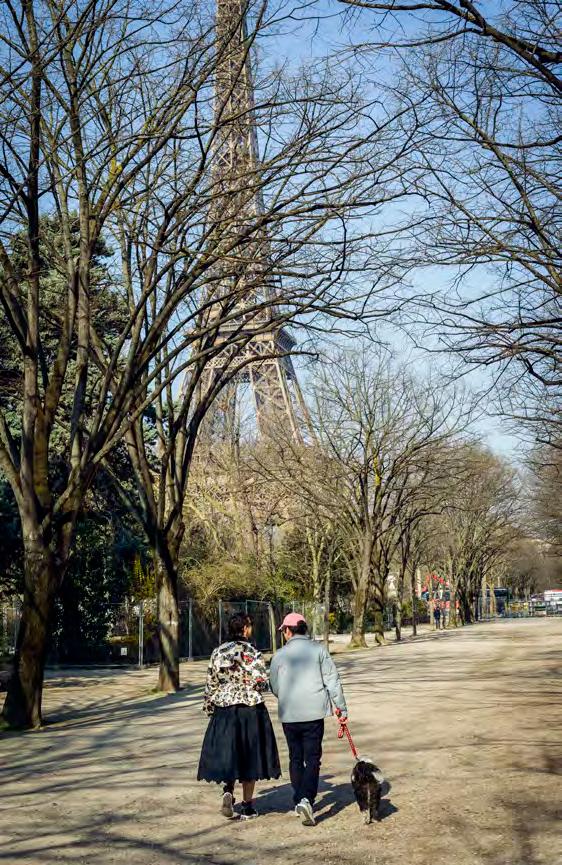
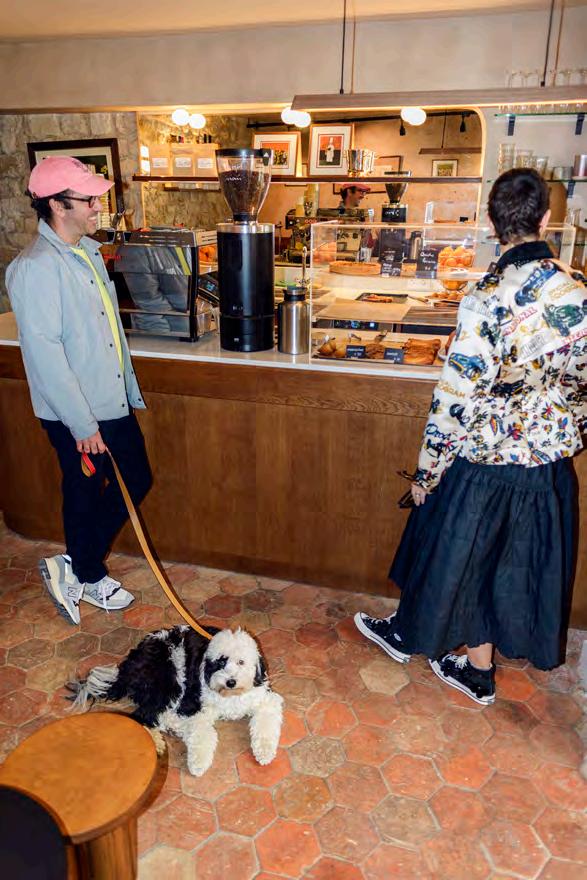
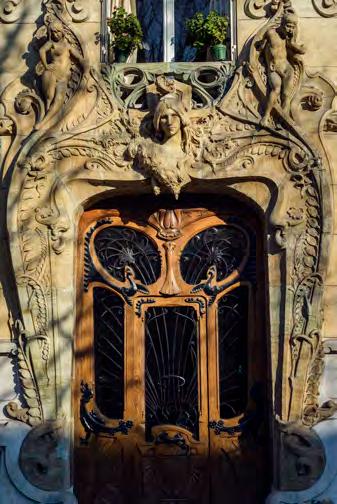
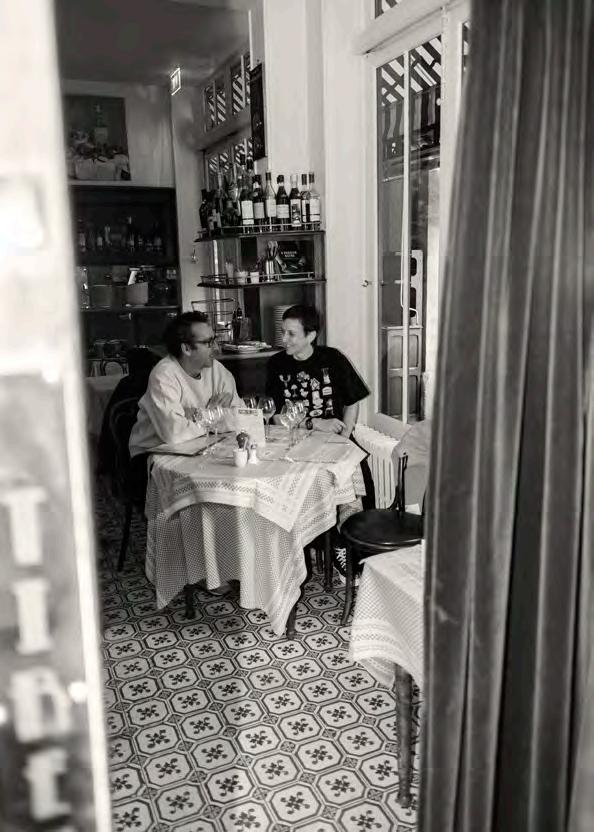
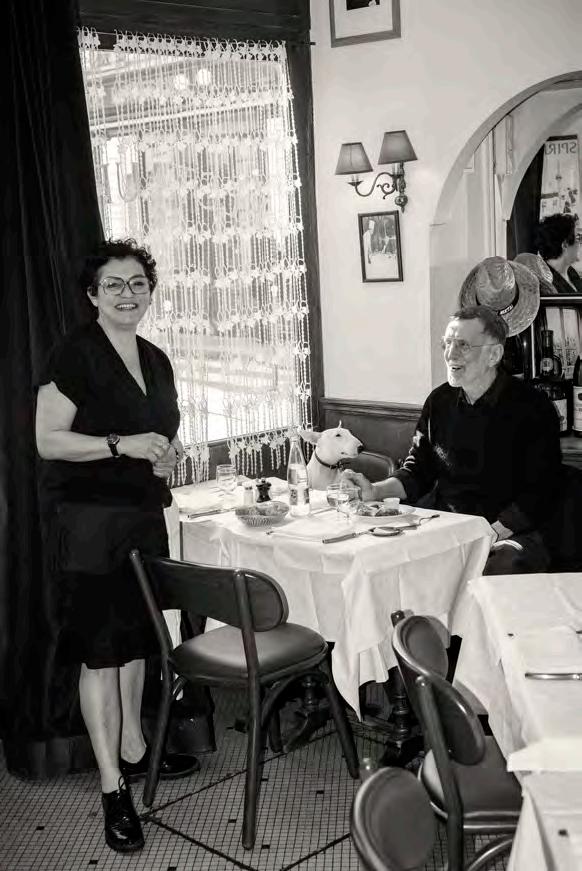
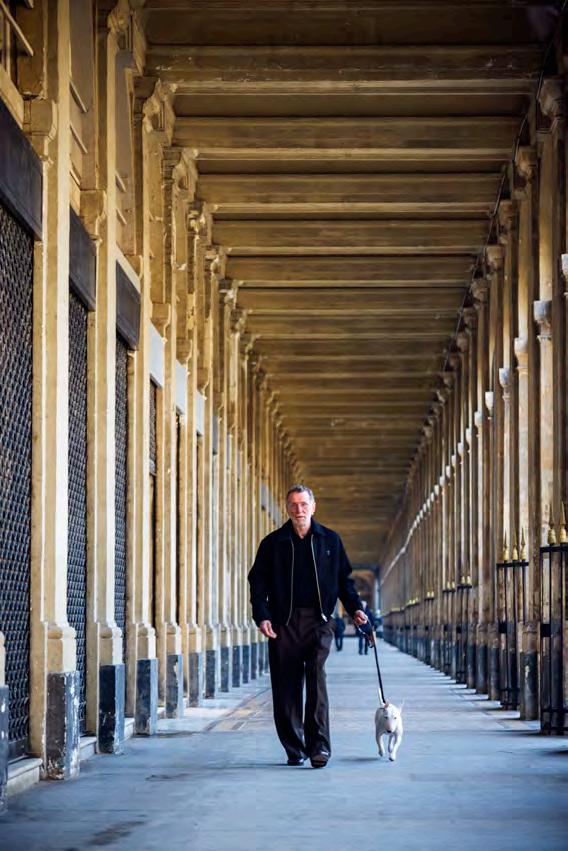
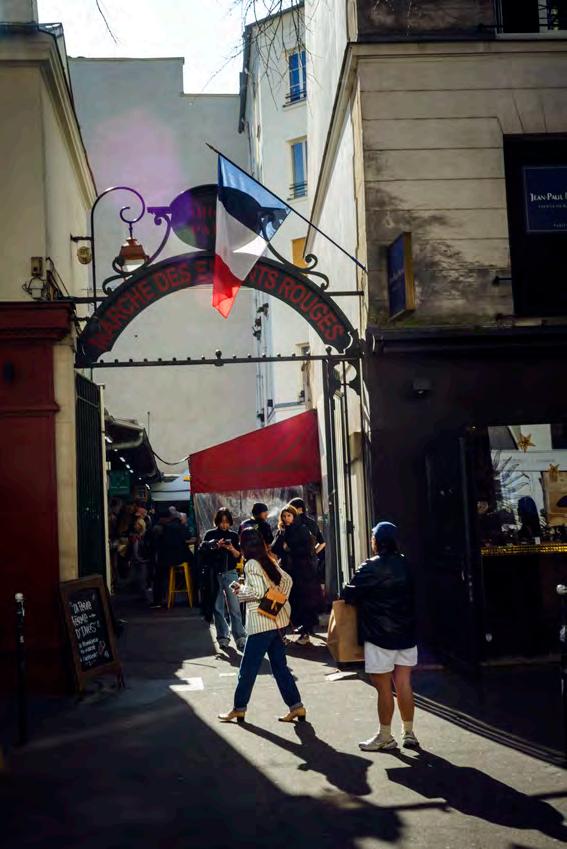
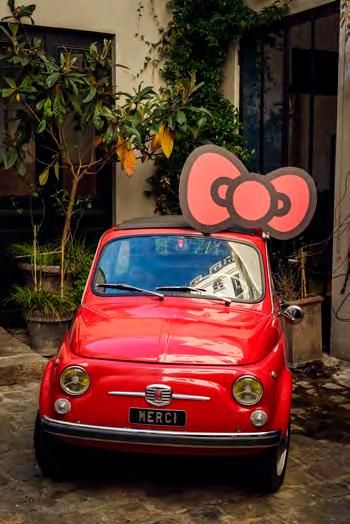
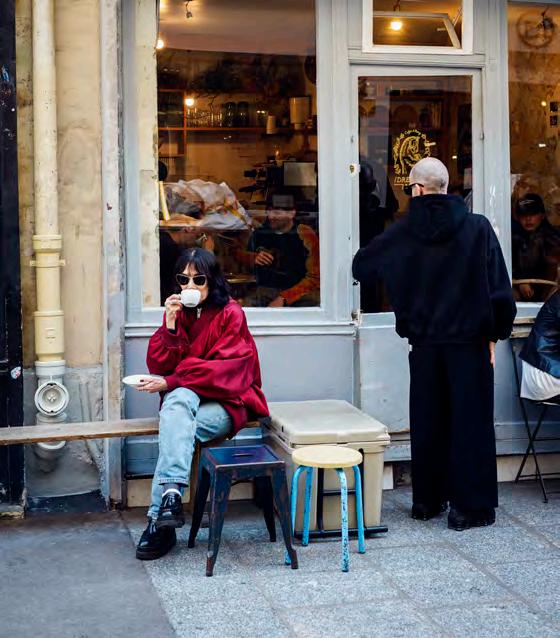
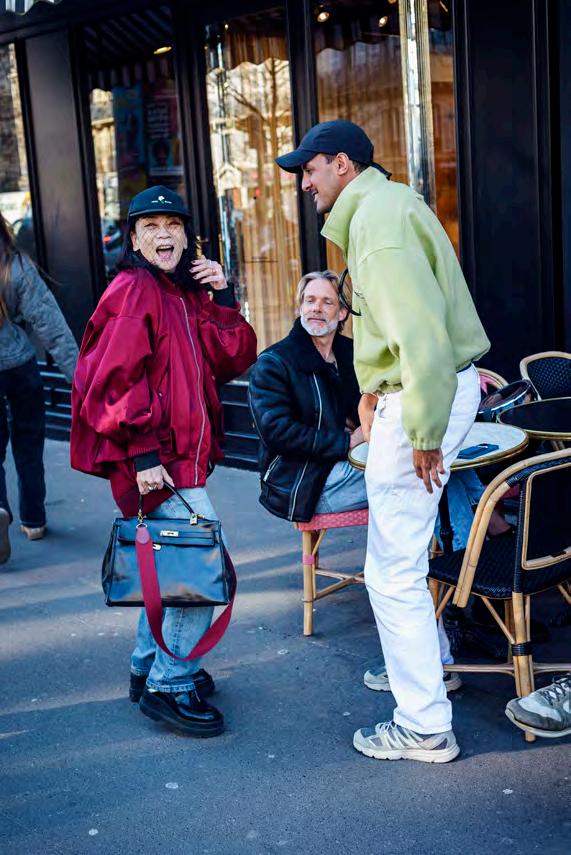
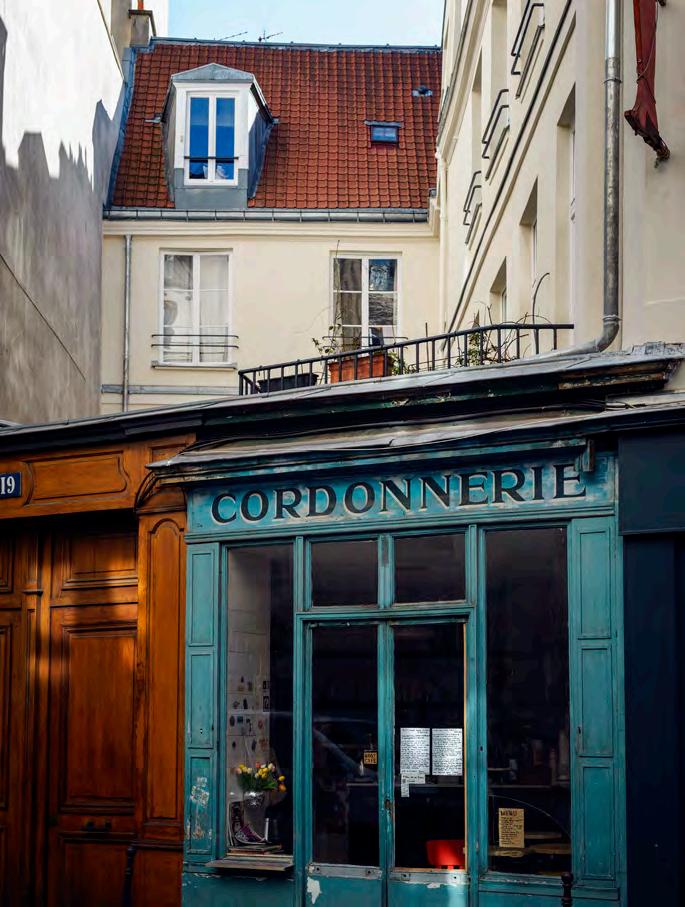
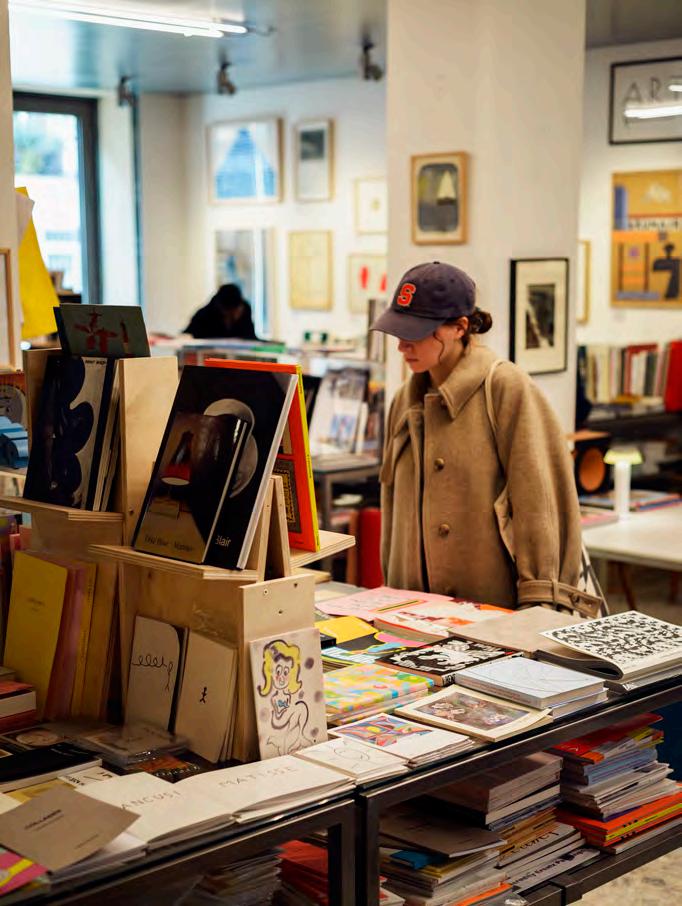
Just Around the Quartier: Five Parisians share personal portraits of their neighborhoods and the places that make them great.
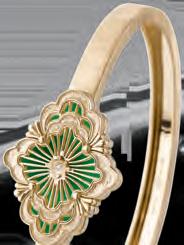
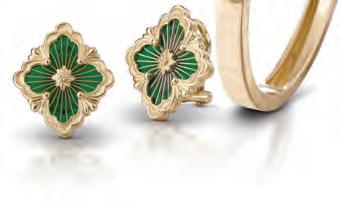
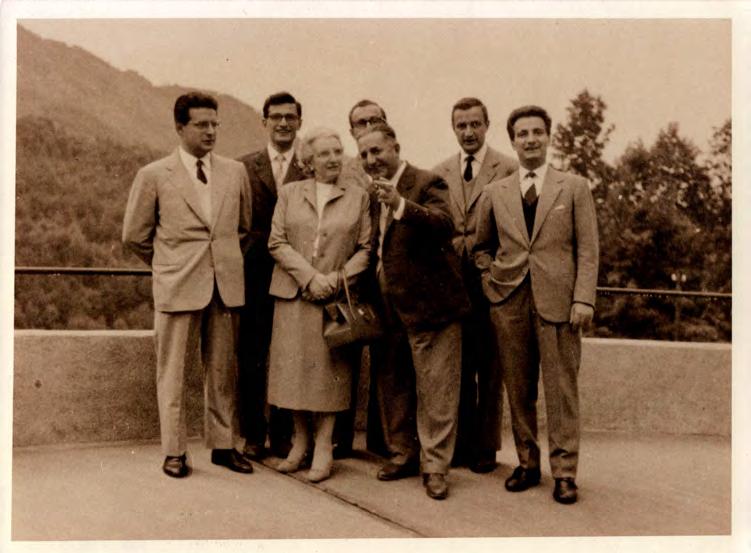
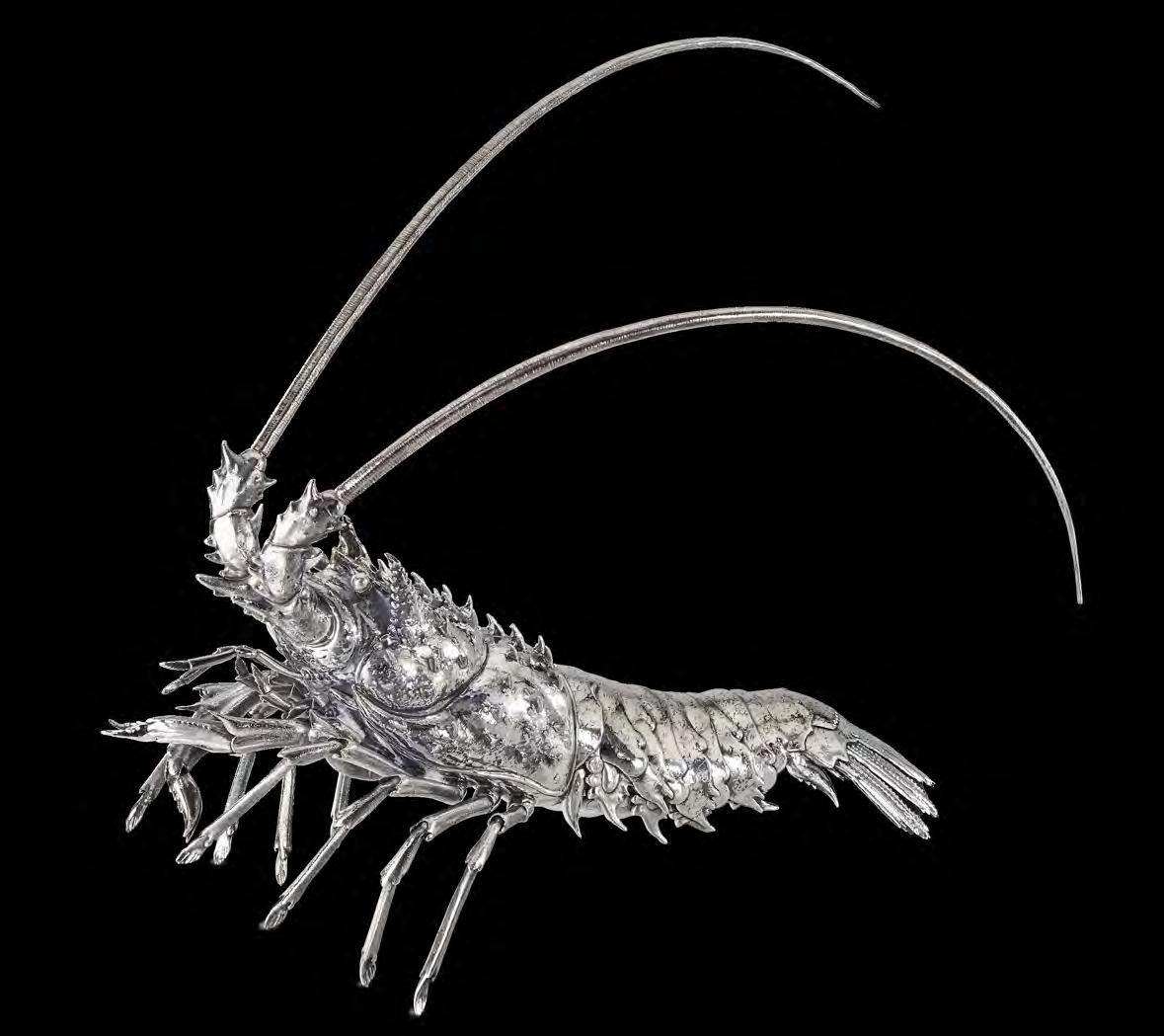
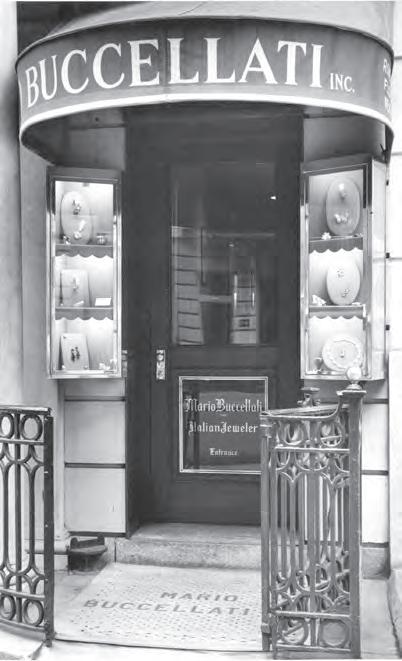
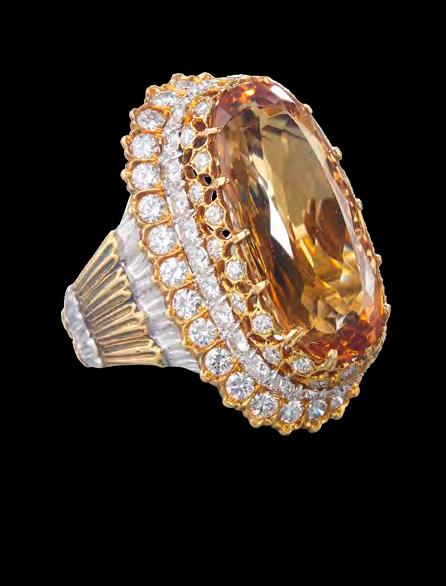
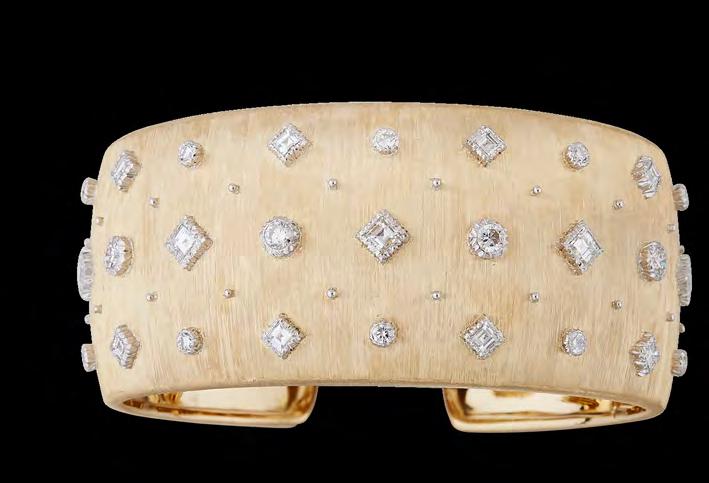
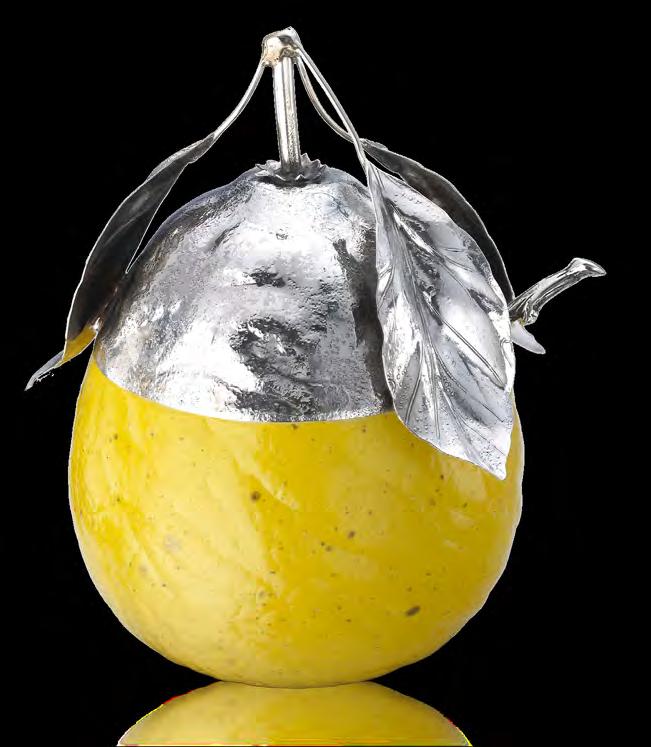
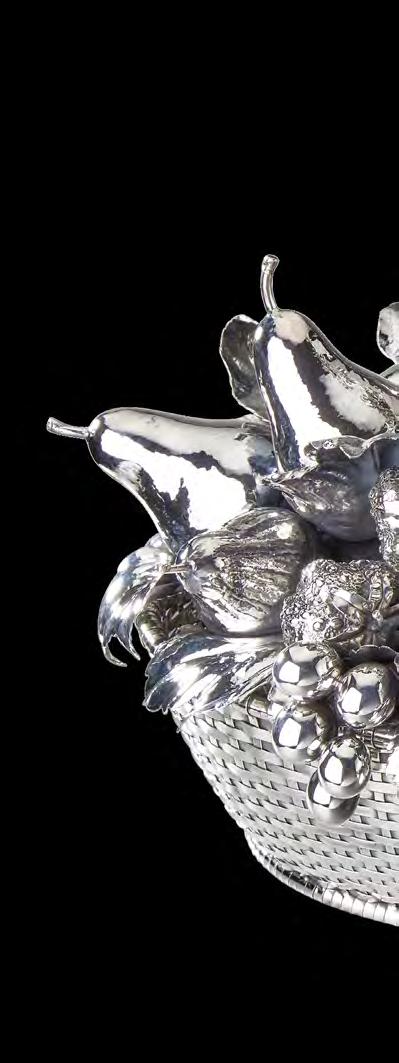
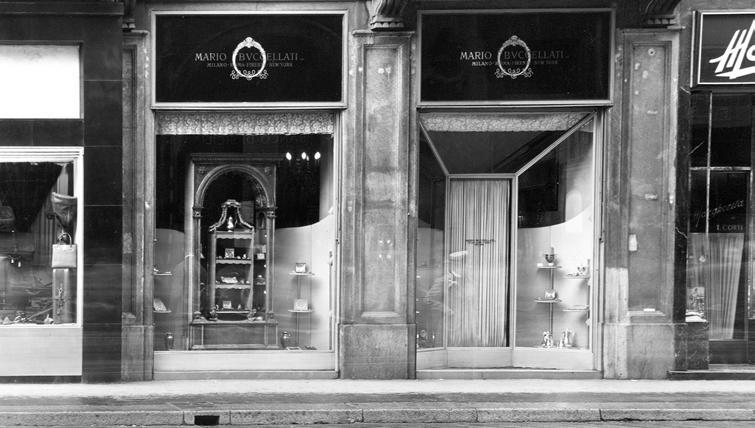
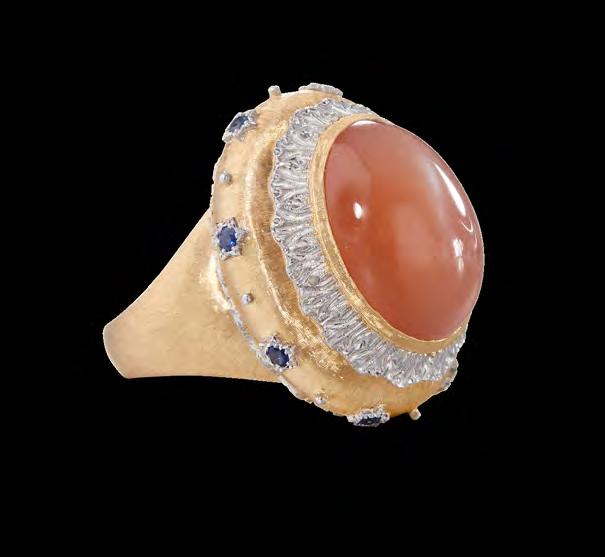
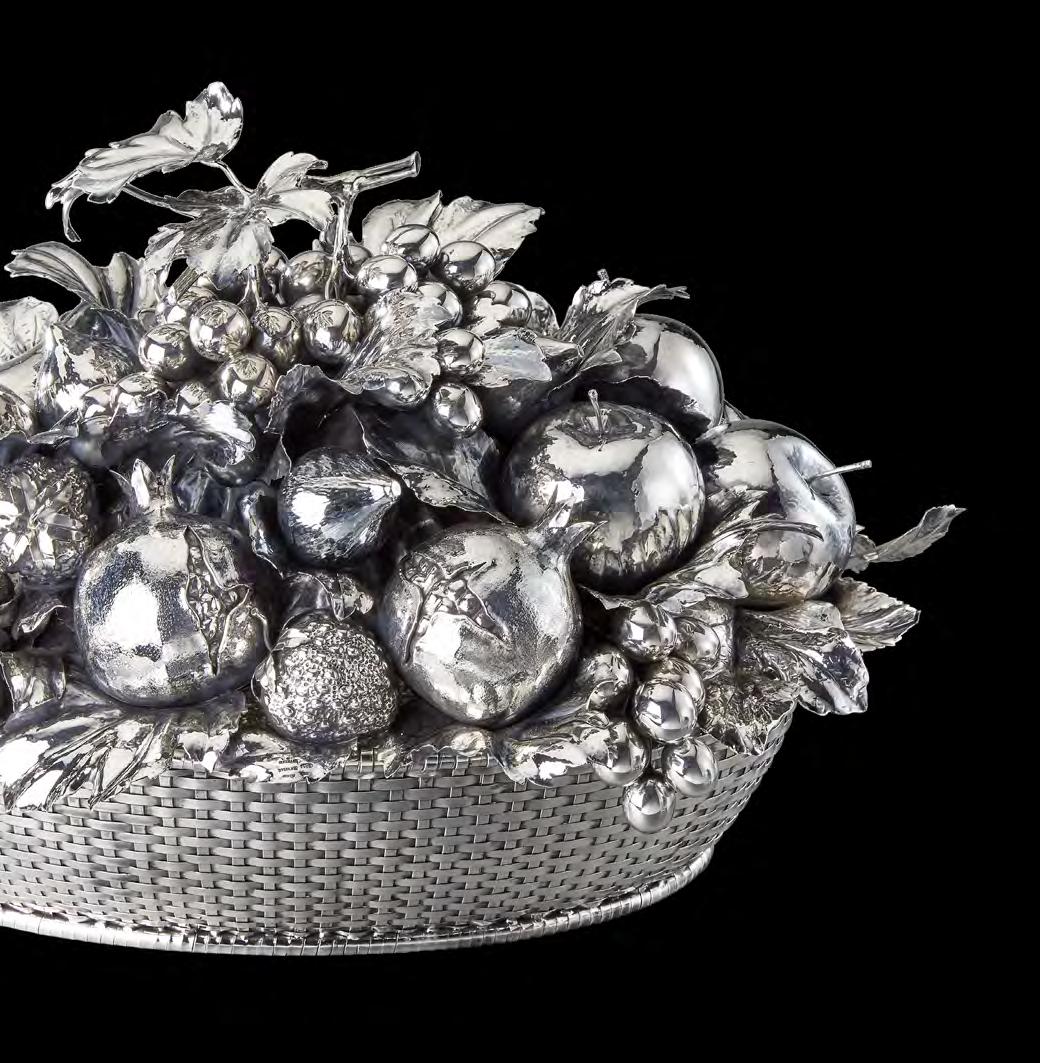
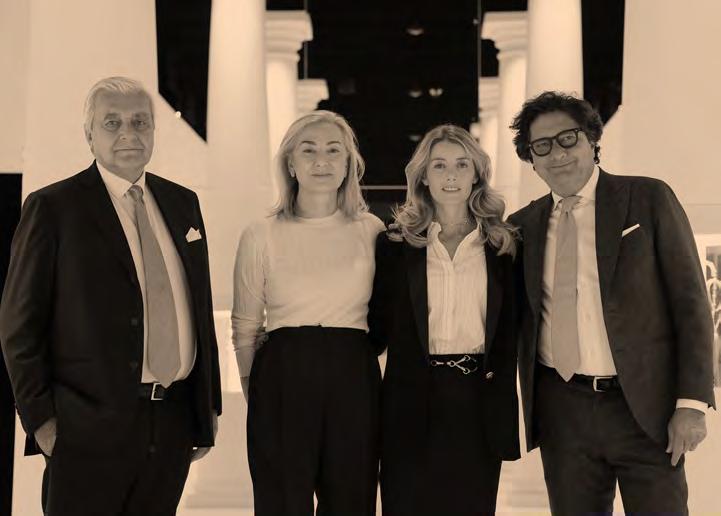
Piece by Piece: Father-and-daughter creatives Andrea and Lucrezia Buccellati discuss the origins and evolutions of their namesake jewelry company’s vision and its commitment to Italian craft.
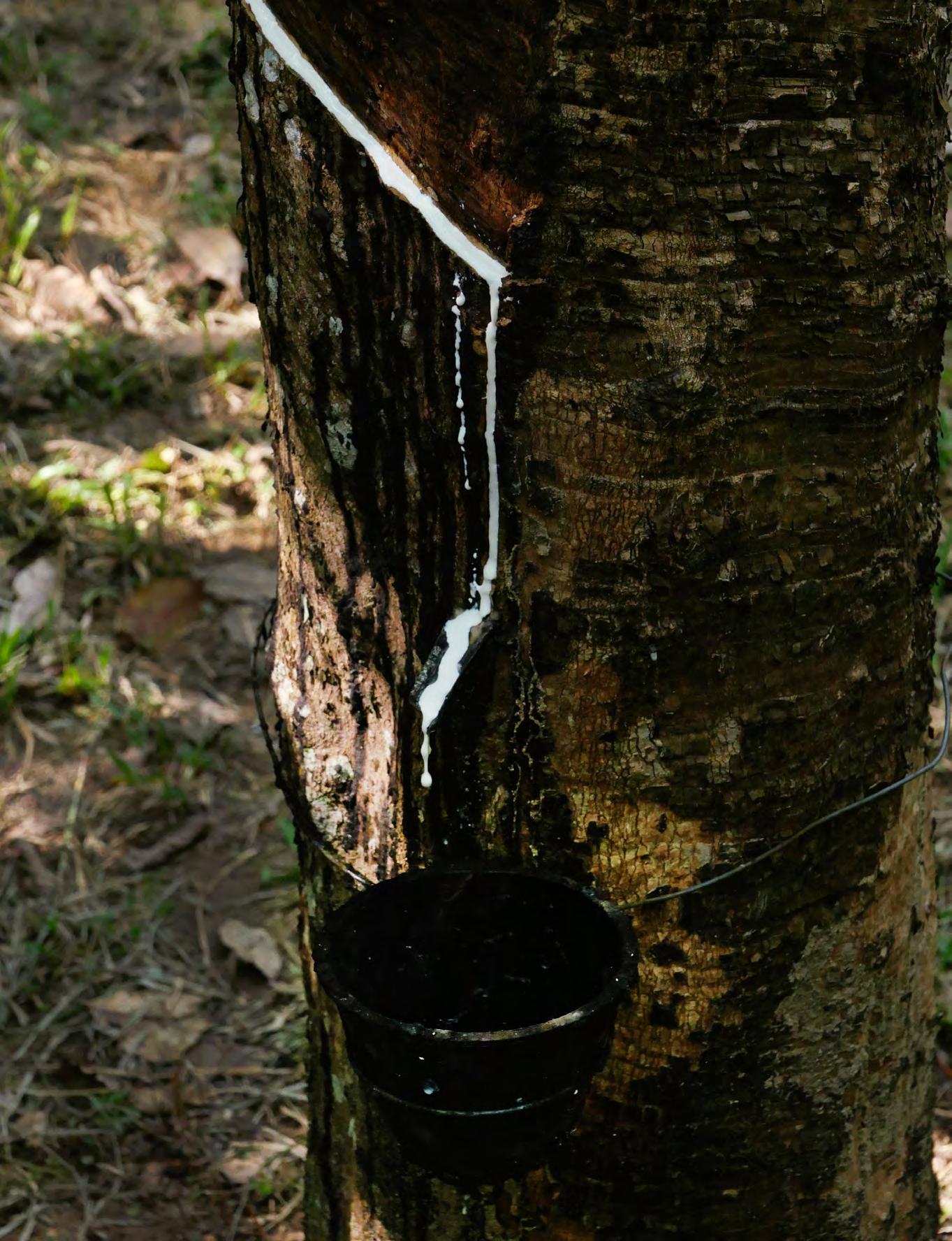
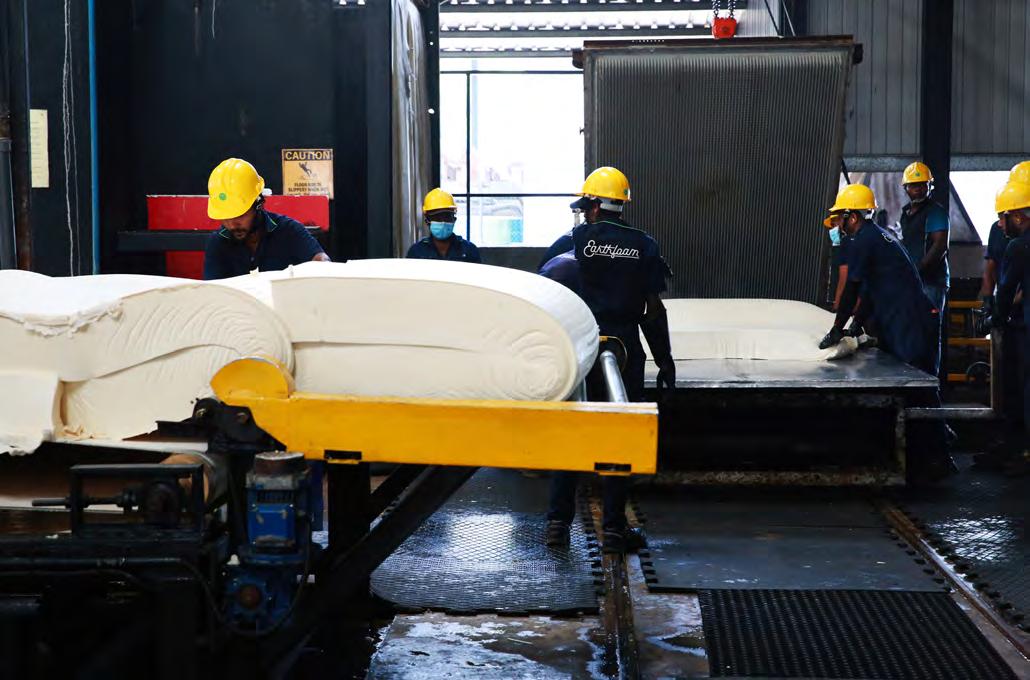
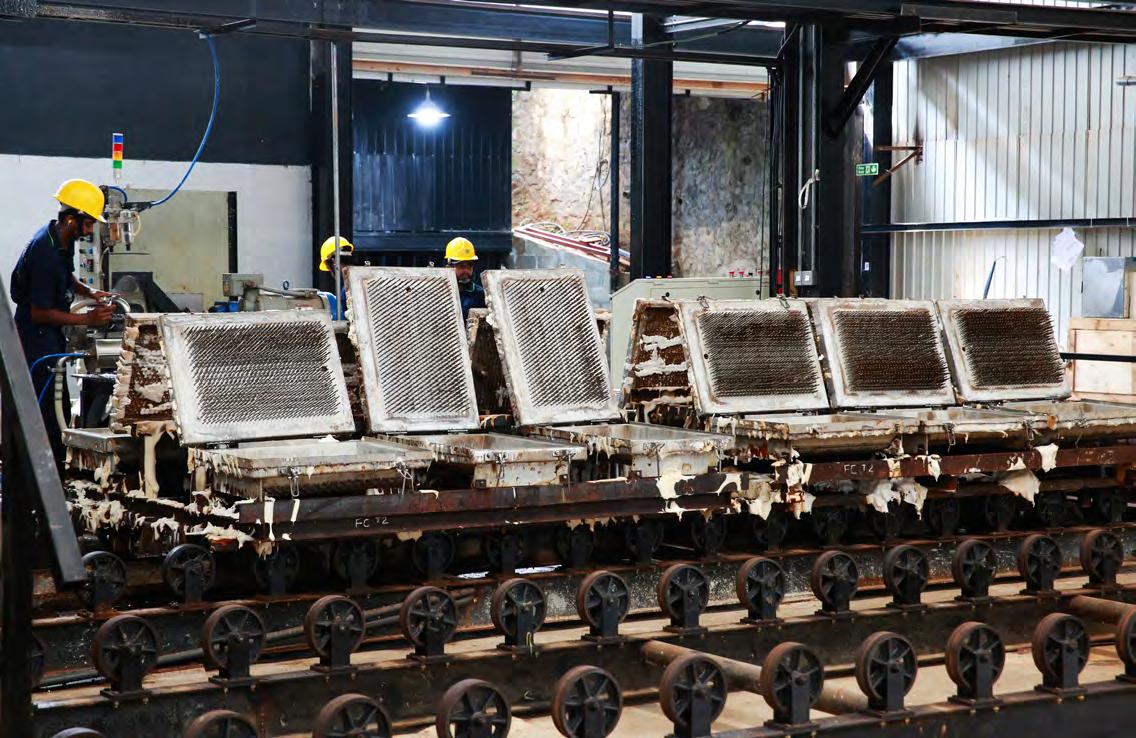
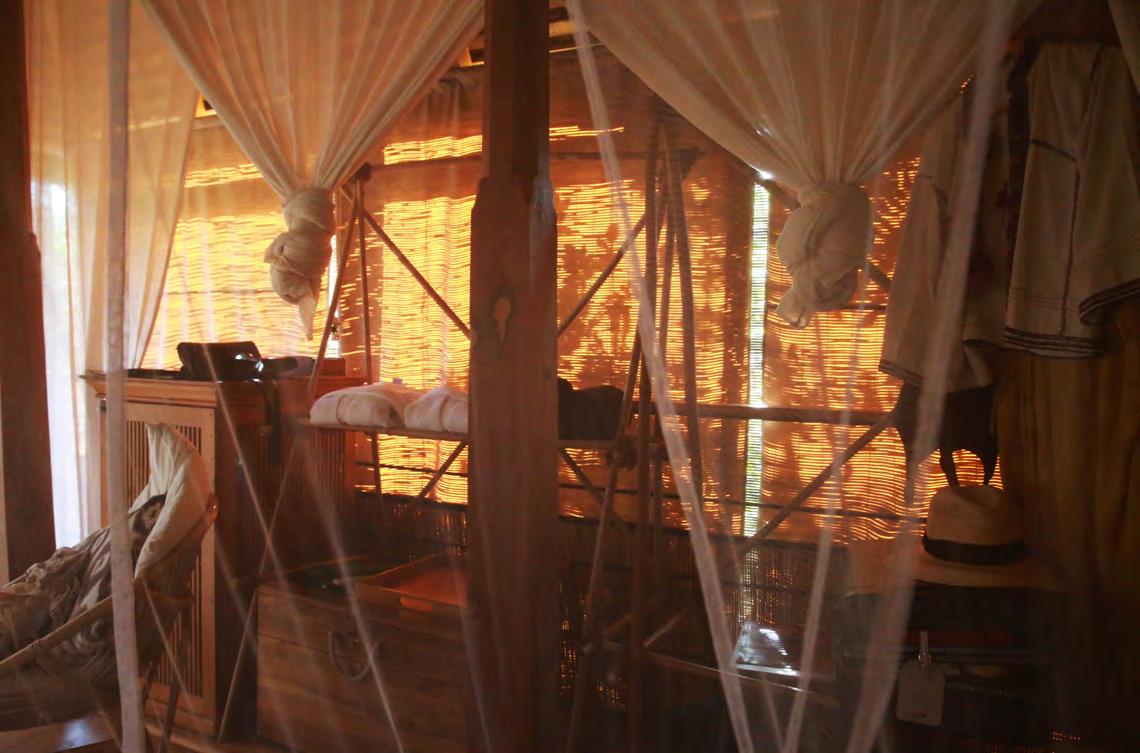
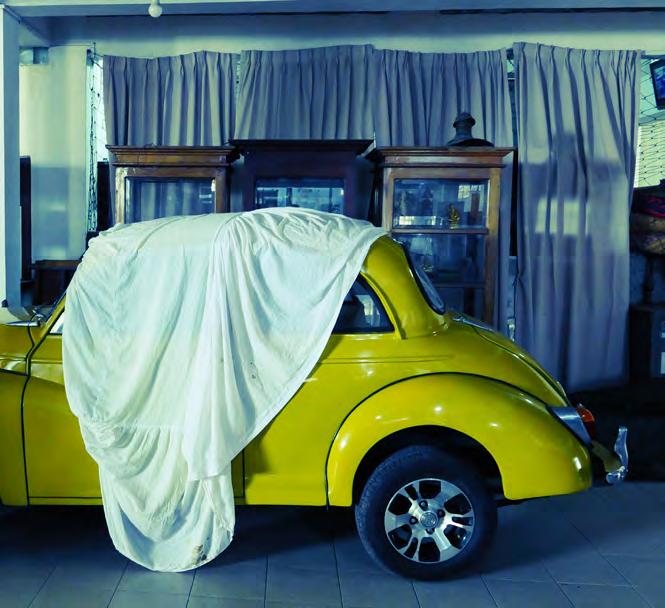
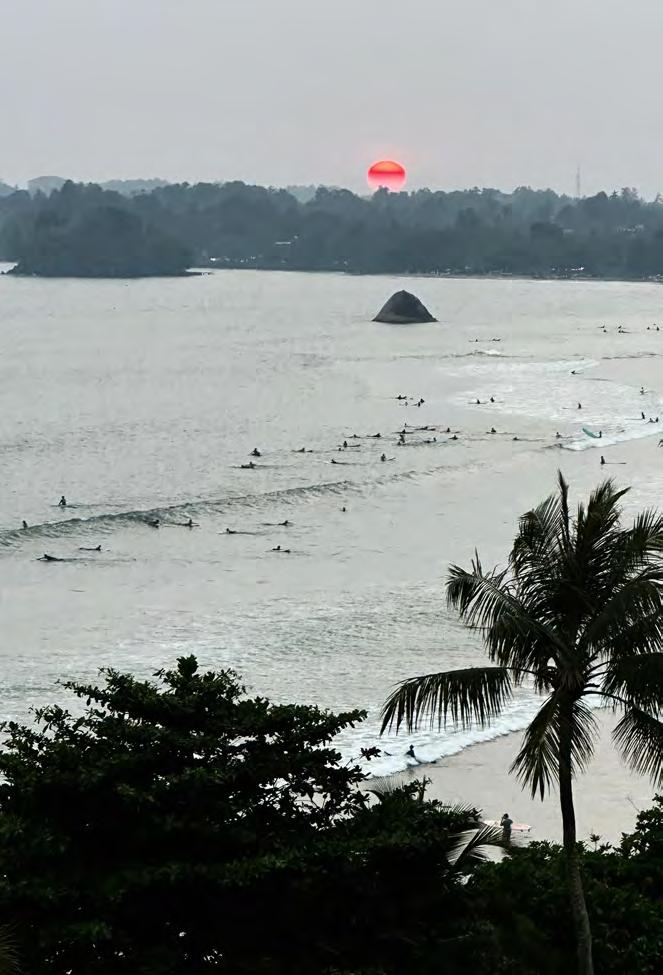
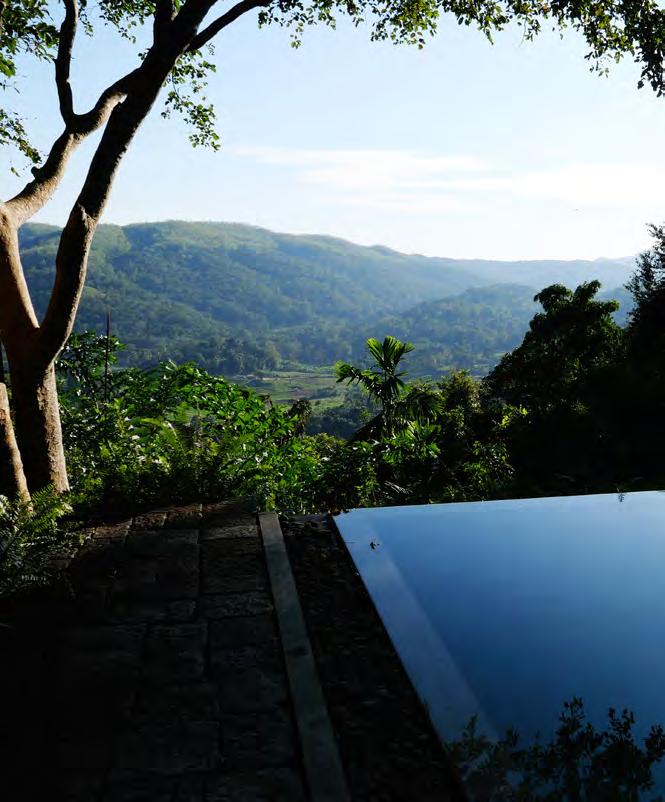
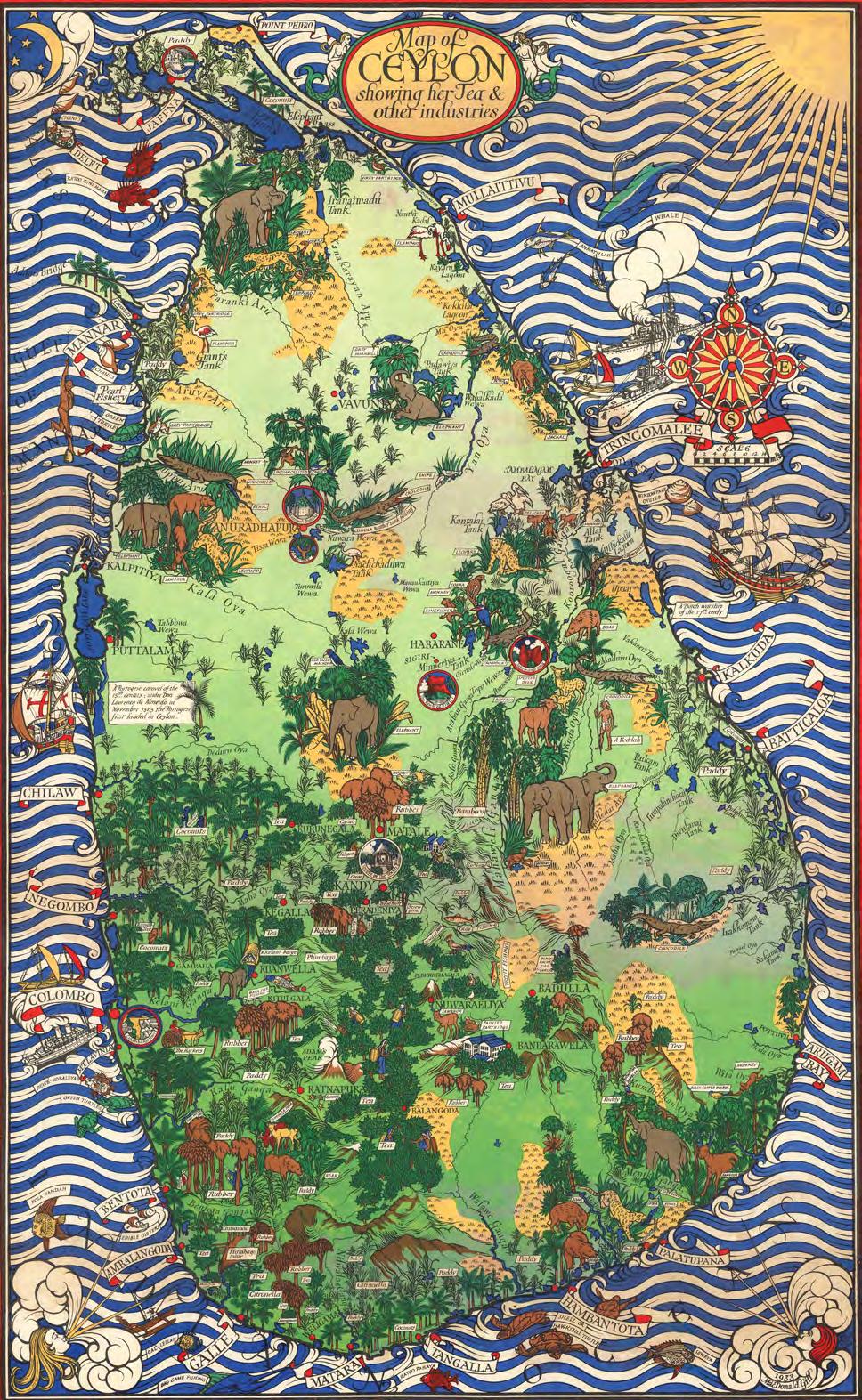
Fair Game: In Sri Lanka, an organic mattress company’s supply chain offers a lesson in transparency and an opportunity to reflect on where things come from.
Ships at Permanent Anchor: From Stromboli’s eruptive emotions to Iceland’s contemplative moods, islands possess their own distinct powers and personalities.
The Scene Must Be Set: This colorful guide to four idyllic destinations includes everything you need to become the main character of your dream vacation.
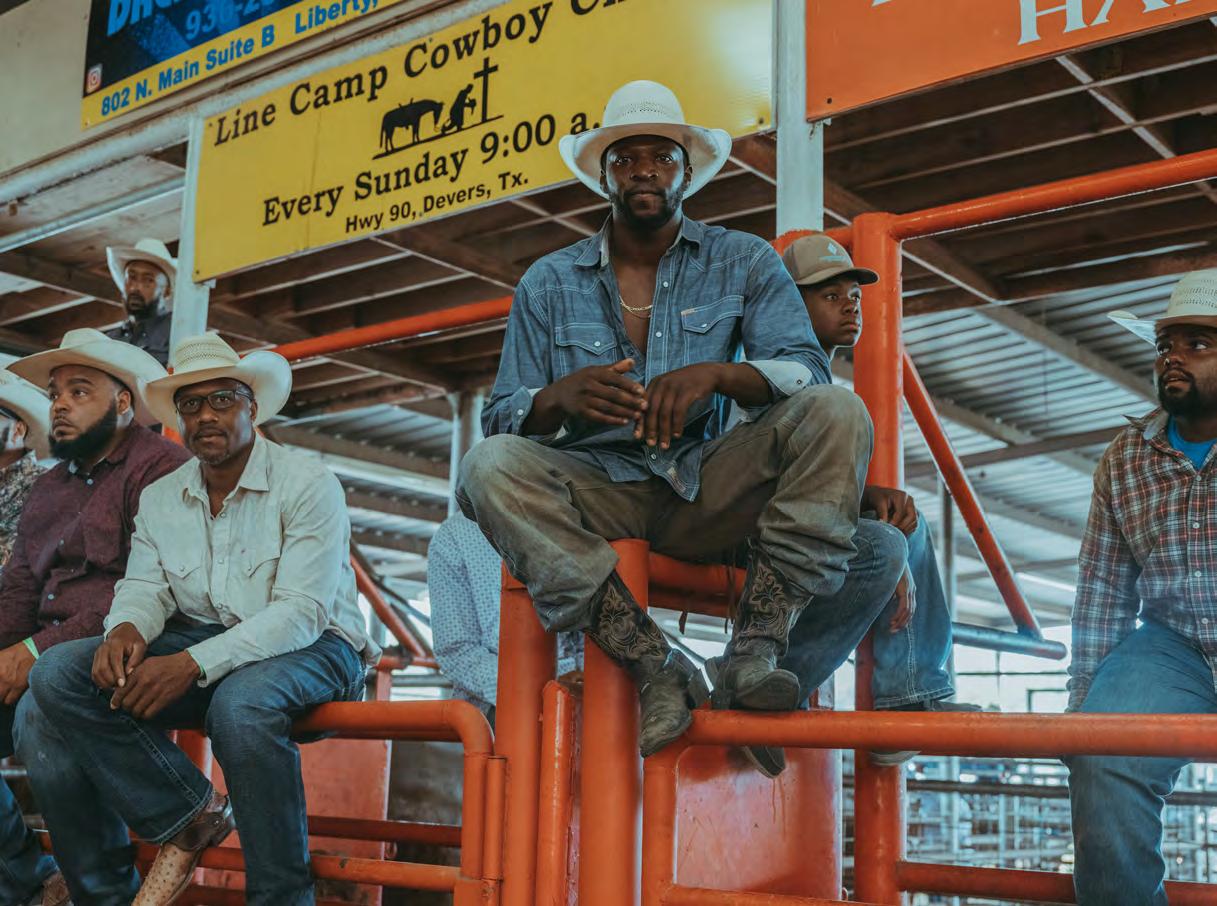
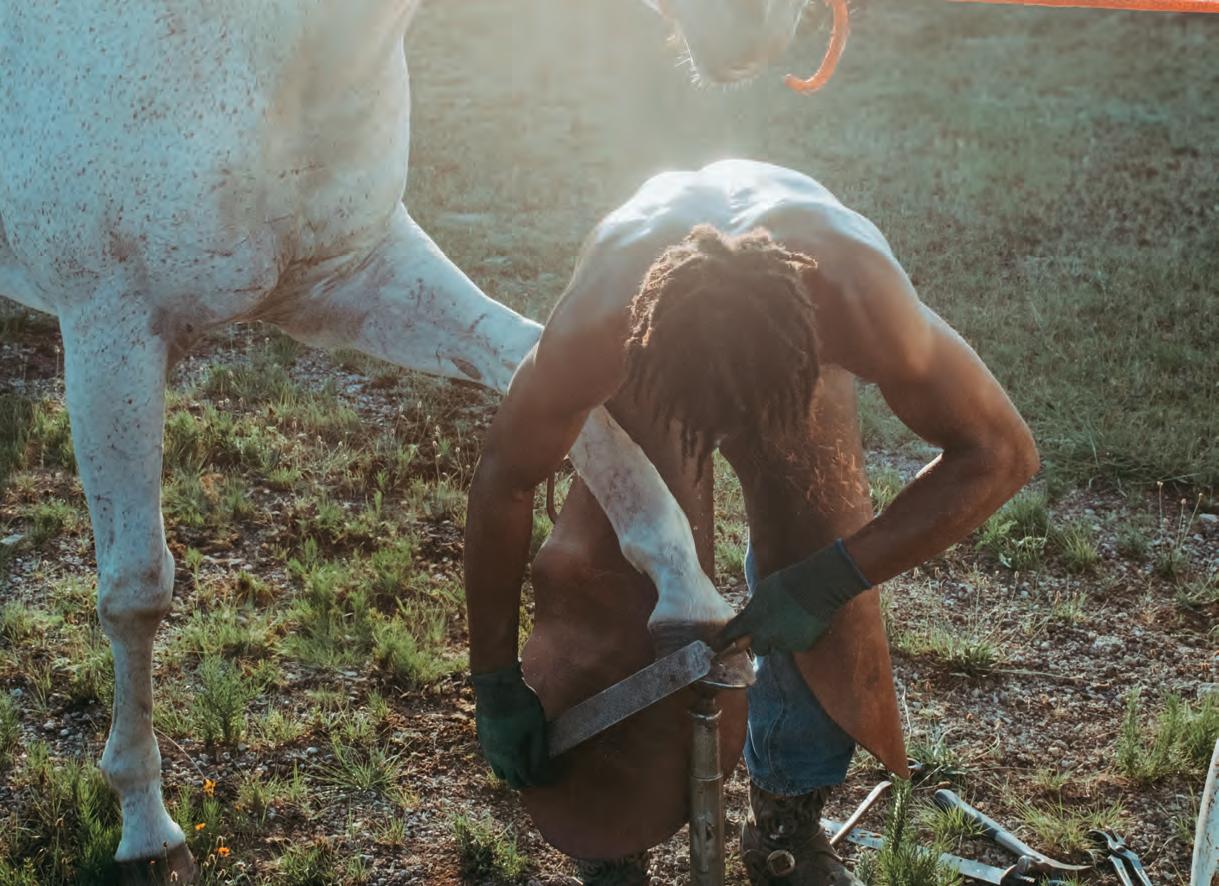
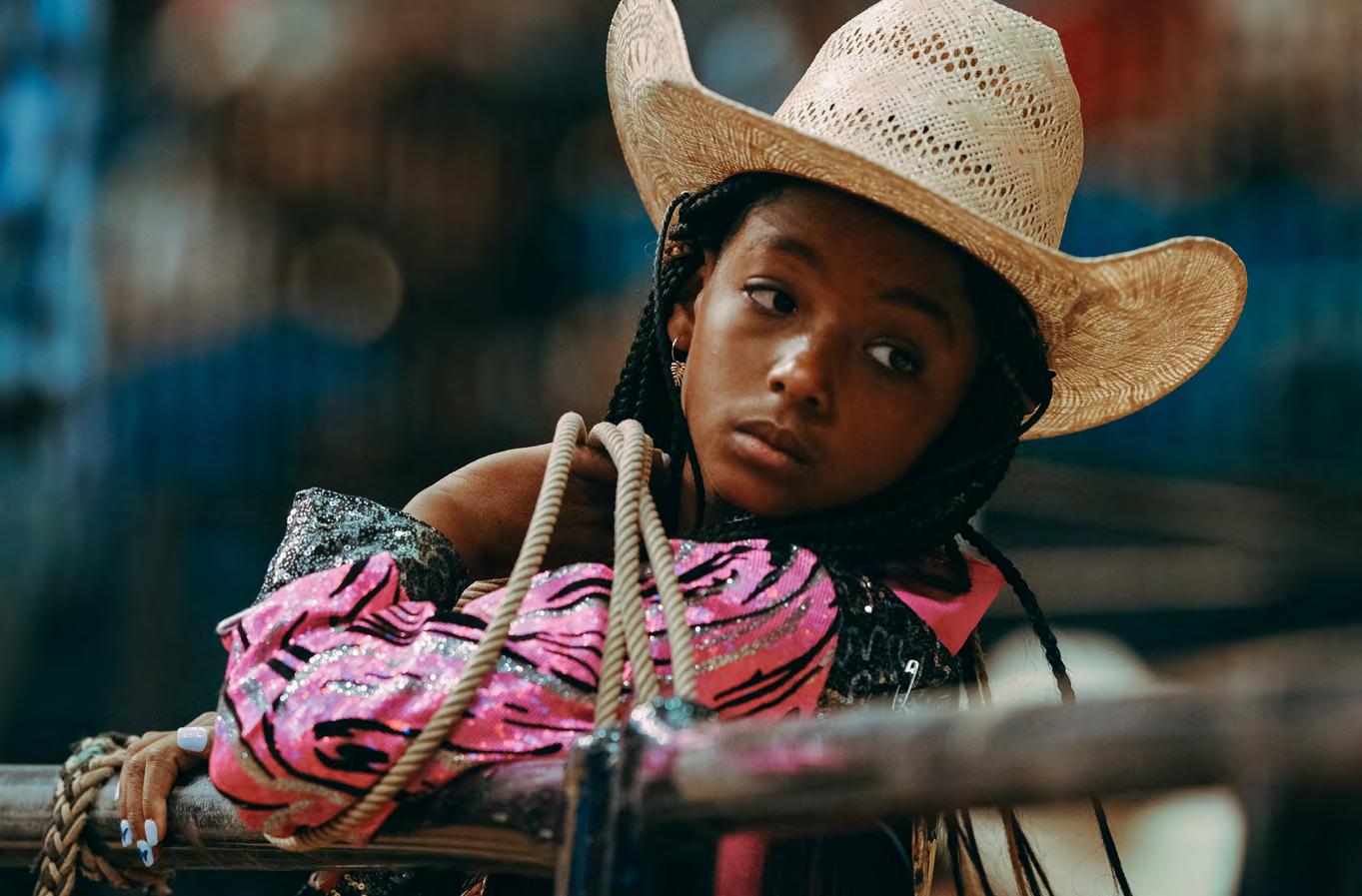
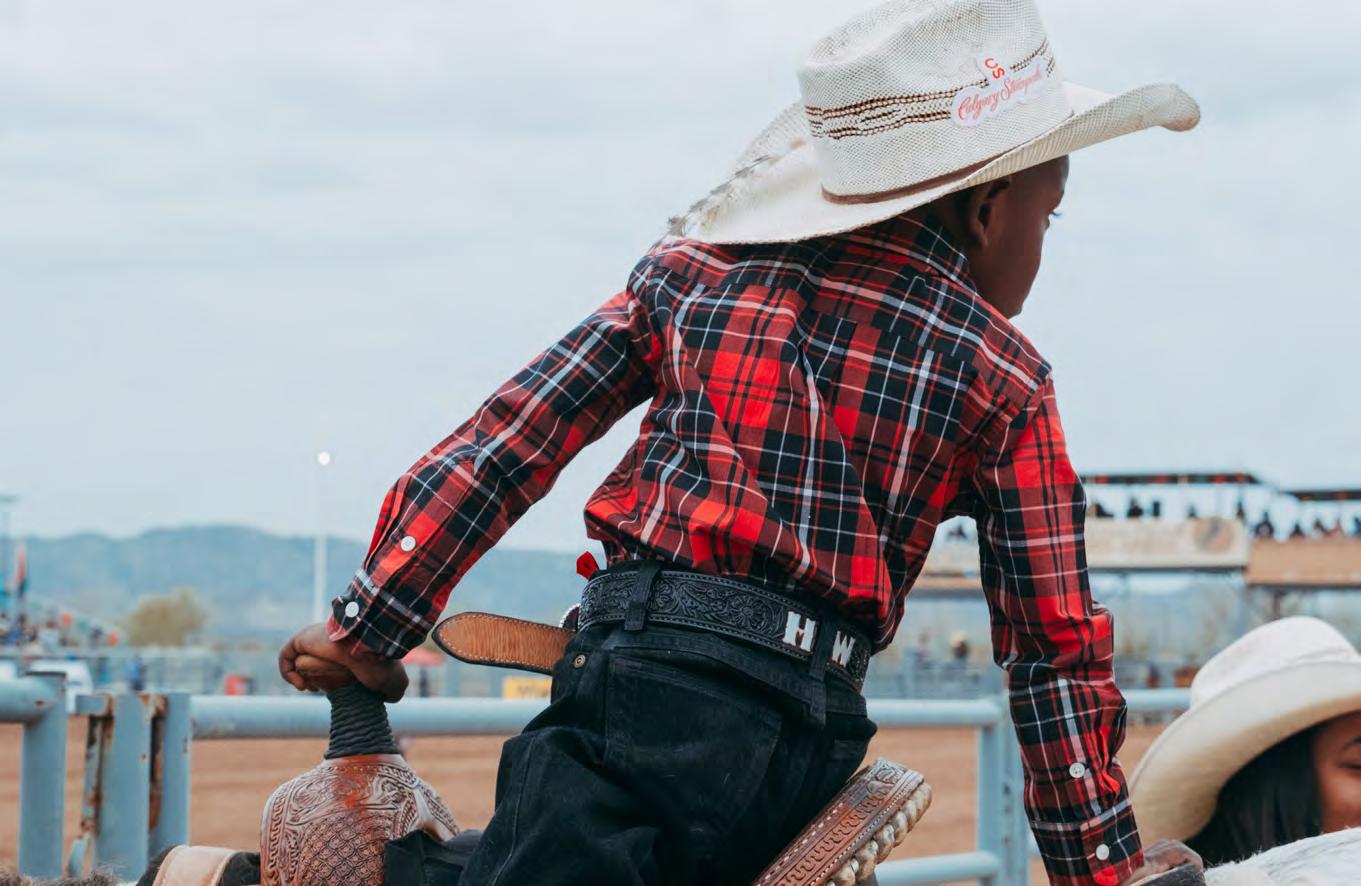
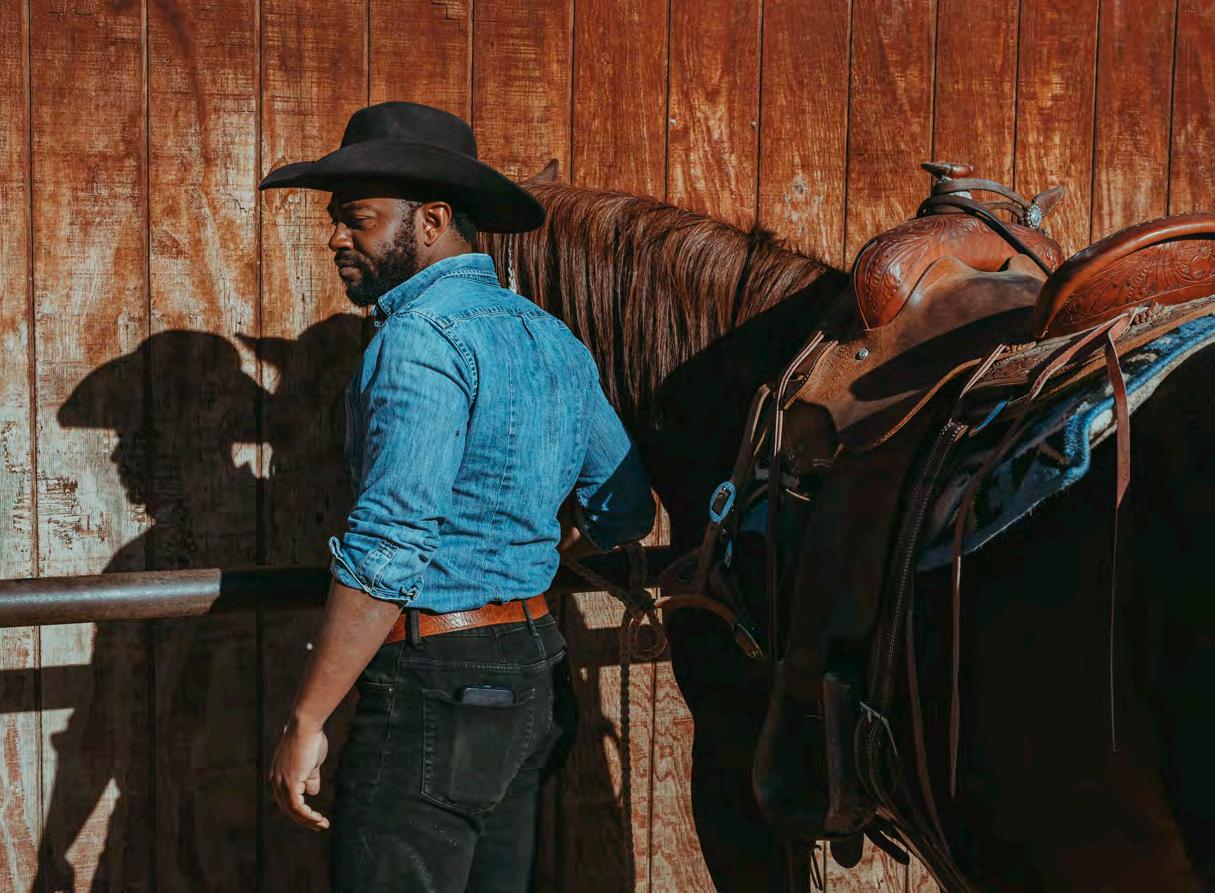
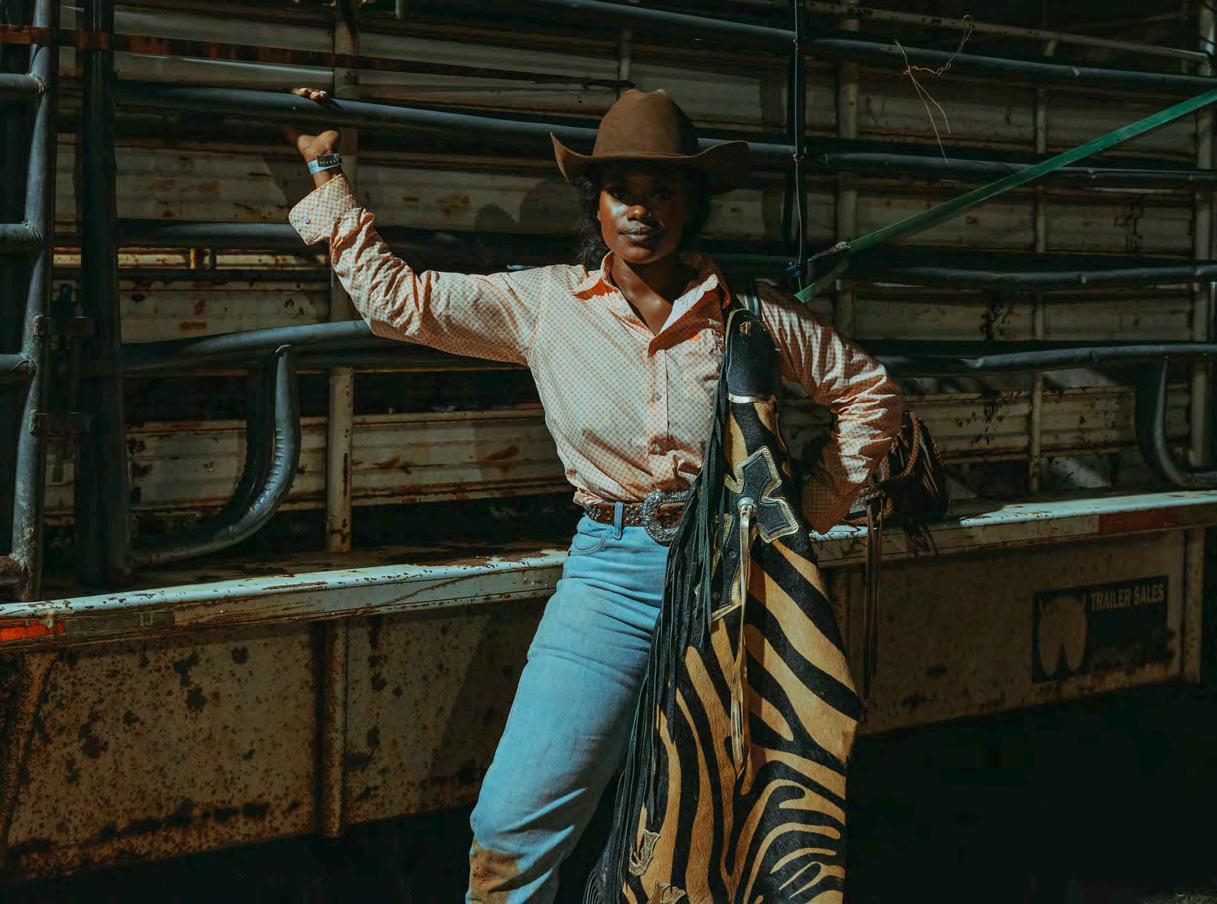
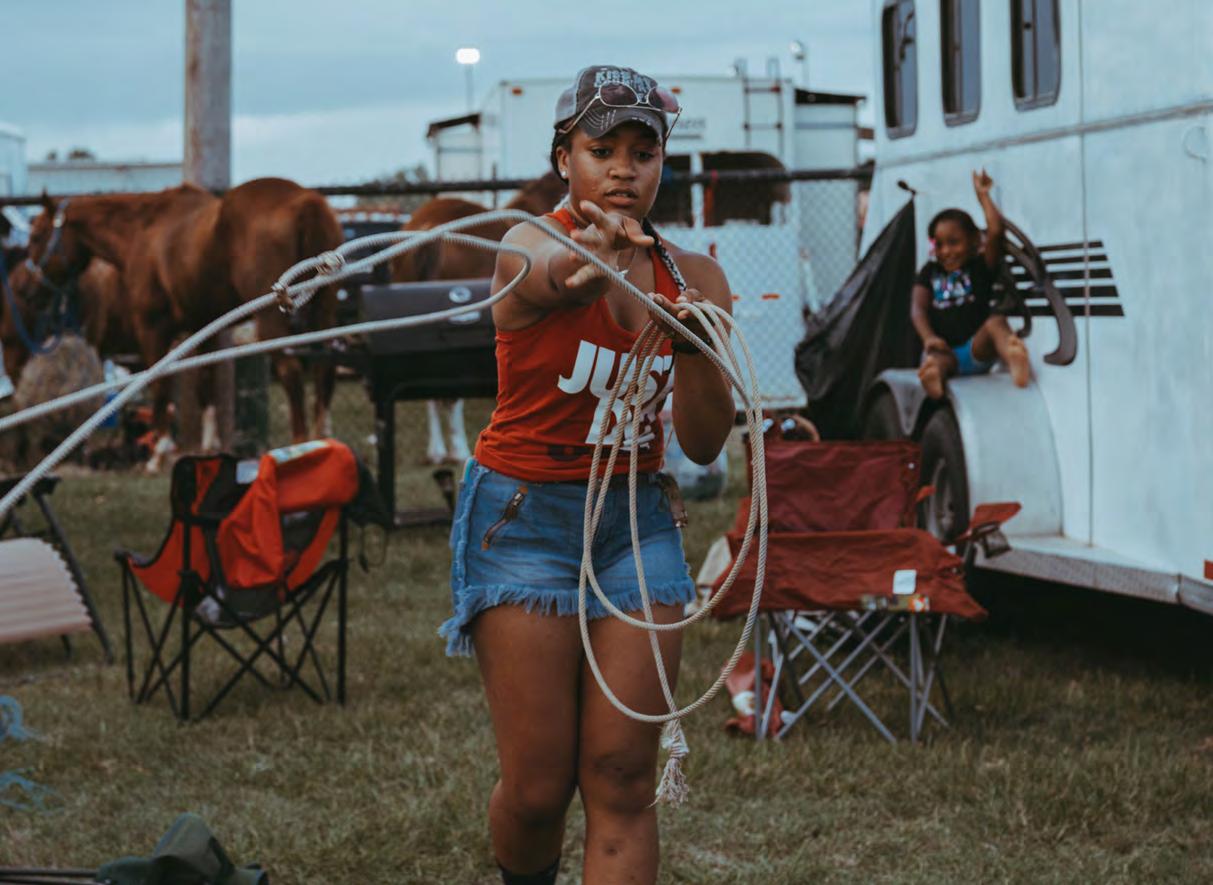
In the Saddle: A lifetime fascination with horses led actor Brandon Alexander to step into a new identity — that of a Black cowboy.
The Dossier: A collection of thoughts, ideas, recommendations, and discoveries from all over the globe.
Of the Place: From Mexico to Bangkok to LA, these lively properties are all near the ocean and surrounded by palm trees, but that’s where their similarities end.
Treasured Traditions: San Diego’s iconic Hotel del Coronado houses over a century of personal memories and family lore — and now it’s ready for the next 100 years.
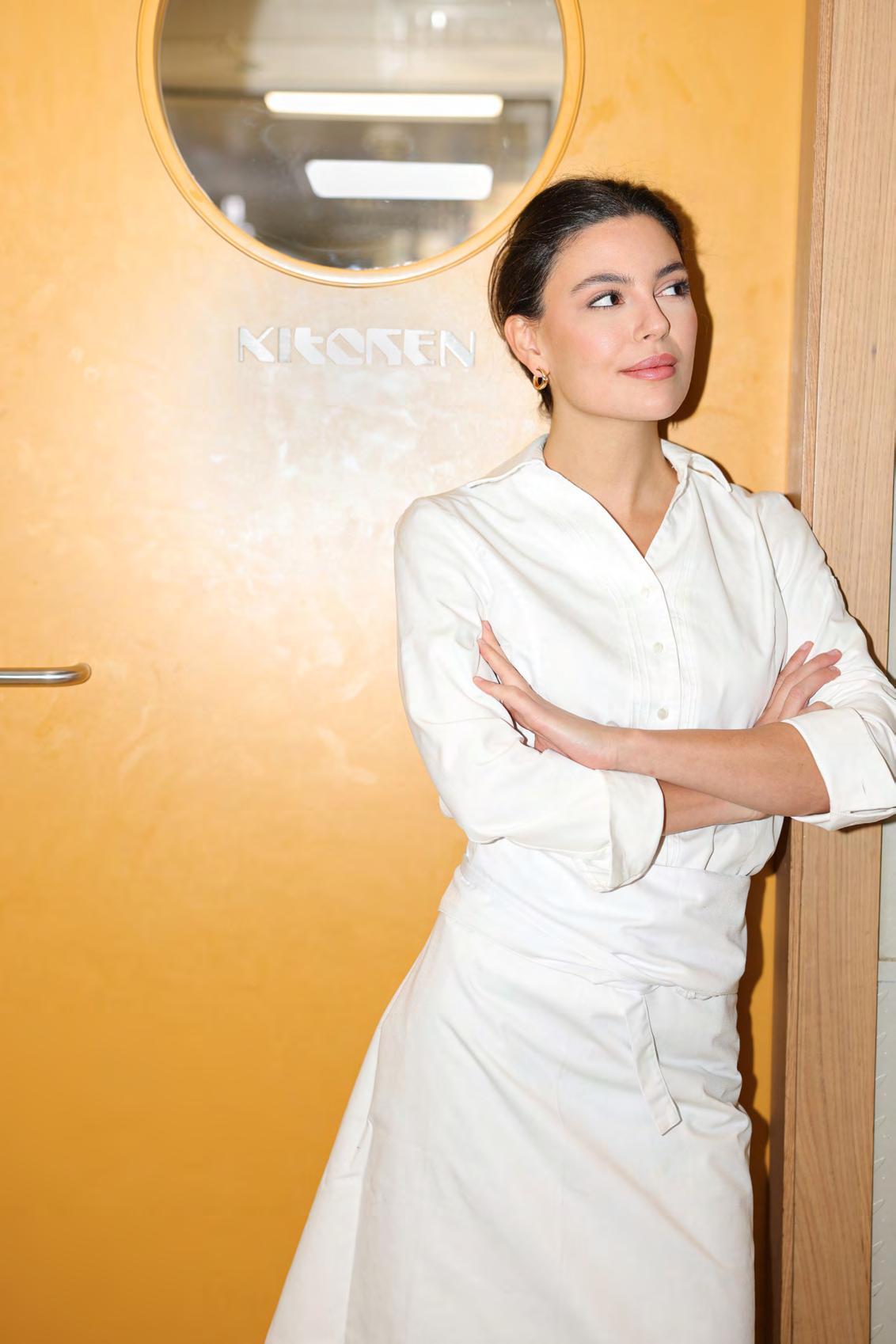
Time’s Table: For chef Yasmina Hayek, food isn’t simply a passion - it’s a way to preserve Lebanese heritage.
Modern Classics: History and innovation collide at Detroit’s Cadillac House, a midcentury masterpiece dedicated to designing future heirlooms.
Source Material: Artist and performer Justin Vivian Bond celebrates the books that have encouraged a lifetime of radical thinking and glamorous resistance.
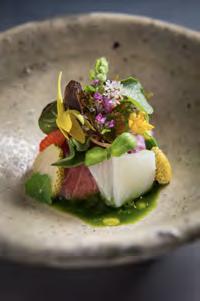
The Undertones: An immersive, cinematic culinary journey gives punk a hyper-seasonal, elevated flavor.
Setting a Place for Us: Author and chef Hawa Hassan’s new book explores how displacement impacts culture and tradition, and how we can remain connected through food.
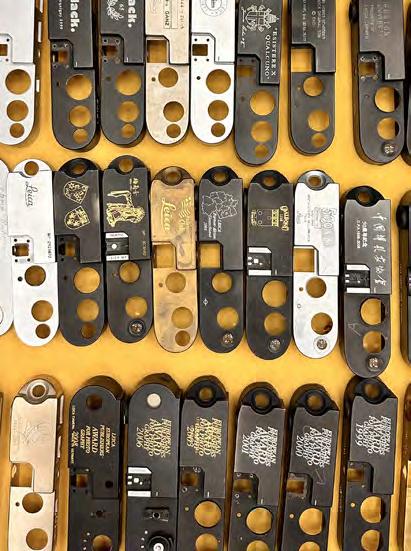
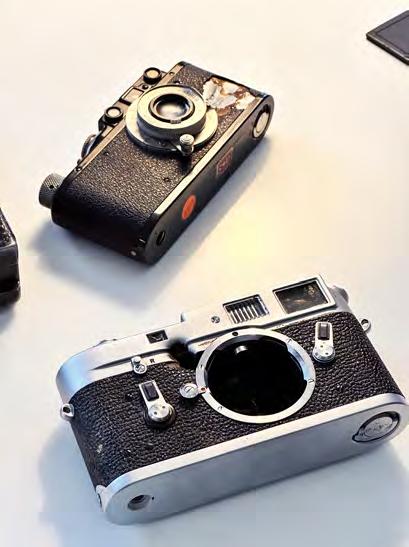
Eye of the Beholder: A visit to the Leica factory reveals the true value of the company’s cameras.
Wandering Stars: Life is sometimes harder than they tell you, but nature often has a path to guide you through.
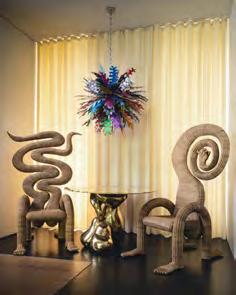
Future Relics: David Alhadeff, founder of The Future Perfect, reflects on intentionally raw creations that evoke a sense of eternity.
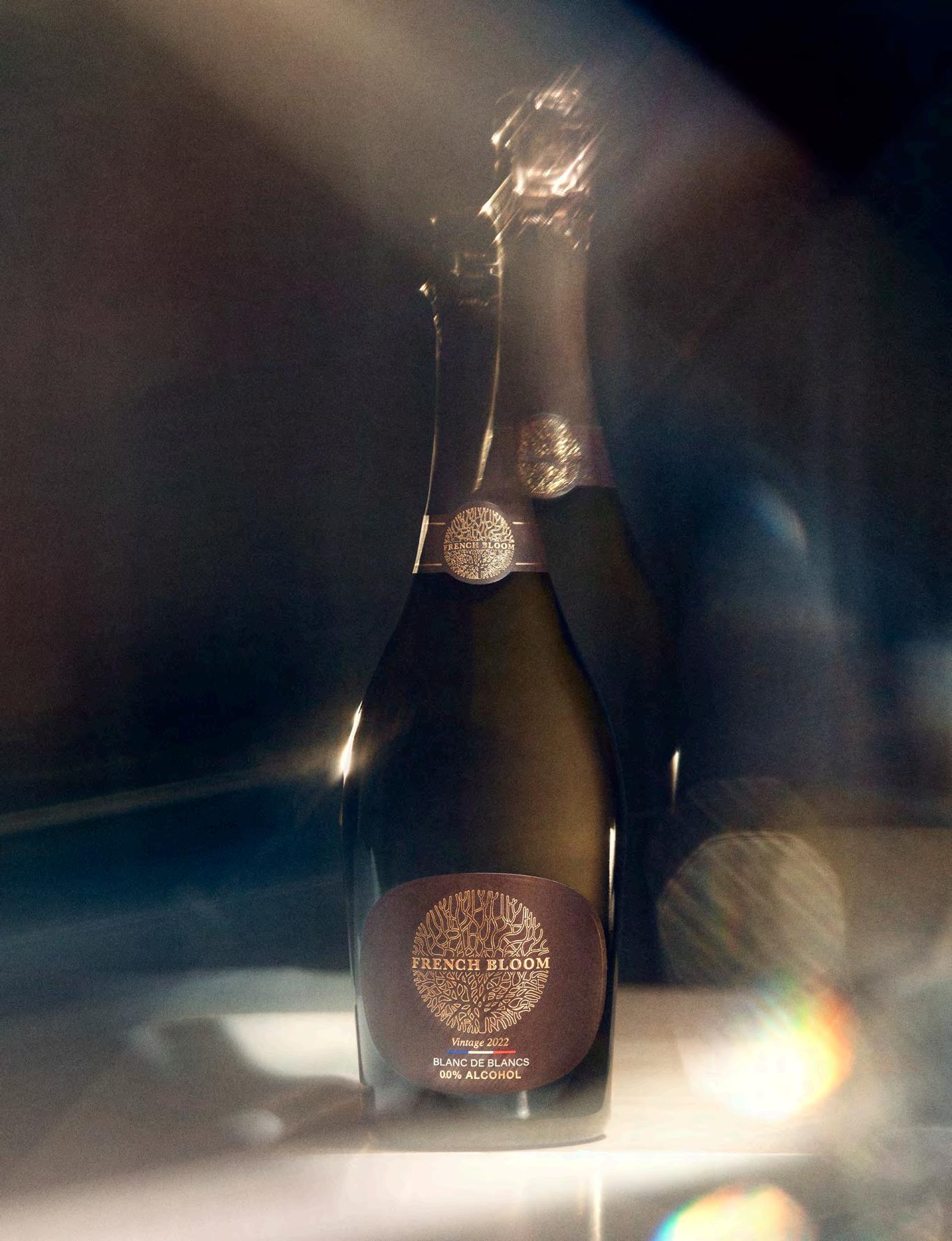
All That Sparkles: French Bloom and its premium, alcohol-free cuvées have woven themselves into the very fabric of wine country.
Free Time : In search of peace from life’s chaos, a writer discovers how free diving helps him breathe easier.
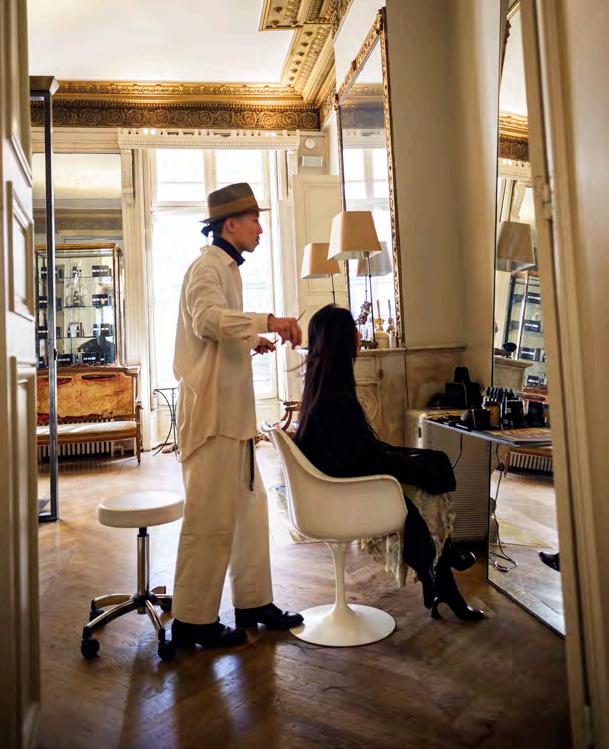
Finding Beauty: A new wave of European beauty companies are discovering purpose and potency by combining nature with innovation.
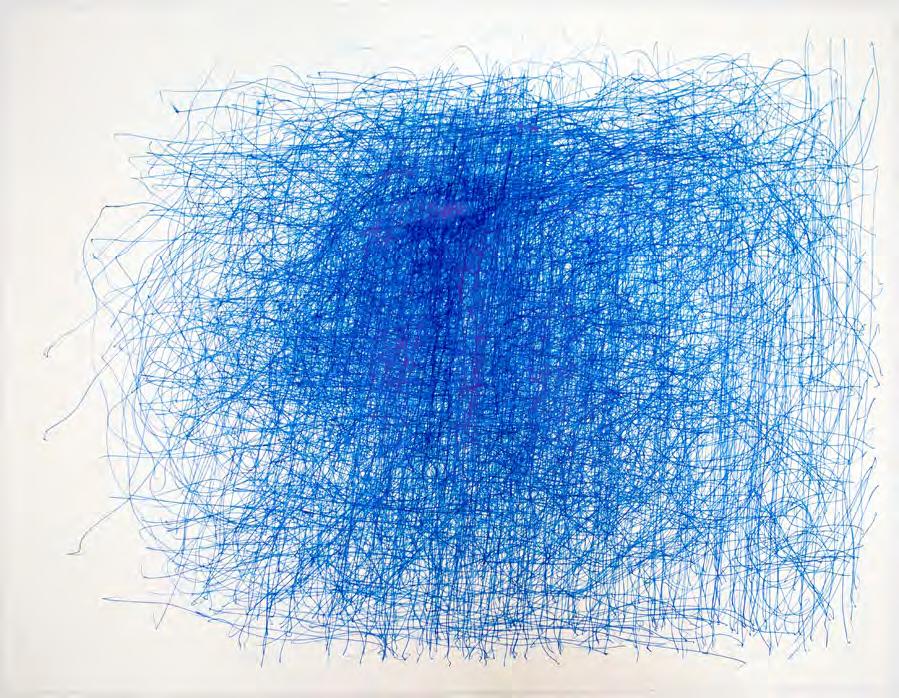
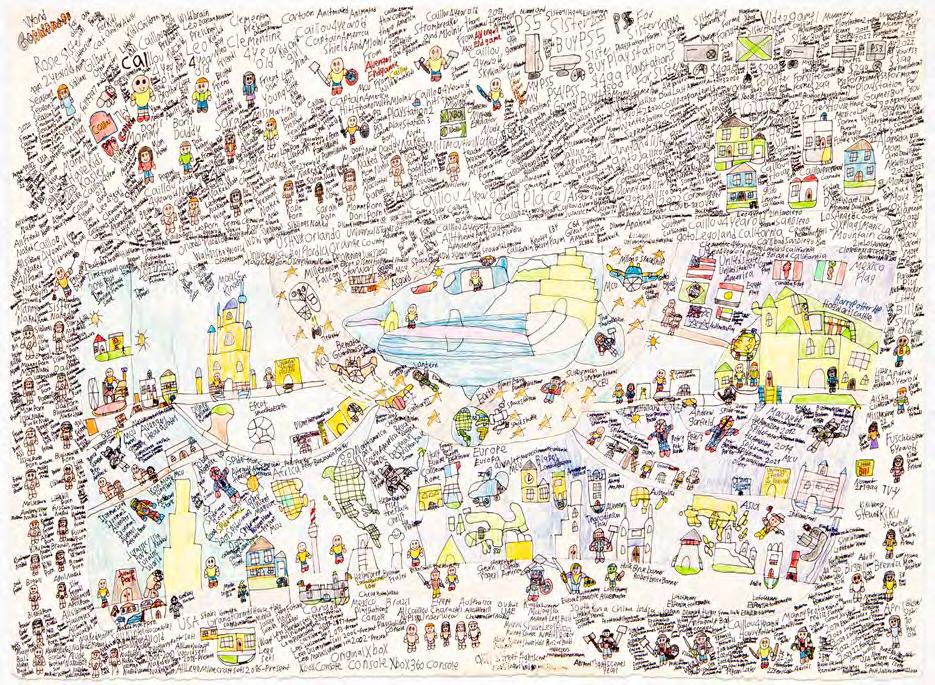
State of the Art: For over 50 years, Creative Growth has created a space for artists with disabilities to develop their talents — and given the world a chance to discover their work.
A Grand-ish Tour: Traversing Europe for 12 days in an electric car with three kids may be too much, even if your hotels are very, very nice.
Ripple Effects: From expressive jewelry to persuasive collaborations to statement outdoor decor, these are objects with influence.
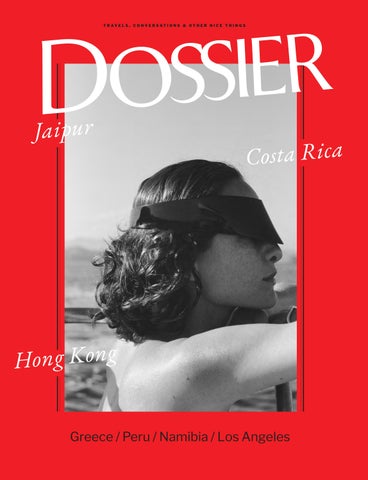
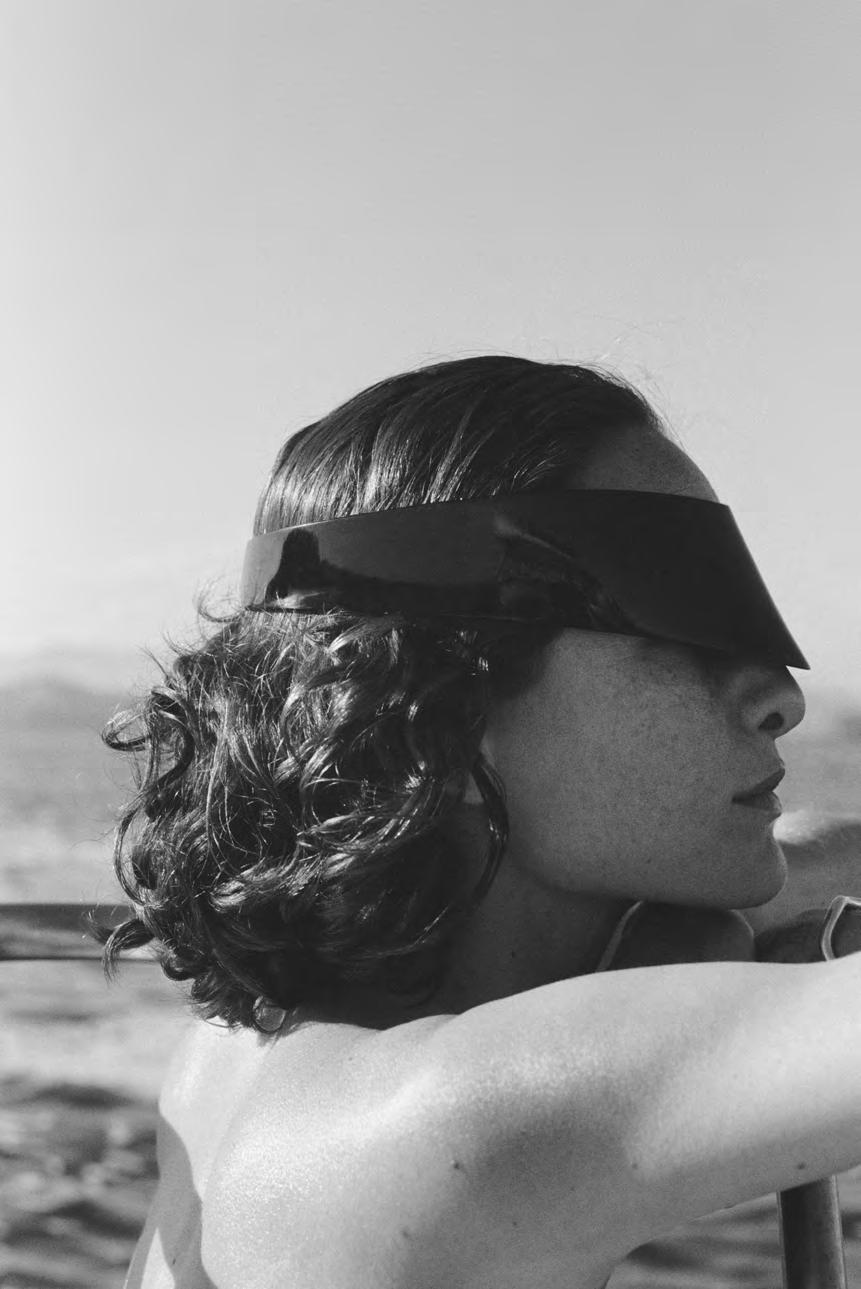
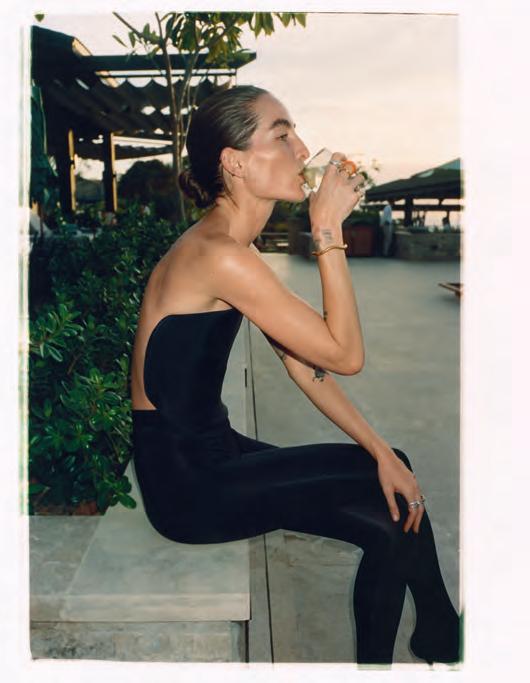
Cover:
Sunglasses, Balenciaga
Location, Nekajui, a Ritz-Carlton Reserve, Peninsula Papagayo
Photography by Terence Connors. Styling by Marine Braunschvig. Model, Heather Kemesky (Viva Paris). Photo Asstistant, Cisco Seven. Casting, Vincent Lemonnier (V&Y). Production Assistant, Anna Kaplan.
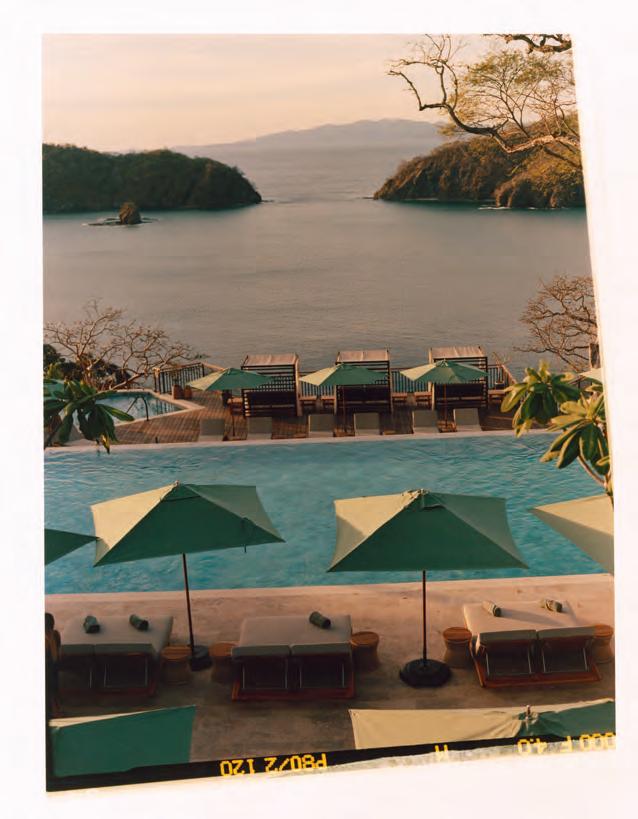
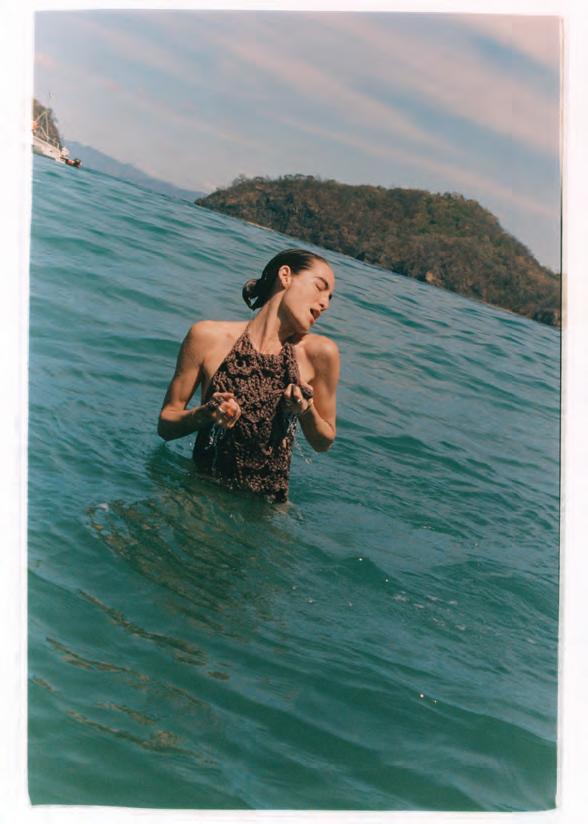
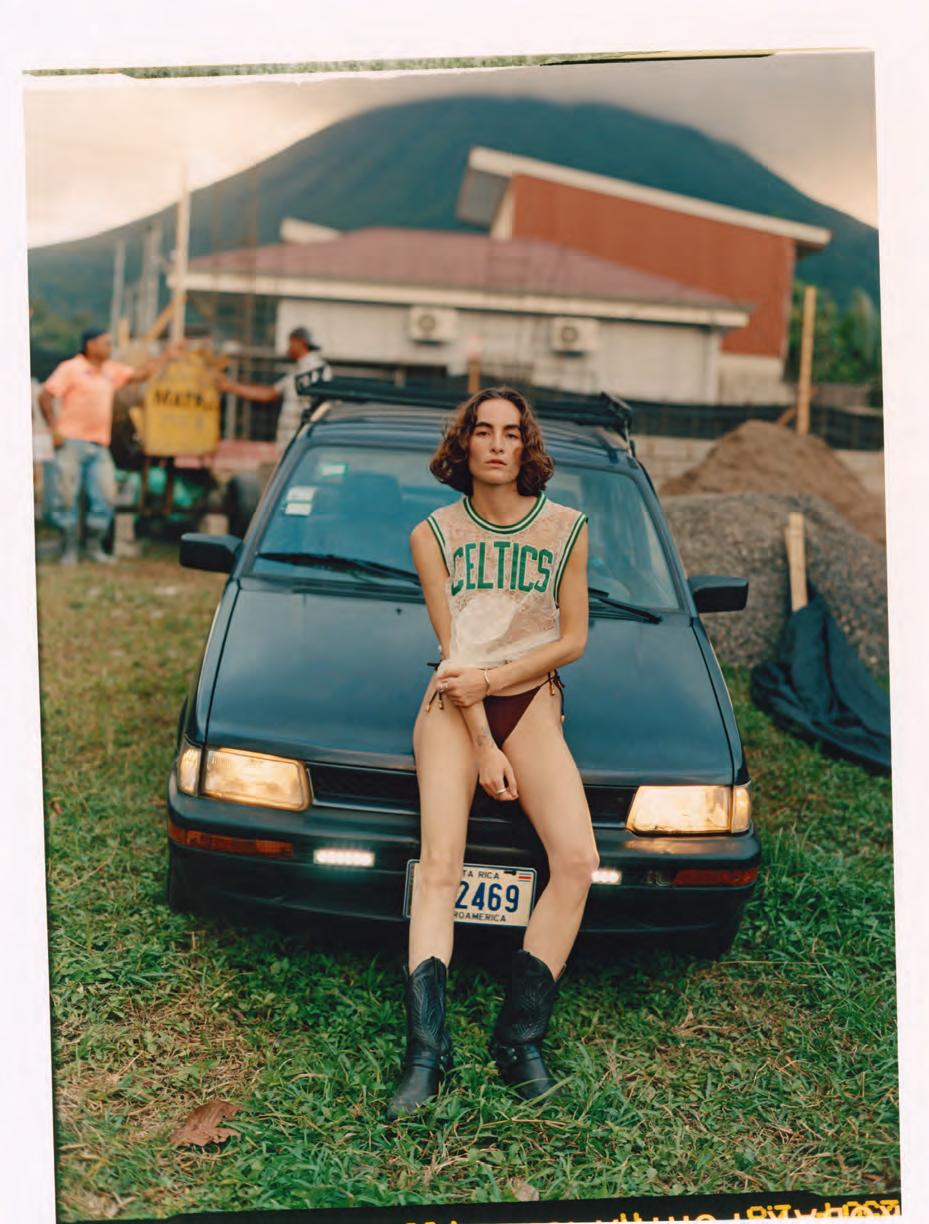
Terence Connors photographer, Wild Joy
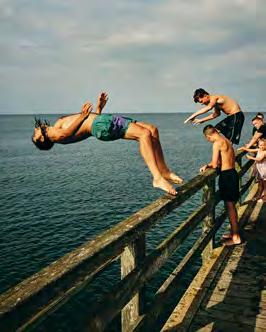
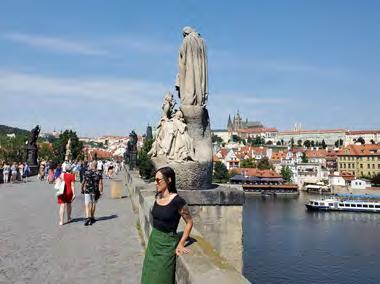
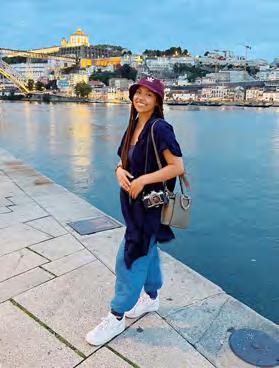
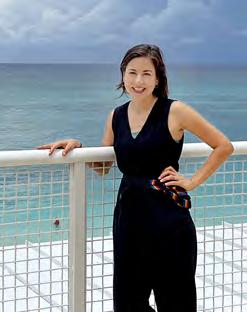
Tell us about your (best) summer vacation?
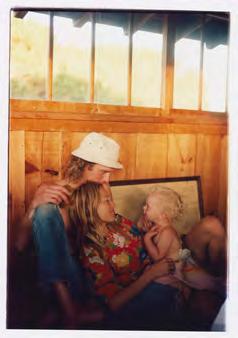
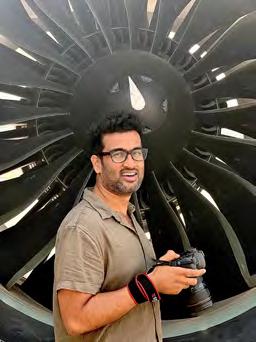
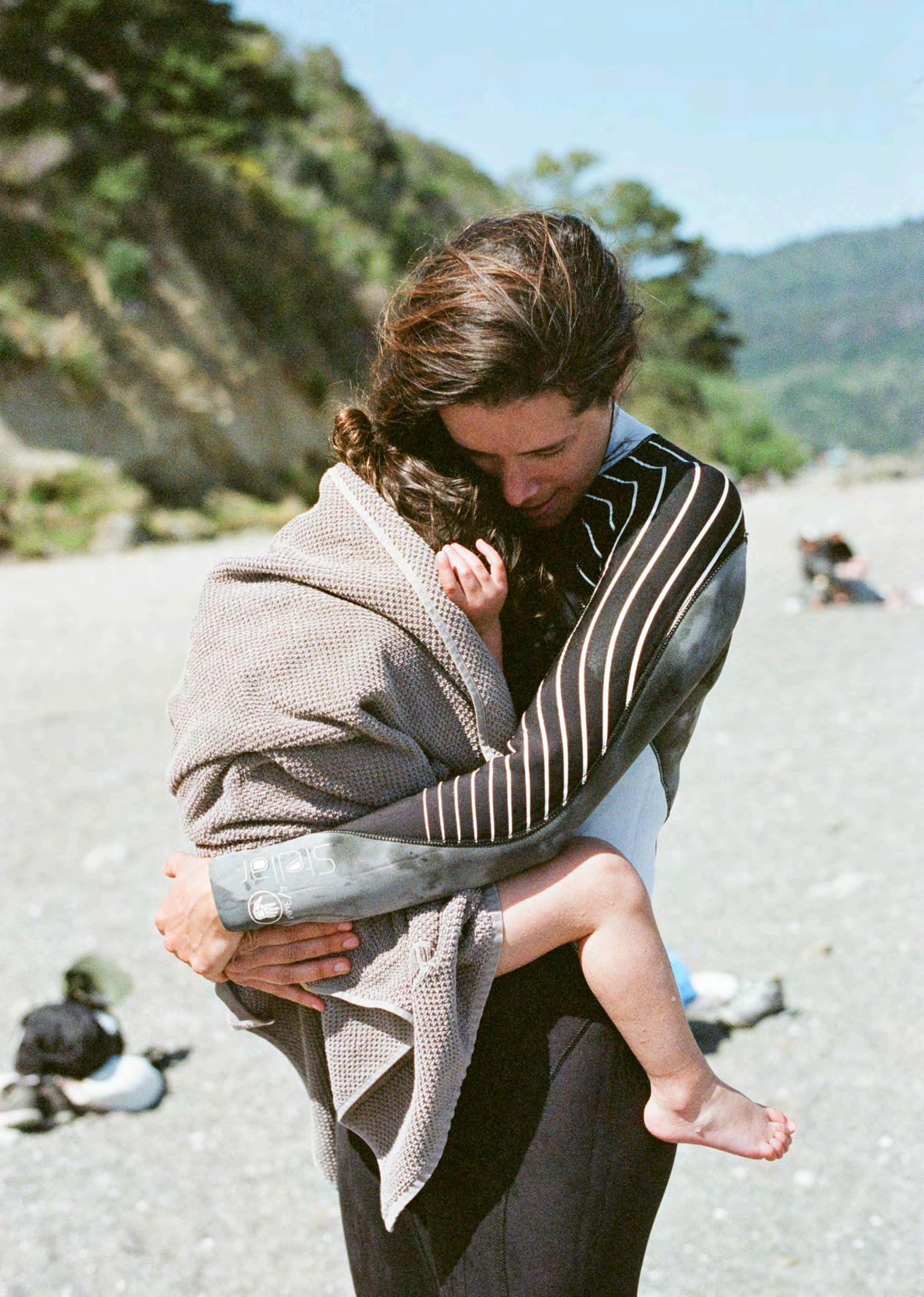
My best summer vacation is hard to define — for the past 13 years, we’ve split our time between New Zealand and New York, always chasing summer and returning whenever possible to Europe, where I grew up and first met my wife, Zippy. Now, we go with our son; I want Europe to become a part of his story, too. But the best moments aren’t really about the places — they’re those quiet pauses in between: sitting together on a long flight, our son asleep across our laps, or that brief stillness when we arrive somewhere new.
Zhou Ye photographer, All That Sparkles
On the last evening of summer 2021, during a holiday in Sanary-sur-Mer in the south of France, the sunset by the sea seemed to freeze in a silent, knowing gaze. Passersby walked hand in hand, children built sandcastles, and an elderly couple, half-submerged in the water, looked into each other’s eyes. It was a quiet strength bestowed by life — a strength that, if only for a fleeting moment, made one forget the sorrows and unresolved emotions that life so often brings.
Maggie Morris writer, Perspective Shift
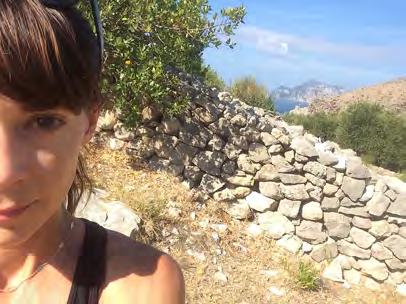
My best vacations are less about adventure and more about recovery — always at Lo Scoglio on the Amalfi Coast, where I’ve spent nearly every summer since 2009. I arrive depleted but am restored by spaghetti alle zucchine, sun-drenched naps, saltwater swims, and the warmth of my friends: chef Tommaso and his sisters, Antonia and Margherita, who run the seaside hotel and restaurant their grandmother founded. Afternoons vanish in the haze of four-hour lunches — easily the best in the world — until the inevitable heartache of leaving sets in.
Dror Cohen illustrator, Free Time
Last year, I went with my family for two weeks to Lesbos, an island in Greece with beautiful beaches, fishermen, tavernas, and winds. We stayed at a small pebble beach. Nothing was too fancy, but the food was so good and the sea was beautiful. After a week of getting used to the quiet, it was perfect.
Karen Yuan writer, Time’s Table
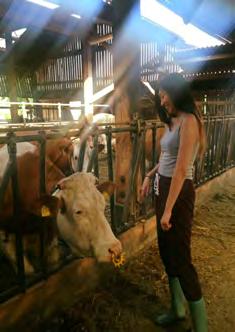
It was my first-ever solo trip: I was 19 and backpacking through Bavaria, where I felt like an extra in The Sound of Music. In a tiny village in the green hills, I gardened and fed animals in exchange for a bed in a very nice German family’s attic. In my free time, I hung out with the region’s friendly brown cows, swam in the Isar river, hiked the Bavarian Alps, and admired the night sky, which had more stars than I’d ever seen before.
Marine Braunschvig stylist, Wild Joy
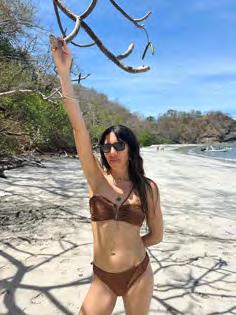
My best summer vacation was actually (for real) in Costa Rica. We went there last year for my brother’s 40th birthday and stayed in two different houses in Santa Teresa: one in the jungle and the other on the beach. Both were amazing and my daughter, who came with us — she was the only child, had the time of her life. We went horseback riding both on the beach and in the jungle, and she was yelling while galloping on her horse “I AM FREE!!!!” They are wonderful memories.
Where elegance meets effortless. Relax on our warm beaches. Indulge in our exquisite restaurants. And get pampered from head to toe in our award-winning spa.
Tell us about your (best) summer vacation?
Pankaj Anand photographer, Behind the Sunrise
My best summer holiday was on Jeju Island, South Korea. The landscapes in the underground lava tubes, like Manjanggul Cave, were surreal. I also explored the striking Seongsan Ilchulbong peak, where the sunrise over the crater was unforgettable. Relaxing on the island’s scenic golf courses and strolling along the black sands of Jungmun Saekdal Beach added to the charm. Jeju’s mix of natural beauty, history, and calm vibes made it one of the most unique places I’ve ever been.
Nina Renata Aron writer, The Undertones
In 2014, I traveled to Tbilisi, Georgia. The city is stunning and displays a combination of influences that reflect its complex history. The architecture is Persian, European, Russian, and Soviet. The tastes of the Georgian people tend toward the maximalist, and I enjoyed it at every turn: in cafe interiors; abundant, colorful street art; proud, long-winded tales about the country’s invention of wine; and a massive feast, called a supra, where I ate some of the best food of my life.
Philip Andelman writer, Free Time
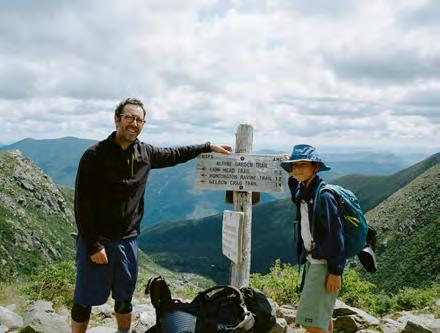
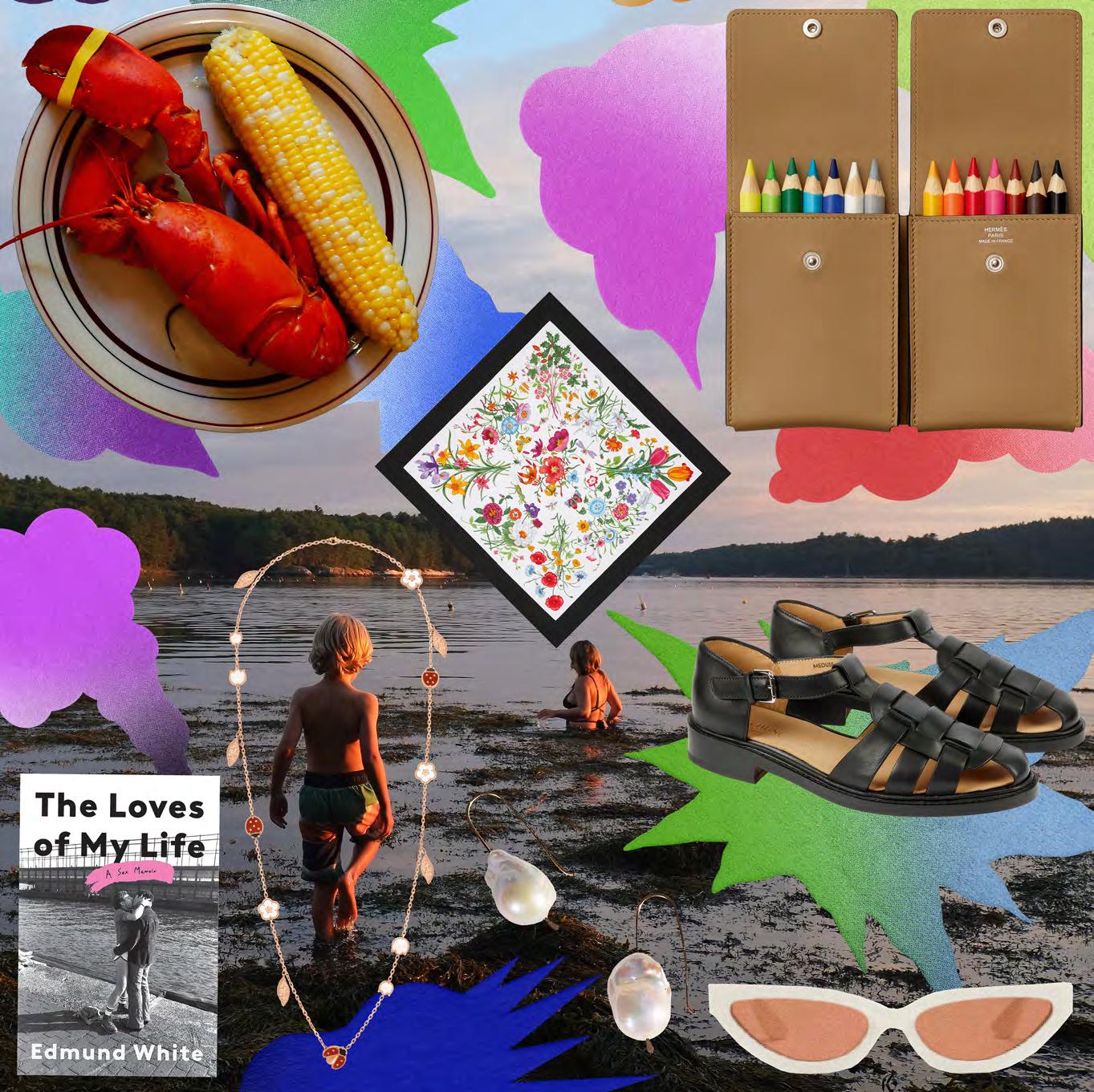
My best summer vacations are the ones spent with my wife and son, traveling from the idyllic coast of Maine and its lobster shacks to the rustic huts that dot the summits of the Presidential Range along New Hampshire’s stretch of the Appalachian Trail.
Sylvia Jarrus photographer, Modern Classics
My first significant trip abroad — to Lisbon, Portugal — was unforgettable. I was captivated by the city’s relaxed pace and welcomed by locals. Indulging in sweet pastel de nata and enjoying spicy okra stew at Sofia’s Place, complemented by a night of incredible jazz at Nisa’s Lounge, were some highlights. Joining Naky’s African Lisbon Tour also deepened my understanding of Portugal’s colonial history and the shared struggles of Black communities worldwide, emphasizing the importance of local connections and community strength.
Bryan Derballa photographer, River Wild
I’m lucky that my work as a photographer hardly feels like work. So when I vacation, I don’t feel the need to rest or relax. That’s probably why my favorite summer trip in recent memory was cycling through northern Germany and Denmark with three friends. We pedaled around 300 miles, making plenty of stops for ocean dips, sauna schvitzes, and salty black licorice before ending up in Copenhagen, one of the most fun cities in Europe.
Aya Brackett photographer, A Rising Tide
My best summer vacation was when I was five years old and visited my grandma for a month in her village, Takatsuki, Japan, near Kyoto. During those hot, muggy days, we played with the neighbor kids, laid on tatami mats in front of fans to cool ourselves, ate ice cream and watermelon from the little shop down the street, and lit so many fireworks. My mind was blown by the freedom we had to wander in that little village.
EDITOR-IN-CHIEF
Skye Parrott
EXECUTIVE EDITOR
Erin Dixon
EXECUTIVE CREATIVE DIRECTOR Alex Wiederin
HEAD OF PARTNERSHIPS & COMMISSIONING EDITOR
Elysha Beckerman
DESIGN & VISUALS DIRECTOR
Lisa Lok
ART DIRECTOR, PRINT
Michael Ricardo
HEAD OF PRODUCTION
Elissa Polls
VICE PRESIDENT, PARTNERSHIPS
Caren Kabot
EDITOR-AT-LARGE
T. Cole Rachel
CONTRIBUTING EDITORS
Annelies De Rouck
Khira Jordan
Annie Lin
Jeremy Malman
Maggie Morris
Mina Stone
Marc Weinhouse
DESIGNER
Nishi Patel
EDITORIAL INTERN
Anna Kaplan
RETOUCHING AND PRE-PRESS The Logical Choice Group
DEPUTY EDITOR
Jackie Risser
SENIOR EDITORS
John Chuldenko
Alex Frank
SENIOR EDITOR, JEWELRY & ACCESSORIES
Shannon Adducci
EDITOR, ARTS & CULTURE
LaTonya Yvette
SENIOR PRODUCER
Alexandra Brodsky
SOCIAL MEDIA MANAGER
Alessandra Berge
NEWSLETTER CONTENT MANAGER
Hassan Ali
PRINTING AND DISTRIBUTION The Logical Choice Group
CONTRIBUTORS
Stephen Alesch, David Alhadeff, Pankaj Anand, Phil Andelman, Christopher Anderson, Pia Anderson, Marco Arguello, Nina Renata Aron, Jenni Avins, Miranda Barnes, Chiara Barzini, Max Berlinger, Hisham Akira Bharoocha, Aya Brackett, Marine Braunschvig, Martin Bruno, Lavinia Cernau, Dror Cohen, Terence Connors, Bryan Derballa, Christy DeGalerie, Matt Dutile, Alain Ducasse, Marion Durand, Frank Frances, Jessica Foley, Marc Forgione, Marcelo Gomes, Molly Rosen Guy, Dexter Hake, Gemma Ingalls, Sophie Lou Jacobsen, Sylvia Jarrus, Norma Kamali, Dina Litovsky, Miki Lowe, Martina Maffini, Ivan McClellan, Rory Payne, Cassandra Rhodin, Jess Rotter, Julia Sherman, Robin Standefer, Peter Som, Kat Slootsky, Laura Smith, Alice Tye, Khaila Wilcoxon, Karen Yuan, Zhou Ye
SPECIAL THANKS
Claudia Haspedis, Virginia Scott
The DOSSIER : A collection of thoughts, ideas, recommendations, and discoveries from all over the globe.
History in the Making
Jessica Foley, photographer
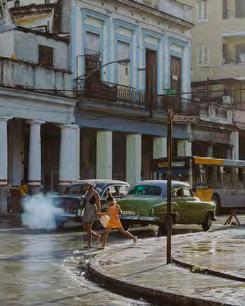
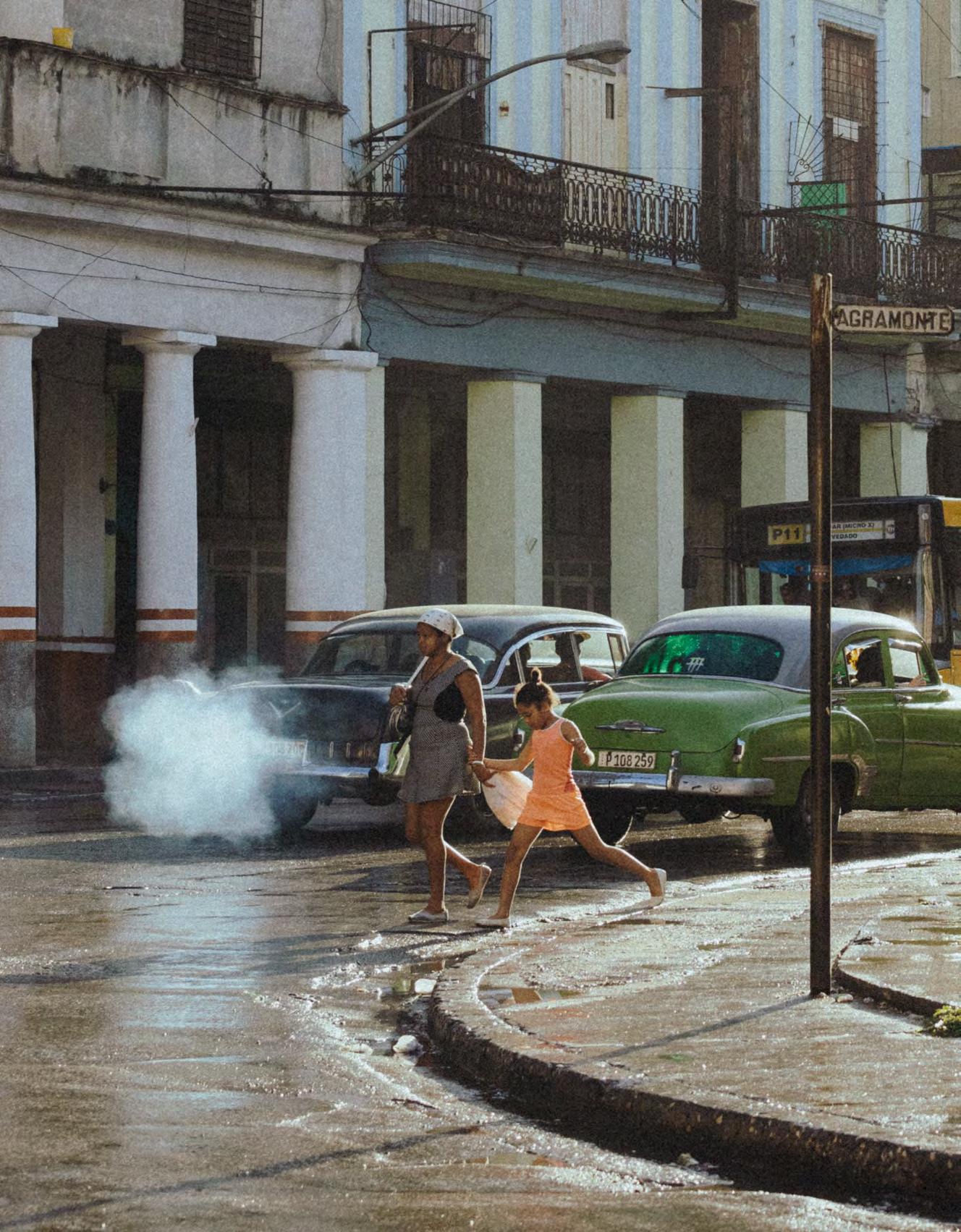
My first time in Cuba was in 2016. Obama had just loosened a 54-year travel restriction and Fidel Castro had passed away a month prior, so it felt like the time to visit a place that had long been at the top of my list had finally arrived.
Havana exists in a beautiful time capsule; a magi -
cal daydream come true. The absence of skyscrapers allows sunlight and live music to cascade through the streets, where meticulously maintained vintage cars cruise daily like moving museums. With limited internet access,
Havana
there is more presence in the moment — conversations flow differently as people aren’t as tethered to the digital world. The spirit of Havana is palpable in every interaction. What started as a single journey evolved into an annual
tradition spanning four years. Each return deepened my connection to both the place and its people, allowing me to witness Havana’s gentle evolution while appreciating how its fundamental character remained unchanged. The city became less a destination and more a relationship that continued to unfold.
Bottle Service
Jackie Risser, deputy editor of Dossier
Would you like some mulled champagne?
It was 11:30am, I had just flown the redeye from New York to Paris on the boutique airline La Compagnie, driven through the French countryside, and wound up the hills of Champillon before pulling up to Royal Champagne Hotel & Spa. The region’s first-ever luxury wellness destination, it’s tucked into a hillside, with breathtaking views of the vineyards surrounding Champillon and Hautvillers (where the Dom Perignon is buried). Yes, I would absolutely love some mulled champagne. Less syrupy than its red counterpart, but every bit as comforting, the steamy beverage was a delightful start to my stay in the famed region, which is remarkably small. Champagne hosts about 84,000 acres of vineyards — just a half-
percent of the world’s total vineyard acreage. Yet over 300 million bottles are produced here per year, including the prestige cuvée Rare Champagne, a rich, velvety collection I sampled inside their Reims headquarters, nestled within PiperHeidsieck (famously Marilyn Monroe’s choice bottle).
Along with a diverse array of bottles — subtly bubbly to zippy, floral to fruity — the hotel also boasts the Michelin-starred Le Royal, where I savored an
When in New York, I make it a priority to stop by P.S. Kitchen on 48th Street for my favorite vegan dishes. The restaurant is more than just a place to eat. Its values and atmosphere — on top of its delicious plant-based meals — keep me coming back. It creates jobs for marginalized people and donates 100% of its profits to sustainable non-profit work. It’s almost impossible for me to pick a favorite meal but I would recommend the lasagna for your first visit.
New York
Champagne
eight-course meal featuring delicate cauliflower, a ravioli stuffed with blue lobster, succulent veal, and a deconstructed apple pie. At the expansive spa, I zenned out during a luscious myBlend facial and Flora scalp massage. When it comes to our holistic wellbeing, the emphasis is often put onto our physical and mental states. I felt well taken care of in those areas in Champagne, but it’s my spirit that felt utterly nurtured and lifted.
Armchair Travel
Sophie Lou Jacobsen, designer
Fertile Grounds
Skye Parrott, editor-in-chief of Dossier
A small port city, Antwerp is eminently digestible while still possessing a wonderful jumble of cultural offerings. It has long been the center
Nature and Nurture
Cassandra Rhodin, founder of Mini Rodini
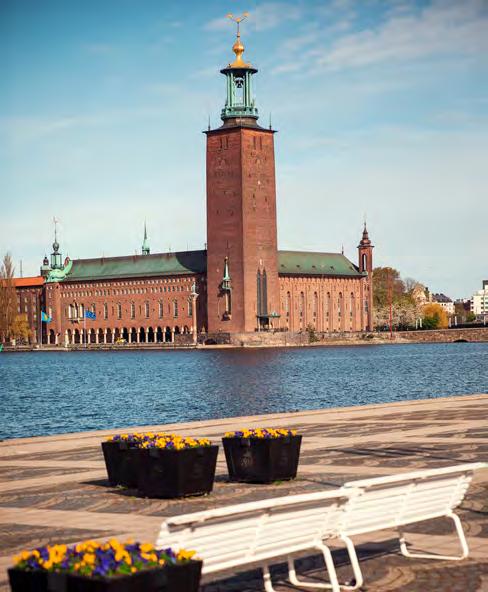
Cassandra Rhodin is the creative force behind Mini Rodini, the Swedish kidswear brand beloved by fashion (and fashion-curious) parents. Conceived with an eye towards sustainability, the brand combines high-quality, comfortable fabrics with delightfully idiosyncratic prints — all hand-drawn or painted by Rhodin, a former fashion illustrator and native of Stockholm, Sweden. Here, she shares a
of the world’s diamond trade and is home to the only museum that is a UNESCO World Heritage site: the Museum Plantin-Moretus, which houses a printing press that has been in operation since the 16th century. But what the city seems to pride itself on the most is its creativity.
Peter Paul Rubens lived here, and much of his work still does. In the 1980s and 1990s, the city produced enough consequential fashion designers that a group of them, including Ann Demeulemeester and Dries Van Noten, became renowned globally as the “Antwerp Six” (Martin Margiela, also from
few of her favorite places in her hometown.
Something to eat and drink … Östermalms Saluhall is a food lover’s paradise that has drawn Stockholmers and tourists since 1888. Blå Porten is a restaurant and cafe situated at a historic gate dating back to the 17th century, Also, the greenhouses at Rosendals Trädgård house a year-round restaurant and café. Adults can relax with a drink while their kids roam in the apple garden and explore the labyrinth.
the city, came slightly earlier). Small streets lined with independently owned boutiques attest to the endurance of these artistic influences.
AntwerpOne of my favorites was Ganterie Boon, a 140-year-old, fourthgeneration, family-owned glove maker. I also loved Stad Leest, an incredible paper store; Studio Play, with its charming children’s clothes; and Cajun, which was filled with spices from around the world.
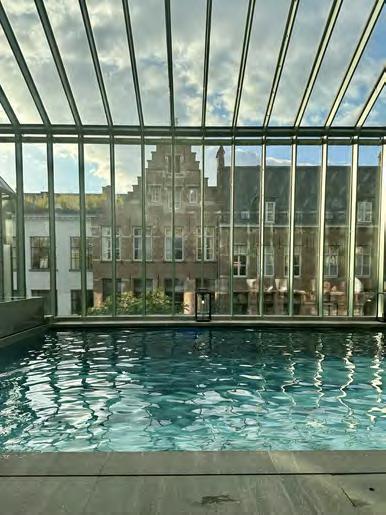
As far as lodgings, Botanic Sanctuary Antwerp, the city’s newest and lushest property, is a maze of restored buildings — a hospital, rectory, monastery, and chapel in their former lives. Along with guest rooms, they house a
Something to see … Stockholm has no shortage of gorgeous museums. One of my favorites is Waldemarsudde, which was once the home of Prince Eugen, a Swedish royal, painter, and art collector. Moderna Museet, renowned for its exceptional modern and contemporary art, is also great for kids. Liljevalchs is home to the legendary Vårsalongen (Spring Salon), which has been a beloved tradition since the 1920s. You can also
Alain Ducasse, chef
sprawling, multi-level spa with a glass-topped pool and six restaurants holding a combined total of three Michelin stars, displaying an incredible, considered commitment to precision. And as its name suggests, the property is surrounded by copious green space, despite its location in the heart of the city. In fact, its concierge swore that the courtyard of the former monastery is the quietest spot in central Antwerp. This very well may be true: When I returned after dinner on a Saturday night, the property’s grounds were entirely still, giving no indication that a lively weekend night was unfolding just beyond its old brick walls.
spend an entire day in Royal Djurgården, which has plenty of restaurants, cafes, museums, and lush, green areas. In the summer, swimming is a uniquely enjoyable experience thanks to Stockholm’s clean waters, natural environment, and easily accessible swimming spots.
Jamaica
Island Time
Miranda Barnes, photographer
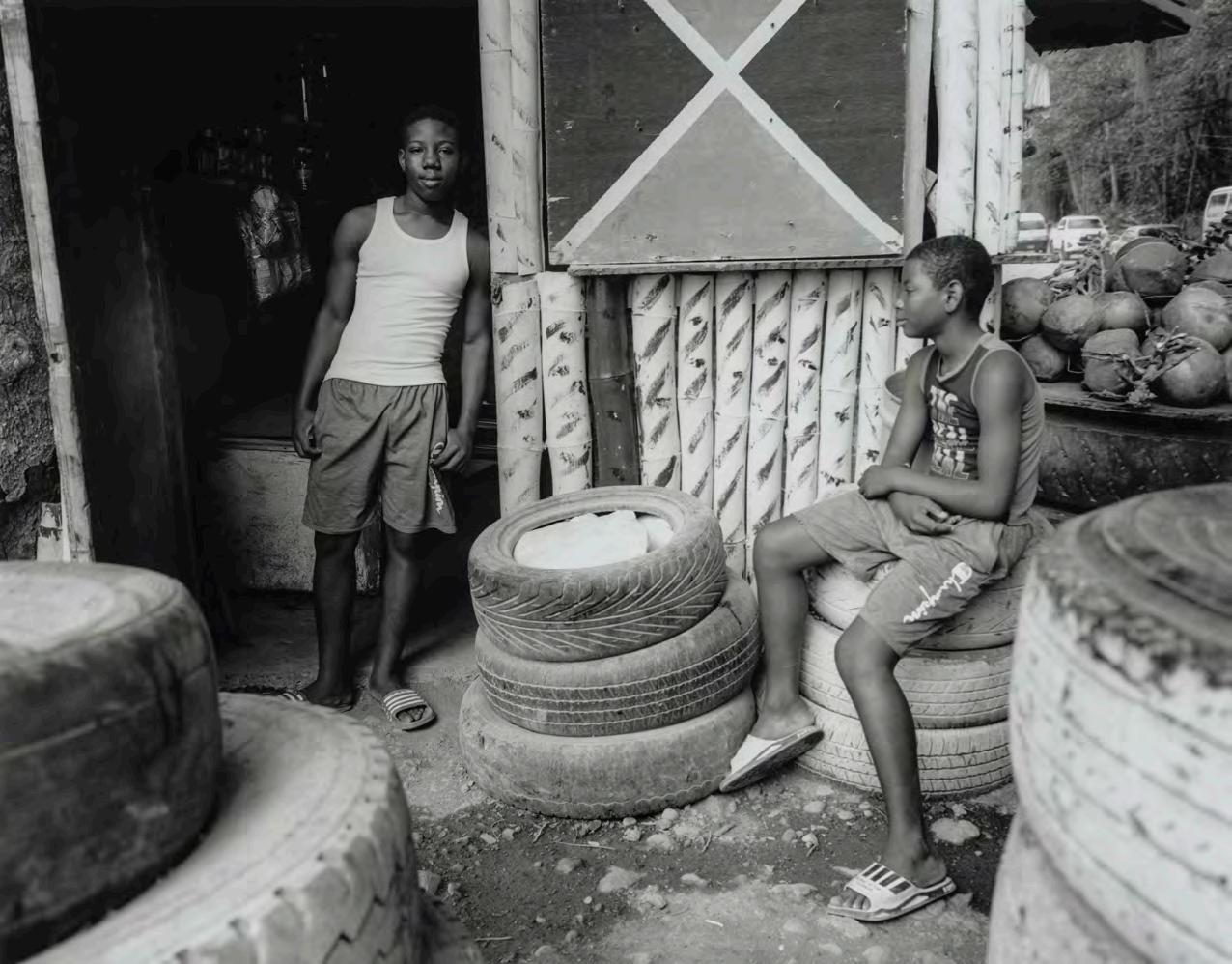
I made this image on assignment in Jamaica. The boys were outside the storefront and I noticed how the tires framed the scene. I don’t normally photograph with black-and-white film but was touched when I got the roll back and saw this one.
If you visit the island, be sure to go to The Cheffing Don in Kingston — great food! It is known for its bowls, but they weren’t available when I was there, so I got a plate with rice, pumpkin takari, and shredded greens.
Chain Links
Elysha Beckerman, founding partner at Dossier
Less than 24 hours into Maui, I knew this place was special. And it was the people who made it so. Arriving at The Ritz-Carlton Maui, Kapalua, warm smiles assured me: That 14-hour travel day was worth it. Joining a coastal walk led by one of the resort’s Ambassadors of the Environment, part of an exclusive partnership with Jean-Michel Cousteau’s Ocean Futures Society, I learned of Maui’s history and the Hawaiian belief in ‘aumākua , ancestral spirits that manifest as animals or
Maui
objects, serving as protectors and guides for their descendants. This gave our subsequent meeting with Big Boy, a honu (green sea turtle) sunbathing on the sand, extra meaning. Evenings listening to live local musicians perform at Alaloa Lounge, set against a tropical garden and endless ocean, punctuated the beauty of this place.
Next, we made our way down the west coast, stop-
ping along the way for Spam musubi and shave ice before arriving in Wailea. Though only 37 miles from Kapalua, Wailea felt like an entirely different island, with Hotel Wailea, a Relais & Châteaux property, its own world within it. Along with a beach picnic featuring Wagyu sandwiches and caviar, we enjoyed a sunset dinner and private tasting in the wine cellar. At The Birdcage, an open-air lounge,
the sun dipped below the horizon as dozens of lovebirds perched above sang in harmony.
Before heading to the airport, we stopped by Lahaina. Exploring the town, we were welcomed with signature island warmth by the locals, some of whom shared stories of the 2023 wildfires and the island’s resilience in the face of the crises. Hotels and neighbors opened their doors to those in need, groups cooked for one another, countless acts of generosity and strength reflected the community’s deep bonds and powerful spirit of its people.
Better Air
Dexter Hake, photographer
At the beginning of the pandemic, my sister needed to move all of her belongings from the Twin Cities, where she was teaching, back into our childhood home 2,000 miles away in California. I went with her and we broke up the drive from California to Minnesota into two incredibly monotonous, exhausting 14-hour stretches.
After a full day packing her belongings into the trailer, my sister said, “If we leave tomorrow at 4:00 a.m., with the time change, we could be at the Grand Tetons by sunset.” I had always wanted to go to the Tetons, but I was hesitant; it was a straight 17-hour drive. We decided to go for it.
Fast Friends
John Chuldenko, senior editor at Dossier
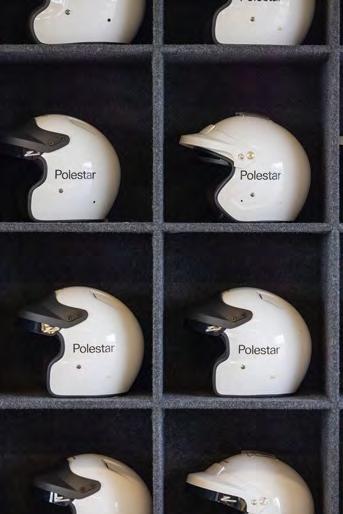
The performance-focused EV manufacturer Polestar hosts driving experiences around the world. The one I attended in Sonoma, California, sold out in just four days and included a diverse cast of characters: tech execs, engineers, a selfdescribed “adrenaline junkie,” and three (yep, three) rocket scientists connected, like a charging cable, by their shared enthusiasm for the brand.
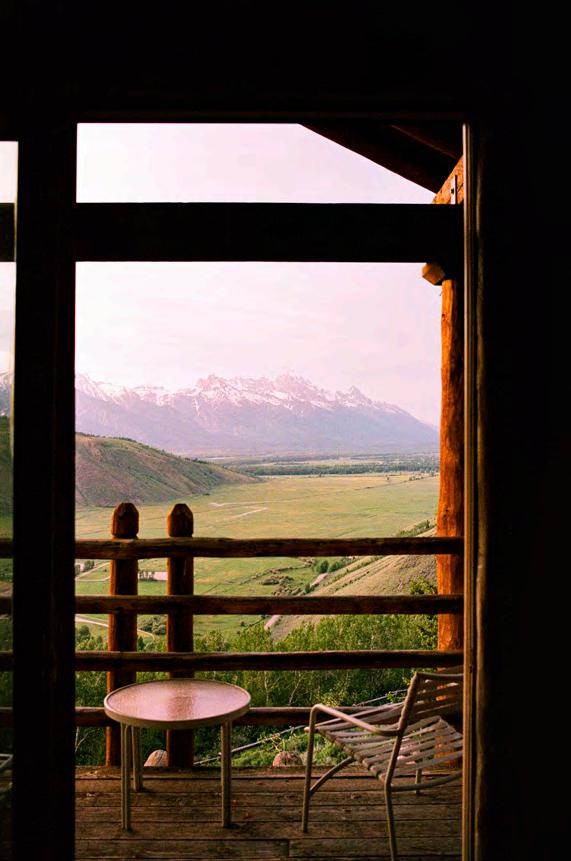
Leaving Minnesota without a place to stay in Jackson probably wasn’t the smartest idea but, as we approached, we called around and found that Spring Creek Ranch had space for us.
Jackson Hole
We rolled through Grand Teton National Park just as the sun was beginning to set. Listening to “Blame It on the Tetons” by Modest Mouse while watching the peaks turn cotton-candy pink will always be a core memory for me. And the view from our room was so spectacular that we ended up extending our stay, spending a well-deserved rest day exploring the park’s many wonders. Finding great beauty in a time of great uncertainty turned out to be exactly what we needed.
The next morning, the cars took precedence. Through waves of rain, we followed our instructor, Swedish race champion Thed Björk, to Sonoma Raceway. Instead of a hindrance, the watery tarmac amplified our excitement. Returning to the pit lane, I lowered my window and heard whoops of enthusiasm mixed with Björk’s encouraging words over a walkietalkie. Guests who’d only met
Italy Sonoma
the night before hugged each other like family as the rain rolled off their helmets. It’s like we’d suddenly shifted the cars into “friendship mode.”
Later, scattered around the fireplace, the race champion and rocket scientists, engineers and entrepreneurs passed pinot noir as we shared stories of our day spent racing in the rain. The Swedes have a specific word for this type of warmth and togetherness: mys. I’m unsure if it’s included in the Polestar owner’s manual, but it should be.
On the Rails
Skye Parrott, editor-in-chief of Dossier
A side door at the Rome Ostiense station is now a time portal. The lounge of La Dolce Vita Orient Express feels like a step back into an era of slow, civilized, and utterly extrav-
agant travel. A three-piece jazz band plays as guests, dressed in their best, wait to be whisked away on Italy’s most beautiful train. Itineraries all depart from Rome and include a Tuscan vineyard tour or dinner in Venice with breakfast in Portofino.
Sea Change
Marc Forgione,
chef
Martha’s Vineyard
When I was a kid, Ipswich fried clams were among my favorite foods. For whatever reason, you don’t see them anymore in New York restaurants, so when I was working as a guest chef for a weekend
in Martha’s Vineyard, I knew I wanted to find the best fried clams. The fried clam bellies I discovered at Lookout Tavern were crispy, meaty, tasted like the ocean, and hardly needed sauce.
If you can’t visit
Hong
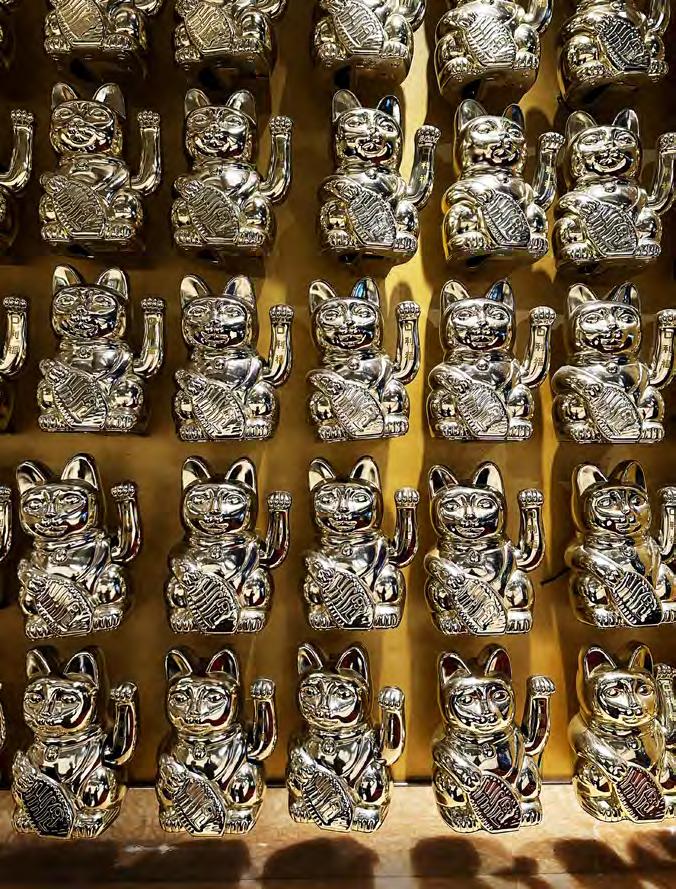
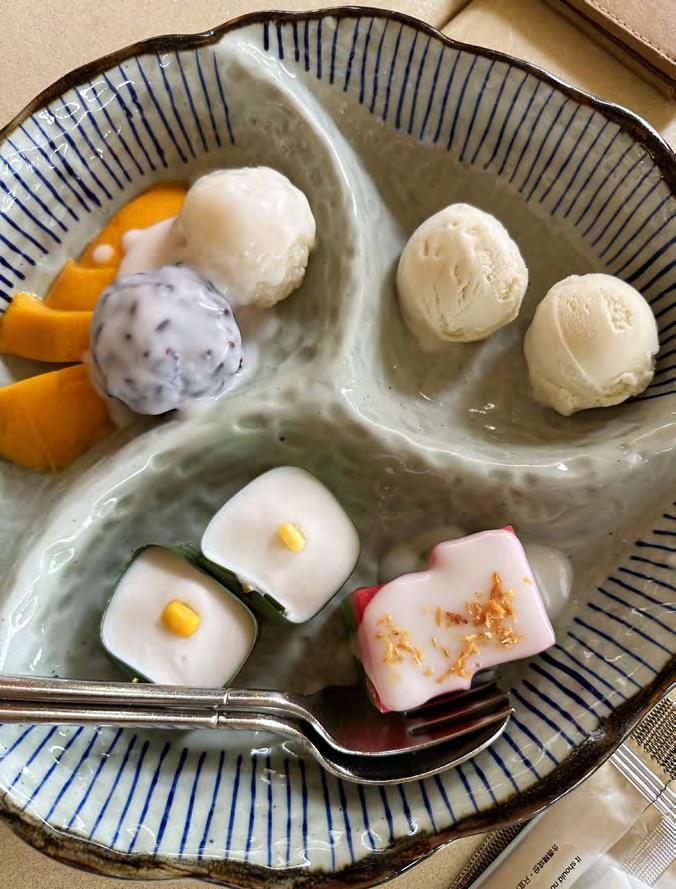
Kong, eat at Cha Cha Tang in New York — one bite of the Cantonese duck amidst that lacquered interior sends me right back.
Of
the Essence
Peter Som, fashion designer and cookbook author
A Moment in Time
Alex Frank, senior editor at Dossier
I’ve had nearly every type of travel experience under
the sun — from late nights in big cities to star chasing in wide-open places — or at least I thought I had, until I went on safari with the expert assistance of the
renowned travel company
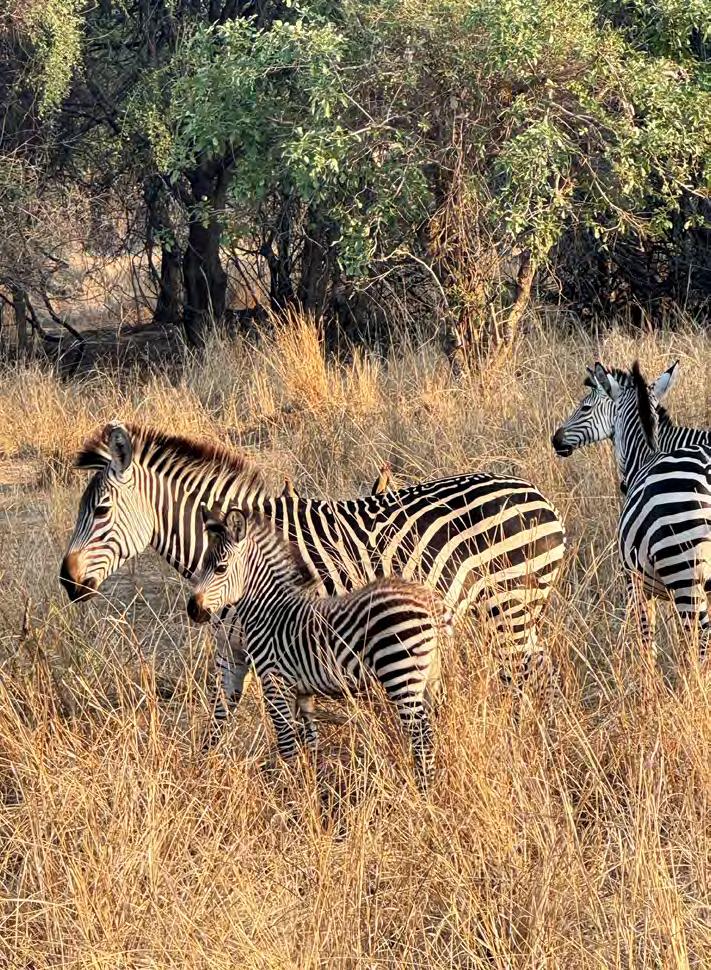
Scott Dunn. Traveling to Zambia with Time + Tide, a luxury safari company with camps throughout the Lower Zambezi and South Luangwa National Parks, was a revelation. It wasn’t just the perfectly appointed, picturesque camps. And it wasn’t just the experience of watching a newborn zebra take its first steps. It wasn’t solely the bountiful wildlife: around every mahogany or ebony tree were giraffes, elephants, and zebras. Nor was it merely a leopard’s hunt for food, a pack of warthogs feverishly foraging for grubs, or a chain of about 50 elephants crossing the river with their toddlers. It was the culmination of these moments. The safari reminded me of what all of us are chasing in life, particularly when we travel: moments in time — flashes, really — filled with meaning and transcendence. We find them in fits
and starts. But in Zambia, in the back seat of a Land Rover, alongside our guide Adam, this existential chase for divine highs was literal — a relentless dash through the bush in search of the next mind-blowing thing.
Zambia
I had never been so excited for 5 a.m., my eyes opening to the soft blue of dawn, my ears to a soundtrack of birds and frogs and hippos. Morning drives were dreamy blurs of rising red suns punctuated by sharp animal encounters, such as lions laying in the shade of a leafy ramble. We pulled up so close I could’ve almost run my fingers through the king’s reddish-orange mane. Returning to base, the thrills continued. Time + Tide’s camps are delightfully fence-free. One afternoon I had impalas in my front yard and an elephant in my back. And one night, we camped out on a dry riverbed, accompanied by a barbecue dinner and warmed by fires that also kept the animals (whose home we were temporarily inhabiting) at bay. Above us, through the sheer top of my gauze tent, lay the three, boundless dimensions of the Milky Way.
Transylvania
Summer was in full swing, but a storm was brewing at our mountain retreat the day I took this photo. The whole valley sat beneath a heavy curtain of anthraciteblue clouds. Sunset sent its last light across the hill and stopped to rest on the most beautiful white horse grazing under our old mulberry tree. I took a deep breath and relished the moment.
I think it was Plinius (right?) who said something along the lines of “Home is where
the heart is.” For me, home is idyllic Transylvania, which sits deep in my being and made me who I am today. It’s scenes like this that remind me again and again how beautiful nature is here and how at peace I am when I return.
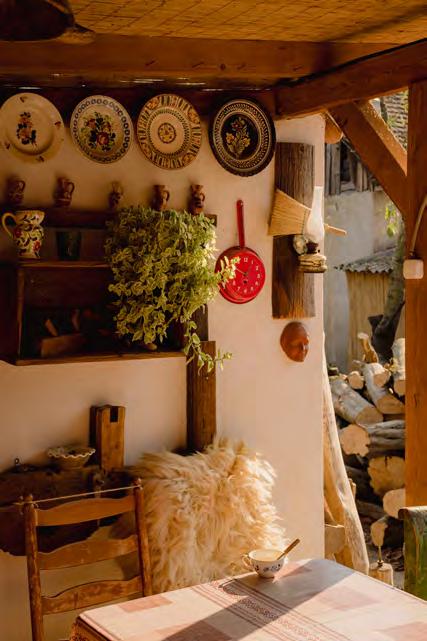
Freshly baked bread and a cup of coffee in the crisp morning air is another thing I love. Dough will always remind me of my grandma and her gorgeous baking, her slow process and her hands. It’s absolutely lovely to return home after all my travels. It is where I recharge and prepare for what’s next.
Grey Areas
Rory Payne, photographer
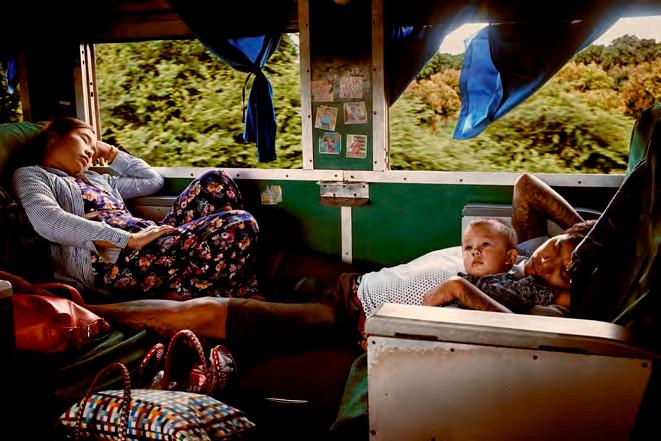
This photograph was taken on a train journey from Yangon, Myanmar, to Mandalay in 2017. I was visiting my sister, who was working for an NGO in Yangon, and, unfortunately, my stay coincided with my sister discovering her husband’s infidelity. She subsequently decided to join me to explore parts of the country she hadn’t yet seen.
We travelled extensively by train, alongside local people from all walks of life. During the long train rides, we unpicked the details of the disloyalty, drawing parallels to our own father’s unfaithfulness, discussing the effects it would have on her young family and how she could control the narrative with her two boys.
Family is the central theme of this image. At the time, it felt like I stole the picture, as the parents lay asleep, entwined together, their son awake, gazing into the distance. They exude an air of calm and serenity while speeding through the landscape towards the uncertainty of tomorrow.
This photograph takes me to a special place in my mind, reminding me of that bittersweet time my sister and I shared, something that we wouldn’t have necessarily planned. Even though it was precipitated by unfortunate events, ultimately we ended the journey closer and with a little clarity on her future.
I often come back to this photograph, even more so now that I have a young child of my own. Myanmar will always be a special place to me.
Myanmar
Independent Together
Norma Kamali, fashion designer
Peace of Mind
Lavinia Cernau, photographer
Tokyo
Trip Worthy
Robin Standefer and Stephen Alesch, founders of Roman & Williams
The original Hotel Okura opened in the early ’60s and was sadly torn down a few years ago, but its lobby was carefully saved and put back together after an international group of creatives voiced their despair at its potential loss. The lobby is like something from films such as Black Rain or Inception combined with traditional old-school Japanese design on steroids. Best of all, it is for real — even if brought back to life after being destroyed. A beautiful Godzilla? It’s a massive room, entirely wood with magnificent sculptural lighting that takes inspira -
Jet Reset
Molly Rosen Guy, writer and founder of Brooklyn Writer’s Collective
tion from cherry blossoms. It has no service; it is simply a massive, warm greeting hall. Perfect polite doormen, amazing reception, smiling coat people, and the largest ikebana floral display we, or you, have ever seen greet you, typically surrounded by beautiful, extravagant traditional Japanese wedding parties. Ex-prime ministers and diplomats in black suits sleep in mid-century leather chairs. Doors lead to meticulous bars, restaurants, and guest rooms (which, to be honest, are not particularly notable) in the new tower. Below is a haunted, silent, always empty mall where you can get a custom shirt made or buy a decorative brooch. No one speaks English. It’s magical and dreamlike.
When a friend recently invited me to join a leg of the Four Seasons World of Wellness “The White Lotus Tour” aboard a private jet, my first thought was: No way. It felt like something a younger, shinier, more ambitious version of me might have done. Yet, there I was aboard a custom-outfitted Airbus jet, with a bearded man in a houndstooth suit offering me a platter of caviar.
Mexico
But the Four Seasons Private Jet experience isn’t only about champagne and caviar. And you’re not just booking a seat; you’re booking a journey, often part of a multi-destination itinerary. Think “Ancient Wonders of the World” or “Cultural Capitals,” with stops in places
like Kyoto, Budapest, and the Galápagos.
My destination, the Four Seasons Resort Tamarindo, Mexico, sits on a private peninsula along the Pacific Coast — an architectural murmur carved into the jungle. Positioned within a 3,000-acre nature reserve, its design emphasizes minimal environmental impact and showcases the work of local artisans.
“The White Lotus Tour,” an exclusive collaboration between HBO and Four Seasons, takes inspiration from the hit show. But, here, there are no snarky staffers. No unraveling couples. Just tacos cooked over an open fire. Figs and mangos harvested on-site. Space. Silence. Attention. In my case, there was also a cliffside suite with a private plunge pool and a revelatory dawn beach walk. It all left me a little bit softer, a little more open and ready to return to the noise of the world carrying something sweeter inside.
On the Lookout
Matt Dutile, photographer
Few cities are defined by a singular mountain range in quite the same way as Cape Town, South Africa. On Table Mountain’s western side, the arms of the 12 apostles rise from the south Atlantic Ocean before terminating in flat prominence, as if a heavenly cleaver cut them straight across the sky.
On a winter afternoon, a thick fog (which locals call “the tablecloth”) covered the plateau and spilled into the crucible of central Cape Town. I watched the phenomenon in awe from my terrace at Atzaró Cape Town, a glass of Chenin Blanc from neighboring Stellenbosch in hand.
Situated at the foot of the bowl, in the last line of structures before municipality meets mountain, Atzaró Cape Town is a new boutique property, formerly a private villa, featuring seven suites appointed with craftsman
Cape Town
furniture, neutraltoned fabrics, and sweeping views — there might be no finer perch to take in both the national park and the city sprawling into the bay below.
There’s an inherent intimacy in a villa-turned-hotel such as this. While suites guarantee privacy when desired, home-like communal spaces allowed me to connect with fellow guests. We shared breakfast around a communal wooden table, had poolside chats, and fireside drinks.
Foolishly, I had booked my stay here in Cape Town as a mere stopping point on the way to what I thought were greater destinations, as a spot to rest between the long flights connecting New York to Botswana. How wrong I was.
Cape Town charmed me almost instantly. Perhaps it was the incredible food scene: the yellowtail tiradito tartare, shuwa lamb shoulder, and popcorn-and-polenta sugar cookies at Upper Union
or the privately catered dinners by chef Nike Roessler, featuring cauliflower slathered in Cape Malay spice, gochujang, and tahini — right at Atzaró. It could have been the kids playing soccer along the colorful buildings of Bo-Kaap, while hawkers ushered locals and tourists alike into spice emporiums — or the cute penguins at Boulders Beach, the ostrich and elands meandering the
Ojai
Slow and Steady
Phil Andelman, writer, director, and photographer
Ultra-cool entrepreneur and filmmaker Eric Goode decamped from New York to Ojai and founded a turtle conservancy tucked away on a quiet street on the edge of this Southern California town. From giant tortoises
stunning Cape Peninsula landscape. Certainly the city’s vibrant art scene, with spaces such as the Southern Guild gallery and cubist-inspired painters, such as Mmangaliso Nzuza, contributed to its magnetism. Bountiful beaches and miles of hiking trails didn’t hurt.
I knew I would have to return to Cape Town for a longer stay the moment I set foot there. Fortunately I already have the perfect homebase.
to fingernail-sized terrapins, the conservancy has it all. The one hitch? It’s not open to the public. But if you make a generous donation, you can spend an idyllic afternoon there. Donate a bit more (okay, a lot more) and you can spend the weekend in one of the property’s beautiful guest houses. Funny note: It was in researching a documentary on illegal tortoise trading that Goode came across Joe Exotic and created the Tiger King phenomenon.
Shifting Visions
Skye Parrott, editor-in-chief of Dossier
When I get invited to a new place, I tend to say “Yes.” Counterintuitively, this is especially true of destinations that I haven’t previously considered, which is how I ended up in Doha.
The hotel where I stayed, Raffles Doha, occupies half of the city’s Katara Towers. Its striking half-circle silhouette is meant to evoke the crossed swords of Qatar’s national seal. I thought of it as more of a crescent moon,
A Place Apart
Lisa Lok, visuals director of Dossier
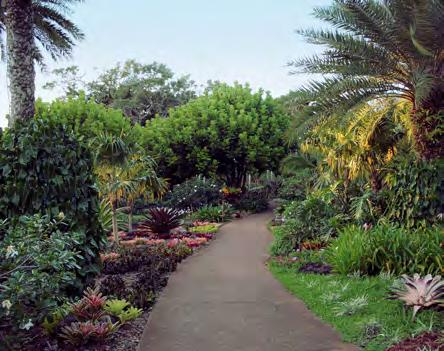
No roads lead to Lāna‘i and very few roads exist there. In fact, there’s virtually no traffic on the small Hawaiian island, unlike in my daily New York life. Yet, there was a familiarity: I was surrounded by verdant tropical plants, just like in my apartment — only here they were wild and enormous.
Nature and serenity were the throughlines of my stay at Sensei Lanai, a Four Seasons Resort. Stretching across 24 biodi -
turned upwards towards the sky. Like all Raffles properties, it’s opulent: Each of its sprawling suites come with a personal butler; the daily breakfast spread spills across three rooms. There are private spa suites and complementary indoor and outdoor pools. The hotel also has an in-house movie theater and a library housing over 40,000 books.
places are the surprises: In this case, a very family-friendly city, filled with incredible art. Here are a few of my favorite finds …
Doha
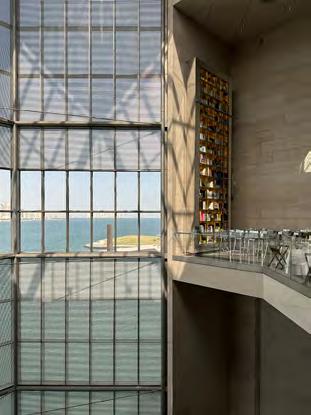
Museum of Islamic Art (MIA) … I.M. Pei’s almost brutalist structure set on the waterfront amidst dhows, built by the famed architect at the age of 91, and its extraordinary restaurant IDAM by Alain Ducasse.
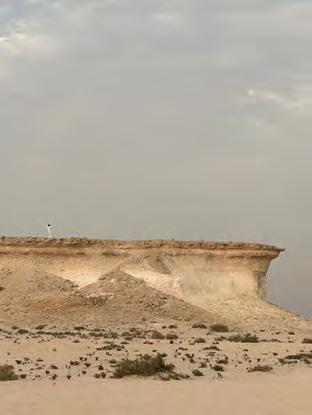
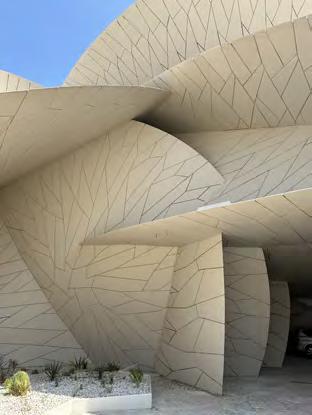
to echo a desert rose, combining natural and national history in interactive exhibitions created for visitors of all ages. East-West/West-East … Located about an hour outside the capital, in the Brouq Nature Reserve, this is Richard Serra’s second piece of public art in Qatar; the first, 7 , sits on a pier in front of the Museum of Islamic Art. At the reserve, four steel plates have been driven into the ground over the space of a half mile. The portion of the plates that’s visible is 45 feet tall; they extend just as far below ground.
The opulence and incredible service are what I expected of Doha; Gulf countries are known for these things. But the best part of visiting new
verse acres, the property is home to monster foliage; wandering turkeys, chickens, ducks; and abstract contemporary sculptures that delightfully tethered me to civilization as I willfully shed all other vestiges of cosmopolitan life.
This conscious “letting go” wasn’t unique to me — global serenity-seekers come to the adults-only property to find and maintain their wellness via the resort’s “Move, Nourish, and Rest” philosophy. Along with Sensei by Nobu cuisine and spring-fed onsens, the resort offers guided plans
National Museum of Qatar
... Another architectural masterpiece, this magnetic institution was designed by French architect Jean Nouvel
that help guests analyze their wellbeing and formulate plans to improve it.
The “Move” portion of my visit included horseback riding through the forest and hiking to Koloiki Ridge. “Nourish” took the form of a custom facial and massage in a personal hale with a plunge pool, sauna, steam room, and rain showers.
“Rest” included a transformational aerial yoga session and lots of sleep.
The layering
Souq Waqif … Though it’s tidy and organized, this souk feels alive, packed with vendors arranged by their specialties: woodworking, leather goods, spices, textiles, and, of course, pearls. It’s also full of restaurants, including an outpost of Berenjak, a Persian restaurant that originated in London; its Dubai location, which I visited earlier in the year, was awarded a Michelin Bib Gourmand.
of these experiences not only revealed my need for a gentler pace, it also gave me the practical and spiritual tools I needed to slow down — physically, mentally, physiologically — on the island and in life.
Inspiring, vibrant, soulful.
Step into a world of understated luxury, where each suite reflects the character of a Tribeca loft—curated, collected, and uniquely personal. Connect to the pulse of downtown—a place where discovery, authenticity and culture converge.
Capella Bangkok
Words by T. Cole Rachel
My time at Capella Bangkok still feels like a fever dream. This might be because I was loopy from outrageous jet lag, having come directly from a marathon trek through Singapore. It’s also because the hotel is ultimately a contained world, an oasis of calm overlooking the Chao Phraya River, offering views of the Bangkok skyline. Having literally traversed a series of planes, trains, and automobiles in order to get there — arriving at the height of sauna-like summertime — the quiet cool of the hotel was a shocking contrast to the wild cacophony of the streets I’d just passed through. The hotel’s vaulted interiors and artfully muted design (the property was whisper quiet, aside from the swish of gently running water in tucked-away fountains) almost made you forget that you happened to be in one of the most frenetic cities on the planet.
While everyone else I knew was asleep on the other side of the world, I’d begin each day with a soak in my terrace plunge pool followed by a leisurely breakfast — unagi benedict served with grilled sticky rice and mountains of fresh fruit — at Phra Nakhon in the hotel’s verdant riverside garden. It was here, watching the passing ferries and riverboats, that I’d chat with the hotel’s resident culturist, who helped me plot out my day’s explorations, even offering to walk with me to find a tiny bar, beloved by locals, that I would have never been able to locate on my own (Google Maps is no match for the sprawl of Bangkok).
The hotel’s incredible meals (Mauro Colagreco’s restaurant, Côte, delivers an expansive tasting menu celebrating the French and Italian Rivieras) dovetailed with the next-level service (I still have an origami fish that was stealthily left on my pillow one night during turndown service) and a sparkling, jeweltoned bar complete with hand-painted walls depicting an Art Deco-inspired snapshot of Bangkok’s history, which houses a massive white peacock in its center. It was here, under the majestic bird’s watchful eye, that I would end most of my evenings, usually sipping the aptly named River Ripple, a cocktail inspired by the rhythms and bends of the Chao Phraya, combining whisky, salted mango, lotus, and coffee-infused soda to form a drink unlike anything I’d ever tasted before or since.
Conrad Punta de Mita
Words by Skye Parrott
On my first morning at Conrad Punta de Mita, I discovered an eagle. It was in the hotel’s garden, perched on the arm of its handler, who sported a thick, leather gauntlet to protect himself from its sharp talons. He and his bird spent their days at the hotel, he told me. In the mornings, the eagle protected breakfast tables from seagulls; in the afternoons, their patrol moved to the swimming pool — a low-key, holistic, and eminently efficient intervention for a concern most coastal properties face.
The eagle and handler greeted me each morning of my stay; the bird even perched for a time on the roof of our cabana as my daughters repeatedly availed themselves of the waterslide in the family pool. Far overhead I saw seagulls circling, but they never came near us.
Conrad Punta de Mita overlooks the Pacific Ocean in Litibu, on Mexico’s Riviera Nayarit. It’s under an hour from the Puerto Vallarta International Airport; five minutes from the gates of Punta Mita, with its luxury hotels and restaurants; five minutes from multiple surf breaks; and 10 minutes from Sayuita, my favorite little surf town. And while its surroundings have a lot to offer, I suspect most guests don’t want to leave the property. There is too much to do. Along with a spa and gym, there is a daily itinerary of complimentary activities for guests of all ages, including yoga, padel, and mountain biking tours — as well as the Turi Kids Club, where my younger daughter enjoyed robust programming.
The hotel’s excellent dining offerings also invite you to choose your own adventure. During our three-day stay, we ate at a different restaurant every night. My favorite meals were at the sprawling breakfast buffet, which included an expansive station of Mexican cuisine from different regions, with
a cook making fresh tortillas, quesadillas, and sopes. “This is the best breakfast buffet I have ever seen,” my older daughter, a bit of a connoisseur of buffets, announced. I had to nod in agreement as I watched her pile her plate with chilaquiles, while her sister ordered a custom smoothie.
The family-friendly atmosphere is a real sweet spot for the property. Aside from the aforementioned activities and waterslide, rooms are spacious and well-configured for families, and meals for guests under 12 are comped as long as adults eat too. But more than the amenities, a sense of being welcome came through: I didn’t worry that my kids were bothering anyone. The Riviera Nayarit is known for its friendliness and laidback vibes, and this was reflected in both the hotel’s staff and the property itself: It’s beautiful, relaxed, totally unpretentious, and like the eagle, suited to its environment.
Santa Monica Proper Hotel
Words by John Chuldenko
I hadn’t realized I was so tightly wound. Daylight Savings Sunday had resulted in a cascading tardiness that had my shoulders rising skyward. But as soon as I arrived at the Santa Monica Proper Hotel, my tension was replaced by an insatiable tactile curiosity.
Orchestrated by lauded American designer Kelly Wearstler, the hotel (located just a few blocks from the beach) is an inspired festival of textures and materials. Leather, stone, and chunky bamboo reside alongside creatives who toil at keyboards and families lunching off earthenware, their freshly coiffed dogs by their sides. After exploring the menagerie, I headed upstairs to my Sunset Suite, running my hands across the grasscloth wallpaper flanking the elevator doors as I went.
Evening light raked across my Sunset Suite, adding a linear element to the suite’s playful, rounded furnishings, ribbed woods, and furry rugs, while my private Recovery Suite in the adjacent building activated any latent senses. Designed as a preor post-travel reset, it invites the thermodynamically brave to alternate between the hot sauna and cold plunge tub (I lasted about eight seconds).
For those who prefer their rejuvenation sci-fi style, the property also boasts the only publicly accessible Ammortal Chamber in Los Angeles. Climbing onto the bioenergetic technology’s transparent surface feels wildly futuristic. For 25 minutes, I was guided through a multi-wavelength lighttherapy session featuring vibroacoustic sound therapy, electromagnetic pulses, and deep inhales of molecular hydrogen. I emerged relaxed, contemplating a future of interplanetary spa-goers.
At dinner, seated in one of Palma’s casual coves, I fully returned to Earth thanks to crispy Roman artichokes paired with yellowtail crudo — a prelude to a delicious whole roasted, lemon-seasoned fish I respectfully christened “Mr. Branzino”. When I departed the next morning, it was in an entirely different physiological state. I was restored by not only my wellness therapies but also the hotel itself. Great design can have that effect. I also felt inspired — if not to face the week ahead, then (at the very least) to reupholster everything in my house.
SERENITY BEGINS where CIVILIZATION ENDS
An experience that awakens the senses and redefines the art of living.
Treasured Traditions
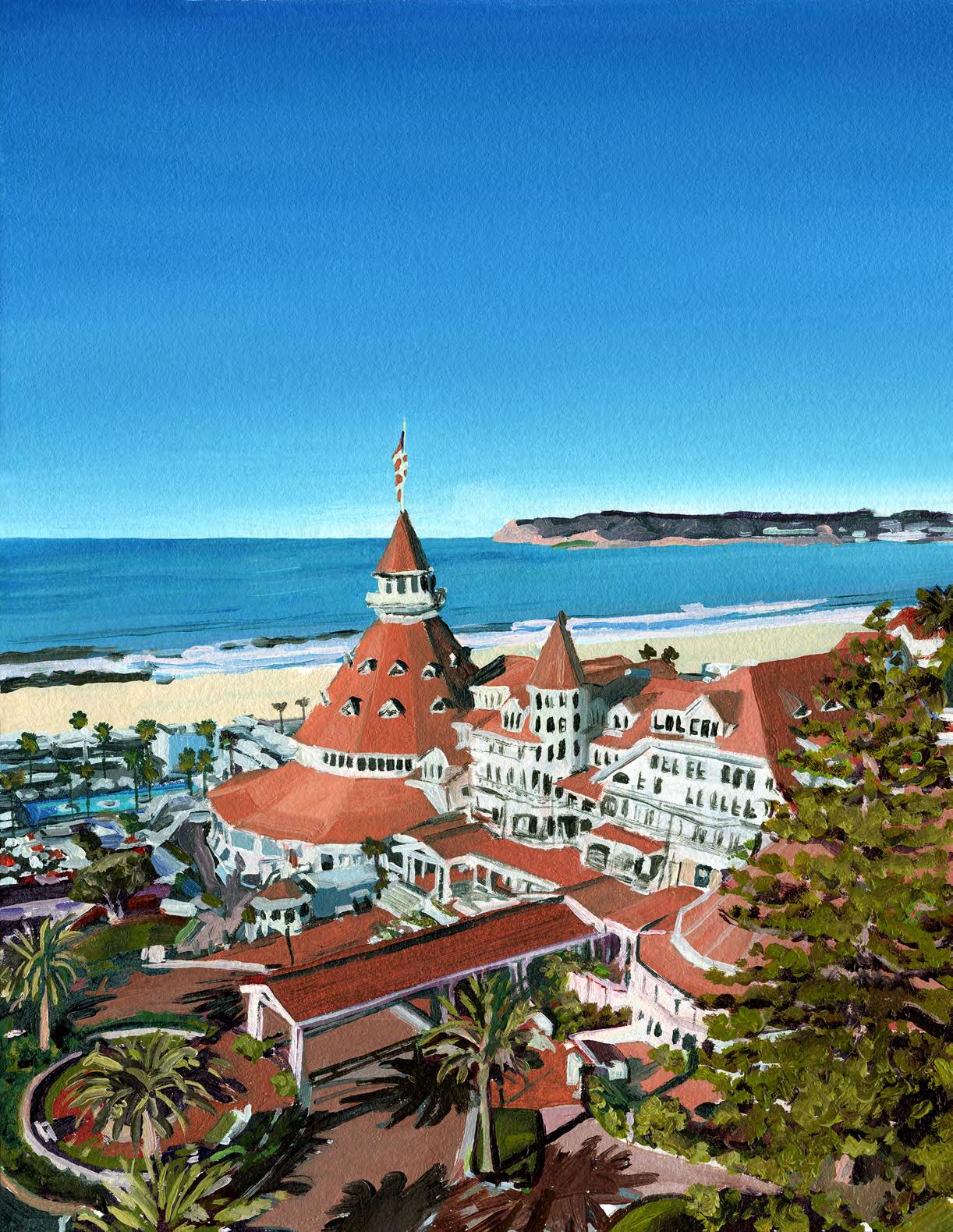
San Diego’s iconic Hotel del Coronado houses over a century of personal memories and family lore — and now it’s ready for the next 100 years.
There’s a reason we return to a place year after year, reveling in anticipation and reconnection. Traditions are more than just dates on a calendar; they bring comfort and closeness like a cherished heirloom, but they hold memories more expansive than any object. Hotel del Coronado in San Diego, California, has provided a cinematic backdrop for these moments, rituals, and milestones since 1888, when the hotel first opened its doors, envisioned as a seaside resort that would be “the talk of the Western world.”
Words by John Chuldenko
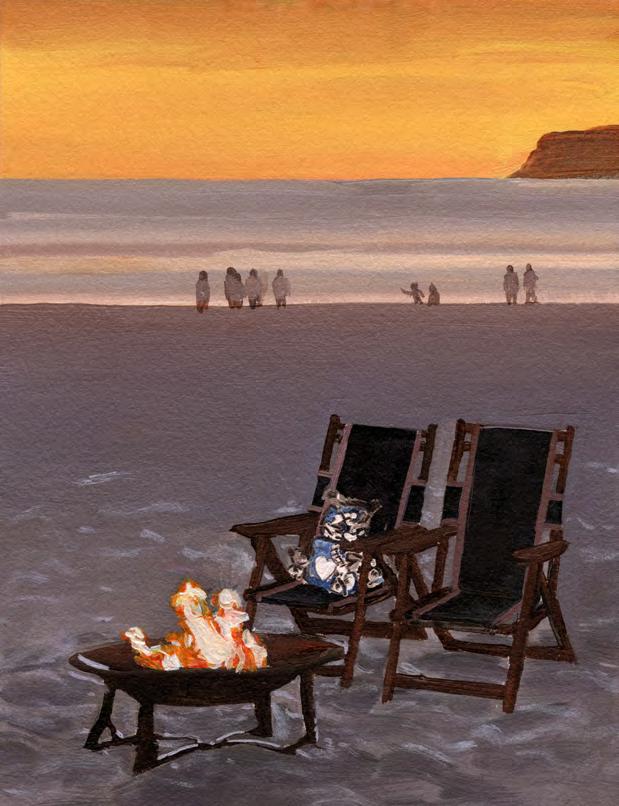
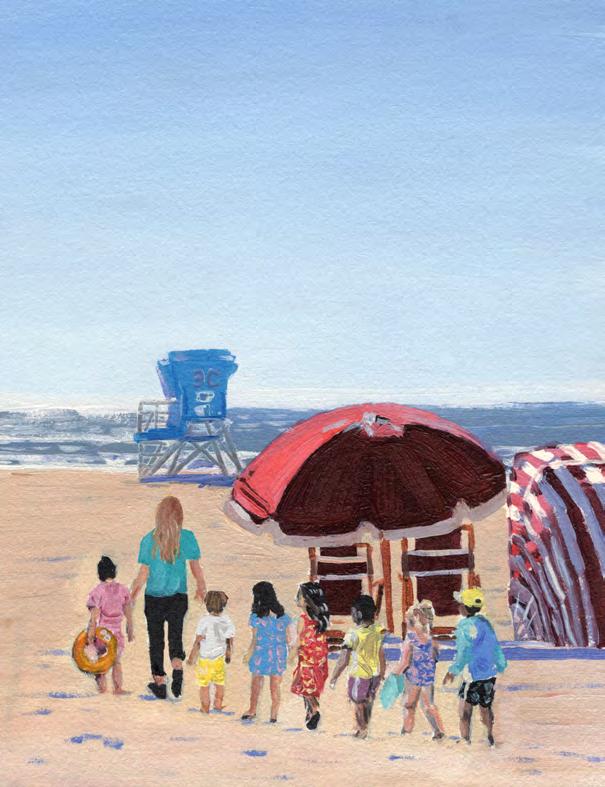
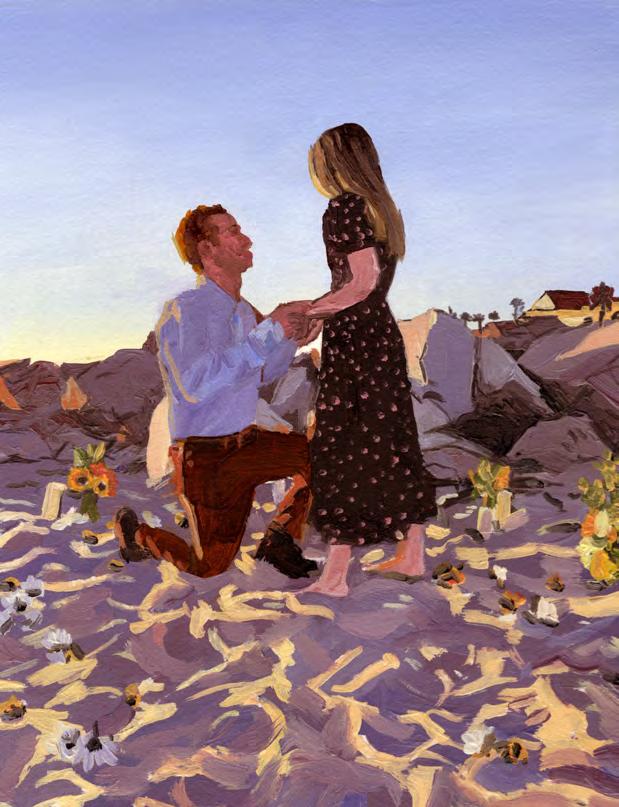
Illustrations by Alice Tye
It became just that: a National Historic Landmark that has hosted U.S. presidents, celebrities, global dignitaries, and countless families across generations — a beloved destination that has just completed a six-year long revitalization with a revival of historical spaces and the addition of thoroughly modern elements. The goal of this journey?
To preserve The Del and ensure its relevance for the enjoyment of future generations.
Touching every inch of the resort, this unprecedented restoration and expansion spans new dining experiences,
a reimagined oceanfront club lounge, and the update of all five accommodations areas, referred to as neighborhoods. In 2022, the newly built Shore House at The Del debuted, adding luxurious beachfront residential Villas and expanding the experiences available to guests. More recently, the final revitalization phase has focused on a complete restoration of the fabled Victorian neighborhood, encompassing all guest rooms, the addition of Nobu Del Coronado, and a completely restored garden courtyard, complete with a replica of the original bronze statue of “Venus Rising from the Sea.” There are 137 years of stories echoing through The Del’s grounds, and now the resort is poised for its next century.
From The Del’s iconic red turret and crisp white facade to the inviting blue waters that border its golden shore, you’ll find families sharing new experiences: memories in the making. These are stories to recount with a drink in hand, sand between our toes, and s’mores at the ready. They are stories that become family lore, best told around The Del’s legendary beach bonfire, as the following guests can attest.
To Have and to Hold Bob and Pam G. Guests since
1966
My wife and I were married on June 26th, 1966. We spent our honeymoon at The Del, in what was then called the Lavender Suite — lavender is her favorite color. When we looked out we saw the tennis courts where they filmed Some Like it Hot We’ve visited every year since on our anniversary and before Christmas. On warm days, we leave the door open so we can listen to the waves. Back in the ‘80s, I’d get up early to watch the Navy SEALs run along the beach and sing their cadences. Later, we brought our daughter and her family; now they’re members and they go with their kids. It’s our place; it always has a special effect. I can relax when I’m there. We call it the Eighth Wonder of the World. It’s important to have things you can hold onto.
Strong Spirits Loriann G. Guest since
2009
My husband Joe and I first visited The Del in 2009, and we return every year. It’s the one place where the world stops. There’s no rush; we can relax and regenerate. One of our greatest memories there was introducing my parents to it. They had been together 59 years, and, believe it or not, had never taken a beach vacation. So, one year, we decided to bring them along with us. They instantly fell in love with the sand, the sun, and, of course, The Del. When they got older and less mobile, the staff would make sure they had a scooter to get around the property. They were so kind. My dad died in 2023, and I had a stuffed bear made from one of his shirts — the one he wore to our wedding. Now, every time we return to The Del, I bring the bear along. I call him “Daddy Bear.” It’s like my dad is there with me. He loved The Del, and now he can be there in spirit.
Freshly Baked Memories
Hilary U. Guest since
2011
We visited the Hotel Del Coronado when I was pregnant with my first child. I was lounging by the pool when I saw Brittany, a staff member, leading a group of children to the beach. They were having the time of their lives, full of joy and curiosity. I said to myself: I want my kids to grow up here and experience that kind of joy. I knew then this was going to be our place. After my daughter, Izzy, was born, The Del became a family tradition: We return several times a year — it’s like a second home to us. The staff feel like extended family. I can tell you the names of everyone who’s worked there; we still keep in touch. As soon as we arrive, Izzy wants to help them, passing out towels to guests. When we stay in a villa with a kitchen, Izzy and I bake cookies just for the staff, which she loves delivering — and, of course, as soon as she was old enough, Izzy joined the Ocean Explorers kids club.
2012
I started my business 40 years ago and spent my whole career on the road. I missed a lot of ballgames and birthdays. But at The Del I’m not the owner of a corporation, I’m not in a suit, I’m just Dad. I raised my six kids on that beach; this is home for us. My son, Cooper, was 17 when he started bringing his girlfriend along with us to The Del. She’s joined us every year, through high school, then college, and after. When he told us he wanted to propose to her at The Del, we were thrilled. Corey and The Del staff were in on the surprise; Corey’s been like a brother; he’s seen all of my kids grow up. Cooper brought his girlfriend down to the beach, and we were all on pins and needles. When she said, “Yes,” all the guests on the balcony at the Shore House started cheering, and Cooper took a bow. It’s still something we all talk about.
Put a Ring on It
John A. Guest since
Time’s Table
For chef Yasmina Hayek, food isn’t simply a passion — it’s a way to preserve and perpetuate Lebanese heritage.
The hummus at At Em Sherif Restaurant in Beirut, Lebanon, takes three days to make: one full day to soak the chickpeas, one day to cook them, and one day to cool the mixture, letting all the aquafaba drain out so it can transform into its final thick, velvety form. “And then your hummus comes to life,” Yasmina Hayek, the 29-yearold chef and owner of the restaurant, reveals. “The idea is to not just blend the hummus and serve it immediately,” she continues. “It needs to rest.”
In a world in which speed and convenience often dictate life’s rhythms, Hayek wants to slow things down, at least in the kitchen. For the young Lebanese chef, it’s not just about marinating a dish long enough to allow its spices to embrace each other; it’s about honoring Lebanese cooking traditions.
Hayek leads menu development and culinary and creative direction for Em Sherif, a restaurant group started by her mother in 2011 that’s named after her brother. Today, the family business encompasses the eponymous restaurant in Beirut and various restaurants and cafés (even a deli) across the Middle East, North Africa, and Europe, all reflective of Hayek’s determination to preserve her culinary heritage — and ensure that the art of Lebanese cooking flourishes within her country’s borders and beyond.
“Being Lebanese gives you endurance, a joie de vivre, because Lebanon has been through so much historically,” Hayek says. We’re speaking on the eve of the World’s 50 Best Restaurants of Middle East and North Africa awards ceremony, where Hayek is accepting the Best Female Chef Award. In the past year, she has also received the Michelin
Young Chef Award — the first woman in the Middle East to do so. But she doesn’t dwell on that: “Honestly, being in a maledominated world wasn’t a handicap for us.” Her focus is on the process:
“Lebanese food is extremely labor intensive,” she states, explaining that nowadays many recipes rely on shortcuts — maggi soup cubes to quickly make broth, for instance. “I’m not against making things more practical, but this know-how is going to disappear if we don’t protect it,” she says.
Em Sherif Restaurant’s 30-course dinner menu is an exhaustive love letter to those culinary traditions, meant to be shared around the table as if you’re sitting with a big, rowdy family in a Lebanese home, with oldies and ballads by Fayrouz and other beloved artists across the Levant playing in the dining room. Its spread traverses salads, hot and cold mezze, slow-cooked meats, and mahshi: stuffed vegetables, such as eggplant and zucchini, that are staples in home kitchens. “It’s important for your table to have all these elements to create a real Lebanese experience,” Hayek confirms.
Her warak enab — grape leaves delicately stuffed with rice and herbs — take up to five hours to cook, and that’s excluding the hours required to hand roll a batch. Made from scratch, traditional savory pastries such as fatayer (onion-stuffed pockets), sambousek (beef pies), and briouat (cheese rolls) take a while too. With enough exacting care, even chopping parsley for a simple tabbouleh is intensive.
In her late teens and twenties, Hayek attended the Institut Lyfe in Écully, France, then named the Institut Paul Bocuse, and later worked in Michelin-starred kitchens in Paris
and Copenhagen under chefs such as Mathieu Pacaud, Jean-François Piège, and Rasmus Kofoed. So her thorough, meticulous approach isn’t surprising. Her return home to Beirut and dedication to preserving these traditions, however, was an evolution — particularly motivated by the onset of Lebanon’s financial crisis in 2019, when the country defaulted on its debt and its currency’s value dropped drastically, hiking import costs and resulting in devastating food shortages due to the country’s dependence on food imports (about 80 percent of the country’s food is imported, according to the United Nations). The situation shook Hayek. “I was like, ‘Why are we importing food?’ Let’s work on our own food and make it even better.”
Hayek’s progress towards this ambition is evidenced by her everevolving projects: This year, Em Sherif is working with Beirut’s Sursock Museum on a dining experience that showcases wild edible plants of and around Lebanon. “I really want to go back to the land,” she says eagerly. “There is very seasonal produce that grows in the wild, in the backcountry that no one knows about.” She rattles off akkoub, a type of wild artichoke; kemah, or desert truffles; all sorts of forageable mushrooms; nettles. They’re rarely found in Lebanese kitchens. Hayek plans a daily changing menu to cover the breadth of ingredients. “I want to introduce people to the produce that [we] might not even know, like from our ancestors.”
By reaching back into history, Hayek’s hoping to carry these traditions forward. As for her own favorite culinary ingredient or technique? The answer comes as no surprise: “Time, honestly. Good things take time.”
Modern Classics
History and innovation collide at Detroit’s Cadillac House, a midcentury masterpiece where future heirlooms are designed.
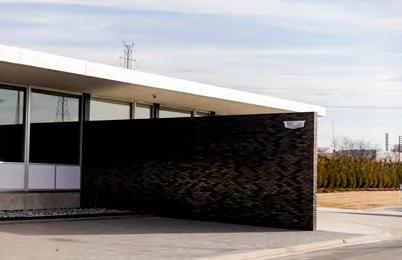
Architect Eero Saarinen’s General Motors Technical Center, located just north of Detroit is, in very simple terms, a midcentury masterpiece. Rolling through its gates, I had an overwhelming desire to get out and walk — just to spend as much time as possible admiring the rectilinear, glassclad buildings radiating American optimism.
I wondered if I could hide somewhere in this modernist marvel with a skinny tie and a glass of scotch. But the only words I could muster were: How have I never been here before?
It’s a shame this campus is closed to the public, its beauty admired only by the designers, engineers, and craftspeople lucky enough to work here. It’s exclusive by design, as indicated by former GM President Harlow H. Curtice, who declared upon its opening, “The campus-like atmosphere was sought deliberately not to impress visitors, but because we believe that such surroundings stimulate creative thinking and are conducive to good work.” Seventy years later, the center’s doors have swung open — for a select few.
automobiles of the future. The Cadillac House will, likewise, serve as a creative workspace for Cadillac’s clients to collaborate with the concierge and design team as they specify one-of-one editions of Cadillac’s new flagship EV, Celestiq, poring over a nearly limitless selection of materials and finishes.
I’m here to visit the Cadillac House at Vanderbilt, named after legendary GM vehicle designer Suzanne E. Vanderbilt, one of the pioneering “Damsels of Design,” a 10-woman team hired by GM in the mid-1950s to help shape the
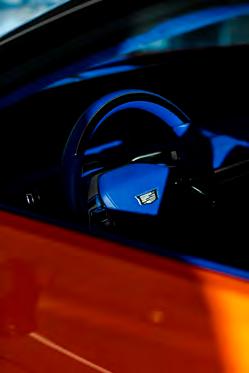
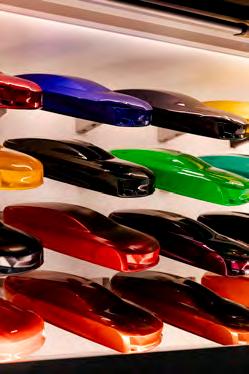
I was greeted near the entrance by a habanerohued Celestiq perched atop a turntable, flanked by the design and engineering teams who brought it to life. Senior Creative Brand Designer & Strategist Alexandra Dymowska sees Celestiq as “less of an object and more of an experience, imbued with personal meaning,” and this light-filled studio is where that experience begins. Inside, the “front-of-house” area contains a client lounge, center display area, and generous collaboration surfaces. “Because Saarinen’s design aesthetic is very rectilinear and clean, we wanted to bring in an element of warmth, a space for clients to have a moment of respite before they start their creative journey,” Dymowska explains. In the “back of house,” you’ll find designers and craftspeople cutting leather samples, evaluating wood species, and hand-sewing interior materials for clients on the spot. I employ restaurant terminology to describe their work because the building once served as the Technical Center’s executive cafeteria and still features original walk-in refrigerator doors in what used to be the kitchen.
On the wall, automated dark wood panels fly open at the
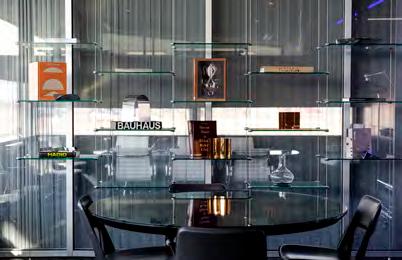
touch of a remote-controlled button, revealing a trove of material swatches, mood boards, and paint samples. It’s the kind of James Bond-like gadgetry you might find in Q’s office. Low benches conceal a selection of fine leathers, and art books are strategically positioned in the design library, offering creative inspiration for Celestiq clients, who Cadillac calls “Influential Icons.” The first of these icons were hand-selected by Cadillac based on criteria ranging from professional and social influence to charitable work and social responsibility.
“The premise of the Saarinen developed campus was to surround the designers with aesthetic inspiration through the use of color, new materials, and open space punctuated by sculptures. The Cadillac House now extends this opportunity to clients to experience the ethos of modernism while creating their personal Celestiq vision,” explains Erin Crossley, Design Director for Cadillac Celestiq. If architecture is on that inspiration list, they’ve come to the right place.
These lucky few aren’t only designing the car of their dreams, they’re doing it in a building of tremendous significance. They won’t just have a bespoke car, they’ll also have an inimitable story, a narrative that will accompany the vehicle as it’s passed down through generations. Isn’t that what luxury is all about?
Words by John Chuldenko
Photography by Sylvia Jarrus
Source Material
Artist and performer Justin Vivian Bond celebrates the books that have encouraged a lifetime of radical thinking and glamorous resistance.
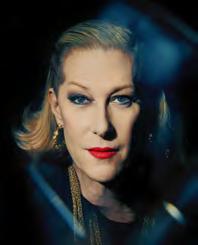
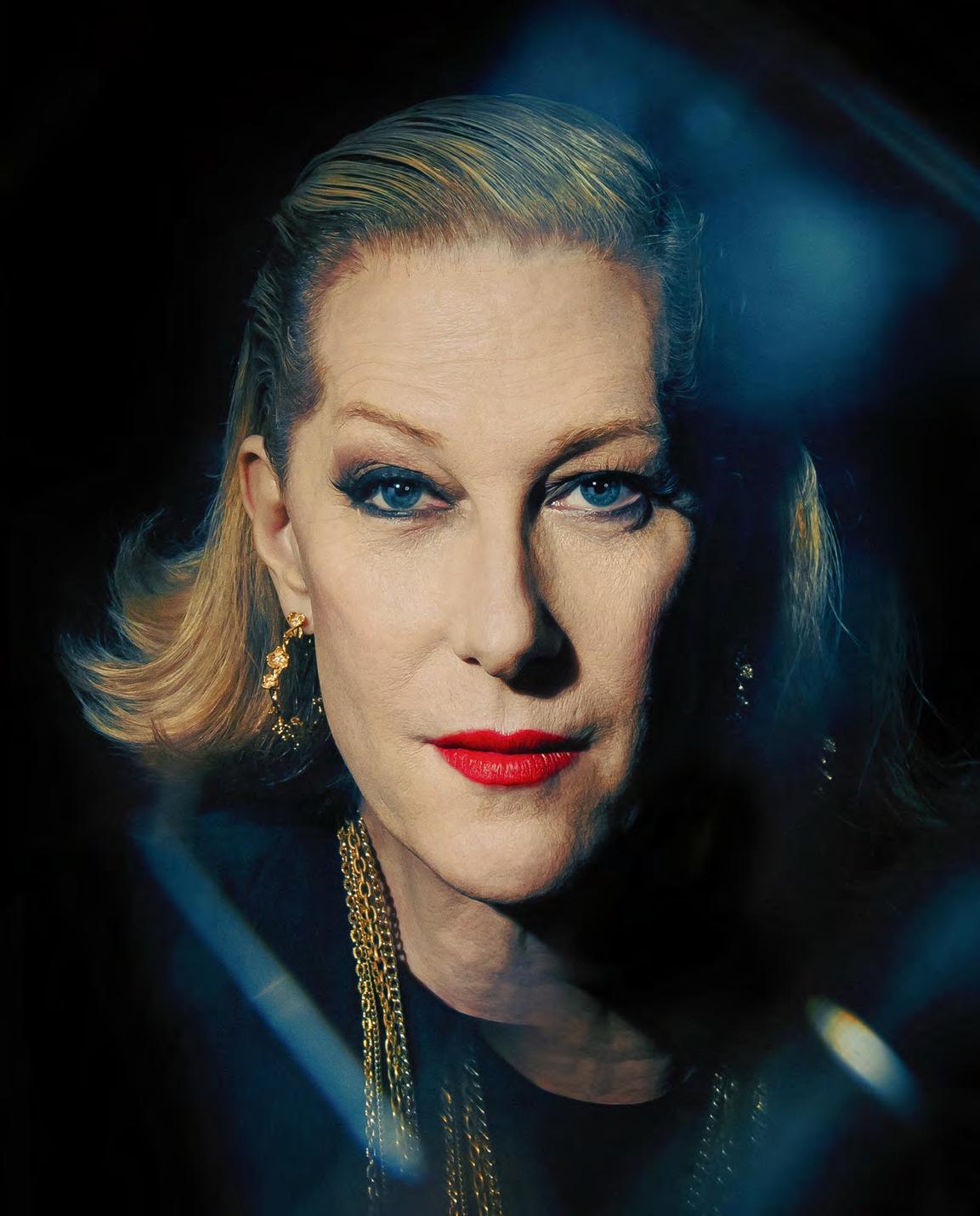
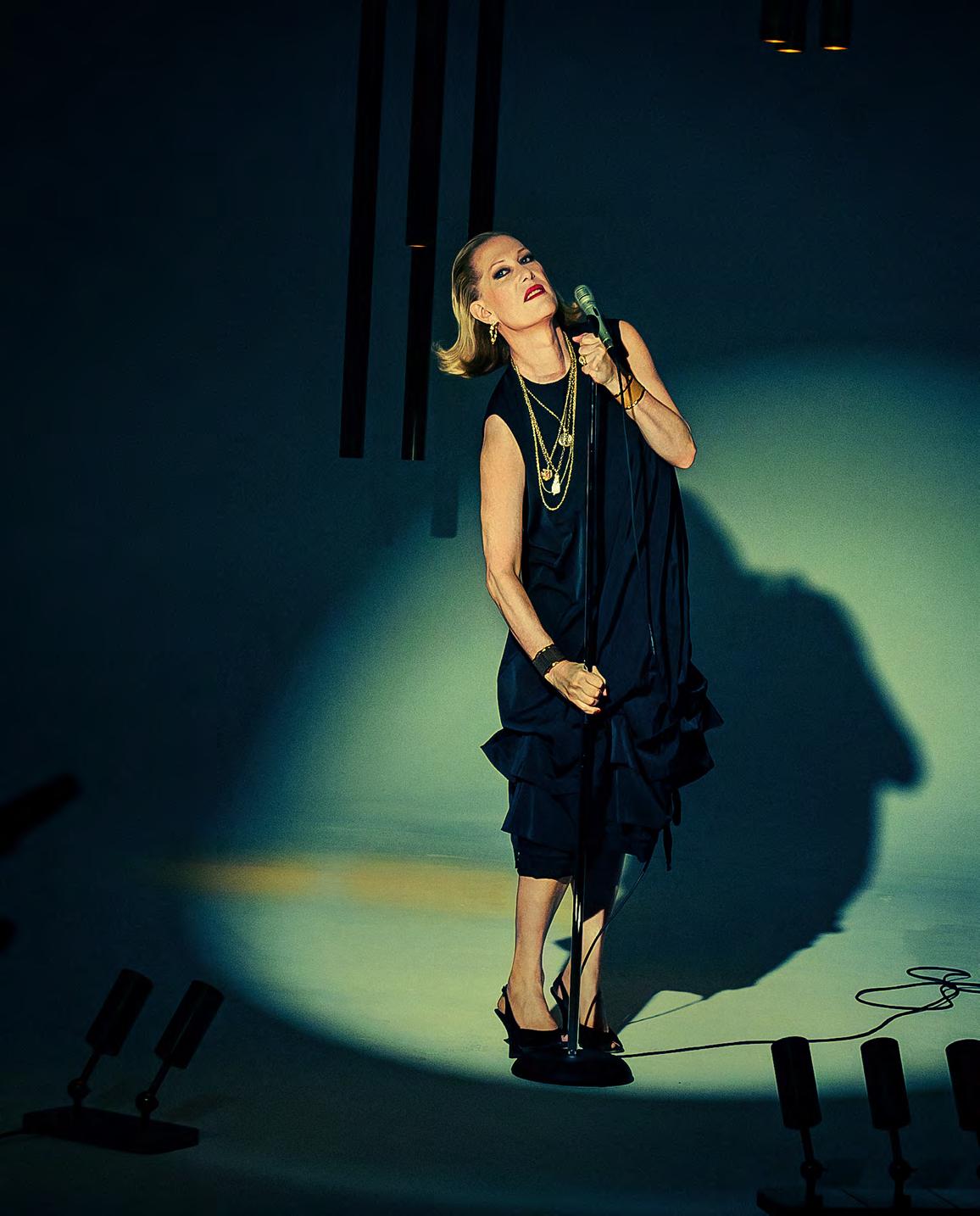
During a recent show at Joe’s Pub, an iconic downtown theater and performance space in New York City, Justin Vivian Bond followed up a tearful rendition of “Don’t Forget Me” by the late Marianne Faithfull with a Taylor Swift “Shake It Off” cover, the latter reimagined as an ode to queer resistance. This sort of tonal gear shift might seem nonsensical coming from another performer, but is totally logical within Bond’s repertoire: It’s this mix of whimsy and razor sharp wit that has made them one of the city’s most reliably potent performers for the better part of three decades. Though Bond might be most well-known as one-half of Kiki and Herb — a performance-art cabaret act in which they channel the furious spirit of an aging yet ageless lounge singer — Bond is a true multi-hyphenate: a performer, writer, visual artist, and trans pioneer who has performed all over the world and dipped their toe into almost every creative medium. Fittingly, in 2024, Bond was awarded a prestigious MacArthur Fellowship for the absolute genius of their work. Here, the trailblazing artist discusses the books that have been the most formative in shaping their life, work, and aesthetic.
TCR: Let’s talk about the list of books you shared with me. I love that you included Another Country by James Baldwin. Do you remember the first time you read it?
JVB: I think I’d read Giovanni’s Room first, because when I was in San Francisco I worked at A Different Light bookstore, so I was getting my first real exposure to queer literature then. But
when I moved to New York in the ’90s, I read Another Country. I loved James Baldwin’s depiction of queer New York in the ’50s. It gave me such a feeling for what it must’ve been like at that time — after World War II, before sexual liberation, before the civil rights movement really amped up in the ’60s. It represented a very liberated period within the constraints of a very repressed society. My friend Victoria’s mother was a model in the ’50s, and Victoria told me a story of how they used to have tour buses that would go through in the West Village so people could gawk at the beatniks and bohemians. Her mom was walking down the street with her friend one day and the tour guide pointed to them, saying “Here we have a couple of bohemian ladies on the sidewalk, possibly lesbians!” That book conjures this image of the Village at that time. In it he’s running around to parties, having an affair with a bisexual man — all kinds of crazy goings on. I just found it to be very sexy and romantic.
TCR: I have to admit, I have never read Goddesses in Everywoman: Powerful Archetypes in Women’s Lives by Jean Shinoda Boden, but I think I first heard about it from Tori Amos, of all people. She was talking about learning how to channel your inner goddess, whoever that happened to be.
JVB: Goddesses in Everywoman sent me on a journey. Also around that time, I started going for therapy at the C.G. Jung Institute of New York, which I did for many years. I identified deeply with Persephone, but I also loved reading about all the other different types. There’s so much to learn, even if
you’re not channeling the Goddess. It changed the way I thought about vanity, for example, which I use as a superpower. To be perfectly honest: If I wasn’t in show business, if I didn’t have to stand in front of people all the time, I would probably be a lot less healthy than I am. I think pure vanity is actually fuel for me.
TCR: You performed the audiobook for Candy Darling: Dreamer, Icon, Superstar by Cynthia Carr, so it makes sense that it would be on your list. It really presents a mind-bending portrait — of Candy Darling, of New York, of popular culture.
JVB: I think this book is a great story about a pioneer who was not political. She wasn’t an activist. She was just trying to live her life and find a way to be herself, before we really had a proper vocabulary to talk about things like this. No one knew what it meant to be non-binary, or anything like that, yet. In Candy’s time there was Christine Jorgensen and some other trans women who were taking black-market estrogen or whatever, but it was all still very unknown. So her struggles were really profound, yet she maintained this elegance and this glamor that she was so invested in. She was the personification of glamorous resistance. It’s an incredible book.
TCR: Having just turned 50 and dealing with aging parents, I feel like I should read Still Here: Embracing Aging, Changing, and Dying by Ram Dass. I’ve reached the age where people are suggesting things like this to me more and more. Like, get ready.
JVB: I turned 60 in 2023, which was really something. Back when I turned
50, I had no problem with it. It was actually kind of a very wonderful time in my life, and I had a really celebratory journey. My 50s were the best decade of my life, hands down. But I had a little trepidation about turning 60, because that just seems like you start to understand that your days are numbered, honey. I started reading Still Here in the fall of 2022 and, shortly after, my mom was diagnosed with terminal cancer and given only a few months to live.
We found out three days before Christmas, so I went down to Maryland to take care of her. I was reading that book while she was literally in bed dying. So I’m reading the book and she’s so ill and hallucinating, and we’re having these wild conversations. Thank God I had that book, because it really kept me grounded and in the moment. It kept me connected to the spiritual side of what was happening so that I didn’t focus on anything except for what needed to happen between the two of us — to not be in denial of it, but to be calm and present with her, and to just ease her journey. It was truly incredible how much that book applied to my situation at that time.
TCR: You are only the second person I’ve talked to for one of these “My Life in Books” pieces, yet I’m not surprised that, so far, both subjects have cited Joan Didion’s Play It As It Lays
JVB: I first read it when I was in high school. I was kind of obsessed with the 1960s in San Francisco because of the “Free Love” and the anti-war stuff, the protesting and all that. Somehow I knew that was a key to my own personal liberation, even from a distance. So I read Play It As It Lays, and I really didn’t understand it. Then I started to read it again every year. Then when I was in my junior year of college, I took a solo performance class [and] had to come up with a solo show. I was new at it and I didn’t know what I was doing, so I just lifted sections from Play It As It Lays as the monologues that were the interstitial material between my songs. I was drawn to Didion’s nihilism in a certain way, but also her passion and her conflict between the past and
her present, who she was and how she had to present herself. All of this was something I could relate to: having really mixed feelings about your family and where you come from and not getting what you need from them. Joan Didion represented this dry intellect that was so different from my own, but that I very much aspired to.
TCR: Given that you’ve worked so much in nightlife and cabaret, it makes sense that you might choose James Gavin’s Intimate Nights. This book is the blueprint.
JVB: When I was young, I saw Alberta Hunter on The Merv Griffin Show, and I became obsessed with her. I was like, ‘That’s what I want to do. I want to be a cabaret singer in New York, and I want to have a residency, and I just want to play there regularly until I die,’ which is what I’ll hopefully do at Joe’s Pub.
I found Intimate Nights when I was working at A Different Light, and it really described not only the places where cabaret took place in New York, from the ’20s till the present day, but it also talked about the spaces, the owners, all the acts. It was really informative, because he would talk about how they built their sets, how they structured their acts, how the club owners might insist on certain types of numbers in specific order, because that is how you kept the audience’s attention. It was really a masterclass in how to make a cabaret show. And that is how I learned to structure my own cabaret shows, as well as how we put together Kiki & Herb shows. Then he did a new edition of it in the early 2000s and he included us. That was really very, very special to me: To take my place within that history was really extraordinary.
TCR: I feel like people sleep on Lipstick Traces by Greil Marcus and forget how important, and how deeply formative, it was for those of us who grew up before the advent of the internet.
JVB: I know there are playlists based on Lipstick Traces, but back in 1989 you’d have to go out and find all of these things. Greil Marcus draws this amazing through line that connects history with culture — the student revolutionaries in France, the punks, Malcolm McLaren — those were all literal things he connected, but then you also hear about all of the different musical acts and singers and bands and all of that. It’s not like today, where you can just go on YouTube or Google something. You couldn’t do that then.
This book was so informative for those of us living through Queer Nation and Act Up, and what we were going through during the AIDS crisis in San Francisco, fighting for our lives and against the government. We had to beat down the walls and find ways to get through and have our voices be heard. To read this cultural history and to realize we were a part of that lineage of protest, that there were precedents for what we were doing and what was happening to us, it really informed me.
We didn’t document Kiki & Herb very much. Kiki and Herb were meant for the audience they were performing in front of. It was made for the people who needed to see it and needed to be in that room, and also really understood where it was coming from. I learned the importance of that and the value of that and the historical context for that from Lipstick Traces. To think of my work as a part of that kind of cultural resistance? I’m very proud of that.
“If I wasn’t in show business, if I didn’t have to stand in front of people all the time I would probably be a lot less healthy than I am.”
Future Relics
David Alhadeff, founder of The Future Perfect, reflects on intentionally raw creations that evoke a sense of eternity.
Words by David Alhadeff
Mirror, Chen Chen & Kai Williams
Chairs, Chris Wolston
At The Future Perfect, we’ve always championed visionary design — work that pushes boundaries while remaining deeply rooted in materiality and meaning. One of the themes we return to time and again is a reverence for natural materials: elemental, fundamental, and timeless. Poet Jacqueline Suskin lyrically captures this intersection of nature, language, and place in her Edge of the Continent series.
In the world of design, some objects feel as though they’ve always existed — as if carved by wind, water, or time
itself. These works are not dictated; they are revealed. Stone carries the memory of mountains, wood whispers its growth in every grain, and bronze bends to the will of fire.
This is design that moves with its materials — where carving, casting, and shaping become meditations on form. Surfaces are textured with the rhythm of tools; edges soften as if worn smooth by decades of touch. Each piece invites a sense of serenity — a reminder that beauty often lies not in perfection but in presence.
Some works speak in quiet tones —
This is where form grows wild, where stone remembers its mountain, where wood carries the breath of its roots, and the maker leaves no signature but touch.
sculptural forms that honor material above all else. Stone, wood, and bronze take shape through a process of listening as much as making. Chiseled surfaces, softened curves, and organic silhouettes recall the imperfect elegance of the natural world.
In these pieces, material is not disguised but embraced — rough edges left raw, textures intentionally exposed. These works reject ornamentation in favor of essence: where presence, weight, and stillness become the ultimate design language.
Sculptures and side tables, Dan John Anderson
Stools, Sho Ota.
Coffee table and sculpture, Ian Collings.
All That Sparkles
French Bloom and its premium, alcohol-free cuvées have woven themselves into the very fabric of wine country.
French Bloom co-founders Maggie Frerejean-Taittinger (left) and Constance Jablonski.
Maggie Frerejean-Taittinger and Constance Jablonski, co-founders of the zero-alcohol, sparkling wine maison French Bloom, instantly light up when talking about one another. New York, where the duo met some 15 years ago, “is full of temporary friends,” says Frerejean-Taittinger. “But Constance was the total opposite. She was committed. She always showed up.”
Jablonski can hardly wait to volley back: “Really, Maggie is such an inspiration. I’m always learning so much from her.” The depth of their bond is palpable — in their words, yes, but also in the calm, earnest place from which they speak. The entrepreneurial pair is a breath of fresh air.
I have to imagine this groundedness came in handy as the two set out to achieve a herculean task, especially in France: completely eschewing alcohol to produce a collection of sparkling wines so complex and captivating you hardly miss that ethanol-induced kick. As Frerejean-Taittinger puts it, jokingly, “If you tell a wine grower in Burgundy that you’re going to dealcoholize their wines, they’re going to follow you out with a shotgun.” But the longtime friends, with all due respect, remained determined. They knew they were onto something.
Jablonski, a vibrant, high-fashion model born in Lille, and Maggie, an influential gastronome originally from Chicago, crossed paths again in Paris, at a time when neither felt they could keep up with the social demands of their respective (and often overlapping) worlds. The American was pregnant with twins, while simultaneously heading up international development for the Michelin Guide, and the Frenchwoman’s presence was endlessly requested on global runways, magazine covers, and invite lists.
Both kept a close watch over what they put into their bodies,
“Our very first goal was to create something delicious. The fact that there is no alcohol is almost secondary.”
yet nearly everywhere they went, they felt pressured to have a glass in hand. And the water and juices offered as substitutes never stood up to the occasion, no matter how hallowed the aquifer or artisanal the orchard. Sitting down to a meticulously orchestrated meal at a Michelin-starred restaurant in the sixth arrondissement of Paris, for example, Frerejean-Taittinger recalls being the lone person left out of the toasts and pairings, thinking to herself, “We have a long way to go.”
The road leading up to French Bloom’s 2021 launch was long indeed. “Surrendering ourselves to experts,” notes Jablonski — as well as enlisting the savvy of FrerejeanTaittinger’s husband, industry veteran Rodolphe Frerejean-Taittinger — the budding vintners embarked on years of in-the-weeds research. Deep in experimentation, development, Covidera capitulations, and flirtations with grapes everywhere from Bordeaux to Champagne to the Pays de la Loire, the team emerged from Limoux, at long last, with their lodestar: the glinting, pear-tinged, dry-yet-juicy, mineral intricacy of the chardonnay grape. And, importantly, with their master stroke of technique, too: the gentle, manual process of cold-vacuum distillation, which removes the alcohol while deftly preserving original aromas.
This careful interweaving of modern advancements and traditional methods, Jablonski tells me, laddered up to one clear pursuit: pleasure. “Our very first goal was to create something delicious. The fact that there is no alcohol is almost secondary.”
Frerejean-Taittinger adds, “We wanted to [retain] everything we love about
traditional French sparkling wine — that attack, that high acidity, the minerality, that crisp finish.” The pair became rigorously fixated on building an architecture of flavor so layered and mesmeric its sheer lusciousness would be poised to transport just about anyone who imbibed.
I can personally attest: The result is something pretty spellbinding — with an added tip of the hat to my favorite bottle, the enigmatic Extra Brut. A new addition to the French Bloom lineup (joining Le Blanc, Le Rosé, and La Cuvée Vintage 2022) this deep, dreamy blanc de blancs seduces from the moment it hits the glass, looking like gleaming citrine. Each tipple reveals an entrancing, ever-unfolding character — here oak, there fruit, now ocean — finishing, always, with an addictive bit of tension.
So it’s no surprise to me that French Bloom counts the likes of Béatrice Cointreau, Jean Moueix of Petrus, Moët Hennessy, Dominique Crenn, La Grande Épicerie, and Ducasse Baccarat among their early backers and biggest fans. Which is not to say, however, there weren’t a number of tough customers along the way: For many sommeliers they spoke to, “It was a hard no,” remembers Frerejean-Taittinger. “It was like, ‘Why don’t you just drink water?’” Without naming names, let’s just say there were a good deal of belated converts in the end.
Late, early, near future, right now — whenever the idea (and joy) of drinking more mindfully does spring up, as it did for Frerejean-Taittinger and Jablonski, it’s a real boon to have something so passionately, ancestrally, and imaginatively crafted to, yes, indulge in.
The Undertones
An immersive, cinematic culinary journey gives punk a hyper-seasonal, elevated flavor.
“Punk” isn’t typically the first word that springs to mind while enjoying a 12-course meal in a lavish, dimly lit, fine-dining setting. But it’s the word that surfaced as I experienced ThroughLine, an immersive, cinematic culinary journey designed by Kyle and Katina Connaughton of three Michelin-star restaurant SingleThread in Healdsburg, California. And not just because of its creators’ tattoos, or because Katina wore recognizable band t-shirts (Bad Religion, Joy Division) in the short films that accompanied the meal.
ThroughLine embodies the ethos of the punk scene the longtime couple grew up in (they met at a punk show at ages 15 and 16). Its guests enjoy an exquisite, hyper-seasonal, Omakasestyle meal as a series of eight films plays on a large screen. Each film showcases the work of a producer or maker who supplies SingleThread, including a sea urchin diver, ceramicist, wagyu beef rancher, sake maker, and abalone farmer — all working sustainably.
A short narrative about the provenance of ingredients has become standard fare at many of the world’s prominent restaurants. But that table-side spiel can only go so far, says Kyle. “You can’t just lecture to someone; it loses its impact, and it’s not a good cadence with the meal.”
These lush and engrossing films, made by Emmy-nominated director Justin Taylor Smith, a friend of the Connaughtons, center the individuals and the work that make meals like this one possible. It’s an inversion of the kind of culinary filmmaking we’ve come to expect from shows like
Netflix’s Chef’s Table , which elevates the genius of a solitary chef. Instead of burrowing into a single biography, ThroughLine flips the script, confirming that suppliers are every bit as much the heroes of this story. Kyle, owner and chef at SingleThread, eschews a personal pedestal in order to shine light on the power of the restaurant’s community and its ecosystem of mutual reliance and support.
“That punk rock spirit, taking care of your community, lifting them up, and protecting them that really followed us into our adult lives,” says Katina, owner and head farmer of SingleThread’s 24-acre farm. Kyle agrees, explaining the Single Thread philosophy around farming, cooking, serving, hospitality, and mentorship is all born from the couple’s early exposure to punk. He likens the kitchen to a skate park, where “Everyone’s just trying to learn stuff, and we’re all pushing each other.”
is yet another draw. Superior hospitality infuses every encounter at The Lodge at Blue Sky and the owners, Mike and Barb Phillips, have become close friends of the Connaughtons, so partnering to introduce this unique culinary experience was an easy choice.
The meal itself was a symphony. From ultra-delicate bites, like a Hope Ranch mussel with carrot and tade-zu, a Japanese water-pepper sauce, to a hearty maitake tempura (because, as Kyle said, puncturing any pretentiousness in the room, “Fried food tastes good”) to a strip loin with red-pepper miso, heatless habanero, and gailan, every dish was layered and deeply flavorful. The Connaughtons lived for a few years in a rural fishing village in Hokkaido, Japan, and the influence of Japanese cuisine — high-quality ingredients, methodical preparation, and a reverence for craft — comes through in everything they do.
“That punk rock spirit really followed us into our adult lives.”
For dessert, a dish made with sunchoke, chicory, buttermilk, and cacao fruit from Lydgate Farms in Hawaii, the home state of pastry chef Emma Horowitz, forced me to rethink everything I thought I knew about chocolate. By way of the zero-proof beverage pairing, I got to experience another magical SingleThread collab, this one with Kally, a California wine-alternatives company. The two verjus-based concoctions, in Pear Verbena and Plum Shiso, were among the best non-alcoholic drinks I’ve had.
The setting for ThroughLine’s debut was The Lodge at Blue Sky, a pristine, 3,500-acre resort in the Wasatch Mountain Range above Park City, Utah. During my stay, the cozy, rustic-chic interior of an Earth Suite, tucked into the hillside, was offset by the dramatic snowy vista outside floor-to-ceiling windows. There’s a wide array of outdoor activities in every season, and indoors, a state-of-the-art spa. Saving Gracie, a horse rescue on the property,
The Connaughtons’ fusion of warm hospitality, ethical farming and food practices, and epicurean pleasure is what makes SingleThread so singular. But another reason it’s exciting to be around the pair is the sense that there’s a lot more to come. Recently, the couple took over an old movie house across the street from SingleThread, where the ThroughLine concept will evolve. The farm, too, continues to grow, but Katina tells me, with characteristic humility, she’s only just begun. “I’ve sunk my feet and my hands into the earth, but there’s so much work to be done.”
Setting a Place for Us
Author and chef Hawa Hassan’s new book explores how displacement impacts culture and tradition, and how we can remain connected through food.
In 2003, Hawa Hassan was a teen on the West Coast with a budding modeling career. I was in New York, without a modeling career, as I had sworn I’d become a writer. Yet, I was obsessed with a new show called America’s Next Top Model.
This same year marked the beginning of the Iraq War. The look on President George W. Bush’s face during its declaration sits in my memory with an intense clarity. And for the next eight years, I was fed a narrative of “Us” versus “Them.”
This strange juxtaposition of cultural bellwethers overlaid my coming of age — just as they did for Hassan, but in a very different way. While I was watching Tyra Banks lead young women in their pursuit of “becoming something,” Hassan actually entered this world, having been scouted at college, while concurrently observing the war as an echo of her own past.
She beautifully bridges our disparate experiences of shared cultural catalysts in her new book Setting a Place for Us, which compiles recipes and stories of displacement, resilience, and community from eight countries — Afghanistan, the Democratic Republic of Congo, Egypt, El Salvador, Iraq, Lebanon, Liberia, Yemen — impacted by war. When I ask her how the book came about, she replies: “The way that I like to think of my work is to use the entirety of who I am to tell any story.”
Hassan’s own story begins in Mogadishu, Somalia, during the country’s civil war. Fleeing the combat, her family landed in a refugee camp in Kenya. From there, Hassan was sent (alone) to the United States a decade before the Iraq War began and her
modeling career took off.
In the ensuing years, she moved to New York, became a chef, got married, and wrote the New York Times Bestselling cookbook In Bibi’s Kitchen: The Recipes and Stories of Grandmothers from the Eight African Countries that Touch the Indian Ocean for which she won a James Beard Award. Accompanying her wherever, whatever she did, was a sense of displacement, a feeling of a narrative untold — one that seemed deeply personal but was also, she knew, shared by many who had experienced similar journeys.
Setting a Place for Us works to remedy this void, within herself and the world. At the same time, it dispels othering narratives through the universal language of food. It dimensionalizes and celebrates the real people and everyday lives impacted by global events, yet flattened by media tales. Through tangible, tantalizing flavors and universally relatable stories, it underscores the sameness that connects “Us” to “Them,” making space for each, whomever either may be, wherever they now reside.
place for us. We can build it ourselves. And these people all over the world, time and time again, have proven that they’re capable of building within countries and worlds that don’t belong to them. So Setting a Place for Us came from that. It came from my family; it came from my own lived experience. But it also was an idea to now be a part of a bigger thing, which is another layer to my own identity.
LY: What I find interesting about the book is how we see and feel a different narrative about these locations than the one we might have been fed. Can you share more about the Iraq section, in particular?
LY: Who is the “Us” in Setting a Place for Us?
HH: I didn’t know for a long time what the book would be named, but the intention is: No matter where we are, there is a
HH: The woman who shot that chapter is somebody who I was introduced to through my publishers. She’s Lebanese born, living in Paris, but works in Iraq. And she came to Brooklyn to meet me in the summer of 2022. When we agreed she would cover Iraq, she asked if there was anything in particular I wanted her to get. I said: Get everyday life. What she brought back were amusement parks, men and women holding hands, friends being affectionate, life, and buildings. She brought back a full story of people who are constantly in their lived experiences. They have the same worries we do every day — What’s for dinner tonight? How do I get the kids up for school? — as opposed to the things that we’re constantly hearing [about the country]. That’s the experience that I wanted the pages to reflect: I wanted a well-rounded picture of a place that I envisioned as I do Somalia. It’s the ocean, it’s the livestock, it’s the camel milk. It’s all of these different layers. It’s so much more than what happened to us.
In the Iraq chapter, in particular, I decided to feature somebody who started life over in Brooklyn, who was originally from Baghdad. Now, he’s been living in the
United States for over a decade and is a brewer. You’re told that these people are militant, this or that; I wanted to show a different side: They’re Muslims, they’re Christians, they’re all the things. They aren’t a monolith.
My hope is that when people look at the Iraq chapter, they see family celebrations. They see people with hijabs, some people with no hijabs. These are people who are living full lives. Well, or not. It’s subjective. It’s not up to me to say, but we have to go a little bit deeper and ask: Is every story a single-origin story or are there layers to it?
LY: How is food able to travel between generations, countries, and even different continents?
HH: I have thought about that for a very long time, especially when I was younger: I was always longing for a taste of home. Food transcends borders. I see it now in my own home, being married to a Ghanaian man. Displaced people and immigrants are incredibly good at mimicking flavors that remind them of home.
If what they’re used to is fresh cilantro, they’ll use dried coriander. If what they’re used to is dried salt fish, they will get a cod, dry it, and salt it to mimic that silky flavor of the dried salt fish they know from the market in Accra, or that they know from
the market in Baghdad, or that they know from the market in Somalia, or Congo. What I’ve realized is that people who have had to carry their kitchens on their backs are incredibly resourceful. They are so good at figuring out how to get the things that they desire.
LY: There’s a timeline in the back of the book snapshotting moments within the featured countries’ histories, running from 90,000 years ago to present day. Why is it important to outline global history in a cookbook?
HH: The timeline came from a desire to show people, in a very simple format: When a country is impacted, there are global consequences. I’m not a politician. I didn’t write this book from a political stance or point of view. However, I wanted people to be able to see how old these countries are and how many different experiences they’ve had and to piece it together for themselves. When the commonality is that these countries have historically experienced deep conflict, a question I asked was: Who’s involved? Those are questions that I hope the reader will dig for themselves. I hope that Setting a Place for Us becomes a window, a trigger of interest. What follows from there, I hope, is up to the reader.
Shorbat Adas | Lentil Soup
This soup is light yet hearty, and because of that, it’s often used to break the fast at Ramadan. Red lentils are split, similar to green split peas, so they cook down and form a creamy consistency on their own —no blender needed.
Serves 8
1/4 cup extra-virgin olive oil
1 yellow onion (finely chopped)
2 cups red lentils (rinsed)
2 garlic cloves (finely chopped)
2 teaspoons ground cumin
1 teaspoon mild curry powder
1/2 teaspoon ground turmeric
Kosher salt and freshly ground black pepper
“ What I’ve realized is that people who have had to carry their kitchens on their backs are incredibly resourceful. ”
8 cups water
1 1/2 cups dried vermicelli noodles (broken up into short pieces)
Fresh flat-leaf parsley leaves for garnish Lemon wedges for serving
In a large Dutch oven, heat the oil over medium heat. When the oil is hot, add the onion and cook, stirring occasionally, until tender, 7 to 8 minutes. Add the lentils and toss to coat in the oil. Add the garlic, cumin, curry powder, and turmeric and stir to coat the lentils in the spices. Season with two teaspoons of salt and several grinds of pepper. Pour in the water and bring the mixture to a simmer. Cover, with the lid ajar, and cook until the lentils are tender and falling apart, about 20 minutes.
Stir in the noodles and simmer just until tender, about two minutes. Taste and adjust the seasoning with salt and pepper if needed.
Ladle into individual bowls and top each with a sprinkle of parsley. Serve immediately with lemon wedges on the side for squeezing over the top.
and photography
Eye of the Beholder
A visit to the Leica factory reveals the true value of the company’s cameras.
Many of the world’s most iconic images were shot with Leica cameras. You know the photos: that portrait of Che Guevara, Muhammad Ali’s fist, the sailor kissing the nurse on V-J Day, James Dean in Times Square. For 100 years, the small machines have enshrined powerful moments with the muted click of their near-silent shutters.
It was raining in Wetzlar, Germany, as I arrived at Leica headquarters, where a dozen or so photographers from around the world huddled under an awning, clutching bright red umbrellas. In a sense, this was a pilgrimage. We had gathered at the birthplace of what might be the most legendary camera ever crafted: the Leica M, with its various iterations hanging around our necks like talismans.
Knowing I’d be visiting the factory, I had brought my well-worn M6, along with a vintage lens from 1948, to drop at the service department for a little TLC. The camera earned its patina in the deserts of Saudi Arabia and on the streets of Sofia, Bulgaria — its dents and scratches marks of a photographic life well lived. It captured the births of my children, and I know that if properly maintained — these cameras are built to last generations — it might capture the births of my children’s children.
After an organized photo excursion, we sat down to rounds of pilsner in tall mugs, dropped beside plates of schnitzel and sauerkraut. Our cameras lay strewn across our shared table like bizarre centerpieces.
A young woman fell into the chair across from me. Svet Jacqueline is a documentary photographer who made the multi-day journey to Germany from Ukraine. When the war there broke out, she left her family home in Baltimore and traveled to the front lines to document the conflict and the stories of the people and communities impacted by the war. She’d brought her camera with her for service, too. It sustained damage when blowback from a landmine knocked her to the ground. The Ukrainian soldiers nearby suffered far greater damage. I listened, riveted, to her stories — my camera’s maintenance needs, suddenly insignificant.
feel perfect. Only humans can determine that,” Roland explained. It was apparent upon meeting the technicians that the people who build these cameras share the same passion as the people who use them. Daniel, a lens tech, found me roaming through the workshop. “I finished your lens,” he said, removing it from its service pouch. It gleamed, and I realized that it might not need maintenance for the remainder of my lifetime.
Throughout it all, I couldn’t shake Jacqueline’s story. It had a profound impact on my visit, highlighting the immediacy and importance of exposing the conflict, seeing it through the eyes of those most affected — people whose names sound like mine. I had heard that Leica maintains a collection of cameras used by journalists and soldiers in combat zones around the world. I was told they were placed in storage in preparation for the Oskar Barnack Award ceremony I was to attend the following day. But sometimes, asking nicely can open doors — and, as I’d soon discover, archives.
Early the next morning, I walked with Jacqueline and a halfdozen curious photographers to meet the Leica archivist who arrived with three black bins. Inside were the combat cameras. We fell silent as he placed them gently on a leather pad. Each bore the unique scars of its respective conflict. The silver M3 was pierced by a rifle round in Vietnam, its body absorbing the impact before the bullet could strike its photographer. A Q-series camera still had blood spattered across its lens. The digital SL was shattered in Syria, when a rocket-propelled grenade fired by an ISIS militia struck photojournalist Gabriele Micalizzi. I later connected with Micalizzi and he recounted his experience, confirming “My SL literally saved my life and my eyes.” Handling these cameras in the quiet showroom, I realized that it’s not just the images they capture but also the cameras themselves that tell a story. They serve as chilling proof of the fortitude and resilience of the cameras, of course, but also of the people who rely on them.
by John Chuldenko
The following day, Leica’s history came to life as Ralf, a company archivist, guided me through troves of prototypes, drawings, eccentric promotional items, and handwritten delivery logs. Next door at the factory, Roland, a 43-year Leica employee, showed me where craftspeople grind lenses and etch bespoke engravings into brass top plates. As expected, Leica lenses are assembled by hand. It’s a process borne from necessity: Their focus and aperture rings are turned manually and finely adjusted until they achieve a precise feel. “A lens must be finished by hand to
I tossed my freshly serviced M6 in my bag for the trip home, wondering what my kids might capture through its lens. Despite their cost, these cameras aren’t luxury goods or heirlooms in the conventional sense; they’re objects of generational expression. Like a legacy set of woodworking tools, a Leica carries with it the expectation that the recipient will use it to explore their own creativity, documenting the world they inhabit, the events they experience. It’s a responsibility reflected in the weight you feel the instant you handle an M. I can’t imagine what our world will look like decades from now, but I do know what it’ll be photographed with.
Photograph by Alex Webb. Bombay, India, 1981.
From the exhibition Street Magic. Masterpieces of street photography from the Leica Archive at the Ernst Leitz Museum.
Wandering Stars
Life is sometimes harder than they tell you, but nature often has a path to guide you through.
The summer after graduating from college, I worked in a Swiss boarding school. On the weekends, we would take high schoolaged kids on outdoor adventures: canyoning, backpacking, boating. One weekend, we took a group of 12 students hiking to a remote hut in the Lauterbrunnen Valley, accessible only on foot, where we would sleep for the night. It couldn’t have been more than five miles from the trailhead, but the kids acted like we had brought them on a death march, griping they weren’t sure they could go on. We all made it to the hut, then later, in the middle of the night, we woke them and took them outside to see the stars. When I stepped out the door, I almost fell over. I was so stunned by the brilliance of the constellations. The kids were literally starstruck, gasping at the drama above them, suddenly transported out of their adolescent concerns into an awareness of a much wider universe and their own comparative smallness. It felt like a message literally sent from the stars: Do things that make you feel like this. If I could expose myself to sights like these, I might keep a sense of what was important in life. Squabbles with my friends or
parents, the loud world on my phone, blisters on my heels — not important. Connection to all living things — important. I knew then that when I had children, I wanted them to have as many experiences like this as possible.
Fast forward 10 years and I had a daughter, Lucy. You never really know if your kids will love the things you love, but five years in it seemed Lucy and I were very much aligned on the outdoors thing. Teaching her to ski, watching her gain confidence in her body and enjoy the winter air in her face, was a peak experience for both of us. We did cold plunges at the beach near our home in Northern California, our skin tingling and alive. When we arrived at Lake Tahoe, I pulled her out of her carseat and she gasped, “Look at the stars!” She had absorbed the lesson. But it took a little more time for me to understand the real reason I wanted her to experience the outdoors.
When she was five, I got pregnant with another daughter. My husband and I called this new baby the Wandering Star when she was in utero, after the Hawaiian word for planets — a term we had learned from a wayfinder who navigated her vessel across the ocean using only the stars and natural elements. Wandering
stars were not stars to steer by because they followed their own orbits, tracing mysterious arcs across the sky. It had taken me months to get pregnant with the Wandering Star and I had the sense that like a celestial body, she moved to her own rhythm.
Everything proceeded normally until I was five months pregnant. Suddenly, without warning or explanation, I went into labor. Our daughter died immediately upon being born. Those days after we lost her, I walked around with a sense of devastation that seemed to live in my chest. It was heavy, black, and foreboding. “You have to walk for half an hour every day,” the doctor instructed, explaining that, having lost a baby, I was at a much higher risk of postpartum depression. “And when you can do that, start walking for an hour. And then more. Most of all, you must get out of bed.”
But where would I go? I started walking aimlessly around my neighborhood in Berkeley, but it didn’t feel right. I needed something more beautiful than rows of houses. I needed a trail, a path I could follow. That’s when it occurred to me: Every day, for 40 days, I would walk up my favorite fire trail, which cuts straight up the Berkeley Hills. From the top, you can see the Golden Gate Bridge flanked on one side by the Marin Headlands and Mount Tamalpais. On the other side is San Francisco and the South Bay. The Bay Area looks so modest from this perch. It’s satisfying to think of all the self-styled “game changers” and “disruptors” who believe their technologies will change the world and to
remember that they, like all of us, are small.
The top of the trail is lined by century trees, which supposedly fall over once a century. I have seen rattlesnakes and an enormous gopher snake there, and at night you can hear the hoot of owls. One early morning, I watched three coyotes cross the trail, look back at me, and then slip into the woods. Another time, a fast-moving fog rolled in and I watched a Cooper’s hawk dive in and out of the cloudline for no apparent reason other than that it probably feels wonderful to dive through fog.
I was still miserable on the trail, but being miserable outside, smelling eucalyptus trees and sweetgrass, was better than sitting at home. Sometimes I brought Lucy up the trail with me. She built fairy homes in the grooves created by the January rains and pretended to be an ant marching up the fallen logs. Watching her, I realized that this was really what I wanted for her when I brought her outdoors. The peak experiences are great, but life, it turns out, is a little harder than they tell you. You need a place to walk through the lows.
It’s now been more than a year since I lost the Wandering Star. I’m almost nine months pregnant again with another girl. I walked that trail through most of this pregnancy, when I wondered if I would lose this baby too. Now, on the eve of her birth, I walk the trail again every day, hoping it will urge her out into this world. I can’t wait to show her these places — they’ll be here for her in the highs and the lows.
Finding Beauty
A new wave of European beauty companies are discovering purpose and potency by combining nature and innovation.
To fall asleep like a bird. To have a wing you could stick your head under, a world of branches suspended above the earthly world, barely glimpsed down below, muffled and remote. Once you begin rejecting your present state, there is no knowing where you can arrive. – Italo Calvino, Marcovaldo
I first read Marcovaldo while riding the New York subway — a notable confluence, as the MTA’s chronic disrepair and mechanized gloom can ignite in even the most dedicated urbanites a desire for the natural world. Italo Calvino’s fabulist ode to the Earth merely fanned the flames of my own longing.
The novella details its namesake’s ongoing search for the organic among the smoke-stack grime of his mid-century Northern Italian industrial city, which could have easily been the collage of skyscrapers, neon signs, and concrete lots flashing outside my subway’s grubby windows as it catapulted from Manhattan to Brooklyn. But, just as in Marcovaldo’s fictional world, nature here held its own.
A tenacious poppy pushed through the cracked Williamsburg sidewalk. Weeds grew waist high in an abandoned lot, consuming graffitied foundations. These wild vestiges routinely set up shop alongside human detritus — not always with harmony, but usually with beauty.
A new wave of European beauty companies and their founders are finding purpose precisely at this intersection, rejecting (as Marcovaldo prescribes) the mechanized state of their industries in pursuit of a better future. They’re employing groundbreaking science and technology to harness nature’s power and splendor in efficacious ways that advance both human and planetary health. Perhaps not surprisingly, each was partially inspired by the challenges of city life.
Seed to Skin
Green Molecular Science
In the mid-2000s, Jeanette Grøn Thottrup was living in London, working in fashion, and struggling to conceive, which led her to herb health and PH-alkaline diets. “What was interesting about this whole journey,” Thottrup elaborates, “which I did through IVF, was the last time I did it, they said: ‘Something went wrong: Now your egg quality
is like if you were 23,’ and I was 39 at the time. Of course, I got pregnant, so it taught me a lesson.” From there, Thottrup began studying natural medicine with Neal’s Yard Remedies in London. “I wanted to be an herbalist,” she recalls. “I wanted to heal people from the land.”
This revelation coincided with Thottrup and her husband Claus’ restoration of an uninhabited estate in Tuscany, Italy (which they had purchased 2001), and their eventual relocation there, placing nature at her backdoor and propelling her journey. “I’m the kind of person who goes down rabbit holes,” she confides.
The truth of Thottrup’s declaration is evident in the evolution of the property: Borgo Santo Pietro. The boutique luxury hotel now extends across 300 acres and includes a holistic spa and restaurants as well as a secondary 270-acre, organically cultivated estate, which is home to a working farm, an artisan cheesemaking dairy, vineyards, apiaries, and gardens. It can also be seen in Seed to Skin, Thottrup’s 100% natural, non-toxic skincare company, which she launched in 2013.
Seed to Skin grows the majority of its ingredients (including over 50 herbs) on Borgo Santo Pietro’s farm. The rest are sourced from environmentally friendly micro-producers: Think sea salt from Sicily and marula oil from Namibia. The company produces its products exclusively in its onsite laboratory and tests everything through an independent lab in France to ensure efficacy and lack of toxicity. Thottrup and her team endlessly obsess over finding new ingredients and novel ways to amplify nature’s healing potential by leveraging innovative processes, such as molecular biology and hyper-fermentation.
This pioneering approach has produced award-winning products that possess the splendid scent of nature, as evidenced by Seed to Skin’s newest skincare launches: The Light Source and Night Force, which Thottrup says are the company’s most revolutionary creations to date. The creams took over four years to develop and Thottrup decided to launch them only when her third-party testing lab called her in shock after registering the lifting and regeneration results they recorded in clinical trials. “I think we did 400 samples before we arrived where we did,” confirms Thottrup. “It’s a quest for: How great can we make it? What does new skincare look like? That’s our crusade.”
Ffern
Organic Eau de Parfum
Siblings Emily Cameron and Owen Mears’ childhood was stamped in scent — those of Europe’s first biodynamic herb farm, in Somerset, England. Its owners were their neighbors and friends, so the pair spent their days running through fields of echinacea and lemon balm and marshmallow, distinct fragrances that changed with the seasons and mingled with spices, such as cardamom and cumin, which the farm’s owners shipped in from abroad. “It was a really heady concoction, an incredibly rich tapestry of scent,” Cameron remembers.
Decades later, quite like their childhood neighbors and in the same landscape, Cameron and Mears are weaving their own tapestry, creating natural perfumes inspired by nature and nostalgia, designed to connect their creators and wearers back to nature. It is a connection Mears missed while at college in Oxford, and which precipitated his interest in fragrance, eventually leading him and his sister to found their organic eau de parfum company Ffern.
“The more I dug beneath the surface of the fragrance industry,” Mears recalls, “the more I realized that, today, it has almost nothing to do with the world of growing and horticulture. But we came at it from our world of growing and thought: This is such a shame. This product has so much potential to connect you to nature, connect you to something really beautiful, to be something with so much story behind it. Yet nobody’s doing that. That was the clear vision behind Ffern — to elevate perfumery and treat it like a true craft product, as opposed to a synthetic commercial product.”
Ffern’s unexpected, modern, non-gendered eau de parfums are created in collaboration with house nose Elodie Durande, protégé to legendary perfumer François Robert, who also worked with Ffern to shape the house style and who remains a great friend of the company. Its ingredients are invariably sustainable and organic, and range from traditional (bergamot rind and rose de mai) to experimental (peach water byproduct and Italian potato vodka). Production is small batch and centered on seasonal scents that evolve year on year, like a fine wine. For example: Spring 2025 recalls the scent of Spring 2024, but is subtly different, akin to how Château Mouton Rothschild changes year on year, Mears explains.
“We want to make cutting-edge natural perfume, to harness something from the past, but not feel like we’ve returned to it,” he elaborates. “There’s so many exciting things you can do if you apply really modern methods and really modern thinking to the field of natural perfumery. The end goal of every single thing we
do is to have the wearer fall in love with their perfume, to have them find it brings them joy and that they feel deeply connected to the seasons and to nature.”
Verdoie
Clinical Skincare Powered by Mushrooms
In the late 1860s, champignons de Paris (button mushrooms) were cultivated in the catacombs beneath Paris, an early example Sonia Gaillis-Delepine says of “local, regenerative agriculture thriving in an urban environment.” Today, in true Marcovaldo style, they’re being organically grown in an unused parking garage in Paris, as well as around France — and incorporated into Gaillis-Delepine’s recently launched skincare line Verdoie.
Gaillis-Delepine didn’t come across this history by chance. Her great-great-great-grandfather Pierre-Louis was a mushroom cultivator in Paris in that same era. “My family has benefited for generations from [mushrooms’] incredible properties,” she confirms, “and mushrooms have been used for thousands of years in traditional Chinese medicine, but recently they’ve been kind of stuck on the psychedelic side.”
Bucking the trend, Gaillis-Delepine is tapping into fungi’s natural skin-healing and stress-busting powers with her company’s 100% Made-in-France launch products: La Crème Hydratante (The Moisturizing Cream) and Le Complément Alimentaire (The Food Supplement). Efficacious on their own, they’re designed to be combined.
“Mushrooms have this incredible technology inside called beta glucans, which help repair and fortify the skin barrier,” GaillisDelepine elaborates. “Each species offers unique benefits, from hydration to protection against oxidative stress. When combined with their sustainable growing properties — which simplify rather than complicate our ecological footprint — mushrooms emerge as a powerful solution for skin burnout and long-term vitality.”
In La Crème Hydratante, Gaillis-Delepine has employed chaga for its calming properties; tremella for its incredible hydrating ability; and shiitake, which is known to naturally brighten and even skin tone for a more radiant complexion. In Le Complément Alimentaire, she has paired tremella with reishi, which possesses adaptogenic qualities.
Initial clinical trials have proven the products to be futureforward in both efficacy and creation: “As cities grow denser and global populations increase, we must rethink traditional farming and embrace alternative growing methods to sustain ourselves,” Gaillis-Delepine concludes. “Utilizing underused urban spaces to cultivate mushrooms is a perfect example of doing more with less.”
“These wild vestiges routinely set up shop alongside human detritus — not always with harmony, but usually with beauty.”
Dan Miller, DM 1523, ND. Pen on paper: 20 x 33 inches. Images courtesy of Creative Growth.
Emanuel Gonzalez, Map Movie Places, MGo 13, ND. Ink and pencil on paper: 22.25 x 30 inches.
State of the Art
For over 50 years, Creative Growth has created a space for artists with disabilities to develop their talents — and given the world a chance to discover their work.
On a recent, balmy Friday evening, the mood at Creative Growth in downtown Oakland, California, was lively. It was First Friday, a free monthly celebration that draws thousands to the city’s art spaces, restaurants, and bars. Inside Creative Growth’s gallery, laughter, conversation, and music combined, producing a festive din as attendees mingled and artists posed next to their work for photos. In a large adjoining studio space, artists and visitors worked side by side at large craft tables, making dolls — an activity inspired by the work of artist Tanisha Warren — from an array of materials, such as ribbon, yarn, and pom poms. This was the opening of the nonprofit art collective’s latest exhibition, Soul Food, which showcases the work of Black
Words by Nina Renata
artists at Creative Growth. Shortly after the event began, a food truck pulled up outside bearing the bright green logo of Vegan Mob, a beloved local barbecue and soul food eatery committed to helping at-risk and formerly incarcerated youth. A line quickly formed.
Creative Growth, the US’s oldest and largest arts organization for adults with developmental disabilities, has long been a thriving community hub, and its influence continues to grow. It was founded just over half a century ago by Florence LudinsKatz, an artist, and her husband Elias Katz, a psychologist. The couple wanted to give people with disabilities a place to explore their creativity, and the organization first operated out of their garage in neighboring Berkeley. Many of the people they initially
Lauren Dare, Untitled, LD 230, Mixed media on paper: 30 x 44.5 inches.
served had been affected by de-institutionalization in California and were living without structure, a sense of belonging, or in some cases, a home. At the time, the work of artists with developmental disabilities was often classified as “outsider art” or folk art, designations that helped artists gain early exposure, but flattened the multiplicity of media, techniques, and approaches they used, not to mention their biographies.
Today, the organization, which is located in a former auto body shop, has around 140 self-taught member artists who can access the studio as often as they’d like. On any given day, between 70 and 80 artists can be found there at work. Supplies are abundant and studio assistants are on hand. Sales of the artists’ work generate over a million dollars in revenue annually, which is split 50-50 with the artists. Recently, artists have been tapped to
design exhibitions, too — Creative Growth’s Black artists curated Soul Food
In the exhibition, ceramic sculptures line a low table. Wall art ranges from detailed pen-and-pencil drawings by Larry Randolph, to an abstract floral mixed-media piece by Sher-ron Freeman, to large, magisterial portraits by Ron Veasey, to an abstract acrylic painting in the vein of Keith Haring by Donald Mitchell, and a drawing of girl group The Marvelettes by Gail Lewis. Zina Hall’s embroidered tapestries capture scenes from the life of Marvin Gaye.
Pieces by Creative Growth artists have now shown in major museums and are coveted by private collectors. The imprimatur of legitimacy is due in part to the tireless work of Creative Growth’s staff, volunteers, and longtime director, Tom di Maria,
Kathleen Miller, Untitled, KM 21, 2023. Watercolor on paper: 18 x 24 inches.
of course, but mostly to the quality of the artwork itself. In 2024, the organization celebrated its 50th anniversary. The same year, SFMOMA acquired over 100 works by Creative Growth artists. They were shown in an exhibition called The House that Art Built and now reside in the museum’s permanent collection. These days, partnerships are popping up everywhere. The Fall 2024 edition of The Paris Review features a 16-page, full-color spread of artist Ron Veasey’s bold, colorful portraits. Through Beyond Trend, Creative Growth’s fashion program, which hosts an annual show, they’ve partnered with The RealReal, Claire V., Freda Salvador, Baggu, and New York fashion label 6397, among others. The Beyond Trend show, a celebratory community event that highlights the breadth of artists’ textile practices, is a favorite among Creative Growth supporters. Artists make a
piece using clothing donated from fashion brands, then model their own pieces, which are for sale immediately following the runway show.
Creative Growth is more than the sum of its parts. It’s not just a nonprofit studio or a gallery space; it’s a place of possibility, dignity, and joy that seeks to expand our often narrow and exclusionary notions about art. It’s also a beacon of hope in a moment of dwindling arts funding. After 50 years, the organization is still expanding its reach, and the energy in its space is undeniable. At the heart of Creative Growth’s mission is a vision for art that is as simple as it is radical: that all people deserve the time, space, and resources to discover their creativity — and use it to express themselves to the fullest. In that way, this unique creative refuge represents a dream for us all.
Alice Wong, Untitled, AW 306, ND. Acrylic on found photograph: 7 x 5.5 inches.
A charging stop in Germany.
Crossing the Alps from Germany into Austria.
Bar Montez at Rosewood Munich, Germany.
Rosewood Castiglion del Bosco, Italy.
Osteria La Canonica at Rosewood Castiglion del Bosco, Italy.
Salzburg, Austria.
Rosewood Munich, Germany.
Cruising the Autobahn, Germany.
Lunch at Black Forest Open Air Museum, Germany.
A Grand-ish Tour
Traversing Europe for 12 days in an electric car with three kids may be too much, even if your hotels are very, very nice.
Working as a journalist in luxury travel can sometimes feel like being at an all-you-can-eat buffet, except what lies behind the sneeze guard are fivestar experiences. Even if, as an American, no one ever told me there is such a thing as too much , most folks seem to understand that if you eat all that’s being offered at the all-you-can-eat buffet , you’ll die. Similarly, if your travel is a glut of luxury, you will also die, but it is more akin to a psychic death.
My wife and I have found that one of the best ways to avoid such an end is to take some of these trips with our children, made easier since we live in France, where schools have two weeks of vacation every six weeks. It’s impossible to take yourself too seriously when your party of five spills out like the Beverly Hillbillies, your car disgorging a heap of untidy teenagers. Which is what we did in spring, sampling a bit of the Continent via a 12-day European road trip in a fully electric Volvo EC40.
Our first stop was the historic German spa town Baden-Baden, theoretically a five-hour drive from Paris. After eight hours, we arrived at the Hotel Belle Epoque, a fourstar, 33-room hotel housed in a 19th century chateau. While we all appreciated the property’s lush outdoor space and meticulously appointed rooms (our kids shared an amazing suite under sharply angled eaves), we were mostly looking forward to expe -
riencing Baden-Baden’s world-class spas. Since the teenagers seem incapable of expressing anything other than apathetic contempt, it’s hard to know how they felt. My wife and I, however, were not disappointed.
After one night, we were on the road again, heading towards Munich by way of the Black Forest, with a stop at the Black Forest Open Air Museum. This collection of farmhouses dating from the 17th century provided an opportunity to create some space between ourselves and the children. However, because I’m responsible for feeding them, my personal time was cut short by said children’s need to argue that they’re not hungry because they ate that one time a week ago. Fortunately, minutes after placing our order, a sturdy young German server returned with a nearly 40-pound wooden platter featuring a variety of local delicacies, including sausage (covered in mayo), boiled veal (covered in mayo), boiled potatoes and cauliflower (covered in mayo), and coleslaw, which is cabbage and mayo (also covered in mayo). My children loved it because they don’t know anything. My wife loved it because German utility really appeals to her WASP-y sense of “I don’t deserve anything good.” I loved it because I hate myself.
The road through the Black Forest was beautiful and winding. Then we hit Germany’s federal motorway, the Autobahn, famous for large stretches without speed limits. While the Volvo was
Rosewood Munich, Germany.
Lake Como, Italy.
Les Fresques at Hôtel Royal Evian, France.
completely at ease in that environment (read: fast), something about traveling with my children through traffic at 140 mph didn’t feel quite right. Interestingly, this was one of the few moments on the trip that captured the collective’s imagination — everyone encouraging Dad to place the family’s lives in imminent danger, hoping to create a compelling and potentially viral piece of content.
The Rosewood Munich hotel was a dream, one that included butler service, an indoor pool and spa, and formal afternoon tea. However, sadly, my dream of being a gluttonous layabout (served by the butler, preferably poolside after a session at the spa) eluded me due to the property’s central location, likely preferable for most travelers. For me, it meant my more functional wife and our annoyingly motivated children insisted I put my clothes back on and take a (very short) walk to Marienplatz square to see the Rathaus-Glockenspiel. Which I did. And it was lovely.
Our next stop was Salzburg, Austria. My wife puts together the best itineraries. Whenever I share whatever details of a trip I’m able to recall, people tend to say things like, ‘Wow, that’s so interesting,’ or, ‘Me too, I love history.’ In Salzburg, we had lunch in what claims to be the oldest restaurant in not just the city but also the world: St. Peter Stiftskulinarium. Located within St. Peter’s Abbey, it has been in continuous operation since 803 AD. Once inside, you’re transported back in time (minus the dysentery and high infant mortality rates) to when people sat in dark, cozy spaces eating sweet, souffle-meringue hybrids called Salzburger nockerl.
I like driving for a number of reasons, one of which is that it doesn’t involve walking. However, our next stop, Hotel Park in Bled, Slovenia, was situated on a promenade that surrounds the stunning, blue Lake Bled. Along with a pool and Tone and Pavia (two robot servers), the hotel offered easy access to a lovely walking path littered with old-timey icecream stands. The sun was shining, so we were expected to walk some more, to “remain open to experiencing new things.” I did so and reluctantly enjoyed it
but was looking forward to sitting down some more the next day.
We were about six days in on this road trip and I was so tired … mostly of my children. Accounting for this, of course, was my wife, who had saved our best stays for last. And by “best,” I mean they had kids’ clubs. Any parent knows that a kids’ club is the difference between a trip and a vacation. However, the distance between Lake Bled and Tuscany demanded we stop for a night in Ferrara, Italy, before we arrived at our second Rosewood property of the trip.
This is one of the things I really love about electric cars. In a traditional, combustion-powered vehicle, the 392-mile drive between Bled and Tuscany would take (me) about seven and a half hours. My last car, a 2011 Volvo XC90, got about 400 miles to a tank. This meant that I, on a comparable trip, could stop only once for gas and food, powering through the rest of the drive like an amphetamine-crazed World War II infantryman. But the need to charge an electric vehicle forces you to slow down. You have to stop, eat, and agree (yes, please) to that fourth double espresso.
“Range anxiety” is a term that has been coined to acknowledge a real fear relative to this new technology. While I hate to admit it, our corporate overlords have once again captured the dread of being an American human: If I get stuck and run out of X resource (in this case “X” equals battery power), I’m on my own and totally fucked. (We always had more than enough battery to get from one charging station to another, by the way.)
Ferrerra was lovely-ish. We ate dinner in the Piazza del Municipio, where architecturally imposing structures created an echo chamber of laughter, reverberating the manic energy of children at play. But our dinner was ultimately overshadowed by the sketchy halfway house where we spent the night. The hotel had seemed safe and the rooms were clean, so we’d signed the contracts and accepted the keys. But when we woke up the next morning, as we made our way to the restaurant for breakfast, we, and by we I mean my children, came across the curious sight of three fully grown,
Lake Geneva at Hôtel Royal Evian, France.
Hotel Belle Epoque in Baden-Baden, Germany.
Villa Biondi at Rosewood Castiglion del Bosco, Italy.
fully dressed men piled in a heap on one, very shared, double bed. “Came across” suggests that this scene may have been found somewhere out of the ordinary, but that was not the case. They were all just there, in the room at the end of the hallway. The only thing out of the ordinary was how completely open their door was, exposing their precarious but seemingly consensual sleeping arrangement. “Good for them,” I thought, relative to both the pile of men and my kids. The hotels we get to stay in tend to offer the kids a skewed version of the world, and that stack of men provided a bit of a market correction. It also seemed clear that those men were getting the sleep they so desperately needed, and not a minute too soon.
The fanciest places allow you to be the laziest, so I was really looking forward to Rosewood Castiglion del Bosco. Formerly owned by the Ferragamo family, it is located on a 900-year-old, 5,000-acre UNESCO World Heritage Site, and one of its two restaurants, Michelin-starred Ristorante Campo Del Drago, uses only ingredients harvested locally and/or grown onsite. Villa Biondi, the fully staffed and catered villa in which we were housed, may be the nicest place I’ve ever stayed, and the property’s robust kids’ programming meant we could enjoy it.
With a gap between our last two stays, my wife organized a Home Exchange in Lake Como. For those not familiar, Home Exchange is a game-changer, especially for families. For a small fee, you can join a network of 150,000 verified members in 145 countries — all of whom could be interested in staying in your totally normal home, as long as that home is located in a place other people want to visit. It’s a lovely way to experience a destination, if entirely different than a luxury hotel. Some claim that a downside to luxury properties is that you’re in a bubble. It is a warm, delicious bubble that no one in their right mind would ever be interested in leaving, ever, but it does indeed keep you from fully experiencing the everyday life of a place: its food, or its supermarkets for example. Mostly I don’t care. But sure, the supermarket
“The need to charge an electric vehicle forces you to slow down. You have to stop, eat, and agree (yes, please) to that fourth double espresso.”
sounds great. Where can I find the Italian Oreos?
Leaving Lake Como, we were approaching the tail end of our trip, but fortunately not before my family and I got to bathe, swim, and use a bidet piped with Evian water. Hôtel Royal at Evian Resort is without question, breathtaking. Overlooking Lake Geneva and, beyond that, the Alps, it’s situated on 47 acres and feels as massive as it is. Restored frescoes by Gustave Louis Jaulmes adorn the ceilings of the Michelinstarred Les Fresques restaurant, and past hotel guests have included everyone from Marcel Proust to Ray Charles. But where the place really manages to thread the needle is in its ability to create warmth amidst all the grandeur.
Kids and parents walked the halls in the hotel’s branded slippers and lush, hooded robes, shuttled quietly in dedicated elevators from their rooms to the sprawling spa. There was an unexpected lightness about the place which, after all of the hotels and all of the driving and all of the smells (of our children), was very welcome. But the real piece de resistance, the showstopper (defined as something so good that it stops the progress of something — in this case, the invasion of my psyche by my young people’s vapidity) was the 10,000-square-foot kids’ club, which included programming for teens that ran until midnight.
As I drove back to Paris, I considered our journey. What, if anything, had I learned? Well, I didn’t know that men could fall asleep that way, or that I could so maniacally, simultaneously, love and loathe my kids, vacillating back and forth between the two poles so rapidly. I had never considered the idea of taking more time on the road to enjoy, rather than simply complete, a road trip. I also didn’t realize that Evian had a source you could drink from. And who knew Mozart was from Salzburg or people ate real food in 803 AD, never mind sat in restaurants using silverware (I would have suggested sticks)? But ultimately, I realized that six hotels in 12 days is probably too many when you’re traveling with this many small people, even when you love them as desperately as I do.
Villa Biondi at Rosewood Castiglion del Bosco, Italy.
Hotel Park on Lake Bled, Slovenia.
Free Time
In search of peace from life’s chaos,
a writer discovers how free diving helps him breathe easier.
I doubt I’m the only one who feels like they are racing through life at a reckless, uncontrollable speed. Between work deadlines, family duties, retirement planning, vacation planning, taxes, home repairs, requests from friends, requests from online surveys — it’s all one hideous dash from January 1 until New Year’s Eve, from age six until death. And that’s before factoring in relativity: the way life, as we age, begins to blur, passing faster than an Instagram scroll. When you find yourself booking hotels for an
upcoming holiday in eight months while in a hotel on holiday, you realize you may be past the point of no return.
So what to do? Meditate? I’ve tried it. It’s okay, but let’s be honest: How often can I recite my mantra before I start cobbling together the grocery list I need for tonight’s dinner. Digital detox? Sure, that can work … for five or six days, but it’s not a long-term strategy. The list goes on; the solutions remain elusive. But on a recent trip I discovered how to slow time before my very eyes — if only for a fleeting couple minutes: free diving.
When I first arrived at the Amanpulo hotel in the Philippines and heard about the experience, I naively thought free diving referred to advanced scuba excursions without instruction. It wasn’t until my final day (actually my final hour) at the resort that I realized it entailed learning how to swim underwater for extended periods of time without assistance (i.e., no air tanks). Curious, I enrolled in a session that began just after I’d finished packing my bags. I raced to ensure I’d checked in online for the multiple flights home, dashed off a few work emails, and headed out to the pool.
I reclined on a chaise-lounge, under the humid shade of a plumeria tree, as the class got underway. The instructor explained the difference between breathing through our lungs versus our diaphragm, and how to fill both reserves. It was fairly straightforward, and my mind was only half paying attention: Another part of my brain was already racing towards what meals would be served aboard the return flight and what my sleep-to-movie-watching ratio should be to ensure as little jet lag as possible.
But as we moved towards the second half of the class and entered the pool, the outside world gently defocused. My lungs (and diaphragm) filled with air, my body floated limply in the shallow end, my face pointed down into the water and my eyes closed. The coach — who also taught yoga — gently talked me through the minutes as I held my breath, allowing my mind to wrestle itself from its primal survival urges to resurface. All the quotidian stress vanished, and for two minutes (!) the only thoughts I had were whether I could last any longer. When I finally surfaced for air, I felt a strange dual sensation: I was both at peace and completely invigorated. I’m not going to exaggerate and claim that I felt wholly born again (nor draw parallels to being baptized in an American river), but I wanted more. I took the required five-minute break and went back to it, tacking on another 15 seconds to my record.
Then the class was over. Just like that. The holiday was over, too. My temporary admission ticket to Paradise had expired; it was time to board three planes and travel 19 hours home, back to “life.” Yet, over the following weeks, something incredible happened. As the tan lines faded and the curious taste of calamansi soda dissipated from my palate, that unique combination of giddiness and placidity remained. I yearned to return to the water, to suspend myself lifelessly as long as possible, to push my body and my mind further. I tried recreating the experience in my bathtub. Regrettably, it was simply not the same. Was it the lack of warm breezes blowing across my exposed back? Was the soothing encouragement from the instructor missing? Or was it simply a couple more feet of depth and width than my apartment’s bathtub could offer?
I decided to try something I’d never done before in any city locale: I went to the public pool. While I have no issue spending hours on end visiting our local outpost in upstate New York, there is something about metropolitan aquatic centers that fill me with dread. From the incessant resonating din to my surelynot-unhealthy fear of germs, it is all simply beyond my comfort zone. (The only exception is Austin’s Barton Springs, but this is due to the fact that none of the above concerns apply.) In hindsight, I suppose I could have booked an afternoon at the spa of a five-star hotel to make use of their pool, but I must confess that most of my discretionary spending had already gone towards the original Filipino excursion.
So I found myself in the Brutalist bowels of Paris’ Piscine Emile Anthoine. Admittedly, the panoramic view of the adjacent Eiffel Tower and an abundance of natural light put this place a few pegs above your average rec center. And fortunately, they have two pools: one is shallower and dedicated to children and athletics (the idea of floating lifelessly in a racing lane while longdistance swimmers circumvented me only added to the dread).
The water was as glacial as I had anticipated, further distancing me from my initial tropical lesson. But once I acclimated, I began slowing down my breathing, trying to remember my coach’s directives, willing myself back to that idyllic time and place. I eventually bent forward, closed my eyes, and began. The strange whirrs of the pool’s mechanics created a white noise that I focused on while my body relaxed. The dread of looming afternoon Zoom meetings faded, the stress of weekly meal prep waned, the anxiety of receding hairlines receded. Like a baby in a womb, I was floating in utter, peaceful tranquility. And all it cost was $3.50 — about half the price of the cold brew that routinely produces the exact opposite effect.
After a couple of more rounds, I traipsed back to the locker room in water-logged aqua socks, careful to not place an errant bare toe on the tiled floor while drying myself. Then I piled on the endless layers required by the weather. As I crossed the park en route home, I could honestly say that I felt a marked levity, an-ever-so-slightly-less-tense sensation in the shoulders, a gentle peace. Right now, that’s good enough for me.
A final note: I would be remiss if I failed to add that the core aim of free diving is not, in fact, to loll upside down in six feet of water. Rather, it’s the parallel pursuits of exploring the wonders of the oceans unencumbered by heavy gear and pushing your body down as deep as it can go for as long as it can, as captured so poetically in Luc Besson’s The Big Blue and, more recently and vividly, in the Netflix documentary The Deepest Breath. But with only a one-hour lesson under my belt, the shallow end of the pool is all I can properly chronicle.
“I’m not going to exaggerate and claim that I felt wholly born again, but I wanted more.”
WILD JOY
“Soy
Tico Means that my beloved land Is Costa Rica Means I cry when I hear a guitar strumming The marimbas softly trembling Neath the setting of the sun.”
– Carlos Guzman
Photography by Terence Connors
Styling by Marine Braunschvig
Nekajui, a Ritz-Carlton Reserve Peninsula Papagayo
A considered reflection of its majestic setting, Nekajui, a Ritz-Carlton Reserve elegantly blends adventure, tradition, and nature. The resort’s culinary program pays homage to Costa Rican coffee culture and traditional dishes, highlighting local ingredients, while Nimbu Spa and Wellness draws from the rituals of Nicoya people. As for nature, the Palmares Outpost in the Palmares Conservation Area — a 250-acre sanctuary that encircles the resort — offers immersive activities.
Top, pants, and shoes, Balenciaga.
Nestled in
the Residences at
are premier expressions of the country’s renowned “green” ethos. These amenityrich accommodations are designed to live in harmony with the rainforest, their private plunge pools fed by mineral hot springs.
Suit, Yasmine Eslami.
Nayara Tented Camp
Arenal National Park,
Nayara Tented Camp
Ring and bracelet, Charlotte Chesnais.
“Underneath
all of this there’s a song, even if it can’t be seen or heard.”
–Luis Chaves
COSTA RICA
Dress, Trashy Clothing Sunglasses, Versace
COSTA RICA
At Nekajui, a Ritz-Carlton Reserve Peninsula Papagayo, guest rooms, suites, luxury tents, and private residences feature Guanacastecan architecture overlooking Bahía Huevos bay and the gleaming Pacific Ocean.
Suit, Eres. Coat, Kriba.
Clothing, Marrknull.
Bikini top, Eres. Skirt, Dry Clean Only.
COSTA RICA
Bra, Xuly Bët. Vest, Barbour x Alexa Chung. Shorts, Laruicci. Hat, Barbour. Cords, Topologie
COSTA RICA
“Costa Rica is a land of contrasts, where the mountains meet the sea, and where the old traditions coexist with the modern world.”
– Carlos Luis Fallas Sibaja
Suit, Baserange
Hacienda AltaGracia, Auberge Resorts Collection
A wellness retreat spanning 180 acres of rainforest, organic gardens, and stables in the Cordillera de Talamanca mountains, Hacienda AltaGracia meaningfully connects guests to the surrounding nature and local culture. Casitas celebrate indoor-outdoor living while cuisine embraces local ingredients. Signature experiences include everything from natural river baths and ziplining in the jungle to Indigenous craft workshops.
Top and jumpsuit, Hermès.Boots, model’s own.
Suit, PriscaVera Ring and bracelet, Charlotte Chesnais.
“If
someone said, ‘You can go live in this little town in Costa Rica for a couple of weeks and all you’ve got to do is sing for us,’ I would do that.”
— Jackson Browne
COSTA RICA
Top, 8IGB. Skirt, Trashy Clothing.
“In the silence, the mountains speak to me, and I hear the whispers of the wind through the leaves.”
– Roberto Brenes Mesén
COSTA RICA
Dress, Christopher Esber.
Scenes from Nekajui, a Ritz-Carlton Reserve Peninsula Papagayo
Dress, Olivier Theyskens. Ring, Charlotte Chesnais.
“Costa Rica’s fortress, the strength which makes it invincible by force, which makes it stronger than a thousand armies, is the power of liberty, of its principles, of the great ideals of our civilization.”
– Oscar Arias Sánchez
Dress, Sehnsucht Atelier.
COSTA RICA
Suit, PriscaVera.
COSTA RICA
Top and shorts, Transe Paris.
Spa time at Hacienda AltaGracia, Auberge Resorts Collection.
Top, skirt, and shoes, Prada.
“May nobody have land the way they have suits; may all have land the way they have air.”
–Jorge Debravo
In room at Nayara Tented Camp Dress, Trashy Clothing.
COSTA RICA
Suit, Yasmine Eslami.
BEHIND THE SUNRISE
Words by Erin Dixon Photography by Pankaj Anand
A multifaceted trip to an ancient fort in India places Rajasthan’s unique offerings in a universal frame.
is a sumptuous, unique example of
Alila Fort Bishangarh
Jaipur Gharana architecture influenced by both Mughal and British eras.
Over two centuries old, the granite structure was originally built as a warrior fort.
Nazaara, the fort’s rooftop restaurant, serves hyper-local and seasonal Shekhwati and Bishangarh cuisine.
Tranquil views stretching to the Aravalli Hills are visible from both the fort and its lower lounge and pool areas.
Bishangarh’s captivating beauty lies at its distinctive intersection of nature and culture, which reflects the region’s profound history.
Below the fort, the hotel’s newly constructed villas expand towards patchwork fields and the Aravalli Hills beyond.
Regional dishes are prepared using organic produce from the hotel’s farm and served alongside traditional staples, such as chapati bread, which is made onsite daily using heritage processes.
In contrast to the city’s buzzy pace, Bishangarh village retains rural rhythms and traditions.
Tiny cups of
began every morning and every meeting in Rajasthan.
Jaipur is a layered puzzle of psychedelic textiles and prismatic saris, kaleidoscope gems and gold, betel nut kiosks and ornate architecture, dynamism and humanity.
masala chai
As the sun crested the rounded, sand-and-sage-hued Aravalli Hills, the day’s first smoke signals rose from the village below, discharged by handmade clay ovens on flat rooftops, toasting chapati bread. Monkey pairs perched on stone walls, surveying the dew-soaked valley as the dawn’s rays traversed its patchwork fields, neatly planted with variegated green squares and bordered by puffy khejri and acacia trees.
From the generous windows of my upper-floor suite in Alila Fort Bishangarh, which had watched over this valley for more than 230 years, I observed children scurry to catch the school bus as old men rambled to the village center to preside over local affairs and play Rajasthani table games, their turban size demarcating respect and integrity, social and familial rank. My bird’s-eye view lent a cinematic quality to the tableau; behind me, a similarly evocative scene unfolded.
The original three-foot thick, rough granite walls of my Regal Suite had been sanded, then painted light earthen tones and framed in dark wood during the fort’s conversion into a luxury hotel. Glossy tile floors wrapped around a central soaking tub and crisp white bedding was elegantly offset by embroidered and block-printed textiles and wildly ornate wool-silk rugs. Everything conveyed an unmistakable sense of place.
“You know India changes people,” I was told en route to the country by my good friend and travel companion on the journey, Andee, an American with a deep and expansive relationship with India. I had heard the claim before, with some attributing the shift to the unmasking of poverty that characterizes many of India’s streets. Others claimed it was the differences in lifestyle: masses of people living simply in incredibly close proximity. Andee agreed with these observations, but connected her own affinity for the nation to its people. “You’ll see,” she said.
I was reassured. An internal shift was, in fact, the personal purpose of this trip to Rajasthan, which included stops in its capital, Jaipur, and Fort Bishangarh, just over an hour’s drive from the city. My intention was to leverage the journey’s physical perspective to gain psychological perspective on my life and, ideally, its greater meaning.
From the airplane window, the landscape of Rajasthan looked a lot like Palm Springs: dusty and sparse with scrub brush-topped hills and mud-colored buildings.
Then Jaipur appeared, a puzzle of geometric rooftops, domed palaces, and burnished jewel hues. Not Palm Springs. I documented initial differences in my arrival notes: toy-like auto tuktuks; reckless mopeds; women in saris riding side-saddle; car cacophony; University of Rajasthan; flocks of pigeons; no crosswalks; Birla Mandir Hindu temple: white marble nestled below a weathered stone fort; Modi signs; Rising Rajasthan: Replete, Responsible, Ready; Jains; World Trade Park; corporate towers; There For You cafe; blow horns and “Great India” on the backs of colored trucks; stray dogs the size of lanky labs; magenta blooms on emerald vines; marigold flower pots in the terracotta median; white-and-black striped curbs; erupting flower markets; psychedelic textiles; kaleidoscope gems and gold; spice mounds; betel nut kiosks; chaos without freneticism. No one is going anywhere fast.
That first night in Jaipur, a tuk-tuk driver, Vinod Bhatt, took us around the city, explaining that, although he spoke perfect English, he was uneducated. Perhaps, Bhatt joked, had he gone to school, he would have become a brain surgeon. As it was, he’d founded Rajasthan India Tour Driver, which offers immersive excursions. Beyond sharing historical and cultural anecdotes, Bhatt spoke of contemporary life in India, expressing his support of the caste system’s dismantling, which he said was making progress under the current government; how he regularly practiced smiling yoga to maintain his spiritual center; and how he believed in human connection above all else. “When you come and when you go in life, you are empty,” he declared, bumping over ruts and squeezing through alleys in the Johri Bazar. “Connection is the only thing that matters in the short time we are here.”
“When you come and when you go in life, you are empty. Connection is the only thing that matters in the short time we are here.”
Days later near Fort Bishangarh, Dr. Wamiq Saifi brought Bhatt’s conviction to my mind as he recounted the history of Maharao Shekhaji, the founder of the Shekhawati clan, which was responsible for constructing Fort Bishangarh in the 18th century as a warrior fort. Rao Shekhaji died in 1488 but his legacy lived on in the region — if not our immediate surroundings: Rao Shekhaji’s birth home, Amarsar Fort, which had decayed into a romantic, crumbling ruin encircled by fragrant Spanish lavender and Indian jujube trees, with their strangely tart-sweet fruit.
Our tour of Amarsar Fort was an Alila Moment, the global luxury hotel and resort company’s new collection of “one-of-akind transformative experiences that expose guests to the unique facets of a destination and leave an impact designed to remain long after they return home,” which are created to highlight the belief that “true luxury is found in the art of connection.” Our particular experience — titled A Poetic Moment — was designed to connect us with the region’s history and the Rajasthani tradition of poetry dating back thousands of years.
Along with introducing us to Rao Shekhaji, our visit took us deep into the Aravalli Hills, home to leopards, sambar, striped hyenas, nilgai, and Kali Devi Temple. Situated 500 feet above sea level, with an intimidating 450-step staircase leading to the top, the 5,000-year-old Hindu temple has no roof. Instead, it’s capped with boulders and adored with marigold leis that frame a statue of the goddess Kali, whose gold effigy glistened as pilgrims laid offerings and appeals at her feet.
Next came Shahpura, the current capital of the Shekhawati region, where a private tour of a present-day residence of Rao Rajendra Singh — a descendent of the Shekhawati clan and a prominent politician — drew a straight line from the distant past to today, underscored by family portraits and artifacts that hung from the vibrant, hand-painted walls. Before leaving the city, we climbed to the top of Shahpura Fort, a neglected 15th century Mughal-era stronghold that overlooks winding streets which, as evidenced by discarded cans, also seemed to be a meeting point for contemporary youth.
Beyond offering a snapshot of city life and panoramic views, the weed-choked ruin placed in stark relief the nearly seven years of ecologically minded restoration that transformed Fort Bishangarh, which I was told was an even more dilapidated state. Now it is a sumptuous example of Jaipur Gharana architecture influenced by both Mughal and British eras.
The hotel, which opened in 2017, gracefully juxtaposes many of the original structure’s characteristics (such as turrets and battlements arches) with decorative regional details (jaali screens and arched window carvings in the traditional Jharokha style). Even its modern facilities are skillfully structured to fit around the fort’s original walls, with raw granite rocks visible throughout the property, including
in the interior courtyard, where a village musician played his flute every morning.
Another Alila Moment, the Rajasthani Rasoda Masterclass Moment, began with a stroll through the fort’s picturesque organic farm, which was bursting with amla fruit, radish, eggplant, Chinese cabbage, fenugreek, and pomegranate trees. It concluded with a lesson on traditional Rajasthani home cooking that deepened our understanding of the land and its flavors. But it was the Back to the Roots Moment, our final experience of the stay, that ultimately made the penny drop.
An artisanal tour of the local area, it began at a lac bangle maker’s tiny shop in an adjacent town. The craftswoman deftly heated and shaped beetle resin into bangles while her young children peeked out, giggling, from the back curtain. Next, we stopped at the home of a rug maker, whose fingers flew over a 15-foot loom as she translated modern patterns into masterpieces for Jaipur Rugs, using traditional weaving techniques. Finally, a widowed grandmother demonstrated how to spin precisely balanced water pots and mud cups in her front yard — she was the maker of the vessels from which we sipped masala chai that morning. The experience concluded back at the fort, where Bishangarh’s village barber gave me a traditional Indian head massage, called “champi,” as golden light spilled over the fort’s pink facade.
As he vigorously, seriously, and assiduously kneaded my scalp, a sense of peace washed over me. It was less the rational understanding of my life I had anticipated and more a feeling of being a part of life, of being connected to it — to the people we’d met, to the past, to this moment, to the greater whole. I suddenly understood what Bhatt actually meant when he said that connection is all that matters and what Andee meant when she said it was the people of India who changed you, not their conditions.
“We are all living through the same questions, joys, and dramas humans everywhere have for millennia.”
Connection dissolves superficial cultural and individualistic constructs, reminding us that our humanity is bound up in one another. It takes us out of our personal ruminations by emphasizing how we are all living through the same questions, joys, and dramas humans everywhere have for millennia — whether we’re kings and queens, parents wrangling kids, workers clocking hours, or a village barber and a far-flung traveler sitting together on an ancient fort, silently watching the sunset.
Jaipur’s vibrancy radiates from its extensive markets; abundant flora; jewelhued buildings, often adorned with hidden paintings; and its people’s wardrobes and warmth.
The now burnished
in
when
facades of Jaipur’s Old City became pink
1876,
Maharaja Ram Sing had them painted ahead of Queen Victoria’s visit.
A RISING TIDE
Words by Jenni Avins
Photography by Aya Brackett
Dawn patrol on the east side of El Zonte.
As El Salvador emerges as a global vacation destination, the town of El Zonte shines thanks to its signature mix of supreme surf and local charm.
On weekends, families gather for music and snacks where the river meets the beach.
Venture Out
El Salvador, which is about the size of New Jersey, offers widely varied adventures over relatively short distances. In a single day, you can hike to Tamanique’s cascading waterfalls and swimming holes, take a spin through San Salvador’s historic center, or visit the hilltop colonial towns and coffee farms along the Ruta de las Flores. Text or call Luis Rodrigo Rivas — just “Rivas” to everyone in El Zonte — or find him at his micro-roastery at Esencia Nativa to make arrangements. +503 60 71 655
Alex Novoa, owner of beachfront hotel and restaurant Esencia Nativa.
Al Suave House’s treehouse is stocked with bunk beds, books, games, a movie setup, and a giant hammock.
Al Suave House
“Al suave” in El Salvador is an expression conveying an easy sense of well-being. That’s just the energy one feels upon entering Al Suave House, a five-bedroom, beachfront property that combines natural materials with tropical modernist touches — as well as a concierge to help guests organize provisions, activities, and outings. Its pool, lined by rocks and vegetation, meanders like a stream through open-air living spaces that benefit from ocean breezes. The private property can comfortably sleep 12: three couples in glass-walled suites and six kiddos in the two-story “treehouse.” This spring, Al Suave is also opening a public wellness center offering yoga, movement, and breathwork classes; a sauna and cold plunge; spa treatments; and an outpost of the popular San Salvador café and health food store, Soya Nutribar.
The meandering pool at Al Suave House mimics the river that runs through El Zonte.
I didn’t need an alarm clock my first morning in El Zonte, a small town on El Salvador’s Pacific coast, because I had my friend Minh. An LA-based surf mom like me, she has preceded me to every wave I’ve visited since having kids. Usually, she beats me by a year or two. But in the case of El Zonte, it was only a week — and we overlapped for a morning. We had both traveled without our families, and she wasn’t wasting a surfable minute. At 5:12 a.m., a single star was still peeking through my room’s clerestory windows, but Minh was texting.
I wasn’t eager to get up, but I could hear the waves beckoning on the beach, just steps from my door. I pulled on my swimsuit, stepped outside, and padded across a little bridge over the pool to select a surfboard from a rack. I stepped through a wooden gate onto the pewter sand beach, hoping to spot my friend.
“Oh, hey!” She was mere yards away.
It turns out El Zonte is pretty small, especially the expatfavored east side, which sits in a small sandy cove. Minh’s accommodation was just two doors away from my own: Al Suave House, an earthy, modern five-bedroom oasis that opened last year.
Until somewhat recently, El Salvador would have been an eyebrow-raising vacation destination. For most of the last century, Salvadorans have endured horrific violence in a cycle of repression and rebellion, culminating in a 12-year civil war that ended in 1992. Then, the United States began deporting Salvadoran gang members — many of whom had fled the war as children — back to their native country, where they terrorized citizens with extreme and rampant brutality. In 2019, Salvadorans elected Nayib Bukele, a 37-year-old former mayor who ran
an anti-corruption campaign, as their president. He arrested tens of thousands of citizens, imprisoning gang members as well as plenty of innocent people. Since 2022, Salvadorans have lived under a zero-tolerance “state of emergency” originally approved for just 30 days — but few, if any, who I spoke with expressed regret about trading civil liberties for personal safety.
President Bukele, who edited the constitution to allow for his landslide 2024 re-election and has called himself “the world’s coolest dictator,” is a complicated character. But the security he has created is irrefutably good for tourism. In a bid for international investment, he declared Bitcoin a national currency alongside the US dollar. He’s also dubbed an 185-mile stretch of the country’s Pacific coastline “Surf City,” and he’s not wrong: The waves are world-class and the roads are freshly paved. And yes, it feels safe.
El Zonte could be considered Surf City’s crown jewel. It’s been given the unfortunate moniker “Bitcoin Beach,” but do not be deterred. It’s a real town, and its charms are lovably low-fi. For surfers, it boasts a punchy right-hand point break and a wideopen, rocky-bottomed beach break (plus instructors for beginners). For everyone else, it offers clean black sand beaches and a welcoming, caring community maintained by multigenerational families and entrepreneurial surfers.
As tourism opens up and dollars flow in, El Zonte is beginning to quietly boom. A new water treatment facility and pedestrian bridge are complete. Two luxury condominium complexes are underway, and a government-funded Bitcoin Beach Club de Playa is nearly finished. A big wave is coming for El Zonte, and
Jeisi’s beachfront stand serves pupusas every weekend.
Post-surf smoothies and bowls at Palma.
the locals seem ready, welcoming tourists and protecting their community in equal measure.
I laughed out loud as I followed Minh into the water. I had been advised no neoprene was necessary, but this was like a bathtub — with a wave machine. A set rolled in, sending head-high waves roaring off a rocky point to our right, where dozens of surfers were already sitting. We waited for a lull and paddled out. I mostly observed that morning, avoiding the bigger sets while several instructors from Puro Surf — a 14-room surf academy, hotel, and restaurant that anchors the east-side establishments — sent student after student onto the smaller waves.
The morning grew bright, and a dog barked at a handful of brown and white cows on the shore. I was nearly overdue for a breakfast date with this story’s photographer. Usually a wave-less paddle to shore is mildly soul crushing, but I was reassured this would be my front yard for the next few days. Also, I was starving.
El Zonte has many delicacies: Nan Tal’s seafood ceviches; Palma’s tropical smoothies; Jeisi’s pupusas. And breakfast at Canegüe Café, just steps away from Al Suave.
On Canegüe’s wooden terrace overlooking the surf, the plates came piled high. Eggs sat atop homemade English muffins surrounded by sauteed peppers and zucchini, fresh arugula, and avocado. This was all capped with shaved pickles, hollandaise, and an evil genius touch: tiny crumbles of brown-butter solids.
After a blissful dip in Al Suave’s pool, I wandered along the beach toward the river that divides the town. Several kindergarten-age kids holding a yellow cord ambled past, overseen by three turquoise-shirted adults. Then, another cohort of even tinier kids and counselors appeared, with miniature kickboards. The groups came from Hope House El Salvador, a 14-year-old nonprofit for local kids that teaches them English, swimming, technology, cooking, and more. It was crucial, Hope House cofounder Jorge Valenzuela told me, to help local kids feel entitled to enjoy their own beaches and to think entrepreneurially, “to sell more than just their time.”
“Our goal is just to leave in this world something good for the new generation,” Valenzuela said. Then, he added with a laugh: “And we surf every day.”
The next morning in the surf lineup, I found myself in a similar position to the day before, letting the bigger waves roll under me while instructors pushed their students into the smaller ones on the inside. After I watched a French-speaking woman take her third wave in 10 minutes, her instructor, bobbing in the waves without a board, beckoned me: “Chica! Chica!”
It was Wilfredo “Wil” Alexander Urias Tobar, one of several locals (also known as Zonteños) I’d met in town the day before. Urias’s grandparents own Merendero El Teco, one of El Zonte’s oldest restaurants, which is named for his dad “Teco,” said to be the first Zonteño to surf. Urias, 31, runs his own surf school from a beachfront hut. He grabbed the nose of my board as a threefoot wave rolled toward us, calling out to the other instructors that I was going.
With the benefit of Uriasr’s timing and priority in the lineup, I
caught my first of several glorious waves that morning. Later, I asked him what he most wanted foreigners to understand about his home.
“The tranquility,” he said. “It’s a small village for families, not for fiesta.”
To hear the older locals tell it, El Zonte actually was quite a fiesta a few decades back. Today, the guys who used to throw those parties are dads who hold down the local business association. Alex Novoa arrived as a teenager from the capital city of San Salvador more than 30 years ago, seeking waves and refuge from violence. Now 48, he owns Esencia Nativa, a beachfront hotel and restaurant overlooking the river mouth, and runs a surf school focused on reckoning with fear.
“El Zonte has this special magic that keeps people coming — and they stay,” said Novoa, who resembles Javier Bardém on a lifting and tanning regimen. He can rattle off a half-dozen local businesses owned by the surfers he partied with through his 20s.
Matt “Mateo” Schapiro, the owner of Al Suave, arrived a little later, from New Jersey in 2002, and described a similar experience. He and his brother had planned to venture from Guatemala down the length of Central America, surfing. A series of boats and buses landed them in El Zonte, where Novoa and his friends invited them to stay for New Year’s Eve.
“Our plan was the next day we’d continue down the coast,” Schapiro, now 50, remembered. “But we just kept staying.”
Two weeks later, he purchased the parcel of land where Al Suave stands today. Schapiro is one of a handful of foreigners among the beachfront business owners, and he abides by a dictum Novoa says is key to El Zonte’s future: “Don’t hire [foreign] backpackers to do a job that Salvadorans can do.”
That night, Schapiro and I walked to see the sunset beyond the point. On El Zonte’s west side, a low cobblestone wall separates the beach from a series of small hotels and restaurants. Sunkissed surfers, daytrippers from San Salvador, and tourists of various ages and origins passed tubs of ceviche and sipped sweaty Paulaners and Aperol spritzes. After the sun dipped beyond the horizon, we wandered back toward the river mouth, easily traversable at low tide.
There, we ran into Novoa. He was holding his toddler niece and laughing at a group of kids — one of them his own — chasing a ball in the shorebreak. A handful of tents sheltered vendors selling salty snacks, drinks, and souvenirs. Up the river, grey clouds were gathering in a tower. Above us, the sky was deep, periwinkle blue.
“This is the corner we want to preserve,” said Novoa. He might have been referring to real estate. Esencia Nativa’s property overlooked the scene, after all — as did the site of the forthcoming Bitcoin Beach Club de Playa. But he seemed to mean something more.
“When we were kids we always dreamed: One day we’re gonna live here and surf here,” Novoa said. “And our kids are gonna grow up here surfing.”
The day after I returned home from El Zonte, my phone lit up with a text from Minh: “I’m thinking of going back with the fam.”
“Yes!” I replied. “Me too.”
black sand beaches and a welcoming, caring community make the town an ideal vacation destination.
Clean
For surfers, El Zonte boasts a punchy righthand point break and a wide-open, rockybottomed beach break.
Salkantay, a 20,000-foot mountain at the center of our expedition.
In the Puna region, clouds settle over the ridgelines.
Wild alpacas roam the Peruvian highlands.
PERSPECTIVE SHIFT
From the Andes to the Amazon, Peru’s varied landscapes and traditions offer vastly different outlooks — and lessons.
The massive trunk of a Ceiba tree in the Amazon rainforest dwarfs George Davila, one of Aqua Nera’s naturalists.
An aerial view of the Amazon River basin from one of its tributaries.
A Quechua weaver demonstrates natural yarn dyeing.
The Pumacahua Bath House at the Explora Sacred Valley lodge is a restored 17th century colonial manor.
Chef Virgilio Martinez’s multicourse lunch at the Explora Sacred Valley lodge presents a modern take on traditional Peruvian cuisine.
A market in Aguas Calientes, near Machu Picchu, brims with produce.
I’d been hiking for hours up what felt like a never-ending staircase, winding through the Vilcabamba mountains ringing the Sacred Valley of the Incas. This was no day hike, but the start of a weeklong, high-altitude expedition through the Peruvian Andes with Explora. The trek would lead me and five others along rarely experienced Inca trails to Machu Picchu. When Desi Prudencio, the Senior Guide of Explora Sacred Valley, gathered us on a ridge at about 14,000 feet and pointed to the camp where we would sleep for the night, I was relieved. Having landed in Peru three days prior from my sea-level home in Los Angeles, I was doubting my endurance for the week ahead, the rapid altitude gaining having stolen my breath. My calves were also shaking and my head pounded, but as I looked out at endless rows of parallel peaks extending to the horizon, I grinned. The end-ofday sun set the surrounding mountains aglow in shades of marigold and amber, and the snow-covered crest of Salkantay, the 20,000-foot mountain at the center of our expedition, was lost in the clouds.
Then Desi, who is from a Peruvian family with a long lineage as mountain guides, asked us to pause. She unwrapped a colorful, handwoven cloth with a bag of coca leaves inside, telling us that her mother blessed these sacred leaves prior to our trip. She explained her cultural practice of making offerings to Mother Nature as a form of gratitude, prayer, and respectful request for permission to explore when trekking. She invited us to choose the most perfect leaves, and once we’d selected them, suggested we each find a spot to meditate and whisper our own prayers and thanks onto the leaves before continuing our trip.
I took slow, deep breaths as I contemplated the massive mountain before me. To the people in the Andes, Salkantay is a powerful god and protector of the Sacred
Valley. Its name comes from the Quechua word sallqa, meaning “wild,” “savage” or “invincible.” The Incas believed the waters from the mountain’s thaws fertilized the Sacred Valley through the Urubamba River, which disappears into the Amazon. According to legend, the waters then returned to the snowy mountain at night via the sky’s celestial river, what we call the Milky Way. I could see the first stars twinkling as the sun disappeared. We finished the offering, burying the leaves in the ground and covering them with nearby stones. Within moments, a single blast of ice-cold air blew past us across the valley, like a deep exhale. When I looked up, Salkantay stood against the sky, without a cloud in sight. It felt like an extraordinary message from beyond, an answer to our prayers, an opening of the gate, inviting our journey to continue.
A little background: I hadn’t trekked through mountains or been off-the-grid for any length of time since I was a teenager. Since then, I’ve spent zero hours camping, my summits limited to the concrete jungles of New York and Los Angeles. Although I run and swim miles weekly in warm weather and am a bit of a ski junkie in the winter, I worried I wasn’t fit enough for the distances we’d be hiking each day (three to 10 miles, with vertical gains sometimes exceeding 3,000 feet), at altitudes spanning from 11,000 to over 15,000 feet. Like a fool cramming for an exam, I booked myself into any LA bootcamp class I could, as if I could whip my body into shape on a dime.
The sheer verticality of the Andes pushed me past what I believed to be my physical, and at times mental, limits. But even though my body ached, my mind was euphoric as I took in one astounding view after another. I glimpsed what our planet might have looked like before there were people, before there were wars, before there was modern technology.
The Sacred Valley expedition is the newest offering in
Explora’s catalog of explorations operated from luxury lodges in remote corners of Chile, Peru, Bolivia, and Argentina. Founded in 1993, Explora’s mission is to inspire care for and conservation of fragile, remote territories through immersive travel experiences equipped with “the luxury of the essential.” What that looks like (beyond this Certified B Corp’s verified sustainability practices) are architecturally distinct lodges outfitted with wildly comfortable beds, drenching rain showers, and Michelin-level cuisine.
Once we left the lodge and hit the trail, the mules and porters carried in an array of comforts I’ve never associated with camping, turning the wilderness into something that felt both remote and incredibly indulgent: a spa tent (where the knots in my back were untangled and softened); a toilet tent; a hot shower with plush towels; and my own tent, which was cozy, carpeted, stocked with slippers, and equipped with a nightstand holding a thermos of headache- and nausea-soothing muña tea. Nights were bitterly cold, but by the time I slid under the covers (yes, actual covers on an actual bed), my Big Agnes sleeping bag — lined with Explora’s millionthread-count sheets — had already been warmed with hot-water bottles.
civilization, covering everything from architecture, science, and Incan Cosmology to ancestral wisdom and plant medicine.
As I relaxed into nature’s rhythms, my inner voices quieted. Each day I went deeper: deeper into the mountains, deeper into myself, and deeper into understanding my existence on this vast planet. Although I slept very little in the high altitude, I had more energy than I’d had in years. I felt bionic, and happy.
Day five was our steepest climb. Trekking through the Puna region at over 15,000 feet, I could feel my pace slow in the thinning air as we climbed up, up, up — only to reach a plateau and face another ascent. The landscape’s palette progressed from greens to reds and browns, capped with the whites of melting glaciers. The sky darkened. The temperature dropped. Wind whipped across my face. Buckets of pistachio-sized hailstones pelted everything in sight. Thunder clapped and lightning flashed. I heard an urgency in Desi’s calm instruction for us to move faster until we reached a safer location.
“The total exposure I felt on top of that mountain was both terrifying and oddly freeing. I was cold. I was wet.
And there was the food. Worldrenowned chef Virgilio Martinez, known and lauded for sourcing ingredients from Peru’s diverse climates and geographies, heads up the culinary program at Explora’s Sacred Valley location. It started at dawn, when coca tea and strong coffee were set outside my tent like a morning offering, with fresh juices, fruit, pancakes, eggs, avocado toast, granola, and yogurt to follow. Before we set out for the day, a snack table offered neatly arranged fuel — fruit, nuts, homemade energy bars — to keep us satiated until lunch. Lunches and dinners, crafted from local ingredients and presented with thoughtful artistry, showcased the richness of the country’s cuisine: causa, a delicate layering of mashed potatoes, chiles, vegetables, and egg; seared trout, its vibrant hues accented by lavender flowers and pansy petals — all plated with a care that made each meal feel like a tribute to the landscape. Three exceptional, bilingual guides led the expedition: two Chilean men both named Sebastian, and local guide Desi. Sebastian Correa, “Seba,” who heads up design and operations of expeditions for Explora, earned his territorial expertise of the Andes while escaping to their solitude to contemplate the end of his first career as a Catholic priest. Now as the VP of Explorations and Expeditions of Explora, he designs and oversees each expedition along with Sebastian Navarro, “Seb,” a shredded rock climber and Expedition Manager for Explora. Together they covered the logistics of the route and team safety (including expertly taping together my blistered toes and lacing my boots in a way that made my feet stop aching), while Desi, who comes from a community in the Ausangate Mountain Region, delivered masterclass-level talks on the region’s cultural history and Inca
I was on top of a mountain in Peru.”
I am not much of a worrier, except in extreme situations. Then my worry jumps to panic. The total exposure I felt on top of that mountain was both terrifying and oddly freeing. I was cold. I was wet. I was on top of a mountain in Peru. I let go. I was 100% confident in the experience, expertise, and planning of our guides. Their daily safety talks and the way they assembled us, a group of strangers, into a team was to prepare for situations just like this one. As the storm intensified, I kept up with the group, marching as fast as I could. At my feet, the tiniest bright blue and yellow blooms hugged the ground. These specks of color seemed oblivious to the ice bouncing off their tiny petals. Maybe I was hallucinating, but I felt like they were cheering for me, as if to say: If they could endure the fierce elements, I could too.
I made it through that day and on to Machu Picchu, a mindboggling phenomena that is challenging to convey. Trying to imagine the logistics of its construction — without the use of wheels or iron tools — after walking over 50 miles on trails traversed by the Incas themselves, made the 15th-century citadel more impressive and mysterious than ever.
Clay pot shards dating back hundreds and hundreds of years provided an astounding sense of time. It seems impossible to fathom that the Qhapac Ñan road system of trails we trekked, spanning nearly nearly 19,000 miles, integrates the ancestral pathways built by the Caral (3500 BC), Chavin, Wari, and Quechua cultures, and predates the Incas by thousands of years. All this made me feel very small and unnecessarily complicated. It underscored the value of all the energy and personal insights I received throughout the week. There are many roads to Machu Picchu, and there are many ways to face oneself, to clear one’s mind and soul. For me, walking there was the most spectacular one, inside and out.
RIVER WILD
A spellbinding cruise through Peru’s notoriously inaccessible Amazon River basin reveals the untamable power of the vital region.
An Aqua Nera adventure skiff explores a tributary.
A Peruvian tern flies over a Marañón River tributary. Above: Helosis cayennensis, a.k.a. spike-of-dragon flower, grows on the rainforest floor.
A sloth lounges in a Cecropia tree on the banks of the Amazon River basin.
I couldn’t help but think of the piranhas, anacondas, caimans, giant stingrays, electric eels … that infamous urethra fish, candirú. The Amazon River is not a particularly hospitable place, so I was pleasantly surprised to receive a warm welcome and cold camu camu juice as I stepped onto the Aqua Nera for a fourday cruise down the Amazon and Marañón Rivers in Peru. Our ship was headed into the Pacaya Samiria National Reserve, a UNESCO-designated tropical wetland considered to be one of the world’s most biodiverse and dynamic ecosystems.
This wasn’t my first time on the Amazon River. Almost exactly 14 years earlier, I took a ferry boat with a friend through the Brazilian Amazon. We hung our hammocks from ceiling hooks on the otherwise spare deck of a boat filled with people visiting family and transporting livestock. It felt similar to taking a Greyhound Bus on a river. The Aqua Nera, a 20-cabin ship with floor-to-ceiling windows, an expansive lounge, top-deck swimming pool, and gym was an entirely different world, but conscientiously, it seemed, part of its world.
Area rugs were crafted from recycled fishnets, artworks were inspired by the black-water lagoons of the Peruvian Amazon, and both the ship’s dark-hued wooden décor and rare pottery were made by Amazonian communities. This detailed care reflects the distinguishing vision of Aqua Nera’s owner, Aqua Expeditions, which is renowned for taking its guests into the most hard-to-reach places on Earth. But the company’s origins remain rooted on the water we were about to traverse.
Aqua Nera is a luxury 20-cabin ship owned by Aqua Expeditions, which is renowned for traveling into the most hard-toreach places on Earth.
dolphins, the guides informed us that, according to local mythology, they are quite nefarious, with an ability to shapeshift and impregnate women. Local lore also declares that if you make eye contact with a river dolphin, you’ll have nightmares.
At one village, a fisherman brought out a six-foot male anaconda — just the right amount of snake, considering female anacondas can measure up to 20 feet. Sloths, monkeys, and lizards sunning and sleeping in the bankside trees were among the least controversial creatures we encountered.
Meals were less of an adventure. The ship’s chef deftly married regional ingredients and recipes with fine-dining standards, serving local fish like paiche, or juane (a traditional meal of rice and spiced meat or veggies wrapped in a bijao leaf), alongside pisco sours. One evening, a band played as the sunset washed the river and surrounding jungle in golden light, almost neon in its vibrancy.
“Local lore declares that if you make eye contact with a river dolphin, you’ll have nightmares.”
On board, naturalists, most of whom grew up in villages along the rivers, led us on excursions to tributaries, pointing out where the black water of these smaller flows, rich with forest tannins, mixed with the muddy water of the powerful Amazon. These confluences were great places to spot grey or pink river dolphins feeding and playing in the churning waters. As enchanting as we found the
The rainforest in the Amazon River basin is often called the “lungs of the Earth,” because it’s believed to absorb a quarter of the world’s carbon dioxide. It stretches over nearly one-and-a-half billion acres and is host to three million different species of plants, animals, and insects (mostly insects). It’s also a notoriously inaccessible place, with few roads able to withstand its dense vegetation and dynamic rainy season. Aqua Nera remains one of the few ways to travel deep into this mind-bending region while remaining at a safe distance from its fiercer fauna.
Cruising along with the current of this massive waterway — really just riding a drop of the billions of gallons of water discharged by the Amazon every minute — the power, expansiveness, and essence of it came into focus, even as the trees along the banks whipped past.
Derballa
The sunset washes the Amazon River and surrounding jungle in golden light, almost neon in its vibrancy.
Juane, a traditional rice and meat dish, is served in a bijao leaf, accompanied by plantains, hearts of palm, and a tropical salad.
Herbert Saldaña Uyacu of the Chunky Monkey Band performs onboard the Aqua Nera — he’s also the ship’s cabin steward.
OFF THE ROAD
Christopher Anderson and Marion Durand tour
Photography by Christopher Anderson, Pia Anderson and Marion Durand
Namibia in a 4x4, with their kids Pia and Atlas in tow — each capturing the trip through their own lens.
We drove four or five hours a day, venturing wildly off-piste to find tiny little camping sites. Center and upper right photographs by Christopher Anderson. Pia spotted and captured the only elephant we saw on the trip, in Etosha National Park. Photograph by Pia Anderson.
Namibia was a big trip we dreamed of doing for a long time — the kids were growing up and we really wanted to see the animals. We made a big loop around the country in a 4x4 with two tents perched on the roof.
Top: Sunset at watering hole in Etosha National Park. Bottom: Oryx in Sossusvlei. Photographs by Marion Durand.
Pia and Marion swimming in Opuwo, the capital of the Kunene Region in Northwestern Namibia. Photograph by Christopher.
Christopher has a friend from Namibia and his dad, David, still lives there. After a 14-hour flight to Windhoek, we headed straight to David’s for a barbecue. He gave us lights for spotting scorpions at night and tips for our trip, like where to see the elephants up north, on the banks of the Hoarusib River. The ostriches we encountered in Etosha National Park. Photographs by Marion.
Life
on the road, south of Windhoek, the capital of Namibia. Photograph by Marion.
Christopher and Atlas in Sossuvlei. Top: This was the road to Sossuvlei — Namibia is very empty, but its roads are in great condition. Photographs by Christopher.
Sossusvlei is a salt and clay pan surrounded by massive orange sand dunes and desert. Within it is Deadvlei, a white clay pan in a valley between the dunes in the Namib-Naukluft Park. Its name means “dead marsh.” Center and bottom right photographs by Christopher.
Its trees are believed to have died around 700 years ago, but their wood hasn’t decomposed because the area is so hot and dry, as Atlas experienced laying on the dunes. Upper right, upper left and bottom left photographs by Marion.
We stayed two days at Etosha National Park, where around half of Namibia’s animals reside — wildebeests and springboks, lions along the side of the road. The country’s main wilderness reserve, it’s situated up north on a salt pan formed over 100 million years ago. It’s flat, white and so large it can be seen from space. Photographs by Marion.
CITY ELECTRIC
Long a global crossroads, Hong Kong is in the midst of a cultural renaissance.
Victoria Harbor is one of the world’s busiest ports. From Kowloon, one gets a dramatic view of the Hong Kong Island skyline and jungle-covered mountains beyond.
At a dinner recently, someone asked me which cities are my favorites. It’s a fun question, because I love cities and have plenty of thoughts about what makes them great. “Favorite,” though, is entirely subjective. My favorite cities are ones that give me a feeling I can’t shake, an itch to explore that can’t ever be fully scratched. This is how I feel about my native New York, of course, and Paris, my adopted home. It is a sensation I have in Mexico City, where no amount of time would allow me to eat everything I’d like, and Tokyo, a place I loved so much the first time I visited that I returned the following month.
And there was a new addition to my list: Hong Kong.
Before visiting, I hadn’t imagined it was a city I would fall in love with. I guess I didn’t think of it in those terms. I considered it to be more of a destination for business travelers, which is not untrue: It is the world’s third largest financial center, trailing only New York and London. Made up of 263 islands on the South China Sea, it has been a major trading post for 500 years — as I was reminded many times during my trip by references to Marco Polo.
I knew the name Marco Polo, of course, before coming to Hong Kong. But he was a peripheral historical figure for me, mostly associated with swimming-pool games. While visiting the city, I encountered too many mentions of the adventurous merchant to count (so many I looked him up), giving me a clue as to how seriously Hong Kong takes its role as a crossroads of global culture.
I came to Hong Kong to visit The Peninsula Hong Kong, the hotel group’s flagship property. Often called the “grand dame of the Far East,” it has been welcoming guests to its colonial-style building overlooking Victoria Harbor since 1928. But as much as I was there to experience the hotel, I was also, as my invitation read, there to see how “Hong Kong is back.” After passing through a year of closed borders during the Covid pandemic and a mask mandate that lasted over 900 days, the port city is once again welcoming the world.
Almost immediately upon landing, I could sense that whatever expectations I’d carried with me about the city were going to be upended. Being ushered from the airport through misty, tropical, early-winter rain, into the doors of a waiting Rolls-Royce is never a bad start (The Peninsula’s fleet of them, painted its signature green, can be reserved for transfers). But it was as the car glided along on a highway laced between small islands topped with lush, jungle-covered peaks; through the city’s massive commercial port; past towering glass skyscrapers development; and, finally, down tight, hilly urban streets that my attention was properly piqued. I started to feel a crinkling excitement.
As this was my first visit, I can’t say what Hong Kong was like before the pandemic. But today, the tropical landscape paired with the city’s intense bustle is incongruous and fascinating — and, for an Anglophone visitor, the ubiquity of English makes for quite a soft landing. Hong Kong reminded me of New York in its grittiness and diversity, but it also feels incredibly safe, with clean, functional public transportation. It has a similar electricity, the kind that can only be created by lots of different kinds of people living very close together.
In the few days I spent in the city, I ate at an array of
Two lions guard the entrance of every Peninsula Hotel, a Chinese tradition believed to protect the building and its residents.
Words and photography by Skye Parrott
restaurants serving a range of cuisines. The Peninsula alone has nine offerings, from the Michelin-starred Spring Moon (Cantonese) to Imasa (Japanese) to Chesa (a Swiss chalet which looks like it was transported directly from the Alps) to the hotel lobby’s famous afternoon high tea. And beyond its doors, as in any great city, the options are essentially endless. One meal I particularly enjoyed was at Michelin-recommended Ho Lee Fook, which serves (mostly) Cantonese food, with twists thanks to the time chef ArChan’s spent in Australia before returning to her native city. Its space, located on a street as steep as San Francisco and as tightly packed as Tokyo, is loud and fun, with the restaurant’s not-serious-at-all name mirrored in its decor, which includes a whole wall of silver lucky cats.
The city’s art also (almost) overwhelmed me with its riches. On my first afternoon, upside down from jet lag but curious to explore, I wandered across the street from the hotel, into the Hong Kong Museum of Art, where I saw an excellent multimedia exhibition tracing the city’s trade history. The Hong Kong Palace Museum hosts treasures from the Forbidden City (the only place they’re on view outside of Beijing), and my top pick, M+, is somewhere I could have spent a full day.
Billed as Asia’s global museum of contemporary visual culture, M+ is housed in a beautiful, innovative building and offers a deep and varied slate of exhibitions, from a retrospective of the architectural master I.M. Pei to my favorite show, M+ Sigg Collection: Another Story A survey of Chinese art tracking the years of the country’s rapid consumerization, from the 1990s to present, it was smart, political, and incredibly well-curated.
Considering it’s one of the most densely populated areas on Earth, Hong Kong also offers copious and easy access to natural beauty. After riding the Peak Tram, one of the world’s oldest funiculars, I went for a walk around Victoria Peak, meandering through the rainforest with views of the city from 1,300 feet. Later, I visited a brightly painted Buddhist temple in Repulse Bay. There, a half-hour from the city center, people strolled on the beach, shoes in hand, as the soft waves lapped at their feet.
Friction is a powerful force that can make things spark, cities included. I felt it each time I walked out the doors of The Peninsula into the streets of Kowloon, where world-class museums and super-luxe malls live alongside numerous tiny, family-owned businesses. I stopped into William Cheng and Son — a 60-yearold bespoke tailor, located on the second floor of an office building, whose walls are lined with every fabric imaginable — as well as Harry Lee and Company, a custom jeweler whose 87-year-old founder was still manning the registers. (He convinced me to buy an owl-shaped, handcrafted gold charm.)
My favorite part of the visit, though, was returning to my room — or, rather, its view. Located in the 30-story tower behind the hotel’s historic wing, it featured a wall made entirely of glass, framing the skyline, which transformed over the course of each day. Far below, the busy harbor was constantly criss-crossed by boats of all shapes and types, from commuter ferries and huge ships pulled by tugs to traditional junk ships with red sails. Like any truly great city, Hong Kong offered an endless parade of things to see. I could have sat there forever, just watching it pass.
A wall of Maneki-neko, believed to bring good fortune and luck to their owners, greets diners at Ho Lee Fook.
The tropical desert platter at Spices Restaurant features sago pearls in pandan leaves, fresh mango with glutinous rice, and pandan-coconut ice cream.
Doryun Chong, Artistic Director and Chief Curator at M+ in Hong Kong, has been engaged in shaping the museum of visual culture’s vision since 2013, an experience he described to me as “the most fulfilling of his life.” In our conversation, he reflected upon the museum’s significant Sigg Collection, and how M+ represents not just Chinese contemporary art but also a broader spectrum of Asian and global visual culture. He offered insights into the museum’s curatorial approach, highlighting the recent M+ Sigg Collection: Another Story exhibition, which challenges traditional narratives and encourages dialogue between Eastern and Western artistic traditions. And he provided a fascinating glimpse into the dynamic, evolving world of contemporary art in Asia.
Alexandra Brodsky: Was there something about Hong Kong from a curatorial or cultural perspective that drew you to the city? Or was it the project of the museum itself?
Doryun Chong: All of the above. Growing up in South Korea in the ’80s, my generation of people have very fond memories of Hong Kong. I always try to explain to our young colleagues here, who are in their 20s and 30s, that Hong Kong was to us what South Korea is for them, which is the place: an amazing global culture powerhouse with music, film, TV dramas, and just everyday popular culture. It was so influential. I think all of us had a certain romance [with it].
Words by Alexandra Brodsky
AB: I wanted to speak a little bit about the Sigg Collection. Uli Sigg donated around 1,500 works to the museum in 2012. Was the building designed with the collection in mind, or was the collection brought to the building after its design?
Repulse Bay got its name in the 19th century, when British forces “repulsed” attacking pirates. Now, it is home to an ocean-front promenade and Tin Hau Temple.
Cathay Pacific offers direct flights to Hong Kong from New York, Boston, Chicago, Los Angeles, San Francisco, Vancouver, and Dallas. Along with offering world-renowned comfort and amenities, the airline has recently unveiled its new business class Aria Suite alongside an array of fine-dining menus created in collaboration with Michelin-starred French restaurant Louise; Pirata, a flagship Italian restaurant in the Wan Chai district of Hong Kong, specializing in regional specialties; and Michelin-starred Hong Kong-based restaurant Duddell’s, which celebrates the flavors and ingredients that represent the city’s heritage, diversity, and ingenuity.
DC: One of the first things that Lars Nittve, the museum’s first executive director, did was talk to Uli [Sigg] because part of his mandate was to build a permanent collection from the ground up. If you look back on the histories of important museums, like MoMA for instance, you need a major anchoring donation to be able to build it right. And Uli Sigg decided that M+ and Hong Kong was the place his collection needed to go. It is the world’s most important collection of contemporary art that came out of China over the course of 40 years — from the late ’70s to early 2010.
And as significant as that collection is, M + has a bigger envelope. We look at visual art from across all of Asia and even beyond. Design and architecture is the next discipline, and moving image is the third discipline.
AB: How did you arrive at the narrative focus of the M+ Sigg Collection: Another Story exhibition? Were there any particular works that anchored the show?
DC: The very first exhibition of the M+ Sigg Collection was called M+ Sigg Collection: From Revolution to Globalization. It sequentially and chronologically walked through the birth of contemporary art in the wake of the Cultural Revolution, going through the most important movements and phenomena that happened in art in China.
The key point of this piece is that your back cushion and the cushion you sit on were filled with raw meat. So the whole idea was that you sit on ground meat. At first, not knowing what the hell it is, like a king, you’re sitting there and you’re looking down the red carpet and looking at this gigantic red square. And it is a very ambiguous work.
That was such a fertile period in Chinese contemporary art after this gestation and growth in the late ’80s into the ’90s. The 2000s was a moment that it really exploded. These two are good examples of how daring these artists were. How experimental they were. They were really pushing the buttons in so many ways.
We really felt that first-time visitors to the museum needed to walk through the history in the most clear, textbook-like way. Having done that, we decided to immediately change the story to say: Well, that’s not the only way you can understand Chinese art history. There’s always another angle. That’s why we called it Another Story . And that exhibition has perhaps a lot more ambiguity. It is, at times, very impactful. But it has kind of, sort of grand emotional feelings, and there’s sometimes also much more subtle and ambiguous feelings.
There is a popular work called Old People’s Home by artists Sun Yuan and Peng Yu. It’s 13 animatronic hyper-realistic mannequins on wheelchairs, all these old men just slumped over on their wheelchairs and then they’re motorized. But the batteries last for only about 10 to 15 minutes. So every hour, we turn them on and they go around and they’re like bumper cars. They bump into each other and then they all fall asleep.
You look at these figures and everybody feels like they look very familiar, but in fact they’re just generic figures. There’s a figure that is wearing a keffiyeh on its head. And then there’s another figure that is like a Greek Orthodox priest. In fact, [the work] was meant as a commentary on gerontocracy.
There is another work titled 2021-11-12 (2000/2023) by artist Gu Dexin. At one end [of it] is this plush red armchair with cushions and seats that are also red, covered in red fabric; the wall on the opposite side is painted all red with a gold frame around it. In the center of the frame, on the picture’s surface, is a little date stamp.
AB: With a kind of wit and whimsy too, it seems.
DC: Indeed.
AB: I read that Uli collected over a 40-year period — could you speak a little bit about how he was building this collection from a Western perspective. What is your take on that?
DC: Uli’s approach is very rational and logical, because he was building a document. But of course, history is written subjectively, depending on who the narrator is. It’s impossible to not have any kind of taste or preference to influence the decision of choosing which works go into the collection. But acknowledging that, I really believe Uli tried to represent what was happening on the ground to the best of his ability.
But how could he represent what was happening on the ground correctly or fairly from his Western perspective? One way I would answer is that he was in China for such a long time and so many times that, I think, he really understood the country. If you think about how contemporary art was born in the ’70s and early ’80s, until then all the artists in China were trained in socialist realism. That was the only sanctioned style, right? Art in service of the state and people. Art to glorify workers. That’s what art was for. Then, when the first generation of contemporary artists really started to use art for autonomous self-expression, what they really turned to for inspiration is a history of more experimental and avant-garde art from the West, from the 19th century and early 20th century. They needed a new inspiration, a new language to describe how art can be about your own emotions and your own ideas, and how art can be also critical of society. So they were actually absorbing a lot of Western art history and trying to reconcile with the only style that was allowed for almost 40 years and also reconcile with their own more traditional culture that had been greatly disturbed and destroyed during the Cultural Revolution.
So, I think it’s really hard to say this is Chinese or Asian or this is Western in the course of modernization, whether it’s under communism or capitalism.
Five Parisians share personal views of their neighborhoods and the places that make them great.
My Parisian life began the summer I stayed in a brick-walled dormitory a half-mile from metro Glacière – a section of the 13th arrondissement where tourists rarely venture. I was on the cusp of 21, studying far from home, and hungry for a revelatory sign confirming that six weeks in the city would bring me closer to ironing out my future. A semblance of a plan emerged as I navigated a residential side of Paris that revealed itself without fanfare. Modest buildings and small, unpretentious corner shops were my backdrop. My windows didn’t face monuments; instead they peered into other people’s lives: elderly women hanging laundry, students cramming for exams at Murphy tables, and workers returning home as I left mine.
Words by Lindsey Tramuta
by Martin Bruno
laid out canal side with cheap beer and charcuterie, our rhythm shifted. This eastern slice of Paris was less polished but far more alive, full of inexpensive commercial spaces that would eventually get snatched up by culinary upstarts who’d transform the city’s dining scene.
Six months after darting across the rives, that compact studio off Rue Oberkampf became my permanent home. The twiceweekly Richard Lenoir market supplied my groceries and a social education. I learned to haggle over produce and dabble in local gossip with multilingual neighbors. I bought spices and slurped noodles in the hilltop neighborhood of Belleville, where immigrant cultures had laid down roots long before me, and played tourist everywhere from Saint-Germain-des-Prés to the northern fringes of Saint-Ouen.
JUST AROUND THE QUARTIER
My backyard was Parc Montsouris, known for its towering trees and an artificial lake built during the reign of Napoleon III. When I wasn’t cooling off there or daydreaming in class, I was exploring all corners of Paris newly in love. The engineer I’d met days into my stay (and later married) introduced me to the 11th arrondissement, where he lived in a studio apartment less than 15 minutes from the Bastille. Here, where bars spilled onto sidewalks and multigenerational locals
Paris is simply the best city in the world. It has everything from breathtaking architecture (like the Lavirotte Building behind us) to beautiful blossoms and magical surprises at every turn.
The city’s numerical structure — 20 arrondissements spiraling outward like a snail — offers a false sense of order to what is, in reality: a collection of small villages. Each has its own identity and evolves, reshaping itself with each generation while holding onto an essence that residents can feel but rarely articulate — except perhaps to say, “This is my Paris.” Nineteen years on, the 11th arrondissement may be home, but I still relish the freedom of being able to shed one identity and don another by simply crossing from one neighborhood to the next.
Lindsey Tramuta is the author of three books about Paris, most recently The Eater Guide to Paris (Abrams, 2025).
Despite Lastre Sans Apostrophe’s insistence on only showing off these dishes (for which the chef has been crowned Best in the World), inside you will find countless fresh baked goods, terrines of rice pudding, apricot-jamglazed Baba au Rhums, croque-monsieurs, blanquettes de veau, ramens, roast chicken with truffles, and endless other treats that change weekly.
let the
pâté-en-croute scare you off — it kept us at bay for a full year after we’d moved to the neighborhood.
Lastre Sans Apostrophe is the best prepared foods shop in the city and the best-kept secret (until this sentence was written). Don’t
window full of
Photography
La Fontaine de Mars was my childhood best friend’s dad’s favorite restaurant and has become ours. While our son’s “usual” is the chicken and morel mushrooms with the rice pilaf swapped out for fries, we focus on their Île flottante dessert: It’s a simple, classic dessert of whipped egg whites set in creme anglaise. Theirs is simply the best we’ve ever tried.
7th Arrondissement
Sarah Andelman, founder of Just an Idea creative consultancy and book publishing, is a native Parisian who has always lived in the city. Philip Andelman is a writer, director, and photographer who spent six years of his childhood here before decamping to New York. They’ve now lived together in Paris for 16 years, having made the 7th arrondissement their home.
I’ll be completely candid, we live in an old people’s neighborhood … but we’re old people, so it’s perfect. It also feels like a small village in a way. There’s a park two blocks from us where our dog can run free every morning, a butcher who knows us on a first-name basis, a vegetable stand that will run a handful of tomatoes to our house that we forgot to put in our basket.
Tapisserie is an incredible patisserie serving all the hits (palmiers, croissants, éclairs, and kouign-amann) alongside rotating signature, seasonal creations and excellent coffee.
I have been coming to Chez Georges since I was 27 years old; it’s my second office. I eat here five out of seven days. I hate fashionable restaurants and it has a real sense of tradition — It’s like going to your mother’s kitchen. Get the millefeuille at lunch and the tarte-tatin at night.
get all my
When I first saw the space that now houses my salon on Rue Notre Dame des Victoires, I couldn’t afford it, but I knew I had to make it happen — it was the perfect spot in the perfect neighborhood.
from Augustinus
2nd Arrondissement
David Mallett, owner of the David Mallett salons, came to Paris to style his first cover shoot — photographed by Jean-Baptiste Mondino, featuring Lenny Kravitz. He’s now been in the city for 33 years, having ultimately settled in the 2nd arrondissement, where he lives, works, and explores with his three-year-old bull terrier, Vespa.
I come to the Palais-Royal to walk and reflect when I need an answer. You’re in the very middle of Paris, but it’s so calm.
I
skincare
Bader. The Body Cream is my favorite product in the entire world.
A friend gave me a panther from Design & Nature, which is how I met the shop’s owner, Anne, now a friend. All of the animals, insects, butterflies, and corals in my salon are from here.
Pierre Hardy shoes are the most elegant shoes you can buy in Paris. They’re not something you see on everybody and they last for years. For me, he is the master maker of men’s shoes.
When I need to buy a nice bottle of wine as a gift, Caves Legrand is my place.
Kigawa is a small restaurant owned by a Japanese couple showcasing French cuisine as imagined by a Japanese chef. It’s a very beautiful place.
Musée du quai Branly isn’t in my neighborhood, but its collections inspire me enormously. It’s enough to walk around the museum and be surprised, although I especially like the detailed wooden sculptures.
14th Arrondissement
Chef Mory Sacko was raised in the Paris suburb of Seine-et-Marne. He moved to the city proper around eight years ago, putting down roots in in the 14th arrondissement. Along with boasting a rich political and literary history, the village-like neighborhood is also home to Sacko’s first restaurant, the Michelin-starred MoSuke, which is renowned for artfully uniting French, African, and Japanese cuisines.
In my opinion, Opla has some of the best banh-mi in Paris.
People visit Rue Daguerre for the atmosphere — there are quality shops: produce stands, butchers and fishmongers.
I opened my restaurant MoSuke in Paris because, for me, Paris is the most beautiful city in the world and it’s a global capital of gastronomy.
Delicatessen Cave is owned by motherand-son duo Mireille Langlois and Gabriel Bonet. I came here with a friend who’s a wine importer, and she said that everything they had was good so now I know I can buy anything. They also have a bar next door.
I like the very relaxed ambiance of the Dreamin’ Man cafe. The owner is Japanese and I know him well, so I always take what they give me. Just trust them.
4th Arrondissement
Hiromi Otsuka runs editorial and fashion coordination, casting, venue scouting, and production between Tokyo and Paris. She initially moved to the city on a whim after seeing an open buying position. Thirty-seven years later, she’s in the Marais (the neighborhood overlaps the city’s 3rd and 4th arrondissements), which she loves for its mix of curated shops and characterful cafes, as well as its proximity to work and friends.
Everything at Fragrance is beautiful. They sell the flowers with a vase, which is great if you want to gift it to someone who doesn’t live here or who is staying at a hotel. If there isn’t a lot to choose from, I always go for the hydrangeas.
I discovered the works of Louise Bourgeois and David Shrigley for the first time at Librairie Yvon Lambert. It publishes books on art and photography; it’s like a gallery but with so many more things.
The first generation of Buccellati (from left) Federico, Giorgio, Maria, Luca, founder Mario, Lorenzo, and Gianmaria Buccellati at the family’s Jondini country house near Vercelli, Italy, in 1961.
Buccellati’s original New York location, which opened on 51st Street in 1951. Right: A Macri cuff in yellow and white gold with diamonds.
A Marina large lobster in solid sterling silver, part of Buccellati’s silver objects collection. Upper right: A cocktail ring in gold with topaz and diamonds.
PIECE BY PIECE
Father-and-daughter creatives Andrea
and Lucrezia Buccellati discuss the origins and evolutions of their namesake jewelry company’s vision and its commitment to Italian craft.
Not long ago, Italy had a craftsmanship crisis. Apprenticeship programs — long the tradition (and distinguisher) of the country’s renowned fashion, leather goods, footwear and jewelry industries — were slowing down. Young people weren’t as interested in learning the trades, and both independent artisans and luxury brands worried that heritage techniques would be lost as an aging population retired. But slowly, surely — in spite of the challenges that the pandemic’s factory closures, supply chain delays, and tragic losses precipitated — craftmanship came out the other side.
We see it in luxury fashion today, through brands like Bottega Veneta, whose techniques continue to evolve beyond its trademark intrecciato, and Prada, whose internal Prada Group Academy mixes generational studio techniques with innovative processes. In jewelry, too, there is a renewed interest in the details, the minute. Connoisseurs are looking for something more than the expected collectibles, something not immediately identifiable — something not easily duped.
Buccellati provides a case study to follow. The 106-year-old fine jewelry company’s commitment to intricate craftsmanship is built into its DNA and upheld by four generations of family involvement, even after luxury conglomerate Richemont took the reins in 2019. It’s apparent in the honeycomb process of Buccellati’s Tulle collection, a method that involves a goldsmith boring miniscule hexagonal shapes through a gold sheet, which can require nearly a month of work per piece. It’s also seen in the Macri collection’s rigato effect, another goldsmithing art in which the surface of the metal is painstakingly carved by hand, line by line. Much of this signature expertise and known-how originated with the jeweler’s founder, Mario Buccellati.
“We are not for everybody,” Andrea Buccellati, the brand’s third-generation creative director and president, has been known to point out. But in an age when a “luxury” moniker has become ubiquitous, that distinction is more significant than ever. Below, Buccellati and his daughter, co-creative director Lucrezia Buccellati, dig deeper into the past, discussing defining family moments and why the
company’s bottega (Italian for “workshop”) remains at the center of its world.
Shannon Adducci: What are your earliest memories learning about your family’s business?
Andrea Buccellati: I remember visiting my father at work. I would spend a few moments with him, then run into the workshop to play. I really saw the workshop as a free space. I started to do my little jewelry — it was like a game for me — around 12 or 13 years old. And then Lucrezia would also come visit me at work after school. She was always in art classes, so it was fun involving her in the design [process].
Lucrezia Buccellati: My school was very close to the office, so a lot of times he would pick me up and then we would go eat pizza with my grandfather at this famous pizza place in Milan, and then we would spend the afternoon at the office. I loved looking at all the stones and the little envelopes with the stones. The gemologist that I followed is still working with us — most of the artisans have known me since I was a little child. A lot of their kids are working with us. I liked seeing my grandfather at work; you would see his big desk, all these baroque pearls or stones, and then you would see him sketch. Once he was done with the drawing, he would put it under the stone. And I liked seeing my dad design. I would sit next to him and do my little drawing as well. It’s something that has always been part of me.”
SA: Andrea, how did you learn design and jewelry making?
AB: I learned everything from my father. I started to work very young: I was 16 or 17. I would go to school in the morning. In the afternoon, I would do my homework and then go to work. My father was quite tough with me. He told me if I wanted to work with him, I would have to be very serious, very dedicated to the job. So I would take my time, often working until nine o’clock in the night. It’s a long process, because you have to absorb all the details of the work. After 20 years, he gave me my own responsibility, and I started to have my own [design] career in the business.
A lemon jam jar in sterling silver and Murano glass reflects the close ties between Buccellati and Venice.
SA: What memories do you have of your grandfather, founder Mario Buccellati?
AB: I was seven years old when my grandfather died, but I remember a few moments with him. One was during Christmas time. It was a tradi tion for the family to go to see him in the work shop, and I remember walking to his office at five o’clock on Christmas Eve. We had a Christmas cake and I remember seeing him finishing up work, seeing the stones and sketches.
SA: Lucrezia, when did you first realize how your family’s business looked to the outside world?
LB: Something that really stuck with me was when we did these big events or exhibitions, like the 2000 exhibition Buccellati: Art in Gold, Silver and Gems at the Smithsonian. I remember I even had to buy a special dress, a black velvet dress. Papa, how old was I?
AB: You were 11.
The Prince of Goldsmiths. Tell us what you loved most about this show.
AB: We had pieces from my grandfather, my father, from me, from Lucrezia. It really represented the four generations. There are some pieces of my grandfather’s that show the origin of the style of Buccellati. It was a storytelling of the Buccellati way, an evolution of 100 years.
LB: It was really special because I remember my grandfather designing these chalices, and the workmanship of the glass, the goldsmithing, the stones. Then there was the exhibition at the Kremlin [in 2008]. These exhibitions bring a lot of honor, and it incentivizes you to continue the family heritage.
SA: Why is the generational tradition of craftsmanship so important?
AB: It’s not only our family that passes the job from generation to generation. It’s all our artisans: It’s the nephew of the artist who worked with my grandfather; they’re working with me now, for example. The Italian bottega is a kind of workshop where one learns all of the techniques you need for a job. It’s very much an Italian tradition to have this sort of passing down, just as Leonardo da Vinci learned in the [Andrea del] Verrocchio workshop.
LB: We started this new project called Buccellati Docs. I think it gives the opportunity to really understand the behind-the-scenes of our brand. I [personally] wanted to know the family stories, and that’s how we’re presenting it. I myself have learned so much from it; I’ve seen pieces that I’ve never seen before — things I’ve only seen in photos.
SA: Were there any surprises going through the archives?
LB: It’s very exciting to see the old pieces — like the little makeup holders — to see them and touch them and look at the different types of workmanship on the engravings. The best part is when you open it: There is this delicacy, but also the engineering is fascinating. You have the part for the blush, the lipstick, and then you have these little secret compartments for cash or cigarettes. But it’s also learning about iconic collections, like the Hawaii collection, for example, which my father reworked in the late ‘80s, early ‘90s, and evolved it to what we have today.
AB: I love the Hawaii collection. It was first done in the 1930s. It was a long necklace made by my grandfather and then we never repeated it. One day I looked at it and said: Wow, this could be so modern. The workmanship that we used is exactly the same that we did in the ‘30s. Everything we do now is made like it was 100 years ago.
SA: Last year you debuted an exhibition at the Venice
LB: It was very educational, even for us. The synergy between [the generations] is so strong. There were some pieces by my great-grandfather; it was interesting to see how avant-garde they were. We could design them today. The first room [of the exhibition] was very special because it really had a strong imprint of the four generations that were reflected from the four different butterflies. As we go by generation to generation, the butterfly becomes more abstract in a sense, using the techniques. If you see the one that I designed with my father, we really emphasize the honeycomb technique. We usually use a pearl as the body of the butterfly to make it more realistic. But in this case, we did it completely abstract with two big diamonds.
SA: How do the two of you work together when designing pieces, like this butterfly?
LB: I would consider myself sometimes a bit of a stubborn designer. I’ll come up with an idea and think that we have to do it. And my dad will say, “No, we can’t do that.” But there’s always a strong synergy between us, and we challenge each other, always creating something so unexpected. I think the butterfly was a bit unexpected. It was different from the others, but seeing them all together, it really brought me a lot of pride and honor, representing the fourth generation.
AB: She has absorbed from me most of the concepts of the style, of the designs, and what it is to create Buccellatii pieces. But I always learn something from her. For example, I will design a piece, and she’ll tell me, “Papi, it’s beautiful, but I would buy and put it in the safe and never wear it, because it’s too important, too difficult to wear every single day.” So she has changed my mind a little bit to [consider] pieces of jewelry that you can really wear every single day, that are more wearable in a certain way.
LB: When I started working in the business 15 years ago, I remember we had all these very important power pieces in the store. Many times we would not even sell the necklace without the earrings; you could not buy them separately. Now it’s a completely different way in which people wear and buy jewelry. I’m sure in the next 100 years there will be more changes, but we want to maintain the DNA, the high craftsmanship, the quality. You’re buying an investment for life, an investment that hopefully you’ll pass through your generations.
“It’s not only our family that passes the job from generation to generation. It’s all our artisans.”
Andrea, Maria Cristina, Lucrezia, and Luca Buccellati.
Above: A high jewelry Macri ring in yellow gold with moonstone and diamonds.
Mario Buccellati’s first store, which opened in 1919 on Via Santa Margherita in Milan.
Below: A sterling silver fruit basket centerpiece originally designed by Mario Buccellati.
Left: A snake bracelet from the Unica collection.
Fair Game
In Sri Lanka, an organic mattress company’s supply chain offers a lesson in transparency and an opportunity to reflect on where things come from.
Latex, the sap of the rubber tree, is harvested by making precise cuts into the tree’s bark; the sap of 2,500 trees is needed to make one queen-sized mattress.
There are two kinds of rubber, which come from very different places. The natural kind comes from a sap called latex that sits underneath the bark of Hevea brasiliensis, more commonly known as the rubber tree. The sap is harvested through a process called tapping, in which a cut is made in the bark to a precise depth, allowing the latex to flow without damaging the tree. It then drips down into a small cup, an activity that can be repeated daily for 20 years, until the trunk of the tree is laced with ropy scars. Natural rubber has been harvested this way for at least 3,000 years.
The other kind of rubber, like so many other things we touch in our daily lives, is made of — you guessed it — petroleum. When I looked up how it is made, I found a description of how a substance called naphtha (a flammable oil produced from a petrochemical base) is used to create monomers such as butadiene, styrene, and propylene. While I don’t know exactly what all those words mean, I think I can reasonably say they describe a much less natural process.
Rubber trees have long, thin trunks. They have been bred to grow straight, up to a modest puff of leaves at the crown, allowing them to be planted in tight rows. Indigenous to South America, they were exported to other tropical climates during colonial times, and most rubber is now produced in Asia. Sri Lanka is a small country, which in terms of volume places it low on the list of the world’s top rubber producers. But rubber is an important crop, and the quality it produces is high. Sri Lanka is also, notably, a nation of independent suppliers, with 65% of rubber trees planted on small, family-owned farms.
and photography by Skye Parrott
I didn’t know any of this before visiting Sri Lanka. I didn’t know much about the country at all, beyond where it is — a small, tear-shaped island, hanging off the bottom of the Asian subcontinent into the Indian Ocean — and that it is known for growing tea (I love tea). And I certainly didn’t know
In Earthfoam’s Horana factory, liquid latex is baked in molds to create the natural foam used for its mattresses and pillows.
Words
A farmer approached the tree with a small chisel, and proceeded to run it along a groove in the tree’s trunk. In a few moments, latex began to drip very slowly into a rubber cup.
Treehouse forest pavilions at Living Heritage Koslanda, an eco-resort in Sri Lankan Hill Country, allow guests to awaken to a cacophony of jungle sounds.
about the distinction between natural and synthetic rubber, not until I embarked on a trip to follow the supply chain of Earthfoam, an organic latex mattress company.
I traveled from the country’s Western Province, where Earthfoam’s factory is located, to Monaragala, on the island’s eastern side, where many of the farmers the company works with live. It was a six-hour drive, most of it on Sri Lanka’s exceptionally wellmaintained expressway, which loops around the lowlands on the outside of the island, skirting its mountainous interior. Upon exiting, we moved onto smaller thoroughfares, where monkeys hung upside down from the electrical wires extended across the road and two-way traffic was less orderly: a high-strung ballet of cars passing trucks piled with bananas, bicycles ringing their bells, scooters carrying multiple passengers, all weaving around pedestrians. Clusters of schoolgirls in starched white skirts and navy blue ties, their hair plaited down their backs, waited for the bus next to men wearing sarongs paired with button-down dress shirts. Enormous monitor lizards sunned themselves on the far edges of the dirt shoulders, as the road wound up from the lowlands into the mountains.
When Karl Shevick, one of Earthfoam’s founders, first met Januka Karunasena, a native Sri Lankan who would eventually become his business partner, he had never been to the country. He and Karunasena connected by email when Shevick was researching natural latex suppliers. Their encounter has since grown into an extended family business (their third partner is Shevick’s brother, Ezra), spread over two countries.
Together, they built a factory in Horana, Karunasena’s native village. About 90 minutes from Sri Lanka’s capital, Colombo, this is where the liquid latex — which looks a little like marshmallow fluff — is injected with air, the amount determining the rubber’s desired firmness (more bubbles, less firm), then poured into giant molds. The molds resemble waffle irons and work on the same principle: The rubber is cooked (“vulcanized,” if you prefer a more technical term) as it moves down the conveyor belt through giant ovens. What comes out at the other end are slabs of squishy foam, which are packed into containers and sent to the factory in Shevick’s hometown of Chicago, where they are turned into mattresses.
None of this was planned when Shevick and Karunasena first met. They simply identified a space in the U.S. market for a more natural mattress and, unable to find a supplier to fill it, decided to become that supplier. Latex mattresses have plenty to recommend them: Along with having the possibility of being organic (as Earthfoam’s are), less toxic (no polyurethane foam means no off-gassing), and sustainable (they decompose), they are also known to have a longer useful life (almost twice that of traditional mattresses). But the company’s sustainability story has become bigger than that.
“Fair trade” is a phrase we often see stamped on items at the grocery store, usually in the organic section. At its base, the designation is meant to signify that a product has been produced through a responsible supply chain by a corporation that strives
Sri Lanka’s excellent highway system loops along the outside of the island, avoiding its mountainous interior.
Many factory workers’ children attend Ellawala Deheragoda College, a primary school in Horana that receives support from the company.
Gangaramaya Temple in Colombo has an extensive display of gifts and donations made by devotees, including jewelry, furniture, religious artifacts, and vintage cars.
towards social responsibility in the communities in which they operate. In practice, like “sustainable,” or “organic,” fair trade can have many different definitions. There are an array of organizations that offer these certifications, all with varying standards.
Earthfoam currently holds six certifications on its materials and factories, including Fair for Life, which has stringent requirements. Workers in the company’s factories are paid a fair wage and standards for their rights are ensured, including collective bargaining. (These standards have positively impacted workers in both Earthfoam’s Chicago and Sri Lanka factories.)
The company invests in local community projects, including the elementary school in Horana, which many of the factory workers’ kids attend. On the day I visited, there was a celebration to honor Earthfoam’s support, which has included digging a new well and providing ongoing donations of vital supplies. The children gathered to welcome us with stacks of betel leaves (“When the English arrived here they thought our people were vampires,” Karunasena told me, laughing as he referred to the red teeth caused by chewing the mild stimulant) and a spread of baked treats, including aluwa, a candy made of palm treacle, and aasmi, a lacy cookie shaped from coconut flour. Traditional dances followed. The kids in the audience also enjoyed the show, giddy with the universal joy of skipping class. As we left, they pressed lotus flowers into our hands, their waxy, purple blossoms symbolic in Buddhism of the simultaneous natures of cause and effect.
The Fair for Life certification also requires prioritization of purchasing from “smallholders.” Because rubber is a commodity, small farmers are particularly vulnerable to fluctuations in pricing, so a minimum price for their goods is guaranteed. Earthfoam helps these farmers obtain organic certification, allowing their latex to command higher prices. These practices clearly benefit producers, making it sustainable for them to keep growing latex even when the price drops, but also buyers, ensuring a reliable supply chain.
I thought about this long chain as I stood below a rubber tree in Monaragala. A farmer approached with what looked like a small chisel, and proceeded to run it along a groove in the tree’s trunk. After a few moments, latex began to drip very slowly into a rubber cup that had been attached to the tree with a bit of wire. The surrounding trees were planted in long, straight lines, their canopy diffusing the bright sun, so the light that reached the ground was dappled. Rubber plantations mimic natural forests, so other crops can be cultivated between the trees. Around me, I could see pepper, cinnamon, and cocoa growing.
One rubber tree can supply about 20 grams of latex a day; a single queen mattress requires the output of 2500 trees, or about 10 acres. It seemed an almost unimaginable amount of tiny drops needed to make one bed, along with the individual hands of so many human beings. Yet the process of making these mattresses is far from unique. Every single thing we touch every day comes from somewhere. The question is: Where?
Weligama Bay, on the island’s south coast offers soft, clean waves perfect for beginning surfers, with more advanced breaks nearby in Matara and Ahangama.
The infinity pool at Living Heritage Koslanda looks out over the mountains near Monaragala, where many of Earthfoam’s farmer partners are located.
Northern Province
Home to the majority of Sri Lanka’s Tamil population, as well as hot springs, beaches, Kovils (a type of Hindu temple), and the Old Dutch Fort, this area is also know for its diverse curries — sample the Jaffna crab curry.
North Western Province
Visit Kalpitiya, a nice beach town with kitesurfing, dolphin tours (best November to April), and king coconuts trees. Then head to Wilpattu National Park for elephants and leopards (if you’re lucky).
Central Province
This cooler province is home to lush tea gardens, Sigiriya rock, and Temple of the Tooth: a sacred Buddhist site. Near Sigiriya, stay at Heritance Kandalama. In the mountains, visit Grand Hotel Nuwara Eliya and Heritance Tea Factory.
Western Province
Colombo makes this region an urban center full of restaurants serving the country’s famous curries; beautiful hotels, such as the new Cinnamon Life and Amari; and historic sites, like Gangarama Temple.
Southern Province
The western coast’s mild waves are ideal for surfing November to April. Weligama Bay is good for beginners. Unawatuna, Tangalle, and Mirissa are also beautiful — and don’t miss the Coconut Tree Hill or the world’s largest blue whale colony, only 45 minutes away.
Januka Karunasena, CEO of Earthfoam Private Limited, shares some special places within his diverse, yet compact country, which he calls “my place of peace of mind on the Earth.”
North Central Province
This region is a trove of UNESCO World Heritage Sites, temples, palaces, and lakes dating back to 140 BC, but my top spot is the Minneriya National Park, where you can see lots of elephants — sometimes over 50 at once!
Eastern Province:
From May to October, the eastern coast is perfect for surfing. Arugam Bay is the most popular spot, and Pigeon Island’s coral reef is a snorkeler’s paradise. There are also great jungle hideaways in this region, including Uga Escapes.
Uva Province
A mild mountain climate, waterfalls, and Yala National Park make Uva popular with outdoorsy travelers: Don’t miss Ella’s iconic Nine Arch Bridge with blue train or Monaragala, home to luxury eco-lodge Heritage Koslanda and many rubber tree forests from which Earthfoam’s farmer partners source natural rubber.
Sabaragamuwa Province
Home to Adam’s Peak, a sacred mountain, Sabaragamuwa also borders safari parks, including Udawalawa. Additionally, elephant orphanages located at either end of the province let you observe the majestic animals in a sanctuary setting.
ISLANDS ARE LIKE SHIPS AT PERMANENT ANCHOR.
To set foot on one is like starting up a gangplank: one is seized by the same feeling of charmed suspension: it seems nothing unkind or vulgar can happen to you.
PATMOS
Ahead of our first cruise, my husband Damián researched dress codes and “do’s and don’ts.” I, on the other hand, generally ignored our impending departure: I was immersed in work and a little in denial of my creeping discomfort about being stuck on a ship for a week. We are intrepid adventure travelers who love long, spontaneous road trips. A cruise was going to be very different, but also a new type of adventure.
We boarded our Seabourn Encore in the Mediterranean Cruise in Istanbul and immediately felt like children, released from on-shore duties and responsibilities. Our lovely suite was larger than expected, with a private balcony. Housekeeping staff warmly introduced themselves with a selection of soaps, several pillow and duvet options, and, of course, a bottle of welcome champagne. We unpacked our luggage into the wood-paneled, walkin closet and giddily sipped the bubbles while the ship pulled out of the harbor. Having recently wed, we considered this trip our honeymoon, which made it somewhat easier for me to lean into the all-inclusive, indulgent nature of a luxury voyage.
– Truman Capote
On that first night, the on-board magician pulled us up on stage during his performance and made my engagement ring disappear — then reappear. After that, we were frequently recognized and small talked by other guests; suddenly we had cruise friends, something my husband had also read about on the forums.
During the Turkish leg of the journey, we visited Çanakkale— also known as Troy and Ephesus — a phenomenally wellpreserved archaeological site (Pompeii pales in comparison). We enjoyed a guided tour and lunch in a charming hilltop village before heading back to our floating five-star hotel for a relaxing afternoon by the pool.
Warming up to this new travel format, I decided that the best part of being on a cruise is waking up in a different port every day. Opening the curtains to a fresh island vista is pretty magical, especially when the island in question is Patmos, Greece. When Diana Vreeland said “The eye has to travel,” I think Patmos is the type of destination she was referencing, with its delicate, consistent palette of natural textures and colors. There is a softness and ease about it, as well as sophistication and taste. And, although it can certainly get touristy during high season, it still feels very much like a real place where real Greeks live.
Another favorite port was Spetses, which has a cosmopolitan quality that makes it feel different from other Greek islands. You can sense its proximity to Athens in its more formal architecture and grander homes, which makes you want to dress up a bit more. Yet, it’s practically car free, defining it as a hiking and cycling paradise.
On our flight home, we were already planning our next cruise: a Seabourn Expedition. These ships — with on-board submarines for underwater exploration, sea kayaks, and scientist guides — are a more natural fit for our adventuring tendencies. Our new cruise friends are up for it, too.
ST. BARTHS
It’s a flex to speak knowingly about the white-knuckle aerial descent into St. Barths. Anyone who is lucky enough to have traveled there knows that the only public options for transport to the Caribbean island are a turbulent ferry or an unairconditioned, single-engine plane, but regulars relish the limited access as a marker of remote exclusivity.
Words by Julia Sherman Photography by Kat Slootsky
Glamorous Europeans have been gliding into this mountainous terrain since 1946, when Rémy de Haenen, a Dutch aviator, landed the first airplane there. He also became the island’s first hotelier and, eventually, its mayor. De Haenen and his family lived on a dramatic, craggy, quartzite bluff overlooking the Baie de Saint Jean before developing the property into a hotel called Eden Rock – St. Barths. To this day, Eden Rock offers the island’s most whimsical take on luxury, with its cherry red and white interior; lacquered, nautical wood surfaces; and woven rattan monkeys swinging from dining room chandeliers. More than 30 luxury hotels now dot 32 kilometers of the island’s coastline; it’s a destination entirely dedicated to the French ideal of luxury tourism with an unmistakable Caribbean backdrop.
The distinct charm of St. Barths is best understood from the perspective of that puddle jumper. About 40% of the territory is a designated “green zone” by the local government, leaving verdant mountains and pristine white sand beaches protected from overdevelopment. There are no hulking hotels or towering condos to mar the coastline, only tasteful variations on the high-end boutique hotel, from the playful, print-heavy decor of the Gyp Sea – St. Barth to the sleek, teak lines and neutral tones of Le Sereno Hotel. For those seeking even more space and privacy, many of the notable hotels offer villa rentals that
include full access to their amenities. Should you find yourself without a tipple in the middle of the night, access to the wine cellar is only a phone call (and buggy ride) away.
The island’s greatest challenge and greatest source of pride rests in its commitment to classic French cuisine on Caribbean coordinates — it’s no small feat to bake a flakey croissant in 75% humidity. Due to the scarcity of fresh water, there is limited local agriculture, so fresh produce is primarily imported from abroad, a serious impediment when menus invoke fine dining on the French Riviera. While Provencal rosé and champagne remain the drinks of choice, motivated travelers can seek out a taste of the Caribbean at Hotel Manapany. Bottles of aged rum from Guadeloupe are a fixture on dining room tables, and rum tastings are held in the tiki-inspired bar every Thursday. Beyond the admirable French offerings within hotel walls, it’s also worth venturing out to Eddy’s Ghetto, a candle-lit courtyard restaurant in Gustavia that serves some of the island’s only Creole cuisine and rum, delivered straight or as a Ti’ Punch cocktail, with fresh muddled lime and cane sugar.
JAMAICA
My portrait of Jamaica is a landscape of home that isn’t often shown in travel brochures. When my feet touch the land, I stand for a moment listening to the sounds I’ve inherited: The rainfall chorus sings of good memories; the ackee tree whispers “I’m almost ripe,” hours from the beaches where tourists lay on loungers or walk on soft sand, its cool grain sinking with each step.
My bare feet stumble over tiny rocks and high slopes to reach my mother’s gate. There, you will have trouble finding bodies of water. Instead, a mighty brushstroke of luscious, rural vegetation
plays in the shadows of damp hills. There are modest shacks and bars, painted with colors that match the environment, shades of black, yellow, and green. The trees tourists admire from their windows have names, like kapok — also known as the silkcotton tree, which carries a cultural and sacred significance that reminds us of hope.
by Christy
The food I eat at home isn’t prepared by chefs, but by my own hands. I harvest coconuts by climbing trees or using sharpedged poles to chop them down, before shaking the fruit to see if there’s water inside. I stroll down the mountainside to check on the animals. They are all disciplined, all working together. Like me, they know we all have a role at home. I grab eggs from the chicken coop for my mother, so she can begin to prepare breakfast. The herbs and spices are near our feet, sketched into refined lines in the tall grass. The ackee tree that whispered to me is quiet now, the black eyes of its fruit wide-open, ready to be picked. The breadfruit tree carries heavy, light green, oblong shapes. I’ll eat it every day of my stay. It’s filling, a Jamaican culinary identity going back 400 years. There is no menu; recipes aren’t written down. They’re stored in our muscles, and come to life with every stir.
My New York accent switches off to match my mother’s native tongue, Patois. I follow the vowel harmony of elderly neighbors, keeping up with warm conversations. The crisp air gives my lungs more strength to harvest another snack, maybe this time a banana, the kind of banana you fry over an open fire.
There are parts to Jamaica that many don’t get to see: the clotheslines stretched from each home; the mixing of music, from folk to gospel; the culinary enchantment; and the hard work of the natives who preserve the island’s culture.
This is what invites people from all over the globe to visit the island and return. The Jamaica I know is forthcoming and energetic. It is also fatigued. Thank goodness for the hills that shelter many and provide future rest. My mother is already anticipating when I will be back. Jamaica isn’t an escape from home, but a return to one. I say farewell in our language: Mi soon come.
STROMBOLI
“There are parts to Jamaica that many don’t get to see: the clotheslines stretched from each home; the mixing of music, from folk to gospel; the culinary enchantment.”
“Anyone who has once known this land can never be quite free from the nostalgia for it,” D.H. Lawrence said about Sicily, but the Aeolian Islands don’t quite count as Sicily. They are a microcosm of their own. One either loves them or hates them. In Nanni Moretti’s 1993 cult movie Caro Diario, one of the film’s protagonists runs down the winding donkey path, the mulattiera, of the small island of Alicudi in a frenzy, crying to have his beloved technology back in his arms. He invokes an elevator, a telephone, and hot water: “Ascensore! Acqua calda! Telefono!” he screams, begging the docked ship to not leave without him. This is the Aeolian experience in a nutshell: You either love these rough and sensual islands or hate them. There is no in-between. They make and break great loves; they are eruptive, and once you set foot on their parched black rocks, the reaction is almost instantly physical. On Lipari, Vulcano, and Stromboli, volcanism is still active. Everything comes up and sprouts out, sleep becomes impossible, the senses are instantly awoken. No need for ayahuasca if you’ve got Sicilian lava. I’ve seen the greatest fights break out on these islands, but also the greatest love declarations. I myself have been through an array of moods: sulking on the rocks, singing to the moon, climbing up stairways like a goat, staring at the lava. The moods usually follow the tides of the sea, but also Aeolus’ winds and storms.
Words by Chiara Barzini
Photography by Martina Maffini
The Aeolian Islands are the cradle of all that is magic and mystical about the Mediterranean Sea. As the myth goes, Aeolus, the God of the wind, was assigned by Zeus the task of controlling the winds in the area. He was responsible for directing and releasing them, but when
Words
Photography by Frank Frances
a huge storm caused the detachment of Sicily from the mainland, Zeus decided things had to be placed under control. From then on, Aeolus was to store his storms and airstreams in a special jar inside a cave on the island of Lipari. This is why the Aeolian archipelago, with its seven islands (the “seven pearls of the Mediterranean,” as some call them), are places of unreliable and unpredictable nature. The islands are part of a much larger underwater chain of volcanos that extends for over 100 miles. Wind storms, whirlwinds, and tornados are frequent. Reality can be turned upside down in just an instant.
As a child I spent my summers between the islands of Stromboli and Alicudi. My grandfather had a beautiful house behind a bamboo forest under Iddu, the local nickname for Stromboli’s volcano. Before losing it all in a gigantic financial fiasco — these are islands of great collapse and great rebirth — he held court at the dinner table during the hot summer months, as I spied on my uncles’ steaming affairs, hot gossip, and disco-dancing escapades. The energy was always vital. When I grew older, I discovered Alicudi, where one uncle lived in a ruin perched over a steep staircase overlooking the sea. My family eventually purchased our own house there, and it’s the only place that seems to align all our oscillating characters.
The formation of the islands and their geology are the perfect metaphor for the feelings they evoke. What we see of Stromboli is 3,000 feet above sea level, but there is more than a mile of mountain below the surface of the sea. The visible parts of the archipelago formed in the last million years, while the submerged parts are a little bit older. Vulcano, Lipari, and Salina are known as the big sisters, with their ancient, lush vegetation, archeological ruins, and lava and sulfur boiling in the soil. Filicudi and Alicudi are the wild sisters, with their empty villages and forgotten memories of migrations, brimming with goats and ghosts. Panarea and Stromboli are close, but with very different personalities, yet the feeling on the islands is virtually the same: a sense of belonging and longing. The Earth’s early formation with its infinite skies puts all visitors under the same roof. Nothing will snap you out of your ego better than a stargazing night on a masonry seat.
“Everything comes up and sprouts out, sleep becomes impossible, the senses are instantly awoken. No need for ayahuasca if you’ve got Sicilian lava.”
EASTER ISLAND
Words by T. Cole Rachel Photography by Marcelo Gomes
Of all the places I’ve been fortunate to travel to during my life, none feels as remote, as surreal, or as profoundly improbable as Easter Island. It’s a place I’ve been obsessed with since I was a kid, having first seen images of the island in 1977 on a particularly spooky episode of In Search Of … , a TV show on which Leonard Nimoy pondered whether the moai — the iconic statues that dot the perimeter of island — might have been the work of an alien race. It remained forever a place I hoped to one day visit but never actually expected to, until I somehow found myself on an airplane bound for Chile, the first stop in a long journey to reach the island of Rapa Nui, better known as Easter Island, a place that truly feels like the edge of the world. While it wasn’t actually the playground of an alien race, the landscape on Easter Island is nothing short of alien. Its coastlines are beautiful but not particularly beachy — wild outcroppings of craggy, black rock — while the interior of the island is surprisingly pastoral, a place where diminutive pineapples are farmed and wild horses outnumber people. The countryside is sprinkled with volcanic formations from which half-carved moai spring, their faces sometimes just barely emerging from the rocks. There are no chain stores or restaurants, few hotels, no large ports (cruise ships have been kept at bay), and a limited number of flights in or out. Everything about Rapa Nui feels not only protected, but also, in some small way, engineered to keep people away. The locals, all exceedingly friendly, also seemed to harbor a healthy suspicion of outsiders, reminding me: Unless you are actually from the island, you can’t buy property or land. The message I frequently received, as I marveled at the landscape, was simple: Yes, this island is amazing and, no, you can’t move here. We often speak of traveling as a means for getting away from it all, though it’s rare that one actually feels truly away.
Too often, we travel to distant places only to find ourselves eating the same foods, shopping at the same stores, and watching the same TV shows in our hotel rooms. Easter Island offered none of that. Instead, I spent my evenings staring at the most psychedelic sunsets I’ve ever seen and listening to the ocean lash against massive volcanic rocks a few feet from my hotel room. At a time when I felt particularly stressed and was struggling to feel sufficiently grateful for my life, visiting one of the southernmost populated islands on Earth provided a reset I didn’t realize I needed. I woke up at 5 a.m. on my last day and drove through the dark to visit Ahu Tongariki, one of the island’s most iconic landmarks. Standing on the beach in a torrential downpour as the sun attempted to rise, feeling dwarfed by a row of massive moai figures that appeared to stare directly through me, I felt something that travel often promises but too rarely actually provides: genuine awe.
ICELAND
One of the most magical days of my life was spent hiking up a glacier in Iceland, listening to Björk. As a teenager, I was obsessed with the singer-songwriter’s otherworldly melodies, with a certain part of her allure tied to her home country: this mysterious, isolated island floating between the Atlantic and Arctic Oceans.
With a population of less than 400,000 spread across an expanse roughly the size of Colorado, Iceland is rightfully known for its hauntingly dramatic landscapes. It’s a study in atmospheric contradictions — somehow severe and lush, alien yet familiar, mysterious and elemental all at once. It challenged my cliched notions of islands as glittering, tropical sandbanks nestled in crystalline waters. Those are places of diversion; Iceland is for introspection.
It is an immersive and sensorial experience. Take one of its most renowned sites: the Blue Lagoon, a manmade lake that glows phosphorescent blue, heated by a geothermal power plant powered by underground volcanic activity. (There’s a famous photo of Björk and her young son there, shot by Juergen Teller in 1993.) When I visited, balletic tendrils of steam fought against snowflakes. The water smelled of sulfur and minerality. Its warmth felt nurturing and meteorological, like being cradled by Mother Nature herself.
The next day, I traveled to the island’s southeast shore to ride open-sided buggies across black sand beaches, which are littered with the skeletal remains of whales. In the background were the Stokkesnes and Vestrahorn Mountains, rising with a craggy intensity as they pushed against the sky. The terrain evoked so many Björk songs I had come love — Joga, Hyperballad, The Anchor Song — where echo-y, yearning strings brush up against jittery, industrial electronic beats, equally primordial and modern.
Another day, I found myself clambering around the deep, icy crevices of a glacier, jumping across rivulets that eventually carve folds into ancient bedrock, like mythic sculptors, with the bite of crisp air against my face. Here, I kept my phone and earbuds on me, knowing I’d really want to listen to Björk. It’s one of the best decisions I’ve ever made.
Words by Max Berlinger Photography by Alexandra Brodsky
Later, looking from the glacier across a small lake, I saw the most extraordinary sight: a vivid rainbow extending down onto the icy surface, its pot-of-gold ending touching the spot where I had been walking just an hour earlier. Looking down, I could see the green moss and low-lying fluffy ferns locked in a pushpull battle with the earth’s sumptuous umber. It was strangely poignant seeing rugged rocks, placid lakes, viridescent fauna, sooty dirt, blazingly blue ice all overlapping and mixing together.
After arriving in Iceland, I felt slightly embarrassed to have based so much of my understanding of a place on a single person. Equating Björk with the entire country was a gross simplification, I quickly realized. There is so much to this country, and I only got to experience a foreigner’s fast and dazzled first impressions. I wonder what the springs and summers are like, when the green dominates and the sun hangs in the sky late into the night. Could one person — even someone as transfixing and bold as Björk — ever communicate the complexities of an entire country, especially one as unique as this one? Of course not.
But I felt better as I strolled the quaint streets of Reykjavik, Iceland’s capital. Many businesses had pictures of Björk in their windows or signs referencing her above their doors. It seemed that the locals, too, saw her as a magical missionary, a translator trying to express through sounds and images what being from here means. I was merely one of her followers, making the pilgrimage to her homeland, only to discover so much more than I had expected.
Hisham Akira Bharoocha
THE SCENE MUST BE
SET before the story is written — the destination decided, the perfect props in place.
See how that analog watch echoes the languid pace of a mountain valley; how that gold scintillates in the Mediterranean sun? Pick the place, then pack your luggage with everything you need to become the main character of your dream vacation.
Positano, Italy
A novella in Positano begins on its cliffs — at Le Sirenuse to be precise, where the Sersale family has run its iconic hotel since 1951. Channel the excitement and intrigue of famous former guests, such as John Steinbeck, by tucking Christopher Bollen’s latest thriller Havoc into your slouchy Miu Miu bag, sliding on a pair of enigmatic Off-White sunglasses, and surreptitiously people watching by the hotel’s mosaic pool — designed by Swiss artist Nicolas Party, no less. Next, slip down to the town for a cup of Amalfi lemon gelato at Buca di Bacco near the beach, before stealing back up to the property for aperitivo hour at Aldo’s, dressing for your drink by tying a Bode bow in your sea-swept hair, pulling on a pair of Hermès sandals, and adding a hint of glint with a Tiffany bracelet and Pamela Love pendant necklace.
Illustration by
Gstaad, Switzerland
There’s no better place than a mountain retreat to pen your memoir. Pack your Brunello Cucinelli bag with the essentials: Prada sunglasses and Vyrao Mamajuju perfume, then head for the famed Gstaad Palace, a family-owned property since 1918. Once you’ve arrived in the Alps, swap your phone for an analog Breguet watch, lace up your Birkenstock boots, and wander into the wildflower-covered hills in search of lost time. Distract yourself from writer’s block with a tennis lesson and extended dinner — just remember to properly dress for the meal by adding a Bulgari scarf and Chopard earrings. (There are, of course, no sneakers allowed.). Spent and serene, tuck into bed with Sloane Crosley’s Grief Is For People by your side and your windows open wide.
Wiscasset, Maine
Situated along the Eastern Seaboard, up Route 1, Maine’s prettiest town is the ideal setting for a saga. Wrap your Gucci scarf around your head, buckle up your Heschung sandals, don your Port Tanger sunglasses, and hit the road — stopping at Red’s Eats for a worldfamous lobster roll as you cruise into town. Afterwards, travel to Fort Edgecomb on the boundary of town. Built during the Napoleonic Wars to guard Wiscasset, the picturesque protector of this former shipping port adds just the right amount of color to your tale — pull out your Hermès pencil case to trace its stately lines. As the shadows lengthen, adorn yourself with a Van Cleef & Arpels necklace and Mary MacGill earrings for the simple pleasure of being beautifully embellished as you read Edmund White’s salacious The Loves of My Life and sip a glass of Bourgogne Blanc at sunset.
Costalegre, Mexico
Every narrative needs drama — inject some into yours on the Costalegre, which serves up epic summertime storms and shocking natural beauty. Stretching from south of Puerto Vallarta to just north of Manzanillo, this oceanside expanse begs you to pull on your Baserange suit, grab your Chanel handboard, and head to the beach. Don’t forget your Tardan hat and Louis Vuitton sandals as you step aboard a panga to Yelapa, a tiny town lost in time because it’s only accessible by boat. Back on the mainland, pick your pleasure and stay in Careyes, a 1960s development created by a visionary Italian that’s now a delightful wellness, art, and polo destination. Or opt for Four Seasons Resort Tamarindo, nestled further down the coast inside a 3,000-acre private nature preserve. Either way, you only need to bring a few things in your Ulla Johnson purse, namely a pair of joyful Grainne Morton earrings, a versatile Electric Feathers belt, and LaTonya Yvette’s beautiful book, Stand in My Window.
IN THE SADDLE
A lifetime fascination with horses led actor Brandon Alexander to step into a new identity — that of a Black cowboy.
Words by John Chuldenko Photograhy by Ivan McClellan
Ouncie, Houston, Texas
Ouncie was my friend. He was a light-hearted guy with a gentle demeanor. When he rode, he did it with the looseness with which he lived life. He would hop in the chute, sit on his bull, dance a little bit to the music, and nod his head.
One day I was at a party, and the only other black person there came up and introduced himself. His name was Charles Perry, and he told me he was working on a documentary about Black cowboys. I chuckled, assuming he was kidding. I had seen Black cowboys on TV and in movies, but they were always a joke, like Sheriff Bart in Blazing Saddles. He invited me to come to a Black rodeo in Oklahoma that summer to see for myself.
Scrawney Brooks
Kortnee, Hempstead, Texas
Ten-year-old Kortnee’s a fourth-generation barrel racer who has already made a name for herself. She and her sister Kanesha are cowgirl royalty. For generations, their family has been in rodeo, sitting in leadership positions in the Bill Pickett Invitational and winning countless competitions.
Harrel Williams Jr.
Ouncie, Houston, Texas
Legendary bull rider Charlie Sampson helped Ouncie pay for his pro card and he was so grateful. He took Charlie’s advice and left his job to ride bulls full-time. He lived on the road, traveling from city to city, often sleeping in the car or staying with people he knew in town.
Photographer Ivan McClellan — whose photos, including that of Brandon
Alexander, are featured on these pages — is committed to preserving and expanding the legacy of Black cowboys in America, an archetype he believes lives in our collective consciousness, representing the love of the land, care for its creatures, and the hard work that affords freedom.
It took Brandon Alexander 30 years to find his family.
As a boy, Alexander felt an inexplicable pull toward horses, even though he’d never seen one in person. He would spend hours alone in his Texas bedroom staging Westerns with a playset of toy Palominos and Clydesdales. “My life wasn’t free. I was at the whim of my mother’s tumultuous marriage. I felt like running horses were a sign of freedom,” Alexander confides. “I wanted a cowboy hat; I wanted to run off into the sunset with a horse. But over time, I started to get discouraged because there were only John Waynes. I didn’t see a Black man in a cowboy hat and boots, so my dream didn’t seem attainable.”
Alexander buried his dream, but his love for horses couldn’t be quieted.
Decades later, after moving to California to pursue acting, Alexander had an opportunity to book a sunset ride at LA Horse Rentals in Burbank and his dormant childhood fantasies sprung to life. “Every horse from my toy set: They were all there. I met every single one of them!” When his ride ended, Alexander was far from finished with horses. He asked if he could volunteer on the weekends, cleaning stables and helping customers, so he could learn everything possible about horses. He was about to learn much more.
Brandon Alexander
“You don’t have to imagine Clint Eastwood when you hear the word cowboy.”
“One day, I’m riding and I hear a familiar voice.” Silhouetted, as in a movie, was actor Obba Babatundé, a veteran of theater, film, and television. Alexander couldn’t believe his eyes. “Oh, that’s Obba,” a staff member said. “He competes at the rodeo.” “Time out,” Alexander responded. “You’re telling me there are Black cowboys?” Brandon’s life instantly changed. “Not only was I in my element, but I was also around people who looked like me, who love what I love.” Even now, years later, Alexander feels the revelation with palpable intensity.
Alexander eventually forged a friendship with Babatundé and an entire community of Black cowboys — many also working in Hollywood, including Grey’s Anatomy star (and team roper) James Pickens, Jr. Like fathers he never had, these men welcomed Alexander with open arms, slowly teaching him what it means to be a cowboy. “A cowboy is a steward of the land. If you steward what God has given you, you’re a cowboy,” he summarizes.
The experience propelled Alexander down a path of selfdiscovery, guided by Babatundé, in search of more Black cowboy stories. “Boley Oklahoma, Bass Reeves, The Bill Picket Rodeo … There were thousands of stories I hadn’t heard before,” he recalls. “The media has created this generalized imagery, but a quarter of all cowboys were Black. You don’t have to imagine Clint Eastwood when you hear the word cowboy.”
The recent proliferation of Black Western culture in art, fashion, and music — from Cowboy Carter to Shaboozey — isn’t a novelty, Alexander asserts. It’s an emergence of what’s been hidden within the fabric of American history. “It’s our right to get in the saddle, and our legacy and heritage are part of that right,” he explains. “This is where my heartbeat is. How can I leave this place better than I found it? How do I make my future kids stewards of the land? More than ever, we need to get people back outside. With all the signs the Earth is giving us, we have to listen.”
From rodeos to ranches, I’ve documented the lives of these extraordinary people. This work has shed light on Black cowboy culture, elevating their stories in popular media. I do this work not only to disrupt perceptions but to celebrate this newly found part of my identity.
Ja’Dayia, Okmulgee, Oklahoma
Competitors from coast to coast had traveled to town for the Roy Leblanc Invitational Rodeo. Their trailers filled the rodeo grounds outside the arena, and the makeshift camp served as a home-away-from-home for rodeo athletes who live on the road year-round and horse clubs who plan their vacations to come every year to ride in the parade.
Raemia Clemmons, Okmulgee, Oklahoma
It was 105 degrees in Okmulgee, Oklahoma, and the mid-August humidity was a perfect and profoundly dense 100-percent. Massive GMO-fed grasshoppers slammed against the windshield as I drove into town for the
Invitational Rodeo.
Roy LeBlanc
Ripple Effects
Of the Element
Van Cleef & Arpels, a Perlée couleurs between-the-finger ring in white gold with turquoise and diamonds.
One of the oldest stones used in jewelry, turquoise is undeniably well-travelled. Reflecting varied origins, from Iran to Arizona, its hues recall the sprawling blue skies and ocean expanses of summer adventures.
Tiffany & Co, a Tiffany T turquoise wire ring in yellow gold.
Margot McKinney, a pair of Ocean earrings in gold with turquoise, opal, aquamarine, diamond, sapphire, tsavorite, and peridot.
Piaget, an Essentia high jewelry watch in rose gold with turquoise and diamonds.
Verdura, a signature Copa ring in yellow gold with turquoise.
David Yurman, a Color Bead necklace in turquoise, tsavorite, and gold.
Silvia Furmanovich, a turquoise bead lariat necklace with diamonds and Tahitian pearls.
Marco Bicego, a pair of turquoise drop earrings on gold wire that’s finely hand-engraved using an ancient Florentine technique.
Kally x SingleThread Plum Shiso, a non-alcoholic wine that pairs organic verjus from young, tart organic Chardonnay grapes with purple shiso.
Assouline x Cartier Panthère, a graceful tome celebrating the luxury brand’s most iconic 20th century motif — from its history and evolution to its creation, influence, and meaning.
Porsche Design Chronograph 1—F.A.T. 2025 Edition, a very limited-edition watch commissioned to commemorate this year’s FAT Ice Race in Zell am See, Austria.
Toogood x Tacchini Cosmic, a tactile, slouchy couch blending Faye Toogood’s unbuttoned elegance with the legacy Italian brand’s iconic upholstery.
Happy Chances
From candles that look good enough to eat to a fool-proof wine and classics with a clever twist, these recent co-creations and collaborations make a solid case for stepping out of your comfort zone.
Laila Gohar x The Luxury Collection, a surrealist collection of tiny dessert candles inspired by some of the pair’s favorite properties and cities.
Ferm Living Evoke, a lightweight, versatile glass fiber pot with a wonderfully idiosyncratic personality.
Fresh Air
Clean lines with a playful vibe breathe modern life into alfresco homeware designs. From all-day loungers to go-anywhere lamps that light up when the sun goes down, they invite you to sit back and enjoy nature’s finest season.
Galanter & Jones Helios Metreo, a timeless lounger featuring ergonomic curves, a durable cast stone surface, and adjustable, radiant heat.
Hay Pao, a glossy go-everywhere, battery-operated lamp that takes design cues (and its name) from traditional Mongolian Pao tents.
Molteni&C Panna Cotta, an outdoor coffee table designed by Ron Gilad that pays subtle, yet playful homage to its namesake delicacy.
Gardenheir, a steel bird feeder handcrafted in Zimbabwe from old oil drums and cars.
Nordic Knots, a better-than-neutral, checkered outdoor rug that’s notably handmade in small batches from recycled plastic bottles.
Meridiani Noa Open Air, a lounge bed that draws inspiration from outdoor camp beds, elevating them to a sleek, simple, tempting level.
DOSSIER // the glossary
Poetic expressions for when your own language can’t quite capture the season’s enigmatic phenomena and feelings.
Mannvaasanai
| man-VAH-sah-nah-ee | Tamil for the earthen smell arising after a downpour.
Trúnó
| truh-noh | Icelandic for the act of getting into a very private, confessional conversation with someone, usually accompanied by alcohol.
Hiányérzet
| hee-ahn-yer-zet | Hungarian for the sense that something, often undefined or unidentified, is lacking or missing.
Psithurism
| sith-yuh-riz-uhm | Greek for the rustling sound of leaves in the wind.
Qarrtsiluni | kar-tsih-loo-nee | Inuit for sitting together in the darkness, waiting for something to happen or to burst forth; the anticipatory quiet before a momentous happening.
A se înfiripa
| n.fi.ri’pa | Romanian for when something is starting to take shape, such as a feeling of affection or attachment; the beginning of an emotional connection.
Mångata
| MAWNG-gah-TAH | Swedish for the glimmering, road-like reflection that the moon creates on water.
L’appel du vide | lah-pel doo veed | French for the sudden and momentary urge to commit an extreme physical act, like jerking the steering wheel or jumping off a ledge.
Oubaitori
| oh-buy-toe-ree | Japanese for the idea that people, like flowers, bloom in their own time and in their own individual ways.
DISCOVER A FULL SPECTRUM OF TRAVEL GIFTS
A collection of eight gift boxes and certificates
Picture yourself relaxing among fragrant dunes on the edge of the ocean, wandering through delightful gardens infused with the scent of eucalyptus or gazing up at the pure azure of a clear blue sky–all inspiring moments that channel that almost indescribable feeling of being on holiday. Relais & Châteaux offers a range of gift certificates and boxes. Each gift box is an invitation to escape, offering experiences and stays for two people in properties that reflect the architectural and cultural diversity of Relais & Châteaux.