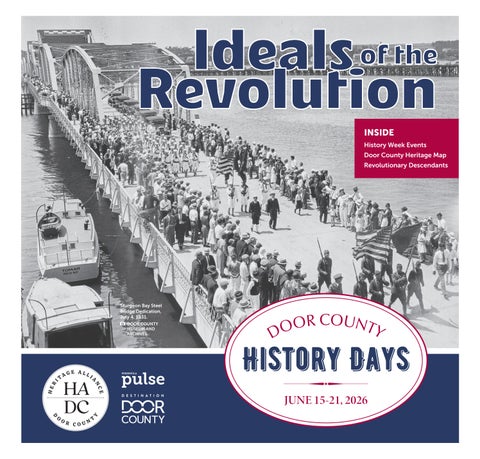
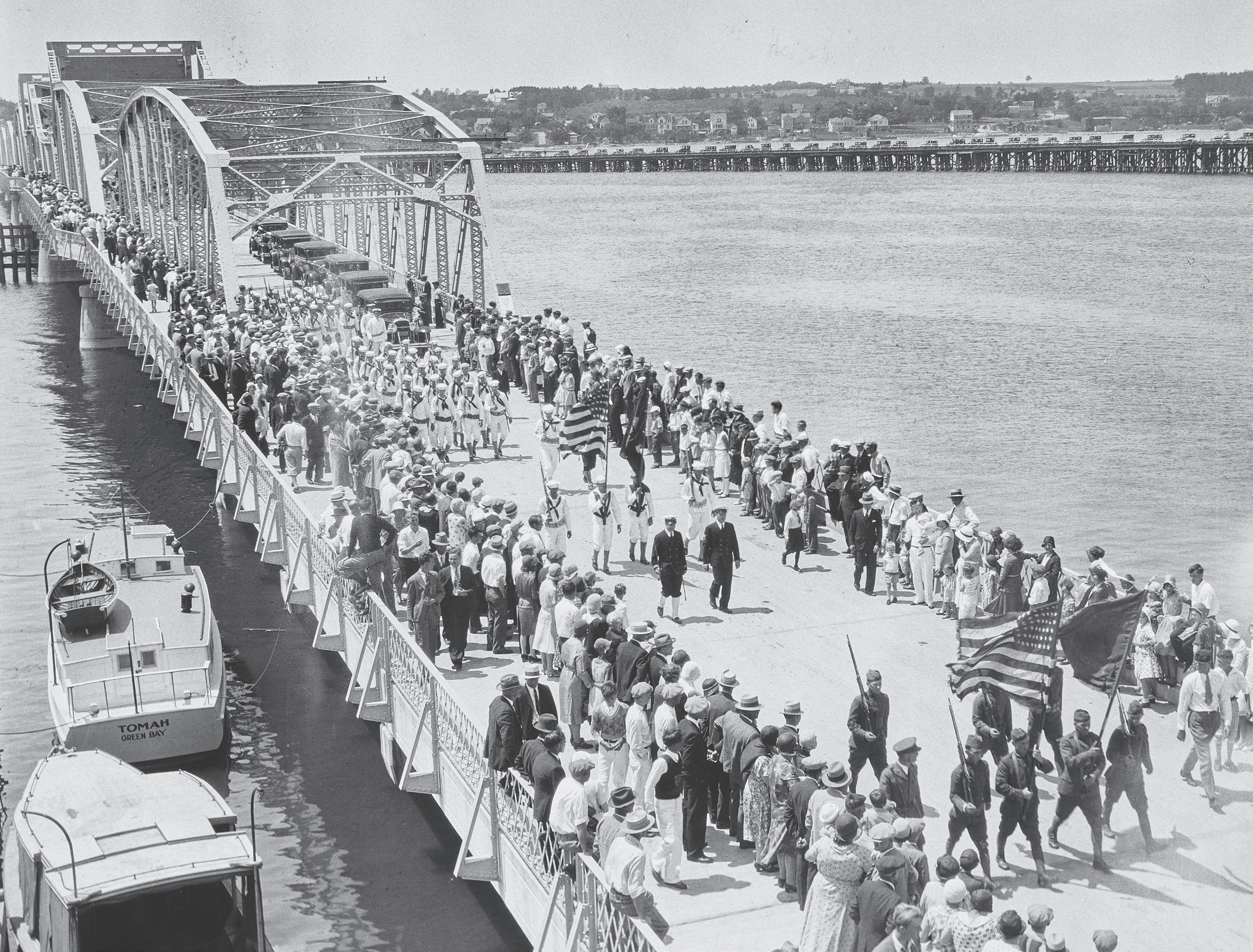
DOOR COUNTY MUSEUM AND ARCHIVES Sturgeon Bay Steel Bridge Dedication, July 4, 1931.
BAILEYS HARBOR HISTORICAL SOCIETY
8061 Hwy 57, Baileys Harbor, WI 54202 baileysharborhistory.org 920-839-2366
BELGIAN HERITAGE CENTER
1255 Cty DK, Brussels, WI 54204 belgianheritage.org 920-825-7319.
HERITAGE VILLAGE
2041 Michigan Ave. Sturgeon Bay, 54235 doorcountyhistoricalsociety.org/ heritage-village 920-746-5895
DOOR COUNTY LIBRARY
107 S. 4th Ave, Sturgeon Bay, WI 54235 doorcountylibrary.org 920-746-7137 – Archives 920-743-6578 – Library
DOOR COUNTY MUSEUM AND ARCHIVES
18 N. 4th Ave, Sturgeon Bay, WI 54235 dcmuseum@co.door.wi.gov
DOOR COUNTY HISTORICAL SOCIETY
P.O. Box 71, Sturgeon Bay, Wisconsin 54235 doorcountyhistoricalsociety.org 920-421-0790
DOOR COUNTY MARITIME MUSEUM
120 N. Madison Ave., Sturgeon Bay WI 54235 dcmm.org 920-743-5958
EGG HARBOR HISTORICAL SOCIETY
P.O. Box 264, Egg Harbor WI 54209 eggharborhistory.org 920-421-0790
ENCOUNTER HISTORY LLC Sturgeon Bay encounterhistory.com (715) 851-0270
EPHRAIM HISTORICAL FOUNDATION
3060 Anderson Lane, Ephraim, WI 54211 ephraim.org 920-854-9688
Printing the Revolution
and the making of America
There was no Facebook, no X, no TikTok. Not even television.
It sounds a bit glorious, doesn’t it?
But what if you’re trying to spark a revolution, or inspire the masses?
At the time of the American Revolution, newspapers were the only form of mass media and not only informed the public but served as a powerful force to drive the colonies toward independence.
“Newspapers were absolutely pivotal in making America,” said historian Todd Andrlik, author of Reporting the Revolutionary War: Before it was History, it was News.
Today, images and video drive media consumption and narrative, unfortunately often doctored or shared out of context.
At the time of the revolution, the media battle was fought with words on pages dense with text. Headlines were even a rarity.
Newspapers, though small in circulation (the average circulation in 1775 was 600, according to Andrlik’s research), had a reach that was amplified by town criers. Articles were read aloud in coffee houses, taverns and homes.
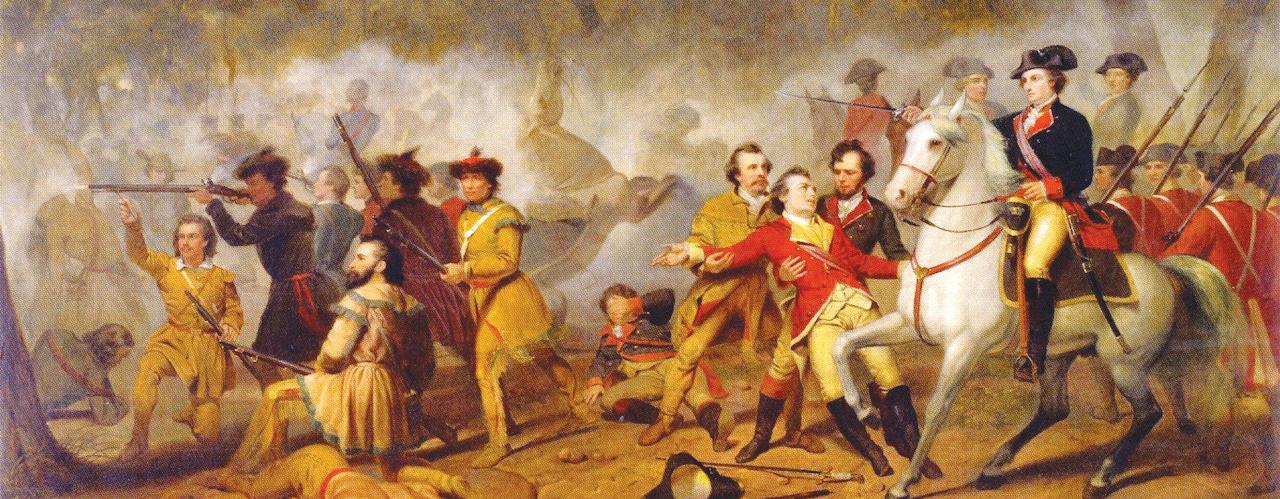
Newspapers published after-action reports directly from the battlefield, such as George Washington’s account of the Battle of Trenton.
They were printed weekly and distributed by horseback and boat, and thus didn’t have the need to respond to events daily or
as they were happening. Yet despite what seems today like slow cooking (after essays and articles were written, it took about 25 hours to typeset one four-page newspaper edition), newspapers were still the fastest way to disseminate information widely.
Andrlik said that unlike the Civil War or later wars, the lack of photos from the Revolutionary War makes it seem almost unreal to people. Diving into historical newspapers changed that for him.
“Newspapers were very timely, they printed vivid descriptions of battlefield accounts and what was transpiring throughout the whole course of the war and very much so, these newspapers were the photographs of the war to me,” he said when his book was released. “They helped make the American Revolution real to me.”
Though no Revolutionary War battles were fought on Door County soil, the ideals behind it did. Descendants of Revolutionary War veterans would make their way west and settle the peninsula seeking fertile fields and safety. But also, by the time of the Revolution, those ideals had already been used as a force to displace the Indigenous peoples seeking their own existence on this rock jutting into Lake Michigan.
In this special insert celebrating its 2026 History Days events, The Heritage Alliance of Door County tells the story of what was happening in Door County at the time of the revolution, and how those Revolutionary ideals would eventually shape it.
Join the Alliance this June to celebrate America and the preservation of local history.
Chasing the American Dream on the Edge of the Door Peninsula
While the idea of the American Dream is commonly traced back to the famous call for “life, liberty, and the pursuit of happiness” in the Declaration of Independence, the phrase itself wasn’t popularized until historian James T. Adams coined the term in 1931, referencing the Great Depression. Though its meaning has evolved over time, its core has largely remained a simple yet powerful ideal: the freedom to shape one’s future. That ideal offers a helpful lens for understanding why people may have come to live on the Door Peninsula. Drawn by natural resources and geography, the peninsula proved to be a place where one could gain independence, community, and the possibility of a better life.
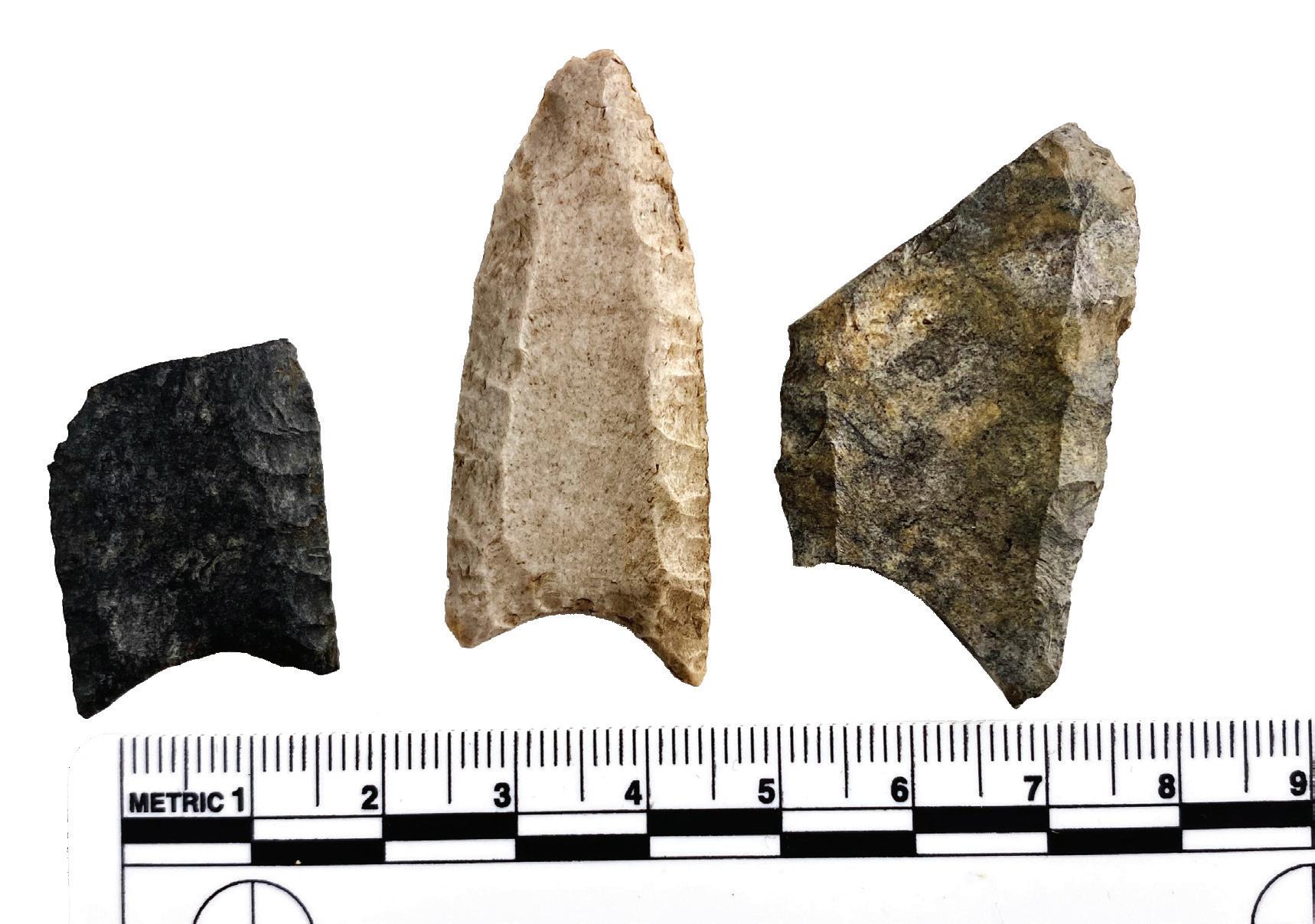
10,000-plus year old artifacts from the Cardy Site in Sturgeon Bay
P.O. Box 61, Washington Island, WI 54246 plumandpilot.org 262-613-4680
GIBRALTAR HISTORICAL ASSOCIATION HISTORY CENTER 4167 Hwy 42, Fish Creek, WI 54211 historicnoble.org 920-898-2091
HORSESHOE BAY FARMS 7212 Horseshoe Bay Rd, Egg Harbor, WI
Door County’s Revolutionary Descendents
With thanks to Meredith Renard at the Jean Nicolet Chapter of the Daughters of the American Revolution in Green Bay, here are some of the historic residents of Door County descended from people who fought in the Revolutionary Wars.
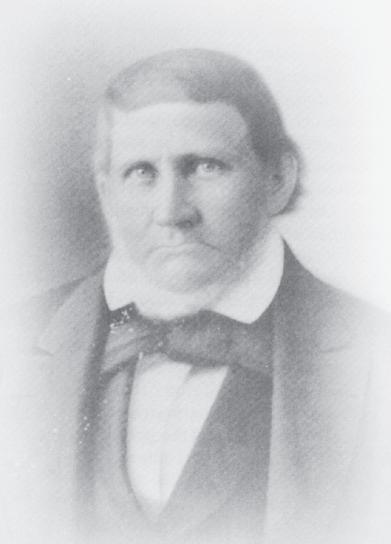
Increase Claflin Jr. (1795-1868)
Sergeant and was among the Minutemen who responded to the Lexington alarm that became the first battle of the Revolutionary Wars.
James Cromwell Pinney (1842-1915)
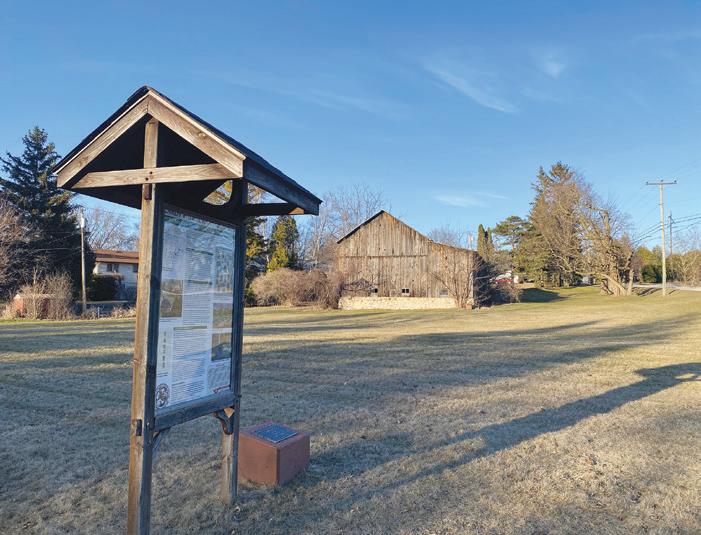
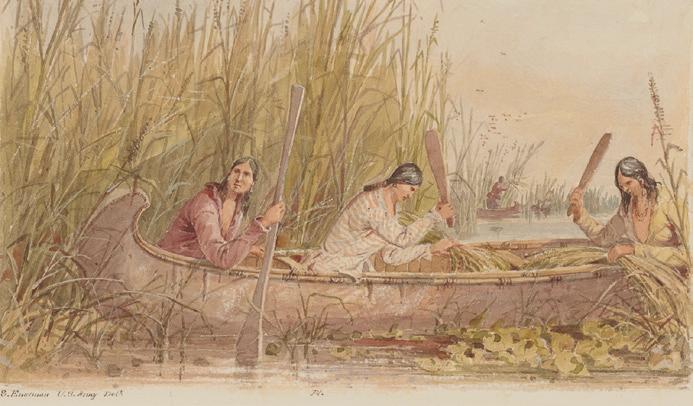
The First People Long before European settlers arrived, Indigenous peoples lived on the land we now call the Door Peninsula.
Archaeological evidence suggests that people have been visiting and living here for more than ten thousand years. The land and surrounding waters provided not only food and shelter, but also cultural and spiritual meaning. Rather than remaining in one place year-round, these
communities followed well-established seasonal patterns that provided for their needs and balanced resource use. This way of life continued for thousands of years.
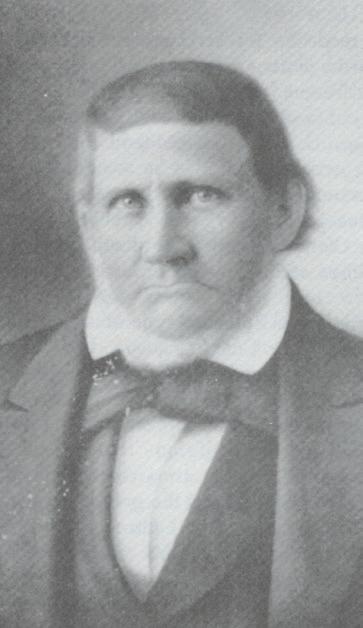
Claflin is believed to be one of, if not the first, settler in Door County. Recorded to have come to Little Sturgeon Bay with his wife, Mary Ann Adgedent Walker (1801 – 1873), and children in 1835 and later moving closer to what is now Fish Creek. He is buried in the Pioneer Cemetery there. Increase Junior was the son of Increase Claflin Sr. (1757-1832) who served as a
Sophia Bostwick Churchill (17901880) Churchill was the daughter of Nathaniel Bostwick (1757-1807). Nathaniel was born in Connecticut and served as a Private. She died in Sturgeon Bay and is buried in Bayside Cemetery.
Cecilia (1853-1853) and Rosalinda (1848-1853) Miner
The daughters of Thomas Miner and great granddaughters of Absalom Miner, who fought in the Revolutionary War, are buried on Rock Island.
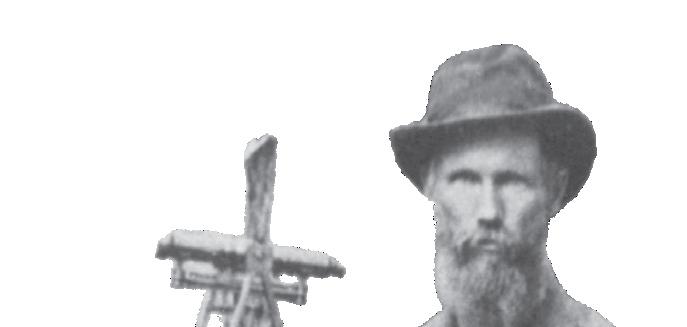
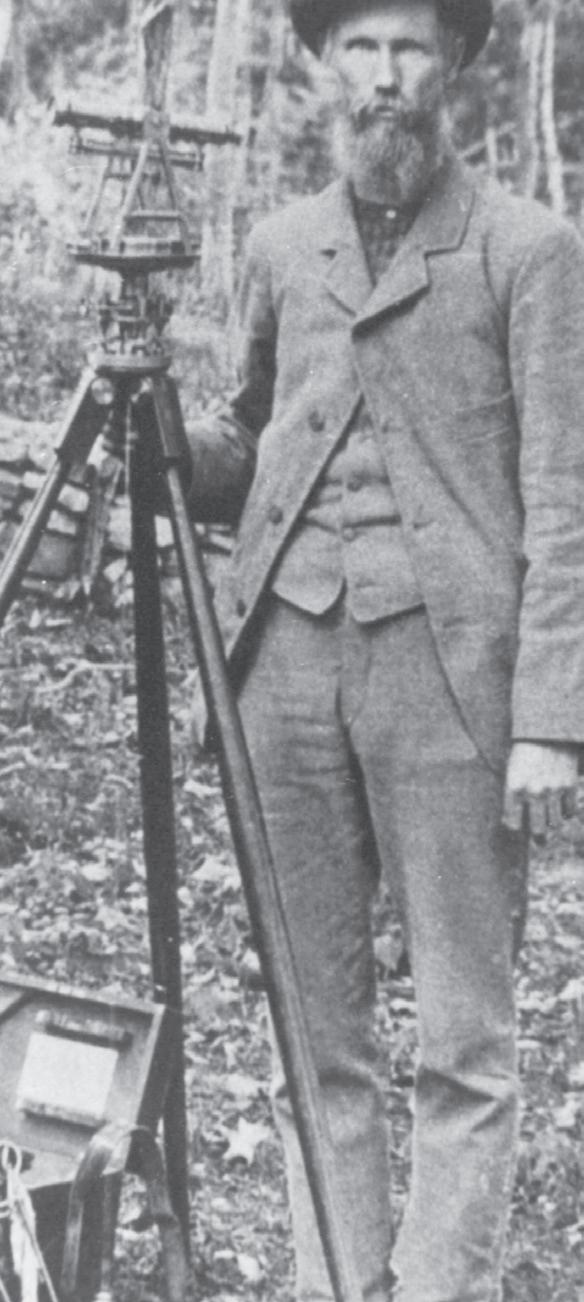
The great-grandson of Private Aaron Pinney (died 1777), James arrived in Sturgeon Bay in 1865 and was a county surveyor, city assessor, and justice of the peace. He is buried at Bayside Cemetery.
Sophronia Adams Warren (1790-1881)
The daughter of Daniel Adams, who was born in 1754 in Connecticut, served as a Private and died in 1829. Sophronia was born in 1790 in Preston, New London, CT. She married Lewis Warren in 1809. She is buried in Bayside Cemetery and was distantly related to President John Adams.
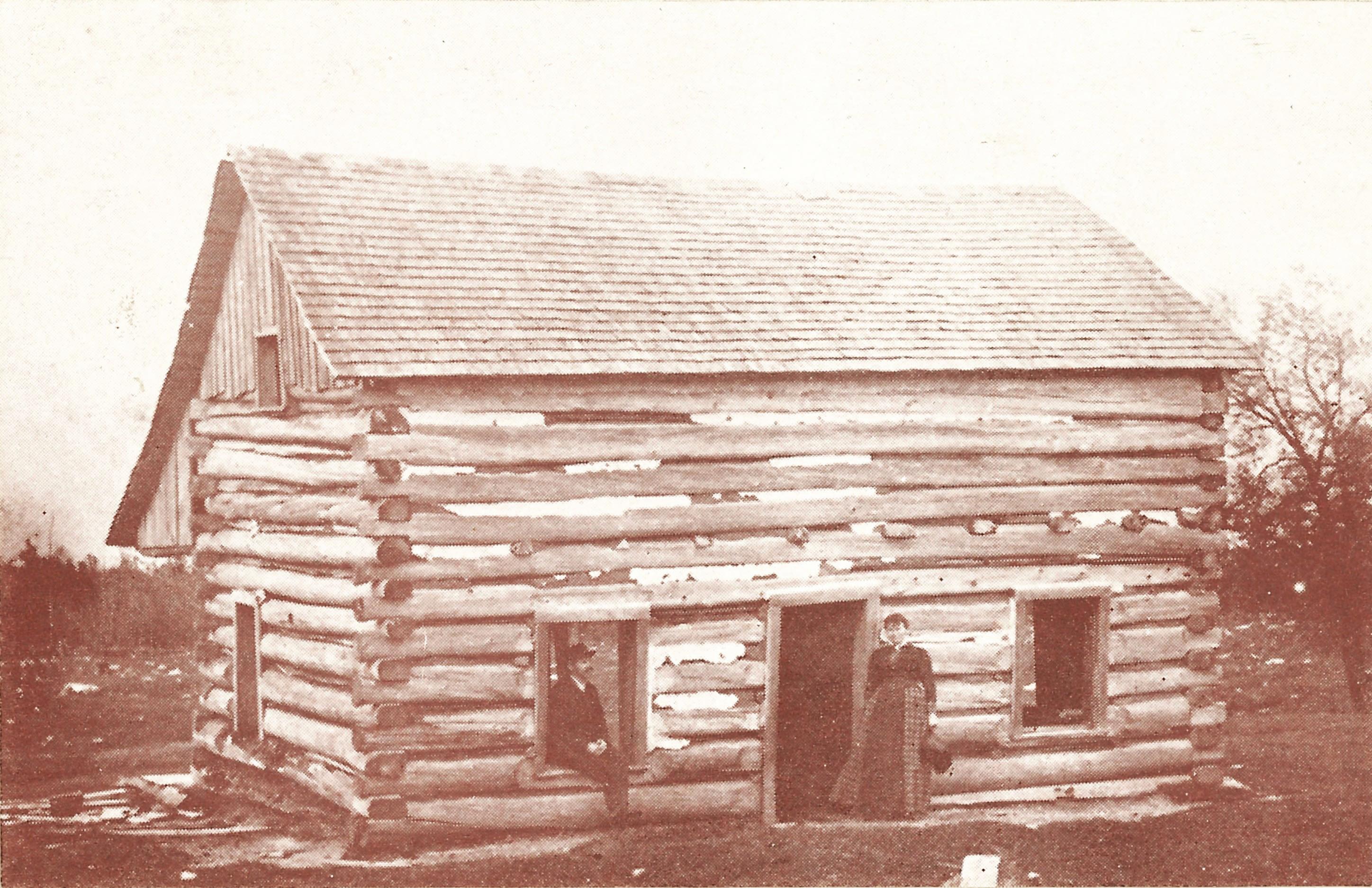
Harry Dankoler, founder of the Door County Museum, visits the family’s 1860s homestead cabin with his sister, Agnes.
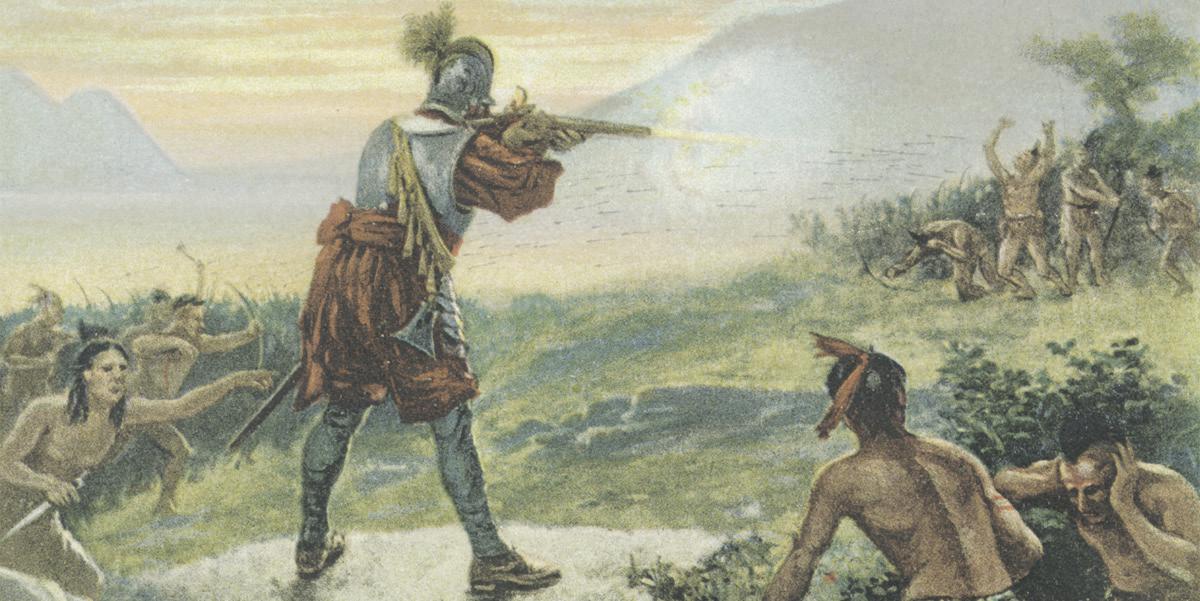
The arrival of European explorers and traders in the 1600s and 1700s brought
What was this area of northeast Wisconsin like in 1776? What did its inhabitants know and think about the colonial rebellion begun over 1000 miles away, a couple weeks’ journey by boat in those days. Let’s first take a quick, historic look at what led up to the Revolutionary War of the British colonies.
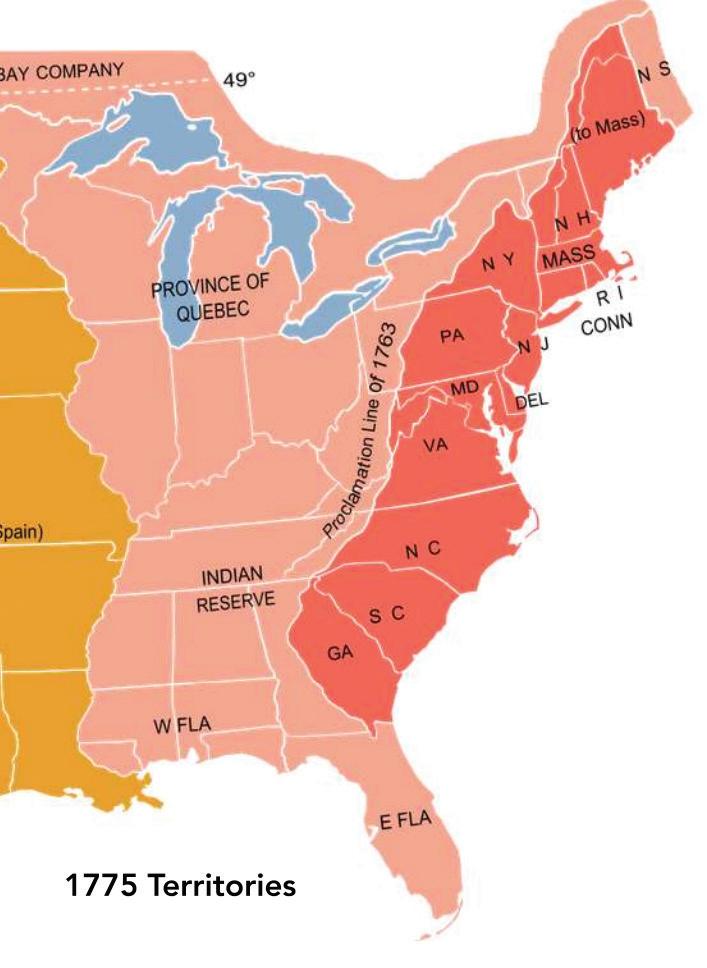
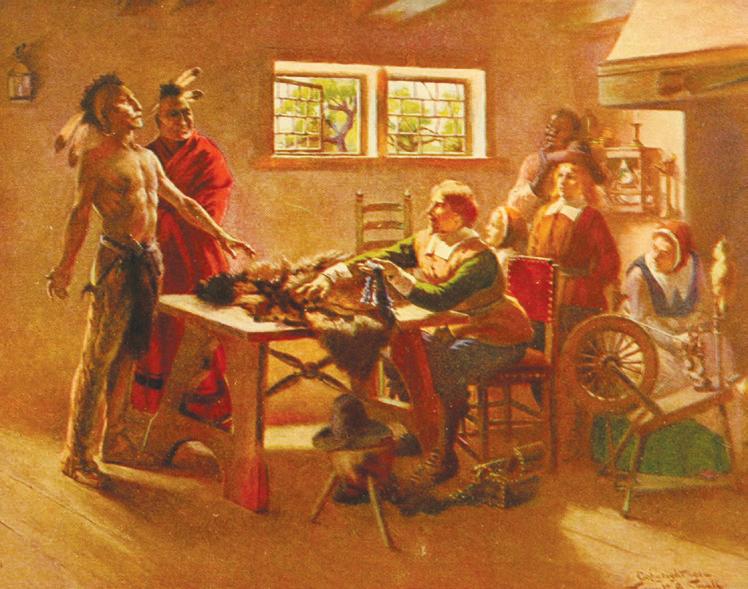
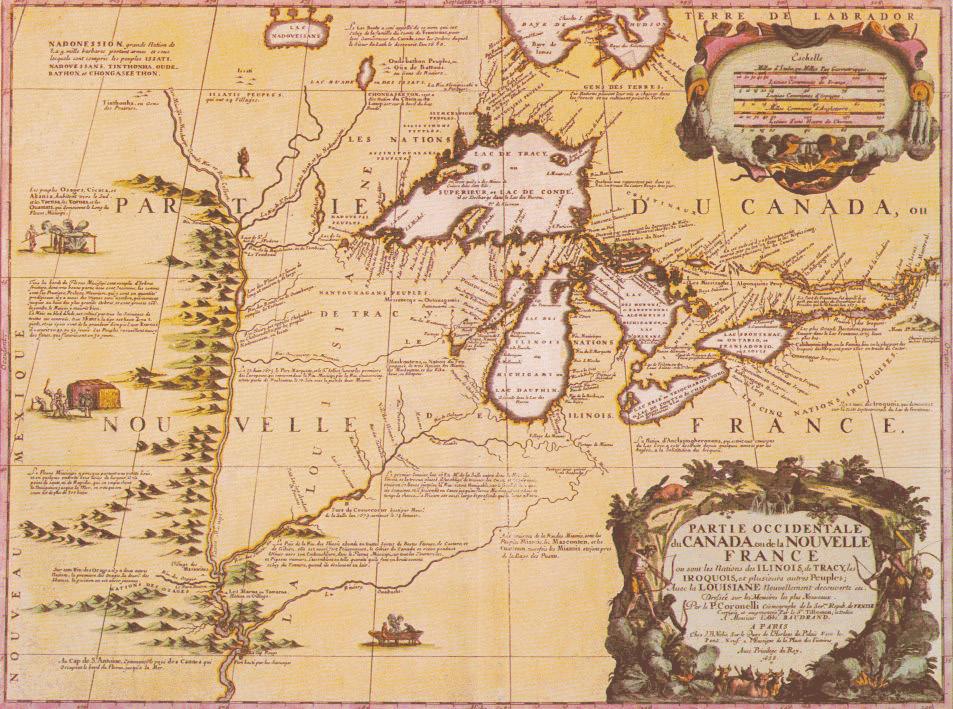
In the 1600s, the British controlled the land of its eventual 13 colonies along the Atlantic seaboard. At the same time, what is currently Northeast Wisconsin was called New France. It was populated by Native people and by French explorers who’d claimed the land for France. A small trading post named La Baye and a Fort St. Francis were established at the site of the current city of Green Bay. According to the Door County Maritime Museum exhibit, People on the Water, fur trading entrenched Europeans into relationships with Native people who were to “harvest, process, and transport furs, and to serve as guides and trade brokers. By the 1660s, Europeans were trading with the Potawatomi on the Door Peninsula. Beaver, whitetail deer, bear, woodchuck, muskrat, and raccoon were all regularly traded pelts. In exchange for furs, the Potawatomi received pots, knives, colored cloth, thread, hatchets, gunpowder, and firearms. The fur trade represented far more than a simple exchange of commodities. It fostered the interchange of knowledge and culture, and it created powerful military alliances.”
Those Europeans who’d settled in the Green Bay area were unhappy with the British takeover. But the Native tribes accepted the new management, according to Martin’s history. Because Britain was a poorer country than France, the British government was not as generous with gifts to the Native people as the French had been. Province of Quebec northern tribes who were friendly to the British included Ottawa, Saki, Ho-Chunk, Outagamie, and Menominee. The Chippewa tribes lead by Chief Pontiac were hostile to the British. In 1763, Charles de Langlade assisted in keeping the peace in Baye Verte area from a potential Chippewa uprising.
rapid change to the people that were already here. Contact introduced new trade goods, and changed economies by drawing Native communities into global trade networks. This caused competition for resources and disrupted relationships. Settlement on the East coast was forcing tribes westward into territories where others were already living. Perhaps most devastating, diseases carried by newcomers spread quickly among Indigenous populations, causing significant loss of life. All of these things drastically changed their way of life in a very short period of time. By the time of the American Revolution, these combined forces had pushed many Native groups into one of the most difficult periods in their history.
Settlement
The arrival of permanent settlers on the peninsula in the early and mid-1800s introduced a very different vision. Many of these settlers were immigrants from Europe or first-generation Americans who were drawn to the peninsula by the
promise of land ownership and economic opportunity.
These settlers often came from places where land was scarce or tightly controlled.
While the land here was inexpensive, sometimes less than $1.25 per acre, the terrain was difficult. Rocky soil, dense forests, and long, harsh winters made life a challenge. Yet the very act of clearing land and establishing a homestead embodied the ideal that individuals could shape their own destinies. The dream was not easy, but it was tangible.
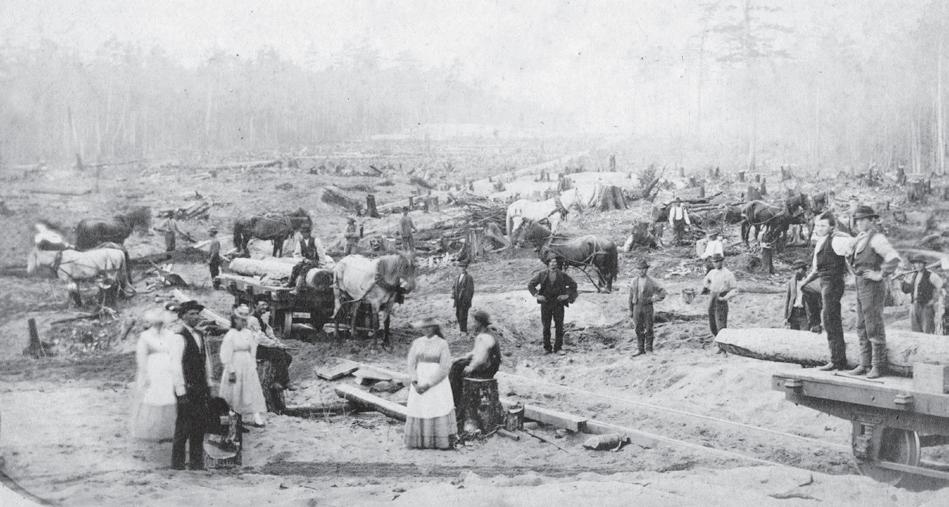
Easy access to timber and stone created two of the earliest industries to take hold.
Vast forests of pine and hardwood provided raw materials for building in the rapidly growing cities of Chicago and Milwaukee.
Hemlock trees provided bark for the tanning and leather industry. Limestone played a vital role in constructing jetties and harbors throughout the Great Lakes. When heated in kilns to produce quicklime, it became an essential building material.
As early as the late 1820s, commercial fishing was happening in the waters around
Rock and Washington Island. For some, this industry echoed older ways of living off the land and water, while still fitting within a market economy. It offered both subsistence and profit.
The workers saw these industries as a path to steady income and eventual independence. It was a way to save money, support families, and invest in land or businesses of their own. The work was grueling and often dangerous, but it offered a foothold in a new economy.
Throughout all of this, the ideals of the American Revolution lingered in the background. The notion that individuals had the right to pursue happiness and improve their circumstances resonated deeply with settlers facing the challenges of frontier life. Even as they struggled with isolation, difficult terrain, and economic uncertainty, they were motivated by the belief that their efforts could lead to a better future for themselves and their children.
Yet it is important to recognize that this vision was not equally accessible to
all. The influx of settlers came at a cost to the indigenous communities, who were displaced from their lands and ways of life. In this sense, the American Dream on the Door Peninsula was both a story of opportunity and a story of loss. The same forces that enabled one group to pursue its aspirations often undermined the dreams of another.
The history of the Door Peninsula illustrates that the American Dream is not a single idea but a collection of overlapping and sometimes conflicting visions. Born from the human desire for independence, shaped by the ideals of the Revolution, and grounded in the opportunities offered by the peninsula’s geography and resources, the American Dream on the Door Peninsula is defined as much by the land itself as by the people who lived upon it.
Often fur traders married Native women. One such family was French Canadian Augustine Mores de Langlade whose wife, “was probably Ottawa Indian, because her brother was an Ottawa Chief,” according to Deborah Beaumont Martin’s two-volume The History of Brown County. The family lived in Mackinac and were trading in La Baye by 1745 and moved there about 1760. Their son, Charles Michel de Langlade, showed outstanding leadership skills. Being half Native and half French he understood and was very influential with several tribes. In 1755, he stopped Ohio tribes from trading with British traders in favor of the French.
At this same time from 1756-1763, Britain and France fought the Seven Years War, also referred to as the French and Indian War. The French and Indians fought side-byside against Britain during the war. Charles de Langlade fought with the French in the battle of Monongahela, but Britain was the war’s victor and expanded its empire worldwide. They took from the French this very land the Belgian Heritage Center today calls home. The British changed the name of New France to British Indian Reserve which later became the Province of Quebec. And Fort St. Francis became Fort Edward Augustus on Oct. 12, 1761. La Baye would also change its name. Besides La Baye, it was often referred to as Baye Verte, which is French for Green Bay. The term Green Bay was first noted in writings by Peter Pond, a British trader in 1773. He said that “Green Bay had inhabitants raising corn and gardens and wild rice. Some of the French inhabitants also raised cattle, pigs, and horses. The Menominee Indians who resided on the north part of the bay, lived on game.”
The Seven Year War put Britain into huge debt and Britain began demanding more funds from its colonists to pay its obligations. Wanting to get back to the way it was when Britain left the colonists alone and didn’t require excessive taxes from them, some colonists began to revolt in 1775. By 1776, the insurrections had become a war for independence. In fact, it was a civil war because the colonists split as to whether independence should be sought or not.
At the time of the revolutionary war until 1830, no newspapers existed in Wisconsin. Even Chicago didn’t have a newspaper until 1833, so no editorial comments on the revolution from NE Wisconsin were located. We are fortunate that Deborah Beaumont Martin wrote a two volume The History of Brown County in 1913. She gives us the following information.
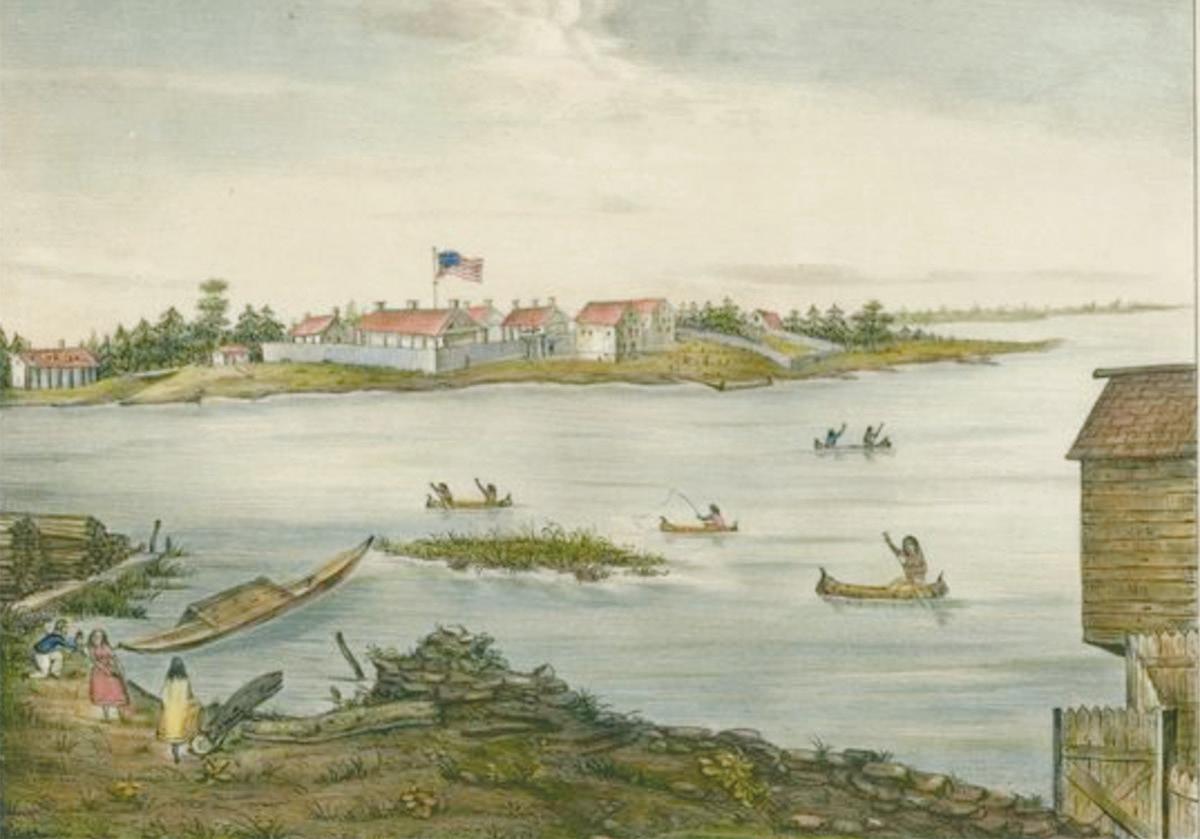
Charles de Langlade was living in Green Bay on the east side waterfront in the Crooks to Stuart Streets area. In 1776, he “was induced to enter the British service.” And because he was so respected by settlers and Native tribes alike, “all western tribes” agreed with him and sided with the British.
Captain Langlade was required to raise Native force and ordered several times to assist the British against the Americans. Very large bands of Indians rendezvoused at Baye Verte with pow-wows and war dances before leaving for battles. “Those campaigns included, the 1776 campaign to remove the Americans from Montreal, Burgoyne’s 1777 New York campaign, and a 1778 campaign that ended up in nothing more than being told to return home because of an American invasion of The Illinois Country. The second
half of 1778 through 1780, we see Langlade recruiting Native warriors and Canadian Militia to protect present day Wisconsin, Michigan, and Indiana against George Rogers Clark and his American forces stationed in present day Illinois and Indiana.” Indeed, most Native people throughout North America sided with the British because the revolutionaries wanted expansion into the Province of Quebec territory and across the American continent. In fact, within a few years of winning independence, the United States government in 1787 named the Northwest Territory, which included Wisconsin, as its first expansion outside of the land of its original 13 colonies. Without stating the Chief’s actions, Beaumont-Martin also noted that “Menominee Chief Chawanon on August 17, 1778 was given the Great Medal by the British government “in consideration of his fidelity, zeal and attachment to the King’s government during the war of the Revolution.” With this presentation, he became the “Grand Chief of the Folles Avoines.” Chief Chawanon lived a half mile south of the fort on the west side of Green Bay. His name is remembered as the name of the county and town of Shawano. And the rest is history. The sympathy of most people living in what is now northeast Wisconsin was against the American patriots. But those Americans defeated the British and by 1783 established the United States as an independent and sovereign union. This noble nation grew and we stand today celebrating our great nation’s 250th birthday, as we continue to pursue a more perfect union. Many thanks to Heritage Hill, Brown County Historical Society, Door County Historical Society, Door County Maritime Museum, William R Protz, Michaela Kraft, and Deborah Beaumont Martin for their assistance and insight.
What Was and Wasn’t in 1776: Ojibwe, Potawatomi, Menominee, & Ho-Chunk lived on the west side of the waters of Green Bay. Future Belgian settlement land was part of the Province of Quebec and would become part of the Northwest Territory in 1787.
The fort located at Green Bay would be renamed Fort Howard by the US government in 1816. Wisconsin would become the 30th state in the United States of America in 1848.
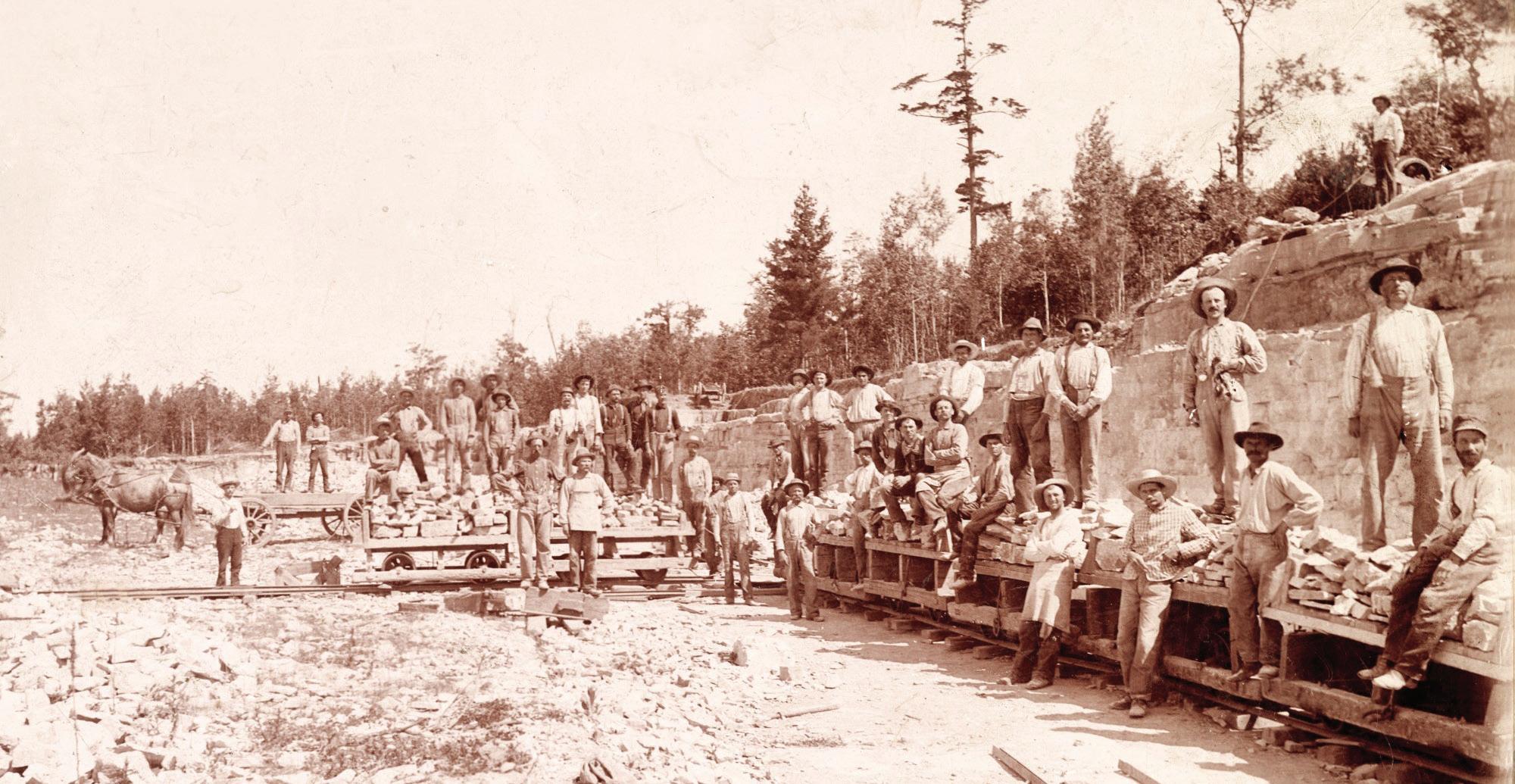
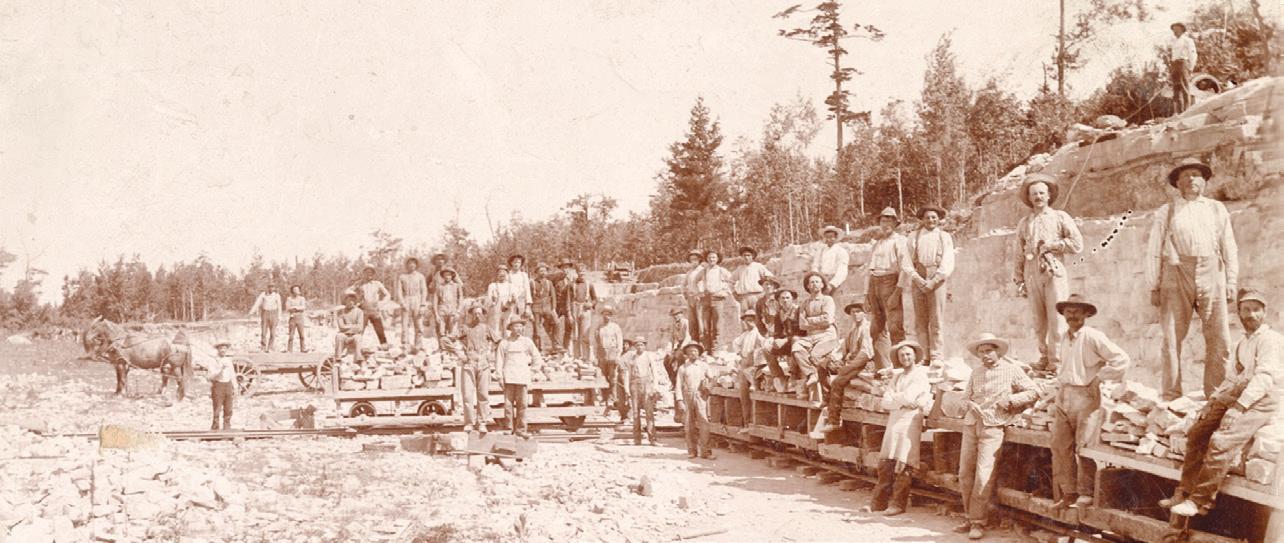
Workers at the Laurie quarry were paid about a dollar a day in the late 1800s.
Book of the Moravian Brethren
by CODY SHRECK, Executive Direct, Ephraim Historical Foundation
Celebrating
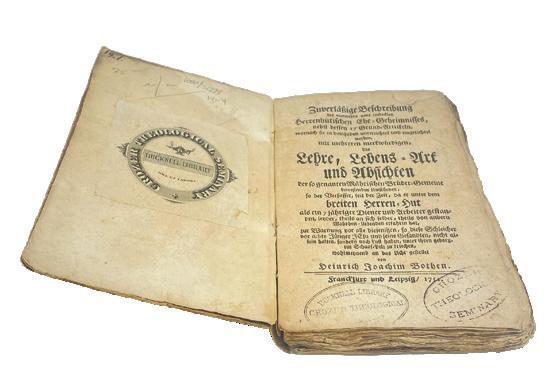
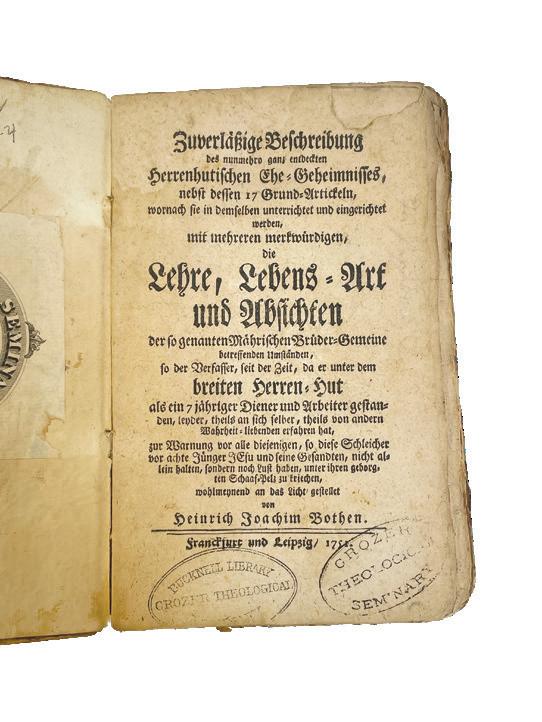
The history of Ephraim’s founding is relatively well known. In 1853 a group of Scandinavian immigrants, joined together as a congregation of the Moravian faith, purchased a parcel of land bordering Eagle Harbor to start a new community. What is much less well known is what was happening with the Moravian faith only a century earlier. An unassuming old book, stored safely in an archival box within the Ephraim Historical Foundation’s collection, gives insight into a tumultuous time for the faith. Published in Germany in 1752, the same year of Benjamin Franklin’s famous kite flight, the arrival of the Liberty Bell, and the early stirrings of the French and Indian War, this book by Heinrich Joachim Bothen outlines a list of critiques of the Moravian faith at the time. In his writings, Bothen aims to expose the secret marriage practices of a sect of Moravians who were embroiled in an internal schism known as “the sifting”. Publications like this one forced a transformation of the faith and brought it closer to the one which the settlers of Ephraim brought with them to America, and the one that influenced the cultural foundations of a little village in Door County centuries later.
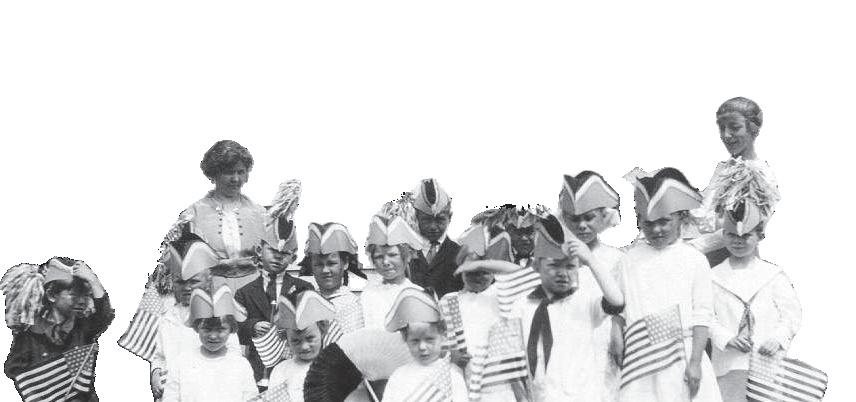
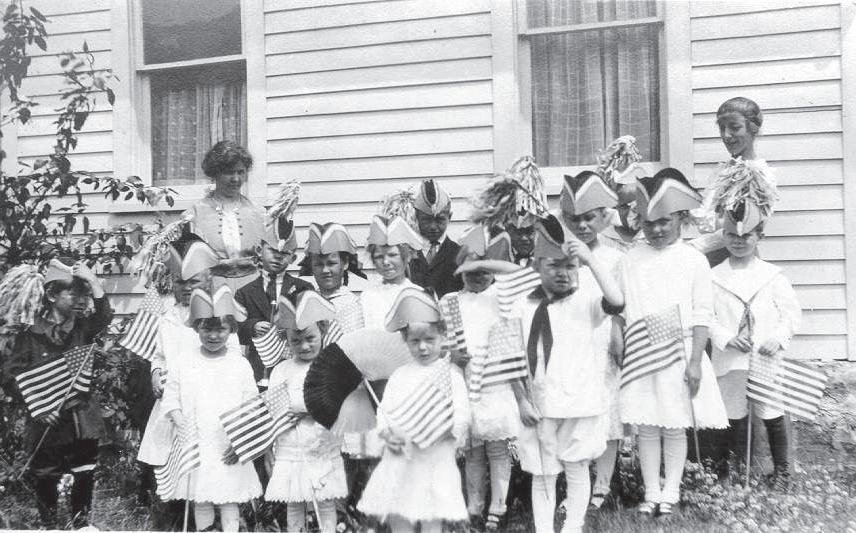
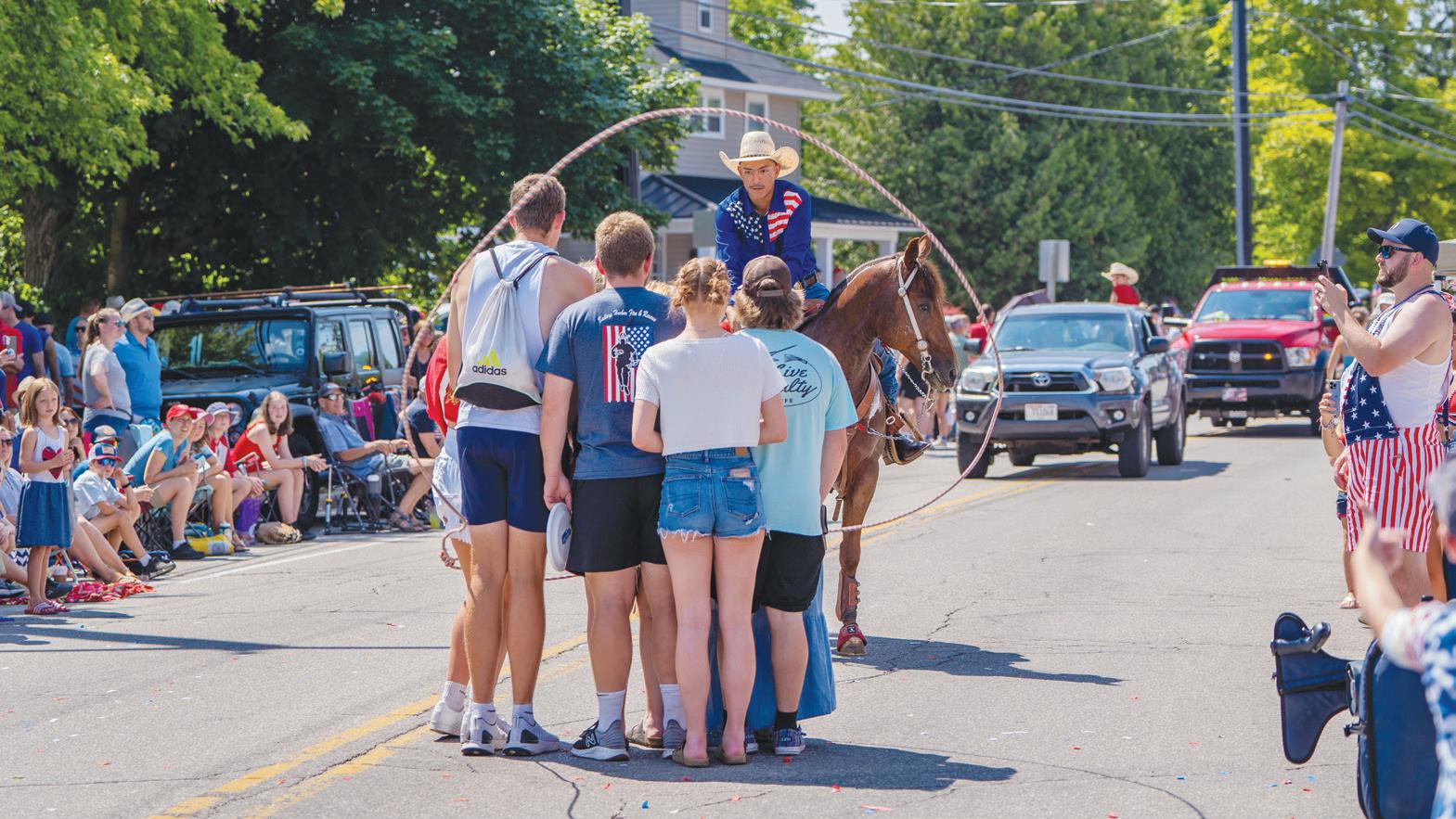
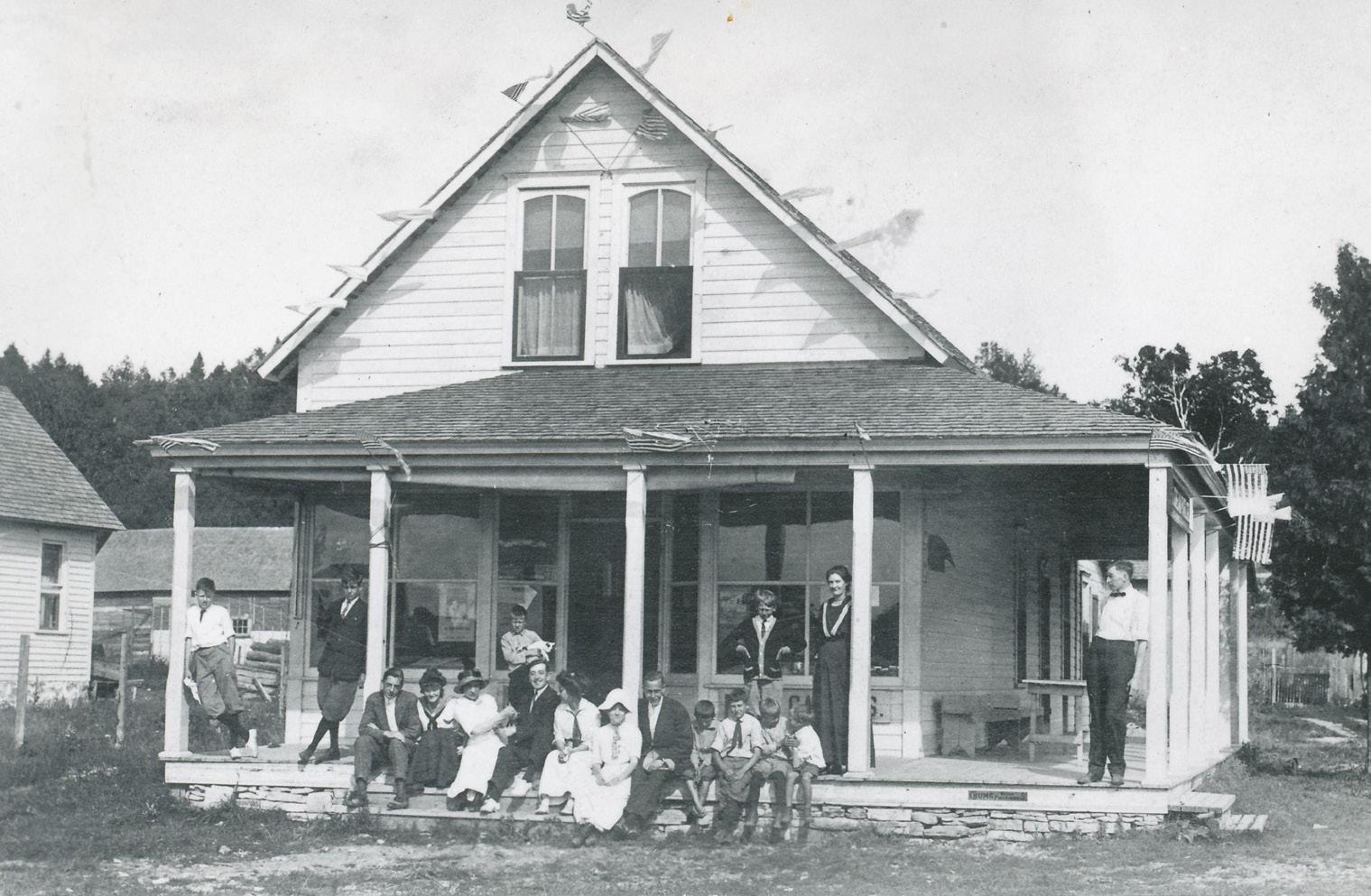
Even when the communities of Door County were just fledgling outposts, residents gathered to celebrate Independence Day and show off their patriotism.
That spirit continues today on the fourth, when Egg Harbor and Sister Bay host huge parades, and communities up and down the peninsula host fireworks displays, community celebrations and commemorations of American independence.
Children wave American Flags at the schoolhouse in 1915. COURTESY OF THE EPHRAIM HISTORICAL FOUNDATION
The Jauregui family’s horses and roping displays have become a staple of parades. RACHEL LUKAS
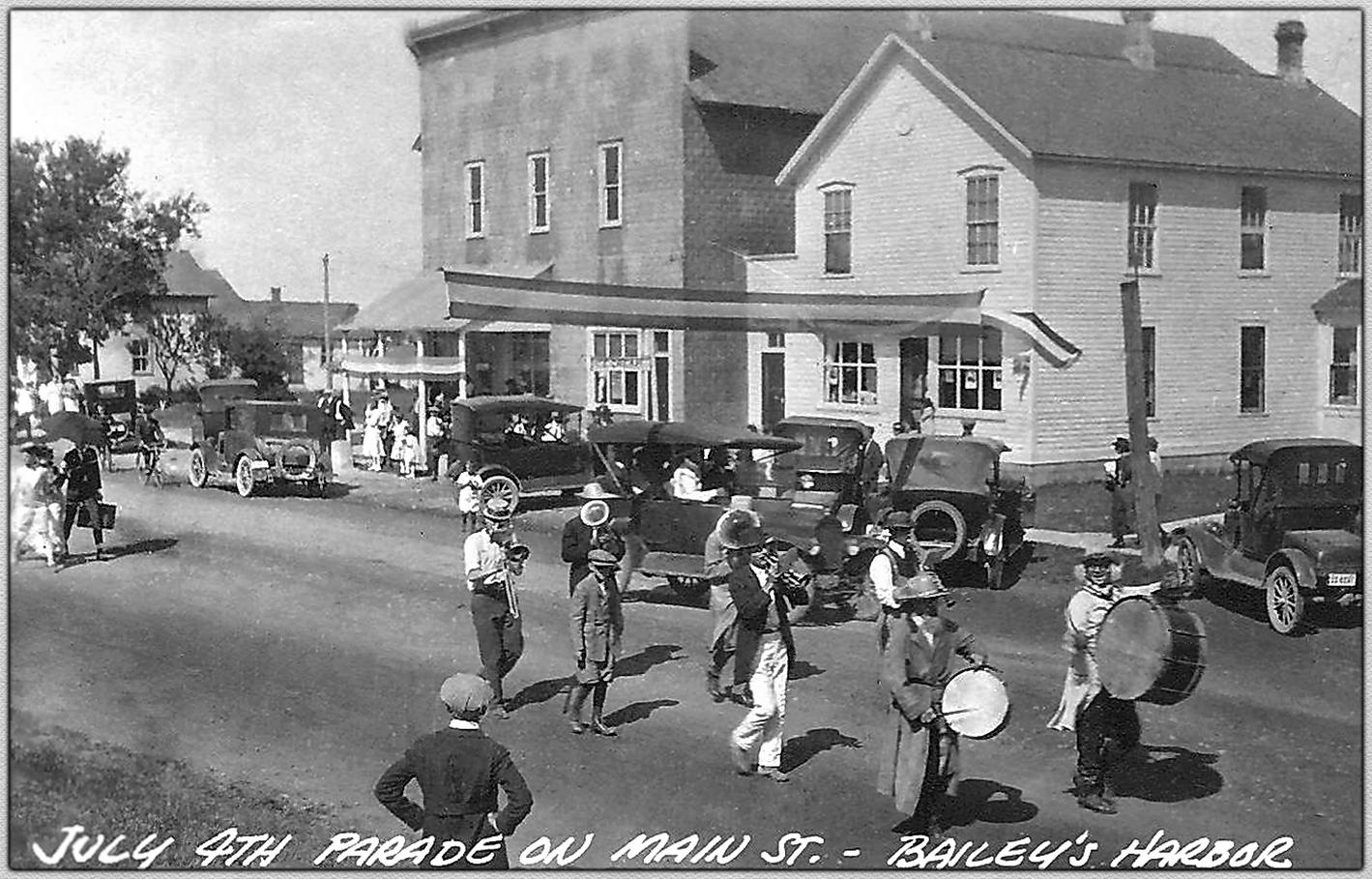
Even in early Baileys Harbor the 4th of July was a big celebration. This photo shows a parade in the 1920s. COURTESY OF THE BAILEYS HARBOR HISTORICAL SOCIETY
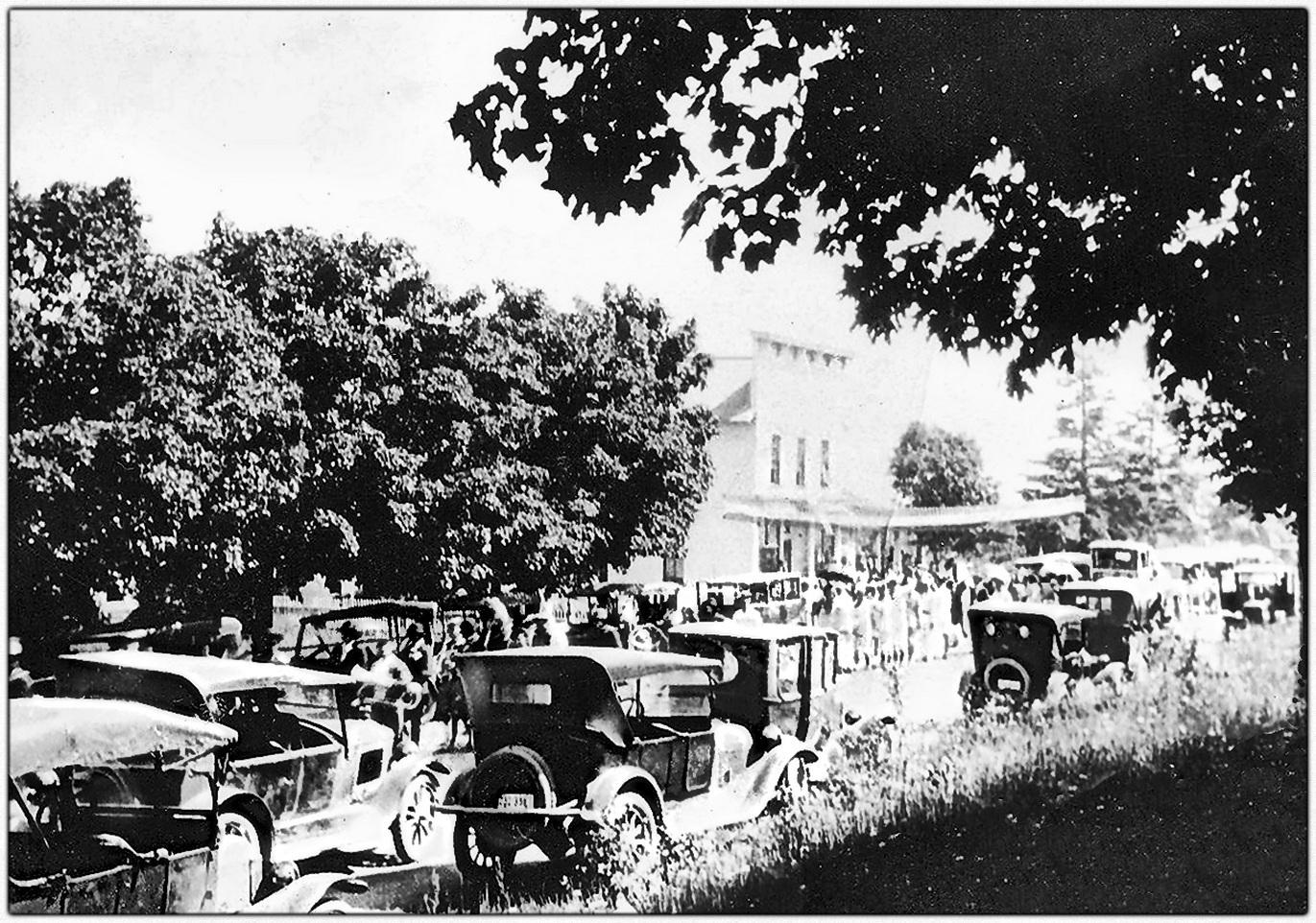
Even in early Baileys Harbor the 4th of July was a big celebration. This was taken in front of Voek’ Red Owl. COURTESY OF THE BAILEYS HARBOR HISTORICAL SOCIETY
An early image of Wilson’s Ice Cream Parlor adorned in American flags. COURTESY OF THE EPHRAIM HISTORICAL FOUNDATION
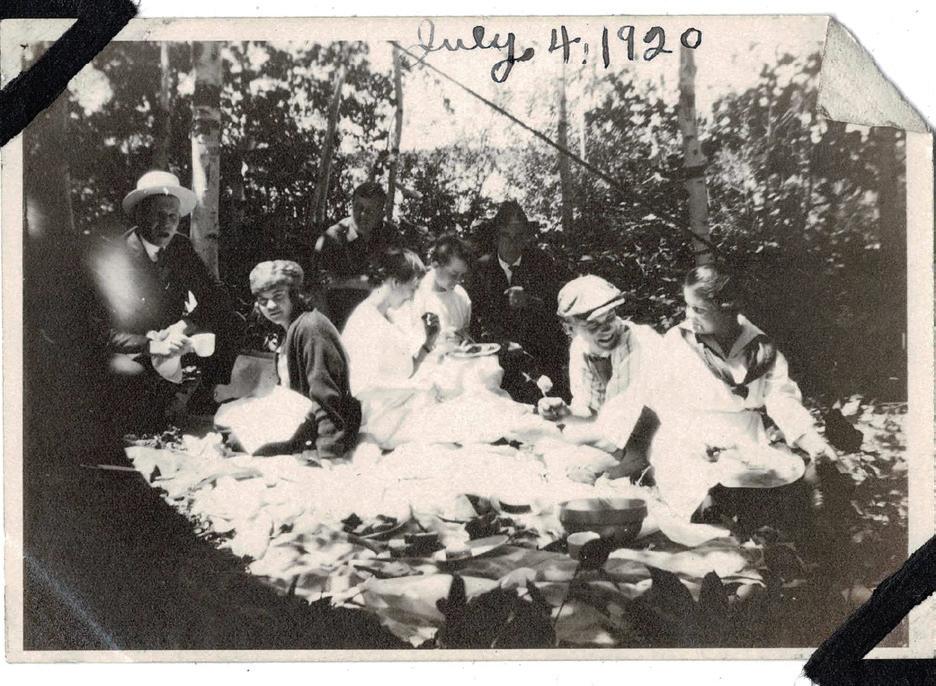
A July 4 picnic in 1920. DOOR COUNTY MUSEUM AND ARCHIVES
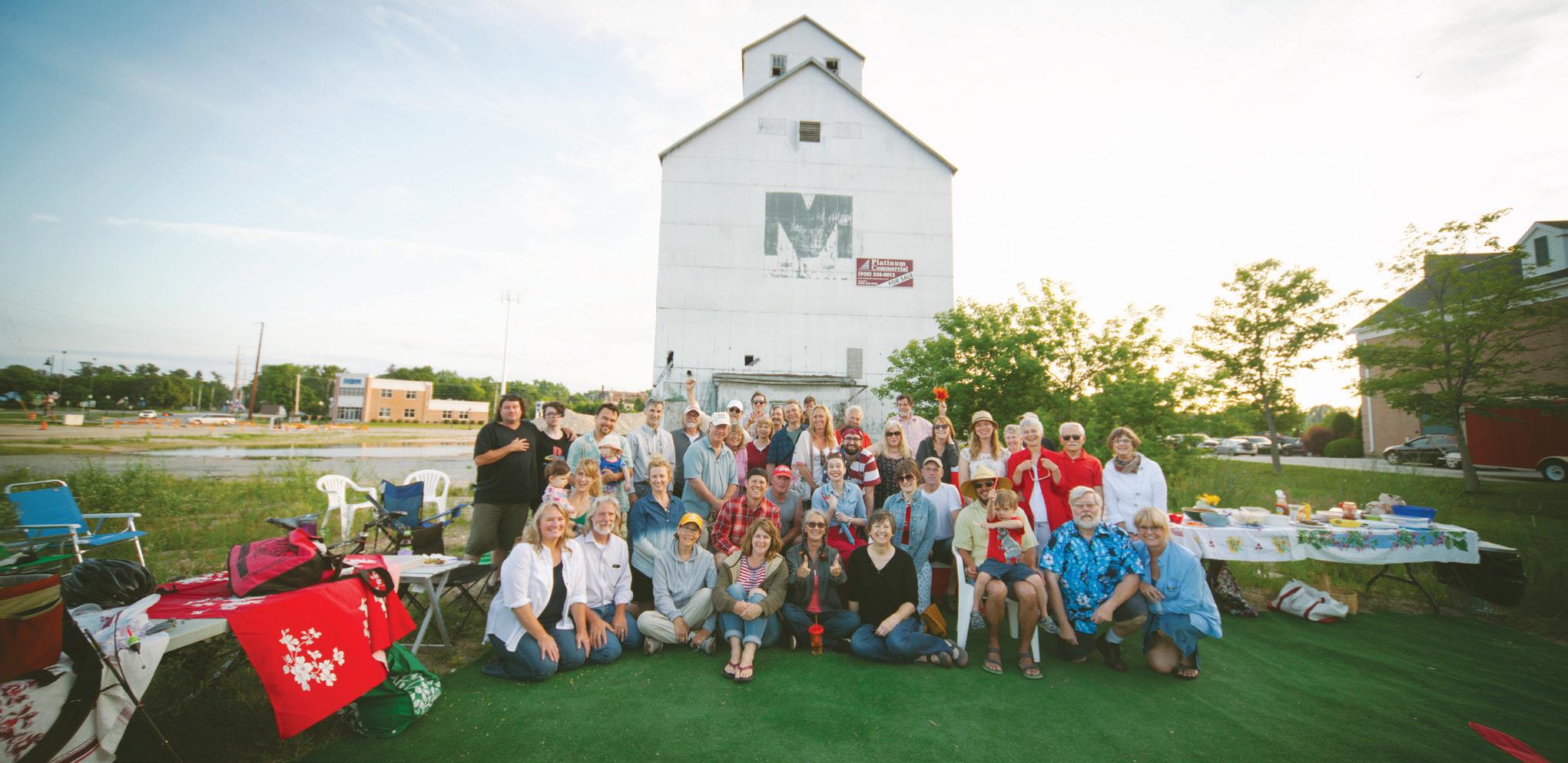
Community Celebration for 4th of July, 2016, at the West Waterfront before the transformation of the Door County Granary.
COURTESY OF THE DOOR COUNTY GRANARY COLLECTION
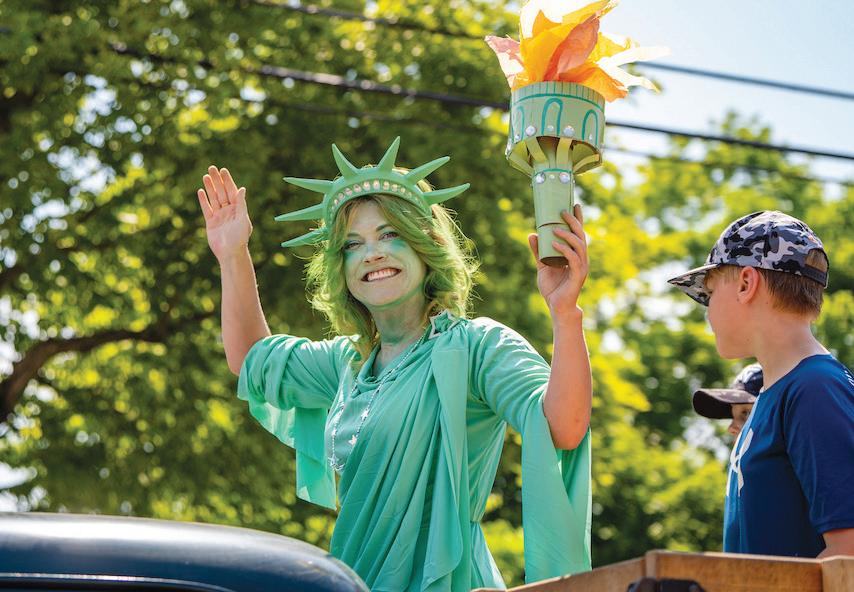
Lady Liberty at the 2023 Baileys Harbor 4th of July parade. RACHEL LUKAS
The Timeline of Door County
featured historical sites
Below you’ll find expanded information about the sites listed on the Heritage Trail Map on the preceding pages. Numbers correspond to each location’s place on the map.
(1) Jacobsens Museum
2150 Little Lake Road, Washington Island
Constructed in 1931 by Jens Jacobsen, this vertical cedar log museum contains hand carved ship models, Danish crafts, and other exhibits that tell the history of Washington Island.
(2) Jackson Harbor Maritime Museum
Jackson Harbor Road, Washington Island
Established in 1978, this collection of buildings located on the site of an original Washington Island fishing community tell the story of islanders and their relationship with the water surrounding them.
(3) Plum Island
Between Northport and Washington Island
The Friends of Plum and Pilot Islands
partner with the US Fish & Wildlife Service
in managing Plum and Pilot Islands. The Friends raise funds for restoration and
preservation of the historic maritime structures on the islands, which include the Plum Island front and rear range lights and the Pilot Island lighthouse which continue to serve as active aids to navigation for over 150 years.
(4) Death’s Door Maritime Museum
12724 West Wisconsin Bay Road
The Death’s Door Maritime Museum traces the area’s commercial fishing tradition and features a fishing boat, shipwreck and scuba diving exhibits and information on Death’s Door passage.
(5) Liberty Grove Historical Society
Museum
11831 Highway 42, Ellison Bay
Enjoy the iconic view from the top of the hill as you browse the museum grounds of the former Johnson-Hanson Century Farm overlooking beautiful Ellison Bay. Walking paths lead visitors from the Circle of Honor to the Log House all while taking in a collection of carefully maintained historic structures and features of Liberty Grove.
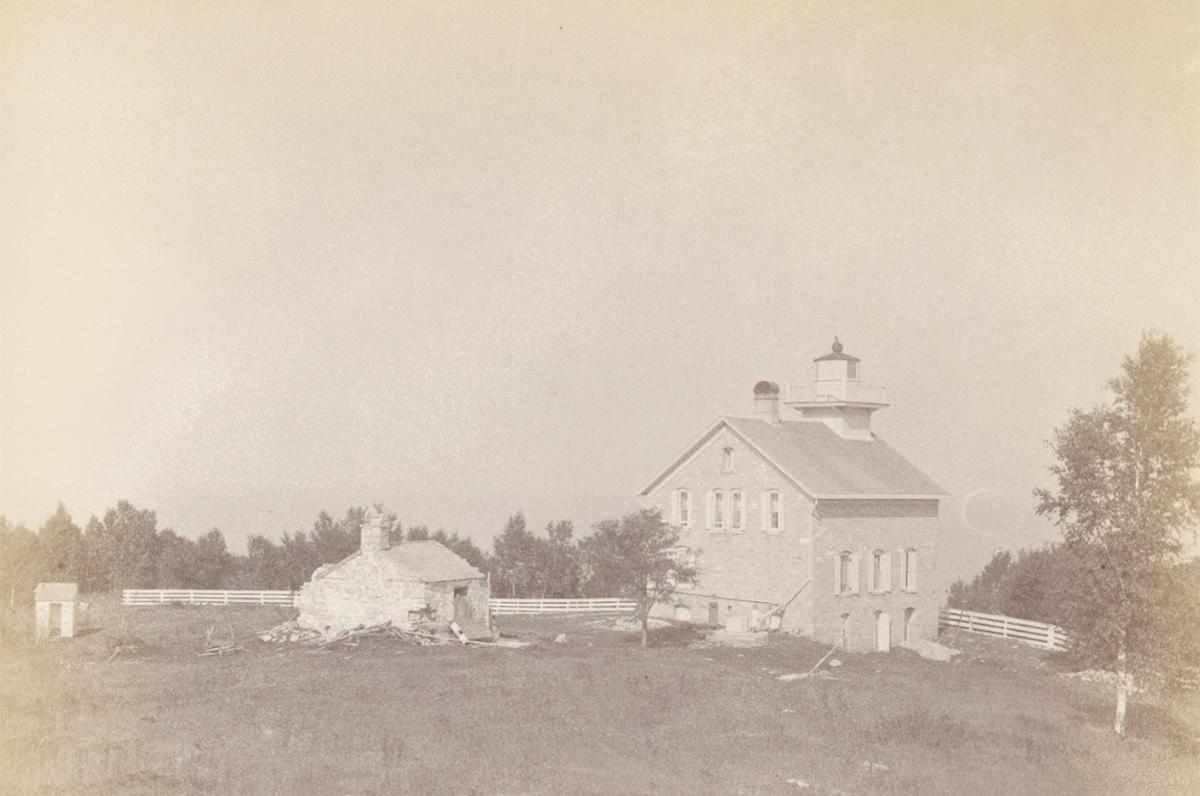
played a vital role in Door County’s maritime history. Today, it welcomes visitors as a museum, offering a rare glimpse into 19th-century lighthouse life. Step inside to explore rooms furnished with original artifacts and personal belongings of the keeper’s family – each piece telling stories of resilience, dedication, and life on the bluff.
working to rehabilitate the barns and grounds. Horseshoe Bay Farms is also now home to the Happy-Go-Lucky sculpture and the newly restored and transformed Door County Bookmobile.
(20) Door County Bookmobile
Locations vary
looked in 1939.The Goodletson Cabin was built around 1855 on Eagle Island (present day Horseshoe Island) by Norwegian immigrant Thomas Goodletson and his family. It was later skidded across the ice in the 1860s to the foot of the bay.
(10) The Iverson House
9966 Moravia St, Ephraim
(6) Sister Bay Historical Society
10310 Fieldcrest Road, Sister Bay Operated by the Sister Bay Historical Society, Corner of the Past includes the Old Anderson House Museum plus 15 other historical buildings. The machine shed photo gallery features unique images dating back to pioneer settlers.
(7) Anderson Barn Museum and Svalhus Research Library
3060 Anderson Lane, Ephraim Founded in 1949, the Ephraim Historical Foundation is dedicated to preserving, sustaining and sharing the history, culture and beauty of Ephraim. The Historical Foundation operates a wide variety of historic attractions in Ephraim across six historic buildings. The Anderson Barn Museum is home to an annual feature exhibition and the starting point for all Ephraim Historical Society led walking and tram tours.
(8) Anderson Store Museum
3081 Anderson Lane, Ephraim
Opened in 1858, The Anderson Store was owned and operated by the same family for 100 years. In 1958, the property was taken over by the Ephraim Historical Foundation. Visitors can step back in time and see how the store would have looked while still in operation.
(9) Pioneer Schoolhouse Museum and Goodlestone Cabin
9998 Moravia Street, Ephraim
The Pioneer Schoolhouse was built in 1880 and is now set up as it would have
The oldest frame home in Door County, built in 1853. Reverend Andrew Iverson and members of his Moravian congregation who founded Ephraim constructed this home and held early church gatherings in a north bedroom before the church was completed.
(11) Cana Island Lighthouse
8800 East Cana Island Road Baileys Harbor
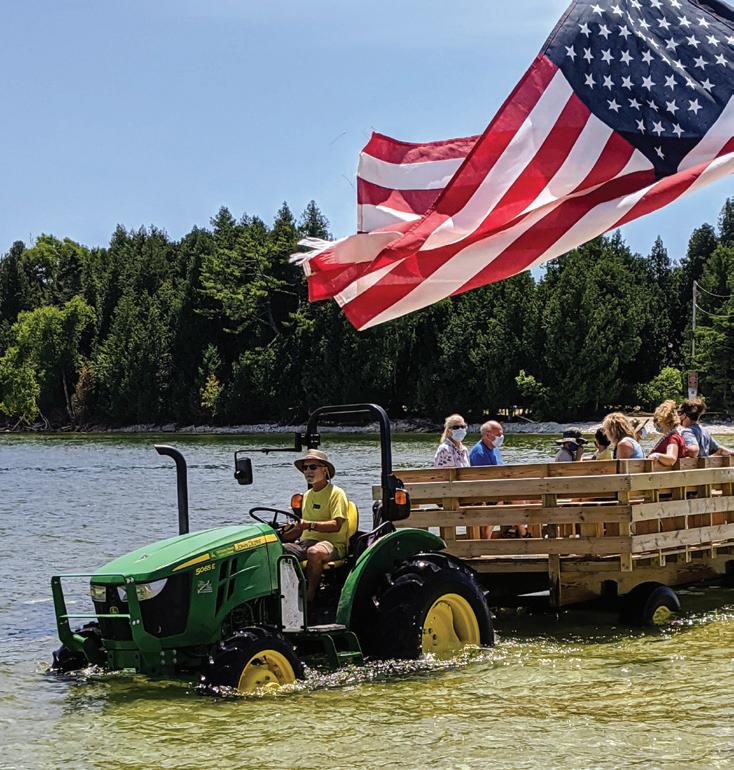
Ride a hay wagon over the causeway to explore the island, including the 89-foot-tall tower, the original home of the lighthouse keeper and his family, and the oil house where fuel for the light was stored. Climb the 97 steps of the tower’s spiral staircase for a stunning view from the gallery deck.
(12) The Ridges Sanctuary
8166 Hwy 57, Baileys Harbor
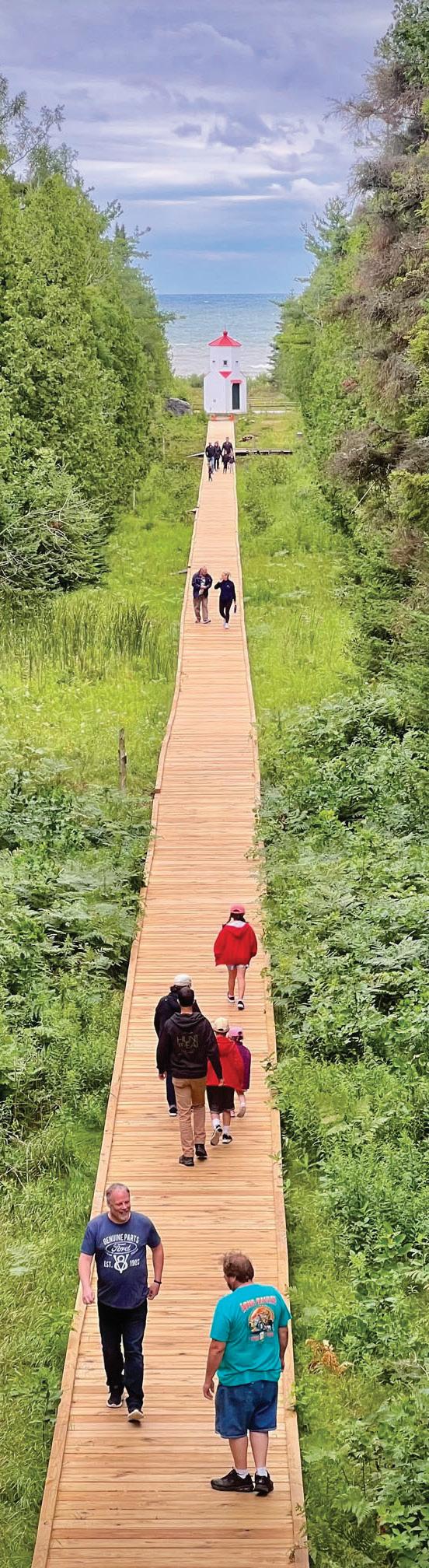
Hike the trails and boardwalk through the ridges and swales of Wisconsin’s first land trust for a glimpse at thousands of years of the history of the Lake Michigan shoreline.
(13) Toft House
8061 Highway 57 Baileys Harbor
The shared home of the Baileys Harbor Historical Society and the Baileys Harbor Community Association, the historic Toft House features displays detailing Baileys Harbor’s past, as well as the Baileys Harbor Community Association information center.
(14) Eagle Bluff Lighthouse
10249 Shore Rd, Fish Creek
Perched atop a 76-foot limestone bluff overlooking the waters of Green Bay, Eagle Bluff Lighthouse has stood as a steadfast beacon since 1868. Built to guide schooners and steamboats through the Strawberry Channel, this historic lighthouse
(15) Alexander Noble House Museum
4167 Main Street, Fish Creek
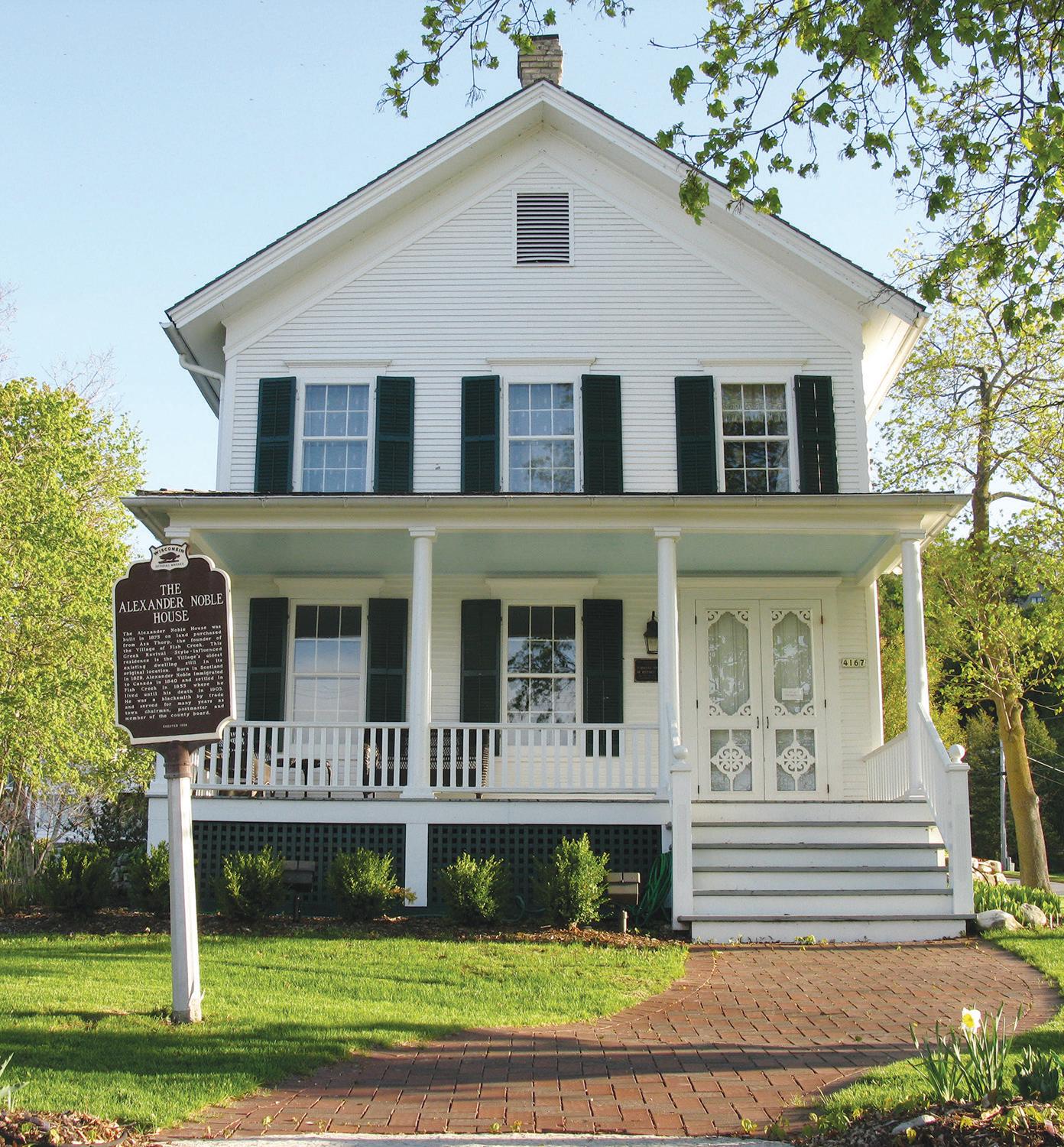
The oldest existing frame home in Fish Creek.This Greek Revival farmhouse built in 1875 and lived in by three generations of the Noble family. Enjoy a tour of the 10room home with many original furnishings. This museum is a must-see listed on the National & State Register of Historic Places.
(16) Gibraltar’s Old Town Hall
4176 Maple Street, Fish Creek
Visit the Old Town Hall to learn more about historic Fish Creek and take a docent-led or self-guided tour including the Church of Atonement (1878), Vorous General Store (1895), the Freeman & Jesse Thorp Home (1902) and Welckers Historic District (1907). historicnoble.org/tours
(29) Asa Thorp’s Cabin
4189 Main Street, Fish Creek
Known as the “Founder of Fish Creek”, Thorp built this log cabin home, located at Founders Square, in 1849.
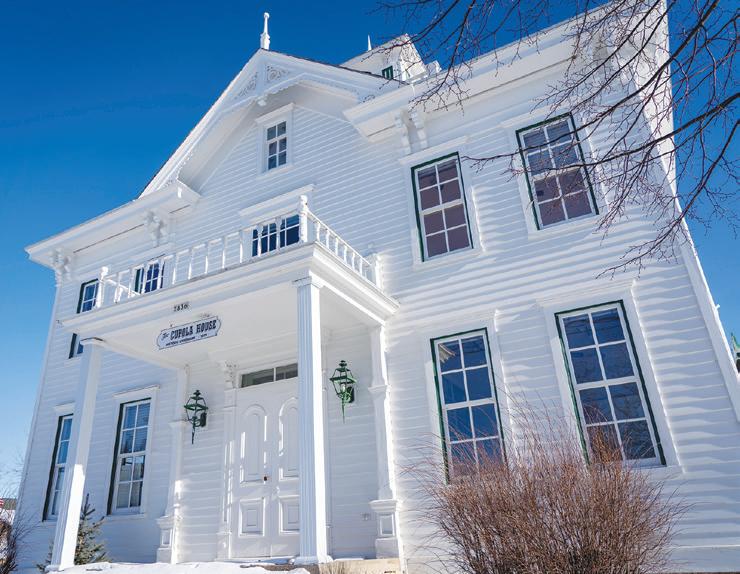
(17) Cupola House
7836 Hwy 42, Egg Harbor
A historic landmark in Egg Harbor built in 1872 recently repurposed into a coffee shop, children’s store and bottle shop.
(18) Egg Harbor Historical Society
Egg Harbor Village Library History Center 7845 Church St, Egg Harbor
(19) Horseshoe Bay Farms
7212 Horseshoe Bay Rd., Egg Harbor
In the 1910s the farm was the largest employer in Door County and one of the most innovative dairy operations in the state. It’s now owned by a nonprofit
Visit the original Door County Bookmobile that once brought the world to residents of rural Door County.
(21) Lawrence University’s Boynton Chapel at Björklunden
7590 Boynton Lane, Baileys Harbor
Handcrafted by Winifred and Donald Boynton (1939-1947) as a sanctuary of peace, the chapel at Lawrence University’s Björklunden campus reflects a medieval Norwegian stave church, featuring wood carvings and 41 frescoes. Open for docentled tours mid-June through August.
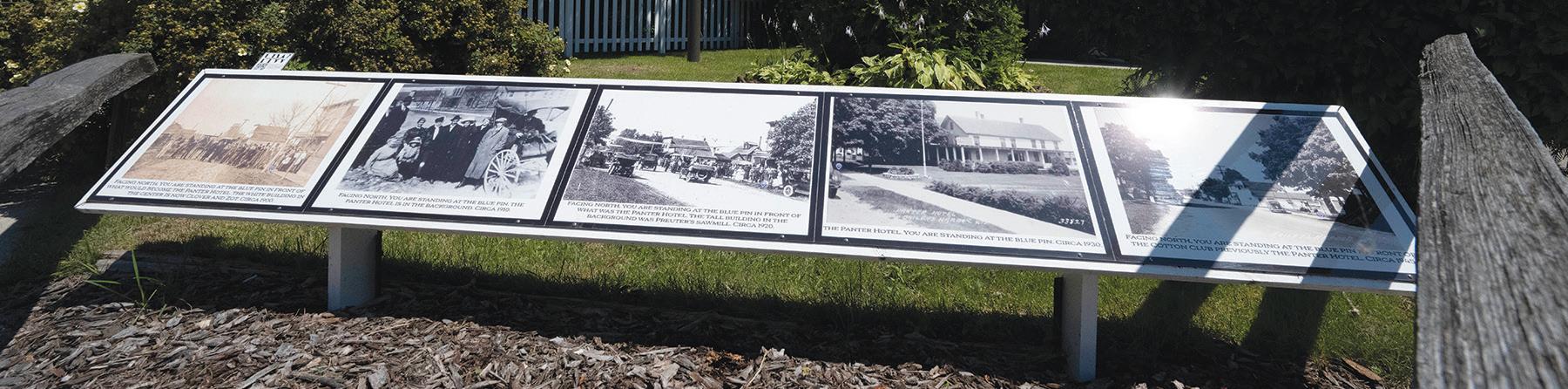
(22) Baileys Harbor History Along The Way
Stroll the sidewalks of Baileys Harbor traveling through time while viewing groupings of historic images of today’s sites from the past. There are a total of 19 displays at 13 locations presenting over 115 historic images. Available for viewing May through October. Visit historyalongtheway. com for the map.
(23) Heritage Village
2041 Michigan St, Sturgeon Bay
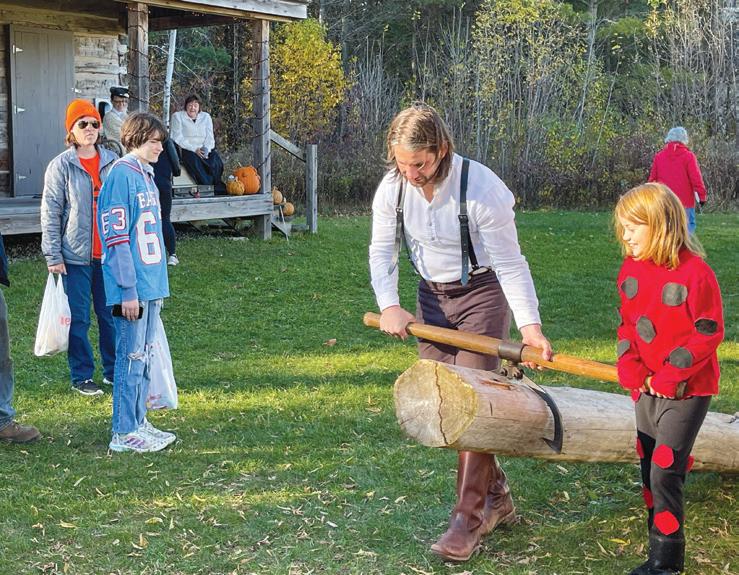
Heritage Village features eight historic buildings that reflect life in Door County between 1890 and 1910. Explore a schoolhouse, blacksmith shop, general store, and more – each offering insight into the daily lives of the peninsula’s early settlers. On select days, visitors can experience live demonstrations by a blacksmith, schoolmarm, or shopkeeper, bringing history to life in an engaging, hands-on way.
(24) Door County Museum & Archives
18 North 4th Avenue, Sturgeon Bay The Door County Historical
Museum has educated locals and visitors alike about the history of the Door Peninsula since 1939. The Museum features a wide variety of artifacts and exhibits, including vintage fire trucks, a historic jail cell and hearse, and the spectacular Seasons of Life wildlife diorama. Open year ‘round and free to the public.
(25) Door County Granary
72 E. Locust St. Sturgeon Bay
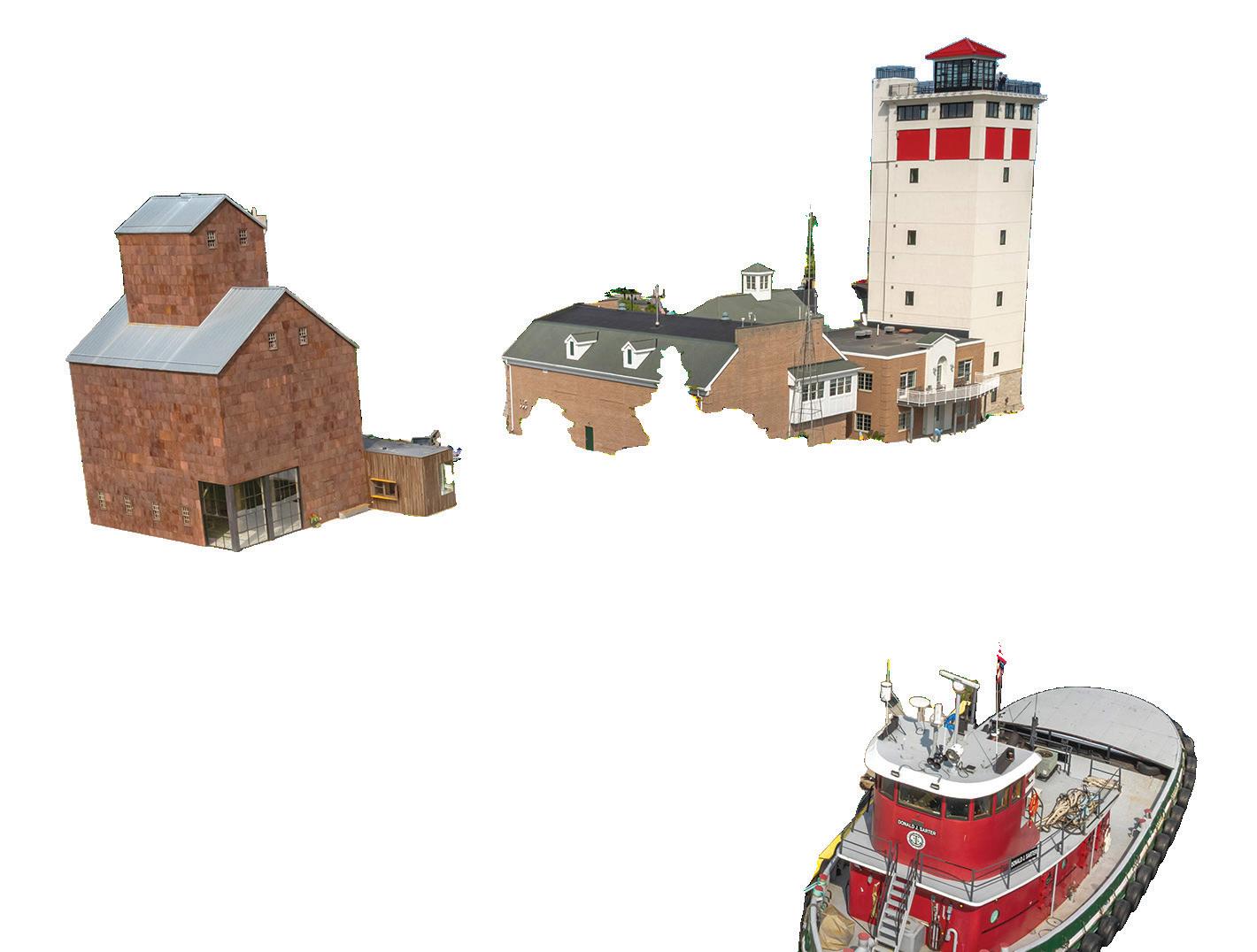
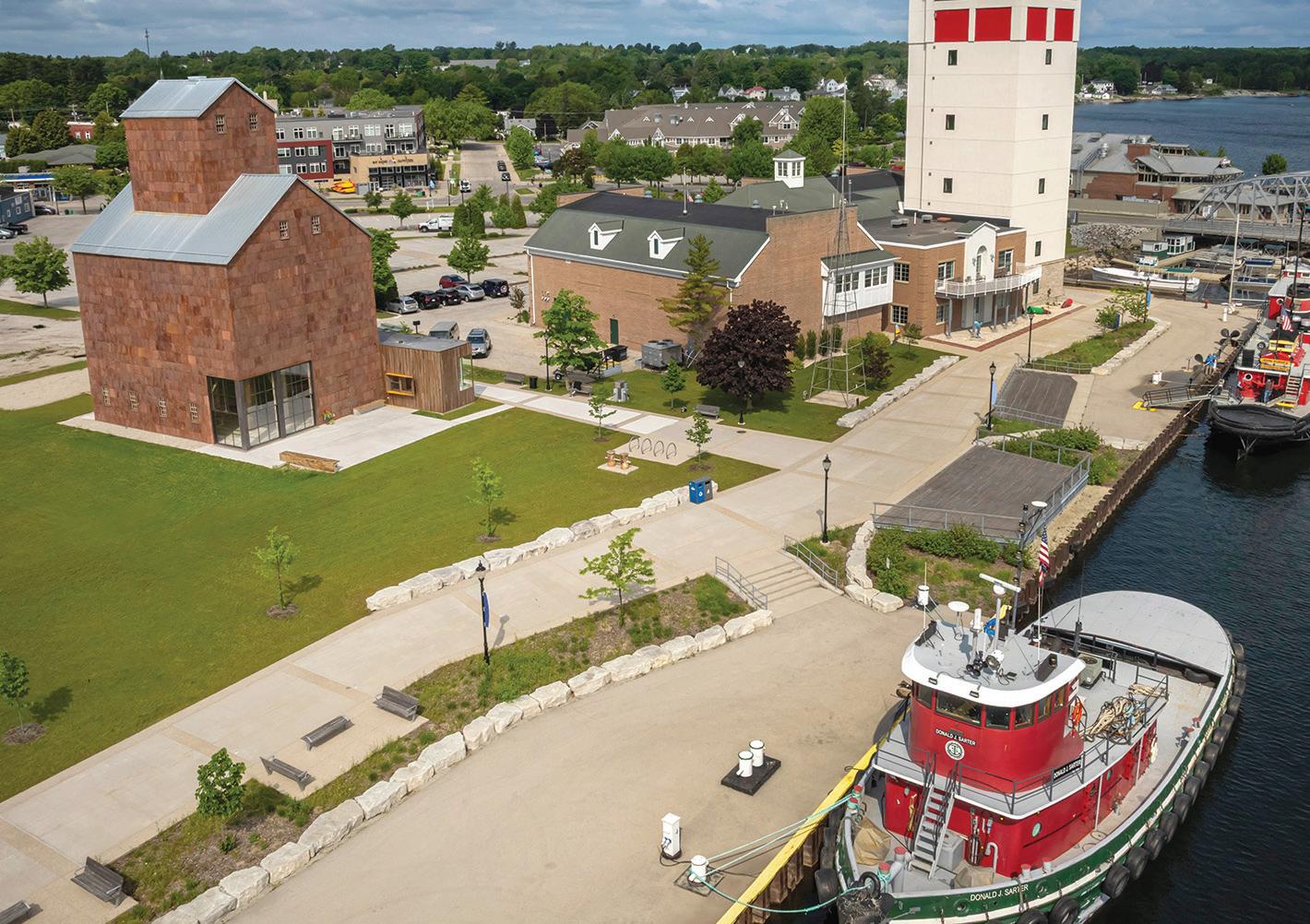
Originally built in 1901, the Teweles and Brandeis Grain Elevator is the last vestige of a busy, agriculturally-oriented, commercial wharf on the west-waterfront of Sturgeon Bay. Listed on the National Registry of Historic Places, it has been rehabilitated and repurposed as the Door County Granary, paying homage to Door County’s agricultural heritage as a living museum, community pavilion, and historic landmark.
(26) Door County Maritime Museum
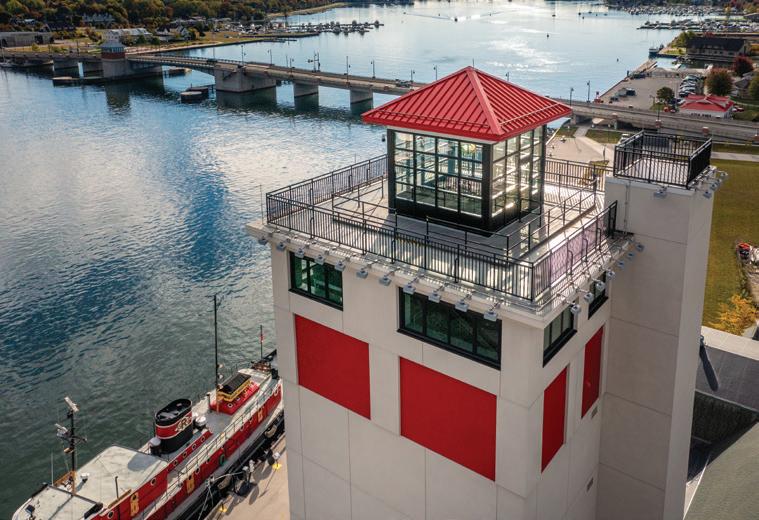
120 North Madison Avenue, Sturgeon Bay Located on Sturgeon Bay’s westwaterfront, the Door County Maritime Museum showcases the area’s rich maritime roots through guided tours, exhibits, artifacts, presentations and is now home to the Jim Kress Maritime Lighthouse Tower.
(27) Tugboat John Purves
120 N Madison Ave, Sturgeon Bay
Enjoy an all-access, 40-minute guided tour of the John Purves, an immaculately restored 1919 tugboat. Explore the entire 149-foot tug, from her engine room to crew cabins, galley and wheelhouse, and
get a feel for the daily life of her hardworking 13-man crew.
(28) Belgian Heritage Center
1255 County Road DK, Brussels
The Belgian Heritage Center tells the story of the Belgian settlement in Wisconsin and works to preserve unique elements of Belgian culture, architecture and the Walloon language. Also on the campus is a 1894 schoolhouse and convent, a typical Belgian roadside chapel, and historic St. Mary of the Snows Cemetery.
(30) Encounter History Walking Tours
Sturgeon Bay
Choose from three historic tours highlighting important stories in Door County’s past. Book online at encounterhistory.com.
(31) Chambers Island Lighthouse
Chambers Island
A 42-foot brick tower built in 1868 with a fourth-order Fresnel lens, integrated with the light-keeper’s dwelling. This lighthouse, located on the northwest corner of Chambers Island, is only accessible by boat. The Lighthouse is open to the public when the caretakers are present most weekends and some weekdays from June 15 - Labor Day.
(32) Pottawatomie Lighthouse
Rock Island
The original 1836 structure was demolished in the late 1850s, and the current lighthouse was first lit in 1858, casting a steady white light visible for 14 nautical miles. It was added to the National Register of Historic Places in 1979 and later restored to its 1910 appearance through the efforts of the Friends of Rock Island, DNR staff, and state grants. Since 2004, the Friends group has staffed the lighthouse with live-in volunteer docents, offering free daily tours from 10 am to 4 pm, Memorial Day weekend through Columbus Day weekend.
The Door County Granary, Door County Maritime Museum, Jim Kresss Maritime Lighthouse Tower and the Tug John Purves make for a historic campus on Sturgeon Bay’s West Waterfront.
COURTESY OF LaDALLMAN ARCHITECTS
The Cupola House in Egg Harbor. RACHEL LUKAS
History Along the Way in Baileys Harbor. LARRY MOHR
Island Life Before THE
Revolution
by Nina Botting Herbst, Director of Town Museums, Washington Island
In this year when America turns 250, we in Door County are thinking about our own development and position in that period of history. What was happening here in the fourth quarter of the 18th century and the years leading up to it?
Living where I do, I am most interested in Washington and Rock Islands, and there is a wonderful source for that history in the fourbook series written by Conan Bryant Eaton, first published in the late 1960s and early 1970s. Eaton was not a native Washington Islander but someone who came here and fell under its spell – as many people do. His first book was The Naming (1966), followed by Death’s Door The Pursuit of a Legend (1967), Rock Island (1969), and last came Washington Island 1836-1876 (1972) which includes a section on the Icelandic settlers who first came to the Island in the 1870s.
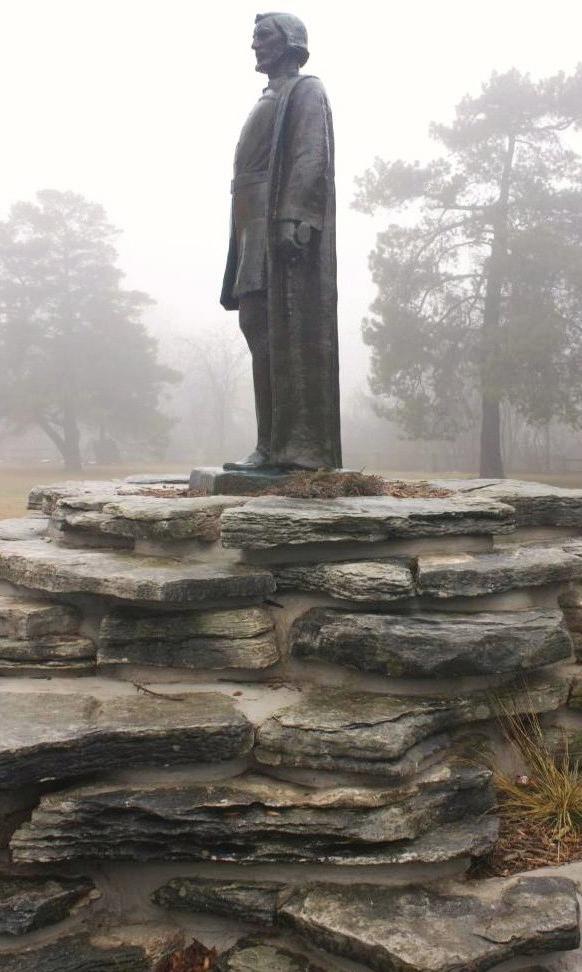
It is likely that the first Europeans encountered by the indigenous people of what is now Door County were explorers such as Nicolet (1634-35), missionaries, and fur traders, including Rene-Robert La Salle. In The Naming there is discussion of the various names by which the now Washington and Rock Islands were known, first mentioning that the Ojibwe name for the former was Wassekiganeso, translated as ‘his (sweat-covered) breast is shining,’ referring to the way that the Island
can be seen from a distance with its cliffs reflecting the sun.
However Eaton also writes about the speculation as to which islands these names refer, as that is not always clear, in addition to how some names derived from the indigenous groups that Europeans encountered, including the Huron and the Pottawatomie. For example, Eaton says:
“Since the seventeenth century, visitors to the New World had often attached names of their own choosing to features of land or water which they encountered or which they assumed lay somewhere beyond the horizon; thereby they influenced map-makers as far away as Europe, who in turn compounded confusion by copying each other’s work –mistakes included.”
The Island central to our story had known some changes. The Jesuit Relations of 1670 to 1672 mention “The Islands called Huron,” which were located at the entrance to what we know as Green Bay. When the Huron, in their wanderings to avoid the Iroquois, moved on, a different tribal name filled the void:
“The island of the Pous [says Cadillac in 1718] is still inhabited by the Pouteatamis; we call them Pous, because the first syllable of their name is so pronounced.”
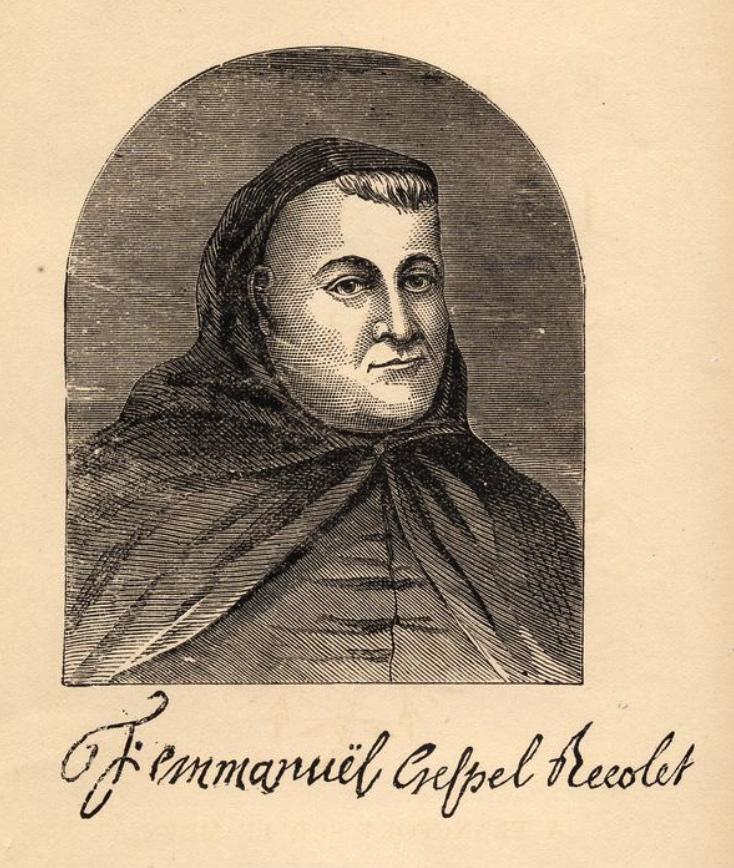
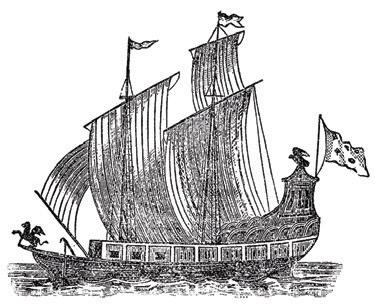
In Eaton’s book on Death’s Door he includes a passage by the ‘Recollect friar Hennepin’ who wrote of the ‘first wellrecorded crossing in a storm of the turbulent strait’ in September 1679 by a group of LaSalle’s men. However, Eaton also notes that there is some confusion as to where The Griffin, LaSalle’s ship, was when she encountered this storm since she was headed in a ‘generally northeasterly direction toward Mackinac’ and would not have been
near to Death’s Door by the time the storm occurred. So more confusion and mystery!
It is in Eaton’s third book, Rock Island that he addresses more broadly the history of our islands before 1836 and refers to archeologists, and friends of his, Ronald and Carol Mason and their digs on Rock (1969 – 1973). That work, Eaton quotes the Masons saying, unearthed “unequivocal evidence of human occupation on Rock Island beginning shortly before the time of Christ” and “repeated visits by many different groups from the time of Christ to European discovery.” There have also been professional archeological digs carried out on Washington Island and extensive discoveries of artifacts made by local people on the Island – including Jens Jacobsen, founder of Jacobsens Museum on Washington Island, who gave one of the reasons for establishing
his museum in 1931 as the need to have a place for these artifacts where they were found as he often witnessed them being taken away from the Island.
Eaton goes on to note that by 1600, “the tribes with familiar names –Pottawatomie, Ottawa, Chippewa, Huron, Menominee, Sauk, Fox, Miami, Winnebago – peopled this region.”
Along with the evidence found through archeological digs on Washington and Rock, Eaton mentions information he found in the writings of historians chronicling explorers and fur trade activities in the area. He quotes Frederick Jackson Turner, on the importance of the area at the mouth of Green Bay as a transportation route, from an address he made in 1889 to, what is now, the Wisconsin Historical Society:
“For two hundred years Wisconsin’s all-important interest was the fur trade.
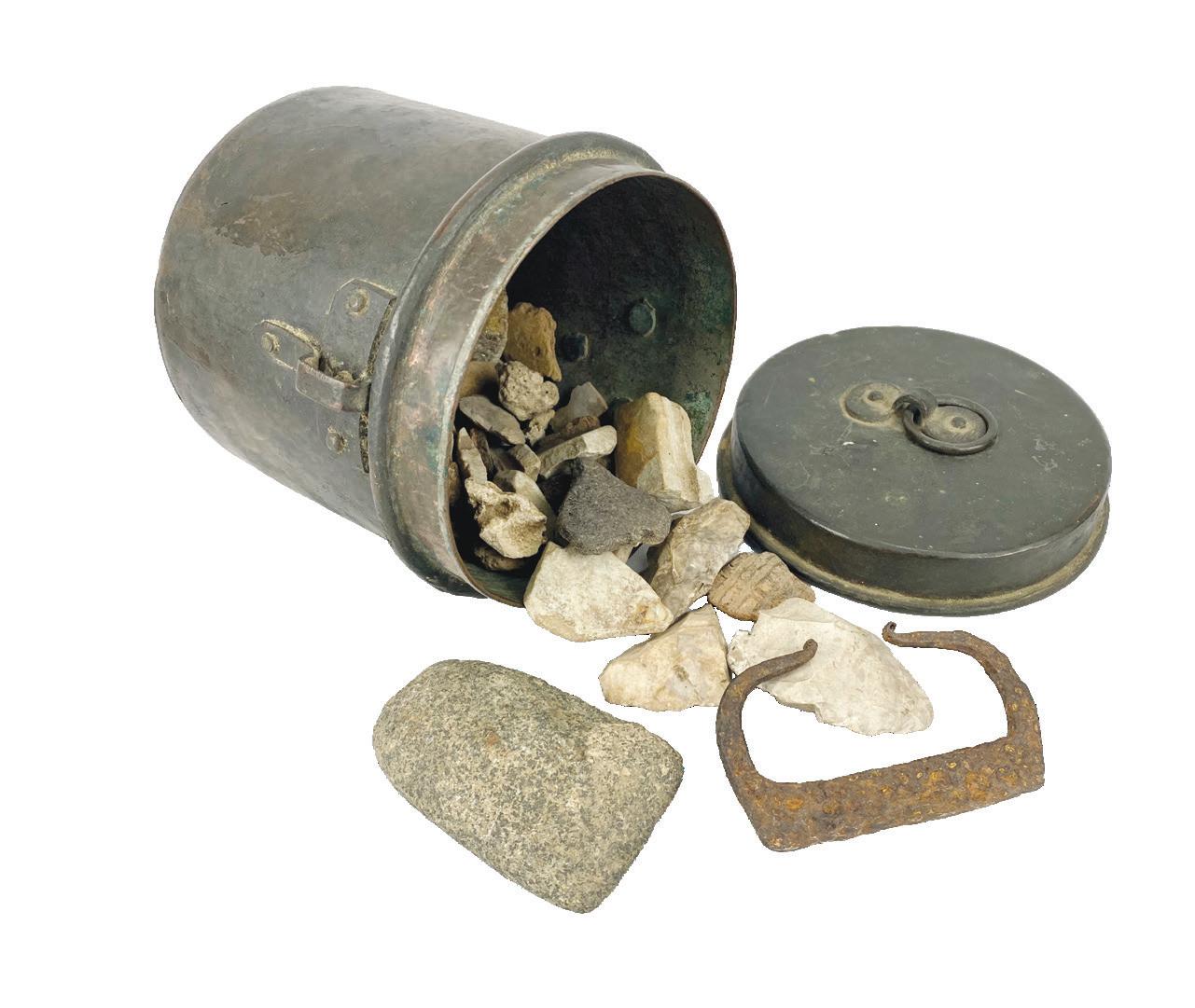
Copper Trade Kettle
Wisconsin was the link that joined the Great Lakes and the Mississippi…” Turner pointed out, and added later: ”… the Green Bay and Fox and Wisconsin route was the line of least resistance…”
Conan Bryant Eaton produced a quartet of minutely researched books which have also been updated with each new edition. This article barely skims the surface of this intensively detailed project. Looking to the future he gifted the rights of the books to the Washington Island Archives which has taken up his mantle and is, itself, a treasure trove of information on these fascinating Islands of Door County. Eaton’s books can be found at the Washington Island Archives (open Tuesday and Friday afternoons from 1pm-4pm) washislandarchives@gmail. com
During the fur trade era, copper kettles were among the most sought-after goods exchanged between European traders and Indigenous communities in the Great Lakes region. This example, made in an early French style, likely dates from the mid-to-late 1700s. Discovered on Detroit Island in 1898, it contained an iron fire striker, duck bones, stone artifacts, and fragments of pottery. Donated by Howard Chambers to the collection of the Door County History Museum.
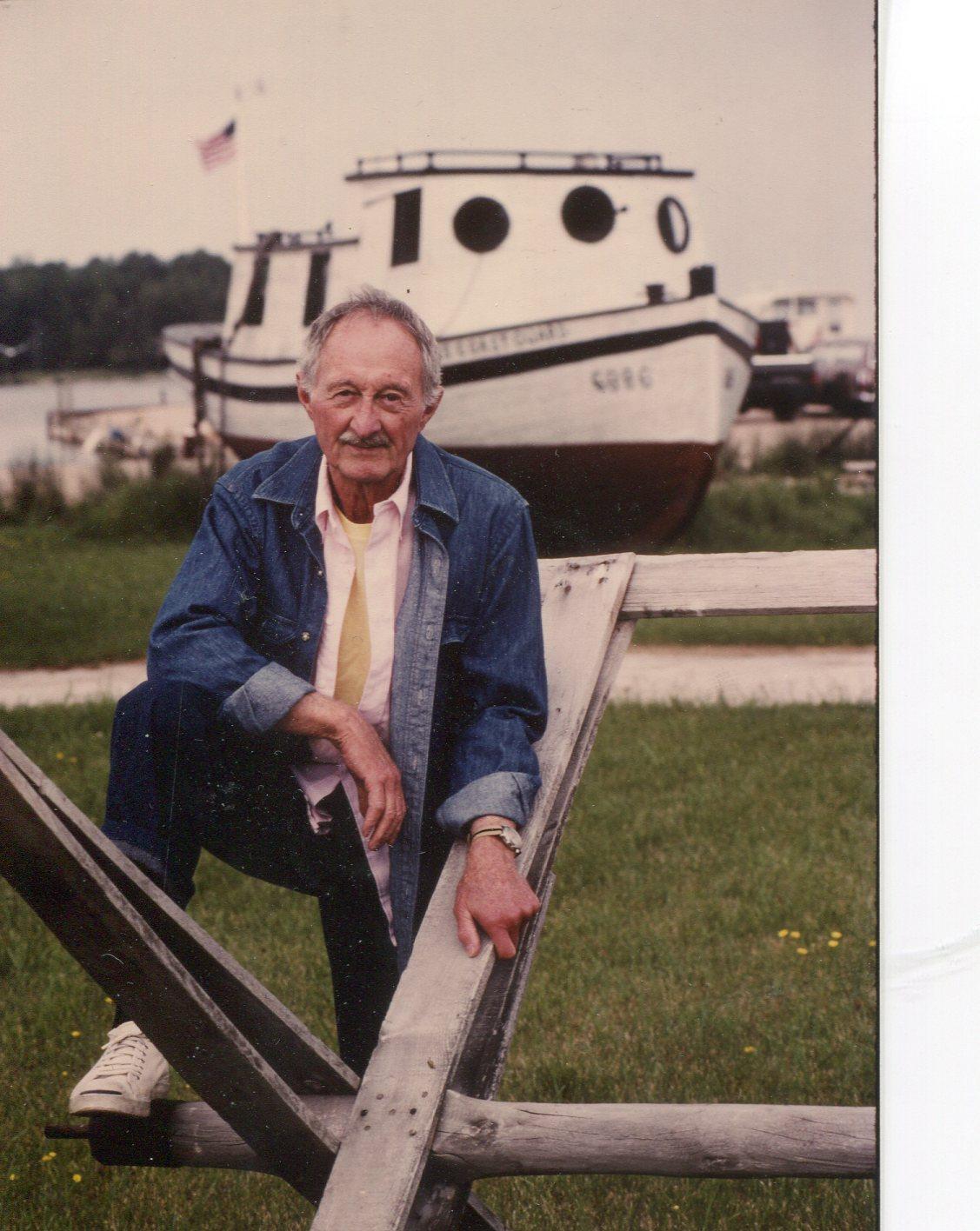
Conan Bryant Eaton.
COURTESY OF THE WASHINGTON ISLAND ARCHIVES
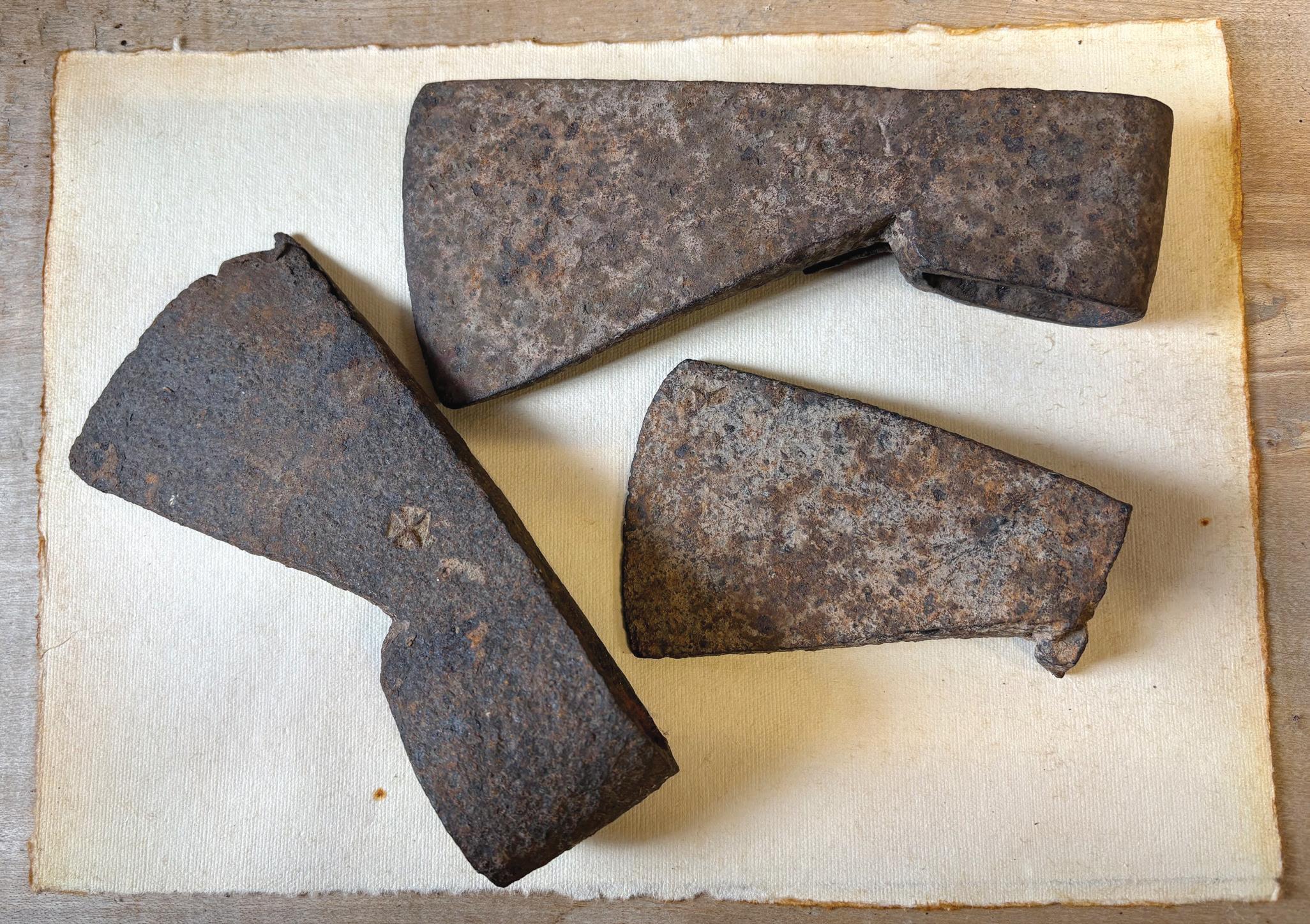
Trade Axe Heads (1674-1700) found during the Mason/Lawrence University archaeological digs, now on display at Jacobsens Museum, Washington Island. NINA BOTTING HERBST
DOOR COUNTY MUSEUM AND ARCHIVES
ALEXANDER NOBLE HOUSE
MUSEUM DOCENT-LED TOURS
4167 Main Street Fish Creek historicnoble.org
Tuesday - Sundays, 10 - 3 pm, beginning June 16
Visit the oldest existing frame home in Fish Creek, charmingly restored and containing many of the Noble family’s original furnishings and artifacts. Built in 1875, the Noble House was home to three generations of the Alexander Noble Family. It is an authentic example of Greek Revival farmhouse architecture. Enjoy a tour of the 10-room home and experience a portrayal of domestic life in Door County at the turn of the century. This year features a special exhibit to mark the 150th anniversary of the Alexander Noble House.
HISTORY DAYS SCHEDULE OF EVENTS
MONDAY, JUNE 15
HISTORY DAYS KICK OFF Historical Alliance of Door County Heritage Village, 2041 Michigan St., Sturgeon Bay 10:00 noon
Kick off History Days with speakers from the Heritage Alliance and a special keynote speaker, followed by tours of the Heritage Village, the tool museum and reenactments as we celebrate America at 250.
LOSING THE DARK: HOW DO WE PROTECT OUR DARK SKIES?
Liberty Grove Historical Society 11831 State Highway 42, Ellison Bay 7:00 PM
With Newport State Park Naturalist Beth Bartoli. Free and
open to the public. The program will follow a brief Membership Meeting.
TUESDAY, JUNE 16
OPEN HOUSE
Sister Bay Historical Society, 10310 Fieldcrest Road 11 am - 3 pm
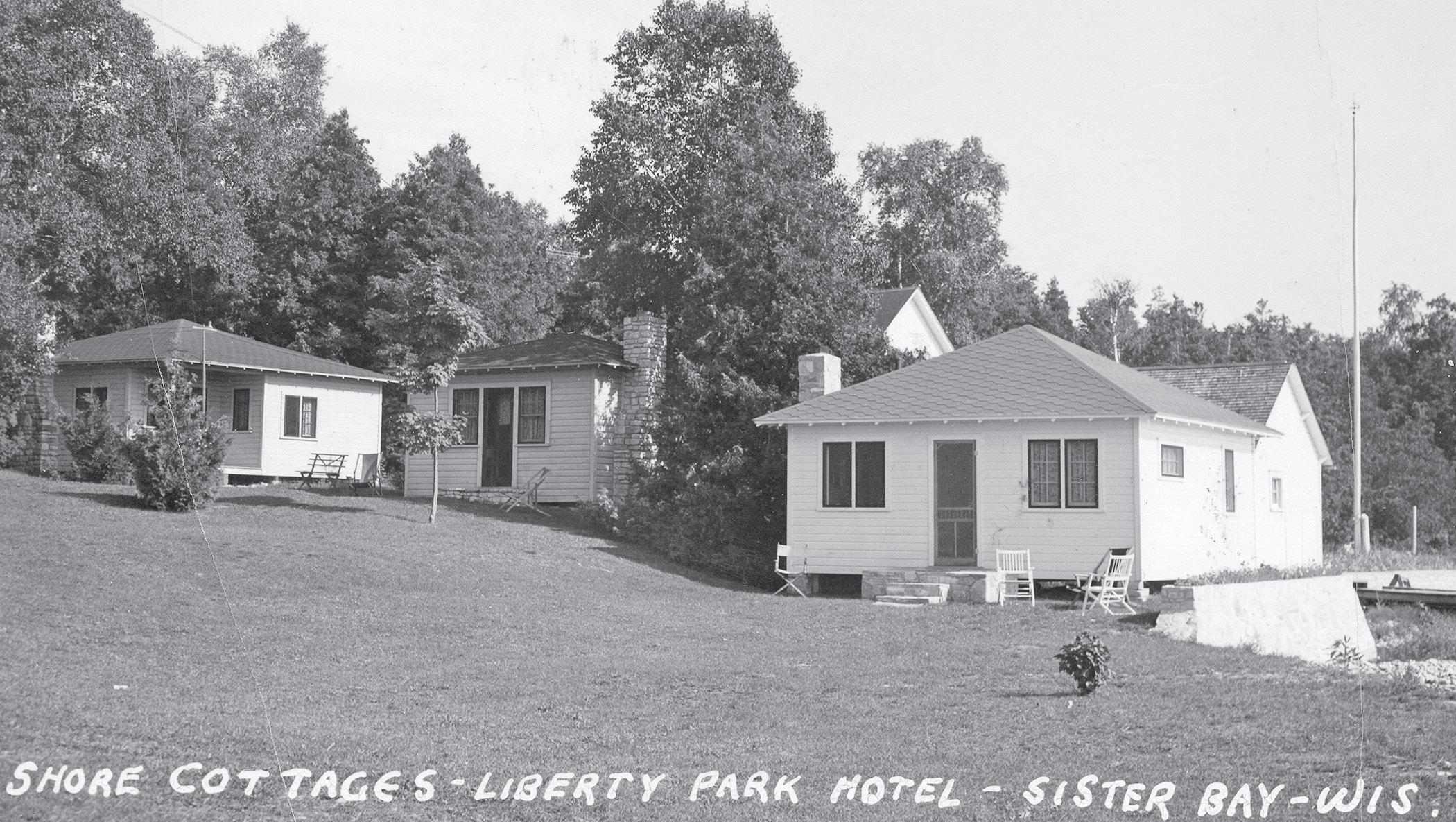
Free tours and a preview of the new exhibit on Sister Bay’s Cottage Industry.
PATRIOTS, PIONEERS AND PROGENY
Door County Library
Door County Library, 107 S. 4th Ave., Sturgeon Bay 2:00 PM
With the the Jean Nicolet Chapter of the Daughters of the American Revolution.
WEDNESDAY, JUNE 17
DESCENDANTS OF AMERICAN REVOLUTION: PATRIOTS OF BAILEYS HARBOR AND DOOR COUNTY
Contact Baileys Harbor Historical Society for venue 7:00-8:00pm
Patriots of Baileys Harbor and Door County
THURSDAY, JUNE 18
AUTHOR TALK WITH JAMIE KAY PALMER
Sturgeon Bay Historical Society
Door County Granary, 72 E Locust Ct, Sturgeon Bay 10:30 AM
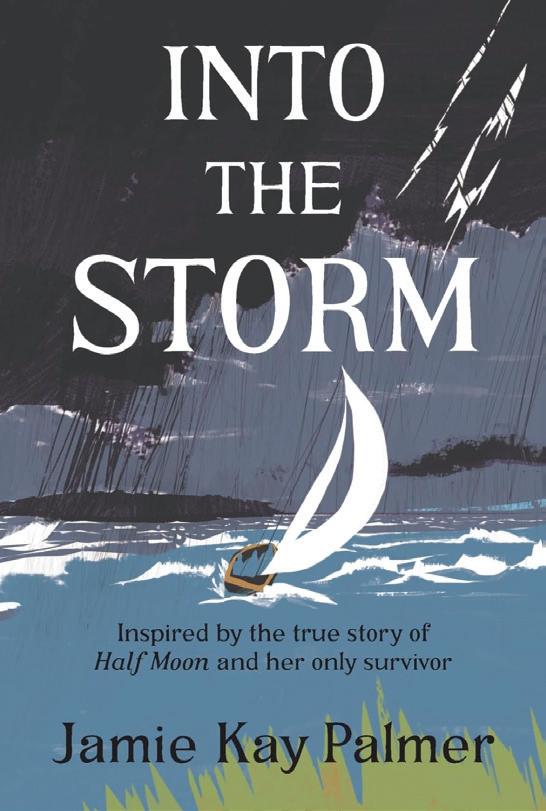
Palmer discusses “Into the Storm,” her book of historical fiction based on a tragedy on the lake. Coffee and cookies.
COMMUNITY CONVERSATIONS
AMERICA@250 Crossroads at Big Creek 2041 Michigan St., Sturgeon Bay 6:00-8:30pm
The American Revolution (Our American Story)
THEY ALL HAD NAMES Sturgeon Bay Historical Society Door County Granary, 72 E Locust Ct, Sturgeon Bay 7:00 PM
Desottle and Wolter’s Civil War Musical. Beer and wine available for purchase.
ANNUAL LAKE-TO-TABLE FISH BOIL
Liberty Grove Historical Society, 11831 State Highway 42, Ellison Bay 4:00-8:00pm
HANDS-ON HISTORY WALK
Door County Historical Society Heritage Village, 2041 Michigan St., Sturgeon Bay 11:30am - 12:30pm
View a special America@250 display in the school house, taste honey samples, and learn about old tools.
HISTORY OF THE BELGIAN SETTLEMENT AREA
Belgian Heritage Center 1255 County Road DK, Brussels 1:00 PM
HISTORY BOOK DISCUSSION
Door County Library
Door County Library, 107 S. 4th Ave., Sturgeon Bay 2:00 PM
John Harris discusses “His Excellency George Washington” by Joseph Ellis.
Join us in the barn for a traditional Fish Boil with all the trimmings. Contact Stef, 920839-5022, 9am -5pm, to make your reservation. COMMUNITY CONVERSATIONS AMERICA@250 Crossroads at Big Creek 2041 Michigan St., Sturgeon Bay 6:00-8:30pm
The American Revolution (Spirit of Service)
FRIDAY,
JUNE 19
ADVENTURE ISLAND: A UNIQUE PERSPECTIVE ON FREEDOM.
Door County Historical Society
Door County Historical Museum, 18 N. 4th Ave., Sturgeon Bay 10:00-11:00 am
Join Brennan Christianson, Collections Coordinator at the Door County Maritime Museum, as he looks at the
history of Adventure Island Boys Camp, which operated from the 1920s until the 1950s. Using artifacts from the Door County Museum’s collection, he’ll explore Charles “Skipper” Kinney, founder of the camp and his unique perspective on freedom, learning, and fun.
SATURDAY, JUNE 20
SEASON OPENING: AN EXHIBIT CELEBRATING 250 YEARS OF INDEPENDENCE
Liberty Grove Historical Society, 11831 State Highway 42, Ellison Bay 10am - 4pm
All historic buildings are open with docents present to share the unique stories of Liberty Grove.
PATRIOTIC PIES
Door County Historical Society Heritage Village, 2041 Michigan St., Sturgeon Bay 11:30am 12:30pm
Take your taste buds on a journey through the history of pie. Enjoy samples and share stories. Bring copies of your family pie recipes to share!
BARN DANCE
Liberty Grove Historical Society, 11831 State Highway 42, Ellison Bay 2:00-4:00pm
Music and dancing with Sugar on the Floor of the Door County Folk Alliance. Barn Dances are descendants of traditional dances originating in the British Isles and brought to North America by early settlers. In colonial times, itinerant “dance masters” taught dances from village to village, and community folk gathered regularly to enjoy the music and dancing. Free.
ALL WEEK
POTTAWATOMIE
LIGHTHOUSE TOURS
Friends of Rock Island State Park
10:00-4pm
Rock Island State Park Guided tours of Rock Island’s Lighthouse
GLIMPSE THE COMMERCIAL PAST! East and west downtowns, Sturgeon Bay
The Sturgeon Bay Historical Society presents Advertisements of Old Sturgeon Bay. Find advertisements from former Sturgeon Bay businesses of the 1890s-1920s in storefront windows during History Days.
TUESDAY, JUNE 16
DEATH’S DOOR
LIGHTHOUSE CRUISE
Friends of Plum and Pilot Islands Gills Rock 10 am and 1 pm
Includes a stop on Plum Island.
WEDNESDAYSUNDAY
250 DISPLAY IN THE VIGNES SCHOOLHOUSE
Door County Historical Society Heritage Village, 2041 Michigan St., Sturgeon Bay 11:00am 4:00pm
Step back in time and into a one-room schoolhouse to discover the history of the Declaration of Independence.
Leave a note about what history means to you.
BAILEYS HARBOR RANGE LIGHTS TOURS
The Ridges Sanctuary, 8166 Hwy 57, Baileys Harbor ridgessanctuary.org
10 am - 3 pm Daily, Wednesdays 11 am - 2 pm
Tour the Upper Range Light, restored to the period of the Range Light Keepers! Learn about the history of the Range Light buildings, the keepers who inhabited the house, and how the lights work as a critical tool for navigational aid.
Monday, June 23, 1-4 pm and Wednesday, June 25, 1-4 pm
Visit the stave chapel at Björklunden and hear about how this beautiful sanctuary for peace was handcrafted by Winifred and Donald Boynton between 1939 and 1947 on the grounds of their summer residence. The chapel, modeled after the Garmo stave church at Maihaugen in Lillehammer, Norway, was featured in the New York Times’ “36-Hours in Door County” and on the cover of the 2024 Destination Door County official summer guide.
DOOR COUNTY BOOKMOBILE 7860 Hwy 42, Egg Harbor bookmobiledoorcounty.org
Check for special events around the peninsula where you can walk through the original Door County Bookmobile and get a glimpse of the vehicle that brought the world to rural parts of the peninsula for decades.
Michaela Kraft will present about cottage life in Sister Bay on Friday, June 19. SUBMITTED
Author Jamie K. Palmer will discuss her book, Into the Storm, on June 18.
DOOR COUNTY GRANARY
72 East Locust Street, Sturgeon Bay doorcountygranary.org
Wednesdays - Sunday, 10 am - 3 pm.
Explore this remarkable National Historic Site, beautifully situated on the waterfront in the heart of Sturgeon Bay. Step inside this cathedral-like agricultural landmark and discover how grain elevators revolutionized the food industry –helping transform America into the world’s breadbasket.
Built in 1901 and originally operated by immigrants from Prague, the Granary has proudly stood on this site for nearly 125 years. It has served the community in many roles: as the Teweles & Brandeis Grain Elevator, later as the Door County Co-op, and today as a living museum and vibrant center for local events and activities.
EAGLE BLUFF LIGHTHOUSE TOURS
Eagle Bluff Lighthouse, 10249 Shore Rd, Fish Creek doorcountyhistoricalsociety. org/ eagle-bluff-lighthouse/ 11 am - 3 pm. $5. Docent-led tour of Eagle Bluff lighthouse.
EGG HARBOR HISTORY CENTER
Kress Pavilion, 7845 Church Street, Egg Harbor eggharborhistory.org
10 am - 3 pm.
View videos and explore the history of Egg Harbor.
EPHRAIM HISTORICAL FOUNDATION HISTORY
TRAM TOURS
9966 Moravia Street, Ephraim
ephraim.org/history-tram-tours
Daily at 10:30 am.
One of the most popular ways to experience Ephraim’s history!
Guided by knowledgeable volunteers, History Tram Tours take visitors along picturesque Eagle Harbor to historic sites throughout the village. The open air tram is a great way to enjoy Door County’s beautiful weather and views. Tours accommodate up to 5 people and last approximately an hour.
History for THE KIDS
Historical museums don’t always grab the attention of little ones, but we’ve tested many of our historical sites with toddlers and young children in tow, and here are a few that kids will love as much as you.
Tower Tour
Potawatomi Tower
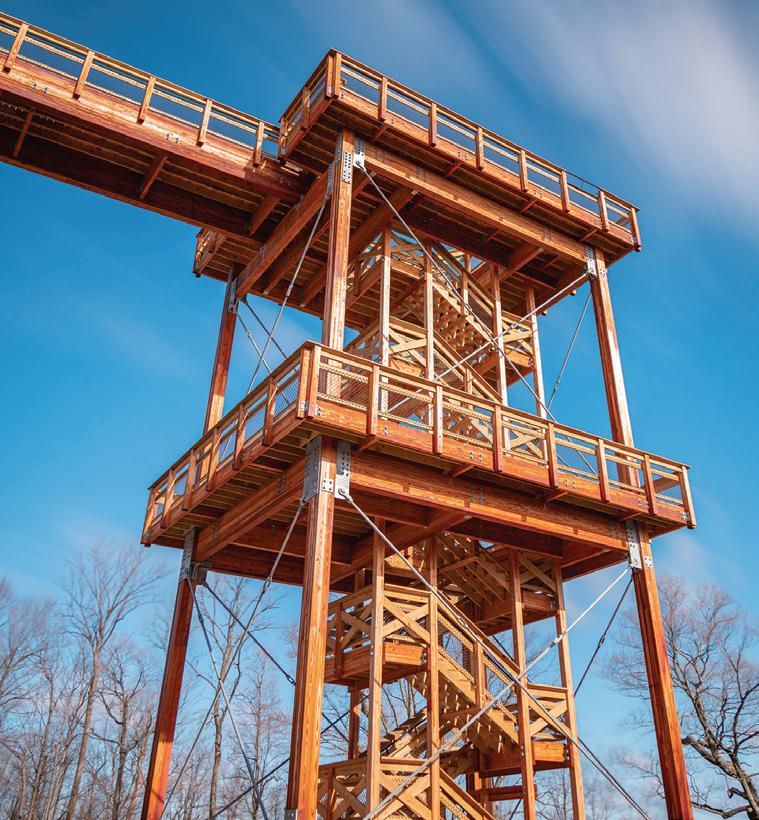
Eagle Tower
Jim Kress Maritime Lighthouse Tower
Children love the view from atop a tower, and each of these three offer their own unique journey to the top. Climb the steps to the top of the recently reopened Potawatomi Tower. Hike the ramp through the tree canopy at Eagle Tower’s new version (which replaced the old Eagle Tower in the same spot). Or take a ride to the top of the 10-story Jim Kress Maritime Lighthouse Tower at the Door County Maritime Museum in Sturgeon Bay, where the view includes the giant lakers at the shipyard, the remnants of the Leathem and Smith Quarry, the Sturgeon Bay Ship Canal, Door County Granary, the Steel Bridge and Potawatomi State Park.
Rock Island State Park
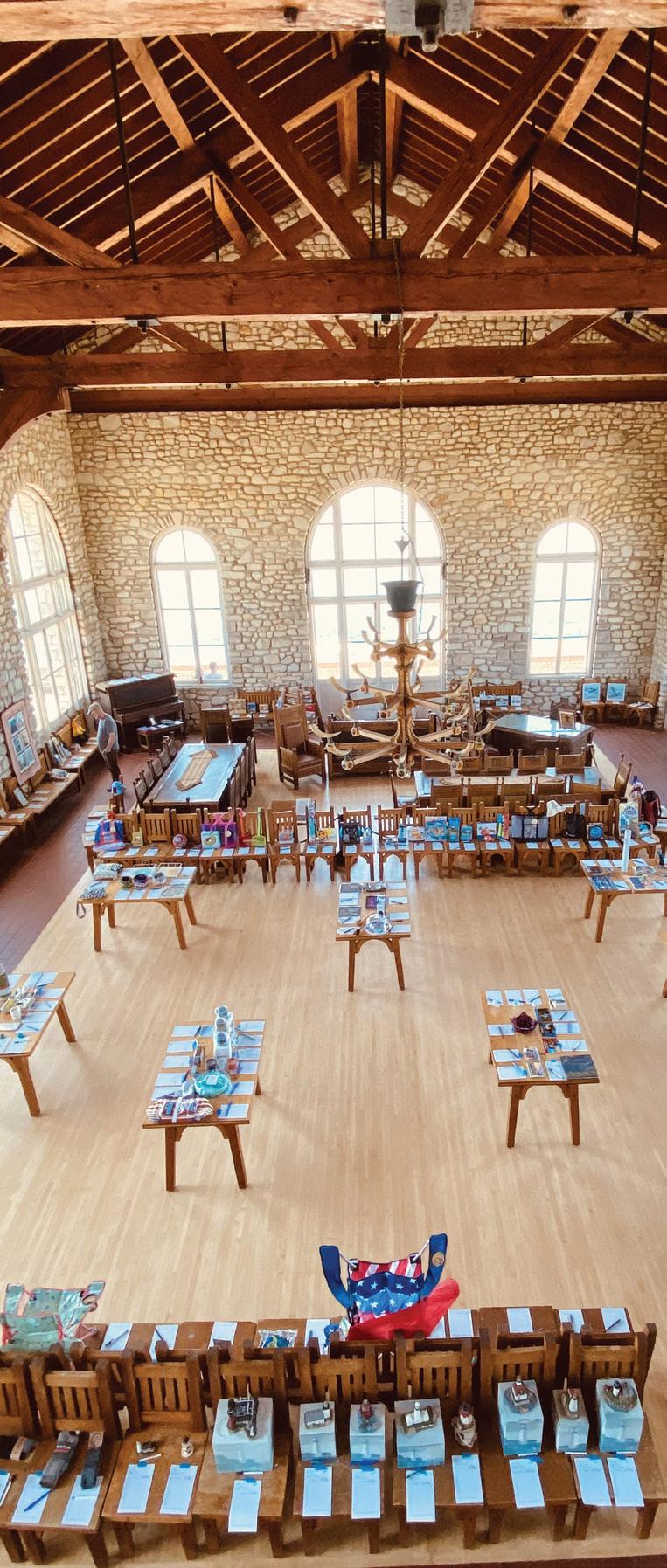
One of the peninsula’s most unique structures is as awe-inspiring for kids to explore as it is for adults. Of course, there’s the bonus of taking a small ferry to get to it, but inside kids love to explore the great hall before hiking across the island to the beach or up the trail to the Pottawatomie Lighthouse.
Heritage Village offers kids a chance to explore history in a hands-on, memorable way. Instead of sitting in a classroom, children step into a real one-room schoolhouse, try writing on slate boards, and see what learning was like over 100 years ago. They can watch a blacksmith shape metal using fire and tools, or chat with a shopkeeper about the kinds of items people used to buy.
The Village includes eight historic buildings that tell the story of early life in Door County. Kids move from place to place, learning how families cooked, cleaned, worked, and played in a time before electricity or running water. Live demonstrations bring each space to life, making history something they can see, hear, and touch.
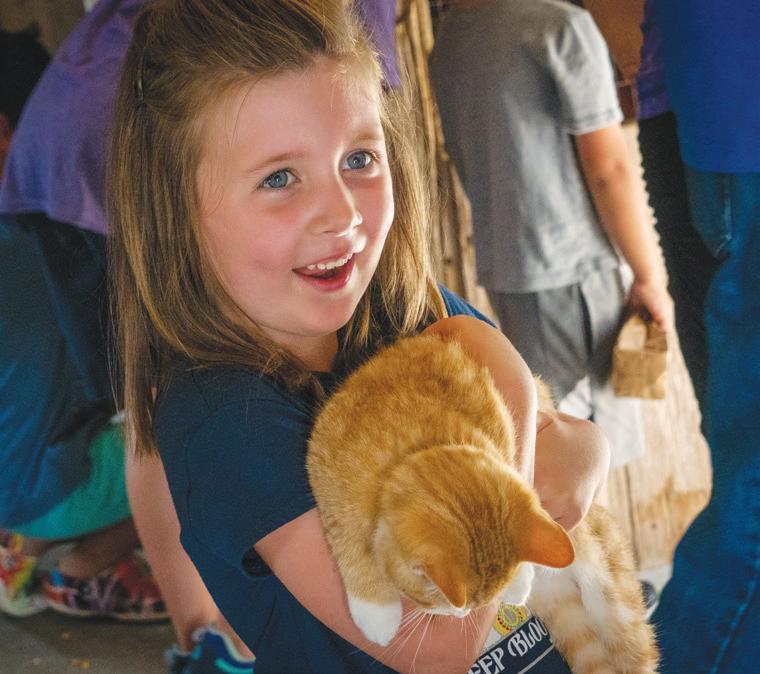
Wide paths, open spaces, and garden areas give families room to explore at their own pace. Whether it’s ringing the school bell, watching sparks fly in the blacksmith shop, or spotting something unusual in the general store, there’s always something new to discover.
Heritage Village makes history feel real. It’s a fun, active way for children to connect with the past while enjoying a day of exploration, questions, and discovery.
The
Cana Island Lighthouse
Baileys Harbor
Part of the joy is getting there, either walking or riding a tractor across the causeway. Once you land on the grounds of this often-photographed lighthouse, kids can explore the shoreline or climb to the top of the lighthouse tower for a view of the lake.
Farm Institute
Part of family traditions since it opened in 1965, kids can get a glimpse of life on the farm as it was for generations. See farm animals in natural settings, feed goats, hold chicks and get up close with dozens of animals. Check out pioneer log buildings, farm tools and implements, gardens and field crops. Enjoy nature trails and exhibits at this living museum of rural America.
The Ridges Sanctuary
Baileys Harbor
Explore exhibits in the Nature Center and take on kids activities in the educational room, but for wide-eyed wonder head out on the boardwalk. It’s not uncommon to spot deer a few strides off the path, hear the songs of birds and explore the woods of this incredible preserve. Check out the Range Lights and primitive cabins while learning a bit about the natural forces that created the famous ridges and swales over centuries.
Ephraim
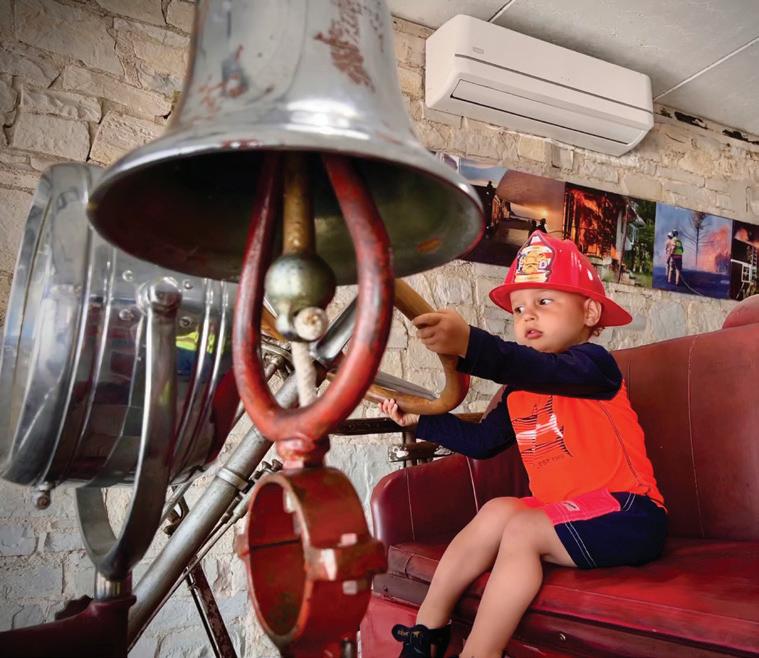
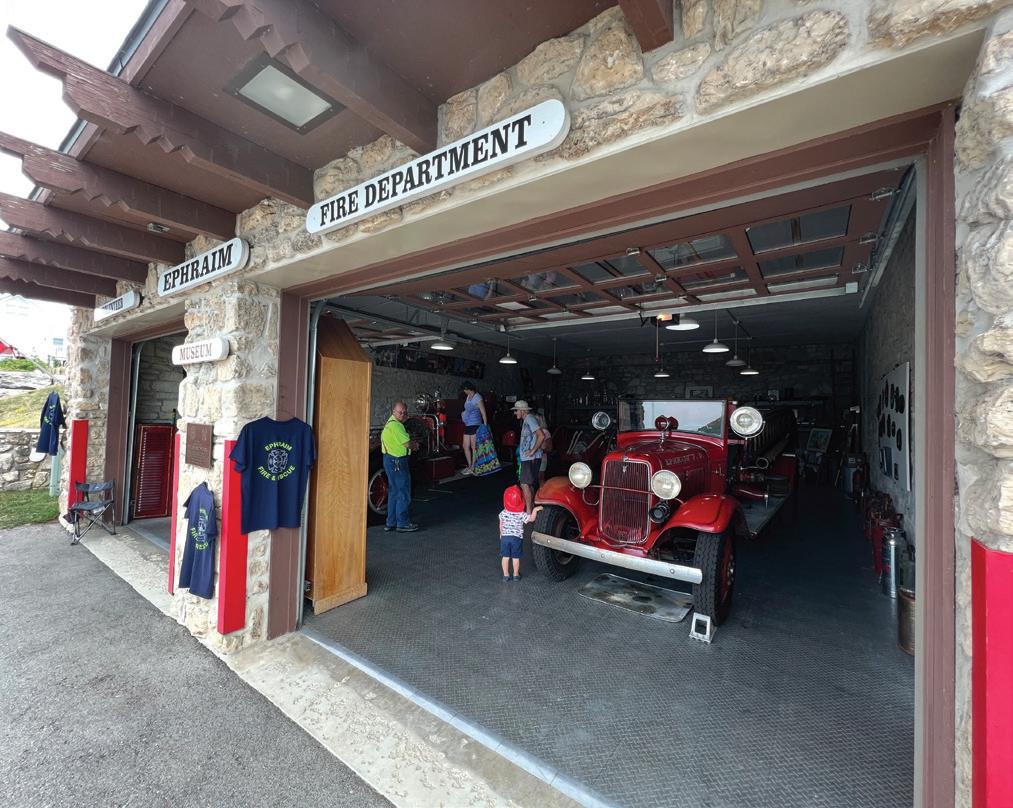
Stop by this tiny two-stall firehouse tucked into the hillside in Ephraim. Don’t look for an open sign, just look for Scotty Weborg standing and waving in front of the open doors. Children can hop aboard old fire trucks, get a fire hat and make a new best friend they’ll soon be looking for every time you drive through Ephraim.
FISH CREEK AUDIO
WALKING TOUR
Take a tour when the moment is right! When you see a blue tile number on a Fish Creek building, simply call 920.365.3711 and then enter the tile number followed by the “#” key. Call as often as you like.
FISH CREEK DOCENT-LED WALKING TOUR
4176 Maple Street, Fish Creek Wednesdays and Saturdays, 9 am. Begins June 20.
A docent will share the history of Fish Creek’s numerous historic buildings, several near the water and on Main Street.
HERITAGE VILLAGE TOURS Heritage Village, 2041 Michigan Street, Sturgeon Bay doorcountyhistoricalsociety.org/ heritage-village/
1 pm. $5. Docent-led tour of Heritage Village.
HORSESHOE BAY FARM TOURS
7212 Horseshoe Bay Road, Egg Harbor horseshoebayfarms.org Wednesday - Sunday at 11 am and 1 pm.
Take an engaging, docent-led tour of the grounds and barns of this beautiful farm that was once one of the largest and most innovative dairy farms in Wisconsin. Learn about the pivotal role the farm played in the local economy, the preservation of a picturesque landscape, the lives of hundreds of boys and migrants who picked fruit in summer cherry camps, and much more.
POTTAWATOMIE LIGHTHOUSE GUIDED TOURS ROCK ISLAND STATE PARK dnr.wisconsin.gov/topic/parks/ rockisland/lighthouse
10 am - 4 pm. Join Friends of Rock
Island State Park docents for their 20th year giving guided tours of the historic Pottawatomie lighthouse tower and keeper’s quarters.
Heritage Village
Door County Historical Society, Sturgeon Bay
Ephraim Fire House Museum
Thordarson Boathouse
Committed to Our Stories
At the Peninsula Pulse, we know that the news of today is built on the backs of Door County’s rich and fascinating history. We work hard to tell the stories of today, but also to unearth the stories of our past to inform today’s residents, decision-makers and to teach our readers about how we got to where we are.
For many years we partnered with Destination Door County on a series of videos about Door County history. These include mini-documentaries about the cherry, fishing and shipbuilding industries, as well as in-depth looks at lighthouses and tourism.
You can find that full playlist by scanning the QR code below, and you can explore
hundreds of more videos about the people, places and history that make Door County what it is.
We applaud the historical organizations and the people who give so much time, money and effort to gather and tell the stories of our past to inform our future. These organizations have not only preserved dozens of structures and places, but thousands of photos and stories of lives lived, struggles to survive, and the fight to build our communities.
You can find these stories each week in the Peninsula Pulse, or browse our deep archives of historical features at doorcountypulse.com/community/ history/.