The most critical aspect of SD to IFC in facade work is the review of SD design errors, and if any errors or missing information are found, they will need to be corrected, supplemented, and reviewed with the structural engineer to ensure slab edges especially are properly addressed. This coordination work is crucial because it impacts almost every aspect of the project, from architectural design to MEP, Fire Life safety, interior design and so on.
SD Revit Model
Some curves in SD revit model are incompleted or missing to determing the massing of the building.
Cladding model does not contain any setting out or geometric information.
1. Missing critical information
2. Risk associated with wire frame set with frozen geometry not controlled by Facade contractor
New Facade Work Line
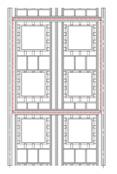
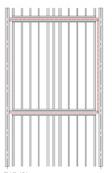
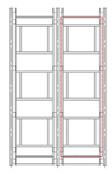
Slab Edge from SD Model
Newly generated Facade workline
Work point from SD model
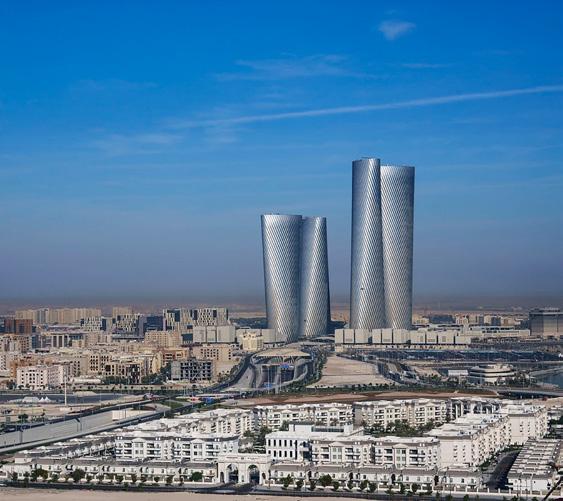
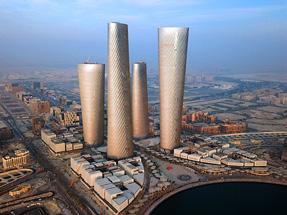
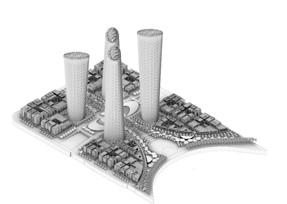
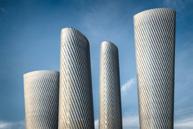
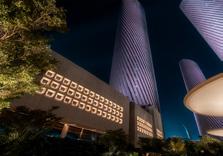
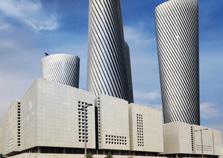
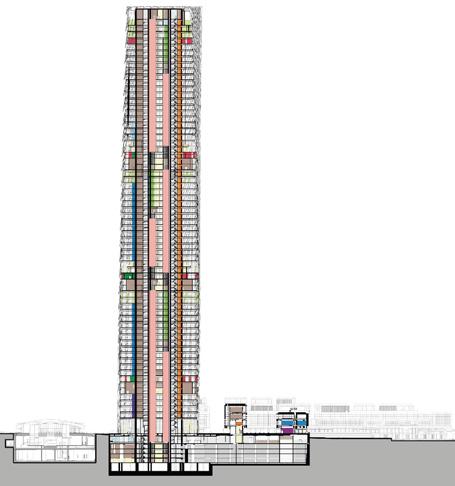
Lusail Towers, a landmark in Qatar, anchors a central business district in Lusail City, featuring four high-rise buildings spanning 1.1 million square meters. It houses the headquarters for the Qatar National Bank, Qatar Central Bank, and Qatar Investment Authority, alongside global organizations like Qatari Diar.
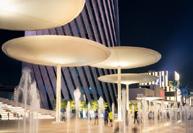
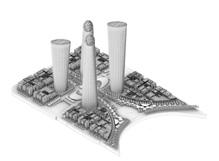
As part of a master plan aligned with the 2022 Football World Cup, two 70-storey and two 50-storey towers stand symmetrically around a central plaza, enhancing public spaces in Lusail City. Podium buildings at the base create human-scale streets with diverse facilities. Location
Tower - System Designations
SD cladding model is not suitable for use in determining the cladding envelope or setout due to : The
Typology 5
Top Executive Office
Triple Height
EWS-103 + EWS-505B
Typology 4
Sky Lobbies
Single Height + Double Height
EWS-103 + EWS-505B
Typology 3
Plant Room
Double Height
EWS-101 + EWS-501
Typology 2
Typical Office
Single Height
EWS-101 + EWS-505A
Typology 1
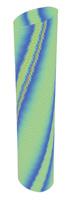
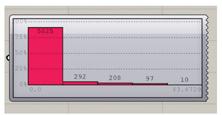
There is a high level of agreement of Scheme Design glazing workpoints and the newly generated workline, with 95% of the workpoints being within 10mm of the new workline, giving confidence in the method.
450mm Clading zone is required But SD model is not guaranteed.
Podium - System Designations
During the design phase, further optimization and standardization of the support configurations were carried out. For example, with the structural spacing now changed to 1.5meters, vertical framing is configured in smaller sizes and the frequency of the horizontal framing members is further reduced.
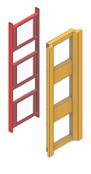
Typical Podium Cladding Assembly
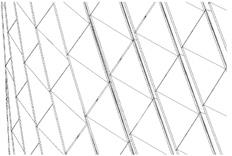
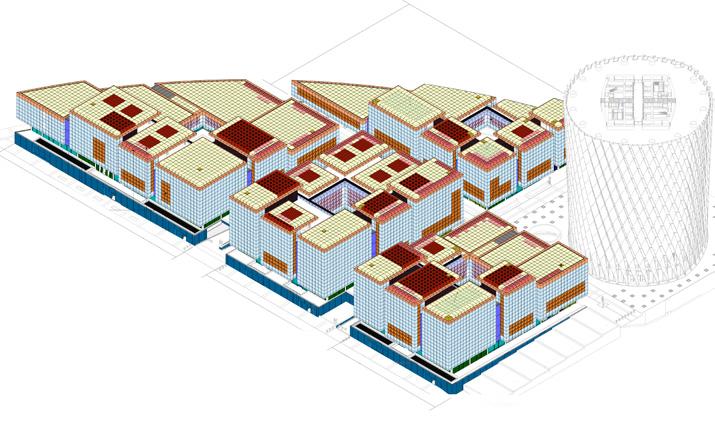
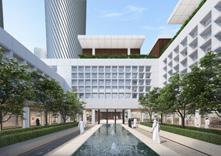
The podium buildings feature moulded concrete panels, giving the buildings a high thermal mass, with minimal punched windows that reduce the amount of light in the interior spaces. Each podium facade is defined by a regular grid of UHPC panels. A series of flat and open chamfered elements were individually optimized to respond to the local enviromental conditions.
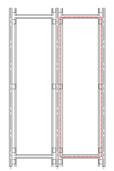
EWS-401 : PRECAST ULTRA HIGH PERFORMANCE CONCRETE PANEL RAINSCREEN SYSTEM
EWS-402 : PRECAST ULTRA HIGH PERFORMANCE CONCRETE PANEL RAINSCREEN SYSTEM WITH IGU [ATRIUM]
EWS-404 : PRECAST ULTRA HIGH PERFORMANCE CONCRETE PANEL RAINSCREEN SYSTEM WITH IGU [COURTYARD]
EWS-407 : STREET LEVEL 00 PRECAST UHPC PANEL RAINSCREEN SYSTEM
EWS-703 : ROOF SMOKE EXTRACT
RFS-401 : ULTRA HIGH PERFORMANCE CONCRETE PANEL ROOFING SYSTEM
RFS-402 : PRECAST ULTRA HIGH PERFORMANCE CONCRETE ROOF WITH IGU INFILL UNITS
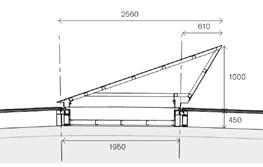
RFS-405 : WALKABLE GLAZED ROOFLIGHT
RFS-503 : PRECAST ULTRA HIGH PERFORMANCE CONCRETE OPEN PERFORATIONS ROOF PANEL SYSTEM
RFS-701 : UHPC ROOF GUTTER
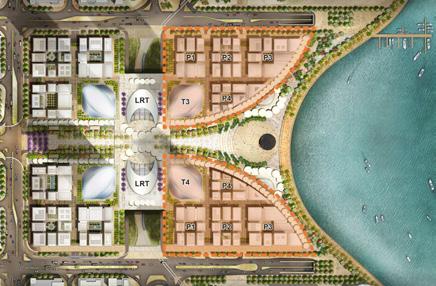
Masterplan
The project site is divided into four main plots surrounding the central plaza.
Plot 3 is located on the North-Eastern quadrant and is owned by QIA (Qatar Investment Authority).
Plot 4 is located on the South-Eastern quadrant and is onned By QCB (Qatar Central Bank).
The podium massing and public plaza area design are influenced by infrastructure in and around site. This includes the LRT public Transportation system.
Functional Program
View_ Podium facade from the Central square / from the Road outside / in the Courtyard / in the Artrium area
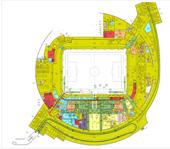
Al Thumama Stadium 03.2017 - 09.2019
Location Type
Architectural Value Engineering - Revised Schematic Design
As Heerim Architects & Partners worked with Tekfen Construction for the tender stage, we proposed value engineering items for all disciplines to optimize the world cup stadium design. Among these, in architecture part, the items that had the greatest impact on the architectural design were the reduction of the stadium height, the masterplan design and bowl figuration.
Lower Stadium Height
To maintain architectural features, such as the aspect ratio of the façade pattern, only the top part of the façade was trimmed, without compressing the entire façade area. However, this has brought significant changes not only in architecture but also in various fields such as structure and MEP. In the case of architecture part, the facade surface was reduced by 3,600 m², and the adjustment of sightlines for the upper tier seating required the reconfiguration of spectator seats, leading to modification in the bowl design and need for C-value adjustments as well. (FIFA’s requirement : 60mm, Final design : C-values 90 -> 75mm).
Client Size Doha, Qatar Football Stadium and Venues
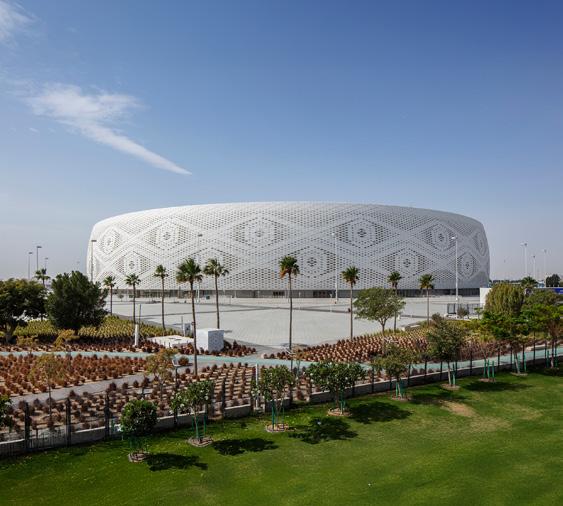
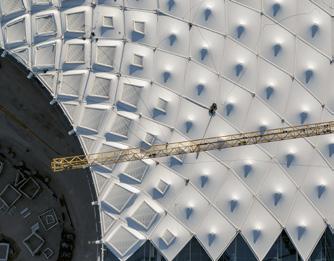
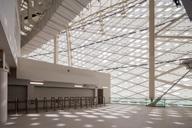
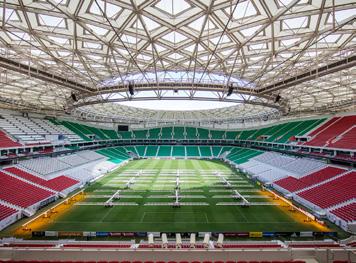
Qatar Al Thumama Stadium is a newly built stadium to host the 2022 FIFA World Cup Qatar™ where it welcomed 42,000 excited football fans for matches up to the quarter-final. The massing and façade design of the stadium was inspired by the traditional woven cap known in Qatar as the “Gahfiya”. The stadium was designed with the images of floating from the ground that radiates a deceptive lightness and transparency while the crowd to easily access to the stadium as well as participate actively in the World Cup events.
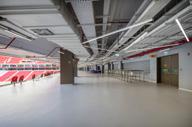
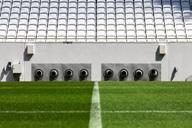
Moreover, a state of the air cooling system was built for all athletes as well as spectators considering the desert climate in Qatar. After the World Cup, the stadium will be reduced into a 20,000-seater stadium and the excess seats will be removed and converted to the home stadiums for the two local football clubs. In addition, while satisfying the Global Sustainability Assessment System (GSAS) eco-friendly design standards, the upper tier of the stadium will be removed and transformed into a boutique hotel with a capacity of 60 rooms, as well as clinic for the athletes in the stadium’s “Legacy” mode.
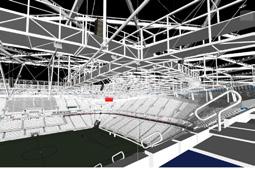
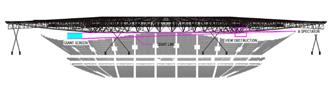
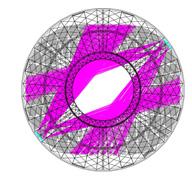
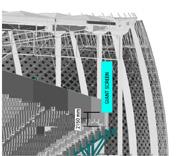
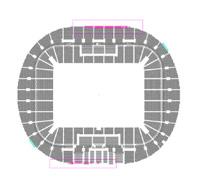
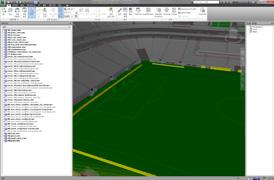
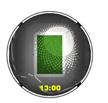
For the developed design period, one issue that arose was due to the figuration of the bowl and the roof structure. Many seats had obstructed views of the giant screen, like the image left, so I developed a solution by linking the Revit model to Rhino 3D and using a Grasshopper algorithm to identify seats with an obstructed view. (A)
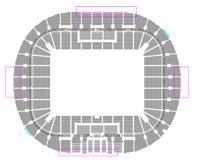
By adjusting the giant screen position from its original location (B), I was able to minimize the number of seats with an obstructed view of the giant screen to 265 (C). These 265 seats were eventually relocated for a non-obstructed view, or removed, by revising the bowl layout of the spectator seats.
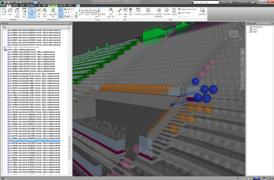
In addition to the giant screen, actual view of gameplay on the pitch can sometimes be blocked by stadium structures or safety railings. Similarly, clash analysis by the same methodology was used to identify these obstructed seats. The issues were addressed by introducing transparent railings and optimizing the seating layout. Finally, the analysed model was converted into Revit and Navisworks model for client meetings.
Schematic Design Revised Schematic Design
View Obstacle for Players’ Pitch
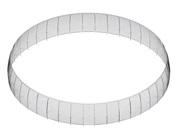
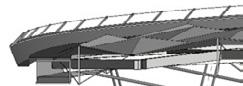
As a Roof & Facade design manager in the Architecture team, I coordinated with other disciplines, such as Structure, MEP, Life&Fire Safety, the Lighting team, and so on. The main coordination work was with the Structure team. The stadium facade main structure is based on around forty vertical beams that support the roof. These are displayed every 18m following the radial pattern of the roof’s main Structure. These 40 vertical beams are grouped in eight structural frames that are horizontally reinforced with upper and lower facade trusses. The total facade area is 24,612m². The facade upper edge has a diameter of 235.3m and the lower edge diameter is 240.3m.
Roof Design
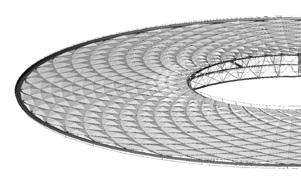
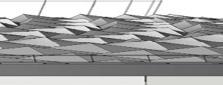
The roof diameter is 230m, the total area is 35,183m². The oculus placed in the middle of the roof to allow light to enter has a diameter of 90m. There are two kind of membranes. One translucent finish for covering the main roof area, and an other transparent finish to achieve sun lighting on the pitch. There are four hierarchy levels in the roof:
C.D.M.
During the design process, the architect is responsible for preparing and maintaining the CDM Health and Safety File in accordance with the Construction Design and Management Regulations. Since I had managed the roof & facade design, naturally I had worked on C.D.M. This is because most items in the C.D.M of a stadium are related to the roof and facade design.
FIFA Compliance
I also managed the FIFA Compliance report throughout the whole design period. The design was developed to reflect the increasingly standardised nature of layouts, sizes and provisions required to host the 2022 FIFA World Cup Qatar ™.
Basis of Design
Basis of Design report is a comprehensive design report for the world cup stadium including all design disciplines. I was charged with the submission of this report. Excellent communication skills based on all other parts of the design schedule and an understanding of all other disciplines designs were essential for this report.
Voxels
Design Work 2016)
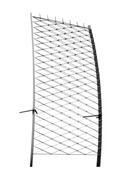
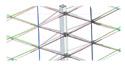
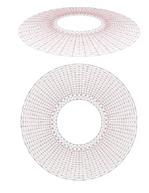
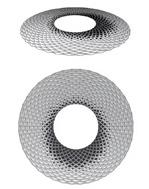
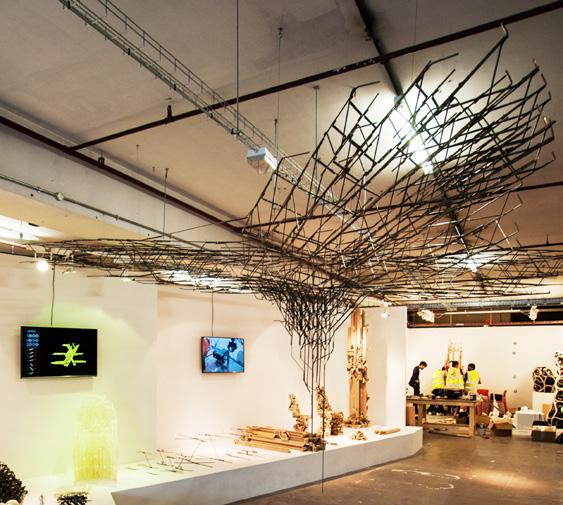
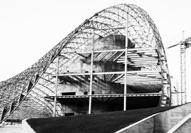
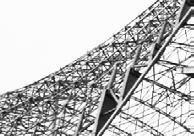
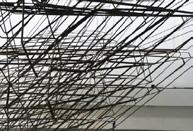
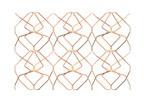
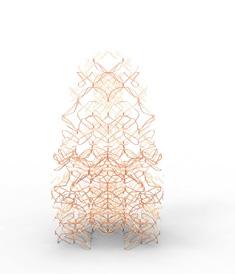
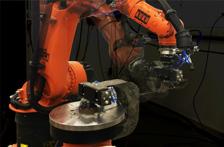
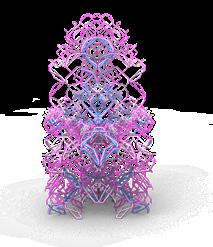
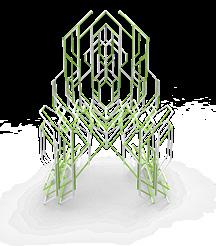
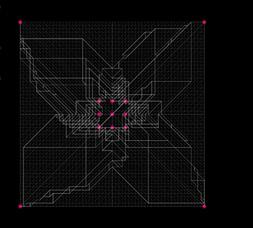
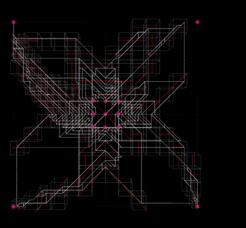
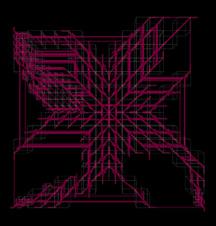
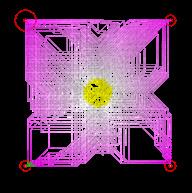
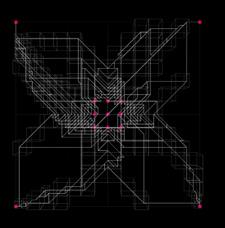
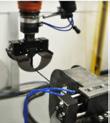
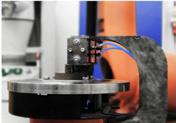
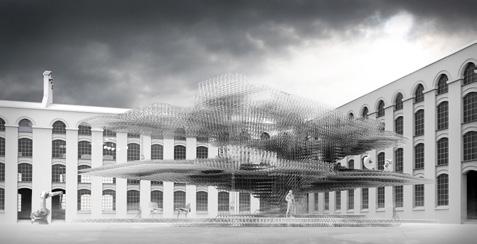
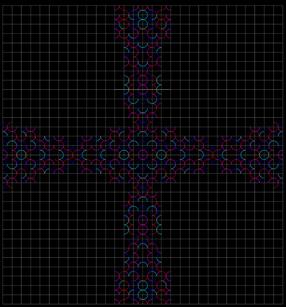
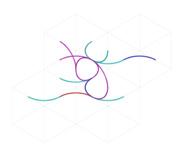
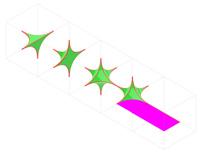
This research challenges the limitation of “SPACE FRAME” in architectural design and fabrication methodology with computational design and robotic production. When it comes to computational design, the project performs based on “Voxels” and “B.E.S.O.” (Bidirectional Evolutionary Structural Optimization). In terms of robotic production, it works with robots, bending and assembling metal wires.
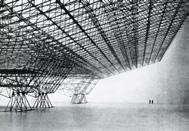
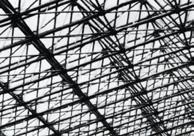
Space Frame : Homogeneous pattern and shape from Modernists.
Zaha Hadid : It shows a heterogeneous shape. Nevertheless, since every steel element is diffrent, it takes a longer time and results in increased expenditure in fabrication and assembly.
Robotics : The Project ‘Cloud of Venice’ where the most advanced techniques was applied in terms of wire fabrication by robot arm, but still has a repetitivem homogeneous shape without structural optimisation.
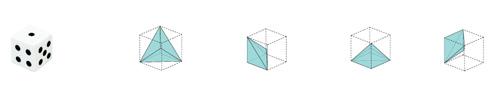
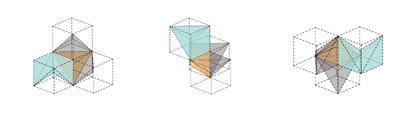
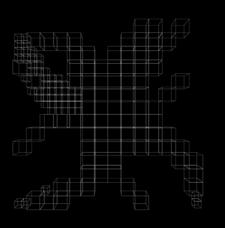
The beauty of a voxel lies in the fact that when a single unit is well designed, it can generate a wide variety of patterns through different combinations. We dislike homogeneity.
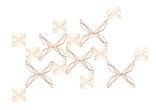
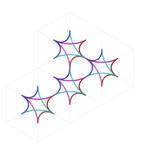
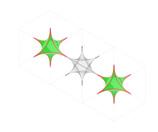
Each voxel contains unique 3D data, and when the method to combine this data is provided, the overall voxel space is read as one structure.
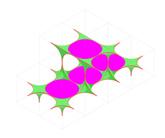
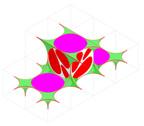
Combination of Voxel with generating algorithms
HOW
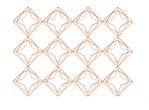
These images show that the combination of voxels can make different aggregations and patterns when they connect with each other.
Robotic Bending with structural optimization
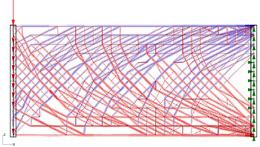
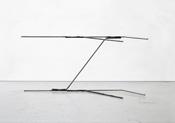
B.E.S.O. (Bidirectional Evolutionary Structural Optimization) is the most suitable solution for metal wire structure. The wire frame is most appropriate and is the proper parametric design material which can be changed under variable conditions. Above also shows a cantilever after applying the “BESO for Beams”-component on it. The algorithm works on beam and truss elements only.
Clouds of Venice, Supermanoeuvre, 2015
Roof Construction for Aircraft Hangar, Konrad Wachsmann, 1953
Heydar Aliyev Center, Zaha Hadid, 2007
(Bidirectional Evolutionary Structural Optimization) is the structural optimization to produce the best or most appropriate design according to the objective for the structure. This could mean finding the optimum material, shape, size, thickness, temperature or weight for the structure, under the expected conditions.
Computational Process
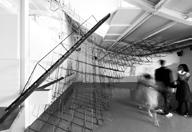
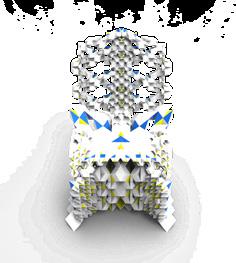
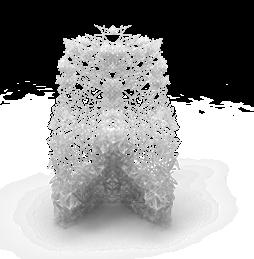
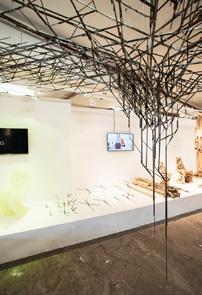
Physical Slab For Exhibition
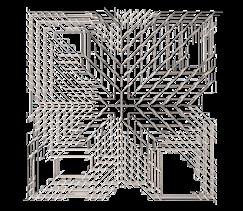
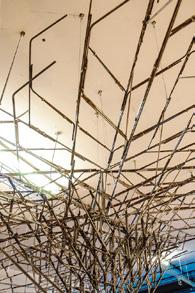
This differentiated and efficient structure is composed of welded voxel-like units which always consist of the same serialized elements. The body-plan of these voxels changes according to their local condition. For example, the direction of the triangulations has to be varied to establish truss-like behaviour. Depending on the forces active in the structure, some areas are reinforced with extra rods. This process introduces extra hierarchy into the structure.
In the robotic bending process, focusing on fabricating metallic elements precisely, mass production was achieved and, in three hours, 150 pieces were bent. For the final exhibition, discrete voxels alllowed this performance very well. As a consequence, metallic discrete voxels achieve flexibility and changeable in the combinatorics and making the heterogeneous shape.
Architectural Speculation
The architectural speculation approves the strategy to the large scale as a building. The strategy will fabricate kit-off parts off site (similarly to prefabrication). The in-house fabrication will be used the technique of robotic assembly and robotic welding at the same time for a few voxels.
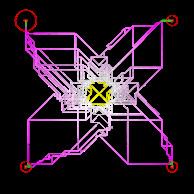
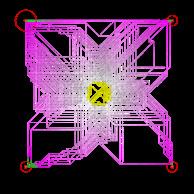
Voxel Types
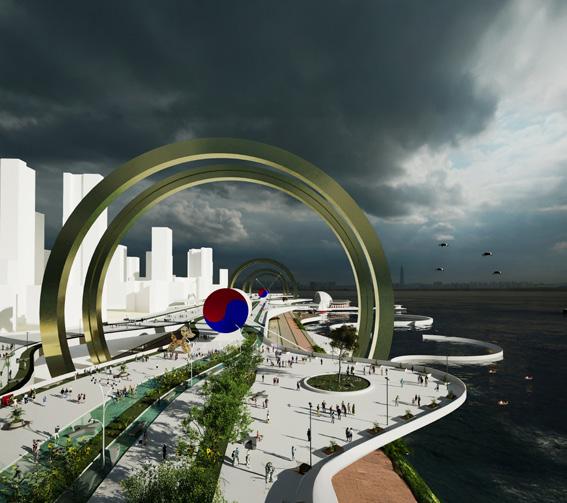
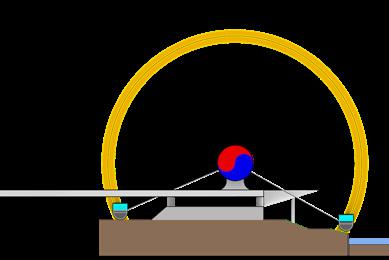
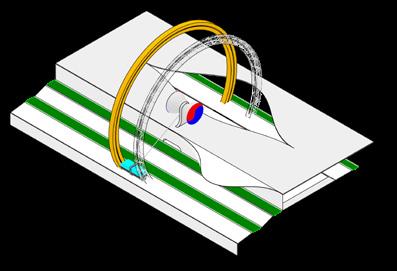
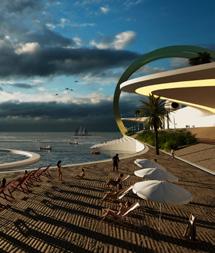
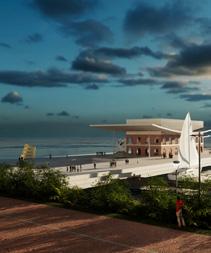
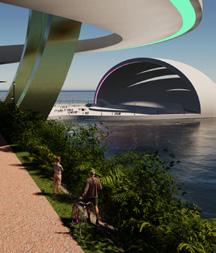
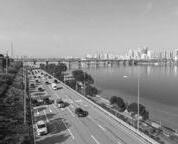
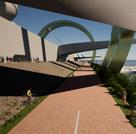
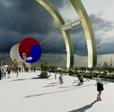
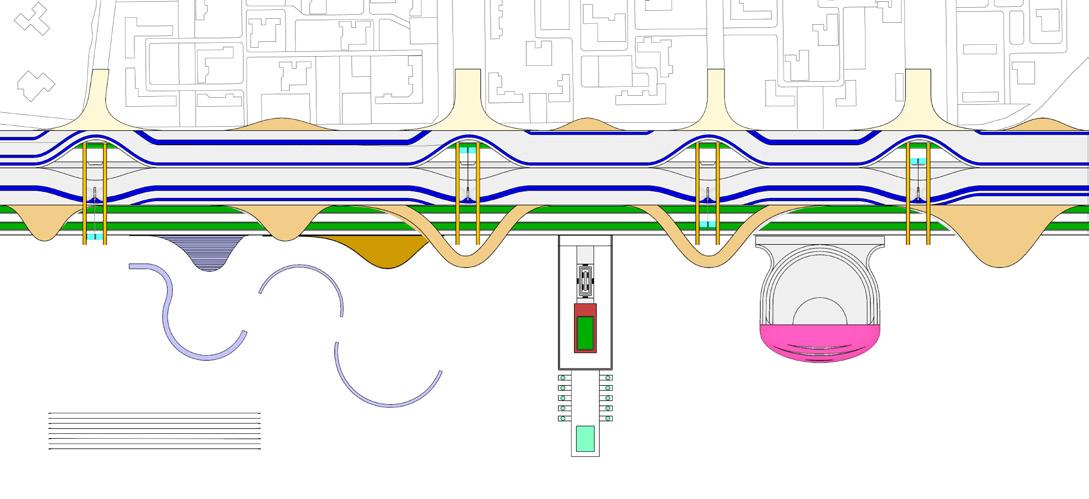
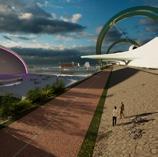
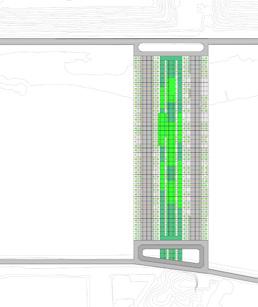
Loft up aimed to extend and connect Seoul’s urban fabric with Han River, which has been fragmented by expressways, and to propose a new style of waterfront. Loft up proposed a gondola system utilising a monorail structure system to overcome differences in elevation, improve accessibility across various levels, and create new vantage points for city and river views.
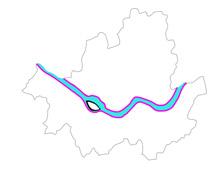
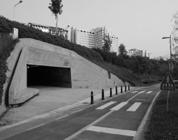
Due to the rapid industrialization of South Korea, Seoul’s Han River has become a “Desert of water” by two expressways which run along both banks of the river. However, the expresssways also cut off the realtionship between the river and citizens by blocking pedestrian access to the river. Today, the only ways for pedestrians to reach Han River are through 61 irregularly placed underpasses scattered across the city, or by descending directly from a few of the river bridges. Due to these structural conditions, the 1.2-kilometer-wide river at the heart of the city has turned into a desert-like space, largely disconnected from the everyday lives of its citizens.
System Diagram
Wide Open
(Idea Competition for the Seoul Central Train Station) Excellence Award, 07.2024
Location Type
Client Size Seoul, Korea Competition, Masterplan Seoul Metropolitan Government 97,967 m²
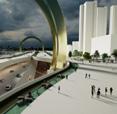
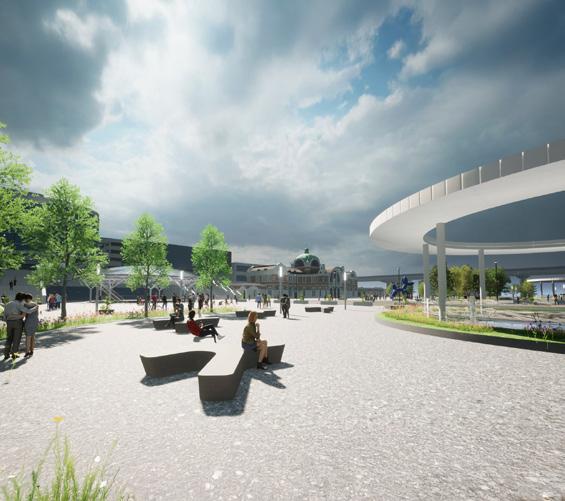
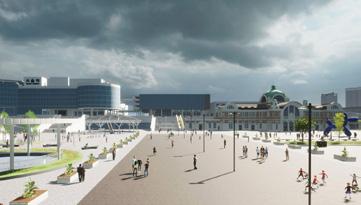
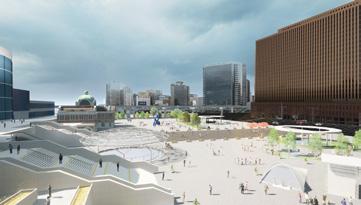
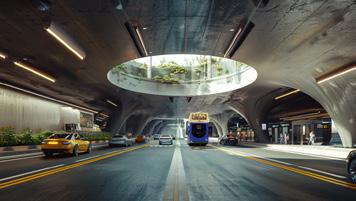
Wide open is a proposal for Seoul central train station area aimed at restoring the symbolism and publicity of Seoul station and its plaza, as a national central station of Korea. The proposal envisioned the undergrounding of the existing car roads in front of the Seoul station in order to expand the plaza and create a park as a form of the multi-layered pedestrian environment.
Expansion of the Plaza (Connnecting to Seoul-Ro)
The expanded plaza will serve as a hub for travelers passing through Seoul Station and visiting the area. In particular, by expanding the connection points to Seoul-Ro through the plaza, it allows a three-dimensional pedstrain enviornment in the Seoul Sataion area, and Namsan Park as well.
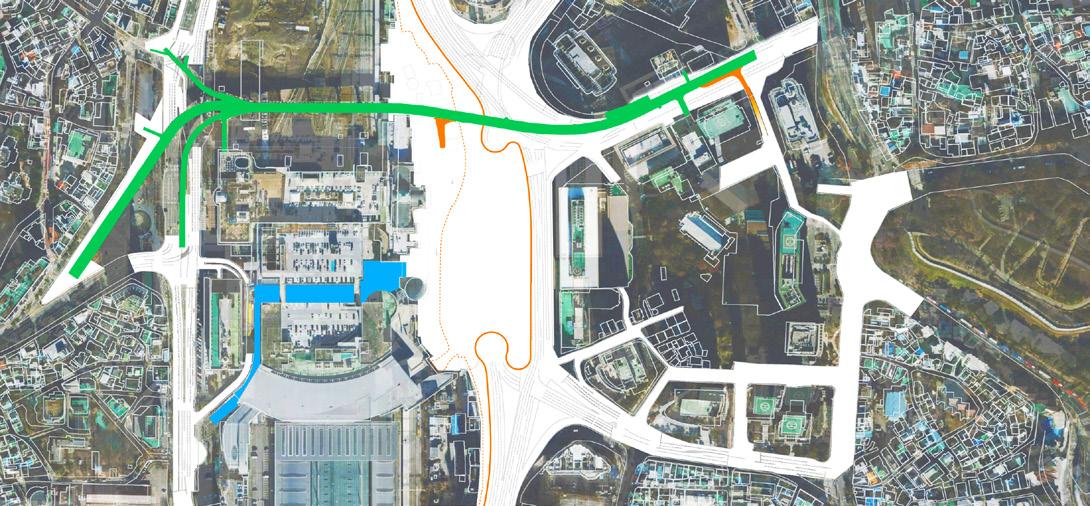
Undergrounding of Roadways
By relocating or undergrounding the six-lanee roadway for the bus and taxi stand, the expanded plaze above will secure greater public accessibility and environmental comfort. The lowered level of the road and drop off-zone is also expected to strengthen connections to surrounding metro stations for travelers and visitors.
Culture Platform (Pedestrian Improvement Area)
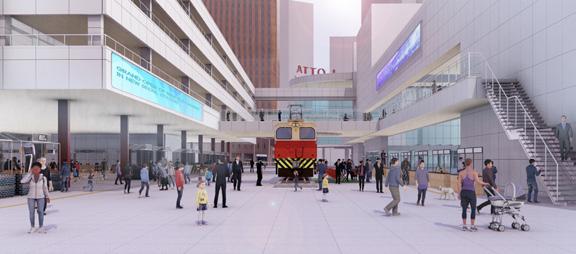
In contrast to the high population density of Seoul Station and surrounding commercial facilities, the outdoor spaces in the station grounds have become areas largely avoided by the public. To revitalize these spaces, the plan proposes utilizing them as a cultural patform as flea markets, smallscale performances, and exhibitions.
Extension of Plaza
NamSan Park
Connection to Seoul-ro
Pedestrian Impovement Area
Image_ Extension of Plaza
Image_ Undergrounding roadways and Connection to Metro
Seoul Gate
Selected Work, 09.2023
(The 4th Seoul Biennale of Architecture and Urbanism 2023)
Location Type
Client Size Seoul, Korea Competition, Infrastructure Seoul Metropolitan Government 582,297 m²
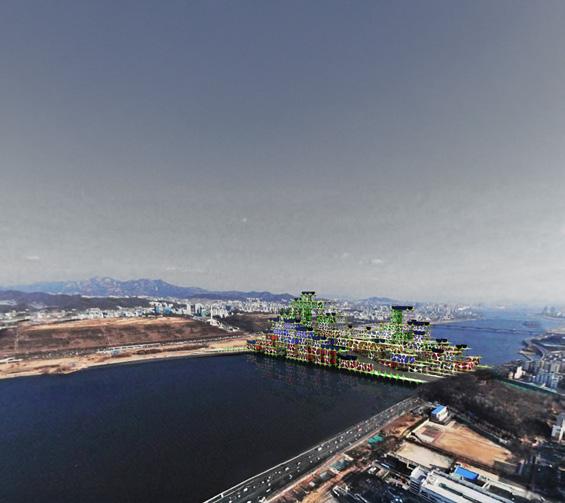
Voxel (the unitized structure utilized by the design) proposes a variable and solid urban architecture. Each Voxel unit can be multiplied and type modified as needed and stacked with the aim of becoming a new topographical architecture on the Han River. In this scenario, the units are concrete but variable, stacked but open, with the designer anticipating that the end urban architecture will look like numerous mountains, wind pathways, and waterways in Seoul and South Korea.
The Voxel type can be combined together to produce the required structure. In addition, this combined Voxel methodology provides space for the creation of slabs and walls as needed, with various programs for citizens installed into it. Finally, this urban architecture connects the South of Seoul with the North and allows people to enjoy Han River.
City of Mountain ranges, Waterways and Wind Breezes
Nanji Han River Park: Jeungmin Mountain – Until now, the site location has effectively maintained its natural greenery as well as the ecology of the Han River by largely avoiding urban redevelopments. The area is significant as the gateway to Seoul, with many people gathering their first impression of South Korea, and Seoul, when passing through the gateway from Incheon International and Gimpo Airports - where lively human and material resource exchanges take place.
In this context, the designer has created a futuristic urban architectural design which allows the mountains, the river, the wind, and humans to work together in harmony at the location.
Computational Logic
Unitized Voxels can combine to form the required structures. The combined Voxel types provide space for creating slabs and walls according to architectural needs, and various programs are inserted into the space. Structures shall be formed through the way of stacking and repetition with structural units. Finally it allows for facade planning, finishes, and outdoor space in response to the architectural programs. Seoul Gate also considers robotic fabrication and assembly using advanced digital fabrication technology.
Unit Developments
Voxel Catalogue
Aggregation
Culture Complex
(Design Competition for Multi-Complex Cultural Centre in Paju Book City)
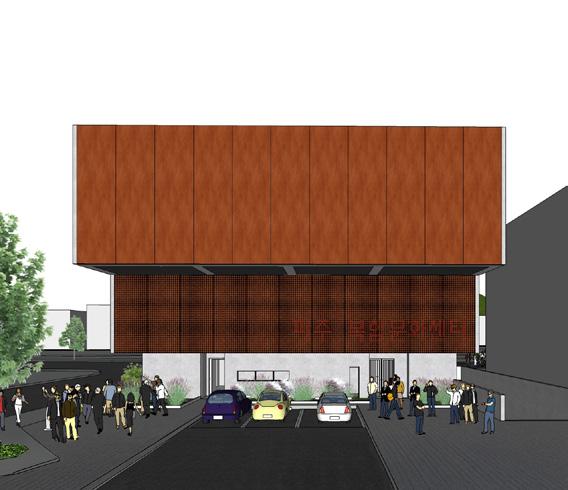
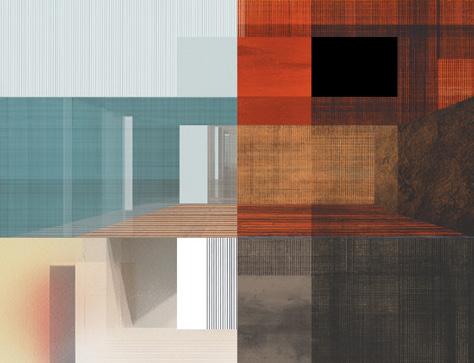
Traditional publishing process meets new media and thoses are to coexist. Considering the façade materials, the light transmission from the facade to interior space was adjusted on each elevation.
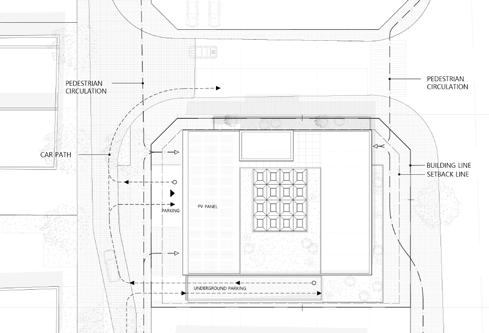
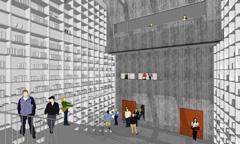
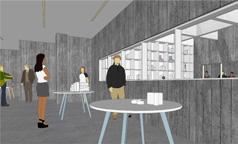
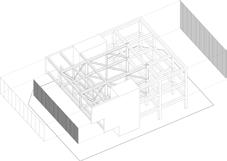
Culture Complex is a multi-cultural building which features exhibition, lecture, and office spaces, as well as digital studios for filming and editing in accordance with the era of new digital media. Studio Index designed gradual types of façades from closed façades for digital media production spaces to semi-transparent façades for office areas, and a clear roof façade for the court yard area. In addition, the design utilised a cantilever structure with a steel truss to encourage pedestrian inflow, and also created a contrasting façade on the opposite main road side by using polycarbonate panels.
The interior courtyard was utilized to create a harmonious composition between open and enclosed spaces for each program.
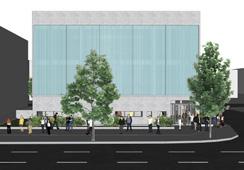
The First Bell Tower in Cambodia
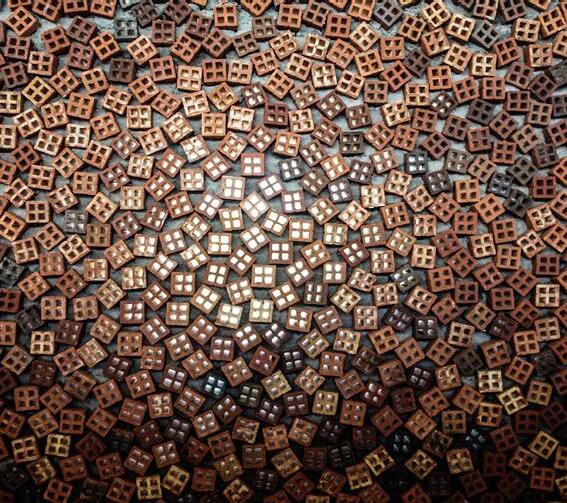
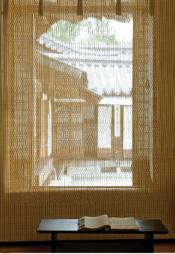
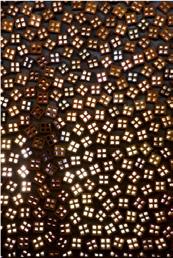
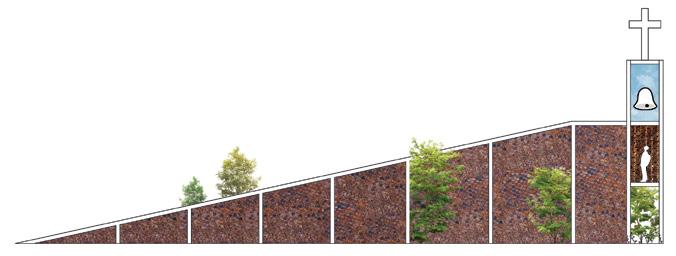
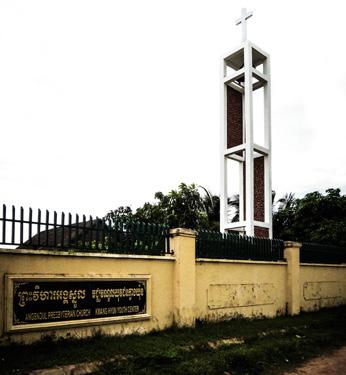
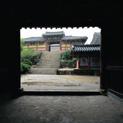
The first bell tower in Cambodia. The bell tower was designedto consider the local hot and humid climate. The facade of the bell tower was designed with side patterns using local bricks, to generate self-shading and enhance thermal comfort inspired by the Korean traditional shading technique called “BAL(발)”.
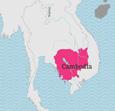
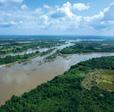
Indochina is a soft land shaped by mud carried along the Mekong River. The muddy ground, high temperatures, and humid air are distinctive features of Cambodia’s environment. Conditions of the Land
Local Brick to the Translucent Blind “BAL(발)”
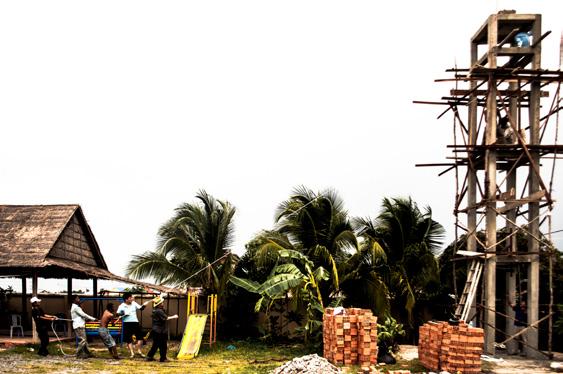
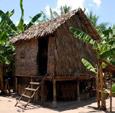
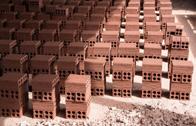
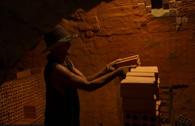
While staying at a construction site in Cambodia, I realized that, as seen in local architecture, creating shade and ventilation in response to the climate is an essential aspect of building here. In order to bring shade into the courtyard, square Cambodian bricks with openings were stacked, creating a translucent façade that gently filters the light and wind.
Local Brick in Cambodia BAL
Sungwon Apartment Renovation
Location
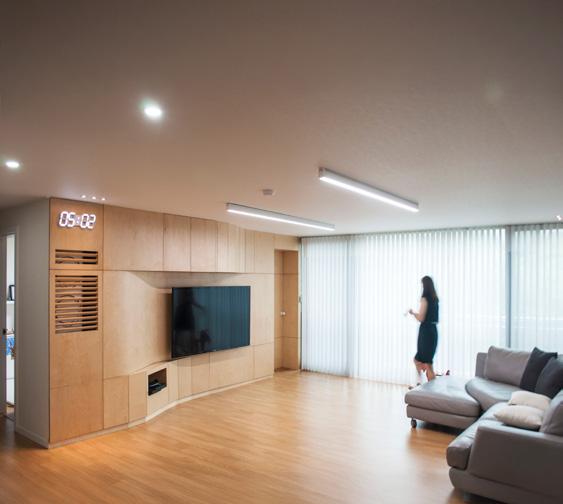
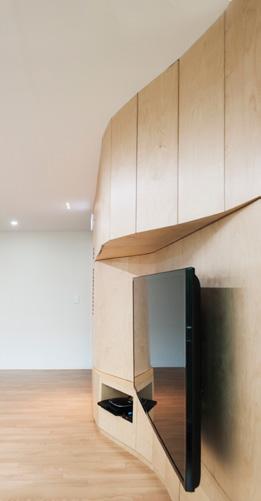
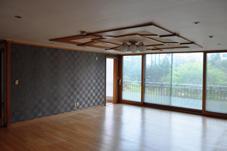
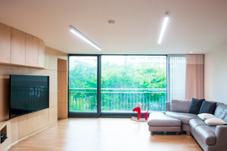
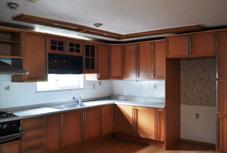
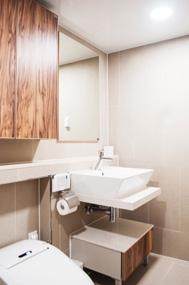
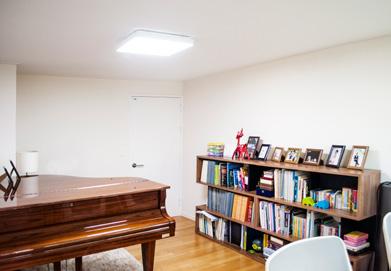
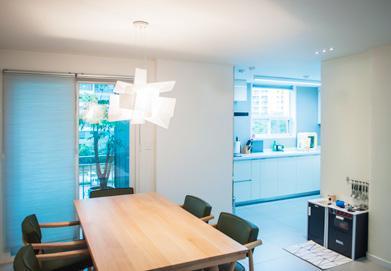
Renovation project for a 30 year old apartment in Seongnam, Korea. Studio Index managed not only the design process but also all the construction process from demolition, the procurement of materials, and the supervision of construction.
The residential interior design of the 80s mirrored the chaotic urban development of the time in Korea, marked by eclectic, trend-driven, and culturally ambiguous styles that lacked a clear identity. In response, this design aimed to move beyond passing trends, focusing instead on expressing the homeowner’s individual taste and personality.
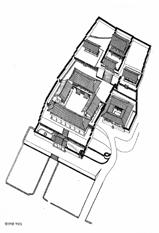
Bongjae-Ri House
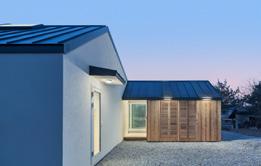
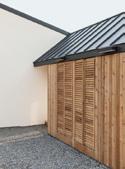
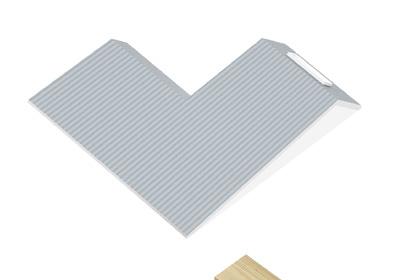
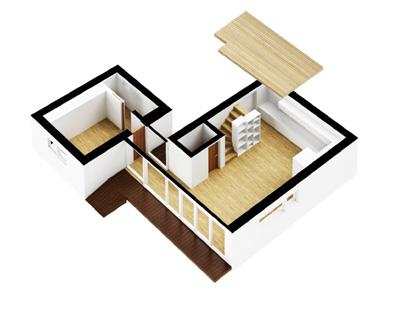
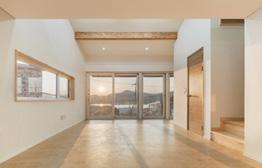
Link box. The volume that serves as a key spatial element in the house, it defines the boundary between the front and rear courtyards and simultaneously connects the master room with the living room.
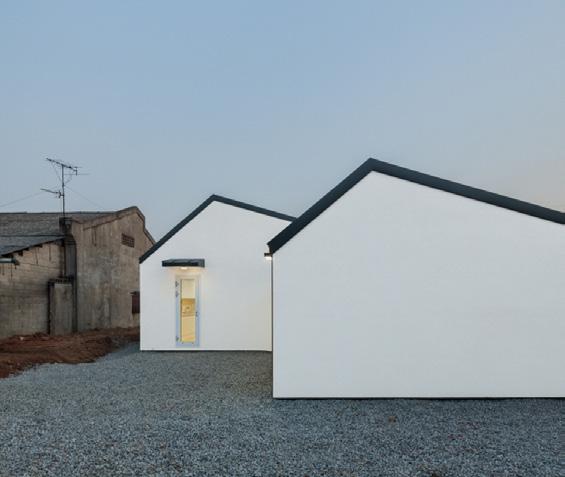
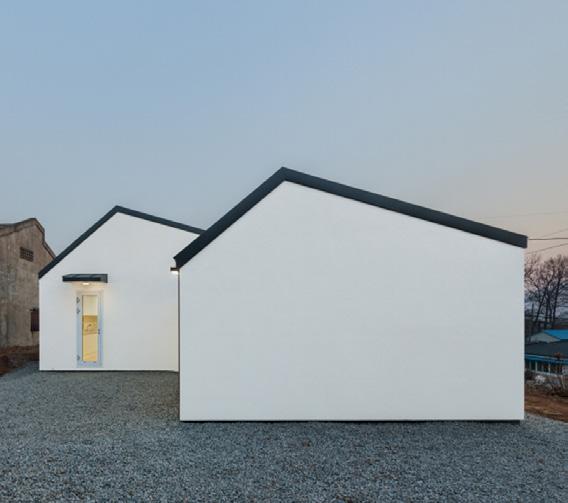
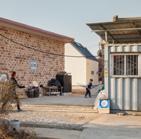
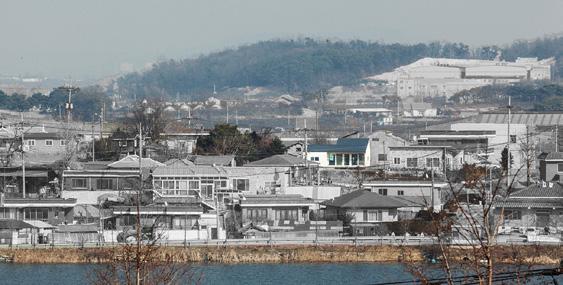
During the 1970s and 1980s, as Korea underwent rapid economic growth, rural houses were built hastily and indiscriminately under the sweeping wave of modernization. In such a residential context, I believed that a calm and modest house should serve as a necessary model for this land.
A minimal house for an elderly woman in the suburbs of South Korea working within a limited budget of £75,000, the project aimed to enrich the living space by incorporating various distinctive elements of traditional Korea architecture.
Mezzanine
Mezzanine Floor
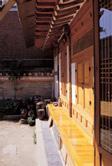
Jock Maru is a narrow wooden veranda found in traditional Korean houses. On a practical level, it provides shelter from the rain. Socially, it's a place for people to chat, and for children to play with their friends.
Seoul
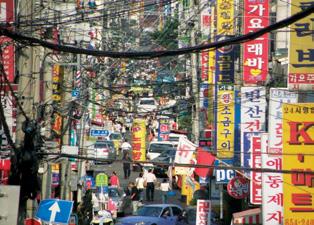
Unlike Europe, which underwent a long process of industrialization and modernization, Seoul has turned into a city with no identifiable nationality due to its reckless urban sprawl and construction boom after colonial experience and Korea war in the early-mid 20th century. In this context, minimalism in Korea is not the monotonous modernism seen elsewhere, but rather an ironic shock that stands in stark contrast to the current state of Seoul’s streets. Much like cleansing the palate before tasting a new dish, Seoul at that time needed to revisit the stages of transformation that had skipped. Sinsa 561-1
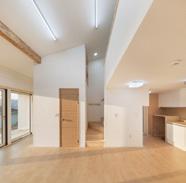
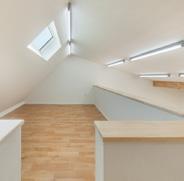
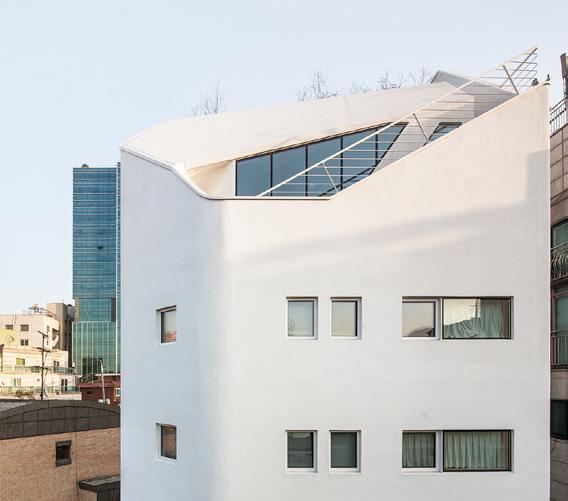
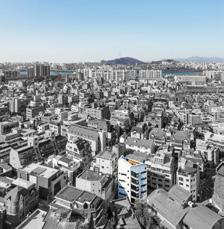
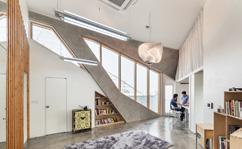
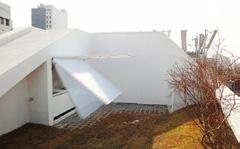
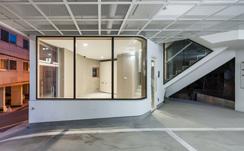
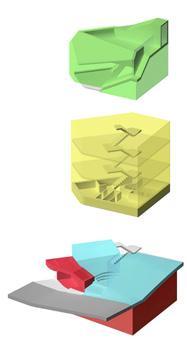
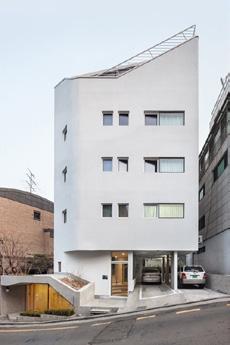
A five-story neighborhood living facility in Gangnam, a symbol of moden Seoul, South Korea. The project’s challenges were to maximize the permitted floor area within the conditions of a narrow (145m², Building coverage rate 50% -> 72.5m²) sloped site(3m), and to utilise the basement floor effectively. This project was completed with a total floor area of 360m² under a floor area ratio (FAR) of 250%.
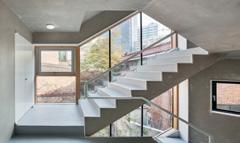
In contrast to the complex streetscape of central Seoul, the design aimed to create a simple and clean façade. Full-height glazing was applied to the stairwell to maximize the usable floor area and secure a 1.2-meter stair width within regulatory limits.
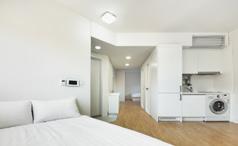
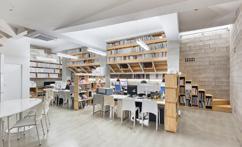
Basement is designed for architecture design office, 4F is a studio and 1F, 2F, 3F are utilised as resident studios for rent.
Erborian Cosmetic Shop
How academic research can evolve into architectural design?
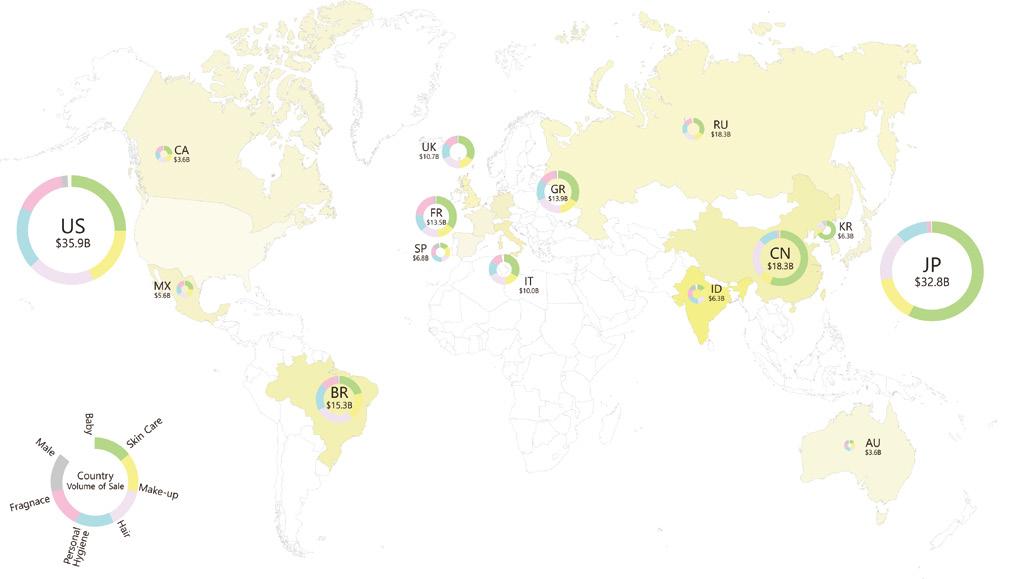
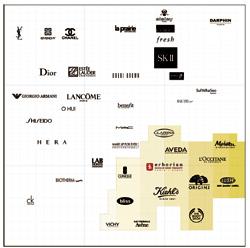
For the launch of a newly rebranded cosmetics brand, I analyzed the market, consumer demand, and brand positioning through an
methodology, and through the research presented a appropriate brand vision with interior design.
Cosmetics : “Care substances used to enhance the appearance or odor of the human body. They are generally mixtures of chemical compounds, some being derived from natural sources, many
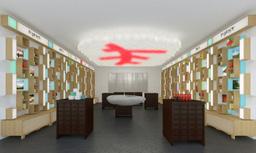
Presentation Wall
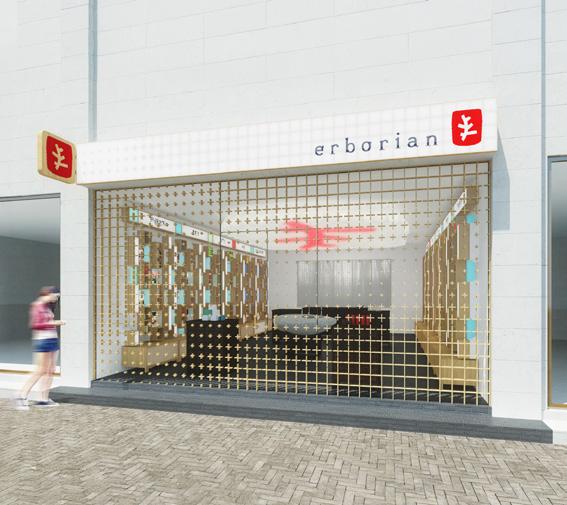
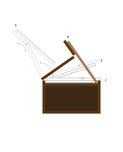
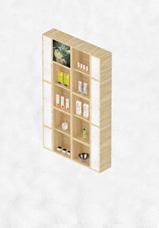
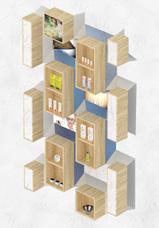
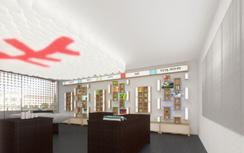
Interior design for a renowned global cosmetics brand in South Korea. The design process went beyond interior design to include market analysis and branding, and to define the brand’s identity. The proposal also included a parametric façade, and a flexible presentation wall inspired by the mechanisms of traditional Korean cosmetic tools.
Ullmann's Encyclopedia of Industrial Chemistry
Public Toilet in Paju Book City
Location Type
Client Size Paju, South Korea Public Toilet Cooperative of Pajubookcity
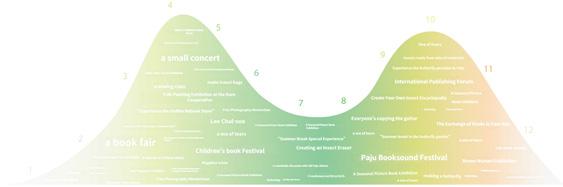
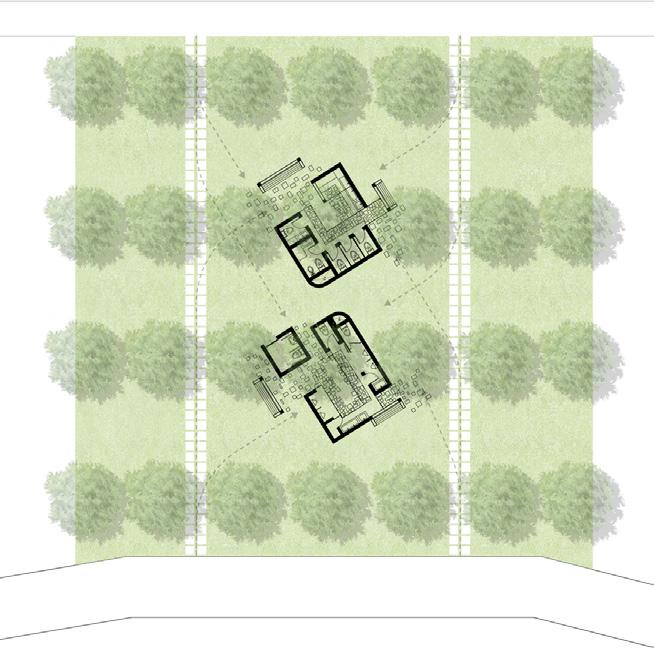
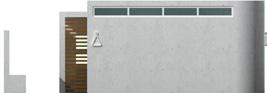
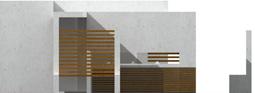
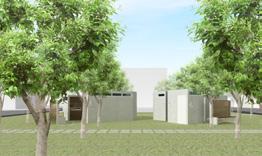
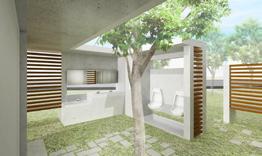
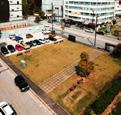
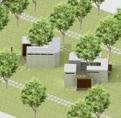
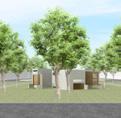
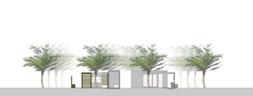
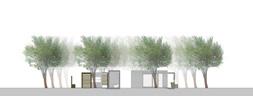
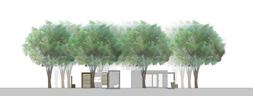
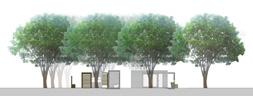
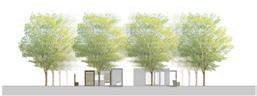
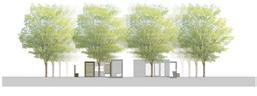
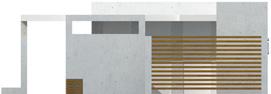
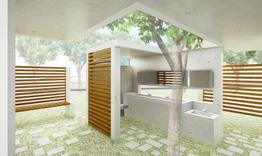
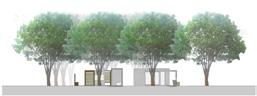
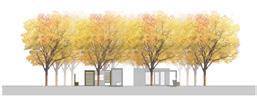
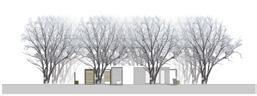
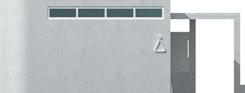
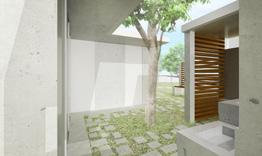
A public outdoor restroom for Book City in South Korea. The project aimed to create a unique concept for the city, and to incorporate a flexible capacity design to accommodate the distinct seasonal changes in Korea as well as the demands of outdoor events.
Korea is a country with the distinct and intense seasons, with a temperature difference of over 45 degrees between summer and winter, which is rare in the world. In summer, temperatures soar above 35°C, while in winter, they drop below -10°C.