

Advancements in Veterinary Ophthalmology: A Comprehensive Guide to Diagnosing and Treating Canine Cataracts dogwithsickness.com
Canine cataracts are a common eye condition characterized by the clouding of the lens, leading to vision impairment in dogs. This opacity obstructs light from reaching the retina, resulting in blurred or decreased vision. Understanding the causes, symptoms, and treatment options is crucial for preserving your dog's visual health and overall well-being.

dogwithsickness.com

Causes of canine cataracts include aging, genetics, diabetes mellitus, trauma, or exposure to certain medications.
Symptoms typically include a cloudy appearance in the eye, decreased vision or blindness, reluctance to navigate unfamiliar surroundings, increased clumsiness, and changes in behavior or activity level. Early detection and veterinary evaluation are essential for proper management and treatment.

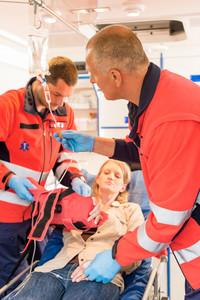
Diagnosing canine cataracts involves a comprehensive eye examination by a veterinarian. This typically includes visual inspection of the eyes, assessing the opacity of the lens, and evaluating the extent of vision impairment. Additional tests such as ocular ultrasound or electroretinography may be conducted to conrm the diagnosis and assess the overall health of the eye.
dogwithsickness.com
Post-operative care and follow-up for canine cataract surgeries involve diligent monitoring and adherence to veterinary instructions. This includes administering prescribed medications, preventing eye trauma, and attending follow-up appointments for monitoring healing and vision restoration. Owners must closely follow post-operative guidelines and promptly report any concerns to the veterinarian. Long-term follow-up may involve periodic eye examinations to detect complications. By providing attentive care and adhering to follow-up appointments, pet owners play a vital role in ensuring successful outcomes and preserving their dog's vision and overall eye health post-surgery.
dogwithsickness.com
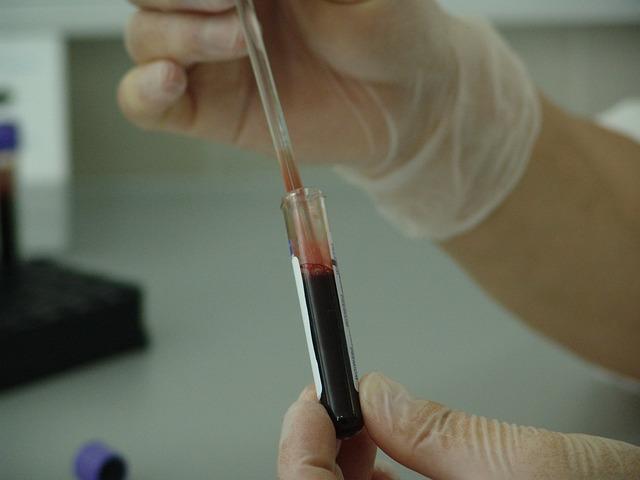
Complications and risks associated with canine cataract treatment can include post-operative inammation, infection, and corneal edema. Additionally, there's a risk of lens capsule rupture during surgery, leading to increased intraocular pressure and potential vision loss. Other complications may include glaucoma, retinal detachment, or delayed healing. Close monitoring and prompt intervention by a veterinary ophthalmologist are essential to minimize risks and address any complications that may arise during the treatment process.
dogwithsickness.com
Advancements in technology and techniques have revolutionized canine cataract surgery, leading to improved outcomes and reduced risks. Modern surgical approaches, such as phacoemulsication, allow for smaller incisions and quicker recovery times. Advanced intraocular lens implants can provide better visual outcomes, reducing the need for post-operative glasses or contact lenses. Additionally, the use of femtosecond lasers enables precise incisions and enhances surgical accuracy. These advancements, coupled with improved anesthesia protocols and post-operative care, have signicantly elevated the standard of care for canine cataract surgery, enhancing the quality of life for aected pets.