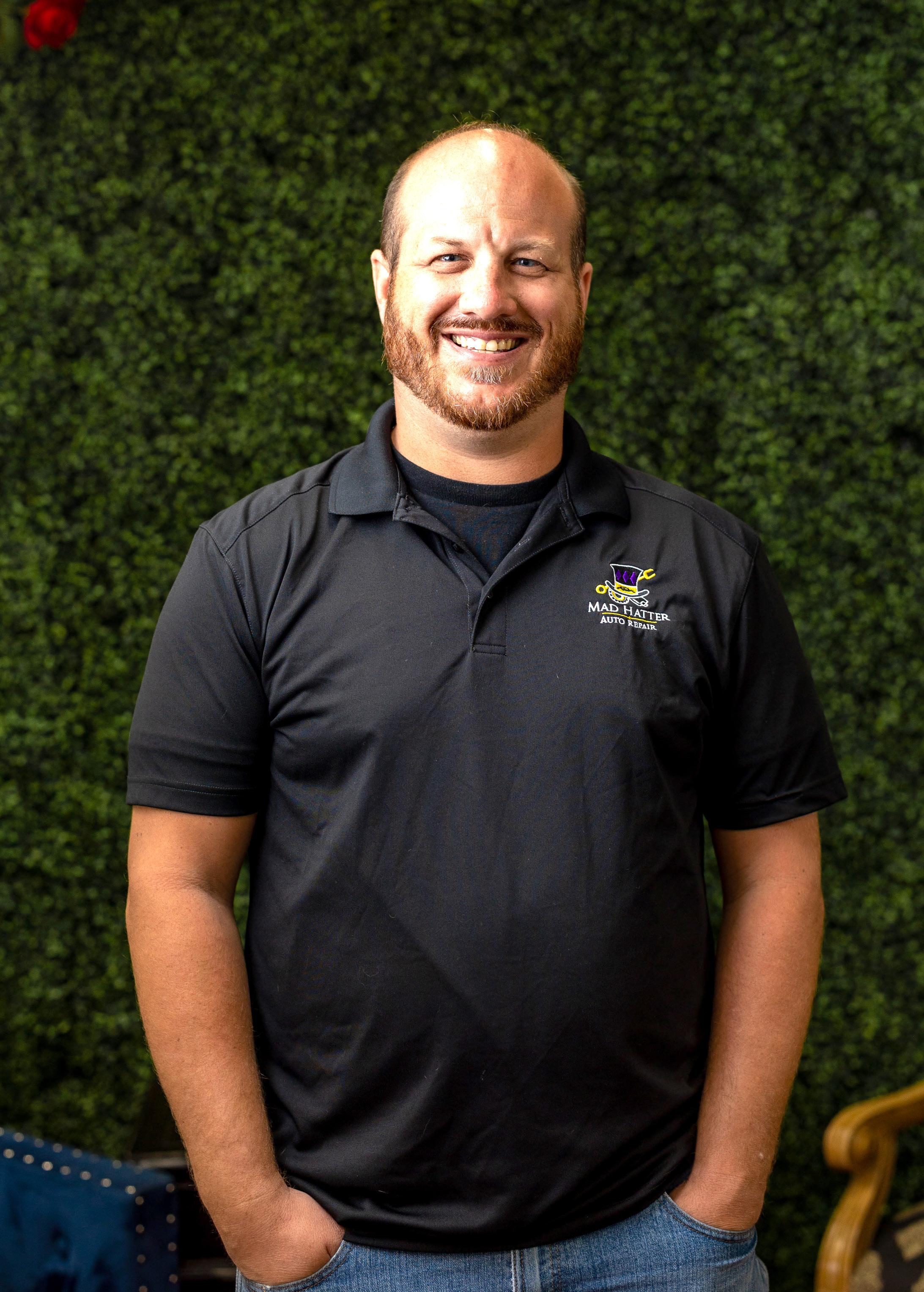
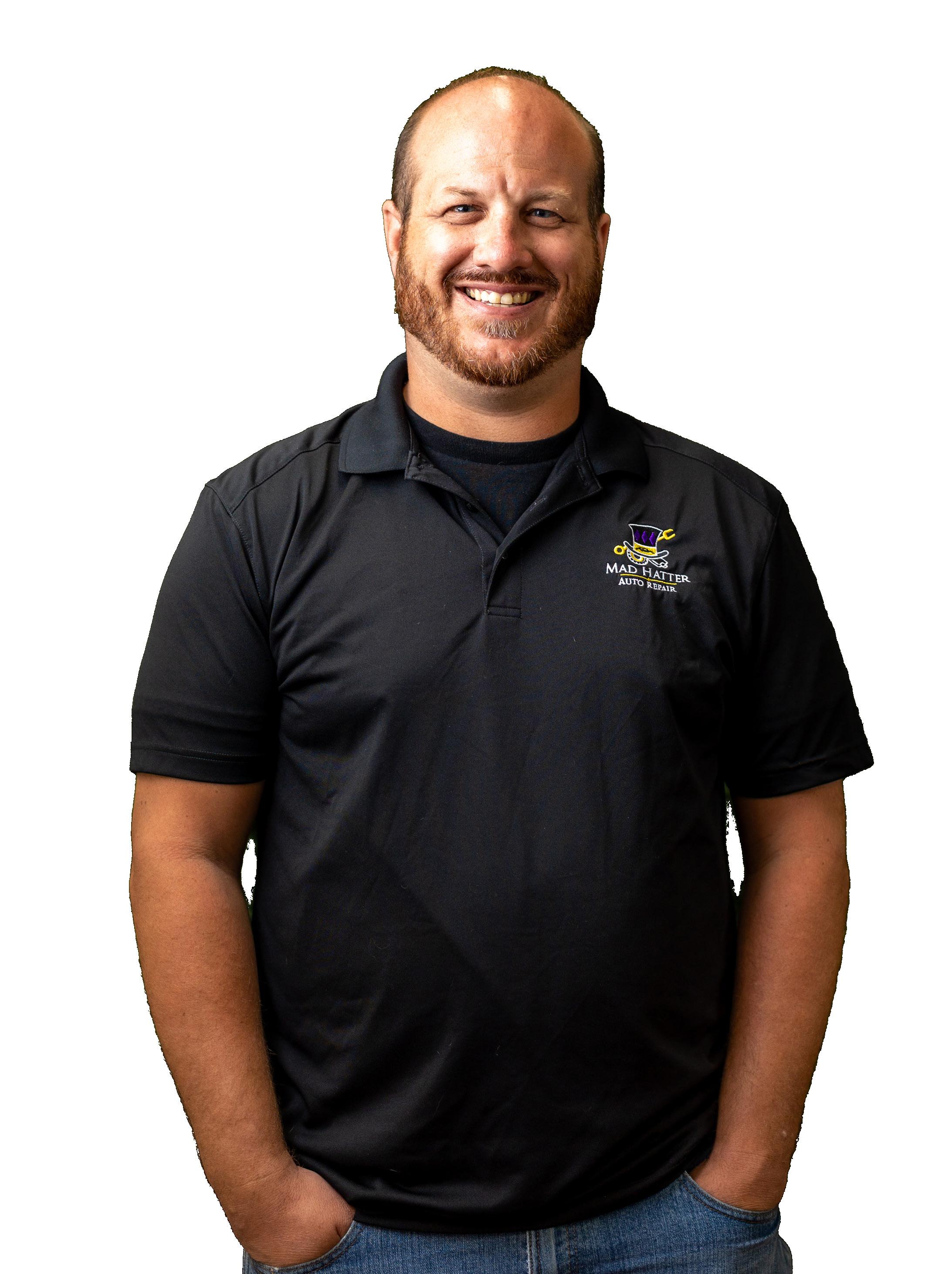
ZACH HAVER, OWNER of Mad Hatter Auto Repair in Omaha, Nebraska, takes a head, hands, heart approach to evaluating employees and whether they’re
good fit
his team.


NAPA SMART SIGN PRO
PROimage Co-Branding Program
4-Star








PROimage Co-Branding Program
4-Star


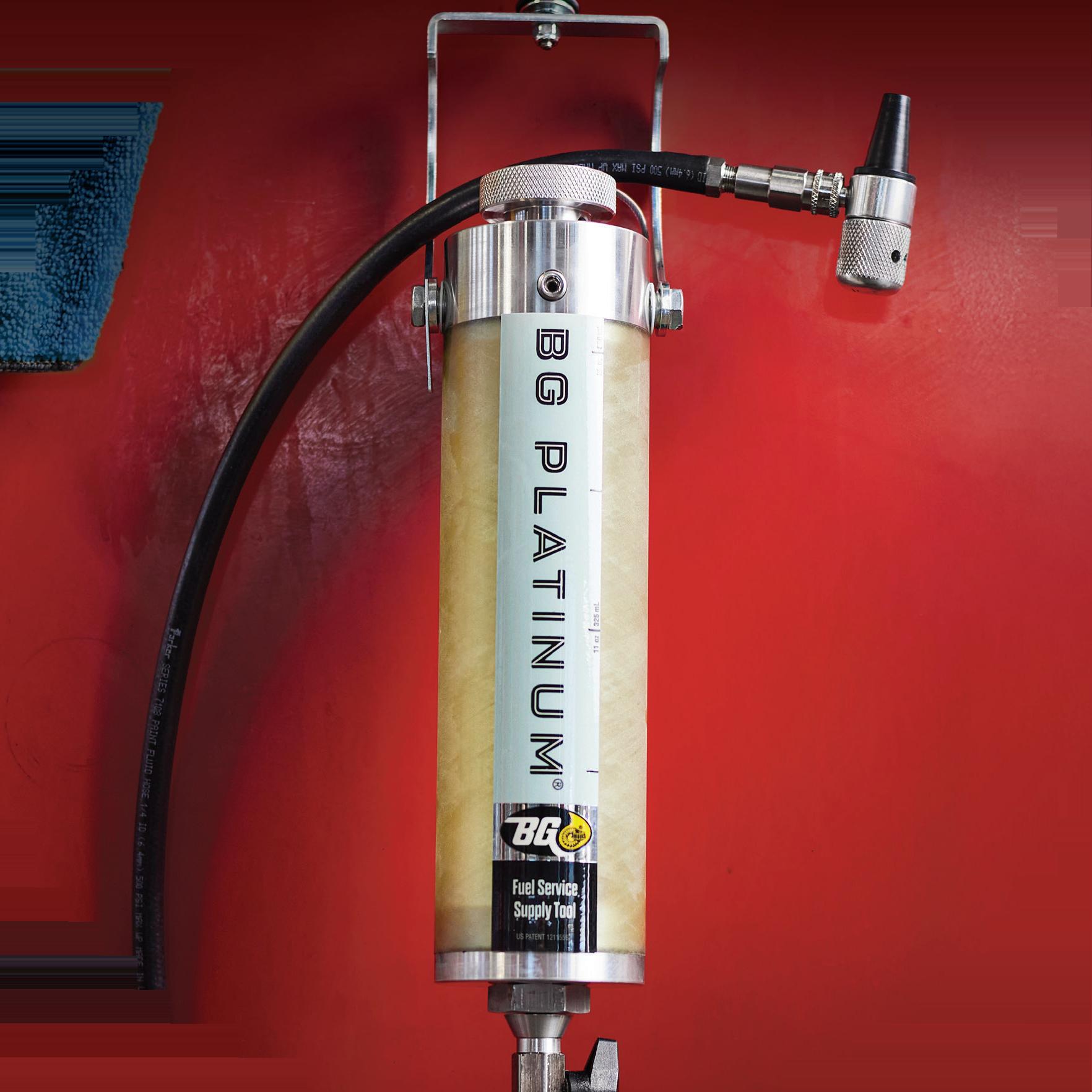
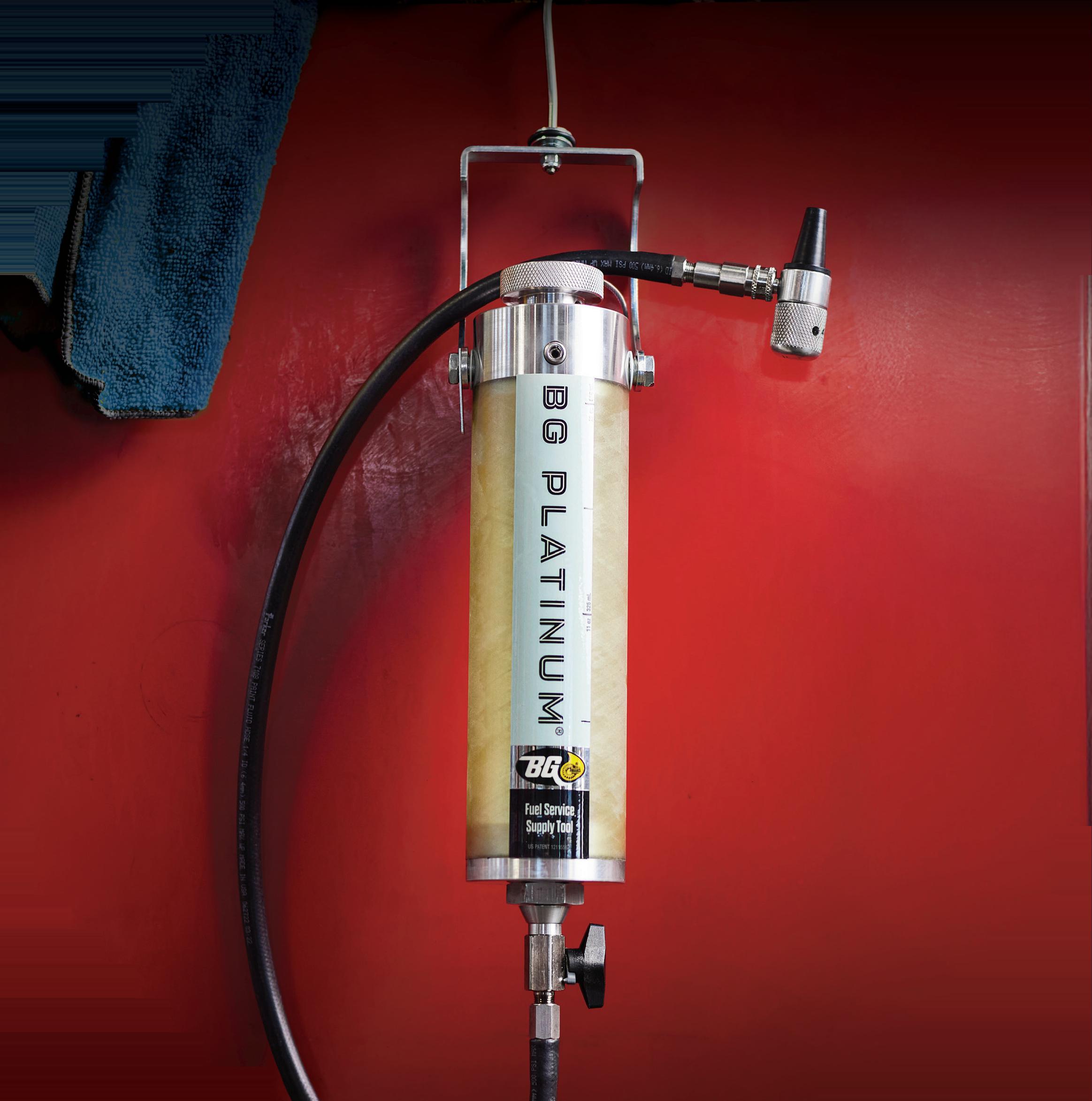
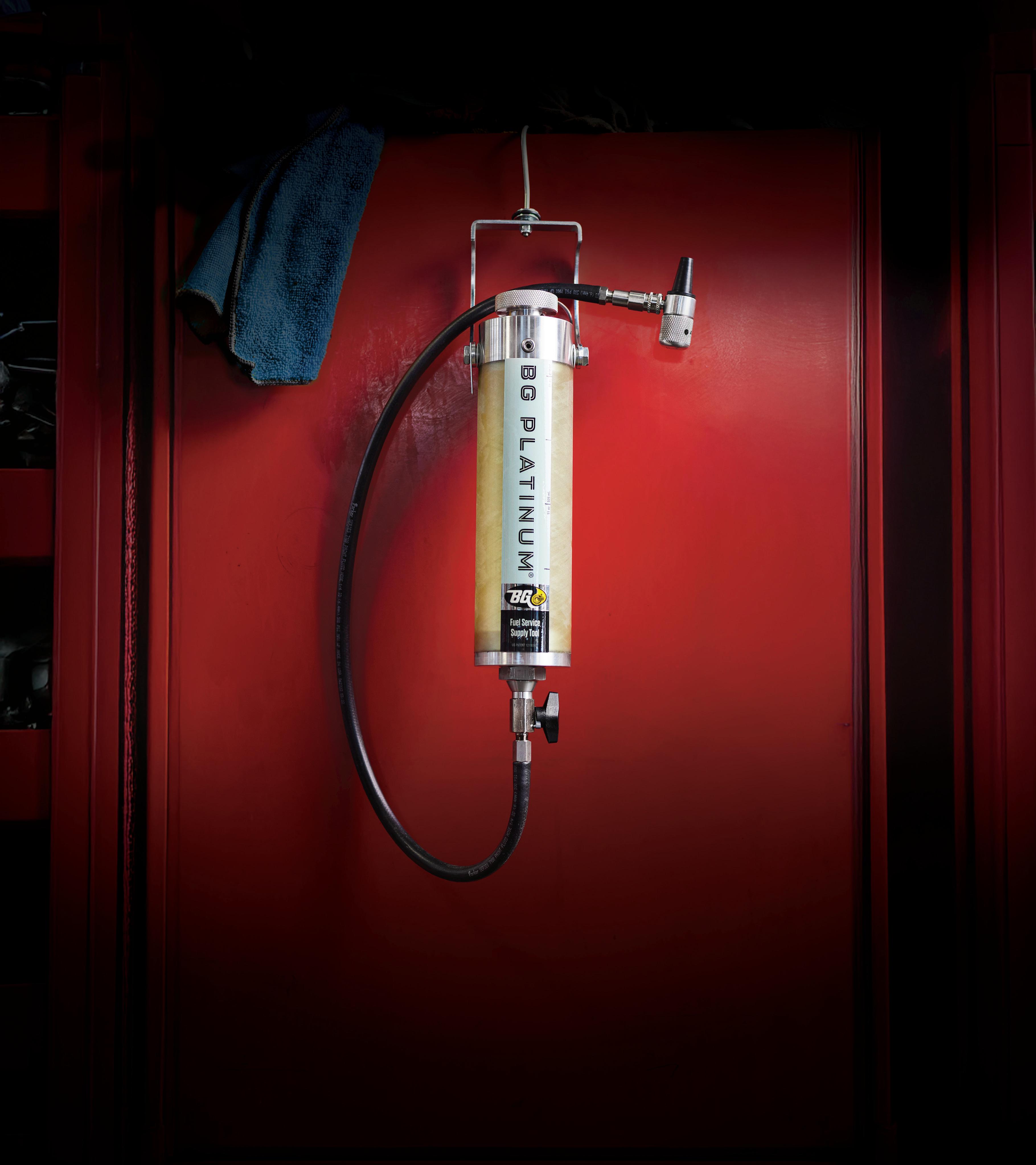
Clean out carbon deposits while boosting shop efficiency. The BG Platinum ® Fuel Service Supply Tool delivers high-powered, all-cylinder cleaning that helps restore performance and gives your team a service customers can feel.
Give your team the tools they need to better perform (and sell) BG services.






New columns focus on the power of gross profit per hour and the importance of workplace policies regarding marijuana use. Plus: Newly appointed COO Brian Bates of Straightaway Tire talks balancing culture with growth for effective scaling.
Four takeaways from Automotive Training Expo Seattle.
look at the most common employee benefits
How to spot resume red flags
first
The biggest obstacle for increased productivity and revenue is
The hidden cost of AI DUTCH SILVERSTEIN
ALISON JOHNSON
BY CHRISTINE SCHAFFRAN





EDITORIAL
EDITORIAL DIRECTOR
Chris Jones
EDITOR-IN-CHIEF
Christine Schaffran
ASSOCIATE EDITOR
Griffin Matis
ASSISTANT EDITOR
Kacey Frederick
CONTRIBUTING WRITERS
Tess Owings, Alison Johnson, Noah Brown
EDITORIAL ADVISORY BOARD
Tara Topel, Topel’s Towing and Repair
Andrew Marcotte, American Pride Automotive
Rachel Spencer, Spencer’s Auto Repair
Tonnika Haynes, Brown’s Automotive
Ceasar Cordon, Fifth Gear Automotive
Bill Snow, Rad Air Complete Car Care
SALES
PUBLISHER
Andrew Johnson / ajohnson@endeavorb2b.com
ASSOCIATE SALES DIRECTOR
Mattie Gorman-Greuel / mgorman@endeavorb2b.com
DIRECTOR OF BUSINESS DEVELOPMENT
Cortni Jones / cjones@endeavorb2b.com
ACCOUNT EXECUTIVES (NATIONAL ACCOUNTS)
Diane Johnston / djohnston@endeavorb2b.com
Darrell Bruggink / dbruggink@endeavorb2b.com
Marianne Dyal / mdyal@endeavorb2b.com
Chad Hjellming / chjellming@endeavorb2b.com
Lisa Mend / lmend@endeavorb2b.com
Kyle Shaw / kshaw@endeavorb2b.com
Sean Thornton / sthornton@endeavorb2b.com
ART AND PRODUCTION
ART DIRECTOR
Emme Osmonson
PRODUCTION MANAGER
Mariah Straub
AD SERVICES MANAGER
Jen George
ENDEAVOR BUSINESS MEDIA, LLC
CEO Chris Ferrell
COO
Patrick Rains
CDO
Jacquie Niemiec
CALO
Tracy Kane
CMO
Amanda Landsaw
EVP TRANSPORTATION GROUP
Chris Messer
EVP ENDEAVOR BUSINESS INTELLIGENCE
Paul Mattioli
VP OF CONTENT STRATEGY, TRANSPORTATION GROUP
Josh Fisher
SUBSCRIPTIONS
Send address changes and subscription inquiries to:
Ratchet+Wrench PO Box 3257 Northbrook, IL 60065-3257
SUBSCRIPTION CUSTOMER SERVICE: 877-382-9187
ratchetwrench@omeda.com
LETTERS TO THE EDITOR
editor@ratchetandwrench.com
Opinions expressed in Ratchet+Wrench are not necessarily those of Endeavor Business Media, and Endeavor Business Media does not accept responsibility for advertising content.





DEMAREST: The Power of Gross Profit Per Hour
Auto repair shop profitability isn’t about margins or hours alone, says CPA Hunt Demarest, but about maximizing gross profit per hour, which balances pricing, efficiency, and productivity to determine true financial success.
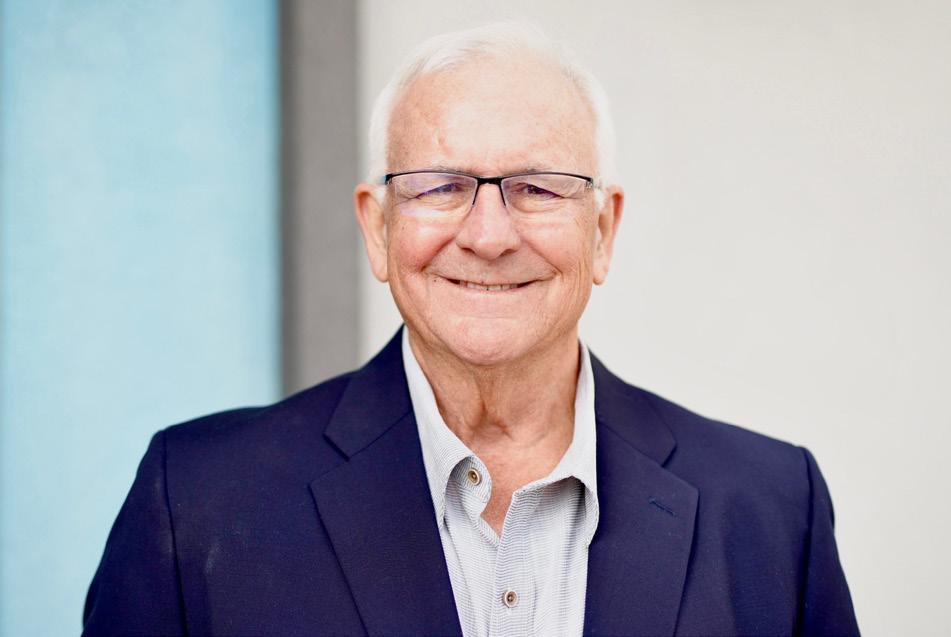

HAYES: Marijuana and Medical Cards
Even as marijuana becomes legal and more socially accepted, Todd Hayes, COO of Adams Automotive, explains why auto repair shop owners must enforce strict no-impairment workplace policies to protect safety, avoid liability, and ensure compliance, especially in safety-sensitive roles.
PODCAST: From Shop Floor to Scale: Brian Bates on Leading Straightaway Tire Into its Next Chapter
Newly appointed COO Brian Bates breaks down the walls shop owners hit when scaling, how to balance culture with growth, and why leadership—not capital alone—will determine who wins the next decade in the aftermarket.
RATCHET+WRENCH RADIO
Strategies and inspiration for auto care success.
Catch new episodes every Wednesday featuring thought leaders from across the automotive aftermarket. Scan to subscribe!

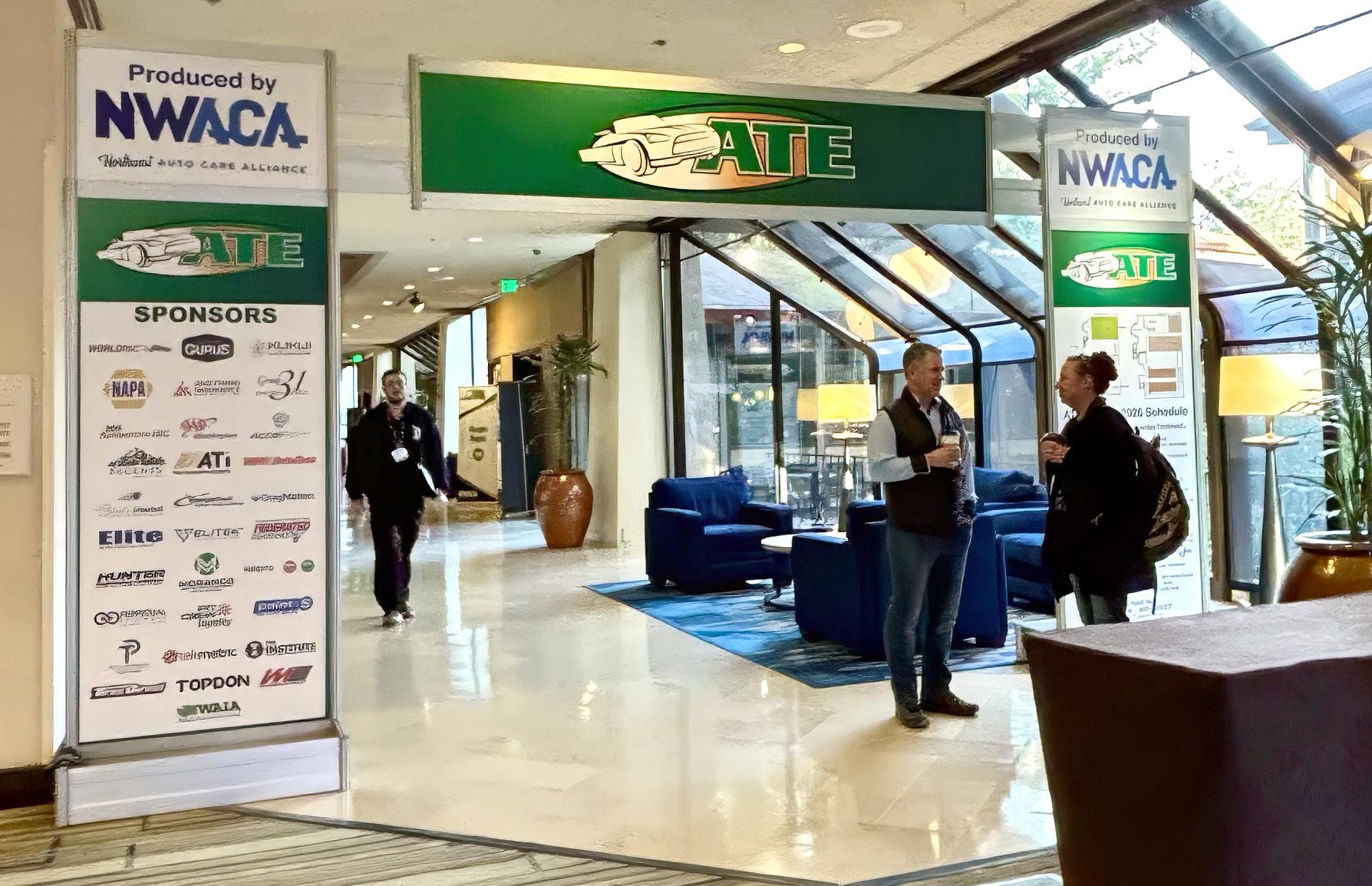
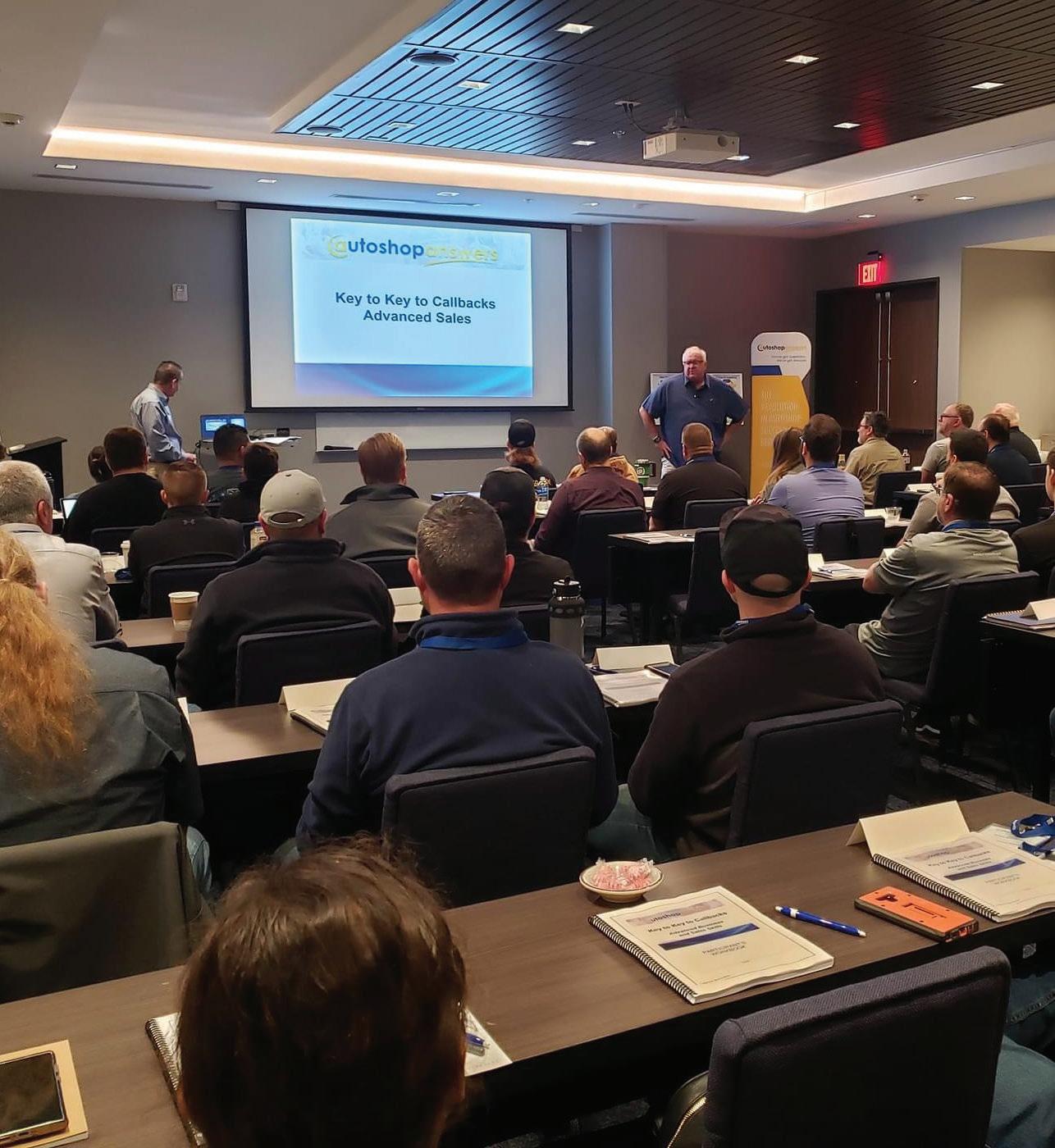
Considered the largest automotive training event on the West Coast, the three-day conference wrapped after hours of sessions and networking, leaving attendees with insights on teambuilding, customer service, and branding
BY KACEY FREDERICK
The Automotive Training Expo took place in Seattle, Washington, at the DoubleTree by Hilton Hotel Seattle Airport, from March 27 to 29. The three-day event, hosted by the Northwest Auto Care Alliance, brought together auto shops from across the Pacific Northwest for sessions targeted at shop owners, managers, service advisors, and technicians.
Ratchet+Wrench attended the show all weekend and returned with four key takeaways that you can take back to your own shop.
In our industry, people are at the center of everything. From ensuring the safety of each driver to maintaining a standard of living for your employees, understanding how to work with different types of people is crucial—and there are solid strategies for how to do so. In his session, “Mastering Challenging Situations,” Mark Seawell outlined how tools like the DiSC personal assessment help break down dif-
ferent behaviors and personality types into categories that help you understand how to connect with different kinds of attitudes. Whatever type of personality you may be interacting with, one factor remains the same: Customers want to feel heard. Having a deeper understanding of how you can adapt to accommodate different needs will achieve just that.
“The D people, they really want you to be brief, be bright, be gone,” surmised Seawell. “The I people just want to be involved. The S people want you to show
them that they care. And the C people need all the details.”
For most customers, entrusting their vehicle to a stranger can be anxiety inducing. Since most have enough on their plates to worry about, avoid making the process of doing business with you another troublesome task for them to navigate.
Brittany Schindler, owner of Rod’s Japanese Auto, showed how there are measures you can put in place to ensure peace of mind for the customer, including shuttle services, financing options, or after-hours drop-off. Shops that offer these amenities are instantly elevated over those that aren’t as flexible.
“Customers want you to be ridiculously easy to do business with. They do not want there to be friction in there. Like, ‘Aw, man, I gotta go drop it off at night,’” Schindler said. “We don’t want that to happen unless your customer’s like, ‘Sweet, I can drop it off tonight. That makes it easy.’”
Every shop is looking for that superstar service advisor; but it’s a fruitless endeavor if you don’t have a system in place where they can flourish. Tom Amero, director of operations at Elite Worldwide, touched on what businesses can do to bolster performance and productivity.
Amero shared the story of a shop owner who had an employee that repeatedly struggled with maintaining the same productivity levels as his colleagues. He was nearly at his wit’s end— but upon taking the time to stand back and observe the employee during a shift one day, he saw that a simple policy misunderstanding was causing the advisor to perform the process incorrectly. Once he was corrected, his productivity numbers rose to match his coworkers.
The story underscores not only the importance of having a standardized process in place for employees to follow but making sure that everyone is on the same page for every step.
“How many times do we have employees in the shop and we think, ‘Oh my gosh, this behavior is bad; somebody is really inefficient; my service advisor
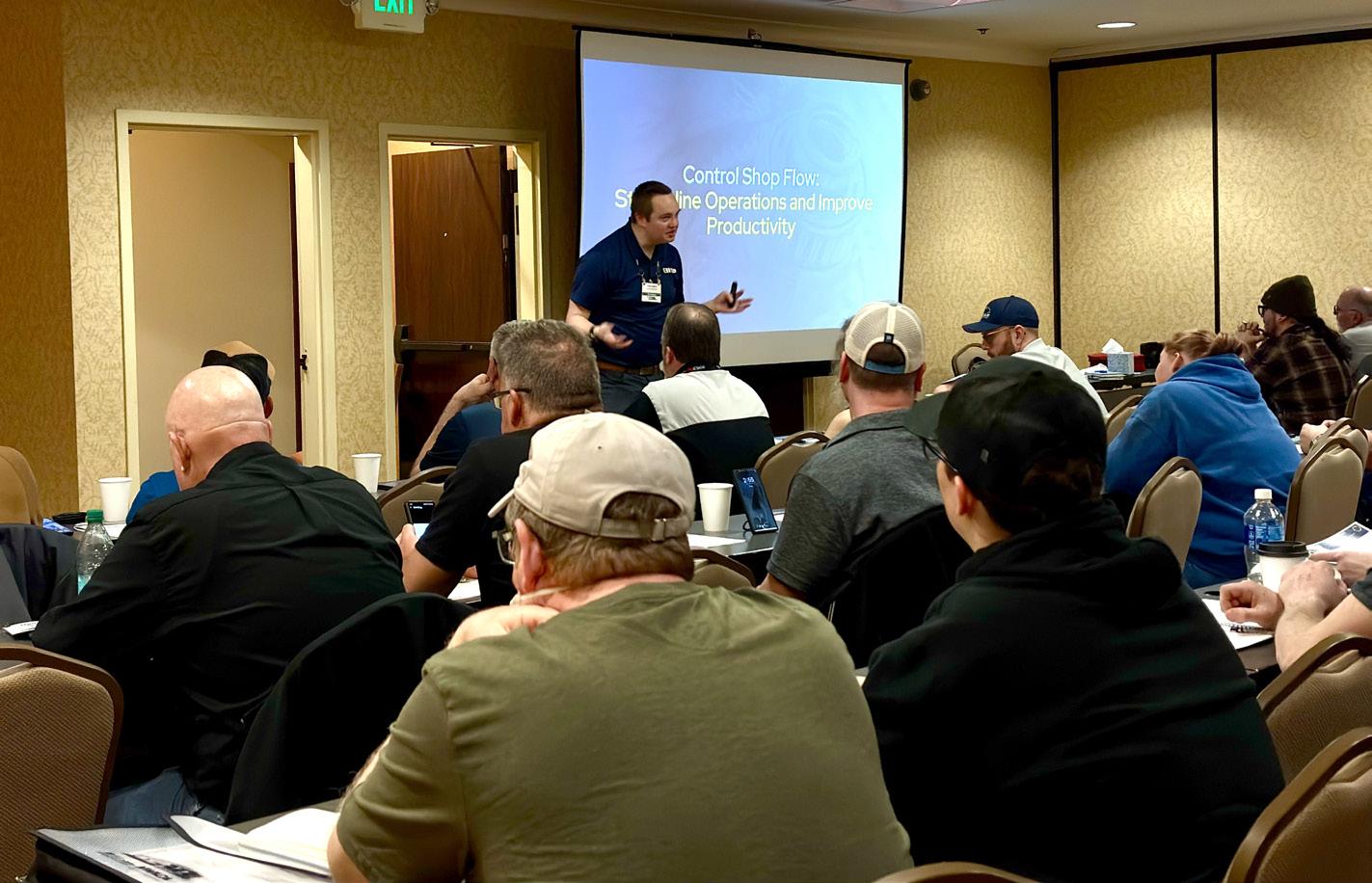
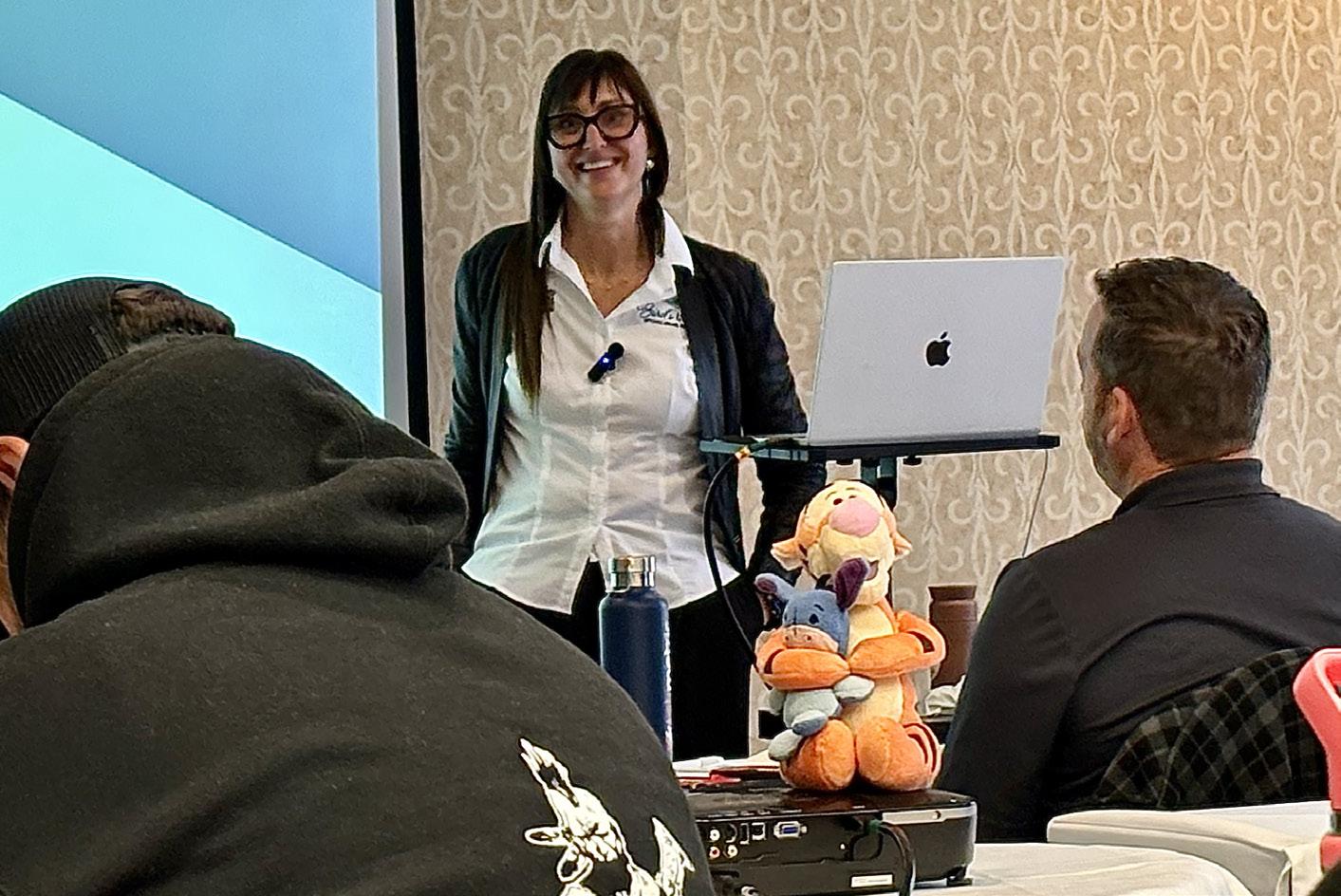
can’t close these deals; every time this situation happens on their phones, they botch it.’ And we think it’s them, when really maybe we’ve just got a bad process,” said Amero.
Melissa “Birdie” Patterson has nearly 30 years of experience in the automotive industry, which included working alongside the late Maylan Newton. In her session, “W.W.M.D - What Would Maylan Do?,” Patterson helped wrap up the conference by sharing insight from Newton: one of the aftermarket’s most impactful figures.
Having a polished, professional image is undoubtedly important. But Patterson took time to remind attendees that customers are also looking for a connection as well. They want to feel like they’re
working with a person who cares about them, not just their money. When you look at your business’ online presence, what does it say about you and your team?
While shops should avoid having busy, cluttered websites, having a simple “About Us” page for customers to see makes you more memorable in their mind. They know the names and the faces behind the team that they’re entrusting their vehicle, and who they’ll be coming to with questions. As Newton would have said, the auto repair industry is not just about fixing cars but helping people make decisions.
“People are buying peace of mind. They’re not buying a brake pad. They’re buying how it feels to work with you,” Patterson said. “They’re asking, ‘Do I feel safe; do I feel part of the community?’ So, you want to make sure that you are providing that.”
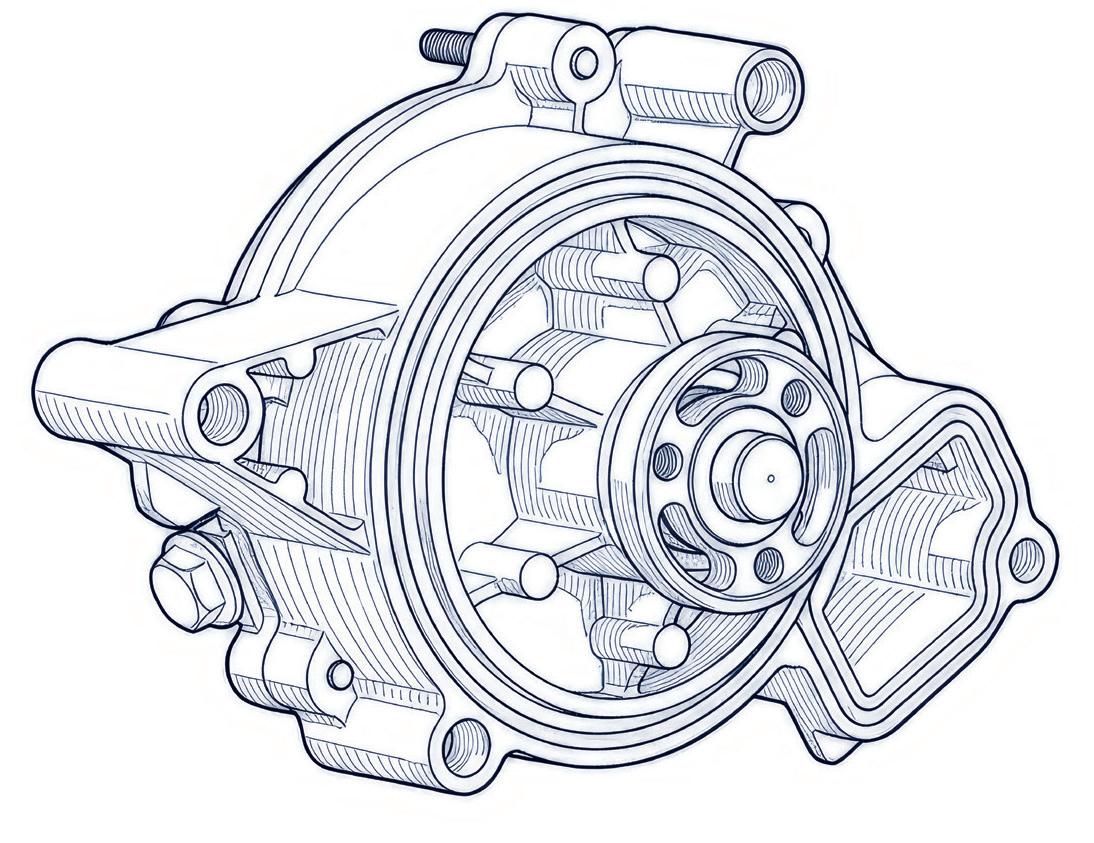
WATER PUMPS BUILT FOR TECHS WHO WON’T SETTLE FOR “GOOD ENOUGH.”
North America, meet Dolz water pumps, a proven name trusted around the world and now available here. Built with OE-spec tolerances and premium materials that reflect generations of craftsmanship, Dolz brings 90 years of precision engineering to technicians who expect more. Join the professionals who refuse to compromise on quality.
Get to know a Legacy. Get to know Dolz.



EndeavorB2B is proud to announce that Motor Age Training has become an Offi cially Licensed ASE Test Prep Partner. This designation reinforces Motor Age Train ing’s leadership in technician education and its commitment to aligning with the gold standard in automotive service certification.
“We couldn’t be happier to serve as the industry’s initial Officially Licensed Test Prep Partner,” said Michael Willins, direc tor of business development for Motor Age Training. “This partnership gives us a direct connection to the ASE style guide review process, to help us even better align our library of study guides and practice tests with the content presented on the certifi cation exams.”
ASE’s newly launched Test Prep Part ner initiative helps automotive students and technicians identify high-quality test preparation materials that align with ASE certification exams. Approved partners are formally reviewed to ensure their content supports preparation for ASE exams.
to the Securities and Exchange Commision on Feb. 25. BFA says the errors included lease accounting issues, unreconciled cash balances, improperly classified expenses, and improperly recognized revenue.
Matt Shepanek, ASE vice president, credential testing programs and president, ASE Training Managers Council (ATMC), said, “We are excited to see Motor Age Training align themselves with both the standards set forth by the ATMC for accredited training providers as well as making sure their content closely follows the ASE certification task lists, which will bring more clarity for service professionals looking for quality test prep products.”
This partnership further strengthens Motor Age Training’s mission to support technicians and automotive students nationwide.
Dave Johnson, president and CEO of ASE, said the Officially Licensed ASE Test Prep Partner initiative provides technicians and students with confidence that the materials they are using to prepare have been reviewed to align with current ASE task lists and standards. “This program reinforces our commitment to supporting the professional development of service professionals at every stage of their careers,” said Johnson.
Motor Age Training has been committed to supporting automotive technicians for more than 40 years.
“Becoming ASE’s premiere Officially Licensed Test Prep Partner underscores that dedication and commitment for the
Driven Brands has initiated an ongoing review with its independent auditors, PricewaterhouseCoopers LLP, which it acknowledges may uncover further errors. The company emphasizes that the errors and weaknesses impact the accuracy of its financial disclosures and internal controls, and it is taking remedial actions.
Driven Brands filed an additional Form 8-K March 11 amending its debt indenture, which extends deadlines for financial reporting following a restatement of its financial statements.
According to Yahoo Finance, stock dropped from a close of $16.61 on Feb. 24 to open $9.99 on Feb. 25.
The company also delayed the filing of its 2025 Form 10-K, which in its March 11 filing it said it expects to fulfill by April 26. BFA Law says it’s investigating for possible violations of the federal securities laws following the stock drop and the damage it caused investors.
The case is pending in the U.S. District Court for the Southern District of New York. It is captioned Clark v. Driven Brands Holdings Inc., et al., 1:26-cv-01902. The Lead Plaintiff deadline is May 8.
Anyone who invested in Driven Brands can obtain additional information on the BFA Law website. Multiple law firms are investigating the allegations.




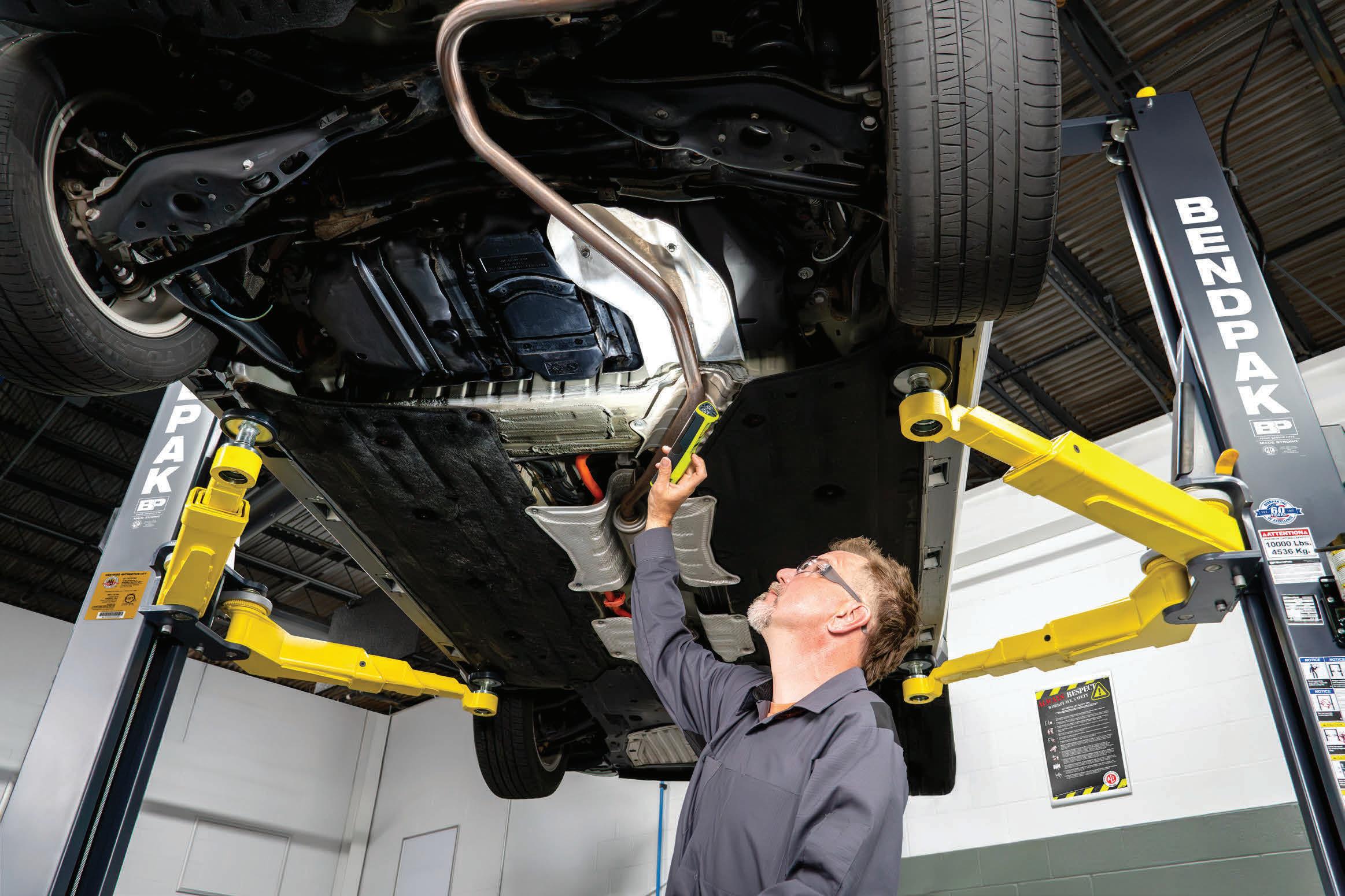
Every day, professionals and DIYers trust their lives to vehicle lifts. But the web is flooded with offshore resellers pushing uncertified, no-name lifts with bold claims — no proof, no oversight, no accountability.
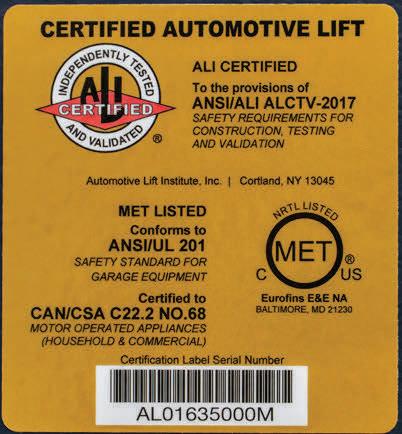
BendPak certified lifts meet ANSI/ALI ALCTV (current edition), the only nationally recognized lift safety and performance standard. Only certified lifts carry the ALI Gold Label and appear in the official ALI Directory, proof of third-party testing and validation.
At BendPak, safety is engineered into every lift. Built strong. Certified tough. And every Gold Label tells the story.
If you’re lifting cars and putting people under them, nothing matters more than safety. Don’t risk it on unverified imports. Get the lift that’s certified. Get BendPak. Demand
Cost-effective benefits like equipment reimbursement and parental leave are gaining traction
Health insurance isn’t the only benefit that matters to employees. In today’s competitive hiring market, successful shops are getting creative with what they offer—and not all perks come with a high price tag. Here’s a look at the most common benefits reported by shop owners in the 2025 Ratchet+Wrench Reader Survey:
Want to read more from our 2025 Industry Survey Report and see how your shop measures up? Scan the QR code.









Identifying warning signs and conducting effective interviews to make confident hiring decisions
BY GRIFFIN MATIS, LISA COYLE, AND STACEY BLACK
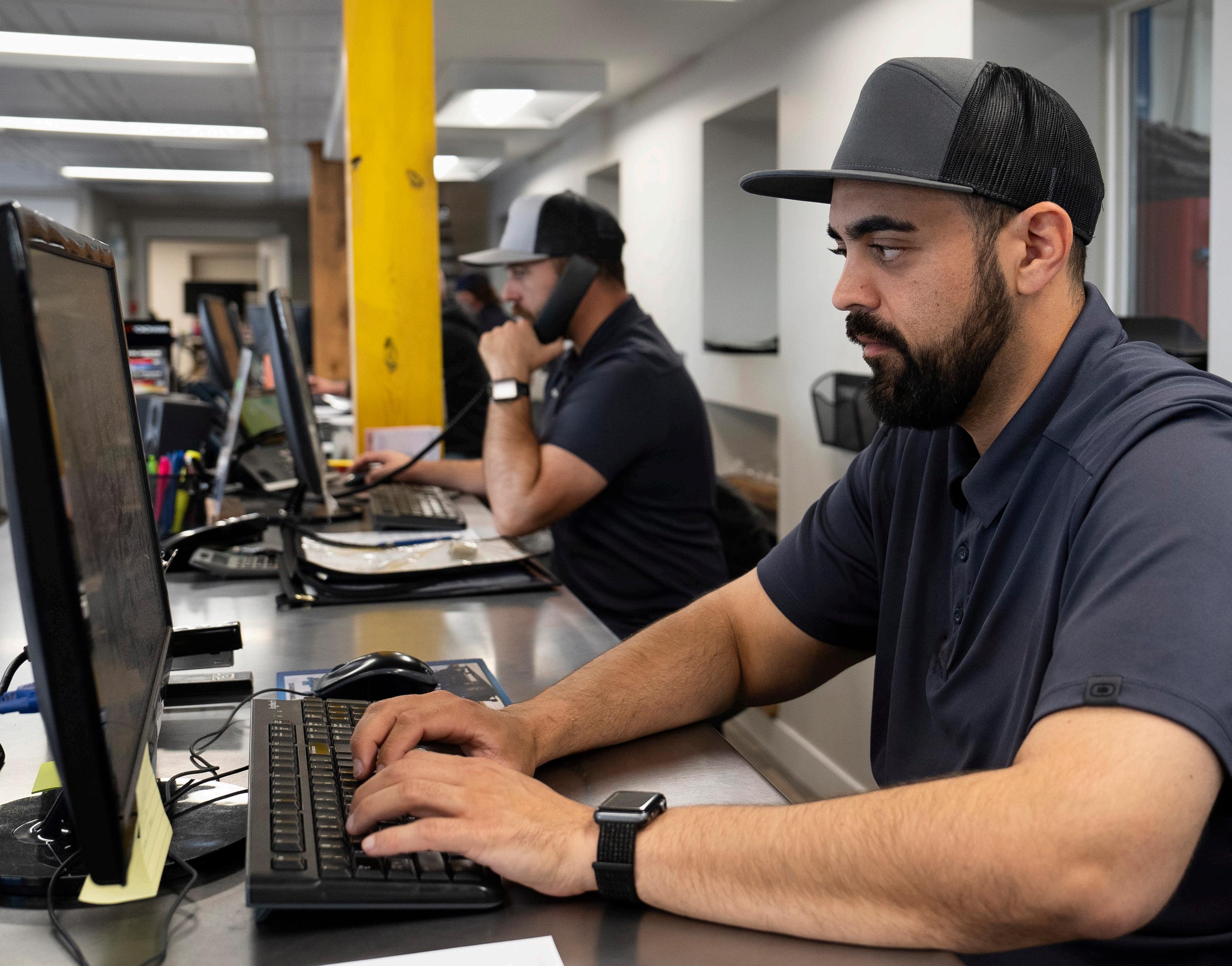
The day-to-day business of an auto repair shop is non-stop work, which makes it that much harder to step away to post a job opening, evaluate applicants, conduct interviews, and complete the onboarding process. In an industry already facing a technician shortage, the pressure to hire quickly can make it easy to overlook details on a resume—but those details often hold the first clues about whether a candidate will truly be a fit. Missing early warning signs can lead to turnover, skill gaps, and costly disruptions that impact both the team and the customer experience.
As told to Griffin Matis
Lisa Coyle, CEO of Promotive, and Stacey Black, Promotive account manager, understand these challenges firsthand. Having reviewed countless automotive resumes, they’ve identified clear
patterns—both the qualities that signal a strong hire and the red flags that can indicate future problems. In this article, they share the most common resume warning signs shop owners should
watch for, helping them make smarter, more confident hiring decisions from the start.
Q: Generally, what do you consider the biggest red flags on a resume?
Black: I look at resumes and pre-screens all day. I compare the pre-screen info to the resume. Huge gaps are a big red flag. If they’ve been out of the industry for three or four years, technology has changed so much that they might not actually be an A-level tech anymore. I might rate them closer to a B or high C tech. It’s also a flag if they’re jumping between automotive, construction, and other fields.
Coyle: I think it’s also important to note what aren’t necessarily red flags. For example, spelling “technician”
wrong. While they should use spell check, these guys aren’t professional writers using tools like Grammarly. Misspelling a word doesn’t mean they aren’t a great tech.
Q: How do you distinguish between a problem employee and someone who just had a run of bad luck in poor environments?
Coyle: We train our team to interview any resume that “sniffs” of automotive experience, regardless of gaps or claims. I believe in seeking positive intent. A resume is just a starting point for a clarifying phone call. You have to dig into each part of the resume to find the full story. We also have to be real: Injuries happen in this field, and techs often have children or aging parents to care for. Those are often the reasons behind the gaps.
We try to teach technicians how to sell themselves better and explain those gaps in a cover letter. In the corporate world, people are trained to explain gaps, but technicians aren’t professional resume builders.
Black: Attitude is a huge factor. I always advocate for a phone interview. I had a shop owner who thought a candidate was too “job hoppy,” but after a 15-minute call, he ended up hiring him. What you see on paper doesn’t always depict the person. If a tech is in a bad environment without processes or training, it can jade them. But in a structured environment with good standards, they can become amazing.
Q: How do you evaluate an applicant’s experience?
Coyle: Another red flag during the initial call is constant finger-pointing. It’s okay to have one bad experience with a foreman or owner, but if they’ve had four jobs and they blame the shop or the advisor every single time, they might be the common denominator. However, if they left a shop because it was unethical and refused to sell unnecessary jobs to elderly customers, that’s not a red flag— that shows they have a conscience.
Coyle: Another flag to pay attention is a “master tech” with 20 years of experi-
ence who only has $5,000 worth of tools or a master tech who only expects minimum wage. Something is off there.
Black : An A-tech should typically have a significant investment in tools unless the shop provided them, which is common at places like Tesla or certain dealerships. Master techs often undersell themselves. When asked to rate their diagnostic skills, many won’t give themselves a 10 because they believe they can always learn more. Conversely, those with less training might rate themselves an 8 or 10 just to get the interview. We look for those who are truthful and have a passion for learning.
Coyle: A lot of shop owners pass by GSTs applying for A-level roles. But if you need a GST in three months, you’ve already got that database. Tell them, “Based on your resume, you aren’t qualified for an A-level role right now, but I’d love to keep your info on file for future roles that match your skill set.” That feeds back into a local reputation of being someone worth talking to who won’t just leave a candidate in the dust.
Q: How do you know if an applicant will be a good fit?
Coyle: My advice to shop owners is don’t judge the book by the cover. Look for humbleness and modesty. You don’t want to hire “brilliant jerks” who think they’re the best in the world. You want people who admit they have room to improve. If you ask a candidate what they enjoy doing the least and they say “nothing,” that’s a red flag. Everyone has a task they find mundane or least confident in.
Coyle: You can dig deeper by asking them to tell you about a job that took much longer than the book hours. Sometimes a tech says they “least enjoy” Euro cars because those jobs take the most time. If they were on a flatrate model, that means they made less money on those jobs. You have to dig into the why rather than just accepting the answer at face value.
Black: A red flag doesn’t necessarily mean “stop,” it means “dig deeper.” Always ask questions.
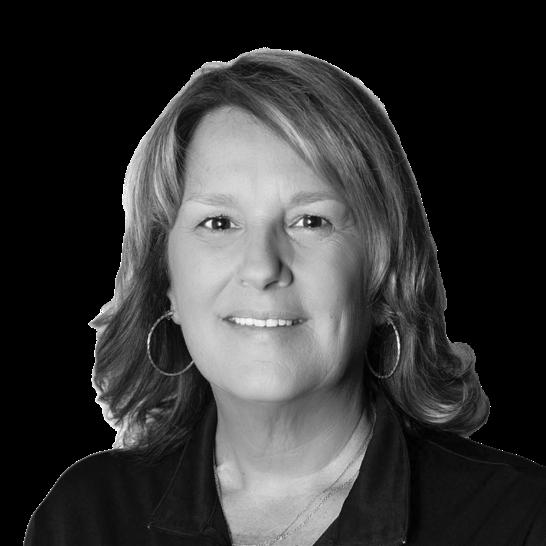
Stacey Black Account Manager, Promotive
Stacey Black is an account manager at Promotive with deep experience in automotive wholesale and sales. She spent years with NAPA and other industry leaders, building strong customer relationships and driving results. Known for her energy, resilience, and peoplefirst mindset, she supports shops and candidates with a practical, solutions-oriented approach grounded in real-world industry experience and consistent execution across engagements.
stacey.black@gopromotive.com

Lisa
Coyle
CEO, Promotive
Lisa Coyle is CEO and founder of Promotive, a high-growth automotive recruiting platform. A serial entrepreneur, she previously co-founded 360 Payments and held executive leadership at Vehlo, scaling teams, integrations, and revenue. Known for building culture and driving growth, she is also an investor and mentor focused on advancing innovation, talent, and opportunity across the automotive industry today and beyond.
lisa@gopromotive.com
Set the tone by defining employee positions, the benefits, the perks, and opportunities for advancement
BY LOLA SCHMIDT
People make or break your business. They can fuel your day with problems or profits, but how that ends up is often a result of the people work you’ve done as the owner. You set the tone for your brand by the people you bring in and the value you place on them. This is the “people work.” It’s the backend work you do to ensure the people you bring in are happy and knowledgeable in how their role works. The people work is ideally done before you hire your first employee, but I find that after all these years, I am still doing people work. I am still perfecting the opportunities I can extend to our talent pool, and I am still defining nuances in each role to drive impact. I’m not sure I will ever be done with the people work, but I do know that I speak to a lot of owners that haven’t considered, haven’t attempted, or just don’t think it’s important to define the people piece of their business. These are your people. They should be extended grace and dignity inside the position you’re offering, and that starts with a defined role, clear paths of opportunity, and job perks that can be accessed and utilized at their discretion. It’s the people work that separates the professionals from the pretenders.
This is one of the largest pieces of structure you can offer your team. It gives guidance, accountability, and sets the tone for what will be tolerated. Time and attendance are telltale signs of who will be strong players in your future. People who respect the timelines of their role, the time of their teammates, and the shop’s workflow are invaluable assets that will appreciate the time boundaries you’ve set. Professionals want to work alongside professionals, and those
who can’t come to work on time are often organically weeded out quickly amongst a group of pros. If you want a team that is productive and efficient, dig into your time and attendance policies, and stick to them.
Things to consider:
• What time do employees clock in, and what is considered “late”?
• How do they clock in, and where do they clock in?
• What happens if they are “late” too many times?
This is something to nail down quickly. If you are interviewing someone, and they ask about time off, answer them with pride and confidence in what you offer. And if you aren’t proud, or don’t even know what you offer, look at fixing that. If you want people to work hard for you, give them something to work towards. The paycheck is just half the offer. Benefits are important to people. Knowing what you can offer is going to take some math, and will affect loaded payroll, so make sure you understand what you are offering, and don’t offer it begrudgingly. There is nothing worse than a boss that makes employees feel bad for taking wellness/vacation time. It is their earned time for being a part of your team.
For time off, consider:
• How many vacation days, wellness days, and holidays are offered?
• How do employees request time off, and are there blocks when time can’t be taken off?
• Will unused time off be paid back at the end of the year?
People are the heartbeat of your operation. They are your growth and stability. You can’t do it without them. Keep the heart beating strong by doing the people work.

Lola Schmidt is the vice president of operations and marketing for Schmidt Auto Care in Springboro, Ohio. She joined her husband, Erich, in helping to run his shop nearly 10 years ago with ambitions as high as her heels. Through the years, she has helped to develop an award-winning business that provides veterans with opportunities for employment as well as the community with a trusted resource for auto repair. Outside of the family business, she is a mom to one, a gardener, an artist, and a musician.
Lauralee@schmidtautocare.com


“If


How to create a shop culture that keeps your team excited, your customers engaged, and inbound resumes flowing
BY CHRISTINE SCHAFFRAN
PHOTOS BY CASSIE FREISEN PHOTO
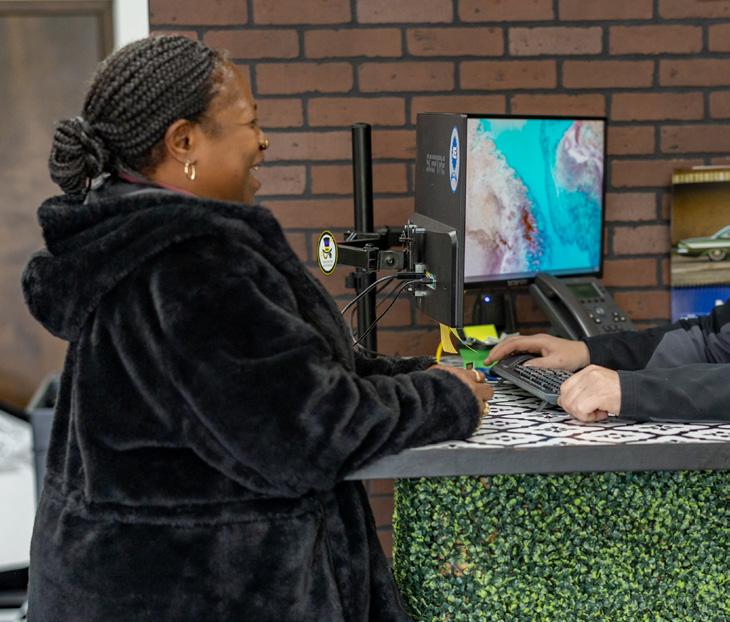
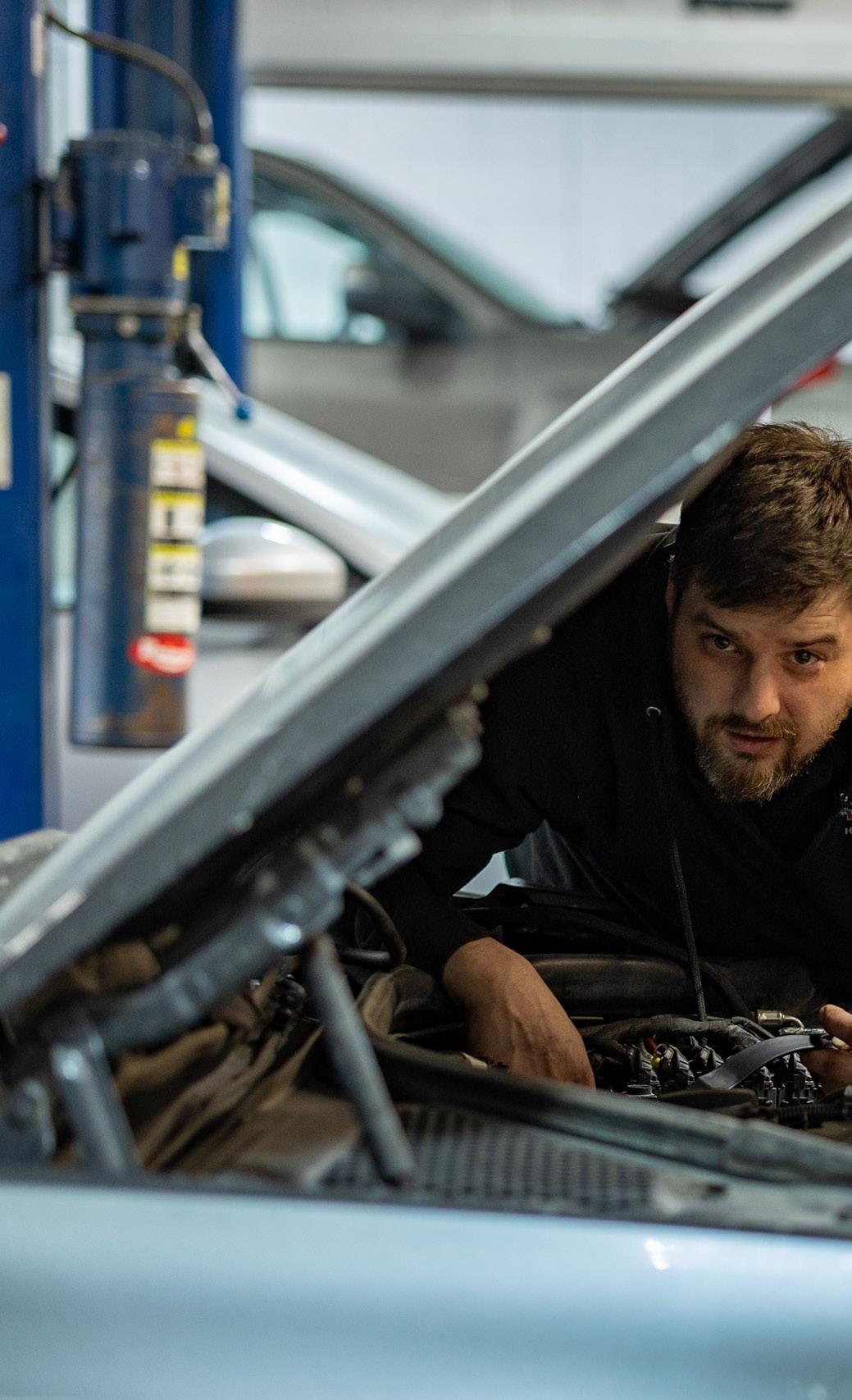
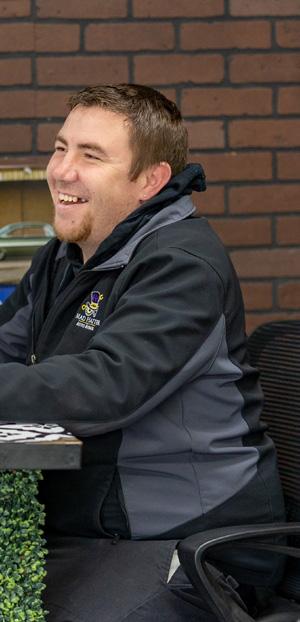
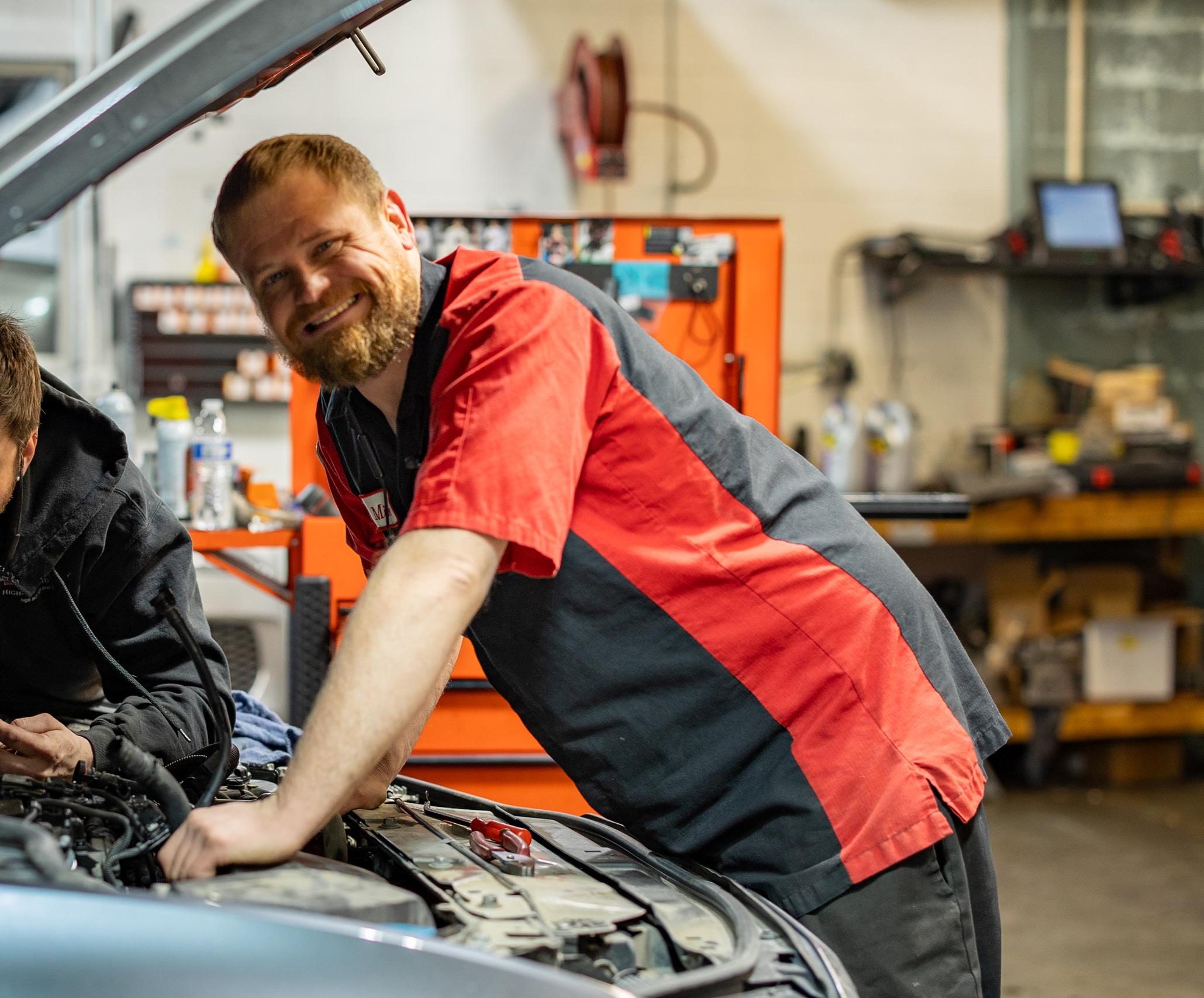
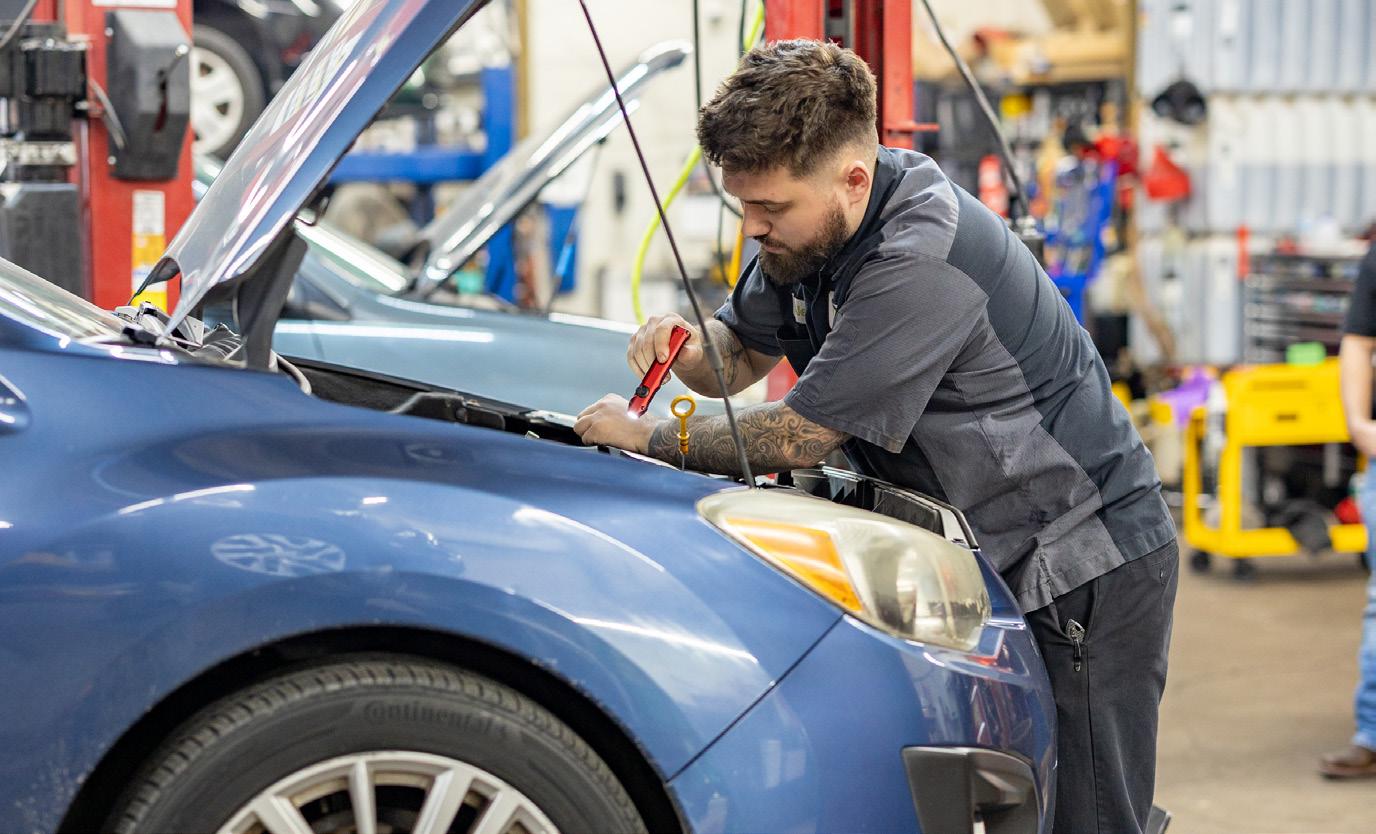
“You can do anything. But you cannot do everything.” These words hang in an unassuming plaque on the wall behind Zach Haver, owner of Mad Hatter Auto Repair in Omaha, Nebraska. It’s a message he uses to remind himself to be present in the lives of his employees, who, in turn, take care of his customers. But Haver admits his march to becoming culture-centric wasn’t always such a straight line.
“My focus was on getting cars out the door,” Haver explains when he opened in 2017. “It wasn’t on building a team.”
In fact, the mindset didn’t shift toward hiring for attitude over skillset until his COO, Mike Kraus, joined the company in December 2022.
“We hire for culture. It’s a lot less about the skills that you bring. It’s more about the attitude and the intangibles,” Kraus remarks. “Are you positive? Are you resilient? Or at least, for some of the younger folks that we hired on, are you that wet pile of clay that we can mold that shows signs of being able to tap into something like that?”
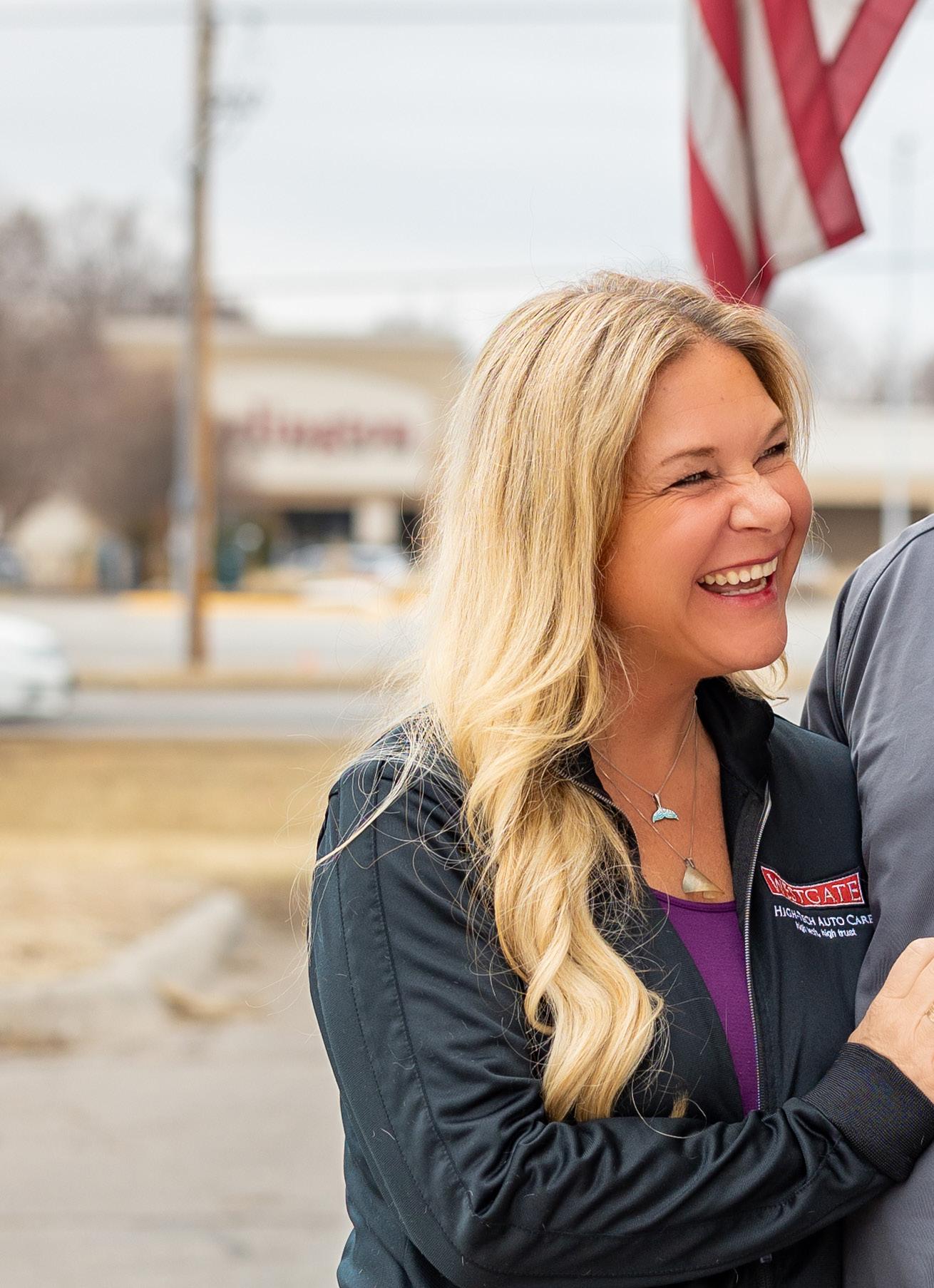
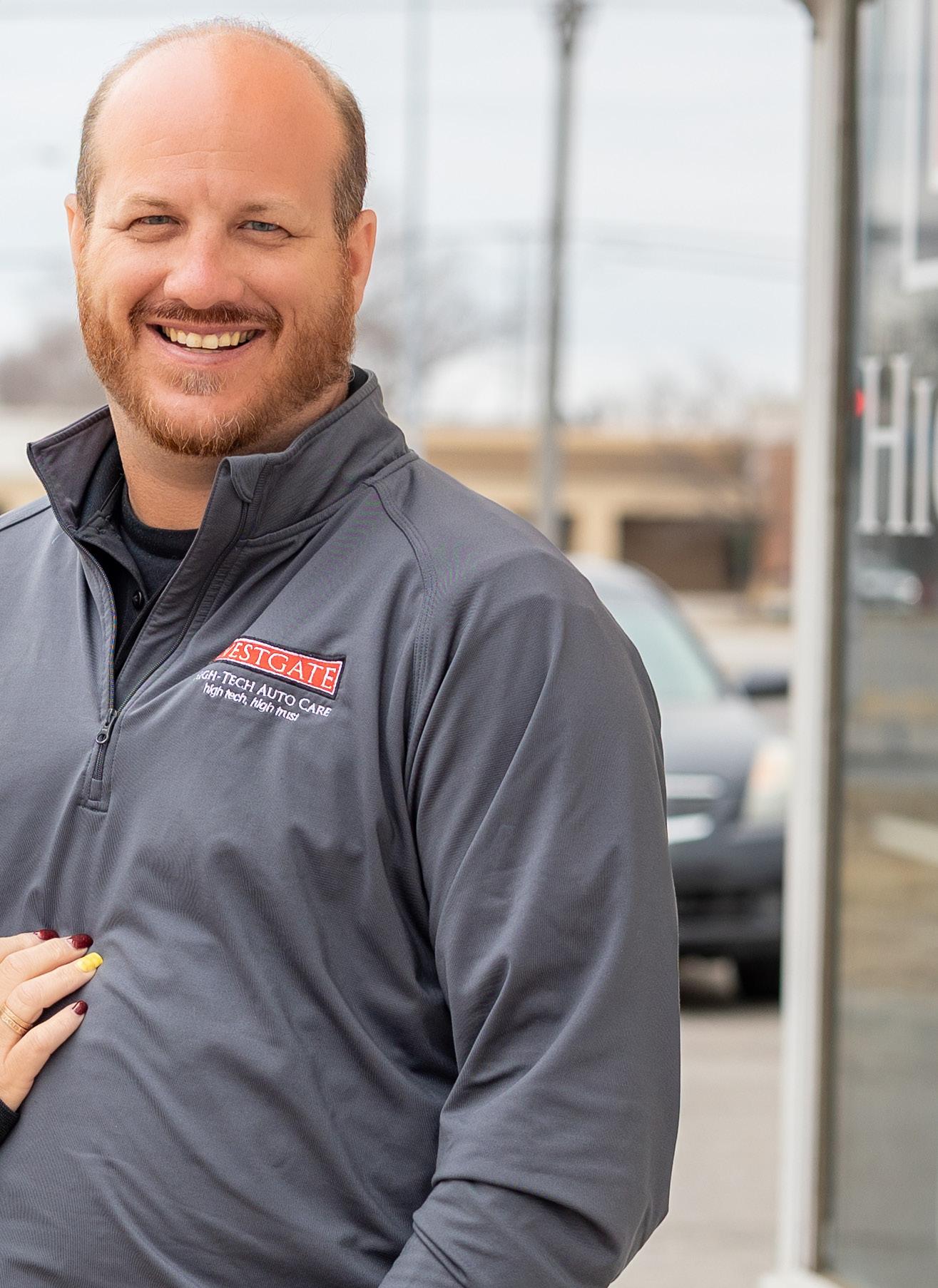
While most owners search for the next great technician and the benefits that keep them around, the most overlooked advantages are often the intangibles that make employees feel valued.
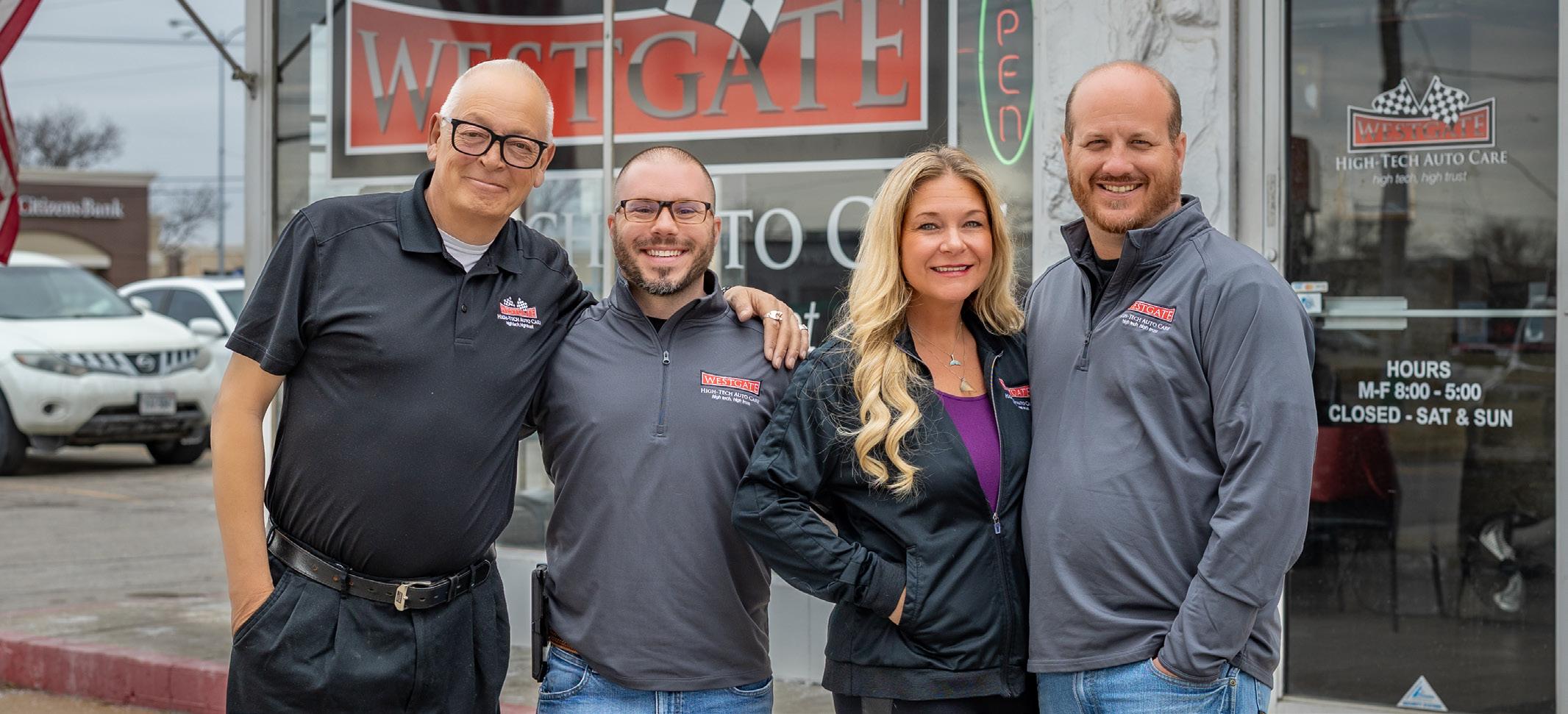
“I often say the purpose of our company is to improve lives and we do that through auto repair,” says Haver, who owns the Omaha location as well as another in Council Bluffs, Iowa. A third shop, Westgate High Tech Auto Care in Omaha, caters to Asian and European vehicles.
Haver takes a three-pronged approach to evaluating whether an employee is a good fit for the team based on the head, the hands, and the heart.
“You have the head, which is can you retain the knowledge, the heart, which is the desire, and the hands or the ability to do it,” he explains. “Then we’re at a place where you can come be a part of our team and actually help develop yourself and our team to create a culture that is not about a ‘me,’ but a ‘we.’”
Voted the best place to work in 2025 at the VISION Hi-Tech Training & Expo, Mark Lowe takes a similar approach to handpicking the best employees for Yeck’s Tire & Auto.
“One of my service advisors, Megan, she’s been here the longest and she says, ‘The only reason I’m here is because of you,’ and obviously that makes you feel good because you know you’re treating people right.”
The Navy veteran and his wife, Betty, have been running the 7,000-square-foot shop on their own since 2015, although Mark has been working there since 1980. He says getting a team to gel is an art form that comes down to reading people and understanding where they fit.
“Some people might be happy as anything, but they’re just not that outgoing,” he points out. “The ebbs and flows of (a team)
will change almost with every new person you bring in. And it’s same as anything, you just got to monitor it and watch it.”
While there is no magic formula for building the perfect shop culture, there are clear signs you’re on the right track. Together, Haver, Kraus, and Lowe dole out their best advice on maintaining a shop culture that keeps employees engaged and customers returning.
When technicians feel comfortable and enjoy what they’re doing, that energy rubs off on vendors and customers, Haver says.
“Our parts vendors, when they come in, they’re happy. They love coming in. They love the joking,” Haver notes. “And I’ll be out talking to another shop and they’re like, ‘what do you do to the parts vendors make them like you guys so much?’ And we don’t have to do anything because they just like being here. We don’t have that grumpy technician yelling at people. We don’t have upset service advisors that don’t want to be here.”
Taking it a step further, Haver says, is creating a shop environment where employees trust the owner and his or her commitment to being ethical and transparent. If employees can trust the owner’s word, they will work equally as hard to gain the trust of your customers.
As the 2025 International Torch Award for Ethics recipient from the Better Business Bureau, Lowe agrees ethical business practices are the ultimate indicator that they are doing something right. Yeck’s Auto Repair was the only one to receive this award for a company with one to 10 employees in 2025 and says culture is created by demonstrating honesty and integrity. If you do right by your clients, your employees take note, he says.
“I always taught the fact that I will always do it the right way for the client,” he asserts. “If it makes the shop or the business lose a little bit of money, that’s fine as long as we’re doing it the right way and taking care of people.”
Lowe adds one of the easiest ways to make a connection with employees is to simply show respect.
“You don’t want to dig into the weeds into your employees’ lives, but you ought to
know something about them. You ought to know what makes them tick,” he says. “Just be friendly and show respect. That’s the biggest thing is respect both ways.”
He adds subtle nods even in word choice can have an effect on building relationships and gaining clients’ trust.
“We changed the word ‘customer’ to ‘client’ a long time ago. With customers, you just take their money. It’s just a monetary transaction. With clients, you build a relationship with them, and that’s what I totally believe in. We have clients that have been coming here for 40 years because they trust us.”
Haver says although making sure employees are doing what’s right for the customer should be an industry standard, sometimes shops fall short. But not his.
“Not all the time do people feel like they have someone on their side,” he admits. “But when we empower our people to make good decisions for our customers and really put them first, it really puts a lot of customers at ease and really leans into what we try to do of improving lives forever.”
No one sets out to hire an employee with a bad attitude, but it’s highly likely you will cross paths with one at some point. They may not have started the journey that way but simply soured over time. If this happens, address it or it will spread like a virus, Lowe warns.
“Sometimes you don’t realize how bad it’s gotten until you make that change,” Lowe points out. “And then suddenly everybody else is in the shop saying, ‘Man, it is so much nicer now, it is so much better. So, you got to really kind of keep your fingers on the pulse of everything and if something’s not right, address it. If people aren’t getting along or if someone’s creating hate and discontent in the shop, then it’s time to sit down and fix it or part ways.”
Haver adds even the most skilled employee is not worth keeping around if they have the worst attitude. He recalls a time prior to running his own shop when he was working as a manager and the most productive technician retired.
“He probably produced about a third of the entire company’s billables on his own and we were like, ‘What are we going to do?’ We didn’t even have a replacement,” he recalls with a laugh. “Production went up 10% after he left. Nobody wanted to


Three-year-old
Even the strongest shop cultures aren’t immune to employee disengagement. The key is catching the warning signs early—before frustration turns into turnover. According to shop owners Mark Lowe and Zach Haver, these subtle behavior changes often signal that an employee has mentally checked out.
1. Not attending free training. “A lot of people that are becoming disengaged, their way to stick it to you is not to do the free training, to not go to classes, and to not better themselves,” Haver notes. “That is the No. 1 thing that I’ve noticed, when people are starting to get in that mindset of, ‘I’m going to look for an exit.’”
2. Showing up on time. Employees clock in on time—but not early—to avoid giving anything extra.
3. Not talking to you. “You can tell by the vibe,” Lowe explains. “If they’re coming into the shop and they’re not even saying good morning or they’re not talking to you at all and they’re just going straight to their toolbox or straight to their computer, you know something’s up.”
4. Not sharing their goals. “We always talk to our employees about their goals and what they want in life, so when someone’s not putting that out there or has an, ‘I don’t know’ attitude, those are the ones that are disengaged because they don’t see themselves here long term,” says Haver. “So, they’re already starting to disengage and saying, ‘I don’t want to have this conversation with you … because I’m not going to be here.’”
be around him because of his attitude. So, people took longer lunch breaks, longer bathroom breaks, took longer test drives. They did whatever they could not to be in that environment. So, hiring the wrong person can actually cause more detriment to your shop than you realize.”
Lowe adds the same goes for clients. Although not ideal, he says, it’s entirely possible that you may have to fire a client someday for equally dismal behavior.
“If it gets to the point where they’re just not listening to me or there’s nothing I can do to appease them with whatever problem they perceive, I will just hand them their keys and say, ‘It’s obvious we can’t make you happy. So, I can recommend another shop, but you’re going to have to find another shop.’ You don’t want to do that, but some people you’re just not going to make them happy no matter what you do.”
Some owners have grand ideas about culture, but they may not realize they’re not actually living it.
For this reason, Kraus says it’s important for shop owners to take an honest look at whether they’re actually following through on creating a culture, or just talking about it. He adds that the reality of holding out to find the right employees can be intimidating, but ultimately worth the risk.
“I think it’s the hesitation and the scared of the unknown. It is a big risk, and it can take a long time, and you will lose people, some good, some bad, and that’s scary, especially when it’s your company and your bank account and your family on the line. That’s a tall order to ask somebody to run through that fence because it’s a concrete fence,” he explains. “But it’s worth it. So, just go for it and have the patience to see the results pay off in the future.”
Connection doesn’t have to be complicated. According to shop owners Zach Haver and Mark Lowe, some of the most effective ways to build relationships with employees come from simple, everyday interactions.
1. Have meals together. Whether informal lunches or celebrating holidays together, breaking bread nourishes the body and the soul.
2. Have fun together. Water balloon fights, putt-putting, or taking in a ballgame all provide opportunities to connect on a personal level.
3. Have a conversation. Simply talking to your employees has an effect on their attitude. If they know you care about their sick child at home and you inquire about how they’re doing, it matters.
4. Create opportunities for advancement. Consider hosting a master class group or other educational opportunities. The setting not only offers employees a chance to learn but encourages teammates to root each other on to advance their careers.
BY ALISON JOHNSON
INC., youth apprentices don’t stay in their comfort zone for long.
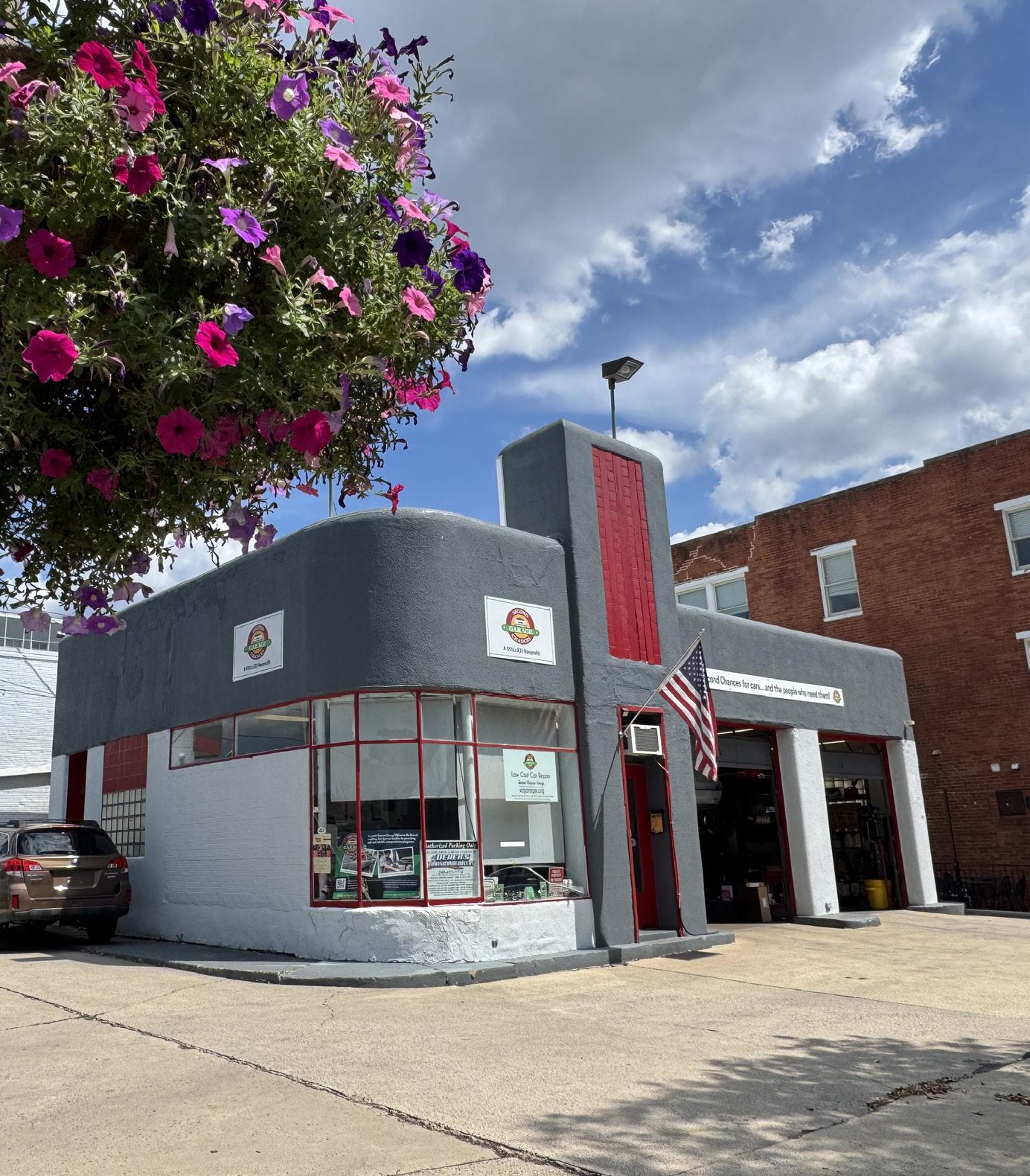
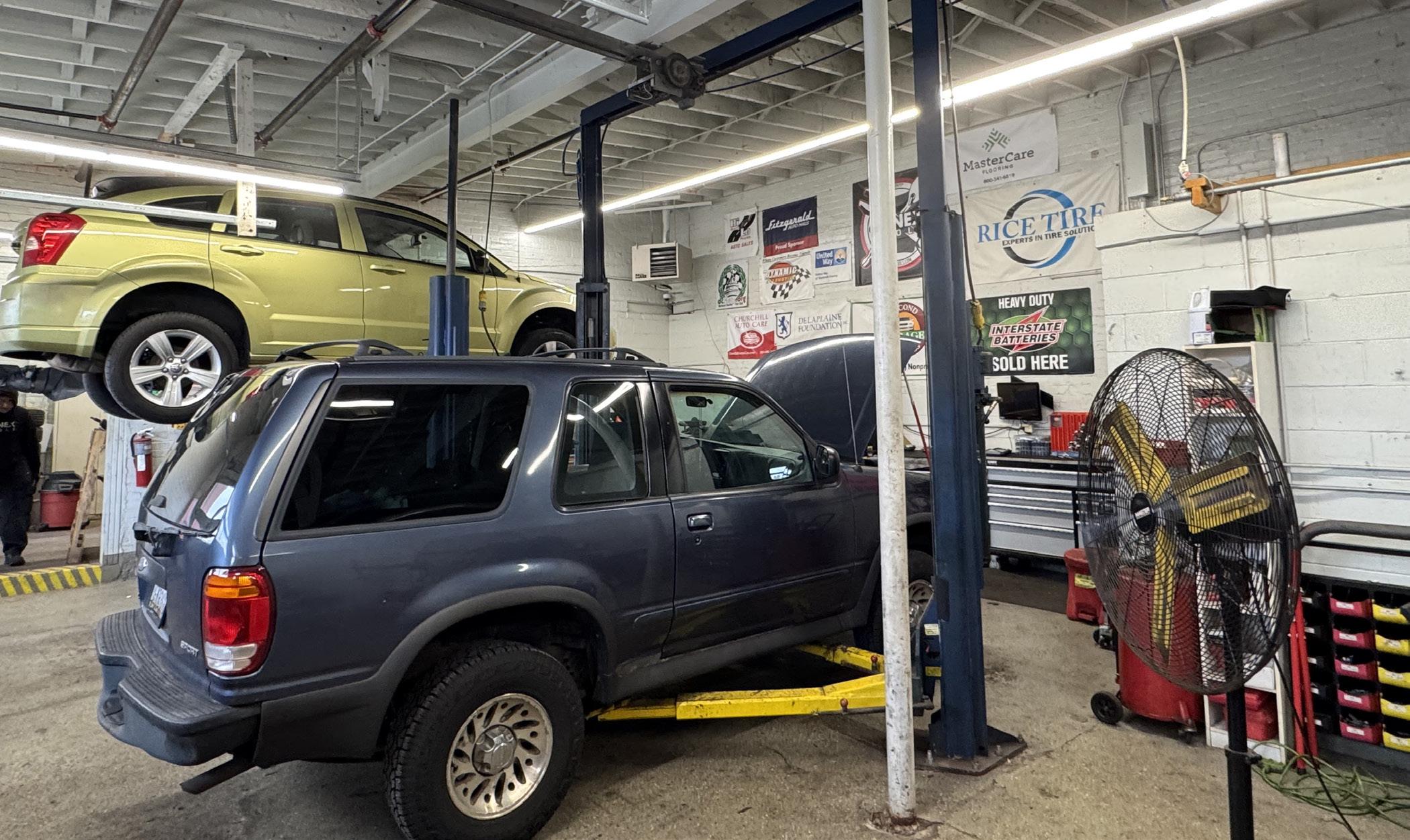
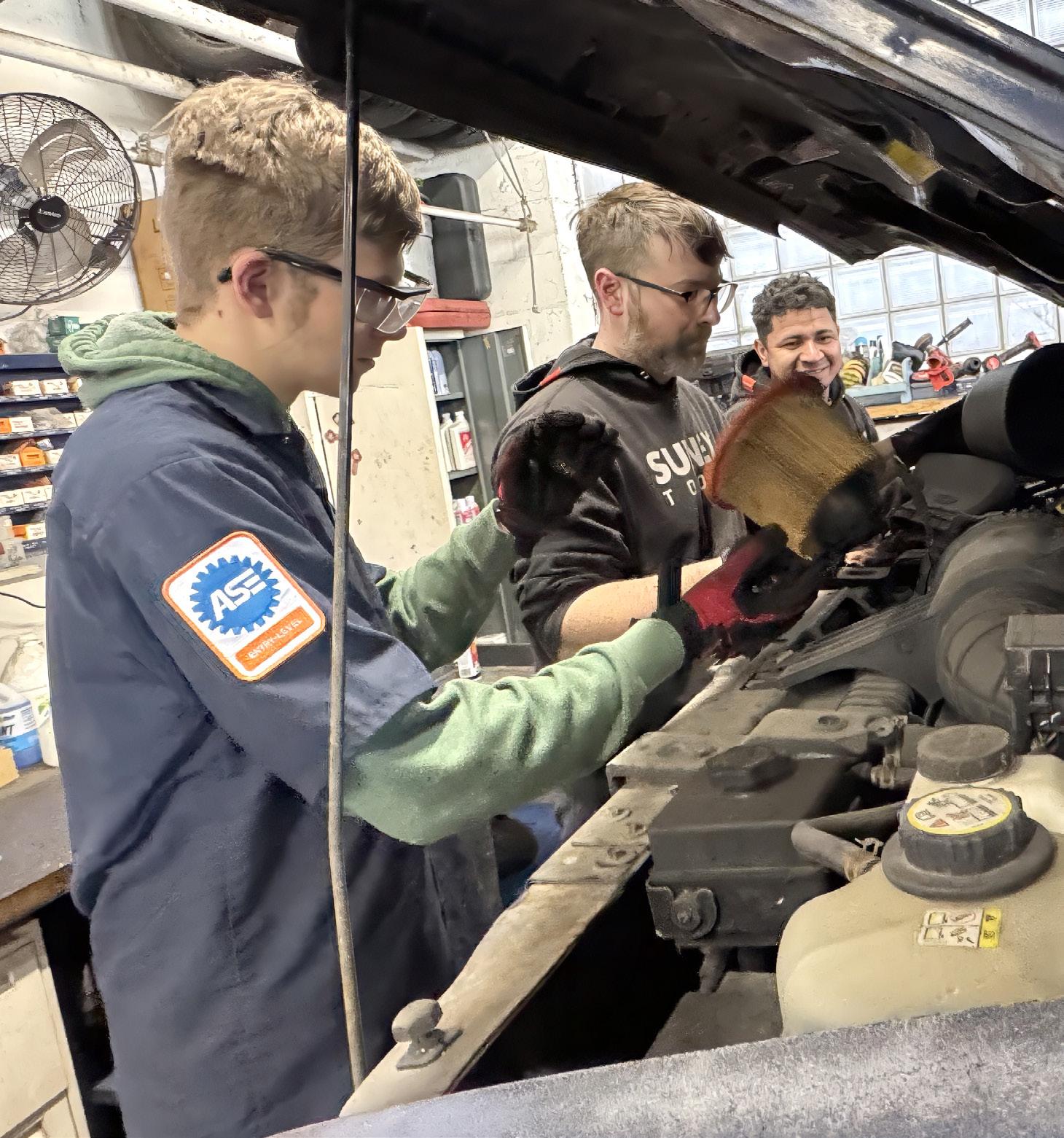
Many cars that come into the nonprofit, which refurbishes donated vehicles and offers reduced-cost repairs for low-income working adults, are more than 20 years old and/or have passed the 200,000-mile mark. Even some of the newer models need major fixes.
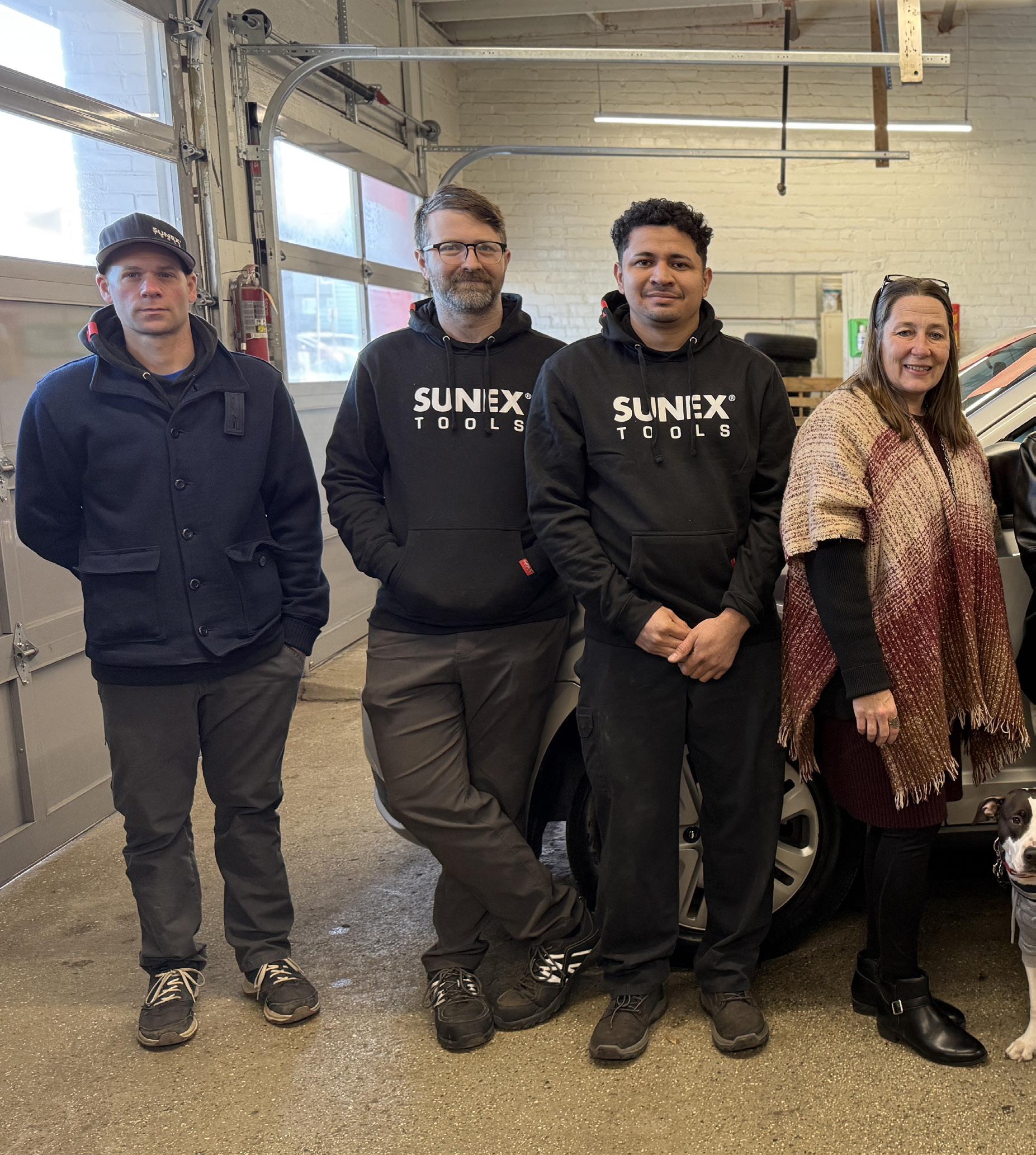
The two full-time technicians at the shop in Frederick, Maryland, bring students into complex jobs early, supervising them well beyond basic tasks such as oil changes, battery replacements, and tire rotations.
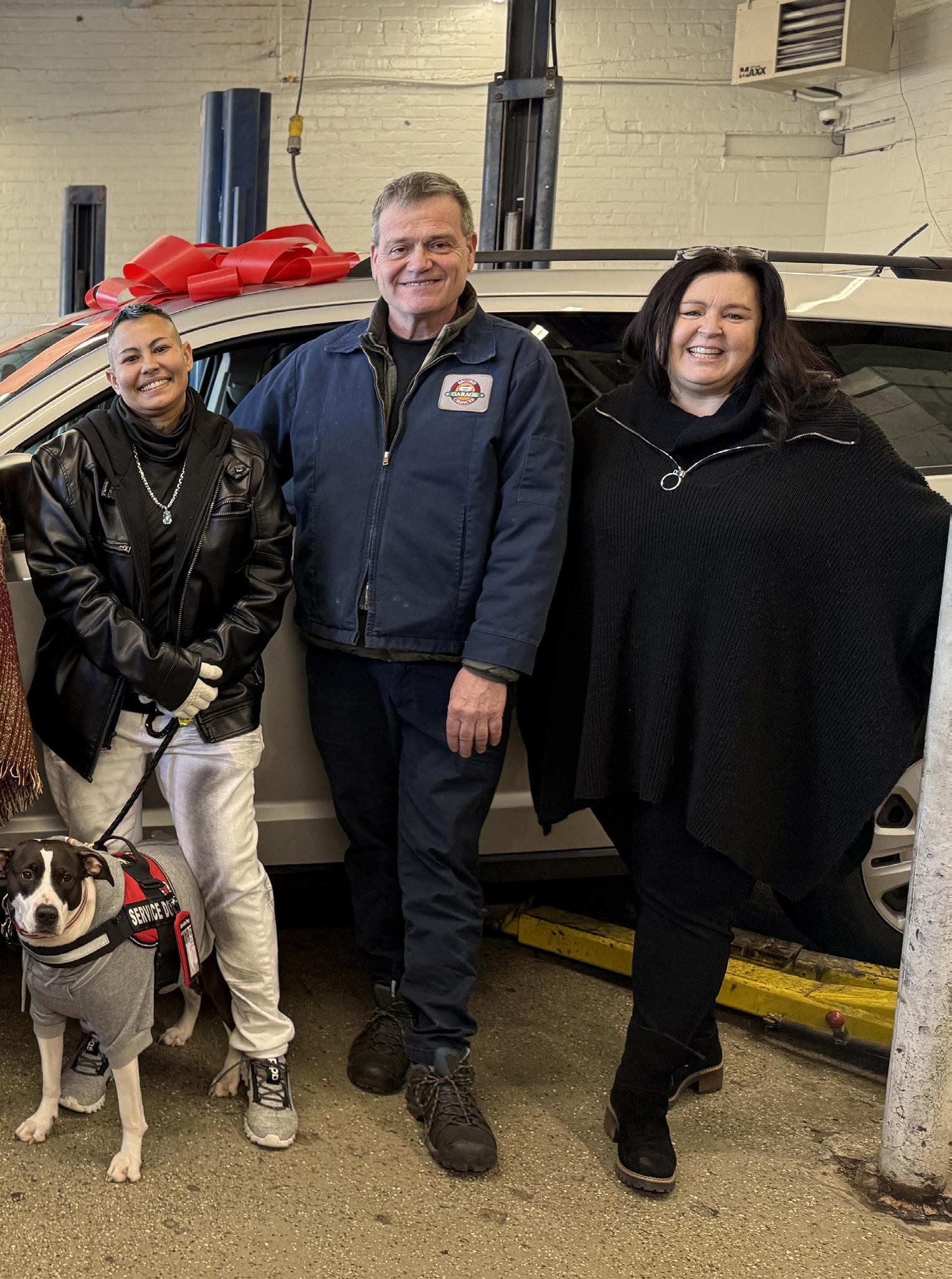
“Right now, I’m looking at an apprentice literally pulling a camshaft out of a car,” said Joe Hall, a Second Chances technician since 2017. “They are constantly challenged, which I think helps them move up in skill level and advance a lot faster.”
Second Chances aims to train three apprentices each year, most of them high school juniors and seniors. Along with hands-on experience, they gain true awareness of how dependable transportation can change lives, says Tonya Hatosy-Stier, executive director of Second Chances.
“Younger team members often want to feel like their work matters,” HatosyStier notes. “Here, they see firsthand that reliable car is the difference for
getting to work consistently, taking kids to school, making medical appointments, accessing food. That connection between skill and impact is something you can’t always teach in a traditional shop setting.”
Building a pipeline of new technicians in the automotive industry is a central piece of the mission at Second Chances, a blend of a community service project, skilled trade center, and workforce development program.
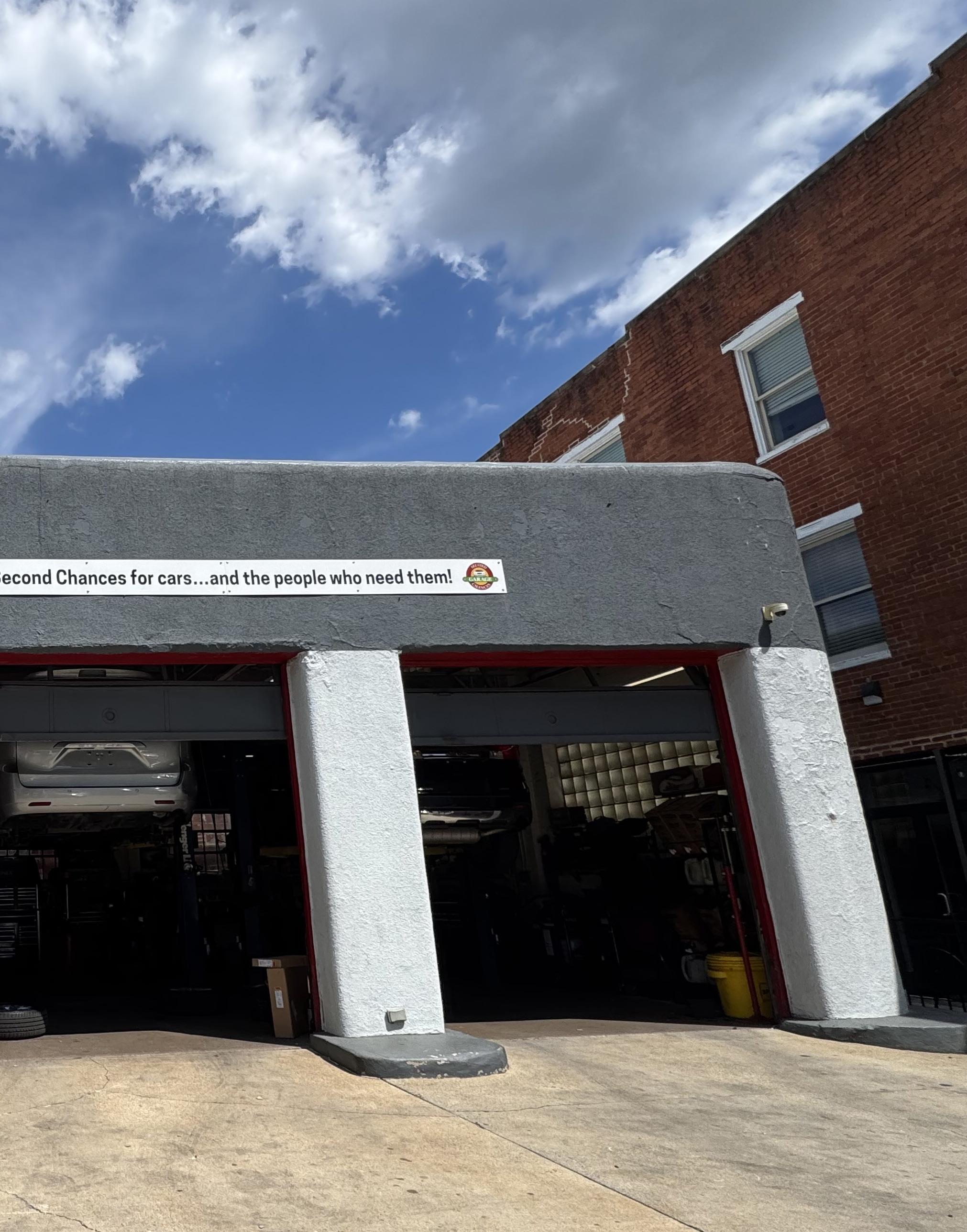
The 501(c)(3) nonprofit was founded in 2010 by Rick Trawick, an engineer and car enthusiast, and his wife, Cindy Trawick. Their effort began with fixing up one car for a neighbor in need and has grown into a shop with four bays and six full-time employees.
Second Chances’ staff technicians are paid a salary rather than working in a flat-rate or hourly system, with mentorship of apprentices an expected part of their duties. At times, they partner with other area auto shops on more complex jobs.
“It never feels like a rat race,” says Hall, who has 13 years of experience plus grew up with a father who did body work for a living. “It’s not about diagnosing problems as quickly as humanly possible to make money. There’s a bigger picture.”
Over the past 16 years, Second
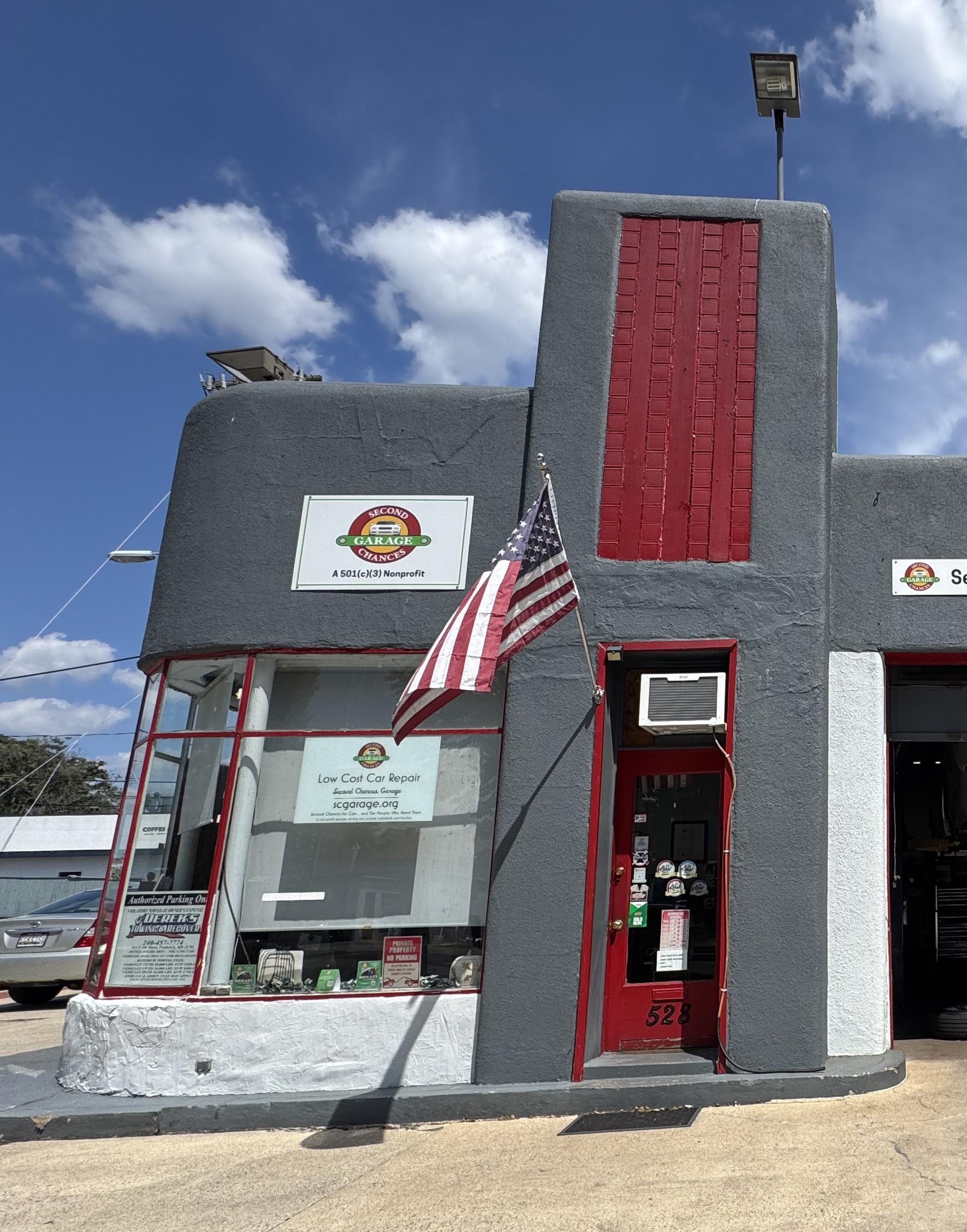
Chances has placed more than 425 cars with working individuals, military veterans, and families who can’t afford to buy a vehicle with their paychecks and usually have to rely on public transportation.
In addition, 10,000-plus clients have qualified for affordable repair work at the shop, where prices often are about half the cost of full-service garages. Many report that they can afford gas and car insurance but not scheduled maintenance or repairs.
Second Chances works with people directly referred by a variety of local organizations, such as nonprofits, social services agencies, health departments, public housing authorities, and churches. They include young adults juggling jobs and school, single parents, military veterans, people experiencing homelessness, and those in recovery from substance use disorder.
Partner agencies verify that each candidate has met income criteria, has no current or pending criminal charges, and, if they are applying for the vehicle placement program, is stable and prepared enough to handle the responsibility of owning and caring for a car.
Instead of giving vehicles away, Second Chances charges a $590 purchase fee and provides access to a low-cost service plan. “Everyone has some skin in the game an immediate sense of ownership,” Hatosy-Stier explains. “It’s a very intentional process.”
The nonprofit receives roughly 380 donated vehicles a year, although typically only about 45 of those turn out to be safe and cost-effective candidates for placement. Some cars are not even running before they are towed into the shop.
“We happily take all types, but we have to triage carefully,” Hatosy-Stier says. “We don’t want someone to get a car that dies in a matter of months. We choose cars that have enough life in them to set people up for success for the next three to five years.”
The remaining donations, all tax-deductible, still fuel the mission via retail sales, wholesale markets, recycling or parts donations, she continues: “Every vehicle has a role. Either it becomes reliable transportation for a neighbor or helps fund the next road-ready car.”
Auto tech apprentices come from Frederick County Public Schools and the Frederick County Career & Technology Center (CTC), which serves students in grades 10 to 12, with grant support from Frederick County Workforce Services.
SUNEX Tools also helps fund the program and gives a box of tools worth $2,500 to $3,000 to apprentices who complete their 450 hours of required training.
“It’s a perfect way to show them we’re proud of them, as well as to support the CTC mission of getting students ready for their first job,” Hatosy-Stier says.
Most apprentices land a shop position quickly. Hall’s fellow full-time technician at Second Chances, meanwhile, is Lester Gonzalez, who joined the garage as a Youth Apprentice in 2021 and was hired as a staff member shortly after graduating.
Apprentices often witness the emotional transfer of vehicles to recipients, when Hall or Gonzalez offer the new owners an overview of their car’s parts and walk them through basic tasks such as changing oil and checking fluid levels.
“People are grateful, but they can also be overwhelmed,” Hall says. “We just try to support them and make a difference in the community.”
Asked to share recipient stories, HatosyStier offers two. One was an 18-year-old high school student who was homeless
and working two jobs. However, he could only reach certain workplaces on public transportation and couldn’t take shifts when a bus wasn’t running.
With a Second Chances car, the young man drove to a grocery store 15 miles from his couch-surfing spot, where he landed a job that paid $10 more an hour. He was able to work fewer hours and schedule shifts around classes to graduate from high school.
“He has his own place now and is in college,” Hatosy-Stier shares. “It’s like a domino effect when transportation barriers are unlocked.”
Another memorable recipient was a single mother of two who also had been homeless. Without her own vehicle, grocery store visits sometimes ate up several hours of her day, and she couldn’t buy more food and milk than she could carry on a bus.
“When she got a car, she kept
thanking us because she actually had time to take her kids to the park,” Hatosy-Stier recalls. “It wasn’t just about the money it was about being a better parent and having time for things that brought her joy.”
Moving forward, the nonprofit’s Board of Directors leaders in diverse areas such as education, finance, law, fund development, business management, and advocacy hope to continue expanding its rehabilitation, repair, and apprenticeship programs. In fact, the board is actively looking for a new location with room for six bays and more office space.
“Our team is passionate about serving both our community and the automotive industry,” Hatosy-Stier says. “If you have a reliable vehicle, you often don’t even think about how important it is. You take it for granted. We want more people to have that privilege.”

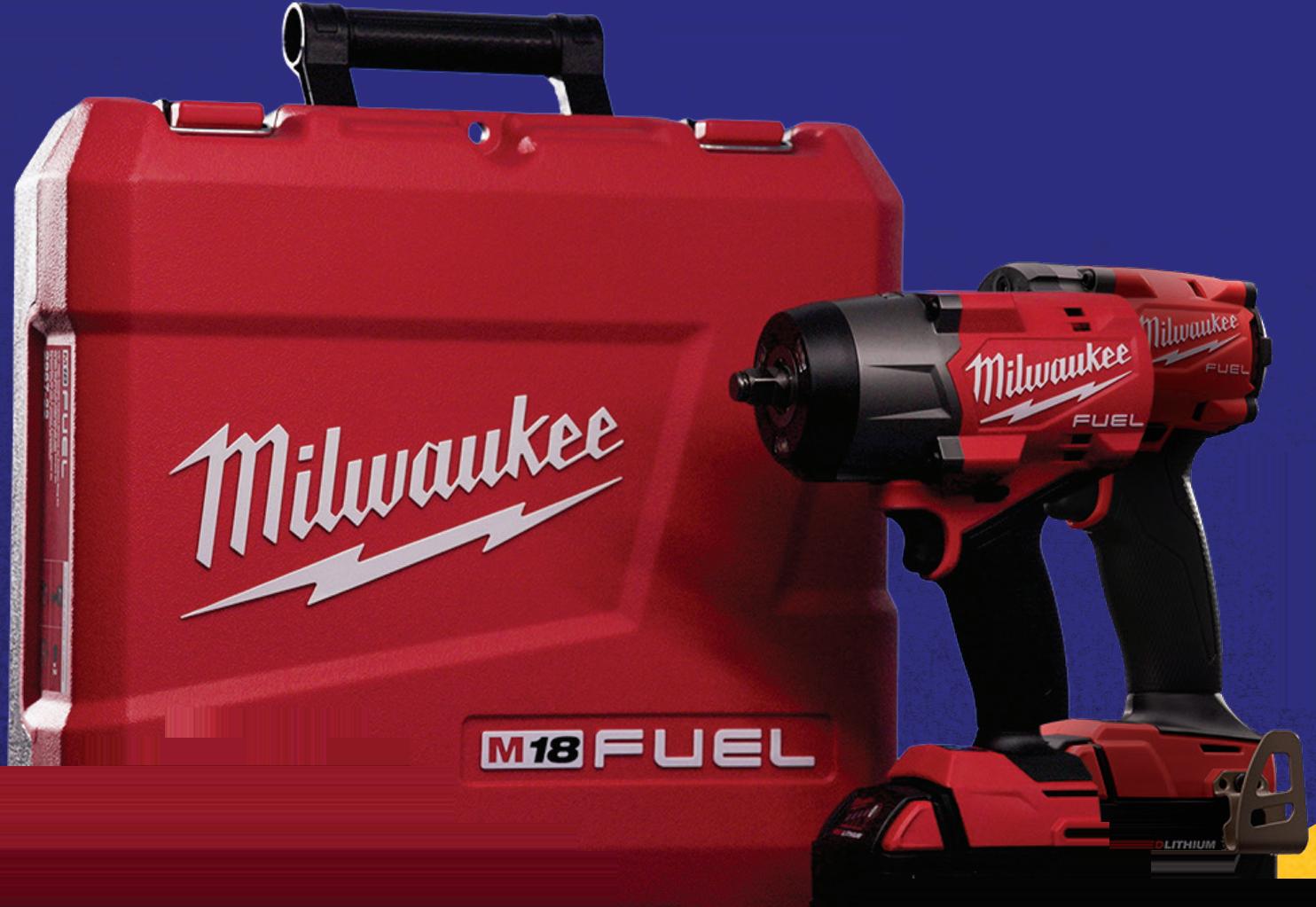
When the job demands maximum torque and reliability, pros turn to NAPA for the tools and equipment that get it done. That’s why we stock the Milwaukee Fuel™ lineup of impacts, ratchets and complete kits, because when you need power that performs, NAPA delivers.

Done right, a full rebrand can transform a shop. Two owners share the lessons they learned from their shop overhauls that helped build lasting brands
BY NOAH BROWN
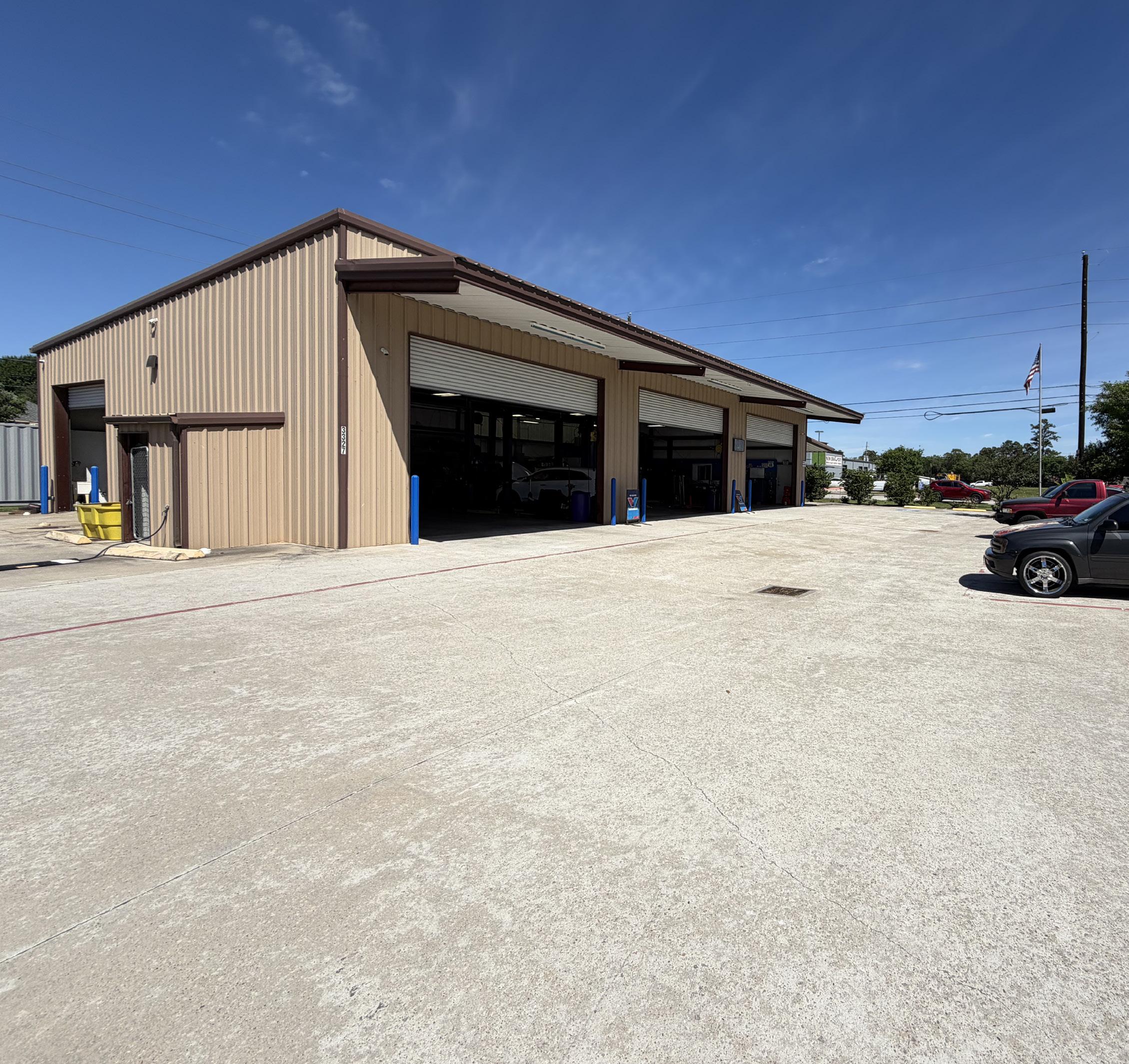
When Tom Eisenberg decided to rebrand his newly acquired shop in Southern California, he says there was a lot more that went into the process than he initially anticipated.
“It was rough,” Eisenberg says. That blunt assessment is all too common for shop owners that have entertained the idea of a rebrand. On the surface, the process can look straightforward: a new logo, new colors, and maybe a new sign out front. In reality, however, it can be one of the most disruptive and stressful processes a shop owner takes on.
Eisenberg, owner of Lucky’s Auto Care, and Jason Bridges, owner of
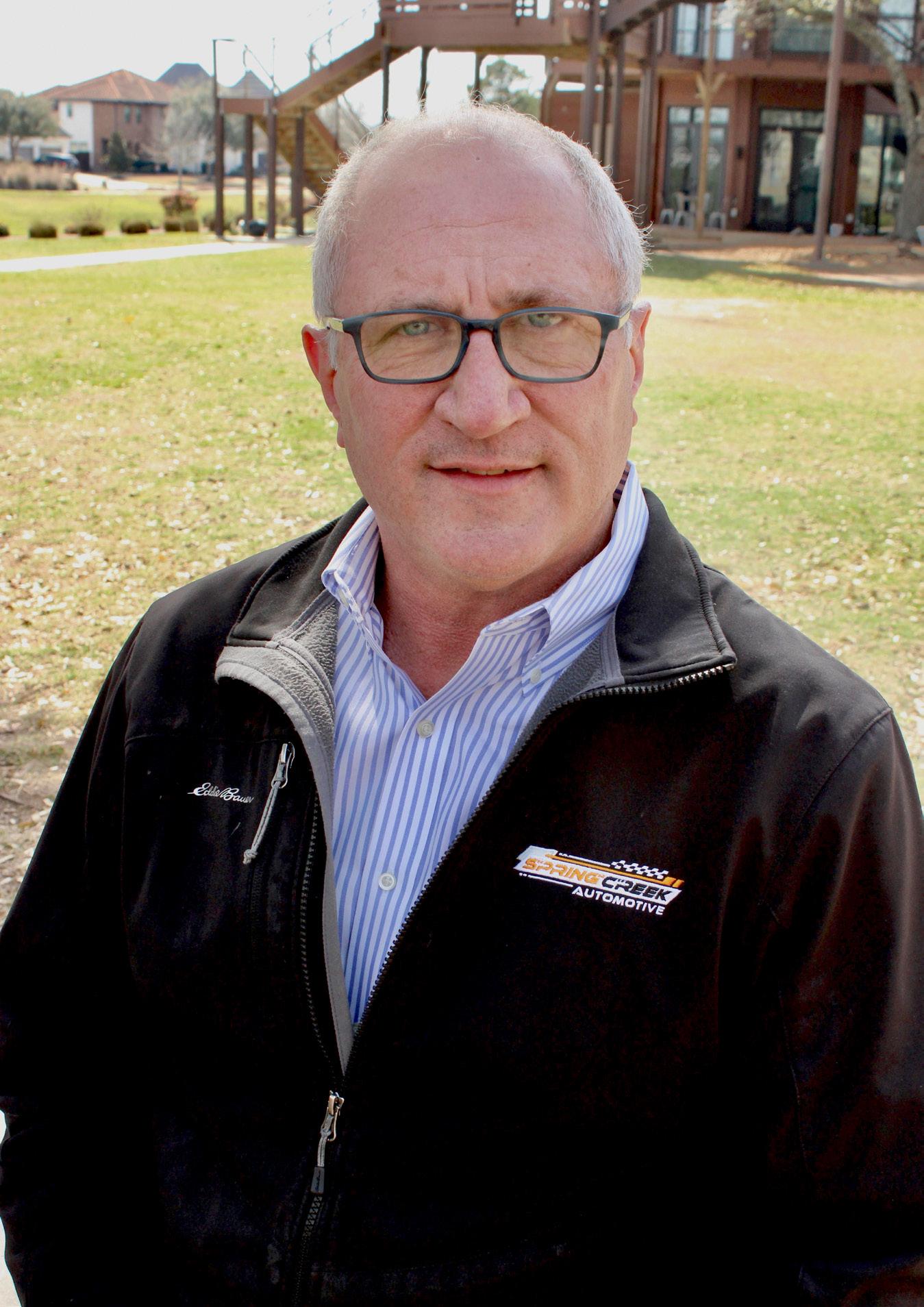
Spring Creek Automotive in Spring, Texas, both acquired existing shops and took them through full-scale rebrands to better match their visions of what they wanted from their shops. Their experiences were different in execution, but both had a common theme: A successful rebrand requires far more planning, patience, and operational awareness than most owners expect.
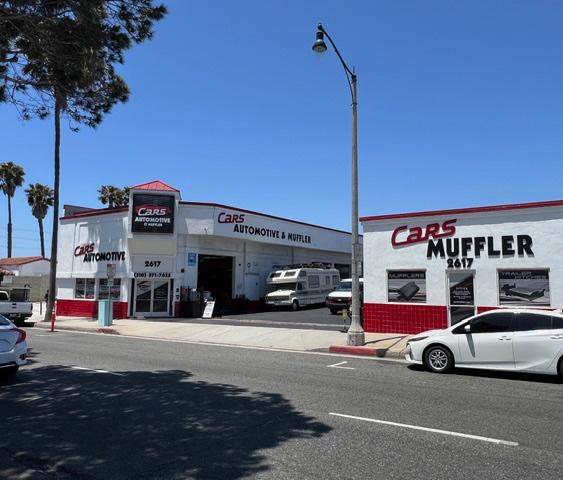
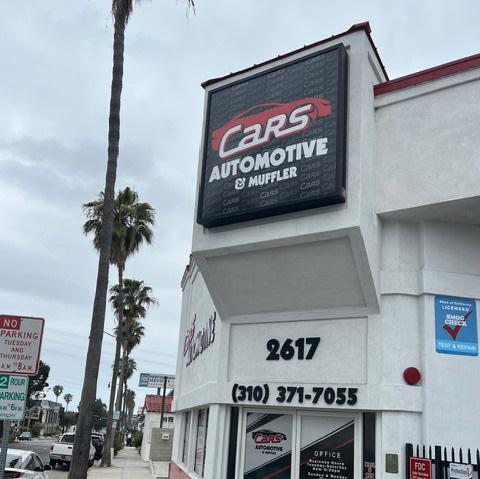
Eisenberg acquired his shop in 2024. At the time, it operated under the same name—Cars Automotive and Muffler—that had been in place since 1978
and hadn’t been meaningfully updated in decades. After running it for about a year, he realized the brand didn’t reflect his vision.
“I wanted to build something of my own,” he says.
That decision marked the beginning of a complete overhaul. Eisenberg wasn’t new to the rebranding process; he had previously refreshed the branding at his grandfather’s shop, keeping the name while modernizing the visuals.
He described that experience as relatively smooth and even enjoyable. However, this time with his own shop was different.
“With Lucky’s, I had no brand rec-

ognition,” he says. “I had to build brand recognition again.”
Bridges faced a similar identity challenge. The shop he purchased was called Scott’s Automotive, and as he points out, there was a good reason for a rebrand.
“I’m not Scott,” Bridges says, “and Scott’s no longer here.”
After spending about a year getting to know the customers and the area, Bridges decided it was time to put his own stamp on the business.
He chose the name Spring Creek Automotive, tying the shop to a wellknown local landmark and a longer-term vision of potentially opening multiple locations in the area. For shop owners,
the distinction between a brand refresh and a full rebrand matters. Updating visuals while keeping a familiar name can re-energize a business without resetting customer awareness. Changing the name entirely, however, means starting from scratch in many ways.
One of the biggest misconceptions about rebranding is that it’s primarily a creative exercise. While the creative assets are important and are the most visible parts of a rebrand, Eisenberg says, there’s much more to the whole picture.
“There was the physical rebrand, the digital rebrand, and then the legal rebrand,” he says. “That’s the part nobody thinks about.”
Despite keeping the same tax ID, Eisenberg had to update business licenses, DBAs, supplier accounts, and vendor paperwork. Some suppliers required entirely new accounts to be created before he could order again.
“It was a nightmare,” he says. “I would pay someone to do all the legal stuff if I did it again.”
Bridges ran into a different set of surprises, particularly around signage. While he planned to replace the look of his exterior signage, he quickly learned that permits often dictate size and placement, limiting flexibility. Even removing old signage proved expensive.
“It was upwards of $5,500 just to take them down,” Bridges says. “It’s way more involved than I anticipated.”
Both owners emphasize the importance of researching these logistical details before committing to a timeline or budget.
Although every situation is different, both Bridges and Eisenberg agree that every owner going through a rebrand should focus on their shop’s digital presence first.
Eisenberg started with what he calls the “digital universe,” building the website and online infrastructure first, knowing it could take months to complete. He timed the launch carefully so the new website went live the same week the physical rebrand was completed.
“I don’t know why I wanted it so perfectly timed,” Eisenberg says, “but once the signs went up, the website went live, and we killed all the old marketing.”
Bridges learned a different digital lesson: Changing a shop’s name effectively resets its online history.
“When you change the name, all that Google history pretty much goes away,” Bridges says. Reviews, search rankings, and map listings don’t automatically transfer to a new brand.
To reduce confusion, Bridges used “Spring Creek Automotive, formerly Scott’s Automotive” across his website,
mailers, and communications for several months. He also kept the old website active with redirects to the new one.
“It really helps stave off confusion,” he says. “Especially for existing customers.” Updating Google Business Profiles, Apple Maps, and other platforms also required hands-on effort and verification, which is another area where outside marketing support proved valuable.
While the operational side was the most
stressful, both owners also agree the creative side was the most rewarding.
“The branding was the fun part,” Eisenberg says. “Thinking about the logos, the colors, what the shop’s going to look like.”
That doesn’t mean design choices should be made in isolation. Bridges focused heavily on versatility, putting a lot of time and thought into how the logo would look on signage, shirts, print materials, and digital platforms.
“It has to work everywhere,” he says, “not just on the sign out front.”
Instead of hiring a full-service agency, Bridges used an online logo contest platform, allowing designers from around the world to submit concepts based on his guidelines. He refined the final design with feedback from family, friends, and trusted customers.
“I love my logo,” he says. “They nailed it, and it was very cost-effective.”
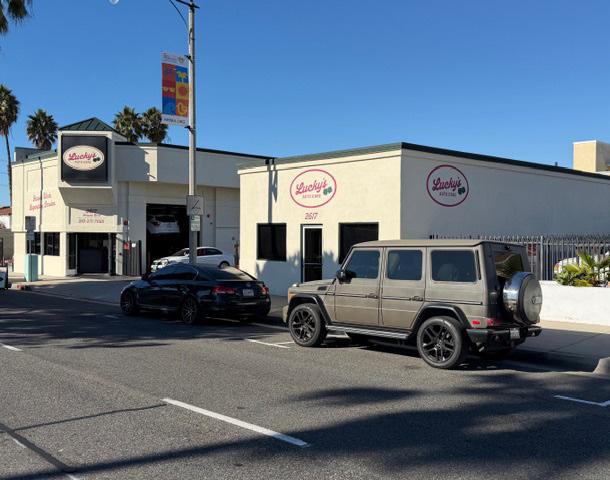
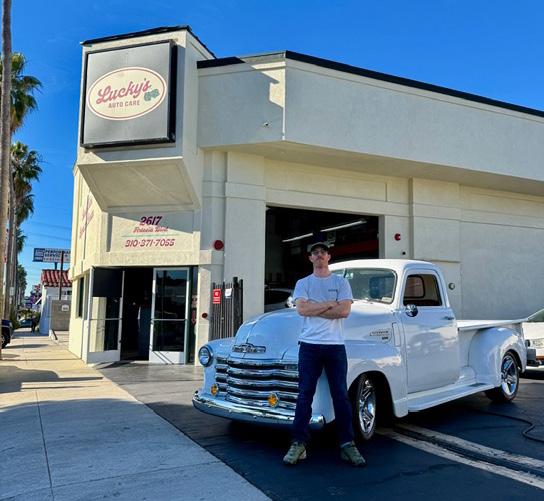
Both owners caution against getting Located on a busy street, Lucky’s new signage and fresh look helped the shop stand out from neighboring businesses with aging exteriors. The result was an increase in walk-ins and strong feedback, especially from younger customers.
Despite the stress, cost, and occasional frustration, both owners say the rebrand delivered.
The response has been overwhelmingly positive. Customers compliment the look. Some have even asked for branded merchandise, a sign that Eisenberg says means the brand is resonating.
Looking back, Eisenberg wishes he had tackled the process sooner and delegated more of it. Bridges is glad he went through it hands-on, knowing the experience will pay off if he opens future locations.
Jason Bridges, owner of Spring Creek Automotive, cautions anyone considering a rebrand to realize the domino effect it has on physical, digital, and even legal aspects of a business.
Deciding to go through a rebrand is a big step for any business. Both owners say the most important considerations are deciding whether your brand aligns with your mission, who your customers are, and what you want your overall customer experience to be.
Fixing cars correctly is the baseline. In today’s market, brand and experience are how customers decide which shop earns their trust.




























3-Year,










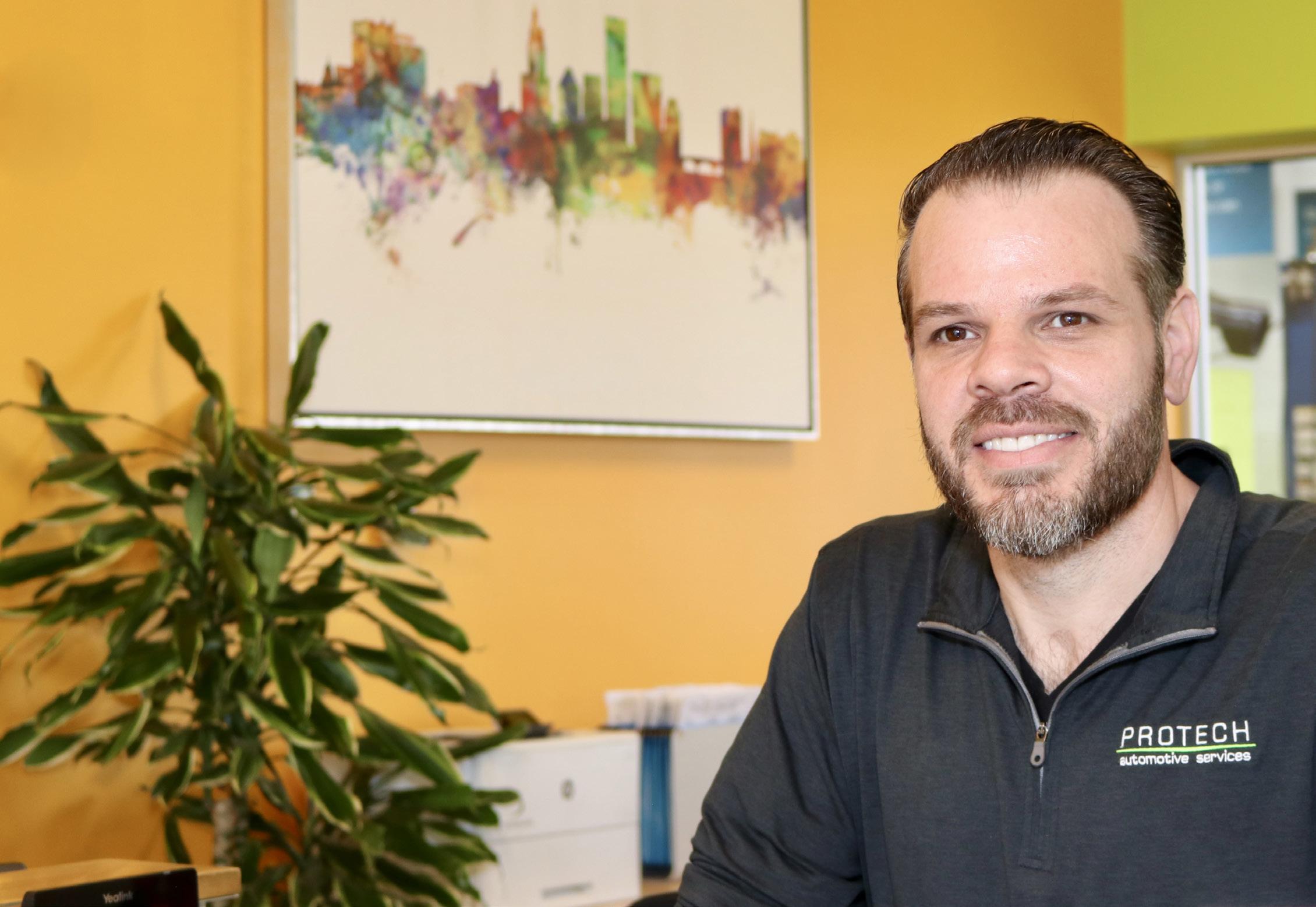
The biggest obstacle standing in the way of increased productivity and revenue is you BY TESS OWINGS
Anthony Bodine is never “done.”
According to him, there’s always room for improvement and his shop, Protech Automotive Services in Johnston, Rhode Island, gets better every single day. That’s because Bodine has figured out a key to success—improve what you’re already doing rather than adding more.
“You can always find reasons why numbers aren’t there, but reality is every shop has things that work against them and hurt efficiency and there’s always room for improvement,” Bodine says. “It’s never done.”
Another location? More space? Additional services? Those are all well and good for some people, but all Bodine sees is additional headaches and costs.
“We try to maximize what we’re doing here,” Bodine explains.
If there are inefficiencies—leaking technician time, for example—that’s
only going to follow you to a second location.
Bodine’s lifelong passion for cars and entrepreneurial spirit made it a nobrainer that he would someday open his own shop. After going to school for business, he was able to do just that in 2010 when he opened Protech Automotive Services. He says that if you’d have talked to him back then, he would have been certain that he would have opened an additional location or two by now. But these days, he has an entirely new perspective on running a business and he realizes that maximizing what he and his team are currently doing is the best plan for him right now.
Years ago, Bodine had a packed parking lot every single day, which sounds
great, but the reality was it was causing burnout.
“We had so many cars—high car count—everyone was stressed. We weren’t making money,” Bodine says.
They were taking in everything and packing the schedule full. It resulted in overwhelmed techs that were breezing through inspections and grabbing the low-hanging fruit. More cars don’t always equal more revenue, Bodine learned, and he knew he needed to do something.
Years ago, Bodine would brainstorm what he could do to bring in more revenue and alleviate stress. What about doing rental cars? Maybe adding detailing or windshields? In the end, he always went back to doing more of what they were already doing in a more efficient way.
BY RACHEL

“We already have a building and equipment; we’re running on fixed costs,” he notes. “If we increase ARO or output without adding a second part of the business, wouldn’t it be easier?”
Easier said than done, right? Bodine shares a few secrets to his success in making more out of what he already has:
Bodine knew he needed to promote quality over quantity, meaning it was better to see fewer vehicles per day and give those a thorough inspection which would hopefully lead to higher AROs. They use DVIs and communicate clearly with their customers to let them know exactly where their cars stand, which has resulted in a higher ARO.
Unless it’s a special circumstance, Bodine doesn’t allow waiting appointments. Everything is drop-off so techs don’t have to jump off of what they’re already working on to get to an appointment. They’re up front with their customers about this and they offer loaner
vehicles. Bodine adds that the loaner vehicles are an added expense but it’s worth it in the end because it helps with technician efficiency.
Rather than attracting any work they could, Bodine and his team started trying to attract the right customer by spreading out their marketing.
“The further out we market, the less volume you see, but the ones that you do see the value because they’re passing seven other shops to get to yours.”
Customers that are driving half an hour to get to your shop want to get everything they can take care of at that appointment rather than making another trip. Bodine says the ARO he sees from customers that come from outside the immediate vicinity of their shop is 20% to 30% higher.
“Attracting the right customer has been huge for us. Higher average RO, lower volume, better customers.”
Shops all have slower periods. The week kids go back to school, for example, is a time when Bodine sees a decline in vehicles coming in. Rather than just waiting it out, he decided to add on fleet customers. The fleets that he works with have the same slow period that he does, so it works out perfectly. They bring their vehicles in to be serviced at that time since they’re less in demand and Bodine is able to keep his typical workload.
Whenever a technician has to stop—for whatever the reason—it kills efficiency and revenue. Bodine does whatever he can to keep his team moving and one of the ways he does this is by planning ahead for the jobs that they know are coming in. For example, his team always reminds customers to bring in their registrations and both license plates if they’re coming in for state inspections because so many customers forget and have to leave and come back. He also orders parts ahead of time for vehicles that come in regularly and he knows what needs to be done.
One big bottleneck Bodine noticed was customer approvals. An inspection and
the estimate were complete, but the customer often wouldn’t answer the phone to approve work for three hours. The vehicle, parts, and technician would just be sitting stagnant waiting on a yes or a no. The way that Bodine has gotten around this is by communicating a timeline to customers about when they can expect a phone call and to ask whether or not it’s a good time. If they’re in a meeting at that time, Bodine’s team will adjust the timeline to what works for the shop and the customer.
“Keep them in the loop and we’re not waiting on a customer,” Bodine says.
Bodine says that scheduling is one—if not the biggest—pain point for any shop. He says he and his team are constantly looking at the schedule to see what they can to be as efficient as possible. For example, if halfway through the day they’re all caught up and the day is slowing down, they’ll call people in and let them know they can bring their vehicles in early. Bodine says that if the schedule is light on Wednesday, he knows that his team has already called people that have appointments on Friday to bring their vehicles in the next day. They also only do waiters for special circumstances and, if they do allow a waiter, they do it first thing in the morning or right after lunch so the technician doesn’t have to stop what they’re working on.
By making adjustments and maximizing what he was already doing, Bodine has been able to cut down on car count and raise his ARO. Six years ago, Protech Automotive Services was averaging 575 cars per month with an ARO of roughly $300. Today, the monthly car count is 325 with an ARO of $850 with the goal of working up to 375 cars per month and an ARO of $900 by the end of 2026.
Bodine says you need to be honest with yourself and dig deep. Look at your numbers and see where there’s room for improvement. If you’re unsure, compare numbers with other shops. If your ARO is half of what everyone else’s is, there’s a place to start. “Your real true competitor is inefficiencies in your own shop,” Bodine says.
THE 35,000-FOOT VIEW
It erodes loyalty and human connection instead of cultivating the genuine relationships the industry is built on
BY R. “DUTCH” SILVERSTEIN
If you operate a high volume, transaction-based shop, then what follows will likely be of little interest to you. However, if you measure success using other barometers aside from the bottom line alone, then keep reading.
I’ve got nothing against progress (although what is often defined as progress is anything but). I was there when carburetors were replaced by fuel injection and I didn’t blink when points were replaced by electronic ignition. But walk into a shop today, and you’ll hear something far more unsettling than a rod knock— the sound of total, digital silence and a surprising absence of human connection.
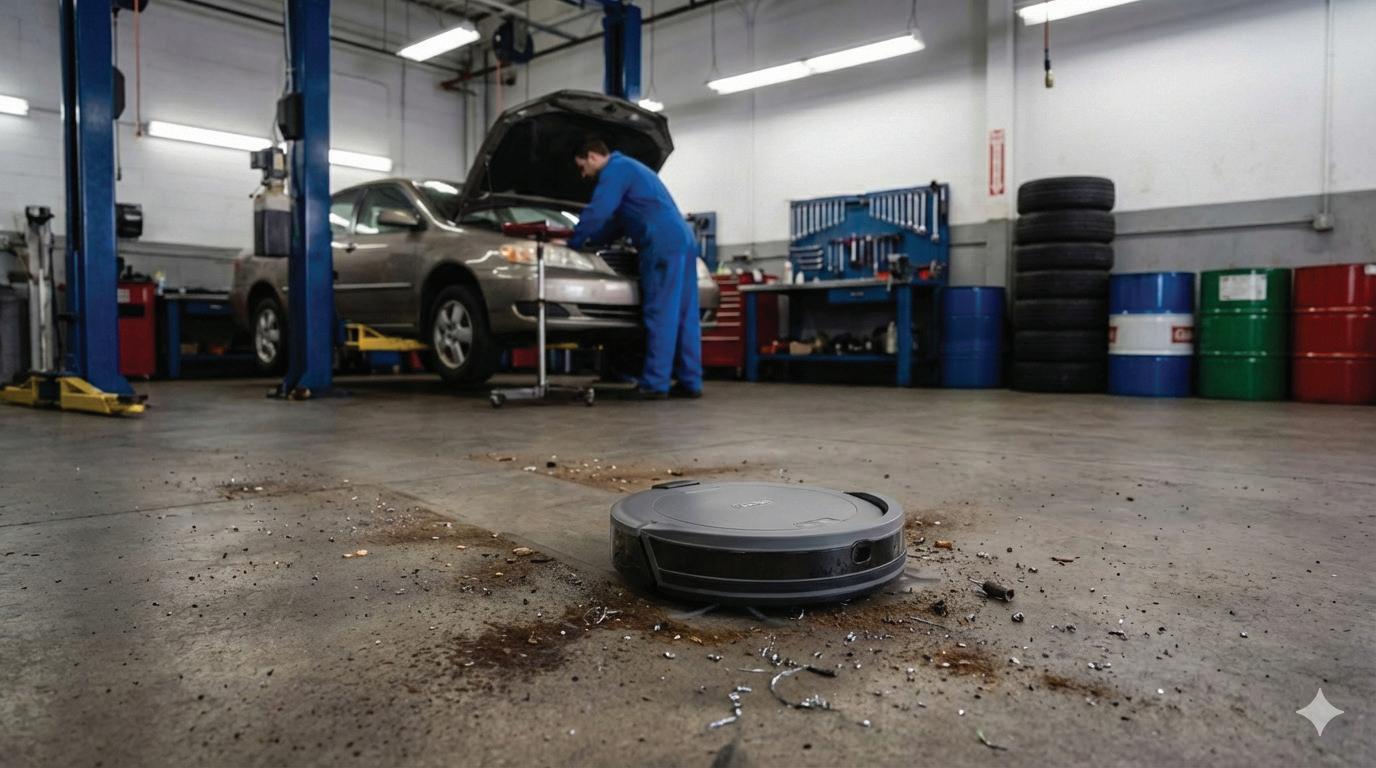
It’s 2026, and the “smart shop” has arrived. Sales reps promise us the ultimate model of efficiency and increased production. They call it “AI-driven workflow scheduler/optimizer.” I call it an idea that isn’t ready for day-to-day use in the realm of our business. One that has the very real potential to negatively affect your profit-and-loss statement and sabotages the relationships with your clients that you’ve worked so hard to cultivate.
The pitch is simple and remarkably seductive—delegate some tasks to AI. We’re all short-staffed. Finding an experienced, efficient, and personable service advisor that can connect with people can be a daunting task. Software companies know this. It should come as no surprise then when the software guys show up with “the solution to your problems.” “Don’t worry, Dutch,” they say. “The AI will handle the follow-ups. It’ll track the tech’s efficiency and available work time remaining, text status updates, and even answer some customer questions with minimum input from your service writer, freeing them up to increase their output—all without having to hire another person.”
On paper, it’s a beautiful harmony of different elements culminating in the creation of a flawless symphony of
efficiency and increased production. In reality? It’s a funeral dirge for the local shop that prides itself on building and maintaining relationships.
Recently I had a plumbing emergency at my house. I contacted a local family-owned company that I had used before with good results. After initial contact with a human customer service representative, all remaining communication came from an “AI Agent.” Not surprisingly from that point forward, the communication from the company was horrible. It became chaotic, confusing, and contained contradictory messages. Ultimately, a tech showed up, completed the repair, and apologized for the scheduling and numerous communication issues. “It’s the new AI program,” he said. “Everyone hates it.” Two days after the repair was completed, I got another text confirming the appointment time that happened two days earlier. Pathetic.
That’s the rub. AI doesn’t know people. It’s not invested in customer satisfaction or the company’s reputation. When you automate the “follow-up,” you’re telling the customer that their loyalty is just a data point to be processed by an algorithm that doesn’t breathe or care. AI “thinks” it’s being efficient. In reality, it’s creating a bottleneck of human frustration and customer resentment. And in this business, when frustration and resentment builds, customers leave.
We’re told that AI is the solution to the technician shortage. “Replace the human touch with digital precision,” they say. But here’s the truth they won’t print in sales brochures or include in a salesman’s pitch: The independent auto repair business isn’t built on precision; it’s built on trust.
Trust is a human currency. You can’t write it into a Python script. When a customer hands over the keys to a $60,000 machine that carries their kids to school, they aren’t trusting the “optimized work-

R. “Dutch” Silverstein, who earned his Accredited Automotive Manager Certificate from AMI, owns and operates A&M Auto Service, a seven bay, eight lift shop in Pineville, North Carolina. Dutch was a captain for a major airline earning type ratings in a variety of aircraft including the Boeing 767/757, 737, 200, 300 and 400 series, Airbus 319/320/321, McDonnell Douglas MD80/DC9 and Fokker FK-28 mk 4000 and 1000. After medically retiring, he transitioned his parttime auto repair business into a full-time occupation.
dutch@dutchsgarage.com
flow.” They are trusting the guy across the counter who looked them in the eye and said, “I’ll take care of it.”
If we let the bots take over the talking, we’re just a commodity. If the customer feels like they’re being managed by an algorithm, they’ll start shopping by price alone. And if you want to compete on price against the big-box franchises and the automated OEM service centers, you’ve already lost the war.
So, by all means, use technology to scan VINs and track inventory. Use it to track your KPIs to your heart’s content. But the moment you let AI tell your customers how much you “value” them, you’ve stopped being a shop owner in the people business and started being a software middleman.
Keep the soul in the shop, ladies and gentlemen. Otherwise, the only thing you’ll be repairing is your reputation.