Cinderella | Write two things you notice and two things you wonder about the text.
A two-column chart with headings labeled Notice and Wonder.
Notice
L2 | Notice and Wonder Chart
Works of Art | Write one thing you notice and one thing you wonder about each work of art.
A two-column chart with headings labeled Notice and Wonder.
Notice
L3 | Story Map
Cinderella | Fill in the story map.
Five boxes with headings labeled Characters, Setting, Beginning, Middle, and End.
Characters Setting
Beginning
Middle
End
900 Cinderellas
by Marcia Amidon Lusted and Judith C. Greenfield illustrated by Katrina Damkoehler
If someone asked you to name a fairy tale everyone knows, chances are you might say Cinderella. But did you know that the story of Cinderella is found all over the world in many different cultures? In China, she is known as Yeh-Shen. In Appalachia, she is called Ashpet. Some Native Americans know her as Little Burnt Face.
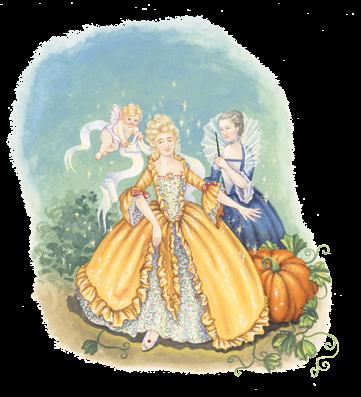
No matter what she is called, Cinderella is always beautiful and good. Sadly, other members of her family are jealous of her goodness and beauty. They are cruel to her. She is made to wear rags and do the worst chores in the household. But then a magical person comes to help her. Dressed in beautiful clothes, Cinderella meets a prince or a king who wants to marry her, but she is forced to
run away from him and wear her rags again. In the end, he finds Cinderella, after she proves her identity through a special test (remember the glass slipper?). Then they marry and live happily ever after. Around the world, there are more than 900 different versions of this story, but they all follow this same basic plot.
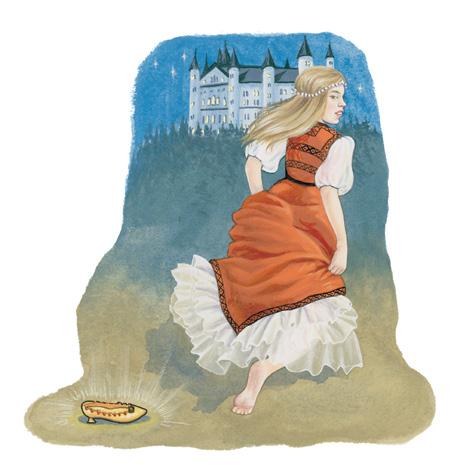
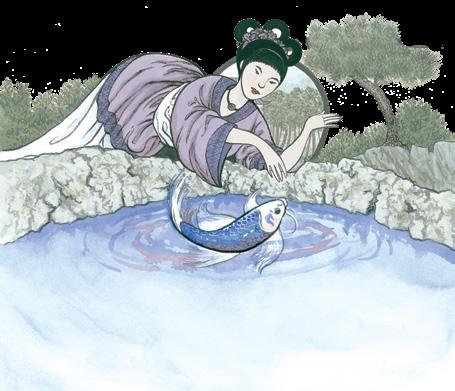
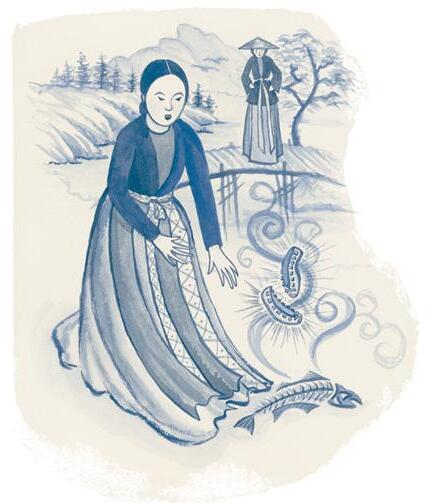
One version of Cinderella was written in China more than a thousand years ago. Beautiful Yeh-Shen lives with her stepmother, who treats her badly. Yeh-Shen’s only friend is a pet fish, but her jealous stepmother kills and cooks the fish. An old man then tells Yeh-Shen to pray to the bones of her fish. The bones grant her a wish. Yeh-Shen is given a beautiful blue dress and tiny golden slippers, which she wears to a festival. But when she flees quickly so she won’t be recognized, Yeh-Shen loses one of her slippers. A man finds the slipper and sells it to the king, who falls in love with the tiny slipper (in China, tiny feet were thought to be beautiful). When Yeh-Shen proves that the slipper is hers, she and the king are married.
A Frenchman, Charles Perrault, wrote the Cinderella story most of us know. But in some parts of our country, Perrault’s story went through some changes. For example, in the Appalachian Mountains of North Carolina, Cinderella is known as Ashpet. Beautiful Ashpet wants to go to a church meeting. But jealousy drives other women to hide her under a washtub.
An old witch comes down from the mountains and gives Ashpet a pretty red dress and tiny red slippers, “the littlest ’uns you ever saw.” Ashpet goes to the meeting in her pretty clothes. There, she meets the king’s son. You can probably guess what happens in the end.
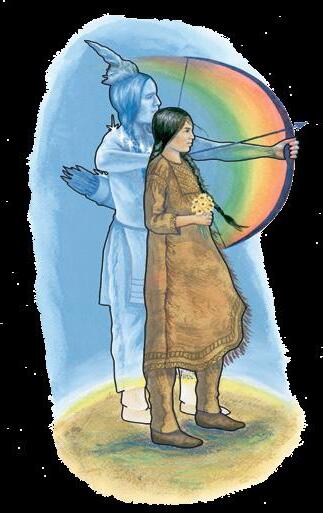
In another American variation of Perrault’s story, the Micmac people call her Little Burnt Face. Her jealous older sisters throw hot ashes on the beautiful girl, scarring her face. In the end, her purity and honesty are rewarded when Little Burnt Face becomes beautiful again and she marries a great god.
The story of Cinderella has found its way all over the world. Why? Probably because the story expresses fears and hopes that most people can understand. In the story of Cinderella, there is something for everyone: magic, romance, and realism. Cruelty is always punished, and goodness is always rewarded.
L6 | Elements of Cinderella Stories Cards
Chinese version
version
L7 | Authors’ Point and Reasons
Organizer
“900 Cinderellas” | Fill in the authors’ point and reasons.
A box labeled Point. An indented box labeled Reasons is underneath.
Point
Reasons
L8 | Notice and Wonder Chart
Beginner’s World Atlas | Write two things you notice and two things you wonder about the text.
A two-column chart with headings labeled Notice and Wonder.
Notice
L10 | Key Details Organizer
Beginner’s World Atlas | Add details from the images and the words.
A two-column chart with headings labeled Images and Words.
Images
Words
L10 | Evidence Organizer
Module Task 1 | Write the name of each land feature for your digital display at the top of each column. Write two notes about each land feature.
A blank two-column chart.
L11 | Continent Diversity Chart
Beginner’s World Atlas | Write the name of your continent at the top of the chart. Write at least two things to see and two things to do on your continent.
A two-column chart with headings labeled Things You Might See and Things You Might Do.
Things You Might See Things You Might Do
L11 | Digital Display Planner
Module Task 1 | Fill in the planner to plan your digital display.
Title:
L12 | Knowledge Web for Geography
Beginner’s World Atlas | Write notes about geography from the video.
A circle in the center with the word Geography. Lines branch off the circle in different directions. The lines connect the central circle to four other circles.
Geography
Module Task 1
Prompt: Choose a continent. Create a digital display to tell about two land features on that continent.
L14 | Notice and Wonder Chart
Lon Po Po | Write two things you notice and two things you wonder about the text.
A two-column chart with headings labeled Notice and Wonder.
Notice
L14 | Language Practice
Possessive Pronouns | Fill in the blank with a pronoun from the box.
1. The tree is tall. branches are long.
2. She holds a candle. candle is white.
3. The wolf has claws. claws are sharp.
4. The sisters are safe. They tell mom about the wolf. her, his, its, their
L15 | Story Map
Lon Po Po | Fill in the story map.
Five boxes with headings labeled Characters, Setting, Beginning, Middle, and End.
Characters
Setting
Beginning
Middle
End
L15 | Language Practice
Indefinite Pronouns | Fill in the blank with a pronoun from the box.
both, nowhere, something
1. sisters hid behind Shang.
2. was on the other side of the door.
3. She goes without her sisters.
L16 | Story Planner
Module Task 2 | Fill in the story planner to plan your story. Five boxes with headings labeled Characters, Setting, One, Two, and Three.
Characters
Setting
First
Next
Last
Little Red Riding Hood
from Storytime Magazine
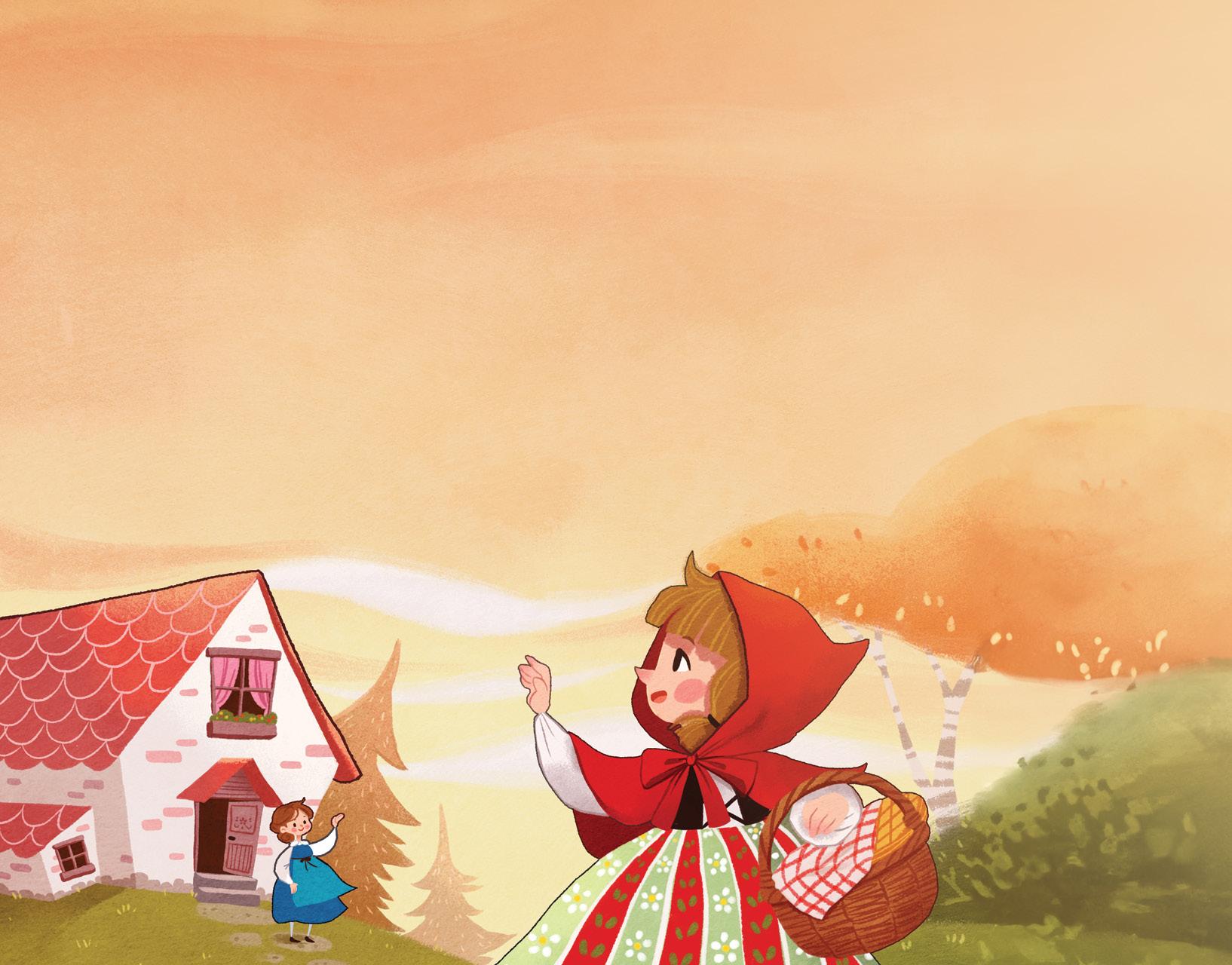
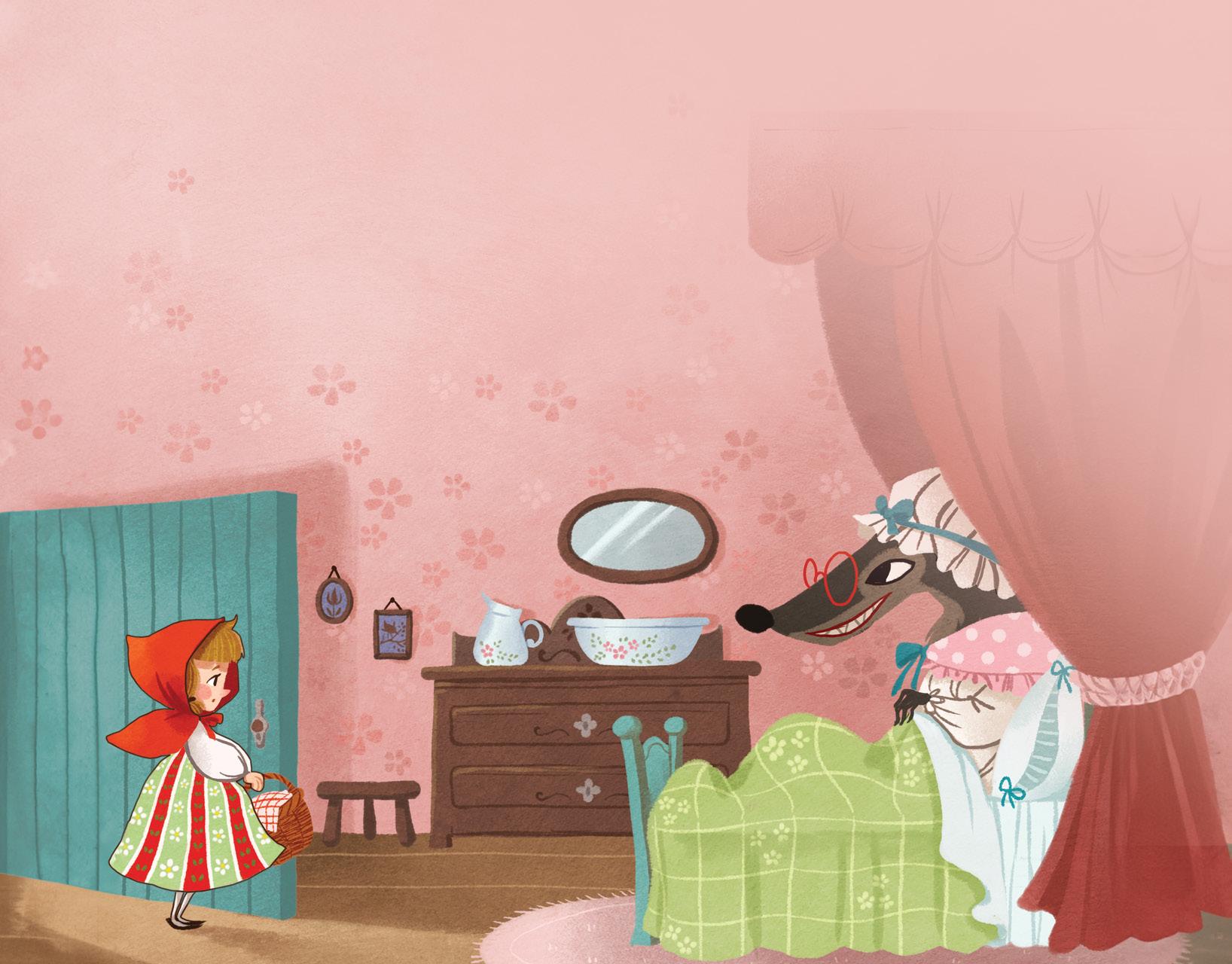
Once upon a time, there was a sweet little girl who was loved very much by all who knew her—but especially her mother and her grandmother. Her mother made her a red hooded cape to keep her warm, and she loved it so much that she wore it every day. Soon, she became known as Little Red Riding Hood. “Here comes Little Red Riding Hood!” the villagers would say.
One morning, her mother baked a cake and asked Little Red Riding Hood to take it to her grandmother, who lived in the woods.
“She isn’t feeling well,” said her mother, “and it will cheer her up to see you. Be as quick as you can and please don’t stray from the path, dear.”
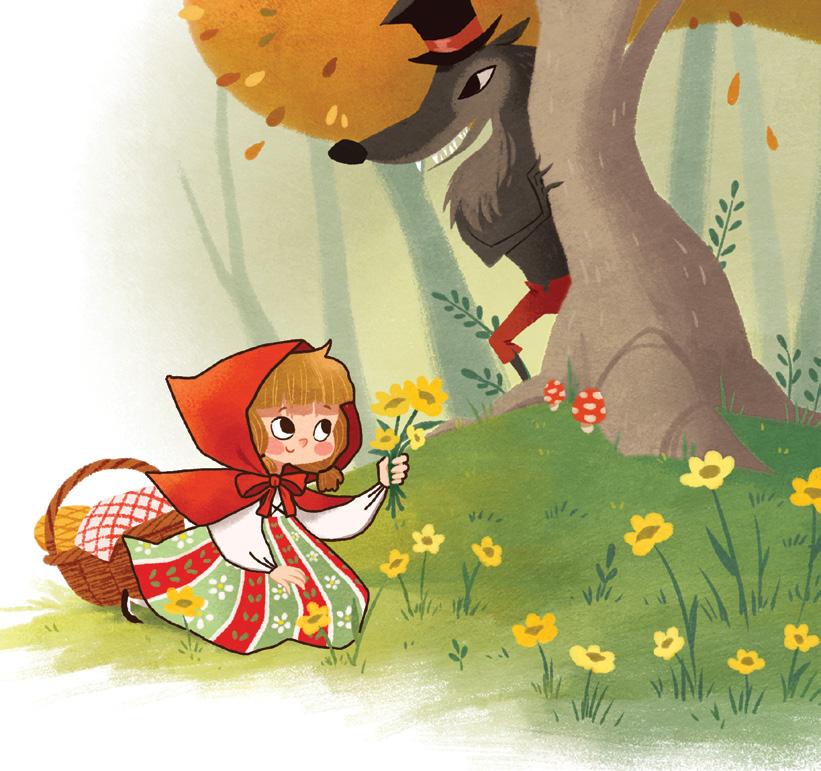
Little Red Riding Hood kissed her mother goodbye and set out for the woods. As she walked along the woodland path, she spotted a clearing filled with pretty yellow flowers.
“How lovely these will be for Grandmother!”
thought Little Red Riding Hood, and she strayed from the path to take a closer look.
She had just started to pick a posy, when a great gray wolf stepped out from behind a tree. He had bright beady eyes and sharp white teeth.
“Hello, little girl,” said the wolf. “Where are you heading on this fine morning?”
Little Red Riding Hood didn’t know that wolves could be wicked, so she answered politely, “I am going to see my grandmother, who isn’t very well.”
“Does she live close by?” asked the wolf.
“Just on the other side of the wood,” said Little Red Riding Hood, “near to the woodcutter’s cottage, by the tall oak tree.”
“I see,” said the wolf, who was hatching a plan. “Well, I’m sure that seeing you will make her feel much better. Good day, Little Red Riding Hood!”
“What a friendly wolf!” thought Little Red Riding Hood, and she carried on picking
flowers for her grandmother.
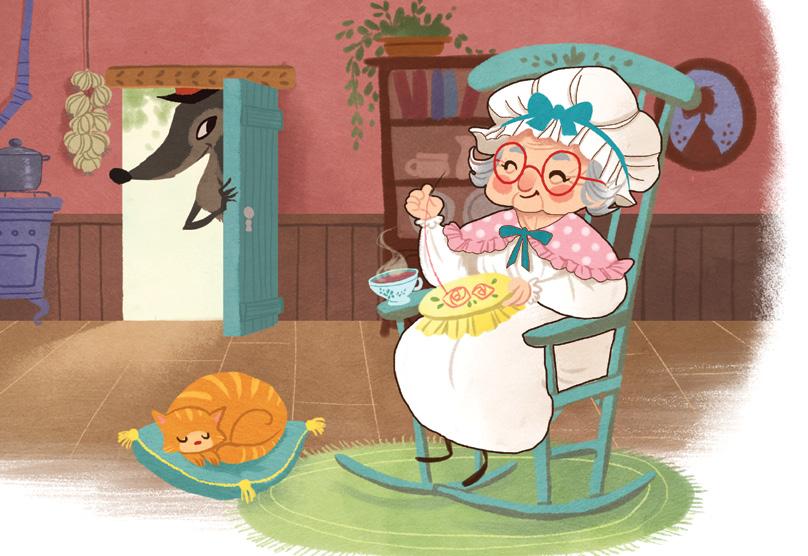
Meanwhile, the wolf bounded away through the trees as fast as he could, and he soon reached Grandmother’s cottage. He knocked on the door and she called out,
“Who is it?”
“It’s Little Red Riding Hood,” the wolf said, trying hard to sound like a little girl. “I’ve brought you some flowers.”
“Come in, my dear,” said Grandmother.
“The door is open.”
The wicked wolf opened the door, bounded into the room and ate up poor Grandmother in one big gulp!
Then, with a full belly, he slipped on Grandmother’s nightdress, nightcap and spectacles, climbed into her bed and pulled up the covers around him.
When Little Red Riding Hood arrived at the cottage, she knocked on the door and was surprised to hear a rough, gruff voice call out, “Who is it?”
“It’s Little Red Riding Hood,” she called, thinking that her grandmother must have a sore throat. “I have some cake and flowers to cheer you up!”
“Oh, come in, my dear,” answered the wolf. “Just turn the handle—I am too tired to get up.”
Little Red Riding Hood was surprised to see how very strange her grandmother looked.
“What a terrible illness she must have!” she thought to herself.
“How lovely to see you, dear,” said the wolf.
“Now why don’t you put down that heavy basket and come a little closer?”
Little Red Riding Hood stepped a little closer and said, “Grandmother, what big arms you have!”
“Why, all the better to hug you with, my dear!”
Little Red Riding Hood stepped closer again and said, “Grandmother, what big ears you have!”
“All the better to hear you with, my dear!”
Little Red Riding Hood stepped closer still and said, “Grandmother, what big eyes you have!”
“All the better to see you with, my dear!”
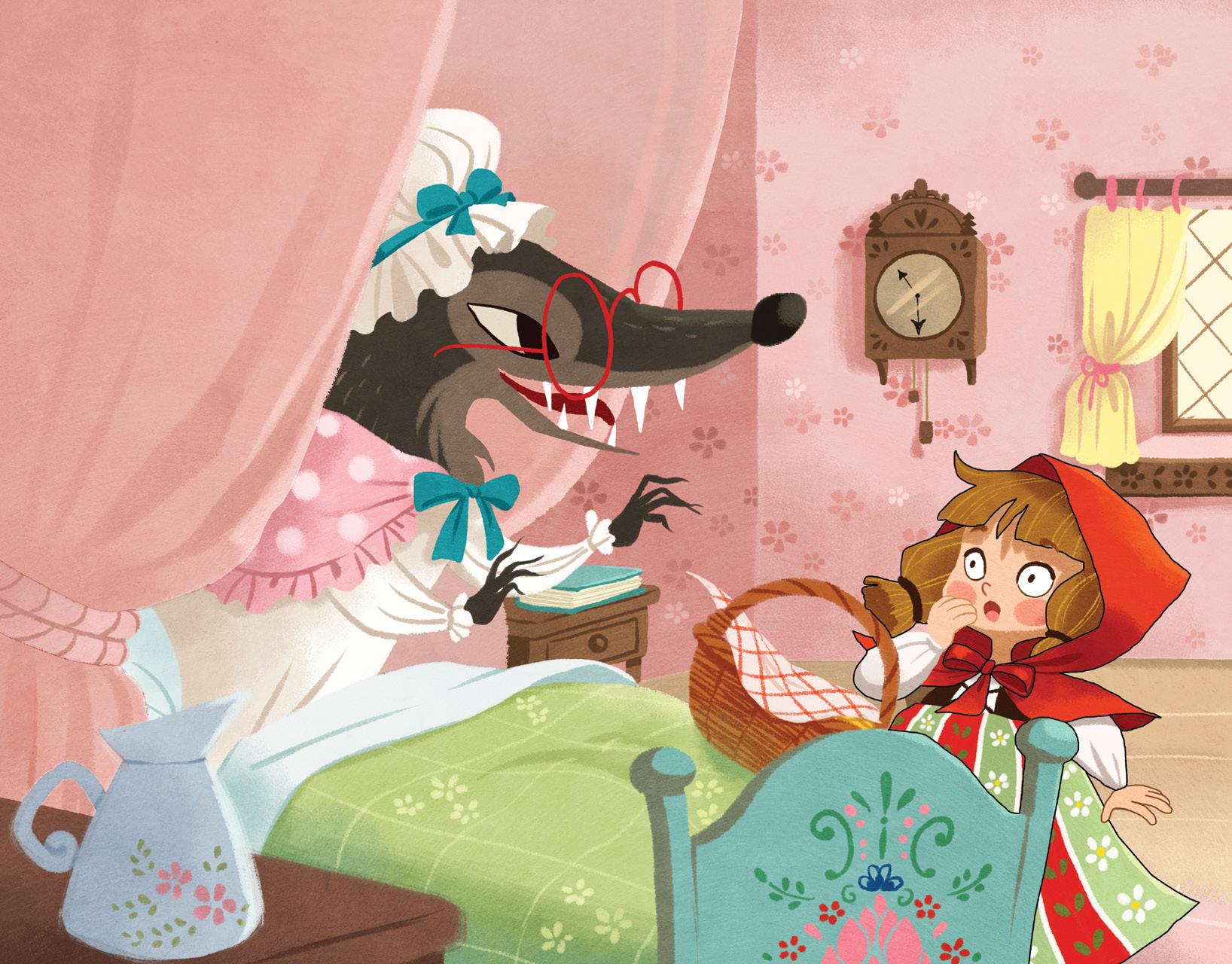
Finally, Little Red Riding Hood stepped forward and said, “Grandmother, what big teeth you have!”
“All the better to eat you with, my dear!”
And with that, the wolf leapt out of Grandmother’s bed and swallowed up Little Red Riding Hood in one great greedy gulp!
Poor Little Red Riding Hood!
By now, the wolf was fit to burst, so he decided to lie down on the bed to take a nap. He soon began to snore so loudly that it shook the walls.
The woodcutter, who was on his way home, heard the snores and decided to check on Grandmother to see if she was feeling well.
When he opened the door and saw the wolf asleep on the bed and Little Red Riding Hood’s cape lying on the floor, he guessed that something terrible had happened.
“You scoundrel!” cried the woodcutter and he took his axe and carefully cut open the wolf’s big, fat belly.
As he did so, out jumped Little Red Riding Hood and out stepped her grandmother— they were both alive and very happy to be free again, and the wolf was dead!
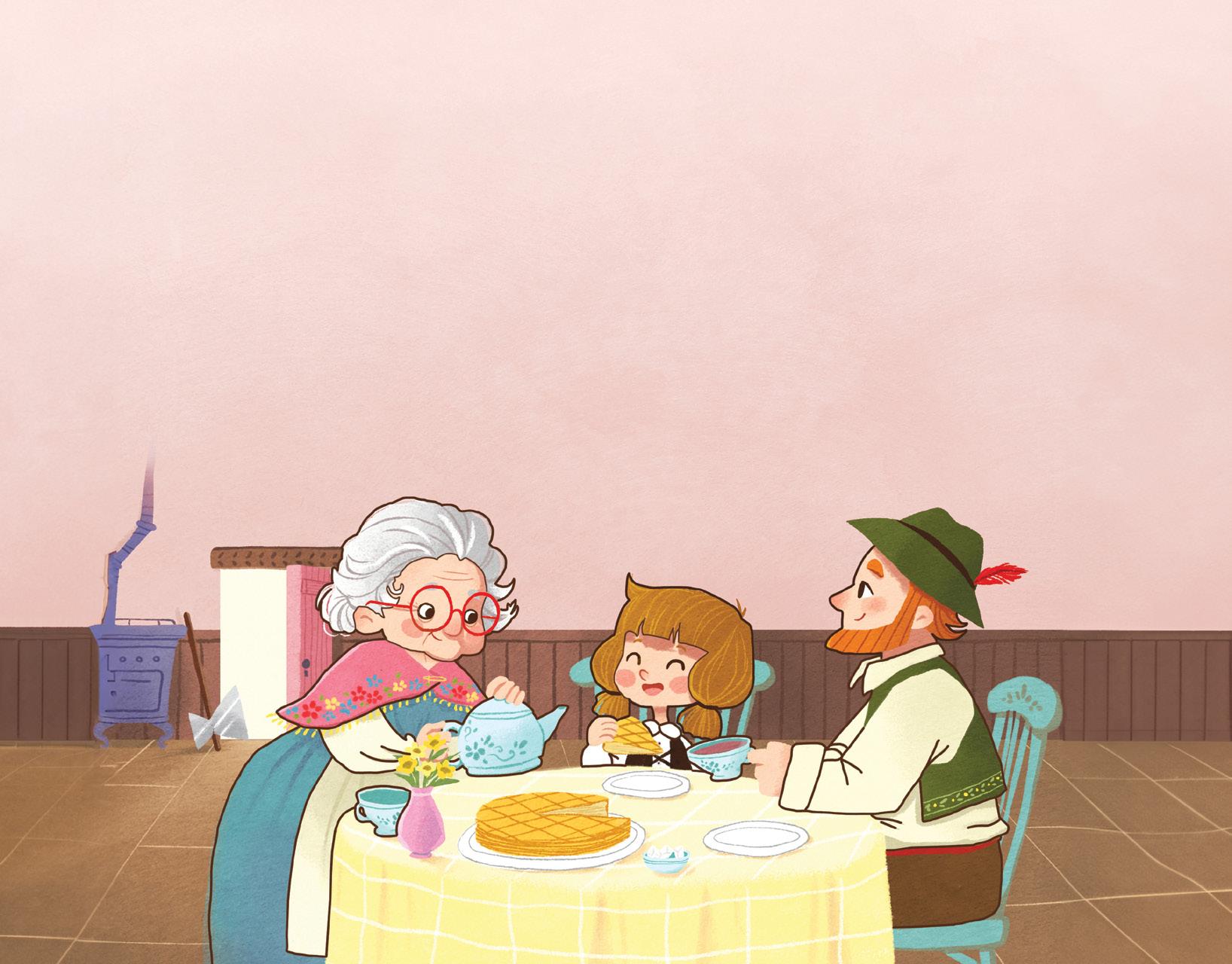
Little Red Riding Hood and her grandmother thanked the woodcutter for saving their lives, then the three of them celebrated with a cup of tea and a slice of freshly baked cake—and Little Red Riding Hood vowed that she would never stray from the path again.
L18 | Story Stones
Story Elements | Cut out the stones.
Module Task 2
Prompt: Write a story in which the wolf meets the children’s grandmother.
L22 | Notice and Wonder Chart
The Girl and the Wolf | Write two things you notice and two things you wonder about the text.
A two-column chart with headings labeled Notice and Wonder. Notice
L22 | Language Practice
Verbs | Fill in the blanks with the correct verb tense.
1. The girl (sprinted/sprints/will sprint) into the bush and then stops.
2. The wolf looked at the girl and (sniffed/sniffs/will sniff) her.
3. The girl will look for berries, and then she (picked/picks/will pick) them.
4. The girl chats with her mom and (hugged/hugs/will hug) her.
L23 | Story Map
The Girl and the Wolf | Fill in the story map.
Four boxes with headings labeled Characters, Setting, Problem, and Solution.
Characters Setting
Problem Solution
L23 | Story Planner
Module
Task 3 | Fill in the story planner to plan your story.
Four boxes with headings labeled Characters, Setting, Problem, and Solution.
Characters
Setting
Problem Solution
L23 | Gallery
“People and Animals”
L24 | Venn Diagram
The Wolf Characters | Write about how the wolves in each text are the same and different.
A Venn diagram with 2 overlapping circles labeled The Girl and the Wolf and Lon Po Po. The area of overlap is labeled Both.
The Girl and the Wolf
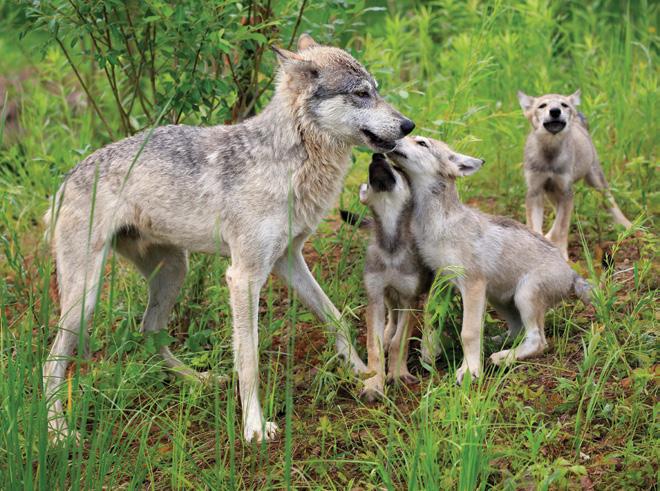
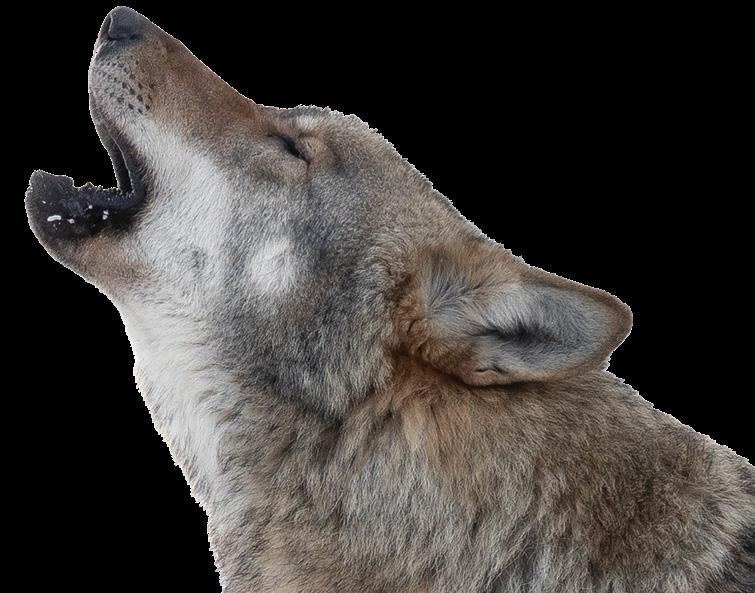
Gray Wolves
Eye to Eye with Endangered Species |
by Don McLeese
The Wild Wolf
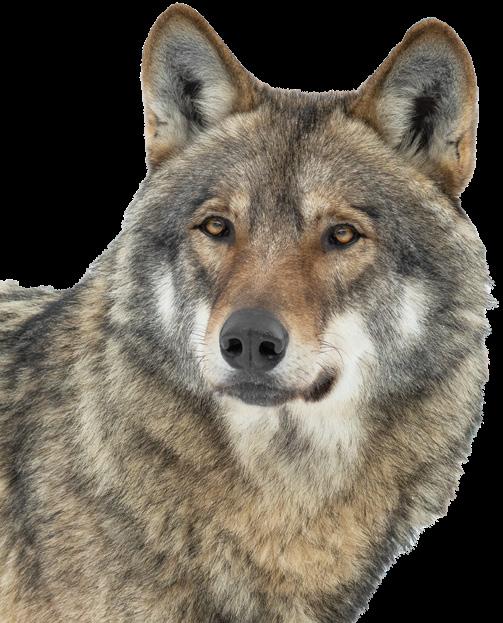
Does your family have a dog? Then you live with a relative of the North American gray wolf! Wolves and dogs belong to the same family of animals, the Canidae.
Long before there were dogs, there were wolves. Wolves have been around for 300,000 to a million years.
Some wolves were companions to humans before the dog. Dogs have only been around between 14,000 and 100,000 years. Even though wolves and dogs have a lot in common, there are also big differences.
Wolves and People
Dogs have been domesticated and are usually friendly. Wolves live in the wild. People consider wolves very dangerous. People often call dogs “man’s best friend.”
Even fairy tales, such as The Three Little Pigs and Little Red Riding Hood, teach us about the “big bad wolf.” Is the wolf really bad?
Wolves cause fear in humans. But, wolves usually shy away from humans. Wolves cause trouble when they eat farm animals. So humans have killed wolves, making them an endangered species. A few thousand wolves
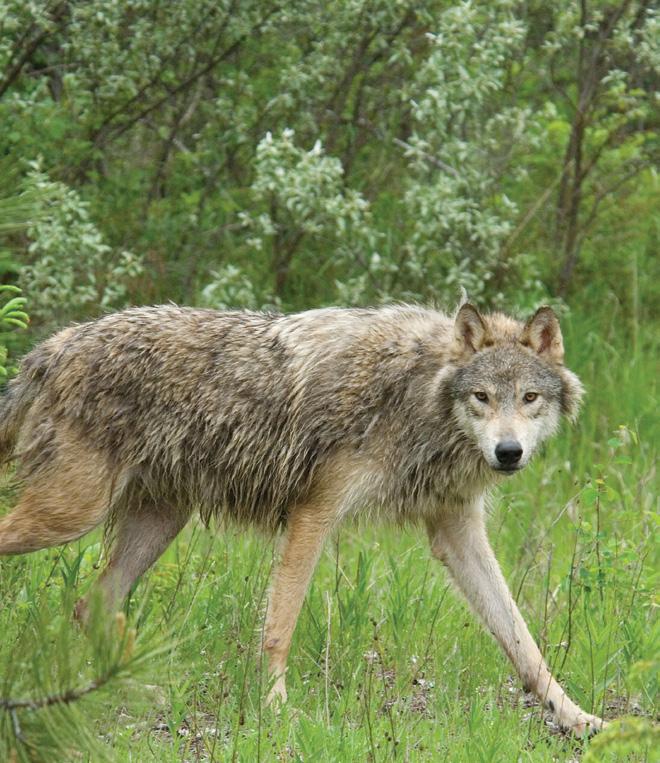
remain in the United States. Many of these gray wolves live in northern Minnesota, where there are not many people.
Bringing Wolves Back
Before the 1930s wolves lived across the entire United States. In the Rocky Mountains and Yellowstone National Park, thousands of wolves lived in the wild. Then hunters killed all of the wolves in the national park.
Concerned citizens decided to ask the government to protect wolves in other parts of the country.
Fifty years later, the government created the Endangered Species Act. This act rescued the wolves from extinction. Hunters were not allowed to kill wolves and wolves slowly returned to the wilderness.
Benefits of the Wolf’s Return
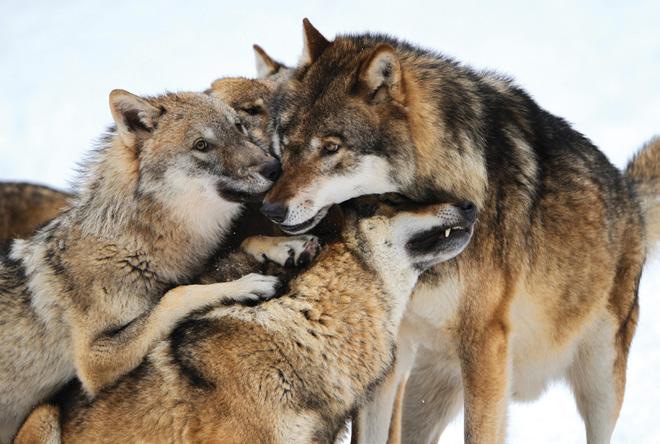
By 2007, Yellowstone National Park had 11 packs of wolves with more than 400 wolves in the park and the surrounding areas. The area where there were once no wolves has become one of the best places in the country to see wolves in their natural habitat.
The return of the wolf scared away many elk, an animal that chewed on trees such as aspen and willow. Now there are more trees in the park which beavers use to build dams. Birds have returned to the park as well.
The return of the wolf helped a lot of other birds and animals live in the wilderness habitat. This restored a natural balance to the ecosystem. Humans learned that it is better to have some wolves than none at all.
L26 | Author’s Point and Reasons
Organizer
“Gray Wolves” | Fill in the author’s point and reasons.
A box labeled Point. An indented box labeled Reasons is underneath.
Point
Reasons
Module Task 3
Prompt: Write a story in which the girl and the wolf go on another adventure.
L28 | Notice and Wonder Chart
The Lizard and the Sun | Write two things you notice and two things you wonder about the text.
A two-column chart with headings labeled Notice and Wonder.
Notice
L28 | Language Practice
Verb Tense | Read each sentence. Draw a box around the base word of each underlined verb and circle the ending. Then circle the verb tense.
1. The girl pulled the strings of the dress. past present
2. She begs to go to the ball. past present
3. The girls tricked the wolf. past present
4. The girl wishes to go back to her mom. past present
5. The wolf helps the girl out of the bush. past present
L29 | Gallery
“The Aztecs”
L30 | Cause and Effect Chart
The Lizard and the Sun | Add the effects to the chart. A two-column chart with headings labeled Cause and Effect.
Cause Effect
The sun disappears. plants
animals
people
L30 | Opinion Writing Planner
Module Task 4 | Fill in the introduction, opinion, reasons, and conclusion to plan your paragraph.
A sandwich diagram labeled Introduction, Opinion, Reasons, Conclusion. Underneath are four boxes with headings labeled Introduction, Opinion, Reasons, and Conclusion.
Introduction
Opinion
Reasons
Conclusion
Introduction
Opinion
Reasons
Conclusion
Module Task 4
Prompt: Is the lizard more of a helper or hero? Write a paragraph to tell your opinion.
Lizards and Salamanders
by Martha London
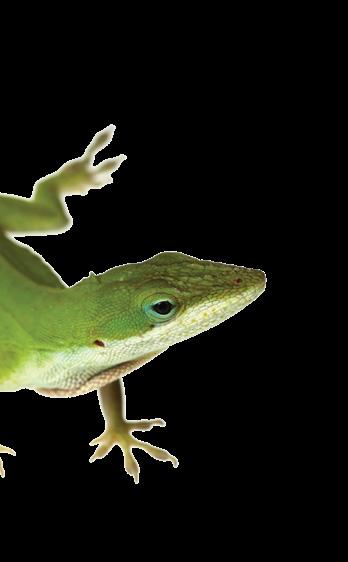
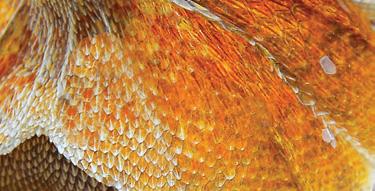
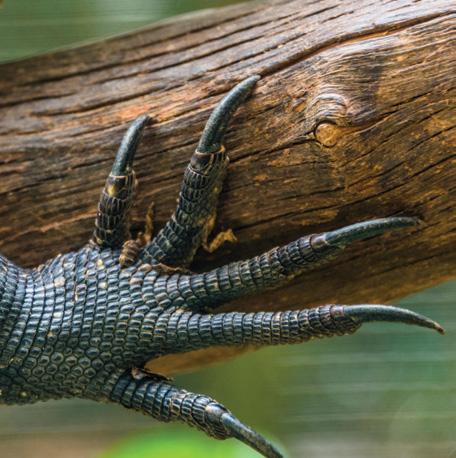
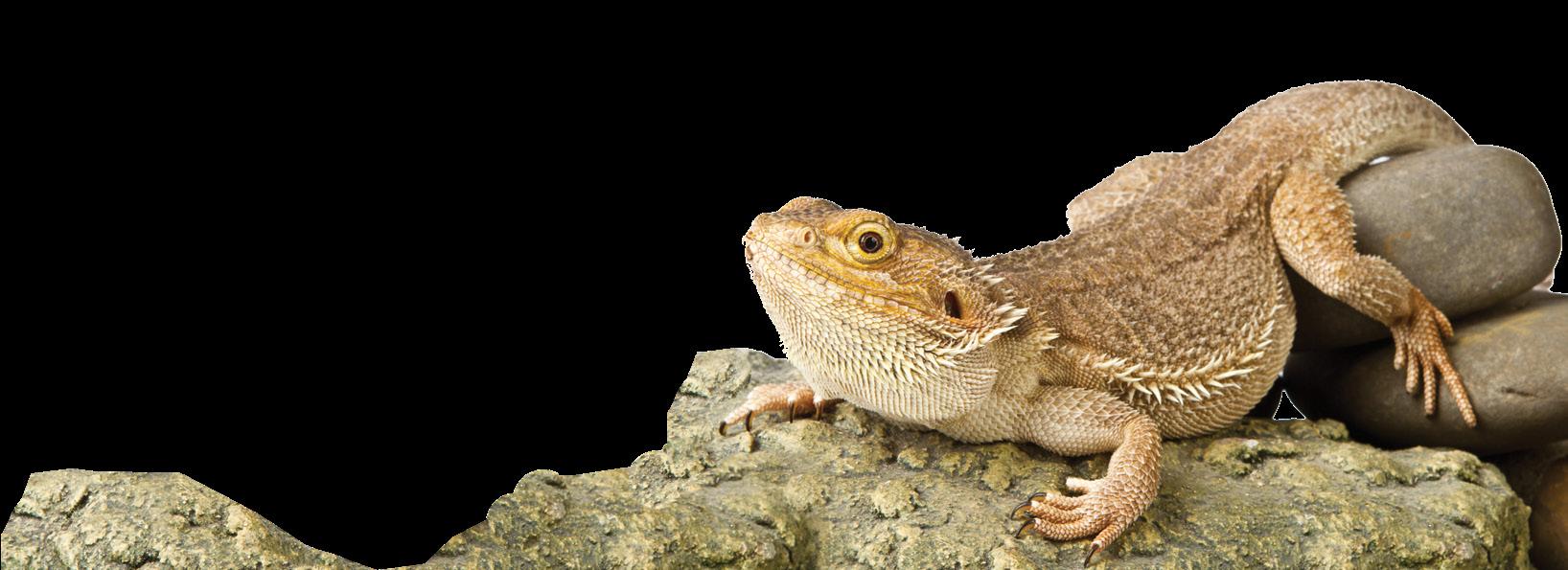
Lizards are reptiles. They have sharp claws on their feet. Lizards are not slimy. They have scales. Their scales are dry and rough.
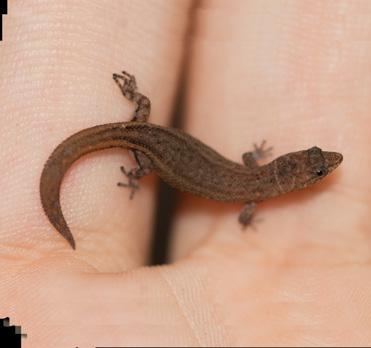
Some lizards are tiny. Others are huge. The biggest lizard is the Komodo dragon. It weighs about 175 pounds (80 kg). The smallest lizard is only 0.75 inches (16 mm) long. It lives on an island in the Caribbean Sea.
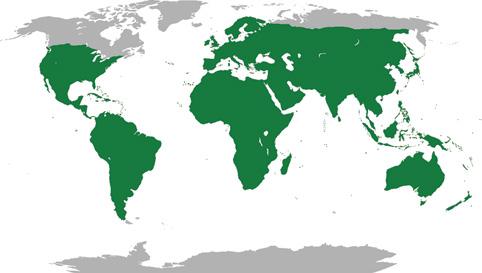
Lizards live nearly everywhere in the world. Antarctica is the only continent without lizards.
Lizards lay eggs. They dig a hole and bury their eggs. Many lizards lay eggs with soft shells.
Most lizards are awake during the day. Lizards need the sun to stay warm. Many lizards lie on rocks. They soak up the sun.
L33 | T-chart
The Lizard and the Sun | Add two realistic details and two unrealistic details from the text.
A two-column chart with headings labeled Realistic and Unrealistic.
L37 | Opinion Writing Planner
End-of-Module Task | Fill in the introduction, opinion, reasons, and conclusion to plan your paragraph.
A sandwich diagram labeled Introduction, Opinion, Reasons, Conclusion. Underneath are four boxes with headings labeled Introduction, Opinion, Reasons, and Conclusion.
Introduction
Opinion
Reasons
Conclusion
Introduction
Opinion
Reasons
Conclusion
L37 | Digital Book Page Planner
End-of-Module Task | Fill in the planner to plan your digital display.
Title:
A two-column chart with headings labeled Labels and Images. Underneath the Labels heading are three columns with headings labeled Character, Character Type, Circle One, and Trait. Under the Images heading is a two-column chart.
Labels
Images
End-of-Module Task
Prompt: Choose a character from the module that you think is a good example of a hero, helper, or villain.
Step 1 | Write a paragraph to explain the reasons for your choice.
Step 2 | Create a page for a digital book to show your choice.
Credits
Great Minds® has made every effort to obtain permission for the reprinting of all copyrighted material. If any owner of copyrighted material is not acknowledged herein, please contact Great Minds for proper acknowledgment in all future editions and reprints of this module.
Vermette, Katherena. The Girl and the Wolf. Illustrated by Julie Flett, Theytus Books, 2019.
WIDA. WIDA English Language Development Standards Framework 2020 Edition: Kindergarten–Grade 12. Board of Regents of the University of Wisconsin System, wida.wisc.edu/sites/default/files/resource/WIDA-ELD-Standards -Framework-2020.pdf.
Young, Ed. Lon Po Po: A Red-Riding Hood Story from China. 1989. Puffin Books, 1996.
Knowledge is your superpower.
Read great books from around the world.
Explore documents that take you back in time.
Write like an author.
Discuss and debate topics you care about.
Study art to make paintings come to life.
Ready to tap into knowledge?
GRADE 1 MODULES
Module 1 | A World of Books
Module 2 | Creature Features
Module 3 | Wind Power
Module 4 | World Tales
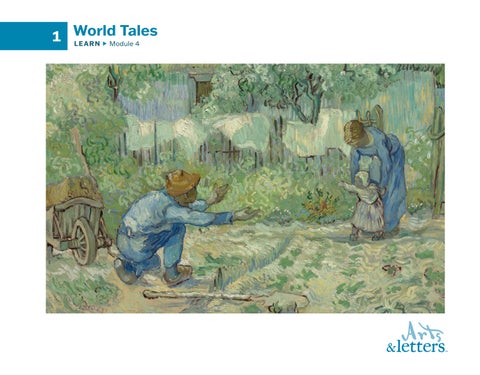
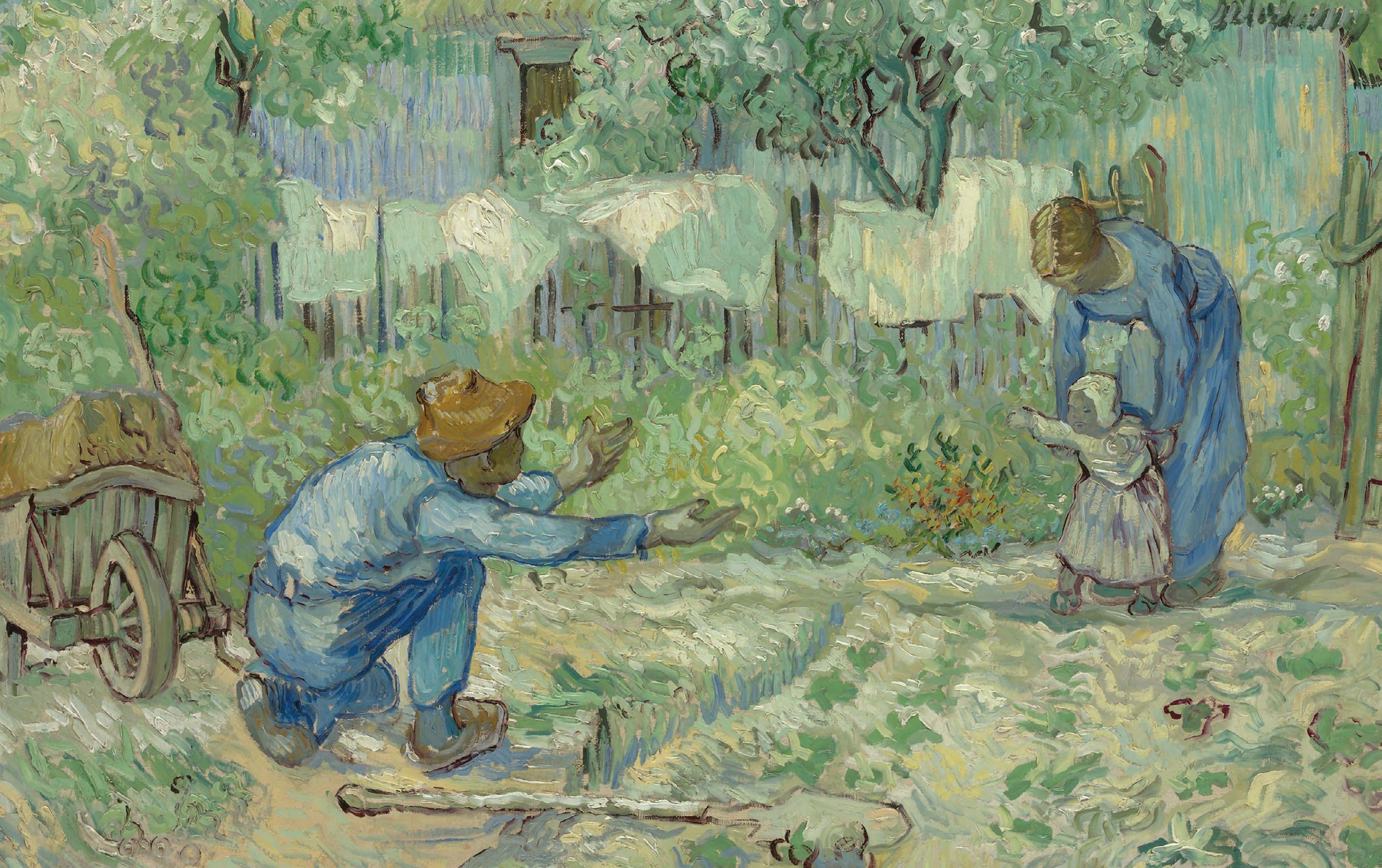
ON THE COVER
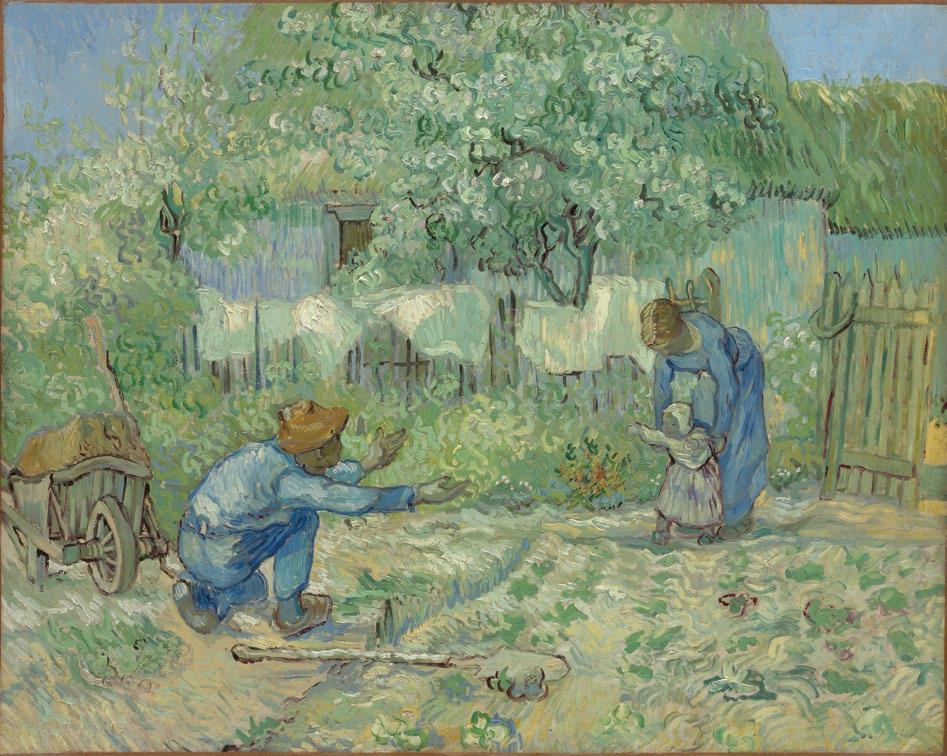
First Steps, after Millet, 1890 Vincent van Gogh (1853–1890)