

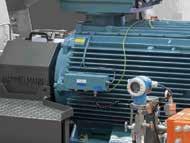
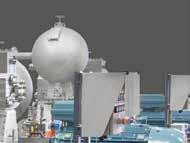
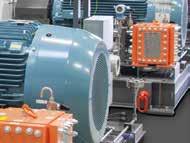
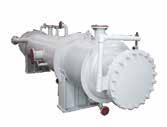
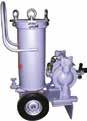
The high-pressure pumps of the HAMPRO® series are used in the Oil and Gas Industries to pump a very wide range of fluids, meet the stringent requirements of the relevant safety and reliability regulations and are characterized by a robust design and careful use of resources.
Our experienced team of experts will be happy to help configure the perfect solution for your individual application.


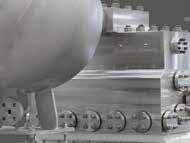

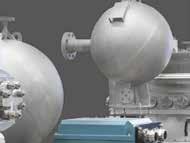


RECIPROCATING PUMPS TO API 674
- Glycol pumps - Leak test pumps
- Methanol pumps
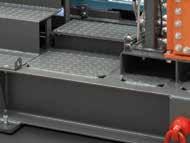
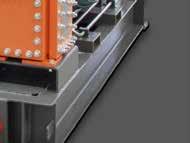


- Produced water injection pumps
- Sea water injection pumps
Pressure: 50 – 4000 bar
Flow rate: 0,1 – 256 m³/h
Hammelmann GmbH
Carl-Zeiss-Straße 6-8
(0) 25 22 / 76 - 0 pp@hammelmann.de
D-59302 Oelde www.hammelmann-process.com
Naturally, the ongoing Iran conflict has been at the forefront of industry dialogue in recent months. The disruption to oil and gas flows through the Strait of Hormuz and attacks on energy infrastructure across the region have major implications for energy security and affordability, with the International Energy Association's (IEA) executive director stating the combined impacts amount to "the greatest threat to global energy security in history."
According to the IEA, the war in the region that began on 28 February has created the largest supply disruption in the history of the global oil market. Global supply of LNG has also been reduced by around 20% due to the situation.
In the face of such uncertainty, though, it’s worth reminding ourselves of the positive strides still being made in the sector.
Technological innovations in fire protection (page 6), safety equipment (page 43) and digital drilling (page 8) are ongoing, as are advances in measurement (page 17), 4G capabilities (page 24) and anti-aging solutions (page 26).
Strengthening local support (page 33) will be key for operators moving forwards, as will keeping up-to-date with the latest sector news, trends and outlooks: Flip to page 56 for information on upcoming industry events and conferences across the globe.
Hayley Everett Editor
Clean sweep
Restoring efficiency in delayed coker unit heaters through robotic convection cleaning
Same radio smarter network The importance of bringing 4G to the field
The challenge of aging How anti-aging solutions ensure oil and gas infrastructure remains safe, reliable and operational
28 Bigger in Texas
A look at one of the largest LNG export projects in the US 30
Precision at the core
How temperature measurement redefines rotating equipment reliability
33 A local approach
Strengthening local support for Norway’s energy sector
36 Safe sealing
How Pratley’s Taper-Tech
Cable Gland range ensures safe and reliable sealing 38 5G foundation
How private 5G networks can bolster the safety and performance of offshore operations
40 Stop tripping the plant
A practical view of flame detector false alarms
43 Seeing further
What extended detection range really means for fire and gas layout
PUBLISHER
Jerry Ramsdale
EDITOR
Hayley Everett heverett@setform.com
DESIGN – Dan Bennett, Jill Harris
HEAD OF PRODUCTION
Luke Wikner production@setform.com
HEAD OF SALES & PARTNERSHIPS
David Pattison
ACCOUNT DIRECTORS
John Abey | Peter King
SENIOR ACCOUNT MANAGERS
John Davis | Darren Ringer | Roy Glasspool
ACCOUNT MANAGERS
Paul Maher | Iain Fletcher | Marina Grant e advertising@setform.com
47 From innovation to impact
Sharing knowledge to improve the safety of subsea lifting operations
50 From the industry: Jonathan Balmforth
The JB Valves founder shares insights from his career in the subsea oil & gas industry
54 Saving lives
Virtual reality’s next step in the oil and gas sector
SHOW PREVIEW
56
The future is bright
Future Oil & Gas returns to Aberdeen
Shaping the sector in Singapore
APPEC takes place in September
Low-carbon in focus
Gastech welcomes visitors to Bangkok
Setform’s international magazine for engineers is published twice annually and distributed to senior engineers throughout the world. Other titles in the company portfolio focus on Process, Design, Transport, Mining, Energy and Power.
The publishers do not sponsor or otherwise support any substance or service advertised or mentioned in this book; nor is the publisher responsible for the accuracy of any statement in this publication. ©2026. The entire content of this publication is protected by copyright, full details of which are available from the publishers. All rights reserved. No part of this publication may be reproduced, stored in a retrieval system, or transmitted in any form or by any means, electronic, mechanical, photocopying, recording or otherwise, without the prior permission of the copyright owner.
Setform Limited | 18 Alban Park, Hatfield Road, St Albans, Herts AL4 0JJ t +44 (0) 207 253 2545 e mail@setform.com


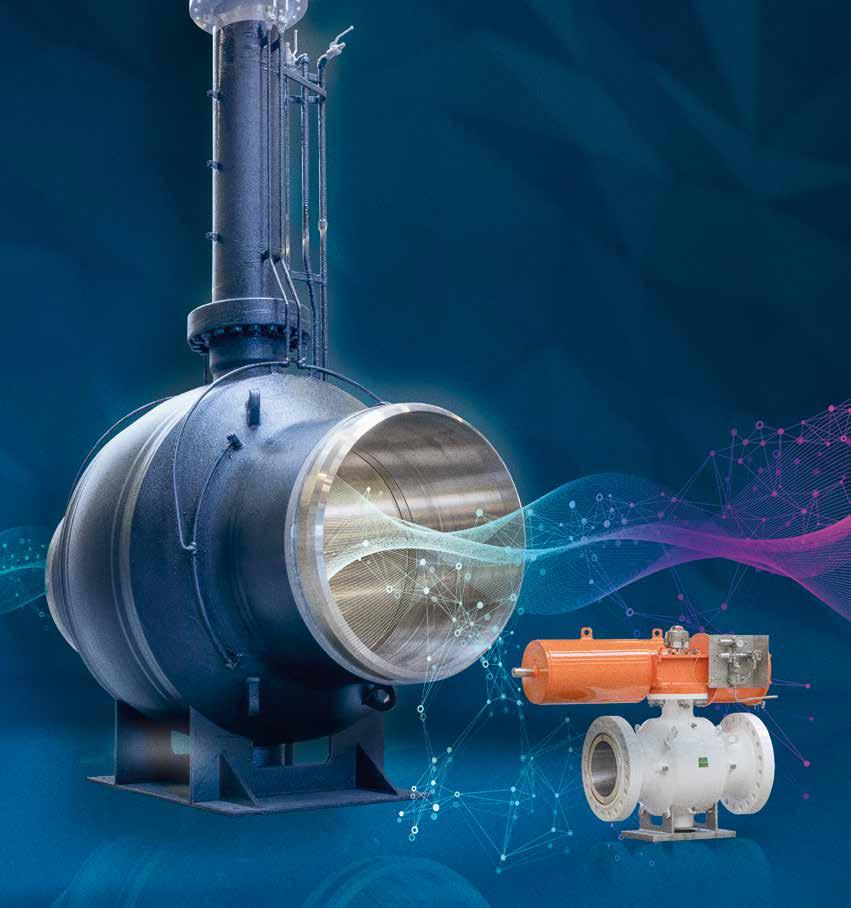



Ball valves from Böhmer have been providing safe shut-off in plants, pipelines & machinery for more than 65 years.
We have always met the challenges of the most diverse applications with the right valve solution. Also in the future Böhmer ball valves keep their product promise: Highest quality & absolute reliability.
www.boehmer.de
Brattberg, inventor of
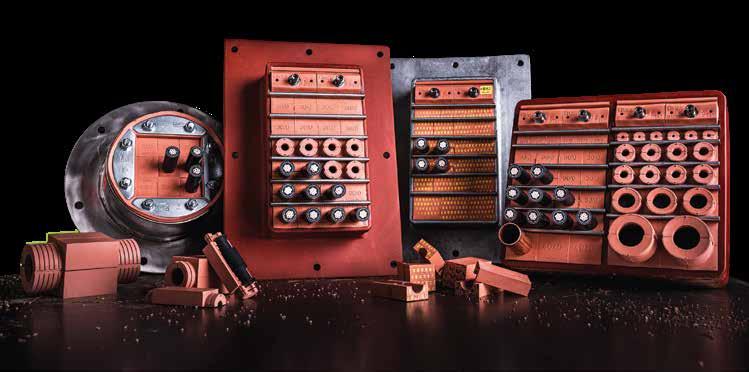
Offshore oil and gas installations operate in some of the most hazardous industrial environments, where fire and explosion risks are constant. While much attention is given to active safety systems such as detection and suppression, passive protection measures play an equally critical role in limiting the escalation of incidents. Among these, cable and pipe transit systems form a key line of defence, ensuring that fire, smoke and explosive gases do not spread between compartments.
Cable and pipe penetrations are unavoidable in offshore structures, enabling power, control and communication systems to function across multiple zones. However, each penetration represents a potential weak point in the integrity of fire-rated divisions. In the event of a hydrocarbon fire or explosion, inadequately protected transits can allow flames, hot gases or overpressure to propagate, compromising escape routes and critical equipment.
Historically, sealing solutions for these penetrations have varied in both design and performance. Traditional methods, such as packing materials or basic sealing compounds, were sufficient for earlier installations but are increasingly challenged by today’s more stringent safety requirements. Modern offshore facilities demand sealing systems capable of withstanding not only fire exposure, but also rapid pressure changes associated with explosions.
Fire resistance in transit systems is typically assessed against standardised fire curves, such as hydrocarbon or jet fire scenarios,
which represent the rapid temperature rise seen in offshore incidents. Under these conditions, materials must maintain structural integrity, prevent flame penetration and limit heat transfer to the unexposed side. The sealing system must also remain intact under mechanical stresses caused by blast loads or structural deformation.
One key engineering challenge lies in achieving reliable performance under combined loading conditions. Fire exposure can degrade material properties, while blast pressures can displace or damage poorly secured seals. The interaction between these factors means that systems must be designed holistically, rather than tested against isolated criteria. Increasingly, this has led to the development of sealing solutions that are both fire-rated and explosionresistant, with verified performance under realistic combined scenarios.
Material selection plays a crucial role in meeting these demands. Elastomer-based sealing components must retain elasticity and compression under elevated temperatures, while also resisting ageing from exposure to hydrocarbons, saltwater and ultraviolet radiation. Metallic elements, where used, must provide structural support without introducing thermal bridging that could accelerate heat transfer. The

interface between sealing materials and surrounding structures is equally important, as differential expansion during fire exposure can create gaps if not properly accounted for.
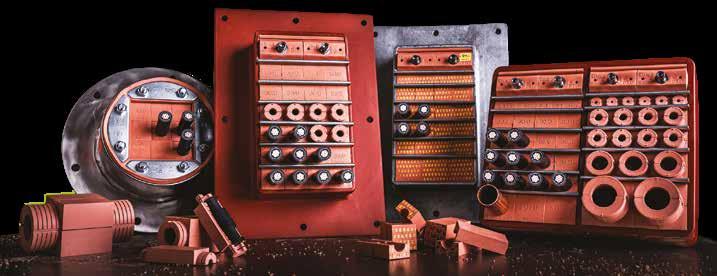
Recently, modular transit systems have emerged as a preferred approach for many offshore applications. These systems consist of pre-engineered components that can be assembled to accommodate multiple cables or pipes within a single frame. From an engineering perspective, modularity offers several advantages. It allows for controlled compression of sealing materials, ensuring consistent performance, and facilitates testing and certification as a complete system rather than as individual components. Another benefit of modular designs is their adaptability. Offshore installations often undergo modifications over their operational life, with additional cables or pipes introduced as systems are upgraded. Traditional sealing methods can make such changes complex and time-consuming, sometimes requiring extensive rework. In contrast, modular systems can be reconfigured with minimal disruption, maintaining the integrity of the seal while accommodating new requirements.
MCT Brattberg’s multi cable transit seals are designed to survive offshore conditions

Installation quality is a further critical factor influencing performance. Even the most advanced sealing system will fail to deliver its intended protection if installed incorrectly. Offshore conditions can make installation challenging, with limited access, time constraints and environmental factors contributing to variability. Consequently, there is growing emphasis on standardised installation procedures, training and, in some cases, certification of personnel responsible for installing safety-critical components.
Inspection and maintenance also play a vital role in ensuring long-term reliability. Over time, vibration, thermal cycling and environmental exposure can affect the condition of sealing systems. Regular inspection regimes, supported by clear documentation and traceability,
are essential to identify degradation before it compromises safety. Advances in digital tools are beginning to support this process, enabling more efficient tracking of installed systems and their maintenance history.

Based in Karlskrona, Sweden, MCT Brattberg specialises in fire-resistant sealing solutions
As offshore projects continue evolving, the importance of robust passive fire protection measures is unlikely to diminish. The trend towards more compact installations, higher levels of electrification and increased integration of systems places additional demands on cable and pipe transits. At the same time, regulatory frameworks continue to tighten, requiring demonstrable performance under increasingly realistic test conditions.
In this context, the development of advanced transit sealing technologies represents a significant step forward in enhancing offshore safety. By addressing the combined challenges of fire, blast and environmental exposure, modern systems contribute to maintaining the integrity of critical barriers within offshore installations. While often overlooked compared to more visible safety systems, their role in preventing escalation and protecting both personnel and assets is fundamental.
Guyana’s fully automated geological well placement is highlighting the potential of digital drilling
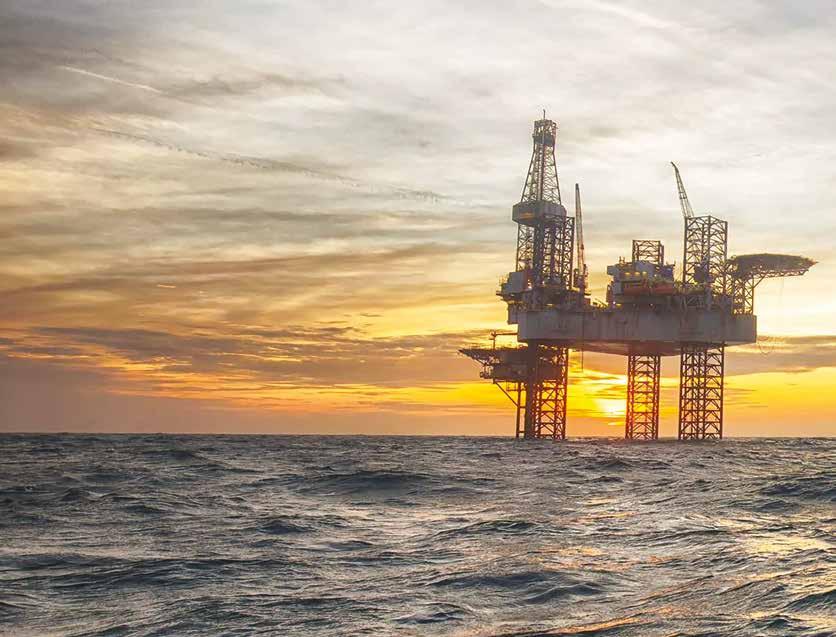
As the oil and gas industry gravitates toward efficiency and safety, automation will play a key role in enhancing operations.
Last year, a meta-analysis investigating the effects of automation and drilling operations found that AI-driven analytics provided enhanced real-time decision-making, reducing drilling time by as much as 30%. It also found that robotics and automation “diminish human exposure to perilous tasks, hence improving safety and alleviating dangers”.
Despite these benefits, the analysis observed “the shift from conventional drilling techniques to automated systems presents significant challenges”. Challenges include high initial investment prices, the requirement for qualified individuals to operate automated systems and apprehensions over the reliability of new technology.
Due to these barriers, automation success stories will be key to convincing those experiencing apprehension about the technology’s reliability.
A project off the coast of Guyana has produced a fully closed-loop automated geological well placement with rig automation. The project is a collaboration between Halliburton, ExxonMobile, Sekal, Noble and the Wells Alliance Guyana team. Halliburton is an energy products and services company specialising in oil and gas exploration, drilling, well construction, completion and production.
The system steers the well within reservoir boundaries and autonomously optimises drilling and tripping operations. Realtime optimisation algorithms and geological inversion data inform automated rig control, hydraulics, and well placement within a single workflow to eliminate the traditional separation between subsurface interpretation and drilling execution.
“Our teams create new performance levels when subsurface insight, automation, and drilling
systems operate through one closed-loop automation system,” said Halliburton Sperry Drilling vice president Jim Collins.
Halliburton used Logix orchestration and automated geosteering with the EarthStar ultra-deep resistivity service and drilling automation company Sekal’s DrillTronics to create an integrated closed-loop system.
Logix automated geosteering integrates real-time resistivity and seismic and formation imaging data to improve geological mapping and optimise reservoir exposure. It detects geological variations along a planned well path, updating accordingly to keep the well bore in target zones.
To better map the area, EarthStar is a logging-while-drilling (LWD) technology that illuminates the reservoir by revealing reservoir formulations and fluid boundaries up to 68m around the wellbore. Using 3D inversion, the technology enables

Guyana has become one of the world’s newest offshore petroleum-producing nations, having produced 926,550 barrels per day in late February 2026
Manual operations, such as the adjustment of tripping speed, connection time and pump start-ups are automated to increase safety and speed of operations
operators to position production boreholes accurately while mapping large volumes of the reservoir.
At the Heimdal gas field in the North Sea, for example, EarthStar enabled 3D insight into a turbidite system. The case study specified: “In this complex turbidite system reservoir, changes in the target sands were expected to occur in all directions because units can pinch out and later periods of erosion can incise the reservoir. A viable solution was required to accurately represent both the lateral and vertical changes.”
One-dimensional inversion of electromagnetic data could reveal
changes in the reservoir above and below the well path but could not identify changes in the thickness of units and their associated resistivity values.
Using EarthStar, all nine components were used for 3D mapping of the formation and fluid boundaries. The well entered the reservoir at the planned target below the oil-water contact (OWC). The first lateral showed oil sands with higher resistivity to the left of the initial well. A sidetrack well was drilled to reach the updated target, and upon entry to the oil zone, different structural and sedimentary structures were also mapped.
The mapping showed erosive channels and other features matching the expected reservoir composition. When correlated with a spectral decomposition seismic cube, the erosive channels showed a match, allowing the outcome to be extrapolated further from the wellbore. Additionally, EarthStar helped to define sedimentary features that corresponded to stacking channels separated by thin, dense layers.
DrillTronics is an automated drilling control system from Norwegian drilling automation company Sekal. The system acts as an “autopilot” for oil and gas drilling operations, applying real-time drilling from the core model directly into the rig machinery.
The model calculates and indicates the well status and transfers the insights into actions. The drilling control systems then receive instructions from the model to optimise drilling. Meanwhile, data is collected from the ongoing drilling operations with downhole sensors to update the digital twin.
Manual operations, such as the adjustment of tripping speed, connection time and pump start-ups are automated to increase safety and speed of operations. The model enables operators to set limits for key variables and automatically adjusts to optimise operations under real-time well conditions.
Now more than ever, companies are weighing the benefits and drawbacks of autonomous systems for exploration, drilling and refining. The uncertainty of costs, technology and expertise weigh heavily on many operators’ minds as they consider automated subsurface interpretation and drilling. However, the project off the coast of Guyana is an example of what can happen when companies collaborate to streamline these processes. As the inevitable pull toward efficiency and safety grows, so will the number of stories relaying the implementation of automation into operations.



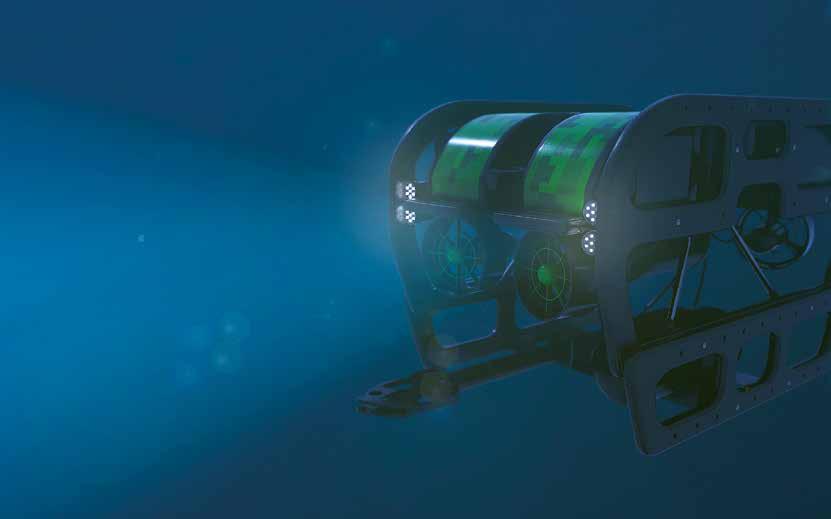
Deep-sea ROVs are increasingly adopting quantum technologies
Pivot A2E discusses product development, testing, sustainability and emerging technologies for oil and gas and other demanding sectors.
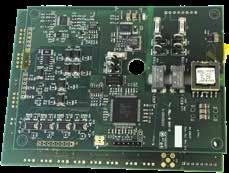
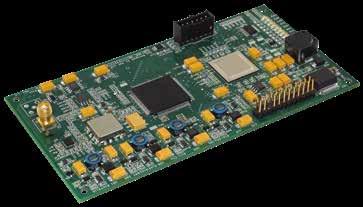
Since joining the Pivot International group in 2019, A2E has combined its product design expertise with access to global manufacturing and supply chain capabilities across Europe, North America and Asia. Working across sectors including oil and gas, renewables, medical and utilities, the company supports clients through the full product lifecycle, from early-stage concept development to volume manufacture.
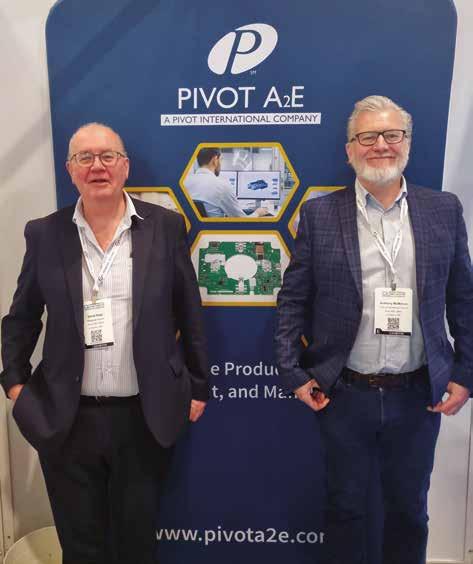
At Oceanology International 2026, we spoke with David Ross, managing director at Pivot A2E, and Anthony
McMahon, engineering director at Pivot International, about engineering challenges, testing requirements, sustainability and the technologies shaping future projects.
McMahon: A client would provide a description or a requirement specification. We sometimes work with the client to develop the requirement
specification if it is not complete. Once we have an adequate definition for the product, we can develop the design specification, which describes how we will meet the requirement (the implementation). We can then progress to developing the circuit schematic, PCB layout, software development, mechanical design and anything else required by the project. We use a staged development process with review points, prototype, testing and release control. We can provide a full product certification.
Ross: It also depends on what the client wants. Sometimes they only
want a board and software and handle the mechanics themselves. In the oil and gas industry, because of its nature, a lot of the mechanical design is done by clients themselves.
HOW DO YOU HELP CLIENTS KEEP PROJECTS ON BUDGET WHILE MEETING TECHNICAL REQUIREMENTS?
McMahon: Every project has a dedicated project manager who tracks the project costs. We do a lot of work up front to ensure we can deliver the projects on time and on budget. Projects are tracked very carefully on a weekly basis, and if the client wants changes along the way, we manage that process to avoid overrun.
HOW DO YOU ENSURE PRODUCTS MEET THE DEMANDING STANDARDS OF SECTORS SUCH AS OIL AND GAS?
McMahon: For the oil and gas industry, we often find high temperature requirements. For example, downhole tools may be tested from 175-200°C We also provide vibration testing, thermal cycling, EMC, ESD, and CE marking. We are experts at developing product to meet ATEX/IECX standards for explosive environments. For software, we develop to high integrity specifications which require unit testing, verification testing, and regression testing. The result is a high-quality product which is maintainable throughout its life cycle.
DESPITE SERVING DIFFERENT MARKETS, WHAT SIMILARITIES DO YOU SEE IN PRODUCT DEVELOPMENT REQUIREMENTS?
Ross: Electronics. There are differences in the electronics from industry to industry, but the core is usually microprocessors, microcontrollers or FPGAs running software or HDL.
WHAT ROLE DOES SUSTAINABILITY NOW PLAY IN PRODUCT DEVELOPMENT?
McMahon: Our manufacturing facilities
have processes to monitor hazardous chemicals and remain compliant. During design and development, we make sure we are using the right components and that we are not using anything that could have problems with chemicals or plastics. Typically, on the design side, it’s already low impact on the environment.
YOU
Ross: We already use AI and intend to grow our AI capabilities.
McMahon: We have already worked with AI on quite a few projects, and we are able to train algorithms and run them at the edge. We have also
completed some projects using Jetson Nvidia chips, either for high-speed video decompression or along with AI implementations. Within the Pivot group, we are developing quantum products as well. It is early stage for Quantum in some industries, but this will undoubtedly become a key technology in subsea as well as oil and gas.
For oil and gas operators and equipment manufacturers, reliability, testing and speed to market remain critical. By combining design expertise with global manufacturing support, A2E aims to help clients bring robust new technologies to market more efficiently.
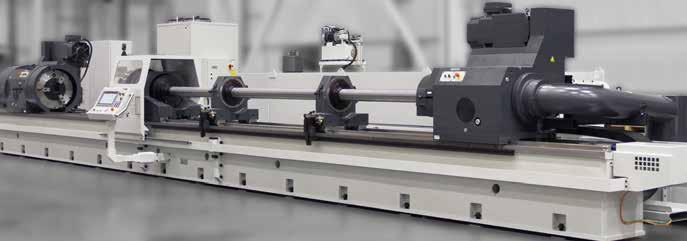
There is enormous variety in the precision components needed to support the Oil and Gas industry. Drill collars, liner hangers, stress joints, blowout preventers, pump joints, completion systems, measurement while drilling, fluid assembly ends, sucker rod, artificial lift, drill pipe and new designs coming as the industry innovates.
UNISIG has machine models that drill holes with a depth to diameter ratio from 10:1 to over 400:1. On-center drilling and off-center drilling are common applications for gundrilling and BTA deep hole drilling. Our standard machines are designed around the needs of our oilfield customers.
UNISIG machines, engineered and manufactured in the USA

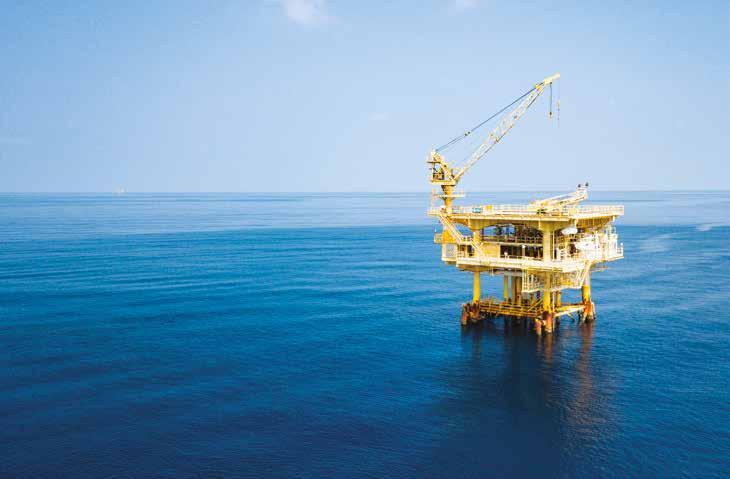
At KED-Seals Ltd, we are at the forefront of material technology, specialising in high-performance elastomers and thermoplastics. From concept to delivery, we design and supply advanced sealing and connector solutions for the world’s most demanding applications.
Whether in the depths of oil & gas wells or the heart of chemical processing plants, our components deliver unrivalled durability, reliability, and precision under high temperature, high pressure and harsh fluid & gas media.
Our Expertise
PP Custom-engineered seals & connectors
PP High-performance materials tailored to harsh environments
PP Application-driven innovation
PP Rapid prototyping & global supply capability
When failure is not an option, KED-Seals Ltd delivers performance that lasts!

Elsewhere, Aramco’s Karan Gas Field is another example of the company’s commitment to automation, utilising machine learning algorithms and AI to monitor, measure and shut down wells automatically
As industrial operators intensify efforts to improve asset integrity and reduce unplanned downtime, corrosion under insulation (CUI) remains one of the most persistent challenges facing the energy and process sectors. Against this backdrop, an expanding collaboration between Aramco and CorrosionRadar highlights a growing shift toward predictive, data-driven integrity management strategies.
Aramco has announced the deployment of CorrosionRADAR’s predictive CUI monitoring
solution across a major greenfield development in Saudi Arabia. Unlike traditional inspection programmes that rely heavily on periodic manual inspection and insulation removal, the system is designed to provide continuous, remote monitoring of insulated assets from the earliest stages of plant operation.
The deployment reflects a wider industry transition from reactive maintenance models to conditionbased monitoring supported by AI-enabled analytics. According to the project team, embedding the monitoring infrastructure during the design and construction phase is expected to deliver both shortand long-term benefits, including
reduced inspection scope, improved maintenance planning and extended asset life.
A representative from the Aramco Greenfield project management team says: “With Corrosion Under Insulation accounting for significant pipeline maintenance costs in some of our facilities, it poses a serious threat to the future success of this development. To address this, we are working closely with CorrosionRADAR to deploy its predictive CUI monitoring solution throughout the Greenfield project from day one. This approach will ensure we achieve continuous CUI visibility, improved asset integrity, and, most importantly, greater operational efficiency.”
CUI remains a major operational risk because corrosion can progress undetected beneath insulation systems for extended periods. In hydrocarbon processing environments, fluctuating temperatures, moisture ingress and chloride contamination create conditions that accelerate external corrosion on insulated carbon steel assets. The consequence is often costly shutdowns, leaks or structural degradation identified only during scheduled turnarounds.
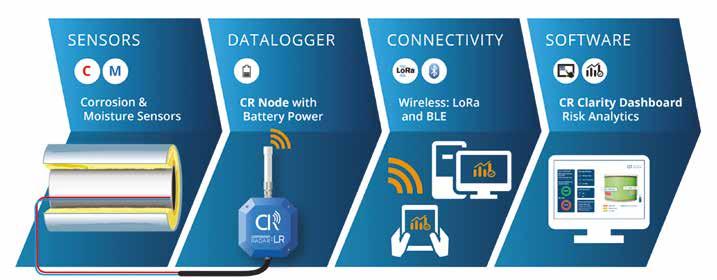
CorrosionRadar’s system addresses this challenge using permanently installed sensors capable of detecting moisture ingress and monitoring corrosivity beneath insulation without requiring insulation removal. The company’s long-range monitoring architecture combines corrosion and moisture sensors with wireless data transmission and cloud-based analytics platforms.
The monitoring solution supports operating temperatures ranging from approximately -90°C to 260°C in standard deployments, with some sensor configurations rated up to 300°C. The sensors can localise corrosive conditions to within approximately one metre and estimate corrosivity rates in millimetres per year.
Central to the deployment is CorrosionRadar’s Clarity software platform, which aggregates live sensor data and applies predictive analytics, machine learning and AI-driven risk modelling. The platform reportedly monitors more than 45 million data
points globally and is designed to integrate with existing risk-based inspection (RBI) and integrity management frameworks. Features include automated reporting, historical trend analysis and 3D visualisation of CUI risk across plant assets.
The system architecture uses long-range wireless communication technologies, including LoRa-based transmission, enabling monitoring over distances exceeding one kilometre while minimising field infrastructure requirements. Batterypowered sensor nodes are intended to simplify installation on both greenfield and brownfield facilities.
During the 19th Middle East Corrosion Conference and Exhibition (MECOC), Ahmad O. Al-Khowaiter, executive vice president of technology & innovation at Aramco, emphasised the broader significance of AIenabled corrosion management technologies for the energy sector: “The technological revolution we are now living through is changing how every industry operates. The advent of AI and big data is taking us into a new world where opportunities are limitless, and we are moving at a pace none of us have experienced before. AI will give us the power to predict failures before they occur, optimise maintenance schedules and extend the productive life of critical assets.”
Al-Khowaiter also noted the operational impact already being achieved through the deployment of predictive monitoring technologies:
“CorrosionRadar’s technology is already delivering huge value through inspection cost reduction, improved uptime, and optimised turnaround planning.”
The greenfield deployment represents a significant evolution in how operators approach CUI risk. Traditionally, integrity programmes have relied on periodic inspection campaigns involving insulation stripping and spot ultrasonic testing. By contrast, continuous monitoring systems provide persistent visibility between inspection intervals and enable maintenance teams to prioritise interventions based on measured risk conditions rather than inspection schedules alone.
“Our latest project with Aramco is an important example of how embedding a CUI monitoring solution across a facility from the outset, will have a transformative impact on long-term asset strategies and maintaining asset health,” Dr. Chiraz Ennaceur, CEO and co-founder of CorrosionRadar, adds: “By prioritising data, machine-learning and predictive strategies over reactive ones, Aramco will be able to detect early indicators of corrosion and take informed action against any damage – improving safety, reducing costs, and enhancing operational efficiency.”
As operators across oil and gas, petrochemicals and power generation continue to digitise asset integrity programmes, large-scale predictive CUI monitoring deployments may increasingly become part of standard plant design philosophy rather than a retrofit integrity measure.


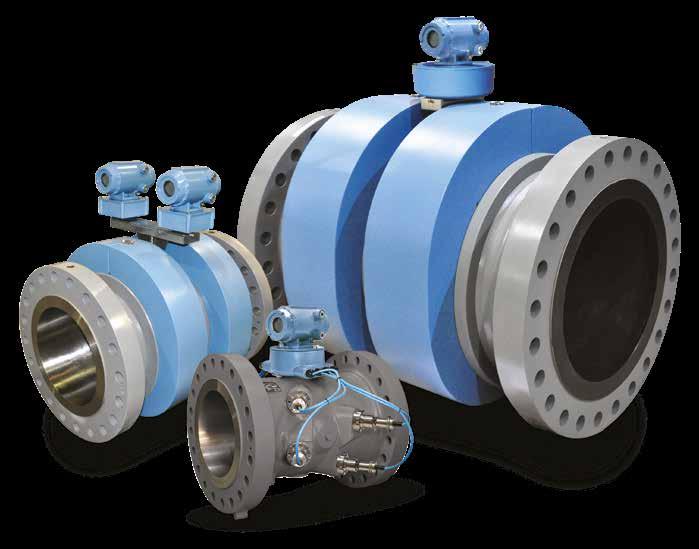
Emerson’s Mike Thackray explains how modern ultrasonic flow meters provide verified, reliable gas measurement
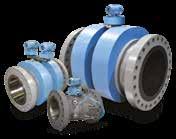
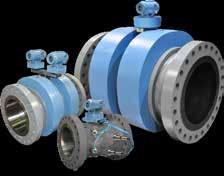
As natural gas systems grow more complex, operators require custody transfer metering solutions that do far more than simply measure flow. Today’s flow meters must be able to diagnose their own condition, verify measurement integrity and provide early warning of developing issues before they affect revenue. Rosemount Gas Ultrasonic Flow Meters from Emerson (figure 1) have been designed with this in mind, combining advanced diagnostics, embedded intelligence and powerful software tools to raise confidence
in custody transfer measurement. These ultrasonic meters use highperformance onboard processing and advanced analytics to provide deeper insight into flow conditions and meter health, reducing unexpected problems, maintenance needs and measurement uncertainty.
Custody transfer applications demand consistently high accuracy, even when operating conditions are suboptimal. Traditional differential
Rosemount
Gas Ultrasonic Flow Meters

Mike Thackray, Rosemount ultrasonic product manager, midstream Europe at Emerson
pressure technologies can struggle when exposed to flow disturbances caused by turbulence, debris or nonideal upstream piping configurations. Ultrasonic metering technology addresses these challenges directly. Rosemount multipath designs, available in both four-path and eight-path configurations, measure the complete velocity profile across the pipe without restricting flow or introducing pressure loss. By sampling velocity at multiple points, the meter maintains reliable accuracy across a wide range of pressures and pipe sizes, delivers greater stability
in turbulent or imperfect flow conditions, and preserves long‑term measurement integrity.
Smart Meter Verification (SMV) is a diagnostic function that transforms complex data into an easily interpreted, colour‑coded snapshot of meter health. Designed for automatic, unattended operation, SMV continuously monitors key parameters without requiring operator intervention. Verification reports can be generated on demand or scheduled over periods ranging from one day to six months, while up to 20 months of historical trend data is retained to support long‑term performance analysis. SMV results are accessible remotely via Emerson’s MeterLink configuration and diagnostic software or Modbus communications. This approach allows operators to confirm meter performance without extensive data analysis or routine field inspections, keeping teams focused on day to day operations.
For deeper insight into meter behaviour and flow conditions, MeterLink software provides a comprehensive suite of tools. Flow‑based diagnostics help identify turbulence, swirl, asymmetry and velocity profile distortions (figure 2), while actionable alerts highlight conditions such as blockages, bore build up, liquid presence, or deviations in speed of sound. MeterLink also
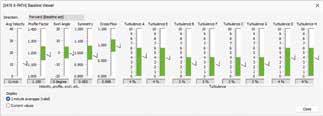
supports secure user authentication, allowing up to 25 user profiles across three permission levels, and generates expanded inspection reports, complete with alarm summaries, charts and configurable visualisations. Advanced waveform and signal analysis tools support detailed troubleshooting, while Emerson’s Baseline Viewer tool enables operators to compare live operating data against known reference conditions. By converting raw diagnostic signals into clear, actionable information, MeterLink reduces reliance on manual interpretation and supports proactive decision‑making.
Included with MeterLink, Net Monitor brings all networked ultrasonic meters together in a single intuitive dashboard. From one screen, operators can quickly assess each meter’s status and condition, confirm flow direction and velocity, review the most recent SMV result, and check online or offline availability. This consolidated view improves situational awareness, simplifies maintenance planning, and helps teams rapidly identify abnormal conditions across multiple metering points.
2: MeterLink software provides flow‑based diagnostics
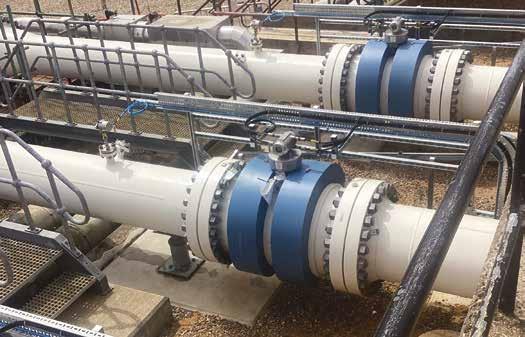
Natural gas pipelines often transport more than just gas. Scaling, rubber fragments, and other particulate debris can enter the flow, distorting velocity profiles and degrading measurement accuracy over time. Rosemount Gas Ultrasonic Flow Meters detect these disturbances early by comparing velocities across multiple acoustic paths, giving operators advance warning before custody transfer performance is compromised. Maintenance activities are also simplified. Transducers can be replaced under pressure without shutting down the meter or interrupting operations, while event logs stored for up to five years support audits, troubleshooting and regulatory compliance. Remote access reduces site visits and accelerates issue resolution, helping to lower operating costs and maximise uptime.
In custody transfer applications, measurement accuracy has a direct impact on revenue, making it essential for operators to deploy metering systems that can demonstrate and defend their performance. With advanced diagnostics and analytical software, and robust ultrasonic meter designs, Rosemount Gas Ultrasonic Flow Meters provide the level of certainty required to operate confidently within today’s demanding natural gas infrastructure. Engineered for real‑world operating conditions and long‑term stability, these solutions help operators protect measurement integrity, streamline maintenance strategies and maintain confidence in the measurements that matter most.





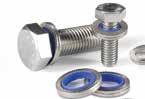
High-performance bolt locking for every challenge

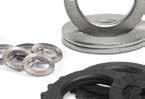





Proven. Precise. Made in Germany. Contact us for more information: www.heico-group.com +49 2938 - 805 0

No new workflows. No retraining. Just wider, smarter communication.
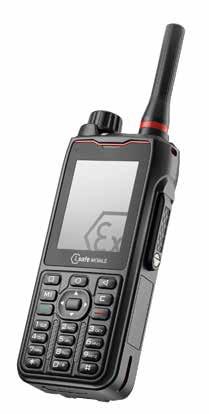
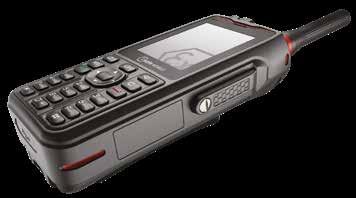
Android-based 4G radio – combines telephony and push-to-talk (PTT) in one handy device
Familiar two-way radio design – enables easy transition from classic radios to the IS380.1
Replaceable battery – enables continuous operation readiness
Rotary switch for channel selection or volume control – enables quick and safe handling
System integrated i.safe MOBILE App World – enables the use of certain applications for PTT & LWP
Learn more at www.Emerson.com/RosemountUltrasonic.
Restoring efficiency in delayed coker unit heaters through robotic convection cleaning
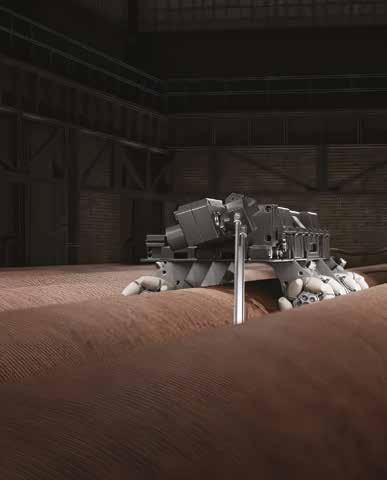
Many fired heaters operate below their design potential due to progressive fouling in the convection section. This case study examines how a large US Gulf Coast refinery restored lost performance in its delayed coker unit (DCU) heaters using robotic cleaning technology (Rovex), following a data-driven thermal efficiency evaluation that quantified the opportunity and projected return on investment (ROI).
Prior to execution, the refinery engaged in a complimentary fired heater thermal efficiency evaluation to assess current operating performance against design intent. The evaluation identified significant convection section underperformance across three terrace-wall DCU heaters, processing approximately 100,000bpd. The study highlighted measurable inefficiencies, including reduced heat recovery, elevated flue gas temperatures, and increased reliance on radiant section duty.
Importantly, it also quantified the financial upside of restoring convection performance, providing a clear business case for intervention.
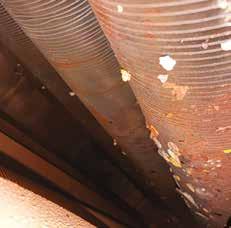
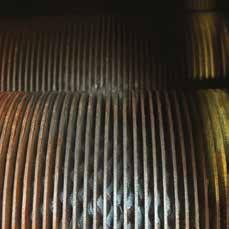
Fouling within convection tube banks is a well-understood but often underestimated issue in fired heaters, particularly in coking-prone services such as DCUs. Deposits restrict heat transfer, forcing higher firing rates to maintain target process temperatures. Over time, this leads to:
Increased fuel consumption and operating costs
Elevated tube metal temperatures and higher coking rates
Greater thermal stress
Reduced operational flexibility
At the subject refinery, convection sections were operating well below design duty in all three heaters. Traditional cleaning methods,
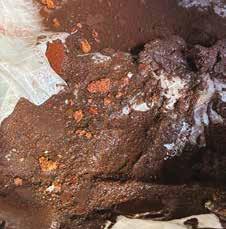
including chemicals, hydro-blasting, and dry ice, had been deployed previously, but with inconsistent and incomplete results due to unknown fouling characteristics, limited access and complex tube geometries.
Manual and semi-mechanical cleaning techniques present several challenges in modern fired heaters:
Safety exposure: Many methods require confined space entry
Incomplete coverage: Dense tube arrangements limit access
Inconsistent results: Cleaning effectiveness varies across passes
Operational disruption: Extended downtime may be required
These limitations often result in only partial performance restoration, leaving significant efficiency gains unrealised.
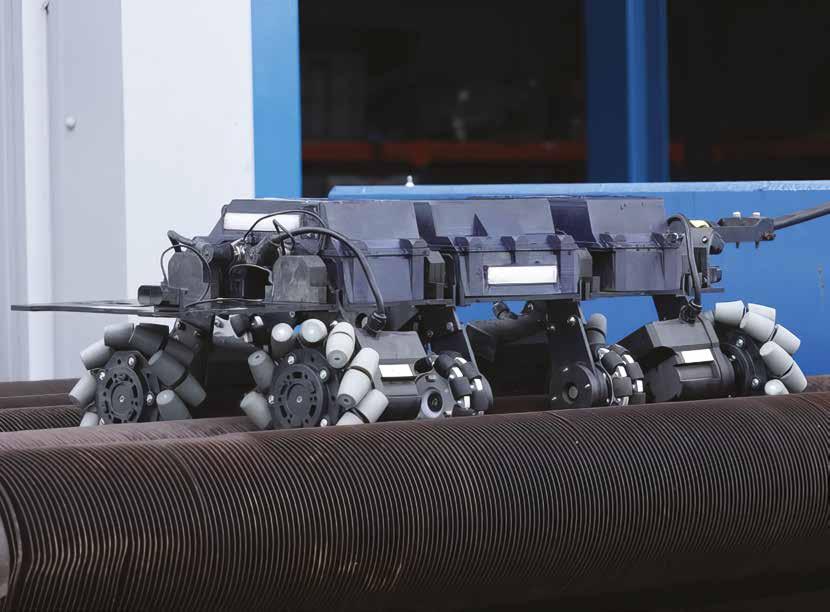
To address these challenges, the refinery deployed Rovex by TubeTech, a robotic convection cleaning system designed for high-coverage, repeatable cleaning in complex geometries. Operating remotely, Rovex eliminates the need for confined space entry while enabling precise and consistent cleaning across accessible tube surfaces.
Key features of the Rovex system include:
Full-surface cleaning in tight tube configurations
90-95% coverage of convection surfaces
Real-time visual verification via onboard cameras
Controlled, repeatable cleaning methodology
The project scope included cleaning across three convection sections, each with four tube coils approximately 70 feet long. Additional access ports were installed to ensure complete coverage.
The cleaning project was completed over nine shifts with zero safety incidents and no delays to the turnaround schedule. Remote operation allowed work to proceed efficiently while maintaining strict safety standards.
Following cleaning, a post-project evaluation was conducted to validate performance improvements and quantify gains relative to precleaning conditions.
The cleaning intervention delivered a substantial recovery in convection section performance across all three heaters. Table 1 summarises the measured improvements. Notably, these gains were achieved while operating at higher process outlet temperatures, confirming that the improvement was driven by restored heat transfer rather than changes in operating severity.
Beyond convection duty recovery, the refinery observed a range of measurable operational improvements:
Fuel efficiency: Increased by approximately 1 percentage point
Flue gas temperature reduction: 93°F (52°C)
Stack temperature reduction: 26°F (14°C)
Fuel gas savings: ~4.0 MMBtu/hr (~1.17 MW)
CO2 emissions reduction: ~1,870 tonnes per annum
From a thermal management perspective, reduced radiant heat flux lowered tube metal temperatures and decreased coking propensity, contributing to improved reliability and extended run length. Additionally, the plant gained operational flexibility, with the ability to shift between maximising throughput and minimising fuel consumption depending on economic conditions.
The restoration of convection section performance had a direct impact on heater reliability. Run length is expected to increase by up to 5%, translating to more uptime between turnarounds. This improvement is particularly valuable in DCU operations, where unplanned downtime carries significant economic penalties.
The repeatability and scalability of robotic cleaning also support a more proactive maintenance strategy. Rather than relying on reactive interventions, operators can incorporate convection cleaning into planned maintenance cycles, preserving efficiency over the long term.
This case study demonstrates that convection section fouling represents a significant but recoverable source of efficiency loss in fired heaters. Through the combination of a datadriven thermal efficiency evaluation and advanced robotic cleaning, the refinery was able to restore heat transfer, reduce fuel consumption, and improve overall heater reliability.
For operators facing similar challenges, the first step is understanding the true performance gap. A comprehensive thermal efficiency evaluation can identify bottlenecks, quantify potential gains, and provide a clear pathway to improvement, often with compelling payback.
Larry Emch is senior director of technical sales at IGS.
The compression unit
Placed anywhere in the frame
The PTG-120 compresses the system and completing the penetration steel.
The transit frame
Can be bolted or welded Hardware and material in the highest quality for the toughest of applications.
Placed between each row blocks, they ensure even blasts can’t make it through the penetration seal.

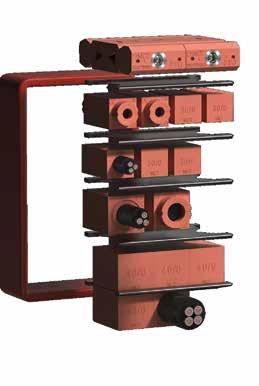
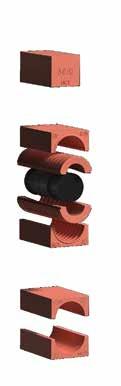
The unused space in the frame is filled with solid spare blocks. This allows for the option of fitting new cables/ pipes in the future.
Available in four sizes to fit cables/pipes or tubing from 4 to 54 mm (0.16” to 2.13”), inserts marked with designated cable/pipe dimensions. A safe, flexible and easy-to-install block module.
Standard Block
Each block consists of two halves and can seal cables/ pipes with diameters from 3.5 – 110 mm. (0.14–4.33”).
When a refinery operator needs to coordinate a valve shutdown, or a port team is racing to clear a berth before a weather window closes, nobody wants a device that forces new habits. i.safe Mobile’s IS380.1 is built around exactly that insight.
The two-way radio survived the smartphone era largely intact and for good reason. In Zone 1 and Zone 21 environments, operators have built procedures around a device that simply works. But the pressure to modernise is real: LTE networks now offer coverage, bandwidth, and features that legacy PMR systems cannot match.
The IS380.1 resolves this tension. Certified for Zone 1/21 and running on ISM-OS 16 (based on Android), it sits comfortably in a radio holster whilst delivering the capabilities of a modern 4G device.
Pick up the IS380.1 and the design language is unmistakable. A large side-mounted PTT button sits exactly where a radio user’s thumb expects it. A rotary switch handles channel selection or volume without looking down. The front-facing amplified loudspeaker cuts through the noise of a compressor hall or a busy quayside. A 13-pin ISM audio interface means existing headsets plug straight in, and the replaceable battery keeps continuous shifts covered.
Retraining costs money and slows adoption. For a plant manager overseeing hundreds of field workers, retaining the familiar radio interface is a key argument in favour of the roll-out.
Once on a 4G network, the communication modes of the IS380.1 expand considerably. Push-to-Talk over Cellular (PoC) and Mission Critical Push-to-Talk (MCPTT) via
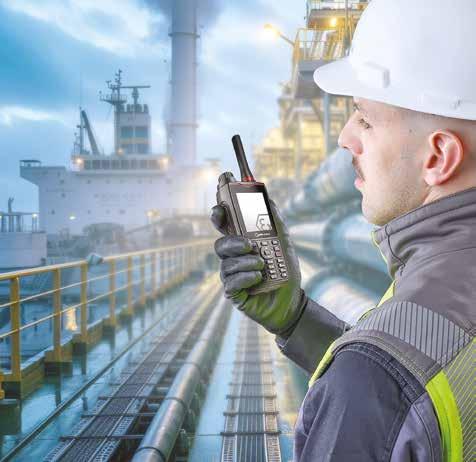
Once on a 4G network, the communication modes of the IS380.1 expand considerably
compatible applications and network availability, are both supported, alongside conventional telephony. Through third-party RoIP gateways, the device bridges VHF/UHF radio networks with cellular PTT platforms. This means that a field technician can speak directly with a colleague still on a legacy radio, without a forklift replacement programme.
For rail, port operations, and oil and gas, this is a meaningful step. Coverage extends wherever LTE is available, while the existing radio backbone stays operational.
The IS380.1 ships with the i.safe Mobile App World pre-installed. Hosted on German servers and updated with device firmware, it gives operators a direct route to
validated software tested on the actual hardware. Applications such as PTT and lone-worker protection can be made available depending on the device configuration and partner integration, with the App World ecosystem continuously expanding over time.
IP68 and MIL-STD 810H certifications ensure the IS380.1 operates reliably wherever the industry actually works: on offshore platforms, in petrochemical plants, or directly on site.
Leandro Petrone is product manager PoC solutions at i.safe Mobile: www.isafe-mobile.com




High
Improve
Reduce
Standard
Corrosion,
Conformal
Laura Hall shares how anti-aging solutions ensure oil and gas infrastructure remains safe, reliable and operational long into the future
Restoring cturalintegrity below thewaterline
Keeping critical infrastructure operational as it continues to age is one of the key challenges facing the oil and gas industry today.
While the context is very different, the challenge is not unfamiliar—much like anti‑aging strategies, the focus is not on stopping time, but on managing its effects and extending performance.
Yet across many oil and gas facilities worldwide, pipelines, tanks, refineries and industrial plants are operating beyond their original design life, becoming increasingly exposed to risk as they age. For asset integrity and maintenance teams, the role is not just about maintenance it is about planning and strategic investment in technologies that keep these essential assets running safely and reliably for decades to come.
Recent global events reinforce just how important this challenge has become: the world cannot afford the failure of its energy infrastructure.
Operators know the consequence of failure. Unplanned downtime at oil and gas facilities can exceed $500,000 per hour, while a single major pipeline failure can disrupt supply chains and cost billions. Long term reliability depends on selecting technologies that perform under real operating conditions, allow assets to remain in service, and address degradation mechanisms before they compromise integrity.
Reactive maintenance has to become a thing of the past, we need to look at our infrastructure as a complete system instead of individual parts. Operators need confidence that their assets will perform not just today, but decades into the future. Achieving this means preventing corrosion before it starts, sealing leaks quickly when they occur and reinforcing structures to safely extend service life. It also means reducing complexity by aligning solutions across the asset lifecycle – from Capex through to Opex – rather than managing multiple disconnected providers.
The Infrastructure Protection and Repair platform within Henkel is designed to support this integrated approach. Founded in 1876, Henkel is a global leader with a

strong commitment to innovation, sustainability and customer centric solutions. The platform brings together the capabilities of Seal For Life Industries, CSNRI and LOCTITE, each offering technologies that support infrastructure protection across the entire value chain – upstream, midstream and downstream.
Working with a single provider means fewer contact points and allows solutions to be integrated where suitable, reducing unnecessary work and avoiding delays in operations. These brands also bring along with them an extensive track record with decades of field experience. Planned correctly, this integrated approach reduces downtime, lowers total cost of ownership while keeping people, assets and the environment safe.
A terminal operator needed to keep a volatile product close to ambient temperature while protecting tank roofs from corrosion. Solar heat gain was raising internal temperatures, while complex geometry and foot traffic made traditional insulation impractical. Mascoat DTI, a spray applied insulating coating, provided a seamless solution that eliminated corrosion under insulation risk. Applied at just 40 mils, it reduced solar loading and is now a standard specification across the terminal.
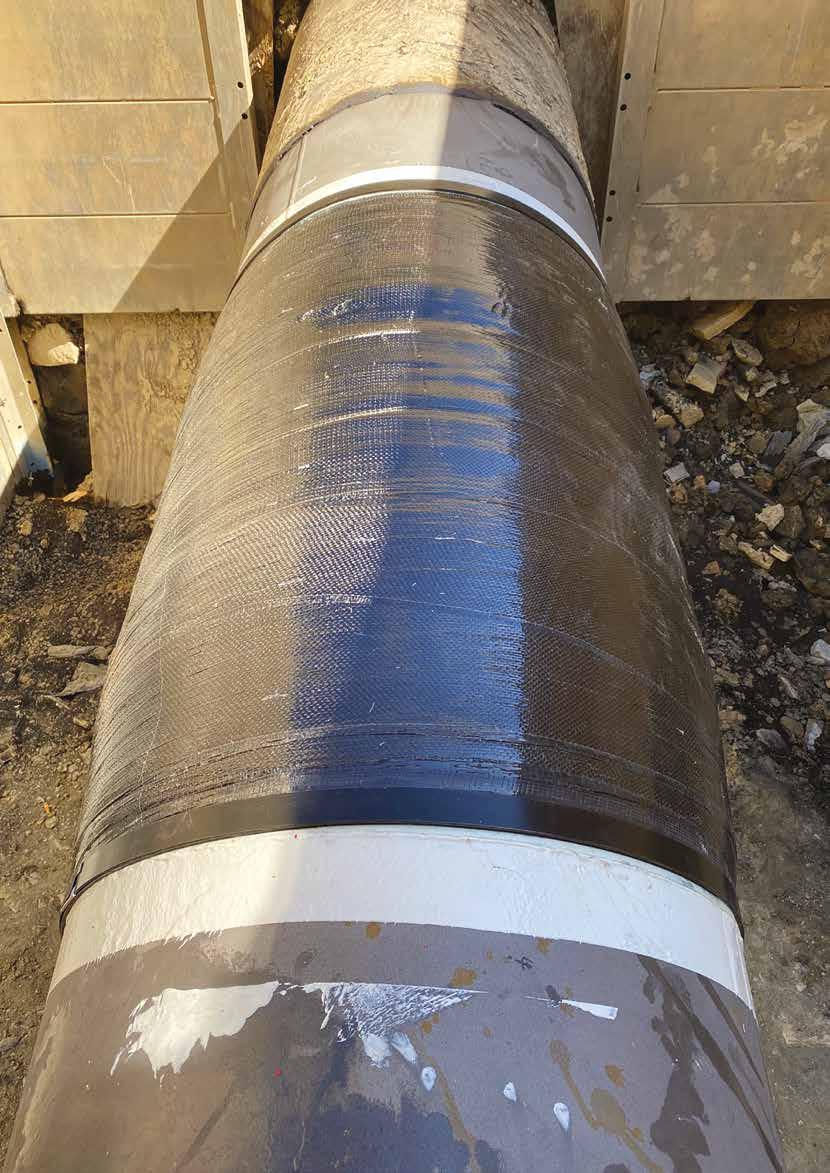
An inspection of a 36-inch natural gas pipeline in the USA identified corrosion and pitting at a girth weld. As the line had to remain in service, a no hot work repair was required.
CSNRI recommended the Atlas carbon fibre composite repair system to restore the pipeline to maximum operating pressure without shutdown. Installation took approximately 2.5 hours, with full cure achieved within eight hours, safely returning the pipeline to service without disruption.
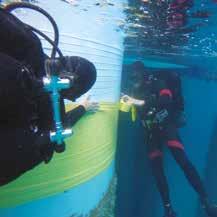
A recently constructed LNG terminal had seen premature coating failure on the piles of the jetty, the existing coatings were flaking off and the client was looking for an easy to install corrosion preventative system that could be applied while terminal operations continued. With minimum surface preparation and no mixing or curing time required between layers, the application of the STOPAQ WSH system was immediate and compatible with application both above and below water. Long term protection complete.
Infrastructure continues to age and operating conditions will always be demanding, meaning smarter future strategies are critical.. The examples highlighted here show that longterm performance is not achieved through reactive fixes, but through technologies designed to perform under real world conditions from day one. Rather than replacing assets, a more sustainable approach focuses on repair and reinforcement, extending service life so that materials can remain in use for longer, reducing the demand for new resources.
By combining proven solutions, deep expertise and a lifecycle approach to protection and repair, Henkel helps operators move from short term maintenance to long term confidence ensuring they remain safe, reliable and operational long into the future, for the good of generations to come.
Much like the search for anti aging solutions in the consumer world, time cannot be stopped. The risks can be mitigated, allowing infrastructure to continue performing well beyond its original design life.
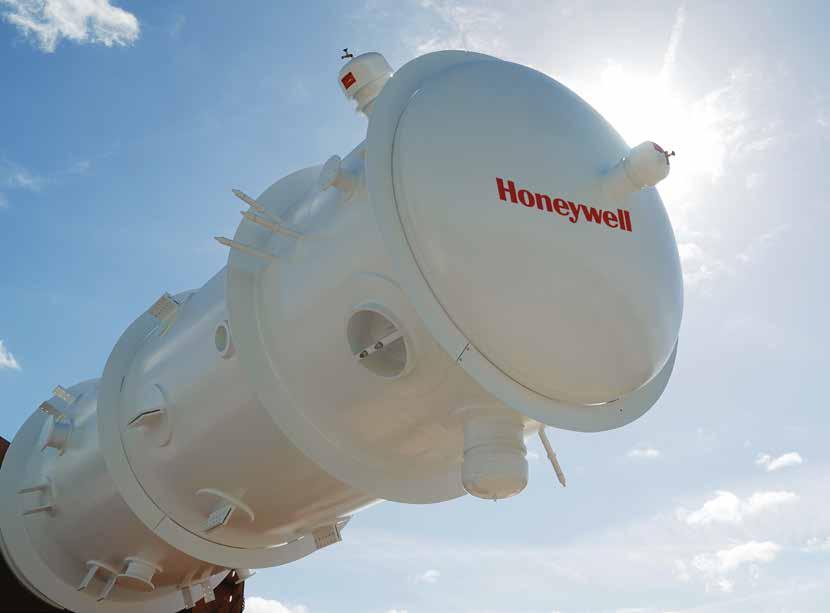
Honeywell’s coil-wound heat exchanger
Global demand for liquid natural gas (LNG) is expected to increase by over 50% by 2040, according to data from Shell. Companies are bracing for these demand surges, pursuing expansion of their capacity through new projects and partnerships.
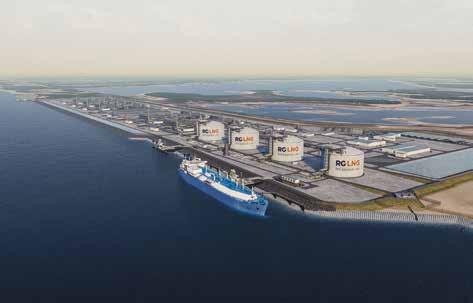
Honeywell, an inventor and manufacturer of energy and industrial technologies, is providing its liquefaction process technology and equipment for an LNG project in south Texas.
The LNG export terminal, Rio Grande LNG, is being constructed by energy company NextDecade. Honeywell’s technology will be used in Rio Grande LNG liquefaction trains four and five. Construction for trains four and five began in
September 2025 and October 2025 respectively, and each train is expected to produce approximately 6m tonnes of LNG per annum.
Honeywell is providing its high efficiency coil wound heat exchanger (CWHE) equipment and C3MR process technology to optimise production, improve reliability, and lower facility operating expenses.
“The C3MR process uses a propane refrigeration cycle for feedgas precooling, followed by a single mixedrefrigerant cycle to complete liquefaction and subcooling – this allows close thermodynamic matching between the refrigerant and natural gas cooling curves across the full
temperature range,” says a Honeywell spokesperson. “This process supports stable operation and consistent LNG production across varying ambient conditions and feedgas compositions.”
The process also reduces operational complexity and supports high availability – sustained LNG production with minimal unplanned downtime. This is particularly important as Rio Grande LNG expands capacity from 18MTPA to 30MTPA with the addition of trains four and five.
The CWHE is designed to perform at scale and withstand extreme thermal cycling. “Its spiral-wound tube bundle handles several highpressure streams in one cryogenic exchanger, maximising heat transfer and throughput in a compact design,” says the spokesperson.

The C3MR process and CWHE equipment enable NextDecade and Rio Grande LNG to boost liquefaction capacity, enhance energy efficiency, and ensure reliable operations. This standardised design lowers execution
risk and can improve project economics as the facility expands.
“As the demand for energy increases, LNG will continue to play a significant role in meeting this demand and supporting global energy security,” said Christina Andersen, president, of gas and LNG at Honeywell. “Honeywell’s scalable and customisable technology helps producers optimise facility performance.”
South Texas is a major hub for LNG development. The Brownsville Ship Channel and Corpus Christi also offer
AI data centres: LNG meets the constant power demand from AI data centres, which renewable energy sources alone cannot currently accommodate.
The energy transition: LNG complements intermittent renewable energy sources to ensure supply security.
Europe’s dependence: As the EU phases out imports of Russian LNG, one of its replacement strategies is to increase domestic production.
Asia’s transition: Despite the Iran conflict disrupting coal-to-LNG plans, Malaysia, the Philippines and China are reportedly still veering away from coal, says Ange Association. China recently revived its Fuxin coal-to-gas project, signalling despite its non-linear journey towards cleaner energy, it understands LNG’s value as a ‘bridge fuel’.
deepwater access for transporting LNG to international markets. This is particularly useful since Europe is shifting its sights toward non-Russian sources of LNG.
Rio Grande LNG is located on the north shore of the Brownsville Chip Channel, an area rich in natural gas resources. The site consists of 1,000ac and 15,000ft of frontage on an uncongested waterway, and features favourable geotechnical conditions and milder weather events compared to other US Gulf Coast locations.
The surrounding Rio Grande Valley community is providing a large portion of the expertise required to operate the facility. In fact, a majority of the onsite workforce will be Rio Grande Valley locals. The facility is providing over 7,500 construction and trade jobs, and about 700 long-term jobs once the facility is operating.
Currently, NextDecade is also evaluating subsurface and technical options for a potential carbon capture and storage project at Rio Grande LNG.
Approximately 48 million tonnes per annum (MTPA) of potential liquefaction capacity is currently under construction or in development at Rio Grande LNG. Trains 1-5 are under construction, and Trains 6-8 are in development and advancing the permitting process. There is space for up to 10 trains at the site. Honeywell’s LNG technology will also be used for the first three liquefaction trains at the facility.

High-precision RTDs are the go-to choice for rotating equipment
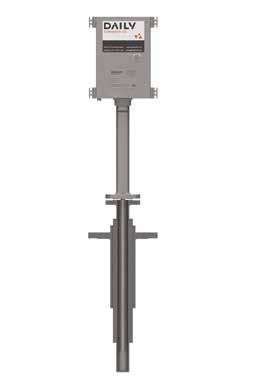
Daily Thermetrics’ Chris Chant explains how temperature measurement redefines rotating equipment reliability
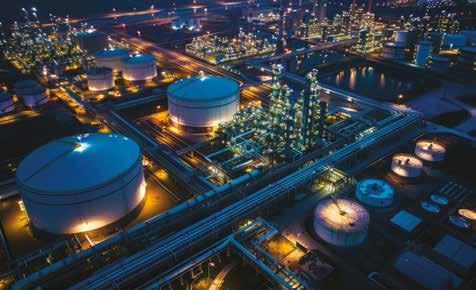
As someone who has spent over 40 years in temperature instrumentation product engineering, suppling solutions across the energy industrial sector, I’ve seen firsthand how critical rotating equipment – turbines, compressors, pumps, and large electric motors – are key to keeping industrial operations running smoothly especially in highly volatile environments like the oil and gas industry.
Traditionally, we’ve relied heavily on vibration analysis for condition monitoring. But over time, I’ve come to appreciate that precise temperature measurement is just as vital, often
providing a faster warning when things aren’t right. In my experience, those few degrees of thermal data can be the difference between a planned maintenance shutdown and an unexpected, costly breakdown.
In my work, I’ve found that temperature is one of the earliest and most reliable signs of emerging equipment issues, covering a wide range of failure modes. While vibration patterns can reveal mechanical wear weeks ahead of failure, temperature monitoring is unique in its ability to alert us to immediate operational
dangers – like abnormal loading, lubrication breakdown, or cooling system faults – that may not show up in vibration data right away.
Take electric motors, for example. They’re responsible for about 70% of industrial electricity use, and I’ve seen that bearing problems cause a large percentage of motor failures. A temperature increase of just 20–30°F (11–17°C) above normal can indicate issues like grease breakdown or misalignment – long before a bearing seizes. By using continuous temperature sensors, I’ve helped shift teams from reactive fixes to proactive asset management. This prevents the nasty domino effect where heat
leads to friction, oil breakdown, and, ultimately, catastrophic failure.
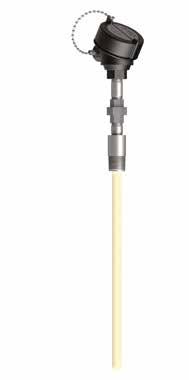
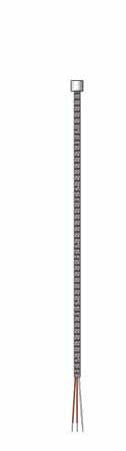
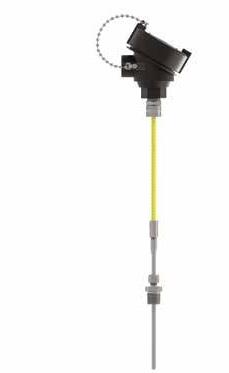
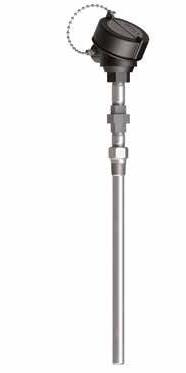
To get meaningful results, temperature sensors must stand up to tough conditions. In my experience, highprecision Resistance Temperature Detectors (RTDs) – especially 100-ohm platinum (Pt100) Class A sensors – are the go-to choice for rotating equipment. They offer impressive stability and accuracy (around ±0.5°C), outclassing thermocouples for long-term reliability.
Typically, these sensors are spring-loaded into bearing housings to maintain solid contact with the bearing’s outer race, without interfering with the rotating shaft. I’ve noticed that standards like NEMA MG-1 and IEC 60034-1 now treat this data as essential, requiring bearing RTDs in motors over 200 HP (150 kW).
While the sensor element is vital, I’ve learned that the sensor’s lead wire system is a common – and often overlooked – failure point, especially in oil-lubricated bearings and gearboxes. Anti-wicking bearing sensors are a game changer for long-term reliability.
“Wicking” is the capillary action that draws oil or fluids up between wire strands and insulation. In pressurised or oil-mist environments, I’ve seen this action pull oil from the bearing housing
straight into the conduit system – or worse, into the electric motor’s terminal box or the control cabinet.
Preventing motor contamination: Without anti-wicking, oil can migrate into the motor, saturating windings and causing insulation breakdown and severe electrical damage.
Eliminating maintenance headaches: I’ve dealt with oil leaking from sensor leads, which creates messy cleanup jobs and environmental risks, often forcing a full shutdown to replace contaminated cables.
Enhanced environmental sealing: Anti-wicking sensors use internal fluid blocks – special epoxies or fillers – to create barriers at the sensor head or along the cable, stopping fluids right at the entry point.
By specifying anti-wicking sensors, I’ve seen engineering teams eliminate a major source of secondary damage. This simple design feature ensures that the very instrument meant to monitor health doesn’t become the cause of failure.
The financial argument for advanced temperature sensing is clear to me. For critical equipment where downtime costs are sky-high, investing in a quality RTD probe is a small price compared to replacing a motor and losing production.
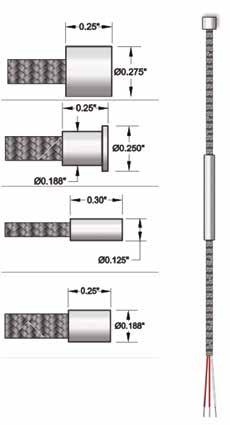
Anti-wicking bearing sensors are a game changer for long-term reliability
Today’s condition monitoring platforms leverage machine learning to set “normal” thermal baselines, considering seasonal changes and production demands. When a bearing temperature spikes, these systems can trigger a safe shutdown automatically. I’ve seen how this protects assets from catastrophic damage and substantially cuts Mean Time to Repair (MTTR) by allowing technicians to zero in on a specific issue – rather than dealing with a full-blown mechanical failure. In the evolution of the global oil and gas industry, precision temperature measurement has moved from an auxiliary check to a frontline defence. By pairing high-accuracy Pt100 sensors with robust anti-wicking cable technology, facilities can safeguard their most critical rotating assets. This dual approach not only provides the data needed for predictive maintenance but also ensures the physical integrity of the equipment, ultimately driving down costs and maximising uptime in an increasingly competitive industrial landscape.
Chris Chant is principal business & product development specialist at Daily Thermetrics. www.dailyinst.com

For more than four decades, KOSO Kent Introl has played a consistent and trusted role in supporting the Norwegian oil and gas industry. Since the early 1980s, the company has supplied control and choke valves across the Norwegian Continental Shelf, building an installed base that now exceeds 6,000 units. Many of those early installations, including assets at Ekofisk, Gullfaks, Statfjord and Mongstad, remain in operation today, continuing to deliver reliable performance in some of the most demanding offshore environments.
This longevity is not by chance. It reflects a combination of robust engineering, disciplined maintenance practices, and the availability of original equipment manufacturer spare parts. Together, these factors have ensured that operators can rely on consistent valve performance over extended asset lifecycles, even as operational demands evolve.
In recent years, the Norwegian energy sector has faced a renewed focus on efficiency, production optimisation and asset life extension. With significant developments such as Johan Castberg and Johan Sverdrup, alongside established assets including
Inspirer, Ivar Aasen, Troll, Edvard Grieg, Gjøa, Alvheim Ringhorne and Valhall, the requirement for responsive, localised technical support has become increasingly important.
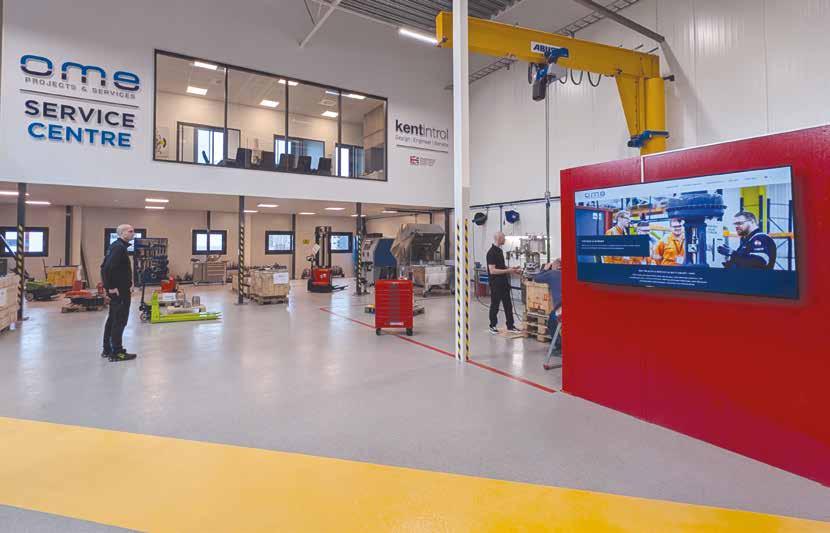
Recognising this shift, KOSO Kent Introl, in partnership with OME Projects and Services AS, has invested in strengthening its in-country presence through the establishment of a dedicated workshop facility in Bergen. Located in Blomsterdalen, close to the city’s main airport, the facility has been developed to provide a comprehensive service and support offering for control and choke valve products operating across the region.
A key advantage of this local capability is the ability to respond quickly to operational requirements
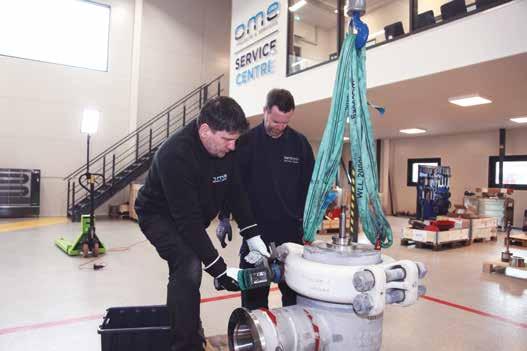
The Bergen workshop is fully equipped to undertake the service, overhaul and repair of valves, as well as the installation of upgrades and retrofits. It includes hydrostatic and seat testing capabilities, ensuring that all serviced equipment can be validated to the required performance standards before being returned to operation. In addition, the facility benefits from access to nearby specialist machining services and NORSOK approved surface coating providers, enabling a complete, end to end approach to valve maintenance and refurbishment.
A key advantage of this local capability is the ability to respond quickly to operational requirements. Supported by experienced applications engineers at KOSO Kent Introl’s headquarters in Brighouse, UK, the Bergen team can assess and implement modifications to existing valve installations. Older assets can be enhanced with modern, high performance trim technologies, improving both efficiency and operational lifespan. This approach allows operators to maximise the value of existing infrastructure while maintaining compliance with current performance expectations.
The partnership can deliver components and solutions on demand
The collaboration between KOSO Kent Introl and OME also extends to manufacturing flexibility. By combining traditional production methods with additive manufacturing technologies where appropriate, the partnership can deliver components and solutions on demand. This hybrid capability supports faster turnaround times, particularly in situations where urgent intervention is required to maintain production continuity.
Equally important is the availability of spare parts. The Bergen facility holds a comprehensive stock of original equipment components, including stem seals, body and bonnet joints, trim gaskets, diaphragms and actuator seal kits. This ensures that valves can be opened, inspected and resealed without delay, either within the workshop or through rapid dispatch to offshore installations. In scenarios such as leakage to atmosphere, where time is critical, this local inventory can significantly reduce downtime and restore operational integrity within hours.
Quality and compliance remain central to all activities carried out at the facility. The workshop is registered within the Magnet JQS system and operates in accordance with the same
The Bergen workshop is fully equipped to undertake the service, overhaul and repair of valves
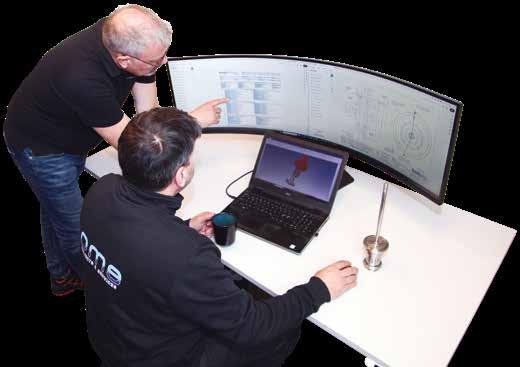
manufacturing, design and testing procedures applied at KOSO Kent Introl’s UK operations. This alignment ensures consistency across all service and production activities, regardless of location.
Material integrity is equally rigorous. All pressure retaining and process wetted metallic components are supplied in full compliance with NORSOK Material Data Sheet requirements. Materials are sourced exclusively from foundries and mills qualified to NORSOK M-650 standards, ensuring that every component meets the strict quality expectations of the Norwegian Continental Shelf.
KOSO Kent Introl’s long history
in the region has also enabled the company to streamline its supply chain in line with these requirements. Its established network of approved sub suppliers is already aligned with NORSOK standards, simplifying procurement processes and reducing logistical complexity. By minimising the need to transfer pattern equipment between different facilities, the company is able to shorten lead times for raw materials, supporting more efficient project delivery.
The establishment of the Bergen workshop represents a natural evolution of KOSO Kent Introl’s presence in Norway. By bringing engineering expertise closer to the point of need, and combining it with a strong local partner in OME, the company is well positioned to support operators as they navigate the challenges of modern energy production.
As the industry continues to balance performance, efficiency and longevity, the value of dependable equipment and responsive service becomes ever more apparent. Through continued investment in local capability, KOSO Kent Introl is reinforcing its commitment to the Norwegian market, ensuring that operators have access to the engineering support they need, exactly when and where it matters most.
As a UK-based manufacturer with over 50 years of experience, KOSO Kent Introl designs and supplies Control and Choke Valves to energy markets around the world. With deep engineering expertise and proven performance in the most demanding environments, we’re ideally placed to support the industry’s transition towards cleaner, more sustainable energy, onshore, offshore and subsea.
We engineer and supply high-performance valves built to withstand some of the world’s most demanding service conditions.
Our detailed records of every valve and component we’ve ever supplied allow us to help you plan and implement a strategic approach to valve asset management.
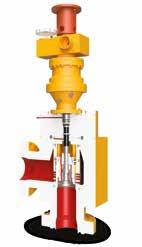
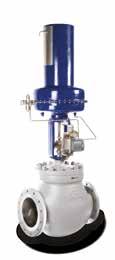
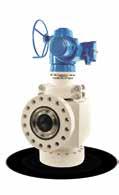
With extensive in-house facilities and a responsive service team, we ensure your valves are maintained safely, effectively with minimal downtime.
We support your investment throughout its lifecycle with genuine OEM spares, ensuring continued performance and reliability.
As your asset’s life progresses, we can review, engineer and install suitable upgrades or replacement internals to keep your process operating at peak performance.
Using in-house Laser Powder Bed Fusion technology, our additive manufacturing team can design and produce complex components quickly and with exceptional precision.
Pratley Flameproof Taper-Tech Gland range
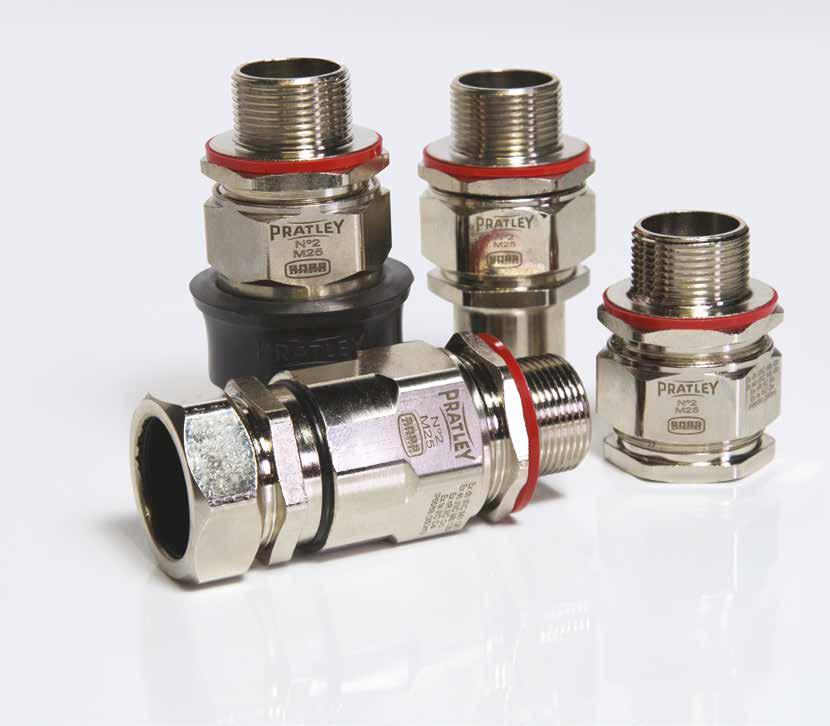
Devon Ward explains how Pratley’s Taper-Tech Cable Gland range ensures safe and reliable sealing in hazardous environments
CAN YOU OUTLINE THE KEY TECHNICAL FEATURES OF THE TAPER-TECH RANGE?
The Pratley Ex d/e Flameproof Taper-Tech Cable Gland Range is engineered for hazardous and flameproof environments, offering a combination of advanced sealing technology, durability, and installation flexibility. Central to the range is the unique Taper-Tech flame seal technology, which provides highly effective flameproof sealing while applying lower radial pressure to the cable sheath, thereby reducing the risk of cable damage and maintaining long-term sealing integrity, even on soft-bedded cables such as PVC.
The glands are quad certified for Ex d/e/nR/t applications in Groups I, IIC, and IIIC, making them suitable for
mining, gas, dust, and heavy industrial environments. They also deliver exceptional environmental protection with IP66/IP68 ratings and have been tested for continuous immersion at depths of up to 350m. Designed to perform in harsh conditions, the glands operate reliably within a temperature range of -35°C to +120°C and are available in both metric and NPT thread configurations for broad compatibility.
Additional safety and reliability benefits include retained internal sealing bushes that prevent component loss during installation, as well as double compression designs that provide both flameproof and environmental sealing. Variants for armoured, braided, and unarmoured cables, including reversible cone ring and shrouded options, further
enhance versatility, making the range a robust and dependable solution for demanding industrial applications.
WHY WERE THE PRODUCTS ORIGINALLY DEVELOPED, AND HAS THIS MISSION CHANGED OVER THE YEARS?
The range was specifically engineered for hazardous environments where safety, reliability, and long-term performance are critical. Designed to meet the demanding requirements of Ex-rated areas, the Pratley Ex d/e Flameproof Taper-Tech Cable Gland Range is ideally suited for offshore and onshore oil and gas installations, petrochemical plants, refineries, and other industrial environments where explosive atmospheres may be present.
From the outset, Pratley’s objective was to develop a cable gland that would not only comply with international hazardous area regulations, but in many cases exceed them. Built with a focus on exceptional quality, durability, and functionality, the range was designed to withstand harsh operating conditions while ensuring safe and reliable cable termination in high-risk Ex environments.
The Pratley Ex d/e Flameproof Taper-Tech Cable Gland Range became a benchmark in hazardous area cable termination technology, reflecting Pratley’s commitment to engineering excellence and setting a new standard for performance, reliability, and safety in the industry.
Although the Pratley Ex d/e Flameproof Taper-Tech Cable Gland Range has only been on the market for approximately four years, it has already proven itself in some of the world’s harshest and most demanding hazardous environments. Installed across offshore and onshore oil and gas facilities, petrochemical plants, and other Ex-rated industrial applications globally, the range has consistently delivered the safety, reliability, and performance it was engineered for.
From the beginning, the range was designed with longevity and durability in mind. At Pratley, products are not simply developed to meet current industry requirements — they are engineered to provide long-term operational reliability and peace of mind in critical applications where failure is not an option. The continued performance of the Taper-Tech range in challenging conditions is a testament to Pratley’s commitment to quality engineering and robust product design.
The Pratley Ex d/e Flameproof Taper-Tech Cable Gland Range has not required any major upgrades since its introduction, as it was
engineered from the outset to deliver exceptional performance, reliability, and compliance in the most demanding hazardous area applications. The range was designed with a forward-thinking approach, incorporating robust engineering principles and high-quality materials to ensure long-term durability and operational excellence.
Rather than continuously modifying the product, Pratley focused on developing a solution that would set the benchmark from day one — a cable gland range capable of meeting and exceeding industry expectations in offshore and onshore oil and gas environments, petrochemical facilities, and other high-risk Ex-rated areas.
That said, Pratley remains committed to ongoing innovation and continuous evaluation of industry needs, standards, and customer requirements. Should future advancements offer meaningful benefits in performance, safety, or functionality, these will always be carefully considered as part of the company’s commitment to engineering excellence.
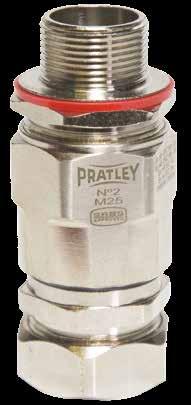
The Flameproof Taper-Tech range has benefited a wide variety of hazardousarea applications where cables must be terminated safely and reliably into junction boxes, electrical panels, motors, control equipment, and industrial machinery operating in potentially explosive environments. These cable glands have been successfully used across industries such as mining, oil and gas, petrochemical, chemical processing, power generation, and heavy industrial manufacturing, where dependable flameproof protection and environmental sealing are essential. The Flameproof Taper-Tech range enhances operational safety, improves long-term reliability, and reduces maintenance risks in demanding industrial environments.
What continues to set the Pratley Ex d/e Flameproof Taper-Tech Cable Gland Range apart in the market is its combination of advanced engineering innovation, proven quality, and the exceptional customer service and technical support that Pratley provides through its global distributor network. Central to the range is the unique Taper-Tech flame seal technology, which delivers highly effective flameproof sealing while applying lower radial pressure to the cable sheath, significantly reducing the risk of cable damage during installation and operation.
This innovative design not only enhances safety and reliability in hazardous area applications but also improves long-term cable performance and installation integrity. Combined with Pratley’s reputation for product excellence, compliance with international standards, and dedicated customer support, the Taper-Tech range continues to be a trusted solution for demanding industrial environments worldwide.
A recent whitepaper from Ericsson highlights how private 5G networks can bolster the safety and performance of offshore operations
As oil and gas operators expand the use of automation, remote operations and connected industrial systems, health and safety performance is becoming increasingly dependent on the reliability of site communications infrastructure. A recent whitepaper from Ericsson argues that private 5G networks are emerging not simply as digital enablers, but as critical safety infrastructure for modern multisite oil and gas operations.
The paper highlights how conventional communications technologies – including Wi-Fi and fragmented legacy wireless systems – are often unable to provide the coverage, reliability and low-latency performance required for safetycritical industrial environments. In offshore facilities, refineries and remote processing sites, intermittent connectivity can directly affect emergency response capability, worker visibility and operational risk management.
According to Ericsson, private 5G networks provide a dedicated industrial communications layer capable of supporting both operational technology (OT) and enterprise IT systems securely and reliably across geographically dispersed assets. The technology’s low latency, high bandwidth and ability to connect large numbers of devices simultaneously make it particularly suited to hazardous industrial environments where continuous situational awareness is essential.
One of the whitepaper’s key themes is the role of connected worker technologies in improving frontline safety. Private 5G networks enable real-time communication between personnel, control rooms and field systems, allowing operators to monitor worker locations, environmental conditions and operational status continuously. Wearable devices, connected gas detectors and mobile
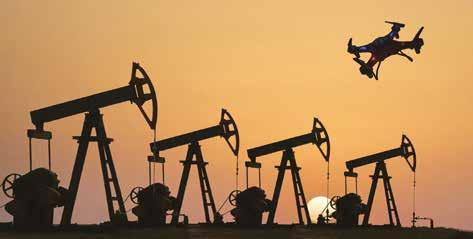
Private 5G is supporting the wider adoption of autonomous inspections using drones. Image via
inspection systems can all transmit data instantly across the network, improving visibility during routine operations and emergency situations.
The paper also highlights how private 5G is supporting the wider adoption of autonomous inspections using drones, robotics and remotely operated vehicles. By reducing the need for personnel to enter hazardous or confined environments, operators can significantly reduce exposure to high-risk activities such as working at height, confined space entry and manual inspection in corrosive or explosive atmospheres.
Ericsson reports that some operators have achieved inspection processes up to 90% faster while reducing downtime by 65% through the use of connected autonomous systems. Faster inspections not only improve operational efficiency but also reduce the duration of personnel exposure in hazardous areas.
Predictive maintenance is identified as another major safety benefit. Continuous monitoring of equipment condition through industrial IoT sensors allows operators to identify anomalies before failures occur. In high-risk oil and gas environments, early detection of mechanical degradation, corrosion or process instability can help prevent leaks, fires or catastrophic equipment failures.
The whitepaper also points to the importance of resilient communications during emergency response scenarios. Unlike public cellular systems, private 5G networks can prioritise mission-critical traffic and maintain secure communications even in remote locations with limited infrastructure. This capability is increasingly important as operators centralise operations and rely more heavily on remote monitoring and digital control systems.
Cybersecurity is another significant consideration. As industrial systems become more interconnected, the risk of cyber threats affecting operational safety increases. Ericsson argues that private 5G provides greater control over network access, traffic management and data security compared with many conventional wireless technologies, helping operators strengthen cyber resilience while supporting operational continuity.
As oil and gas facilities become more automated and data-intensive, the quality and reliability of industrial communications infrastructure increasingly influences workforce safety, emergency preparedness and operational resilience. Ericsson predicts private 5G networks will continue to become embedded as core components of modern offshore operations.
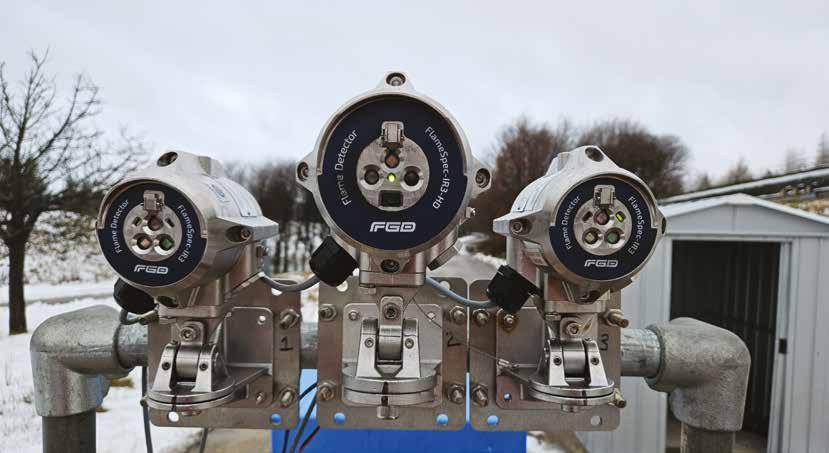
F&G Detection Technologies’ FlameSpec detectors under test
Flame detectors are used widely across oil and gas installations because they respond quickly to a fire, indoors or outdoors. The detector output may initiate alarms, shutdowns, suppression release and emergency response. The challenge for the facility operator begins when the detector alarms for the wrong reason.
A false alarm is not just an irritation. On an FPSO or other petrochemical facility, one unwanted trip can carry a significant cost. Lost production is the obvious one, but it is rarely the only one. There is also a less visible cost: confidence. If operators see repeated alarms from the same detector, or in the same process area, and each time there is no fire, the system starts to lose authority. People may not consciously ignore it, but responses can become slower. A safety system must be trusted, and false alarms steadily erode trust.
Modern optical flame detectors usually look for a combination of spectral and temporal features. A triple infrared detector, for example, does not just
measure “heat”. It compares energy in the hot carbon dioxide emission band with adjacent guard bands and looks for flame-like flicker and signal relationships. A UV/IR detector uses two different sensing principles. Both technologies can be very robust when correctly applied, but neither should be treated as universal.
The installation environment matters. Welding, hot exhausts, flare reflections, modulated sunlight and reflections from metallic surfaces can all create problems. Some are obvious during design; others only appear
Flame detectors are used widely across oil and gas installations because they respond quickly to a fire, indoors or outdoors
once the plant is operating. This is why site experience and realistic false alarm testing matter. A detector that performs well against standard fire tests may still be challenged by a particular installation if the false alarm sources in that area were not considered.
Flare reflection is a good example. A flare is a real flame, but it is not the hazardous fire that the detector is there to detect. On an FPSO, reflected flare radiation can move across structures, pipework, handrails or wet deck surfaces. To a conventional optical detector, this may produce changing infrared energy which looks more fire-like than a simple static hot object. Desensitising the detector may reduce the trips, but that is not a very elegant answer if it also compromises genuine fire detection.
This is where a newer hybrid approach is useful. By combining triple IR flame detection with video analytics, the detector has more information on which to base its alarm decision. This approach is known as Video Enhanced Flame
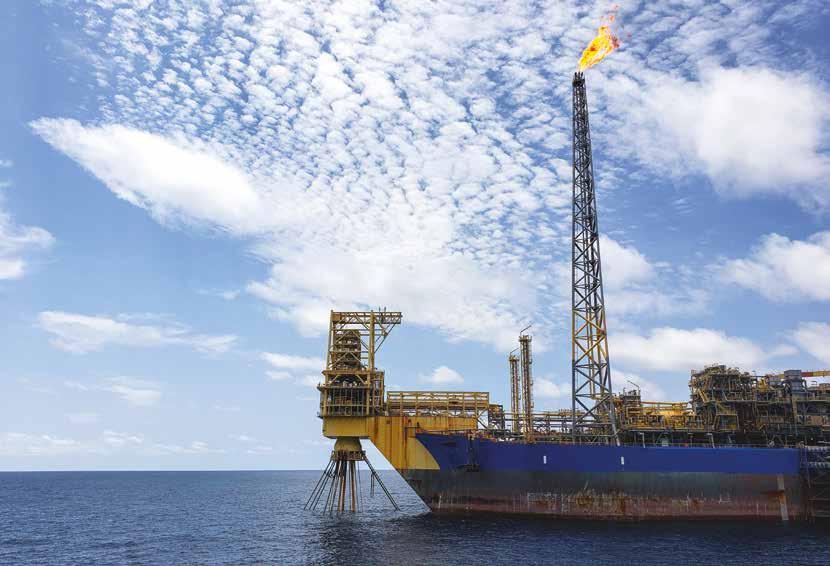
FlameSpec
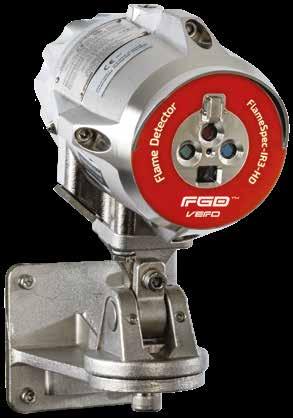
On an FPSO, reflected flare radiation can move across structures, pipework, handrails or wet deck surfaces
Detection, or VEFD. The triple infrared section provides the fast spectral response to a fire, while the integral near-infrared camera allows the video image to be analysed for flame shape, size and apparent movement.
The result is a more robust detection decision because spectral information and image behaviour are assessed together in a combined device. The key point is not that video replaces infrared flame detection. It does not. Instead, it adds a second layer of discrimination, which is particularly valuable where reflected flare radiation can otherwise look like a fire to a conventional flame detector.
The field of view is another area that deserves attention, because a detector can only make decisions based on what it can see. F&G mapping tells us what the detector should cover, but it does not prove the coverage provided by the installed detector. A practical field-of-view validation record, captured at commissioning and linked to the detector tag, is therefore valuable. It gives maintenance teams
something real to compare against later, rather than relying on memory or drawings, and helps prevent the plant being tripped by a detector that is simply looking in the wrong place.
Voting and cause-and-effect logic also have a role, but this must be engineered carefully. Too much voting can delay action or reduce availability, but sensible logic can reduce unnecessary executive actions without ignoring the first warning.
Finally, event data is becoming increasingly important. If a detector records video, sensor data and decision parameters before and after an alarm, the investigation changes completely. Instead of guessing whether the cause was sunlight, hot work, flare reflection or contamination, engineers can review what happened. If a setting change or re-aiming decision is made, it can be validated against the original event.
False alarms do happen, but they should not be solved by simply reducing detector sensitivity
False alarms do happen, but they should not be solved by simply reducing detector sensitivity. The best results come from selecting the right technology, validating what each detector can see, applying sensible logic and using recorded data to remove guesswork. That maintains system confidence whilst reducing the chance of tripping the plant for the wrong reason.
Dr
Eliot Sizeland is vice president of business development at Fire & Gas Detection Technologies. www.fg-detection.com
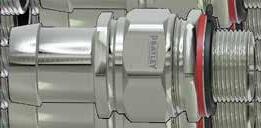




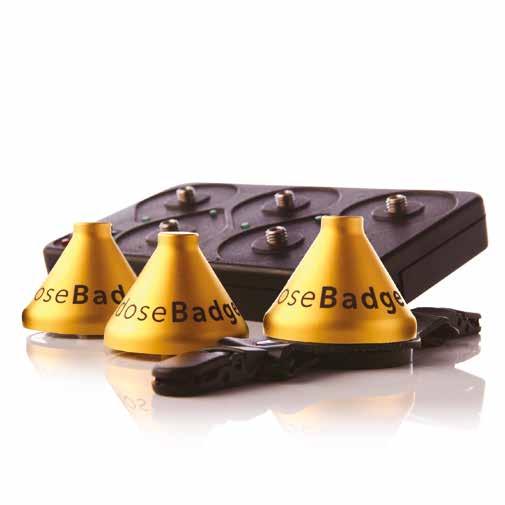
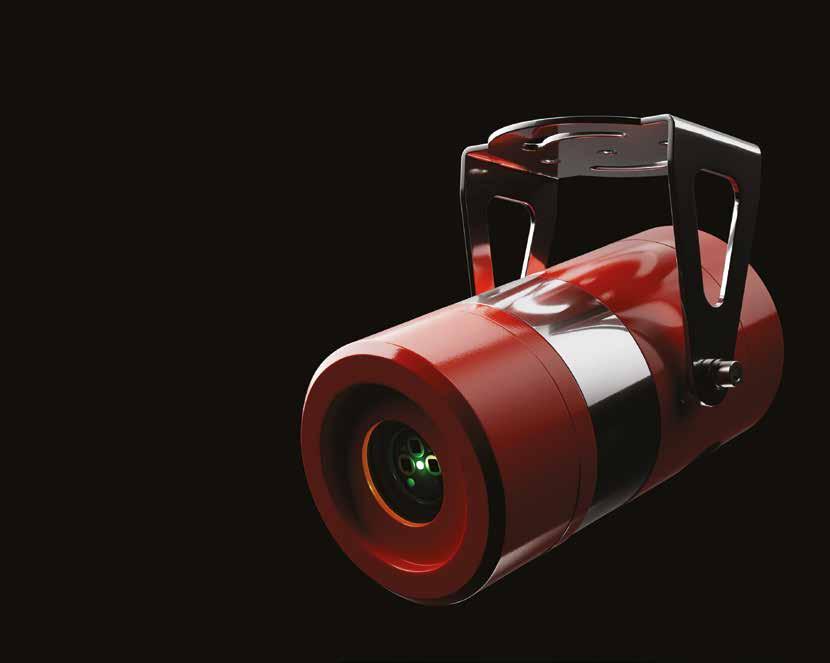
FWhat extended detection range really means for fire and gas layout design
ire and gas system design has always been bounded by one quiet assumption: how far each flame detector can reliably see. For most of the past two decades, certified detection range for IR3 flame detectors has sat at 30m in standard sensitivity and 60m in high sensitivity. Those numbers have shaped every fire and gas layout drawing produced for oil and gas, petrochemical, and LNG facilities in that time. With certified detection range now extending to 160m, the obvious question is what that actually changes in practice, and just as importantly, what it does not.
Credible fire and gas mapping is not a matter of dividing the plant area by the detector coverage cone. A properly graded assessment works from the detector’s effective viewing distance, denoted D, which is derived
from the certified test distance to a one square foot n-heptane reference fire and adjusted for desensitising factors such as false alarm stimuli and optics contamination. Performance requirements are expressed as multiples of D. A typical blanketgraded hydrocarbon risk area specifies alarm coverage of every point by at least one detector within 1D, and voted control coverage of every point by at least two detectors within 2D. The 1D requirement catches the reference-size fire at the design range. The 2D requirement, twice that distance, reflects the inverse square law (a larger, more developed fire is visible from further away) and the need for voted redundancy before automatic control actions such as emergency shutdown or deluge release will initiate. Combined with cone-of-vision geometry, line-of-sight obstructions, and detector failure tolerance, this is what drives detector count on any real layout.
FDS303 Multi-Spectrum IR Flame Detector
To quantify the effect in a realistic setting, an onshore plant area of 160m by 75m, 12,000sqm in total, was modelled using HazMap3D with a standard hydrocarbon risk basis. The area was assessed three times against the same blanket-graded coverage requirement, with the only variable being the detector’s effective viewing distance. The detector, the voting logic, the grade, and the 3D site geometry were held constant across the three scenarios.
At the standard 30m setting, the assessment required 21 flame detectors to satisfy both the 1D alarm coverage at 30m and the 2D voted control coverage at 60m. Stepping up to 60m high sensitivity mode reduced that figure to 10 detectors, a 52% reduction. Applying the 160m range profile brought the count down to 6 detectors, a 71% reduction against the standard configuration and a 40%
reduction against the high sensitivity layout. On a site of this scale, that is a meaningful efficiency gain, but the numbers also tell a more nuanced story than a simple range-squared relationship would suggest.
The interesting observation is what happens between 60m and 160m. Coverage cone area scales with the square of range, so in theory a 160m detector covers roughly seven times the area of a 60m unit. If detector count reduced in proportion, the 160m layout would fall to one or two detectors. It does not. On a bounded site of finite dimensions, detection range stops being the limiting factor once D exceeds the longest diagonal from any candidate mounting position. At 160m, a single well-positioned detector can satisfy the 1D alarm requirement across the entire 160m by 75m plant, and the 2D voted control requirement at 320m is trivially met. But the design still needs multiple detectors to satisfy voting redundancy, to close out corners and obstructed volumes, and to tolerate the failure of any single unit. Once range exceeds the site envelope, the binding constraints shift from viewing distance to voting logic, cone-ofvision geometry, and redundancy. The reduction curve flattens accordingly.
For a fire and gas engineer, the practical consequences are clear. Extended range delivers its greatest benefit on larger open-area sites where range sets the detector count. On smaller or heavily compartmentalised areas, the gains are more modest, because voting and line-of-sight constraints become binding well before range does. The design implication is that detection range should be selected zone by zone rather than applied uniformly across a facility. Even so, a 40% reduction over high sensitivity mode translates into fewer cable runs, fewer junction boxes, reduced inspection and maintenance burden, and lower through-life operating cost. On brownfield sites where IR3 detectors are already installed, a firmware upgrade path enables extended range without any hardware replacement, and an updated 3D mapping assessment
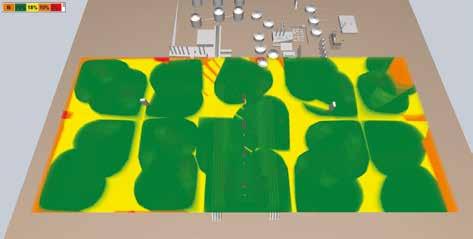
21 Detectors at 30m range
10 Detectors at 60m range
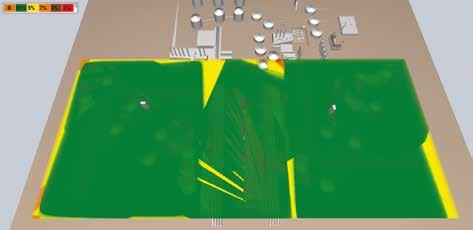
Micropack’s experience with real world detector placement issues is hard coded right into the
6 Detectors at 160m range
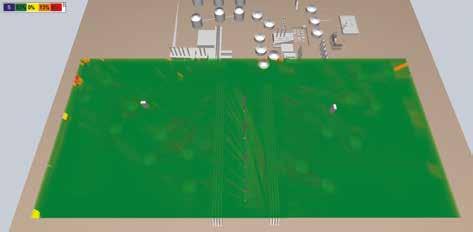
Extended range delivers its greatest benefit on larger open-area sites where range sets the detector count
can identify detectors that may be deactivated or repositioned while maintaining the original safety case. Extended detection range is not a licence to strip out detectors indiscriminately. It is an additional tool in the fire and gas designer’s kit that, applied to the right geometries, delivers measurable reductions in installed and operating cost without compromising
the safety integrity basis. The numbers, drawn from a realistic site assessment rather than a marketing abstraction, make the case on their own.
is head of consulting services at Micropack Engineering. www.micropacksafety.com
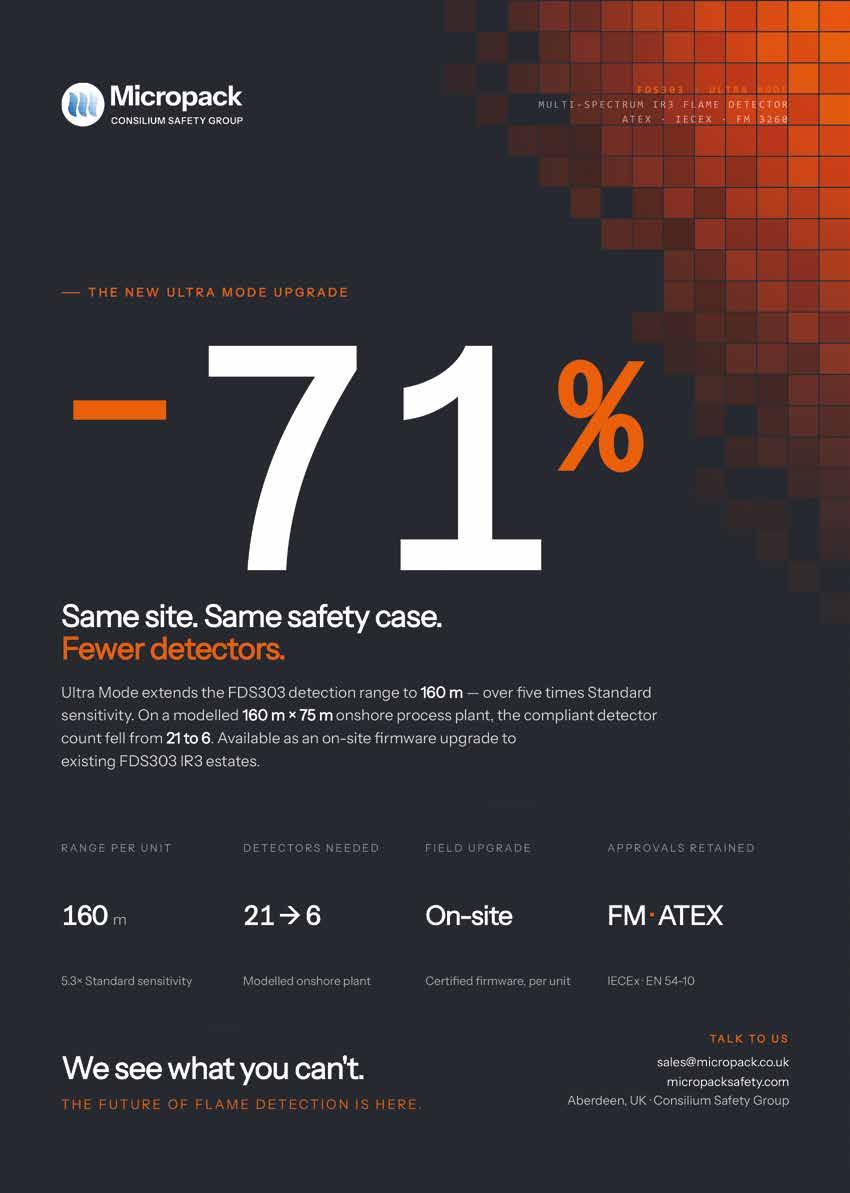

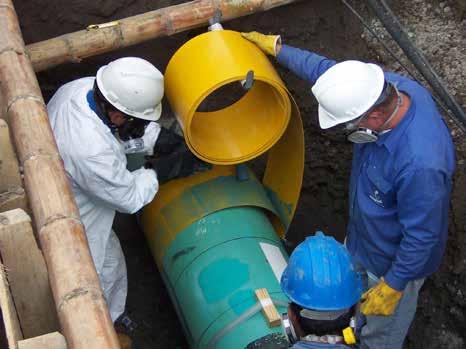
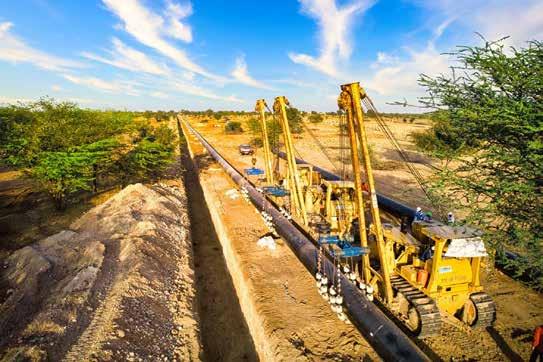
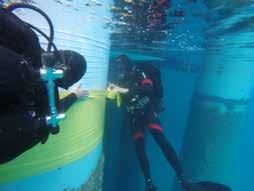
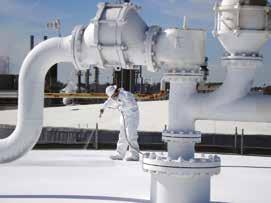
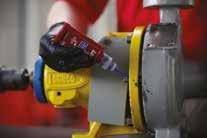
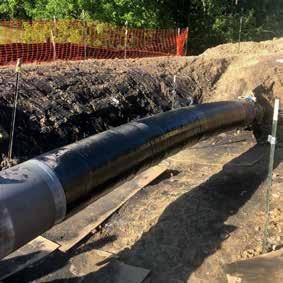
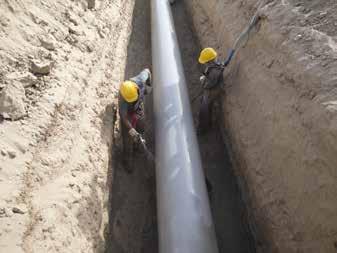
Green Pin webinars are interactive online sessions that introduce (new) product features, provide safety instructions and offer insights into engineering and production technologies
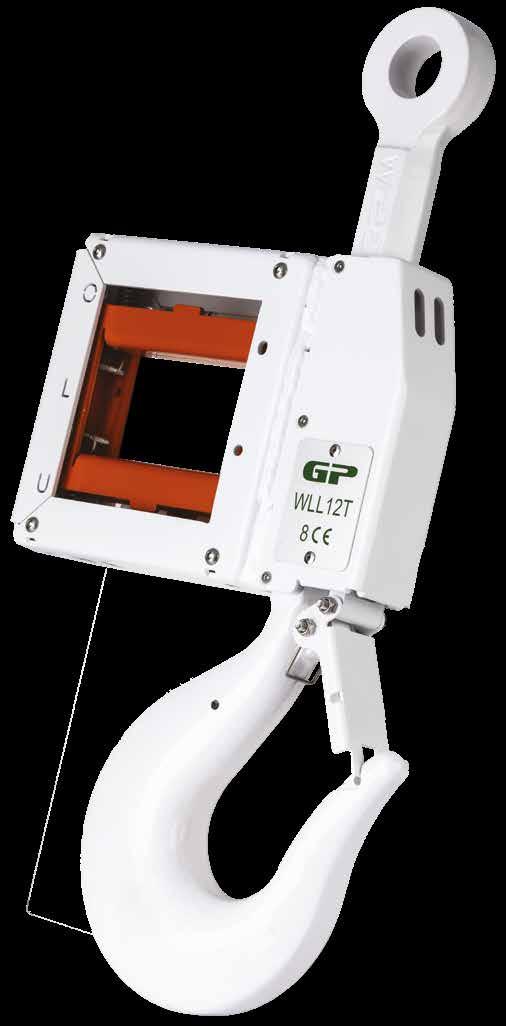

In 2025, Green Pin introduced the ROV Pro Shank Hook, a product that immediately caught the attention of subsea professionals for its innovative features. Here, we look at the reactions the product is getting within the sector, as well as the role the Green Pin training department is playing in improving safety for subsea release and retrieval operations.
Made from grade 8 alloy steel, the ROV Pro Shank Hook is designed for efficient release and retrieval operations by ROVs. Its 3‑in‑1 functionality allows operators to easily open, lock, and unlock the safety latch, with the Lock position providing a secure double lock mechanism and the Unlock position simplifying load retrieval.
It enables faster operations while improving safety, making it a valuable tool in subsea environments. The side positioned controls give operators clear visibility of the mechanism, latch, and opening in a single view. With a wider opening and saddle area, it accommodates larger lifting operations, while the high visibility coating further enhances safety.
The ROV Pro Shank Hook’s development dates back to 2013, when product manager Emiel van Norel
first explored a multifunctional, ROVcompatible hook. Early prototypes were delayed by manufacturing challenges, until Royal Van Beest acquired Irizar Forge in 2018, which expanded capabilities for larger forged components and enabled further progress.
The objective was straightforward: create a hook that can reliably retrieve, release, and secure loads using either an ROV manipulator or deck crew. The real challenge was making it intuitive, repeatable, and tolerant to misalignment and currentinduced movement. A key operator requirement, a latch that locks in a neutral position to prevent accidental load loss took years to refine into a robust solution.
“I realised there was one motion sequence we had not tested,” van Norel recalls. Working with one of our product engineers, this breakthrough led to the development of the now-signature 3 in 1 mechanism, allowing the latch to unlock, open, and automatically re-lock once the load is secured.
Rather than limit testing to laboratory environments, the development team opted for testing the hook prototypes in the North Sea. This exposed early design sensitivities, driving continuous improvements in materials, coatings, and manufacturability. Critical components were made from stainless steel for durability, while a high-visibility coating, rinse-through openings, and a fully replaceable mechanism improved subsea performance and
serviceability. By final design, only minor digital adjustments were needed before production. “Engineers instantly understand how it works; almost no explanation needed,” notes van Norel. Area sales manager Arnoud Stasse adds that the hook has become a major attraction at trade shows, drawing interest from operators targeting improved ROV handling performance.
The introduction of the Green Pin ROV Pro Shank Hook marked a significant advancement in subsea lifting technology. However, alongside innovation, safe and effective operations depend on technical expertise and proper application, an area where the Green Pin training department plays a critical role.
“I really value being able to support our customers and end users through technical training,” says training manager Dennie Goris. “It’s especially rewarding to see that even people who have been in the industry for many years still walk away with new and useful insights.”
Three and a half years ago, the training department was established with a clear objective: to share knowledge and improve safety across the industry, by supporting the correct use of Green Pin products. This initiative was driven by a clear market need for technical training. Rather than offering training as just an additional or supplementary service, the decision was made to create a
dedicated department focused entirely on this area. This approach helps Green Pin provide strong, high-quality technical training to both potential customers and end users worldwide.
The training department offers two formats: webinars and in-person training. Webinars are interactive online sessions that provide accessible technical insights and product knowledge. In-person training delivers a deeper, hands-on learning experience, either through standard programmes or fully customised sessions, always free of charge. It is important to note that both formats are not a sales pitch, but really focus on the technical side of matters.
Popular topics include Green Pin shackles, the ROV range, chain fittings, Green Pin Tycan, and aquaculture, among others. Standard programmes cover subjects such as product design, production methods, testing, certification, and inspection. For more specific needs, customised training programmes can be developed to address specific challenges the customer is facing.
The department continues to evolve. A key development is the near completion of a dedicated training centre at Royal Van Beest’s Houston office, which is expected to open later this year. This initiative reflects both the geographic demand across the United States and the need for a centrally located hub for delivering training. The facility also includes a warehouse, where tours can be arranged upon request.
Green Pin recently introduced its Academy: an online platform offering e-learning modules that allow users to complete Green Pin product training at their own pace, anytime. Goris adds: “We will continue to expand the training department in line with growing demand.”
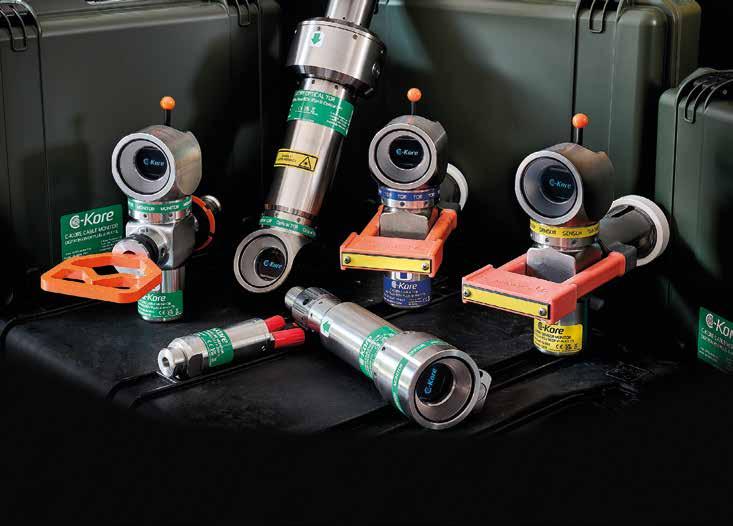
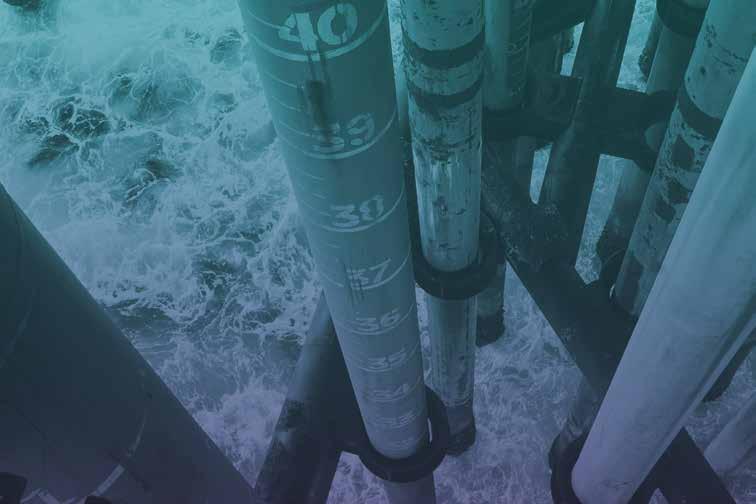
and
Managing director and founder of JB Valves
Jonathan Balmforth shares valuable insights from his career in the oil and gas industry, from the critical challenges currently facing the subsea sector to how valve design and manufacturing is poised to change in the years ahead
I’m the managing director and founder, overseeing the full breadth of the company—from engineering strategy and product development to customer relationships and operational improvement. I’m supported by a strong core team of experts in their fields. A big part of my focus is ensuring we continue to deliver reliable valve solutions for critical subsea and high-pressure applications, while improving responsiveness, traceability, and manufacturing efficiency. Alongside JB Valves, I’m also involved in developing Majestic ERP, which gives us a real opportunity to take what we learn operationally and feed it directly back into our systems and processes.
The subsea industry draws people who enjoy solving genuinely difficult engineering problems. The environments are unforgiving, the standards are extremely high, and failure isn’t an option – that challenge was a big part of the appeal for me. What I found particularly interesting was the combination of disciplines involved – precision engineering, materials science, sealing technology, testing, and long-term reliability all come together in a way that’s

quite unique. When you’re designing products that may operate for years without intervention, in corrosive environments under extreme pressure, it completely changes how you think about engineering.
The industry’s collaborative nature also appealed to me. Operators, EPCs, integrators, and suppliers all have to work closely together to get the right outcomes, and that becomes even more important as systems grow more complex.
The biggest shift has been moving away from simply supplying a component toward delivering reliability, traceability, and lifecycle performance. Customers now expect far greater visibility into materials, testing, documentation, and long-term operational performance.
There’s also been a strong push toward compact and integrated systems. Historically, systems could become very connection-heavy, which creates more potential leak paths and maintenance headaches. The industry has been moving toward manifoldbased and integrated architectures to address that.
Material selection and sealing technologies have evolved considerably, too, particularly for aggressive and corrosive chemical systems, hydrogen applications, and ultra-high-pressure environments.
We’re seeing growing interest in advanced alloys, engineered polymers, and pressure-energised sealing systems built for longer operational life and lower maintenance.
Digitisation has become increasingly important for both supply chain and condition monitoring. Customers want better manufacturing visibility, shorter lead times, and clearer traceability throughout the supply chain, complemented by condition monitoring.
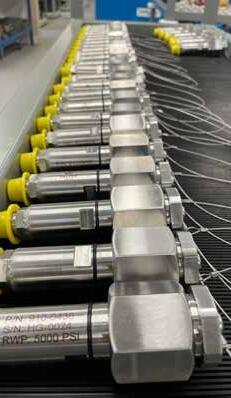
Designing subsea-first means engineering for every load case
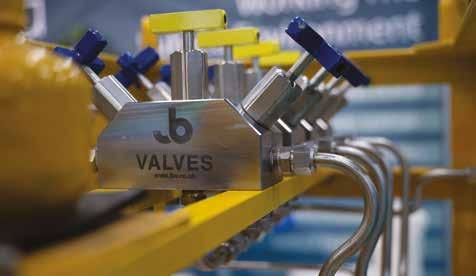
IS JB VALVES BEST KNOWN FOR, AND WHAT ADVANTAGES DO THESE PROVIDE TO THE OIL & GAS INDUSTRY?
JB Valves is best known for highintegrity subsea and high-pressure valve solutions, particularly for challenging service conditions – well fluids, chemical injection, methanol, hydraulic control systems, and corrosive environments.
A core part of our approach is sealing philosophy and long-term reliability. We focus heavily on reducing leak paths, improving maintainability, and making sure products perform consistently under demanding conditions. Our range includes subsea ball valves, needle valves, check valves, doubleisolation solutions, high-pressure instrumentation valves, and bespokeengineered valve assemblies.
One of our real strengths is flexibility and responsiveness. Long
lead times and supply chain rigidity are a real issue in our industry – on average, we are 50-70% shorter on delivery than the industry standard. We’ve built our operation around agility and engineering collaboration and, in some cases, have delivered complex, custom subsea valve packages in days, not months.
Traceability and quality control are also a major part of what we offer. We operate with a strong focus on documentation, material control, testing, and manufacturing visibility, all of which are critical for highspecification subsea projects.
One that stands out involved delivering a large package of custom subsea valves across multiple line items within a very tight timeframe, with the added complication that the new equipment had to interface with legacy
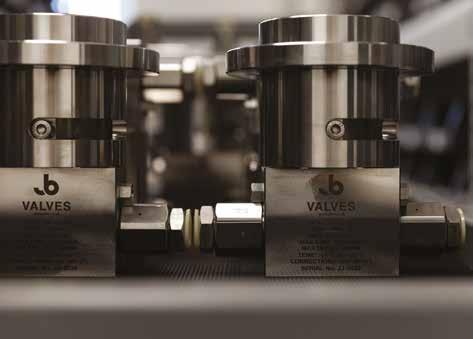
Subsea-first engineering avoids risk of deterioration
systems already on the seabed. New technology combined with legacy compatibility is a genuinely difficult engineering challenge, and it added a significant layer of complexity to an already demanding project. The challenge wasn’t just the engineering –it was coordinating legacy-compatible design, manufacturing, testing, quality assurance, and logistics simultaneously without lowering standards.
What made it particularly rewarding was what it demonstrated. When engineering, operations, and systems are properly aligned, you can achieve things that would otherwise seem very difficult. It reinforced how much process discipline, communication, and proactive planning actually matter.
I’m also proud of the operational ecosystem we’ve built around the business. The integration between our engineering processes and Majestic ERP has allowed us to develop workflows and manufacturing visibility that genuinely improve how we work day-to-day.
We focus heavily on reducing leak paths, improving maintainability, and making sure products perform consistently under demanding conditions
Lead-time pressure and supply chain instability remain significant issues across the industry. Customers are under pressure to deliver projects faster, but many supply chains are still working through capacity and disruption challenges.
Balancing innovation with reliability is another one. The industry is moving into new energy sectors, hydrogen infrastructure, and increasingly demanding environments, but the expectations around safety and proven performance haven’t changed – if anything, they’ve increased.
There’s also a growing skills challenge. Retaining practical engineering and manufacturing knowledge while adopting modern technologies and digital systems is becoming more important and more difficult at the same time.
From an operational perspective, managing complexity is probably the biggest long-term challenge. Projects now involve enormous amounts of data, compliance requirements, documentation, and multi-stakeholder coordination. Businesses that can simplify and systemise those processes effectively will have a real advantage.
The biggest one is that reliability comes from culture and process just as much as engineering design. Good engineering is essential, but consistency, communication, ownership, and operational discipline are what determine long-term success. I’ve also learned that responsiveness matters more than people often realise. Customers value suppliers who communicate clearly, act quickly, and take ownership when problems arise.
Another lesson is that the first solution is rarely the final one. Continuous improvement is critical, and the best engineering teams stay open to refining ideas, improving processes, and challenging their own assumptions. And relationships
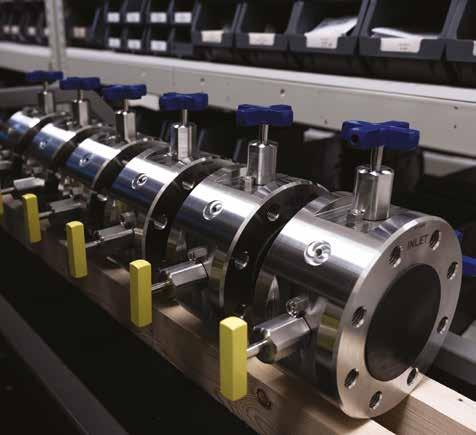
Hydrogen and energy transition applications will drive significant changes in valve design
matter – perhaps more than anything else. The subsea industry runs on trust, reputation, and long-term partnerships. Delivering consistently over time is far more valuable than chasing short-term wins.
I expect continued growth in system integration, digitalisation, and compact subsea architectures designed to reduce complexity and improve reliability. Hydrogen and energy transition applications will drive significant changes in valve design, sealing technologies, and material selection. Much of what the industry has learned in harsh subsea environments translates well to emerging hydrogen infrastructure – particularly in leak prevention and long-term integrity.
Brownfield tie-back projects will also become more commonplace. Operators are increasingly looking to extend the life of existing
infrastructure rather than invest in entirely new developments, which brings its own engineering challenges around legacy compatibility, obsolescence support, and longterm integrity management. There will also be an increasing focus on lifecycle extension and refurbishment rather than outright replacement. Operators want to maximise asset life while controlling costs and reducing operational risk.
On the manufacturing side, I think businesses will increasingly differentiate themselves through operational excellence and digital integration – faster decisionmaking, clearer traceability, smarter production planning, and better customer visibility will all become genuine competitive advantages. The companies that succeed will be the ones that combine strong engineering fundamentals with agility, collaboration, and modern operational systems.
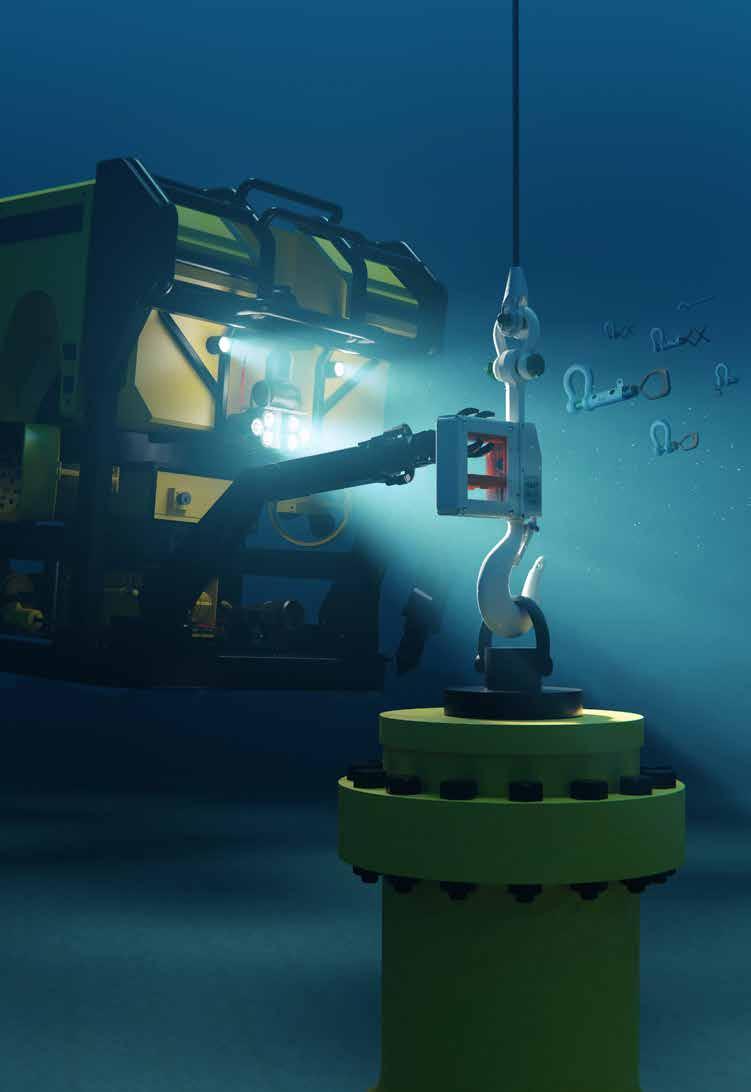
Some fish evolve much faster. So does offshore installation. Introducing the all-new Green Pin® ROV Pro Shank Hook: a breakthrough in subsea lifting. With its wider saddle and opening, and unique 3-in-1 ROV-operable latch, it delivers unmatched control and safety at depth. Experience it now in 3D via the QR-code.
Find our full range on greenpin.com/rov
OPITO’s Laura McNaughton and Lucie Booth discuss virtual reality’s next step in the oil and gas industry

Today’s virtual worlds are rooted in technology that was developed around 75 years ago. Alfred Hitchcock’s film Vertigo, which aired in 1958, is commonly considered the first film to feature computer graphics. These early computer-generated images (CGI) were little more than line drawings, but they were revolutionary at the time.
Fast-forward to today, and we are amid another CGI revolution – this time transforming how the energy sector equips its workforce to operate safely and reliably. Virtual reality (VR) is now preparing technicians, engineers, and field crews for highrisk scenarios that are difficult, dangerous, or impossible to replicate in the real world. From immersive VR environments that train offshore teams to respond to well control
incidents, to grid operators practising rapid decision making during simulated network faults, VR is reshaping how emergency response and safety training is delivered across the entire energy value chain.
By providing the opportunity for professionals to practise safetycritical tasks without real-world danger, immersive learning builds confidence and capability through realistic, repeatable scenarios. But with so many lives dependant on safety training, how do we standardise the inclusion of VR to ensure course integrity and realism?
In safety-critical industries such as energy, VR is being layered on top of traditional course content to
augment the training experience, adding a string to the bow of existing simulator-style training. This enhances realism and accessibility in a way that was not possible before. For example, practising fire containment is a critical skill in some job roles, however, there are limitations to physical practice without putting learners at risk. Instead, by combining haptic suits, smoke machines and VR, learners can better experience the intensity of a fire and practice how to respond without being in harm’s way.
As these courses become more popular, establishing clear and widely adopted standards will be essential to ensure that every learner receives consistent, high quality training outcomes. Standards help align content accuracy, simulation fidelity, assessment methods, and safety protocols, so that regardless
of where or how the training is delivered, organisations can trust that personnel are being prepared to the same rigorous operational and safety benchmarks.
Safely launching an offshore lifeboat from a rig can be very different depending on factors such as time, location, weather and sea conditions. In virtual reality, a trainer can simulate all these factors and more to provide learners taking their offshore lifeboat coxswain training with a more comprehensive learning experience. Specific facilities and their protocols can be replicated exactly, vessels can have different load weights, day can be changed to night, and sea conditions from favourable to rough. Incorporating VR into the training would ensure that learners are exposed to the same variables, increasingly the likelihood of smooth lifeboat deployment in the event of an emergency.
In the next five years, we expect to see a significant increase in the number of courses that are enhanced through virtual reality, augmented reality or AI. Safety standards must evolve to ensure the efficacy of course materials and the learning environment. From our discussions with industry, there is already appetite to evolve courses for lifting, crew transfer, emergency management and drilling rigger skills and the standards that ensure their quality.
OPITO is positioning itself at the forefront of these enhancements, including convening a product innovation forum in collaboration with a collection of industry experts to ensure that the integration of digital simulation into safety training courses will maintain or improve course outcomes. As with existing aspects of safety training, there are legislative and regional differences that must be accommodated, and the standards put in place to ensure course quality should continue to facilitate for different learning preferences. Naturally, some employers will prefer learners to have a more traditional learning experience, while others are

already embracing digital simulation.
In recent years, many energy organisations have begun introducing virtual reality into their training programmes, using immersive environments to teach Life Saving Rules and other critical safety procedures in a dynamic, controlled and highly engaging way. As more operators adopt different technologies to enhance workforce capability, a common standard will be invaluable for ensuring consistency across the industry, strengthening workforce mobility, and improving overall safety performance.
A final benefit of introducing virtual reality into safety training is its ability to improve accessibility to the training ecosystem including course content, trainers, assessment and support.
Though virtual reality cannot fully replace the social aspect of learning and the shared experience gained, it can be useful for overcoming
traditional logistical challenges. For example, geographically dispersed teams can be brought together in one virtual environment while emerging markets can benefit from the expertise of trainers anywhere in the world.
Over time, this will break down the physical barriers that learners sometimes face in receiving the training that they need.
Just as Alfred Hitchcock’s Vertigo laid the groundwork to revolutionise the film industry, virtual reality is now poised to save lives by improving the realism and accessibility of safety training. By allowing learners to practise safety-critical tasks without real-world danger, they develop stronger muscle memory and can revisit skills more frequently in a virtual setting. With virtual reality becoming an increasingly common part of safety training, standards will be vital for ensuring the efficacy of course content and outcomes.
The countdown is on for Future Oil & Gas 2026, returning to Aberdeen on 24–25 June for two days of insight, innovation and highlevel industry networking. Bringing together more than 300 oil and gas professionals and over 50 influential speakers, the conference will explore how digital transformation and sustainable energy solutions are reshaping the sector.
Set against the backdrop of Ardoe House, the event promises a packed agenda of keynote presentations, panel
discussions and collaborative sessions focused on the technologies driving the future of energy. Across more than 15 sessions, delegates will gain practical insights into AI-powered automation, digital twin governance, cloud infrastructure and emerging energy transition strategies including CCUS and clean hydrogen.
One of the headline discussions will examine how the industry can move beyond AI proof-of-concepts toward scalable, production-ready solutions that deliver measurable value. Experts will address the importance

of governance, cybersecurity and interoperability in regulated environments, while also exploring the growing role of collaboration, trusted data foundations and human-AI partnerships in achieving operational efficiency and profitability.
Additional themes include autonomous operations, change management, EPC contractor innovation and technology integration. With the sector under increasing pressure to decarbonise while improving resilience and performance, Future Oil & Gas 2026 is set to provide a vital platform for knowledgesharing, strategic partnerships and forward-thinking discussion at a defining moment for the industry.
APPEC 2026 will return to Singapore from 7–10 September, bringing together the global oil and commodities community for what is widely regarded as Asia’s premier oil conference. Organised by S&P Global, the flagship event is expected to welcome 1,200 senior leaders from 55 countries for four days of high-level market insight, strategic debate and commercial networking.
Now in its 42nd year, APPEC continues to serve as a critical meeting point for producers, refiners, traders, shippers, financiers and
technology providers navigating an increasingly complex global energy landscape. Against a backdrop of geopolitical uncertainty, shifting trade flows and volatile pricing signals, the conference aims to provide decision-makers with the intelligence needed to challenge assumptions, identify opportunities and strengthen commercial strategies.
This year’s agenda will focus on major themes shaping Asia-Pacific oil markets, including evolving global supply dynamics, refining margin pressures, maritime energy security and the rapid growth of biofuels.
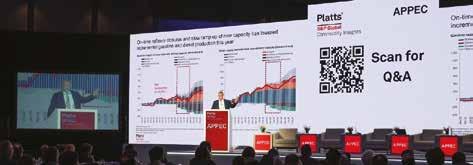
Sessions will also explore how changing demand patterns, regulatory shifts and low-carbon fuels are transforming the future of energy trading, refining and downstream operations.
More than 200 speakers – including a strong contingent of C-level executives – will deliver keynote presentations, plenary discussions and expert-led panels covering crude, petrochemicals, shipping, sustainable aviation fuel and regional market development.
Alongside the main programme, APPEC 2026 will also host specialist training courses in oil markets, oil trading, upstream fundamentals, biofuels and bunker fuel markets, offering attendees deeper technical and commercial insight into key sectors shaping the global energy industry.
Gastech 2026 will return from 14–17 September 2026, bringing together the international energy industry for four days of strategic dialogue, innovation and large-scale business networking. Recognised as the world’s largest exhibition and conference dedicated to natural gas, LNG, lowcarbon solutions, electrification and AI for energy, the event is expected to attract more than 50,000 attendees from 150 countries.
Hosted in Bangkok, Gastech 2026 will serve as a key platform for policymakers, CEOs, investors and technology leaders working to shape secure, affordable and resilient energy systems. At a time of rising global demand, energy transition pressures and market volatility, the event aims to align policy, investment and innovation to accelerate the deployment of future-ready energy infrastructure.
The conference programme will
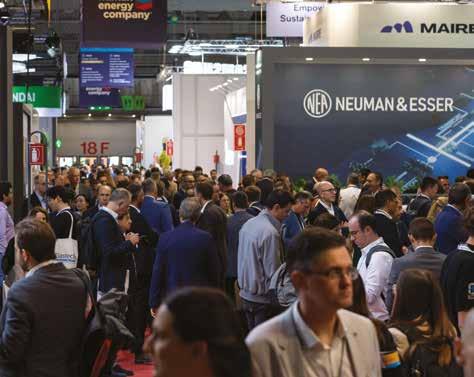
feature more than 200 sessions across 17 specialist tracks, exploring critical topics including energy security, decarbonisation, hydrogen, electrification, LNG access, digitalisation and AI-driven energy solutions. Industry leaders will examine how collaboration and practical implementation can support industrial competitiveness while advancing sustainable economic growth.
Alongside the conference, the expansive exhibition will showcase technologies and services from more than 1,000 exhibitors spanning the global energy value chain. Dedicated industry zones will highlight developments in Natural Gas & LNG, Hydrogen, Low Carbon Solutions, Shipping & Marine, Electrification and AixEnergy, where AI and energy infrastructure converge.
Visitors will also have opportunities to engage with international country pavilions, participate in the Future Leaders programme and discover breakthrough start-ups through the Gastech Innovation Accelerator. With unparalleled networking, market intelligence and commercial opportunity, Gastech 2026 is set to remain a defining event on the global energy calendar.

Böhmer has focused on one product - the ball valve. The portfolio is nevertheless more than impressive: The application-optimised valves in the nominal sizes from DN 3 (1/8”) to DN 1400 (56”) are available in around 100,000 different designs.
T +49 2324 / 7001-925
E oertgen@boehmer.de W www.boehmer.de
Hilliard offers a diversified product line for industrial applications in a wide variety of industries. Hilliard products are designed, manufactured and sold according to our customers' applications.
T +1 607 733 7121
E sales@hilliardcorp.com
W www.hilliardcorp.com
Clariant Oil Services is a leading supplier of specialty oilfield production chemicals and services to the global oil and gas industry, delivering sustainable solutions for flow assurance, asset integrity, separation and well service applications.
T +1 (346) 786-8312
E oilservices@clariant.com
W www.clariant.com/oilservices

The UK’s leading ISO 9001-accredited manufacturer and supplier for the complete temperature chain. From Temperature Sensors, Thermocouple Connectors and Cabling to supporting instrumentation and components, we are the GO-TO people.
T +44 (0) 1243 871280
E Sales@labfacility.com
W www.labfacility.com

Rotork
A market-leading global provider of mission-critical flow control and instrumentation solutions for oil and gas, water and wastewater, power, chemical, process and industrial applications.
T +44 (0) 1225 733200
E information@rotork.com
W www.rotork.com
Seal For Life Industries
Seal For Life, part of the Henkel Adhesive Technologies Group, offers the most diversified protection, maintenance and repair solutions in the market. With fourteen distinct brands offering a broad range of products servicing multiple industries across the globe.
T +31 599 696 170
E info@sealforlife.com
W www.sealforlife.com
Gas Clip Technologies provides a comprehensive range of gas detection solutions engineered to protect personnel in the most demanding environments worldwide, including oil and gas, chemical processing, manufacturing, and other high-risk sectors.
E sales@gascliptech.com
W www.gascliptech.com

The leading coating specialist, offering the widest range of coating materials and processes including Thermoset & Thermoplastic Polymers, Fluoropolymers, Electrophoretic or E-Coat Paint, PVC, Paints, Primers and more.
T +44 (0) 1384 400066
E enquiries@plastic-coatings.com
W www.plasticcoatings.co.uk



Since 1958 Plastic Coatings Ltd has been the leading coating application specialist, focused on world class solutions and services. Our extensive choice of coatings provides major benefits to the oil and gas and energy sectors across a vast spectrum of applications.
Extensive experience, knowledge and expertise enable us to meet the challenges presented by the world’s harshest environments and most demanding industrial operations. An ongoing commitment to high quality coatings systems is evidenced by our comprehensive range of industry-specific approvals.
As well as providing protection from abrasion and chemical corrosion, we have high performance coatings and processes designed to meet many varied requirements including lubrication and static electricity dissipation.