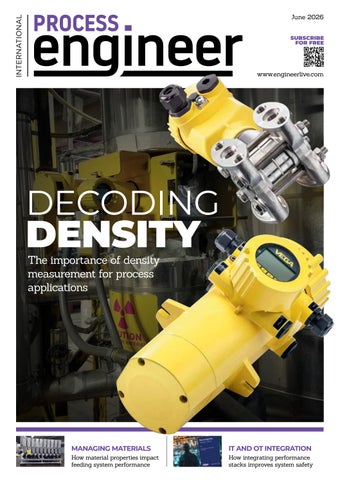
DECODING DENSITY
The importance of density measurement for process applications










In this issue we explore some key process industry advances. Moving systems integration to the cloud is a well documented trend but deals between industrial megaliths such as Aveva and Amazon Web Services, as described in In the Cloud (page 10), promise to accelerate activity in this area. With the heat in the UK souring to 34°C just before we go to press, the analysis of how process engineers can keep machinery cool as temperatures rise (Radical revision, page 36) will be welcomed by many. Staff writer Lydia Arundel’s coverage of Vega Controls radiometric density measurement solutions (page 8) is a good overview of the technology and practice. As is normal for the magazine, we feature a smattering of stories regarding flow measurement. In Use Your Discernment (page 12) an expert from Krohne provides tips on choosing the right Coriolis meter. Sustainability is another recurring theme. Fajita maker Santa Maria reduced its carbon emissions by 12 tonnes by bringing nitrogen production in house (On site generation, page 26). Similarly Reclaiming resources (page 14) details Black and Veatch's work with government authorities in Miami to use water to cool municipal buildings. Several industry bodies have been promoting Process Engineering careers and courses to students for some time, and it looks as though their work is paying dividends. UCAS recently found that total applications to study process, chemical and biochemical engineering have increased by 47.8 per cent since 2022 – great news for recruiters and UK industry as a whole.
Nicola Brittain Editor
8
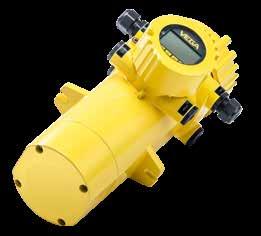
Decoding density Exploring radiometric density measurement
EQUIPMENT UPDATE
6 Process equipment update Product launches including new robots from Epson and a welding platform from Emerson
PLANT MANAGEMENT
10 In the clouds Aveva Connect’s collaboration with Amazon Web Solutions
12 Use your discernment Advice on choosing a Coriolis meter
14 Reclaiming resources A circular water solution for Miami authorities
16
Vacuum integrity
The importance of pressure rise testing for leak rate determination
20
Efficient electrification
Practical electrification strategies for process heating
motion system reliability is critical for continuous
issues related to

PUBLISHER
Jerry Ramsdale
EDITOR
Nicola Brittain nbrittain@setform.com
STAFF WRITER
Lydia Arundel larundel@setform.com
DESIGN – Dan Bennett, Jill Harris
HEAD OF PRODUCTION
Luke Wikner production@setform.com
HEAD OF SALES & PARTNERSHIPS
David Pattison
ACCOUNT DIRECTORS
John Abey | Peter King
SENIOR ACCOUNT MANAGERS
John Davis | Darren Ringer | Roy Glasspool
ACCOUNT MANAGERS
Paul Maher | Iain Fletcher | Marina Grant e advertising@setform.com
Setform’s international magazine for engineers is published quarterly and distributed to senior engineers throughout the world. Other titles in the company portfolio focus on Oil & Gas, Design, Transport, Mining, Energy and Power.
The publishers do not sponsor or otherwise support any substance or service advertised or mentioned in this book; nor is the publisher responsible for the accuracy of any statement in this publication. ©2026. The entire content of this publication is protected by copyright, full details of which are available from the publishers. All rights reserved. No part of this publication may be reproduced, stored in a retrieval system, or transmitted in any form or by any means, electronic, mechanical, photocopying, recording or otherwise, without the prior permission of the copyright owner.
Setform Limited | Suite 3.10, Ellisse by Spacemade, 10 St Bride Street, London EC4a 4AD t +44 (0) 207 253 2545 e mail@setform.com









WELDING PLATFORM FOR ADVANCED ENGINEERS
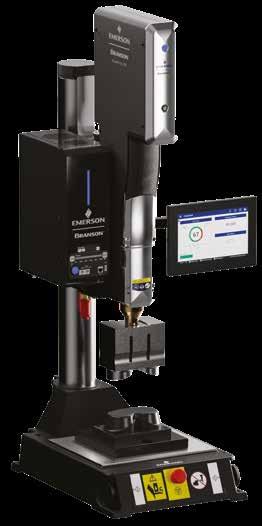
Technology giant Emerson has launched the new Branson Polaris Ultrasonic Welding Platform, a configurable multiuse welding platform enabling advanced manufacturing engineers to design joining solutions with software and hardware. The new Polaris platform is designed to push the limits of process efficiency while ensuring a good production quality and reliability. It uses Emerson’s ‘capabilities in future-proof ultrasonic welding systems engineered for evolving global manufacturing demands’, according to the company.
The Polaris platform offers an adaptable solution with secure connectivity across the factory floor and real-time control capability that can be joined to a wide range of materials and components, including automotive parts, medical devices, consumer electronics, food packaging, appliances, bioplastics and textiles.
“Today’s manufacturers need ultrasonic welding systems that are adaptable and advanced. They need an automated platform that integrates into manufacturing environments and can be updated over time to align with changing requirements,” said Kerryn Harrington, global product manager for Branson Ultrasonics at Emerson. She continued: “As such, Emerson engineers designed the Branson Polaris Ultrasonic Welding Platform as a configurable scalable solution”.
For more information visit: www.emerson.com
NEXT GENERATION AGENTIC AI SOLUTION
Technology giant Schneider Electric put emphasis on milestones reached during strategic collaboration with Microsoft at the recent Hannover Messe trade show. The company presented on how the combined technologies are helping manufacturers update operations, accelerate engineering, and strengthen resiliency.
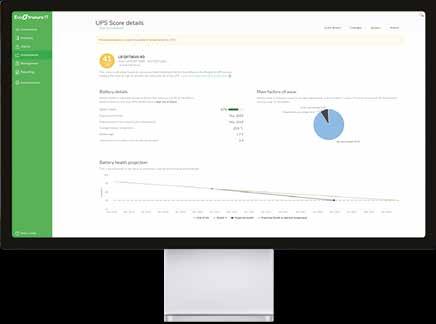
Schneider Electric provides the execution backbone for the collaboration through the EcoStruxure Automation Expert,. The open, software defined automation platform runs consistently across on-premises, edge, and hybrid environments. Microsoft extends this foundation with Azure cloud and AI services that orchestrate, analyse, and optimise industrial processes. The result is a unified approach to agentic manufacturing and open automation, according to the company.
Schneider Electric is working with Microsoft to develop an integrated workflow spanning design, engineering, build, commissioning, and operations. At the collaboration’s core is EcoStruxure Automation Expert,
The EcoStruxure Automation expert provdes a unified approach to agentic manufacturing
which allows manufacturers to author, simulate, validate and deploy automation logic once and run it anywhere without retooling.
The Branson Polaris Ultrasonic Welding Platform enables the advanced designof joining solutions
HIGH-END ROBOTS FOR PRECISION AND RELIABILITY
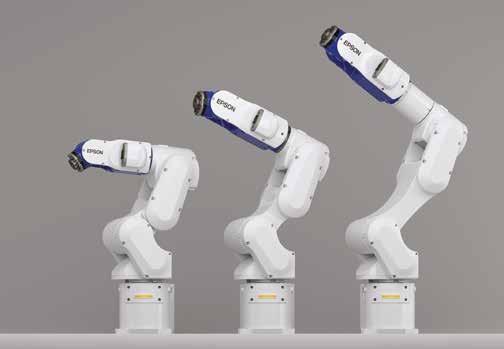
Industrial manufacturing specialist Epson has launched the CX-A series: a high-performance range of 6-axis industrial robots designed to deliver higher precision, faster cycle times and increased reliability across a wide range of
manufacturing and logistics applications.
The series, which marks a significant expansion of the company’s industrial robot portfolio, will enable system integrators and manufacturers to address more demanding multi-axis applications in industries such as automotive, electronics, medical, logistics, plastics and metal processing.
PALLETISING SYSTEM FOR SMART LOGISTICS
Transpak recently showcased its Intelligent Mixed-Load Palletising System with parent company Ace Pillar at interpack 2026 in Düsseldorf. The solution aims to help manufacturers improve handling efficiency, reduce manual workloads, and enhance operational flexibility across modern manufacturing and logistics environments.
The product was developed to integrate high-speed strapping, AI-powered visual recognition, and robotic palletising technologies to address common challenges in mixed-load identification and heavy-load handling, enabling smarter and more flexible logistics automation workflows on-site, according to the company.
At the core of the solution is the TP-702BH high-speed fully automatic strapping machine, delivering throughput of up to 65 bundles per minute, together with the TP733VTS Zelos pallet strapping machine to ensure load stability during transportation. Equipped with a 35kg payload capacity, the TM30S palletising robot, integrated with Ace Pillar’s 2D/3D AI dual-vision technology, accurately identifies and handles mixed-size materials, enabling end-to-end automation to help customers with precision palletising.
The exhibition also marks Transpak’s move from
Available in 18 different configurations, the robots offer 4kg and 7kg payload options with arm lengths from 600mm to 900mm, all based on a single footprint. This enables easy integration into existing production lines while maximising workspace efficiency. The series also offers improved motion control with GyroPlus technology and battery-less encoders for faster cycle times and better accuracy.
The CX-A robots are fully compatible with the Epson RC800-A controller and RC+ 8 software, supporting Safe Robot Motion functions and advanced automation features.
For more information visit: www.epson.eu/robots
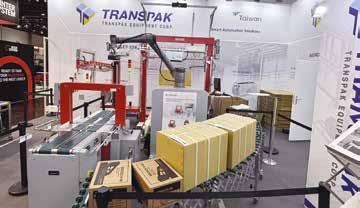
The Intelligent Mixed-Load Palletising System will help manufacturers improve handling efficiency
standalone equipment manufacturing to integrated logistics automation solutions, with capabilities spanning both palletising and depalletising applications.
By incorporating Ace Pillar’s proprietary automatic strap-cutting depalletising technology together with intelligent vision systems, the solution enhances production-line responsiveness and automation efficiency. The collaboration aims to support manufacturers in accelerating smart transformation amid ongoing labour shortages while advancing a human-centric smart factory vision powered by automation technologies.
For more information visit: www.acepillar.com
The CX-A series marks an expansion of Epson’s industrial robot portfolio range
DECODING DENSITY
Lydia Arundel explores the importance of density measurement for process applications
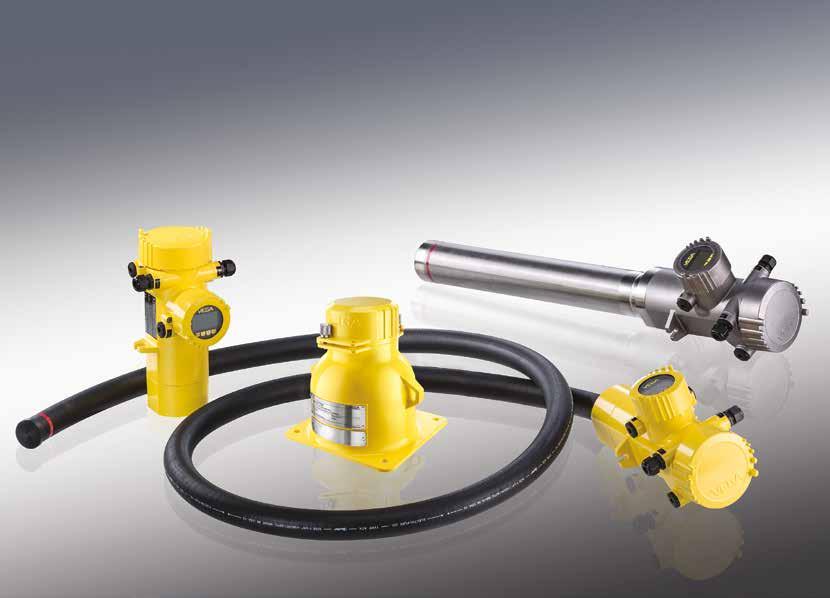
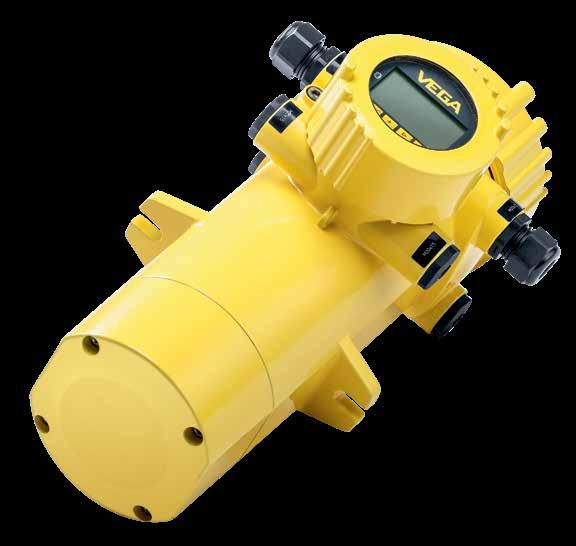
Radiomentric density meters provide process engineers with accurate density measurements
Density measurement plays an essential role in process engineering, helping operators maintain product quality, optimise efficiency, and monitor process conditions in real time.
Density is a basic physical property that shows how a substance’s mass relates to its volume. The process sector requires accurate measurement of this characteristic since it is key to monitoring fluid concentrations, controlling product quality, and converting volumetric flow rates into mass reliability.
CORRECT MEASUREMENT
By correctly measuring mass and volume, density provides a reliable way to characterise materials and understand their behaviour in different environments. Process engineers might use this practice to glean information about the composition, concentration, and purity of materials, and it will help them ensure product consistency, quality assurance, and conformity with international standards.
DEVELOPING MATERIALS
Accurate density measurement can also be useful to develop and apply materials across multiple technical fields, influencing their behaviour and performance in different conditions, while remaining critical to quality control in sectors such as oil and gas, food and beverage, pharmaceutical, and chemical. As industrial processes become increasingly automated, operators continue to prioritise reliable inline measurement technologies that reduce maintenance requirements and support real-time process optimisation.
Typical applications include measuring acid and lye concentrations, the density of abrasive or sticky liquids, and the solid matter content of sludges and slurries.
VEGA Controls, a density measurement specialist, uses two physical measuring principles: differential pressure and radiometric.
DIFFERENTIAL PRESSURE
Using differential pressure in density
measurement delivers several advantages, including real-time density measurement within the process without sampling, transducers capable of detecting differential pressures as low as a few mbar, and the ability to measure media at extreme temperatures safely and reliably using installed chemical seals.
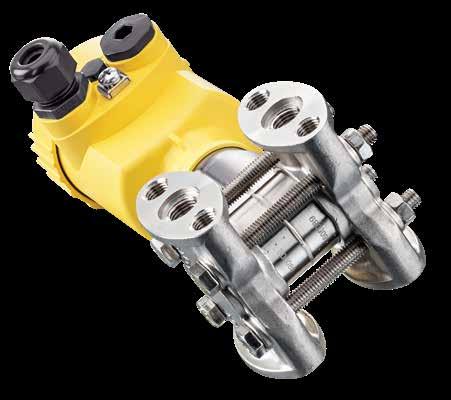
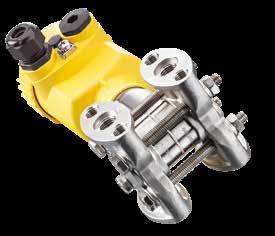
When measuring liquids using differential pressure, two pressuremeasuring points are mounted at a fixed distance apart, meaning two different pressures act on the system. The differential pressure transducer then calculates the density of the medium from the pressure difference. One example of this approach is Vega’s VEGADIF 85 differential pressure transmitter, which can optionally be equipped with separate chemical seals.
When mounting the instrument, density measurements require either a fixed height or two measuring points along the liquid column. The pressures are transmitted to the measuring cells via chemical seals, while threaded or flanged connections enable
installation across a range of process fittings on vessels and pipes.
ELECTRONIC DIFFERENTIAL PRESSURE
Measuring density with an electronic differential pressure system is achieved through a software- and hardware-based concept that enables combining any two VEGABAR 80 series pressure transmitters. Electronic differential pressure can be used to measure density changes or to provide compensation during level measurement.
Applications include differential pressure measurement in filters and pumps, level measurements in pressure-superposed tanks, and flow, density, and interface measurements.
This method offers the advantages of simple installation, multi-variable sensing capabilities for density, level, and temperature, and immunity to ambient conditions.
When mounting the unit, two initially independent sensors are installed either at a fixed, defined height or at two measuring points along the liquid column. Once connected via a shielded four-wire cable, the measured value from the secondary sensor is factored into the calculation, while electrical power supply and parameterisation are handled by the primary sensor.
RADIOMETRIC DENSITY MEASUREMENT
Radiometric density measurement uses a sealed gamma source to emit radiation through the process medium. A detector mounted on the opposite side measures the amount of radiation received. As material density increases, more radiation is absorbed, meaning less reaches the detector. This relationship enables the system to convert detector signals into precise and repeatable density values.
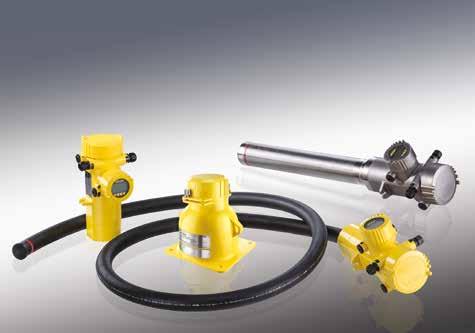
Vega’s compact detectors, such as MINITRAC 31 and MINITRAC 32, are designed for pipe mounting and can be installed in tight or difficult-toaccess process areas.
Radiometric gauges work well for solutions where materials are dissolved and spread out evenly. They are often used for checking acid concentration, controlling brine density, and making solvent mixtures.
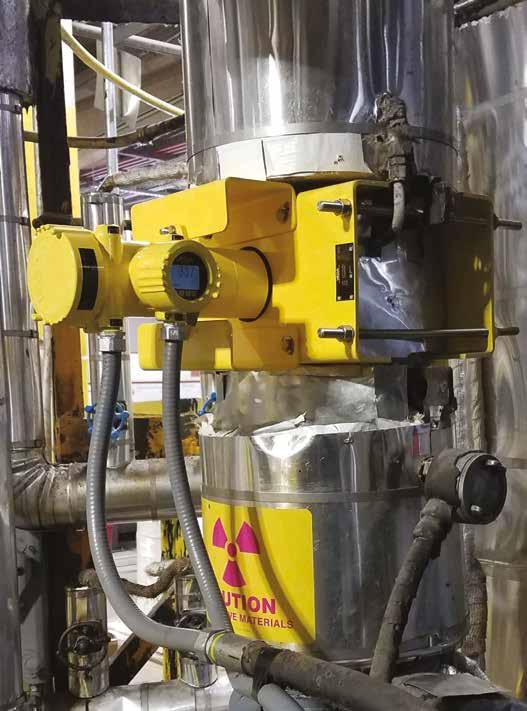
In these systems, the reduction in radiation is the same across the pipe, so the readings match the concentration directly. Radiometric detectors like Vega’s PROTRAC series offer the stability needed for reliable closed-loop control in chemical and refining processes.
With proper calibration and installation, radiometric detectors can deliver uniform performance in abrasive environments without exposure to the process medium, meaning operators can monitor solids loading in real time and respond quickly to process deviations. This non-contact approach can also help minimise maintenance requirements in demanding operating environments where typical instrumentation may be more susceptible to wear.
SELECTING THE RIGHT PRINCIPLE
As process industries demand more efficiency, consistency, and reliability, accurate density measurement has become a key part of modern instrumentation.
By selecting the appropriate measurement principle, operators can improve process control, reduce maintenance requirements, and maintain product quality. As industrial processes become automated and data-driven, reliable inline density measurement will remain critical to process optimisation.
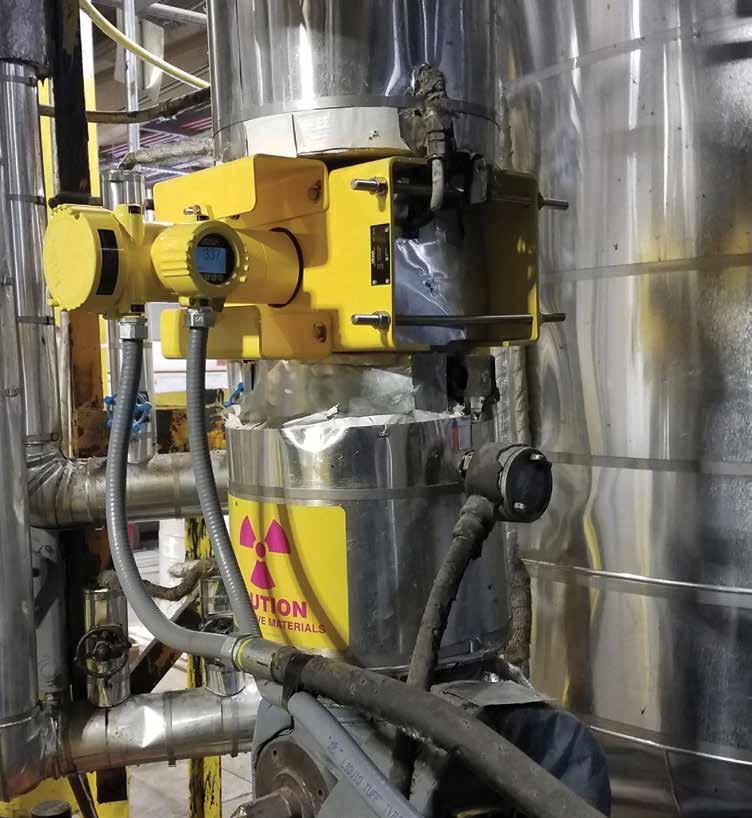
A radiometric density meter in situ

IN THE CLOUDS
Aveva’s Milan-based event headlined an SaaS collaboration between the company’s Connect platform and AWS that aims to deliver improved efficiency and AI-based analytics to industrial clients
For industrial organisations, the pressure to adopt AI is intensifying, and so are the underlying challenges: these include complex regulatory environments, a growing sustainability imperative, ageing infrastructure and fragmented data. Gartner predicts that through 2026, organisations will abandon 60% of AI projects unsupported by AI-ready data because of these challenges.
An advanced collaboration between global industrial software leader Aveva and Amazon Web Services (AWS) promises to resolve some of
these problems by moving industrial intelligence to the cloud and offering an enhanced Software as a Service (SaaS) solution, meaning companies can access AI without the traditional headaches. Aveva’s industrial clients will also benefit from increased ROI, integration and analytics for example.
INFRASTRUCTURE CHALLENGES
Rob McGreevy, chief product officer, AVEVA said: “For industrial enterprises, the challenge is not ambition but infrastructure. The promise of AI remains largely
unrealised for most industrial teams because the operational data, engineering data, workflows, and compliance frameworks required to safely deploy AI at scale have rarely been connected in one place.”
A KEY COLLABORATION
A new collaboration between the company’s Connect platform and Amazon Web Services (AWS) means that industrial clients can now access an off-the-shelf SaaS solution via AWS that will allow them to move with ease between different technology stacks. The Connect platform has been
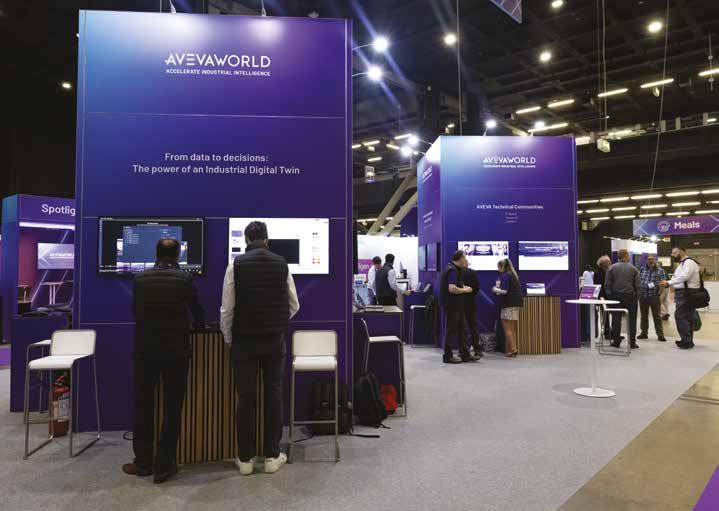
Aveva’s annual conference showcased the company’s recent innovations
running for almost two years and is an open, cloud-based industrial intelligence platform that unifies IT, OT and engineering data for its clients. It then offers them AI, analytics and digital twin capabilities. The Connect platform currently manages over 8 petabytes of industrial data including reality capture, engineering, and production data serving more than 23,000 active monthly users across more than 50 SaaS applications. The platform breaks down silos, allowing industrial enterprises to optimise operations, enhance team collaboration, and accelerate sustainability, according to the company. Aveva showcased this collaboration and other developments at its annual flagship software conference in Milan last month.
HOW WILL THE SERVICE BE DELIVERED?
Aveva will deliver both public and private SaaS capabilities for its clients using Amazon Bedrock, Amazon Bedrock AgentCore, and Amazon Elastic Compute Cloud (Amazon EC2), The collaboration also encompasses listing Aveva products on AWS Marketplace, joint customer migration programs, and a shared commitment to training and certification.
By bringing Connect and the broader Aveva portfolio to AWS, the companies aim to provide a faster, more scalable path to cloud operations, reducing the complexity and cost of managing onpremises infrastructure while enabling new AI-driven capabilities that were previously impractical at scale.
“Industrial companies are sitting on decades of operational data that holds enormous, untapped value,” McGreevy said. “As Aveva advances its multicloud strategy, building Connect on AWS will provide them with more flexibility and scalability.
The company is also expanding Connect’s integration with leading enterprise data platforms - Snowflake and ServiceNow - giving customers access to OT data via the tools they already use for analytics, industrial AI, automation, and machine learning.
AN INDUSTRIAL KNOWLEDGE GRAPH
The company plans to launch an
HOW CLIENTS WILL BENEFIT FROM THE COLLABORATION:
PURCHASE VIA THE AWS INFRASTRUCTURE: Industrial customers across energy, manufacturing, chemicals, life sciences, infrastructure, mining, marine, and EPC sectors will be able to purchase public and private Software as a Service (SaaS) Connect services on the AWS infrastructure.
AWS MARKETPLACE EXPANSION: Aveva will list key products on AWS Marketplace enabling customers to purchase software through their existing Amazon Web Services agreements (to be actioned by end of the year). By running on AWS, Aveva’s customers who already monitor, analyse, and optimise their processes and energy consumption using the platform will be able to integrate with broader enterprise data systems, and leverage cloud-native AI to deliver continuous efficiency improvements.
JOINT CUSTOMER MIGRATION PROGRAMS: AWS and Aveva will jointly deliver on migration and modernisation programs to help customers move Aveva workloads to AWS, supported by a network of qualified OT System Integrator partners.
AI AND ANALYTICS INTEGRATION: This integration will build AWS’s AI and machine learning services into Aveva’s industrial data platform Connect to deliver advanced predictive analytics, digital twin capabilities, and agentic AI workflows thereby enabling better decision making for industrial operations.
ENDORSED SYSTEM INTEGRATOR PROGRAME: AWS and Aveva will jointly support a network of specialised OT system integrators (SiS).
additional tranche of capabilities in 2027, including an industrial knowledge graph to help clients construct and create digital twins. The tool will model the relationships and properties of real-world industrial assets, while preserving and strengthening the operational context that underpins them. AI features and guidance will help teams troubleshoot problems and make sensible operational decisions.
The knowledge graph model is populated using a twin builder that applies agentic AI suggestions such as intelligent mappings that align existing data sources to a standard data model. This preserves information lineage and ensures data governance.
THE ‘FLOWS’ TOOL
Additionally, a new ‘Flows’ tool will provide low-code data processing and integration allowing industrial teams to ingest, transform, and enrich
operational data in real time, making data handling between systems and sources more straightforward. Flows will introduce more than 800 connectors, expanding the data sources Connect can integrate with, as well as streamlining DataOps processes and hybrid architectures.
The combination of these tools with Connect’s existing data management, visualisation, and AI capabilities will help with the realisation of the industrial digital twin with AI-ready data. McGreevy argued that the impact of the collaboration will be broad.
“Aveva’s software is critical to the operation of 20,000 enterprises worldwide. This partnership will help them harness cloud and AI while also offering freedom of choice.”
For more information visit: www.aveva.com
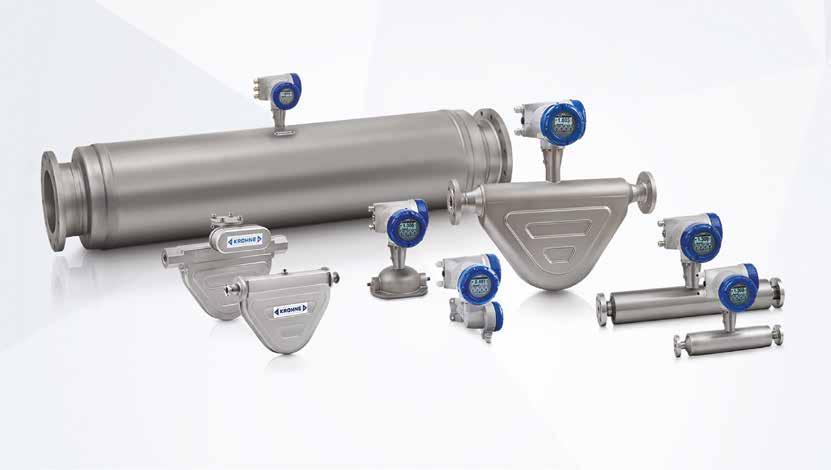
Coriolis meters come in different shapes and sizes. Selecting the best one for your application can be complex since each tube design has its strengths and weaknesses. Coriolis meters seem ideal for a wide range of applications, but some models are suited to certain applications, while others excel with others. So how should an operator select the perfect meter for their requirements? They must consider the following factors: accuracy, flow rate, pressure drop, installation envelope, and, of course, price.
Juan Carlos Ballesta from Krohne looks at how to choose the best Coriolis mass flowmeter according to the application The
USE YOUR DISCERNMENT
LOW MAINTENANCE
Compared with other technologies, the working principles of Coriolis meters offer several distinct advantages. With no moving parts that come in direct contact with the measured fluid, whether liquid or gas, they require little maintenance.
ACCURACY
Accuracy is often the main factor when selecting a Coriolis meter. They measure mass flow, density and temperature directly. The more basic meters typically offer an accuracy better than 0.2%
when measuring liquids; the mid-range standard meters offer accuracies between 0.15% and 0.1%, while the premium ranges can offer 0.05%. Custody transfer options are typically offered in the premium accuracy ranges.
ASSESS THE PROCESS CONDITIONS BEFORE PURCHASING
Operators should size a Coriolis meter according to the process conditions. For example, just because a pipeline has a DN25 connection, doesn´t mean a DN25 meter is needed. It’s important
to be smart regarding pressure drop too -. always ask your supplier what is included in the pressure drop calculation. The pressure drop in a straight tube will always be lower than in a bent tube if the internal diameters are equal. Make sure the sizing sheet accounts for the pressure drop across the entire meter, including the connections. This is the pressure drop measured at the entrance and at the end, near the meter, where there is pressure recovery. Don’t be fooled, some meters have a strangulation at the connection and open just before the flow splitter. The initial strangulation needs to be considered for the pressure drop, too. It is not realistic to consider only the pressure drop from the measuring tubes. It must also be recognised that connections are part of the meter. It is wise to question what is included in a pressure drop calculation.
APPLICATIONS FOR EVERY INDUSTRY
There are applications for Coriolis meters across every industry. It is possible to measure liquid, slurries or gases, but don’t forget that the concentration of two fluids with different densities - like Brix, Baume, NaOH, Plato, API oil standard, alcohol or general concentration - can also be calculated. This can be a suspension, an emulsion or a solution. Concentration measurement is the ‘hidden gem’ of a Coriolis meter, not everyone is aware that they can be used this way.
TUBE DESIGN
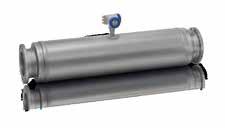
The tube design is of extreme importance. Straight tubes offer a more compact installation envelope and fit the pipeline perfectly. The pressure drop is that of a straight tube and won’t require elevating the entire pipeline or digging a hole in the ground. They are easy to clean and inspect. They can also handle abrasive fluids following the recommended guidelines. Single straight tube designs are available in many materials, such as Titanium, Hastelloy, Duplex, and Tantalum. The availability of these materials is especially important in the chemical industry, where various types of acids are handled. On the other hand, there are temperature limitations for straight tubes; typically, a customer will select a bent tube design above
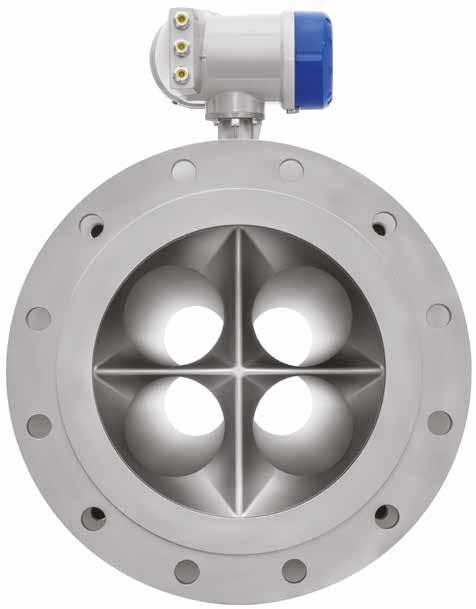
130°C. The bent tube designs excel in applications up to 400°C or cryogenic down to -200°C.
Straight tubes offer a more compact installation envelope and fit the pipeline perfectly
Purchasing a Coriolis meter from a manufacturer that offers a wide range of designs will help customers find a suitable solution. This might be a single, double, four-tube, straight or bent design. Experience also matters. Krohne, for example, has 30 years experience in the field. The company also provides a free extended warranty to customers.
Juan Carlos Ballesta is International product manager mass flow at Krohne Limited
For more information visit: www.krohne.com
The Optimass 2400
RECLAIMING RESOURCES
How Black & Veatch has designed a circular water and wastewater management system for a state department in Florida
Rafael
Frias is vice president and managing director for EMEA, Black & Veatch

Given rising global temperatures, water is an increasingly precious resource. As such, Rafael Frias, vice president and managing director EMEA at critical infrastructure specalist Black and Veatch, is more focused than ever on sustainability. In an interview with International Process Engineer Rafael, who worked in water for Black & Veatch for 27 years, explained that the concept of the ‘circular economy’ is key to how the company approaches water management. The company’s distinct processes of cleaning, reclaiming and reusing are all run with this in mind.
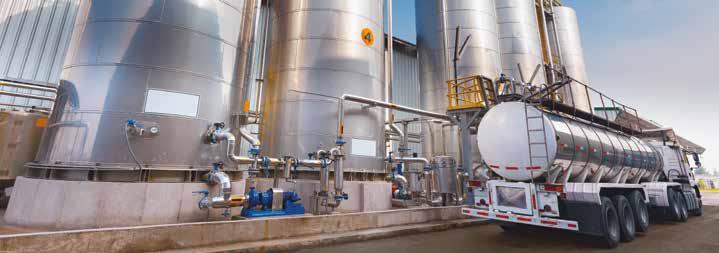
The company’s circular practices were demonstrated by a recent project with The Miami-Dade Water and Sewer Department (WASD) in Florida which owns and operates three water reclamation facilities — the North, Central, and South District Wastewater Treatment Plants (WWTPs). Cumulatively, these plants are designed to treat an average of 380 million gallons per day (mgd) of water to serve Miami-Dade County’s 2.3 million residents. Black & Veatch designed and engineered services for renewal and replacement projects at the three facilities.
The project, consisted of major upgrades to critical elements of the three treatment plants, includes the plants’ biological processes, filtration and disinfection systems, electrical generation buildings and injection well pump stations.
As part of the contract, Black & Veatch will also support WASD as

EERS uses non-potable water to cool plant buildings
it implements processes to reuse 60 per cent of its wastewater to meet the state of Florida’s Ocean Outfall Legislation (OOL) requirements. The legislation required that utilities in Southeast Florida eliminated the daily use of ocean outfalls by the end of 2025. The company had to reduce nutrient discharges, and implement a reuse system that was technically and economically feasible.
REUSE STRATEGY
This solution, the implementation of Effluent Energy Recovery Systems (EERS), uses non-potable water to cool plant buildings – replacing cooling towers with heat exchangers, saving the county millions of dollars and allowing the department to meet their legislative requirements for water reuse. The high quality, non-potable water is then disposed of through deep injection wells not connected to the county’s drinking water source. Moreover, the reuse system is powered almost entirely from renewable energy sources, following Miami-Dade County’s commitment to sustainable practices.
BENEFITS INCLUDE:
Operator-friendly systems with lower operations and maintenance requirements.
Reduction in potable water use with potential estimated savings of approximately 500,000 gallons of potable water per year.
Almost complete removal of chemical usage from the existing cooling towers.
Increased energy efficiency from the EERS and negligible changes in the temperature profile of the effluent water.
Increased reliability from a reduced number of elements required in traditional centralised cooling systems. A robust and reliable fire protection system as more pressure and flow are available from the WWTP effluent system than in the conventional potable water system
MIAMI’S GREEN GOALS
The County is committed to sustainable goals laid out by its Green Plan, and water conservation and reuse are a key area of opportunity for this. The collaboration has resulted in a concept that provides water cooling to multiple buildings and processes in an area that requires a significant amount of cooling energy.

OPTIMASS with sensors and electronics MFC 400 for Safety Instrumented Systems
• Using the new OPTICHECK Flow Mobile app on mobile devices or FDT/DTM on laptops commissioning, parameterisation, verification, performance monitoring and application parameters can be managed on-site via a secure Bluetooth® connection (<20 m/65.6 ft) –ideal for inaccessible areas or EX Zone 1



Free OPTICHECK Flow Mobile app for iOS and Android: krohne.link/opticheck-mobile

VACUUM INTEGRITY
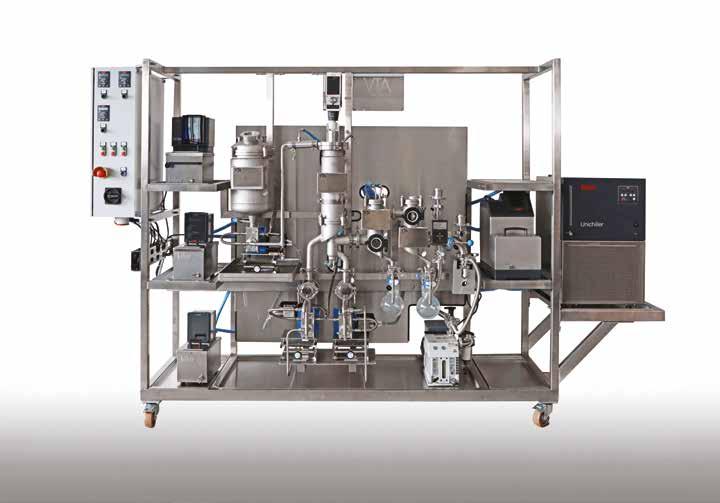
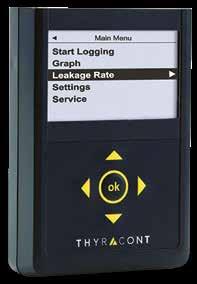
VTA Verfahrenstechnische Anlagen GmbH & Co.KG uses Thyracont compact vacuum meters for leak-rate calculation (VTA Verfahrenstechnische Anlagen GmbH & Co.KG).
Kristina Putz from Thyracont examines the importance of pressure rise testing for leak rate determination in process vacuum systems
Pressure rise testing is widely used for assessing vacuum integrity, yet in many production environments leak rate determination remains either impractical or inconsistently applied. Established methods such as helium leak detection offer high sensitivity but are often limited in routine quality assurance due to equipment complexity, required expertise, and testing effort.
For applications where the total permissible leak rate is the relevant acceptance criterion rather than localisation of individual leaks, integral methods provide a practical alternative. Pressure rise measurement enables a quantitative assessment of the total.
MEASUREMENT PRINCIPLE
Pressure rise testing is based on a simple procedure. After evacuating a system to a defined base pressure, it is isolated from the pumping system, and the pressure increase over time is recorded.

In this relation, Q represents the total leak rate, V the system volume, and dp/dt the rate of pressure increase. The method provides an integral value for all gas sources without requiring localisation of individual leaks.
This makes it suitable for acceptance testing, where compliance with a defined maximum leak rate is more relevant than identifying leak positions.
APPLICATION IN THERMAL SEPERATION SYSTEMS
A typical application is the manufacture of short path distillation systems used for separating thermally sensitive substances. In such systems, vacuum conditions directly influence evaporation behavior, separation efficiency, and product quality.
Laboratory and pilot systems operate with volumes from a few litres up to several tens of litres, while industrial systems can reach
several cubic metres. Across all scales, defined limits for ultimate pressure and permissible leak rates must be maintained to ensure stable operation.
A representative case from thermal separation equipment manufacturing shows how pressure rise testing is applied in practice across different system sizes. Laboratory and pilot systems with volumes between 1 and 50 litres are typically tested against a maximum permissible leak rate of 0.1 mbar·l/s and an ultimate pressure requirement of 0.001 mbar.
After evacuation, the system is isolated and the pressure rise is monitored over approximately 30 minutes. This duration provides sufficient data to characterise the total gas load under defined conditions. Data is re\zcorded and used for quality assurance documentation.
For industrial thin film distillation systems with chamber volumes up to 50 m3, the same principle is applied. At this scale, even moderate leakage can significantly affect achievable
Pressure rise measurement provides a robust and accessible method for determining integral leak rates in vacuum systems
base pressure and increase pumping load, directly impacting process stability and energy consumption.
TECHNICAL CONSIDERATIONS
Accurate interpretation requires control of several factors.
Temperature stability is essential, as small fluctuations can induce pressure changes comparable to leak-related signals. Measurements should therefore be performed under stable thermal conditions after sufficient equilibration.
A key challenge is the influence of outgassing on the measured pressure rise. Both outgassing and leakage contribute to the overall gas load, and their effects cannot be reliably separated in most practical systems. Extended measurement periods and temperature-stabilised conditions can help improve reproducibility and reduce uncertainty. However, pressure rise testing inherently provides an integral measurement of the total gas load rather than a differentiated leak rate.
Sensor selection is also critical. The measurement requires reliable pressure detection over a wide range, from atmospheric pressure during pump-down to fine vacuum conditions down to 0.001 mbar.
LIMITATIONS OF THE METHOD
Pressure rise testing does not allow for localisation of leaks and is therefore not suitable when precise defect identification is required.
Sensitivity is limited by system volume, measurement time, and background outgassing. Very small leaks may be difficult to distinguish from residual desorption effects, particularly in large or recently serviced systems.
The method also depends on stable boundary conditions. Temperature variations or residual process media
can influence results and must be controlled during testing.
CONCLUSION
Pressure rise measurement provides a robust and accessible method for determining integral leak rates in vacuum systems. Its simplicity and minimal equipment requirements make it suitable for routine quality assurance, acceptance testing, and maintenance procedures.
While the method does not replace high-sensitivity or local leak detection methods, it offers a practical solution wherever total gas load is the relevant parameter. When applied with proper control of influencing factors and limitations, pressure rise testing enables reliable assessment of vacuum integrity across a wide range of process applications.
Thyracont Vacuum guages from the VD800 series
SMOOTH RUNNING
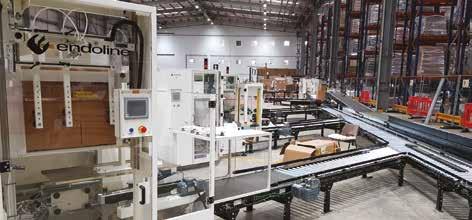
Andrew Yates from Endoline provides five tips to dispel end of line package integration issues
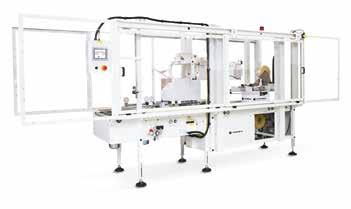
As manufacturing environments become increasingly complex, packaging operations are under growing pressure to improve throughput, maximise efficiency and remain agile as SKUs, packaging materials and case sizes continue to evolve. Here, packaging integration specialist Endoline’s managing director Andrew Yates provides five tips to help integrators derisk their machine selection process and turn hurdles into advantages.
1. PLAN FOR VARIATION
System integration is often a complex process. In a best-case scenario, every machine slots into the exact footprint, connects to existing equipment up and downstream and runs at the same speed. Realistically, it can be fraught with challenges, compatibility issues and spiralling costs.
Rather than clinging to the idea that automation requires a completely new approach, the best systems support flexibility and incremental implementation. Being able to switch between multiple SKUs, handle and seal fluctuating case sizes and adapt immediately to different thickness and weights of card on case erectors are all important considerations that standard machines often overlook.
2. RESEARCH CONNECTIVITY COMPATIBILITIES
A primary pain point in packing line integration occurs when equipment cannot connect and communicate with legacy infrastructures. To futureproof investments, check for open connectivity and interoperability. This includes finding out if the equipment supplier has a dedicated team that can provide coding support to connect production data to MES and ERP systems.
Beyond technical connectivity, there is also the psychological and
financial burden of downtime. That’s why it’s important to work with machinery suppliers who offer full Factory Acceptance Testing (FAT) and systems.
3. START COLLABORATION EARLY
When a supplier moves beyond the role of a vendor and becomes a technical collaborator, the impact on Overall Equipment Effectiveness (OEE) and true integration is profound. It requires a partner who understands the specific industrial challenges, from floor space constraints to safety standards and the nuances of local operator expertise.
Engaging in early collaboration allows for the development of clear, detailed specifications before any hardware is implemented. This reduces the risk of a seemingly straightforward integration becoming complex due to unforeseen technical requirements.
4. CONTINUOUS SUPPORT AND TRAINING
Successful integration continues beyond installation. For any technology to reach its full potential, equipment vendors should offer continuous support and training.
Skilled Endoline engineers,

for instance, can assist with troubleshooting, ongoing upkeep of equipment and optimisation thereby ensuring a seamless transition to automation and extending the equipment’s lifespan. Regular maintenance and check-ins primarily benefit the users.
5. CONSIDER MODULARITY
It is easy to assume that automation is an ‘all-or-nothing’ investment. However, some of the most resilient strategies prioritise modularity and target high impact areas like case erection and case sealing. These often reveal immediate savings just through the reduction in labour costs and fewer errors. Upgrading specific processes or sections of a line incrementally allows businesses to manage cashflows more efficiently and scale their investments alongside growth. As manufacturing requirements continue to evolve, Endoline Automation continues to support the shift towards compact, flexible and scalable endof-line packaging systems, helping manufacturers improve efficiency and operational performance.
Endoline’s Andrew Yates encourages operators to check for open connectivity
Windows® Tablet IS945.1
Bridging mobility with desktop-grade performance and enterprise integration in the field.
Windows 11 IoT Enterprise LTSC – Long-term support until 2034
Enterprise security built-in – BitLocker, TPM, Windows Defender ATP
Familiar environment – Accelerated deployment, reduced training costs
Arm64 efficiency – 5G-enabled edge computing with AI (and minimal heat generation)
Maximum compatibility – Seamless integration into Windows infrastructure



isafe-mobile.com

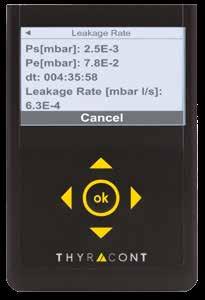
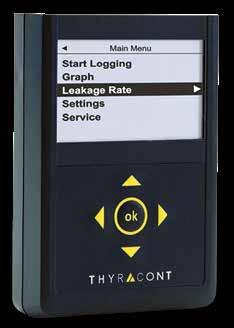
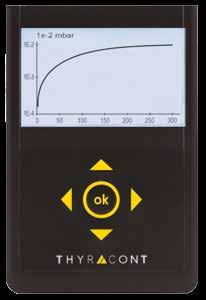
§ Automatic leak-rate calculation via rate of rise measurement
§ Graphic display with intuitive menu-driven operation
§ Big data logger for saving multiple measurement series
§ USB-C interface and Bluetooth® LE (optional)

EFFICIENT ELECTRIFICATION
Johann Lainer from Watlow explores how practical electrification strategies reshape process heating
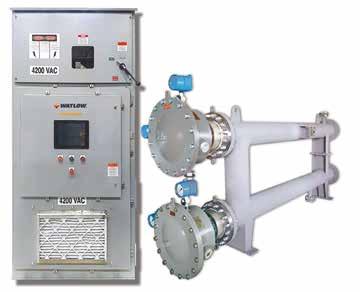
Powersafe is a fully-integrated medium-voltage heater and control platform
For years, electrification in industry, particularly the oil and gas industry, was largely framed as a long-term sustainability ambition. Today, it is increasingly becoming an engineering and operational discussion focused on efficiency, reliability, and process optimisation.
As operators face mounting pressure to reduce emissions while maintaining profitability and operational resilience, process engineers are playing a central role in evaluating where electrification can deliver measurable value. The conversation has evolved beyond broad decarbonisation targets toward practical implementation strategies that balance infrastructure realities, energy availability, and performance.
This shift is particularly important because process heating remains one of the largest energy consumers within refining, petrochemical, LNG, and upstream operations. Traditionally dependent on combustion-based systems, these applications are now being reassessed as advances in electric heating technology to improve the feasibility of large-scale electrification. However, the transition is not occurring uniformly across regions or industries. Differences in grid capacity, electricity pricing, carbon regulation, and facility age continue to shape adoption strategies worldwide.
ELECTRIFICATION BECOMES A PROCESS ENGINEERING DECISION
For many facilities, the key question is no longer whether electrification will eventually occur, but where it can deliver immediate operational and economic advantages.
Rather than pursuing complete plant-wide replacement of fired assets, many operators are beginning with selective electrification projects that target specific thermal duties. Applications such as hot oil systems, amine reboilers, and process heaters are increasingly attractive because they offer opportunities to reduce direct emissions while improving process stability and reducing maintenance demands.
From a process engineering perspective, electric heating systems provide several operational
Process heating is a large energy consumer within several key industries
Modern electric heating systems can achieve significantly higher thermal efficiencies than traditional gas-fired systems by minimising radiant and exhaust losses
advantages over conventional combustion systems. Electric systems offer tighter temperature control, faster response times, and improved repeatability, all of which are critical in applications where thermal consistency directly impacts product quality and process efficiency.
Additionally, electric heating eliminates many combustion-related inefficiencies, including flue gas losses, burner tuning requirements, and uneven heat distribution. Reduced mechanical complexity also lowers maintenance requirements and minimises operational interruptions.
Importantly, selective electrification allows facilities to build operational experience incrementally. By starting with targeted applications, operators can evaluate electrical demand profiles, assess infrastructure limitations, and gather real-world performance data before scaling electrification initiatives across larger process areas.
MEDIUM VOLTAGE EXPANDS ELECTRIFICATION POTENTIAL
One of the most significant enablers of industrial electrification in recent times has been the development of medium voltage heating systems for high-power applications.
Historically, large-scale electric heating projects faced practical barriers owing to the limitations of conventional low voltage systems. High current requirements resulted in extensive cabling, large transformers, and complex infrastructure upgrades that often undermined project economics. Medium voltage systems address these challenges by delivering higher power at lower current levels. This reduces conductor size, simplifies power distribution, and minimises electrical losses. For multi-megawatt applications commonly found in refining, LNG processing, and petrochemical operations, these advantages can substantially improve installation feasibility and long-term operating efficiency.
The benefits are particularly
relevant in retrofit environments where space constraints and existing infrastructure limitations complicate electrification projects. By reducing transformer requirements and lowering cabling complexity, medium voltage systems can help simplify integration into existing plants while reducing overall project footprint.
As industrial electrification expands, medium voltage technology is becoming increasingly important for process engineers tasked with balancing energy efficiency, reliability, and capital expenditure.
INTEGRATION MATTERS MORE THAN INDIVIDUAL COMPONENTS
While much attention is often focused on the heater itself, successful electrification depends heavily on system integration.
Electric heating systems operate as part of a broader thermal loop that includes sensors, power controllers, process controls, data acquisition systems, and plant-level automation platforms. When these components are engineered independently or sourced without coordination, facilities can encounter performance inconsistencies, control instability, and reliability issues.
Modern thermal management strategies increasingly emphasise integrated architectures where heaters, SCR power controllers, PID process controllers, and monitoring systems function as a coordinated system. This integrated approach improves temperature stability, optimises energy use, and enhances process visibility.
For process engineers, this level of integration also supports predictive maintenance and operational diagnostics. Real-time monitoring of temperature profiles, electrical load, and process conditions enables early detection of performance deviations before they develop into critical failures.
Advanced analytics and predictive monitoring tools can identify subtle process drifts, inefficient power usage, or emerging equipment wear, allowing
maintenance teams to intervene proactively rather than reactively. In continuous-process industries where downtime carries significant cost, this capability is increasingly valuable.
BALANCING SUSTAINABILITY WITH OPERATIONAL PERFORMANCE
While emissions reduction remains a key driver for electrification, operational performance is often the deciding factor for implementation.
Modern electric heating systems can achieve significantly higher thermal efficiencies than traditional gasfired systems by minimising radiant and exhaust losses. Combined with improved controllability and reduced maintenance requirements, these efficiency gains can contribute to lower total operating costs over the system lifecycle.
Electrification also aligns with broader digitalisation and Industry 4.0 initiatives. As facilities adopt more connected and data-driven operations, electric thermal systems provide enhanced visibility into process performance and energy consumption, supporting both operational optimisation and sustainability reporting.
Nevertheless, electrification is not a universal solution for every process or facility. Grid limitations, local electricity costs, and specific hightemperature applications may still favour combustion-based systems in some environments. For many operators, the most effective strategy will involve phased implementation based on operational priorities and infrastructure readiness.
What is becoming increasingly clear, however, is that electrification has moved well beyond conceptual sustainability discussions. It is now a practical engineering pathway that offers process industries new opportunities to improve efficiency, strengthen reliability, and reduce environmental impact while maintaining the operational performance that modern industrial facilities demand.
For more information visit: www.watlow.com
MANAGING MATERIALS
Caleb Townsend from APEC explores how material properties impact ingredient feeding system performance
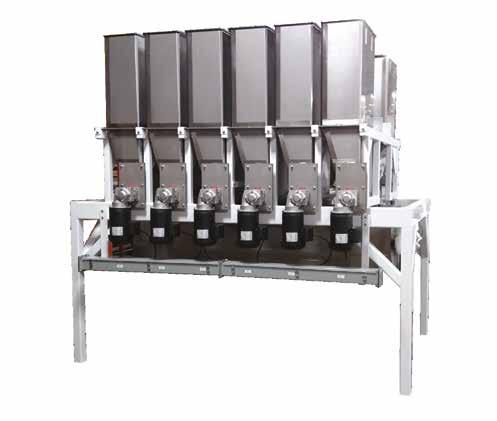
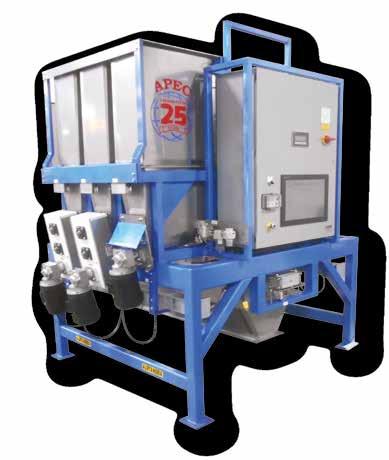
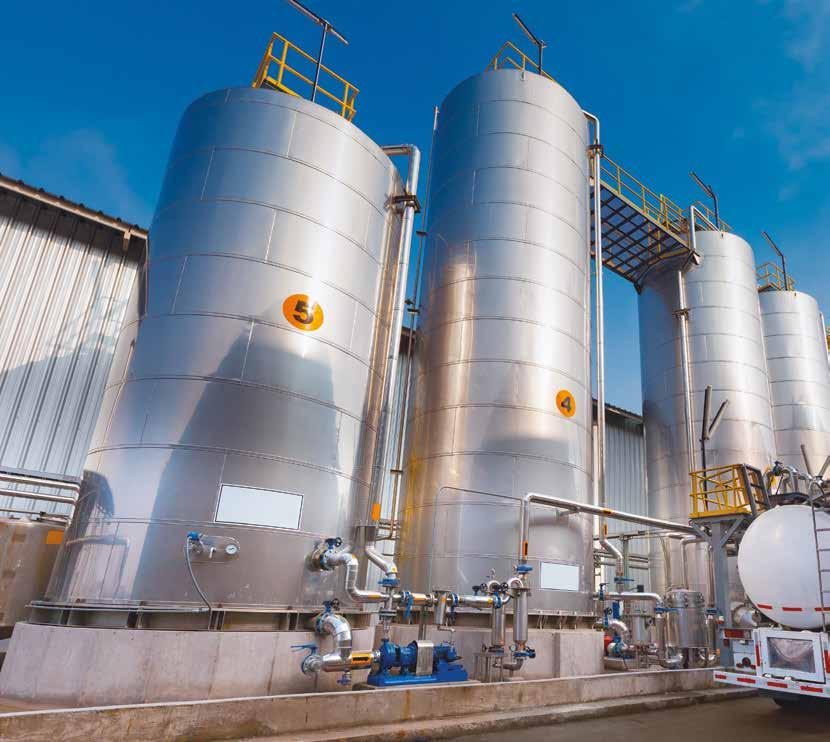
Bulk density, particle size and moisture content are just a few of the variables that need to be considered
Ingredient handling systems are often designed around expected material characteristics and assumed flow properties. Engineers typically rely on known bulk density ranges, flow behaviour and moisture conditions when selecting feeders, sizing hoppers and configuring batching systems.
In practice, however, material properties rarely remain perfectly consistent. Variations in suppliers, seasonal raw material changes, storage conditions and production lots can all influence how an ingredient behaves during handling and feeding operations. Even relatively small shifts in material properties can significantly affect system performance. Understanding how bulk material
characteristics influence ingredient feeding systems is essential for maintaining batching accuracy, process stability and production efficiency.
COMMON PROBLEMS LINKED TO MATERIAL BEHAVIOUR
Material behaviour is frequently an underlying cause of performance issues in ingredient handling systems, including: Inconsistent or fluctuating feed rates
Reduced batching or weighing accuracy
Bridging or ratholing in hoppers
Erratic feeder discharge
Dusting or material segregation
Increased operator intervention
Unexpected production slowdowns or
downtime
In many facilities, these problems are initially addressed through mechanical adjustments, feeder tuning or control-system modifications. In some cases, however, the root cause is not mechanical failure, but rather a mismatch between material behaviour and the original system design assumptions.
MATERIAL PROPERTIES THAT INFLUENCE FEEDING PERFORMANCE
Several bulk material properties directly affect how ingredients move through feeders, hoppers and batching systems. Changes in these properties can alter system performance even when equipment settings remain unchanged.


Even moderate density shifts can create deviations in batching performance
BULK DENSITY VARIABILITY
Bulk density is one of the primary variables affecting feeding accuracy, particularly in volumetric feeding systems. If feeder calibration is based on a specific density and the material density changes, the system may deliver more or less material than intended.
Bulk density can vary because of:
Supplier differences
Changes in processing methods
Particle size variation
Moisture content fluctuations
Even moderate density shifts can create measurable deviations in batching performance.
FLOWABILITY
Flowability determines how easily a material moves through storage and discharge equipment. Free-flowing granular products behave very differently from cohesive powders or fine materials.
Materials with poor flowability may contribute to:
inconsistent feed characteristics.
Particle size changes can also affect packing behaviour, which in turn influences both bulk density and flowability.
MOISTURE CONTENT
Moisture can substantially alter material handling characteristics. Some ingredients readily absorb humidity, while others become cohesive or prone to caking when exposed to elevated moisture conditions.
Higher moisture levels may: Increase material cohesion
Reduce flowability
Promote buildup on equipment surfaces
Affect discharge consistency
Environmental conditions and storage practices therefore play an important role in feeding-system reliability.
COMPRESSABILITY AND AERATION
Material behaviour is frequently an underlying cause of performance issues in ingredient handling systems
Bridging across hopper outlets
Ratholing during discharge
Intermittent feeder output
Inconsistent material delivery
Understanding flow behaviour is critical when designing hopper geometry and selecting appropriate feeder technologies.
PARTICLE SIZE AND DISTRIBUTION
Particle size distribution influences how materials compact, segregate and discharge during handling operations. Materials containing a broad range of particle sizes may separate during transport or storage, resulting in
Certain bulk solids compress under the weight of material stored above them, particularly in tall hoppers or bins. Other materials may become aerated and behave more like fluids during conveying or filling operations. These behaviours can influence:
Discharge rates
Feeder stability
Metering accuracy
Overall process consistency
WHY INGREDIENT CHANGES CREATE SYSTEM DISRUPTIONS
Many facilities operate reliably for years before experiencing sudden
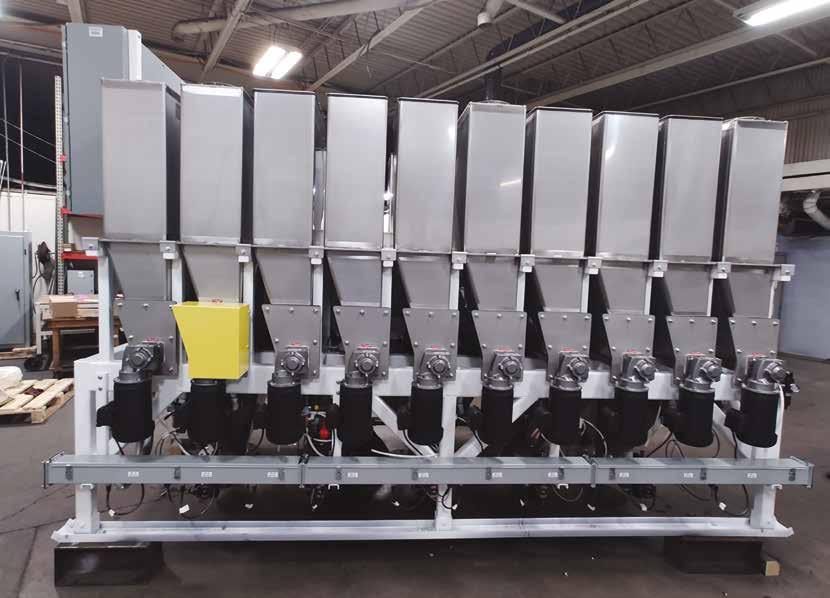
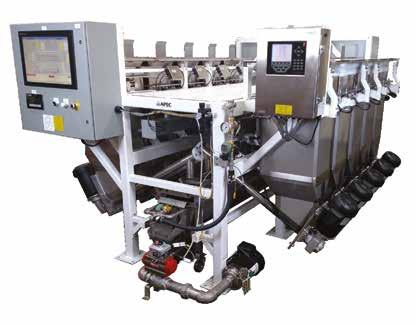
A micro-ingredient scale
feeding or batching inconsistencies. Frequently, the triggering factor is a change in the material itself rather than a failure of the equipment.
Examples include:
Switching raw material suppliers
Reformulating products
Receiving different production lots
Seasonal variation in ingredients
Changes in storage or environmental conditions
Even when materials appear visually identical, differences in flow properties may be significant enough to disrupt established operating conditions.
Systems designed around a narrow set of material assumptions may struggle when actual ingredient characteristics drift outside those original parameters.
EVALUATING MATERIAL FLOW PROPERTIES
Because material behaviour plays a central role in system performance, evaluating bulk flow properties is an important part of both system design and troubleshooting. Typical evaluation methods may include:
Measuring bulk density and density variability
Assessing flowability under varying conditions
Observing discharge behaviour
Evaluating particle size distribution
Identifying moisture sensitivity
These assessments help engineers better predict how materials will behave under real operating conditions and support more informed equipment-selection decisions.
DESIGNING FOR MATERIAL VARIABILITY
Rather than assuming ingredients will behave consistently over time, modern handling systems are increasingly designed to accommodate variability in material properties.
Important design considerations may include:
Matching feeder types to material characteristics
Optimising hopper geometry for reliable discharge
Incorporating agitation or flow-aid devices where necessary
Developing calibration strategies
that account for density variation
Designing systems with wider operating tolerances
Systems designed with these factors in mind are generally more capable of maintaining stable performance despite fluctuations in raw material behaviour.
Ingredient handling performance is influenced not only by equipment design but also by the physical behaviour of the materials being processed. Variations in density, flowability, moisture content and particle size can all affect feeding accuracy, discharge consistency and overall process reliability.
For process engineers, understanding and accounting for these variables is an important step toward improving batching consistency, reducing downtime and building more robust material handling systems.
For more information visit: www.apecusa.com

ON-SITE GENERATION
Exploring how an on-site nitrogen generator significantly reduced carbon emissions for one food manufacturer
Santa Maria is best known for producing fajita kits, seasonings, salsas and tortillas, and nitrogen is an essential part of the company’s production process. It is used in the final product as a 30 per cent filler gas within modified atmosphere packaging (MAP) as well as to blanket bulk silos, protecting ingredients from oxidation and helping maintain shelf life and product quality. Until recently, that nitrogen was supplied in liquid form and delivered to site throughout the year.
As part of a targeted capital investment project, aimed at reducing environmental impact while strengthening operational control, Milton Keynes based Santa Maria UK, in partnership with Atlas Copco and installation specialist T&G Compressors, began exploring whether generating its own nitrogen on site might provide both sustainability and financial benefits. The company has now transitioned to an on-site nitrogen generation system supported by new compressed air and air treatment equipment. The result is an estimated carbon reduction of 12 tonnes of CO2 per year, according to the company.
RETHINKING PURITY AND SUPPLY
Santa Maria’s previous model relied on bulk liquid nitrogen produced off site and transported via lorry to Milton Keynes on a regular basis. This carried a logistical and environmental cost. It also raised an important technical question about what purity of nitrogen was required.
Bulk liquid nitrogen is typically supplied at 99.999 per cent purity. For food packaging applications, however, regulatory requirements focus on oxygen content rather than ultrahigh purity. To qualify as food grade, nitrogen must contain less than 1 per cent oxygen, meaning any gas above 99 per cent purity meets the required standard for modified atmosphere
packaging and silo blanketing.
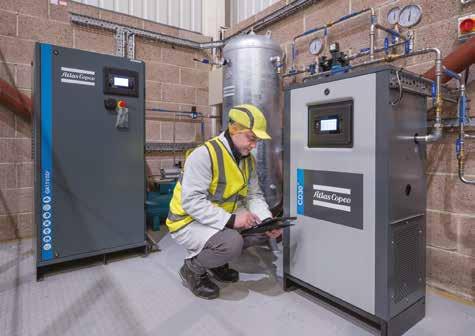
Atlas Copco therefore sized the on-site NGP+ system to deliver 99.5 per cent purity. This provides a clear compliance margin above the food grade threshold, while avoiding the additional compressed air demand and energy consumption associated with producing ultra-high purity nitrogen that the process does not require.
GREATER COMPRESSION
Higher nitrogen purity requires greater compressed air input and longer adsorption cycles in PSA systems, increasing power consumption. By generating nitrogen to the required specification rather than the maximum possible purity, Santa Maria UK benefits from improved operating efficiency and lower lifecycle energy demand. The configuration also enabled the use of smaller equipment, reducing the overall capital investment and delivering a more compact factory footprint.
From an environmental perspective, the impact of removing bulk supply is measurable. Based on the site’s
requirement of 17 Nm3/h over 8,000 operating hours per year, emissions linked to liquid nitrogen production and delivery totalled 25,079 kg of CO2 annually. By contrast, the new on-site nitrogen generator, operating over the same period, is set to produce annual emissions of 12,747 kg of CO2 The transition therefore represents an overall carbon reduction of approximately 49 per cent.
“We were looking at ways to make a genuine environmental improvement,” says Paul Godfrey, project engineer at Santa Maria’s parent company, Paulig Group.. “When you consider the emissions linked to producing and transporting liquid nitrogen, moving to on-site generation made sense. Just as importantly, the system delivers the high level of purity we require for food production, without producing gas to a higher specification than the food creation process demands.”
Santa Maria now generates its own nitrogen on site
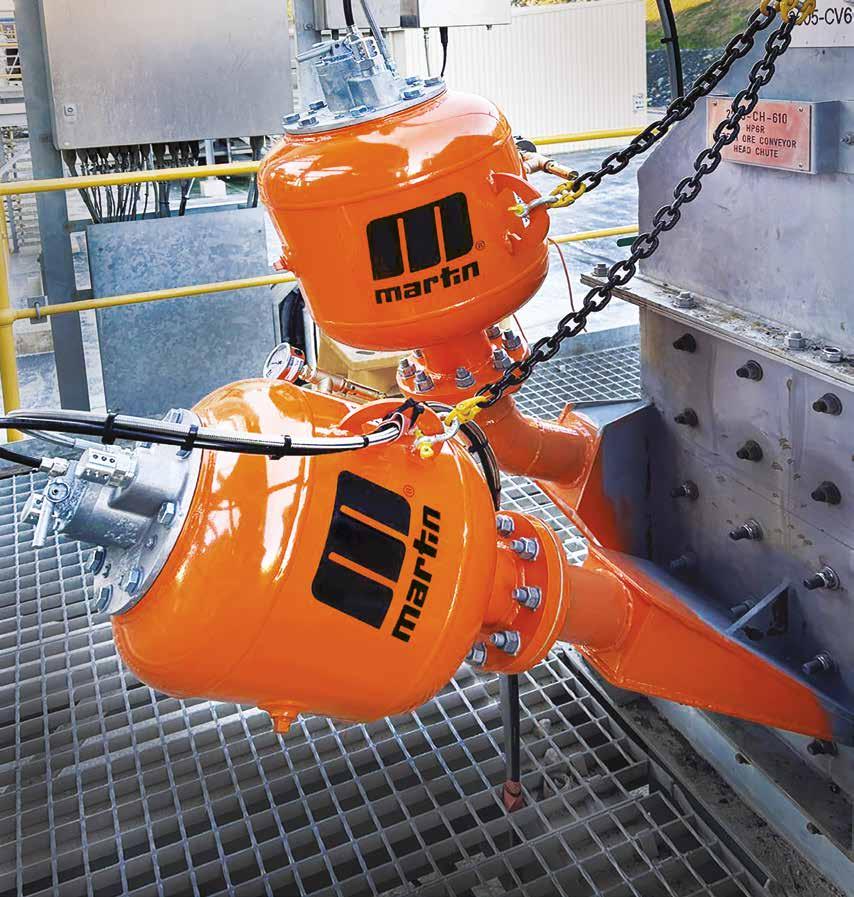
ulk material that is getting stopped due to obstruction at material transition points can cause some serious and costly problems: unscheduled downtime, potential injuries, lost production, and diminished profits.
Martin®Air Cannons are the best way to clear accummulation, simplify maintenance and ensure continuous flow. Our cannons feature innovative valve designs that deliver more power with less air volume — highly effective with challenging wet and sticky materials.
Don’t get jammed. Martin delivers material flow solutions so you can maintain throughput, improve safety and reduce operating costs.
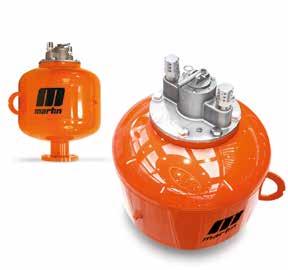
Martin®Hurricane Air Cannon

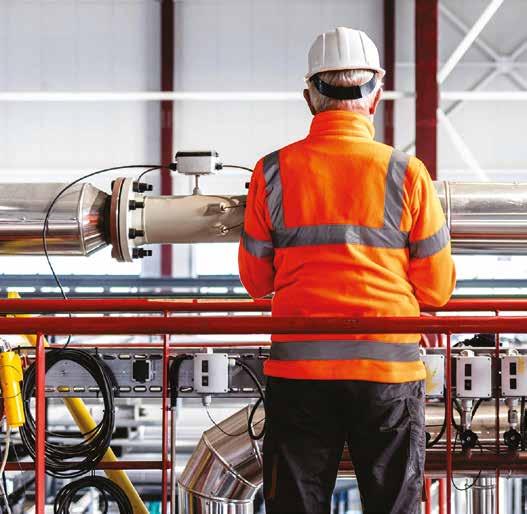
Operational leaders must become aware of the new cyber security requirements and threats
IT AND OT INTEGRATION
A new study from Dräger explores how process engineers are improving their security by integrating these information stacks
In times of digitalisation, Operational Technology (OT) is part of a networked ecosystem. Any compromises in the system may have physical consequences. The latest study, ‘Securing the Weak Links – The Critical Role of Operational Technology’ by Dräger, highlights the fact that cybersecurity in modern industry is no longer purely an IT issue. It is a strategic prerequisite for the protection of people, infrastructure and the entire value chain.
OT was long regarded as an impregnable fortress: systems for controlling physical (production) processes were stable, durable and, above all, isolated. Today, sensors, control units and machines are deeply embedded in networked ecosystems, communicate with clouds and enable real-time remote maintenance. This transformation boosts efficiency and precision, reduces labour costs and thus generates and secures economic success. Yet at the same time, it turns operational technology into a potential gateway for IT threats. This
means: if OT is compromised, real security risks arise – this is where process safety, personal safety and cybersecurity intersect.
THE INTERFACE AS A WEAK POINT
OT vulnerabilities often arise where legacy technology, connected systems and organisational gaps intersect. Particularly critical are insecure remote access, connected OT environments and third-party access to industrial systems, all of which increase exposure to cyber threats. Combined with unclear cybersecurity ownership across IT, OT and operational safety, these gaps can create serious operational and safety risks when sensor data, control systems or alarm functions are compromised.
According to the Dräger study ‘Securing the Weak Links’, 54% of companies lack a clear overview of cyber risks within their supply chain – a significant blind spot in industrial cybersecurity. At the same time, 47% report incidents involving the
manipulation of production processes or quality parameters, highlighting the real-world operational impact of OT cyber threats.
DIFFERENT LEVELS OF SECURITY
However, DDoS (distributed denial of service) attacks and ransom demands are not the only threat types. If readings are falsified, alarms delayed or emergency shutdowns fail to function and risk factors and vulnerabilities remain undetected, highly explosive gases or toxic substances may escape from industrial plants – with catastrophic consequences for people, the environment and businesses.
Core cybersecurity controls such as firewalls, monitoring and secure access management remain essential – but they are only part of the solution. Industrial organisations also need OT-specific expertise, tailored security measures and clear governance to address cyber risks that can affect operational continuity and employee safety.

SYSTEMIC WEAKNESS IN THE INDUSTRY
The latest Dräger study reveals nothing less than a systemic weakness in the industry’s handling of cyber risks: OT-related systems are frequently affected (47% of companies), with security risks dominated by risks for the employees and for production processes by manipulation (both 47%), sensor data (46%) and production stoppages and operational disruptions (45%). Against this backdrop, the gaps in knowledge and responsibility are significant, as 54% of companies lack a clear overview of their OT attack surface.
According to the study, 64% of companies report direct financial losses as a result of OT cyberattacks, which often arise from protracted production downtime and complex recovery measures. Added to this are reputational damages, which 59% of those affected experience, as well as the theft of intellectual property (53%), which undermines long-term competitiveness. The study also reveals a clear discrepancy between strategic aspirations and operational
reality: although 60% of companies pursue a preventive security strategy, in practice there is often a lack of utilisation of essential functions such as network segmentation or multifactor authentication.
Companies face the challenge of first addressing acute vulnerabilities and then, step by step, modernising outdated infrastructure that was never designed for digital connectivity. Furthermore, in the long term, systems must be continuously monitored, updated, and strategically modernised. This includes the ongoing integration of updates and security solutions, as well as the establishment of robust budgets and the securing of specialist expertise.
HOLISTIC PERSPECTIVE
To effectively protect people, assets and business objectives, companies should therefore bear in mind that security does not end at the firewall. Effective protection strategies must treat physical and digital risks as a single entity, and safety-critical systems must not be designed in isolation from cyber risks.
Operational leaders therefore do not need to become IT security
experts – but they must be aware of the new requirements and threats and understand their implications. This enables organisations to incorporate the relevant risks into their security strategy and play an active role in shaping the key interfaces. In this way, cybersecurity becomes part of operational responsibility and is no longer purely an IT issue.
Integrating security, safety and the organisation of OT thus requires a holistic perspective. To understand where industry stands – and where the biggest OT security gaps remain – download the Dräger OT Cybersecurity Study below.

QR CODE Study link: ‘Securing the weak links - the critical role of operational technology’
Captions to go here
A recent Dräger study reveals a systemic weakness in the industry’s handling of cyber risks

A NEW FRAMEWORK
How a new ISA standard aims to prevent hazardous events by defining lifecycle expectations for instrumented protection layers
For decades, process industries have relied on layers of protection to prevent hazardous events. When risk reduction requirements were high, safety instrumented systems (SIS), governed by standards such as IEC/ISA 61511, provided a clear framework for design, operation, and lifecycle management. Below that threshold, however, sat a large class of instrumented protection layers that reduced risk, were credited in process hazard analyses, and were depended on in day-to-day operations, but were not designed or managed as safety

instrumented systems and were not governed by a dedicated consensus standard. These functions were often treated as part of normal control or operations, with expectations that varied widely from one organisation to another.
A PROBLEMATIC INCONSISTENCY
That inconsistency created practical problems. Functions that were relied upon for risk reduction were not always subject to formal management of change, bypass control, testing, or documentation requirements. In
many organisations, engineers and operations personnel understood what should be done, but had no standard requiring that those practices be applied consistently. That gap is what ANSI/ISA-84.91.03 was written to close.
Published in late 2025, ANSI/ ISA-84.91.03 establishes a lifecycle framework for managing low integrity protection layers (LI-PLs): instrumented protective functions that provide risk reduction of 10 or less and are not designed as safety instrumented systems. Rather than introducing new concepts, the
There had always been a large class of instrumented protection layers that were not governed by a consensus standard
Smart Safety Connected Solutions

Dräger, with a legacy spanning over 100 years, is your trusted safety partner in this journey. We deliver Smart Safety Solutions that bring together high-quality, reliable safety equipment with cloud-based, data-driven tools, providing valuable insights to enhance operational efficiency and manage your safety budget more effectively. We follow a modular system approach where collaboration is key allowing us to create the future with you by developing solutions that sustainably improve your processes, safety profile and operational efficiencies. We are not just a supplier; we are a partner in your journey towards a safe and sustainable future.
standard formalises expectations around how these functions should be identified, managed, and maintained over time.
THE INDUSTRY NEEDED TIME TO MATURE
While the gap around low-integrity protection layers had existed for years, the ISA 84 committee intentionally focused first on higherrisk safety instrumented systems. That sequencing was deliberate. As Rahul Bhojani, VP safety and operational risk assurance – Technical Functions at BP and co-chair of ISA-84 committee explains, the industry needed time to mature its SIS practices before expanding lifecycle expectations to other protection layers.
“The committee spent years focusing on getting SIS implementation right,” Rahul says. “Not just design, but operation, maintenance, testing, and management of change. Once there was real maturity in that space, it became clear there was another category of protection layers that were still critical, still relied upon, but not governed by any consistent framework.”
ISA-84.91.03 introduces a structured lifecycle approach
Low integrity protection layers often reside in distributed control systems, local interlocks, or independent instrumented functions that are credited during hazard reviews but fall below the SIS threshold. Many organisations managed these functions responsibly, but practices varied widely across the industry.
FROM GUIDELINES TO STANDARD
ANSI/ISA-84.91.03 does not redefine risk analysis methods or replace existing SIS standards. It also does not turn low integrity protection layers into SIS by another name.
Instead, it introduces a structured lifecycle approach, aligned with established process safety management principles, for a class of instrumented functions that had previously existed in a gray area.
A FAMILIAR FRAMEWORK
“The framework should feel familiar,” Kevin Klein, P.E., co-chair of the ISA-84.91.03 committee and senior instrumented protective systems engineer at Chevron notes. “It aligns with general functional safety and
PSM practices. What’s new is the clarity around how those practices apply specifically to low integrity protection layers.”
In practical terms, lifecycle discipline means identifying which functions are relied upon for risk reduction, controlling changes to those functions, managing bypasses, testing performance, and maintaining documentation that demonstrates the function will work when demanded.
Angela Summers, president of SISTECH and a licensed professional engineer with more than 30 years of experience in process safety, served as co-chair of the ISA84.91.03 committee and emphasises that the intent was never to burden organisations with unnecessary bureaucracy.
“We were very deliberate about not turning this into another 61511,” Angela says. “The goal was to capture what risk-aware organisations were already doing and make it clear that these practices matter for low integrity protection layers too.”
WHO IS AFFECTED AND HOW?
The standard applies broadly across the process industries, including oil and gas, refining, chemicals, pharmaceuticals, food and beverage, pulp and paper, and non-nuclear power generation. Any facility that credits instrumented protection layers outside of SIS during process hazard analysis will need to understand how those functions fit within the new framework.
Facilities that historically pushed most protective functions into SIS may see little change. Others that relied heavily on control-systembased interlocks or loosely managed safeguards may uncover gaps.
“The first place companies will feel this is in how they move from hazard analysis into layer of protection analysis,” Angela explains. “Many organisations only ran scenarios through LOPA if they believed a SIS would be required. That left other credited functions outside a formal lifecycle.”

















PRACTICAL PACKAGING
As eyes turn towards sustainable food packaging, detailed research is crucial, reports Saskia Henn
The food sector is the world’s largest consumer of singleuse packaging, accounting for about 35% of global packaging production..1 Plastics are still the most used substance in food packaging, making up 37% of total materials. However, brands are transitioning to alternative solutions. Paper and cardboard now account for about 34% of food packaging materials, while glass and metals represent 11% and 6% respectively.2 This shift reveals a search for more sustainable solutions as brands attempt to lower their carbon footprints.
FCM DEVELOPMENT
As companies transition to alternative food packaging solutions, they also grapple with new challenges. A recent report from the Food and Agriculture Organisation of the United Nations has examined some of these potential factors.
The report was titled ‘Food safety implications of recycled plastics and alternative food contact materials.’
One of its major considerations was that making Food Contact Materials (FCMs) from alternative bio-based materials and recycled plastic could have implications for how the FCMs
interact with food.
FCMs are the first layer of packaging that comes into direct contact with food. They are crucial to maintaining a safe food supply and reducing food loss and waste. FCMs are subject to premarket controls to ensure they do not transfer undesirable material to the product. Once potential risk posed by contaminants has been identified, it is assessed against available toxicological data. If the FCM achieves a successful assessment, it becomes classified as a permitted substance for use in FCMs.
Cheese packaged in Rome (credit FAO Pier Paolo Cito)
According to the report, poorly managed plastic recycling streams could cause non-intentionally added substances (NIAS) to seep into the packaging product. Such substances might be metals, brominated flame retardants, persistent organic pollutants (POPs), and phthalates from recycled plastic products.
The European Commission already found recycled plastics can release harmful NIAS, suggesting that “during recycling, the plastic must thus be decontaminated with an operation capable of reducing that contaminant level in the input to the maximum tolerable safe level.”.3
Additionally, the decomposition and reaction products of intentionally added substances (IAS) such as surfactants, coatings, lubricants, antioxidants, thermal stabilisers and biocides, can also migrate from a variety of recycled plastics.
The report stated: “Further development and refinement of validated, fit-for-purpose analytical tools for identifying intentionally added substances (IAS) and non-intentionally added substances (NIAS) in migration studies are needed to improve the acceptance of recycled plastics.
As manufacturers are exploring effective, sustainable options, nanoplastics are being increasingly used to enhance packaging
functionalities such as gas and moisture barrier properties and mechanical strength. The report stated: “Additional research is also needed to supplement limited data on the occurrence, migration and health impacts of micro- and nanoplastics, specifically in relation to recycling and plastic alternatives. However, this field is rapidly evolving, and significant data gaps remain on possible foodsafety implications.”
ACTIVE AND INTELLIGENT OPTIONS
In addition to recycled plastics, nanomaterials are also being used to develop active and intelligent options. FCMs are also becoming more common to monitor and extend freshness and minimise waste.
Active packaging intentionally interacts with the food, removing unwanted elements inside the product to lengthen shelf life.
Intelligent packaging provides realtime information to manufacturers, transporters, retailers and consumers through integrated sensors. These sensors measure parameters such as time-temperature, freshness, packaging integrity and gas. Sensing molecules can be incorporated directly into the primary packaging material or applied as a coating on the surface of the packaging to enable
direct contact between the sensing molecules and the food products.
Recent developments would even support active and intelligent packaging to exist in one system. The direct contact used in active and intelligent packaging means that, according to the report, “any chemicals used to produce intelligent FCMs must take into account the potential migration of the unique IAS and the need for a specific safety assessment for those compounds”.
Active and intelligent packaging options could greatly reduce waste and assist supply chain actors who are delivering fresh food. However, it is crucial to understand each component within these new systems.
DIFFERENT FCM TYPES
There are many factors that contribute to varying FCM types. Each of those factors can have an impact on the food being protected, and each impact is unique. Hundreds of chemicals from FCMs can be found in foods, and thousands of chemicals can be extracted and identified from the FCMs themselves, recycled or not.
Rather than arguing that emerging recycled, active and intelligent packaging is too dangerous for use, this report highlights the importance of precise research. Measuring sustainable innovations against data supports a thorough understanding of each contributing substance’s migration potential, as well as the types of advancements that may be possible in future.
REFERENCES
1 https://www.sciencedirect.com/science/article/pii/ S0301479724008028
2 https://openknowledge.fao.org/server/api/ core/bitstreams/6e8b9333-45a2-494e-b9b75d09a7697748/content
3 https://food.ec.europa.eu/food-safety/chemical-
For more information visit: https://openknowledge. fao.org/server/api/core/ bitstreams/6e8b9333-45a2494e-b9b7-5d09a7697748/ content
Or scan the QR code to access the report.
Packaging yellow fin tunas in Maldives (credit FAO Giulio Napolitano)
RADICAL REVISION

Chris Smith from Aggreko explores how forecasts of extreme weather promote revision of process cooling strategies
Following warnings from scientists that current climate conditions are brewing extreme weather in the months ahead, engineered energy and temperature control solutions provider, Aggreko, is calling upon process engineers to revise their cooling strategies ahead of time or face the consequences.
Global sea temperatures of 21°C were reported last month – the second highest on record for the month of April – with scientists now pointing to another El Niño warming cycle that could significantly intensify extreme weather.
These temperatures are marginally lower the 21.04°C recorded in April 2024 ahead of the last El Niño
weather event, which ended up being the fourth warmest year on record for the UK.
With a long hot summer potentially in store, Chris Smith, head of temperature control at Aggreko, is urging the process industry to review its cooling infrastructure before the heatwave arrives since ageing assets may lead to lower efficiency, overheating, and even failure in extreme weather conditions,. He is offering alternative strategies which can help the industry avoid problems.
He said: “We need only look back at 2024 to see what El Niño might have in store for us this year. Summer temperatures regularly exceeded 30°C, placing immense pressure on process cooling infrastructure and
even leading to full-blown equipment failure in some cases.
Process engineers must consider temperature because it fundamentally dictates reaction kinetics, material properties, equipment safety, and overall process efficiency. Without precise thermal control, industrial processes risk yielding off-spec products, accelerating equipment wear, or triggering catastrophic thermal runaways.
CURRENT COOLING STRATEGIES
Chris continued: “The reality is, current cooling strategies simply aren’t designed to deal with this kind of weather, or to operate in these temperature ranges. For this reason, now is the time to start reviewing
Chris Smith is head of temperature control at Aggreko
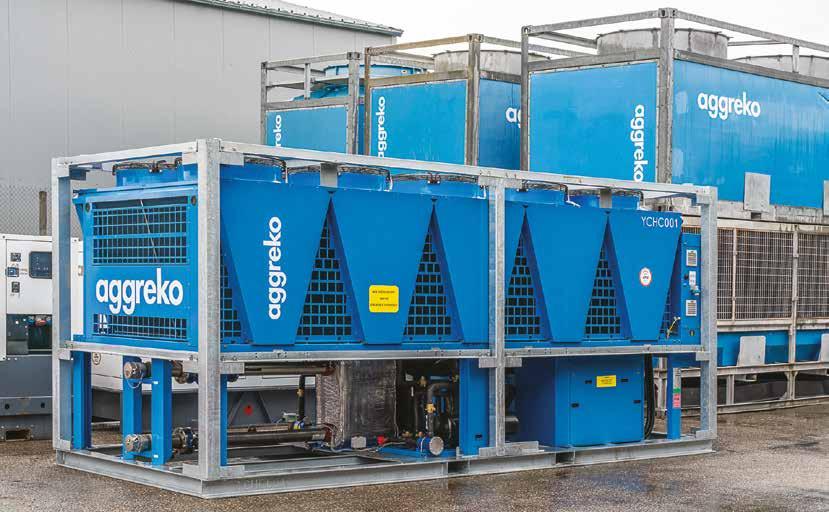
current cooling infrastructure to assess whether it’s still fit for purpose, so the right measures can be brought in ahead of time.
“Ageing assets are the most important thing to check, as these are highly likely to lower efficiency, overheating, and failure. Engaging with a specialist temperature control partner can help implement temporary cooling and industrial HVAC solutions to bridge gaps during equipment failures, manage seasonal demand peaks, and provide N+1 redundancy for greater operational resilience.”
LATEST REPORT
Aggreko’s latest research report, Temperature Check: Is UK Manufacturing Keeping its Cool?, found that 99% of UK manufacturers had faced downtime in the past 12 month due to cooling equipment failures, with 43% facing more than three weeks of downtime, the issue is chronic for many and critical for some.
In the face of this challenge,
hybridised packages consisting of battery energy storage systems (BESS) and temporary chillers or cold storage units are becoming an increasingly popular option for the process industry. Here, the chiller or cold storage unit provides scalable, supplementary cooling capacity, with the BESS powering the package while enhancing efficiency, reducing costs, minimising environmental impact, and offering near-silent operation versus a standard generator.
For instance, a large wine cooperative in France called Cave de Lugny was able to maintain optimal cooling in its cellar throughout the harvest season owing to a hybrid chiller package from Aggreko, saving 2,660 litres of fuel and reducing onsite CO2 emissions by 40%.
NOW IS THE TIME
Chris concluded: “While we’ll have to wait and see what the summer holds, now is a prime time to re-evaluate cooling strategies and identify
potential efficiency gains. Procuring temporary cooling from a thirdparty specialist not only allows access to the latest, high-efficiency technology, but also opens the door to a number of creative solutions, such a hybridisation, which just aren’t feasible in-house.
“While cooling is just one of the challenges that process engineers currently face, the benefits and increased resilience a cooling solution can deliver, mean that this is more than a worthwhile operational solution – delivering flexibility without the need for capital expenditure, thanks to the hire-based model.”
Aggreko can help implement temporary cooling and industrial HVAC solutions
MOTION SYSTEM RELIABILITY
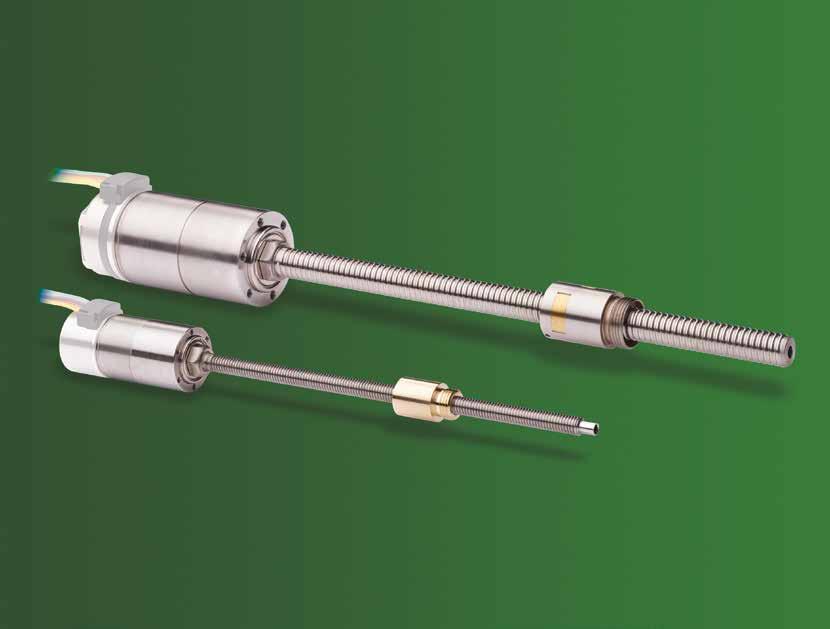

Fully autonomous production environments promise efficiency gains and lower overheads — but they also leave no room for unexpected downtime. In facilities designed to run with minimal human intervention, even a minor motor failure can halt output and undermine return on investment. In this article, Dave Walsha, sales and marketing director at DC motor supplier Electro Mechanical Systems Ltd (EMS), explores why the success of lights-out manufacturing depends not only on advanced robotics and control software, but on the motion components at the heart of automated systems.
THE HIGH COST OF DOWNTIME
Manufacturers today are under intense pressure to increase productivity while managing rising operational costs and persistent labour shortages. Automation and robotics are increasingly seen as the solution, enabling facilities to operate
Dave Walsha from EMS explains how to achieve motion system reliability and why it is critical for continuous production
continuously with minimal human intervention.
However, the shift toward automated production also increases the consequences of equipment failure. Research across the manufacturing sector suggests that downtime can cost organisations up to £1.36m per hour in some industries, highlighting just how expensive unexpected interruptions can be.
When production lines operate continuously, even a brief mechanical failure can disrupt supply chains, delay deliveries and reduce overall operational efficiency. For companies investing heavily in automation technologies, maintaining uptime is essential to protecting both productivity and return on investment.
PREDICTIVE MAINTENANCE
To address these risks, many organisations are adopting predictive maintenance strategies. Unlike reactive maintenance, which addresses
failures after they occur, predictive maintenance uses data and monitoring technologies to identify potential problems before they lead to downtime. By monitoring equipment performance through sensors and condition monitoring tools, engineers can detect subtle changes that indicate wear or malfunction. This allows maintenance teams to intervene before a component fails, helping organisations avoid costly production stoppages.
Key benefits of this approach include:
• Reduced unplanned downtime
• Lower long-term maintenance costs
• Extended equipment lifespan
• Improved production reliability
• More efficient use of maintenance resources
As manufacturers push towards fully autonomous operations, predictive maintenance is becoming an essential part of industrial reliability strategies.
Th
Dave Walsha is the sales and marketing director of precision drive system supplier EMS
MOTION CONTROL SYSTEMS: THE BACKBONE
While predictive maintenance often focuses on software analytics and monitoring platforms, the physical reliability of machine components remains equally important.
At the centre of most automated manufacturing systems are motion control components such as motors, actuators and drive systems. These components enable robotic movement, conveyor operation, precision assembly and many other automated processes.
In lights-out manufacturing environments, these systems may operate continuously for extended periods with little or no human supervision. As a result, motion components must be capable of handling:
• Continuous duty cycles
• Frequent start-stop operations
• Variable loads and operating speeds
• Harsh industrial environments
If a critical motion component fails, the entire automated process can grind to a halt.
FOCUS ON DURABILITY
For predictive maintenance to work effectively, motion control systems must be designed with durability and reliability in mind from the outset.
High-quality motors and drive systems offer consistent performance over long operational lifetimes, making it easier for monitoring systems to detect genuine anomalies before failures occur.
Key factors that influence motion system reliability include:
• Stable performance characteristics
• Consistent torque, speed and thermal behaviour can help predictive maintenance systems to identify abnormal conditions.
• Modern motion components that work seamlessly with sensors and condition monitoring systems support predictive maintenance strategies.
By prioritising these factors during the design stage, manufacturers can reduce the likelihood of machine failures and dowtime.
Several other factors will contribute to the success of predictive maintenance. in an industrial setting.
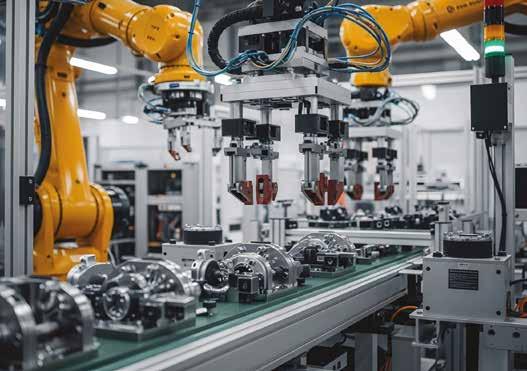
RELATED INDUSTRY TRENDS
The following industry trends are affecting the adoption of predictive maintenance:
• Manufacturers are dealing with ongoing labour shortages, making it more difficult to rely on traditional inspection-based maintenance routines.
• At the same time, rising energy and operational costs are forcing organisations to maximise production efficiency and minimise downtime.
• Automation and lights-out manufacturing offer a path toward higher productivity, but they also require machines to operate reliably for longer periods with minimal oversight.
These trends make proactive maintenance strategies essential. Predictive maintenance allows organisations to anticipate equipment failures and schedule maintenance at the most convenient time, avoiding unexpected disruptions to production.
BUILDING RELIABLE SYSTEMS
Ultimately, the success of predictive maintenance strategies depends on the reliability of the equipment being monitored.
Advanced analytics platforms can detect anomalies and predict potential failures, but they cannot compensate
for poorly designed mechanical components. Durable and high-quality motion systems provide the stable performance needed for predictive monitoring to work effectively.
Working with experienced suppliers that understand the demands of industrial automation can help manufacturers choose motion control components designed for long operational lifetimes and consistent performance.
As manufacturers continue their shift toward autonomous production, predictive maintenance will play a growing role in protecting productivity and profitability.
However, achieving reliable lightsout manufacturing requires more than sophisticated software and analytics. It also depends on robust, dependable motion control systems capable of supporting continuous automated operation.
By combining predictive maintenance strategies with high-quality motion components, manufacturers can reduce downtime risks and ensure their automated production systems deliver long-term value.
Durable motion control systems are essential for predictive maintenance
RAW MATERIAL RECYCLING
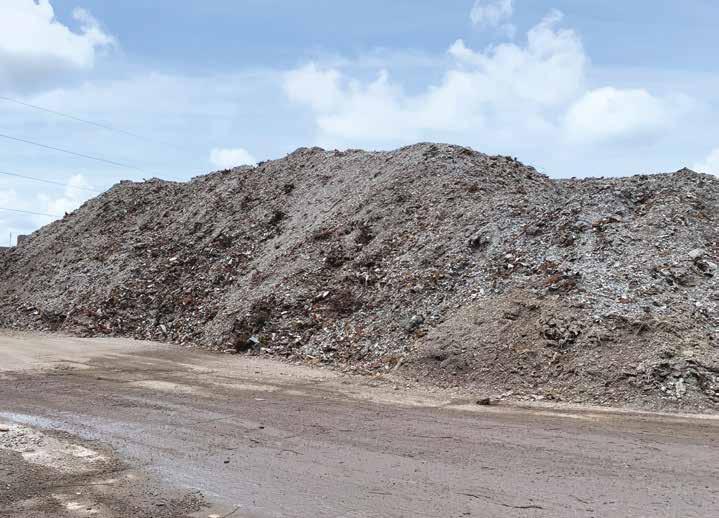
RWith recycling at the heart of the raw materials supply chain, what issues might process engineers face around spillage and emissions?
ecycling is now firmly at the heart of the raw material supply chain, especially across Europe where companies specialising in materials management – commercial wastes, industrial byproducts, metals, electronics, biomass, cardboard, paper and plastics – are maximising the value of their feedstocks, while simultaneously improving production efficiency. Within these waste streams, fine materials can account for a substantial share of the total output, necessitating measures to control and contain spillage and emissions. Difficult and costly to dispose of, fine particulates can also cause problems throughout materials-processing operations. In this, the first of a two-part article, Martin Engineering looks at some if the issues that might arise, and how companies can best navigate them.
Fugitive dust emissions create an unhealthy work environment both inside and outside the plant. To make matters worse, certain wastes emit
toxic particulates during processing, especially materials with corrosive properties or those containing fragments of adhesives, coatings, and other hazardous substances.
PARTICULATES MATTER
Although most of this particulate matter (PM) is considered little more than a nuisance, particles ≤100 microns (μm) in size are considered ‘inhalable,’ and particles smaller than PM40 (≤40 μm) are usually invisible to the naked eye. Many recycling processes emit particles smaller than PM10 (≤10 μm), which are considered ‘respirable.’ PM2.5 (≤2.5 μm), known as fine particles, can penetrate deeply into the lungs, reaching the alveoli (the tiny air sacs where oxygen exchange occurs). At this level, some particles cross into the bloodstream. For particles of all sizes, without regular manual cleaning, dust builds up, covering walkways and stairs, engulfing control units, obscuring signage and eventually making
access impossible. Overburdened maintenance teams can struggle to keep on top of the cleanup which, in turn, can lead to safety shortcuts as well as the risk to workers’ respiratory health. In some recycling operations, fine airborne materials are combustible, leading to a significant risk of dust fires and explosions. Additionally, dust is known to foul exposed machine components, causing them to wear quicker and require servicing and replacement sooner. Particulates also clog air intakes of equipment, prompting the need for extra maintenance and downtime. With the exception of crushing, grinding and shredding, the most common sources of dust in any recycling plant are conveyor transfer points. As loose material drops onto a conveyor belt, particulates disperse into the air. At the other end of the conveyor, fines that fail to discharge at the head pulley get carried back and are dispersed as dust and spillage along the return path of the system.
Figure 1 – Materials in the recycling process can contain (© 2026 Martin Engineering)
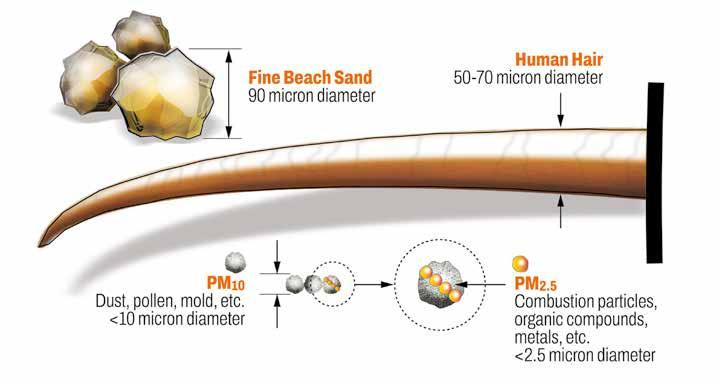
CONTAINMENT IS KEY
Poor transfer point design is among the main causes of dust emissions. Airflow induced by the continuous
discharge of material pushes air through the enclosure of a transfer point, and subsequent turbulence forces airborne dust out through any available opening. Operators
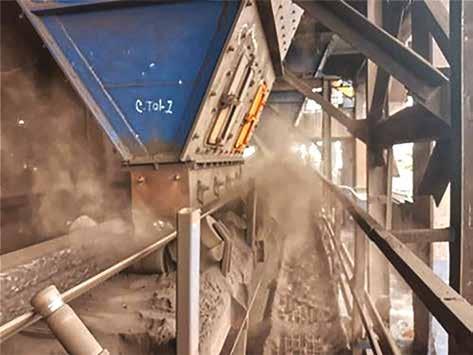
generally find that passive dust control through retroactive transfer point design changes is more practical and cost-effective than misting systems or HVAC solutions.
VOLUME INCREASES
Increases in production volumes and conveyor speeds can exacerbate existing dust issues. If the system was not originally designed for greater throughput, then airborne dust, increased material build-ups from spillage, and belt mistracking are inevitable. This can result in more frequent stoppages.
In the second part of the article, to feature in the September issue of International Process Engineer, Martin Engineering will explore how a welldesigned transfer chute, adequate belt skirting and cradle support can help resolve some of these spillage and emissions issues.
Figure 2 – Comparison of particle sizes. (© 2026 Martin Engineering)
Figure 3 – Dust can create serious issues at transfer points. (© 2026 Martin Engineering)
ON THE RISE
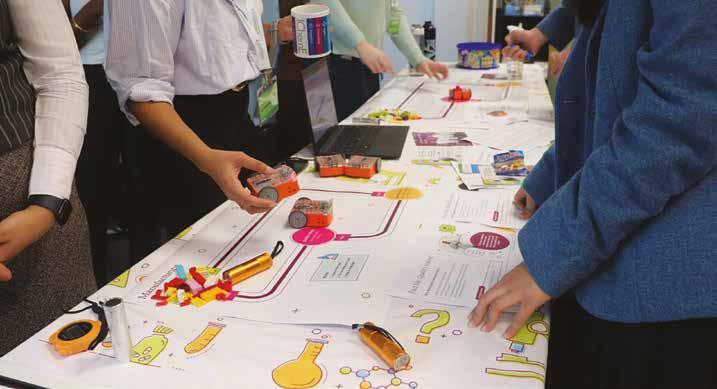
Recent UCAS data signals a significant growth in the engineering workforce of the future
Applications to process, chemical and biochemical engineering degree courses across the UK have risen sharply, according to newly released UCAS 2025 data, signalling a positive shift in prospective students’ interest in the profession. The increase follows sustained efforts by various bodies including the Institution of Chemical Engineers (IChemE) to improve the discipline’s visibility and perception in schools and colleges.
Limited awareness of chemical engineering as a career pathway has persistently constrained entry into the profession, contributing to recruitment pressures across industry. The latest data suggests that this constraint may be easing. The number of applicants holding offers to study process, chemical and biochemical engineering is up 16 per cent on 2024, while total applications for these courses have increased by 47.8 per cent since 2022.
PROFILE OF APPLICANTS
The profile of applicants is also shifting. Engineering remains structurally maledominated, with women accounting for just 16.9 per cent of the UK engineering
and technology workforce, compared with more than half of workers across the wider labour market. Against that backdrop, women now represent 36.7 per cent of applications to chemical engineering courses, up from 32 per cent in 2020. Meanwhile, applications from non-EU countries have risen by 28 per cent year-on-year.
The data also provides early evidence that sustained outreach efforts are beginning to influence perception. Programmes such as DiscoverChemEng, aligned with the Gatsby Benchmarks for good careers guidance, are designed to highlight the discipline’s central role in industrial sectors. By increasing exposure at the school and college level, these initiatives give students earlier insight into the breadth of opportunities the profession offers.
“This significant growth in applications, particularly among women and international students, is encouraging because it points to a broader and more diverse pipeline of future engineers,” explained Jo Badge, Head of Young People’s and Student Engagement at IChemE..
“Chemical and biochemical engineering have traditionally
Chemical engineering plays a key role in the green energy sector
been misunderstood by young people, despite their central role in all the key sectors that underpin economic growth, from clean energy and sustainability to advanced manufacturing and defence.” Jo continued: We are actively working to change those perceptions by showing how chemical and process engineering fits into areas such as AI and digitalisation, as well as green technology and sustainability, all of which resonate with student audiences and appeal as attractive career prospects.”
As demand grows for engineers capable of supporting economic growth, sustainability and complex industrial delivery, sustained engagement with education providers and continued investment in course quality will remain critical to strengthening the long-term supply of talent.
To find out more about IChemE’s education and outreach programmes, and to explore the full findings of its Employment Survey, visit IChemE’s website below.
Looking to upskill?
IChemE is a market leader in professional training for the chemical, process and related industries.
Visit our website to browse the extensive range of courses on offer and search upcoming dates – online or face-to-face.
We also offer on-demand courses for independent learning when it suits you.
If you have a team to train, our expert trainers will come to you and provide customised courses if needed. Search our courses at


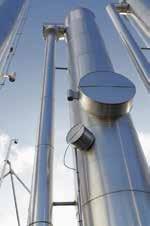

Process safety
█ Hazard identification and risk analysis techniques (including HAZOP and LOPA)
█ Process safety management
█ Understanding different hazards (eg hydrogen)
█ Human factors in the chemical and process industries
Contract and project management
█ Contract law for engineering contracts
█ Engineering project management
█ Applying the IChemE Forms of Contract
Process and plant operations
█ Chemical engineering core concepts
█ Distillation technology
█ Plant and production management
█ Scale-up of chemical processes
█ Introduction to sustainable process engineering
█ Sustainability leadership
█ Sustainability measurement
█ Material resource management and the circular economy

APEC
Specializing in the design and manufacturing of ingredient automation equipment and controls for liquid coating and handling, continuous feeding, mixing and blending, weighing, batching, material handling and automation controls.
T +1 (616) 374-1000
E terrys@apecusa.com
W www.apecusa.com

LabFacility
The UK’s leading ISO 9001-accredited manufacturer and supplier for the complete temperature chain. From Temperature Sensors, Thermocouple Connectors and Cabling to supporting instrumentation and components, we are the GO-TO people.
T +44 (0) 1243 871280
E Sales@labfacility.com
W www.labfacility.com

Gas Clip Technologies
Gas Clip Technologies provides a comprehensive range of gas detection solutions engineered to protect personnel in the most demanding environments worldwide, including oil and gas, chemical processing, manufacturing, and other high-risk sectors.
E sales@gascliptech.com
W www.gascliptech.com
HILLIARD
Hilliard offers a diversified product line for industrial applications in a wide variety of industries. Hilliard products are designed, manufactured and sold according to our customers’ applications.
T +1 607 733 7121
E sales@hilliardcorp.com
W www.hilliardcorp.com
Rotork
A market-leading global provider of mission-critical flow control and instrumentation solutions for oil and gas, water and wastewater, power, chemical, process and industrial applications.
T +44 (0) 1225 733200
E mail@rotork.com
W www.rotork.com

Unifire AB
Unifire AB is a Swedish manufacturer of fully autonomous robotic fire suppression systems and advanced robotic nozzles, protecting high-risk facilities worldwide – from waste plants and warehouses to aircraft hangars, ships and industrial sites.
E contact@unifire.com
W unifire.com
Greenwich University Wolfson Centre
Providing cost-effective solutions to industrial problems: Consultancy services and training for industries that handle powder or granular materials as part of their processes.
T +44 20 8331 8646
E wolfson-enquiries@gre.ac.uk
W www.bulksolids.com
Starlinger & Co Gesellschaft m.b.H
Sustainability in the bag: From polypropylene tape production to the woven plastic bag back to recycled plastics for packaging production –Austrian machinery manufacturer Starlinger offers the technology to close the loop for plastic packaging.
W www.starlinger.com/en



FILTECH UK
This well-established show aimed at filtration experts will take place between 30 June and 2 July this year at the Koelnmesse in Cologne, Germany.
The event, which occurs every 18 months, typically attracts more than 600 exhibitors and hosts approximately 20,000 delegates including engineers, researchers, procurement specialists and executives working in the chemical, pharmaceutical and environmental technology sectors.
The trade show is combined with a comprehensive technical conference with more than 180 sessions including daily keynote lectures, and sessions on filter test systems, air purification, sustainable filter elements, digital simulation techniques and much more. Unusually for a trade show Filtech also offers expert-led short courses and hands-on workshops. These cover topics such as solid/liquid separation, air cleaning, and dust separation.
The last event, which took place
in 2024 hosted attendees from 80 nations. with 61,4% of the participants based outside Germany. In addition, a substantial increase in the number of trade visitors from the following specific regions was registered: Northern Africa up 7,8%, South America up 5,7% and the
Middle East up 4,6% compared with the previous year.

The event will take place at the Koelnmesse in Cologne, Germany
ACHEMA’S INTERNATIONAL FOCUS
The main ACHEMA 2027 show will take place in Frankfurt am Main, Germany between the 14 and 18 June 2027.
The show aims to bring experts from the life science and process industries together, helping to drive innovation.
ATTENDEE BENEFITS
Attendees will benefit from access to ‘cutting-edge technology, visionary expertise and access to international tradespeople and attendees’, according to the organisers.
This massive triennial event will use several interactive formats, aiming to create space for new perspectives.
The show, which has been running from Frankfurt for 90 years, will feature approximately 3,700–3,800 international exhibitors and an extensive scientific congress program with hundreds of expert lectures. Innovation themes will include process, pharma, green technology, laboratory, digital and energy.
The last show, in 2024, welcomed 106,001 participants, 38.7% of whom were engineers. One third of participants were from management and 50% of these were C-level decision makers. The show saw participation from 141 countries with 51.1% from Germany. The majority of attendees were from the chemicals industry (40.4%) with the second biggest group from the pharmaceutical and life sciences industry (32%).
ACHEMASIA OCTOBER 2025
The ACHEMA organisation ran ACHEMAAsia in the Qingpu District of Shanghai in October 2025, this is also a triennial event that gathers hundreds of international exhibitors.
THE CHEME SHOW JUNE 2026
The group has several interim shows planned before the main ACHEMA event in Frankfurt. These include the ChemE Show to take place on 9-10 June 2026 in Houston Texas. The organisers comprise DECHEMA,
ACHEMA has been held in Frankfurt for 90 years
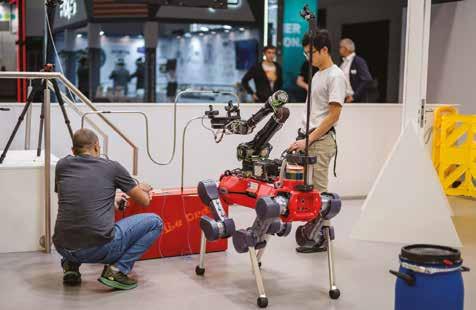
Innovation themes will include process, pharmaceuticals, digital and energy
Hydrocarbon Processing and Gulf Energy Information. The show is aimed at experts and decision-makers in chemical and bio-based production and marketed as a global business event for professionals in chemical engineering, pharma, sustainability, and energy technology.
ACHEMA MIDDLE EAST OCTOBER 2026
ACHEMA Middle East will take place between the 26 and the 28 October 2026 in Riyadh Saudi Arabia and
is the debut show of its kind. It is organised by DECHEMA, Messe Frankfurt and the Saudi Ministry of Industry and Mineral Resources. ACHEMA Middle East is marketed as ‘the premier regional platform for advancing industrial innovation and transformation across the process industry value chain’.


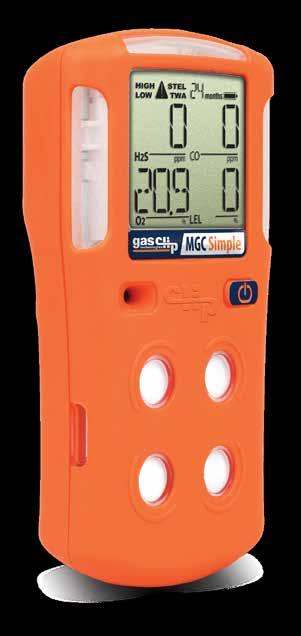
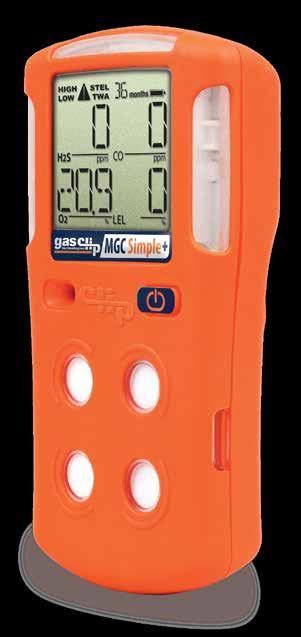
Hägglunds Thunder
That’s more than a sound you hear. It’s expectations being shaken. One small change that sets the stage for so much more. When the new Hägglunds Thunder resonates with your needs, the result is electrifying. Learn what a difference a single difference can make at www.hagglunds.com.
Hägglunds is a brand of Rexroth. An electric start to a lasting boom.