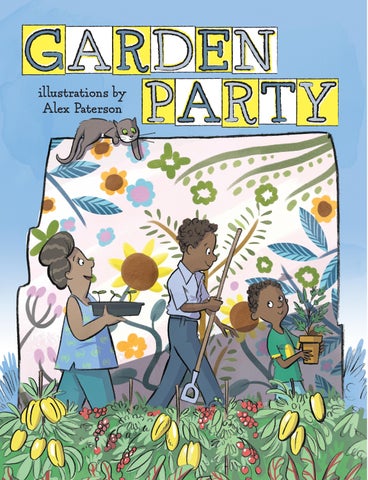
illustrations by Alex Paterson

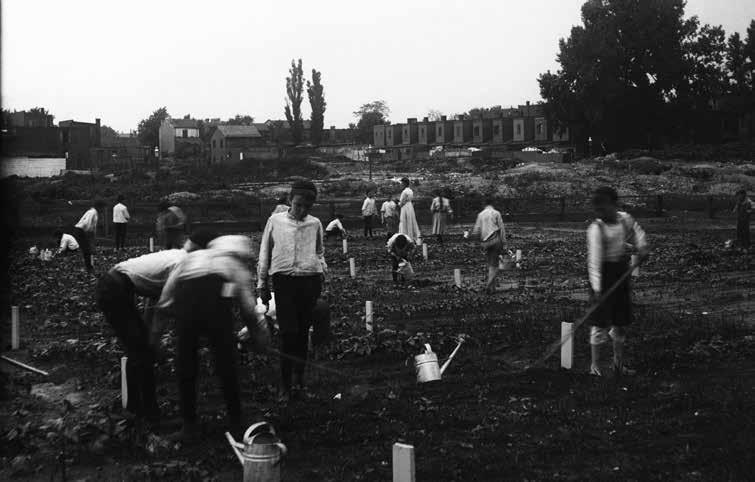
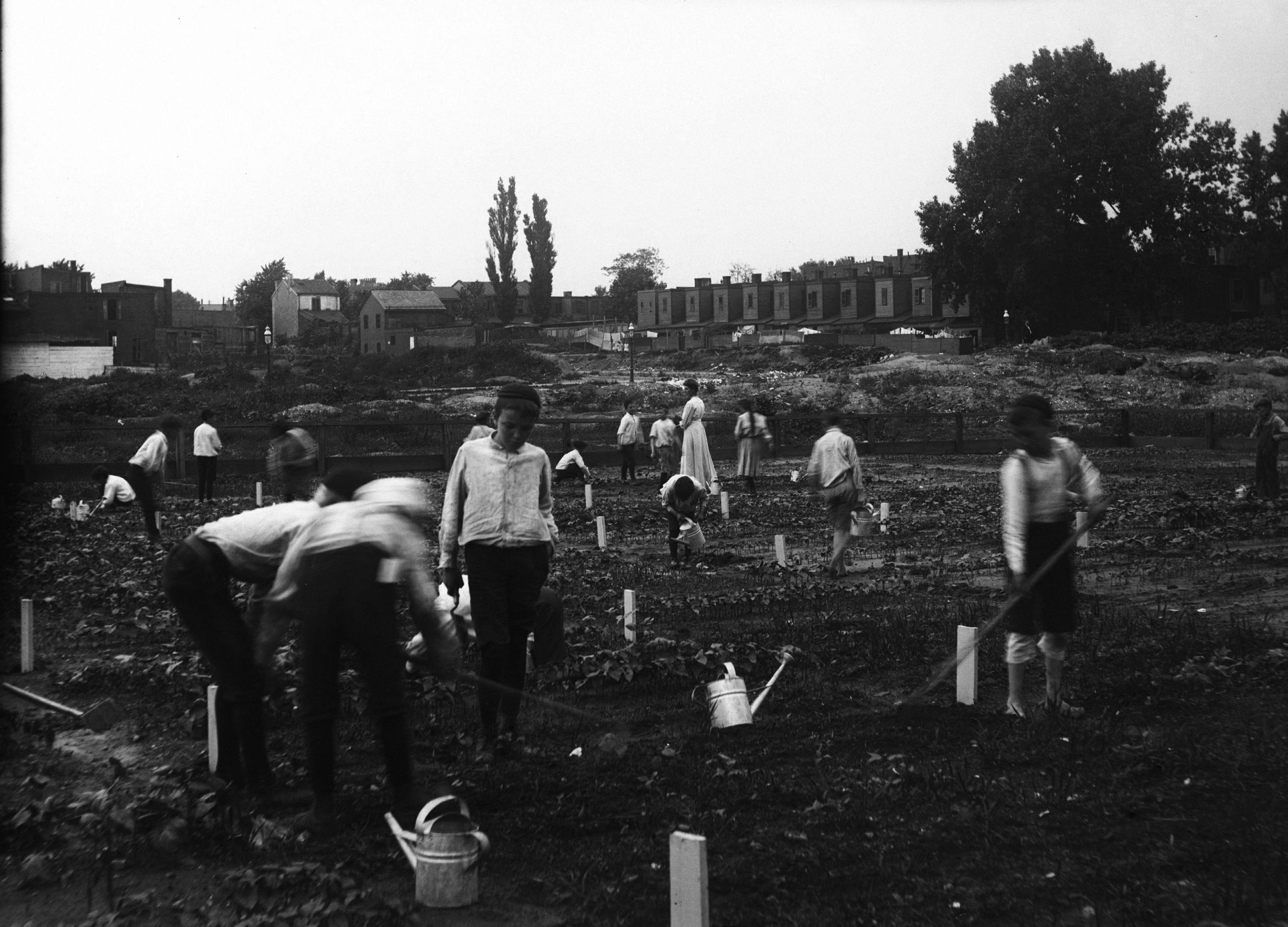
Copyright © 2020 Great Minds PBC Children prepare the land at an urban garden in Philadelphia.
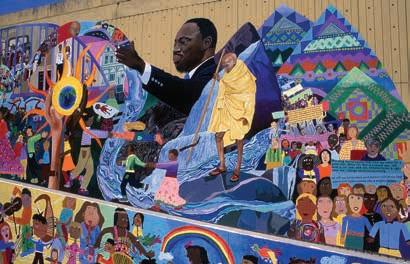
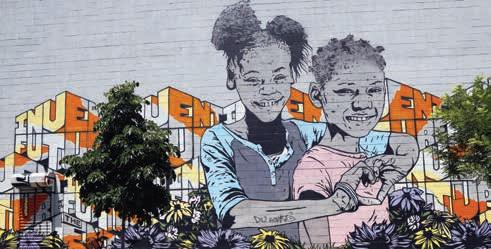
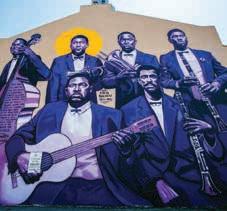
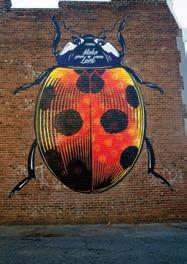
Credits: p. 30, (top left) Welcome to Kewanee painted by Kewanee High School Art League students under the direction of Susan Blake, courtesy of the Kewanee Chamber of Commerce and Good’s Furniture, (top right) Buddy Bolden created by Brandon Bmike Odums, courtesy New Orleans & Co., (center left) Further the Dream: The Legacy of Dr. Martin Luther King, Jr., created in 2000 by David Fichter in collaboration with the students and staff of the Martin Luther King School and the King Open School, (center right) Make Your Own Luck (ladybug) courtesy ASVP Studio, (bottom) Invent the Future, courtesy Chris Stain and Billy Mode. Photo by Leonard Zhukovsky/Shutterstock.com; More page, Franklin Davenport Edmunds, Vacant Lot Garden, 1906. Photo credit: Free Library of Philadelphia/Bridgeman Images
More
One of the first urban gardens in the United States was started more than 100 years ago in Detroit, Michigan. The mayor suggested that people grow potatoes on small empty plots. People ate the food they grew and sold what was left over. Residents in other cities, such as Philadelphia, started planting gardens in empty lots, too. Today, people come together in many cities to start urban gardens.
Many farmers grow food in large fields. People can also produce food on small city plots, or pieces of land. In some urban gardens, many people work together to grow food. They share gardening chores. In other urban gardens, people have their own small plots. These gardeners choose what to plant and tend to their own spaces.
00.02.P2.B1_Garden Party_CVR.indd 2 2/10/21 1:36 PM
1PrintedISBNgreatminds.org978-1-64497-717-0intheUSA2345678910XXX252423 22 21 1.1
Great Minds® is the creator of Eureka Math®, Wit & Wisdom®, Alexandria Plan™, and PhD Science®. Geodes® are published by Great Minds PBC in association with Wilson Language Training, publisher of Fundations®.
1
2
3
4
5
6
7
8
9
10
11
12
13
14
15
16
17
18
19
20
21
22
23
24
25
26
27
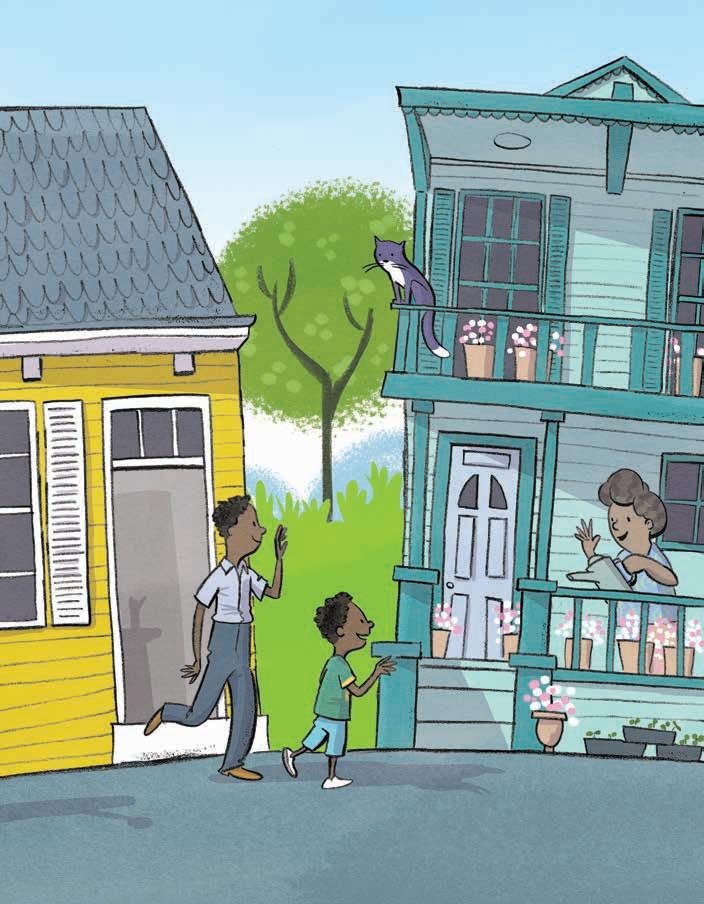
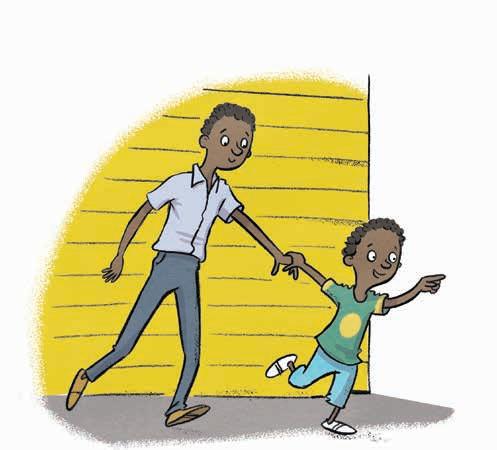
Henry lives in the city of New Orleans. Sometimes, after dinner, Henry and his dad like to walk through their Tremé neighborhood. Today, Mrs. Blanchard waves to them as she waters plants on her front porch.
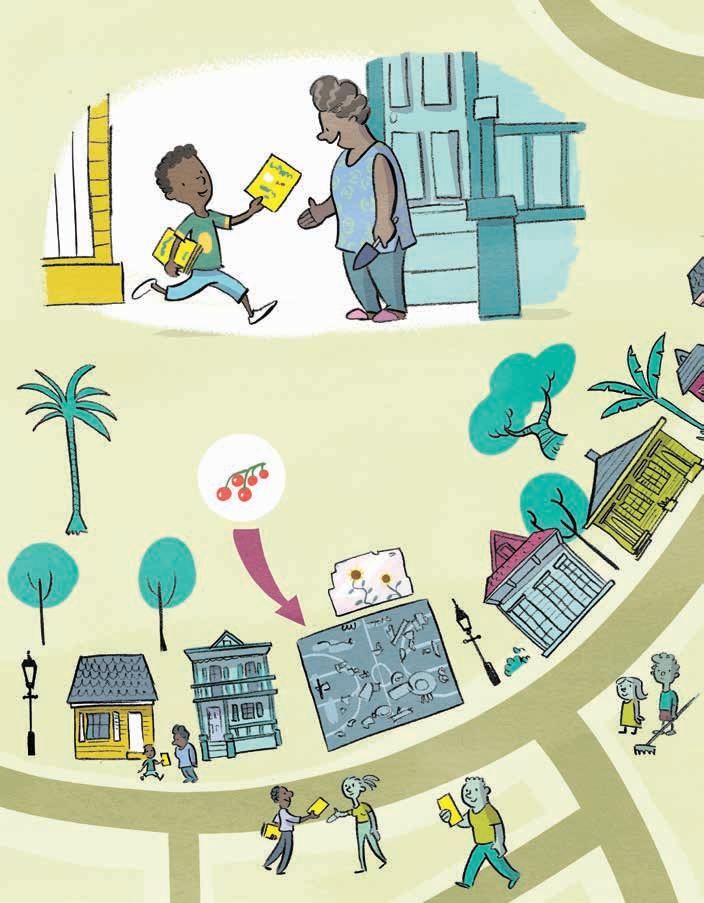
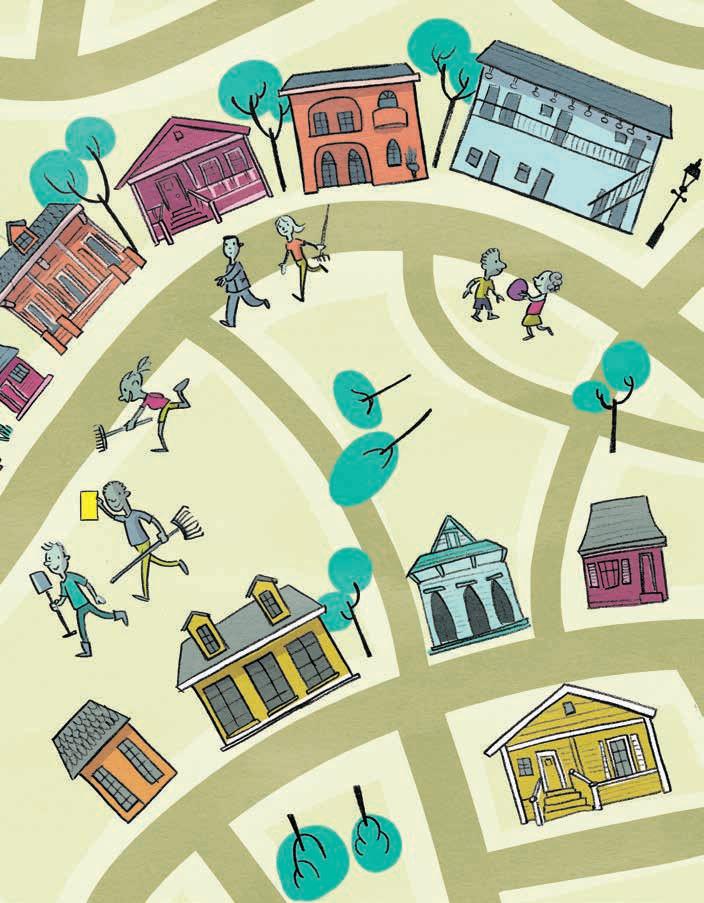
Henry and his dad pass out the flyers to their neighbors. “I’ll be there,” says Mrs. Blanchard, waving her trowel. “Let’s make some beautiful plants grow.” (pp. 6–7)
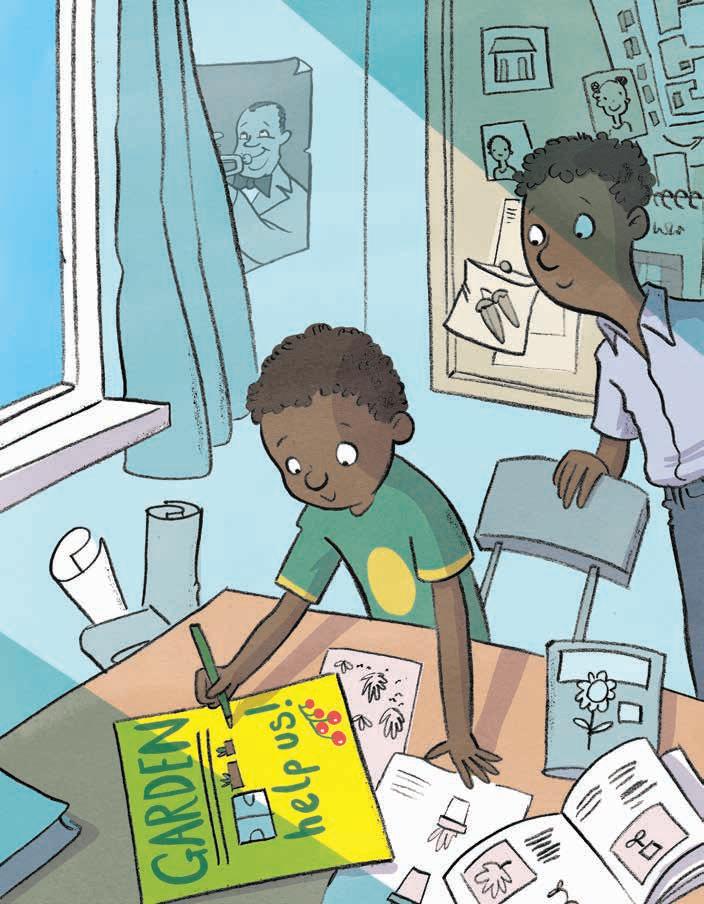
COME HELP US MAKE A COMMUNITY GARDEN. (pp. 4–5)
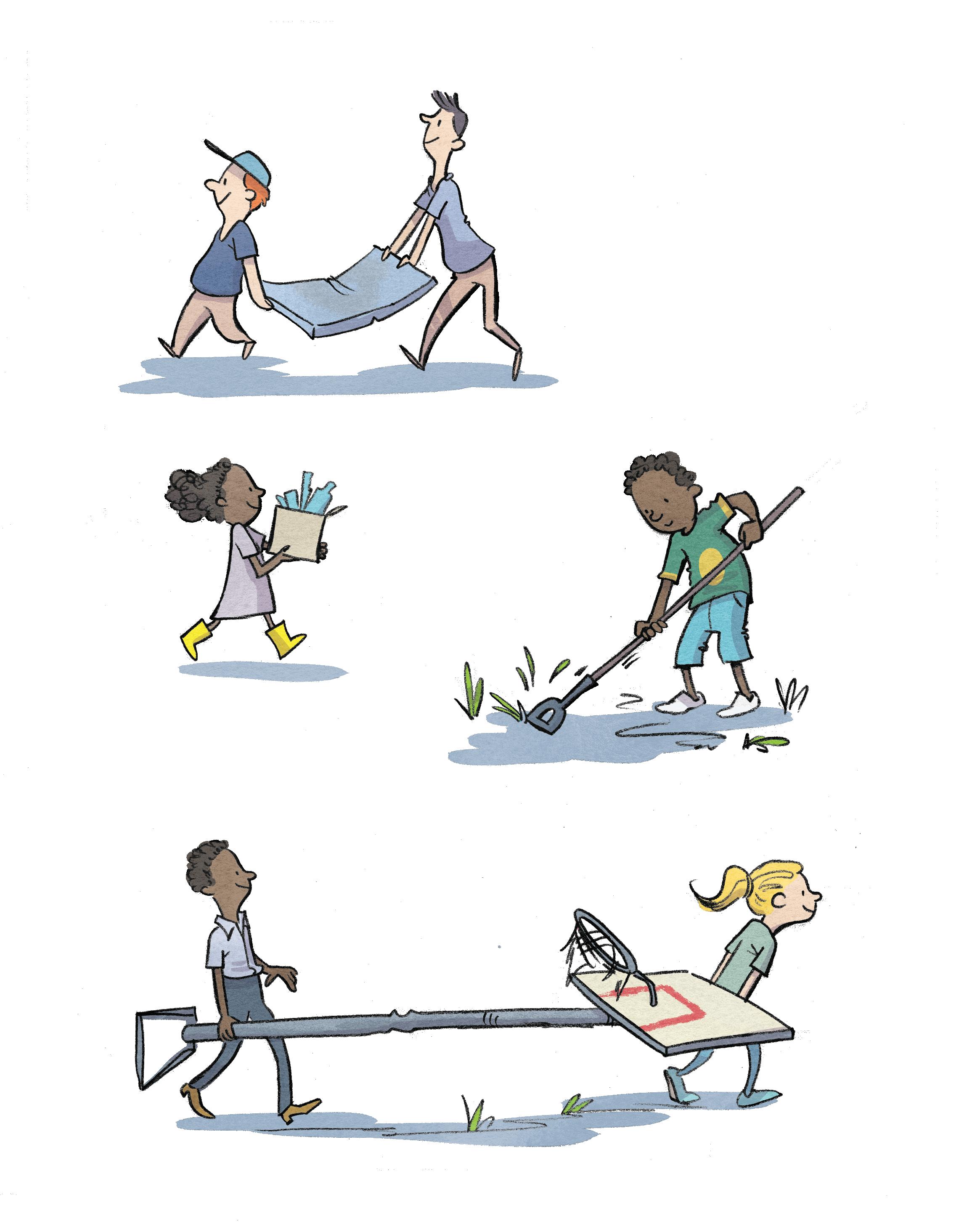
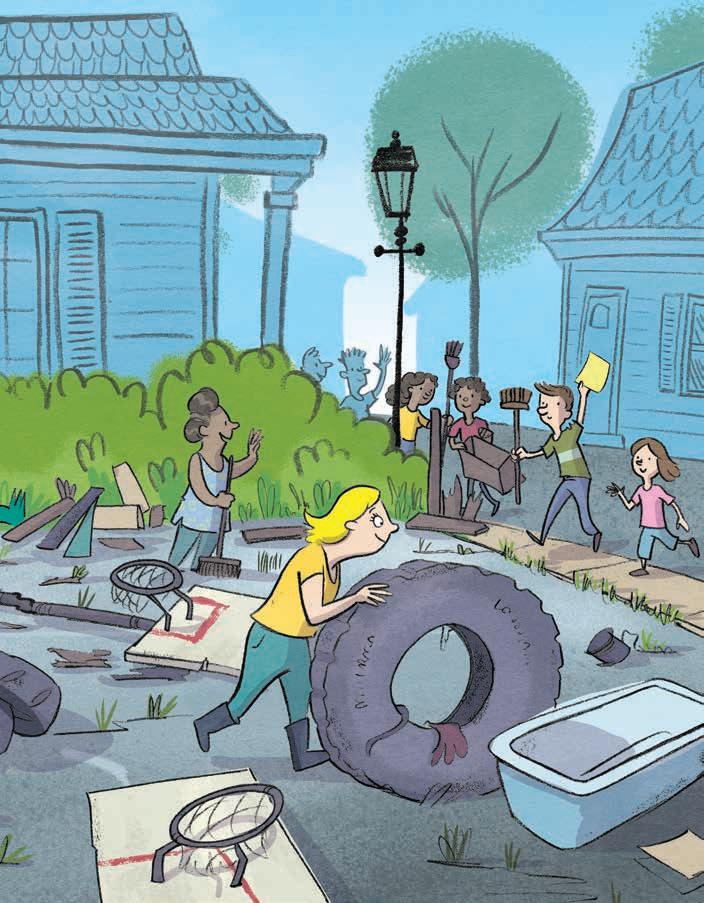
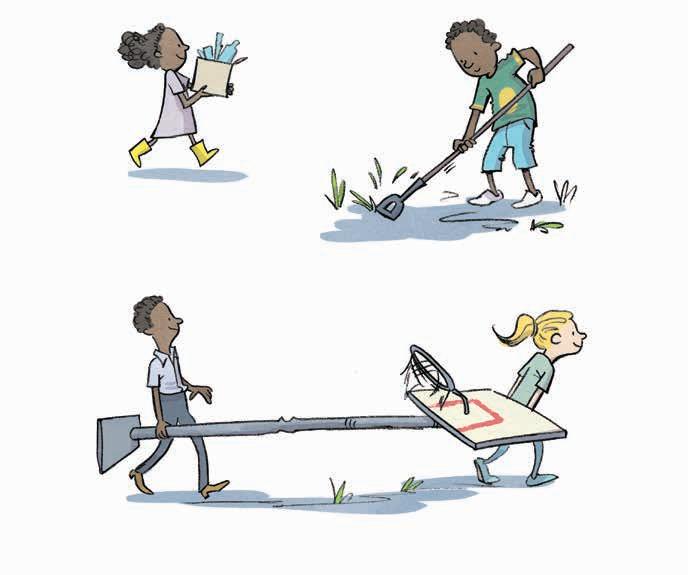
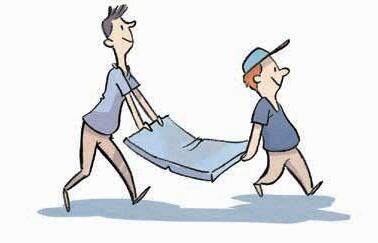
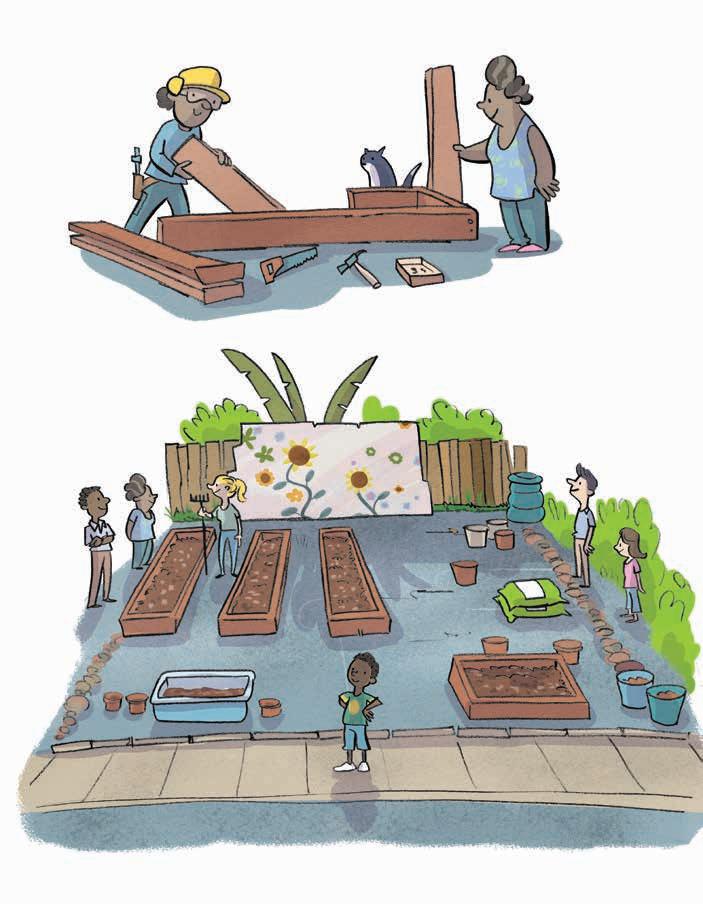
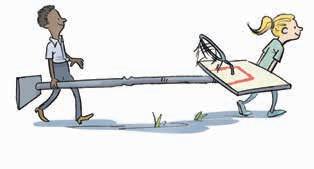
People from all over the neighborhood come to help build the garden. They bring rakes and shovels, hoes and saws. Mr. Thomas, of course, brings his paintbrush. (pp. 8–9) There’s a lot of work to do! Some people carry away pieces of the old basketball court. Some people rake up smaller trash. Mrs. Blanchard28
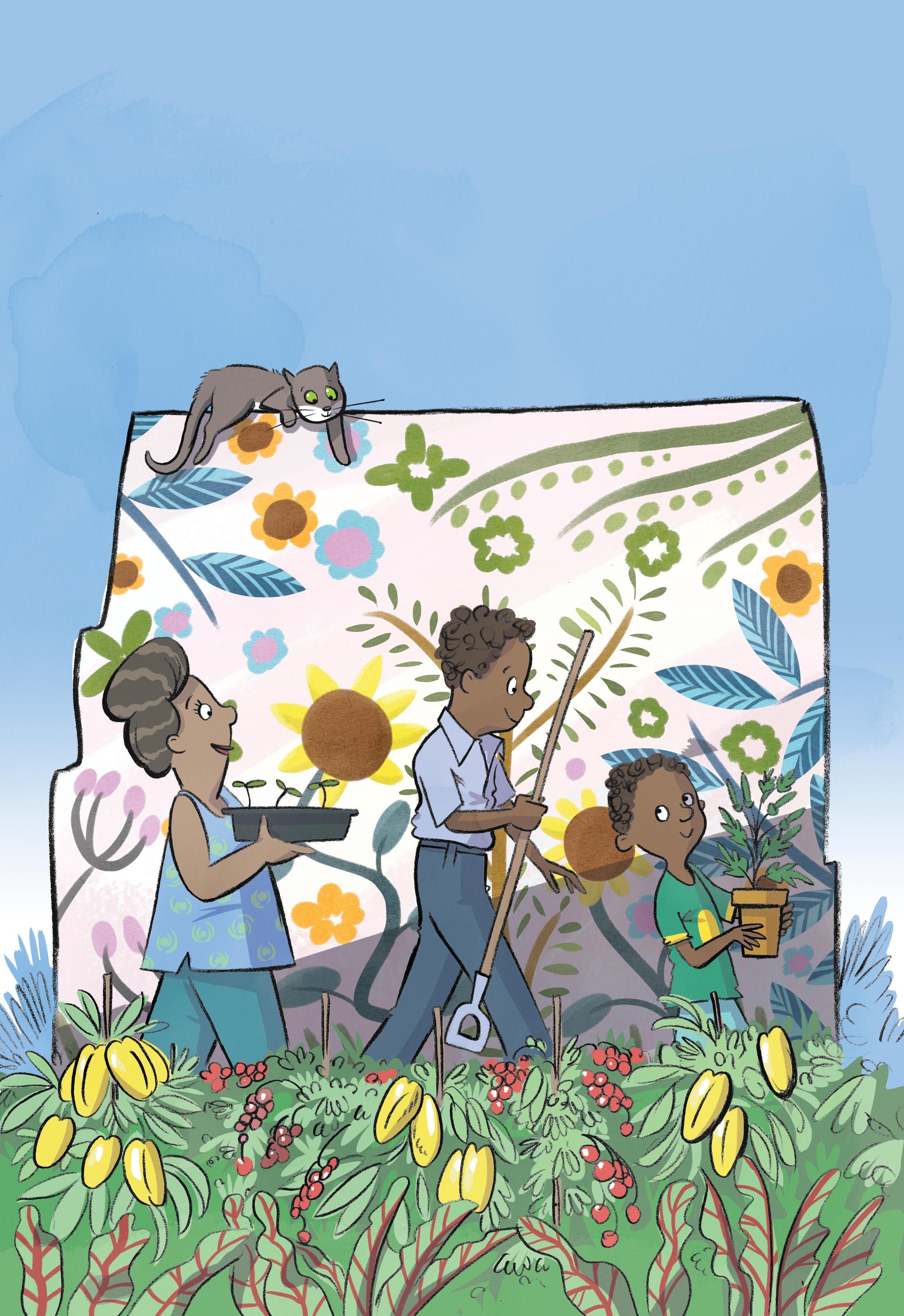
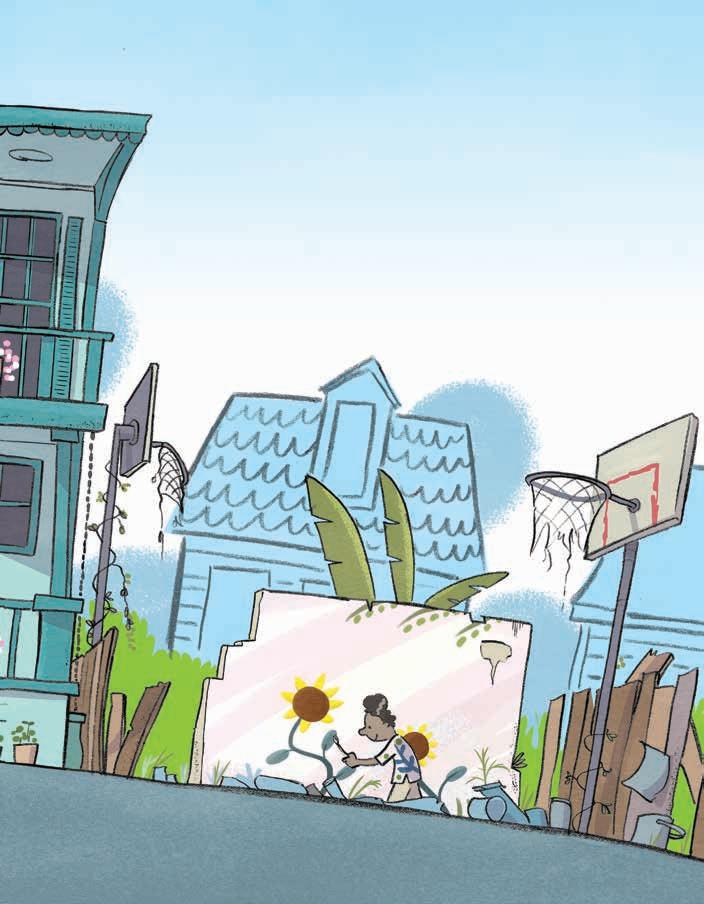
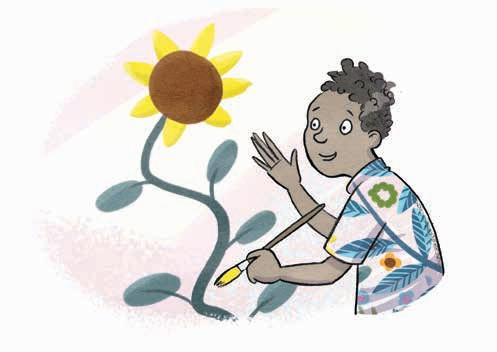
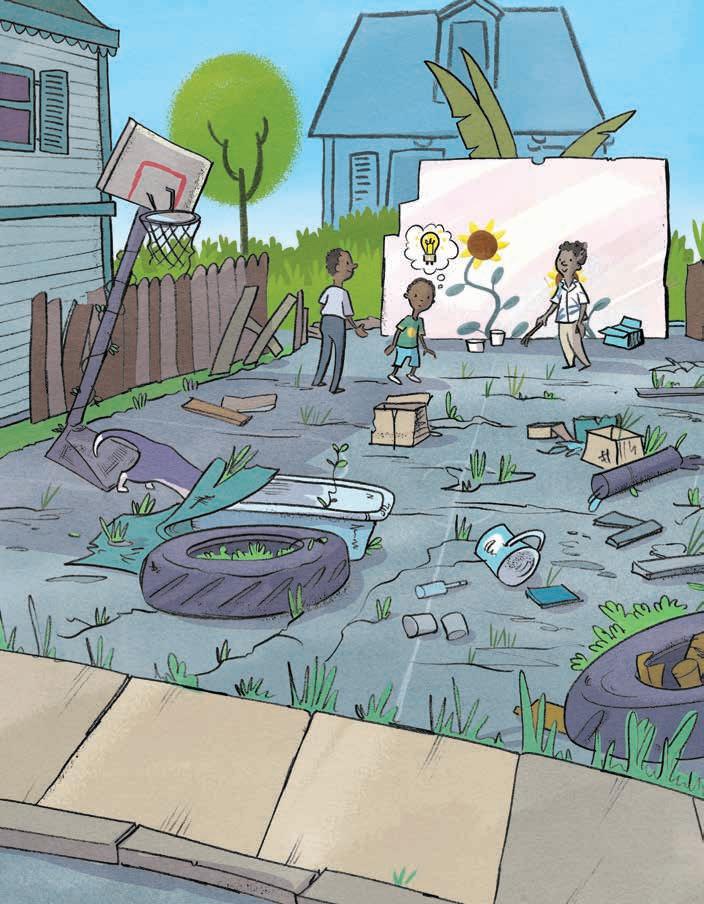
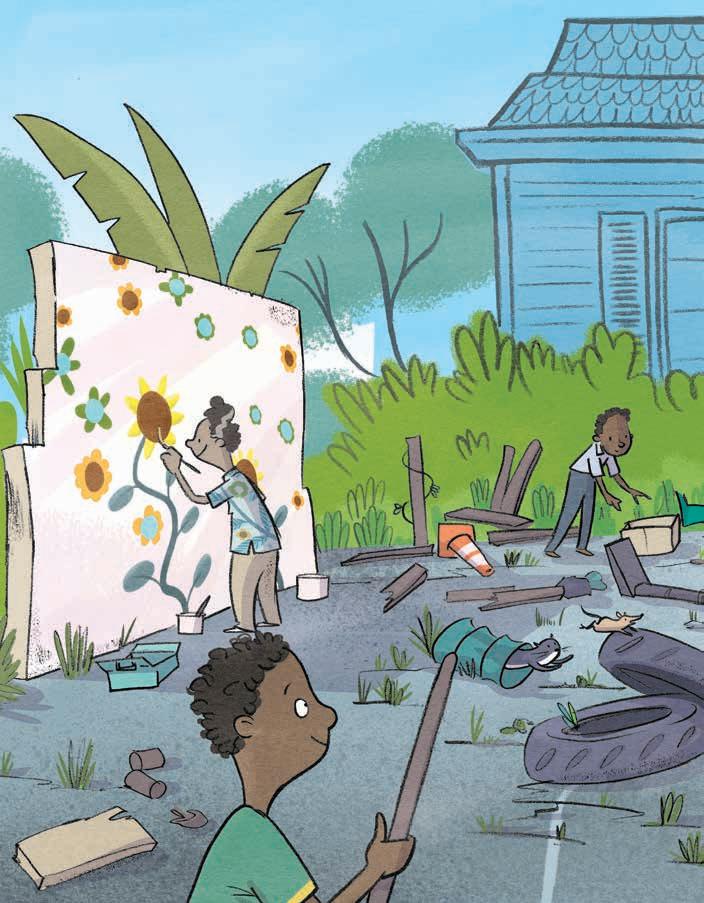
“It’s called a mural,” says Mr. Thomas. Henry admires the tall flower blooming brightly on the crumbling wall. The flower reminds him of Mrs. Blanchard’s okra. Suddenly, he has an idea. (pp. 2–3)
Just then, Henry notices something at the old neighborhood basketball court. “Look,” he says. “Mr. Thomas is painting something on the wall.”
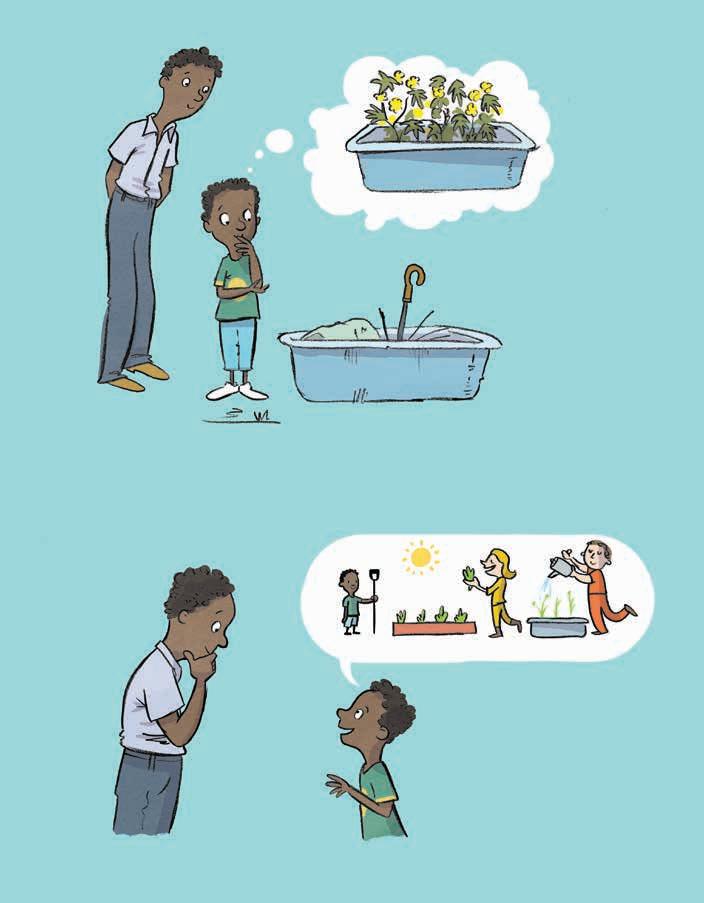
“I think we should turn this old basketball court into a garden,” Henry says. “Our whole neighborhood could work together.” “That’s a great idea,” says Henry’s dad. Henry designs a flyer to give to their neighbors:
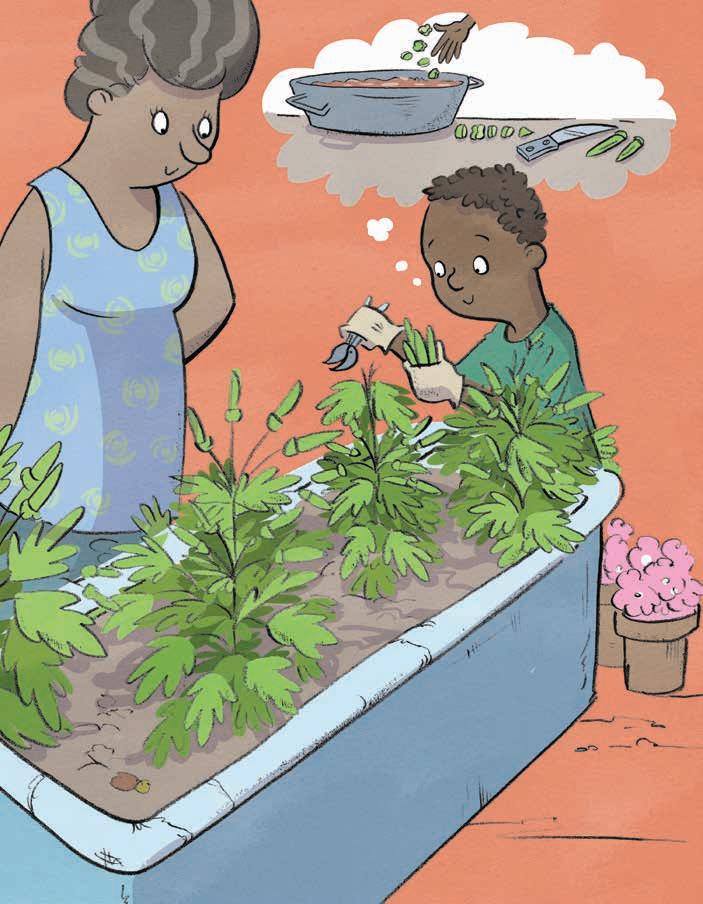
“What are you growing?” Henry asks. “Okra,” says Mrs. Blanchard. “My favorite vegetable.” (p. 1)
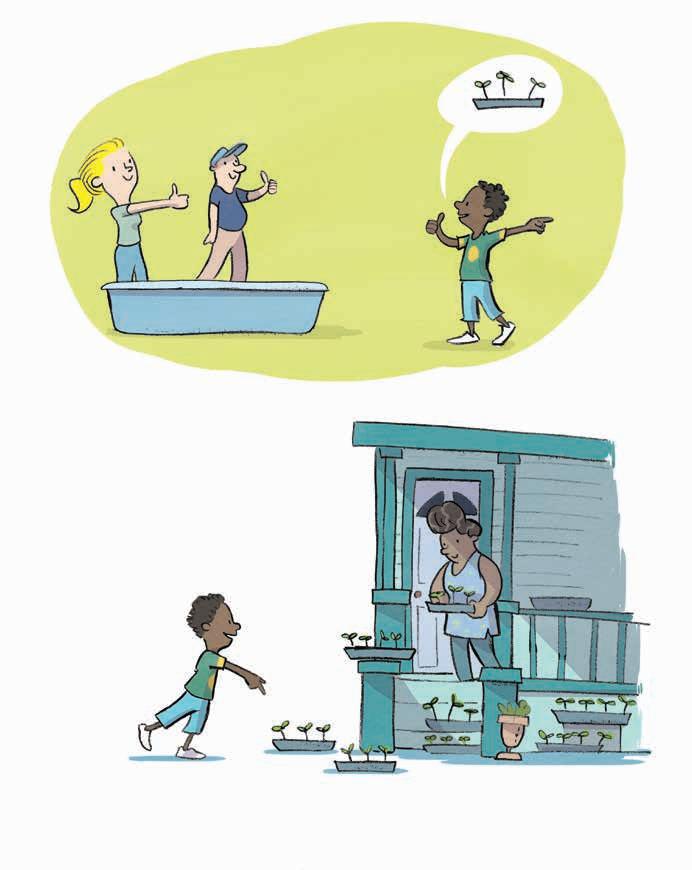
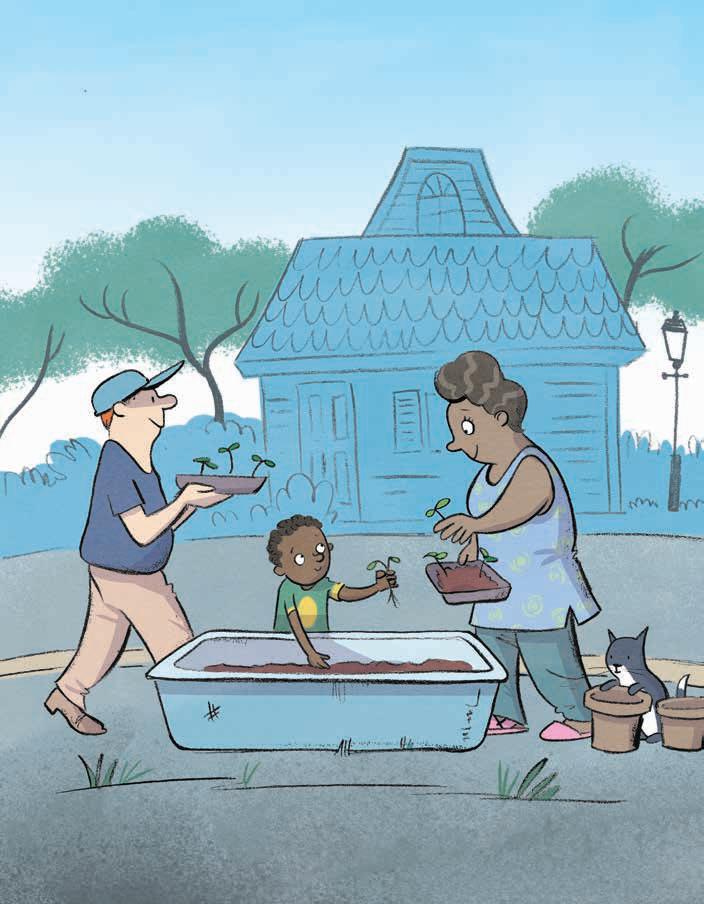
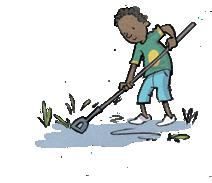
Henry spies an old bathtub. “This would be a perfect planter for okra,” he says. Mrs. Blanchard helps him carry seedlings from her porch. She shows Henry how to plant them in the tub. (pp. 12–13)
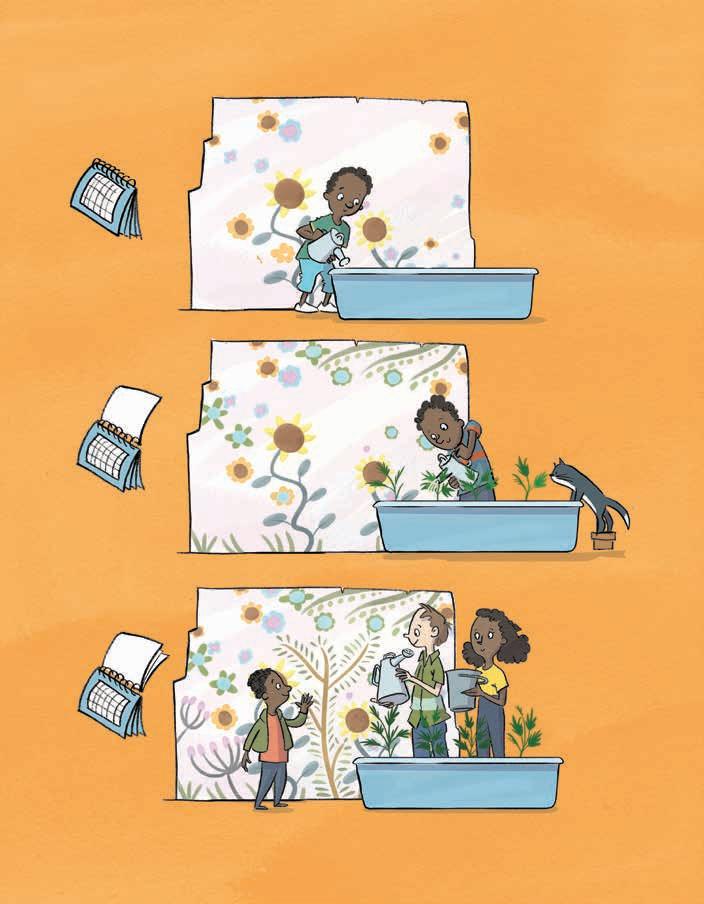
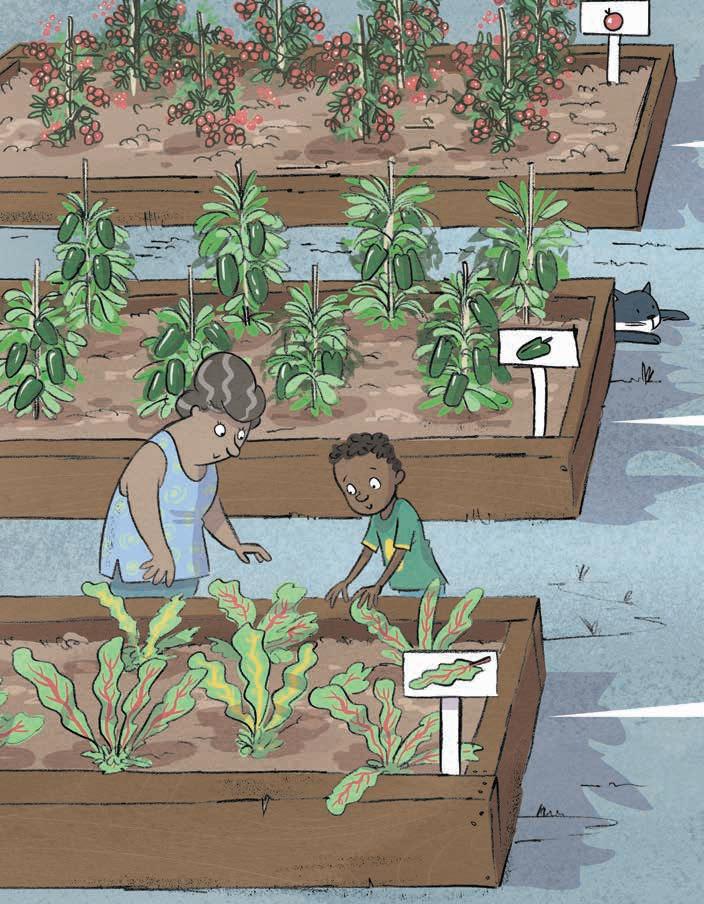
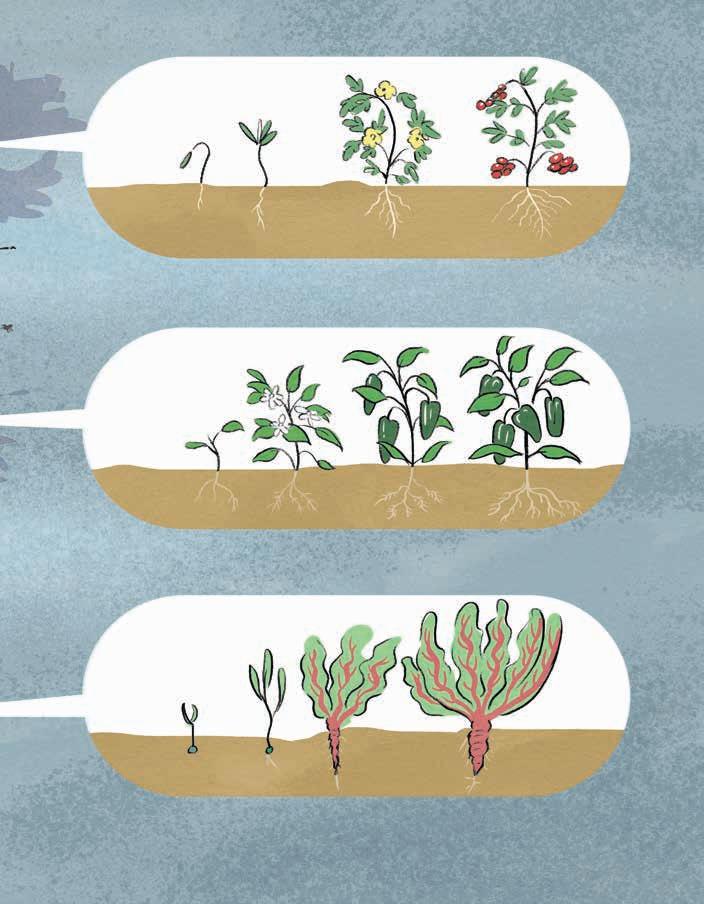
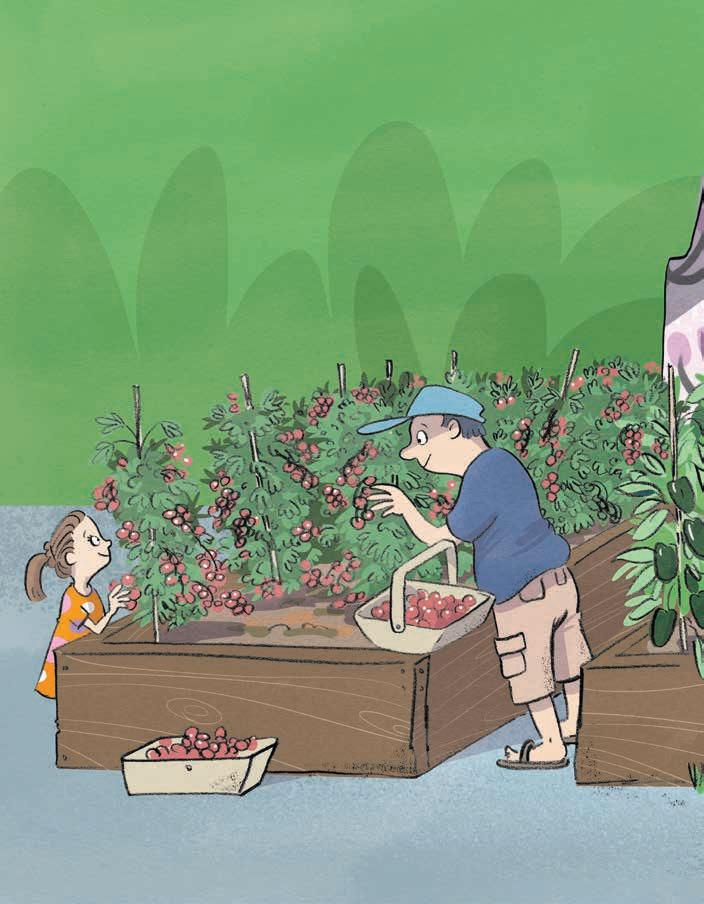
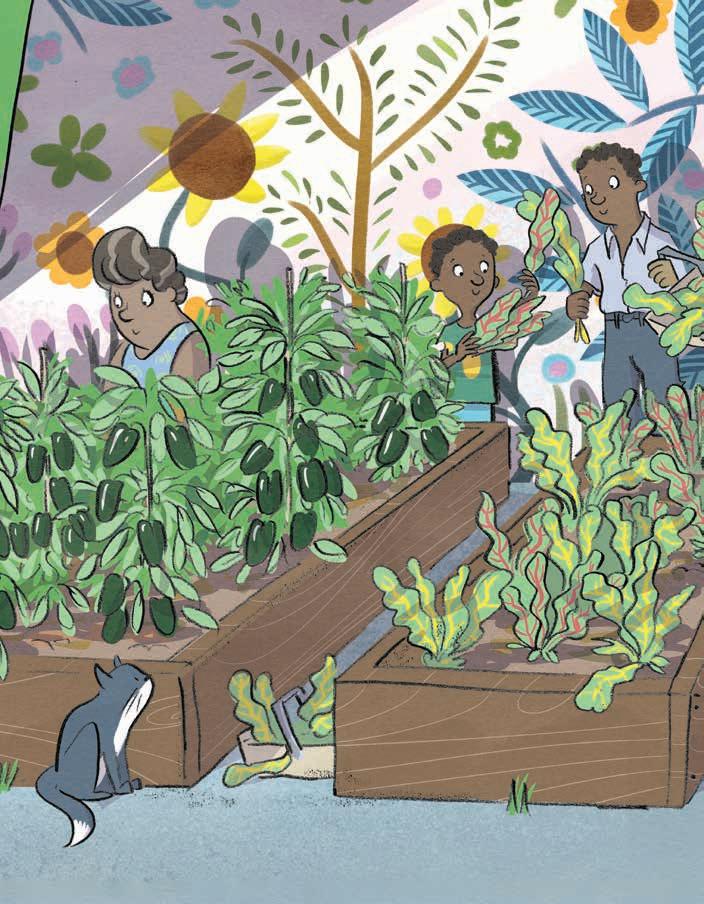
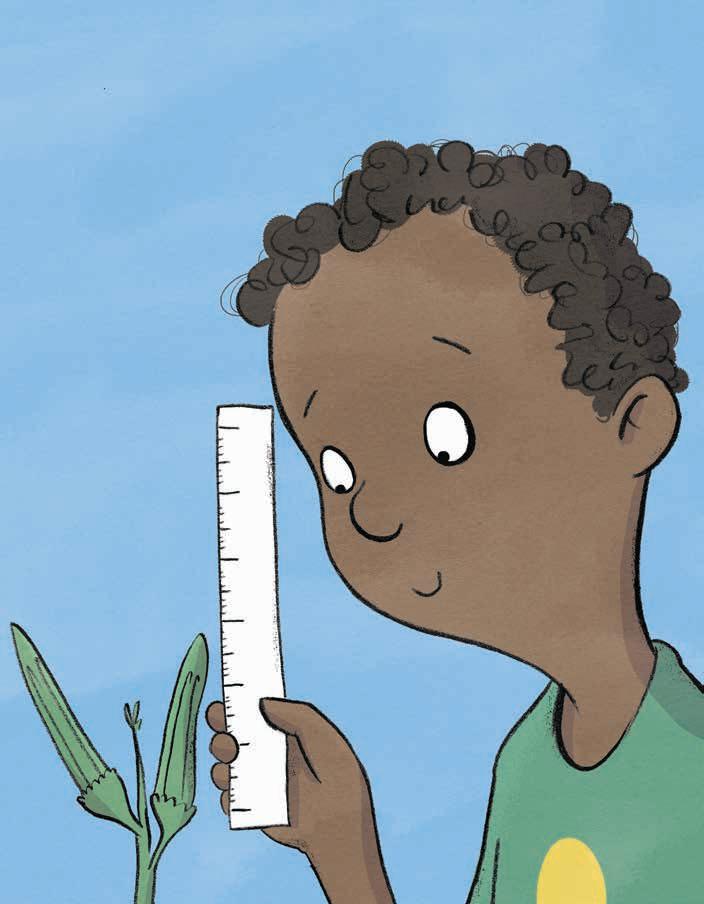
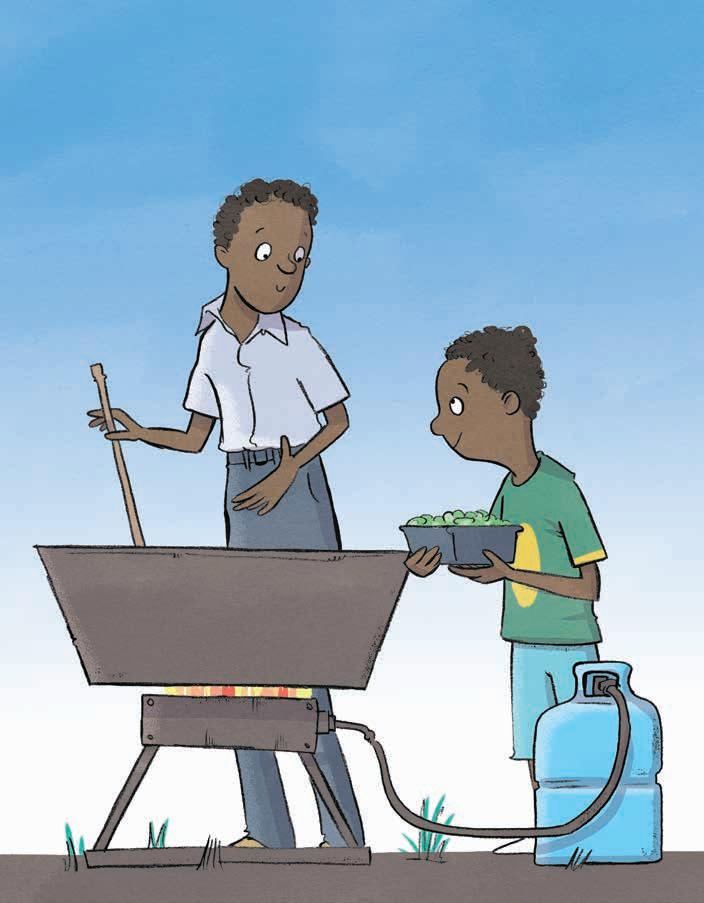
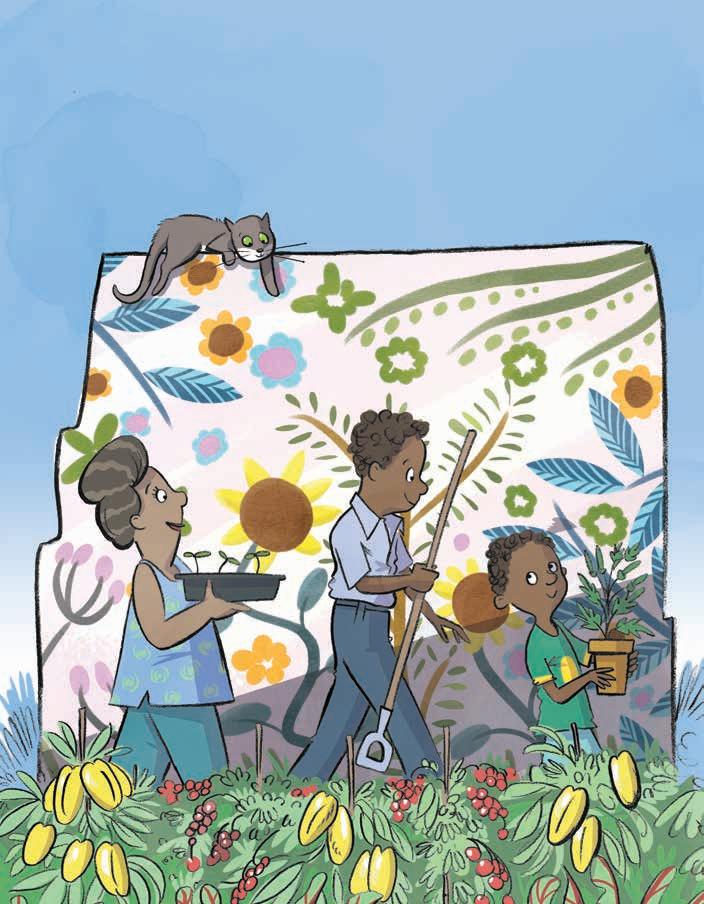
All through spring, Henry and his neighbors weed the soil and water the plants. They watch tomatoes, peppers, and chard grow tall and healthy. Meanwhile, Mr. Thomas’s mural is growing, too. He paints sunflower after sunflower, stretching up toward the sky. (pp. 16–17, 18–19) When it’s time to harvest the vegetables, the neighbors gather again. Henry measures his okra. It’s ready to be picked! Then, Henry has another idea. They can use their vegetables to make a big pot of gumbo. (pp. 20–21)
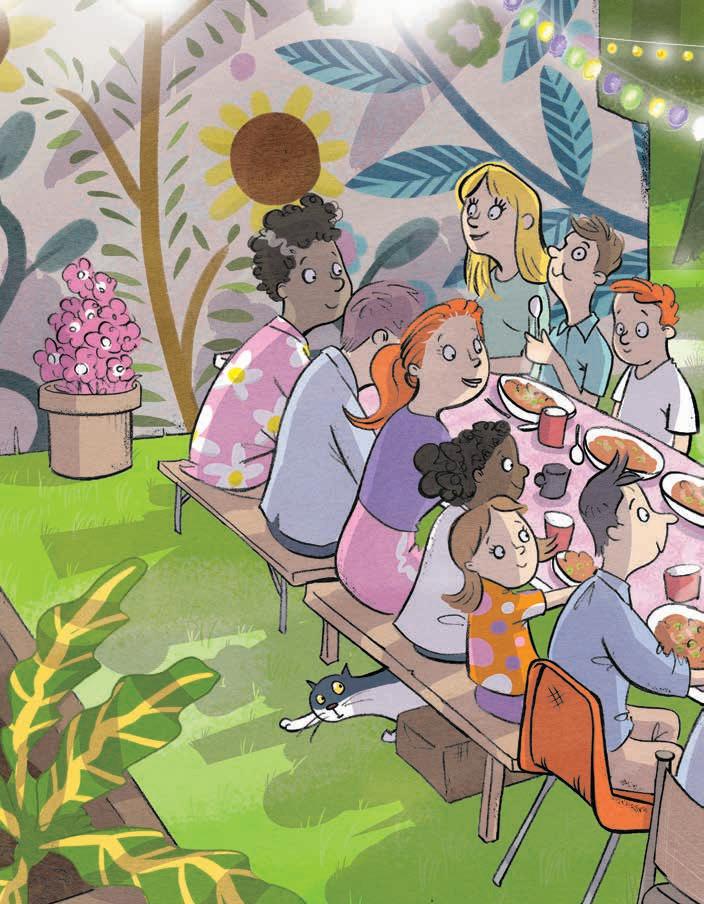
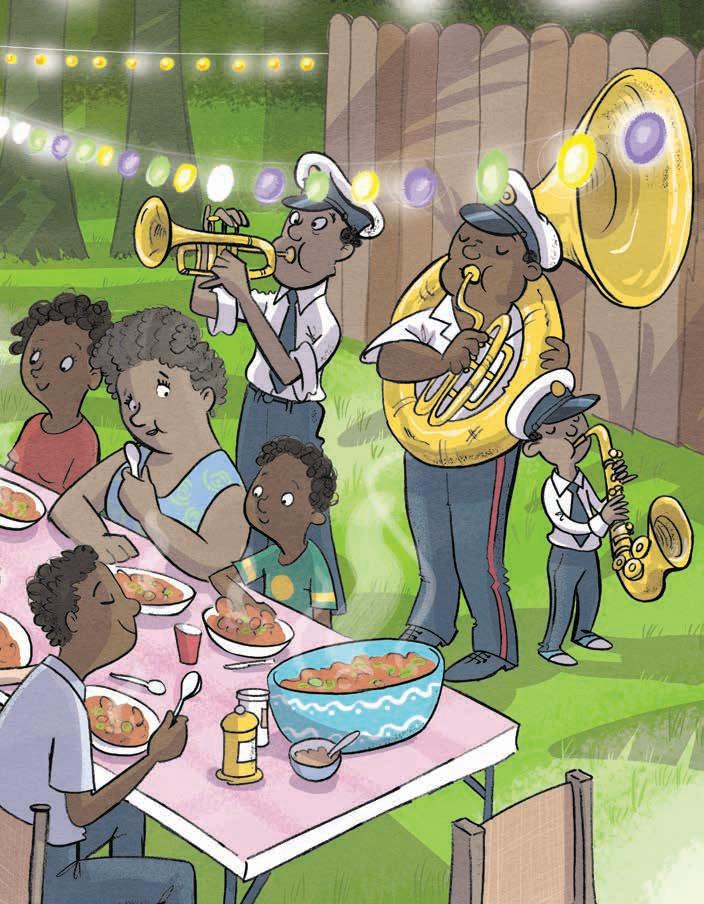
As the neighbors sit and eat together, a brass band plays. Henry leans over to Mrs. Blanchard. “We made some beautiful plants grow, just like you said.”
“You’re right, Henry,” says Mrs. Blanchard. She looks at their neighbors, enjoying their meal in front of Mr. Thomas’s colorful mural. “And do you know what? I think we made a lot more than that.” (pp. 26–27) 29
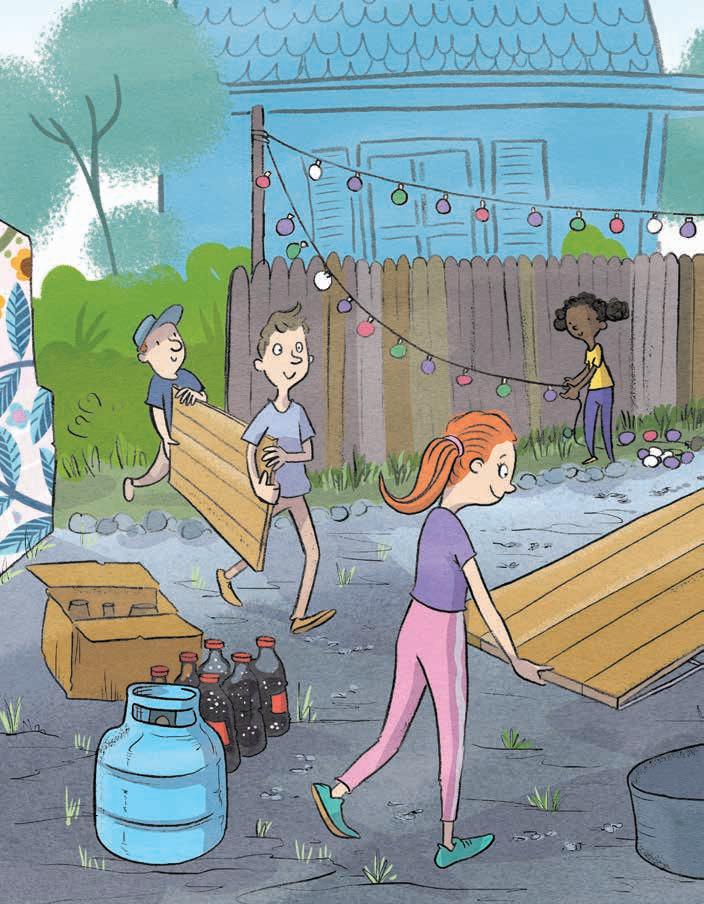
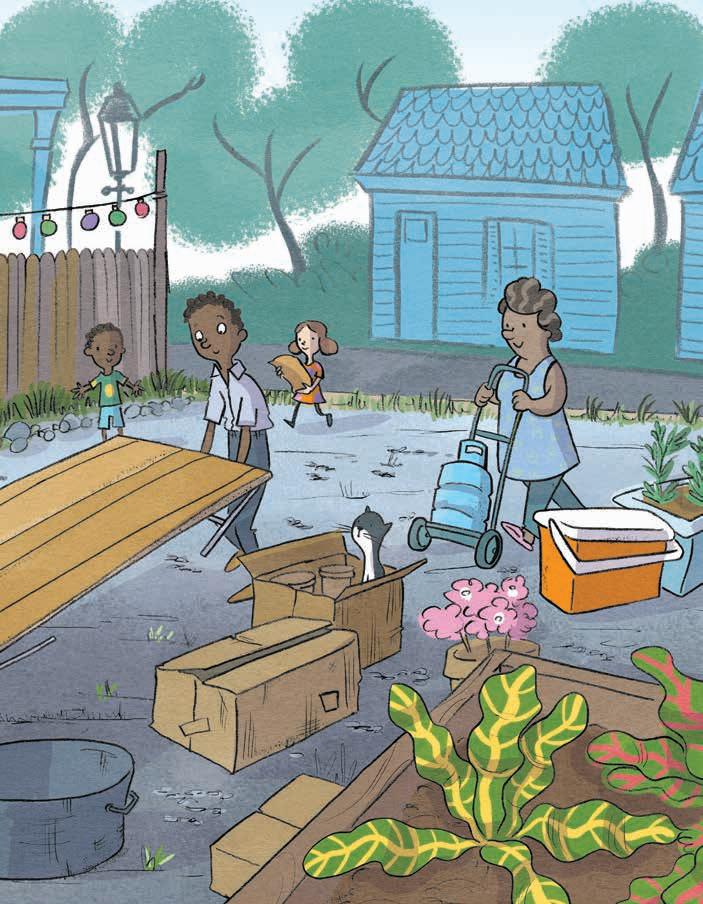
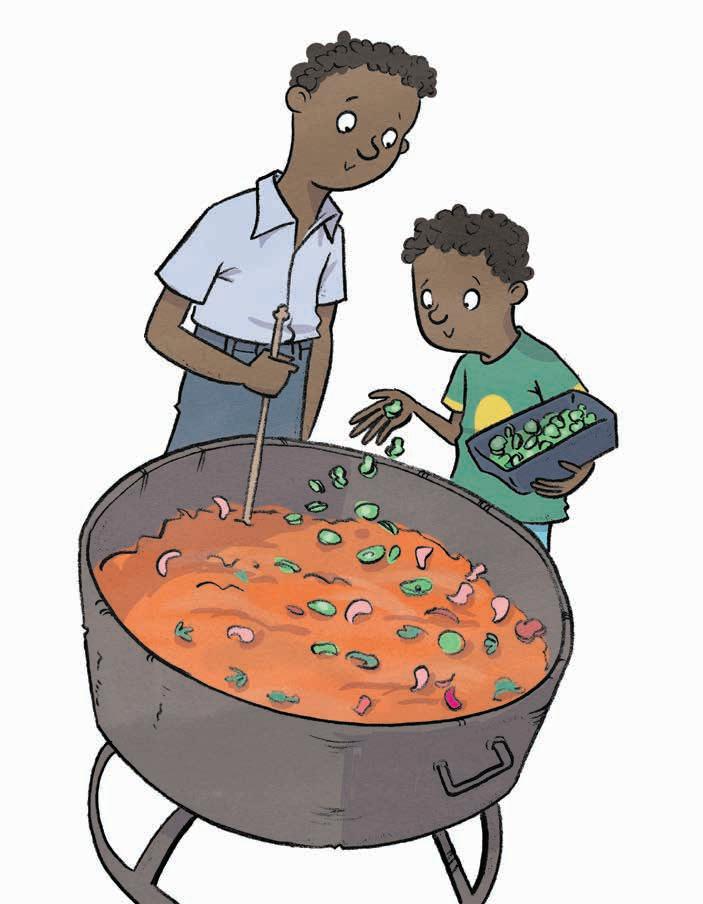
Everyone helps set up for the gumbo garden party. Some people string lights. Some bring long tables. Henry’s dad cooks the gumbo in a huge pot. Henry adds his fresh-chopped okra. (pp. 22–23, 24–25)
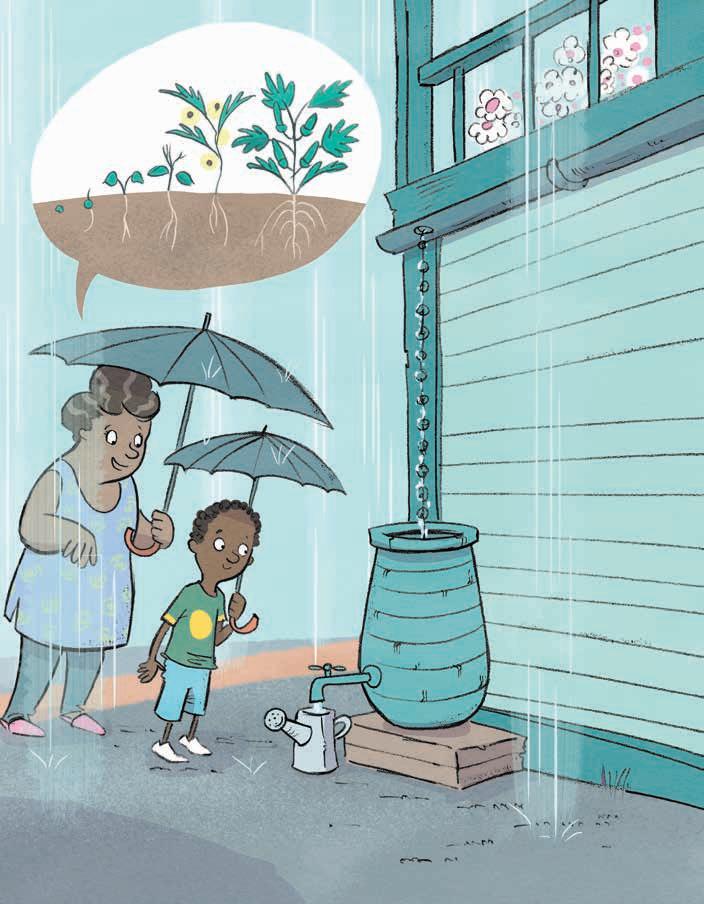
When it rains, Mrs. Blanchard and Henry check the rain barrel. It collects the water that runs through Mrs. Blanchard’s gutters. “We can use the rainwater to water the plants in dry weather,” she says. (pp. 14–15)
collects scraps of wood and metal. She brings them to Ali, who lives across the street. Ali uses the scraps to make planters. (pp. 10–11)
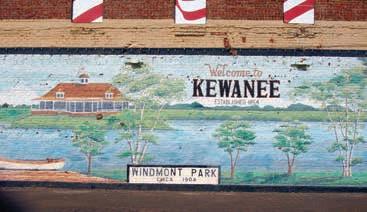
Kewanee, Cambridge,IllinoisMassachusetts Brooklyn, New York New Orleans,Richmond,LouisianaVirginia 30
“It’s called a mural,” says Mr. Thomas. Suddenly, Henry has an idea. What is Henry’s idea?
Just then, Henry notices something at the old neighborhood basketball court. “Look,” he says.
Fundations® Alignment Level K, Unit 1, Weeks 10–12 Wit & Wisdom® Alignment Once Upon a Farm (00.02) Great Minds® level K | module 2 | set 2 book 1
“Mr. Thomas is painting something on the wall.”


10PrintedISBNgreatminds.org978-1-64497-717-0intheUSA987654321
More Many farmers grow food in large fields. People can also produce food on small city plots, or pieces of land. In some urban gardens, many people work together to grow food. They share gardening chores. In other urban gardens, people have their own small plots. These gardeners choose what to plant and tend to their own spaces.
One of the first urban gardens in the United States was started more than 100 years ago in Detroit, Michigan. The mayor suggested that people grow potatoes on small empty plots. People ate the food they grew and sold what was left over. Residents in other cities, such as Philadelphia, started planting gardens in empty lots, too. Today, people come together in many cities to start urban gardens.
Copyright ©
1.1 Children prepare the land at an urban garden in Philadelphia.
Great Minds® is the creator of Eureka Math®, Wit & Wisdom®, Alexandria Plan™, and PhD Science™. Geodes® are published by Great Minds in association with Wilson Language Training, publisher of Fundations®.
Credits: p. 30, (top left) Welcome to Kewanee painted by Kewanee High School Art League students under the direction of Susan Blake, courtesy of the Kewanee Chamber of Commerce and Good’s Furniture, (top right) Buddy Bolden created by Brandon Bmike Odums, courtesy New Orleans & Co., (center left) Further the Dream: The Legacy of Dr. Martin Luther King, Jr., created in 2000 by David Fichter in collaboration with the students and staff of the Martin Luther King School and the King Open School, (center right) Make Your Own Luck (ladybug) courtesy ASVP Studio, (bottom) Invent the Future, courtesy Chris Stain and Billy Mode. Photo by Leonard Zhukovsky/Shutterstock.com; More page, Franklin Davenport Edmunds, Vacant Lot Garden, 1906. Photo credit: Free Library of Philadelphia/Bridgeman Images 2020 Great Minds®