NE

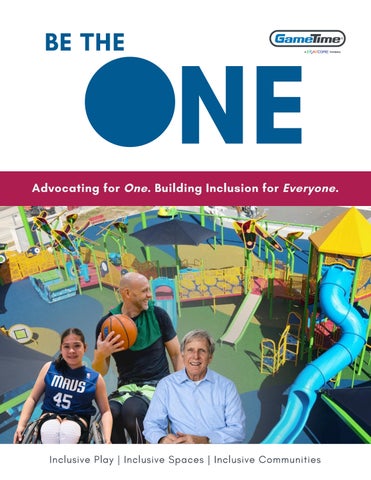
Advocating for One. Building Inclusion for Everyone.

Inclusive Play | Inclusive Spaces | Inclusive Communities
WHY ONE VOICE MATTERS
Most communities don't set out to leave anyone behind. Parks get built to code. Playgrounds get approved. Ribbons get cut. And yet, somewhere between the blueprint and the swing set, a child ends up standing at the edge of the fence, watching.
Exclusion is rarely a decision. More often, it's the residue of a hundred small choices made without anyone in the room who needed something different a ramp instead of a step, a quiet corner instead of constant noise, a way to play that doesn't require running The result is the same either way: a space that works for most people, and a child who learns, early, that "most" doesn't include them.
Why One Voice Matters
How one family’s advocacy changed a school district
Inclusion by the Numbers
The research behind the movement
Profiles in Advocacy
Parents, educators, and champions leading change
Inclusive Spaces in Action
Real communities, real results
Designing for Everyone
Beyond compliance, toward belonging
How to Be the One
A practical toolkit for getting started
Resources & Next Steps
Guides, links, and where to go from here
Meaningful change rarely starts with a policy. It starts with a moment someone who happens to notice:
A child sitting alone at the edge of the playground, watching everyone else play
A parent struggling to lift a wheelchair over a curb just to get their child to the gate.
A play structure that only one kind of body can climb, swing, or reach.
A pattern of kids drifting away from group play, with no one asking why
A community space that technically meets code but still doesn't feel like it belongs to everyone.
None of these moments require an expert. They require attention. Someone has to be willing to stop, notice, and say something To be the one who turns a quiet observation into a question, and a question into action
When There's a Place for Everyone, Everyone Shows Up.
I heard from several people who said, 'I had no idea that there were so many kids in our community who have disabilities.' I tell them it was because they never had a place to go before now. "
-Karla
Macy, Baker City Parks Advisory Board, Baker City, Oregon
One voice sparked change.
generations play differently because someone chose to act.
MAYLI’S STORY: A LEGACY BUILT THROUGH ADVOCACY
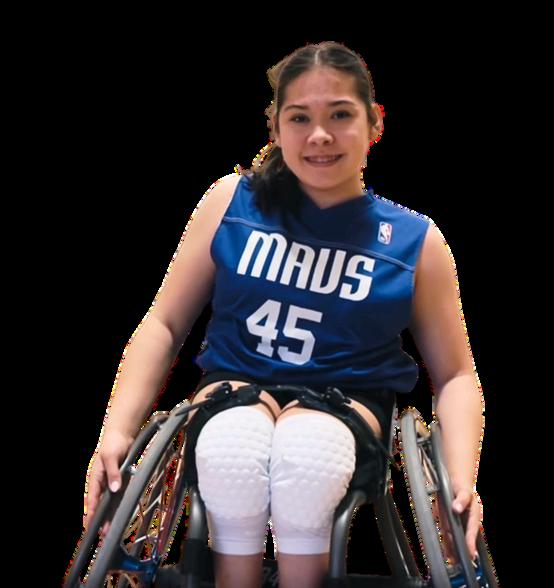
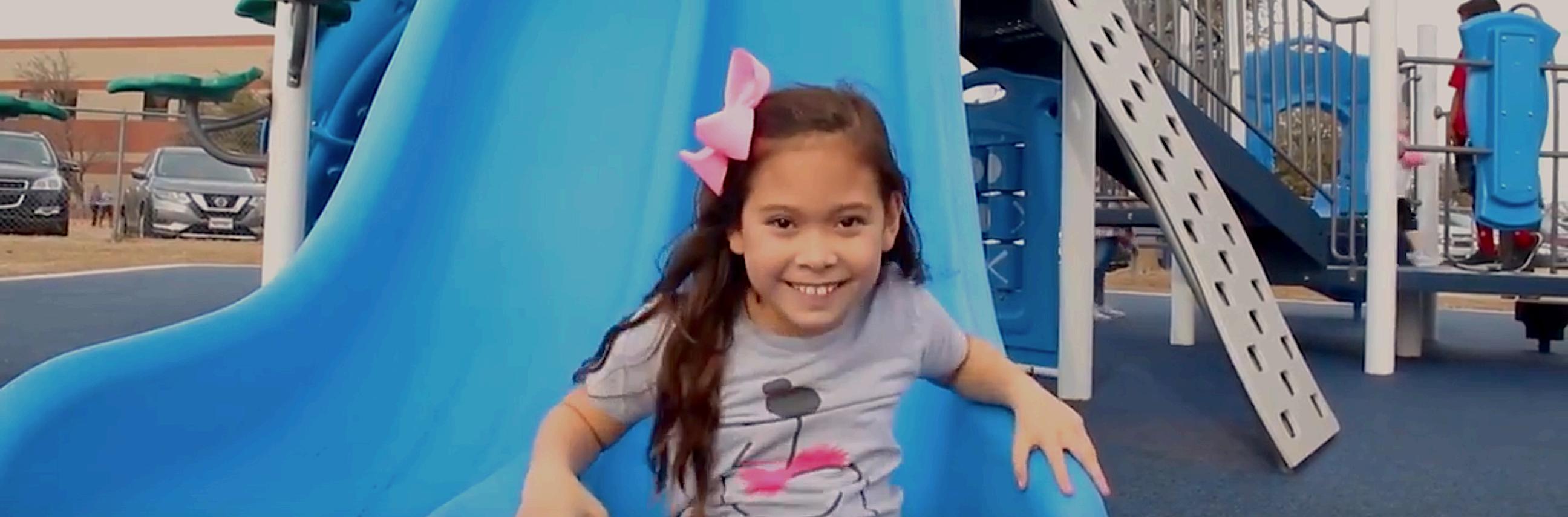
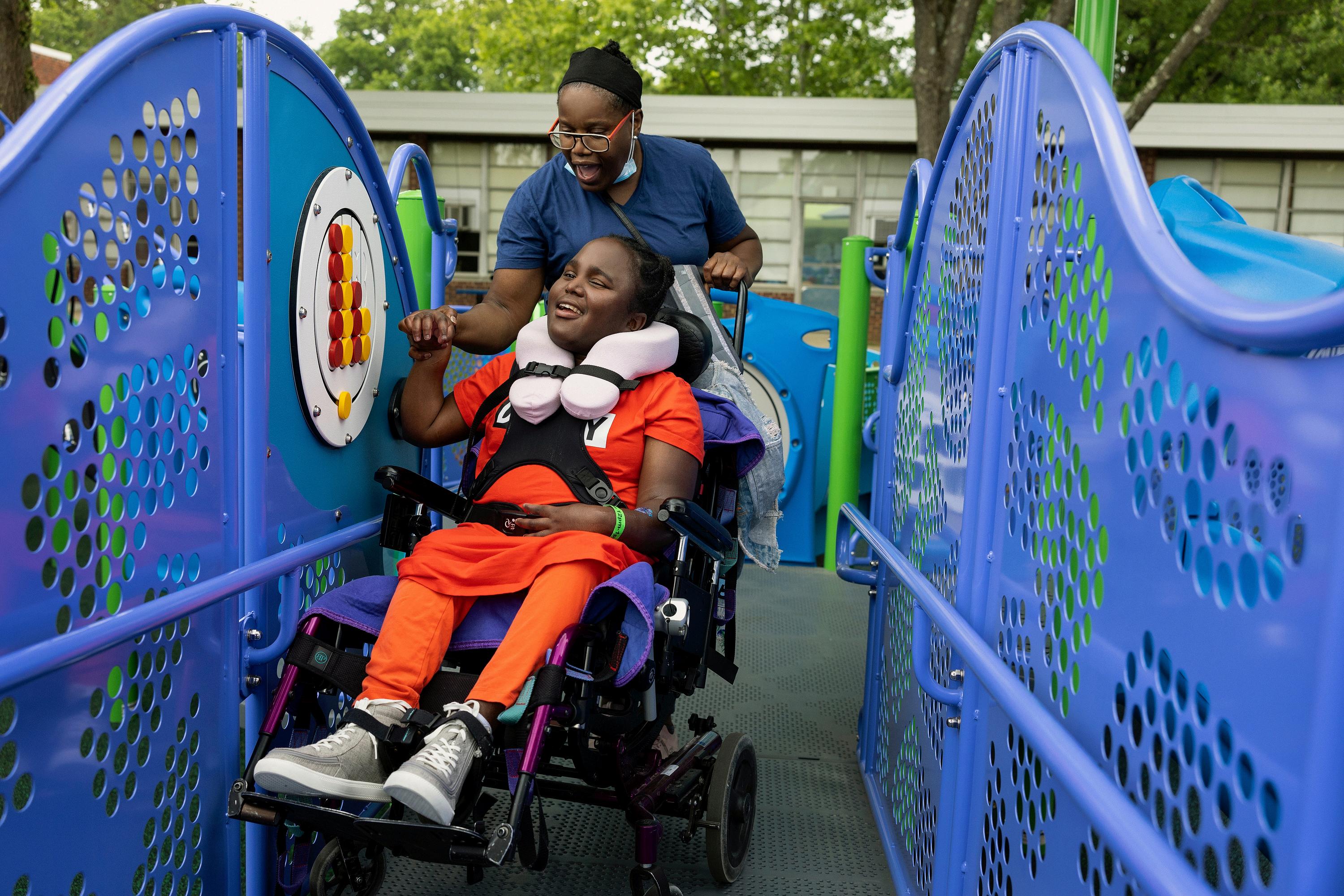
Mayli loved to dance. She loved being around her friends, the noise of recess, the games that didn't have rules so much as momentum But in 2017 when her class lined up to go outside at Curtis Elementary School in Weatherford, Texas, Mayli often ended up watching instead of playing. The playground that worked for her classmates didn't work for her.
That gap between "playground" and "plays with everyone " is easy to overlook until it's your own child standing on the wrong side of it. Mayli's mom noticed, and she didn't treat it as something to simply accept. She brought it to Weatherford Independent School District (WISD) and made a simple case: every child at Curtis Elementary deserved a place where they could play together, not side by side in two different experiences
WISD listened and then went further. The district partnered with GameTime to design a new inclusive playground at Mayli's school, built around the idea that play shouldn't require choosing who gets left out Ramps replaced single points of entry Sensory and social play elements stood next to climbers and swings. For the first time, Mayli's classmates didn't have to decide between playing with her or playing at all.
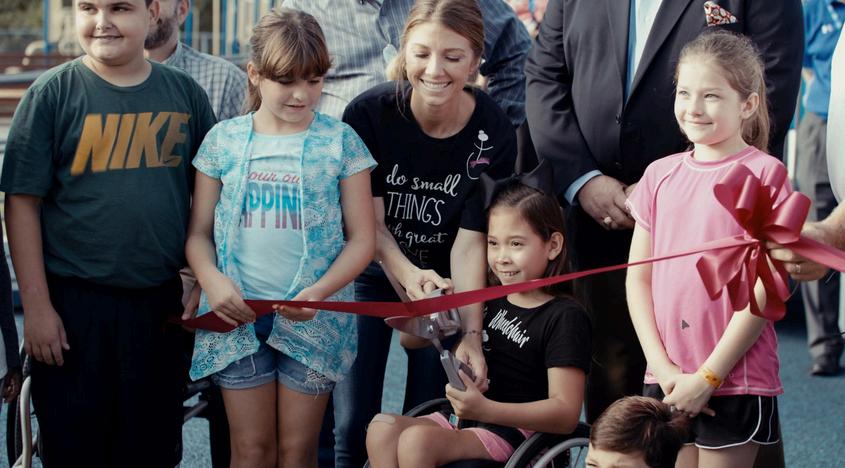
Then the district did something most communities never get the chance to do: it didn't stop at one playground WISD replaced the playgrounds at every one of its elementary schools with inclusive design, turning one mother's advocacy into a standard for an entire district. Today, thousands of WISD students of all abilities dance, laugh, and play together on playgrounds that were never going to leave any of them watching from the fence
See Mayli now!
Play on, Mayli.
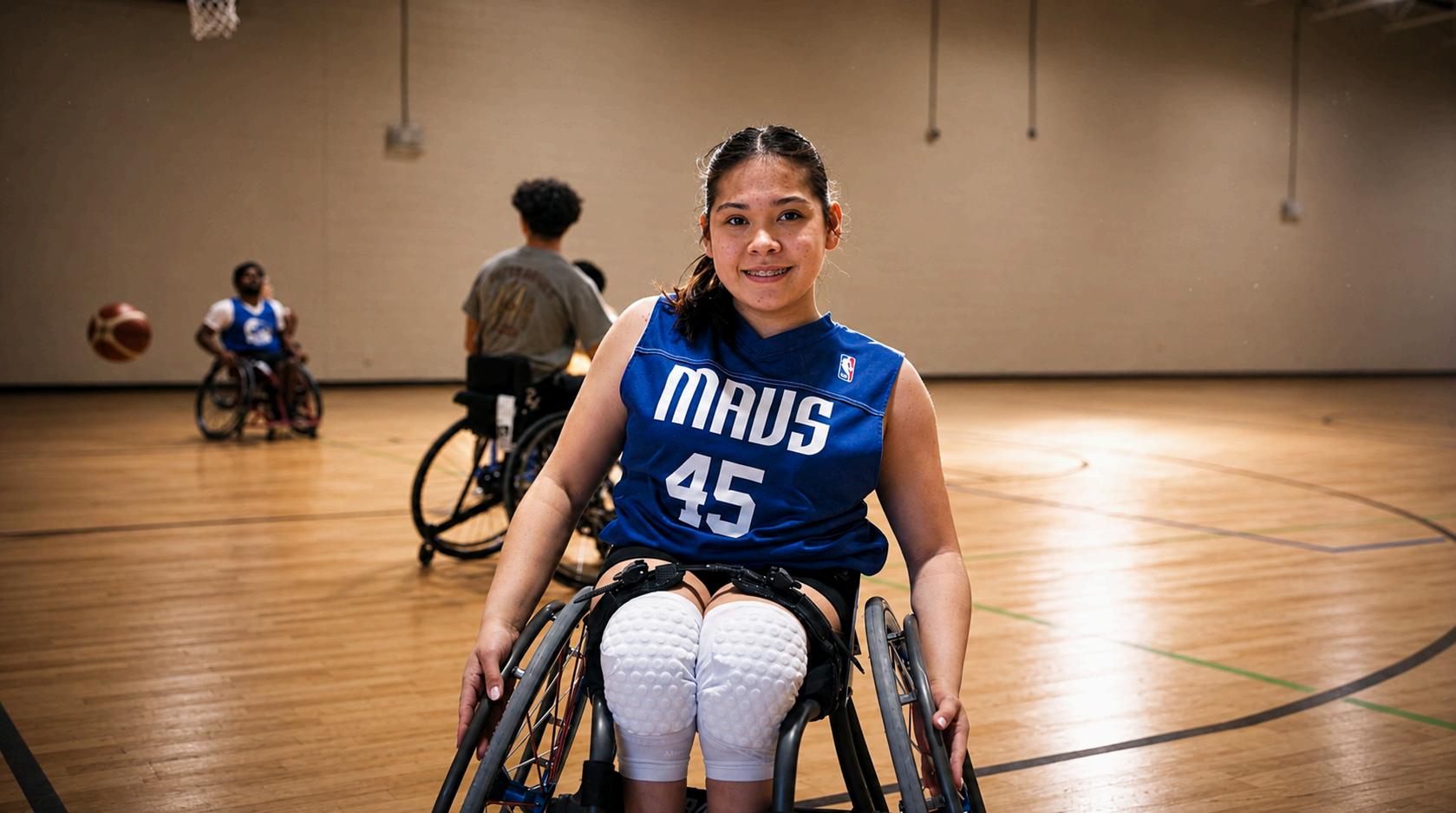
Mayli's legacy isn't a single playground. What started as one playground in Texas became a district-wide mission to make school playgrounds truly inclusive Today, Mayli is a teenager who enjoys wheelchair basketball and dancing She’s still advocating for inclusion and helping the next generation of girls advocate for themselves.

Where: Weatherford, Texas
Who Advocated:
Partners:
Result:
Mayli’s Mother, Sami Gibson
Weatherford independent School District (WISD) & GameTime
Inclusive playgrounds at every WISD elementary school
INCLUSION BY THE NUMBERS
The case for inclusive play isn't only emotional it's measurable. Across belonging, accessibility, social connection, and mental health, the research points to the same conclusion: when communities design for everyone, everyone benefits.
More than half of U.S. adults report experiencing loneliness regularly, according to the U.S. Surgeon General's 2023 advisory on social connection
Top Strategy
The Surgeon General's national strategy for rebuilding connection specifically names parks, libraries, and playgrounds as infrastructure that can help reverse the trend.
Belonging isn't a soft outcome of inclusive design it's the explicit goal The Division for Early Childhood and the National Association for the Education of Young Children both name a sense of belonging and genuine friendship as core, intended results of inclusive practice, not side effects.
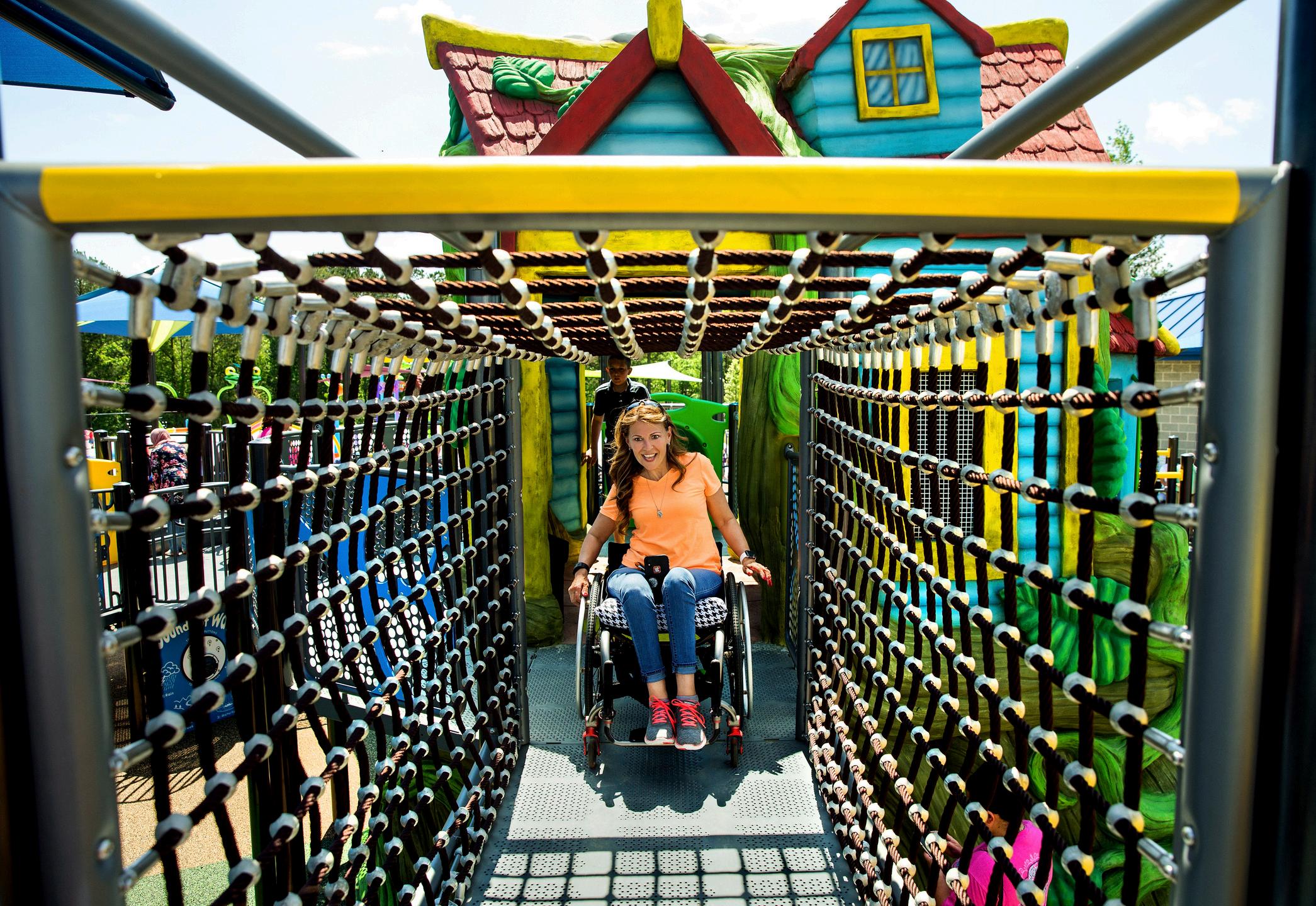
DISABILITY AND ACCESSIBILITY IN COMMUNITIES
1 in 4
More than 70 million U S adults over a quarter of the adult population report living with a disability, according to 2022 CDC data.
44%
Nearly half of adults age 65 and older report a disability, making agefriendly, intergenerational design a community-wide necessity rather than a niche feature
Mobility limitations remain the most commonly reported disability type nationally a reminder that physical access alone is rarely the finish line for true inclusion.
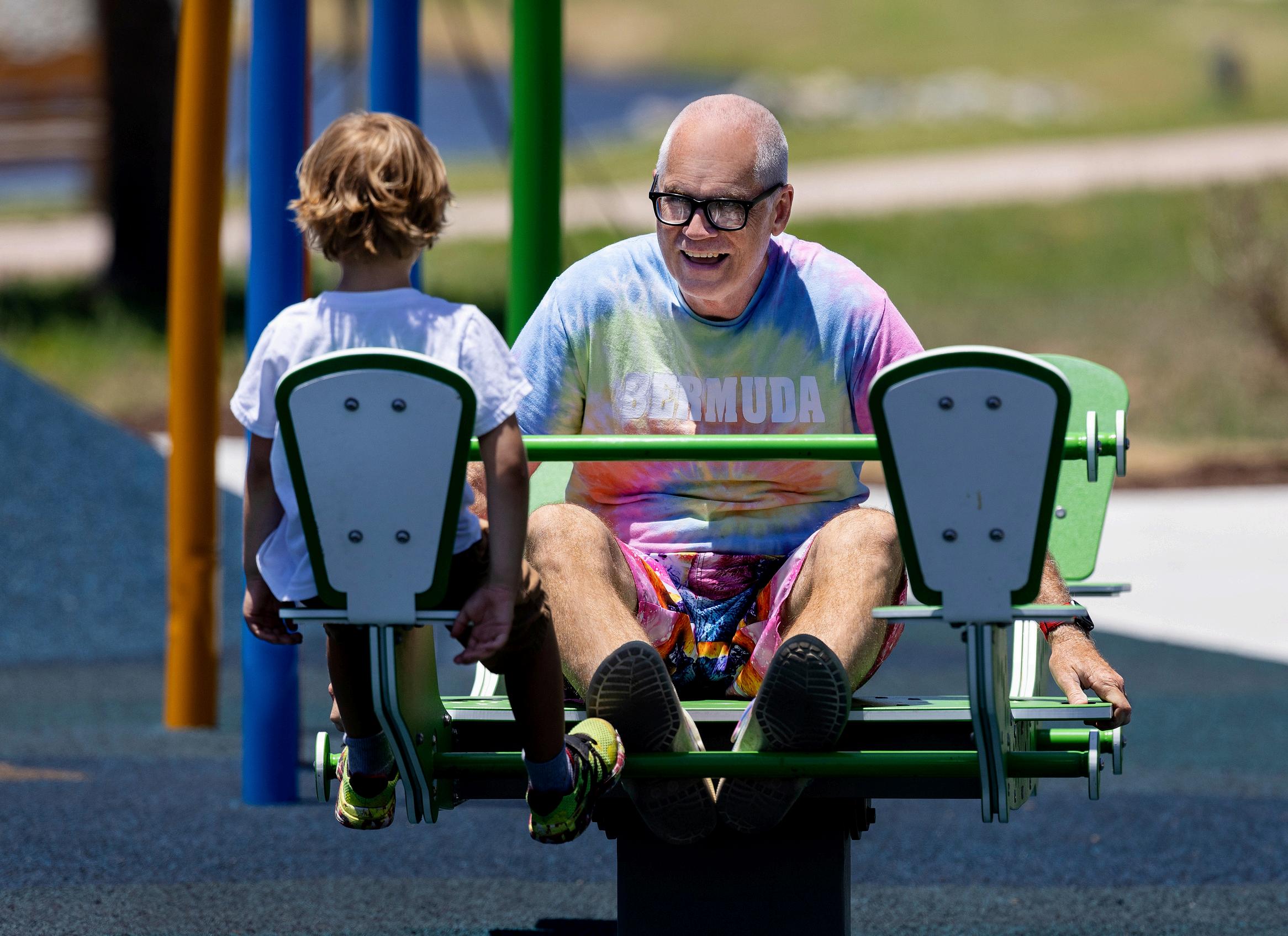
Side by Side
Published research shows inclusive playgrounds give children with and without disabilities sustained, moderate-to-vigorous physical activity together not in separate, parallel experiences.
Teachable
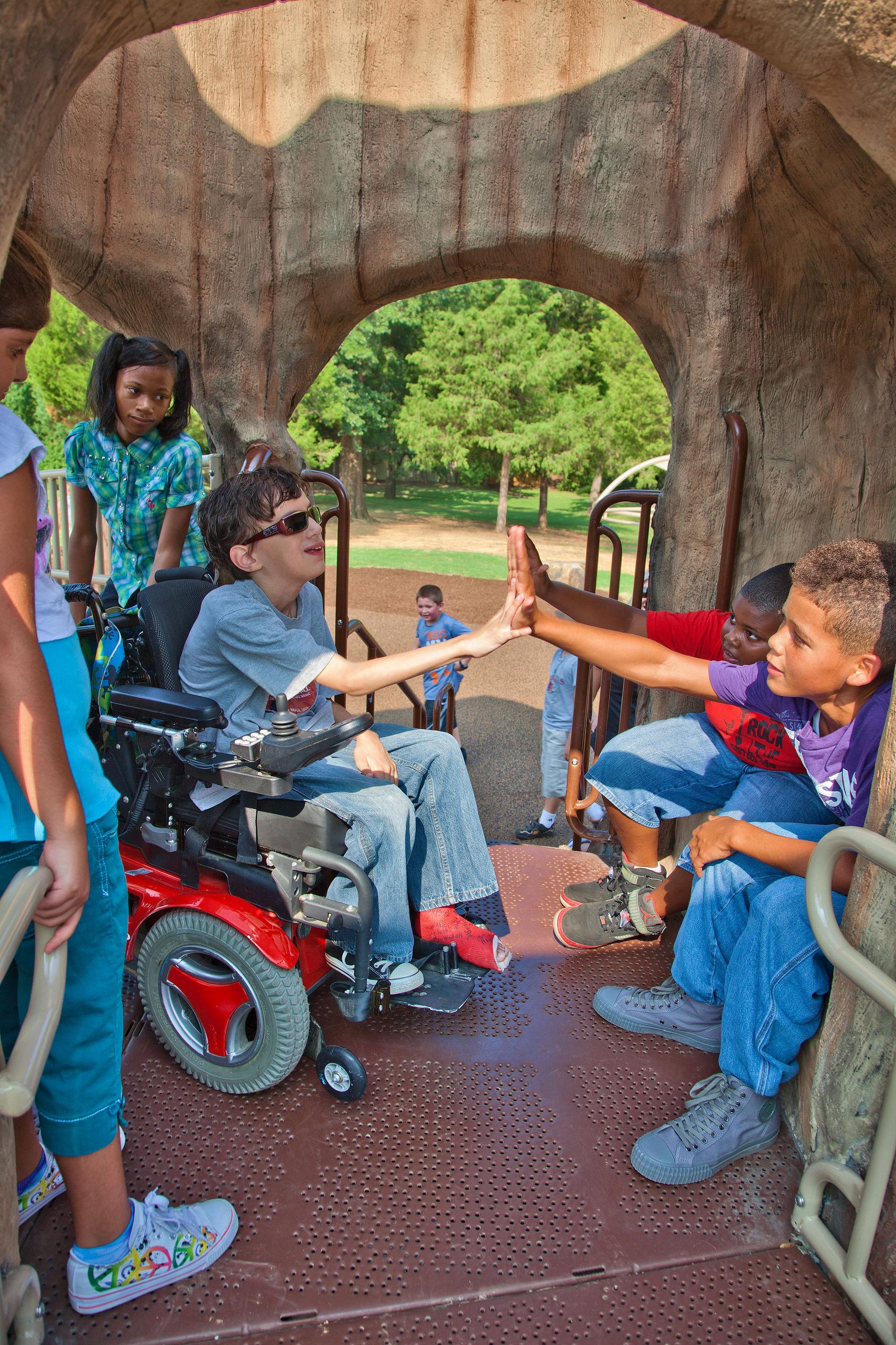
Targeted disability-awareness programming measurably improves children's understanding of, and attitudes toward, peers with disabilities
Proximity alone doesn't create inclusion. Children need to be taught, equipped, and given the chance to play together design opens the door; relationships walk through it
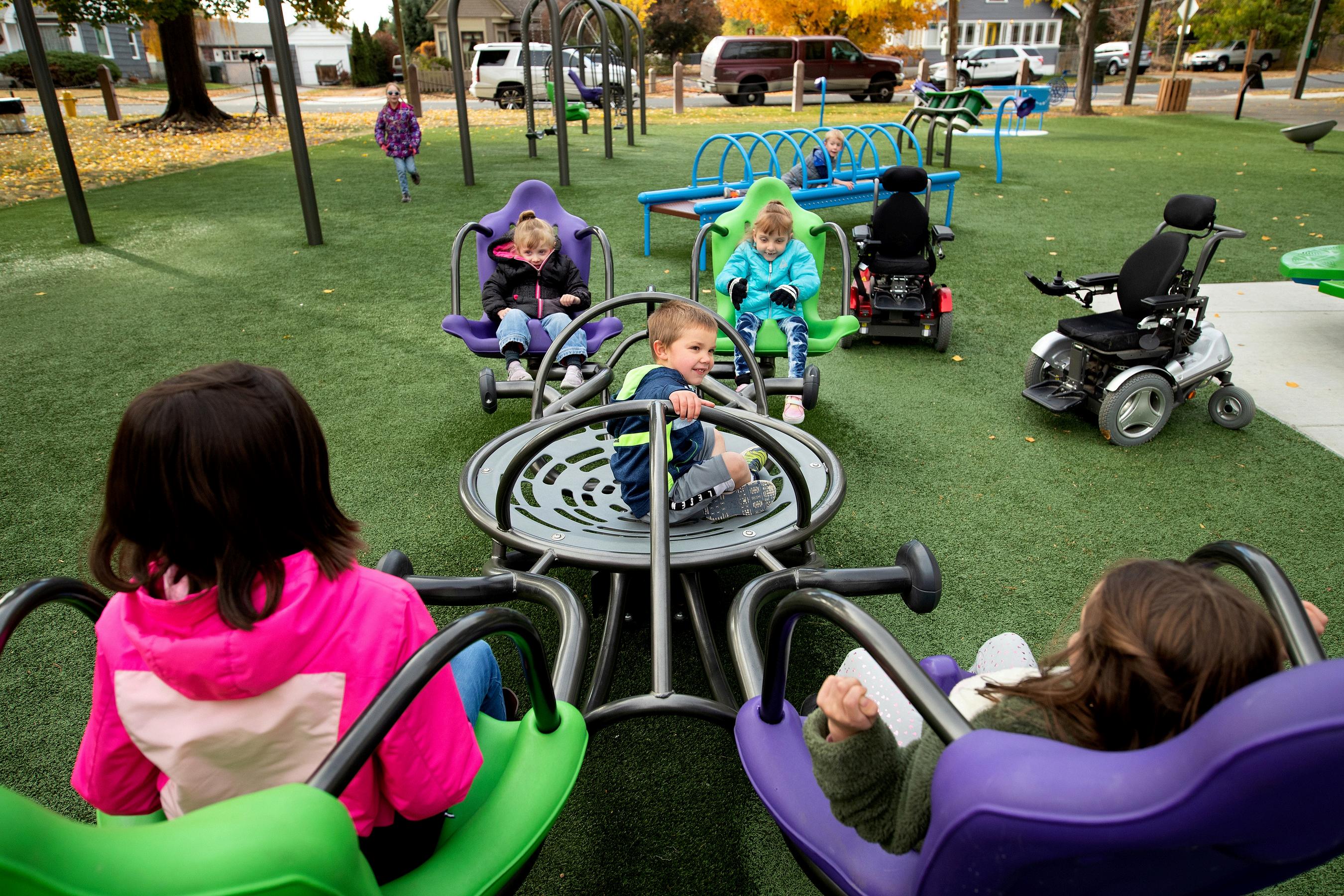
MENTAL WELLNESS AND COMMUNITY SPACES
Public Health
+29%
Chronic social isolation is associated with a 29% higher risk of premature death a risk on par with smoking up to 15 cigarettes a day, per the U.S. Surgeon General's advisory.
National guidance specifically points to expanding accessible parks, playgrounds, and libraries as part of a public-health strategy for rebuilding social connection
A well-designed inclusive space isn't just a recreation amenity. It's a piece of public-health infrastructure.
PROFILES IN ADVOCACY
Every inclusive space in this publication exists because someone refused to look away. Meet five people whose advocacy as parents, educators, community leaders, and policy experts moved their communities from compliance to true belonging.
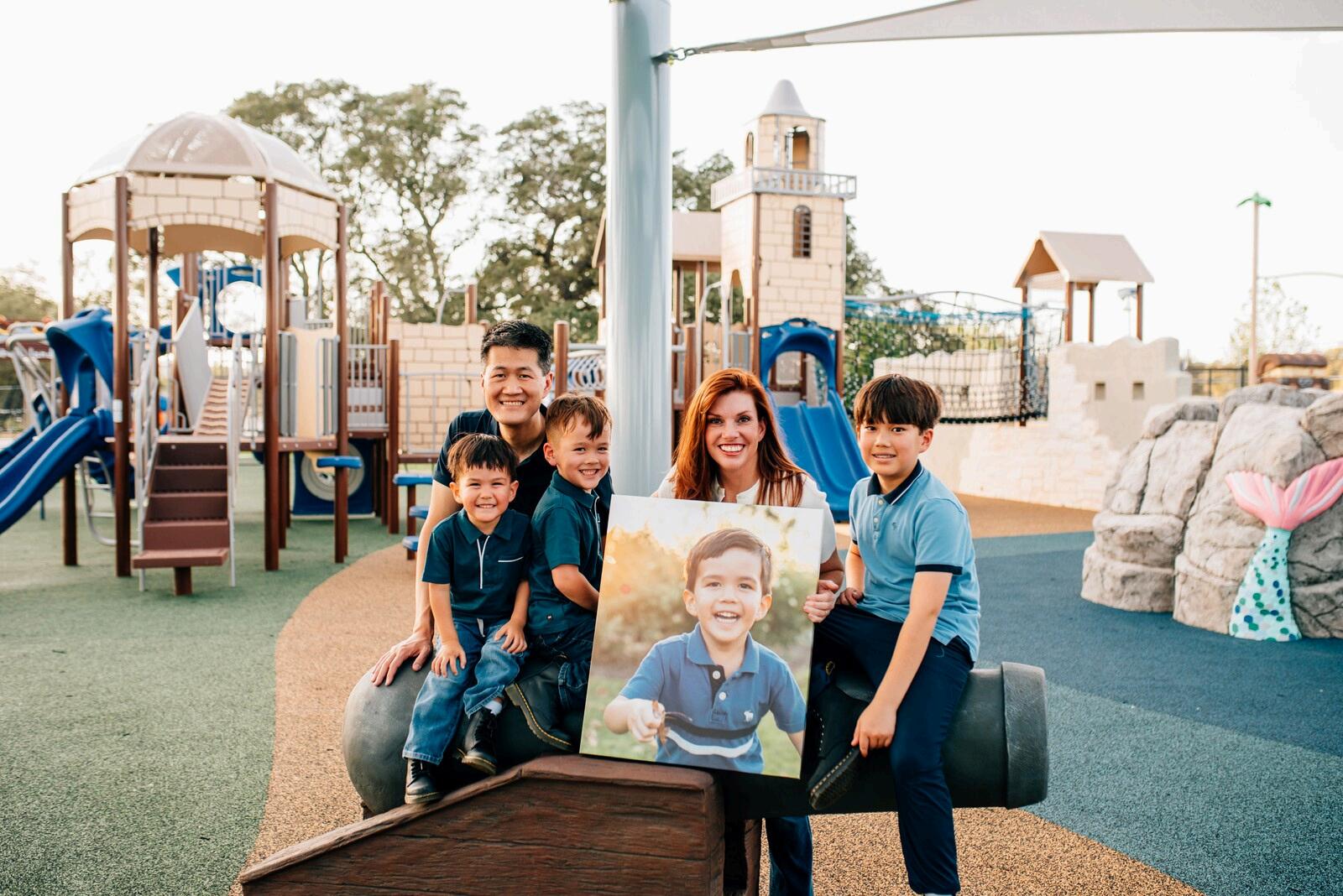
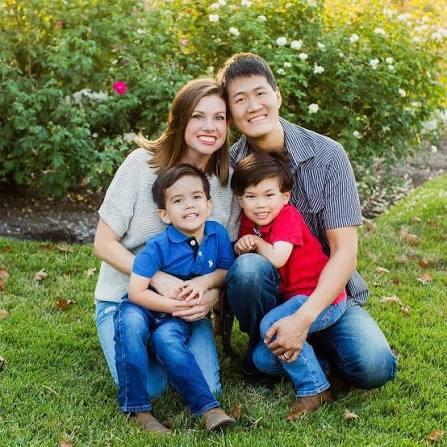
April & Marvin Chang
Parent Advocates
Co-Founders, Mitchell Chang Foundation San Antonio, Texas
The Catalyst: In 2018, April and Marvin Chang lost their son Mitchell in a drowning accident a loss that devastated their family and rippled through their entire San Antonio community.
The Turning Point: Rather than letting grief stand alone, the Changs channeled it into something built to outlast the tragedy They founded the Mitchell Chang Foundation to honor Mitchell's imaginative, compassionate spirit, with a mission centered on safe, joyful play for children and families of every ability
The Outcome: The Foundation is led the development of Mitchell's Landing, San Antonio's first fully inclusive playground of its kind a gathering place designed so that no other family has to wonder whether their child belongs
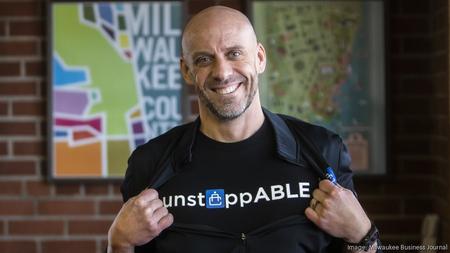
Damian Buchman
Community Advocate
Founder & CEO, The Ability Center
Milwaukee, Wisconsin
The Challenge: Damian Buchman is a childhood cancer survivor who endured nearly 30 surgeries as a teenager and now lives with an ambulatory disability Walking out of the hospital years ago, he confronted what he calls his " new normal" and a community that wasn't built for it
The Turning Point: Rather than adapting quietly to a world full of barriers, Buchman set out to remove them, founding The Ability Center to expand accessible recreation across his community.
The Outcome: Buchman is now leading development of Moss Universal Park, an 18-acre, fully inclusive park and recreation destination built in partnership with Milwaukee County and GameTime grounded in his belief that inclusive playgrounds matter, but a truly inclusive community has to go further still.
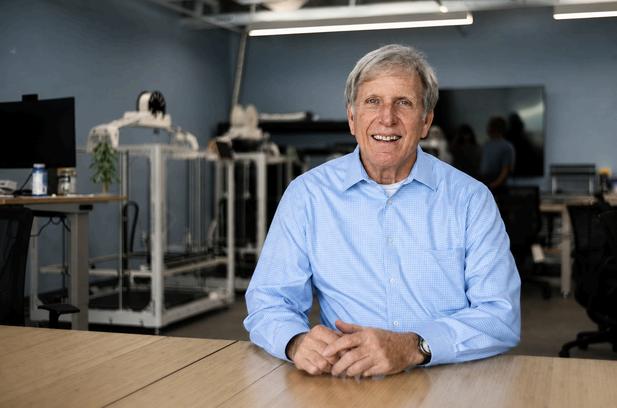
Bill Botten
Policy Advocate
Accessibility Consultant; former Senior Accessibility Specialist, U.S. Access Board
The Challenge: For decades, accessibility standards for outdoor recreation lagged far behind those for buildings, leaving playgrounds, parks, and trails in a regulatory gray area.
The Turning Point: Over 22 years at the U.S. Access Board, Bill Botten helped lead development of the combined Americans with Disabilities Act and Architectural Barriers Act accessibility guidelines, with a particular focus on outdoor developed areas and recreation facilities
The Outcome: Botten's work helped establish the accessibility framework that created the landmark Americans with Disabiilites Act (ADA) Today, he continues training planners and designers to go beyond the minimum standard, toward spaces that are innovative and inclusive and not just compliant.
INCLUSIVE SPACES IN ACTION
Real communities creating places where everyone belongs.
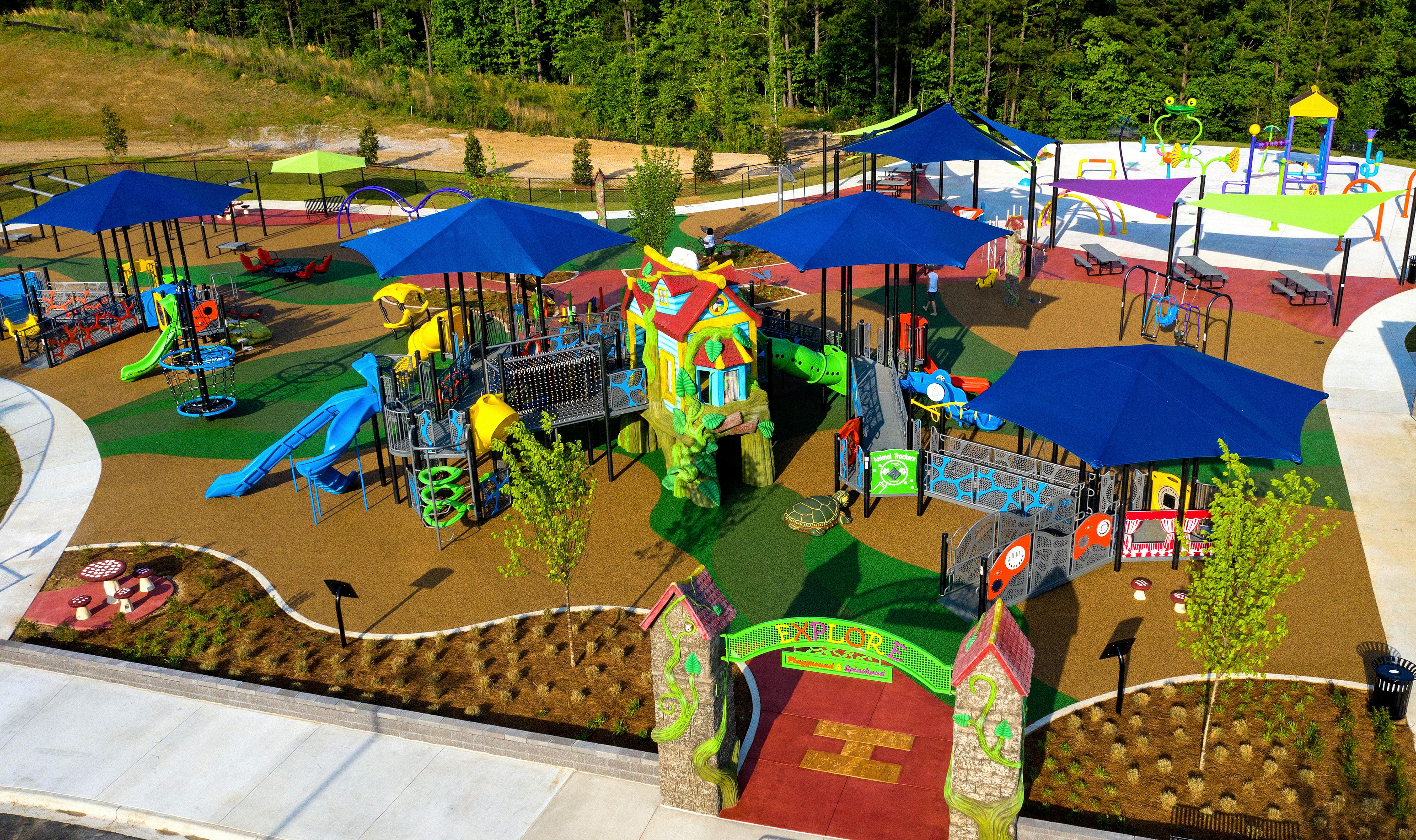
EXPLORE Playground & Splash Pad
Hoover,
Alabama
For years, Hoover, Alabama had no playground built for children with significant physical, sensory, or cognitive disabilities and no easy way for parents or caregivers with disabilities to play alongside their own kids The barrier wasn't a single ramp or rule It was the whole design
City leaders decided that wasn't good enough. Under Mayor Frank Brocato and Parks & Recreation Superintendent Dee Nance, Hoover set its sights well past the minimum requirements of the ADA, aiming for a space built for universal access from the ground up for kids and adults alike.
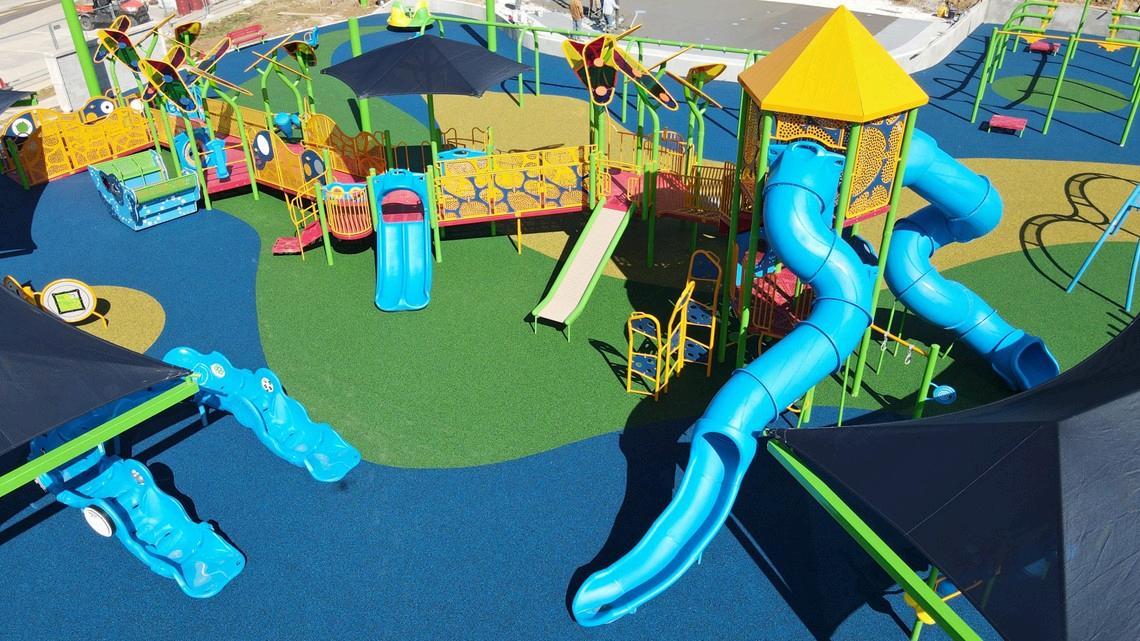
That vision became EXPLORE: a 15,000-square-foot playground paired with a 7,000-square-foot splash pad, anchored by the 17-foot accessible treehouse Carly's Clubhouse Poured-in-place rubber surfacing creates accessible routes throughout, while sensory panels with adaptive switches and musical play elements with adaptive mallets invite kids of every ability to engage Shade structures and charging stations for mobility devices and medical equipment round out the space, along with a firstof-its-kind outdoor adult changing room
Since opening to the public in May 2019, EXPLORE has earned National Demonstration Site recognition for inclusive play, nature-based play, and youth physical activity a distinction reserved for communities setting the standard for evidence-based design.
CADES Inclusive Playground & Music
Garden
Wallingford-Swarthmore, Pennsylvania
CADES, a Pennsylvania nonprofit and approved private school, built its Inclusive Playground & Music Garden around a simple vision: a place where children using mobility devices or adaptive switches can play the same games, ride the same equipment, and make the same noise as everyone else. The playground includes a sensory-friendly "Zen Zone" for kids who need a quieter moment, and a Music Garden where every chime can be played by any hand that reaches for it.
Open to the public during the summer months, and on a first-come, first-served basis the rest of the year, CADES is proof that inclusive design doesn't require a city budget just a clear vision of who deserves to belong
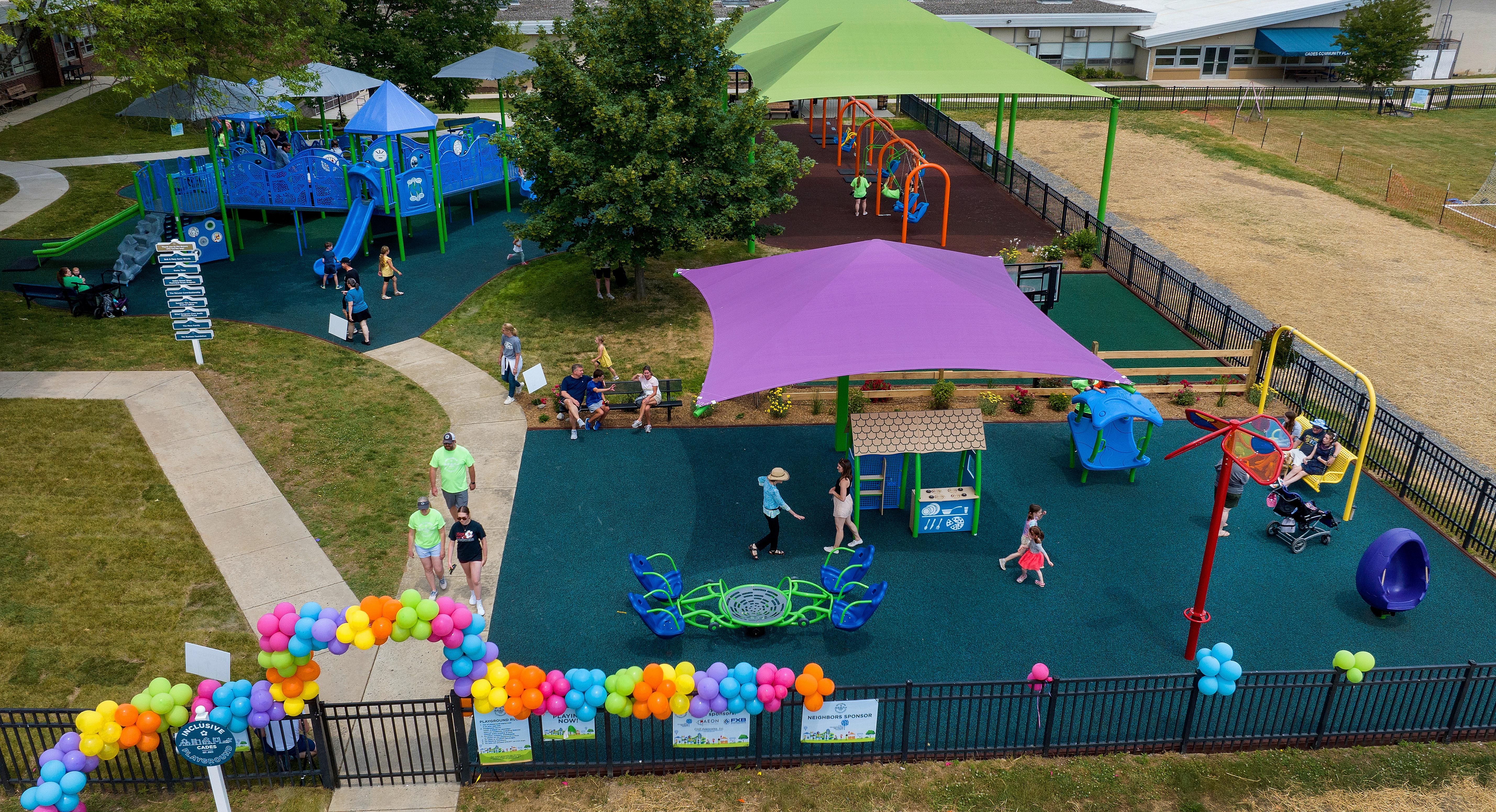
We wanted to be mindful of all the changes that have happened with inclusive playground equipment, really finding those spaces where students don't have to feel like they're by themselves because they're in their wheelchair or because they can't access something. Everyone's in it together.”
- Alena Sebacus, CADES Director of Operations and Admissions
MOSS Universal Park
Wauwatosa, Wisconsin
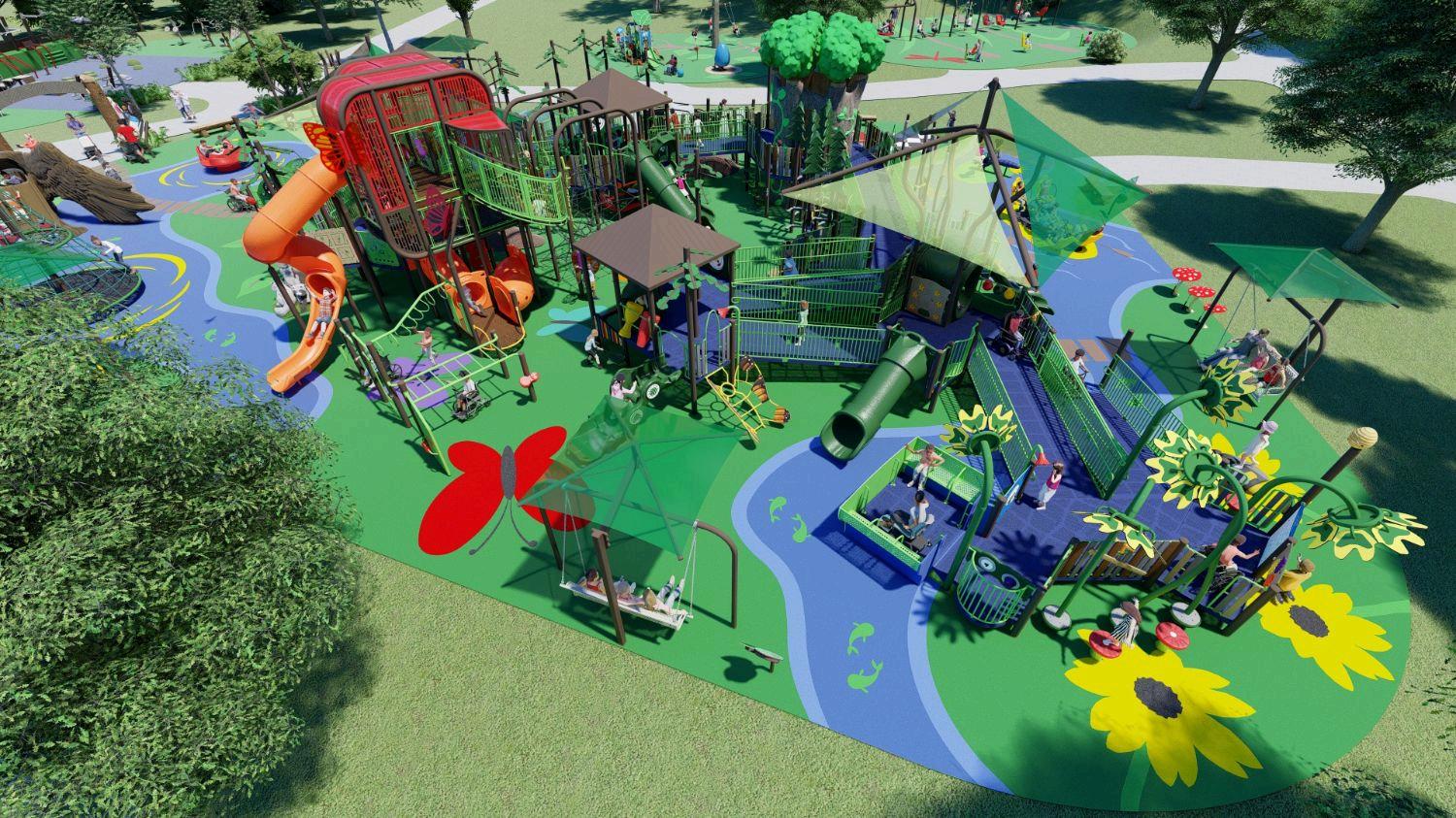
Most inclusive playgrounds solve half the problem A child with a disability can play, but the moment their friends run off to the ball field, the trail, or the far end of the park, inclusion ends Moss Universal Park will solve the whole problem
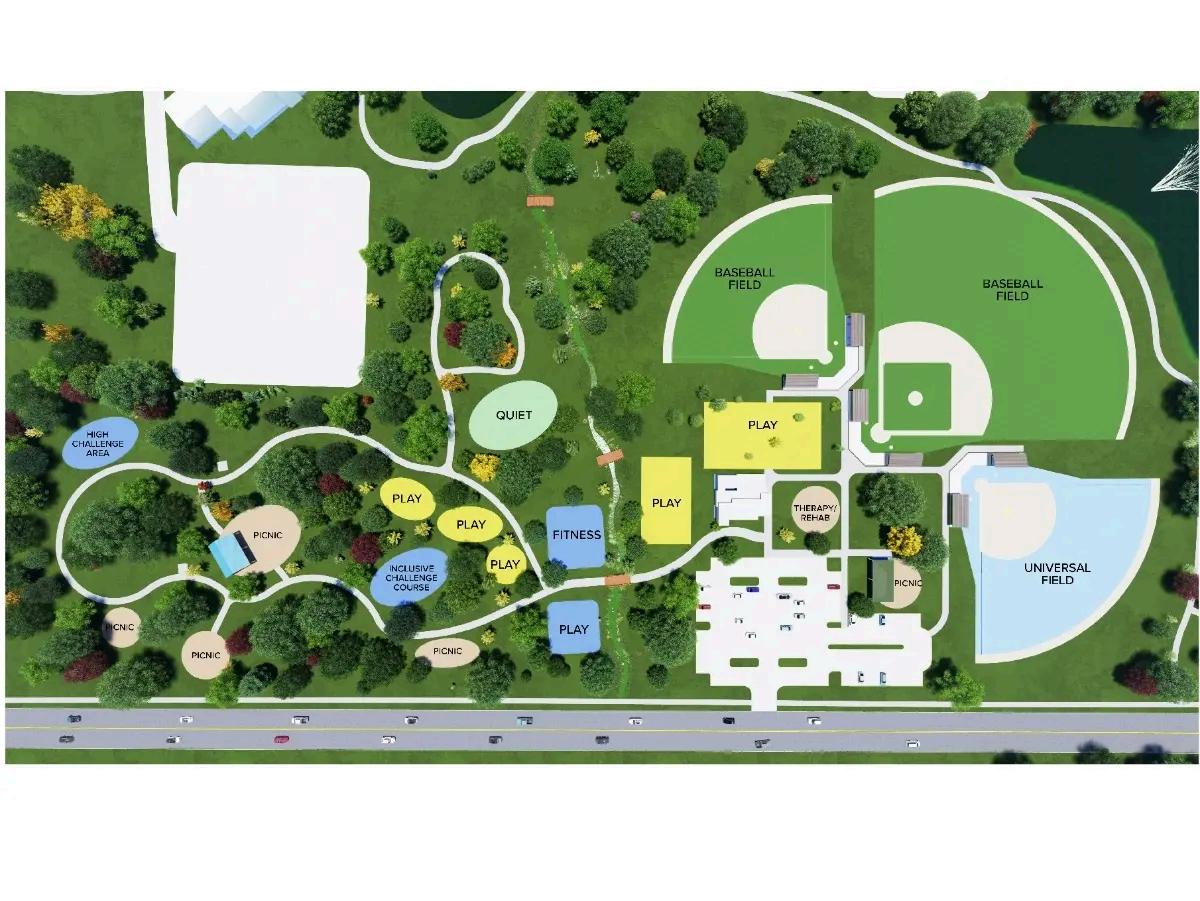
Opening in phases beginning in 2026, Moss Universal Park is an 18-acre transformation of Wisconsin Avenue Park in Wauwatosa, Wisconsin and the first fully universal park in the United States.
Developed by Damian Buchman and The Ability Center, in partnership with Milwaukee County, every element across all 18 acres is designed for everyone. Not just the playground. Everything.
That means three universally accessible sports fields where a high school baseball game and a Miracle League game can happen side by side Wooded trails and a challenge course built for a full range of physical and cognitive abilities Sensory rooms for visitors who need a moment to reset Fitness areas usable across age and ability And a playground that pushes boundaries the industry hasn't crossed before including the world's first wheelchair slide, a 12-foot inclusion tower that gets wheelchair users climbing out of their chairs, and double-wide ramps throughout.
GameTime designed the park using the Seven Principles of Inclusive Playground Design, applied not just to the equipment but to the entire site. Upon completion, Moss Universal Park will be registered as a National Demonstration Site for inclusive play a replicable model for communities across the country ready to ask more of their parks it out!
DESIGNING FOR EVERYONE
Compliance asks one question: can someone get in? Belonging asks a harder one: once they're in, can they stay, play, and connect? Moving from accessible to truly inclusive means designing for the whole person across five dimensions:
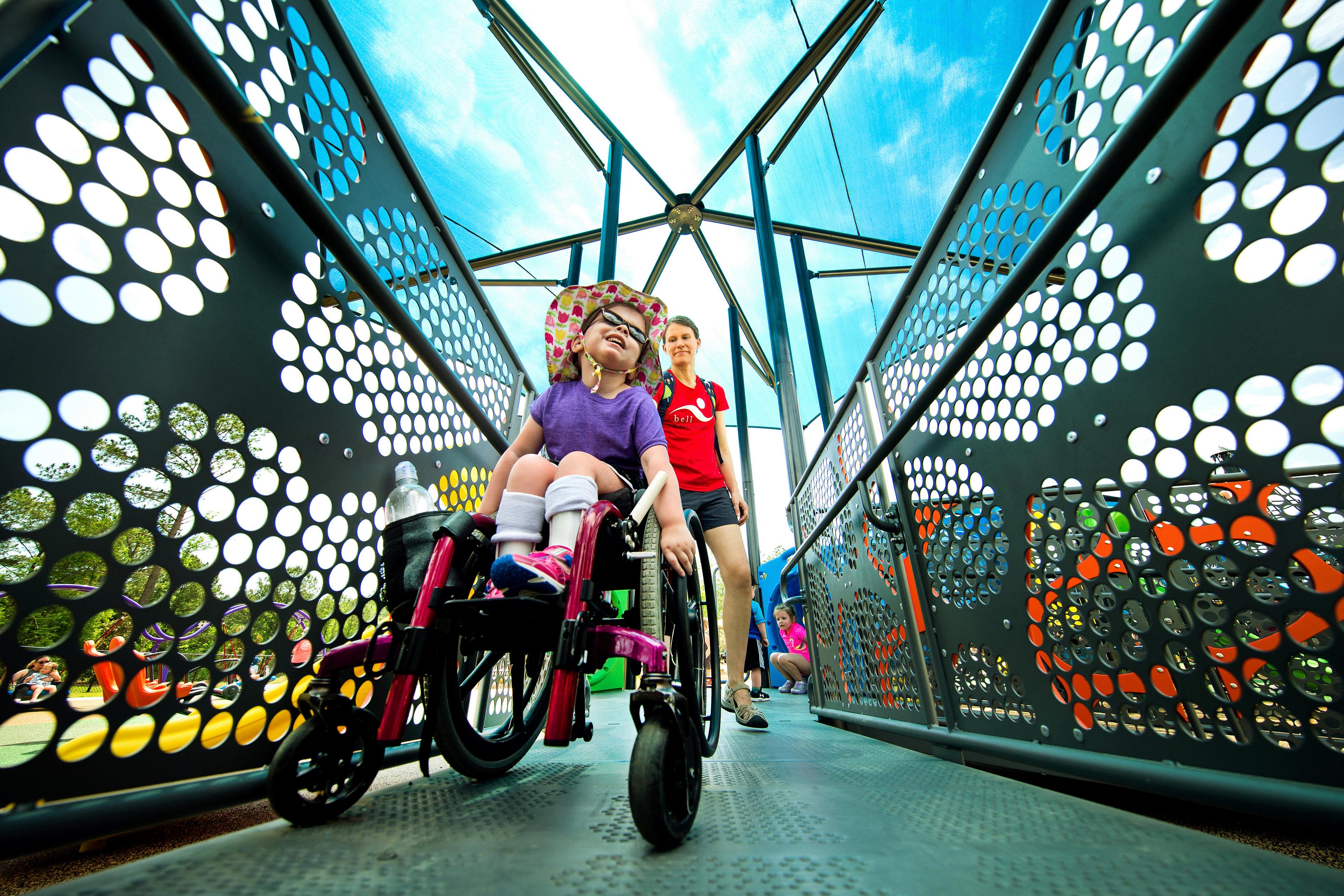
Physical access ramps, transfer points, and routes that work for every body, not just most bodies.
Sensory experiences spaces that offer both stimulation and retreat, for children who seek input and those who need to escape it.
Cognitive differences intuitive layouts and clear visual cues that don't require reading a manual to understand how to play
Social interaction play elements designed for two or more, so inclusion creates relationships, not just proximity.
Intergenerational use spaces a grandparent, a parent with a disability, and a toddler can all use together, not just supervise from the sidelines.
THE SEVEN PRINCIPLES OF INCLUSIVE PLAYGROUND DESIGN
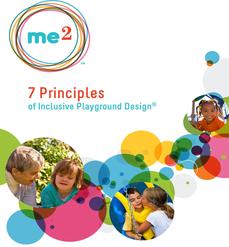
Developed by PlayCore in partnership with Utah State University's Center for Persons with Disabilities, the Seven Principles of Inclusive Playground Design® adapt the original Principles of Universal Design specifically for play. Every child, the research finds, wants to feel the same seven things on a playground: Download the 7 Principles Guide at gametime.com/7principles Be
Equitable use The space is useful and welcoming to people of every ability, without setting apart "the accessible part" from everything else
Flexibility in use. The environment supports many ways to play, accommodating diverse abilities, needs, and interests side by side
Simple, intuitive design. Children can understand how to play without instructions, building confidence through quick success.
Be Independent
Perceptible information Sensory-rich cues let children explore, interact, and participate as independently as possible
Tolerance for error. The space meets rigorous safety standards and supports emotional security, so mistakes don't end the experience.
Efficient use The design sustains real physical activity and encourages cooperation and social participation, not just access
Appropriate size and space. The environment accommodates a full range of body sizes, mobility needs, and sensory sensitivities.
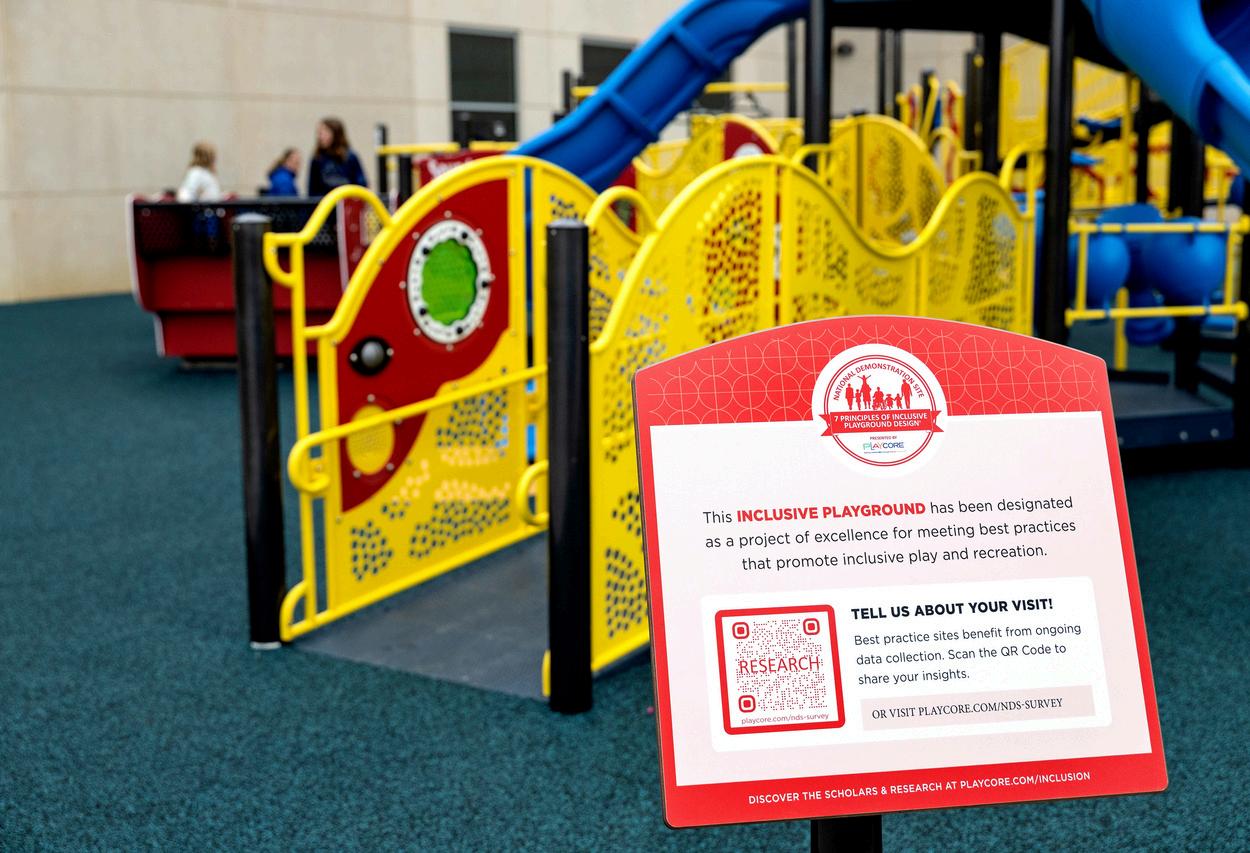
Playgrounds built on these seven principles are eligible for National Demonstration
Site recognition a designation that turns a single project into a model other communities can follow. Learn more at gametime.com/nds.
HOW TO BE THE ONE
Inclusion doesn't begin with a budget. It begins with a few honest questions about who your community is currently serving and who it isn't.
Ask Yourself:
Who isn't participating? Look at your playgrounds, programs, and public spaces. Who's consistently missing?
Who have we not asked? Decisions made about a community without that community in the room rarely fit the community.
What barriers exist? Physical, sensory, social, and financial barriers all keep people out and they're rarely the same barrier twice.
Whose voices are missing? If no one with a disability has reviewed your plans, your plans aren't finished yet.
What small step can start a change? You don't need the whole solution today. You need a first step that's honest about the gap.
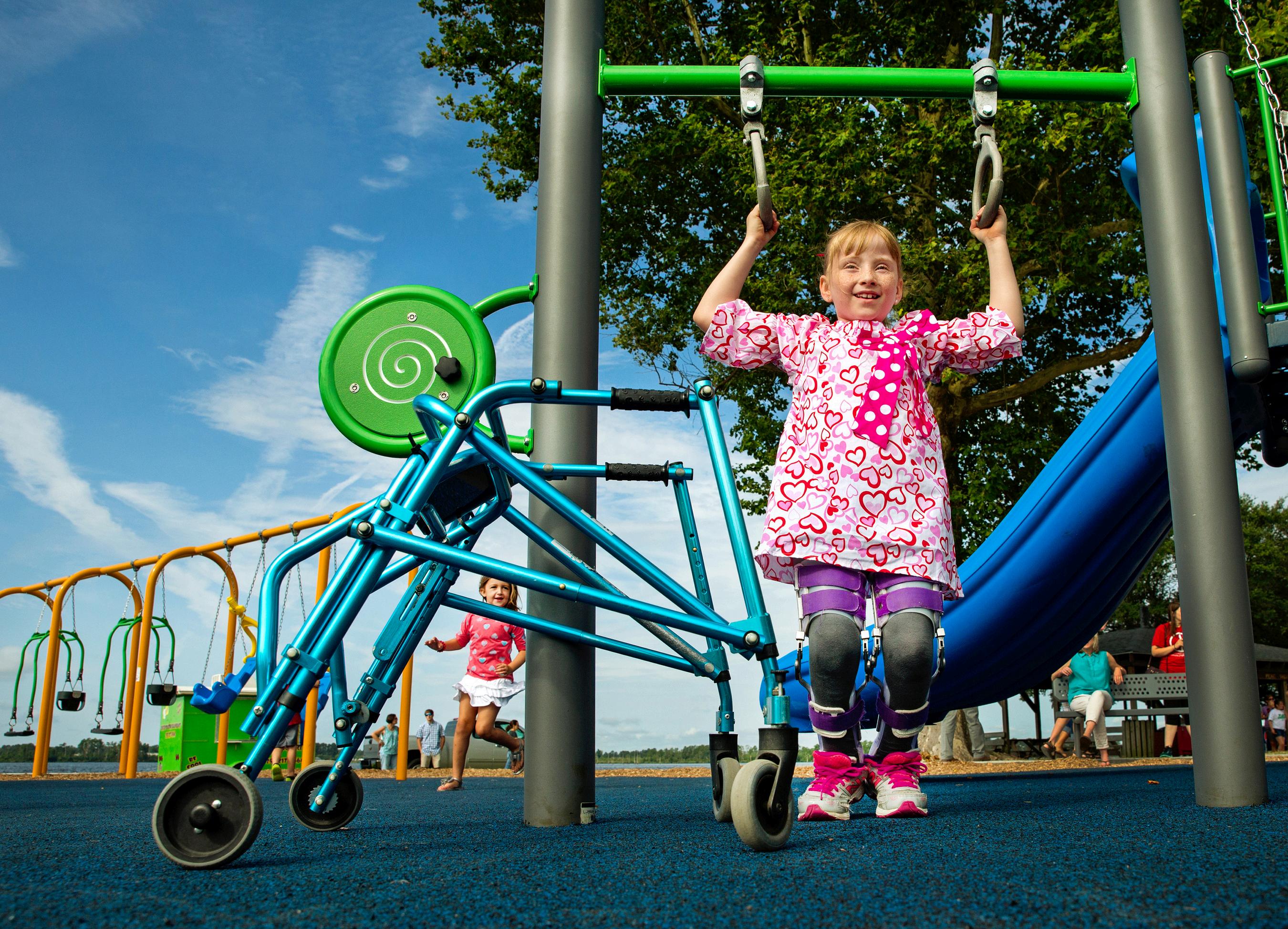
Checklist: Getting Started
Assess existing spaces Walk your playgrounds and public spaces with fresh eyes, ideally alongside someone who uses a mobility device, sensory support, or other accommodation
Gather community voices Talk with parents, educators, and disabled community members before you talk with a designer.
Explore funding Inclusive design rarely costs as much as people assume, and dedicated grants and matching-fund programs exist specifically for it
Create a vision team Bring together advocates, city staff, educators, and families before a single shovel hits the ground.
Start with one change
One ramp, one sensory space, one redesigned swing set. Mayli's story didn't start with a district-wide policy It started with one playground
RESOURCES & NEXT STEPS
PlayCore Research: Evidence-based studies on inclusive play, disability, and community design from the PlayCore Research Institute.
Inclusive Play Guides: The Seven Principles of Inclusive Playground Design and supporting design resources for planners and architects
Funding Guides: Grant programs, matching-fund offers, and fundraising strategies built specifically for inclusive playground projects.
Inclusive Playground Planning: Step-by-step resources for assessing, designing, and funding a project in your own community
SCAN & GO
Watch Mayli's Story gametime.com/mahyli
Explore the CADES Story gametime.com/cades
Get the 7 Principles Design Guide gametime.com/7principles
Find Funding Resources gametime com/funding
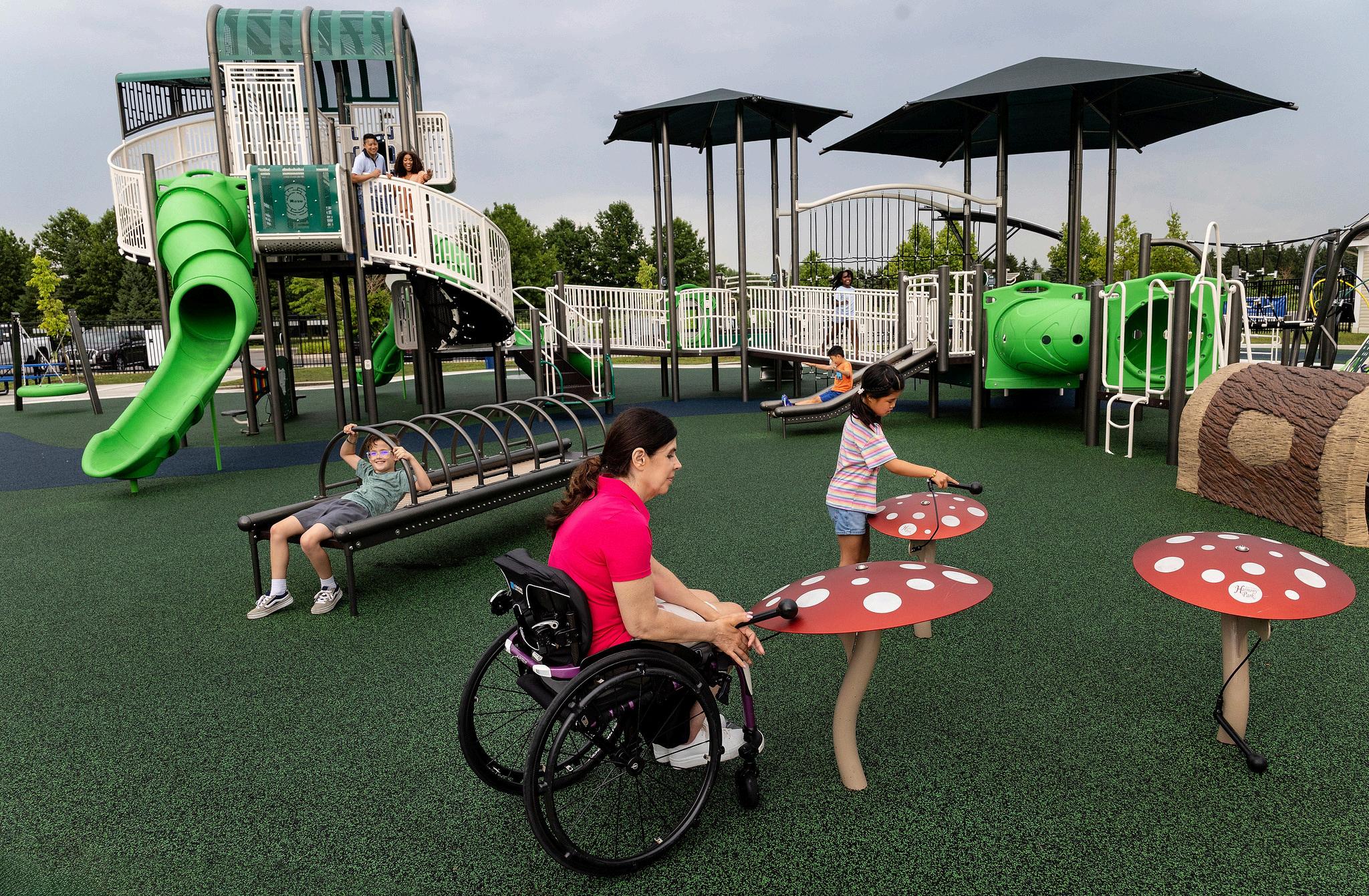
You don't have to change everything today. Start by being the one who starts the conversation. Be the One. Because somewhere nearby, someone is waiting to be included.