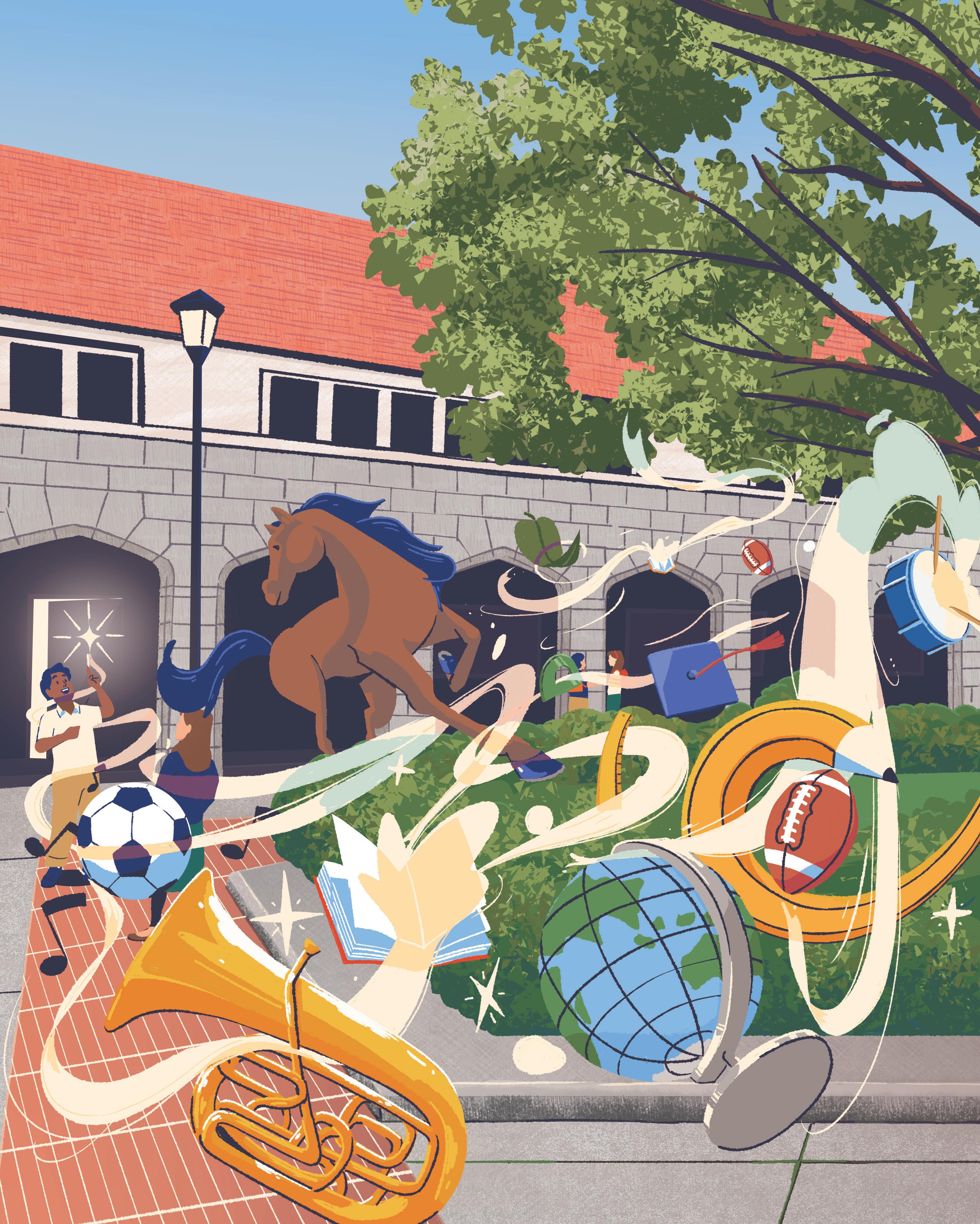
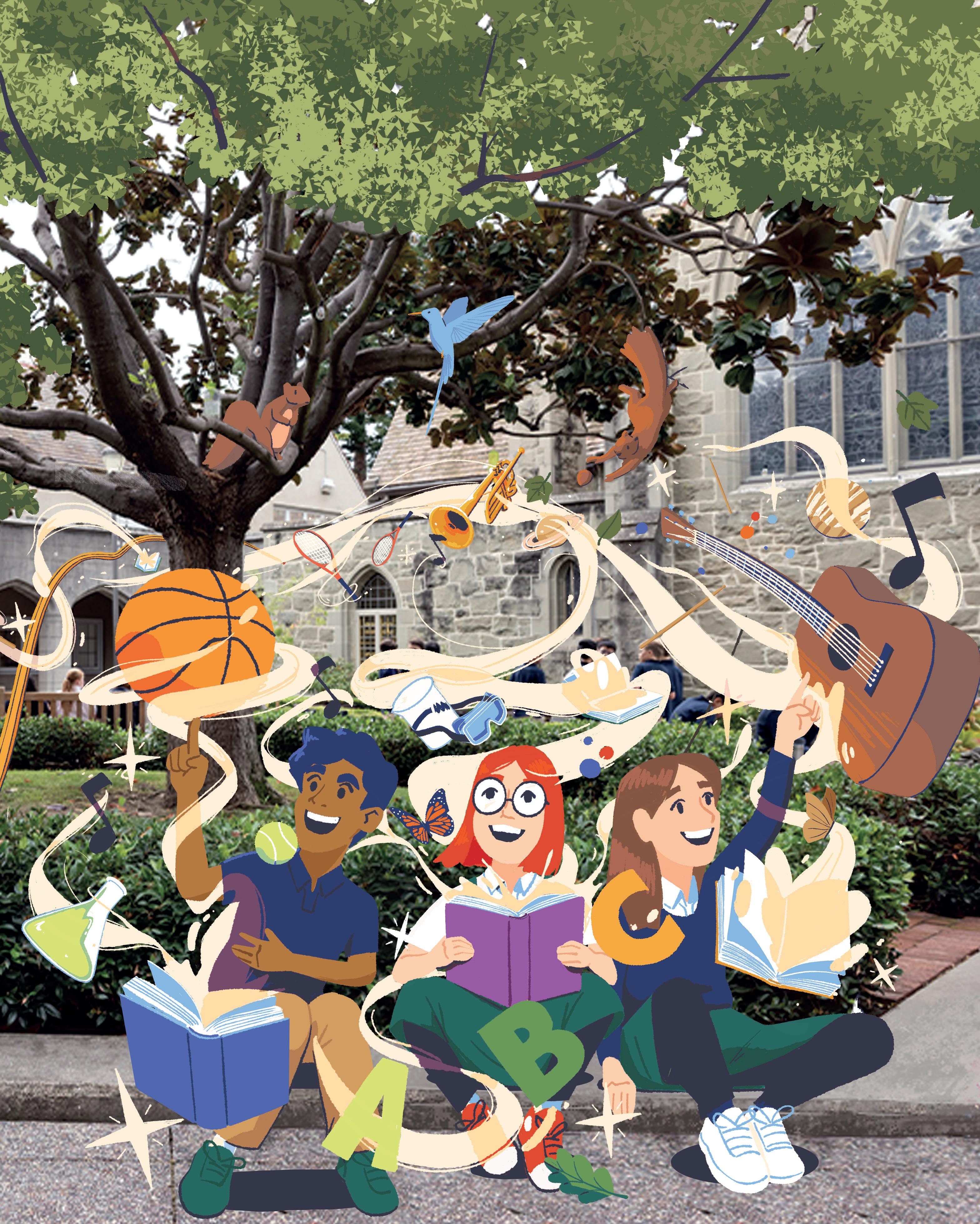
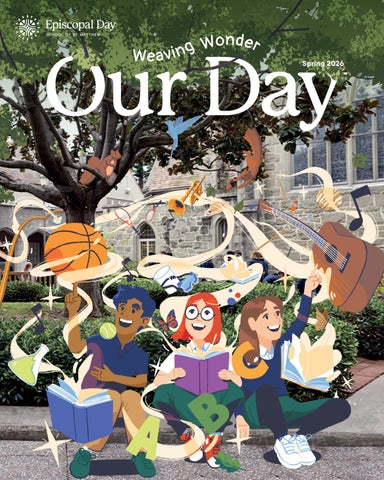
Curiosity is where every journey begins, and we are delighted to share the 2026 edition of Our Day magazine, Weaving Wonder, a celebration of the inquiry, imagination, and intellectual courage that define the Episcopal Day experience.
This issue explores how wonder is not something students outgrow. It is something that deepens over time, from a pre-kindergartener’s first moments of discovery to middle schoolers engaging with complex questions about the world around them. It is a trait that students take with them well beyond Episcopal Day School (EDS) as alumni, carrying that same spirit of curiosity into new and unexpected fields of study like artificial intelligence and medieval history.
Across classrooms and disciplines, learning at EDS unfolds through shared practices of questioning, exploration, reflection, and agency. From handson experiences to student-driven projects and big, enduring questions, Weaving Wonder offers a glimpse into our community's commitment to joyful, meaningful learning—and to nurturing young people guided by curiosity and purpose.
Editorial Team
Quincey Grieve
Head of School
Fatima Julien
Associate Director of Marketing & Communications
Roxy Nielsen
Director of DEIB & Associate Director of Admissions
Kendra Mastain Director of Development
Tish Scola
Director of Strategic Initiatives and Enrollment
Jenna Yee
Development Associate
Contributing Writers
Sophie Callcott '16
Hai Do
Middle School Science Teacher & Science Department Coordinator
Quincey Grieve
Head of School
Ryan Kearns '13
Geneva K. '26
Mary Kimbell
Math Specialist
Dr. Brandon Kraft
Associate Head of School for Academics & Interim Middle School Director
Katie McDougall
Lower School Director
Paxton Metzcus
Maker Lab Teacher
Christopher Washington
Middle School Science Teacher
Design
Maura Feingold
Wednesday Seven, Inc.
Cover Illustration
Daniel Crespo Saavedra
Copy Editor
Annie Coull
Jask Printing Services
Photography
Myleen Hollero
Fatima Julien
Special Thanks
Aadi Annamalai
Middle School Social Studies Teacher
Dr. Brad Hoge
Middle School English Teacher
Julie McMillan
Middle School Social Studies Teacher
Kevin Wood
Middle School English Teacher
Ansley C. '28, Charlie C. '27, Lily D. '28
Emma G. '26, Makaela J. '26, Grant T. '27
Grayson V. '28, Liv W. '28
Quincey Grieve
Katie McDougall
Christopher Washington
Sophie Callcott '16 Ryan Othniel Kearns '13
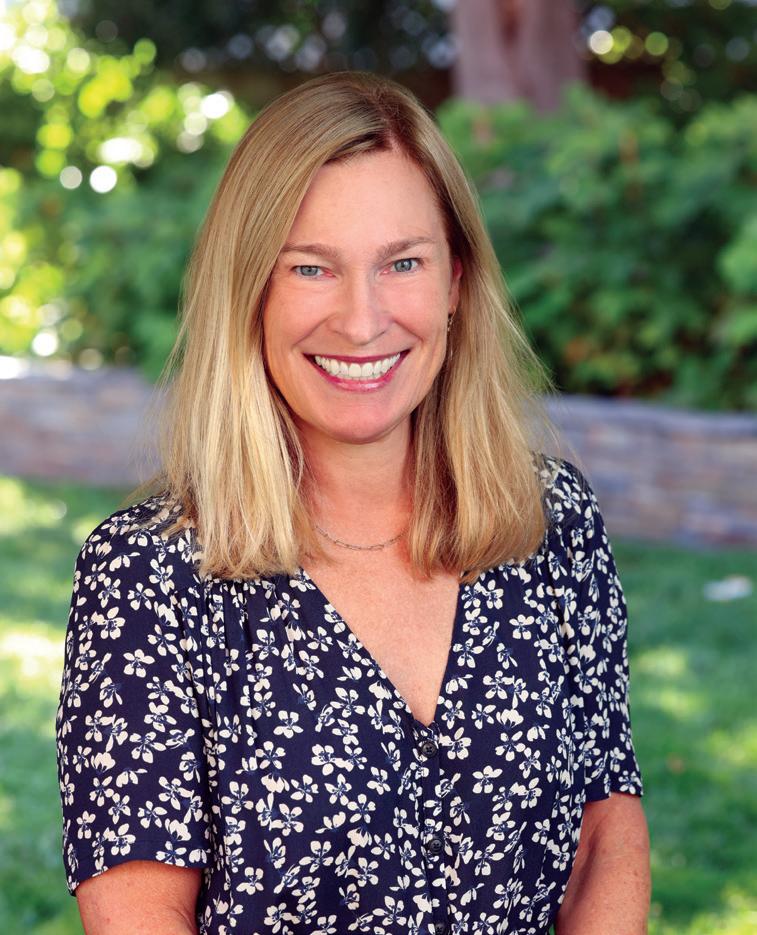
This year’s Our Day magazine theme, Weaving Wonder, invites us to pause and consider what it truly means to inspire wonder in children.
At Episcopal Day, inquiry is foundational to an Episcopal education. We teach students that questions are not distractions from learning. They are the pathway to it. Wonder requires courage to ask big questions and the intellectual curiosity to pursue the answers. Across all grades and divisions from Charles House to the third floor of St. Matthew’s Hall, we see this in our students.
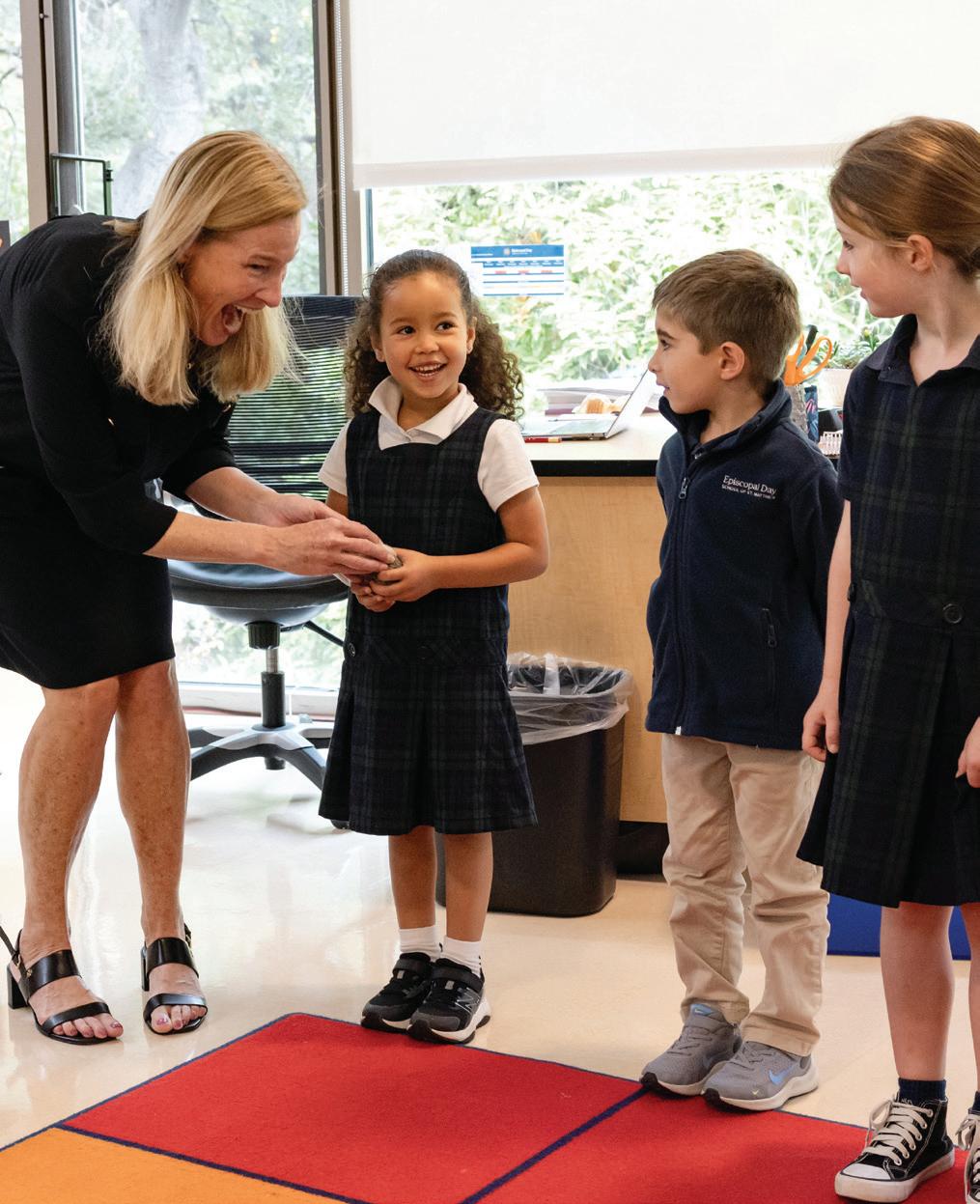
From pre-K through grade four, wonder often begins in the natural world. Our youngest students explore creeks, gardens, and open spaces. They do not just read about ecosystems, they experience them. Field trips and walks around the neighborhood encourage them to ask questions like, Who lives here? How is my being here changing this space? By being curious and asking questions, they make connections and begin to understand the role science plays in their lives. One of my favorite days of the year is when the kindergarten class walks to my house to explore the natural world of my backyard. What a gift to see my home through the wonder of children!
By middle school, that wonder matures into something with more depth. Students are not only curious, they are looking for answers and solutions. Collaborations in English and Social Studies classes occur as students examine the stories that shaped civilizations, debate ethical dilemmas found in those stories, and ask questions that help them examine all of the different perspectives. Wonder at Episcopal Day is not simply curiosity. It is an intellectual discovery.
A deep commitment to bring wonder to life is evident in the planning and preparation our teachers and the professional community put into events like Family Math Night, theatre performances, our Visions & Voices Arts & Poetry Night, and the Science Fair.

Wonder requires courage to ask big questions and the intellectual curiosity to pursue the answers.

These are not simply celebrations. Children stand before peers and parents to showcase their interpretations, share original thinking, and explain their reasoning. Through these experiences, they enjoy the excitement of intellectual
Our commitment to depth extends beyond academics. Through assemblies that inspire belonging and programming that reflects our entire community, students engage in conversations that challenge them to see beyond themselves. These assemblies are not isolated moments, they are part of an intentional effort to build perspective and empathy. In this way, we are expanding the depth of observations and conversations our students can have with peers and adults.
Similarly, as we explore artificial intelligence and digital citizenship, we are preparing students to navigate curiosity, critical thinking, wisdom, and complex ethical challenges. Technology at Episcopal Day is approached as a tool for inquiry. We understand that wonder in the digital age demands responsibility.
As you look through the pages of this issue of Our Day, my hope is that you will see how the elements of an Episcopal Day education woven together over days, weeks, months, and years are what we mean when we say, Weaving Wonder.
With gratitude,
Quincey Grieve Head of School

Katie McDougall Lower School Director
The questions that shape a learner most are about more than memorizing answers. They are about wondering why things are the way they are, and how we are called to contribute to the world around us.
As in any excellent academic program, students at Episcopal Day School are regularly presented with questions like “What is the square root of 49” or “what happened in the War of 1812?” These are good and valid questions to ask, and students become adept at answering them. These are questions that we ask for the sake of knowing. Facts are important. Through exposure to in-depth learning on a wide range of topics, we are equipping our students with knowledge that will support further learning and skillbuilding throughout their academic journeys and their lives.
As educators, we know the importance of asking “what questions.” But at Episcopal Day School, our students are also provided myriad opportunities to ask and answer questions that start with “why” and “how.” These are questions like “How did you solve that math problem?” or “Why do you think the character reacted that way?” These are the kinds of questions that go beyond facts. These are questions that we ask for the sake of understanding.
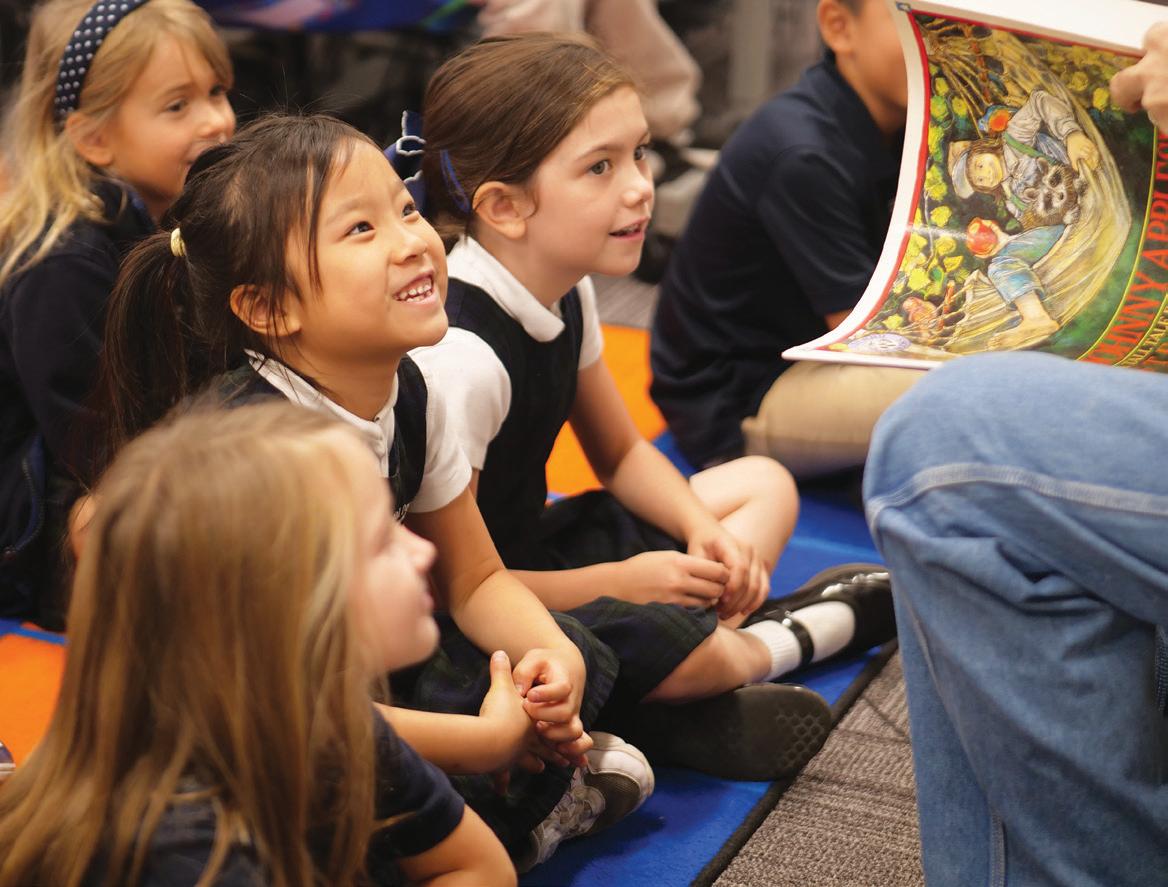

These questions engage students in deep and complex thinking that requires metacognition, inferential thinking, and perspective taking. Inquiry is at the heart of academic work at Episcopal Day School, and, simply put, it is the focus on “why” and “how” that expands students’ minds and perspectives.
Even “why” and “how” questions, however, are not the most important questions that we ask young people. Over the course of a student’s ten-year journey at Episcopal Day School, some of the most important questions they will wrestle with are the ones with no clear answers: questions that start with words like “should” or “could.” In pre-K or kindergarten, students may be asked questions like “What could we build with these materials?” or “Should you apologize, even if your feelings were hurt, too?” By the time students make their way into middle school, they may be grappling with questions like “Should people follow laws that they believe are unjust?” or “Could we both be right?” By the time they graduate, students are equipped to think critically about questions like “What could we do to solve food insecurity in our community?” or “How should we engage with people with whom we disagree?”
These are the kinds of questions to which we cannot provide answers. These are questions that cause students to reconsider their assumptions. These are questions that drive action. These kinds of questions become a compass.
In an increasingly complex and ambiguous world, the value of human reason is starkly clear. Now more than ever, our Episcopal values mandate that we educate children not just on the “what,” or even the “how” or “why.” Our shared humanity, so central to our Episcopal identity, requires that we go beyond teaching children that which is knowable.
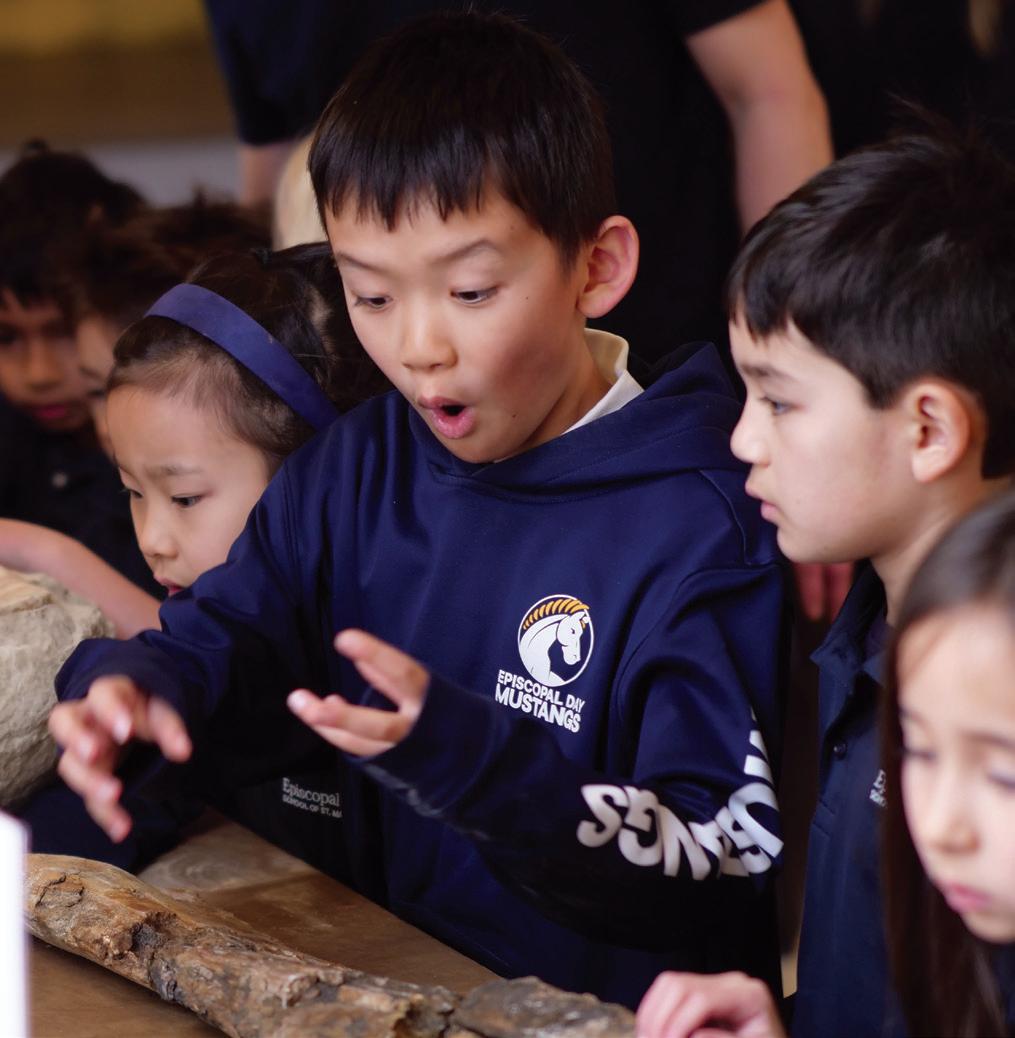
We are charged with raising young people who aren’t afraid of questions without answers, who don’t wait to see which way the wind is blowing, but who consider “should” for themselves.
By engaging with these kinds of questions, moment by moment, day by day, Episcopal Day School students practice the moral courage that is so central to our mission. Their curiosity–the questioning that is such a hallmark of our academic program–becomes a compass, helping them find their bearings in an uncertain world. With that compass in hand, they learn to find their way in the world and walk through it with purpose, responsibility, and spirit.

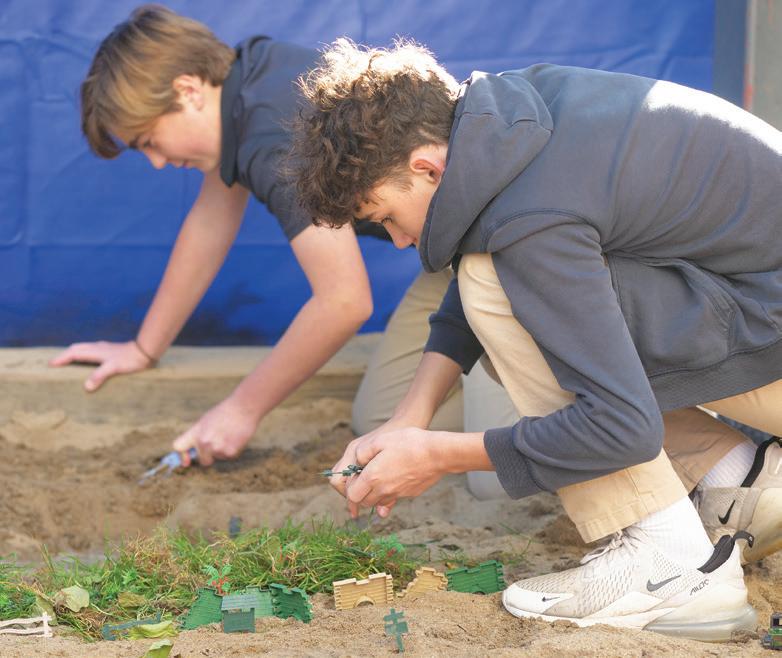
Hands-on, place-based learning took our students from ranch to bay to island where curiosity, discovery, and empathy came to life.
Living in Northern California means our classrooms extend far beyond campus. Coastal ecosystems, historic landmarks, and national parks are just a drive away. At EDS, these places aren’t just destinations; they’re opportunities for students to explore, question, and connect.
This year students followed their curiosity across California to Angel Island, Yosemite National Park, St. Dorothy’s Rest, Redwood City’s Marine Science Institute, the UC Elkus Ranch, Pinnacles National Park, Big Sur, the Marin Headlands, Gold Country, and more!
Pre-K
Elkus Ranch
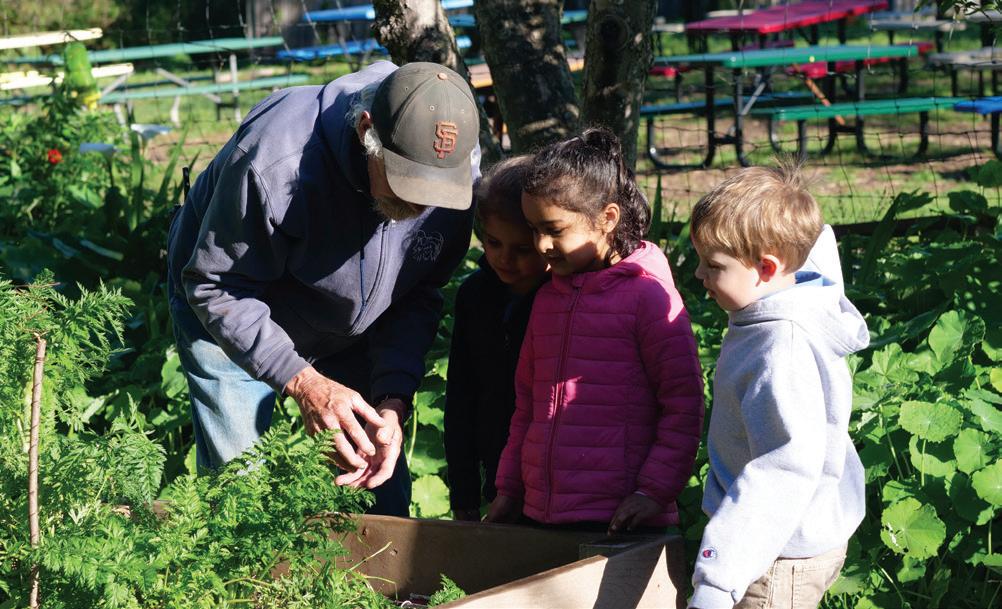
Pre-K explored the UC Elkus Ranch through handson discovery. Students participated in a garden scavenger hunt, learned about how plants grow, examined pelts and bones, made friends with the friendly goats and donkeys, and fed the chickens!
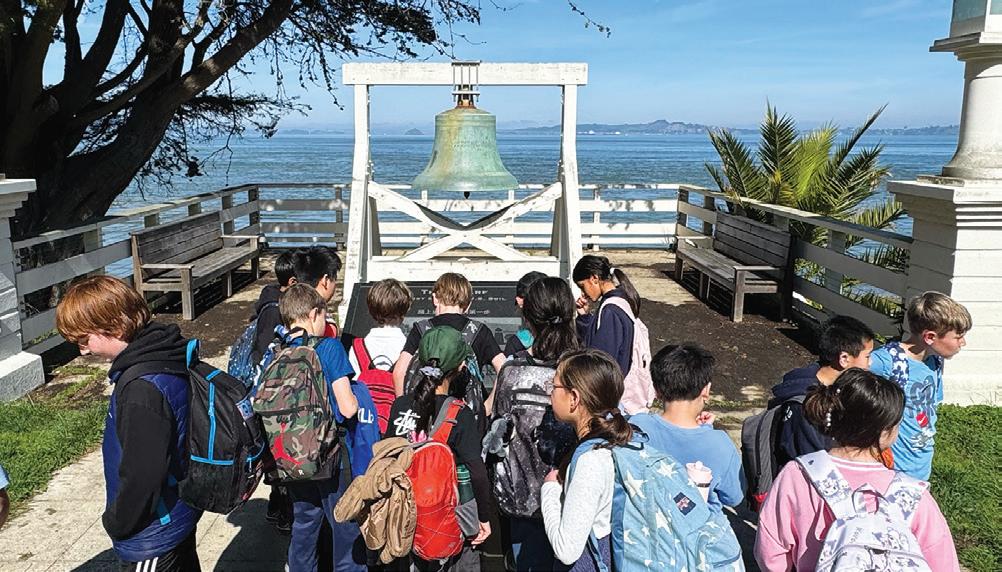
Fourth graders brought their study of immigration and California history to life at Angel Island. On their tour of the historic station, they learned about the many powerful stories etched into its walls while connecting their learning to the world around them.
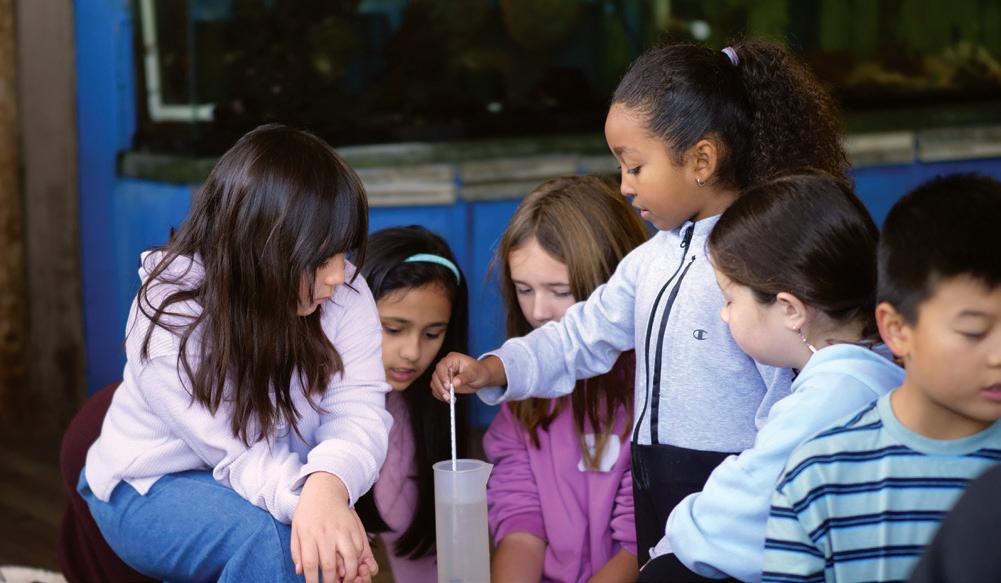
Third graders got to be marine scientists for a day at the Redwood City Marine Science Institute. Students tested bay water for salinity and oxygen levels, retrieved and studied water samples under a microscope, interacted with different fish species living in the Bay, and learned about marine mammals, their habitats, and biologies.
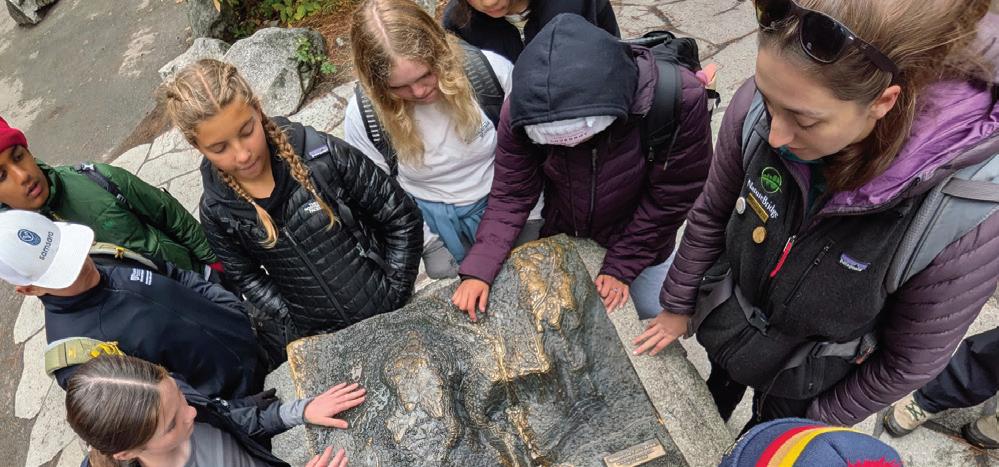
Yosemite National Park
Seventh graders journeyed to Yosemite for their annual class trip! Students studied ecosystems, explored water biology in fresh water samples, took on team-building challenges, hiked, explored towering redwoods, visited Yosemite Falls, and enjoyed evenings of campfire s’mores and stargazing.
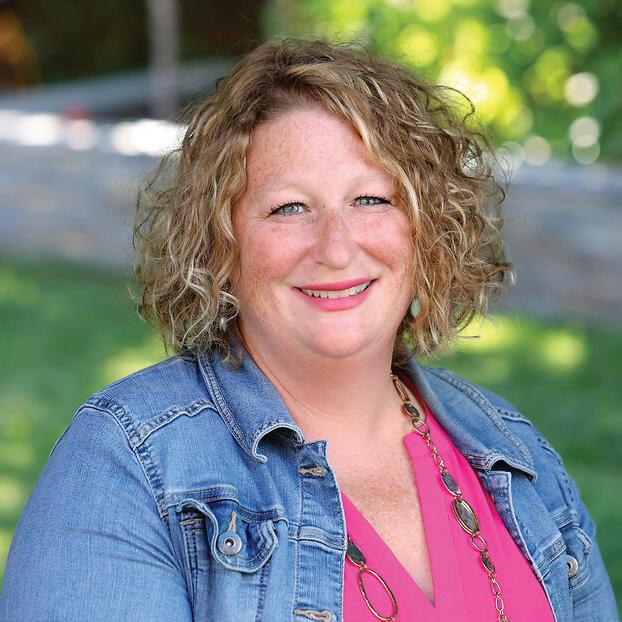
Mary Kimbell Math Specialist
At Episcopal Day, each and every one of our students is a mathematician, and we strive to ensure that they know it.
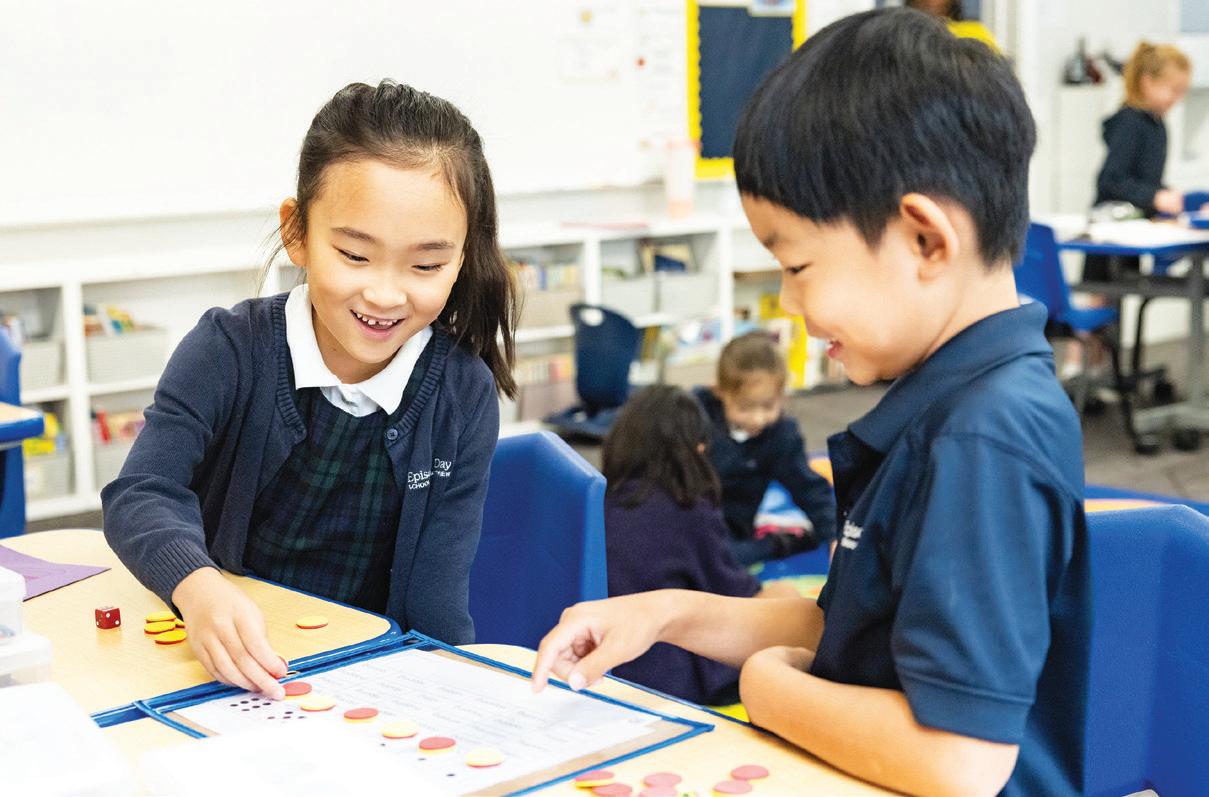
Classrooms are a collection of different brains with different backgrounds, strengths, and struggles. All of these differences can work together to push the collective towards deeper levels of understanding. In our lower school math classrooms students at Episcopal Day are encouraged to work with their peers to learn different ways of thinking, seeing, and doing. We focus on collaboration, critical thinking, and number sense (which will collectively form the foundation for all future math learning), and create opportunities for students to think, explain, listen, use, and expand in authentic and engaging ways. When you can look at a number, shape, or mathematical problem from different angles, you open your brain to new strategies that naturally deepen understanding over time.
Starting in pre-K, students explore amounts and shapes in various ways that tap into their natural curiosity and emerging understanding of the world. They play with and talk about numbers in ways that make numbers, their relationships to one another, and ultimately ‘math’ real to them. I recently had the pleasure of being part of a conversation about the word "dozen" with our pre-K students. During this conversation, they learned that some things come in packs of twelve, and students were quick (and excited!) to share what they wish they had by the dozen. It was wonderful to watch them start to pick up on numbers and their real-world applications and meanings.
Later in kindergarten, students begin the Everyday Math curriculum, a spiraling, exploration-based math curriculum that focuses on inquiry, collaboration, strategizing, critical
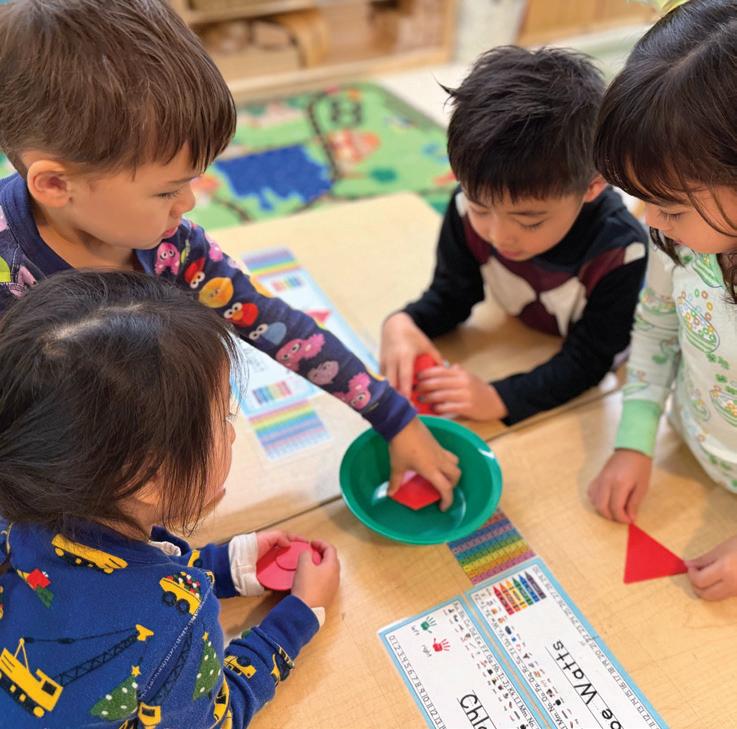
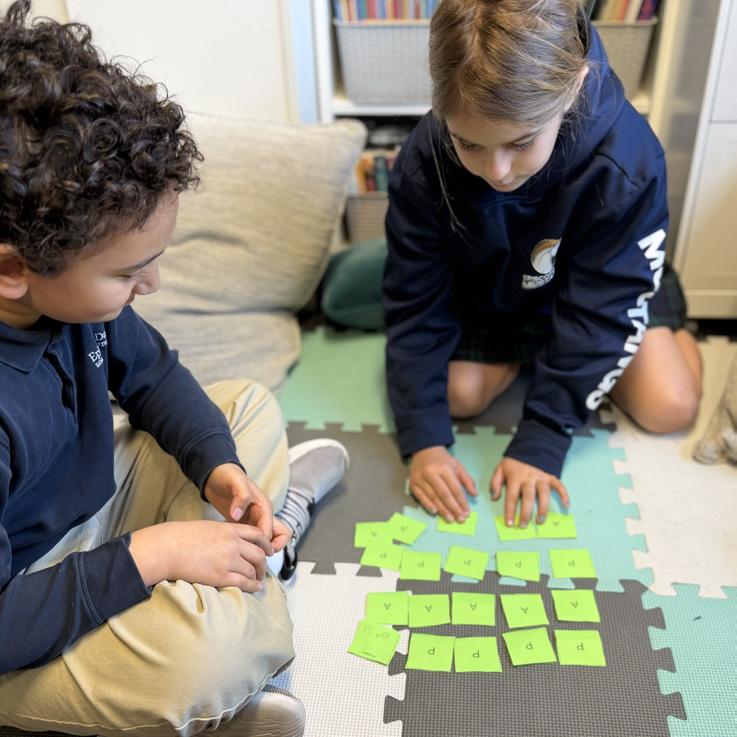
thinking, justifying, and especially number sense in 11 content strands. At the same time, kindergarteners begin weekly small groups for differentiated math activities as well as interactive “centers” where they can further explore math concepts. One particularly engaging kindergarten small group activity involved students measuring their partners’ heights using sticky notes to determine if they would be tall enough to ride a roller coaster. This allowed them to build up a base understanding of ‘measurement’, a concept which evolves further in the first grade where students begin practicing measuring lengths with other items like paperclips before they are introduced to standard units like inches and centimeters. The goal of the trajectory is to build a strong conceptual base so that understanding continues to grow throughout the rest of our math program. This same gradual evolution is employed throughout the other content strands that students explore throughout the math sequence.
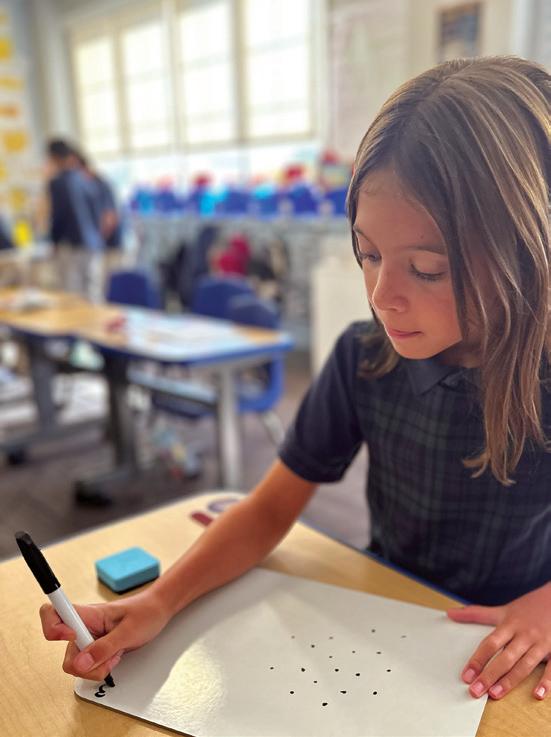
In first grade students begin to participate in Math MixUps, weekly sessions in which a small group of students from one grade level works with a teacher on an open-ended activity or game. They continue until the fourth grade and are essential in growing positive mathematical mindsets. Not only are they a student favorite, but they give us the opportunity to delve even more into individual growth in the Standards for Mathematical Practice, meeting students where they are and encouraging them to push their thinking from there. Math MixUp sessions can range from things like placing digits in a puzzle to try to make the smallest number you can, exploring how many different rectangles you can make with the same amount of fencing, to directing a rover through a maze to collect as many points as you can without running out of fuel.
Each activity in our Math MixUps are carefully chosen and intentionally presented with a focus on exploration, problem-solving, and collaboration. While activities are differentiated for the needs of each group, the launching point in all groups, no matter the level of understanding, is student voice and ideas. They are all mathematicians afterall, and our Math MixUp sessions allow them to really live that reality.
I will leave you with one to try out yourself: If a display in the zoo has exactly seven animals and exactly twenty-two legs, what animals could it contain? If your final answer abides by the parameters outlined in the question, then congrats you’ve just successfully solved your first Math MixUp problem! It doesn’t matter that someone else guessed 3 ostriches, 2 zebras, and 2 lions while your guess was 2 hyenas, 2 lions, and 3 kangaroos.
As students explore their own ideas, engage with their peers’ thoughts, and build an understanding of numerical concepts and their functions via real world application, math becomes very real and very personal. We are all mathematicians and we all think and learn in different ways. No one way is more correct than another, and true early math education should celebrate and amplify that. It certainly does here at Episcopal Day.

At Episcopal Day, curiosity also turns inward. In the Lower School’s Best Part of Me project, students explore one of the most important questions they’ll ever ask: Who am I?
Each student reflects and chooses a part of themselves that feels meaningful. For some, it’s eyes that notice the smallest details. For others, it’s hands that build, legs that keep moving, or a mind full of ideas. They capture that choice through images and words, creating something that feels personal and real. The result is not just a display, but a glimpse into how each child sees themselves.
As a community, we care deeply about helping students understand how they think and learn. This kind of reflection builds confidence over time. When students can name their strengths and recognize their growth, they begin to trust themselves more, both in the classroom and in their relationships with others. This internal curiosity mirrors what we see across disciplines. There is rarely just one way to approach a problem, whether at school or in life. Students learn that their perspective matters, that there is no single way to be a learner or a person, and that different approaches can sit side by side.
The Best Part of Me project is a reminder that learning is not only about discovering the world around us. It is also about understanding who we are becoming. When each student feels seen and valued, it strengthens the entire community because every part of every child matters.
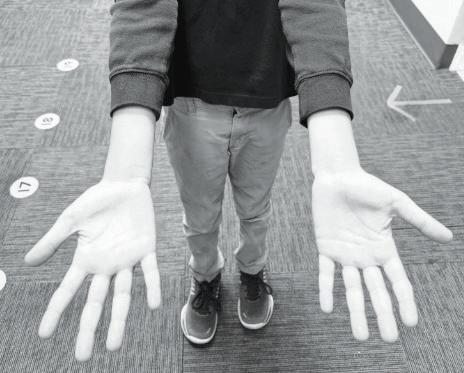
AYAN G. ‘30 The best part of me is my arms because I can play piano and drums with my arms. I can also play basketball, tennis, and almost all sports with my arms. Finally, I can hug my family and show a lot of love with my arms. That’s why my arms are the best part of me!
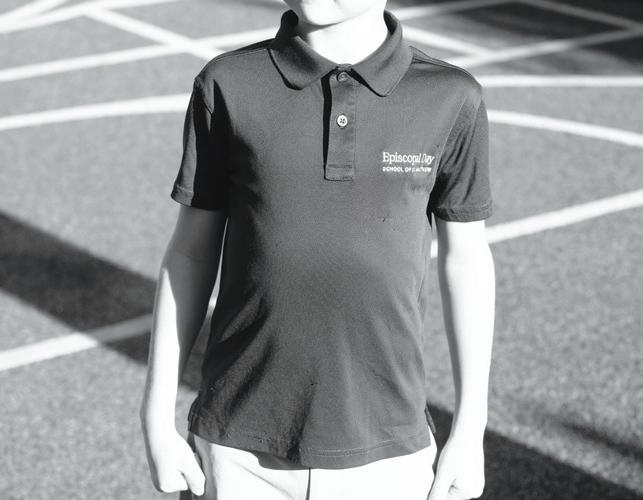
BROOKS C. ‘32 The best part of me is my chest. My chest is important because my heart is in it. Another reason I like my chest is because it helps me play sports with my friends. Lastly, a lot of my body parts are attached to it. I would not be the person I am without my chest.
Roxy Nielsen Director of DEIB & Associate Director of Admissions
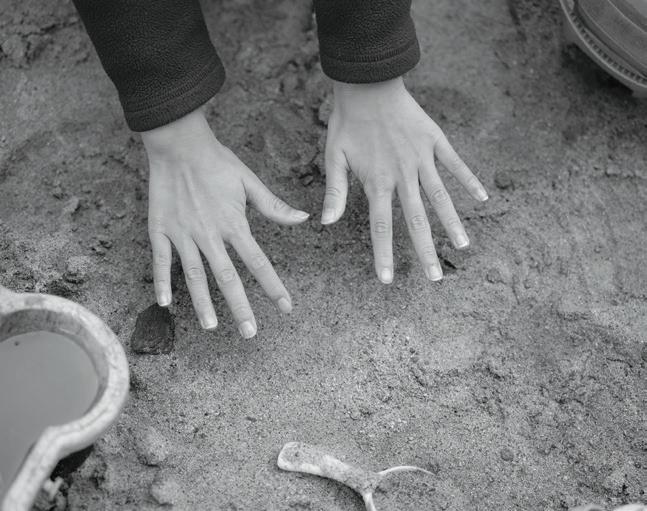
MAURICE N. ‘32 The best part of me is my hands. I use my hands for writing. I also like my hands because they can hold things. Finally, my hands are special because they can build robots. These are the reasons I like my hands!
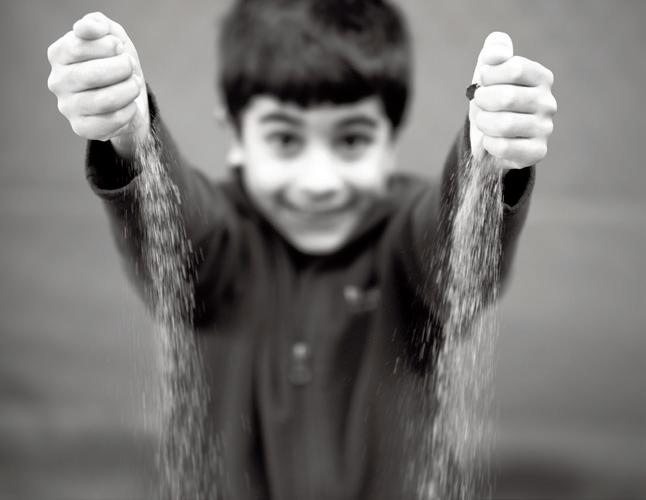
NEIV B. ‘32 The best part of me is my hands because they help me feel and touch is one of my senses. They also move my sword around in fencing. That’s why my hands are the best part of me!

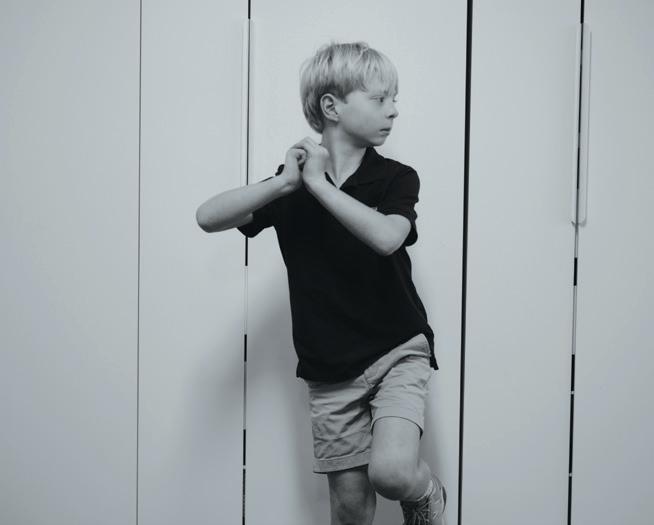
CHARLIE C. ‘31 The best part of me is my arms. I like my hands because they help me with baseball where I am a pitcher and catcher. I like my arms because they help with writing. I can write long stories that are funny! The last reason is that they help me play soccer. I am a great goalie because I can use my arms to block goals. That’s why my arms are the best part of me!
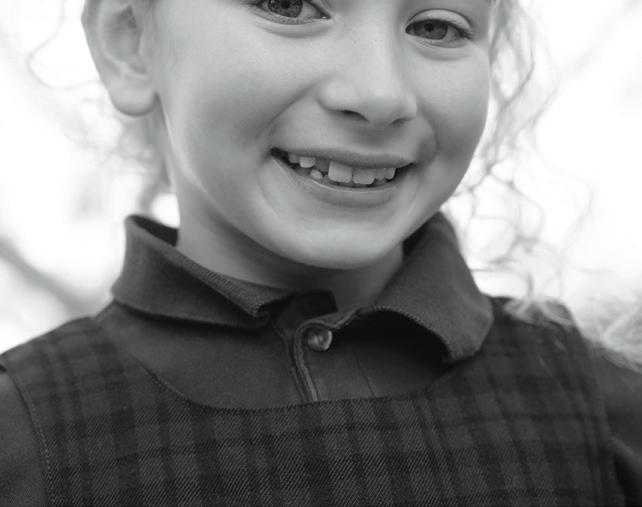
MAGNOLIA C.J. ‘31 The best part of me is my teeth. I love my teeth because I love food like sushi. If we had no teeth we could not chew or talk. They are sparkly white and they smile for picture day. Also, as I lose my baby teeth I get money!
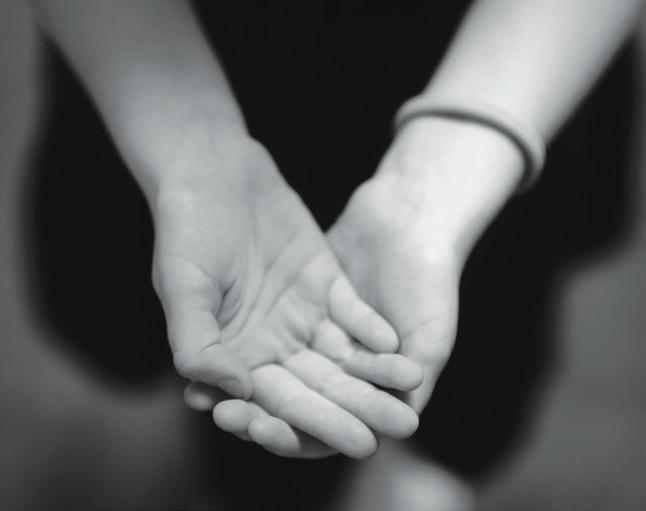
PENELOPE G. ‘32 I love my hands because I carry flowers for Mother’s Day. I wipe off my tears when I cry, and I wave my hand when I say hello or goodbye.
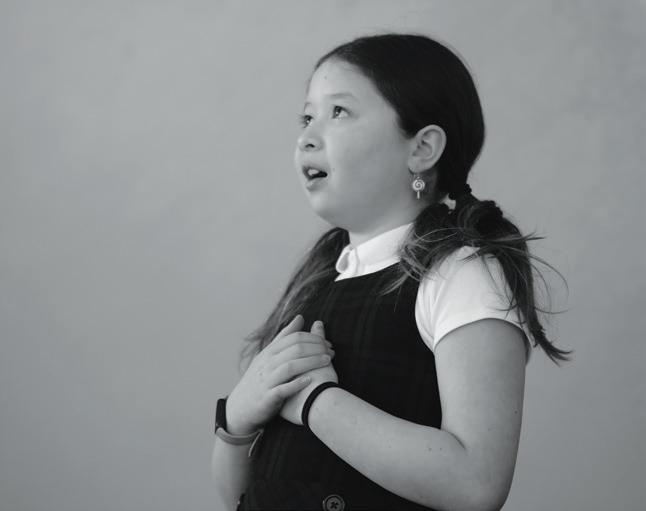
SUZY K. ‘31 The best part of me is my voice. One way my voice helps me is that it helps me get bigger roles. For example, I got a lead part in The Sound of Music. Another way my voice helps me is at school. I am able to use my voice during assemblies and reading class. Lastly, it helps me communicate with my friends and family. I have a lot of friends and a lot to talk about. This is why my voice is the best part of me.
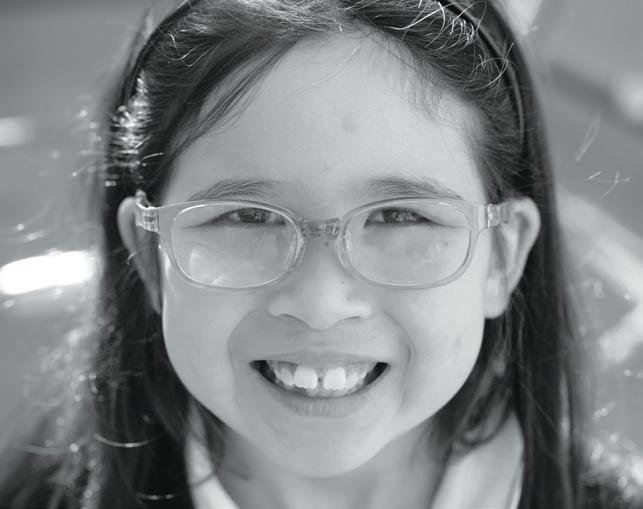
EMMY R. ‘32 The best part of me is my eyes. My eyes help me see when I need to see things of all different sizes. My eyes help me see what’s around me so I can walk. I love my eyes because they help me read and write. That’s why my eyes are the best part of me.
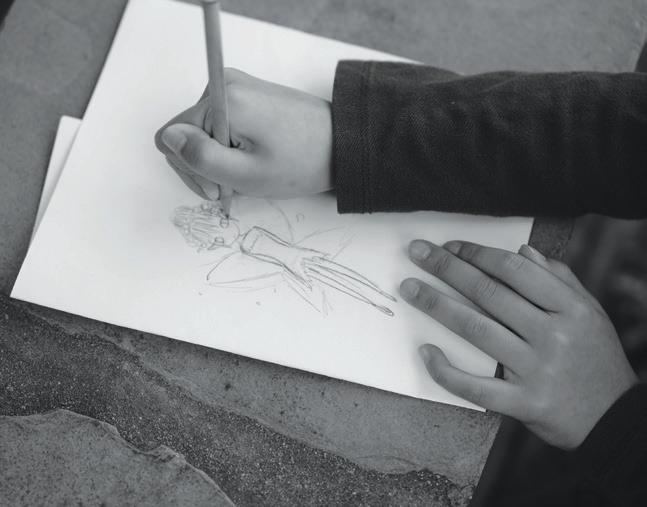
EMMA W. ‘31 The best part of me is my hands. I love my hands because I can draw with them, and drawing is my most favorite thing to do (especially drawing anime)!
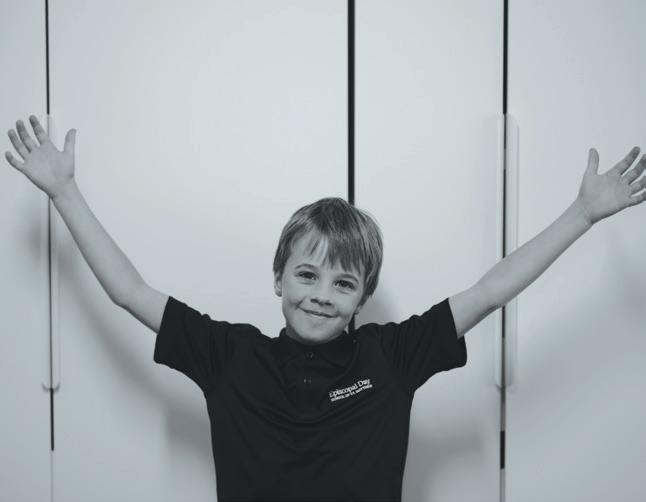
JOHN W. ‘31 The best part of me is my arms. I need my arms in soccer to help me block goals because I am the goalie. In golf, I need my arms so I can swing, I need the ball to go in the hole because I need the lowest score. I need my arms in Legos so I can be creative with them. That’s why my arms are the best part of me.
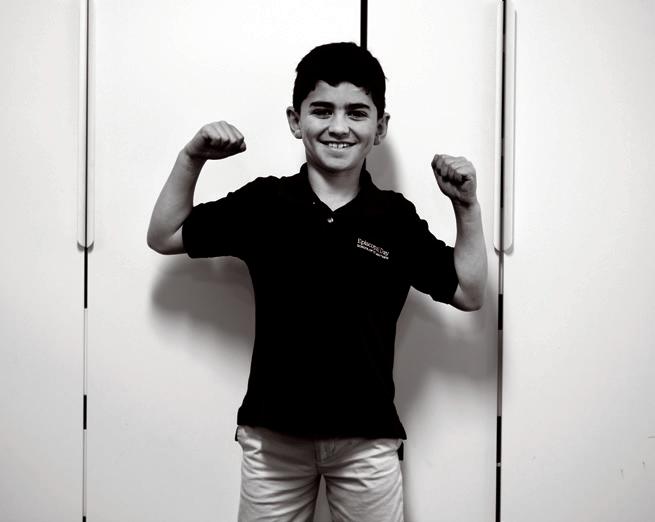
JACK D. ‘31 The best part of me is my arms. They are great because they help me in golf! I use my arms to hit the ball farther. I also use my arms in football to catch the ball. I do push-ups with my arms to make me stronger. Another way I use my arms is in school. My arms let me write and pick up work. Lastly, my arms help me enjoy delicious food that I love to eat. That’s why my arms are the best part of me.
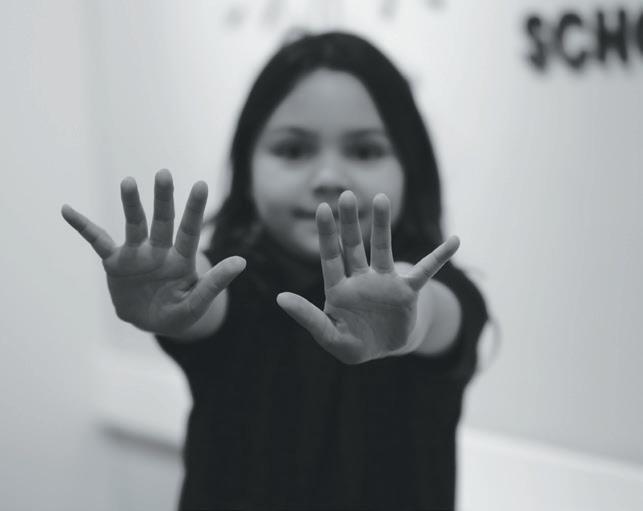
VICTORIA V.S ‘32 I love my hands because they let me touch everything. My hands help me write everything. My hands let me touch pets. That’s why my hands are the best part of me.
Dr. Brandon Kraft Associate Head of School for Academics and Interim Middle School Director
Climate change, ethical engagement with technology, cancer, and building equitable workspaces are only four major problems whose solutions do not fit squarely within the knowledge base of any single discipline. For instance, engineers and environmental scientists have developed many ways to decrease our carbon footprint. However, some of these developments are unpopular socially and politically. Therefore, to truly build a more sustainable planet, we need to engage the disciplines of psychology, history, sociology, and political science to develop solutions. Moreover, a solution requires more than just these scholars being in one room. Rather, scholars argue that it requires a focus on discrete skills that transcend disciplinary boundaries.
To truly build a more sustainable planet, we need to engage the disciplines of psychology, history, sociology, and political science to develop solutions.
Interdisciplinarity has been a driving force within higher education for decades. Calling scholars to come together across disciplinary boundaries to tackle some of the world's most pressing problems. Scholarship highlights that interdisciplinarity works best when it is grounded in a theme or problem. Moreover, research highlights that interdisciplinarity requires its own way of thinking and its own skills. Most notably, these skills include relaxing perceived boundaries, perspective-taking, consensusbuilding, and systems modeling.
Our current challenges and compelling scholarship call on us, as educators, to develop approaches that make students comfortable with interdisciplinary engagement. Therefore, they can be the leaders of the future. At EDS, we have already begun purposefully integrating opportunities to engage with interdisciplinary skill sets. Particularly, we are building an academic program that relaxes perceived boundaries, builds students' perspective-taking, promotes consensus, and develops systems-based visions.
One example of how we have relaxed perceived boundaries in the lower school is the utilization of Core Knowledge Language Arts (CKLA) curriculum. This curriculum integrates students’ skills in reading, scientific reasoning, and perspective-taking. For instance, units on “Jazz” and “Light and Sound” give students an opportunity to develop nonfiction reading and phonics skills while also learning about waves, disability pride, and historical figures in black music. Students do not necessarily know they are engaging in interdisciplinary skill development. However, CKLA follows best practices in building interdisciplinary skills by focusing on a theme to ground student engagement. Moreover, our approach highlights that skilled reading is necessary not only for engaging with fictional or poetic texts, but across disciplines. Students need to be skilled readers regardless of the text, and they need the mental plasticity to sound out words and use context to understand new words.

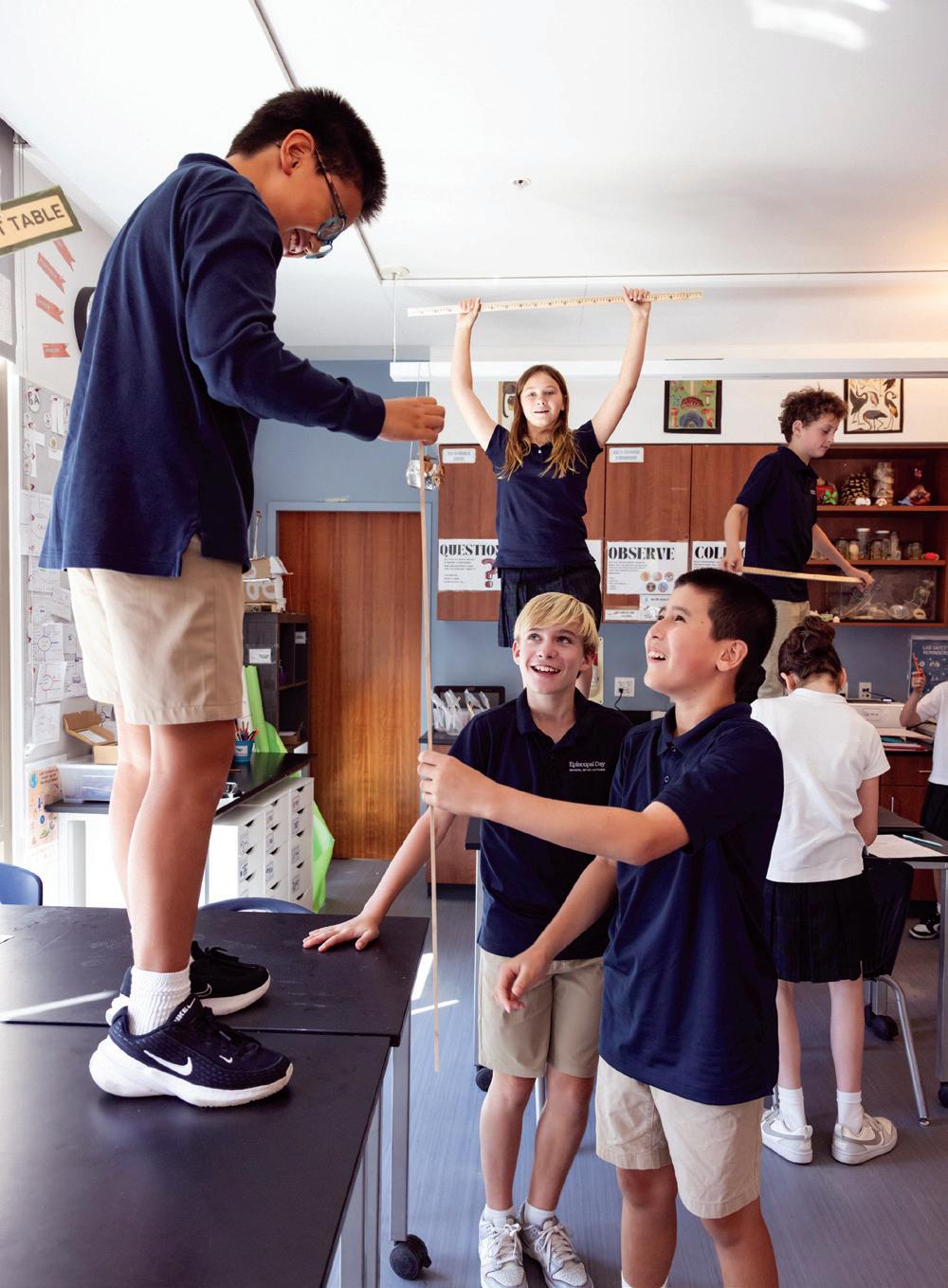
Two skills that EDS teachers integrate into almost every class are perspective-taking and consensus-building. To be good at these skills, students must build their metacognition, i.e. their ability to understand and communicate how they learn. Our Science, Technology, Engineering, and Math (STEM) disciplines are areas of strength in the practice of these skills. Our collaborative approach to STEM requires students to recognize that there is not just one way to solve a problem. For instance, our inquirybased math program presents students with relatively novel questions. They must then come together to develop approaches and share out. They learn there are multiple ways to solve the problem. Another example of problem based approach in STEM is our sixth
Two skills that EDS teachers integrate into almost every class are perspective-taking and consensus-building. To be good at these skills, students must build their meta-cognition: their ability to understand and communicate how they learn.
grade science project. Students were learning about thermodynamics, specifically heat transfer, in class. Then, in partnership with Chaplain Jolly, Mr. Do had students consider how to keep people who are experiencing homelessness warm. Students broke into small groups to develop prototypes. They then had to justify their prototypes and choose one. This required students to understand others’ perspectives and reach a consensus on which project to design.
Although the skill of systems thinking is present in the previous two examples, it is clearly evident in our pre-K through eighth grade social studies curriculum. At each level of our social studies program, students implicitly or explicitly investigate historical phenomena through political, economic, religious, social, intellectual, artistic, and natural lenses. This approach, colloquially known as PERSIAN, calls students to understand historical and contemporary events as nodes (i.e. intersections) within large systems. The PERSIAN approach gives students discrete pathways to examine events, but also helps them understand that no single lens can explain an event.
The skills of relaxing perceived boundaries, perspective taking, and systems thinking help our students apply our Episcopal values. This means we are called to tackle tough problems. To do so, we must engage in interdisciplinary ways of thinking. In the coming years, look for more structures that allow students to flex and develop their interdisciplinary skills.
Every child’s reading journey looks a little different, but the goal is the same: to move from sounding out words to using them to connect ideas, build knowledge, and make meaning.
Grounded in the Science of Reading, EDS uses the Core Knowledge Language Arts (CKLA) curriculum to support that journey by developing both word recognition and language comprehension skills to help students become fluent, strategic, confident readers.
Understanding
CKLA is a research-backed reading curriculum based on the science of reading.
Grounded in decades of cognitive research, CKLA teaches reading the way your child’s brain learns bestthrough explicit instruction, practice, and meaningful content.
• Phonics, vocabulary, and comprehension are strengthened through increasingly strategic and increasingly automatic methods that build skilled readers
• Equity is promoted through access to background knowledge
• Improved student outcomes
• Supports all learners through explicit, cumulative instruction
“Reading is not just about getting the words off the page, it’s about using them

Did you know?
CKLA explicitly teaches the 44 sounds and 150 spellings of English, building reading in a deliberate, research-based sequence.
PRE-KINDERGARTEN
In pre-K, EDS students develop print awareness, sound recognition, and oral language through play, storytelling, and conversation. They learn to hear patterns in language, recognize sounds, and connect spoken words to meaning.
This early work lays the neurological foundations for later reading: the brain learns to connect spoken word to written symbols, and students develop an awareness of letters, their shapes, directions and use in meaning making.
Did you know?
Studies show that listening comprehension develops before reading comprehension, which is why read-alouds remain essential, even for strong readers.
KINDERGARTEN
Kindergarten marks the start of explicit phonological awareness and phonics instruction (the practice of hearing, segmenting, and manipulating sounds) for EDS students. At the same time, students are immersed in read-alouds on topics like plants, communities, and history, working to build both vocabulary and background knowledge.
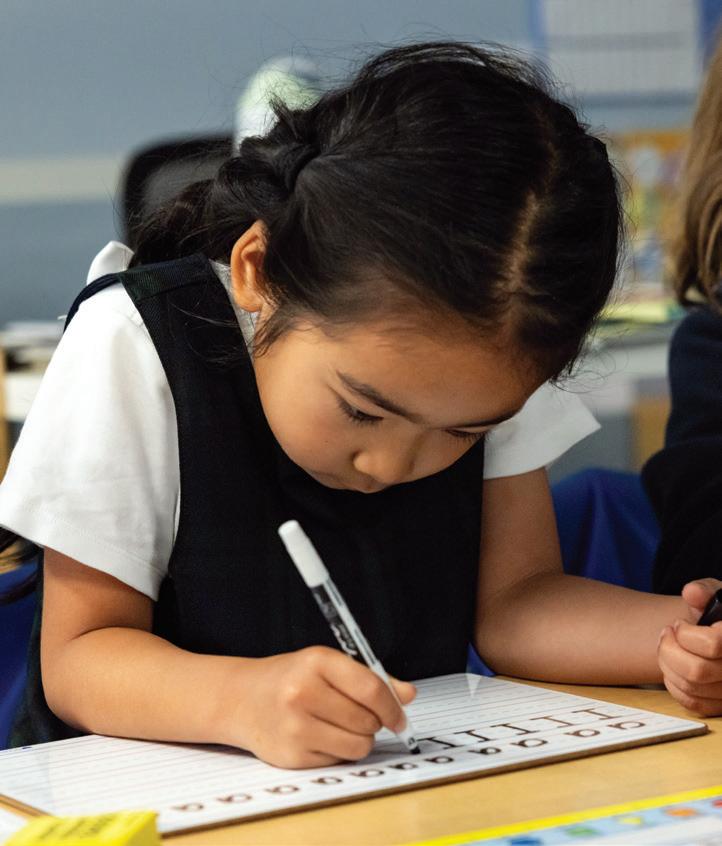
As decoding becomes more automatic, first graders at EDS expand into more complex phonics patterns, fluency, and early comprehension strategies while practicing fluency through reading and discussion.
Literacy becomes both automatic and meaningful. Students connect reading to content knowledge in science, history, and literature exploring topics like astronomy, ancient civilizations, and different storytelling traditions to build the background knowledge that drives comprehension.
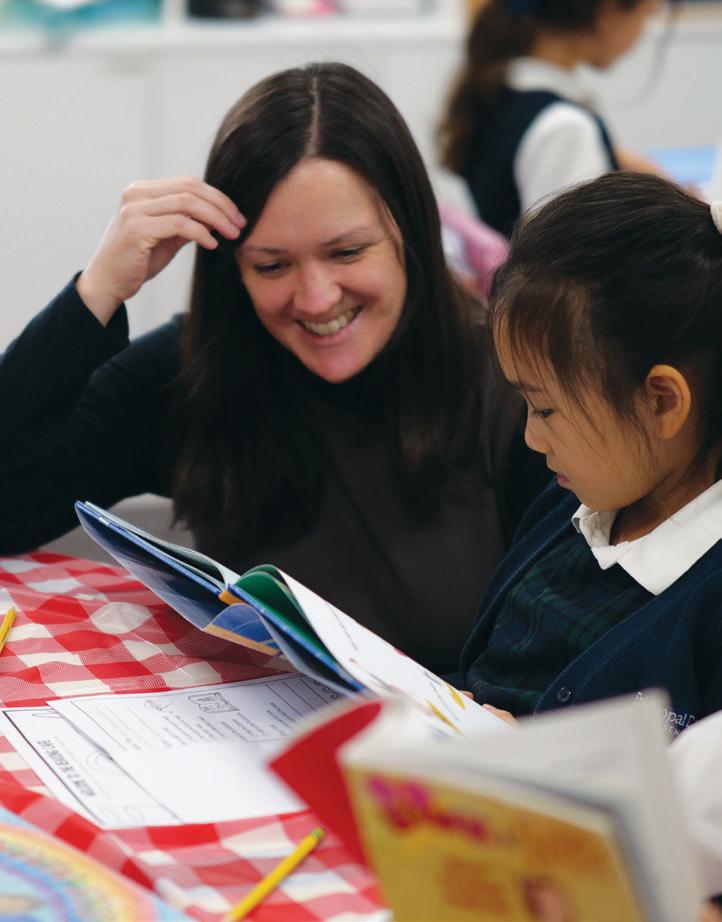
By second grade, Mustangs are tackling longer words, more complex spelling patterns, and structured writing while developing academic vocabulary and expressive language.
Knowledge-rich domains (like aviation or ancient civilizations) push students to ask questions, deepen comprehension, make connections, and begin early research, because what students know shapes what they understand.
In third and fourth grade, the two strands of CKLA - skills and knowledge - begin to merge. Third and fourth grade classrooms push students to engage with complex texts, close reading, and extended writing assignments using evidence to support their thinking.
Language Comprehension
Word Recognition
Students analyze characters, investigate scientific ideas, and write across genres working with their teachers to develop the ability to not just read critically but communicate their learning and ideas about their learning clearly. increasingly strategic increasingly automatic
THIRD + FOURTH GRADE knowledge sounds letters words vocabulary sentences reasoning mental mode
By the time Episcopal Day students leave the lower school, they are doing far more than reading fluently, they are thinking deeply about the world around them.
Through CKLA, students don’t just learn how to decode words. They build the knowledge, vocabulary, and perspective to understand complex ideas, engage with different viewpoints, and make meaningful connections across subjects. This is what prepares them to become not just strong readers, but thoughtful learners, students who are ready to engage with the world beyond themselves and grow into the agents of positive change we hope they will become.
Behind every classroom experience is a teacher whose curiosity extends far beyond the school day. From creative pursuits and outdoor adventures to deep dives into personal interests and lifelong hobbies, our faculty and professional community bring a wide range of passions to the Episcopal Day community. These interests not only enrich their own lives, but also shape the way they teach, modeling for students what it looks like to stay curious, engaged, and open to new ideas.
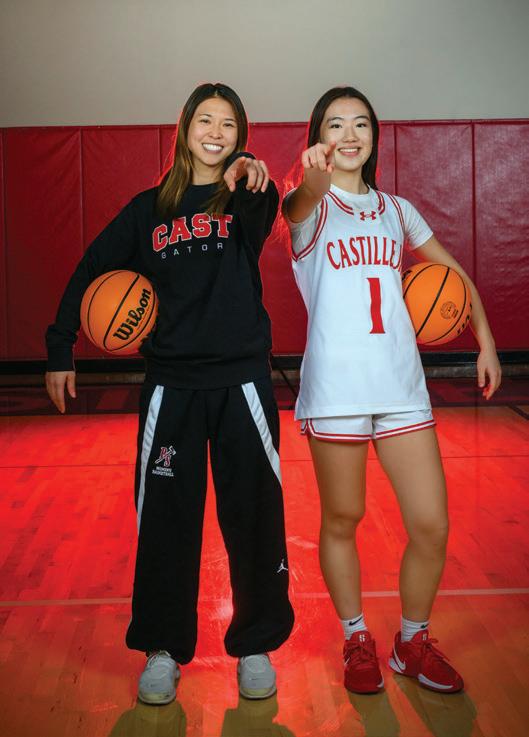
Jenna Yee Development Associate
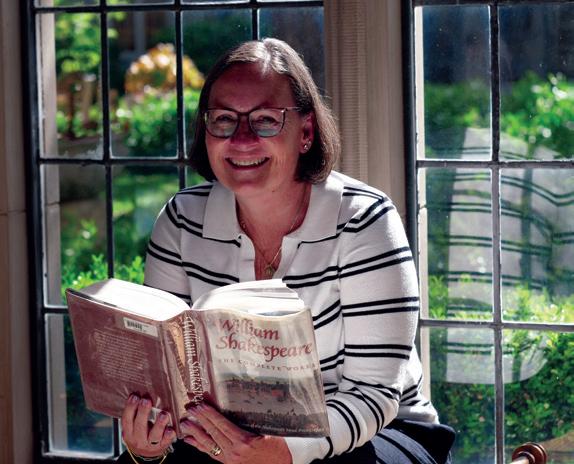
Meg Wallace First Grade Teacher
“Basketball. Anything basketball. Coaching has been my way to immerse myself in the sport since college. I've coached at all different levels but lately it's been varsity girl's basketball. I've been fortunate enough to have great teams and great players who I've been lucky enough to build relationships with that go beyond the four lines of the court. One of my favorite things is teaching a player a move and watching them perfect it, seeing the moment that it truly clicks for them and the look on their face when it happens. Winning is fun too I guess.”
“I am lucky to be part of a book club that just celebrated our 25th year together! We are a group of 9 moms total, who met when our children were in pre-school together. Over the course of our quarter of a century of friendship we have read hundreds of books, and we have been able to support each other through the many stages of motherhood, and life, all the way to being empty nesters! Each month a different one of us picks the book we will read (and hosts the next meeting.) The nice thing about having others pick what you read is that we all have slightly different favorite genres, so I end up reading some books that I would not typically pick for myself — like non-fiction, or science fiction. And sometimes I'm surprised that I really like it! I feel extremely grateful for my book club, and these life long friends.”
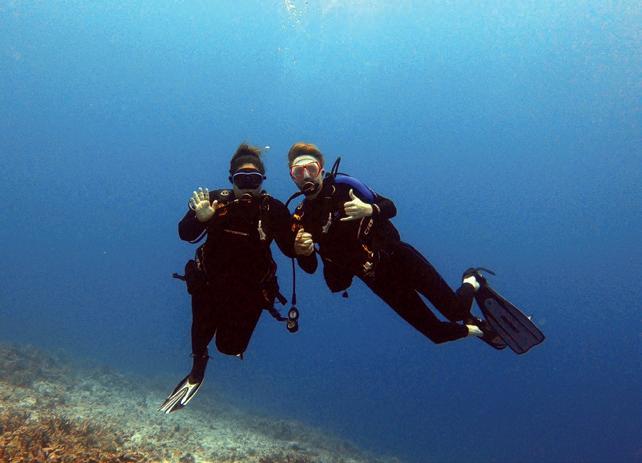
Roxy Nielsen Director of DEIB and Associate Director of Enrollment
“I have a really cool passion outside of school, scuba diving! That means I get to put on special gear and explore deep under the ocean, almost like I’m visiting another world. Down there, I see all kinds of amazing sea creatures and colorful fish swimming around me. My favorite animals to spot are sea turtles, bright parrotfish, and even giant whales. It feels like going on an underwater adventure every time!”
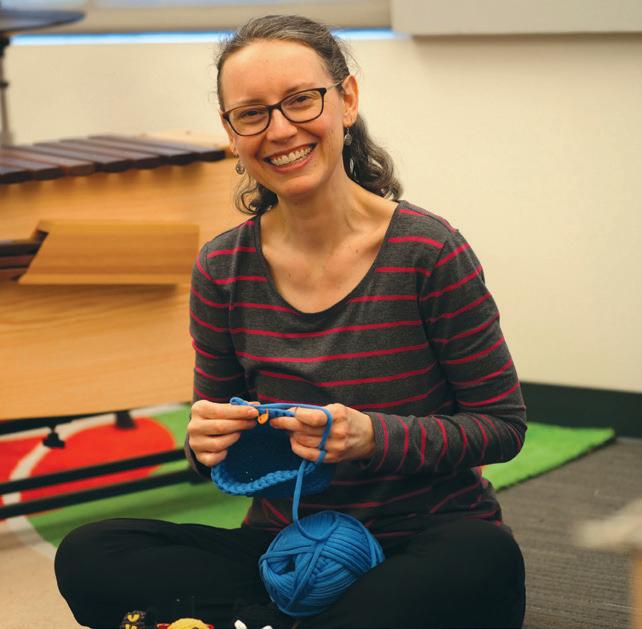
Maggie Eggert Middle School Music Teacher
“I am learning to crochet! I do mostly Wooble kit projects (which you can find online at thewoobles.com — so fun!), but I am learning how to follow patterns and make my own adjustments. It's soothing, mostly relaxing, and really fun to watch how my hard work all comes together (or not - lol)!”
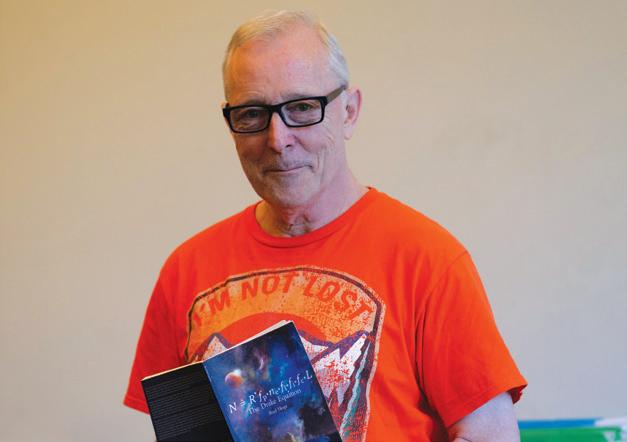
“Poetry. I'm working on an MFA at SFSU.”
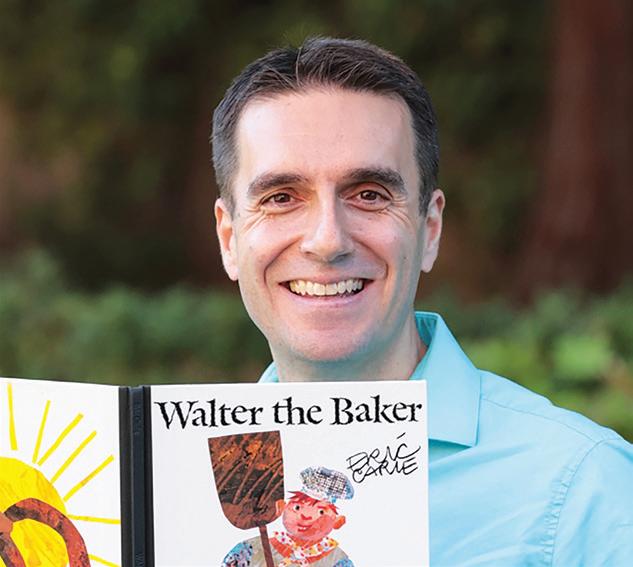
Jeff Paulson School Librarian
Teacher
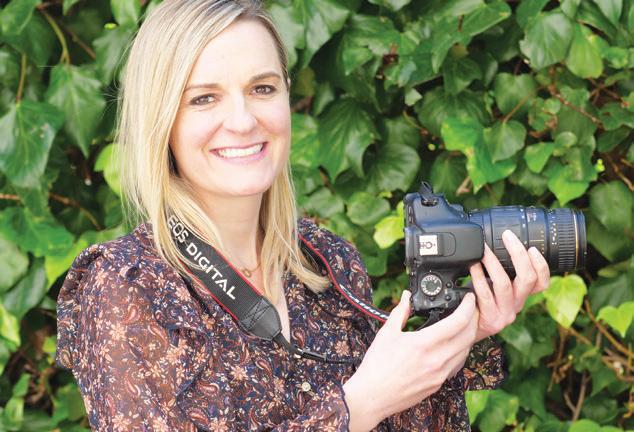
“Photography has always been a passion of mine. Over the years, I’ve taken engagement, newborn, and holiday photos for family and friends. This year, I’ve expanded my creativity by taking classes in pottery, painting, and piano (rotating between the three). I’m also getting back into running! In my 20s, I completed ten half marathons and two full marathons — now let’s see if I can get back into it!”
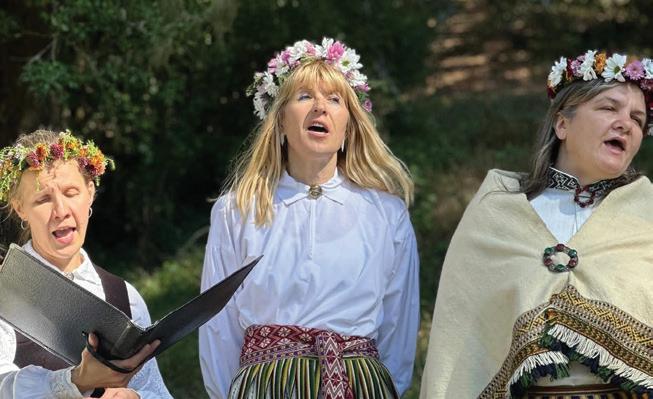
Dace Samta Lower School Music Teacher
“Embracing my Latvian heritage by singing in Latvian Folk Ensemble "Migla" ("Fog" — in translation) in San Francisco and by wearing my Latvian National costume.”
“I spend a good chunk of my time devoted to a very detailed fantasy baseball league. It is not like your typical fantasy baseball, it is a statistical simulation. This is the 27th year of this league and it is as close to being a real general manager as any game I have ever played. We have contracts, a salary cap, and a minor league system. The minor league teams are open to anyone not in MLB — so I spend time researching minor league players, high school and college players and even players in Japan that I hope make the leap to MLB one day. It is an immense amount of fun and to brag just a bit, I have won 5 championships and my franchise has the most career wins of any of the other teams.”
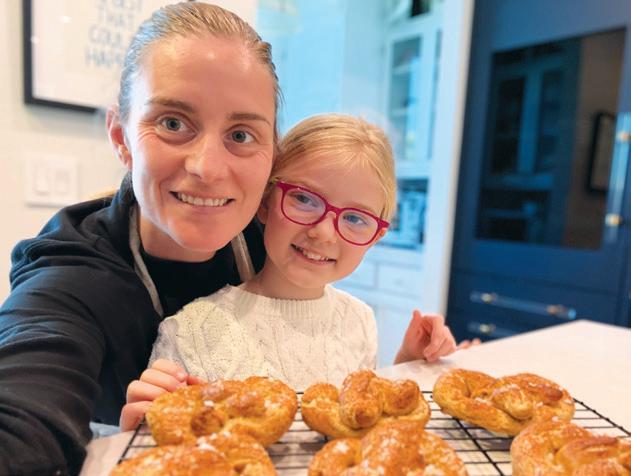
Katie McDougall Lower School Director
“Gluten free baking: turning all my old recipes into GF since Ellen (my daughter) was diagnosed. Cinnamon rolls, soft pretzels, cakes, cookies, bread, donuts, pizza crust. . .you name it, I've probably made it GF!”
Paxton Metzcus Maker Lab Teacher
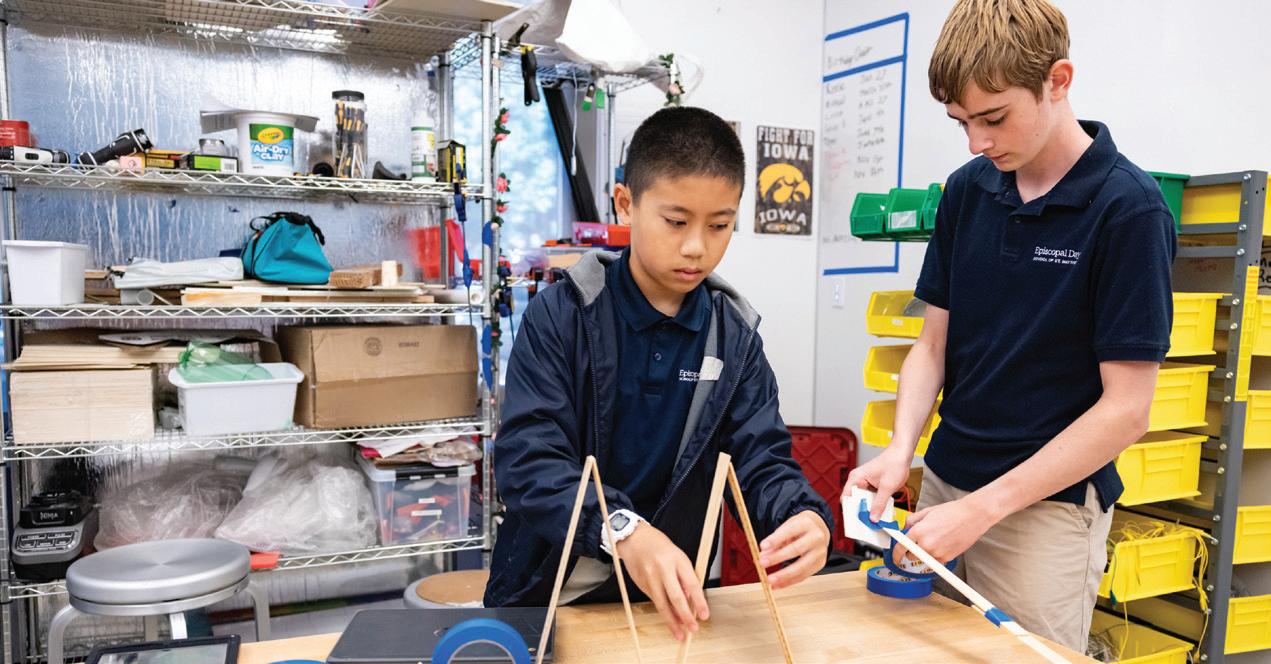
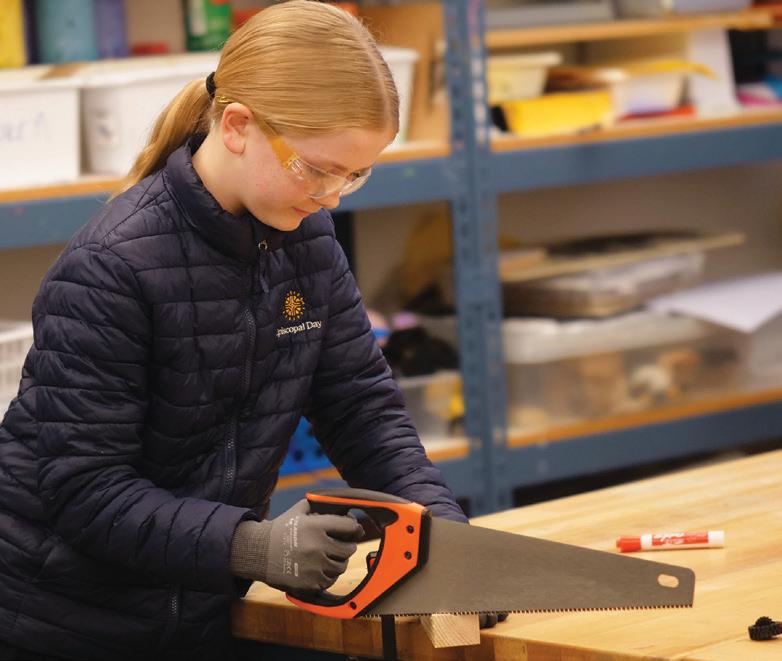
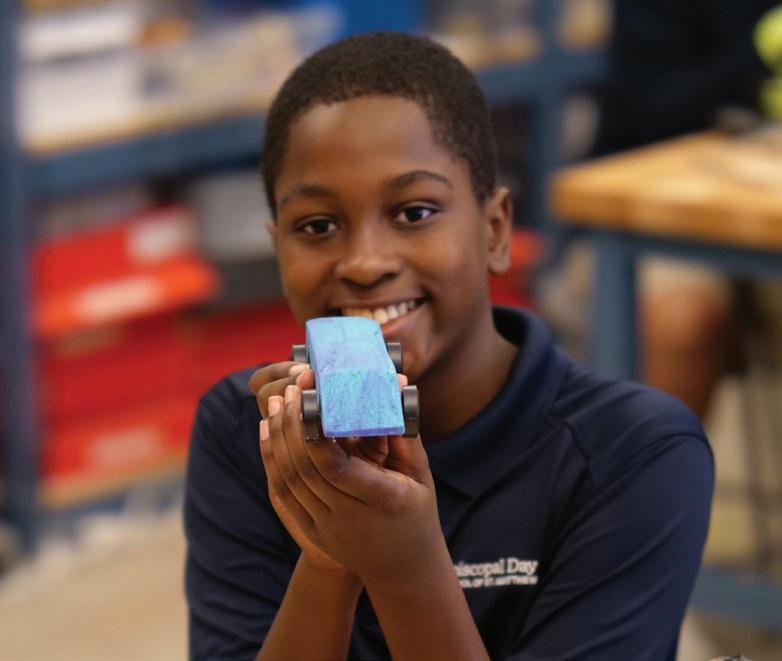
As the Maker Lab teacher I have many opportunities to foster joy, learning, and creativity in our Mustangs. It is a job I cherish, and I often tell anyone who will listen that I have the best job on campus. Being the Maker Lab teacher I am also a popular stop for prospective families touring our campus. One question always asked is: Ms. Metzcus, what do students DO in Maker Lab?
The Maker Lab is a place for kids to learn foundational skills for anything they find interesting within our world. It's not just a place where students learn how to code, engineer, and function on the computer (though these are very important skills). It's a place where our students learn how to be interesting people. There are so many wonderful things you can do in this world, and life gets a whole lot better when you understand them, even just a little.
As kids soar creatively, it means they might fly too high and fall. My job is to help them dust off and try again.
My second goal is to teach resilience. When you are creating, no matter the medium, you are going to make mistakes, you might just fail, and some things are not going to work. However that reality, when paired with resilience, is often an important catalyst for creativity, growth, and progress. If they learn nothing else, I hope that in their four years of Maker Lab our middle schoolers learn how to be resilient. Life can be tough, but learning how to take your lumps when something you really care about goes wrong is key for getting through those difficult chapters and transitions. As kids soar creatively, it means that there is a potential they might fly too high and fall. My job is to be there when they do to help them dust off, figure out what went wrong, and try again!
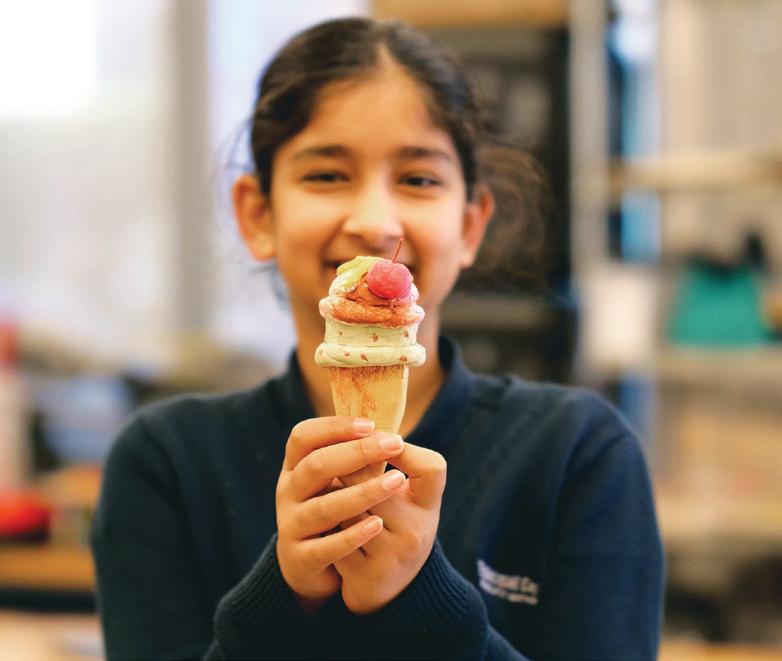
I have two main goals in the Maker Lab. My first is to cultivate a space where creativity can fly. Making isn’t just engineering, building, or coding within rigid boundaries and pre-set assignments. Making is designing fidget toys to help you and a friend focus in class. Making is learning to edit videos of your favorite soccer players and competing for best “edit.” Making is filming a mock cooking competition with your mom to show off a favorite recipe, and it’s working with a friend to shoot a bottle rocket higher than ever. From engineering to computer skills and artistic creativity, making is many things.
Both of these goals come together in our eighth grade ‘passion projects’, the capstone of an Episcopal Day student’s time in Maker Lab. Eighth graders are asked to choose one thing they have enjoyed tinkering with, learning about, and exploring throughout their last four years in Maker Lab and work to produce a next level version of it. This year, one of my favorite projects was spearheaded by an eighth grader who decided to build her own video game console using a Raspberry Pi computer as the base. This was an ambitious project, as it required coding, computer skills, 3D modeling, and hardware assembly, but she was incredibly excited to try it, and I was even happier to give her the opportunity. Through

weeks of trial and error she was able to make her final product: a working video game console which is such an incredible accomplishment for an eighth grader to have under her belt. What made me even prouder, though, was her persistence in perfecting the console. She wanted to refine the console’s case and add joysticks and came back to me later to ask if I could
That's what a maker lab should be: a place where you try your hardest to build, create, and design things that are important to you. And then when you’ve reached that goal, you go further, hit that next step, push yourself up that next hill. Our students are learning by doing, by making, and by exploring the full extent of their passions and curiosity.
If at the end of their time here at Episcopal Day, students are equipped with the desire and confidence to go on creating in their own areas of interest, then I have done my job.
Our students are learning by doing, by making, and by exploring the full extent of their passions and curiosity.
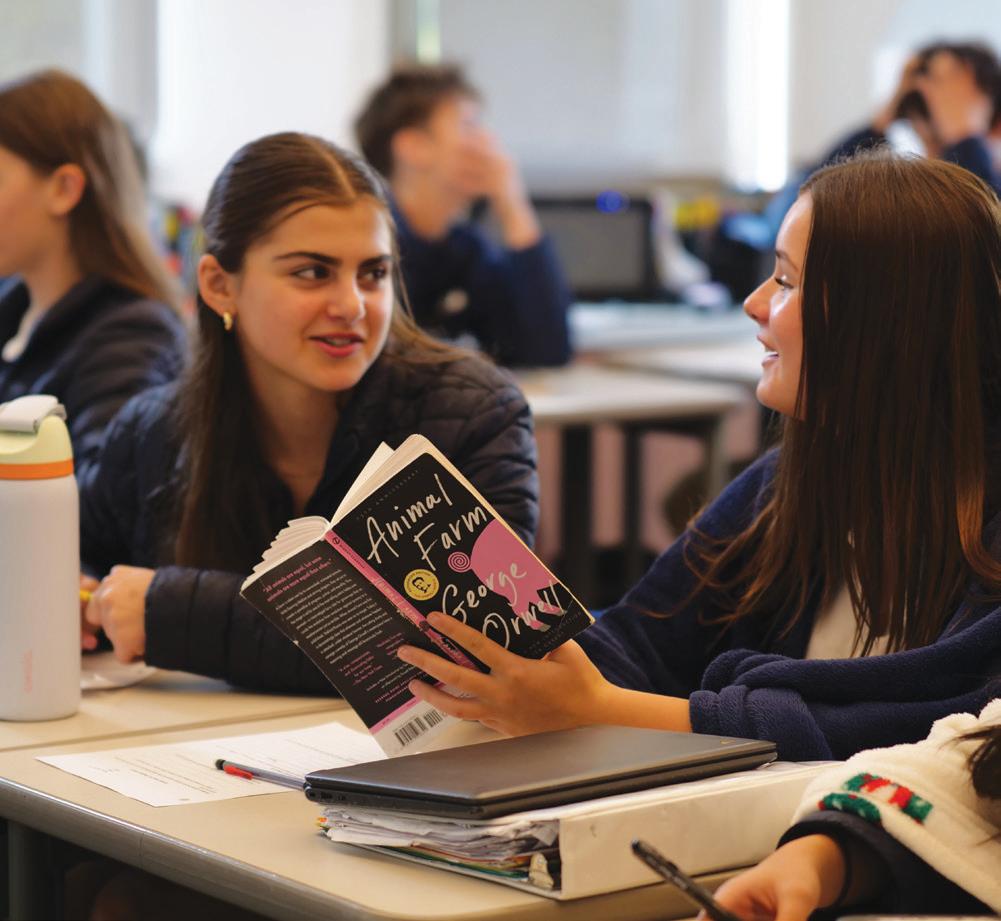
A conversation with middle school English and social studies teachers on the power of storytelling.
In our English and social studies classrooms, stories function as more than texts on a page or events in a timeline. They’re also a lens through which students can learn to understand the world. By learning to question, interpret, and tell stories with care, students develop the tools to become informed, empathetic citizens. They become capable of understanding the past and shaping the narratives that will define the future.
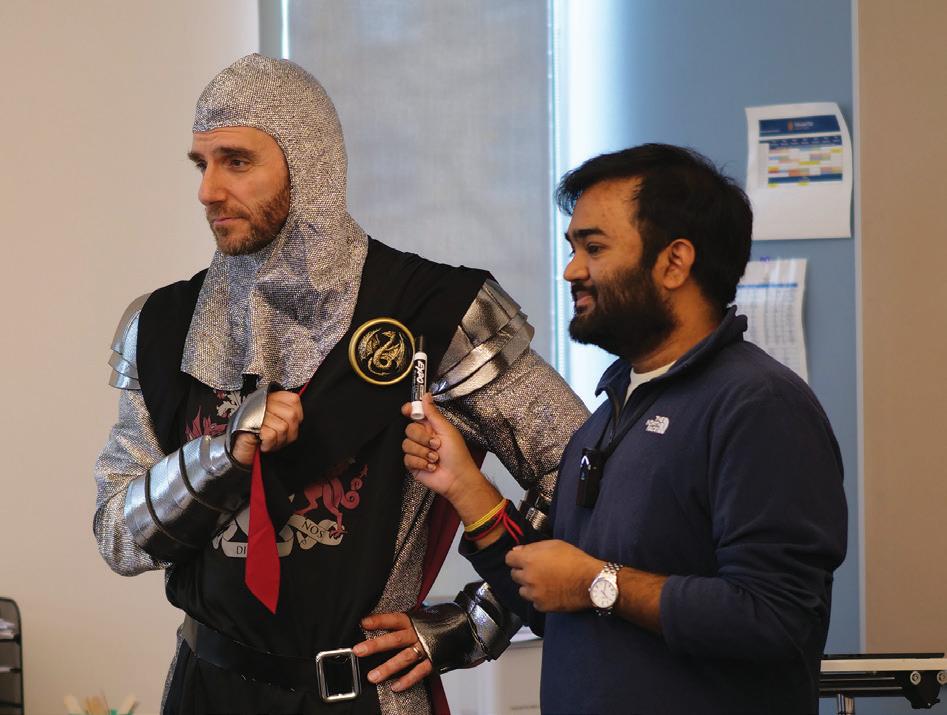
We spoke with our middle school English and social studies faculty, Julie McMillan (5th & 6th Grade Social Studies), Brad Hoge (5th & 6th Grade English), Aadi Annamalai (7th & 8th Grade Social Studies), and Wood (7th & 8th Grade English), to explore the roles storytelling plays in all of their classes.
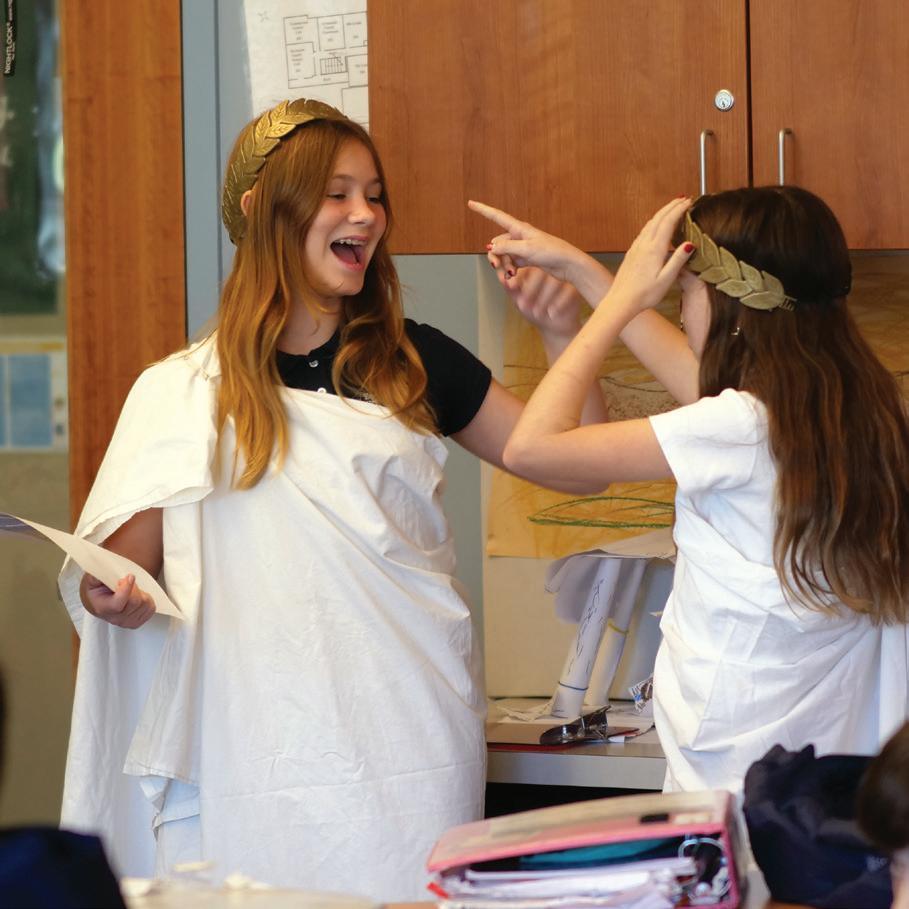
JULIE: “I’m constantly telling stories when I teach social studies, sharing stories I’ve heard over time, and talking about different stories so that students aren’t just relying on textbooks. I also incorporate things like Storytime with Mrs McMillan. One year the class even came up with a little jingle for it; it was hilarious. In past years I’ve also had students write historical fiction. They were graded both on historical accuracy and on their writing.”
KEVIN: “A lot of what we’re doing [in class] is slowing down and really looking at a story, focusing on the details, the how and the why… Sometimes we draw out a philosophy or expand on a story and say, alright well this story is about friendship, but what does it say about friendship or what does it say about loyalty? Then we use the story’s components like characters, their actions, dialogue, the way certain characters are treated etc. and apply those ideas to our own lives. In some ways, for better or for worse, they [stories] act as a kind of instruction manual for how we understand and move through the world.”

KEVIN: “We’re reading Roll of Thunder Hear My Cry, in one of my classes. It’s about a Black family in Mississippi in the 1930’s, and just recently, we were talking about different characters and trying to understand why they do certain things. Do we agree? And if we don’t, why do they [the characters] feel so strongly? One of them is a character who’s thought of as a good guy and who is generally supportive, but there comes a point in the story where he draws a line that feels uncharacteristically cold and harsh. We find out that it’s ultimately out of fear for his family’s safety. We might disagree with him at that moment, but can we see why he feels that way? It’s a good exercise in understanding why people do what they do. One of the big themes we’ve been talking about is that trying to create change is going to be uncomfortable and potentially unpopular, and sitting with those uncomfortable ideas is a big part of perspective-taking and understanding.”
AADI: “We did a unit where I had seventh graders interview someone with wisdom to offer…The idea was to have this conversation as well as talk about what it means to interview people and why we do it. It was a way to get them to know their family more but also to actually be historians. In that process, a lot of these stories were refugee stories, one related to the Holocaust…. a lot came for economic opportunity, some are personal business success stories. I asked them to record 30 minutes and I listened to all of it. Objectively this is [their subject’s] truth. I asked the kids: why do you think we did this? What might people learn from it? I explained that this is how you accumulate knowledge. If someone wanted to know what life was like [in a particular time period]…, they might listen to one of their interviews, it wouldn't be the only thing they listen to, but it would definitely be an important piece of the puzzle.”
AADI: “In history, the word ‘story’ is already there, but I try to help students actually see history as stories. They’re used to reading stories in English classes, and that helps them think more critically about who is speaking, what’s actually happening, and why people might feel or act the way they do. Those are core historical skills. At the same time, I want them to learn how to communicate their ideas effectively, like how to be strong storytellers while still being rooted in fact.”
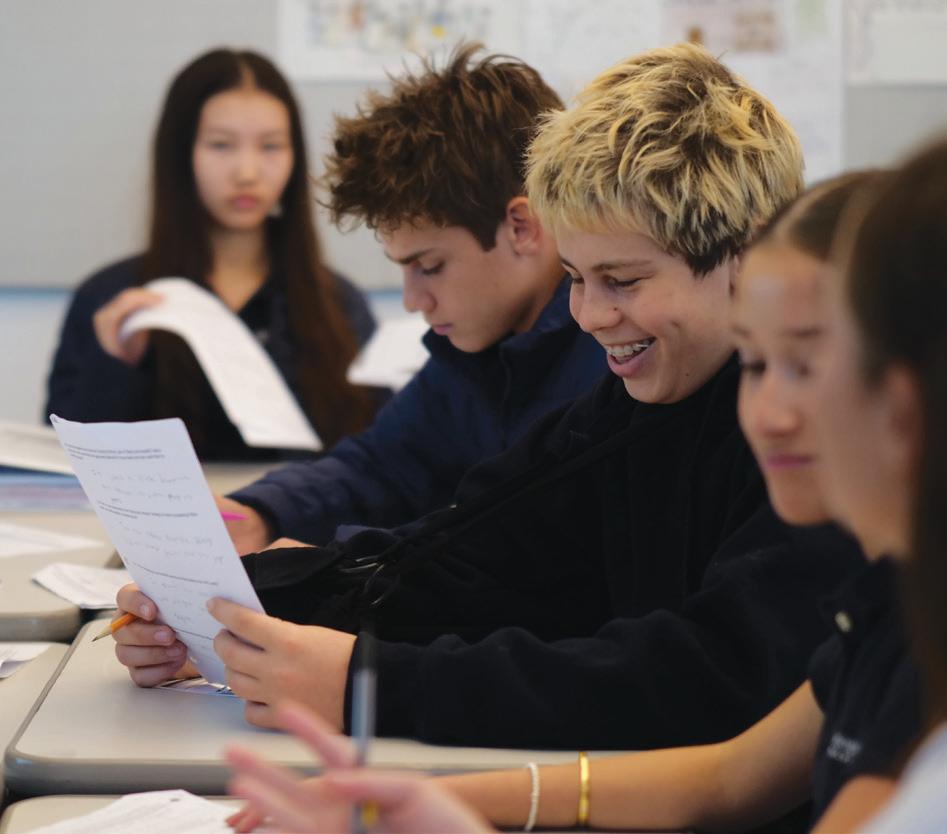
BRAD: “In my classes, students write both fiction and nonfiction, and I give them a lot of choice in what they write about. When we did op-eds, for example, they wrote
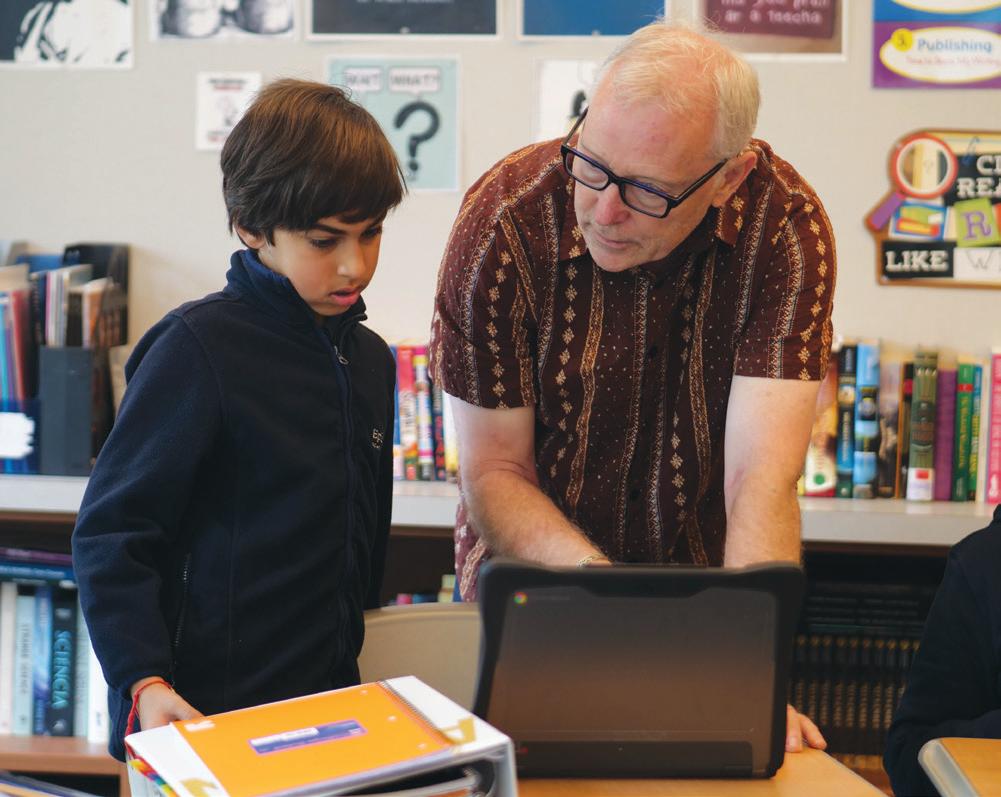
about real news stories. Right now, students are working on nonfiction projects where they can choose topics from science, history, or anything they’re interested in. That connection to real-world topics makes them much more engaged in the writing process.”
KEVIN: “When we read Roll of Thunder, I talk about the Tulsa Race Massacre and explain that the real event was even more extreme than what appears in the novel. For a long time, it wasn’t studied or talked about, and later historians had to interview people before those firsthand accounts were lost. It works both ways; some students connect with the story first and then learn the history, while others need the history to understand why the story matters. Literature provides emotion, and history provides context. It can be really grounding.”
BRAD: “When they walk out into the world, they're not going to say, ‘Okay, on this block is English, and this block is…’ What they're learning is that we break things apart because it helps us focus on things, but really it's about whole brain thinking and compassion.”
JULIE: “The world is messy and it's getting messier. We are teaching students how to receive that information, condense it, and then process it to figure out what is real and what is not. What do we already know? Hopefully, we know more than what we’re just staring at online.”
KEVIN: “It's not just that we do this so they can connect English and history, but that they develop an understanding of how to think critically about everything. I tell the students: it's like doing mental push-ups. For example, you don't have to know how to analyze a poem to survive, but we're going to go through this process so that when people are communicating with you, you can make sense of it and communicate back.”
BRAD: “The goal is empathy. The goal is connecting to the world and to each other, and when we find synergy between the humanities and English, students are living and practicing that. The curriculum that connects it all is looking at different approaches toward empathy. Having a historical context, applying that to what's happening today, and thinking about issues in their own lives and how it impacts their families and communities is important.”
AADI: "I want to prepare students to critically and empathetically engage with the world around them. If five or ten years from now, they pick up a newspaper (provided they still exist) and look at it, they shouldn’t know everything about the world, but I want them to ask the right questions and find the information for themselves. I don’t want them to feel lost and think ‘I never learned about this topic’, but rather ‘I may not have learned this, but I should still be able to engage with it in a significant way.’ That's my hope.”



This year, our community of parents and guardians came together to create moments of wonder, discovery, and connection for all of our students.
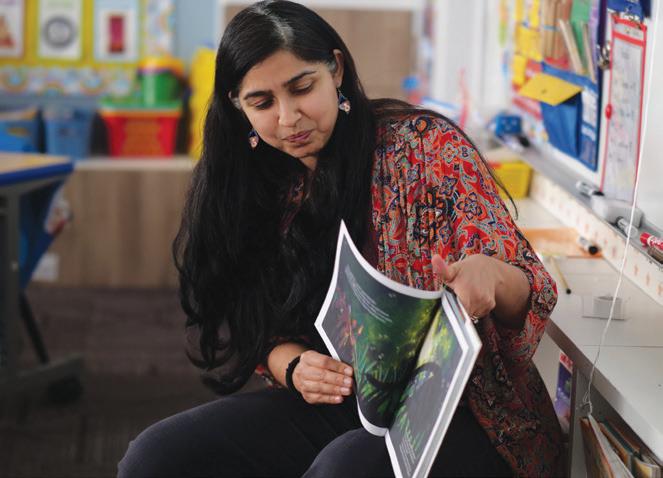
In first grade, students traveled the world without ever leaving campus. Families shared their countries of origin through stories, artifacts, traditions, and personal experiences. Students “visited” places like Switzerland, Taiwan, Singapore, and Fiji!
Our parent community showed up to build joy and connection through volunteering at events like Fall Festival, Grandfriends' Day, and Donut Day. Parent and guardian volunteers also supported community service and faculty appreciation.
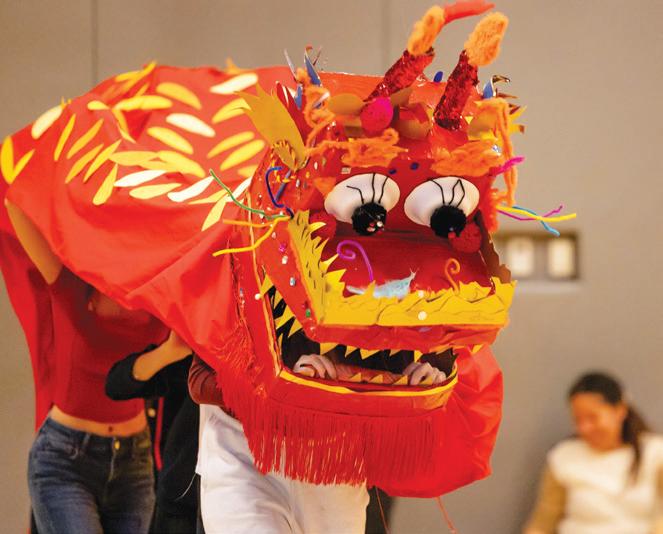
One highlight? The Lunar New Year assembly! Organized and led by parents, this assembly was a schoolwide celebration filled with storytelling and shared learning. Students built their own dragon for a dragon dance performed by middle schoolers.
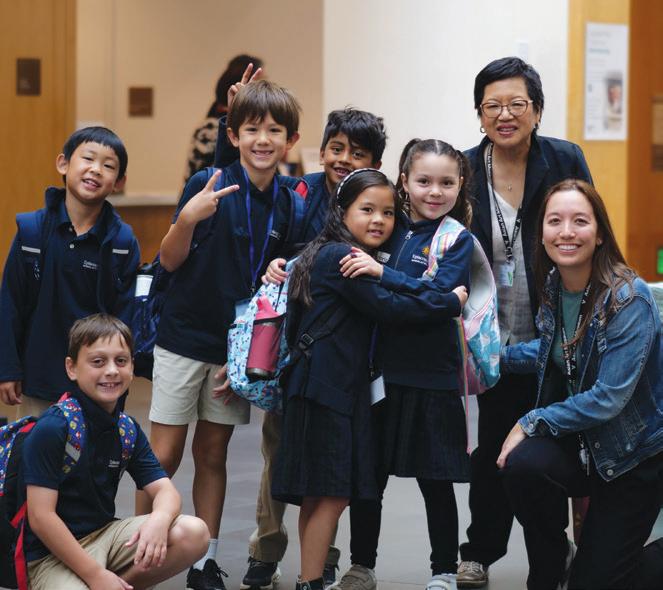
Across the lower school, parent and guardian volunteers joined students on field trips to the Asian Art Museum, Redwood City's Marine Science Institute, Elkus Ranch, and more. These experiences would not have been possible without the care and enthusiasm of our incredible chaperones.
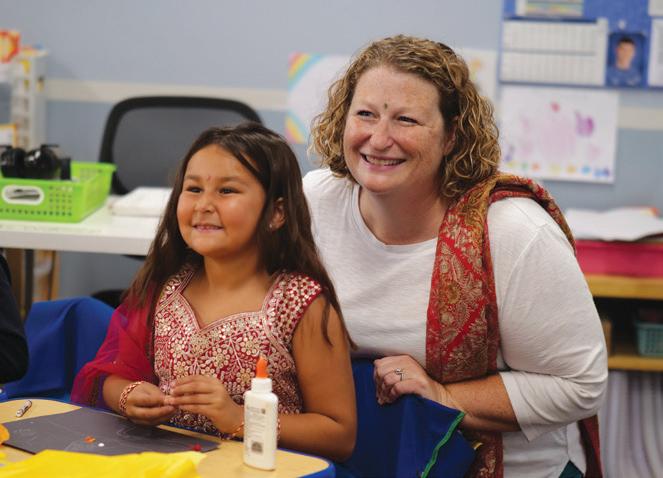
Parents and guardians brought cultural celebrations to life with classroom visits that offered students a window into their values, traditions, and lived experiences. Students got to learn from their peers’ family members about Hanukkah, Diwali, and Lunar New Year, to name a few.
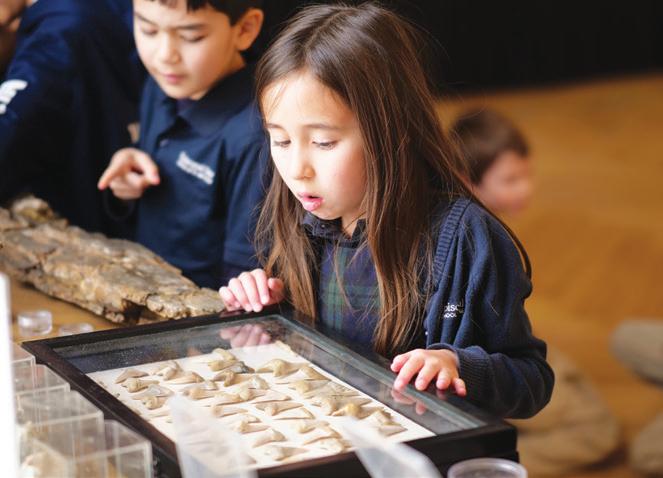
Parents and guardians sparked curiosity by sharing their professional passions. One classroom was transported back in time through a hands-on geology and history presentation. Students examined real fossils (including a dinosaur bone from South Dakota) and other geological artifacts like rocks and crystals. In another classroom, during their human body unit, students were visited by a parent who introduced them to the world of medical technology. The presentation showcased devices like stents and pacemakers and expanded students’ understanding of the many pathways within health sciences.
Thank you to our Day School Parents’ Association (DSPA) for their work in bringing this philosophy to life. Through their leadership, volunteerism, and partnership, our parents model what it means to be engaged, generous members of a community.
We are deeply grateful for the many ways our families show up, not just in hours volunteered, but in the experiences, perspectives, and care they share with our students.
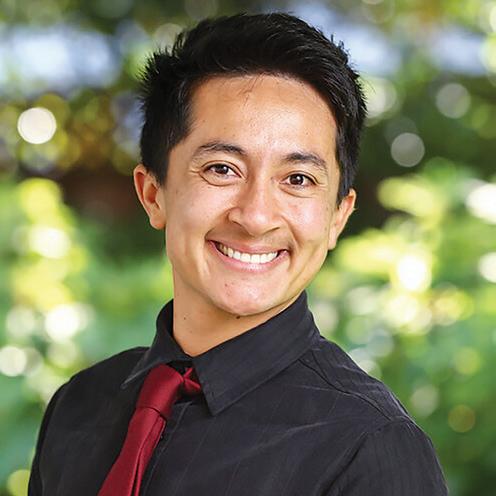
Hai Do Middle School Science Teacher & Science Department Coordinator
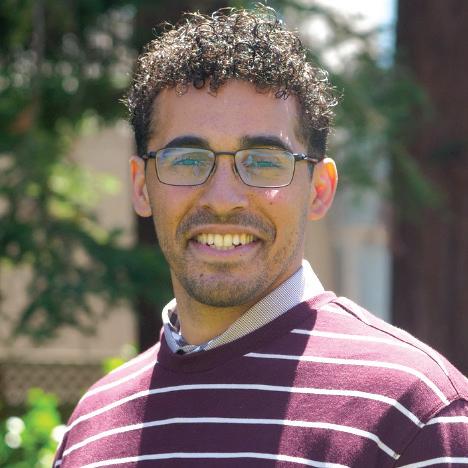
Christopher Washington Middle School Science Teacher
Not all who WONDER are lost –Some are teaching.
While experienced educators, we are relatively new to being the Middle School Science Department at Episcopal Day School. Our favorite aspect of this community is the willingness to wonder.
Mr. Do’s scientific journey started long before becoming a teacher. He attended public schools his whole life and the subject he detested by far, was science. It felt elitist and exclusive – like science was meant for only a “certain type” of person, and it was meant to be gatekept because it was highly academic. He didn’t have access to lab spaces or educators who could meet him where he was on his journey. When Mr. Do heard “science”, he often assumed that it only meant doing hands-on labs or experiments. It never crossed his mind that the questioning was a part of the methodology.
Conversely, Mr. Washington loved science! Being the grandson of a science teacher, scientific demonstrations around the dinner table and lectures in the car were standard. He remembers many of the experiments he worked on in school and regularly cites a lesson on convection currents as one of his
favorites ever! Whether studying the brain or baking, Mr. W. always enjoyed taking a formally analytical approach to almost everything. Mr. Washington’s schooling was luckily able to reflect his interests. His earliest scientific mentor, Mr. Phipps, taught him how to design and run labs, and how to ask questions about the world around him. Uncoincidentally, he would go on to study at the same college where Mr. Phipps had been trained.
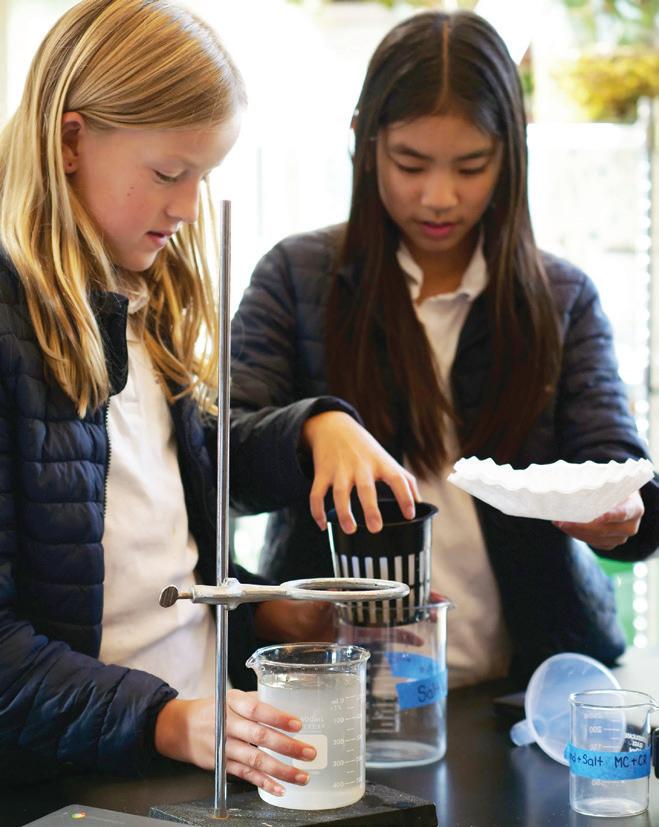
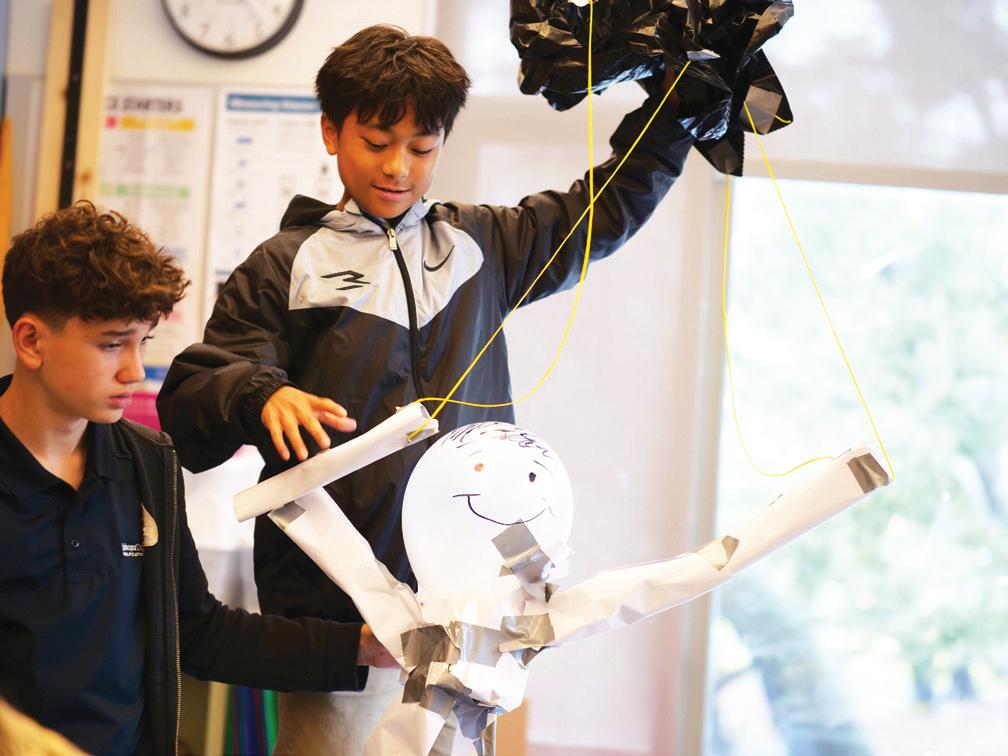
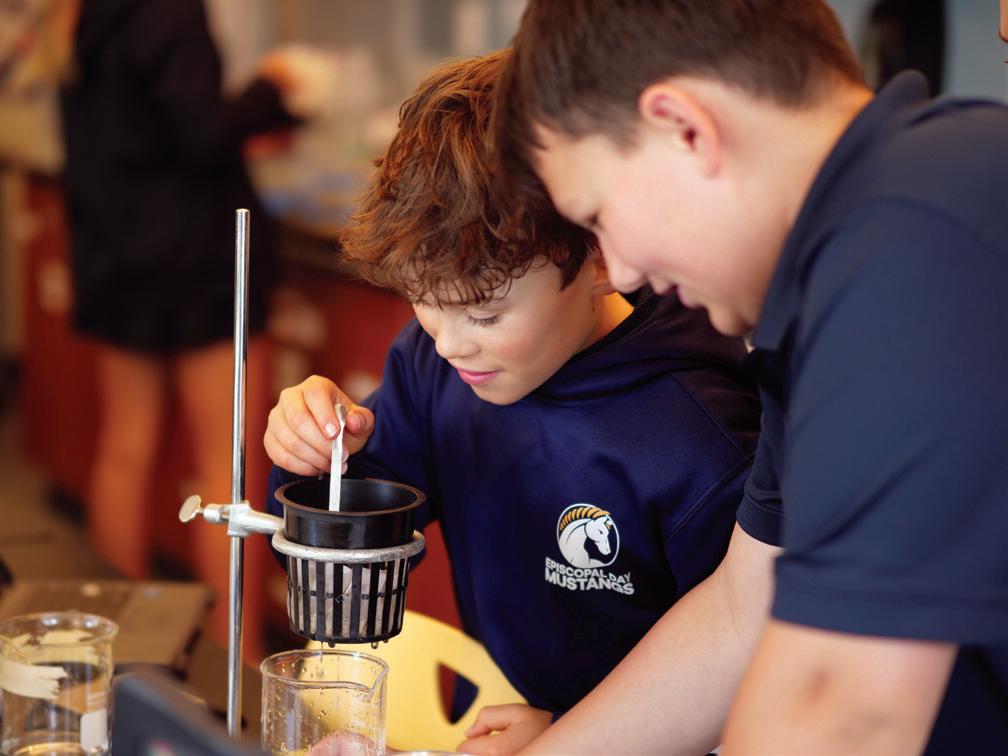
Scientific thinking is at the heart of ALL curiosity. Though our experiences differed, we both have seen larger trends as we developed our craft as science teachers. Science is embedded in and essential to many other disciplines. While teaching multiple subjects to third graders, Mr. Do noticed that even though he was asking a ‘language arts’ question like, “What do you think is going to happen to this character next and why?”, the deeper skills directly related to hypothesizing. During a math lesson, when he asked students to explain why one strategy was stronger than another, he realized that the skill of analytical thinking and logical reasoning stem from the Scientific Method. The Scientific Method is constantly being repeated even without being noticed. We are “doing” science in education, even when we don't know we are.
We hope to embrace education being redesigned for the future. In other words, we wonder how it could be better! In our country, we often hear that, “The school system has been failing people,” or “the system that exists is broken.” We are fortunate
enough to be in a situation where we can internally examine what community care looks like, utilize technology in the safest and most creative ways possible, or even explore what the world may look like in the future with these students.
We find value in both tradition and transformation. We encourage conventional study skills, while having students dive into project-based learning; to work on their executive functioning skills, but also have a say in a fair rubric. We discuss and explore the pitfalls and realities of group work like is it more or less challenging to complete a task with an acquaintance or a friend.
Whether using a Van De Graff Generator or dissecting a cow eye, the process of teaching science fundamentally changes you. We are engaged in scientific methods constantly – we see other disciplines through entirely different lenses. When we think about our journeys, both as students and as teachers, we realize that science feels like a home you come back to at different ages. When first moving away, you may have one perspective, but years down the road,
you are engaging with your visit in an incredibly different way. For science, it is the same.
As scientists, and teachers, we apply wonder to improve our educational systems. Our different journeys allow us to invite others on this journey together. There are moments where we have to reroute or where we stray off the path, but that is part of the science of discovery. The wandering, or wondering rather, is an intentional part of the larger goal. We invite you to come on this journey with us.
Scientific thinking is at the heart of ALL curiosity. Though our experiences differed, we both have seen larger trends as we developed our craft as science teachers.
In middle school science this year, curiosity took flight with big questions and big ideas!

SCIENCE FAIR HIGHLIGHTS
Emma and Makaela, Eighth Grade

Hydropower is an emerging energy source that transfers kinetic energy from water flowing downstream into electricity. According to the U.S. Department of Energy, hydropower makes up about 5.7% of U.S. energy and 27% of its renewable electricity generation. Hydropower could function as an easy way to generate electricity for communities that don’t have access to power grids and are located near water.
We made a simple generator that could harness energy from high water pressure. This turbine is a model for larger generators. If a larger, similar hydropower turbine was put in a fast river it could generate electricity for a home or small town emergency. This device could harness energy in multiple ways. The model could become a tool for campers or other people who operate away from nearby electricity grids. Theoretically, if altered slightly, anyone could generate electricity by holding this generator in a nearby river or leaving it out in the wind etc. If the power the turbine generates was turned into a battery or charger instead of the LED we opted for, this tool could also help people around the world who might not have access to electricity.
In science this year we learned about static discharge, negatively and positively charged atoms, and how opposite charges attract and negative charges repel.
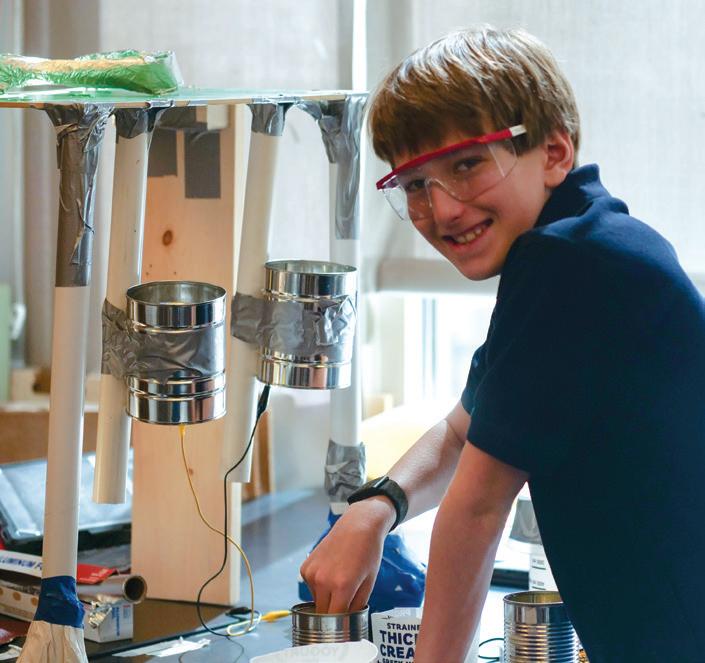
Our Middle School Science Fair project, a Kelvin Water Dropper Experiment, used two streams of water, one was positively charged, and the other one was negatively charged. Both streams were charged going through an inductor which used electrostatic induction to draw specific charges from the water, positively charging one stream and negatively charging the other. When the charged water droplets collected in metal cans, the buildup of opposite charges led to visible sparks. We aimed to figure out how many discharges or sparks we could get per minute and we hypothesized that if the water flow rate increased, then there would be more sparks or static discharge. We tested how changing the water flow rate (our independent variable) affected the number of sparks (our dependent variable).
We constructed a frame to hold the system, added inductors and metal collectors, connected wiring, and used cups with small holes to create steady


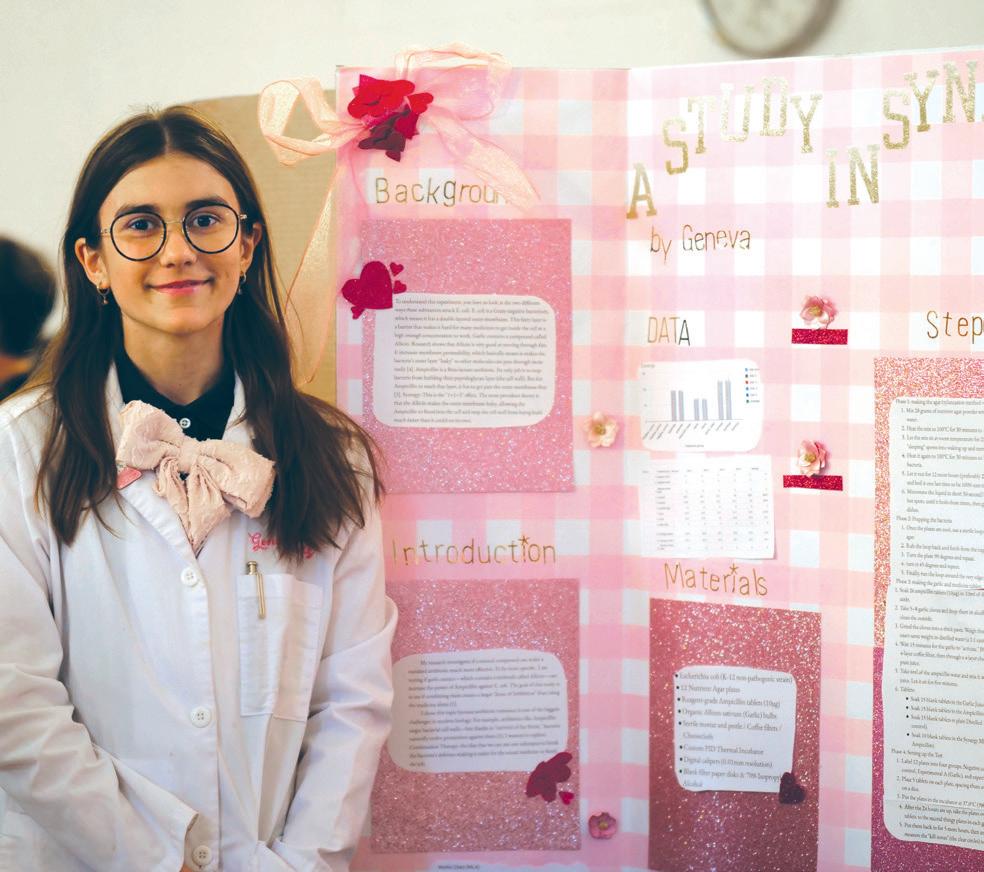
Growing up, whenever someone caught a cold, the immediate household solution was simple: eat raw garlic. While it sounded like an old wives' tale, it sparked a persistent, burning question in my mind: Does natural chemistry actually possess measurable power against modern microscopic threats? When I began researching the global crisis of antibiotic resistance, I realized this curiosity could address one of the greatest biological challenges of our generation. Thanks to natural selection and survival of the fittest, aggressive bacteria are rapidly evolving protections against standard medicines. Antibiotics like ampicillin which target bacterial cell walls are losing their efficacy. I wondered if we could use a natural substance to basically ‘prime’ the bacteria first, breaking down their defenses so the actual medicine can easily finish the job. This led me to explore combination therapy—the idea that we can combine treatments to outsmart mutating superbugs.
To test this, I turned back to my kitchen roots and isolated Allicin, the bioactive compound found in organic garlic (Allium sativum). My goal was to see if combining garlic extract with Ampicillin would create a larger ‘zone of inhibition’ also known as the clear area where bacteria cannot survive- than using the medicine alone. My hypothesis was built on a concept called synergistic potentiation: essentially making 1 + 1 = 3! by using garlic to punch holes in the bacteria’s armor.
My first major obstacle was the extreme chemical instability of Allicin. It degrades rapidly if environmental temperatures fluctuate even slightly. To give my experiment a fighting chance and ensure the bacteria (E-coli K-12) could grow uniformly, I had to think like an engineer. Because I lacked access to commercial, medical-grade lab equipment, I custom-engineered a thermal incubator from scratch. I designed it to maintain a precise and constant environment.
To prepare a sterile testing environment, I used a modified Tyndallization sterilization technique, boiling my handpoured nutrient agar plates in multiple intervals over 48 hours to trick and eliminate resilient bacterial endospores.
I divided 12 agar plates into four distinct treatment groups, and using a carpet-streak method, I created a uniform bacterial lawn across the plates, meticulously placed five disks flatly on each, and moved them into my homemade incubator. After tracking 60 individual disk sites using high-resolution digital calipers, the results provided a clear pattern that validated my hypothesis.
The negative water control yielded 0.0 mm of clearing proving the paper disks themselves had no impact on the bacteria. Ampicillin alone showed strong performance, clearing an average zone of 18.74 mm. The standalone garlic extract showed a modest antimicrobial footprint of 13.16 mm. When combined, the Garlic and Ampicillin dualtreatment completely dominated the plates, leaving a massive average inhibition zone of 23.94 mm!
By bringing these two substances together, I achieved an approximate 27.7% jump in effectiveness over standard medicine. Allicin successfully acted as a force multiplier, disrupting the fatty lipid bilayer membrane of the E. coli and lowering its cellular barriers so the Ampicillin could flood in and prevent cell wall synthesis.
Exploring combination therapy taught me that the future of medicine might not rely on inventing entirely new synthetic drugs from scratch. Instead, the key to fighting superbugs might lie in looking backward—re-examining natural compounds and using them to intelligently unlock and extend the lifespan of the medicines we already have. As we face global health threats, keeping an open, curious mind and looking for answers in unexpected places—even your own kitchen pantry—might be exactly how we find the next big breakthrough.
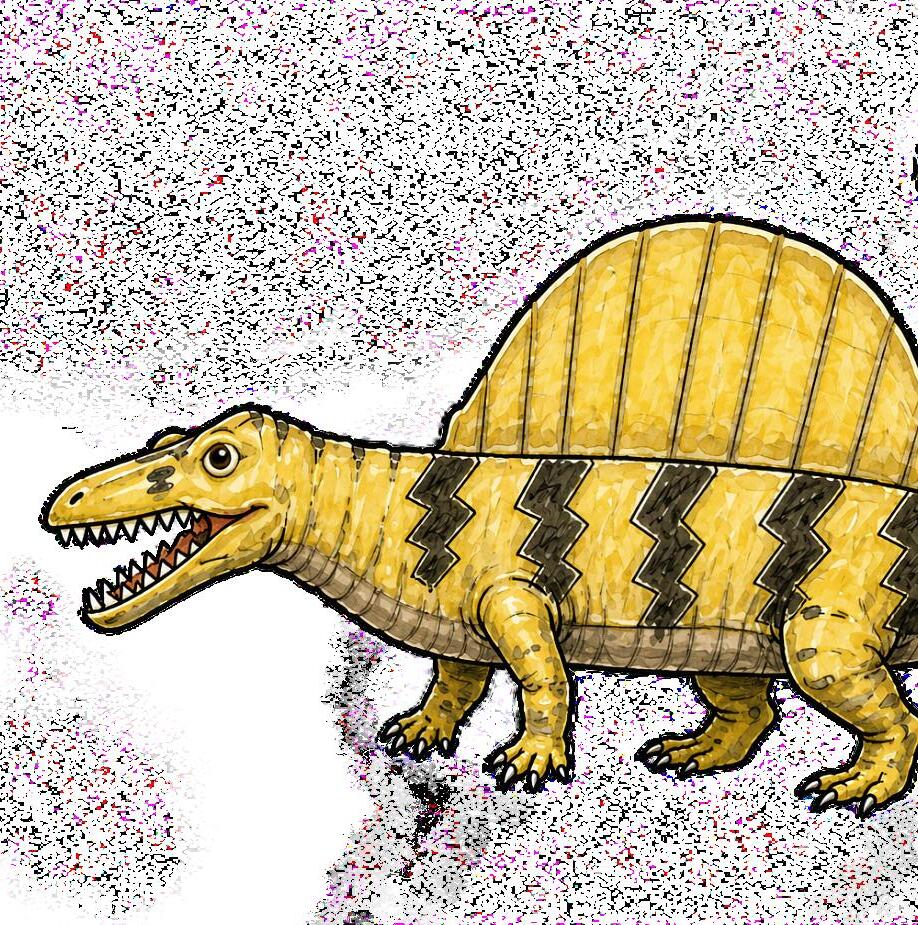
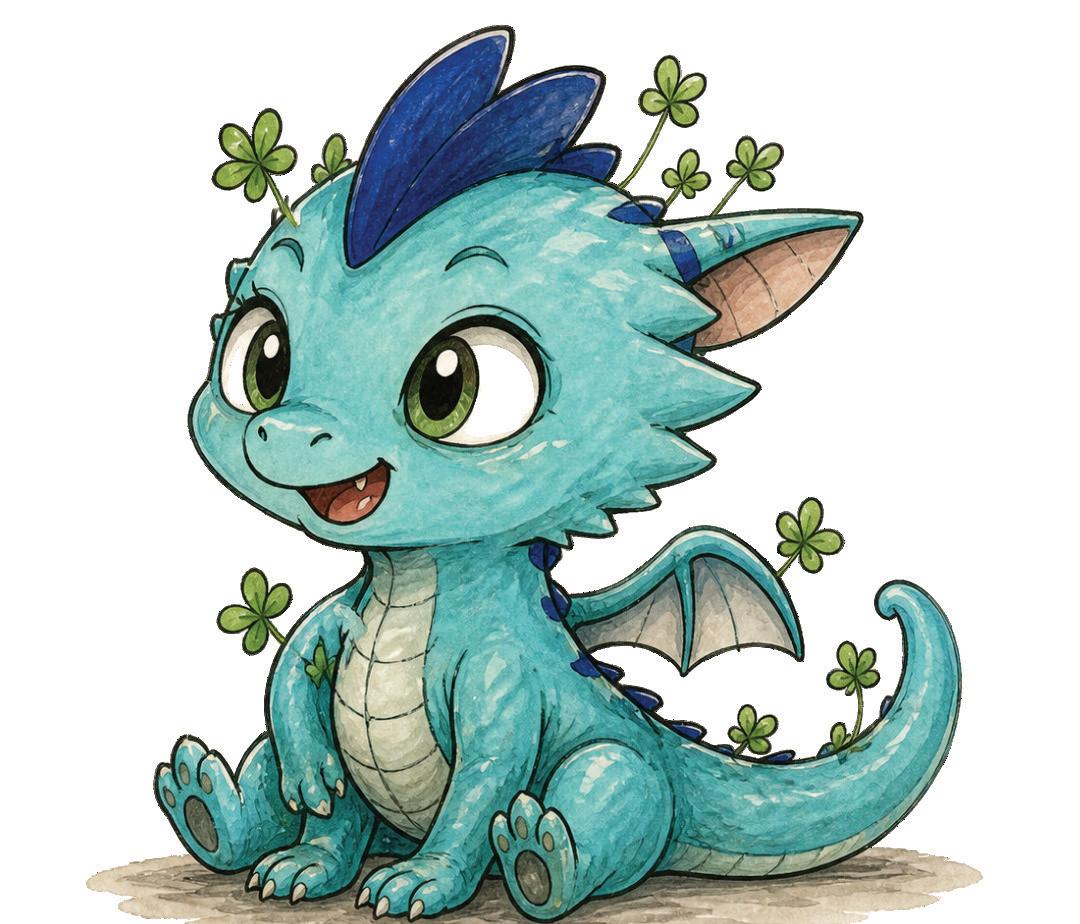
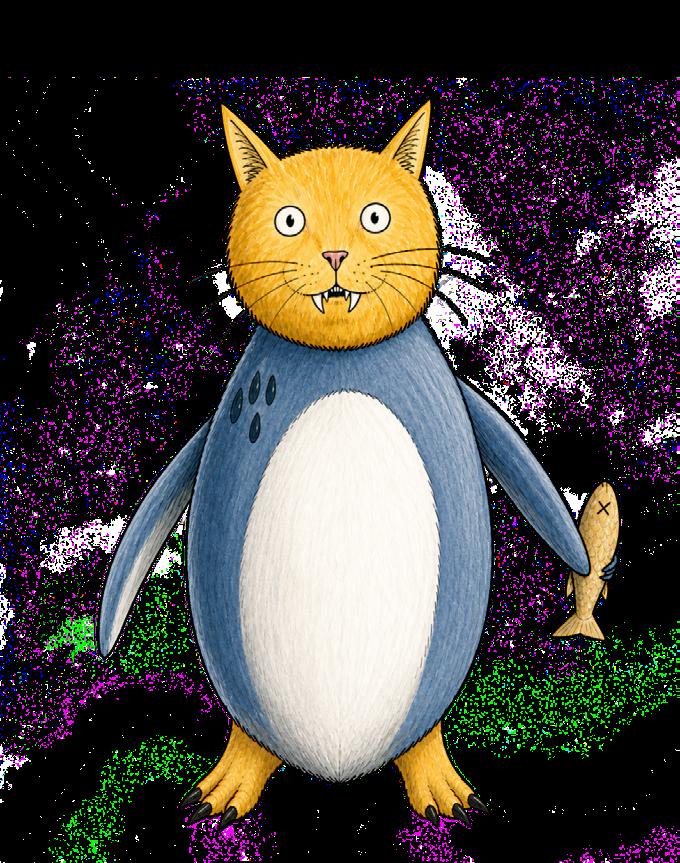
Combining scientific knowledge with imagination, students designed species complete with habitats, adaptations, life cycles, and cellular structures. The aim of the project was to demonstrate how living things survive, grow, and interact with their environments.
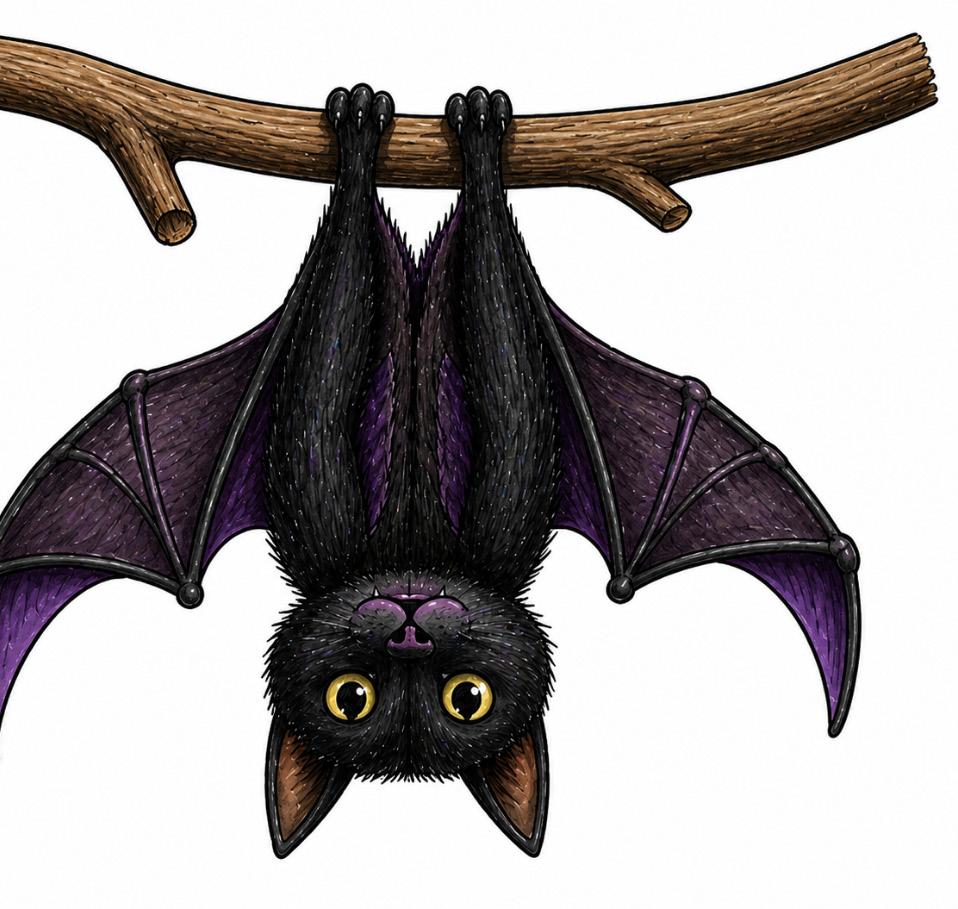
Hidden in the vast Kat Kave beneath Mauna Kea, the Bat-Cat is a cave-dwelling omnivore that eats bats, bugs, and roots, storing water in hollow stalactites and sipping it from below. It survives on about 300 calories a day and has a bizarre digestive system that liquefies food and expels it multiple times daily instead of traditional waste. Born blind, baby “kittats” rely entirely on echolocation but can fly immediately; as they age, they gain sight, fangs, and more cat-like features while elders return to echolocation as their fur grays. With oversized lungs for highaltitude flight, these social creatures live in a complex cave system of mini-homes and underground lakes, governed by an elected ruler who leads their annual migrations

Living in lush, plant-filled jungles, the Herb Cyano Draco is a self-sustaining dragon that feeds directly from the greenery growing on its own body. It can reproduce both by cloning itself and through fusion, creating new life in two distinct ways. When it enters water, its skin darkens to a deep blue for camouflage, while the plants on its body grow larger; in the air, its wings expand for flight. It exhales faint neon fumes, and its waste takes the unusual form of tiny blue and green flowers—though when sick, it produces heartshaped versions instead, adding a strangely tender twist to this already extraordinary creature.
Crotalushorridusspinosaurusaegyptiacus (Timbersaurus)
Part forest giant, part aquatic hunter, the Timbersaurus is a towering, six-ton omnivore that feeds on everything from trout and moose to rosemary and sunlight itself. It stores water in a hump on its back (sipped up with a long tongue), absorbs heat and fire through its scales for winter survival, and hunts with sharp teeth and a powerful, rattling, grasping tail. As it ages, it grows thicker, sharper, and more amphibious - developing webbed feet, better hearing, and spines along its hump - while shedding and regenerating its tail every six months. With venom in its cells and the ability to breathe like humans, it’s a bizarre, ever-adapting force of the forest.


In the snowy expanse of Antarctica’s southern oceans, the Pinguinus Feline blends feline precision with penguin resilience. With a cat’s head, sharp eyesight for blizzards, and hypersensitive whiskers and ears, it tracks prey with uncanny accuracy, diving into icy waters using flippers and wings to catch fish with its sharp teeth. Its waterproof feathers keep it warm, while claws grip slick ice with ease. Newborns, however, are helpless— lacking both teeth and claws, they are carried by their mothers and fed pre-chewed fish until they’re ready to face the frozen world on their own.
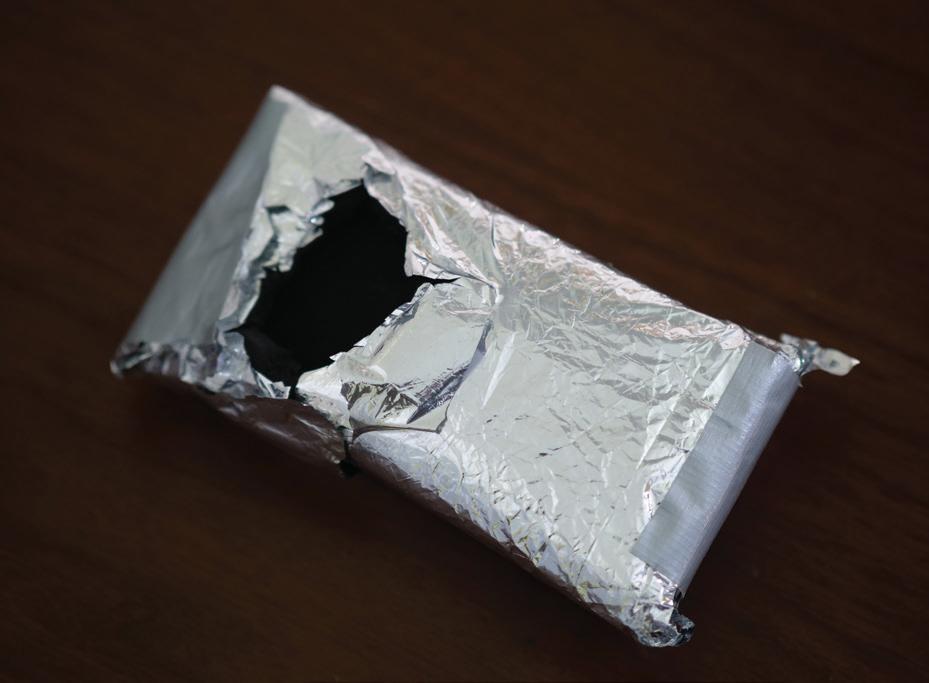
What does it actually take to stay warm and safe without a home?

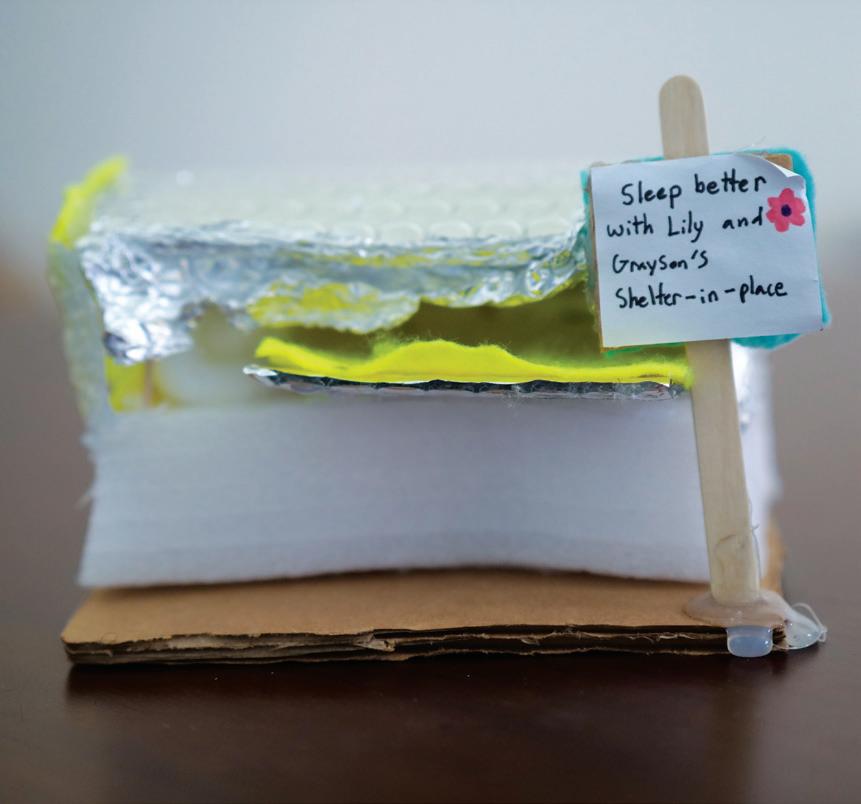
In this project, students had a $2 budget to design a small-scale prototype blanket or sleeping pad built with science and human needs in mind. By researching San Mateo and beyond, students explored how design, science, and empathy can intersect to address urgent community challenges with imagined solutions that are not only practical, but humane.
Ansley C. and Liv W.
Our product is designed to insulate heat to optimize warmth. It is designed to fit people of all sizes, therefore it comes in lengths of 5-8 feet and widths ranging from 3-6 feet. The newspaper insulation in the sleeping bag ensures that the bag retains body warmth. This prototype cost us $1.51 total, making it an affordable, accessible, and easily designed tool to tackle the issue of warmth for houseless people.
Lily
Our goal in designing this shelter was to design a safe, warm place, for houseless people living on the streets. When making the blueprint for a sleeping bag, we thought ‘shouldn’t we make a little tent on top of it so people can stay dry during the rain?’ So our product gradually evolved into this. Homeless shelters operate on varying budgets with costs generally ranging from roughly $14,000 to over $30,000 per bed per year and often have to turn people away when they are at capacity. This low cost option could provide a temporary alternative to homeless shelters which are already operating under tight budgets.

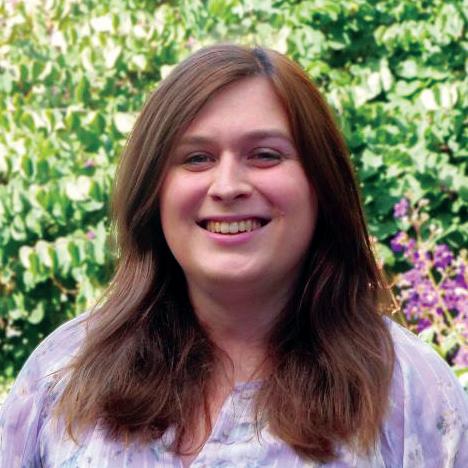
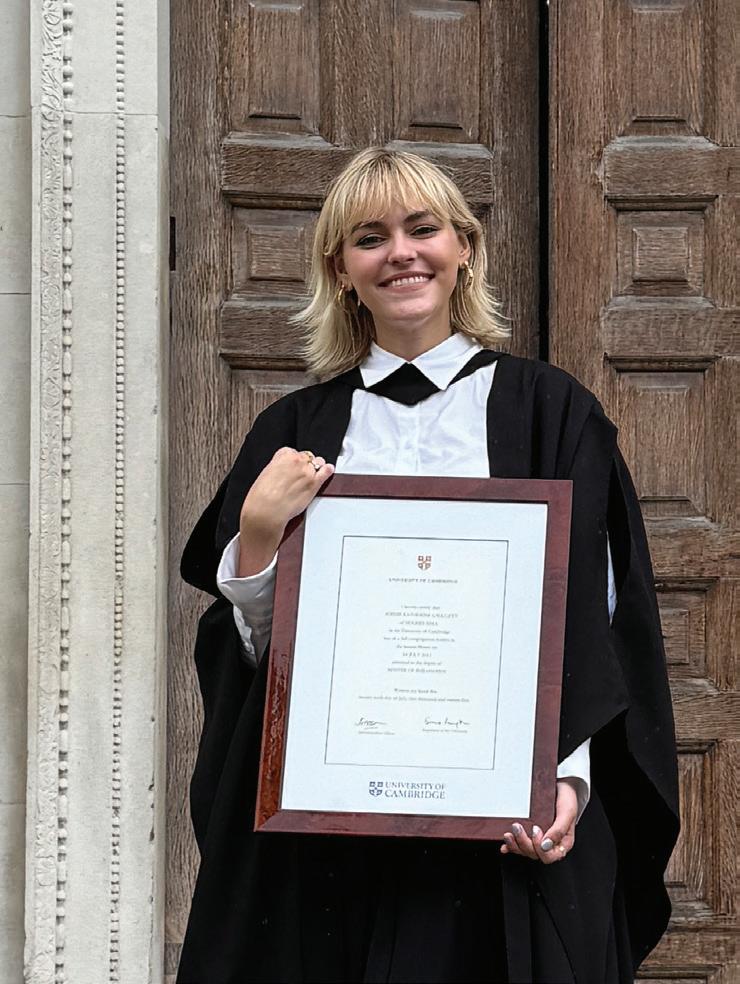
Sophie began her Episcopal Day journey in preschool and graduated from eighth grade with the class of 2016. After Episcopal Day, she attended Crystal Springs Uplands School, then Stanford University, where she discovered a passion for medieval history. She recently completed a Master’s degree in Medieval History at the University of Cambridge, where her research focused on Ol’ga of Kyiv, a tenth-century ruler and saint whose story continues to
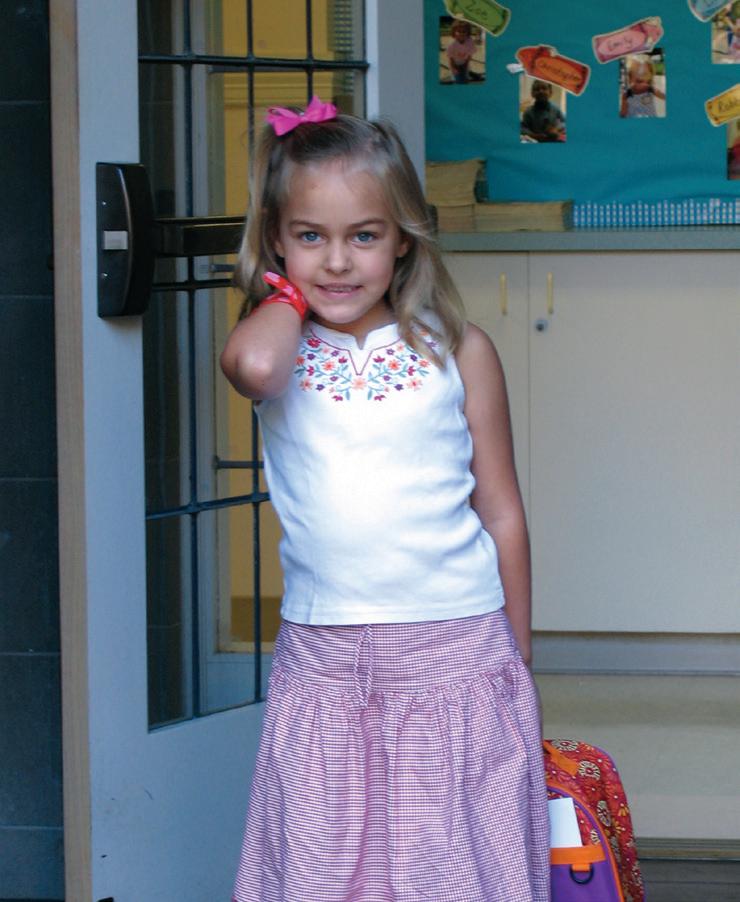
August 29, 2007, I walked into school with swagger. With two years at St. Matthew’s already under my belt and wearing an outfit that I would wear even today, I just knew that kindergarten was going to be my year. Sophie Callcott, a 2016 graduate of Episcopal Day. I started in preschool after my older brother had joined in pre-K, meaning I spent eleven of my most formative years at St. Matthew’s. I attended Crystal Springs Uplands School for high school, then Stanford University for college and graduated in 2024. Finally aiming to move away from home, I enrolled in a Master’s program in Medieval History at Cambridge University in England and graduated this past July. You might be wondering: why in the world would I study medieval history? Join me as I walk you through some of my research from the past five years.
Hopefully by the end of this article, you’ll be as enchanted by the medieval world as I am.
January 2020, sick with a mysterious flulike illness, I sat waiting at San Francisco International Airport, eager to start another leg of the college search process. I wandered into the airport bookshop, looking for something to pass the time of the flight, and stumbled upon a book a friend (incidentally, a friend from St. Matthew’s) had recently recommended to me: The Bear and the Nightingale, by Katherine Arden. Arden adapts popular characters from Slavic folklore and places them within the countryside of a fantastical fourteenth-century Moscow. The acknowledgements detailed the history that inspired the book, namely the life of Grand Prince Dmitry Ivanovich Donskoy and the 1380 Battle of Kulikovo. The story concluded at the outset of a history with which I felt familiar – post-Mongol Russia featured heavily throughout my high school History classes. But it also left me aware of a blank spot in my knowledge of Russian history: what exactly came before Russia?
Nearly six months later, I began my first quarter at Stanford University. When planning my schedule, I enrolled in a class called Traders and Crusaders in the Medieval Mediterranean, enchanted by its promise of swashbuckling pirates and saints slaying dragons. Behind the glamour of myths and legends, however, I encountered deeply personal stories of people that reminded me of me. During one particularly striking unit, we read snippets from Boccaccio’s fourteenth-century Decameron: a novel told from the perspective of young nobles who fled to their countryside villa to escape the Black Plague in Florence. The parallels couldn’t feel more prescient to my own life, as Covid-19 forced my entire freshman year at Stanford online and campus itself sat empty. I wanted to continue to explore these connections

I felt between the medieval world (Europe ca. 500-1500) and mine, to the extent that it became my core academic focus in history.
I came back to that question of Eastern Europe in my very next quarter at Stanford. A class Misfits of the Middle Ages: Persecution and Tolerance in Medieval Europe asked for a final paper that covered one or more of the key themes of the course: persecution, tolerance, violence, or diversity. Somewhere between the readings on the Slavs and those on witches, I found myself entranced by the murderous life of Ol’ga of Kyiv: a queen of the Rus’ (those who controlled the lands of roughly modern day Ukraine, Belarus, and Western Russia) and Orthodox saint who protected her family, her dynasty, and her individual freedom by any means necessary. She pushed the limits of power a woman could hold in the early Middle Ages and I couldn’t shake her story from my head.
When deciding on a topic for my senior honors thesis, I came back to some broader questions about medieval women, and female saints in particular. She Took of the Fruit Thereof and She Did Eat: Representations of the Female Saintly Body in Tenth Century Byzantine Hagiography, (admittedly, a mouthful), my thesis explored the significant decrease in the number of women made saints in the Byzantine Empire (more or less, modern day Türkiye) after the tenth century. While the rate at which men from the same time period were sanctified remained more or less constant, I analyzed the changing gender norms of Byzantine society, and increasingly public presence of women in Byzantine life, that may have influenced the Church’s decision to focus more on men.
Spending a year in the world of tenth-century Byzantium, I couldn’t help but feel the presence of the increasingly influential Rus’, just north of the Black Sea. And writing about powerful, saintly women kept turning my mind back to Ol’ga. I knew that my 10 page term paper, written barely out of high school, didn’t do her justice. In addition, by my senior year at Stanford, I had spent enough time learning Russian, Latin, and Ancient Greek that I felt more confident in my ability to look at the primary sources that discussed her in their native tongues. I applied to Cambridge University’s Master’s program in Medieval History, aiming to work with one of the foremost scholars on the Rus’, with a project centering Ol’ga in mind. In my dissertation at Cambridge, called Reconsidering the Life and Reign of Ol’ga of Kyiv, ca. 900-969, I explored how the royal family in Kyiv united and governed the vast collection of Scandinavian, Slavic, and steppe principalities that composed early Rus’ – especially as facilitated by Ol’ga – and how she shaped its political place within the wider medieval world through her connections to the Byzantines and the German Ottonians. Ultimately, I argued that Ol’ga of Kyiv’s reign in Rus’ showed that Ol’ga herself played a vital role in creating the robust Rus’ state.
While now I am back in the Bay Area and working in the real world, I hope in the future to come back to the magical world of the medieval East. Whether through further graduate school or some different path, I don’t think I’m done with Ol’ga and the Rus’ just yet. In the meantime, you can catch me learning German, reading any book I can get my hands on, or walking my two beautiful dogs.
Ryan Othniel Kearns, Class of
Ryan began his Episcopal Day School journey in kindergarten, and he graduated from eighth grade with the class of 2013. He sang in the chapel choir as Head Chorister, played flag football and soccer, and starred as Linus in The Charlie Brown Musical (he still has his blue blanket). After Episcopal Day, Ryan attended Lick-Wilmerding High School, then Stanford University. He now attends the University of Oxford, where he conducts PhD research on the cognition and morality of modern artificial intelligence systems.
When I was a kid, I thought I’d grow up to be an astronaut. We had a trampoline in our backyard and at sunset I used to lie down in the center, staring up at the reddening moon, imagining myself out in space. In sixth grade science class, we grew bean sprouts affixed to paper towels, watering their roots through capillary action. There, I imagined myself the maintainer of some vast orbital hydroponic rig, the bean sprouts essential to some new lunar base or Martian colony. At the time, with only my bicycle and my $5 weekly allowance, real altitude was hard to obtain. That did not stop me. My friends and I would ride through San Mateo Park after school, exploring the chains of grassy “islands” dividing the lanes, staking claims, and dueling with fallen twigs for territorial control. I would outfit myself for expeditions to the Crystal Springs Creek, equipped with rain boots and a rake for probing the depth of murky water. I was a voyager and a frontiersman; the world was new and grand, and to learn was to traverse it.
The point of questioning isn’t always to find an answer, but to shape the way you think.
In fifth grade, Ms. Carleton began her social studies class by writing a question in the corner of the whiteboard: “What makes a human, human?” The question stayed up there all trimester. I looked forward to the end of the year when she’d give me the direct answer, but to my disappointment, it never came. I later realized that there is no direct answer to this question. In college, I majored in computer science but double majored in philosophy once I realized that my favorite computer science questions were philosophical ones. “What is intelligence?”, “How can we know what we know?”, and the classic “What makes a human, human?”: all philosophical all-time hits and all the more pertinent today. For example, today’s AI systems can write your fifth grade essay on this question for you, but what makes it worth writing, thinking, and exploring yourself? While I didn’t end up an astronaut, I like to think I stayed an explorer. It took me a while to figure out that to be an explorer I didn’t have to just go “out there”; exploration “within” and “around” and “about” was possible (although it’s less materially depicted in YA novels and science fiction films).
Today, in my PhD, I study artificial intelligence, which I suppose constitutes both an inward and outward exploration. We have some interesting new minds on the planet, in the forms of systems like ChatGPT, and I am curious about what they can do and how they “think” compared to us. To be specific, I study a stranger, nested question: “How can we know what AI systems can do?”
Science taught me to explore outward; philosophy taught me to explore inward.
To make scientific claims about AI system performance, we conduct tests, often called “benchmarks” or “evaluations.” In short, we give AI systems standardized tests, just like in school. It turns out, however, that administering these tests is very hard. AI systems are very good at memorizing things found on the internet — including the answer keys to tests! — and unless you are testing memorization specifically, this talent of theirs will cause problems. For this reason, and others, I replaced my original, direct question (“What can these AI systems do?”) with a more reflective and epistemological prior question (“How can we even know, in the first place?”). This may be a philosophical question, but I sometimes think about it like an astronaut. If all of the possible intelligences, all of the kinds of minds, were stars in the sky, astronomy could answer the direct questions with the use of telescopes and other technologies that measure, observe, and graph. What kinds of stars are there? How many? How far away? How bright? When thinking about AI, I would love to know the answers to these questions, but my research means I'm building the metaphorical telescope, so I am hoping to answer a different class of questions: What is the resolution of this lens? Where are my blind spots? Is this kind of star only “bright” under infrared? If that star is moving too quickly away from me, can I see it clearly? This focus allows me to look both inward and outward at both the AI systems I study and the tools we use as scientists to better understand and coexist with these systems.
While I loved science and social studies as a student, it was actually in Chapel at Episcopal Day that I learned and obtained the great deal of patience required to grapple with these philosophical questions. Our school Chaplain showed me that questions of faith and of morality had this same philosophical character. The point of questioning Scripture, or giving a Chapel Talk, or giving up chocolate for Lent is not to get a direct answer about anything. Rather, the point is the thinking itself, and such thinking’s role in the formation of your own virtuous, empathetic, and ponderous character. At EDS, I learned a deep-seated appreciation for the role that such thinking plays in my life. I was a bit unaware of this at the time—my mind was filled with outer space and the next turn in the Crystal Springs Creek—but today I know that I have educators like Ms. Carleton, Mr. Gummerson, and Chaplain Amber to thank for instilling in me this appreciation for the tough, sometimes unanswerable questions.
I will continue to work on my telescopes and to peer through them. Scholastically speaking, while my early days at EDS are long in the past, I still feel like I’m setting out on my most fundamental explorations. I still attend chapel—Oxford is full of Anglican churches, and the architecture is identical to St. Matthew’s— and in the patience and curiosity required to think about and ask big questions, the distance to home and to my youth seems to close.

The Alumni Agent of Change Award honors an Episcopal Day alum who is making a meaningful and positive impact in their community and beyond.
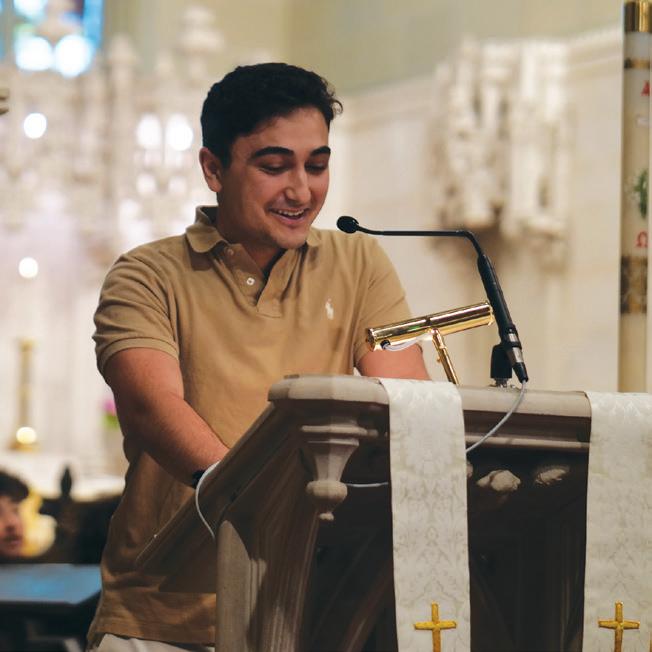
Dario G. ’19 is our 2025 Alumni Agent of Change Award winner! His journey from Episcopal Day to the University of Southern California is a powerful reminder that changemaking doesn’t always begin with bold declarations; it often starts with small, intentional actions that ripple outward into lasting impact.
Over the years, Dario has continually found ways to blend creativity, service, and purpose in everything he does. During high school, he joined ParaRow, a program that made rowing accessible for athletes with disabilities. He later worked on AccessAble as part of Stanford’s Design the Future program, helping design tools to support accessibility in everyday life. As a student at Sacred Heart Prep, he built an accessible study space as part of the school’s Design for Good class, sourcing materials from scrap metal and glass in an effort to keep his project sustainable and earth-conscious. That experience fueled a continued interest in sustainability, which led him to work with Grassroots Ecology, a local nonprofit focused on community-based environmental restoration.
Now a student at USC majoring in Real Estate Development with a minor in Architecture, Dario is combining all of these experiences as he works toward a future where development projects are not only innovative, but also accessible and sustainable. His vision is rooted in the belief that design can and should serve everyone.
We can’t wait to see what he does next.
If you or someone you know is doing meaningful work in their community or field, have a happy announcement, or just want to let us know how things are going, reach out! Your story or update could be featured on our social media, in our next magazine, or as our next Agent of Change spotlight.
Contact us whenever, we can’t wait to hear from you! development@episcopaldaysanmateo.org
Once a Mustang, Always a Mustang!
The class of 2021 came back home to Episcopal Day to celebrate their high school graduation in 2025.
Here are some of the schools the Class of 2021 is currently attending:
Boston College
Boston University
Chapman College
Cornell University
Duke University
Georgia Institute of Technology
New York University
Northwestern University
Notre Dame University
Santa Clara University

Southern Methodist University
Stanford University
Tufts University
University of California Santa Barbara
University of Chicago
University of Colorado Boulder
University of Illinois
University of Richmond
University of Southern California
Washington University
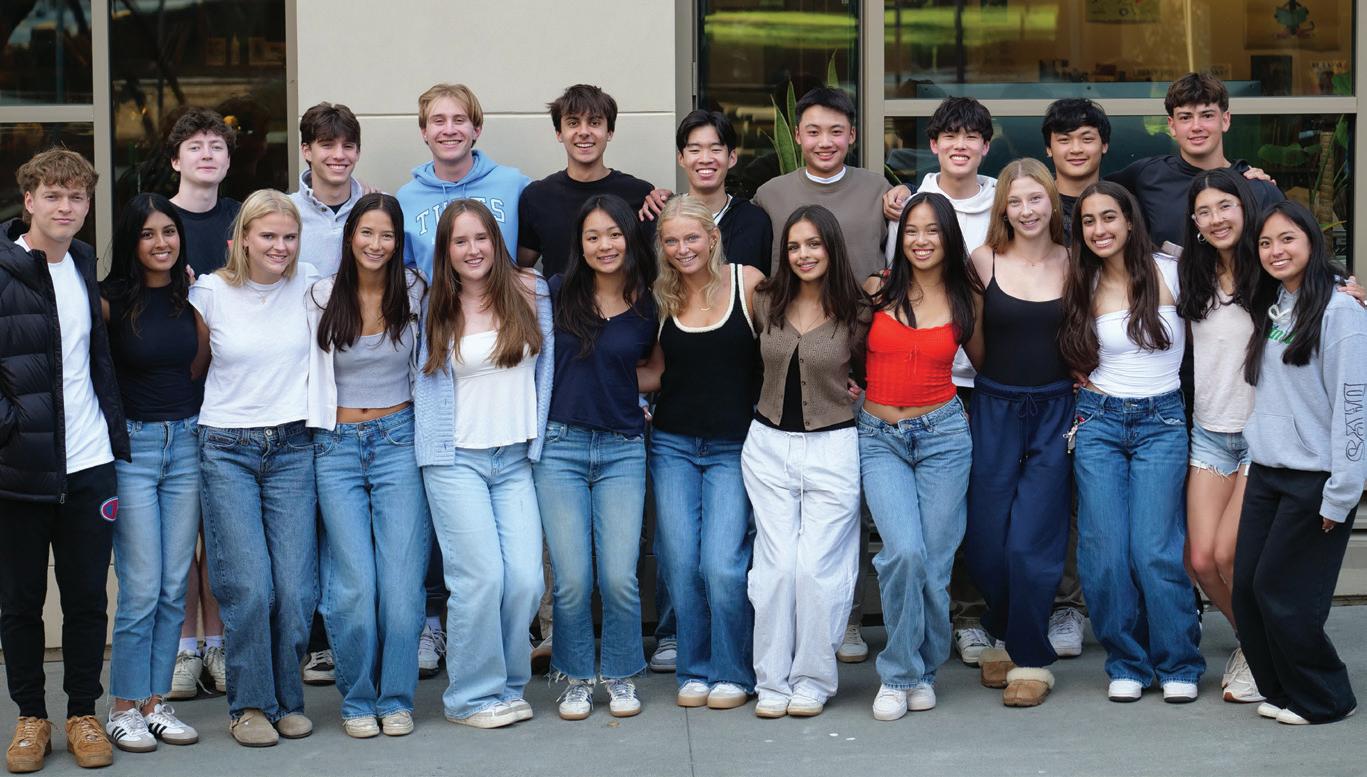
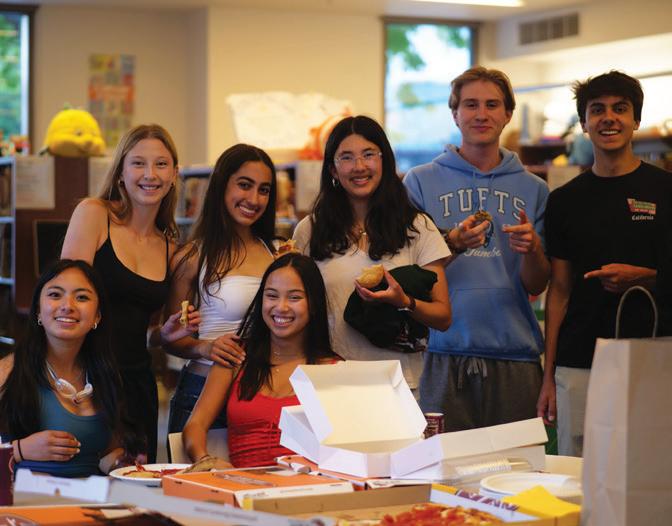
The Class of 2025 came back to provide their eighth grade peers with valuable mentorship on the high school application process.
FACT
83% of this year's eighth graders will matriculate to their first choice high school!
We are happy to welcome alumni from all class years back home to campus!
Did we miss your visit?
Tag us on your reunion pictures @episcopaldaysanmateo
Powering
The