











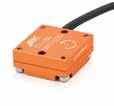
ASC INERTIAL SENSORS




High-precision measurement of smallest vibrations in vehicles and infrastructure is a basic requirement for safe, comfortable, productive rail transport. Inertial sensors play a key role, therefore global manufacturers have been relying on accelerometers, gyroscopes and inertial measurement units from ASC Sensors.
With its expanded RAIL sensor series, ASC is now further advancing the railway industry. Specialized models, such as the compact ASC RAIL-x151LN accelerometers and the ASC RAIL-27x1 gyroscopes, are setting new standards in railway safety, capacity and efficiency.
■ Accurate: ASC sensors produce results that are very close to the actual value
■ Precise: ASC sensors remain very consistent across repeated measurements
■ Certified: The ASC RAIL series are certified to applicable norms including EN 50155, EN 50121-3-2 and EN 45545. They provide reliable solutions that meet national and international standards
■ Reliable: Robust to prevail extreme testing and operational conditions
Worldwide, railway manufacturers and operators rely on tailor-made solutions from ASC. When may we have the opportunity to convince you?




ASC inertial sensors are used for
Characterization of track geometry (EN 13848)
Specifying structural requirements for bogie frames (EN 13749)
Dynamic interaction between pantograph and overhead contact line (EN 50317)
Passenger ride comfort (EN 12299)
Running characteristics of railway vehicles (EN 14363)
In line with broader industry trends, AI-driven data and autonomy were the key themes underlining the recent Vehicle Tech Week in Europe. On the ground, our reporters heard how end-toend validation is accelerating autonomous driving development (page 16), the importance of building security into SDVs (page 18) and the crucial role AI-based testing can play in autonomous vehicle validation (page 22).
Material innovation also took centre stage. We look at how chrome-free plating is gathering momentum in automotive applications (page 28), the benefits of recyclable cellulose composites for vehicle interiors (page 30), and new recycling strategies for automotive parts (page 32).
Elsewhere in this issue, we hear from powertrain specialist ZF on how focusing on the future is enabling electric powertrain experts to deliver the sophisticated solutions that EV manufacturers are demanding (page 6), and dive deeper into the recent hype surrounding water-based batteries and the tangible impacts they may have on future transport applications (page 8). We also cover the latest charging technology innovations from page 12, and look at current developments in railway performance (page 20) and autonomous trucking (page 36).
These themes look set to remain in the spotlight as we look ahead to the autumn programme of industry events. Keep your finger on the pulse by flipping to page 40 for what to expect from Innotrans, IAA Transportation and Formnext in the coming months.
Hayley Everett Editor
Robotic charging arms are edging closer to commercial reality
Accelerating autonomous driving development with endto-end validation
ADAS experts discuss building security into software-defined vehicles

20 Robust railways
Unlocking superior railway performance with the ASC Rail Series
22
Data-driven training
Targeting autonomous vehicle validation bottlenecks with AI-based testing
24 Dodging defects
Tackling the hidden costs of missed vehicle defects
26 Plant-based savings
The rise of natural fibre composites for weight reduction
MATERIALS
28 Future-proof plating
How chrome-free plating is gathering momentum ahead of regulatory change
30 Natural selection
How could future vehicle applications benefit from fully recyclable cellulose composites?
32 Closing the loop
New recycling strategies aim to keep automotive materials in the circular economy
PUBLISHER
Jerry Ramsdale
EDITOR
Hayley Everett heverett@setform.com
DESIGN – Dan Bennett, Jill Harris
HEAD OF PRODUCTION
Luke Wikner production@setform.com
HEAD OF SALES & PARTNERSHIPS
David Pattison
ACCOUNT DIRECTORS
John Abey | Peter King
SENIOR ACCOUNT MANAGERS
John Davis | Darren Ringer | Roy Glasspool
ACCOUNT MANAGERS
Paul Maher | Iain Fletcher | Marina Grant e advertising@setform.com
up
How virtual twin technology is accelerating the path to L2+++ autonomy 36 Scaling up autonomy
Accelerating the deployment of autonomous trucking
38 Electric investment
A new report underlines the crucial role of electrification in UK manufacturing
39 Future-proofing talent
A new proposal calls for increased workforce diversity within global manufacturing SHOW PREVIEW 40 Next-gen additive manufacturing
Formnext returns to Frankfurt in November
40
30 years of rail innovation
Innotrans brings the rail sector together in Berlin
xx Driving the future of commercial mobility
IAA Transportation takes place in Hanover
Setform’s international magazine for transport is published twice quarterly and distributed to senior engineers throughout the world. Other titles in the company portfolio focus on Process, Design, Energy, Oil and Gas, Mining and Power.
The publishers do not sponsor or otherwise support any substance or service advertised or mentioned in this book; nor is the publisher responsible for the accuracy of any statement in this publication. ©2026. The entire content of this publication is protected by copyright, full details of which are available from the publishers. All rights reserved. No part of this publication may be reproduced, stored in a retrieval system, or transmitted in any form or by any means, electronic, mechanical, photocopying, recording or otherwise, without the prior permission of the copyright owner.
Setform Limited | Suite 3.10, Ellisse by Spacemade, 10 St Bride Street, London EC4A 4AD t +44 (0) 207 253 2545 e mail@setform.com
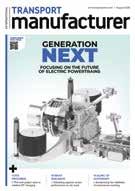
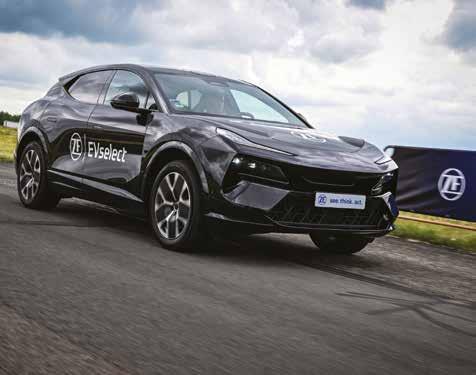
Focusing on the future of electric powertrains
• -45 °C to +150 °C
• Efficient Heating and cooling
• Flow & pressure control
• Single/multiple fluid circuits
• Automated drain & refill
• Integrated pressure overlay
• Heat exchange pump option
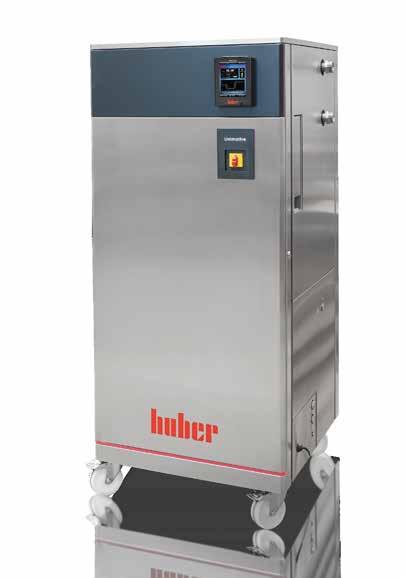
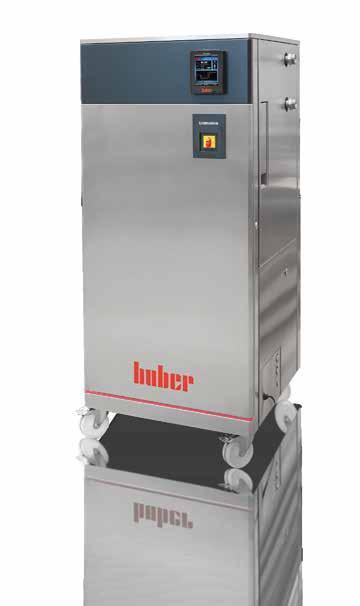

The Unimotive range is specially designed for applications in the automotive industry. Typical applications include temperature simulations as well as material testing and temperature-dependent stress and load tests for automotive parts and functional components.

www.huber-online.com
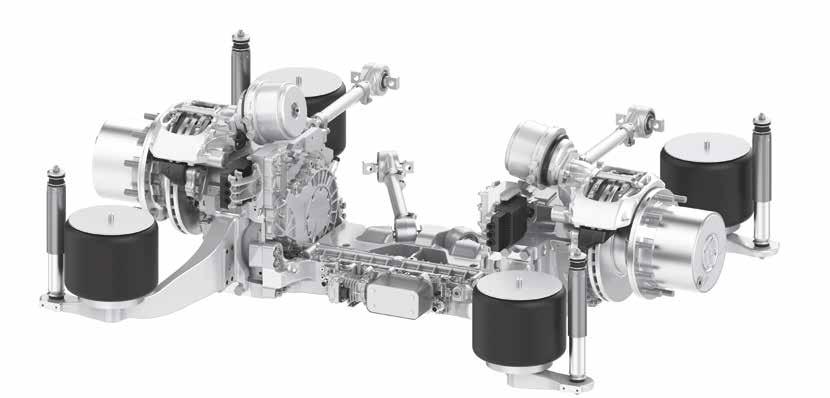
A focus on the future is enabling electric powertrain experts to deliver the sophisticated solutions that EV manufacturers are demanding,
As EV manufacturers face increasing pressure to improve range while keeping vehicle costs competitive, there are several engineering challenges that those developing next-generation electric powertrains must overcome. And as Dr Martin Berger, vice president, Powertrain Systems (EDD) points out, there are also some real opportunities for efficiency gains.
Summarising the current state of play, Berger says: “The key challenge for EV powertrains today is balancing three competing demands: range, cost and complexity. On the engineering side, that translates into a few fundamental hurdles, notably system efficiency versus cost – improving efficiency often requires more sophisticated components, but OEMs need solutions that scale economically.”
Berger flags thermal management as another hurdle: “The challenge here is in extracting maximum performance from batteries and e-drives without increasing energy consumption.”
Berger also notes that as architectures become more softwaredefined, integrating motors, inverters, controls and vehicle systems becomes considerably more demanding, meaning that integration complexity

Dr.-Ing Andreas Grossl, vice president, Global Product-Segment Electric Driveline Solutions (TTE), ZF
is another challenge. He adds: “And then there’s speed of innovation –customers expect shorter development cycles and faster rollout of new technologies. OEM development times mean suppliers have to perform at the same level or faster!”
Berger reveals that, for ZF, the biggest opportunity is in system-level optimisation rather than individual components. “That means highly integrated systems – bringing motor, inverter, software and thermal management together as one solution,” he explains.
“In terms of software and system intelligence, this means using control strategies to improve real-world efficiency and range. For thermal efficiency gains, we’re focusing on how technologies such as advanced thermal management can significantly extend EV range without the need for larger batteries. And when it comes to scalable platforms, we mean enabling OEMs to tailor solutions without reinventing architectures each time, which is crucial with lead times so much shorter,” Berger details.
The powertrain expert observes that ultimately, improving efficiency isn’t about a single breakthrough: “It’s about optimising the entire vehicle system to deliver more performance.”
ZF has played an important role in the evolution of electric driveline technology and Berger feels the organisation is well placed to continue this work in the coming years. “We expect that EV powertrains will evolve from largely hardware-driven systems to software-defined, fully integrated mobility platforms,” he states.
Berger says that three shifts will shape this transition. He explains: “The first is the move from components to
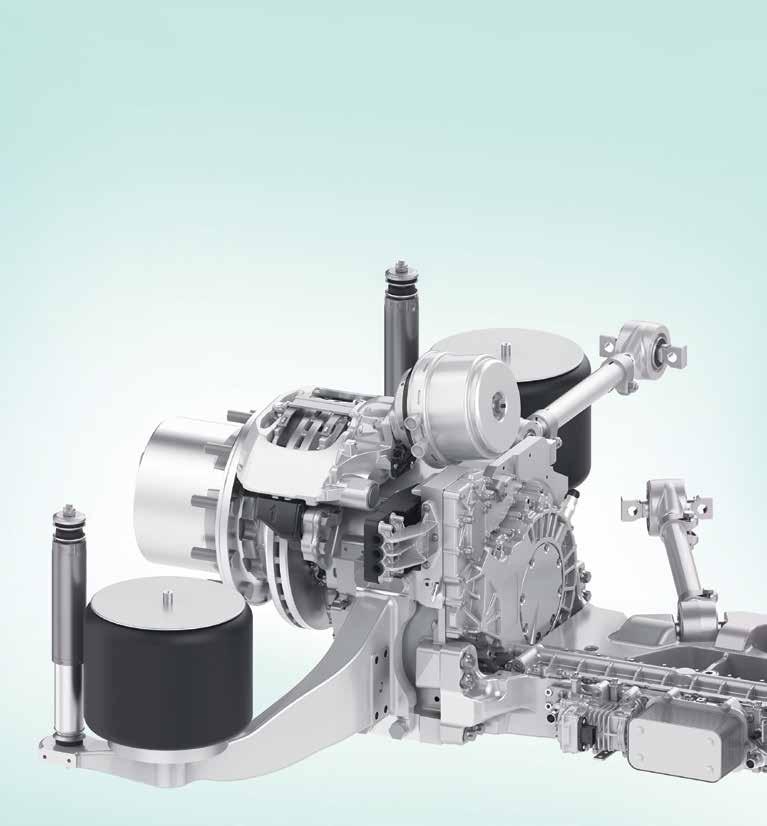
SELECT is a highly flexible platform for e-drives from ZF

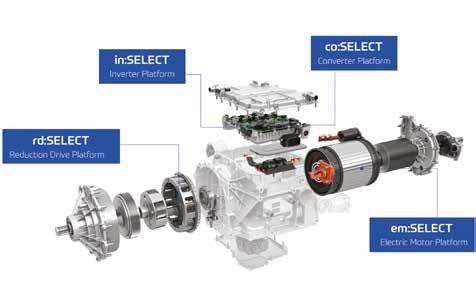
integrated systems. Powertrains will no longer be developed as standalone components, but as fully connected systems working in harmony with chassis, software and vehicle controls.
“Electrification at scale, with flexibility is the next shift. The market will not move in a straight line. Our view is that OEMs need flexible architectures that support full electric, hybrid and transitional solutions depending on regional demand and use case,” he emphasises.
Software and AI as performance drivers is the third shift. “Software will increasingly determine efficiency, drivability and lifecycle performance,” comments Berger.
Of course, ZF doesn’t only develop electric powertrains for passenger cars; its expertise spans commercial vehicles (CV) and off-highway machinery, too –applications whose requirements can vary quite considerably. Discussing the CV side, Dr.-Ing Andreas Grossl, vice president, Global ProductSegment Electric Driveline Solutions (TTE), notes: “It is important to recognise the complexity of the CV sector, which encompasses a wide range of applications, including buses, coaches and trucks. Each of these segments has distinct requirements in terms of operating speeds, vehicle weights and duty cycles, making the development of scalable solutions particularly challenging.”
Grossl also points out that due to the comparatively lower production volumes in the CV industry, “leveraging technological and manufacturing synergies becomes even more critical to achieving both innovation and cost efficiency.”
He says: “In our view, the real gamechanger is therefore not a single product, but our ability to create scalable and modular electrification solutions across these diverse applications.”
Citing examples of this approach, Grossl says: “In recent years we have introduced a modular e-drive platform that includes electric central drives and electric axles. By leveraging common technologies and architectures for key components such as e-motors or inverters, we enable OEMs to electrify both new and existing vehicle platforms with greater flexibility, scalability and cost efficiency.”
One fruit of this approach is ZF’s AxTrax 2 LF low-floor electric drive axle for city buses. “The second generation reaches Start of Production (SOP) in the next few months, and it demonstrates how advanced technologies originating from the passenger car sector can be successfully transferred to commercial vehicle applications,” says a proud Grossl.
He also cites the TraXon 2 Hybrid manual transmission as a significant development. “We see hybrid technology as an important
When Martin Berger is asked which of ZF’s numerous EV drivetrain launches he’s most proud of, he opts to highlight the company’s new SELECT e-drive platform. “What makes it particularly exciting is that it reflects a shift from componentbased development to a system-first approach. Rather than optimising individual parts in isolation, SELECT combines electric motors, inverters, reduction gears and software within a modular platform that can be tailored to different vehicle requirements while maintaining high levels of efficiency and scalability,” Berger explains. He says that the industry needs solutions that balance performance, efficiency, development speed and cost. “SELECT enables OEMs to access a broad range of electrified powertrain configurations from a common technology platform, reducing complexity while accelerating innovation. It is a great example of how ZF is helping customers navigate an increasingly diverse and fastmoving e-mobility market.”
enabler of the transition towards zero-emission transport, particularly as charging infrastructure continues to develop at different speeds across regions and applications. By leveraging key elements of our modular e-mobility architecture, TraXon 2 Hybrid provides a practical pathway to reduce emissions while maintaining operational flexibility and demonstrating the scalability of our technology approach,” Grossl details. “Ultimately, what makes these developments truly game-changing is their ability to combine proven technologies with the specific requirements of the CV market, enabling highly efficient, reliable and competitive solutions across multiple vehicle segments,” Grossl observes.
Could neutral aqueous batteries reshape stationary energy storage for transport?
We dive into the latest research breakthrough in water-based cell chemistry
Battery innovation is often judged by a familiar set of metrics: higher energy density, faster charging and lower cost. However, a newly published study from researchers at the City University of Hong Kong and Southern University of Science and Technology suggests another characteristic may become increasingly important as transport electrification expands— environmental safety.
Published in Nature Communications, the research describes an aqueous battery that uses a neutral pH electrolyte rather than the acidic or alkaline electrolytes found in many existing water-based battery systems. While the study has attracted widespread attention because the electrolyte is chemically benign enough to resemble the mineral solutions used in tofu production, the more significant engineering achievement lies in demonstrating an exceptionally durable battery chemistry capable of more than 120,000 charge-discharge cycles without significant degradation.
For vehicle manufacturers, the immediate question is whether such technology represents a future alternative to lithium-ion traction batteries. The answer, at least in the near term, is probably no. The prototype’s specific energy of approximately 48.3Wh/kg is substantially lower than current
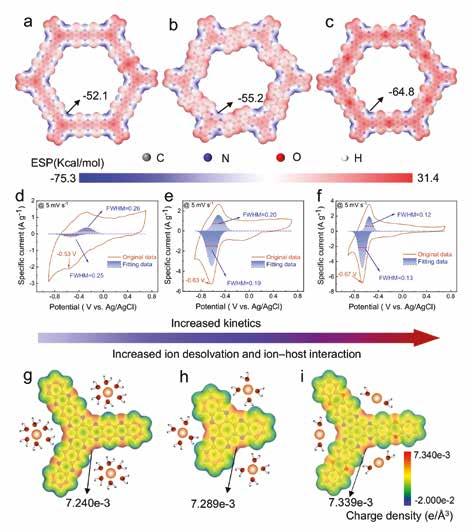
Screening of negative electrode materials and electrochemical analysis. Image via Nature Communications
automotive lithium-ion batteries, making it unsuitable for applications where vehicle range and weight remain critical design constraints. However, that does not diminish its potential significance. Unlike conventional lithium-ion batteries, which rely on flammable organic electrolytes and require careful thermal management, the new chemistry employs a neutral electrolyte based on magnesium and calcium salts. This virtually eliminates corrosion associated with acidic or alkaline aqueous batteries while dramatically improving operational safety and environmental compatibility. According to the researchers, the electrolyte is sufficiently benign that complete battery systems could meet environmental disposal standards without requiring specialist hazardous waste treatment.
The research team’s breakthrough centres on the development of a covalent organic polymer negative electrode using a hexaketone-
tetraaminodibenzo-p-dioxin structure. This material enables efficient magnesium and calcium ion transport while maintaining exceptional structural stability during repeated charge-discharge cycles.
Laboratory testing demonstrated capacity retention across 120,000 cycles at high current densities, an endurance figure approximately an order of magnitude greater than many commercial lithium-ion batteries. At one charge cycle per day, this equates to a theoretical operational lifetime measured in centuries rather than decades.
While no transport manufacturer expects vehicles to remain in service for 300 years, longevity is becoming an increasingly valuable attribute as electrification extends beyond passenger cars into commercial vehicles, buses and supporting infrastructure.
Charging depots, renewable energy buffering systems and microgrids increasingly rely on stationary battery storage to manage fluctuating
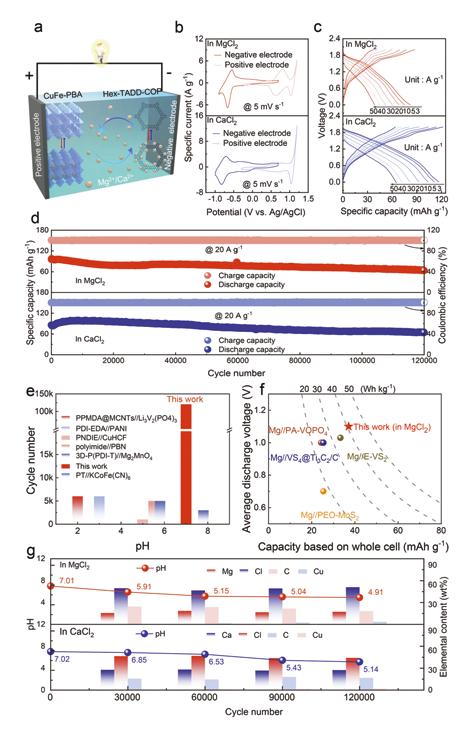
Performance of a highly eco-friendly aqueous bivalent metal-ion full cell with Hex-TADD-COP as the negative electrode and CuFe-PBA as the positive electrode (at 25 °C ± 2 °C). Image via Nature Communications
electricity demand. Unlike traction batteries, these installations prioritise cycle life, safety and low maintenance over maximum energy density. This is where aqueous battery technology could prove particularly valuable.
A depot-based battery capable of cycling multiple times each day for several decades without significant degradation would substantially reduce lifecycle replacement costs while eliminating many of the fire protection measures currently associated with lithium-ion energy storage systems.
For fleet operators managing electric buses or heavy commercial vehicles, integrating extremely long-
life stationary batteries alongside renewable generation could improve energy resilience while reducing peak electricity demand and lowering operating costs.
The chemistry may also prove attractive for transport applications operating in safety-critical environments. Airports, rail infrastructure, tunnels, ports and defence installations all require energy storage technologies with extremely low fire risk. Water-based batteries offer an inherently safer electrochemical platform than organic electrolyte systems, potentially
simplifying installation requirements and reducing insurance and safety compliance costs.
Nevertheless, significant technical challenges remain before commercial deployment becomes realistic.
Energy density continues to represent the primary limitation. At approximately 48.3Wh/kg, the demonstrated cell delivers only a fraction of the energy storage available from current automotive lithium-ion chemistries, making direct substitution impractical for most vehicle propulsion applications. Manufacturing scalability also remains uncertain, with the specialised covalent organic polymer electrodes requiring further development before industrial production can be considered economically viable.
As with many laboratory battery breakthroughs, the path from scientific publication to commercial product is likely to be measured in years rather than months. Even so, the research highlights an important shift in battery development priorities. Rather than pursuing incremental increases in energy density alone, researchers are increasingly balancing performance with sustainability, safety and whole-life environmental impact.
For transport manufacturers, this broader perspective is becoming increasingly relevant. Future electrified transport systems will depend not only on vehicle batteries but also on extensive supporting energy infrastructure, including depot storage, renewable integration and grid balancing. Different battery chemistries are likely to serve different roles, with no single technology optimised for every application.
The new aqueous battery illustrates this changing landscape. Although it is unlikely to replace lithium-ion cells inside passenger cars or commercial vehicles in the foreseeable future, its combination of ultra-long cycle life, non-flammable operation and environmentally benign chemistry could make it an attractive option for the stationary energy systems that increasingly underpin electric transport operations.
Anew government-backed battery development programme is aiming to accelerate electrification for specialist vehicle manufacturers by providing a scalable, UKdeveloped modular battery system that reduces engineering complexity while strengthening domestic battery capability.
The Advanced Modular Battery System (AMBERS) programme brings together battery cell manufacturer Volklec, engineering consultancy Ricardo and battery pack specialist Hyperbat, a Unipart company, to develop a modular battery platform for demanding automotive and defence applications. Backed by investment through the Battery Innovation Programme, part of a £452 million government-supported initiative delivered by Innovate UK with support from the Department for Business and Trade (DBT), the project is intended to provide manufacturers with a faster, lower-risk route to battery integration.
At the heart of the programme is a configurable battery pack designed around Volklec’s high-power 21700 cylindrical cells. The modular architecture enables packs to be configured with between one and five modules, each delivering 1.8kWh of energy capacity. This approach allows the system to be adapted to meet a range of voltage, power, packaging and integration requirements while supporting differing qualification standards across multiple sectors.
“AMBERS is exactly the type of programme the UK needs: applicationled, execution-focused and built around the capabilities required to manufacture advanced battery systems at speed,” says Johan Andersson, chief commercial officer at Volklec.
Rather than requiring OEMs to develop every aspect of battery technology internally, AMBERS

AMBERS will create a direct route for Volklec’s battery cells into future customer programmes
provides an integrated solution combining cells, battery management systems and pack engineering. For specialist vehicle manufacturers, where production volumes often do not justify extensive in-house battery development programmes, the modular approach offers a practical route to electrification with reduced technical and commercial risk.
The battery packs are being developed for a broad range of applications, including hybrid sports cars, specialist automotive platforms, defence mobility, auxiliary power systems, unmanned ground vehicles (UGVs), unmanned aerial systems (UAS) support equipment and other high-power mobile platforms requiring compact, durable and scalable energy storage solutions.
Beyond product development, the programme also addresses wider supply chain resilience. For defence customers and other regulated industries, access to domestically manufactured battery technology can help satisfy sovereign procurement requirements while reducing exposure to international supply chain disruption and improving long-term security of supply.
The collaboration brings together complementary expertise across the battery value chain. Ricardo
will contribute systems engineering capability, Hyperbat will provide battery pack manufacturing expertise, and Volklec will establish the cell manufacturing pathway. Together, the partners aim to create a more integrated UK battery ecosystem linking cell production, pack manufacture and vehicle integration.
The programme is also expected to create a direct route for Volklec’s battery cells into future customer programmes, supporting the development of a stronger domestic battery manufacturing base while increasing the availability of UKdeveloped battery technologies for both domestic and international markets.
Andersson explains, “By combining Volklec’s high-power 21700 cell capability with Ricardo’s systems engineering expertise and Hyperbat’s pack manufacturing experience, AMBERS creates a scalable route for customers to access advanced sovereign battery technology without having to build every layer of capability themselves.”
Development work is now underway, with prototype battery packs scheduled for deployment in April 2028. As the programme progresses, the consortium expects to engage with prospective customers to support platform configuration, qualification requirements and future production planning, helping specialist vehicle manufacturers accelerate electrification while reducing development timelines and integration risk.

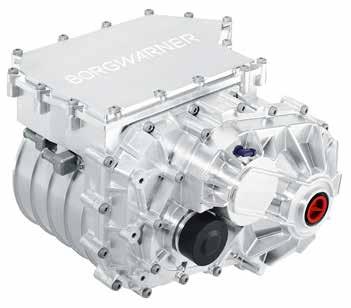
Our Integrated Drive Modul e simplifies the electrification of all kinds of vehicles.
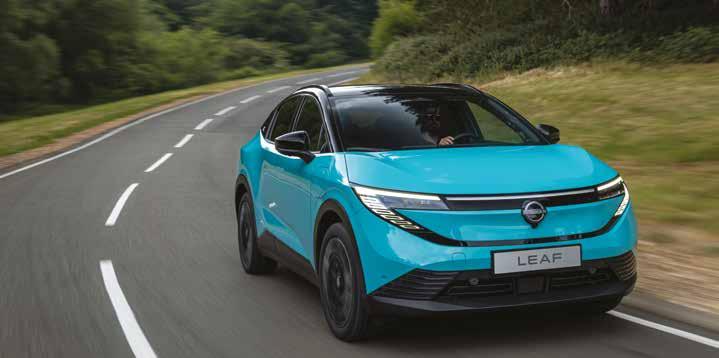
An ongoing project led by Nissan explores integrated energy technologies to redefine EV charging
As electric vehicle adoption continues to accelerate, attention is increasingly shifting from battery capacity alone towards the wider energy ecosystem that surrounds the vehicle. Charging infrastructure, electricity costs, renewable energy integration and grid stability are all becoming critical considerations for manufacturers developing the next generation of electric transport.
Against this backdrop, Nissan is leading a major UK research programme that aims to rethink how electric vehicles generate, manage and exchange energy. Known as Project SUITE (Smart Use of Integrated Technology for EVs), the three-year initiative brings together automotive manufacturers, technology specialists and leading universities to develop an integrated suite of energy management technologies that could significantly reduce operating costs while improving vehicle efficiency and supporting the electricity grid.
Supported by £10 million of UK Government funding through the £4 billion DRIVE35 programme, delivered by the Department for Business and Trade in partnership with the Advanced Propulsion Centre UK (APC) and Innovate UK, the
project represents one of the UK’s most comprehensive collaborative research programmes focused on the convergence of vehicle electrification and intelligent energy management.
Rather than concentrating on a single technological breakthrough, Project SUITE seeks to combine multiple complementary systems into a single production-ready architecture. Engineers at Nissan Technical Centre Europe in Cranfield will lead development, using the latest Britishbuilt Nissan LEAF as a demonstration platform to validate the technologies under real-world operating conditions.
For vehicle manufacturers, one of the most significant aspects of the programme is its systemslevel approach. Instead of treating charging, renewable generation, power electronics and vehicle controls as separate disciplines, Project SUITE integrates them into a unified energy ecosystem designed to optimise efficiency throughout the vehicle’s operating life.
“This project highlights the strength of UK innovation and marks a significant step towards the next generation of integrated energy technologies for electric vehicles,” says David Moss, senior vice president, research and development, Nissan Africa, Middle East, India, Europe and Oceania (AMIEO). “Through close collaboration with industry and
academic partners, we are advancing solutions that lower the cost of ownership, improve efficiency and deliver greater value for customers.”
One of the most visible technologies under development is vehicleintegrated tandem solar panels. Unlike conventional rooftop photovoltaic systems that primarily support auxiliary electrical loads, these automotive solar modules are intended to contribute directly to battery charging. By harvesting renewable energy whenever the vehicle is parked outdoors, the system has the potential to extend driving range, reduce reliance on grid electricity and lower charging frequency, particularly for vehicles operating predictable daily duty cycles.
Complementing the onboard solar technology is an Intelligent Charging Management System (ICMS), designed to optimise electricity consumption based on energy demand, electricity tariffs and renewable generation. Beyond simply scheduling charging for off-peak periods, the system is intended to manage household energy consumption while allowing stored vehicle energy to be exported back to the electricity network when appropriate.
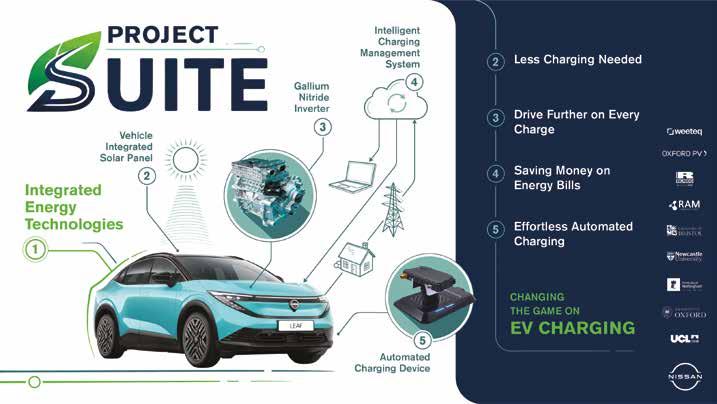
Project SUITE seeks to combine multiple complementary systems into a single production-ready architecture
Vehicle-to-Grid (V2G) capability forms another key element of the programme. Although V2G technology has been demonstrated for several years, widespread deployment has been constrained by infrastructure complexity and user interaction.
Project SUITE addresses these challenges through the development of a bidirectional Automated Charging Device (ACD) capable of maintaining seamless grid connectivity while simplifying the charging process for vehicle owners. The objective is to make bidirectional charging more practical for everyday operation while improving access to distributed energy storage across the electricity network.
Power electronics also play a central role in the programme. Ricardo is developing a high-efficiency Gallium Nitride (GaN) traction inverter incorporating AI-enhanced control strategies. Gallium Nitride semiconductors offer significantly higher switching frequencies and lower electrical losses than traditional silicon devices, enabling smaller, lighter and more efficient inverter designs. When combined with intelligent software capable of
optimising operating parameters in real time, the technology has the potential to improve drivetrain efficiency while reducing overall system costs.
Artificial intelligence extends beyond inverter control. Several academic partners are contributing digital modelling and forecasting technologies to improve V2G energy management, optimise electricity network interaction and better predict vehicle charging requirements. Together, these capabilities aim to create a highly adaptive energy management system capable of responding dynamically to both driver behaviour and grid conditions.
Moss adds, “From enhanced V2G capability to high-performance inverters and solar assisted charging, these developments reinforce the UK’s role in building a smarter, more resilient energy ecosystem. Together, we are laying the groundwork for future electrified products and reaffirming our commitment to making electric mobility more accessible, convenient and sustainable for all.”
The programme also reflects wider industrial policy aimed at
strengthening the UK’s automotive technology base. By bringing together vehicle manufacturers, SMEs and academic institutions, Project SUITE is intended not only to develop new technologies but also to establish domestic capability across advanced power electronics, intelligent charging systems and renewable energy integration.
“Collaborative projects demonstrate the UK’s determination to lead the shift to zero-emission mobility,” adds Ian Constance, CEO of APC UK. “By facilitating the UK Government’s DRIVE35 grants, we are turning world-class innovation into industrial capability. With our partners in DBT and Innovate UK, we are backing manufacturers, empowering SMEs, and strengthening the UK’s sovereign supply chain.
“This multi-million pound support package is more than an investment in technology; it is an investment in the people, skills and companies that will define the future of clean transport. Together, we are building the foundations of a competitive, resilient and sustainable automotive industry.”
With Project SUITE, Nissan and its partners are seeking to establish a blueprint for the next generation of intelligent electric vehicles.
A new interactive audit tool is helping EV charging manufacturers stay ahead of evolving compliance requirements
New communication protocols, cybersecurity requirements and smart charging regulations are reshaping electric vehicle charger design, making compliance a moving target for engineering teams. To help manufacturers navigate this changing landscape, EV charging technology specialist Versinetic has launched its 2026 UK EV Charging Standards Guide and Interactive Audit Tool, providing a structured self-assessment designed to identify compliance gaps before they become costly product redesigns.
The launch follows the implementation of the Smart Charge Points Regulations 2021 and the Public Charge Point Regulations 2023, with further industry developments expected to accelerate adoption of Open Charge Point Protocol (OCPP) 2.1 and advanced smart grid functionality. Looking ahead, compliance with ISO 15118-20 is expected to become a requirement for all new public and private charge point installations from 2027, introducing new technical demands across both hardware and software development.
“The UK EV charging standards landscape is currently in rapid flux, presenting manufacturers with unprecedented compliance challenges,” says Dunstan Power, managing director of Versinetic. “Between stringent domestic security frameworks and evolving communication protocols, the cost of falling behind is incredibly steep, resulting in wasted R&D, stranded product lines and missed market opportunities.”
Rather than focusing solely on regulatory checklists, the audit tool evaluates the engineering implications of compliance across hardware architecture, firmware and cybersecurity. Manufacturers can assess critical features including default off-peak charging schedules, randomised charging delays, cryptographic hardware support and payment roaming

functionality, enabling development teams to benchmark products against current and emerging standards.
The guide also highlights the architectural changes required to support future charging technologies. Implementing ISO 15118, for example, requires more than software updates alone. Plug & Charge functionality depends on integrating Power Line Communication (PLC) hardware alongside dedicated cryptographic processors capable of securely managing Public Key Infrastructure (PKI) certificates without affecting overall system performance.
Versinetic recommends adopting modular software architectures capable of supporting future upgrades. A dual-stack implementation, allowing OCPP 2.1 to operate alongside legacy OCPP 1.6 systems through backwards compatibility, enables manufacturers to maintain interoperability with existing charging networks while preparing products for nextgeneration smart charging services. Cybersecurity is another major focus. As charge points become increasingly connected to vehicles, payment systems and electricity
networks, security is becoming a fundamental product requirement rather than an optional feature. The guide recommends implementing secure boot mechanisms, digitally signed firmware updates with rollback protection and aligning product development with recognised consumer IoT cybersecurity standards such as ETSI EN 303 645.
“As we move into the second half of 2026, features like ISO 15118 for automated Plug & Charge and OCPP 2.1 for smart grid interaction are transitioning from audit tool to serve as a pragmatic roadmap, allowing engineering and product teams to accurately map out their compliance gaps today so they don’t face costly hardware redesigns tomorrow,” adds Power.
For transport manufacturers and charging equipment suppliers, the pace of regulatory change means compliance can no longer be treated as a final-stage approval exercise. By identifying technical shortfalls early in the development cycle, tools such as Versinetic’s audit platform offer engineering teams an opportunity to reduce programme risk, accelerate product readiness and ensure charging infrastructure remains compatible with the increasingly intelligent, interconnected EV ecosystem.

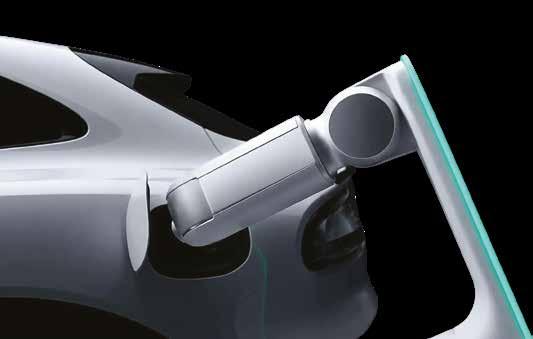
For years, automated charging has been viewed as one of the more futuristic elements of electric vehicle ownership. While autonomous driving and advanced driver assistance systems have progressed rapidly, physically connecting a charging cable has remained a manual task. That, however, is beginning to change as manufacturers develop robotic charging systems capable of automatically locating, connecting and disconnecting charging cables without driver intervention.
Recent developments from Xiaomi and Hyundai suggest robotic charging technology is moving beyond concept demonstrations towards practical applications, with implications for vehicle design, charging infrastructure and accessibility.
Xiaomi has unveiled a home charging robot that performs the entire charging process autonomously. Once a compatible vehicle is parked, the compact robotic arm extends from its wall-mounted enclosure, locates the charging port and inserts the connector. Once charging is complete, the system automatically disconnects and retracts. The technology is expected to be available in China during the fourth quarter of 2026, representing one of the first commercially targeted robotic charging systems for residential use.
The system inevitably draws comparisons with Tesla’s “metal snake” charging arm, first demonstrated in 2015 but never commercialised. While Tesla has since shifted its focus towards wireless charging for
future autonomous vehicles, Xiaomi has adopted a more conventional conductive charging approach, automating the connection process rather than replacing it entirely.
This approach offers several advantages. Automated conductive charging retains the high charging efficiencies of conventional plugin systems while eliminating user interaction. It also avoids many of the efficiency losses, packaging challenges and infrastructure costs associated with inductive wireless charging.
Hyundai Motor Group has been pursuing a similar objective through its Automatic Charging Robot (ACR), although with a greater emphasis on public charging infrastructure and accessibility. Its single-arm robotic system uses three-dimensional camera-based artificial intelligence to identify the vehicle’s charging port before opening the charge flap, inserting the connector and disconnecting the cable when charging is complete.
Unlike fixed home charging systems, Hyundai’s robot has been engineered to accommodate varying parking positions and environmental conditions. The company has developed weather-resistant hardware capable of operating outdoors while compensating for manufacturing tolerances, vehicle positioning and charging connector alignment.
Reliable automated charging requires the integration of computer vision, force sensing and motion control capable of aligning high-power connectors with millimetre-level accuracy. Small variations in parking
position, vehicle suspension movement or connector orientation can all influence insertion forces, requiring sophisticated control algorithms to prevent connector damage while maintaining reliable operation.
These developments are particularly relevant as automated parking and autonomous driving technologies continue to mature. A vehicle capable of parking itself could, in future, also charge itself without any driver involvement. Fleet operators could benefit from reduced labour requirements, while robot-assisted charging could significantly improve accessibility for drivers with reduced mobility who may find heavy charging cables difficult to handle.
For commercial vehicle manufacturers, robotic charging could also support depot automation. Buses, delivery vans and autonomous logistics vehicles operating on predictable schedules could connect automatically to conductive chargers without requiring expensive pantograph infrastructure or manual intervention, improving asset utilisation while simplifying overnight charging operations.
However, challenges still remain before widespread deployment. Robotic systems introduce additional hardware costs and mechanical complexity, while interoperability between different vehicle charging port locations and connector standards will require careful consideration. Standardisation will be essential if robotic charging is to move beyond manufacturer-specific ecosystems.

Autonomous driving systems are becoming increasingly sophisticated. The rapid growth in software-defined vehicles, advanced driver assistance systems (ADAS) and higher levels of automation has led to an exponential increase in test scenarios, placing unprecedented pressure on traditional validation processes.
Tech Hub by EFS believes the solution lies not in adding more individual testing tools, but in fundamentally rethinking the validation process itself. The company has developed an end-to-end validation ecosystem that connects requirements engineering, virtual development, hardware testing and real-world vehicle validation into a continuous, traceable workflow based on ModelBased Systems Engineering (MBSE).
Presenting the approach, Khadijeh Khalili, project manager autonomous driving functionality development
at Tech Hub by EFS, explains that validation must evolve from a series of disconnected activities into an integrated engineering process.
“Validation is no longer a sequence of tools, it’s about the process,” she says. “Our integrated ecosystem is enabled by MBSE and our virtual engineering technologies.”
According to Khalili, today’s validation landscape remains fragmented. Requirements definition, simulation, laboratory testing and vehicle testing are typically managed as separate stages, with manual handovers between each phase. This creates opportunities for inconsistencies, duplicated effort and loss of traceability, ultimately delaying fault detection until much later in the development programme.
“The validation landscape has
silos of different stages that are disconnected, so it means that when we want to move from one kind of silo to another one, we need manual handover and manual handoff,” she explains. “It means that information can be missed, scenarios can be duplicated and ultimately this can mean late detection of problems and resulting high costs.”
The economic impact of late defect identification is particularly significant for software-defined vehicles, where issues discovered during system integration or vehicle testing are substantially more expensive to rectify than those identified during software development or unit testing. To address this, Tech Hub by EFS has built its validation methodology around MBSE, using system models not simply as documentation but as the foundation for the complete engineering toolchain.
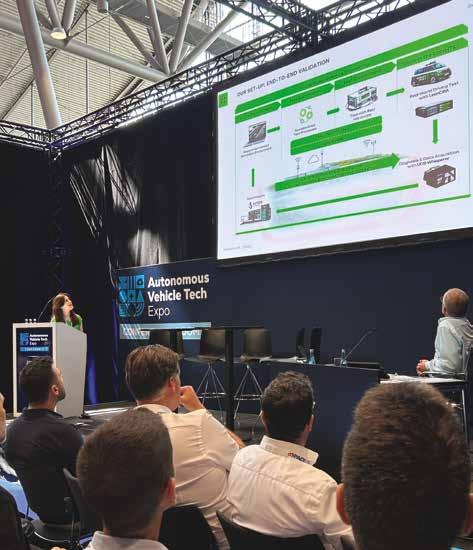
Requirements, system architecture, behavioural models, operational design domains and verification plans are all generated from a common engineering model. This creates full traceability between requirements, test cases and validation results while allowing engineering teams to assess the impact of design changes throughout development.
Once defined, test scenarios automatically flow through multiple validation environments without requiring manual recreation. The same scenario is executed across Model-in-the-Loop (MiL), Softwarein-the-Loop (SiL), Processor-in-theLoop (PiL), Hardware-in-the-Loop (HiL), Driver-in-the-Loop and Trackin-the-Loop testing. This continuity is one of the platform’s defining characteristics.
“We are going to use test scenarios consistently across multiple test stages, and simulation and real-world tests are going to be in a unified process,” says Khalili. “Test results from different environments and different platforms are going to be
comparable and the process is going to reduce the engineering effort, and at the end, the cost. It means that we are having one scenario, one pipeline, and one tool.”
An equally important aspect of the solution is the closed-loop feedback architecture. Data collected throughout testing is transferred to a central backend where it is analysed and compared in real time. The resulting insights are then fed directly back into the MBSE environment, enabling continuous refinement of both simulation models and validation strategies.
To support physical vehicle testing, Tech Hub by EFS has developed Leandra, a platform capable of converting virtually any vehicle into a validation platform. The system enables rapid deployment of software updates during testing while maintaining synchronisation with the wider validation pipeline.
Vehicle data is collected through the company’s UDS with Sparrow microcontroller platform, which
interfaces with vehicle networks to capture diagnostics, steering data and other operational parameters via Ethernet and wireless communications. The data is then processed using the company’s AIsupported analytics platform, SDK (Support Data Cracker). Rather than analysing individual datasets independently, the platform performs data fusion across multiple validation environments, allowing engineers to compare virtual simulation results directly with physical vehicle behaviour.
According to Khalili, the objective is to eliminate the traditional divide between virtual engineering and road testing.
“We collect the data using our microcontroller, then we move to our data analysis software which is backed by AI. The next steps are data fusion and real-time analysis before the data is brought back to the MBSE pipeline.”
To demonstrate the complete workflow, Tech Hub by EFS selected automated parking as its primary validation use case. The application combines environmental perception, trajectory planning and vehicle control, making it an effective benchmark for assessing integrated autonomous driving functionality.
However, Khalili stresses that the methodology is not limited to parking systems: “This is not going to be limited to automated parking. This approach can be used for any kind of autonomous function, automated cruise control or autonomous driving functionality as well. Everything can be used with this approach.”
As software increasingly defines vehicle performance, manufacturers are seeking ways to shorten development cycles without compromising validation quality. By replacing disconnected validation stages with a fully traceable, model-driven engineering workflow, Tech Hub by EFS aims to move defect detection earlier in the development process, improve engineering efficiency and reduce programme costs.
As the automotive industry transitions towards software-defined vehicles (SDVs), manufacturers face an increasingly complex challenge: ensuring cybersecurity, functional safety and AI assurance evolve together rather than as separate engineering disciplines. During a recent panel at Vehicle Tech Week Europe, experts explained that integrating security and safety from the earliest stages of development is essential to reduce risk, lower validation costs and accelerate deployment.
Historically, functional safety and cybersecurity have been treated as largely independent activities. However, modern SDV architectures, with highly integrated domain controllers, AI-driven functions and continuous software updates, demand a far more unified approach.
Carlos Pérez Garrido, head of automotive cybersecurity - Automotive Technology Centre of Galicia (CTAG), believes the industry must rethink traditional development workflows: “Historically, activity has been isolated, but in SDV development it is really important that workflows are integrated to enable the same functionality and sensitivity across different architectures. It is crucial to shift to the left and incorporate security into the first stages of development.”
By embedding cybersecurity and assurance activities early in the design process, manufacturers can identify common failure scenarios before vehicles reach validation. A sensor malfunction and a malicious cyberattack may ultimately create identical hazardous vehicle behaviour, making joint analysis increasingly important. “A malfunction of a sensor and an exclusion of a sensor can lead to the same scenario, and it is important to treat these events as new scenarios,” he adds.
The growing complexity of vehicle electronics reinforces this need.

Instead of dozens of standalone electronic control units (ECUs), many SDVs now rely on high-performance computing platforms (HCPs) hosting multiple virtualised ECUs running sophisticated software stacks connected via automotive Ethernet.
According to Salvador Ruiz Sedeño, automotive cybersecurity analyst at Dekra, this evolution has fundamentally changed cybersecurity validation: “Cybersecurity in today’s SDVs is becoming challenging because you have to test ECUs that are more complex than ever, and also more interconnected than ever.”
Unlike traditional ECUs, modern HCPs contain multiple interconnected applications supporting infotainment, gateways, diagnostics and increasingly safety-critical vehicle functions. As a result, penetration testing has become significantly more demanding. Sedeño adds, “The cost and time of this kind of test is quite substantial. For a HCP with multiple ECUs, it is even more expensive and time-consuming.”
For testing organisations, this means analysing not only software integrity but also the communication between virtualised systems, diagnostic interfaces and secure communication protocols operating across the vehicle network.
AI introduces another layer of complexity. Unlike conventional software, AI systems cannot always be validated using deterministic testing methods because outputs are probabilistic rather than fixed.
Instead, testing increasingly focuses on operational design domains, training data quality and uncertainty quantification to determine how confidently an AI system can make critical decisions.
“It is important to consider how robust the training data is,” says Dejan Arsic, business development specialist safeAI – IABG. “If you only have data for autonomous driving during sunshine, but then you are driving in rainy conditions, you have a problem.”
This approach becomes particularly important for perception systems responsible for detecting vulnerable road users under varying environmental conditions.
Dejan adds: “At the moment, there are different regulations and different standards that don’t cover all the use cases for object detection during autonomous driving. We are currently having to look at each use case individually, decide how to test it, what to test, and so on. We need come to a common agreement on regulation to be really able to test the systems and also certify them before the vehicle goes on the road.”
Looking ahead, all three panellists agreed that harmonised testing frameworks will be essential as software-defined vehicles continue to evolve. Existing standards provide a starting point, but closer collaboration between OEMs, suppliers, regulators and certification bodies will be needed to create common validation methodologies covering cybersecurity, functional safety and AI assurance.

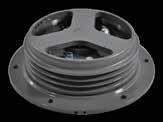
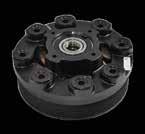
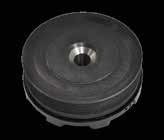
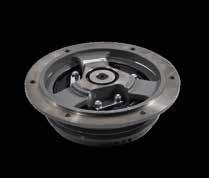
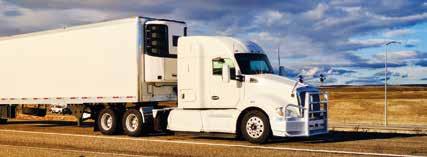
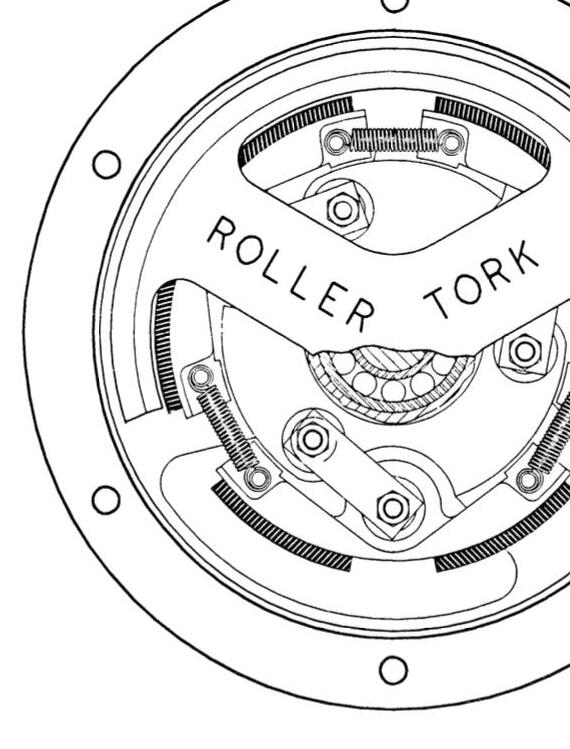

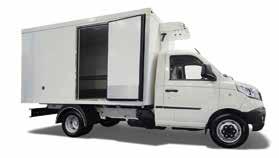

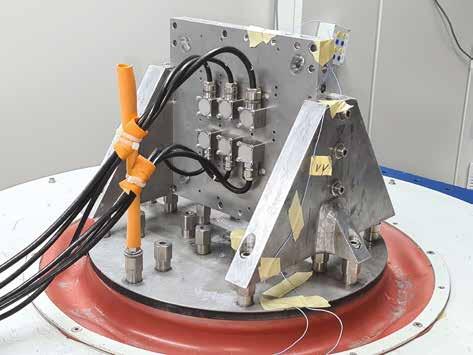
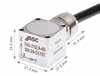
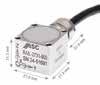
With the ASC RAIL series of MEMSbased precision accelerometers and gyroscopes certified to EN 50155 and other relevant industry norms, ASC Sensors empowers railway networks across the globe. These robust analogue, digital and smart sensors set new milestones in railway safety, capacity and productivity.
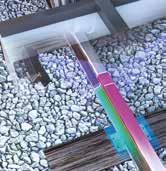
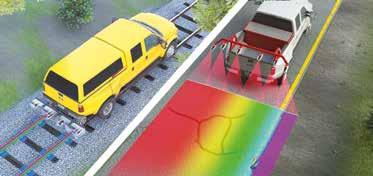
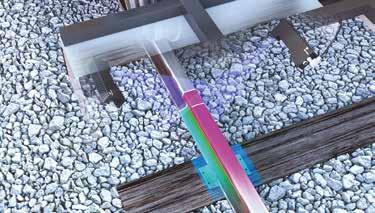
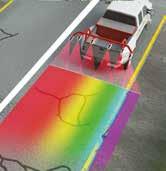
Inertial sensors play a critical role in accurately measuring vibrations – impacting vehicles as well as rail infrastructure. Beyond their distinct value in the testing and certification of new train models, ASC’s RAIL accelerometers and gyroscopes are ideally suited for permanent installation on regular and highspeed trains. They are integrated into customised measurement systems to enable continuous track monitoring from active in-service trains without service disruption. Based on their accurate real-time collection of data, deviations in longitudinal height, dynamic direction or distortion of tracks are calculated.
Applications include:
• Characterisation of track geometry (EN 13848)
• Specifying structural requirements for bogie frames (EN 13749)
• Dynamic interaction pantograph/ overhead contact line (EN 50317)
As across the world, a substantial share of network delays and
disruptions are caused by track alignment errors and related issues. These require low-speed zones and service discontinuations that further compound delays and inefficiencies. Based on ASC RAIL sensors that are dedicated and certified to rail applications, tracks and further
infrastructure assets can be monitored from rolling stock in real time. Therefore, they can be maintained predictively and issues addressed proactively, before service disruptions or more serious consequences occur.


Rolling stock, too, is constantly being monitored to ensure safe, efficient operation and cost-effectiveness. Particularly on high-speed trains, inertial sensor technology helps achieve appropriate driving dynamics, running stability and to avoid derailment.
This is because at higher speeds, rail vehicles tend to exhibit a natural sinusoidal motion of the wheel sets due to the conical wheel profiles. This motion around the z-axis is sinusoidal at small amplitudes with a constant wavelength; its frequency, therefore, increases with travel speed. Once the critical running speed gets exceeded or if the undercarriage is insufficiently damped, that sinusoidal motion can become instable and transition into safety-critical swaying. Vibrations can build up, leading to severe lateral vehicle movements and increased flange forces. This can result in so-called hunting oscillation, potentially leading to a zigzag motion with the wheel flanges forcefully striking the rails.
Extremely robust inertial ASC sensors installed at the axle box, bogie frame and various points across the vehicle body accurately determine all relevant acceleration forces. They feature an excellent signal-to-noise ratio and a precise frequency response below 10Hz – essential requirements for the demanding measurement of low frequencies and lateral accelerations of a few tenths’ m/s2
Applications include:
• Running characteristics of railway vehicles (EN 14363)
• Passenger ride comfort (EN 12299)
Meeting diverse relevant railway norms, the ASC RAIL series’ performance significantly facilitates implementation. Vehicle manufacturers, infrastructure and railway operators, system integrators as well as engineering and testing service providers rely on a proven set of precise, stable sensors ready for installation that drastically reduces individual documentation requirements.
ASC RAIL sensors have been designed to resist the toughest
• MEMS capacitive
• uniaxial, biaxial, triaxial
• wide measurement range 2 | 5 | 10 |
• outstanding
• select to fit a wide variety of applications
• from low noise ride comfort to high shock load measurements on the bogie
• MEMS vibrating ring
• uniaxial, biaxial, triaxial
• wide measurement range 75 | 150 | 300 | 900 °/s
• enables angular rate measurements for running characteristics, derailment protection and track quality
• MEMS capacitive
• triaxial
• CAN interface
• flexible measurement range 2 | 4 | 8 g or 10 | 20 | 40 g
• real-time data processing
• smart through integrated algorithms e.g. for FFT frequency analysis
• evaluated for climatic resistance and dynamic-mechanical robustness
• tested for electromagnetic compatibility (interference emission, interference immunity)
• robust, non-flammable, laser-welded stainlesssteel housing
• protection class IP68
• rail-certified cables and PG cable glands
challenges – for optimal performance and long-term use in harsh conditions. With this flexible, dedicated sensor portfolio, rail operators can realise custom solutions. The outcome:
• enhanced safety
• stable long-term performance
• increased profitability of rolling stock Superior sensor technology made in Germany, solving complex measuring
• maximum operational reliability and system availability
• robust sensors prevent failures caused by weather or vibration in demanding railway operations
• ensures neither the sensors nor other critical on-board systems are affected by electromagnetic environment
• meets latest fire protection standards for electronic equipment on rolling stock
challenges globally to ensure high precision, customer focus, flexibility and rapid delivery. Visit ASC Sensors at Innotrans Hall 27, 690.
Words by Oliver Stohlmann on behalf of ASC Sensors:
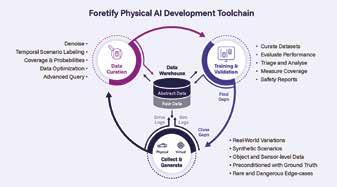

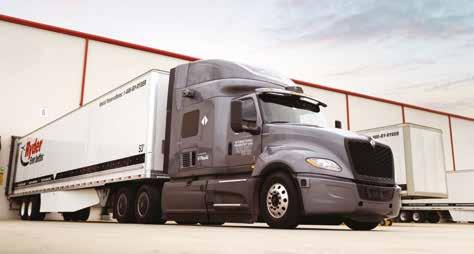
Foretify toolchain is designed for the development, training and validation of safe autonomous vehicles
Targeting autonomous vehicle validation bottlenecks with AI-based testing
As autonomous driving systems become increasingly reliant on AI, the challenge facing vehicle manufacturers is shifting from collecting data to managing it effectively. Modern development programmes generate enormous volumes of sensor information from both physical testing and simulation, yet transforming that raw data into meaningful validation and AI training remains one of the industry’s biggest engineering challenges.
Foretellix has developed a platform designed to automate this process, enabling OEMs to organise, analyse, generate and validate training data
while accelerating autonomous vehicle development cycles. Izhar Melnikovsky, application engineer at Foretellix, says the transition from traditional rule-based software to AI-driven vehicle systems is fundamentally changing how validation is performed: “The market is going through an AI revolution. The main transition is from a rule-based approach to an AI endto-end approach, or even a modular approach with AI-driven components. A lot of this development needs to go through training and validation.”
According to Melnikovsky, conventional development workflows struggle to
support the rapid iteration demanded by AI-based autonomous driving systems. Rather than simply increasing the volume of testing, Foretellix focuses on making data itself more intelligent by automating its organisation, interpretation and reuse. He says, “The toolchain that we have developed is focused around working with these companies, and it’s all about making the most out of the data, so automating the data, making the most out of abstraction of the data, and understanding where the gap is.”
The process begins with largescale collection of object-level data from development fleets. Although modern vehicles continuously generate
Modern development programmes generate enormous volumes of sensor information from both physical testing and simulation, yet transforming that raw data into meaningful validation and AI training remains one of the industry’s biggest engineering challenges

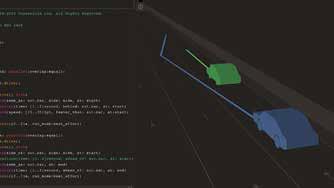
trajectories, object detections and sensor outputs, these datasets alone provide little engineering value without additional context. To solve this, Foretellix has developed what it describes as Temporal Scenario Labelling (TSL). Rather than viewing vehicles simply as moving objects with speed and direction vectors, the platform automatically classifies driving behaviour into meaningful scenarios.
By transforming raw sensor data into structured driving events, engineers can search datasets using real-world driving situations rather than individual sensor parameters. This enables development teams to rapidly identify highly specific scenarios for AI training or software validation. For example, engineers developing perception algorithms for unprotected left turns can query only those relevant driving events instead of manually reviewing thousands of kilometres of recorded data.
“We’re strong believers in measuring ourselves with coverage, rather than traditionally counting miles,” says Melnikovsky. This approach allows engineers to identify gaps within their Operational Design Domain (ODD), particularly the rare edge cases that are unlikely to be encountered during conventional road testing. These socalled long-tail scenarios remain among the greatest obstacles to autonomous vehicle validation.
“Think of the child crossing the street in the snow at night,” Melnikovsky explains. “This is something you wouldn’t encounter in a real-world testing environment. This can be achieved with simulation.”
Foretellix addresses this through two
complementary simulation strategies. One generates variations from recorded real-world driving data by modifying the behaviour of surrounding traffic. The other creates entirely synthetic scenarios using a constraint-based scenario generation engine.
Rather than exhaustively sweeping every possible parameter combination, the platform uses explicit engineering constraints combined with implicit behavioural relationships to generate only physically meaningful scenarios. This allows manufacturers to explore hundreds of thousands of variations while avoiding unrealistic test cases that add little validation value.
The company also places significant emphasis on ensuring AI-generated simulation remains physically credible. As generative AI increasingly becomes part of simulation workflows, Foretellix uses object-level data as a grounding mechanism to prevent world models from creating implausible environments.
“Without some grounding factor, without an anchor, these solutions tend to hallucinate,” Melnikovsky says. “Having a bounding box object with a physically accurate base leads to a much more realistic output.”
The grounded object-level simulation can then be rendered into high-fidelity sensor outputs using AI world models, producing realistic camera and lidar datasets suitable for perception training without compromising physical accuracy.
Artificial intelligence also supports data analytics throughout the platform. Rather than requiring engineers to manually search for performance trends, Foretellix’s assistant can identify correlations between environmental conditions and
autonomous system performance.
Melnikovsky notes that the system can reveal issues engineers may not initially consider, identifying factors such as road curvature or lighting conditions that contribute disproportionately to collisions or perception errors. Equally important is the platform’s automated data curation capability. Real-world datasets often contain missing frames, inconsistent object tracking and sensor noise that complicate downstream analysis.
“We’ve created a very delicate algorithm to clean out the data without compromising any of the important frames,” Melnikovsky explains.
For manufacturers developing increasingly AI-centric vehicle architectures, reducing engineering effort around data preparation may prove just as valuable as improving simulation itself.
Summarising the company’s philosophy, Melnikovsky adds: “We carry out a lot of automation in order to allow the engineers to focus on where it matters, rather than collecting the data and filtering it and finding the relevant subset.”
As autonomous vehicle programmes continue to generate exponentially larger datasets, technologies that automate scenario identification, validation coverage and AI training data generation are becoming essential components of the development process.
Foretellix’s platform demonstrates how intelligent data management can help manufacturers shorten development cycles while improving confidence in the safety and robustness of next-generation autonomous driving systems.
As automotive manufacturers continue to increase production efficiency while delivering everhigher quality standards, the cost of defects escaping the production line is becoming an increasingly significant operational challenge. According to vehicle inspection specialist DeGould, warranty claims, rectification work and downstream repairs could be costing manufacturers almost £500 million every year across North America, the UK and Europe.
With more than 31 million vehicles produced across these regions last year, even relatively low defect rates translate into substantial financial exposure. Industry estimates suggest that between 1.5% and 6% of vehicles require some form of surface rectification before leaving the factory, with repair costs frequently reaching hundreds of pounds per vehicle. Once defects progress further through the supply chain, the cost of remediation increases significantly through warranty claims, logistics disruption, recalls and reputational damage.
For manufacturers and OEMs, repair costs are just one aspect of the problem posed by missed defects during the manufacturing process. Production interruptions, supplier disputes and quality escapes all contribute to reduced manufacturing efficiency and increased programme risk, particularly as vehicle complexity continues to increase.
“The earlier a defect is identified, the cheaper and easier it is to resolve,” says Ben Boycott, CEO at DeGould. “For many manufacturers, vehicle damage has historically been treated as an unavoidable cost of doing business. In today’s market, that mindset is becoming increasingly expensive. Manufacturers that use real-time data and automation to improve quality control can reduce waste, protect margins and strengthen customer trust.”
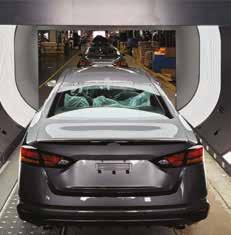
Automated inspection technologies can identify defects consistently and at production speed
To address these challenges, manufacturers are increasingly deploying automated inspection technologies capable of identifying defects consistently and at production speed. DeGould’s AutoCompact V4 platform combines high-resolution imaging with AI to inspect vehicles automatically at end-of-line, creating a digital inspection record for every vehicle before it leaves the factory.
Installed directly within the production process, the system captures hundreds of ultra-highresolution images under controlled lighting conditions in less than 120 seconds. AI models, trained using more than 100 million real-world vehicle images from over 10 million inspections, automatically identify defects including scratches, dents, paint imperfections, trim damage and panel alignment issues while simultaneously verifying that vehicle specification matches the original build order.
Rather than replacing quality inspectors, the system is designed to augment human decision-making. Every detected defect is classified, timestamped and presented through DeGould’s Dashboard, where inspectors
can review high-resolution images directly at the vehicle using the company’s Inspector App before approving or rejecting the finding. This enables engineering teams to focus on assessing actionable defects instead of searching for them manually.
In addition to quality assurance, the technology provides complete traceability throughout the vehicle’s lifecycle. Every inspection becomes part of a digital vehicle record linked to the VIN, allowing manufacturers to identify precisely when damage occurred as vehicles move through production, logistics and dealership networks. This significantly reduces disputes between supply chain partners while providing valuable operational analytics to identify recurring manufacturing or handling issues.
For manufacturers operating high-volume production lines, the operational benefits extend beyond defect detection. Consistent automated inspection reduces variability between shifts, minimises operator fatigue and enables quality data to be collected at a scale that would be impractical using manual inspection alone. Enterprise dashboards also provide centralised visibility across multiple manufacturing sites, allowing quality trends to be monitored and benchmarked globally in real time.
The economic impact of preventing defects before vehicles enter the wider supply chain is considerable. Once damage is identified after production, manufacturers often face significantly higher repair costs alongside additional logistics, administration and customer service expenditure. Given that production stoppages can cost thousands of pounds per minute, improving inspection accuracy without slowing throughput is becoming an increasingly important competitive advantage.
•

A car interior featuring hemp natural fibre composites
With manufacturers focused on net zero goals, materials offering sustainability benefits through weight reduction or reduced carbon emissions are becoming more sought after across industry sectors.
In the automotive industry, carbon fibre composites are exceptionally lightweight and have a high stiffnessto-weight ratio and tensile strength, which makes them durable and well suited for optimising vehicle performance. However, oil-based, energy-intensive manufacturing methods mean that carbon fibre also has a significant carbon footprint.
To reduce weight without compromising performance, some manufacturers in the automotive sector and its adjacent industries are turning to natural fibre composites (NFCs) instead. Made using plant fibres, such as hemp or flax, embedded within a polymer matrix, NFCs are emerging as a sustainable alternative
for applications where extreme mechanical performance is not essential. As NFCs are essentially renewable and biodegradable, they typically have a lower carbon footprint and are often more cost-effective to produce than synthetic materials such as carbon fibre. In addition, many natural fibres, such as flax, are already byproducts of established agricultural industries, which further enhances their commercial appeal.
NFCs are strong enough for many non-structural and semistructural applications, whilst remaining lightweight. In automotive manufacturing, reducing weight improves fuel efficiency and extends EV battery range, making lightweight materials increasingly valuable.
Although NFCs are unlikely to replace carbon fibre at the upper echelons of performance motorsport, they are becoming increasingly viable for use in both structural and nonstructural automotive parts, such as interior trim panels, dashboards, door panels and exterior bodywork, where
components must remain durable and rigid, without being over-engineered. For example, in 2024, Volvo Car Corp filed a series of patent applications for automotive interior or exterior components formed of multiple layers of natural fiber fabrics embedded in a thermoplastic matrix material.
NFCs are also gaining traction within the e-scooter and wider micromobility market. Much like cars, components for e-scooters need to be lightweight and strong, without having to withstand the extreme loads associated with high-performance automotive engineering. For e-scooter manufacturers, NFCs offer a sustainable and commercially viable alternative to traditional plastics or carbon fibre composites, whilst also helping manufacturers reduce reliance on synthetic materials.
As new reinforcement and treatment methods emerge on the market, NFCs are continuing to improve in terms


of performance. For example, many NFCs are by nature prone to moisture absorption, and tend to offer limited fire resistance, which can restrict their suitability for certain automotive and outdoor applications. Innovative solutions that focus on improving their durability and safety performance through surface treatments or hybridisation techniques are therefore increasingly becoming a source of academic interest.
In a recent study by a group of research scientists in Bangladesh, a variety of different chemical treatments for JUCO and banana fibre mat composites were investigated, in which it was found that treatment with sodium chlorite (NaCIO2) was particularly effective in reducing water uptake. Meanwhile, silicone and boronbased surface treatments also provide promising avenues for improving the flame retardancy of NFCs without significantly impacting their mechanical or environmental properties.
Hybridisation is also gaining traction, combining natural fibres with materials such as glass or carbon to enhance barrier properties and mechanical performance, whilst keeping overall material weight and the use of synthetic materials to a minimum.
When it comes to automotive and e-scooter manufacturing, addressing moisture absorption and fire performance is essential for safety reasons. Many micromobility products, for example, are batterypowered and exposed to the elements, so manufacturers are increasingly exploring advanced surface treatments and flame-retardant technologies to improve long-term durability and safety.
Beyond the automotive and e-scooter sectors, there is also growing interest in NFCs in the aerospace industry, for instance, in the manufacture of cabin interiors or nonstructural panels that are not primary load-bearing structures. The European Cayley project, which involved Boeing Research and Technology Europe, Invent, Aimplas and Lineo, developed flax-based interior panels and a full-scale 737 sidewall panel made from natural fibre reinforced composites, including flax, in either an inorganic thermoset or thermoplastic resin, treated with a fire-retardant to meet cabin fire safety requirements. Boeing has also filed several patent applications in this technology area.
As such, continued innovation in materials science is steadily expanding the range of applications where natural fibre composites can offer a practical engineering solution.
For innovators developing and using NFCs for specific applications, there are plenty of opportunities to protect intellectual property - not only in the finished component itself, but also in the processes behind it. For example, surface treatments designed to reduce moisture absorption, flame-retardant formulations, hybridisation techniques and specialist manufacturing methods may all offer patentable innovation opportunities. Patenting developments on route to market can bring significant commercial benefits, including licensing opportunities and tax-relief via the Patent Box regime, at the same time as offering innovators a competitive advantage through exclusivity rights.
NFCs demonstrate that lightweight engineering and sustainability do not need to come at the expense of commercial viability or performance. Whilst there are some challenges around durability and performance, advanced surface treatments and hybridisation techniques are helping to adapt NFCs for mainstream automotive and micromobility applications. With mounting pressure to reduce weight and emissions further, NFCs can play an increasingly important role in sustainable transport solutions in the future.
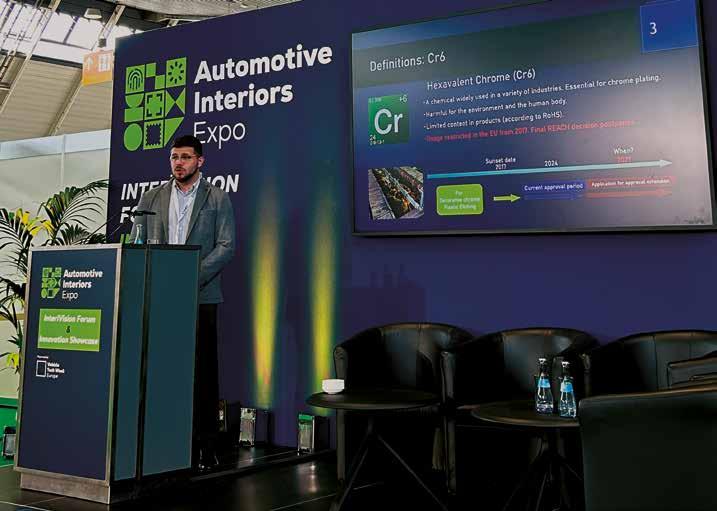
Chrome-free plating is gathering momentum as automotive manufacturers prepare for regulatory change
Decorative chrome plating has been a cornerstone of automotive component manufacturing for more than 70 years, providing the durability, corrosion resistance and premium finish expected for interior and exterior trim. However, increasing environmental regulation and changing OEM sustainability targets are driving a gradual transition away from traditional hexavalent chromium processes towards trivalent chromium and fully chrome six-free plating technologies.
Pablo Javier Ramos Cuevas, global sales engineer at Taiyo Manufacturing, outlines how manufacturers are preparing for the industry’s next major process change. “The European
Union restricted the use of Chrome 6 in 2017 and its sunset data is still pending, but by the end of this decade the usage of Chrome 6 for decorative plating processes should be stopped altogether in the EU,” he says.
Hexavalent chromium has long been favoured because of its process stability, production consistency and suitability for high-volume manufacturing. It remains widely used not only within automotive plating but also across industries including stainless steel production and textiles. However, its environmental and health implications have led regulators to seek alternatives.
Cuevas explains, “It is stable and suitable for mass production, but it’s also harmful for the environment and the human body.”
One of the principal alternatives is trivalent chromium. Unlike hexavalent chromium, trivalent chromium occurs naturally and is already produced during conventional wastewater treatment, where hexavalent chromium is chemically converted into its safer trivalent form before disposal.
“Because Trivalent Chrome is not 100% Chrome, but an alloy itself, we can play with the composition of this alloy to create different chrome colours, and it is much more environmentally friendly than the current alternatives,” says Cuevas.
For automotive manufacturers, the transition is occurring at multiple levels. While many suppliers have
already adopted trivalent chromium for the final electroplating stage, the pretreatment process has historically continued to rely on chromic acid containing hexavalent chromium.
Taiyo Manufacturing’s latest development addresses this remaining challenge through a completely chrome six-free pretreatment process using alternative etching chemistry based on permanganic acid.
Replacing chromic acid during pretreatment offers several operational advantages in addition to regulatory compliance. The alternative process eliminates the need for mist suppressants traditionally associated with chromic acid, allowing manufacturers to establish completely PFAS-free plating operations while simplifying wastewater treatment. The revised process also reduces manufacturing complexity.
Compared with conventional decorative plating, where cleaning, etching, conditioning and multiple rinsing stages are performed sequentially, the chrome-free process combines several operations within the same processing tank.
“This will eventually save costs on water, energy, and also time, making it more efficient,” Cuevas explains. “When mass production goes up, we can expect to achieve the same cost, or, depending on the case, might be even cheaper than the traditional process.”
Maintaining aesthetic quality has historically represented one of the biggest obstacles to wider adoption of trivalent chromium. Automotive interior components demand highly consistent bright chrome finishes that have traditionally been difficult to replicate using earlier trivalent chemistries.
Taiyo Manufacturing believes this challenge has largely been overcome through a new trivalent chemistry developed with Okuno Chemical Industries. Cuevas says: “We managed to get brighter and more blue finishes compared to the traditional Trivalent Chrome finishes. We can get virtually the same colours as we can get with Chrome six, and this enables the
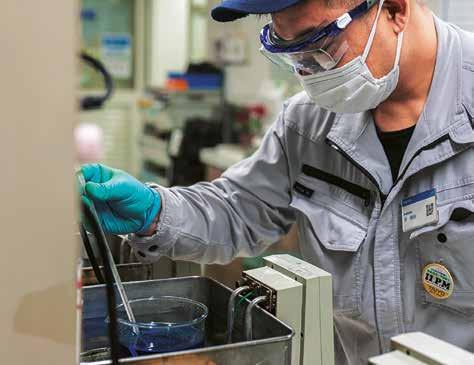
possibility of using this technology for automotive interiors.”
The company’s sustainable plating process entered mass production in 2022, supplying Volvo programmes in Europe, while development continues with additional OEMs evaluating both trivalent chromium and fully chrome six-free production.
Market momentum is also increasing outside Europe. Cuevas explains several North American manufacturers have already established transition strategies following growing regulatory scrutiny surrounding chromium use.
General Motors has confirmed that all interior chrome-plated components from 2027 onwards will use trivalent chromium, while Toyota North America has committed to transitioning first to trivalent chromium before adopting fully chrome six-free plating. Other manufacturers, including Ford and Honda, are also developing trivalent chromium finishes, while European OEMs such as Mercedes-Benz, BMW and Audi continue evaluating production-ready solutions.
Despite this, Cuevas notes, “There are still many companies that are abiding by this to use the same processes without changing anything. There are some loopholes that are
slowing the transition towards Chrome 6-free usage.”
Investment requirements, regulatory uncertainty surrounding chromic acid authorisations and the industry’s perception of decorative chrome plating continue to slow adoption.
Nevertheless, Taiyo Manufacturing +believes the long-term benefits extend beyond regulatory compliance. Alongside reducing hazardous chemicals and lowering water and energy consumption, the company has already demonstrated the feasibility of plating advanced PC-ABS substrates while maintaining production quality suitable for automotive applications. Combined with its use of 100% renewable electricity and continuously monitored wastewater treatment facilities, the company’s approach reflects the wider transformation taking place across automotive surface finishing. As sustainability targets tighten and lifecycle environmental performance receives greater scrutiny, the ability to deliver premium surface finishes through safer, more resource-efficient manufacturing technologies is likely to become a key competitive differentiator across the transport manufacturing landscape.
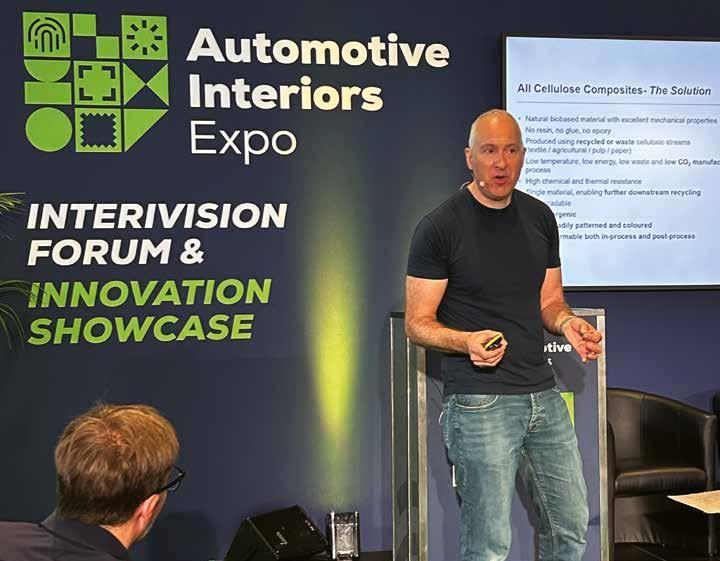
The automotive industry has made significant progress in replacing traditional materials with lightweight natural fibre composites. Flax, hemp and recycled textiles are now widely used in interior trim, door panels and non-structural components. However, these materials still rely on synthetic polymer resins to bind the fibres together, limiting their recyclability and reducing their environmental benefits.
Researchers at the University of Leeds believe they have developed a solution that removes synthetic polymers altogether.
The team’s patented all-cellulose composite is manufactured entirely from natural cellulose fibres, creating a material that combines high mechanical performance with genuine circularity. Made using flax, hemp, cotton, recycled textiles or even agricultural waste, the material contains no epoxy, resin or adhesive, offering manufacturers a potential route towards replacing conventional plastics in a range of automotive applications.
Professor Mike Ries, who leads the research, was keen to emphasise the material’s credentials: “It’s not 99.99%
natural. It is genuinely 100% natural. There is no glue, no epoxy, no resin or other synthetic polymer. This material is 100% flax.”
Unlike conventional natural fibre composites, where cellulose reinforcement is embedded within a petrochemical matrix, the University of Leeds’ process uses cellulose as both the reinforcing fibre and the matrix material. The concept builds on earlier work at the university involving single-polymer composites, where
synthetic fibres were partially melted to create a matrix while retaining the fibre core for reinforcement. Because cellulose cannot be melted, the researchers developed an alternative approach using a recyclable ionic liquid solvent.
Rather than melting the fibre surface, the solvent selectively dissolves the outer layer of the cellulose fibres. Under pressure, the dissolved cellulose flows between the remaining fibres before the solvent is removed using water. The regenerated cellulose then solidifies, creating a rigid composite consisting entirely of the same natural polymer.
The manufacturing process operates at relatively low temperatures and uses a single solvent that can be recovered and reused, reducing both energy consumption and waste compared with conventional composite production.
Today’s natural fibre composites still present recycling challenges because fibres and polymer matrices must be separated, often requiring thermal processing that destroys the natural reinforcement.
“Even today a natural composite still uses a synthetic polymer thermoset resin, which means if you want to recycle that composite at end of use, you have to burn away the natural polymer to recover the synthetic polymer,” Ries explains. “That means that plant captured all that CO2, took it into your material, and to recycle it, you have to release all that CO2 back into the environment. This is a different way of doing that.”
Because every component of the new composite consists of cellulose, the material can simply be dissolved back into the original processing solvent and remanufactured into new products. The researchers have already demonstrated the complete recycling loop, converting composite panels back into cellulose fibres before spinning them into yarn, weaving new fabrics and manufacturing entirely new composite components.
“We have a true circular material. Not just a circular economy, but a circular material. And it can undergo this process again and again,” Ries says.

The composite’s properties make it suitable for semi-structural automotive parts
Material flexibility is another notable advantage. The process has been successfully demonstrated using virgin flax, hemp and cotton, alongside recycled denim and textile waste. Agricultural residues also represent a potential feedstock, opening opportunities to utilise biomass that would otherwise remain underused.
Ries notes, “In agriculture, only about 10% of what you grow is what you eat, the other 90% is waste. That waste is full of biomolecules that you can use to make composites and other things with cellulose.”
The process also offers significant design freedom. Components can be compression moulded into complex three-dimensional geometries while preserving woven textures, colours and decorative patterns. Embroidered fabrics, coloured textiles and lasercut finishes remain intact after consolidation, enabling both structural and aesthetic applications.
In terms of mechanical performance, the material exhibits a modulus of between six and 10GPa with tensile strength approaching 100MPa, placing it within the performance range required for many semi-structural automotive components. The composite also demonstrates good peel strength, impact energy absorption and thermal stability, retaining its mechanical properties at temperatures between 200°C and 250°C.
Importantly for vehicle engineers,
the material properties can be tailored during manufacture, Ries says: “We can alter the weave and processing time to give manufacturers the properties they require.”
Current development has reached Technology Readiness Level 4, with prototype components already produced for several automotive manufacturers. Among the demonstrators is a steering wheel developed for the Waste2Race Le Mans programme in collaboration with the UK’s National Composites Centre, illustrating the material’s suitability for demanding transport applications.
Although further industrial scaleup remains necessary, the technology has already secured patent protection across Europe, and also in Japan and the United States.
Looking ahead, Professor Ries believes the material offers manufacturers a compelling combination of sustainability, performance and circularity: “We have a material that is genuinely 100% natural. You can use virgin sources, recycled materials, textile waste, agricultural waste, and so on. It’s a low temperature and low energy manufacturing process. And not only does the material have high chemical and thermal resistance, but it has ease of recycling at end of use, and ultimately at end of life it is biodegradable.”
New recycling strategies aim to keep automotive materials in the circular economy
The European automotive industry is facing a significant shift in how vehicles are designed, dismantled and recycled as new End-of-Life Vehicles (ELV) legislation places greater emphasis on circularity and recycled content. While manufacturers have made considerable progress in reducing emissions during vehicle production and operation, attention is increasingly turning to what happens when a vehicle reaches the end of its service life.
For suppliers of polyurethane components, the challenge is particularly significant. Widely used in seating, acoustic insulation and interior applications, polyurethane is one of the most common plastics found in modern vehicles. However, much of it currently ends up in automotive shredder residue (ASR), where it is mixed with other materials before being sent for energy recovery or landfill.
According to Theodoros Mardas, sustainability policy and market research adviser at Euro-moulders, this represents one of the industry’s largest untapped opportunities for improving resource efficiency: “We see new developments under the Endof-Life Vehicles Regulation that is trying to address exactly this element, and this element is a big, big volume of about one million tons of waste being incinerated or landfilled in the European continent.”
The proposed legislation seeks to reduce this waste through a combination of recycled-content targets, stricter producer responsibility and improved dismantling requirements. Future vehicles are expected to incorporate increasing levels of secondary materials, with recycled-content targets rising over the coming decade and a significant proportion expected to come from closed-loop automotive recycling.


Manufacturers will also assume greater responsibility for the treatment and recovery of vehicles at the end of their lives through expanded Extended Producer Responsibility (EPR) schemes. For polyurethane suppliers, the regulatory changes present both challenges and opportunities.
“We represent the second most used plastic in vehicles,” Mardas explains. “The vast majority of seat applications use polyurethane. We are subject to these new obligations; either we are talking about recycling content, or we are talking about recycling targets.”
One of the primary obstacles is the quality of materials recovered from dismantled vehicles. Interior components are frequently contaminated by broken glass, metals, adhesives and other plastics before they reach recycling facilities, reducing the value of recovered materials and making high-quality recycling more difficult. To better understand these challenges, Euromoulders has been studying vehicle dismantling operations and evaluating different recovery methods.
Manual removal of seats produces relatively clean material streams but carries high labour costs. Mechanical extraction using compact excavators improves productivity but requires additional separation processes to remove steel frames, wiring, fabrics and
other contaminants before recycling can begin. The organisation is investigating two principal recycling routes.
The first is mechanical recycling, where polyurethane foam is shredded and compressed into new products suitable for applications including acoustic insulation, sports surfaces, playground flooring and agricultural products.
The second is chemical recycling through depolymerisation. “The depolymerisation process breaks down the polyurethane into its constituent raw materials,” explains Mardas. “Within the depolymerisation process, we can recover the polyol, and then integrate it back into a new formulation.”
Recovering polyols offers the potential to manufacture new polyurethane components containing significant recycled content while maintaining material performance. According to Mardas, current development work indicates that the process could enable manufacturers to meet future closedloop recycling requirements under the revised ELV Regulation.
Further research continues to improve recovered material quality and increase the proportion of recycled content that can be incorporated into new formulations. As regulatory requirements continue to evolve, advances in dismantling, material recovery and chemical recycling are likely to become central to achieving both sustainability targets and longterm resource security.
Training
Unique ‘know how’ based courses in Composite Design, Analysis and Manufacture
Specialist in Aerospace, Marine, and Automotive sectors
Cleanroom Solutions
Design, specification, set up and expansion of composite workshop and cleanroom equipment
Design and manufacture of composite curing and repair equipment

Ready to expand your horizons
Email: info@northcompositesengineering.co.uk www.northcompositesengineering.co.uk



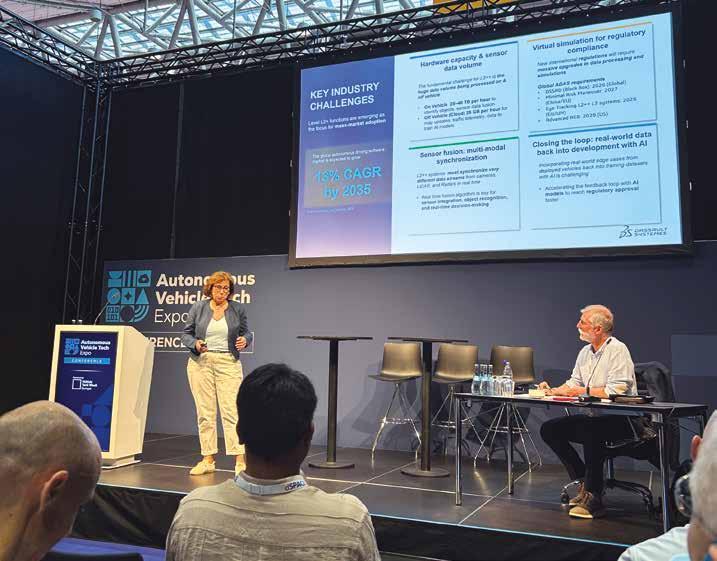
As advanced driver assistance systems (ADAS) become increasingly sophisticated, manufacturers are under growing pressure to deliver new functionality while meeting tightening global regulations. The transition towards Level 2+++ automated driving is not simply a question of adding more sensors or computing power; it requires manufacturers to manage vast quantities of data, synchronise hardware and software development, and validate increasingly complex
systems within compressed development timescales.
Virtual twins combined with artificial intelligence are becoming critical tools for overcoming these challenges. Laurence Montanari, VPtransportation and mobility industry at Dassault Systèmes, highlights the scale of the task facing automotive manufacturers: “With the acceleration of L2+++, we’re seeing a double digit growth of around 13% by 2035 in software development. When I see what is expected, and what the challenges needed to be solved to get
there, I see four different pillars.” Among those pillars are the explosion in vehicle data, increasingly demanding homologation requirements, real-time sensor synchronisation and the need to continuously learn from vehicles operating in the field.
Modern vehicles generate enormous volumes of onboard sensor data, while additional information is collected from cloud-based analysis platforms.
This data is increasingly being used to train AI models and improve automated driving functions, creating a continuous feedback loop between development and real-world operation.
As Montanari explains, “The data volume we need to analyse is growing with more and more data coming from the car itself. All this data is very important to close the loop, analyse and train AI for the future.”
The growing importance of simulation is also being driven by regulation. As new legislative frameworks emerge across Europe, North America and Asia, manufacturers must demonstrate compliance for increasingly complex automated driving functions before vehicles reach production.
For Dassault Systèmes, virtual twins provide the mechanism for managing this complexity. Rather than treating mechanical engineering, software development and systems engineering as separate disciplines, the company’s platform creates a digital representation that links them throughout the development lifecycle.
Montanari believes one of the biggest obstacles to faster ADAS development has traditionally been the disconnect between hardware and software teams. “Our focus is to reconnect the V-cycle of hardware with the short loops of the software.”
This integration allows engineering teams to assess how changes to sensors, electronic control units or software algorithms affect the complete vehicle architecture without waiting for physical prototypes. “Before, there were difficulties to connect the people to the hardware and again to the software. Together, they can collaborate differently and exchange data to understand what the best trade-off for their business is.”
AI is becoming an important enabler within this workflow. Rather than replacing engineering expertise, AI assistants help bridge knowledge gaps between specialist disciplines by guiding engineers through complex systems engineering processes. “It’s moving very fast,” Montanari says. “With AI we are able to facilitate this connection because we can train the people from the hardware or from the software, we can educate them or help them to simulate the other parts.”
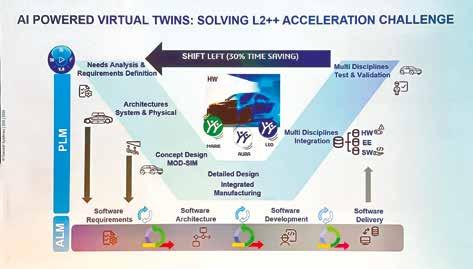
When manufacturers introduce new sensors, cameras or automated driving functions, ensuring compatibility with thousands of existing requirements can be a time-consuming manual process. Dassault’s AI-powered companions automatically convert textual specifications into structured engineering requirements using the industry-standard INCOSE methodology before generating corresponding test cases and validation parameters.
According to Montanari, the objective is to identify conflicts much earlier in development. By shifting validation further upstream, engineers can evaluate the impact of design changes before hardware is built, significantly reducing programme risk.
The same methodology extends beyond individual requirements to regulatory compliance. As new legislation is published, AI tools analyse regulatory documents, compare them against existing vehicle architectures and identify affected systems automatically.
Rather than beginning each compliance programme from scratch, manufacturers can immediately see which requirements, functions, software modules and validation activities require modification. “It’s always a suggestion,” Montanari emphasises. “The human still keeps the final decision.”
Nevertheless, early industrial deployments are already demonstrating
significant efficiency gains. Dassault Systèmes reports that identifying new regulatory requirements can be reduced from weeks to minutes, while updating hardware, software and system architectures falls from months to days. Validation and verification planning can similarly be shortened from weeks to hours. For manufacturers developing increasingly software-defined vehicles, these time savings become increasingly valuable as development cycles continue to compress.
Beyond accelerating individual engineering activities, virtual twins also provide complete traceability across the development process. Requirements, functional architectures, simulation models, software, hardware and validation activities remain connected throughout the vehicle lifecycle, enabling manufacturers to understand the impact of every engineering decision.
As Level 2+++ automated driving systems become more capable— and more heavily regulated—the ability to integrate simulation, AIassisted engineering and systemslevel collaboration will become increasingly important. By combining virtual twins with AI-powered engineering assistants, Dassault Systèmes believes manufacturers can move beyond isolated development tools towards an integrated digital engineering environment.
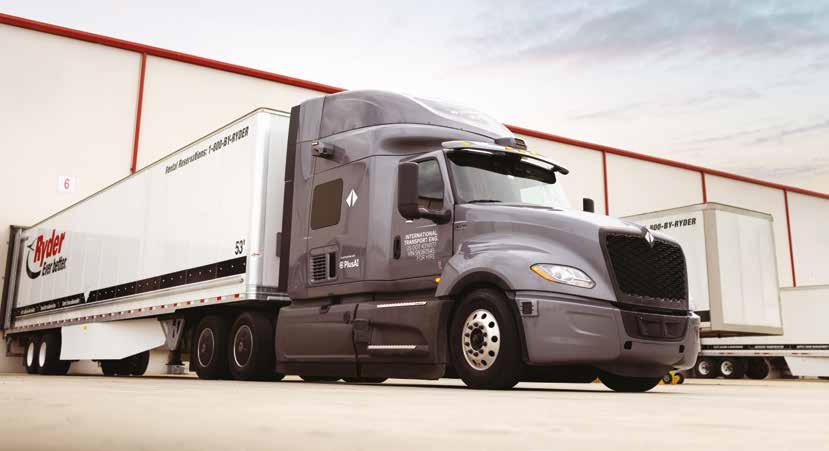
PlusAI launched its Level 4 autonomous fleet trial programme in March
development, verification and validation frameworks are accelerating
Delivering Level 4 autonomous trucks at commercial scale demands far more than developing capable perception algorithms or increasing public road testing. As operators seek to deploy autonomous vehicles across multiple freight corridors, developers must find ways to reduce engineering effort while maintaining rigorous safety validation. According to PlusAI, the answer lies in a scalable development, verification and validation (DVV) framework that combines systems engineering, scenario-based testing and extensive virtual validation.
Razvan Has, staff systems engineer at PlusAI, believes scalability must be built into the engineering process itself rather than treated as an afterthought: “The framework that we’ve established at PlusAI, lies on
one side with the problem, solution, verification and validation space, and then on the other we have hardware and software engineering, which act as the implementation exercises.”
For autonomous trucking, scalability is measured by the additional engineering effort required to deploy the autonomous driving system on new freight routes. Rather than rebuilding and validating the system for every new operational design domain (ODD), PlusAI’s objective is to continually reduce the work required as new missions are introduced.
“A mission is, of course, a route, but it’s also more than that,” Has says. “We might define how many trucks, for which period of the year, we are driving at night, for instance. We might exclude high wind conditions, or snow. So a mission starts with a route, but there are other ODD aspects
that need to be clarified within that mission definition.”
Within PlusAI’s SuperDrive virtual driver, every completed deployment enriches the engineering framework, reducing the effort required for subsequent deployments.
Mission analysis forms the starting point of this process. Routes are decomposed into segments before being classified into reusable topographies, such as lane reductions, forced merges or construction zones. These topographies are then combined with ODD attributes to generate functional driving scenarios.
Rather than creating bespoke behaviour for every scenario, PlusAI separates decision-making into strategic and tactical layers. Strategic decision logic determines the
preferred manoeuvre for a particular road topology, while tactical logic adapts that behaviour to the specific circumstances encountered.
This architecture is supported by reusable “atomic features”—modular behavioural building blocks that can execute actions such as lane changes using predefined criticality levels. A routine lane change may prioritise passenger comfort and traffic flow, whereas an emergency manoeuvre accepts smaller safety margins to avoid imminent collisions.
“We perform validation to understand if a mission includes new topographies we haven’t seen before, or if new ODD conditions have been introduced,” Has explains.
If no new engineering knowledge is required, existing decision logic can be reused without significant redevelopment, allowing the autonomous driving stack to scale efficiently across multiple freight operations. Despite this, “Simply relying on public road data to drive the unknown, unsafe scenarios to a volume which is considered acceptable is not a feasible approach,” Has adds.
Instead, PlusAI combines top-down systems engineering with bottomup analysis of operational data. Automated event-mining tools continuously analyse real-world vehicle logs to identify significant driving events, including aborted lane changes or situations where time-tocollision thresholds are exceeded.
These events are automatically converted into new functional scenarios, enriching the scenario catalogue developed during the original mission analysis. Validation metrics derived from operational data also provide objective evidence supporting the overall safety case.
Verification follows a similarly layered philosophy. Rather than depending exclusively on expensive public-road or proving-ground testing, PlusAI distributes validation across multiple environments, each targeting different aspects of the autonomous driving system. Highfidelity public road and closedcourse testing remain essential for validating complete vehicle behaviour. However, Hardware-in-the-Loop (HiL)
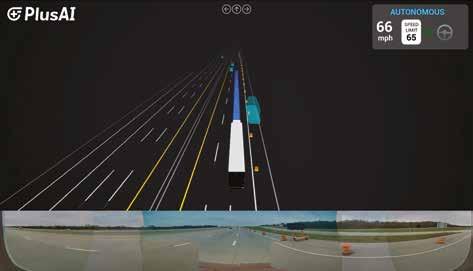
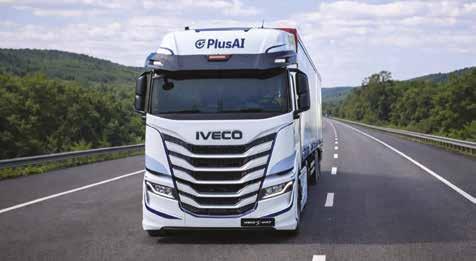
environments allow engineers to isolate sensors, safety microcontrollers and integrated subsystems for focused testing, particularly fault injection and firmware validation.
Software-in-the-Loop (SiL) environments provide even greater scalability by moving validation into cloud-based infrastructure. Individual perception, localisation or planning software components can be tested independently using both recorded and synthetic datasets, while complete end-to-end driving stacks can also be exercised within virtual environments.
Crucially, all validation artefacts remain reusable across multiple environments. Functional scenarios derived during mission analysis are refined into logical and concrete test cases before being executed on proving grounds or inside digital
twins. Real-world driving events can subsequently be replayed against newer software releases, while synthetic scenarios expand coverage beyond what is practical to encounter on public roads.
To further improve machine learning performance, PlusAI also applies style-transfer techniques to generate additional training, validation and testing data for ODD conditions that remain underrepresented in operational datasets. By integrating structured systems engineering, reusable scenario libraries, layered verification environments and continuous operational feedback, the company aims to reduce engineering effort with every deployment while maintaining the rigorous validation expected of commercial Level 4 autonomous vehicles.
A new report details how electrification remains key to UK manufacturing competitiveness
Afaster transition to electrification could strengthen the UK’s economy, improve energy security and create hundreds of thousands of additional jobs, according to a new report from Corporate Leaders Group UK (CLG UK). For manufacturers, the findings reinforce the importance of accelerating investment in electric vehicle production, charging infrastructure and domestic supply chains as the UK seeks to improve industrial competitiveness while reducing reliance on imported fossil fuels.
Published by the Cambridge Institute for Sustainability Leadership (CISL), Powering Prosperity: How electrification can strengthen the UK’s economy, resilience and energy security compares three longterm development pathways using macroeconomic modelling undertaken by Cambridge Econometrics: an electrification-led economy, a mixed technology approach and a continued fossil fuel-led pathway.
The analysis concludes that electrification delivers the strongest economic outcomes across all key indicators. Compared with current policy, an accelerated electrification pathway would increase UK GDP by more than one percentage point by 2050, create around 250,000 additional jobs and significantly reduce exposure to volatile global energy markets through lower dependence on imported oil and gas.
According to the report, investment in domestic charging infrastructure, electricity networks, battery manufacturing and wider clean technology industries is expected to stimulate sustained growth across manufacturing, construction and engineering while improving national productivity.
The report also identifies several barriers that must be addressed if the UK is to realise these benefits.
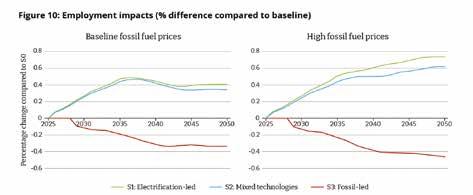
Employment impacts (% difference compared to baseline)
High upfront costs remain one of the biggest obstacles to adoption, alongside planning constraints, grid capacity, fragmented investment frameworks and shortages of skilled workers. To overcome these challenges, the report recommends reforming electricity pricing, accelerating infrastructure investment, expanding access to finance, strengthening workforce capability and supporting industrial transition through targeted government policy.
These recommendations have direct implications for commercial vehicle and passenger vehicle manufacturers as they continue investing in electrified platforms. Reducing electricity costs and expanding charging infrastructure would improve the total cost of ownership for electric vehicles, while greater investment certainty would encourage manufacturers and suppliers to expand UK production capacity.
The report also argues that electrification should be viewed as an industrial strategy rather than simply a decarbonisation policy. By increasing domestic electricity generation from renewable sources and reducing fossil fuel imports, the UK could improve resilience against future geopolitical disruption and energy price volatility while creating stronger domestic supply chains for advanced manufacturing.
According to Eliot Whittington, chief
systems change officer at CISL, the economic evidence is increasingly difficult to ignore. He says, “The UK has a choice of energy futures, and this analysis sets out the clear numbers. A clean power-based energy system is cheaper overall, better for the economy, better for jobs, better for energy security, and better for the climate. Of course, there are real discussions to be had about how best to implement the change, but clean electrification is good for Britain, and we should work out how we best move to a clean power future.”
The findings arrive as the transport sector continues investing heavily in battery-electric vehicles, commercial fleets and associated supply chains. While challenges remain around infrastructure deployment, workforce skills and financing, the report concludes that coordinated action between government and industry could deliver substantial economic benefits alongside emissions reductions.

Powering Prosperity: How electrification can strengthen the UK’s economy, resilience and energy security
The automotive and wider transport manufacturing sectors are investing heavily in advanced production technologies, automation and electrification. However, alongside these technical challenges sits another issue that could have an equally significant impact on longterm competitiveness: securing a skilled, diverse workforce capable of supporting the industry’s transformation.
This challenge was brought into focus at the United Nations Global Compact’s SDG Innovation Accelerator Solutions Showcase, where a team of four young professionals from Essentra Components presented a proposal aimed at strengthening manufacturing’s future talent pipeline. Their initiative, Future-Ready Manufacturing: Developing Diverse Talent for a Changing Industry, outlines practical measures designed to improve succession planning, increase workforce diversity and encourage more young people to pursue careers in manufacturing and engineering.
The proposal comes at a time when skills shortages are becoming a growing concern across UK industry. According to the British Manufacturing Association, 56.5% of manufacturers identify workforce and skills shortages as the biggest barrier to growth. At the same time, Women in UK Manufacturing 2025 reports that women account for just 22.9% of employees within the rubber and plastics sector, highlighting the untapped potential of a broader talent pool.
For transport manufacturers operating increasingly sophisticated production environments, these

workforce challenges are becoming more acute. As experienced engineers and technicians approach retirement, manufacturers face the dual challenge of retaining critical knowledge while attracting a new generation equipped to work with digital manufacturing technologies, automated production systems and increasingly softwaredefined products.
Developed over a six-month programme through the UN Global Compact’s SDG Innovation Accelerator for Young Professionals, Essentra’s proposal recommends strengthening succession planning and knowledge transfer between generations while expanding apprenticeships, work experience opportunities and partnerships with schools and colleges. It also advocates increasing the visibility of women working in manufacturing and engineering to encourage greater participation in technical careers. The proposal was developed by Essentra employees Marta Bury, quality technician; Annie Bittlestone, sustainability coordinator; Devon Swingler, QA manufacturing engineer; and Megha Nagariya, senior accountant. Working across multiple disciplines enabled the team to examine workforce challenges from operational, engineering, sustainability
and business perspectives before presenting their recommendations at King’s College London.
Essentra has proposed its Kidlington manufacturing facility as a pilot site for the initiative, providing an opportunity to evaluate the programme before potentially rolling it out across the company’s global operations. If successful, the approach could establish a structured framework for long-term workforce planning that is applicable across multiple manufacturing sectors, including automotive component production. Scott Fawcett, CEO at Essentra, emphasised the strategic importance of investing in future talent: “At Essentra, we’re committed to investing in the next generation of talent, and we’re incredibly proud to see our young professionals take on a challenge of this scale – bringing forward ideas that could help shape our future workforce. The manufacturing sector is facing a global skills crisis, with an ageing workforce, shrinking talent pipelines, and too few women in engineering and operational roles, so this kind of thinking matters more than ever. Our thanks to the UN Global Compact for the opportunity to take part in this programme, and huge credit to the team for what they’ve achieved.”
Taking place in Frankfurt this November, Formnext will bring together more than 800 exhibitors and over 38,000 visitors from around the world, making it one of the largest international events dedicated to additive manufacturing and smart industrial production. Engineers, OEMs, suppliers and technology developers from sectors including automotive, aerospace, medical technology and industrial manufacturing will have the opportunity to explore the latest AM solutions designed to improve production efficiency, flexibility and sustainability.
Alongside the exhibition, Formnext’s extensive conference programme will deliver practical technical insights into industrial AM applications, covering topics ranging from advanced materials and production processes to digital manufacturing and supply chain optimisation. The event also offers extensive networking opportunities,

enabling manufacturers to exchange knowledge with industry experts and identify new technology partners.
A major addition to this year’s programme is the Formnext Defence Summit, organised in collaboration with the Additive Manufacturing Defence Network (AMDefNet).
Bringing together military leaders, government representatives, defence OEMs and additive manufacturing specialists from across the EU and NATO member states, the summit will examine how additive manufacturing is strengthening defence capability through distributed production, more resilient supply chains and accelerated maintenance and repair operations. Innovation will also be recognised through the Formnext Awards, which return for 2026 with six categories celebrating emerging companies, sustainable business models and breakthrough manufacturing technologies. Finalists will exhibit their innovations throughout the show, while visitors will once again play a key role in selecting the winners through a public vote ahead of the awards ceremony on 19 November.
Taking place in Hanover from 15–20 September, IAA Transportation will bring together OEMs, suppliers, fleet operators, policymakers and technology innovators from across the globe. Exhibitor demand is already exceptionally strong, with almost all exhibition space fully booked. More than 70% of exhibitors are international companies, while over a quarter are making their debut at the event. Running alongside the exhibition, the IAA Conference will feature more than 100 sessions and over 200 speakers across three dedicated stages. Discussions will focus on the industry’s most pressing topics, including electrification, charging infrastructure, autonomous driving, software-defined vehicles (SDVs),

artificial intelligence, economic resilience and the transformation of commercial transport.
The Main Stage will host senior leaders from industry, government and research, including executives from Volvo Group, Renault Trucks, MAN Truck & Bus, MAHLE, Siemens eMobility, ZF Friedrichshafen and Forvia. Meanwhile, the Industry Stage will provide practical case studies from exhibitors including Bosch, Deloitte, McKinsey, Milence and Porsche Consulting, examining the latest developments in fleet
electrification, digital logistics and connected vehicle technologies. Innovation will receive additional attention through the new prototype. club Stage, where around 30 start-ups will present emerging technologies alongside industry sessions, networking events and a hackathon focused on solving real-world commercial vehicle and logistics challenges. Visitors can also expect one of the event’s traditional highlights—the extensive vehicle demonstration programme—featuring the largest range of test vehicles ever assembled at IAA Transportation.
For more information visit: www.iaa-transportation.com
Innotrans will mark its 30th anniversary in Berlin. Image

As the rail industry continues to invest in digitalisation, automation and infrastructure expansion, InnoTrans 2026 is set to provide a global platform for the technologies shaping the future of transport. Taking place in Berlin from 22–25 September, the biennial exhibition marks its 30th anniversary under the theme “Mobility on a global scale – shaping projects and growth opportunities.”
Demand for this year’s event reflects the industry’s continued momentum, with all 200,000 square metres of exhibition space fully booked more than six months ahead of the show. More than 42 exhibition halls, extensive outdoor and track displays, and the Summer Garden bus exhibition will host leading manufacturers, suppliers,
infrastructure providers and transport operators from around the world.
The exhibition will spotlight the technologies driving the next generation of rail transport, including artificial intelligence, autonomous public transport, cybersecurity, robotics, additive manufacturing and digitalisation. Electrification and data-driven asset management will also feature prominently, alongside the growing role of software and connected systems in improving network efficiency and operational resilience.
One of the emerging themes for 2026 is the resurgence of overnight rail. Several manufacturers will unveil new night train concepts and fullscale mock-ups designed to improve passenger comfort while supporting the shift towards more sustainable long-distance travel. Meanwhile, the
inaugural AI on Track Hackathon will challenge participants to develop practical artificial intelligence solutions to real-world mobility challenges.
Infrastructure development will also take centre stage. Around 600 exhibitors from the railway infrastructure and tunnel construction sectors will occupy more than 32,000 square metres of exhibition space – a 5% increase compared with the 2024 event. The exhibition will showcase advances in digital planning, predictive infrastructure monitoring, modern construction methods and sustainable tunnel engineering.

The Aviation Logistics Network provides 24/7 logistics support to the Aviation Industry. We ensure commercial aircraft continue to fly via the co-ordination and delivery of components, spare parts, engines etc. into the supply chain and maintenance bases.
T +44 (0) 1753 688021
E ralph.perkins@aln.aero
W www.aln.aero

From spacecraft to harsh manufacturing conditions, Krytox™ performance lubricants thrive on tough challenges in the most unforgiving environments in a wide array of industries.
E www.krytox.com/en/contact
W www.krytox.com

For more than 125 years, tesa® has remained as one of the world’s leading manufacturers of industrial adhesive tapes for a broad range of sectors and applications, improving the work, products and lives of customers
T +49 40 888 99 0
E converter.europe@tesa.com
W www.tesa.com
Hilliard offers a diversified product line for industrial applications in a wide variety of industries. Hilliard products are designed, manufactured and sold according to our customers' applications.
T +1 607 733 7121
E sales@hilliardcorp.com
W www.hilliardcorp.com

A highly professional company who over the last 14 years have trained and actively empowered the composite sector. Experts in composite services, we provide world class training, consultancy and equipment to the Aerospace, Marine, Wind Turbine and Automotive sectors.
T +44 (0) 1942 665292
E info@northcompositesengineering.co.uk
W www.northcompositesengineering.co.uk

Klüber Lubrication is one of the world's leading manufacturers of speciality lubricants offering high performance solutions to virtually all industries and markets worldwide..
T +44 (0)1422 205 115
E sales@uk.klueber.com
W www.klueber.com/uk/en


Experience unmatched versatility and performance. TeflonTM fluoroplymers deliver superior chemical and themal resistance, optimizing automotive performance and unlocking innovation.
E www.teflon.com/en/contact W wwwteflon.com




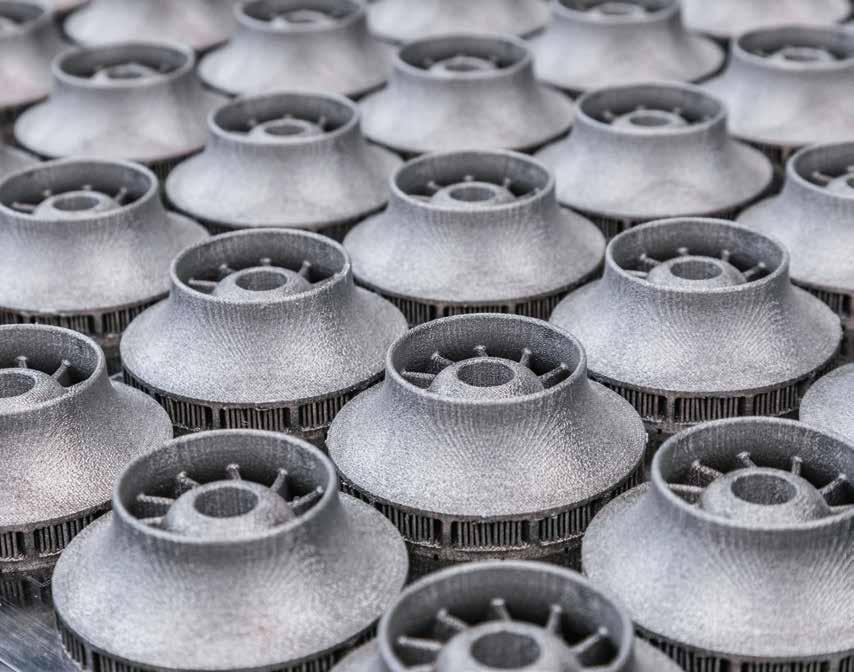
Discover how Additive Manufacturing enables more efficient, flexible, and sustainable industrial processes while making your production more independent and cost-effective. Gain clear guidance for investment and strategic decisions through direct exchange with leading providers and users.
At Formnext, international market leaders showcase the latest developments across the entire AM process chain – from materials and manufacturing systems to automated post-processing, as well as software and quality assurance solutions.
Secure your ticket now!