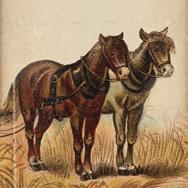
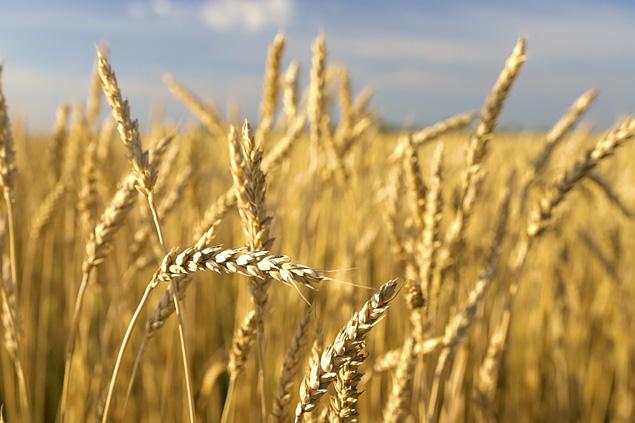
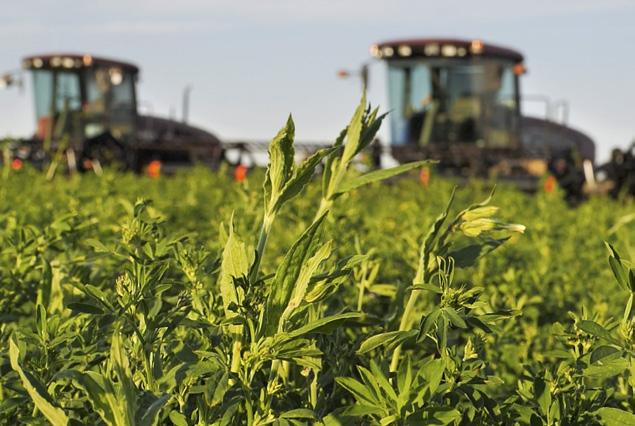
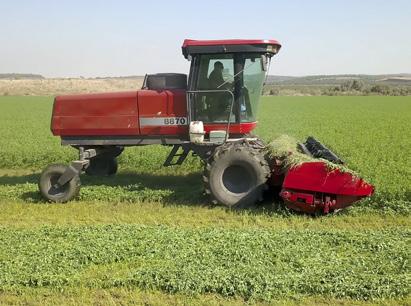
Hare and Tortoise | Draw and label what you notice in the text.
A one column chart with the heading labeled Notice.
Notice
Story Elements | Cut out the stones.
L7 | Notice Chart
Harlem Grown | Draw and label what you notice in the text. A one column chart with the heading labeled Notice.
Notice
L8 | Story Map
Harlem Grown | Draw and label to complete the story map. A five column chart with headings labeled characters, setting, beginning, middle, and end.
Characters Setting
Mr. Tony and Nevaeh an empty lot in Harlem
Beginning
Middle
They create a garden by .
End
L12 | Notice Chart
No Small Potatoes | Draw and label what you notice about the text.
A one column chart with the heading labeled Notice.
Notice
L12 | Language Practice
People, Places, and Things | Draw and label a word for each category. A three column chart with headings labeled people, places, and things.
People Places Things
L13 | Story Map
No Small Potatoes | Draw and label to complete the story map.
A five column chart with headings labeled characters, setting, beginning, middle, and end.
Characters
Setting
Beginning
Middle
End
L13 | Gallery
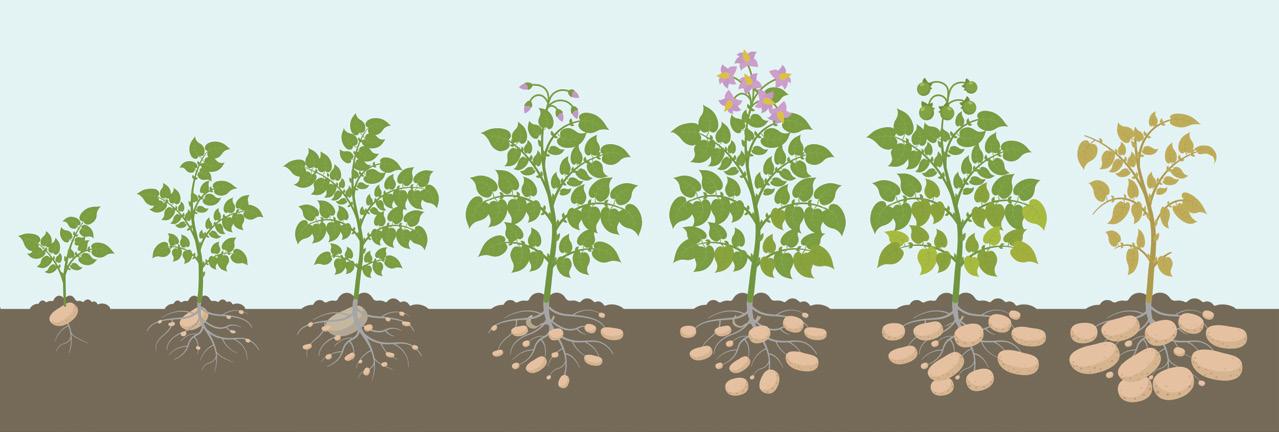
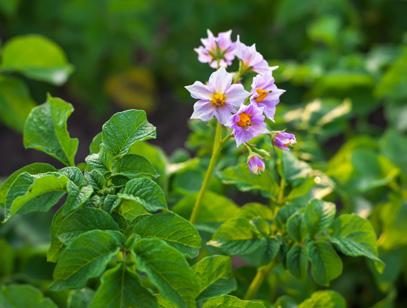
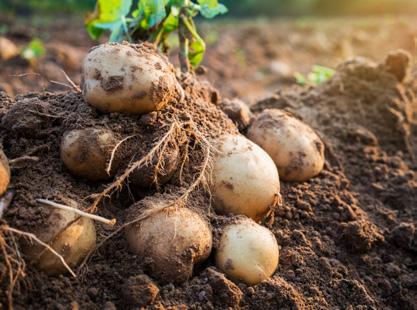
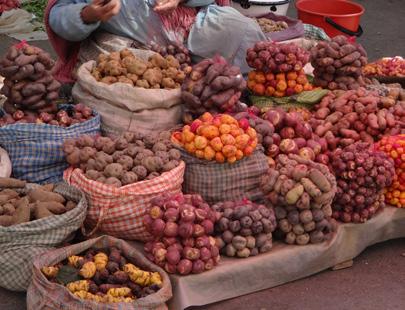
“Potato
Plants”
Module Task 1
Prompt: Write a story about a farm.
Step 1 | Draw a picture of a farm. Show two things you could find on a farm.
Two empty boxes for drawing with lines underneath each for writing.
Step 2 | Complete a sentence frame about the farm.
Step 3 | Draw a picture of a character doing something on the farm.
Step 4 | Write a sentence that tells how the character feels about being on the farm.
ArTs
L19 | Notice Chart
Hey, Hey, Hay! | Draw and label what you notice about the text.
A one column chart with heading labeled Notice.
Notice
L20 | Story Map
Hey, Hey, Hay! | Draw and label to complete the story map.
A five column chart with headings labeled characters, setting, beginning, middle, and end.
Characters
Setting
Beginning
Middle
End
“Hay and
Straw”
Module Task 2
Prompt: Write a story about a character who grows a crop on a farm.
Step 1 | Draw a picture and complete a sentence frame to tell what happens at the beginning of the story.
Beginning
Three empty boxes for drawing labeled Beginning, Middle, and End. Under the boxes for Beginning and End are lines for writing.
works on a farm.
Step 2 | Draw and label a picture to tell what the character does in the middle of the story.
Middle
Step 3 | Draw a picture and write a sentence to tell how the character feels at the end of the story.
End
ArTs & LeTTers
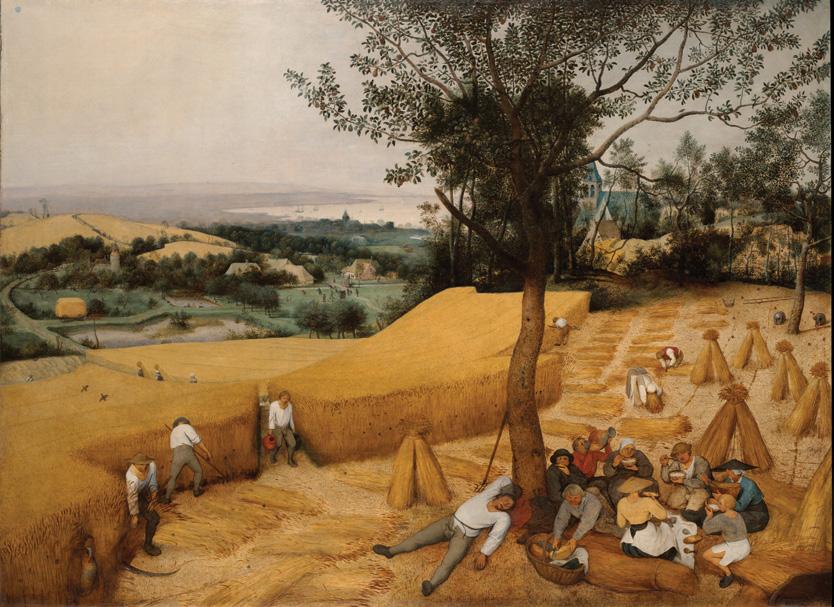
HARVEST TIME
by John Grandits
The artist Pieter Bruegel liked to paint pictures about real life. Here he shows farmers bringing in their crops. Today we have big machines to help. But long ago all the work had to be done by hand.
The Harvesters, 1565
Pieter Bruegel the Elder
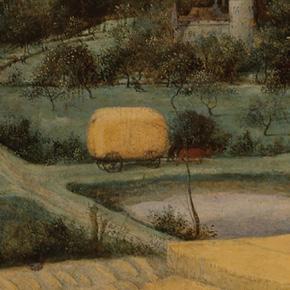
A wagon takes the wheat to a mill where it will be ground into flour.
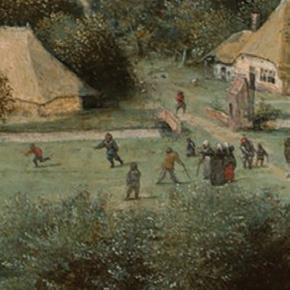
Not everyone needs to work. These kids are playing a ball game.
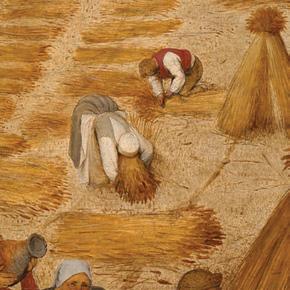
The stalks have to be picked up and put in bundles.
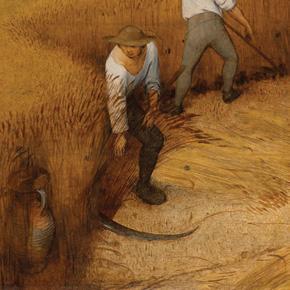
This man is using a long, curved knife to chop down the wheat.
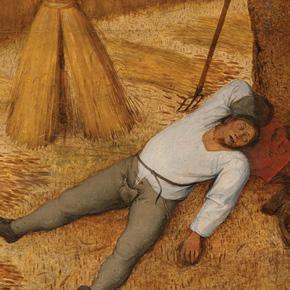
For this farmer, it’s a perfect time for a nap.
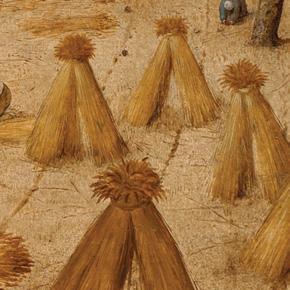
The bundles are stacked up neatly.
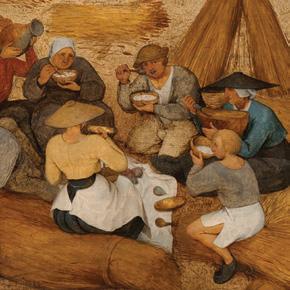
For these farmers, it’s time to eat!
L24 | Notice Chart
Three Little Pigs | Draw and label what you notice about the text.
A one column chart with heading labeled Notice.
Notice
L25 | Story Map
Three Little Pigs | Draw and label to complete the story map.
A five column chart with headings labeled characters, setting, beginning, middle, and end.
Characters
Setting
Beginning
Middle
End
Module Task 3
Prompt: Write a story about a character who takes care of an animal on a farm.
Step 1 | Draw a picture and complete a sentence frame to tell what happens at the beginning of the story.
Three empty boxes for story drawing labeled beginning middle and end with lines for writing underneath each box.
Beginning works on a farm.
Step 2 | Draw a picture and write a sentence to tell what the character does in the middle of the story.
Middle
Step 3 | Draw a picture and write a sentence to tell how the character feels at the end of the story.
End
ArTs & LeTTers
L29 | Notice Chart
The Little Red Hen | Draw and label what you notice about the text.
A one column chart with heading labeled Notice.
Notice
L30 | Story Map
The Little Red Hen | Draw and label to complete the story map.
A five column chart with headings labeled characters, setting, beginning, middle, and end.
Characters
Setting
Beginning
Middle
End
L31 | Repeated Phrases
The Little Red Hen | Draw and label to show who is saying the repeated phrases.
A three column chart with headings labeled “Who will help me?”, “Not I.” and “I will do it myself.”
“Who will help me?” “Not I.” “I will do it myself.”
L32 | Language Practice
Words About Location | Cut out the farm animals. Listen to directions to place each animal in or around the pen. Describe where the animal is.
End-of-Module Task
Prompt: Write a story about a character who does a job on a farm.
Step 1 | Draw a picture and complete a sentence frame to tell what happens at the beginning of the story.
Beginning
Three empty boxes for story drawing labeled Beginning, Middle, and End with lines for writing underneath each box.
works on a farm.
Step 2 | Draw a picture and write a sentence to tell what the character does in the middle of the story.
Middle
Step 3 | Draw a picture and write a sentence to tell how the character feels at the end of the story.
End
Credits
Great Minds® has made every effort to obtain permission for the reprinting of all copyrighted material. If any owner of copyrighted material is not acknowledged herein, please contact Great Minds for proper acknowledgement in all future editions and reprints of this module.
“Grow Your Own Potatoes!” SciShow Kids, 19 Mar. 2018, app.boclips.com/videos/5eeb6c7ae18c7d59712535b4.
Hillery, Tony. Harlem Grown: How One Big Idea Transformed a Neighborhood. Illustrated by Jessie Hartland, Paula Wiseman Books, 2020.
Mihaly, Christy. Hey, Hey, Hay! A Tale of Bales and the Machines That Make Them. Illustrated by Joe Cepeda, Holiday House, 2018.
Murray, Alison. Hare and Tortoise. Candlewick Press, 2016.
“Pigs! Pig Facts and Learning About Pigs for Kids.” Kids Learning Videos, 19 Nov. 2019, app.boclips.com/ videos/5f11668d02d31f786d281ae9.
Pinkney, Jerry. The Little Red Hen. Dial Books for Young Readers, 2006.
Red Barn Farm. Illustrated by Sarah Green. Geodes, level K, module 2, set 1, Great Minds PBC, 2020.
Three Little Pigs. Adapted by Raina Moore, illustrated by Thea Kliros, HarperFestival, 2003.
WIDA. WIDA English Language Development Standards Framework 2020 Edition: Kindergarten–Grade 12. Board of Regents of the University of Wisconsin System, wida.wisc.edu/sites/default/files/resource/WIDA-ELD-StandardsFramework-2020.pdf.
Knowledge is your superpower.
Read great books from around the world.
Explore documents that take you back in time.
Write like an author.
Discuss and debate topics you care about.
Study art to make paintings come to life.
Ready to tap into knowledge?
GRADE K MODULES
Module 1 | The Five Senses
Module 2 | Once Upon a Farm
Module 3 | America, Then and Now
Module 4 | The Continents
ISBN 979-8-88811-280-9
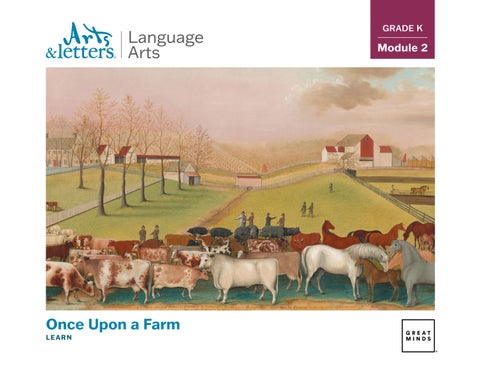
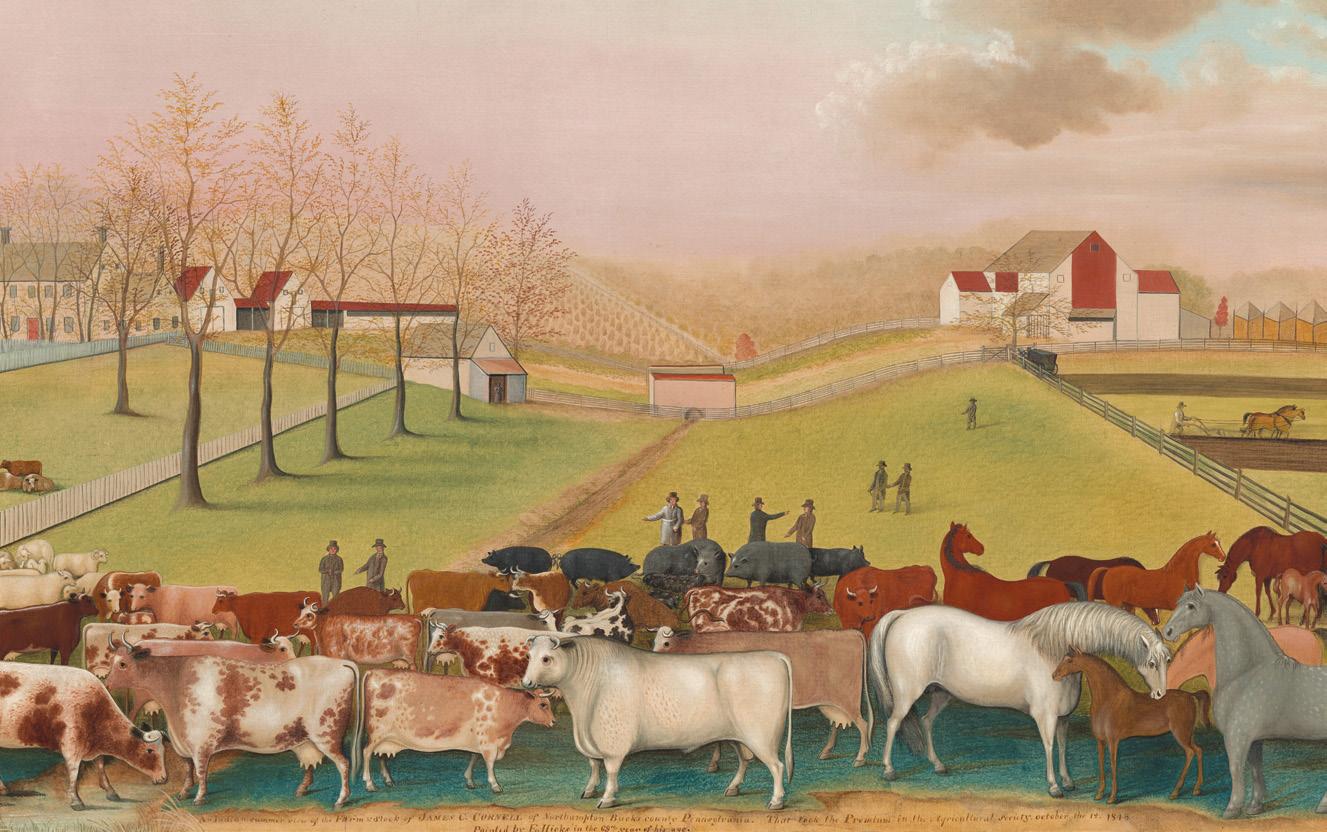
ON THE COVER
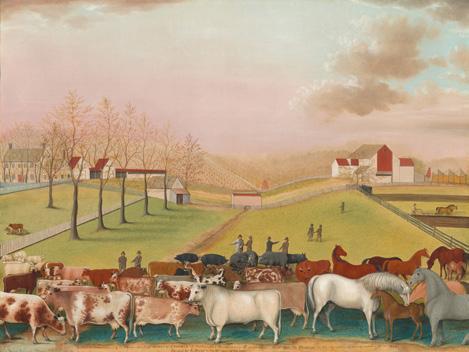
The Cornell Farm, 1848
Edward Hicks Oil on canvas
Gift of Edgar William and Bernice Chrysler Garbisch. The National Gallery of Art, Washington, D.C.